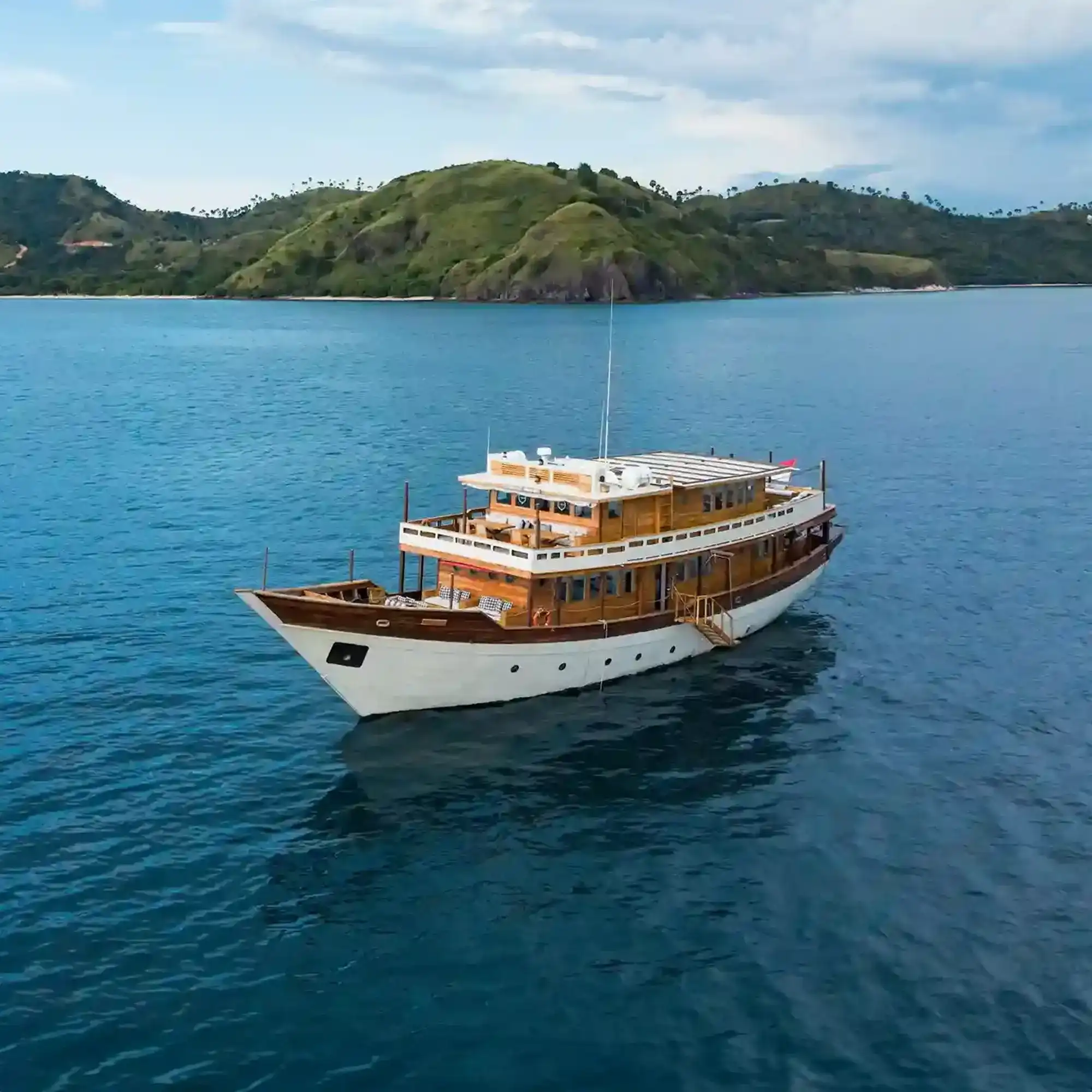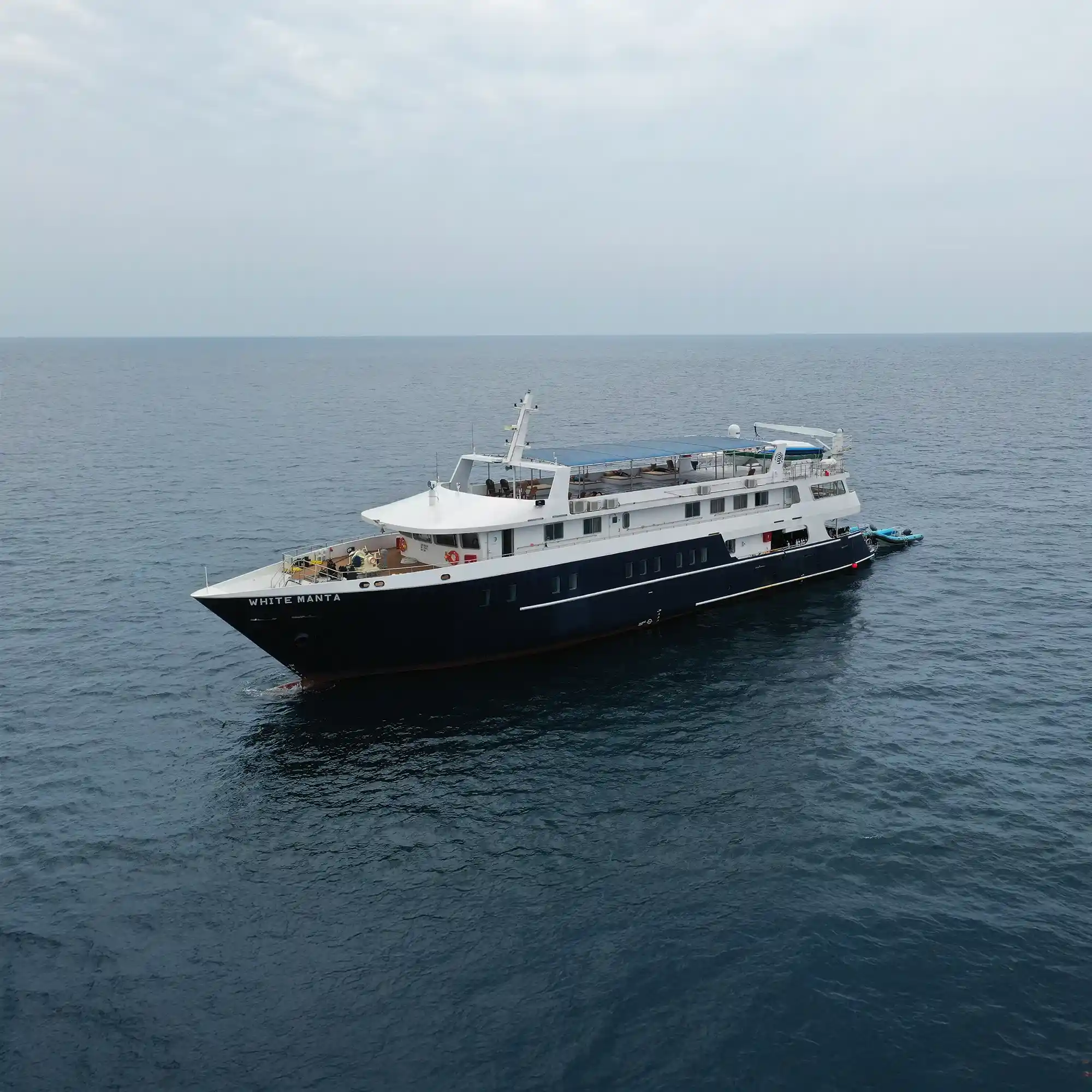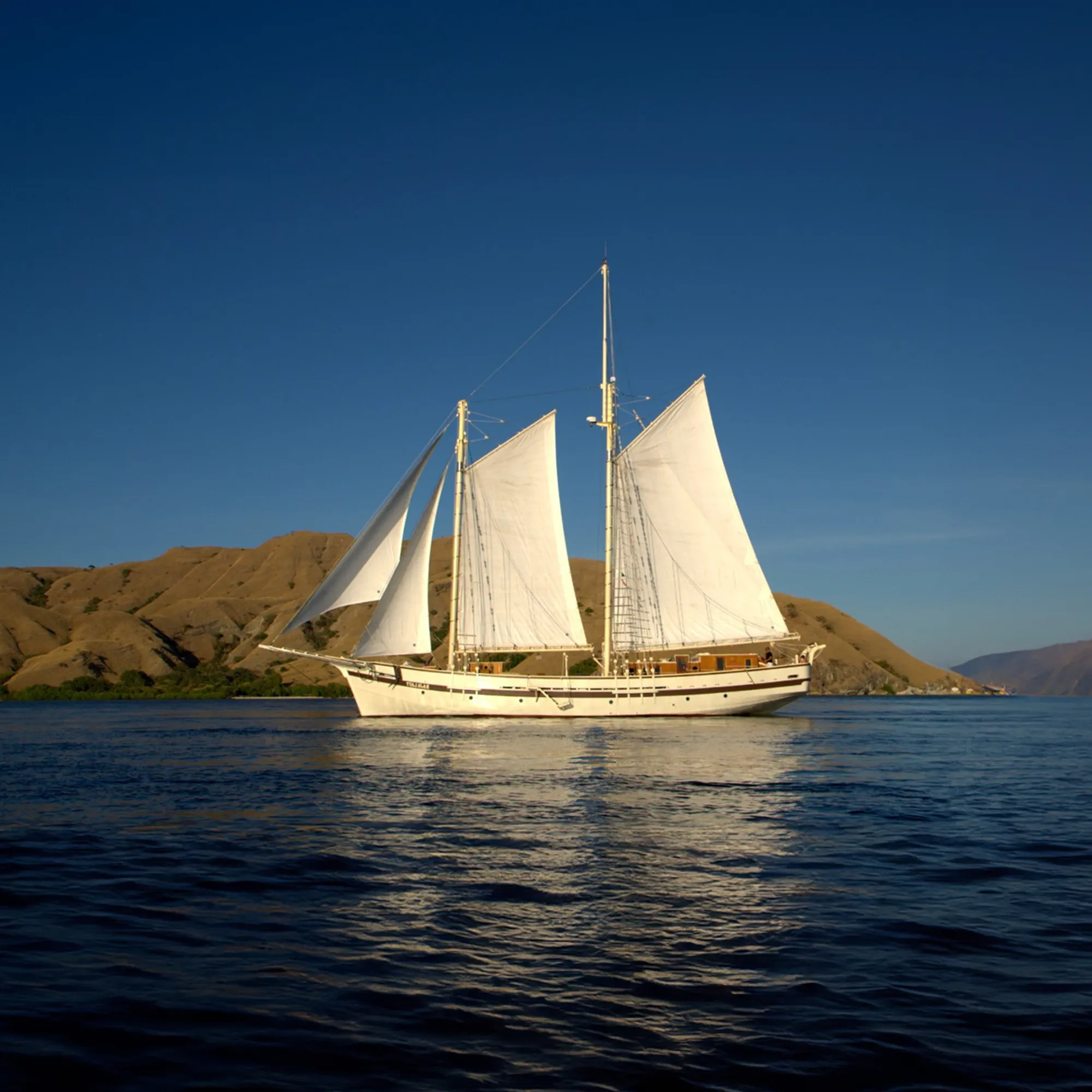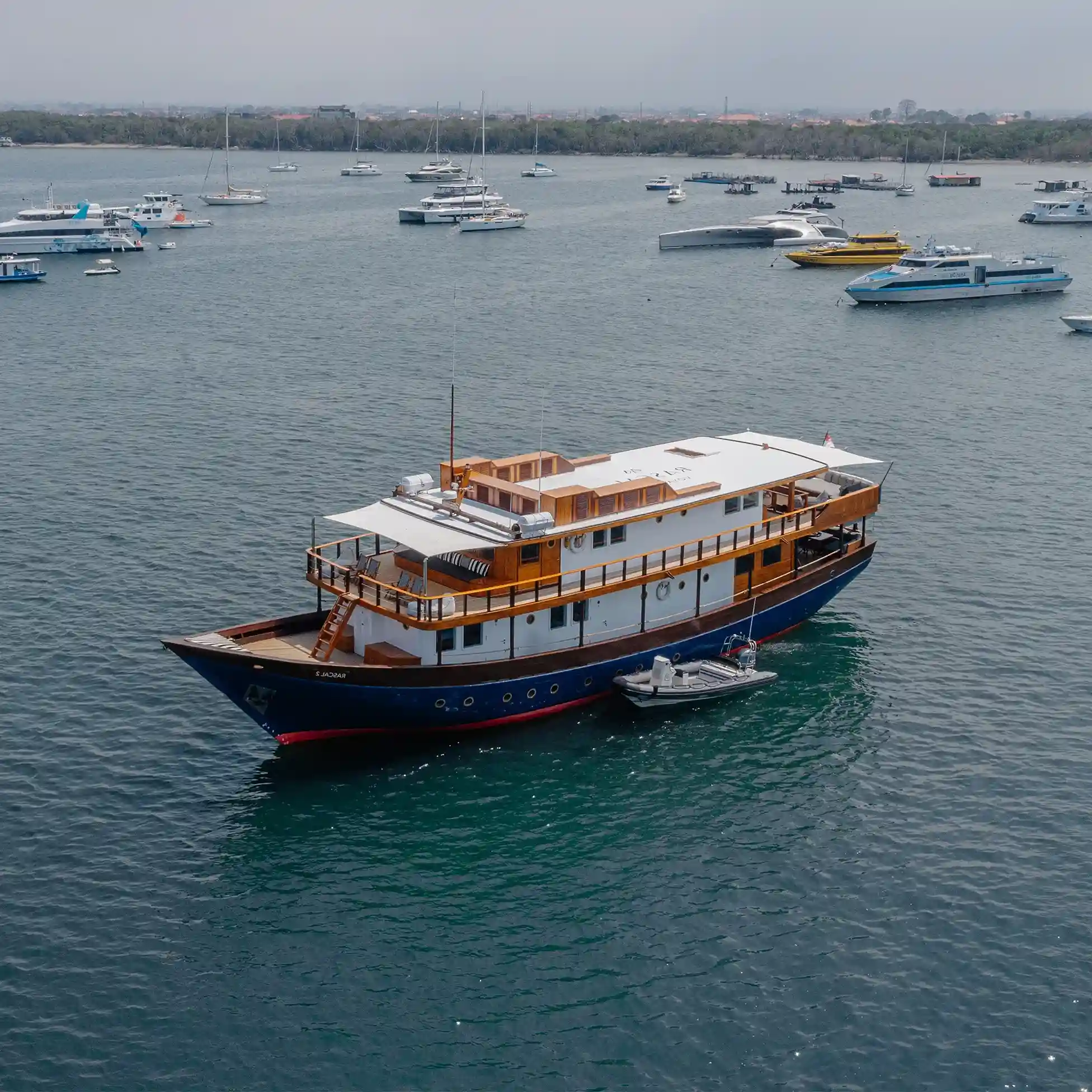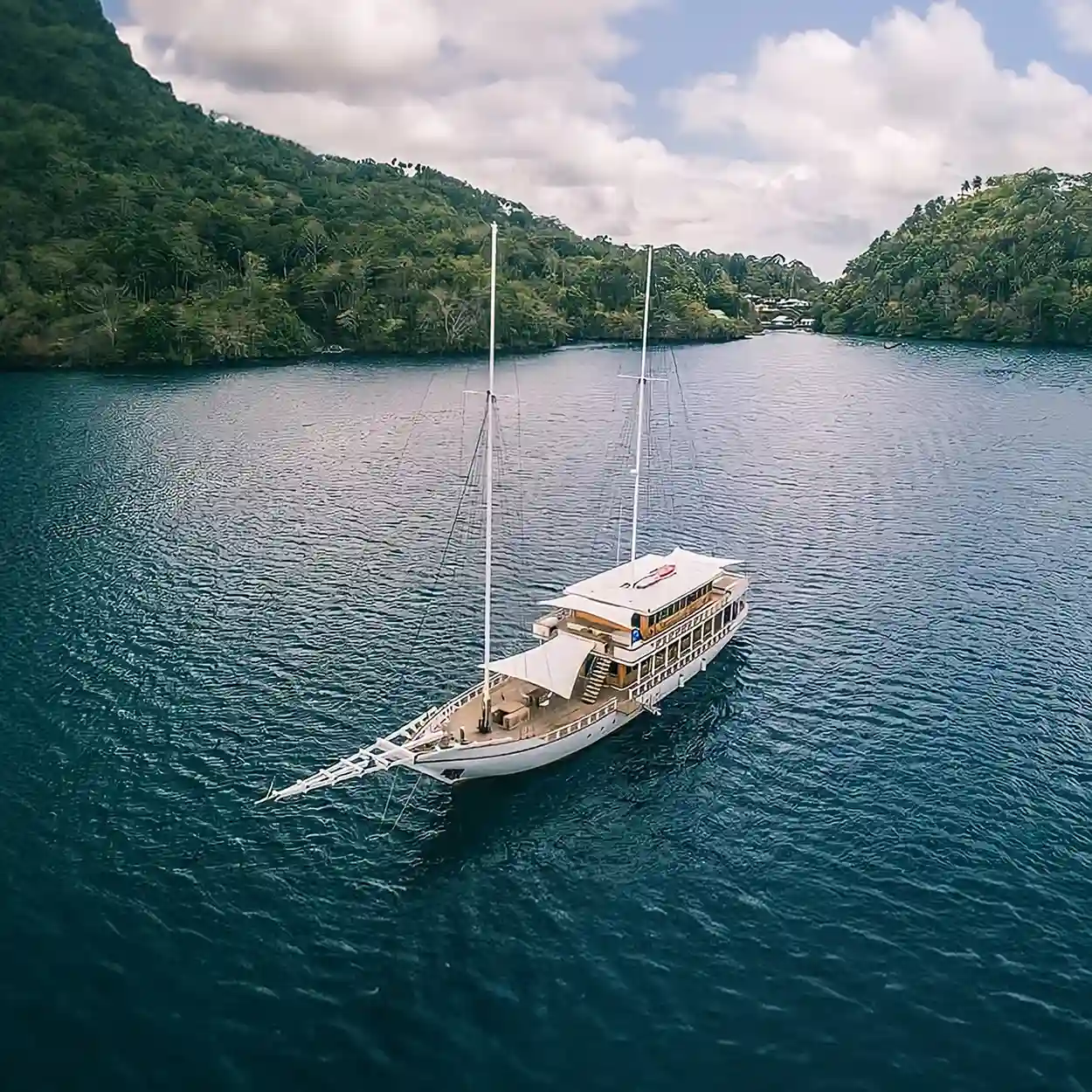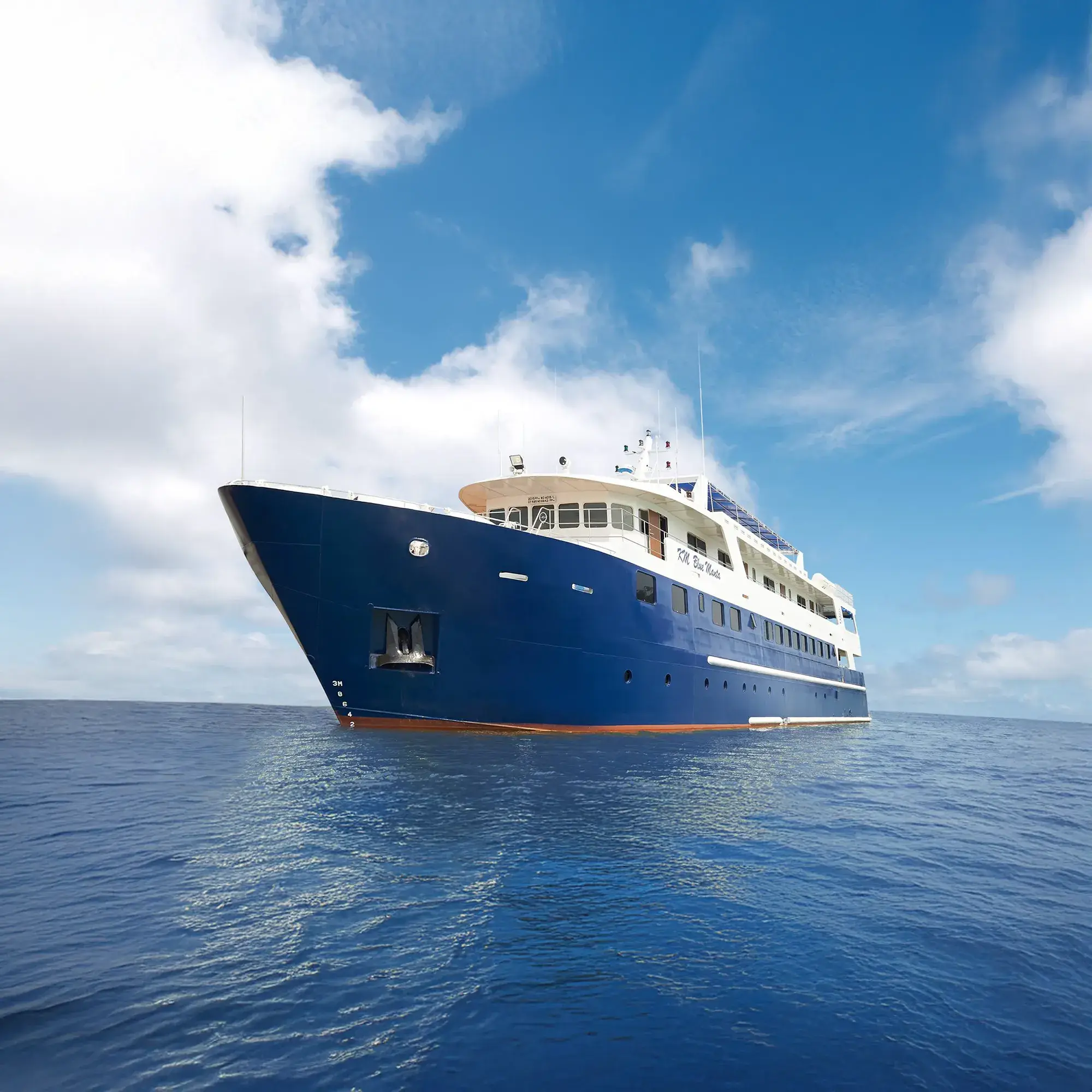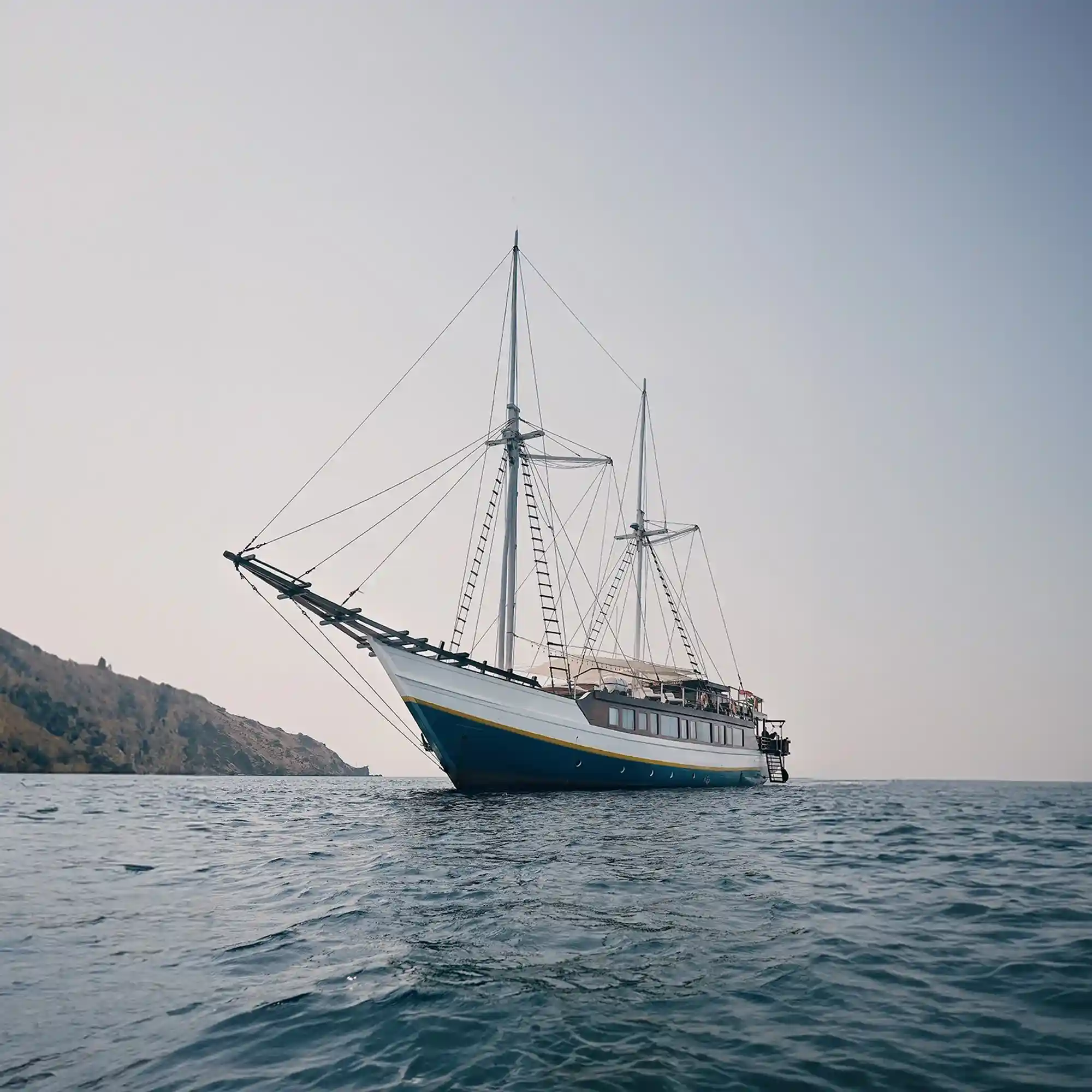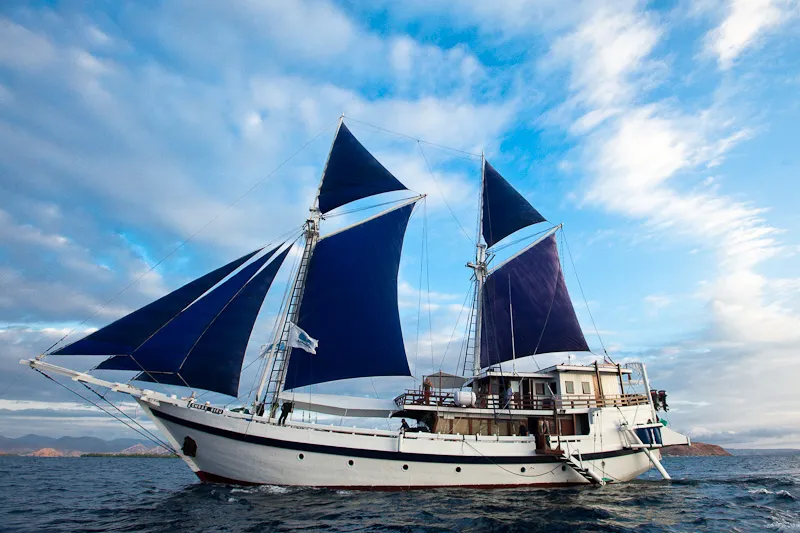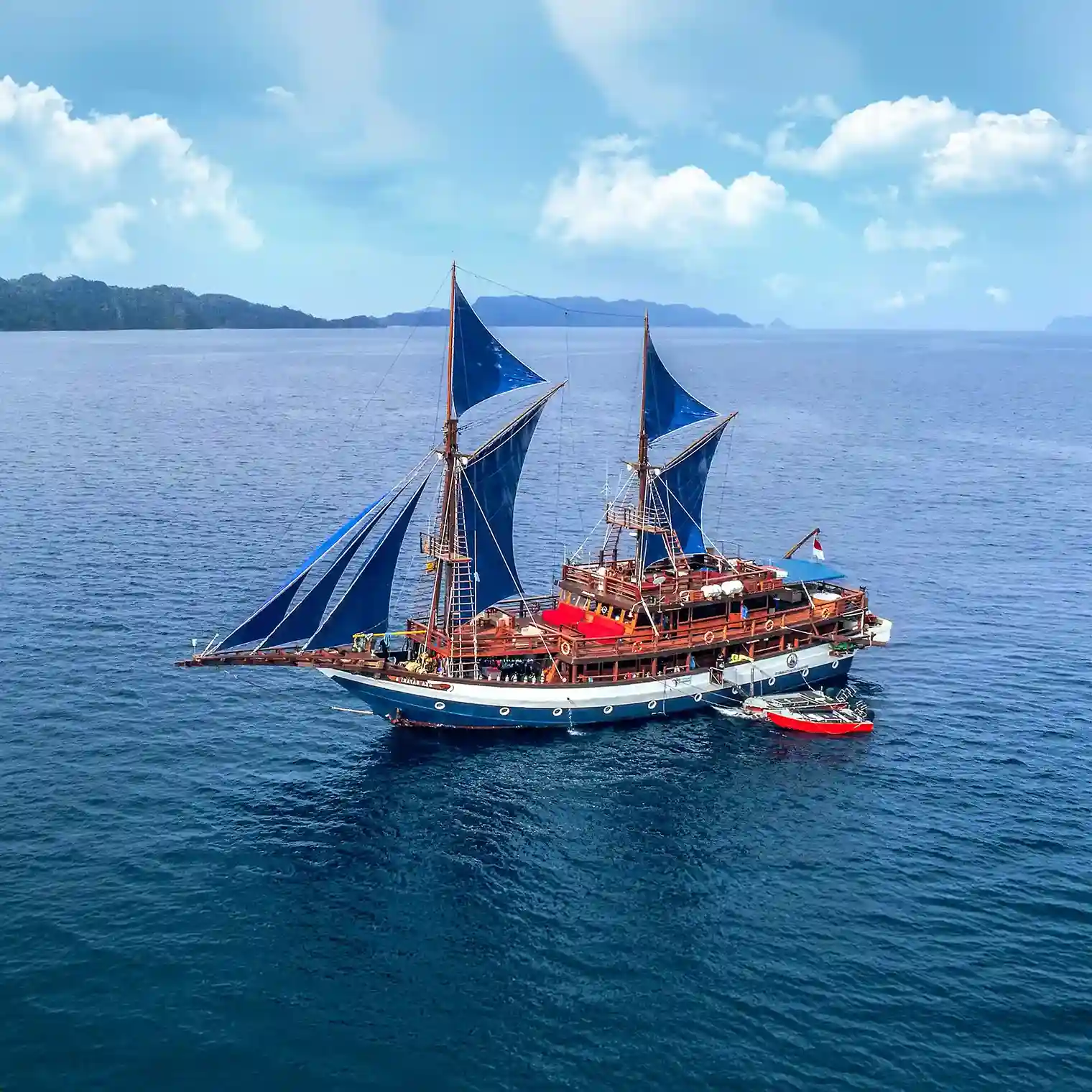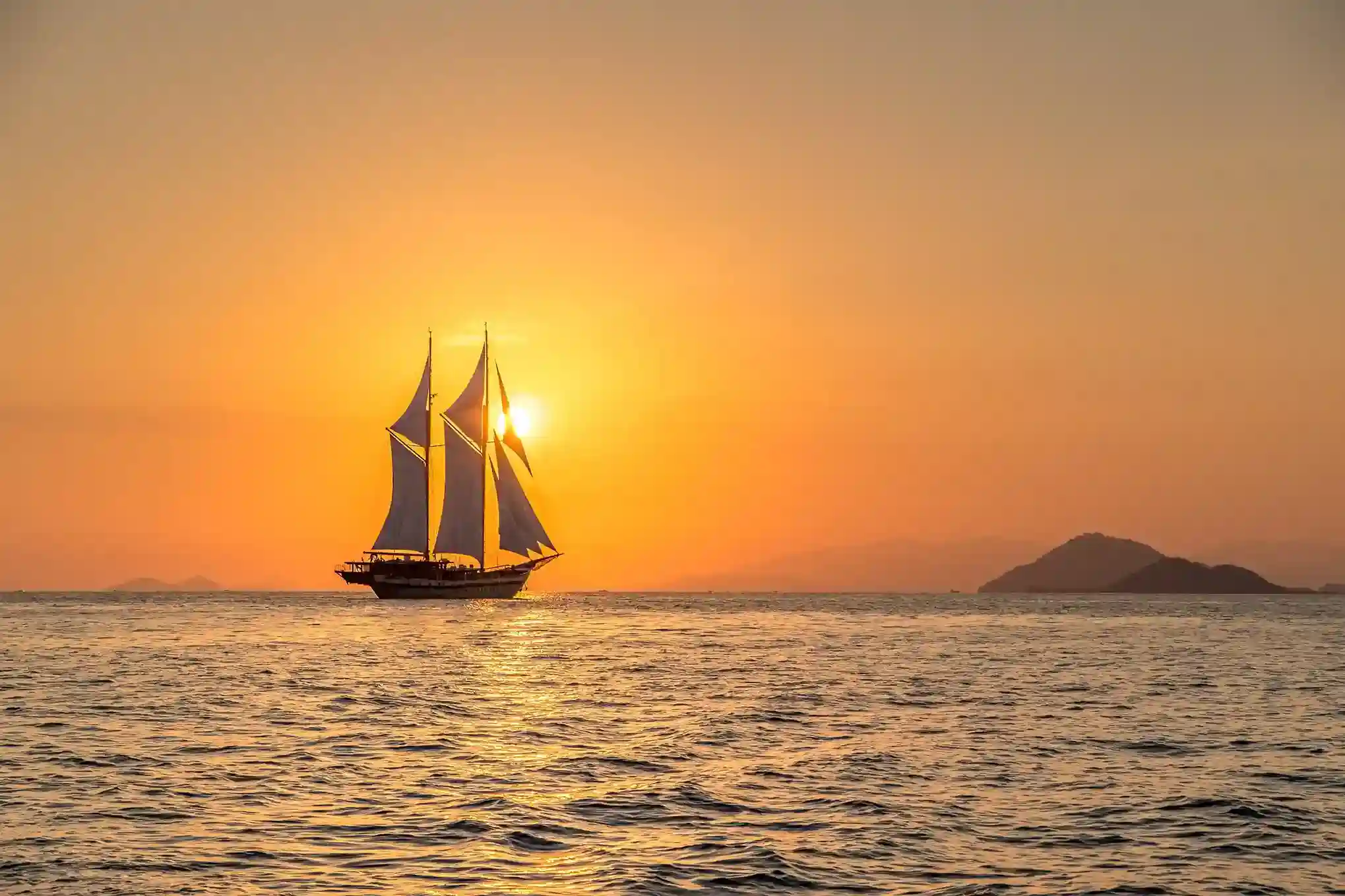
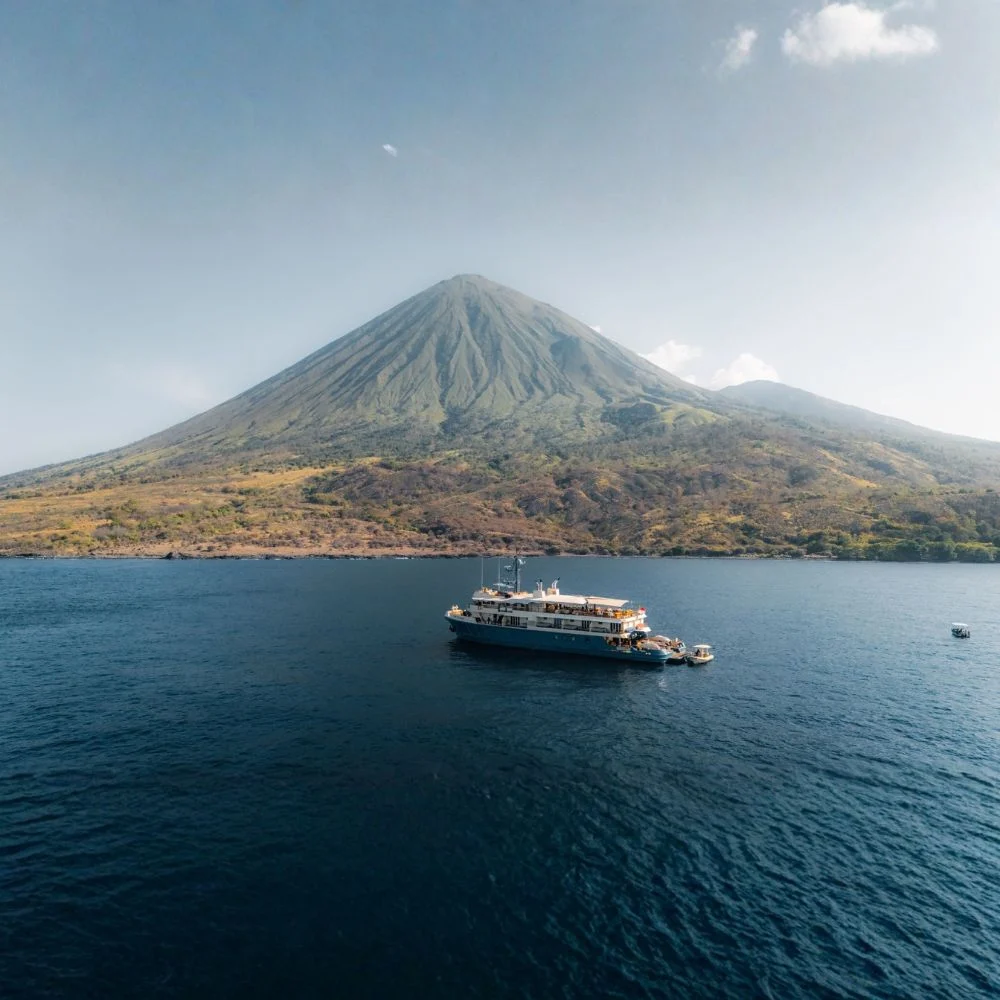
About Kudanil Explorer
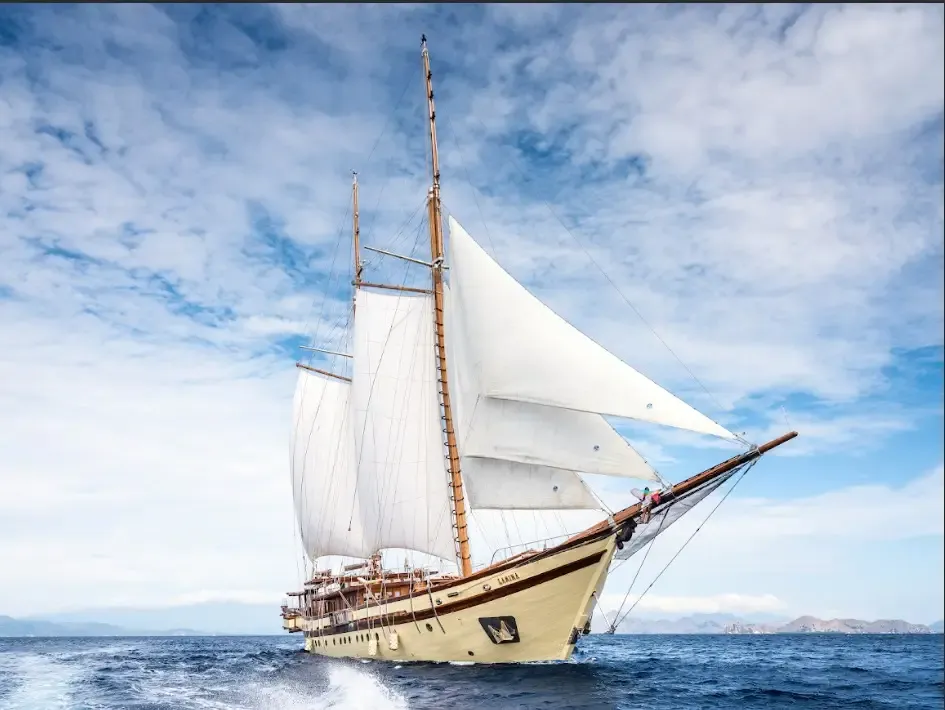
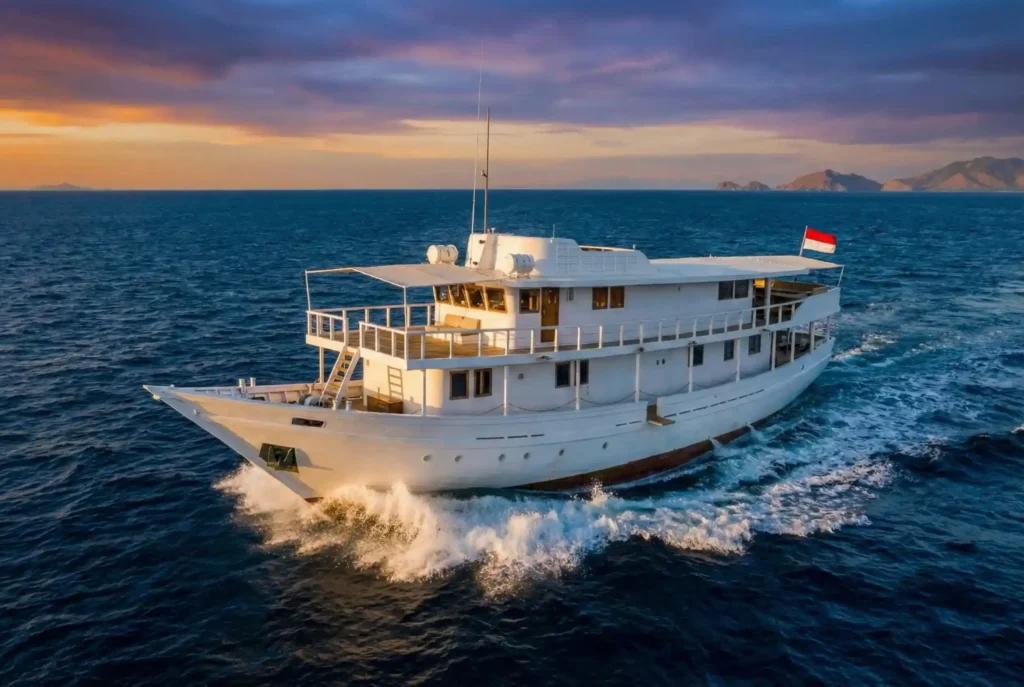
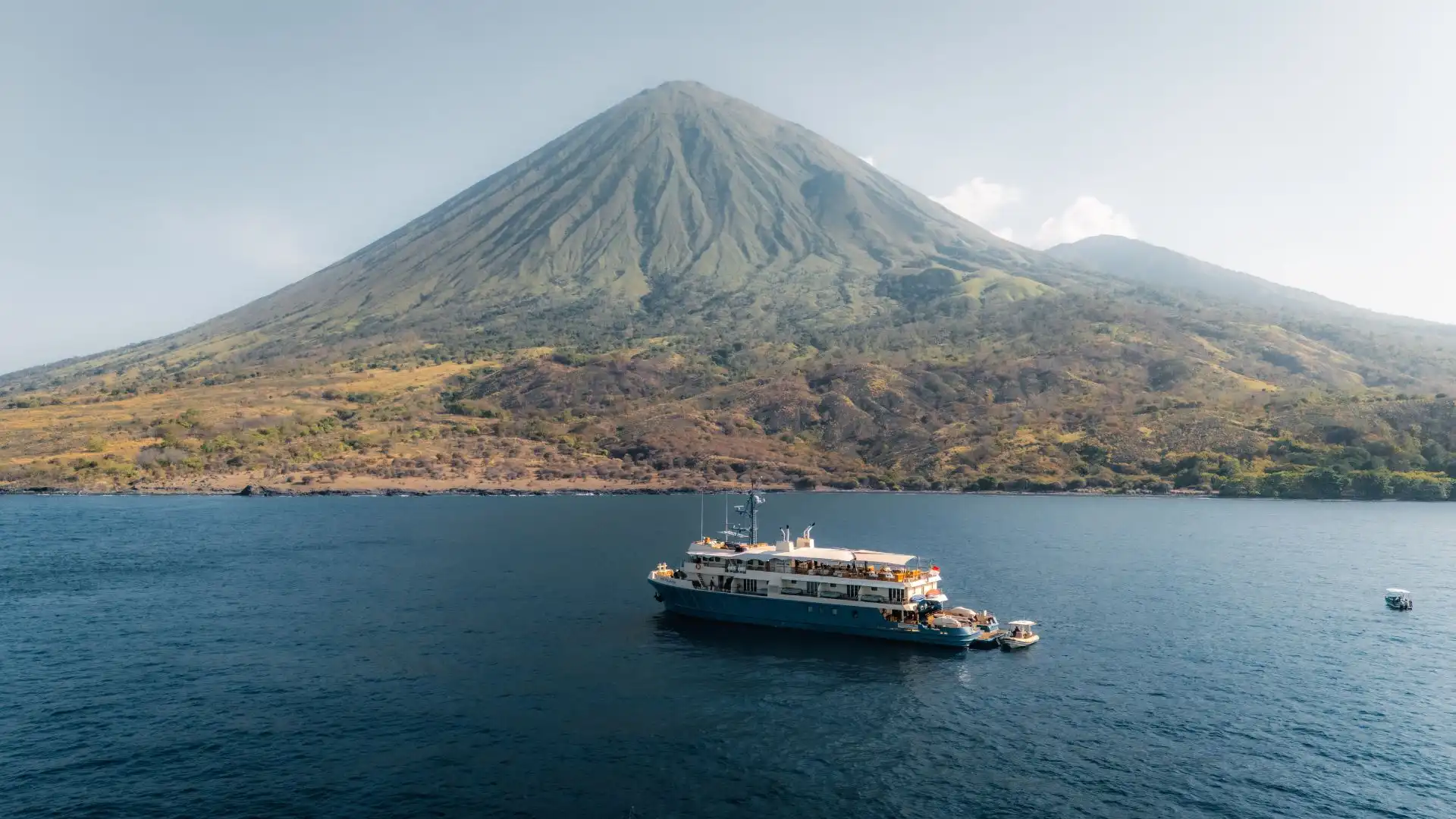
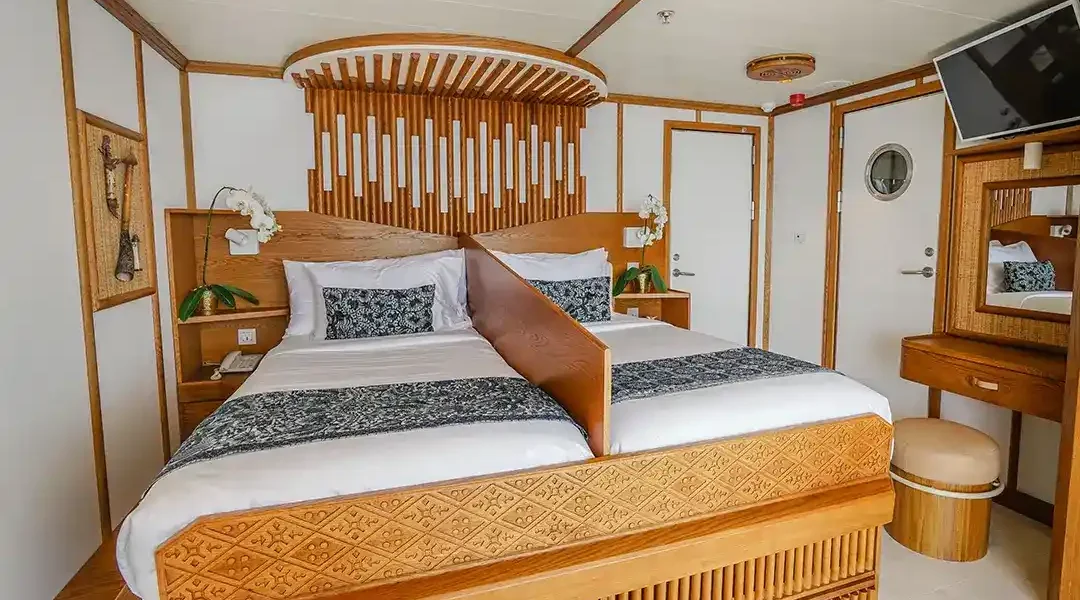
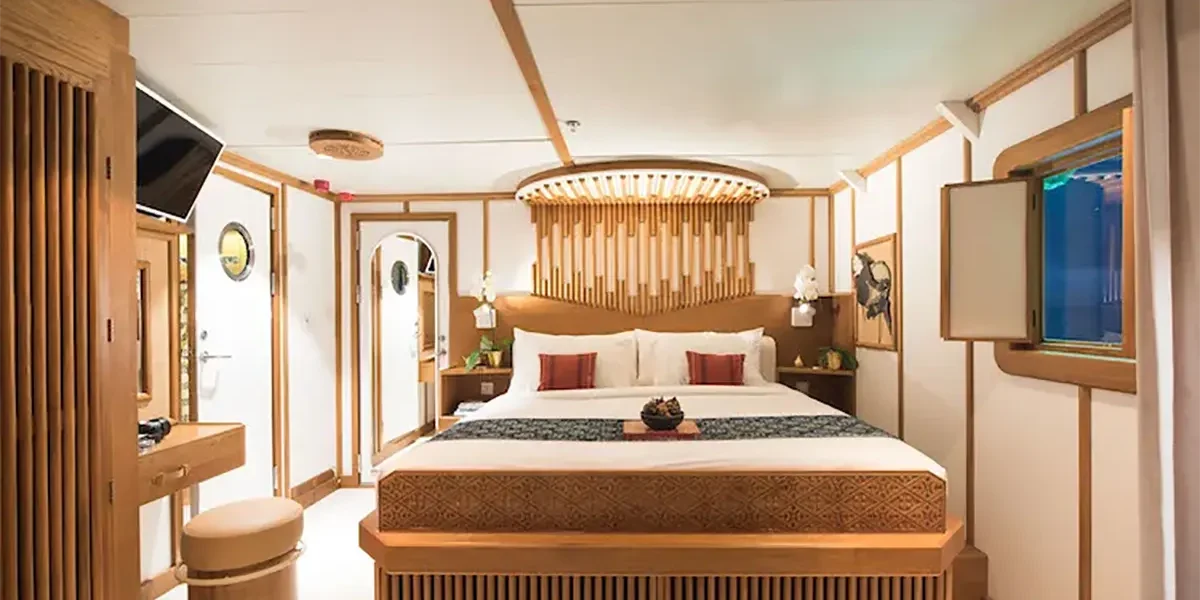
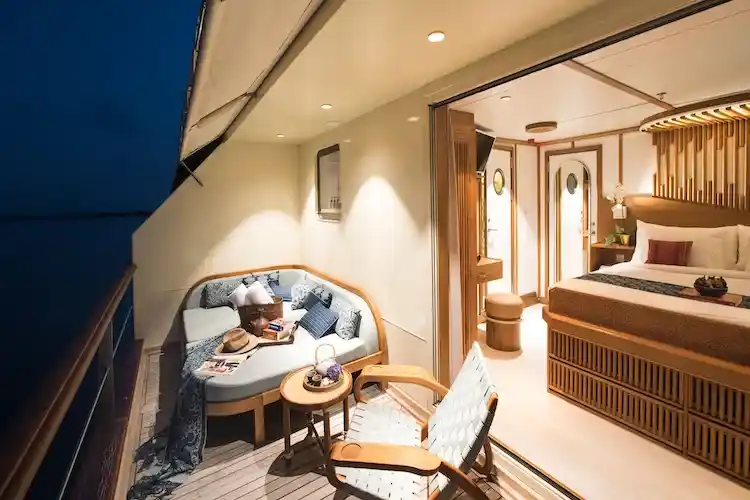
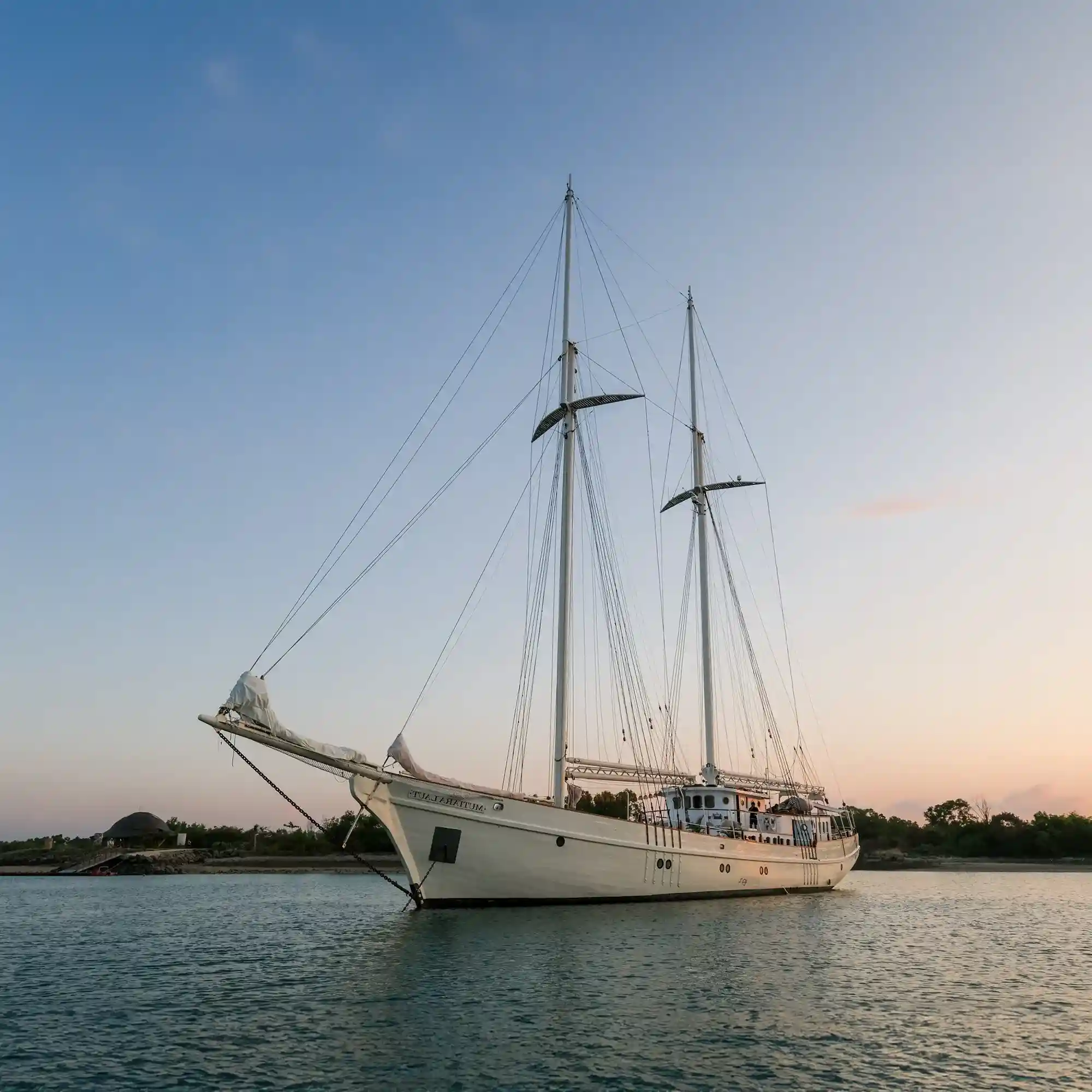
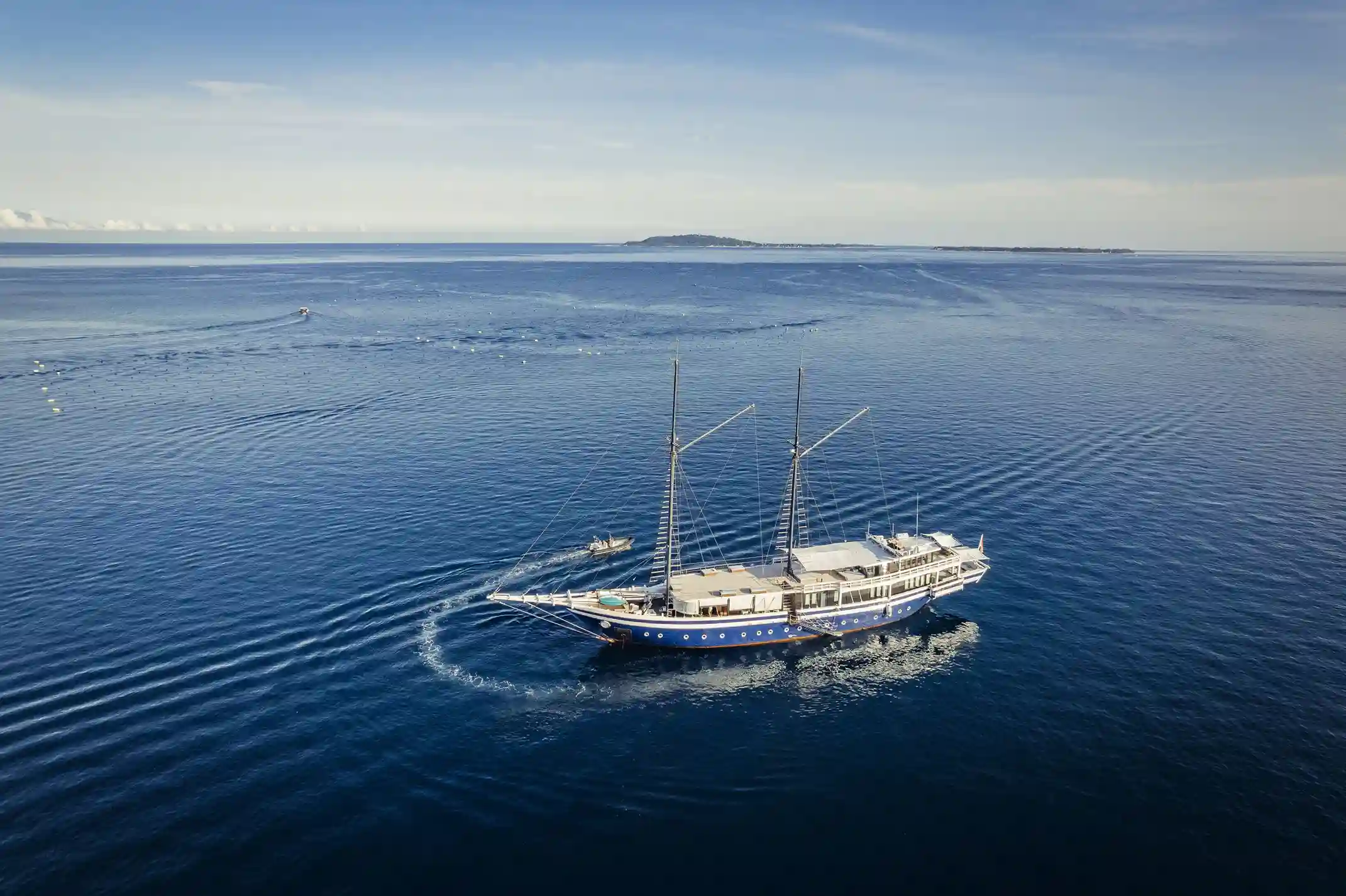
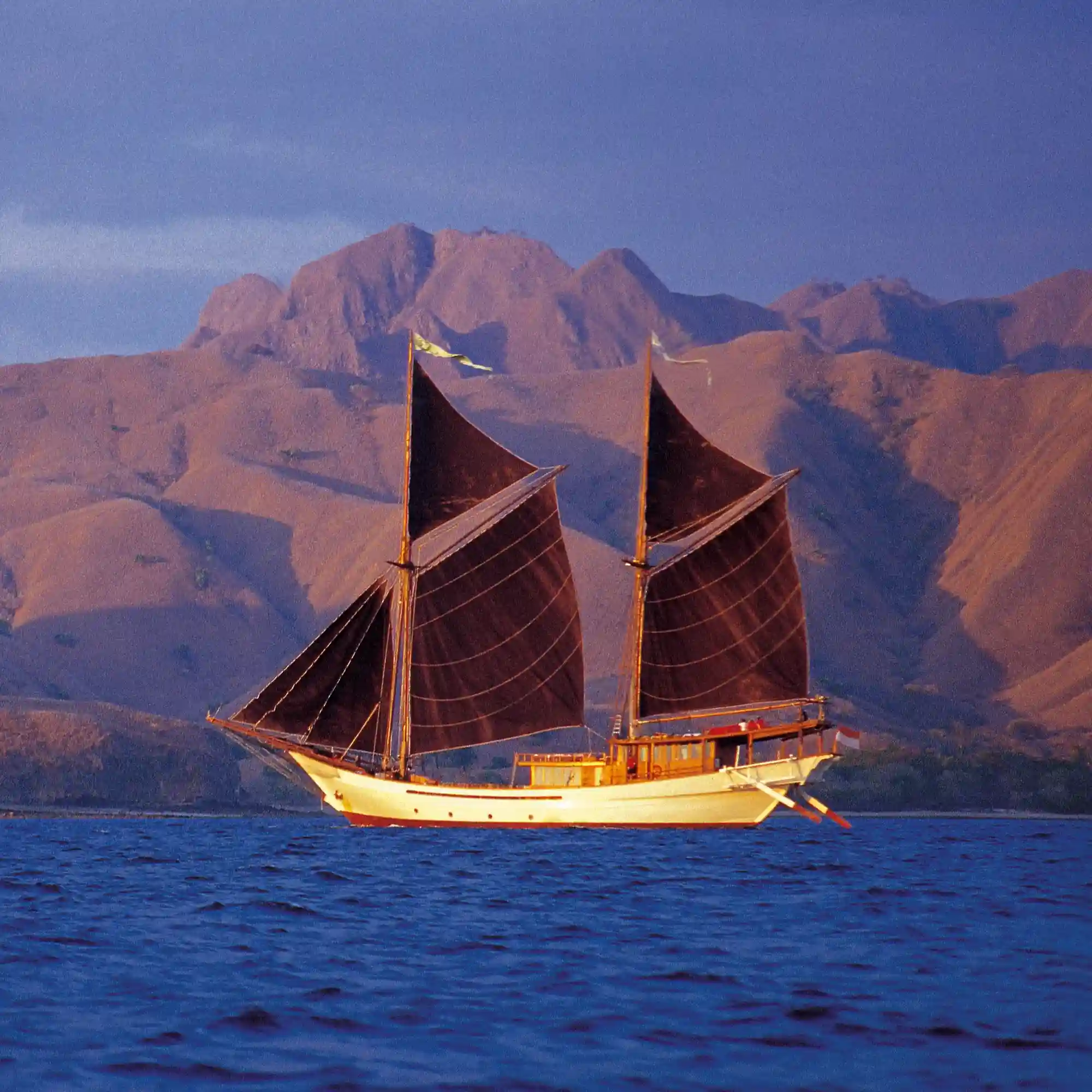
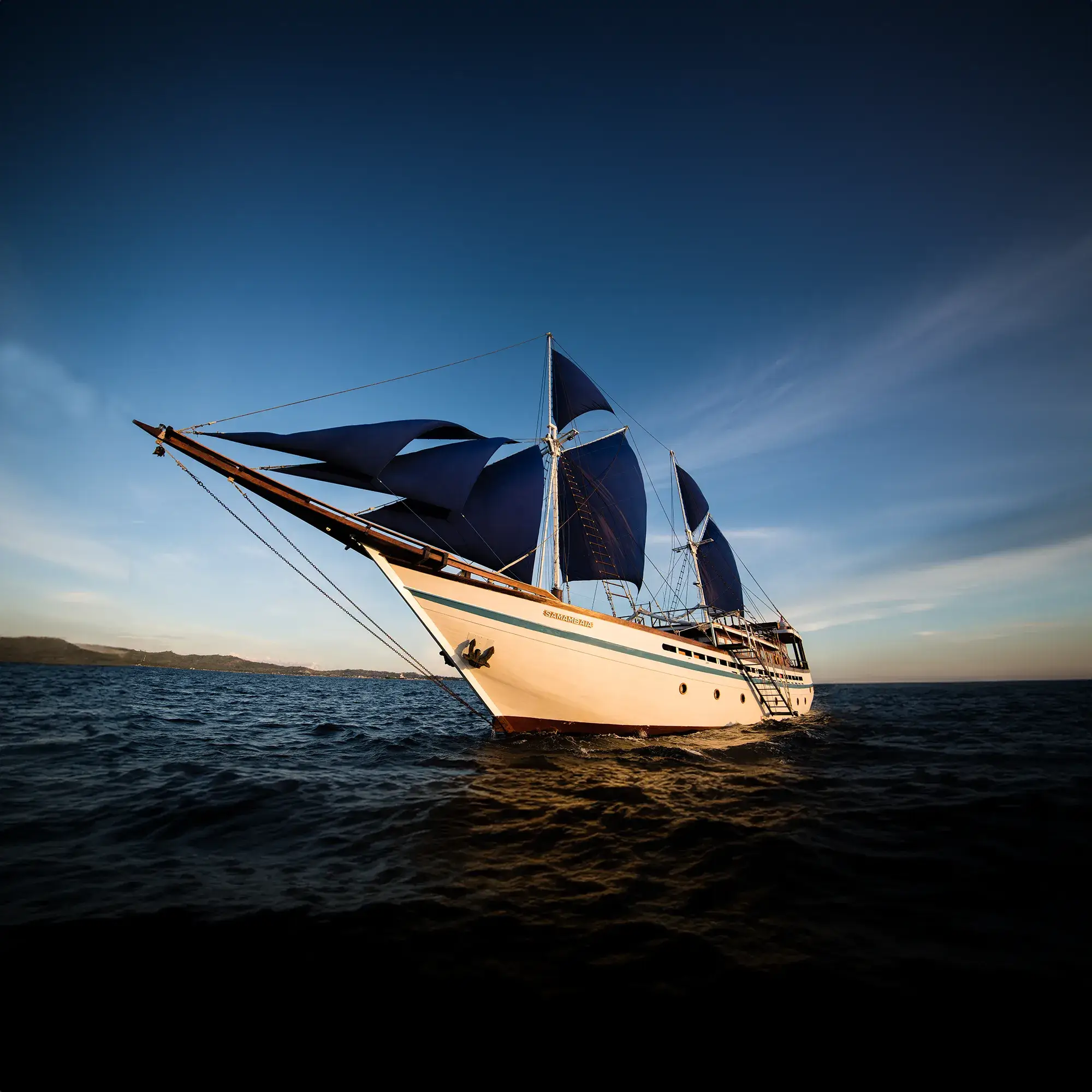
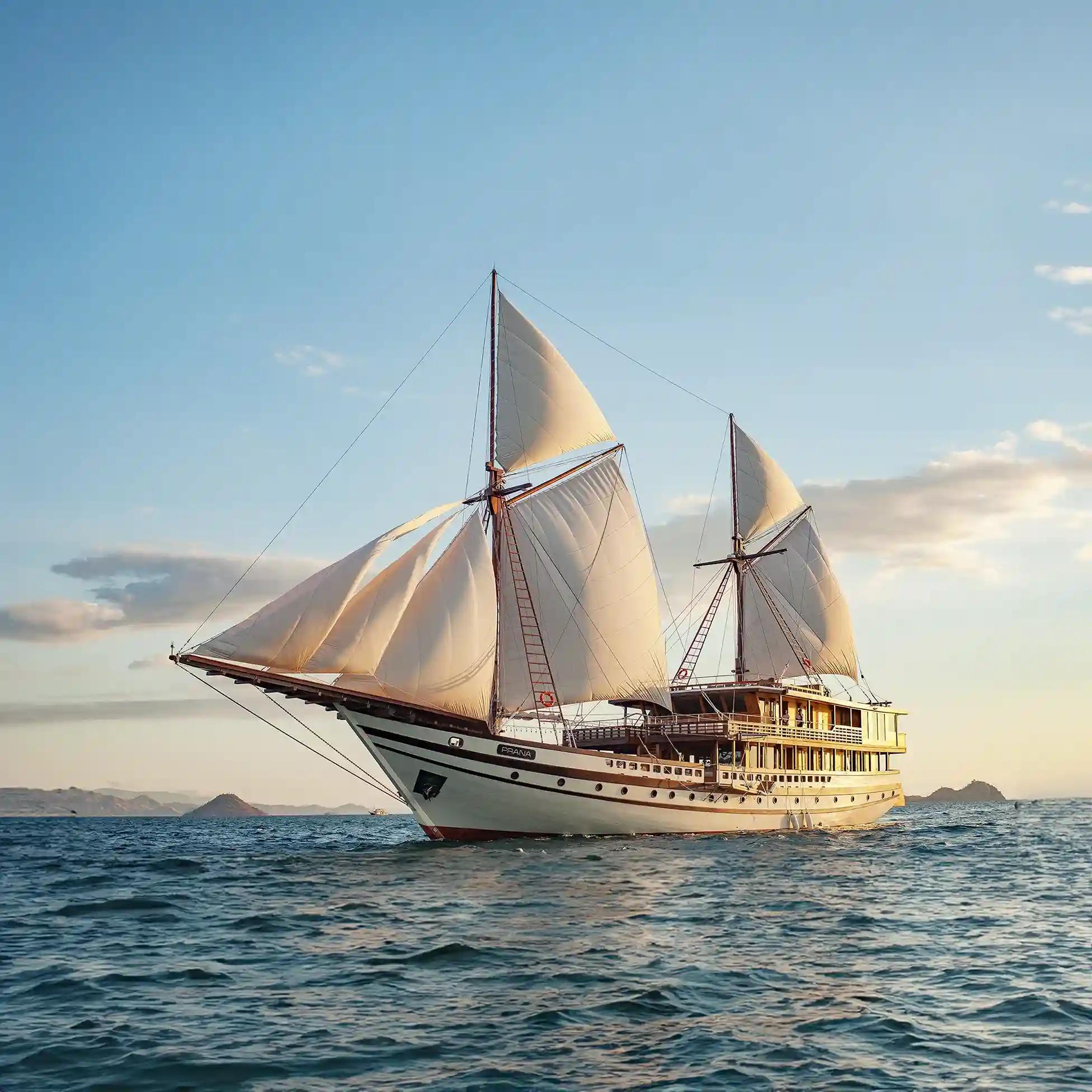
We keep her bow into the current when anchoring off Arborek in the early dark – just enough swing room, and the crew knows to set the starboard marker buoy clear of the reef shelf. At 12.5 metres, Kudanil Explorer handles the Dampier Strait’s pulse tides without fuss, but you still feel the push in the hull when we’re pinned at night. That’s why we time arrivals at base points like Cape Kri or Melissa’s Garden for slack water – better for guest entries, less strain on the mooring lines. Eight cabins mean we carry sixteen guests max, but we often run smaller groups so dive managers can tailor surface intervals around currents.
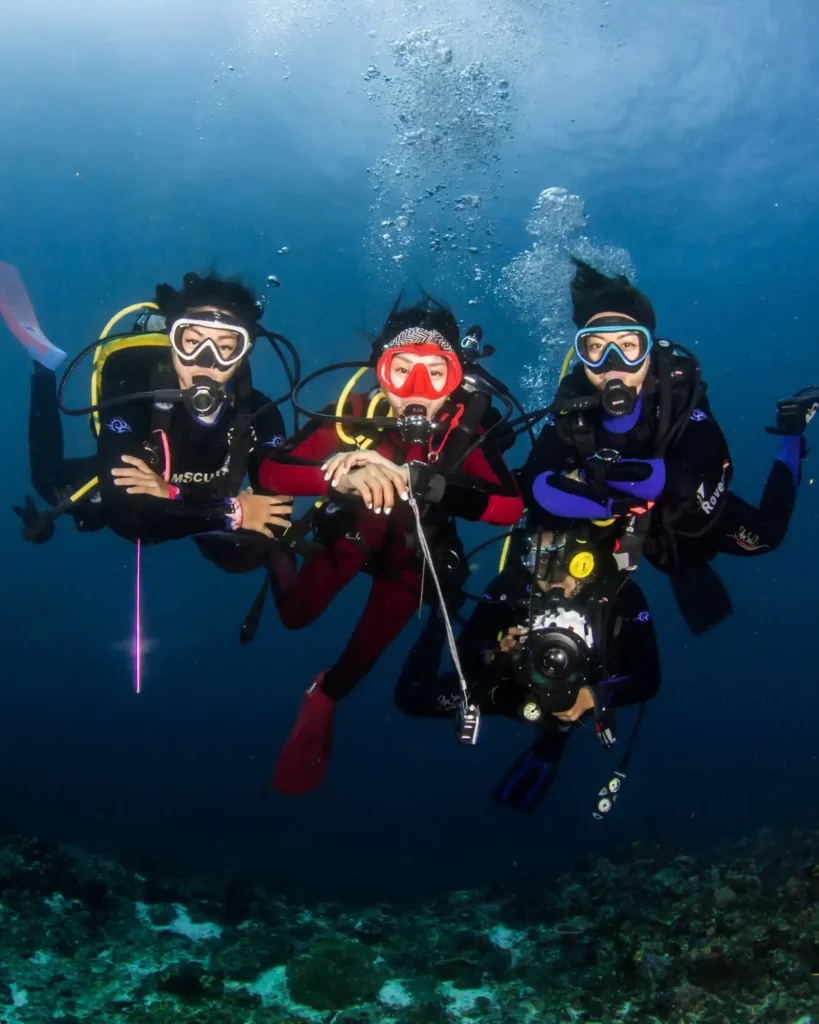
The main deck layout was drawn for function, not show. You’ll find the camera table just aft of the salon – salt-resistant drawers, diffused LED lighting, and twin 240V outlets per seat. No flimsy power strips. Our dive team runs two RIBs, prepped with fresh oxygen kits and spare fins in your size if the rental gear doesn’t fit. We stage tanks at the back step by 05:45 for first light at South Mansuar, where the current brings out wobbegong sharks near the coral bommies. Afternoon drifts through Boo Windows happen only when the tide turns – never forced, always on nature’s clock.
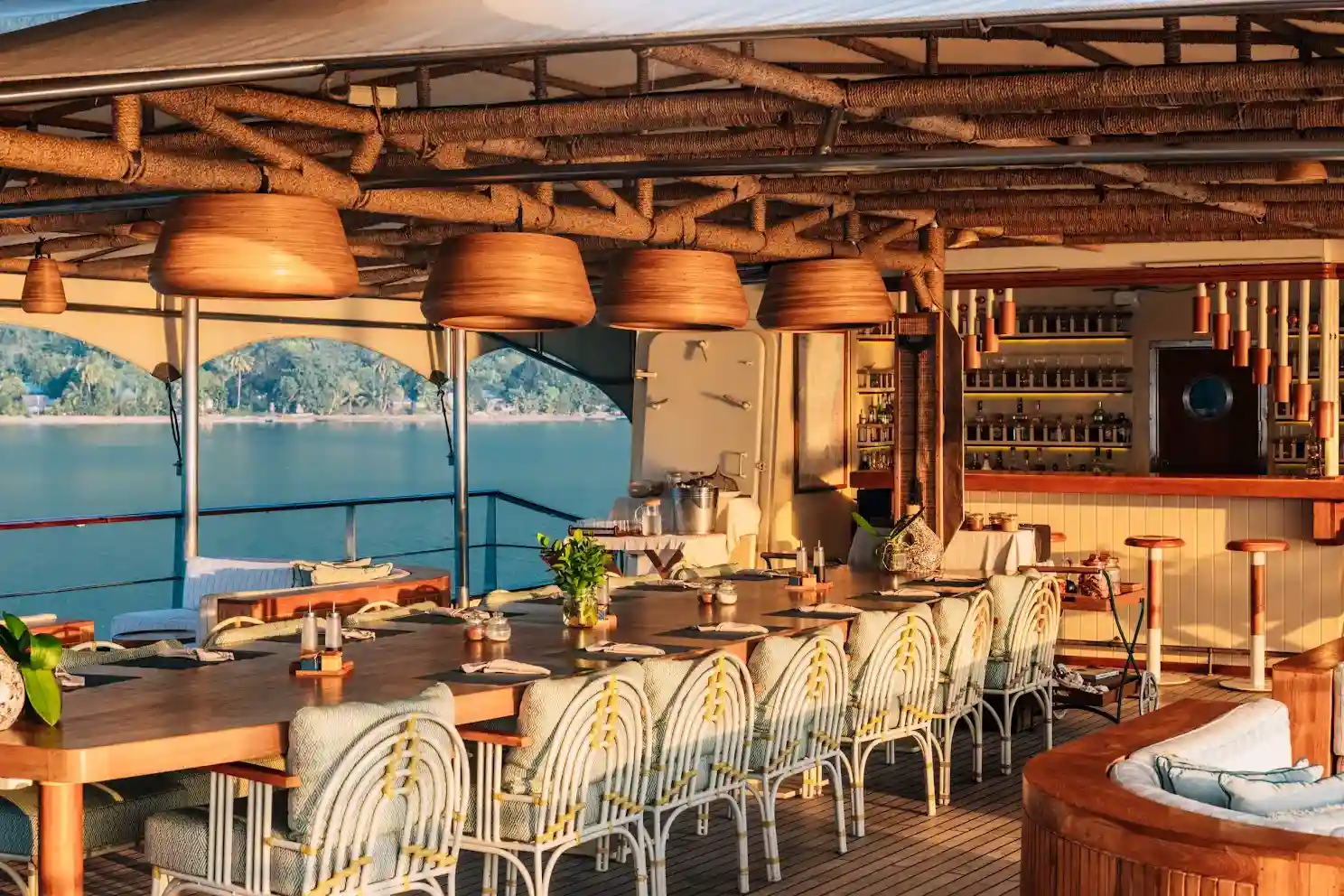
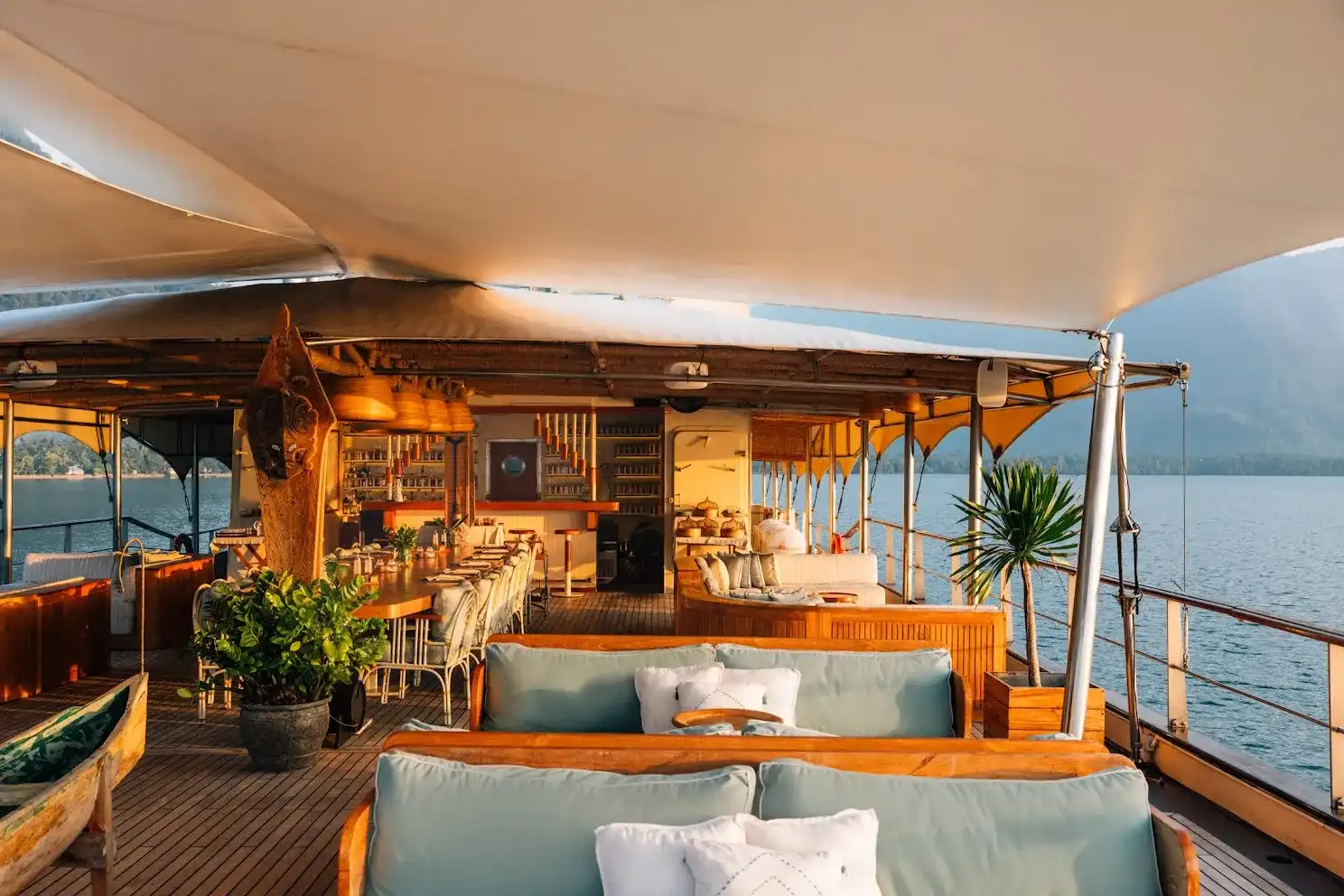
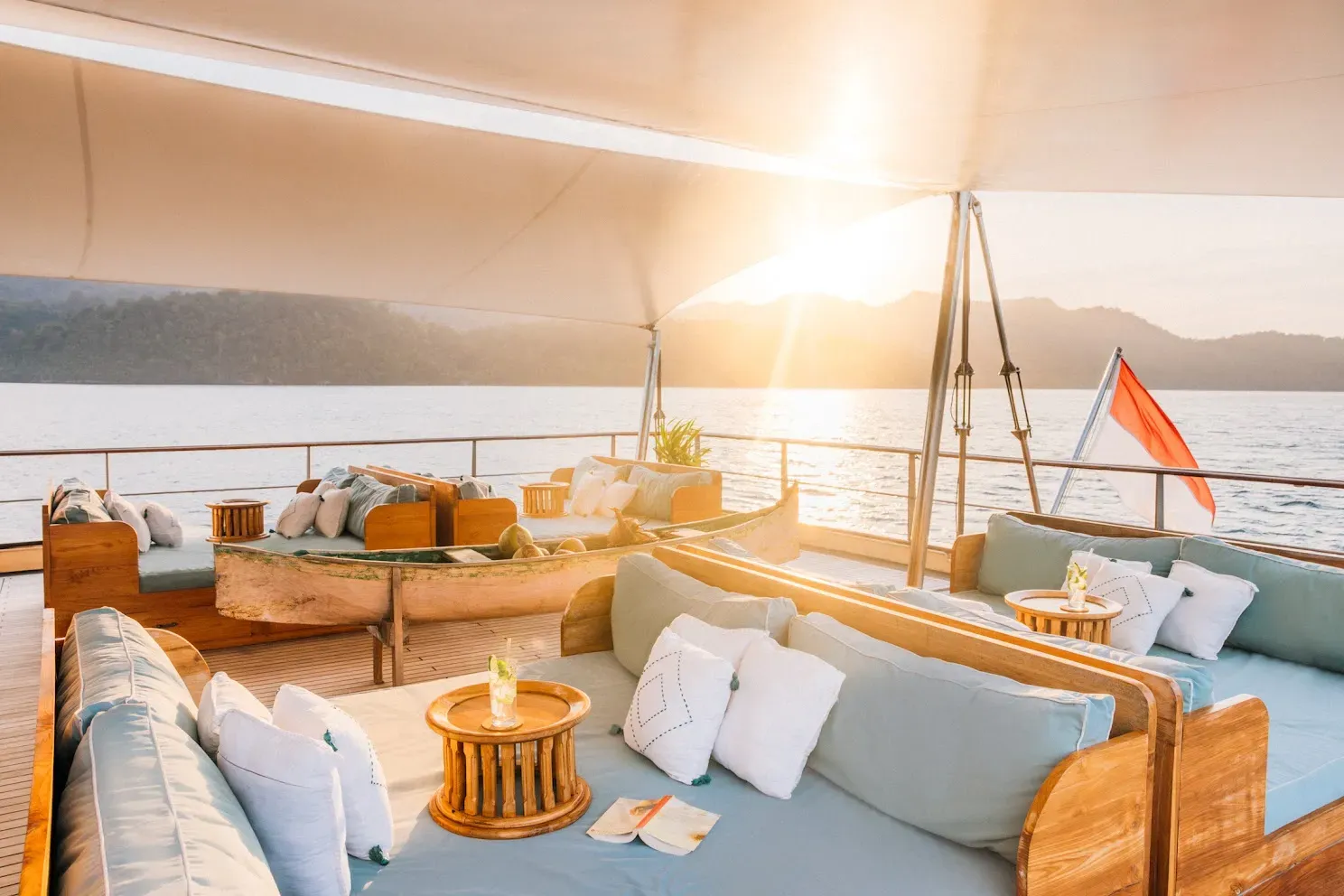
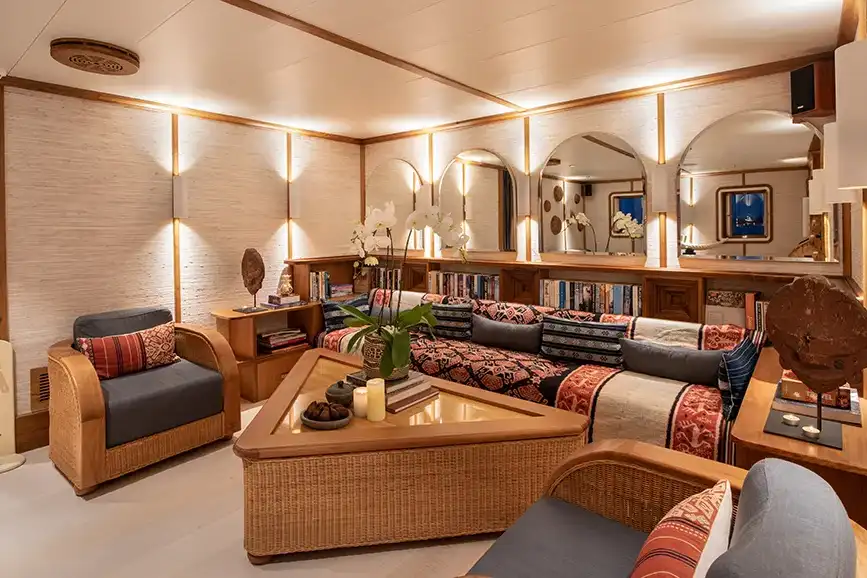
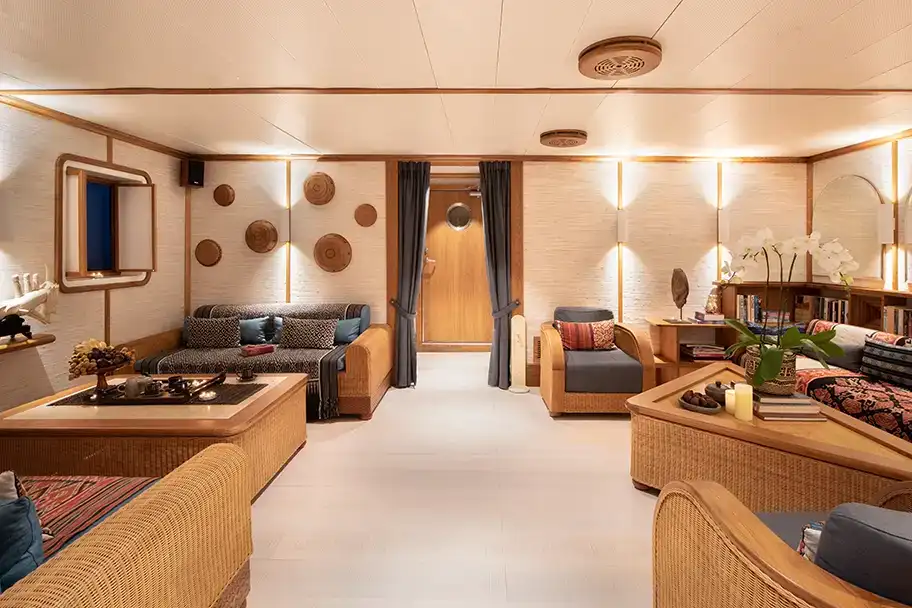
Guests use the sky lounge more than expected, especially at dusk when the west-facing bench seats catch the wind off Wayag. We keep cold towels and ginger tea out – small things, but they matter after a day in strong water. The cinema room runs documentaries on rotation: Raja Ampat’s reef regeneration, the 2019 tarsier study in Waigeo, no Hollywood filler. If you’re on board during a blue moon, we’ll motor quietly to a bioluminescent bay near Yenbuba and shut down engines by 20:30.
Water activities aren’t just tick-box snorkel stops. Our guides carry slate boards with hand-drawn maps of each site – where the pygmy seahorse clings in the pipe sponge at Dampier Wall, where the titan triggerfish nests near the sand channel at Manta Sandy. We brief on local customs too: no flash photography near sacred sites like Penemu, and always ask before landing on uninhabited islets. The spa treatments use locally sourced coconut oil and lime, applied in a curtained corner of the upper deck – not a sealed room, but private enough with the ocean noise below.
This isn’t a floating hotel with a dive schedule stapled on. We’re out here because the currents between Fiabacet and Sardine Reef shift hourly, because the thermocline drops at 14:00 near Candy Store, because a sudden rain squall over Kri can mean plankton blooms by morning. You’ll see the logbook on the bridge – tides, wind, bottom time – because we log everything. Not for show, but because tomorrow’s dive plan depends on what we recorded yesterday.