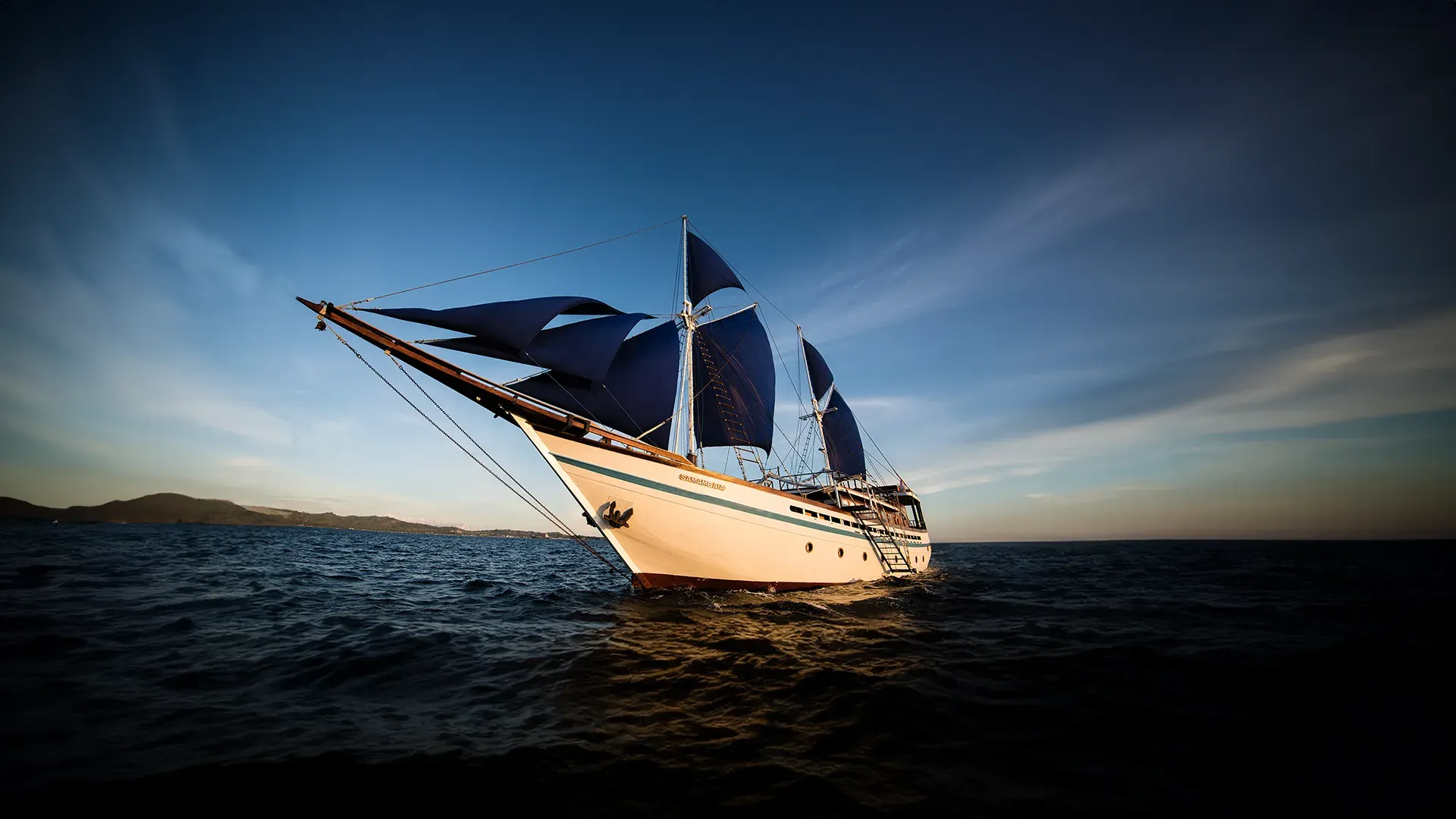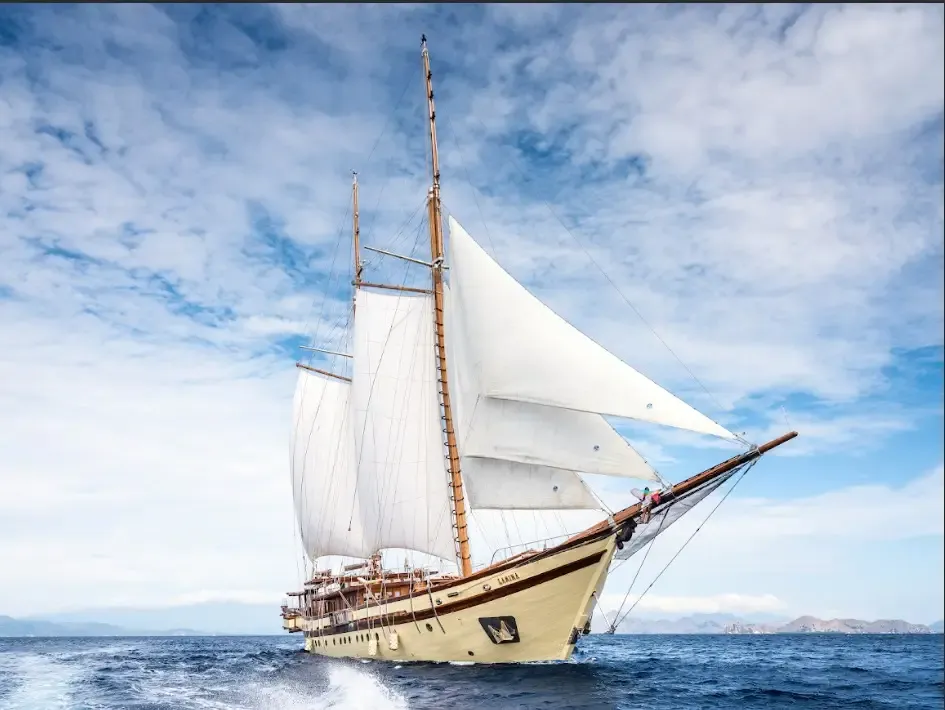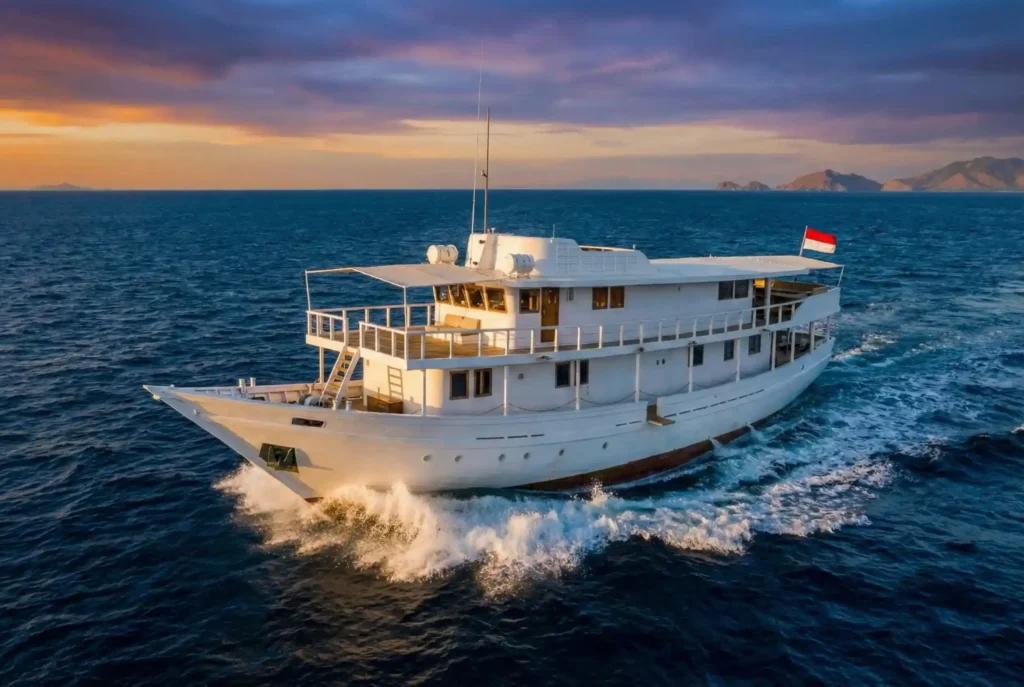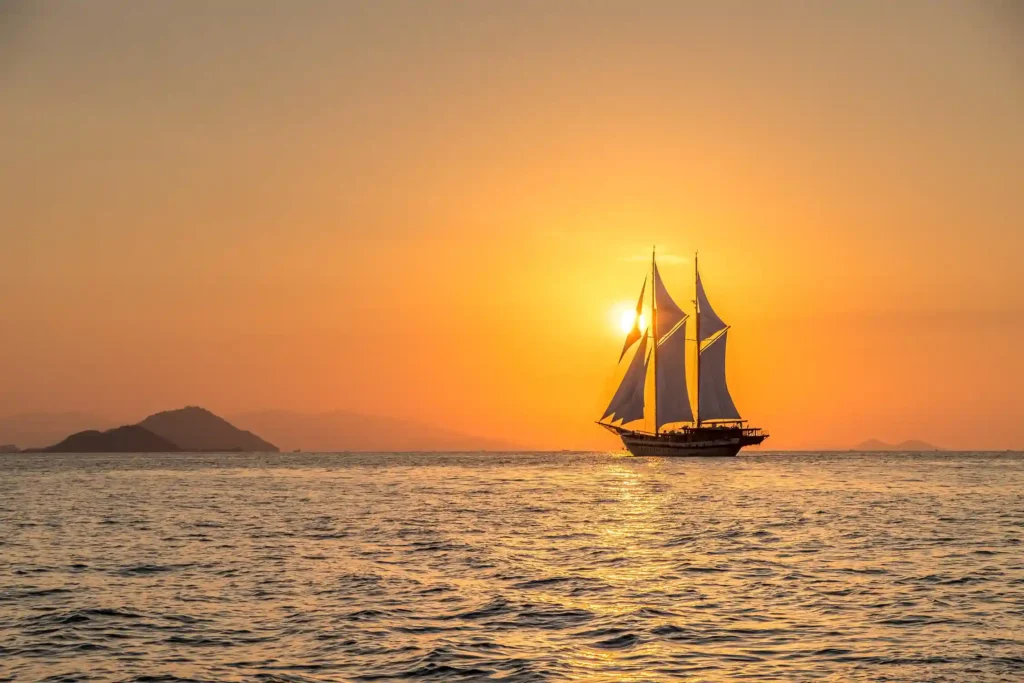
About Samambaia
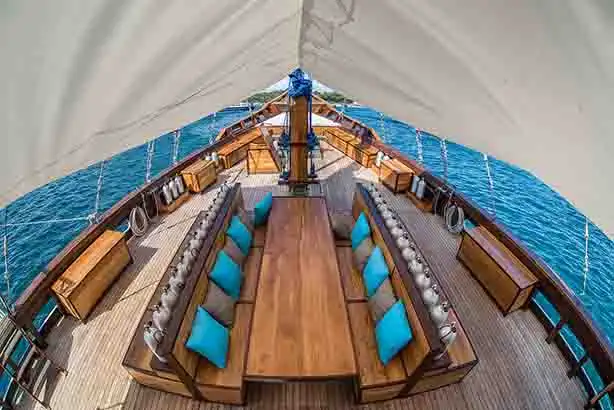
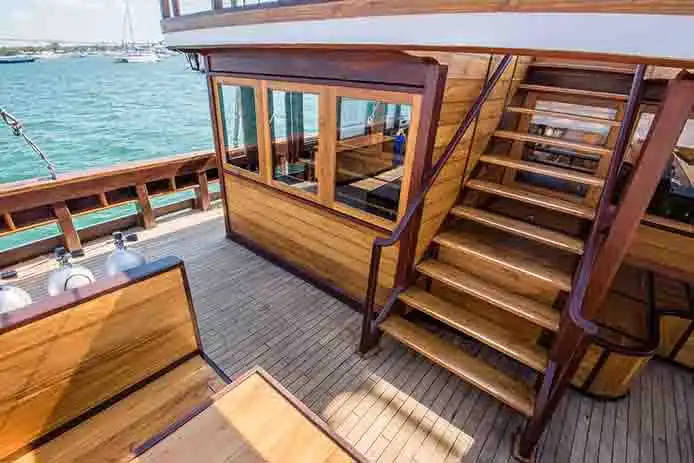
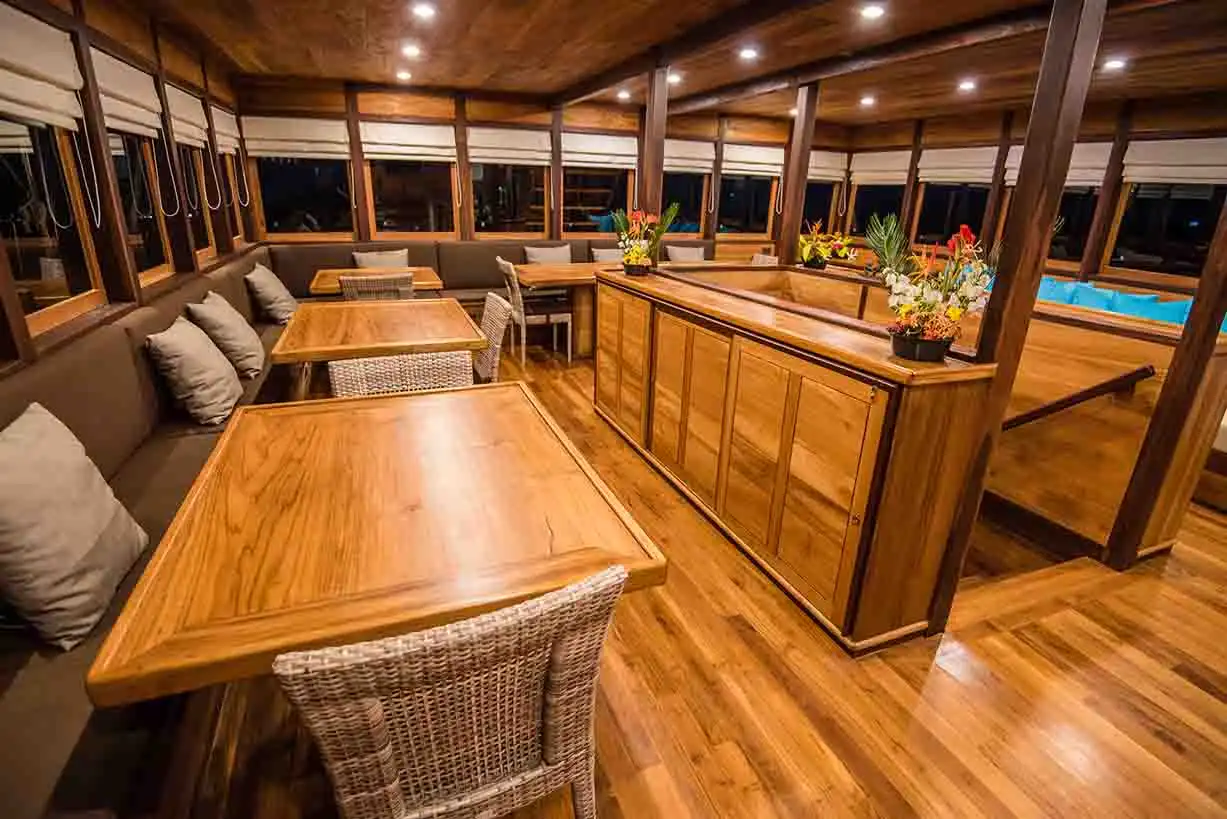
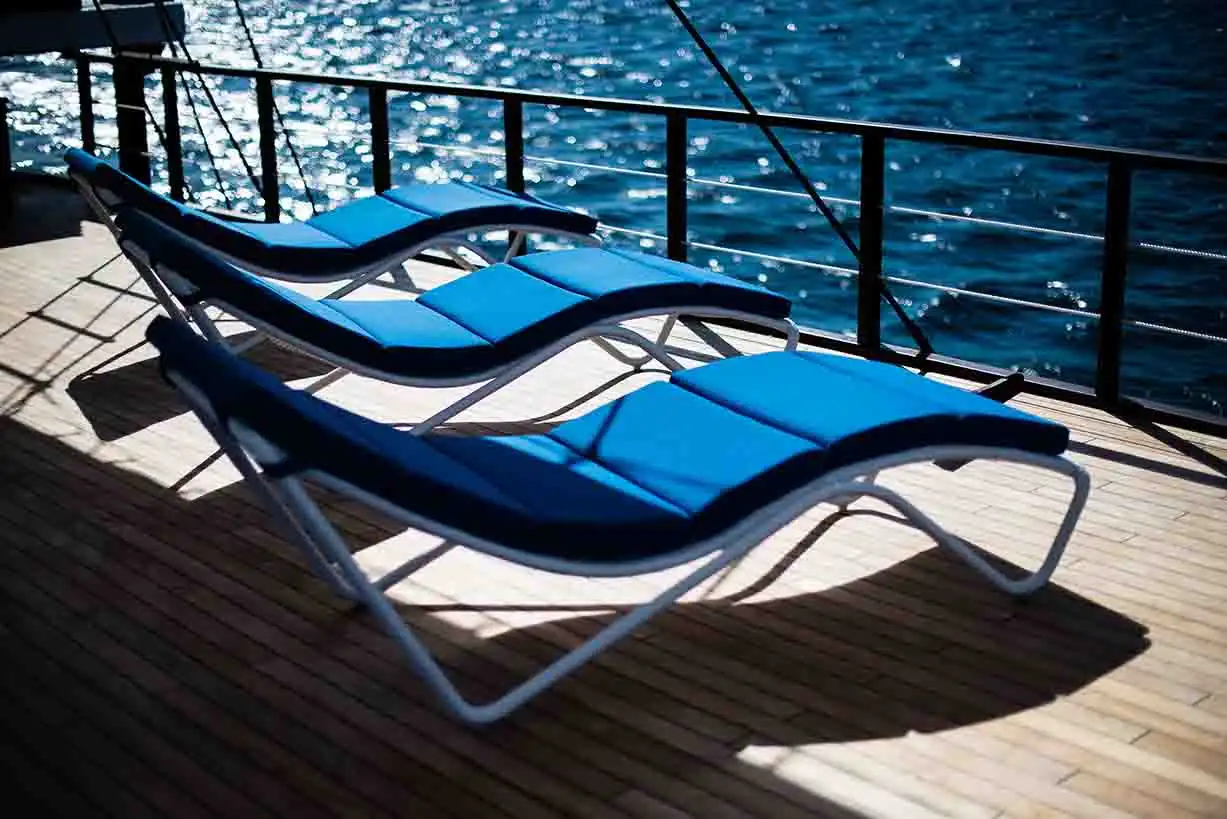
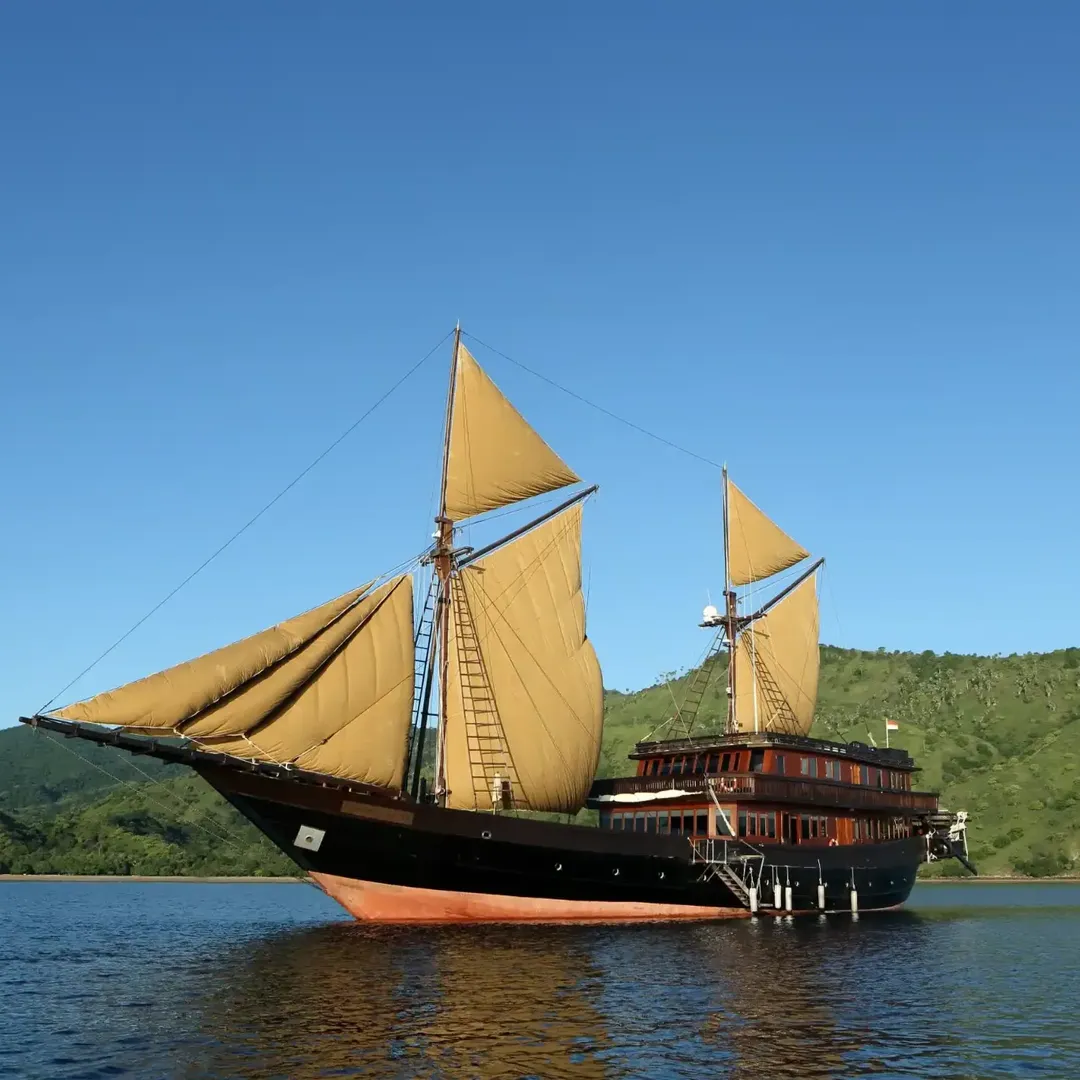
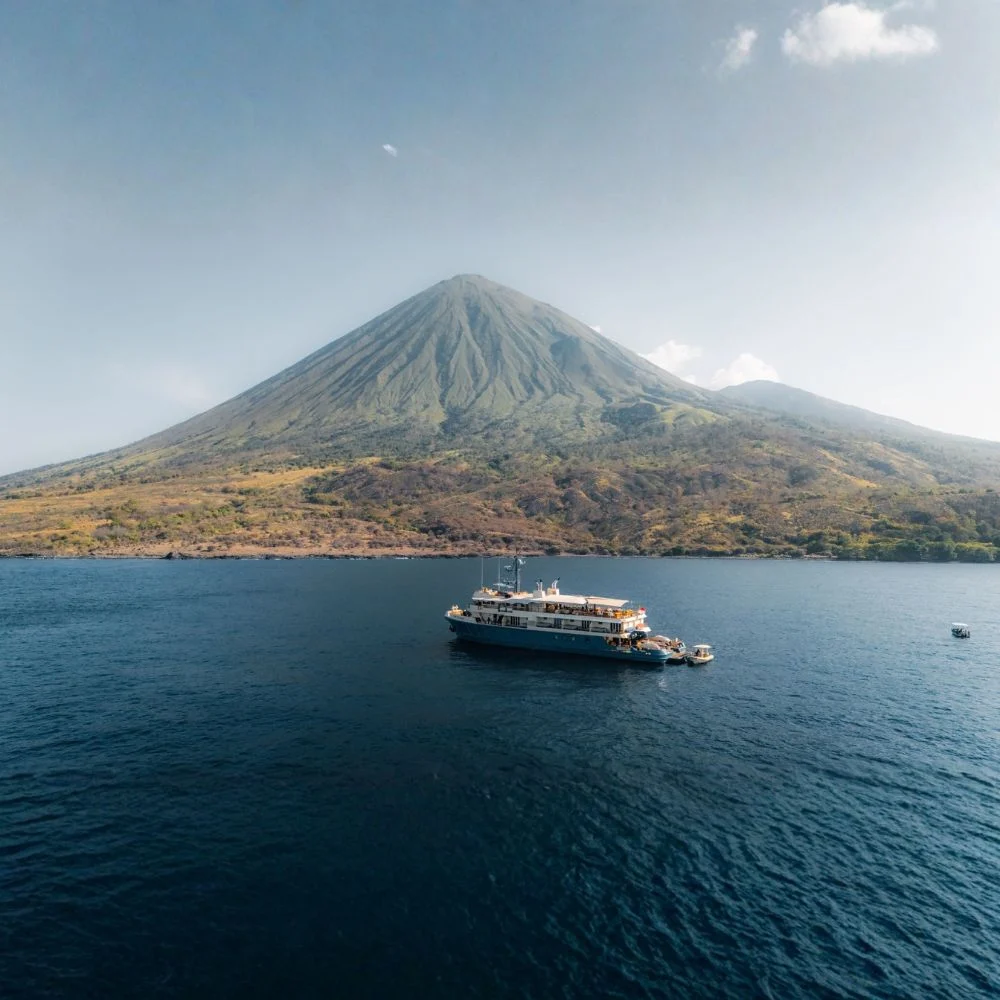
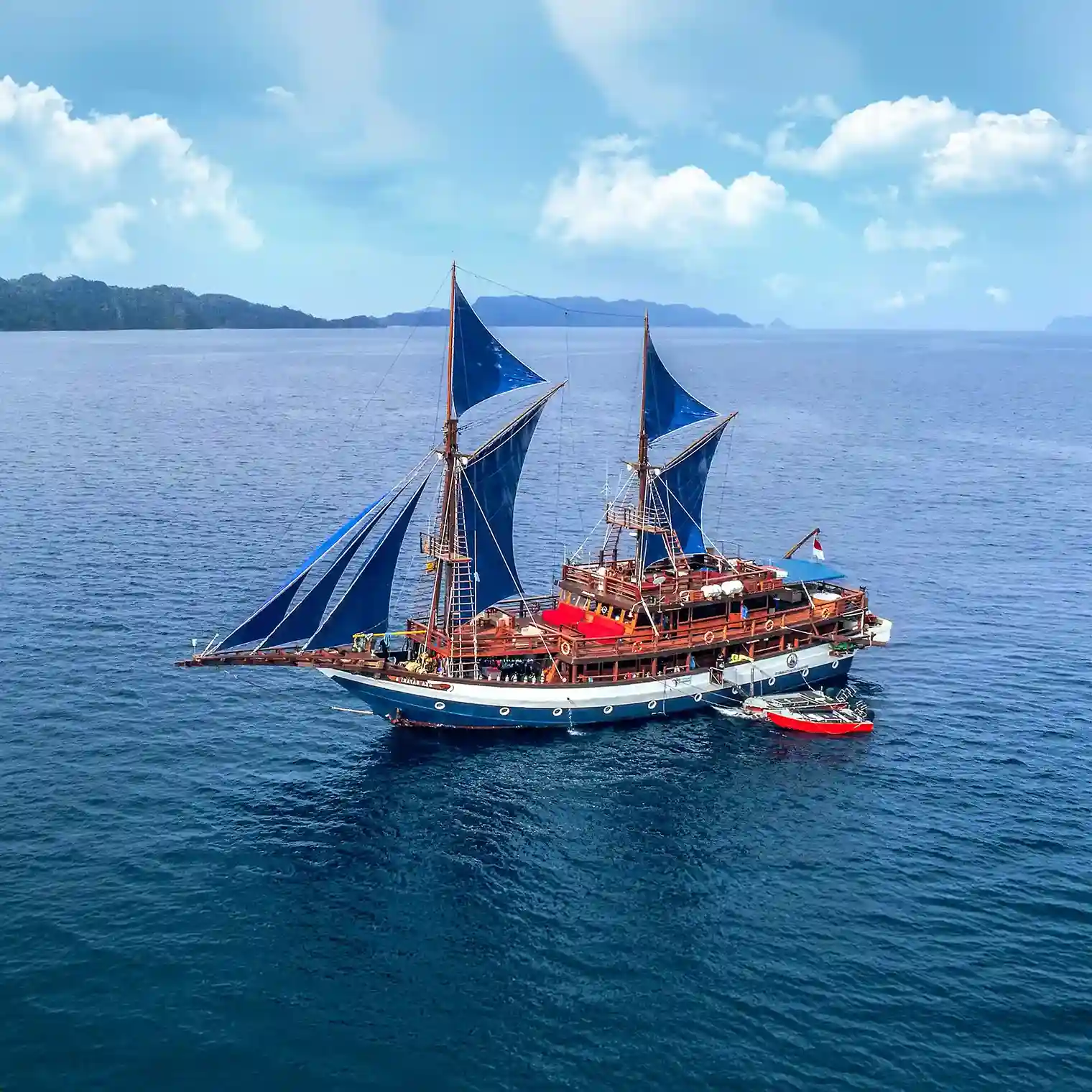
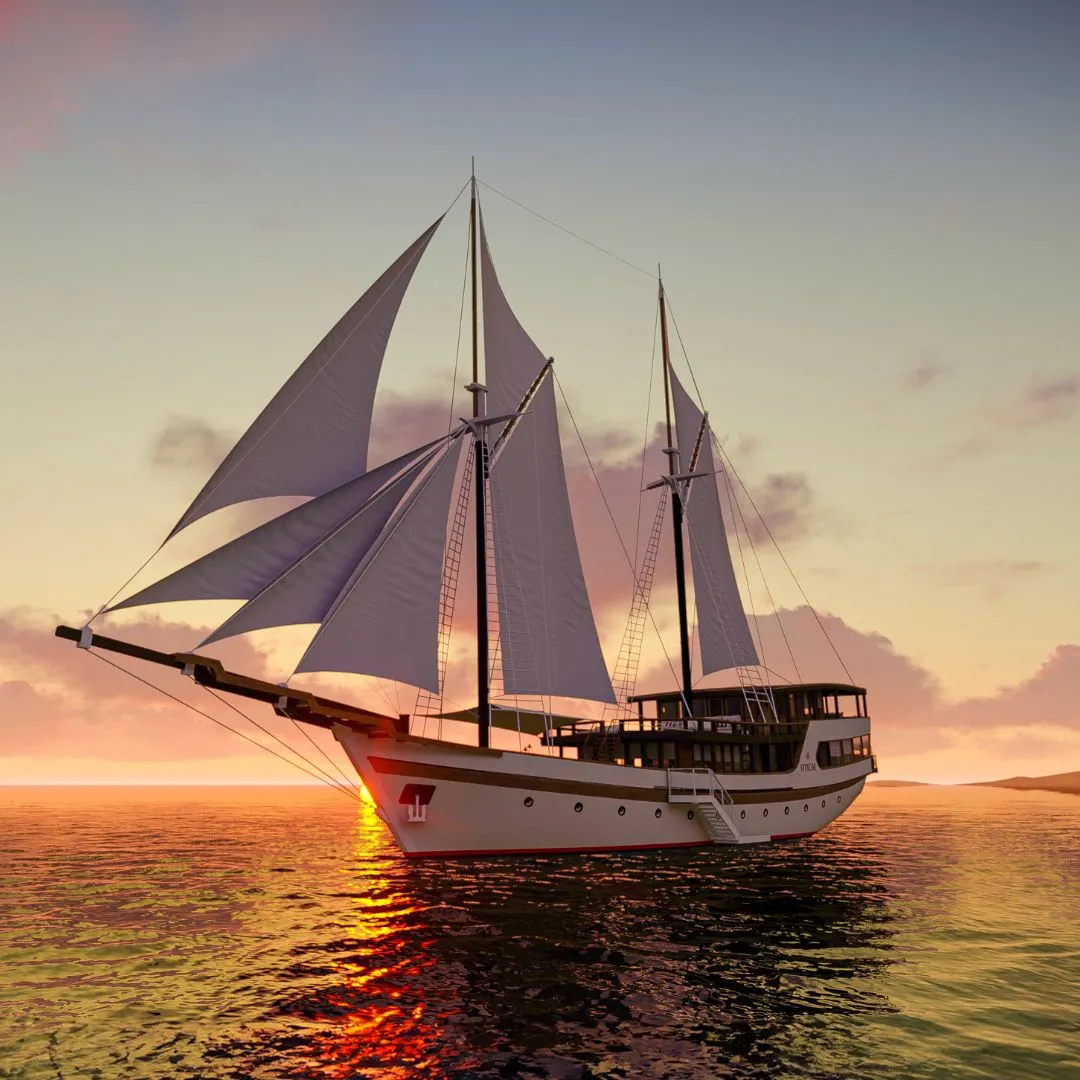
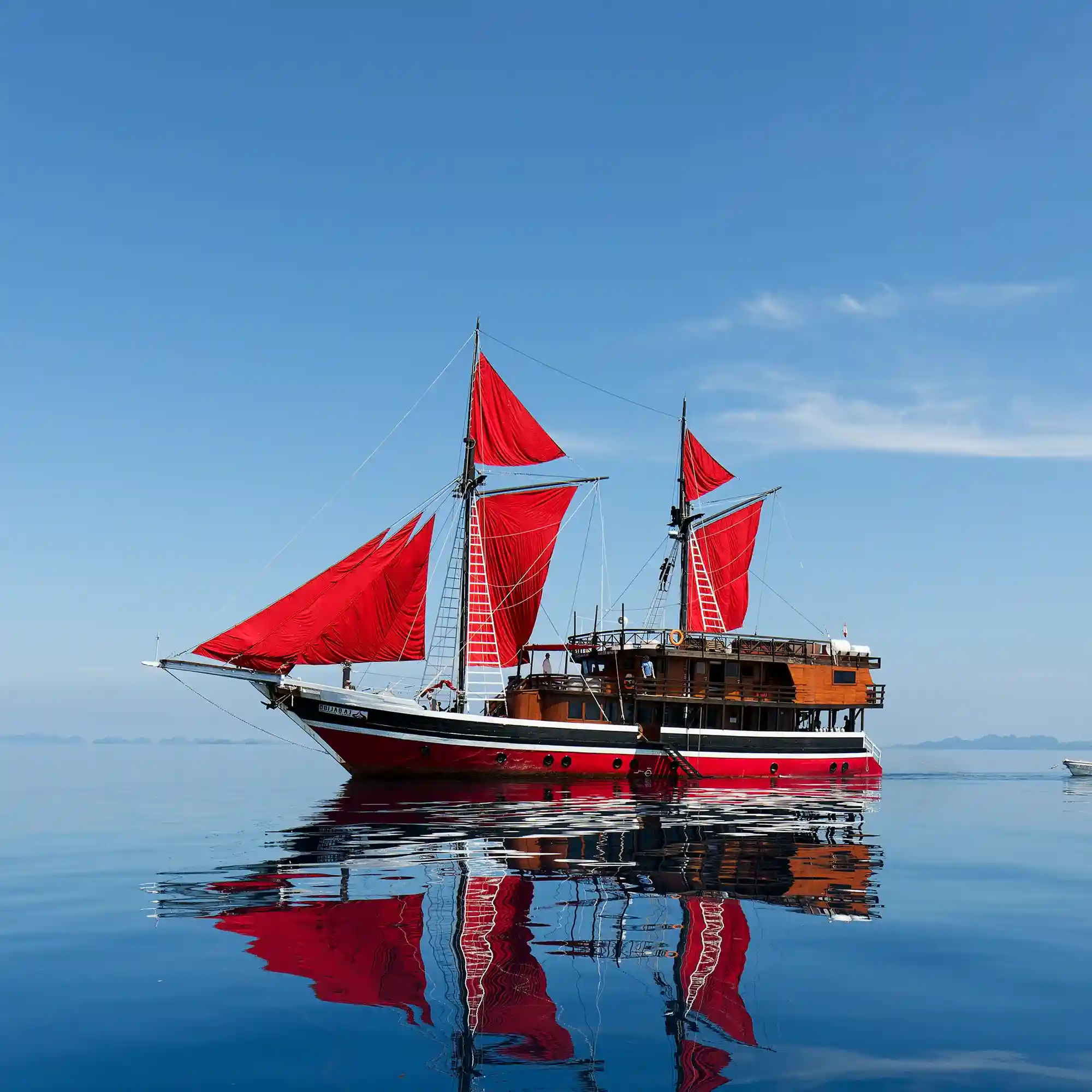
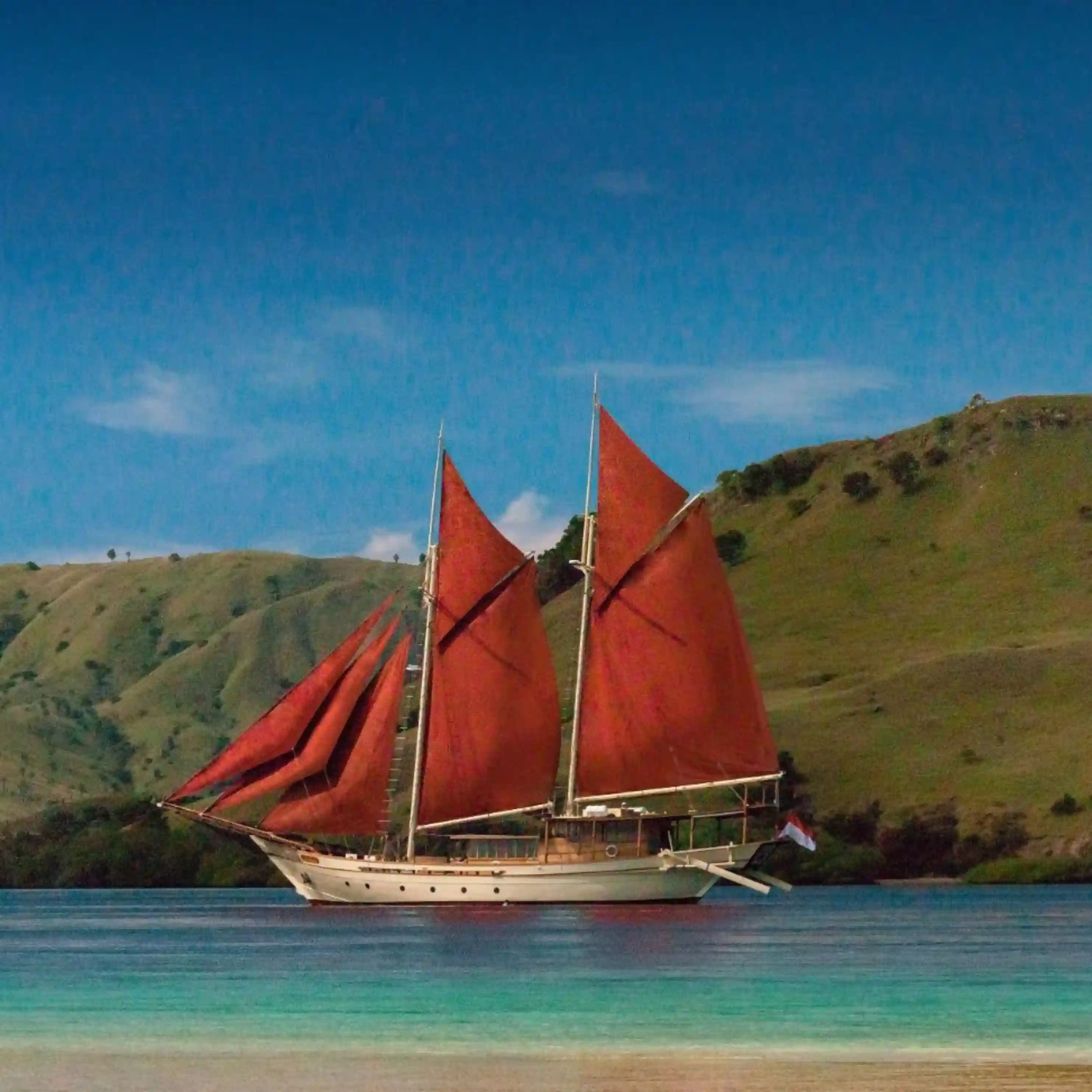
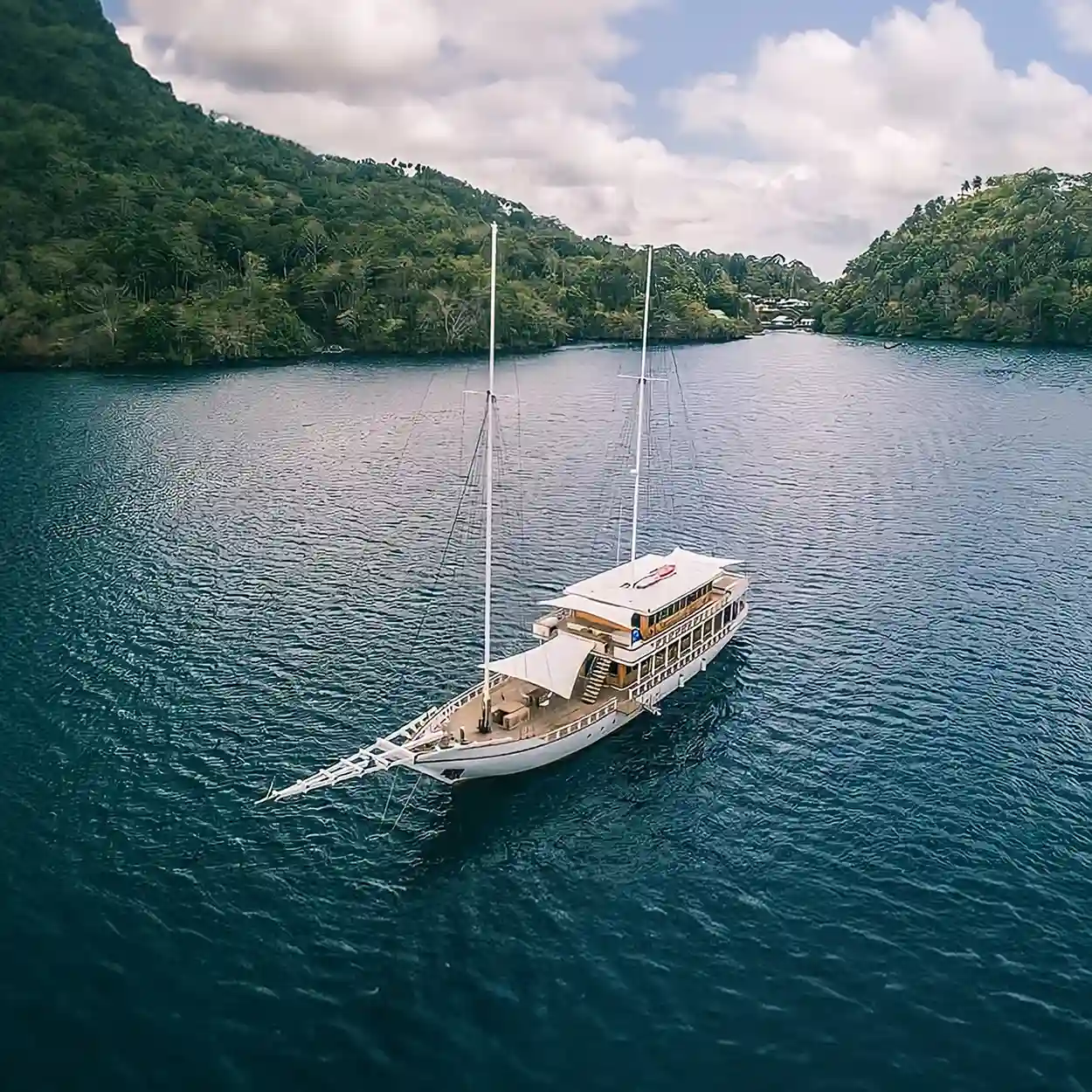
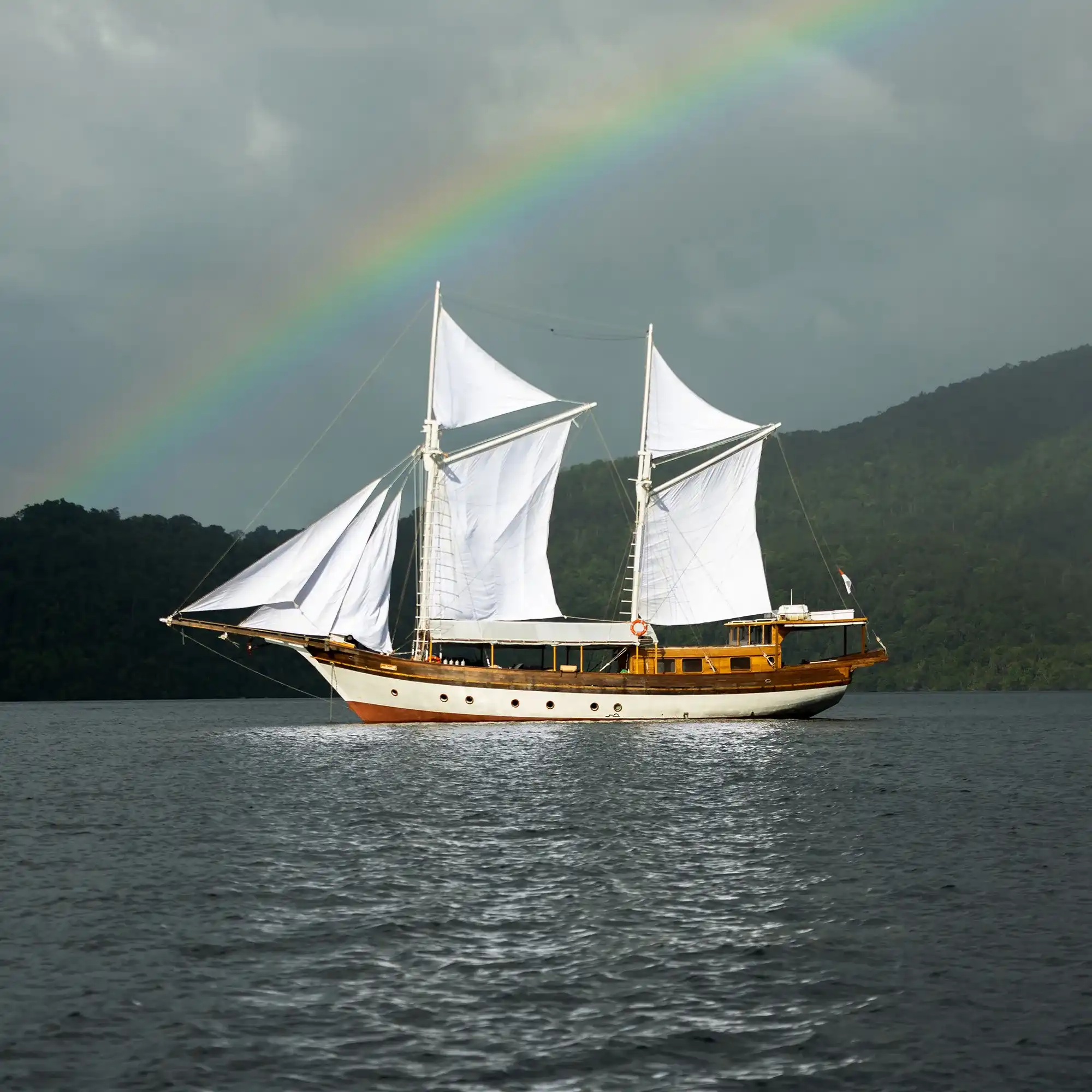
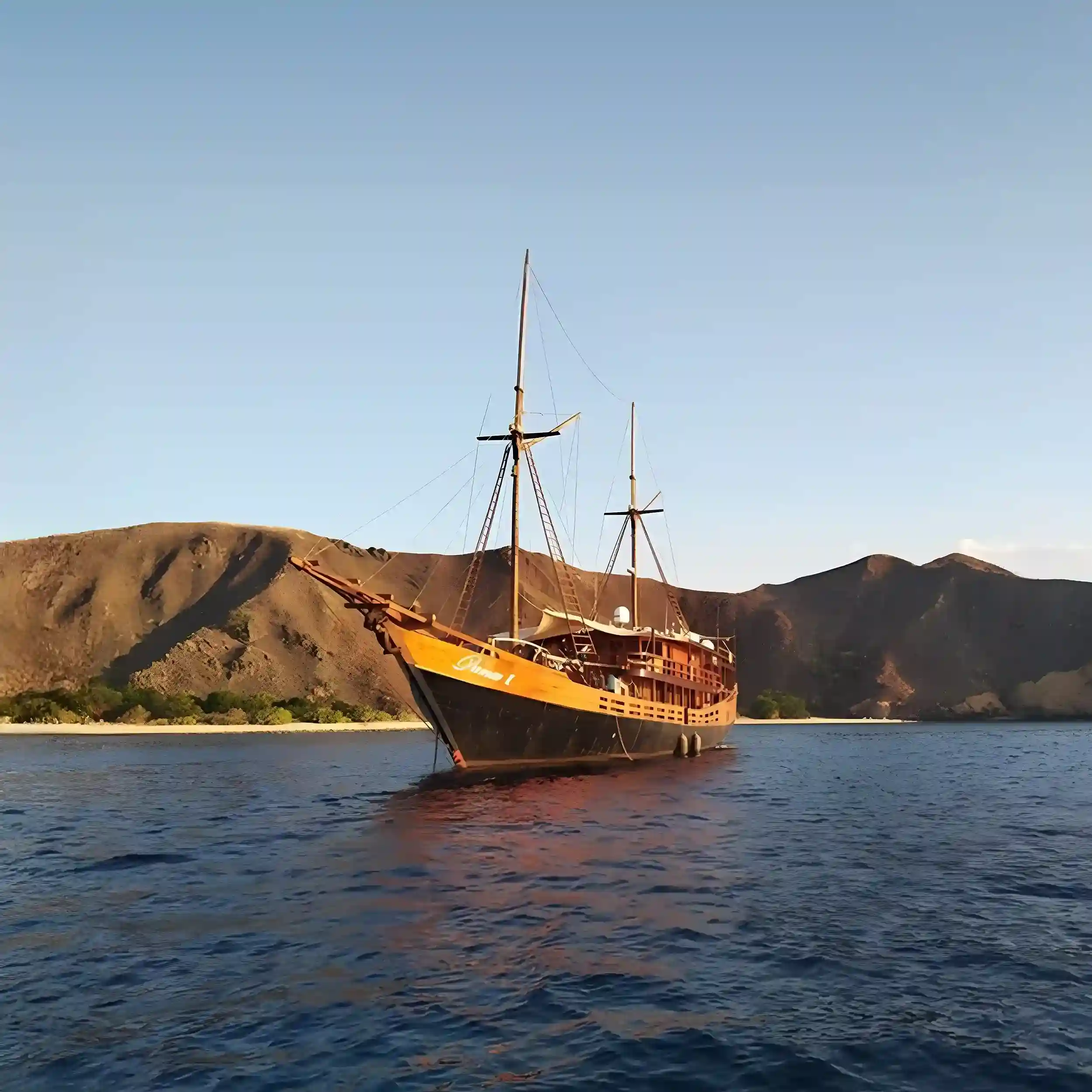
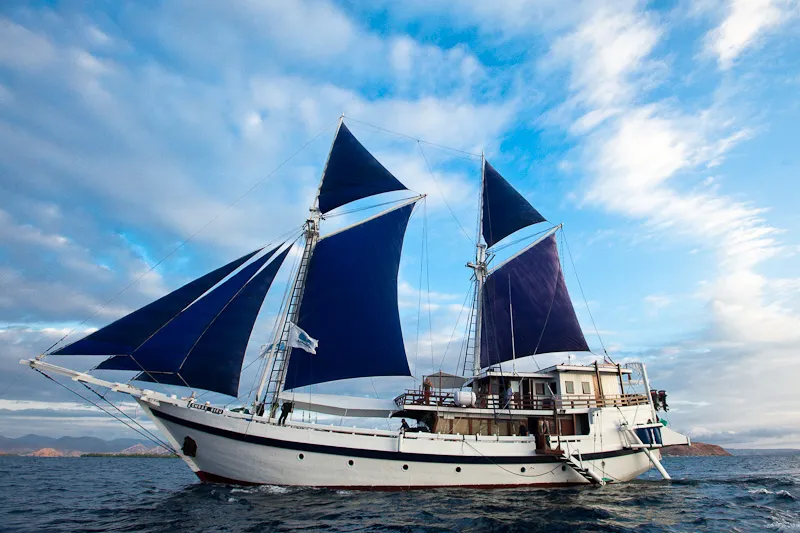
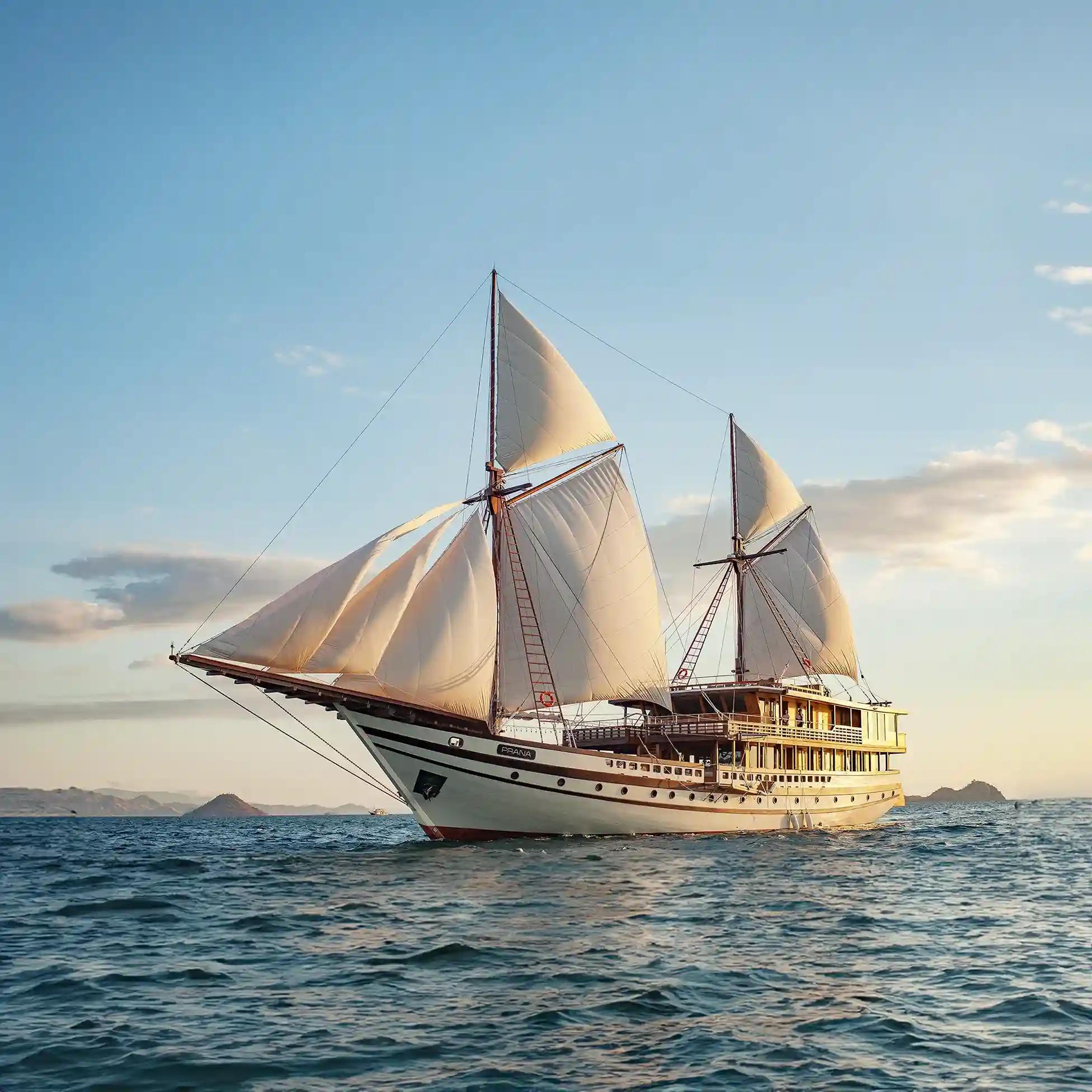
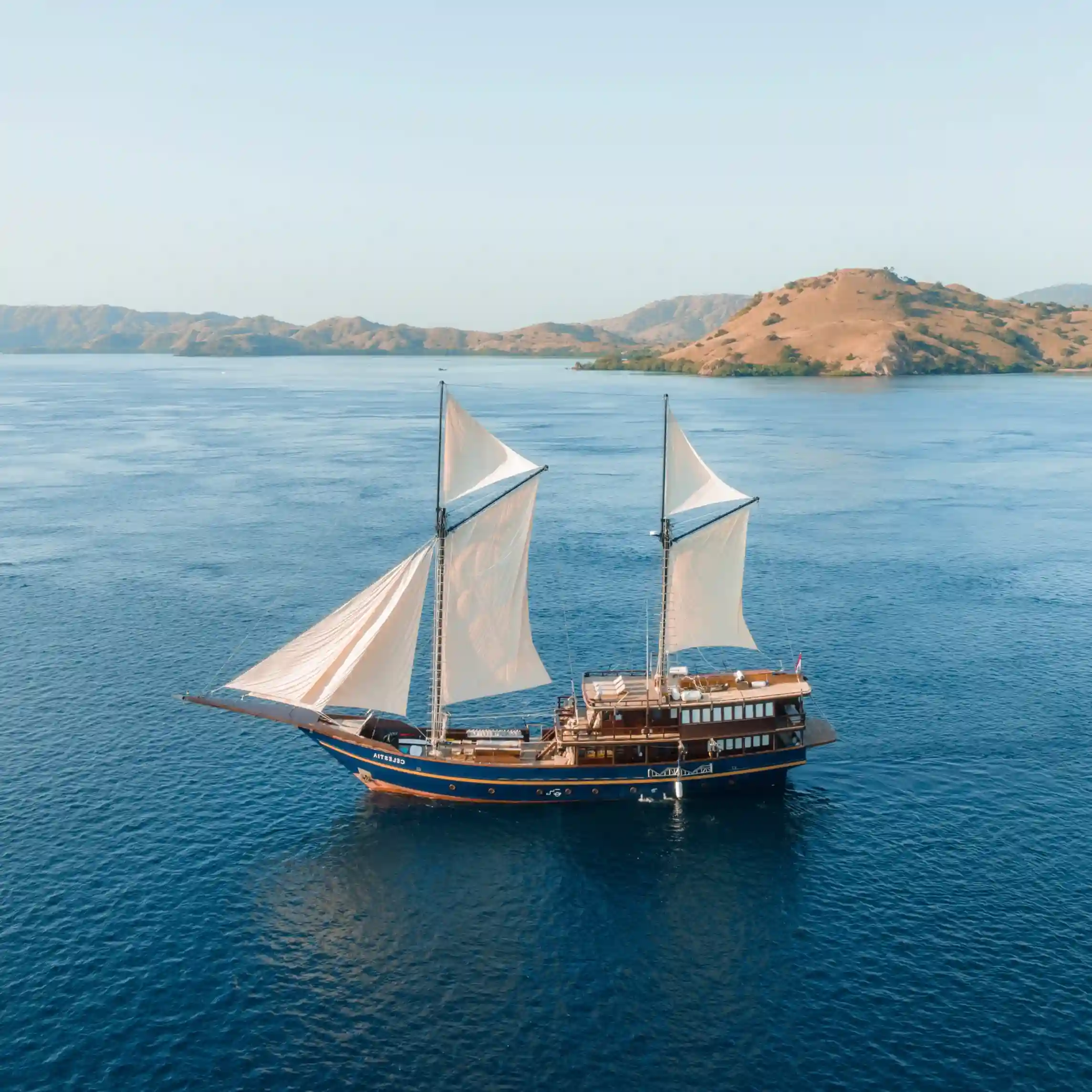
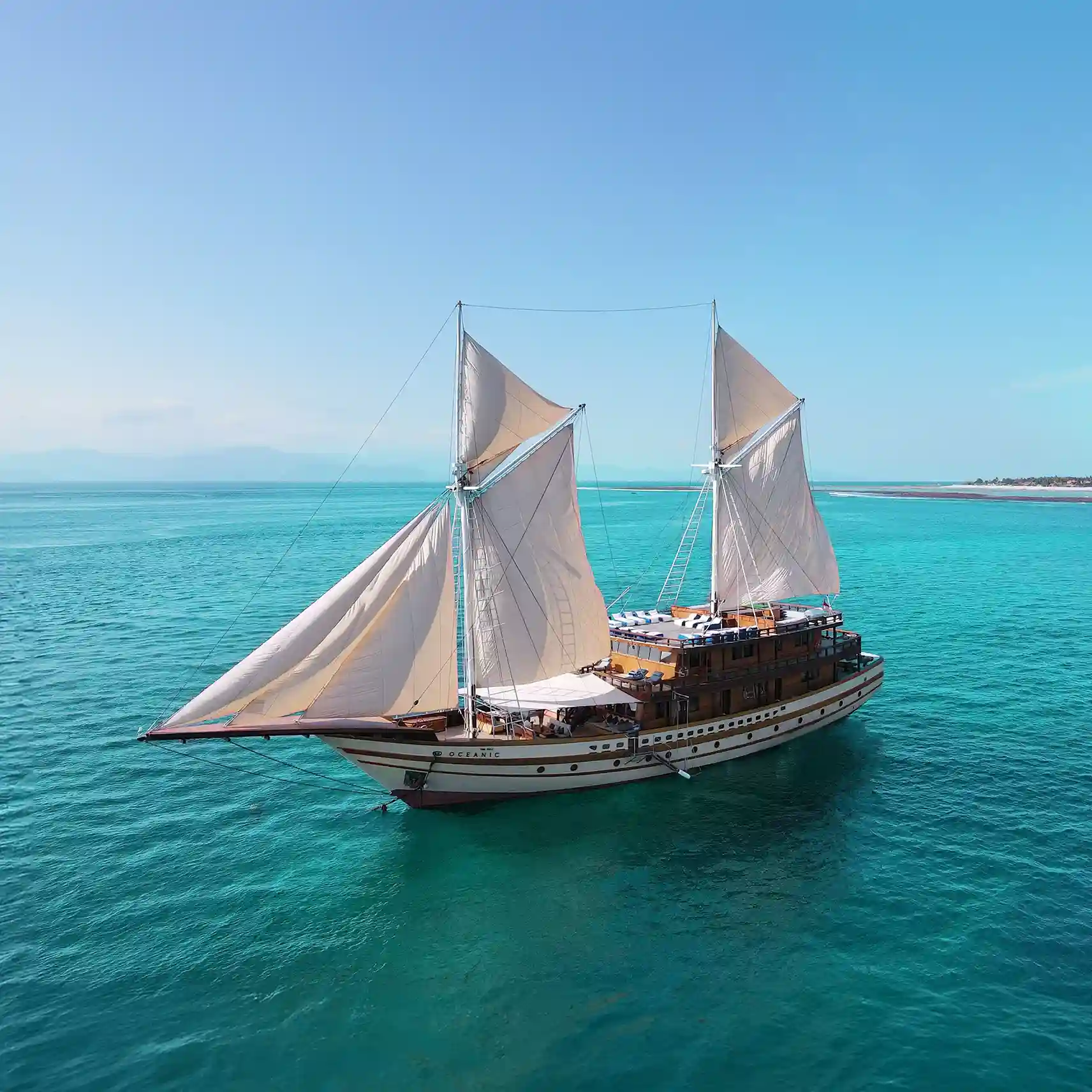
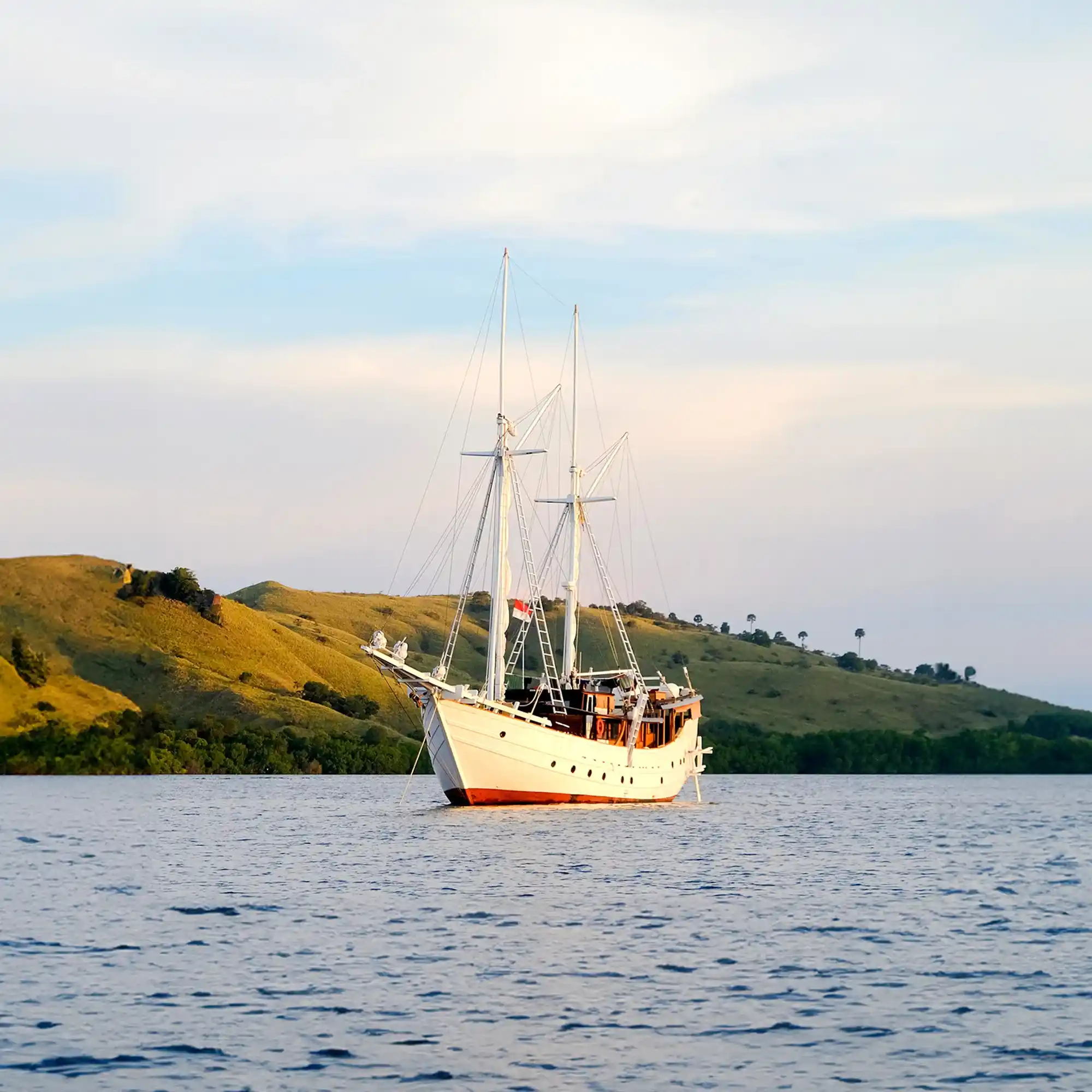
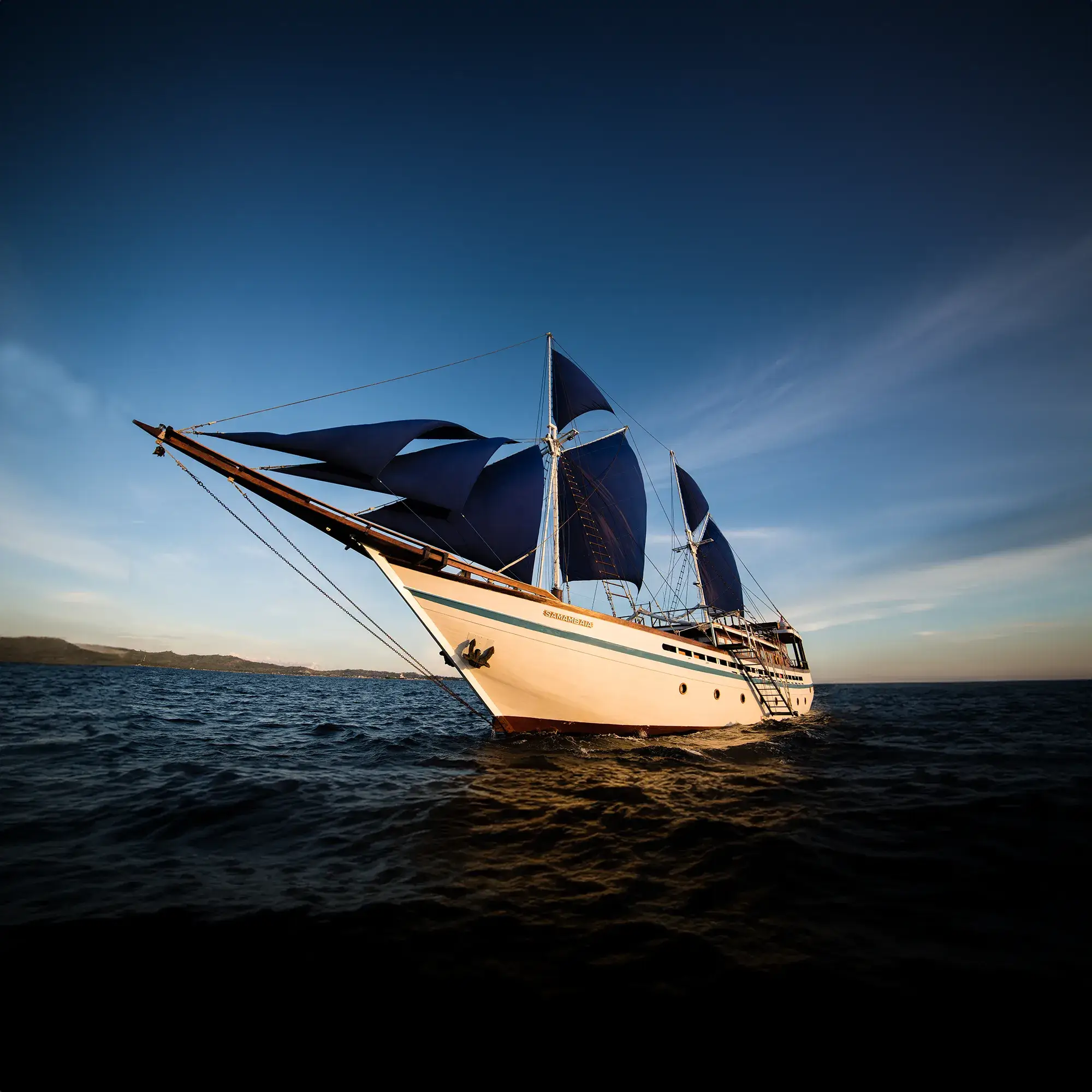
If you're looking to explore Raja Ampat with a small group or private family gathering, Samambaia makes sense – her 42-metre frame carries just seven cabins, balancing space with intimacy. She’s designed for those who want comfort without formality: the open dining area flows into an entertainment lounge, ideal for evenings after diving, while the upper deck offers room to stretch out during daytime cruises between islands. With a maximum of 14 guests, the pace stays relaxed, and the crew can adapt slightly to group preference – say, lingering longer at a manta cleaning station or adjusting snorkel times around tides.
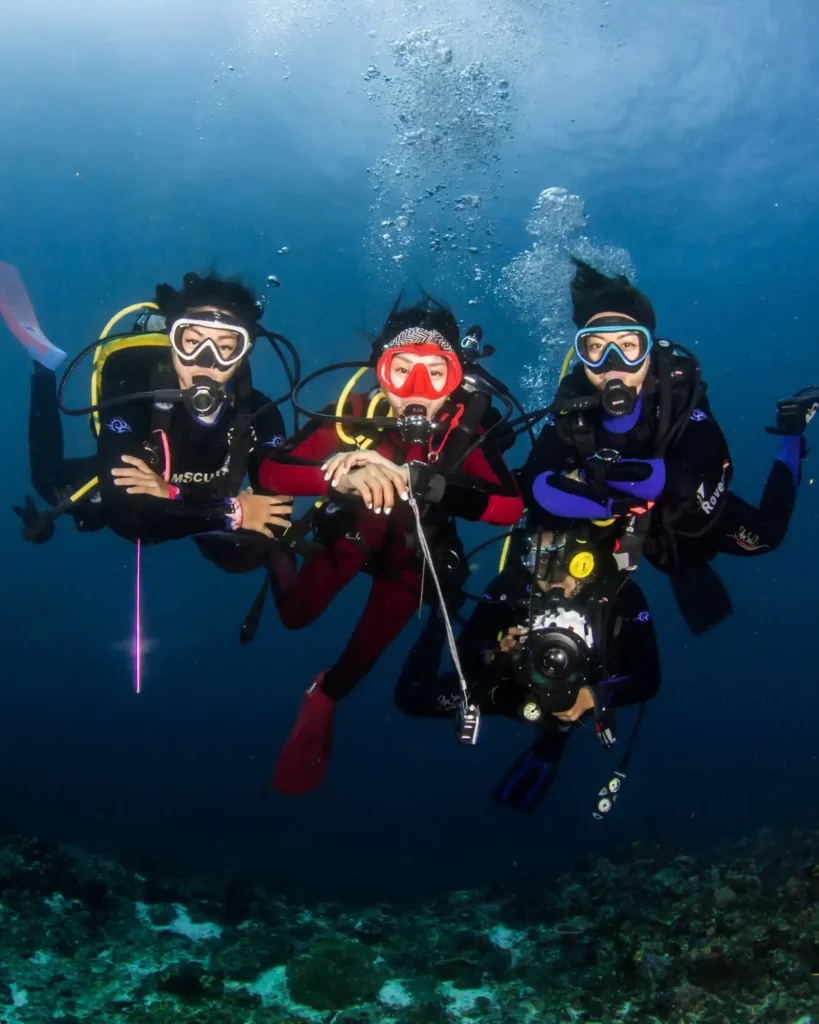
Your days unfold across Raja Ampat’s most active zones – think early starts near Dampier Strait where currents draw in reef sharks and mantas at sites like Cape Kri or Nudibranch Rock. Samambaia’s dive deck is kitted for serious divers, with gear stations and rinse tanks, but she equally suits non-diving partners who want to kayak through mangroves at Yenbuba or take glass-bottom boat tours above soft coral slopes. Mornings might find you on a guided paddle around Piaynemo’s karst towers; afternoons could be spent with fins in the water at Arborek Jetty, where pygmy seahorses cling to gorgonian fans just off the village shore.
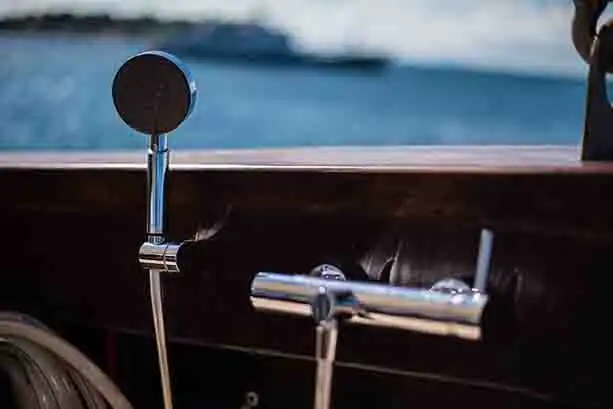
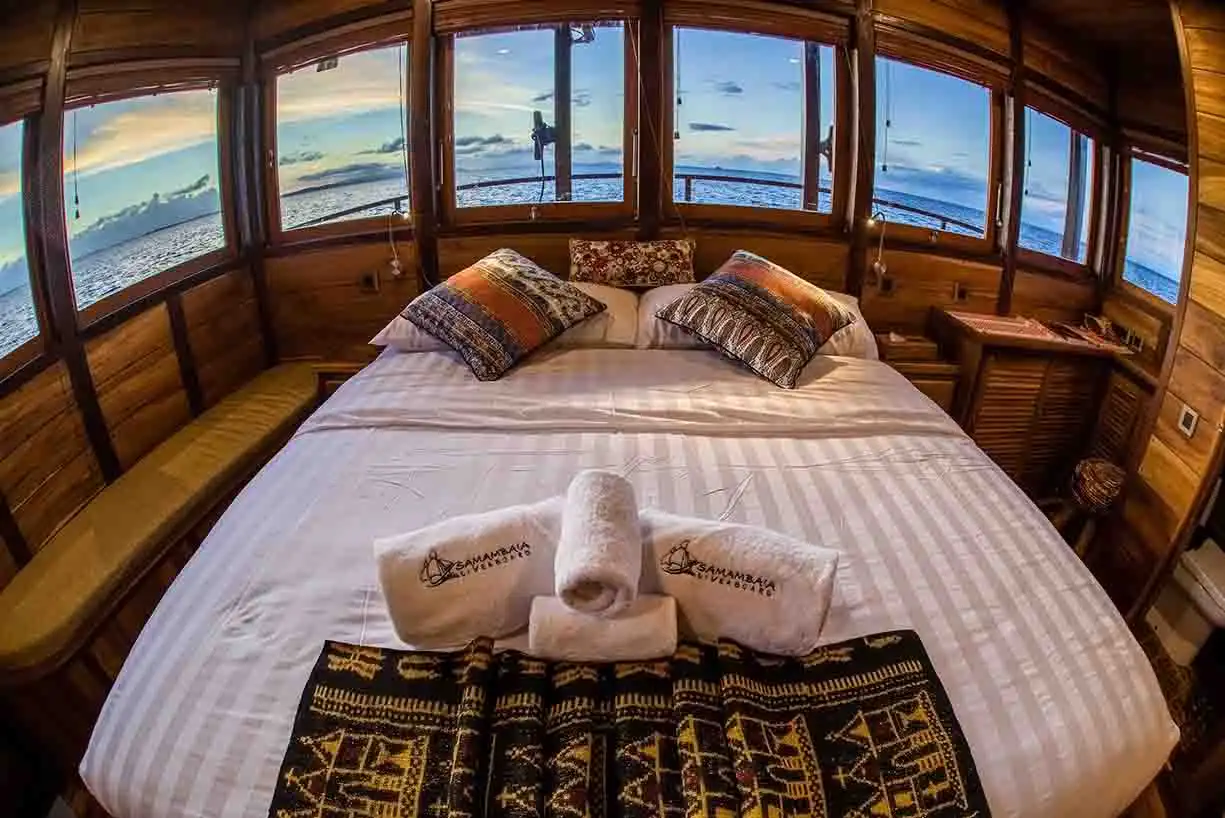
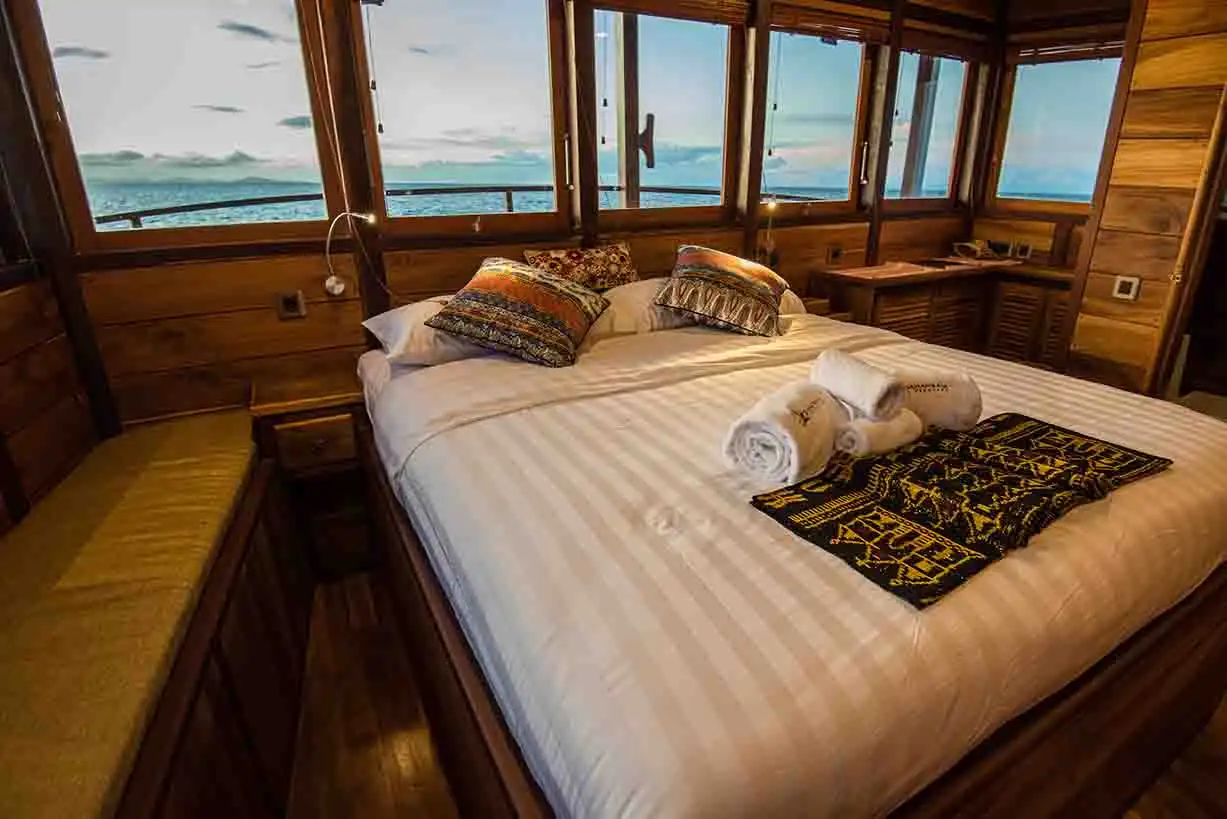
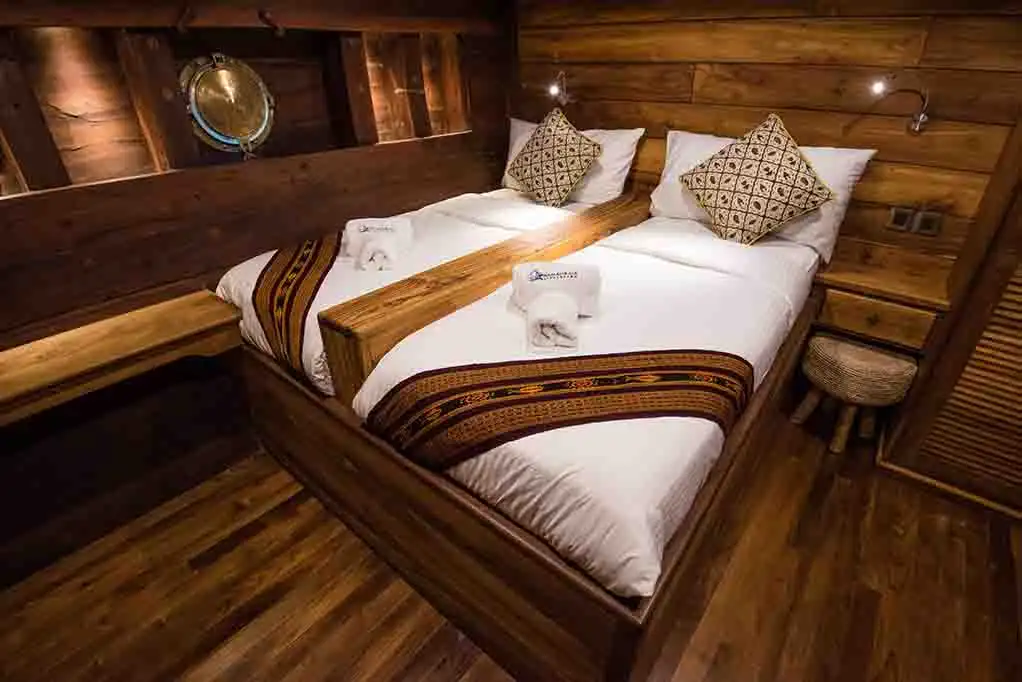
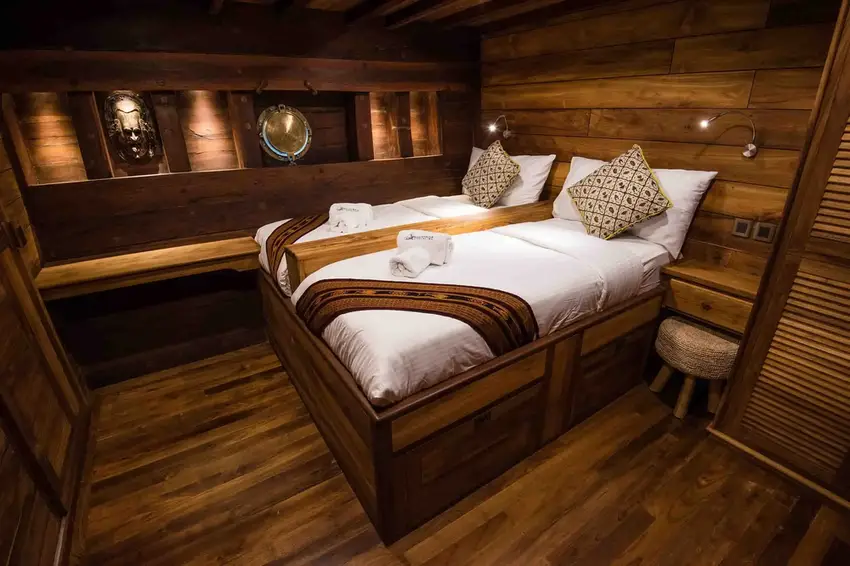
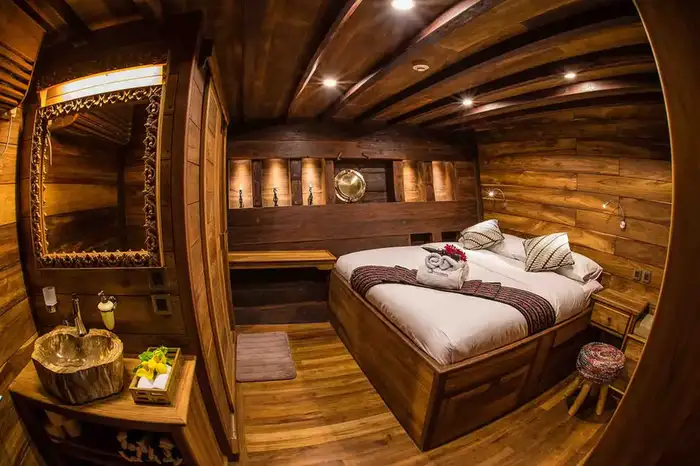
Evenings return to the boat with a rhythm that feels lived-in, not staged. Dinner is served under the stars if the breeze holds, or indoors with the cinema running a documentary on local marine conservation. There’s wifi – patchy, as it should be this far out – but enough to send a quick update home. The cabins, though not oversized, prioritise airflow and practical storage, with individually controlled ventilation and reading lights angled over each bunk. You won’t find gold-plated fixtures, but you will find everything working quietly, as it should.
This isn’t a boat built for rushing between checkpoints. She’s best paired with a 3D2N or longer itinerary that lets you settle in – perhaps starting from Sorong, drifting through the Misool archipelago with stops at Wayag’s overlook, then working back via Waigeo’s mangrove tunnels. The real advantage of Samambaia is flexibility within structure: set mealtimes, yes, but choices within the menu; scheduled dives, but optional surface intervals for kayaking or swimming. For families or small groups who want consistency without rigidity, that balance matters.
Keep in mind Raja Ampat’s weather windows – the smoothest conditions run May to October, when southeast trade winds stabilise the seas. November to April can bring heavier rain and chop, especially in the southern sectors near Misool. Samambaia handles swell well at 42 metres, but guest comfort still depends on timing. If you’re prone to motion, aim for shoulder months like September or May, when currents are strong for diving but the surface stays calmer.