About Si Datu Bua
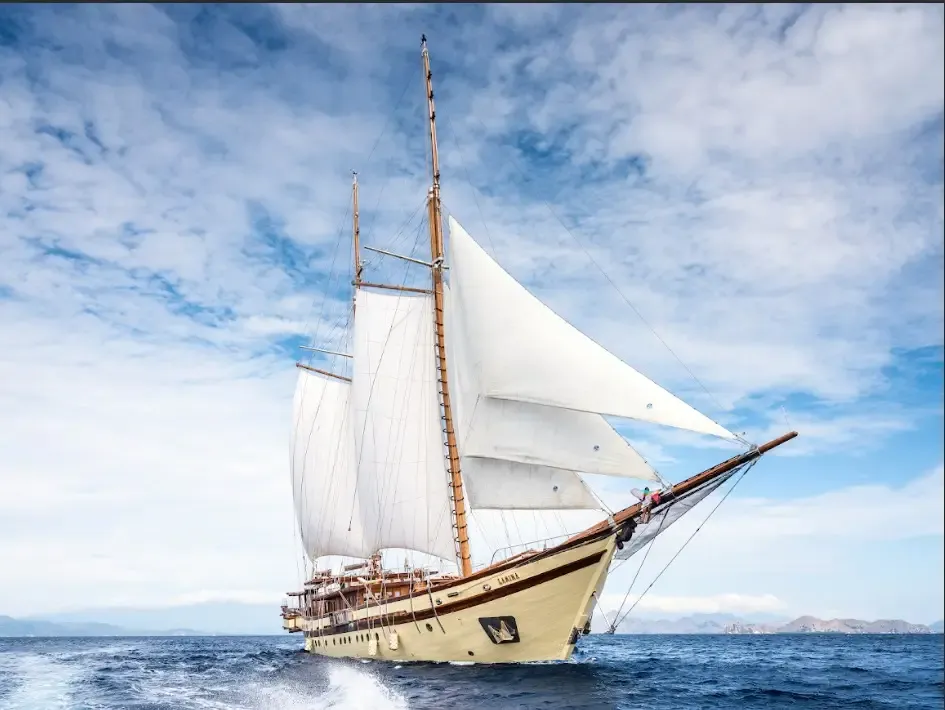
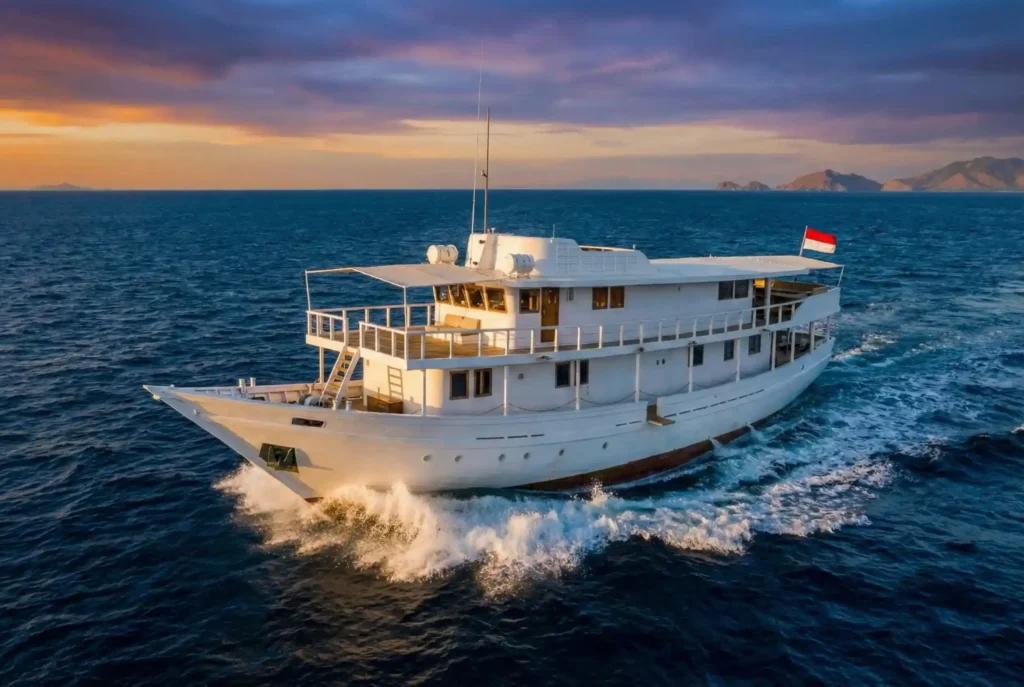
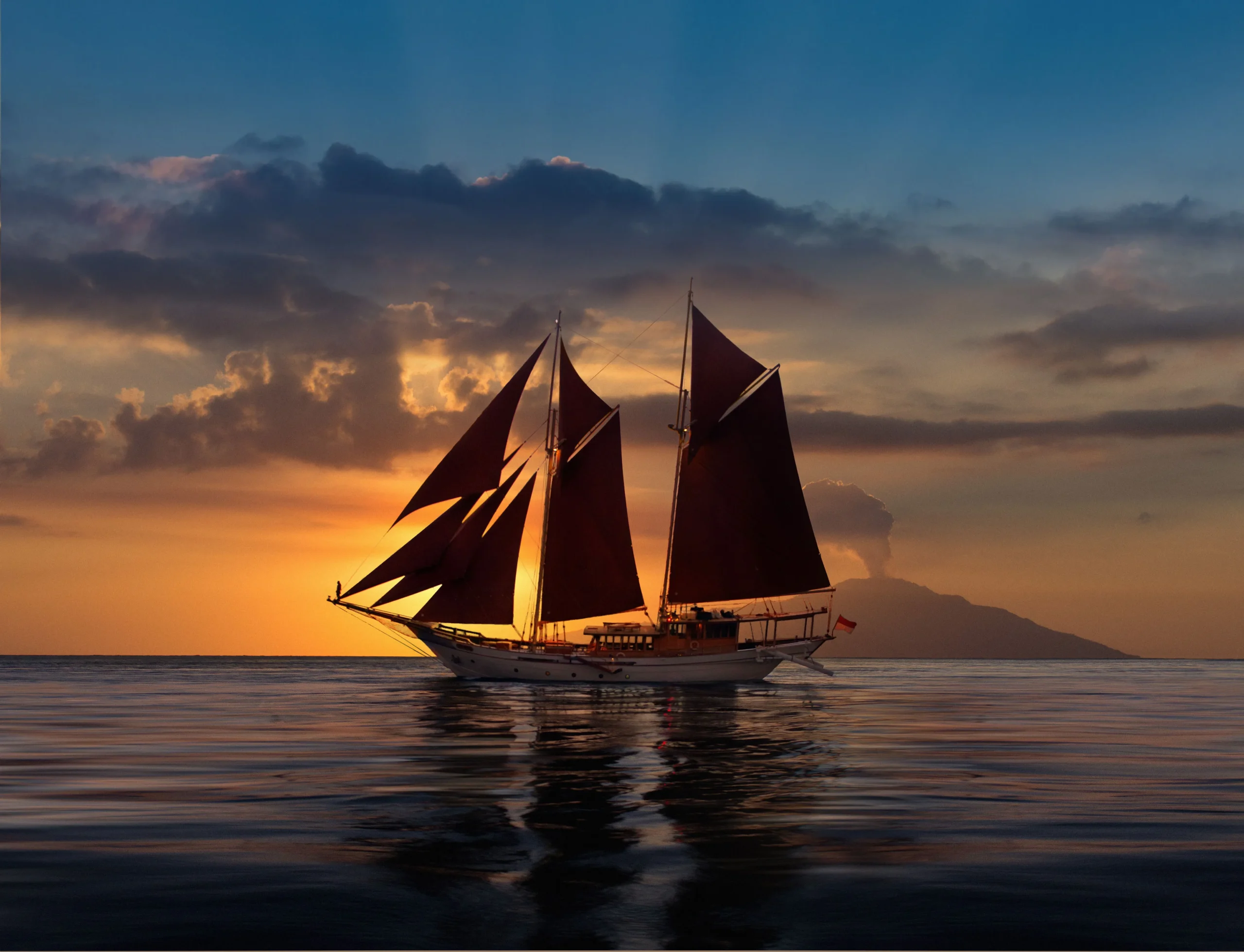
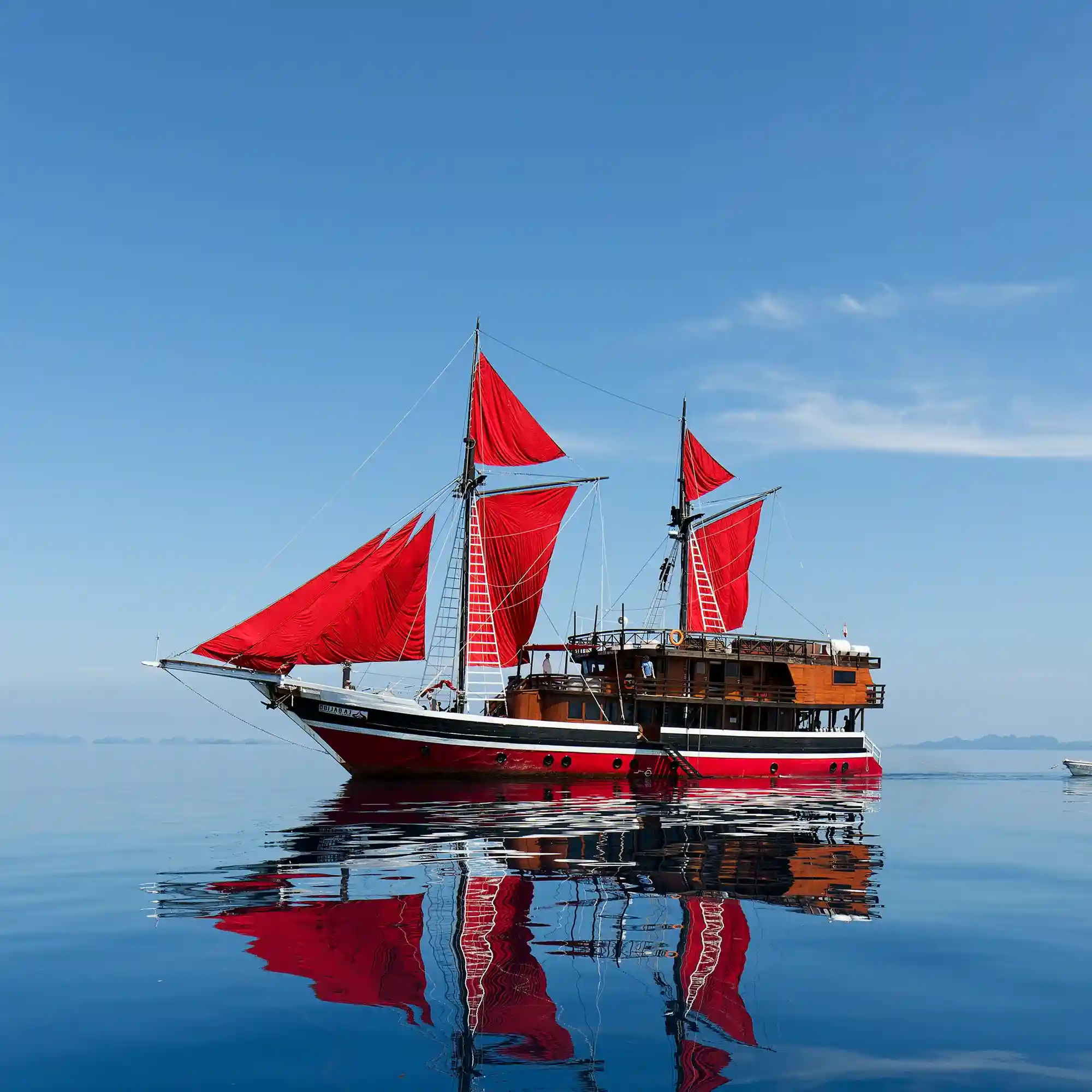
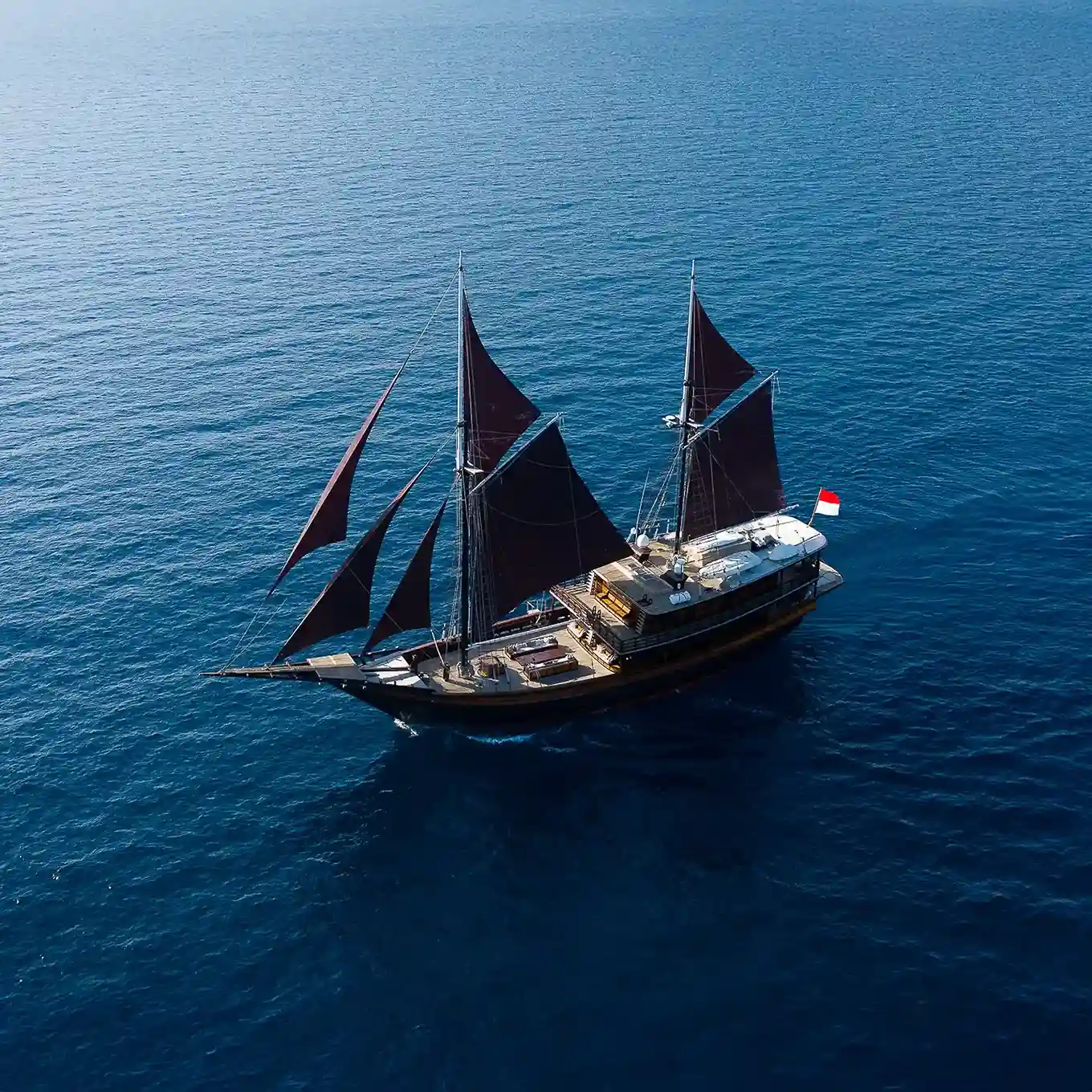
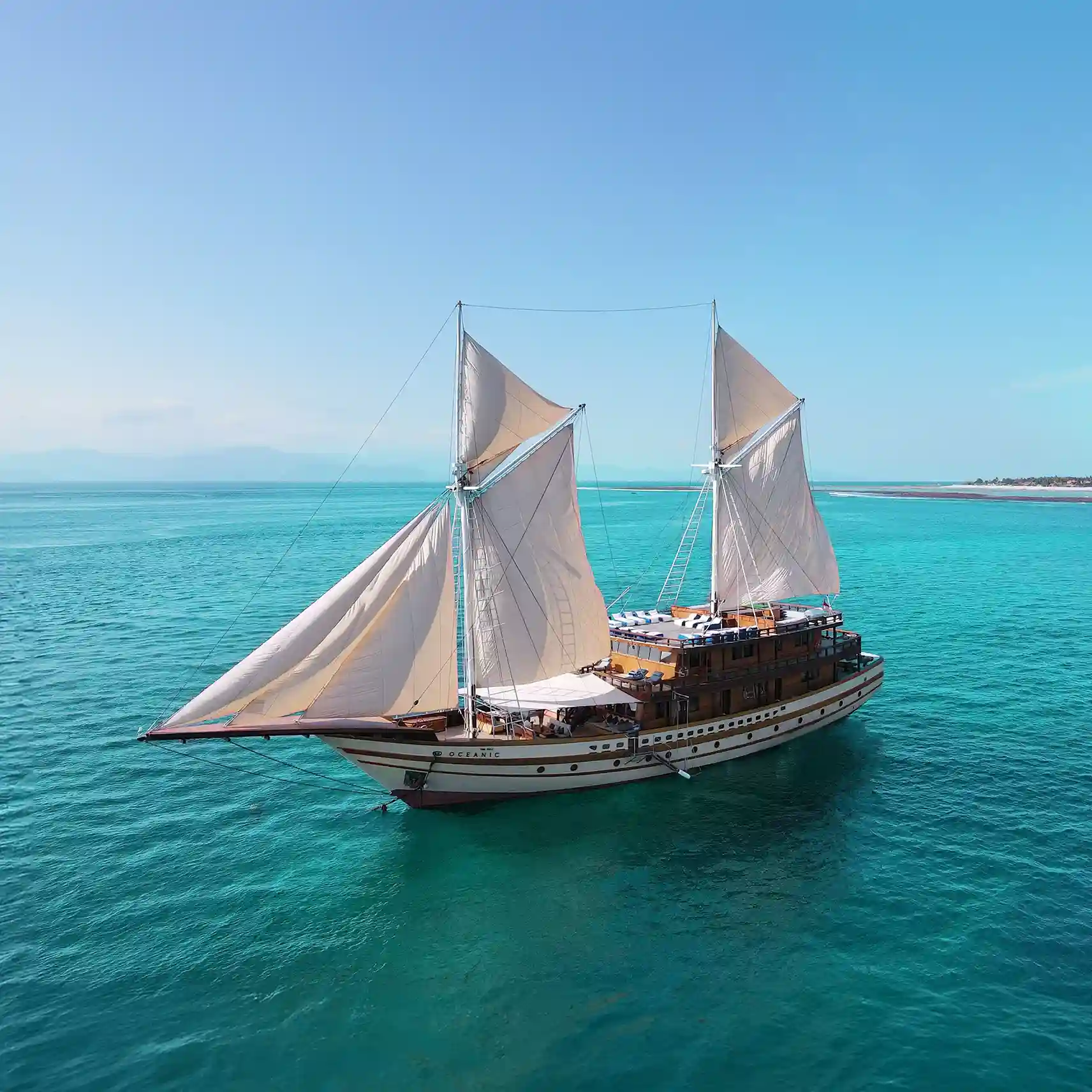
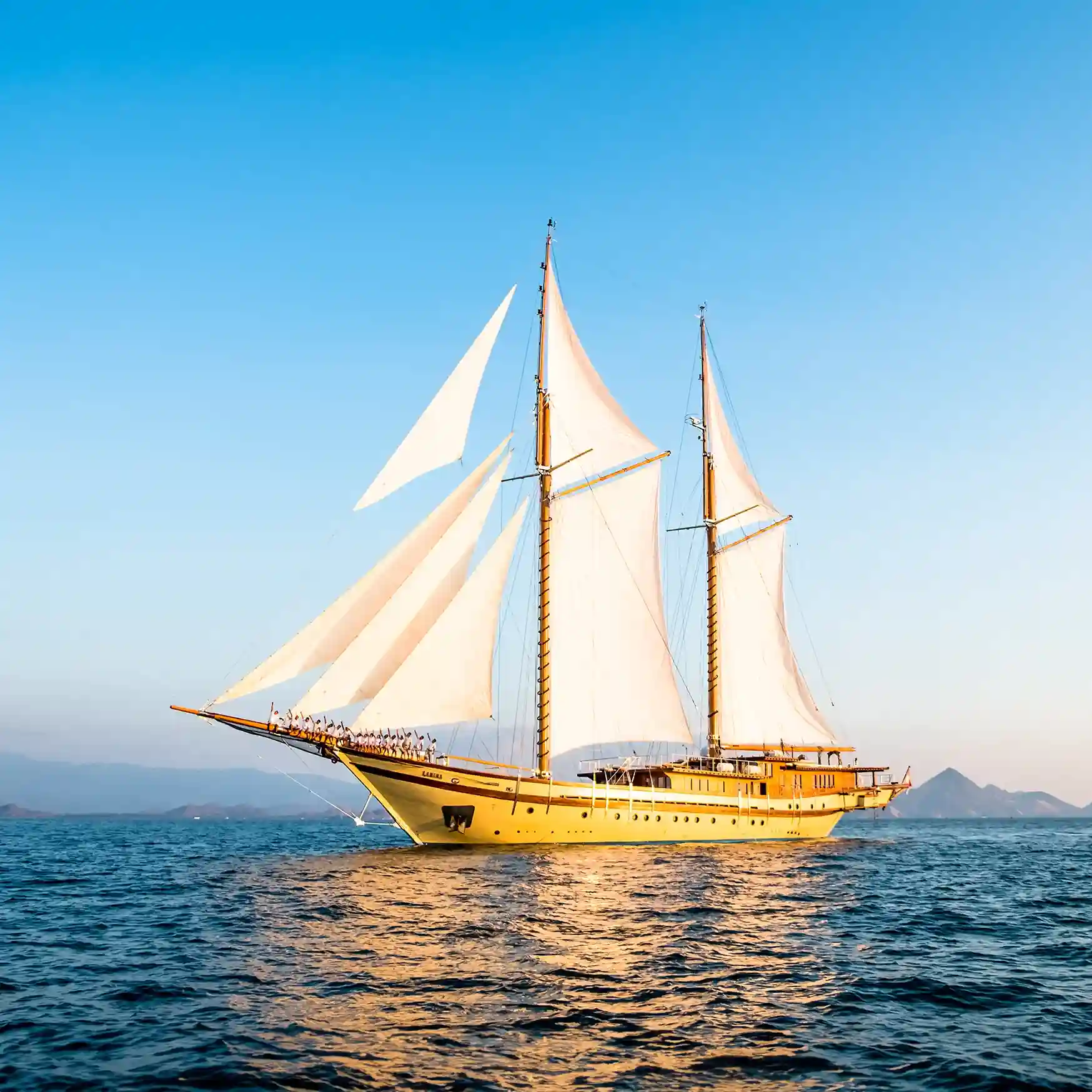
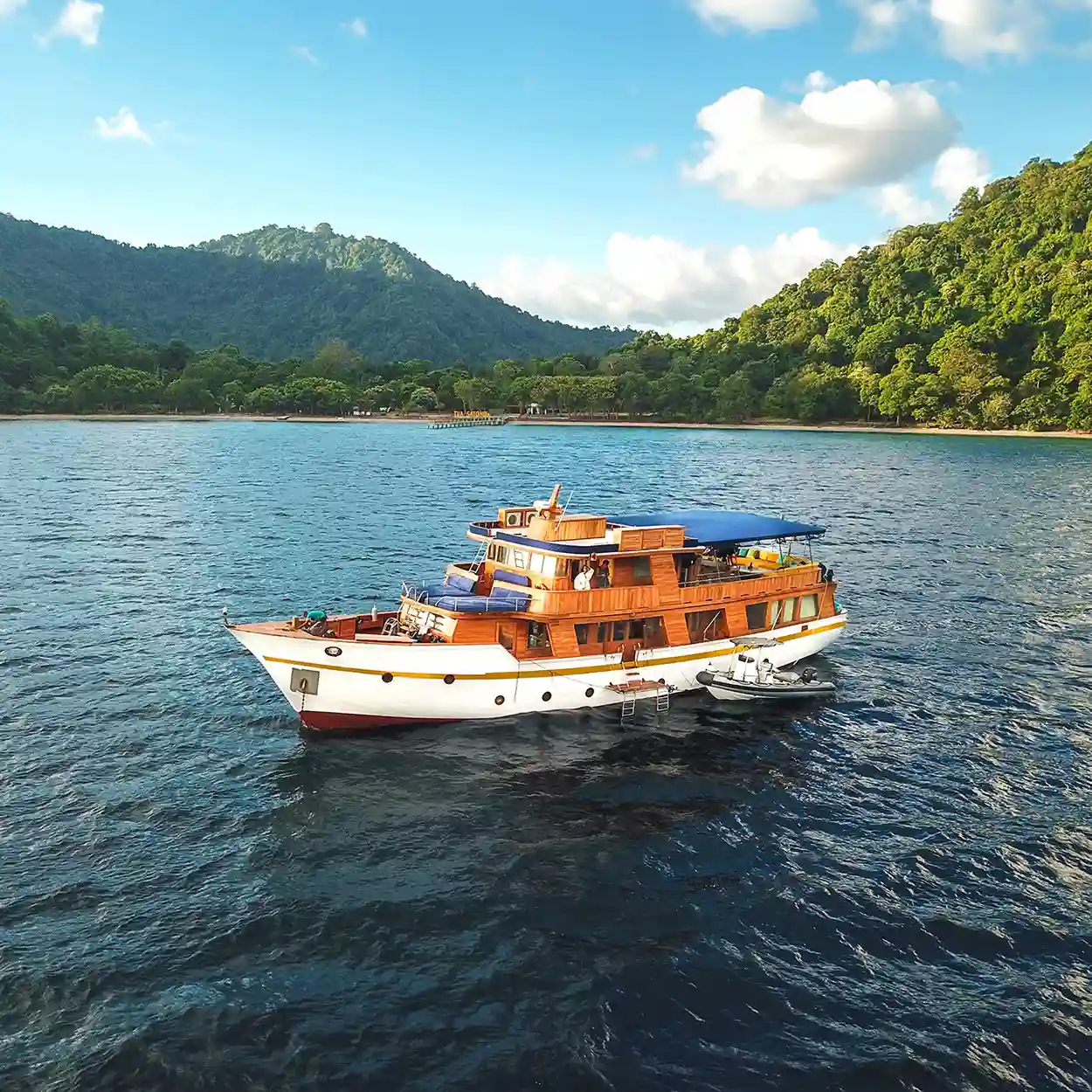
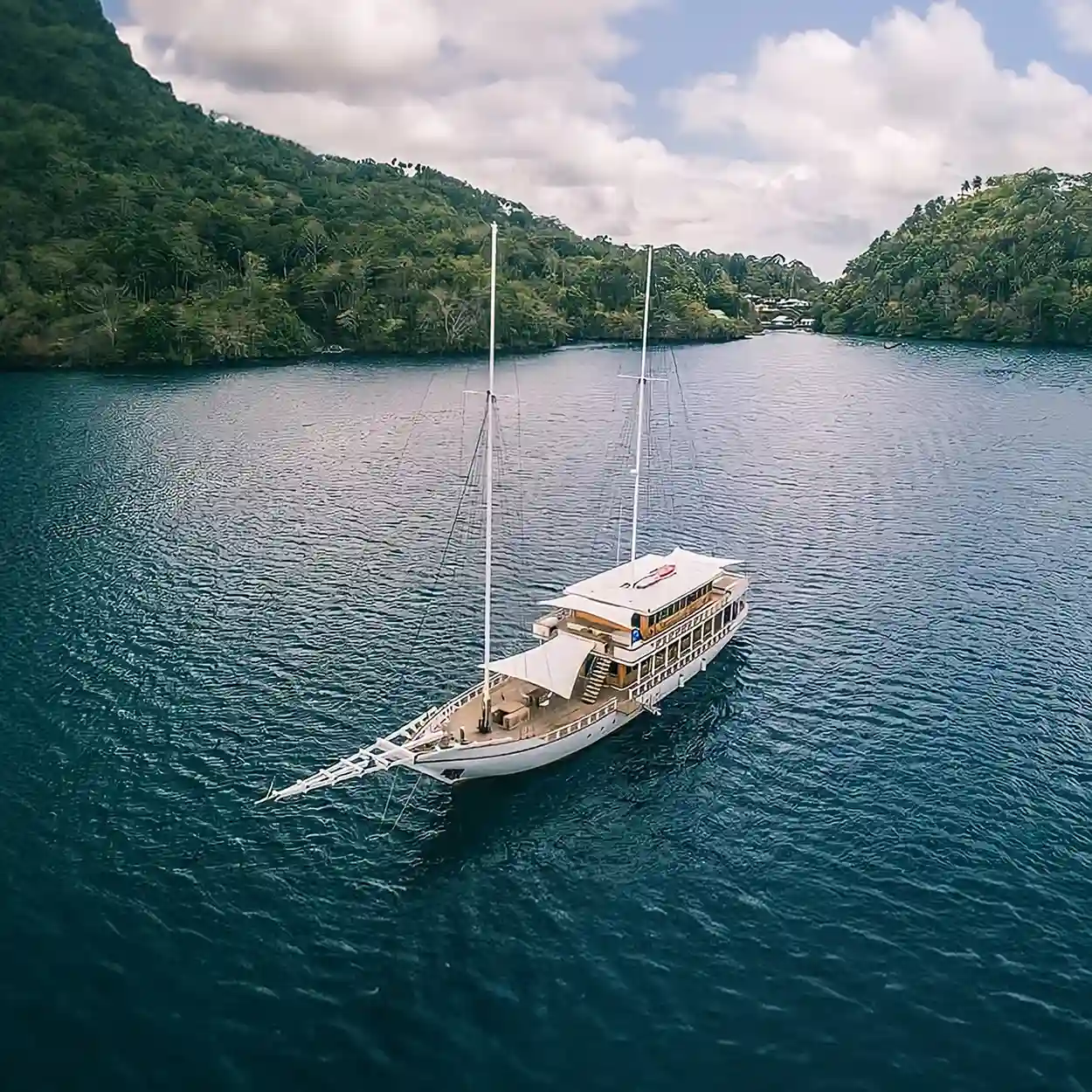
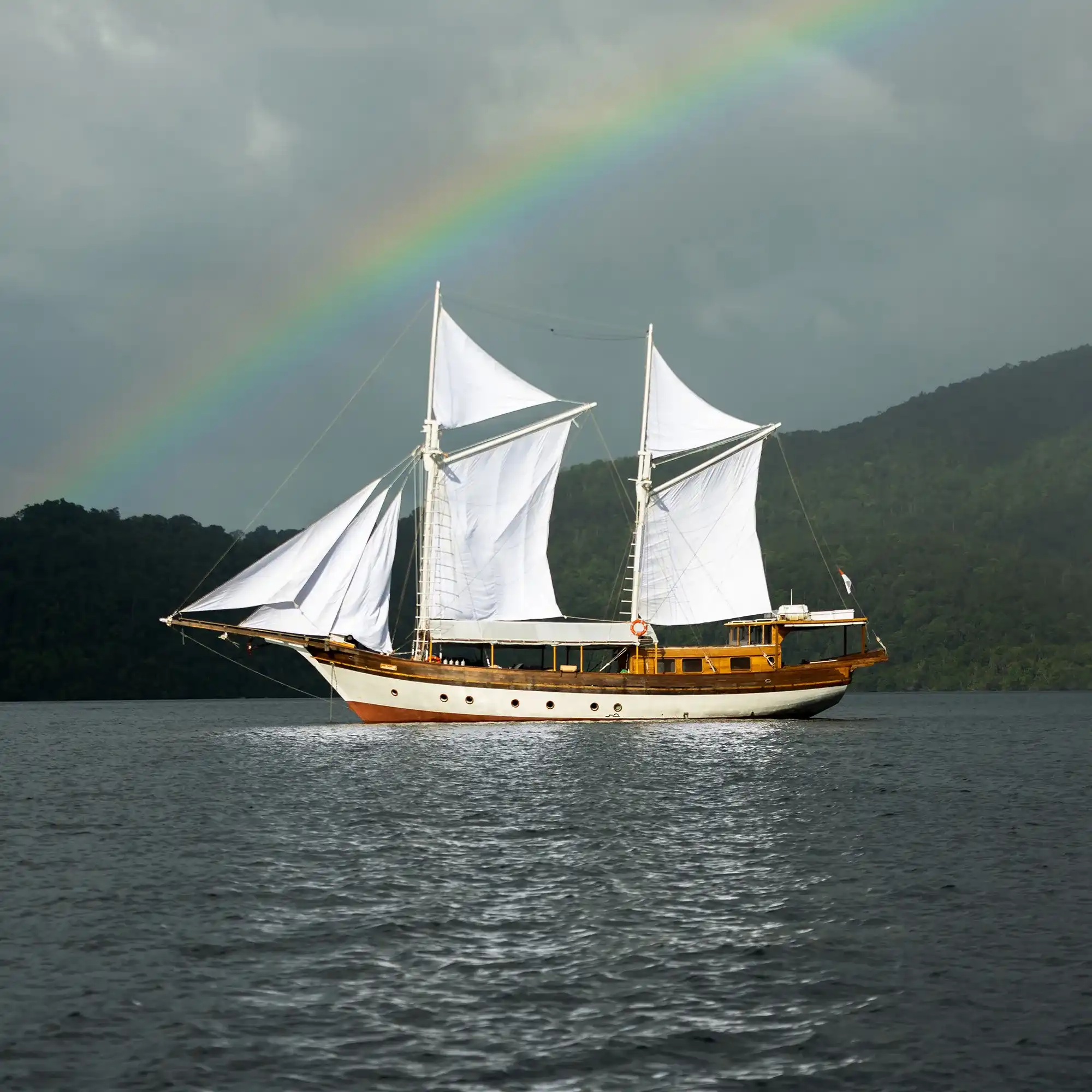
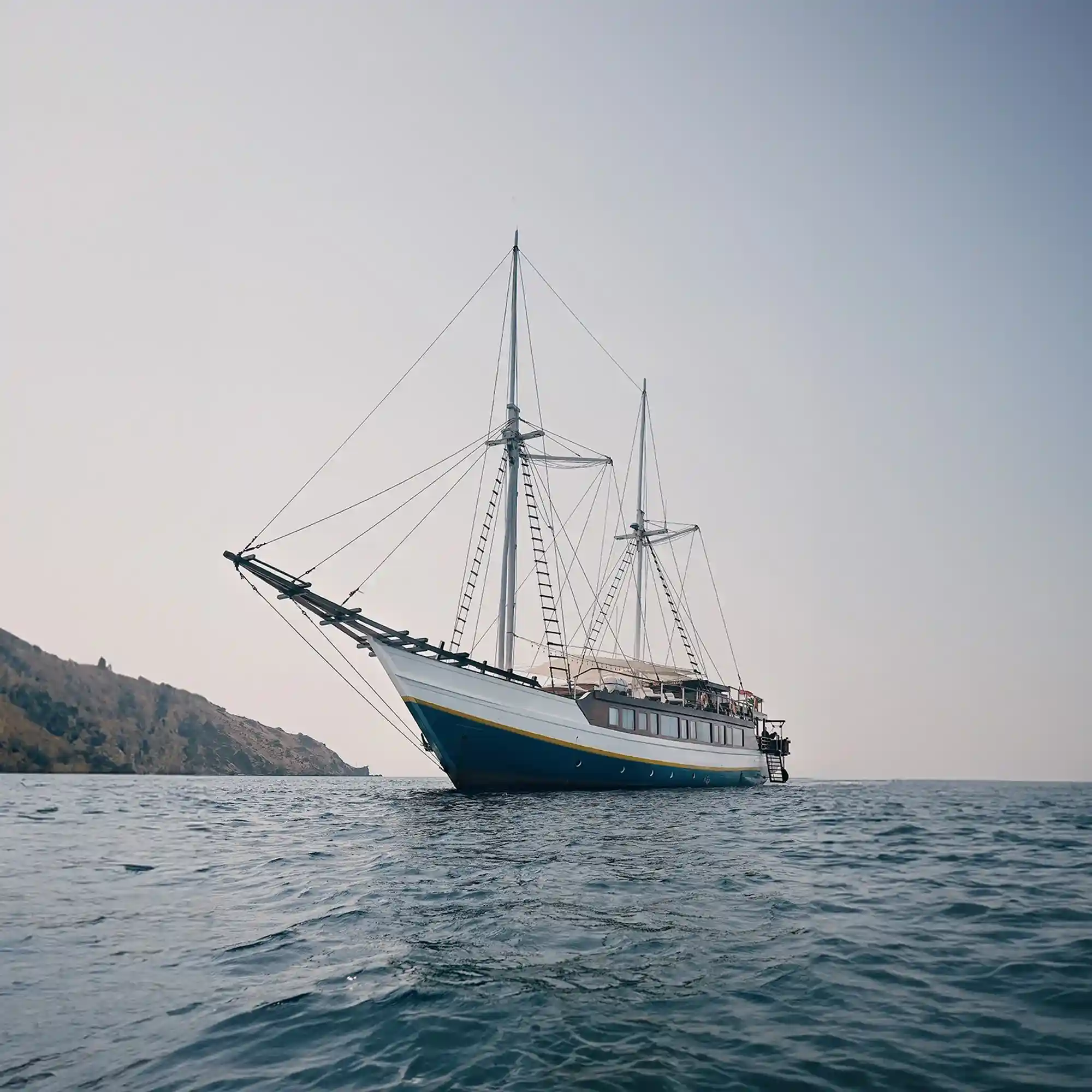
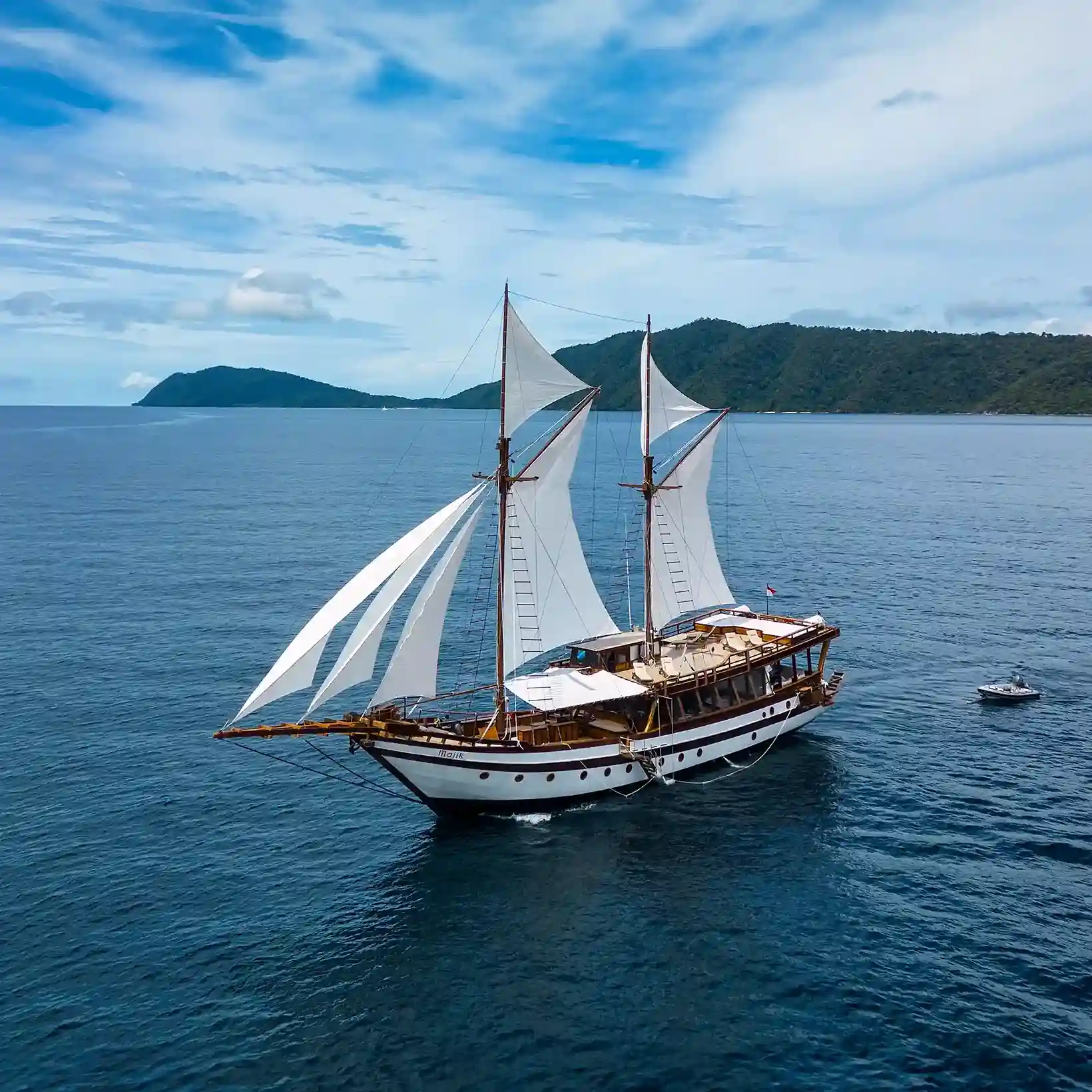
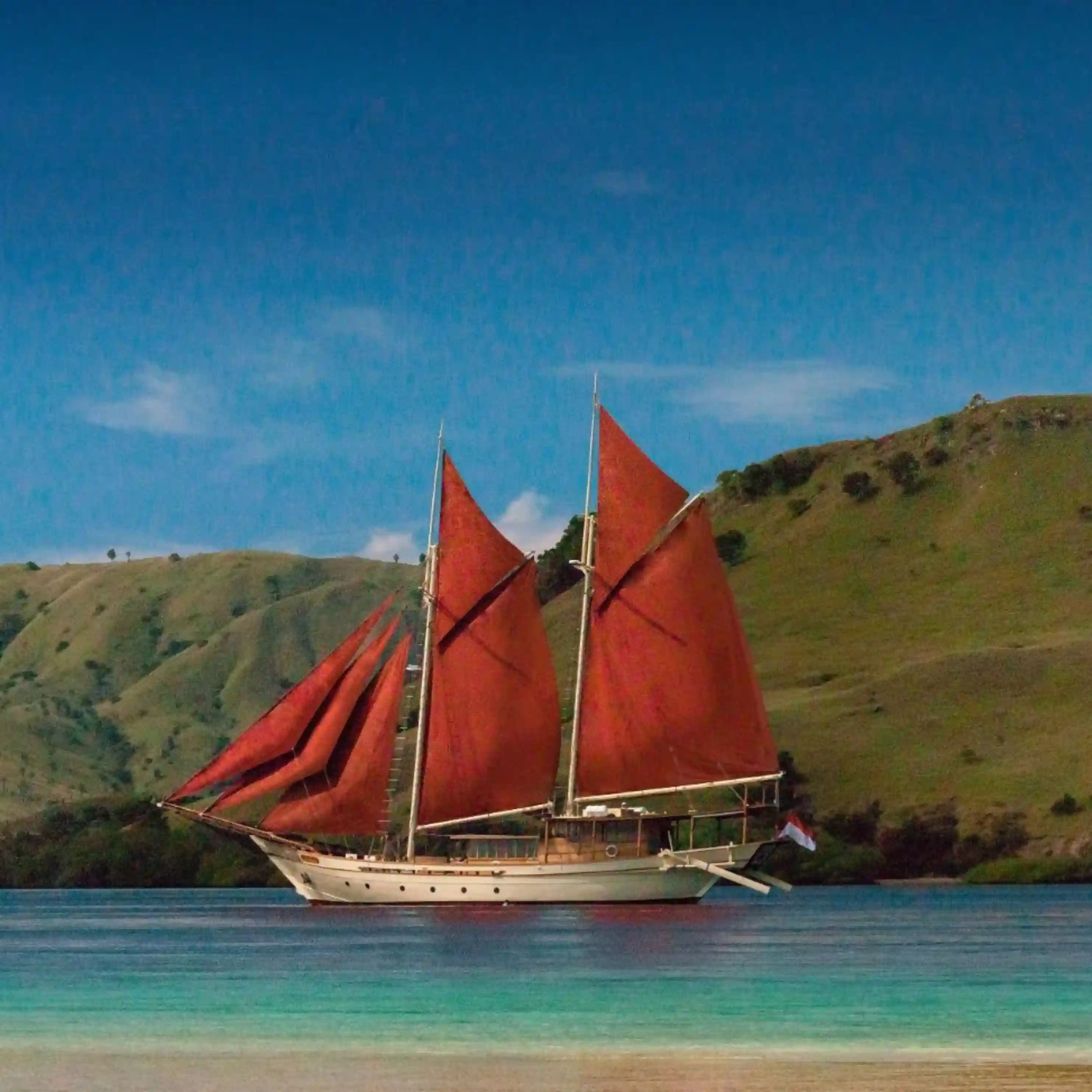
If you’re looking to move at your own pace through Raja Ampat’s maze of limestone islets and coral-rich channels, a one-cabin vessel like Si Datu Bua makes perfect sense. You won’t be waiting on group formations or compromising on dive times — every stop, from dawn snorkels at Manta Point near Dampier Strait to late-afternoon drifts along Cape Kri, is shaped around your rhythm. At 20 metres long, she’s compact but purpose-built for these waters, with a shallow draft that lets you tuck into hidden bays like Wayag’s lagoon or anchor close to the fish-bombed slopes of Melissa’s Garden.
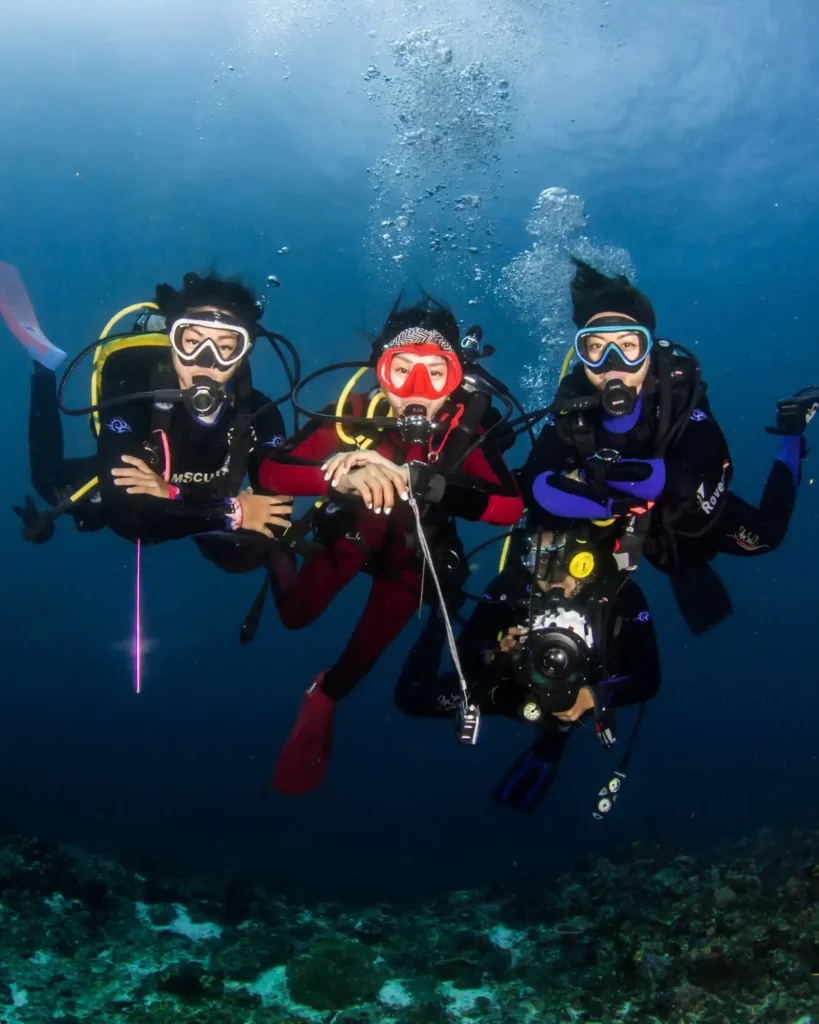
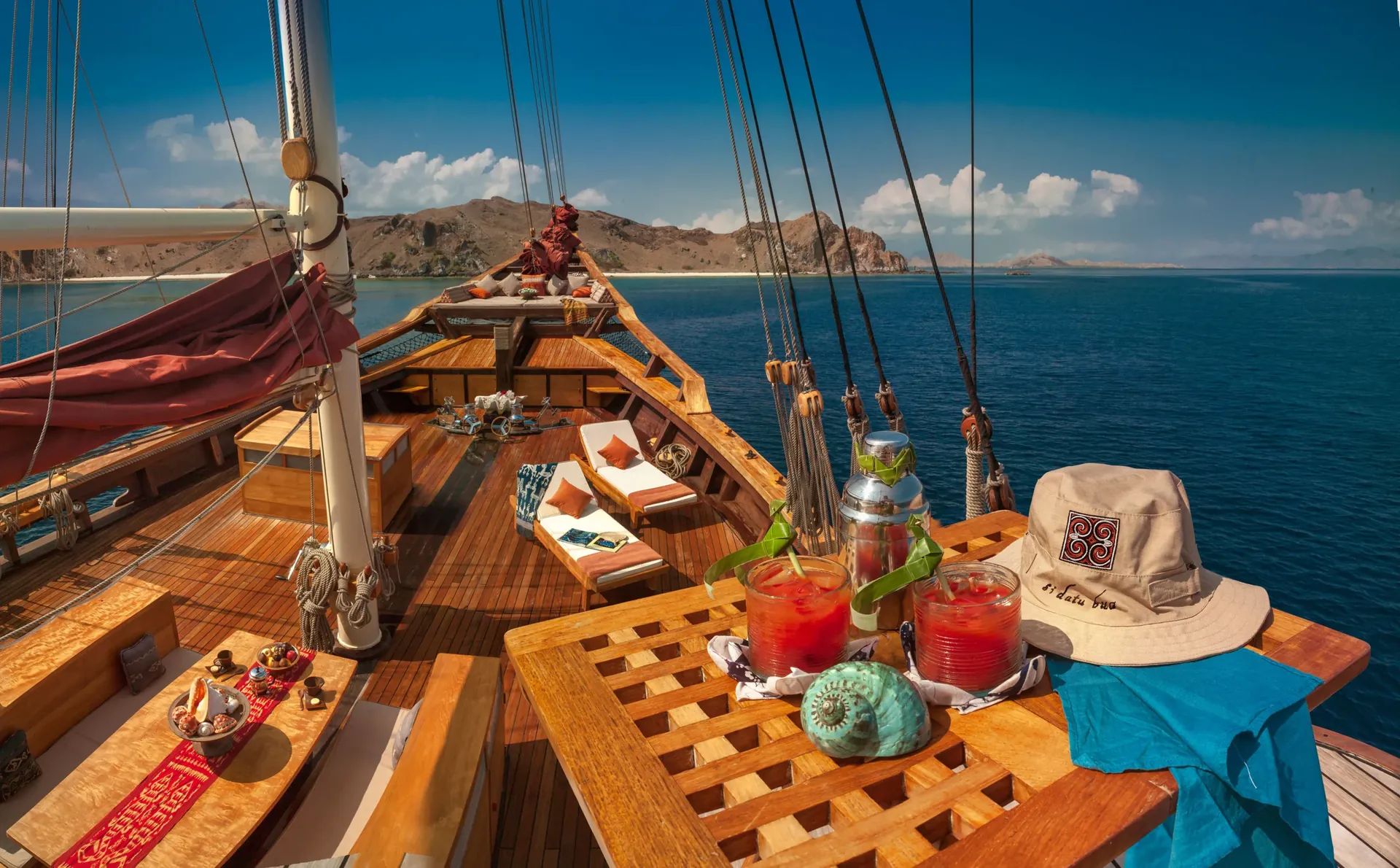
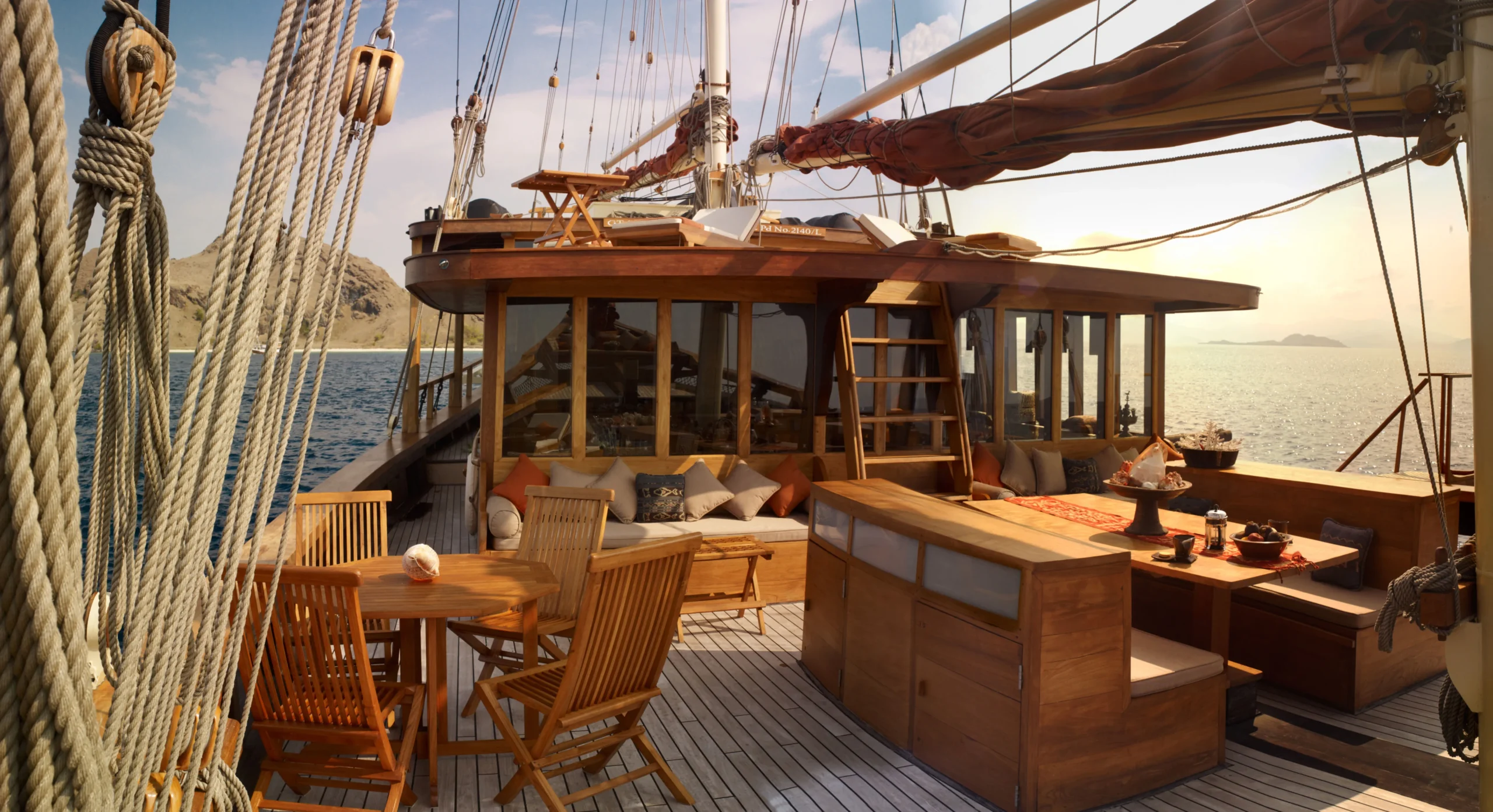
Your days unfold without rush. A typical morning starts with coffee on deck as the boat eases into a sheltered channel near Misool’s karst formations. By 7:30, you’re in the water with a guide, drifting along a current-rich wall where wobbegong sharks rest under ledges and schools of fusiliers flash through sunbeams. Back onboard, lunch is served under the shaded deck — grilled mahi-mahi caught that morning, papaya salad, and iced lemongrass tea. The afternoon might bring a paddle through a mangrove channel near Yenbuba, or a quiet beachcombing session on a stretch of sand so white it reflects the palm fronds overhead.
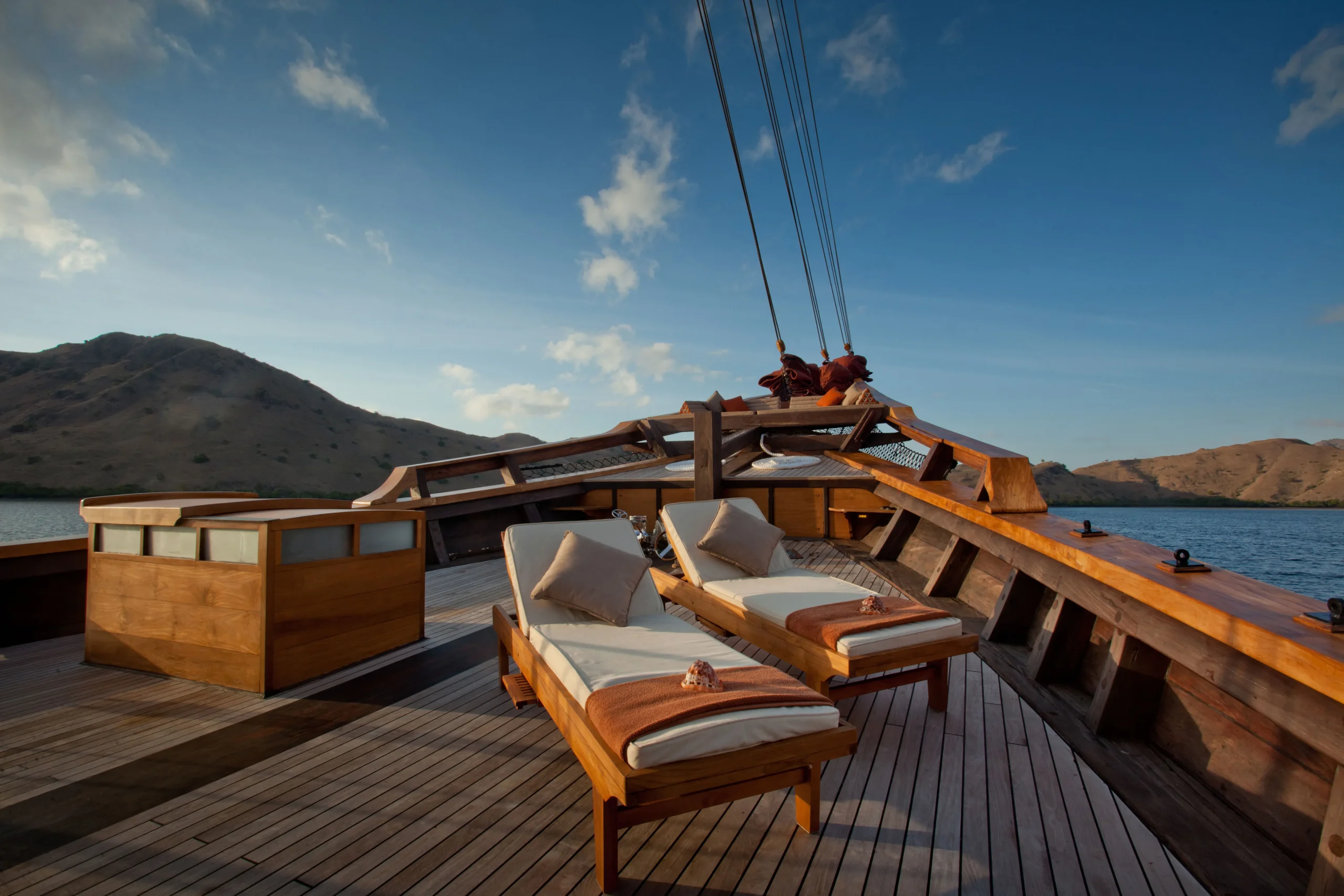
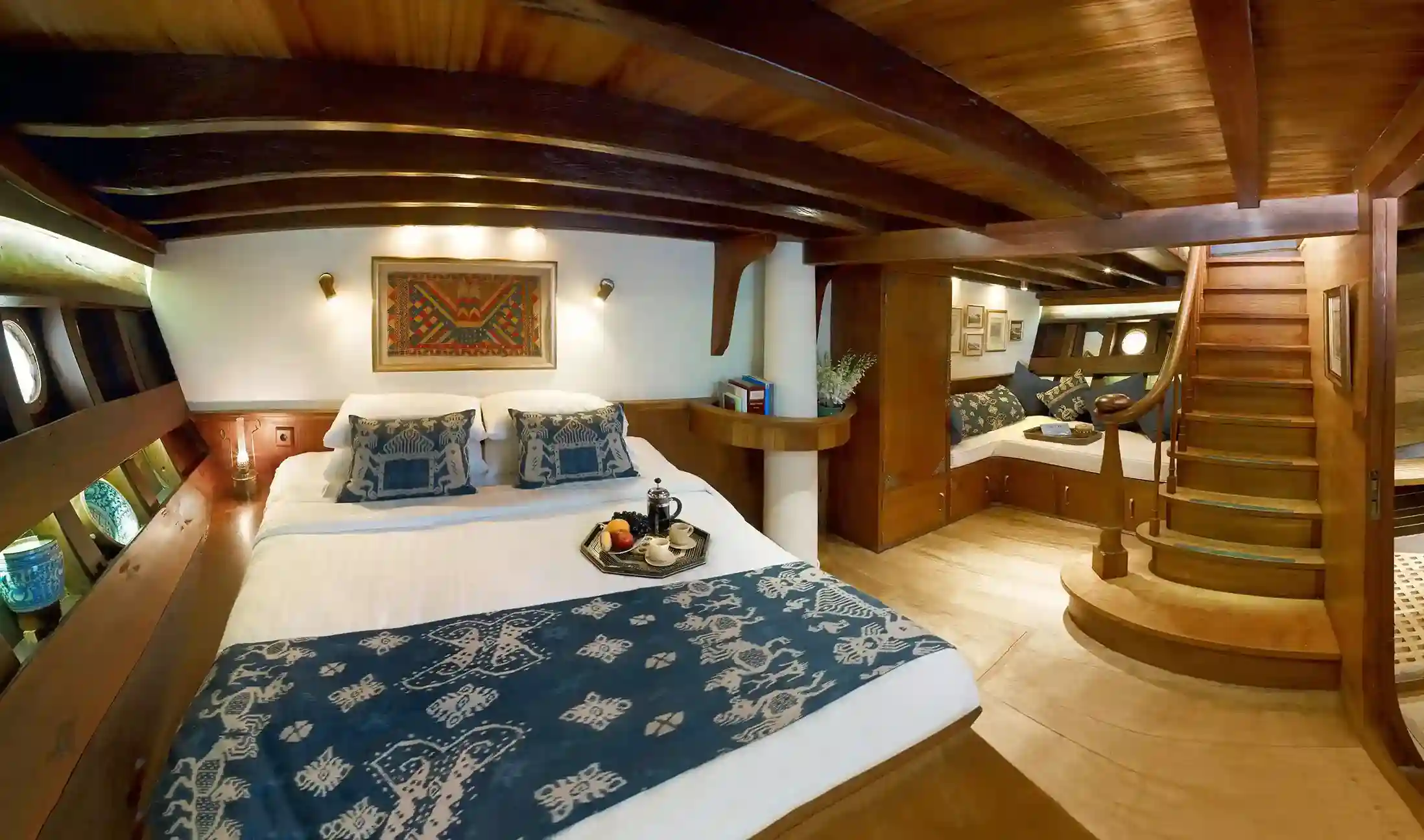
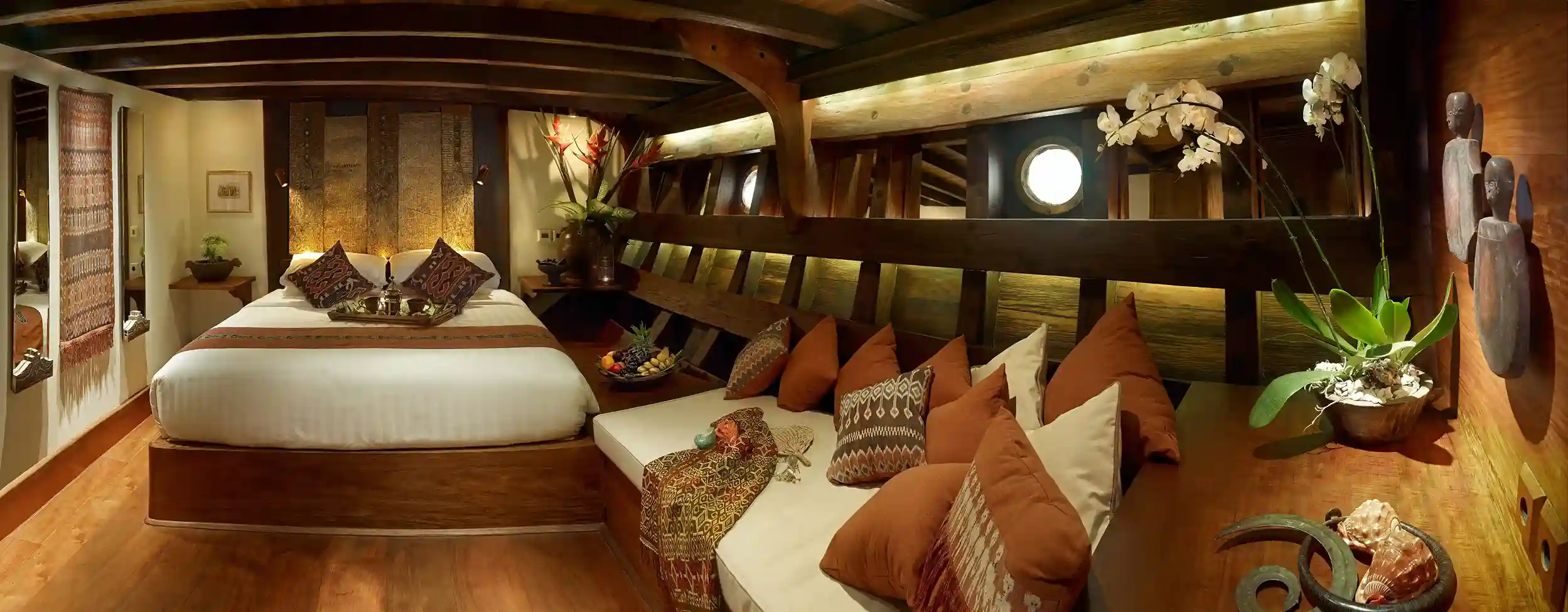
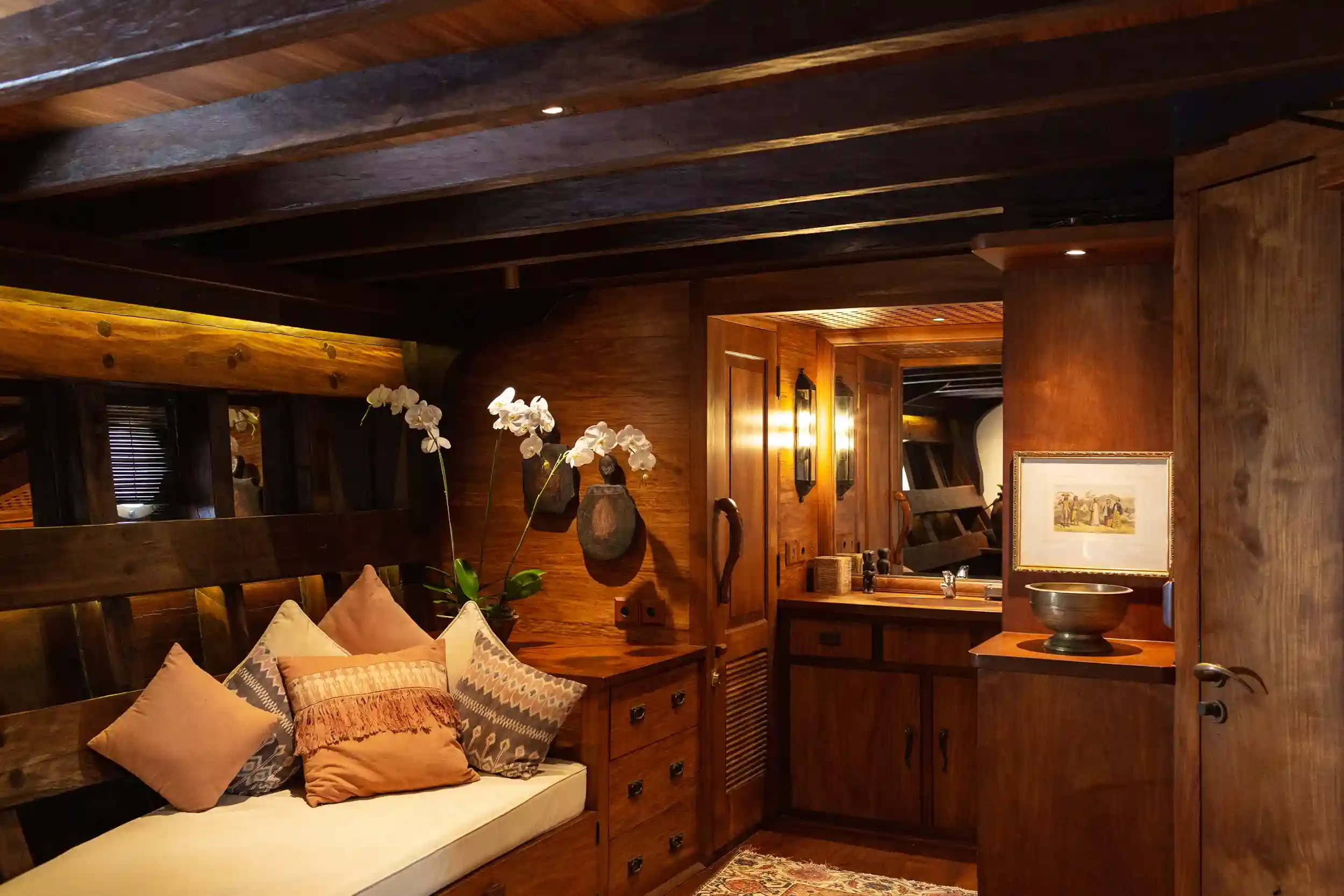
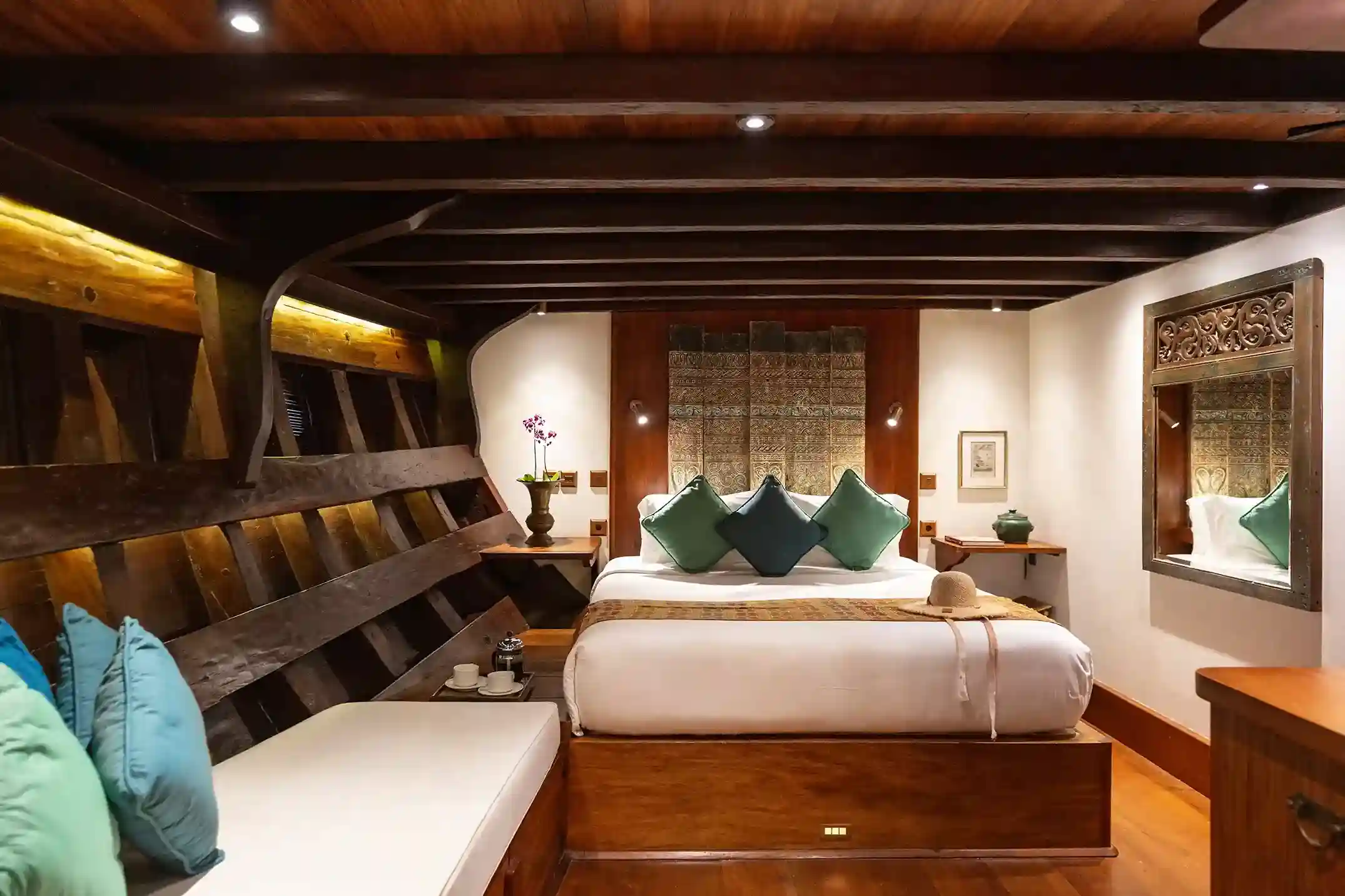
The single cabin is designed for privacy and comfort, with teak finishes, opening ports for cross-ventilation, and a private ensuite with hot water shower. Storage is built into the berth and under seating, and there’s a small reading nook with marine charts and field guides. You won’t find a crowded salon or shared dining schedule — meals are timed to your activity flow, and the crew adjusts anchoring based on wind and swell reports. This isn’t a group itinerary scaled for efficiency; it’s a custom rhythm suited to couples or solo travellers who want immersion without compromise.
Raja Ampat’s best sites are spread out, and Si Datu Bua’s range lets you reach spots day boats can’t. One day you might cross to the northern tip of Waigeo for a climb up the Wayag viewpoint, where the panorama of mushroom islands and turquoise water is unmatched. Another, you’re drifting through the coral highways of Arborek Jetty, watching pygmy seahorses cling to gorgonian fans. The crew knows the tidal gates at Chicken Reef and can position the boat so you’re in the water at peak current, when the mantas come close and the jacks begin their feeding runs.
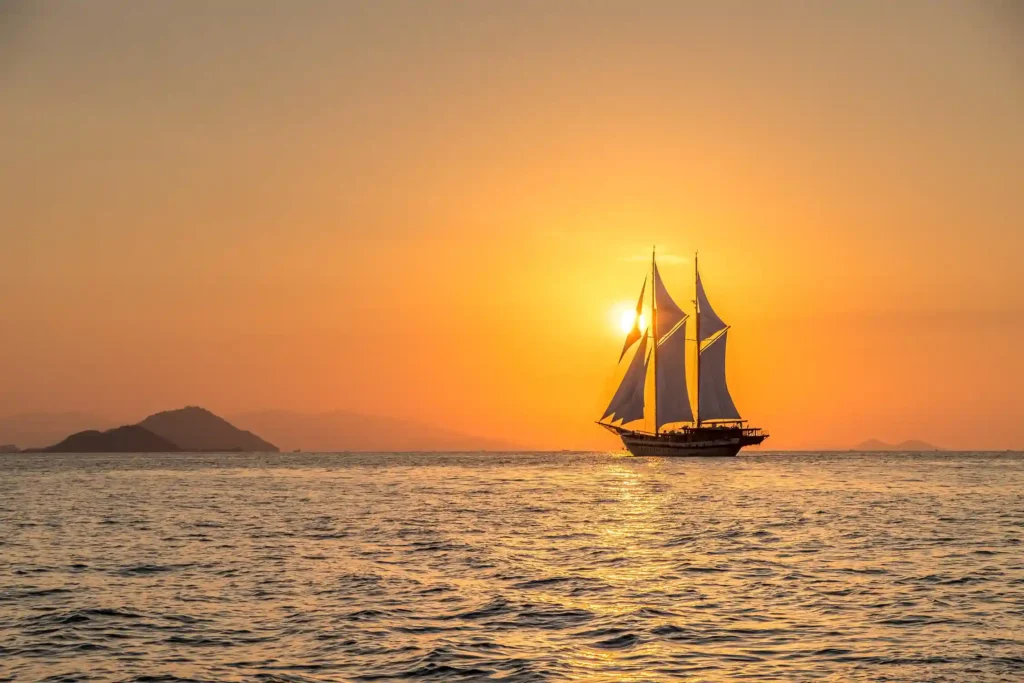
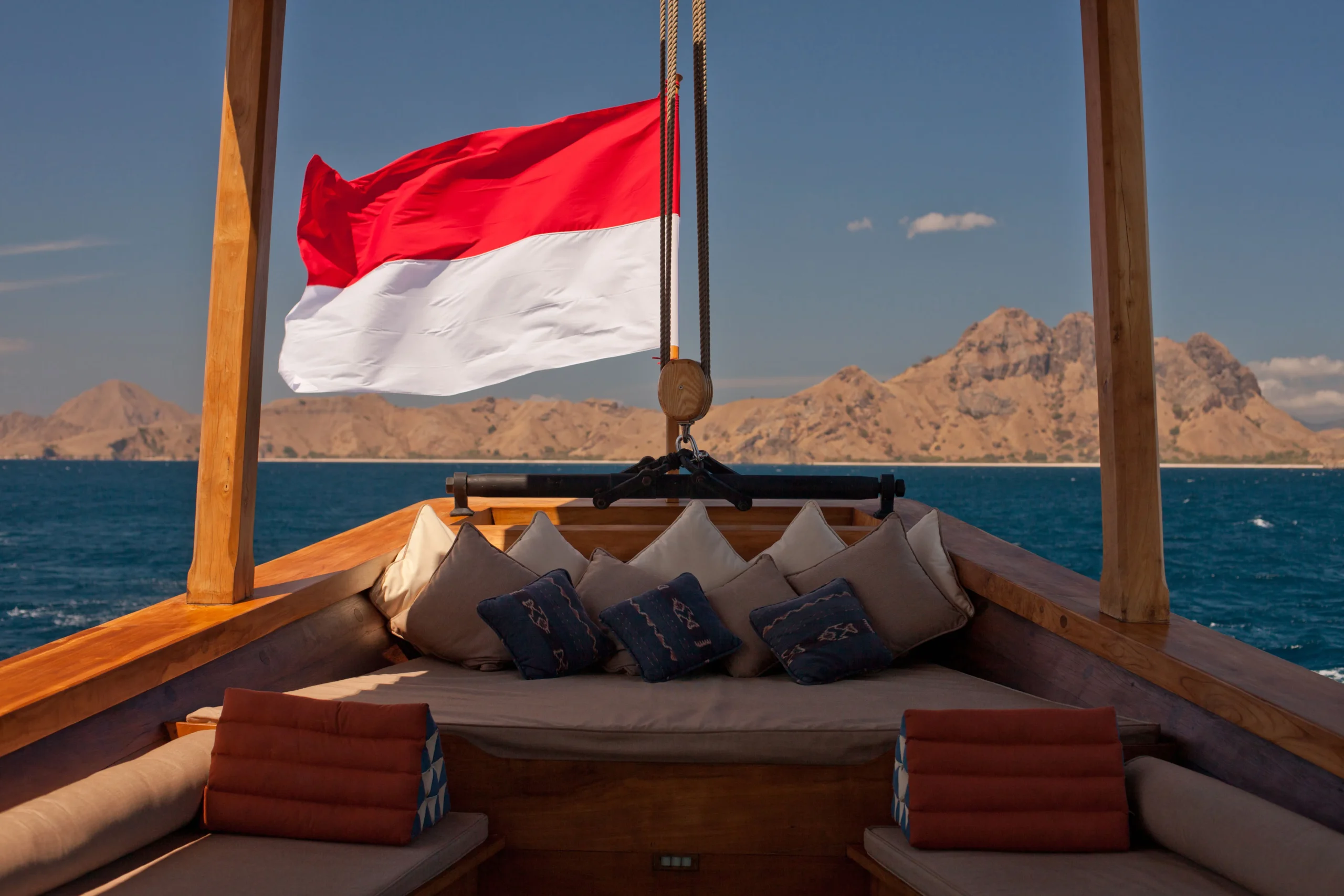
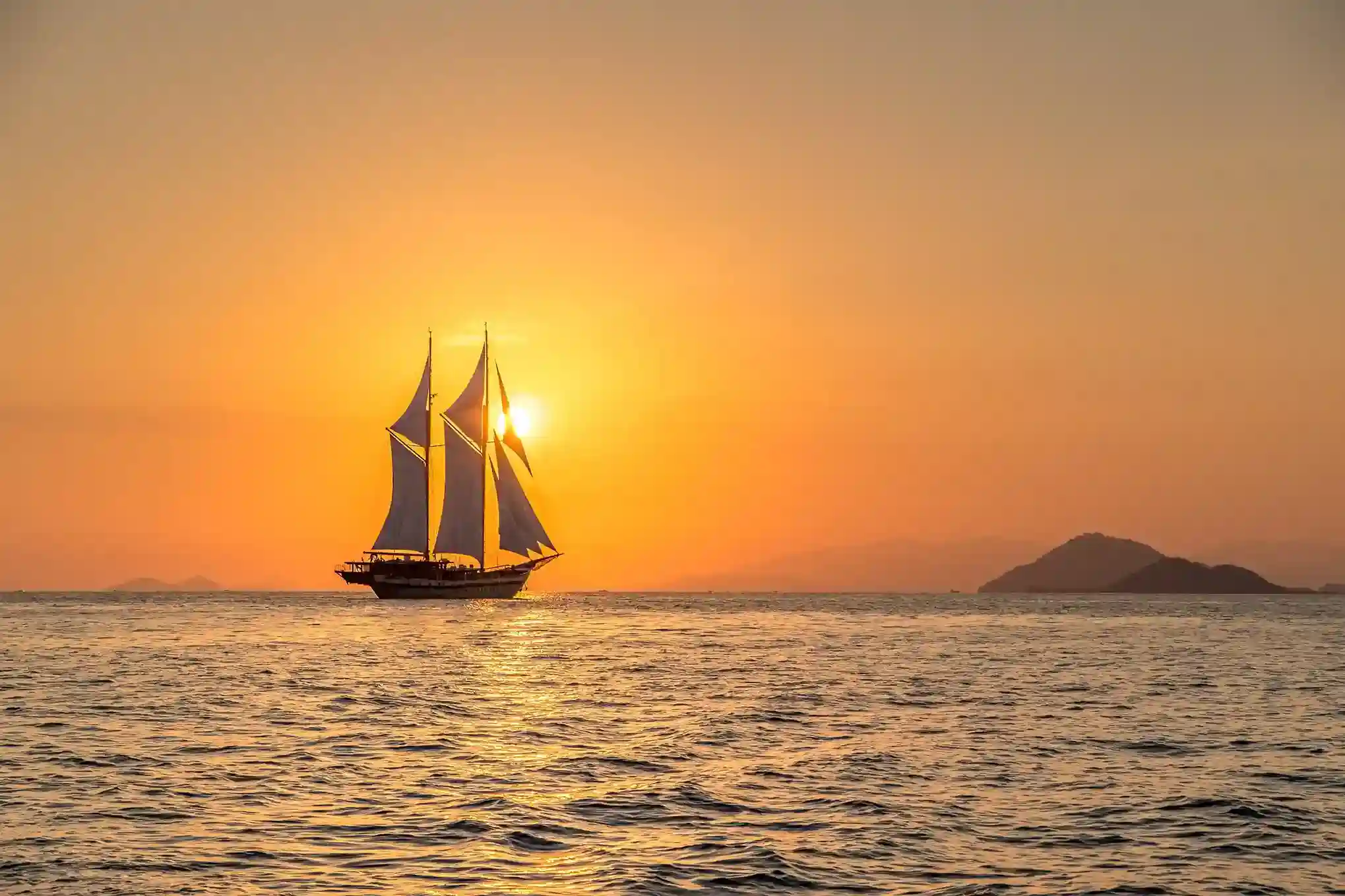
This level of access works best in the dry season (October–April), when swells are manageable and visibility regularly hits 30 metres. Outside that window, the boat can still operate, but routes may shift south toward sheltered Misool or the calm waters around Kri Island. Keep in mind: with only one cabin, you’re fully exposed to the elements when underway — there’s no indoor salon to retreat to, so pack a light jacket for evening breezes. But that also means every sunset is unobstructed, from the cockpit, with a cold drink in hand as the sky burns over Batanta’s treeline.