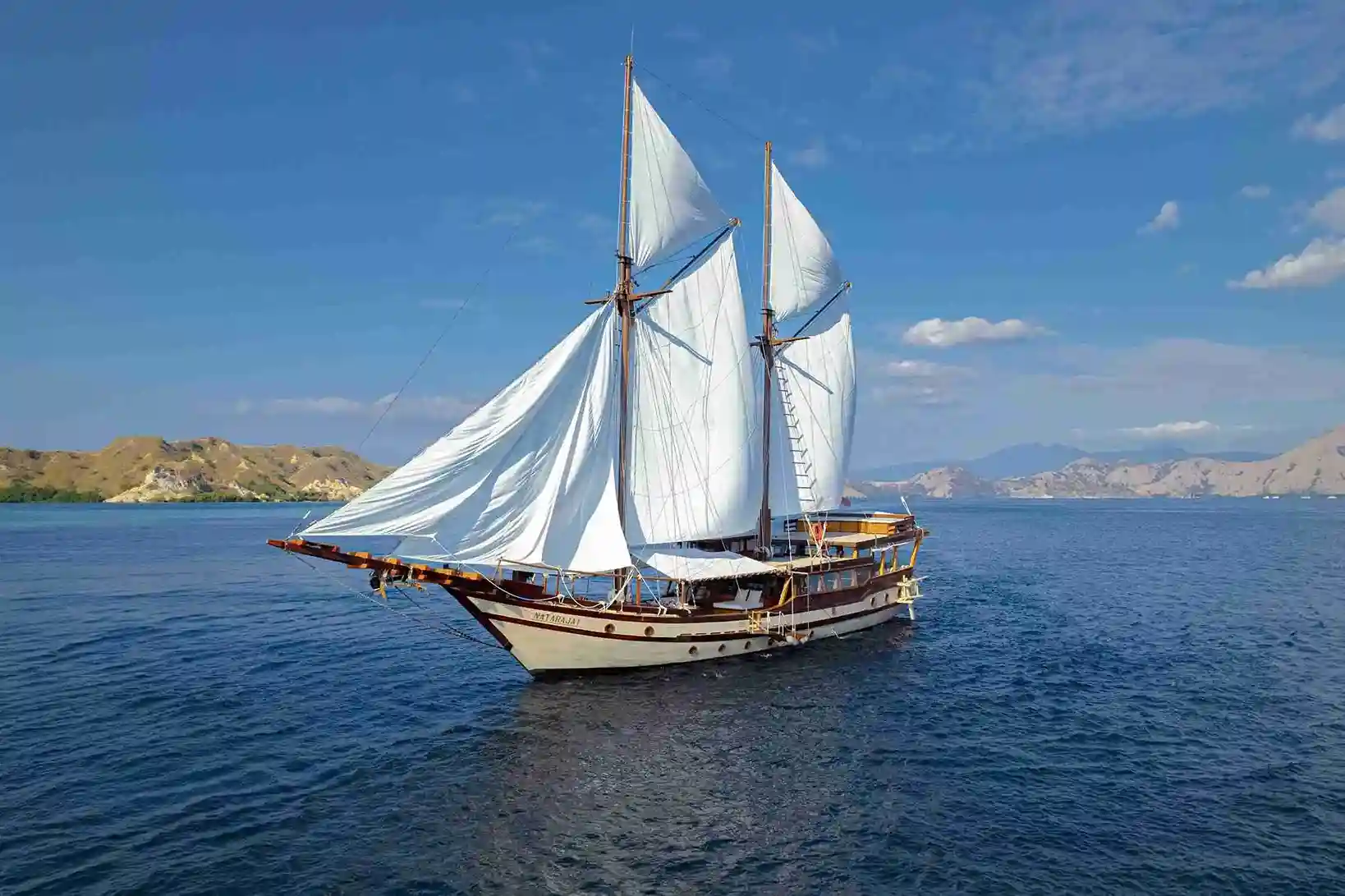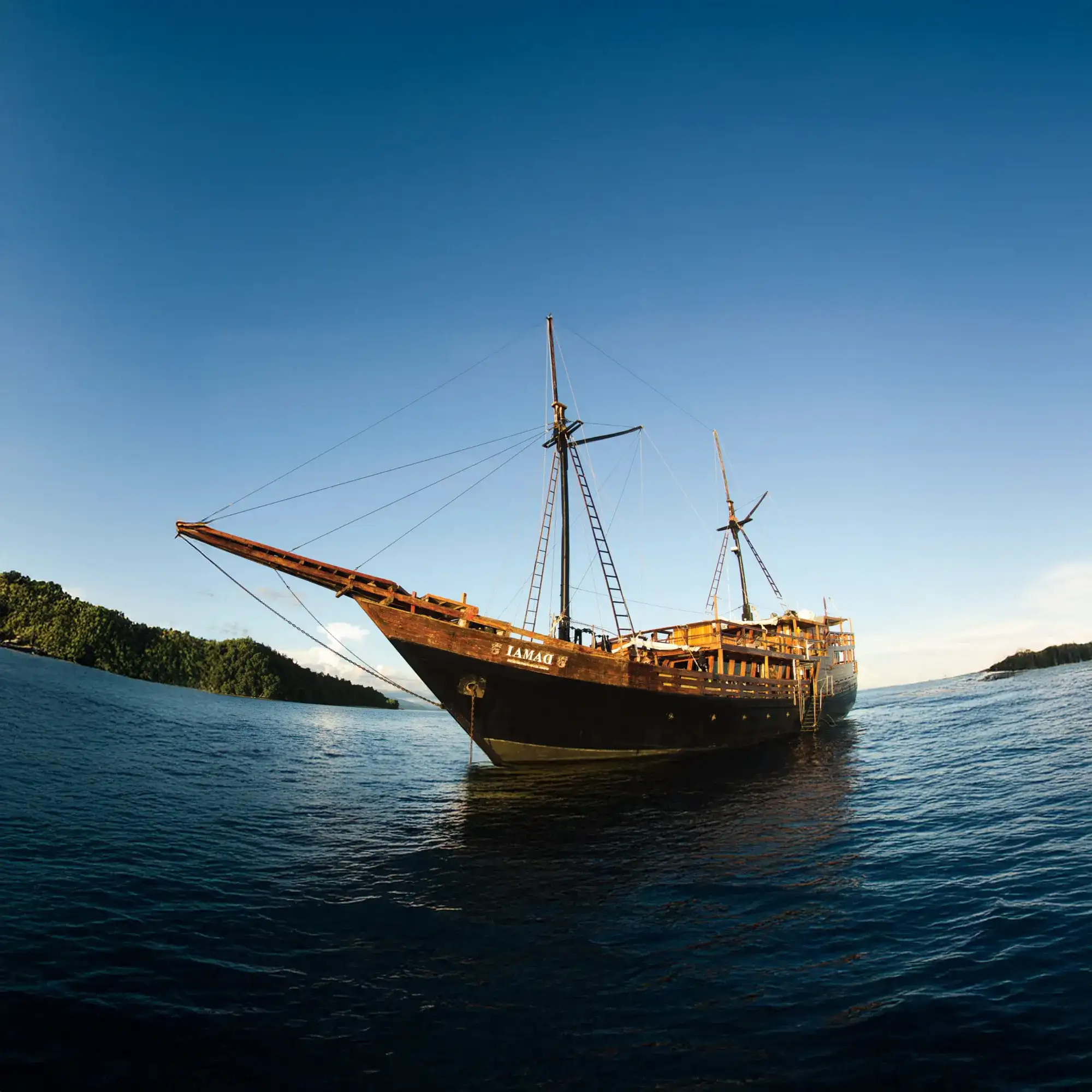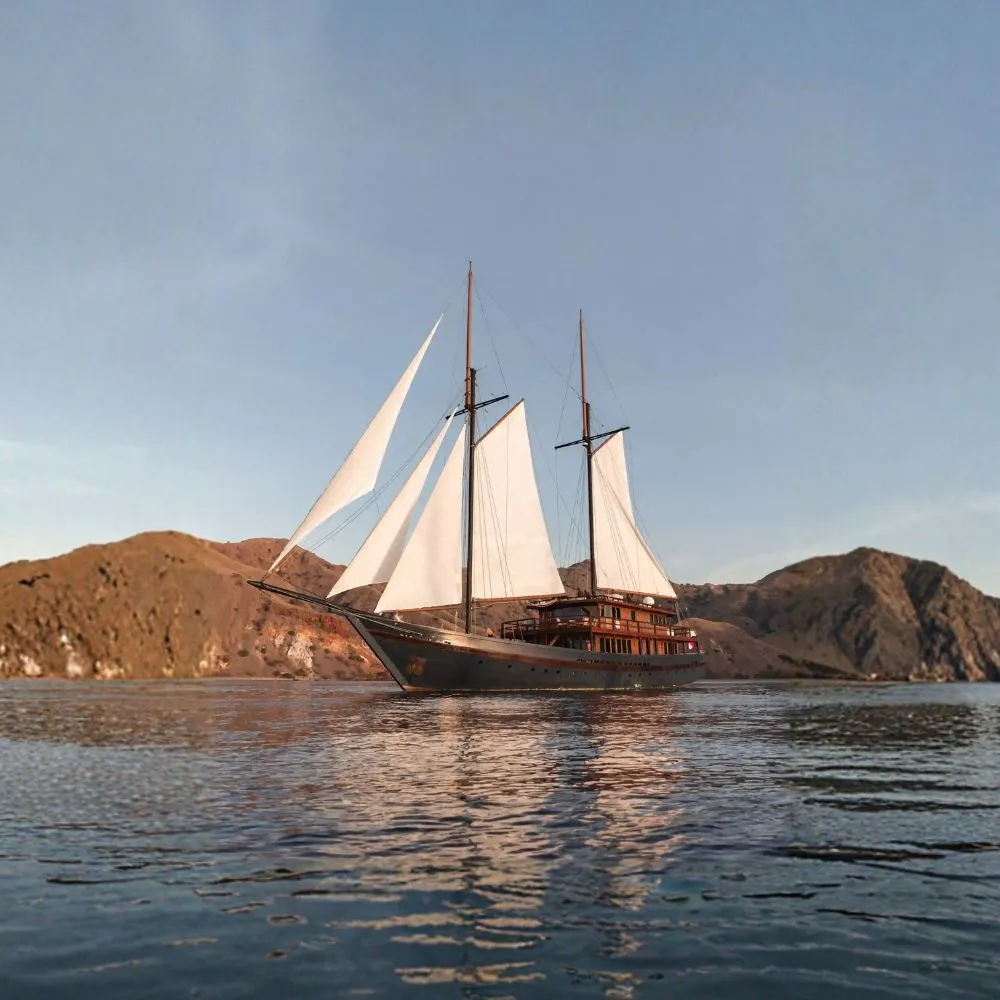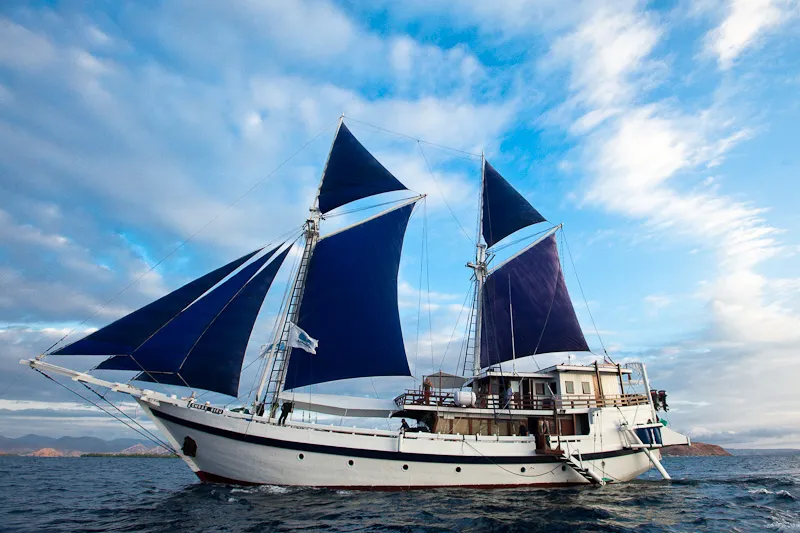
About Lamima
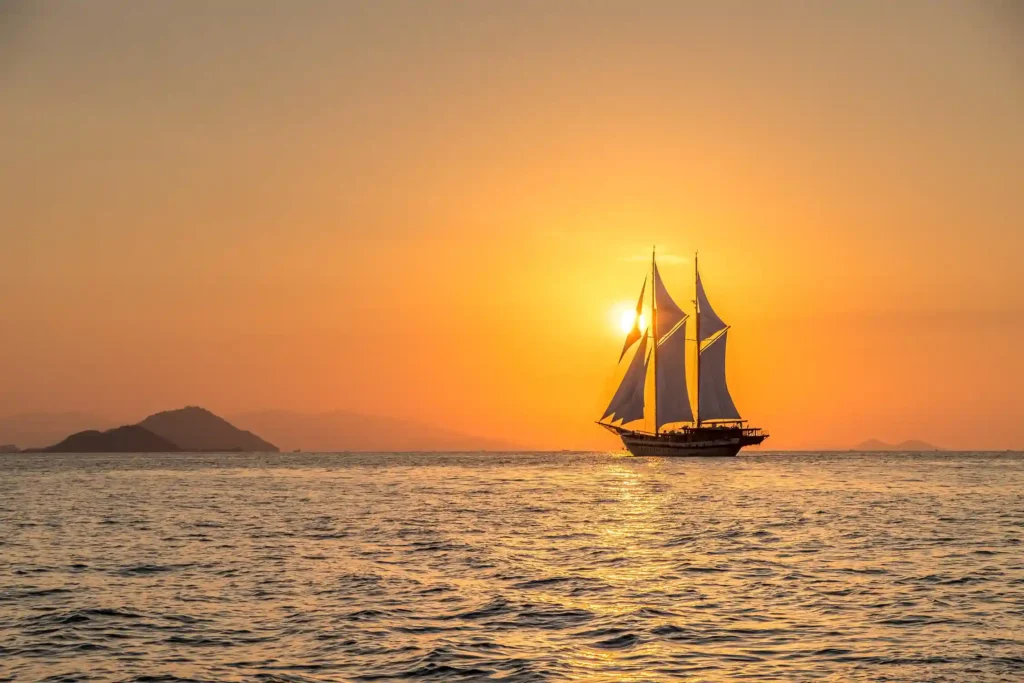
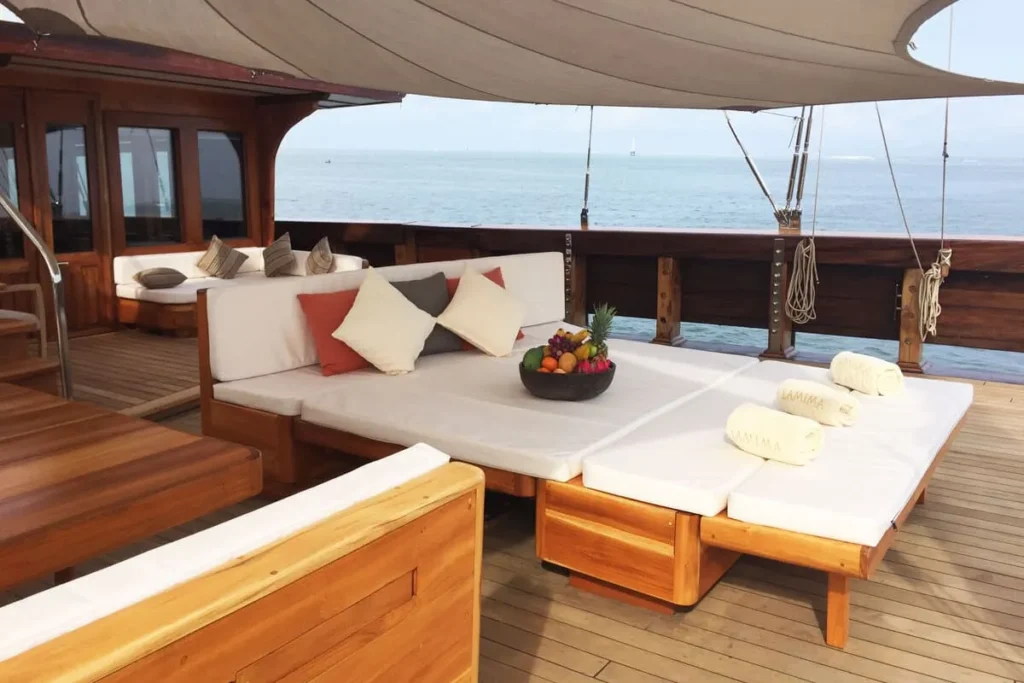
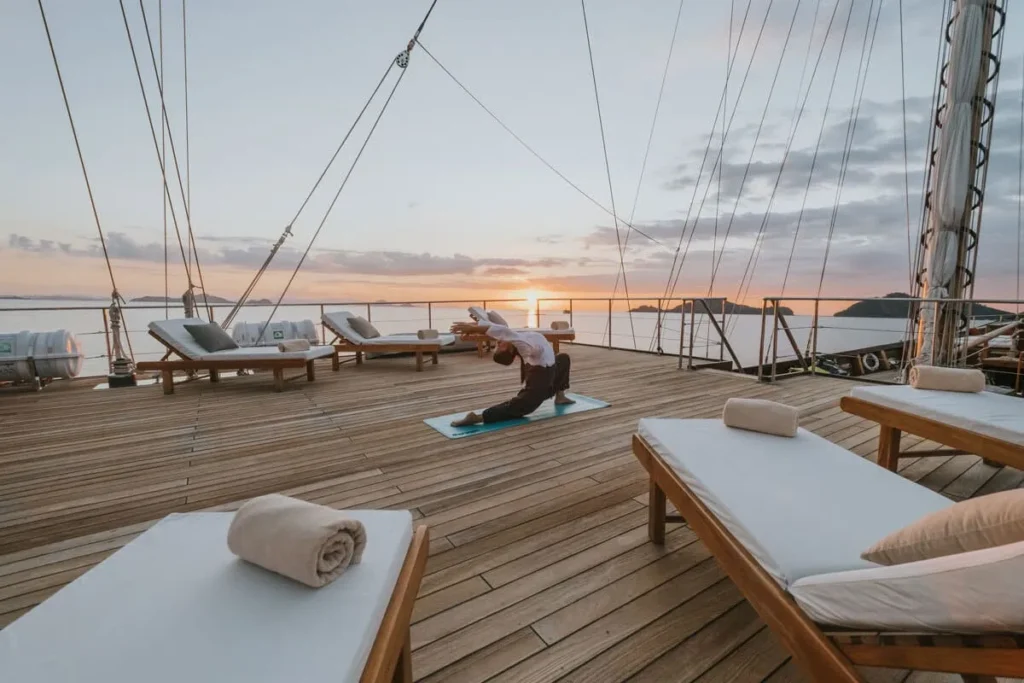
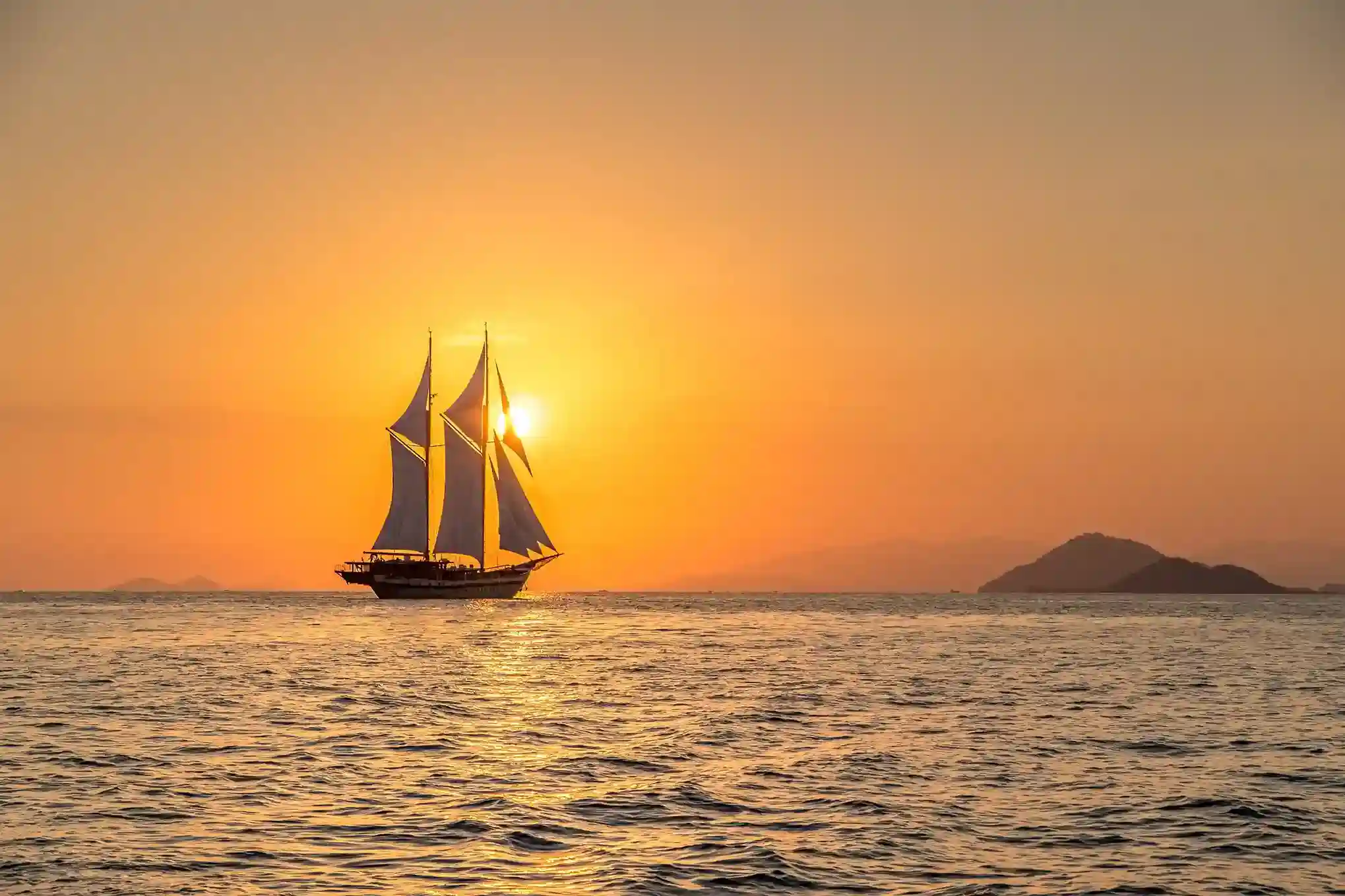
The first morning, I woke before sunrise not to an alarm but to the faint creak of teak and the smell of brewing coffee drifting up from the galley. I stepped barefoot onto the deck and found the sky already softening behind Batanta Island. Lamima had moved in the night, and now we were anchored in Alor Strait, completely alone. There was no engine noise, no distant hum – just the occasional splash of a jumping fish and the low murmur of crew adjusting lines. I sat cross-legged on the yoga deck, wrapped in one of the thick cotton blankets they left out, watching the horizon turn from indigo to coral.
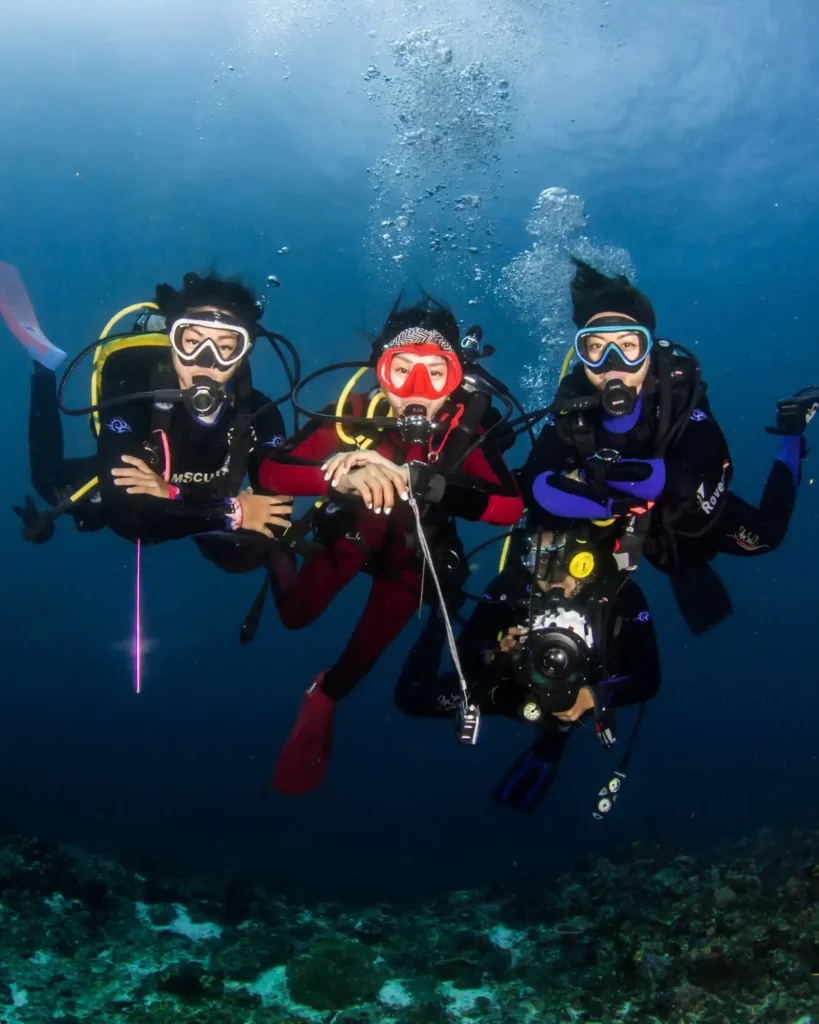
We spent that first full day in the Dampier Strait, diving at Manta Sandy just after breakfast. It wasn’t just one or two mantas – there were at least eight gliding in slow circles, close enough that I could see the patterns on their backs like fingerprints. One hovered directly above me, its mouth open, filtering plankton. After lunch on the sundeck, we snorkeled at Cape Kri, where the reef wall drops off into blue. I counted five different species of pygmy seahorse in a single coral bush, and a wobbegong shark tucked under an overhang. The water was warm, but the current strong, and the crew had dropped a surface marker buoy so they could track us.
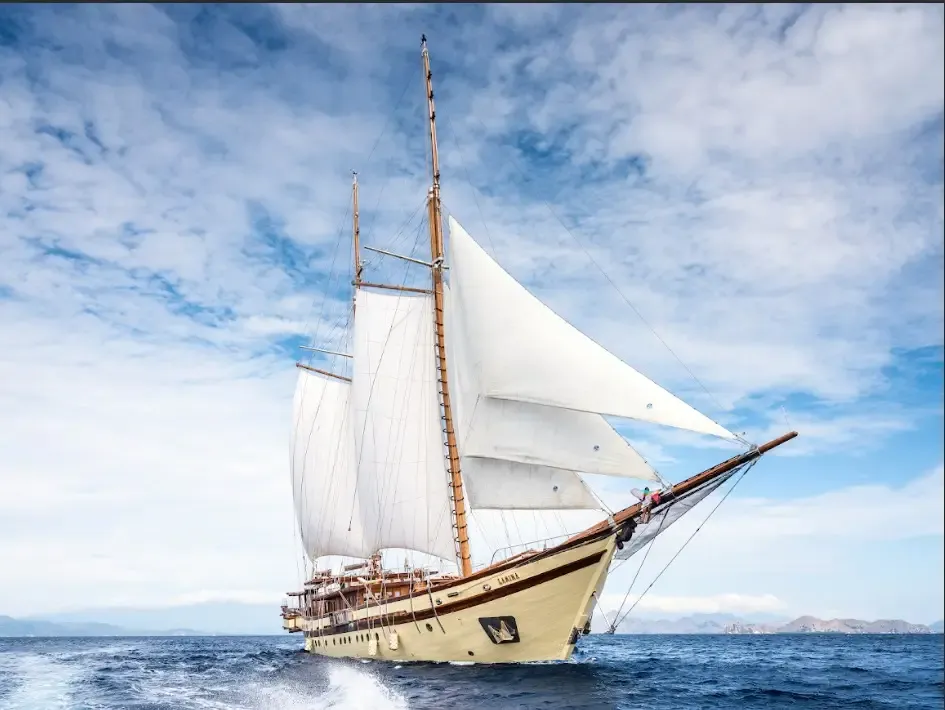
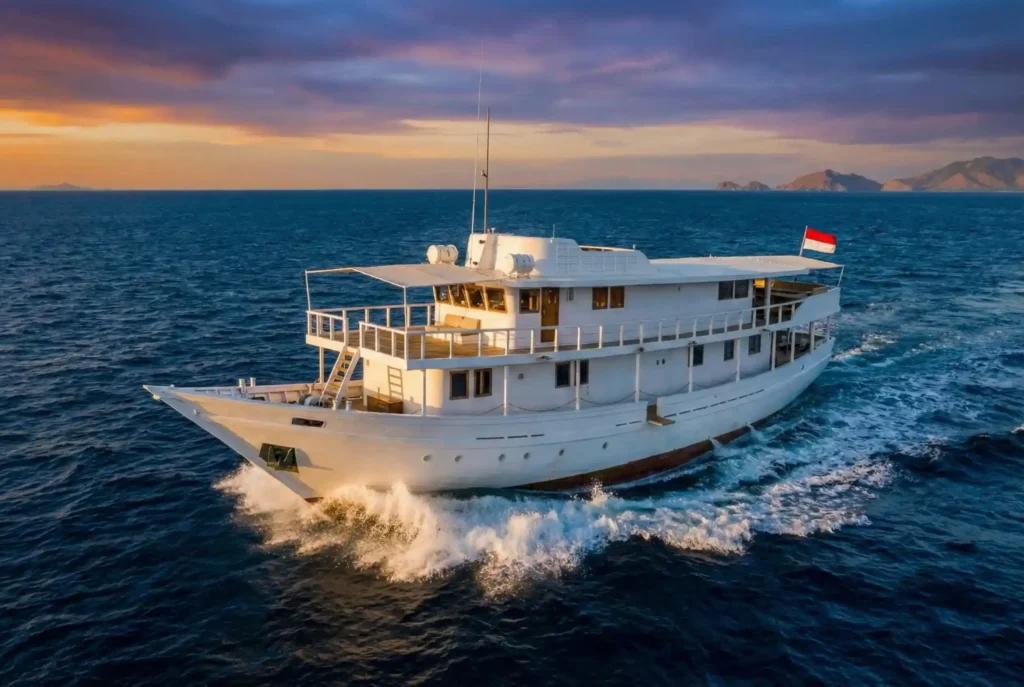
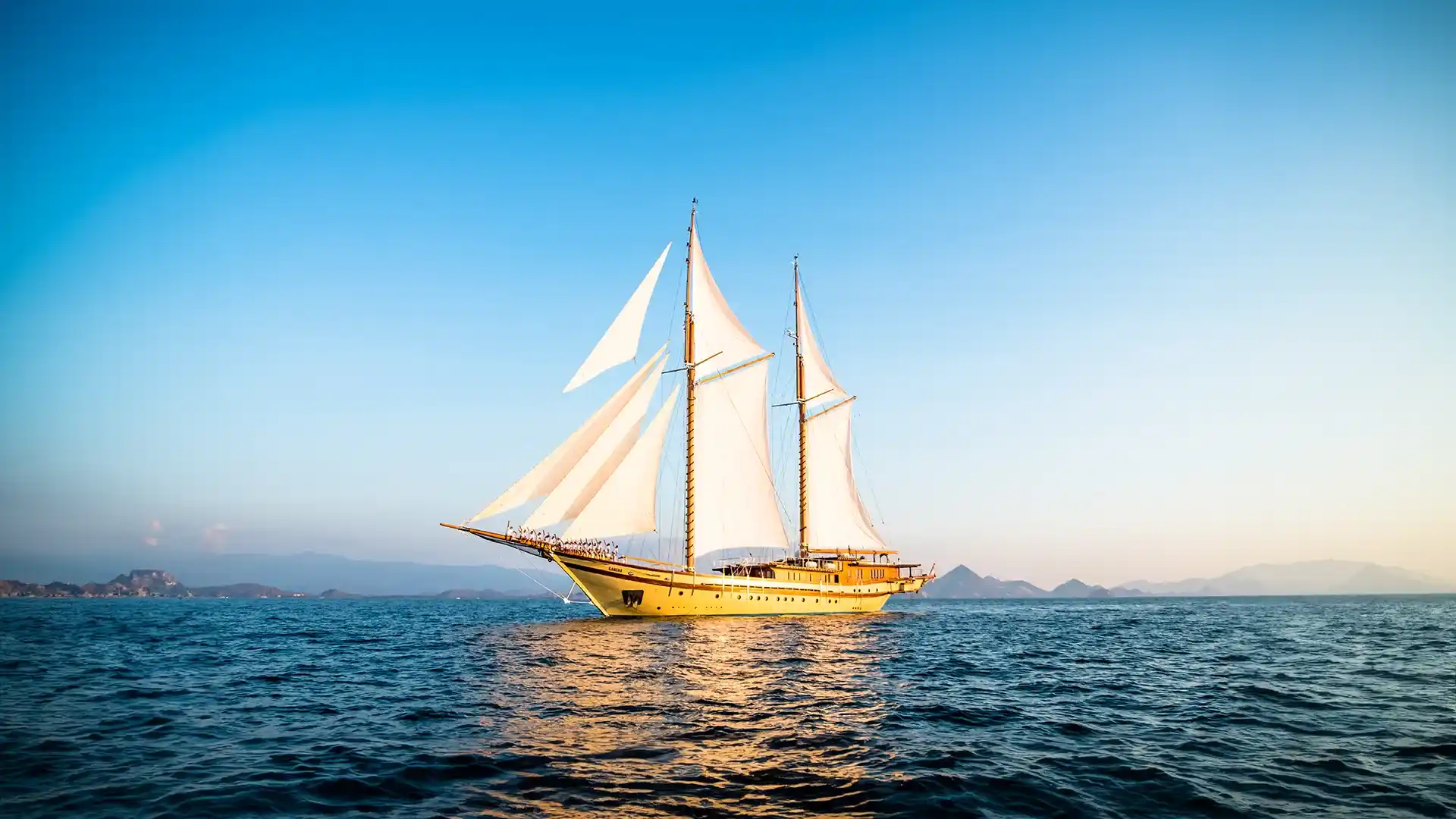
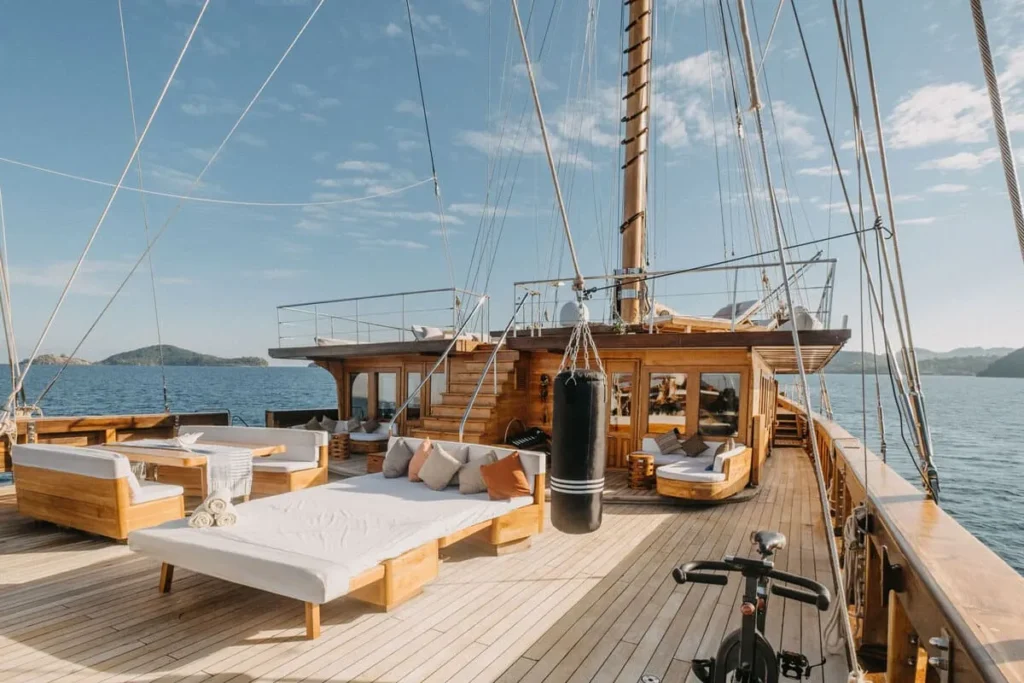
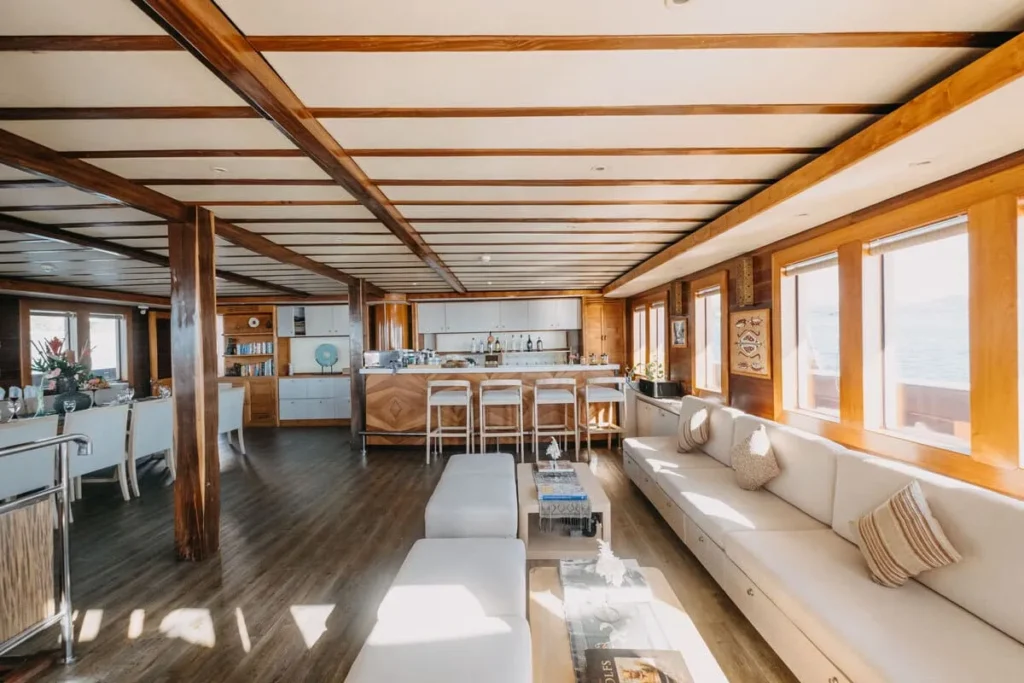
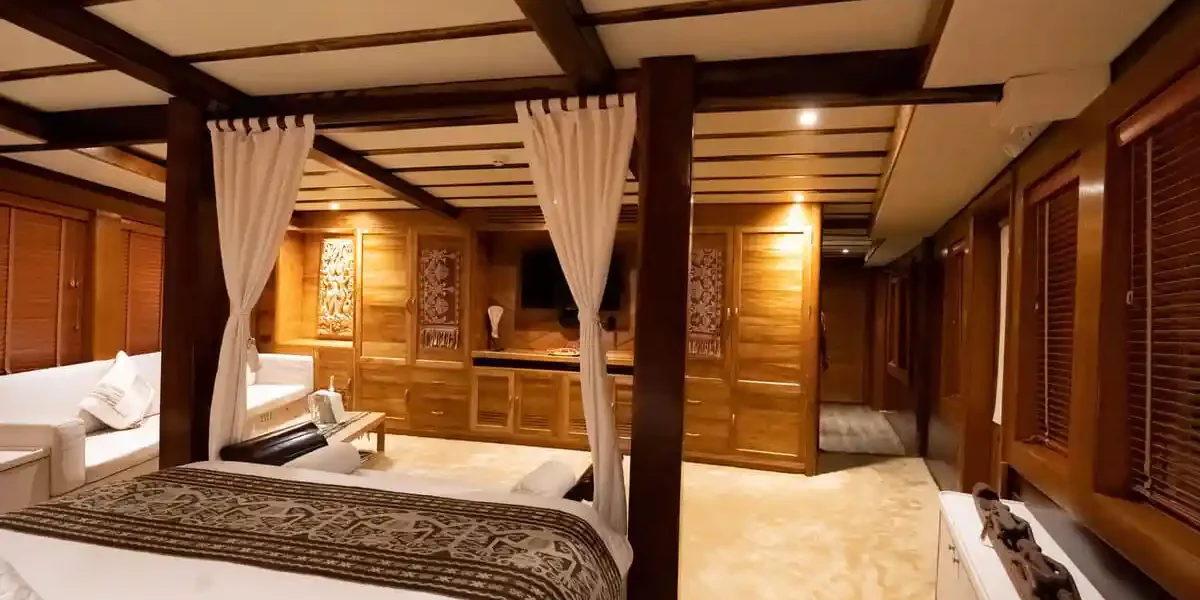
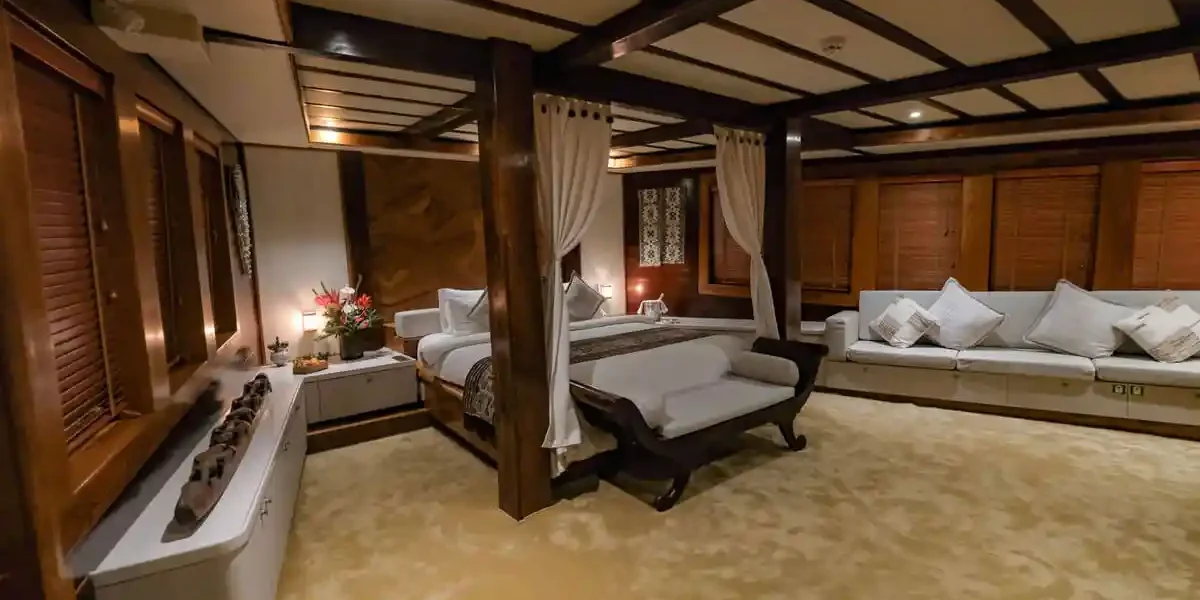
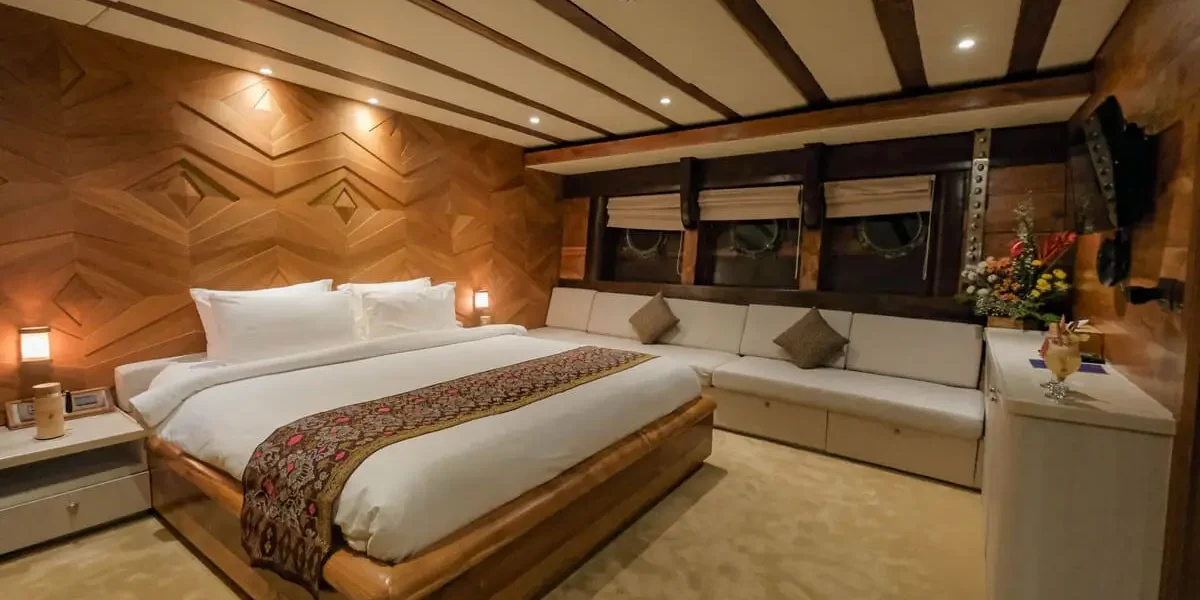
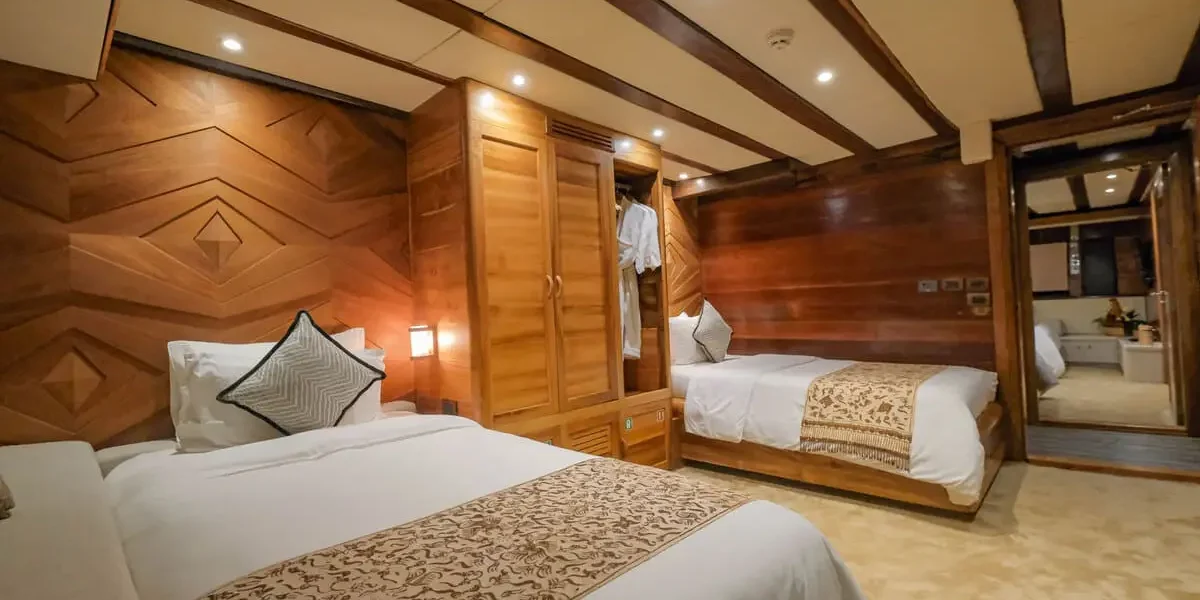
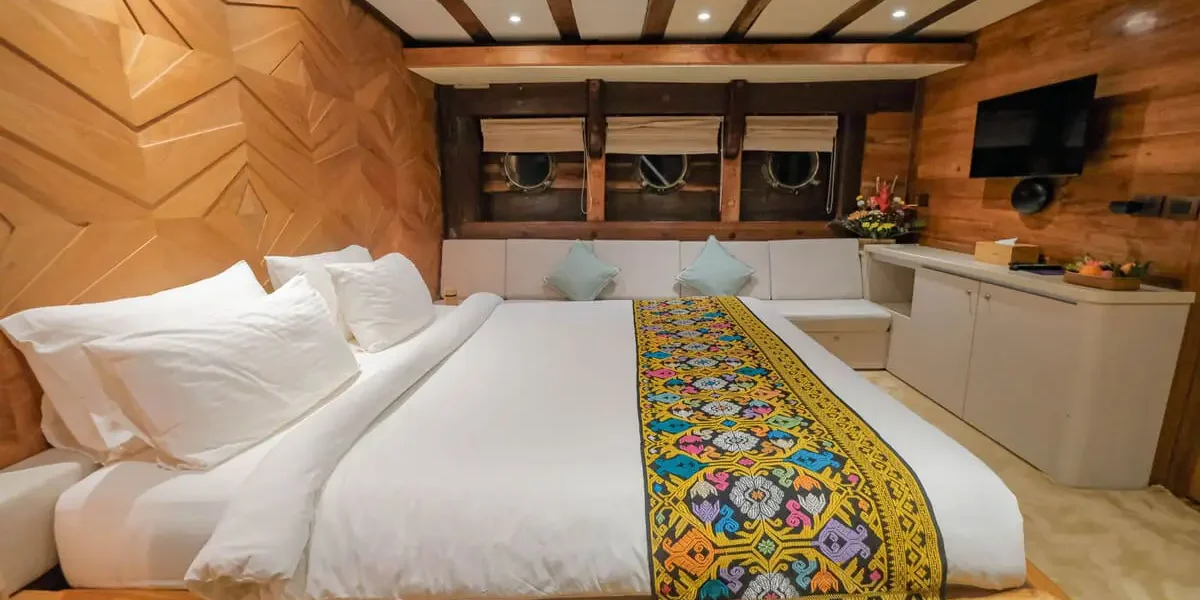
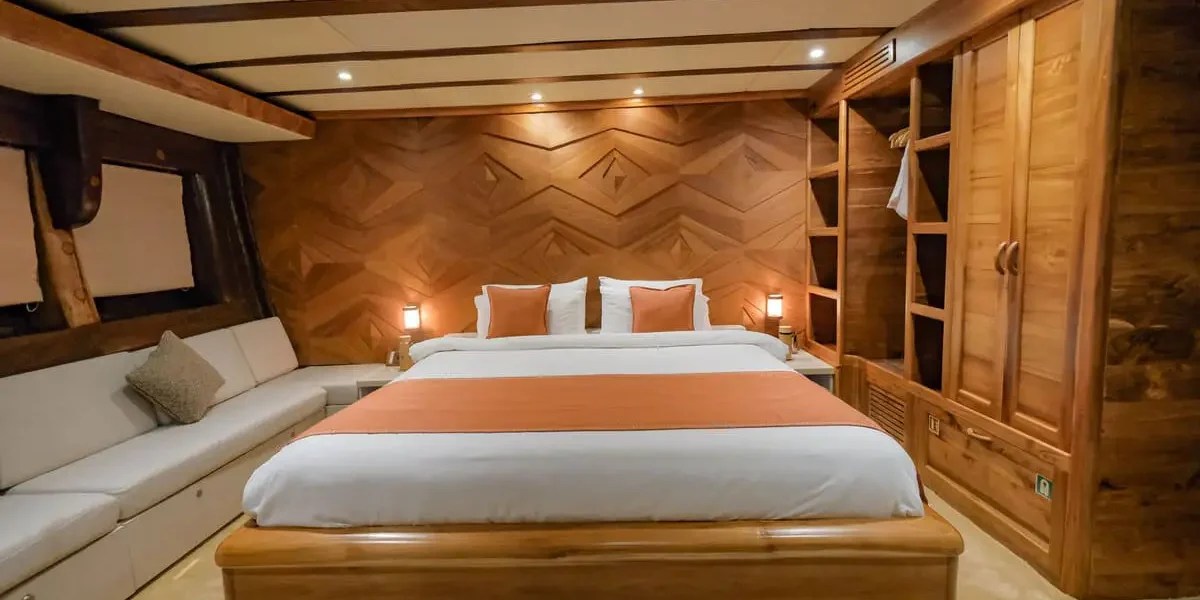
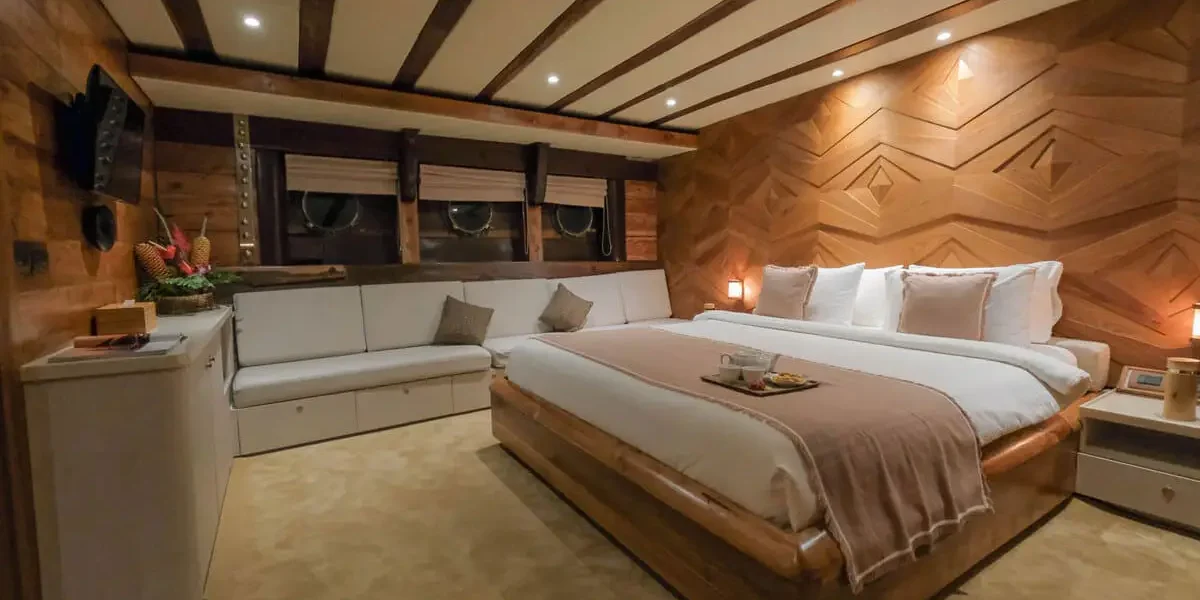
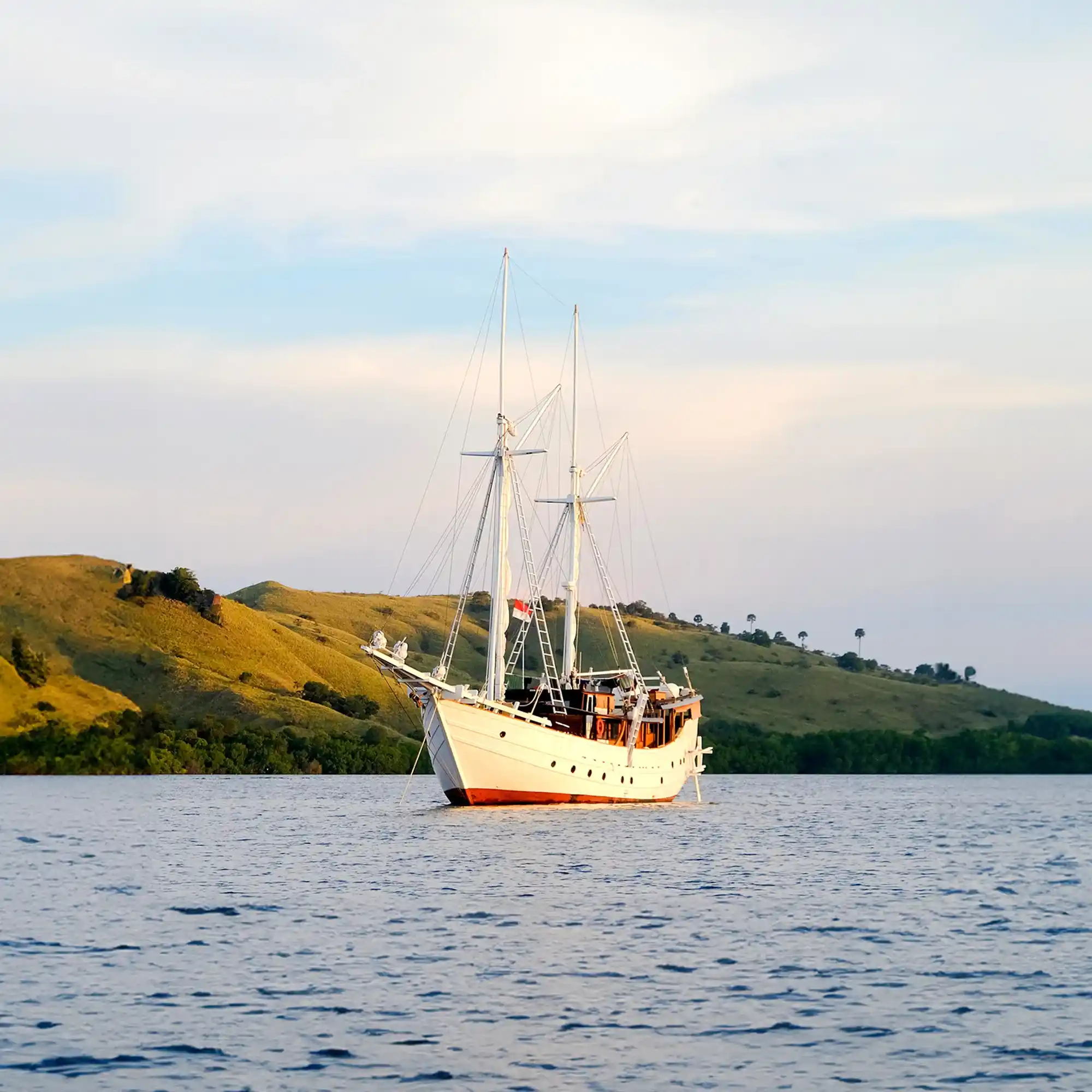
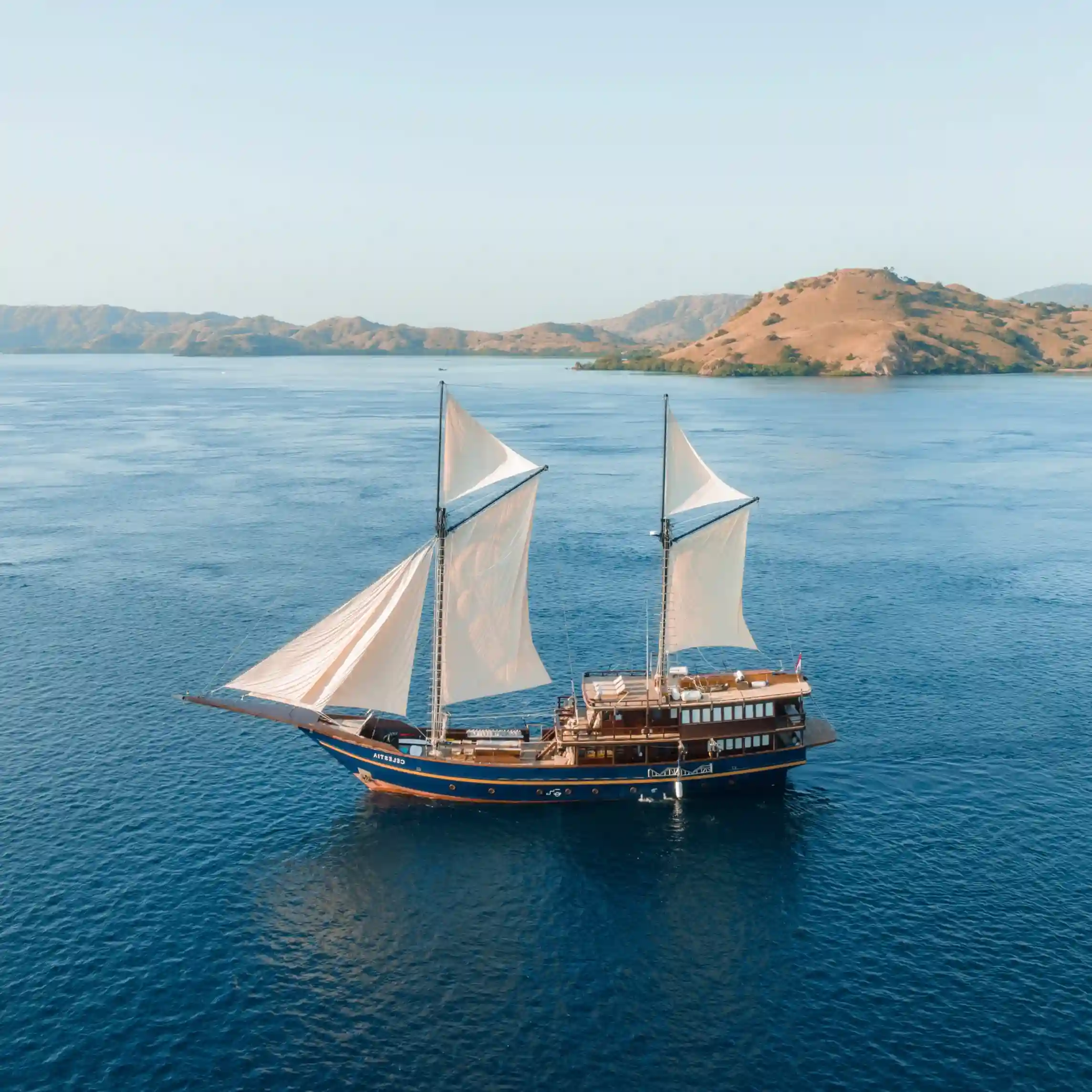
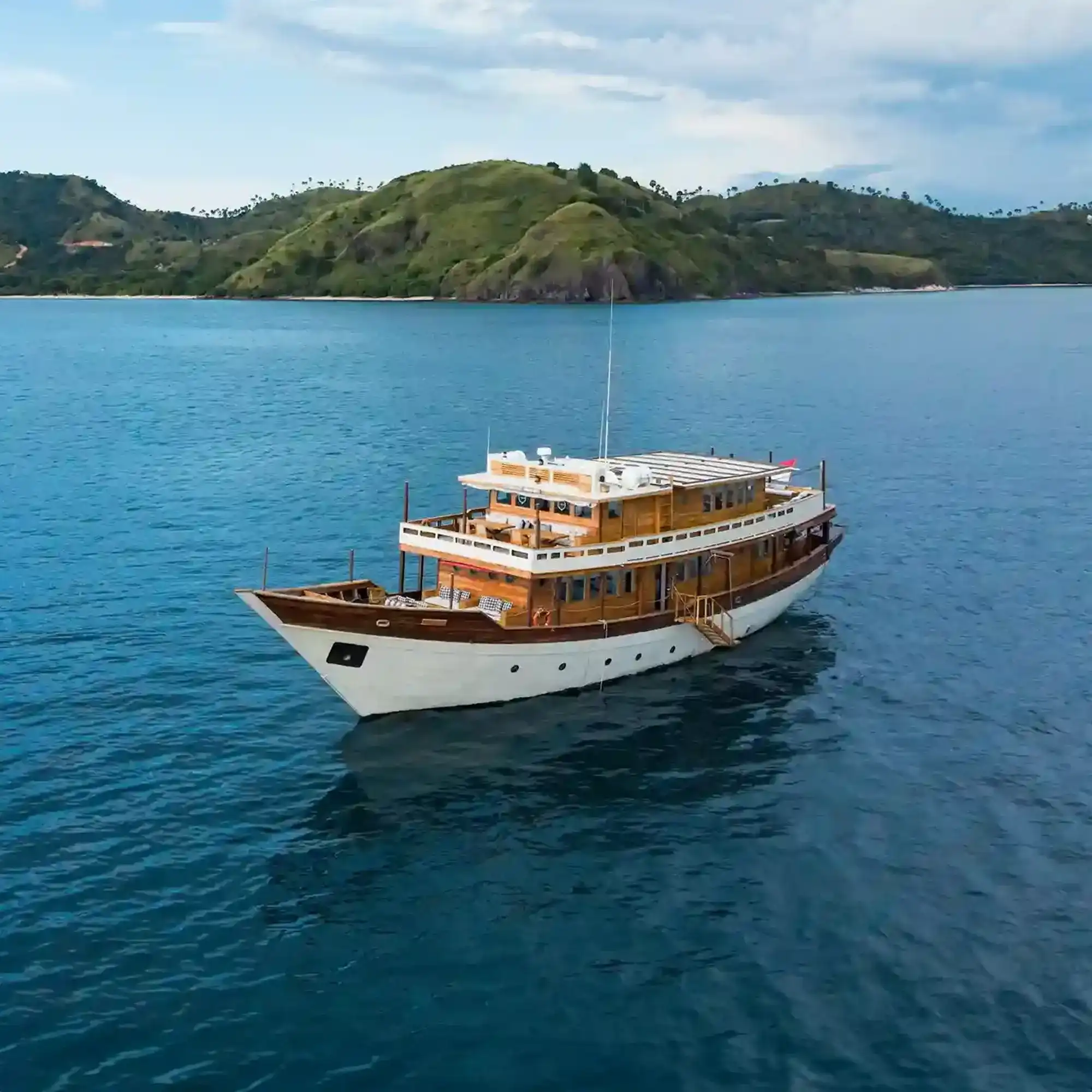
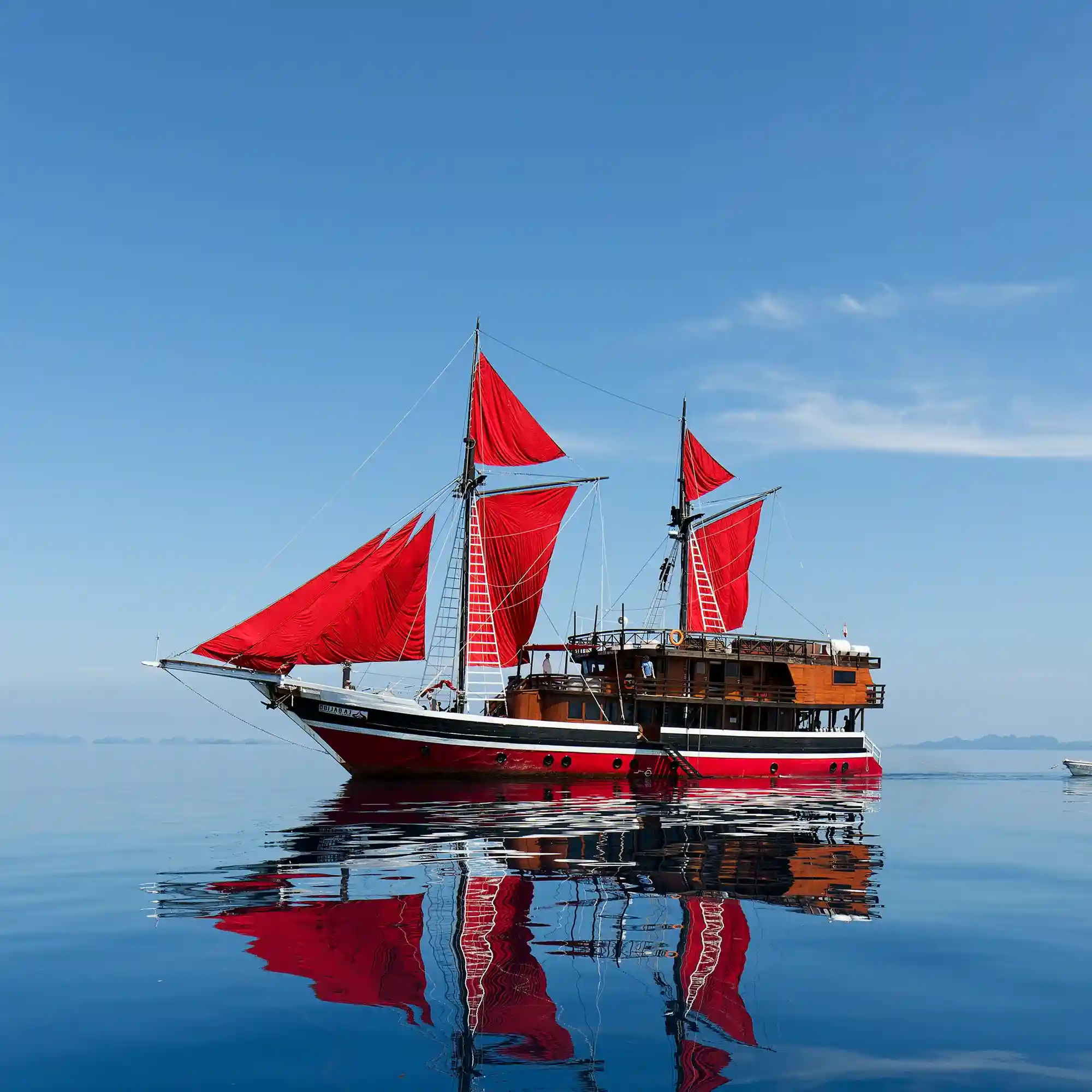
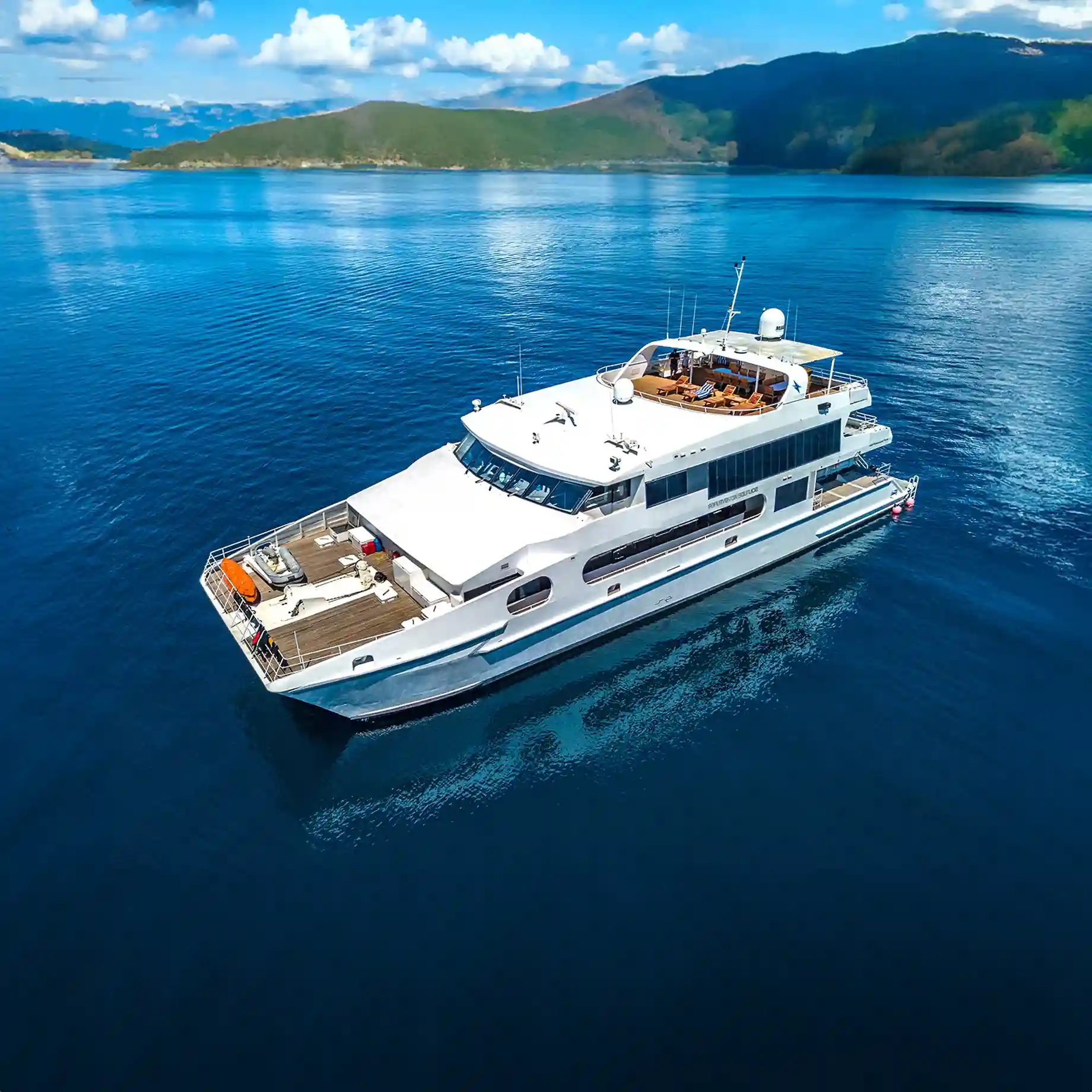
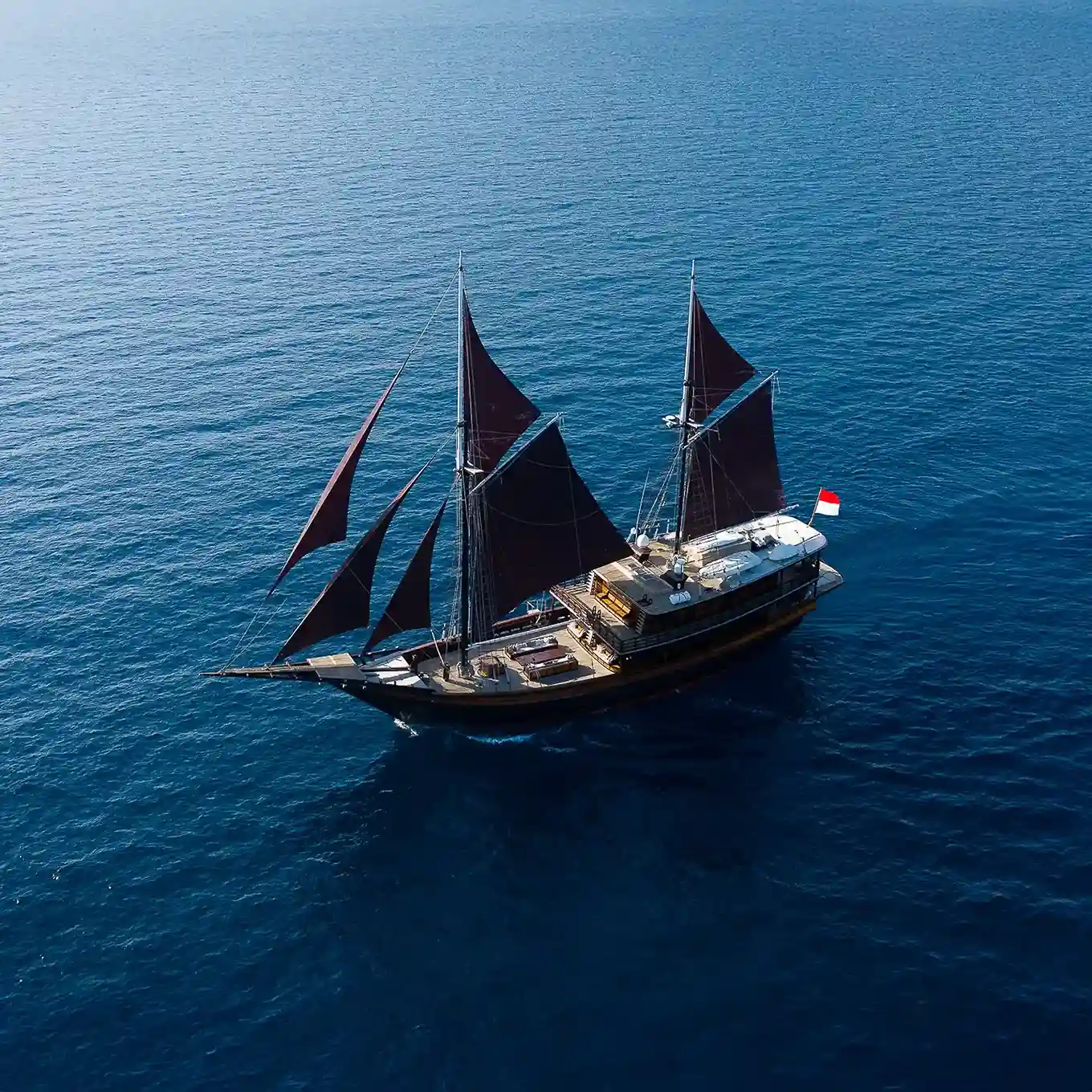
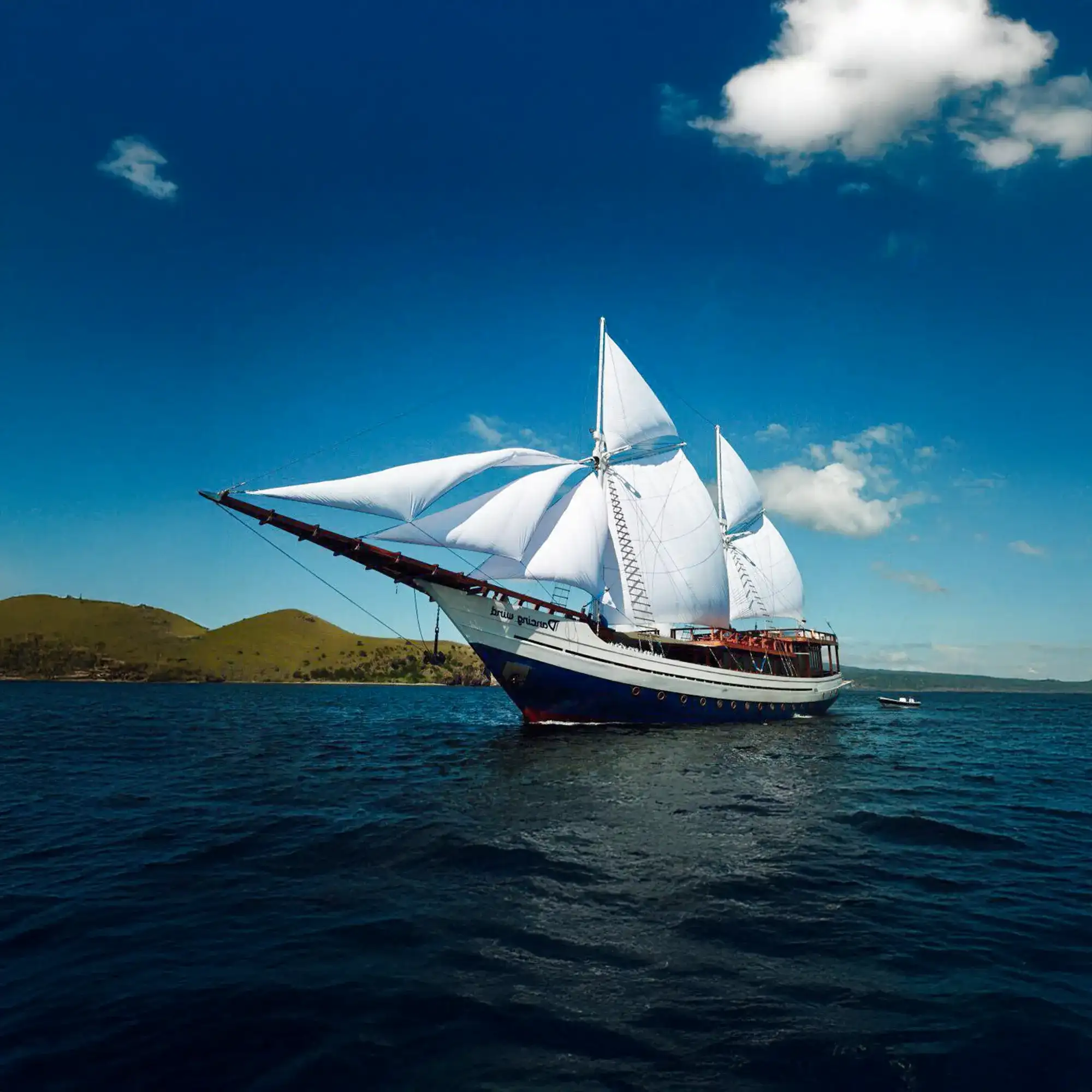
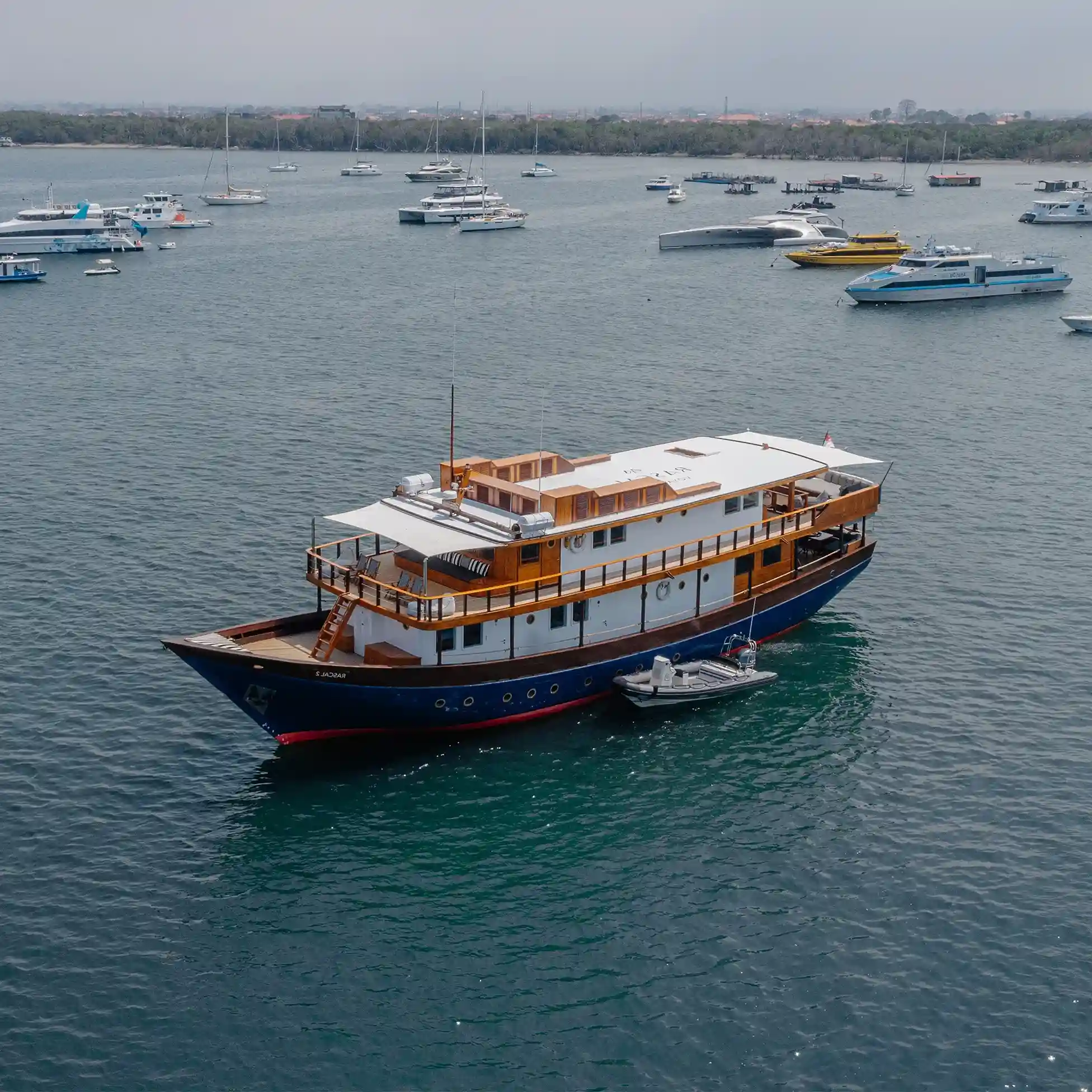
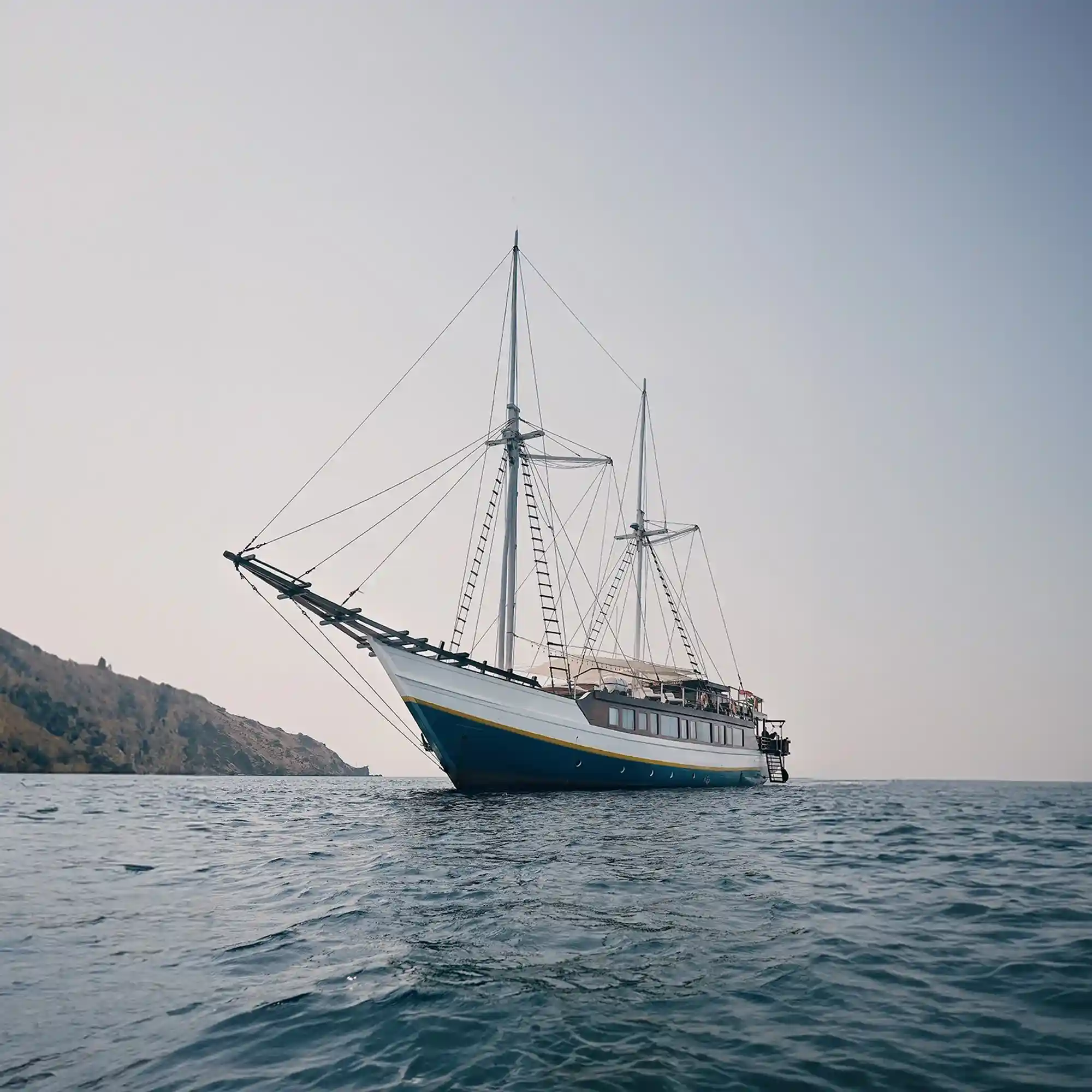
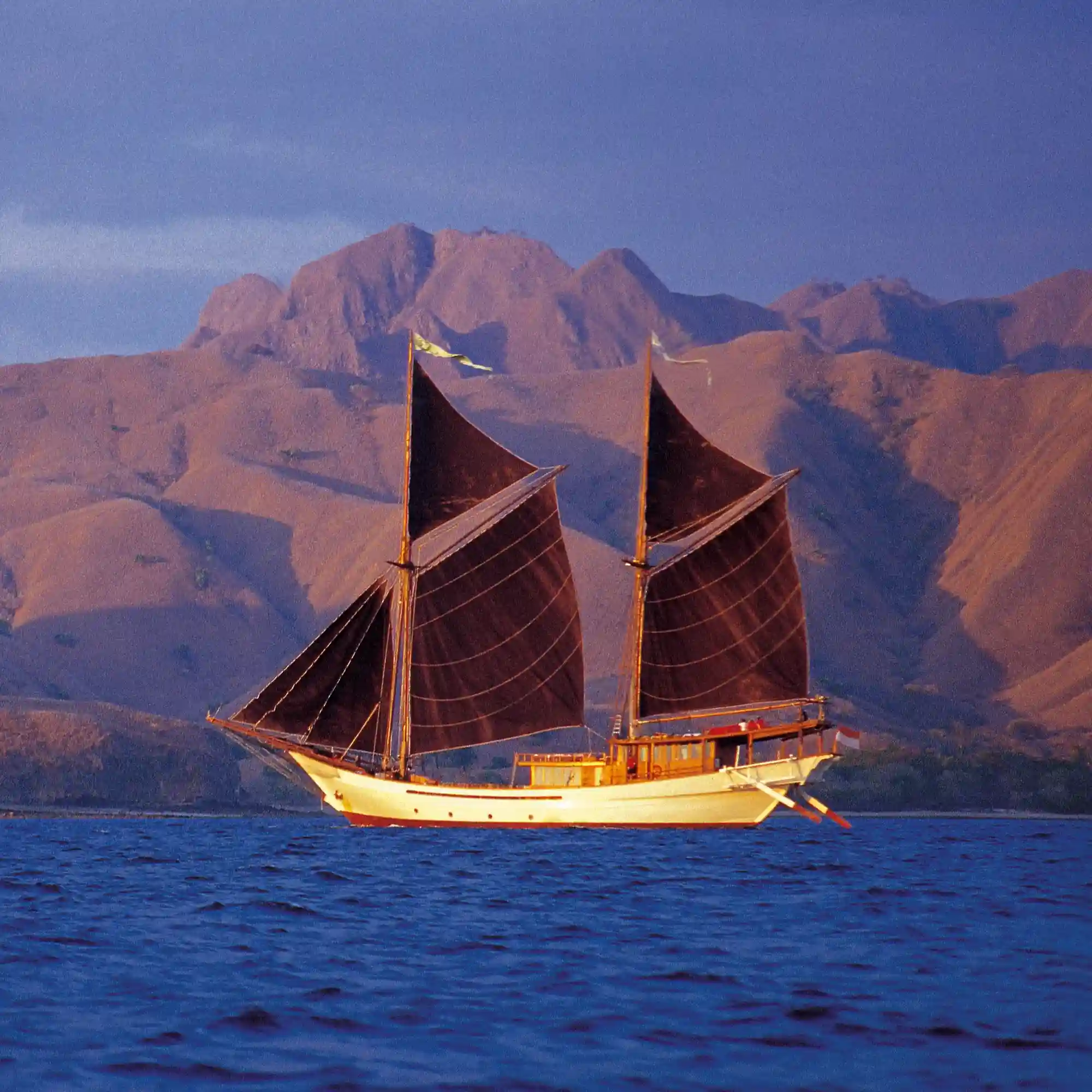
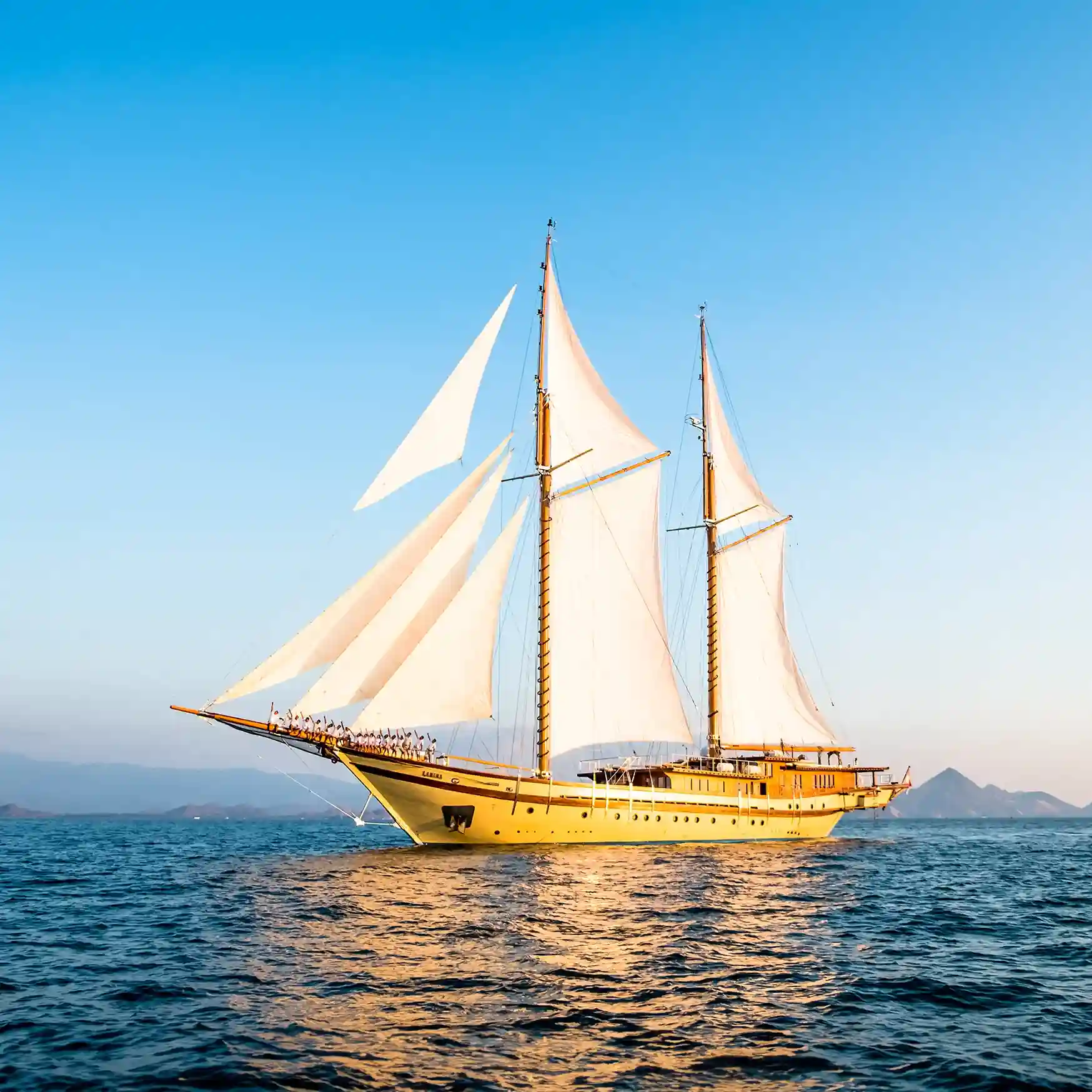
Lamima herself felt like a floating village. At 65.2 meters, she’s massive, but the layout kept things intimate. Our cabin was on the lower deck, forward, with twin portholes that stayed open during transits. At night, I could see the wake glowing with bioluminescence. The dining area was open-air, behind the main mast, where meals were served family-style on hand-carved wooden platters. One evening, the chef grilled fresh wahoo with turmeric and lime, and we ate under a sky so thick with stars I finally understood the Milky Way’s name.
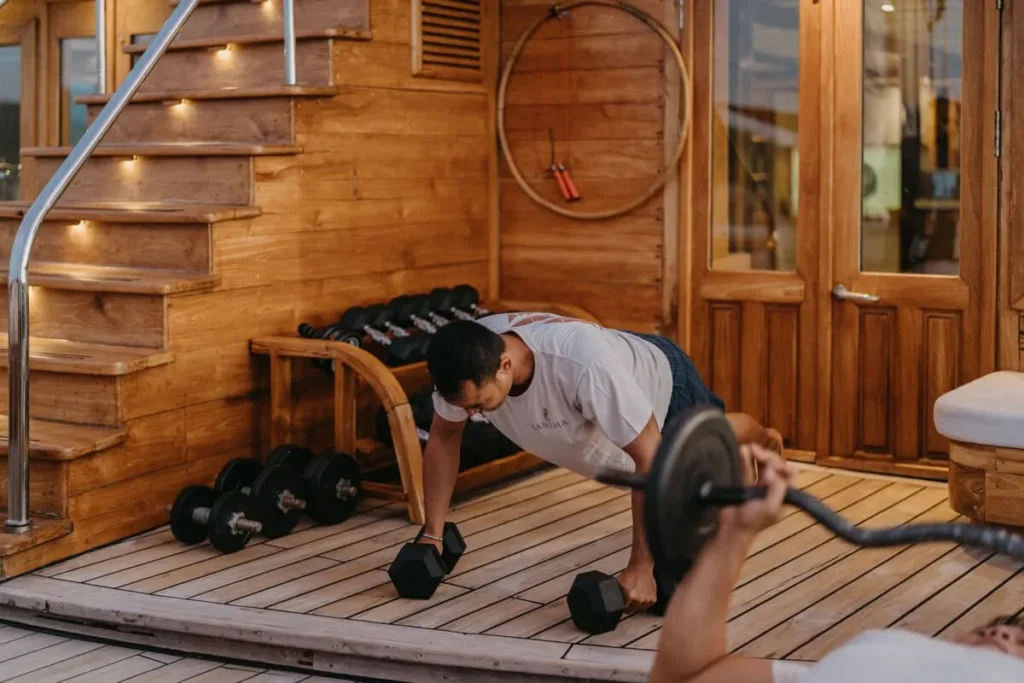
Day two took us to Wayag, though we didn’t land on the famous peak. Instead, we kayaked through the limestone islets at water level, weaving between the green towers. The afternoon was free – some guests got massages in the spa cabin, others used the onboard gym. I went for a solo paddleboard at sunset near Arborek Jetty, where a local boy waved from the shore and pointed at a blacktip reef shark cruising the shallows. The next morning, we anchored in a narrow passage between Waigeo and Gam, where the tide was running fast. We did one last drift snorkel along a current-swept ridge, and I saw a pair of mated mandarinfish darting between the branches of staghorn coral.
We docked back in Sorong just after breakfast on the third day. It didn’t feel rushed – the crew had already packed our gear into labelled canvas bags and had cold towels waiting. It wasn’t a typical ‘liveaboard’ experience. It was more like being invited on a private expedition by people who knew these waters deeply. I didn’t miss Wi-Fi. I didn’t miss crowds. I missed the quiet.