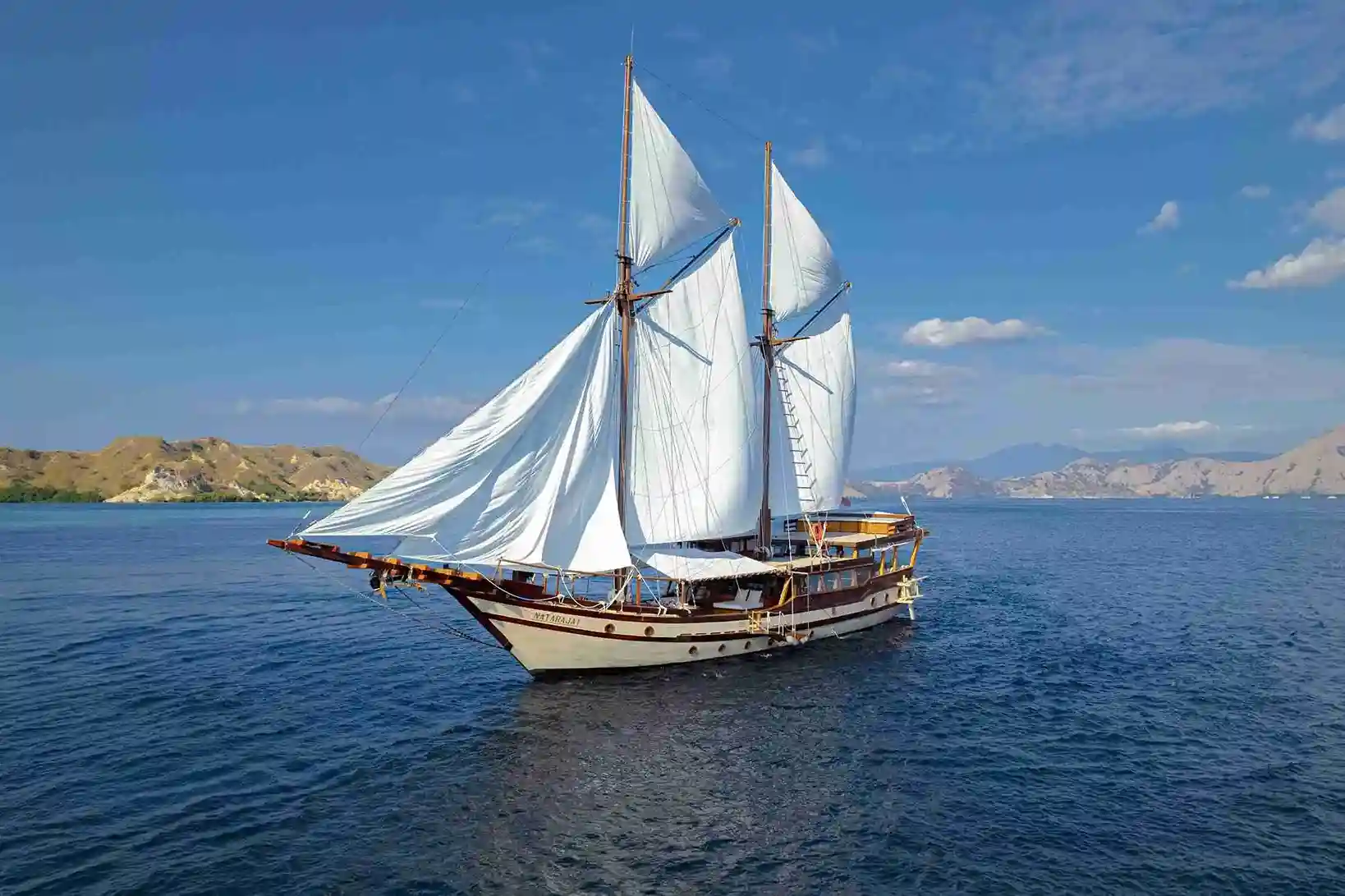
About Nataraja
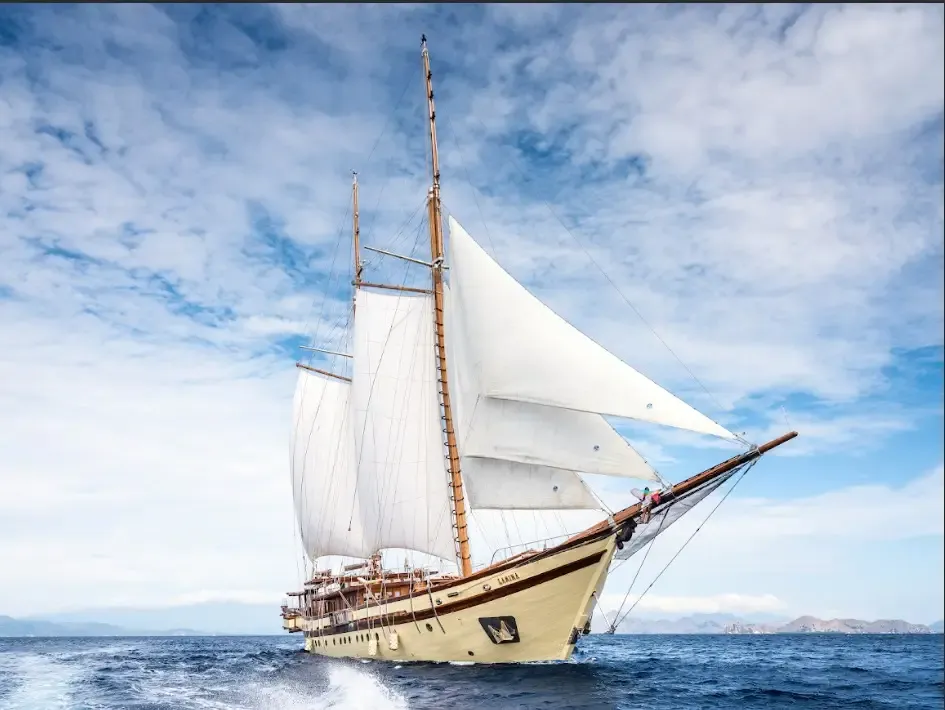
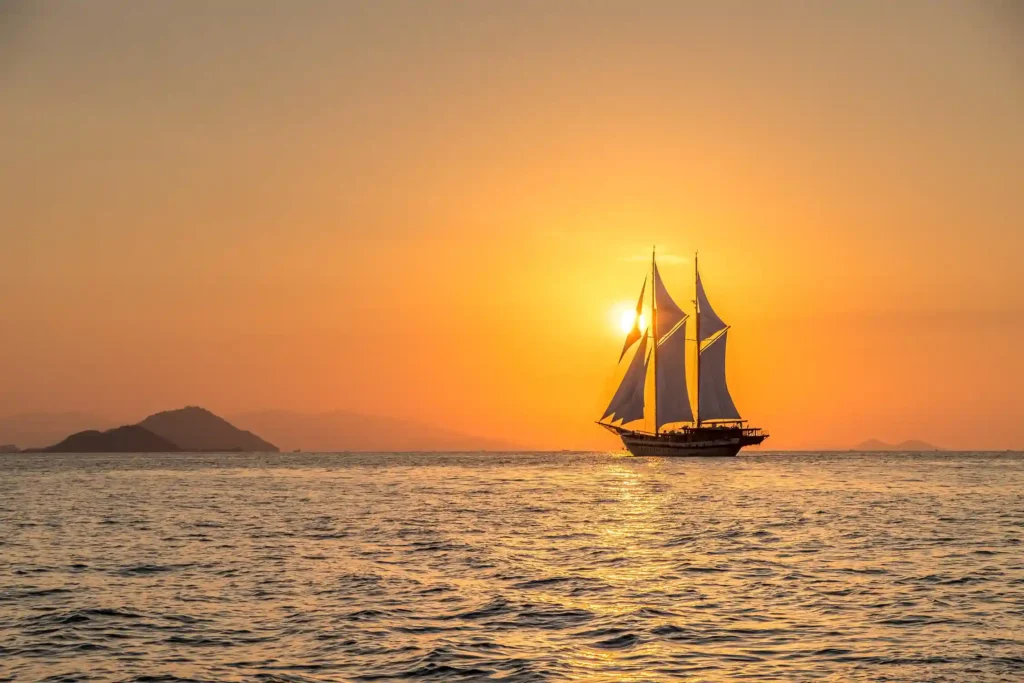
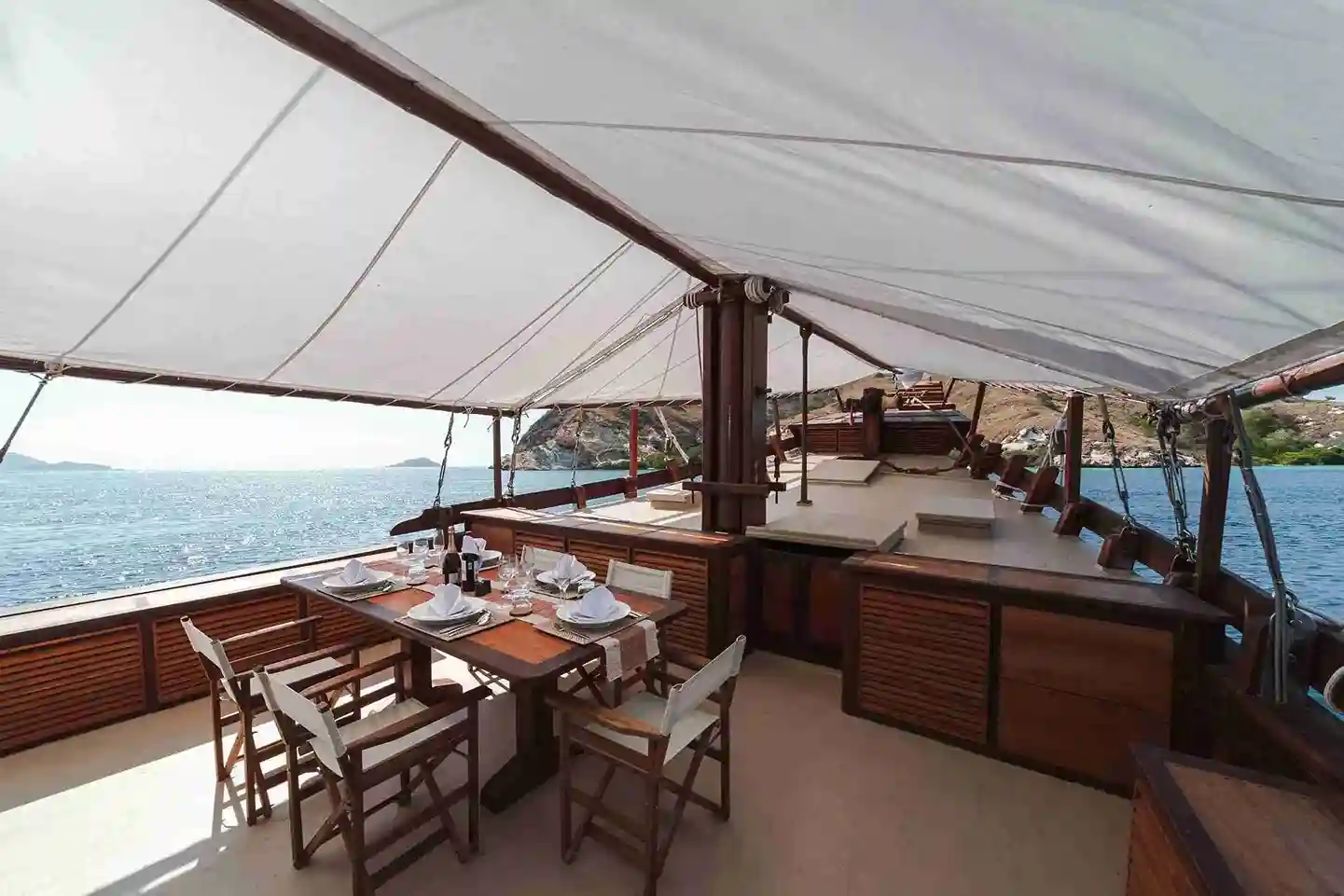
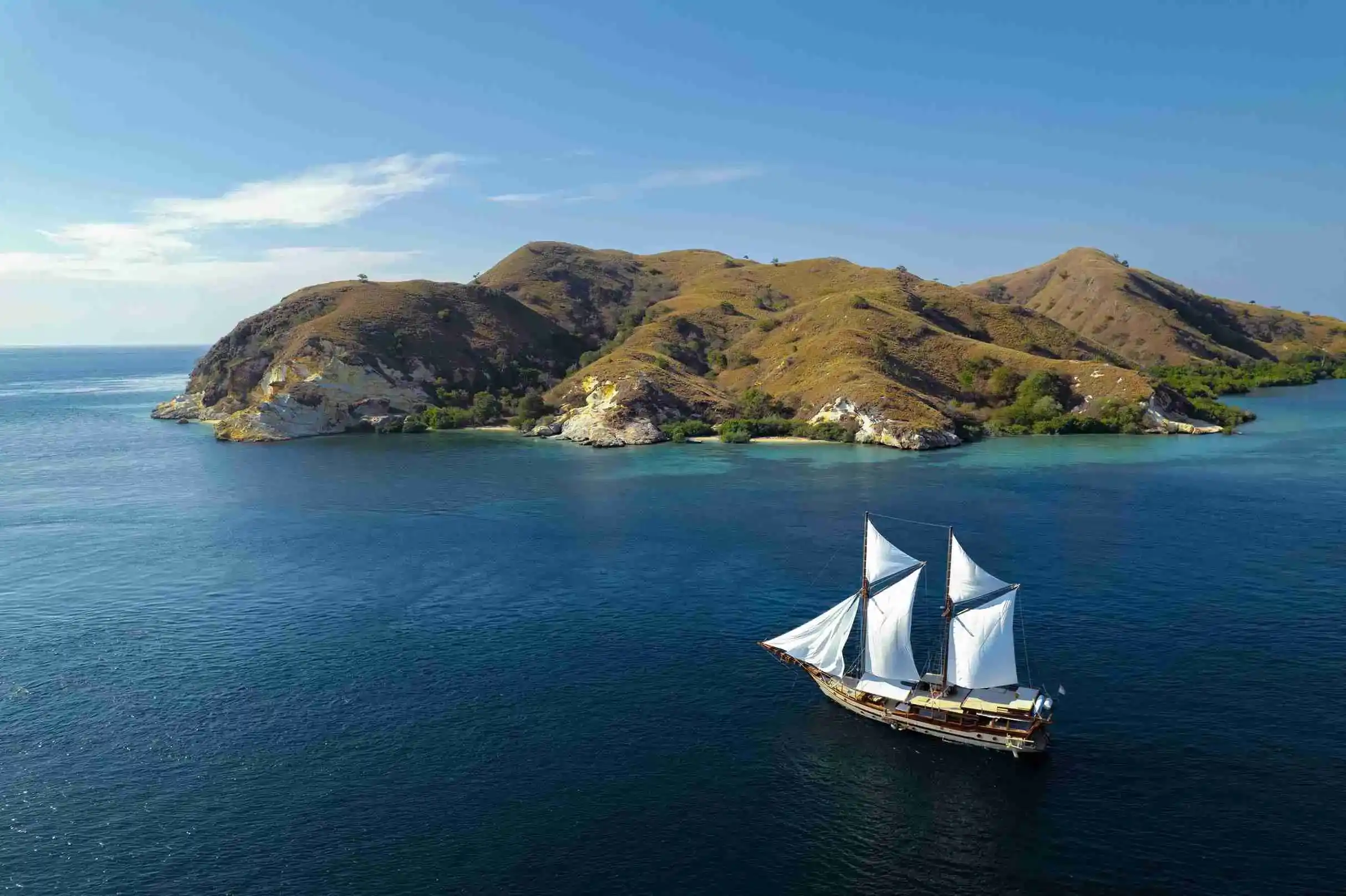
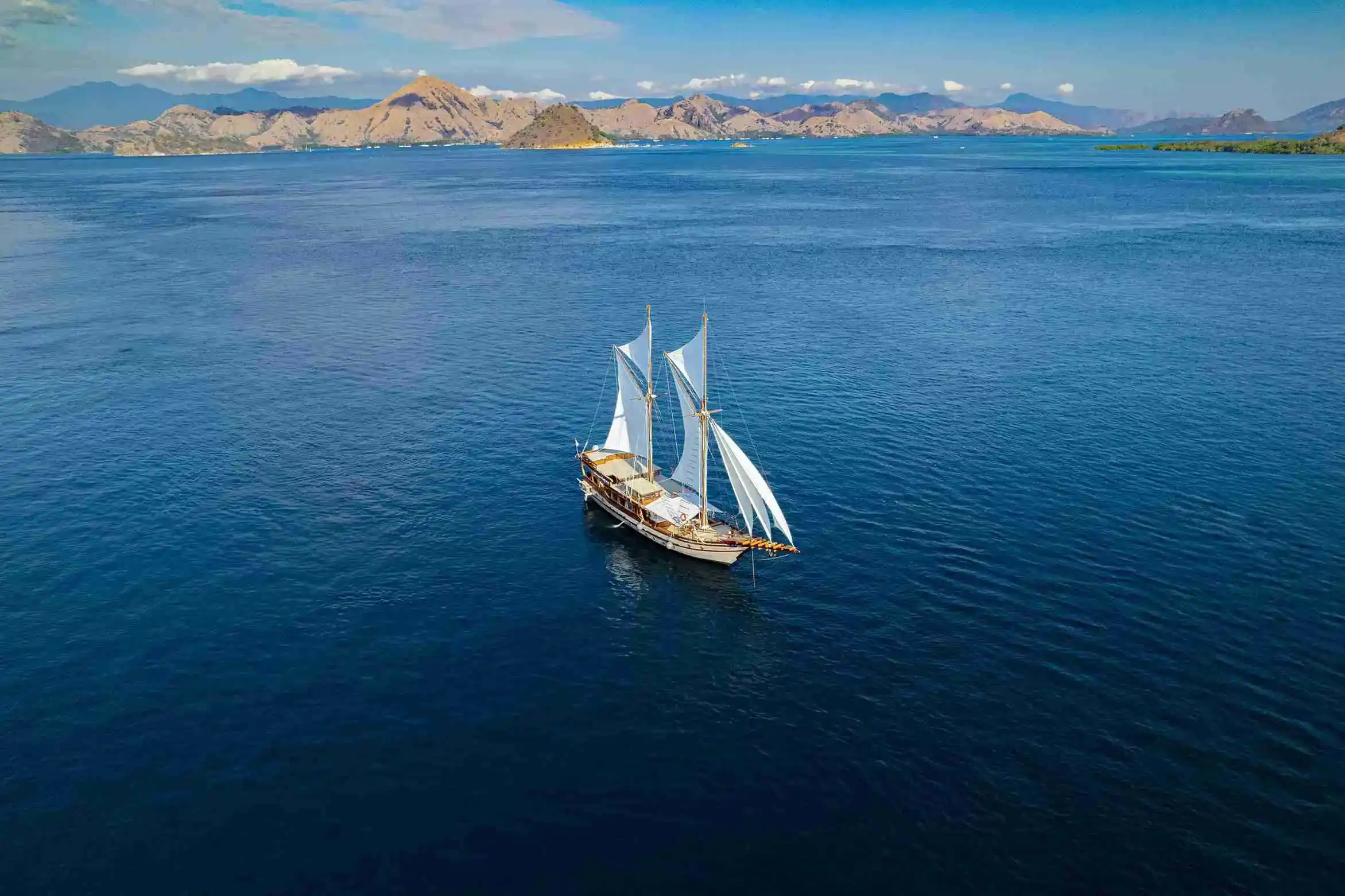
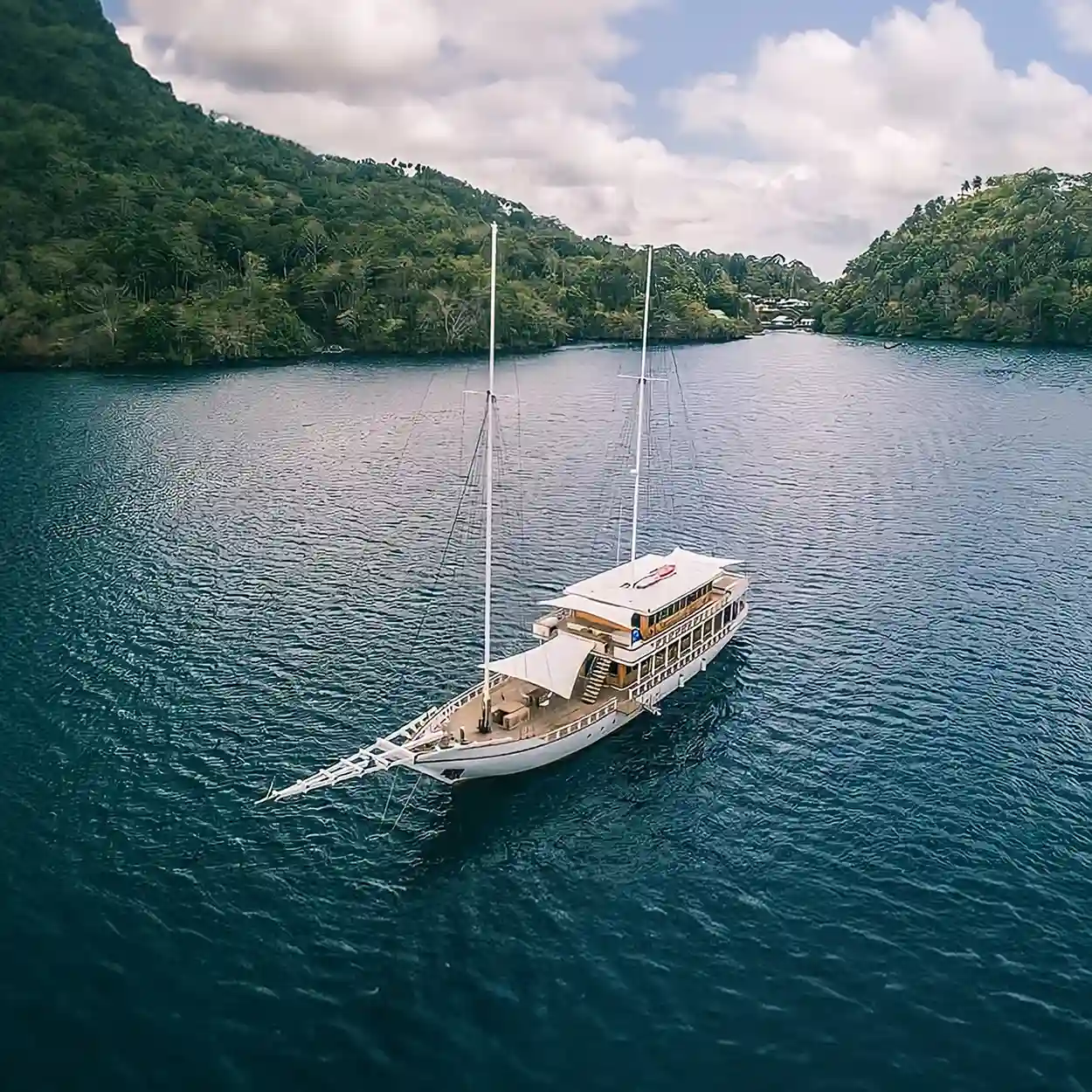
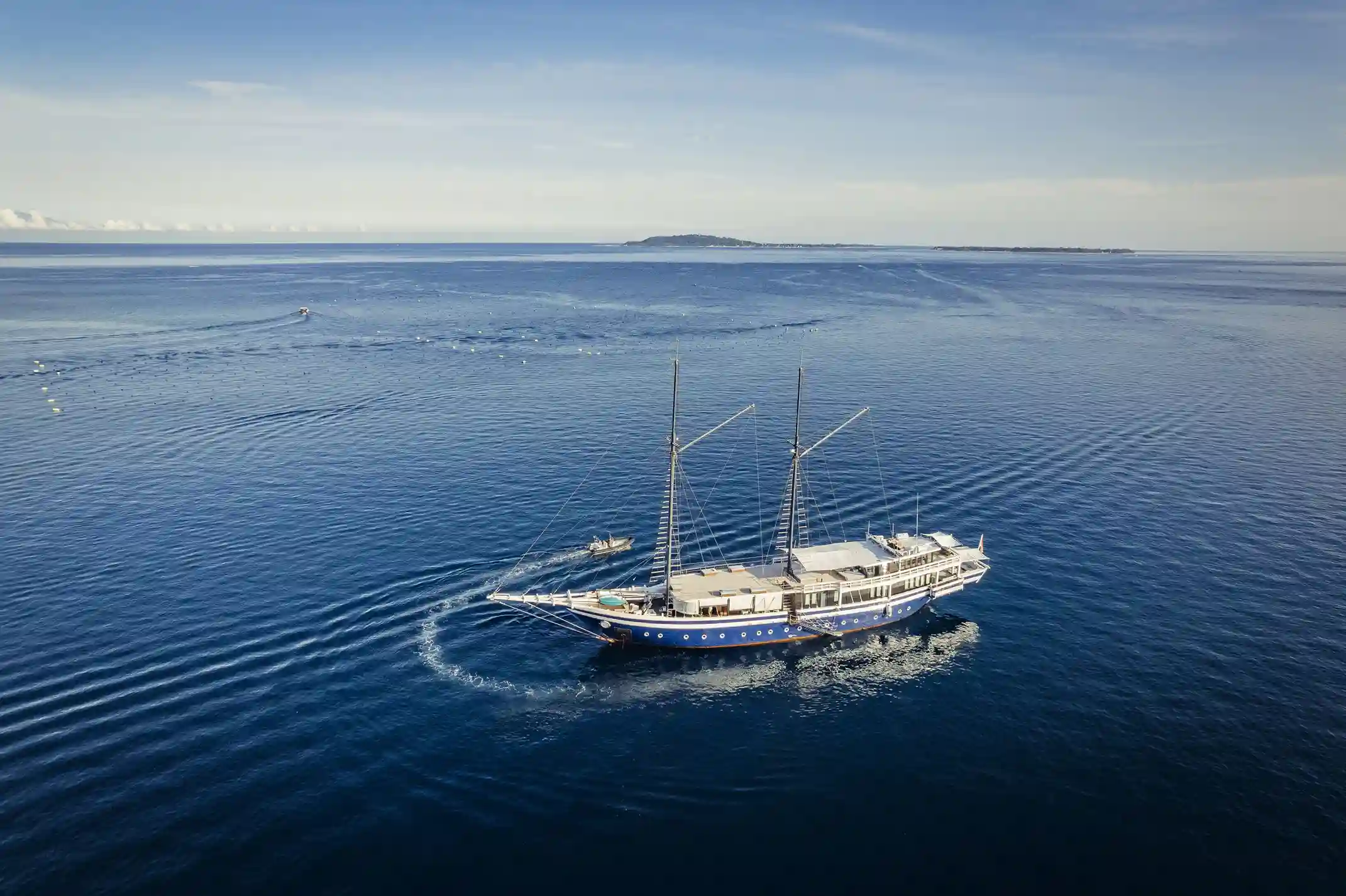
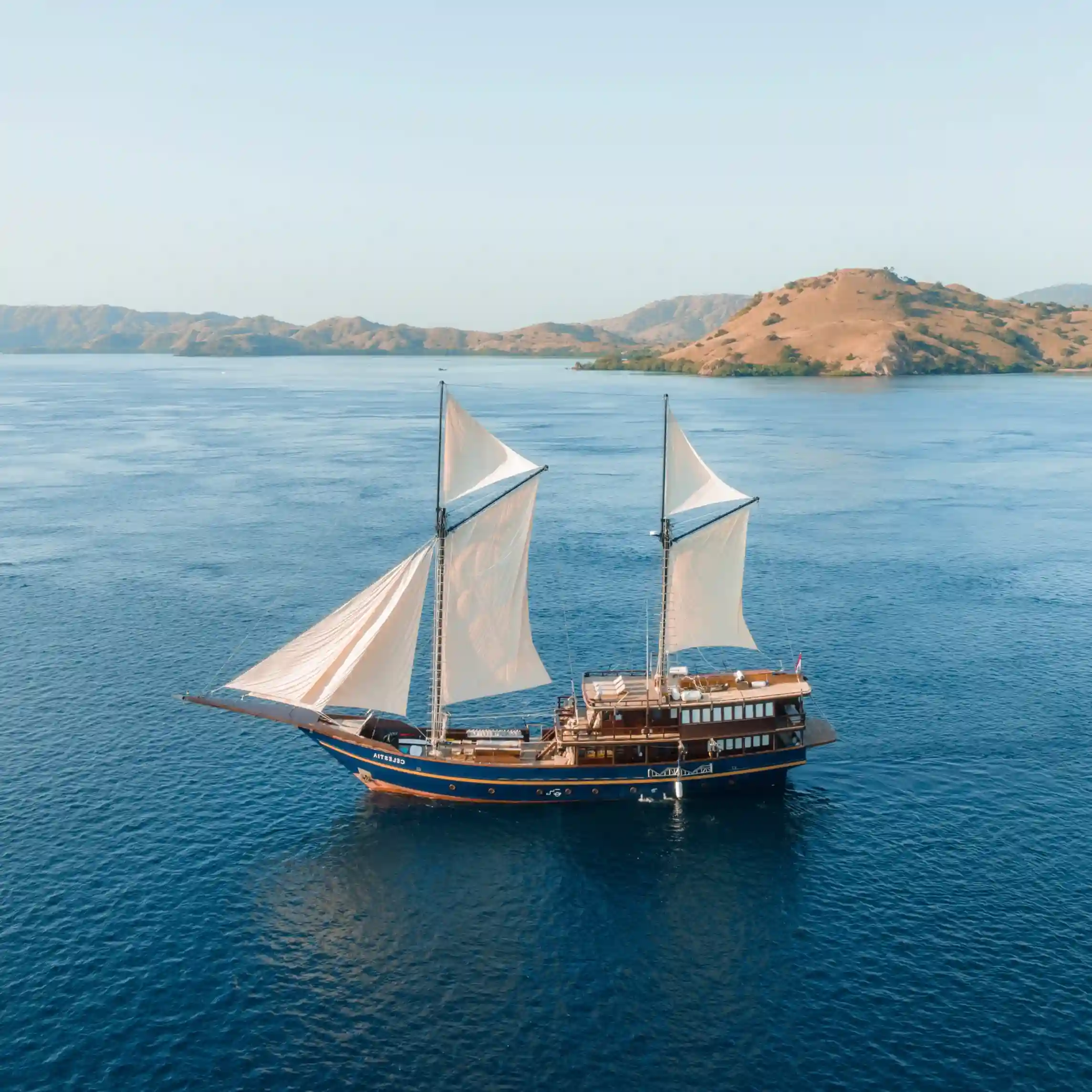
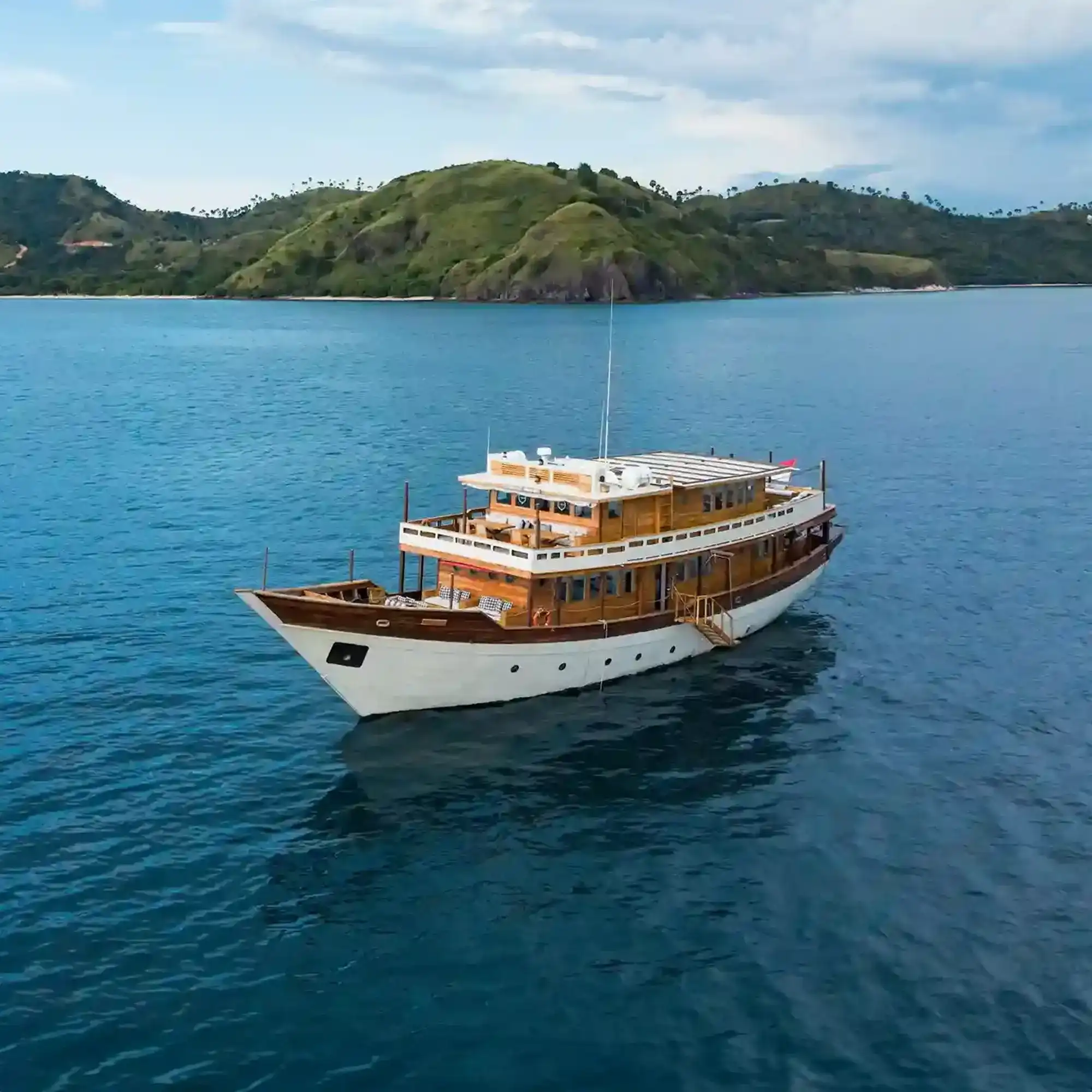
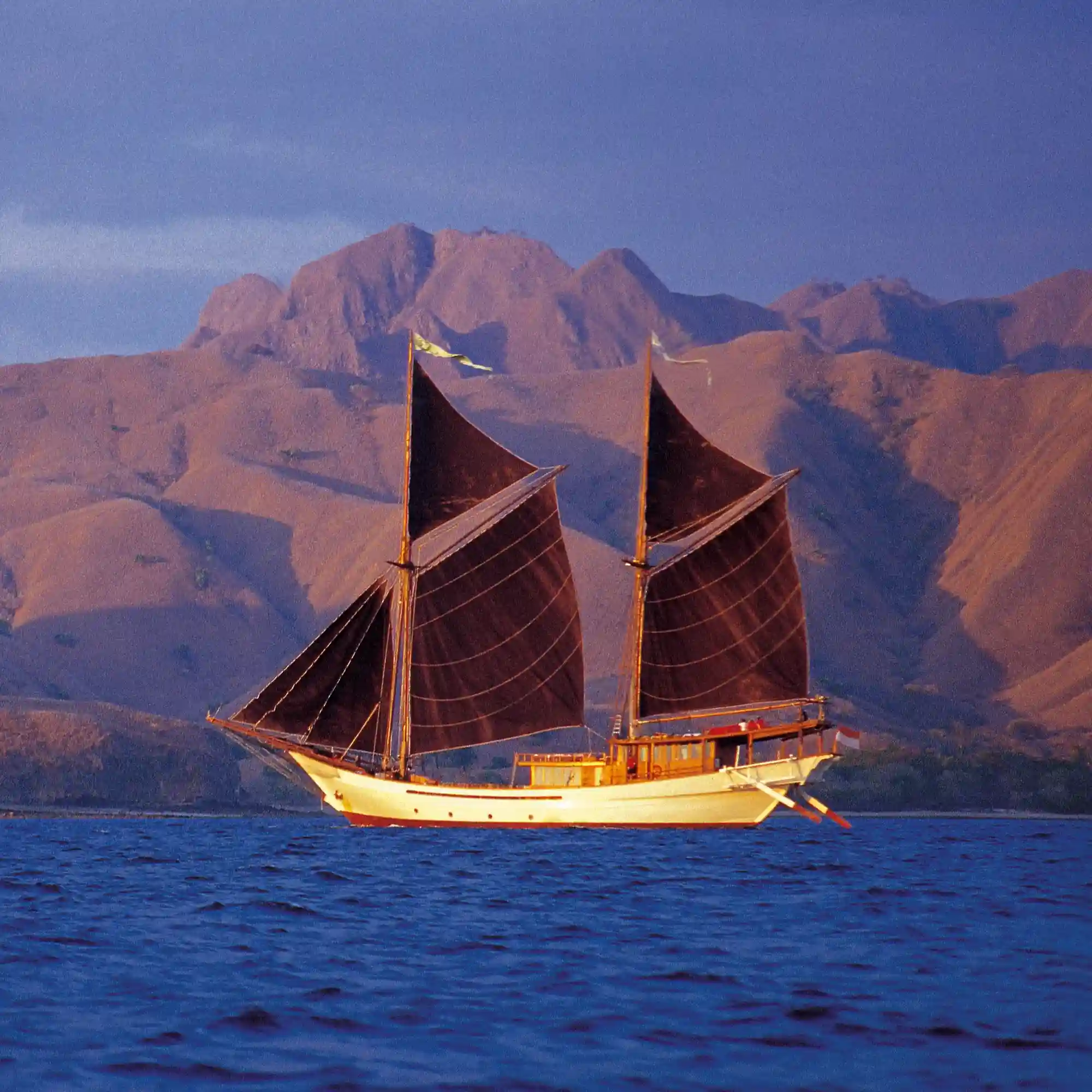
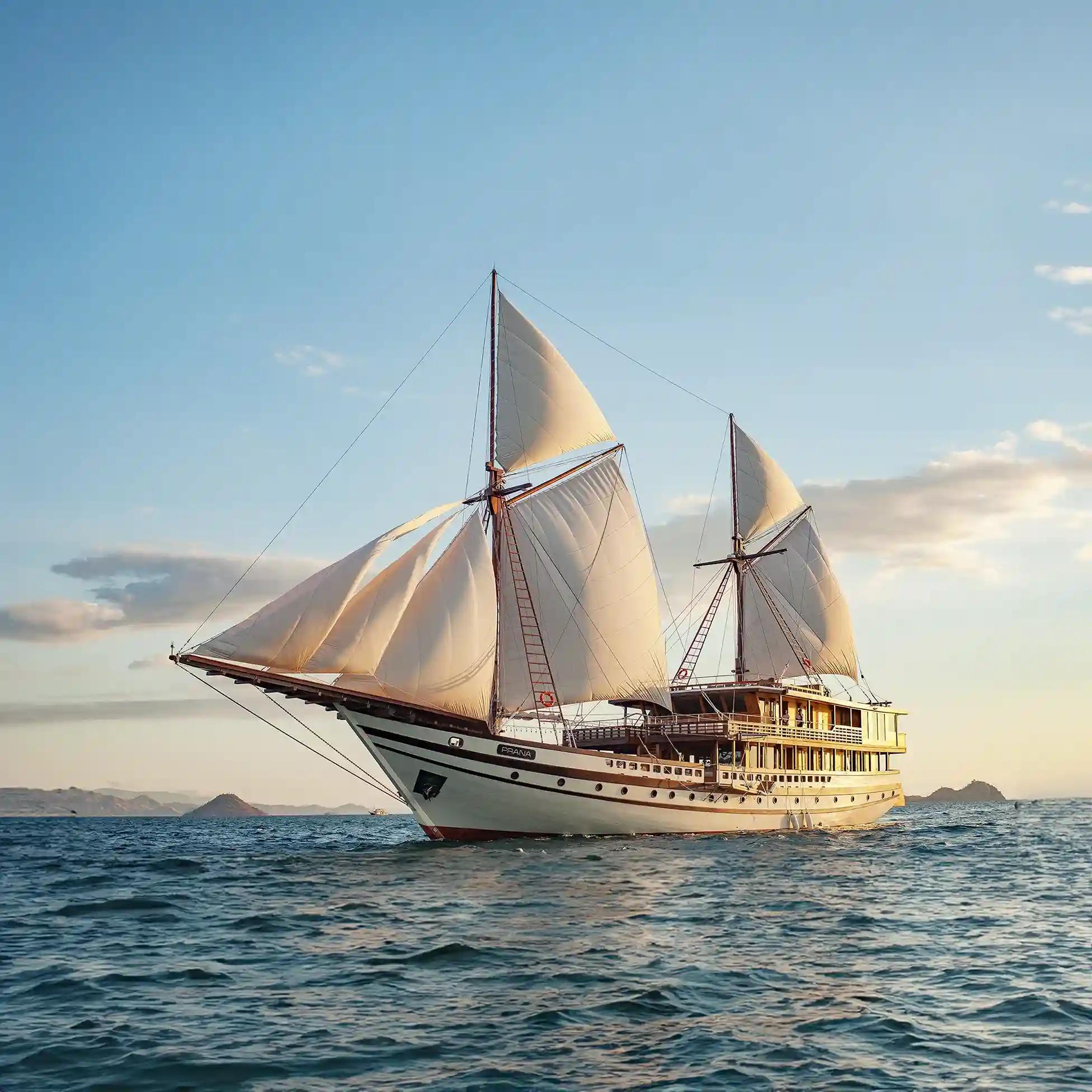
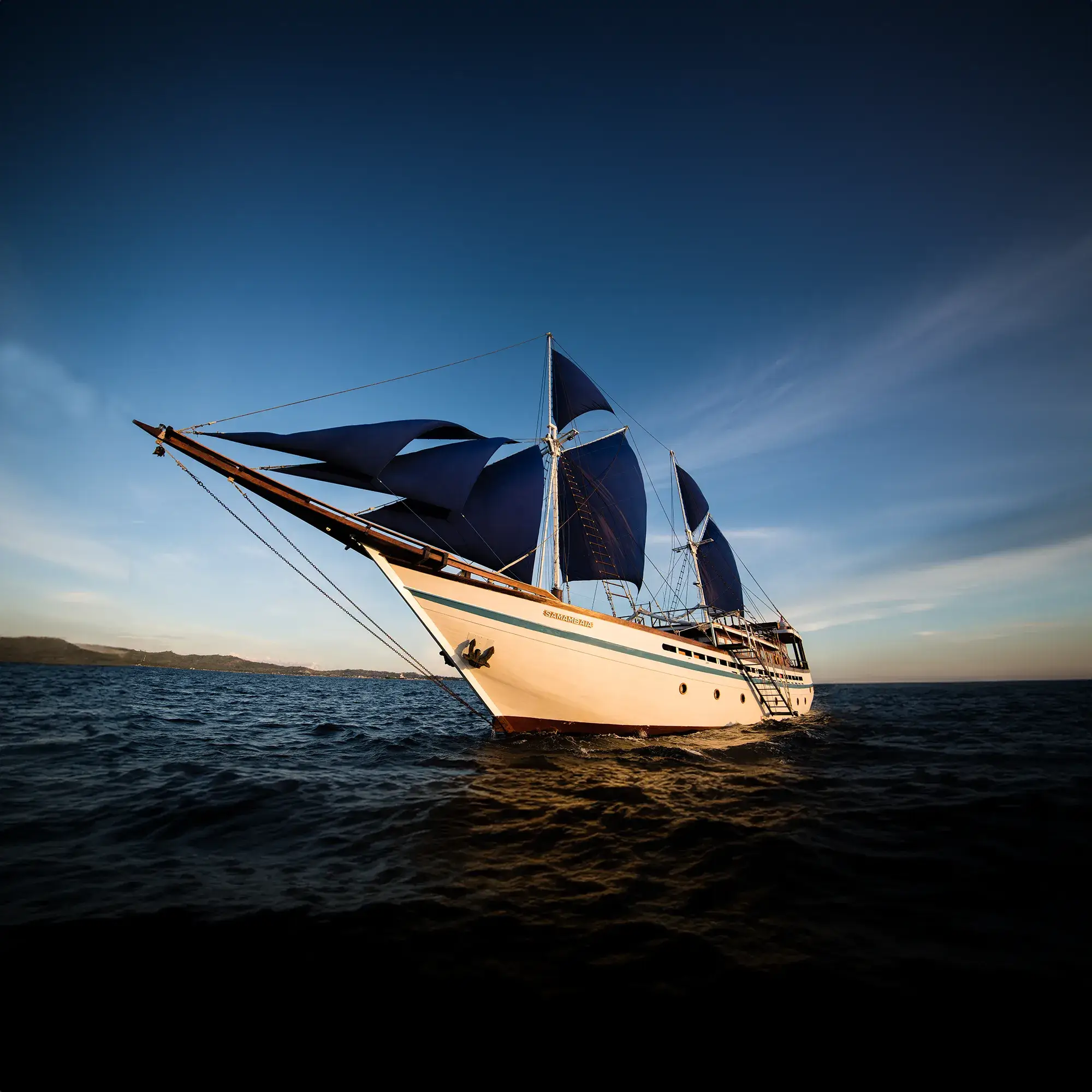
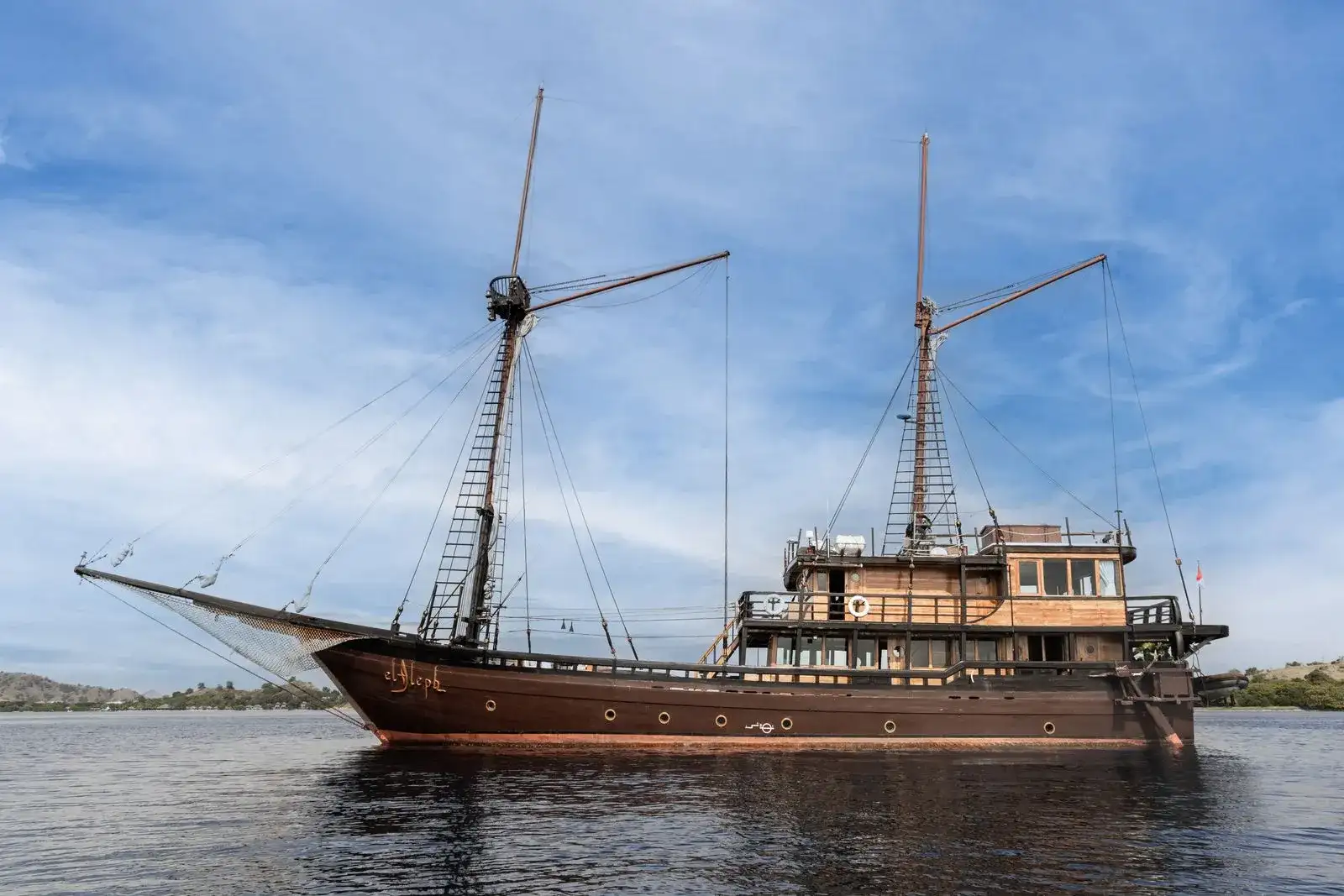
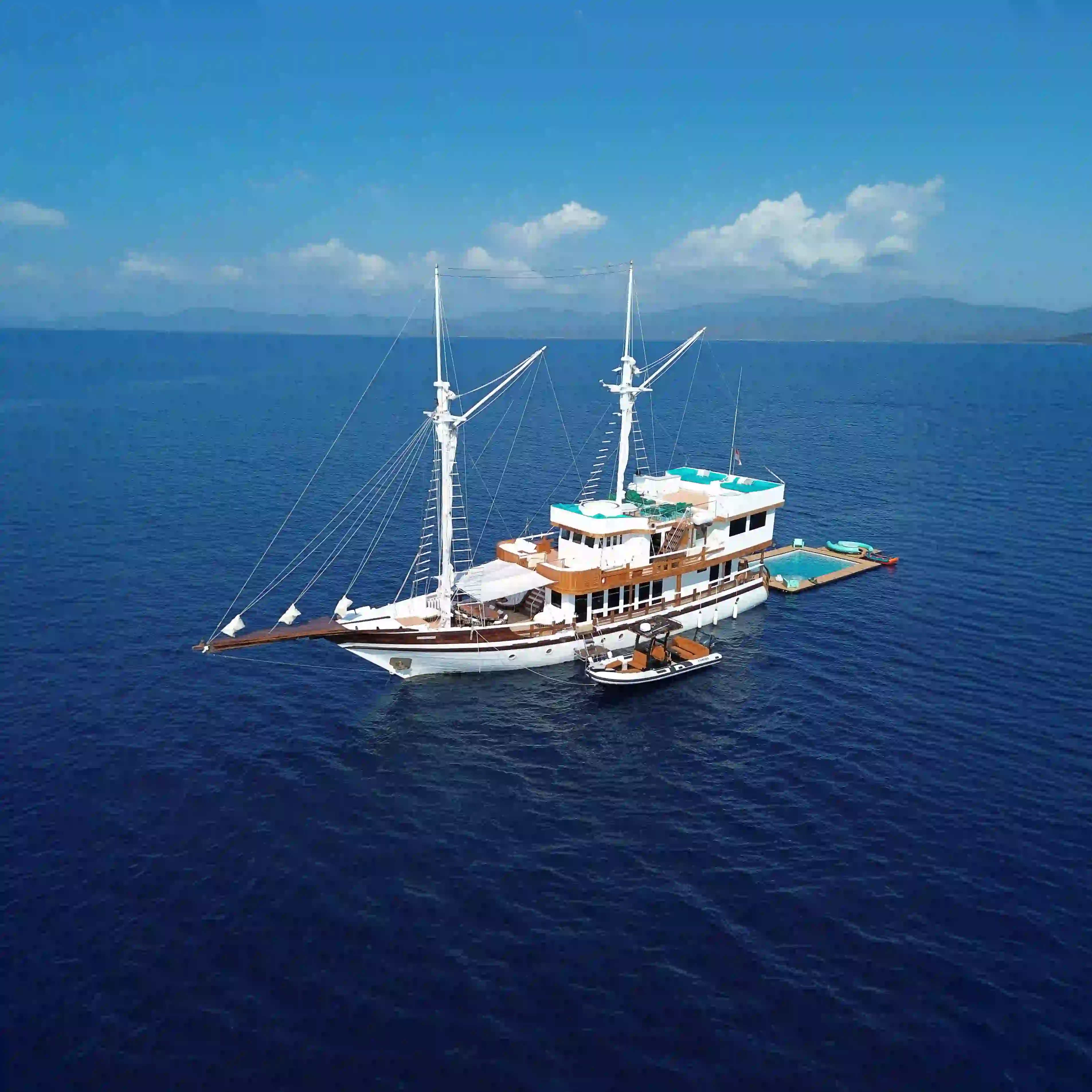
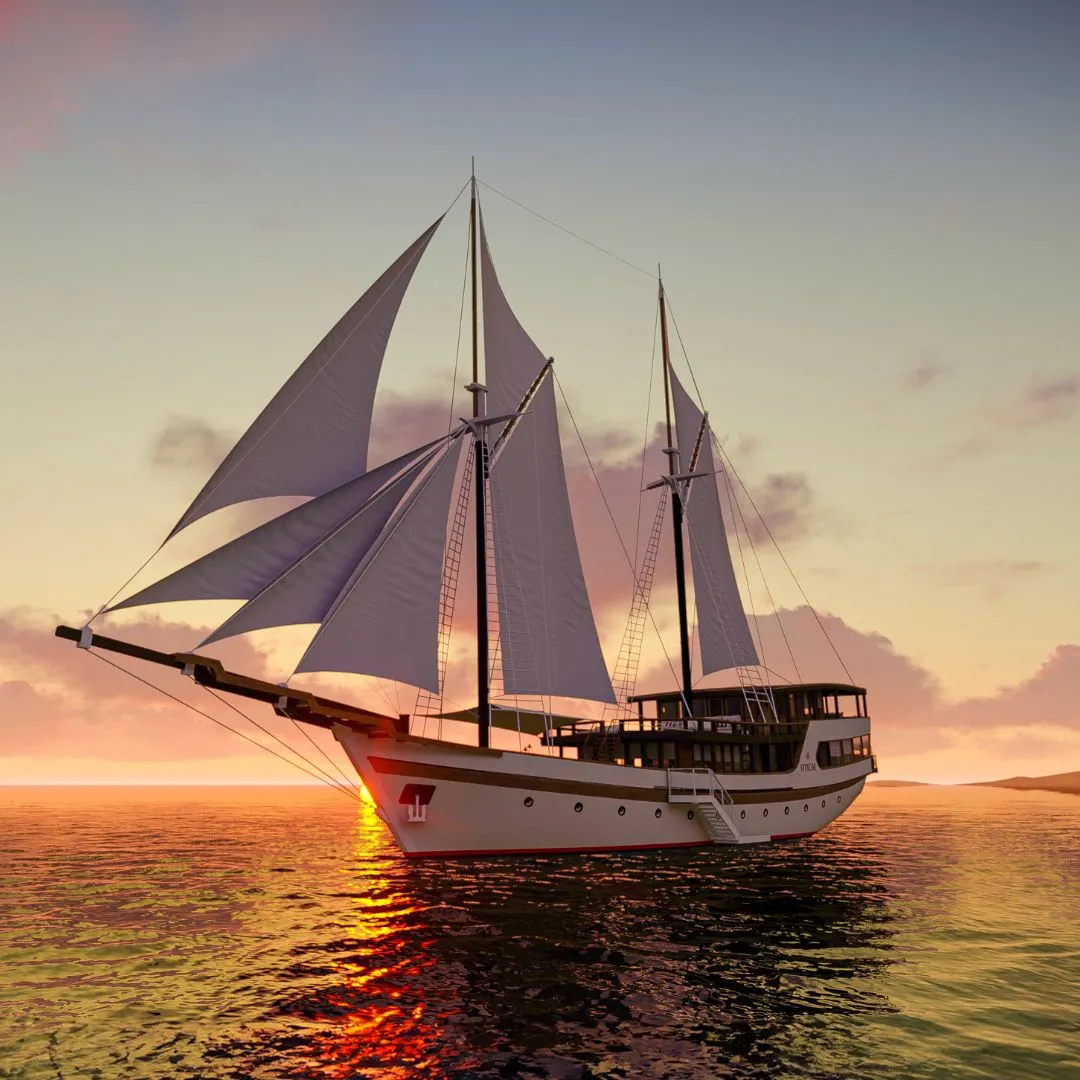
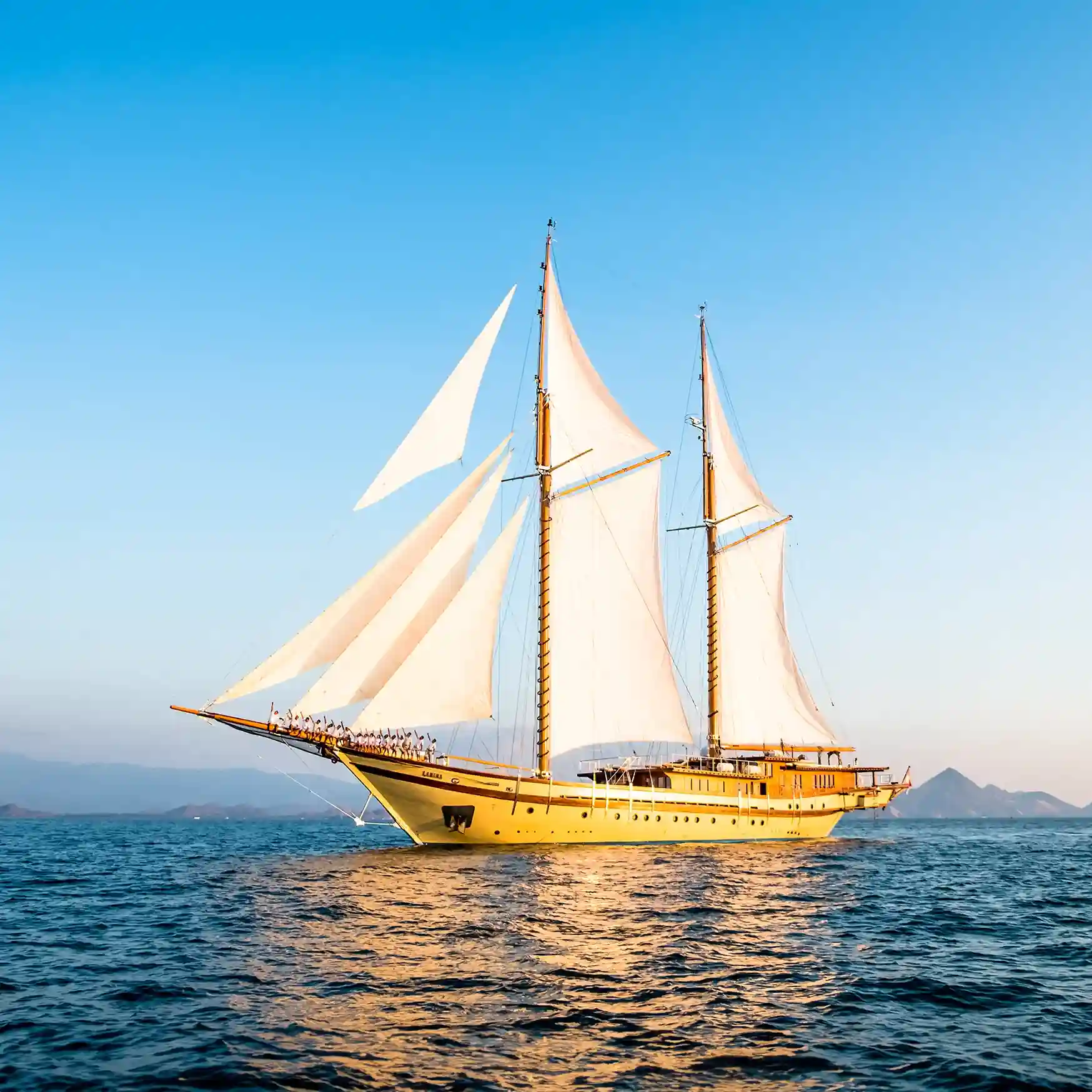
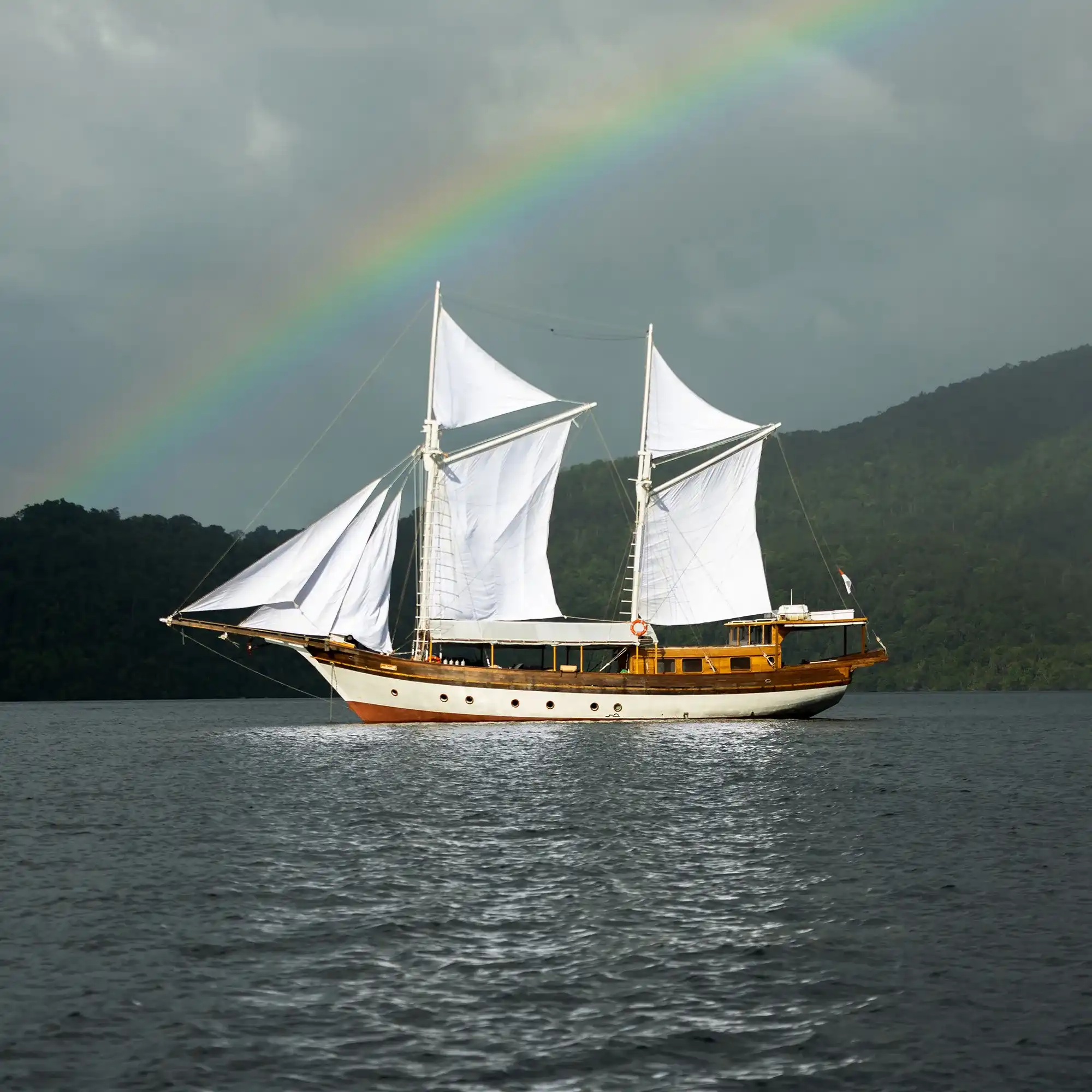
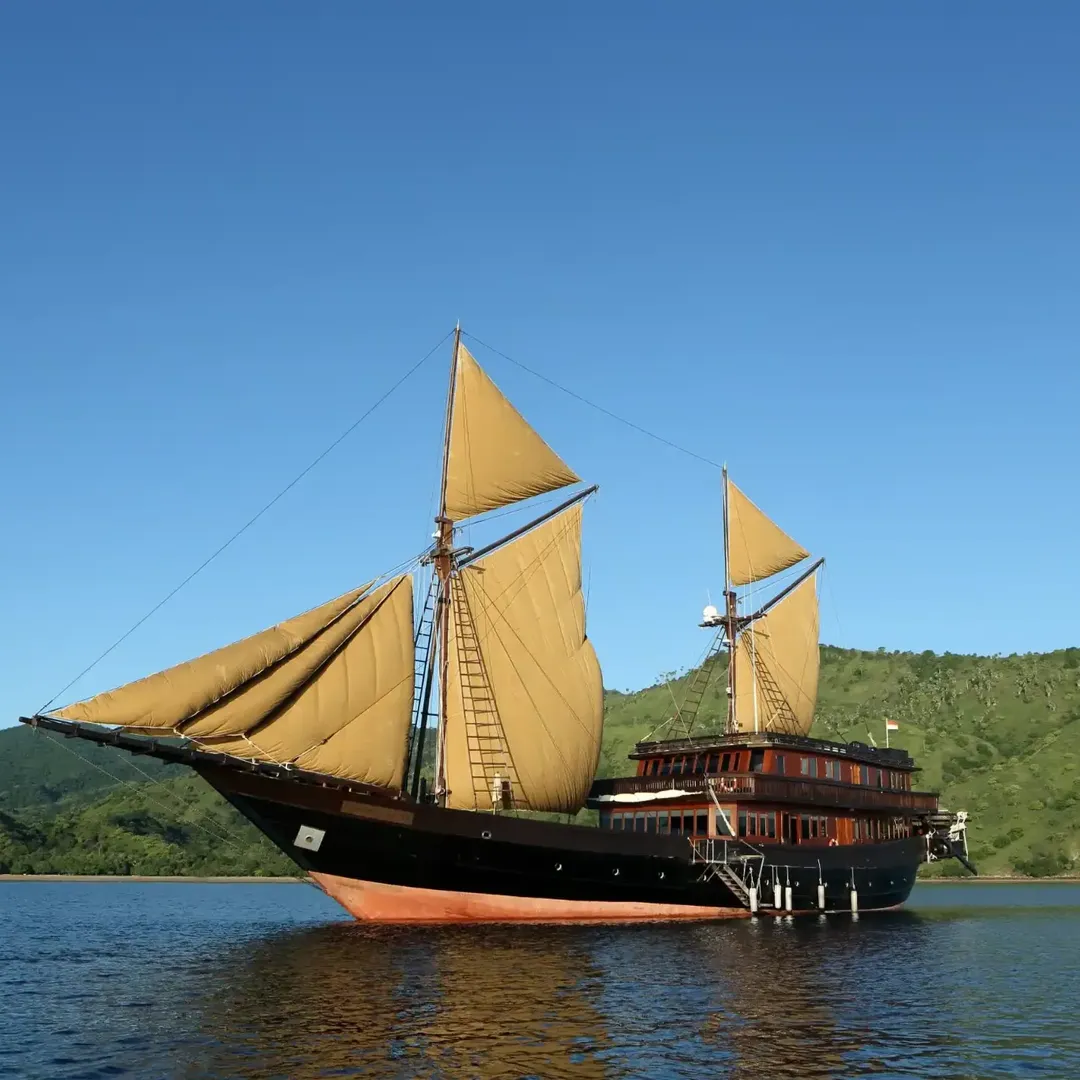
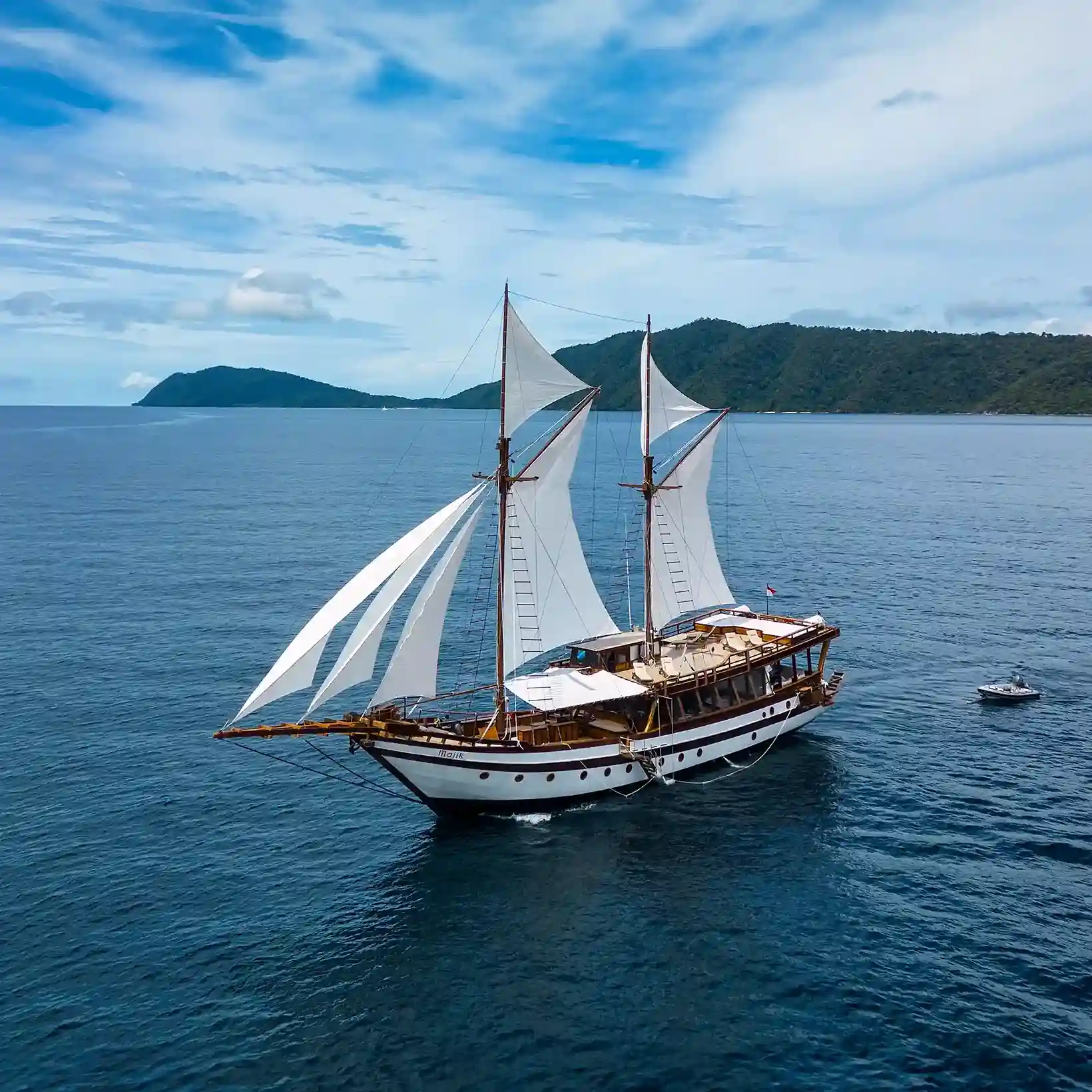
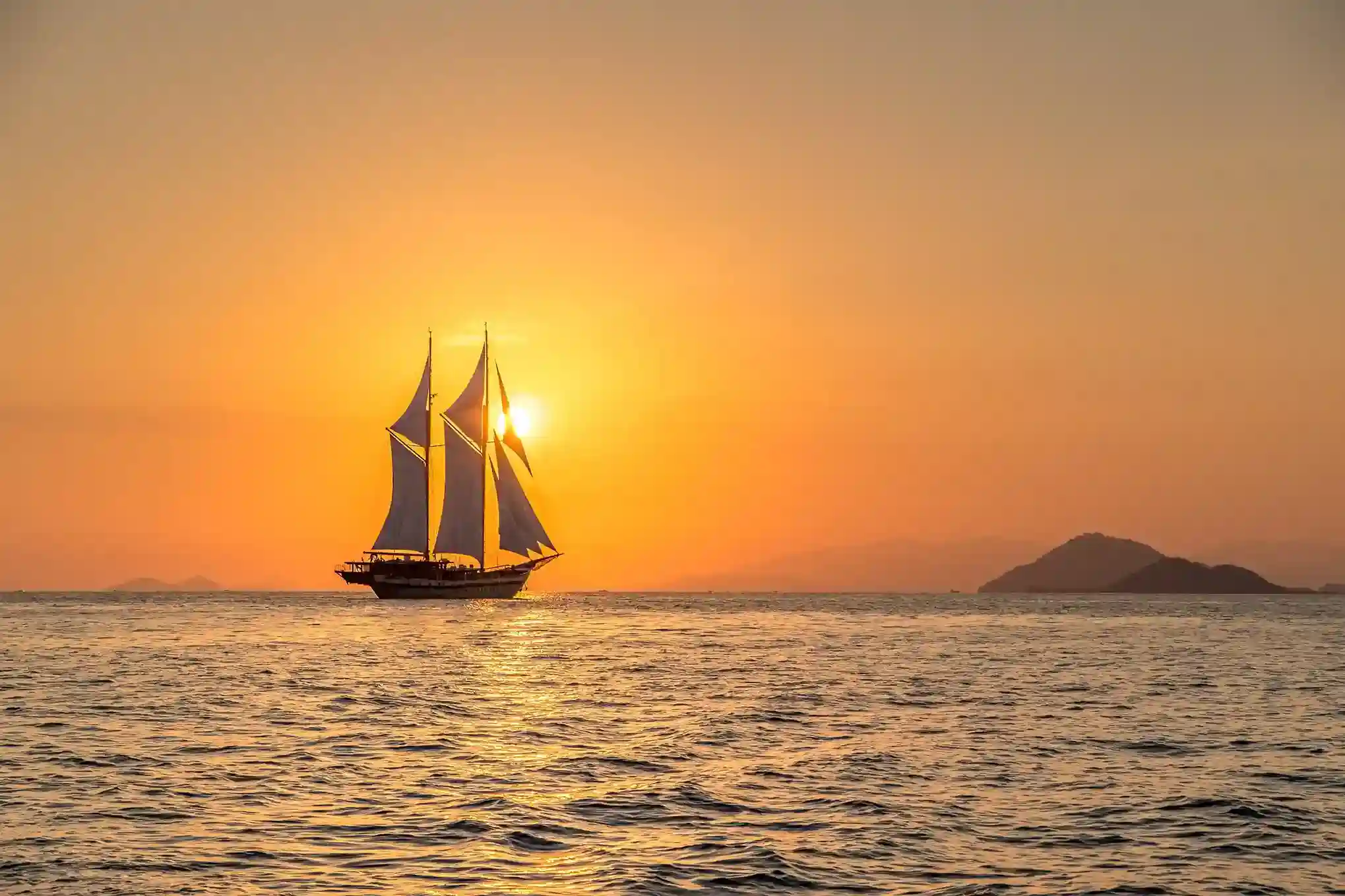
We keep Nataraja’s bow into the swell just off Wayag as dawn breaks – not for drama, but because that north-east current pushes hard this time of year and we’ve learned over twenty monsoon cycles how to time the run to the lagoon without fighting it. This 32-metre Phinisi was built to glide through these island passes, not just float prettily at anchor. When the wind lines up behind us, we douse the engine and let sail carry us toward the Four Kings – a rare quiet moment in a region that rewards patience.
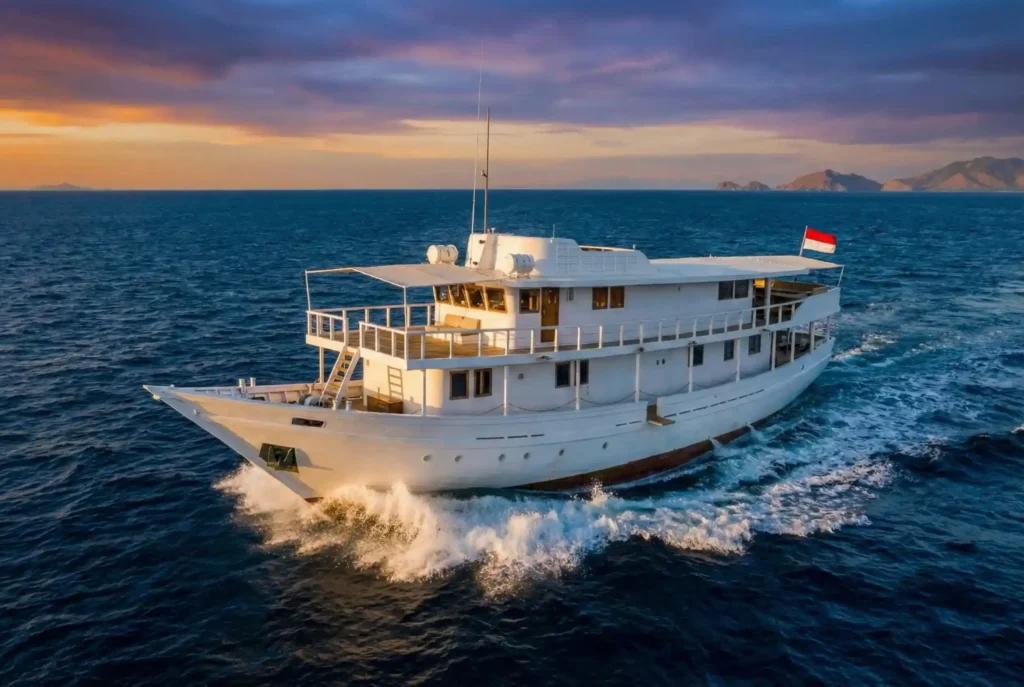
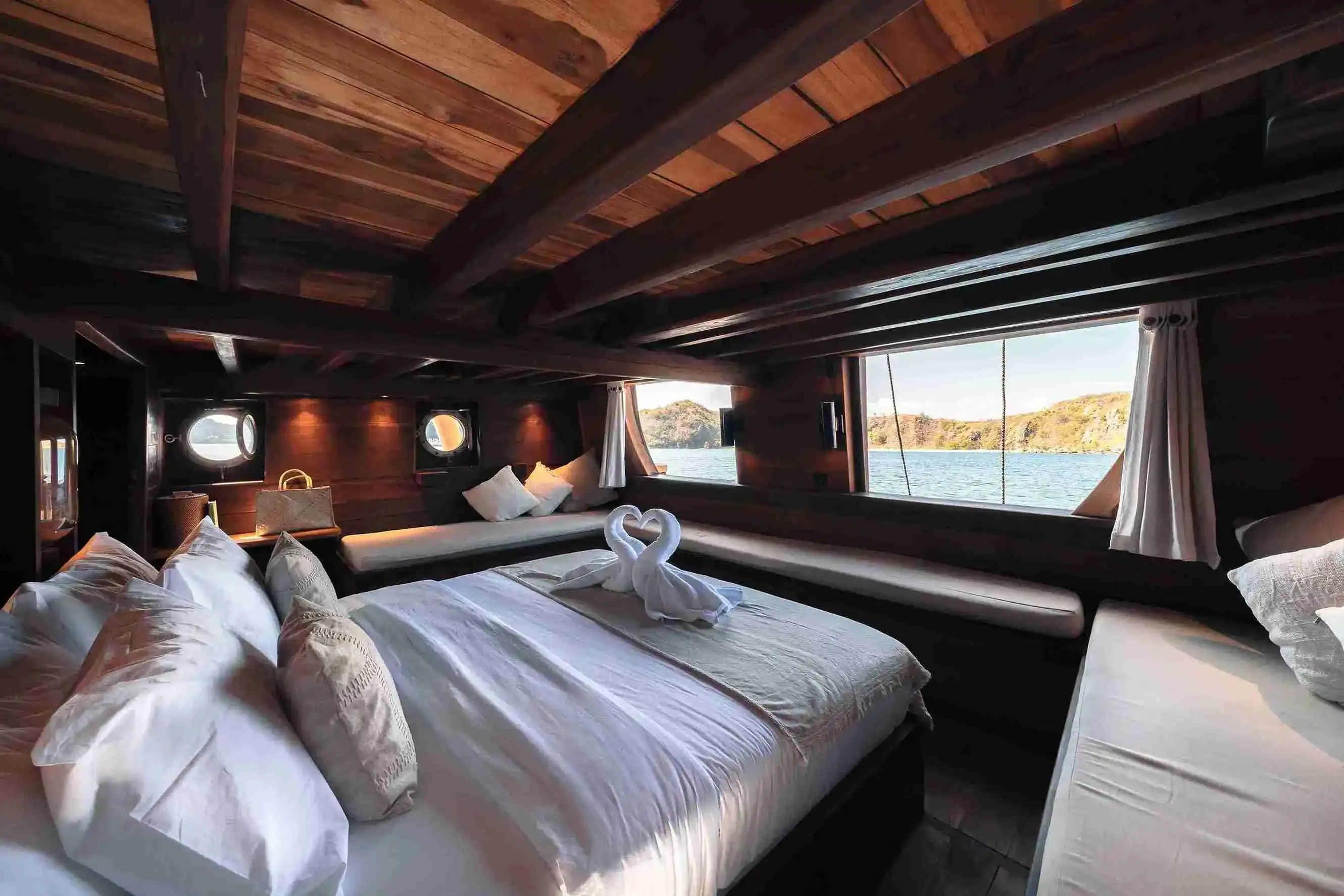
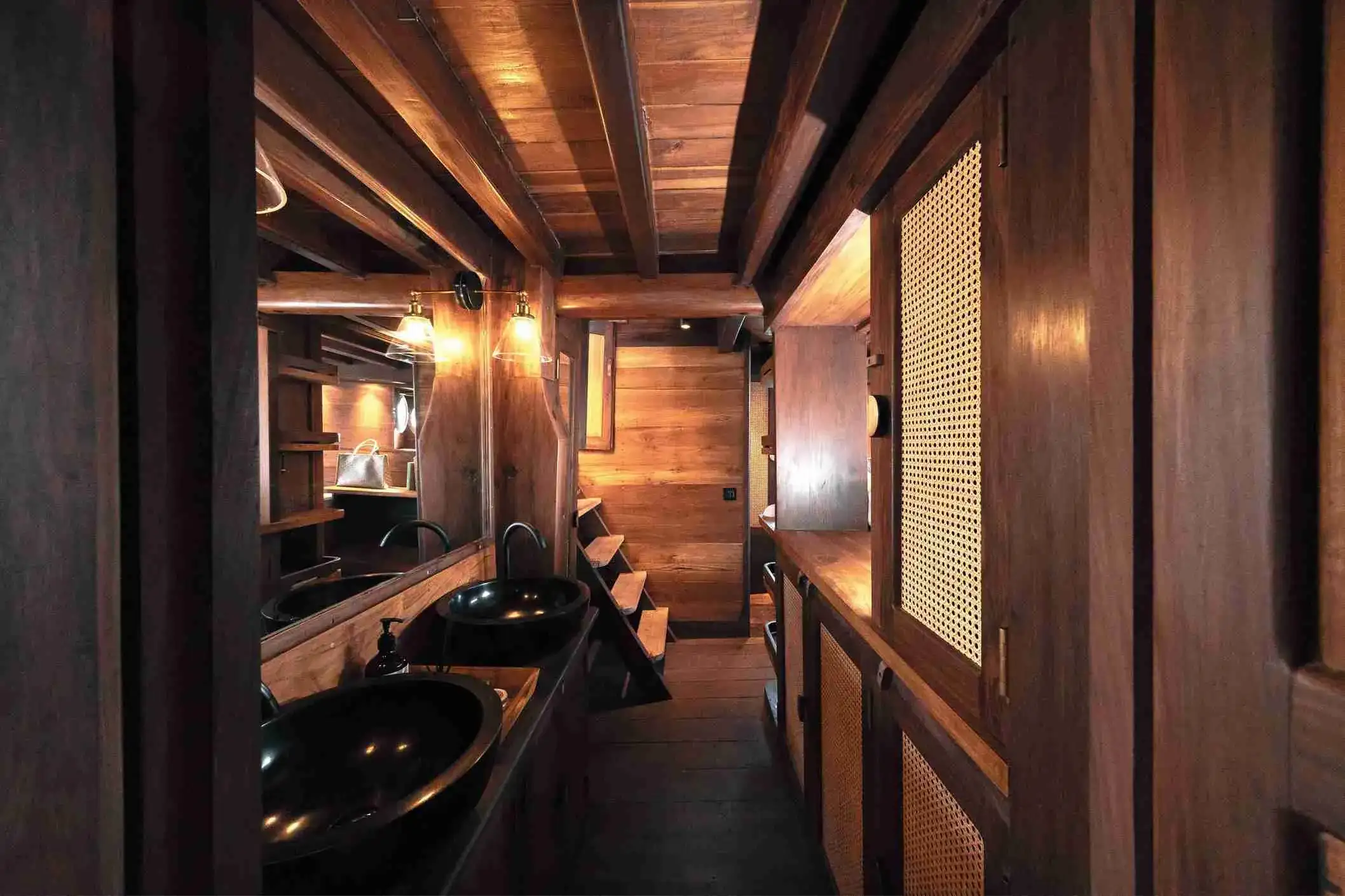
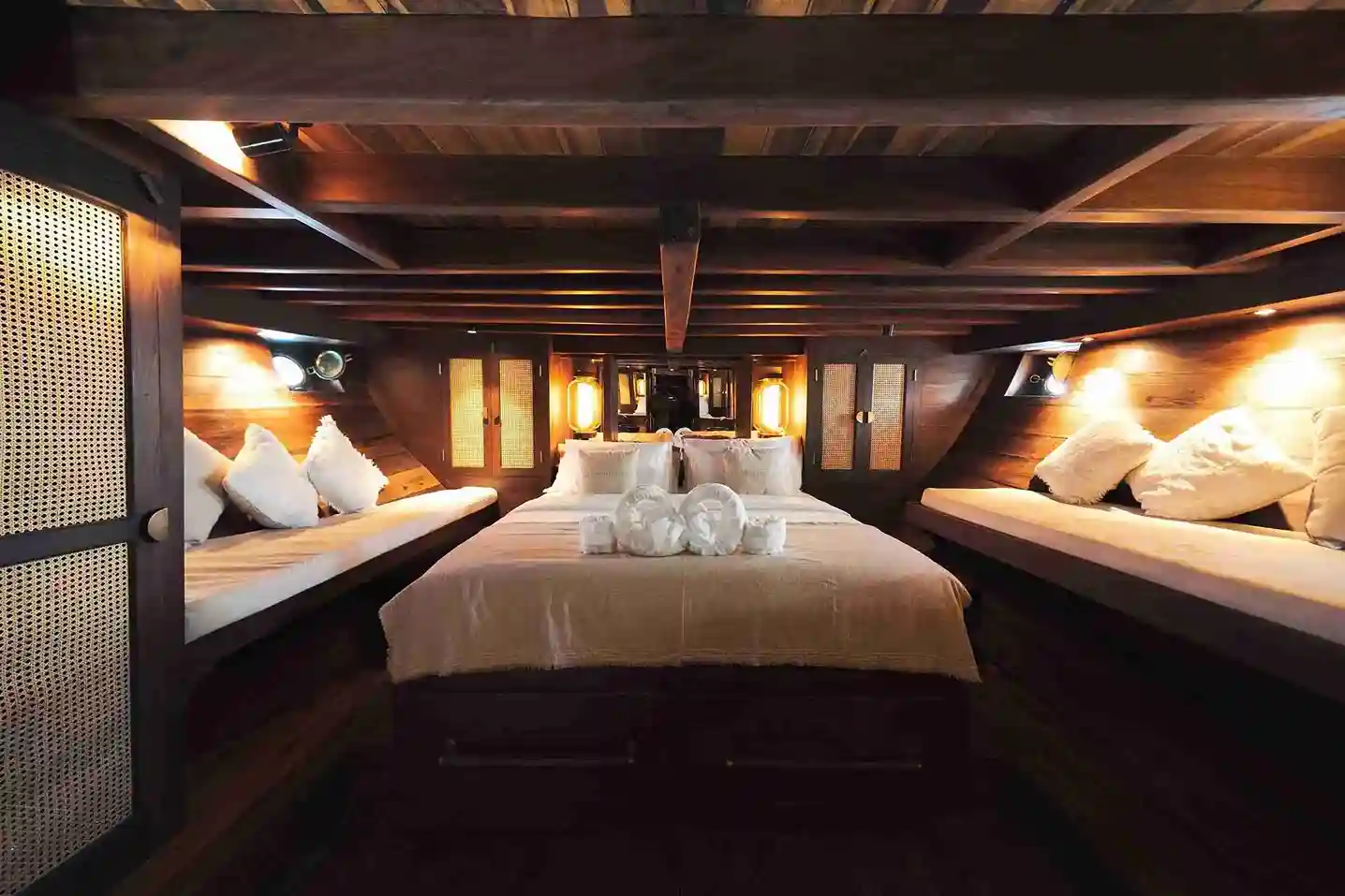
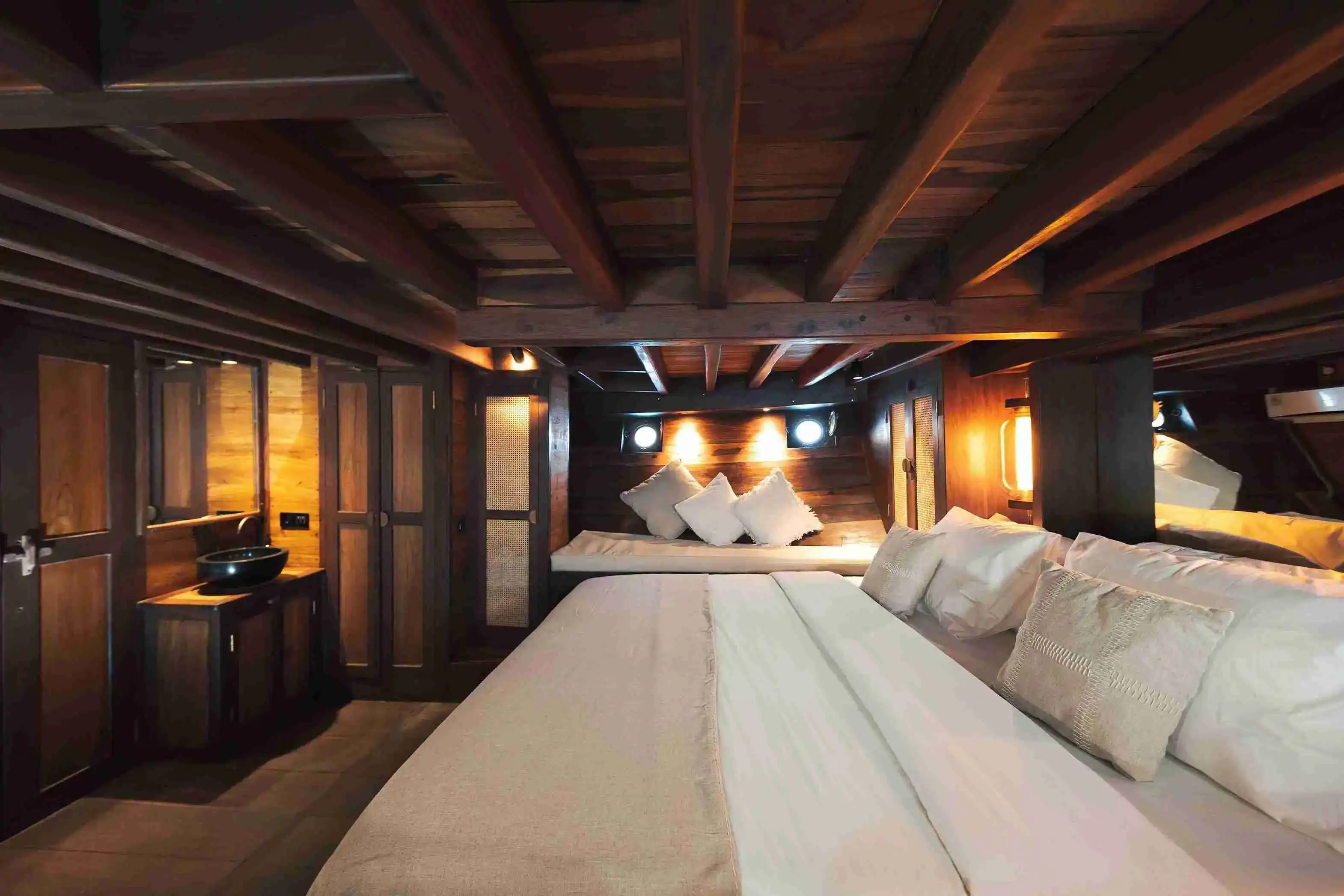
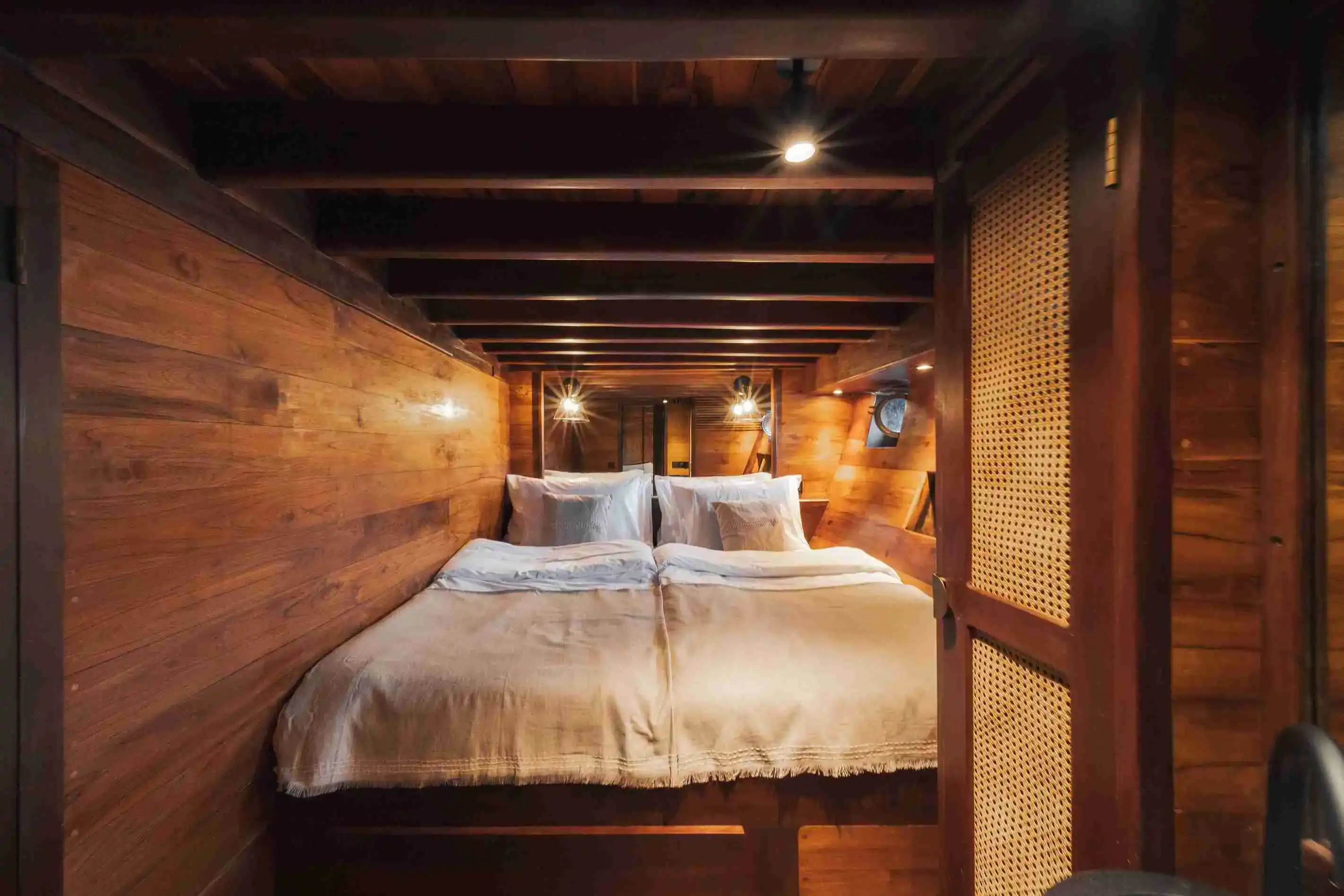
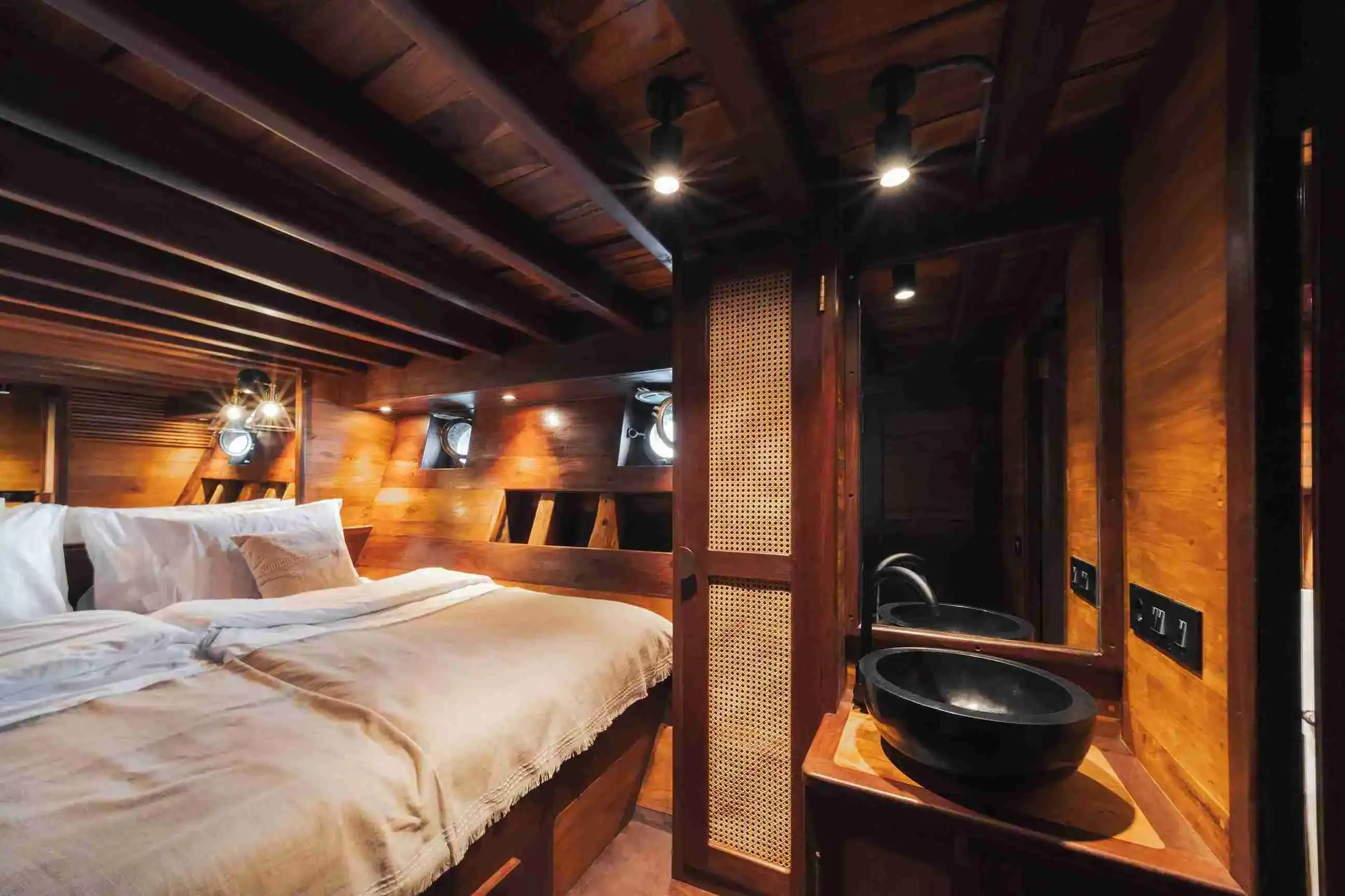
Nataraja runs with a single private cabin layout, which means we’re not shuffling groups or cutting corners on comfort. That space was designed for guests who want full control over their rhythm: wake at 5 a.m. for a sunrise drift at Cape Kri, or sleep in and snorkel Misool’s cathedral-like karsts by mid-morning. The crew knows every anchorage – from the sheltered coves of Wayilulu to the outer reefs near Mioskon – and we pick them based on wind direction and swell, not a fixed script. If the forecast turns, we shift east to the calmer channels near Gam instead of battling open water.
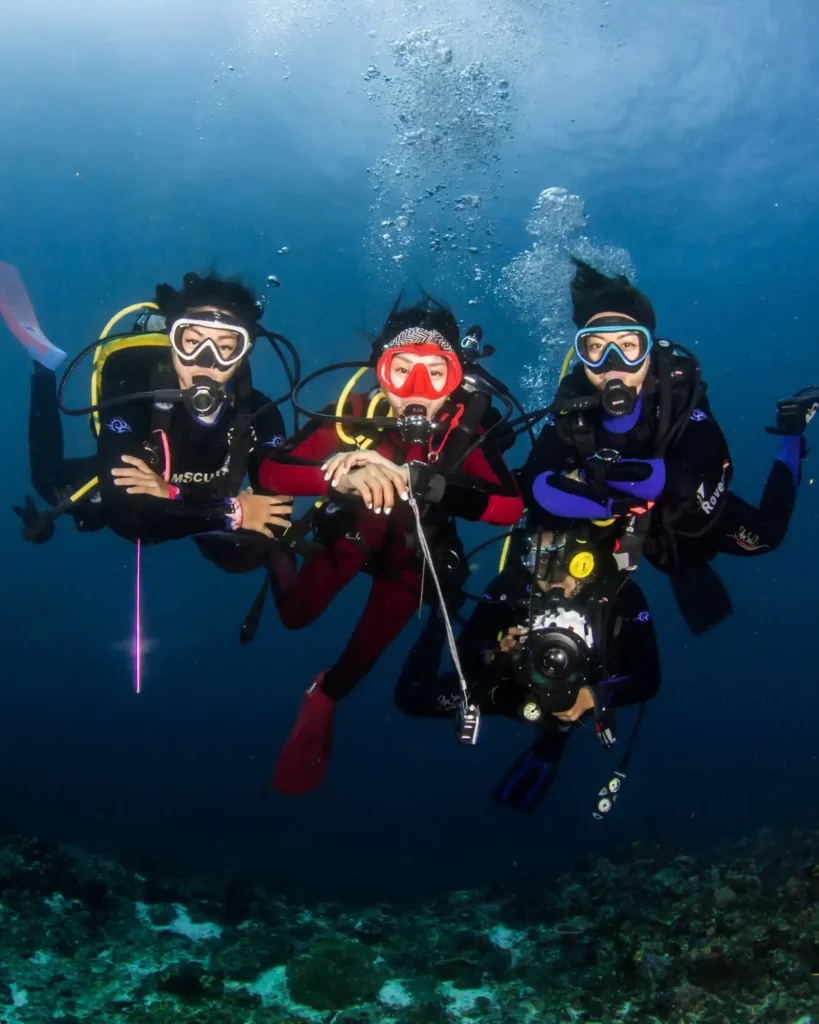
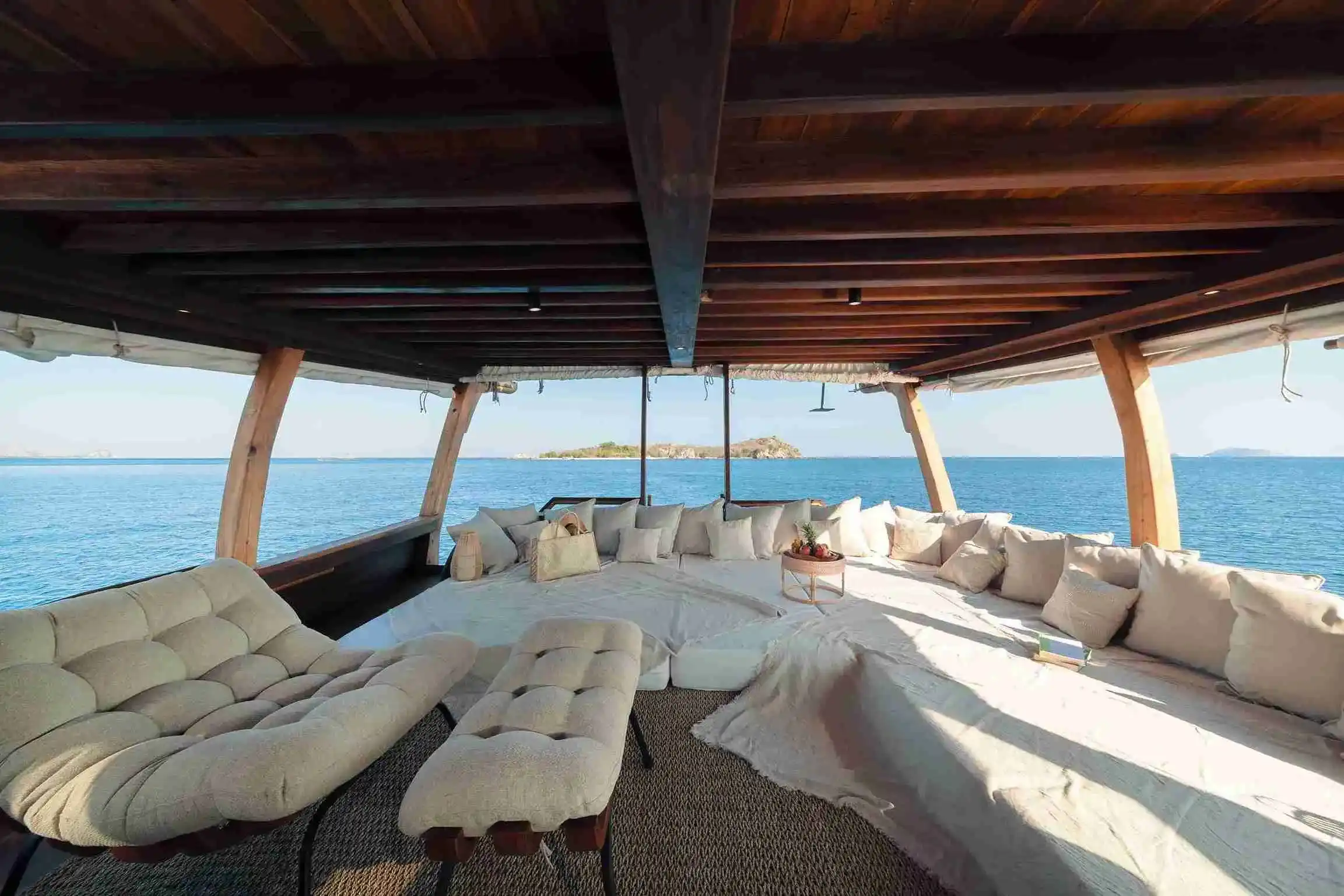
You’ll find real dive benches in the prep area – not just a rack with rinse buckets. Tanks are filled from our onboard compressor, and we stock rental gear for both divers and freedivers. Two kayaks are lashed to the upper deck, ready for solo paddles into hidden mangrove tunnels near Arborek Jetty. The sundeck isn’t just for show; it’s where we set up evening briefings with laminated charts, not tablets. We use them because salt spray kills electronics, and we’d rather not explain navigation on a blank screen.
On a typical 3D2N trip, we start with a midday departure from Sorong, heading straight to the Dampier Strait. First stop is usually Sardine Reef at dusk – quiet, minimal current, and thick with fusiliers. Day two opens with a strong current drift at Melissa’s Garden, where the hard corals bloom in colours you don’t believe until you see them on film. Afternoon brings a beach landing on Piaynemo for the classic viewpoint, then a slow paddle through the stilt villages of Sawinggrai before sunset.
Day three is for the outer walls. We run west to Manta Sandy early – feeding time, usually around 9 a.m. – then drop into the narrow channel at Yenbuba as the tide turns. That’s a site for experienced divers; the current rips, but the soft coral coverage is relentless. We surface at 11 a.m., break for lunch, then make way back to Sorong with snorkel stops at a few unmarked bommies en route. Total dive time averages 180 minutes across six dives, depending on group pace and conditions.
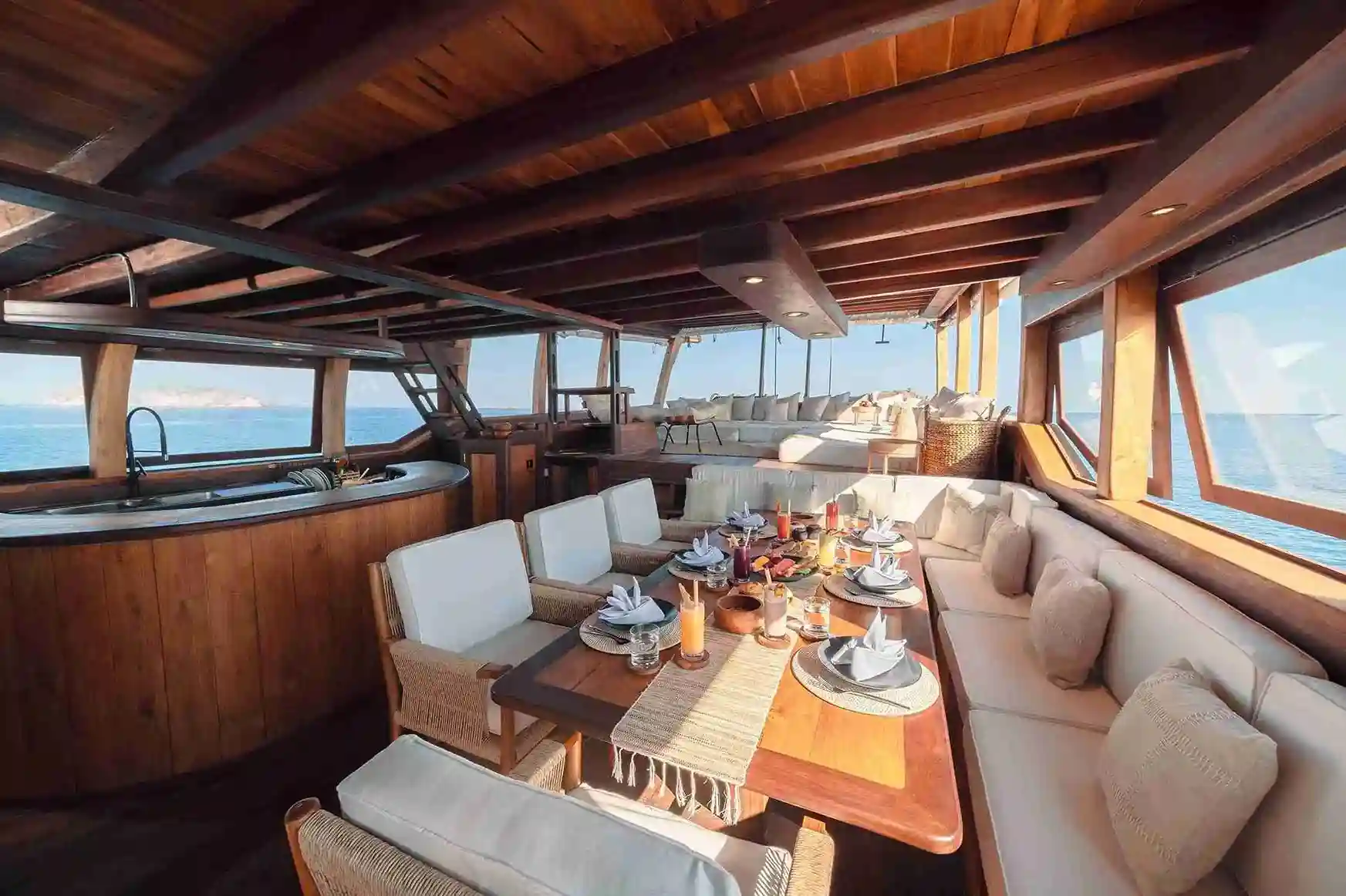
This isn’t a floating hotel. The generator shuts down from 10 p.m. to 6 a.m. unless needed, and AC runs only in the cabin during sleeping hours. The galley serves Indonesian staples with Western options – think nasi goreng with bacon, or fresh papaya with granola. Our cook sources mangoes and coconuts from village traders when we pass small atolls. You won’t get room service, but you will get coffee brewed at 5:30 a.m. without asking.