About Celestia Phinisi
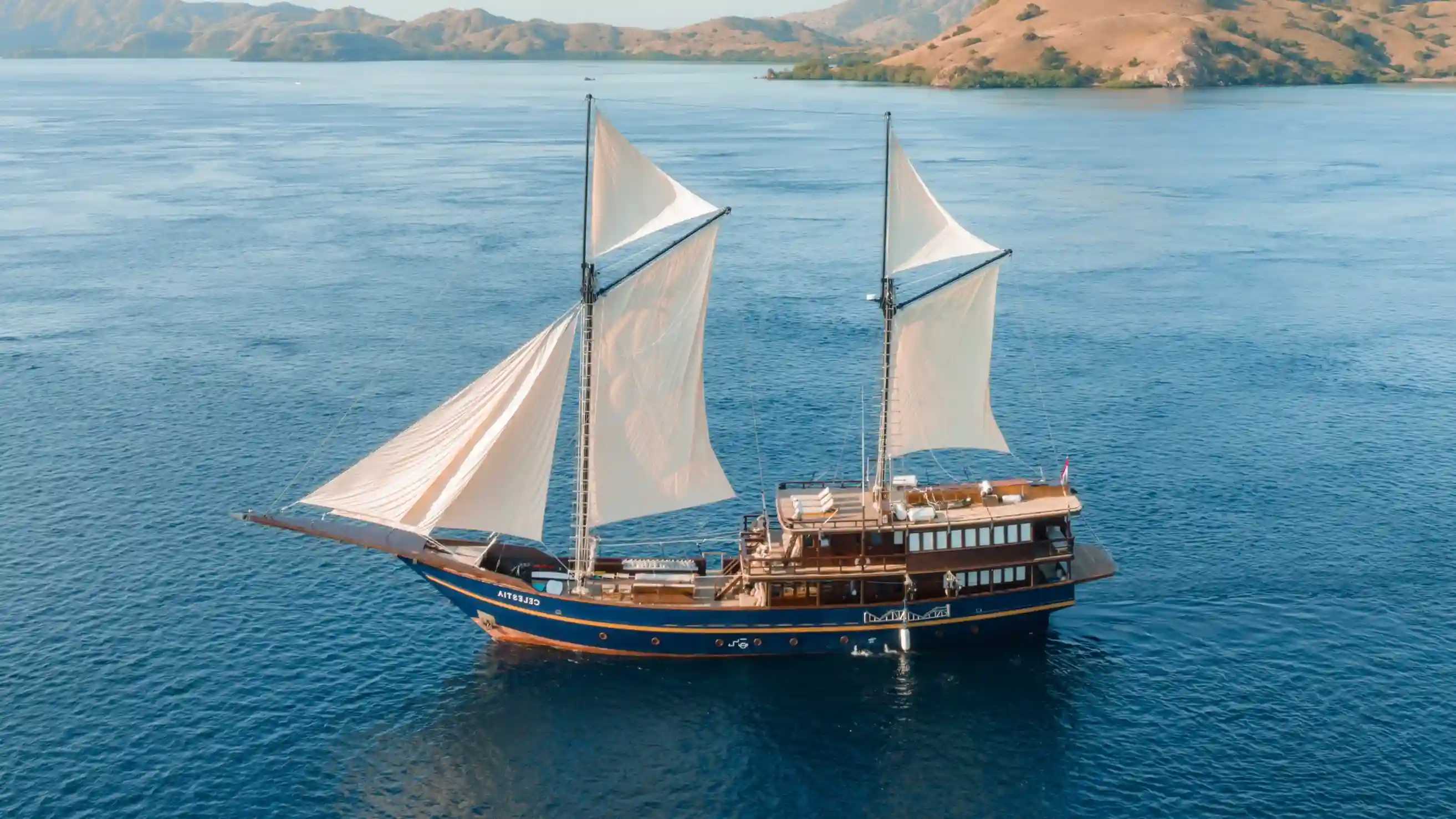
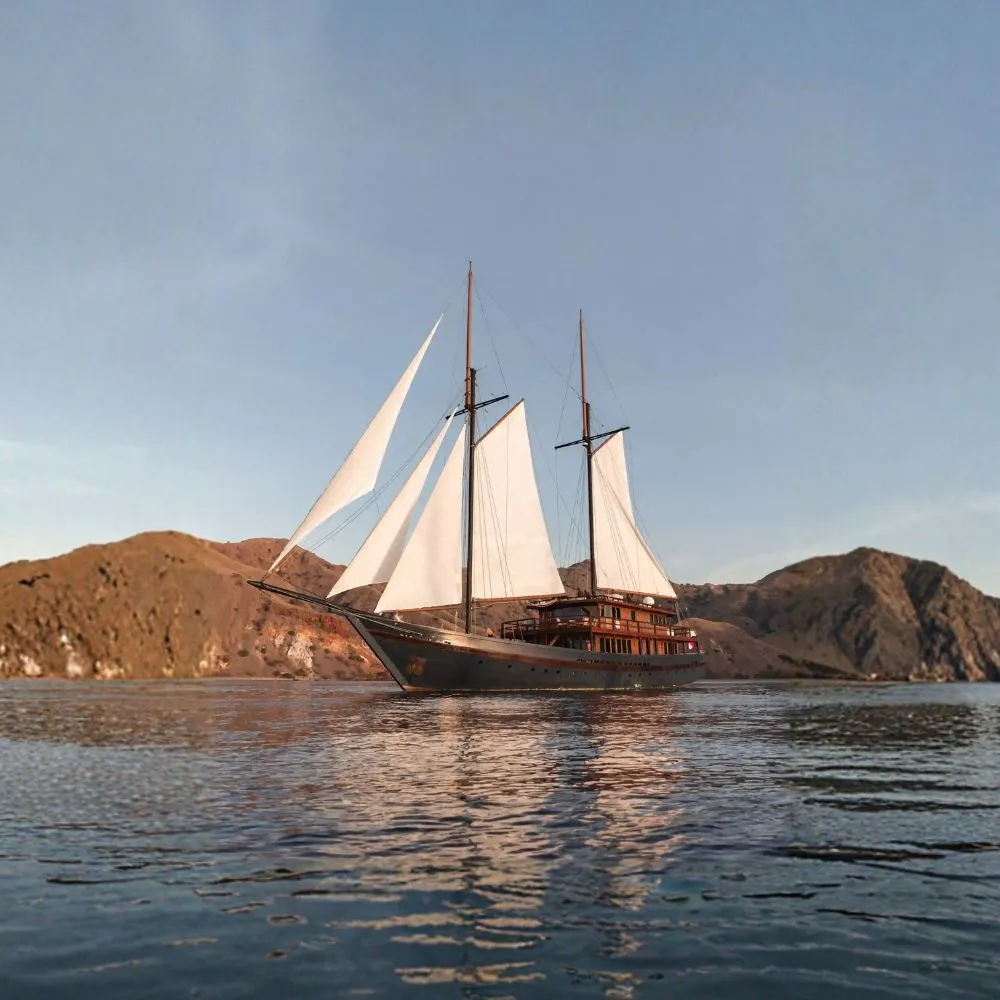
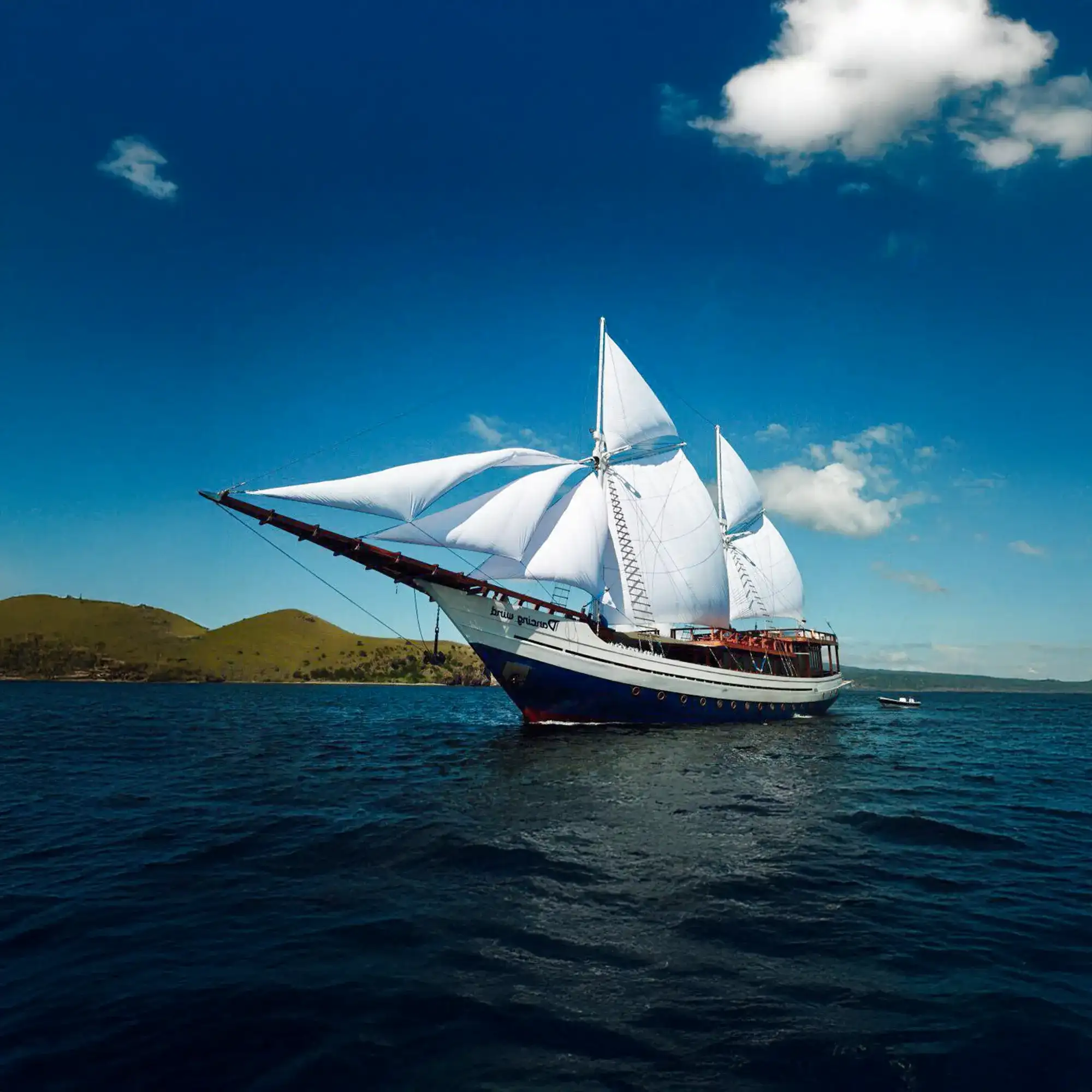
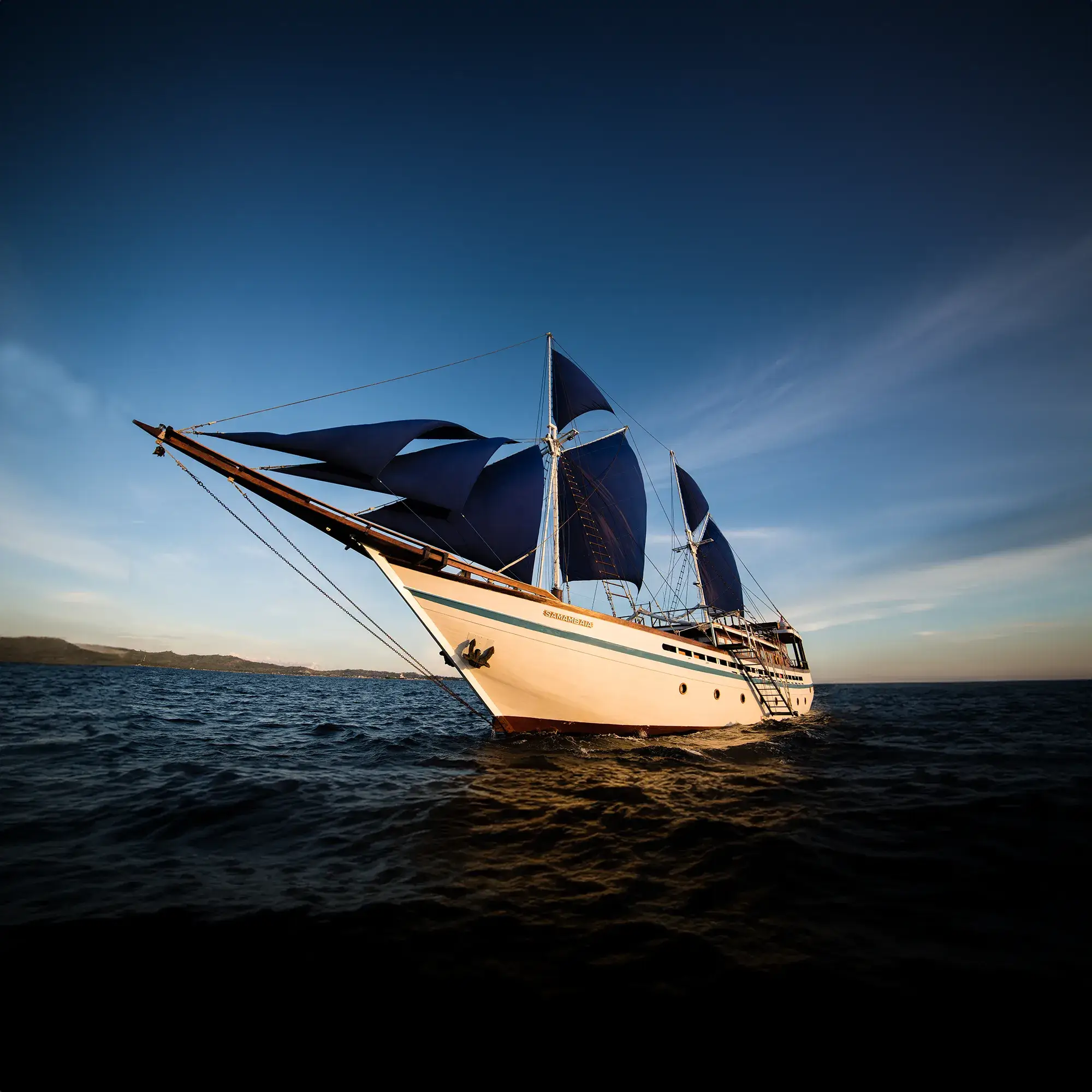
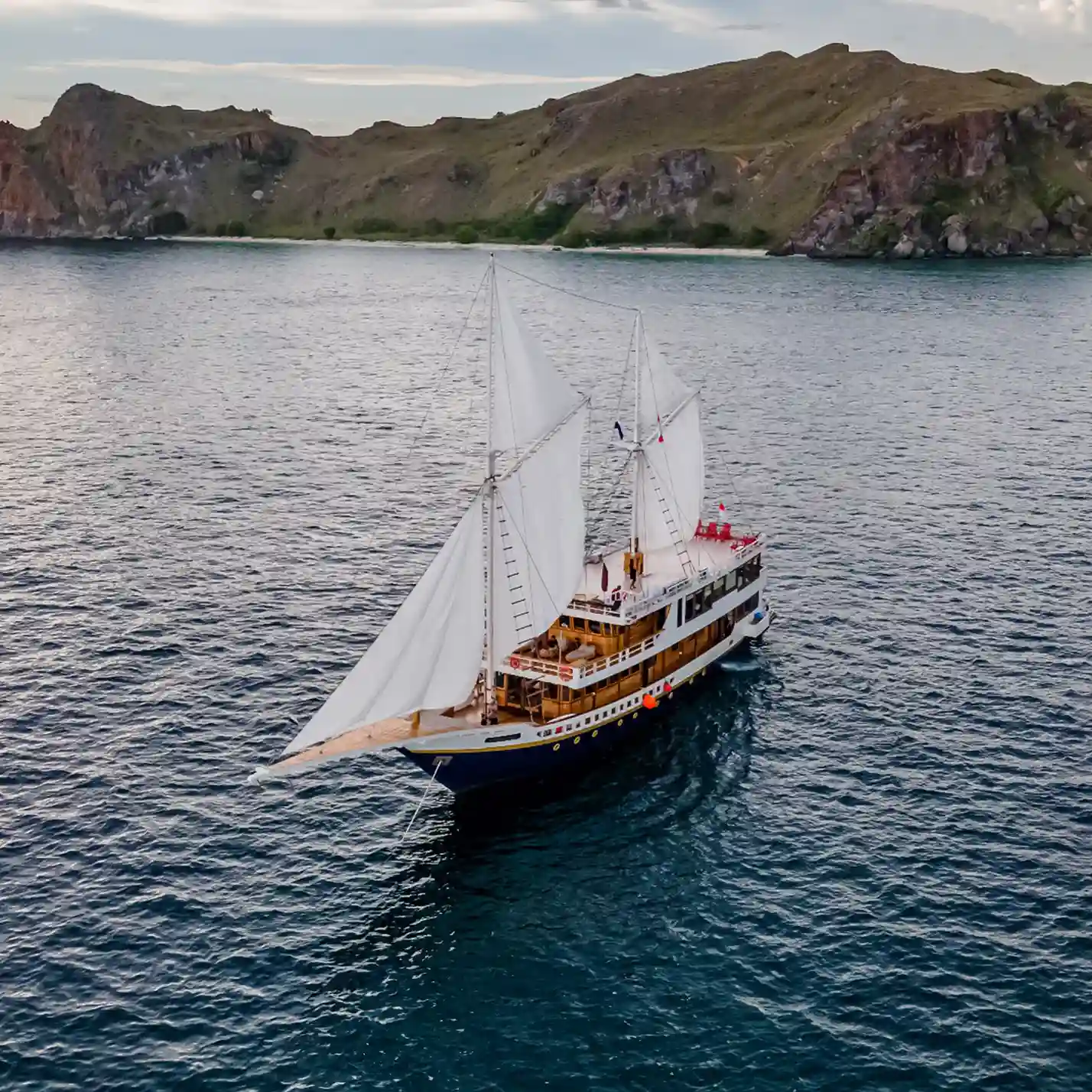
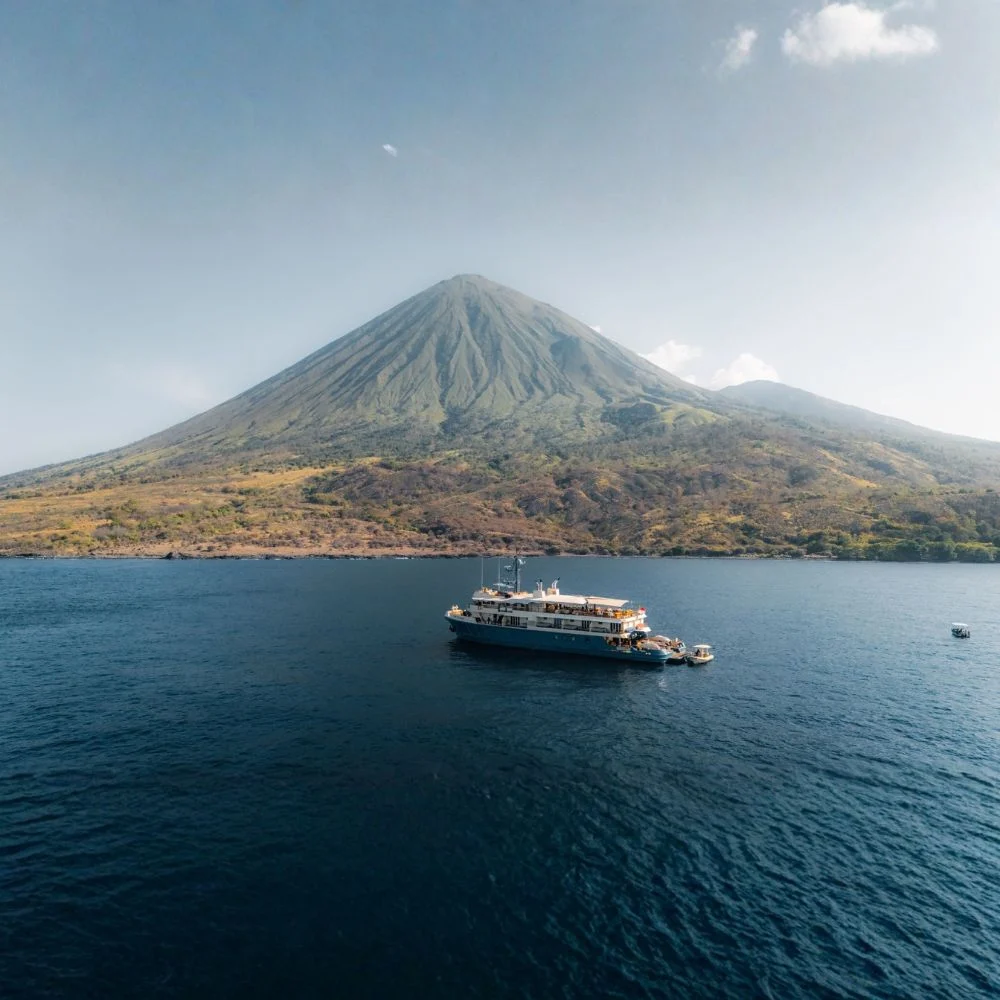
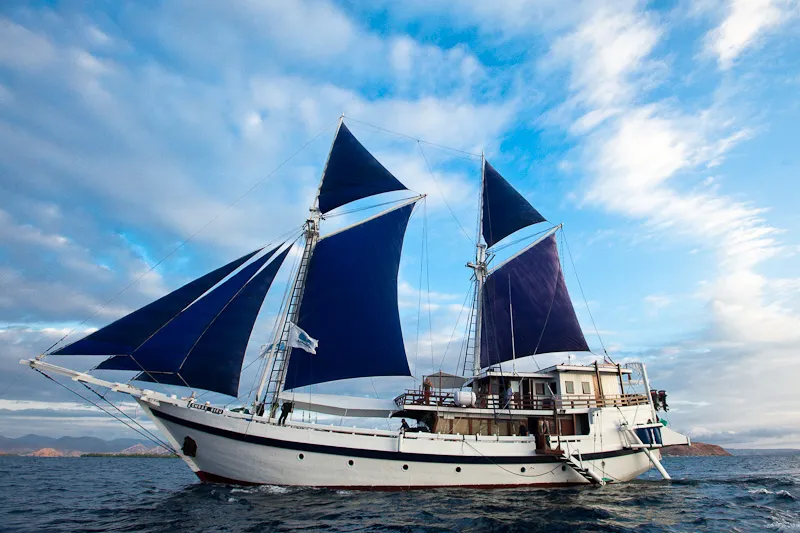
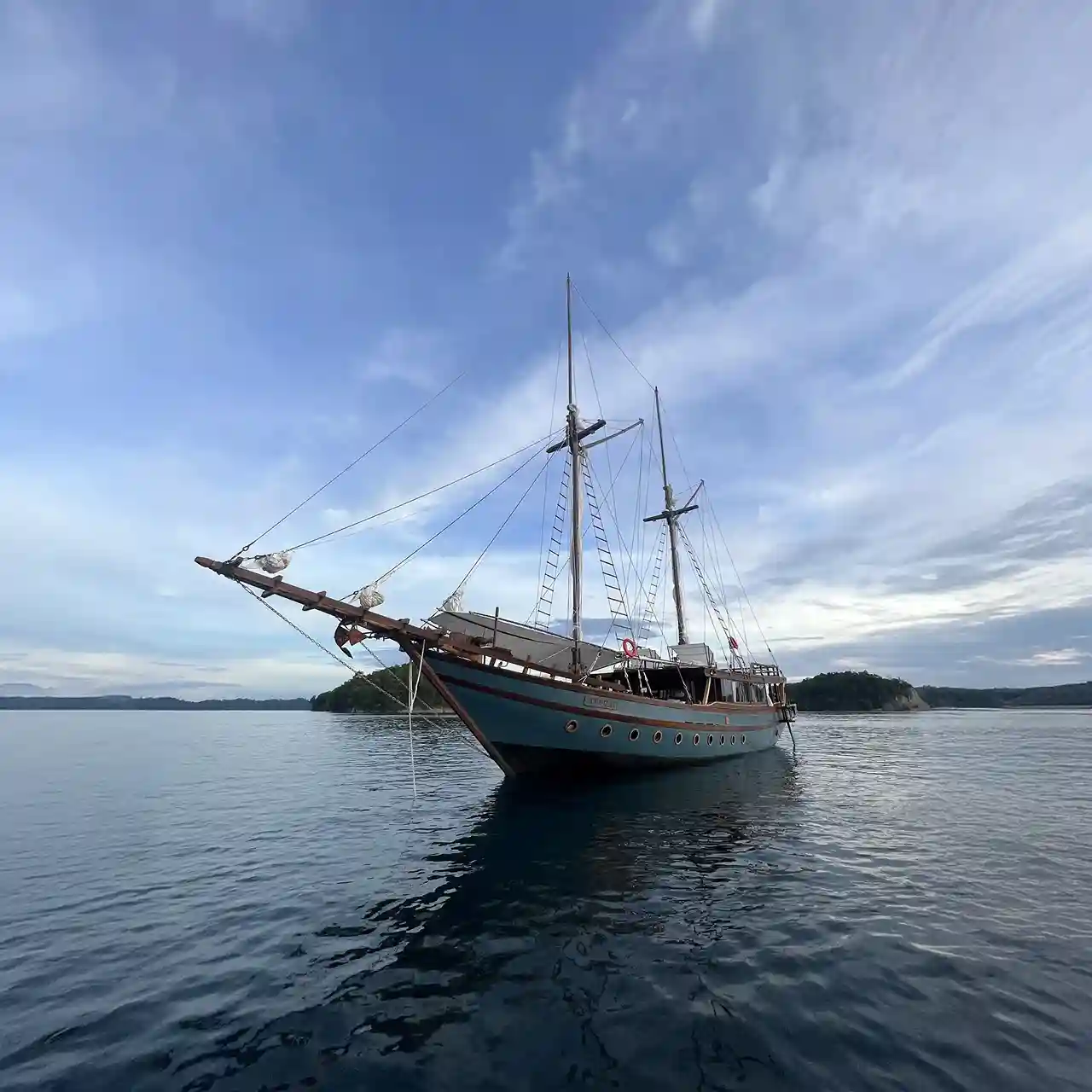
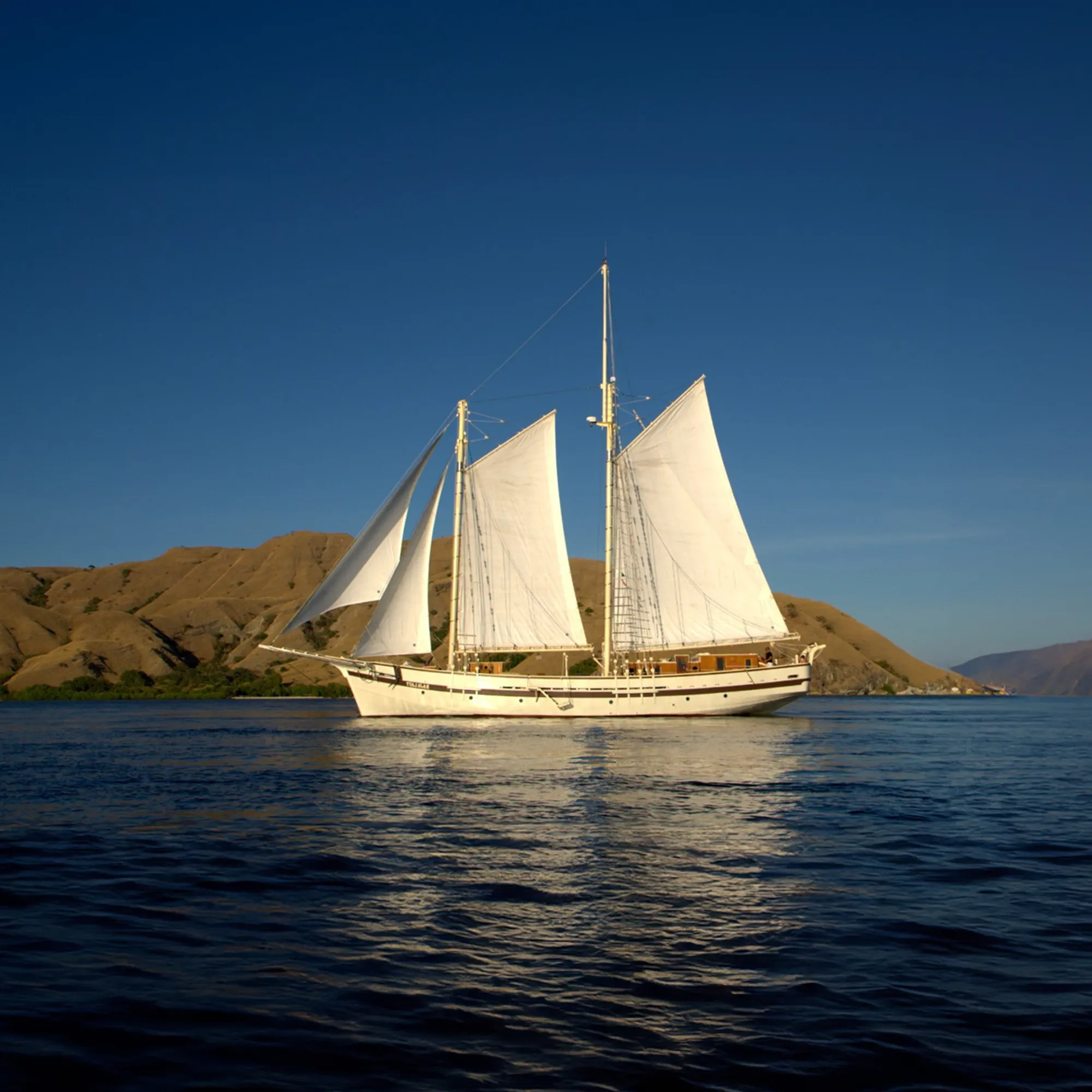
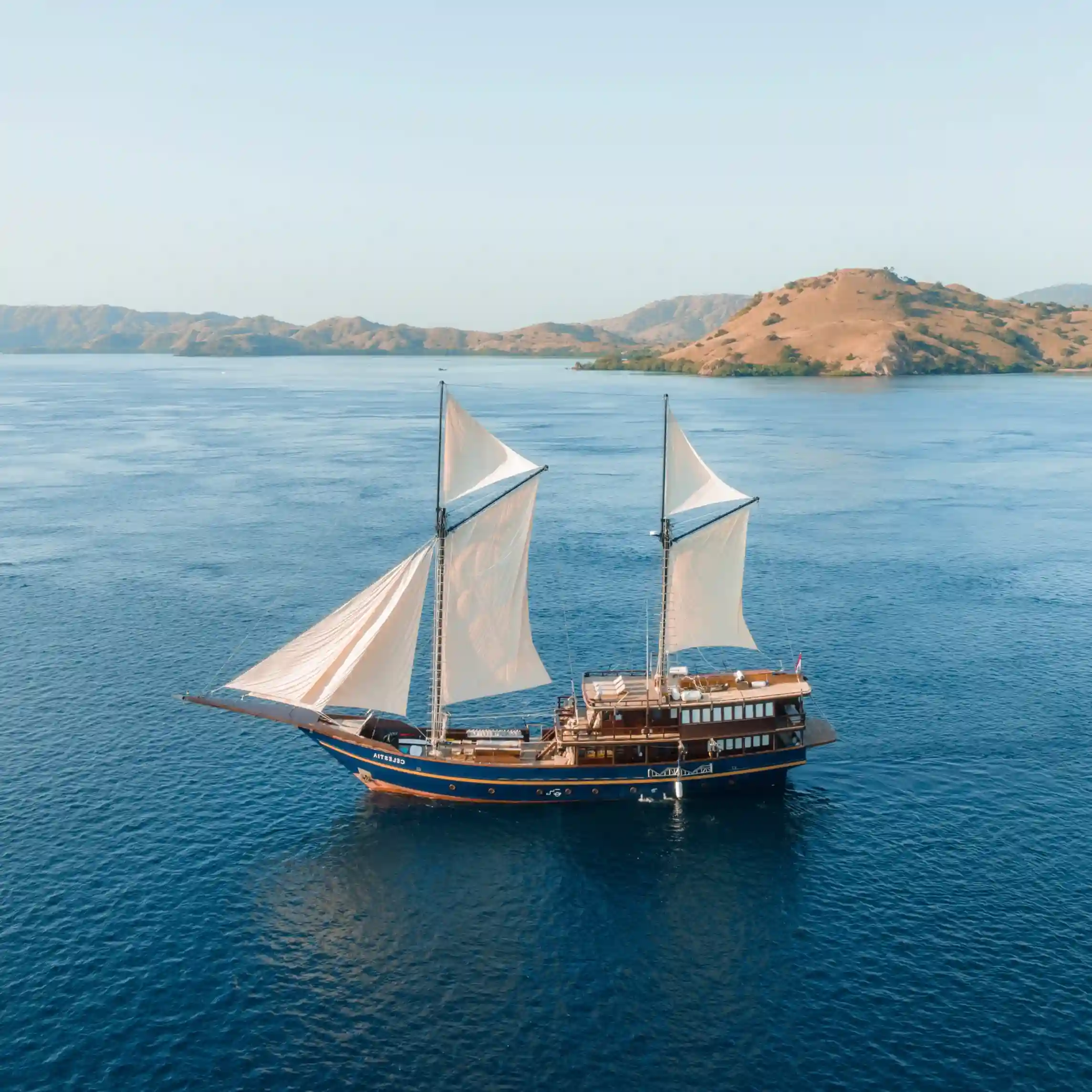
We keep the Celestia Phinisi’s engines just off idle when approaching Wayag’s needle-like islets in the early morning. The last thing you want is to miss the sound of the current ticking against the hull as we slide into Blue Magic—an anchorage where the hard coral walls begin at five metres and drop into indigo. At 45 metres, she’s long enough to ride the Sulawesi Sea swell comfortably, and our crew of eight has timed arrivals like this for years. You feel it in your feet before you see it: Celestia Phinisi settles, the rooster crows from the foredeck, and the first dinghy drops by 06:45.
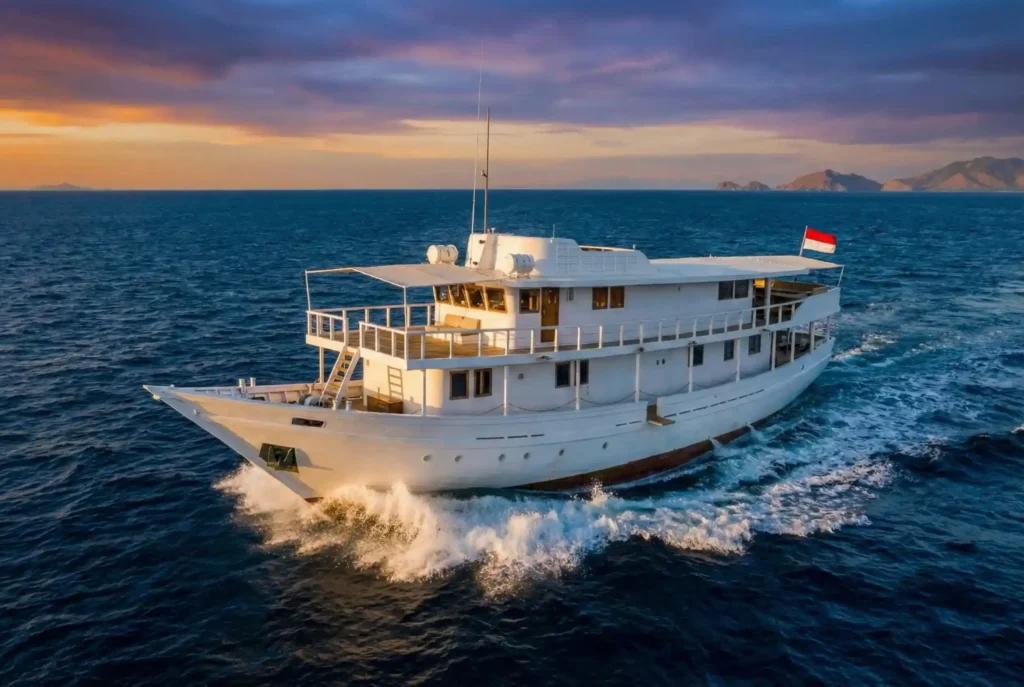
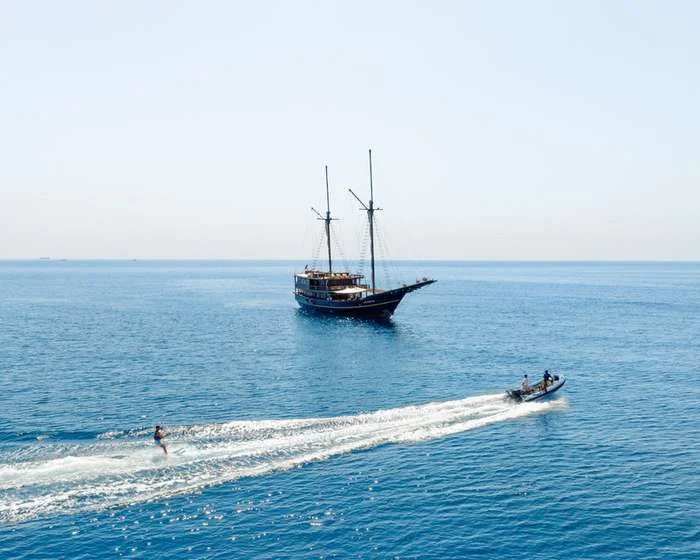
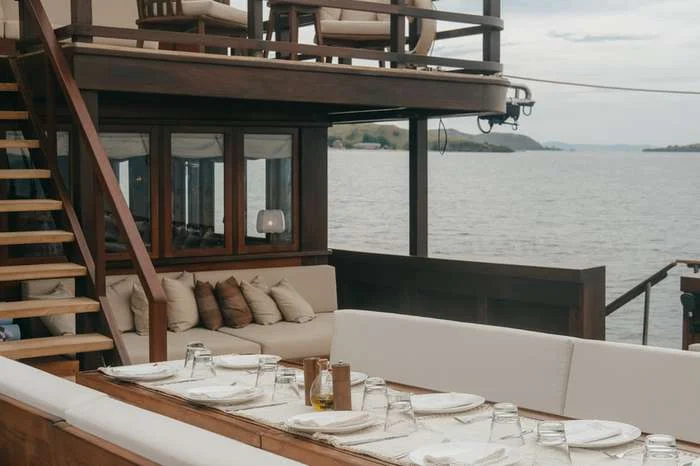
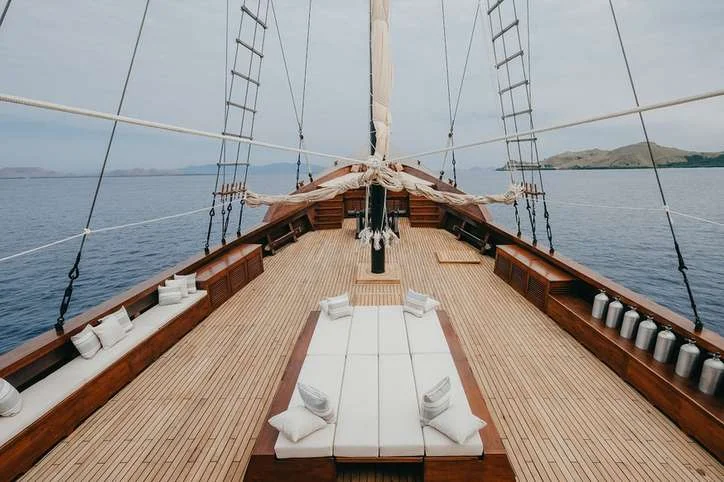
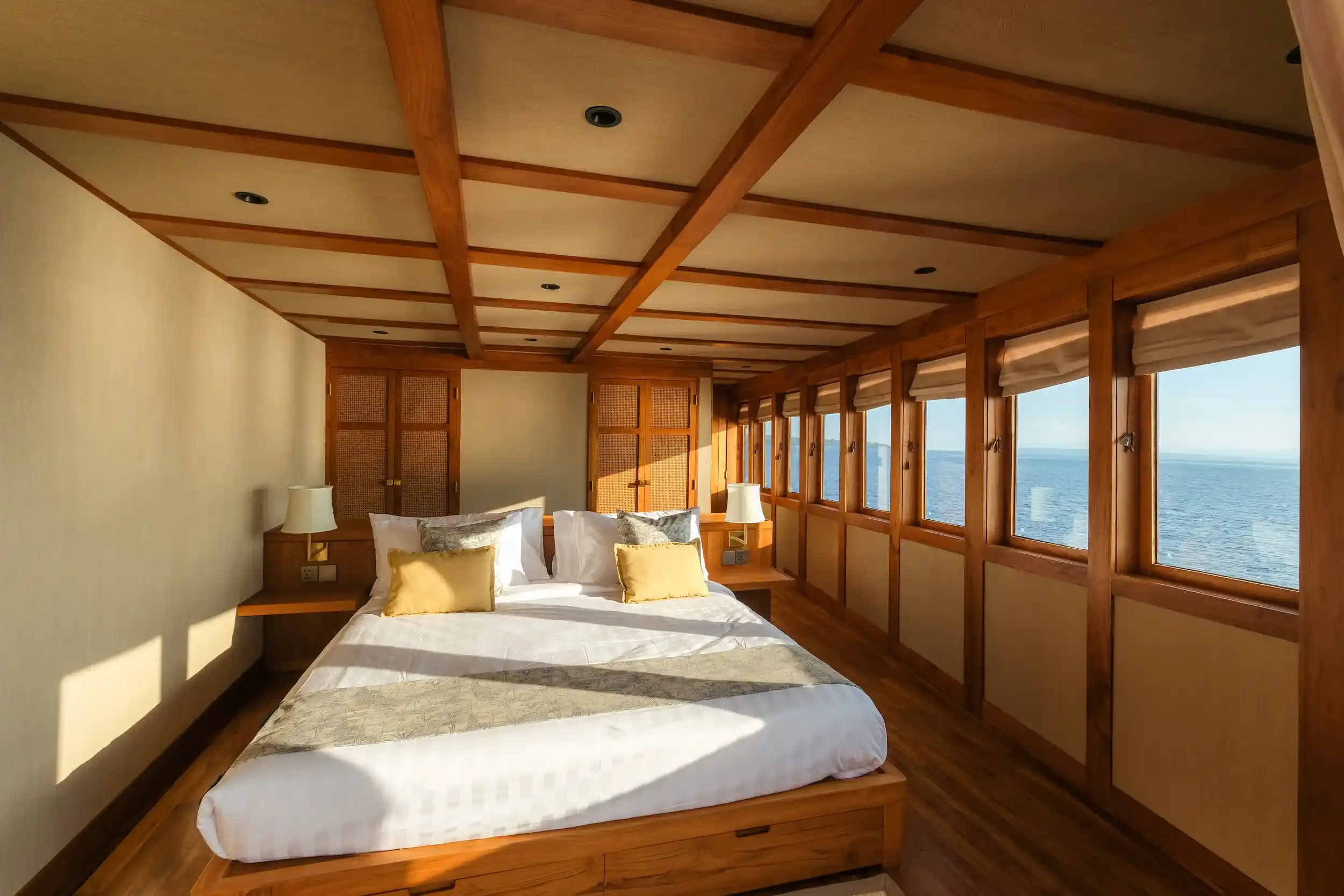
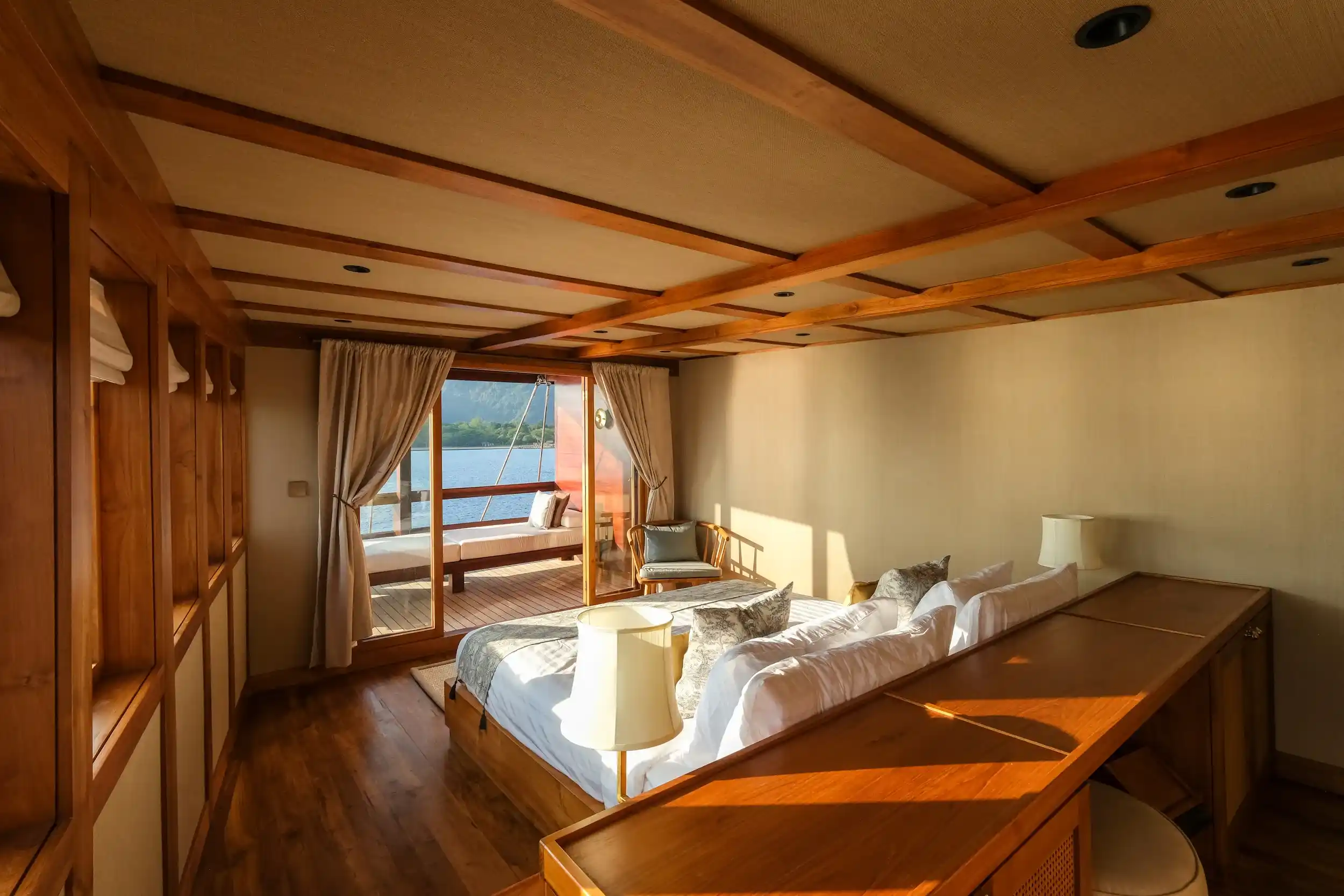
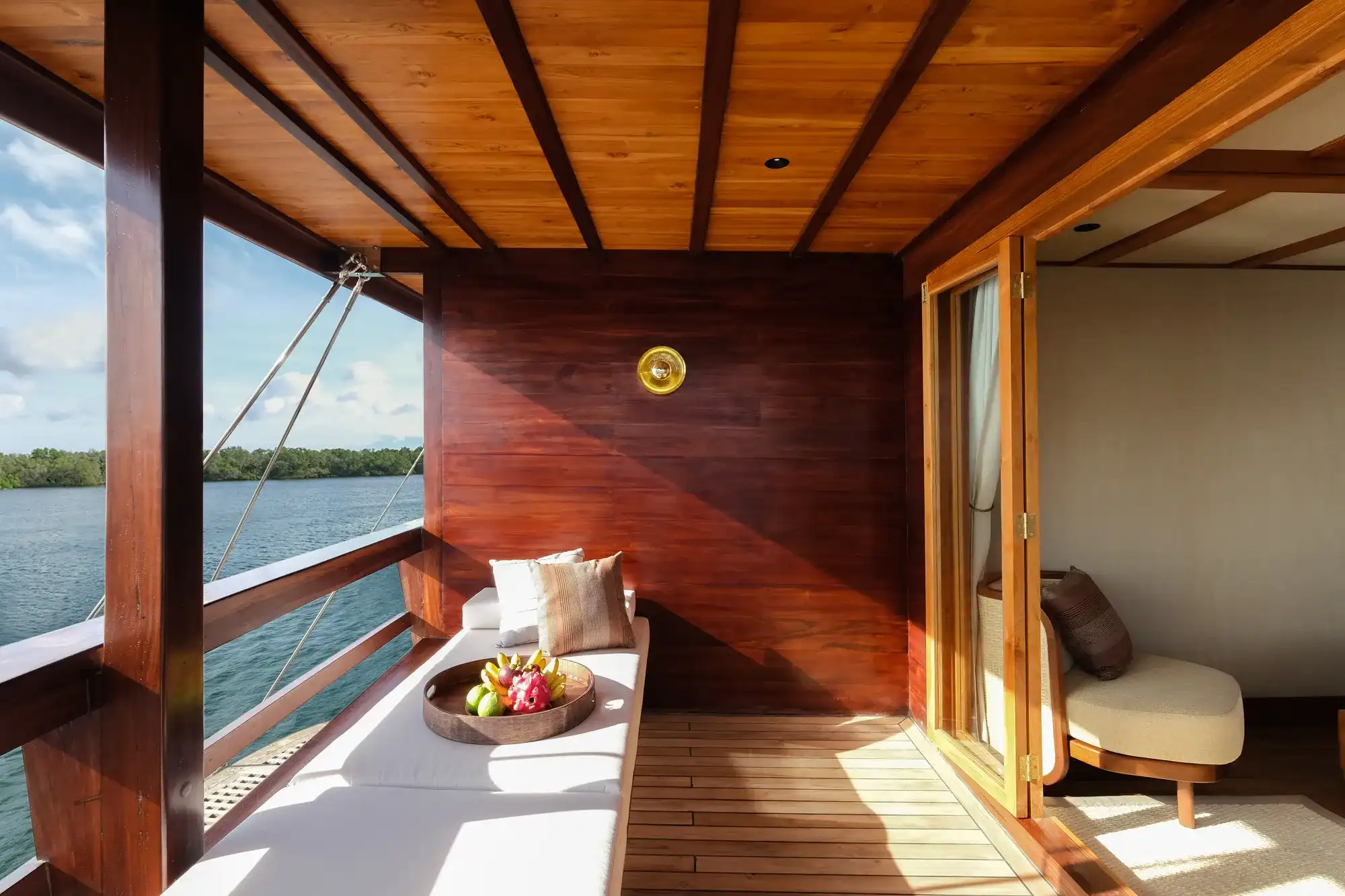
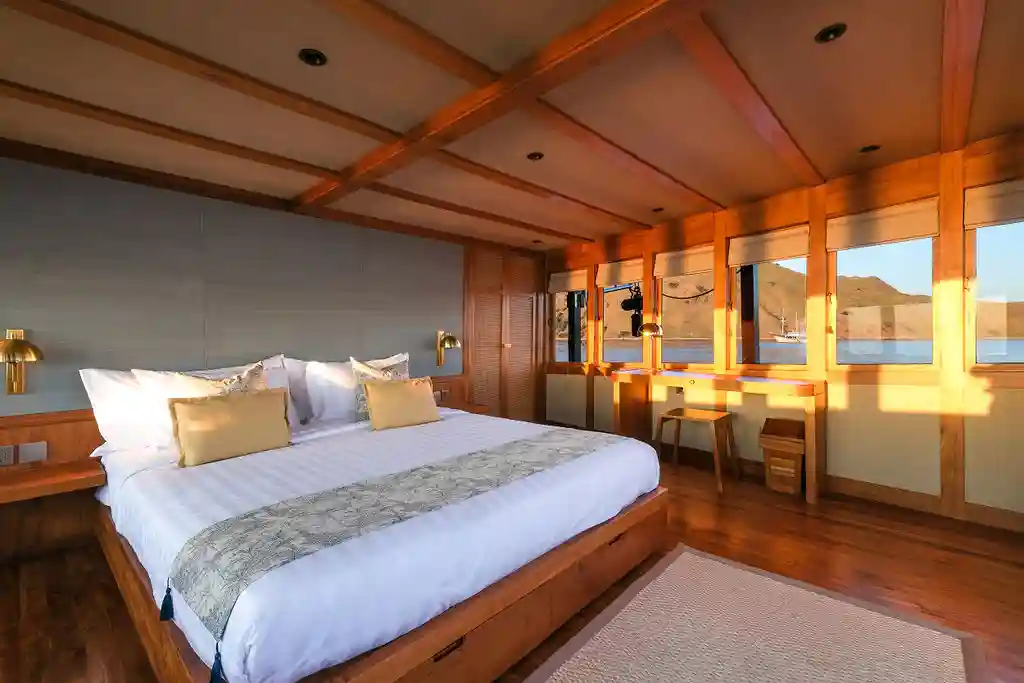
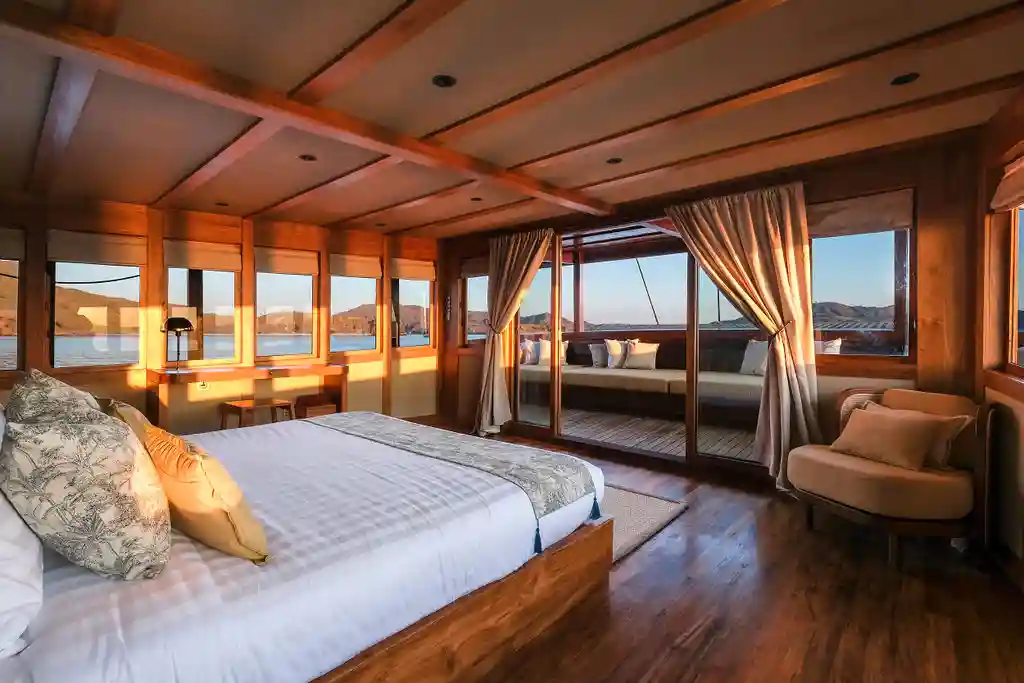
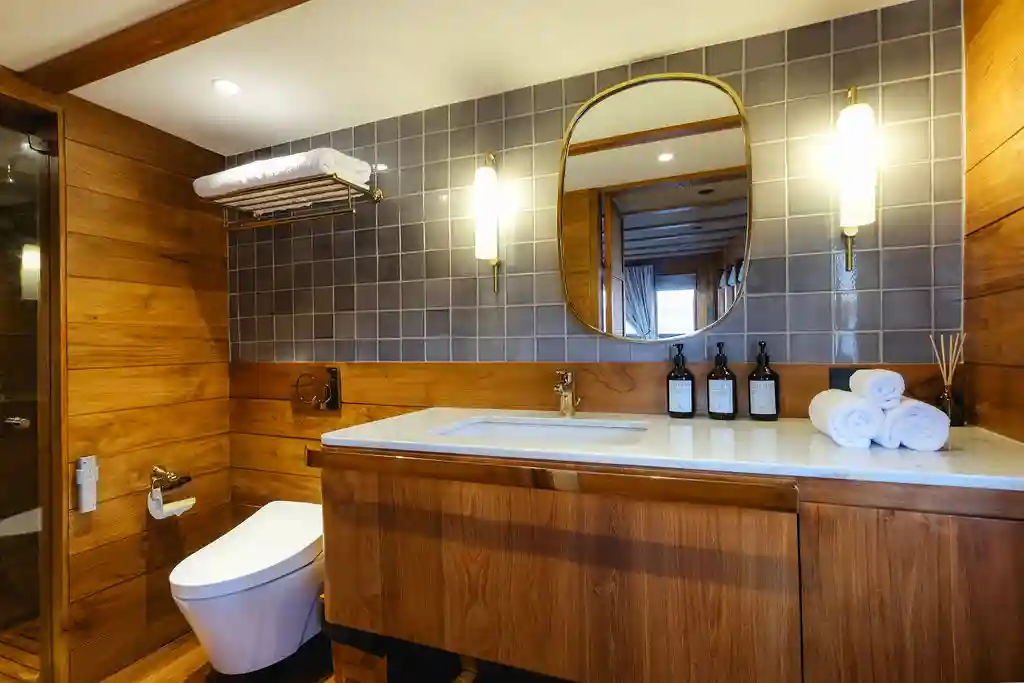
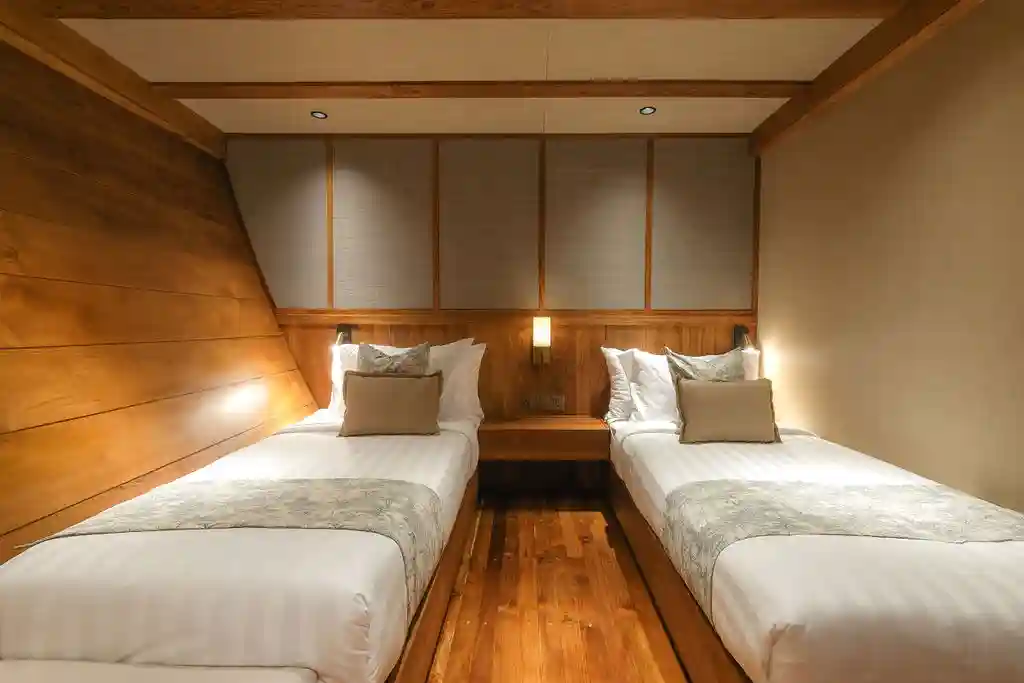
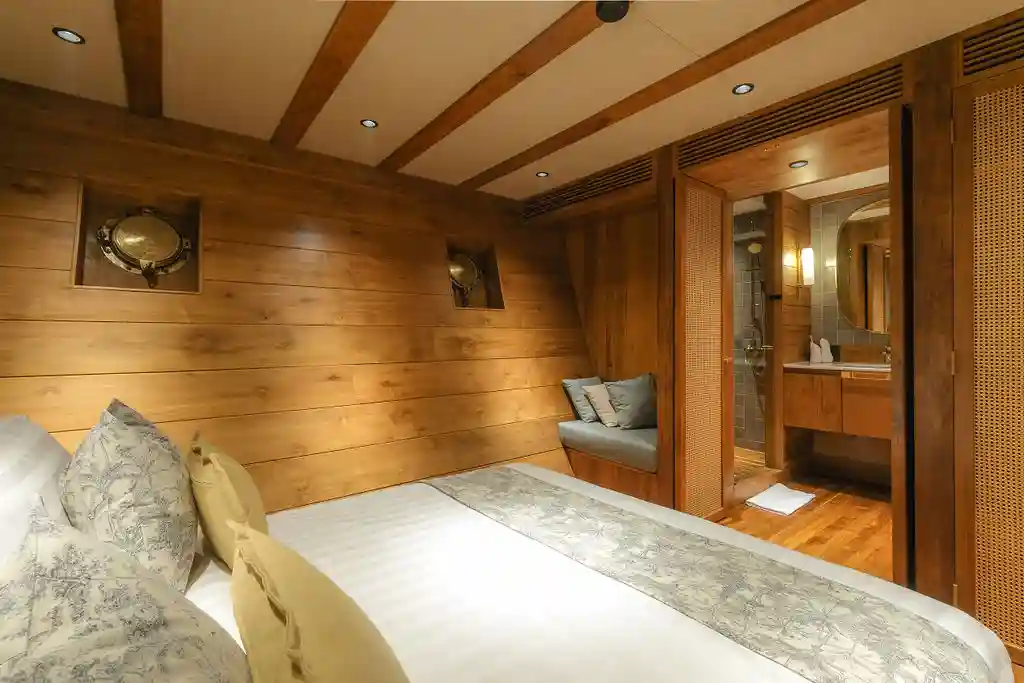
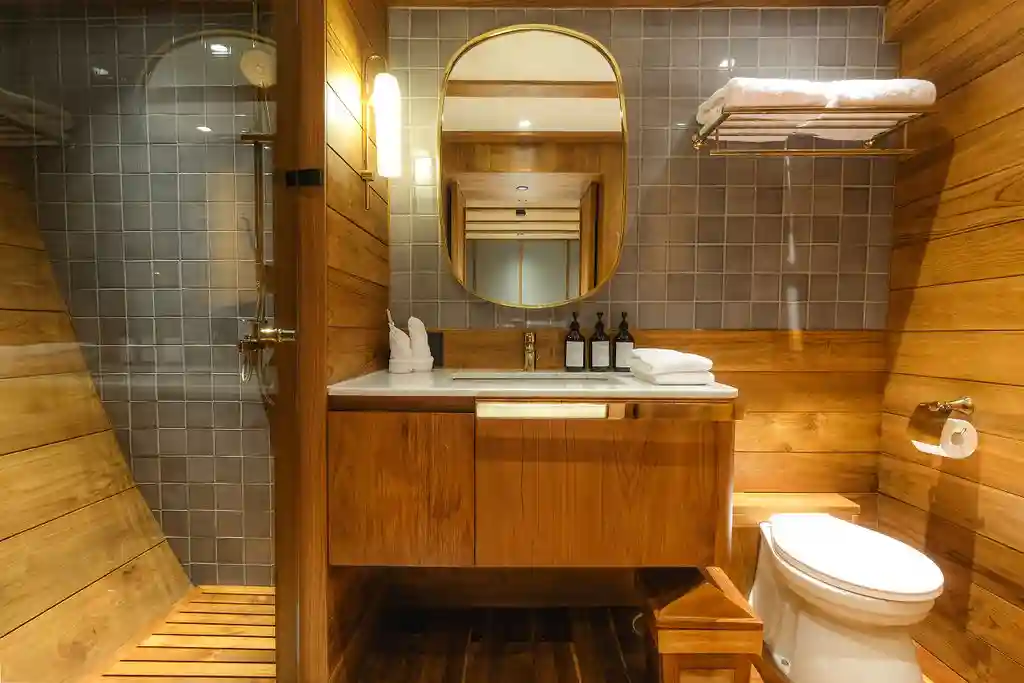
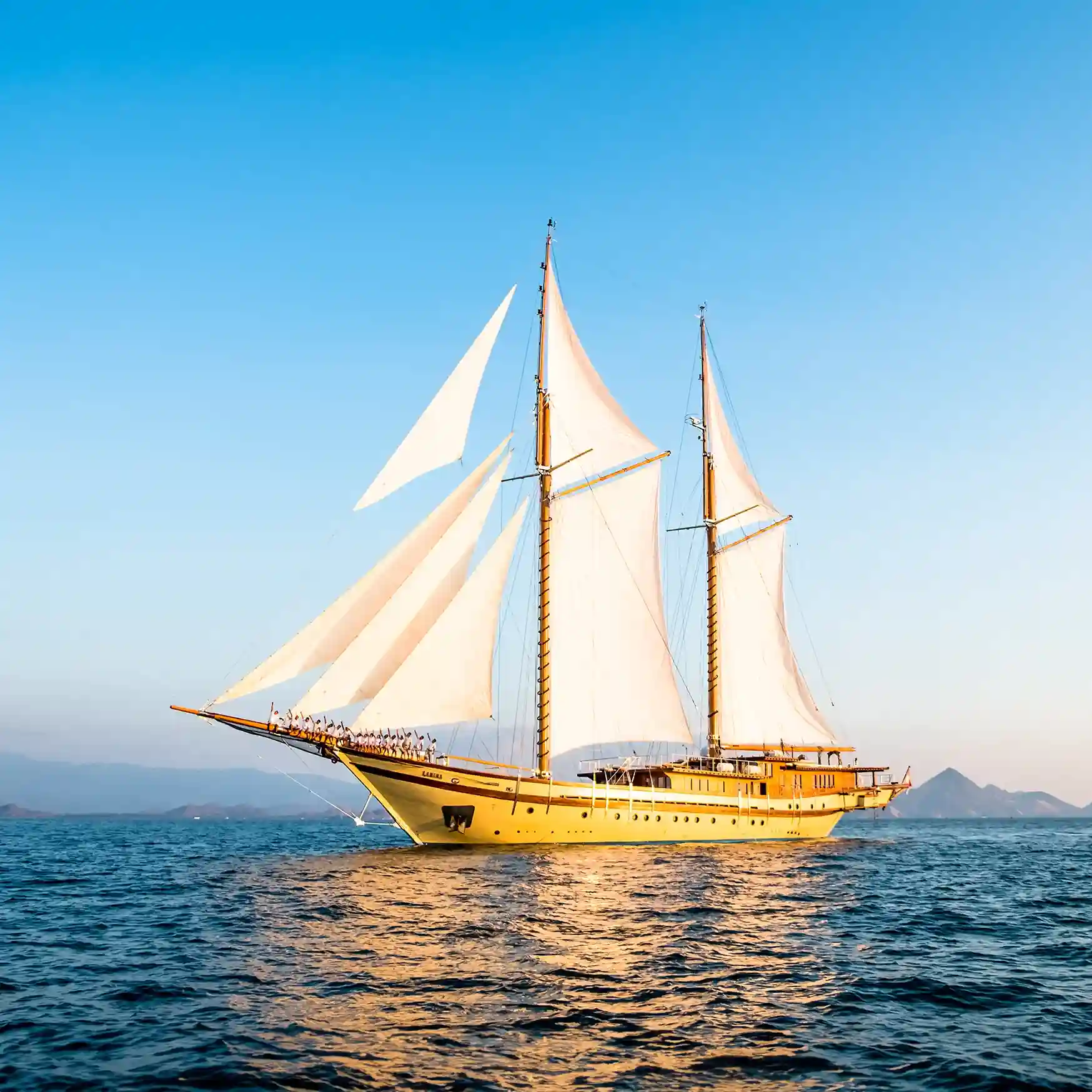
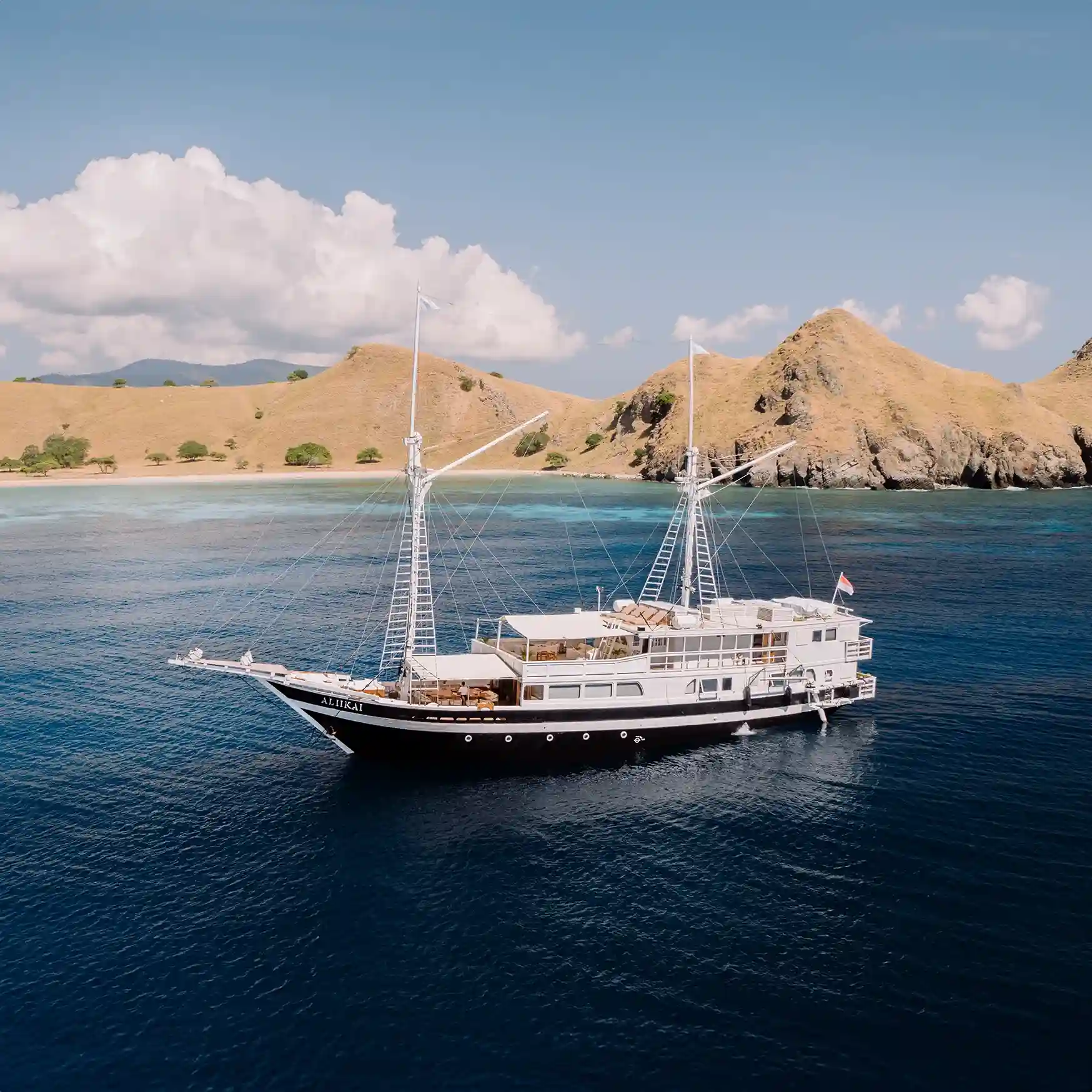
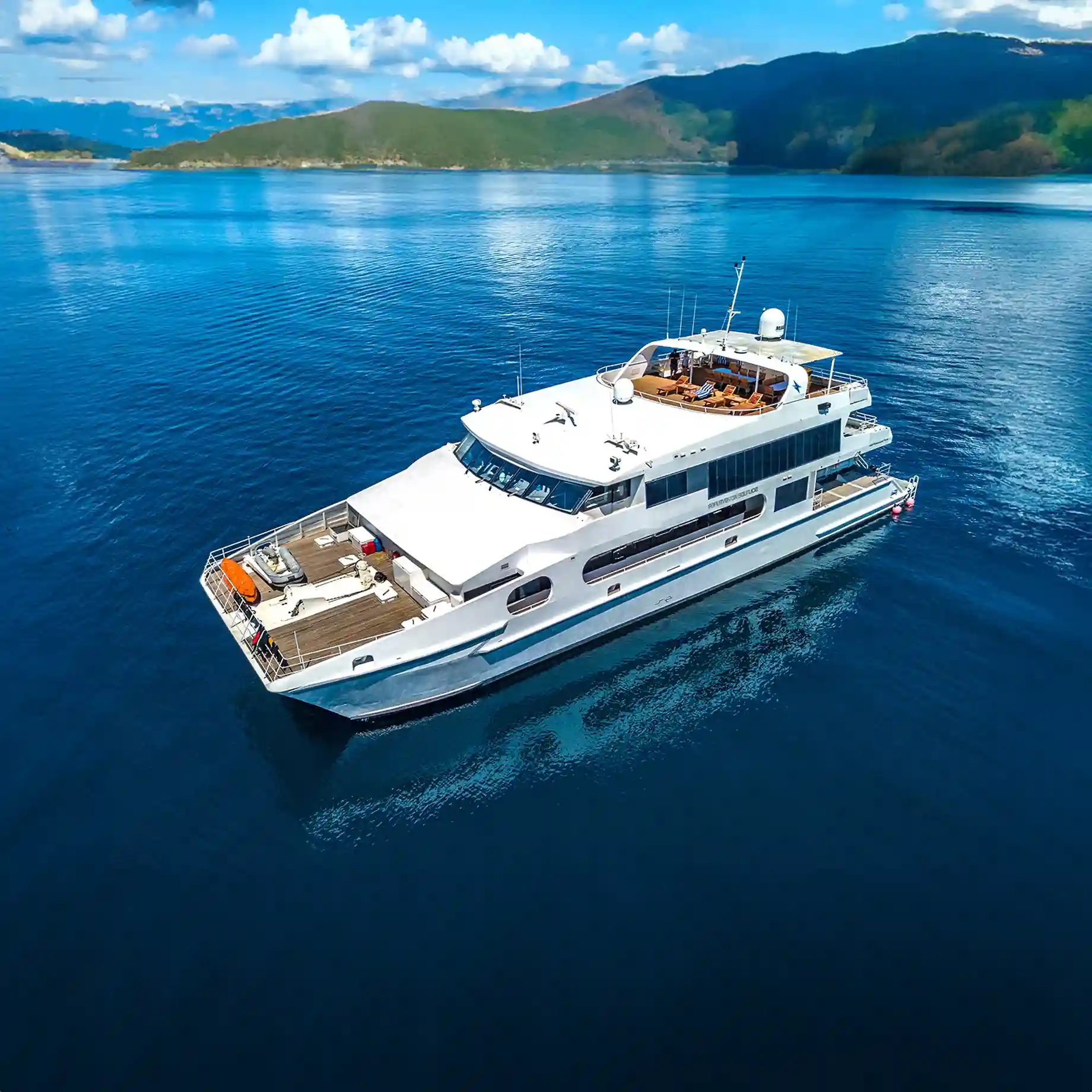
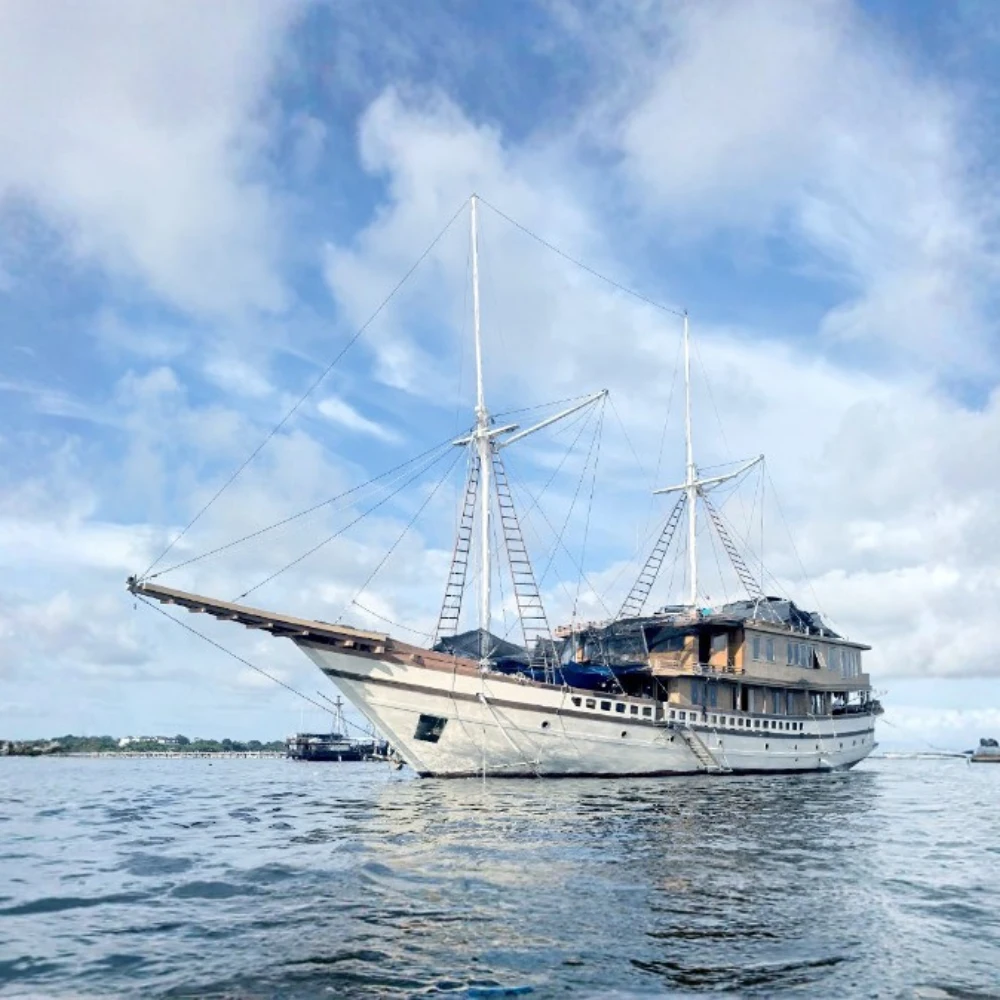
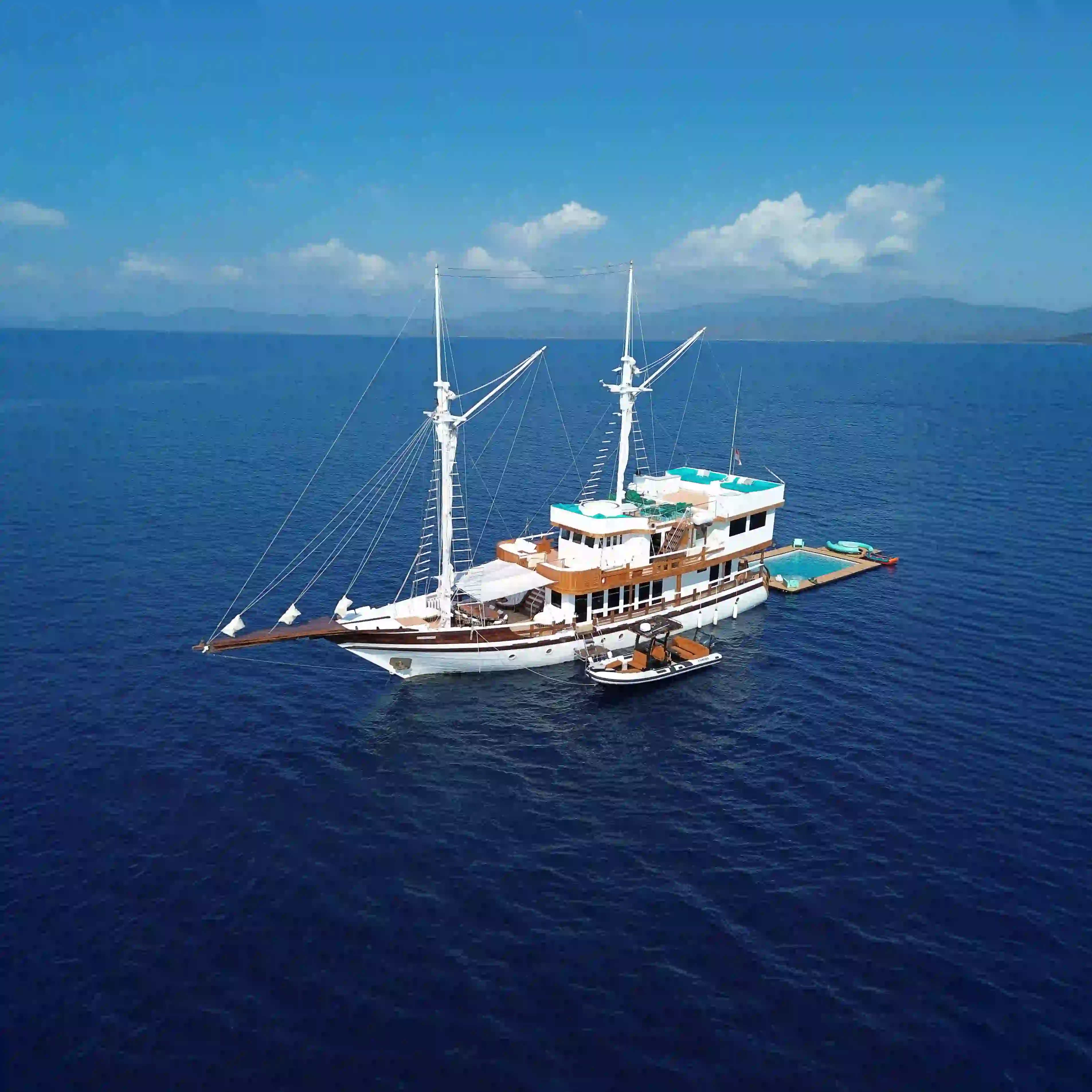
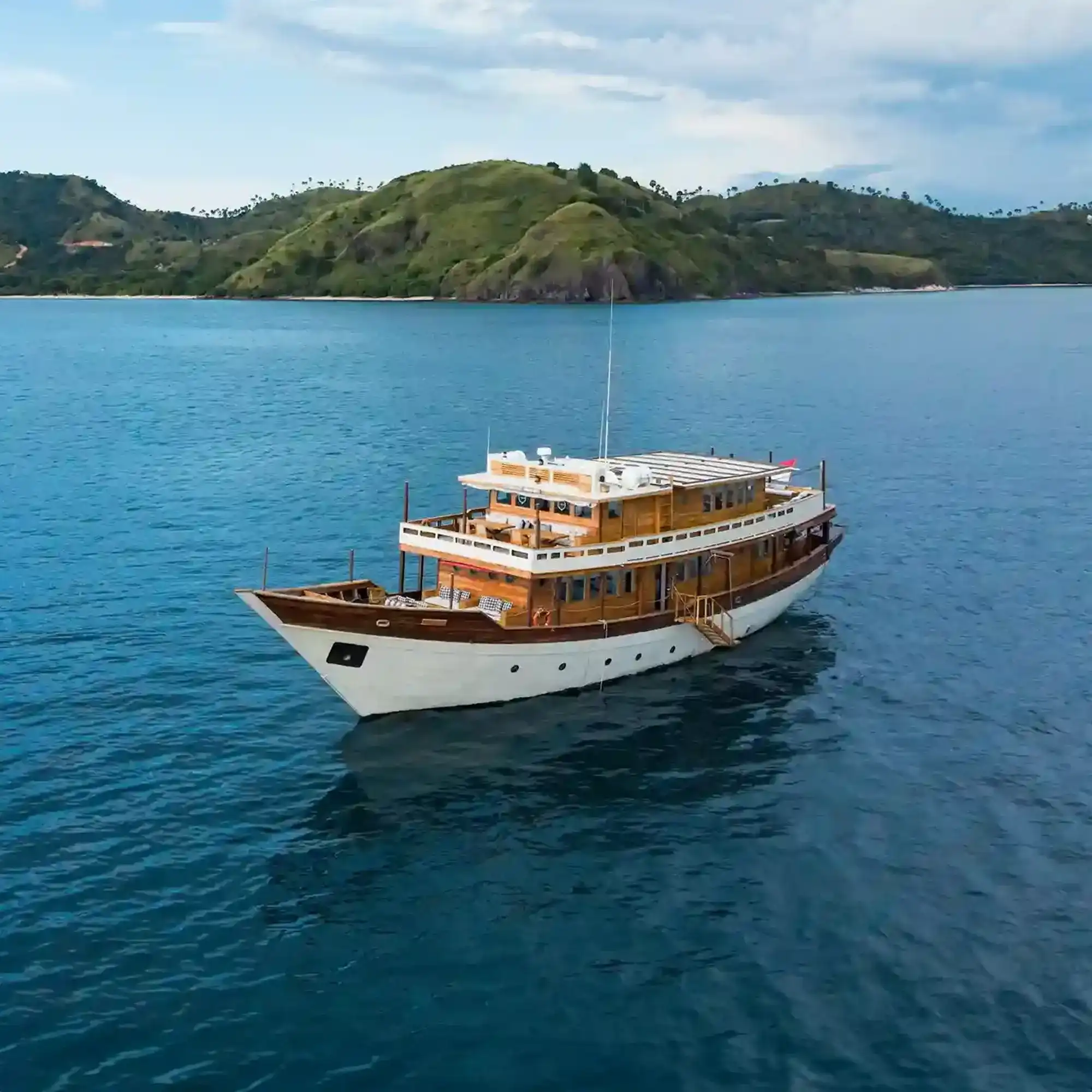
This boat was built for Raja Ampat, not retrofitted for it. Her phinisi lines aren’t for show—they cut through the Dampier Strait crosscurrents like a blade, and we’ve timed our passages between South and North Waigeo so guests don’t spend dive days bouncing in the swell. On board, we keep seven cabins, each with opening ports and individual climate control—no shared bulkheads where noise travels. The main salon opens fully to the aft deck, where guests drink coffee while watching wobbegong sharks idle beneath the swim platform. We serve breakfast after the first dive, not before, because nobody wants porridge at 05:30 when Blue Magic’s pelagics are on the move.
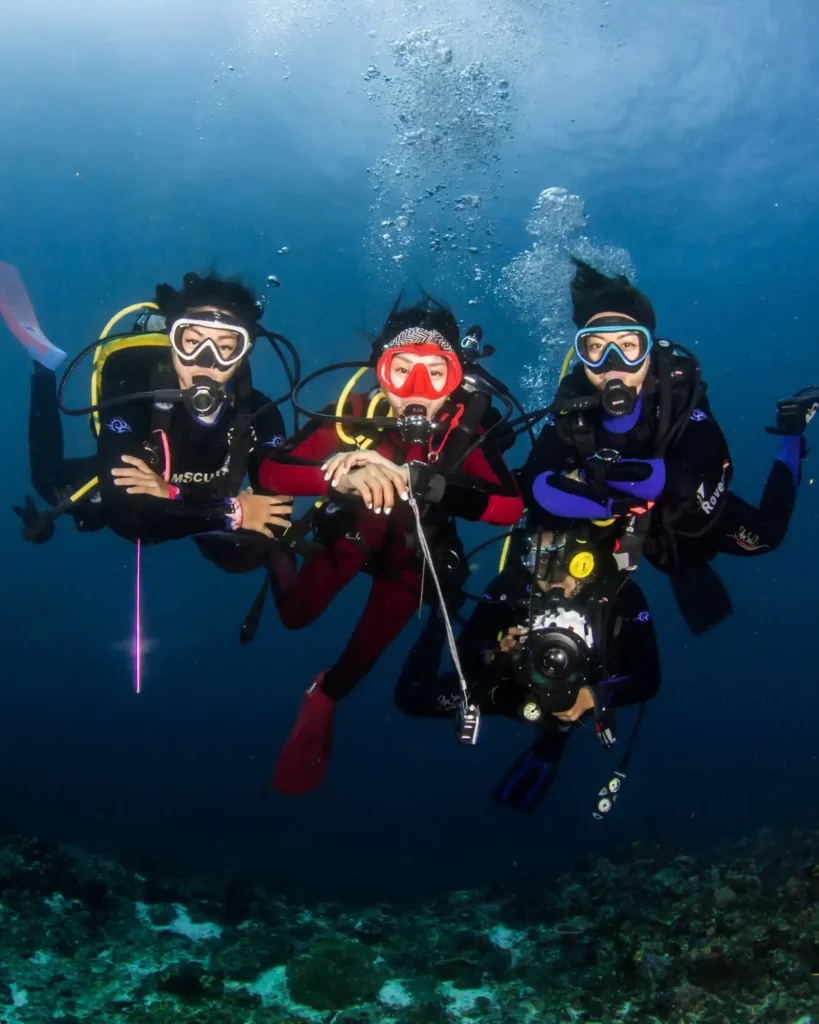
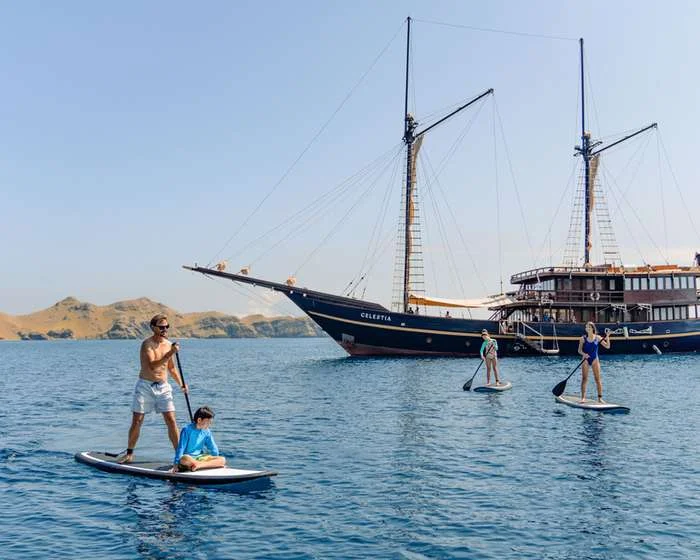
By midday, the sundeck’s shade awning clicks into place. This is when non-divers take the paddleboards out to the mangroves near Piaynemo, while certified guests do their safety stop at 5 metres with fusiliers swirling above. We carry two compressors and a 200-litre bank for tech divers, and our dive guide logs every site with GPS so we don’t drift into restricted zones near Sofflori. The wakeboard tether runs off the stern A-frame—only when the sea’s flat, and never during anchorage. We’ve seen too many boats scar the seabed for convenience.
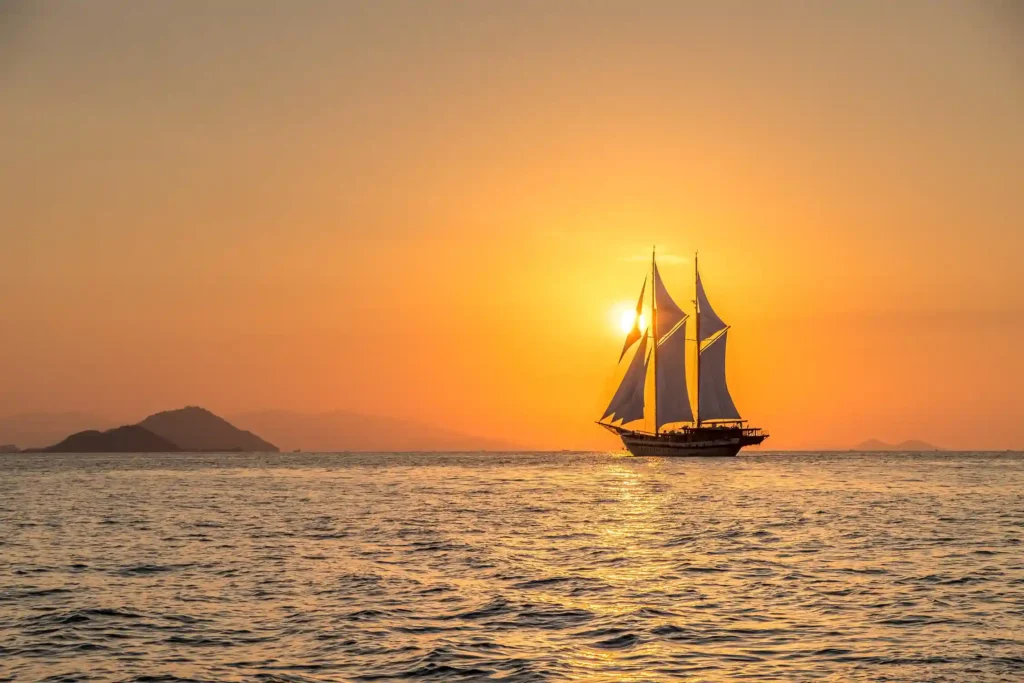
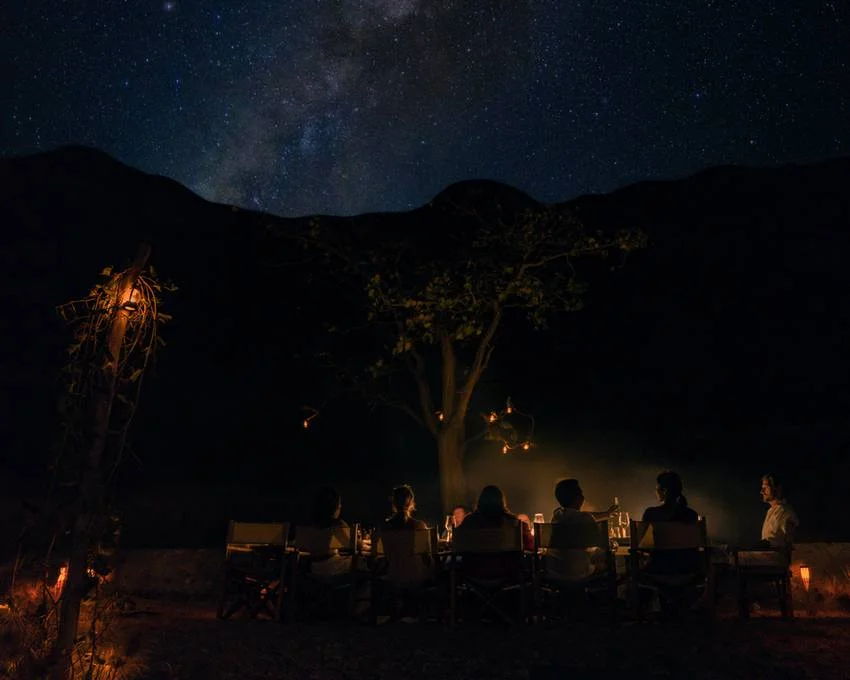
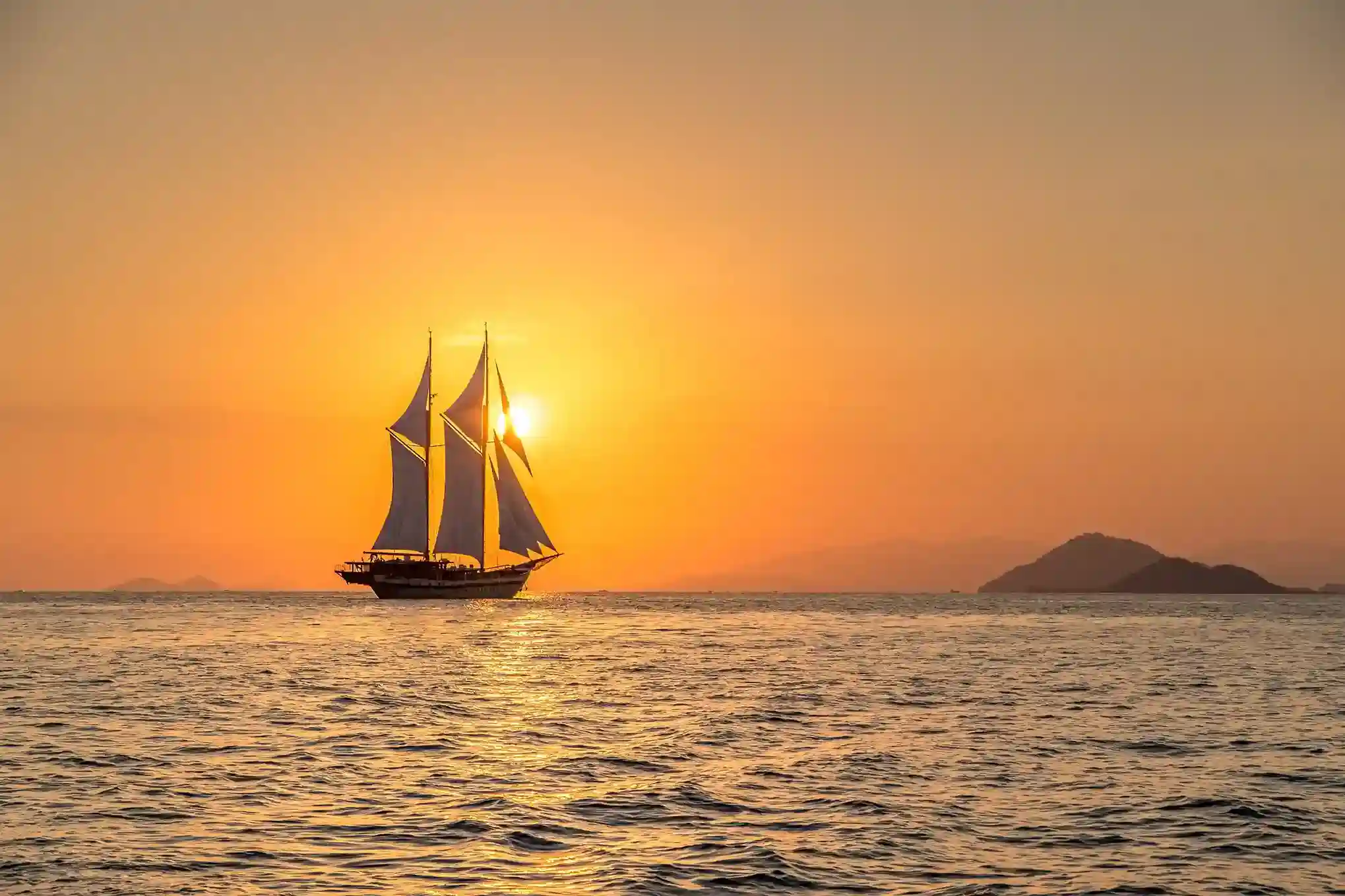
Evening arrivals at Wayag Lagoon mean sundowners on the upper deck with the karst towers glowing pink. We don’t dock at piers unless fuel is low; instead, we anchor in 12 to 15 metres with a 100kg Bruce-style hook and 120 metres of chain. Our galley runs on LPG, not diesel burners, so the air stays clean. Meals are Indonesian-European hybrid: think grilled skipjack with tamarind glaze and local greens sautéed in coconut oil. Dessert’s often house-made cassava cake, served as the first stars appear.
Return to Sorong is timed for slack tide through the strait. We brief guests the night before: pack by 07:00, breakfast at 07:30, engines start at 08:15. No rush, no scramble. The crew handles luggage to the tender, and we’re alongside the terminal by 10:00. For repeat guests, we’ve started leaving a bottle of local palm wine in the master cabin—just as a marker that we remember who likes their cabin on the port side, away from the morning sun.