About Nusa Kembara
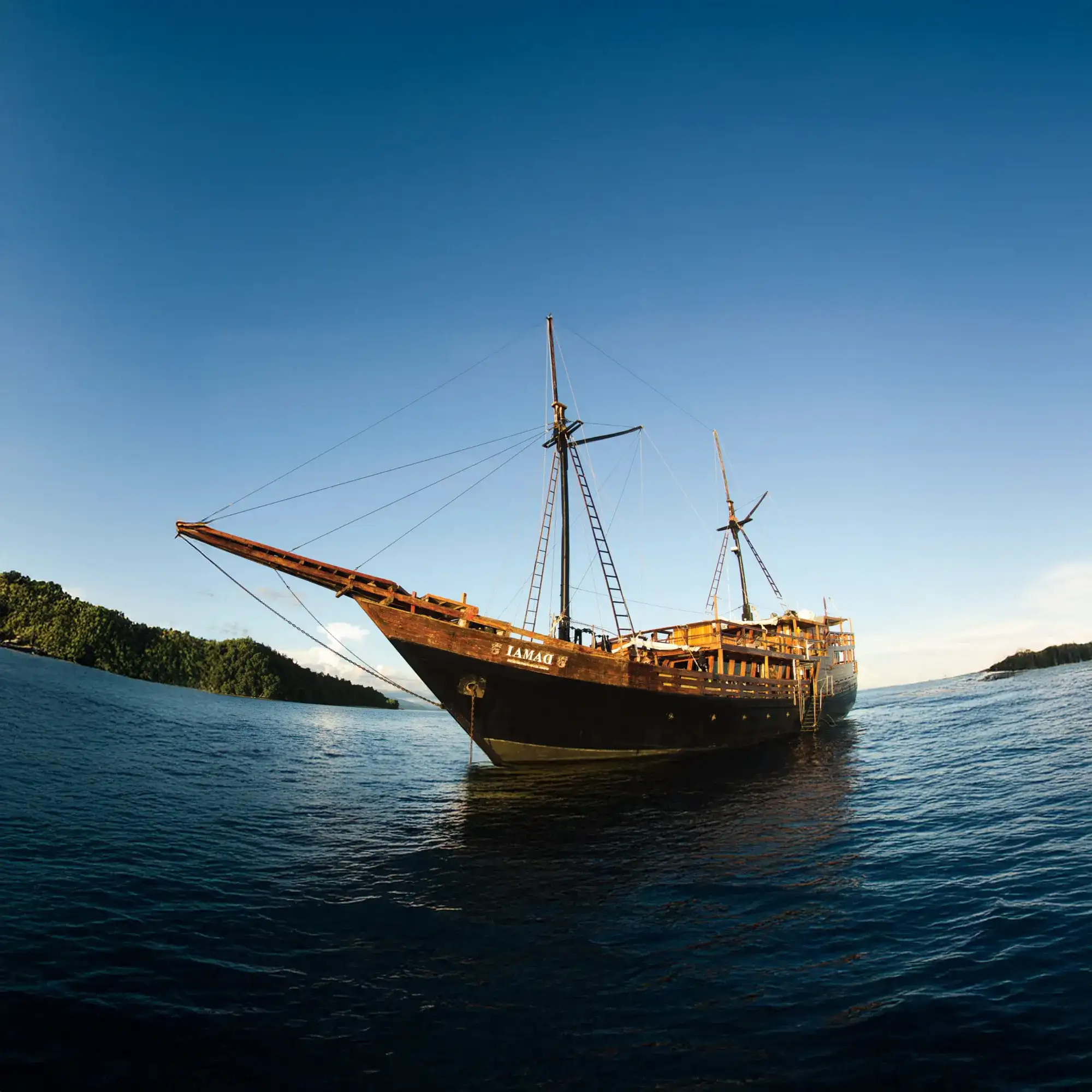
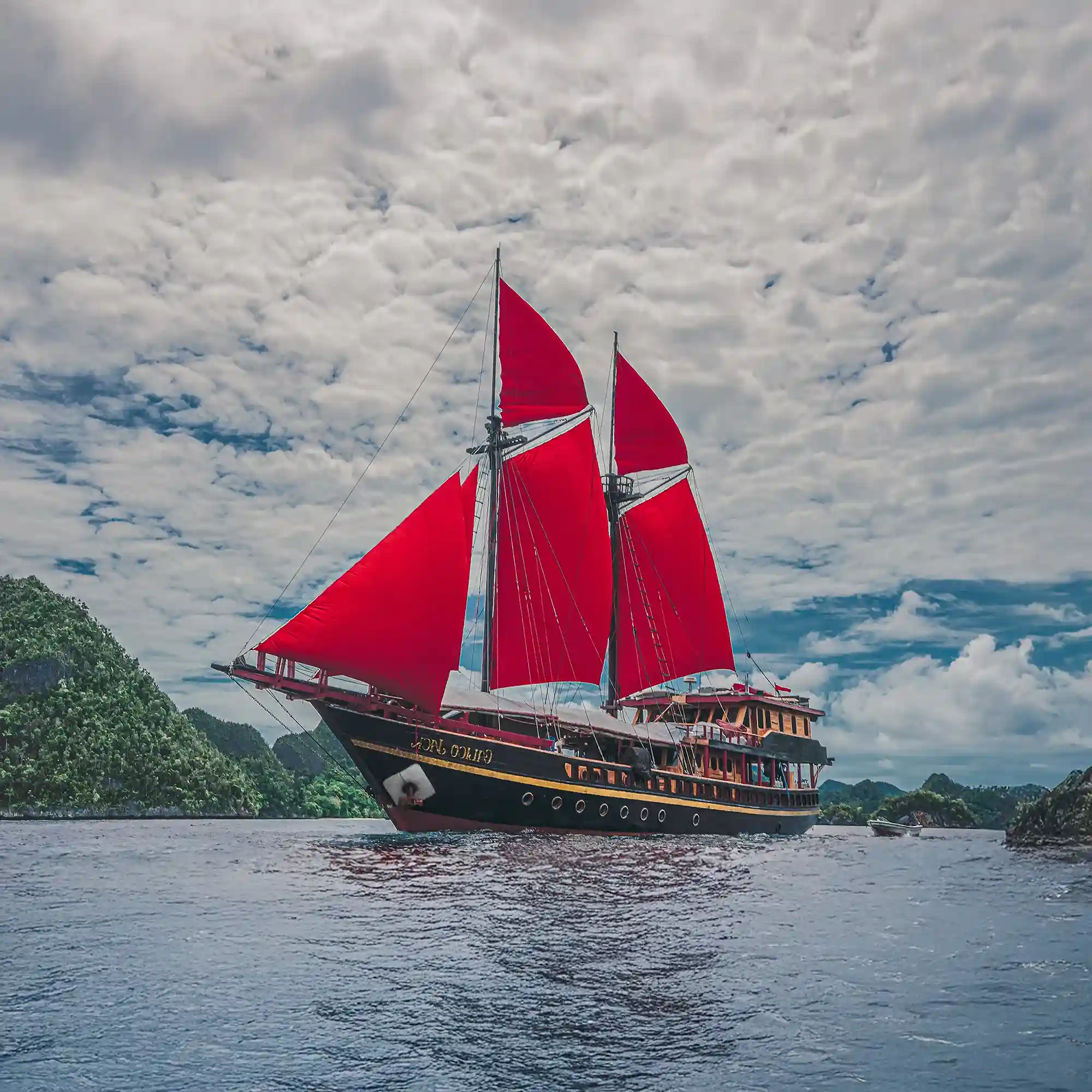
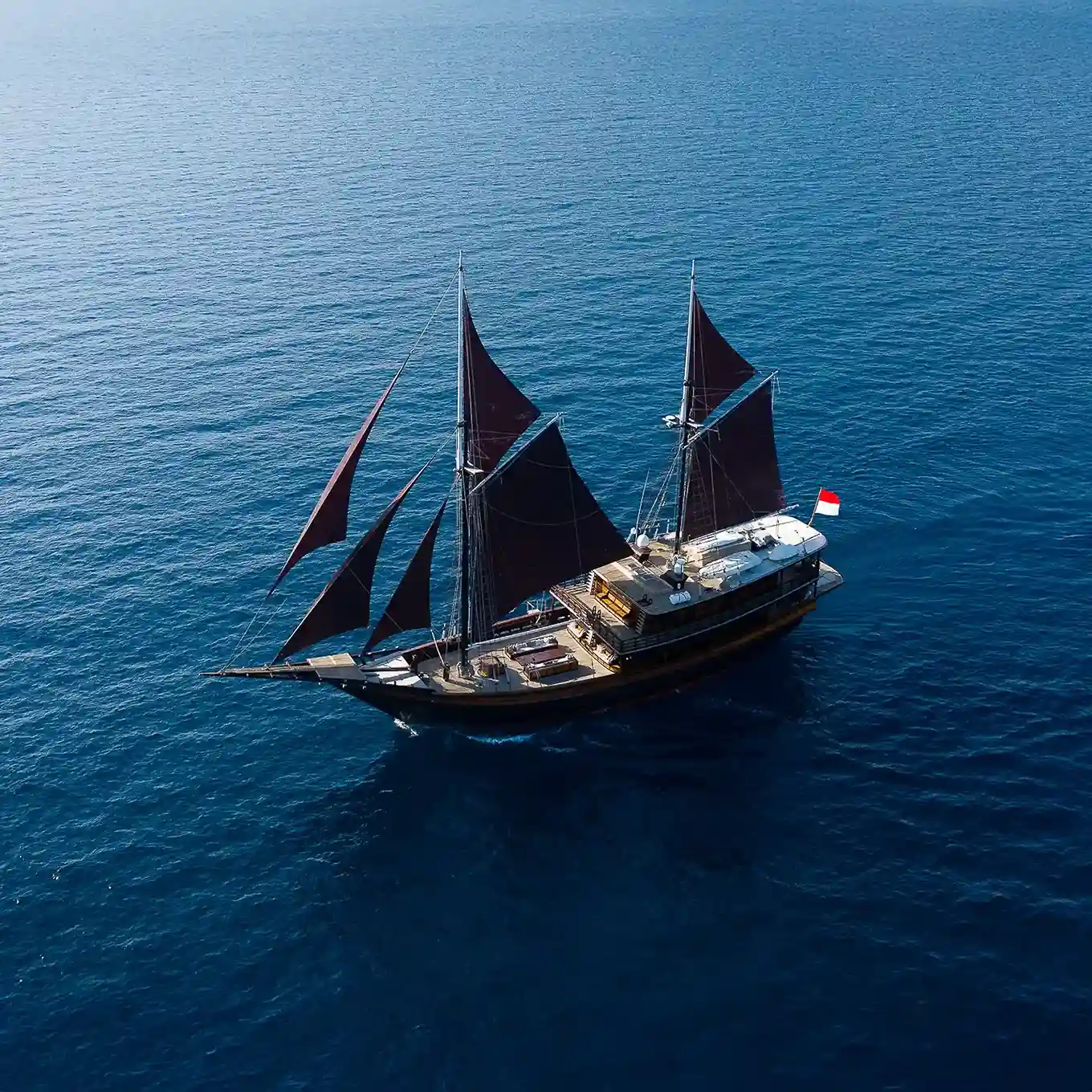
I remember the chill of the early morning air on my arms as I stepped out onto the deck of Nusa Kembara, the first light just brushing the limestone tips of Wayag’s towering islets. The silence was only broken by the soft clink of rigging and the distant cry of a seabird. We’d anchored late the night before, far from any village, and waking up there felt like being at the edge of the world. The boat hummed with quiet efficiency – no loud engines, just the gentle movement of wood and water.
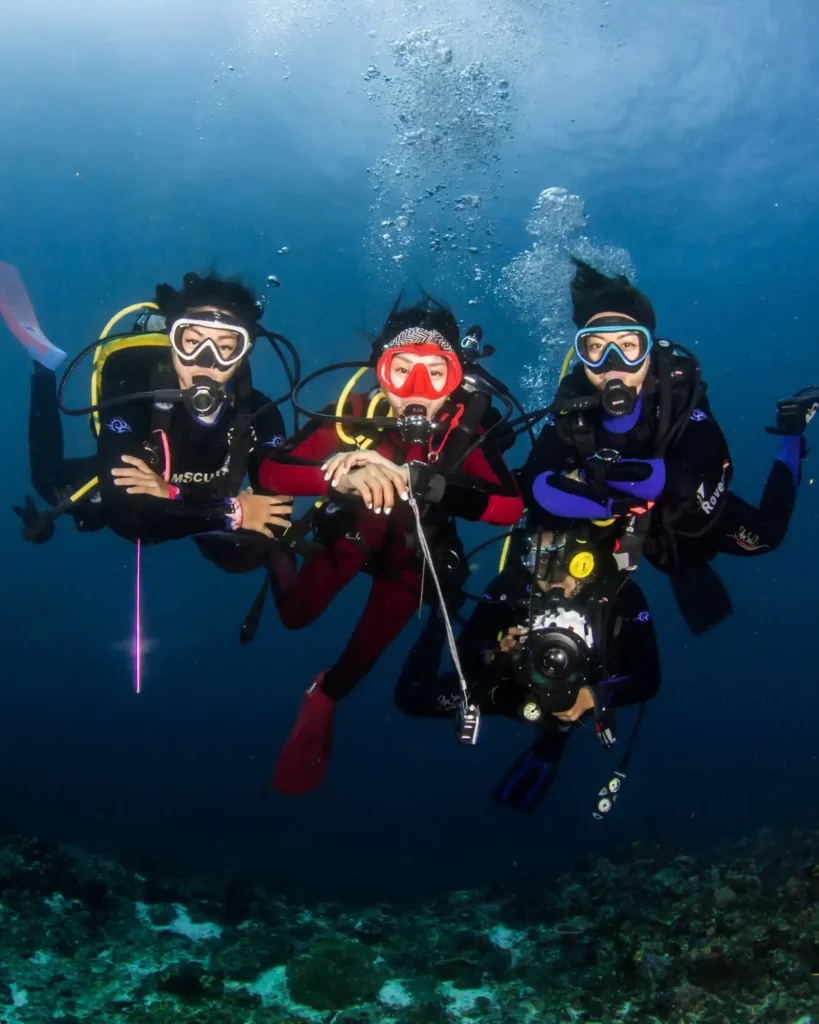
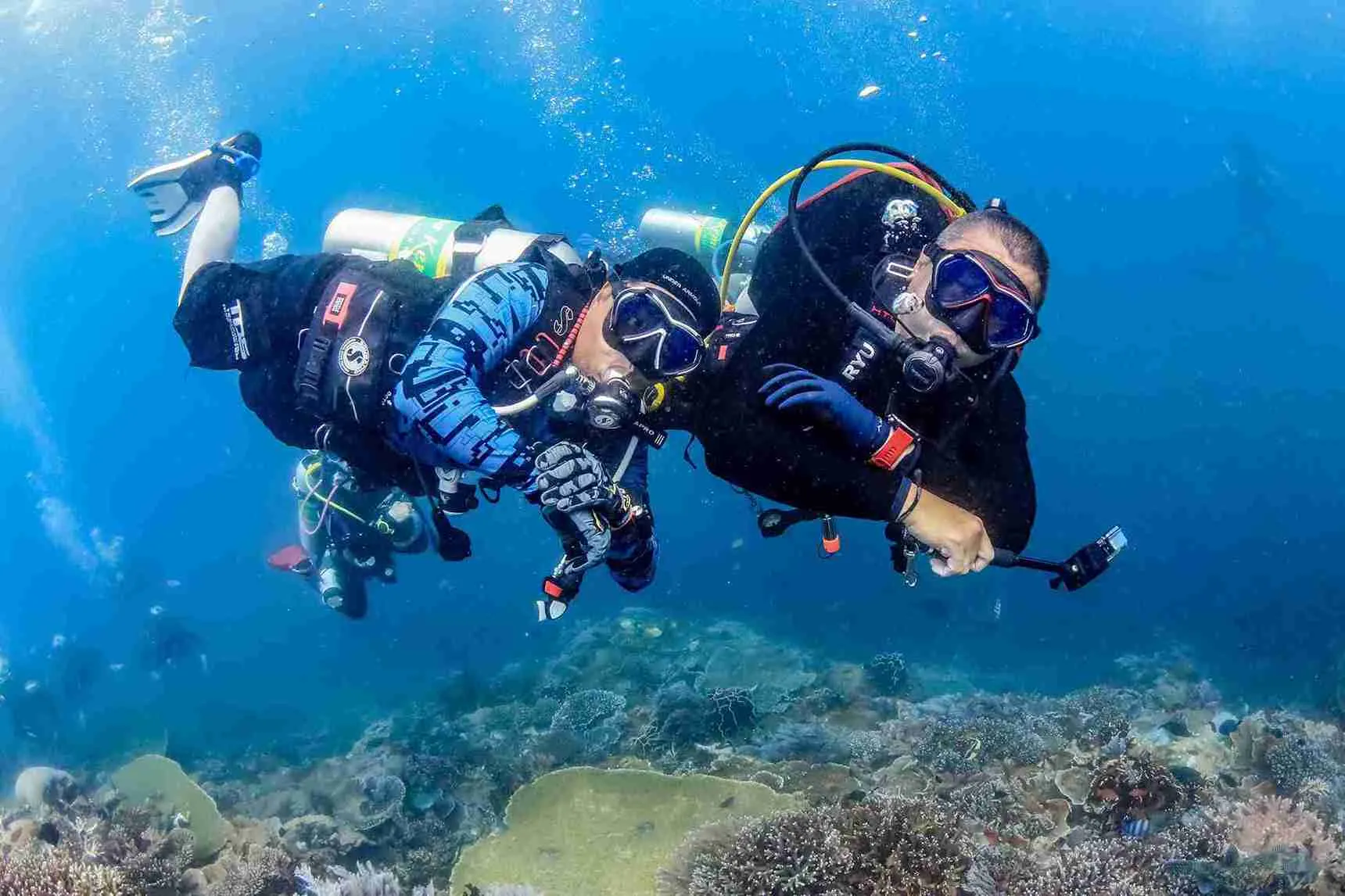
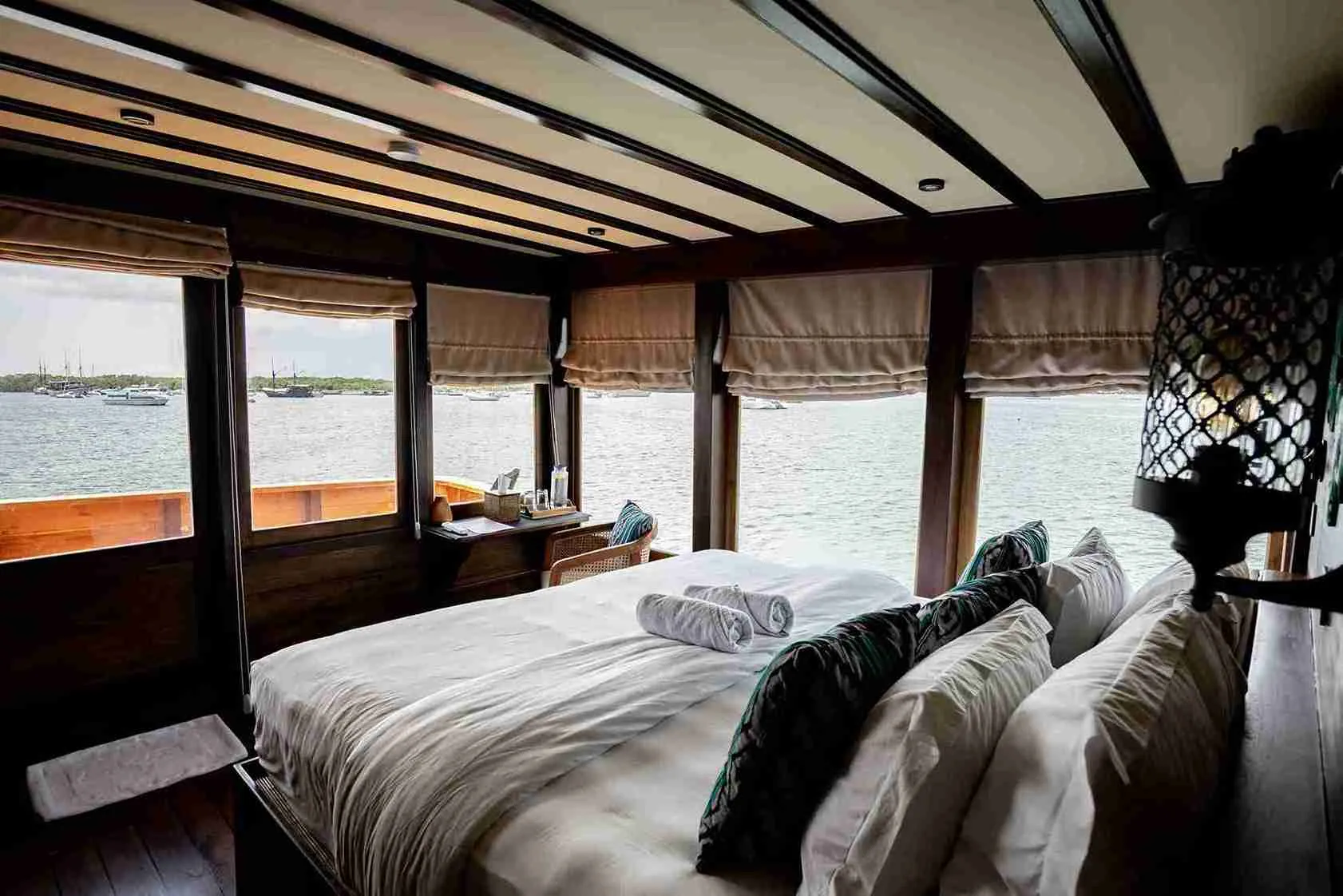
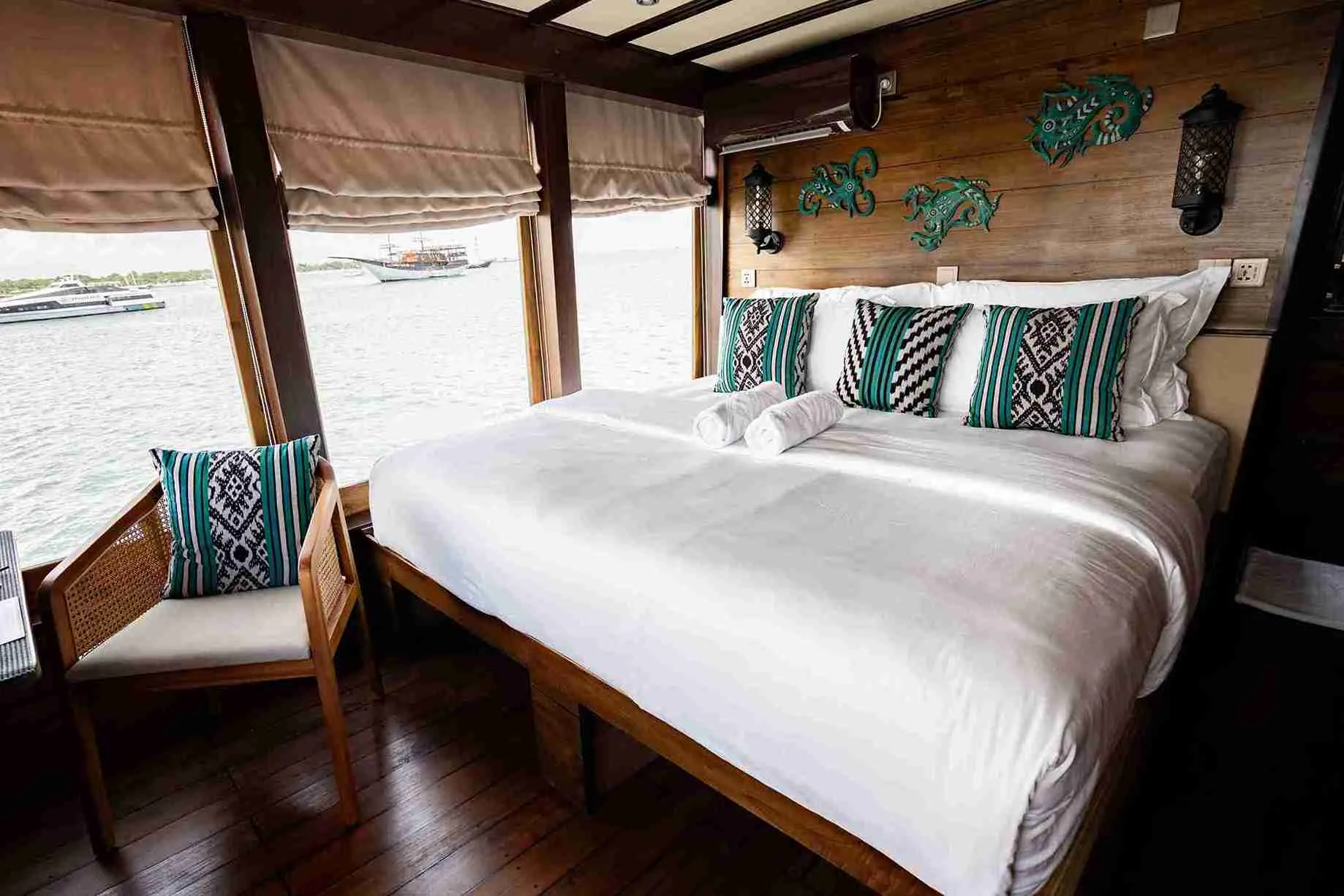
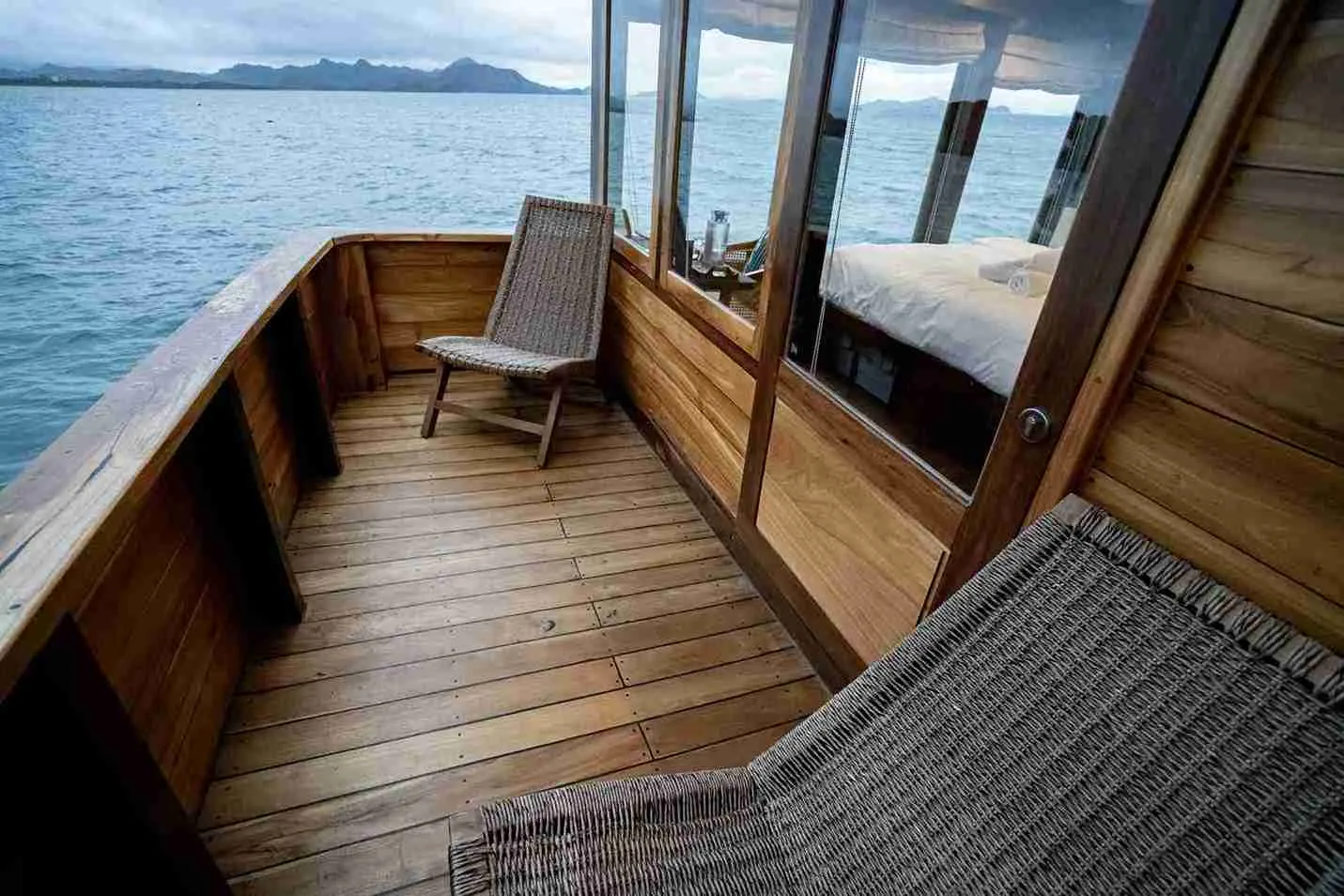
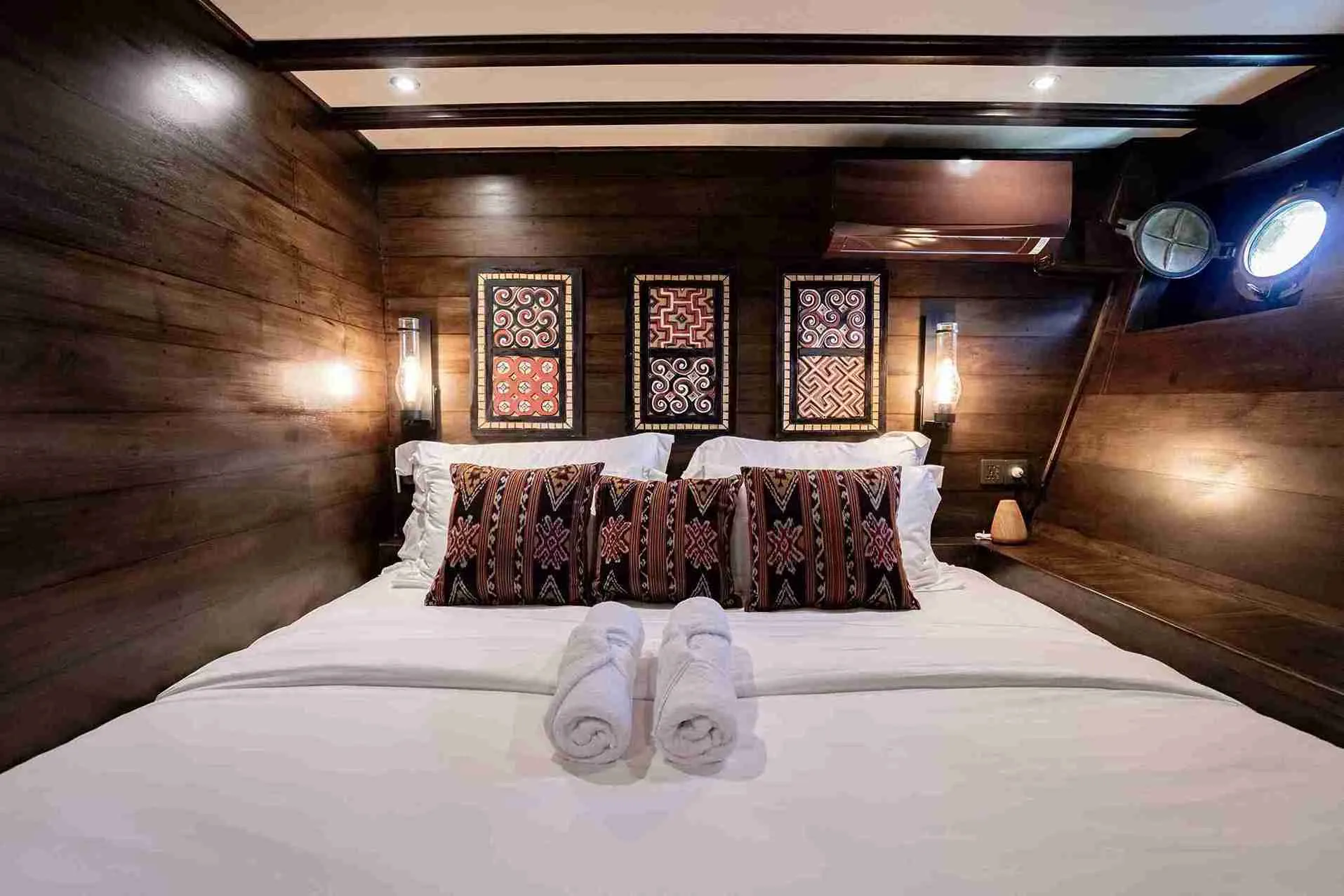
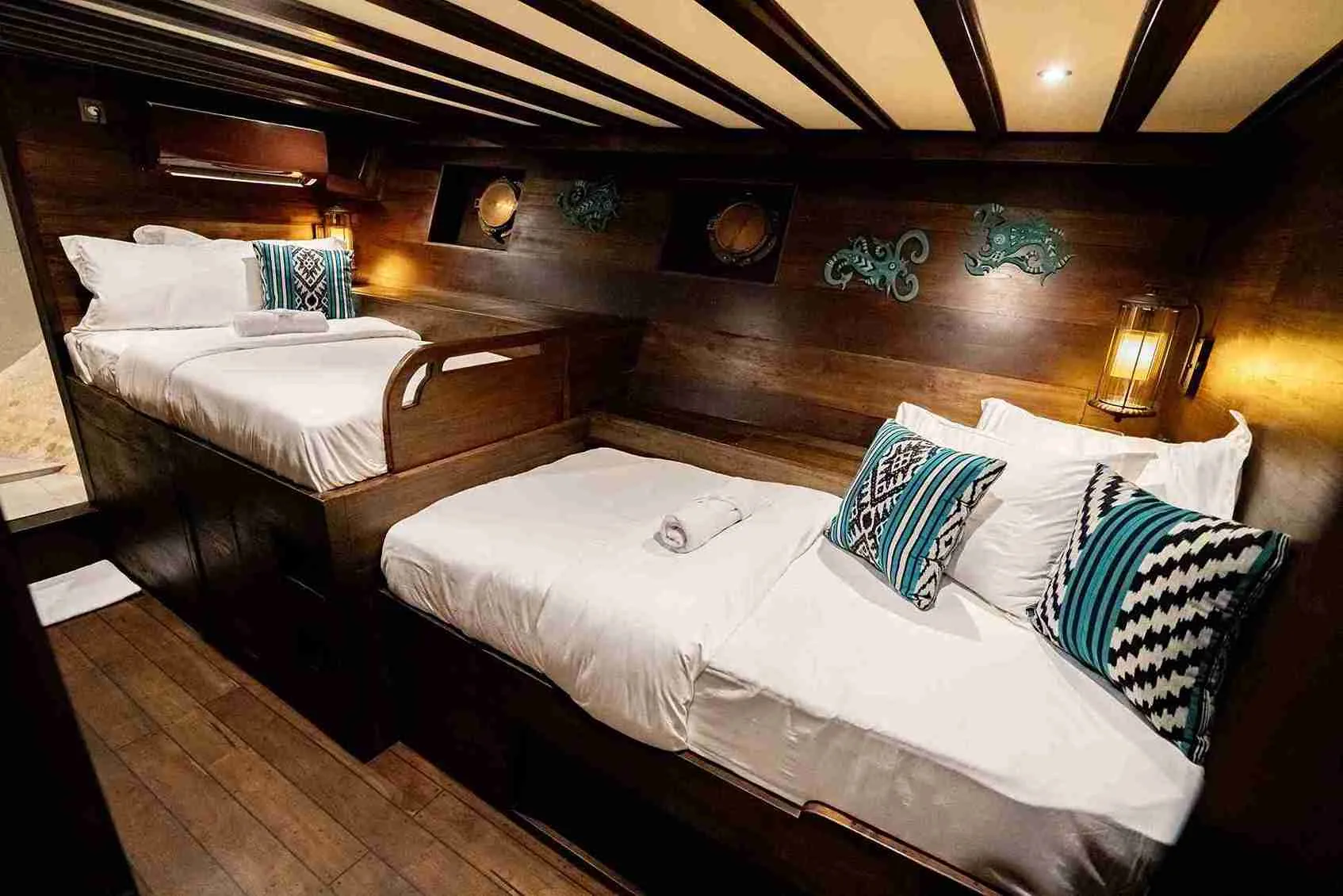
This wasn’t my first liveaboard, but Nusa Kembara surprised me with how spacious it felt despite having only two cabins. The crew knew our names by breakfast, and the rhythm of the trip unfolded without rush. One afternoon, we anchored at Cape Kri in Dampier Strait. I dropped into the water and within seconds, a school of batfish swirled around me, so dense they blocked the sunlight. The dive guide pointed out a tiny pygmy seahorse tucked into coral no bigger than my fist. These weren’t just dives – they felt like appointments with the unexpected.
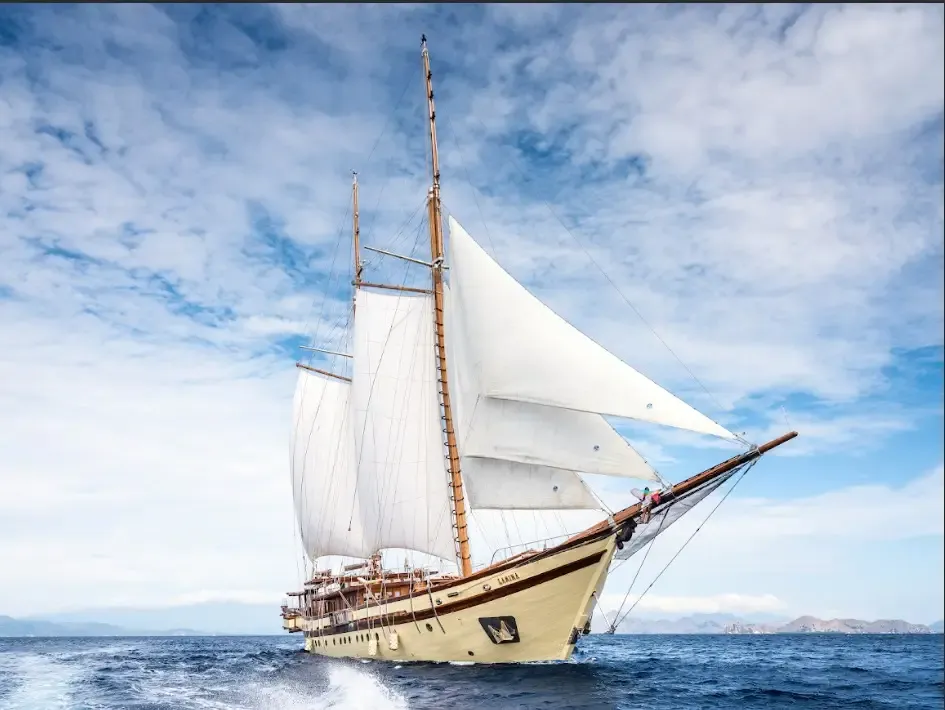
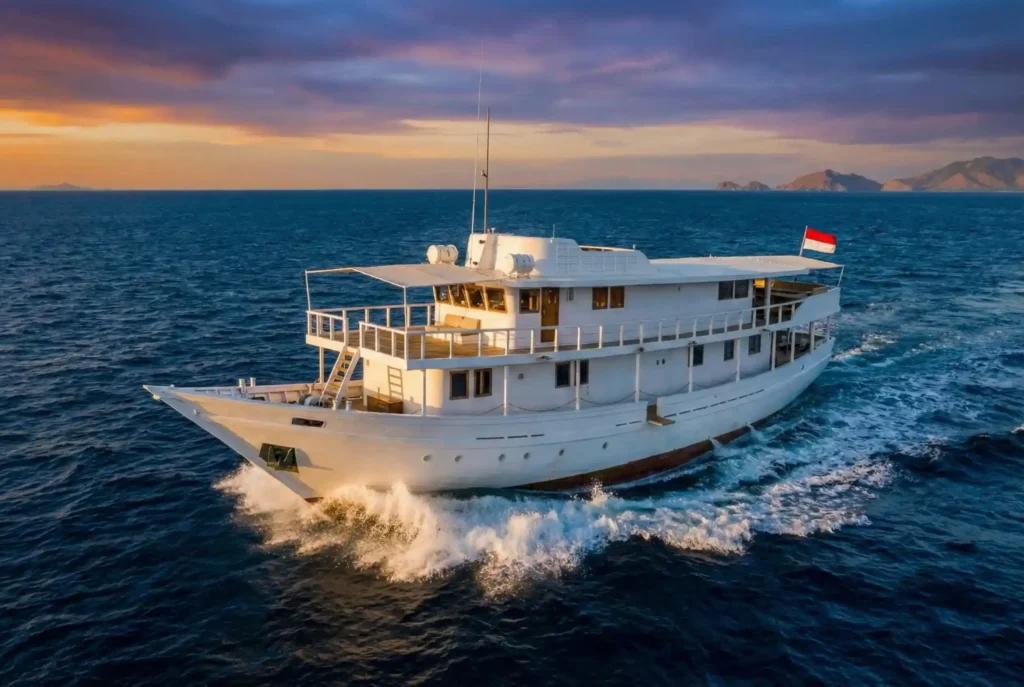
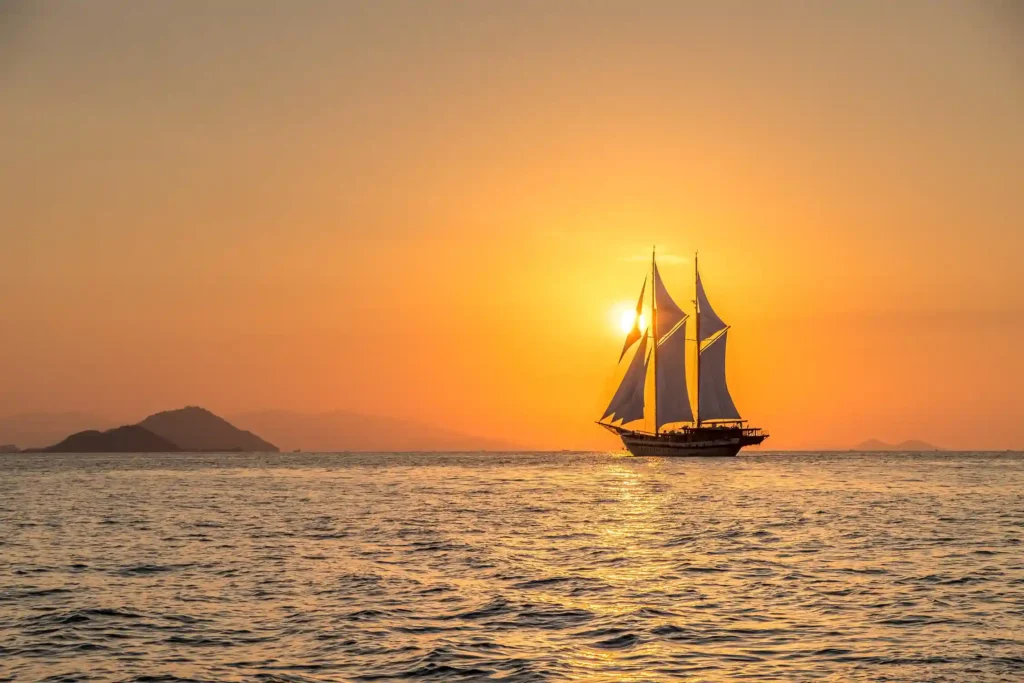
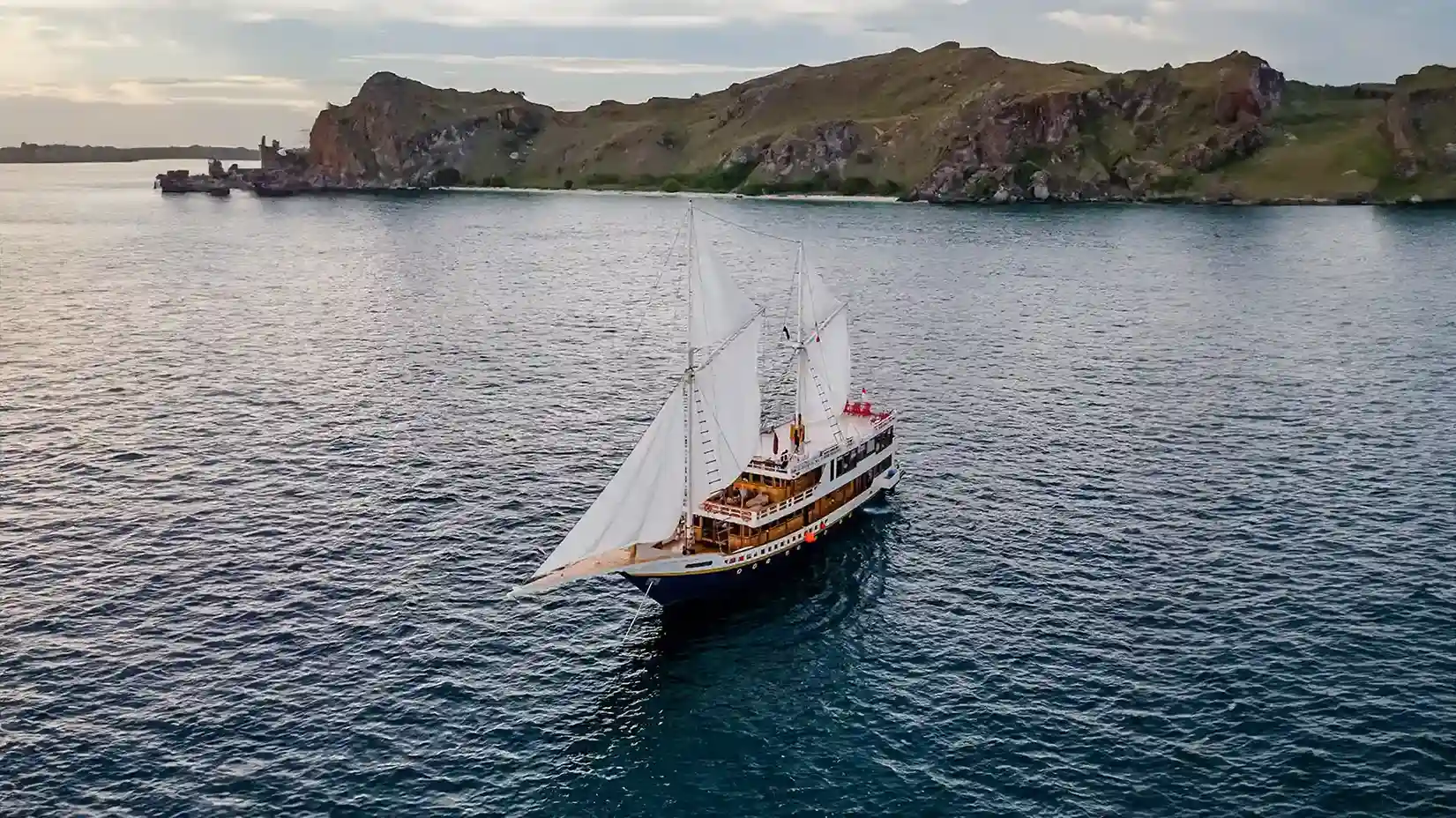
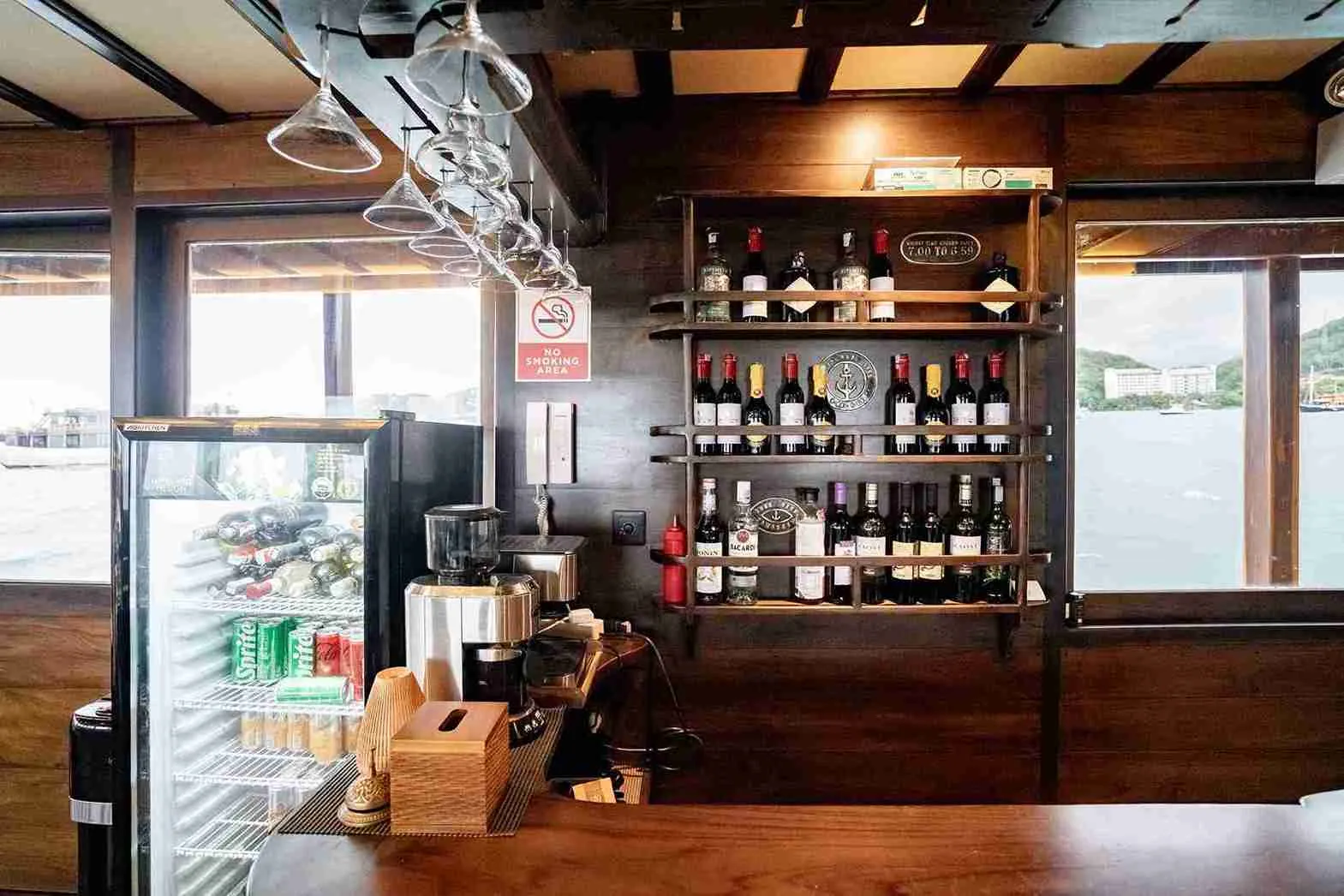
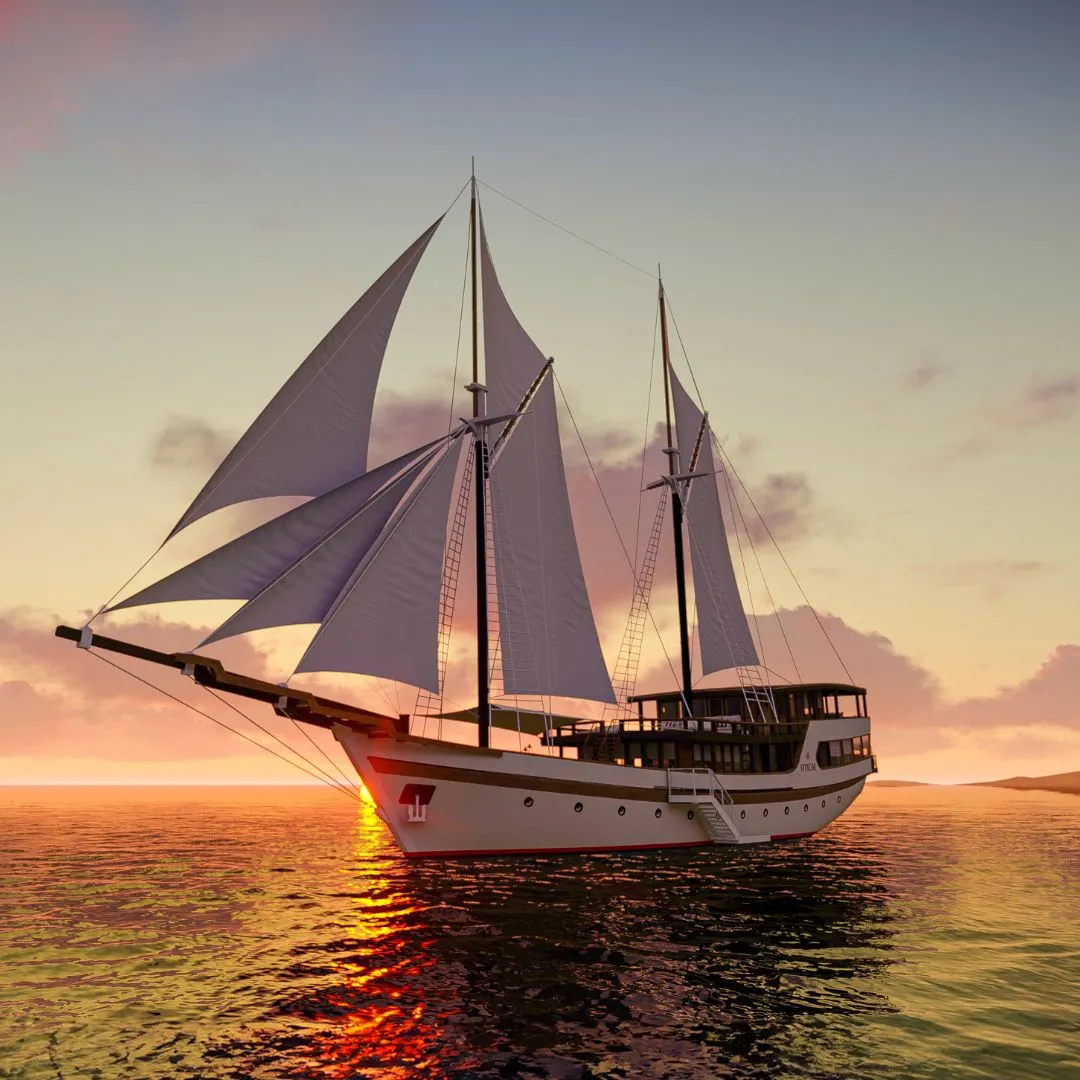
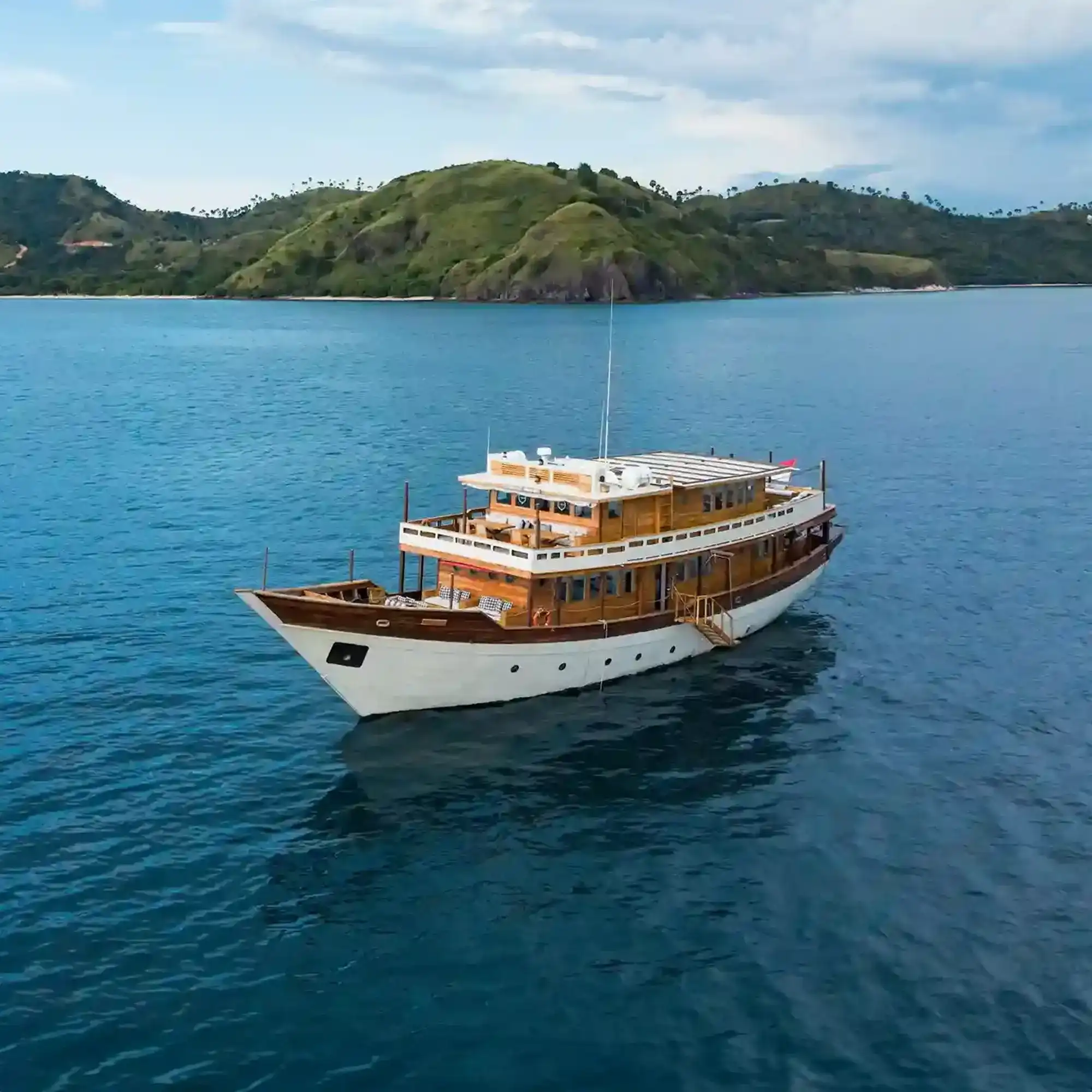
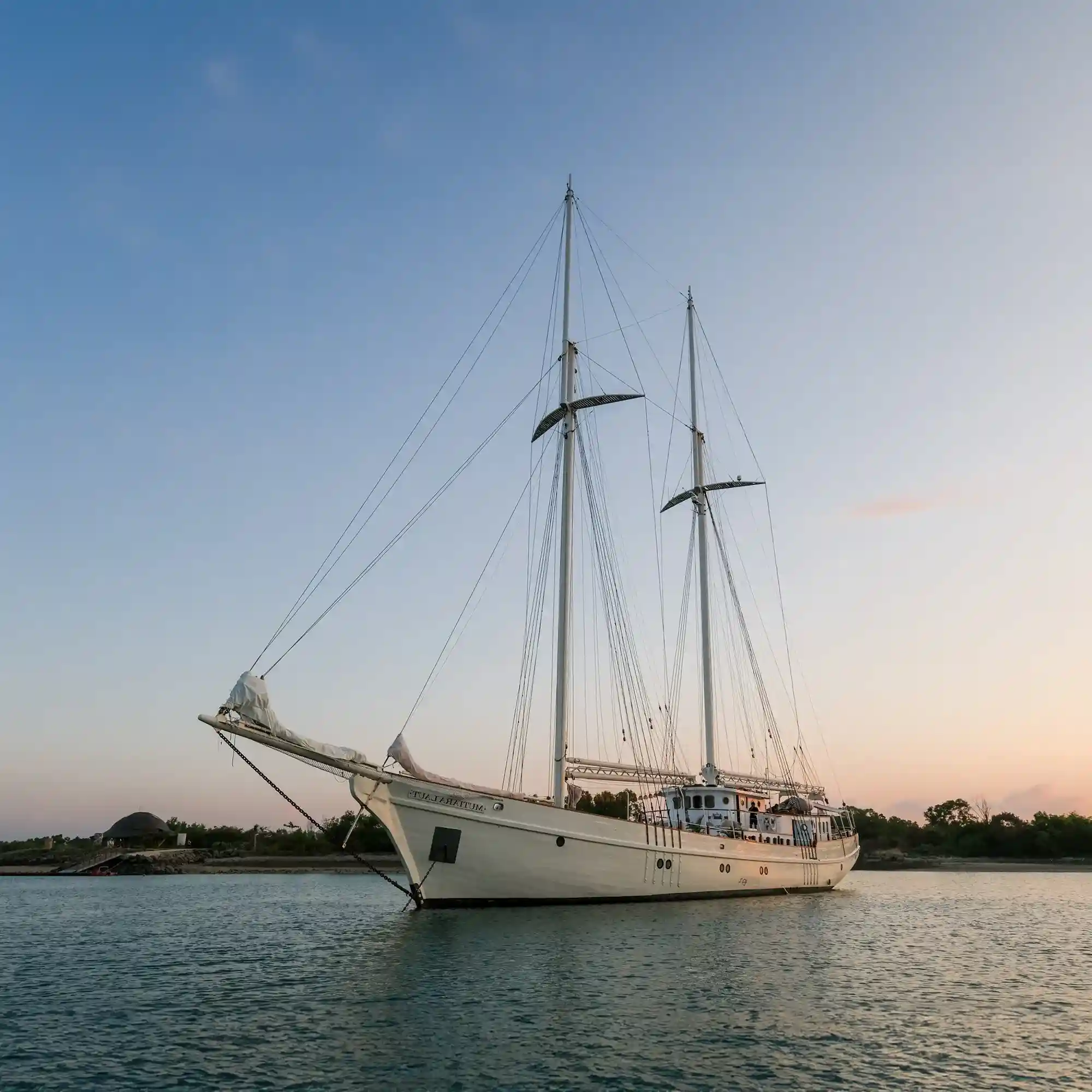
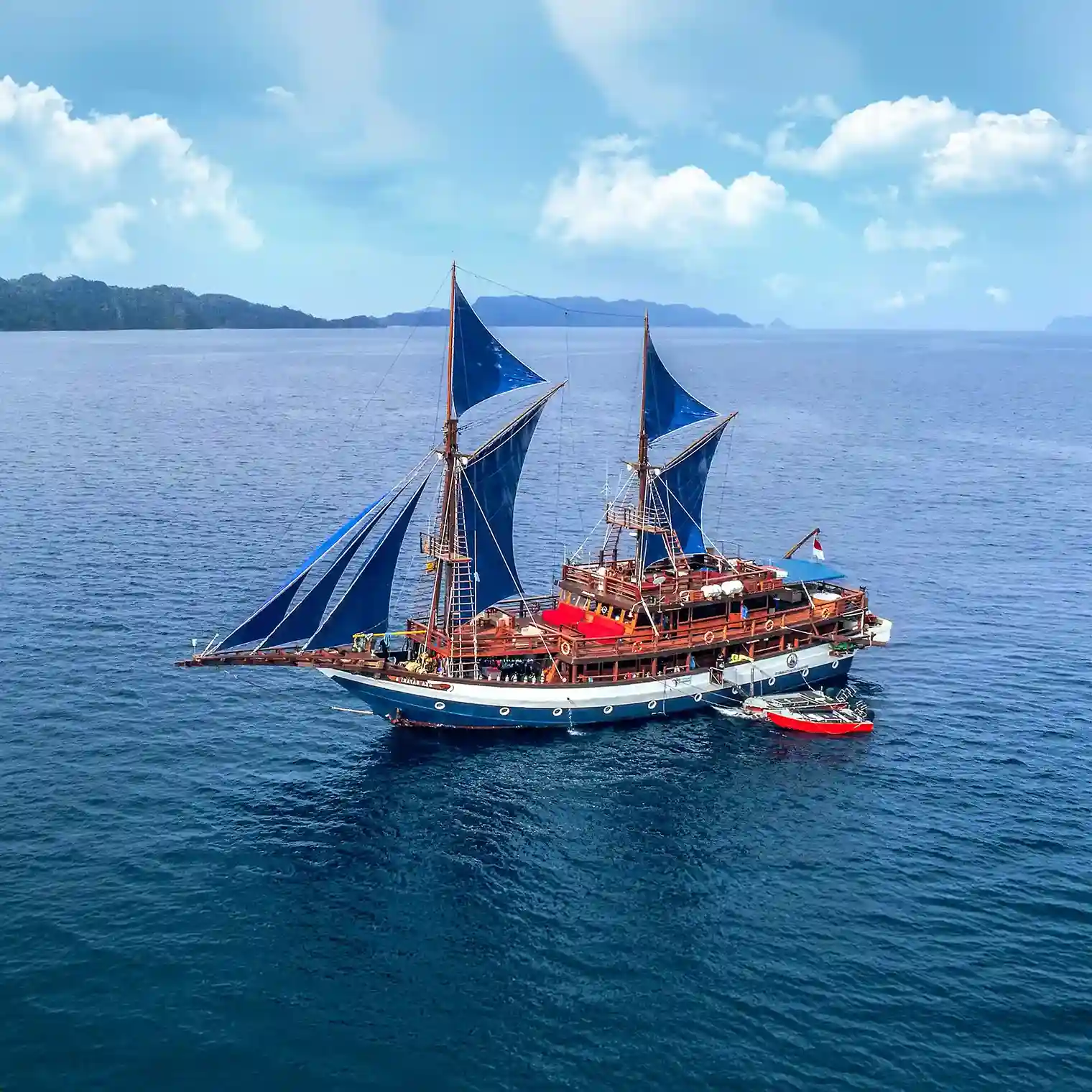
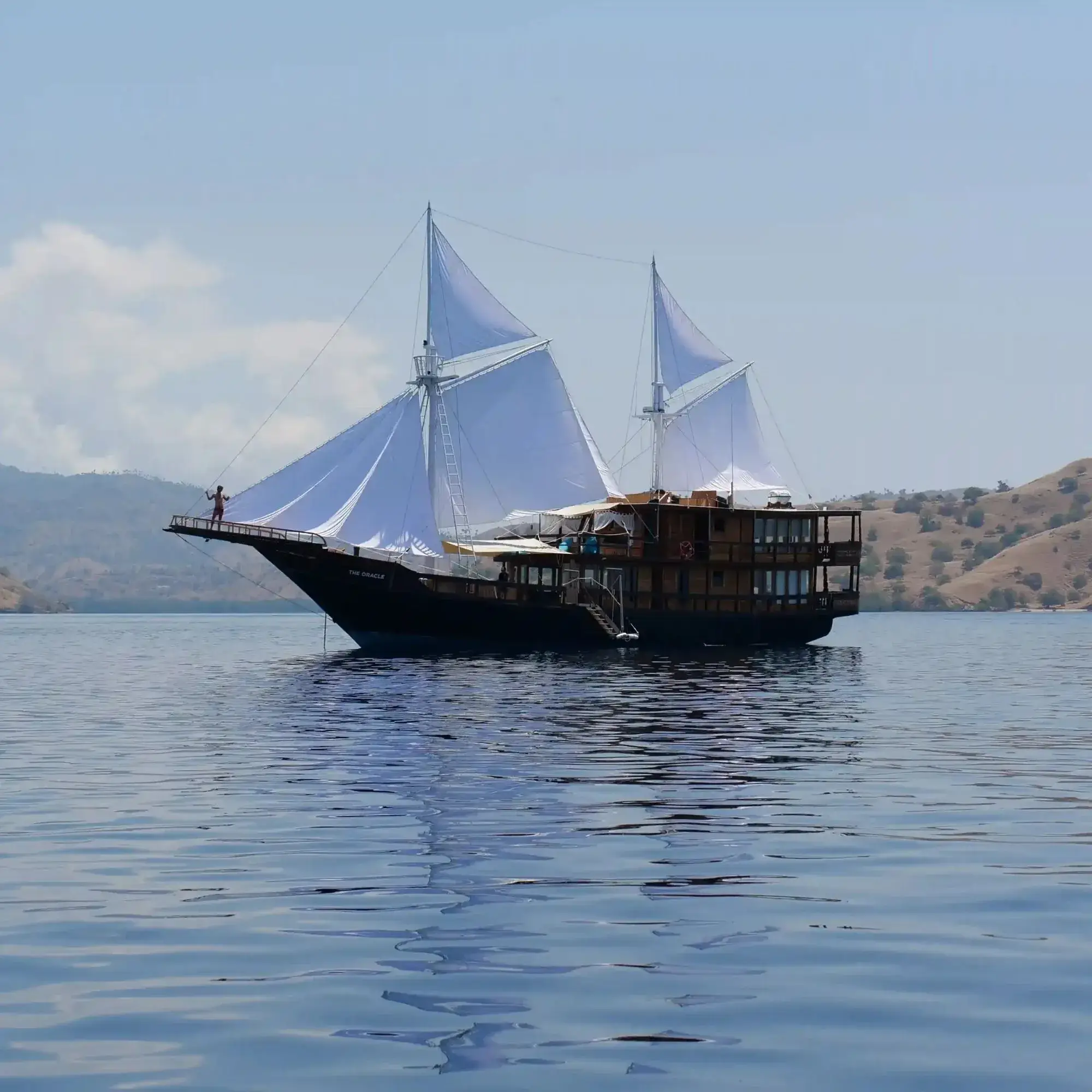
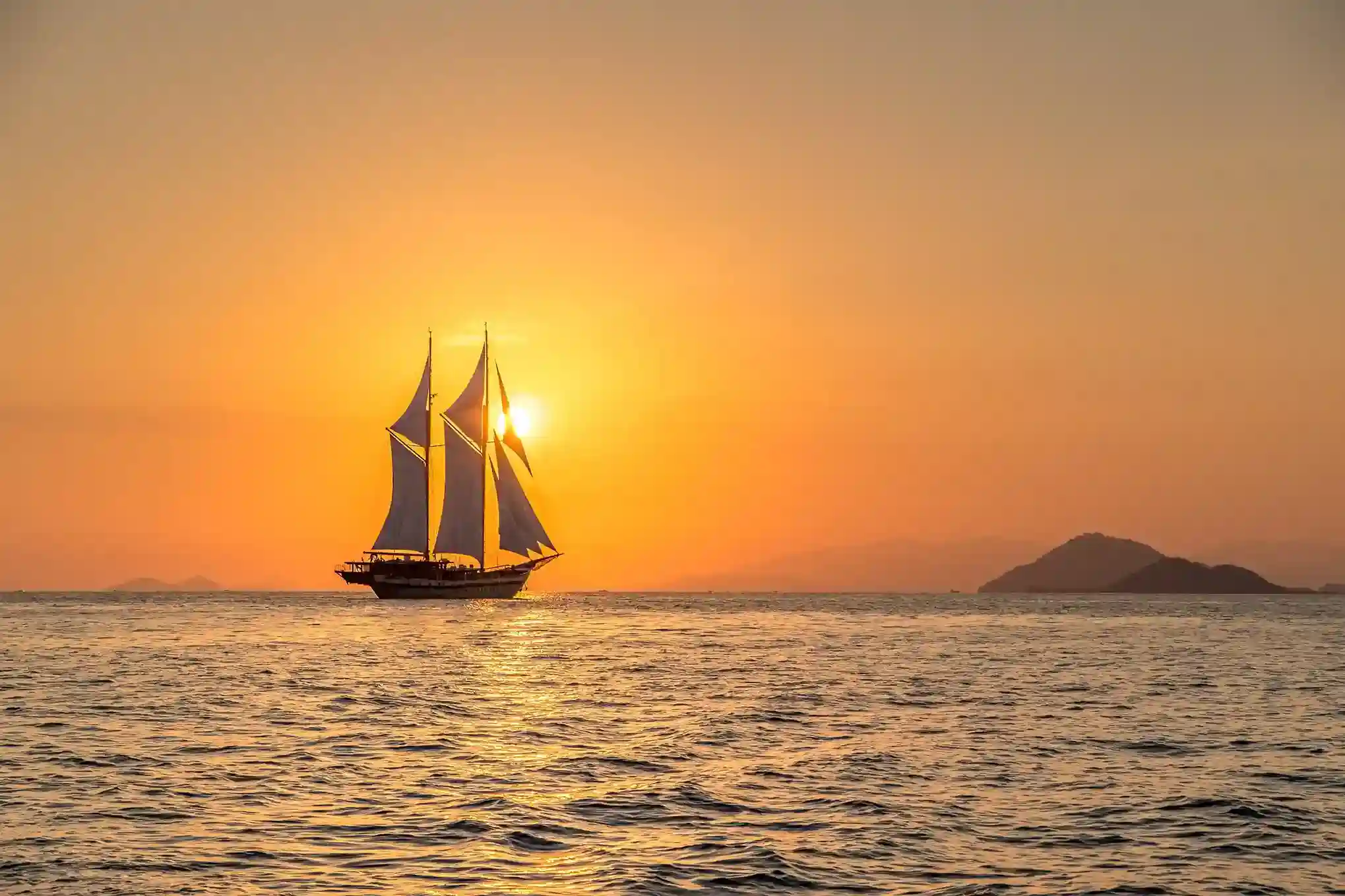
The boat itself, built in 2022, moved with purpose. At 41 meters, it cut through the current between islands without fuss. One evening, we climbed up to the sun deck after dinner. The sky was thick with stars, no city glow to wash them out. The captain pointed out constellations, then handed me a pair of binoculars to focus on a distant atoll where fireflies blinked from the mangroves. There was no music, no forced entertainment – just the warmth of a well-tended space where you could actually hear the ocean breathe.
We spent a full day exploring the southern reaches of Raja Ampat, stopping at a small reef near Arborek. After snorkeling, we were invited ashore to a handmade wooden jetty where a local family served fresh pineapple and told stories in halting English. Back on board, the chef had prepared a papaya and coconut salad that tasted exactly like the place – bright, clean, and a little wild. Meals were served on the aft deck, where the table stretched long enough for all of us to eat together without crowding.
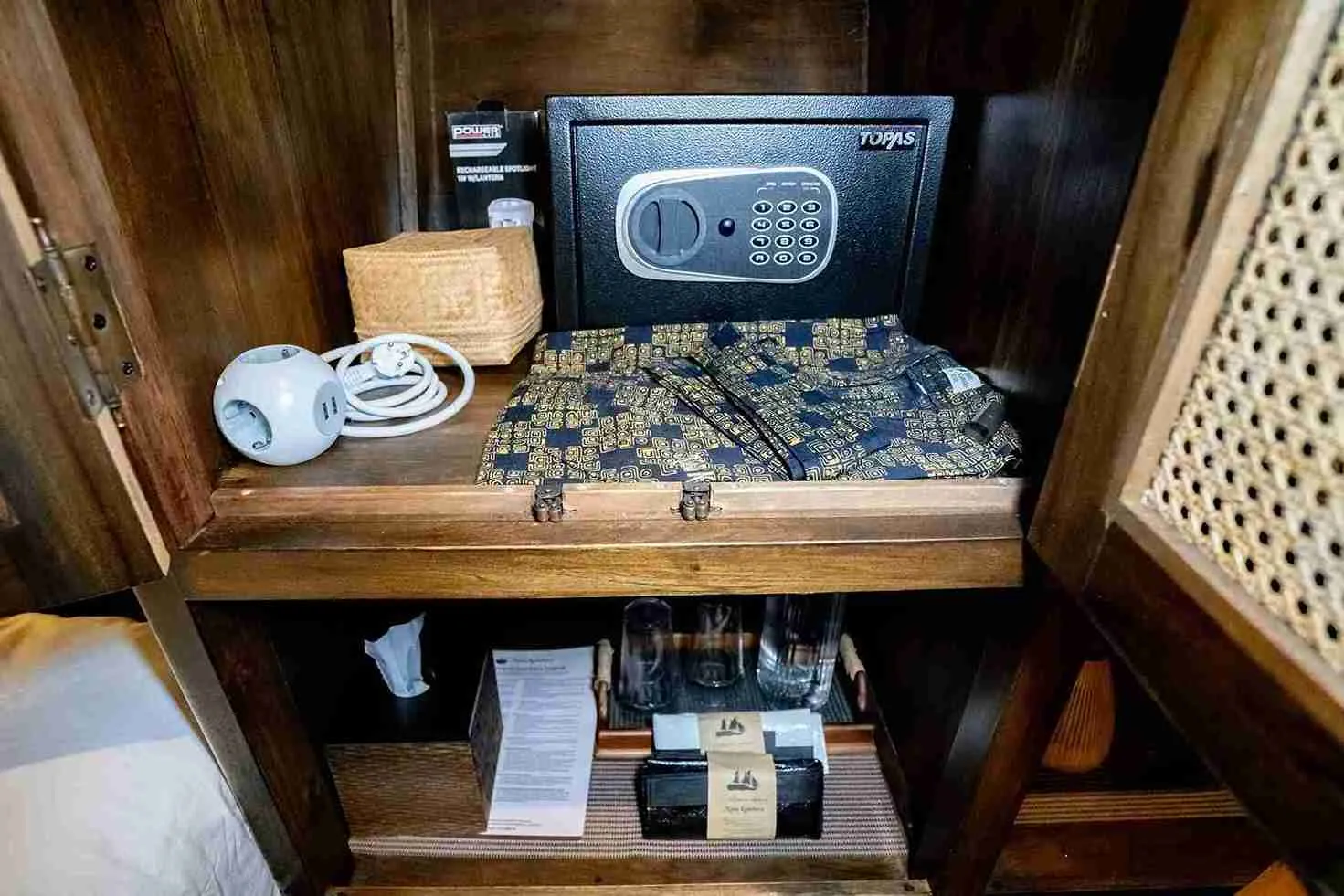
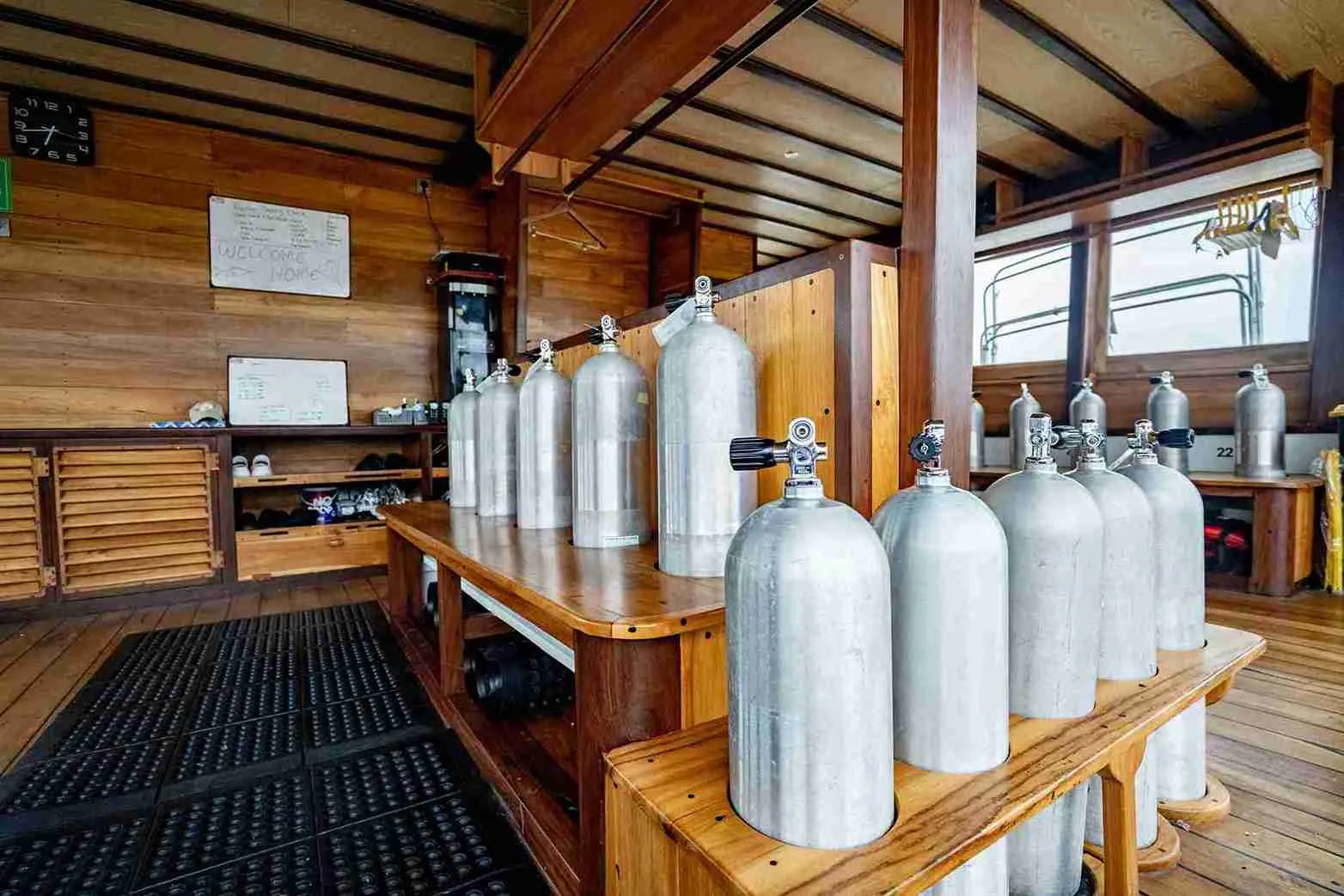
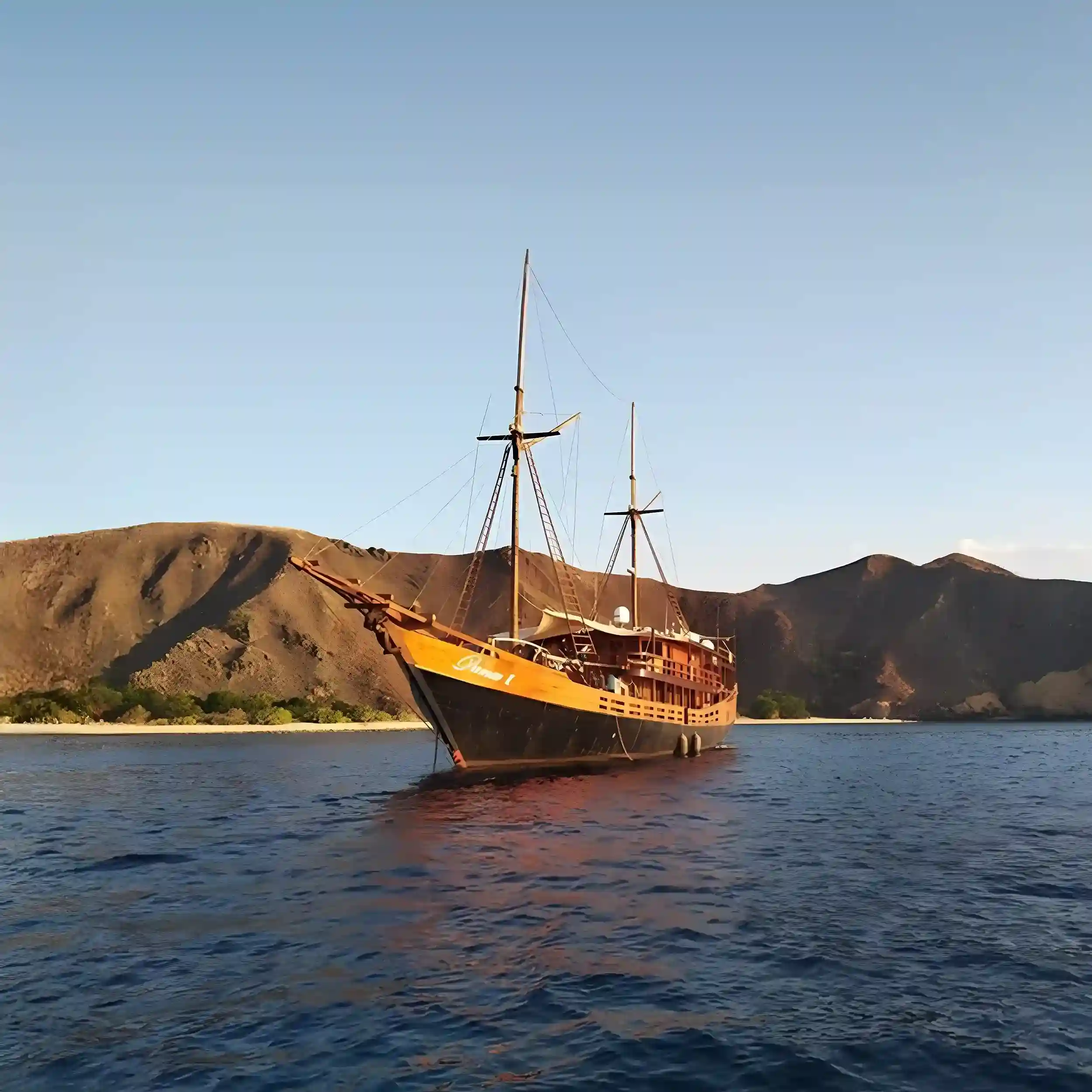
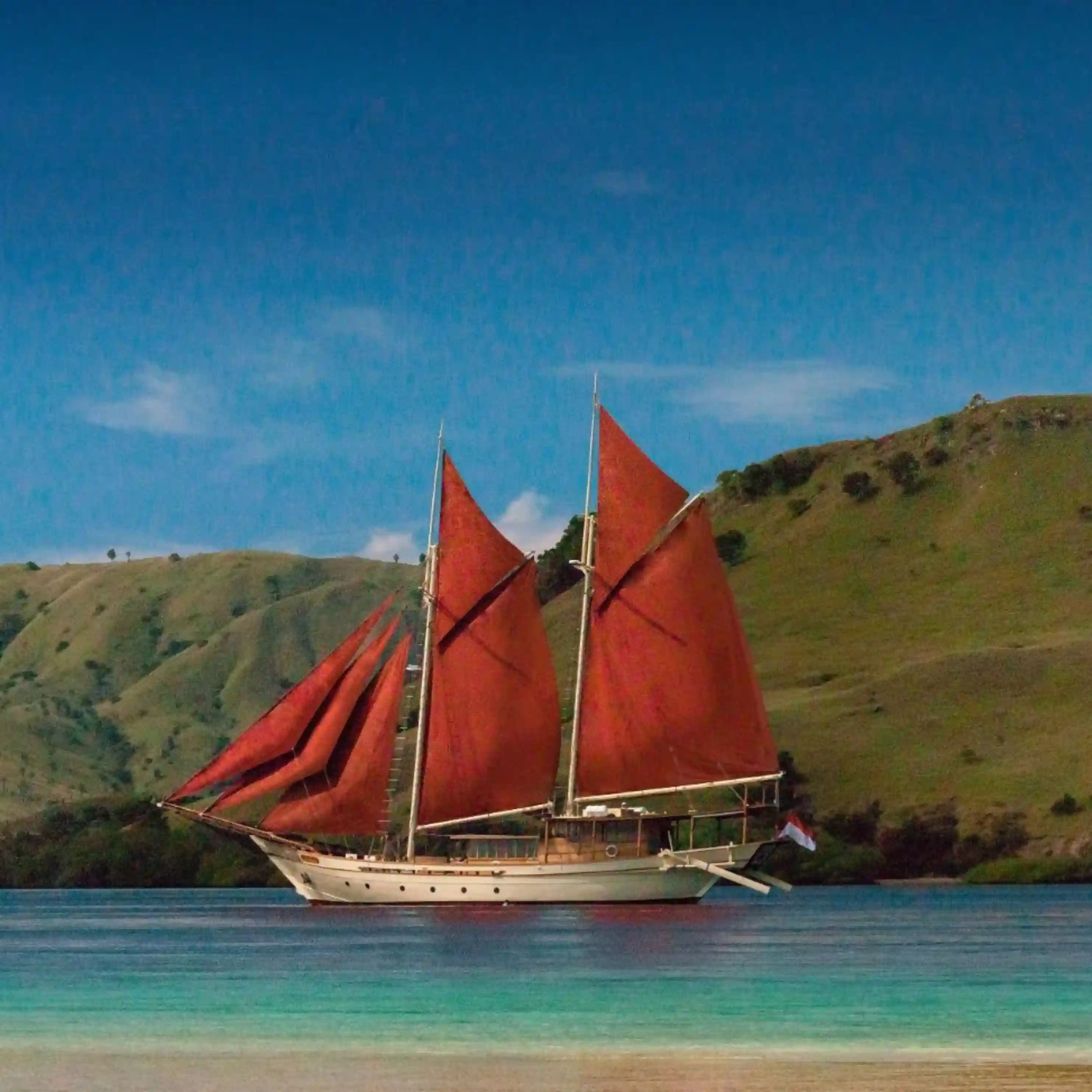
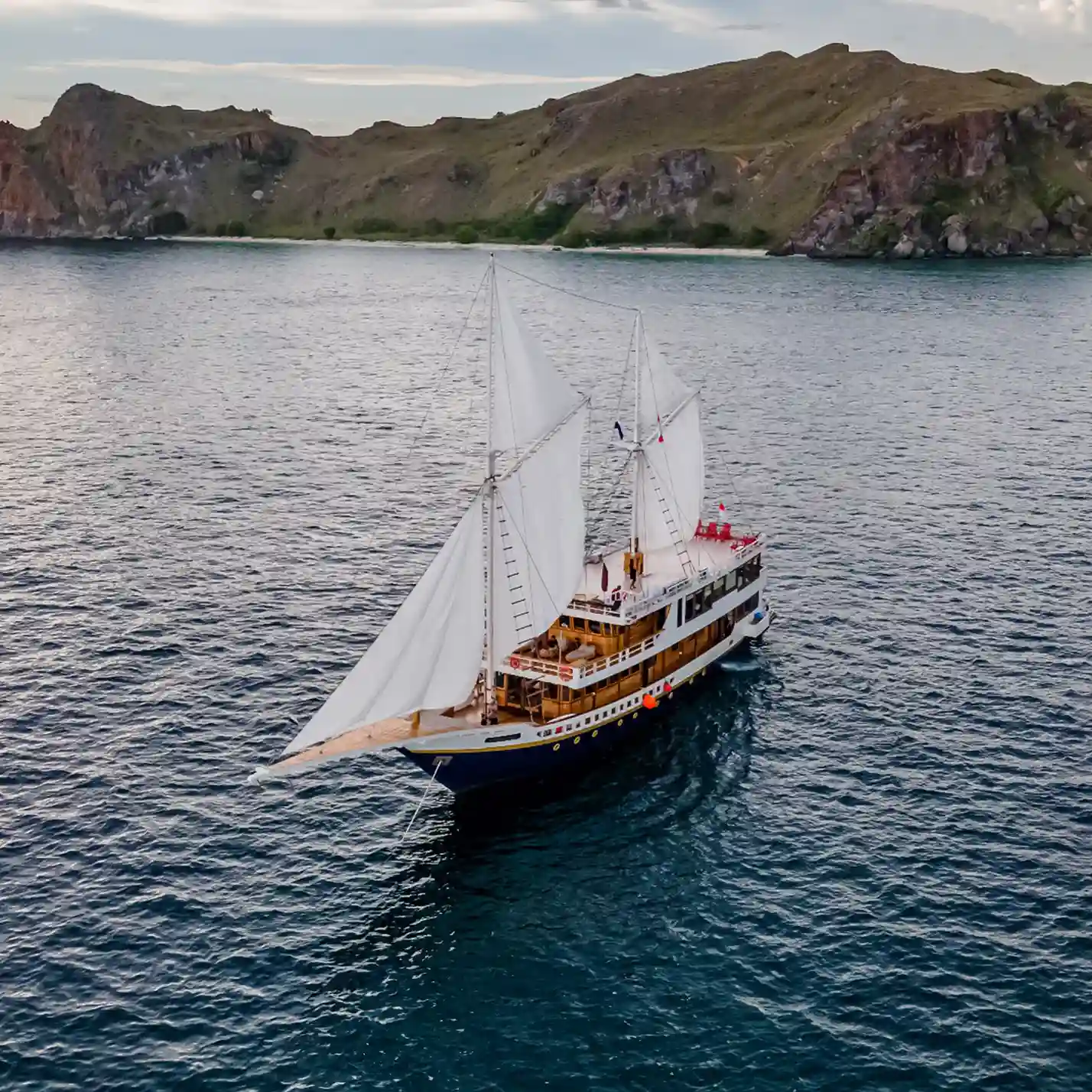
On our last morning, we anchored beneath the dramatic cliffs of Piaynemo. I swam out a little from the boat, looking back at Nusa Kembara bobbing quietly in the emerald water, its teak rails polished smooth, sails furled. It wasn’t flashy – no gold trim or mirrored walls – but everything worked. The shower had strong pressure, the cabin fan ran all night, and my dive gear was always dry and ready. It was the kind of boat that lets the place speak for itself, while making sure you’re never uncomfortable doing so.