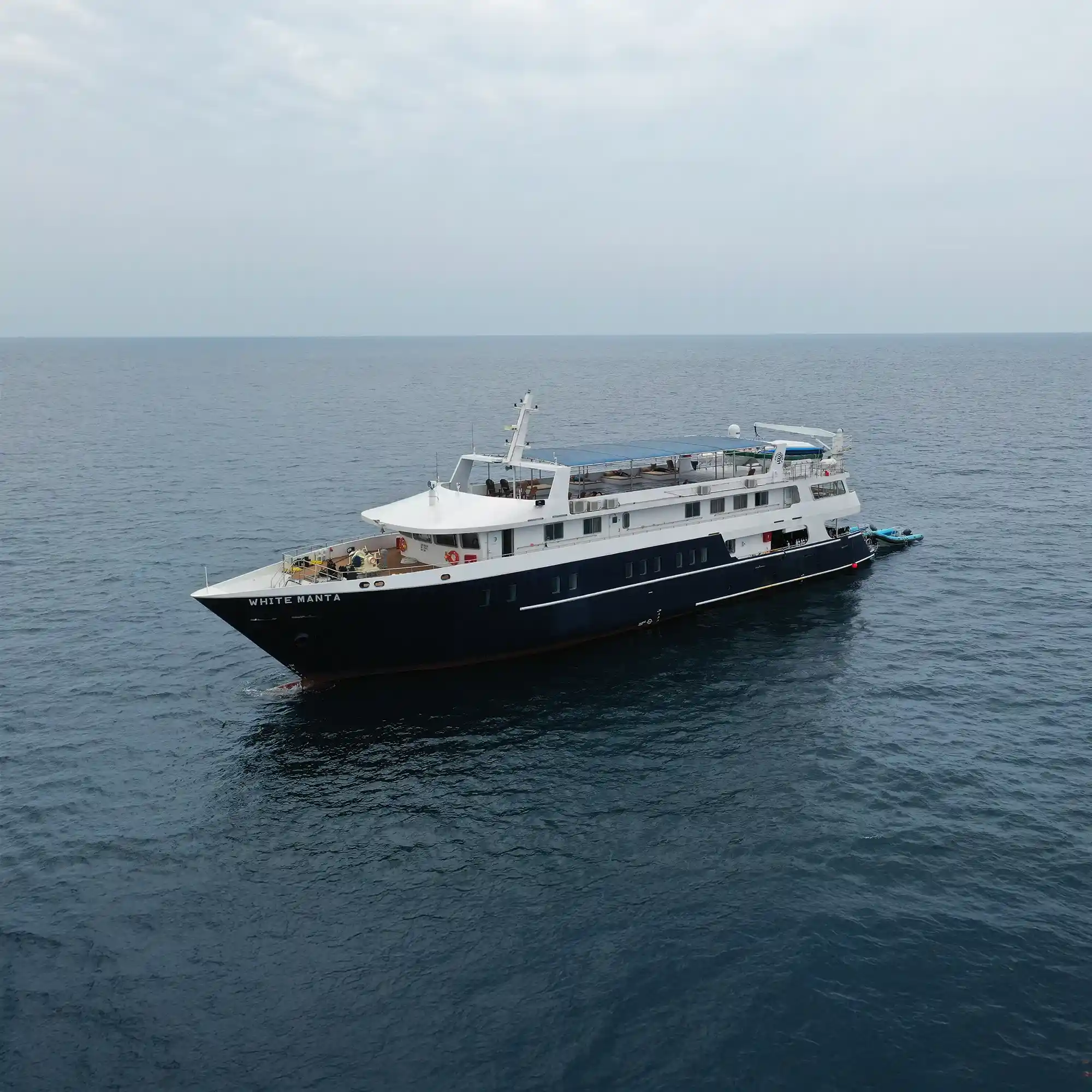
About White Manta
I remember waking early on the first morning, the hum of the engines gone quiet, and stepping out to the smell of strong instant coffee and sea mist. The sky was streaked pink behind the jagged silhouette of Wayag’s famous karst islands, and a few of us gathered on the top deck without speaking, wrapped in thin blankets from our cabins. It felt like we’d drifted into a map of some impossible world — and then someone handed me a mug with a chipped rim and smiled. That’s when it hit: this wasn’t a postcard. We were inside it.
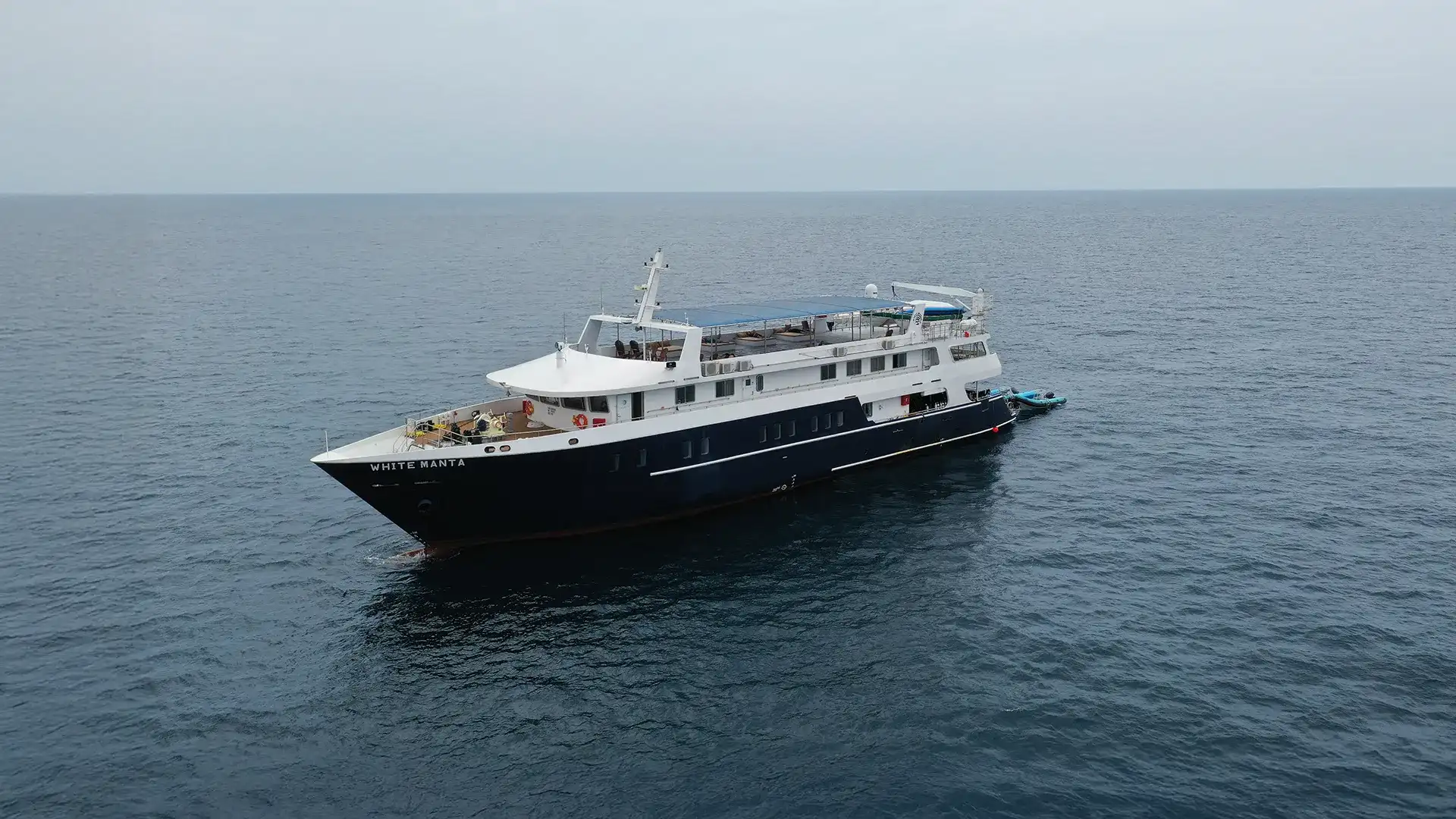
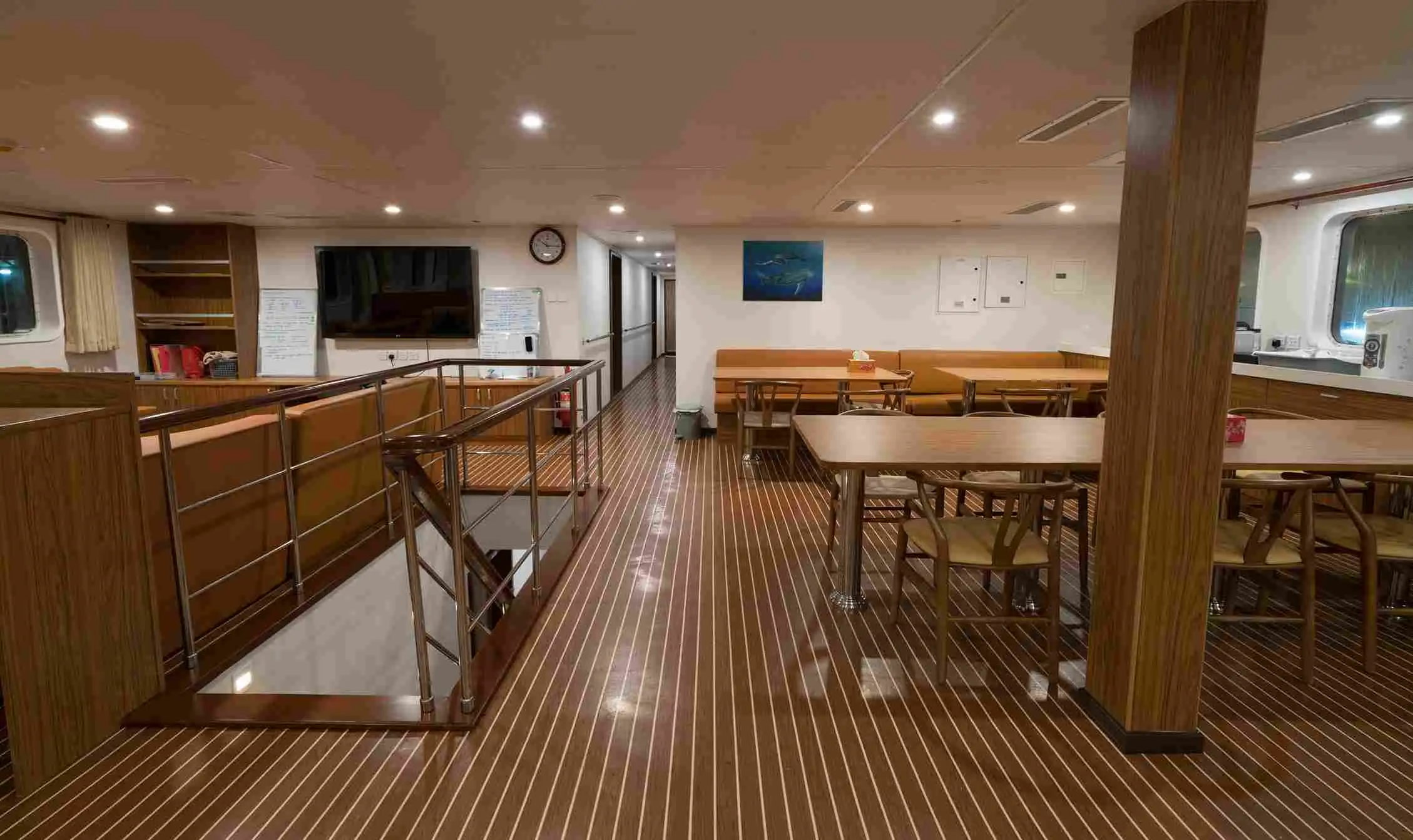
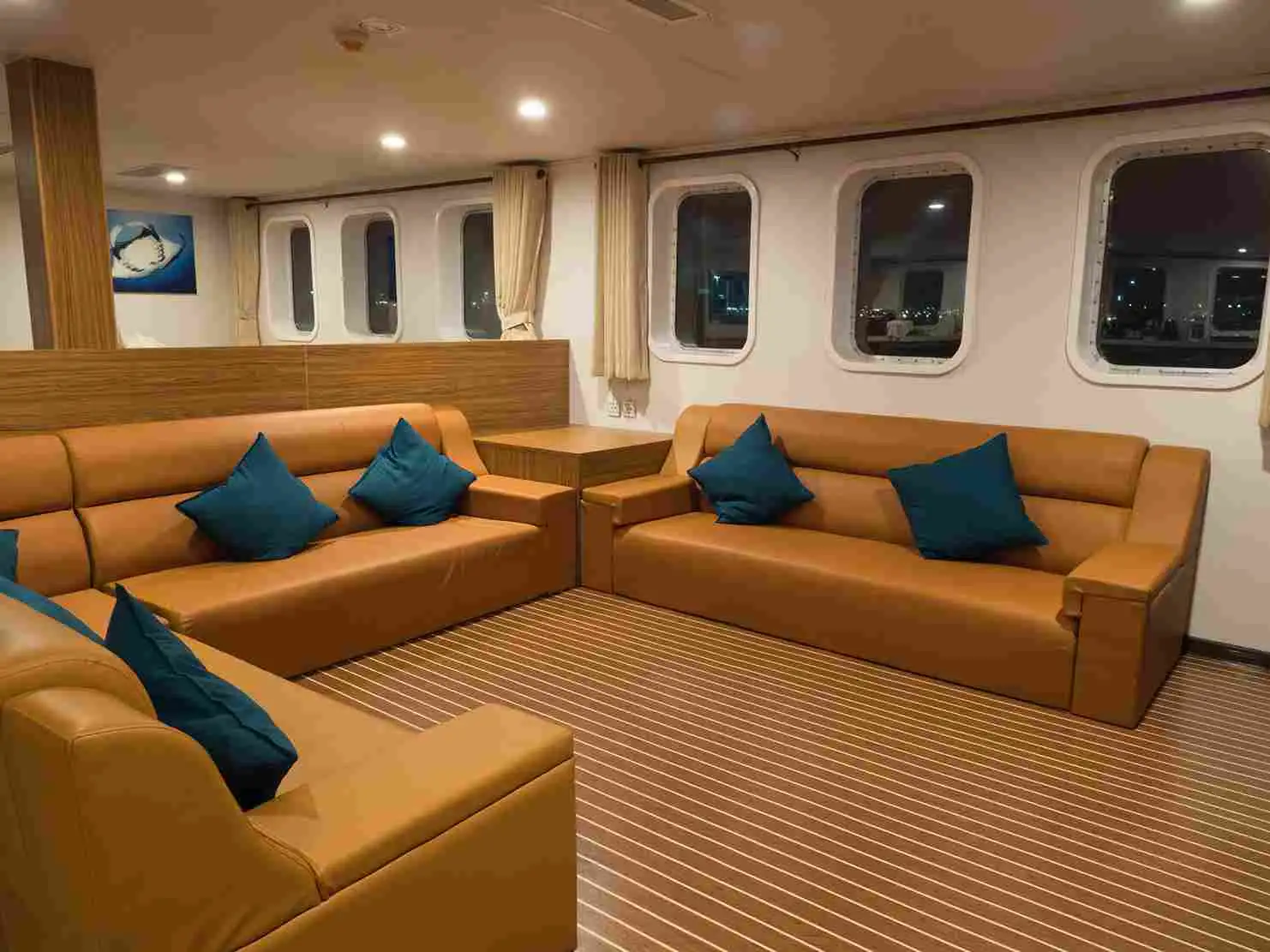
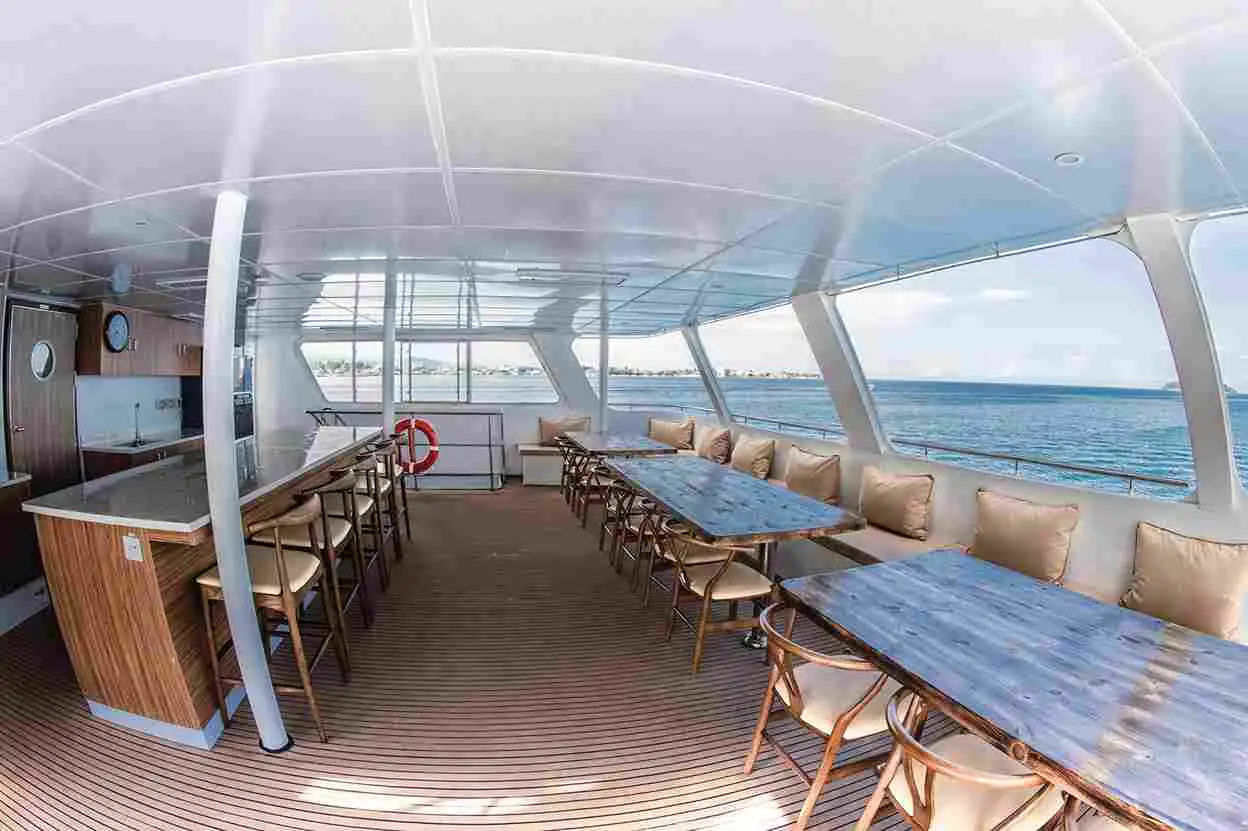
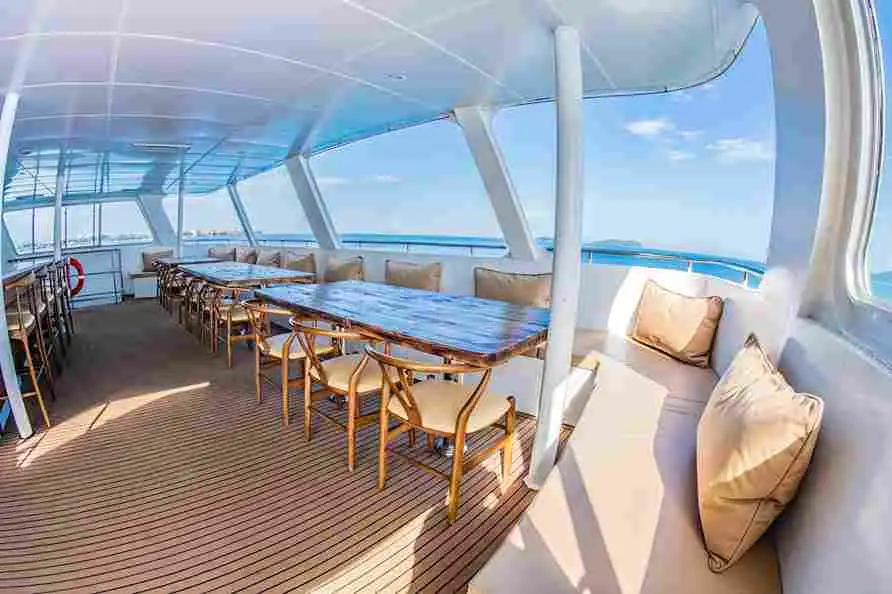
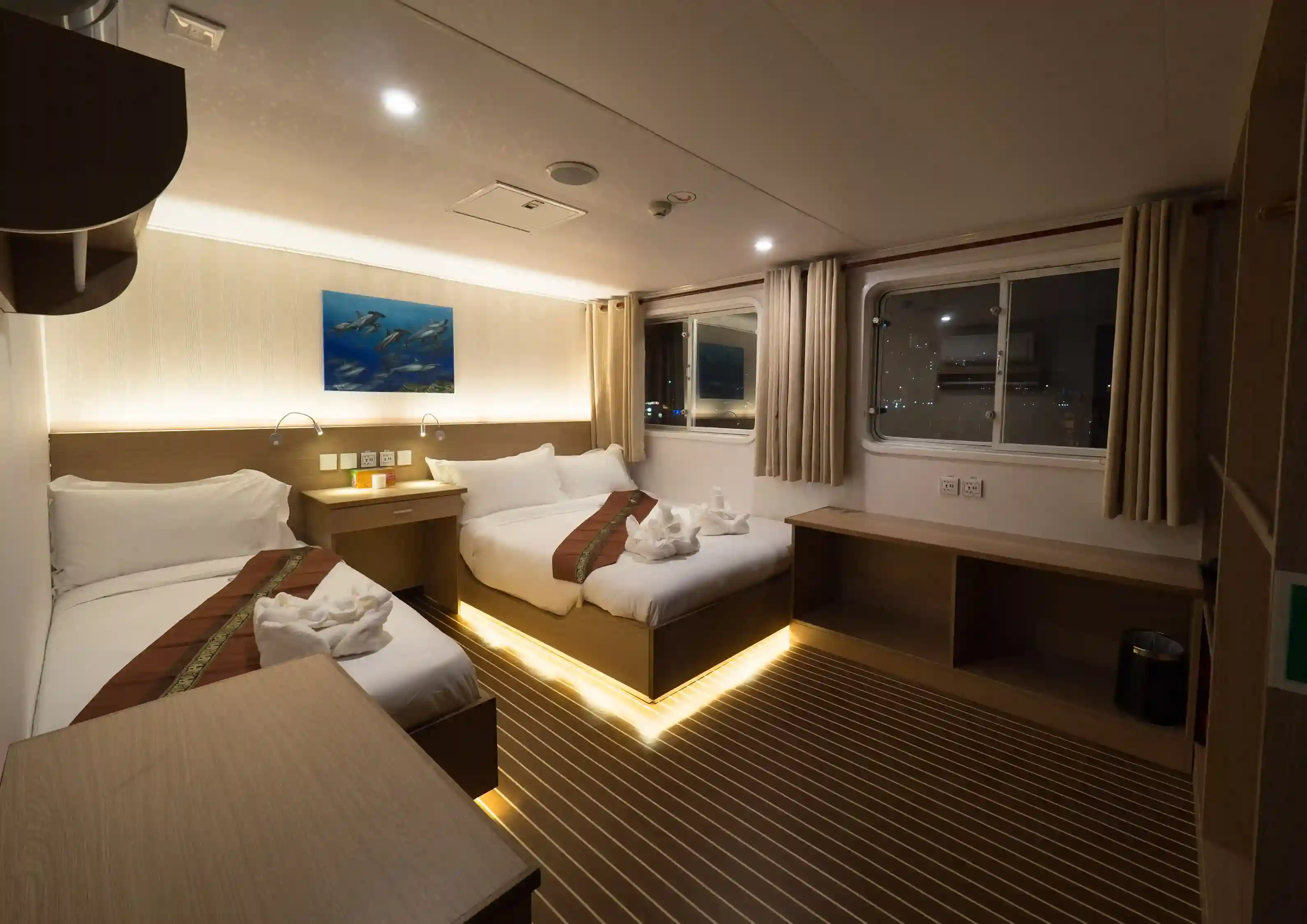
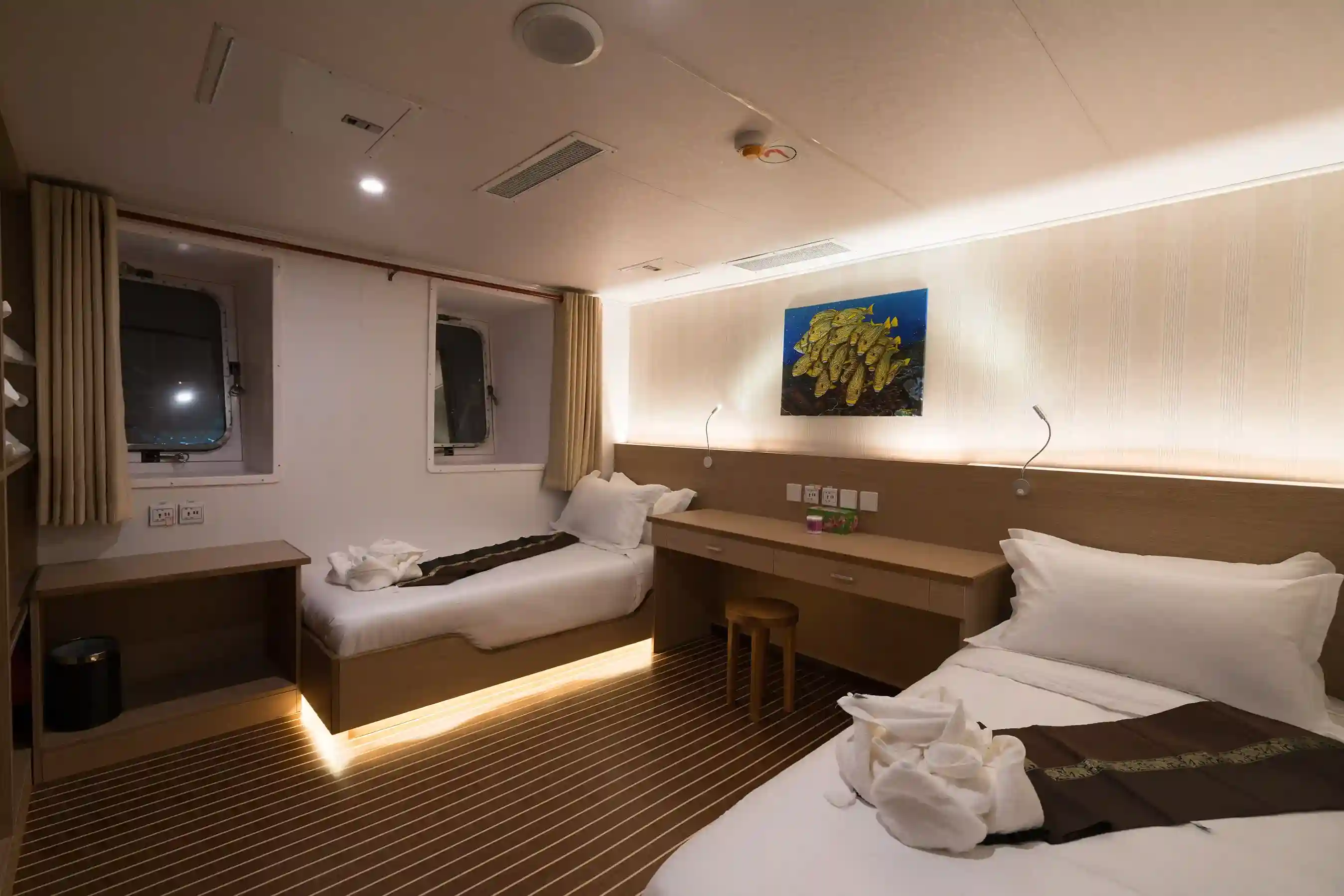
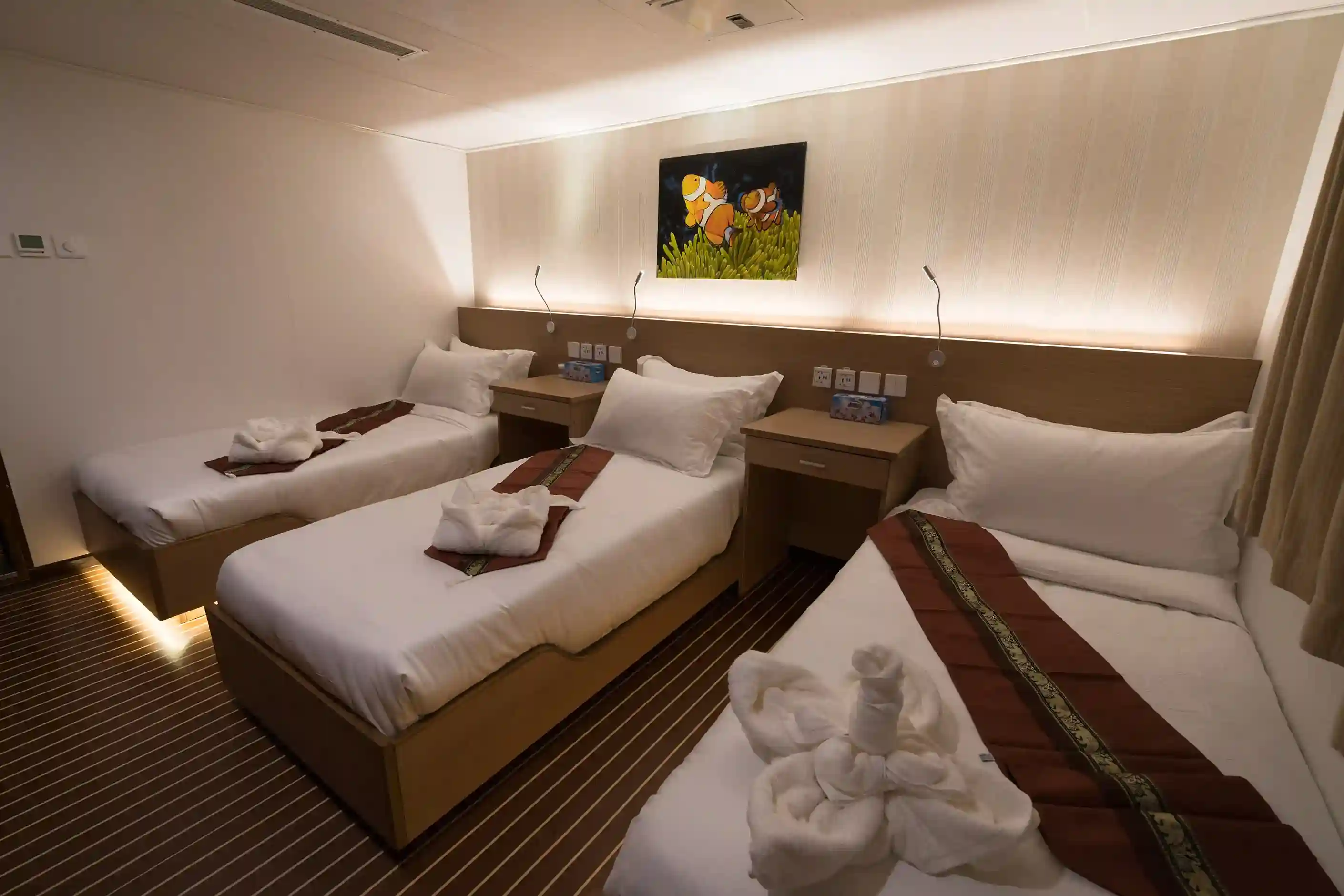
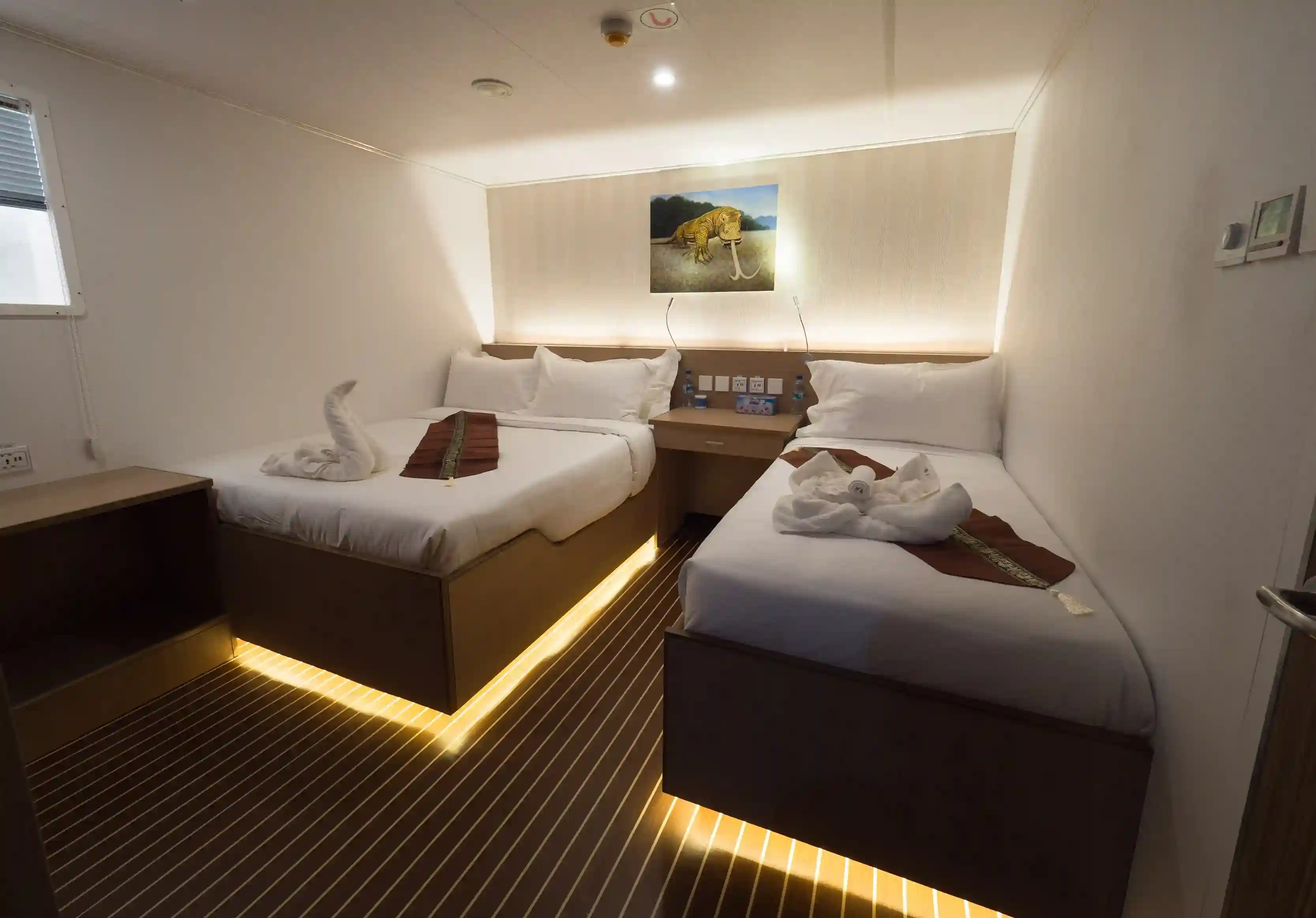
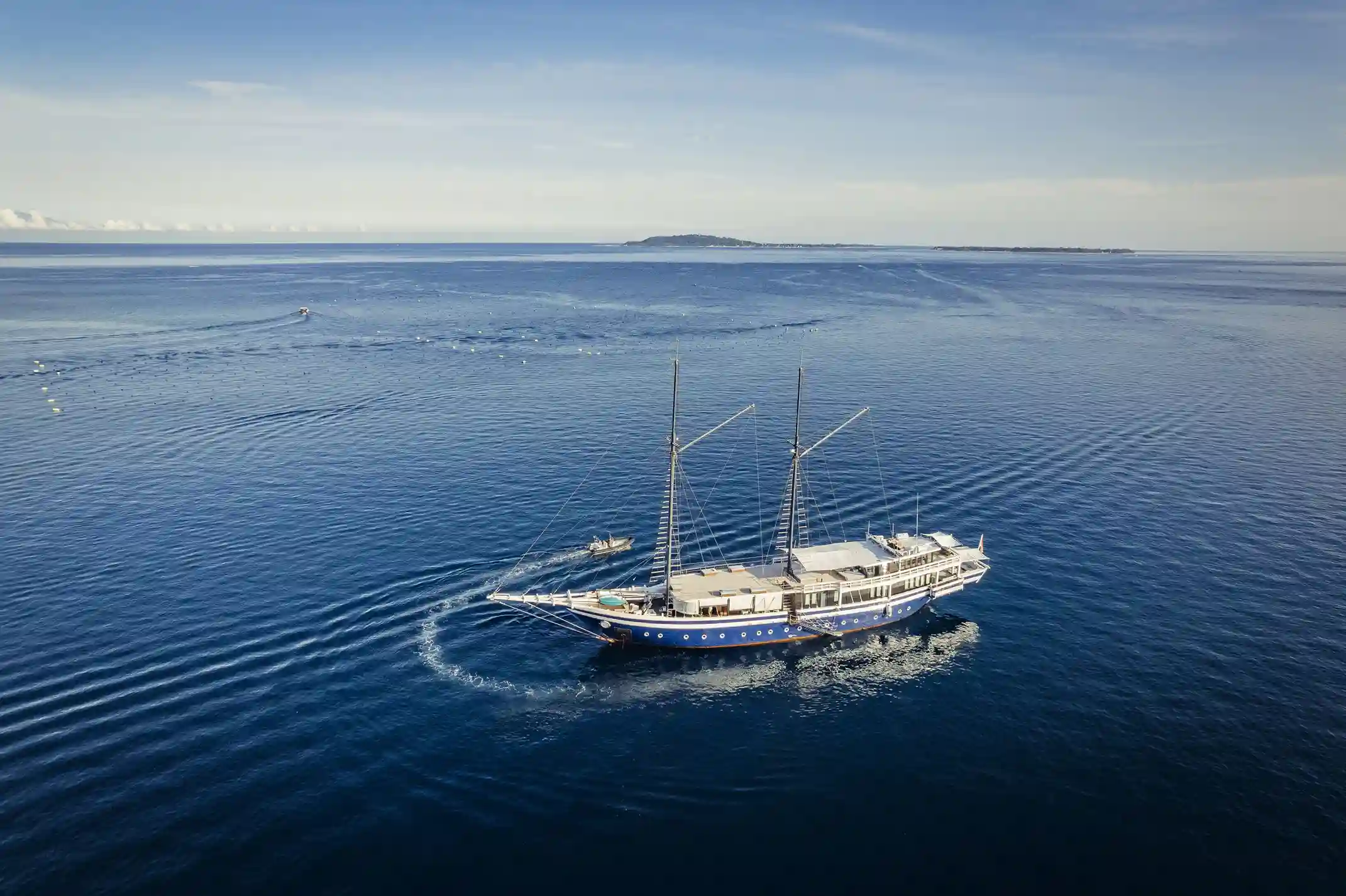
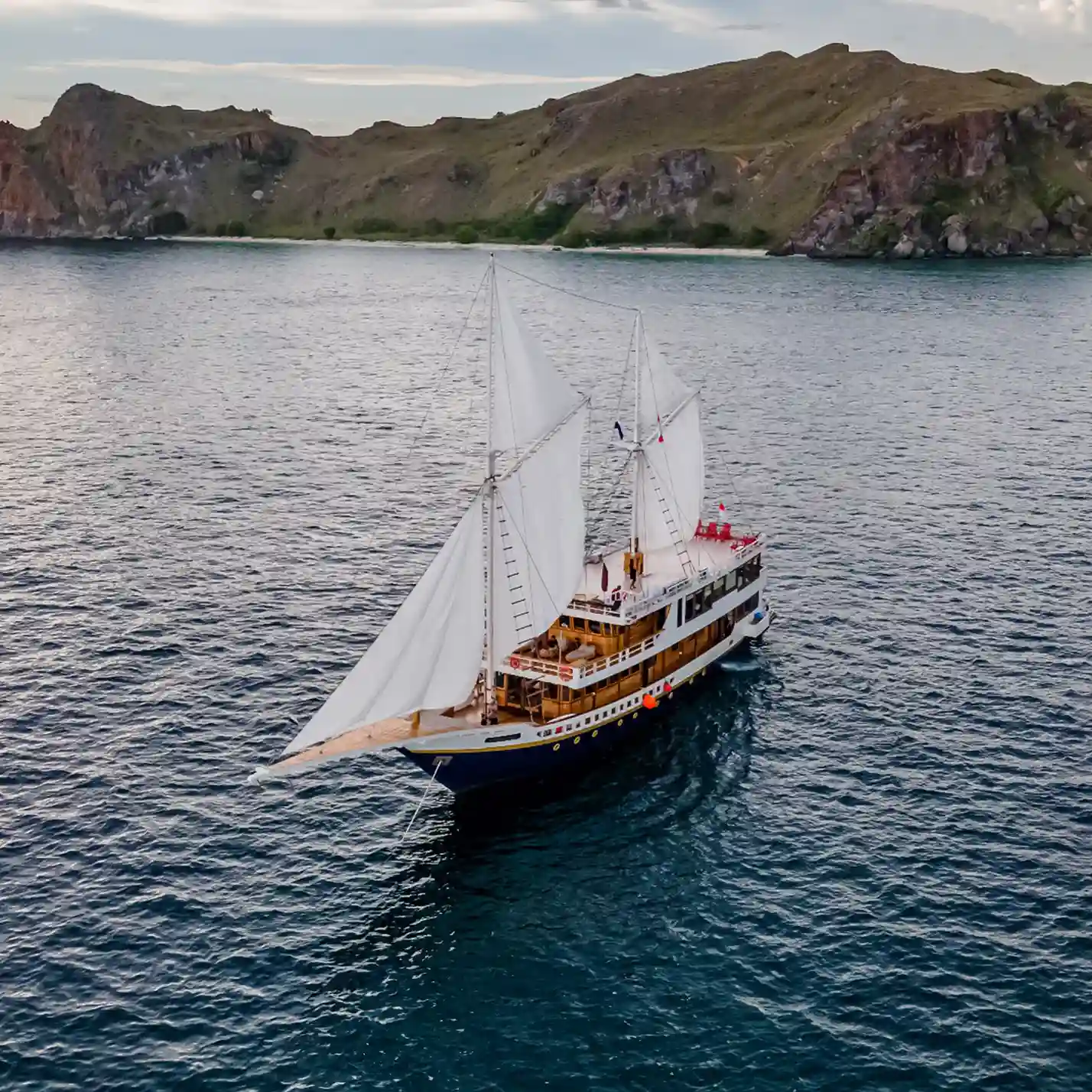
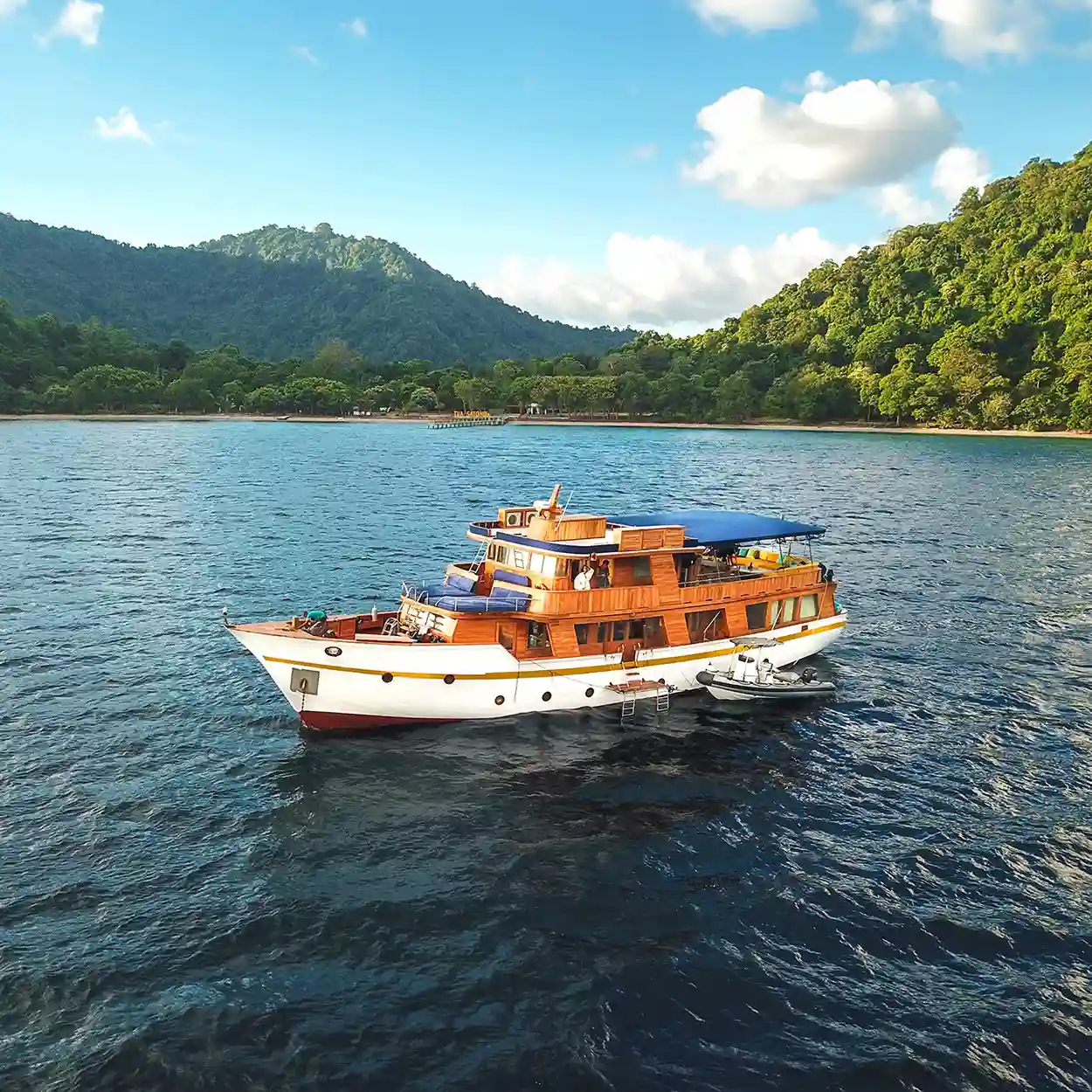
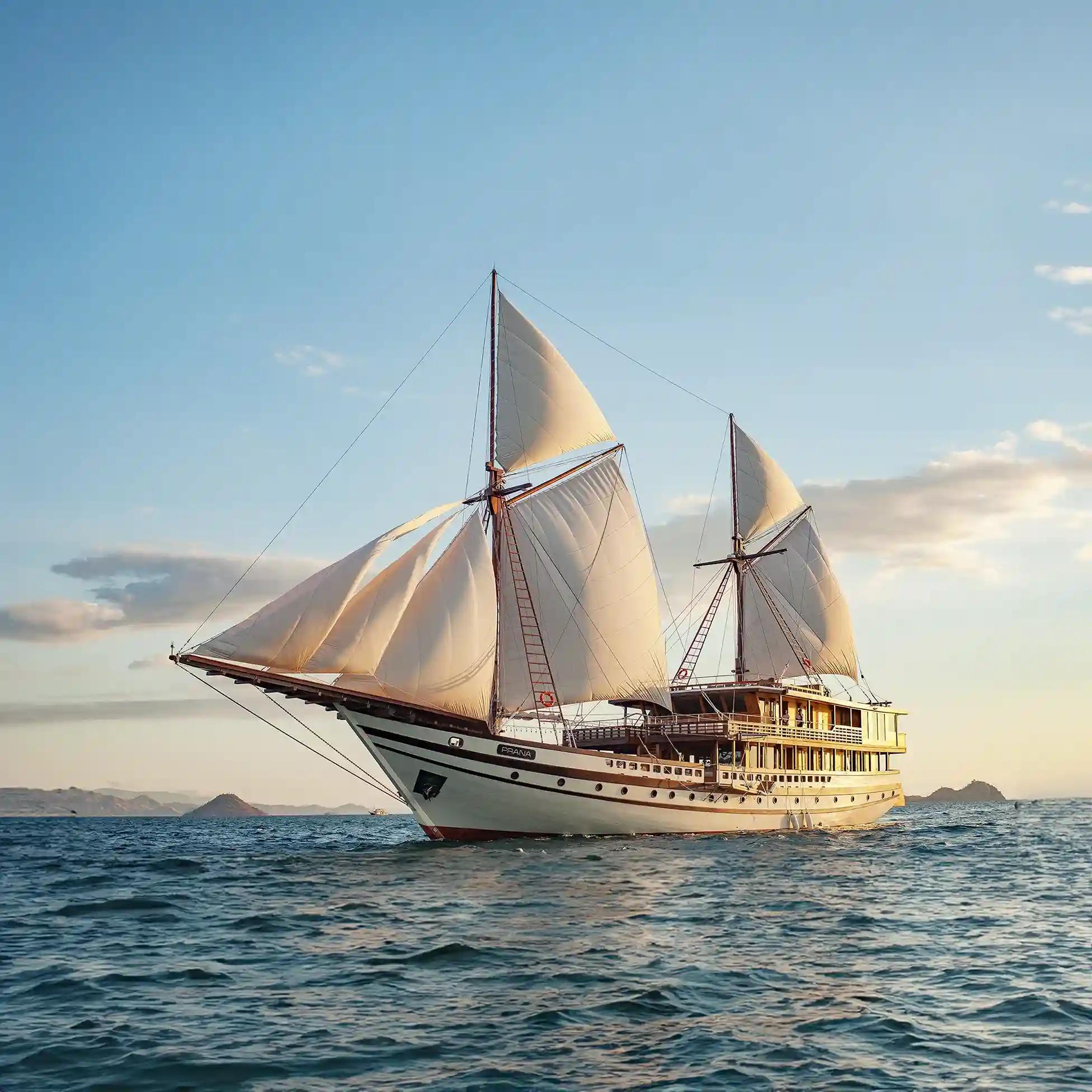
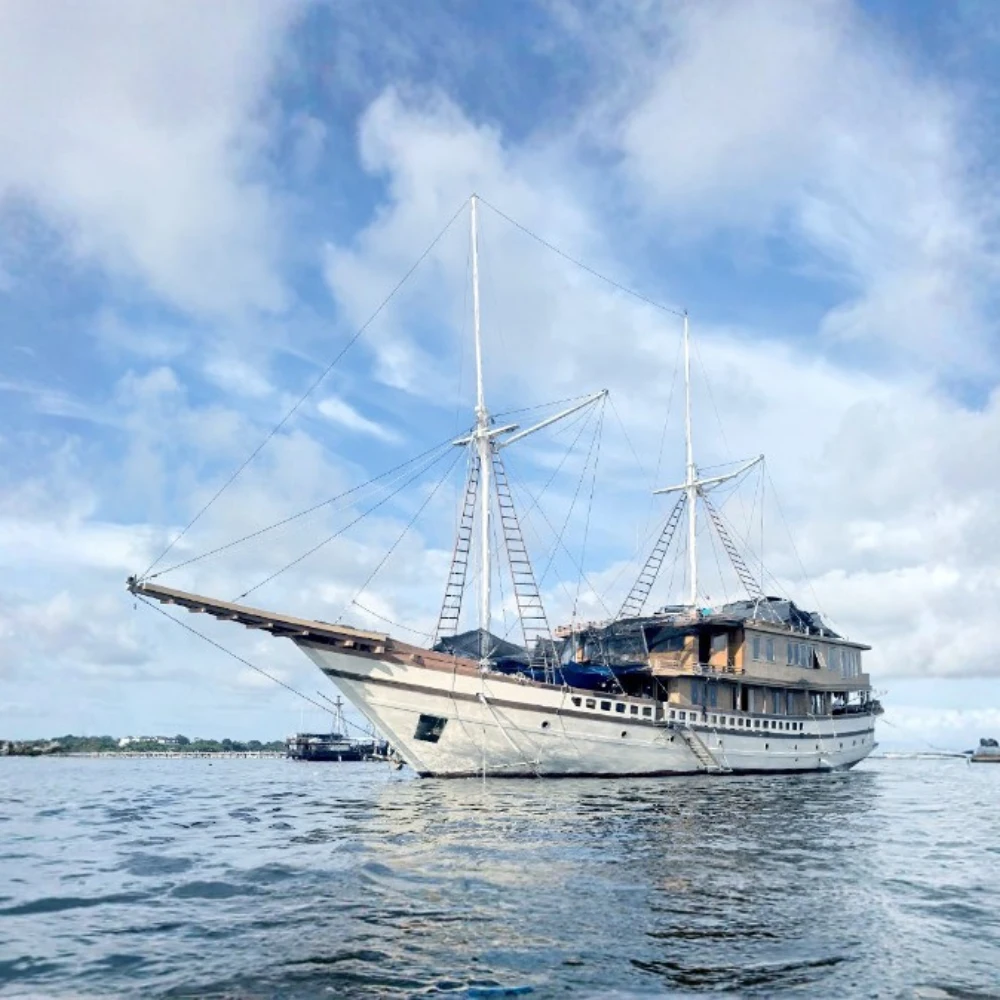
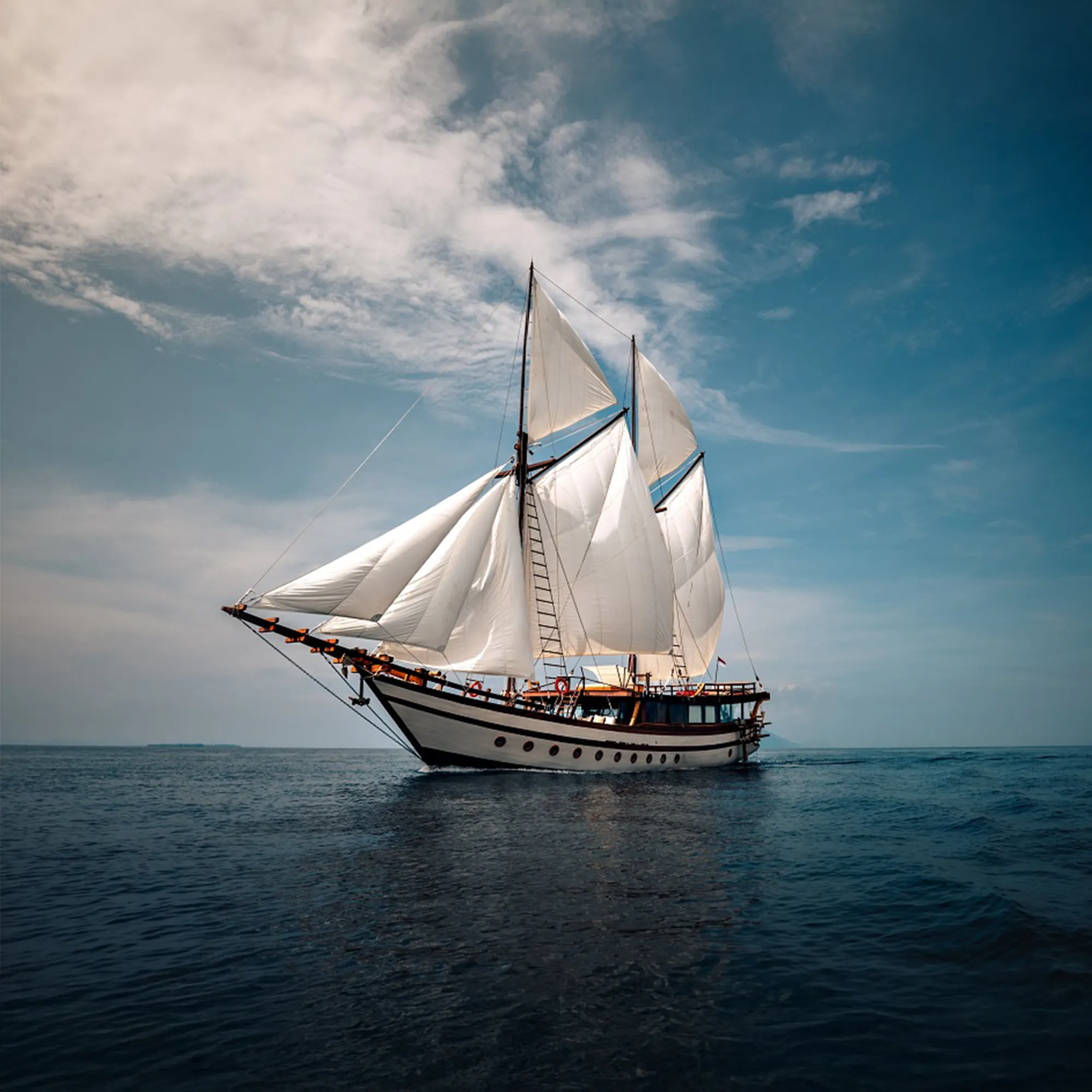
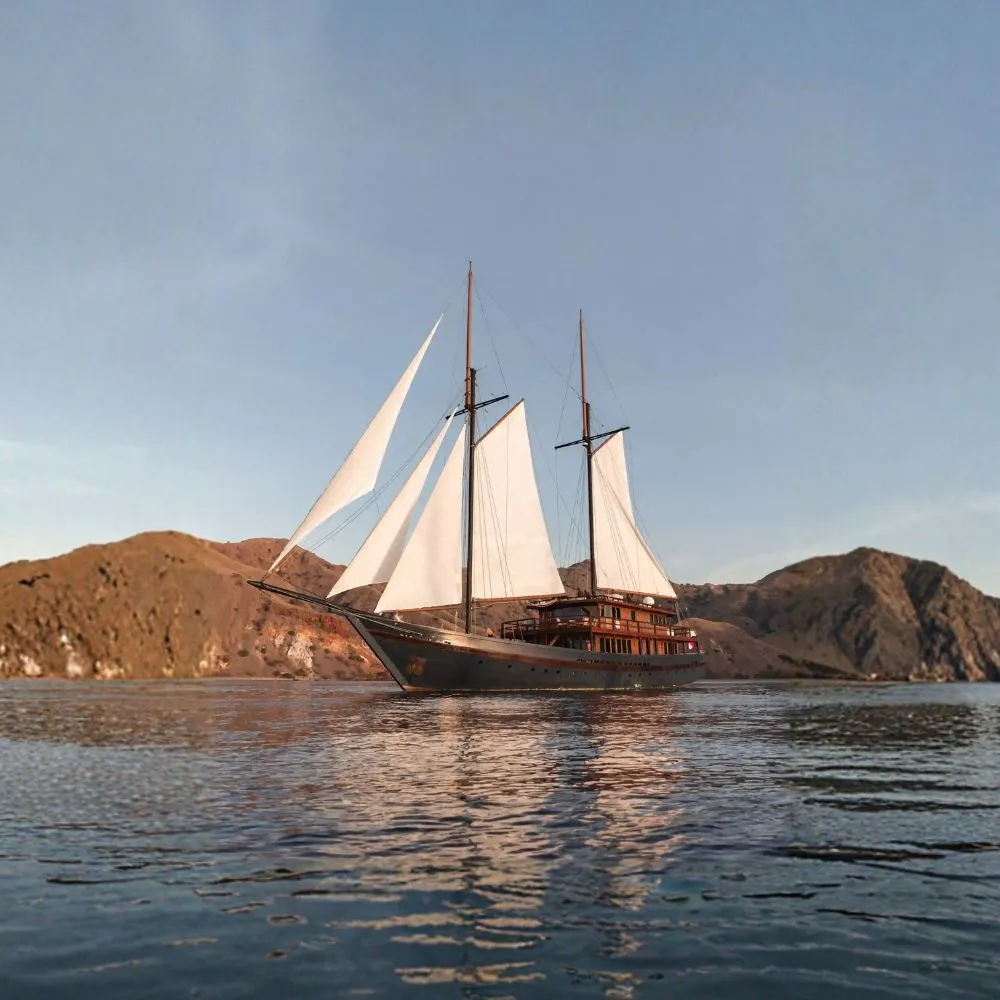
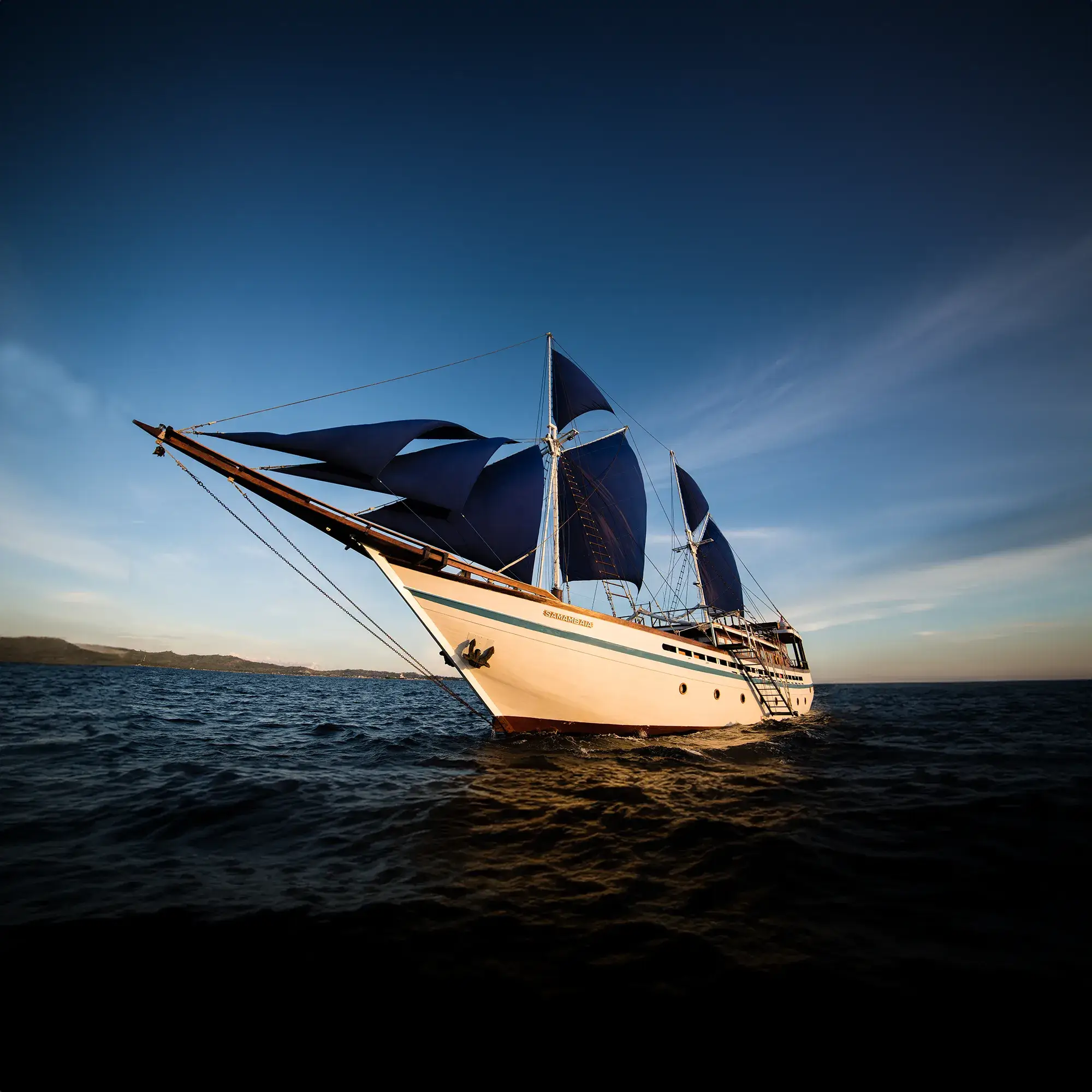
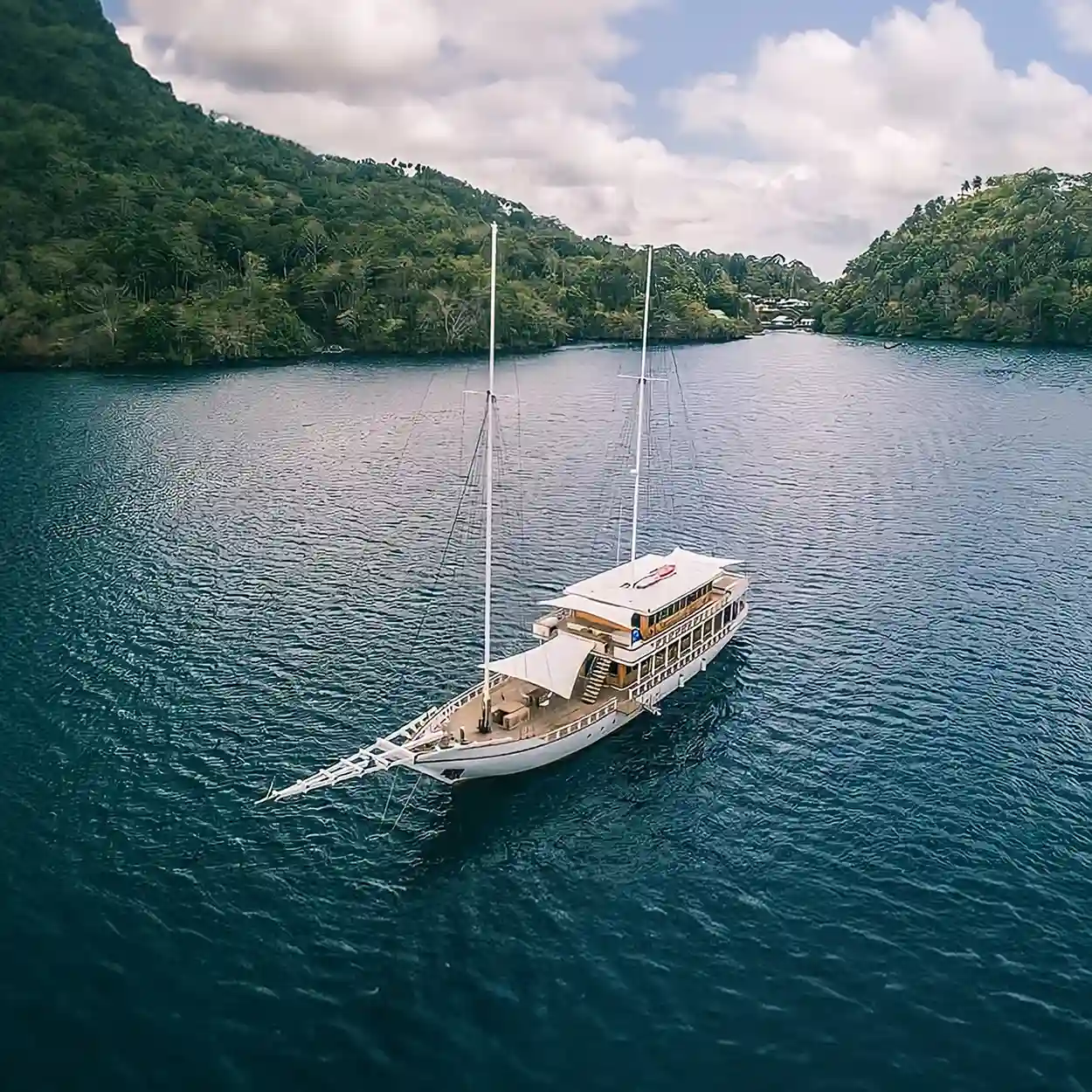
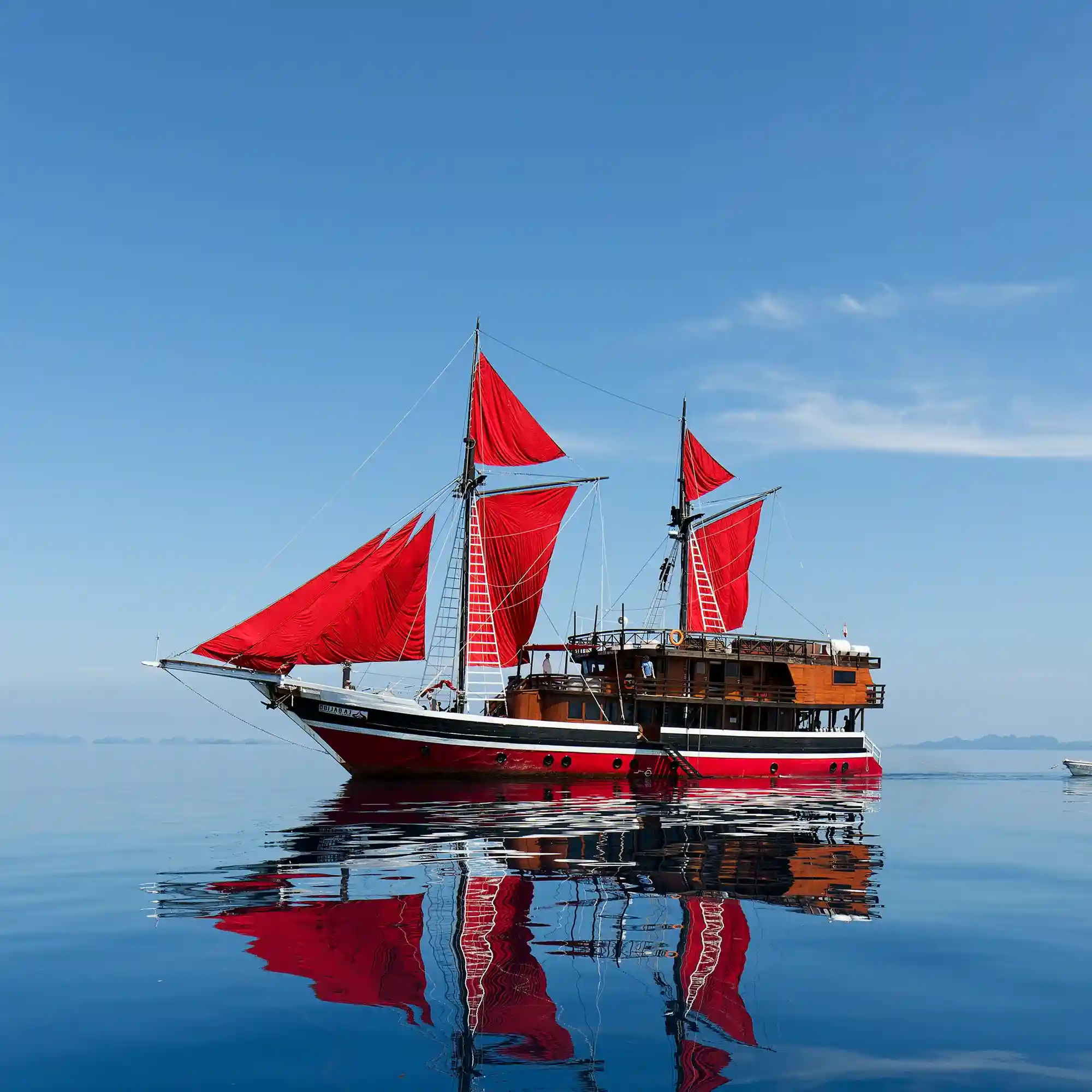
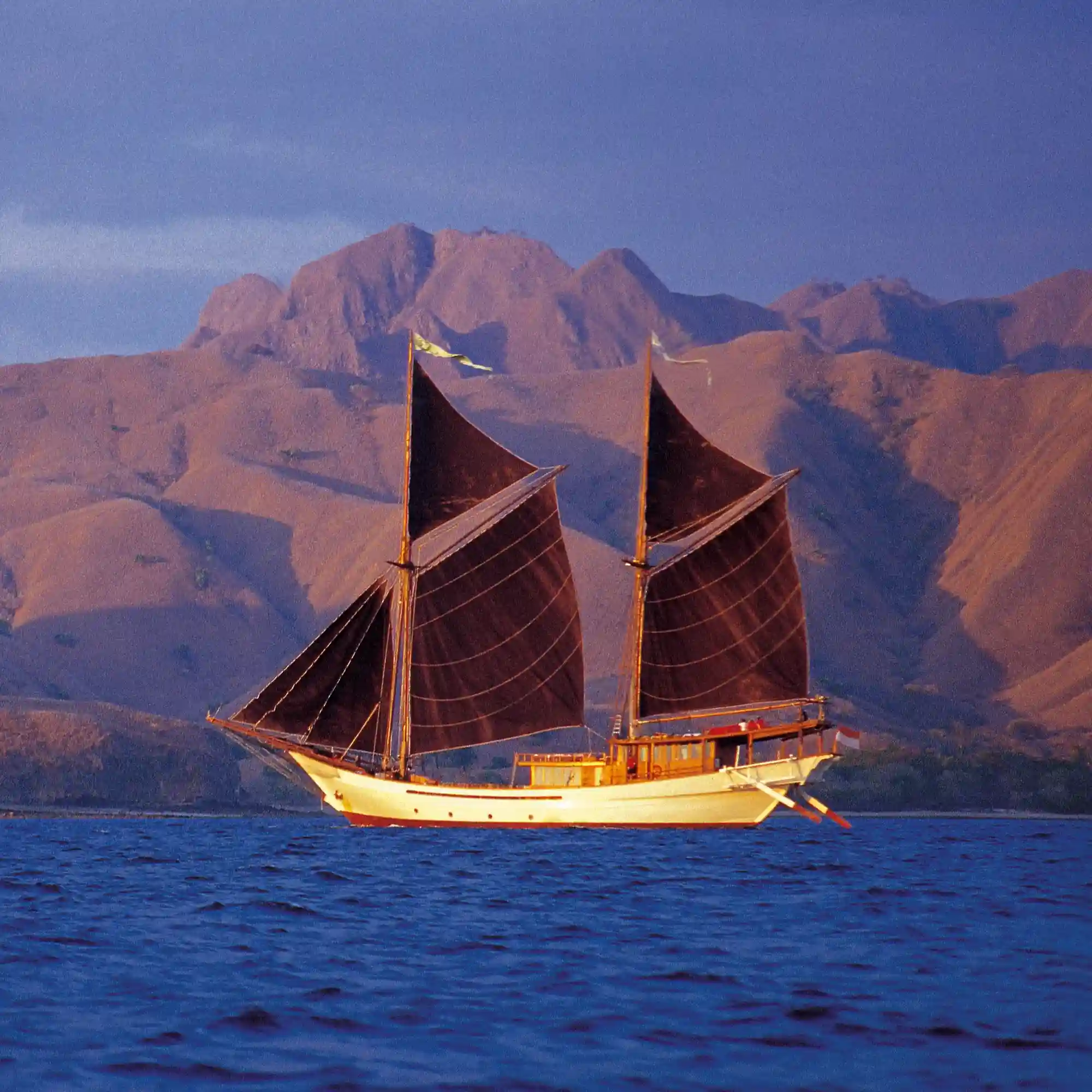
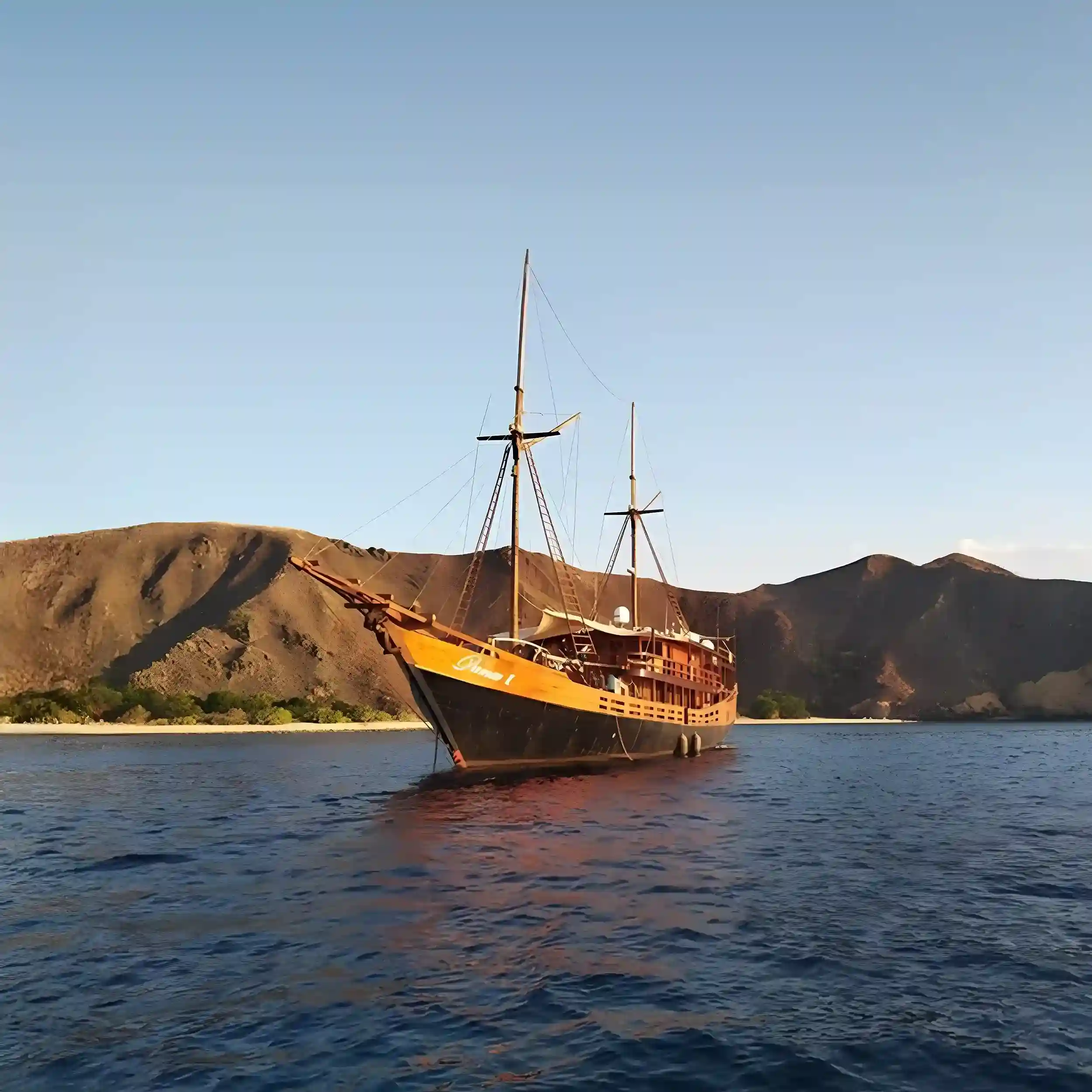
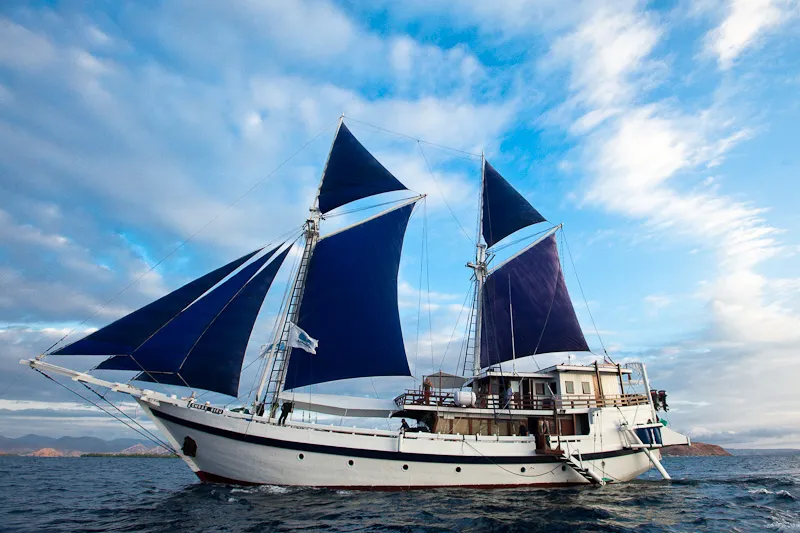
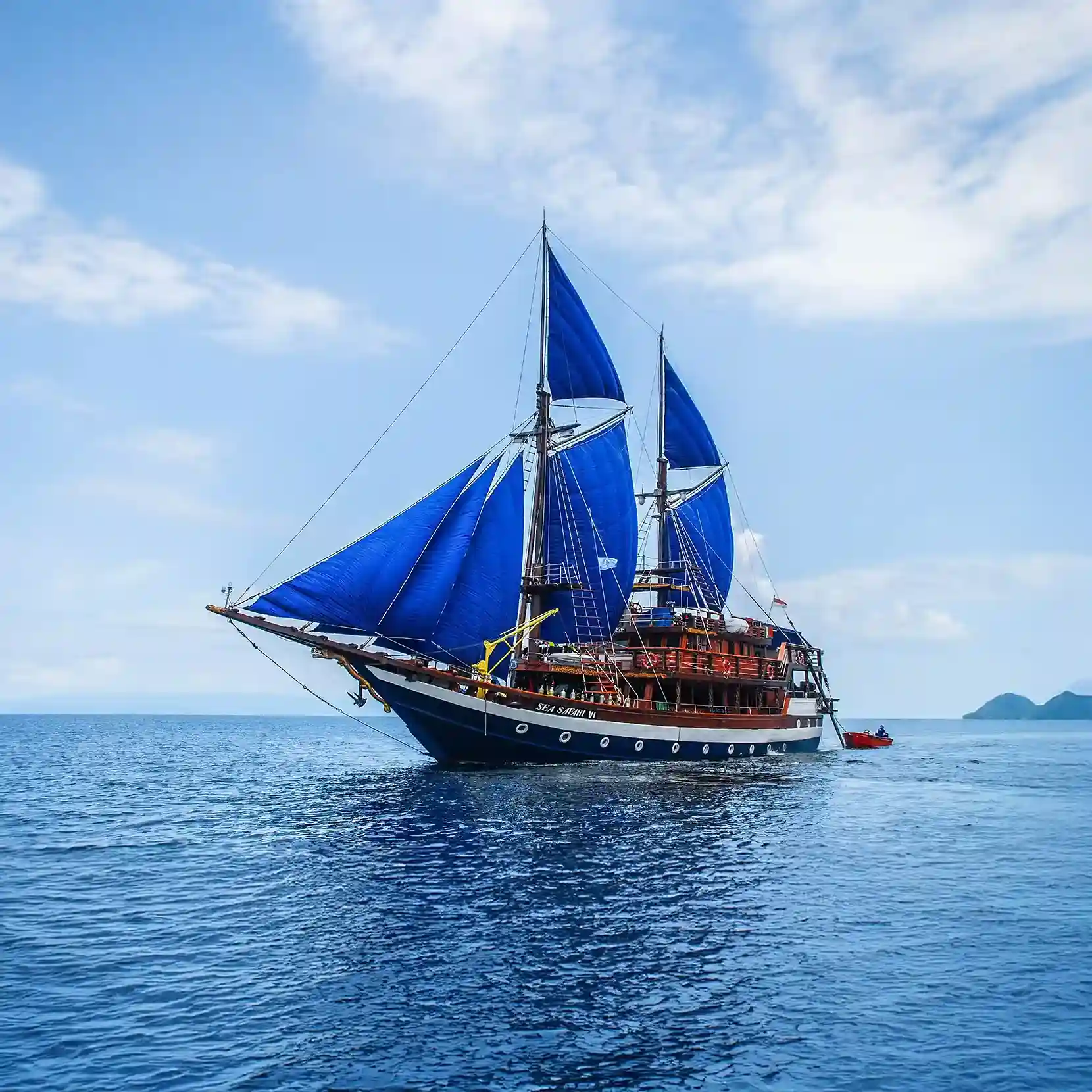
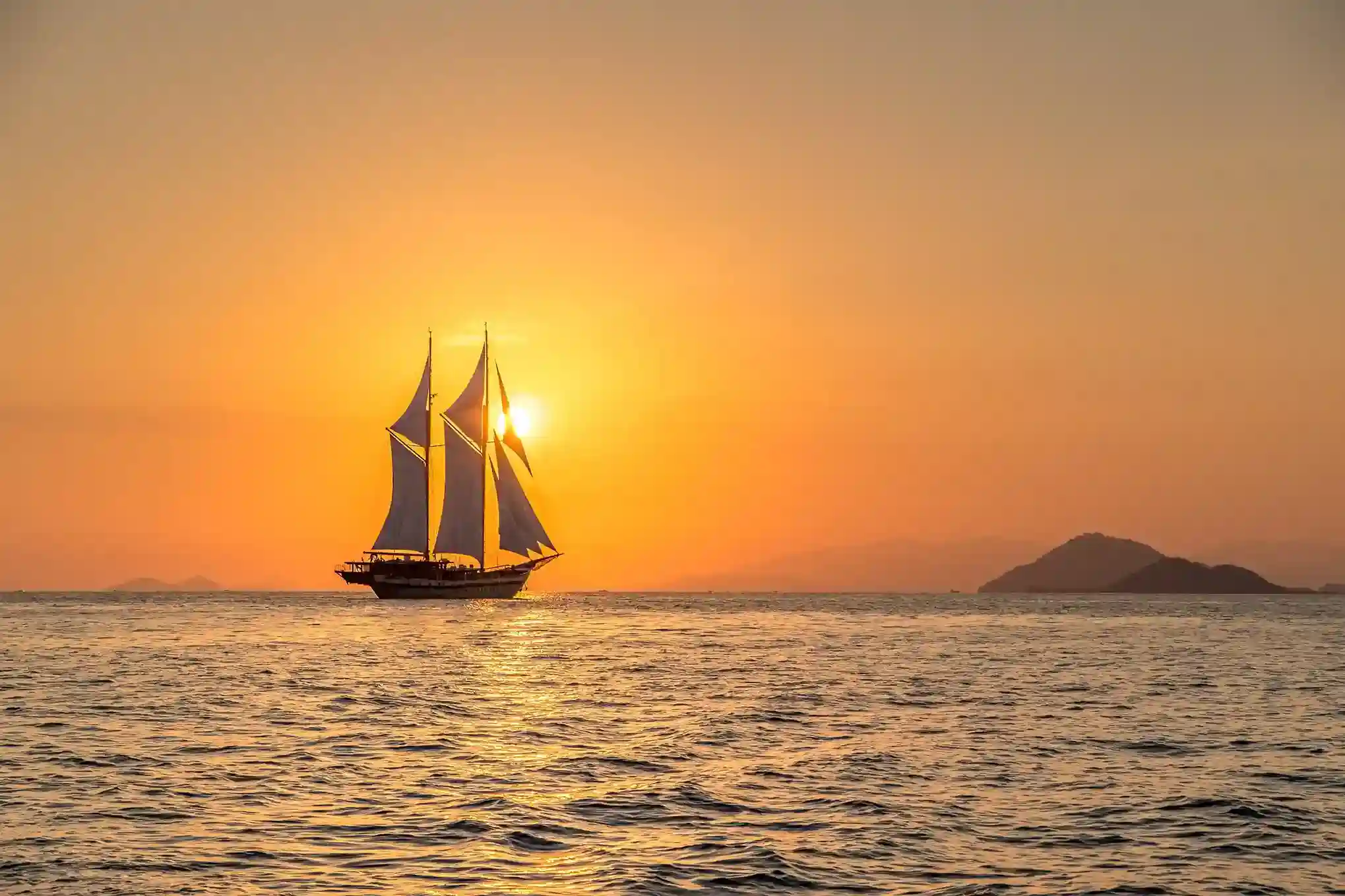
White Manta is 46 meters of smart design, not flashy excess. There are 14 en-suite cabins — we were in one on the main deck with twin beds, a surprisingly powerful fan, and a window that opened to ocean breeze. No AC, but the airflow was engineered well. The shared spaces felt open without being empty: a long dining table where conversations bled between groups, a shaded lower deck with daybeds facing the water, and a top deck with nothing but loungers and a 360-degree view. On calm days, we ate breakfast up there — fried bananas, boiled eggs, strong coffee — watching flying fish dart from the bow.
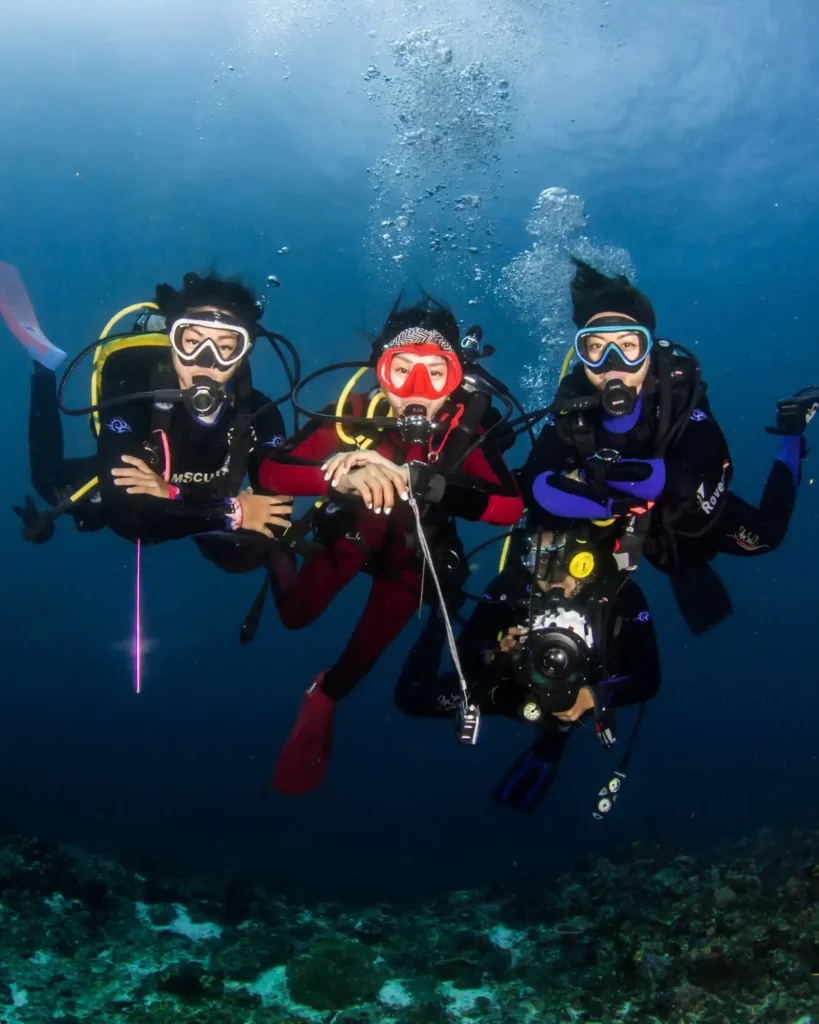
We started diving at Cape Kri, just after sunrise. The water was cooler than I expected, and the current tugged gently as we dropped down. Within minutes, I saw my first wobbegong shark curled under a ledge, then a flash of blue from a mimic octopus shifting colour. Our dive guide, a Papuan man named Daniel, pointed silently with a gloved hand: a pair of pygmy seahorses on gorgonian coral, barely visible. Each dive site had its rhythm — Sardine Reef pulsed with silver bait balls, while Arborek Jetty offered muck diving where we found harlequin shrimp flipping starfish.
Back on board, lunch was served buffet-style: grilled mahi-mahi, steamed rice, papaya salad with lime. The galley ran on a tight schedule but never felt rushed. Showers had consistent hot water, and towels were replaced quietly each afternoon. One night, after anchoring near a tiny uninhabited island, we took a night snorkel. The water glowed with bioluminescence when we moved — it felt like swimming through stars. No one spoke. Even the crew stayed quiet, watching from the swim platform.
The last full day was spent around Misool: a long drift dive at Boo Windows, where twin coral tunnels connected two open lagoons, then a beach BBQ on a stretch of sand so white it hurt to look at without sunglasses. We didn’t see a single other boat. That night, someone brought out a guitar. No one was a great singer, but we all joined in on a few old pop songs, laughing at the wrong lyrics. It wasn’t polished. It was better.