About Senja
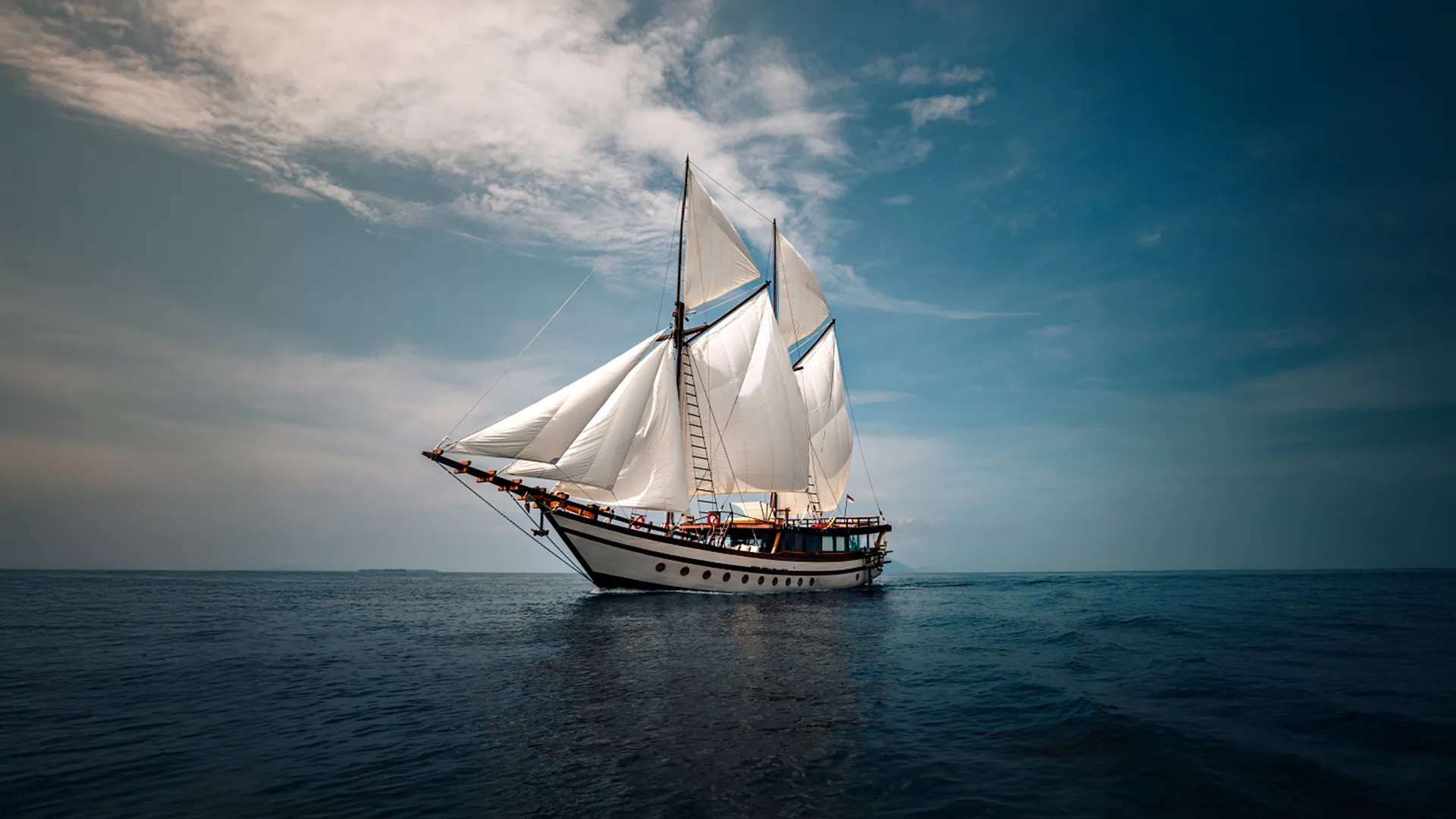
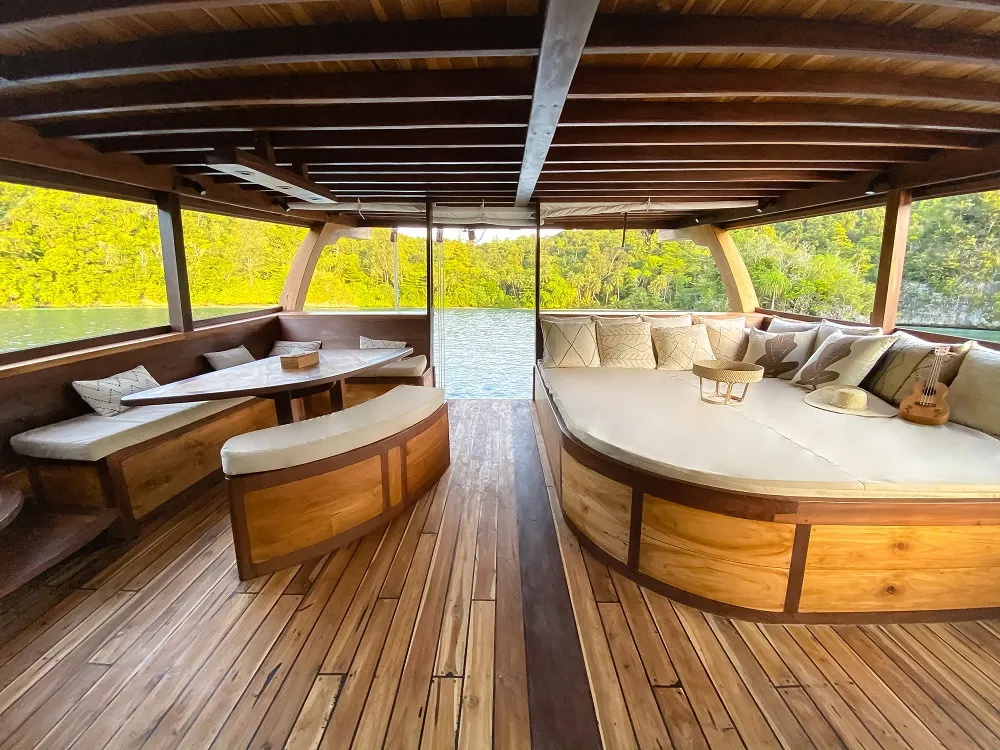
The first morning, I woke to the sound of water dripping off the bow as we glided between Wayag’s jagged islets. It was 6:15, still grey-blue, but the sky was cracking open behind the karst. I wrapped a blanket from my cabin – it had been cool overnight – and climbed to the upper deck barefoot. The chef handed me black coffee in a ceramic mug, no sugar needed. We sat in silence as the sun hit the first peaks, turning the water below from ink to turquoise.
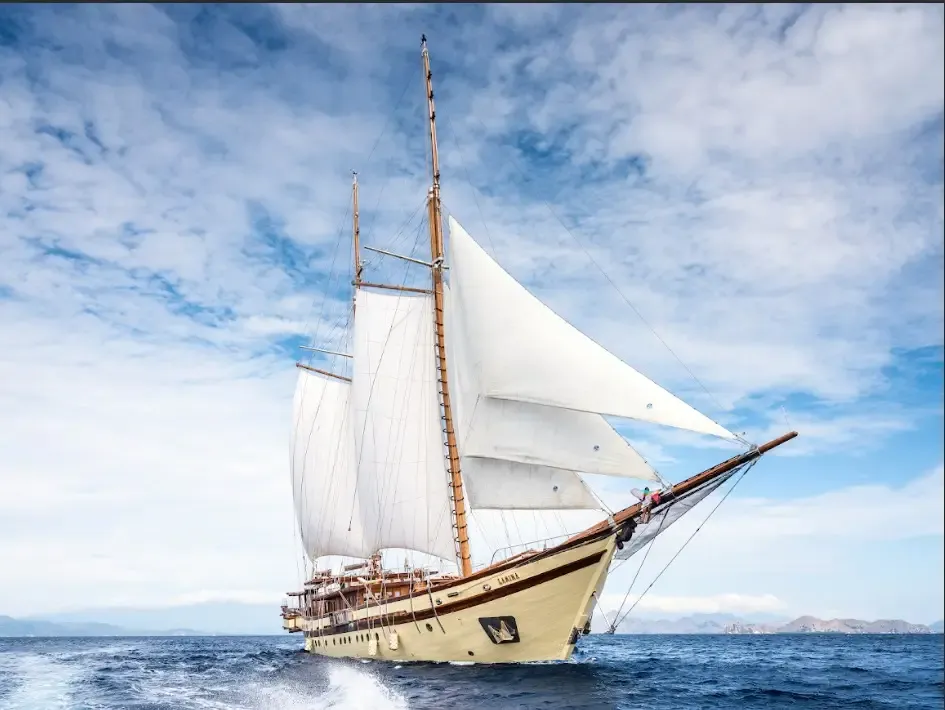
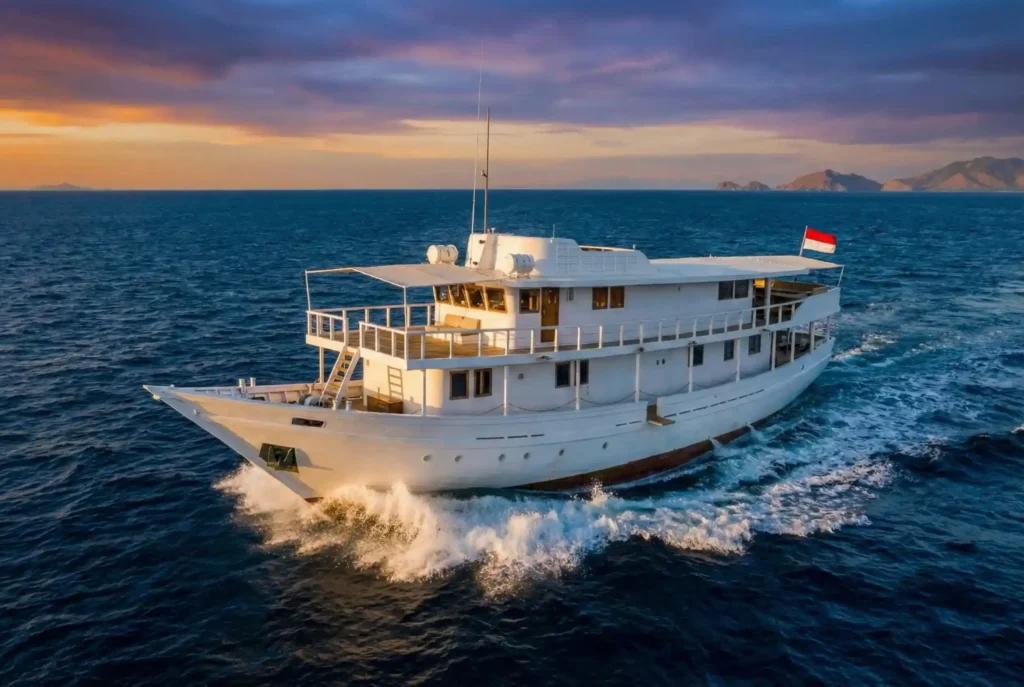
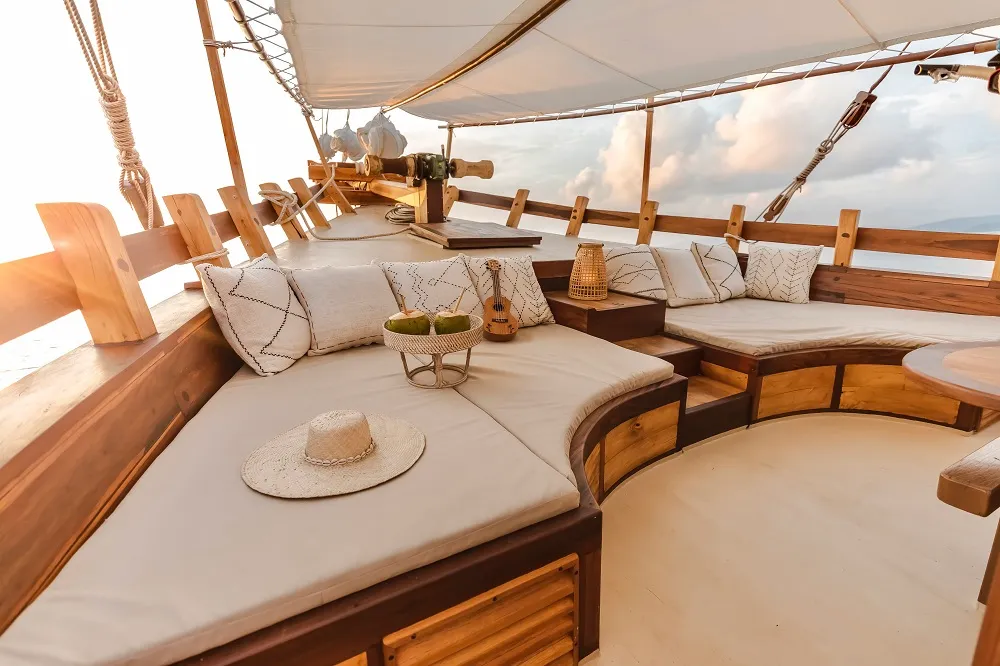
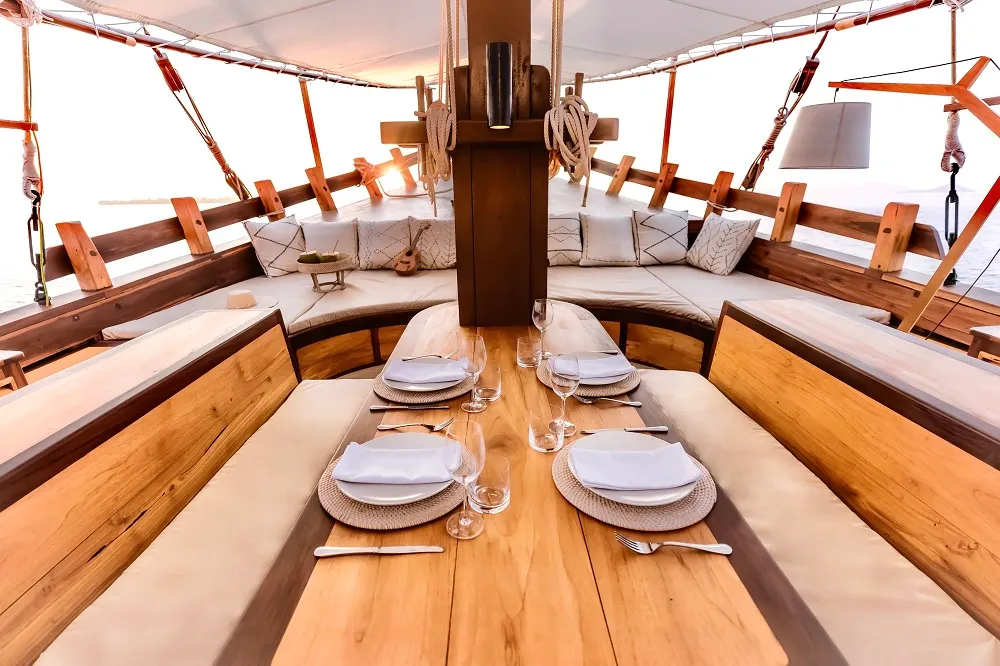
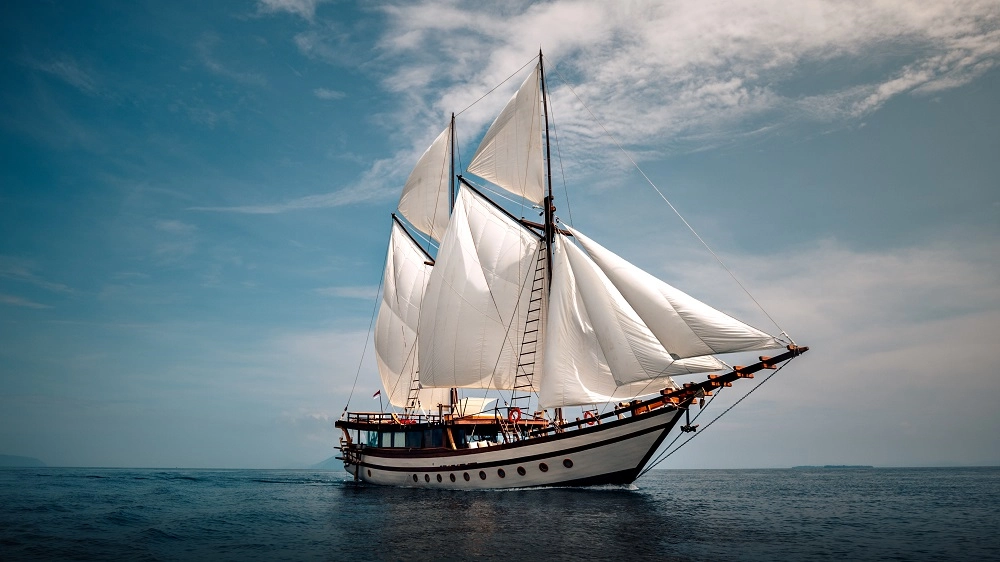
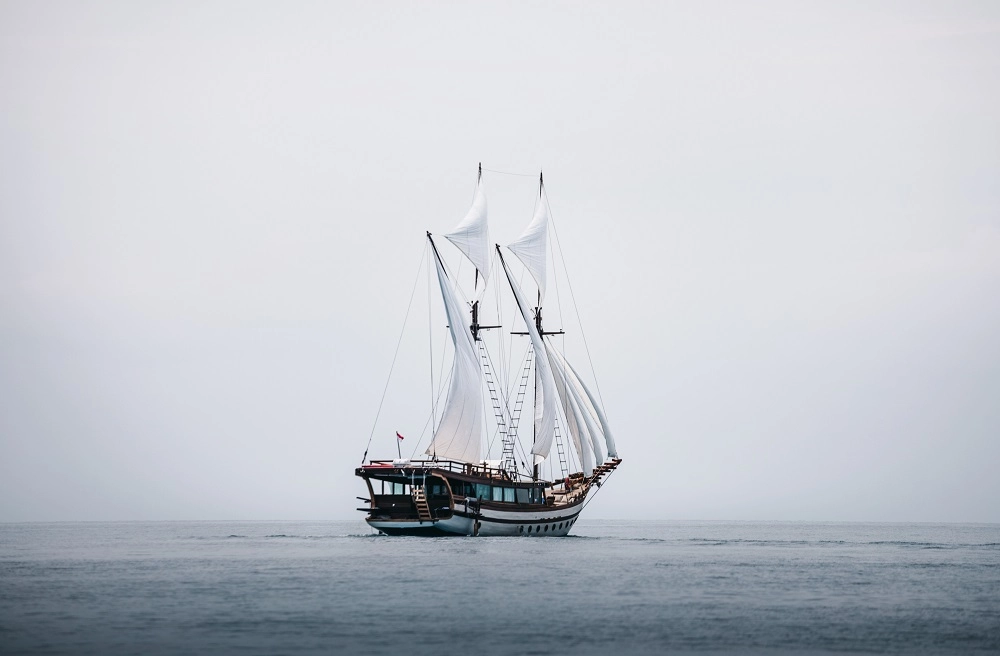
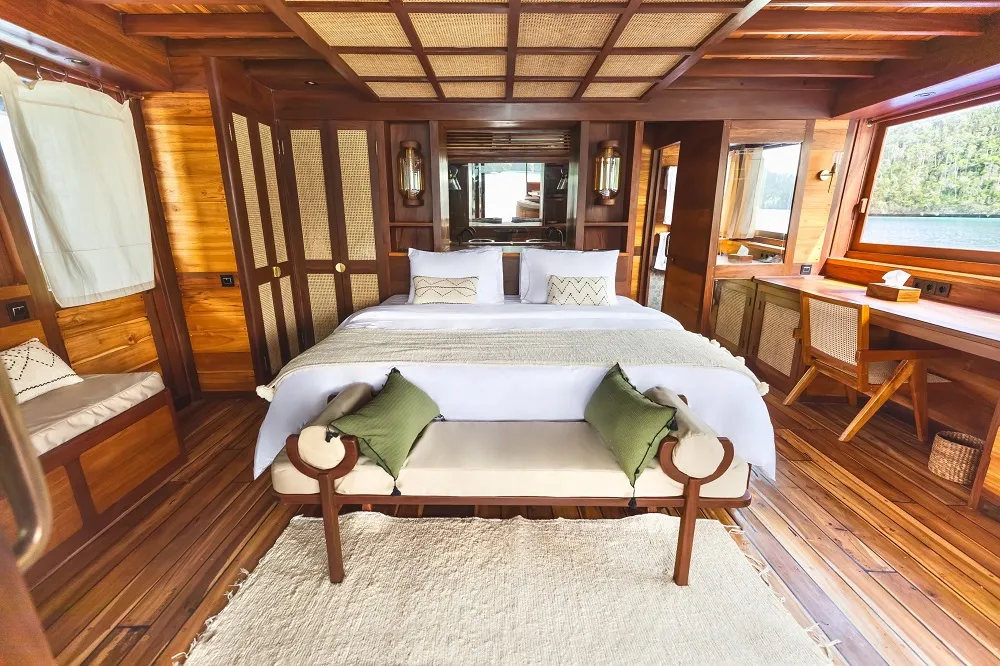
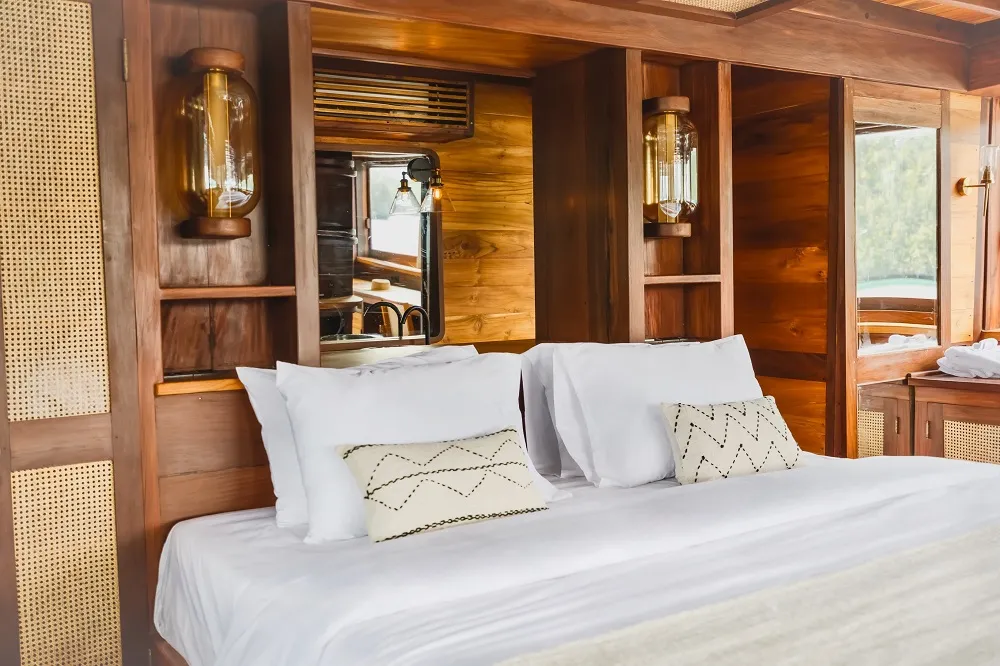
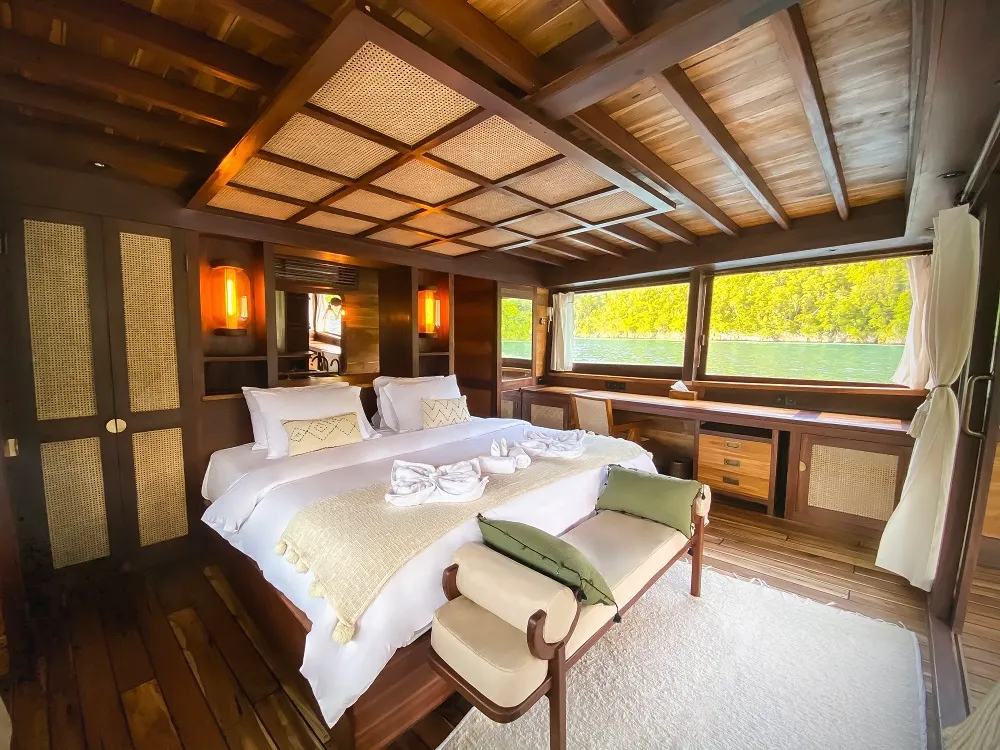
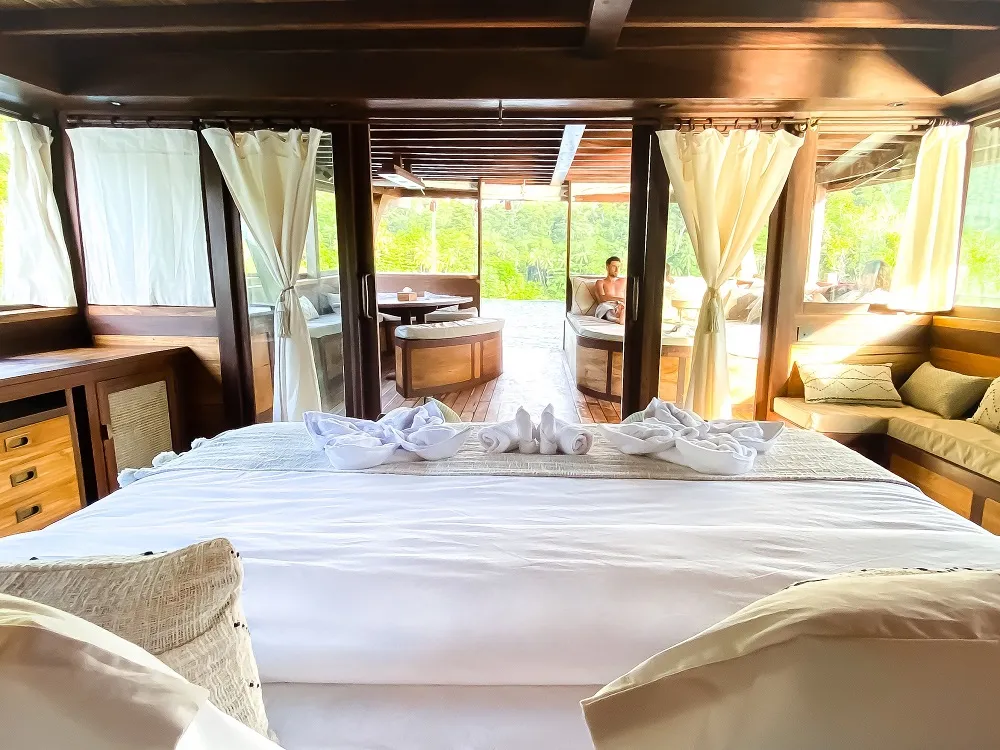
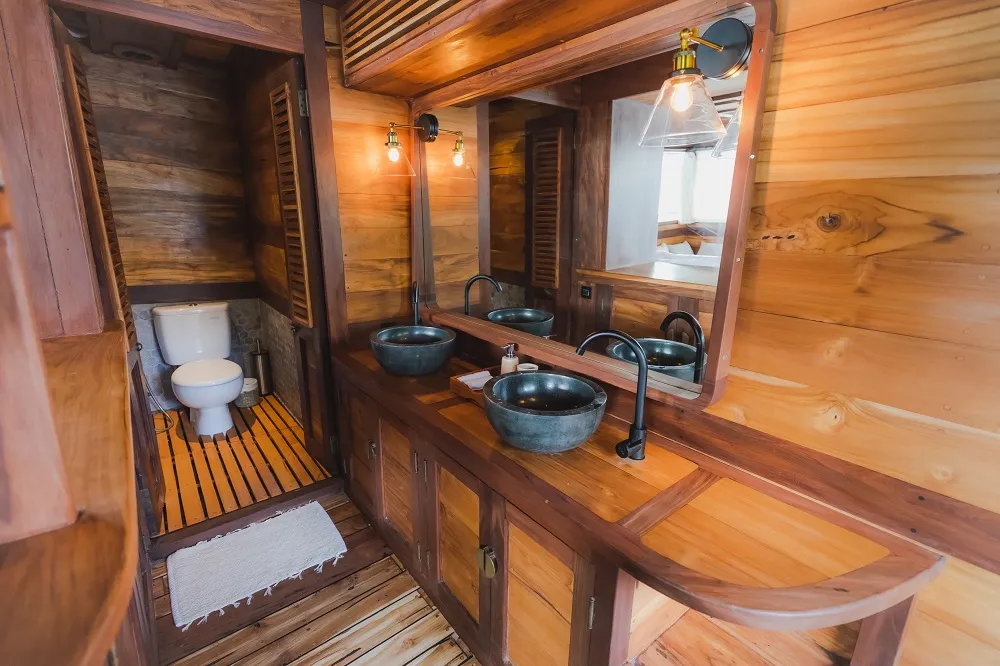
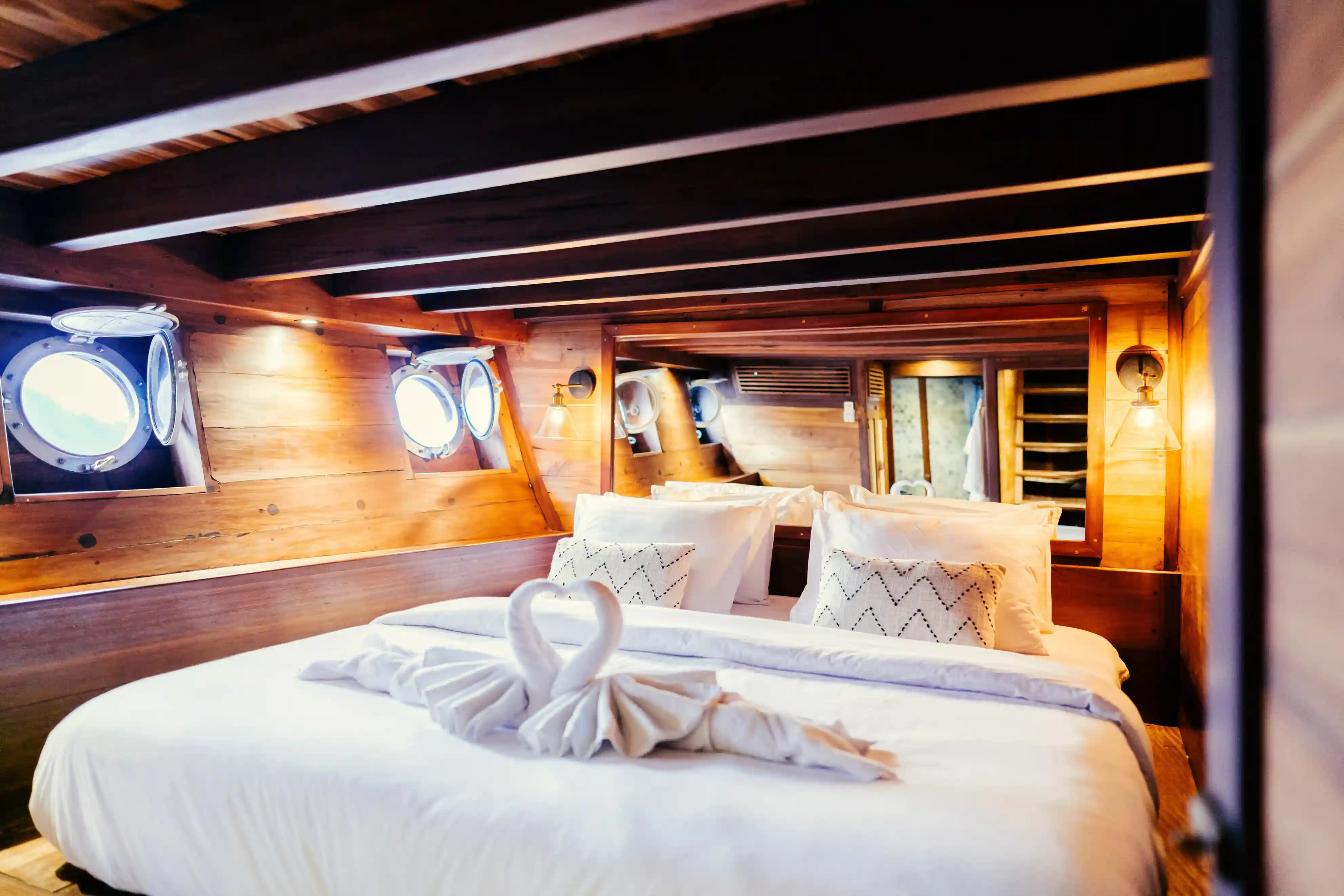
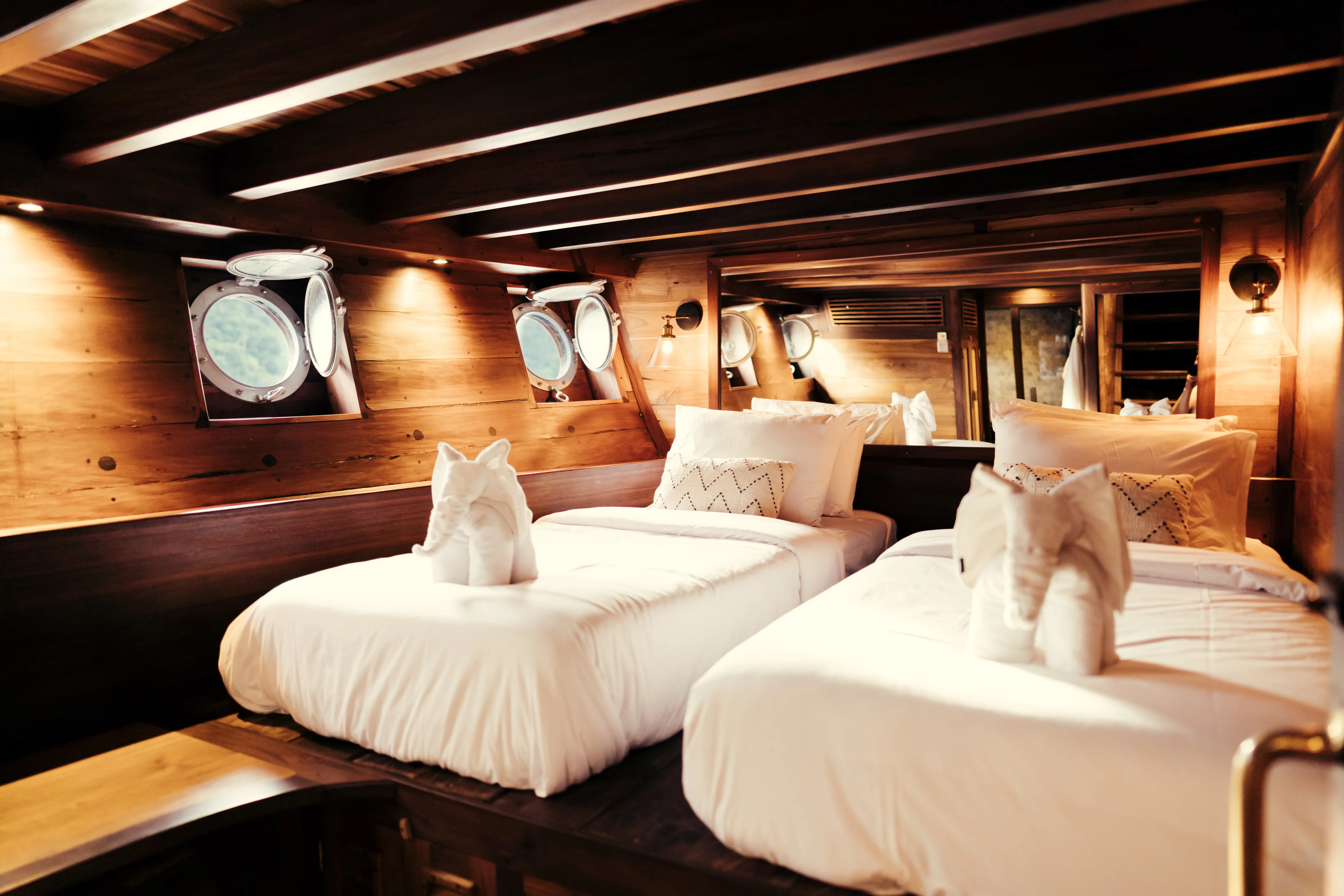
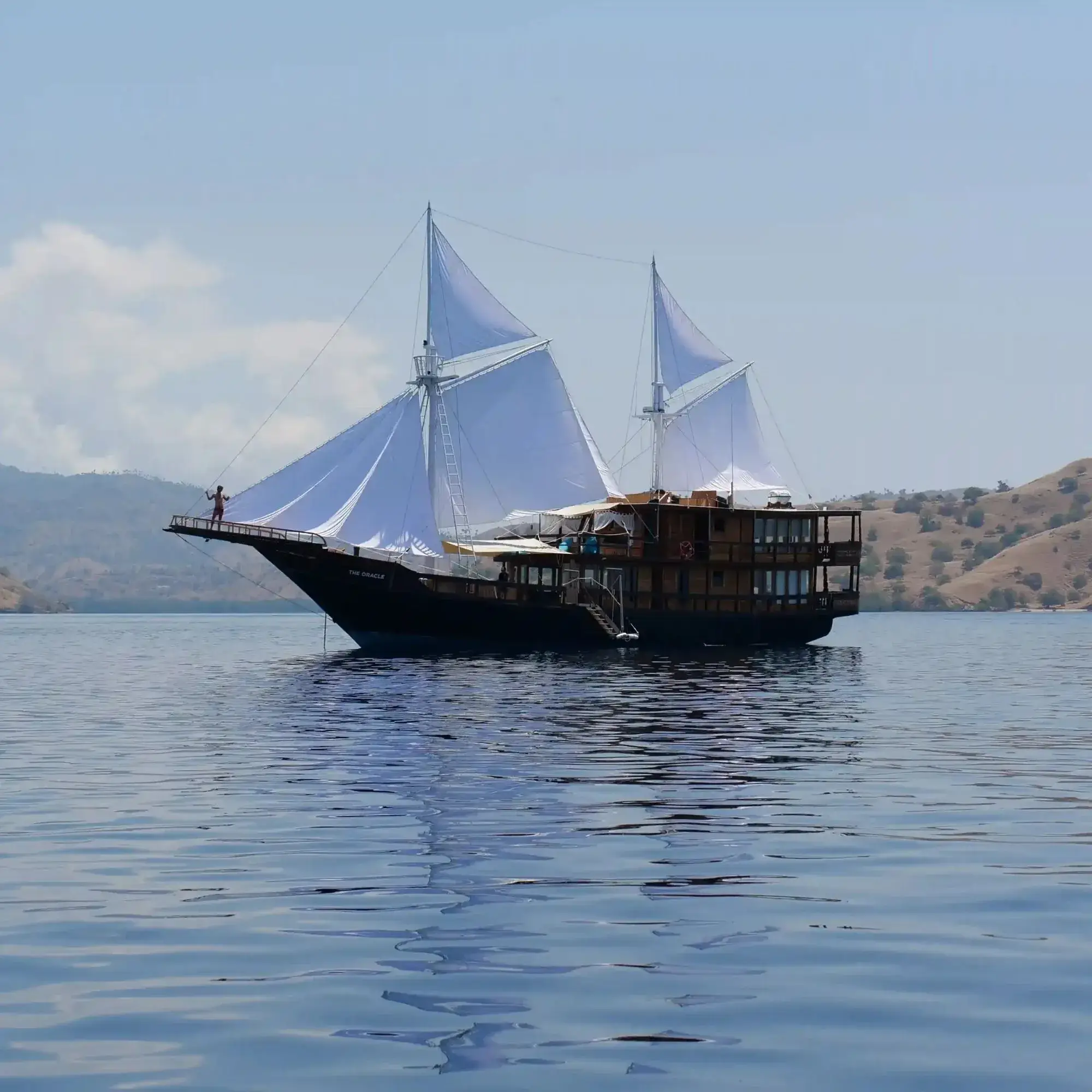
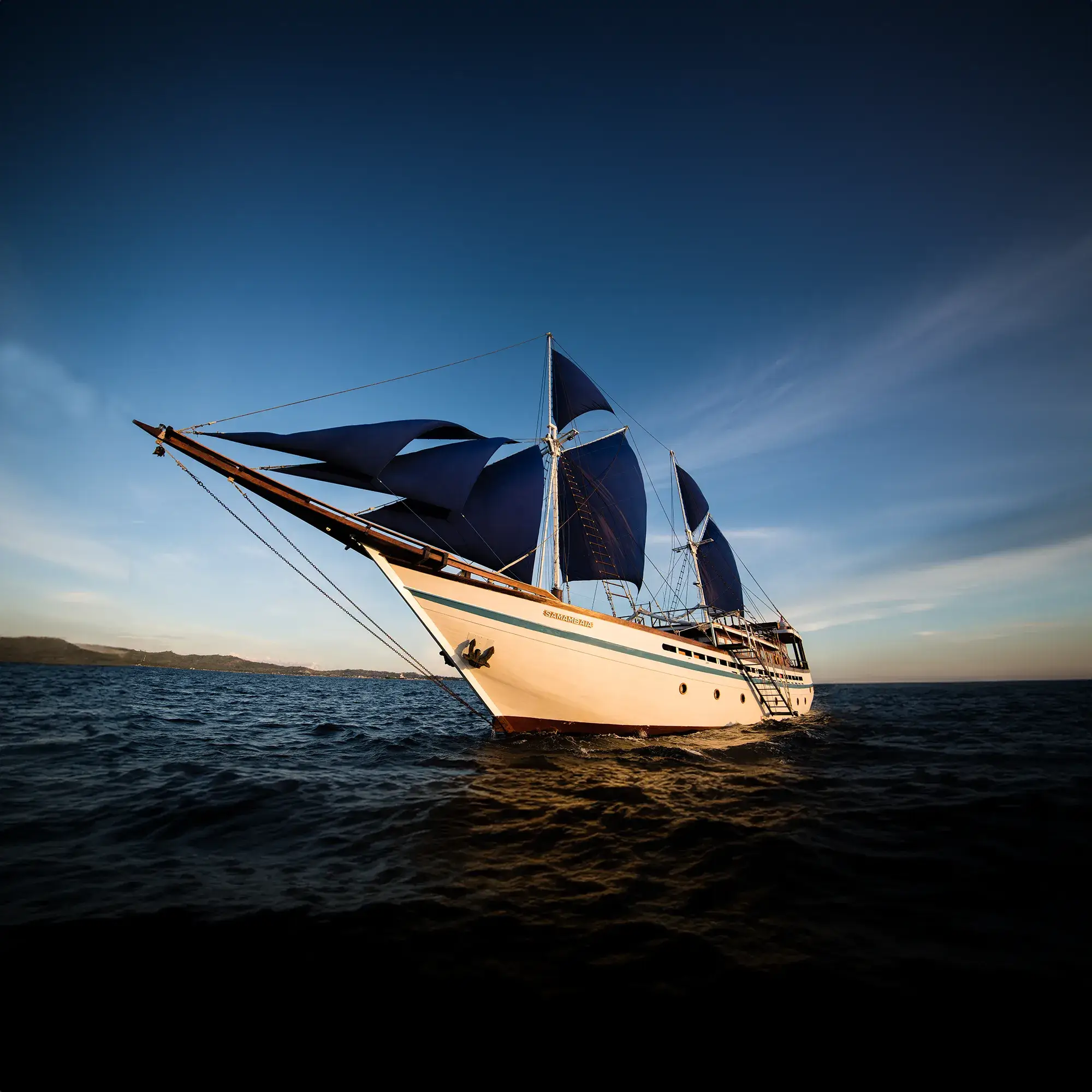
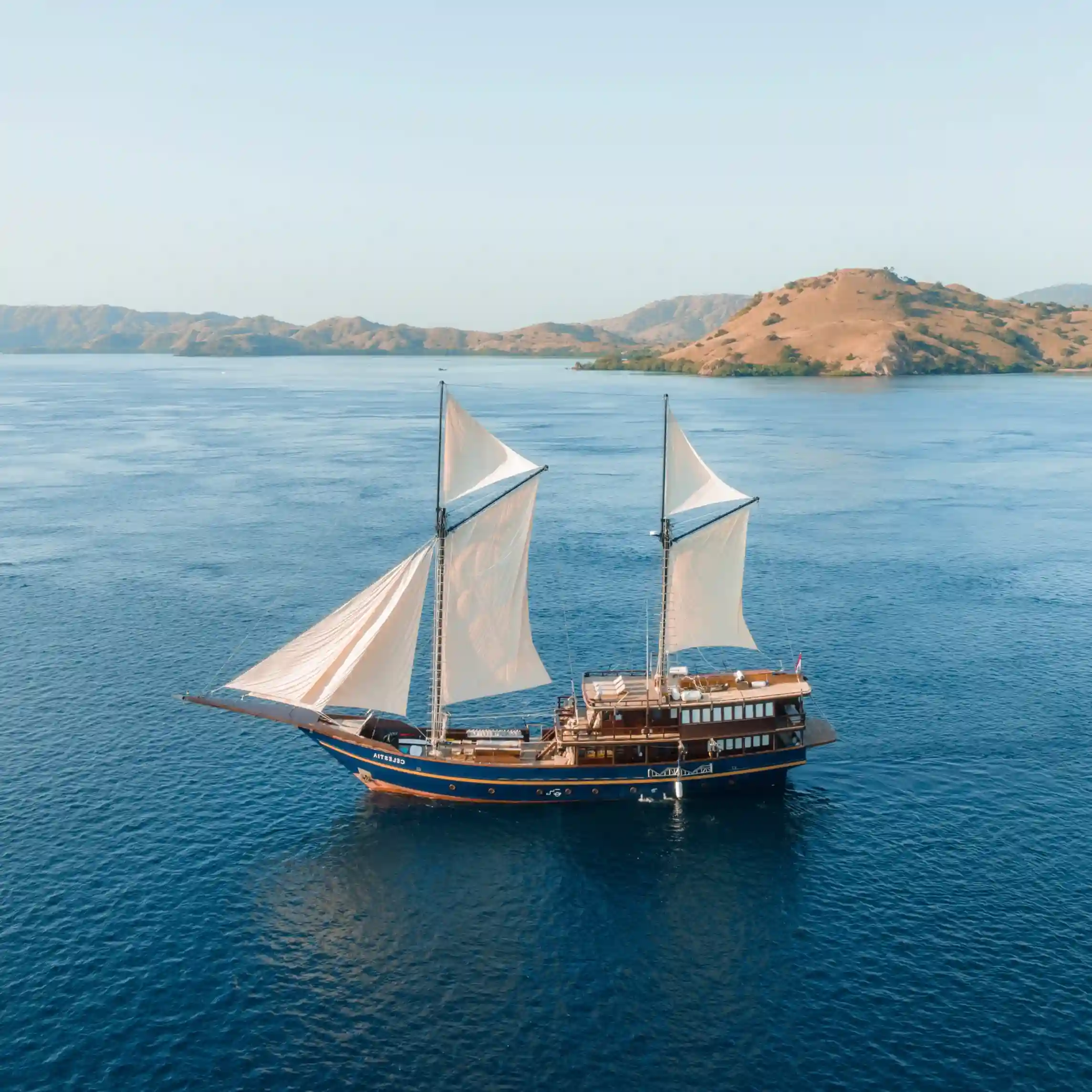
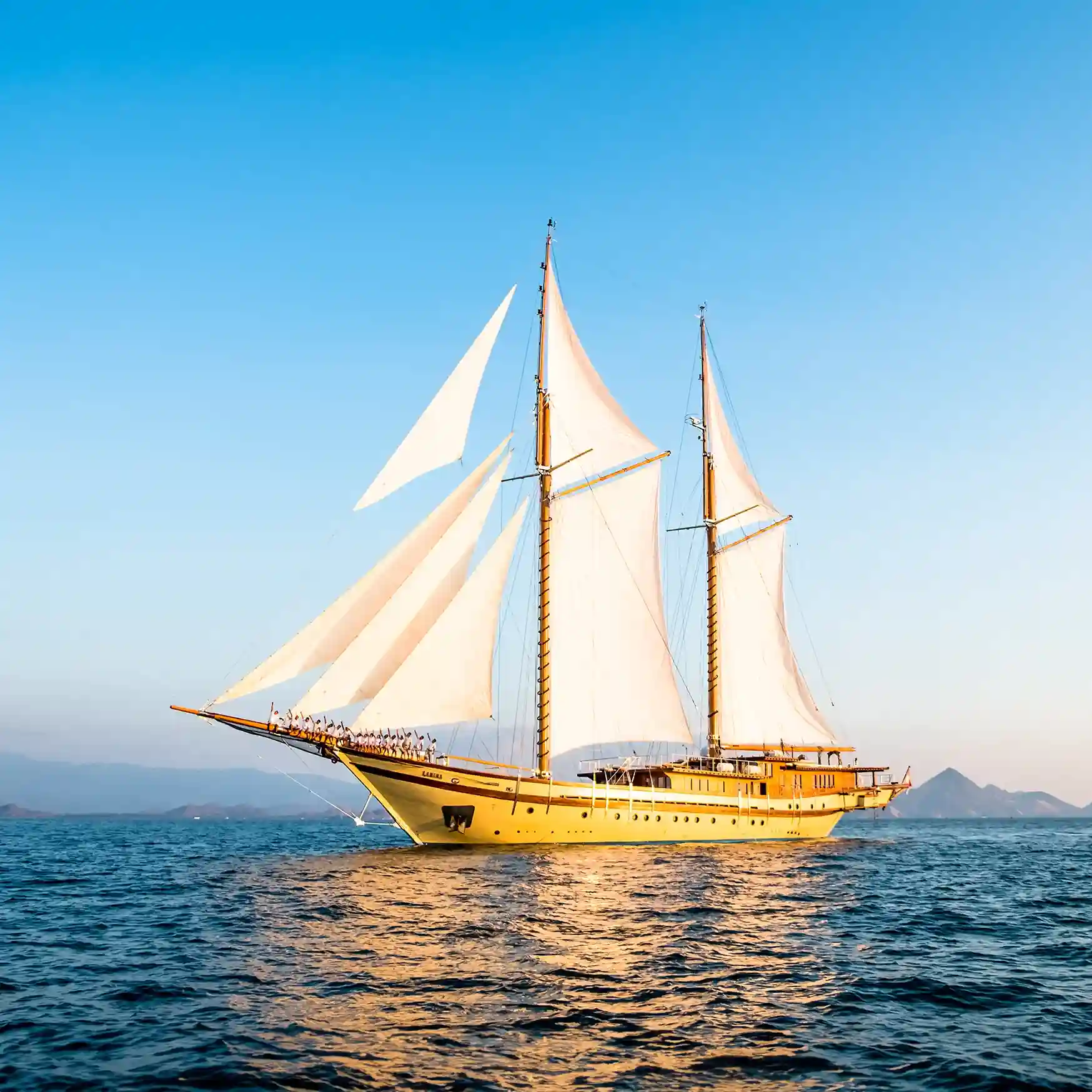
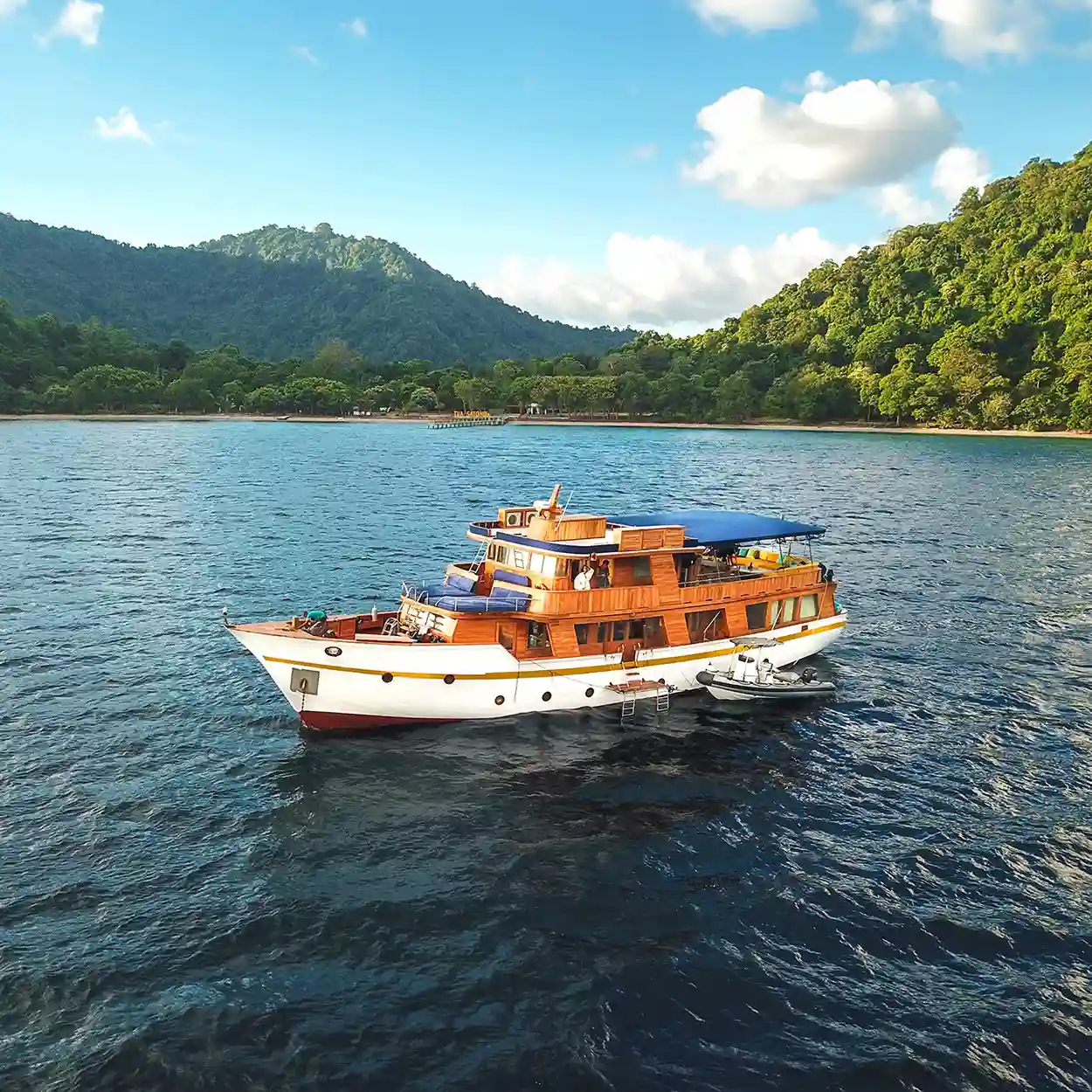
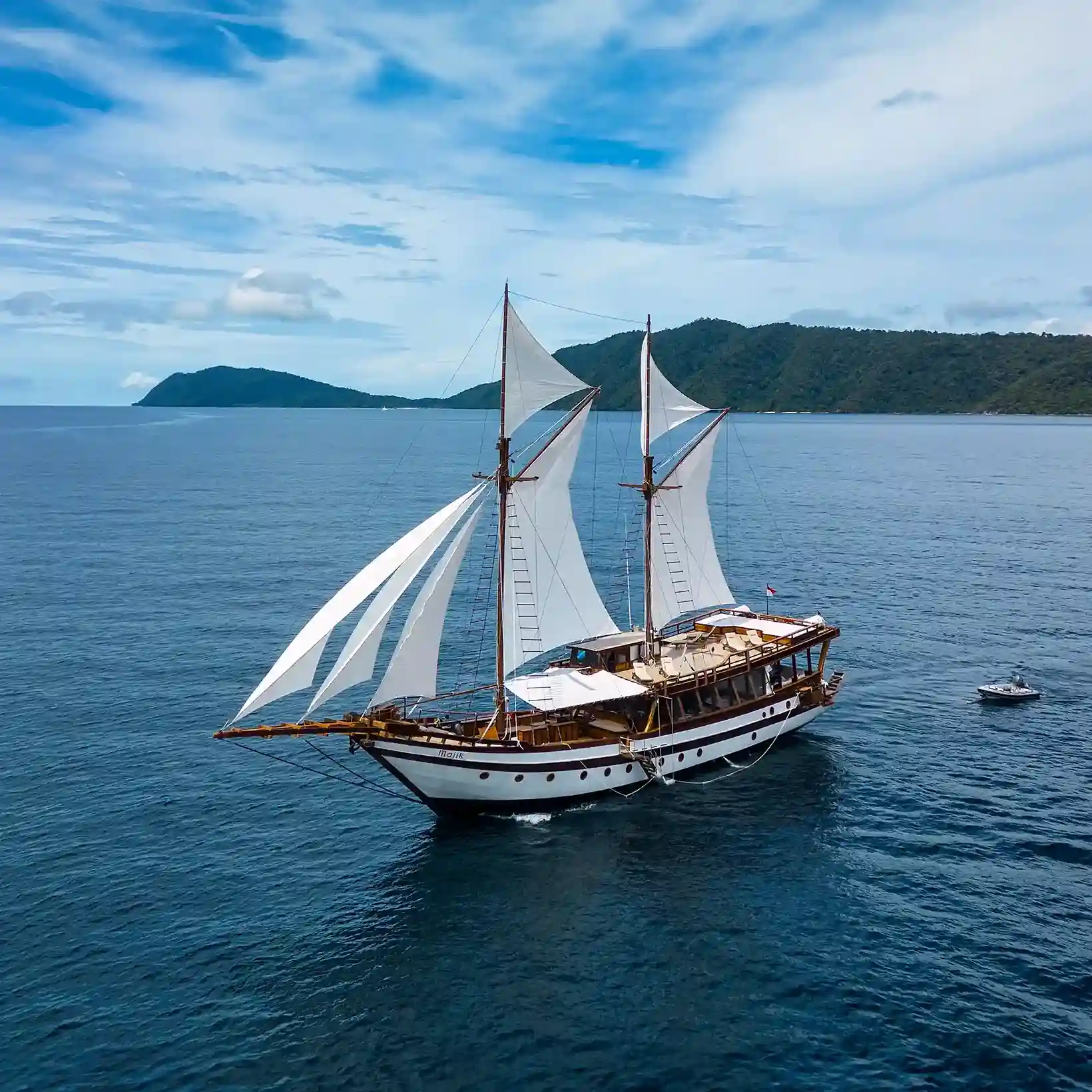
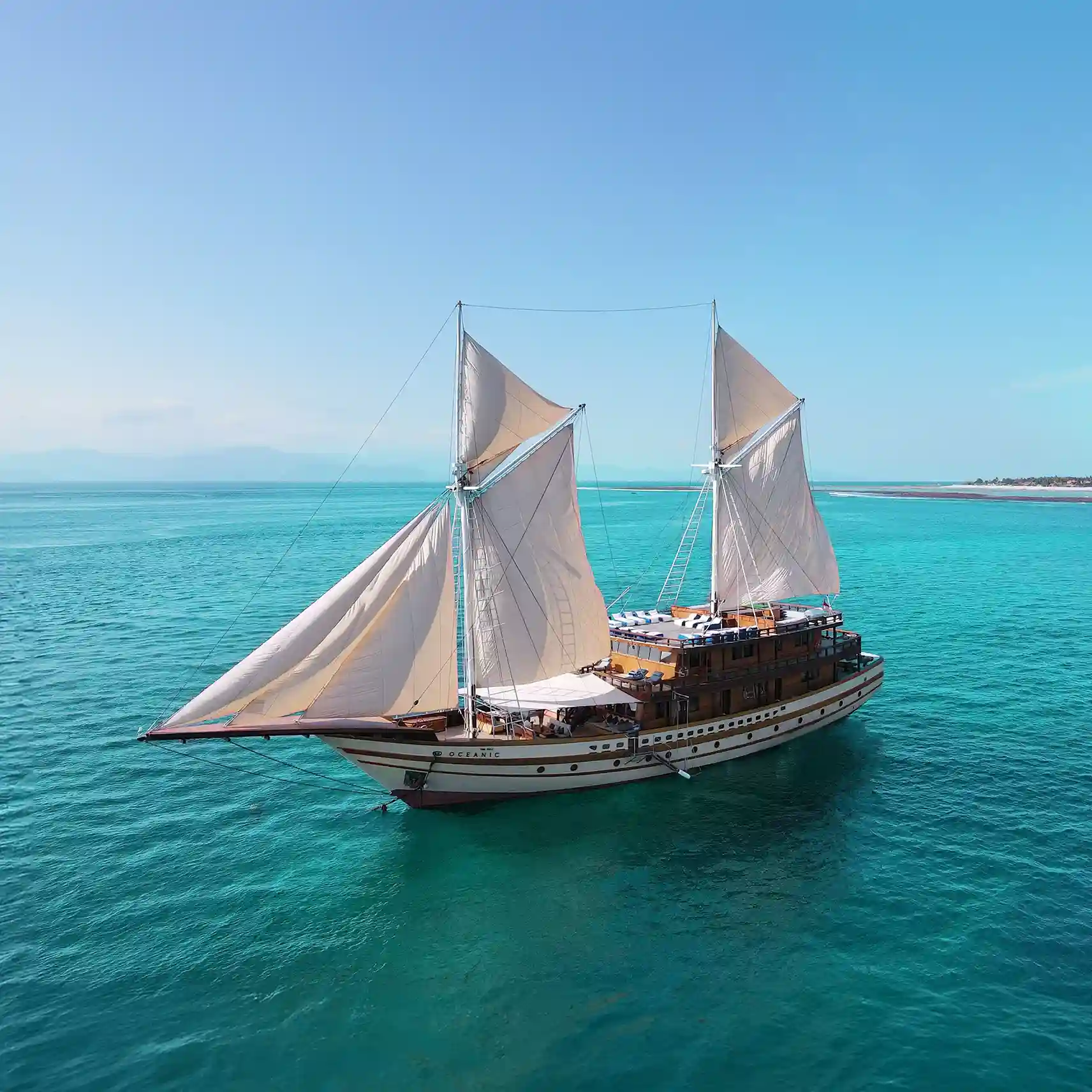
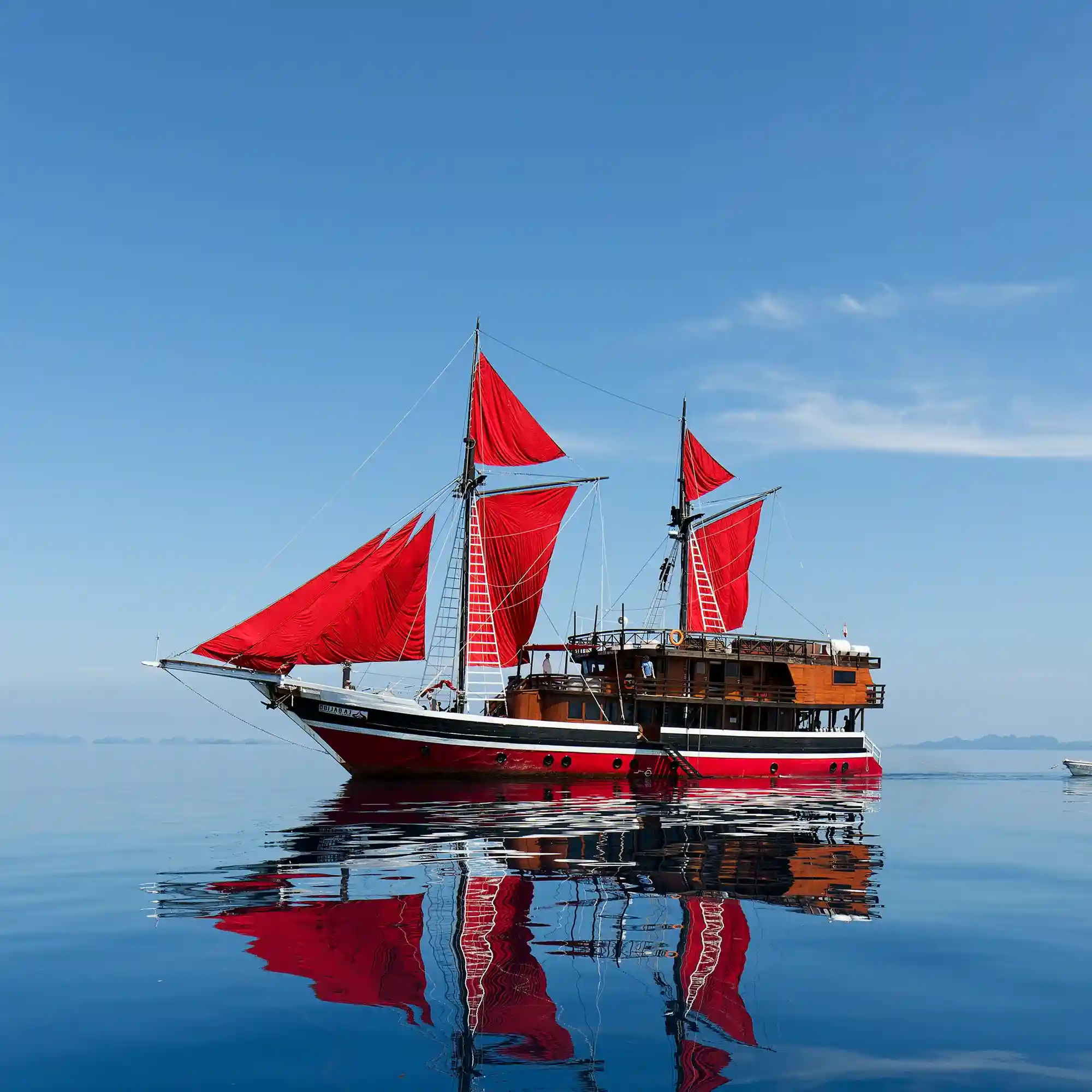
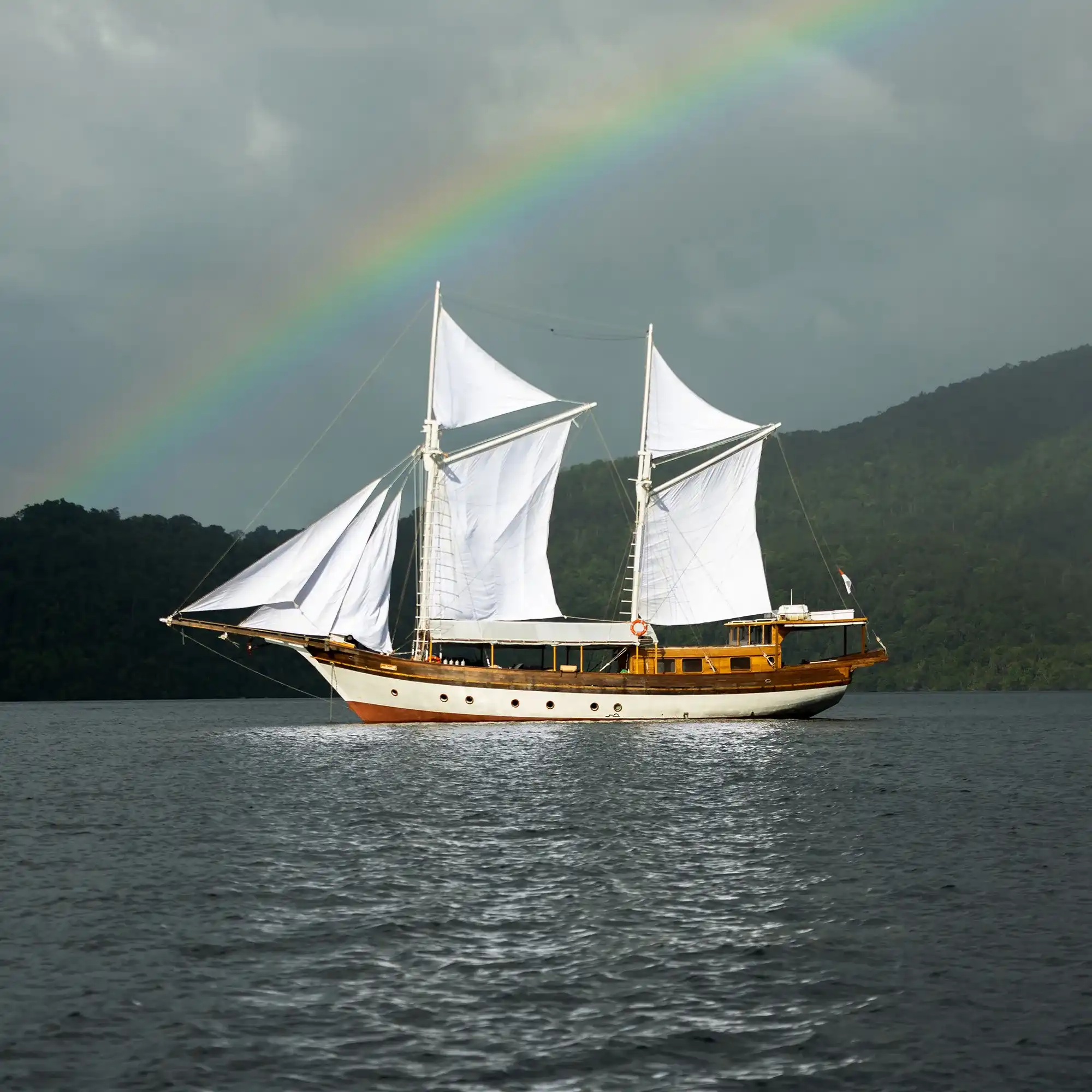
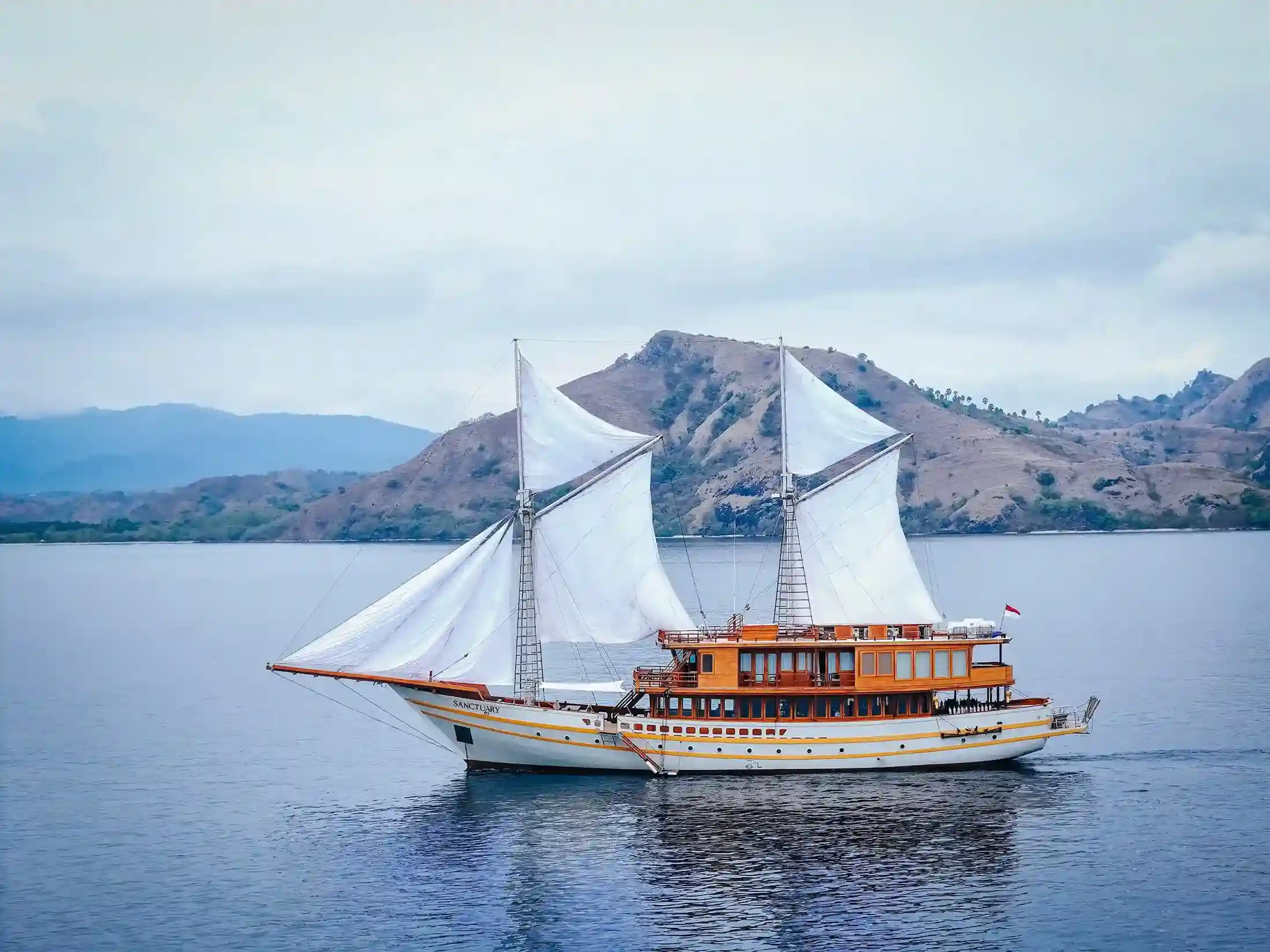
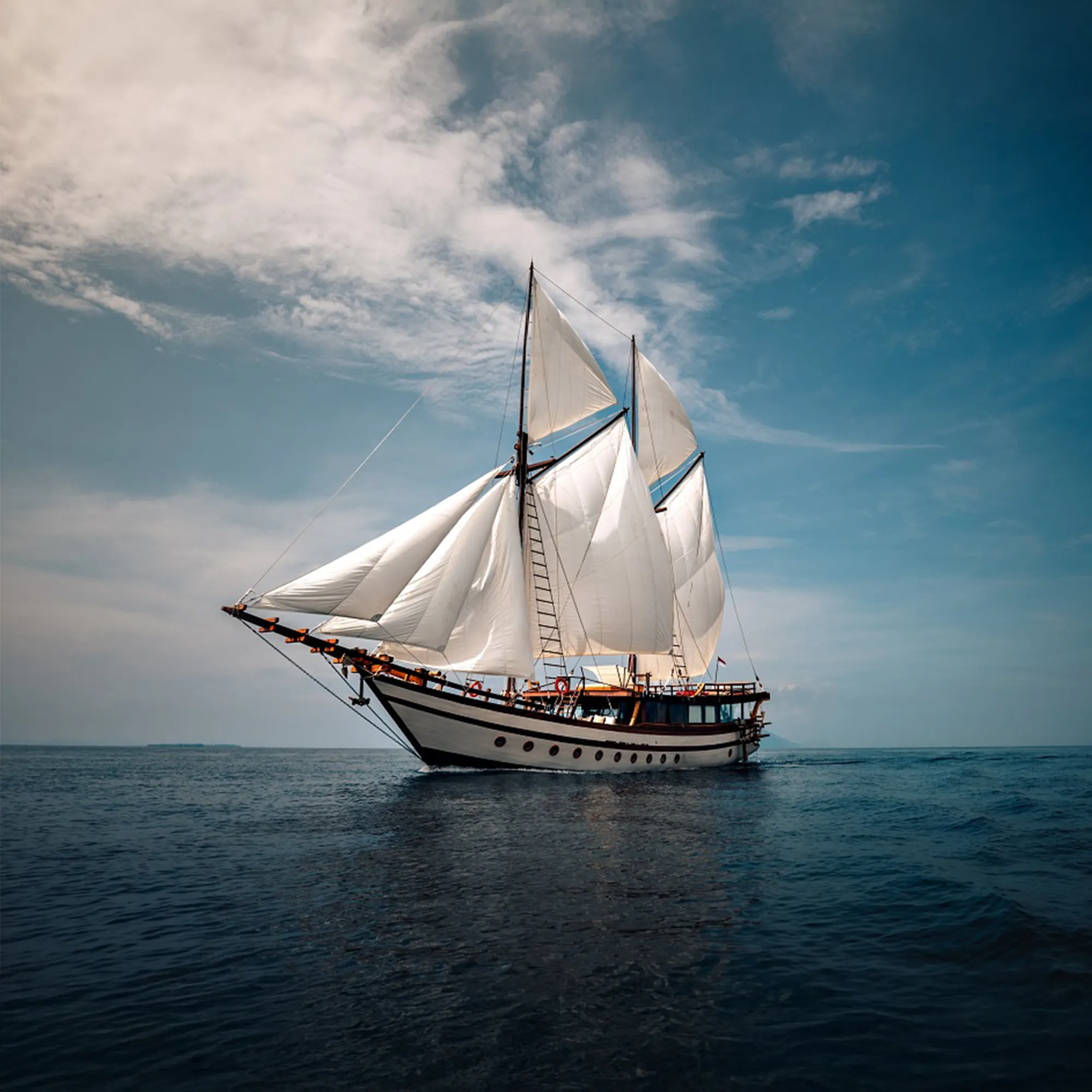
Senja is 31 metres of teak and quiet luxury, built for only four guests. We had two cabins – mine was the master aft, with a queen bed that didn’t creak and a window that opened over the water. The other cabin, forward, had twin beds with individual reading lights and a shared ensuite with hot water that never ran out. There were no corridors, just three steps between the saloon and the cabins, which made it feel more like a private yacht than a charter.
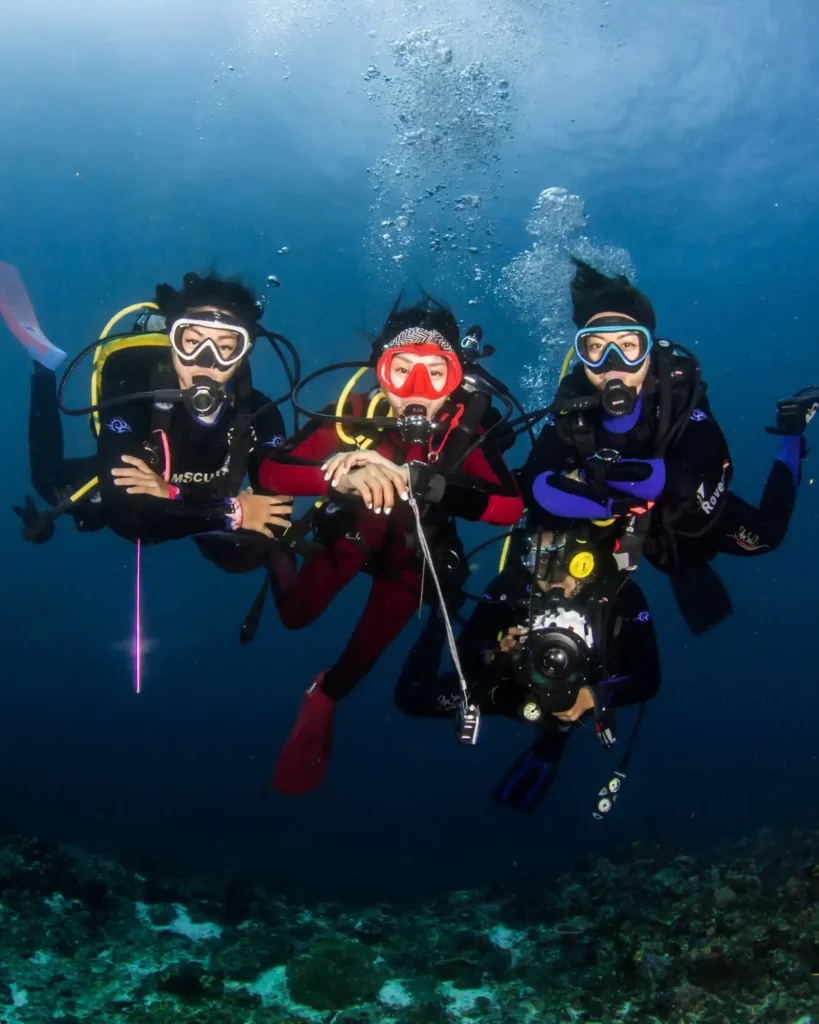
Our days unfolded slowly. One morning, we anchored at Cape Kri by 7:30 and slipped into the water with our guide. The coral there is so dense it looks like someone spilled a crate of confetti. I counted six wobbegong sharks in one 20-minute dive. Later, we snorkelled at Manta Sandy – not just one manta, but four, circling beneath us while we clung to the dive flag. The crew timed it perfectly: we surfaced to find the boat already drifting close, with towels and fresh pineapple waiting.
Lunch was always on deck – grilled mahi-mahi with sambal matah, papaya salad, coconut rice – served on real plates. No plastic, no paper. One afternoon, we kayaked into a hidden lagoon near Kabrey Island. The entrance was narrow, just wide enough for the kayak, and inside, the water was still and green. We floated on our backs, looking up at the overhang. Back on Senja, the sound system played low jazz while the captain plotted the next move.
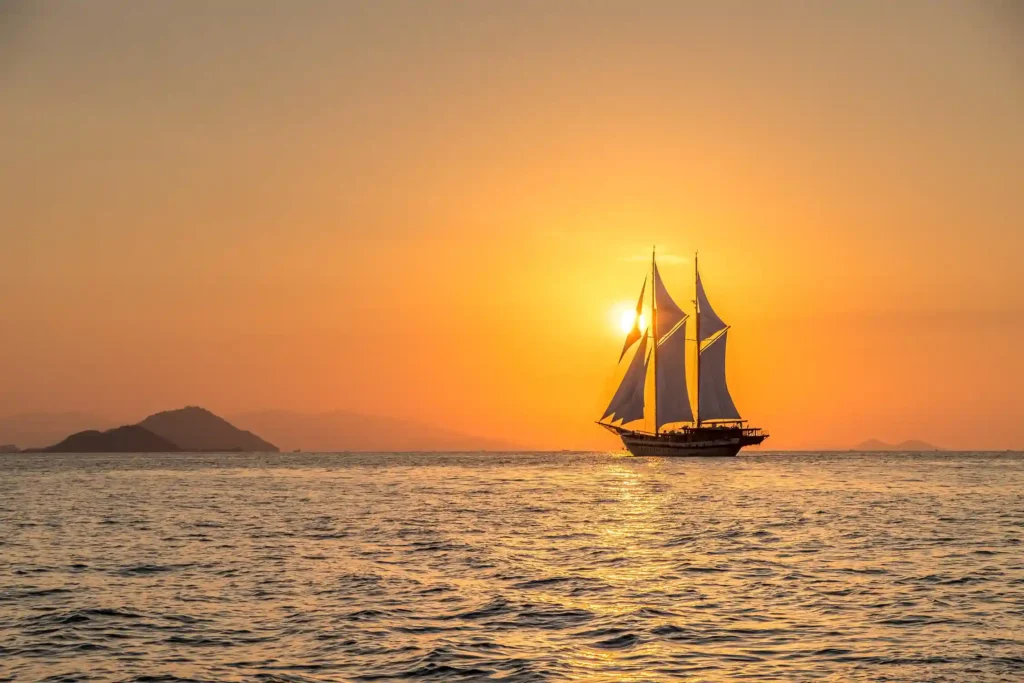
On the final day, we anchored in the Dampier Strait. The current was strong, so we did a drift dive along the edge of the wall. I saw a pair of pygmy seahorses the size of my thumbnail, clinging to a gorgonian fan. After, we surfaced near the boat, and the crew had set up a rinse station with fresh water and biodegradable soap. That night, anchored in Aljui Bay, we ate under the stars. The generator went off at 9, but the lights stayed on – solar and batteries. I fell asleep to the sound of waves slapping the hull, knowing we’d wake up somewhere new.