About Anne Bonny
The first thing I noticed was the quiet. Not silence, exactly – just the soft slap of water against the hull as dawn broke over Wayag, the sky turning pale pink behind those jagged limestone islands. I stepped out onto the deck barefoot, wrapped in a thin sarong, and saw the crew already prepping the dinghy. No shouting, no rush. Just quiet readiness. We’d arrived late the night before, tired from the flight into Sorong and the bumpy transfer to Anne Bonny. But by sunrise, Raja Ampat was wide awake, and so was I.
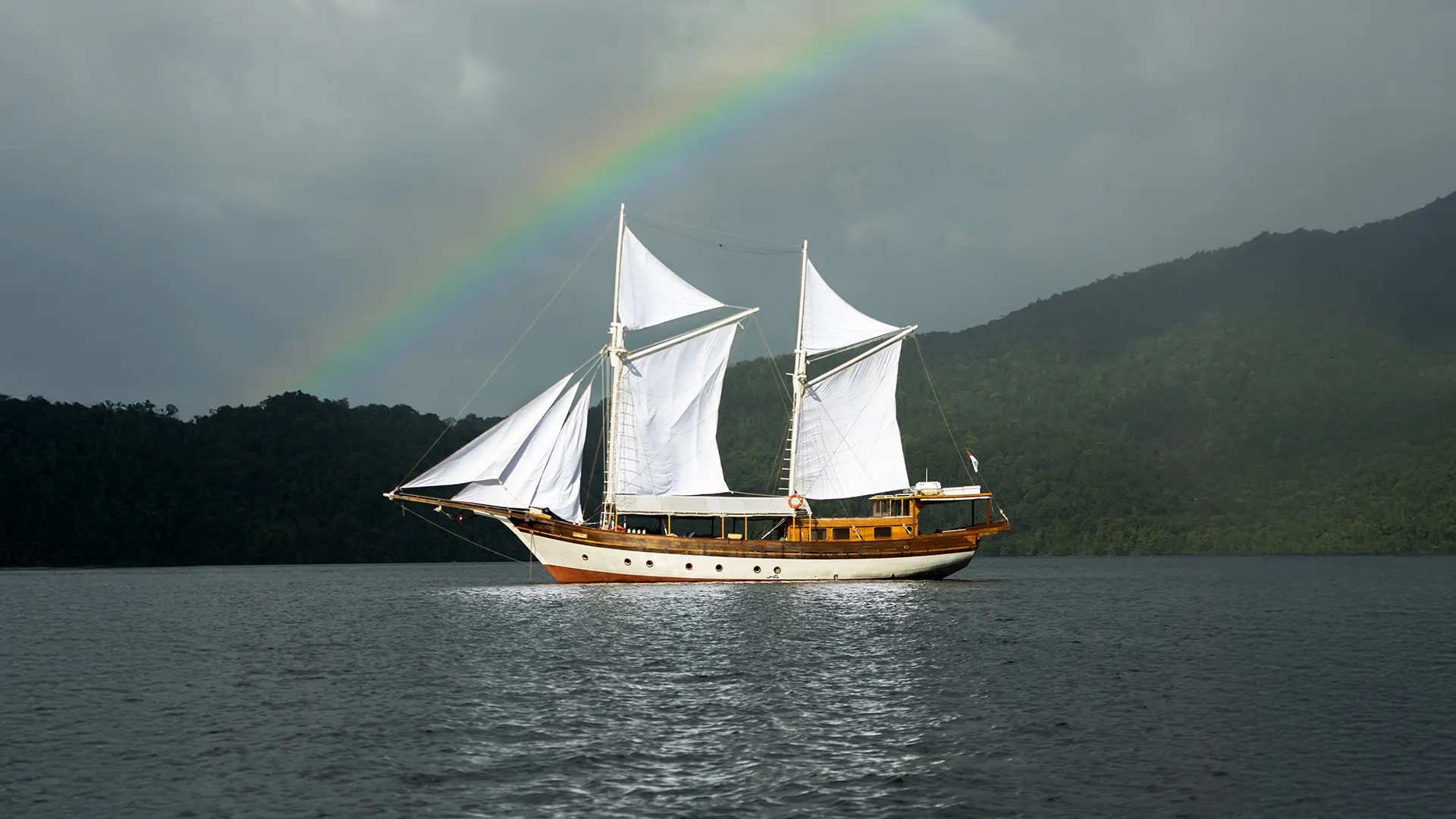
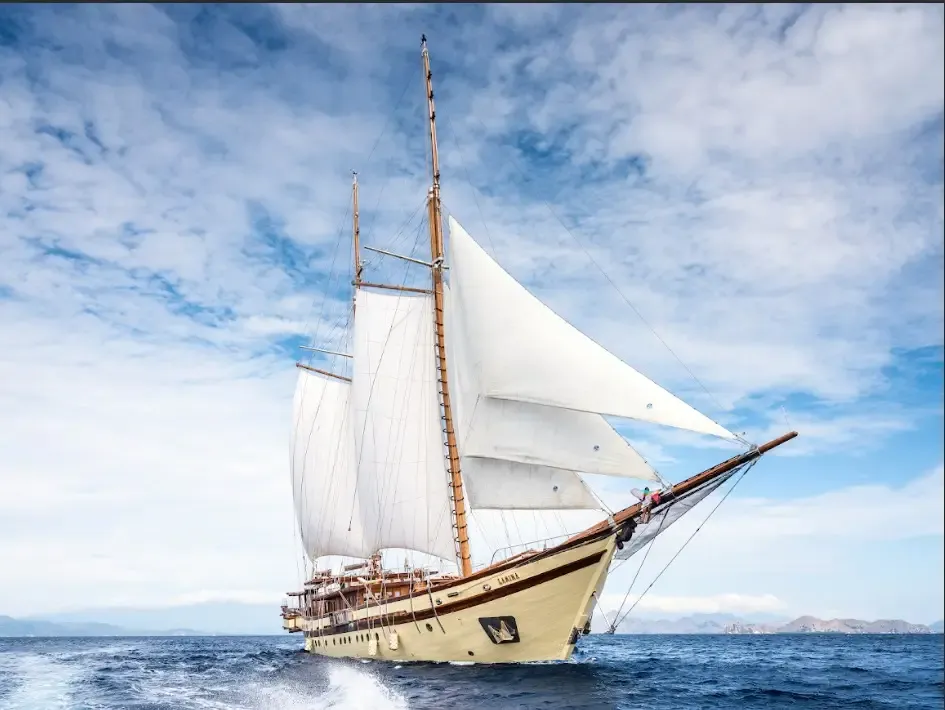
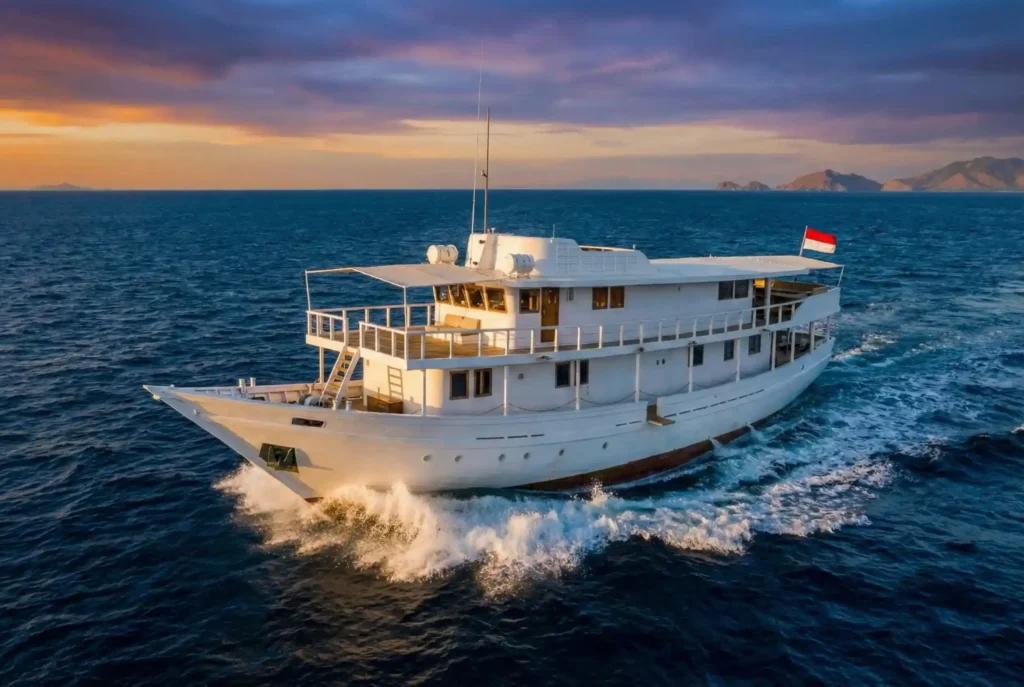
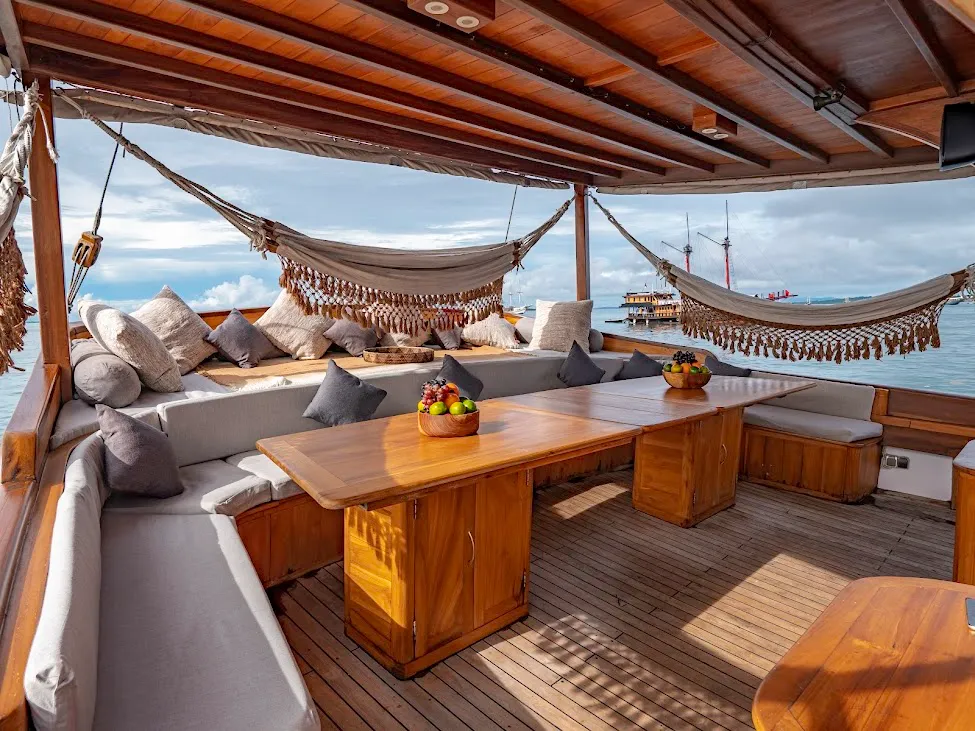
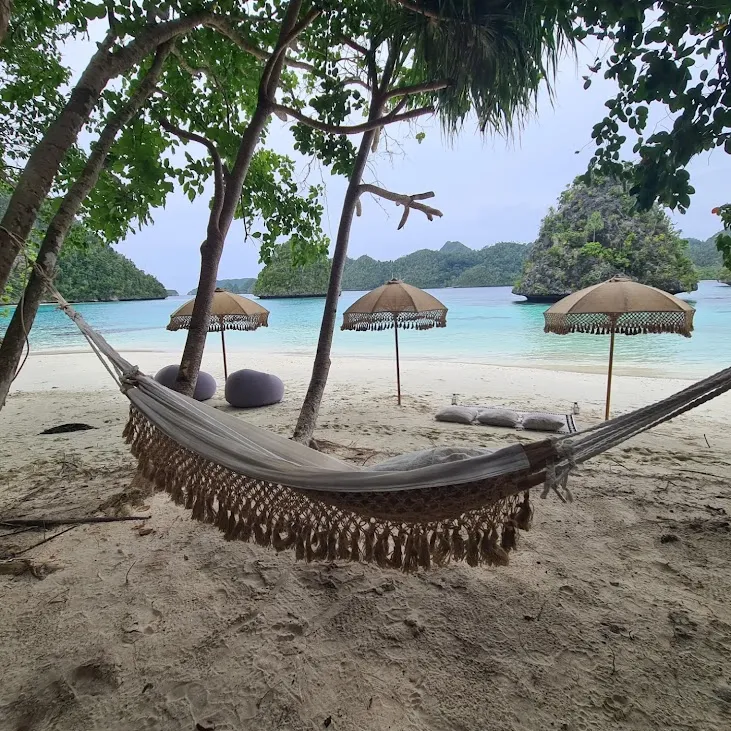
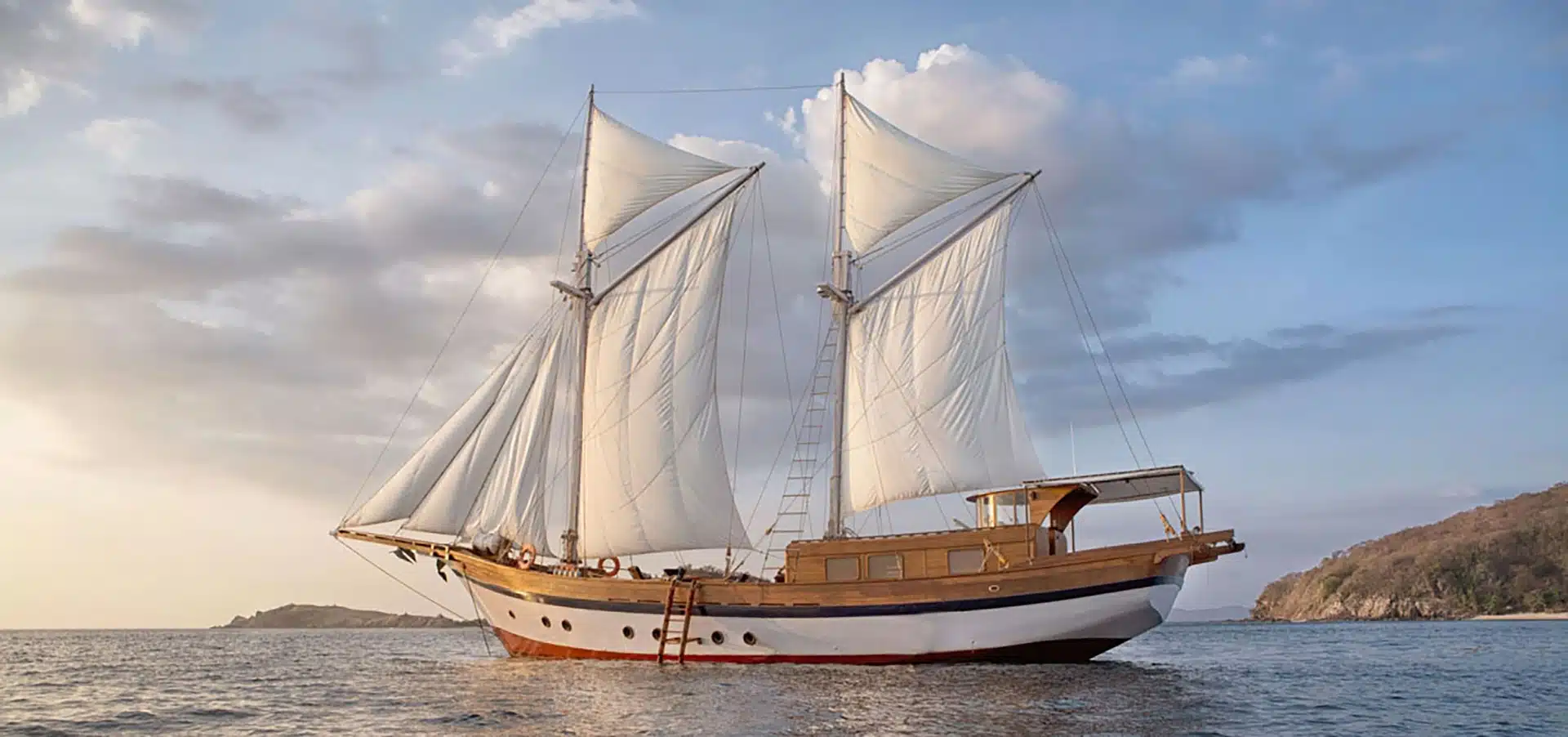
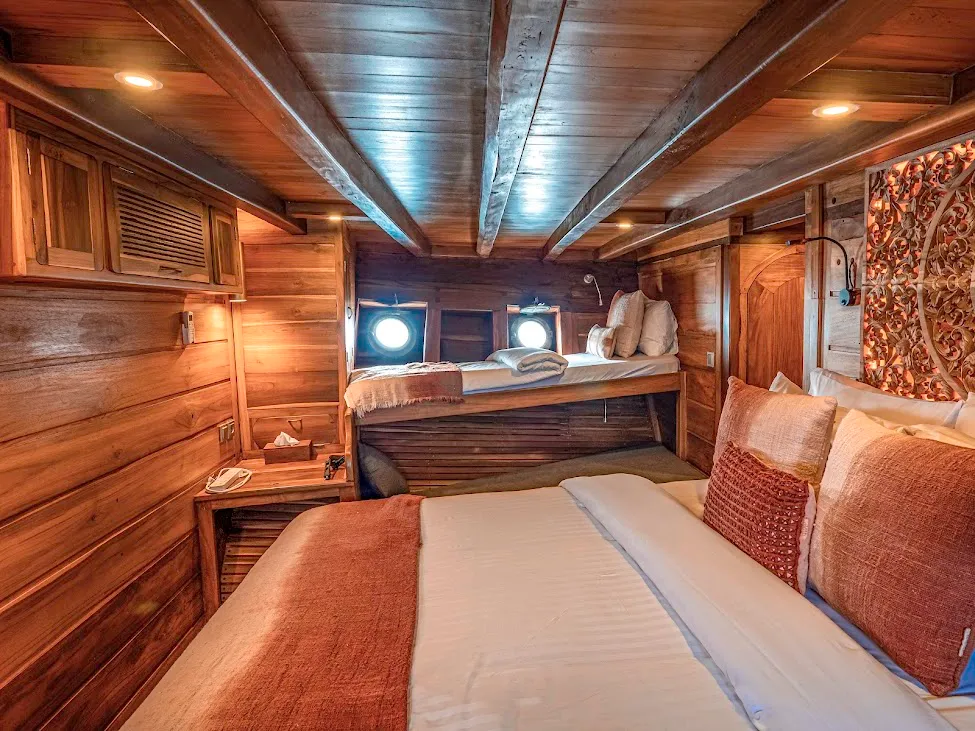
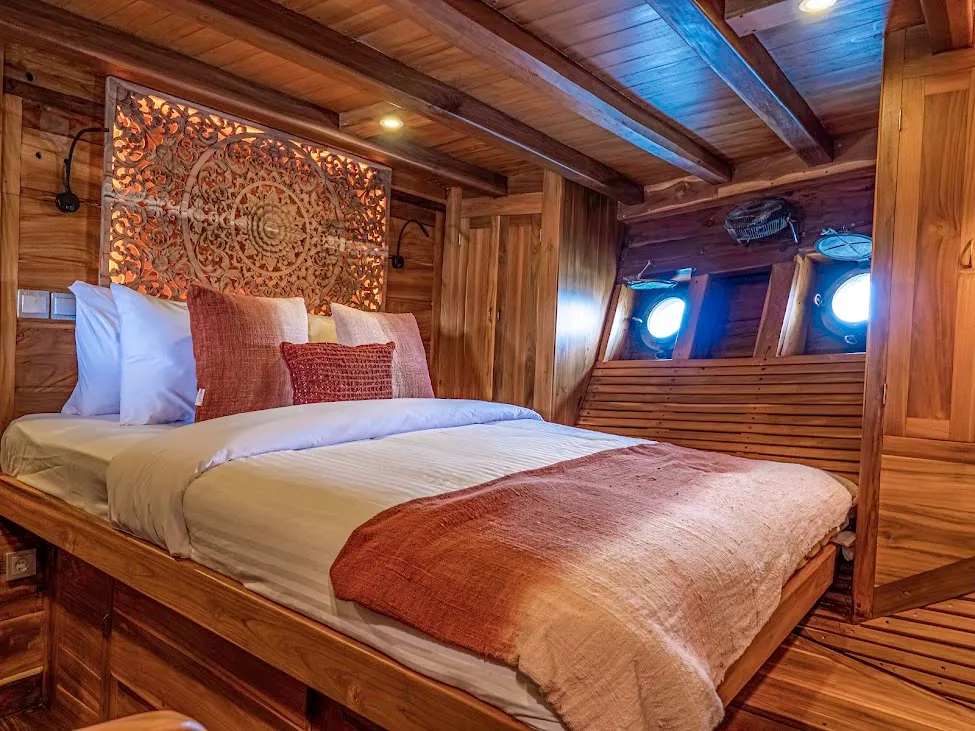
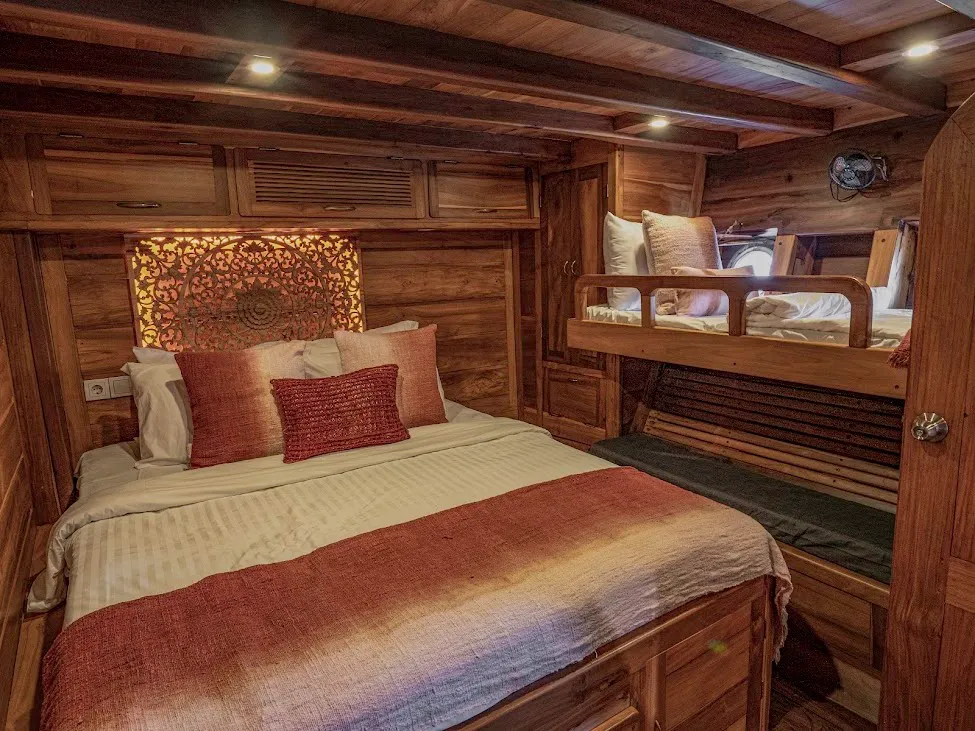
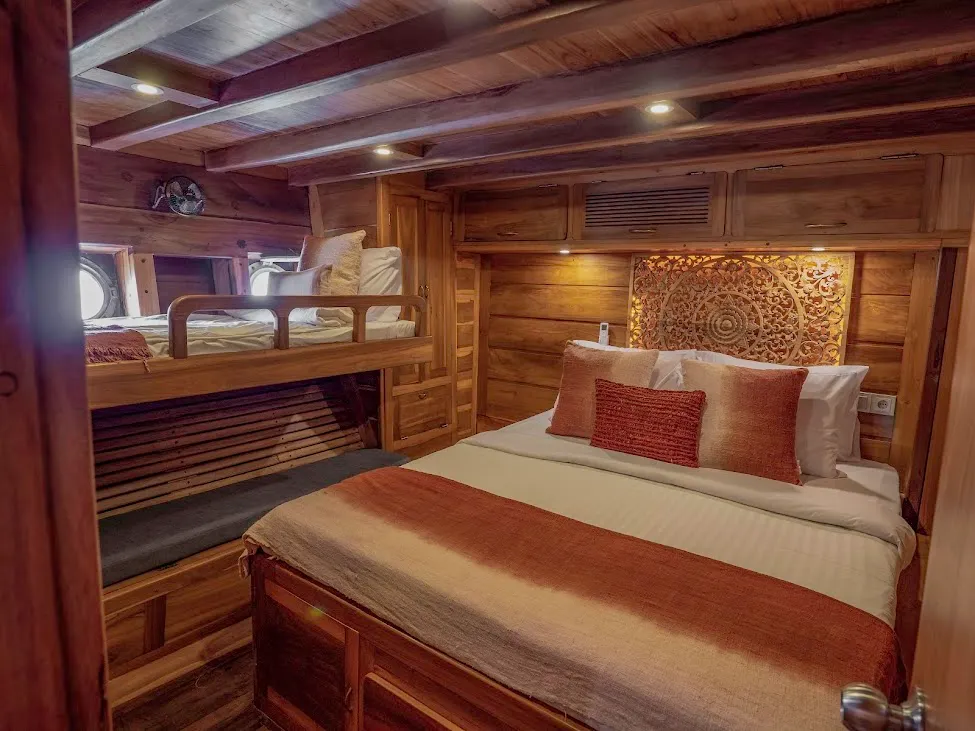
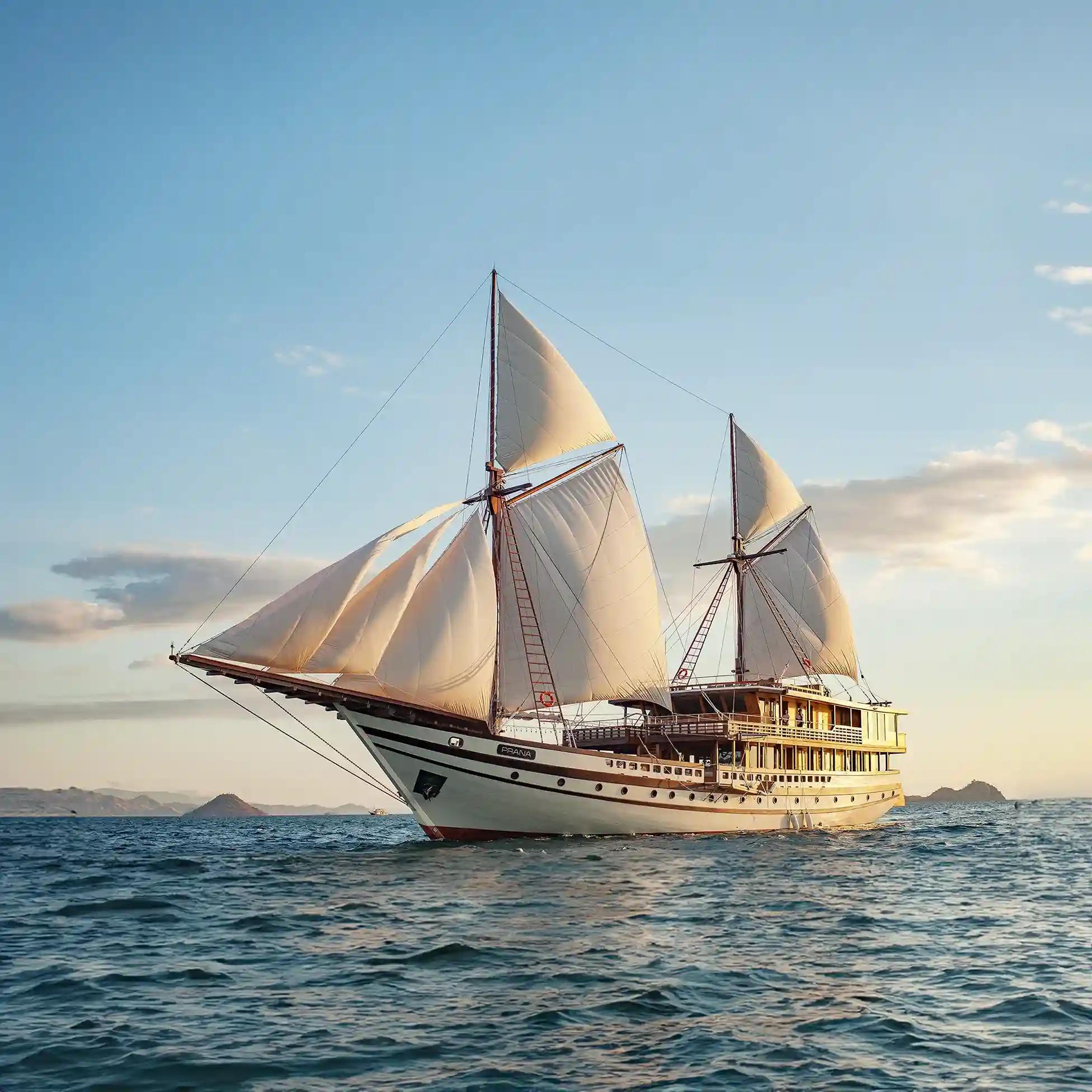
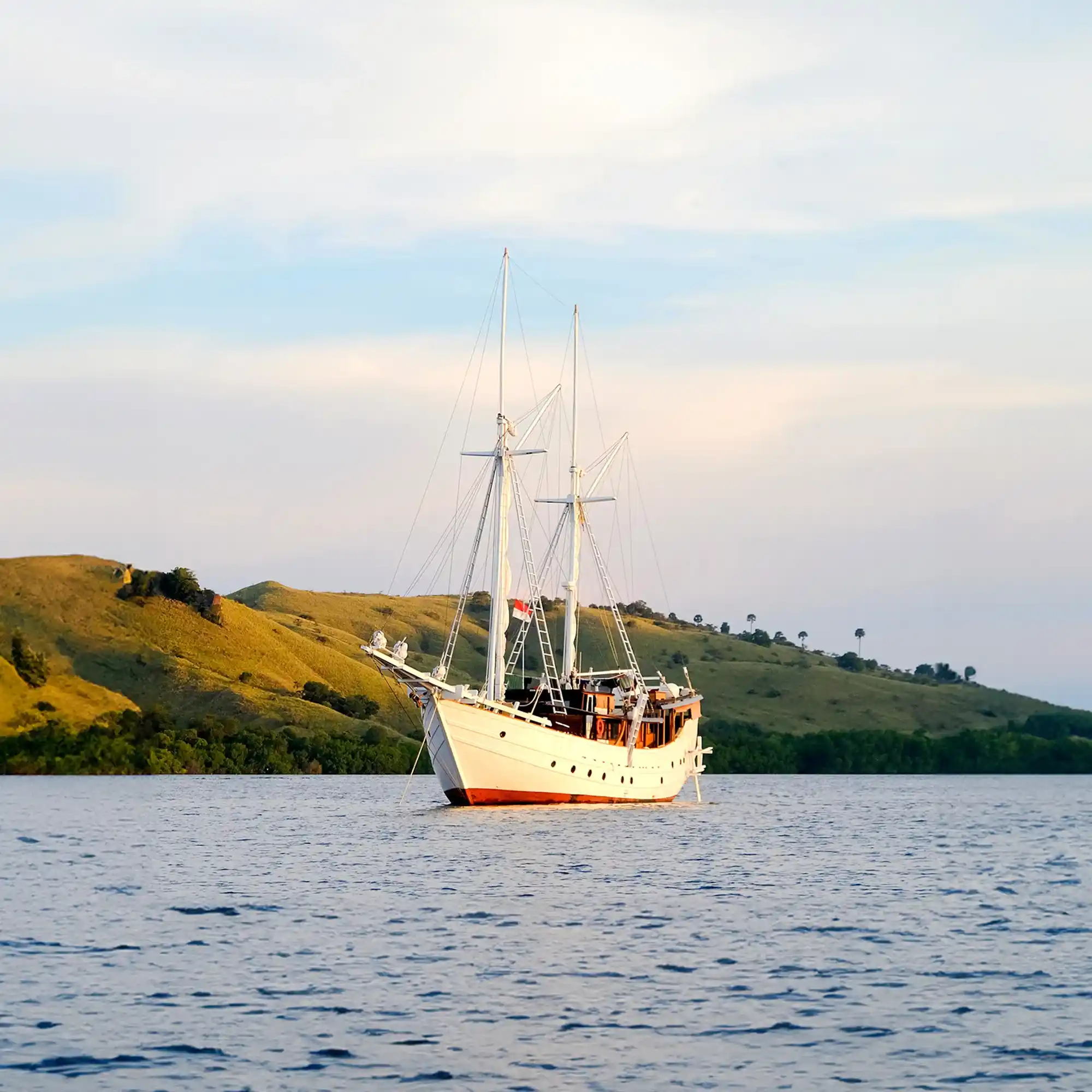
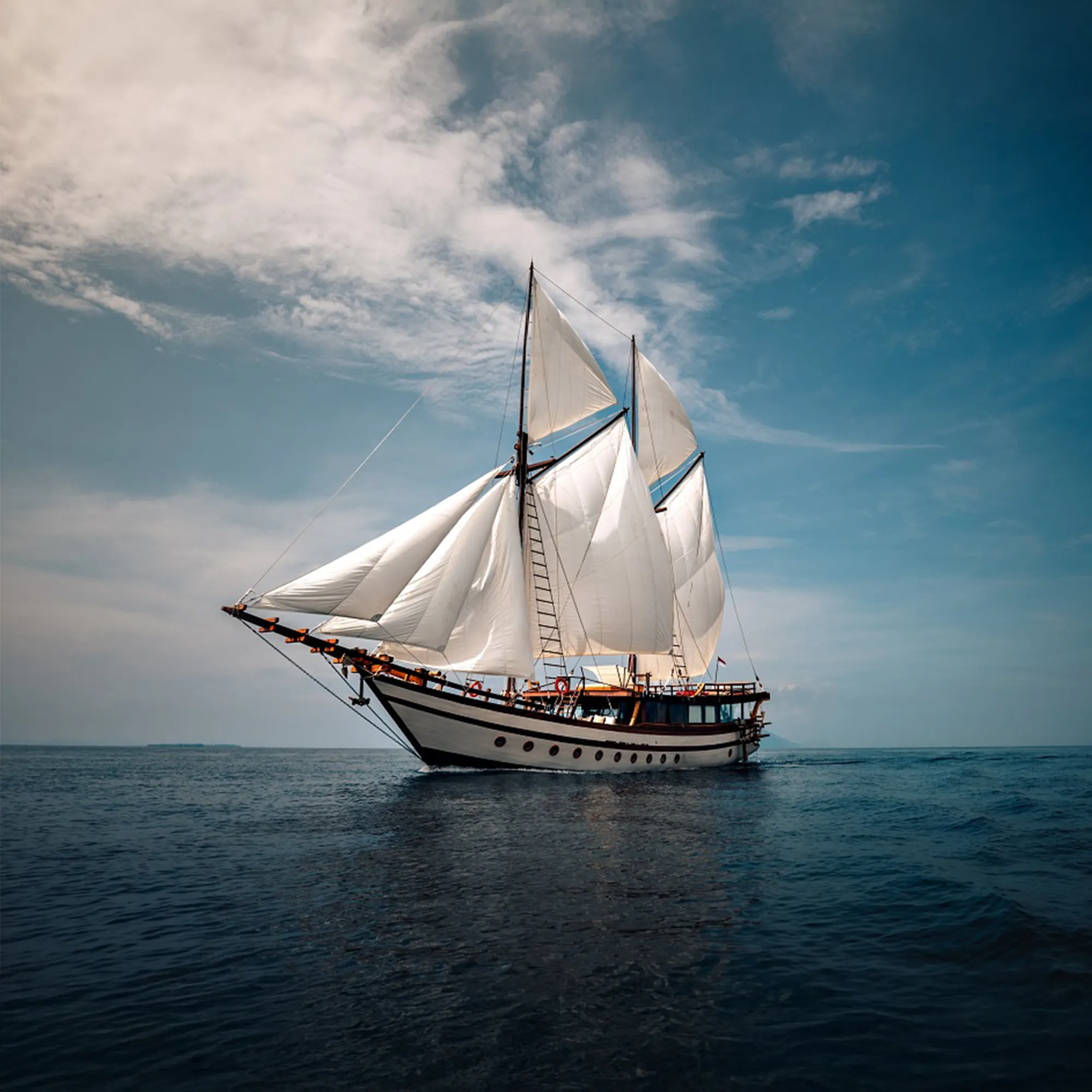
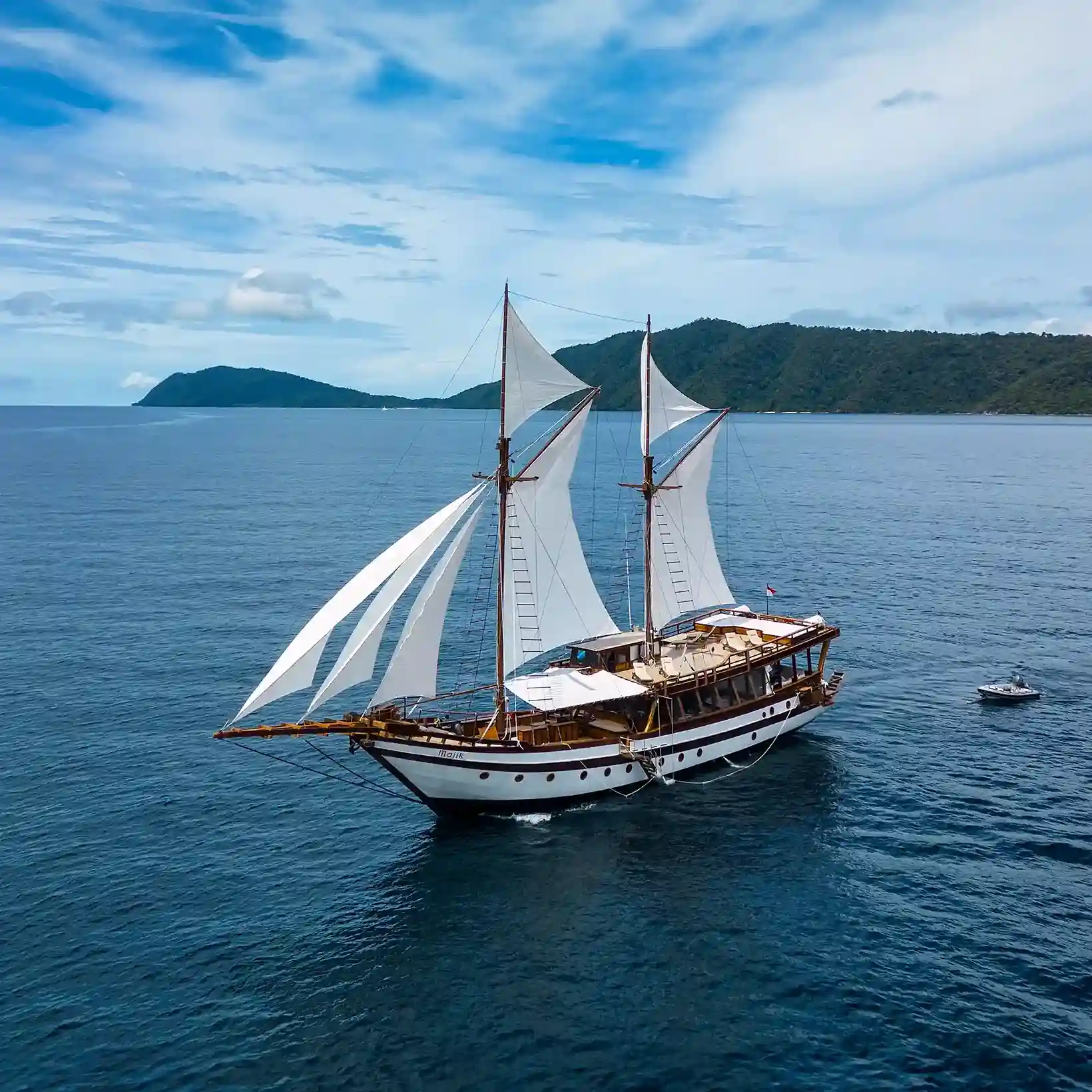
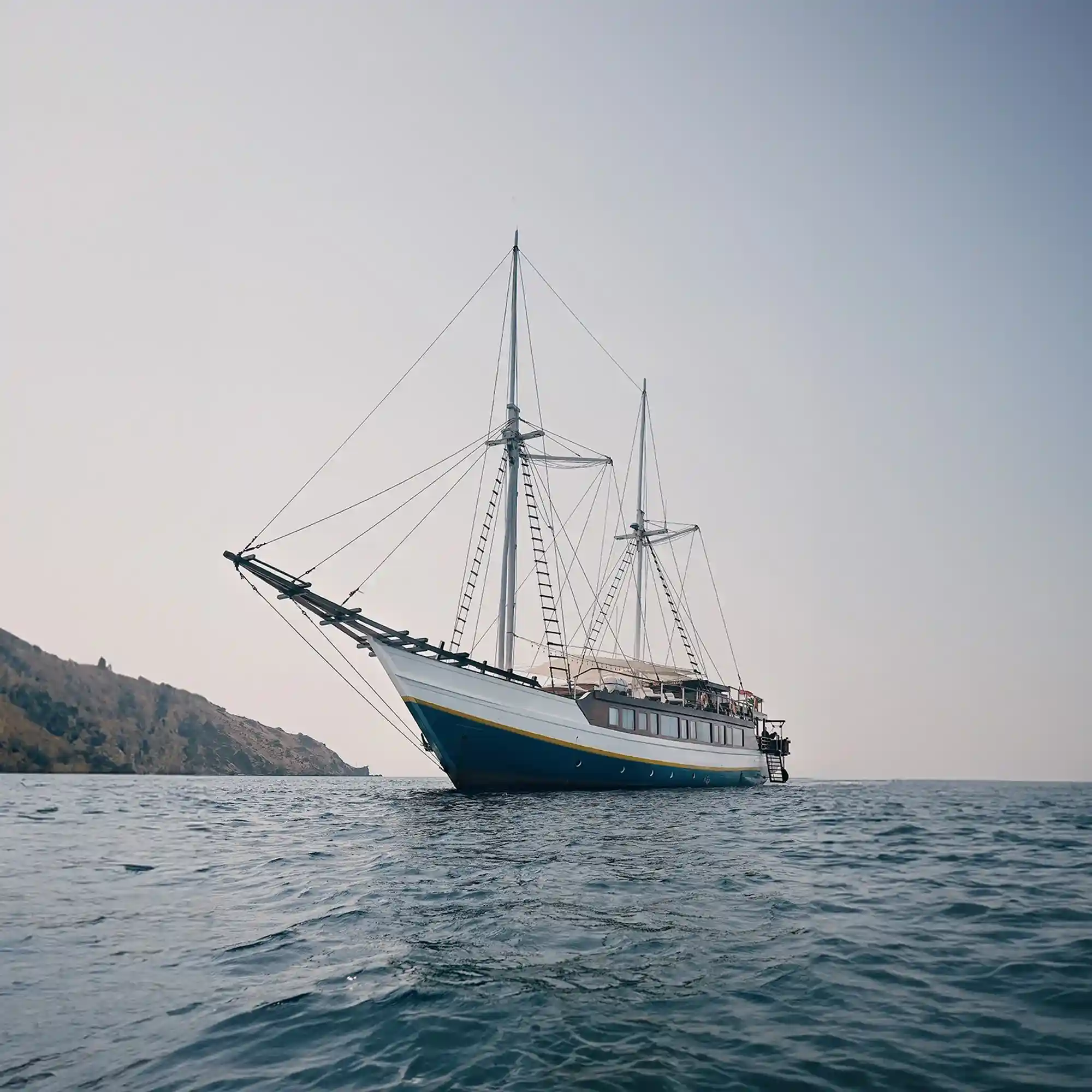
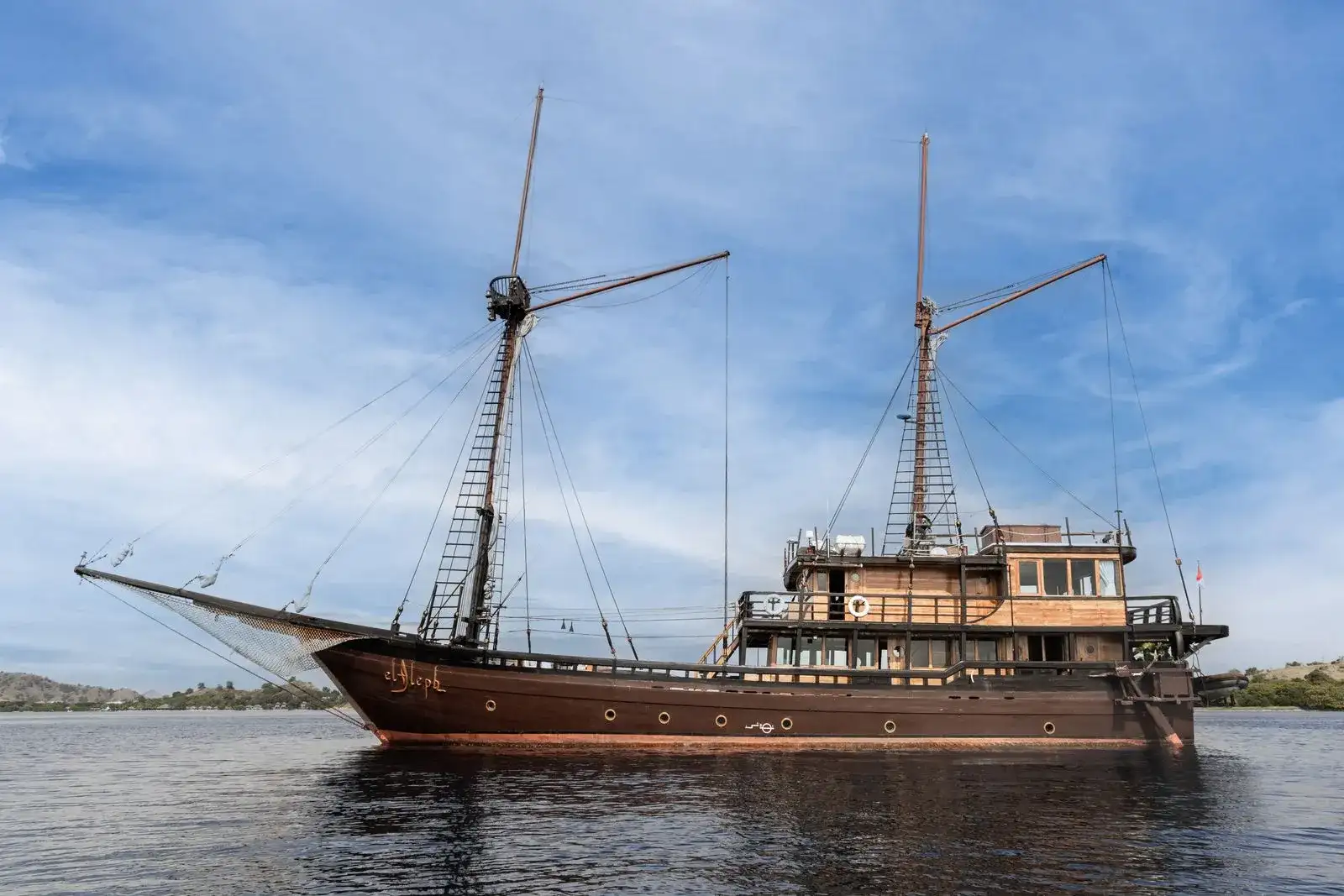
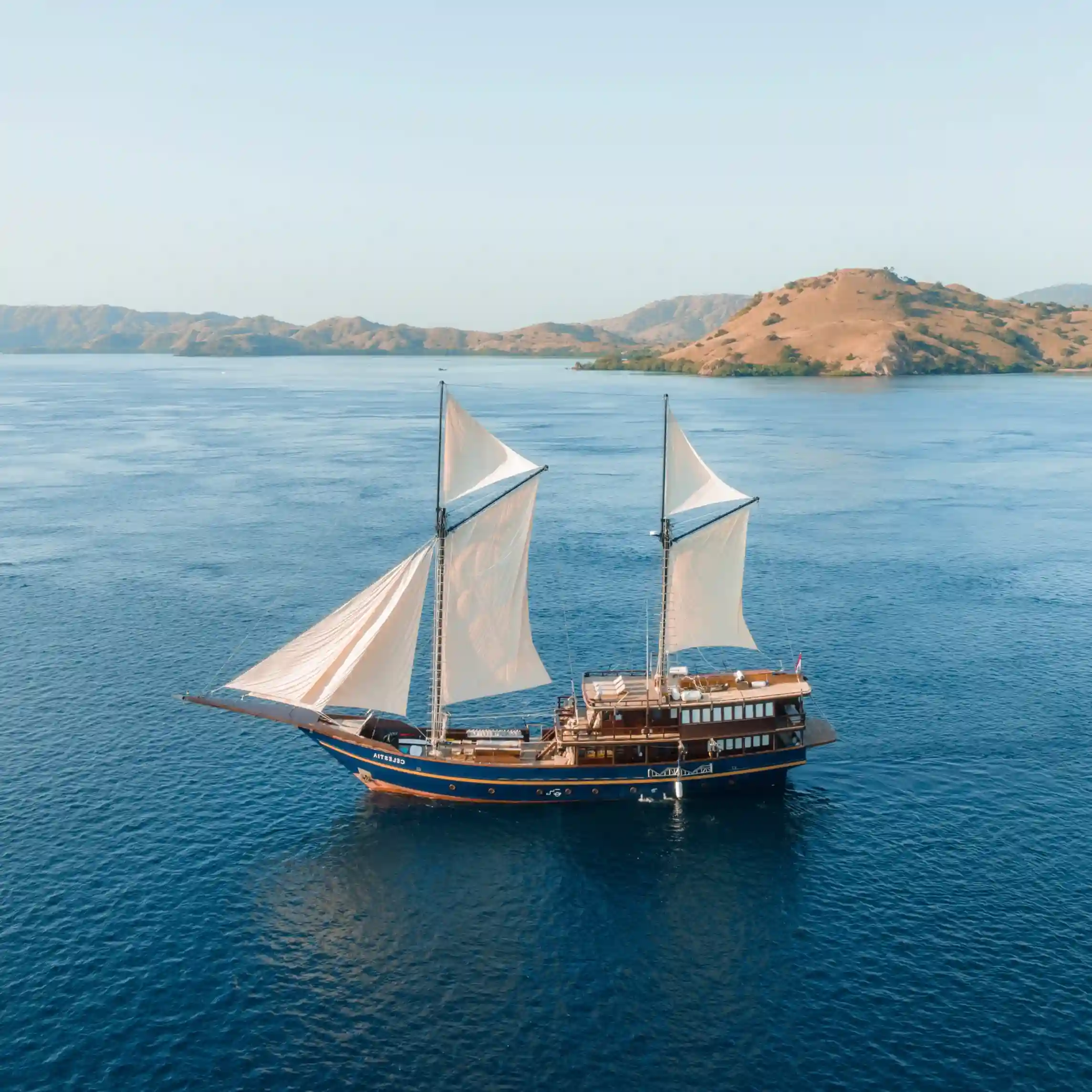
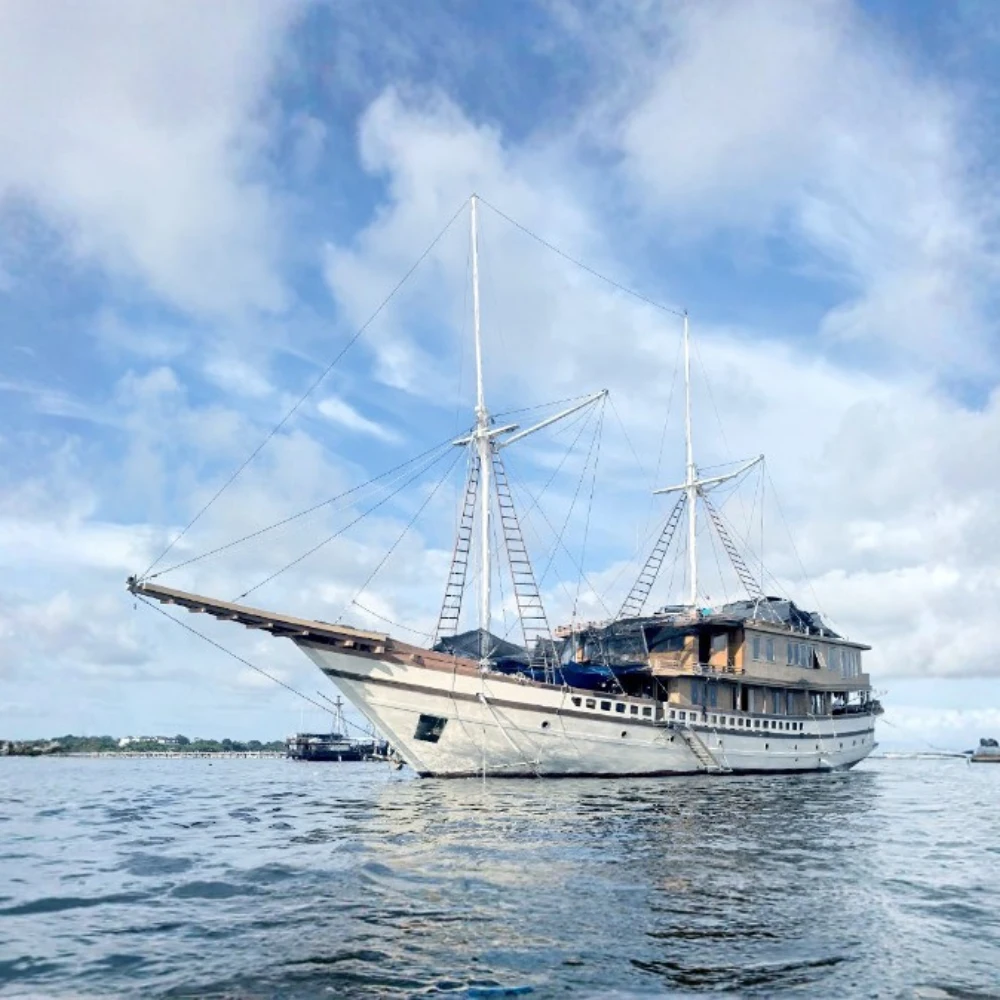
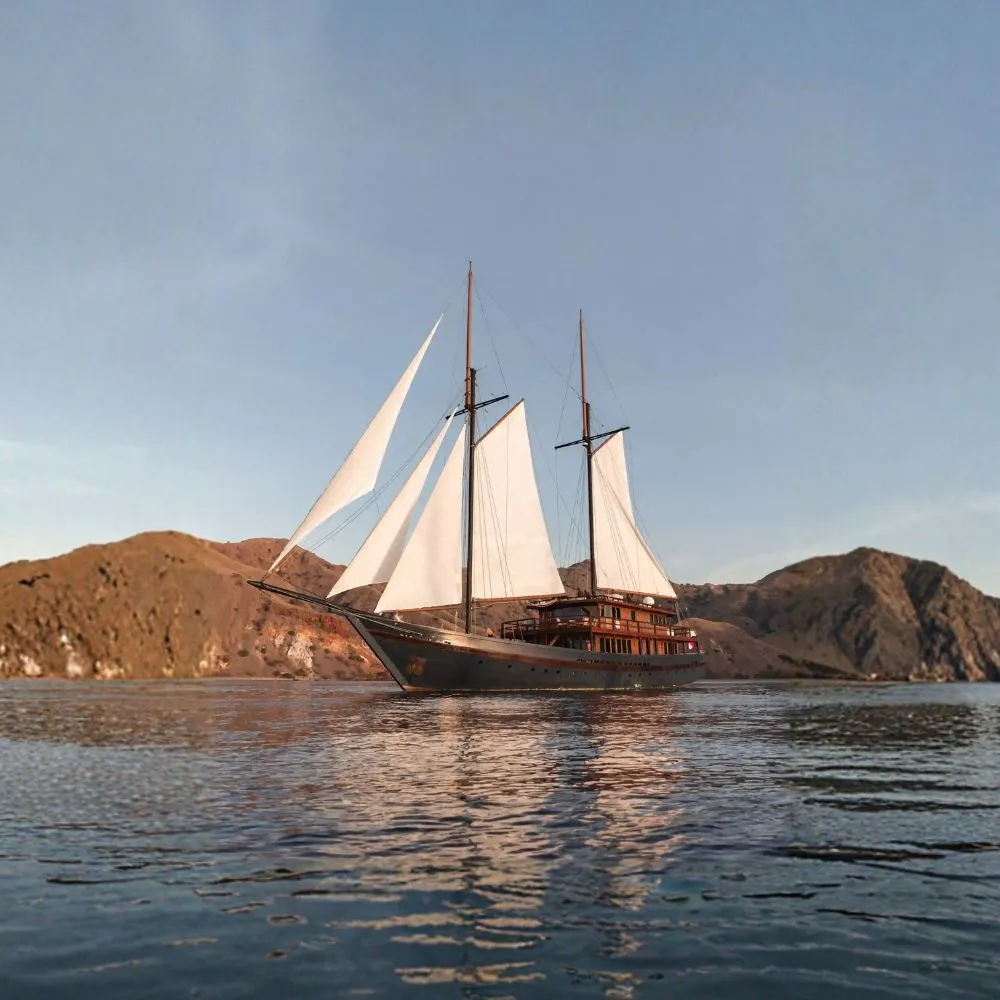
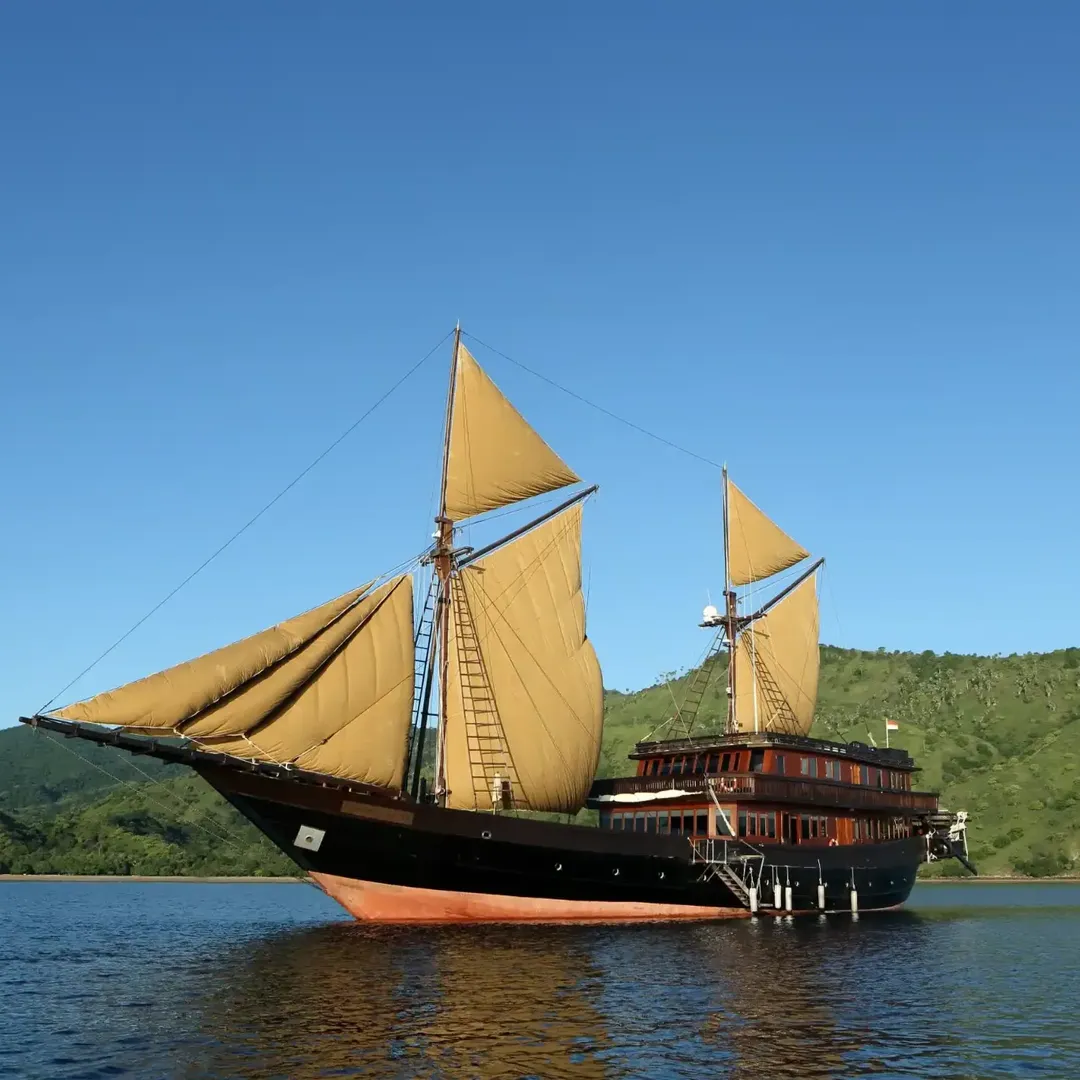
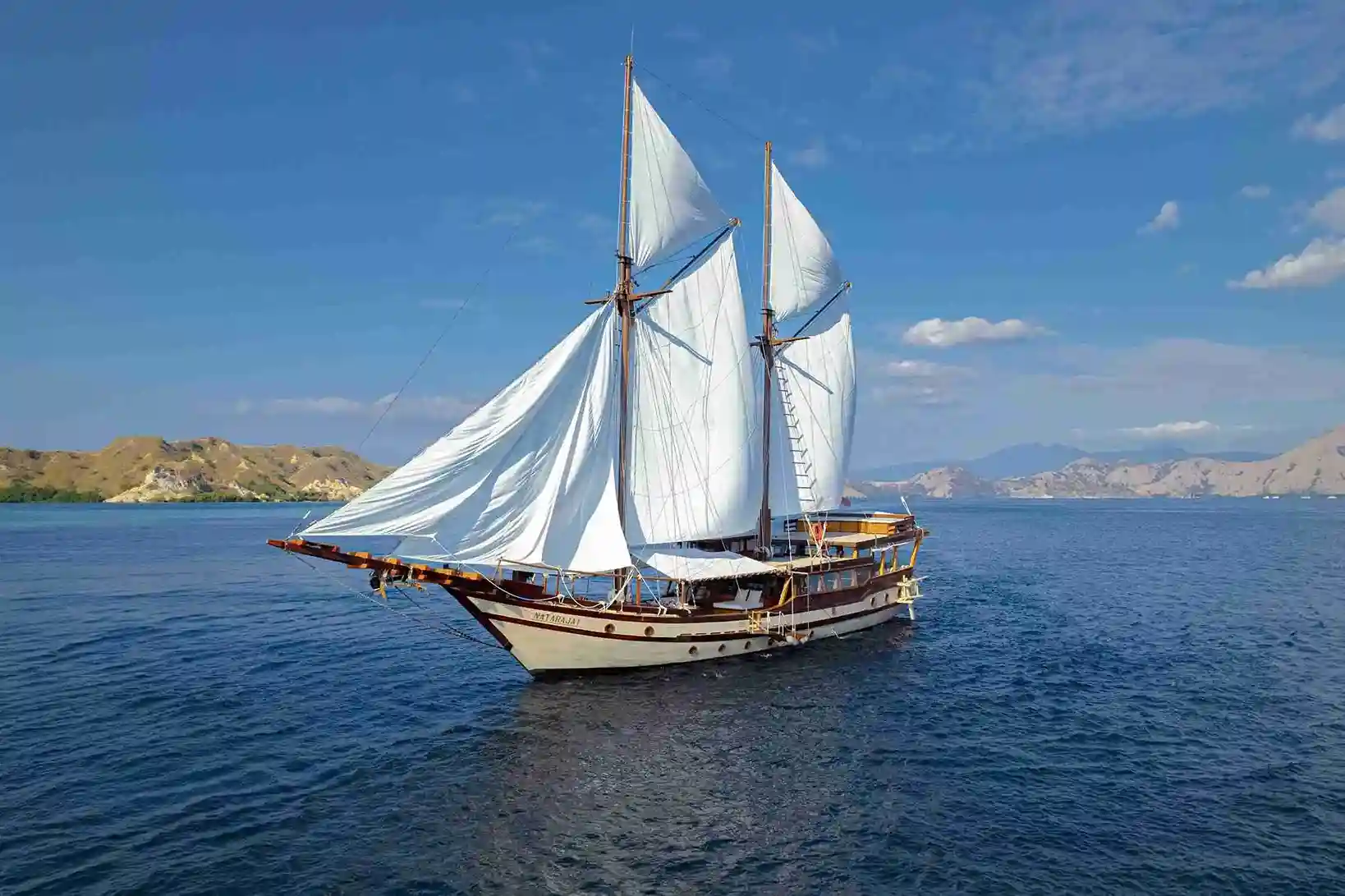
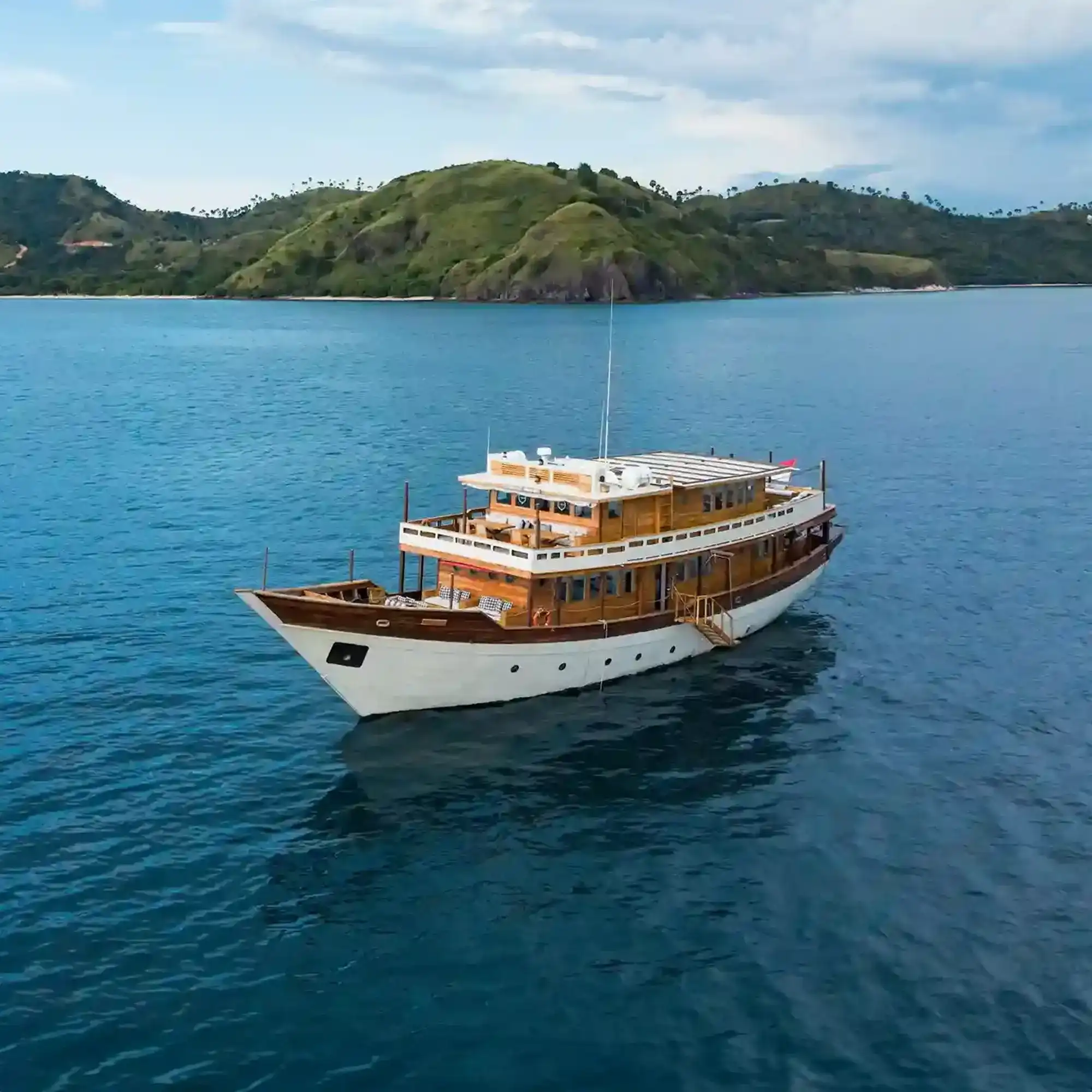
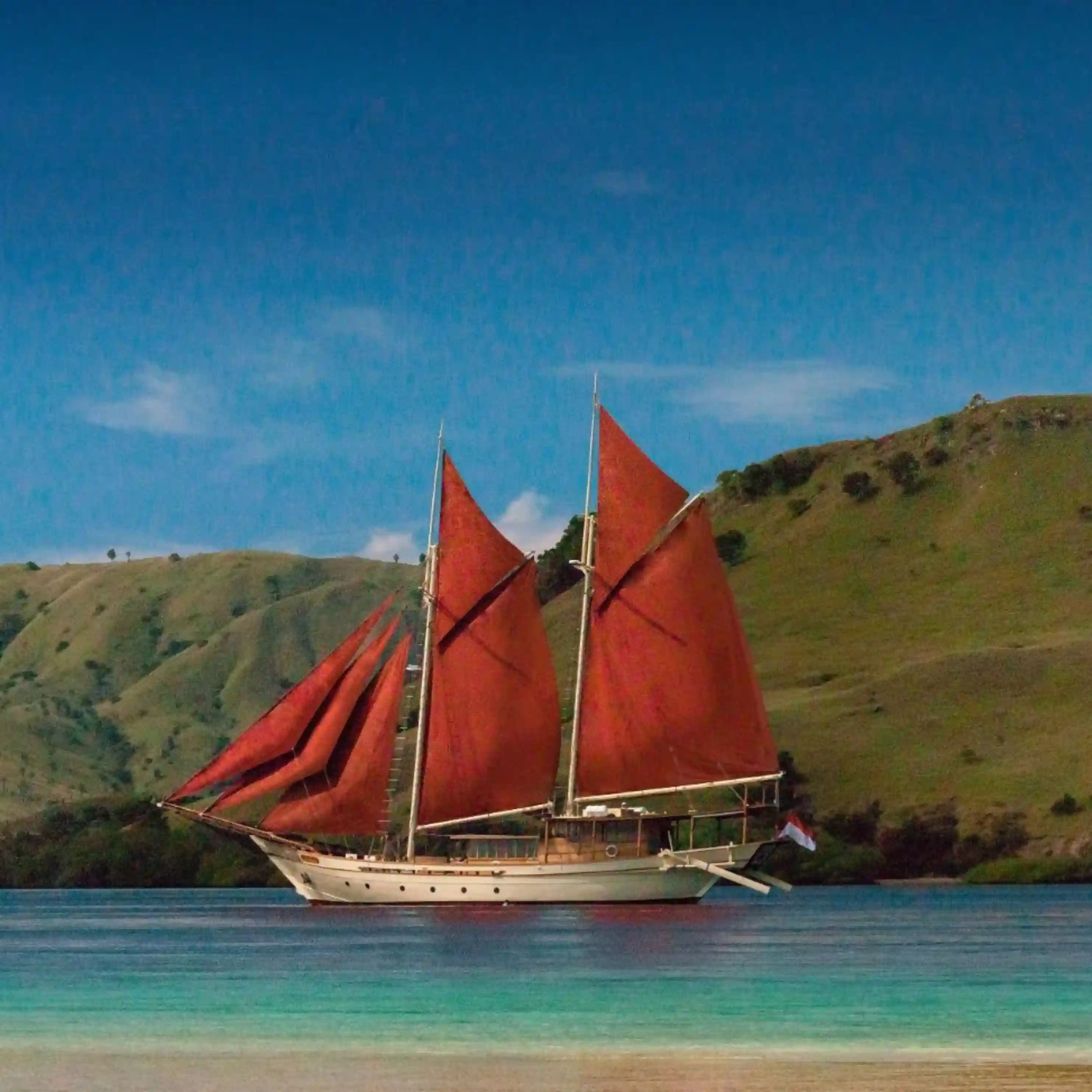
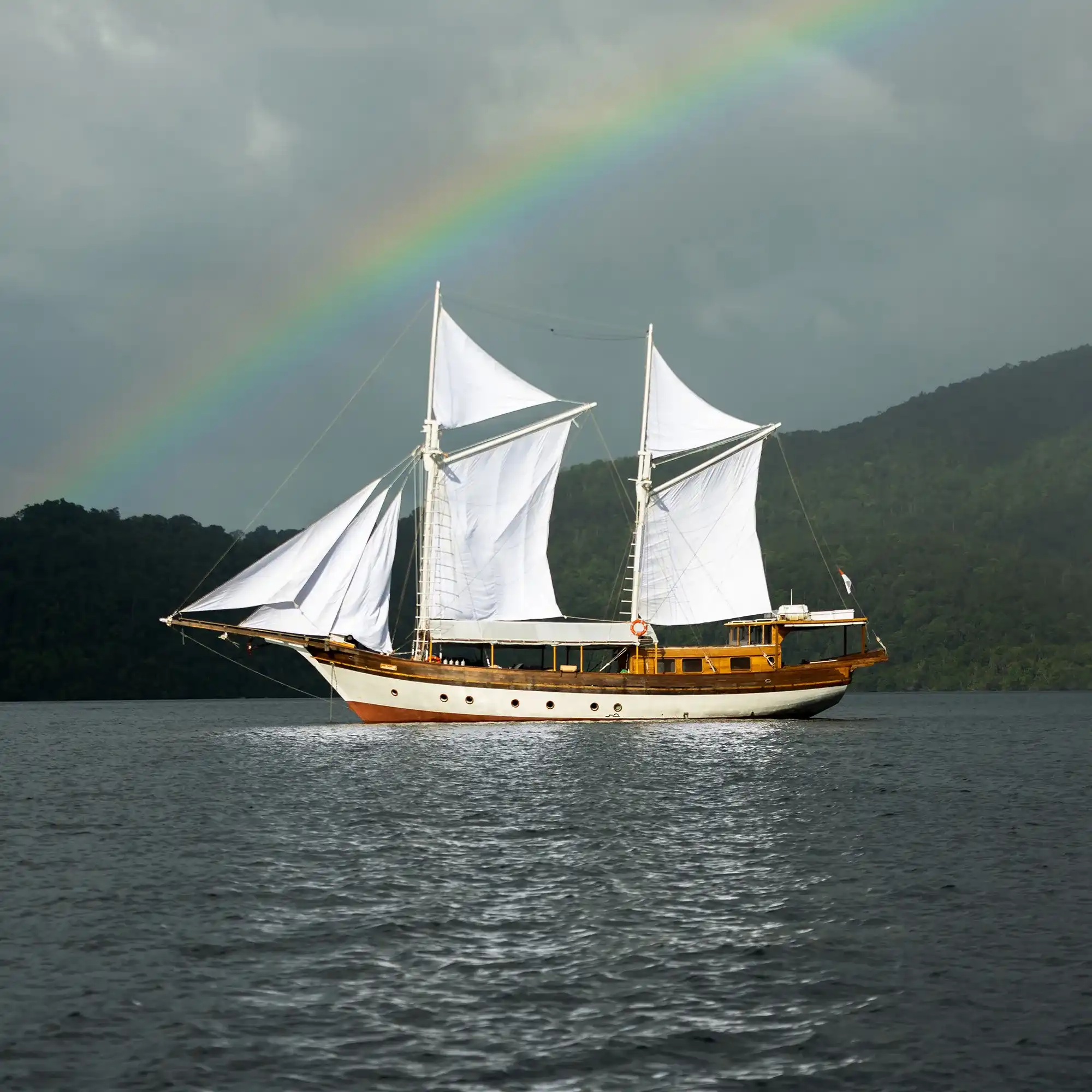
Anne Bonny is small – just one cabin, so you’re either chartering it privately or joining a carefully assembled group. There were nine of us total, including crew, which meant space never felt tight. The boat is 30 metres long, wooden, traditional in design but clearly well-maintained. Our skipper, Pak Yusuf, had a way of reading the tides like he’d grown up in them. We spent the first full day weaving through the heart of the archipelago – from the iconic viewpoint on Wayag’s peak, where the lagoon stretches out like a shattered mirror, to a quiet cove near Arborek where I snorkeled with a juvenile wobbegong under the jetty. The crew had laid out a table on the beach with fresh papaya and coconut water, no fanfare.
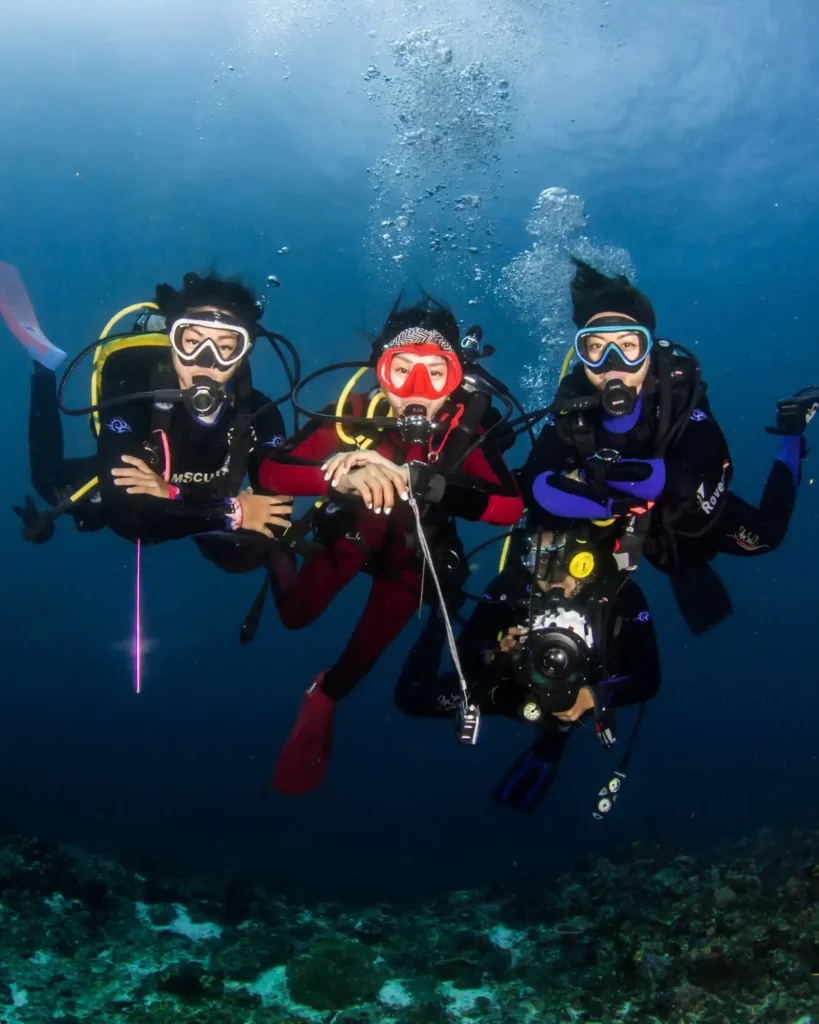
Diving was the rhythm of the trip. Two dives a day, guided but never rushed. We saw pygmy seahorses in the pipe sponges off Dampier Strait, and on a drift dive near Mioskon, a school of barracuda materialized out of the blue like a sudden storm. The boat carried all the gear – regulators, BCDs, even 3mm wetsuits – and everything was rinsed and ready each evening. I’d brought my own mask and fins, but knowing the backup was there made a difference when my O-ring blew on day two. No drama, just a swap and back in the water.
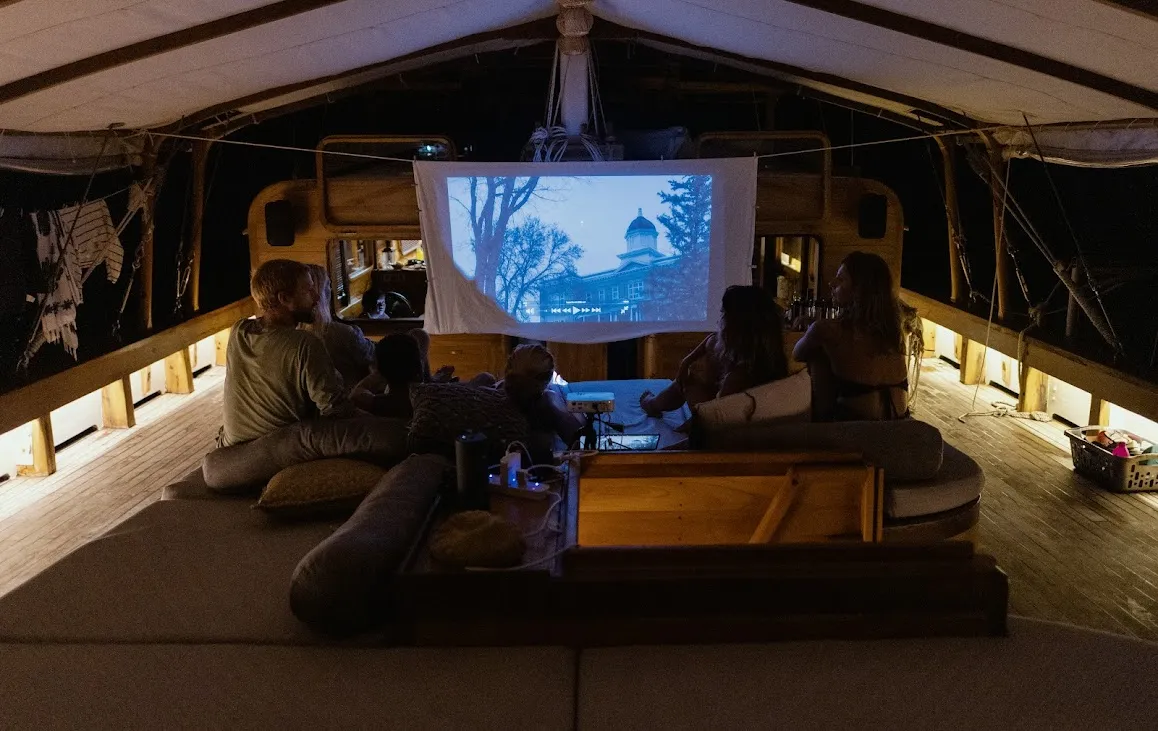
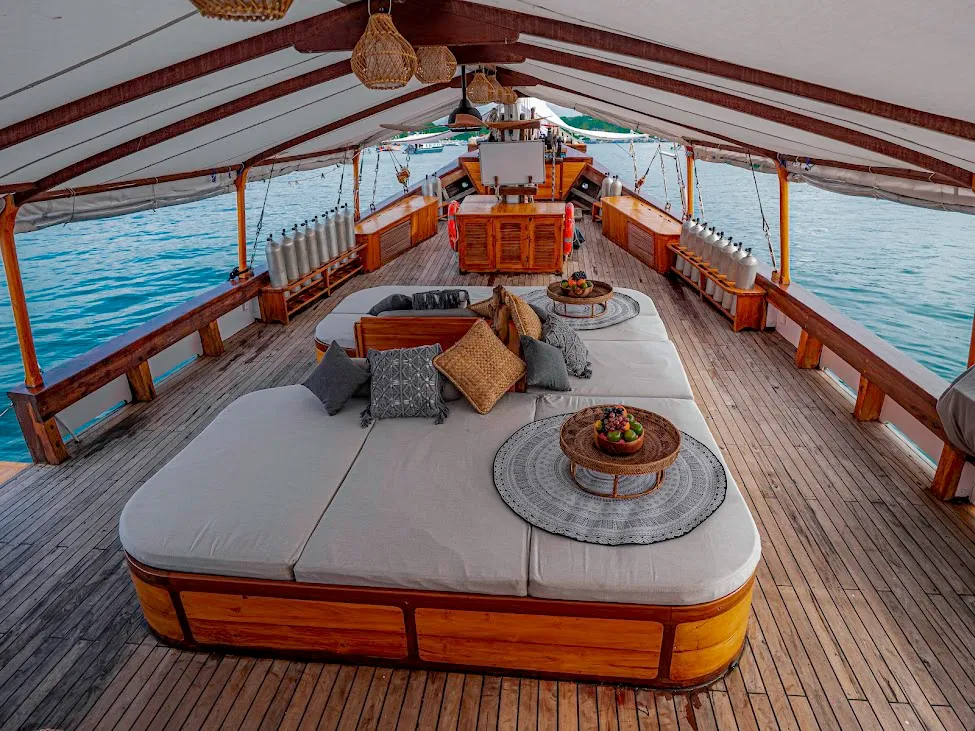
Meals came three times a day, served on deck under a canvas awning. Breakfast was usually banana pancakes or fried rice with fried egg, strong local coffee in enamel mugs. Lunch was whatever the crew had pulled from the water that morning – sweet mackerel one day, prawns the next – served with cucumber salad and steamed rice. Evenings were quieter. We’d eat, watch the sky go dark over Gam Island, and talk about what we’d seen. The Wi-Fi worked, slowly, but most of us stopped checking after the first day. There was no need. The boat had a small library of fish ID books and a speaker system that played Fela Kuti one evening as we motored between islands. It felt accidental, perfect.
On the last morning, we anchored in front of Cape Kri. Not for diving – just to sit on the bow and watch the reef come alive as the sun hit the water. A few of us jumped in for one final swim, but mostly we just floated, looking down at the coral gardens. No one wanted to pack. The crew stayed quiet, giving us space. When it was time to go, they helped us into the dinghy with the same calm focus they’d had on day one. Back on land, the noise of Sorong felt jarring, too fast. I kept turning to look back at the boat, still floating where we left her, already waiting for the next crew of dreamers.