About Solitude Adventurer
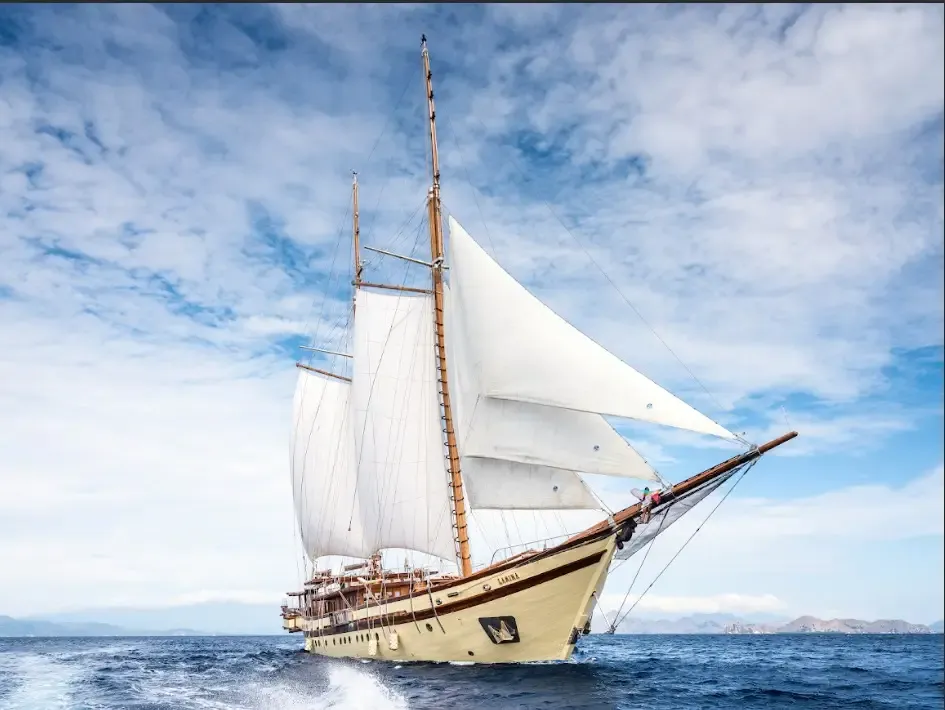
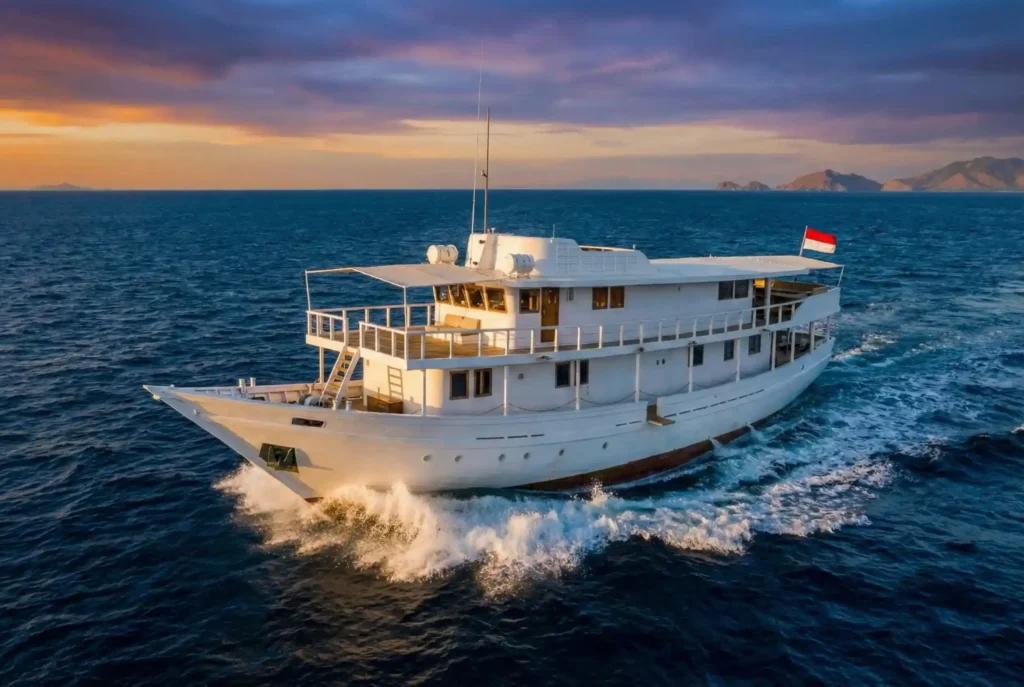
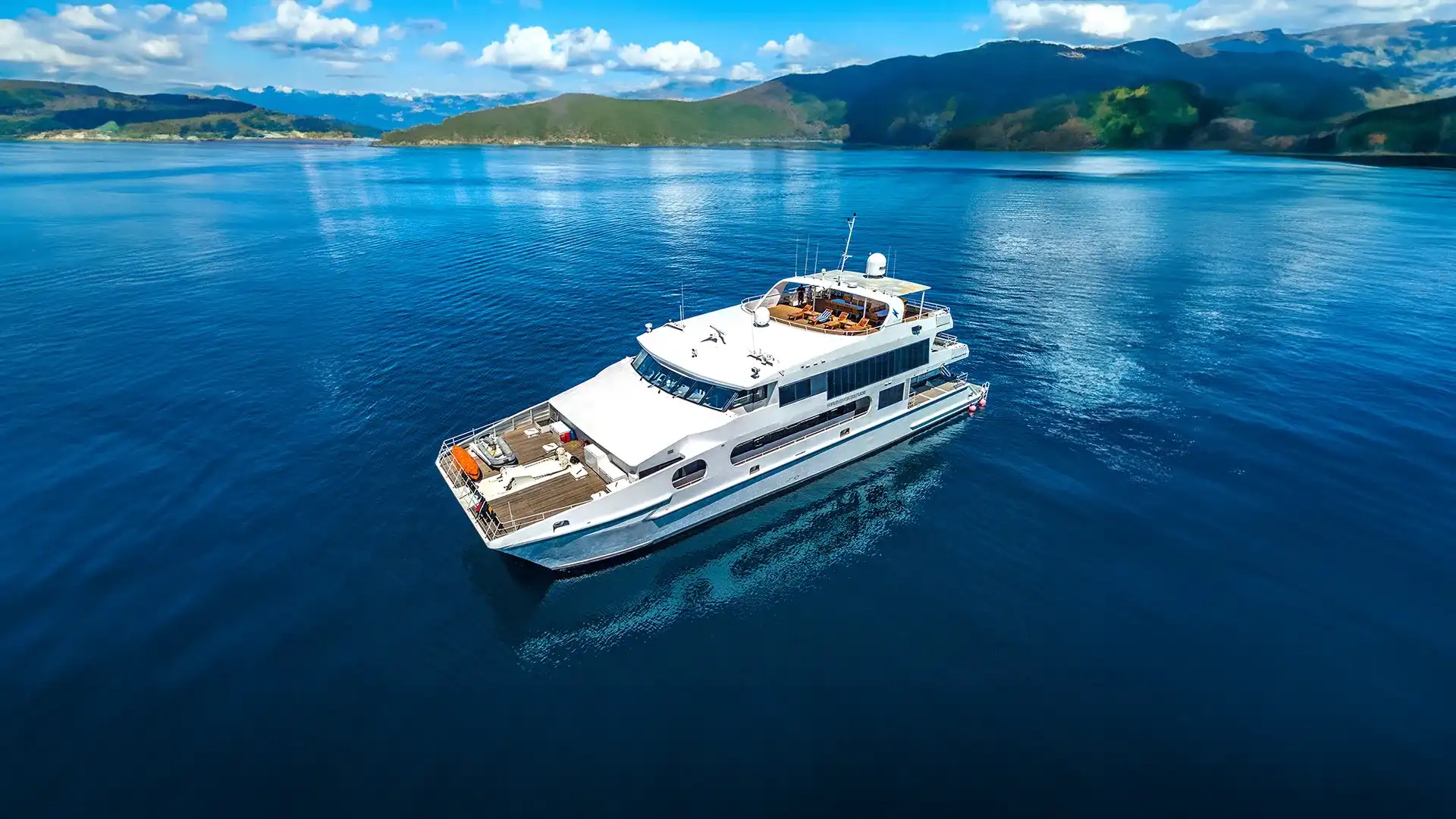
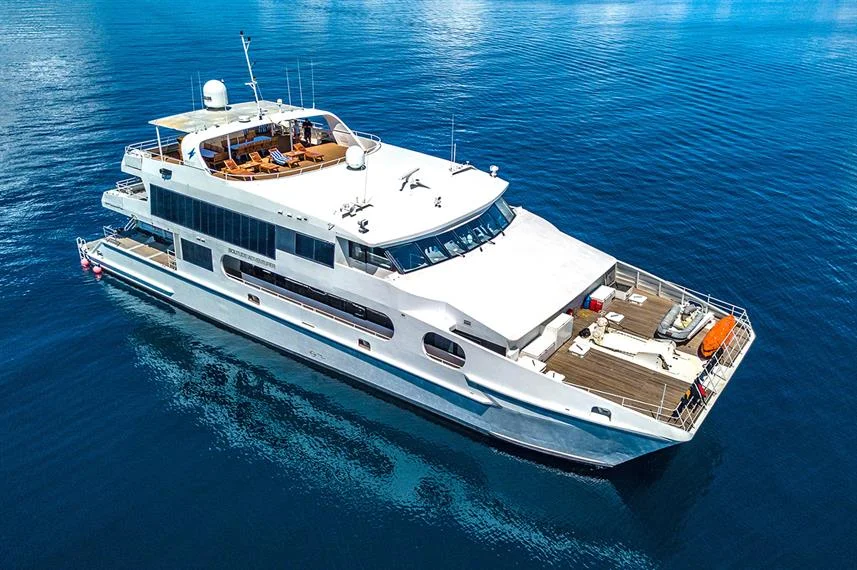
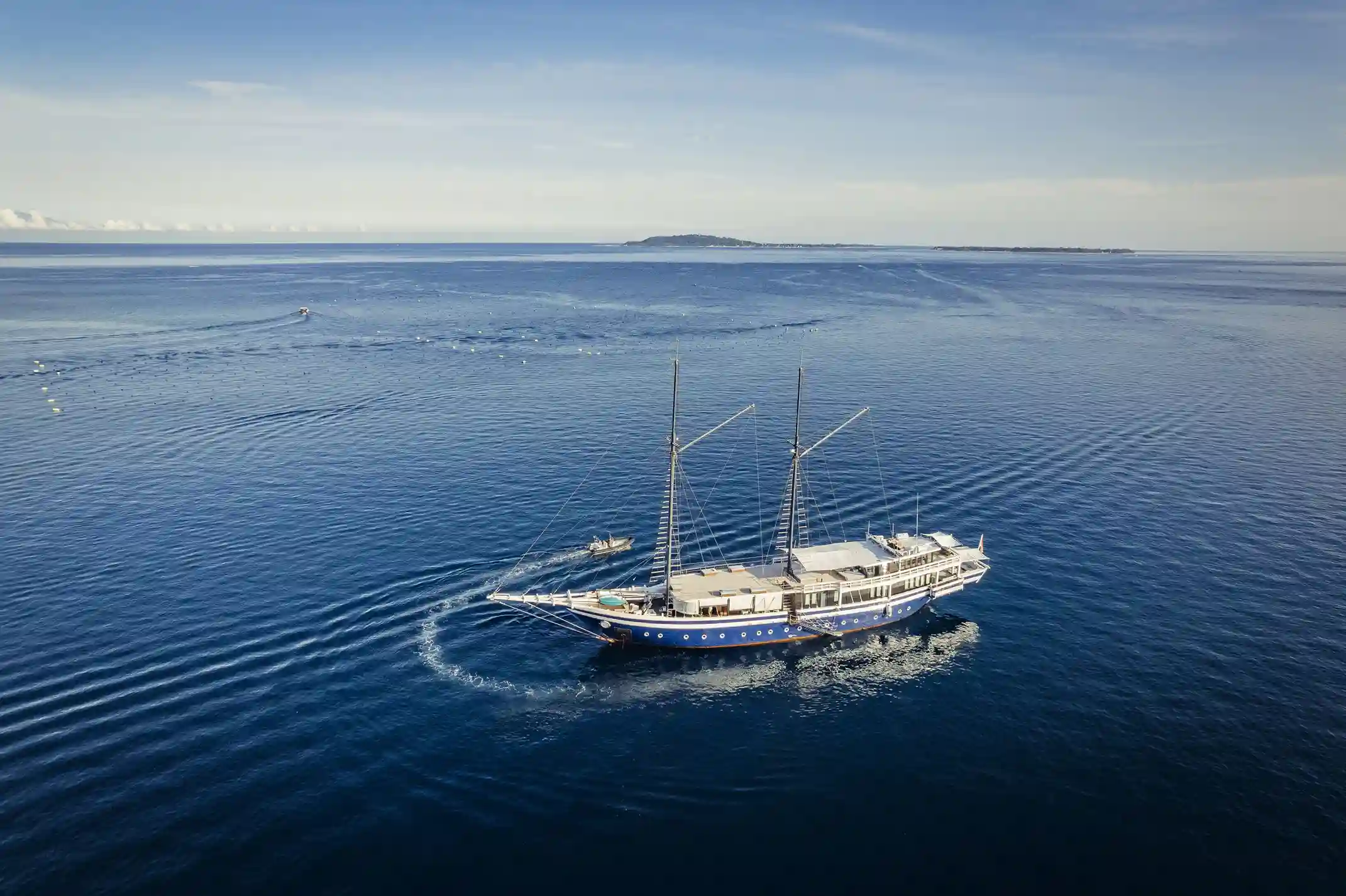
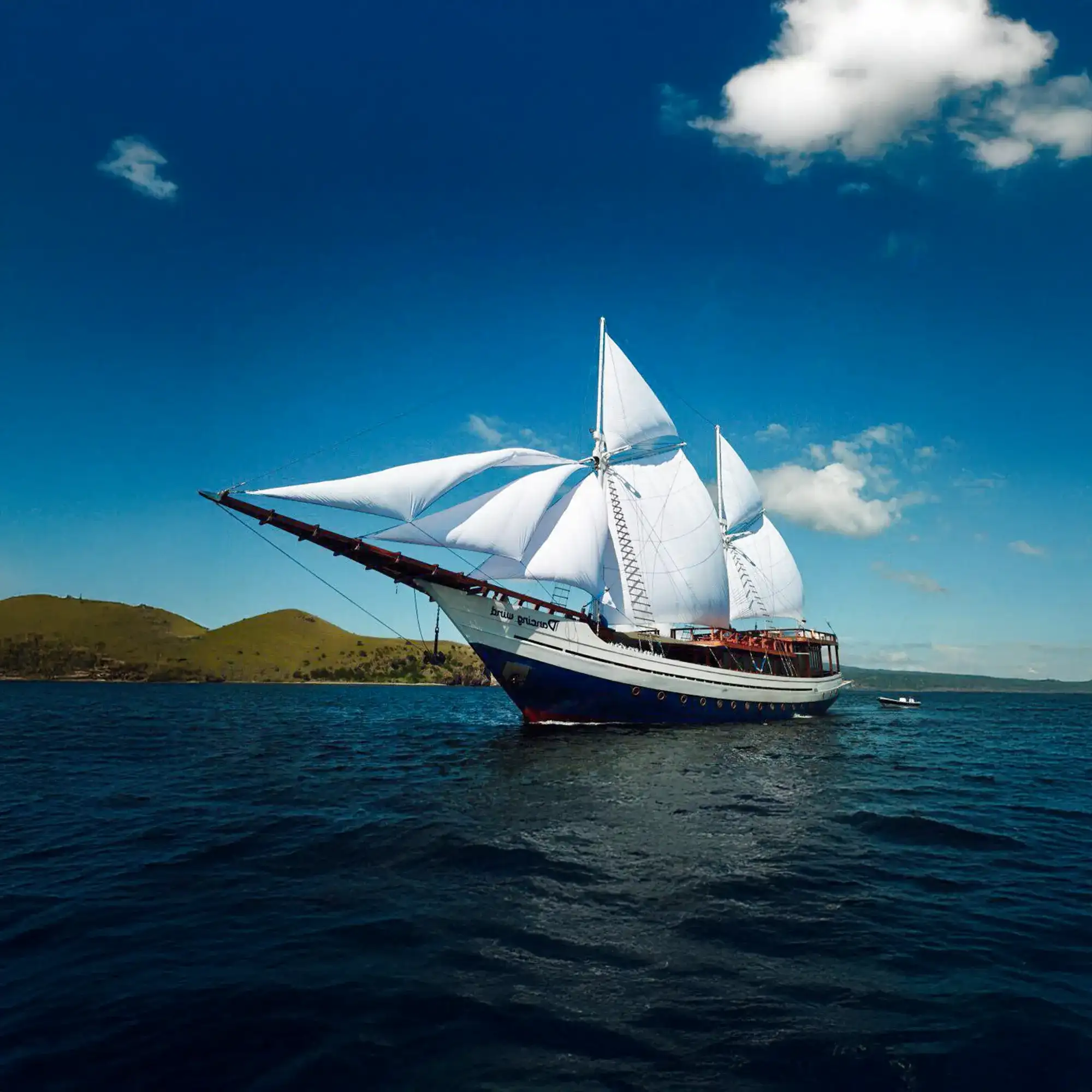
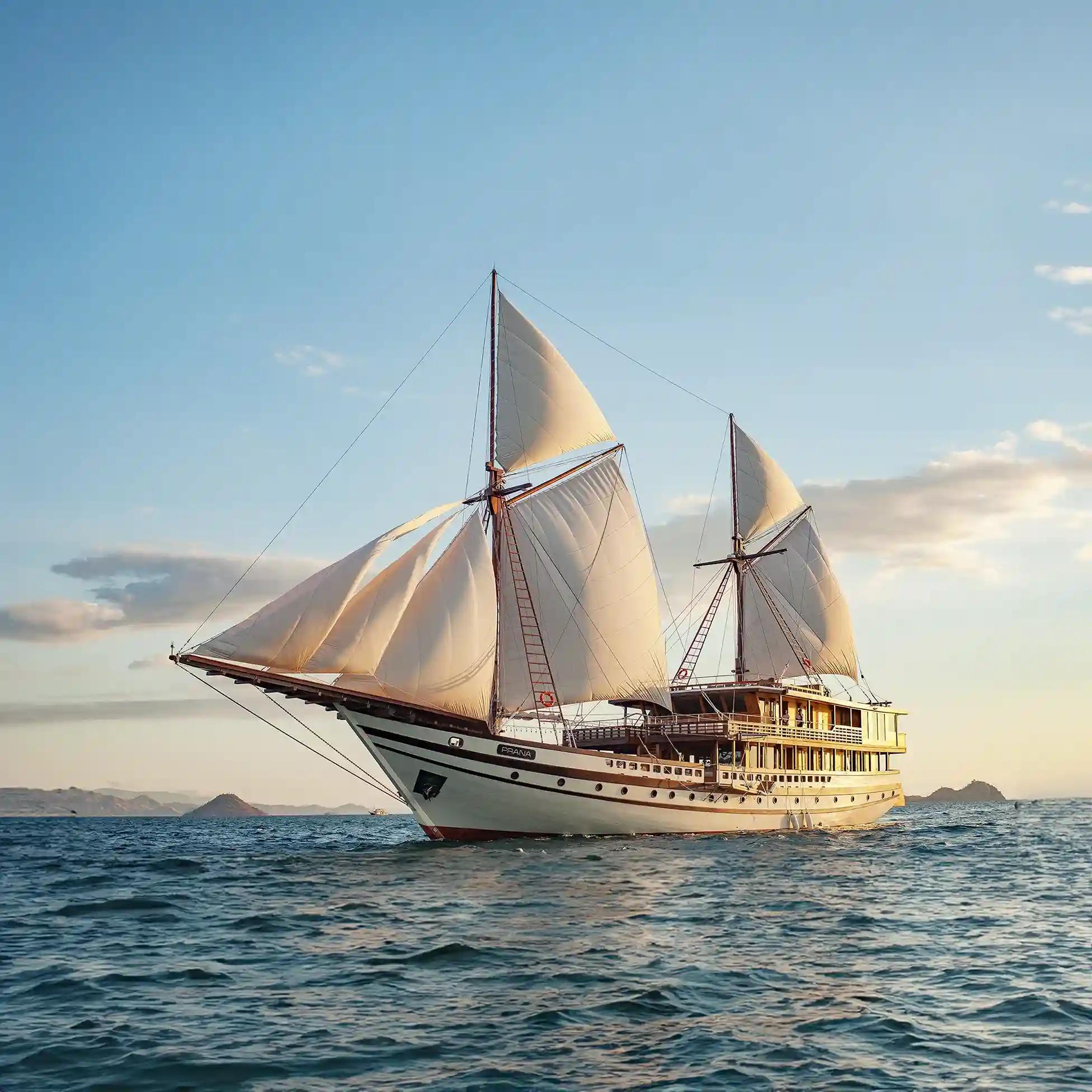
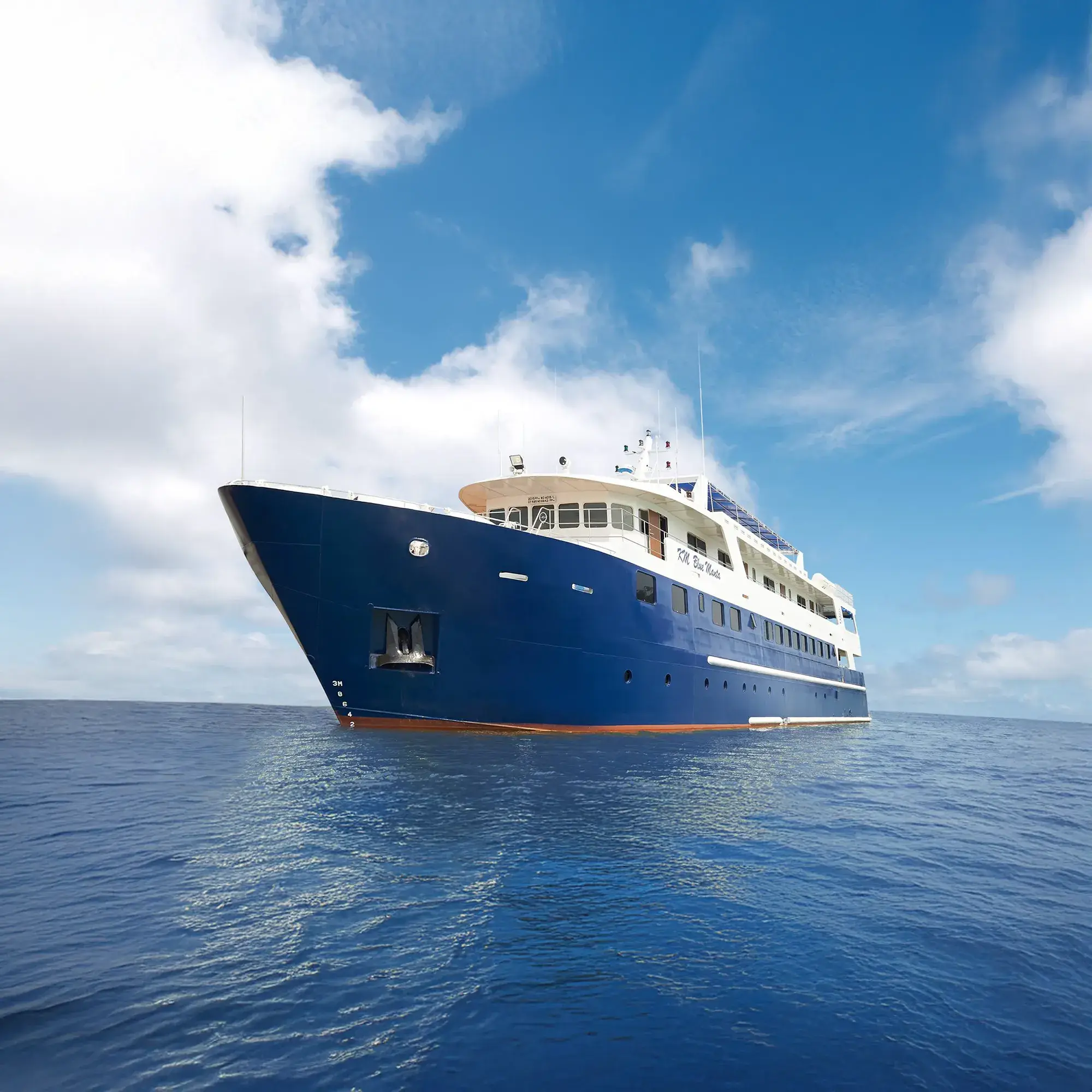
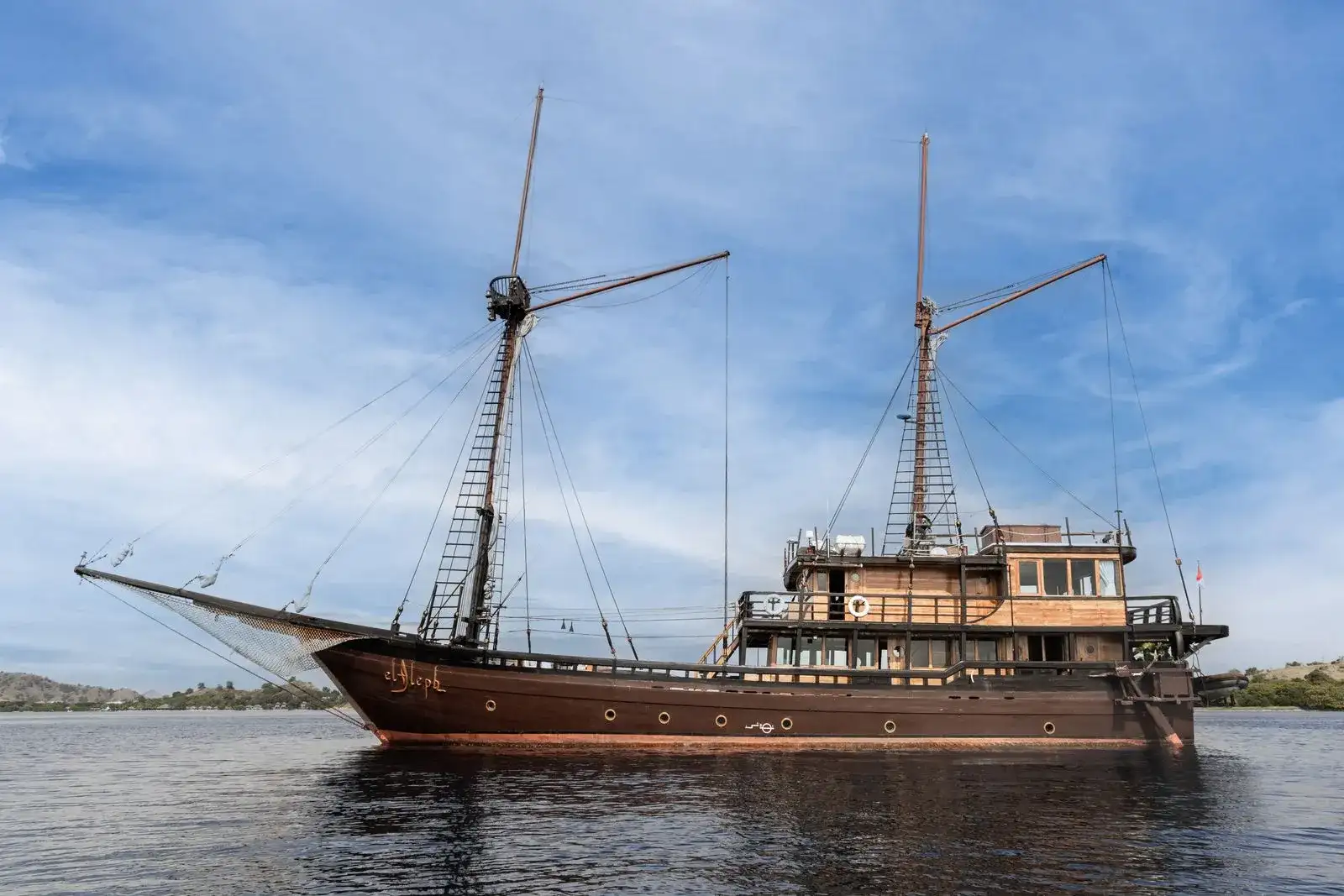
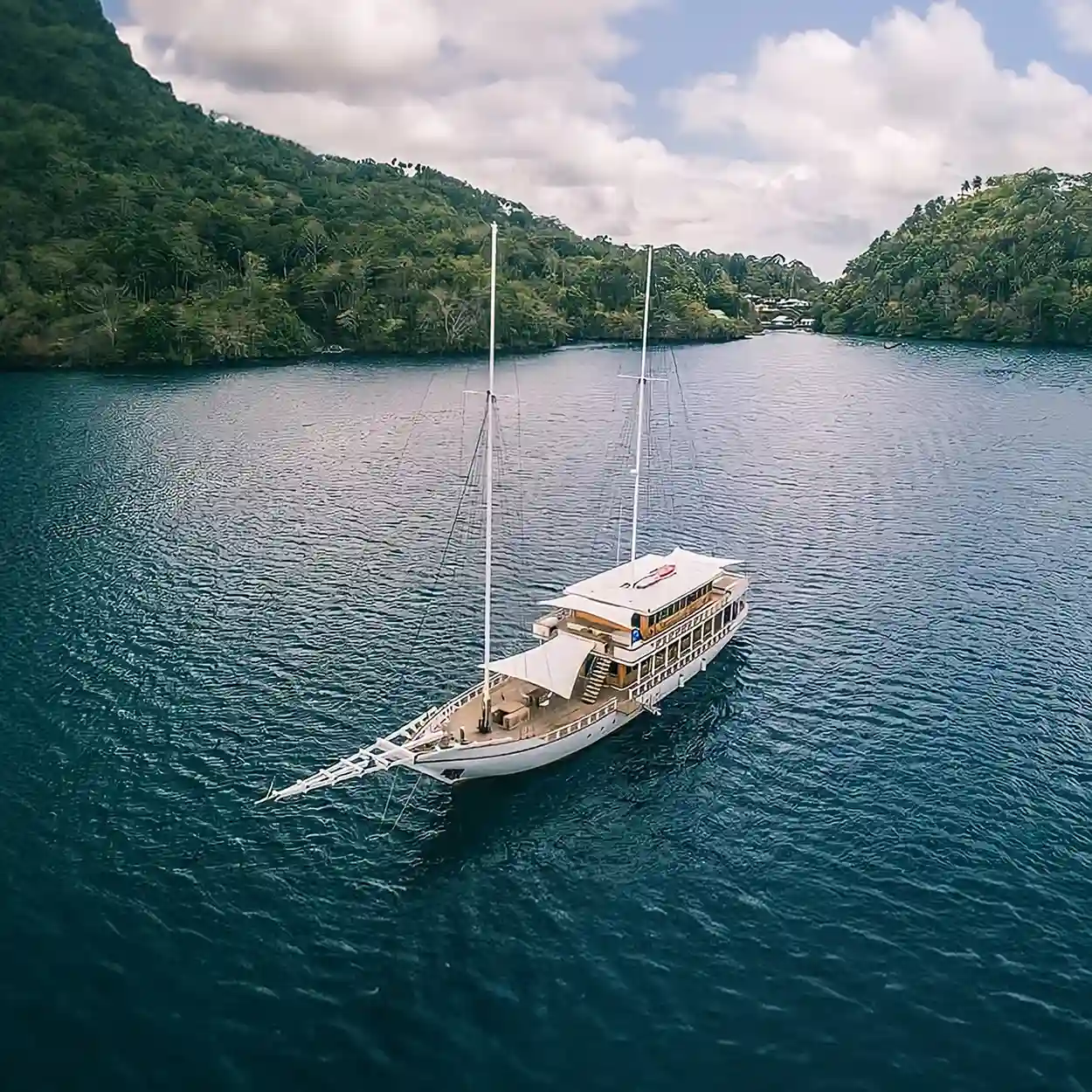
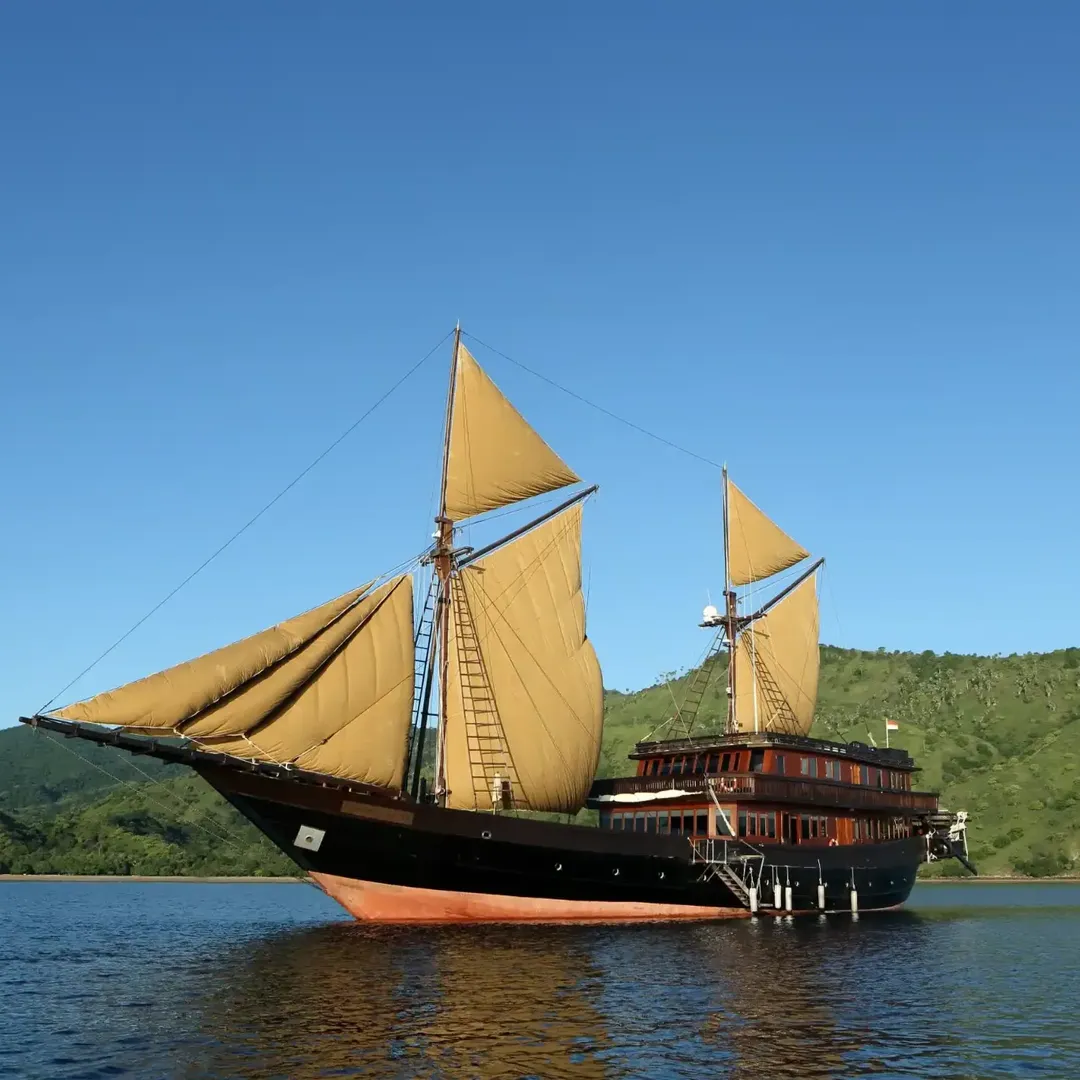
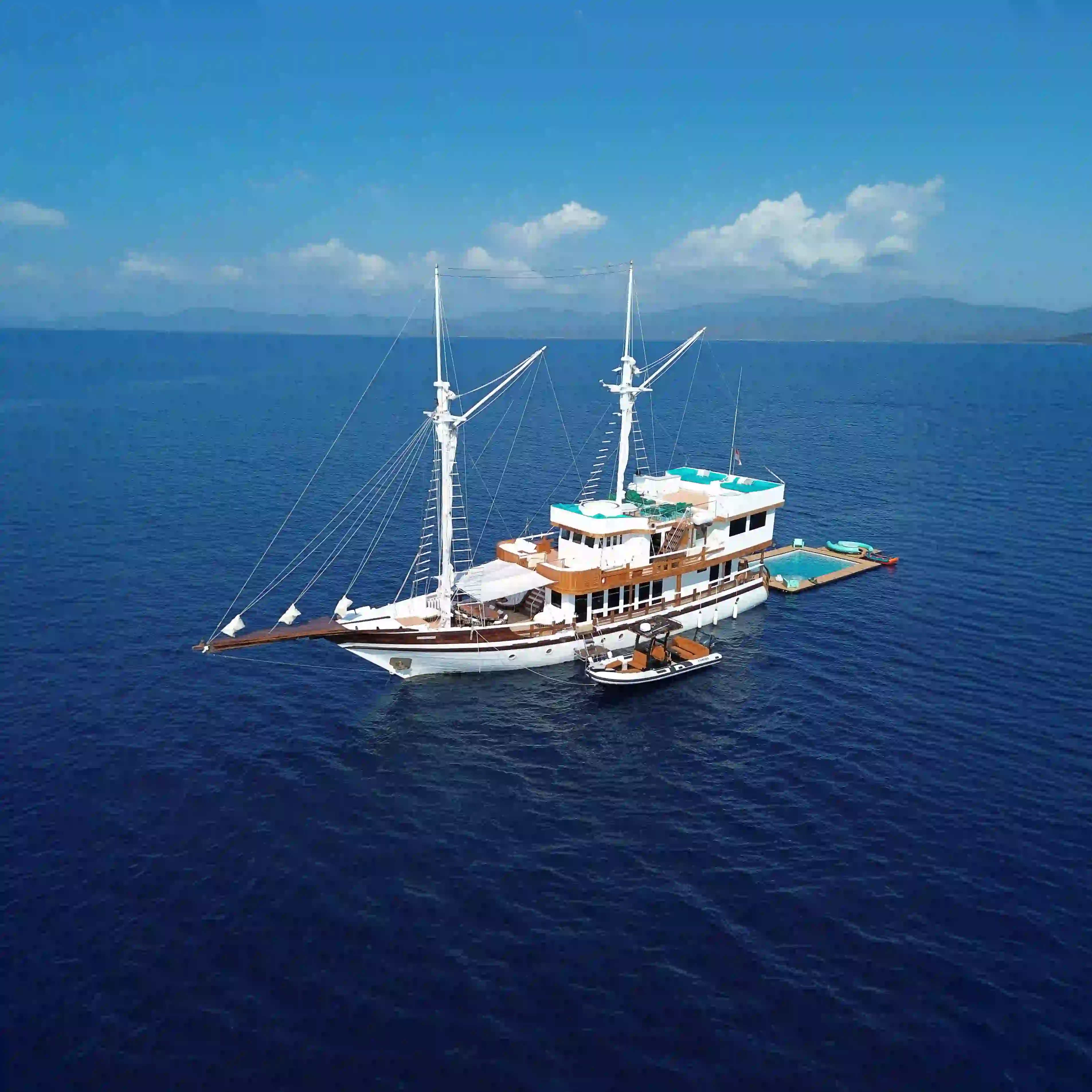
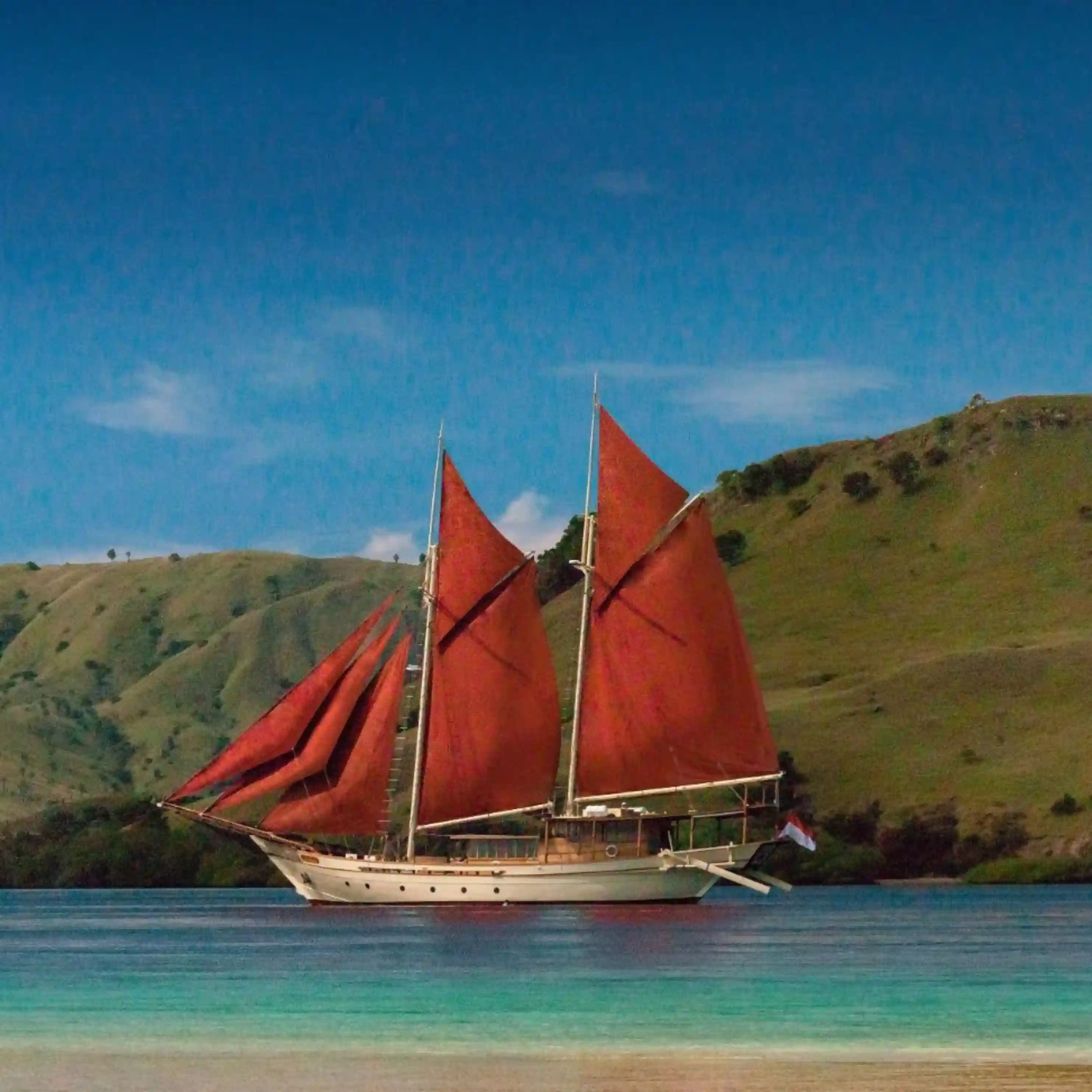
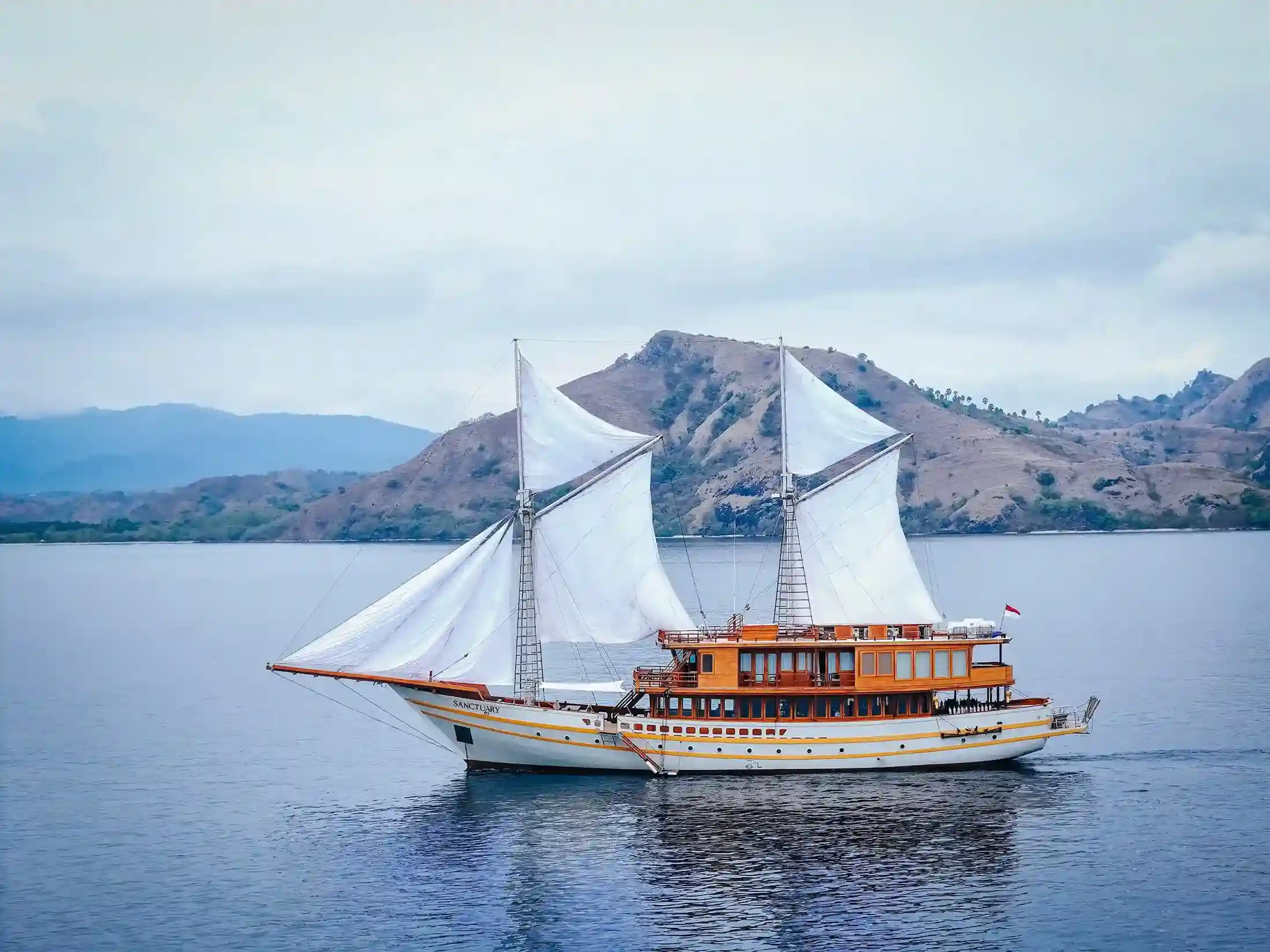
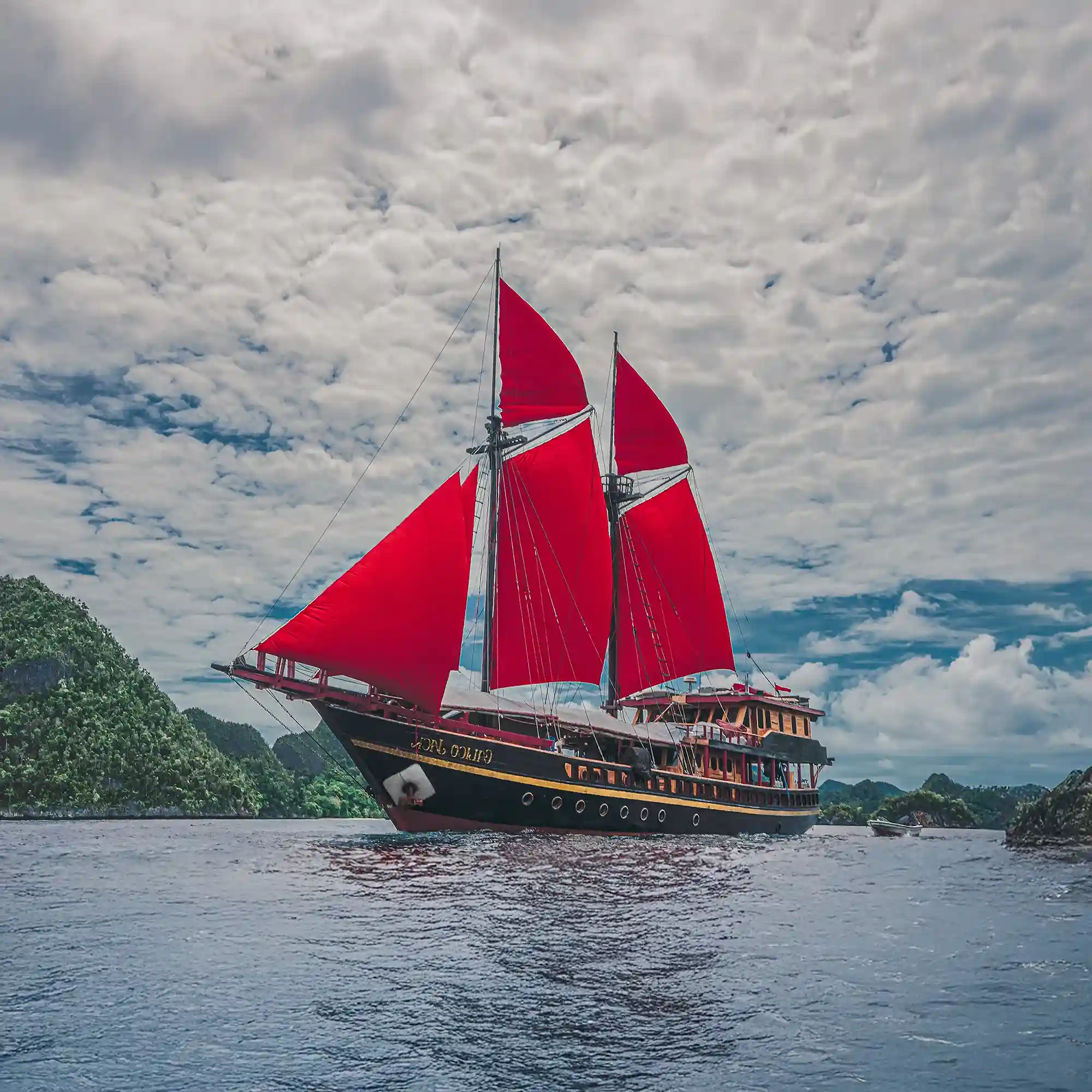
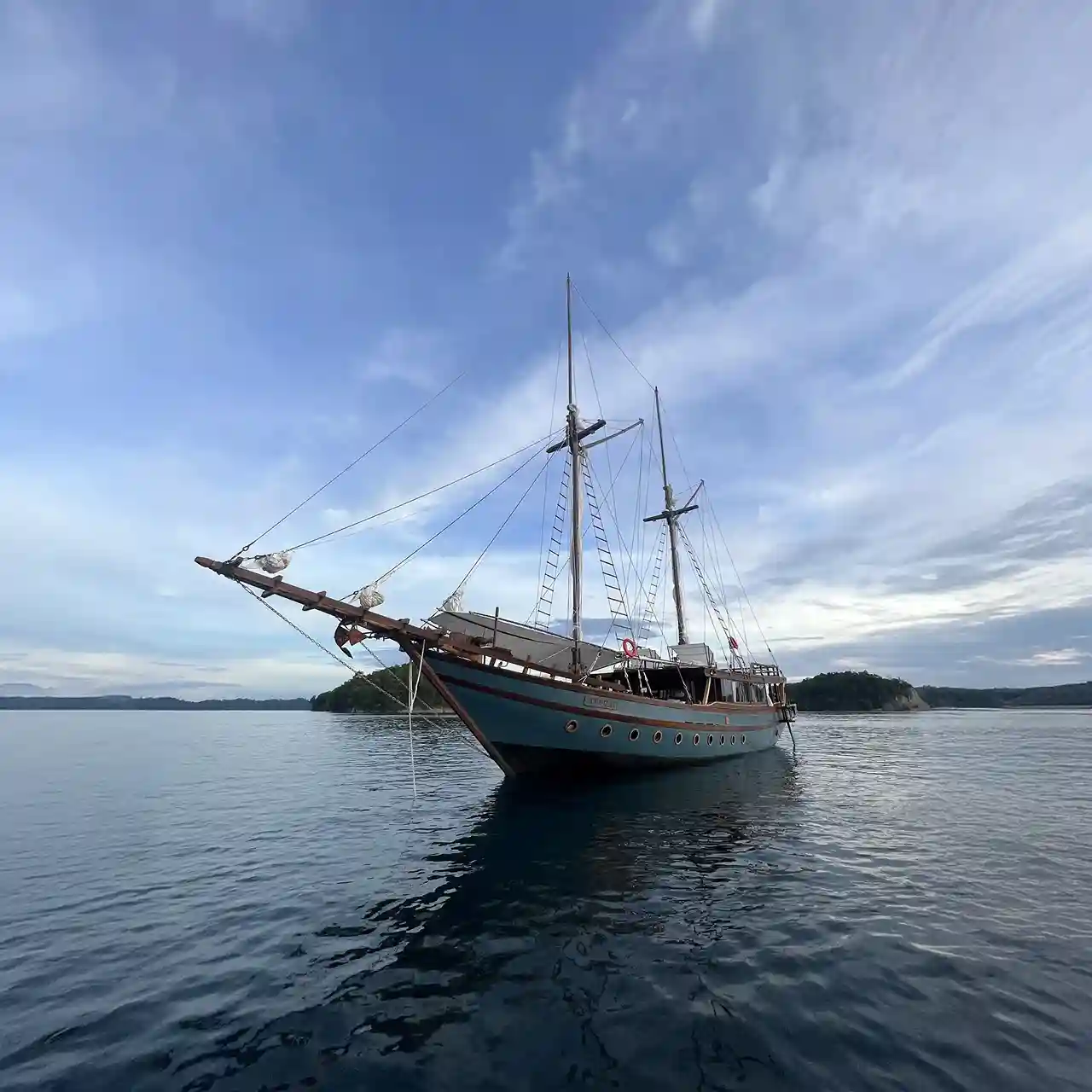
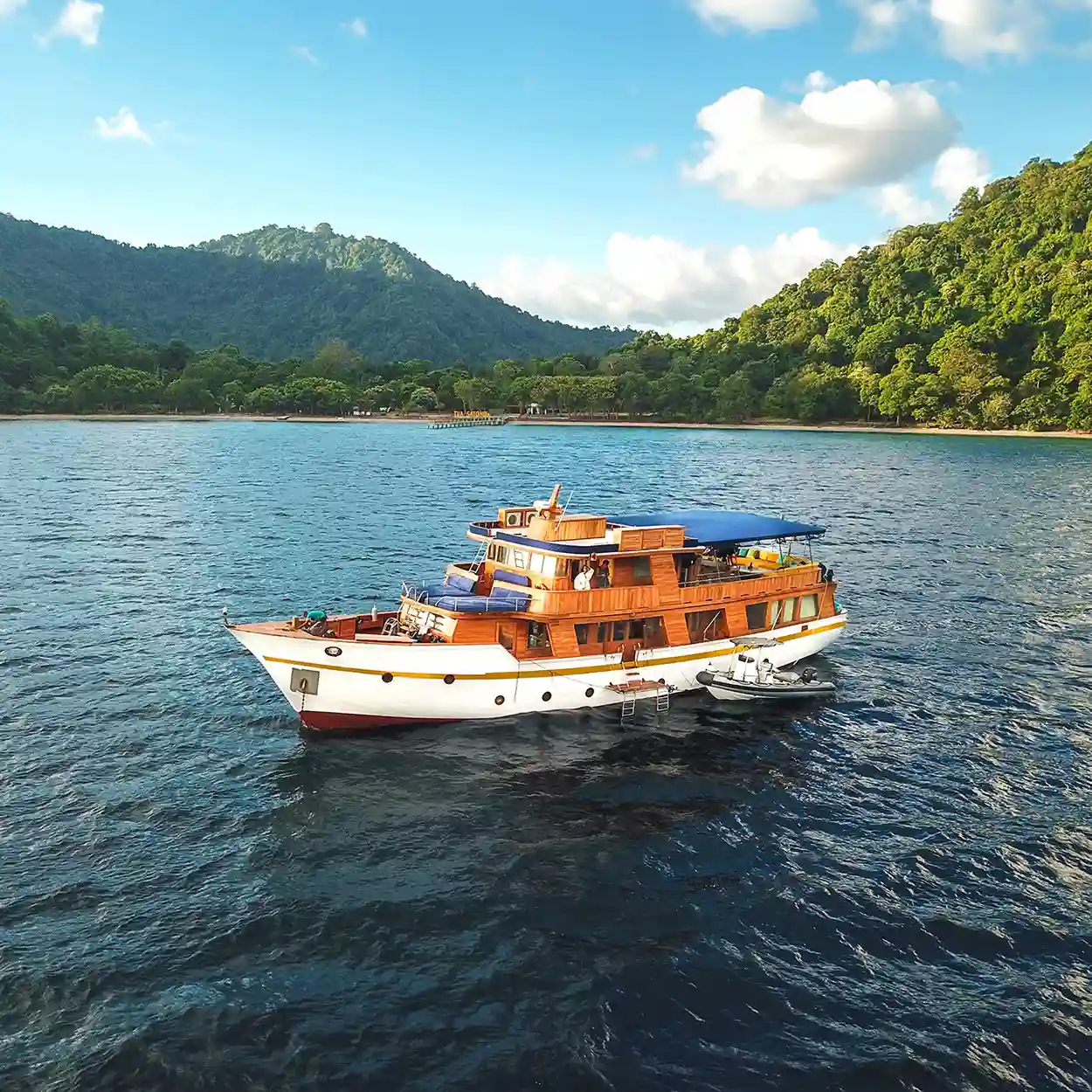
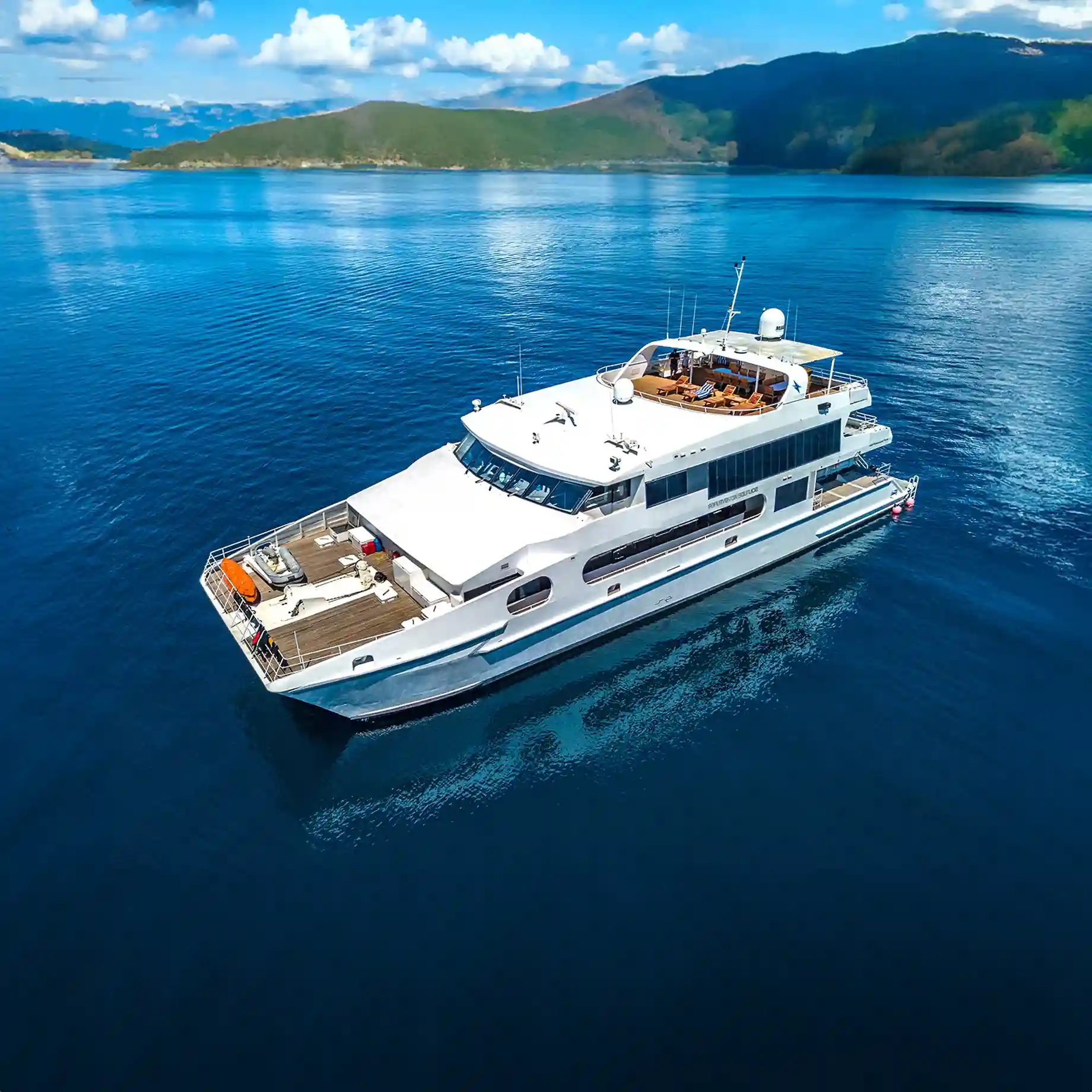
We keep her bow into the current off Mioskon as the first light hits Wayag’s limestone spires. At 36 metres, Solitude Adventurer isn’t the largest vessel out here, but her draft and hull design let us anchor close to narrows where the tides funnel baitfish and reef sharks. I’ve skippered six seasons in Raja Ampat, and this boat earns her name—she’s built for holding position quietly while guests drift along walls where soft corals pulse with every surge.
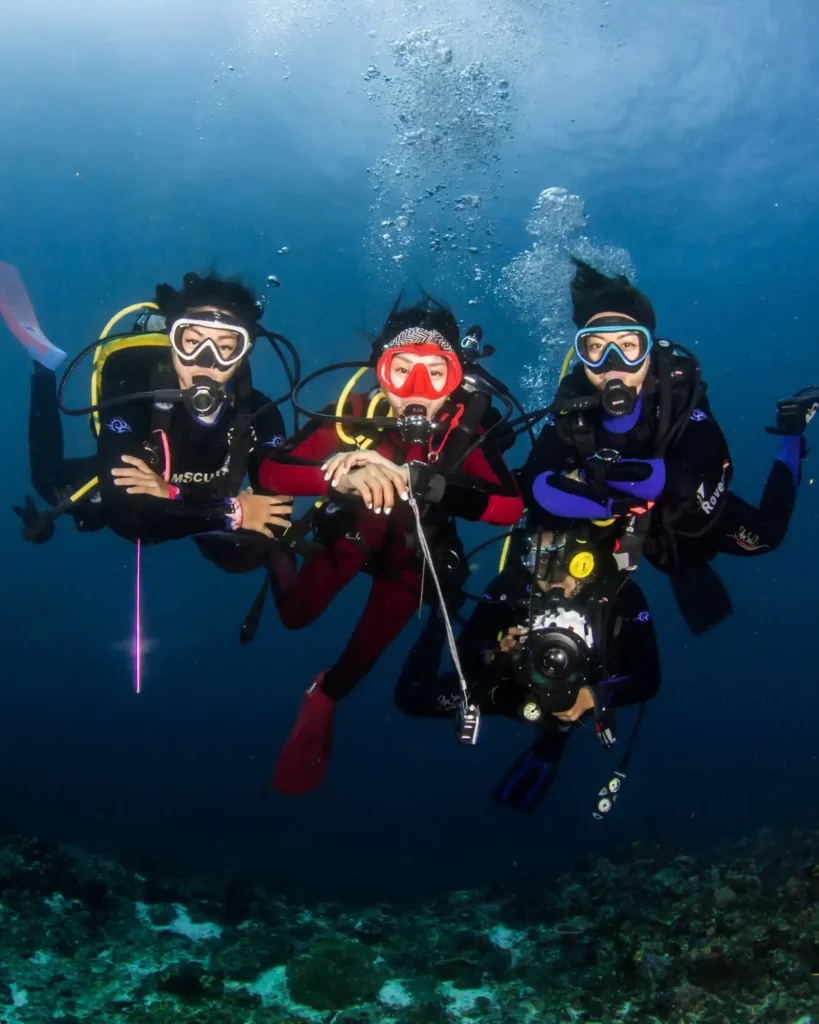
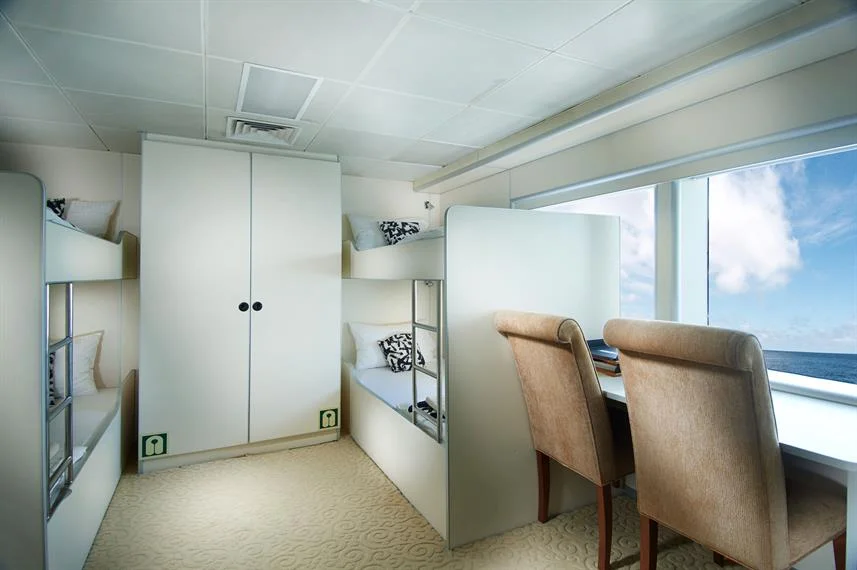
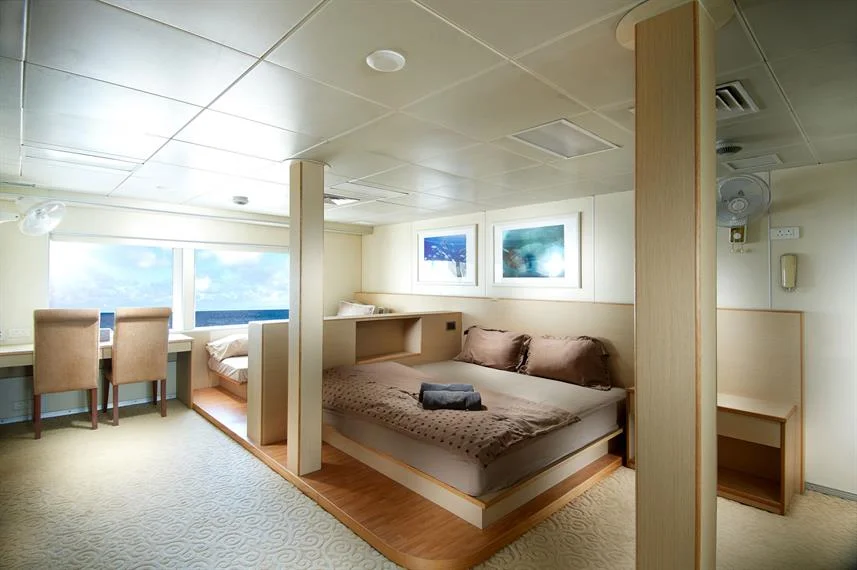
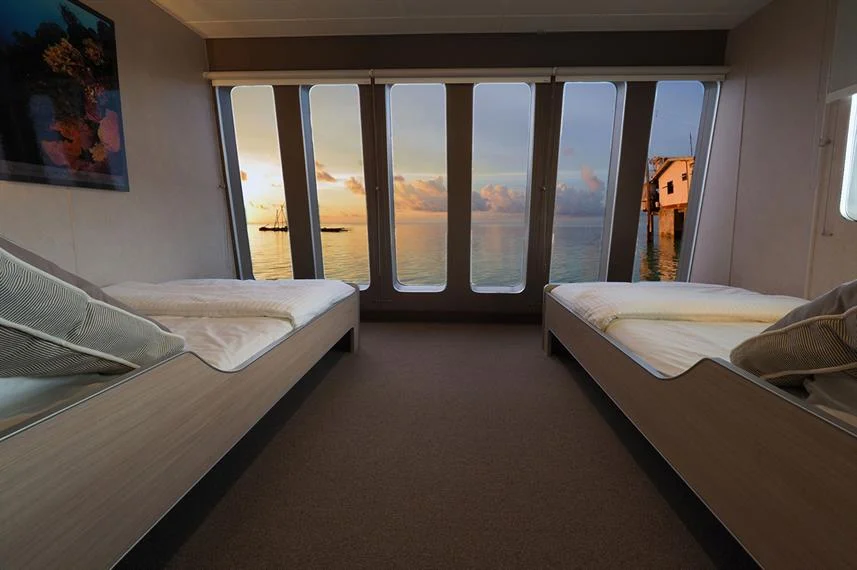
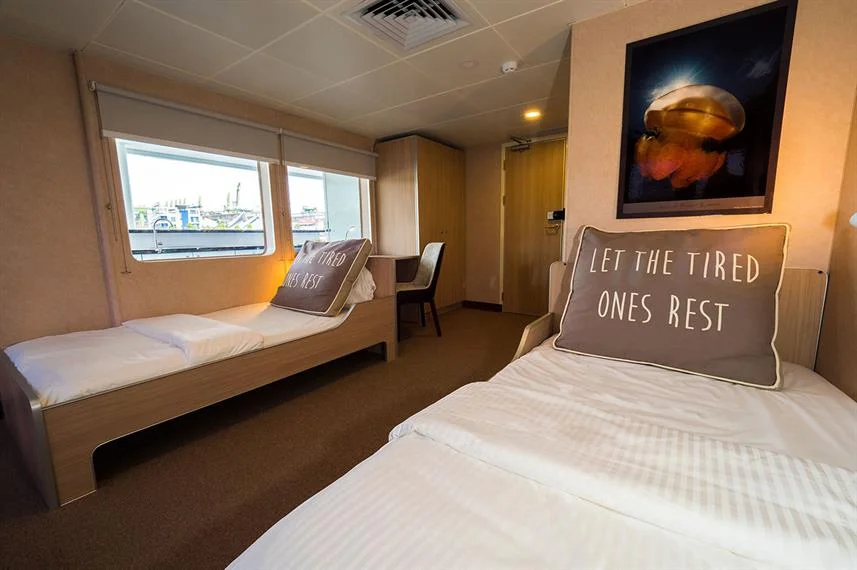
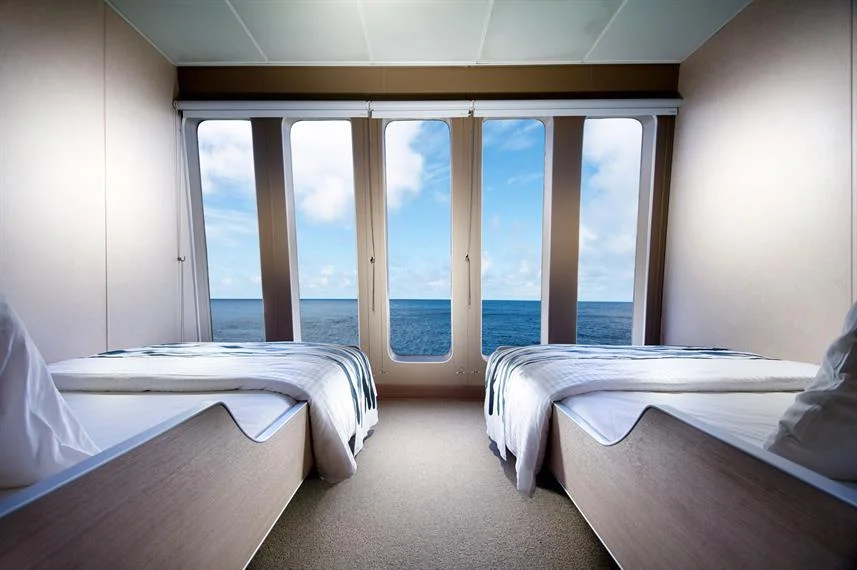
She runs with a maximum of eight guests across eight cabins, which means our dive deck never feels rushed. We time our entries to avoid the midday swell at Blue Magic, where the resident bumphead parrotfish school near the drop-off. The dive platform lowers slowly—no rush, no shouting. Our crew of six includes two divemasters who’ve logged 1,200+ dives in these straits. They brief on local surge patterns, not just points of interest. You’ll hear about the outgoing tide at Cape Kri, how it pulls nutrients along the reef face, bringing wobbegong sharks within arm’s reach.
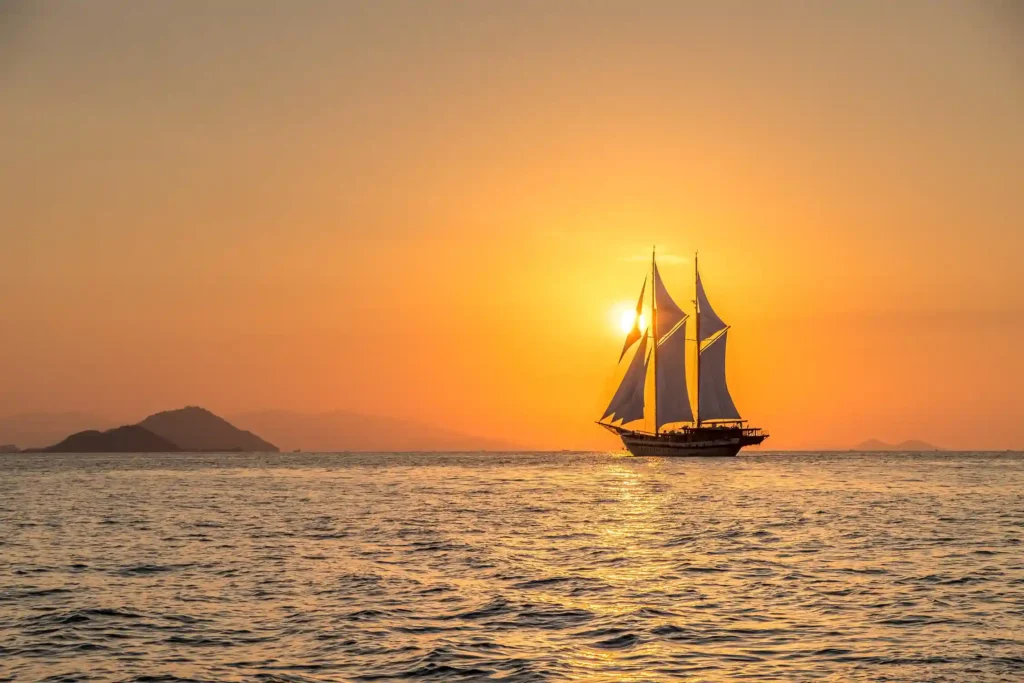
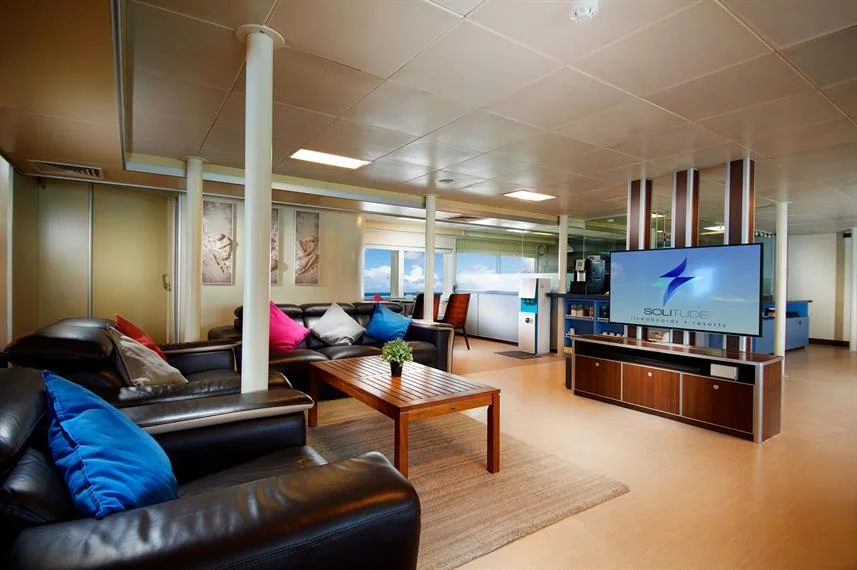
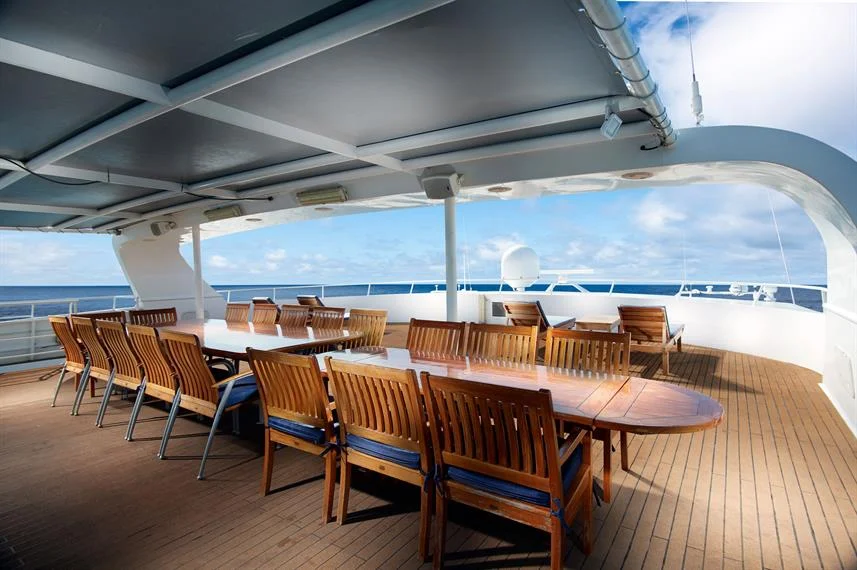
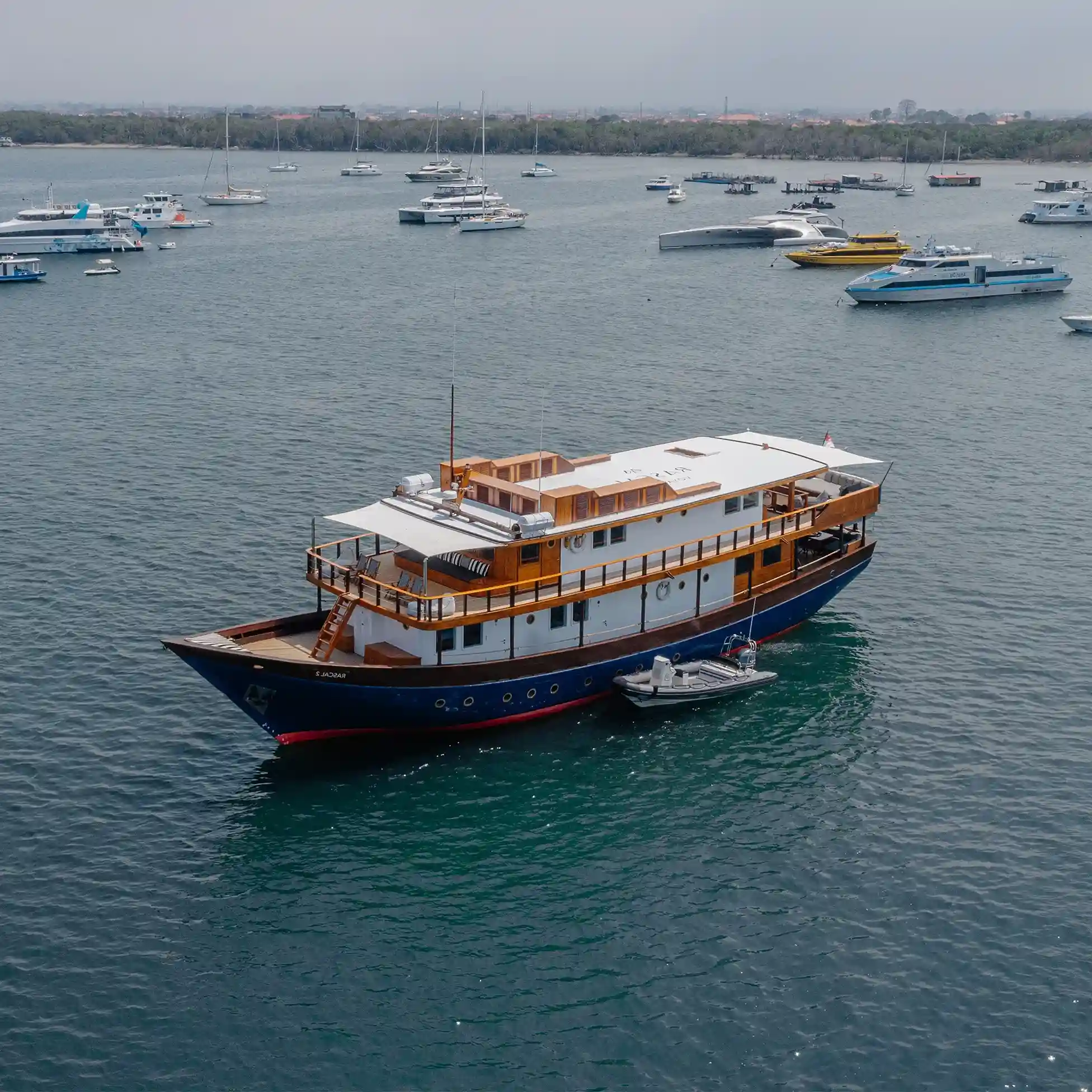
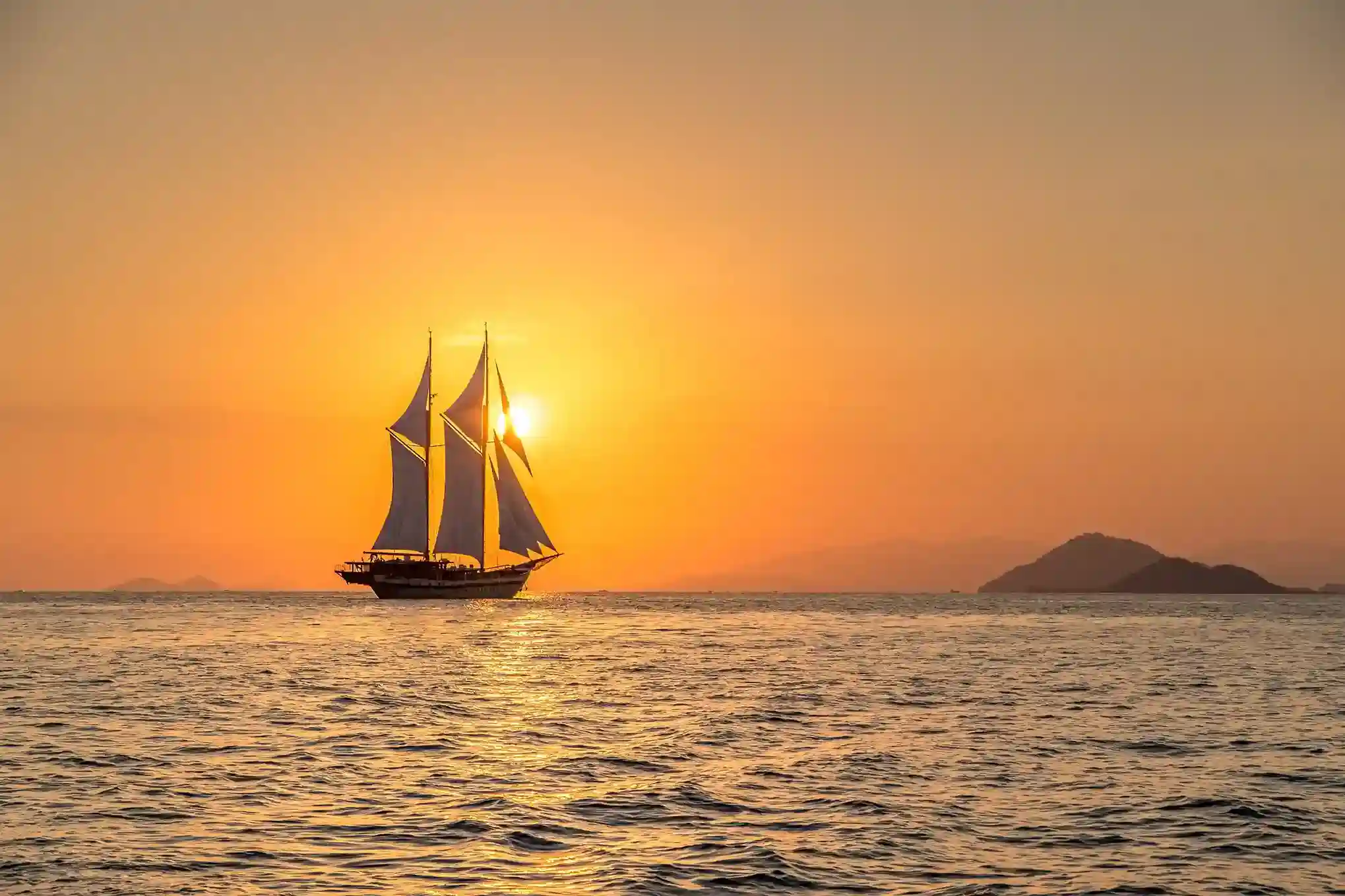
Guests come aboard knowing Raja Ampat isn’t about comfort at the expense of access. Our upper deck is open, with shaded loungers oriented west for sunset runs between Batanta and Salawati. There’s no indoor cinema or gym—instead, we’ve got a navigation table in the salon where you can sit with the captain and track our route to Arborek or the J Fam Islands. Meals are served family-style: grilled mahi-mahi caught that morning, papaya from Kri, sambal made fresh daily. No reheated curry in a chafing dish.
By day three, most groups are ready for the crossing back to Sorong, but we’ll detour to Mioskon if the swell’s under 1.5 metres. It’s not on every itinerary, but when conditions align, it’s worth it—reef sharks circle the pinnacle at 18 metres, and the soft corals glow blue under torchlight. We surface at 17:30, clean gear together, and serve hot ginger tea on deck as the sky burns orange behind the mangroves.
This isn’t a floating hotel with a dive tag-on. Solitude Adventurer operates like a working vessel with discipline. We check weather via BMKG every morning, reroute if the wind exceeds 20 knots in the strait, and always carry an extra tender in case the main zodiac takes a coral scrape. Our oxygen kit is inspected weekly, not just before guest arrival. If the tide’s wrong for Wayag, we’ll anchor at Yenbuba instead—less photographed, just as rich in pygmy seahorses and ghost pipefish.