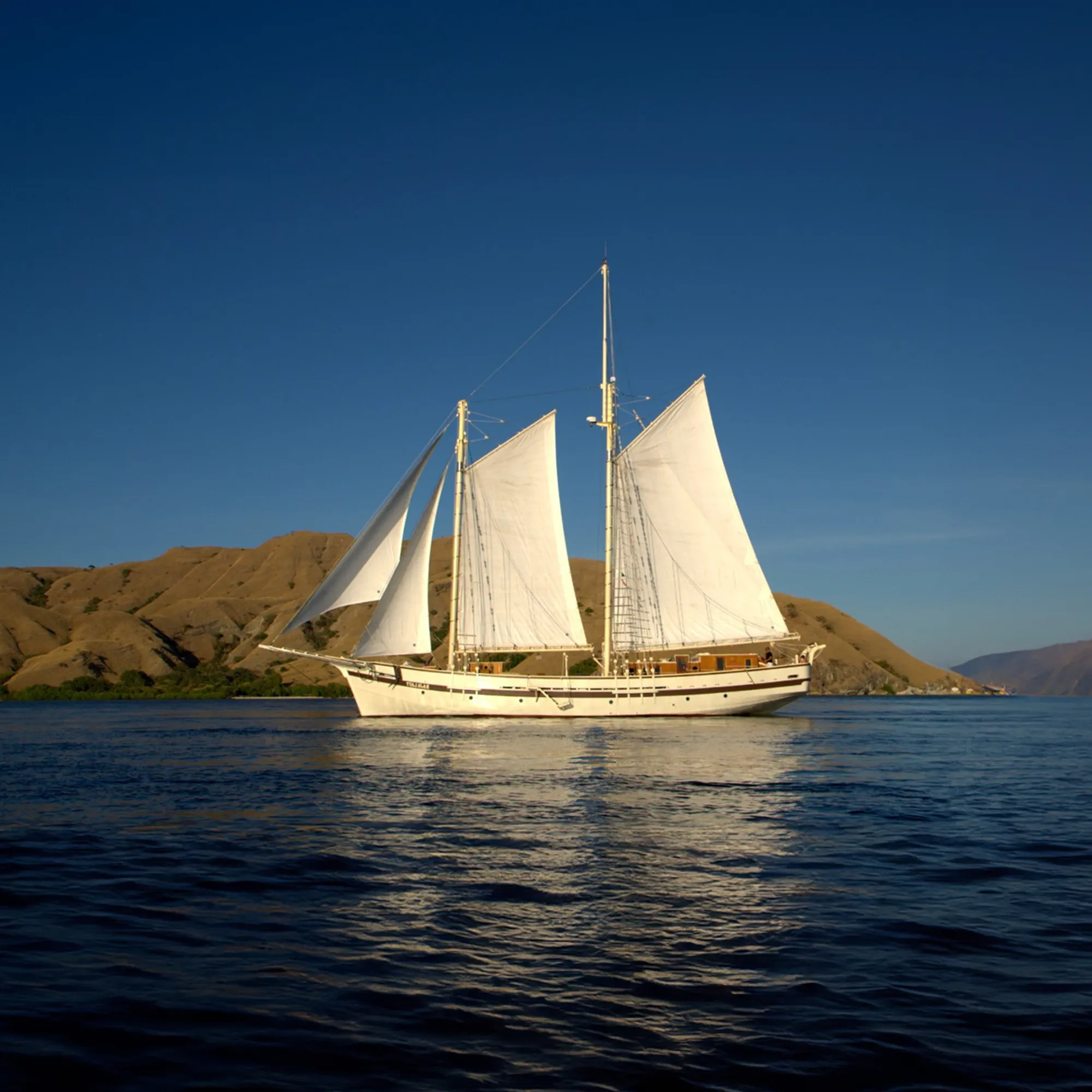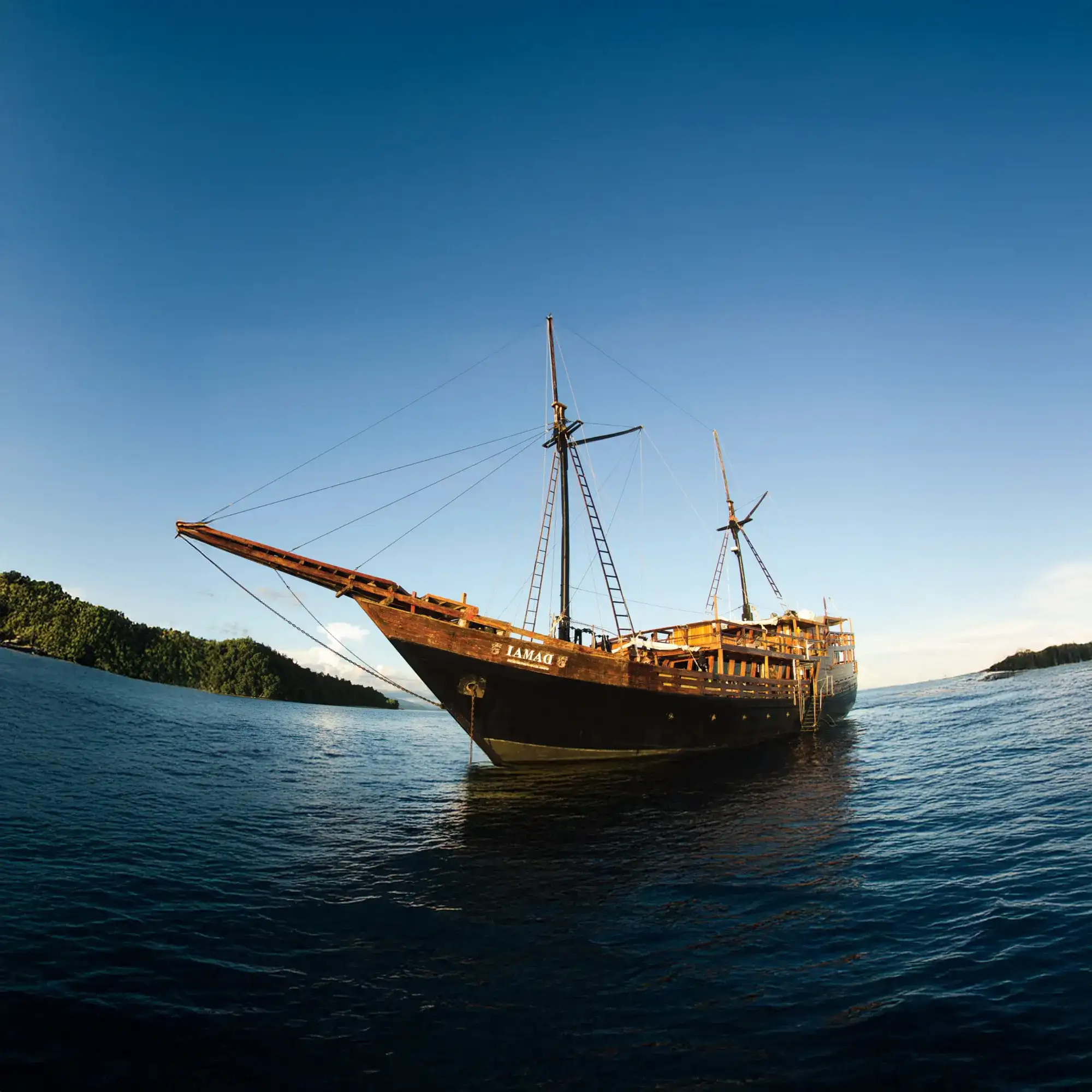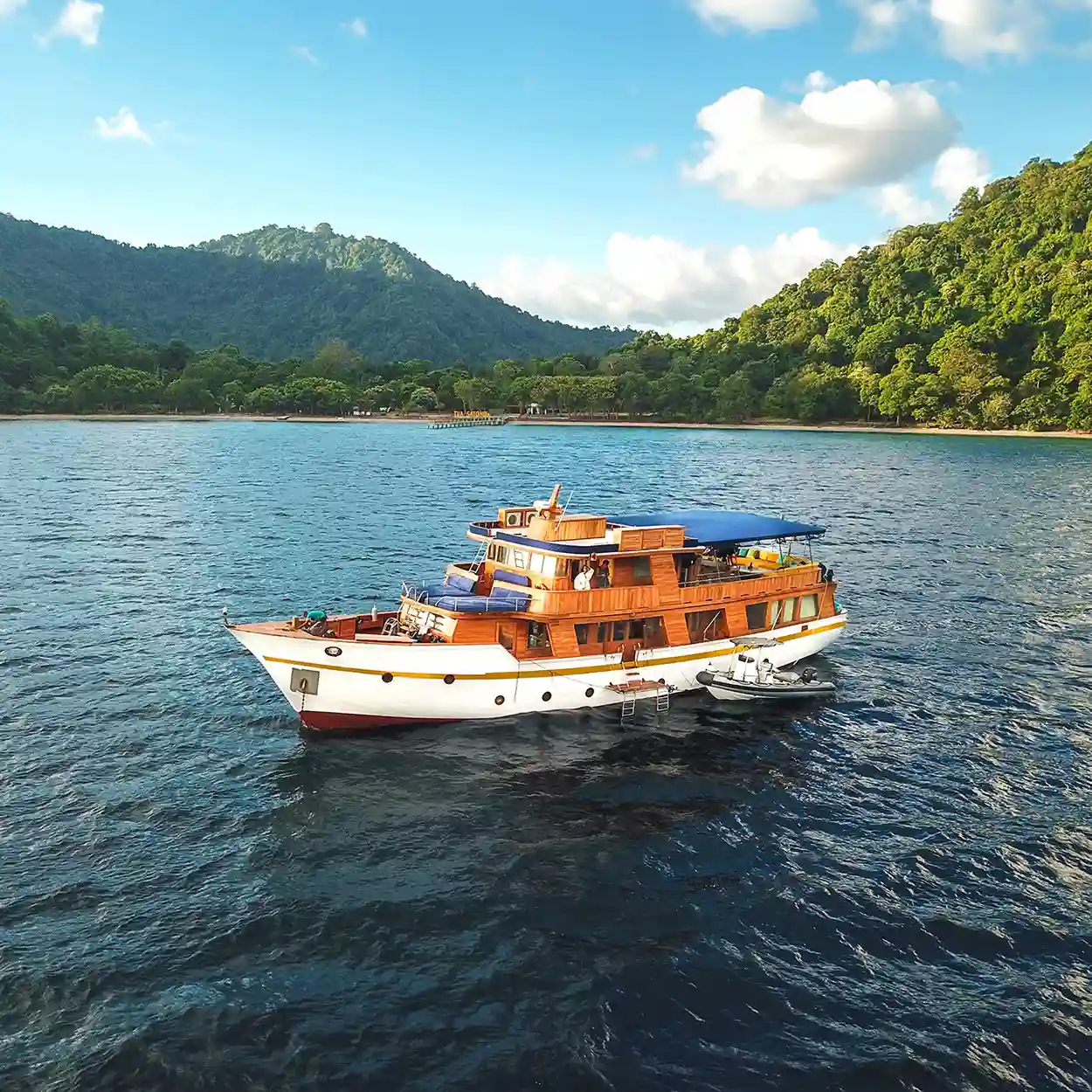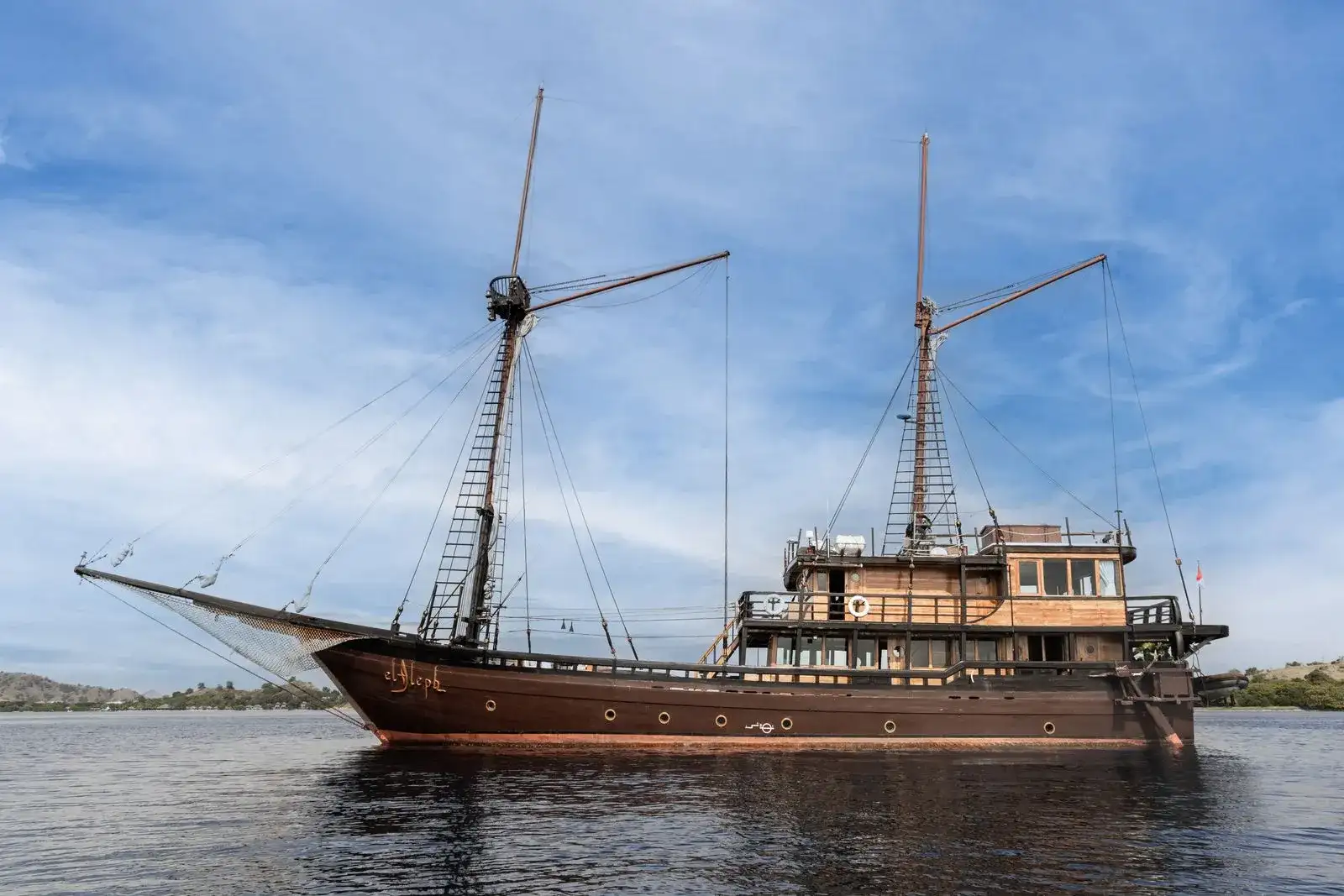
About Dancing Wind
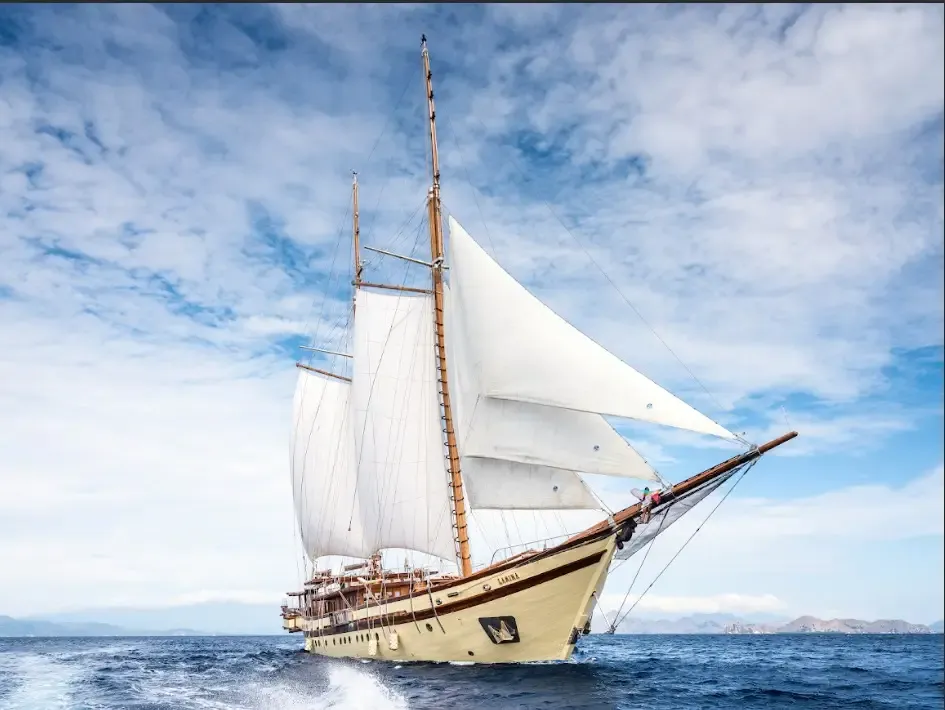
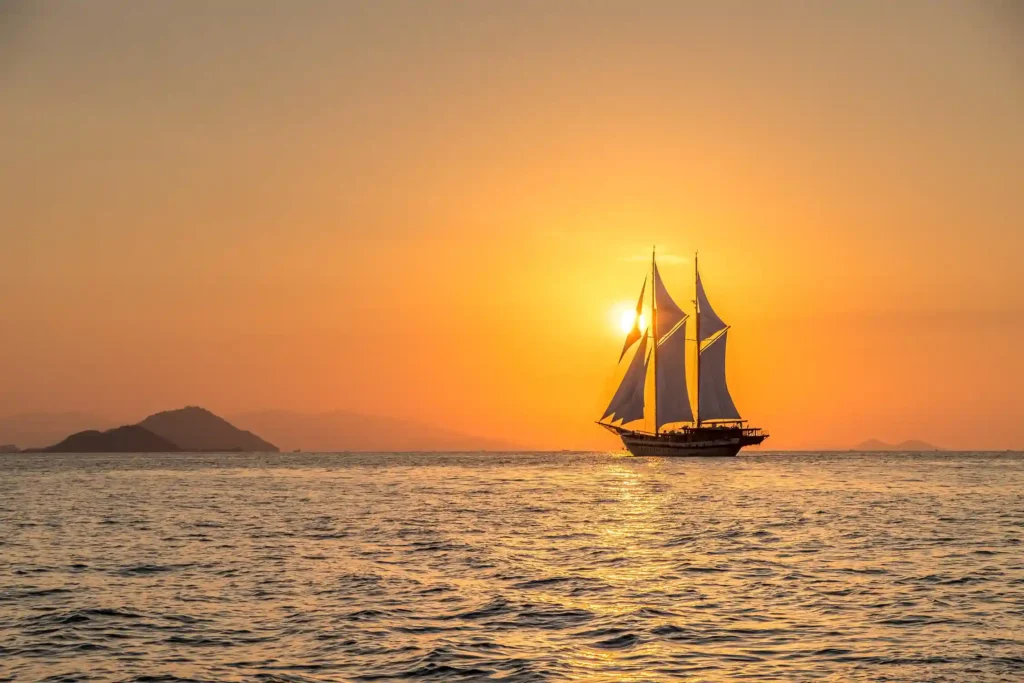
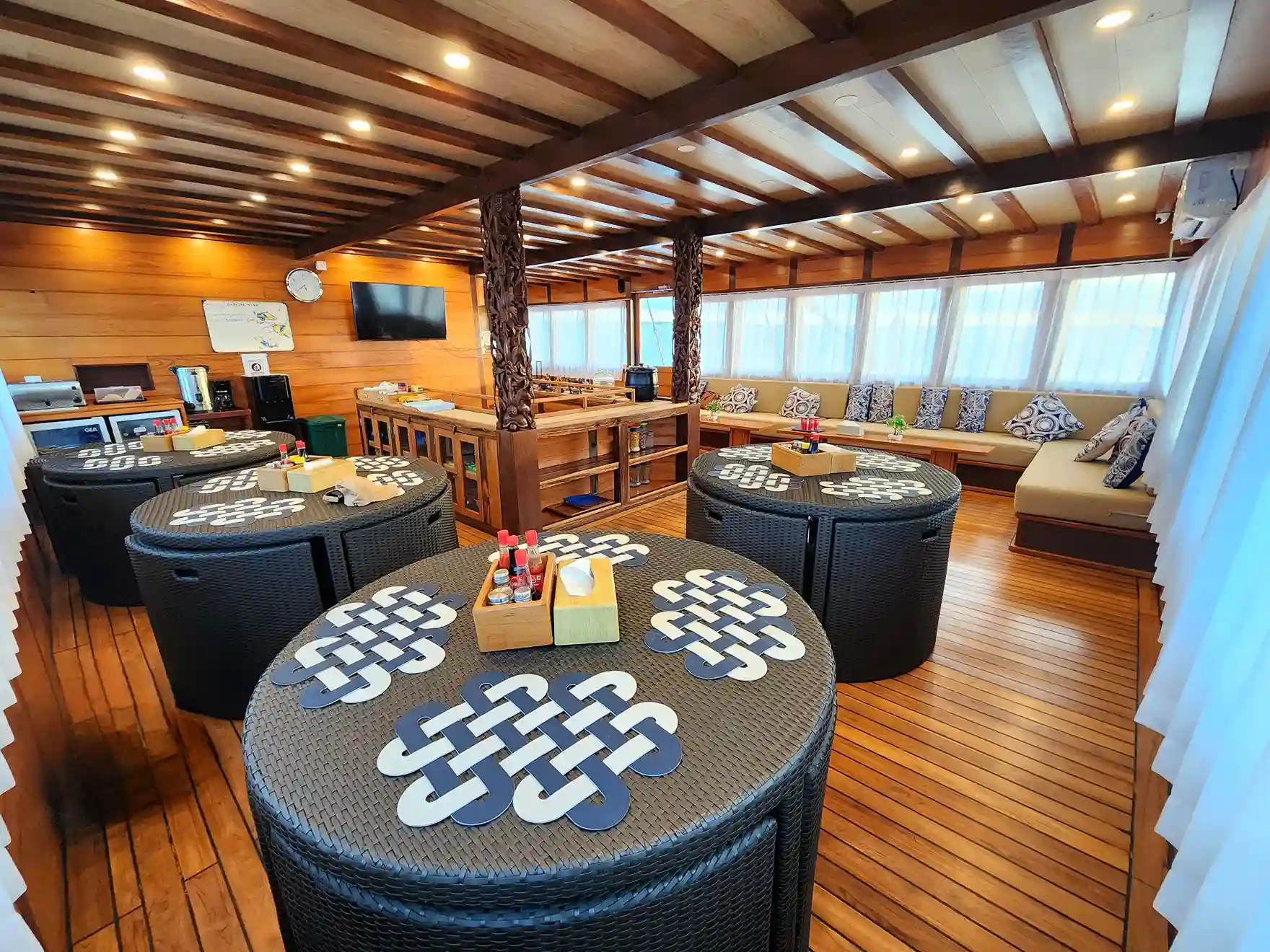
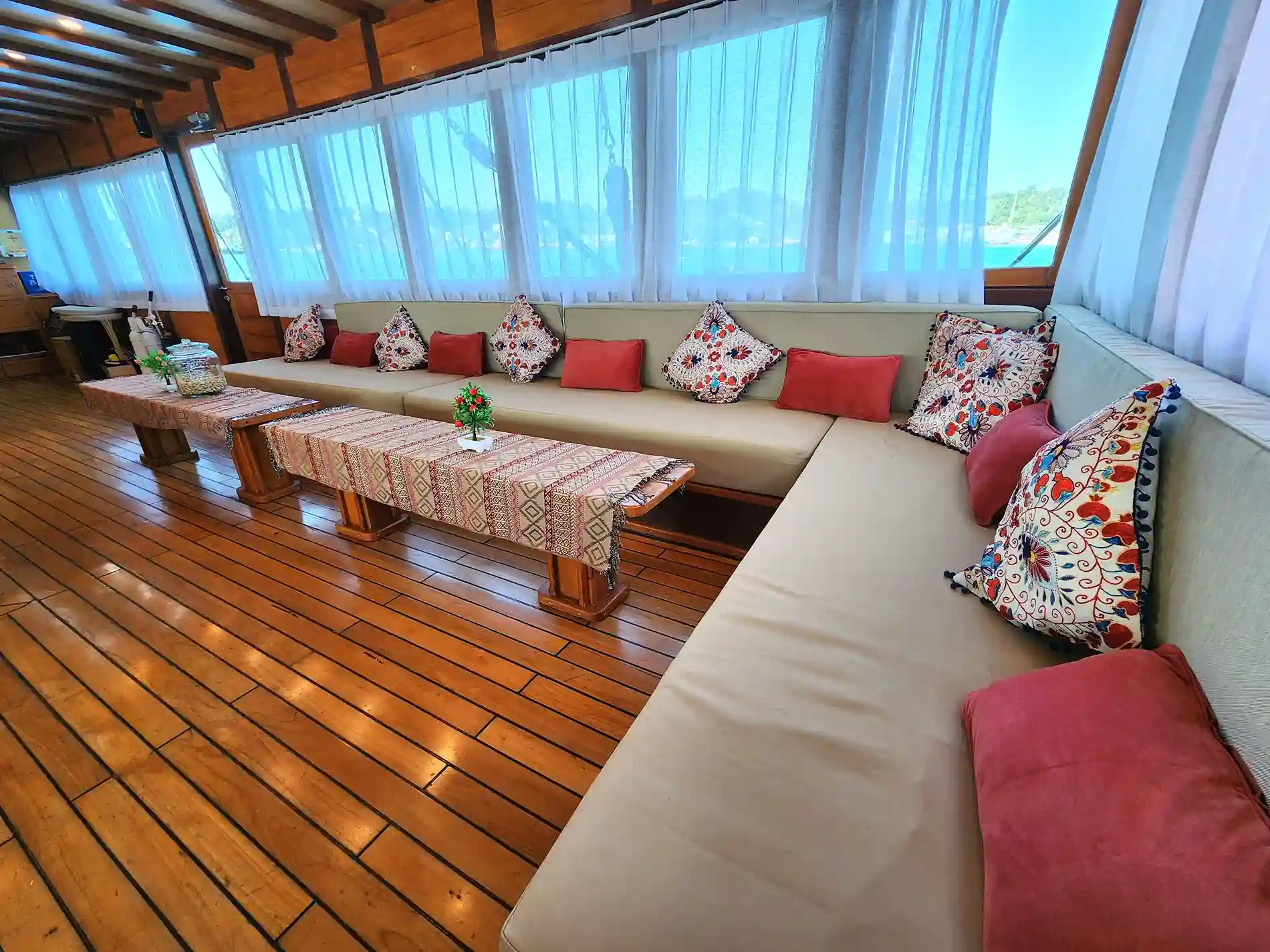
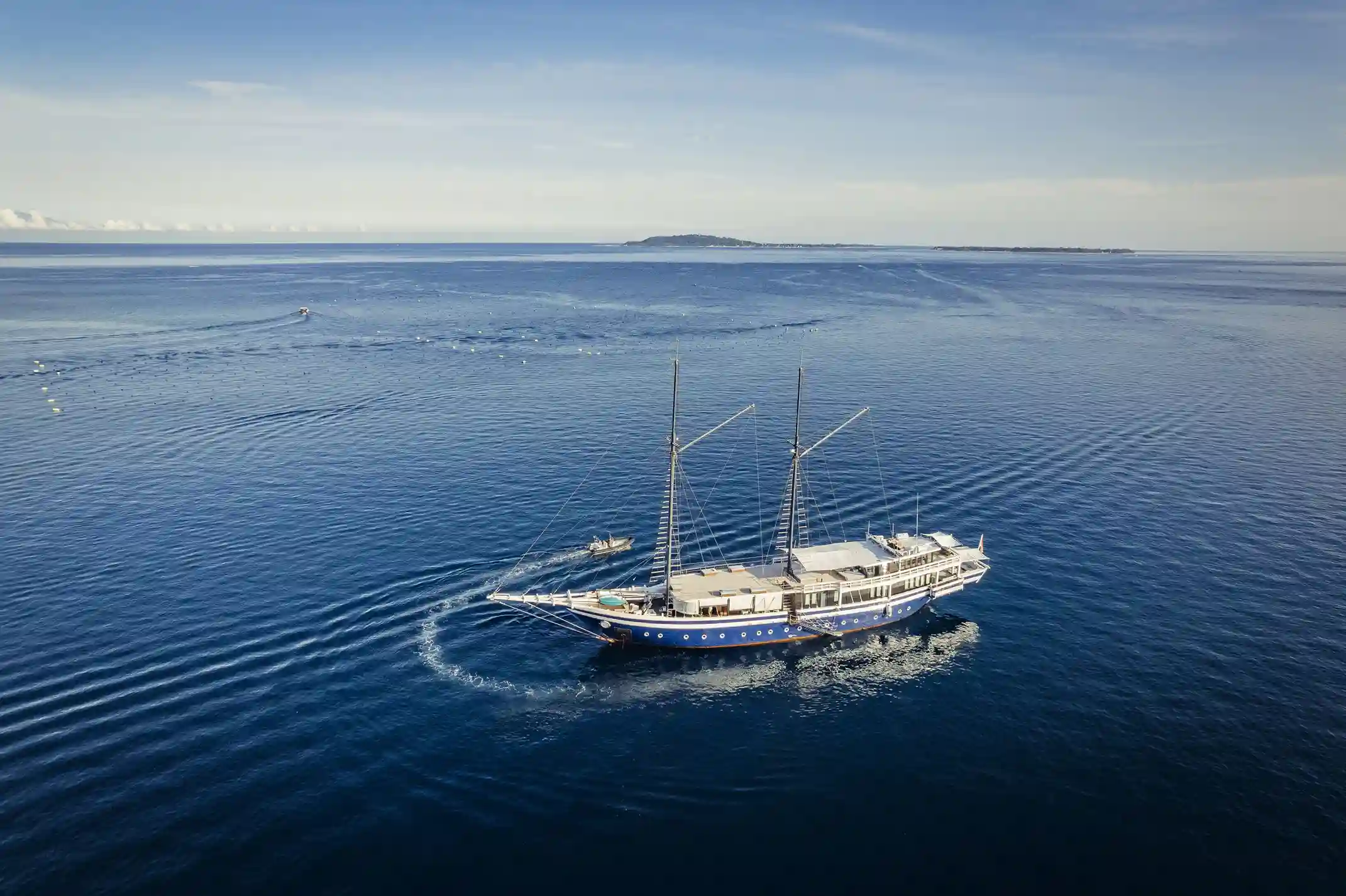
I woke before dawn on the second night, drawn not by an alarm but by the soft mechanical hum of the anchor winch. The Dancing Wind had slipped away from Wayag’s lagoon sometime after midnight, and now, at 5:30am, the crew were securing position off a sliver of land I couldn’t yet make out. I stepped barefoot onto the teak deck, the wood still cool from the night, and saw the first glow behind a distant karst. No one spoke. A thermos of coffee and a plate of banana pancakes already waited on the lounge table — not served, just offered, as if the crew knew exactly when you’d appear. That silence, that precision, was the first sign this wasn’t just another liveaboard.
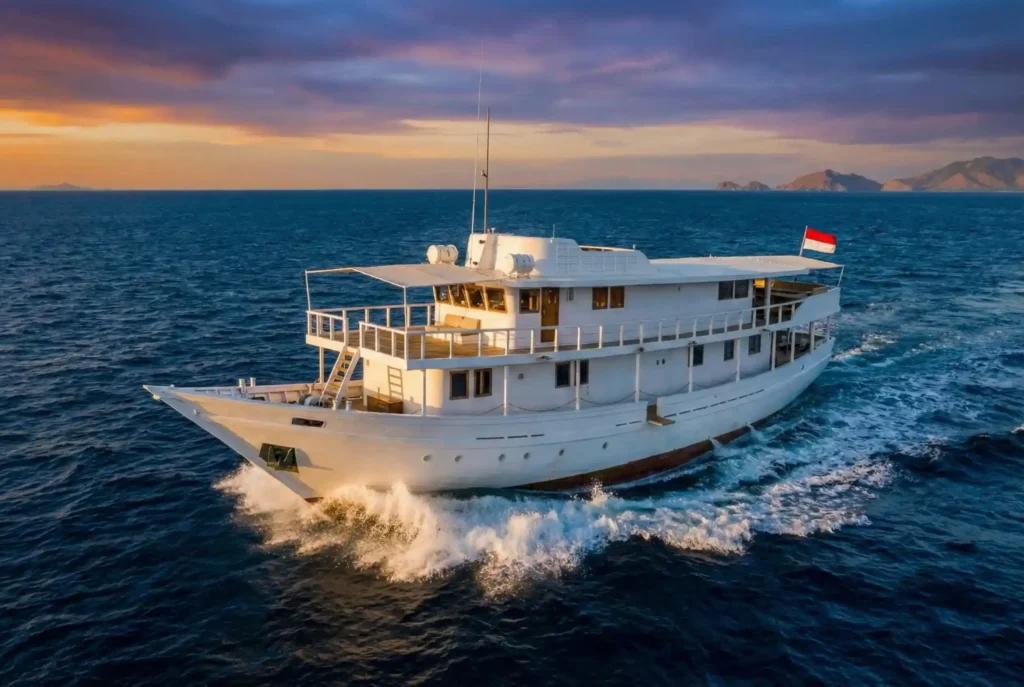
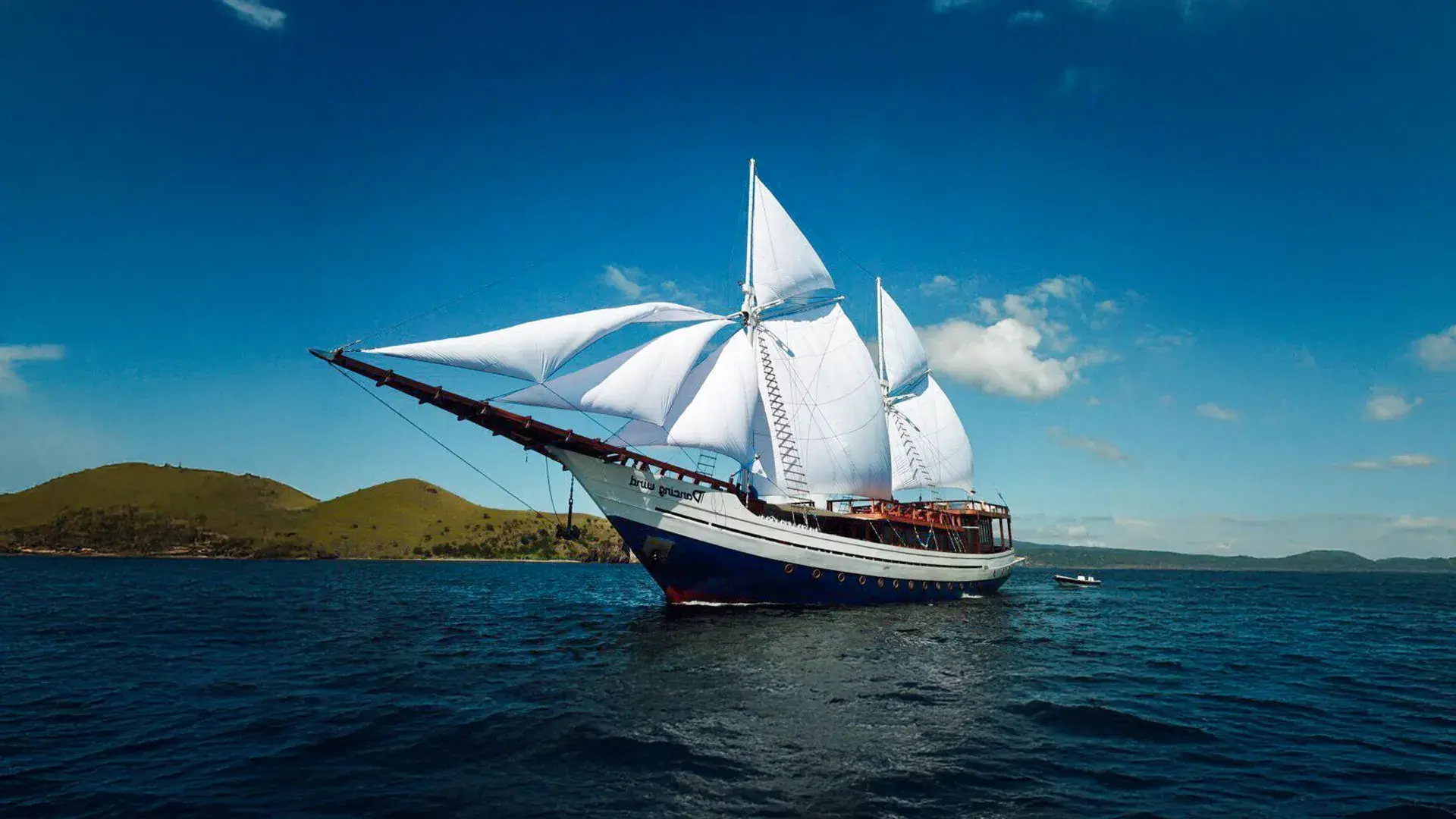
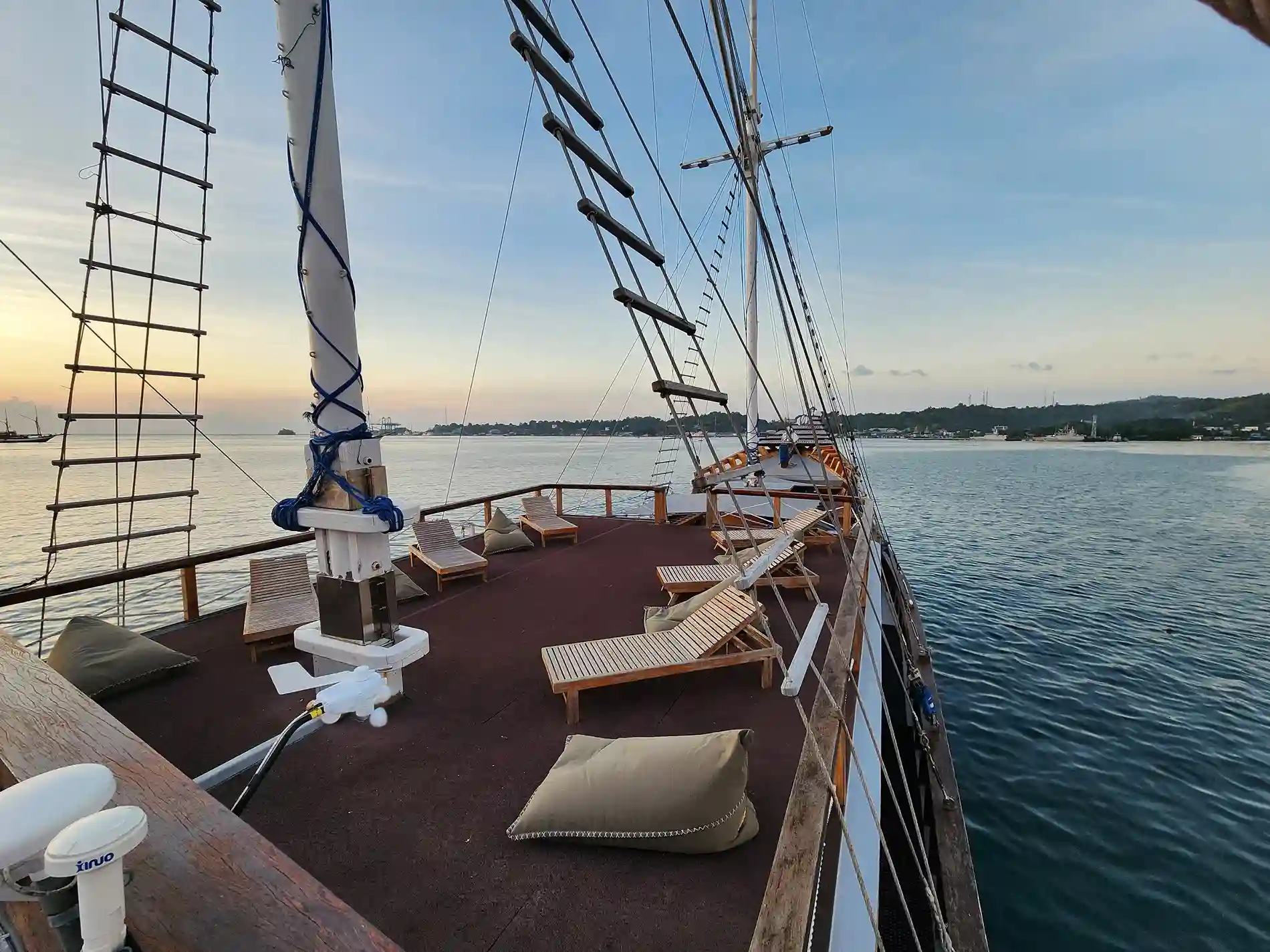
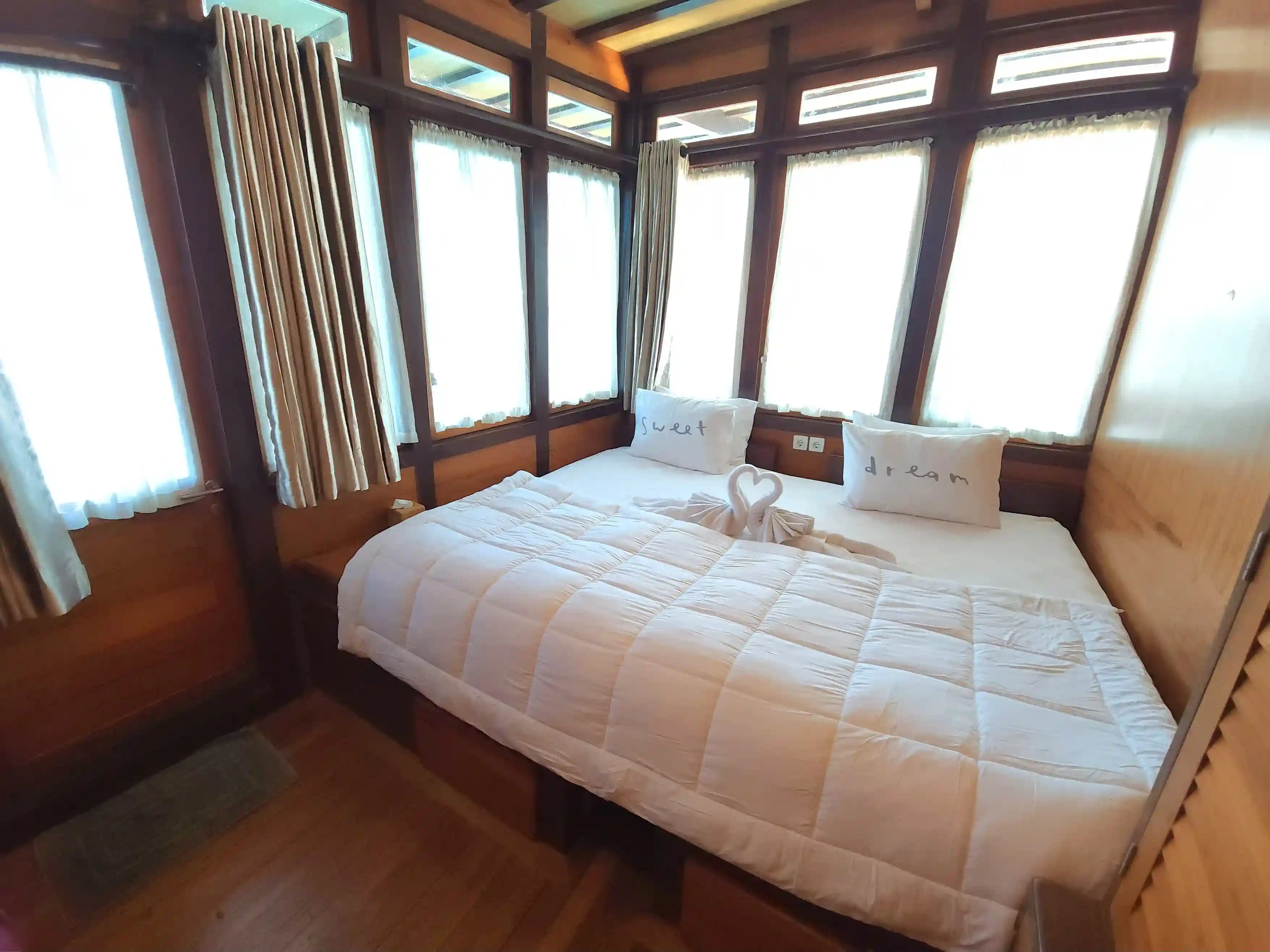
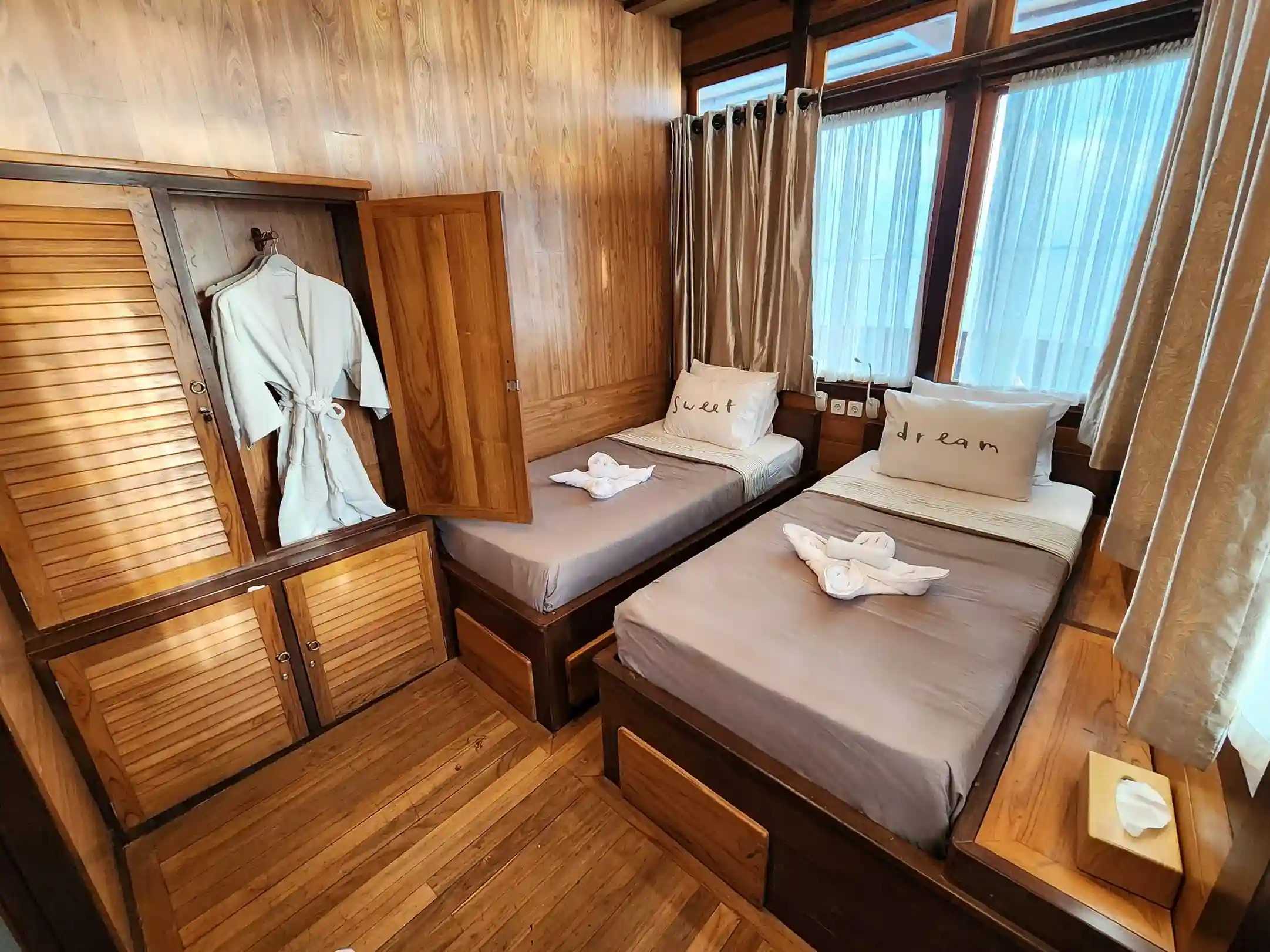
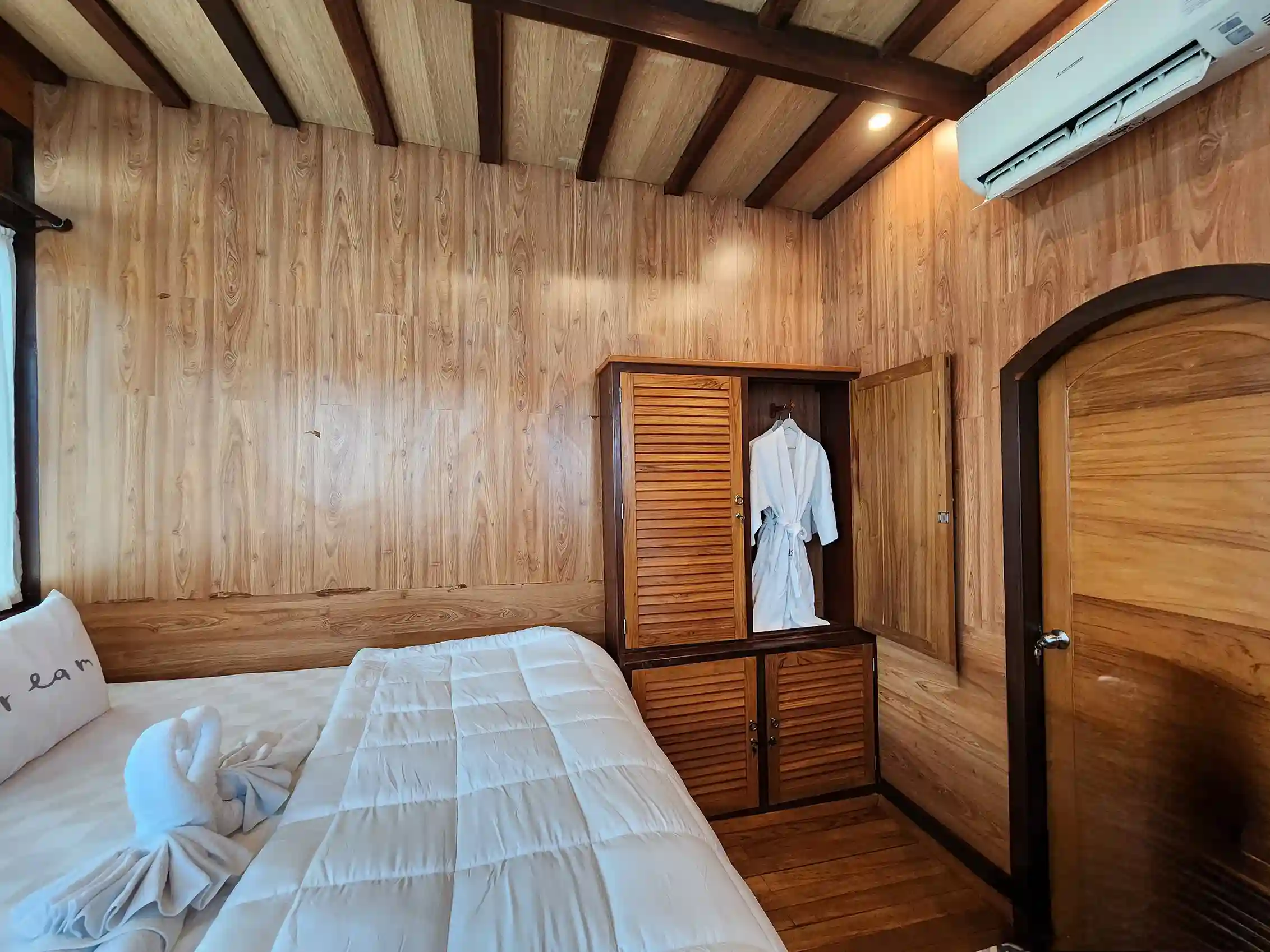
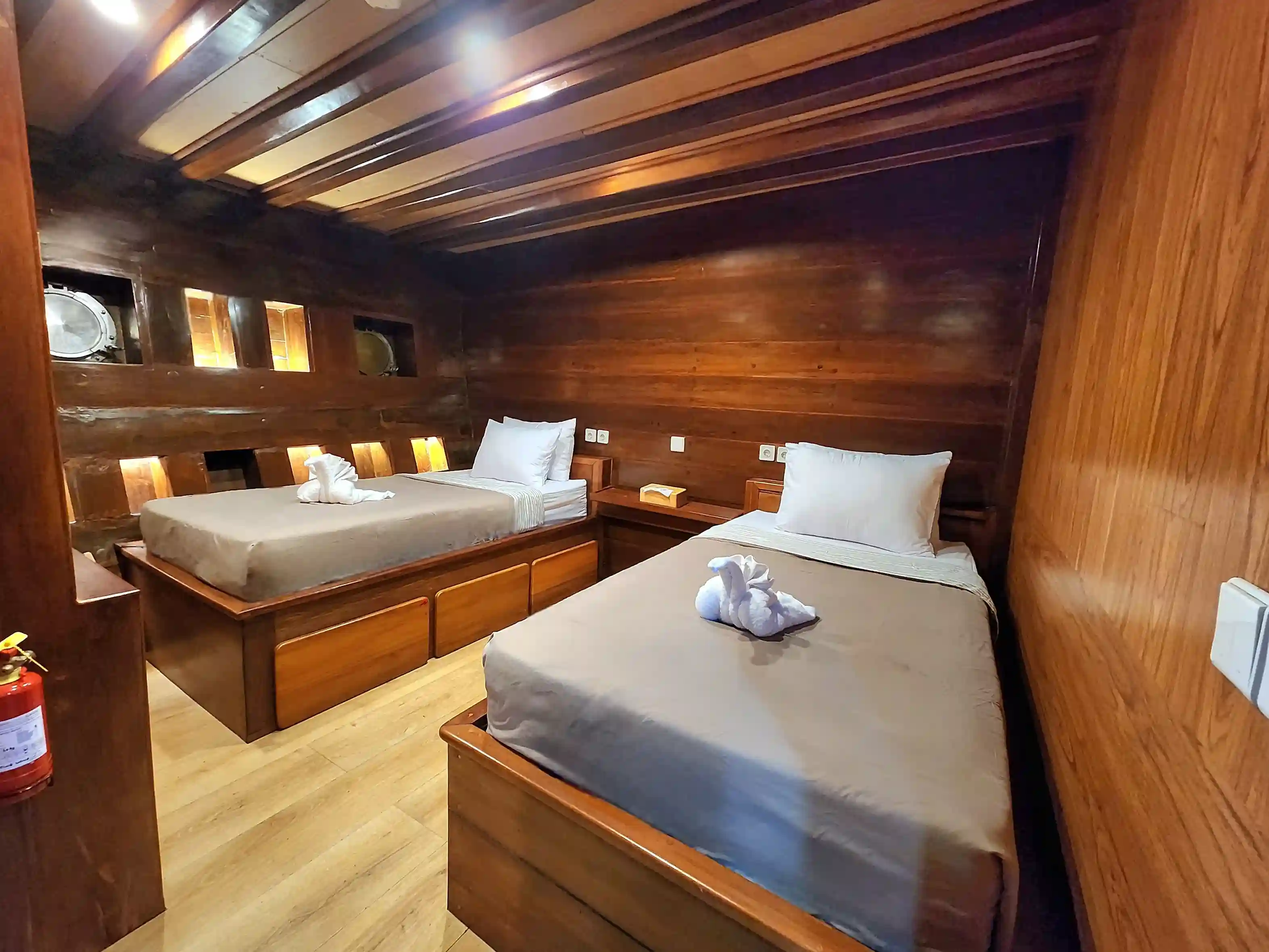
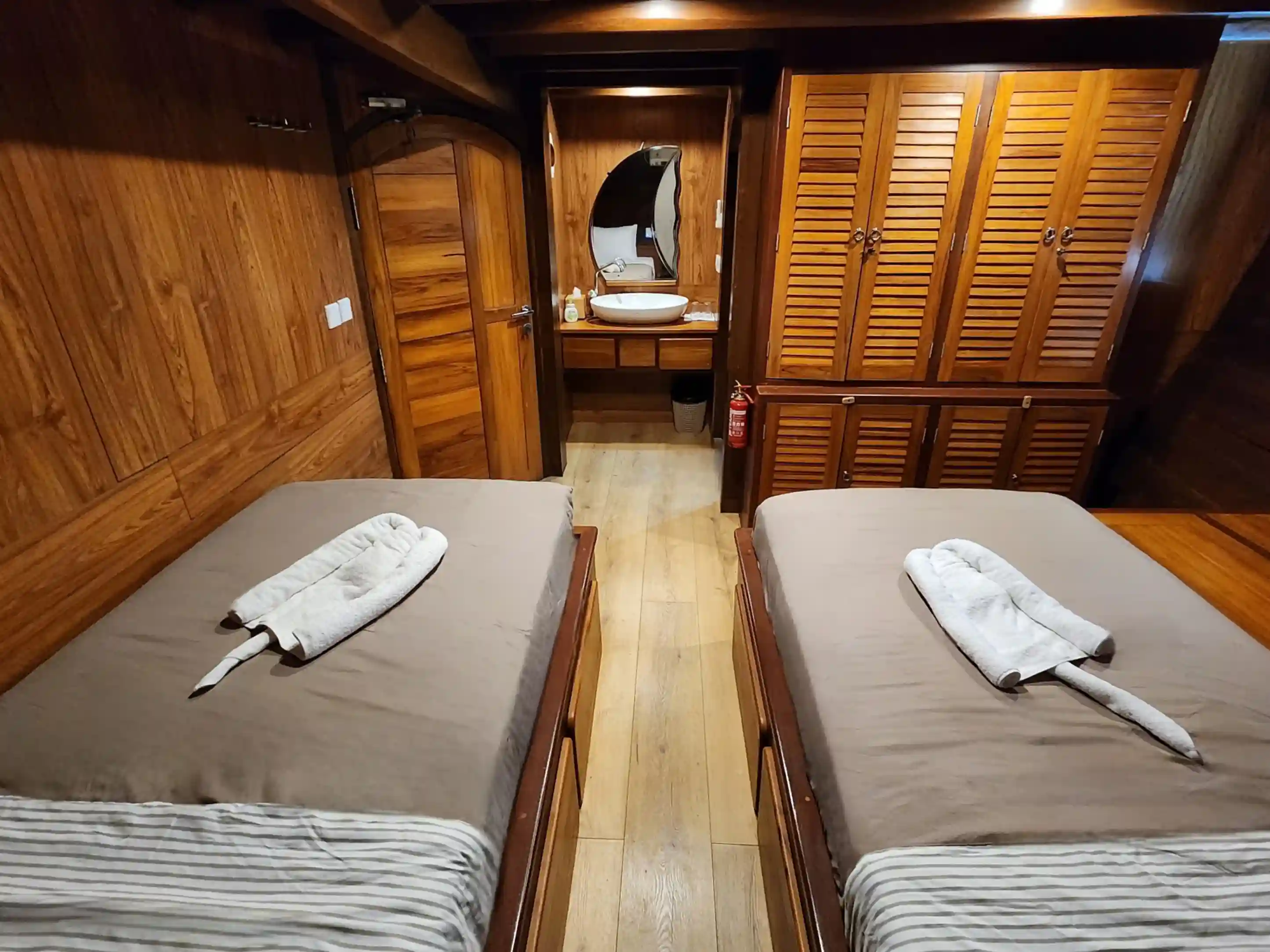
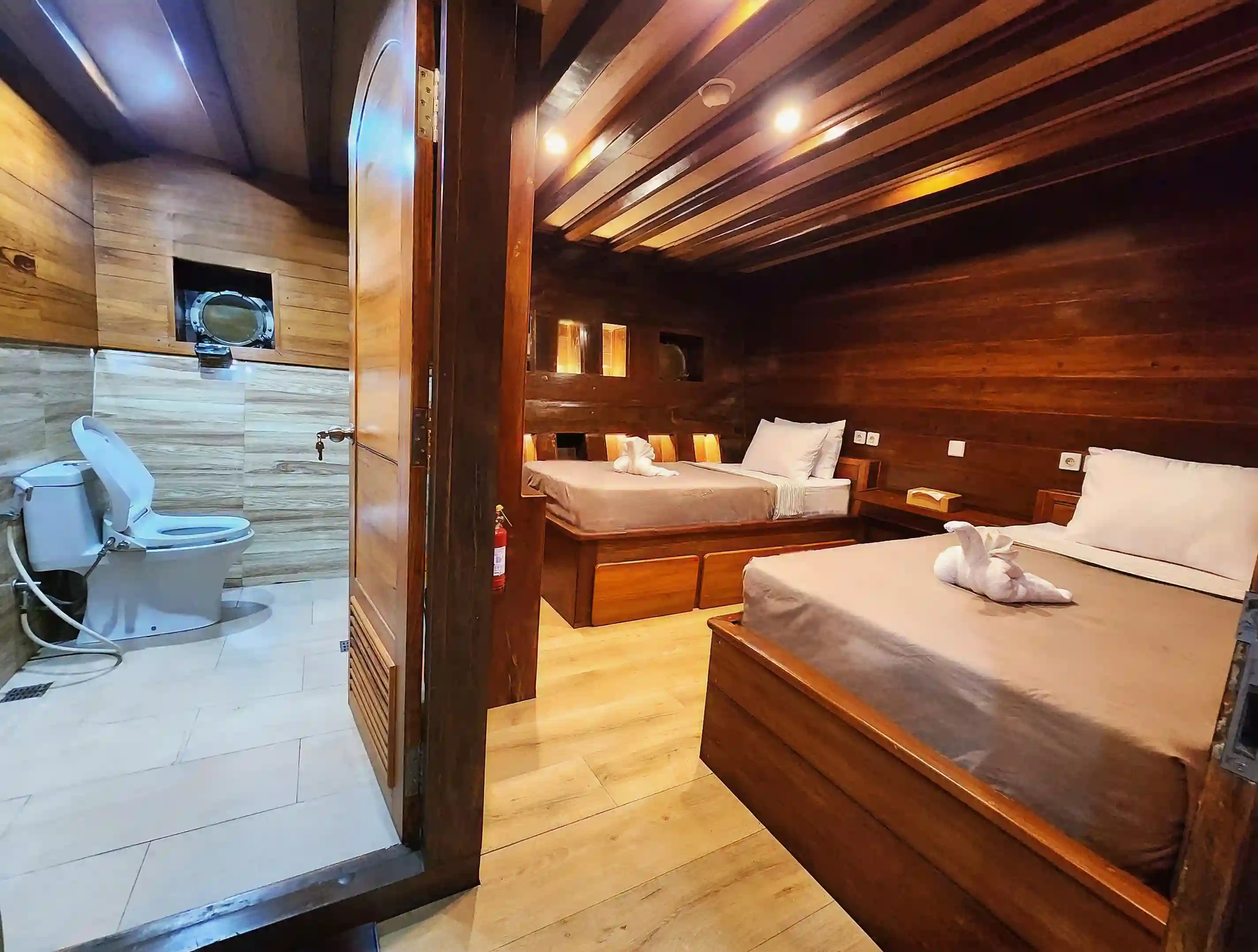
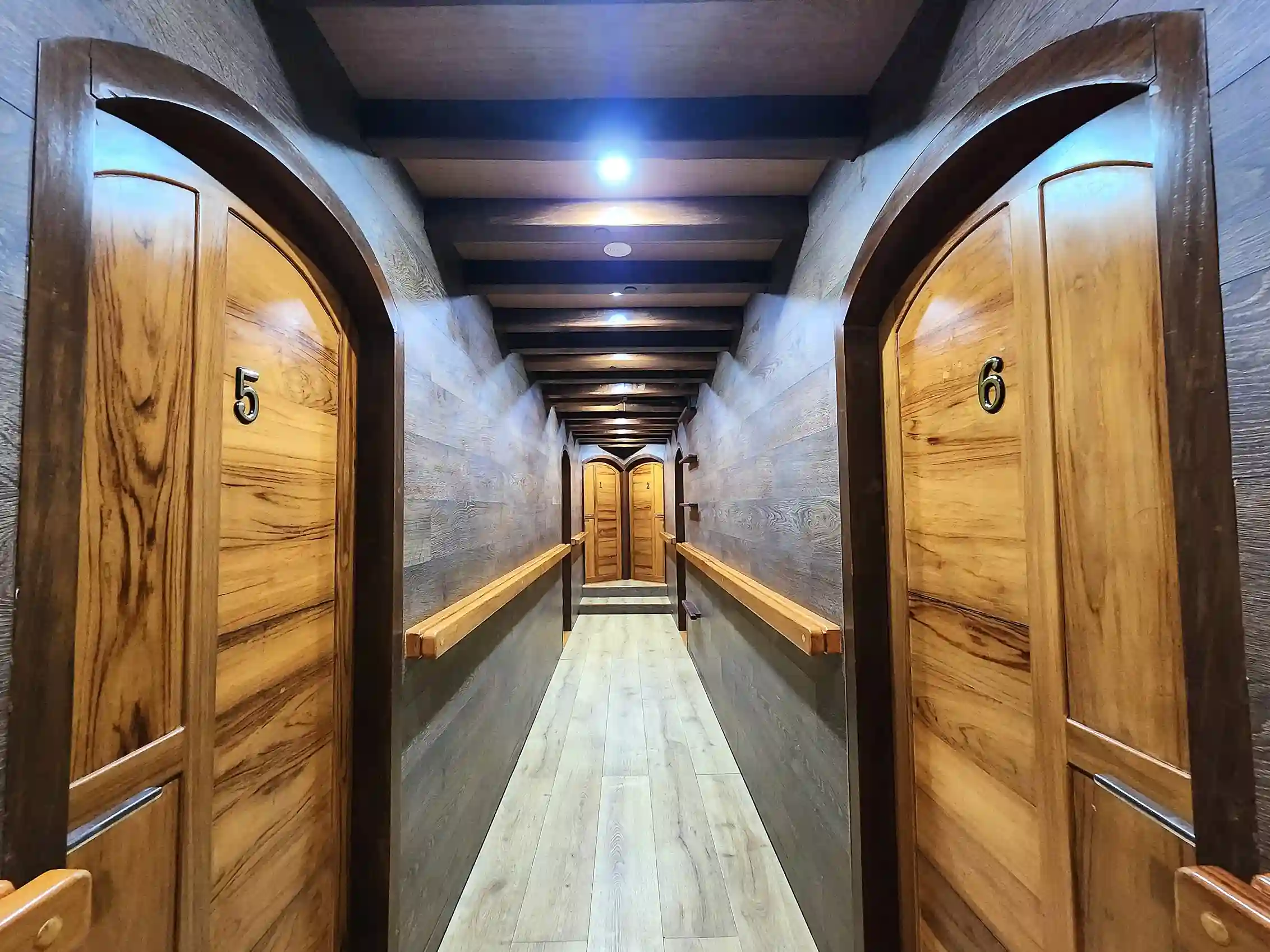
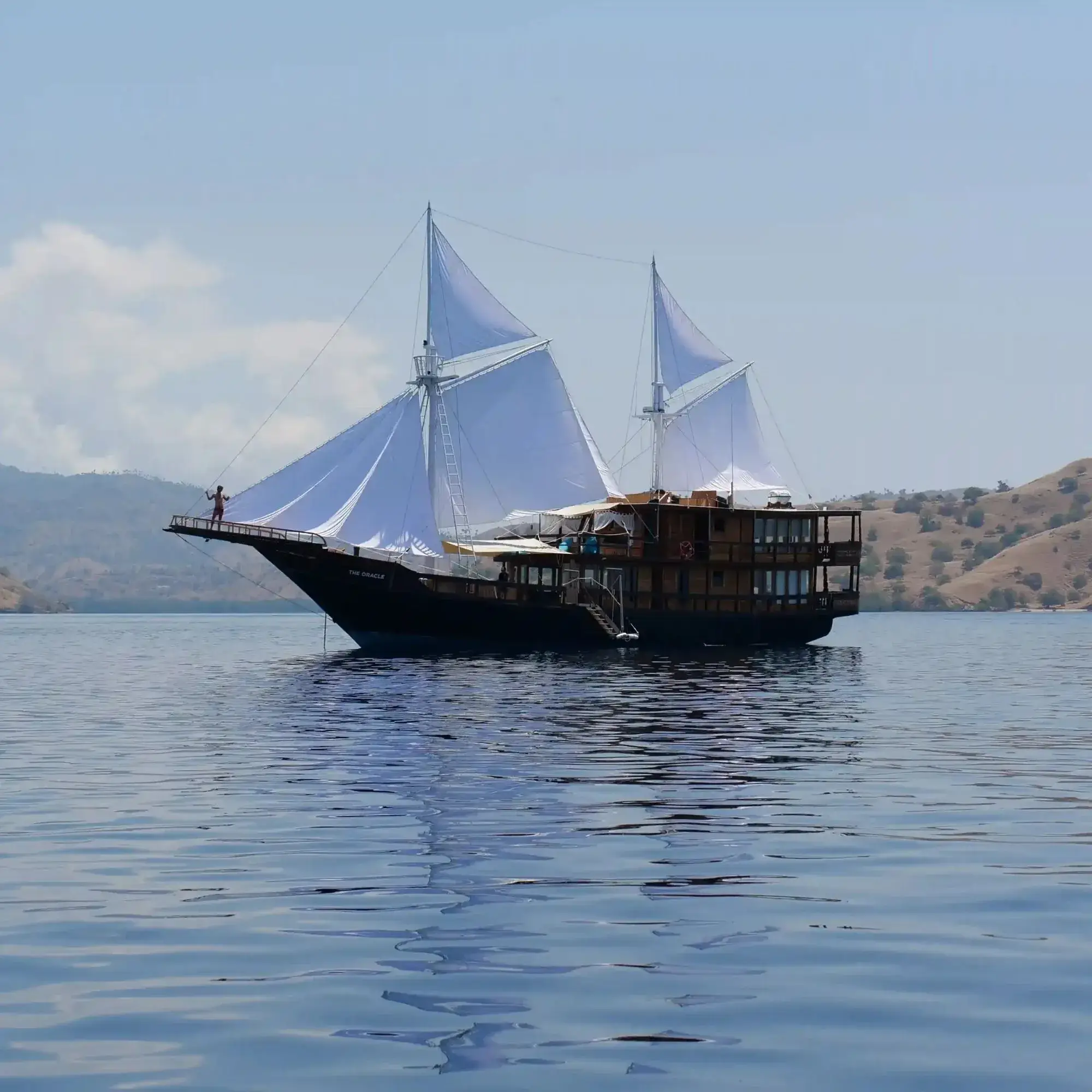
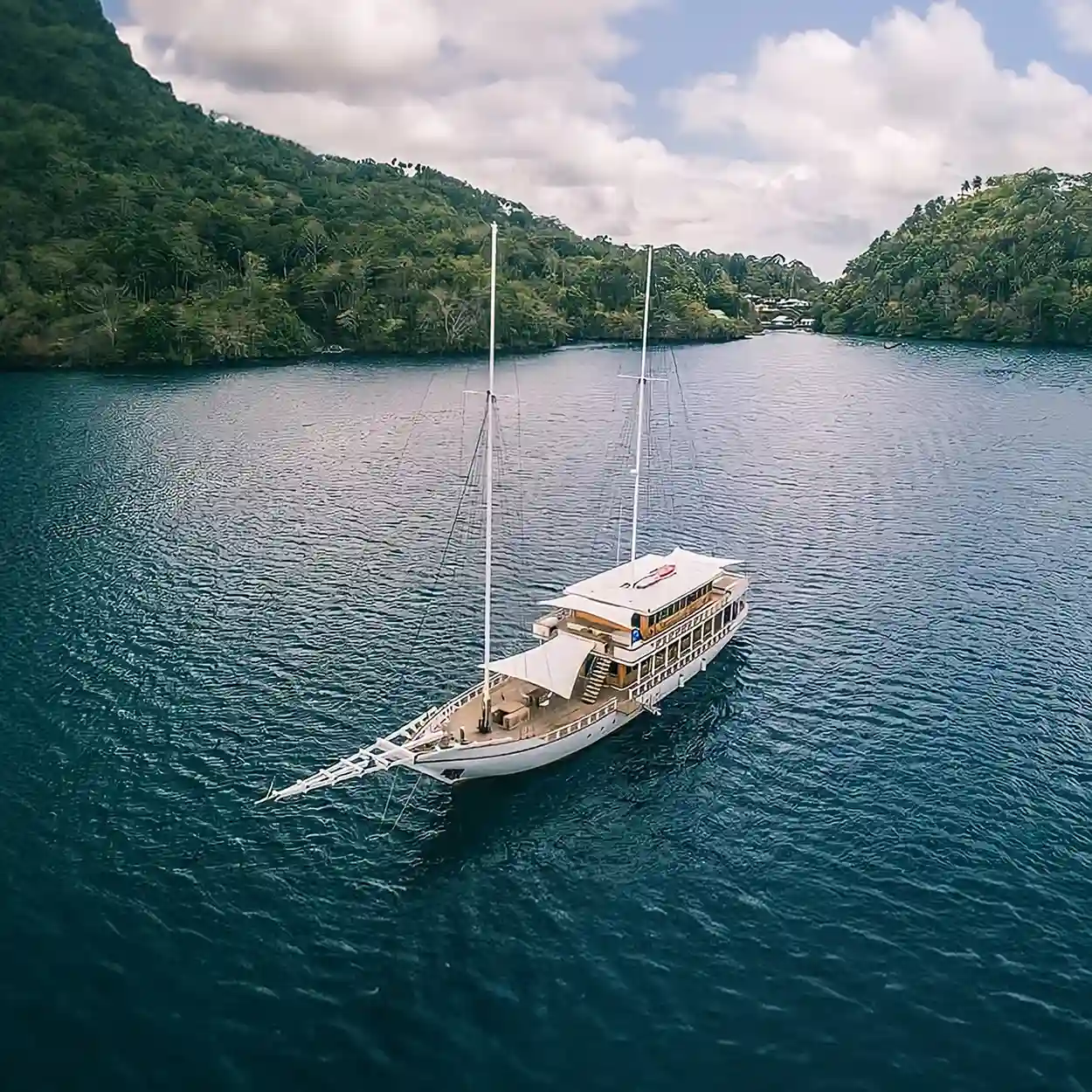
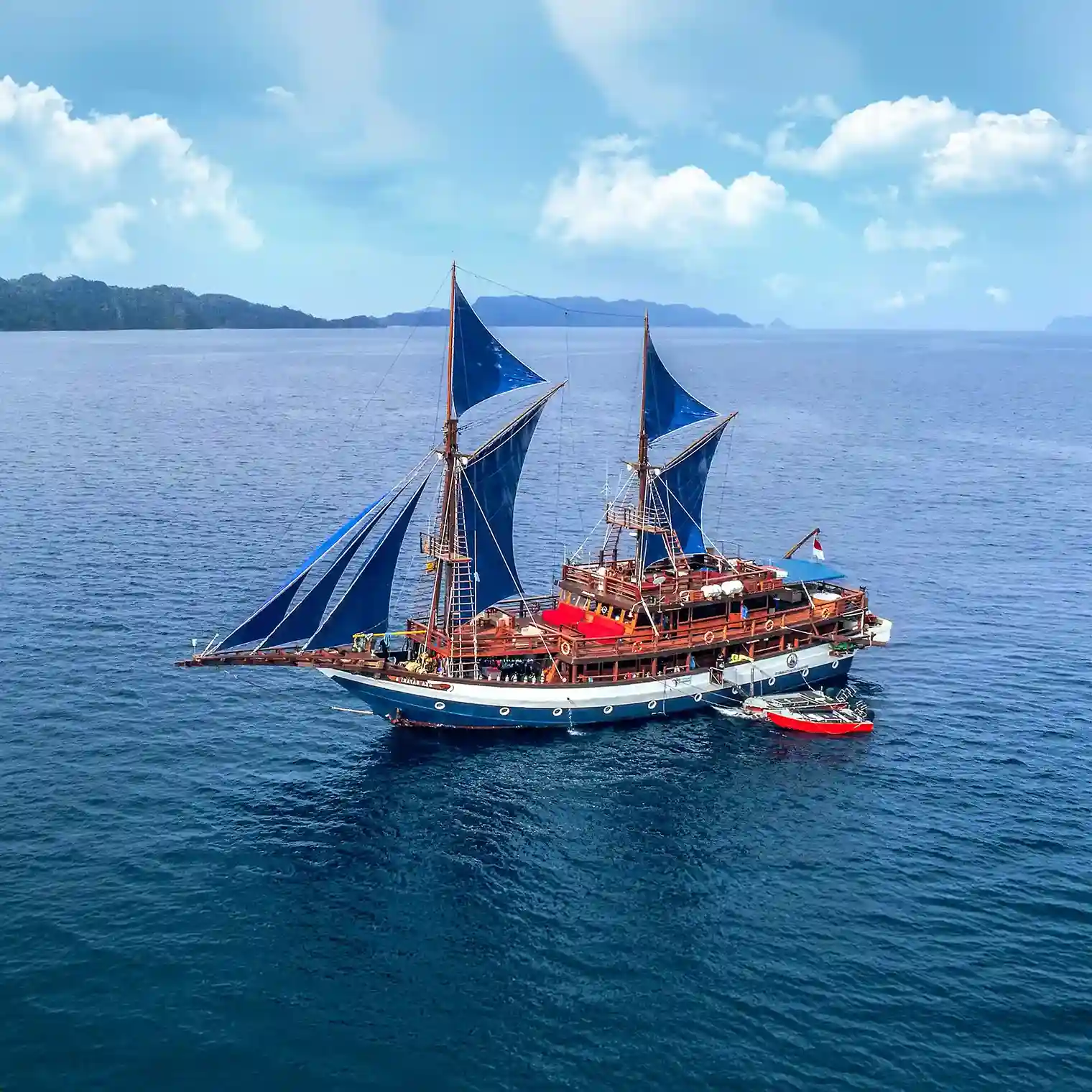
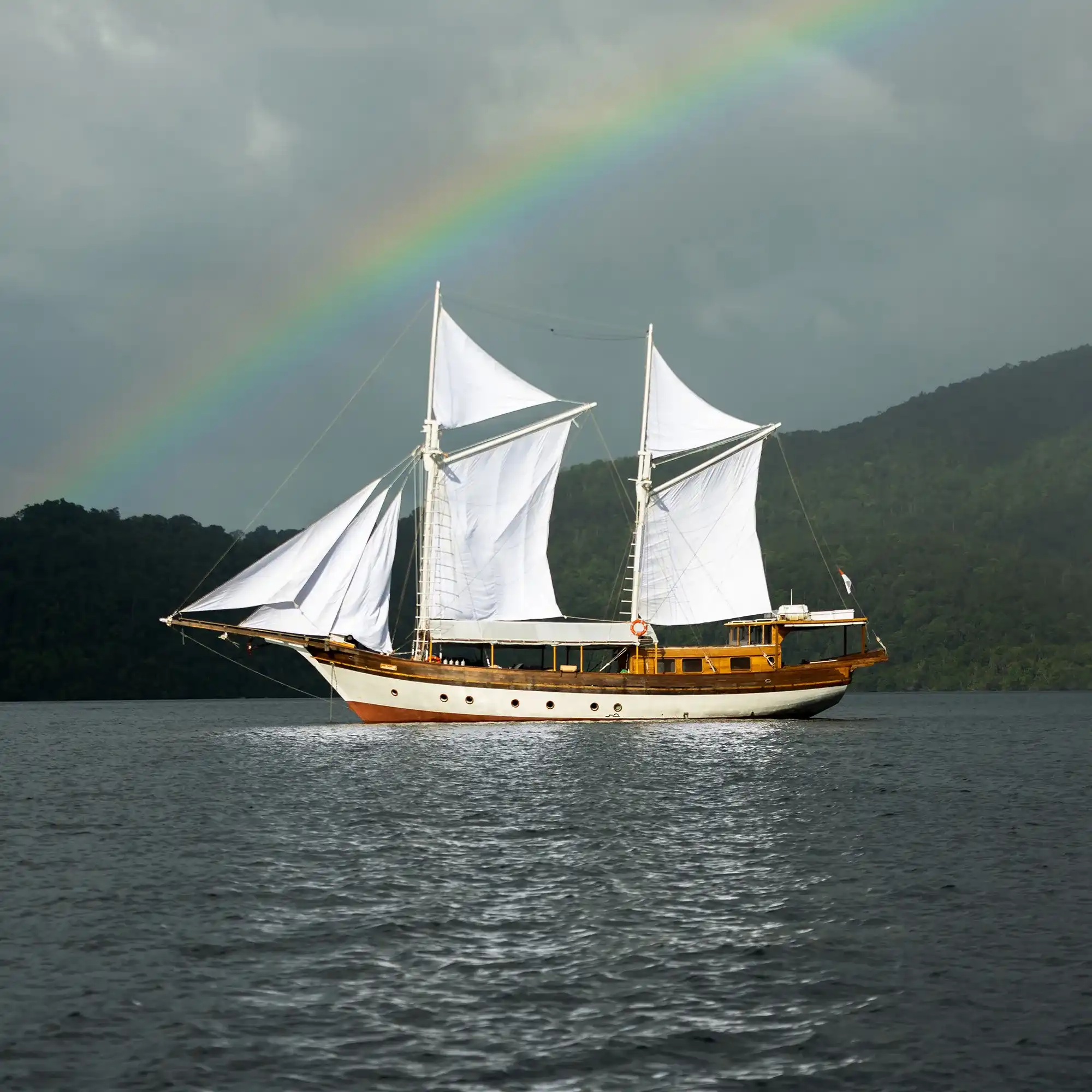
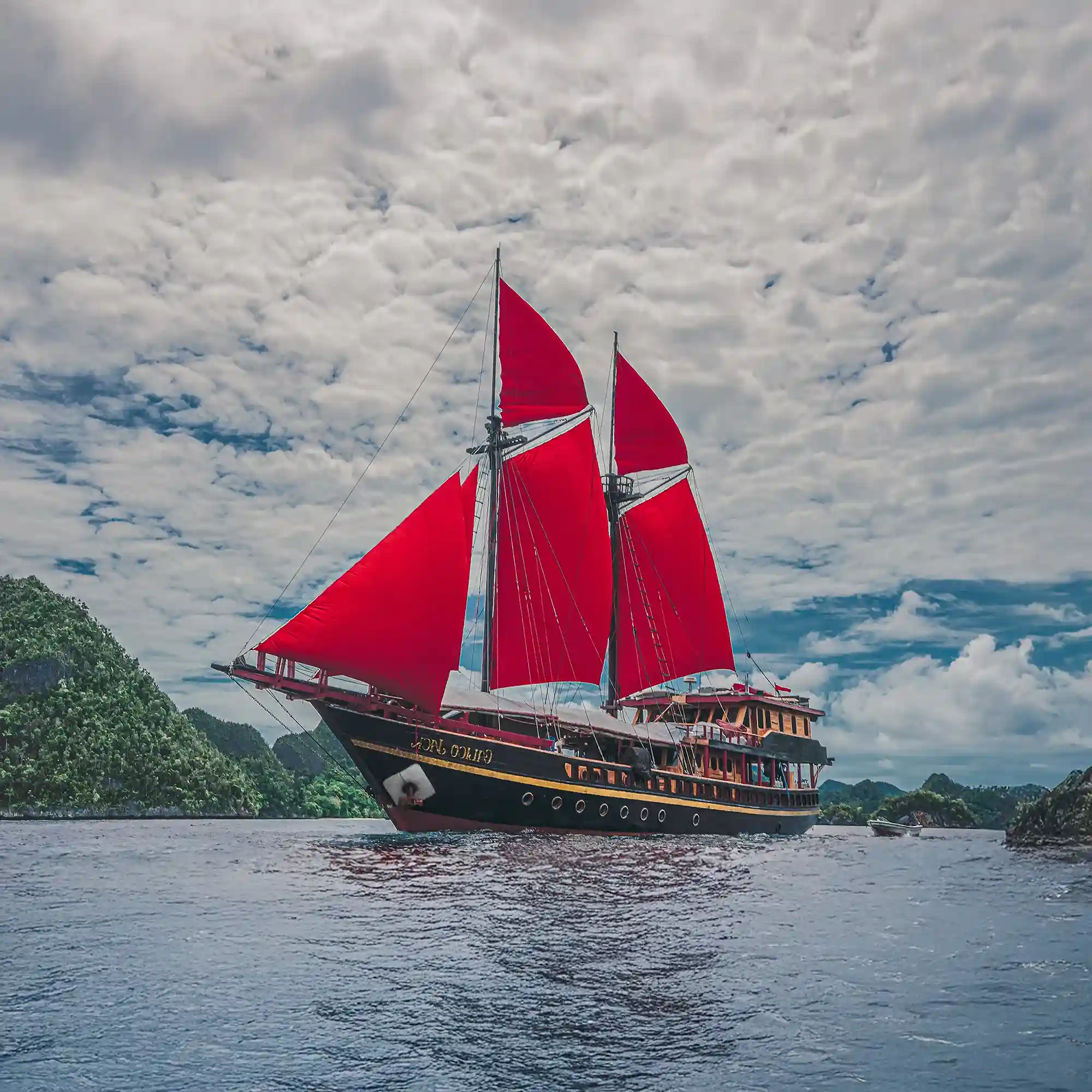
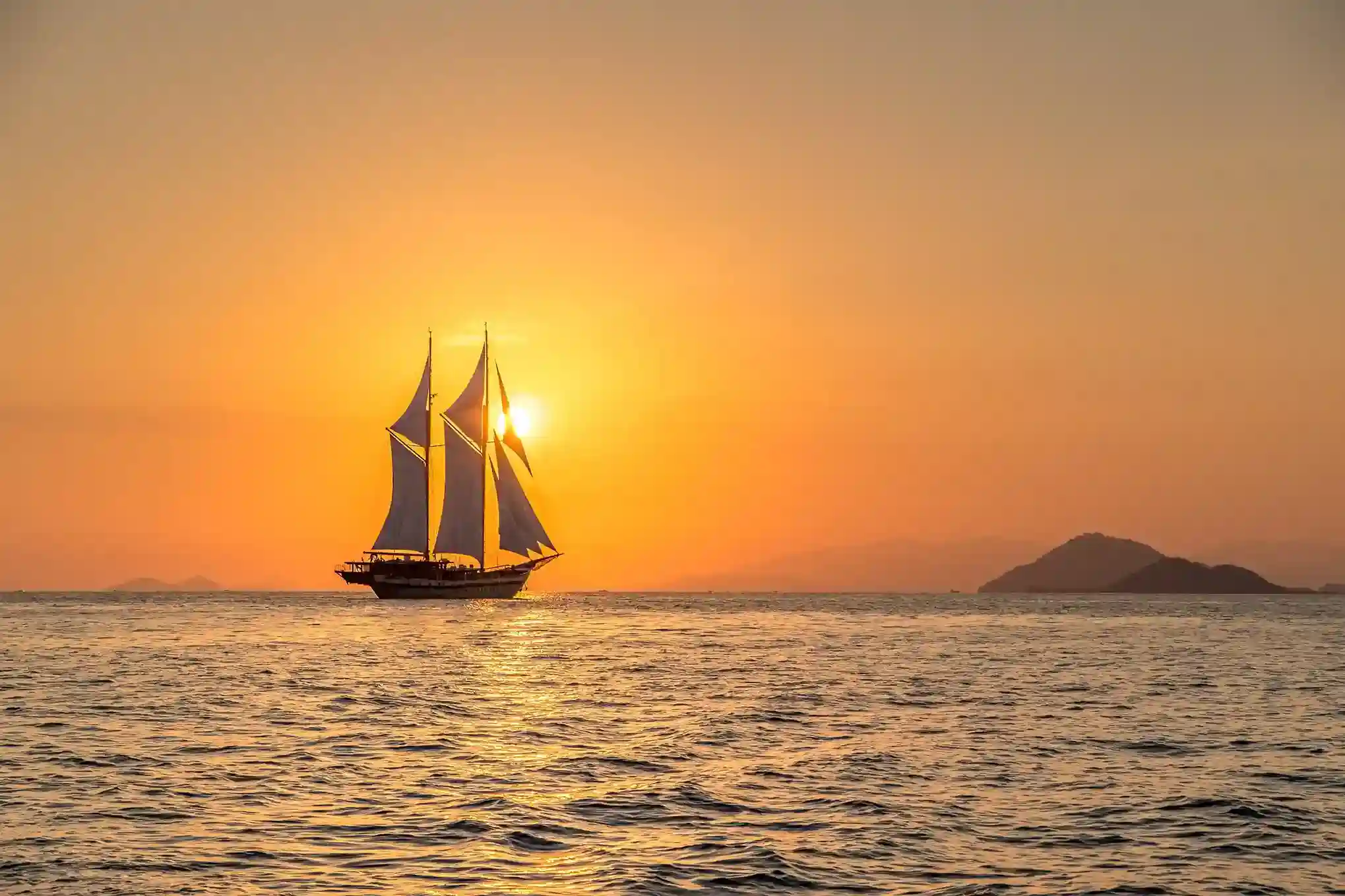
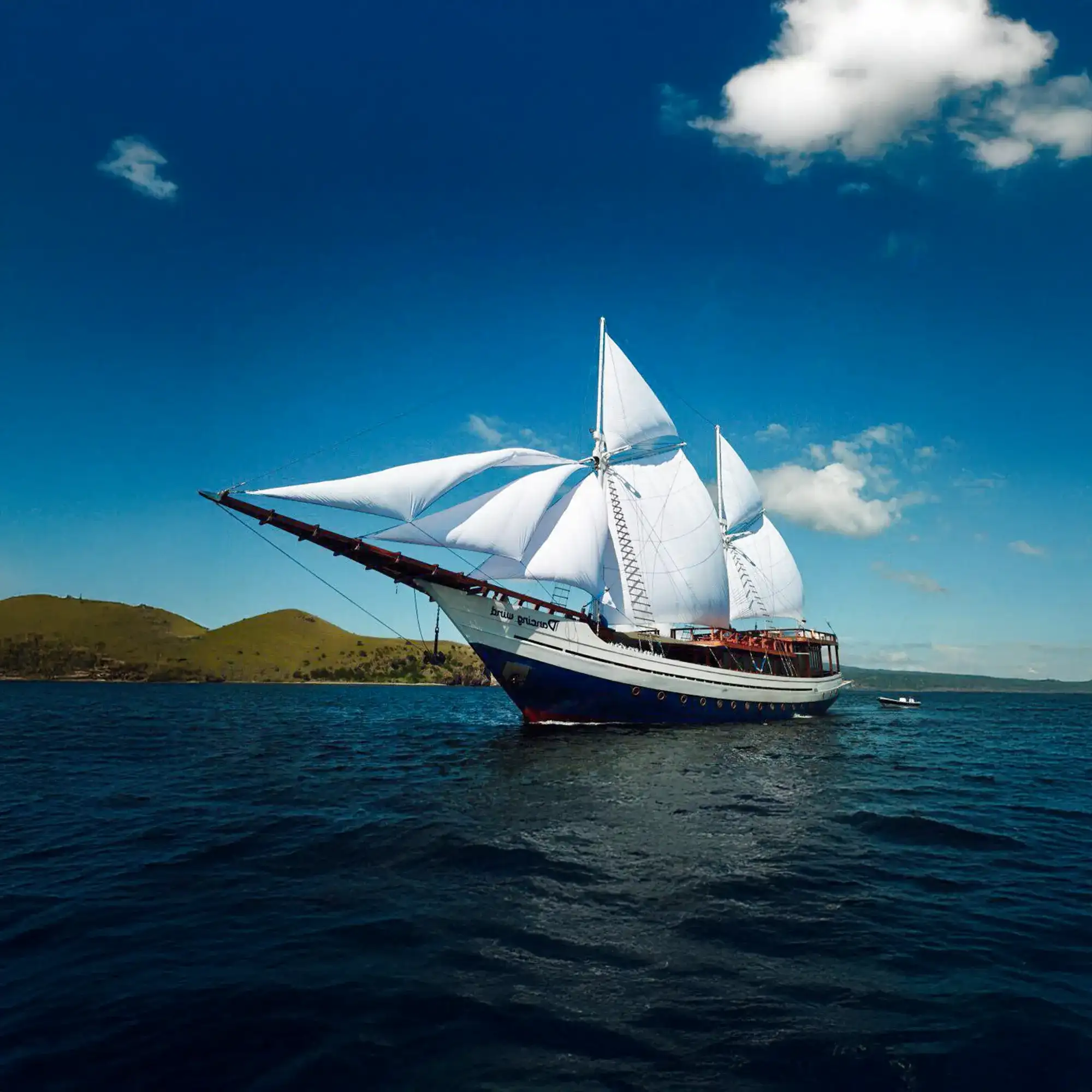
The boat itself, at 45 metres, moves through the water like it belongs to these straits. Its two cabins mean no crowds, no queuing for dive gear, no awkward shuffling in narrow hallways. I stayed in the Master Cabin aft, where the twin portholes framed the sea like living paintings. At night, bioluminescence flickered past like drifting stars. By day, the sundeck became a private observation post — I spent hours there with a book, watching terns dive and the occasional dugong surface near Kri Island’s northern edge. The crew didn’t hover. They anticipated: a chilled towel after a muck dive, a cold lime soda appearing just as the midday sun hit its peak.
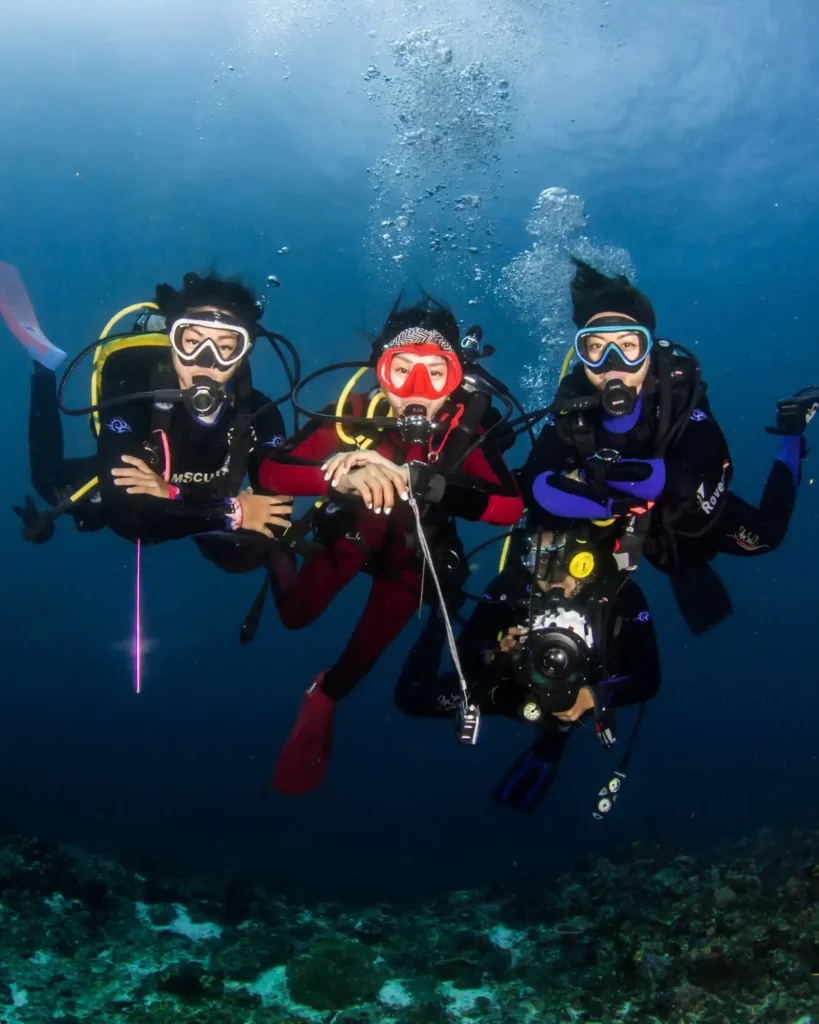
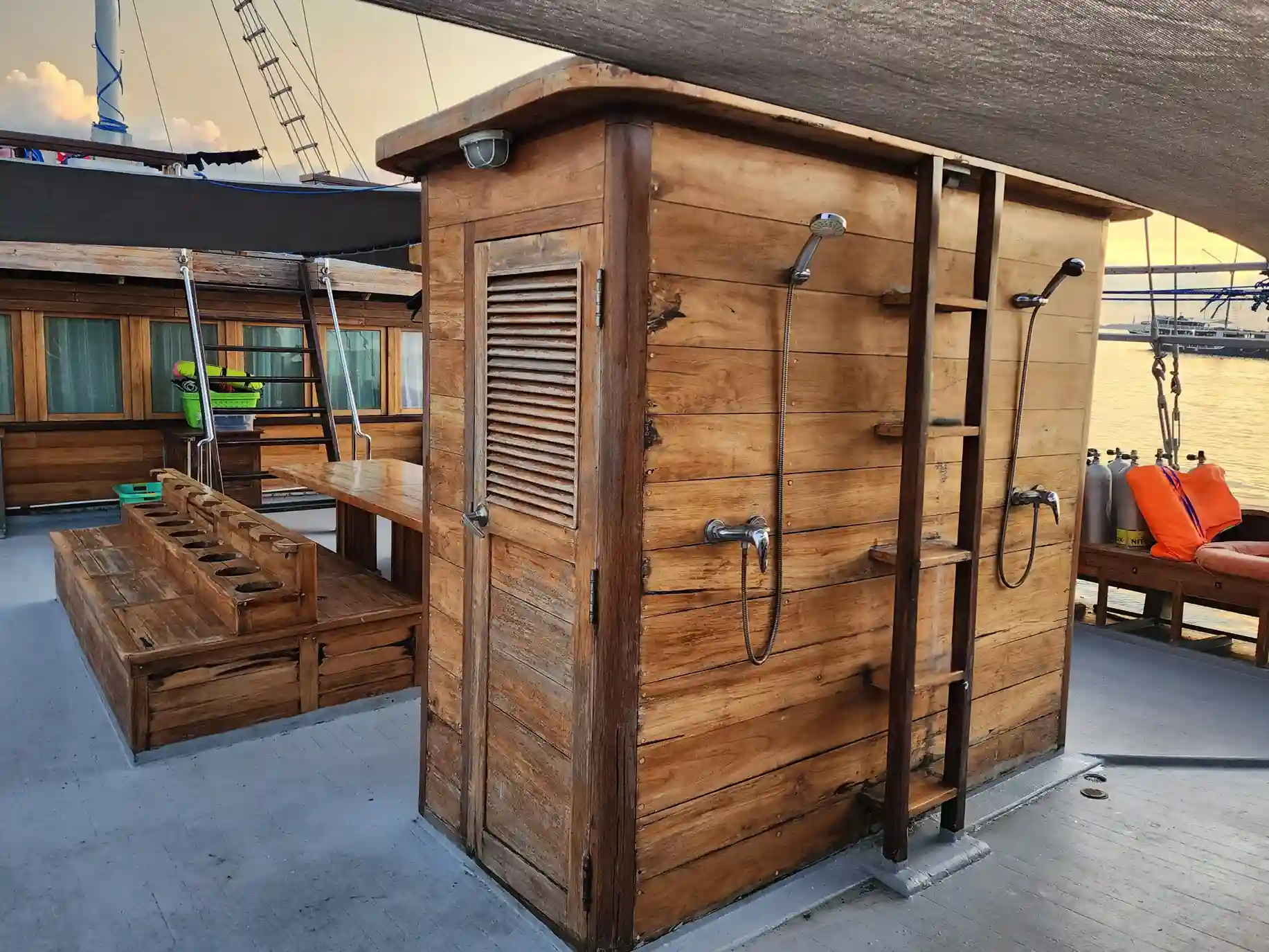
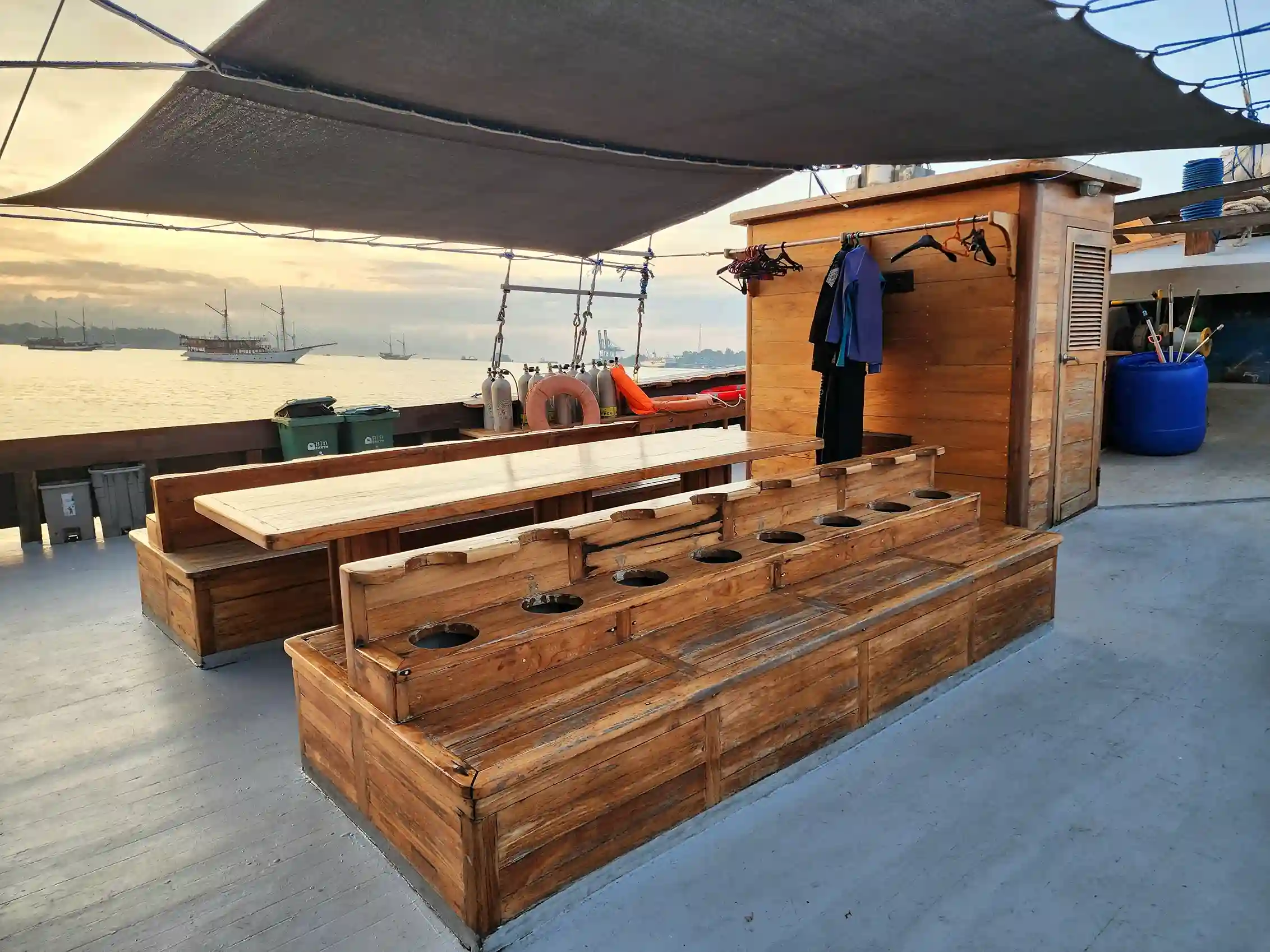
Diving here isn’t about ticking sites. It’s about rhythm. One morning we dropped into the Dampier Strait’s Nail, where the current pulled us along a wall thick with soft corals and pygmy seahorses no bigger than a grain of rice. The guide tapped my shoulder, pointed to a tiny orange flash — Bargibant’s pygmy, clinging to gorgonian. Later, at Cape Kri, we drifted over a reef so dense with fish it looked digitally enhanced: schools of fusiliers, emperor fish, and a reef shark napping under a ledge. The boat’s dive platform lowered silently, and after each dive, rinse tanks were already waiting, hoses coiled, towels folded.
Meals were served under the open sky, often anchored in a bay with no other vessels in sight. Breakfast included local papaya, freshly baked bread, and eggs any style. Lunch was a spread of grilled mahi-mahi, cucumber salad, and sambal that had just enough heat to make you reach for the coconut water. One evening, we anchored near Arborek, and after dinner, the crew launched the kayak. I paddled alone for twenty minutes, listening to the village children laugh on the jetty, the sound carrying across the glassy water. Back on board, the stars were overwhelming — no light pollution, just the Milky Way smeared across the black.
On the final morning, we surfaced from a dive at Manta Sandy to find the boat already alongside, breakfast laid out on the aft deck. No rushing, no scramble. Just warm croissants and the sight of mantas circling beneath the hull. As we motored toward Sorong, I realised what set the Dancing Wind apart: it didn’t try to impress. It simply knew its place — and yours — in this fragile, dazzling region.