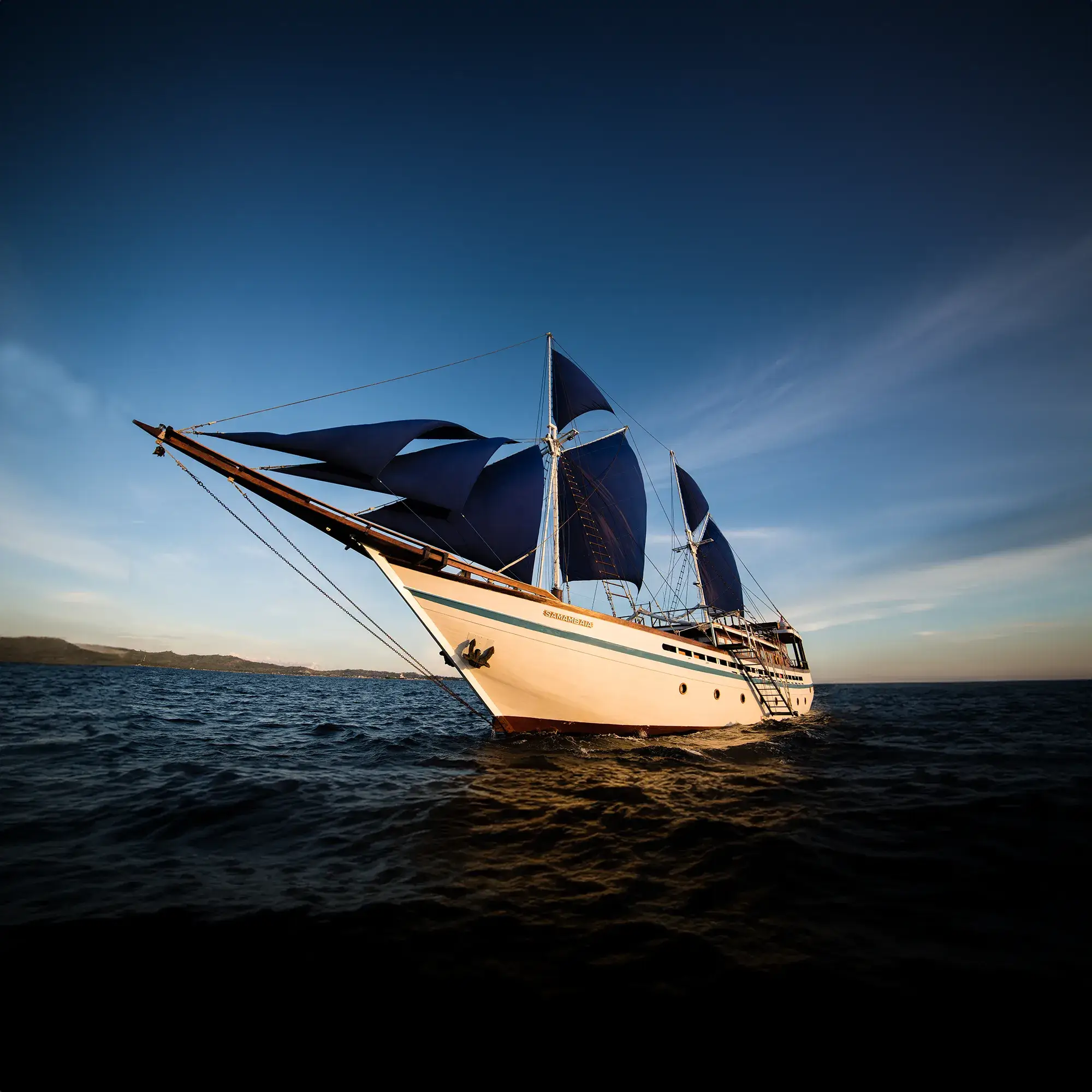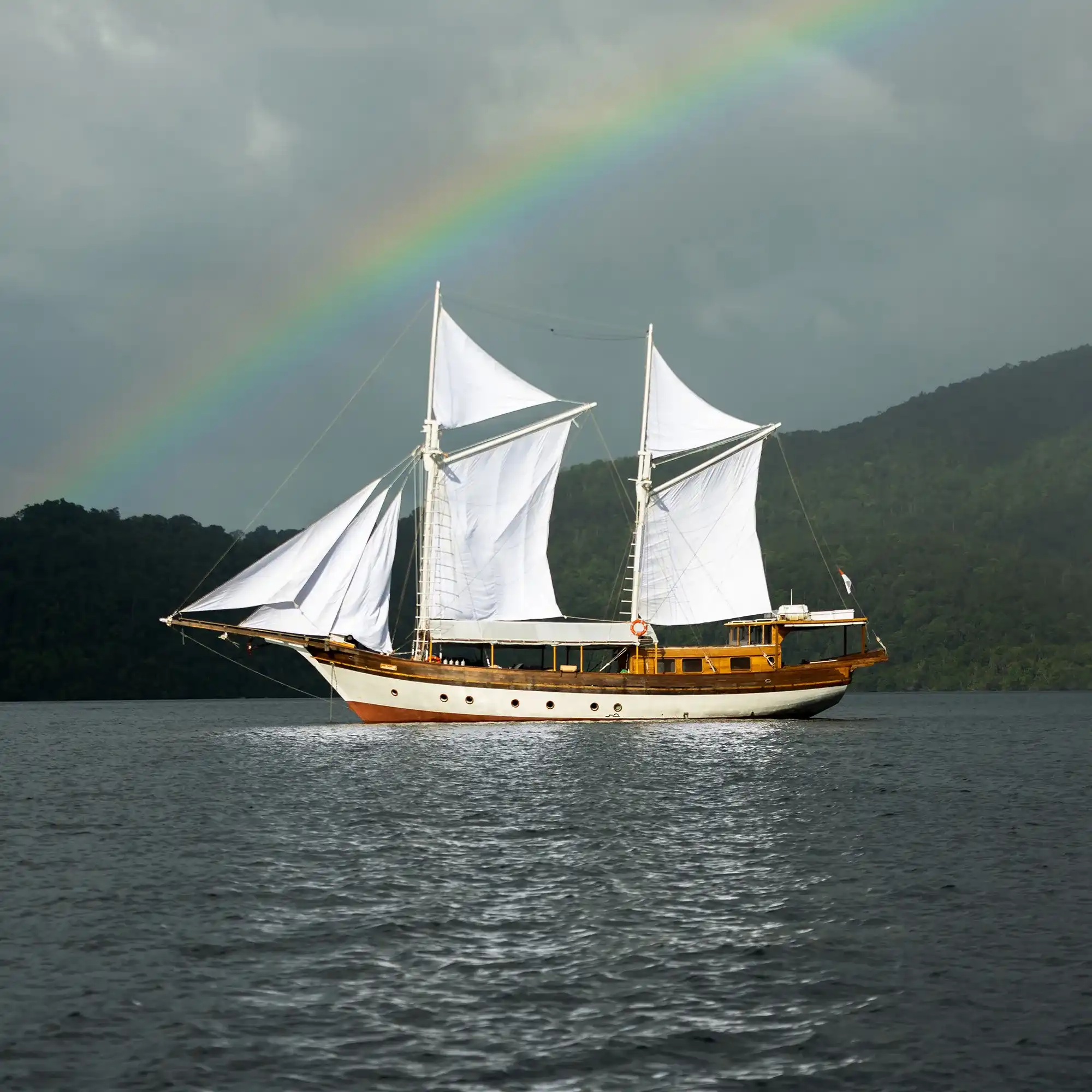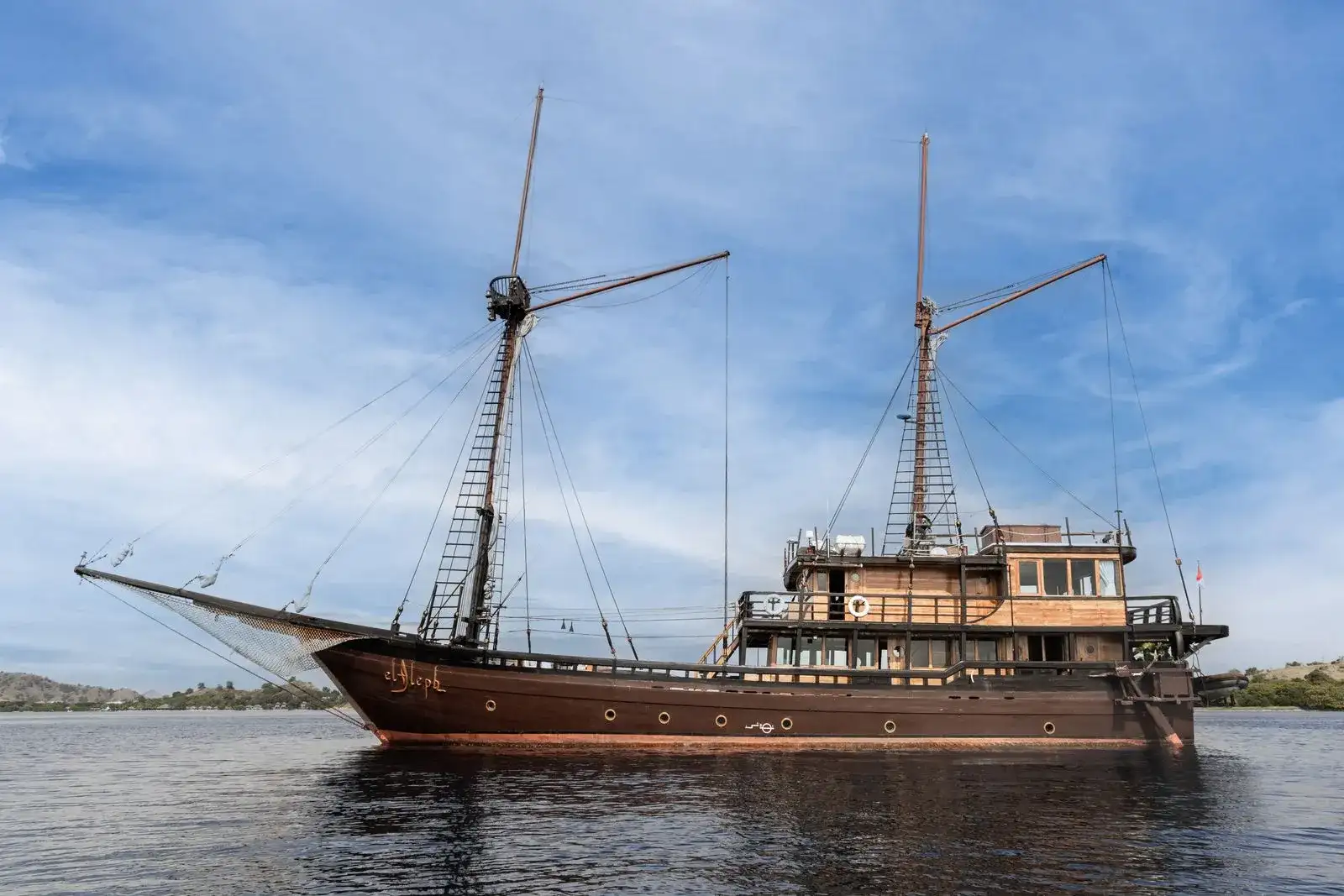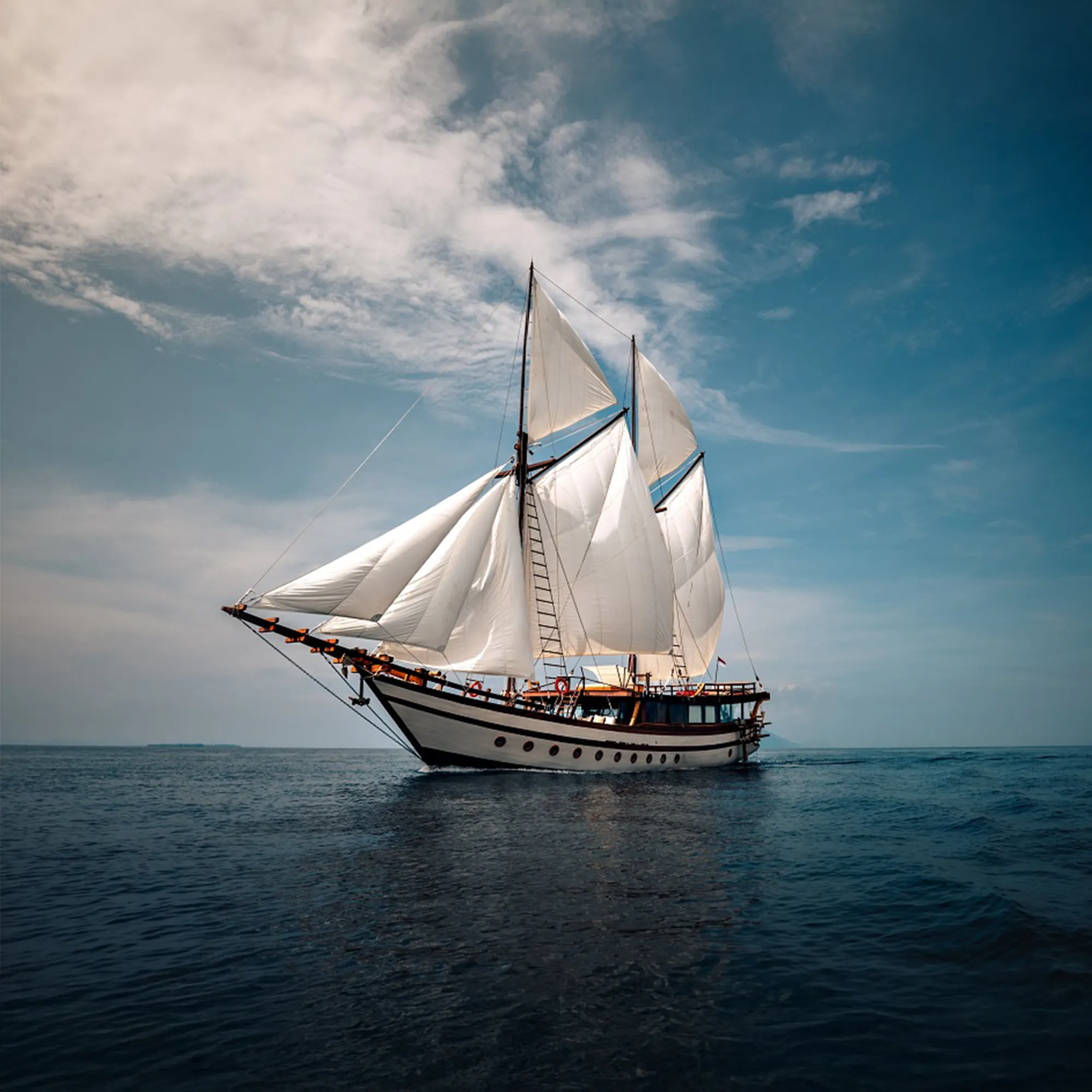
About La Galigo Phinisi
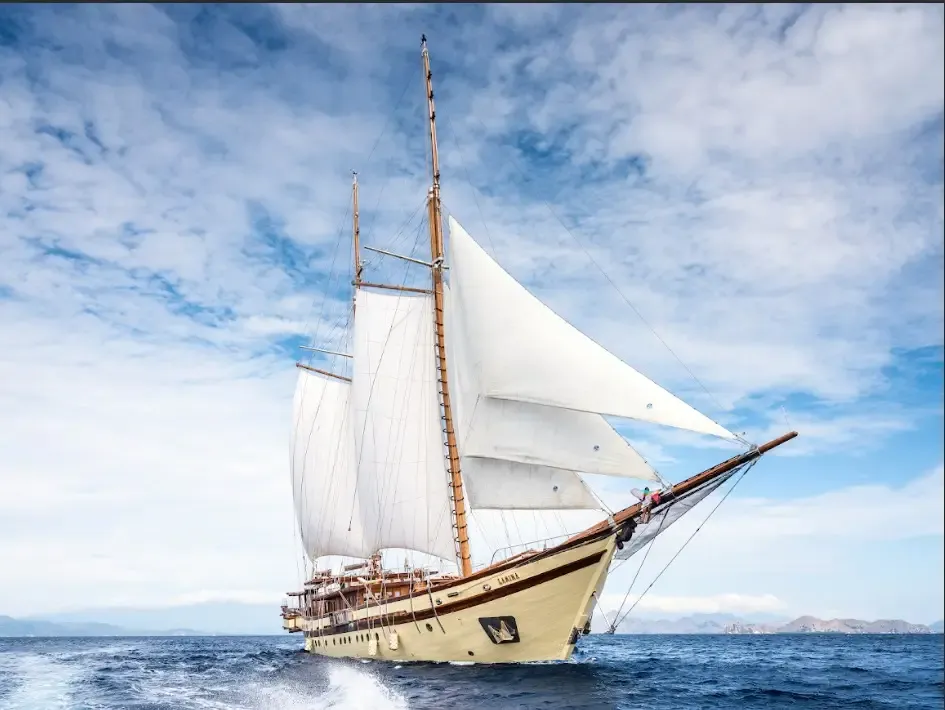
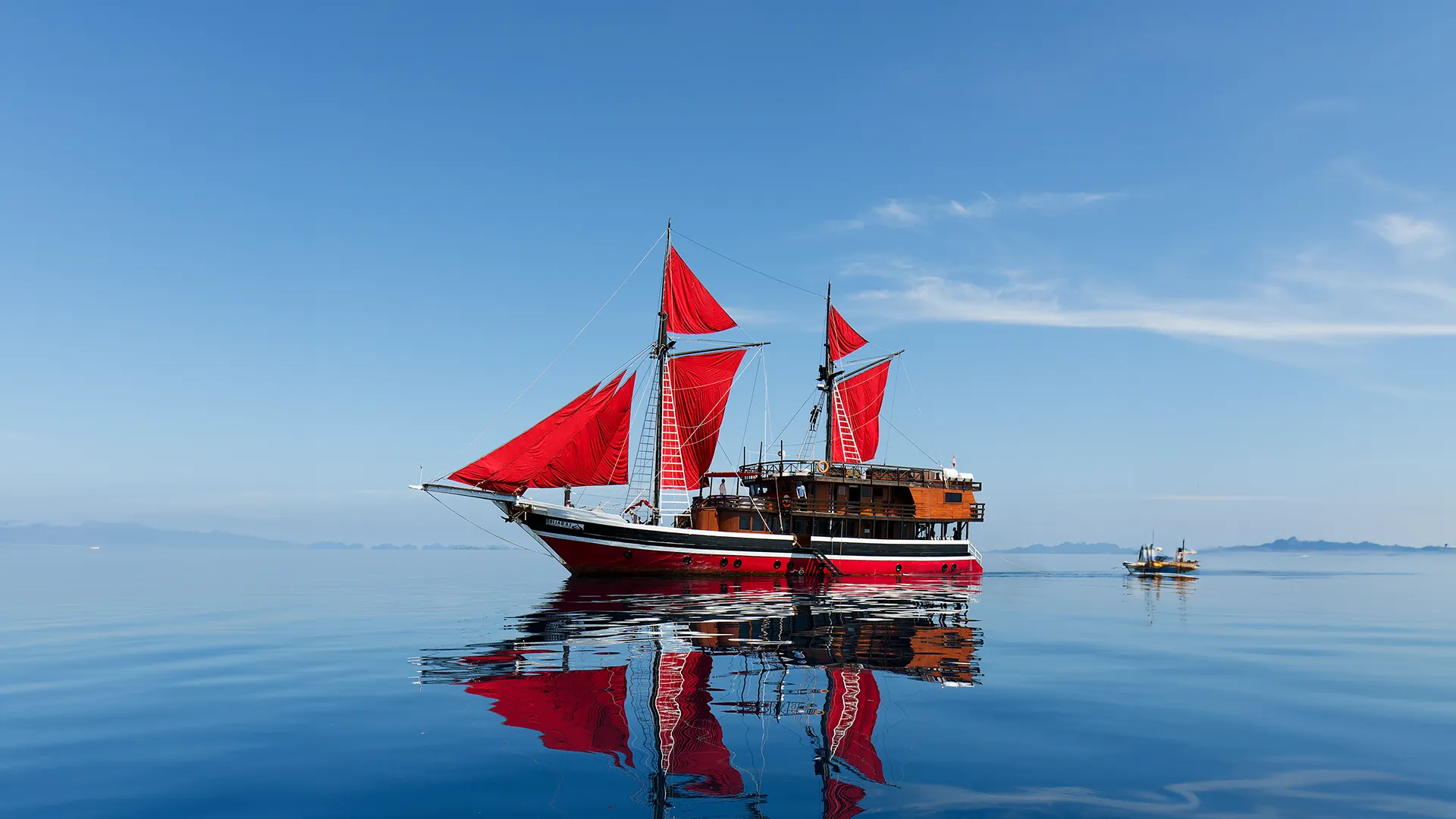
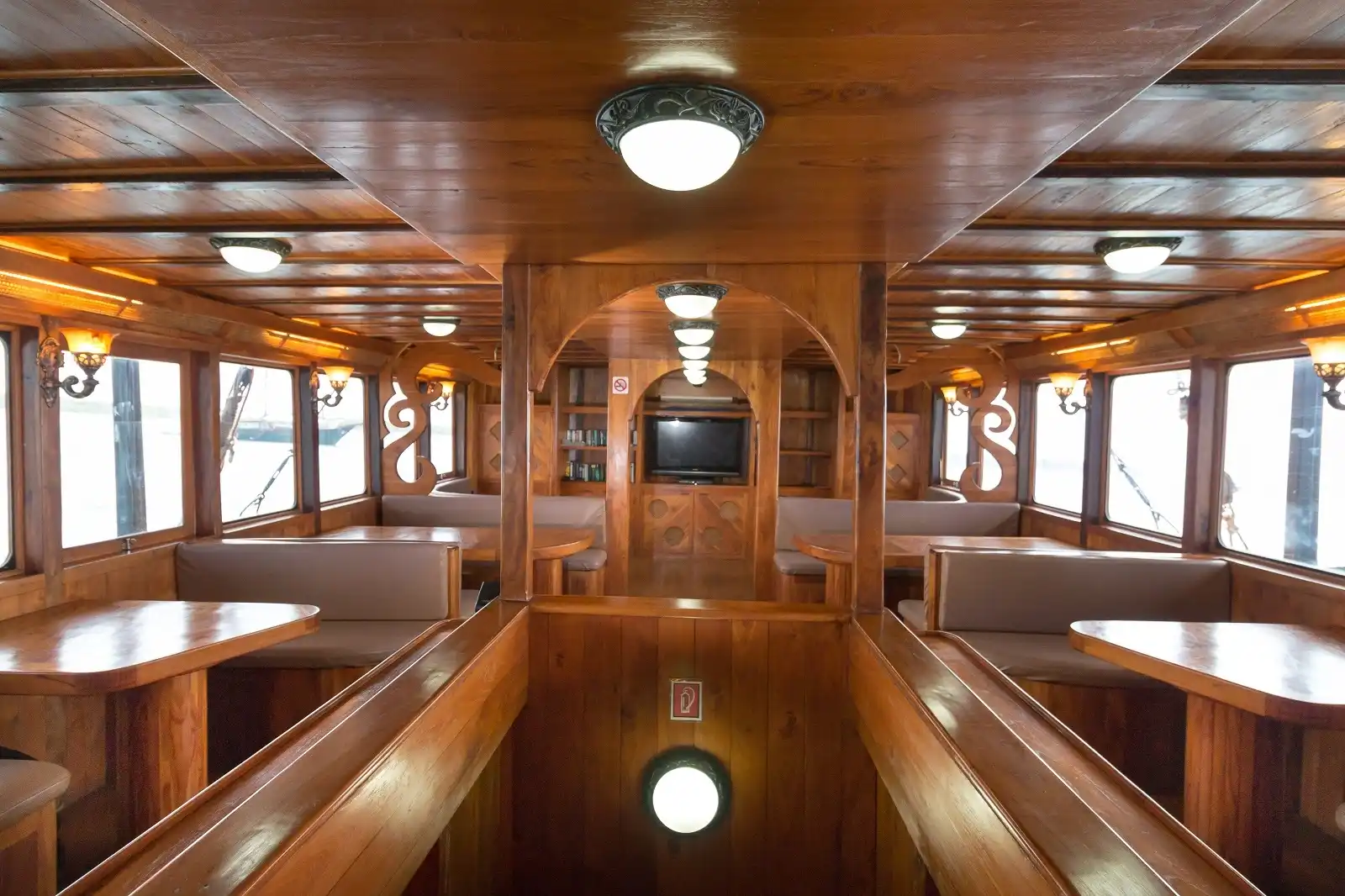
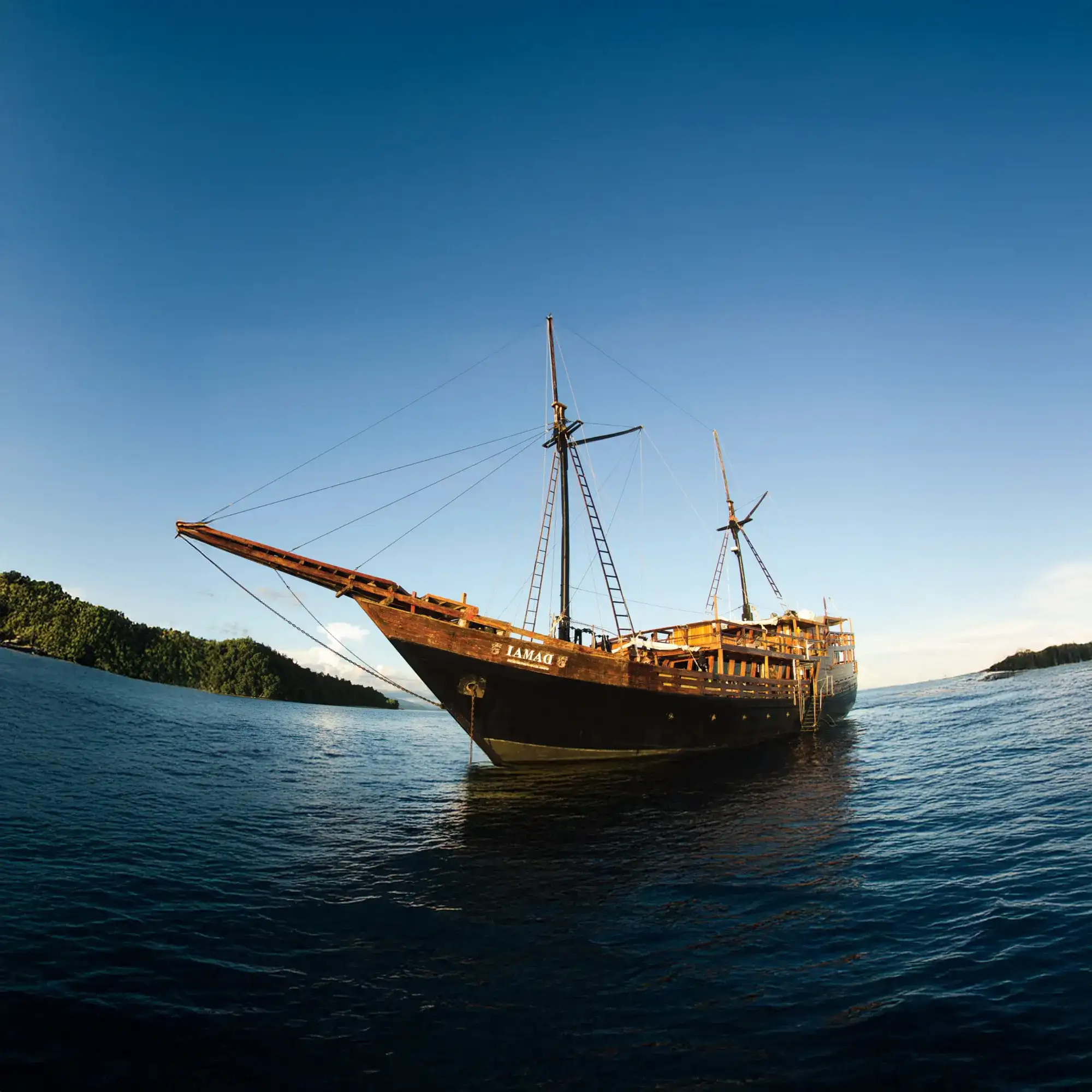
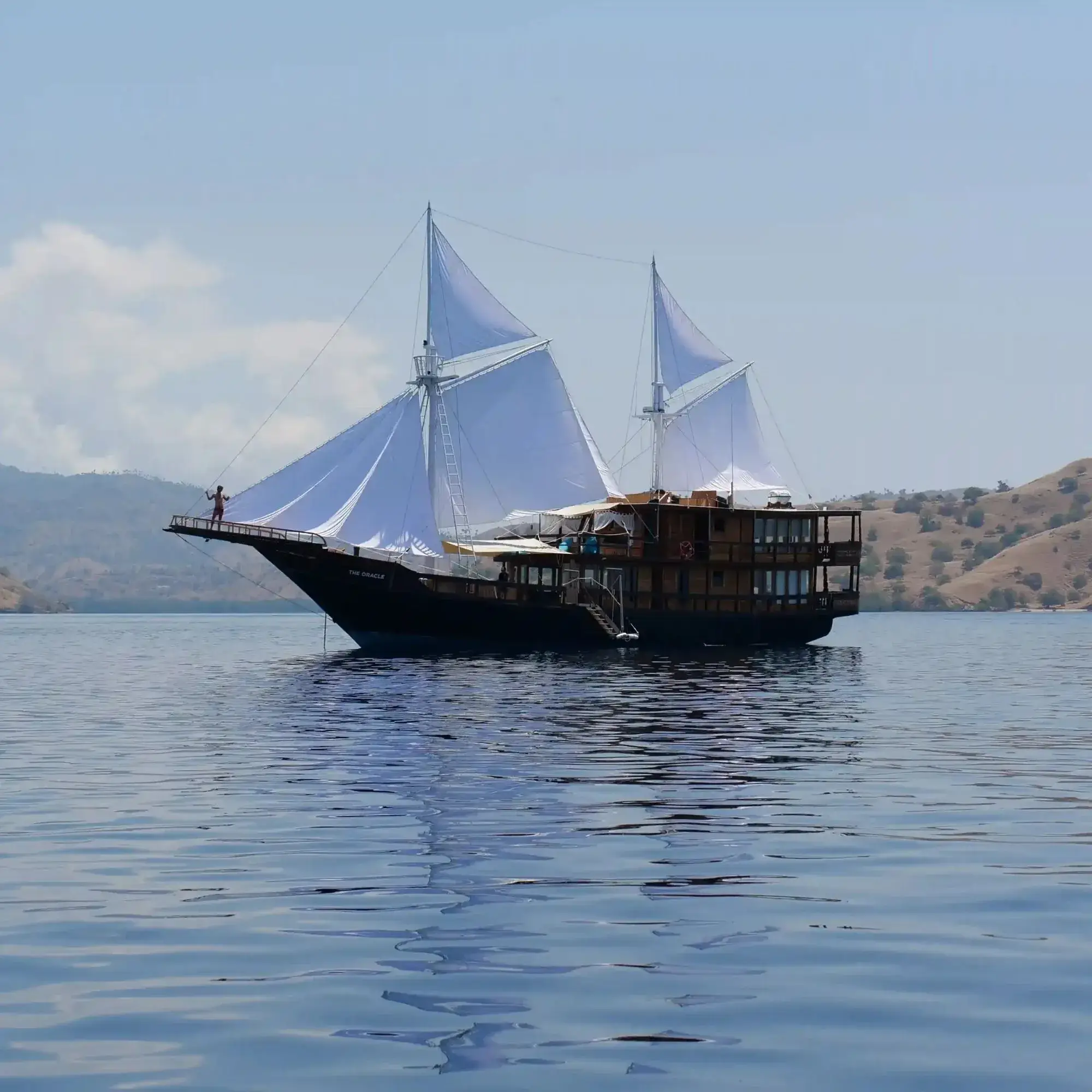
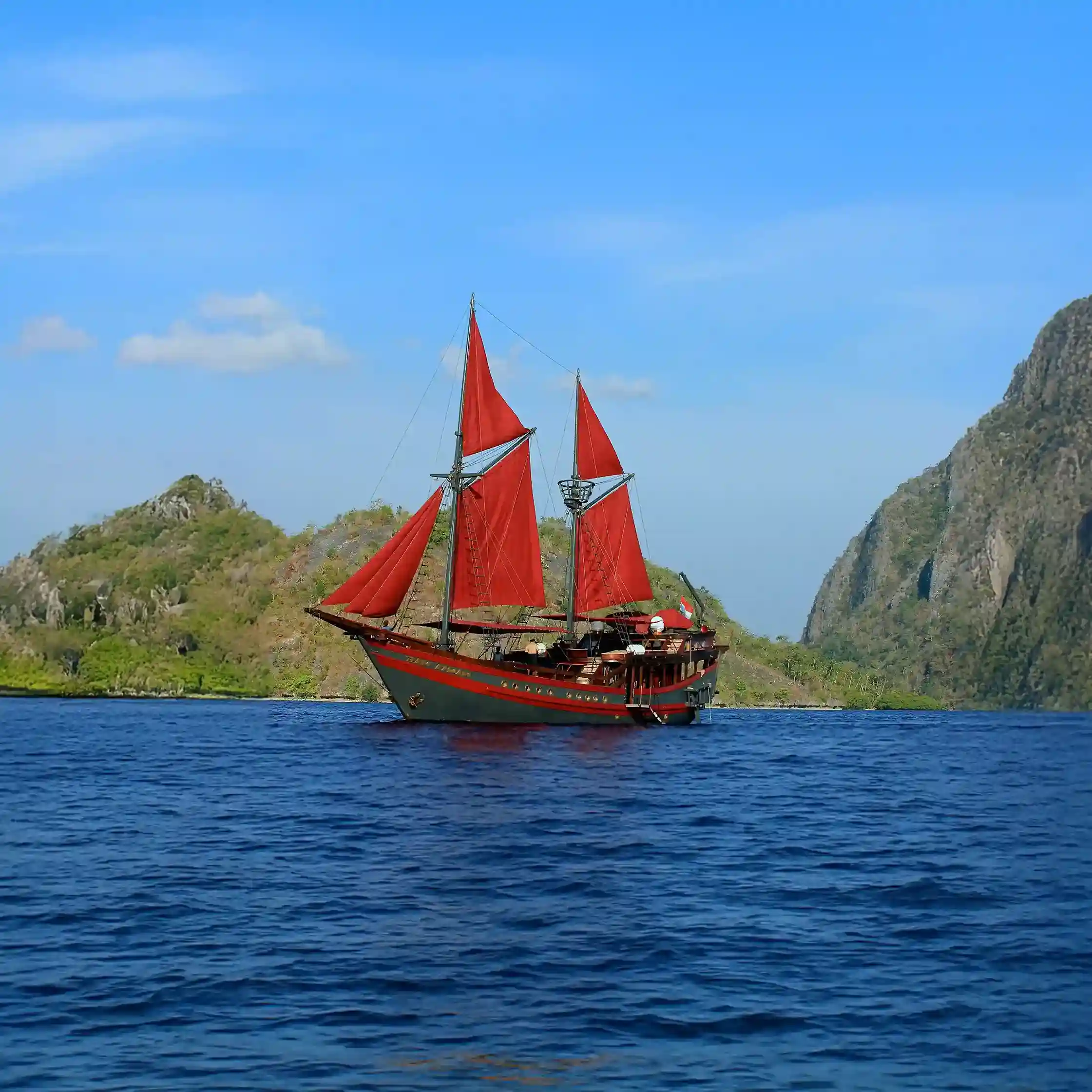
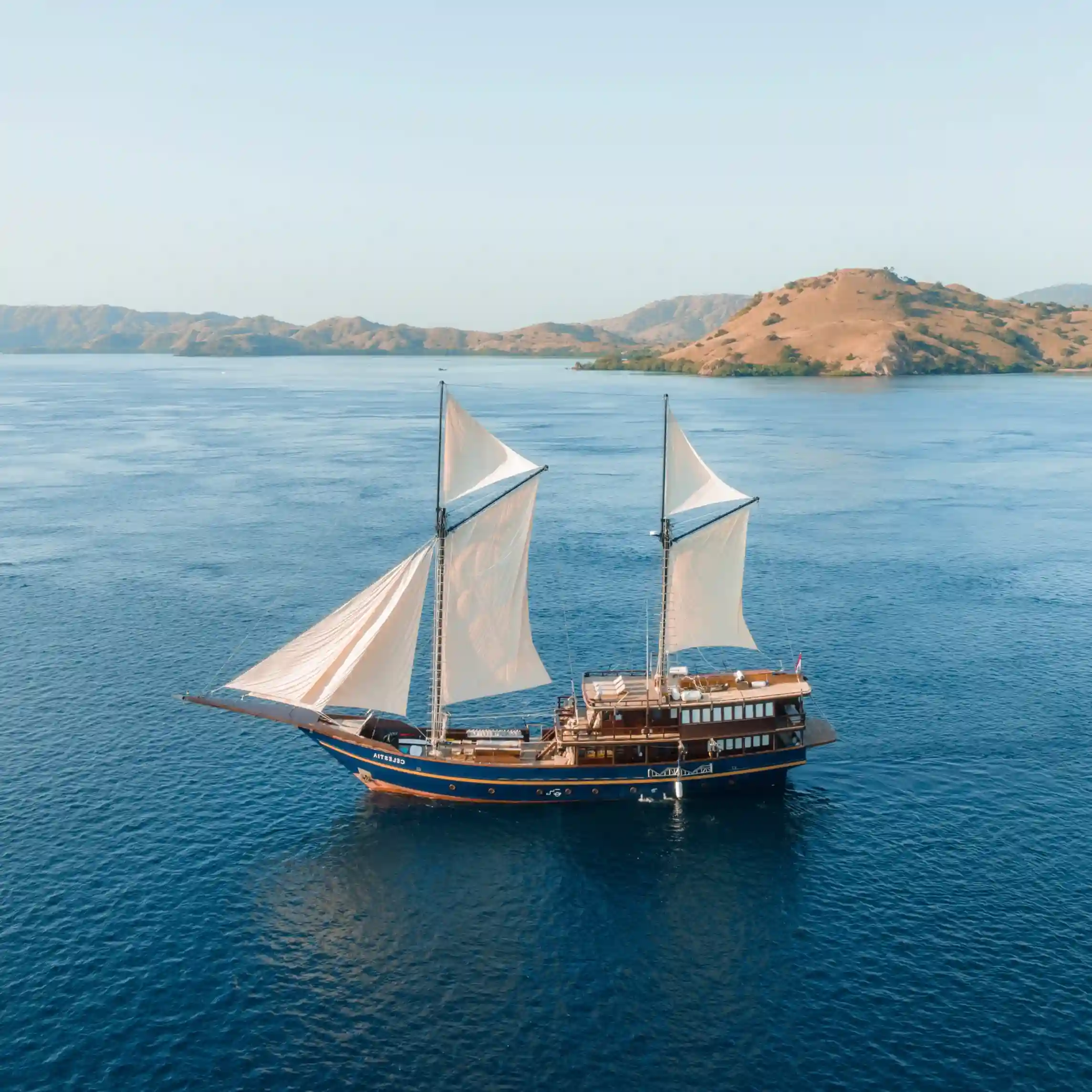
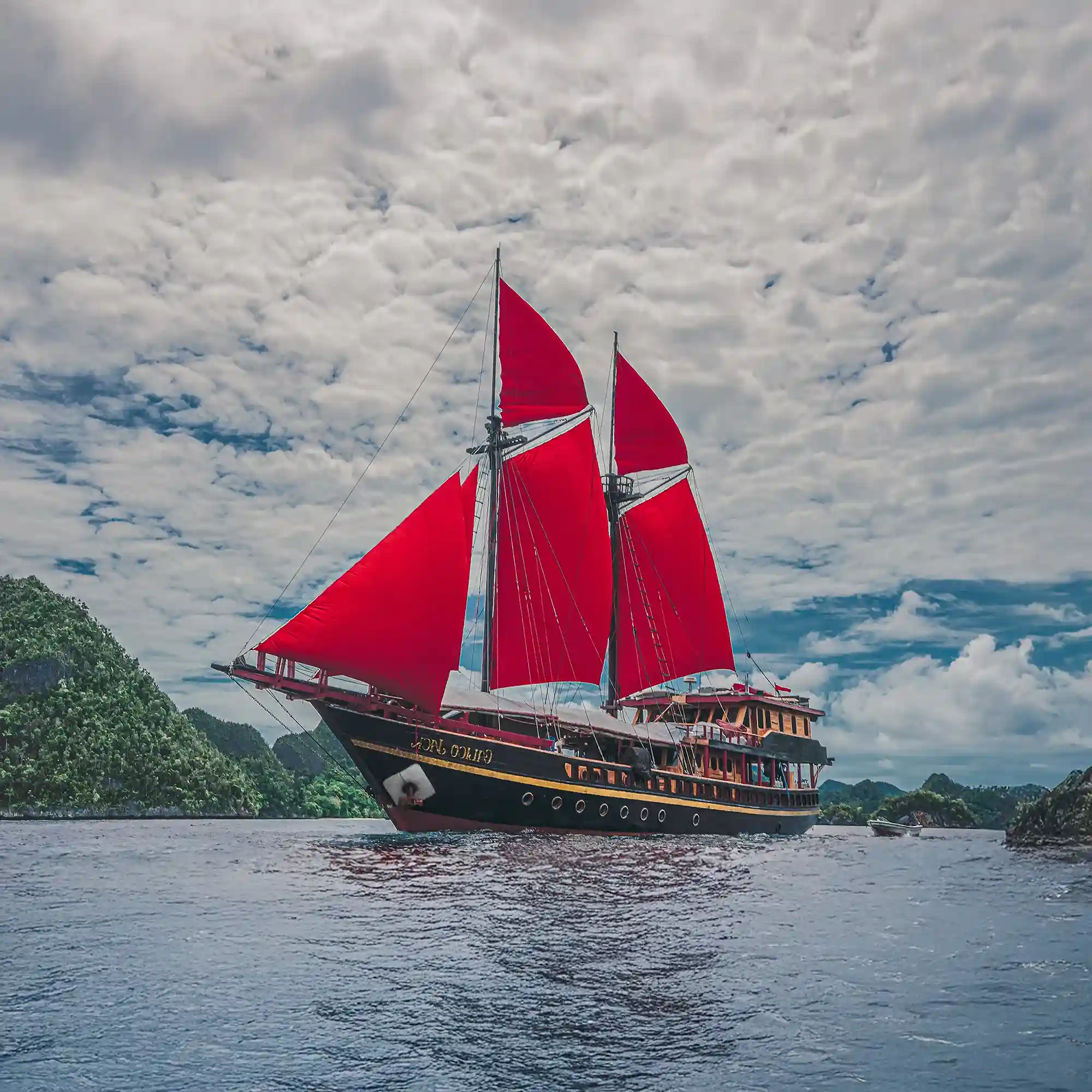
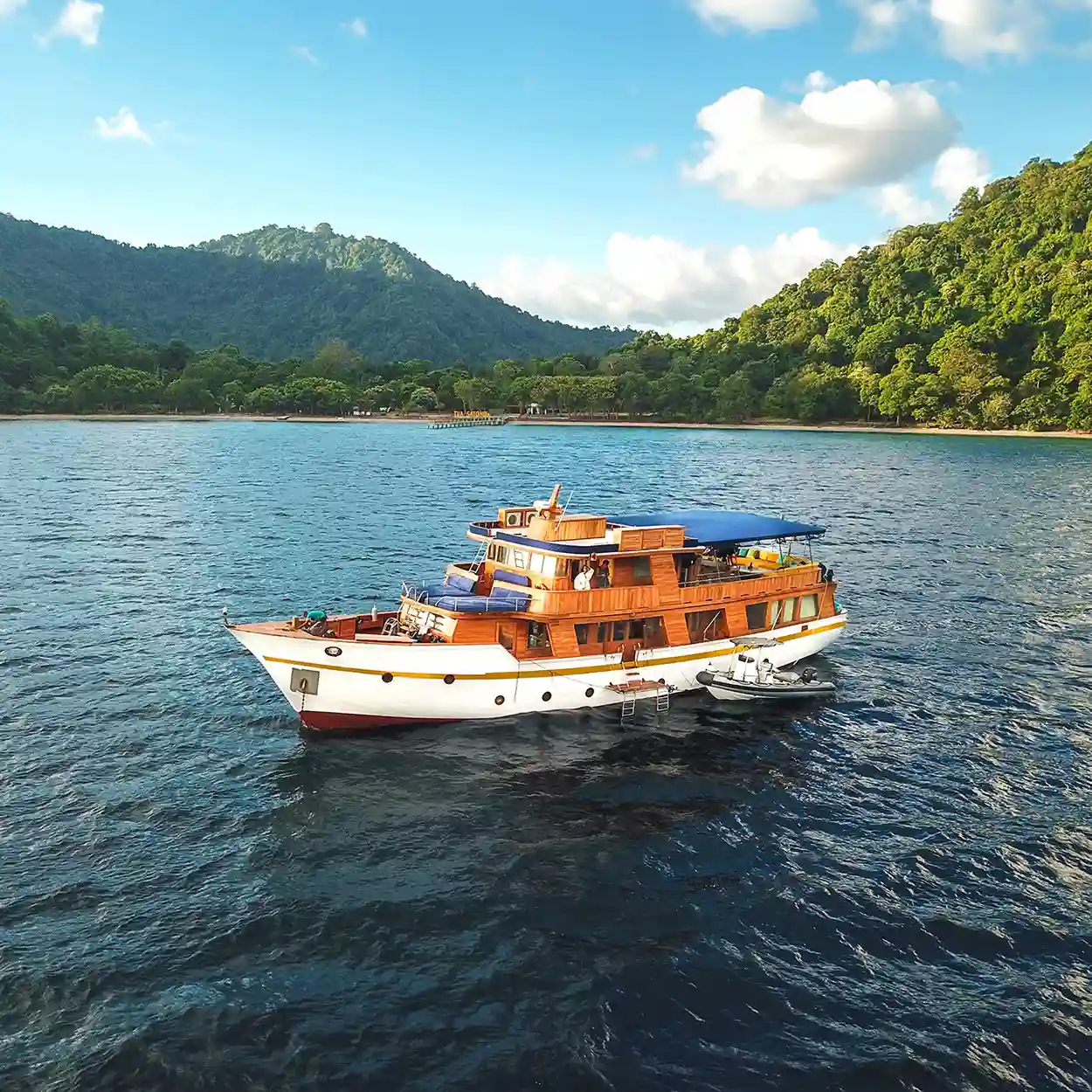
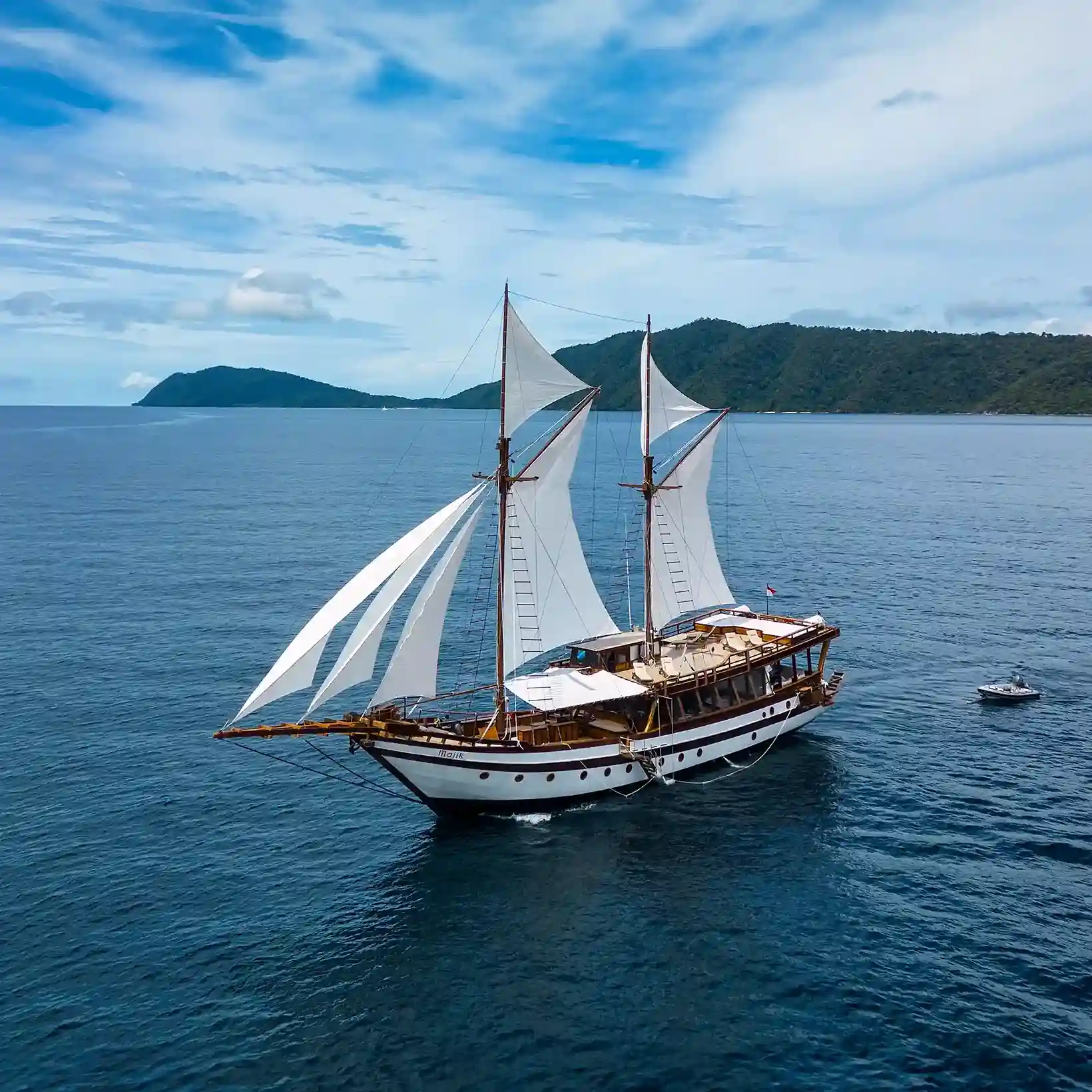
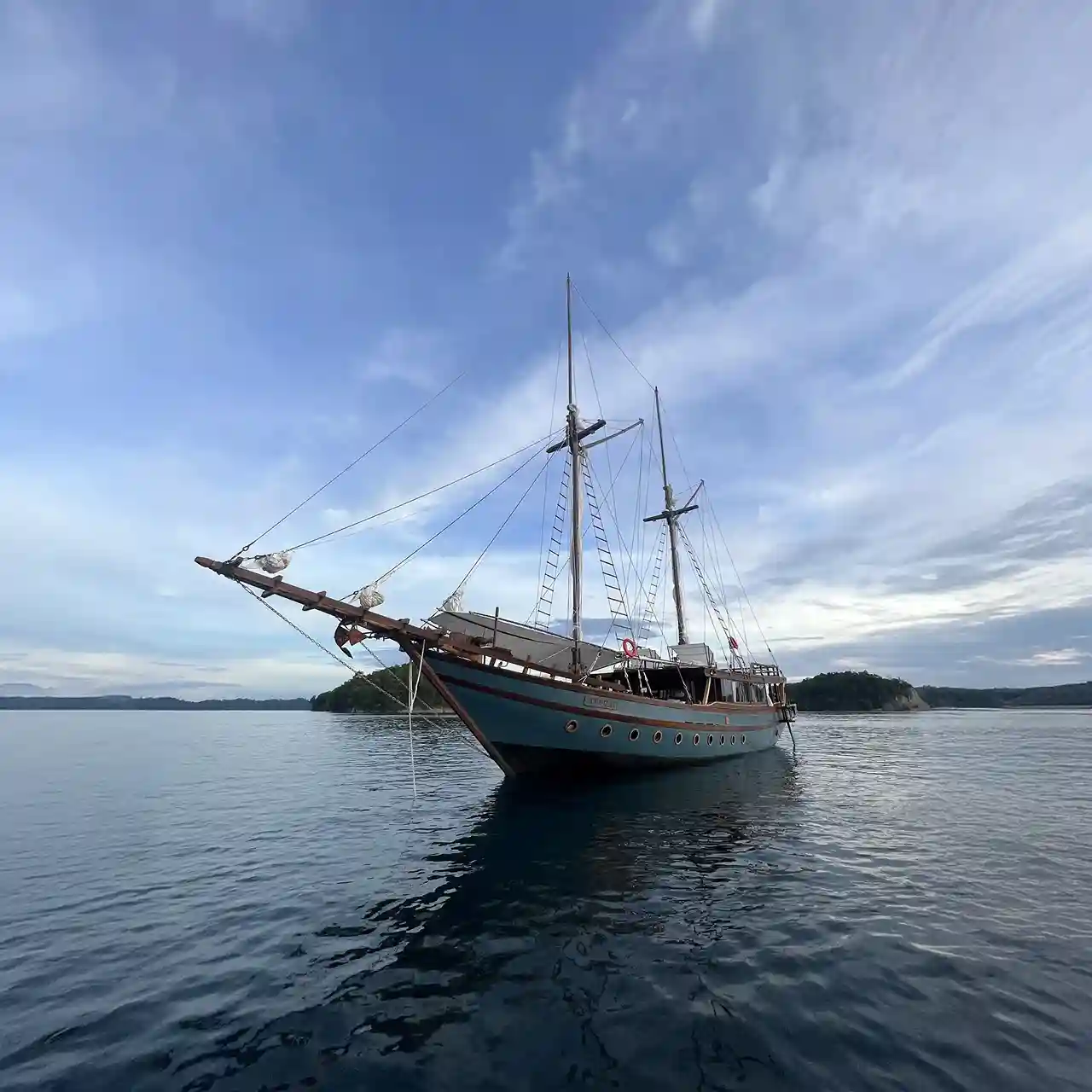
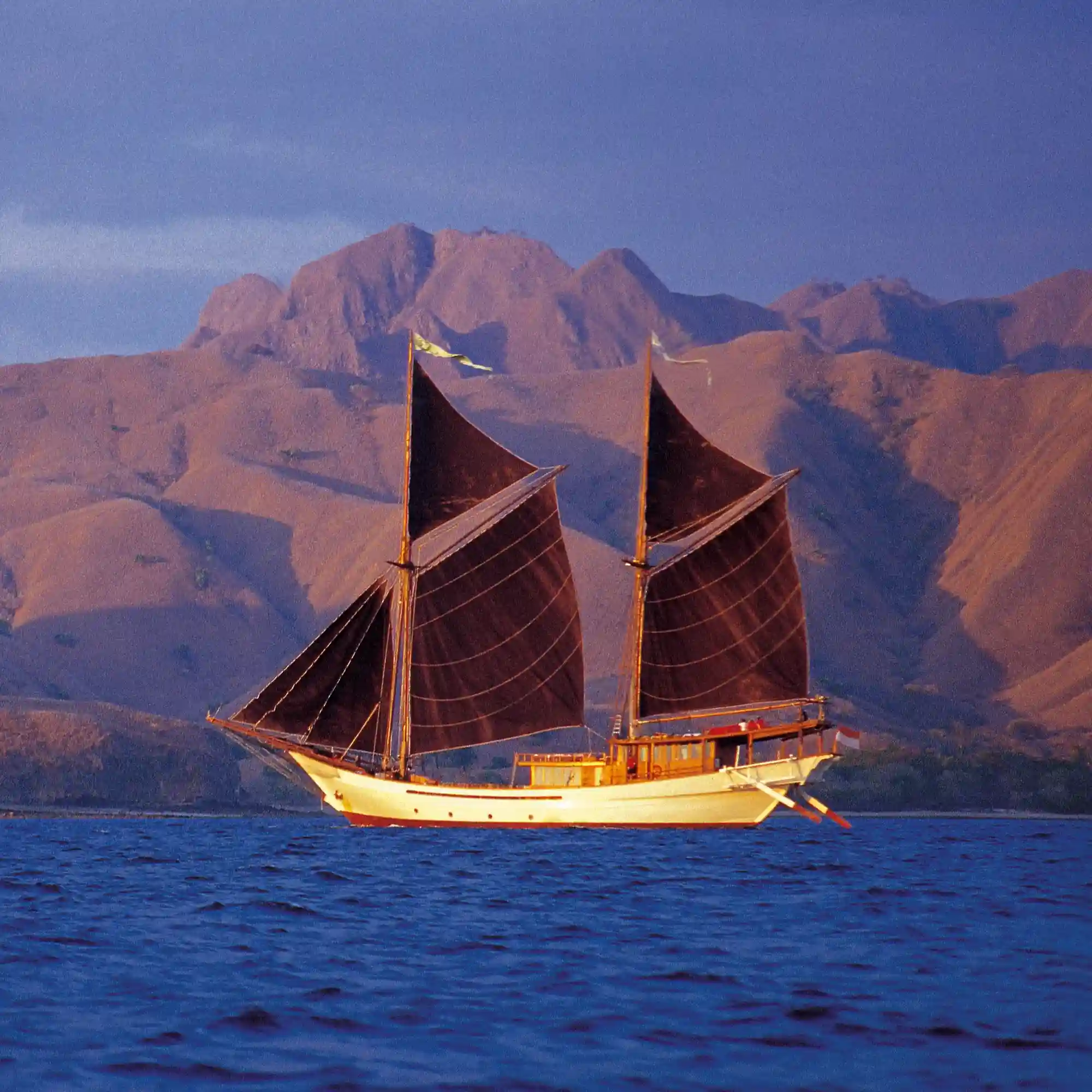
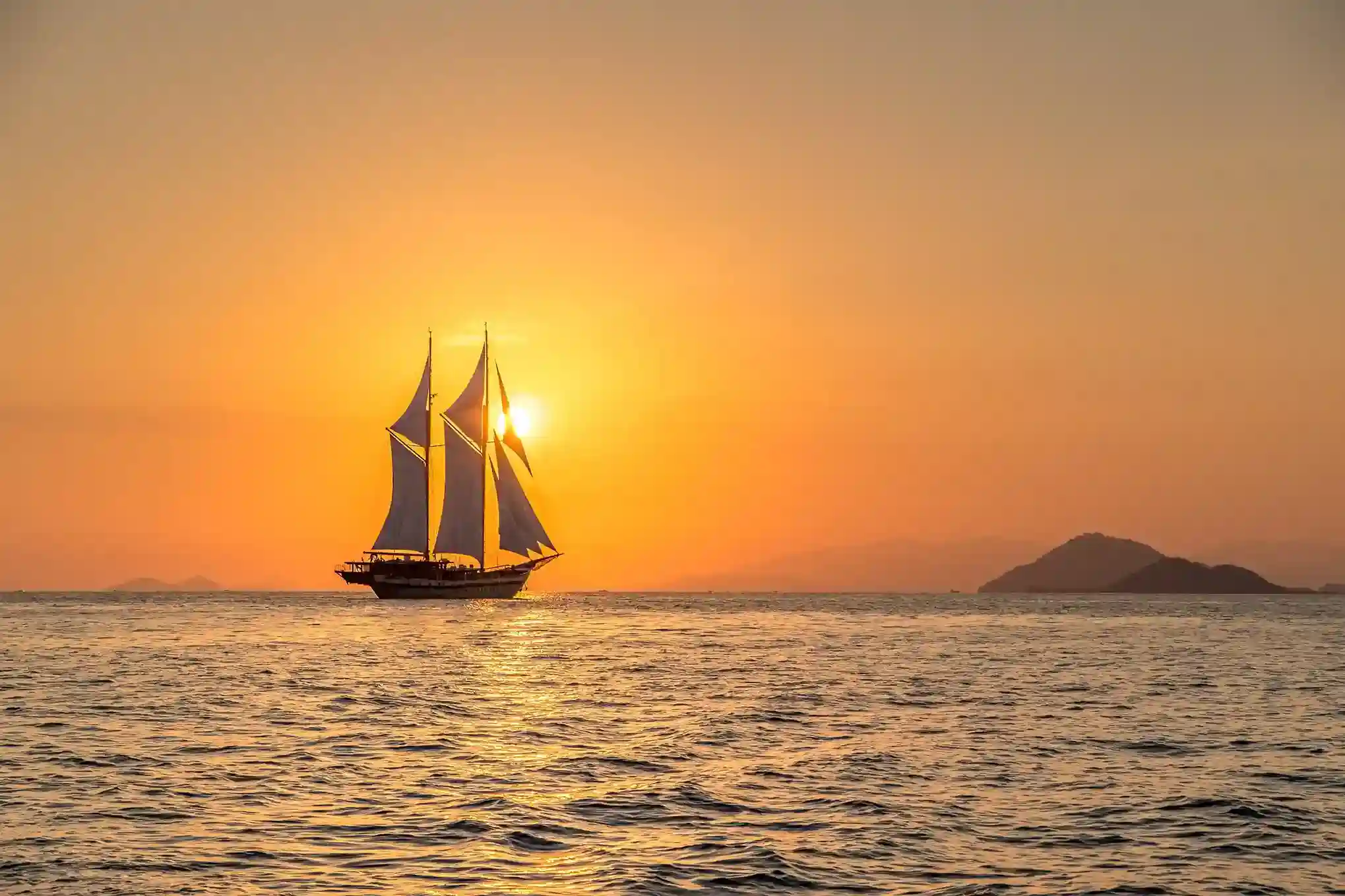
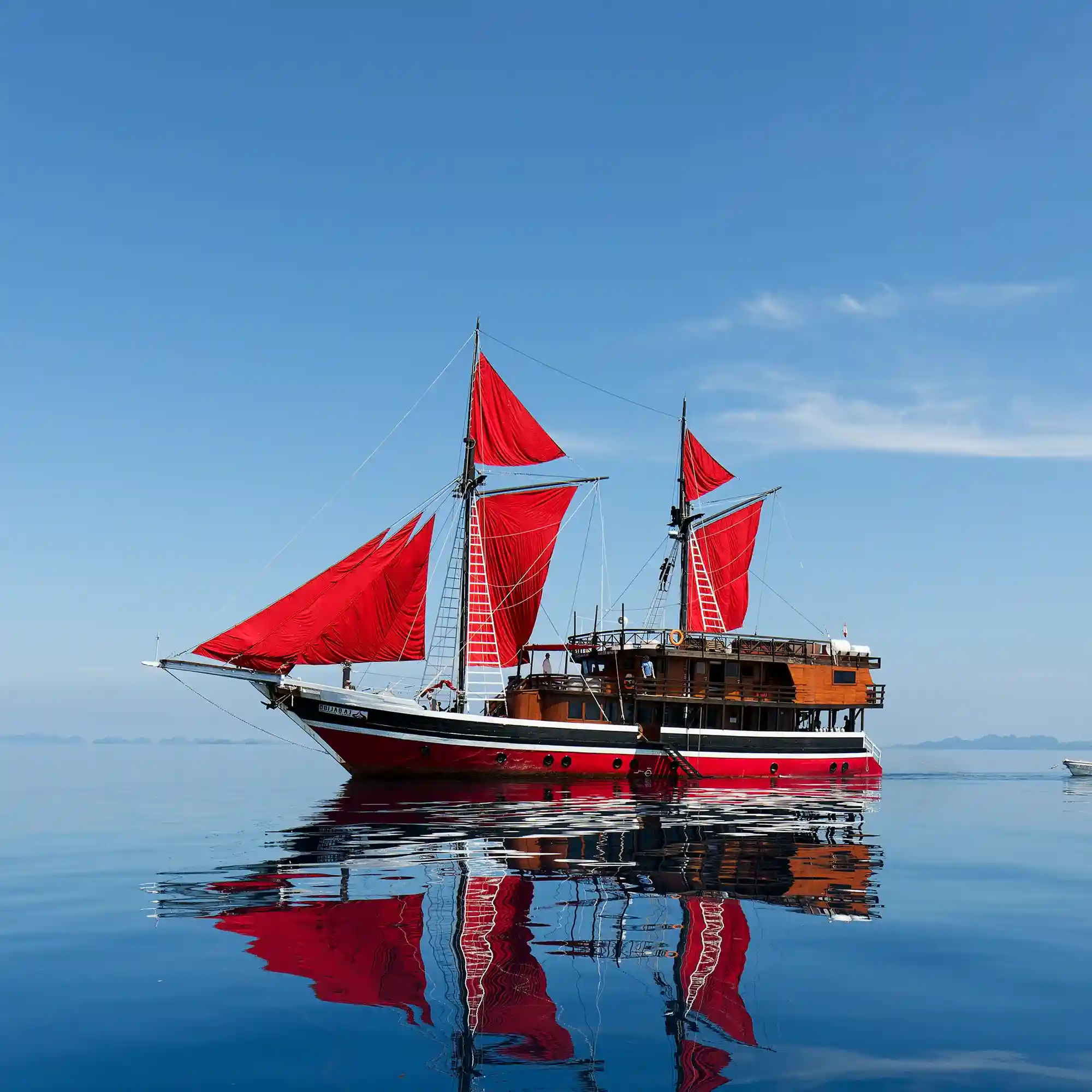
I woke just before dawn on the first morning, the hull gently rocking in Wayag Lagoon. The air was still and salty, and the only sound was water slipping along the teak planks. I stepped barefoot onto the deck, the wood warm from the night’s sun, and saw the first light hitting the limestone fingers rising out of the turquoise. We’d anchored late the previous evening after a long transfer from Sorong, but the tiredness vanished as the sky turned gold. This wasn’t just another boat. La Galigo felt like a proper vessel – hand-rigged in the old style, but with the quiet hum of modern systems underneath.
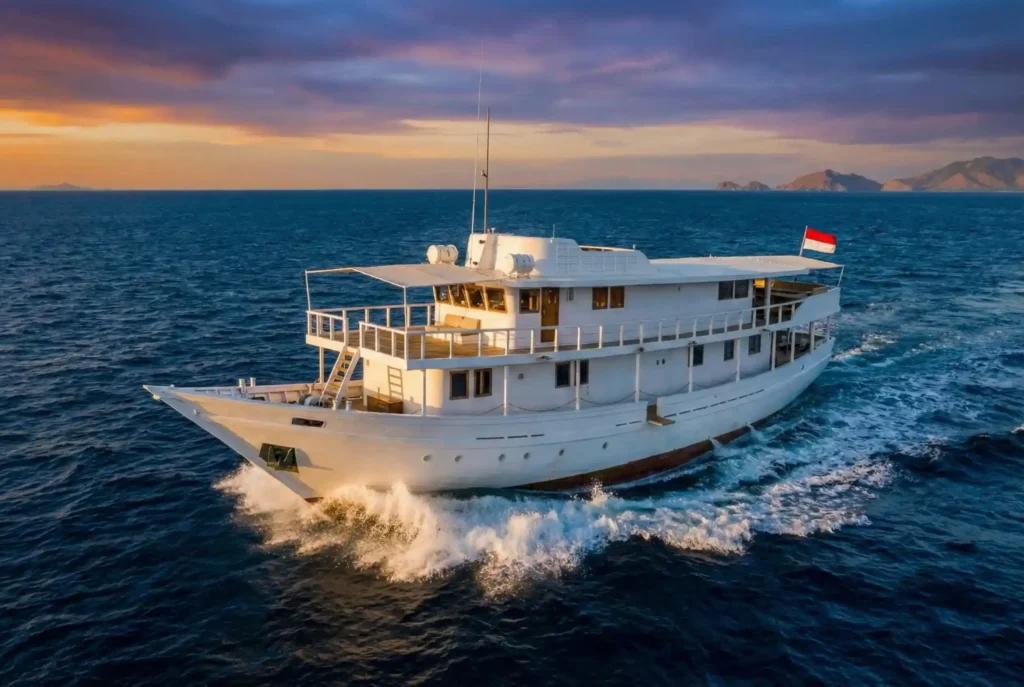
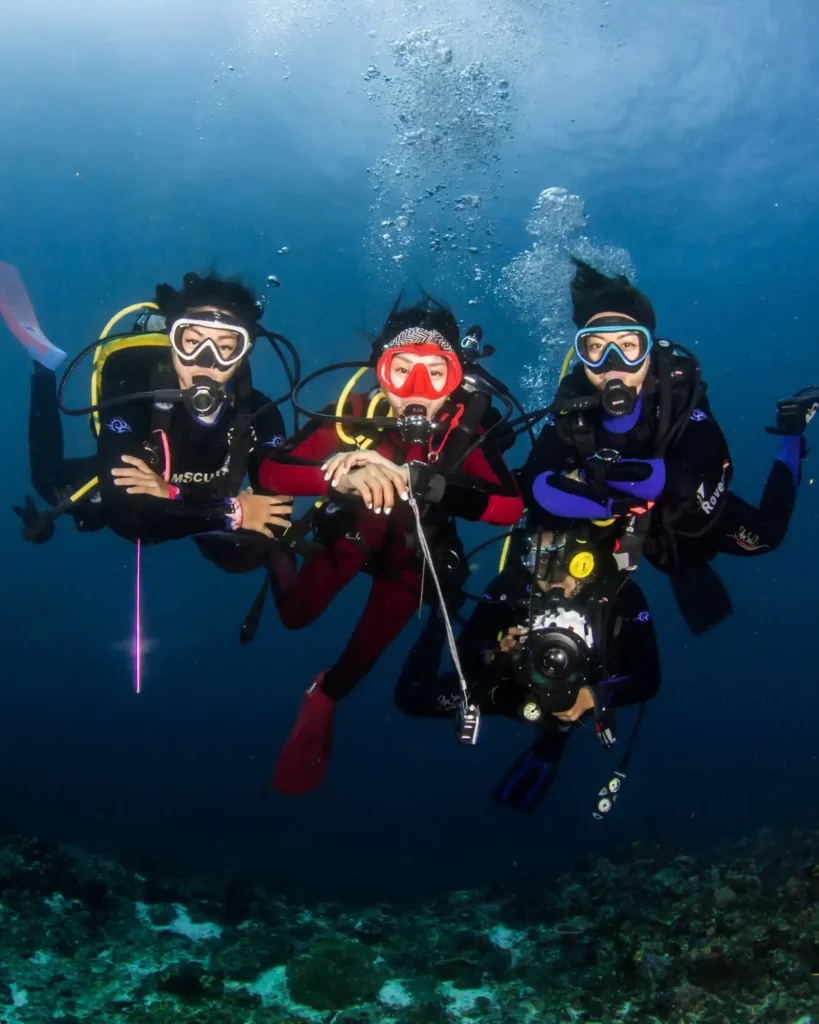
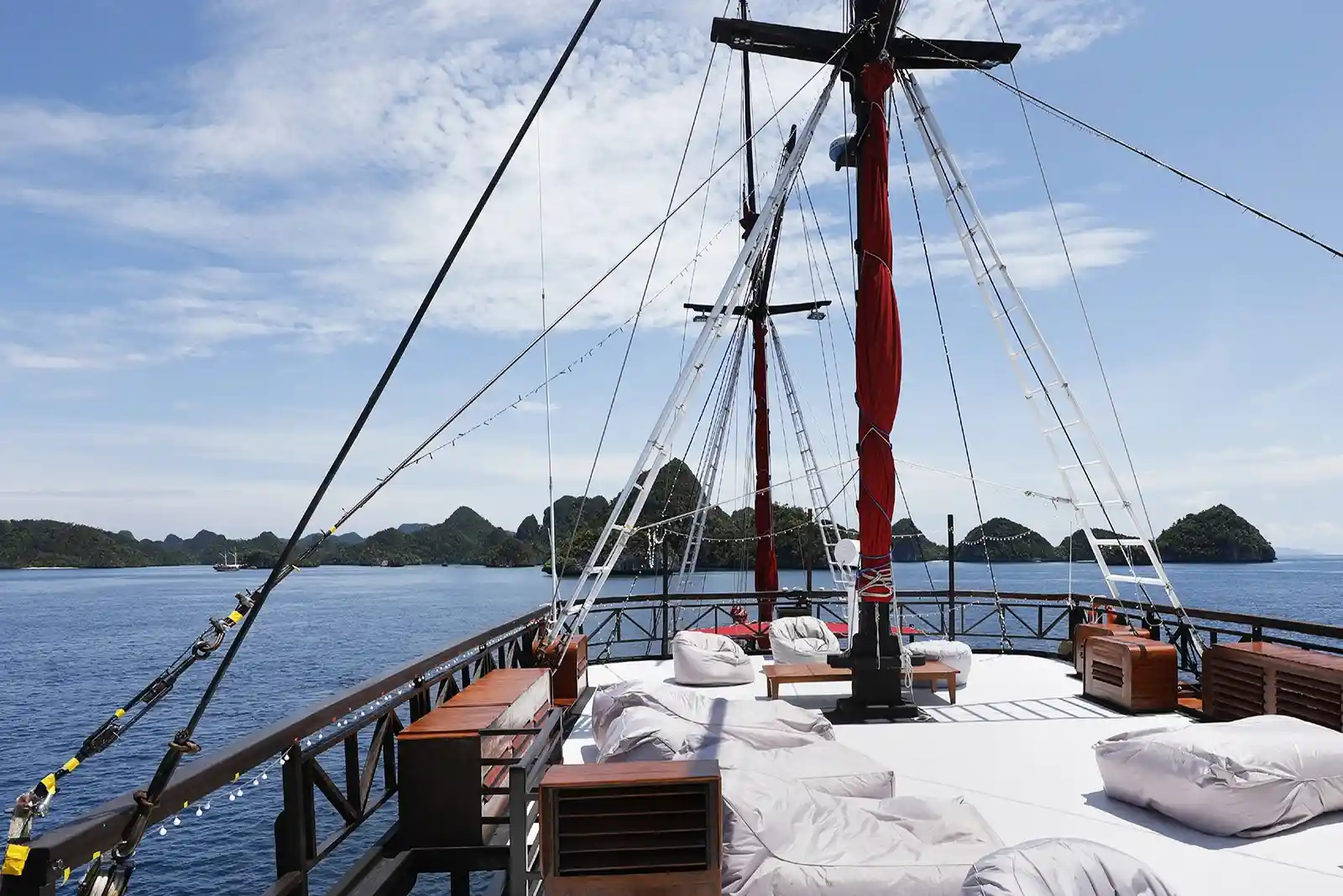
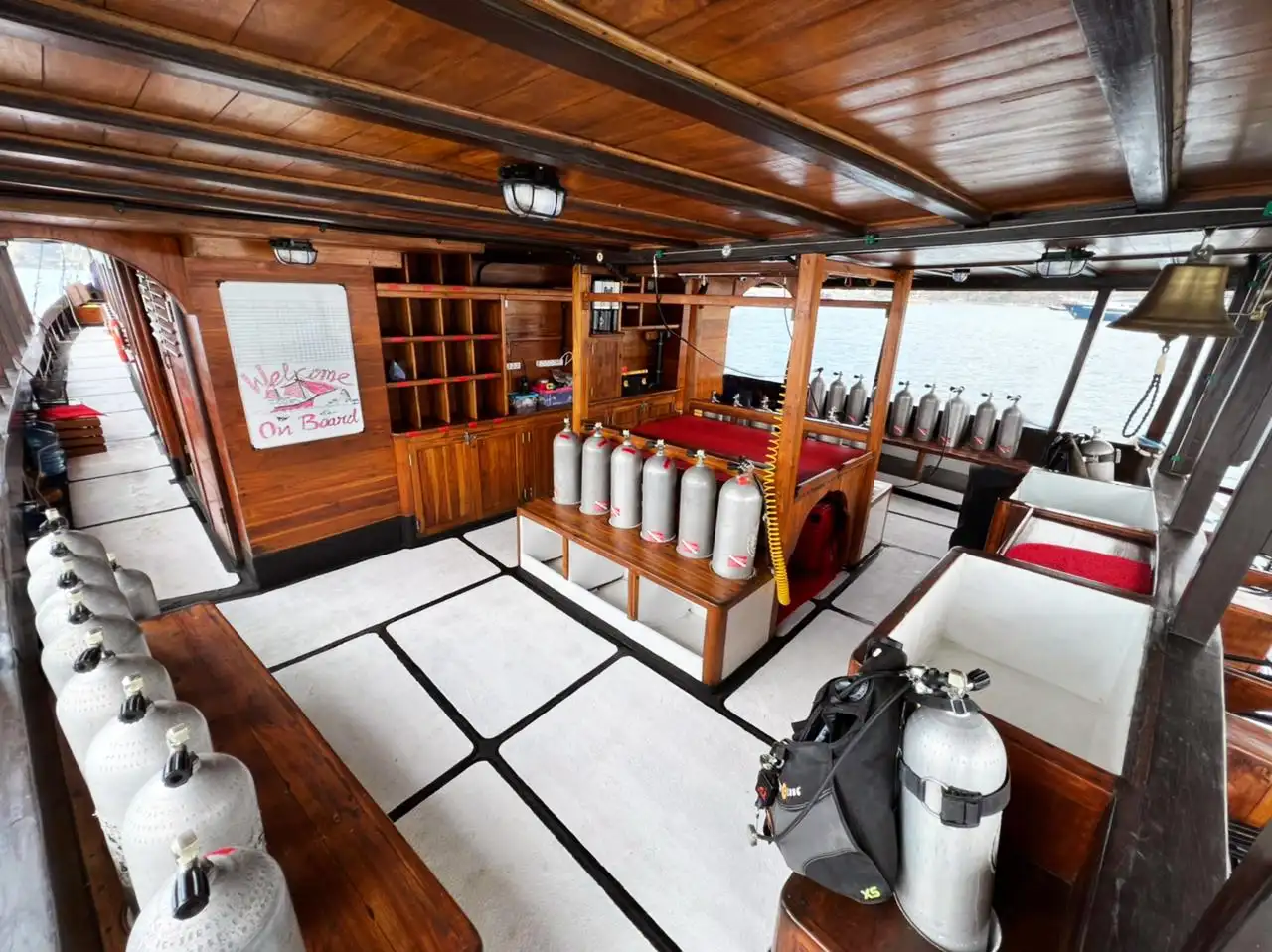
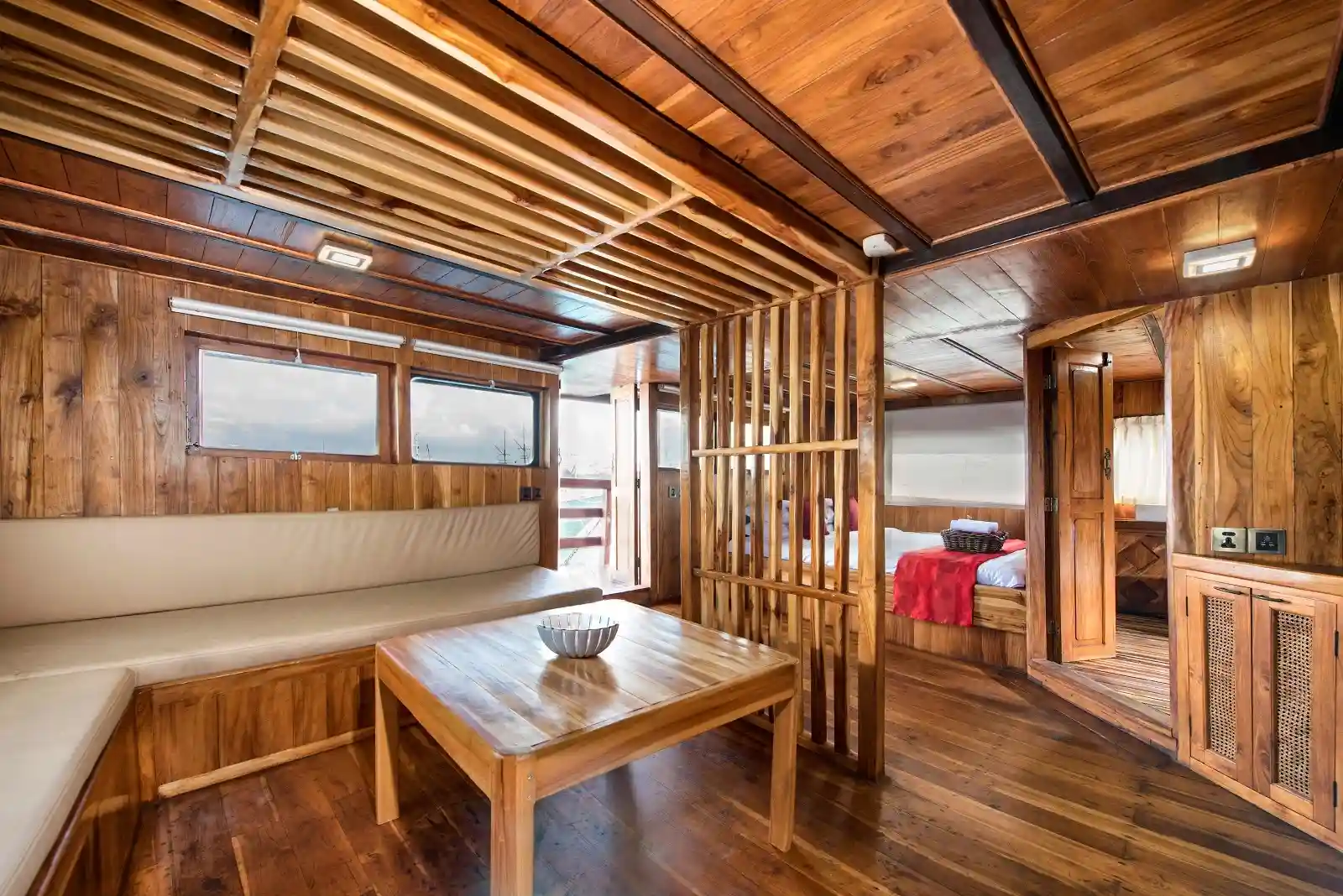
La Galigo Phinisi is 33 metres long, and it shows in the space. Even with a small group – just six of us, plus crew – there was room to disappear. I spent afternoons on the upper deck, reading in a lounger that faced aft, watching the wake cut through the glassy surface between Waigeo and Gam. One afternoon, we anchored near Cape Kri. We jumped in just before dusk, and within minutes, a school of sweetlips and fusiliers swarmed around us. The dive deck was well set up – tanks racked and ready, rinse bins waiting, and a shaded area with camera stations. But even as a non-diver, I never felt sidelined. The guides made sure snorkellers were in the best zones, like right over the bommies at Arborek Jetty.
Our days followed a slow rhythm. Up early for coffee and a snack before the first water activity. One morning, we motored into the blue at dawn to reach Melissa’s Garden – not just a reef, but a maze of hard coral shelves with napoleon wrasse cruising the edges. We saw a wobbegong tucked under a ledge. The crew had breakfast waiting when we came back: fresh papaya, eggs any style, and strong local coffee. Lunch was often served under the shade of the awning – grilled mahi-mahi with coconut rice and cucumber salad, all prepared in the lower galley that stayed miraculously cool.
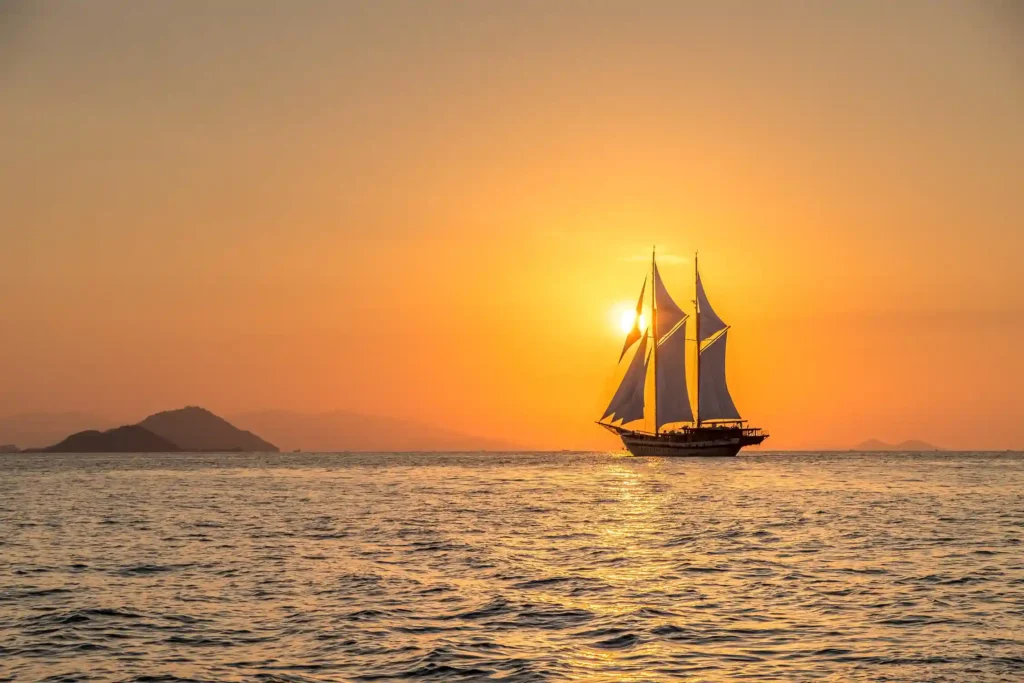
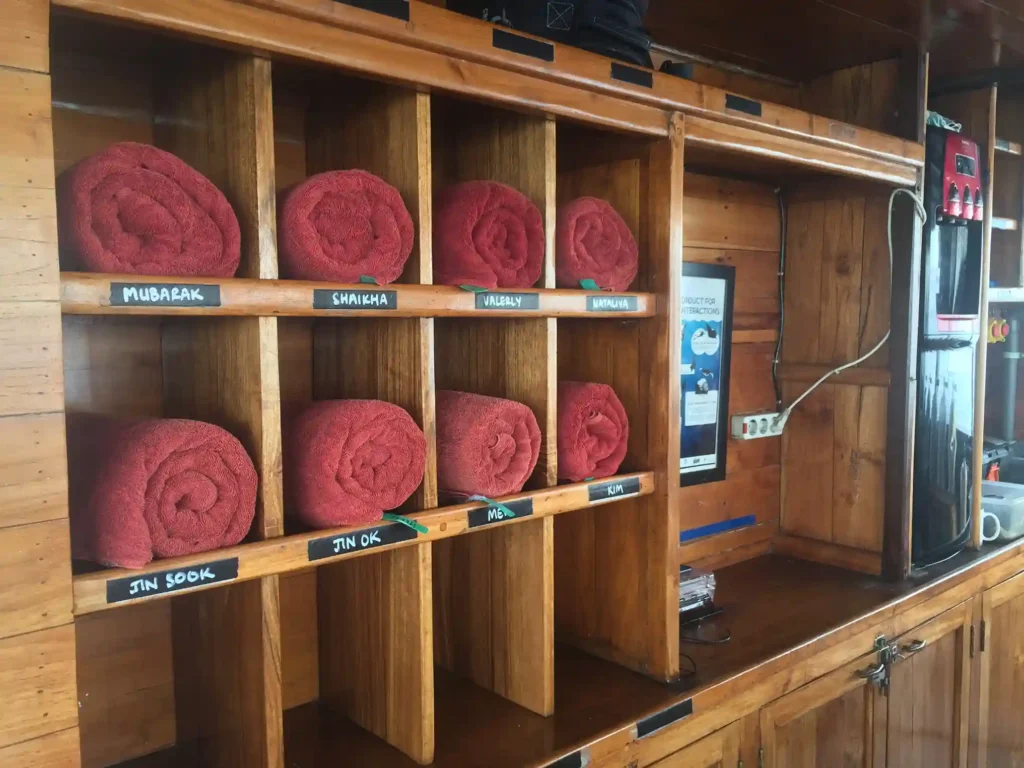
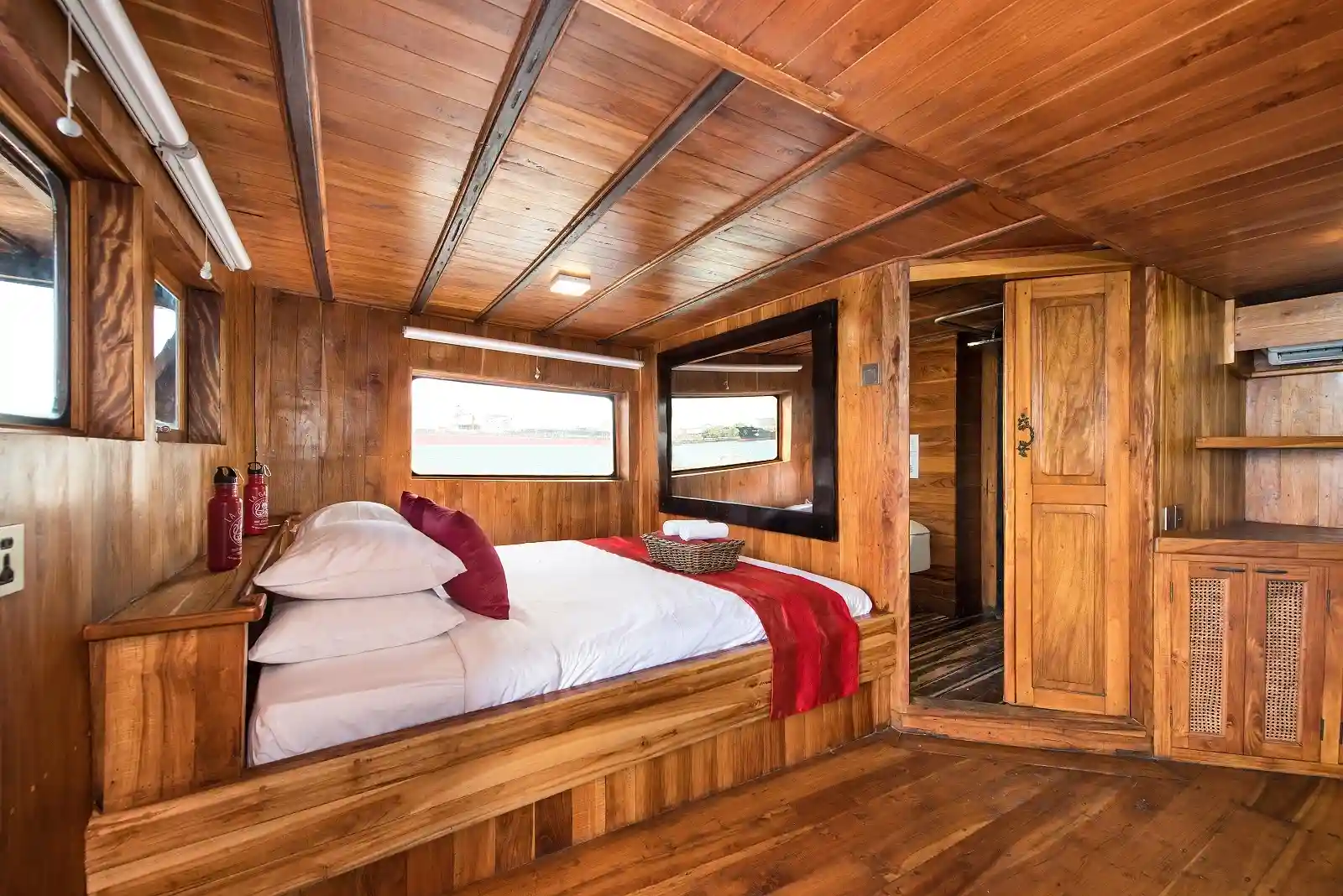
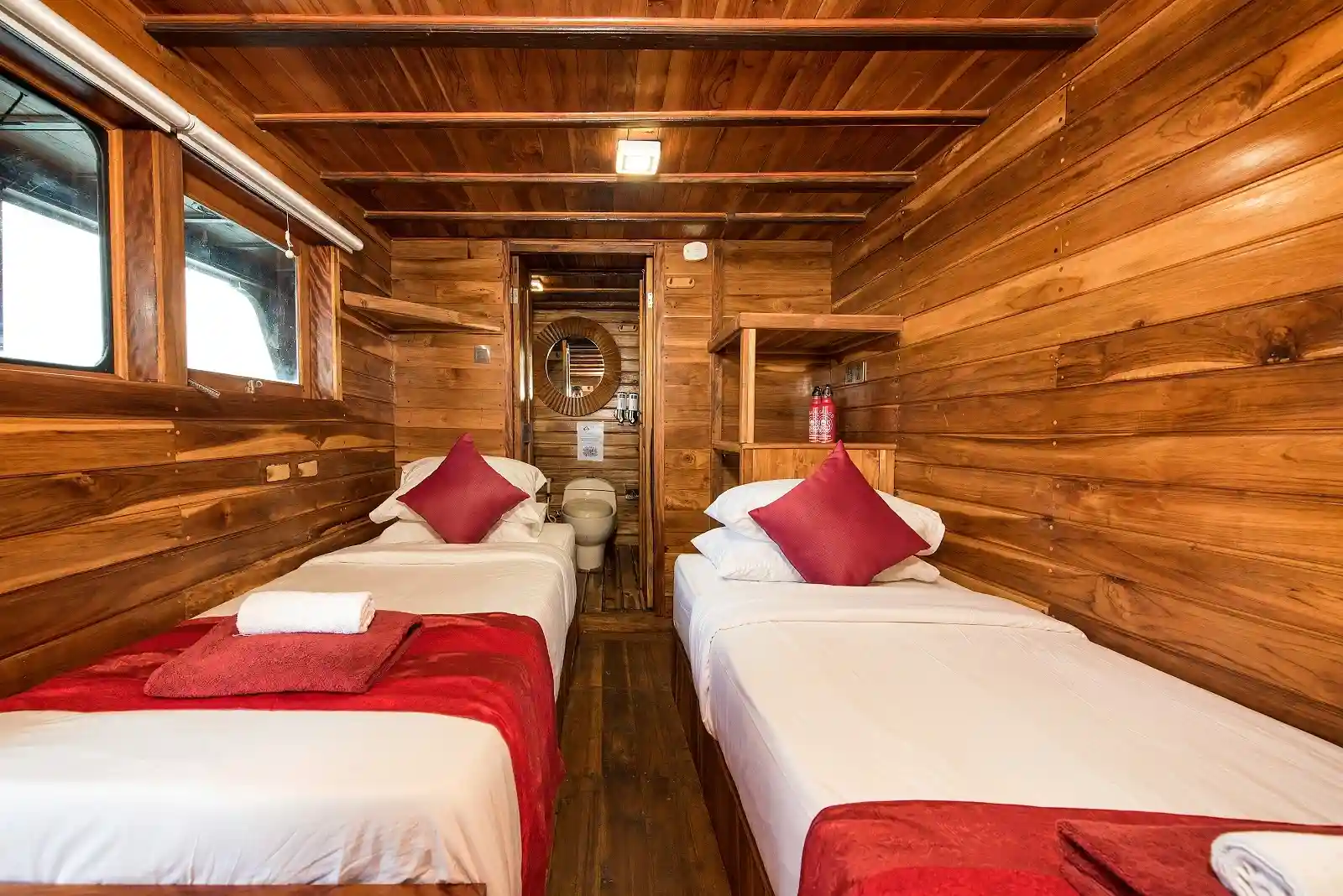
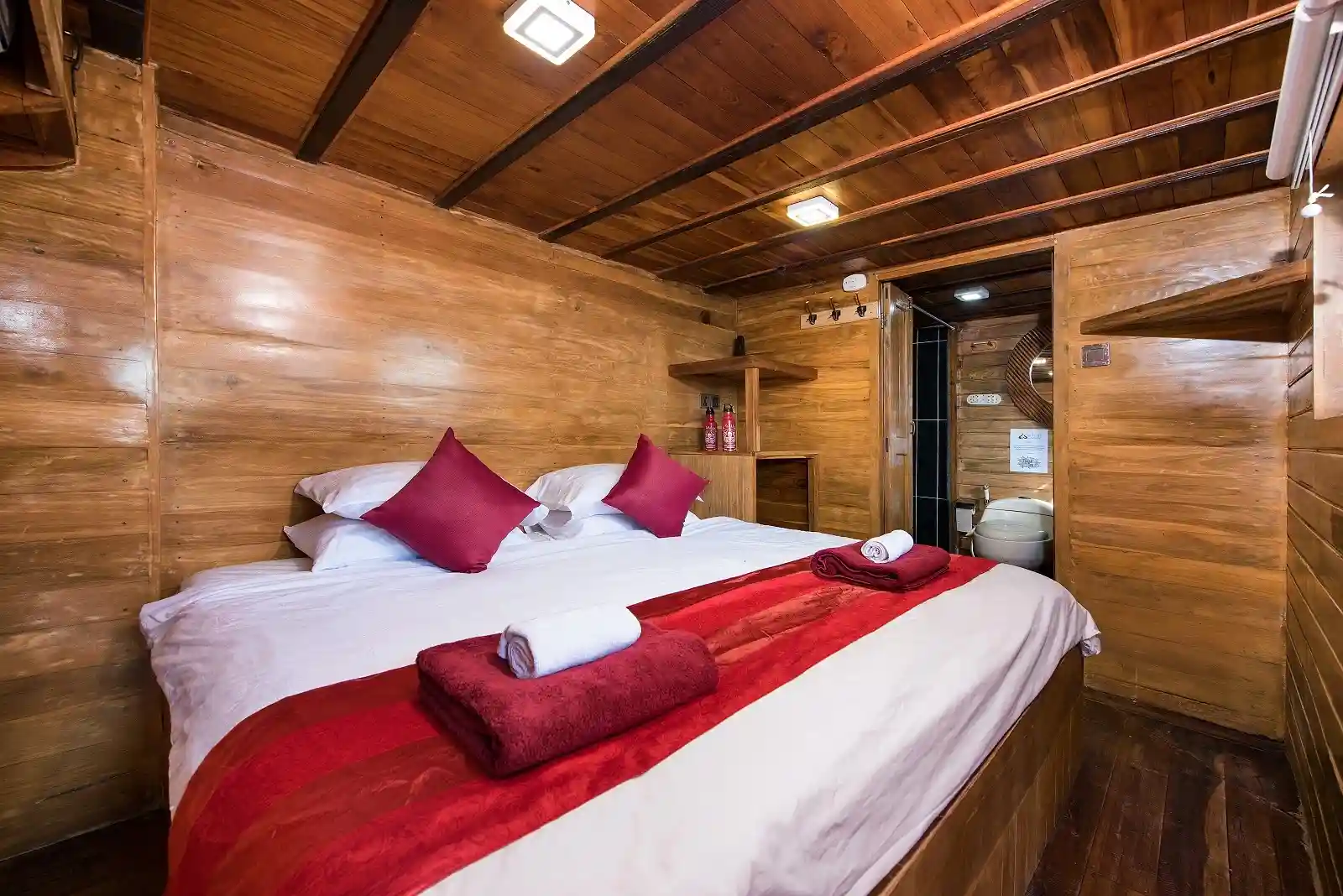
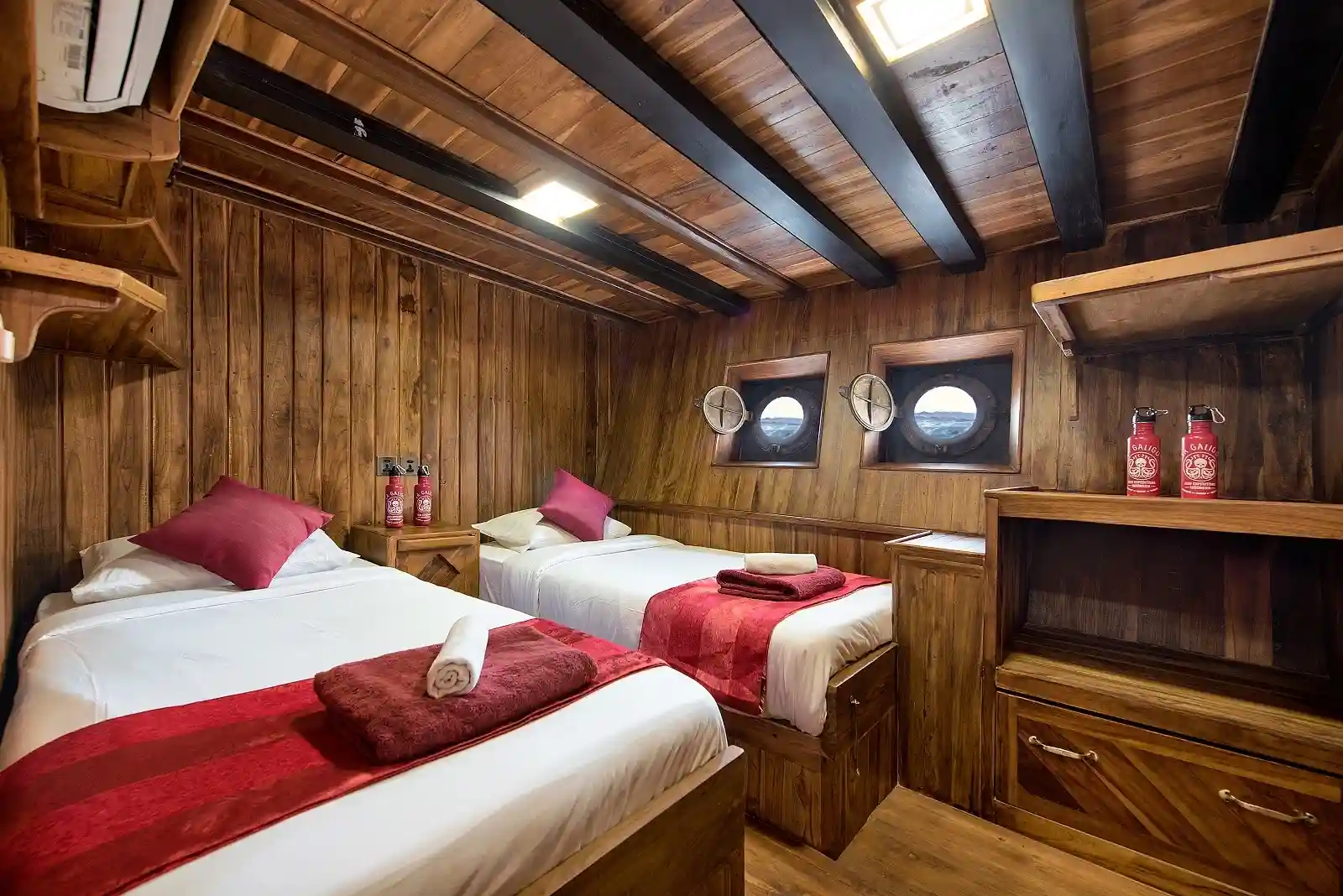
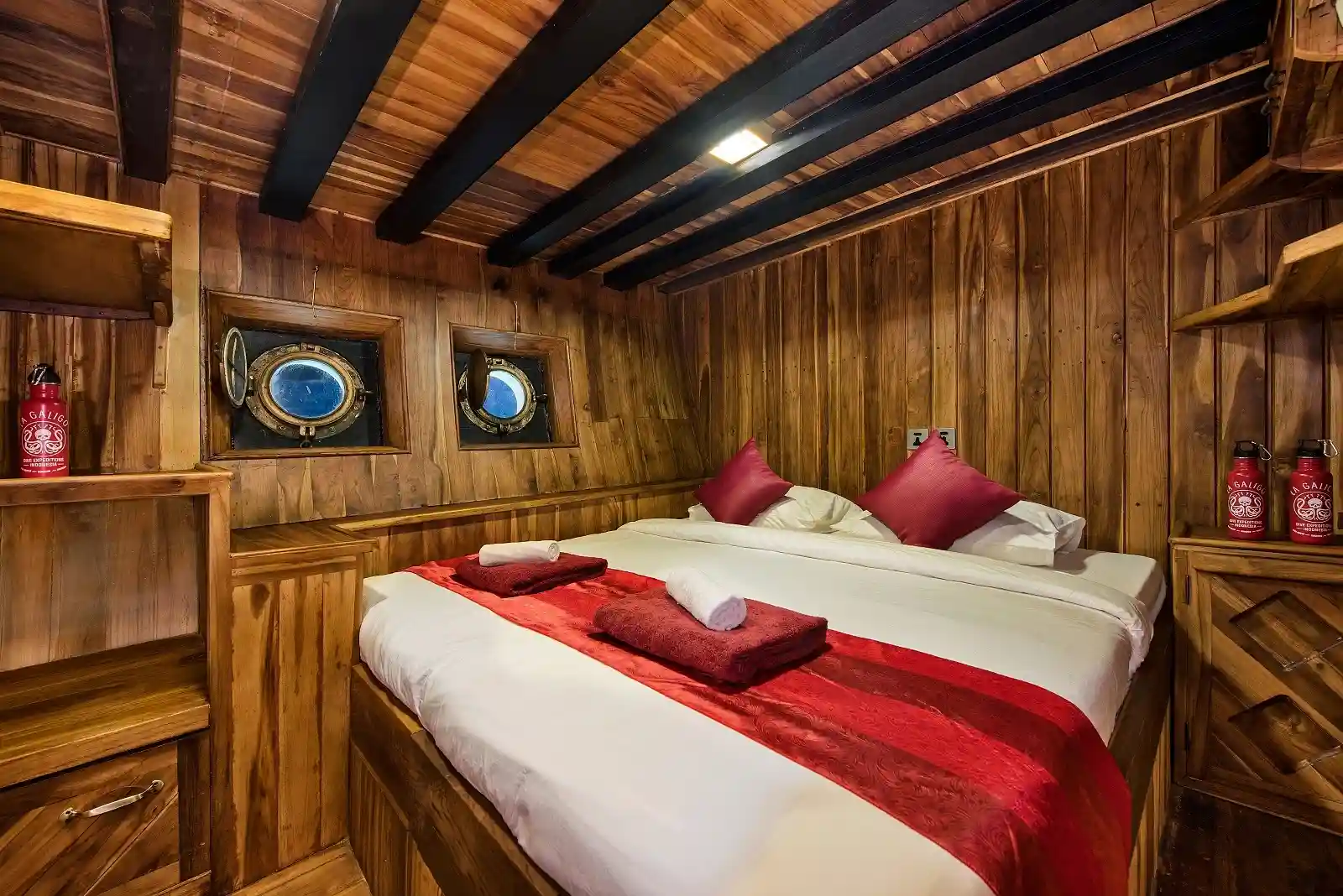
The single cabin layout meant it was a private charter, which explained the level of attention. Everything felt tailored. Towels were replaced without being asked, water bottles refilled before we noticed they were low. At night, we’d anchor in a quiet bay – once near Pianemo, where we took the dinghy out after dinner just to look up at the stars. No city lights, no hum from other boats. Just the slap of waves and the occasional call of a night bird. The generator shut off at 10, and the solar lights on deck kept just enough glow for walking safely.
What stood out wasn’t the luxury for luxury’s sake, but how everything served the place. The boat didn’t fight Raja Ampat – it moved with it. The captain knew the tides between the islands like he’d grown up in them. We timed our pass through the jetty at Yenbuba just right, drifting with the current while reef sharks hovered below. Even the wifi – limited but functional – was only available in certain zones and hours, which somehow made it less intrusive. It was a trip that reminded me why you come here: not to tick boxes, but to feel the scale, the silence, the sheer density of life under the surface.