About Damai 1
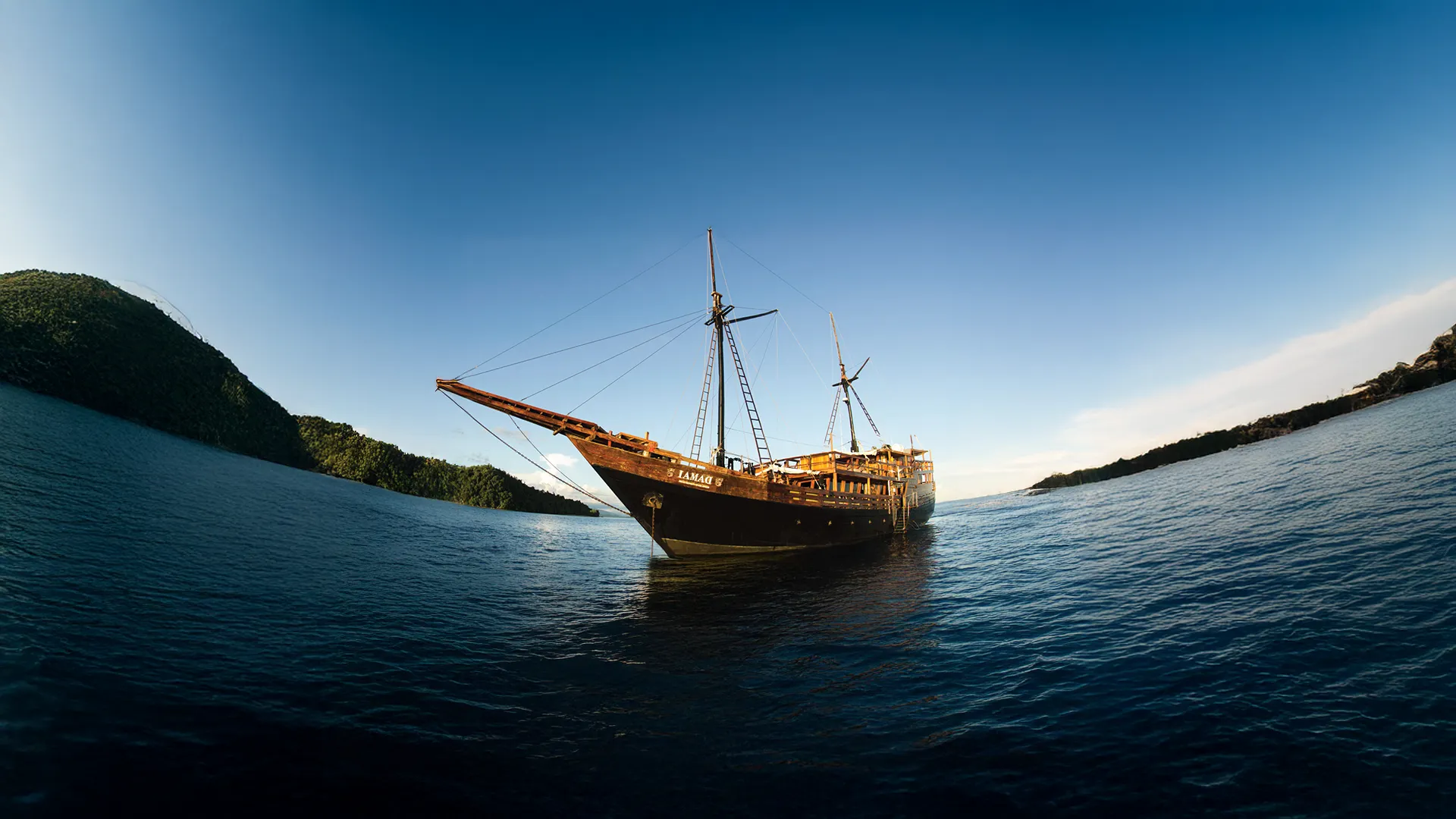
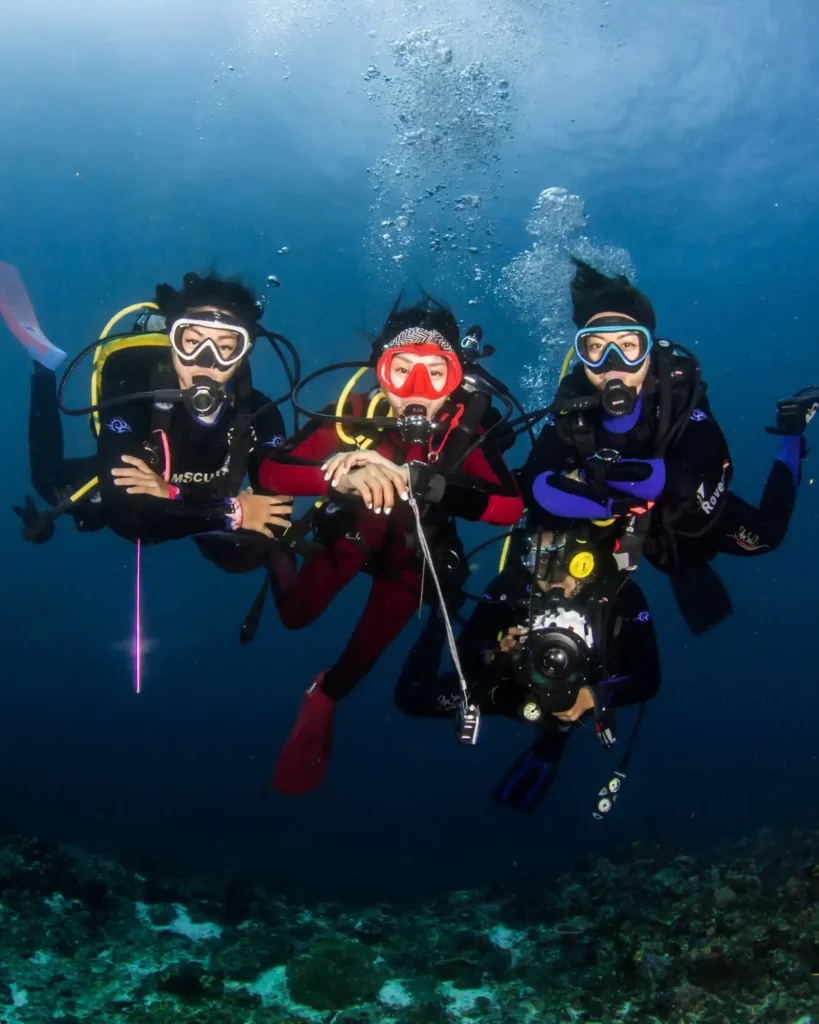
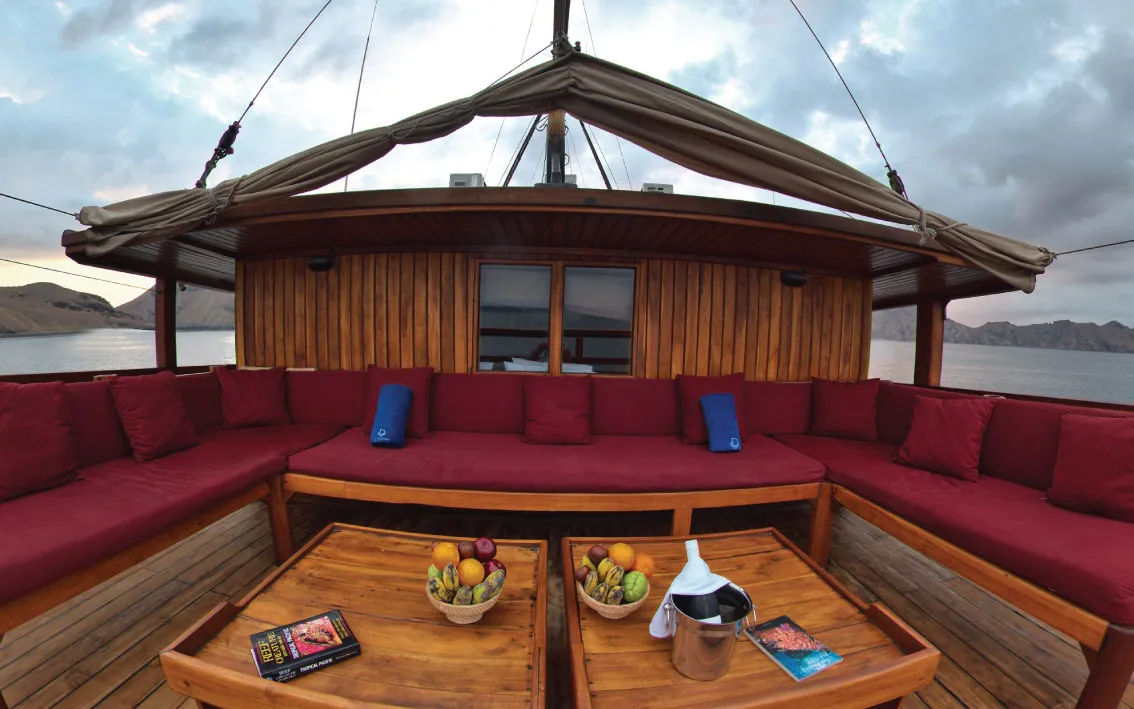
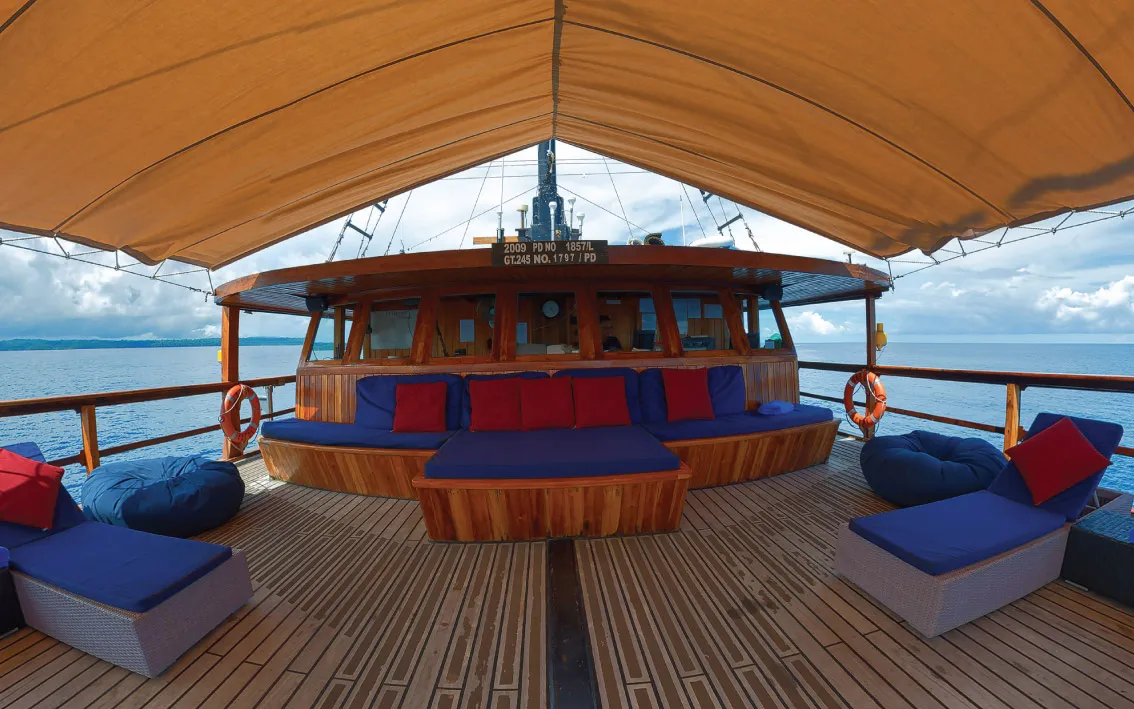
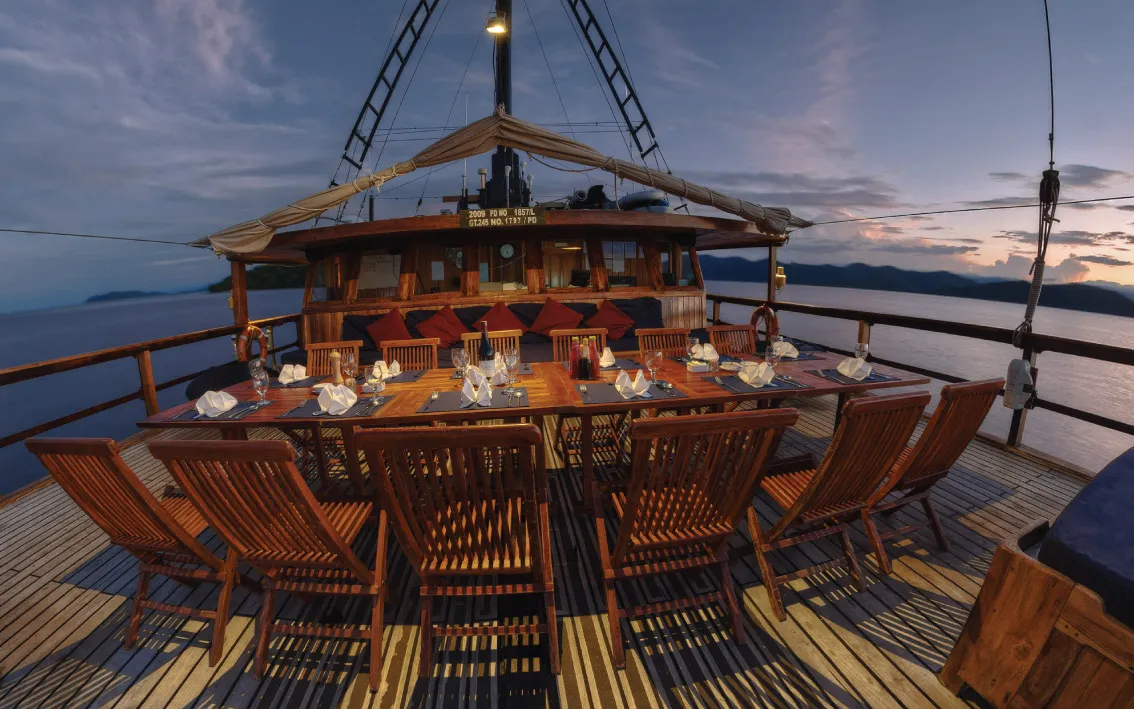
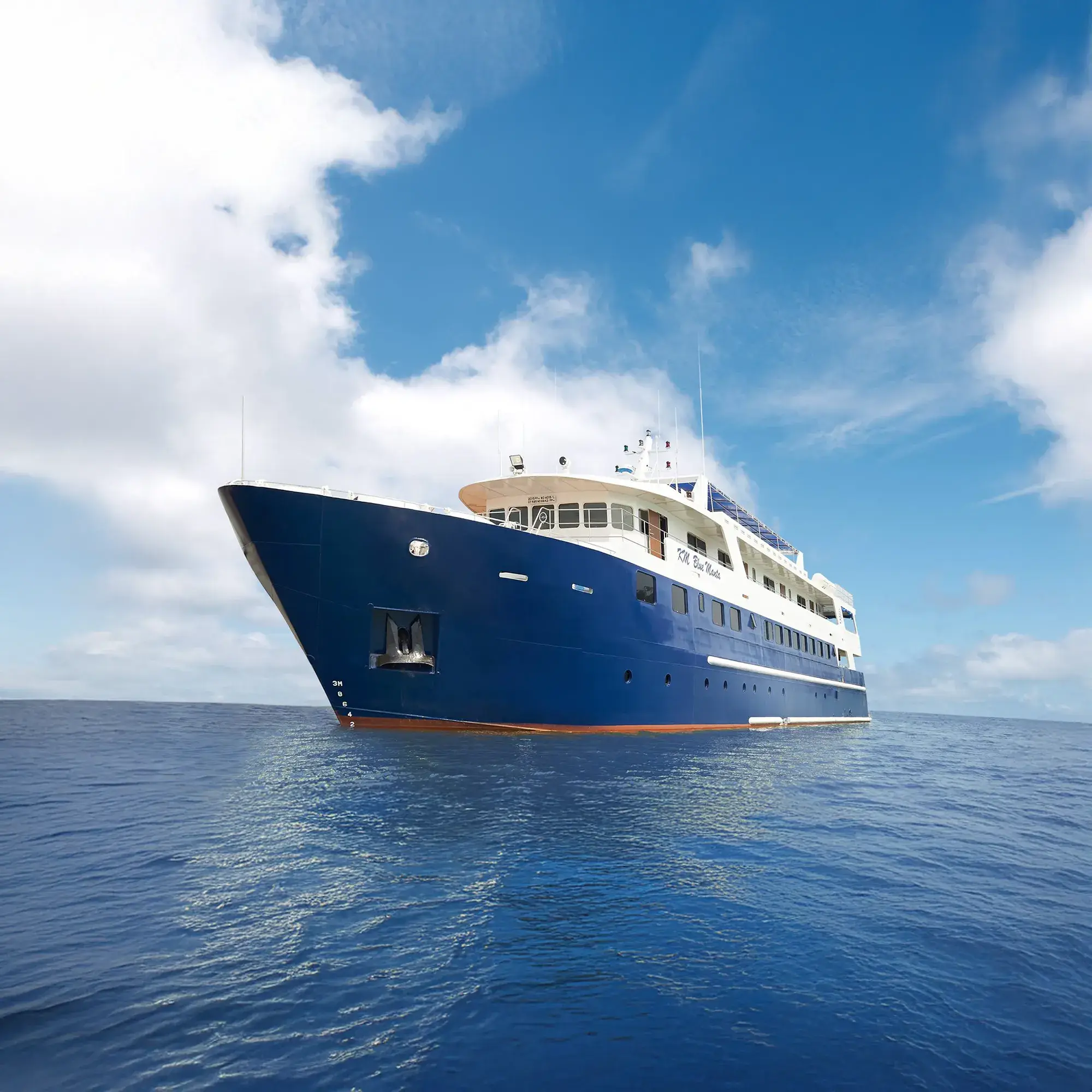
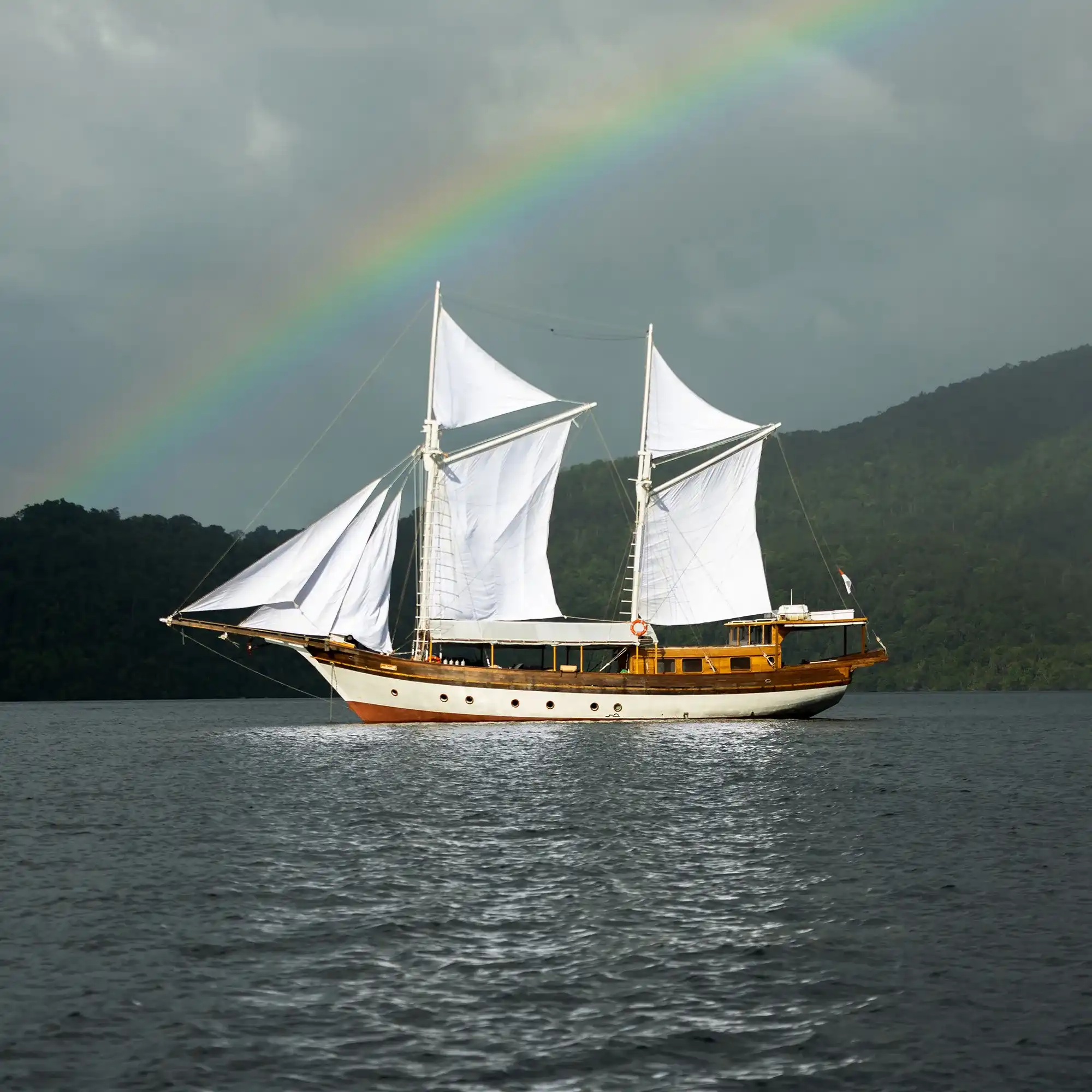
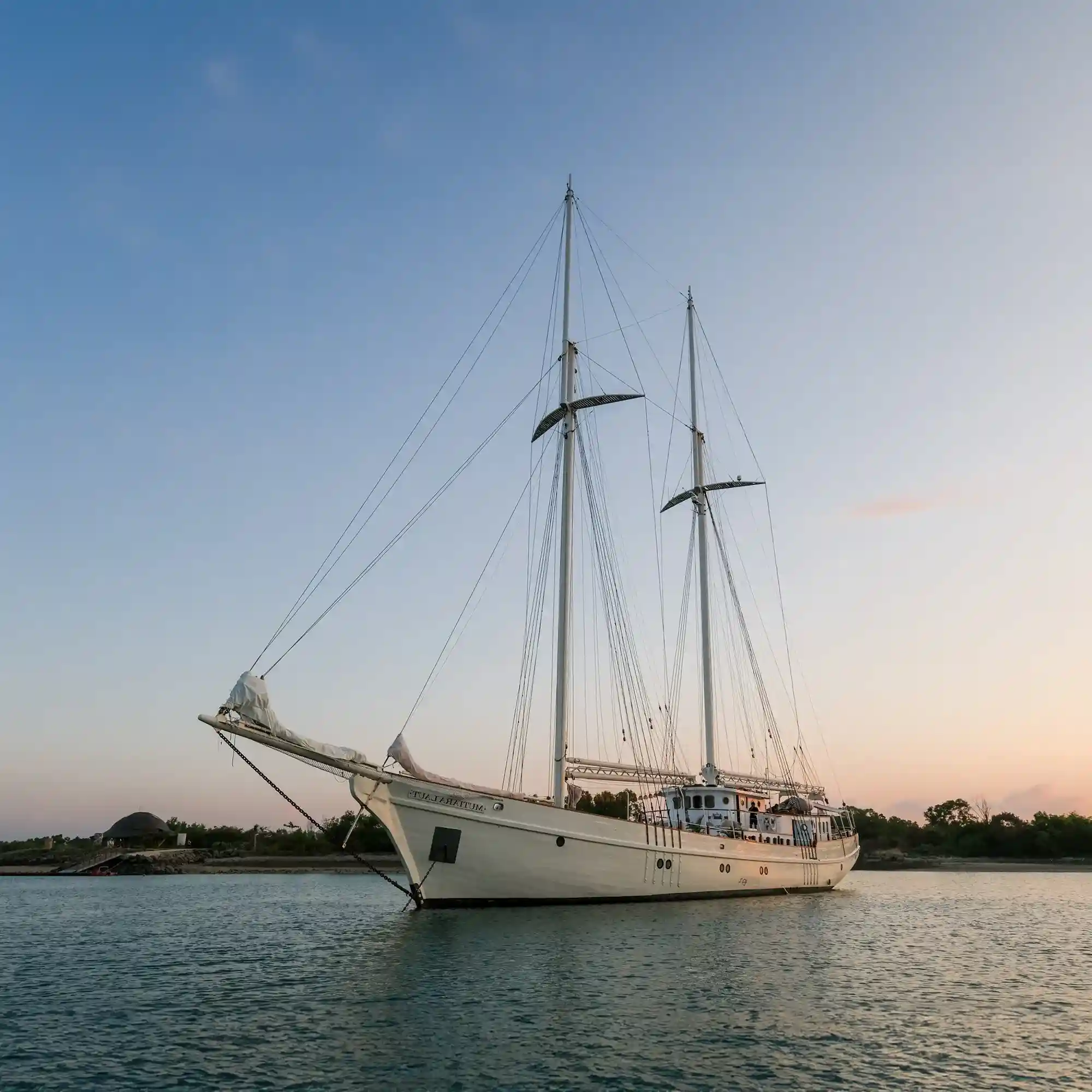
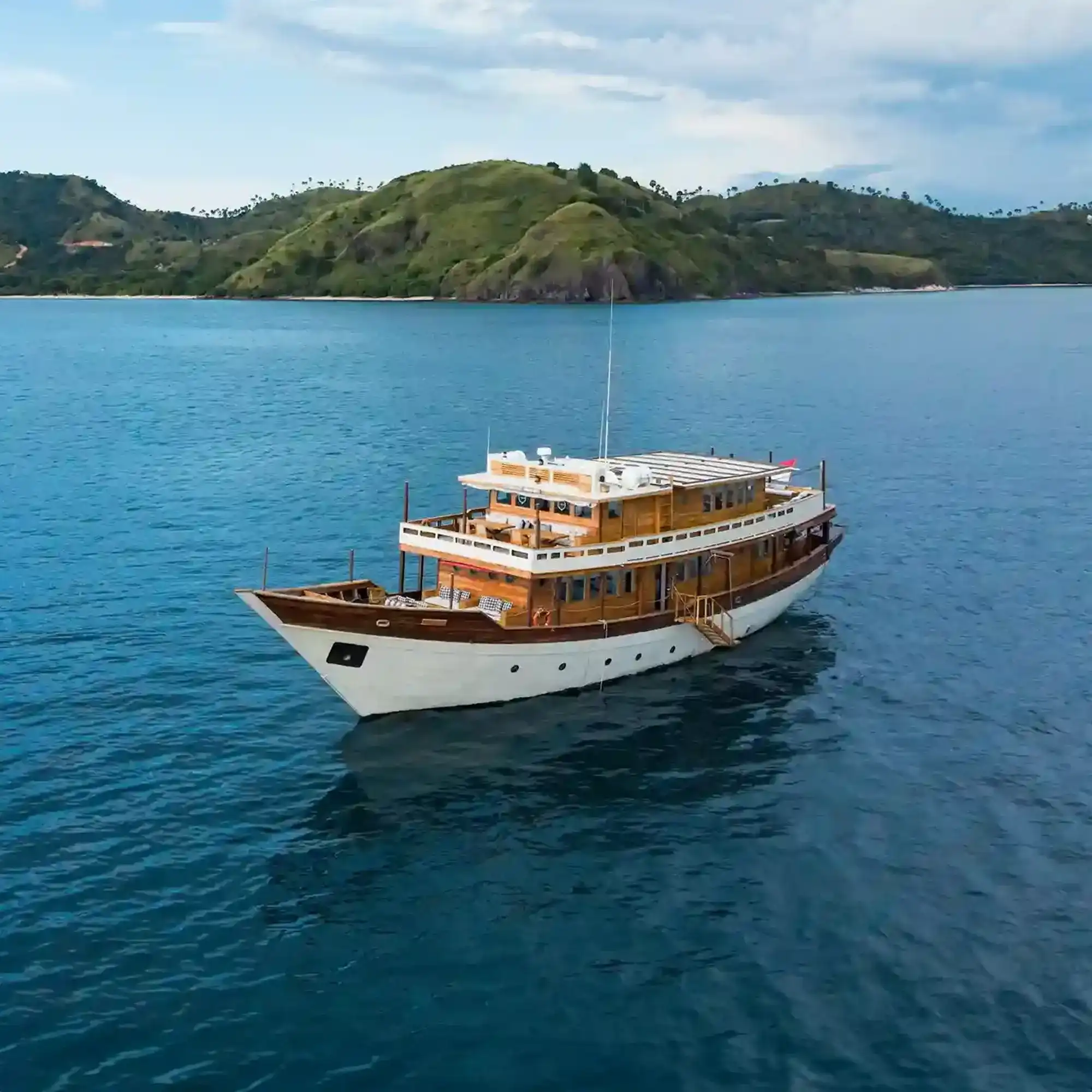
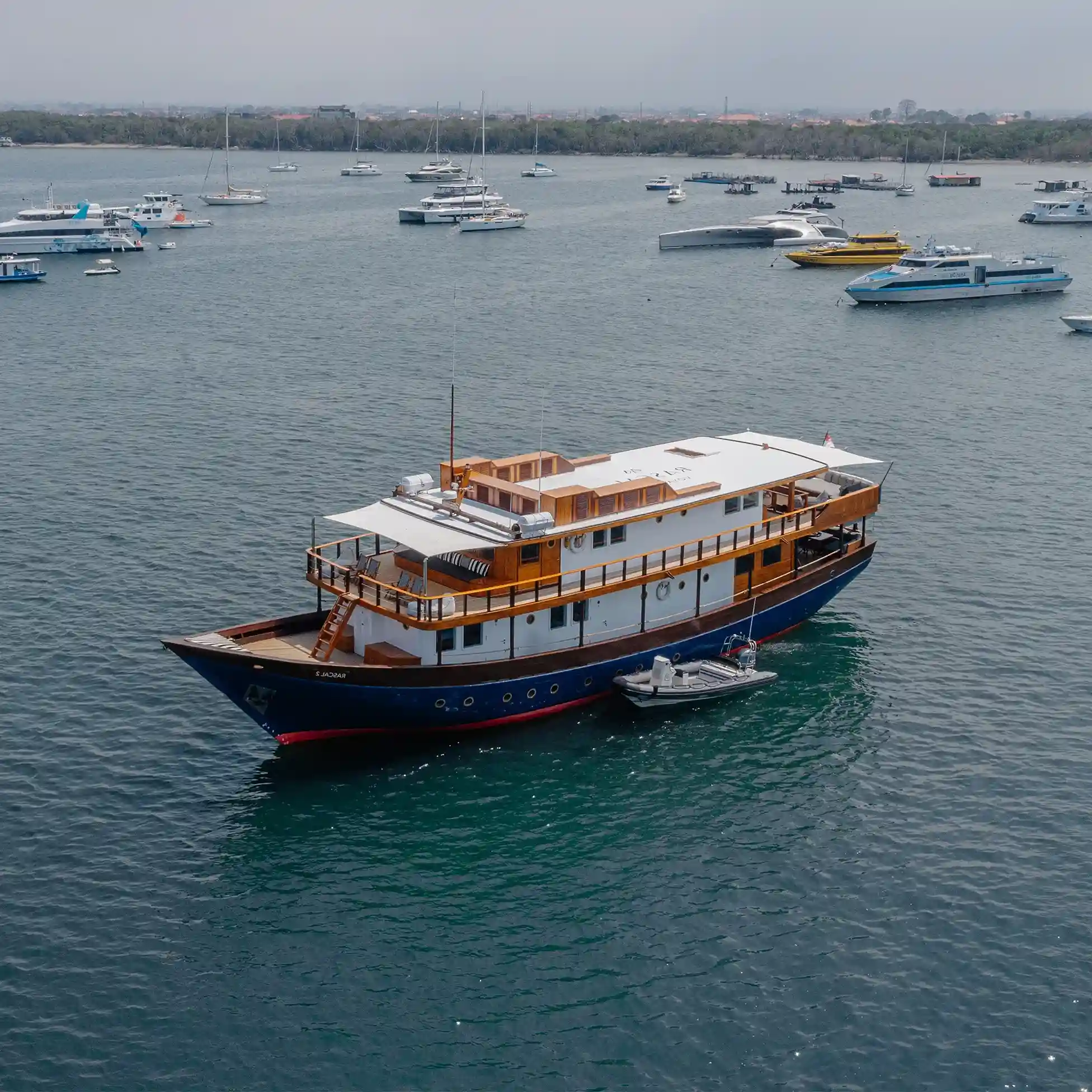
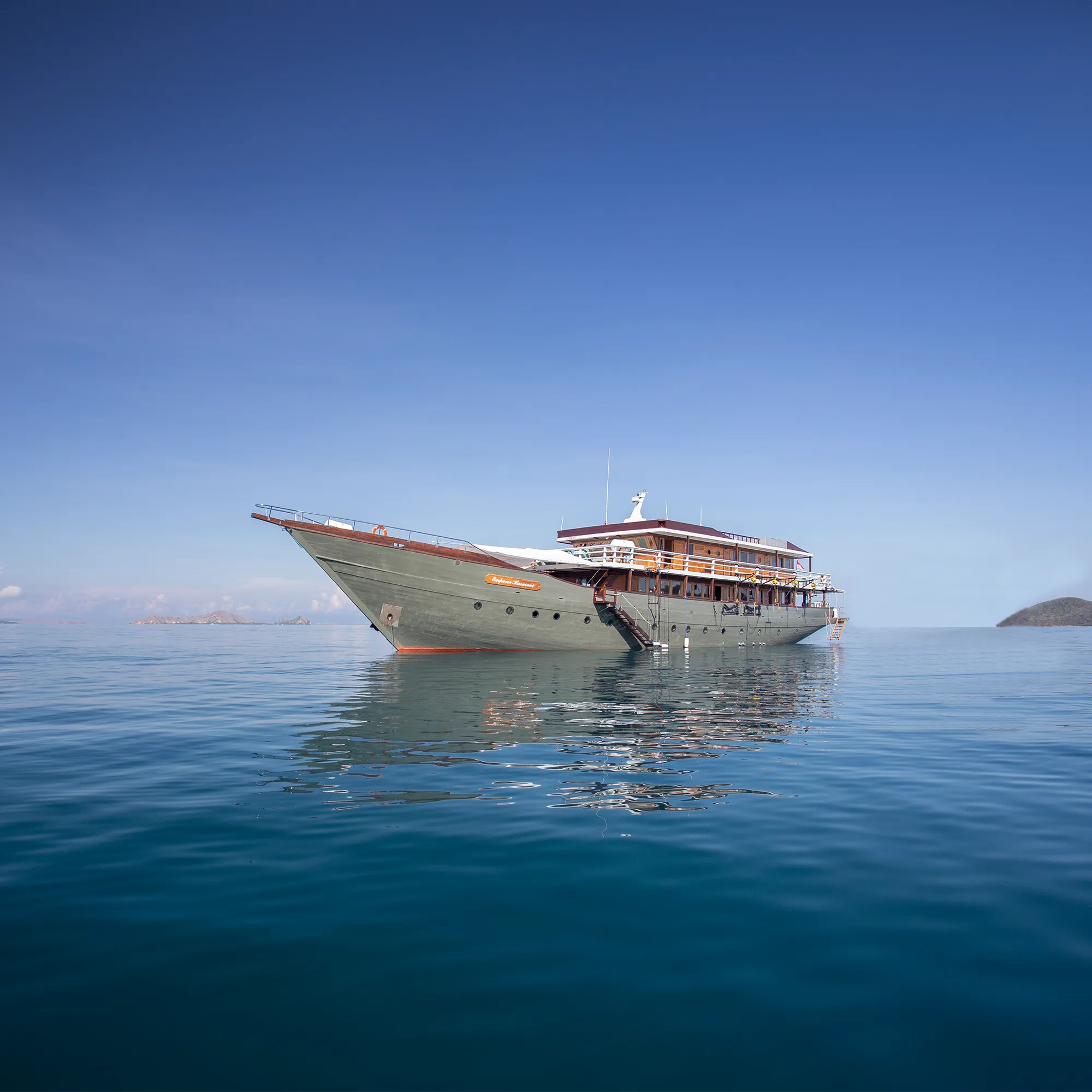
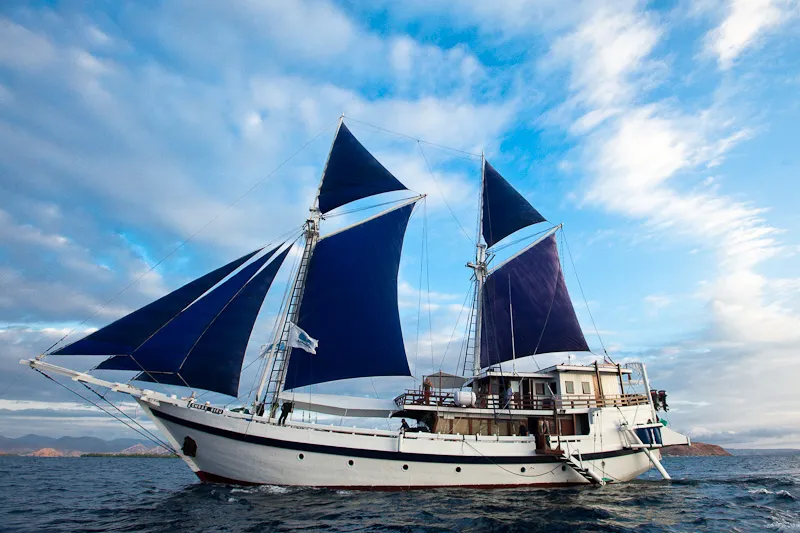
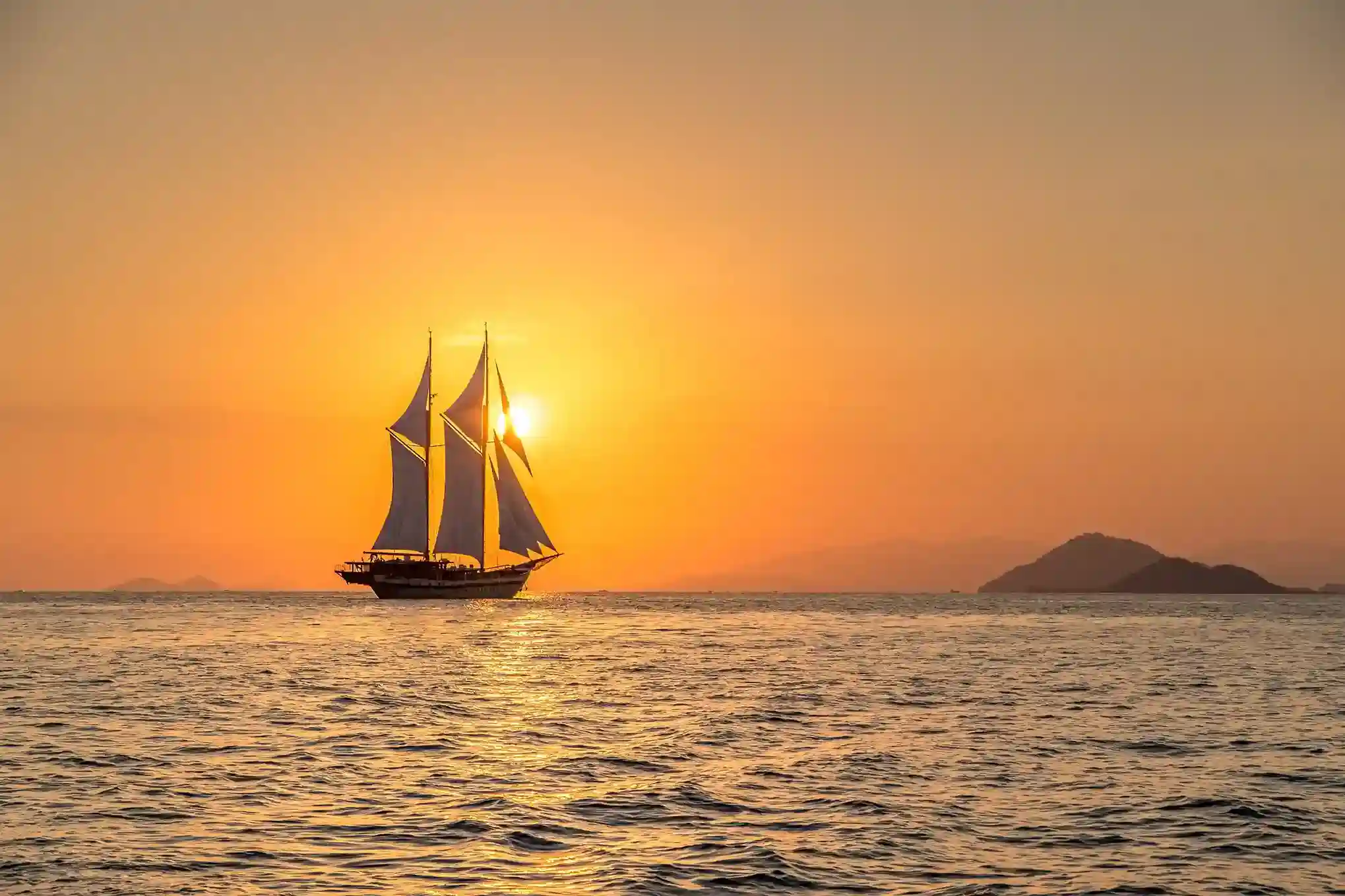
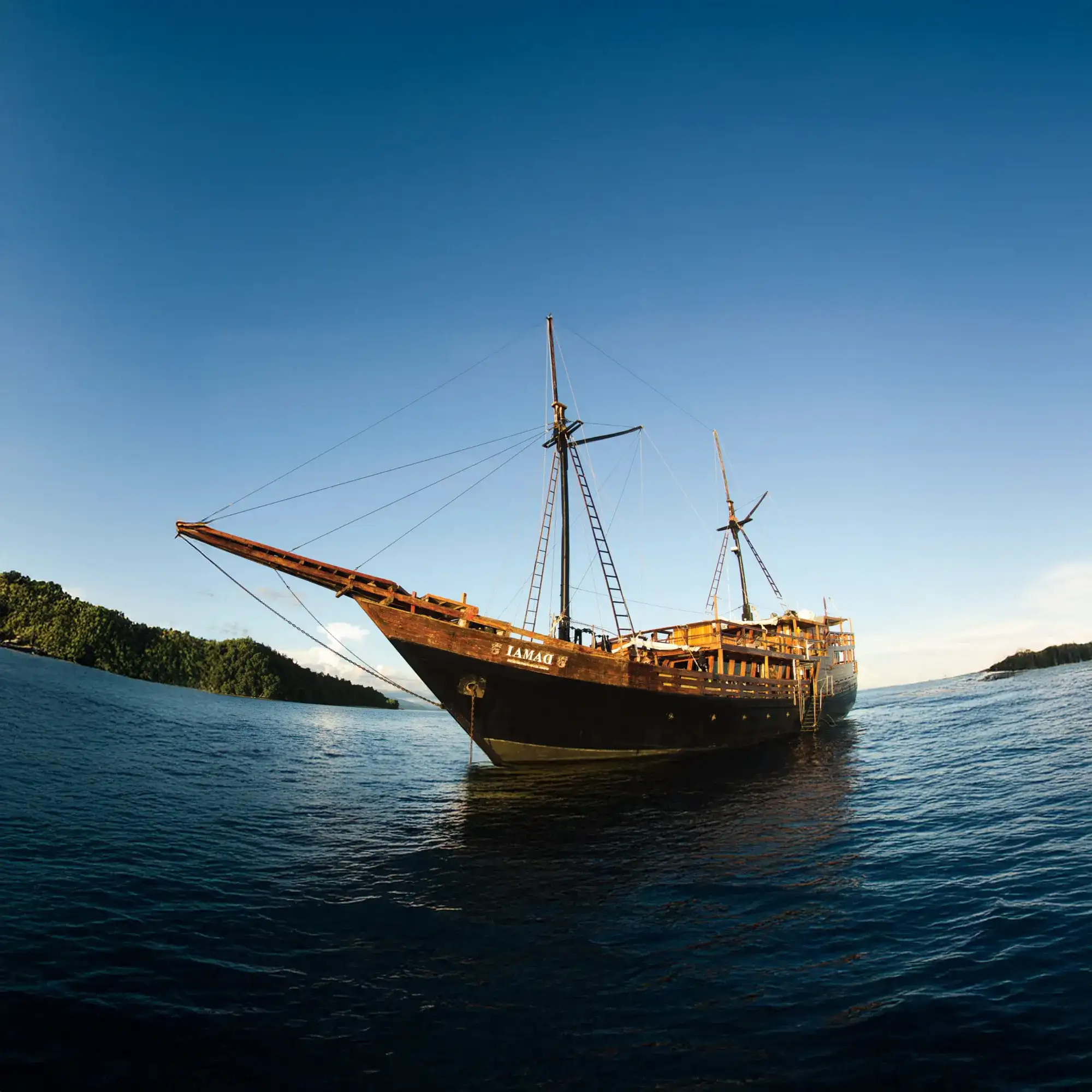
We keep Damai 1’s bow into the current when anchoring off Dampier Strait — it’s the only way to stop her from swinging into the reef at night. At 40 metres, Damai 1’s nimble for her size, and with only two guest cabins, our dive teams never exceed six in the water. I’ve handled bigger boats in these waters, but nothing this balanced. The 2008 build still runs on the original twin MANs, and we’ve kept the hull stiff with annual steel inspections. She was never designed for mass tourism — just twelve guests, two at a time, with a full dive team and galley always prepped for custom meals.
Our guests dive Cape Kri at first light, when the trevallies are hunting along the wall and the current brings out the flash of pygmy seahorses in the gorgonians. We time it so the slack tide hits around 09:30 — just enough push to drift you past the anemonefish colonies at Manta Sandy, but not enough to sweep you into the deeper channels. The crew marks the shot line with a yellow float; you’ll recognise it from a hundred metres. Afternoon dives go to Nudibranch Point or Arborek Jetty, depending on swell. We don’t crowd the sites — if another boat’s anchored, we reposition to a secondary spot only the crew knows.
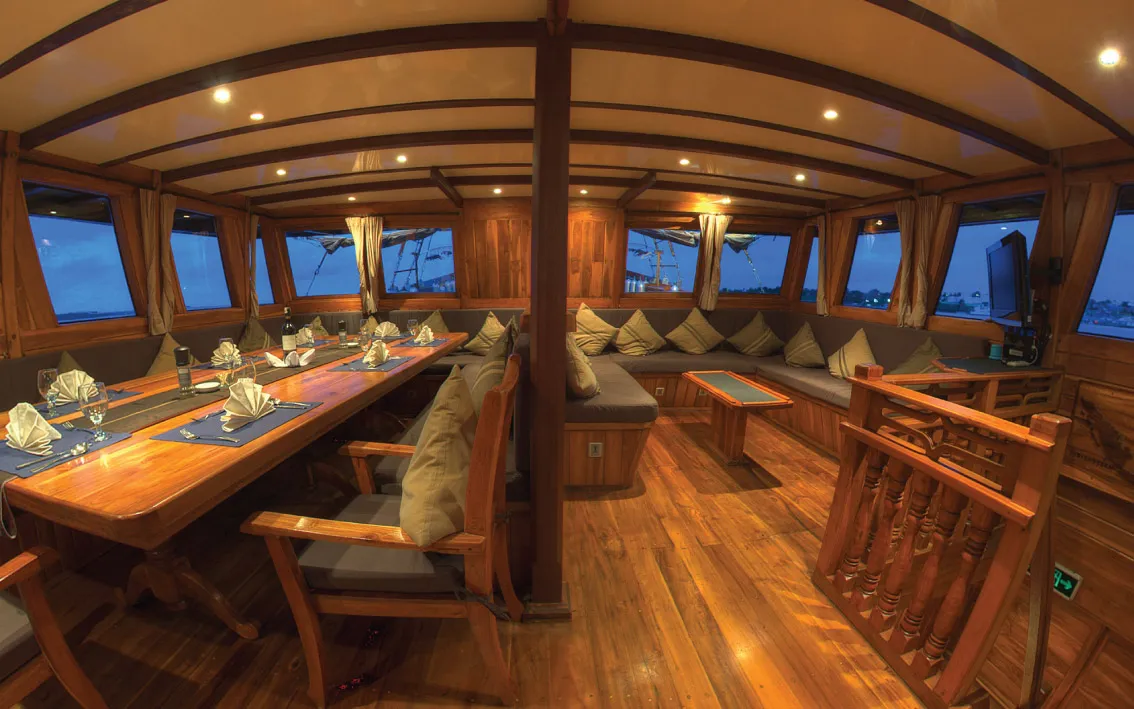
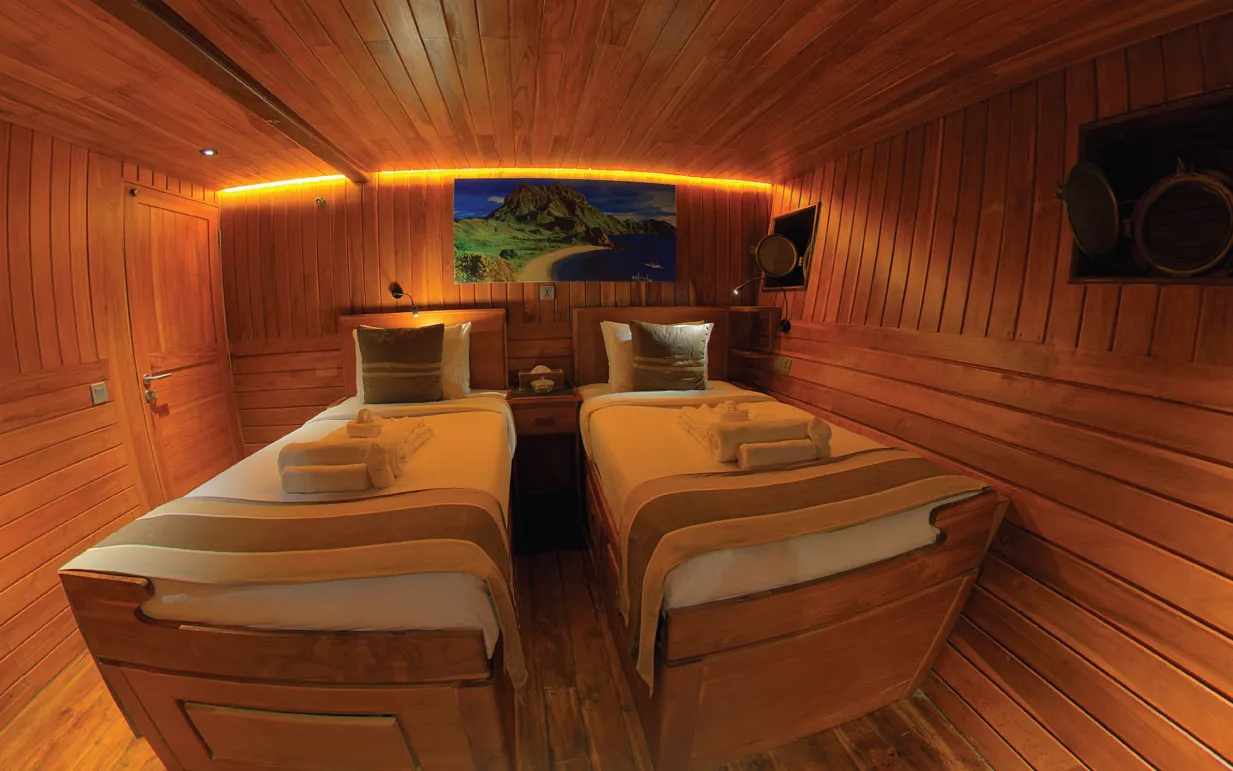
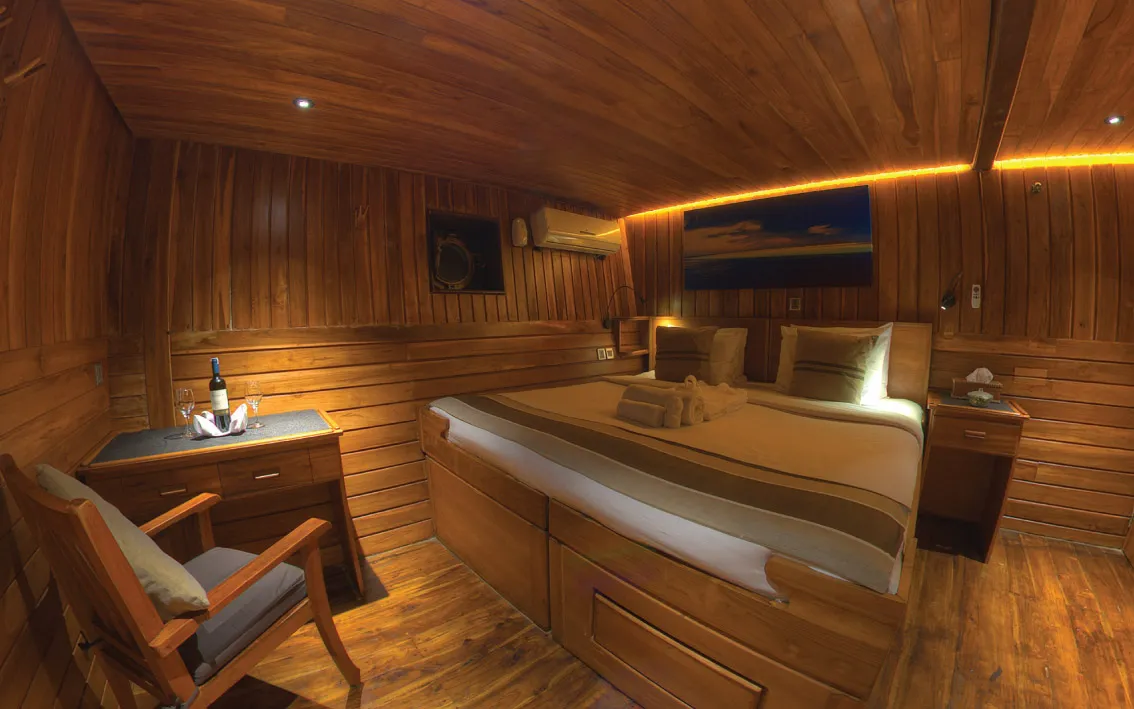
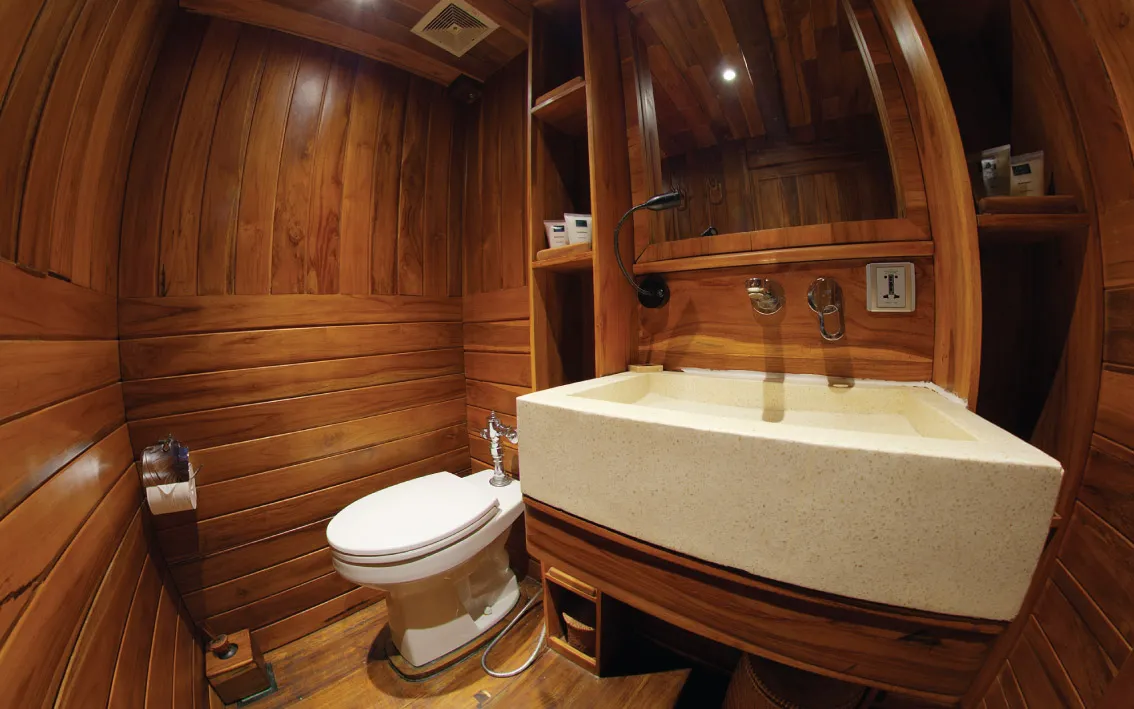
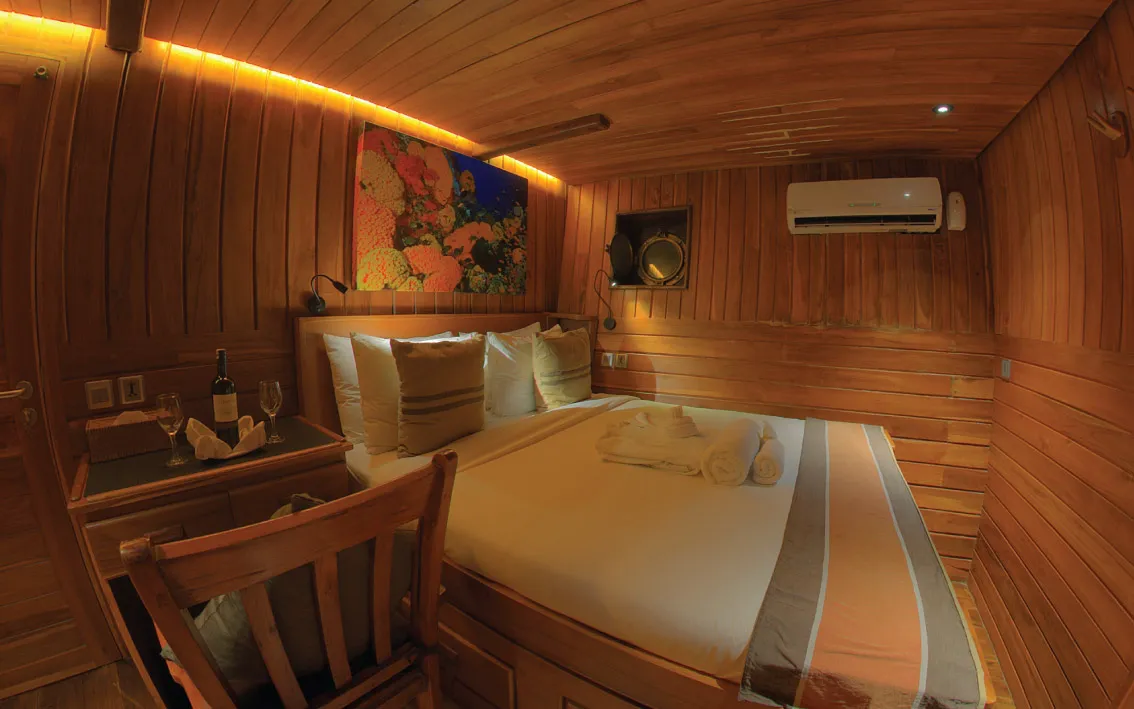
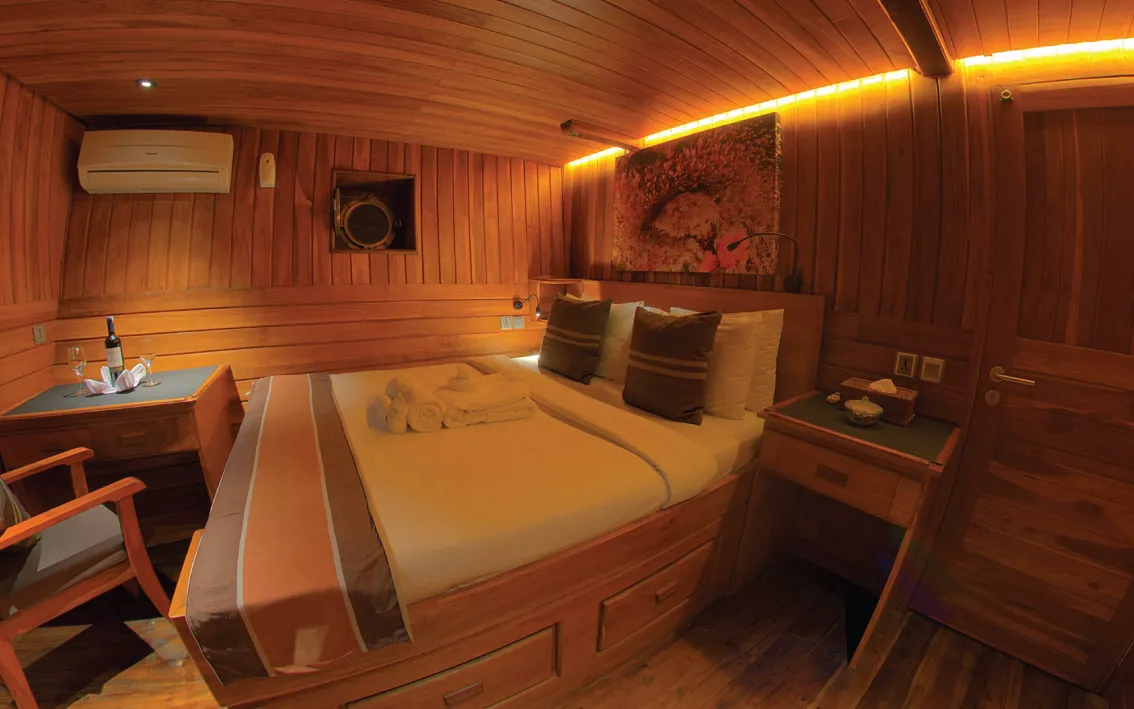
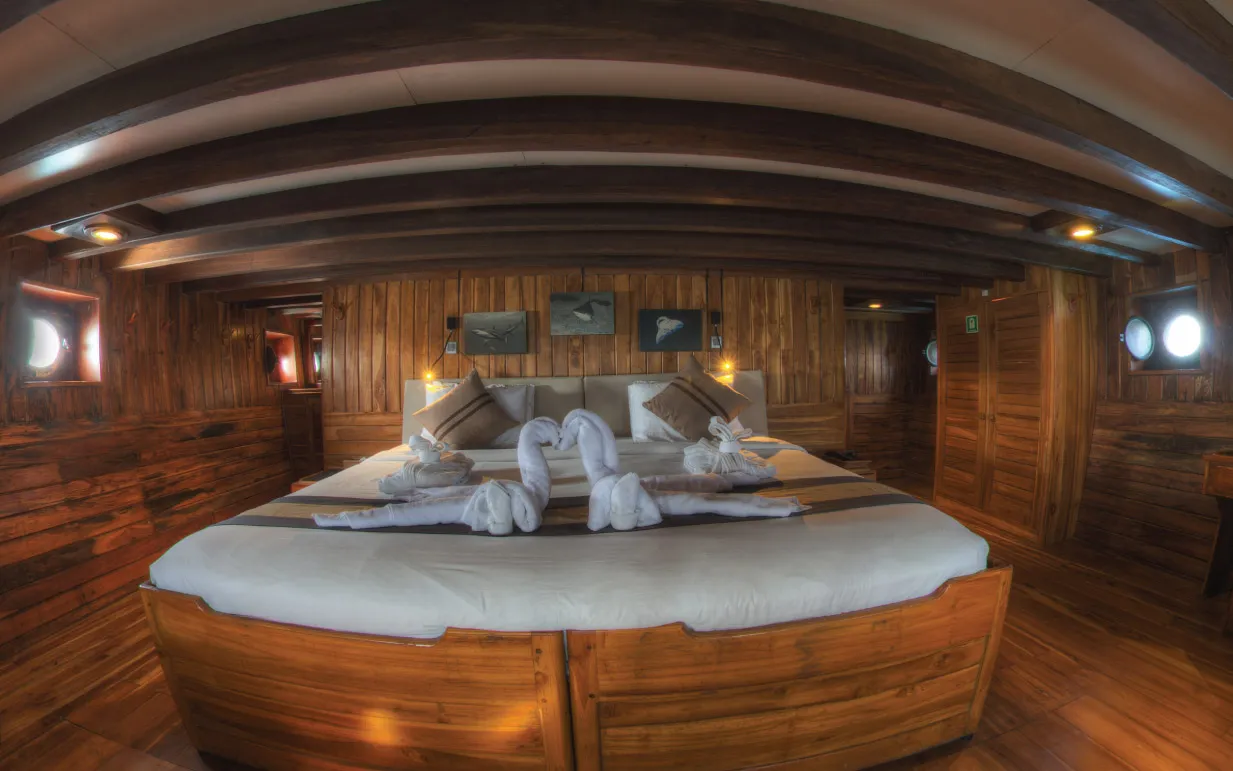
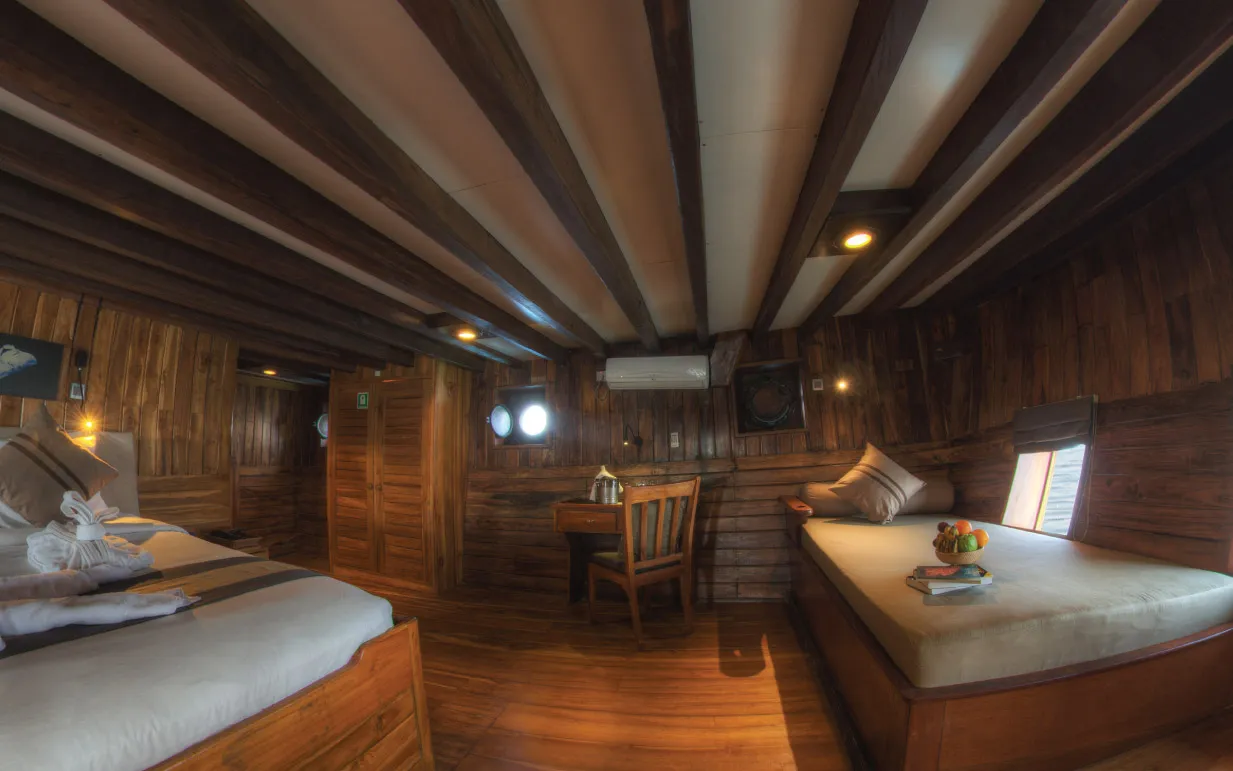
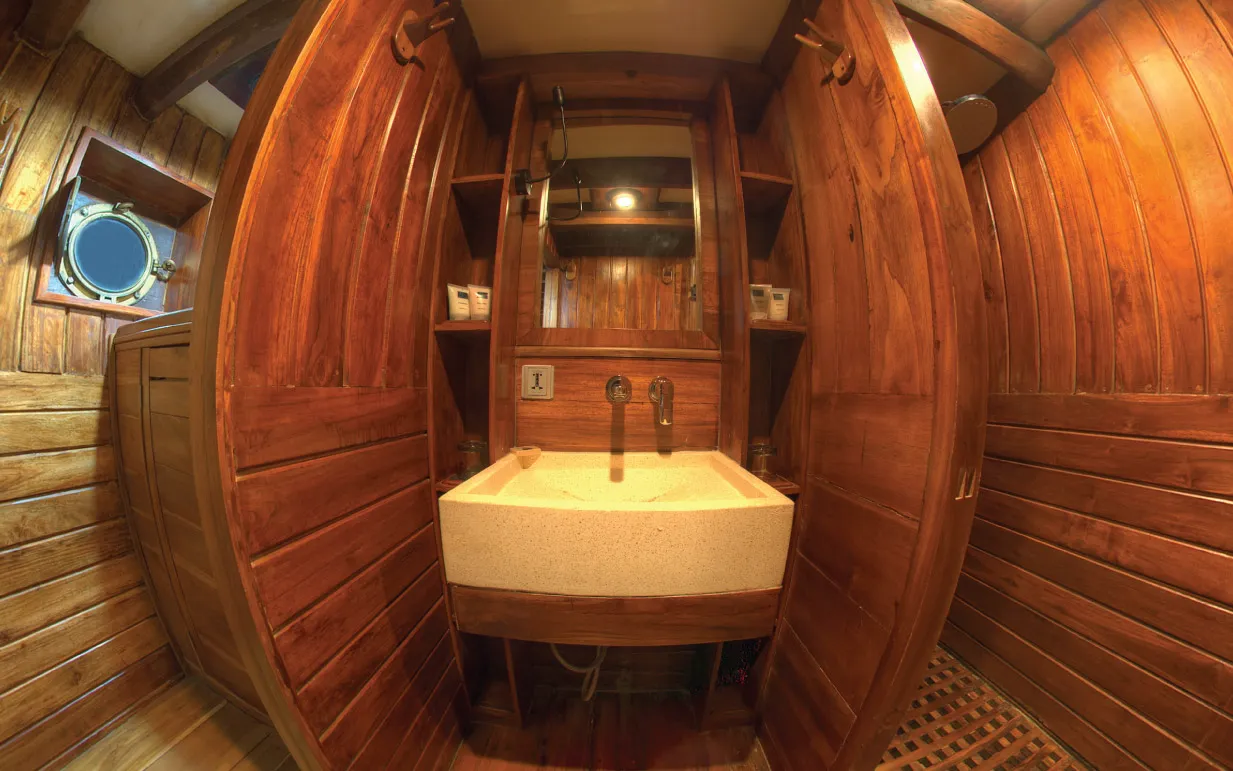
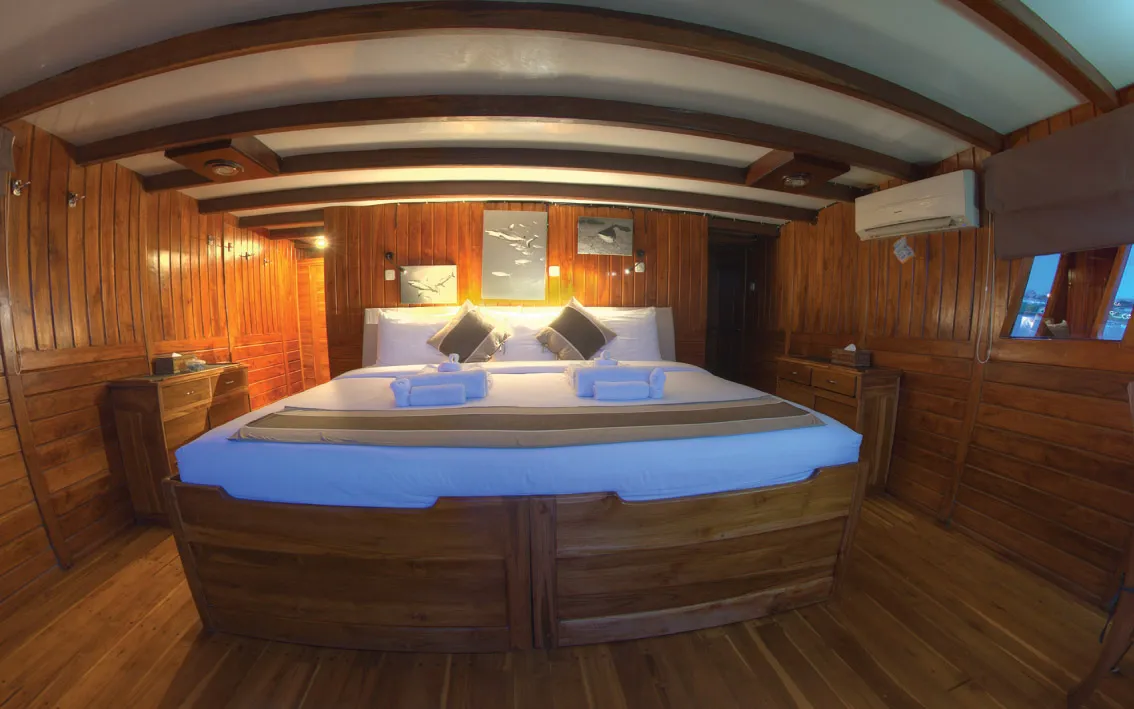
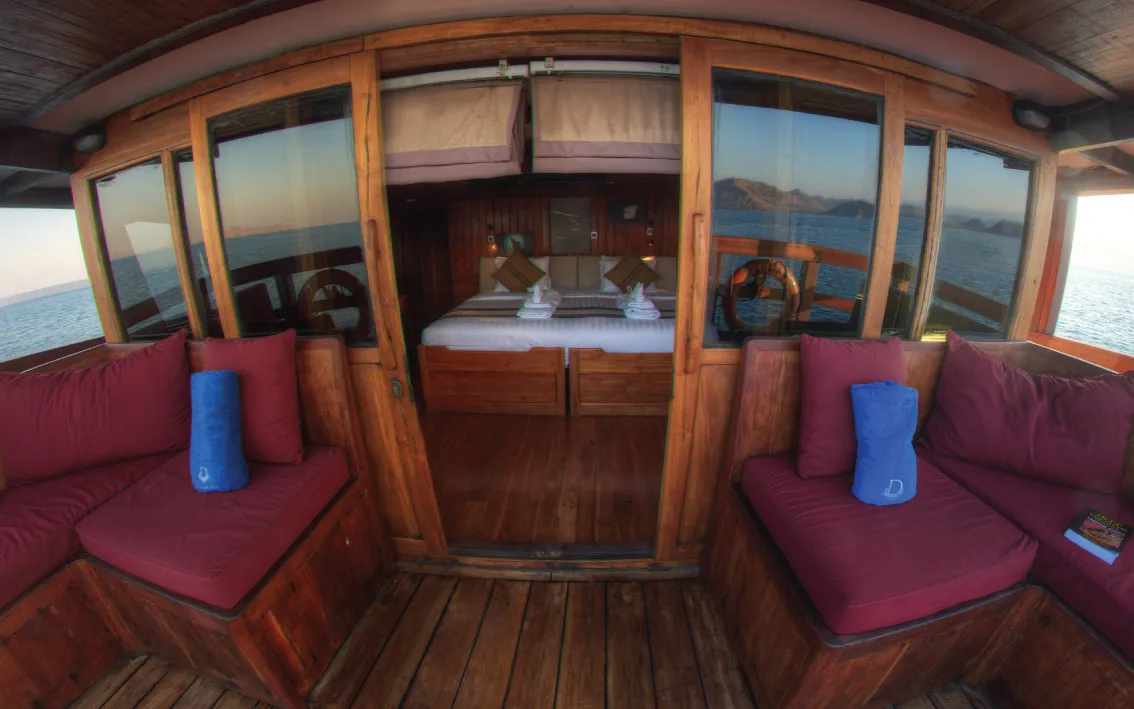
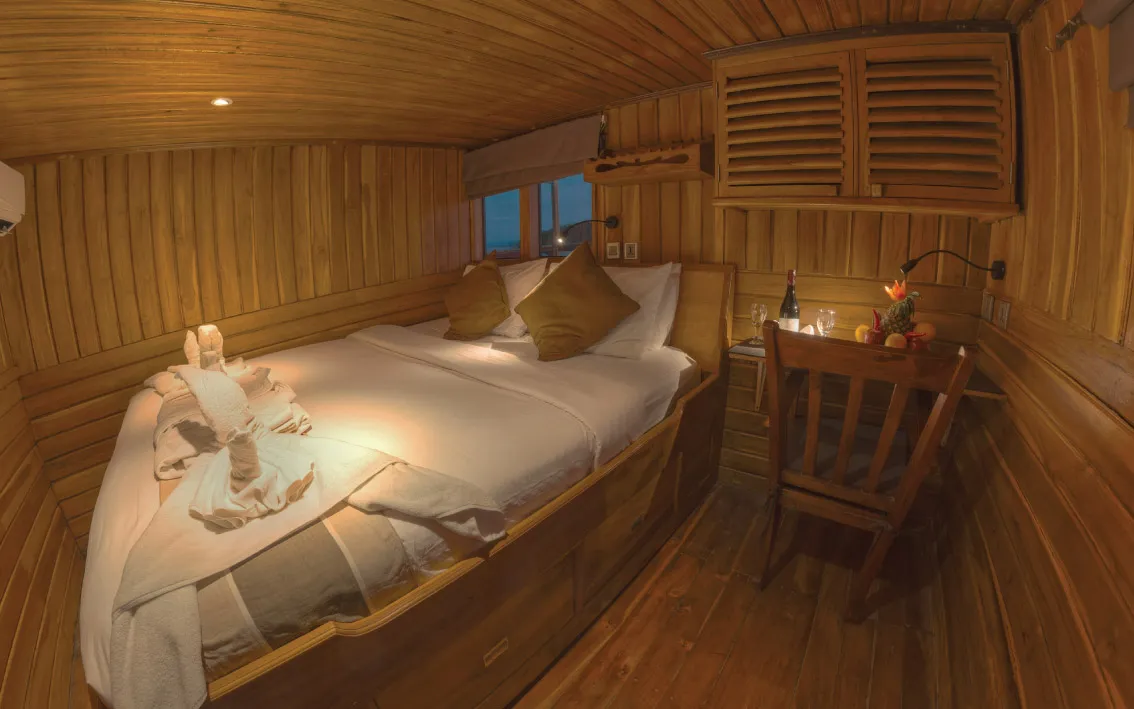
The master cabin sits aft, full beam, with direct deck access and a fixed queen. The second cabin is forward, slightly narrower, but with the same teak joinery and porthole vents that pull in sea air. Both have ensuite showers with real water pressure — not the trickle you get on converted pinisi. The salon is where we do briefings: laminated charts on the table, daily tide notes in handwriting the dive guides recognise. No projectors, no apps. Just the facts, drawn from 20 years of running this patch.
Three-day trips start from Sorong. You’ll be onboard by 13:00, settled before we motor to Cape Kri for a 15:00 dive. Night anchorage is usually in the protected basin near Piaynemo — quiet, no swell, and the stars reflect off the limestone stacks like mirror glass. Day two begins at 06:00 with coffee and oatmeal, then a short run to Sardine Reef. We time the dive for peak baitball activity. By 11:00, we’re at Arborek for the jetty walk and muck dive. Evening goes to Mike’s Jetty — night dives here are busy, but we limit to one group, and only if visibility’s above 15 metres.
We don’t run fixed itineraries beyond the first dive. Currents, swell, and guest stamina shape the rest. If the wind’s up in the strait, we’ll shift to the calmer sites in the north — Yenbuba, Kapatcol, or the hidden spur off Balbulol. The crew keeps a log: bottom time, air consumption, surface intervals. Nothing’s guessed. And if someone’s pushing their limits, we’ll call it — politely, but firmly. This isn’t a race. It’s about seeing what most boats miss: the flash of a harlequin shrimp under a plate coral, or the way the light hits the wall at 30 metres just after midday.