About Otium
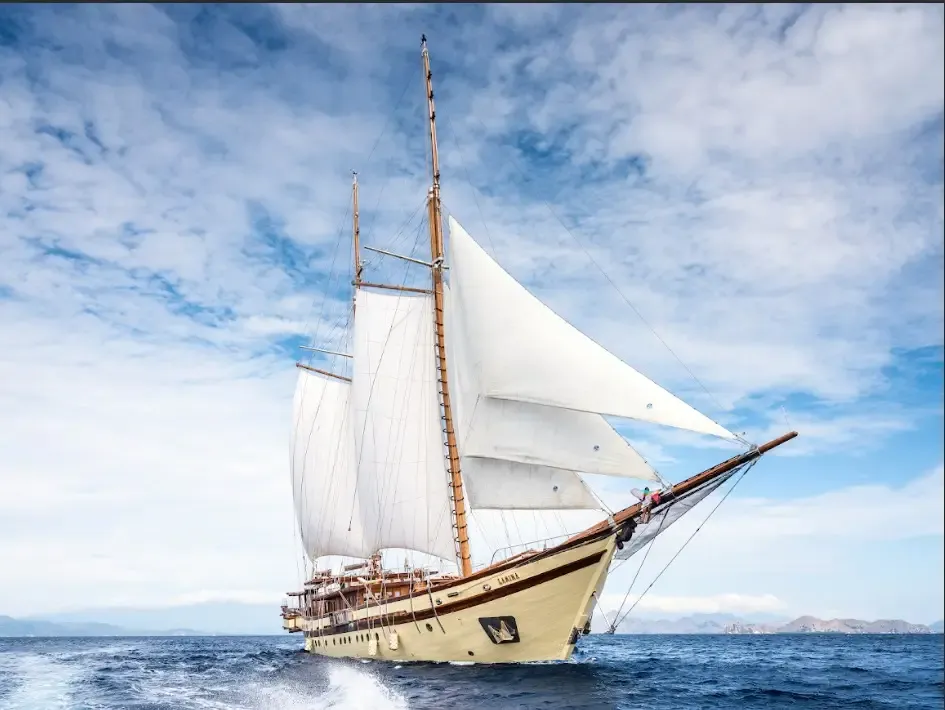
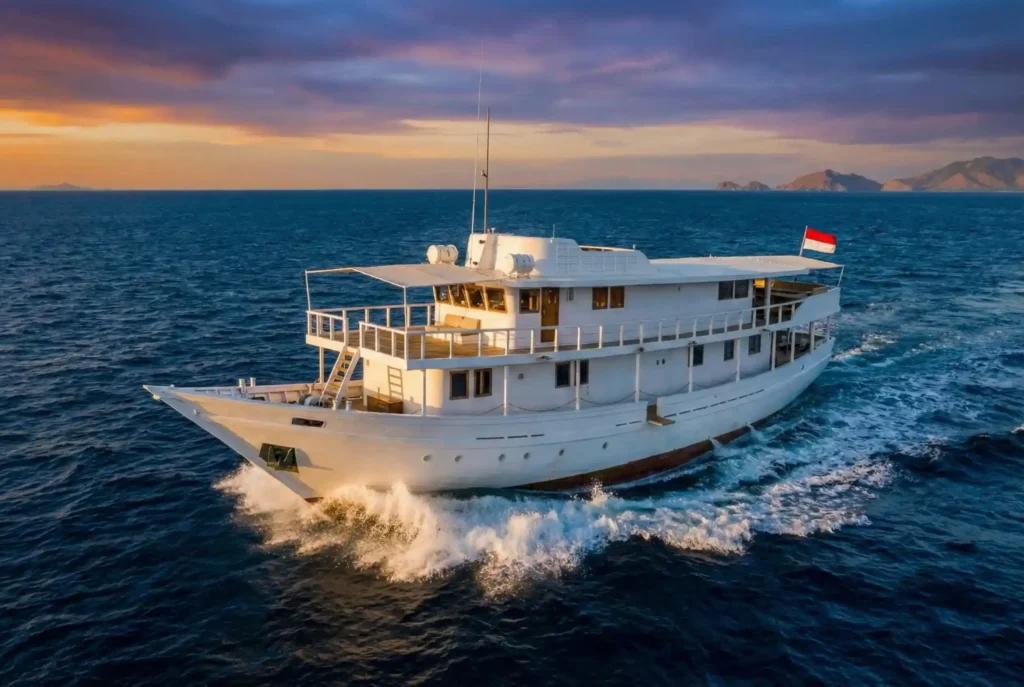
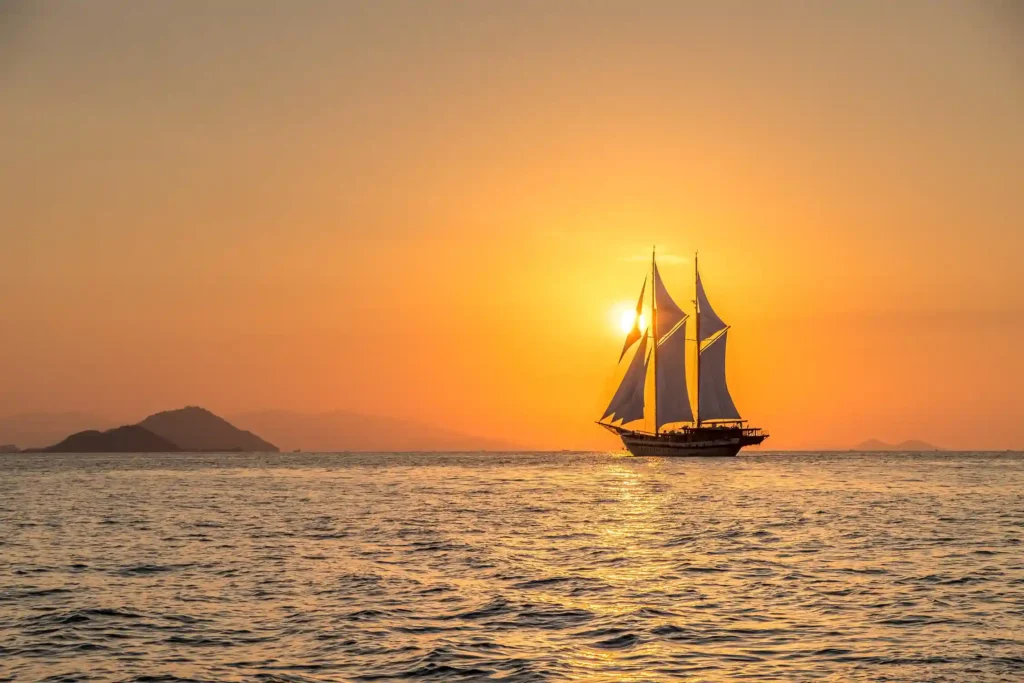
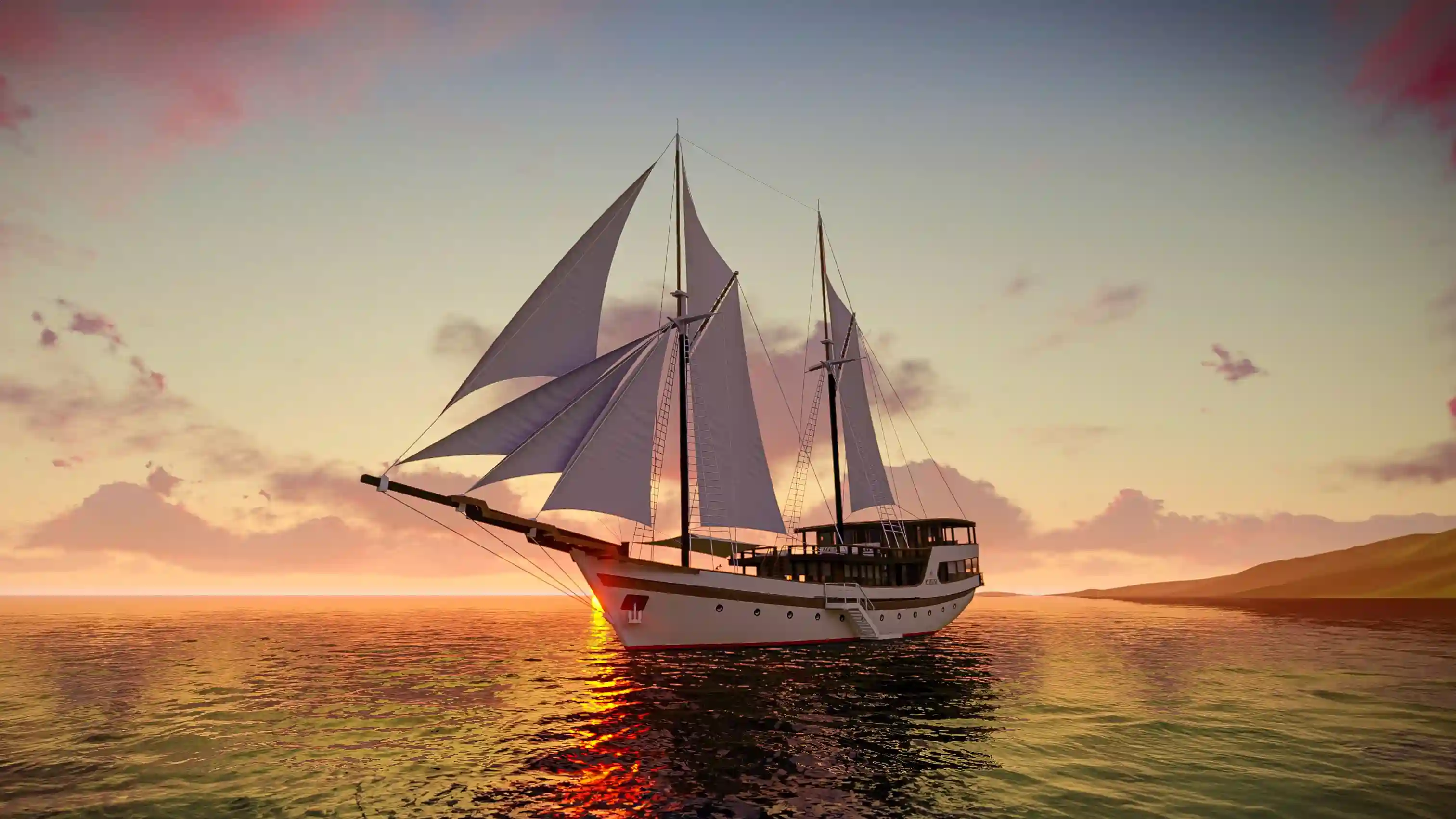
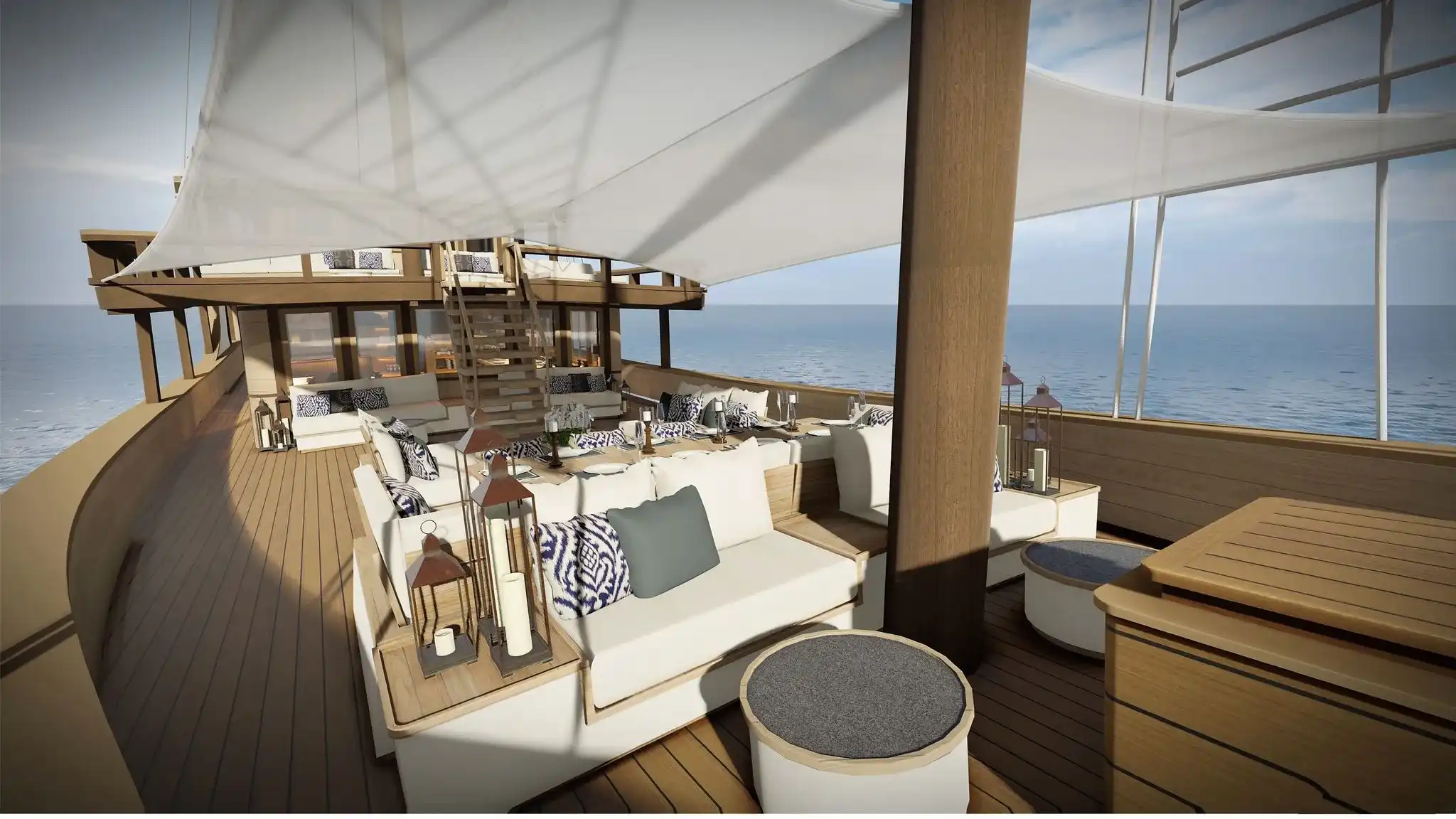
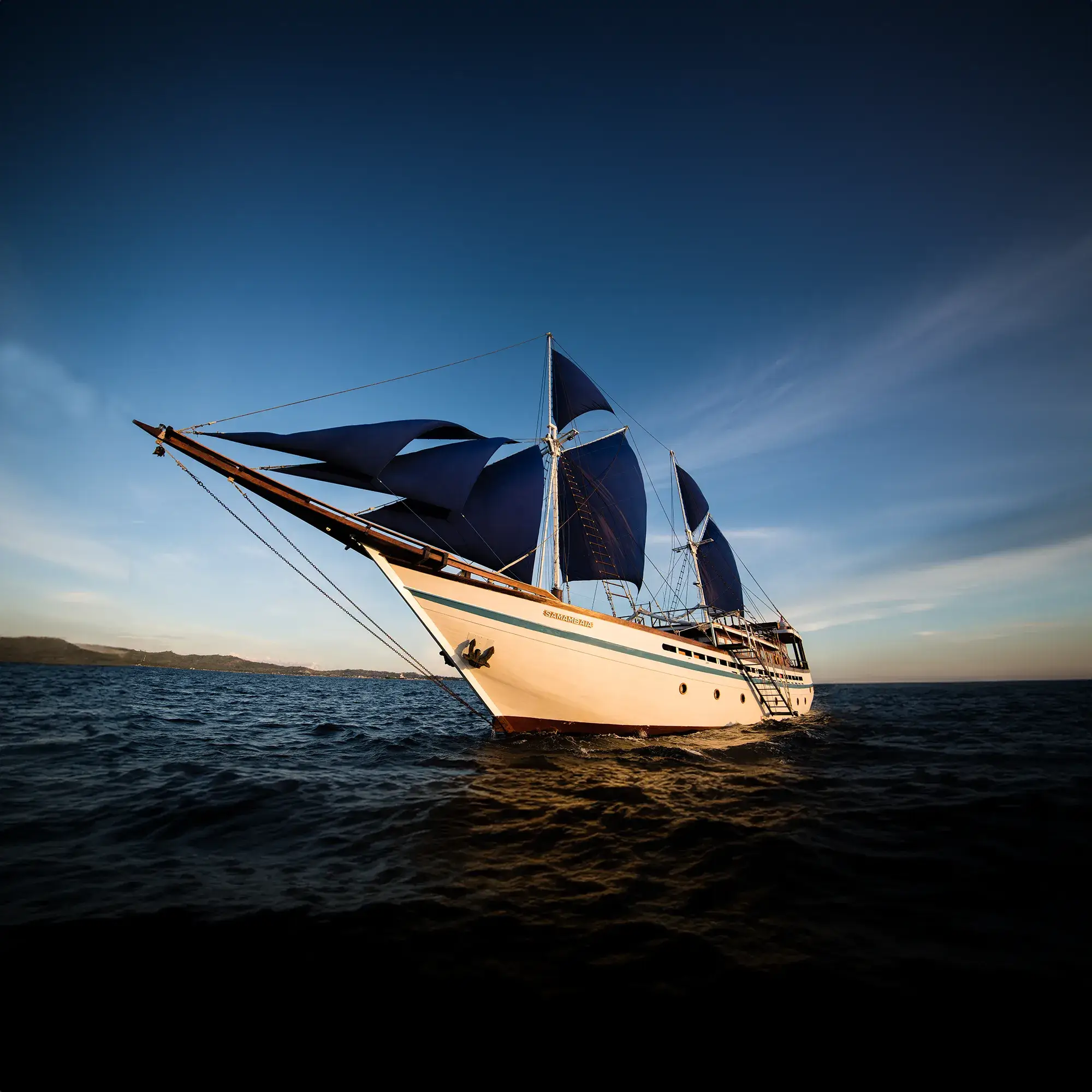
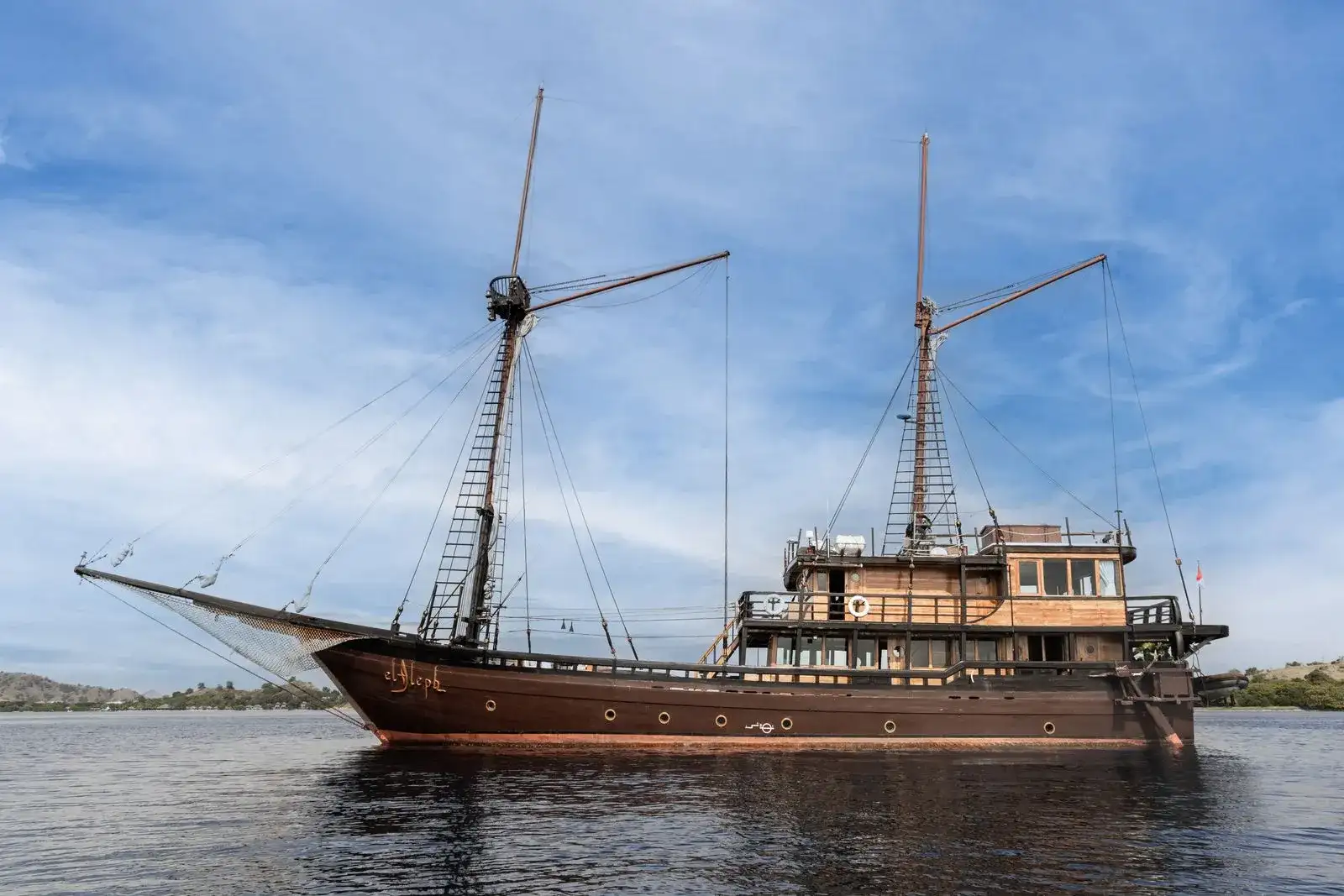
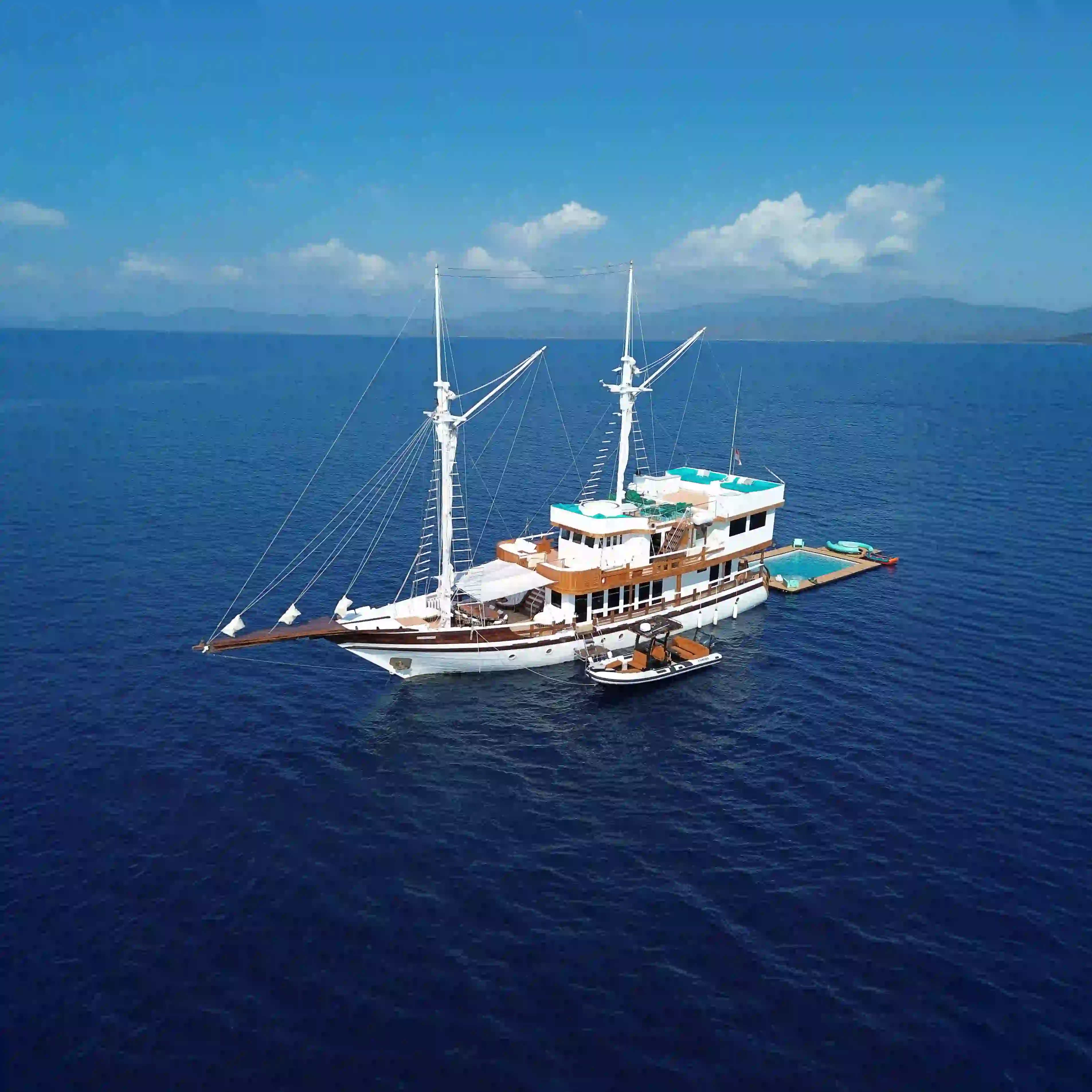
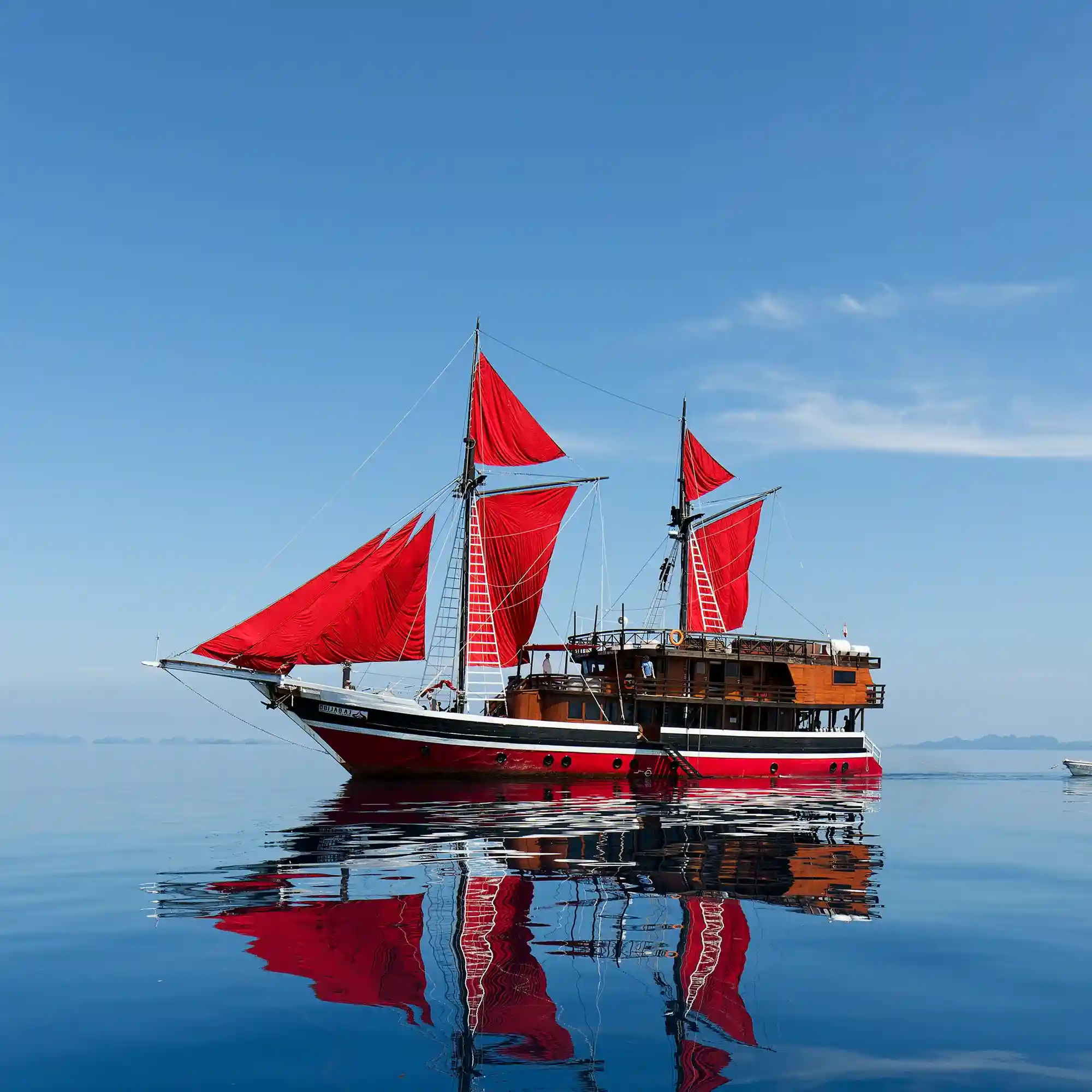
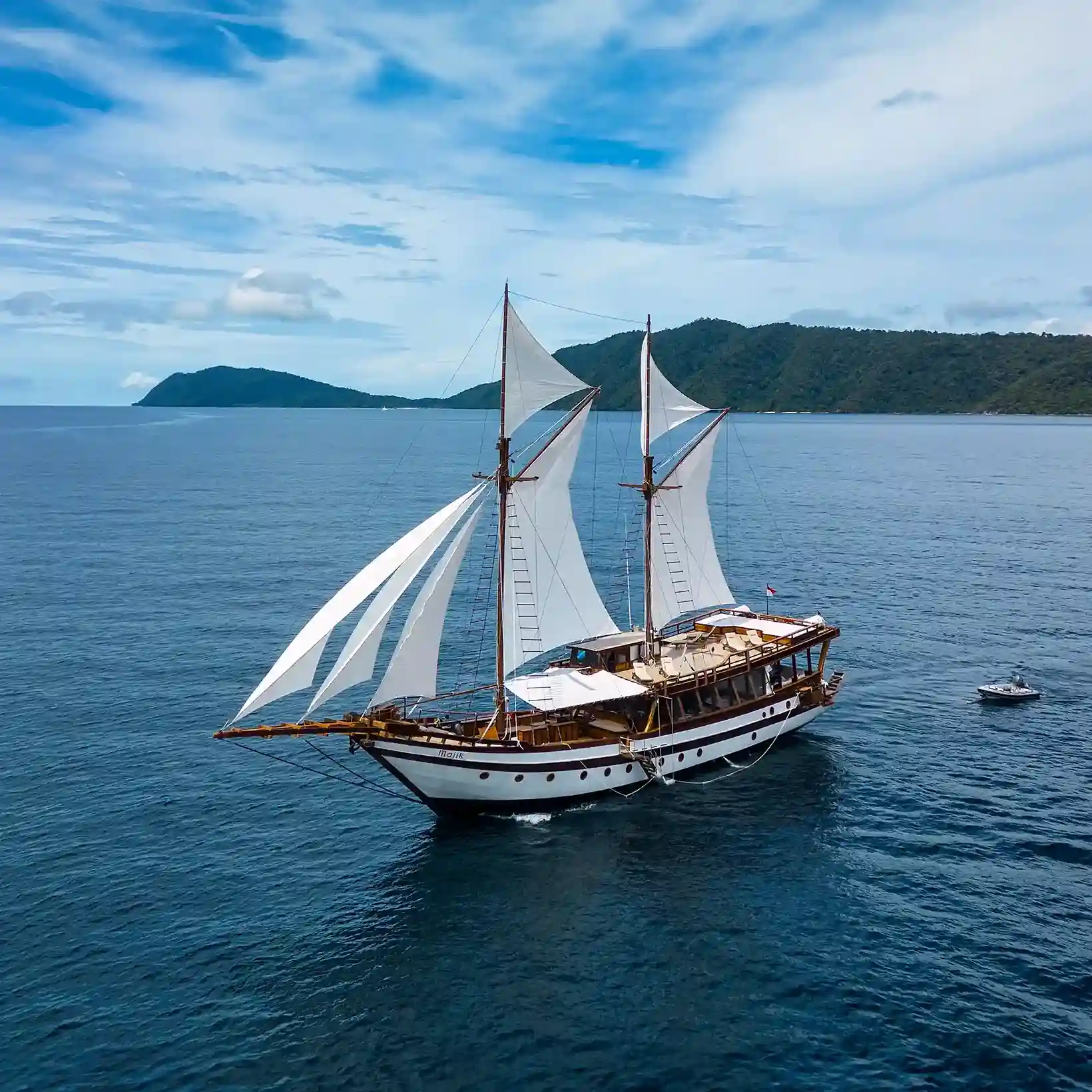
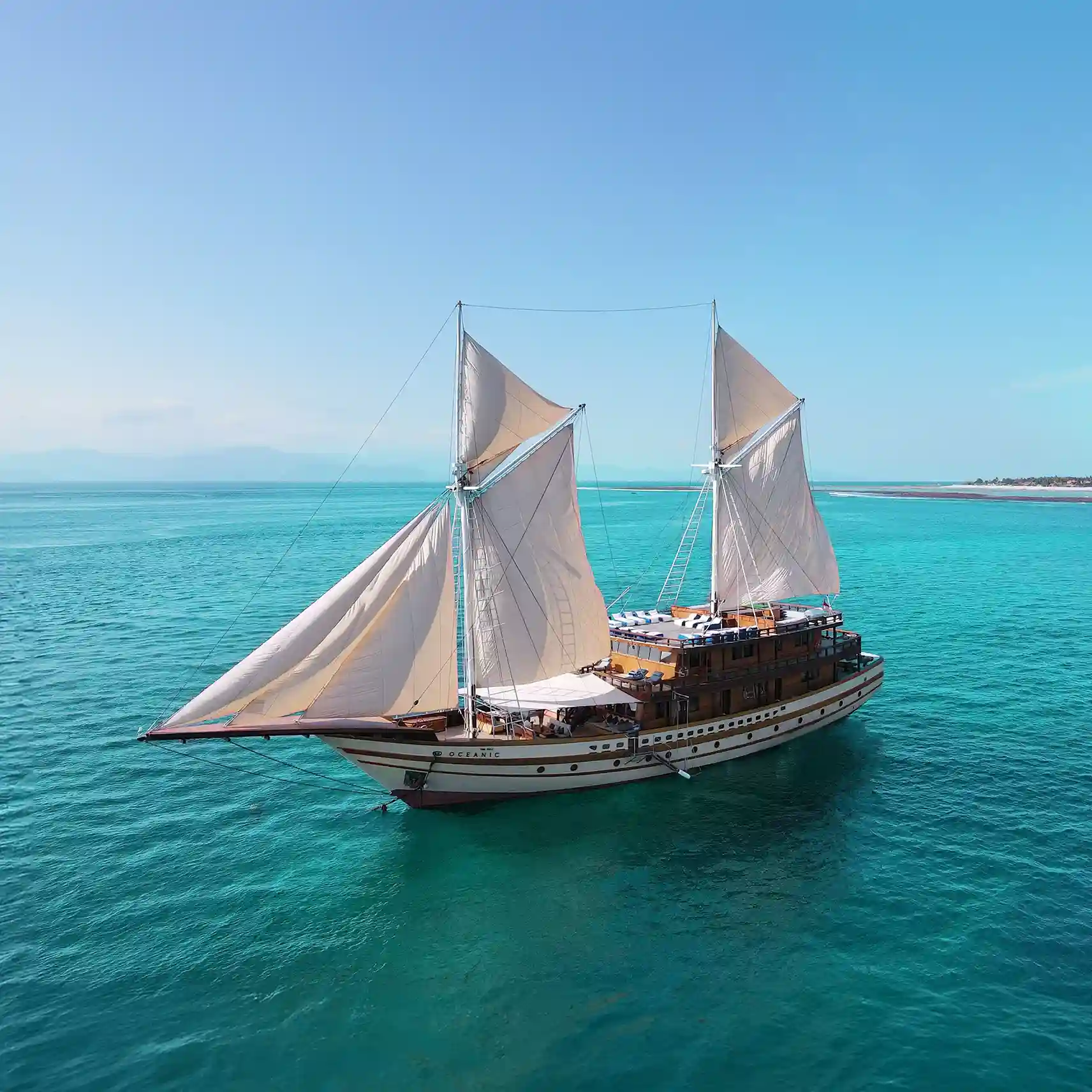
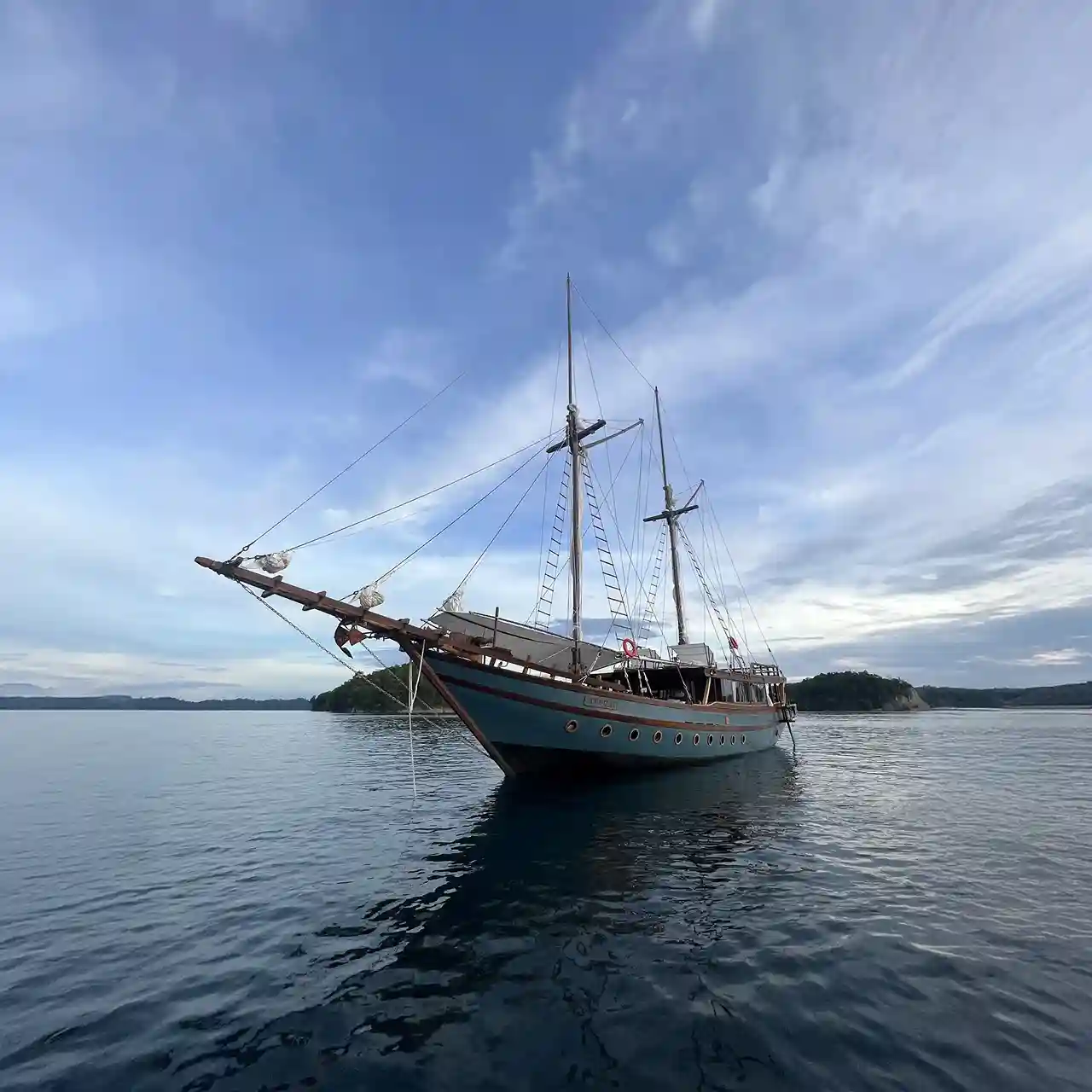
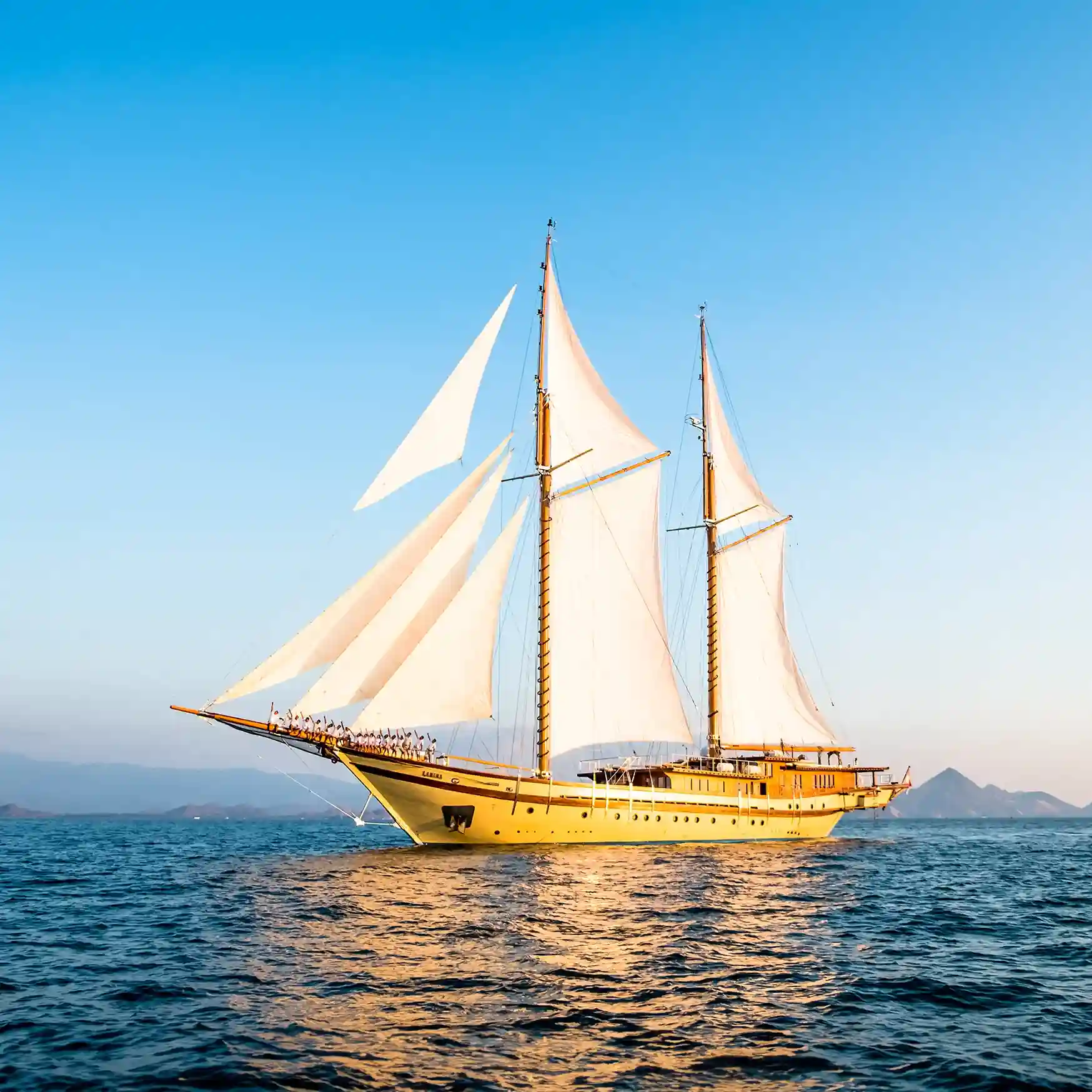
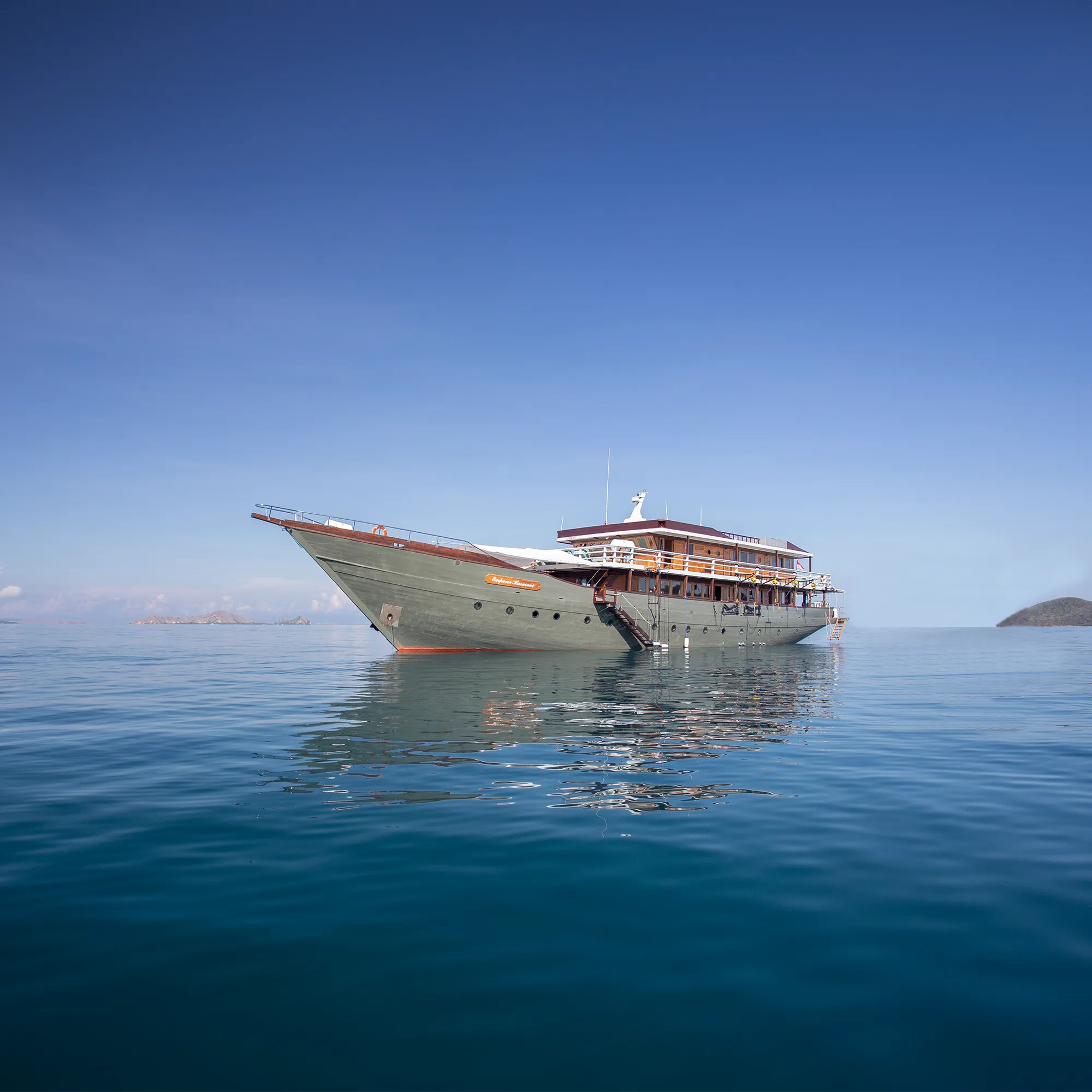
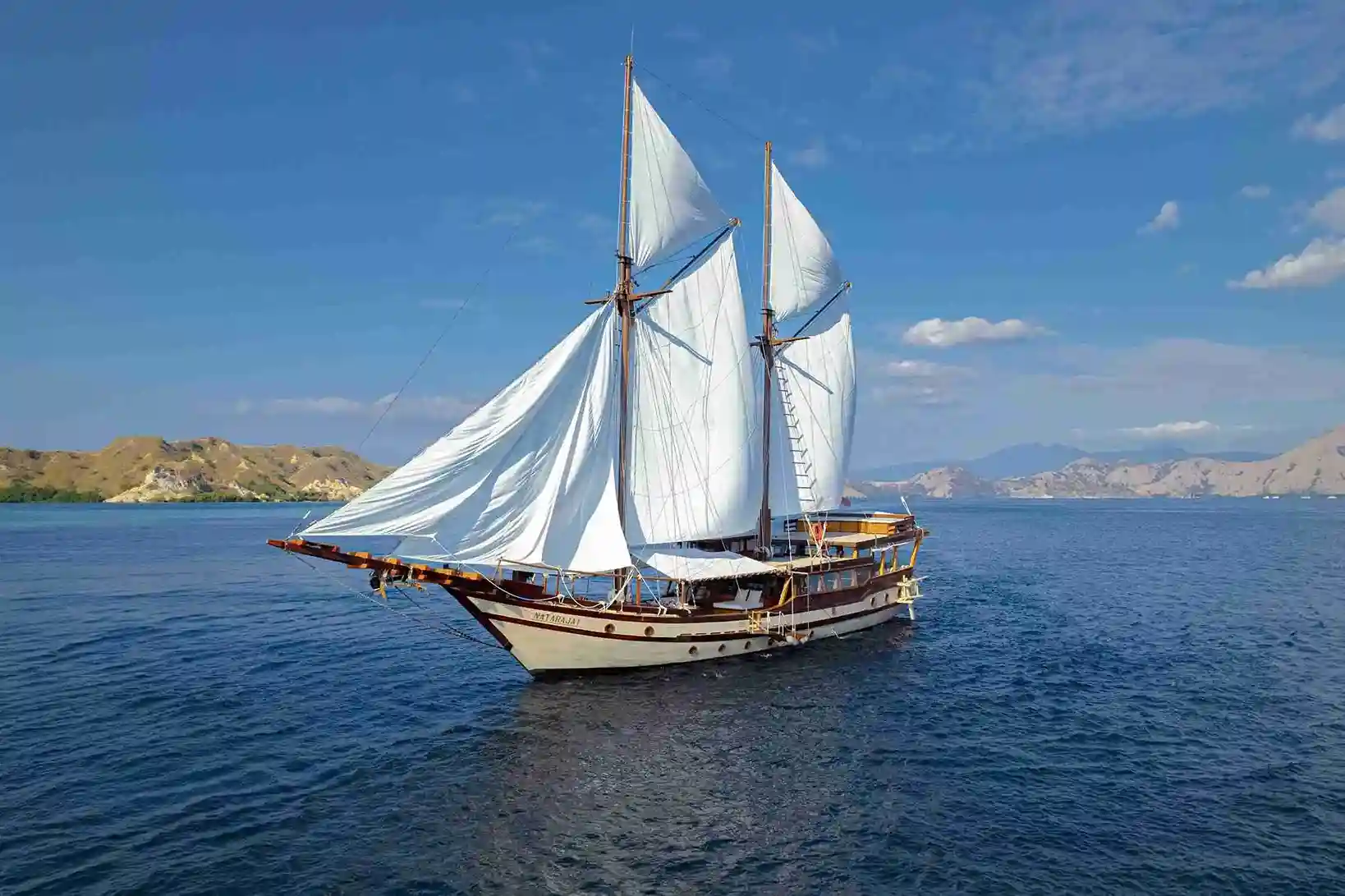
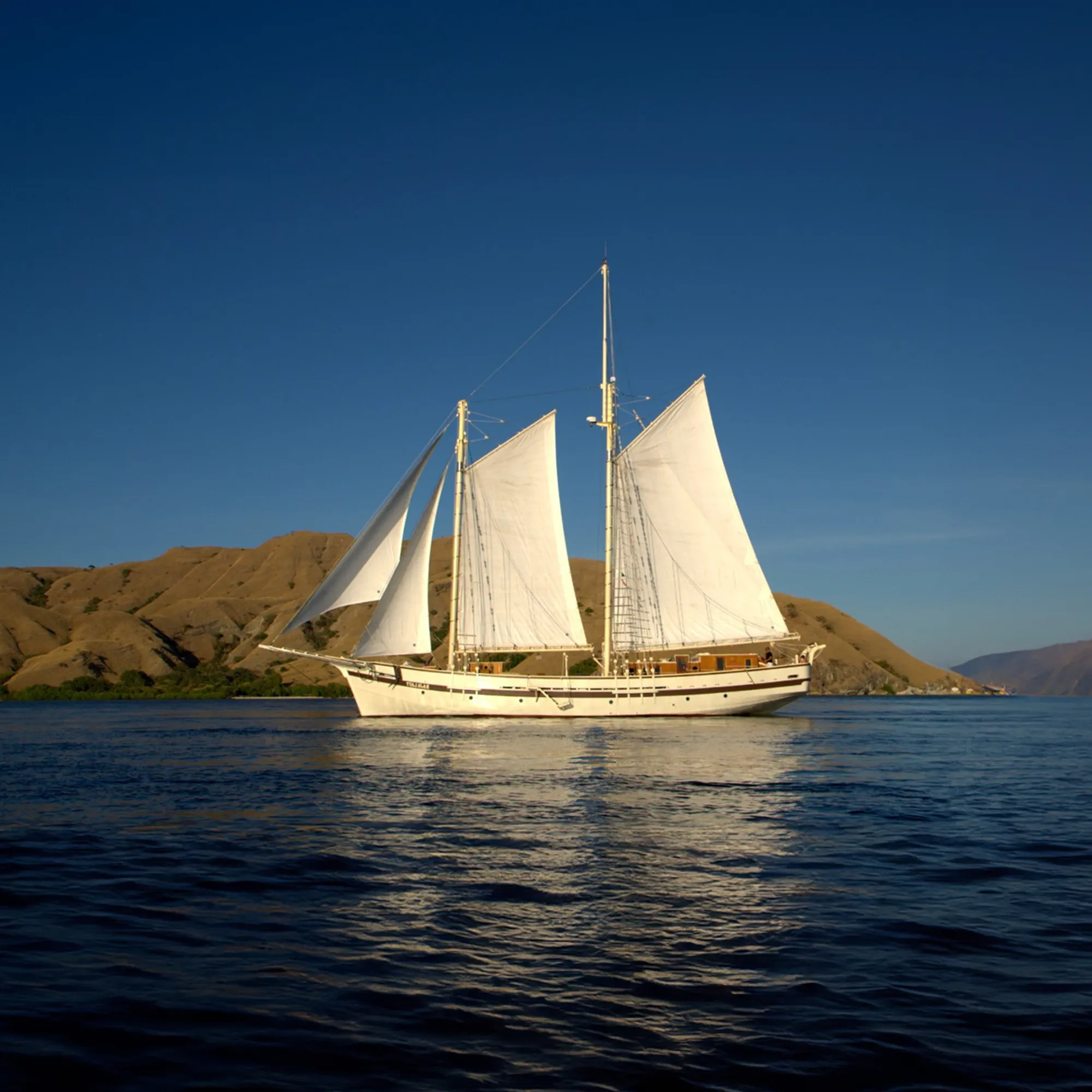
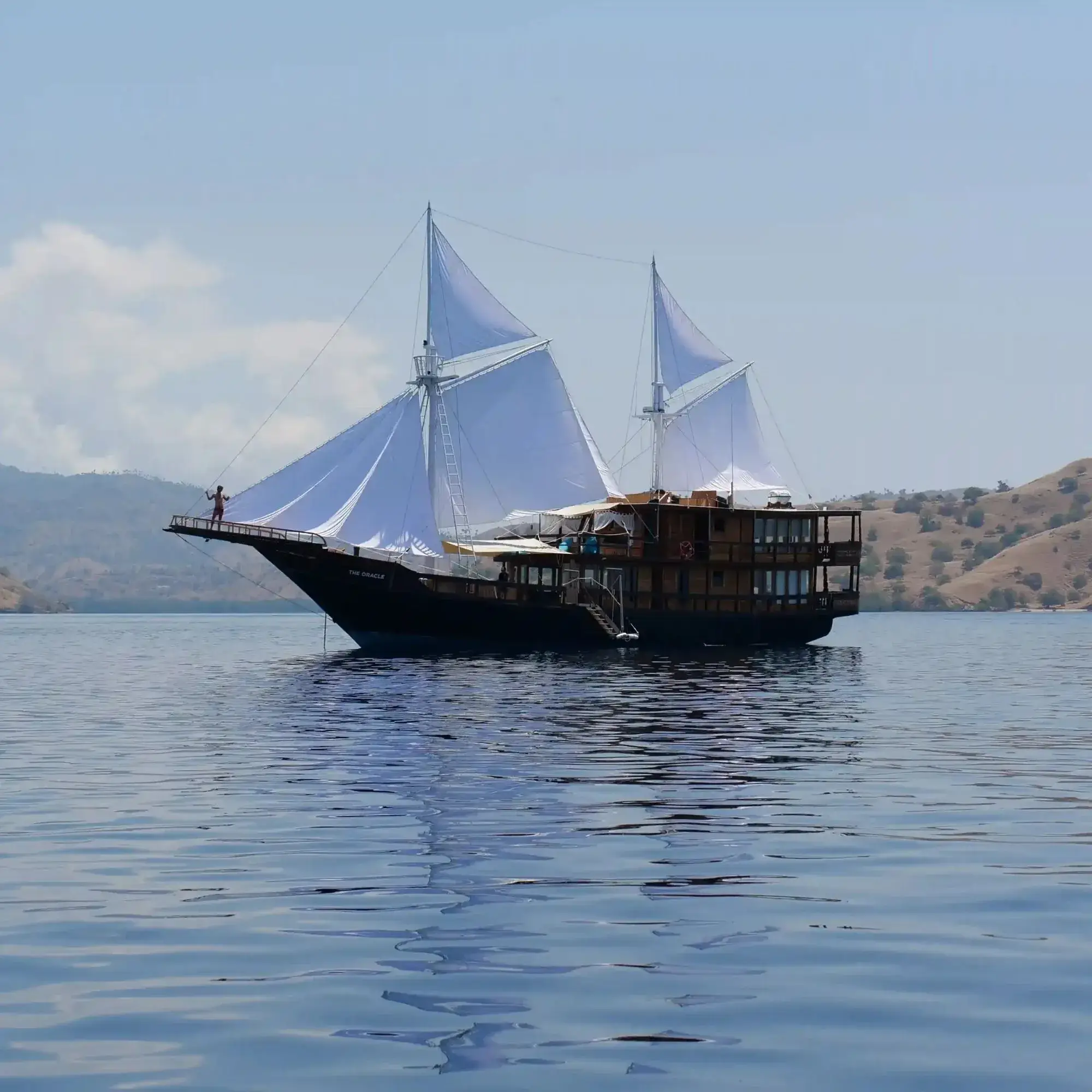
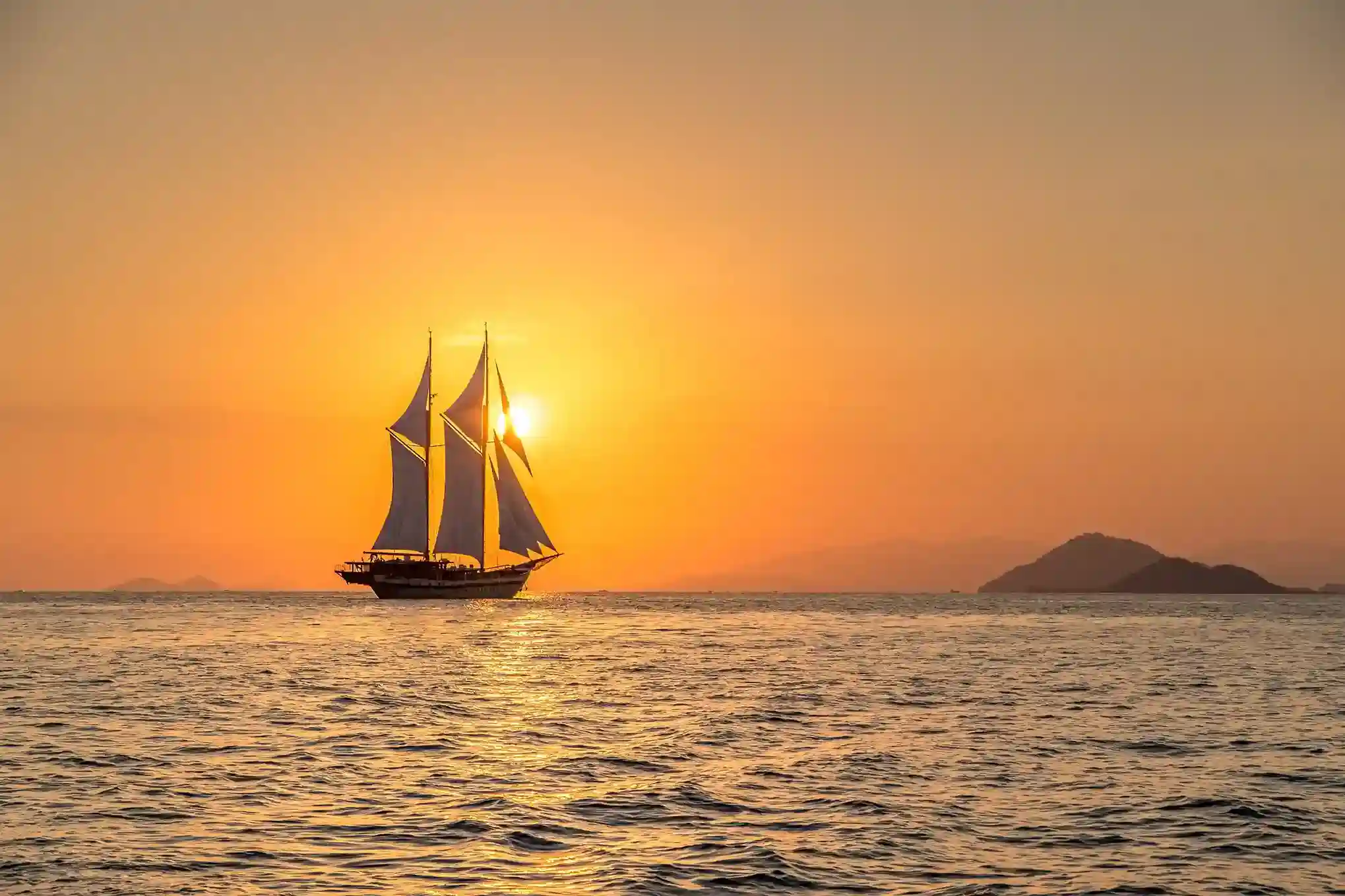
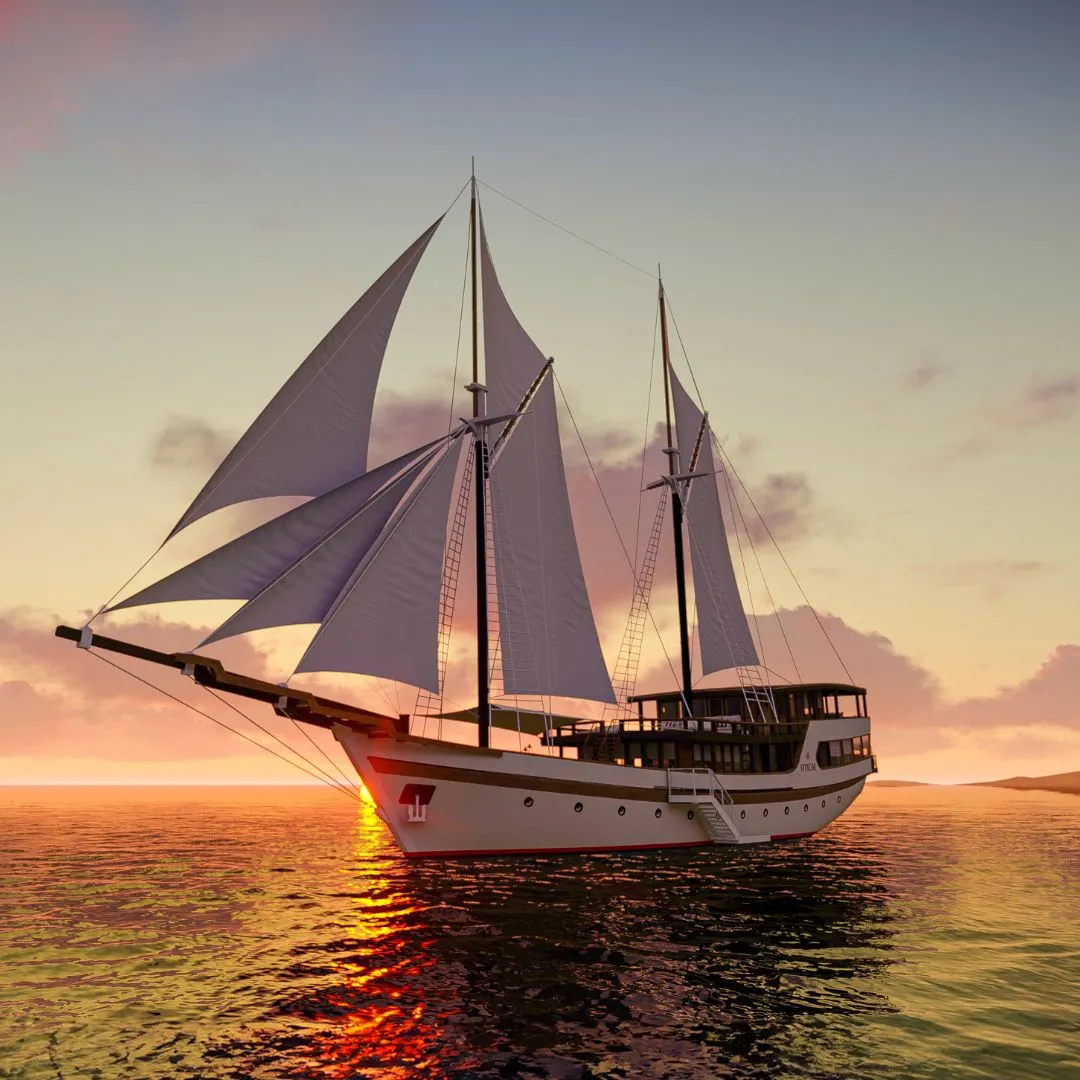
We keep Otium trimmed slightly bow-heavy when pushing west through the Dampier Strait’s chop – it softens the ride for guests coming off a long flight. At 48 metres, she’s not small, but handling her through narrow channels between Wayag and Sail requires precise throttle work, especially at dawn when the morning light flattens the waves and hides the depth. Our crew has navigated these routes for over a decade, and we time our entries to avoid cross-currents at Mioskon or the tide races near Cape Kri. This isn’t a vessel built for crowded anchorages. She was designed to sit alone, quietly, in remote bays where the only sound at night is the splash of mantas feeding.
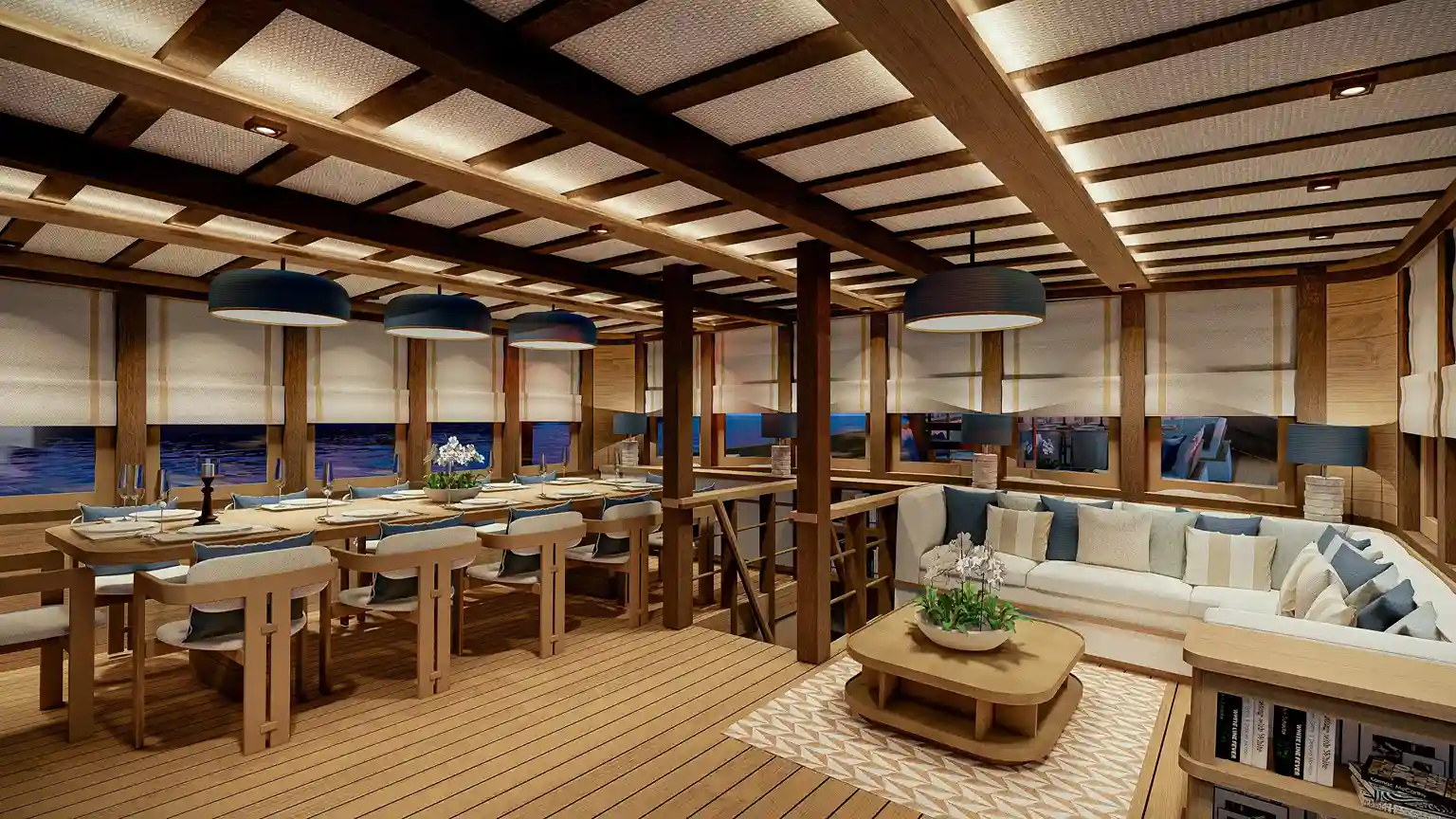
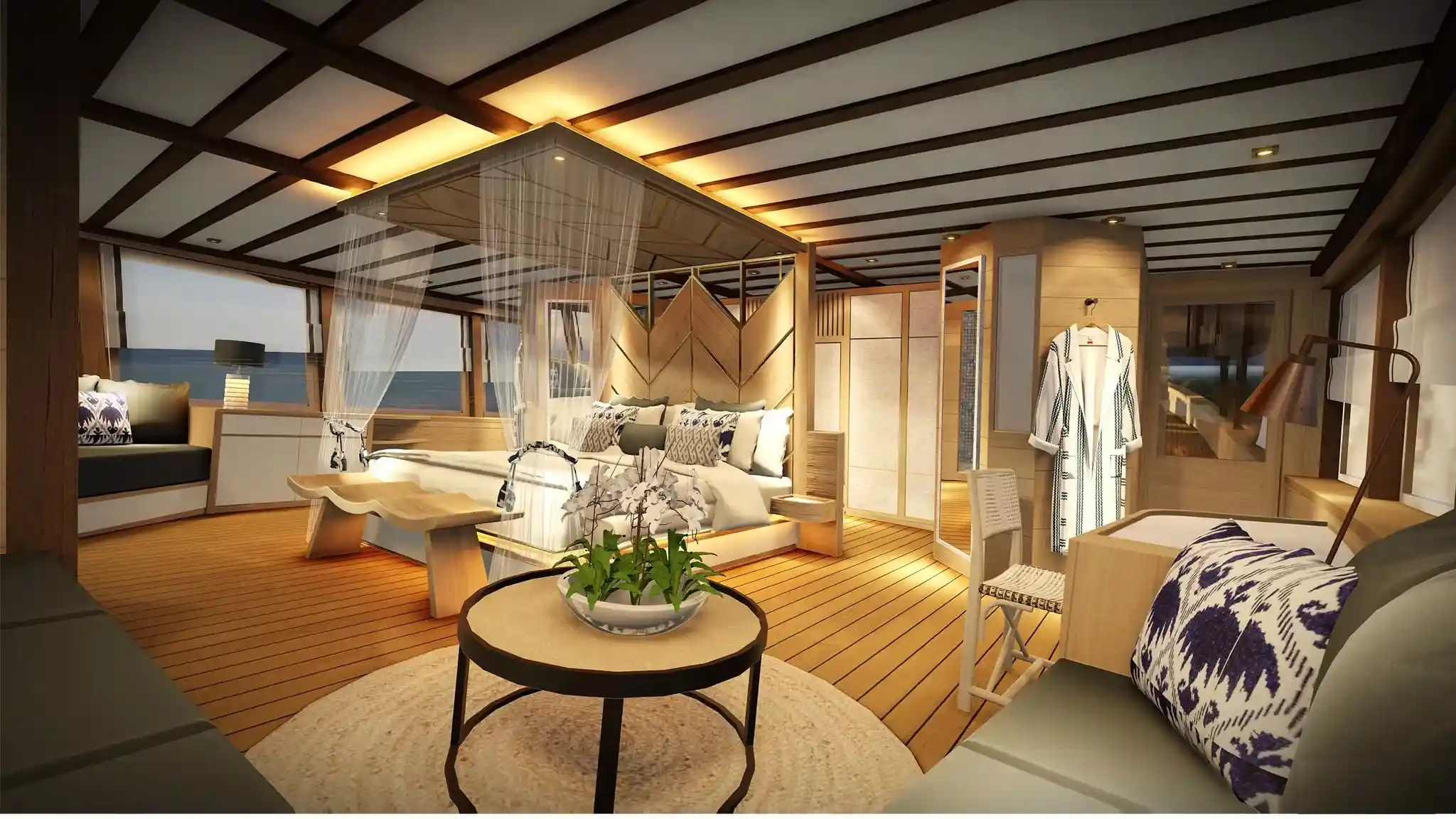
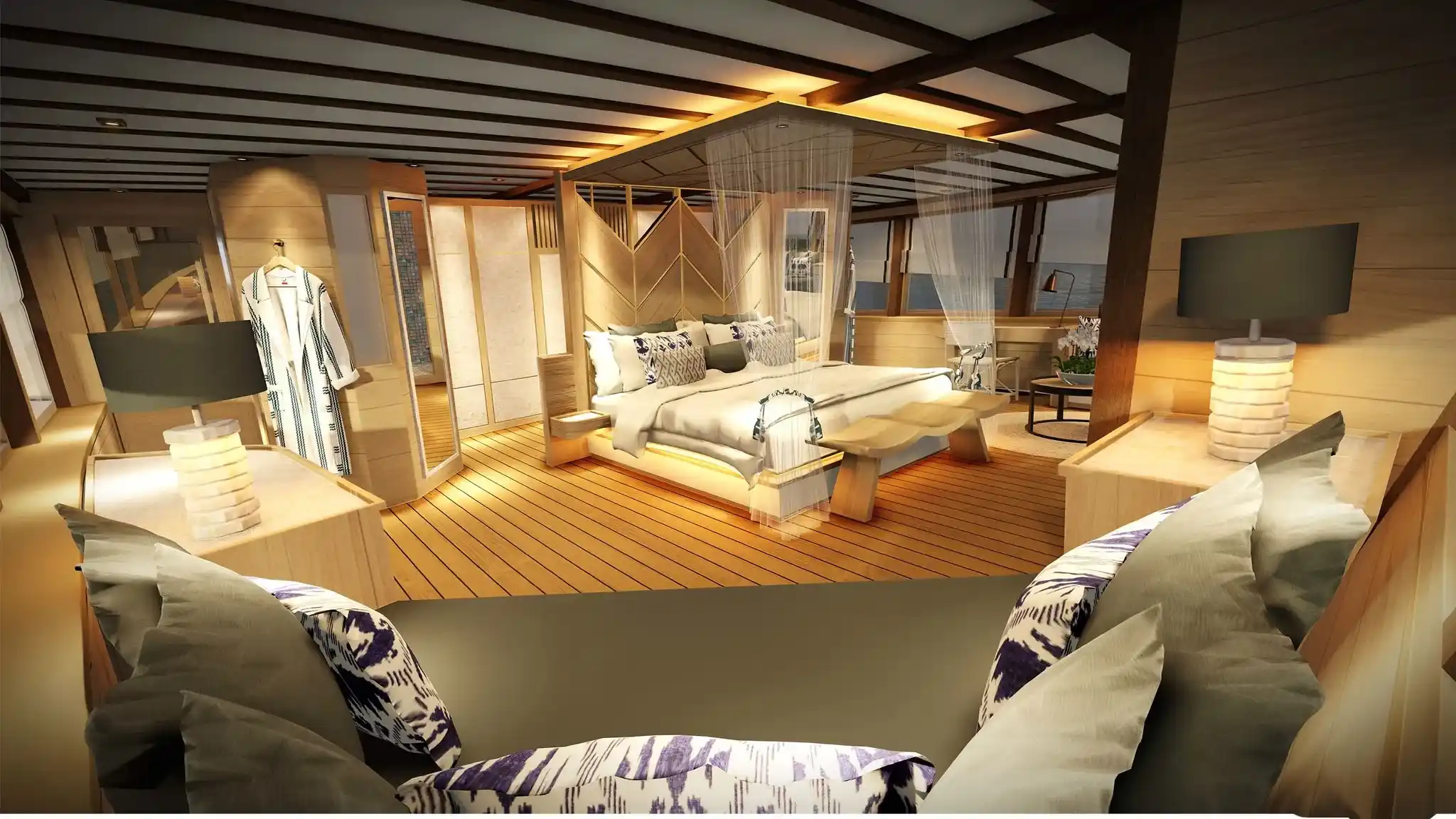
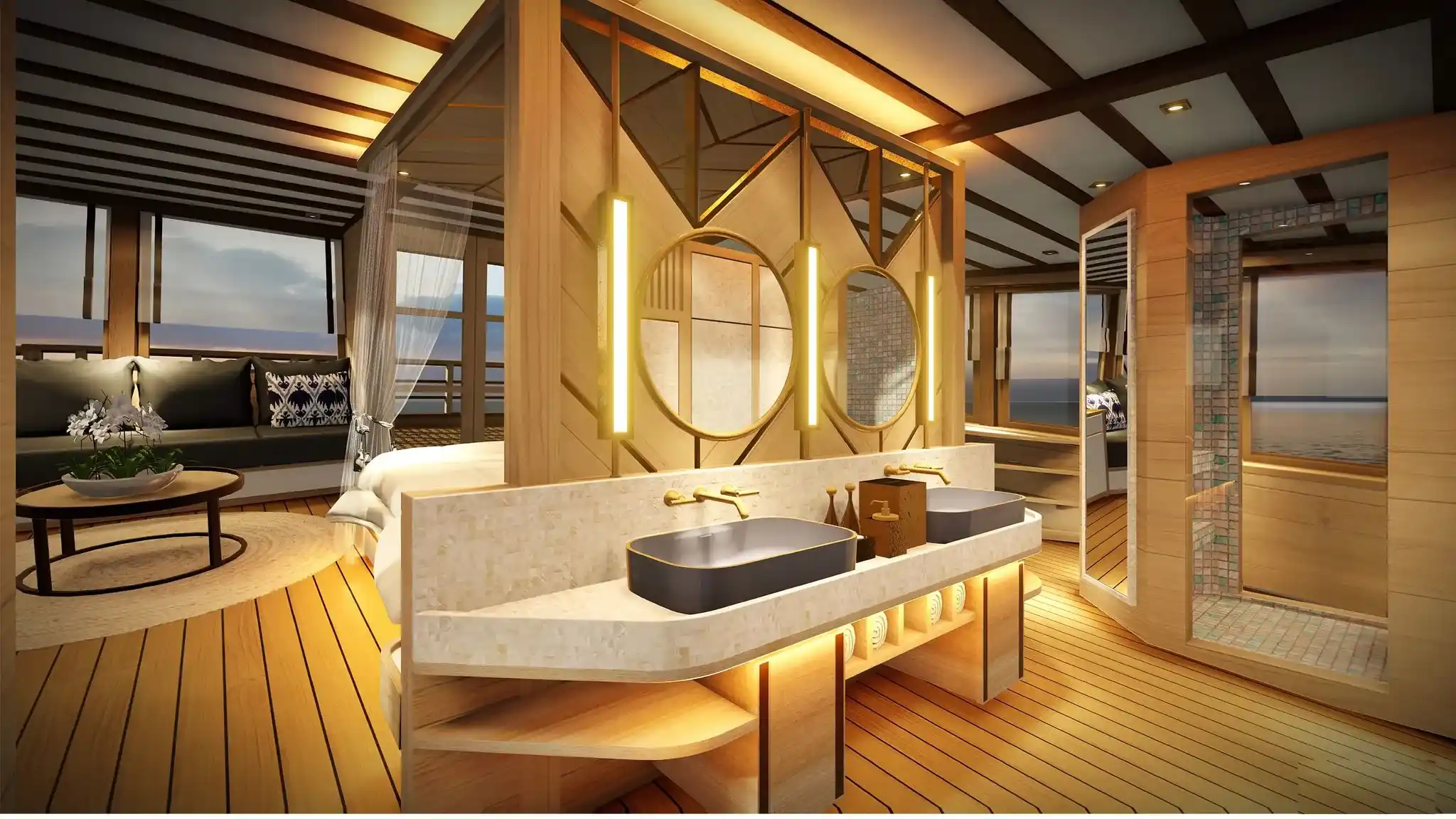
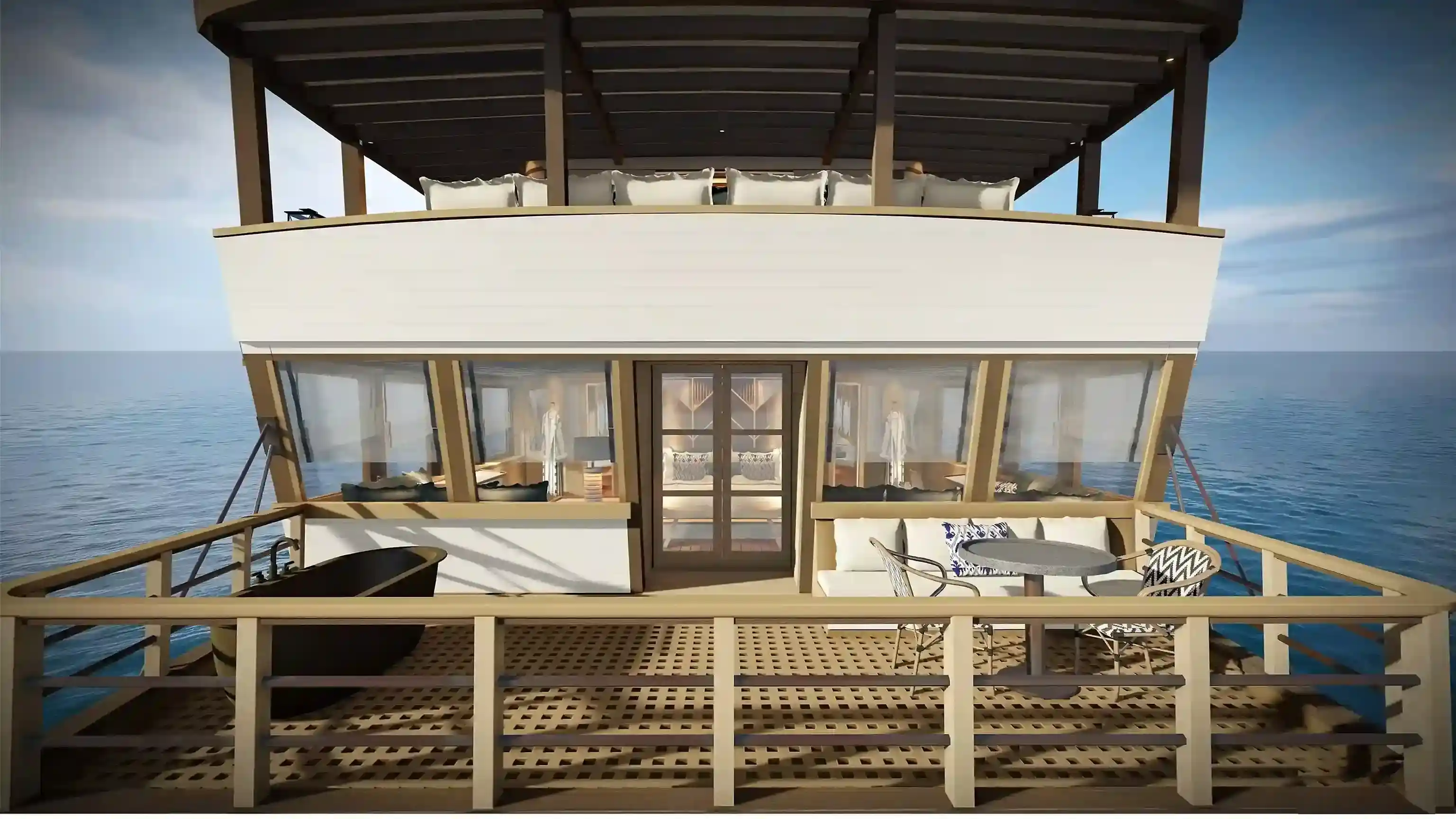
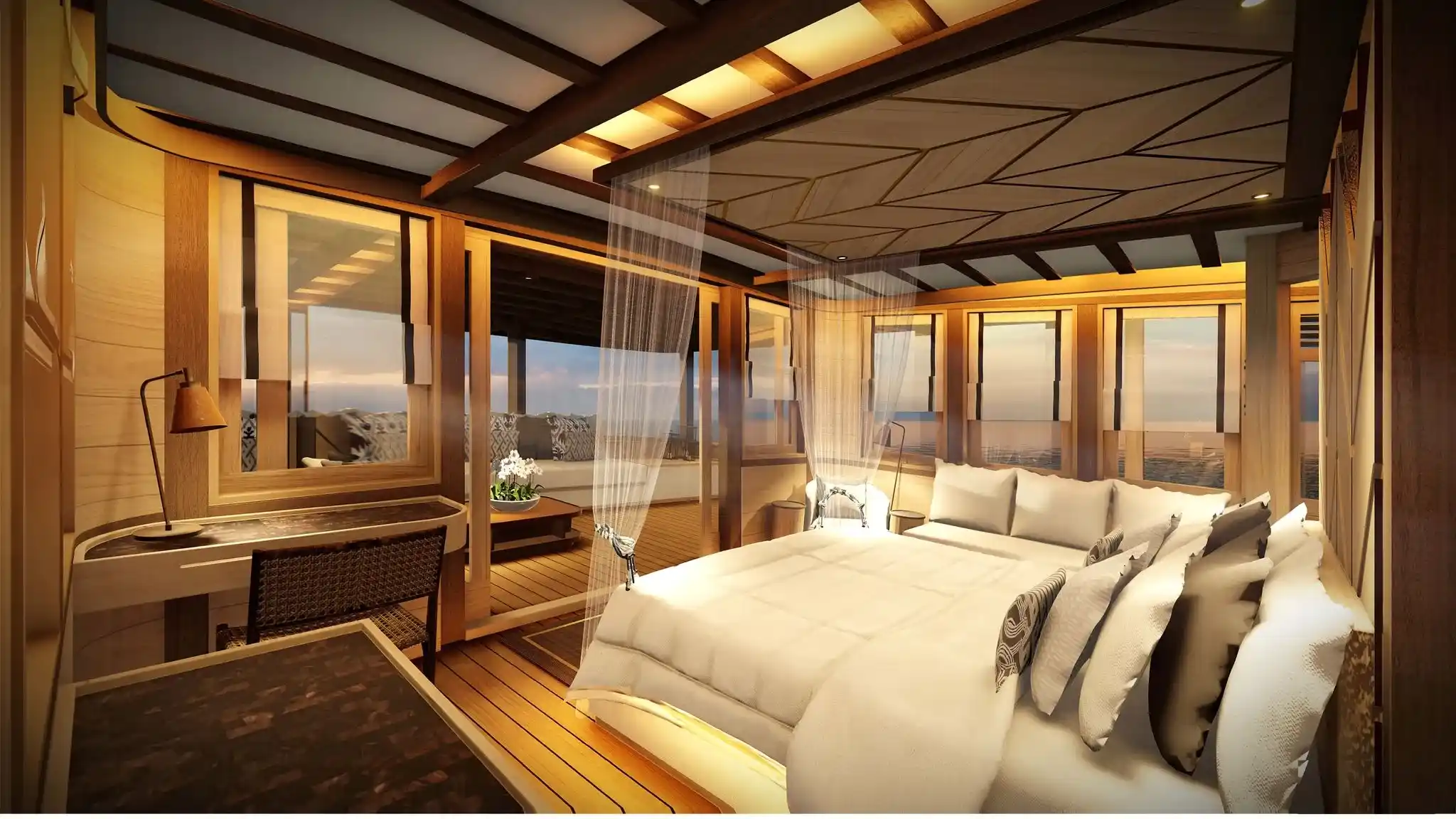
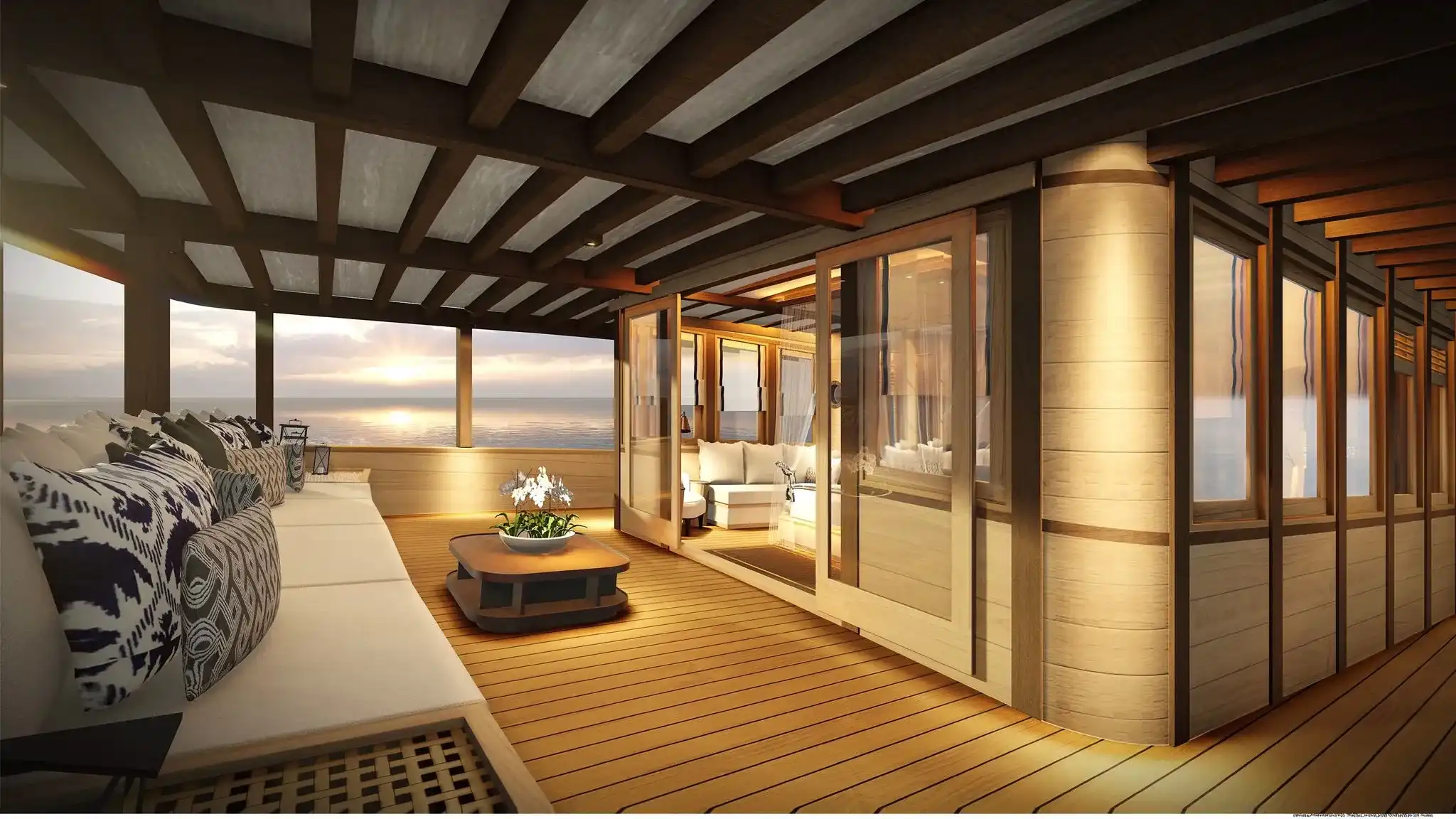
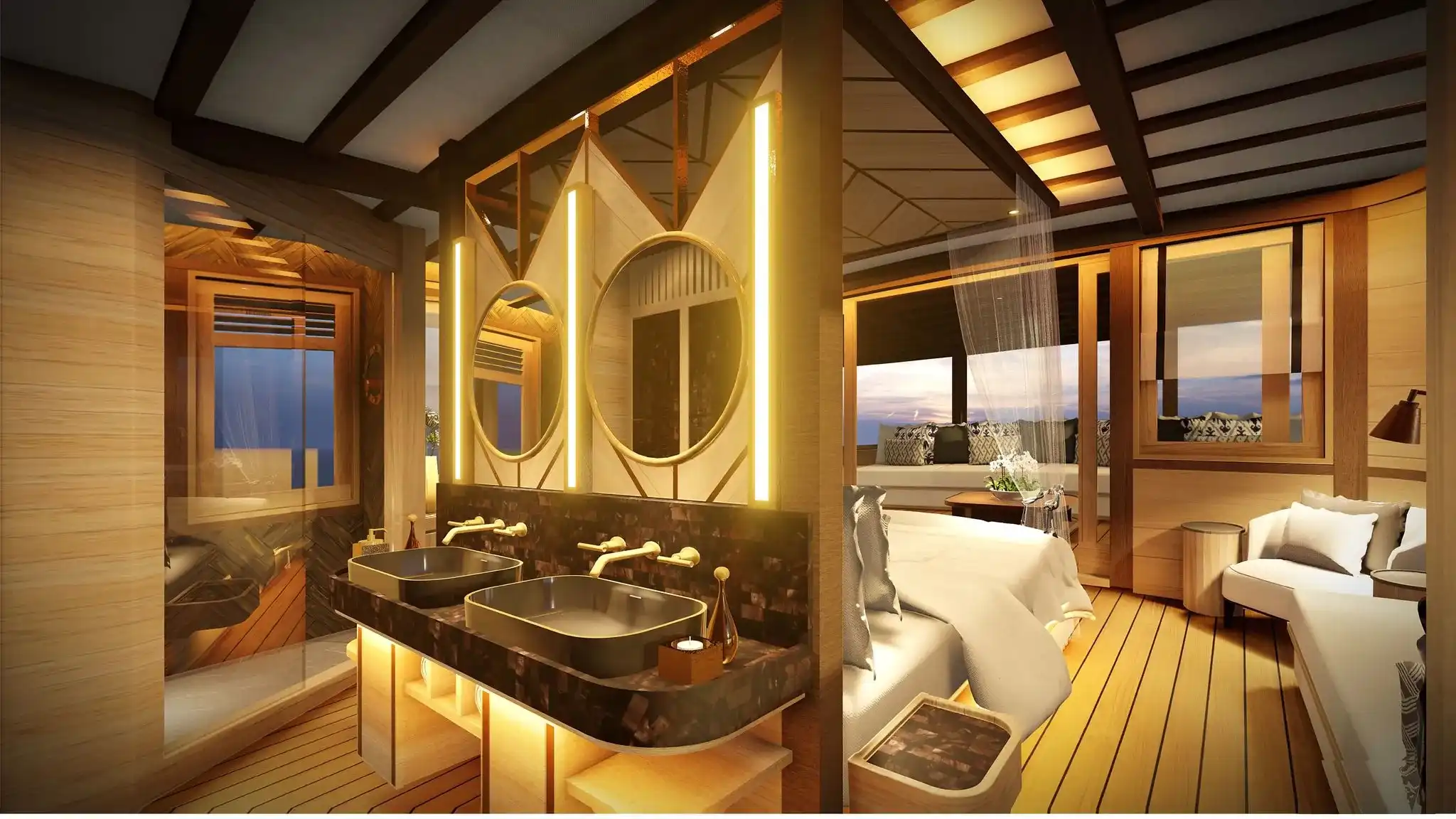
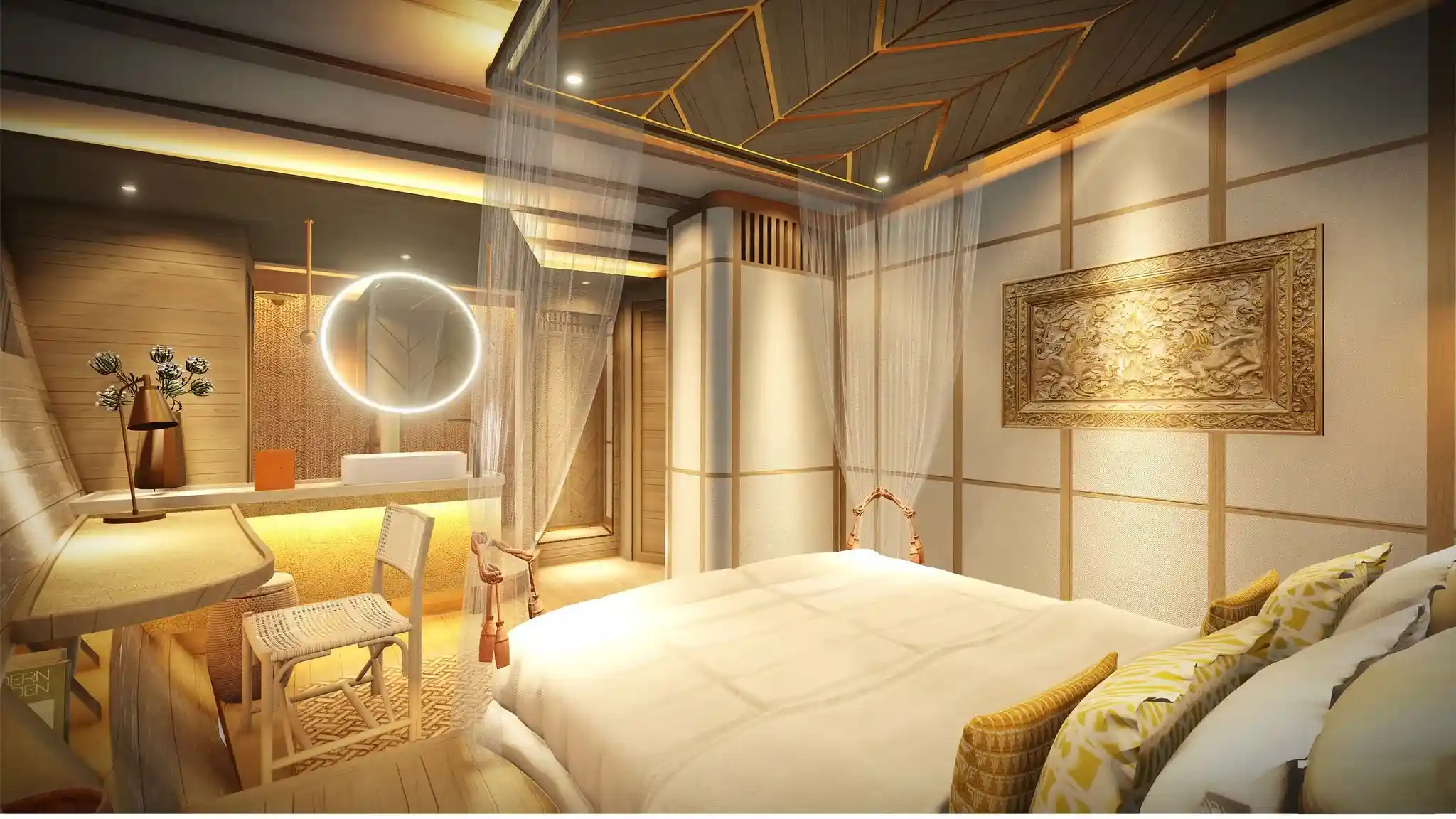
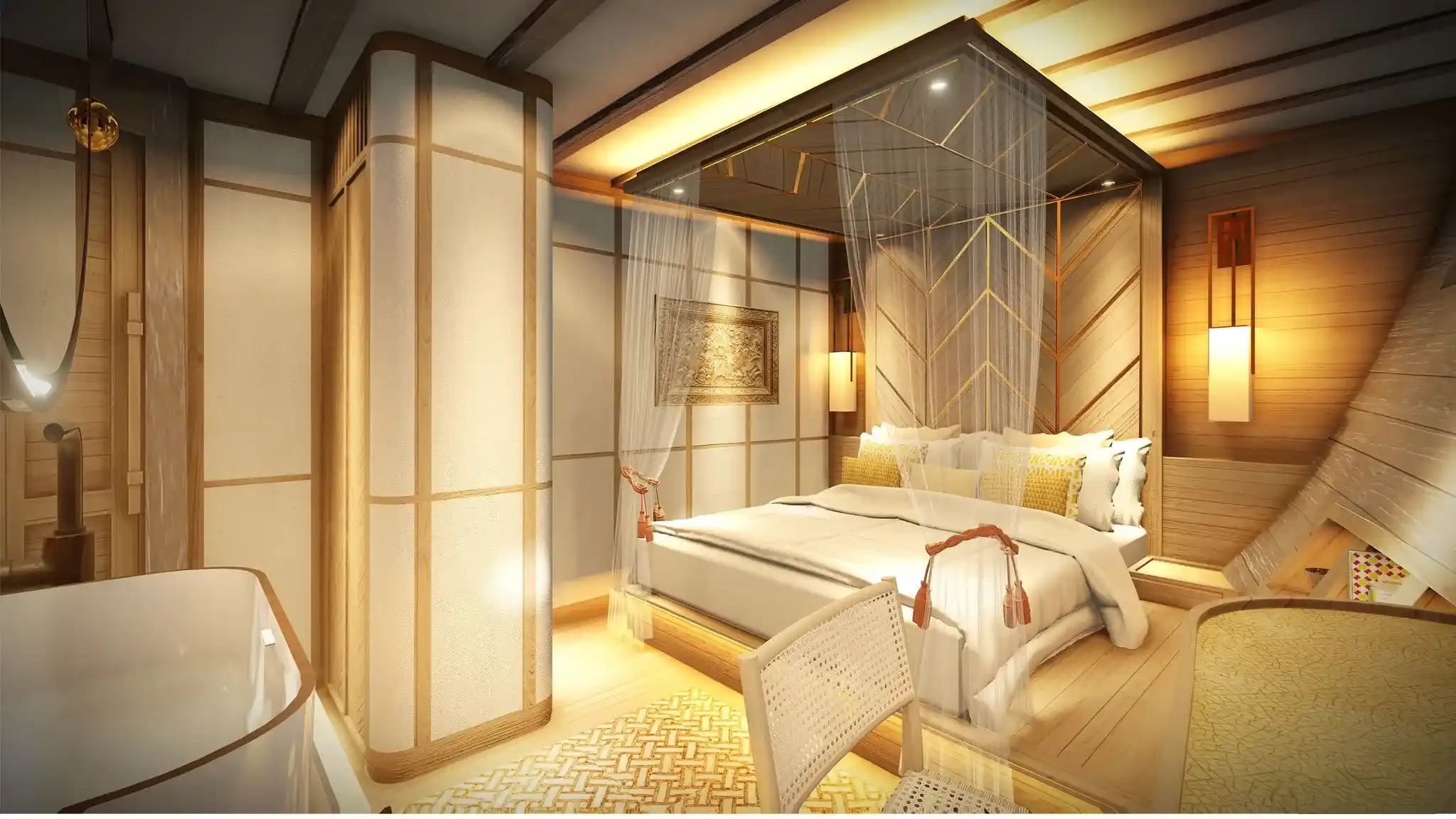
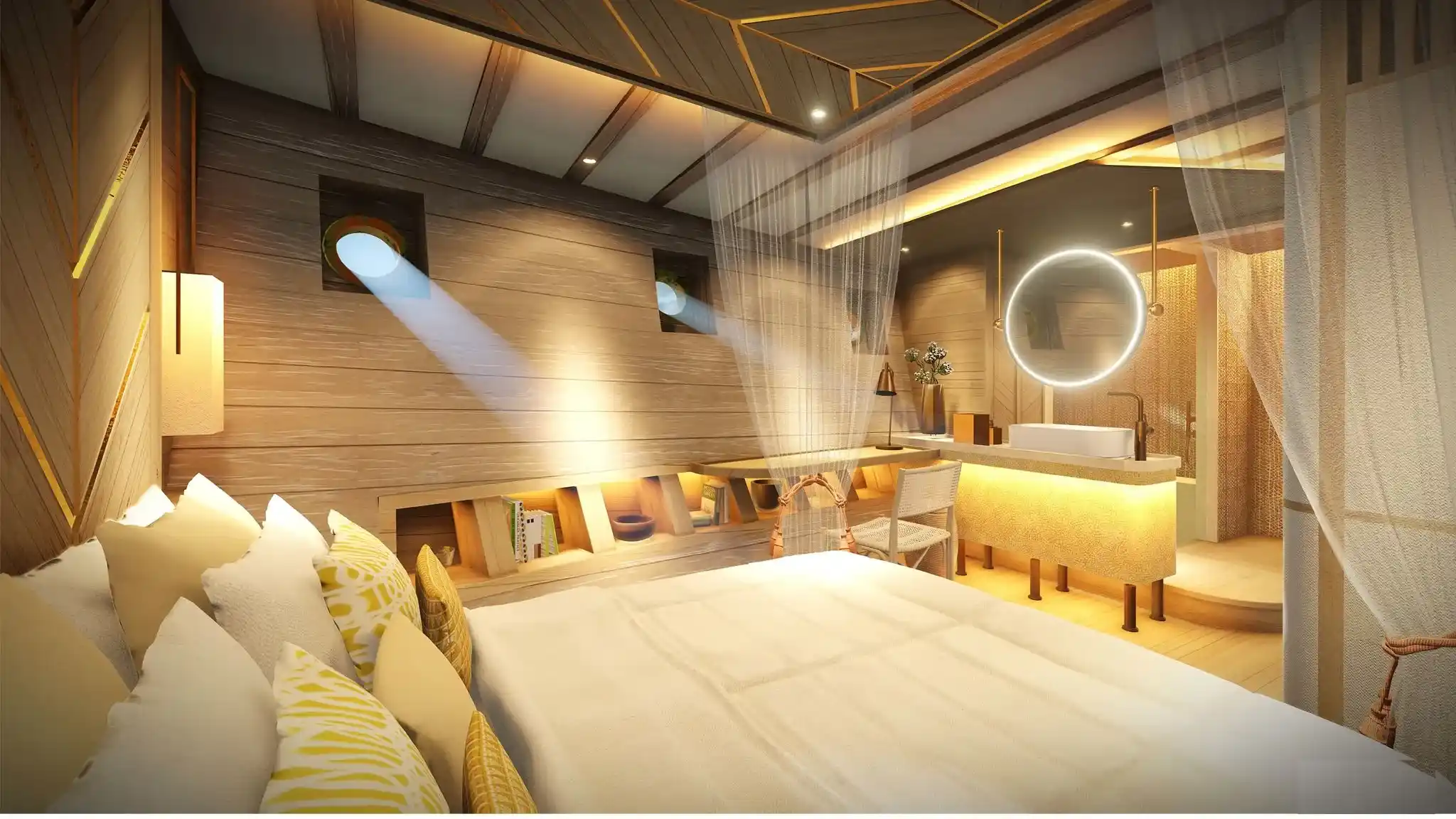
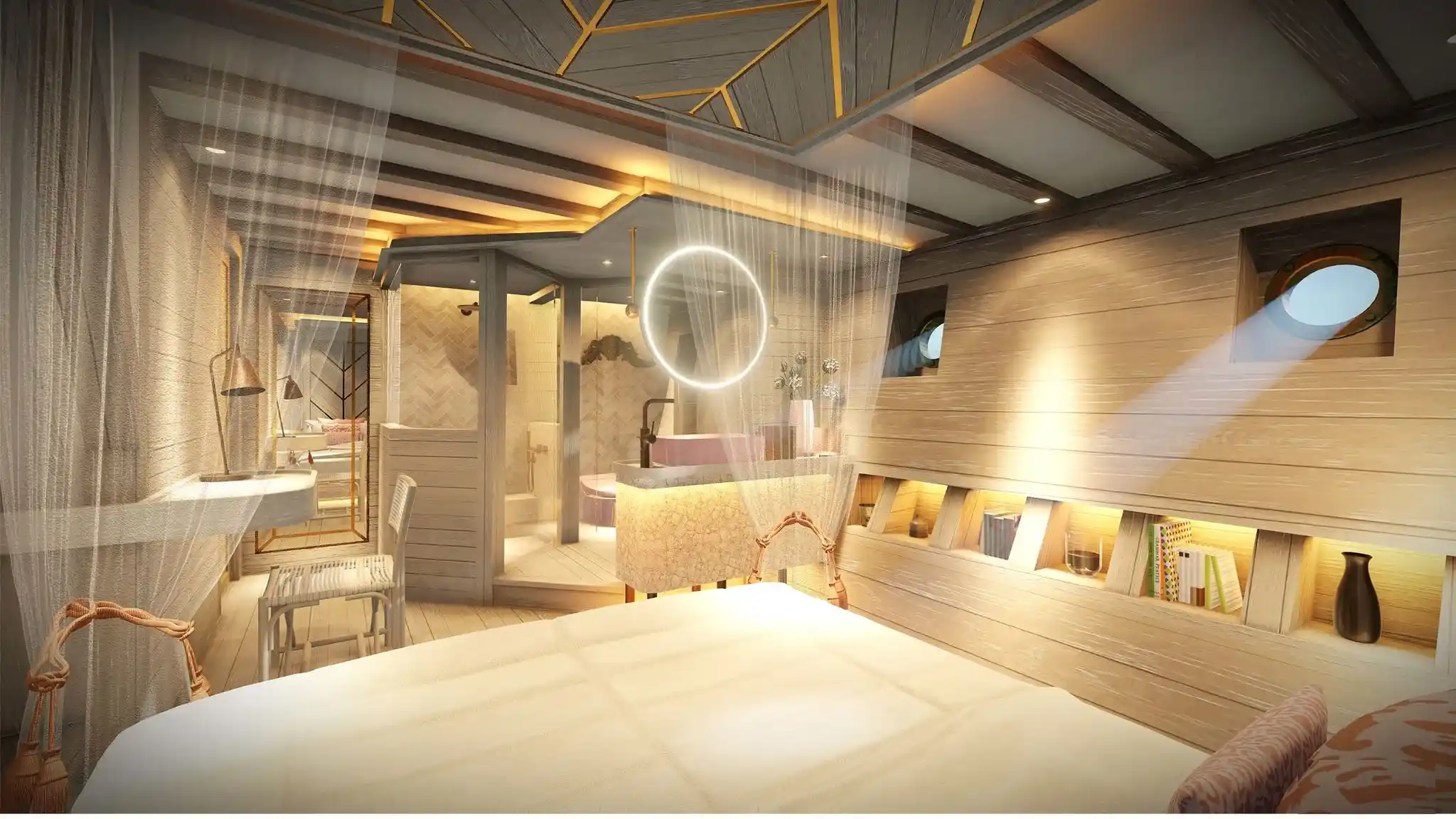
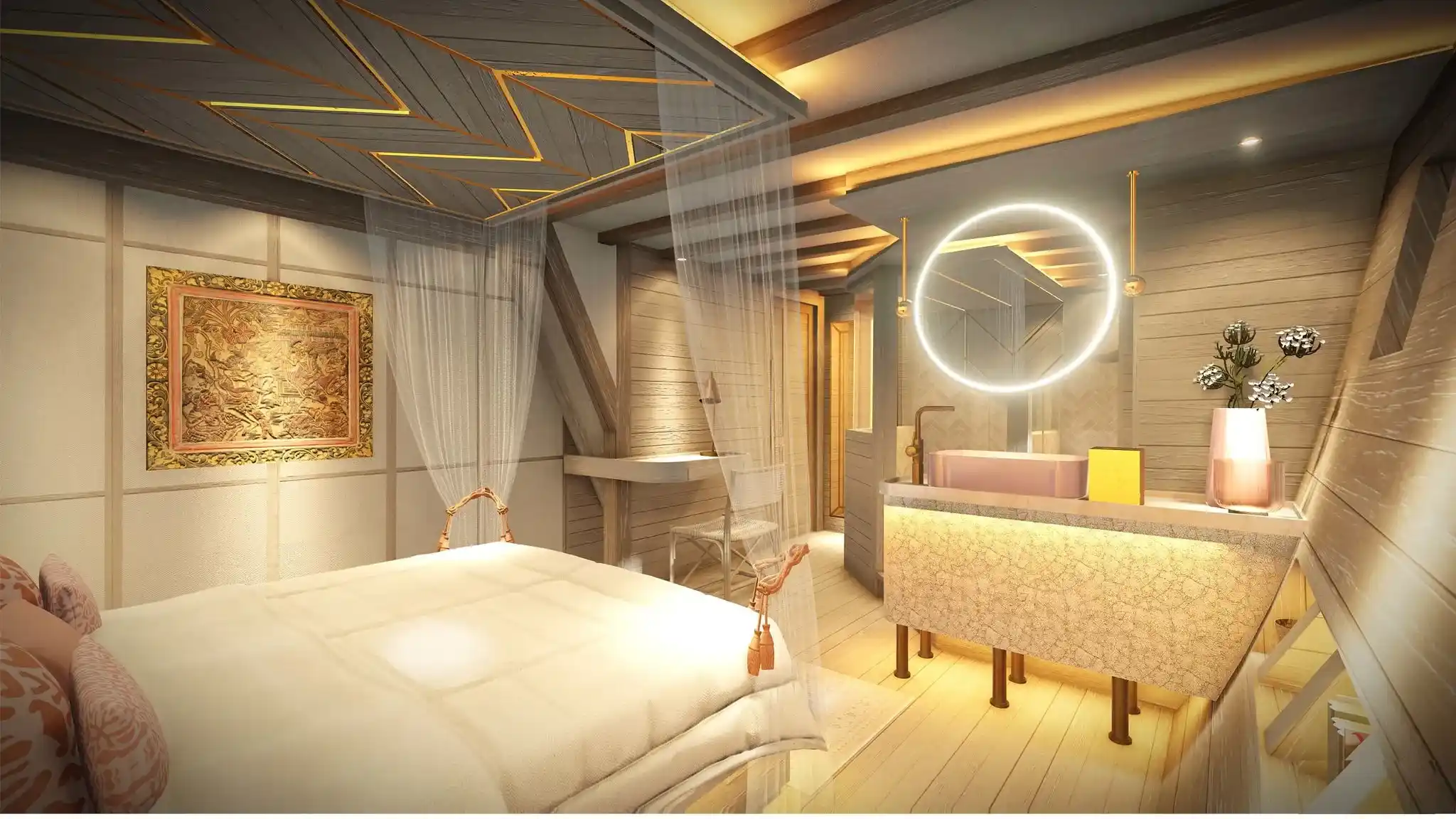
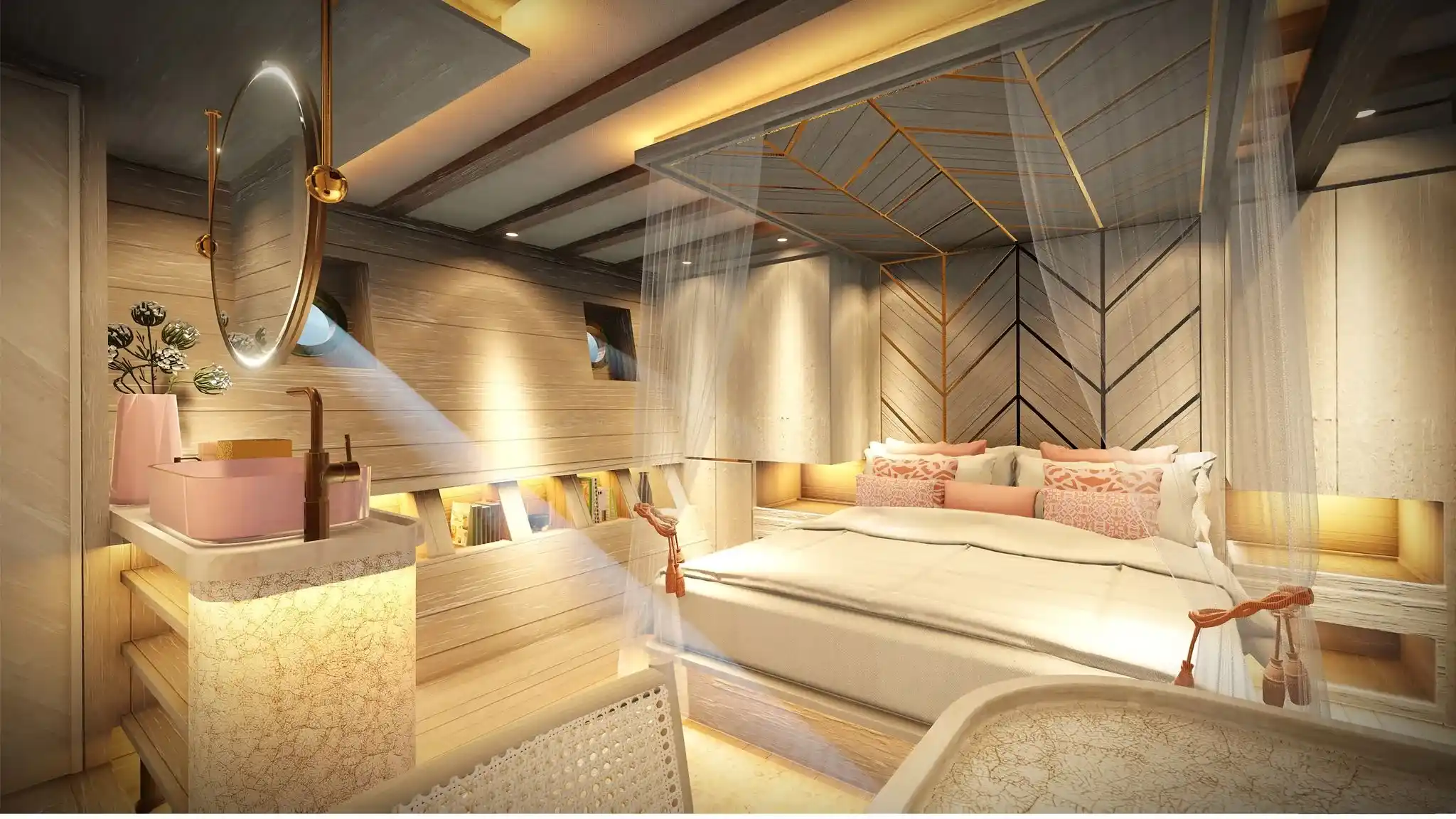
Otium carries just one cabin. That means two guests, no more. While other boats stack cabins to maximise capacity, we stripped the layout down to a single master suite with private access to the upper deck. There’s no shared salon pressure, no queuing for bathrooms. You wake to the sound of the crew preparing coffee on the aft deck, not隔壁 footsteps. The suite includes a king bed mounted on gimbals, teak storage built to withstand rolling in open water, and a rain shower with pressure that doesn’t falter when the generators kick in.
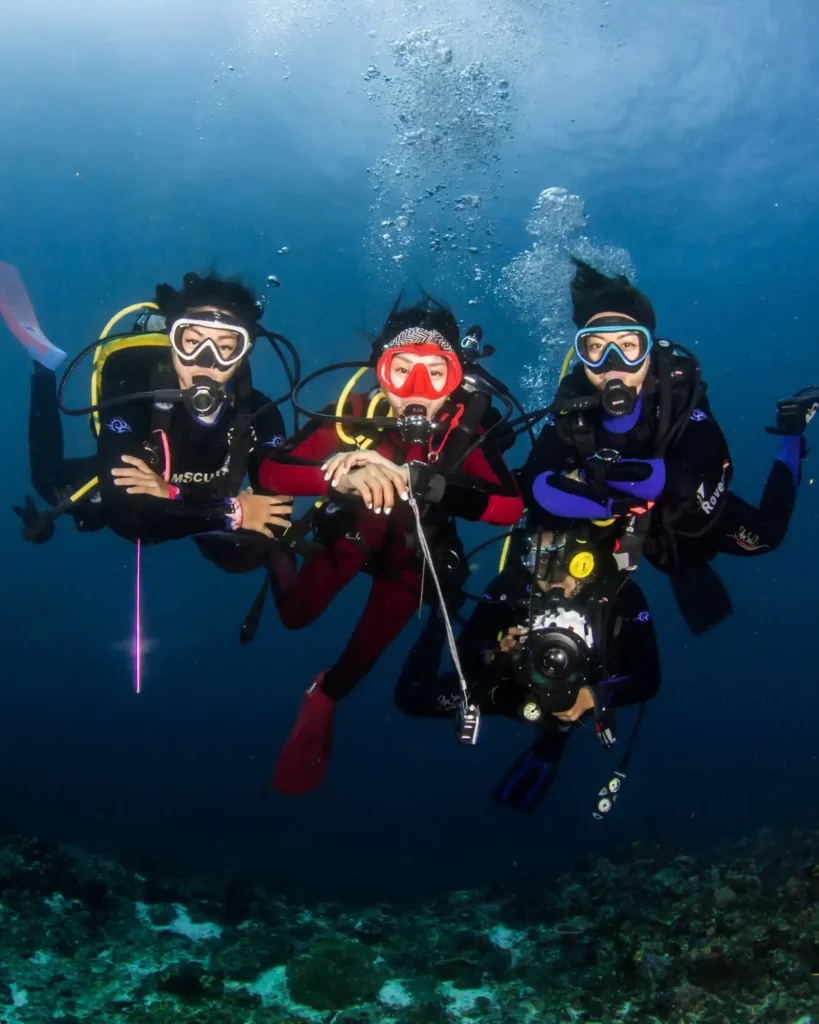
Raja Ampat’s best diving isn’t on a schedule, but we plan around tides. A typical sequence starts at dawn with a shore walk on Gam Island to see the bird-of-paradise mating grounds, while the boat repositions to Boo Windows – that thin sandbar that splits two deep channels. By mid-morning, we’re drifting along the soft coral walls of Arborek Jetty, where pygmy seahorses cling to sea fans no wider than a finger. The afternoon is for low-current sites: the mangrove roots at Yenbuba, where wobbegong sharks nap under roots, or the jellyfish lake in Kakaban if we’re swinging east toward Misool.
On longer trips, we anchor inside the Fam Islands, where the limestone karsts rise straight from 80 metres of water. The crew preps the tenders early – we use them not just for dives, but for beach landings where there’s no trail, no markers, just virgin coastline. One of our favourites is a hidden lagoon near Salyawatif, accessible only at high slack tide. We bring cold towels and fresh papaya after each dive, not because it’s expected, but because after 40 minutes at 30 metres watching schools of fusiliers pulse through the blue, you come back spent.
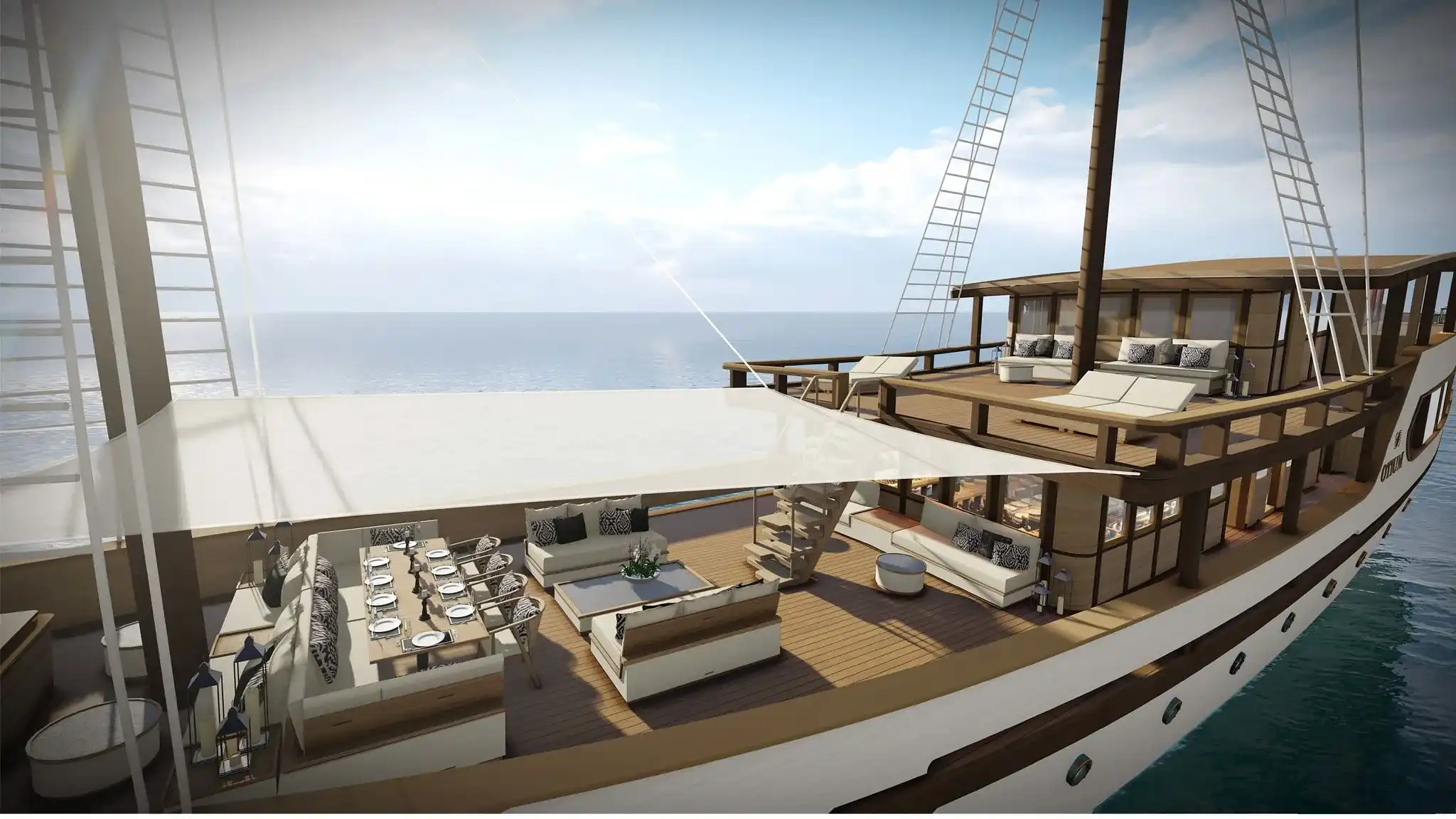
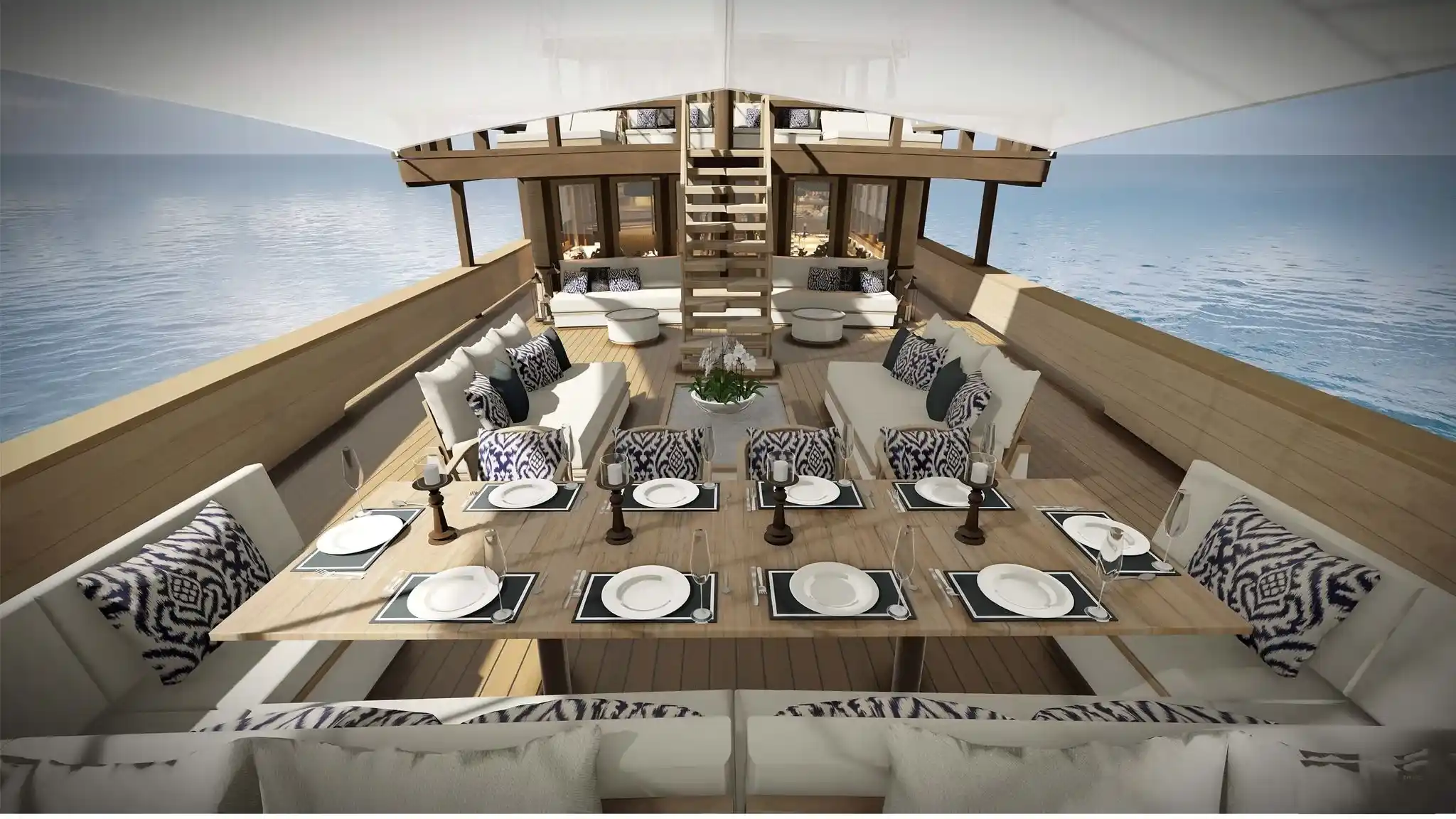
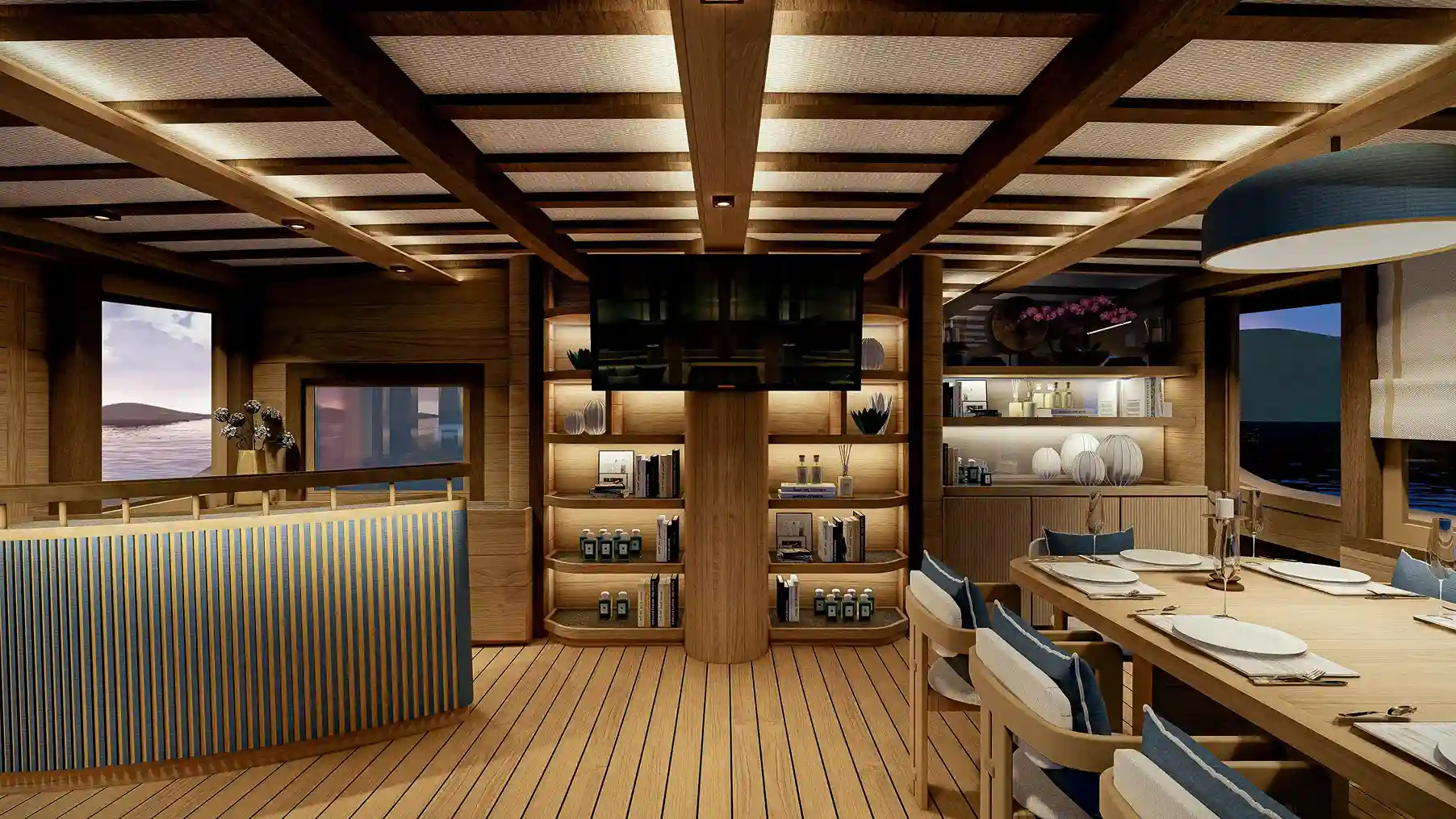
Back on board, dinner is served under the stars if the swell’s calm. The galley runs on induction, so soups don’t slosh and sauces stay emulsified. We source reef fish the day before departure from sustainable fishermen in Waisai, and our chef marinates it in turmeric, lime, and torch ginger. No two menus are the same – we adjust based on what’s landed, what’s in season, and whether you’ve just finished a five-spot dive rotation. This isn’t a floating hotel. Otium is a working vessel, with dive tanks racked on the main deck and navigation charts taped beside the helm. But she moves with purpose, and only ever in one direction: deeper into the quiet parts.