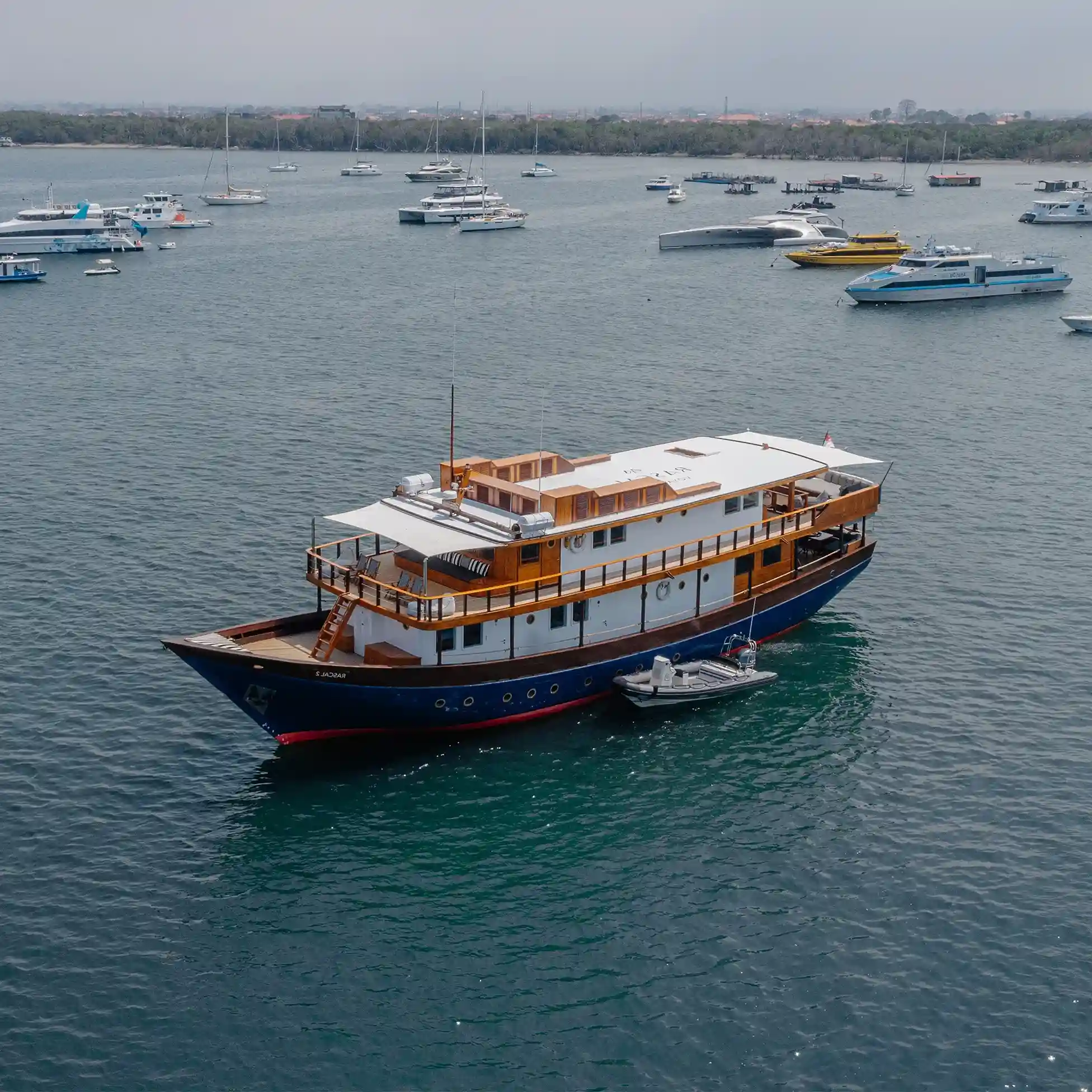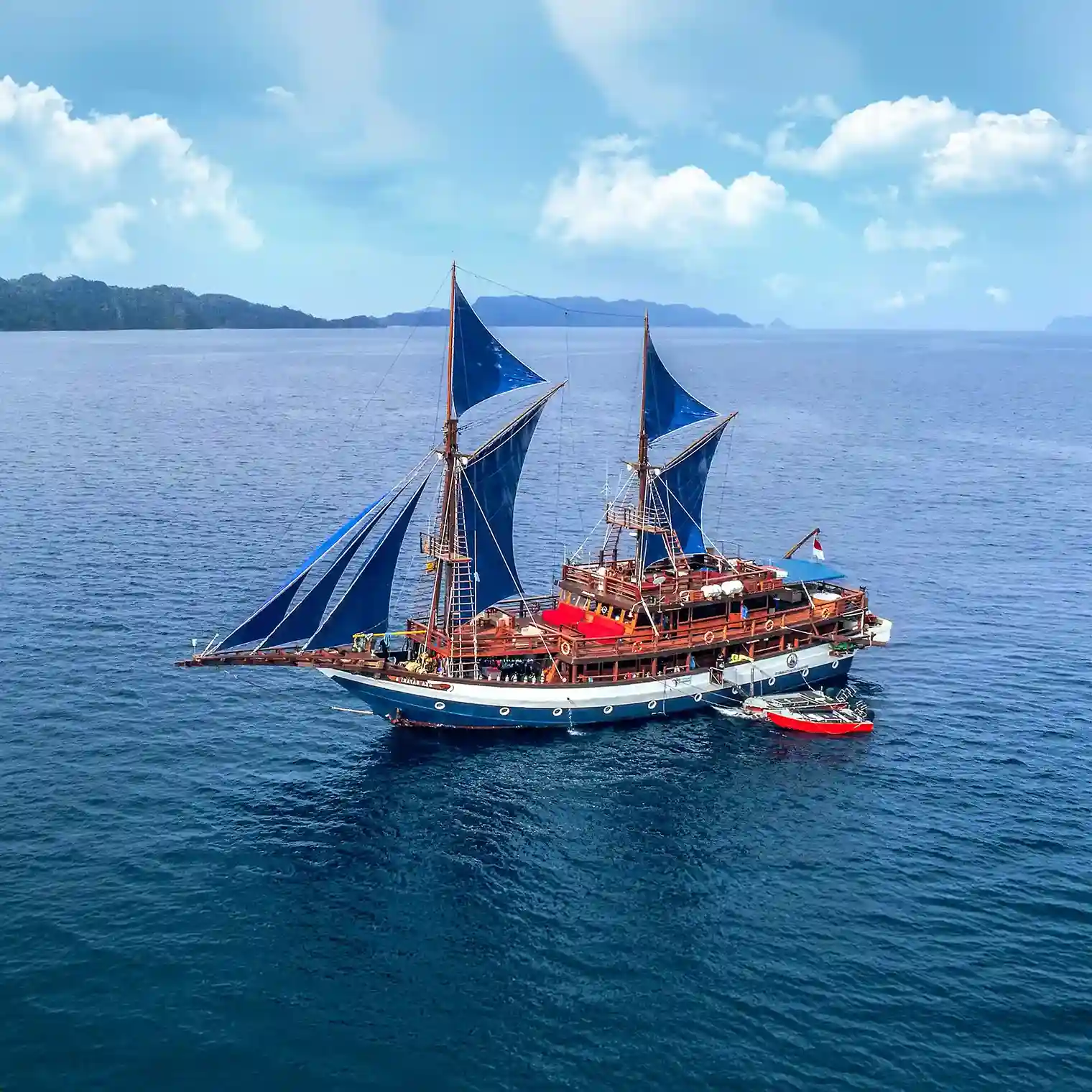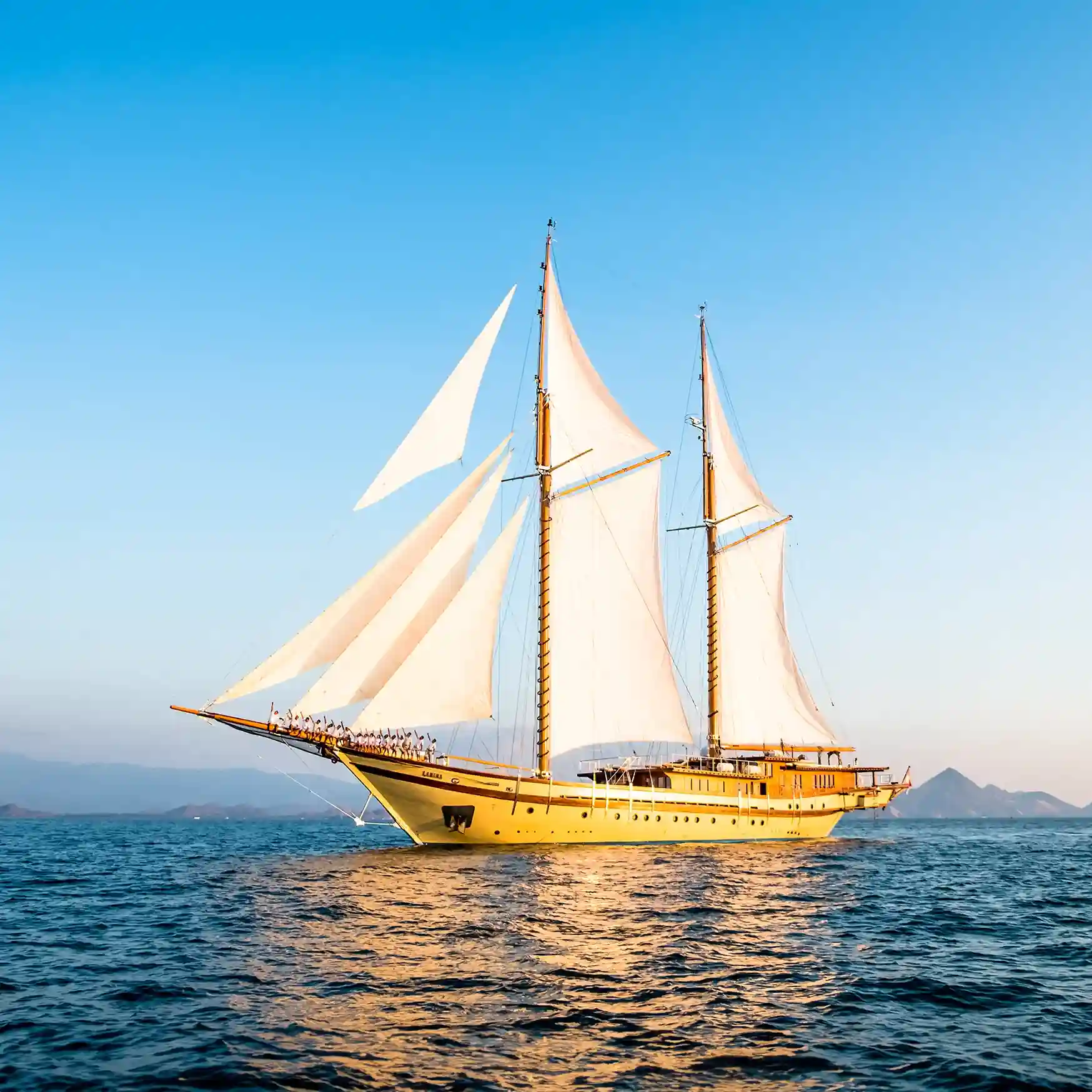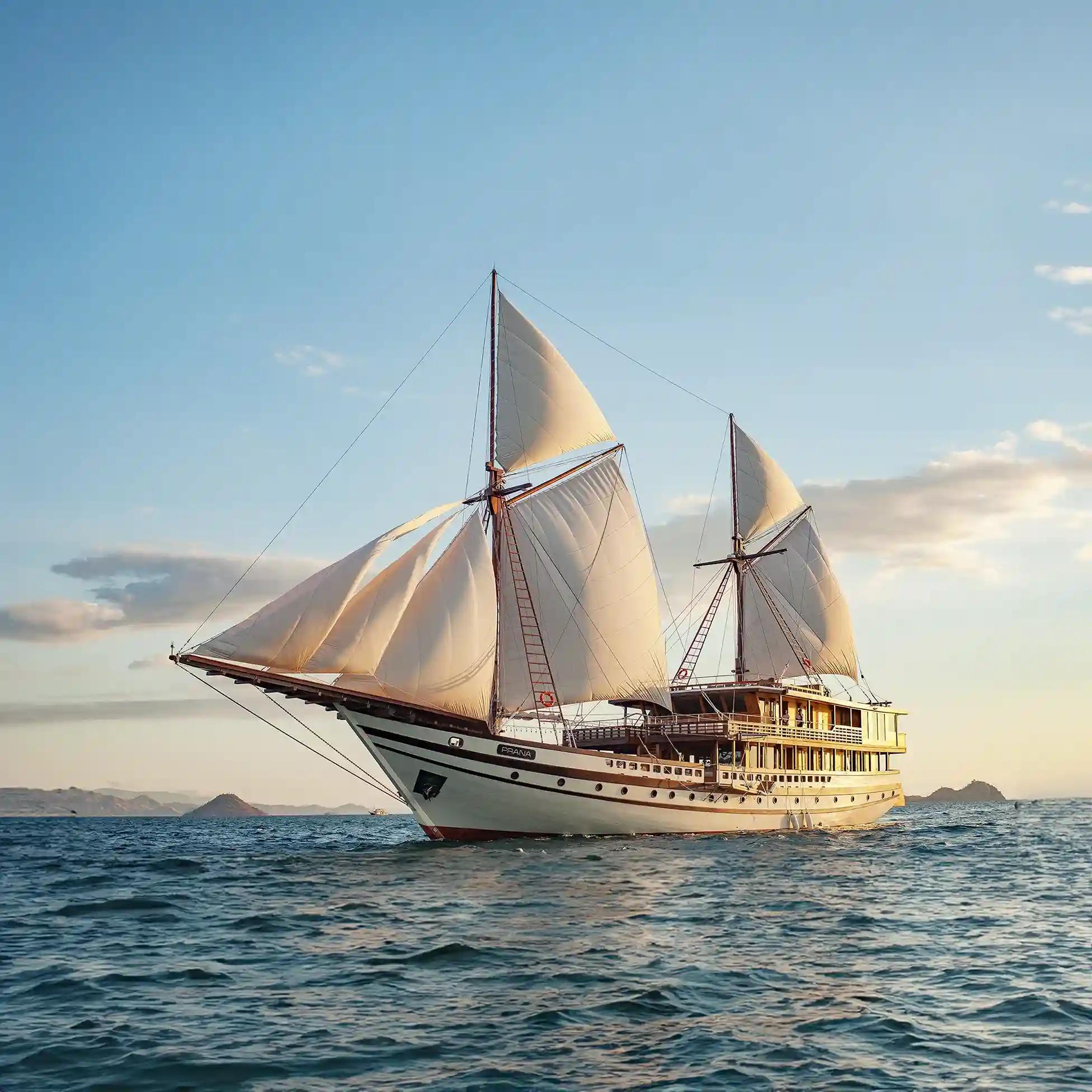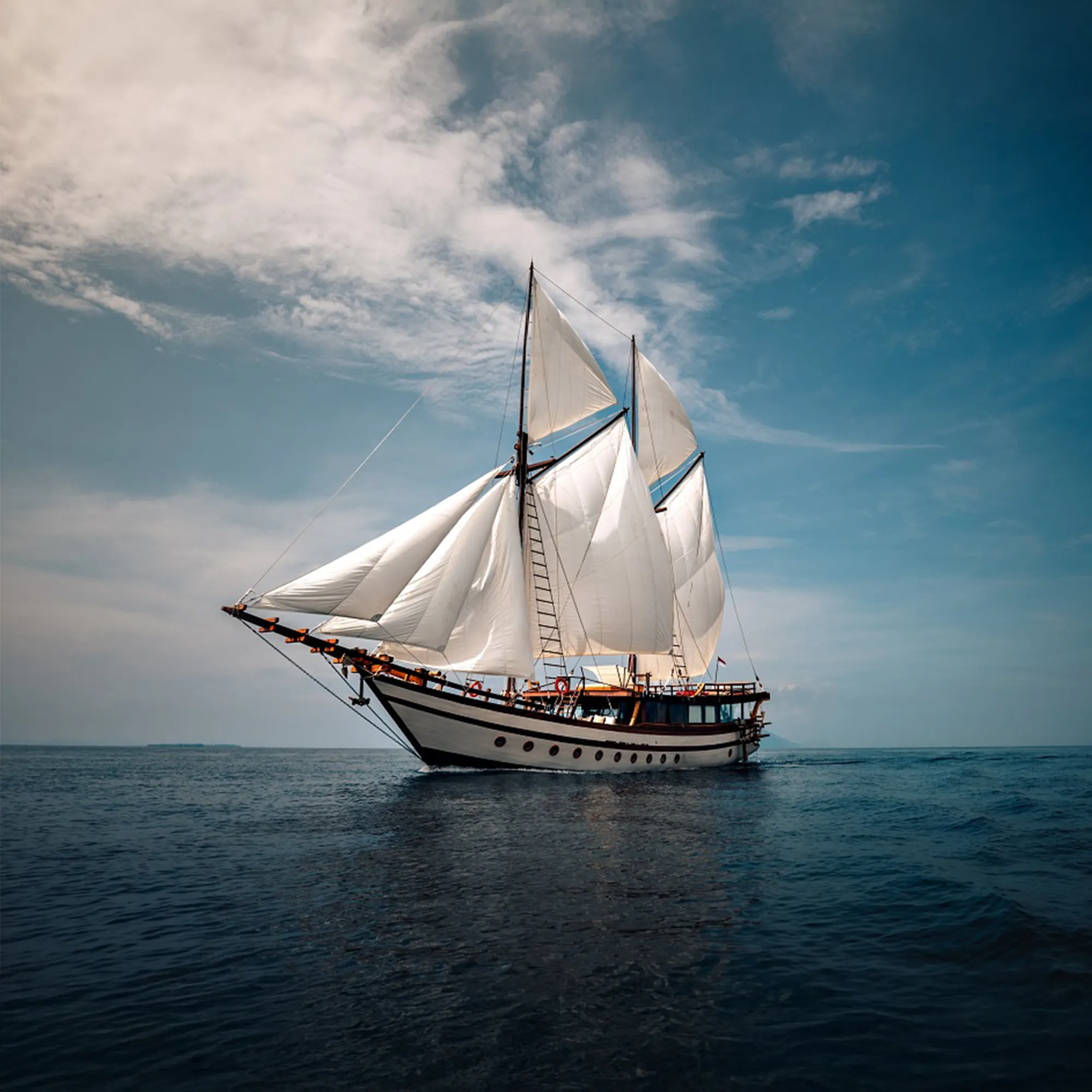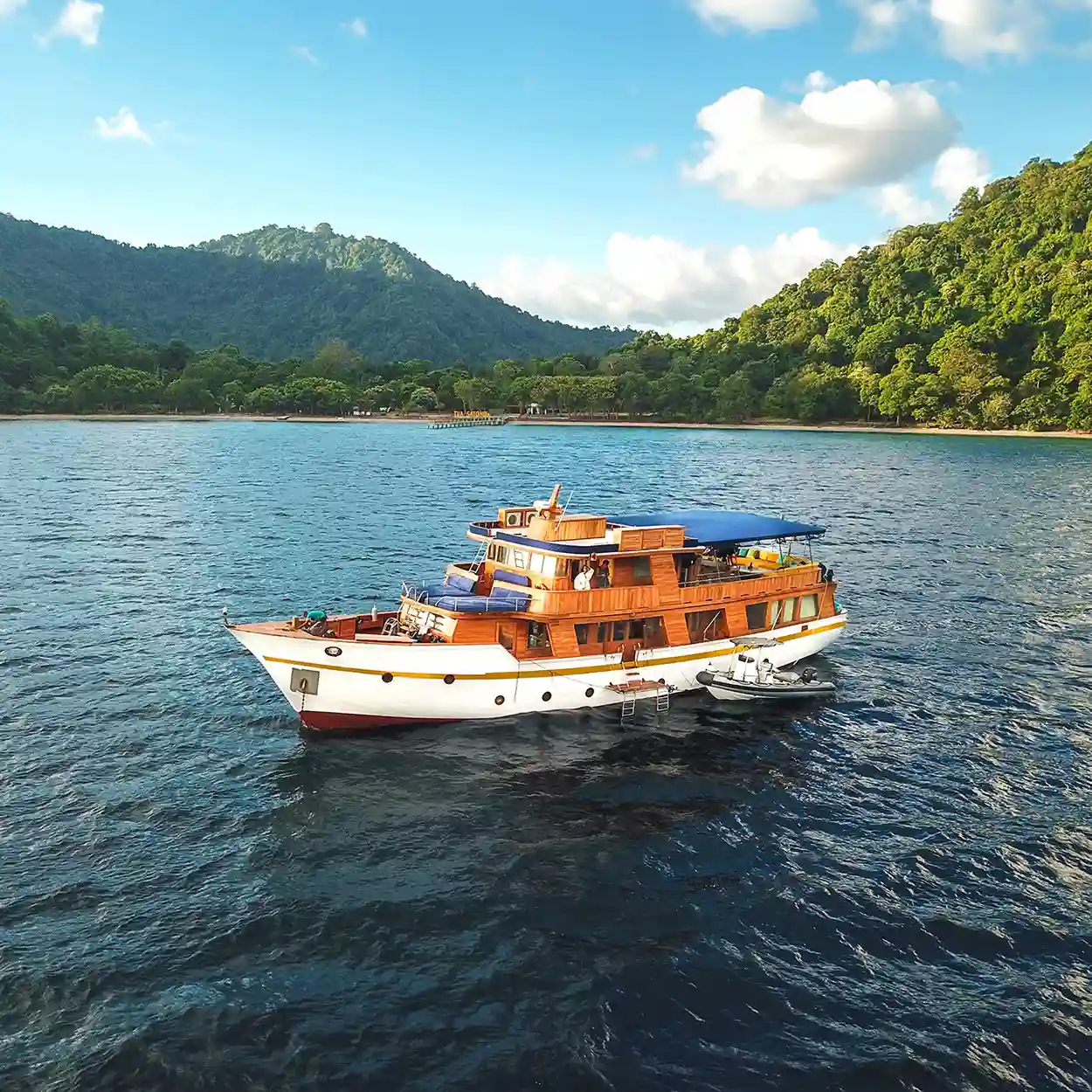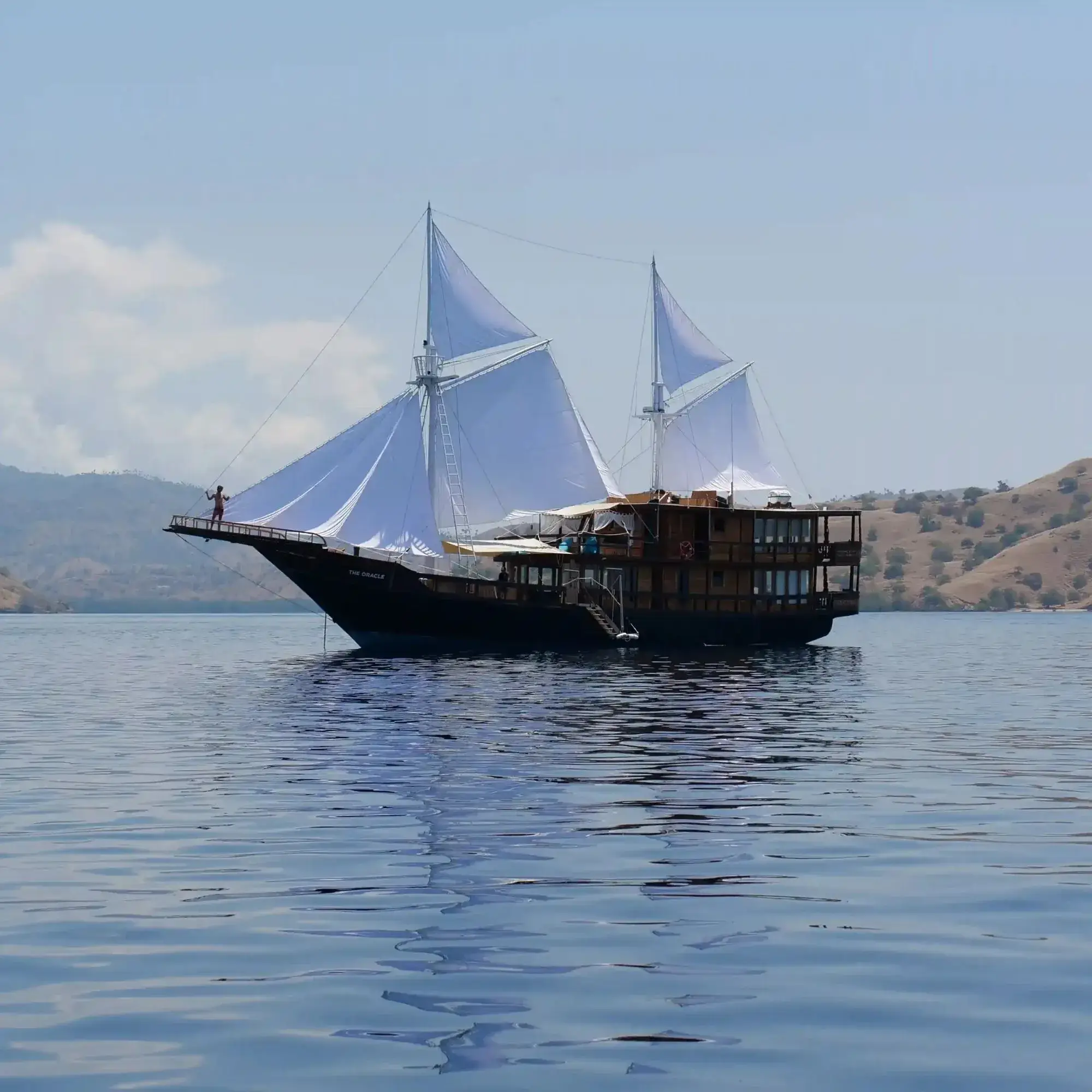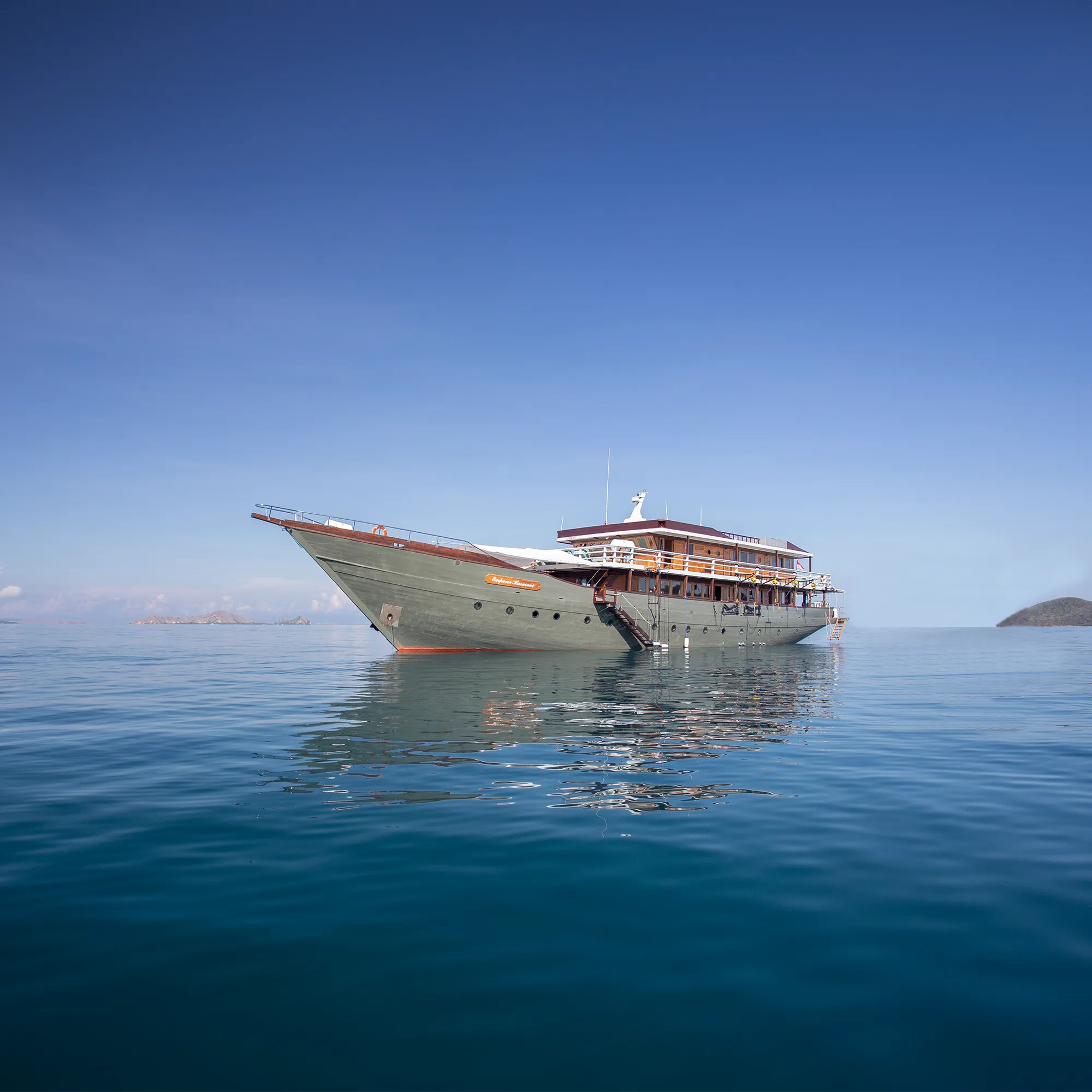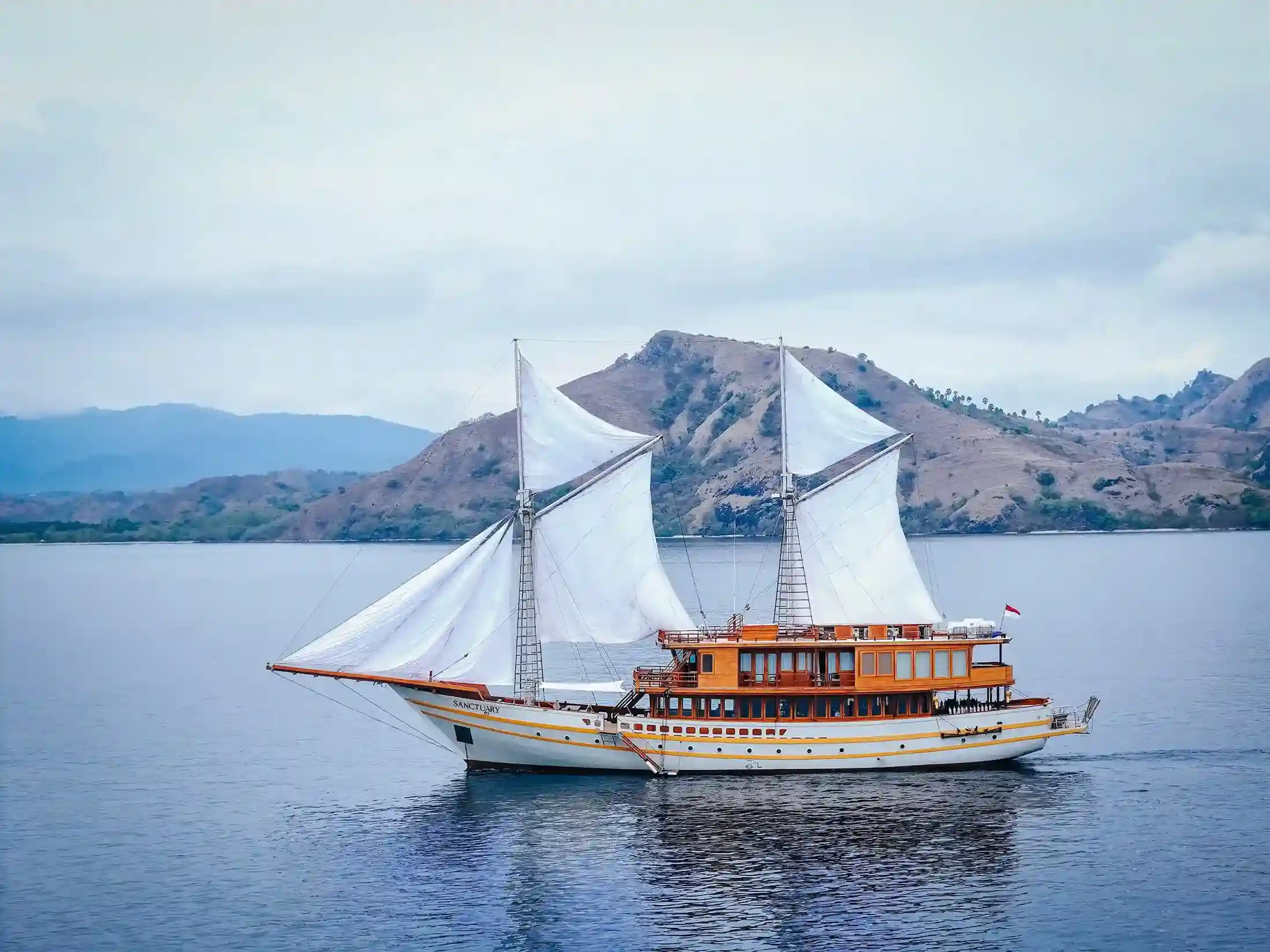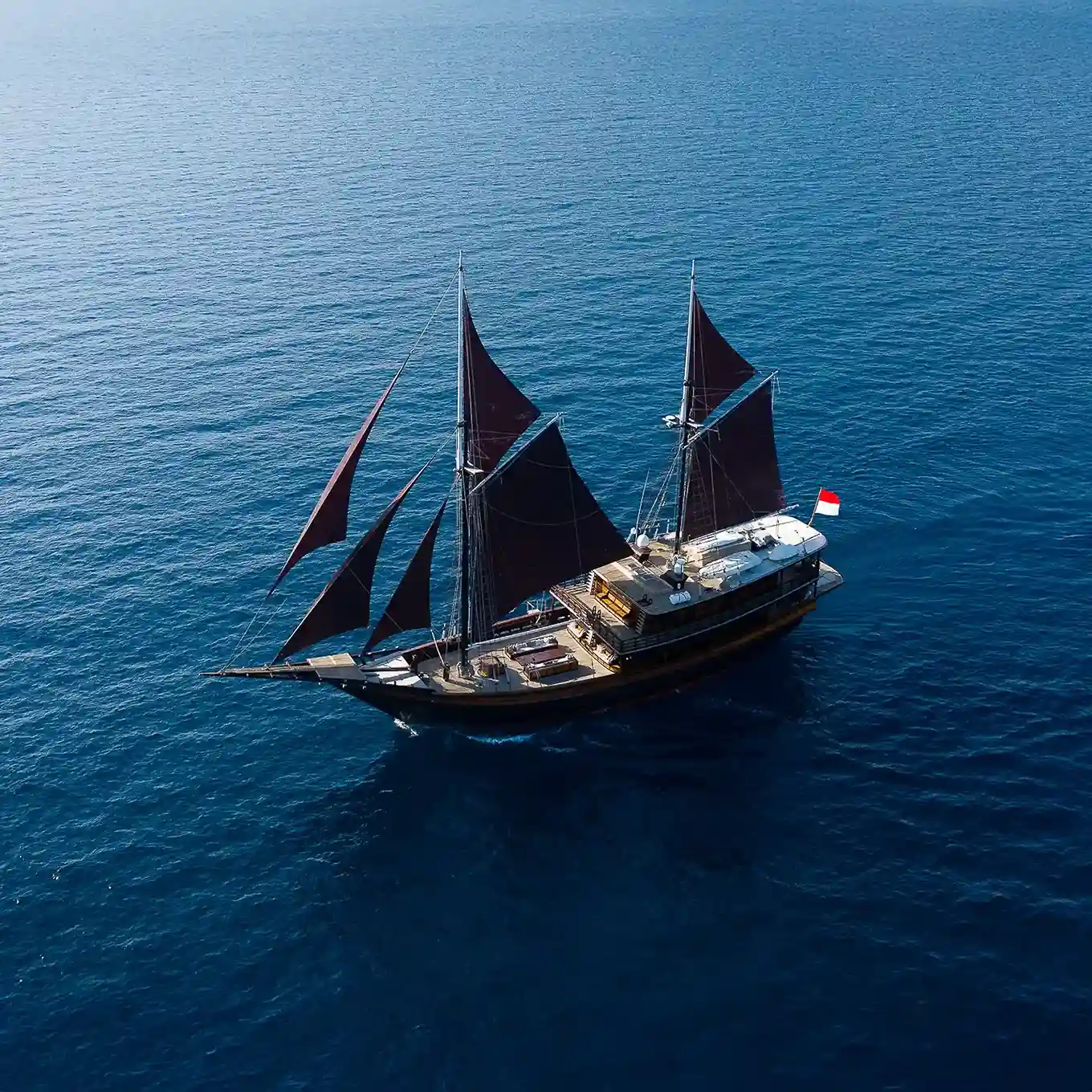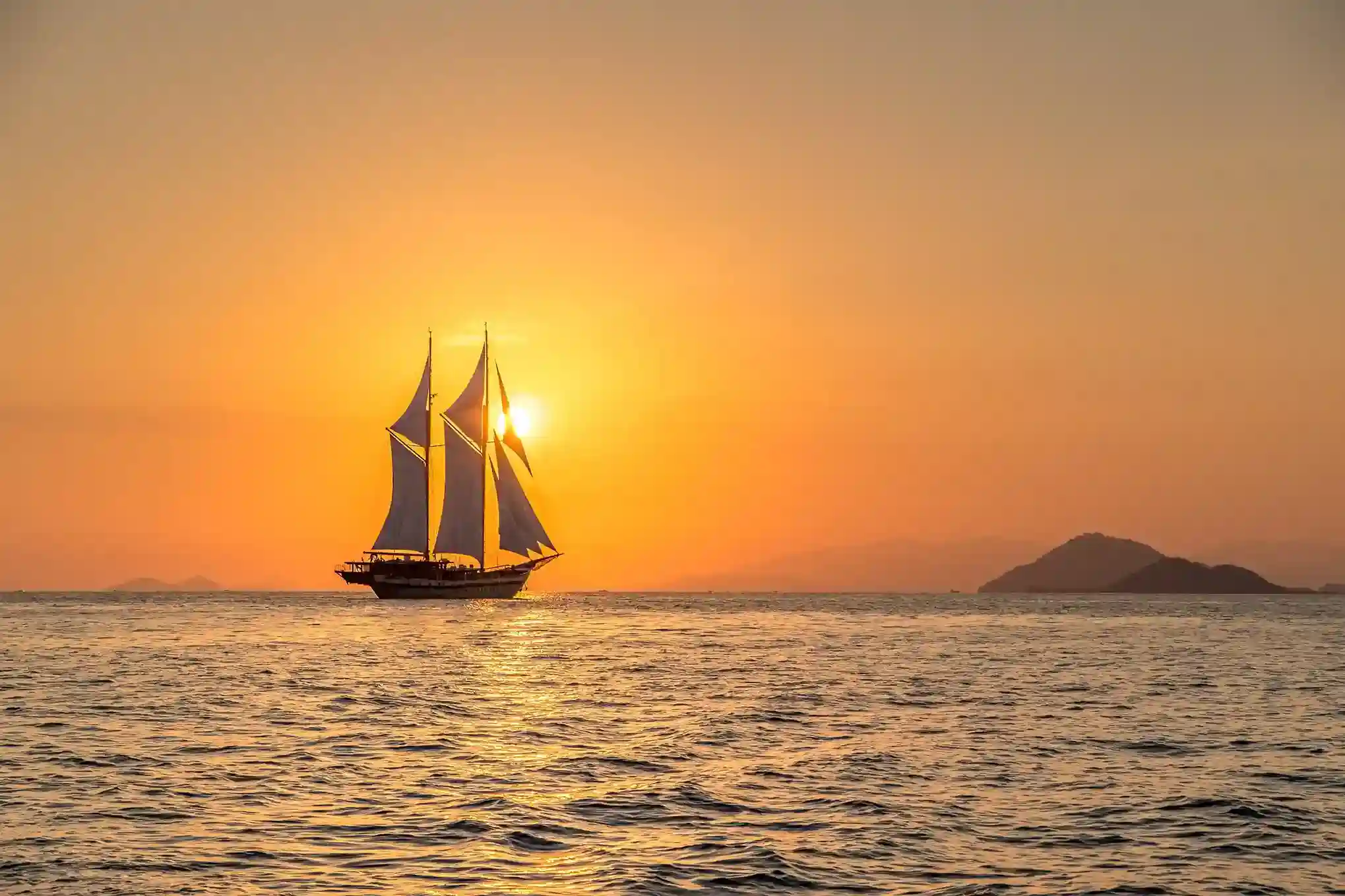
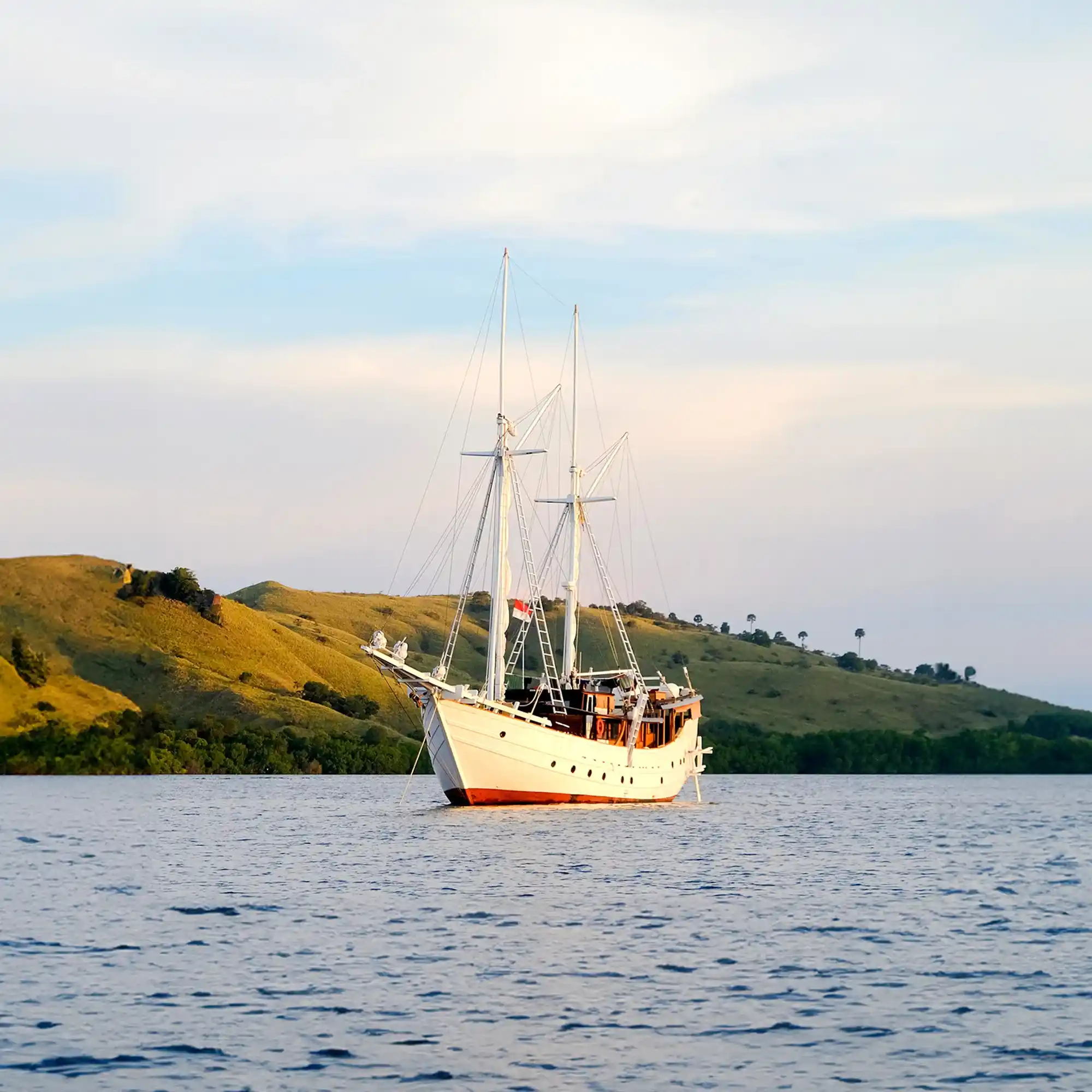
About Jakare
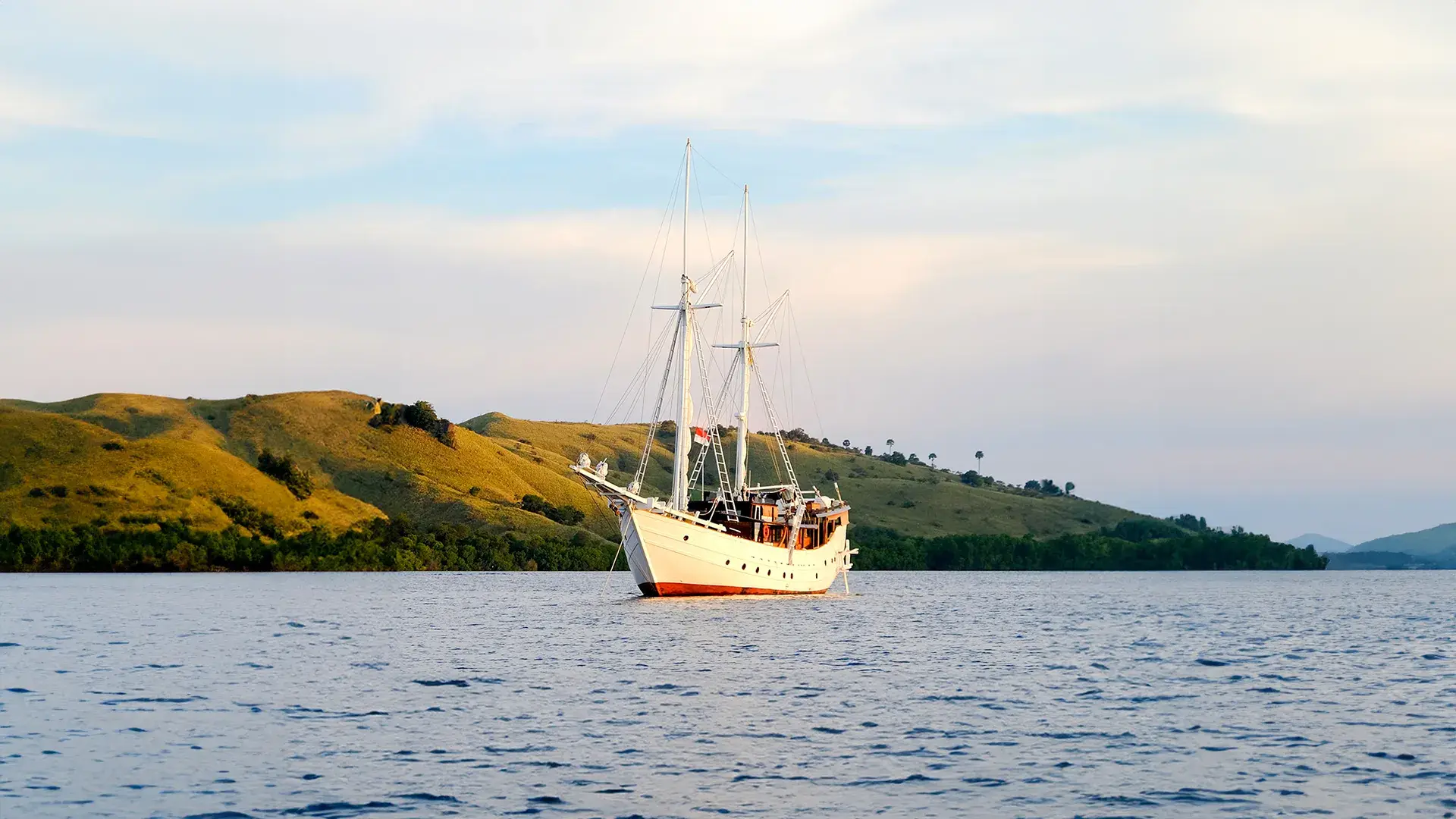
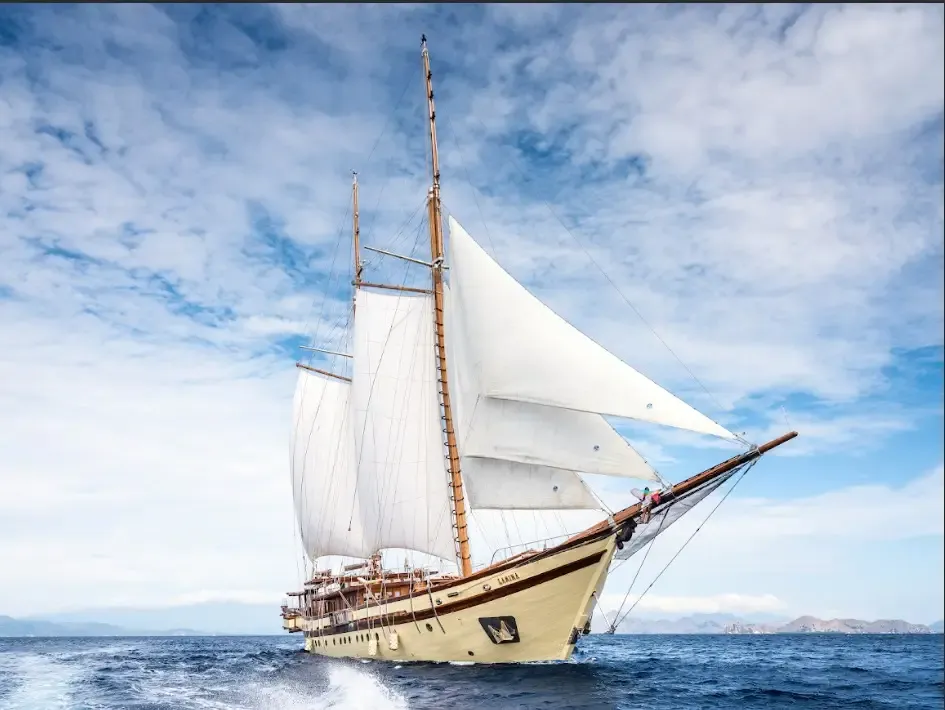
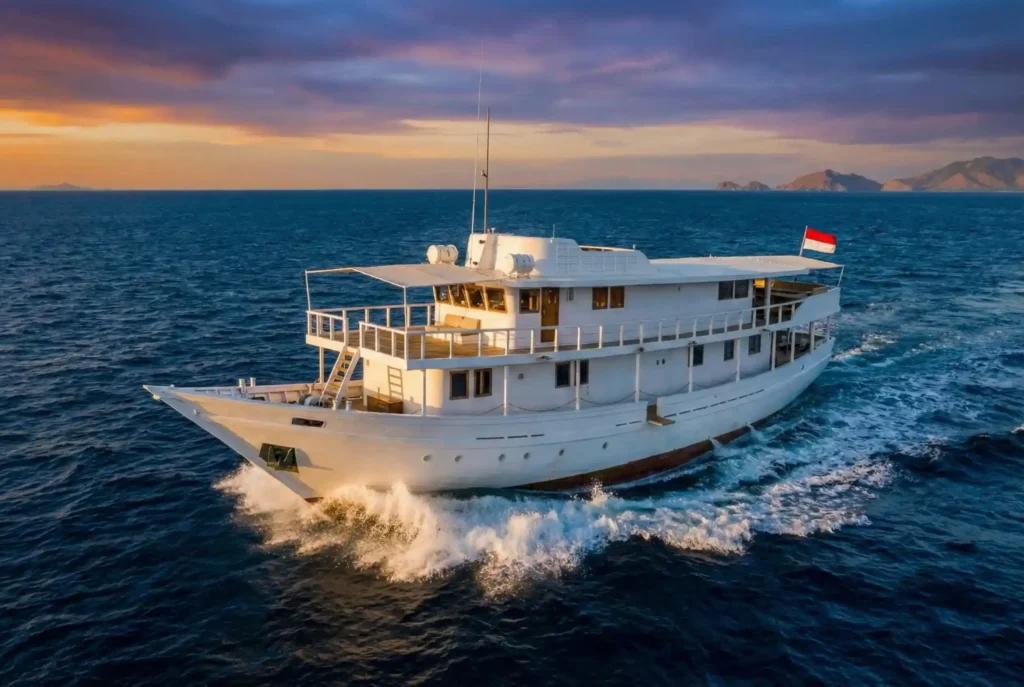
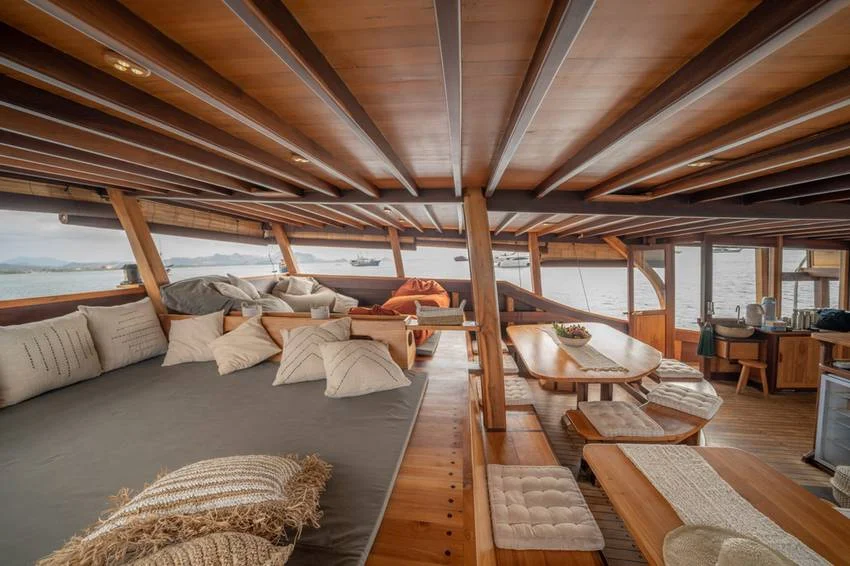
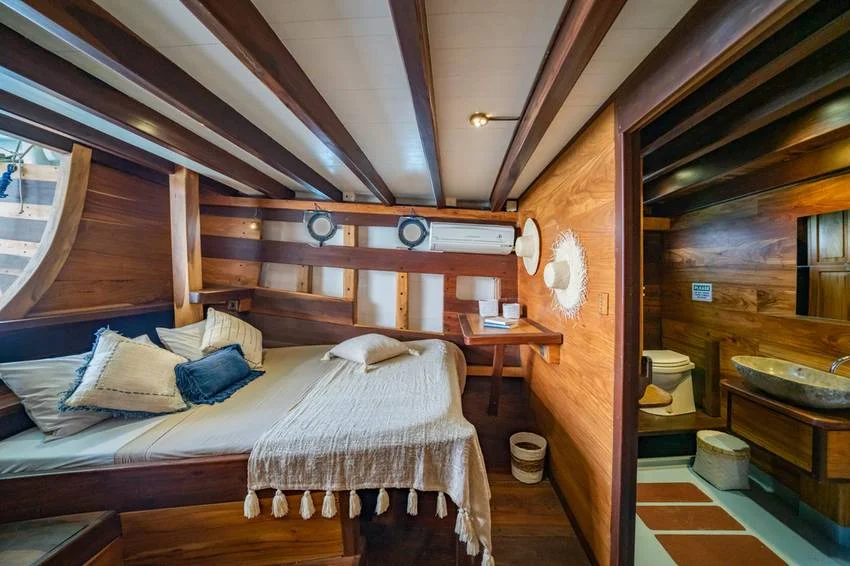
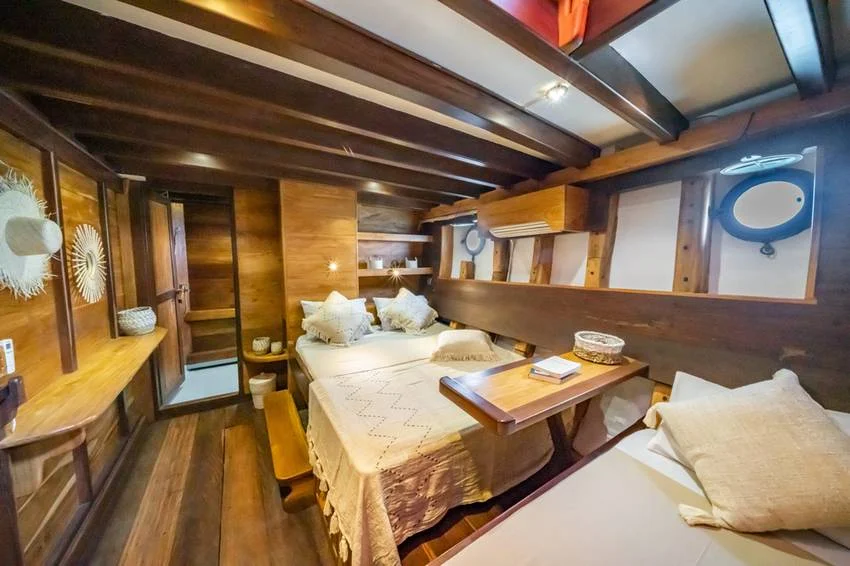
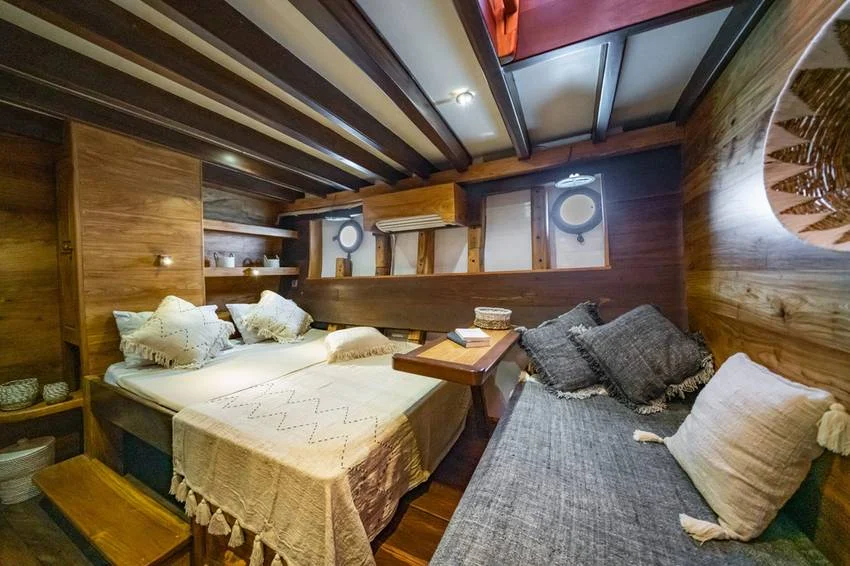
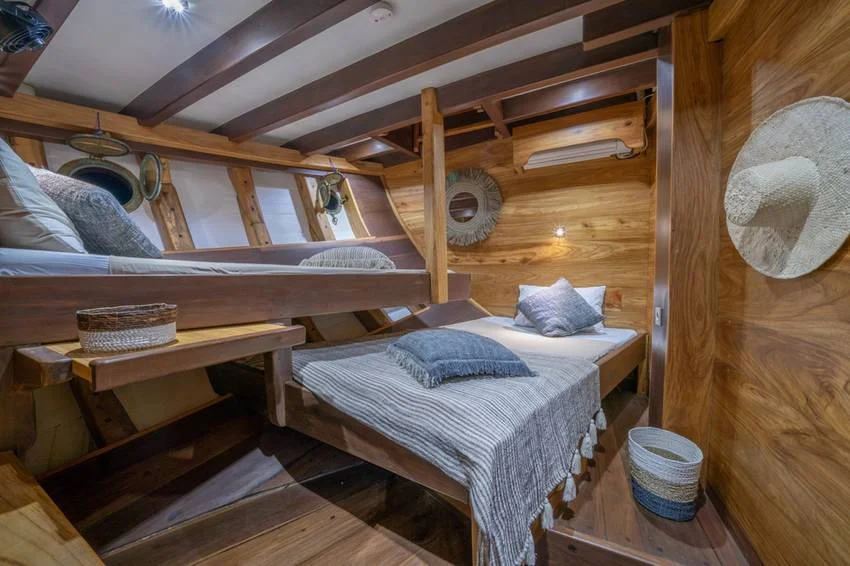
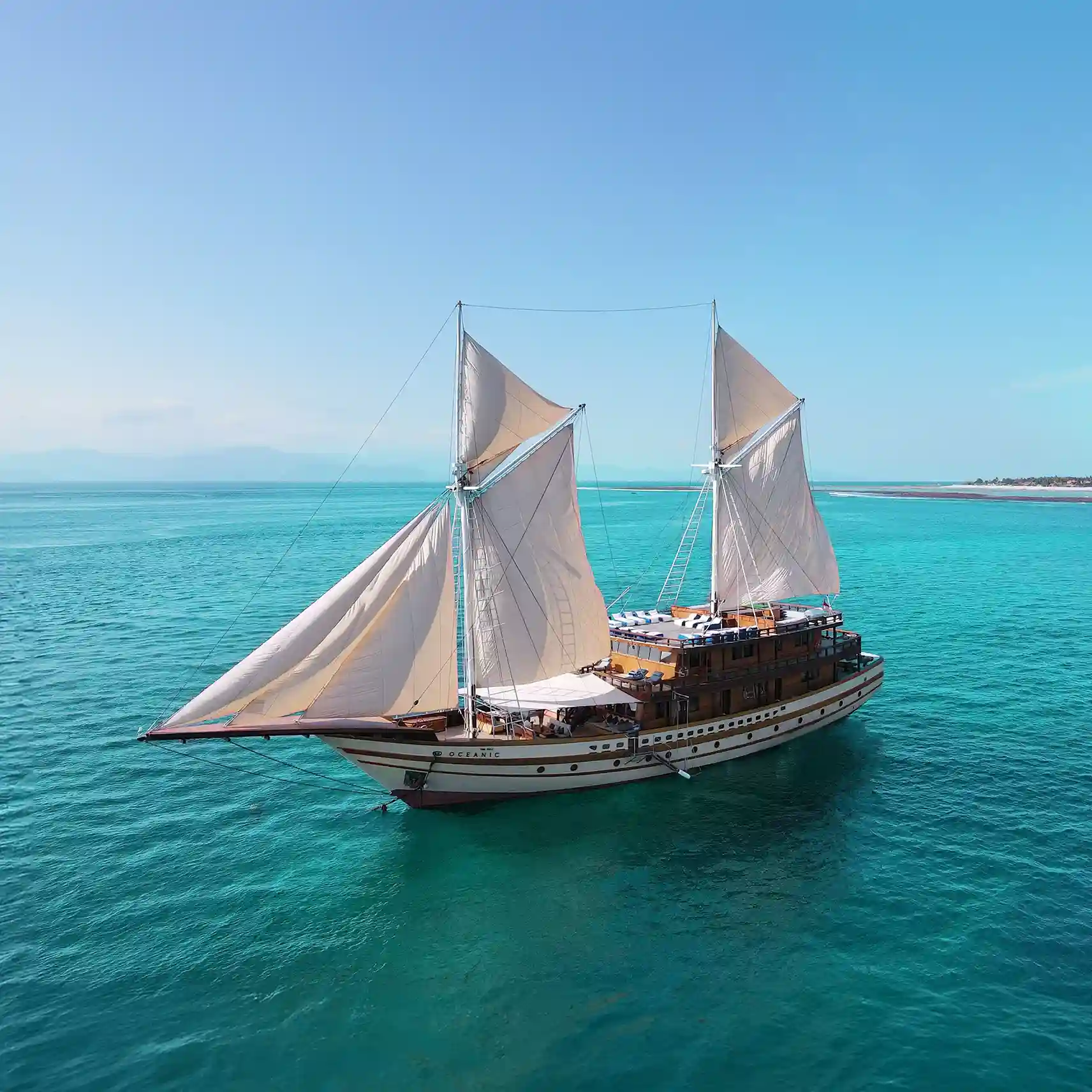
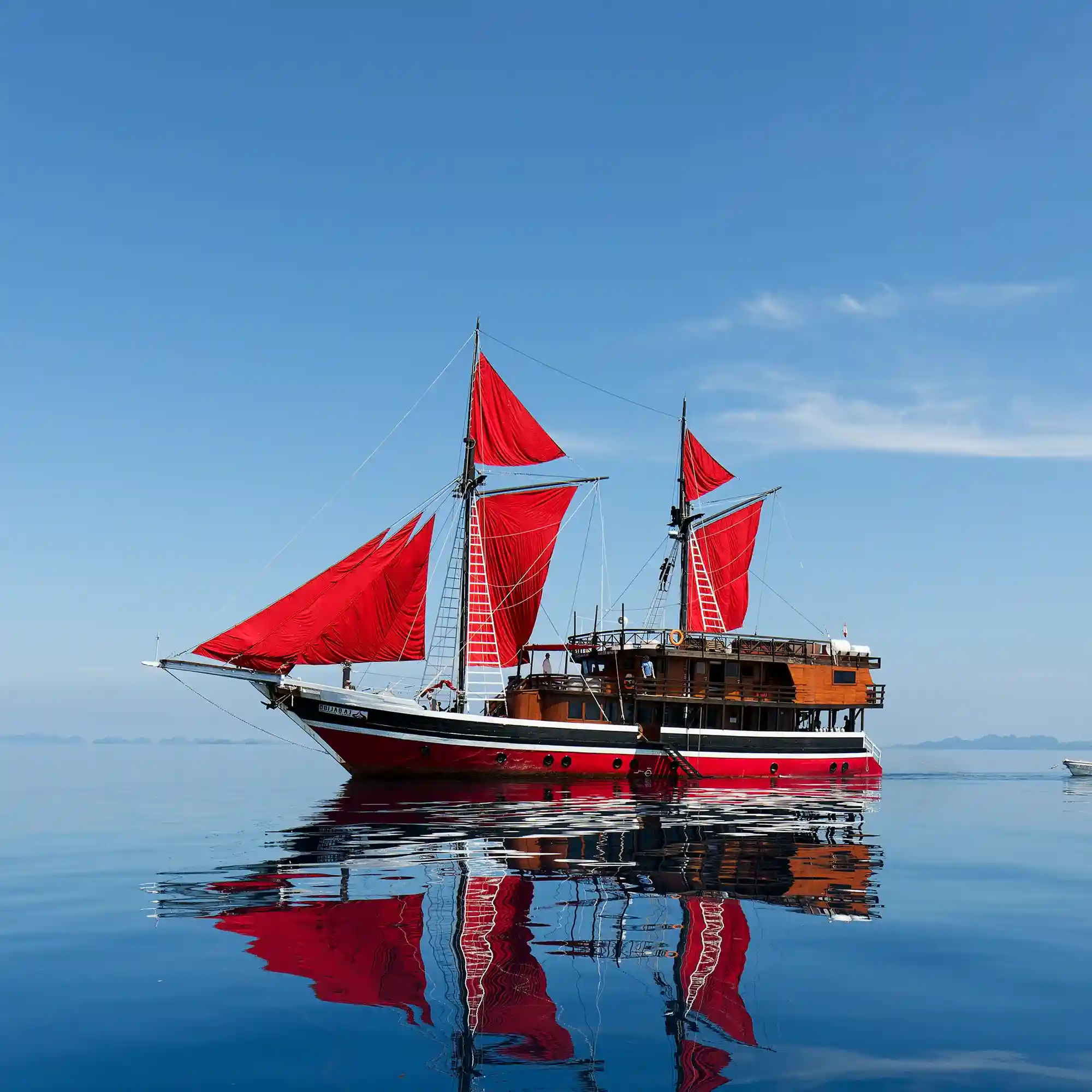
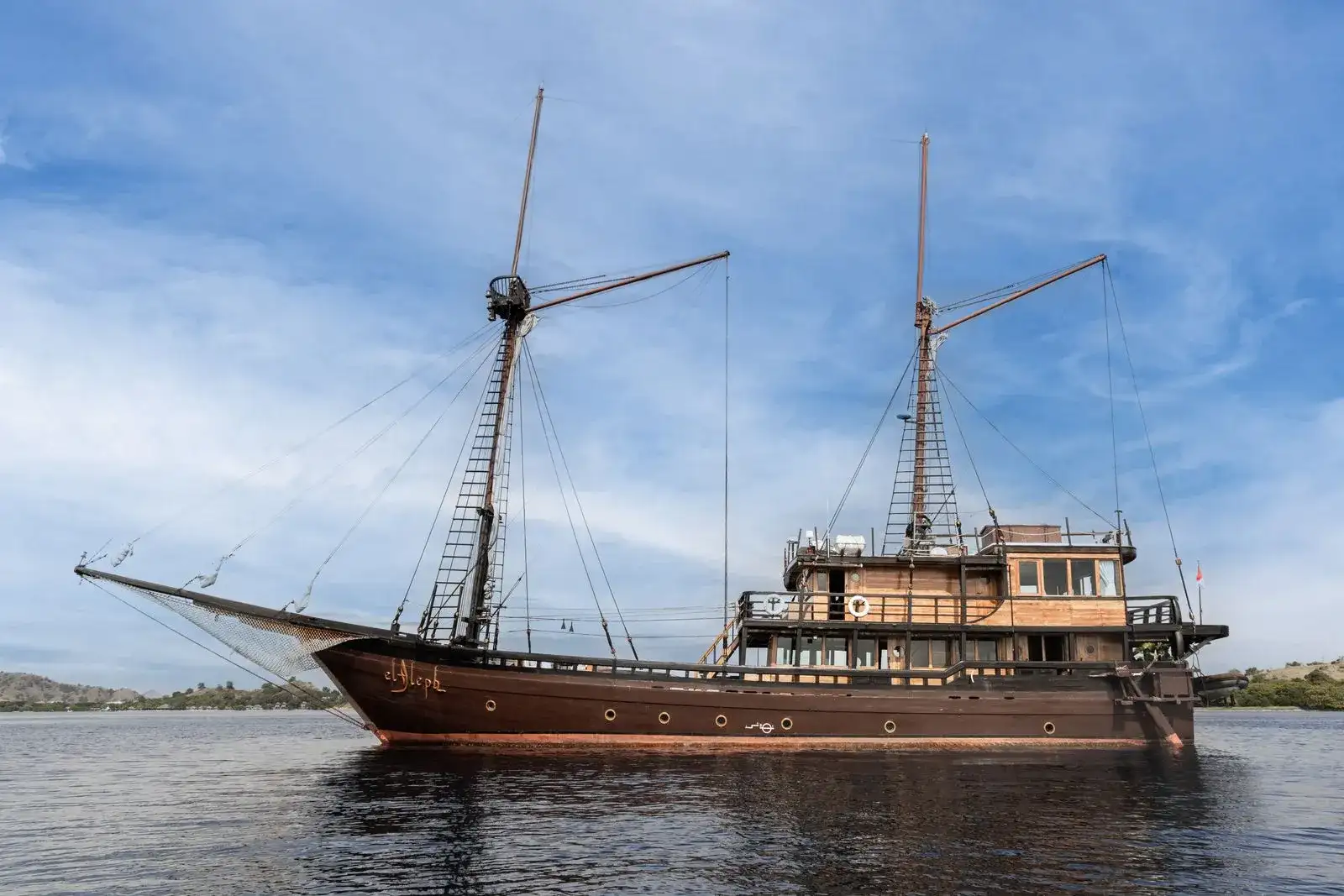
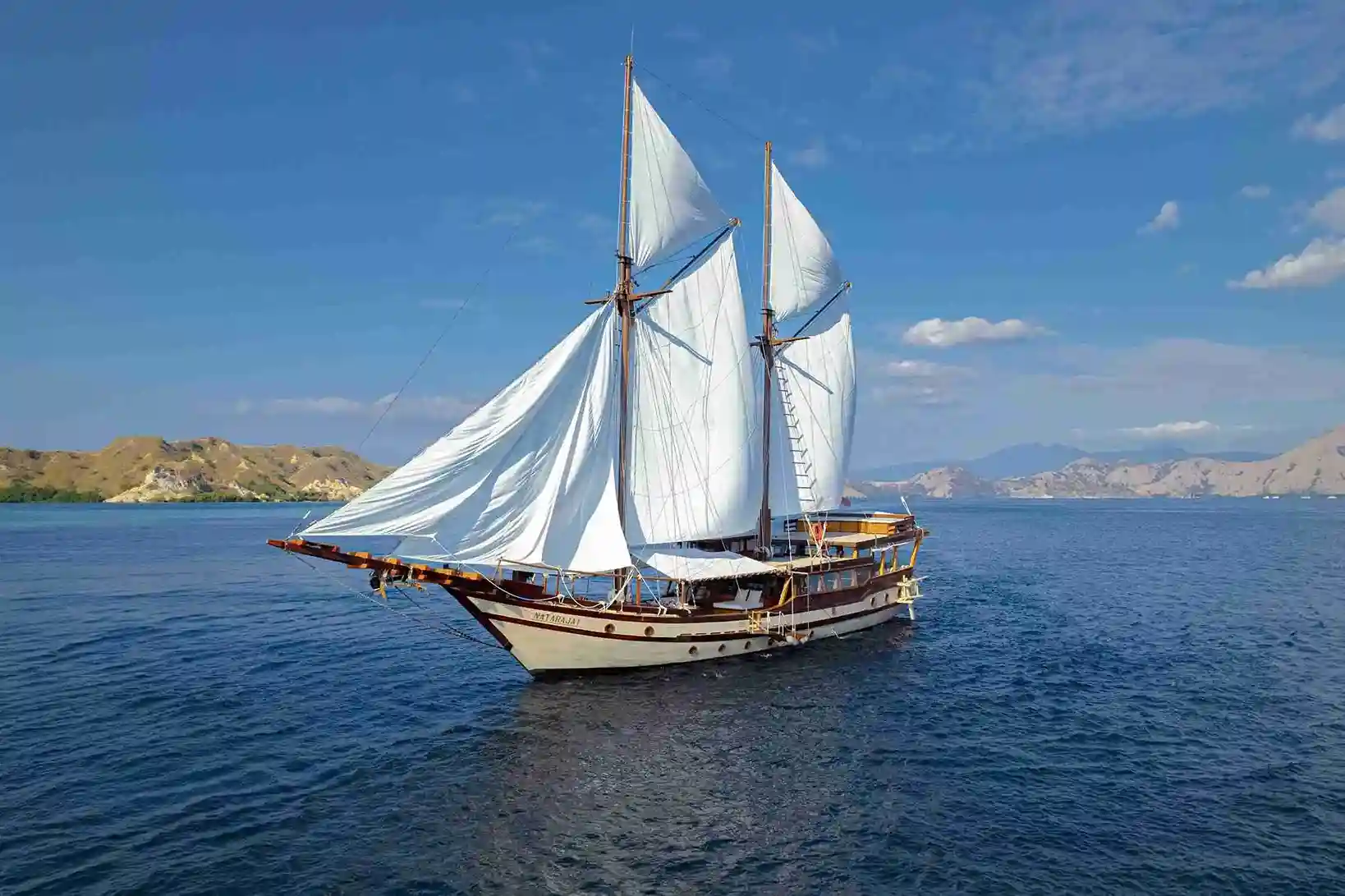
We keep Jakare’s engines at half-speed once we hit the northern tip of Gam Island – the current here is no joke, and we’d rather not fight it at dawn. The boat handles Raja Ampat’s shifting tides well, but she’s not built for brute force. At 35 metres, she’s long enough to ride the swells between Misool and Waigeo, and her single cabin layout means we only take one group at a time – no overlapping itineraries, no guest congestion. We drop anchor in sheltered bays like Kabarai or Wayag’s lagoon, where the crew can set up kayaks before first light.
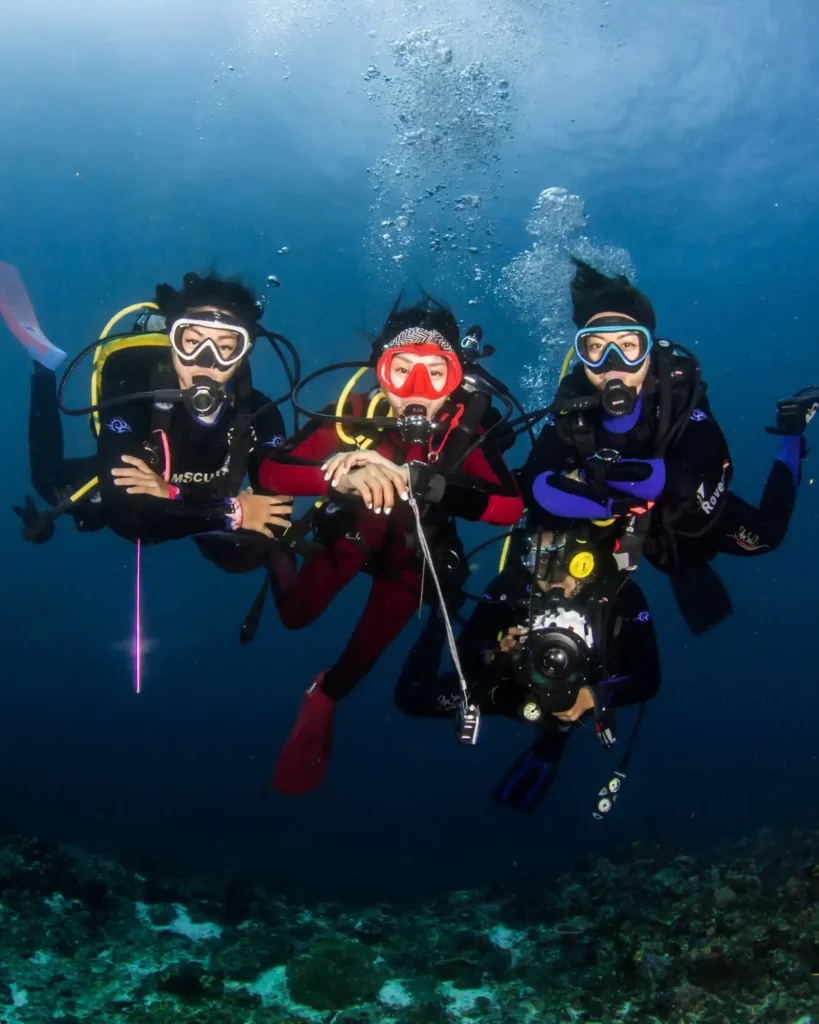
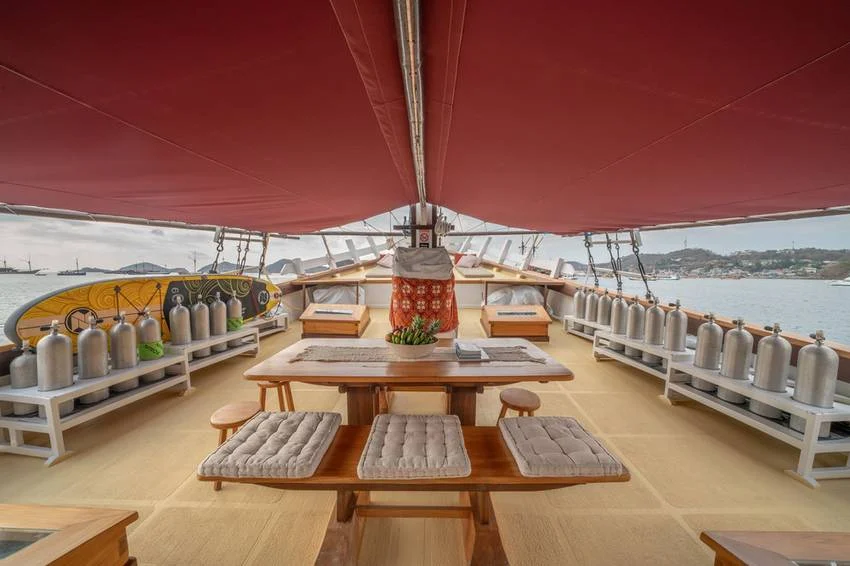
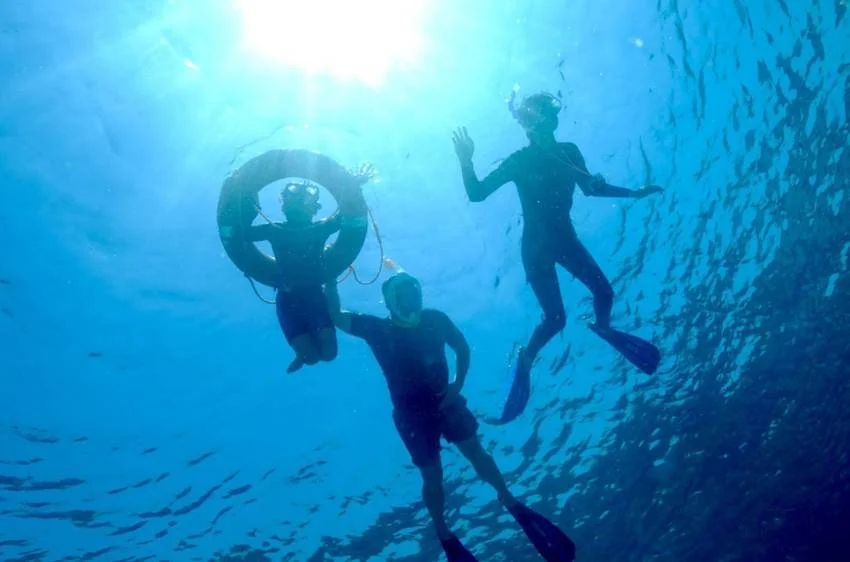
Most mornings start on the foredeck with coffee and a briefing. We run dives at Cape Kri, Sardine Reef, and Blue Magic – sites where the current brings in barracuda, tuna, and the occasional wobbegong shark. Jakare carries two guides, so we can split groups by experience. The compressor runs twice daily, and we’ve got spare regulators and BCDs below if someone needs a swap. After the second dive, we motor to the next anchorage, usually somewhere with a shallow coral garden for lazy snorkeling by late afternoon.
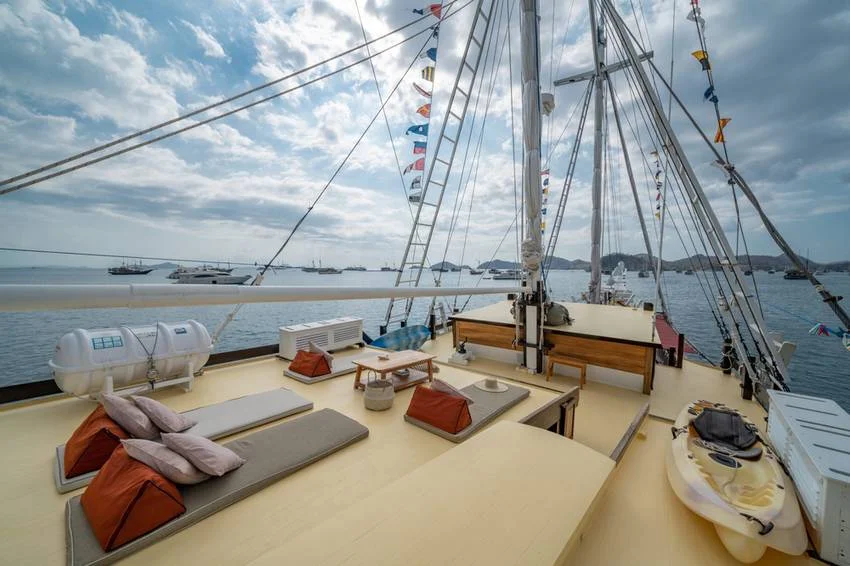
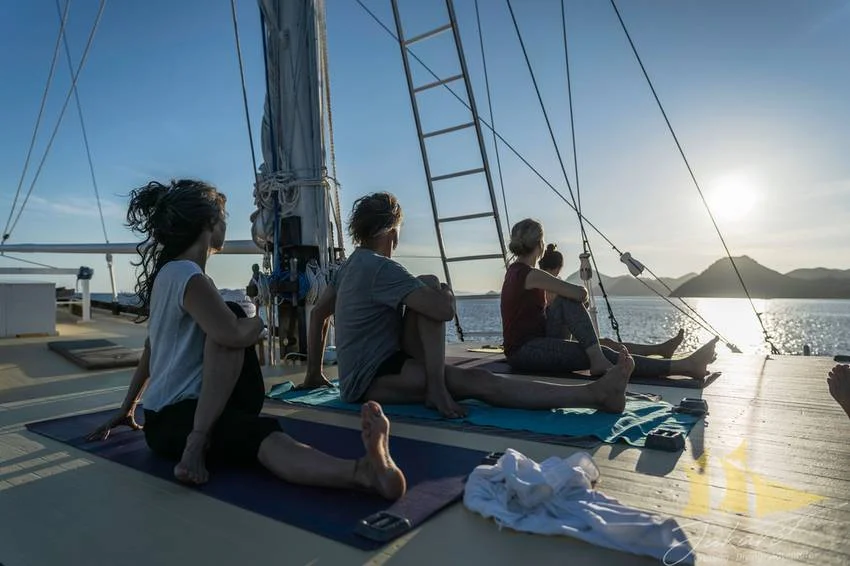
The top deck has a shaded yoga platform that doubles as a stargazing spot. We keep two double kayaks and three single ones – they’re useful for slipping into narrow channels near Piaynemo where the larger boats can’t follow. We’ve taken guests through the arches at Wayag at sunrise, paddling just under the karst walls as the light hits the water. The boat’s galley runs on induction, so we can do proper grilled fish or stir-fried papaya flower, not just reheated rice.
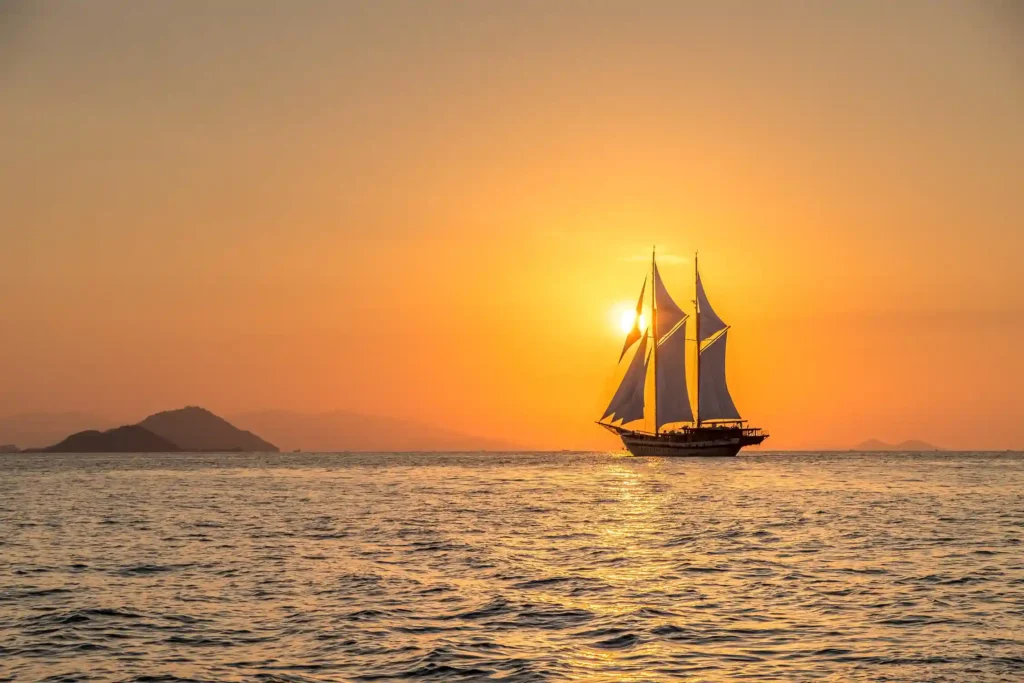
We don’t push fixed schedules. If the mantas are feeding at Manta Sandy in the afternoon, we’ll delay lunch. If a storm rolls in from the north, we’ll skip a site and run a film night instead, projector rigged on the sail mast. Our crew of six includes a medic-trained dive master and a local Papuan cook who grew up in Sorong – he knows which clams are safe to eat and where to find sea grapes in the shallows.
Raja Ampat trips run best from October to April when the winds are light. Outside that, we stay close to Waigeo or shelter in the Fam Islands. We’ve got a dinghy with a 40hp outboard for quick runs to shore, but we don’t land on every island – some are sacred, others protected. We work with local ranger posts to get access where permitted, like the nesting grounds near Arborek where guests can snorkel the jetty and see pygmy seahorses on the ropes.