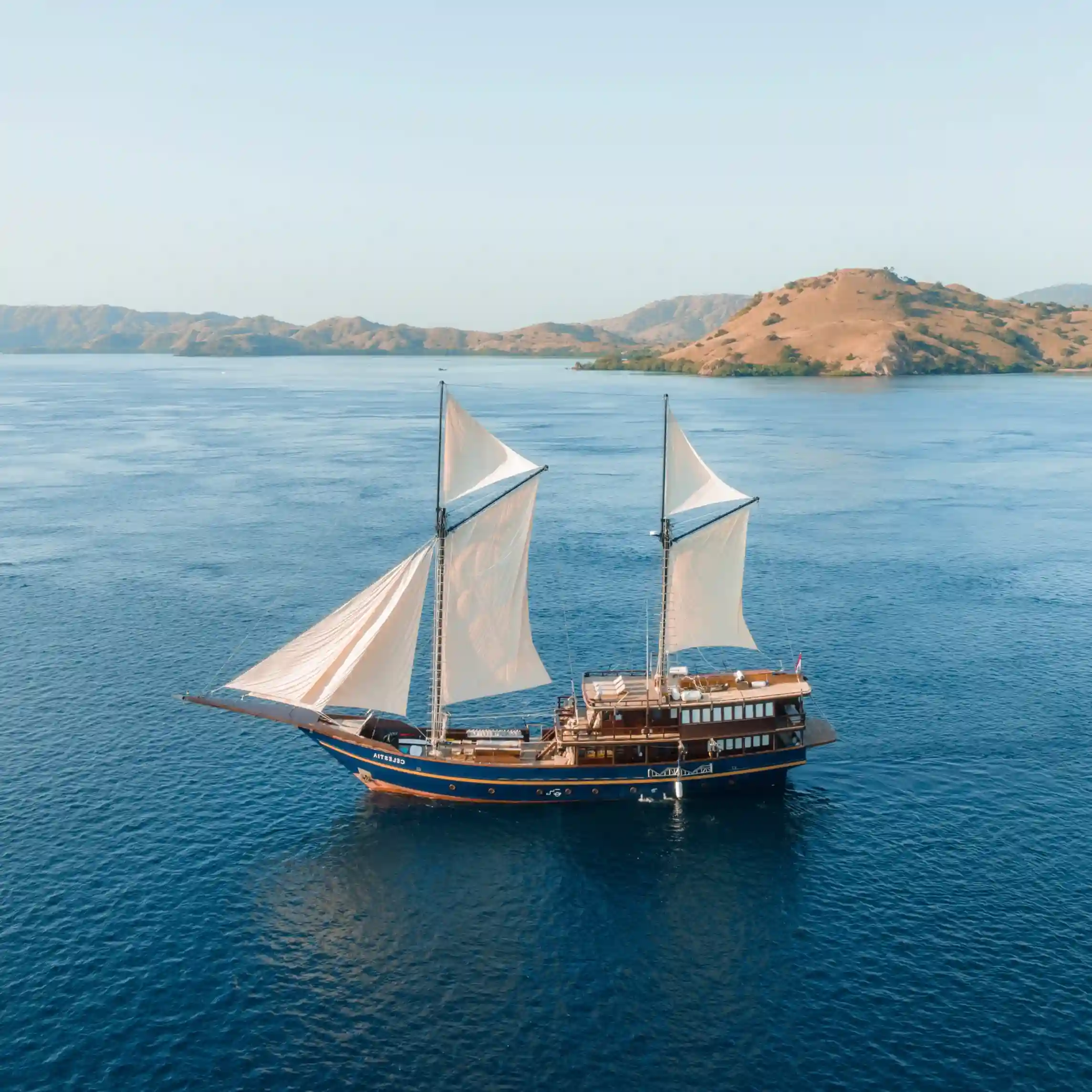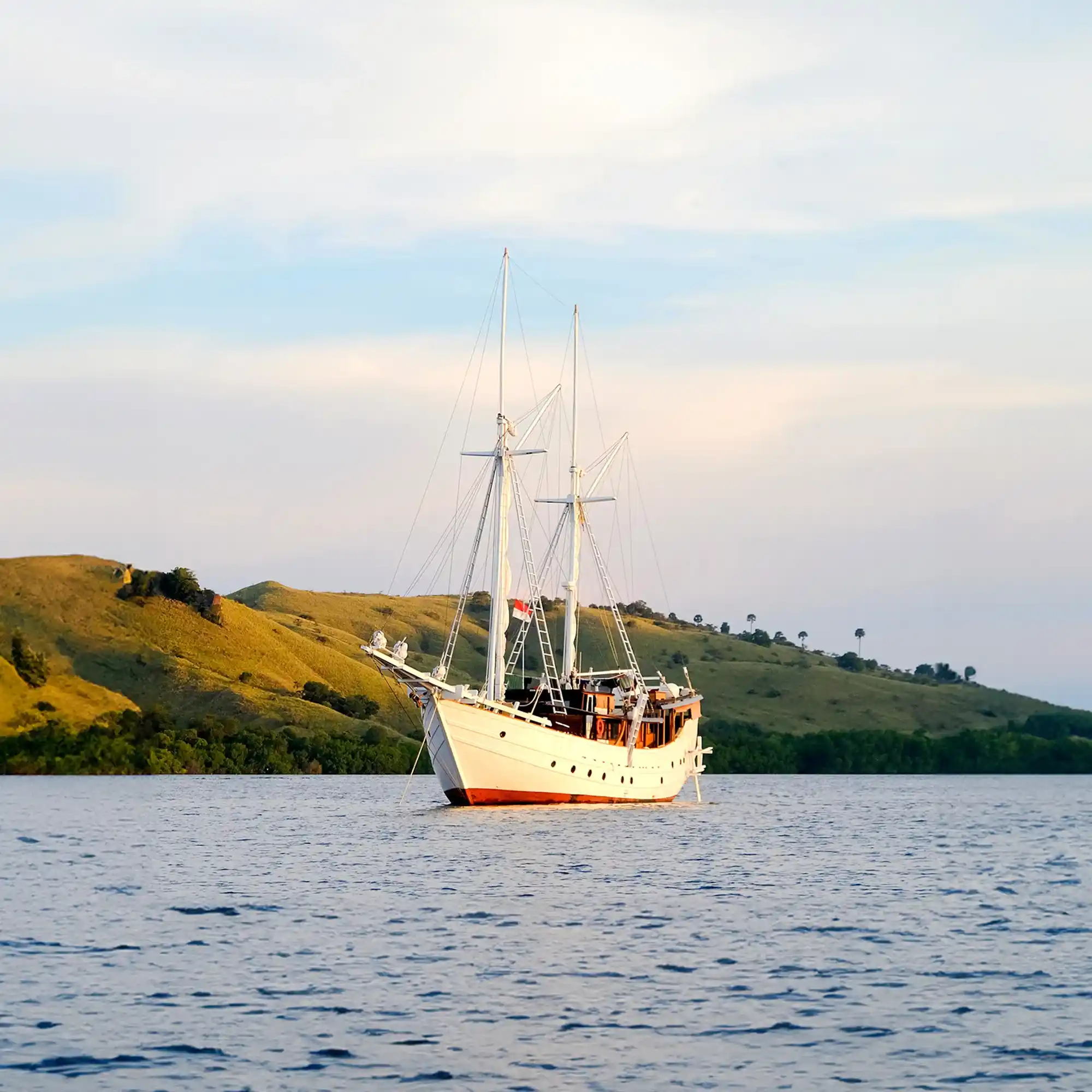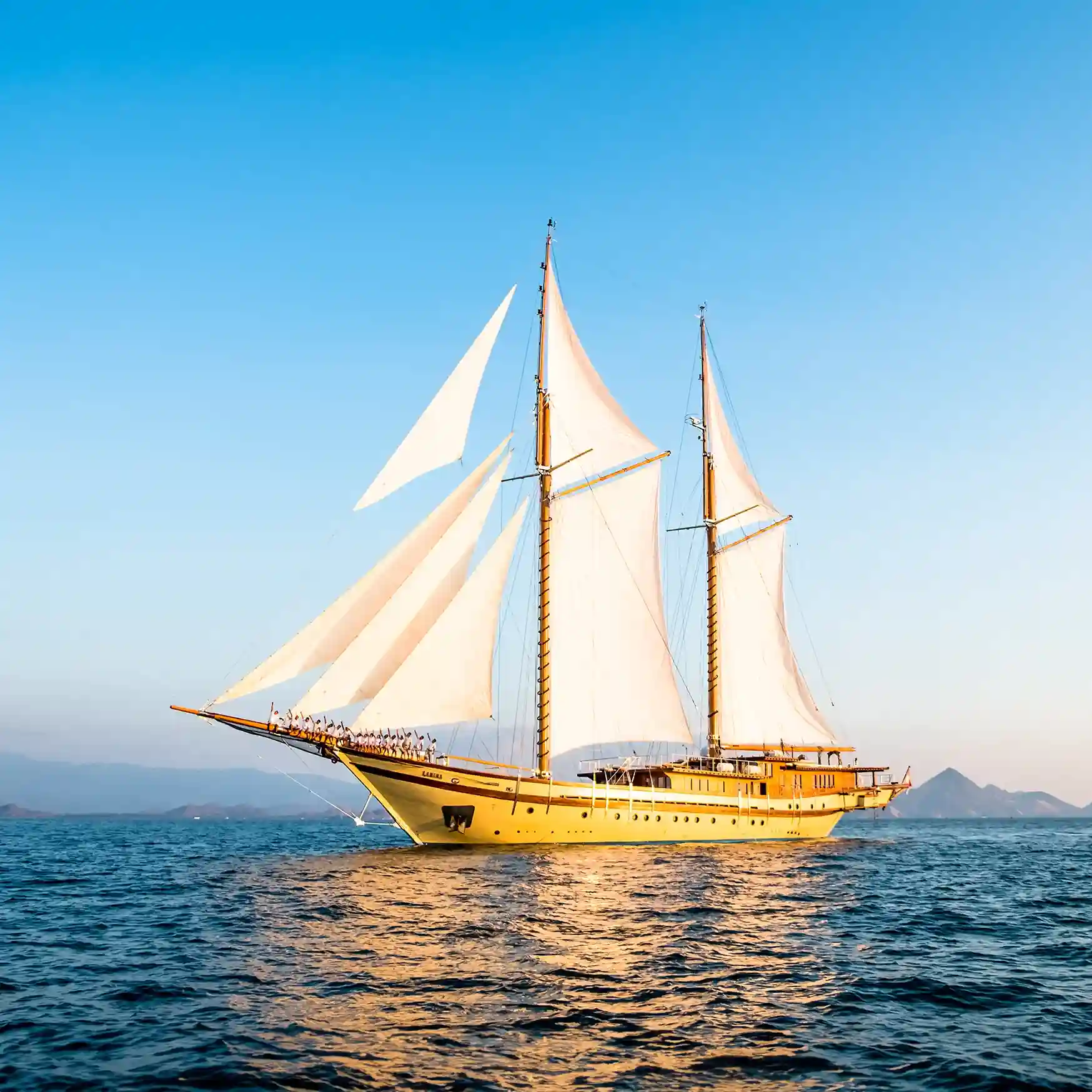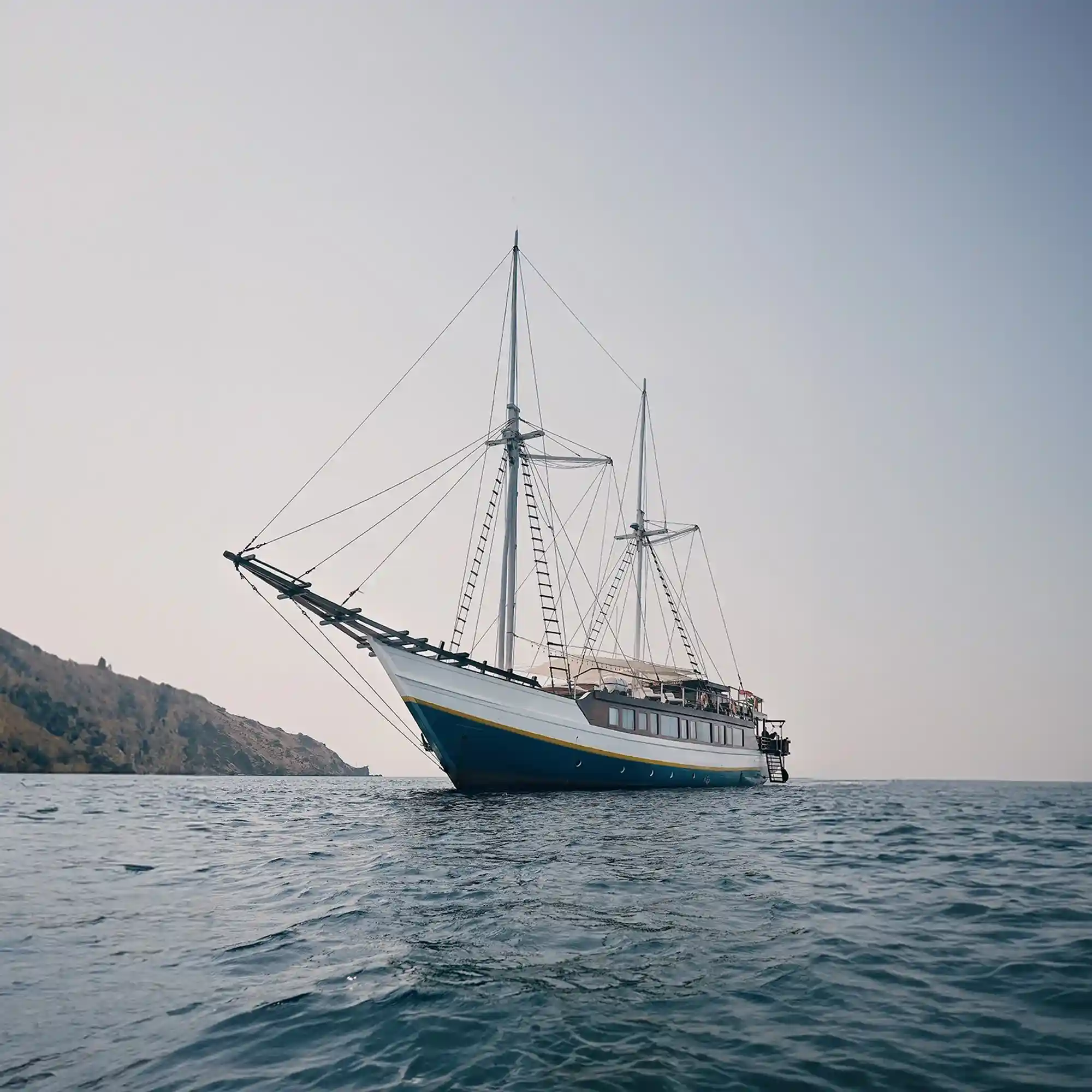
About Damai 2
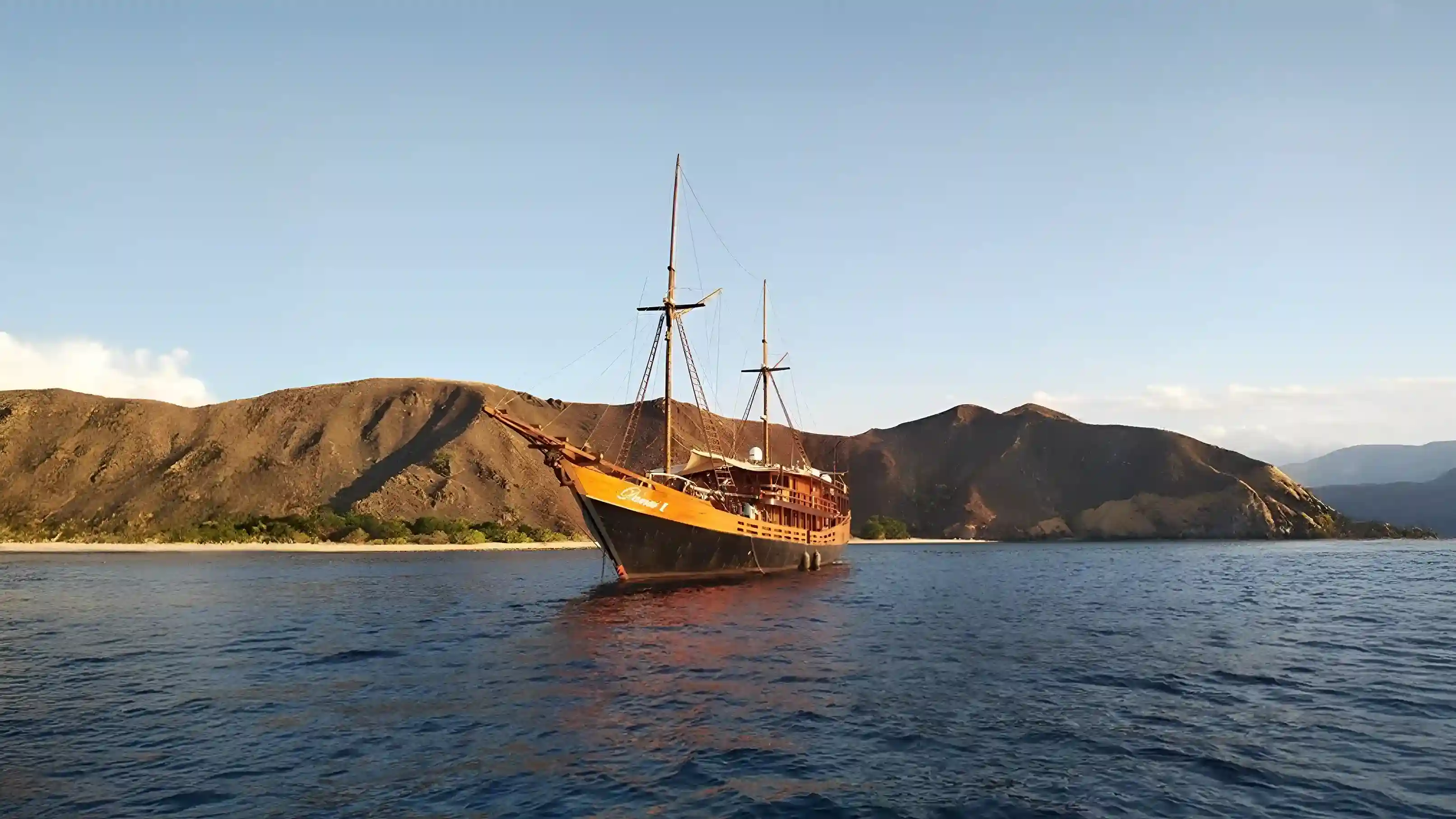
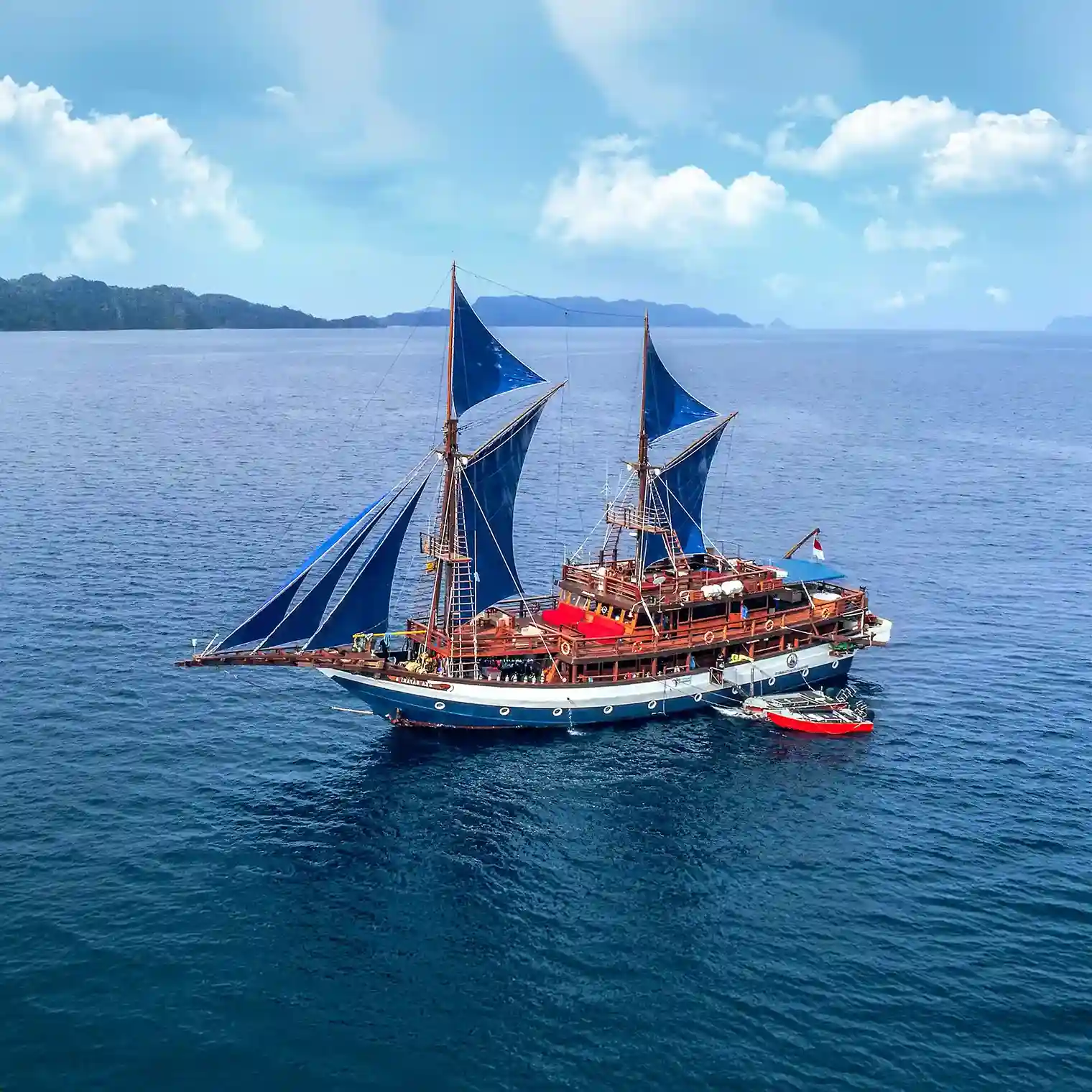
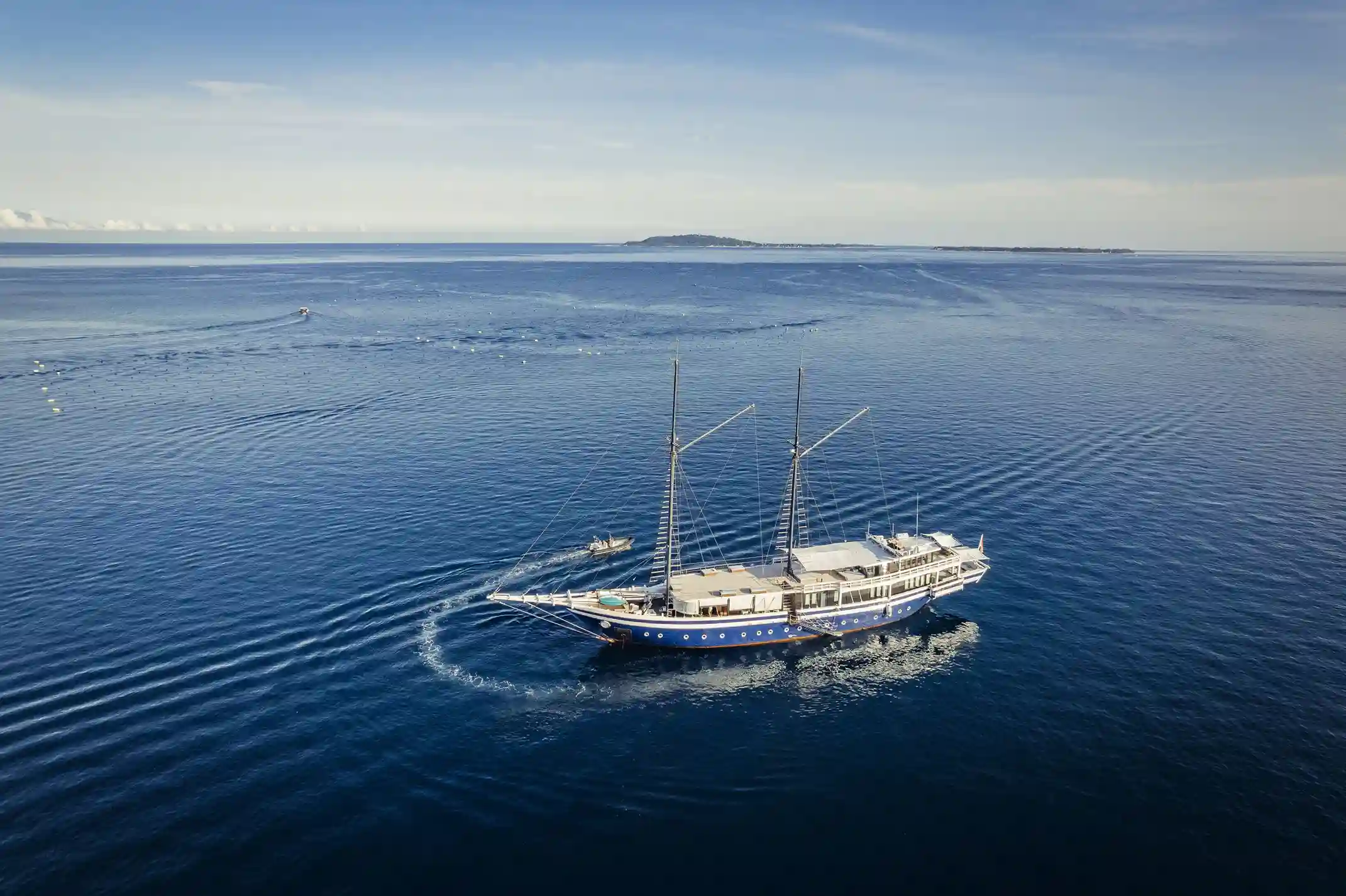
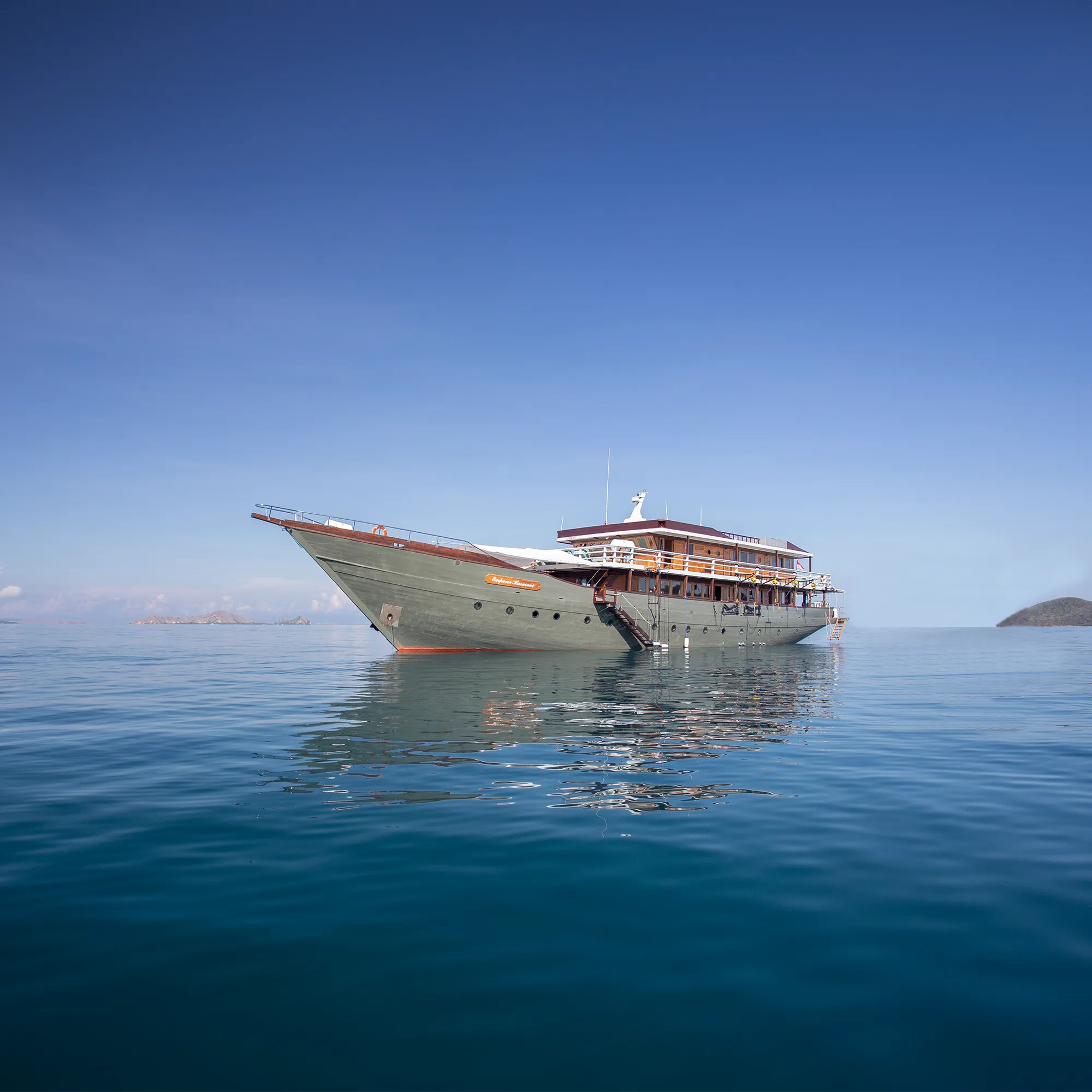
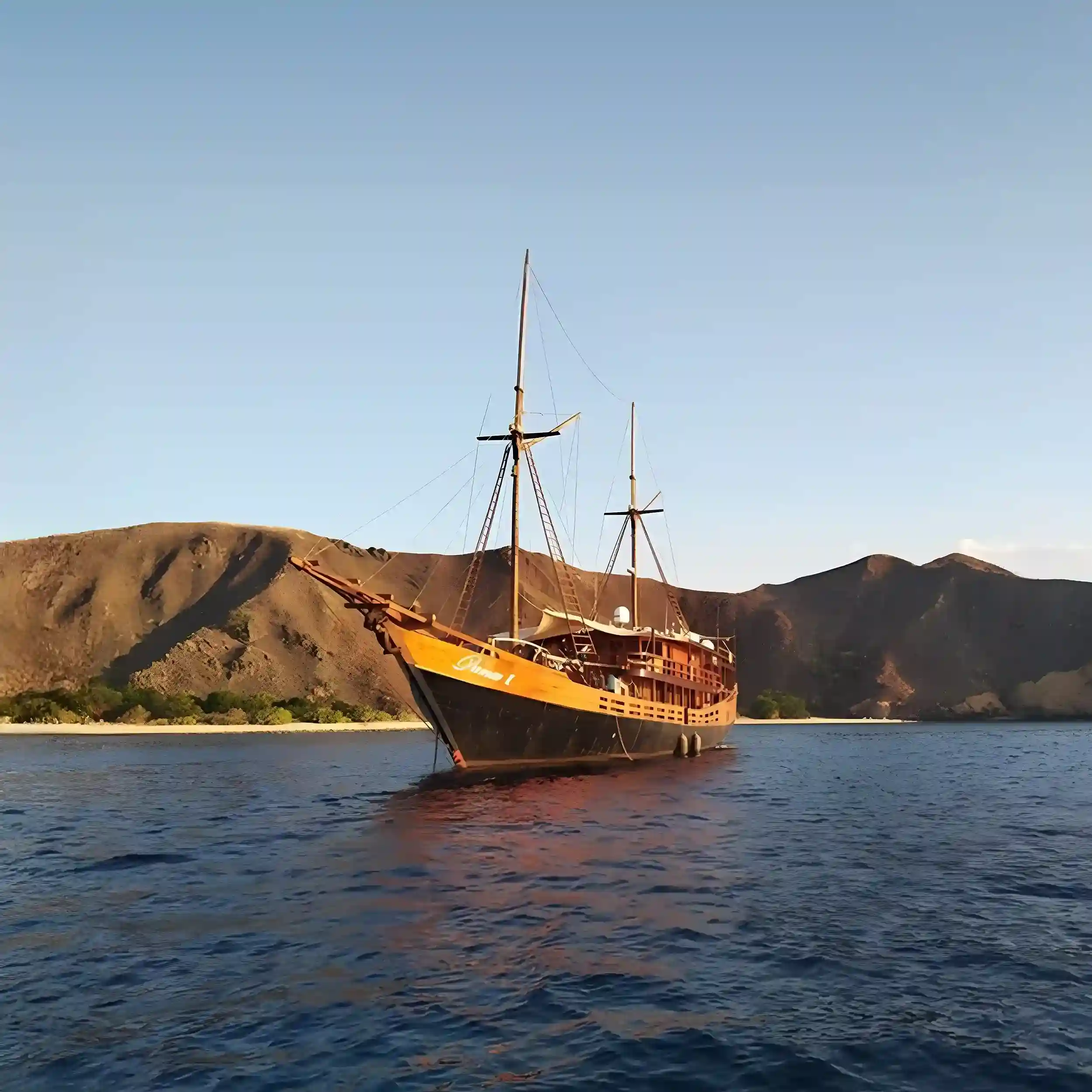
The first thing I noticed wasn’t the size of the boat, but the silence. At 5:45 a.m., just east of Wayag, the main engine of Damai 2 had cut ten minutes earlier. The crew moved with quiet precision, lowering the dive platform without a clang. One steward handed me a thermos of freshly ground Sumatran coffee—no plastic, no paper cup—while the dive guide pointed to a subtle current line forming off the starboard bow. This wasn’t forced serenity; it was operational rhythm perfected over years in these waters.
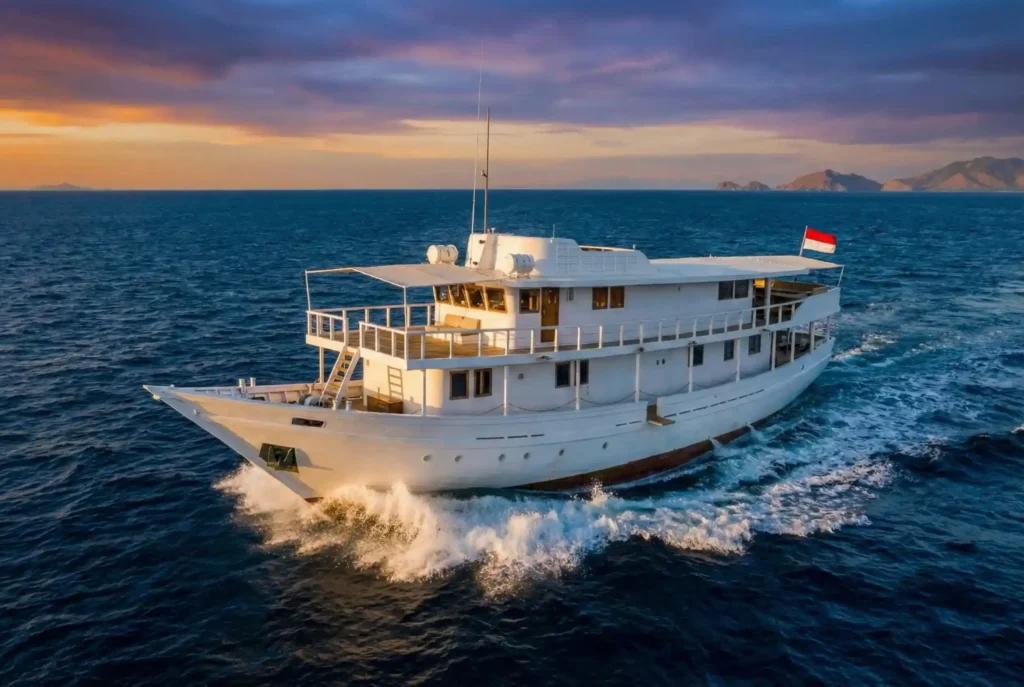
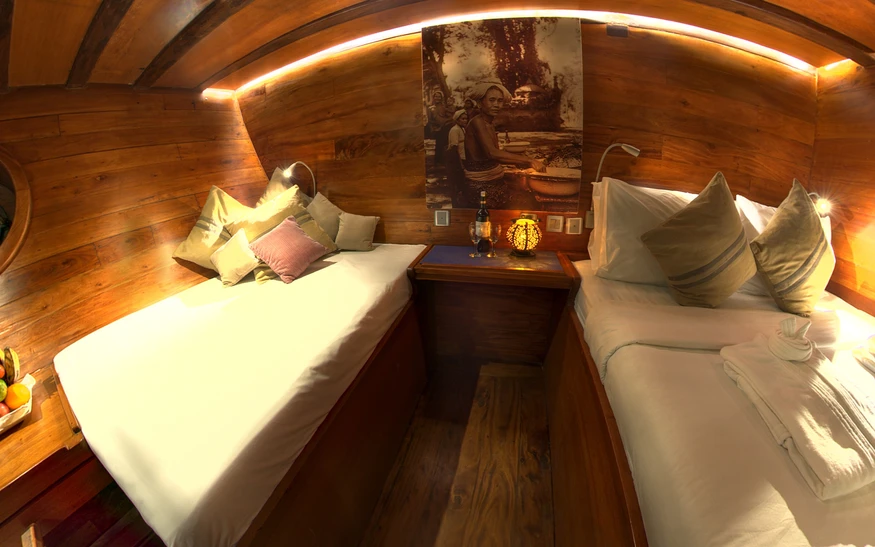
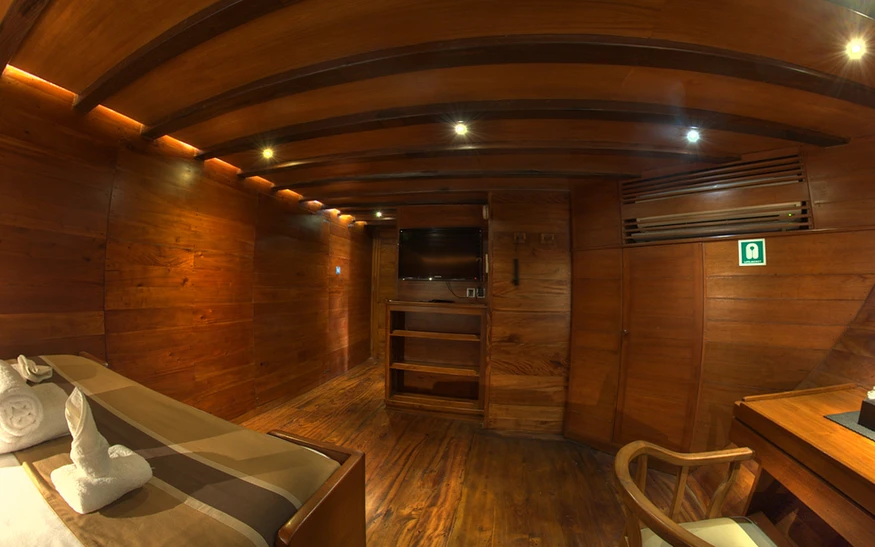
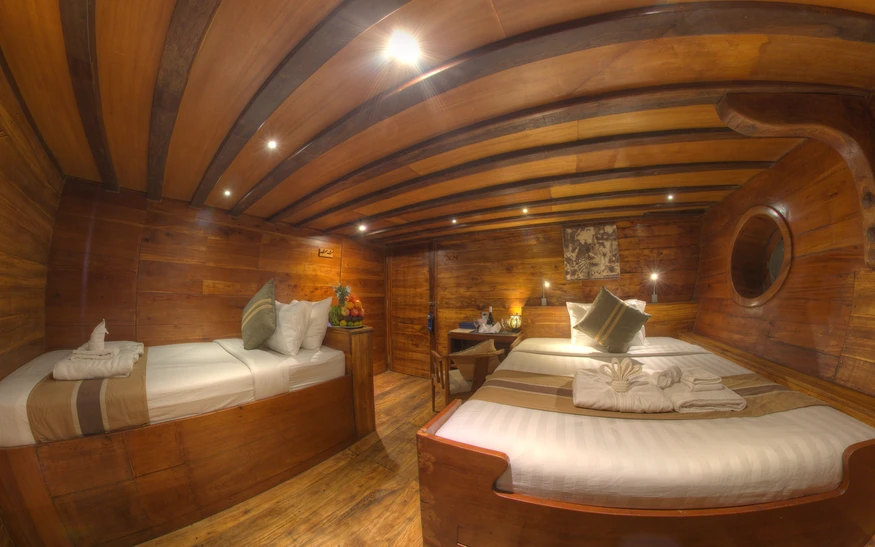
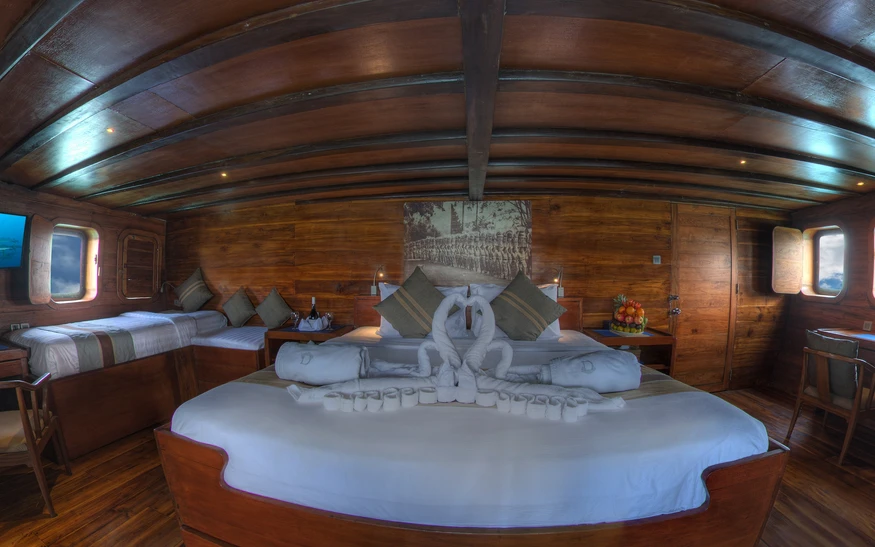
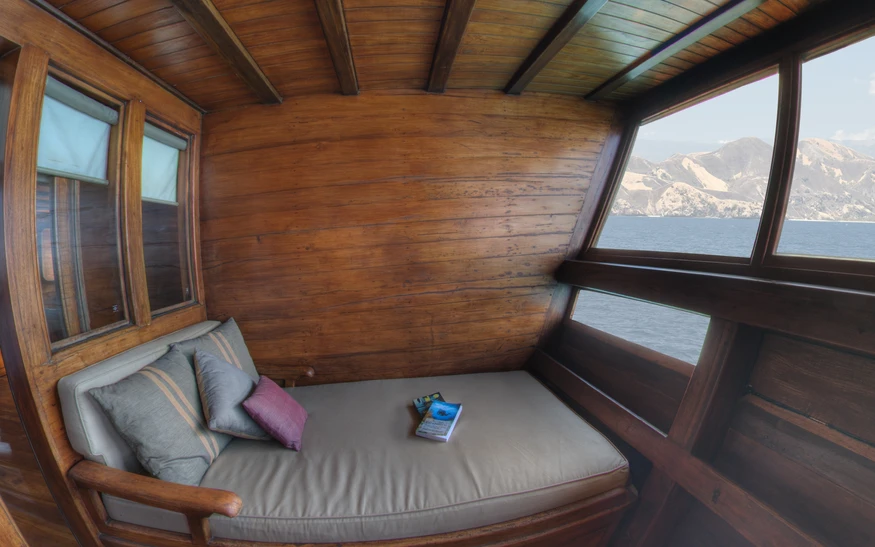
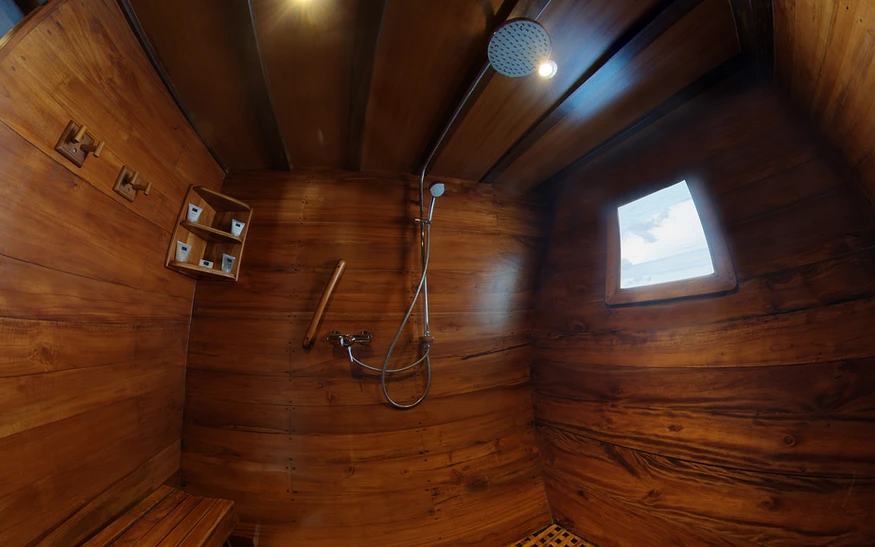
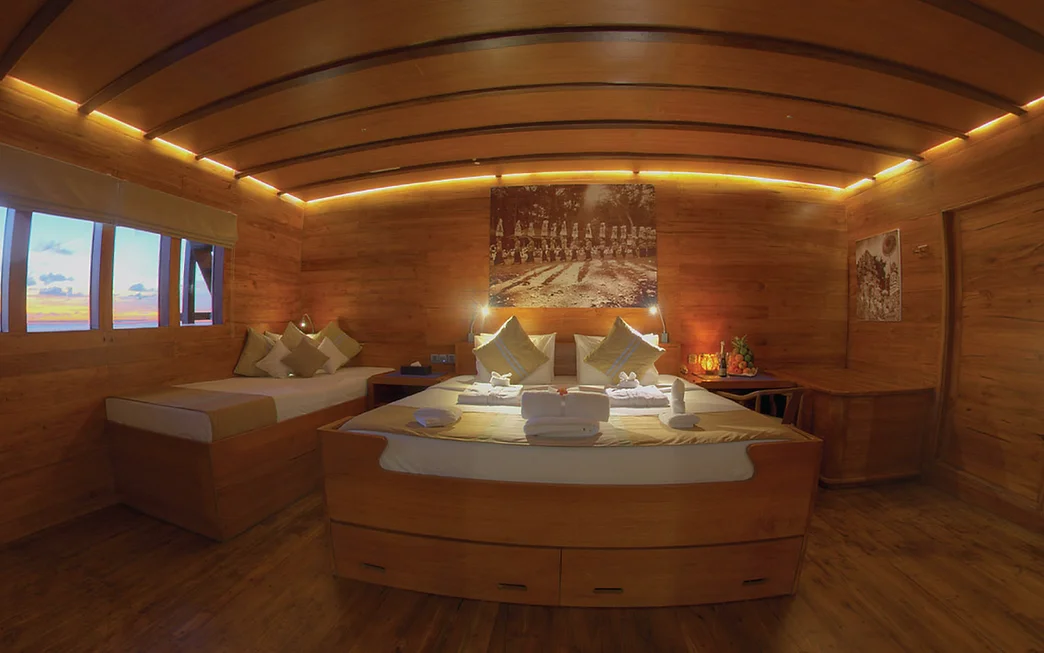
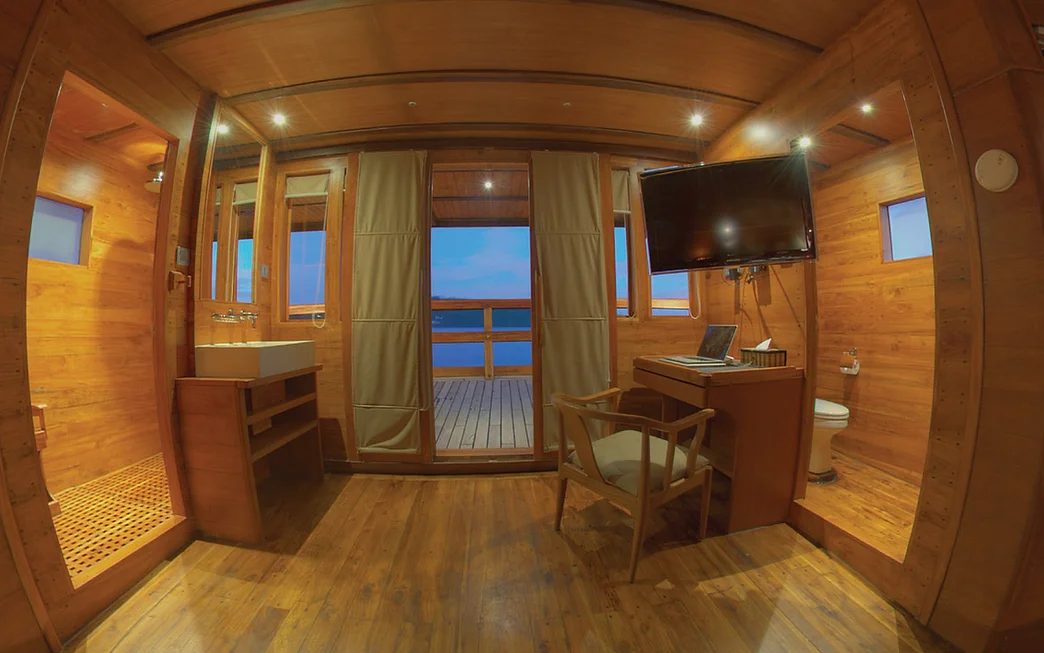
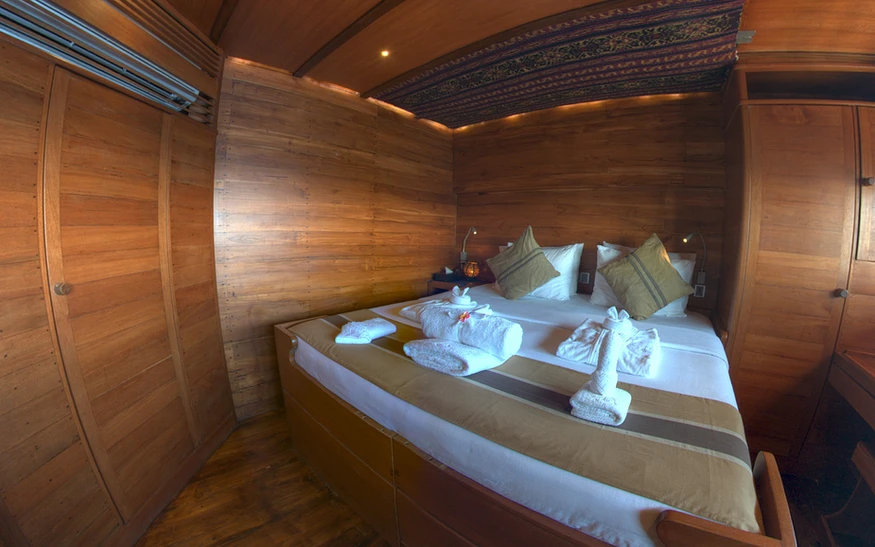
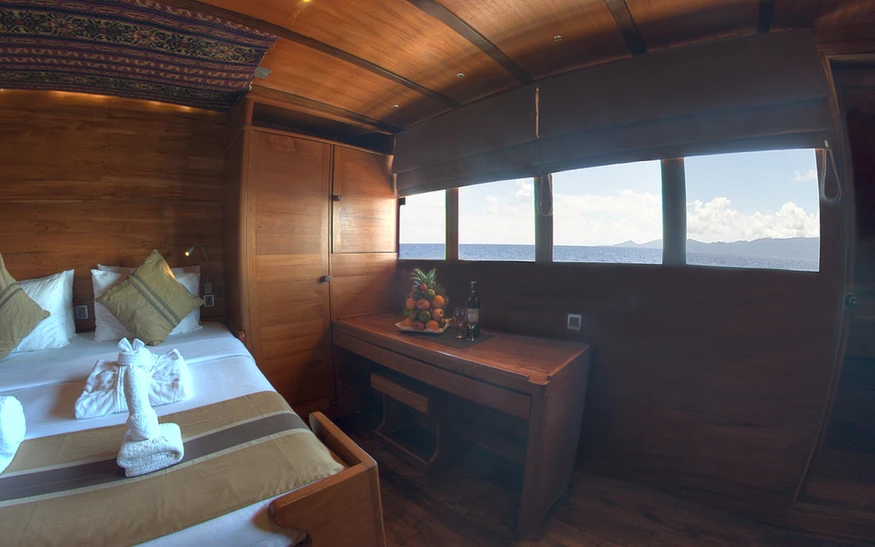
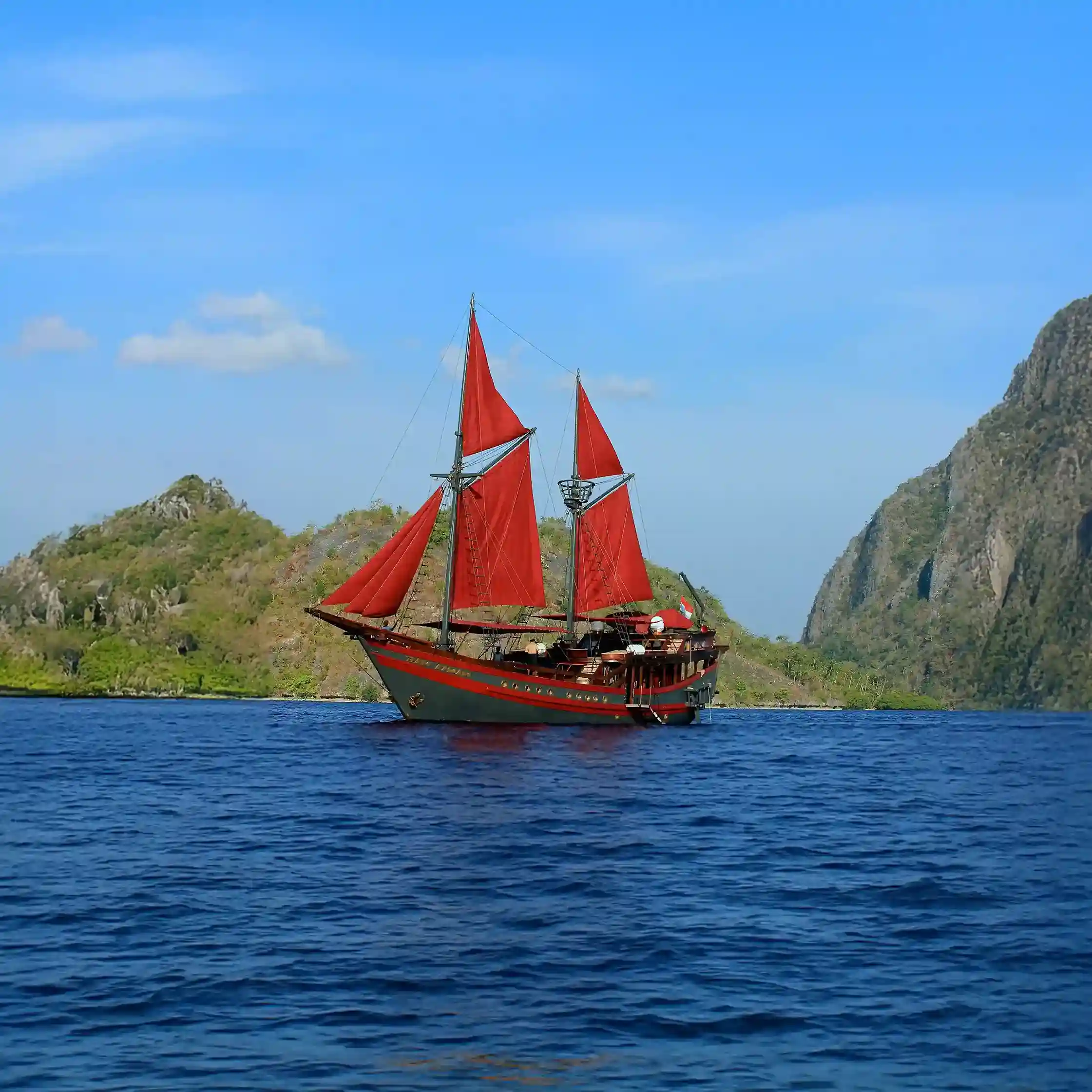
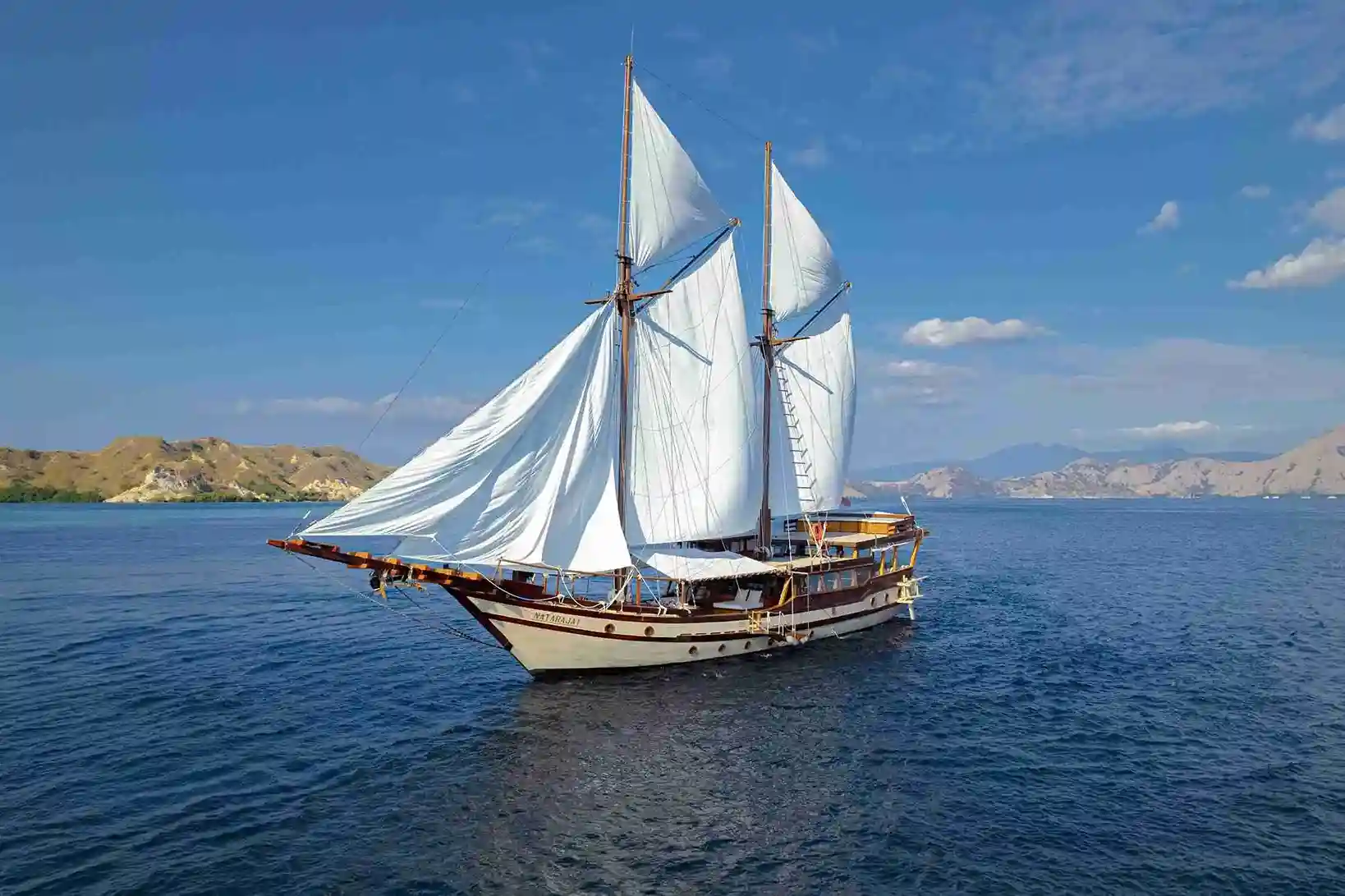
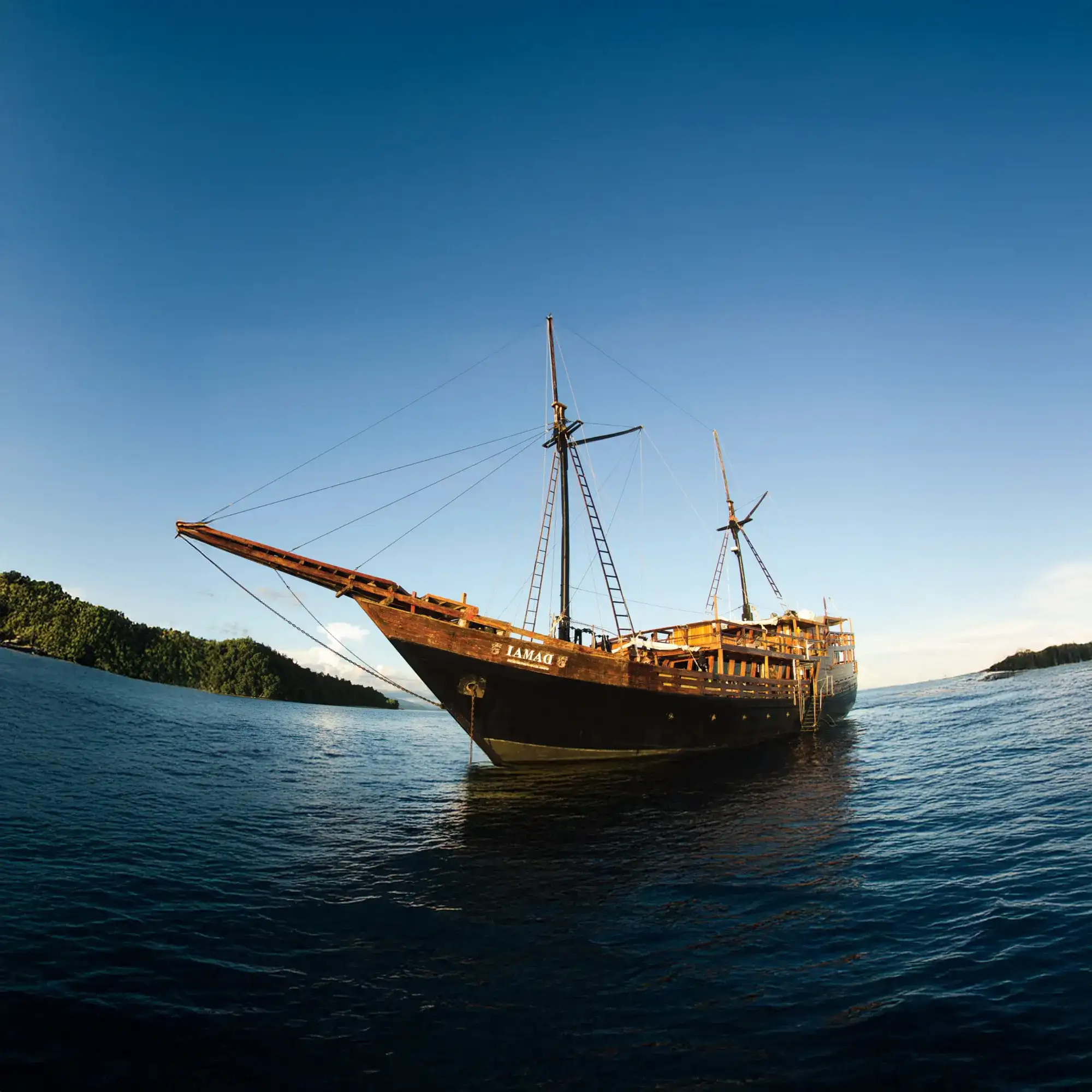
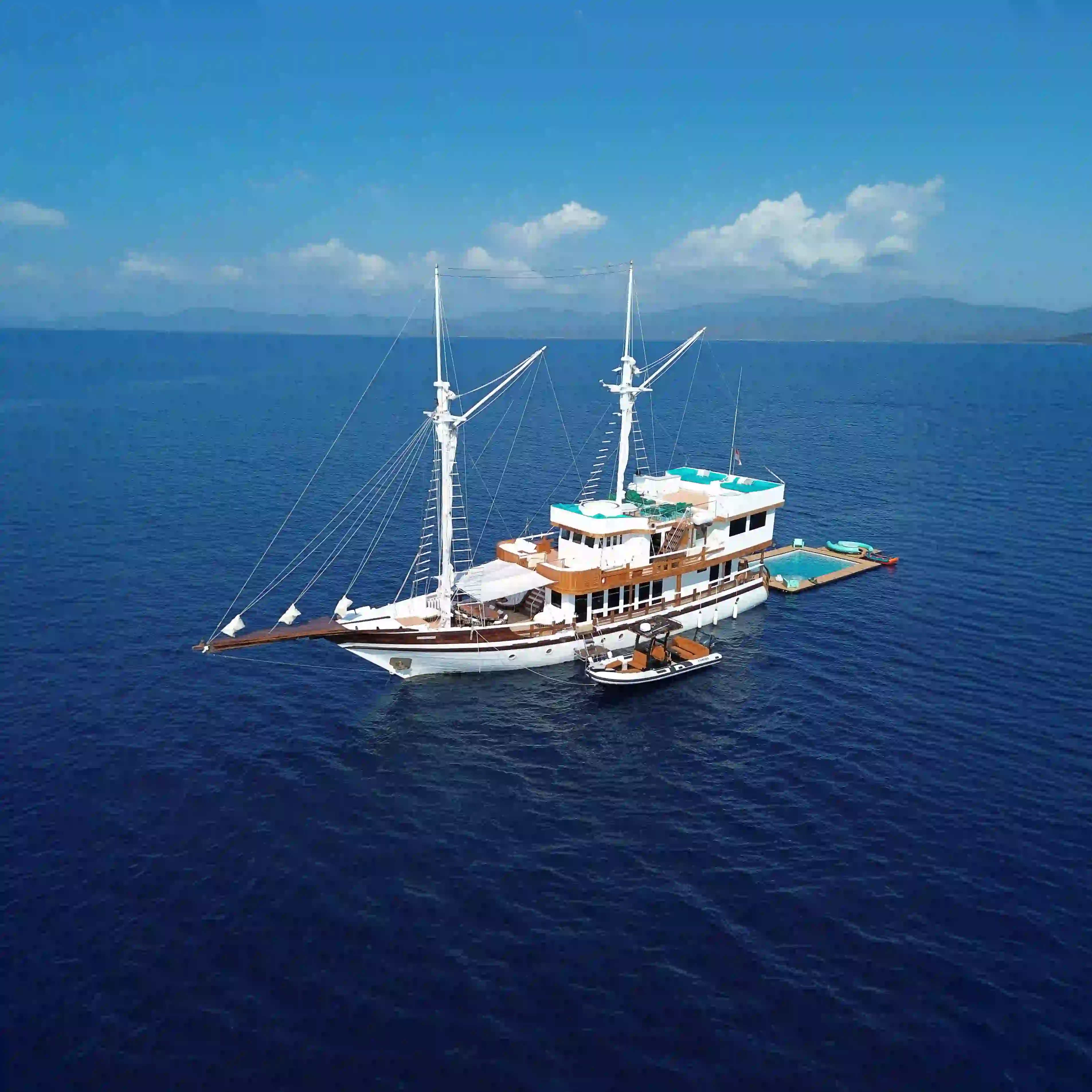
At 43 meters, Damai 2 feels spacious without being impersonal. The seven cabins—two masters, five deluxe—are arranged across the lower and main decks, each with individually controlled AC, teak-framed portholes that open to sea level, and private bathrooms with real ceramic tiles, not vinyl. I stayed in the forward master: the queen bed aligned perfectly with the hull’s axis, so even during overnight transits to Misool, there was no awkward roll tugging at sleep. The shower drained fast, a small thing but one that matters after three dives a day.
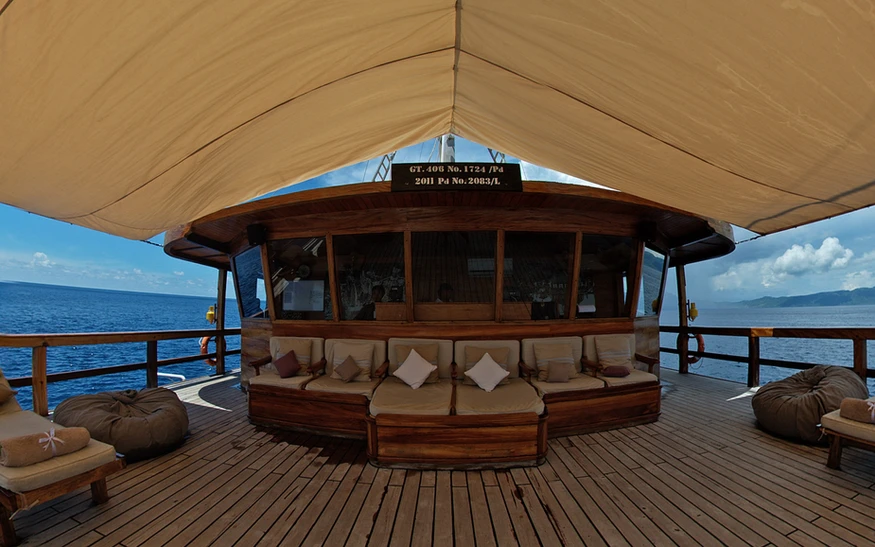
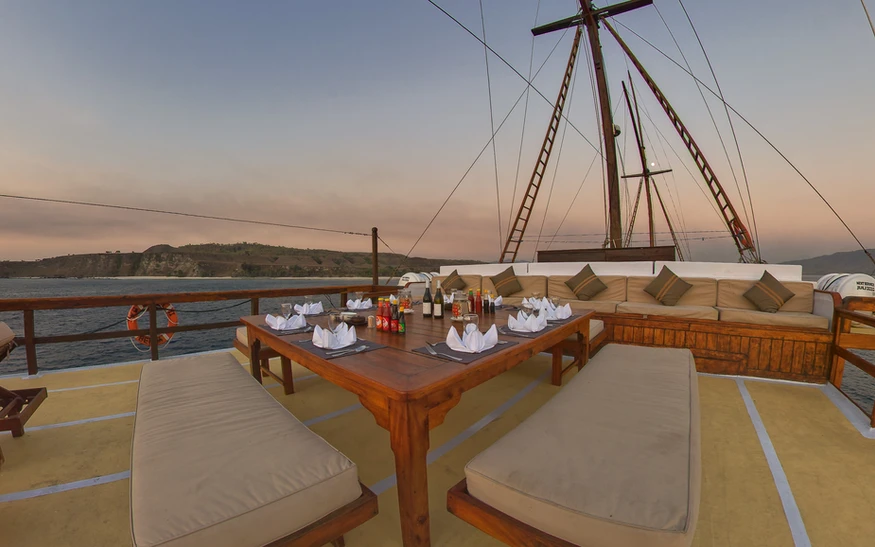
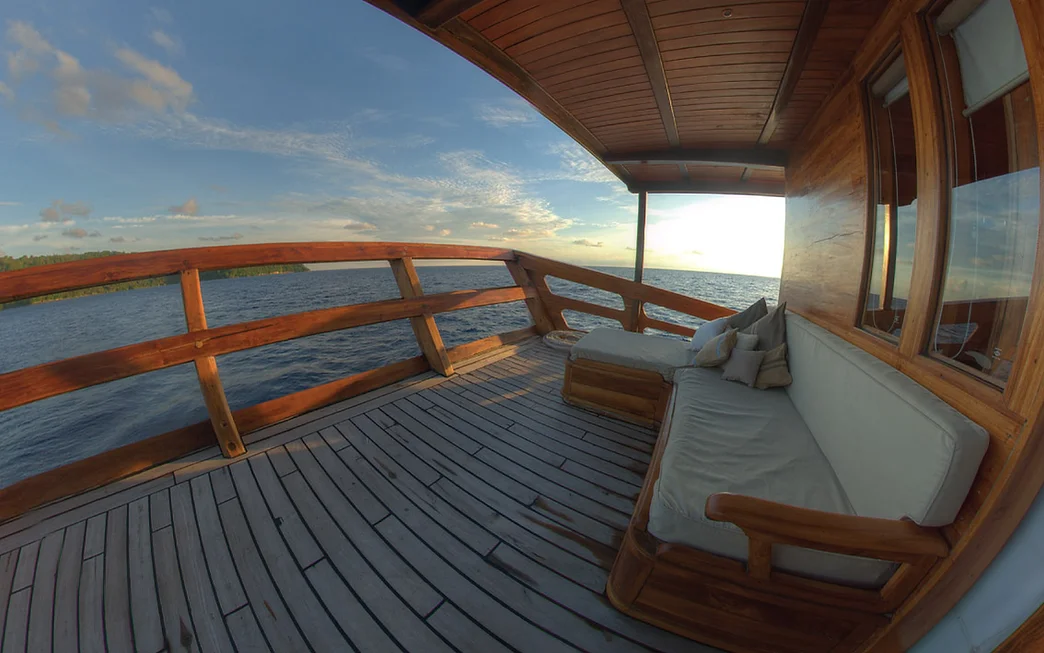
Meals were served under a shaded top-deck awning or in the open-air salon, depending on the breeze. Breakfast included Indonesian lontong with sambal, Western eggs any style, and fresh papaya. Lunch was grilled mahi-mahi caught that morning off the shadow of a Dampier Strait island. Dinners rotated between slow-braised beef rendang and seafood curry with local clams. Dietary needs were anticipated, not just accommodated—on day two, the cook remembered I’d passed on peanuts at breakfast and removed them from all subsequent dishes.
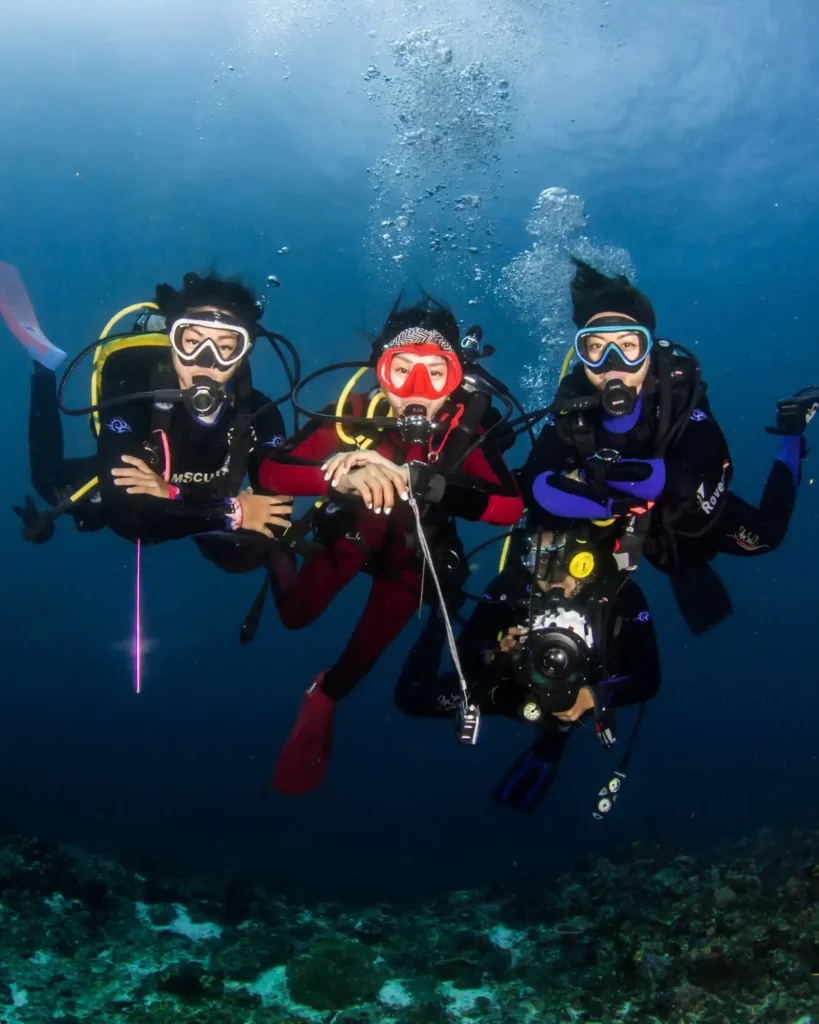
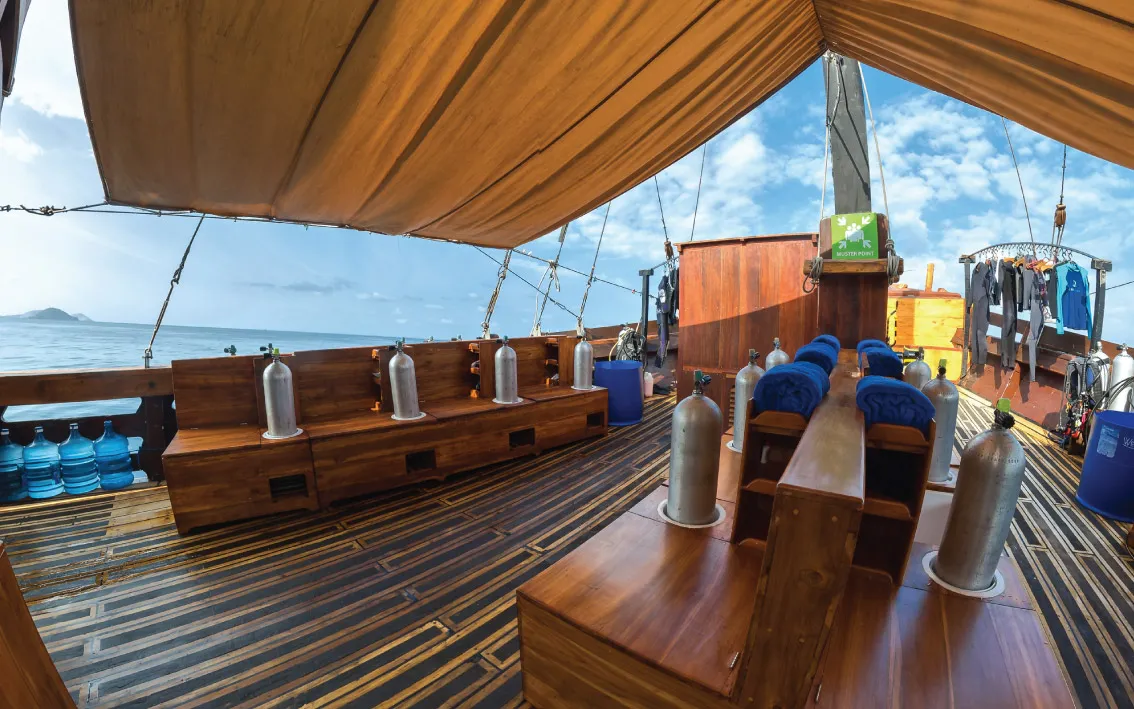
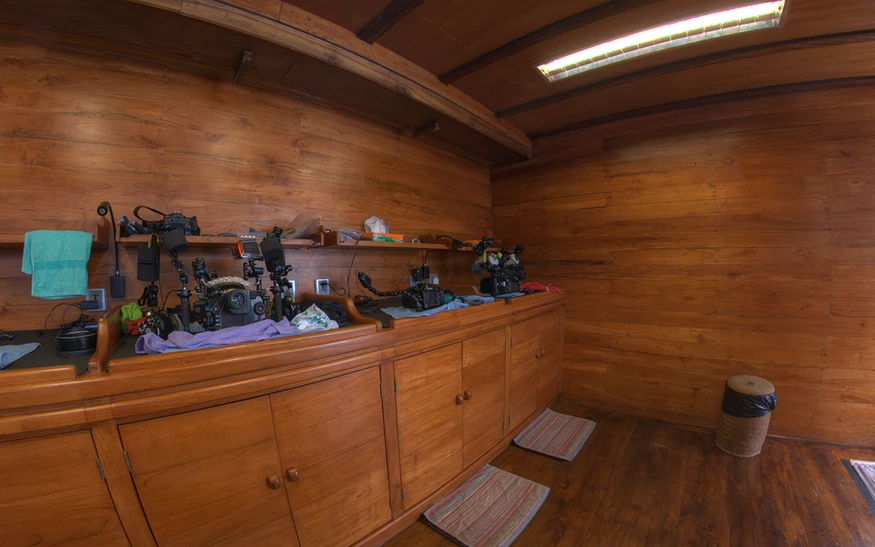
Diving was structured around Raja Ampat’s tides, not a rigid clock. At Cape Kri, we timed the slack water to hit the pinnacle just as fusiliers began their vertical migration. The boat’s compressor room was tucked forward, isolated from cabins, and the tanks were pre-filled the night before. Each guest had a dedicated gear station with a rinse bucket, boot rack, and electrical outlet for camera batteries. The two tenders—rigid-hull inflatables with electric start motors—idled beside the dive platform, ready within 90 seconds of the dive master’s signal.
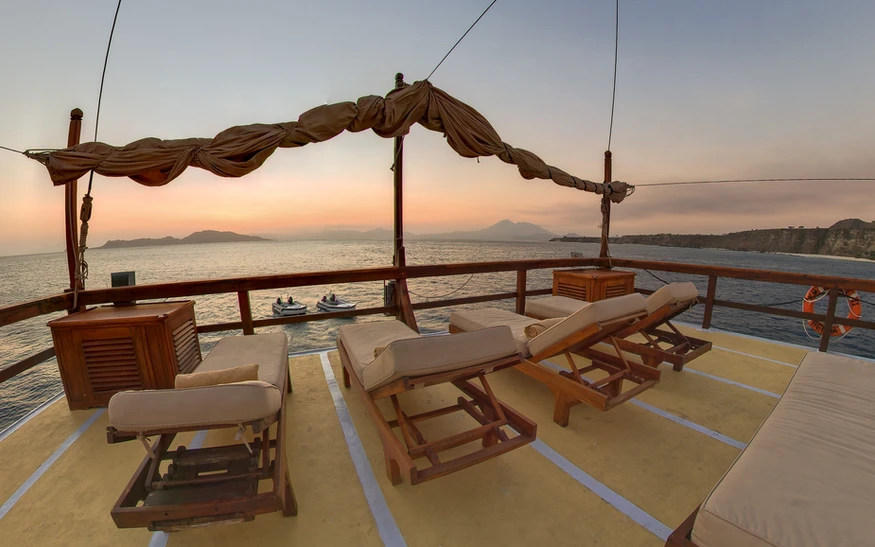
Evenings were unhurried. One night, anchored in a cove near Gam, the crew launched the kayak and paddleboards with waterproof LED lights for night paddling. No announcements, no sales pitch—just gear laid out quietly on the swim step. Another evening, after a sunset at Arborek Jetty, the first mate projected a short slideshow of our day’s underwater footage on a screen rigged to the mast. No filters, no music—just raw clips from guest GoPros, synced by timecode. It felt less like a presentation and more like shared memory.