About Dreambay
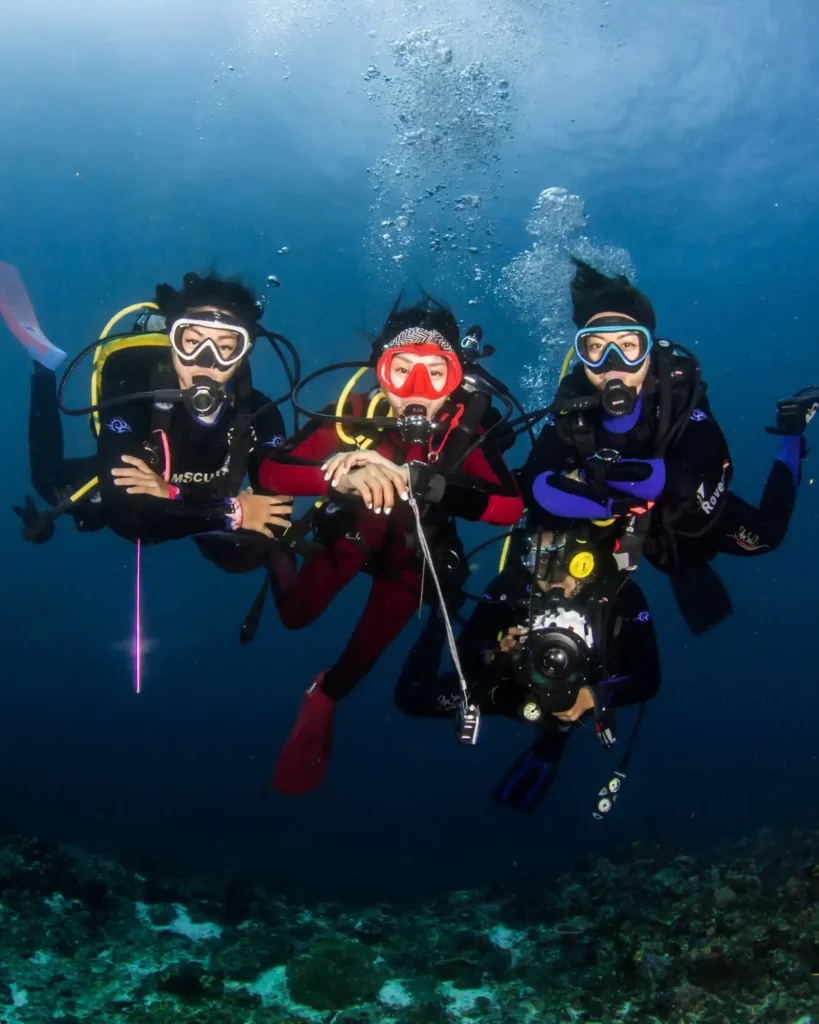
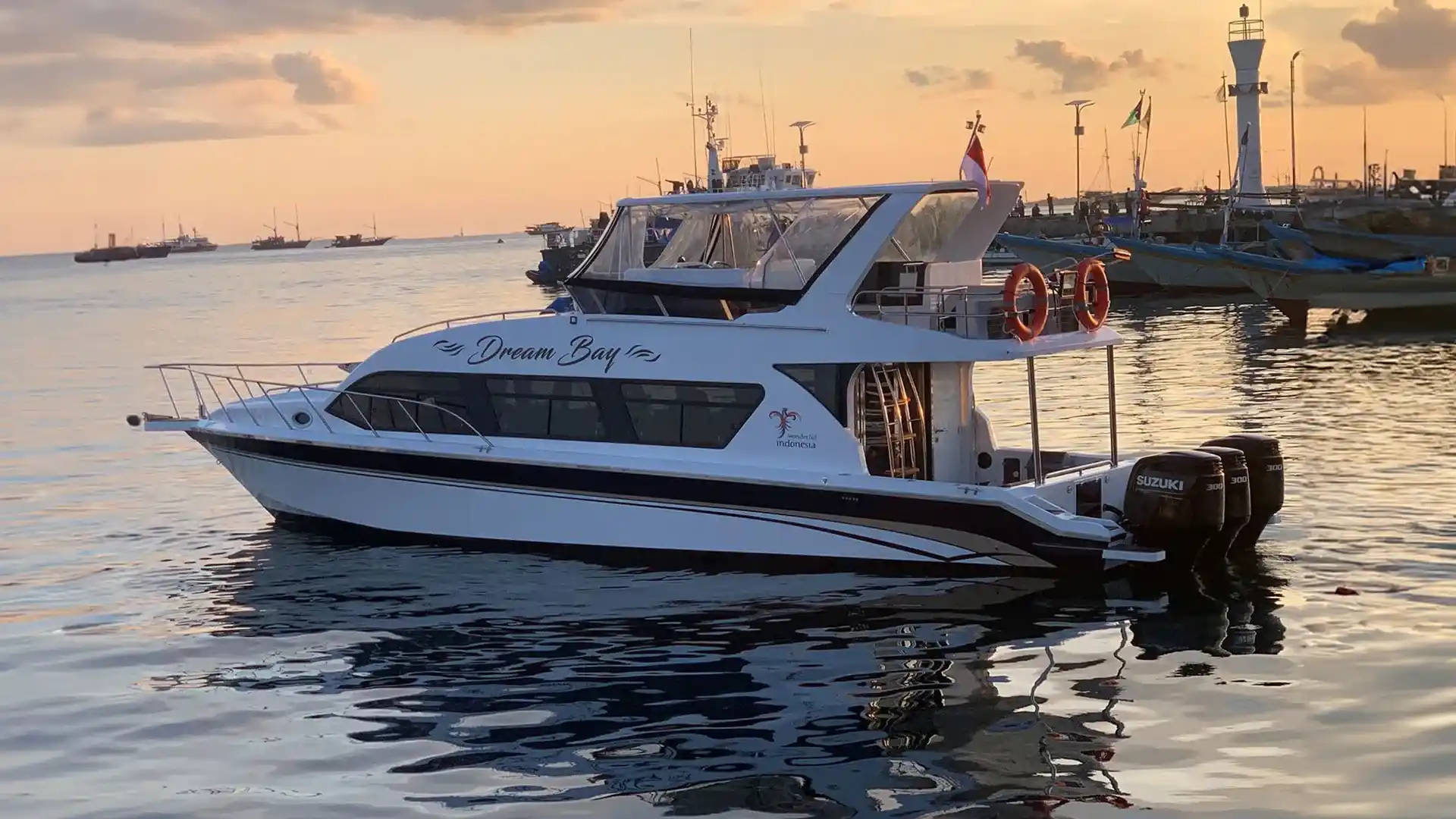
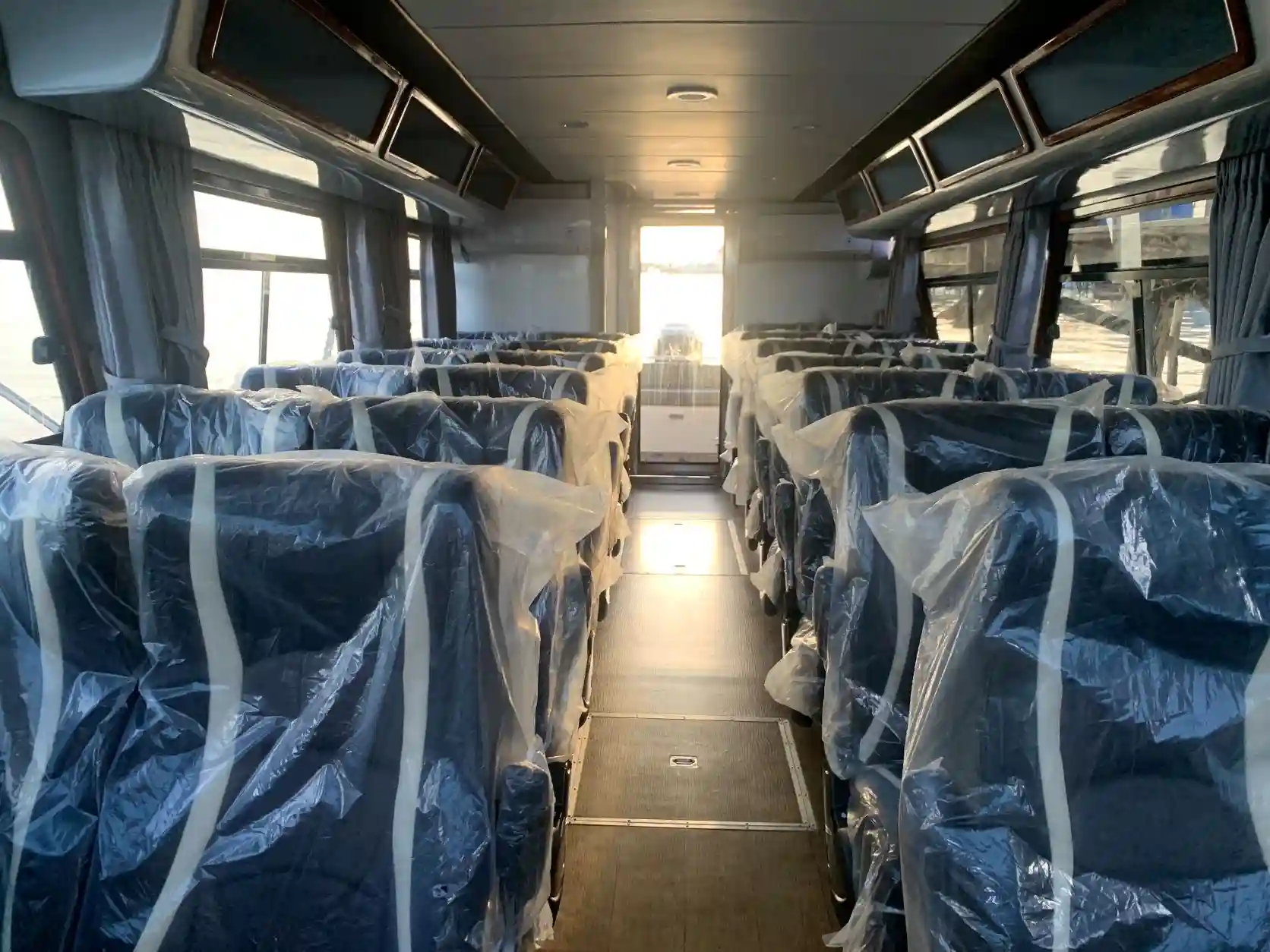
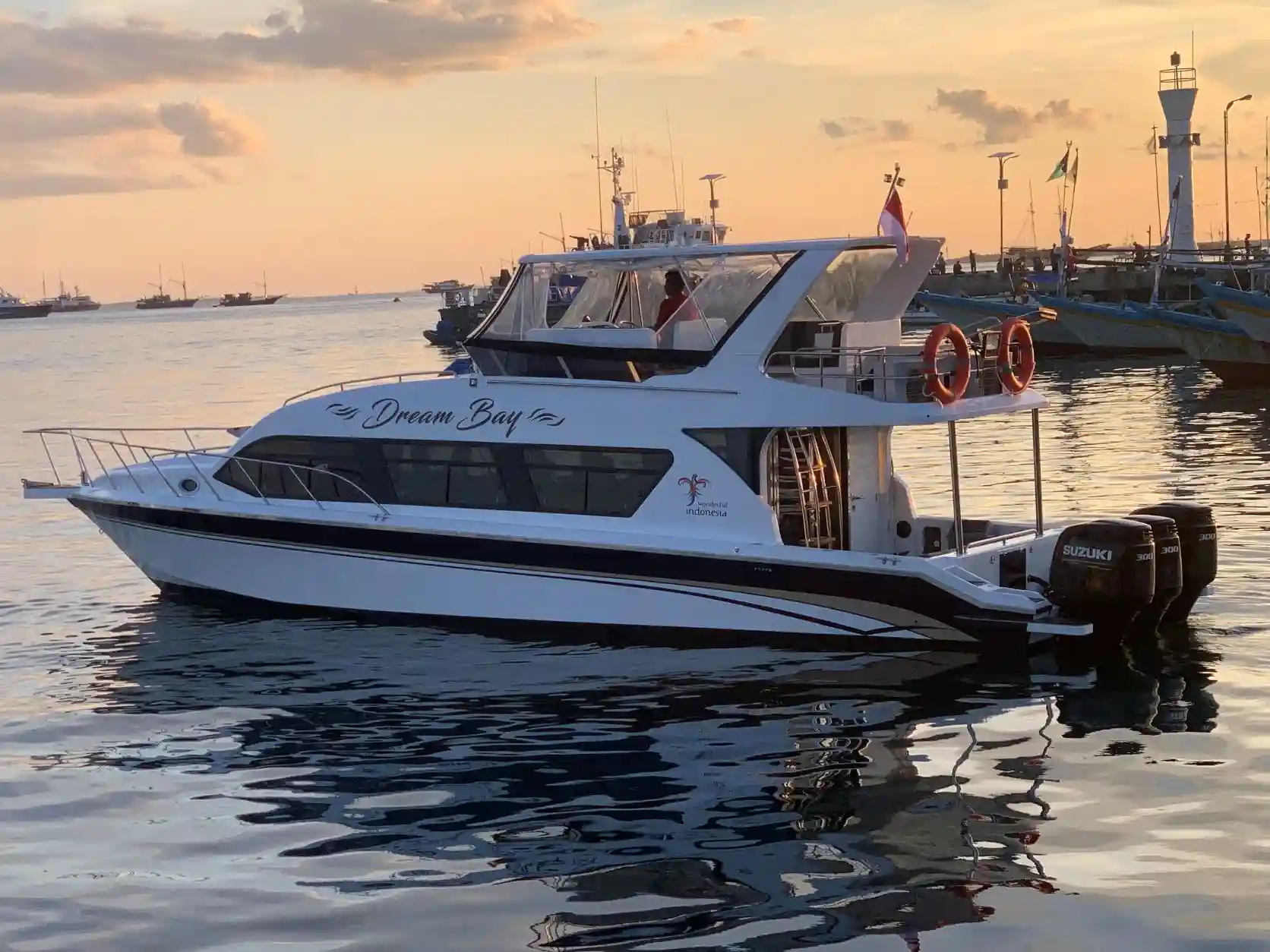
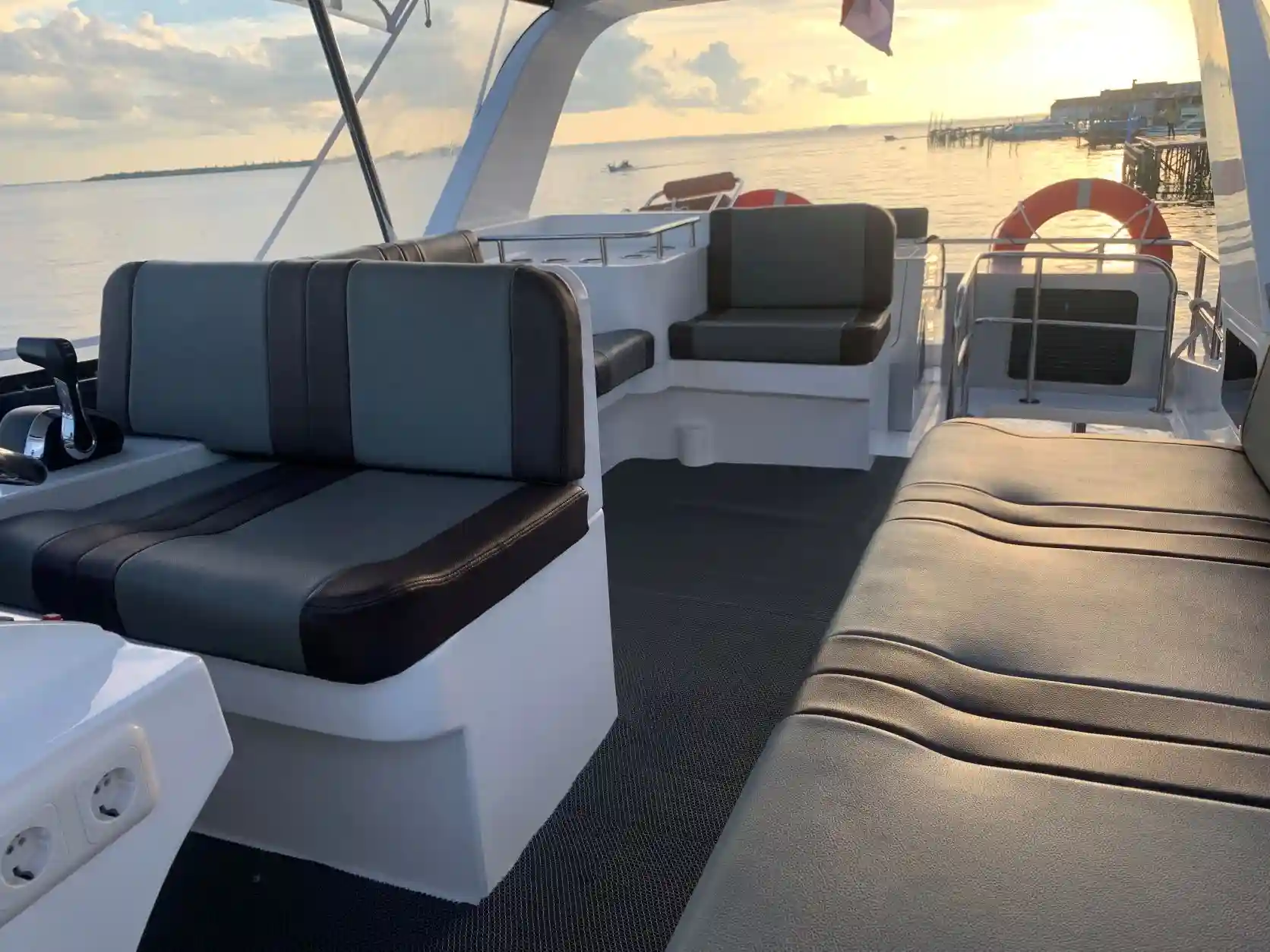
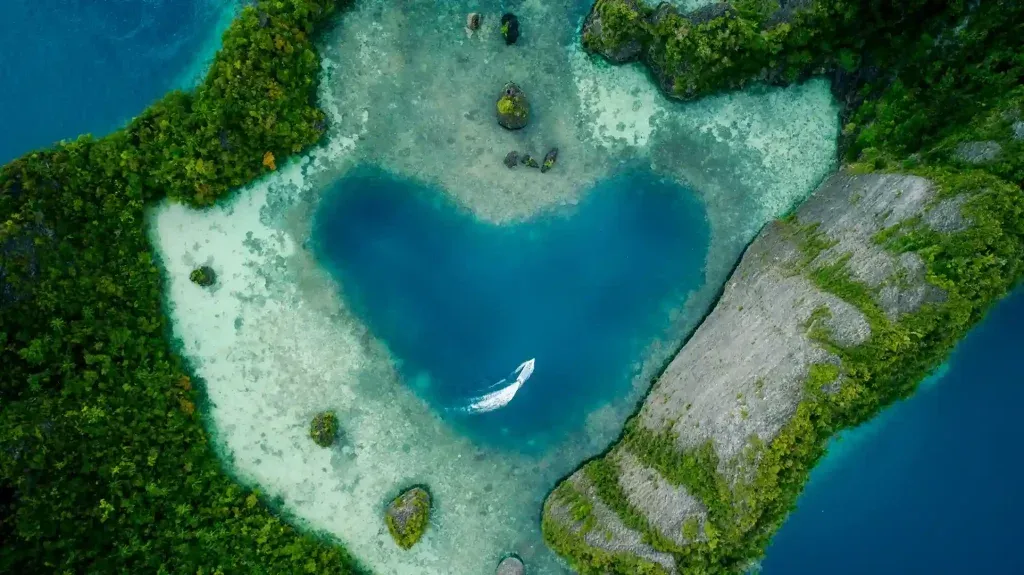
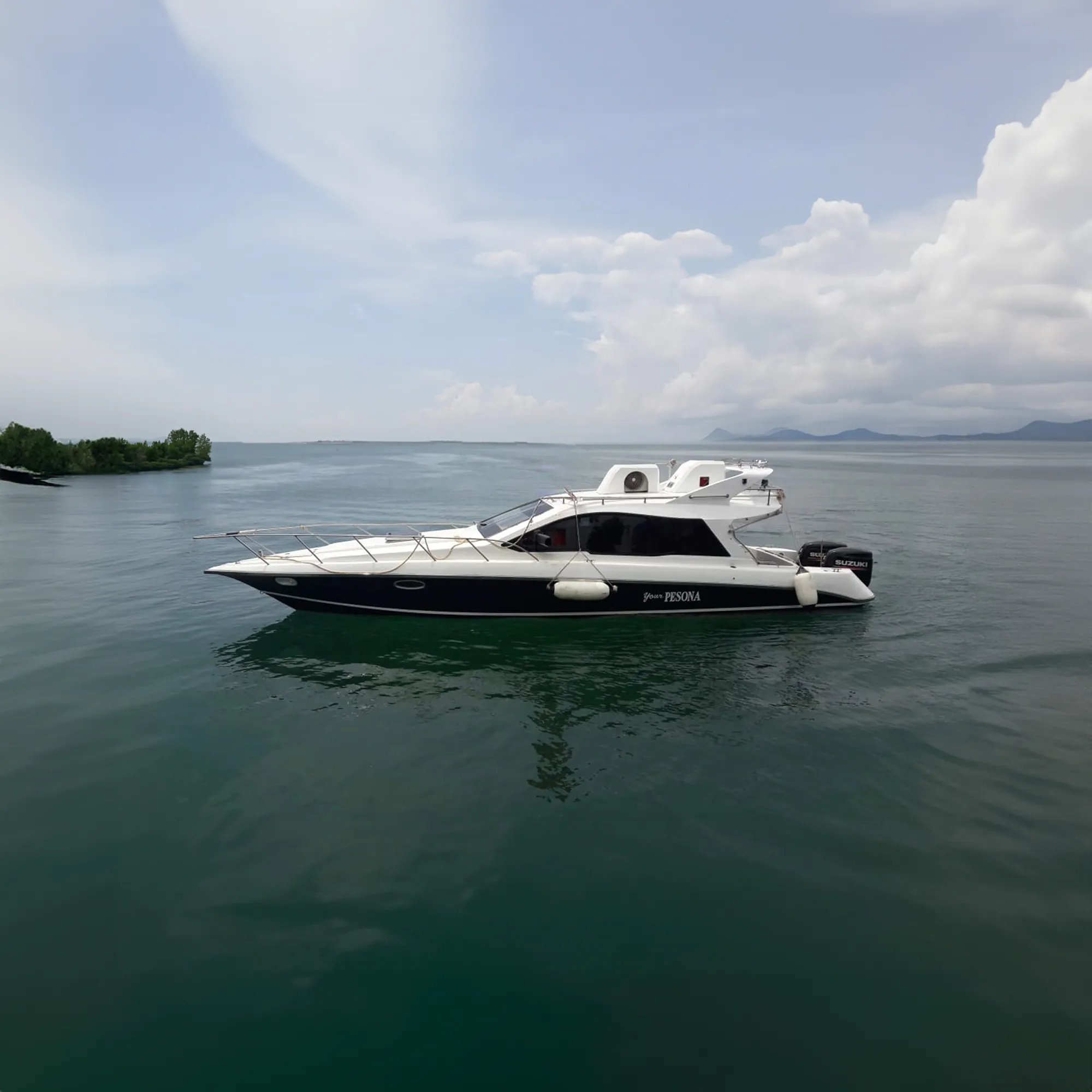
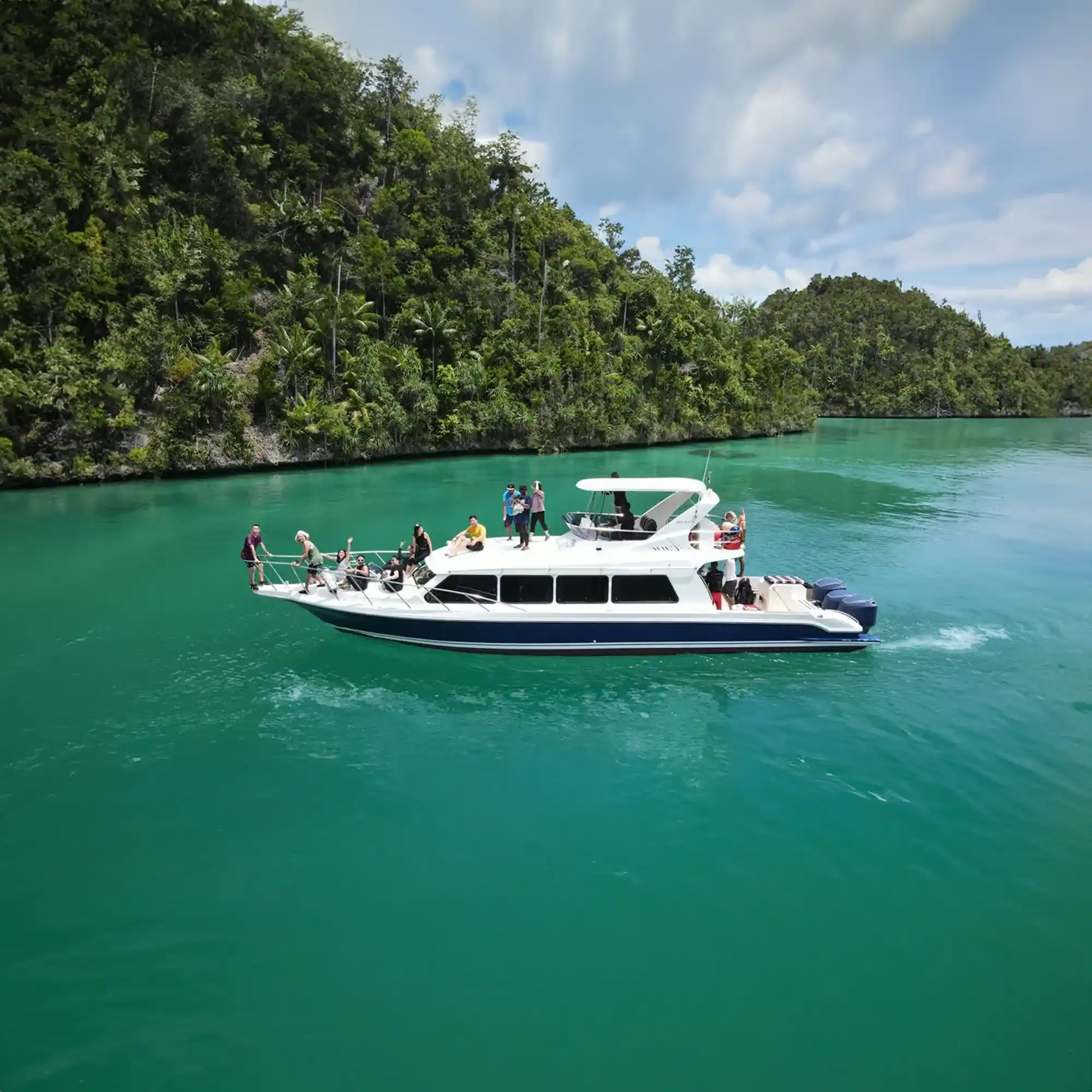
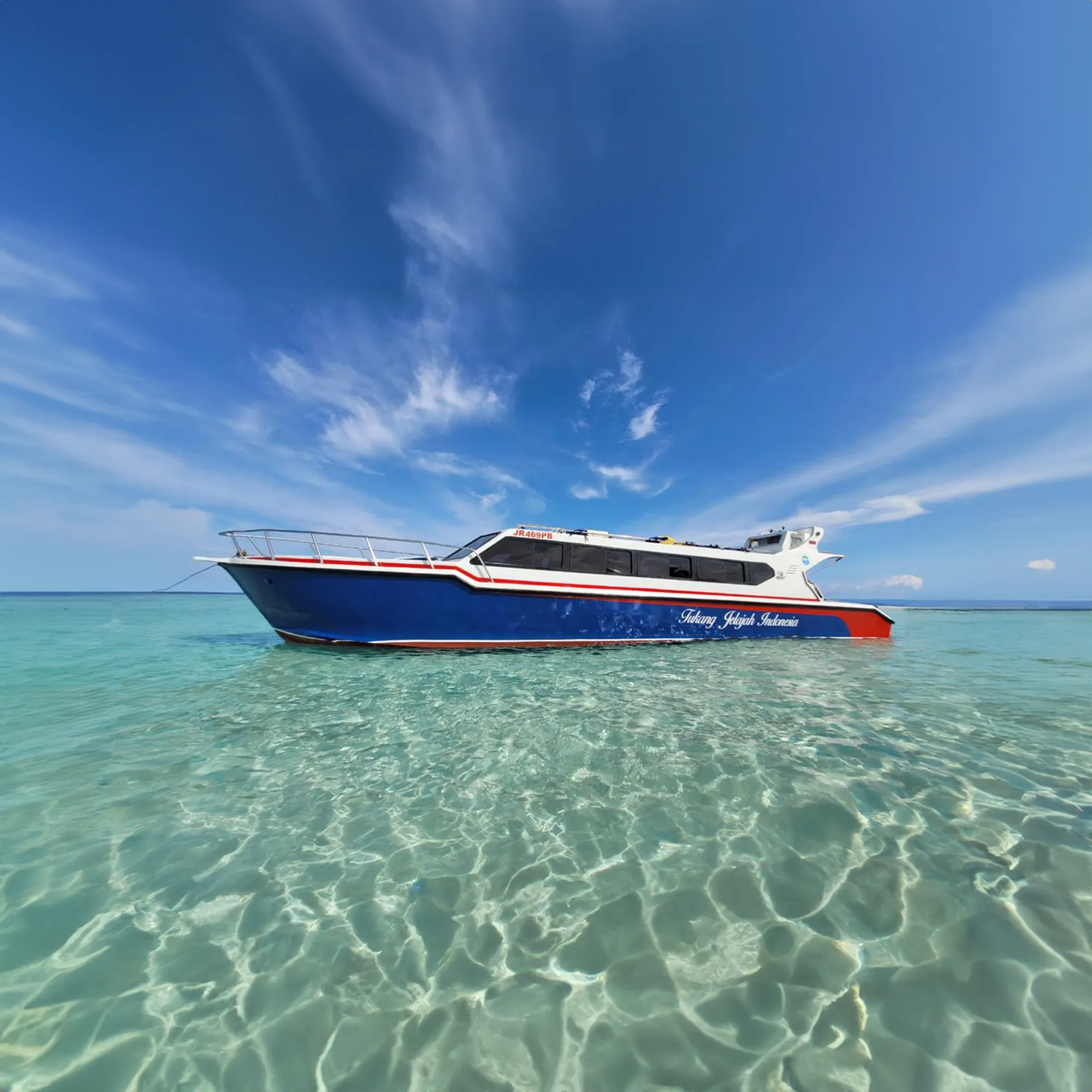
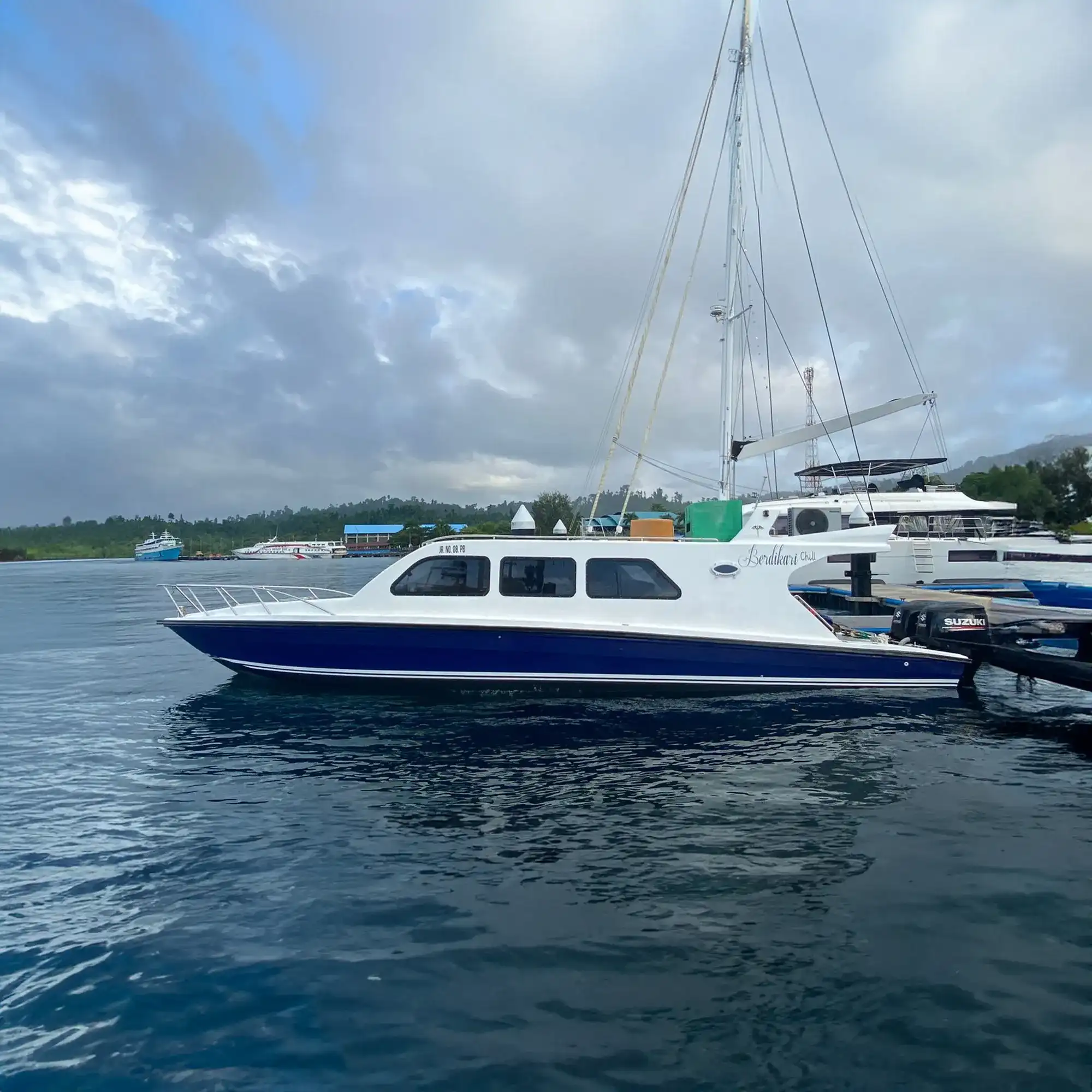
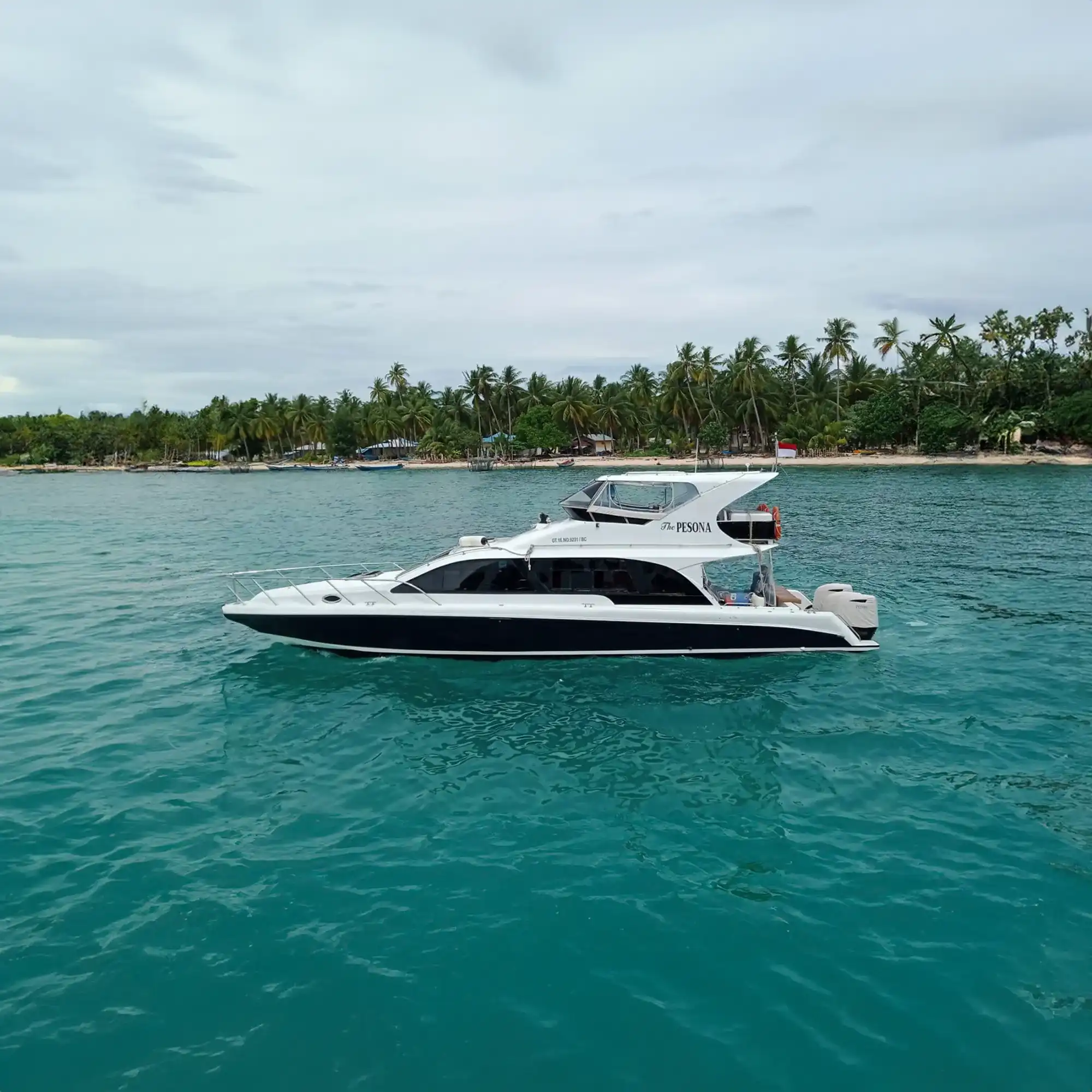
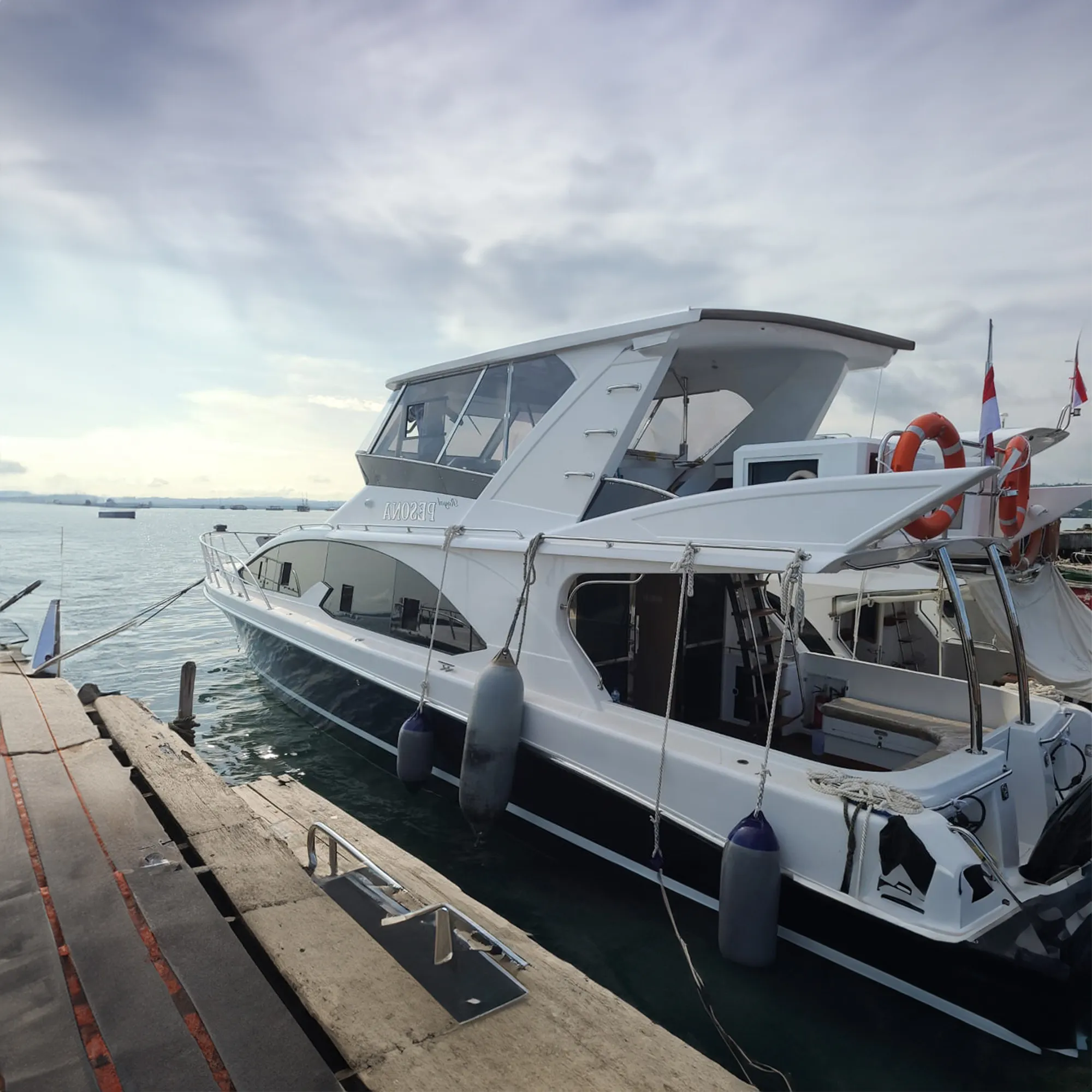
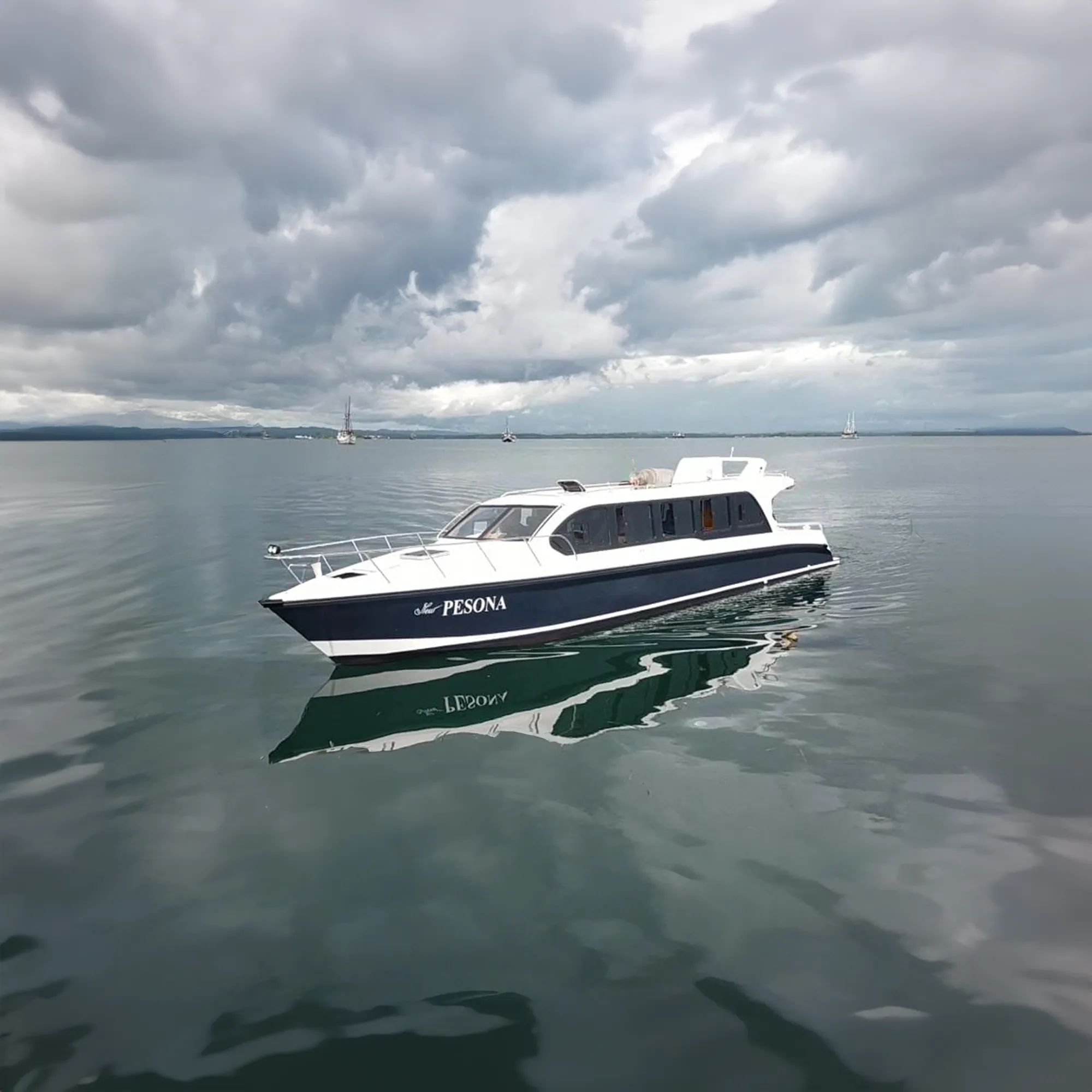
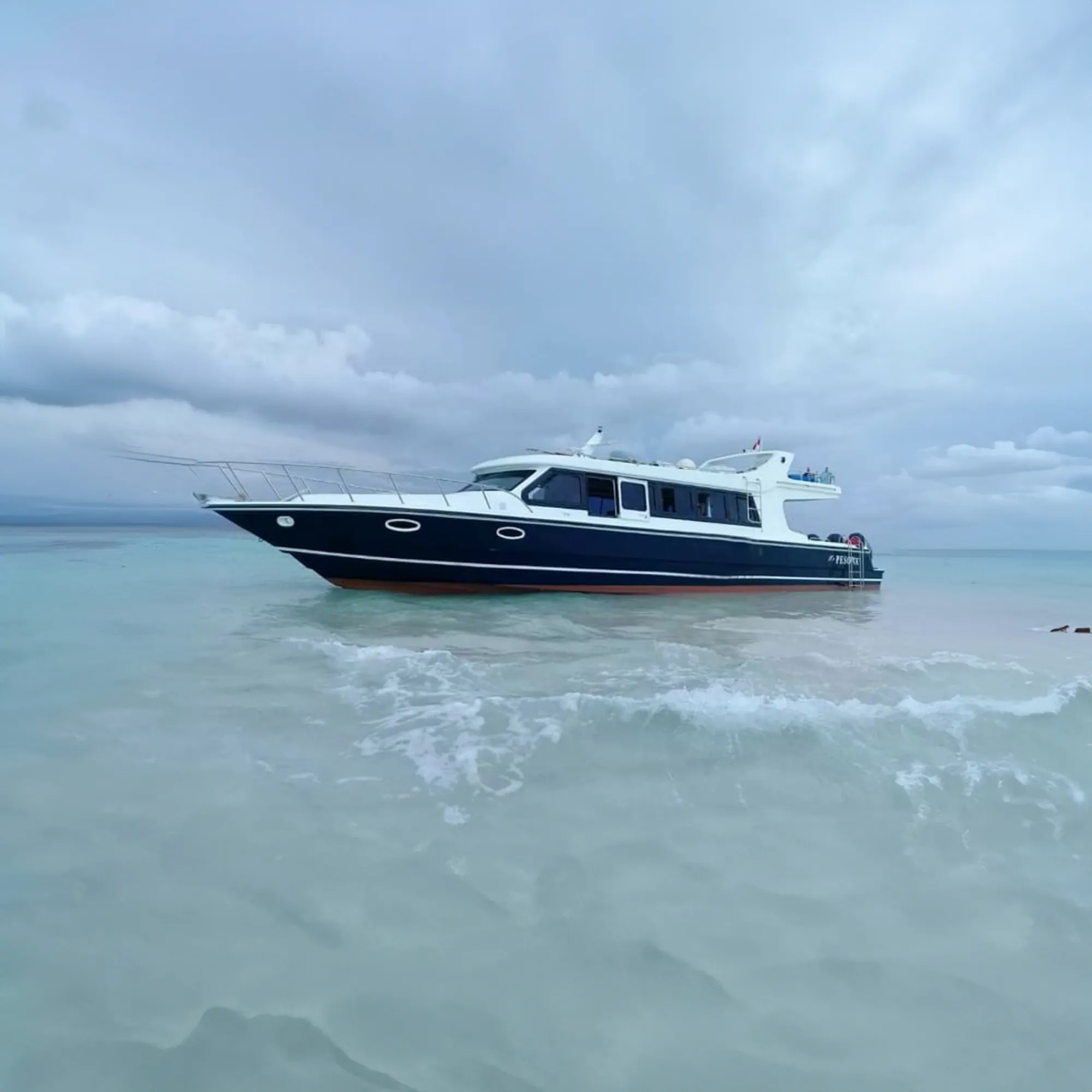
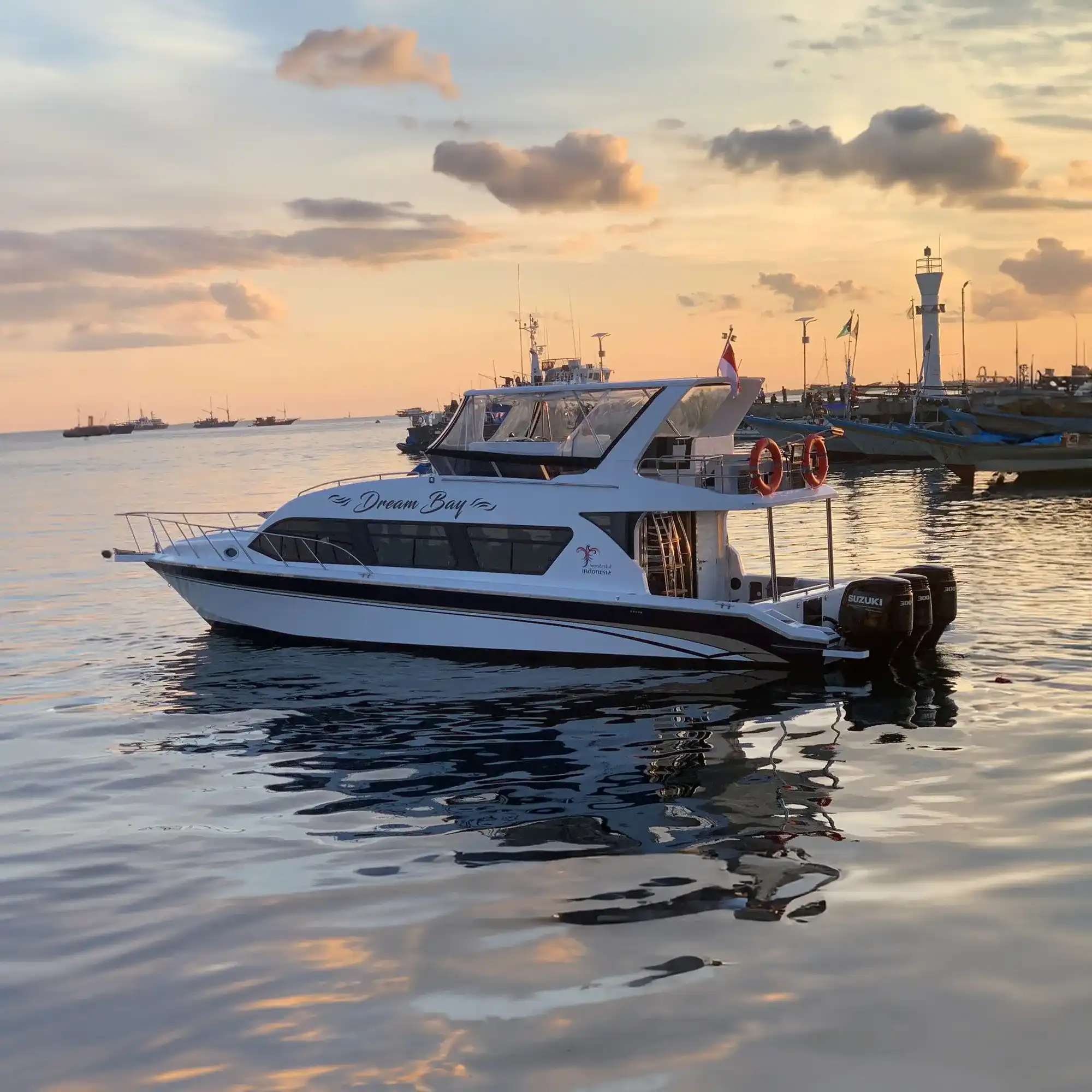
The outboard cut at 6:18 a.m. exactly. No engine rumble, no vibration through the deck – just silence as the bow settled into the glassy water between Wayag and Arborek. The crew had timed it perfectly: we arrived before the dive boats, before the day-trippers, even before most of the fish had sorted out their morning territories. Dreambay doesn’t sleep, and that’s the point. This isn’t about cabins or linen counts; it’s about access. A single bench seat behind the driver, space enough for two dive tanks or a picnic crate, and a shallow draft that lets you nose into sandbars no larger than a king-sized bed. At Cape Kri, I watched a reef shark dart behind a coral bommie as the sun cleared the mangroves – no snorkel mask fogged by shared air, no waiting your turn at the ladder.
Raja Ampat’s real rhythm isn’t in the itinerary highlights but in the transitions – the 20-minute hop between Misool’s karst walls, the way the water shifts from green to indigo when you cross a current line near Sagof Passage. Dreambay moves like a local fisherman’s boat, because it is. The captain, a man named Rudi from Waisai, knows where the mantas feed when the tide turns and which inlet still has live coral after the last bleaching event. He won’t tell you unless you ask, but he’ll take you there if you’re quiet at dawn.
By 9:30 a.m., we were anchored off a nameless islet south of Wayag, the kind of place that doesn’t appear on tourist charts. The crew unfolded a bamboo tray with fresh papaya, hard-boiled eggs, and sweet coffee in enamel mugs – nothing pre-packed, nothing reheated. This is a boat built for motion, not lounging. There’s no cabin to retreat to, no AC humming below. You’re exposed, in the best way: salt drying on your arms, the occasional rain squall forcing a dash under the small canopy. But that exposure is the trade-off for being exactly where you want to be, when it matters.
We spent midday drifting along the edge of a vertical wall near Arborek Jetty. Snorkeling here feels like floating through a catalog of marine life: flasher wrasses in neon stripes, a wobbegong camouflaged under plate coral, schools of fusiliers parting like smoke. Dreambay’s advantage isn’t luxury – it’s precision. The boat holds position with a handheld paddle when engines would scare the fish, and the guide, who doubled as deckhand, pointed out a pygmy seahorse no bigger than a grain of rice on a gorgonian fan. No mic, no lecture – just a tap on the shoulder and a nod.
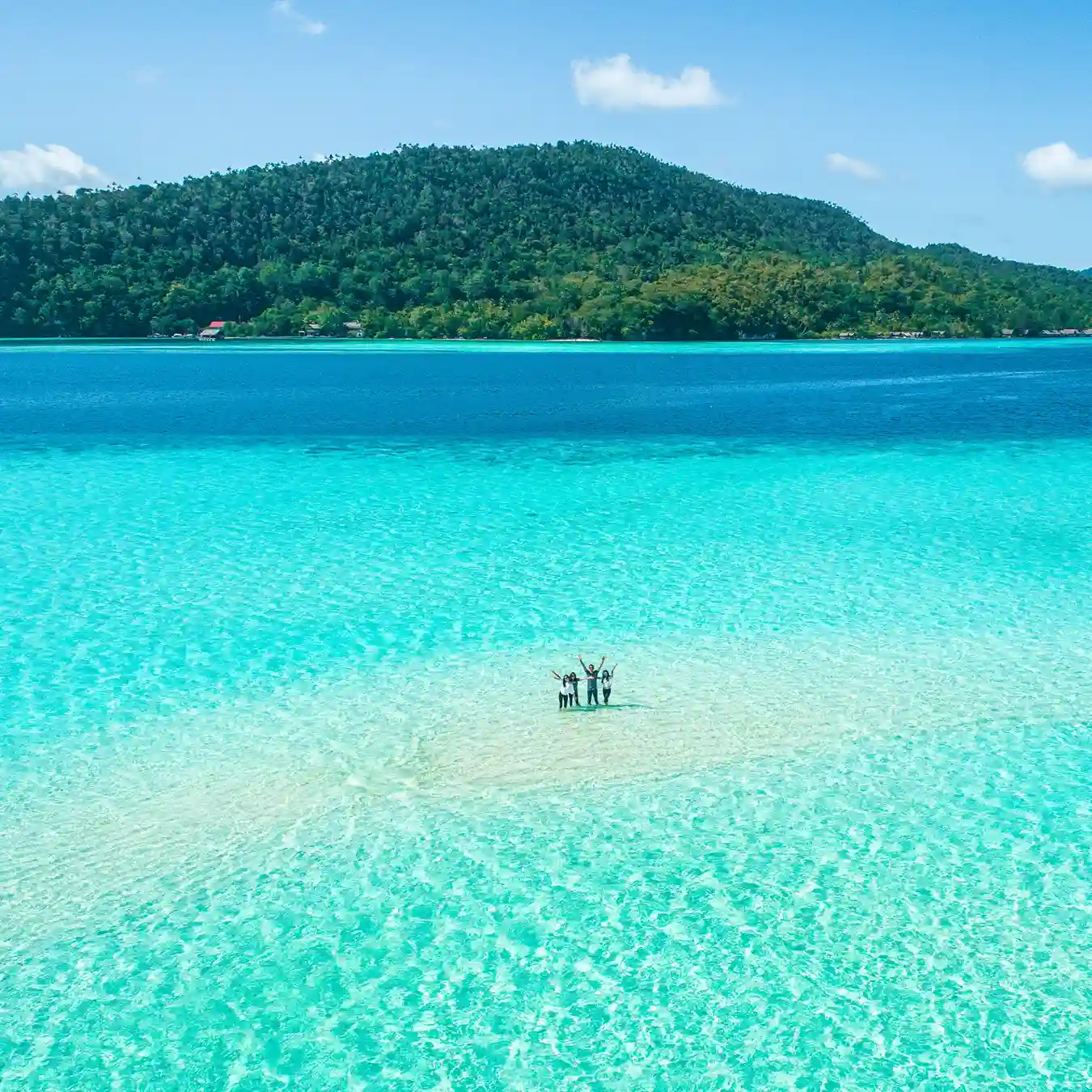
Back on the move by 3 p.m., we skimmed across to the tip of Yenbuba, where a stretch of sand appears only at low tide. The crew laid out mats and a cold coconut for each of us. No facilities, no signs, no other footprints. As the sun dropped, Rudi fired up the outboard just long enough to reposition us for the light hitting the karst spires – not for photos, but because he likes it that way. Dreambay doesn’t sell sunset cocktails, but it delivers the real thing: a moment of quiet, somewhere almost no one sees.