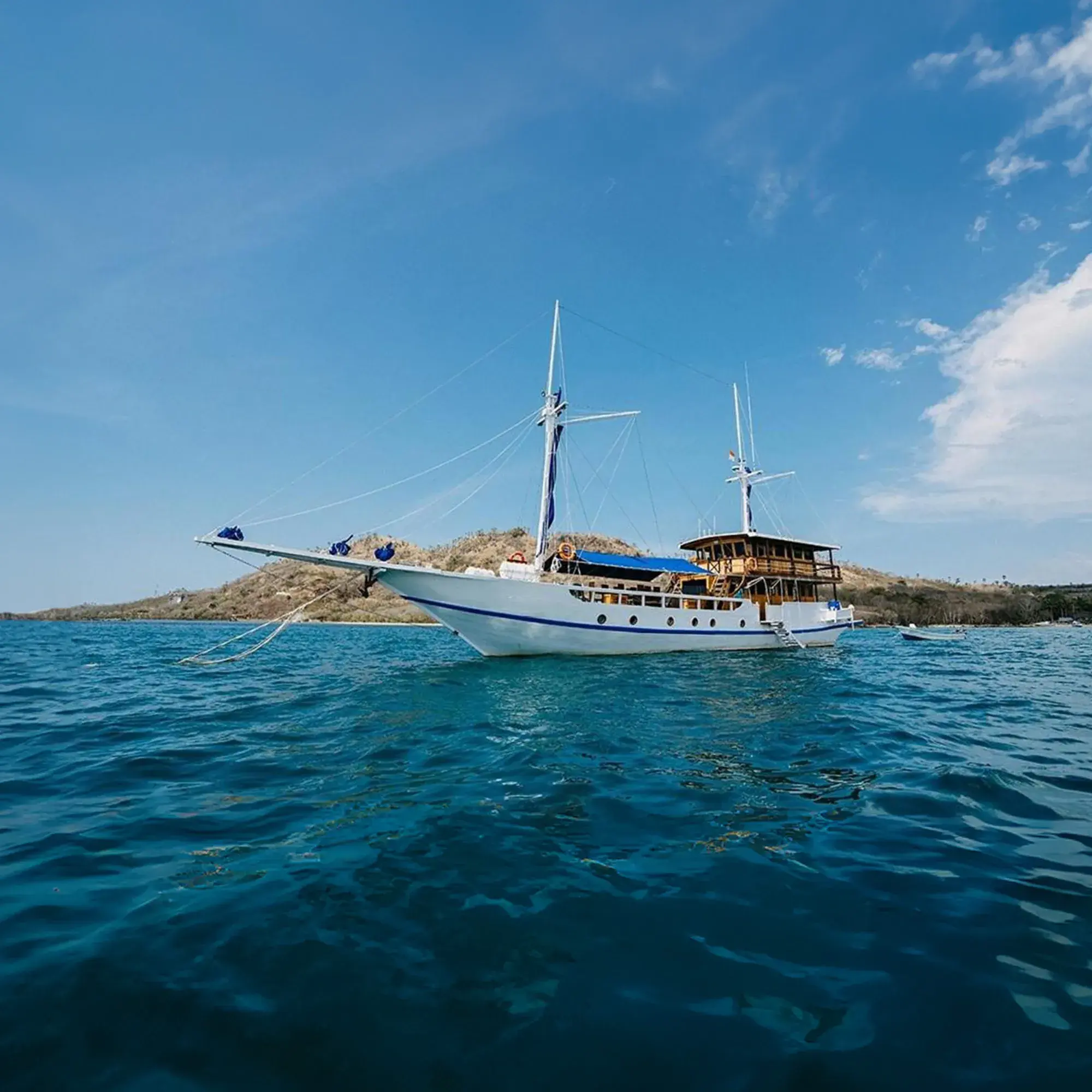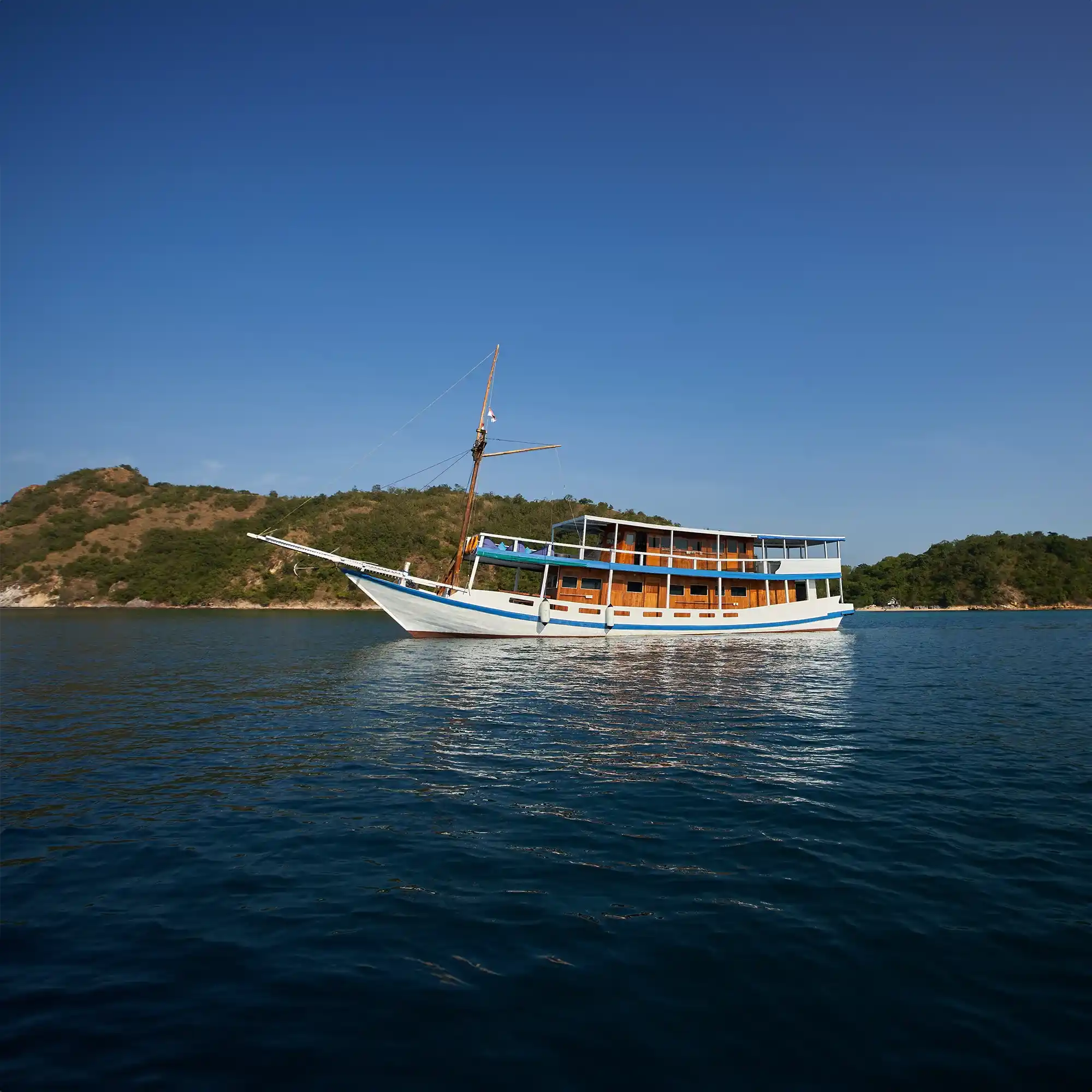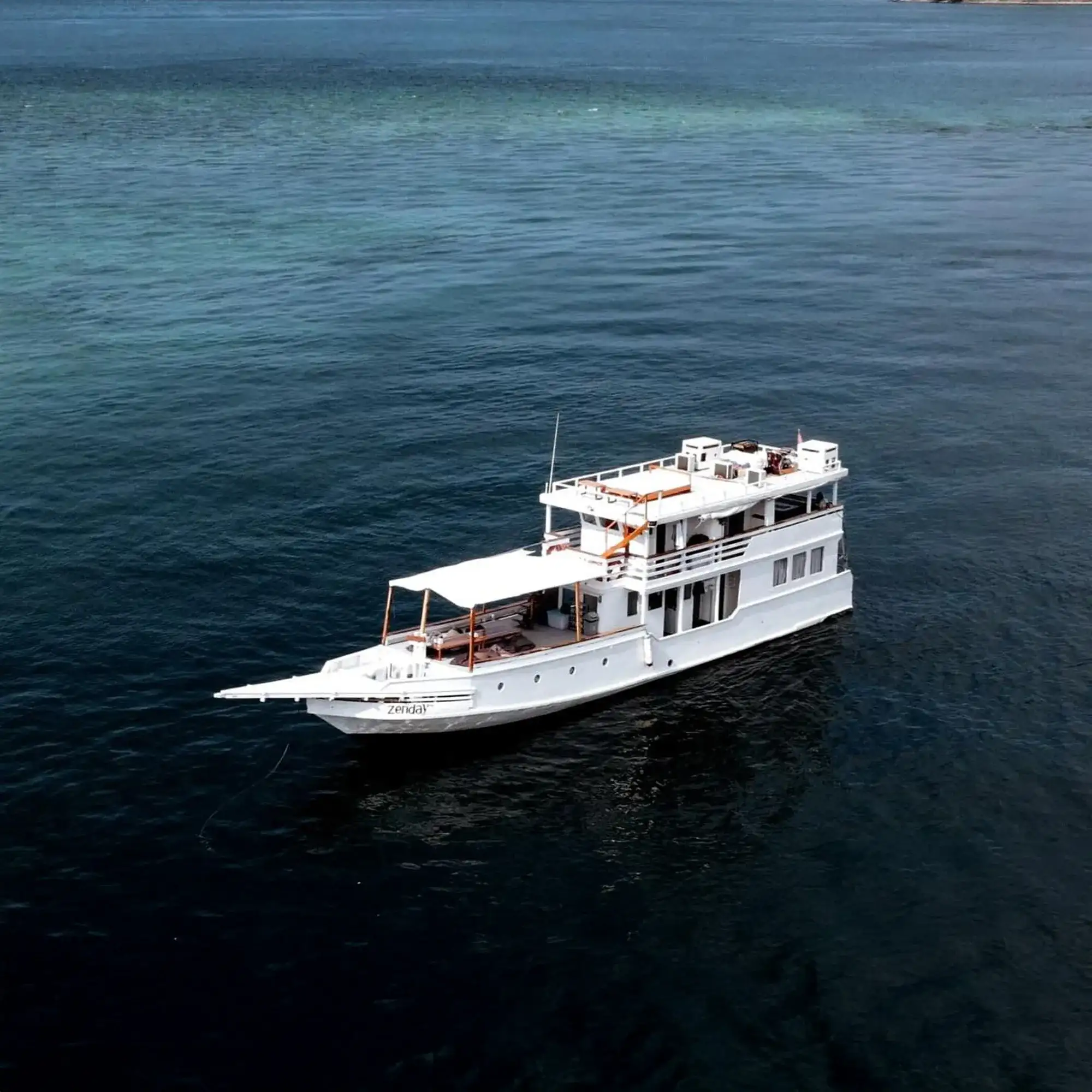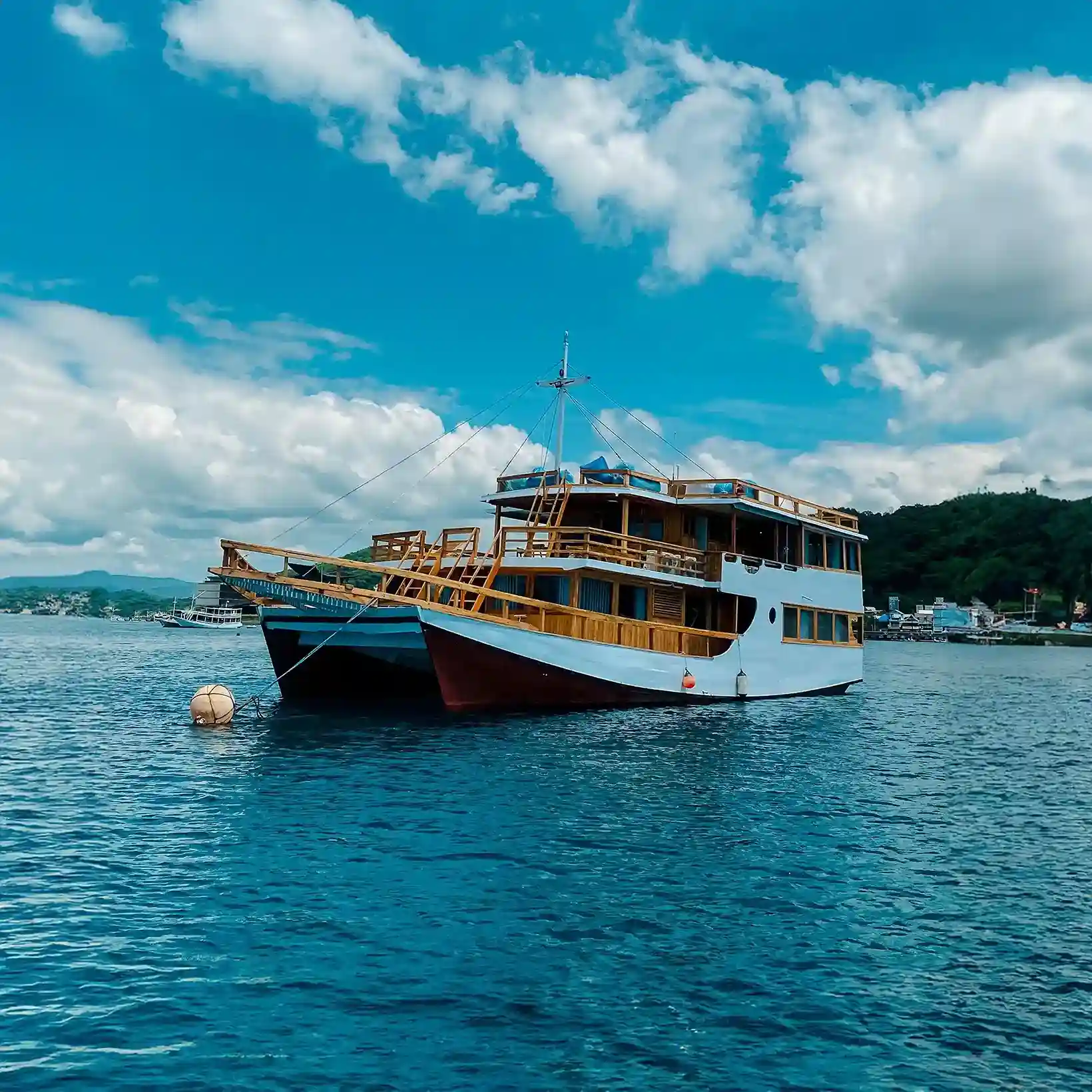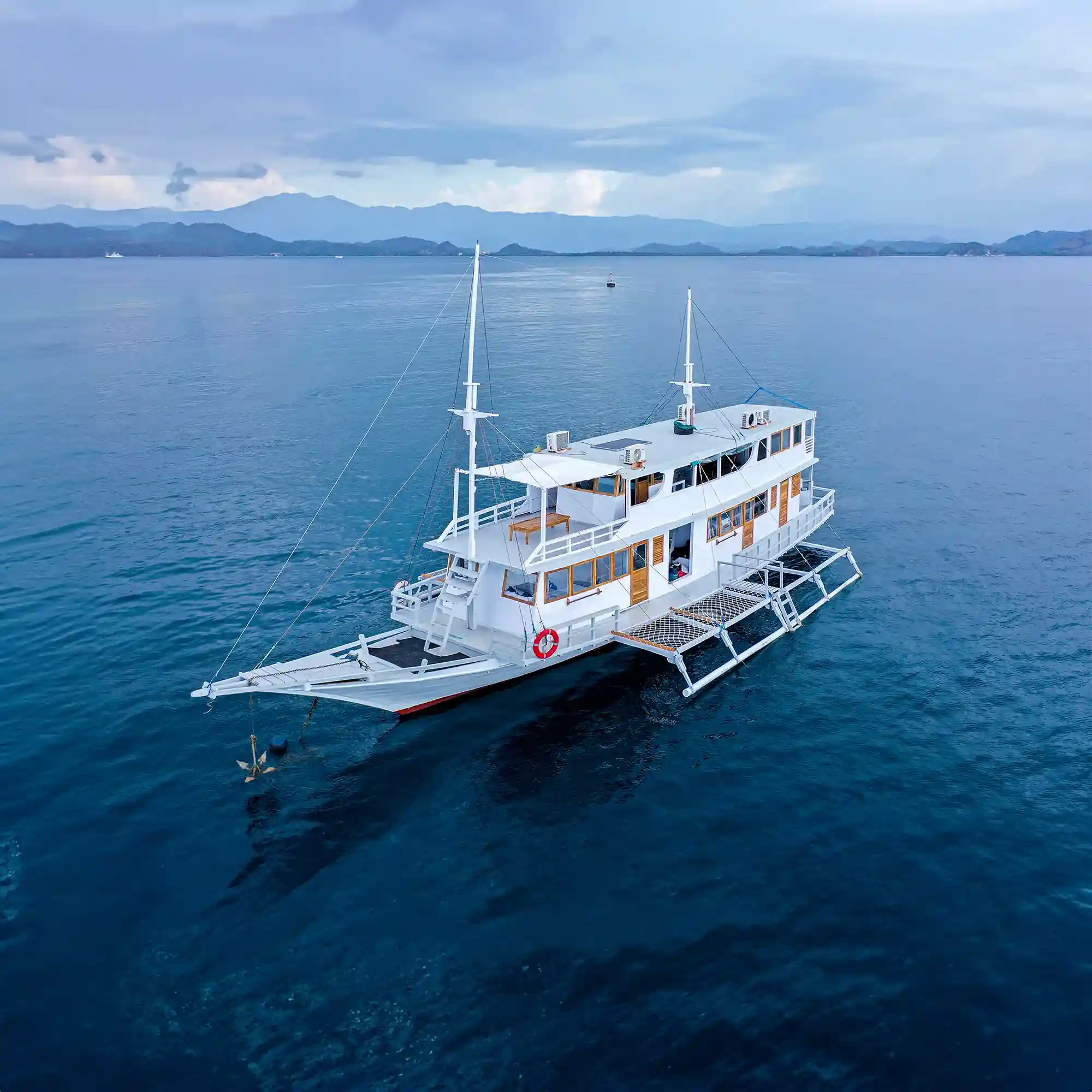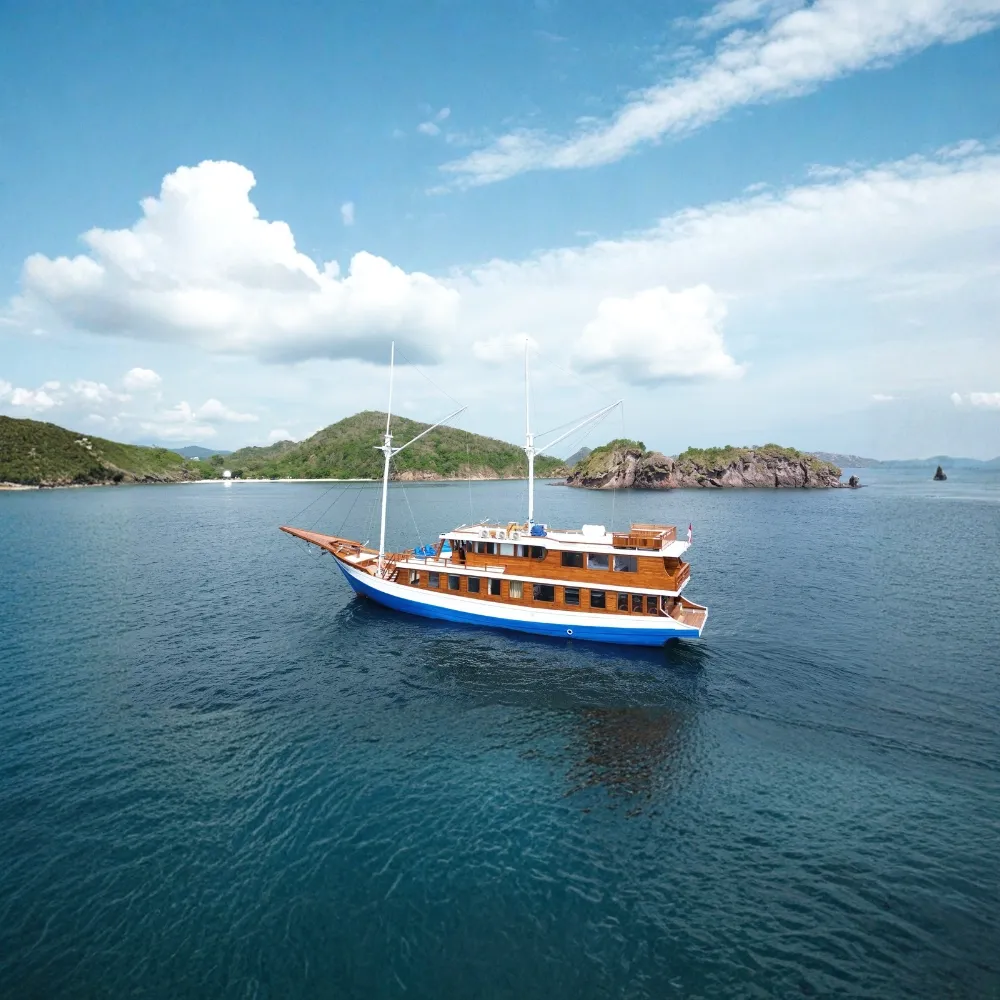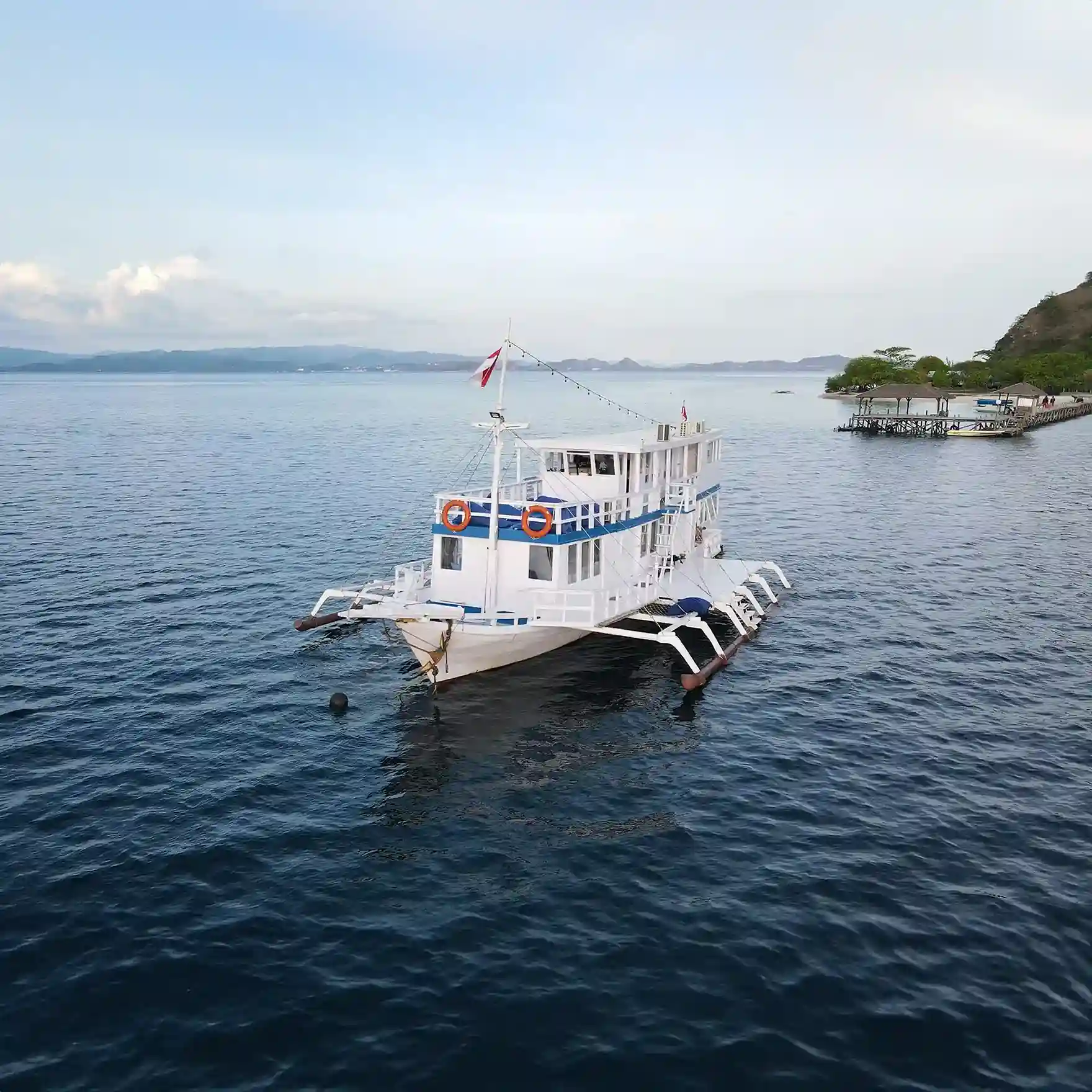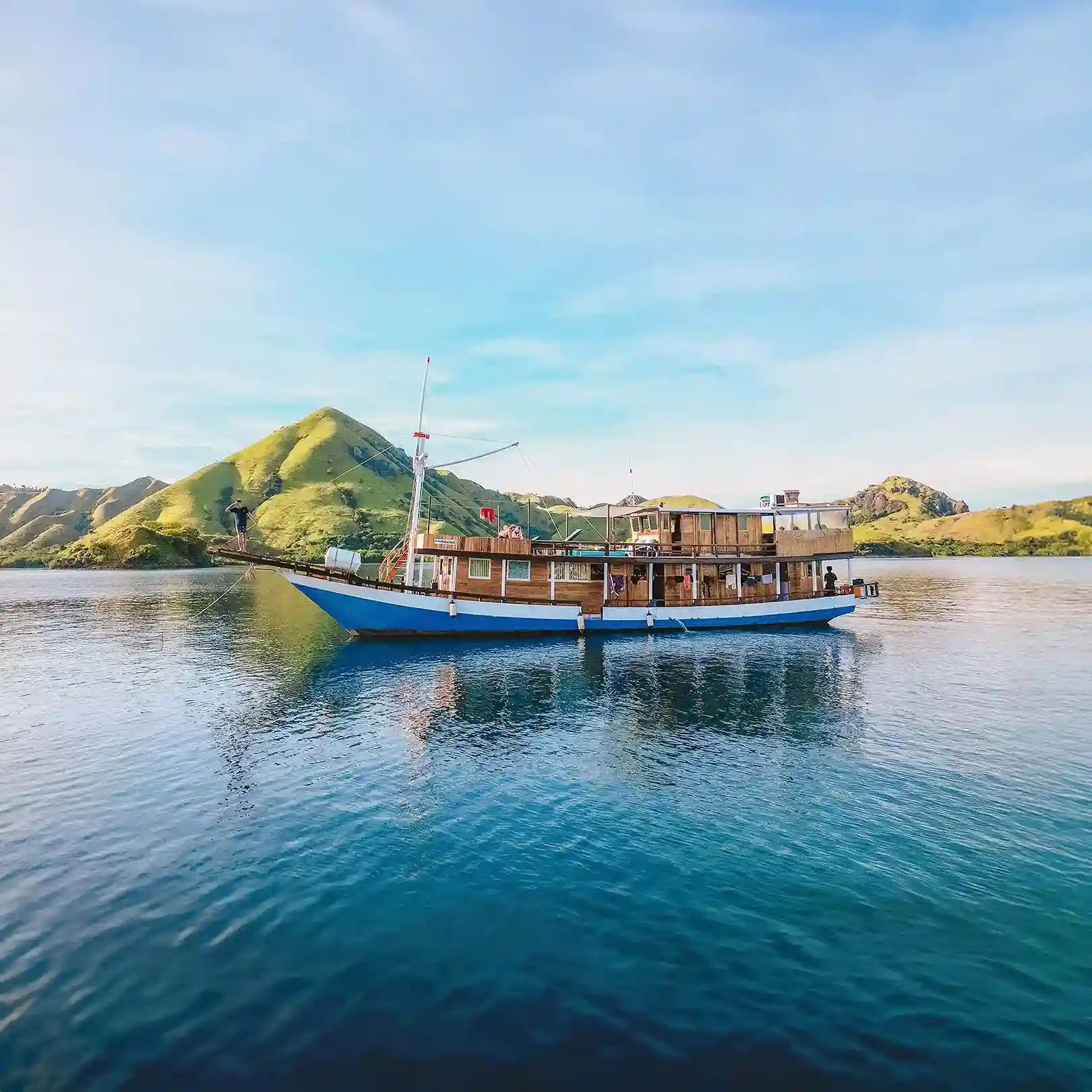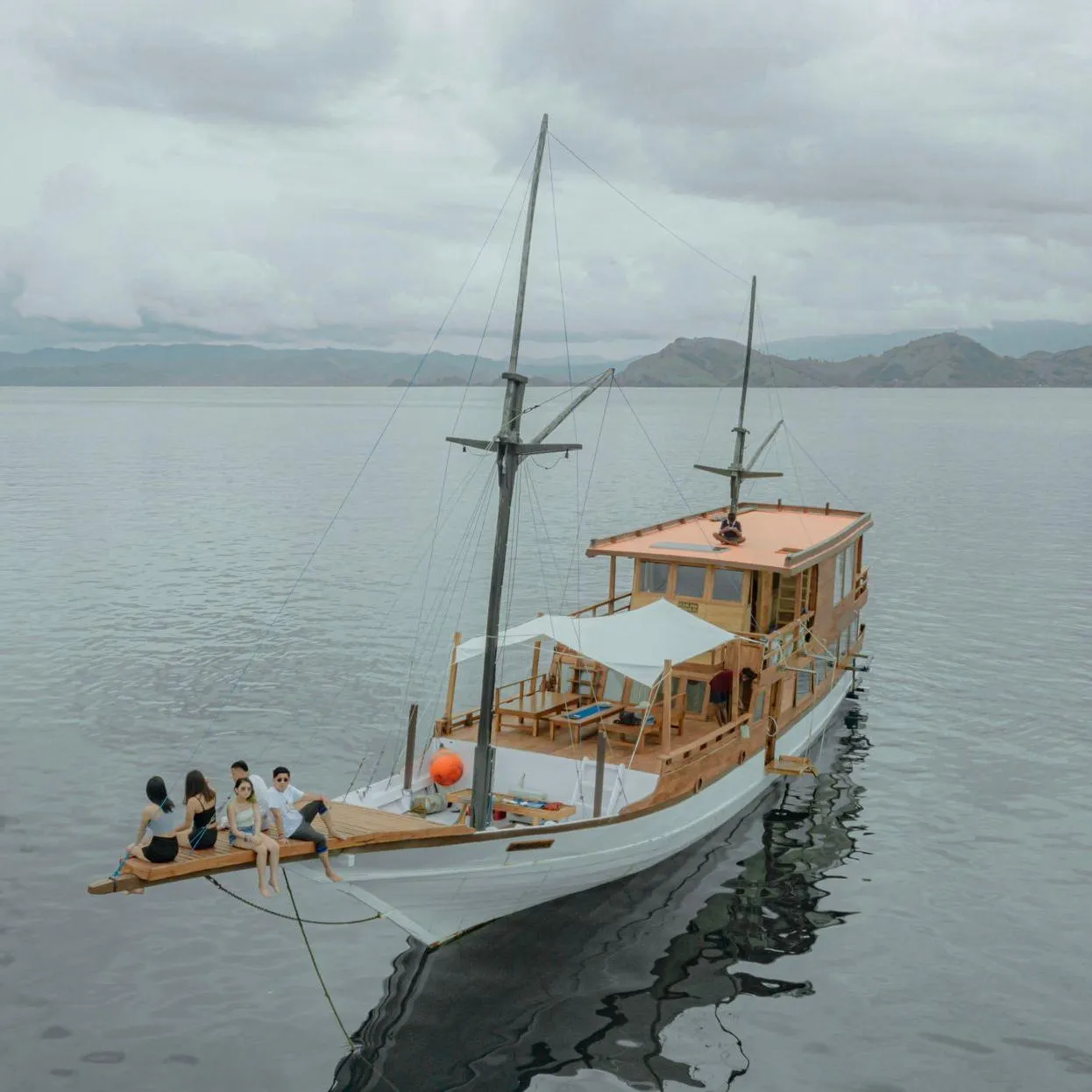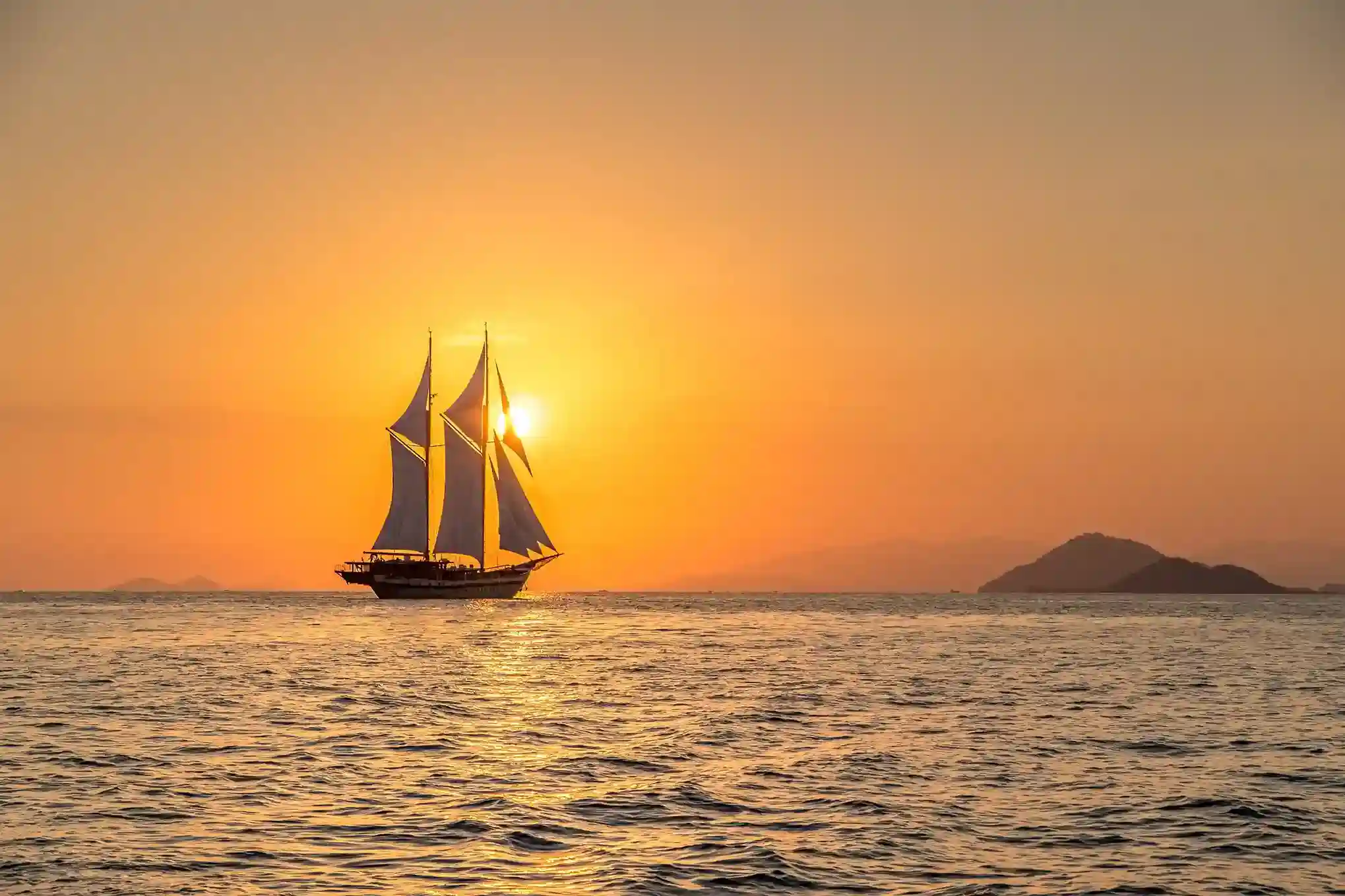
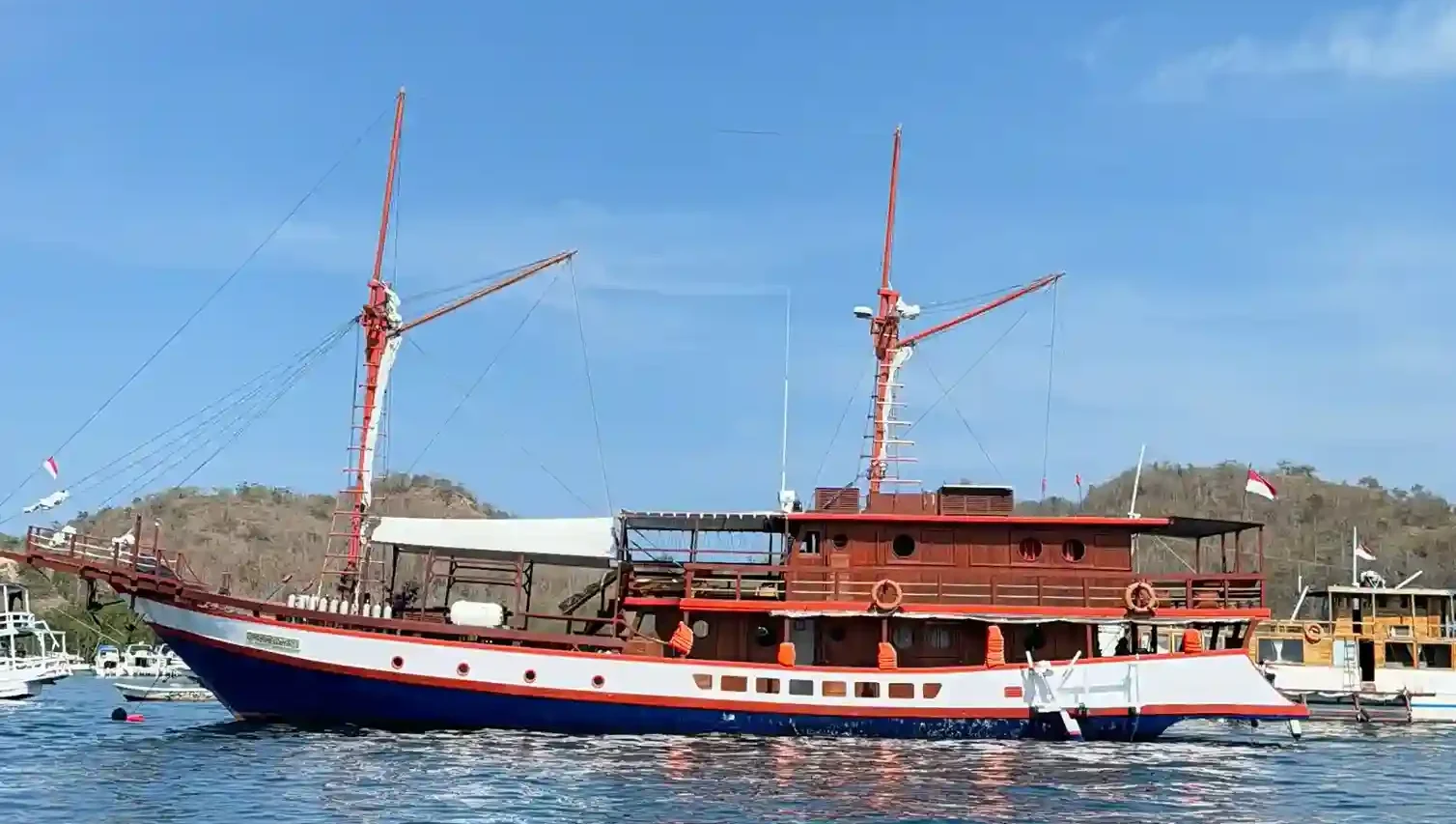
About Radea 2
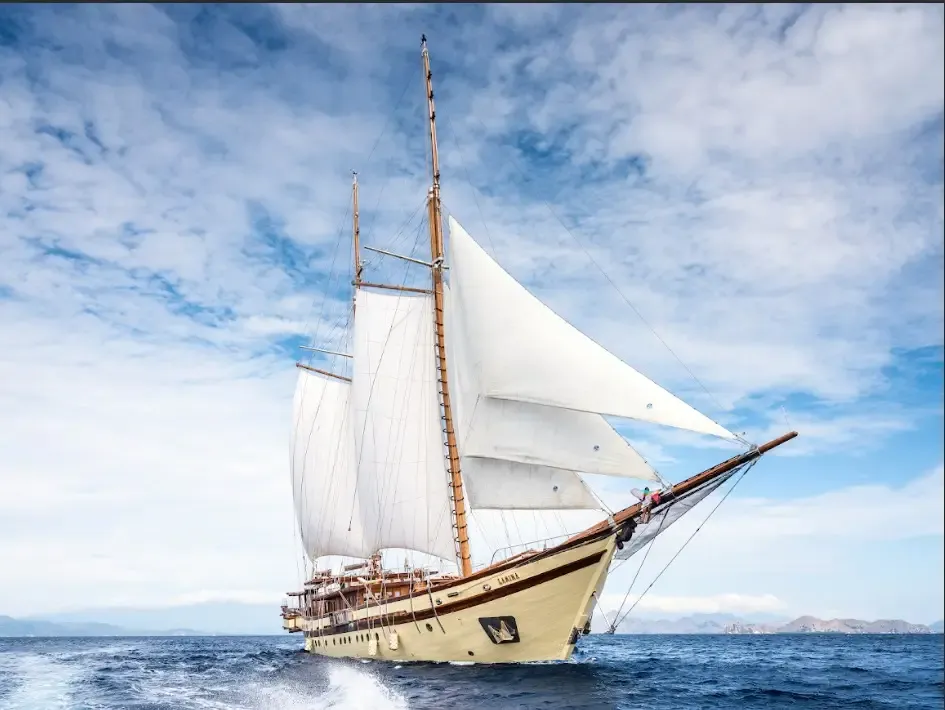
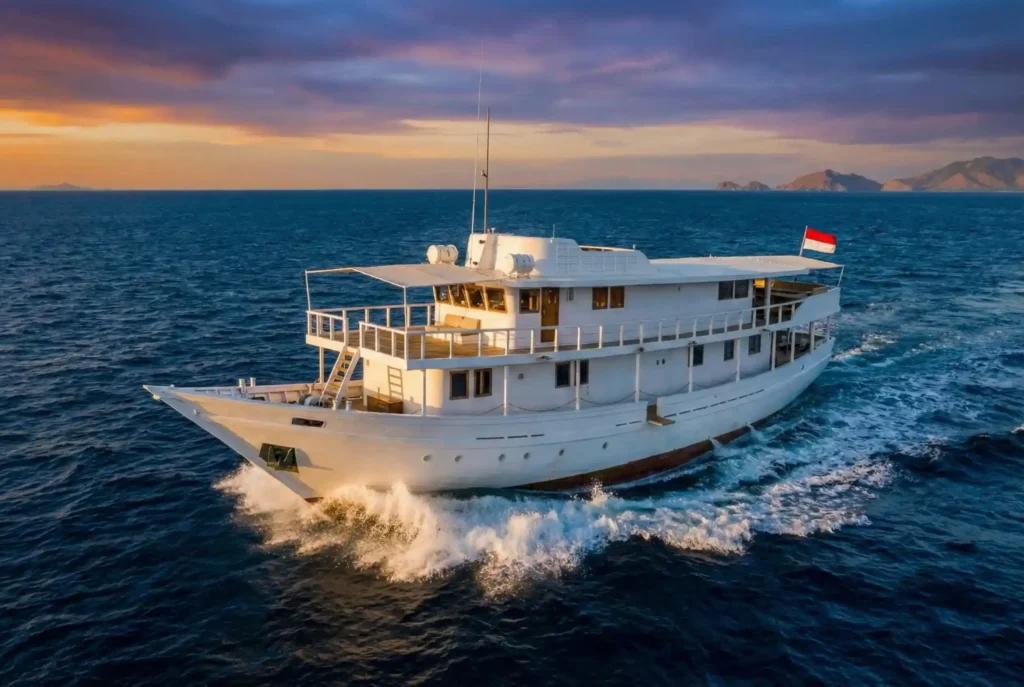
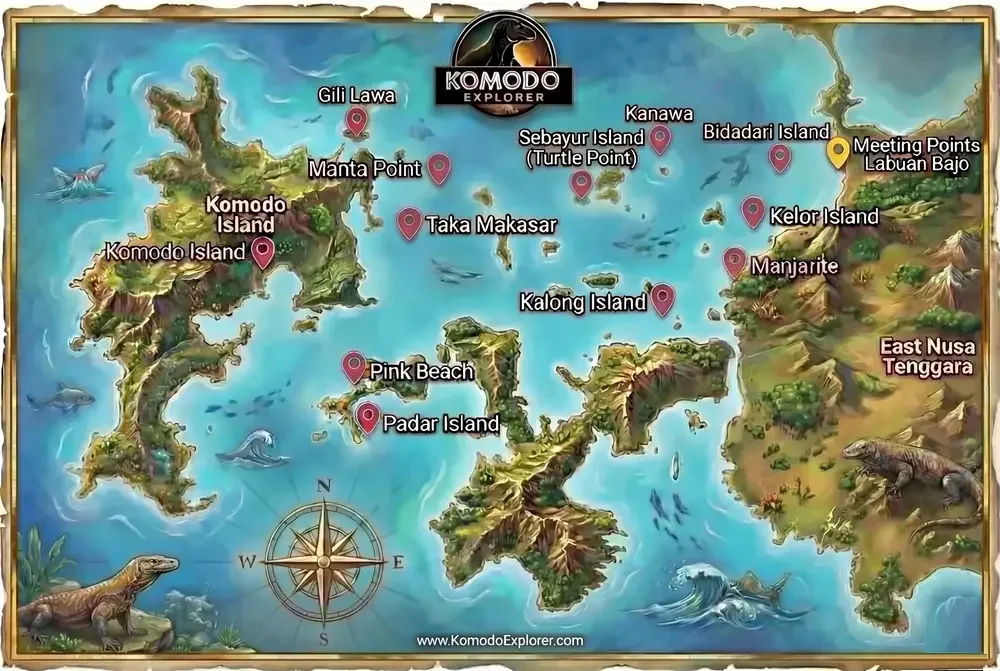
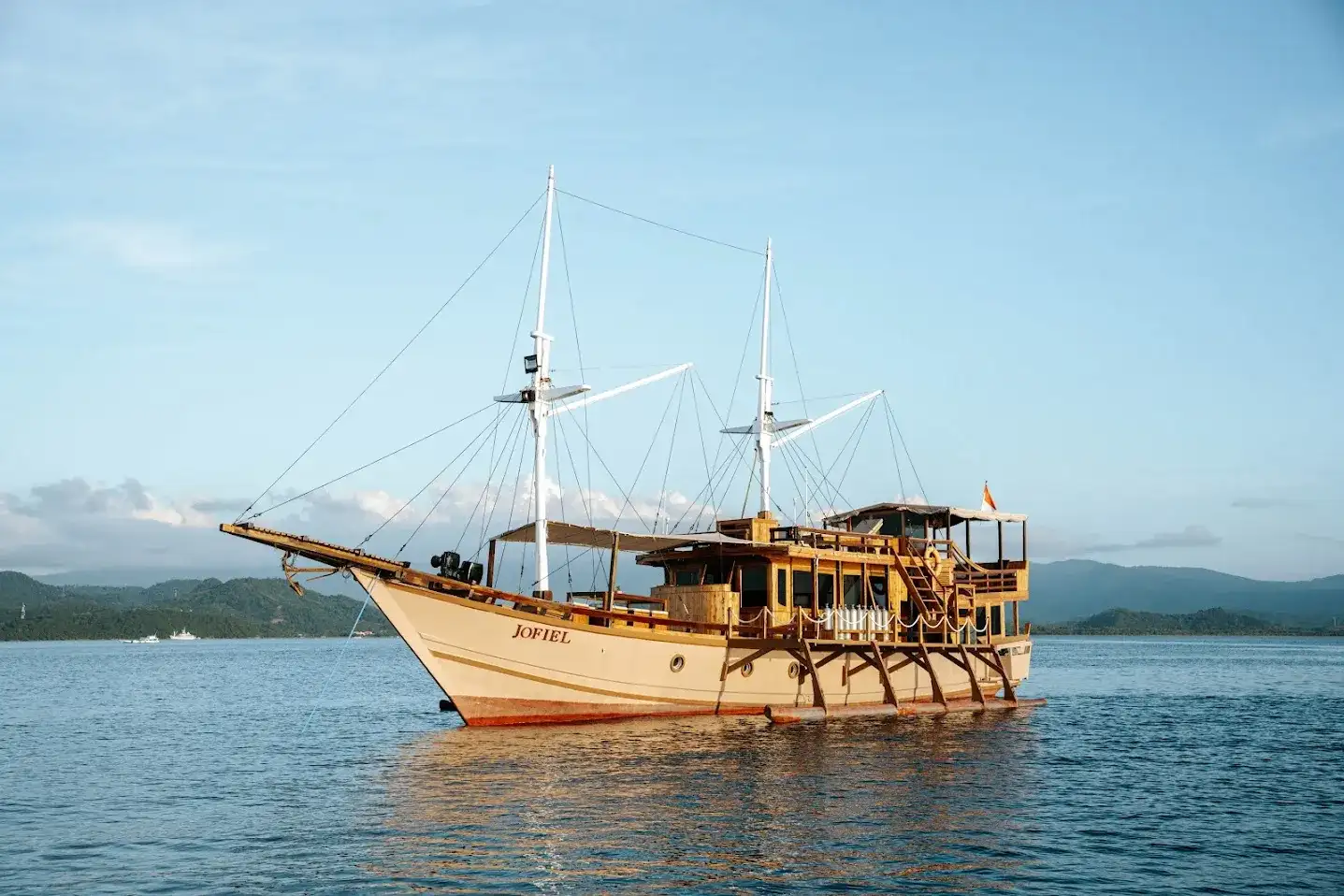
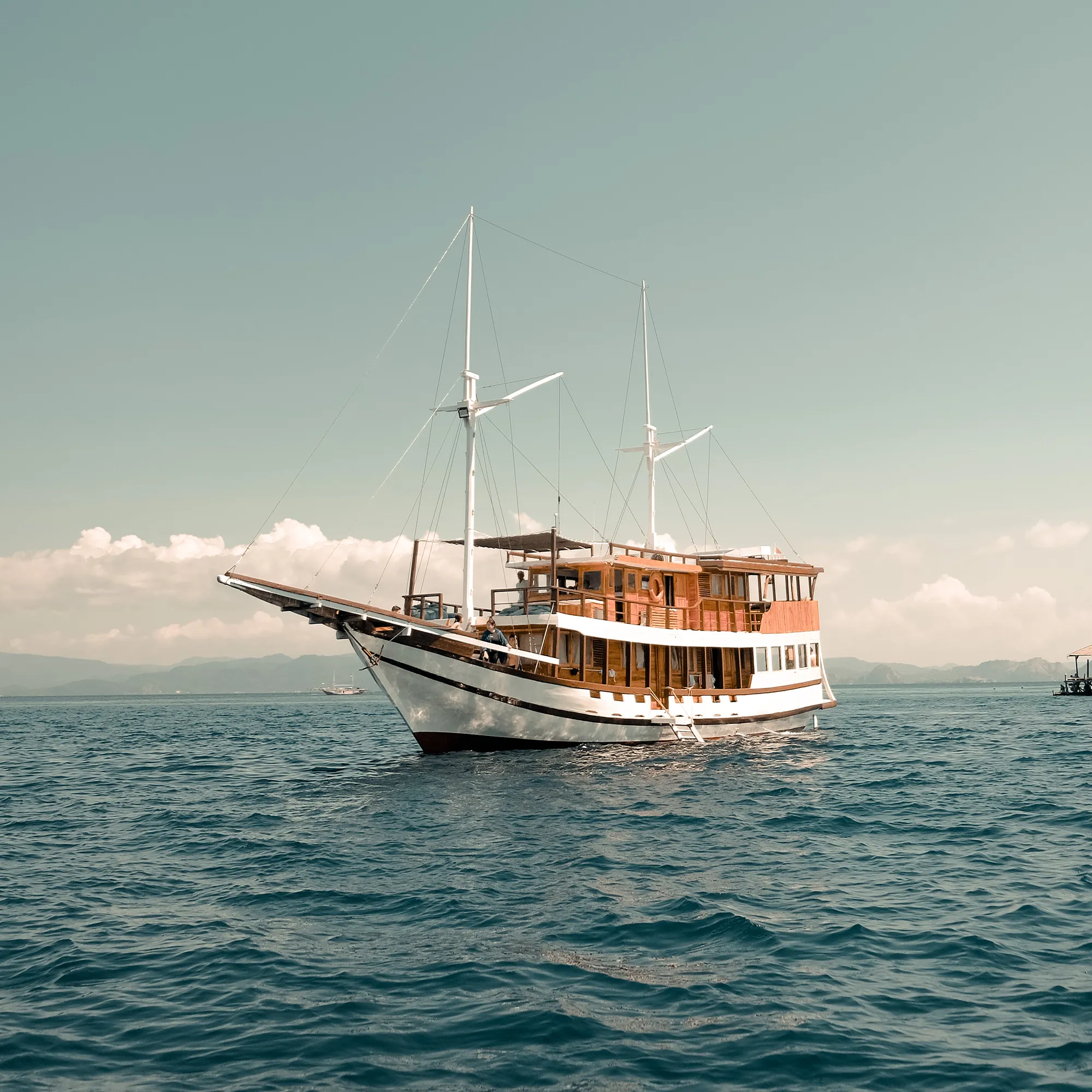
We keep the bow steady at 12 knots when the Banda Sea picks up, and the 30-metre hull of Radea 2 cuts clean through the swell. That matters when you’re crossing from Labuan Bajo to Sebayur – a 4-hour run that smaller boats turn into a slog. We time it to arrive by 15:30, just as the tide drops enough to expose the sandbar at the bay’s mouth. Guests step off directly onto white coral fragments, no dinghy shuffle. First dive here is always Batu Bolong – not just for the current-swept coral walls, but because we’re often the only boat inside the channel before 09:00 the next morning.
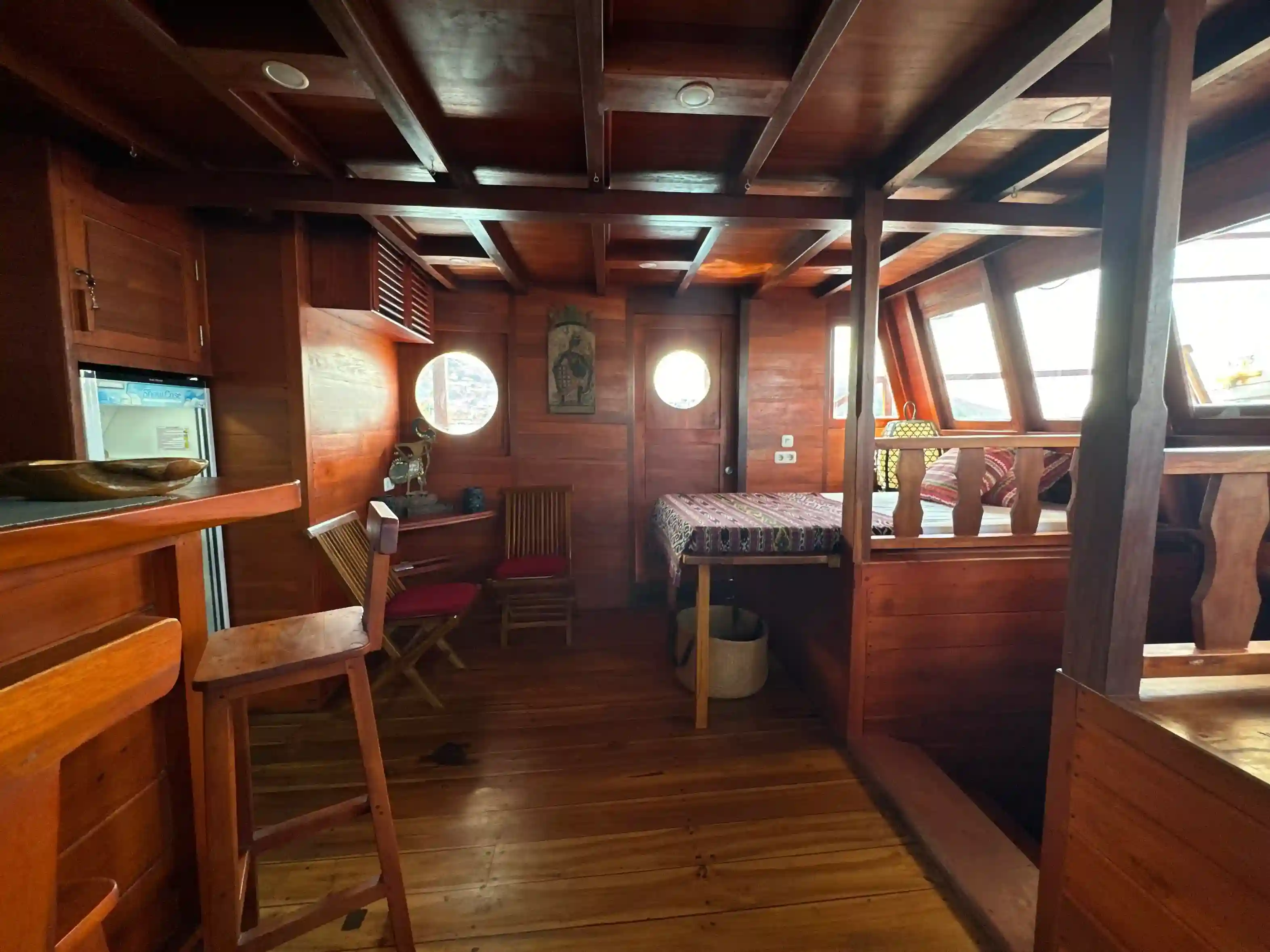
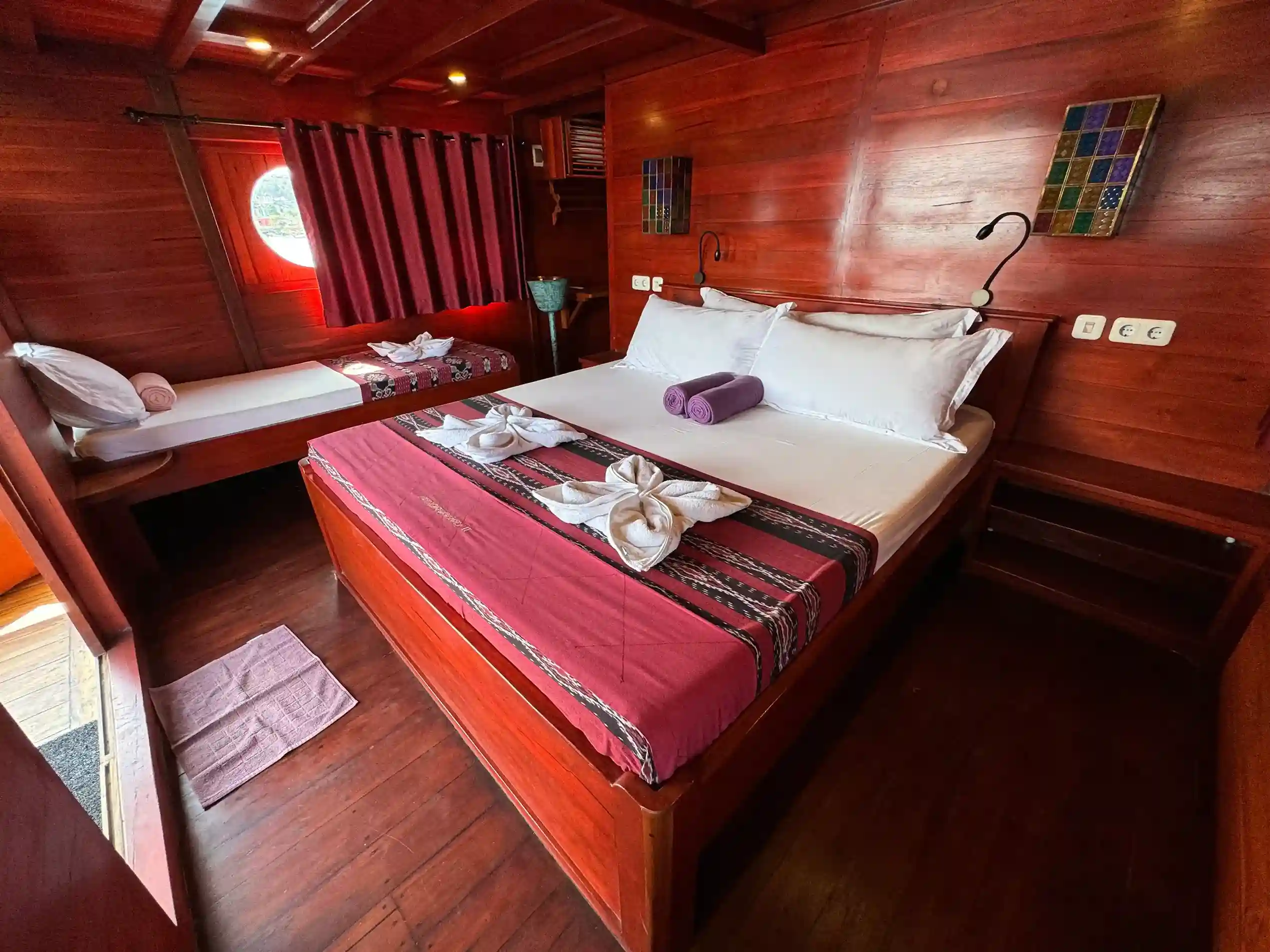
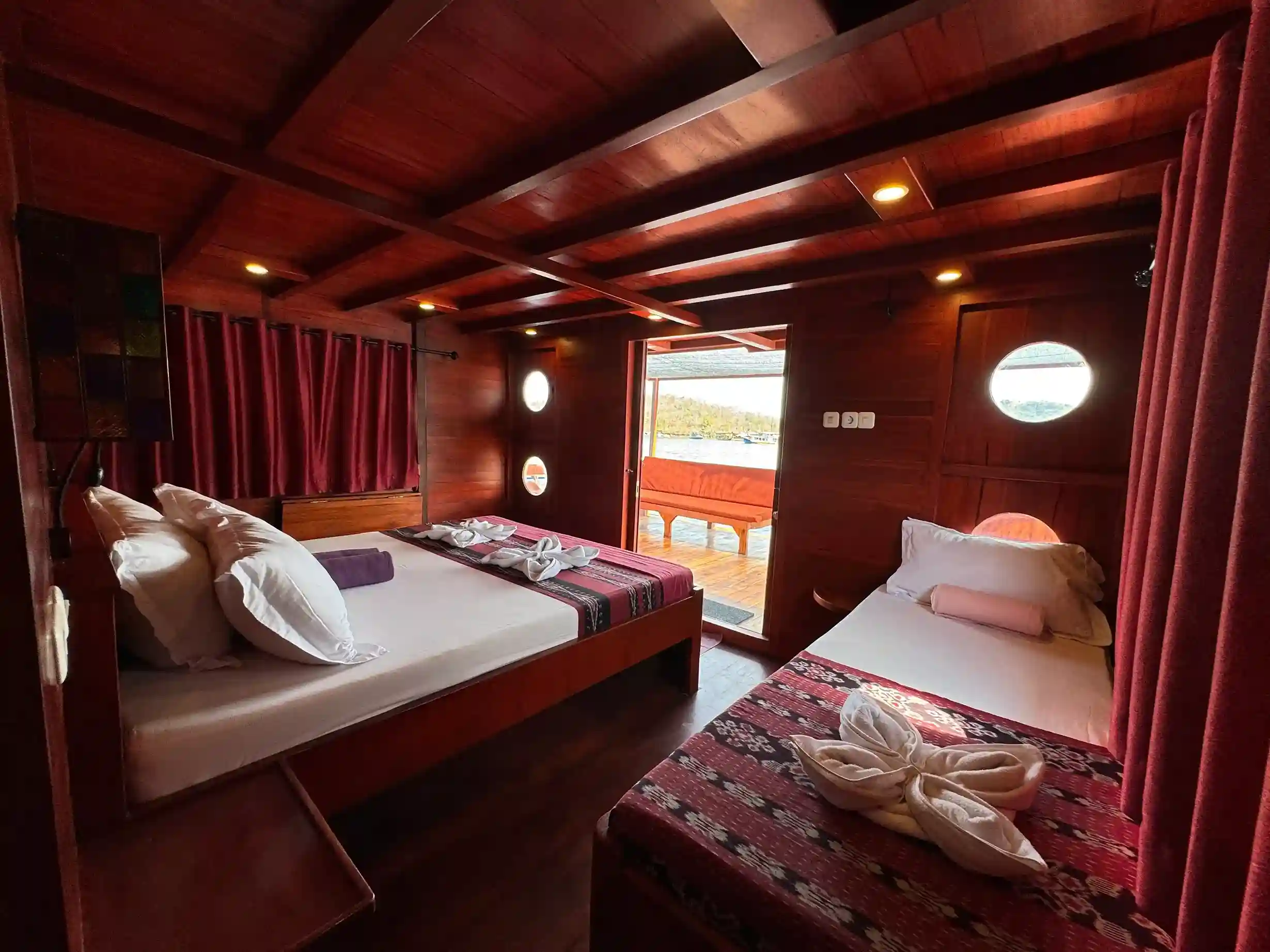
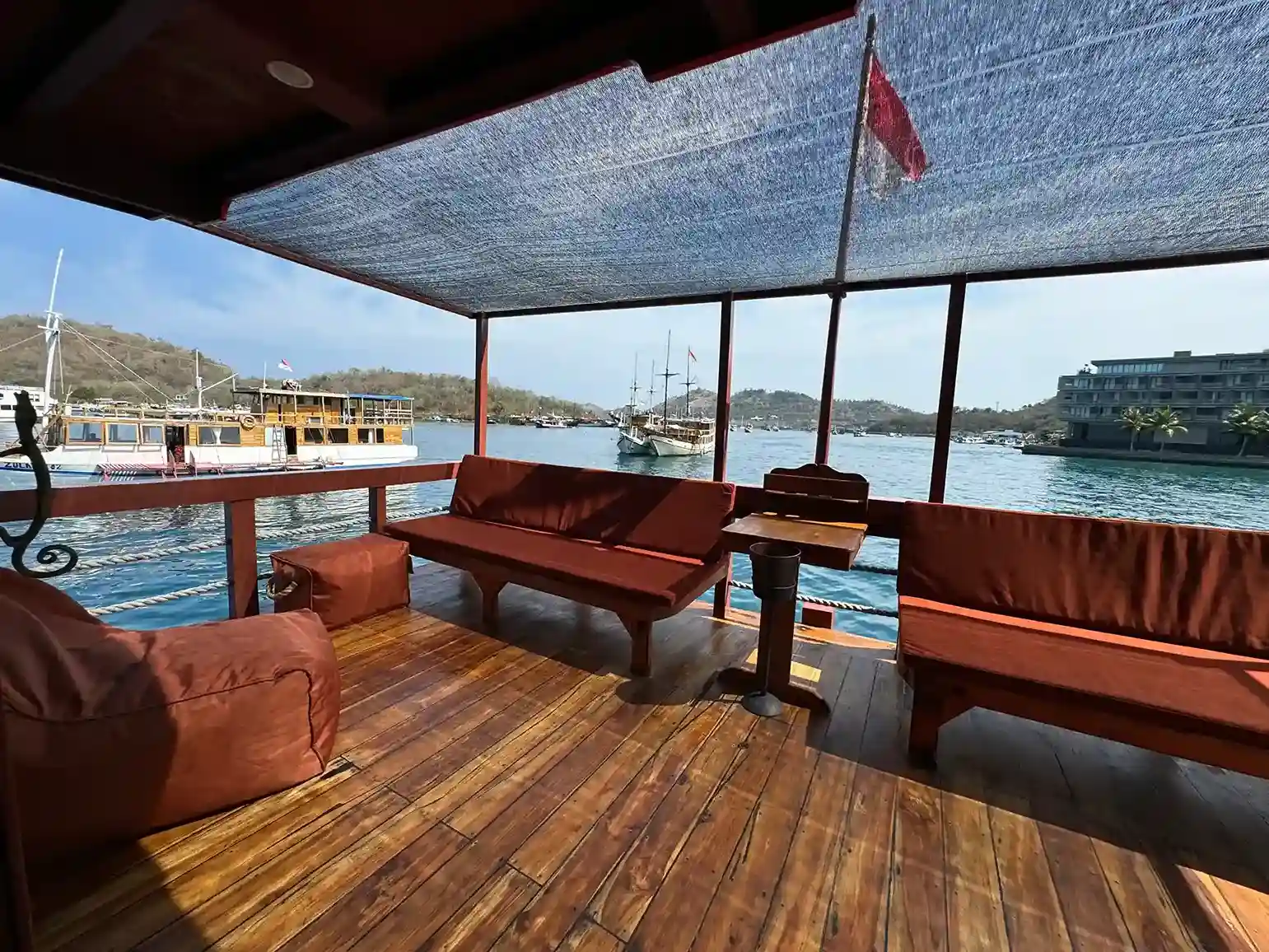
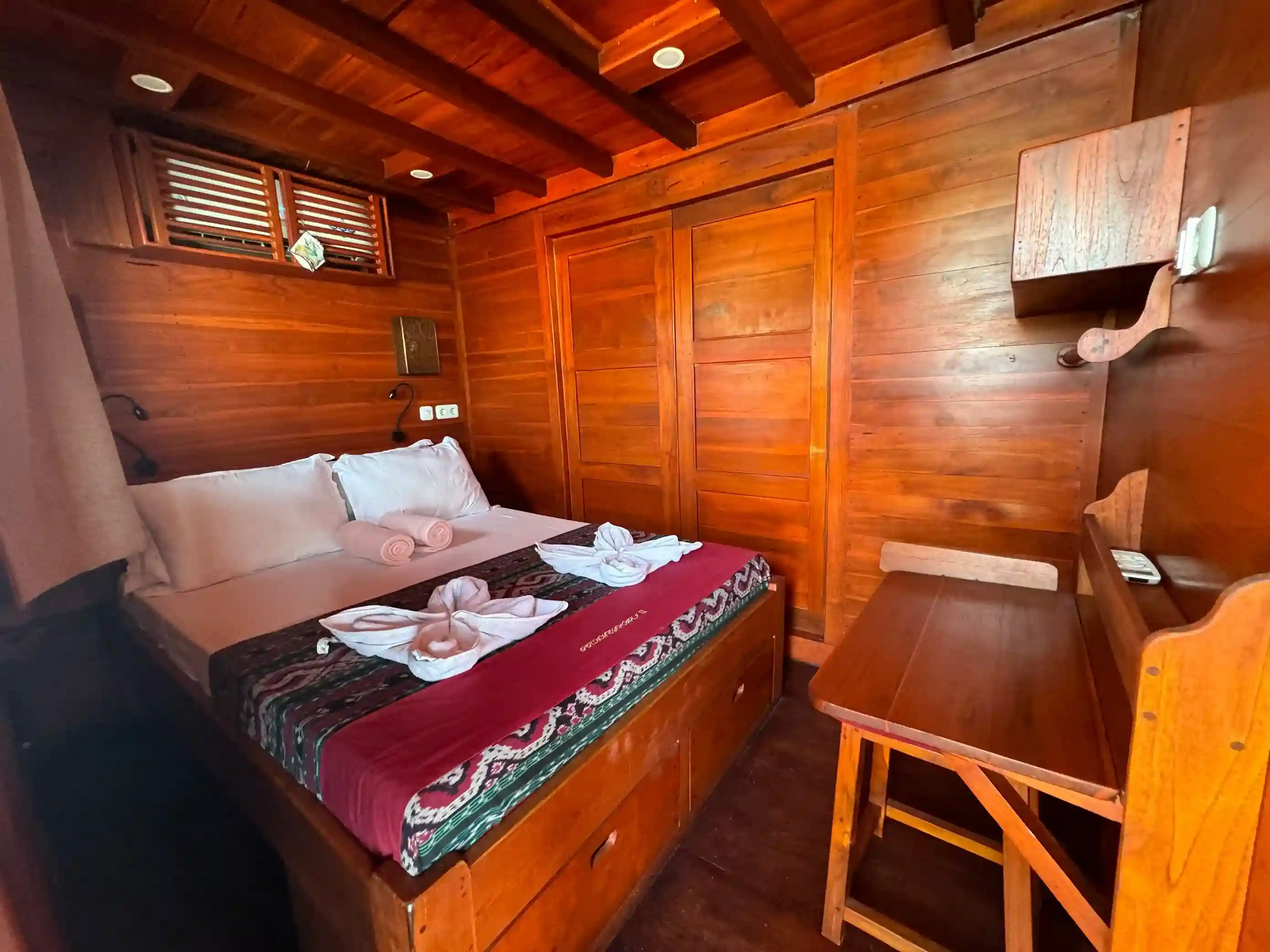
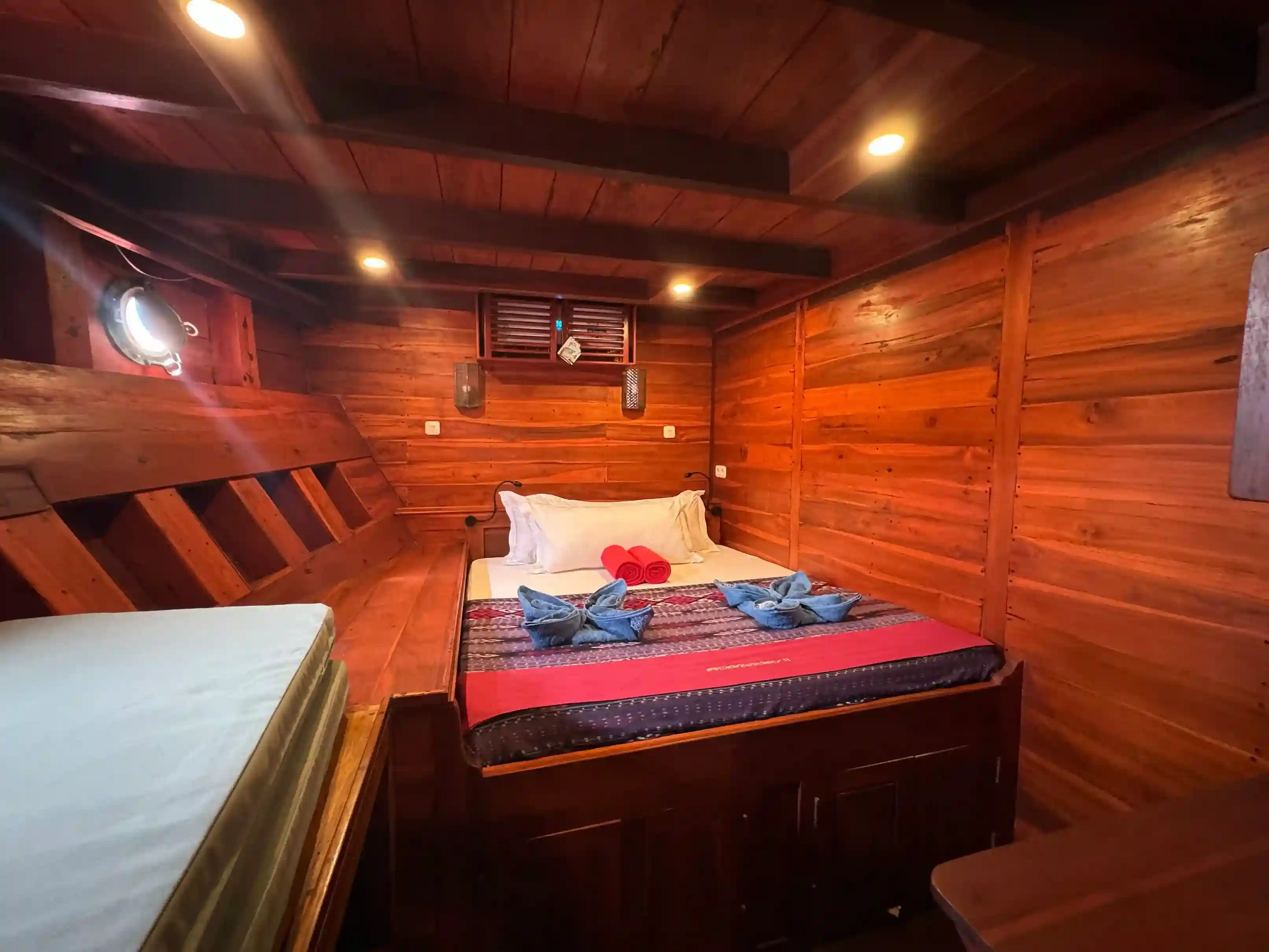
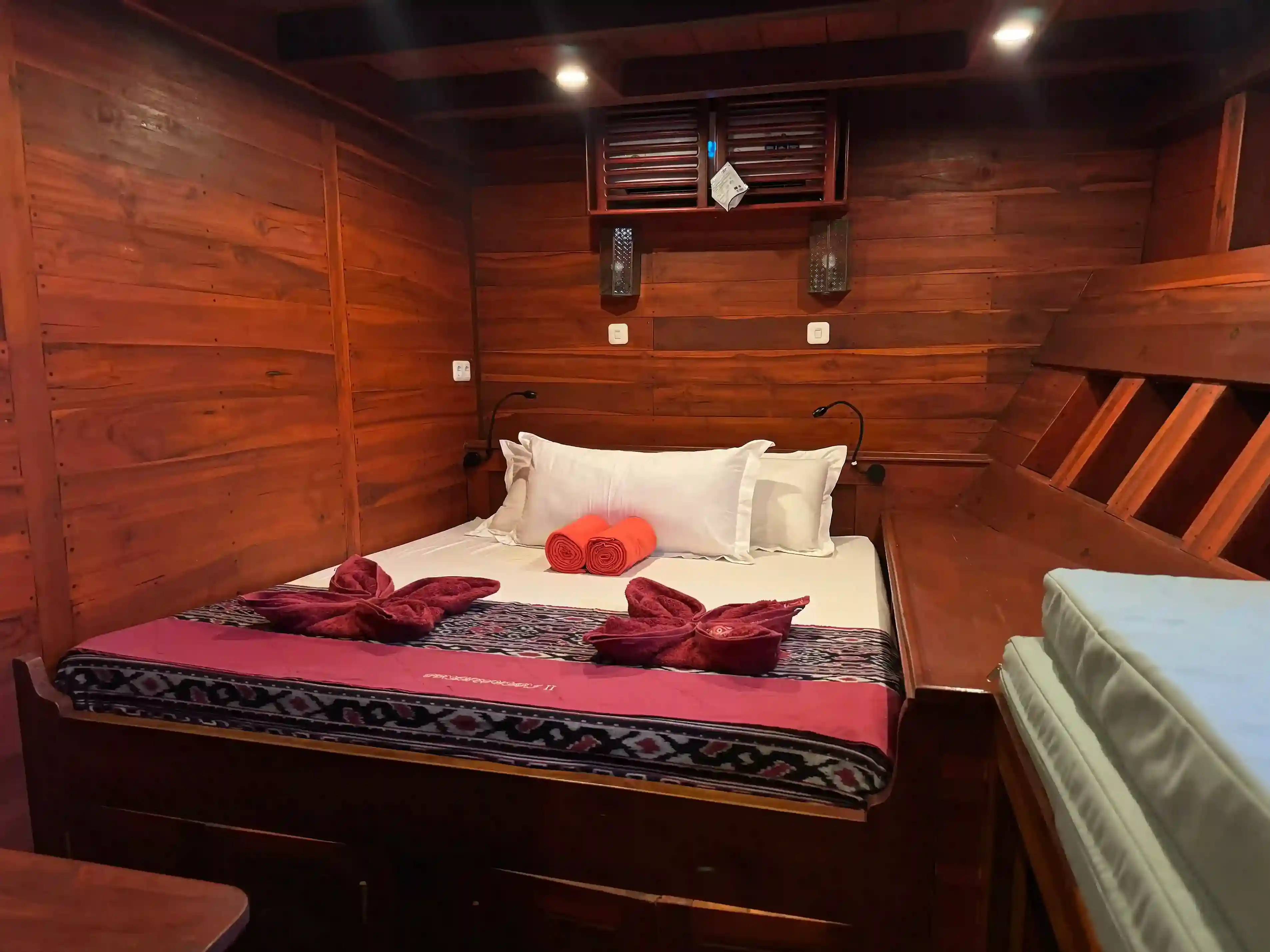
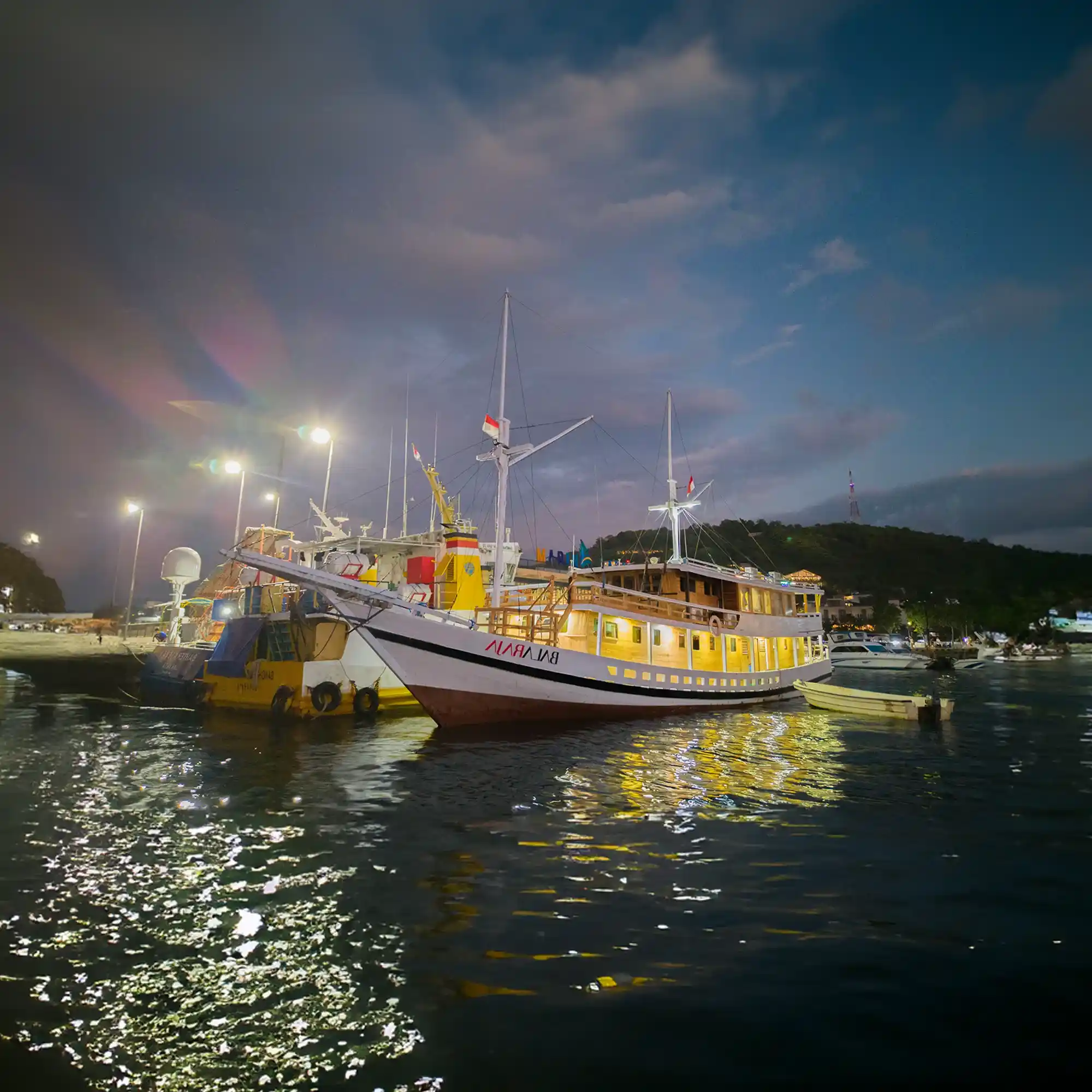
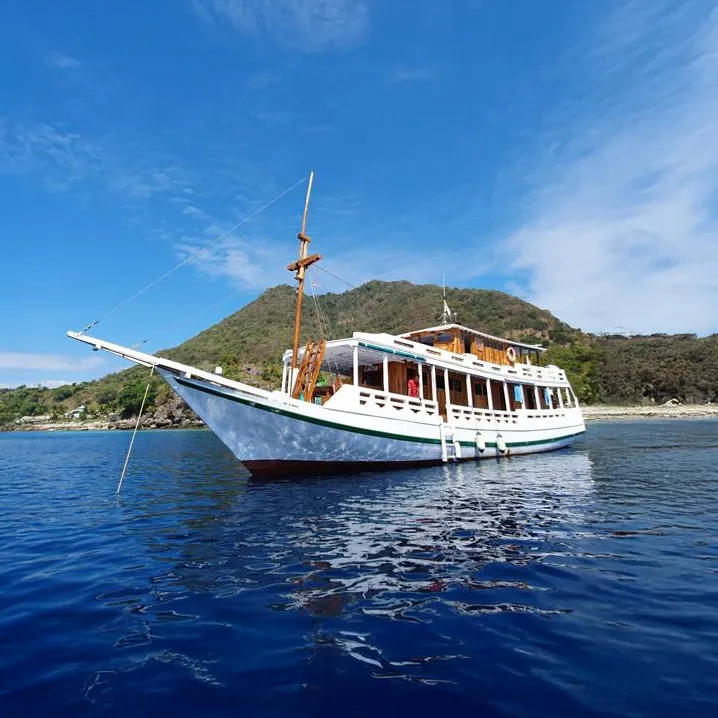
This isn’t a converted trading vessel retrofitted with cabins. Radea 2 was laid down in 2019 as a dedicated liveaboard, so the engine room is aft, not amidships, which means no vibration in the guest areas. The single cabin sits amidships, directly above the fuel tanks – the most stable point on any boat in rolling seas. It’s a double suite with ensuite, a proper ventilation grille above the bed, and a freshwater shower that delivers pressure you’d expect on a dive resort, not a wooden phinisi. We keep extra 15-litre tanks on deck because some guests want to do three dives a day, and we don’t make them wait while we refill.
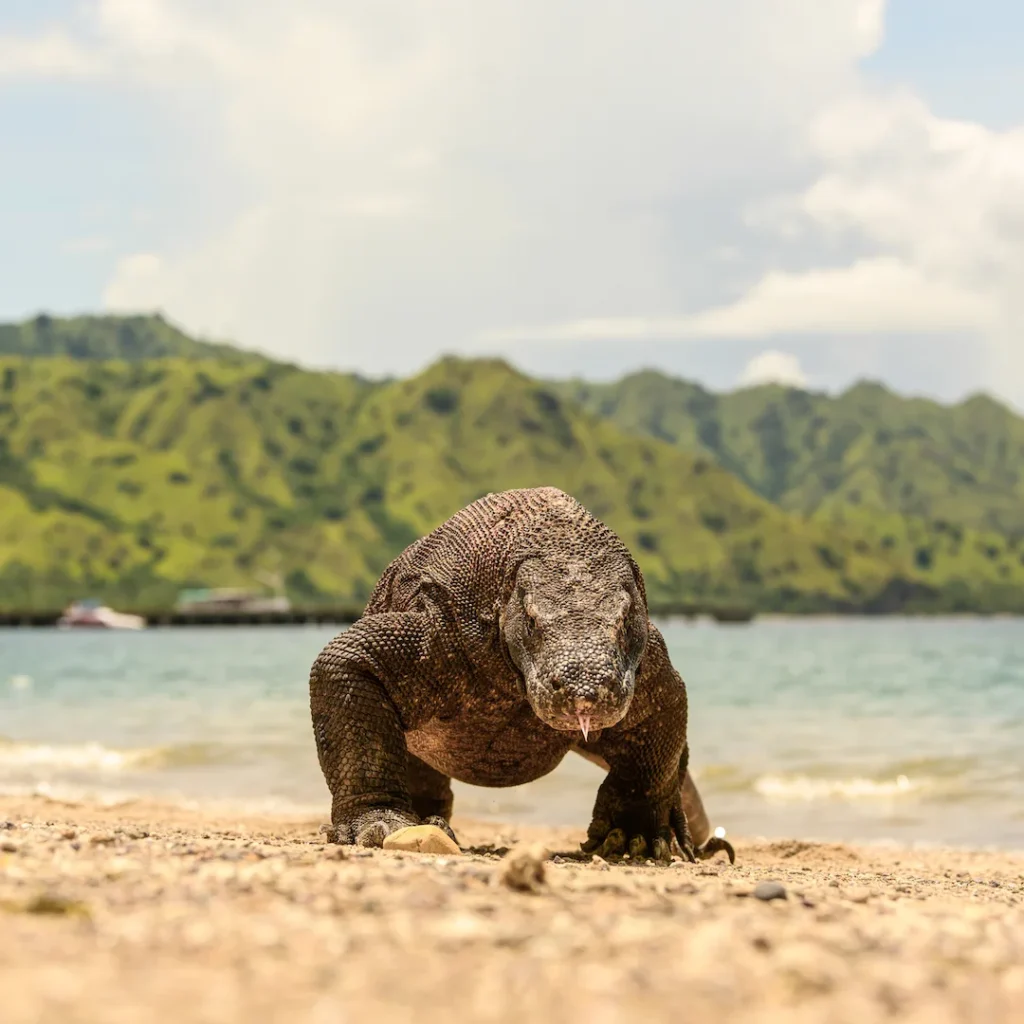
On Day 2, we’re at Padar before sunrise. Not the crowded trailhead drop-off – we land on the west beach at 05:45, let guests hike the southern ridge, then circle around to pick them up at Loh Liang later in the morning. That’s the advantage of having a captain who’s logged 1,200 Komodo trips: we know which anchorages empty out by 08:00 and which stay packed until noon. After the Komodo ranger station walk at Loh Liang, we motor to Pink Beach, but not to the main cove. We drop anchor in the northern pocket, where the sand mixes with Foraminifera and crushed coral, and guests snorkel the reef just off the point, not the postcard spot.
Manta Point at Nusa Kode is next. We don’t drift with the current like day boats do. We anchor on the leeward side, deploy the surface marker, and let guests enter from the stern ladder. The mantas come inshore when the tide turns at 10:30 – we’ve seen six in one 20-minute window. By late afternoon, we’re at Kalong Island. The roosting fruit bats don’t start flying until 18:15, so we time the barbecue on deck to coincide – guests eat satay as the first wings cut across the orange sky.
Final day, we push east to Taka Makassar. It’s a sandbar that appears at low tide, ringed by shallow reef. We arrive by 08:30, drop the anchor in 8 metres, and let guests wade across the flats. Visibility hits 25 metres when the sun’s high. After an hour, we shift 1.2 nautical miles west to Kanawa – a volcanic cone with soft coral draped over boulders. Snorkeling here is best at 11:00, when the swell settles. We’re back in Labuan Bajo by 15:00, early enough for late check-in flights.