About Jofiel
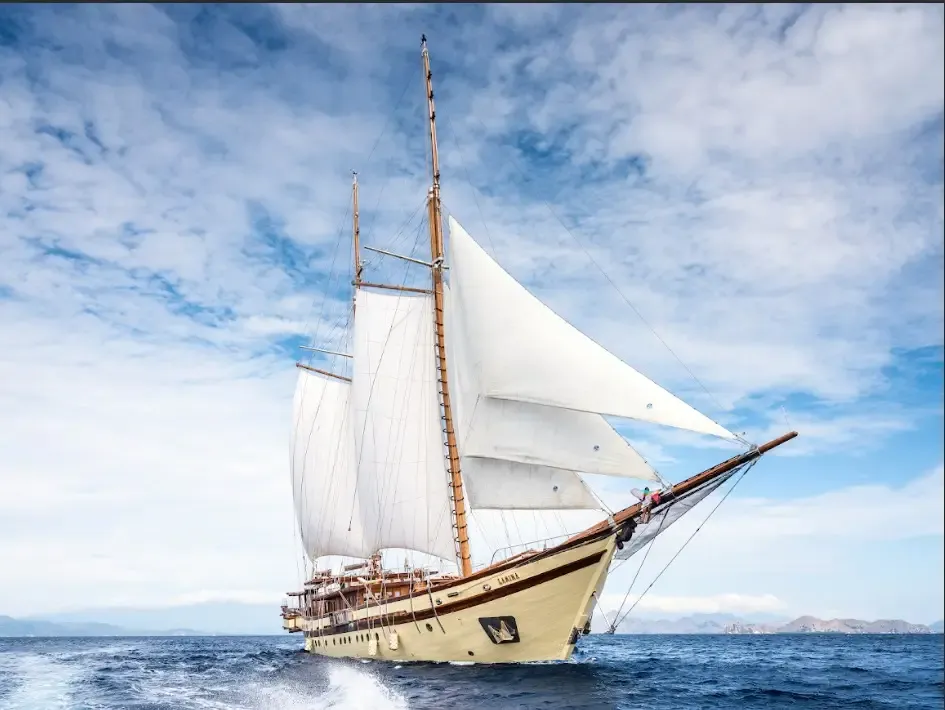
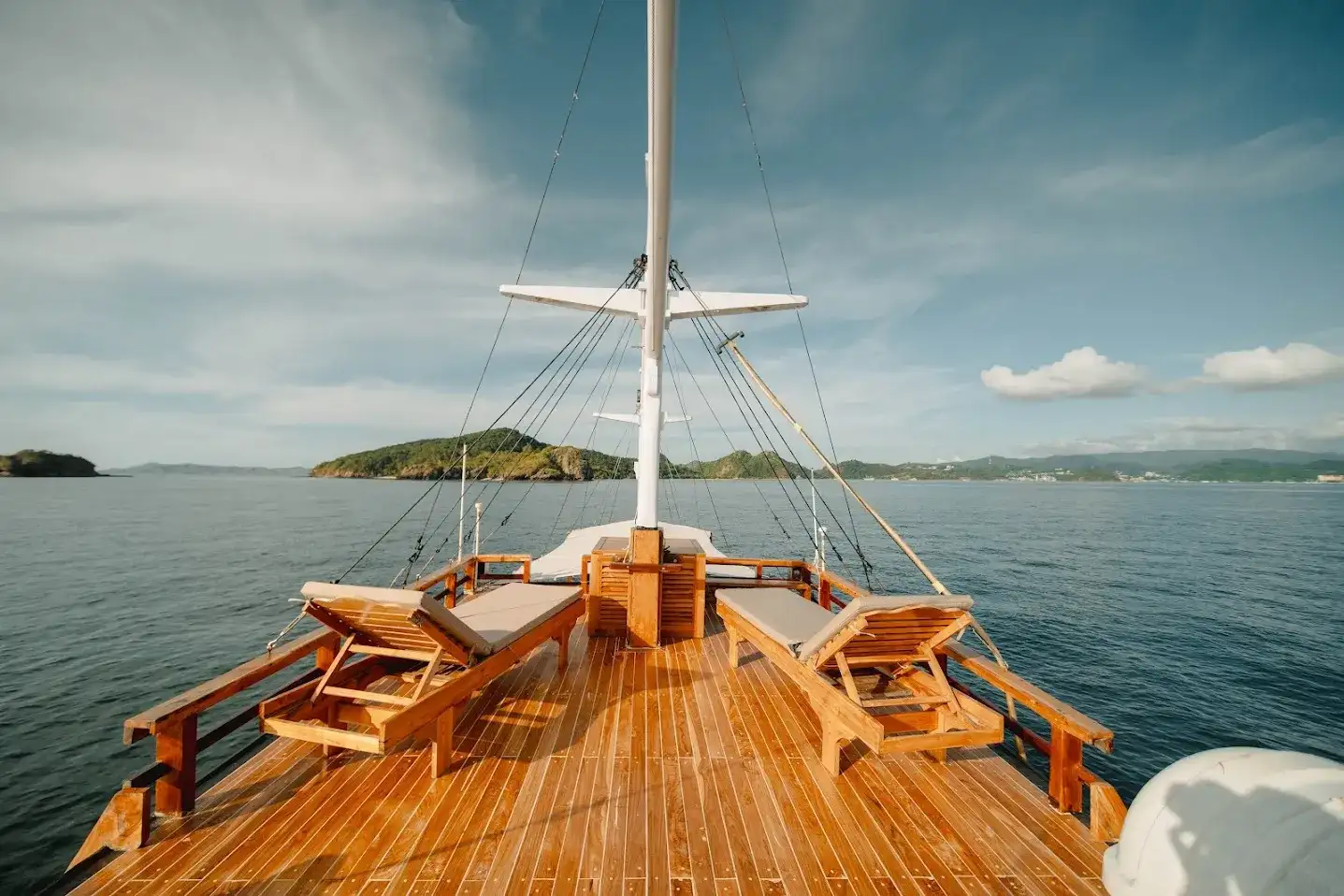
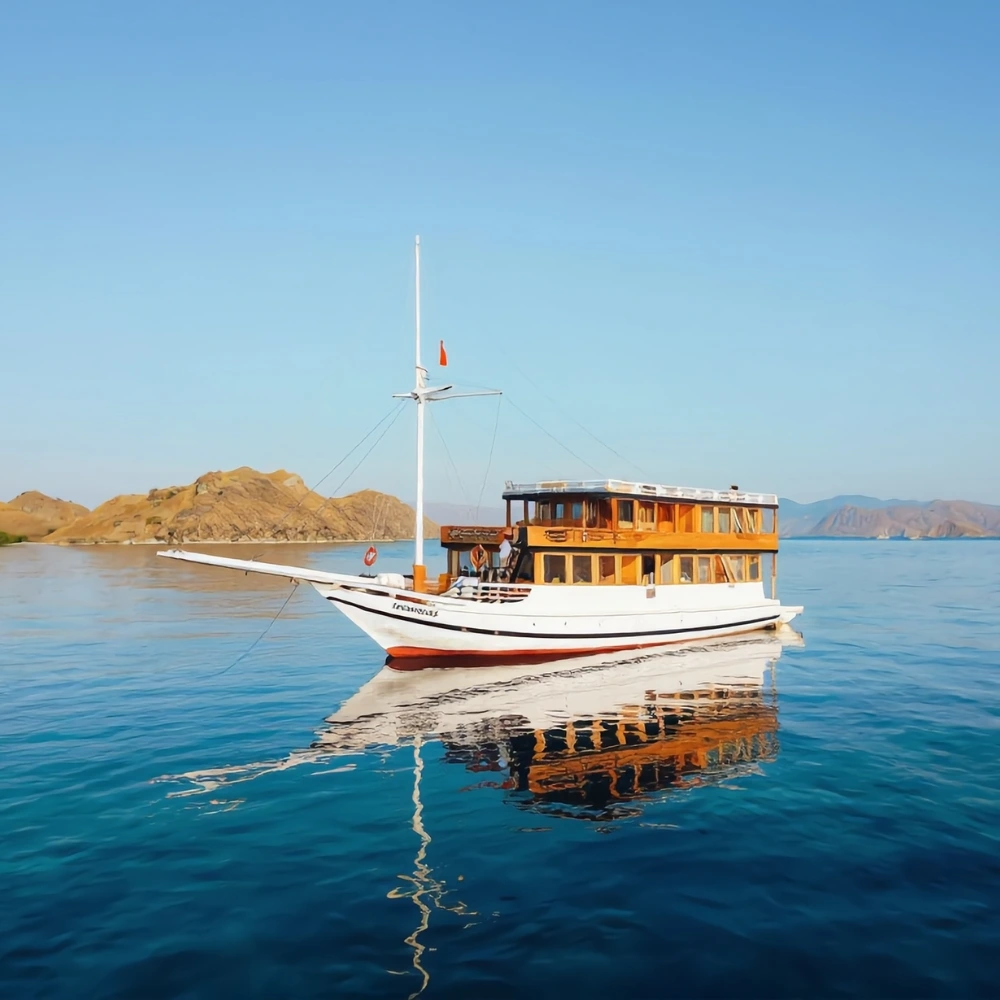
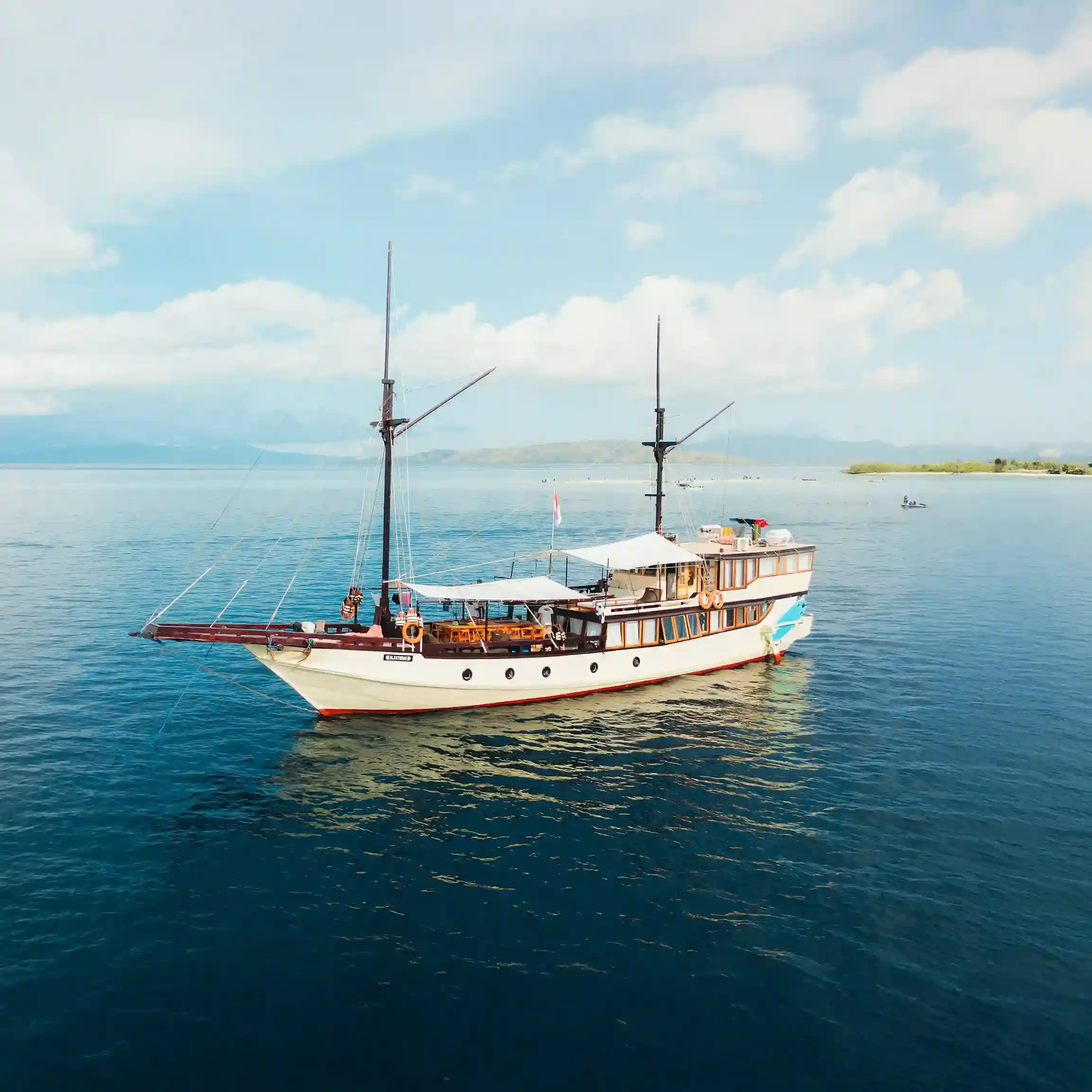
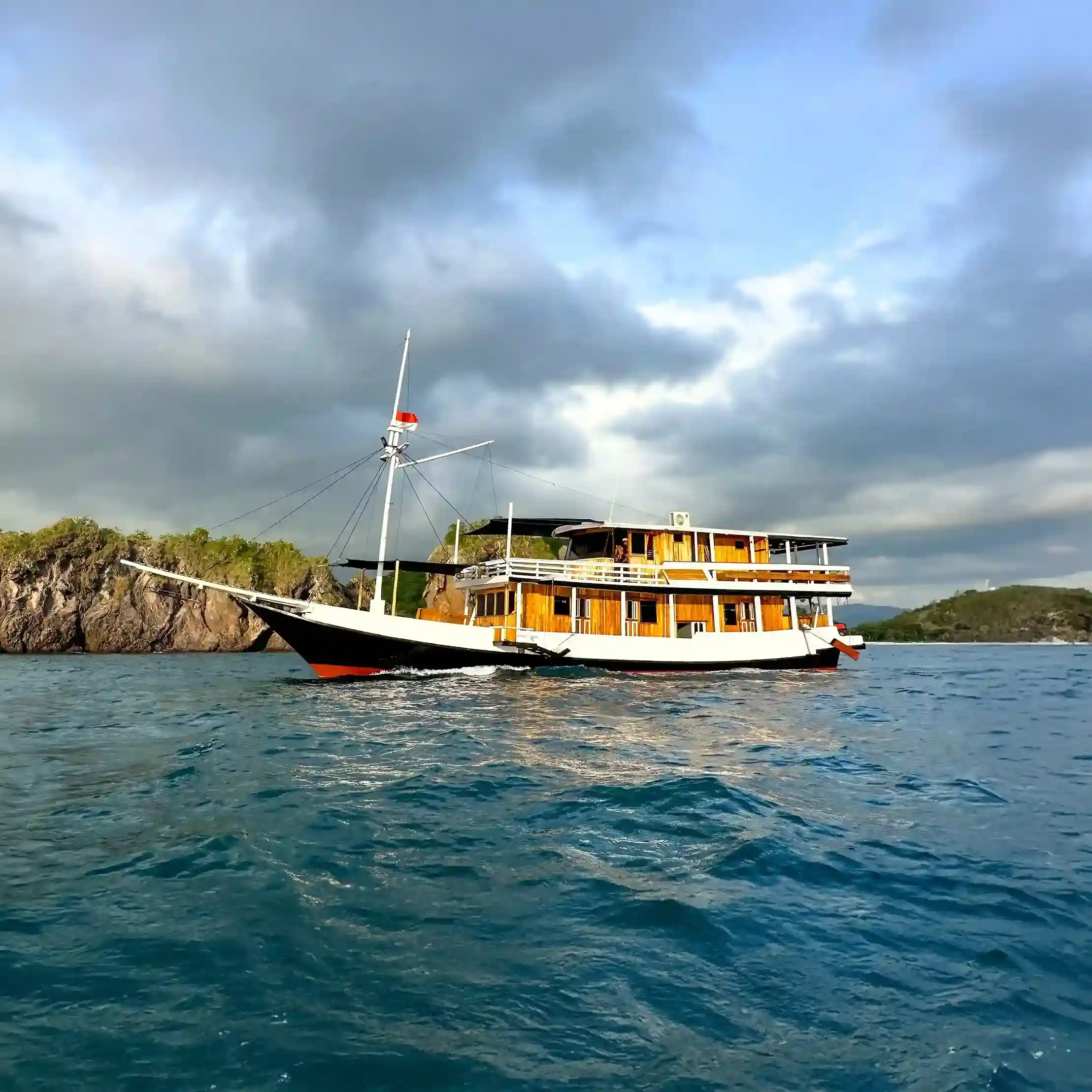
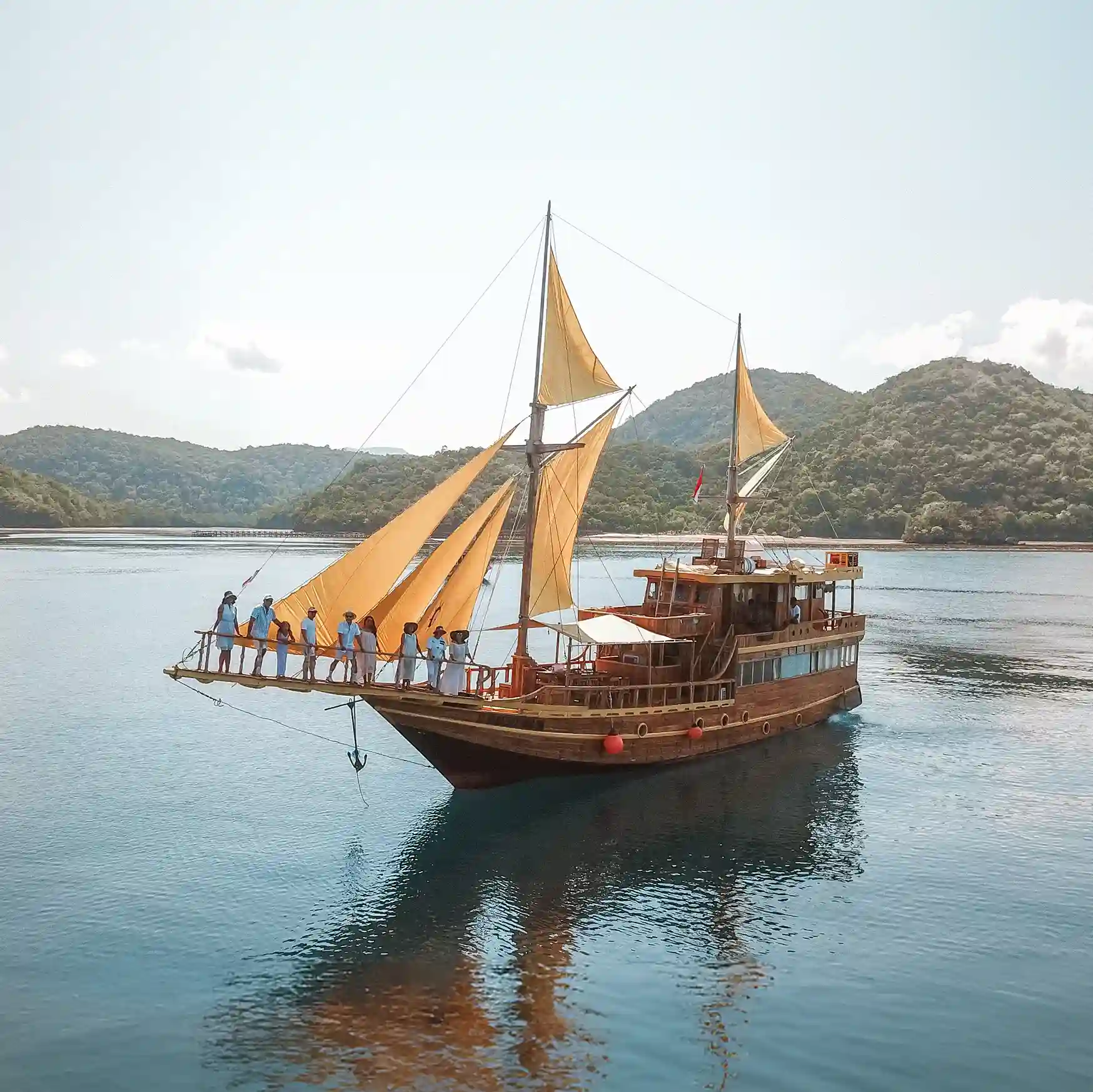
The first light hadn’t yet touched the ridge of Padar when the anchor chain rattled free. I stood barefoot on the teak deck of Jofiel, steam rising from a ceramic mug, watching the crew ease the ironwood schooner into the channel between Komodo and Rinca. There was no rush, no engine roar – just the quiet clink of rigging and the low murmur of sailors shifting lines. By 6:15, we were gliding past Bidadari Islet, where terns circled above the shallows. That moment, still and precise, set the tone: Jofiel moves with the rhythm of the sea, not against it.
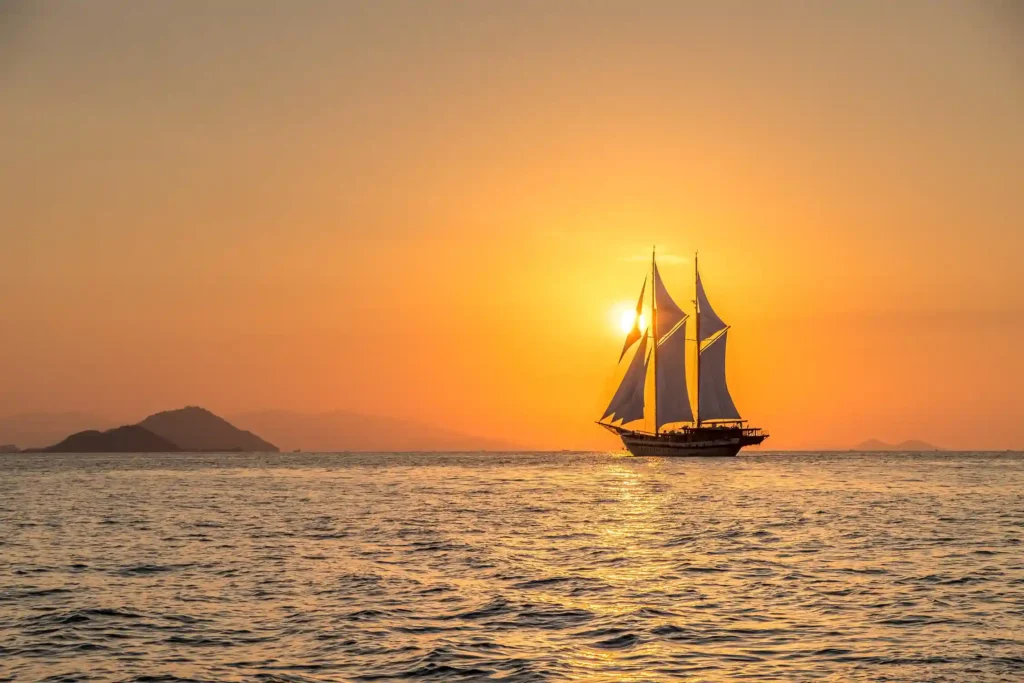
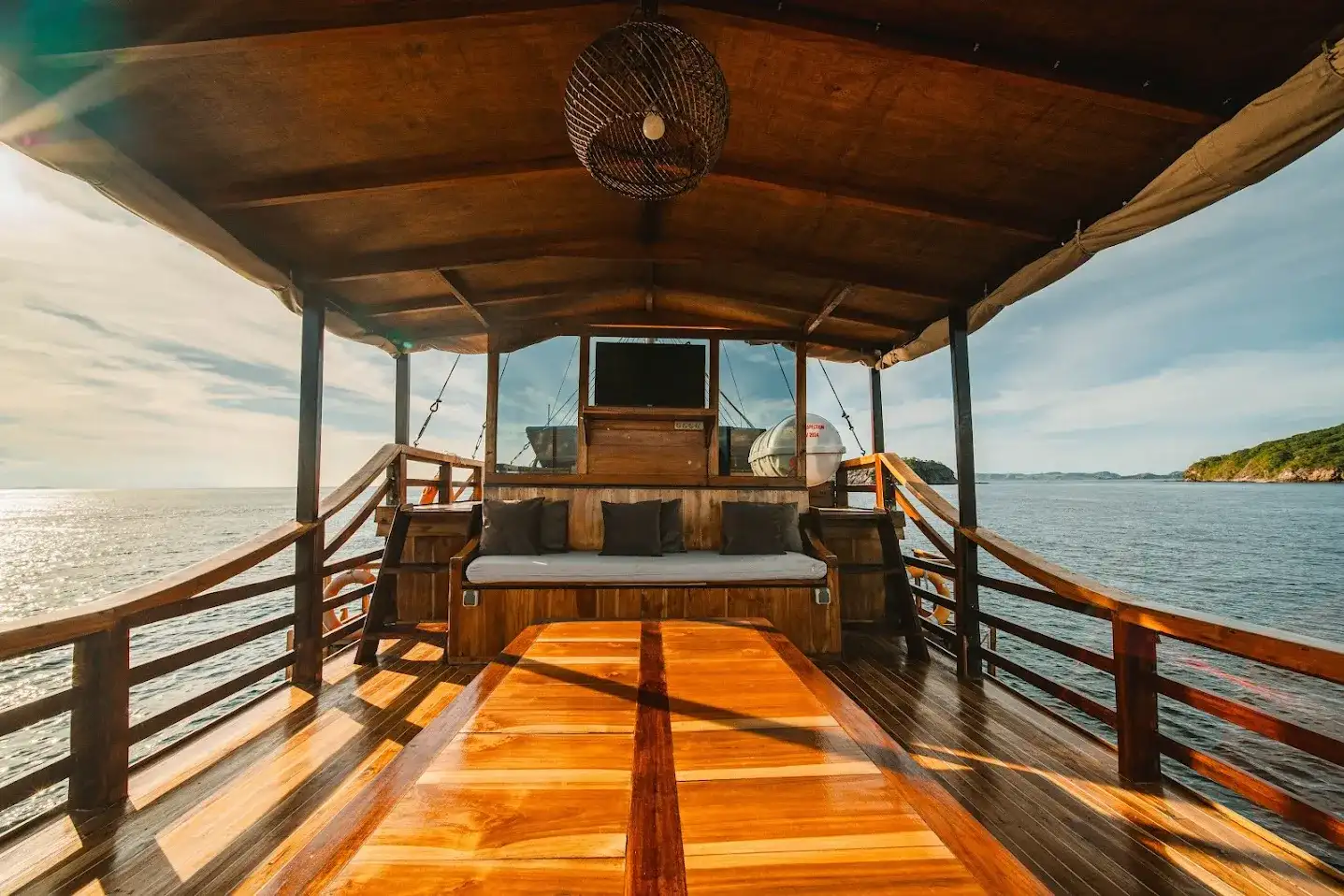
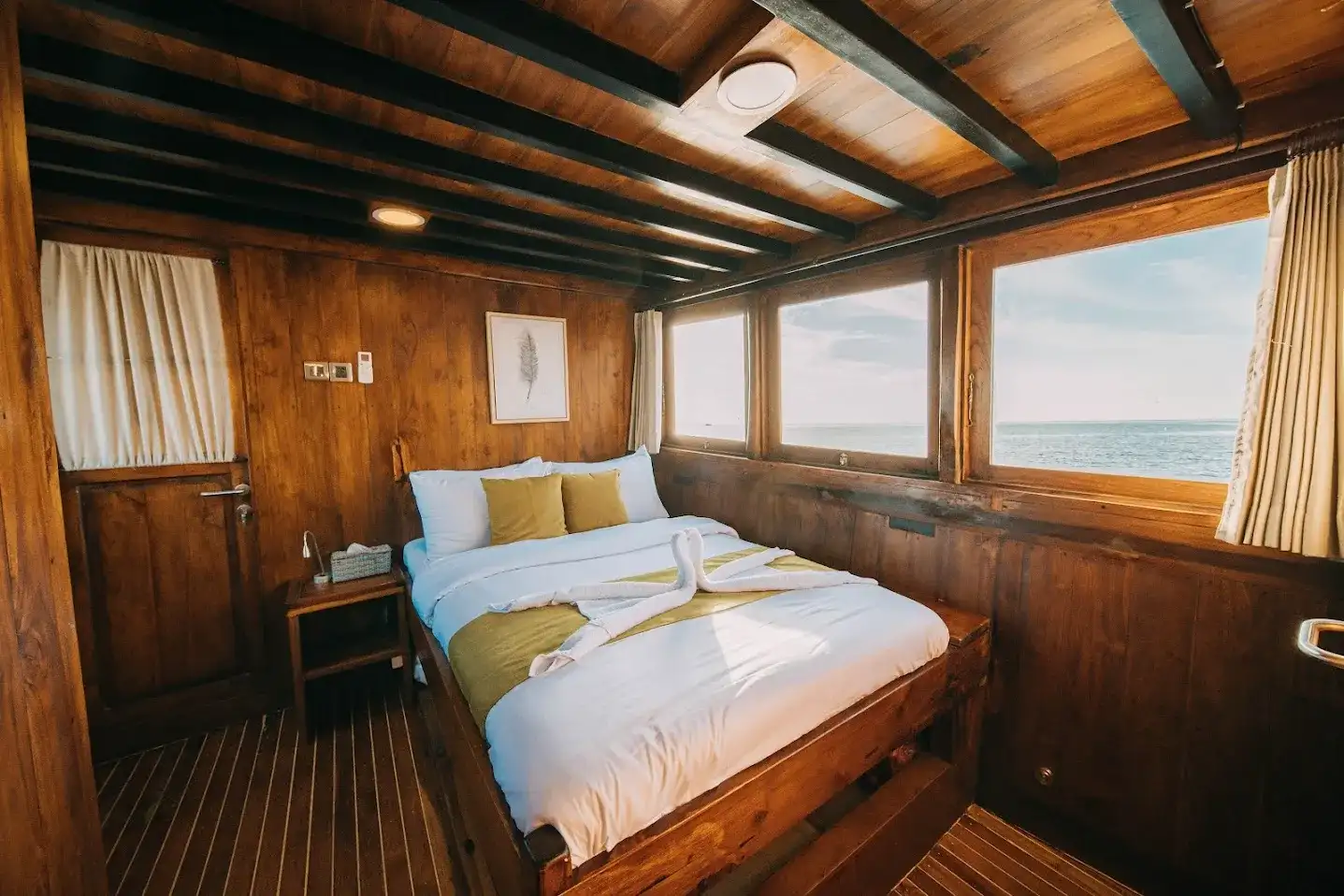
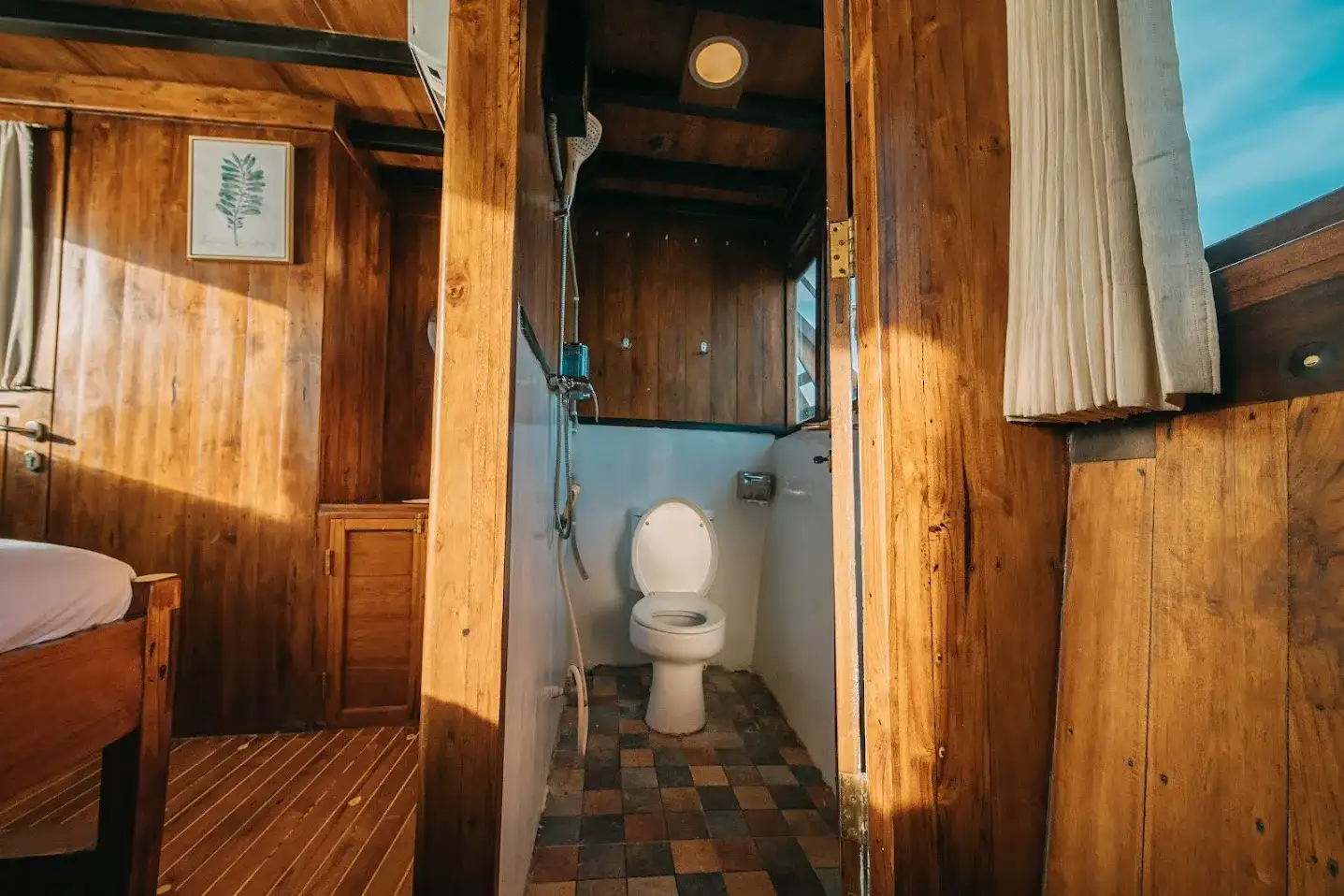
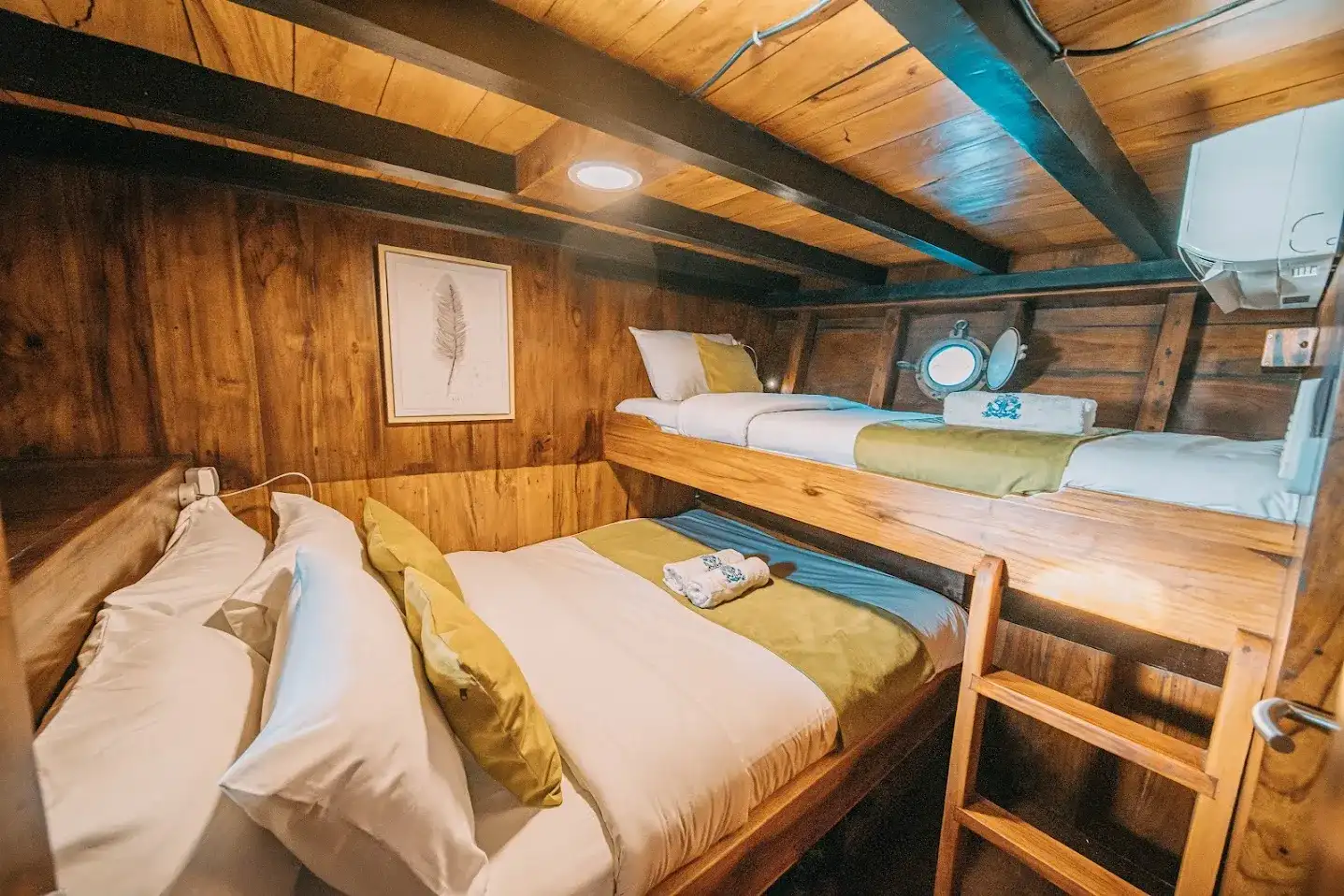
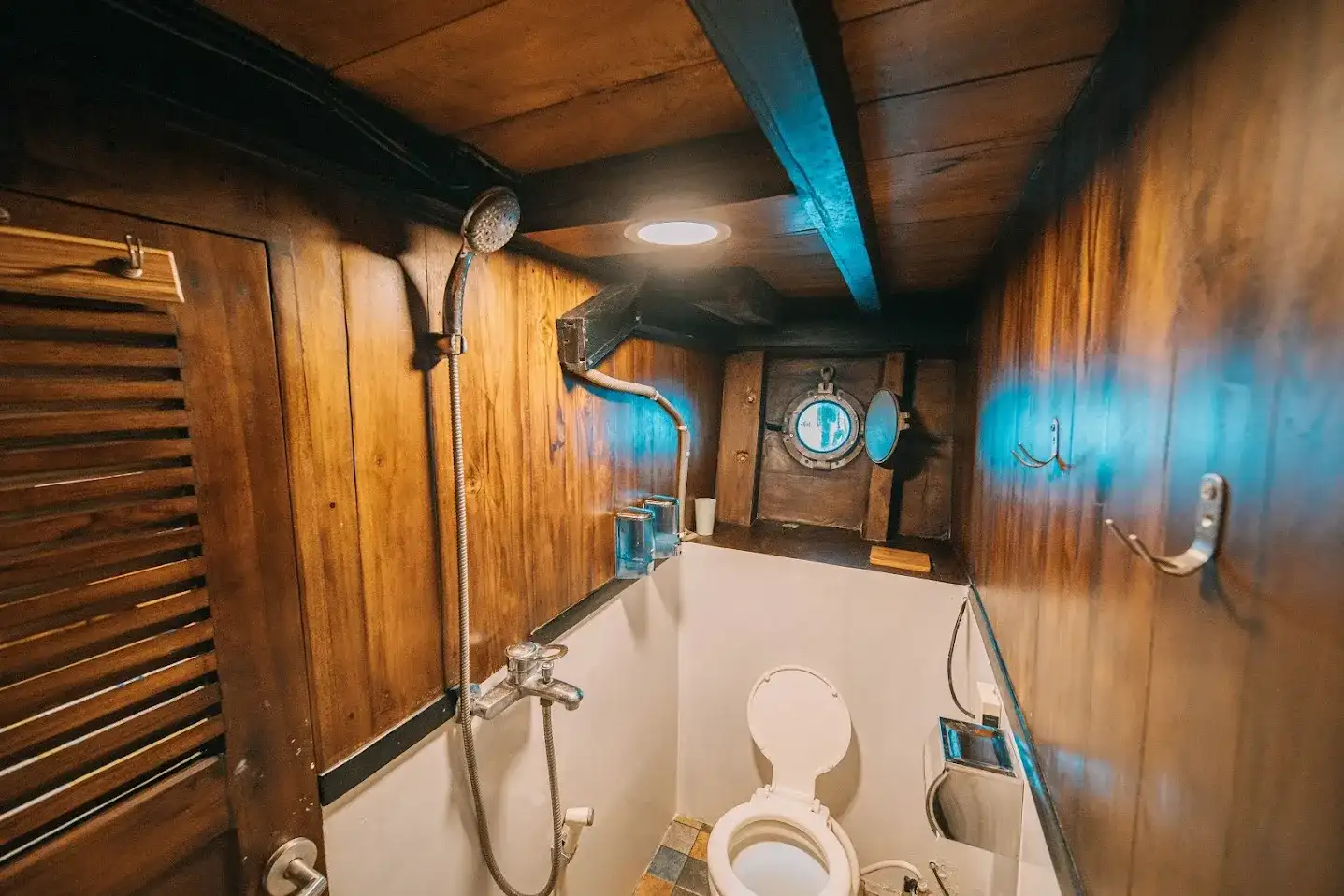
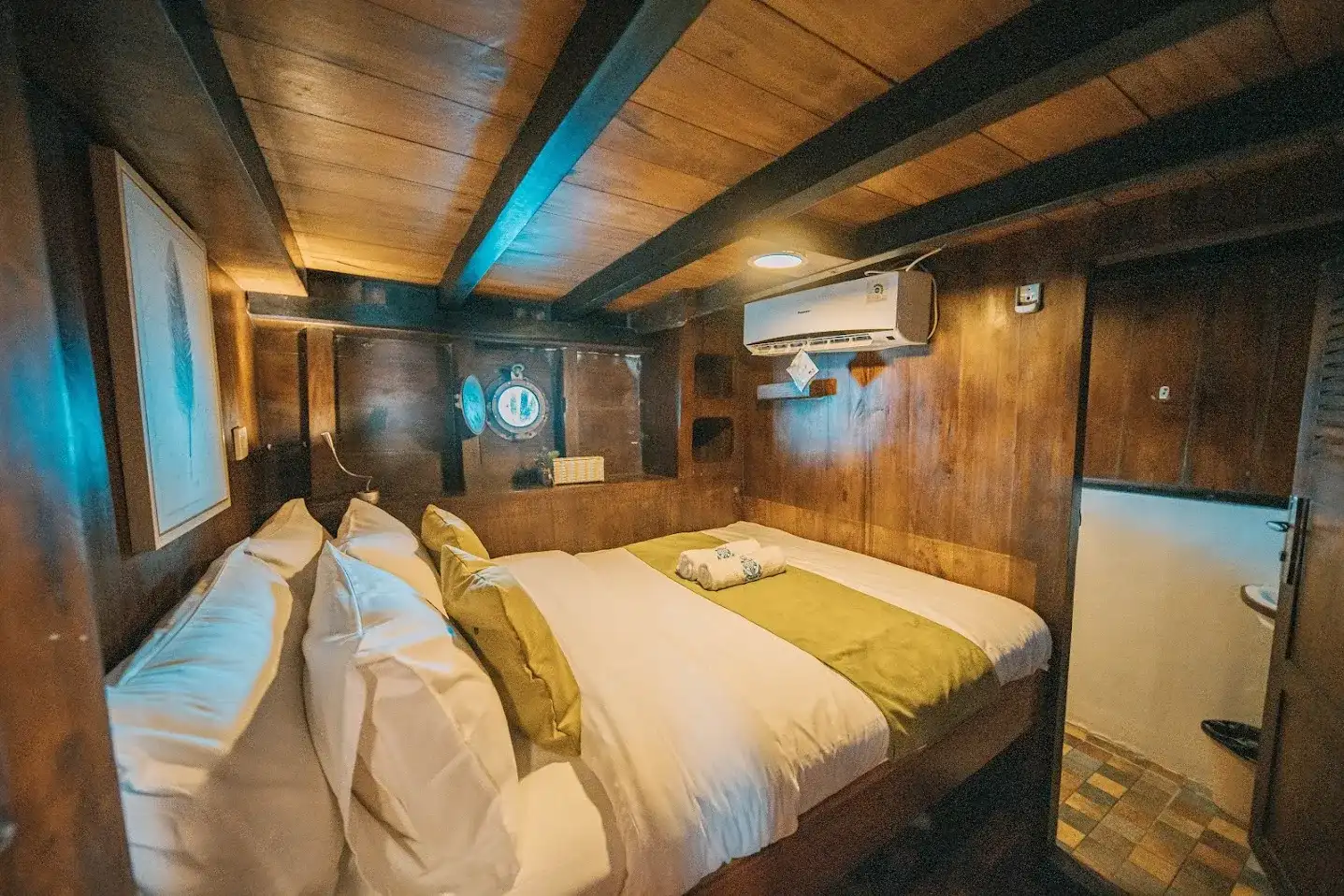
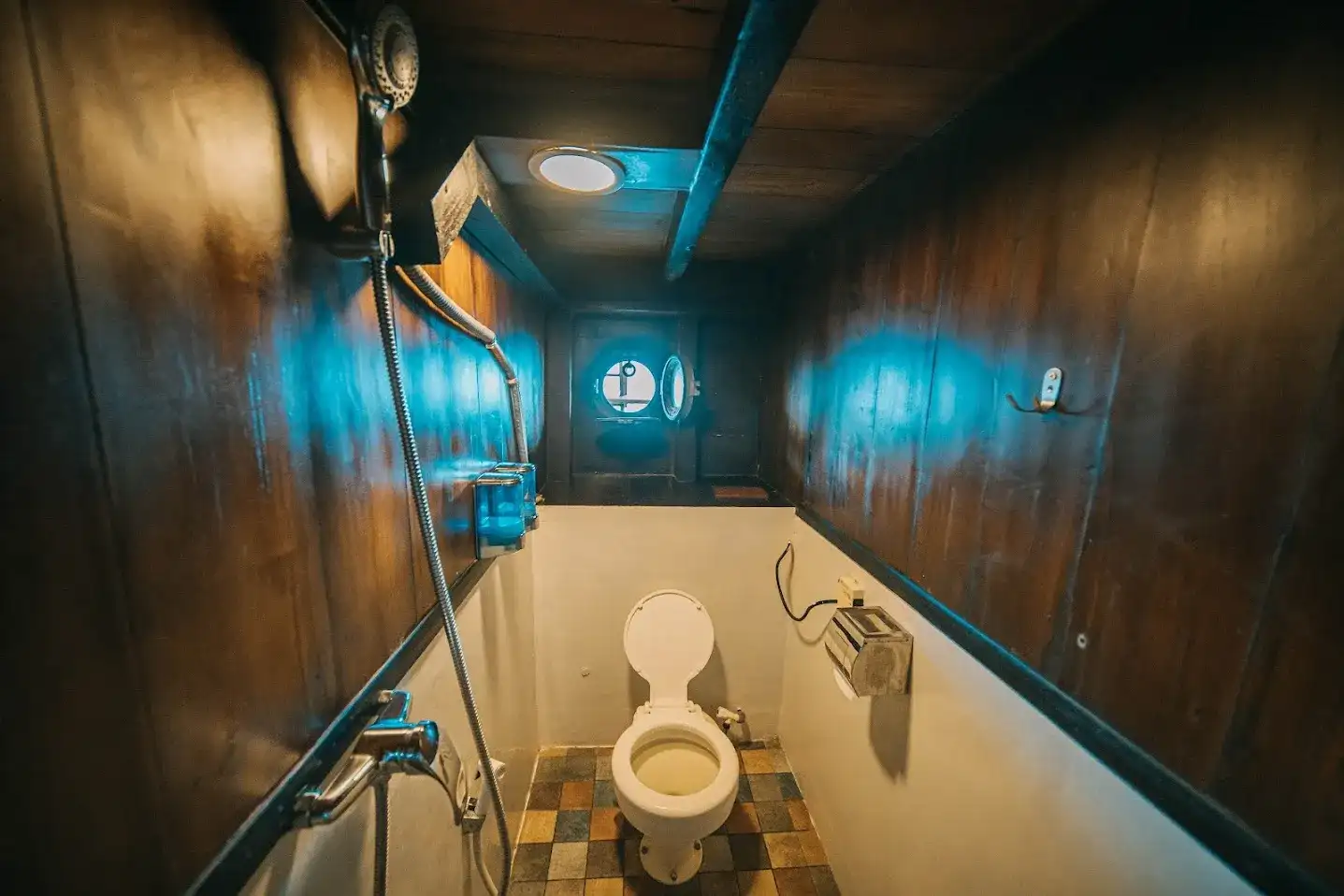
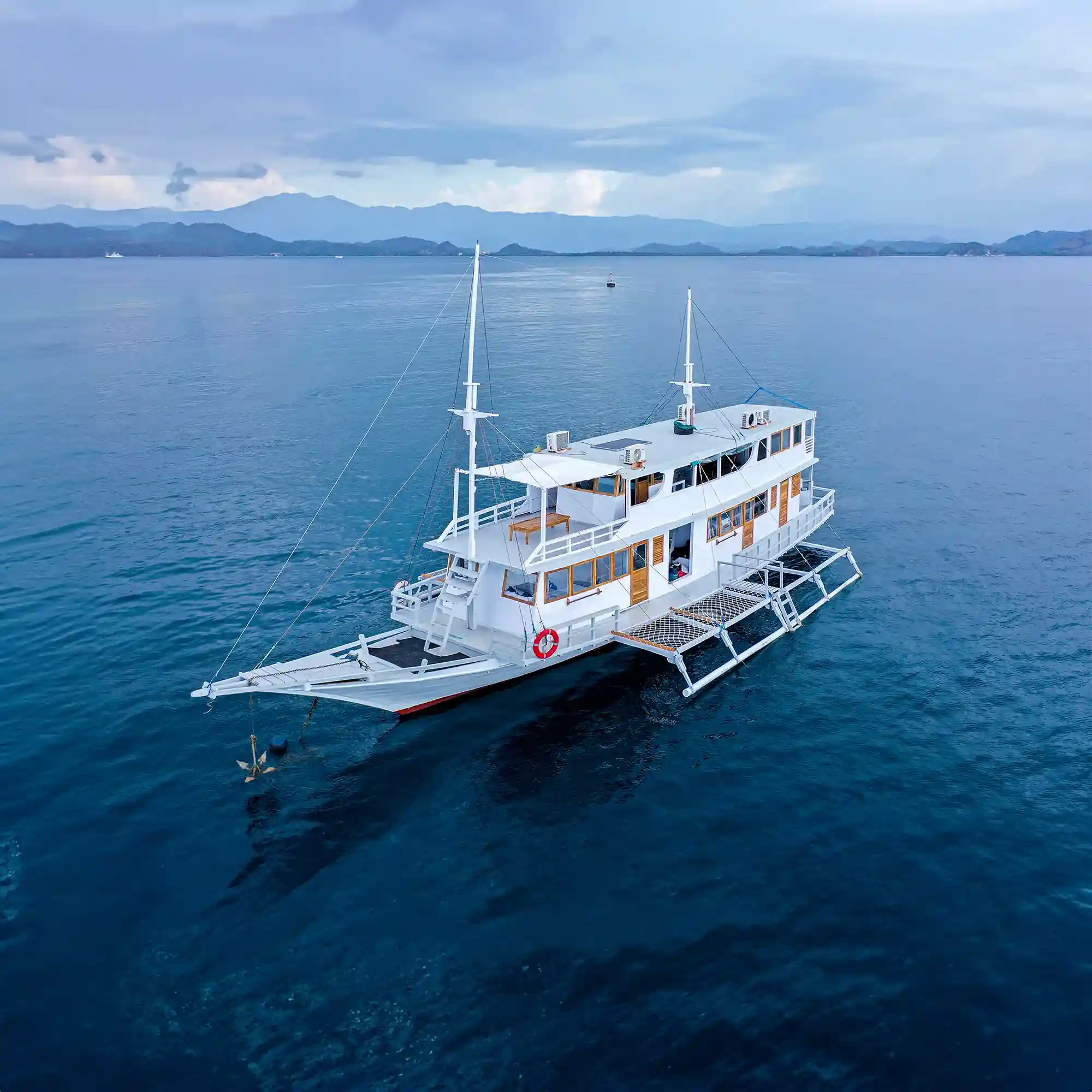
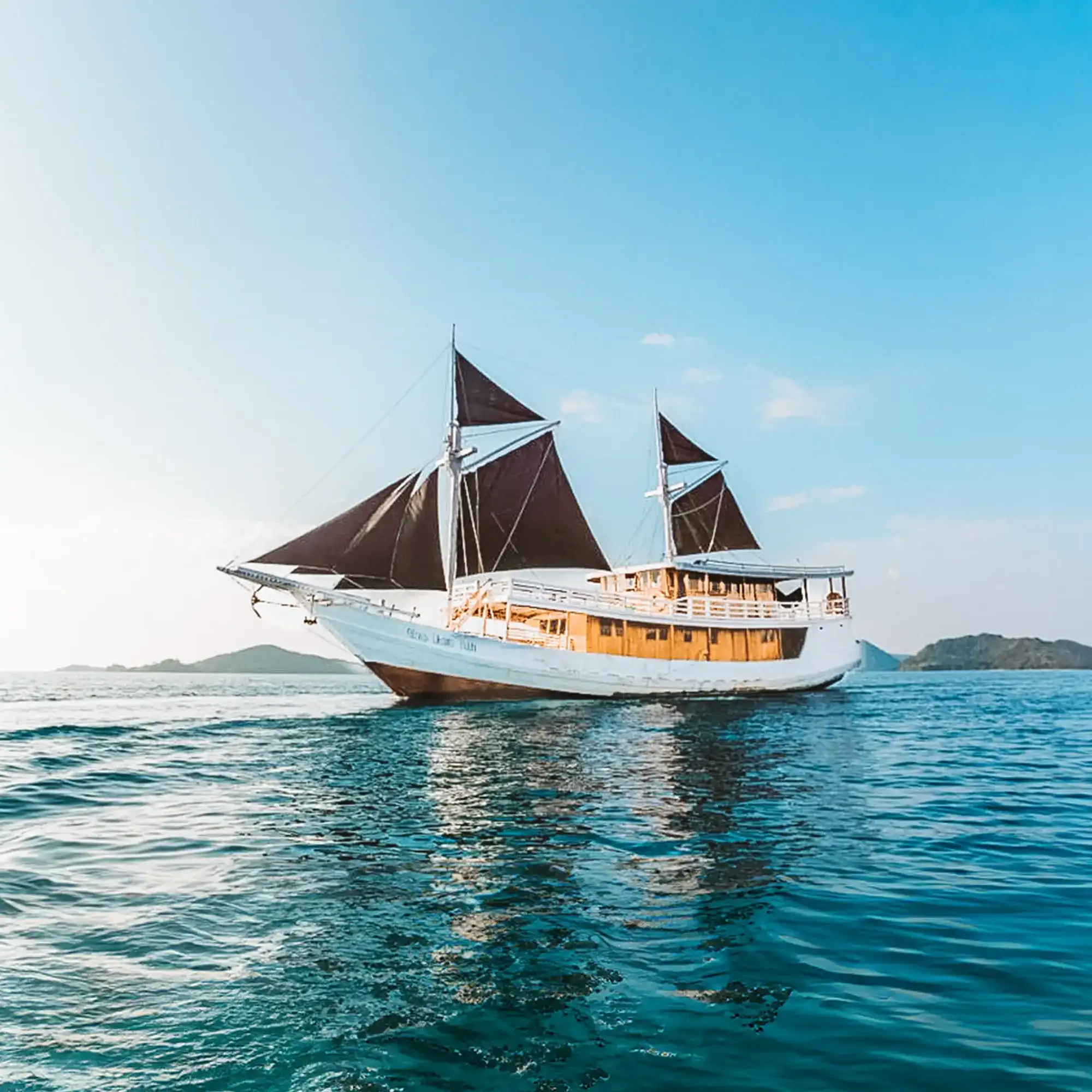
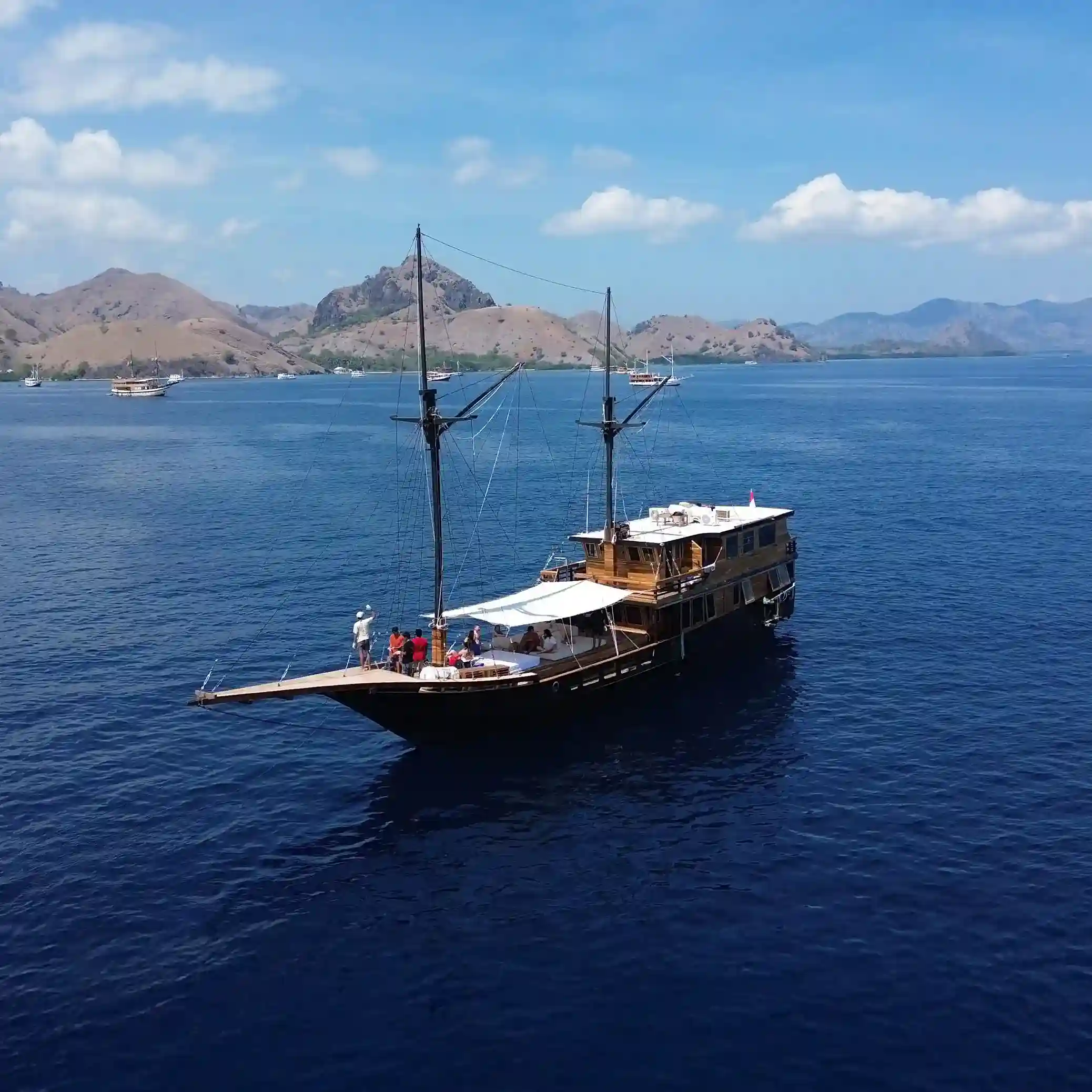
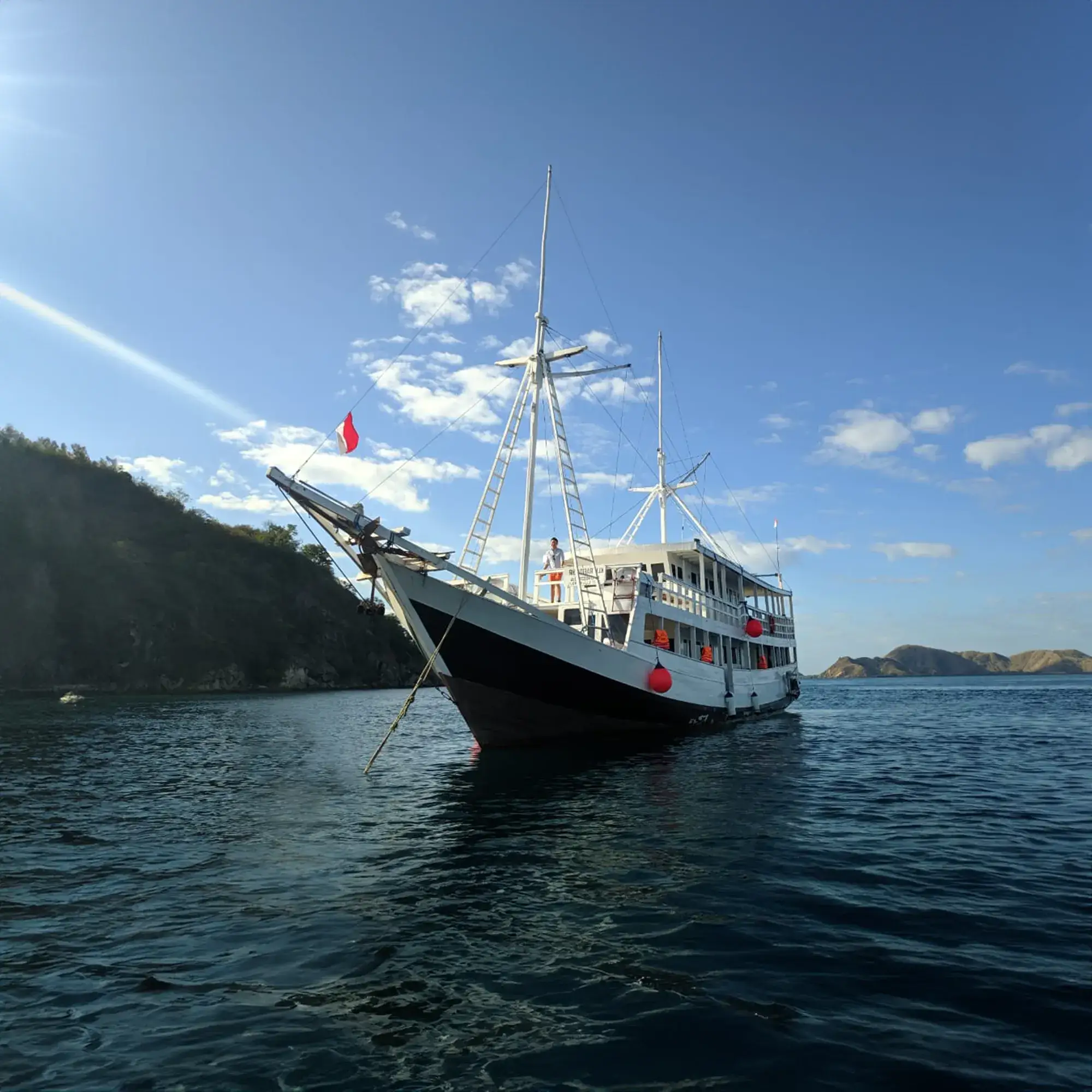
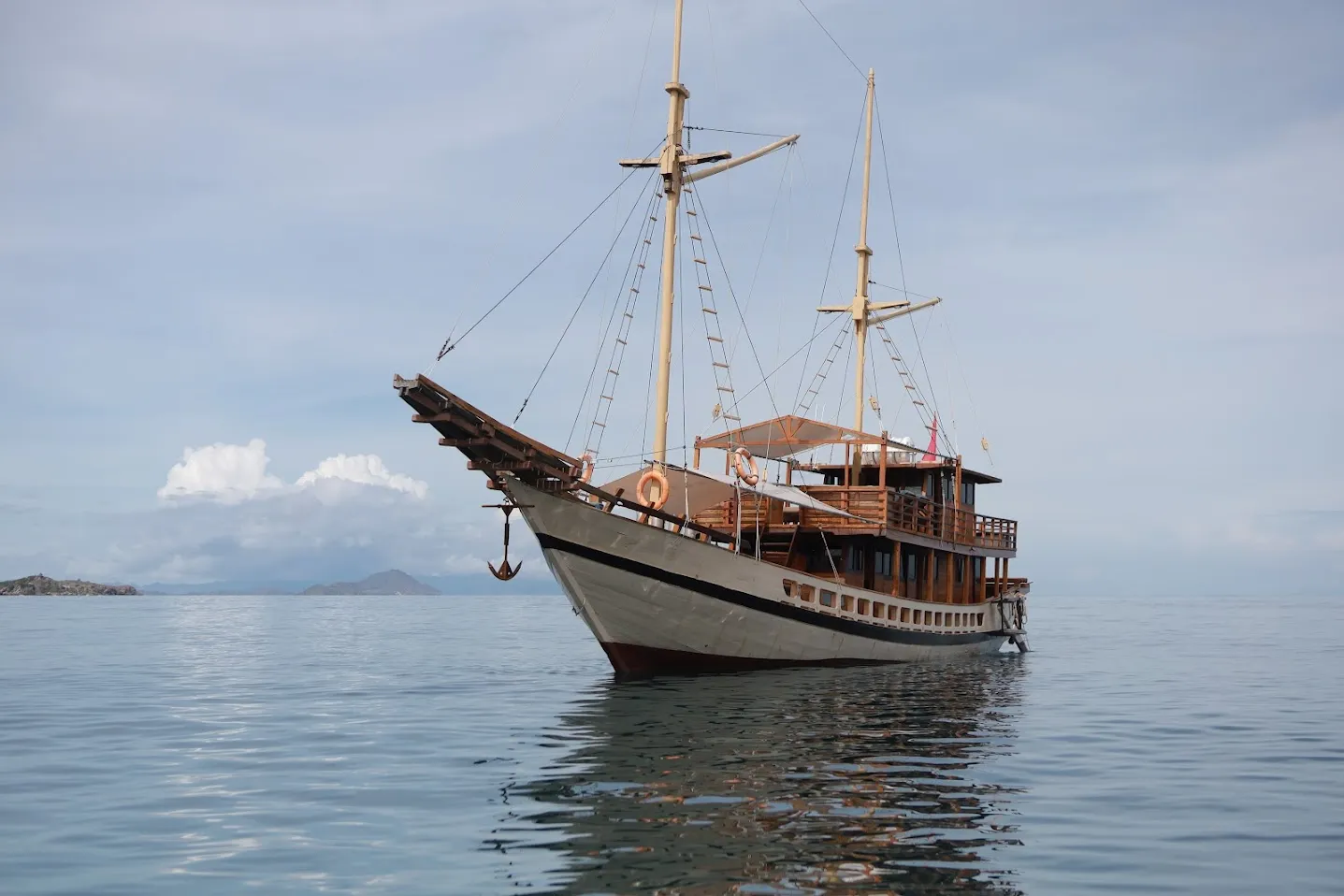
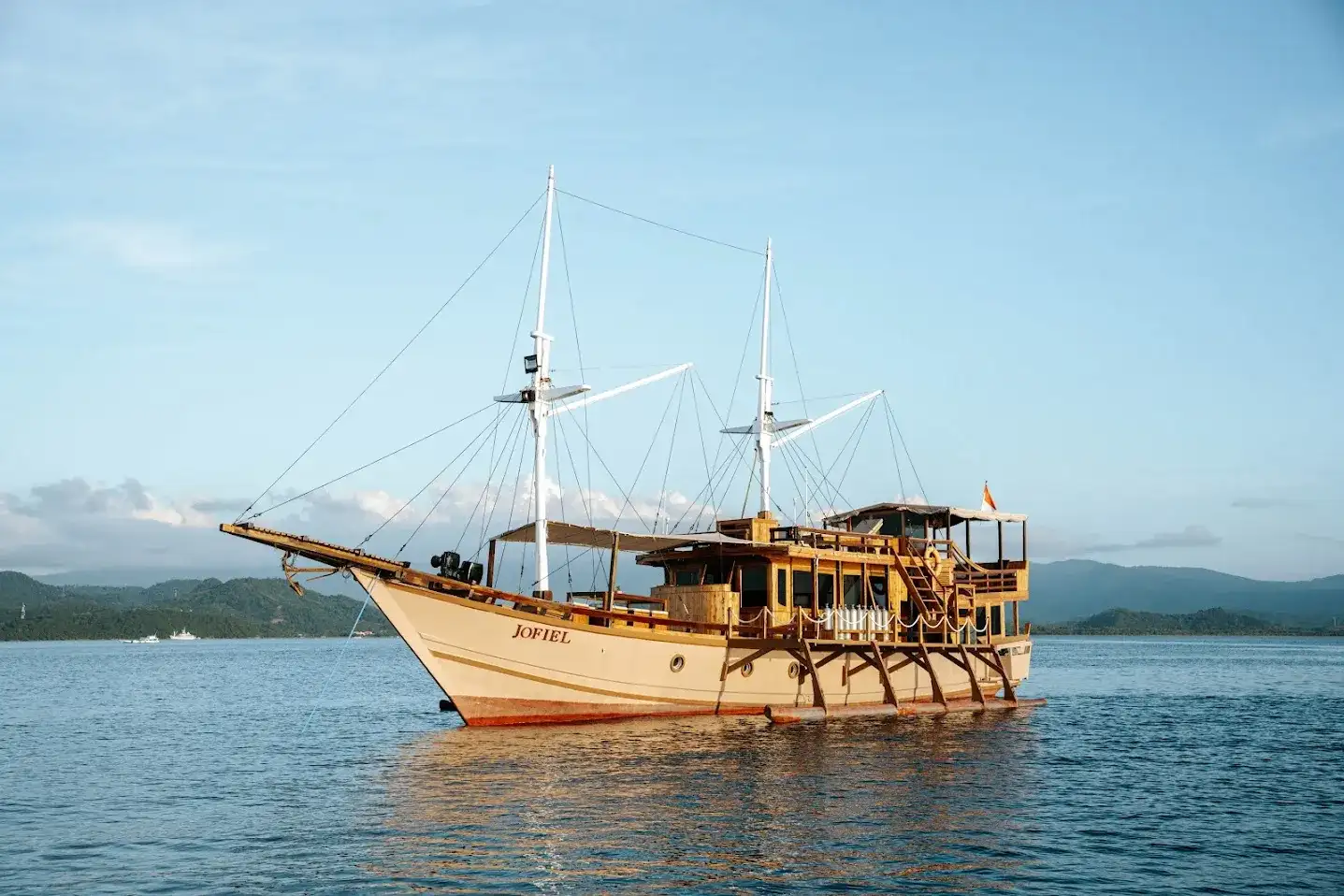
She’s 20 metres of hand-laid ironwood, a traditional phinisi build with clean lines and a low-slung profile that cuts a sharp silhouette at dusk. The single cabin is tucked amidships – not sprawling, but intelligently laid out. Teak panelling runs floor to ceiling, with concealed lighting and ventilation grilles that keep the air moving without drowning out the sound of waves. The en-suite bathroom has a proper shower with hot water pressure you don’t often find on boats this size. What stood out wasn’t luxury for show, but thoughtful execution: robe hooks at adult height, a reading light angled just right, and a small shelf carved into the bulkhead for glasses or sunscreen.
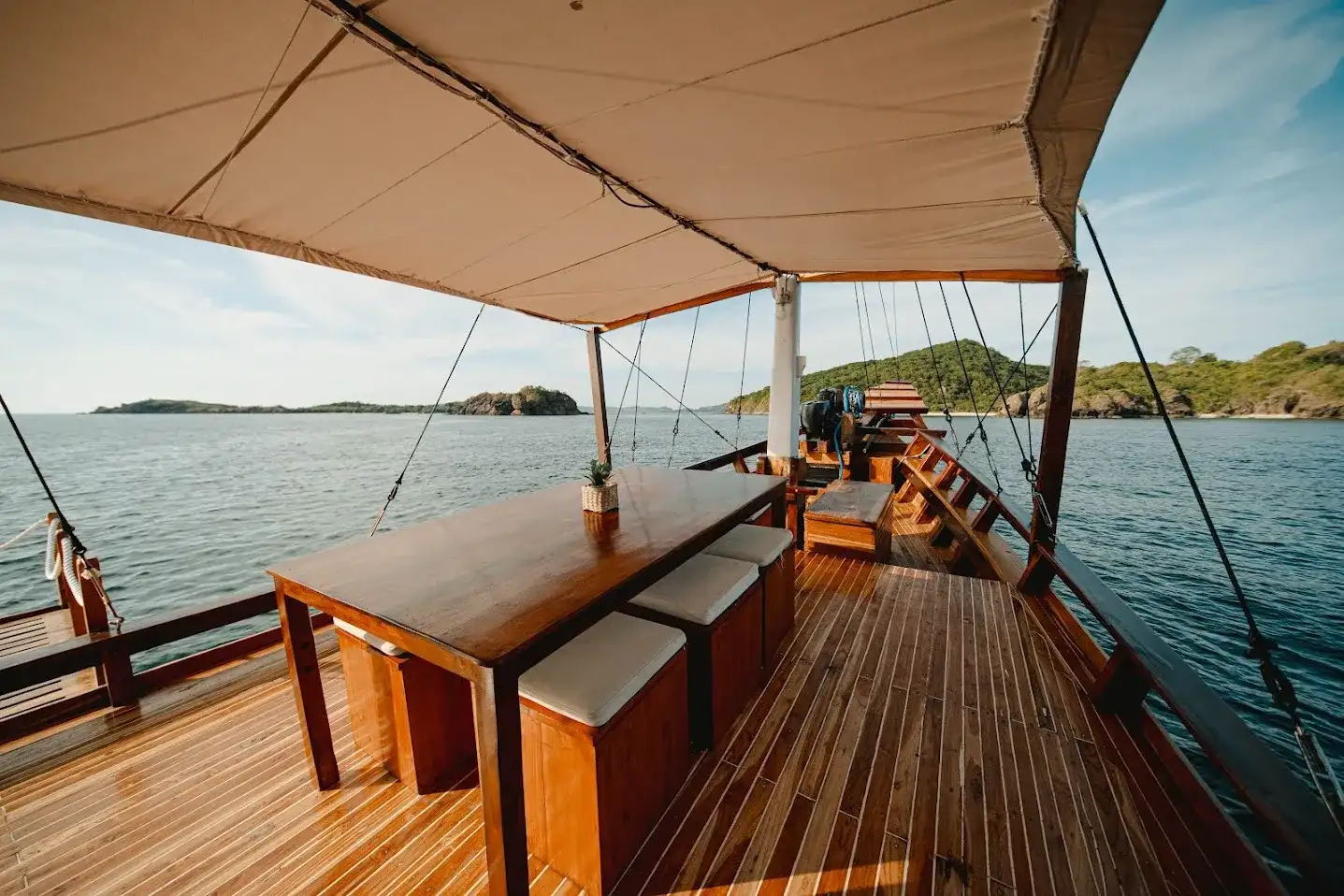
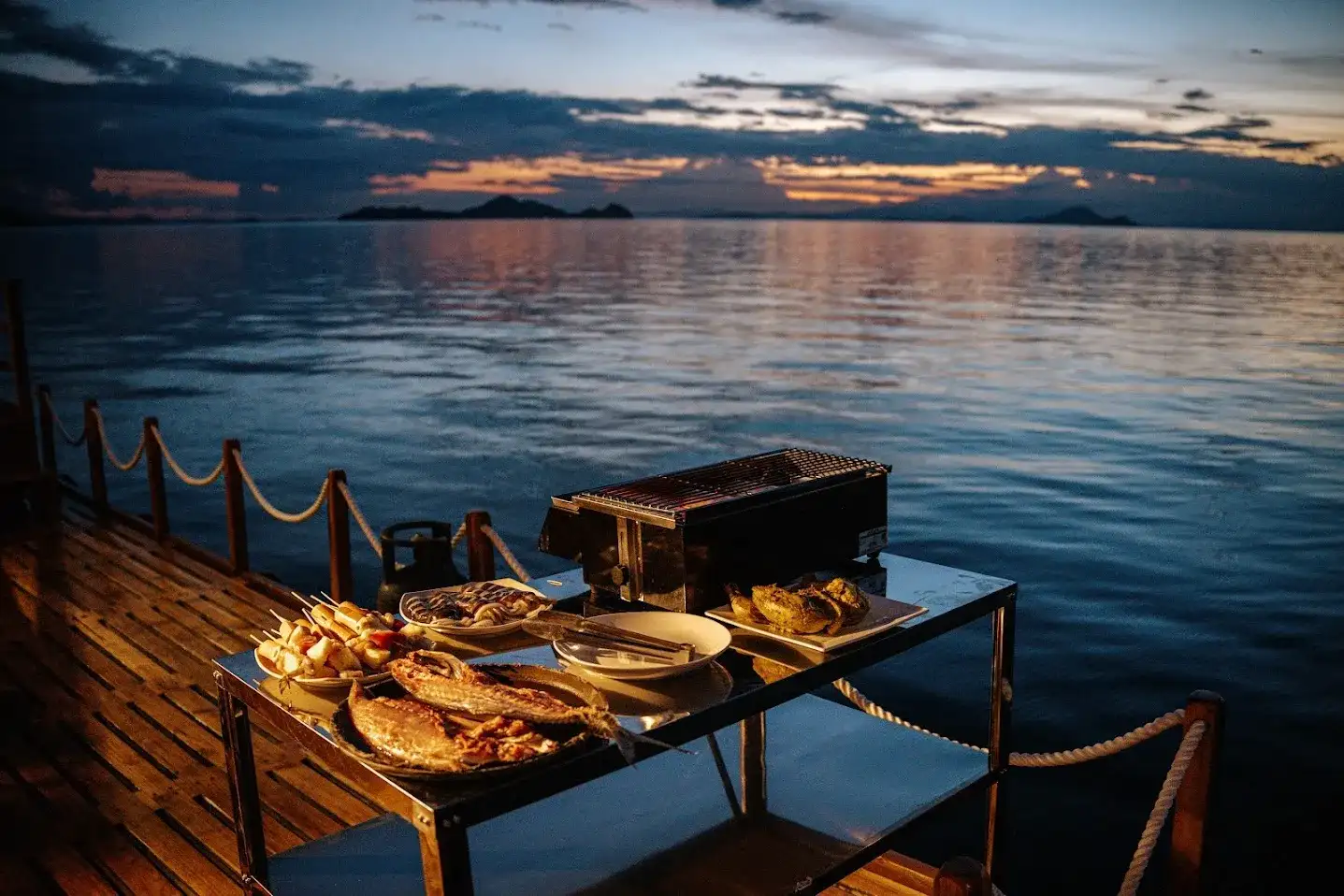
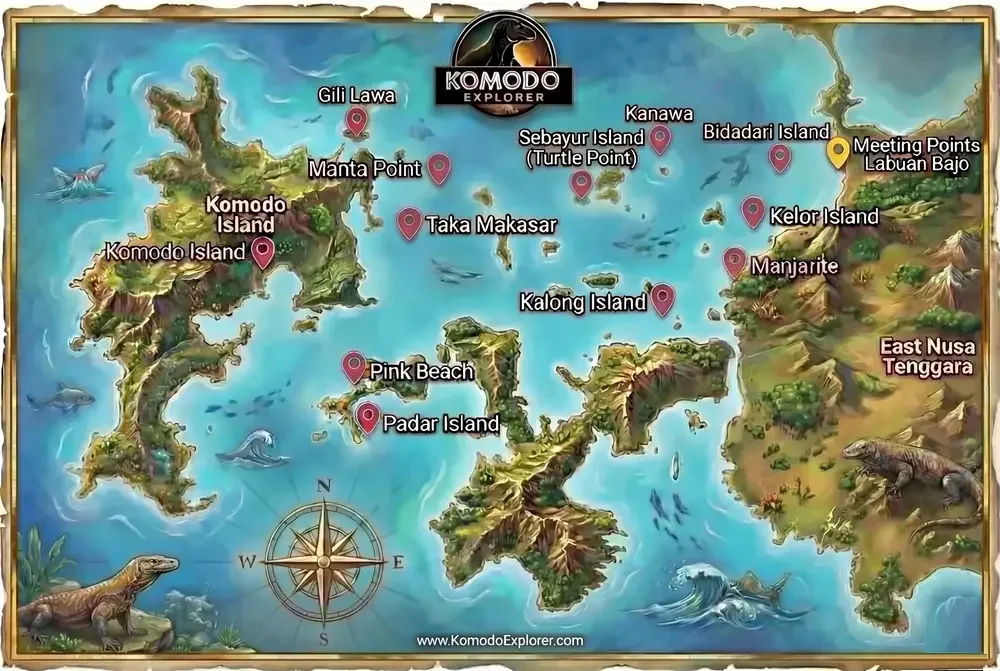
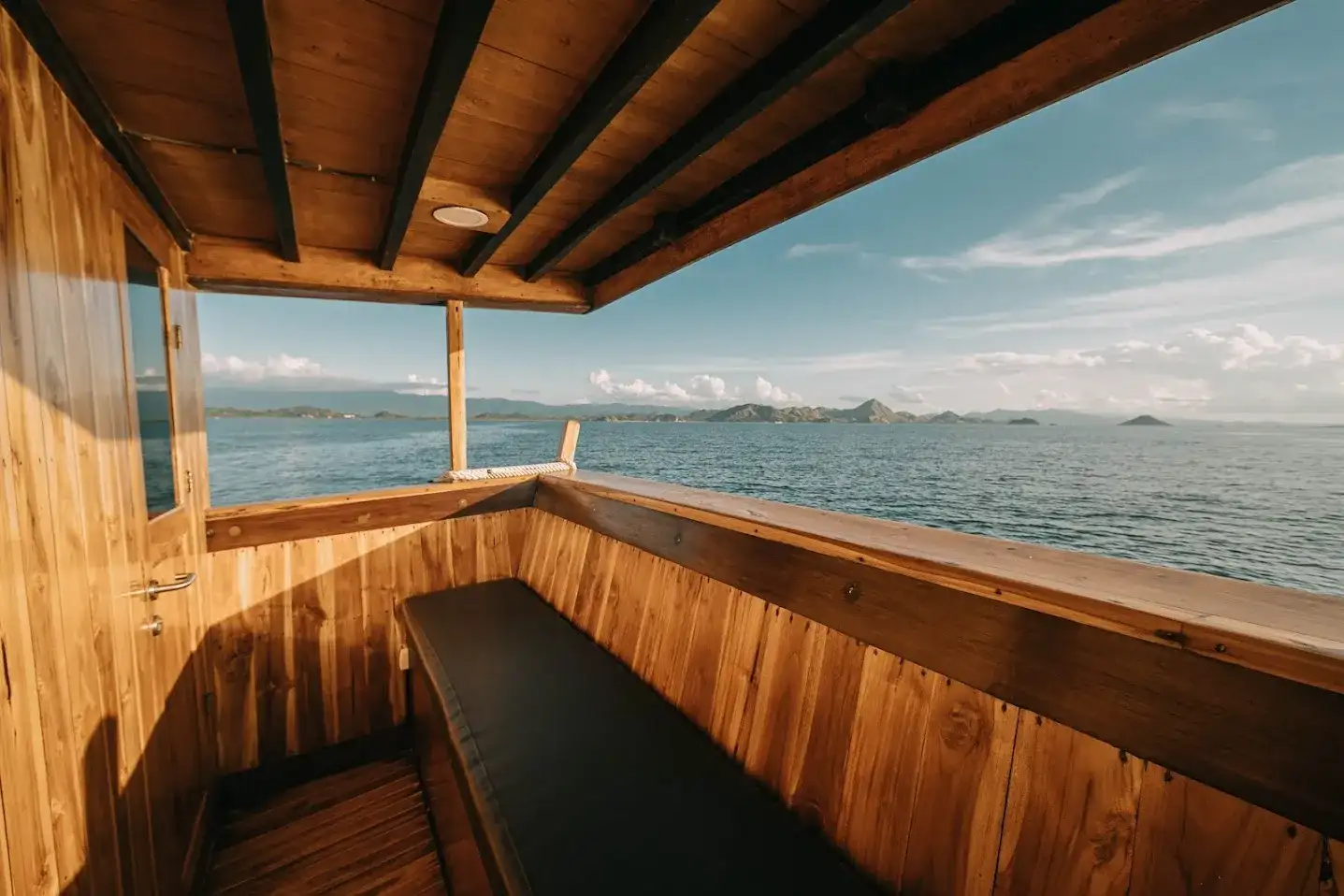
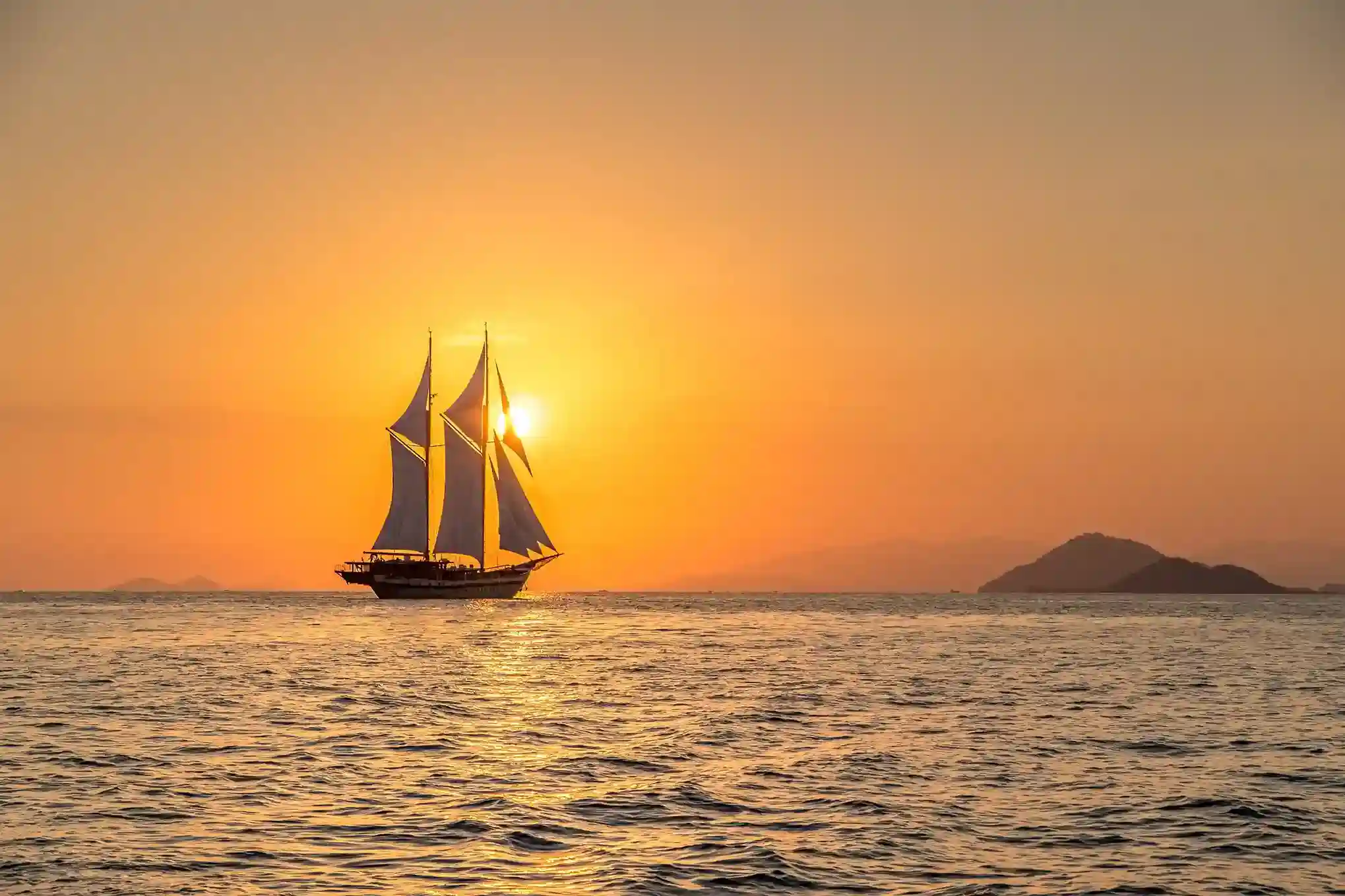
Our three-day route followed the classic arc of Komodo’s highlights, but with room to linger. After Padar’s panoramic climb, we drifted into the cove at Pink Beach just after noon. The crew had lunch ready – grilled fish with sambal matah and papaya salad – served under the shade sail on the top deck. By 2pm, we were floating above Manta Point’s cleaning station, masks in hand, watching shadows glide beneath the surface. One juvenile manta circled close, curious, before vanishing into deep blue. At sunset, we tied up briefly at Kalong Island, where thousands of fruit bats erupted from the mangroves in a slow, swirling plume. The crew timed it perfectly: engines off, sails half-drawn, letting the current carry us back toward Sebayur as the sky burned orange.
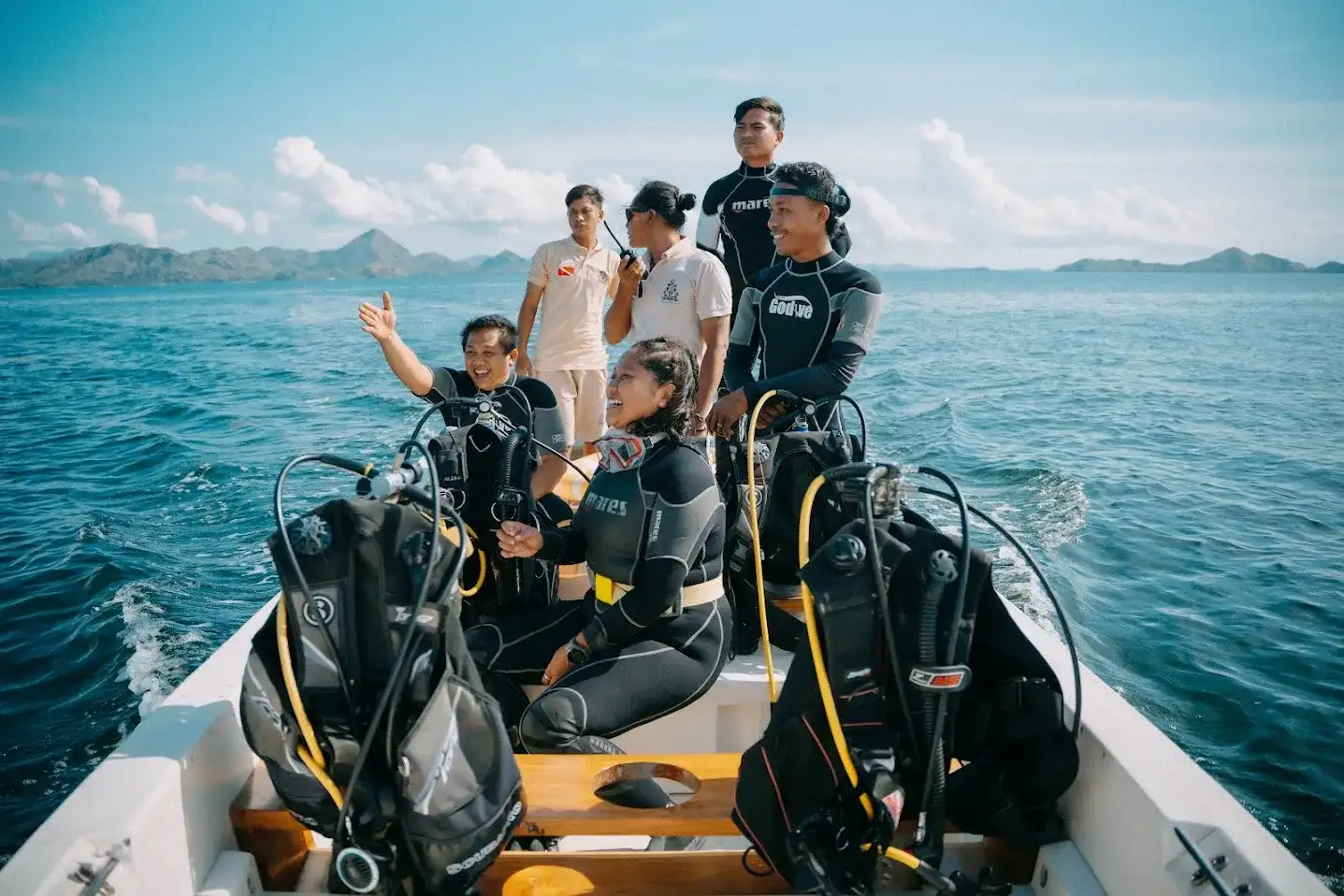
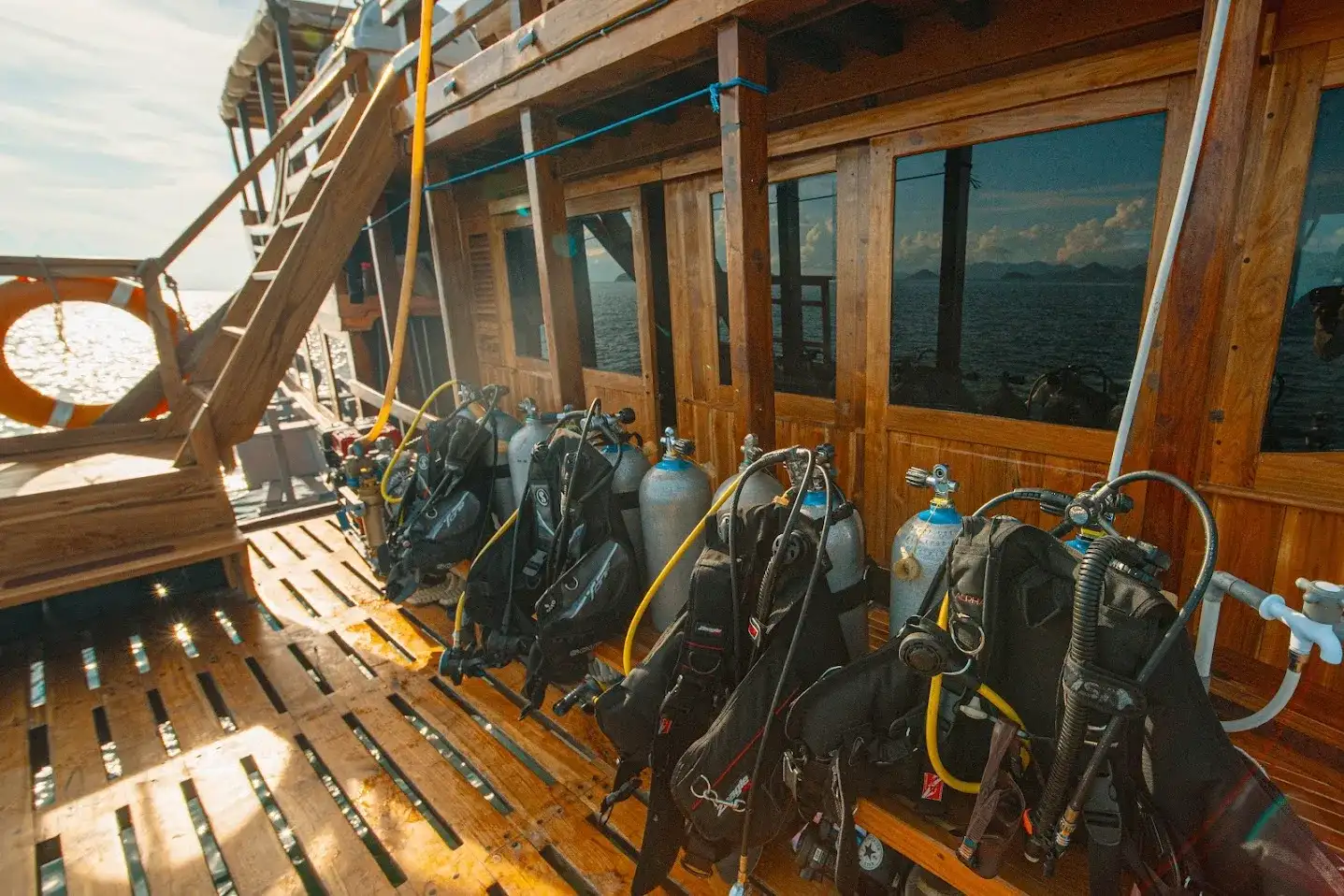
Jofiel doesn’t have a dive compressor or onboard masseuse, and that’s fine. What she offers is authenticity with comfort. The galley serves hot coffee at dawn, not just when asked. The crew anticipate needs – a towel handed over before you’ve even climbed out of the water, a spare snorkel passed quietly to a guest struggling with their strap. On the final morning, we anchored at Kanawa, where the sandbar emerges like a ribbon at low tide. I swam out barefoot across warm shallows, then floated on my back, watching Jofiel’s mast tilt slightly with the swell. There was no music, no engine – just the hum of the island wind and the occasional call from the deckhand checking in.