About Floresta
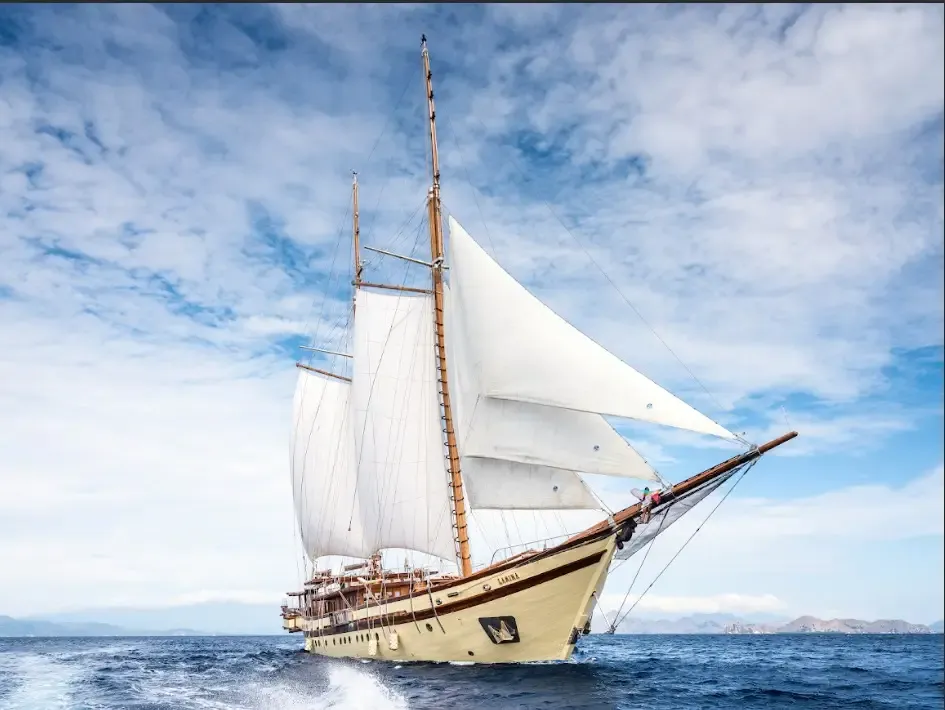
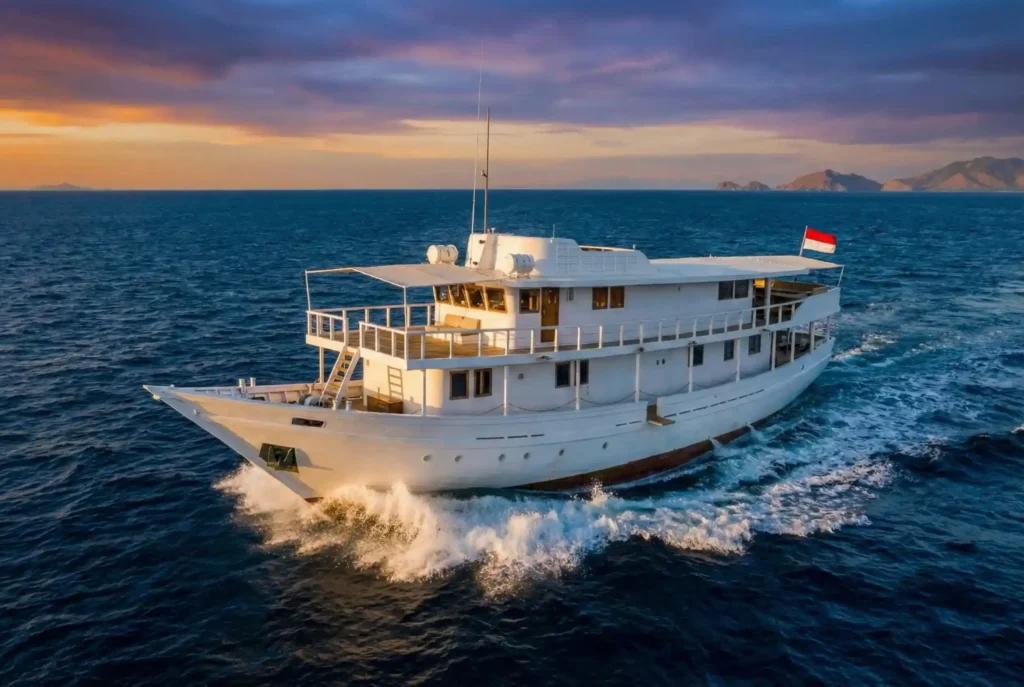
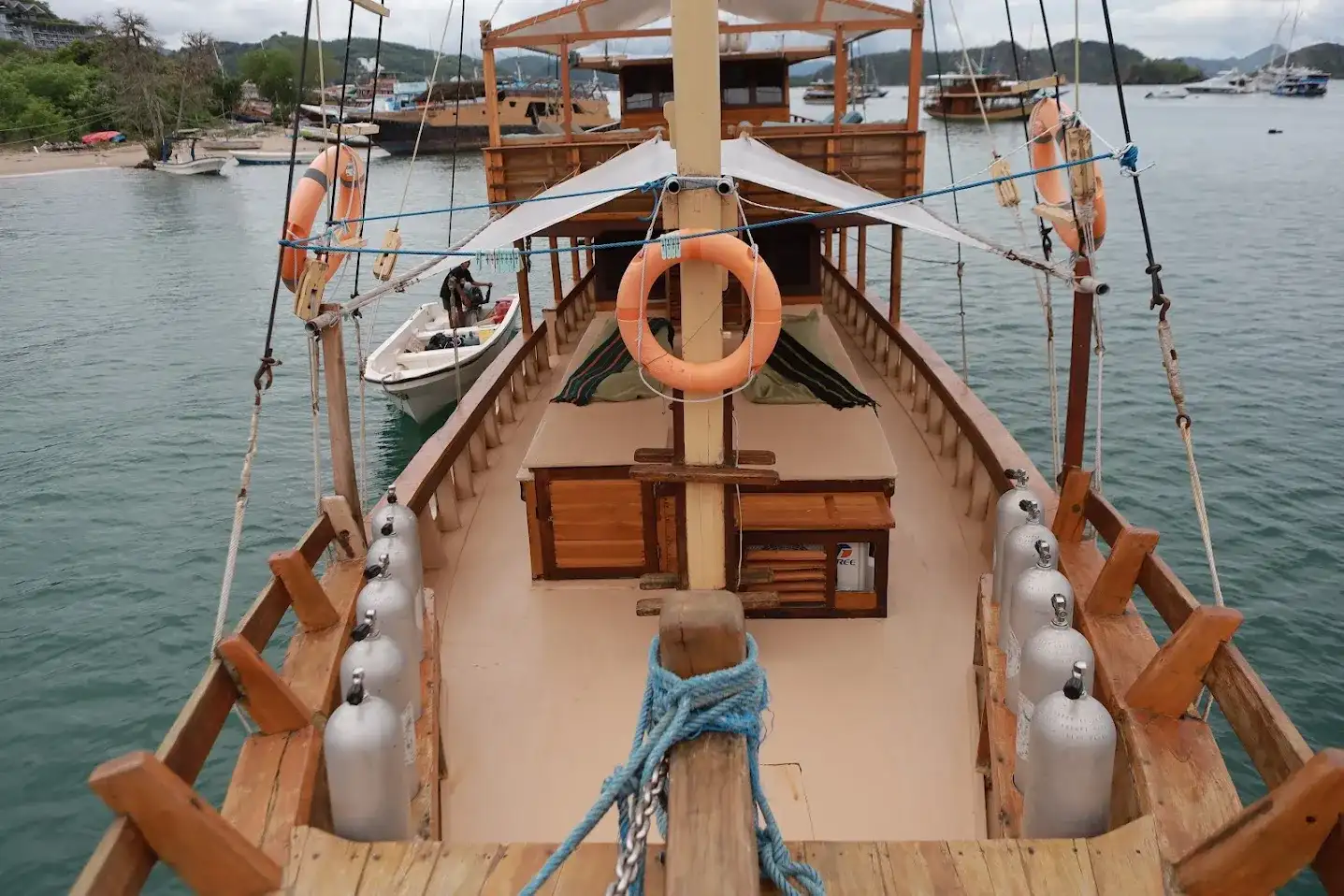
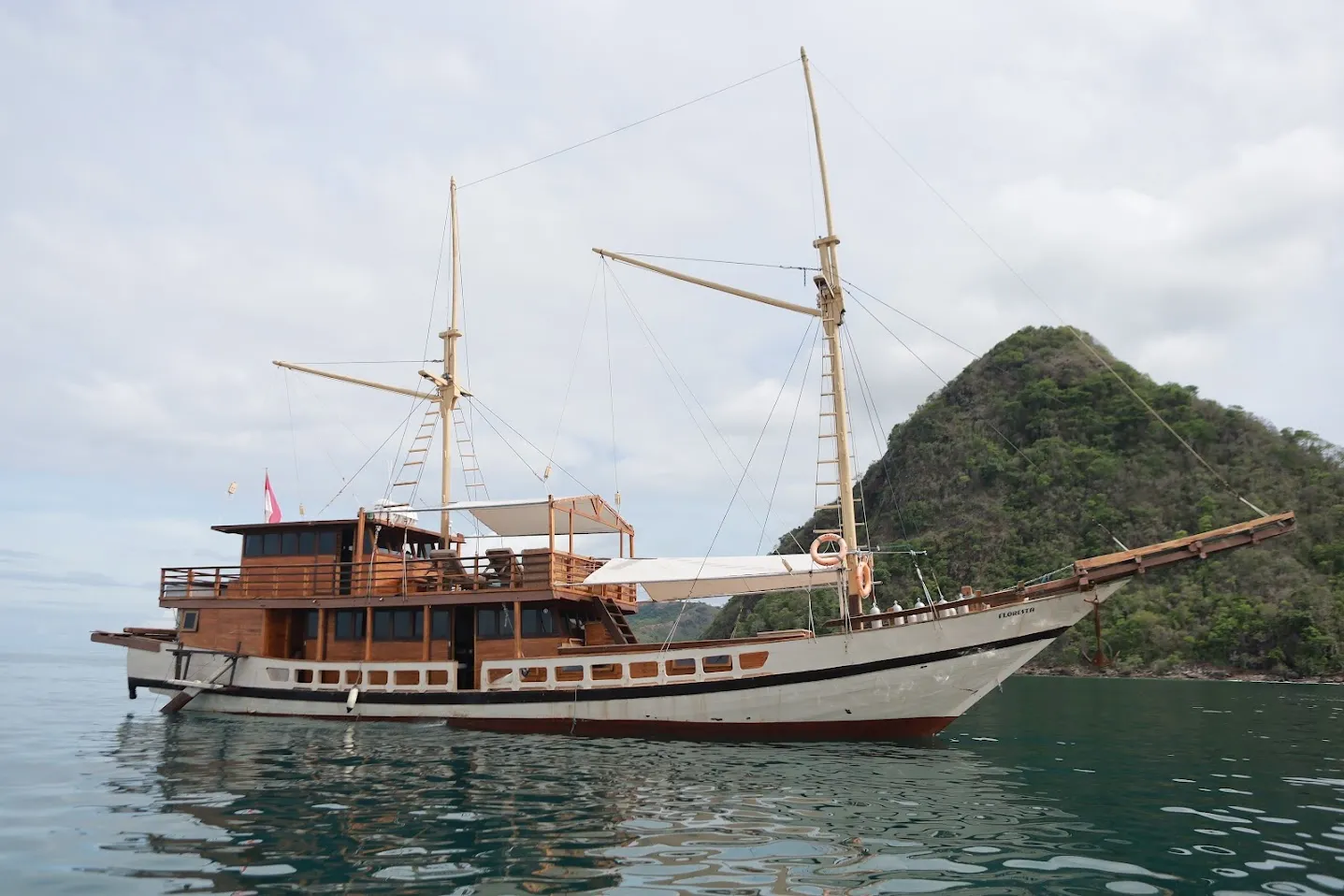
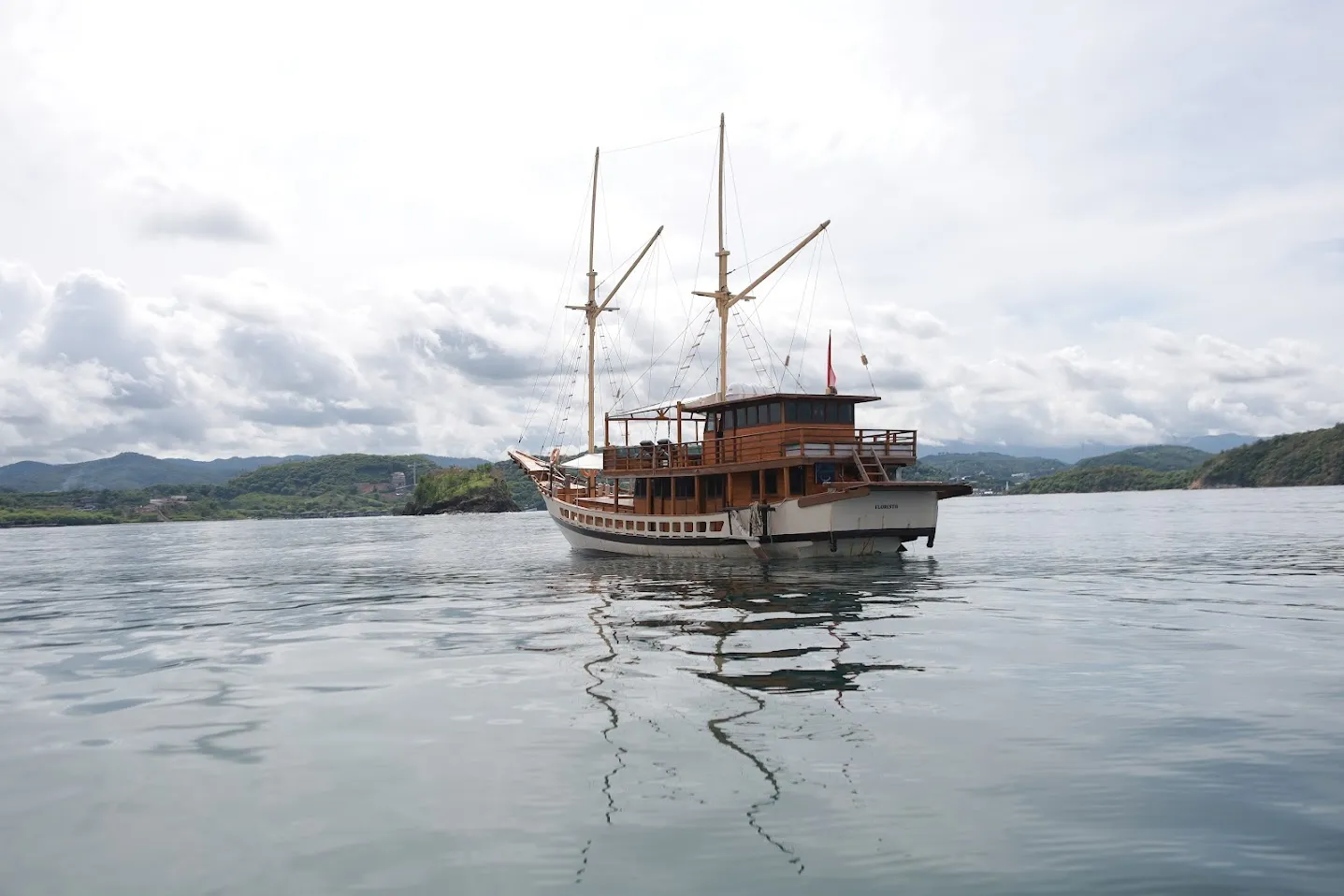
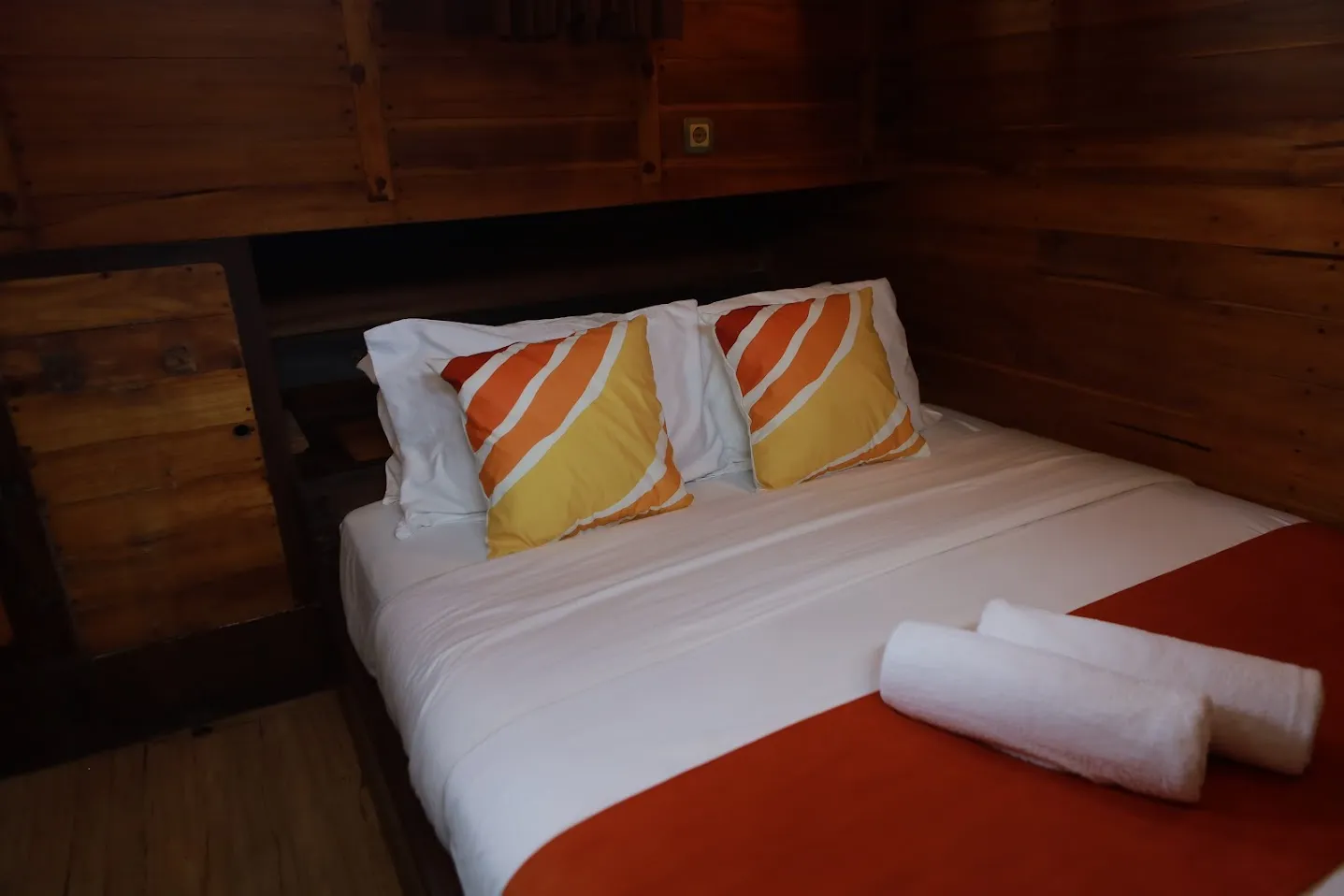
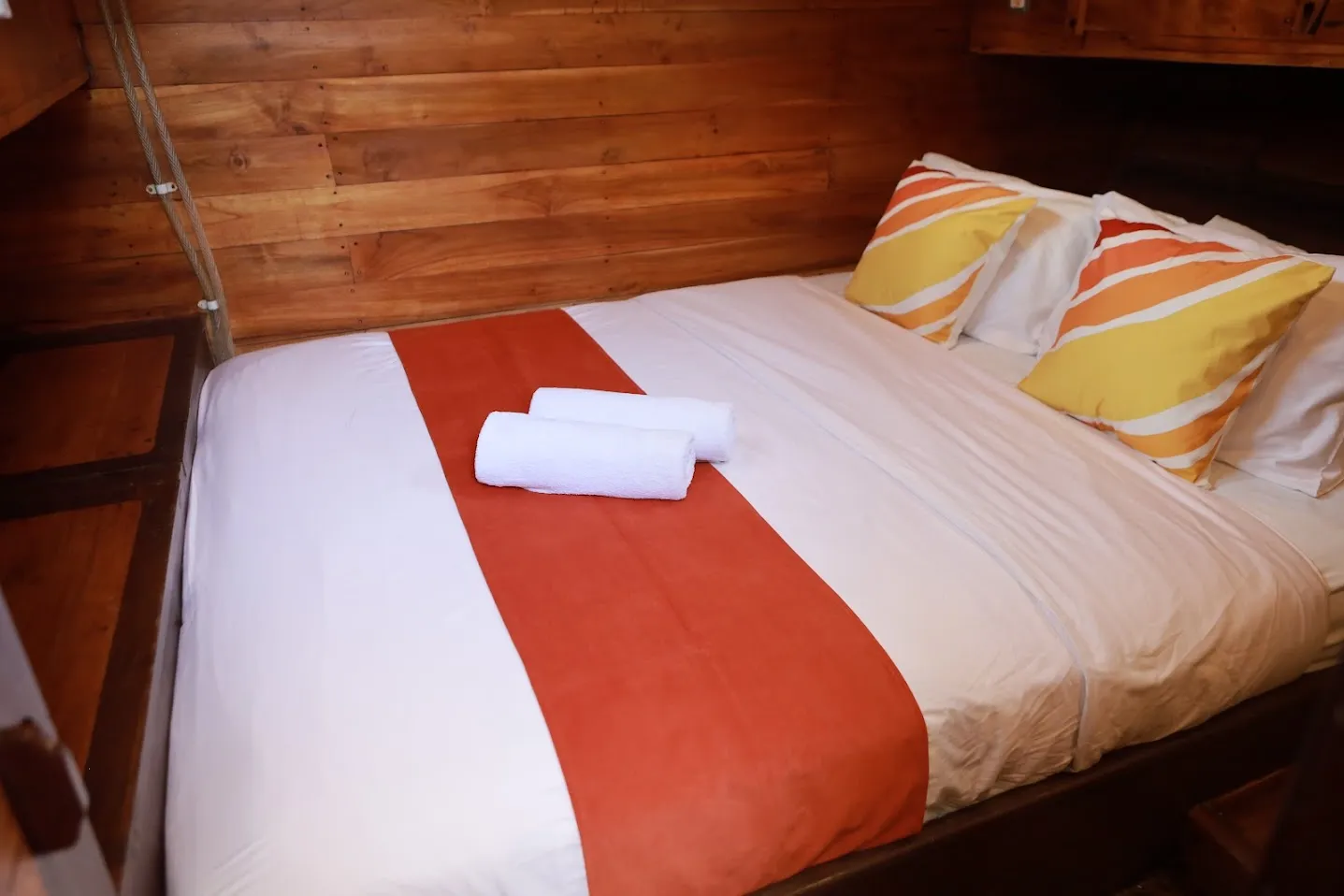
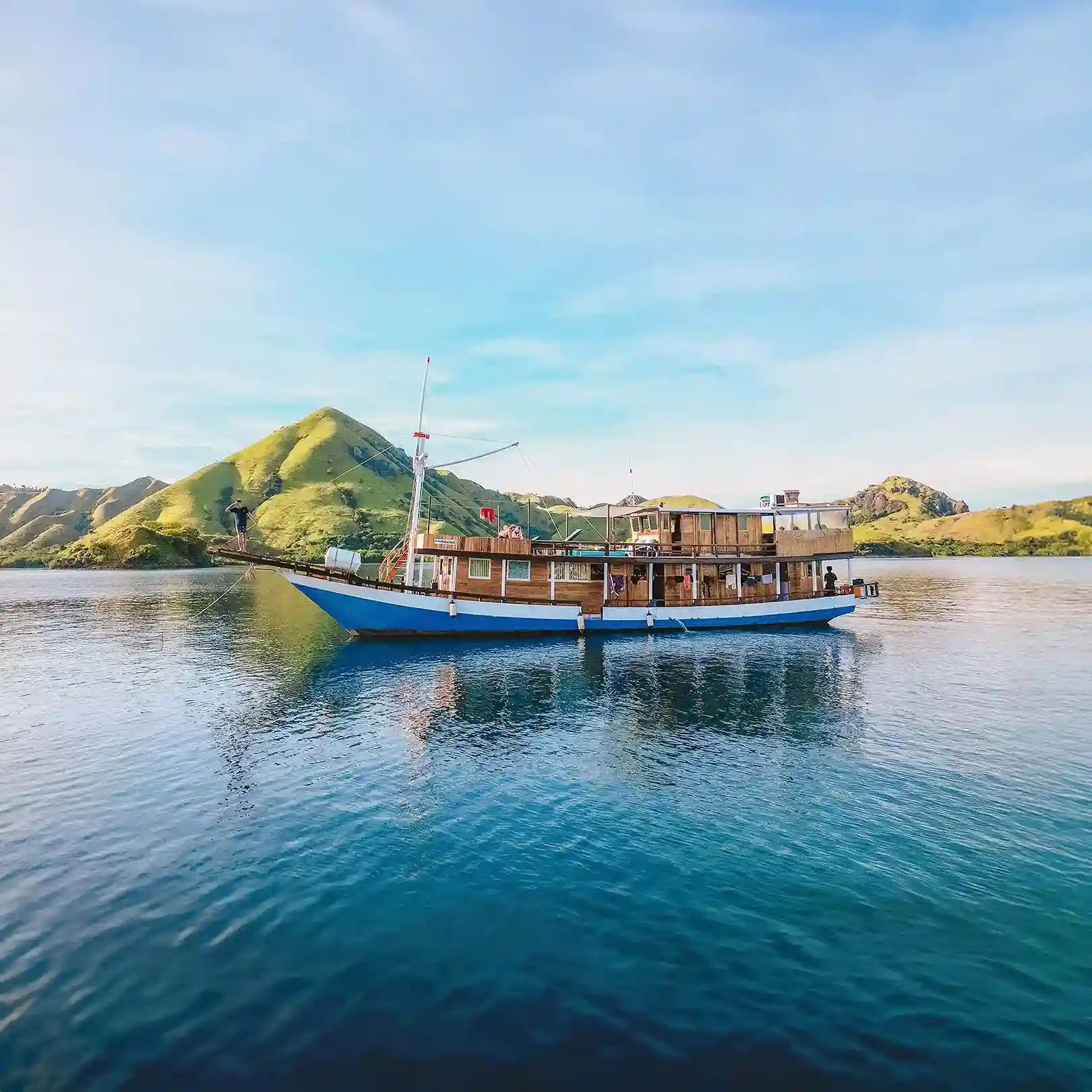
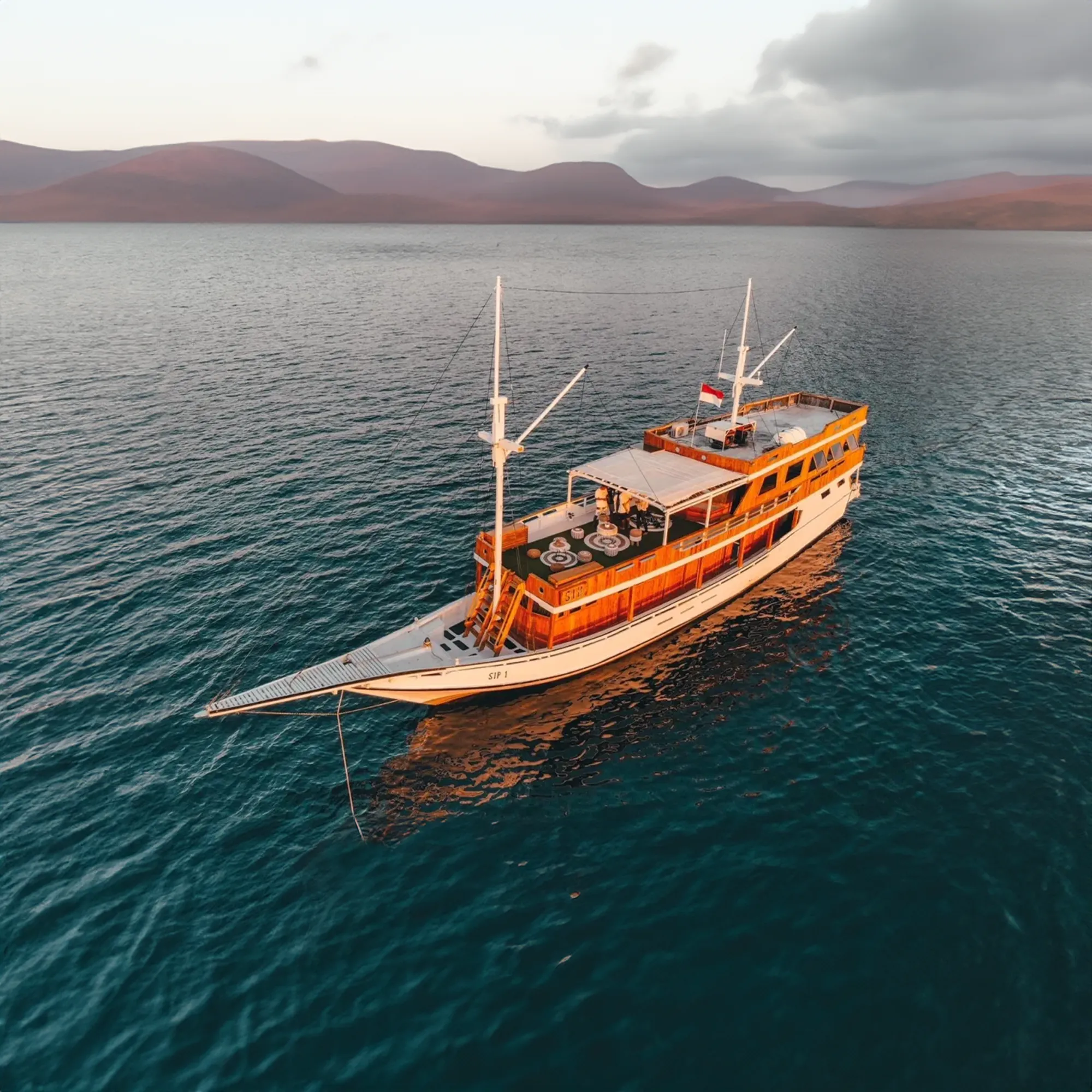
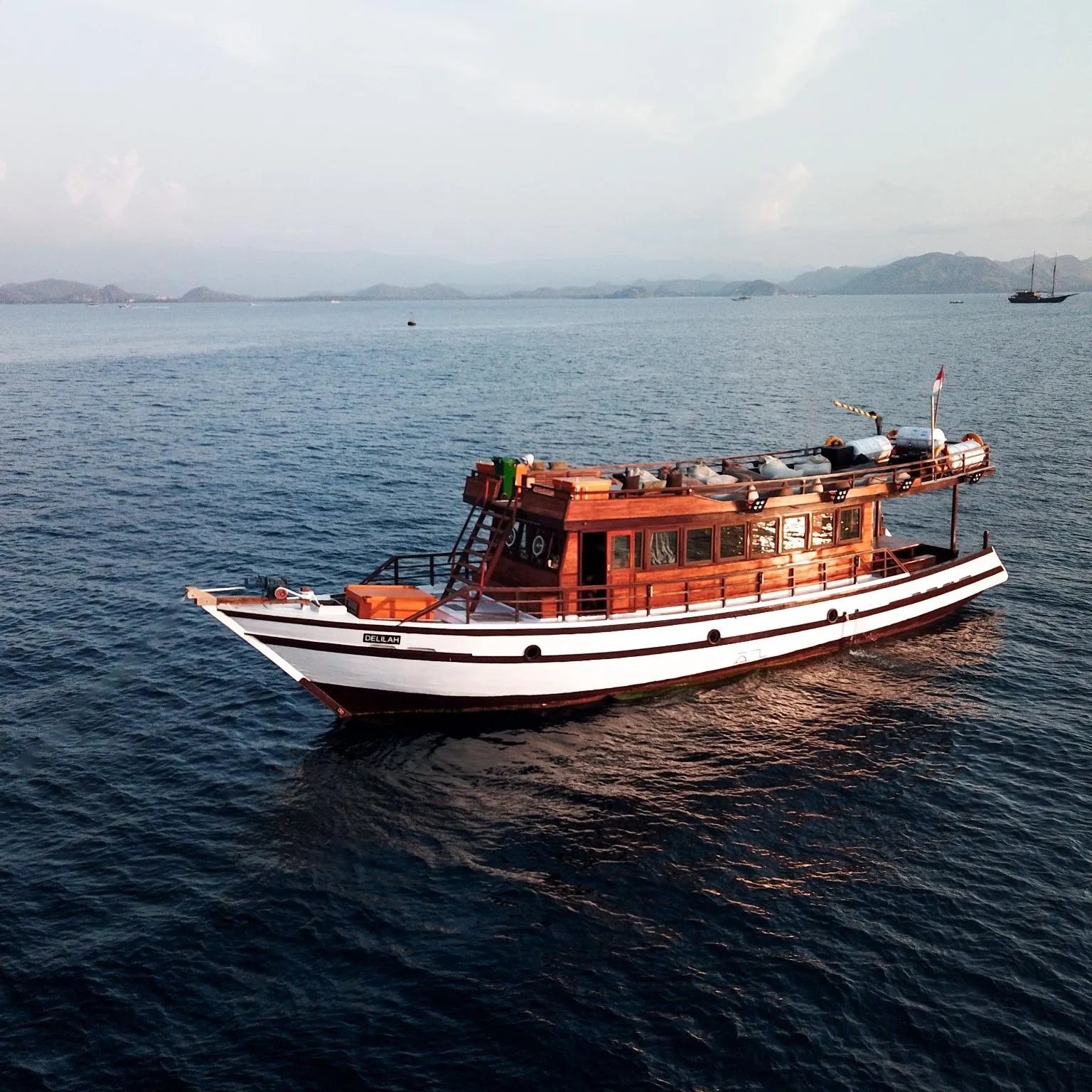
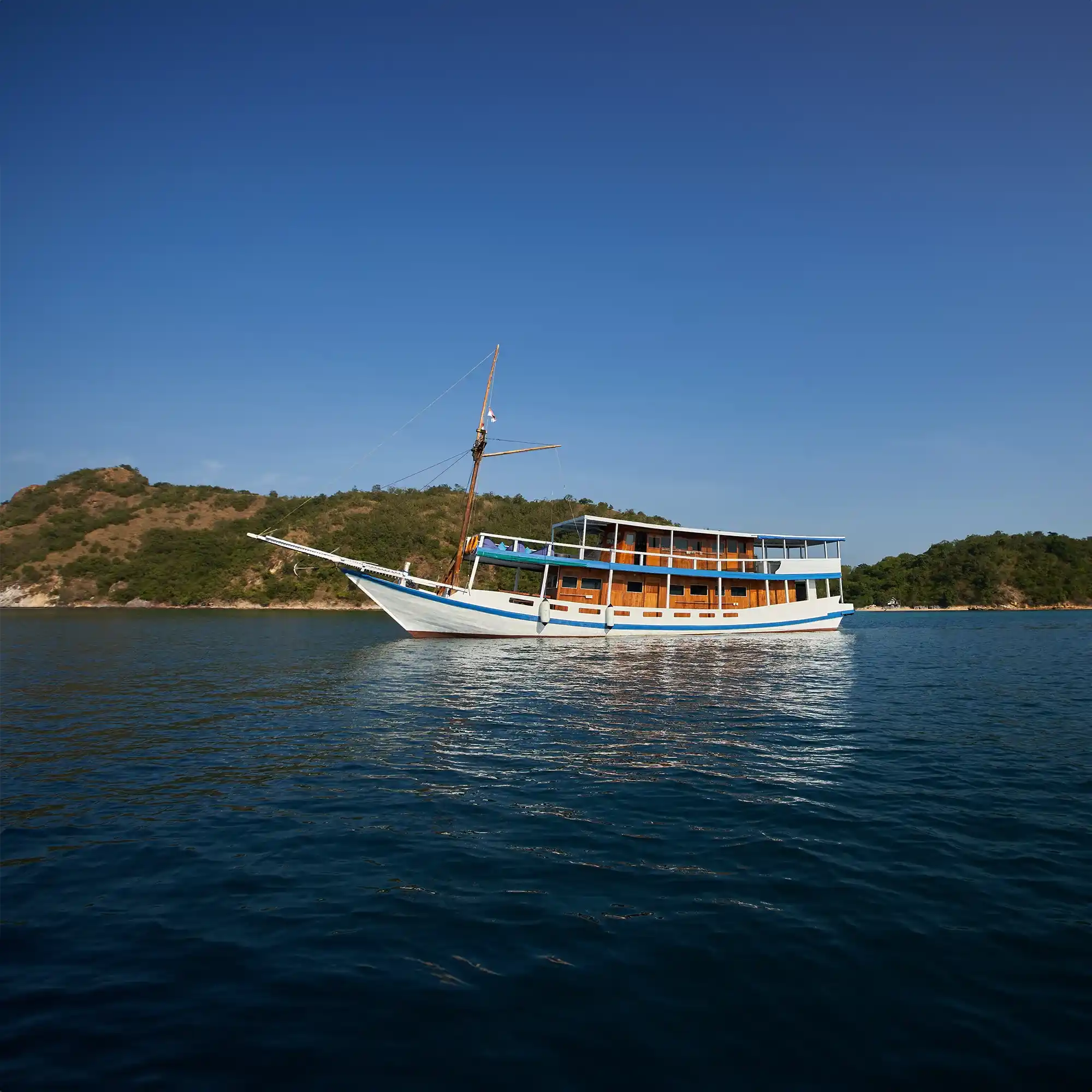
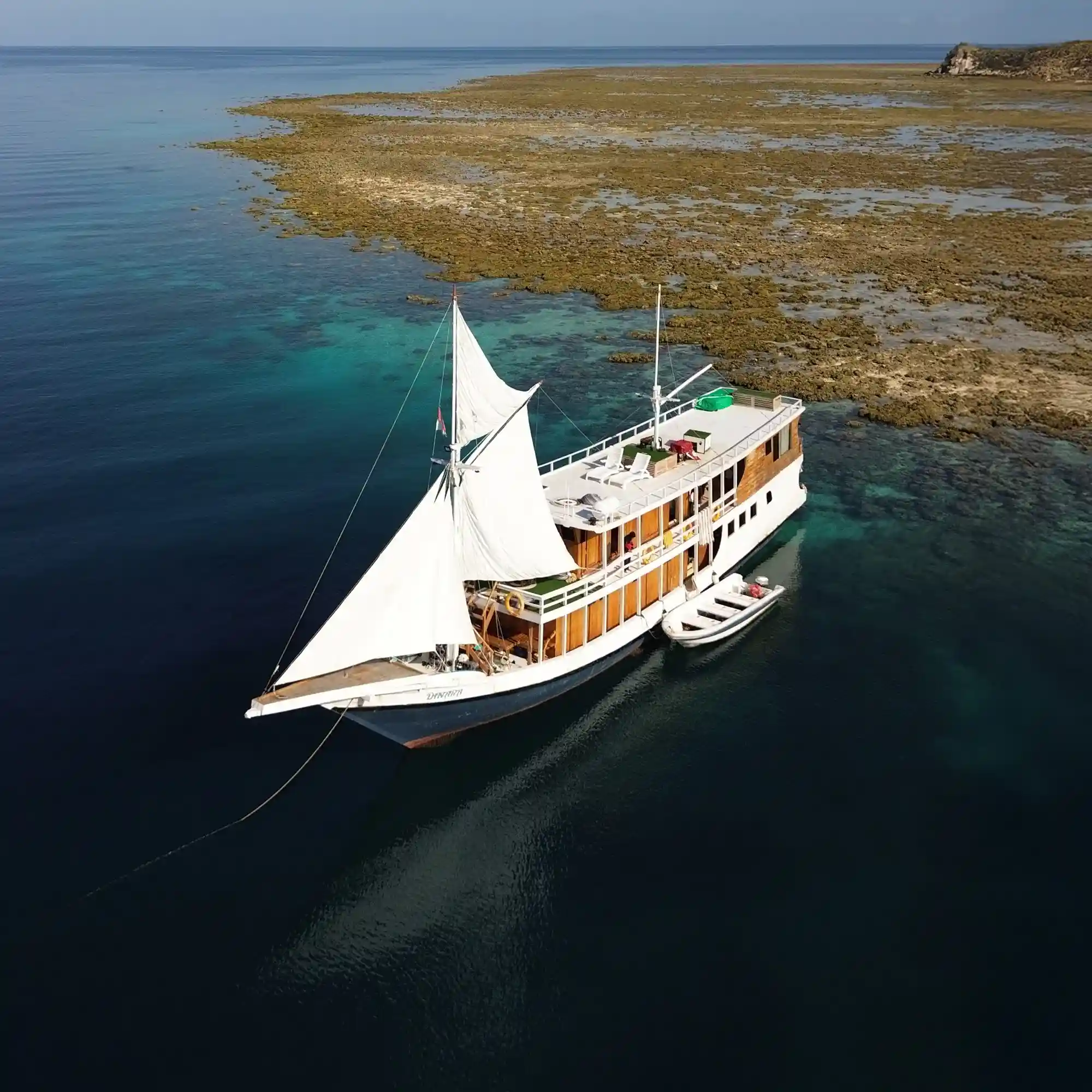
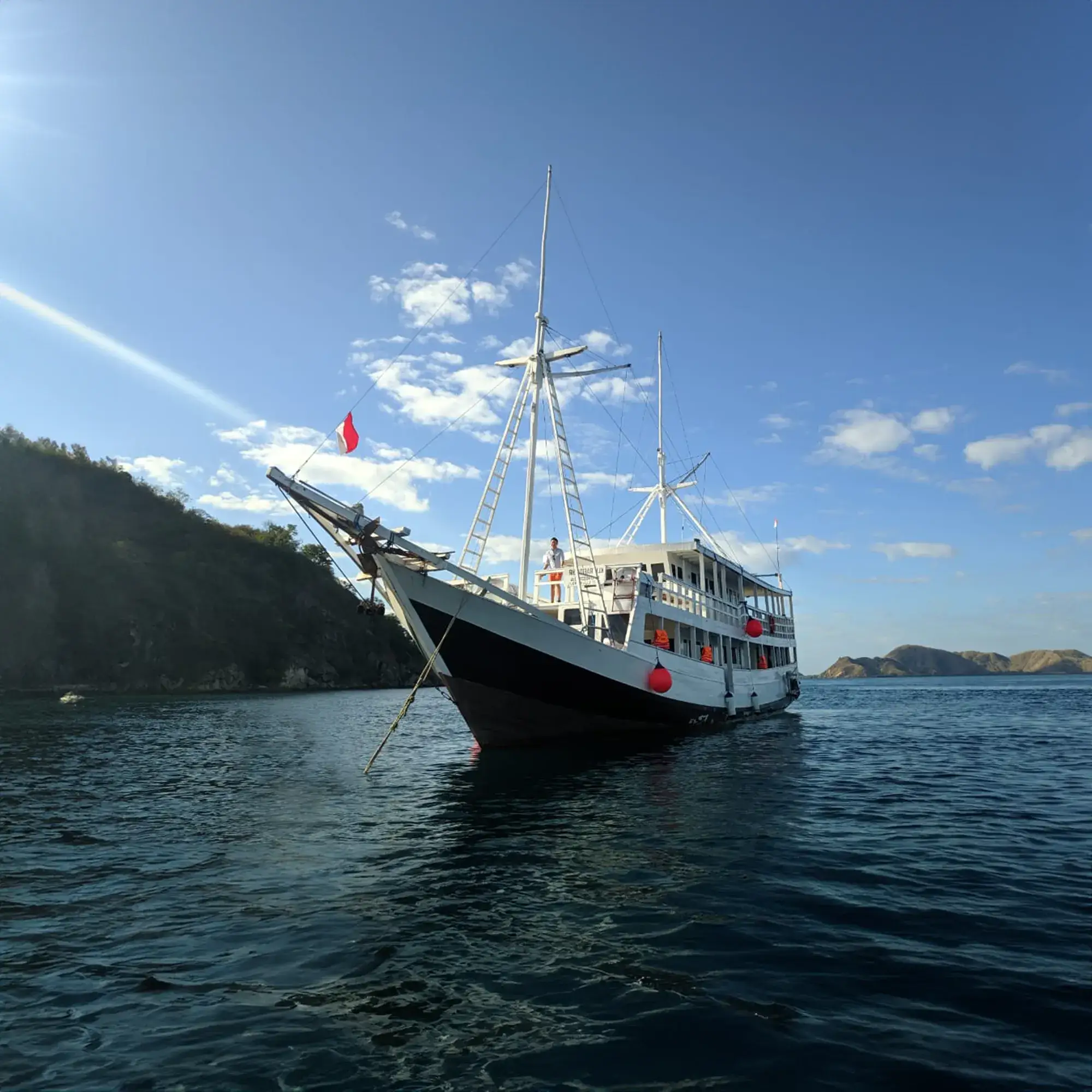
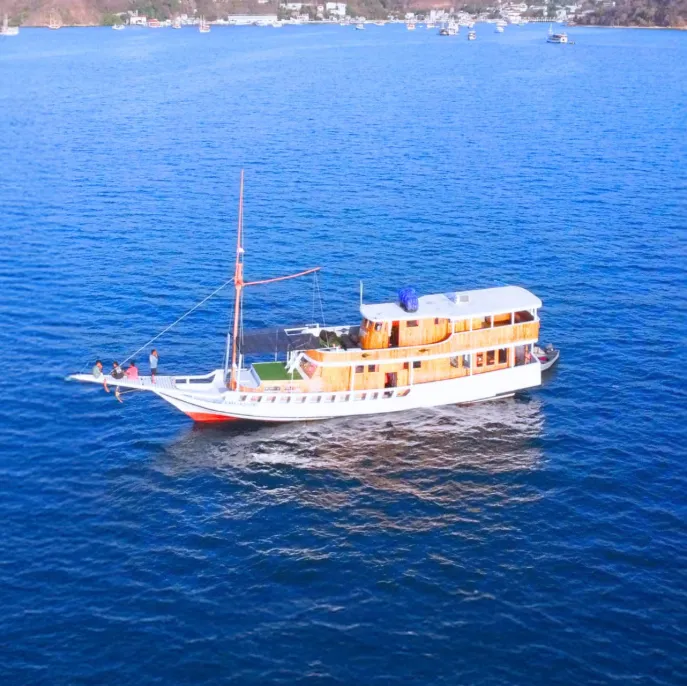
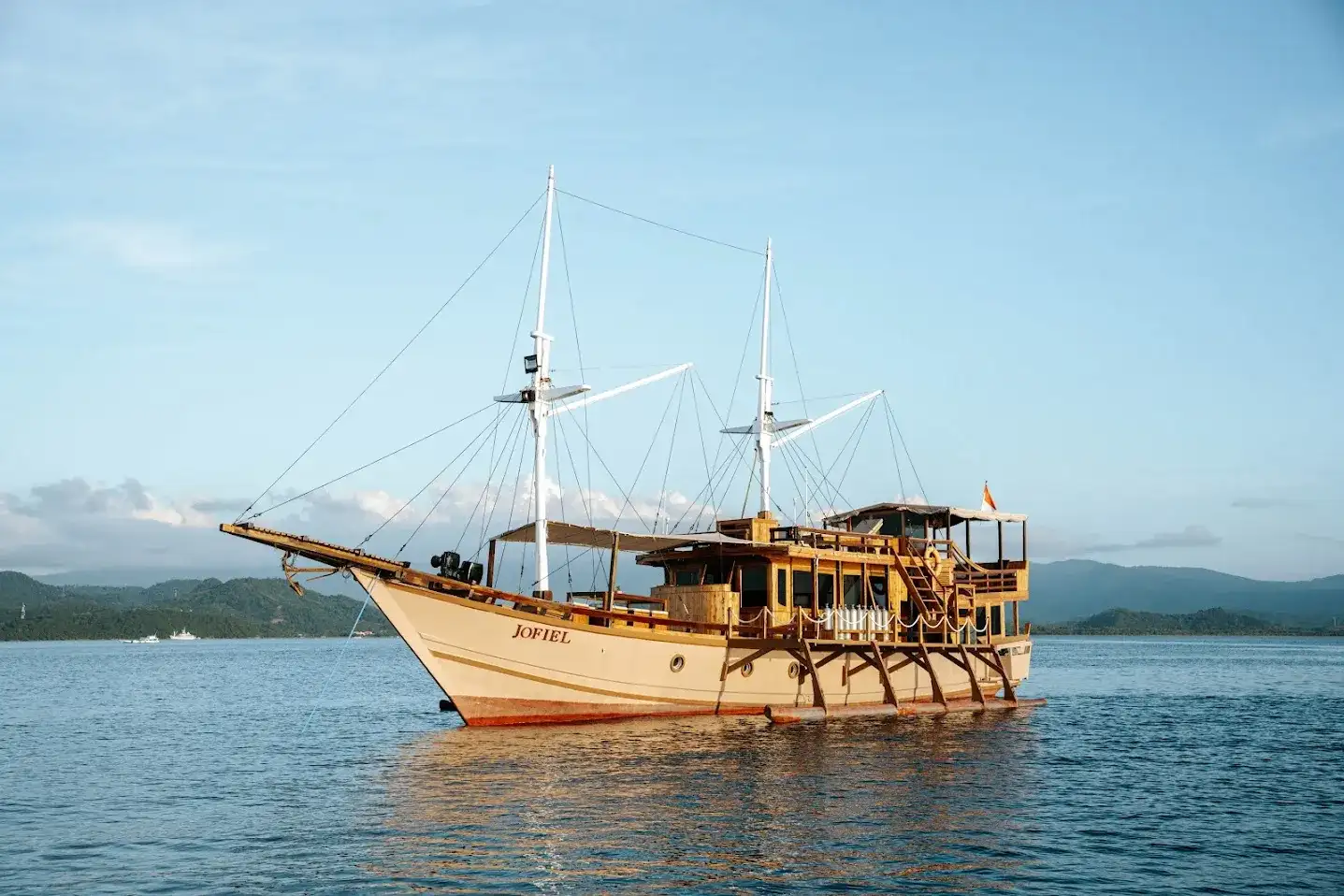
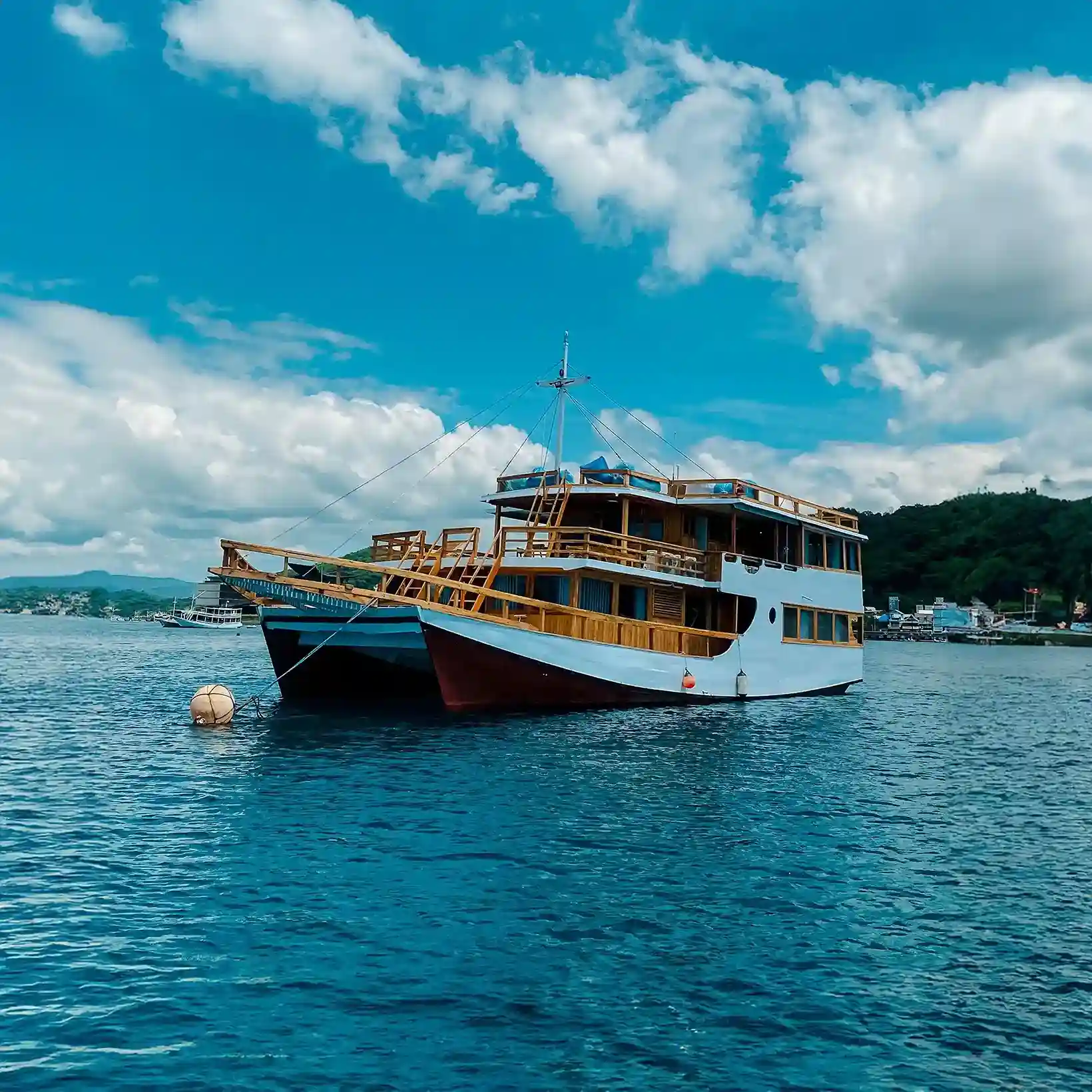
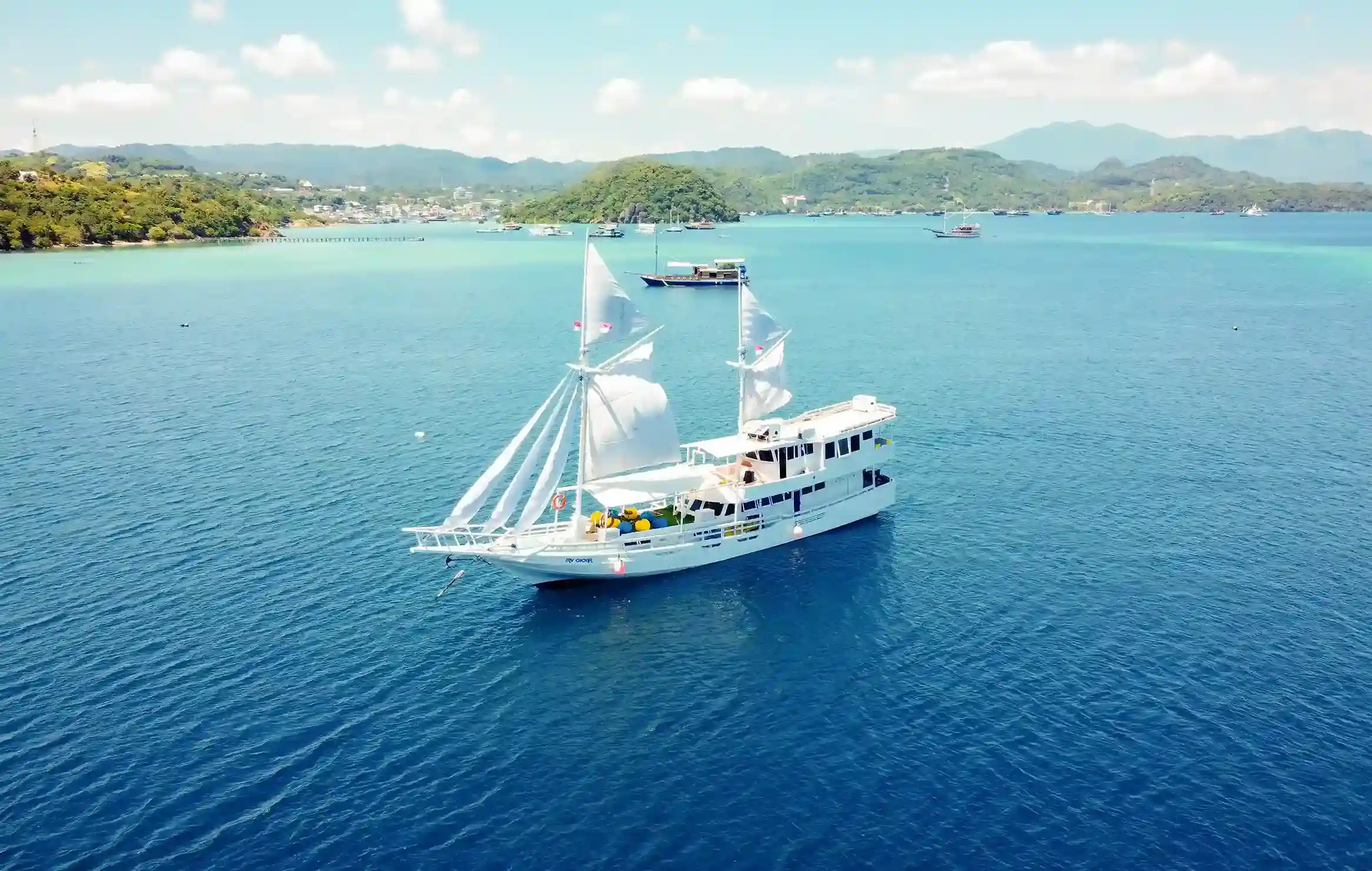
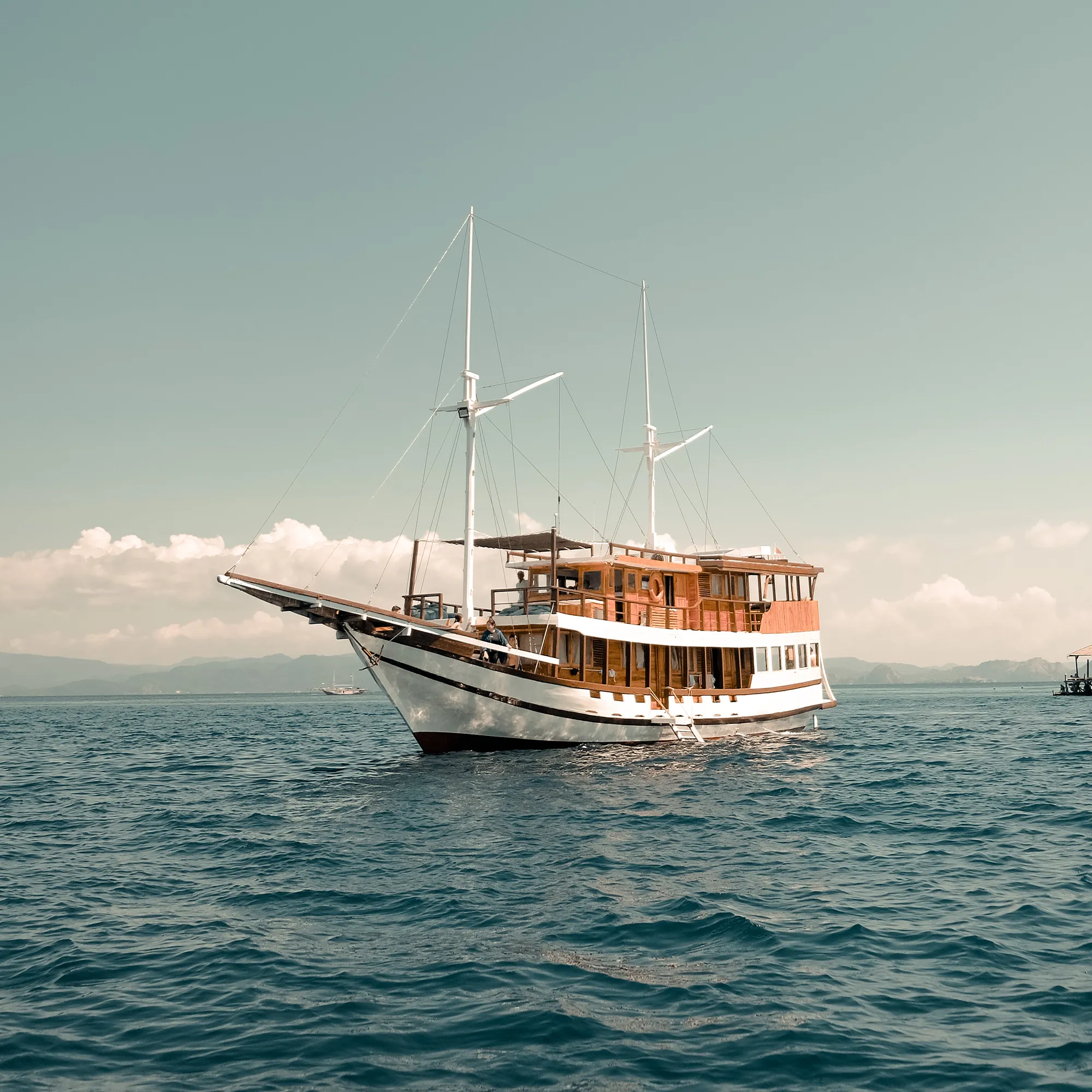
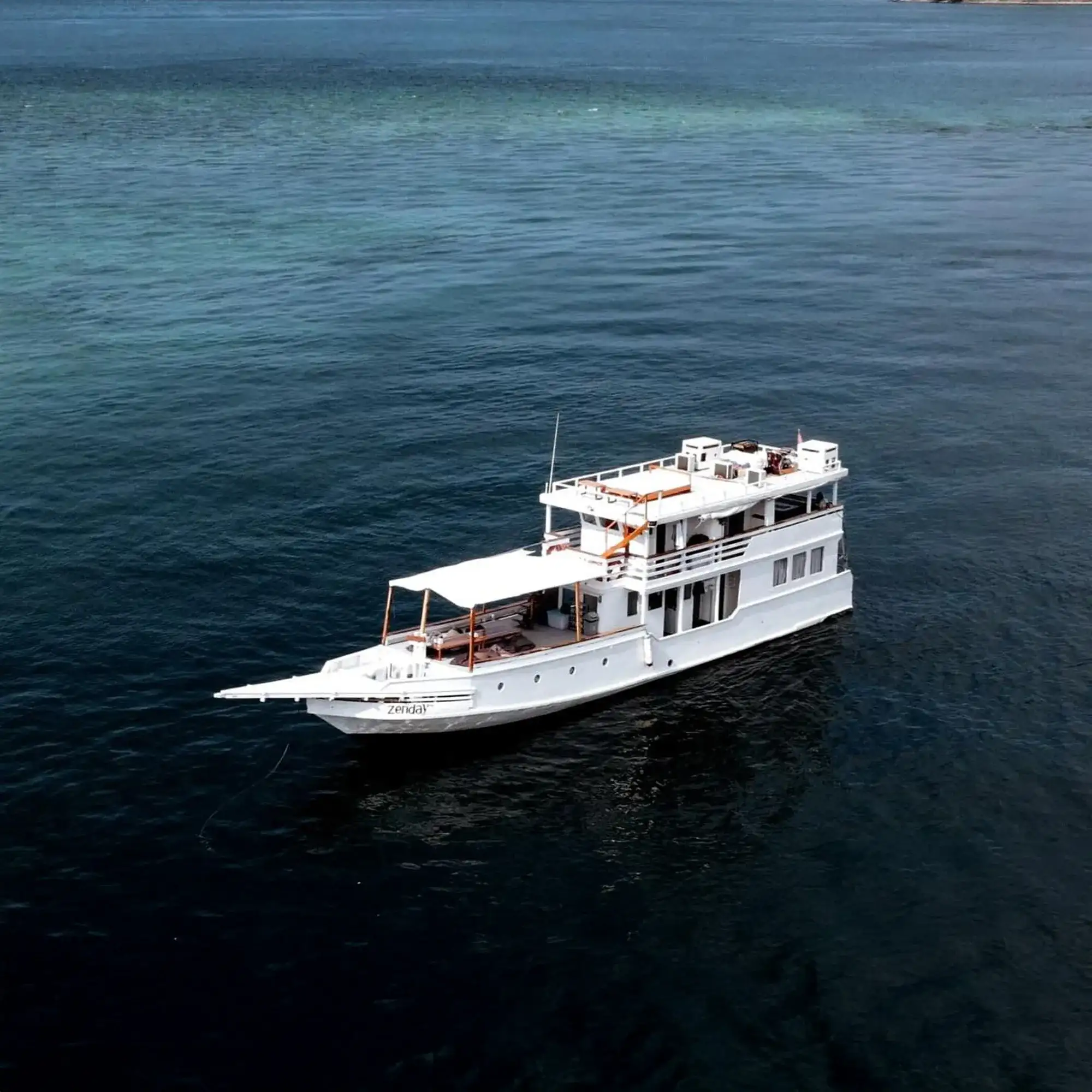
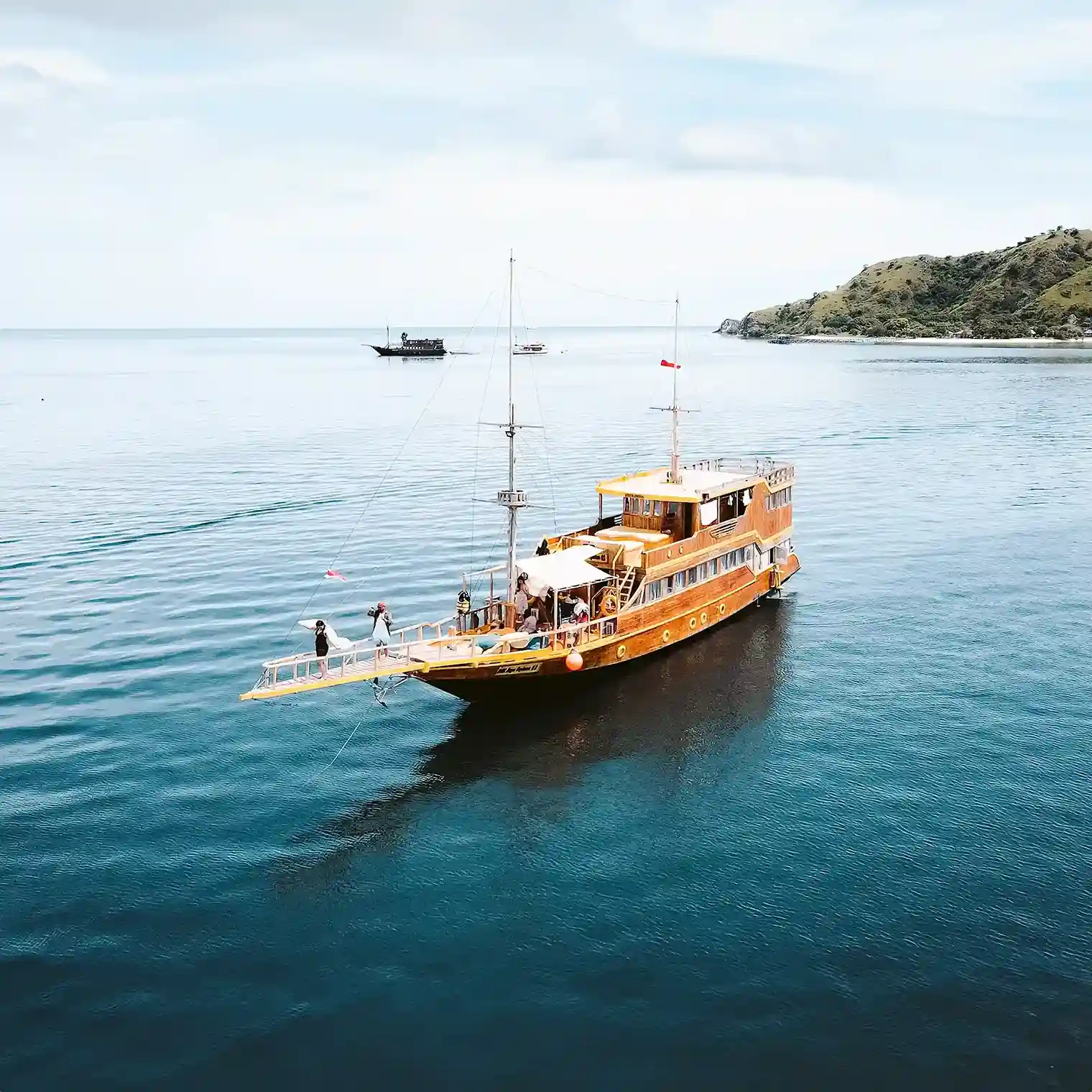
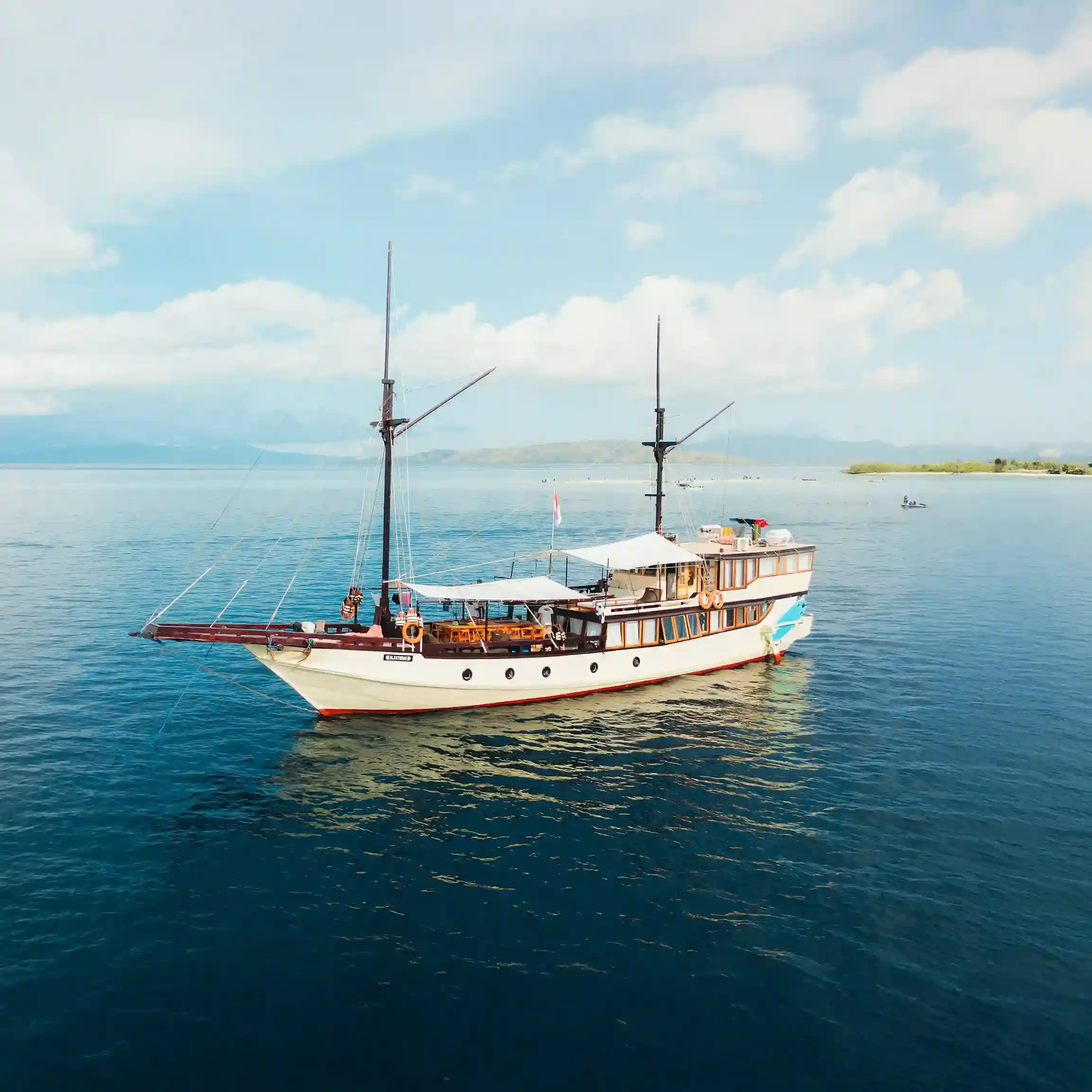
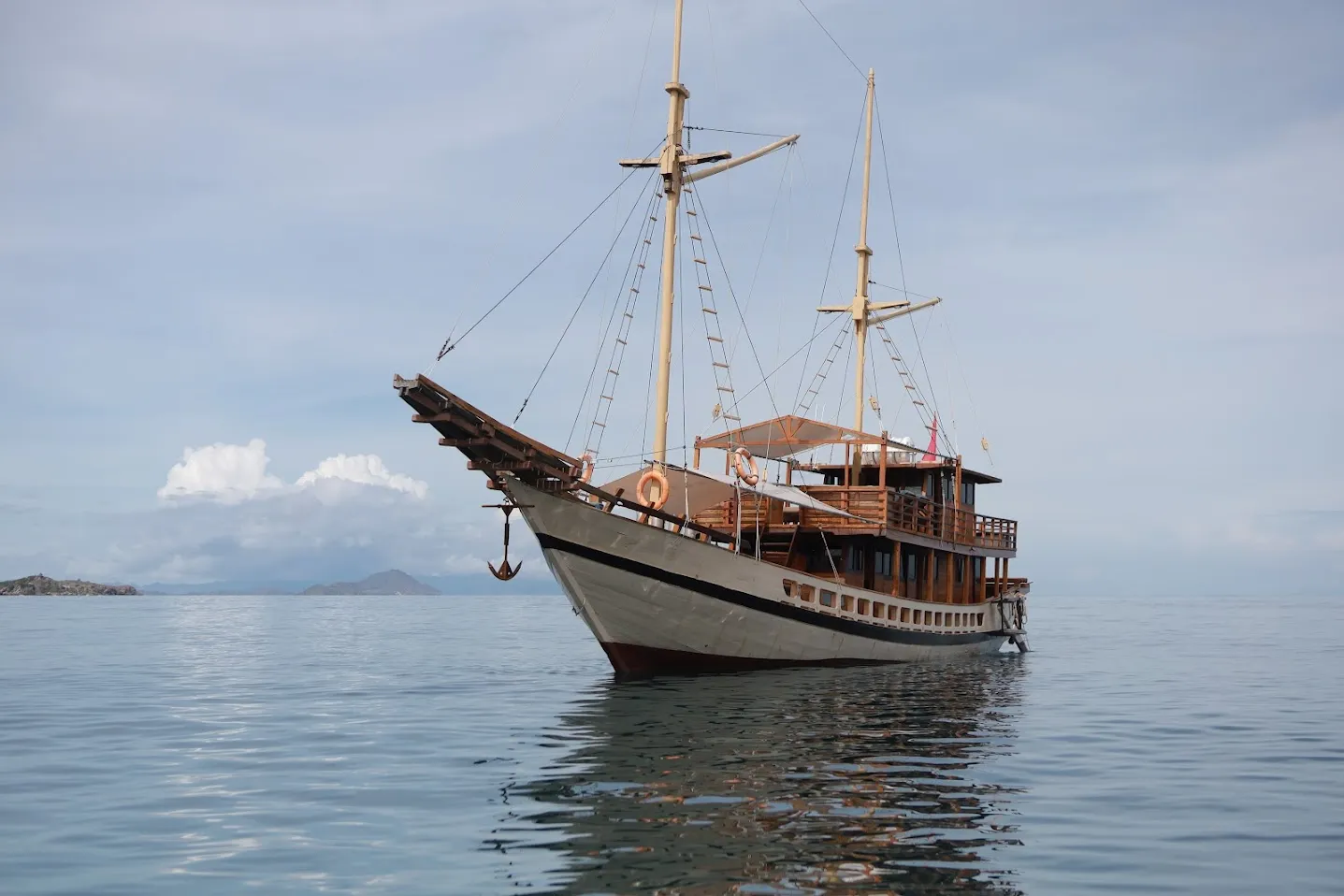
We keep Floresta’s bow into the current when we hit Manta Point at 10:30 in the morning – it’s the only way to hold her steady for the guests lining the starboard rail, masks down, watching the first rays draw silhouettes through the water. At 14 metres, she’s not the biggest vessel out here, but she was built right – 2016 timber-frame construction, teak decks sanded smooth each dry season, and a draft shallow enough to tuck into Sebayur when the winds pick up from the south. One cabin means we run private charters only, never open-share, so the schedule bends around who’s onboard, not the other way around.
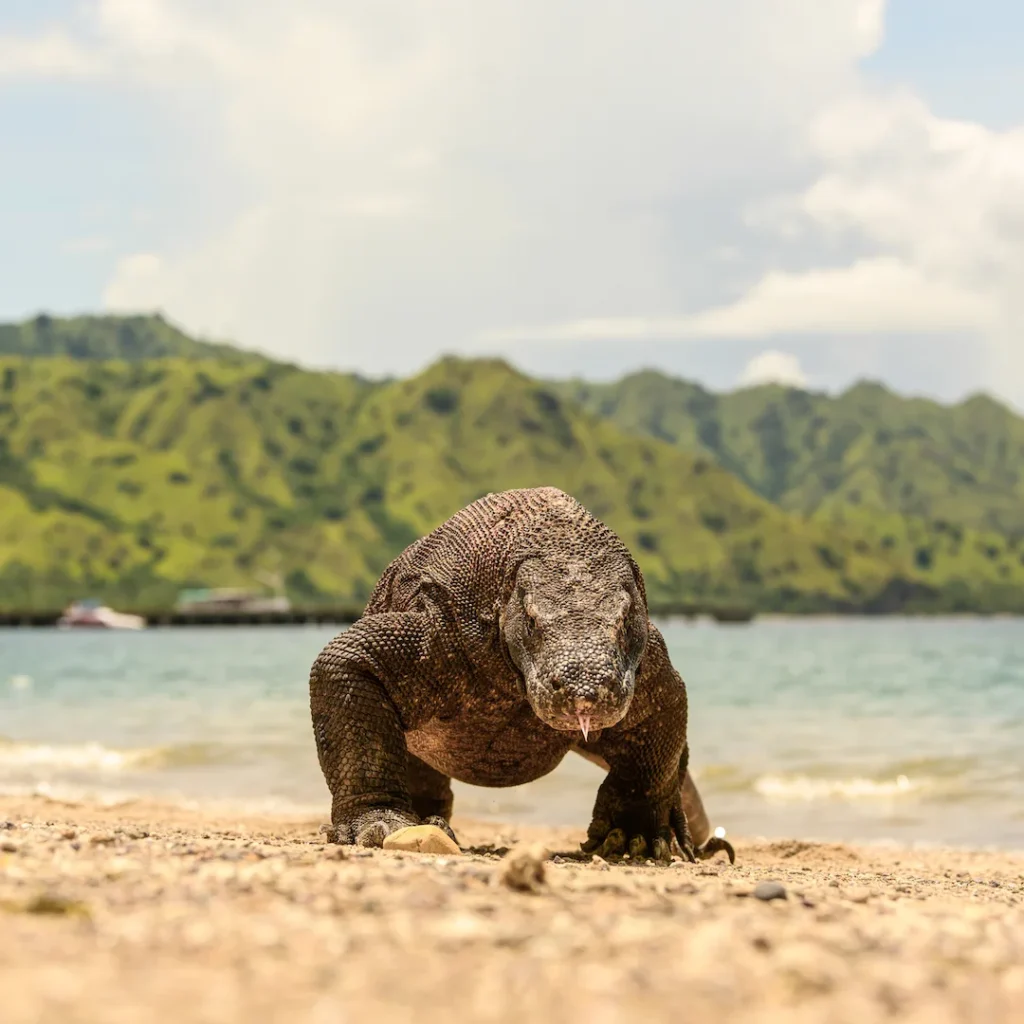
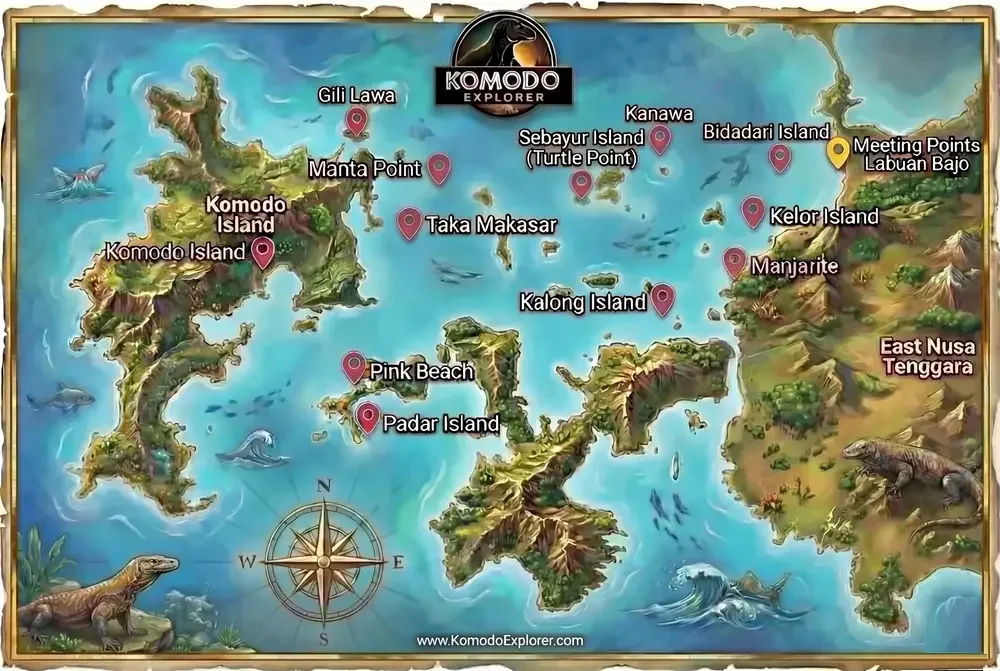
By 6:15 on Day Two, we’re already at Padar’s northern ridge trailhead. The climb starts early to dodge the heat, and we time it so the descent lands everyone on the crescent beach by 8:30, just as the tide pulls back and reveals the full curve of white sand. Floresta waits at anchor in the channel, her crew prepping snorkel gear for the next stop: Komodo Island’s ranger station side, where the dragons sometimes amble down to the water’s edge. We brief guests to keep distance – these aren’t zoo animals, and they move faster than they look.
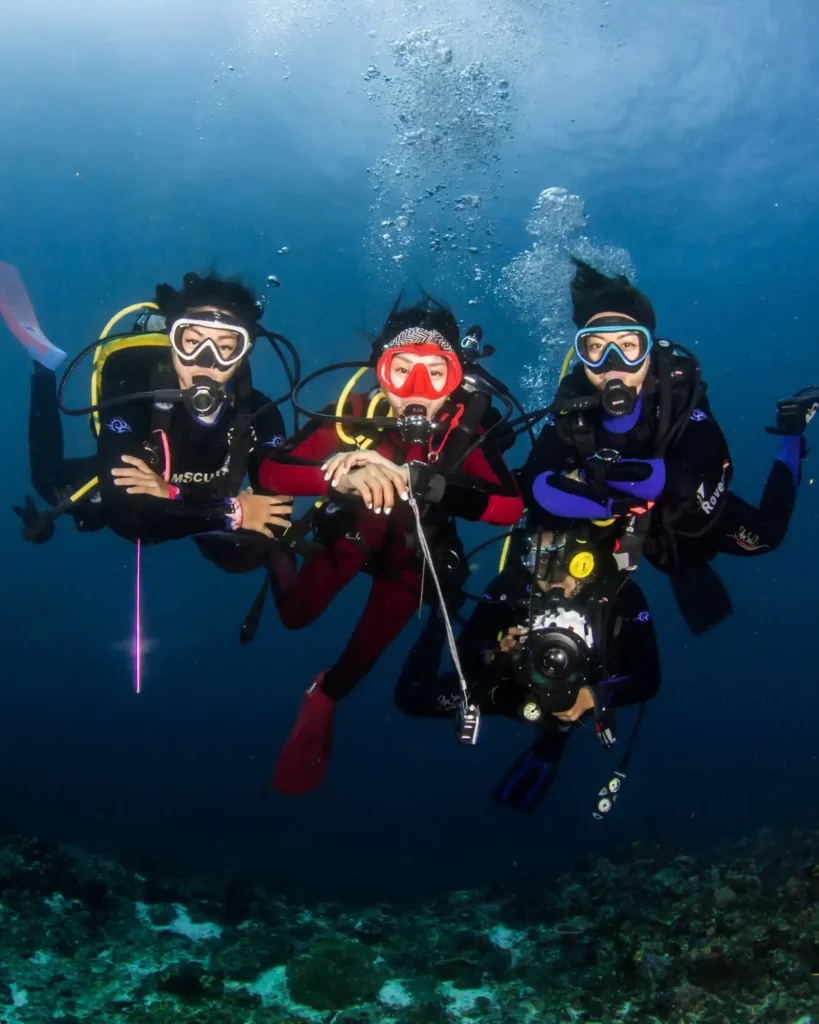
Midday brings us to Pink Beach. The colour’s strongest near the boulders on the east end, where the foraminifera mix with crushed coral. We drop the lines in the usual spot – southwest of the cove, just outside the mooring cluster – so guests can swim the perimeter without motor interference. After lunch, we shift 20 minutes north to Manta Point. Not the main cleaning station; we use the secondary site near Sebayur, less crowded, same updrafts. The mantas circle predictably between 10 and 12 metres. Our guide marks their wingtips with the pole-spear float, keeps count. Last season, we logged 37 individual mantas on this route.
On Day Three, we push to Taka Makassar by 7:00. It’s a long glide from Labuan Bajo’s outer anchorage, but worth it – the sandbar emerges for two hours around low tide, and the water stays knee-deep for fifty metres offshore. We lay out the cooler, crack coconuts, and let guests wade or nap under the canopy. Kanawa follows by mid-afternoon. The volcanic slope drops fast, so we anchor on the north ledge, where the current brings the fusiliers and sweetlips. Our guests free dive the shelf, or drift with the flow if they’ve got their PADI. Floresta’s dinghy shuttles back and forth on rotation, skipper watching the tide markers.
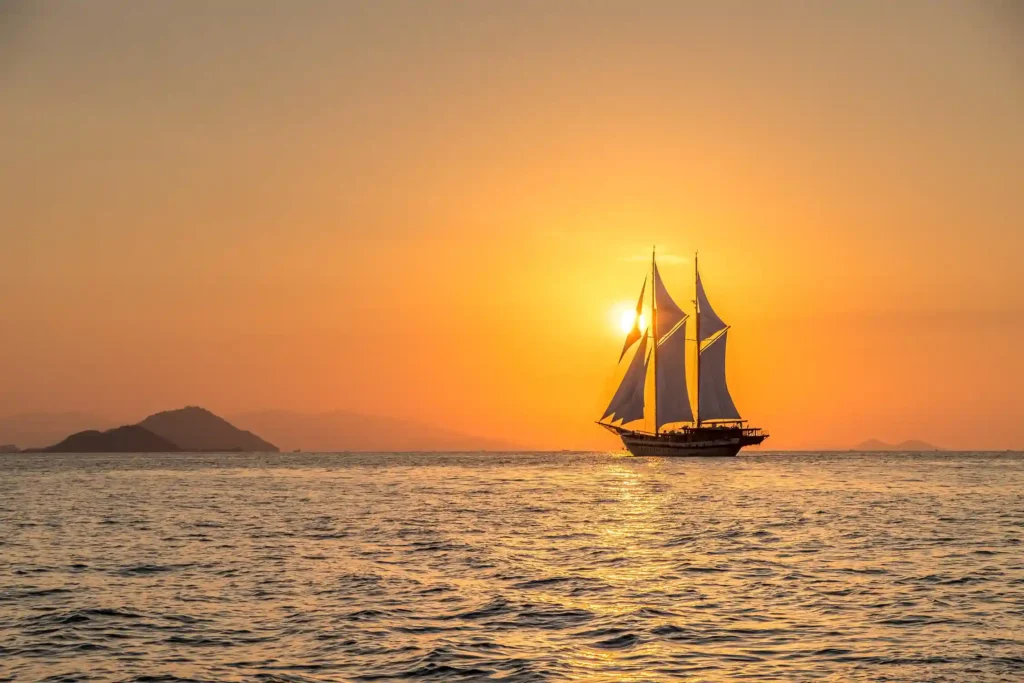
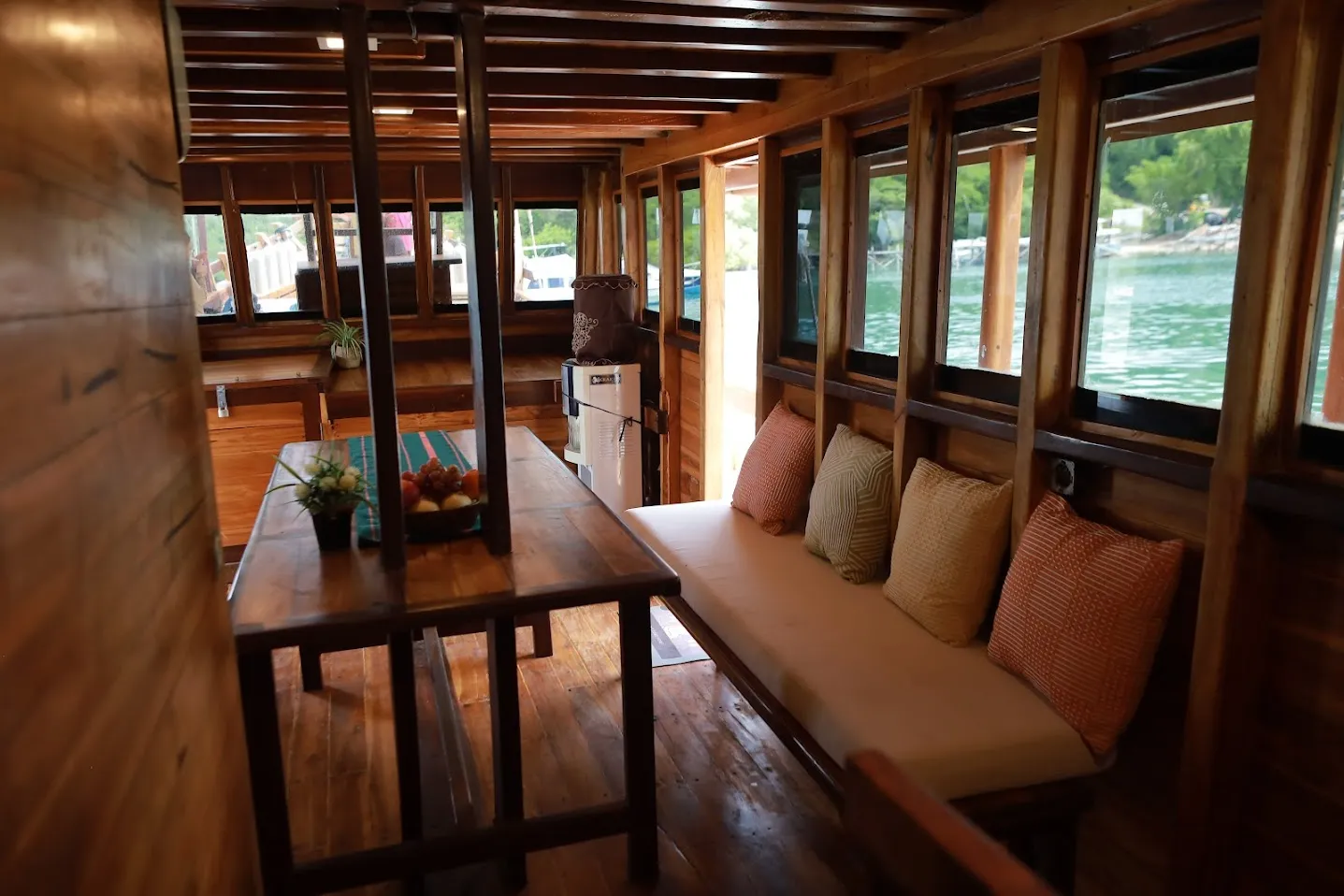
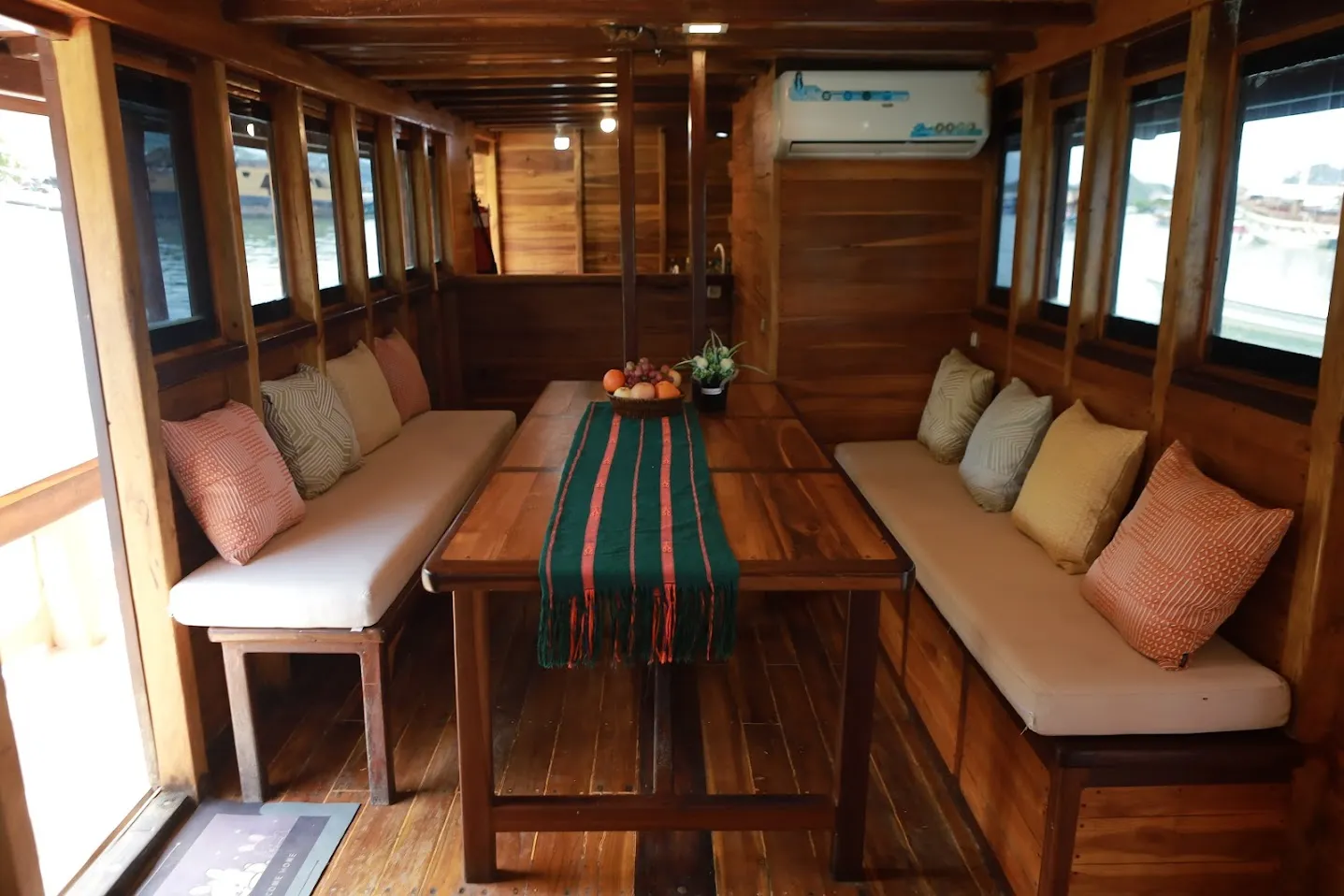
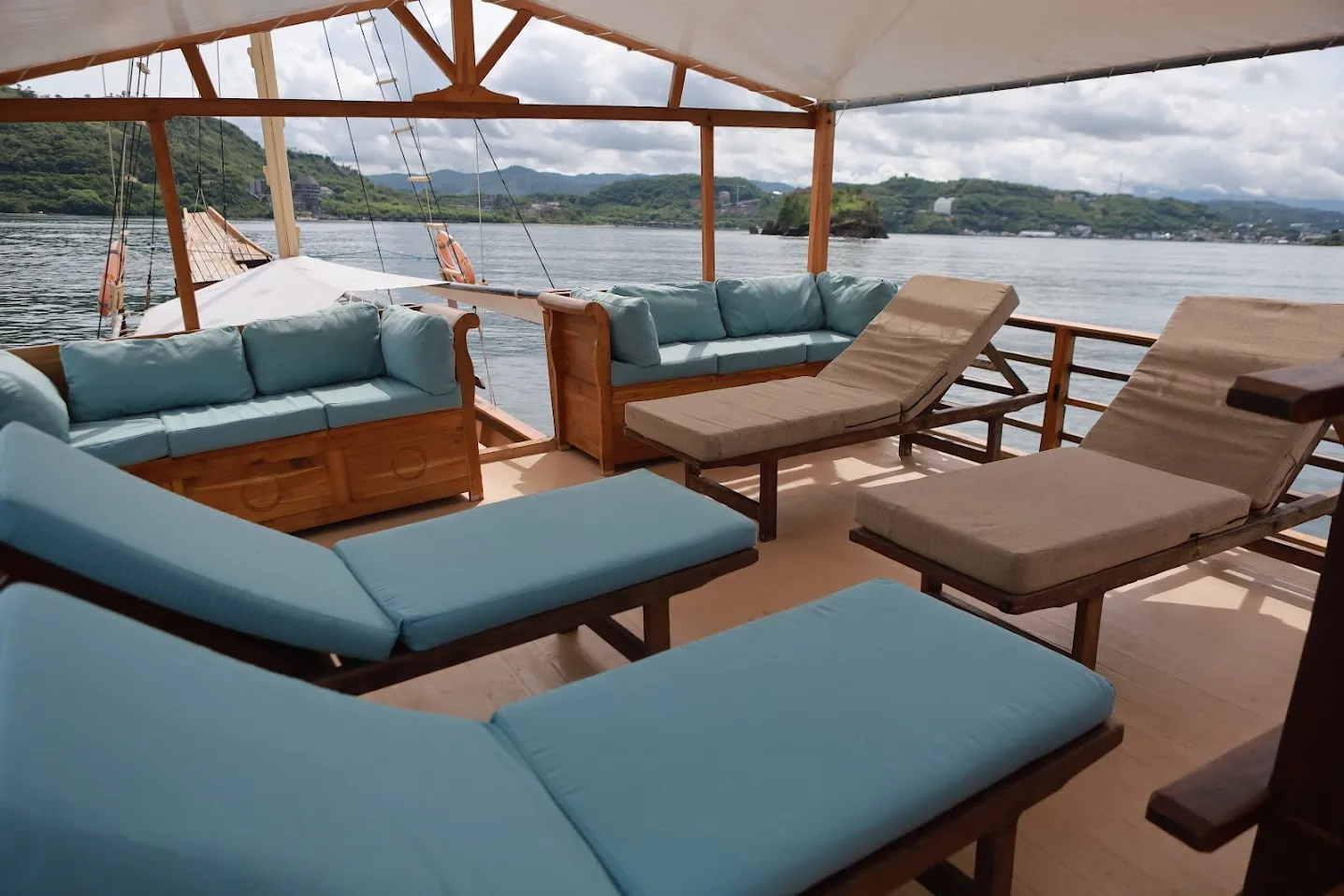
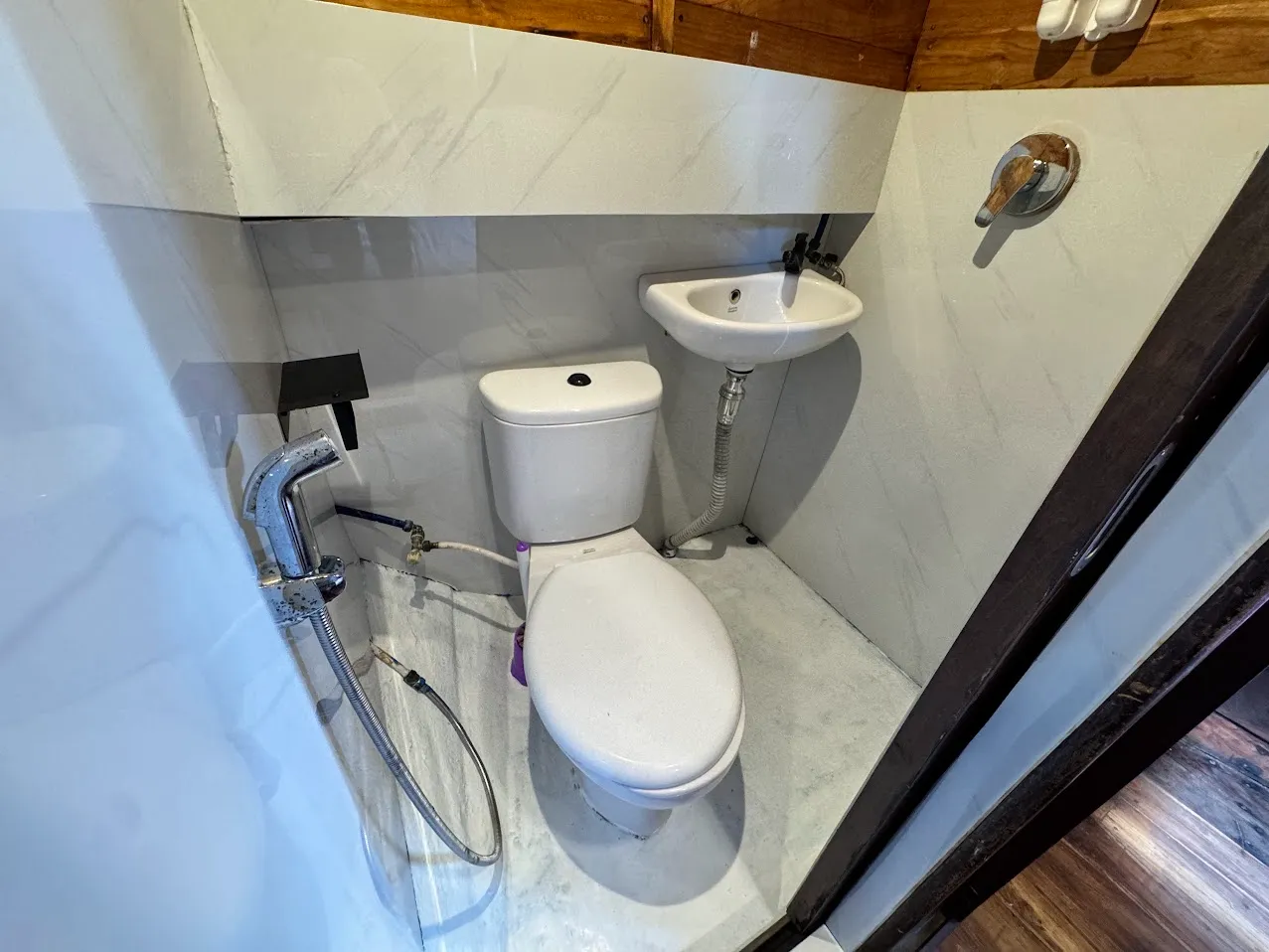
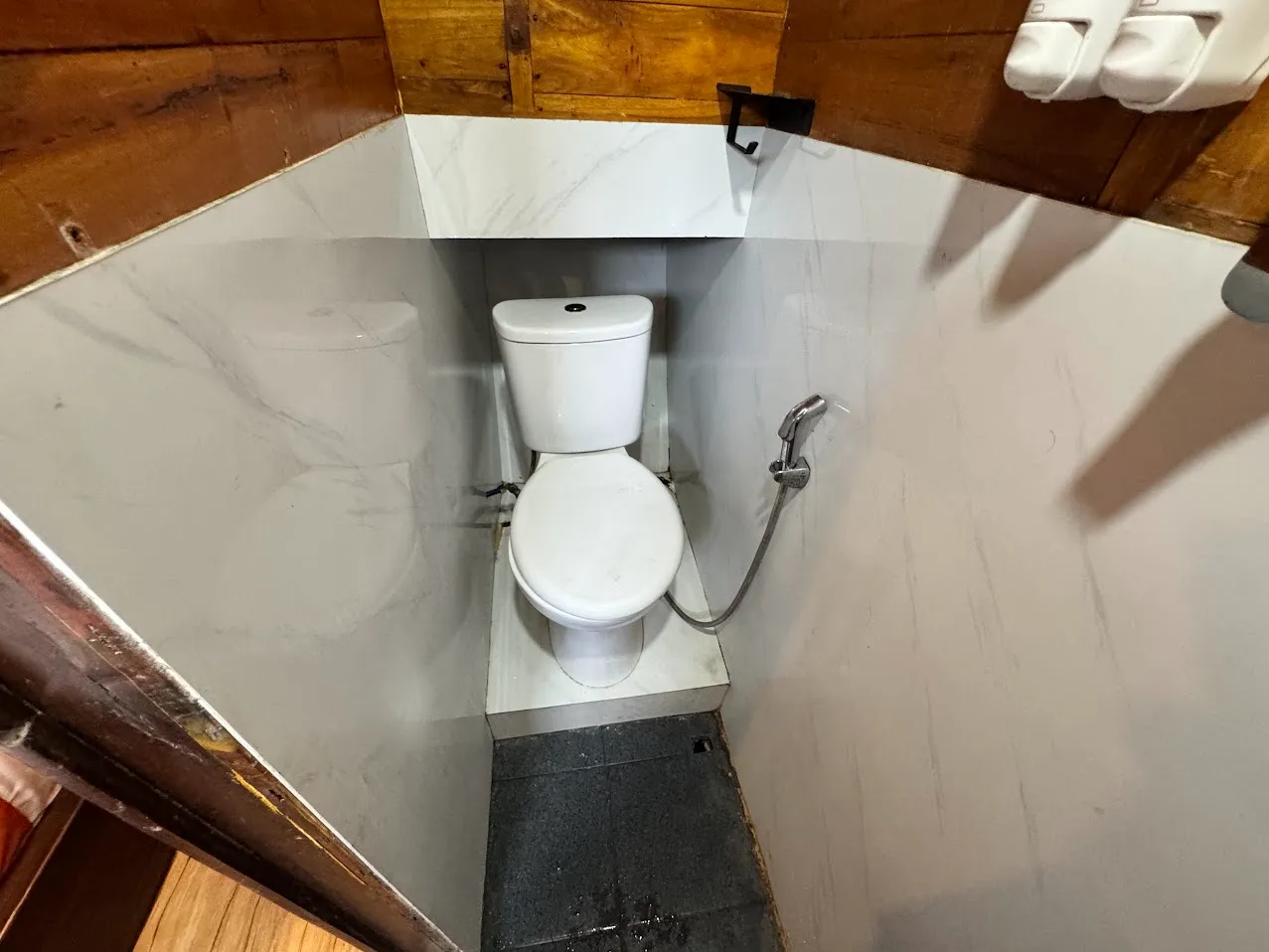
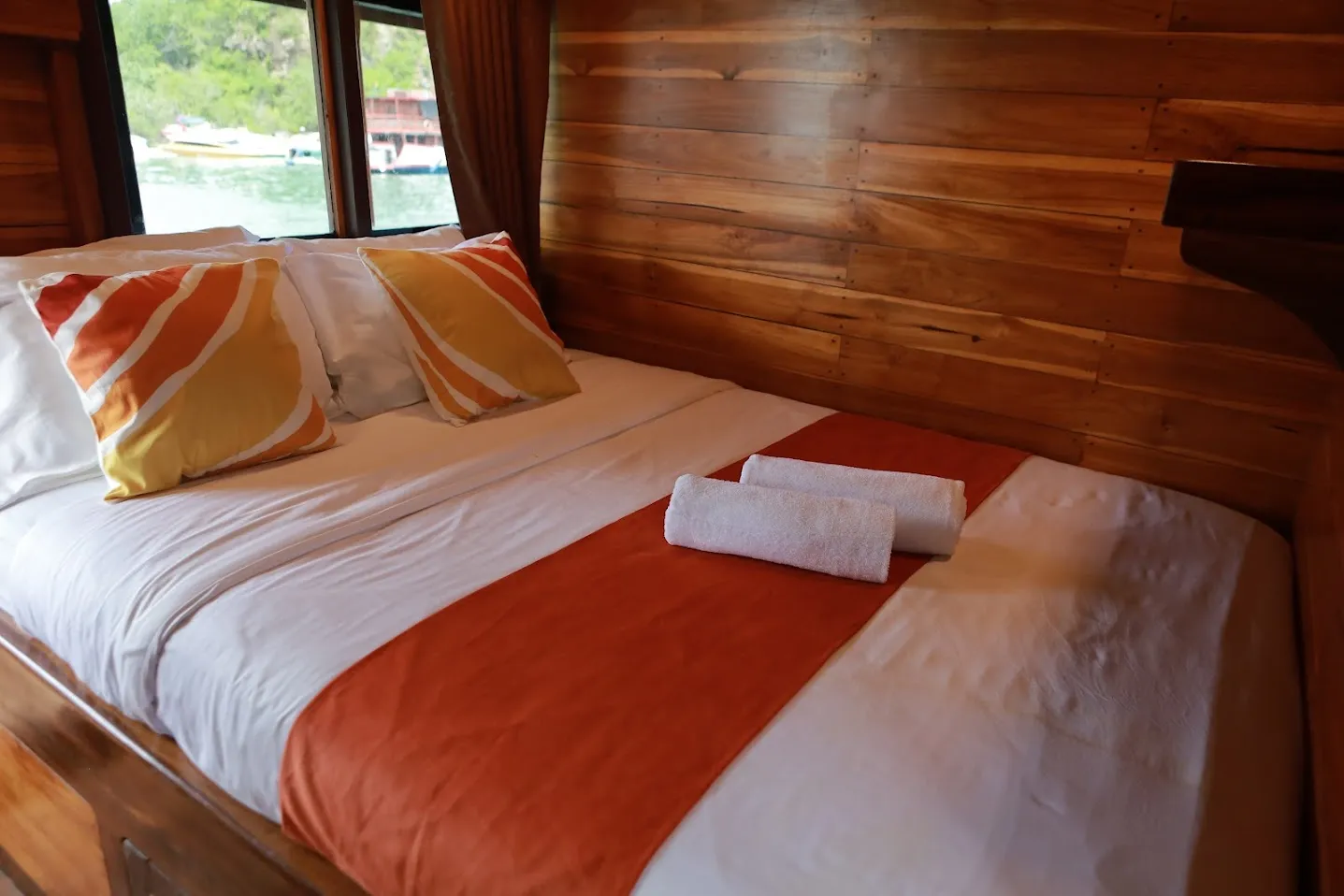
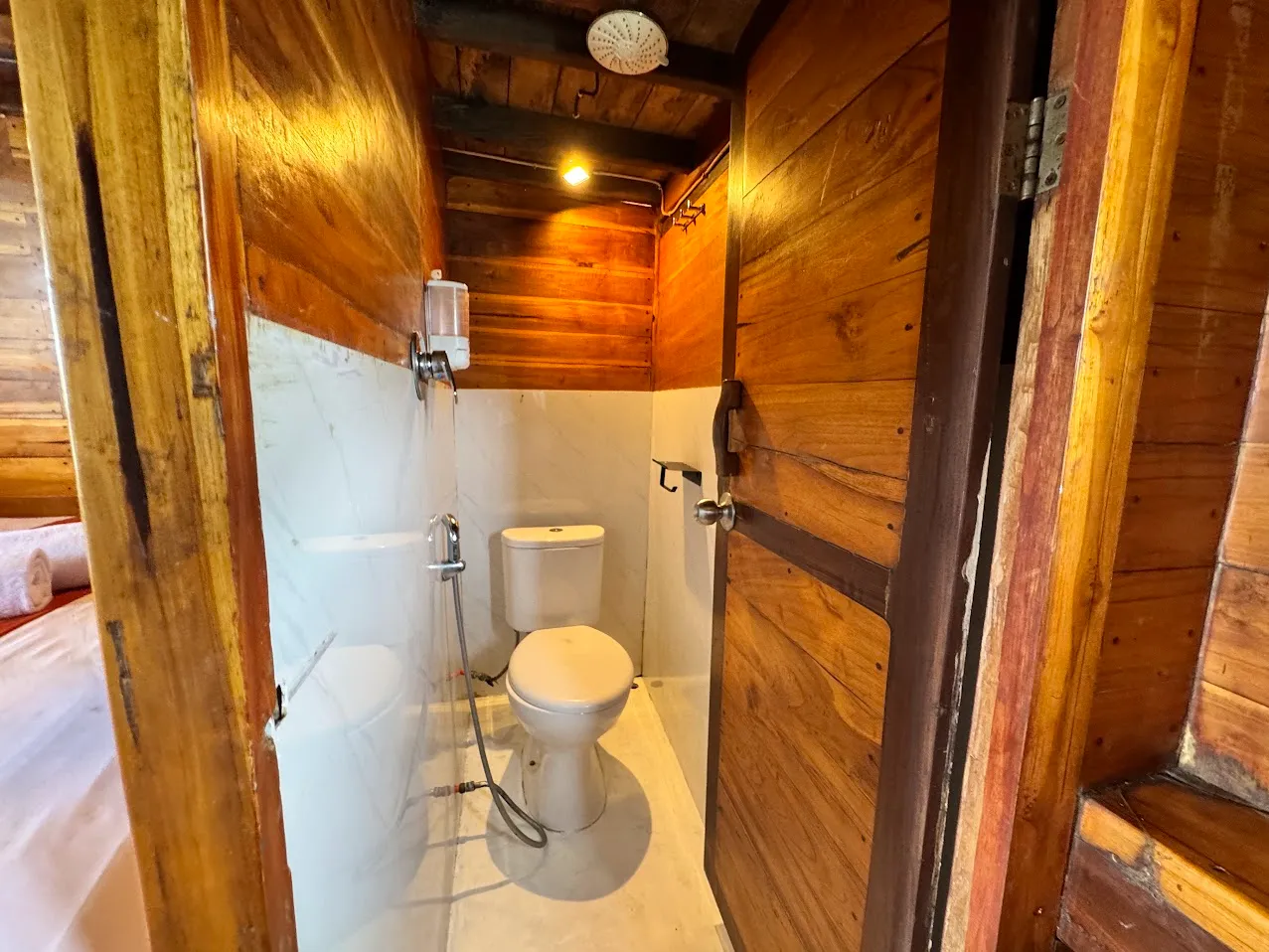
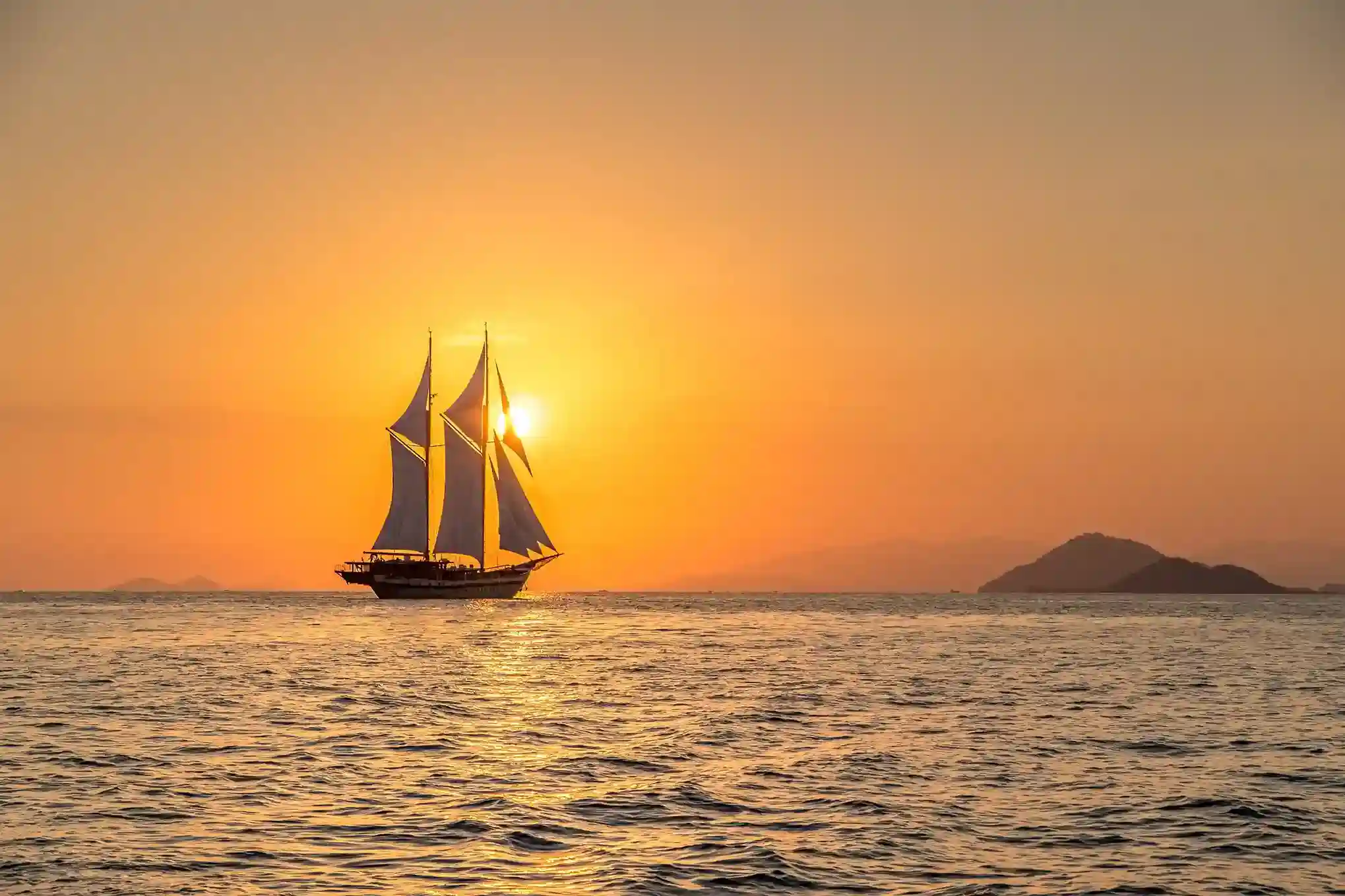
Evenings, we tie off at Kalong or stay mobile. If the wind’s calm, we drift near the bat colony at dusk, serve tea on deck, and watch the exodus – thousands of fruit bats boiling up from the mangroves at 18:22, give or take three minutes. The boat’s fitted with Starlink, so guests download photos while the generator runs. No scheduled power-downs. One cabin, two guests max, so there’s no noise from shared walls, no queue for showers. Freshwater pump cycles twice daily.
We’ve kept her on the Komodo run since 2016. She doesn’t chase Raja Ampat itineraries – she’s built for these channels, this rhythm. The crew knows when to delay departure if the morning swell hits 1.5 metres, and where to find slack water near Batu Bolong if someone’s feeling unsteady. Floresta’s not trying to be a resort. She’s a working Phinisi, polished by use.