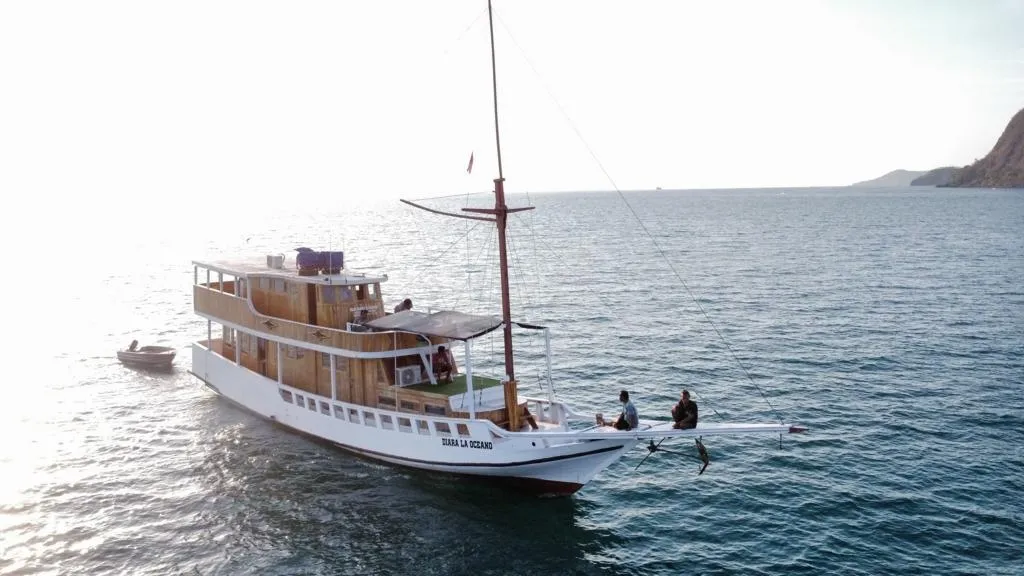
About Diara La Oceano
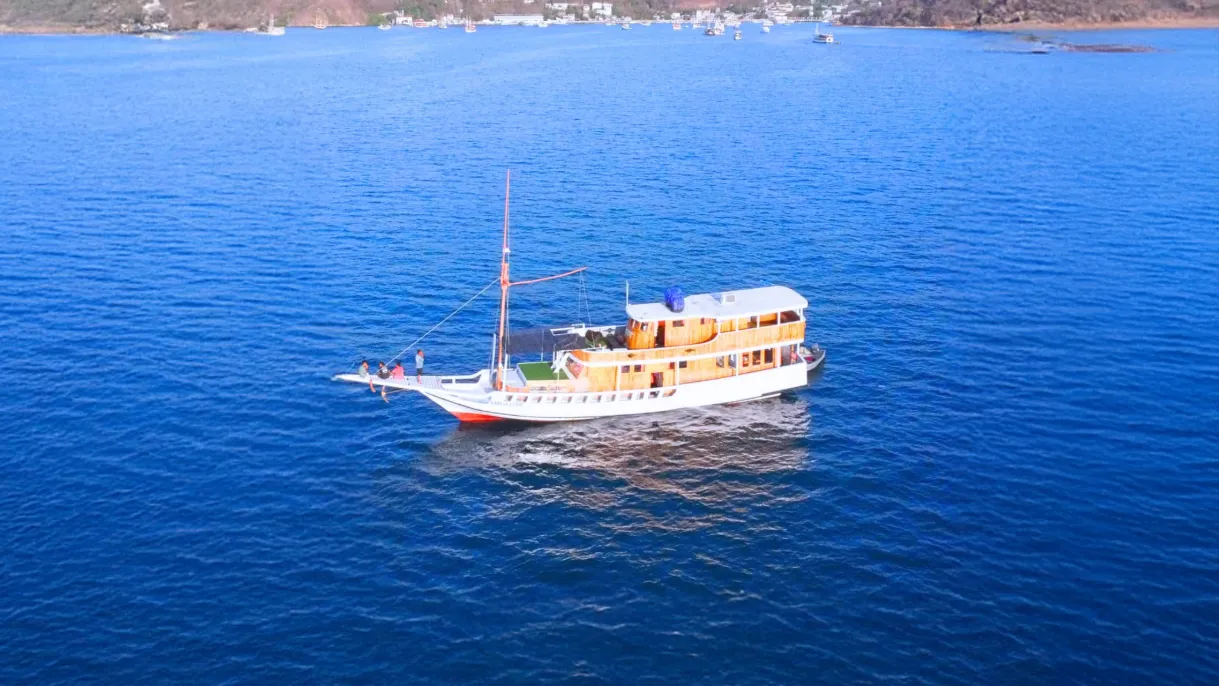
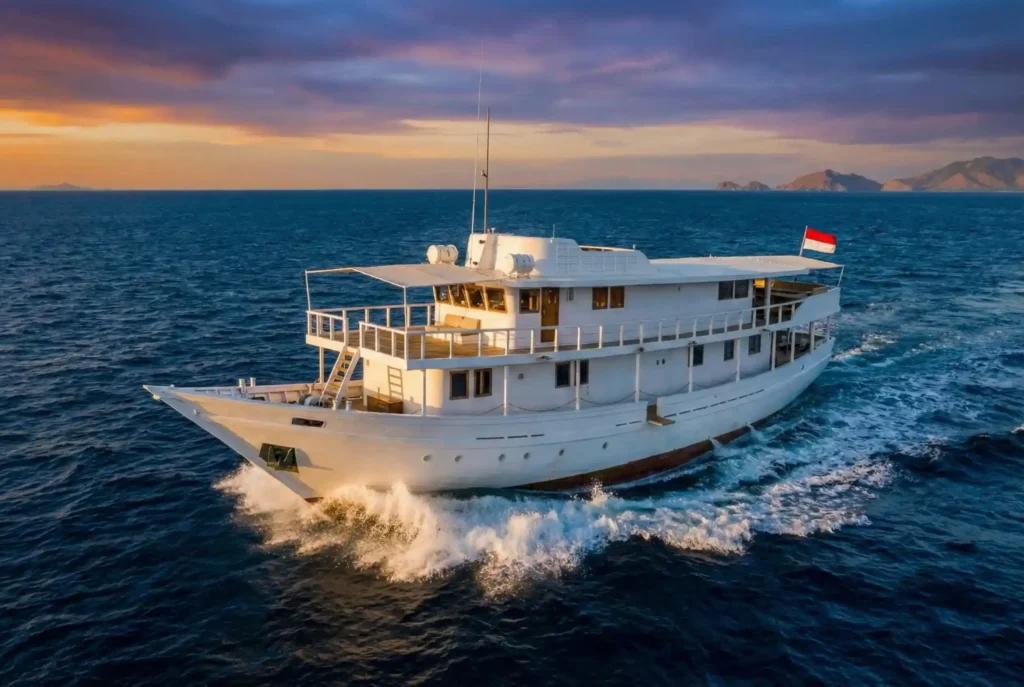
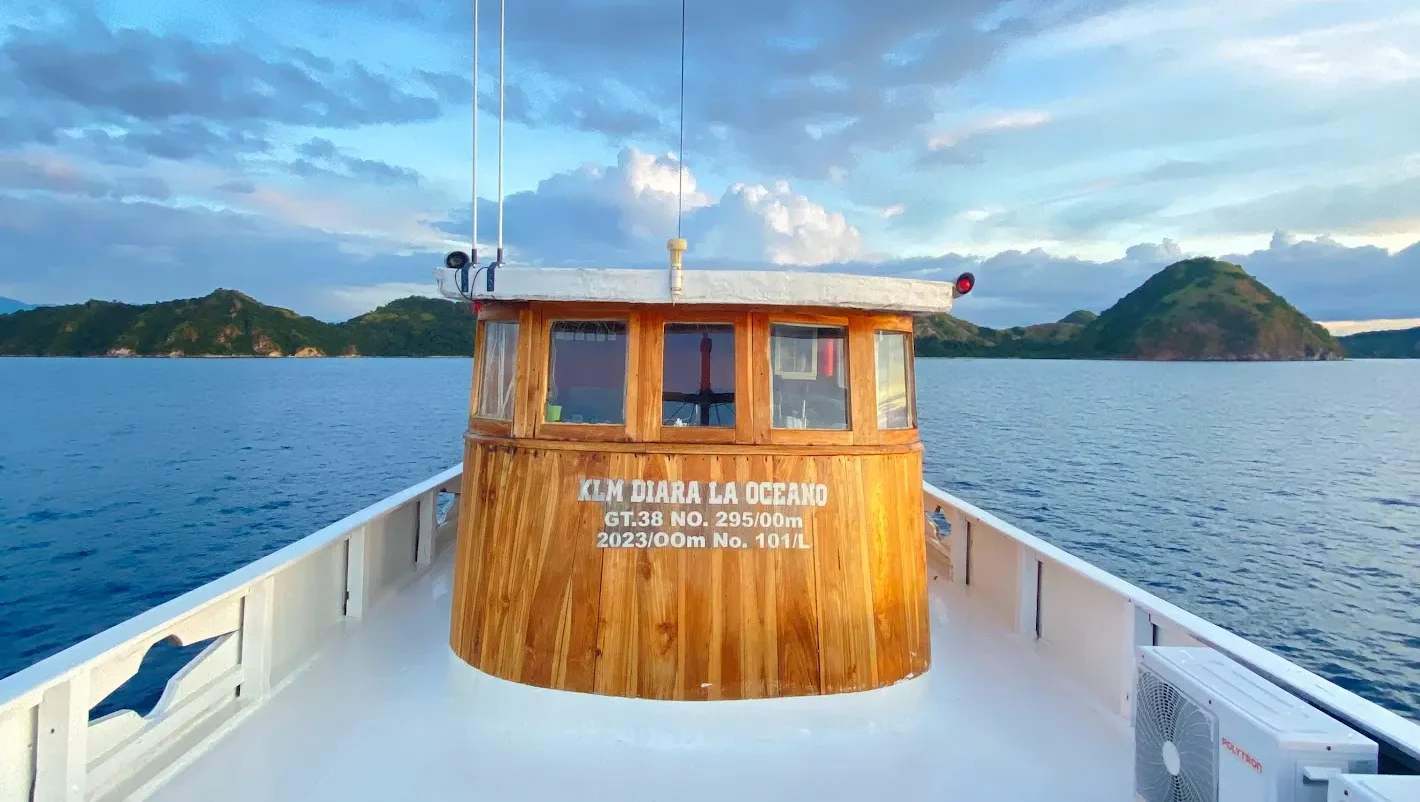
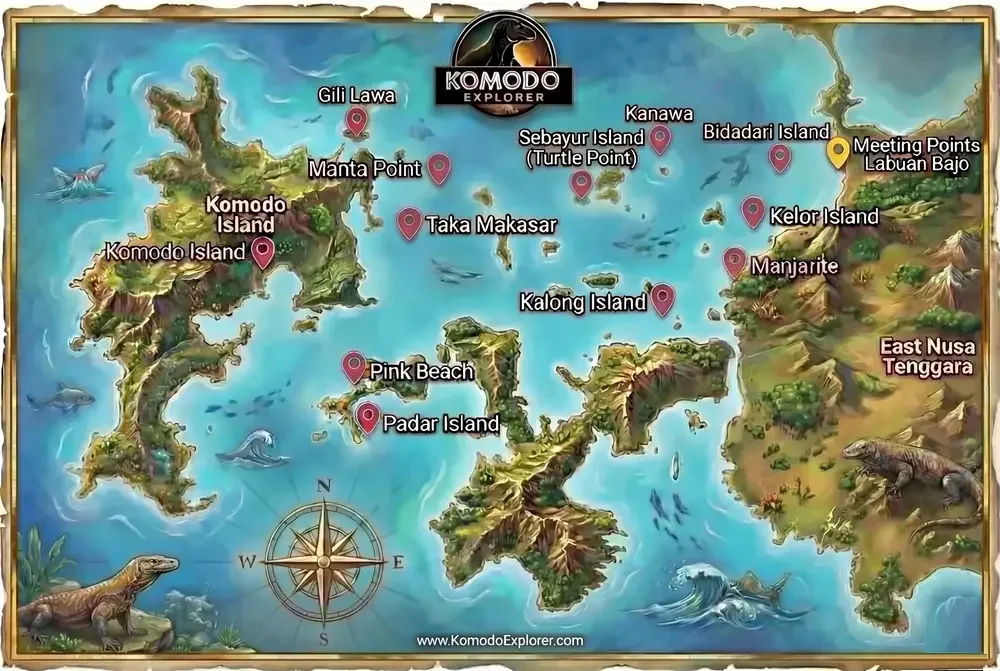
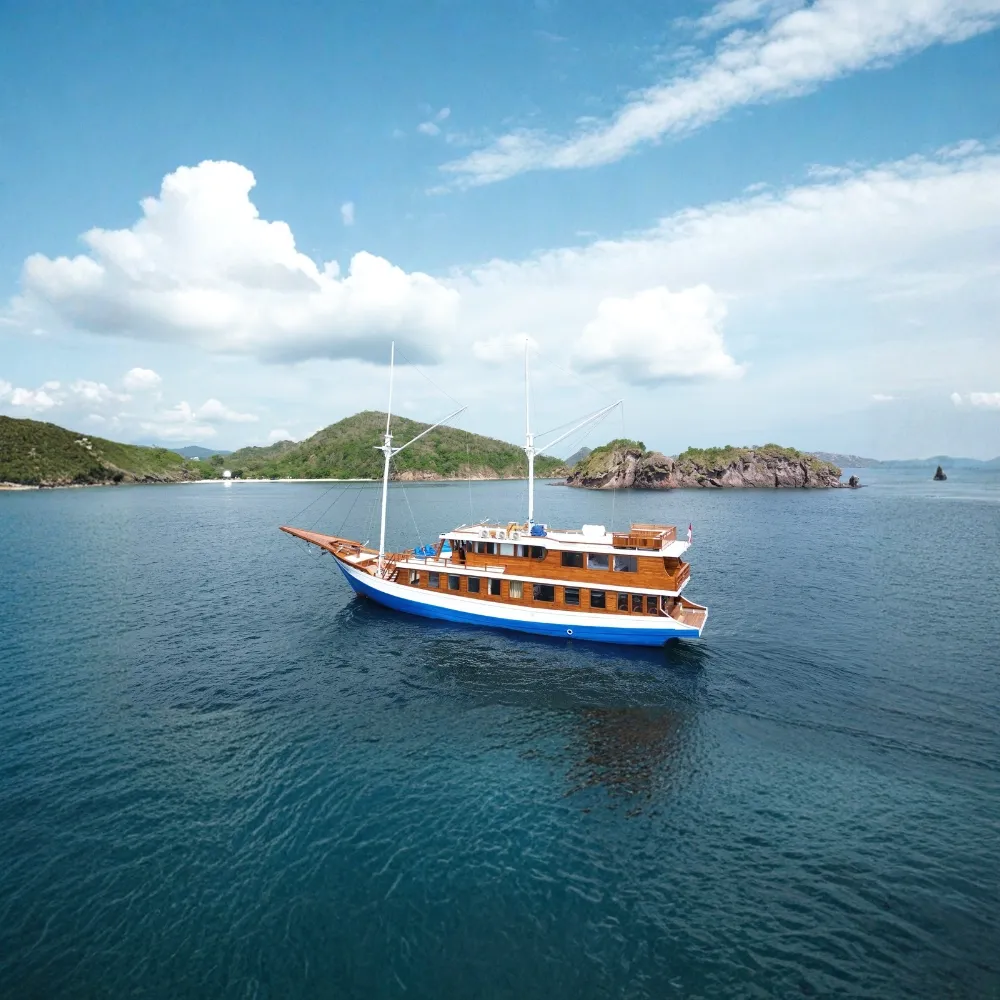
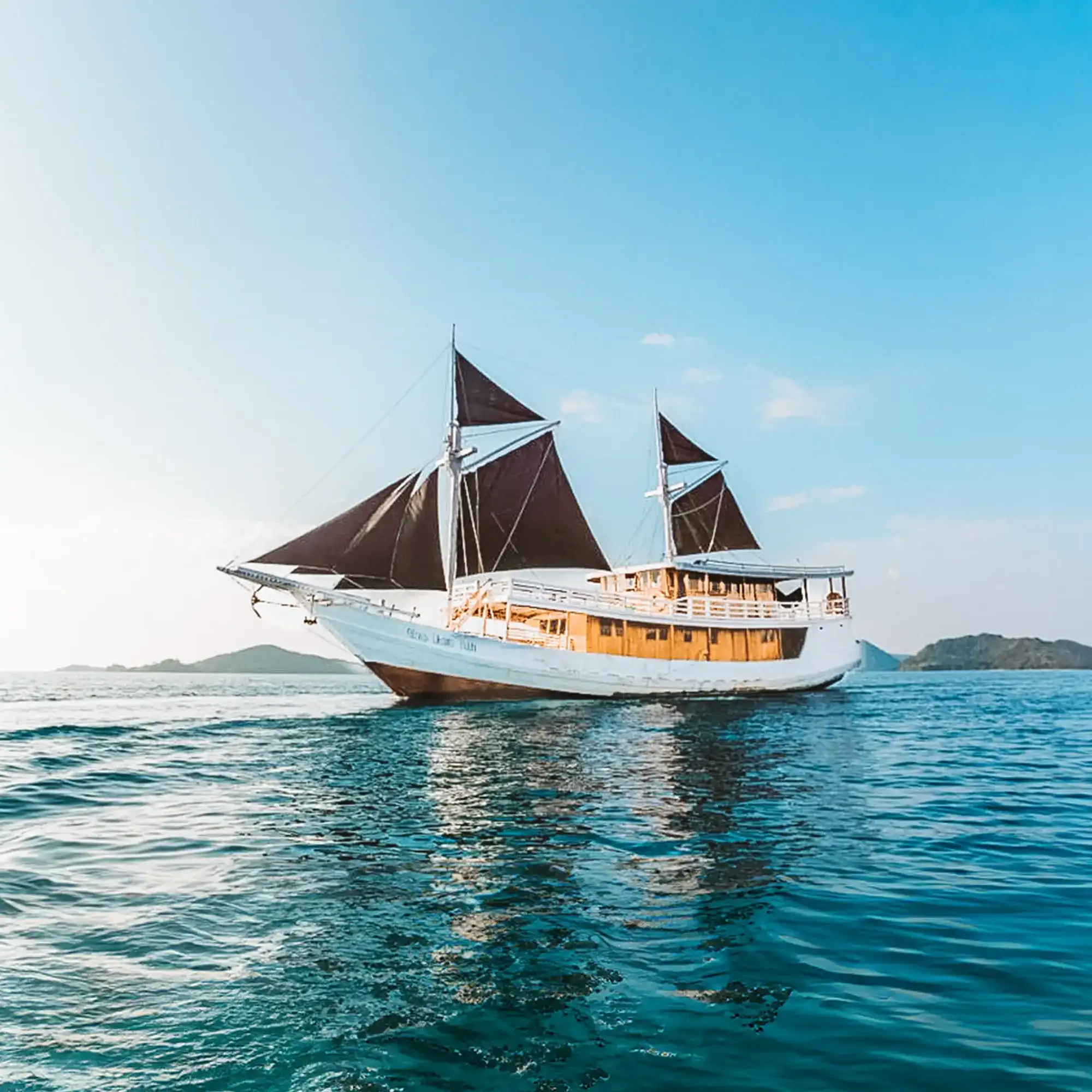
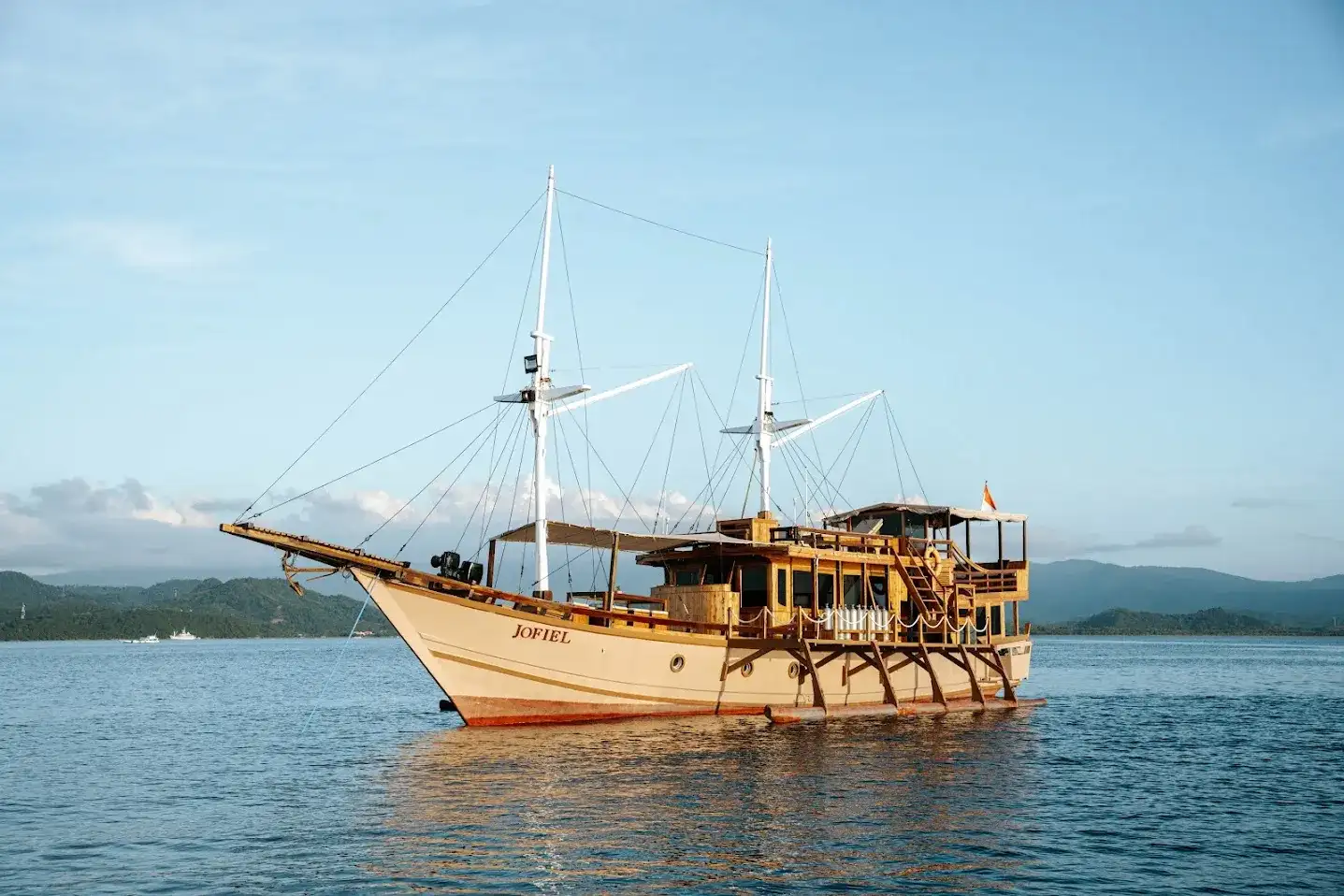
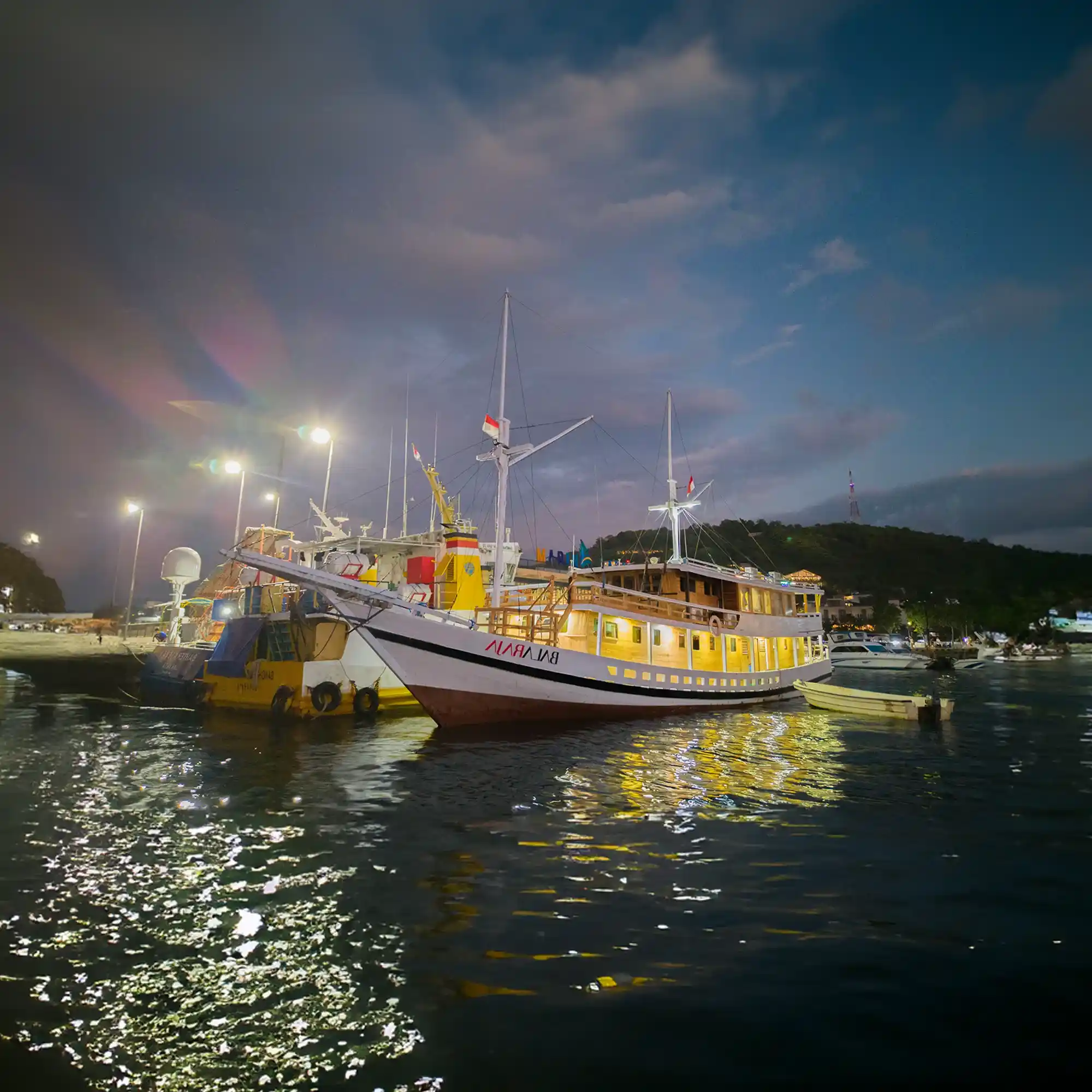
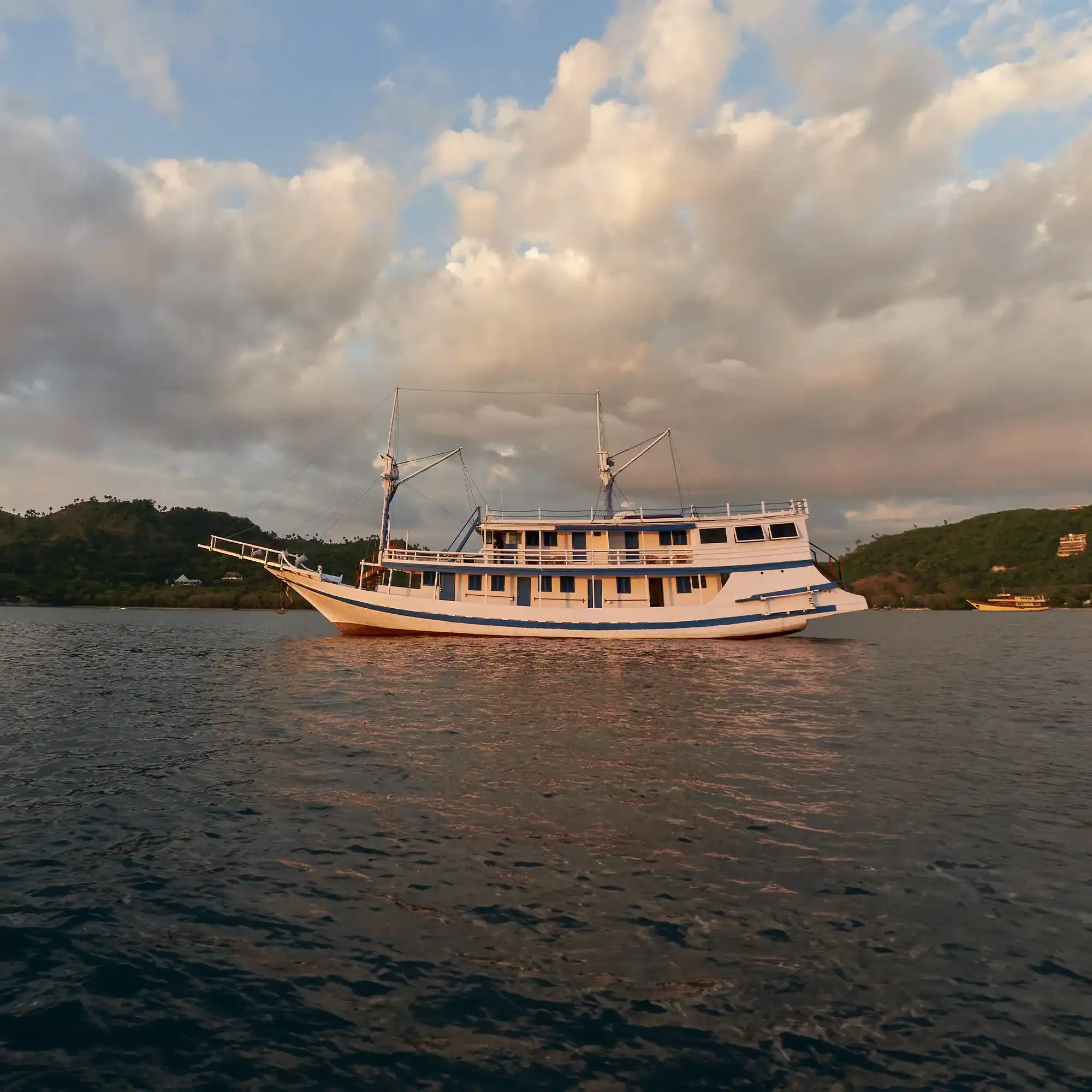
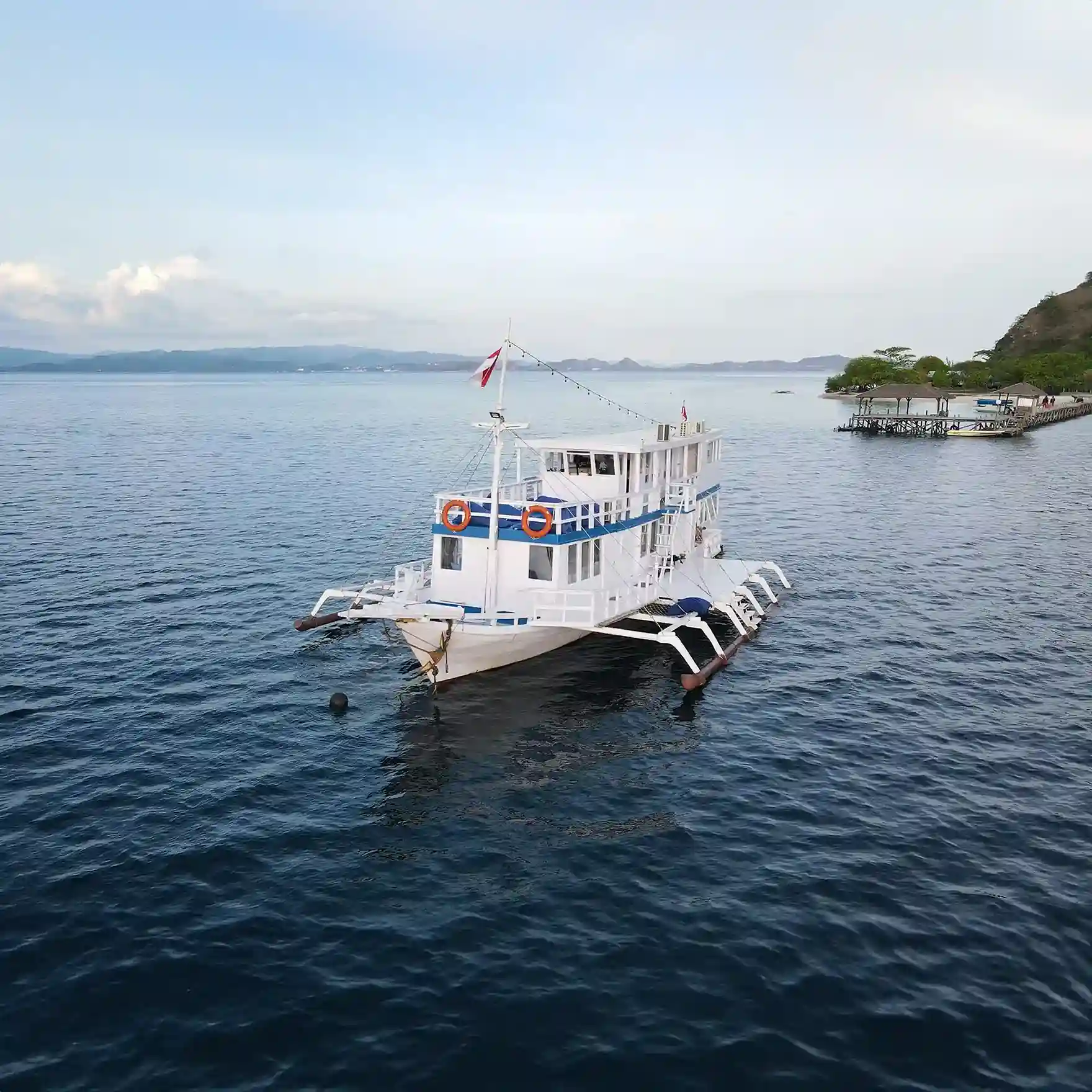
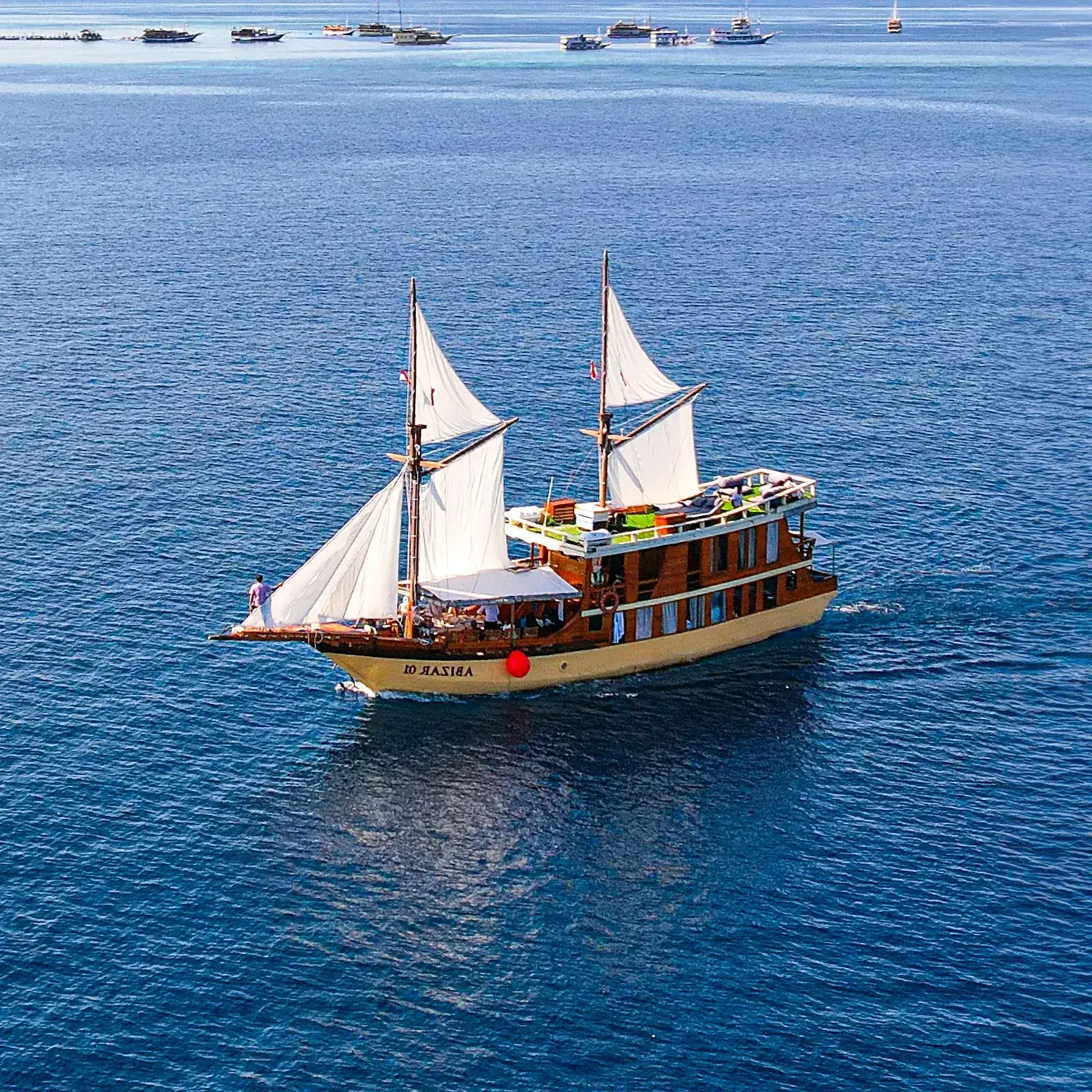
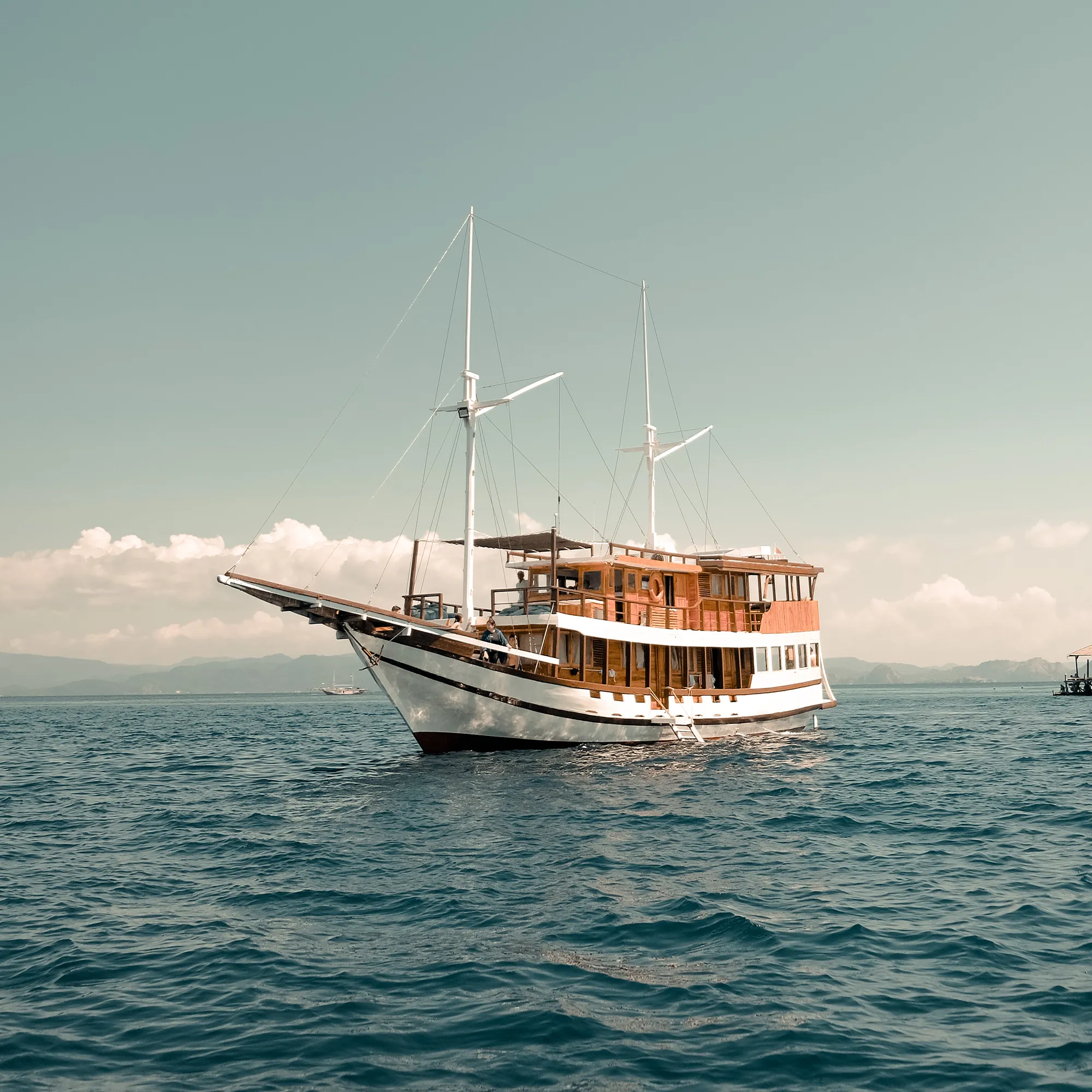
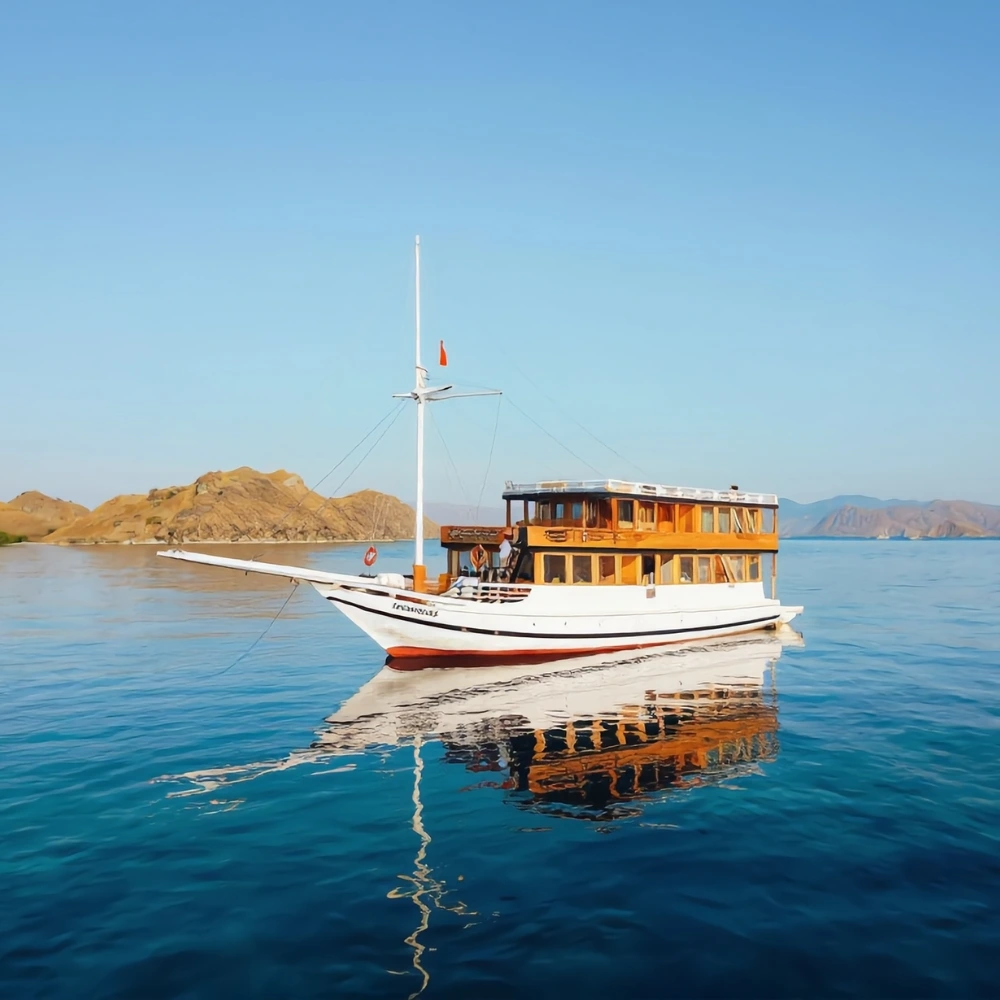
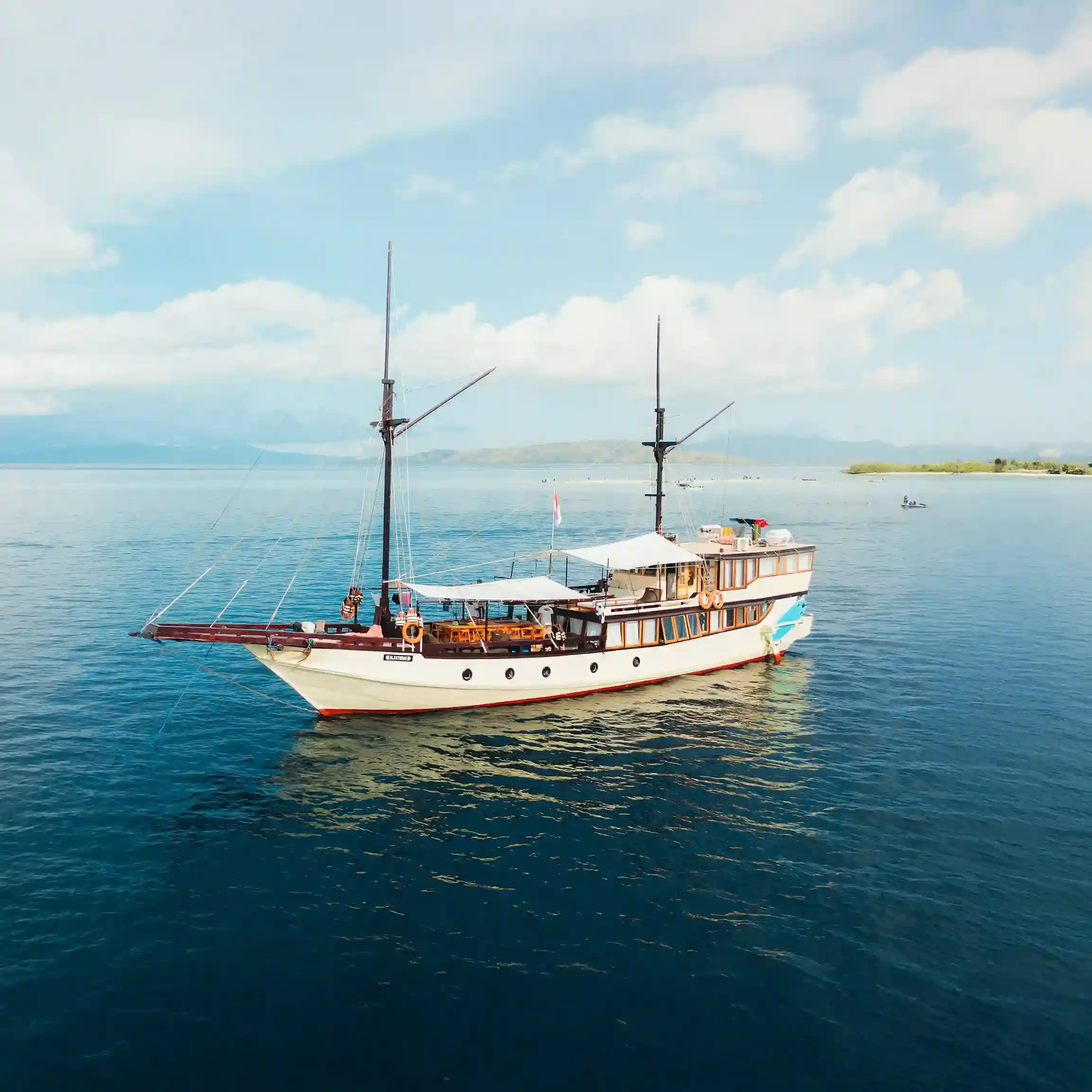
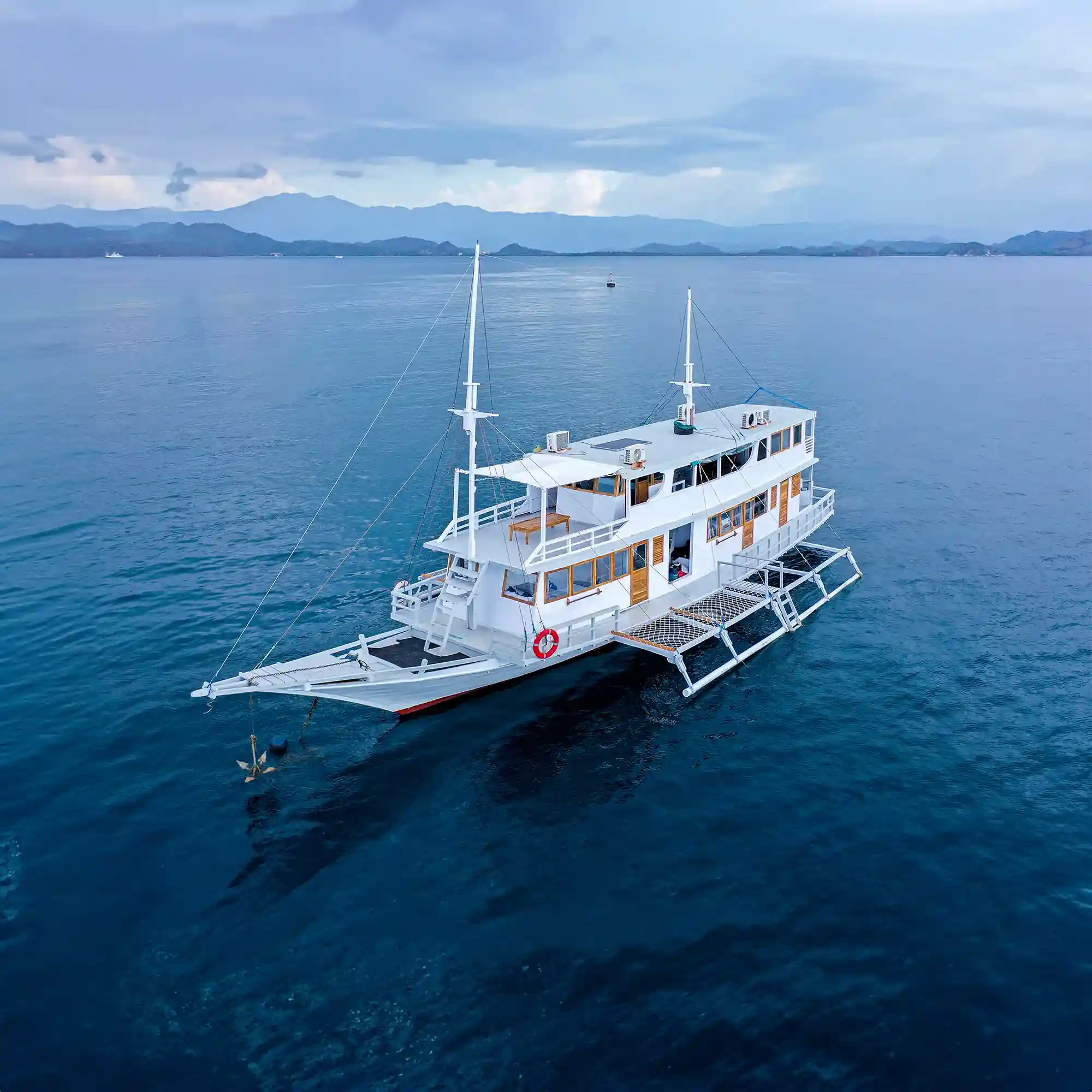
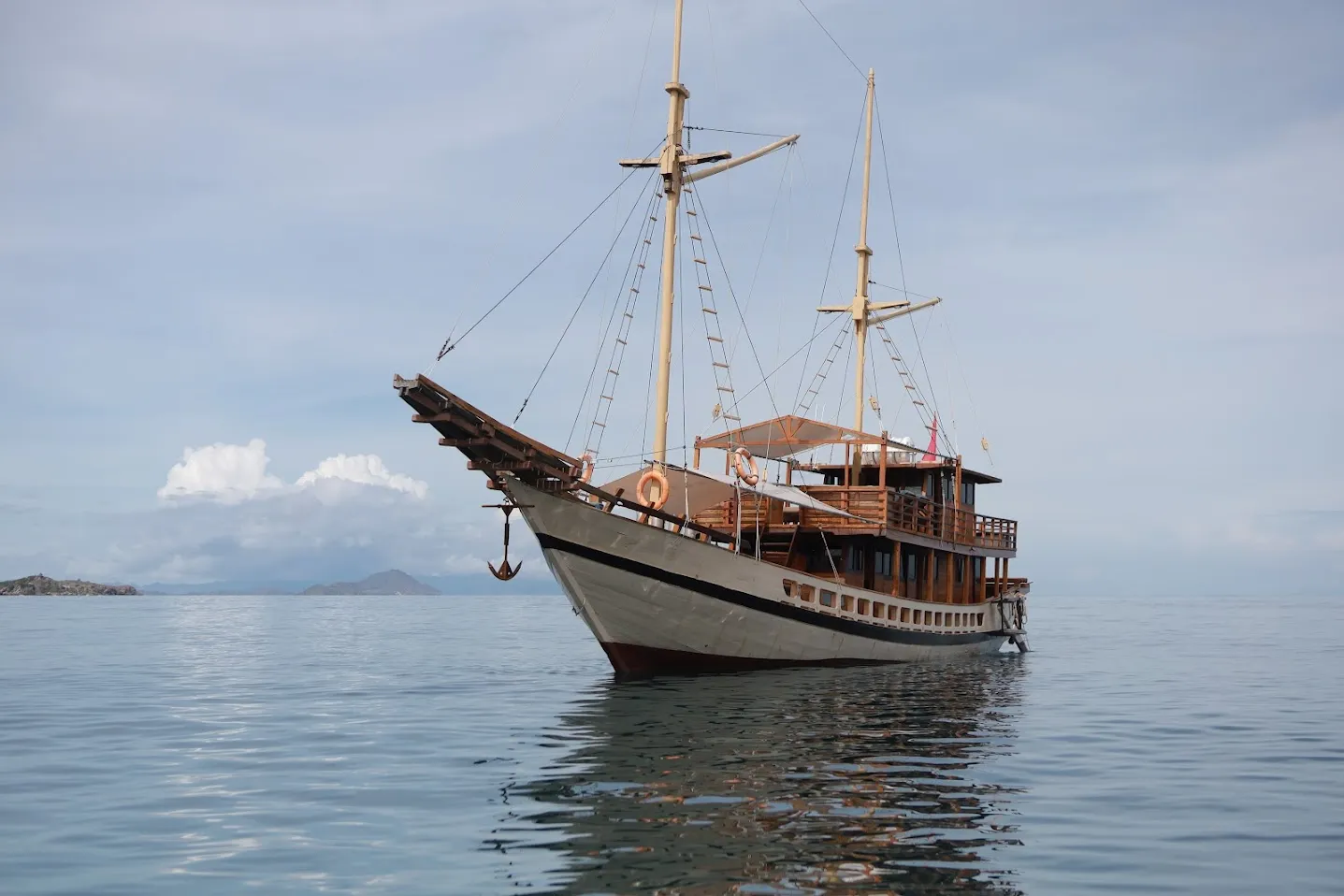
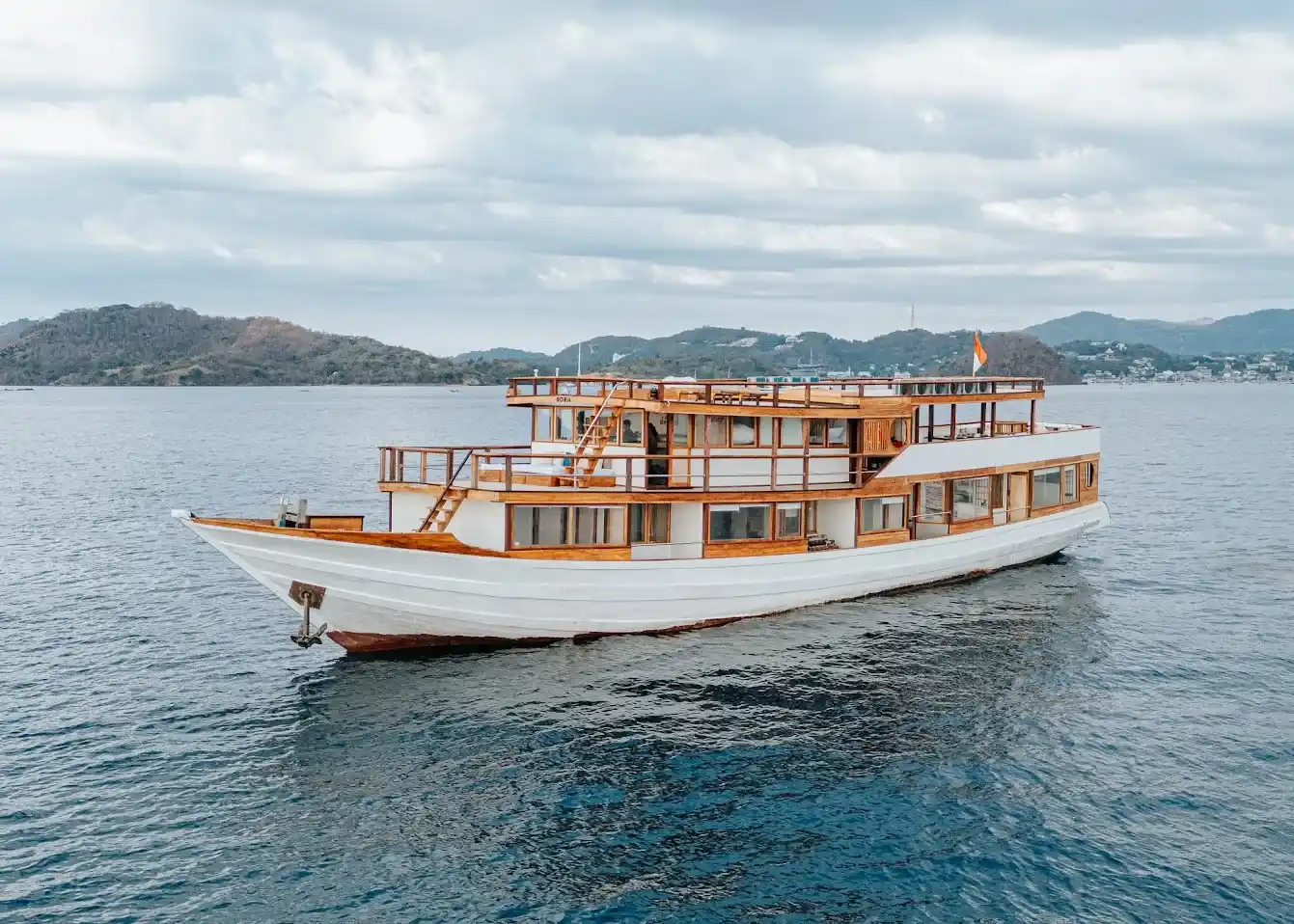
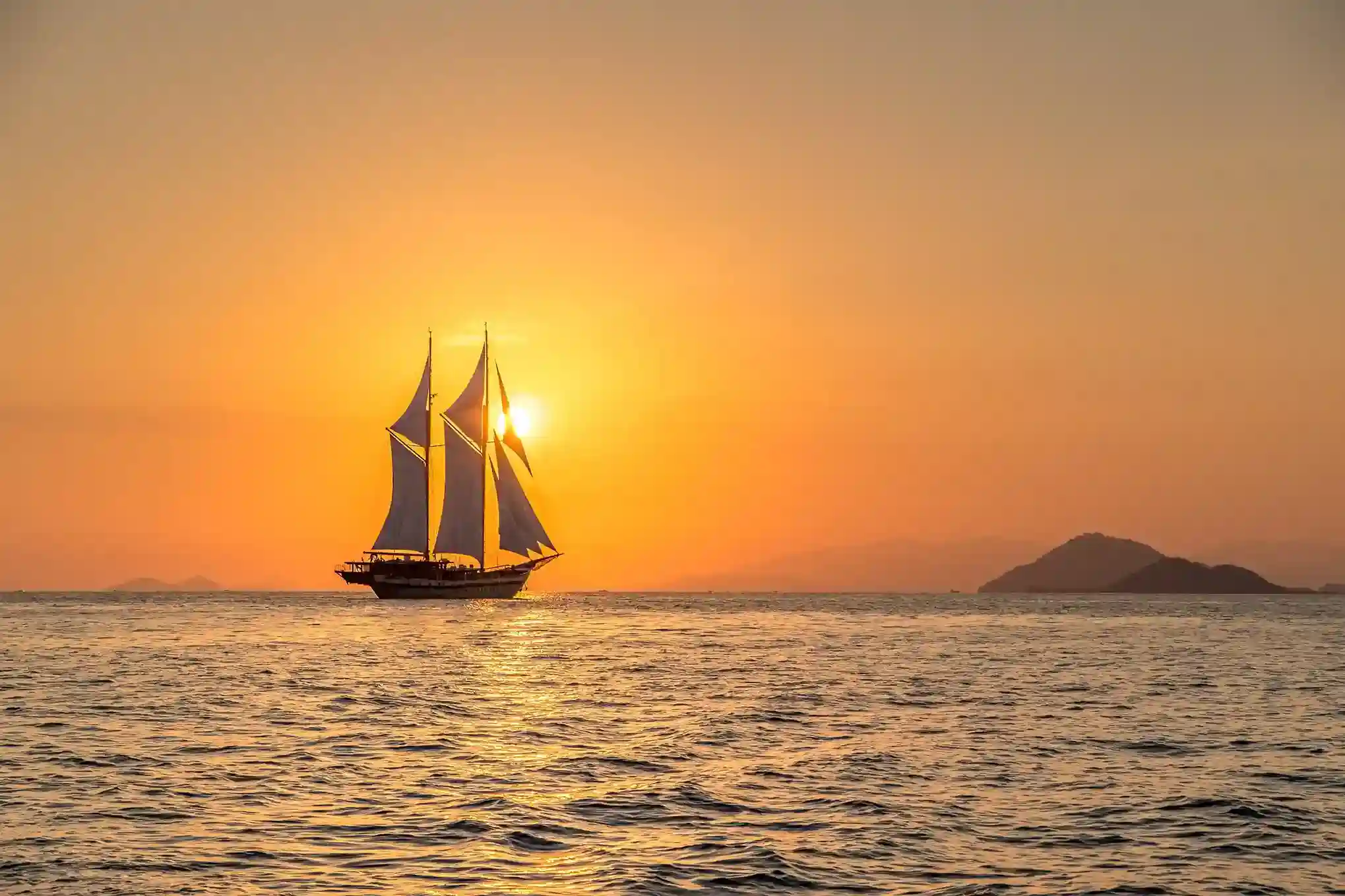
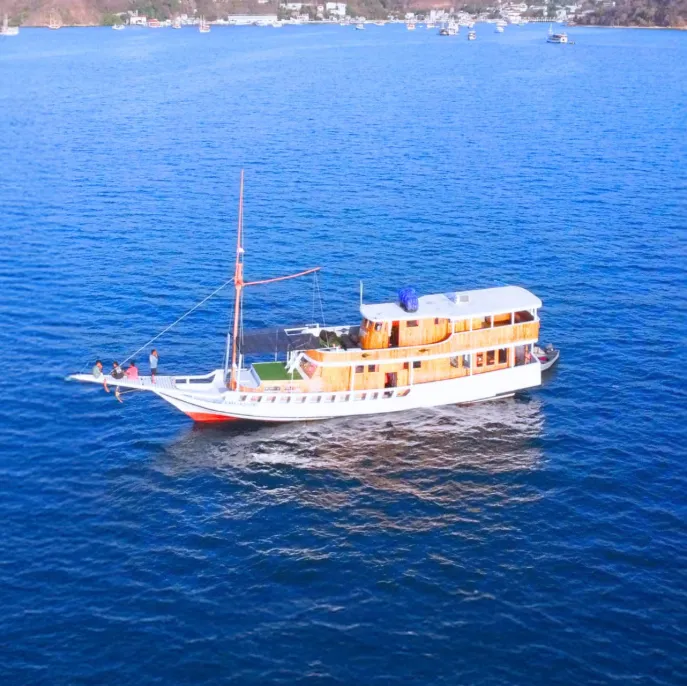
The first night aboard Diara La Oceano, I stayed on deck past twilight. The anchor had dropped just after sunset near Kelor, and the crew had laid out mats and low stools without fanfare. There was no music, just the occasional clink of a rigging line and the soft slap of water against the hull. The sky opened up fast—Milky Way streaking above the mast—and I realised this wasn’t a boat built for noise. At 20 meters, it’s modest in size, but the space feels intentional. Not polished to a gloss, but lived-in and functional, like a working vessel that now carries guests with quiet pride.
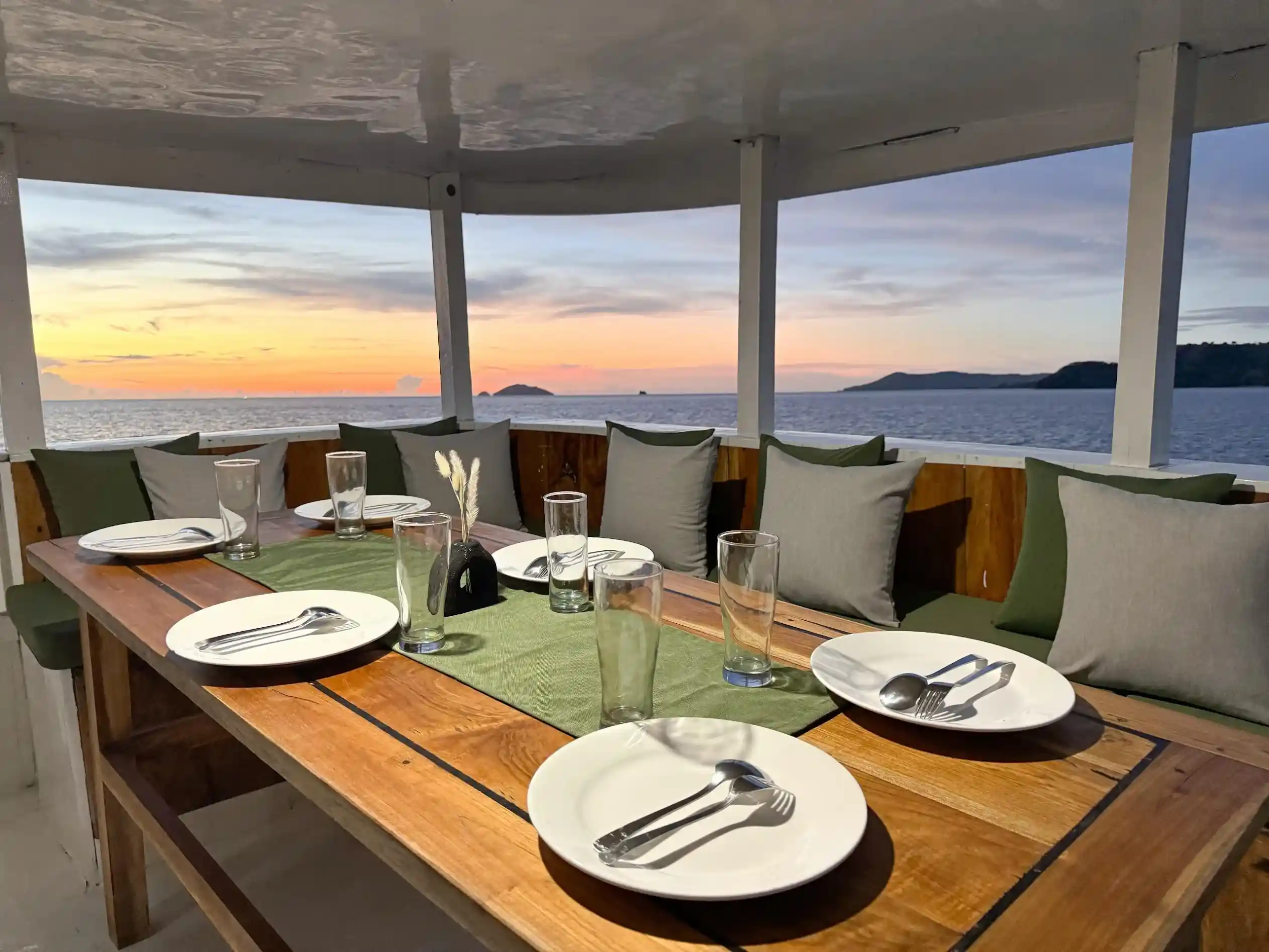
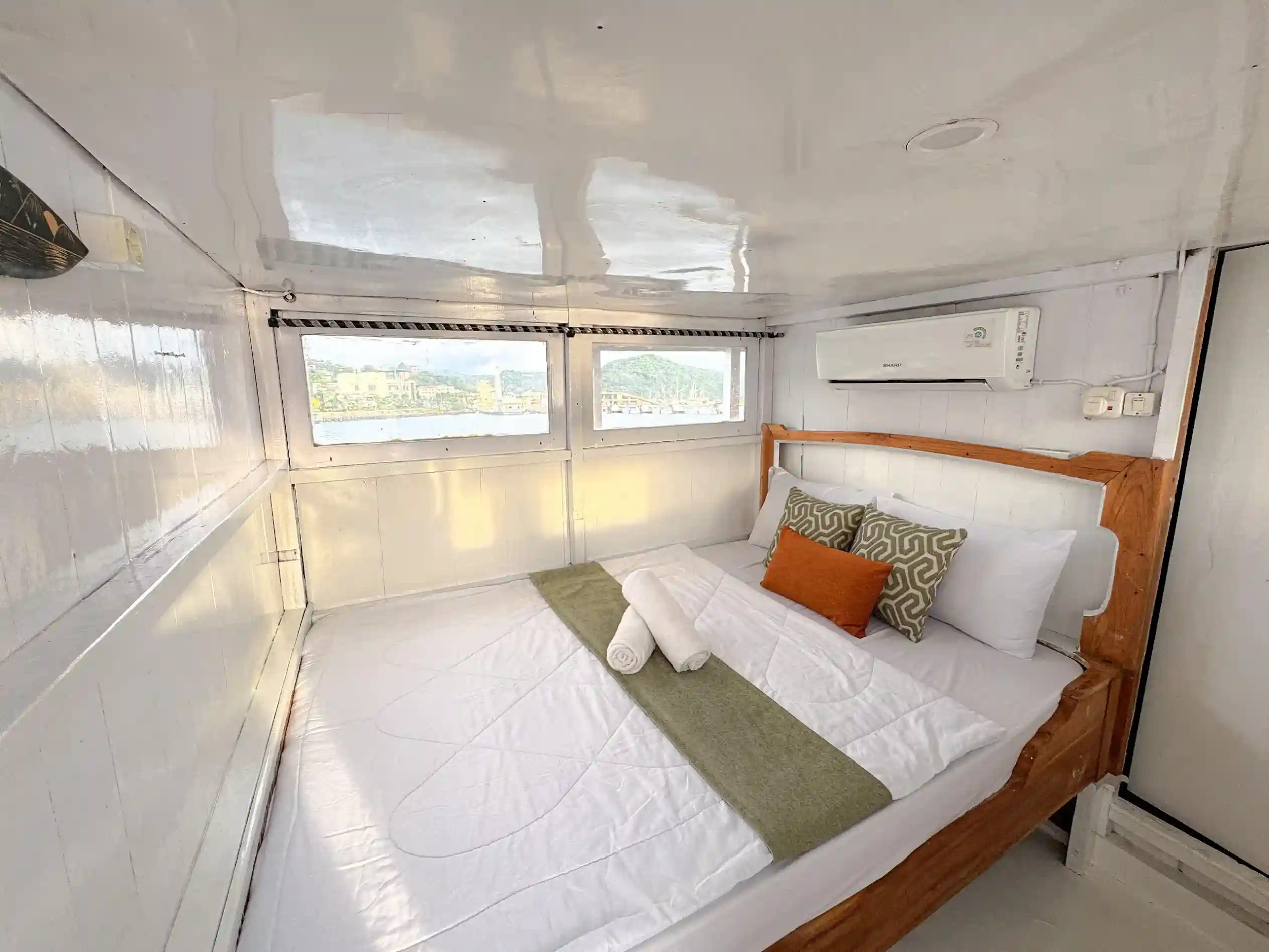
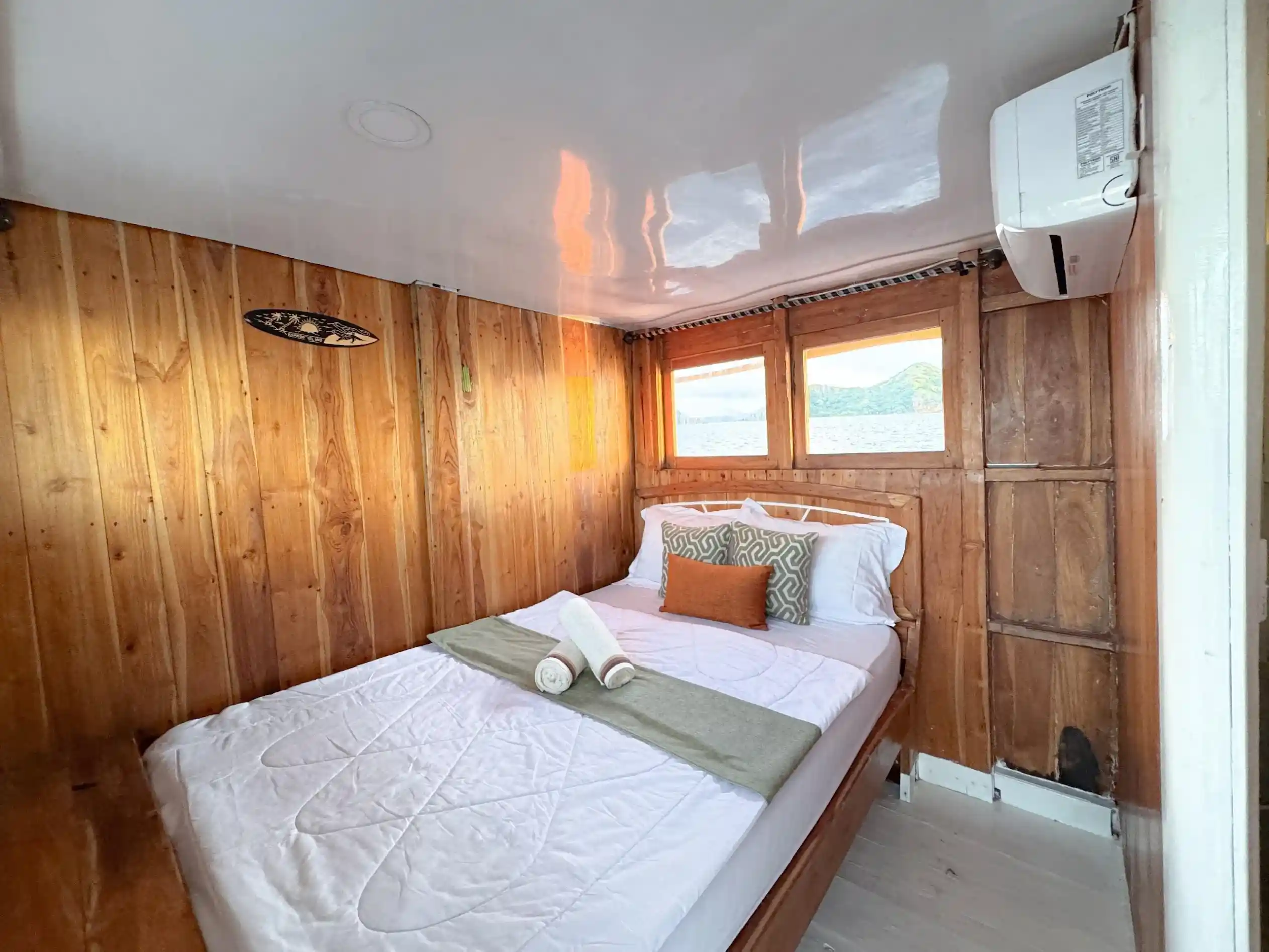
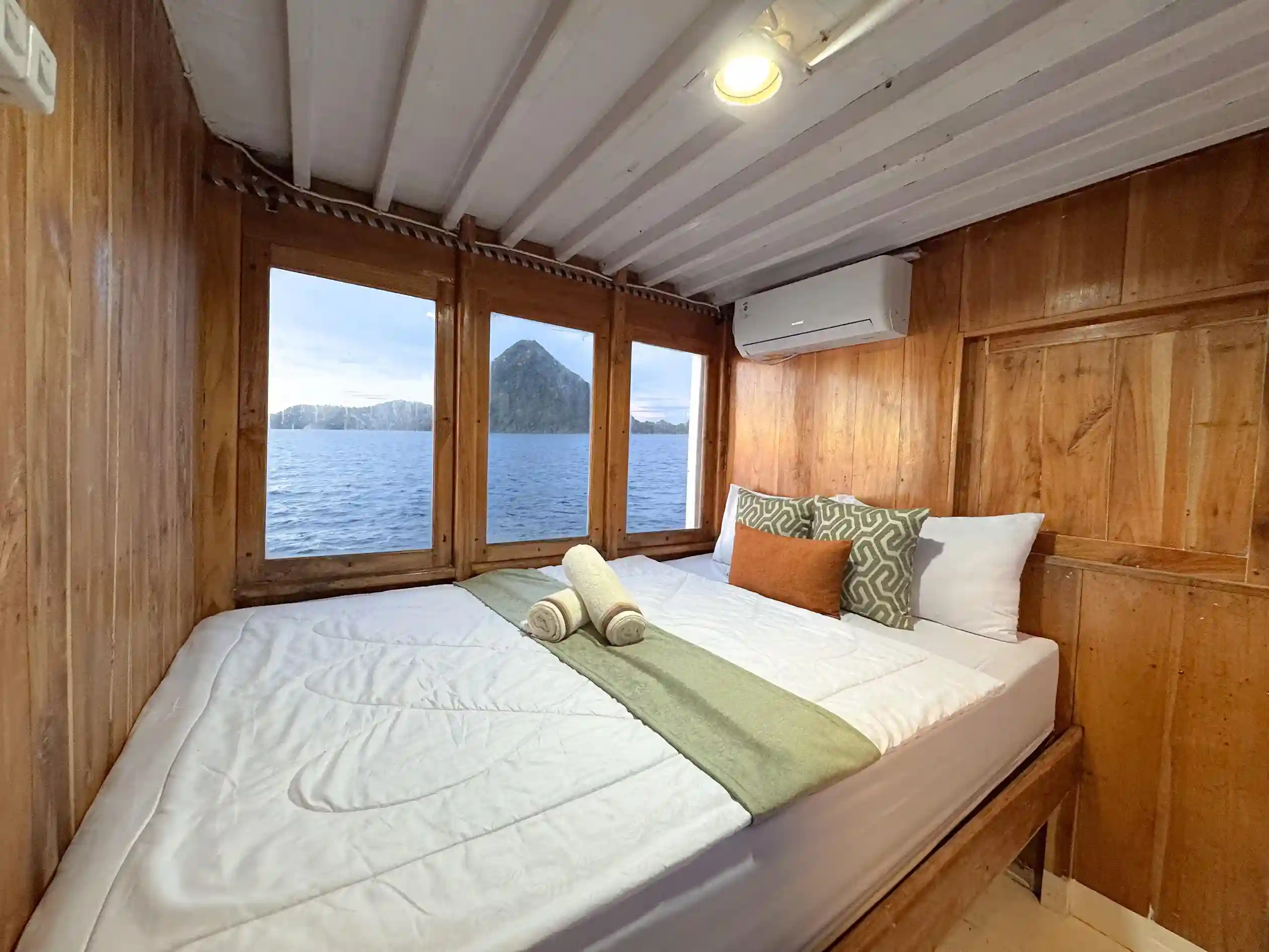
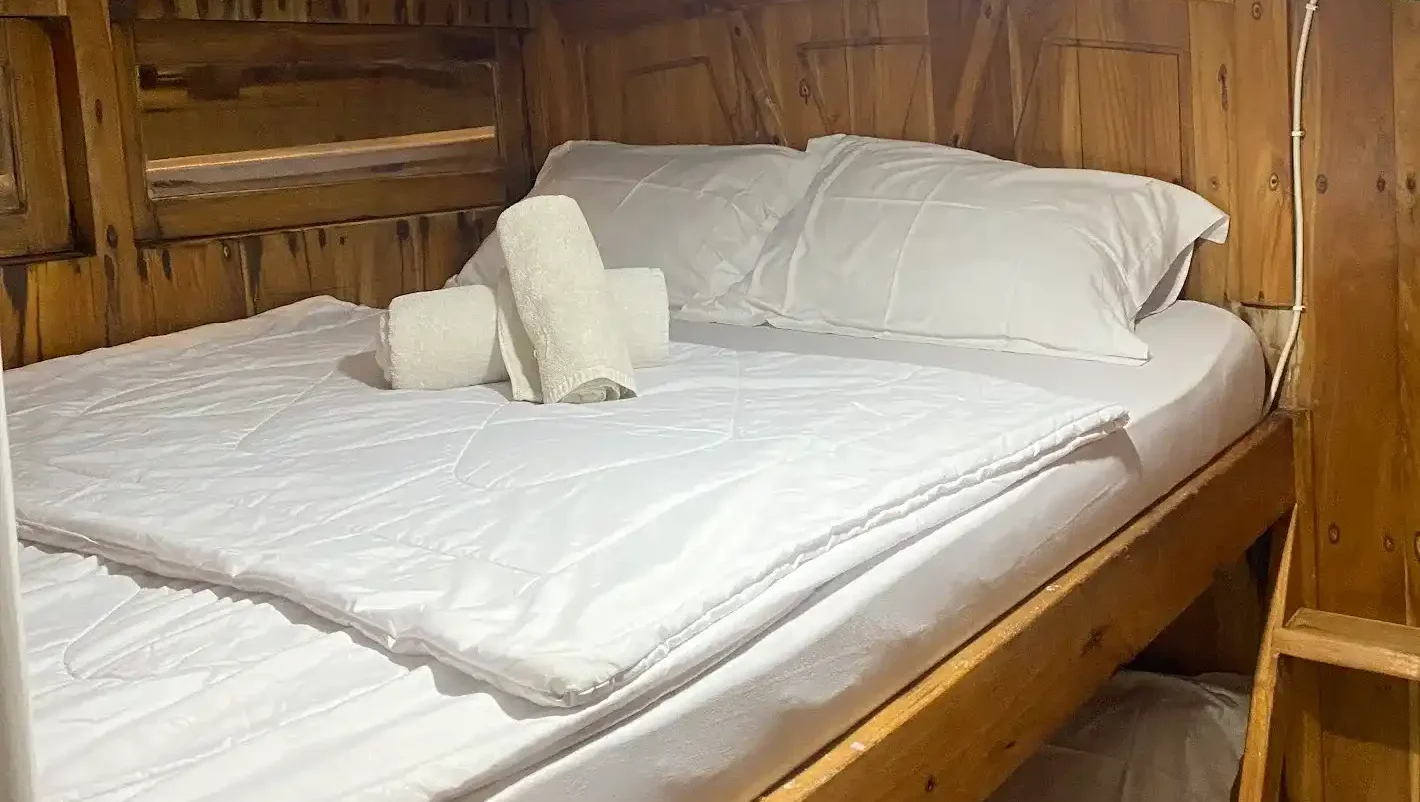
By morning, we were off Padar before dawn. The climb up to the viewpoint was still cool, and from the top, the jagged arcs of the island framed three different seas—dark blue, turquoise, and pale green. Back on board, breakfast was already set: hard-boiled eggs, fresh papaya, and strong local coffee served in enamel mugs. The single cabin is reserved for private charters, which means on shared trips, the rest of the deck becomes common space—perfect for stretching out with a book or watching the coast blur past during transit. I noticed how the crew timed their movements: silent during early transits, efficient during anchor drops, always one step ahead without being intrusive.
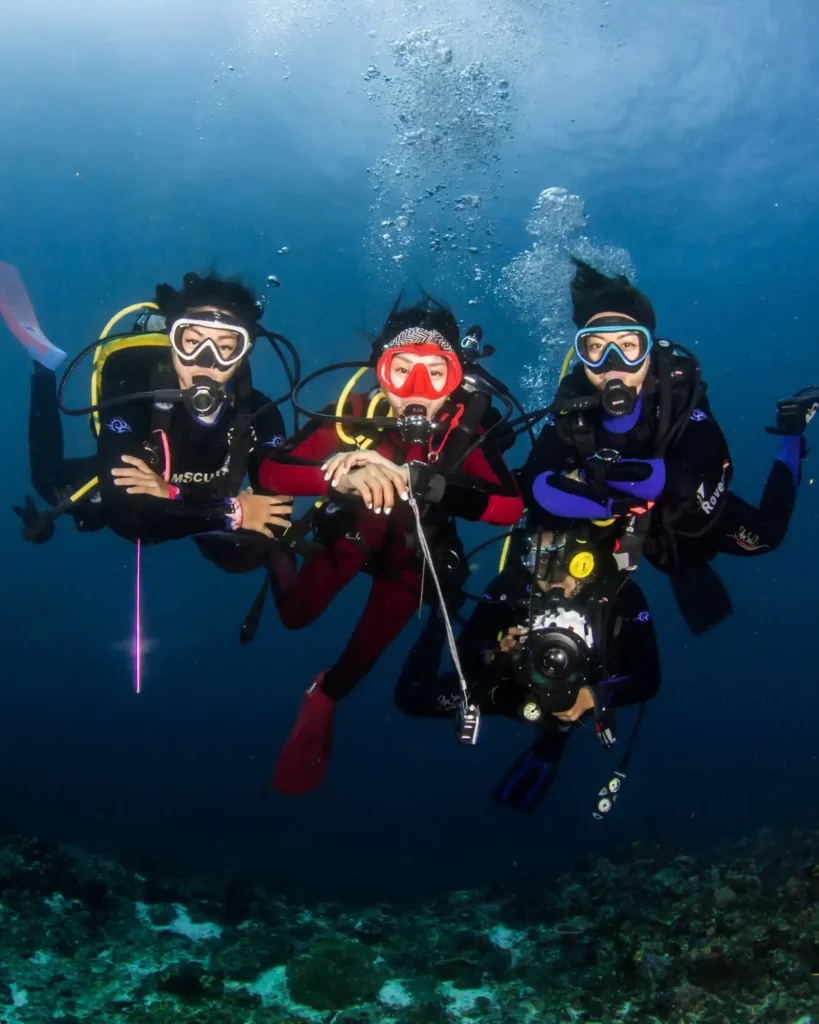
Snorkeling at Manta Point was the kind of drift where you surrender. Current carried us along the reef edge, mantas gliding above like silent kites. The crew had positioned the dinghy down-current, ready to pluck us out when the ride ended. Later, at Pink Beach, the sand wasn’t just pink—it was threaded with red foraminifera, and in the right light, it looked like crushed coral mixed with rust. We stayed long enough to swim out to the offshore rock where the current swirls and the visibility sharpens.
On the final morning, we anchored between Kanawa and Taka Makassar. The seabed there is sand with isolated bommies, perfect for slow, aimless snorkels. I watched a pair of clownfish dart in their anemone while a blacktip reef shark passed twenty meters away, barely disturbing the surface. Back on deck, the captain had laid out a simple spread—grilled fish, cucumber salad, and lime juice—for the last meal. No speeches, no forced goodbyes. As we motored into Labuan Bajo around midday, the rhythm of the engine matched the pace of the trip: unhurried, grounded, respectful of the time and place.
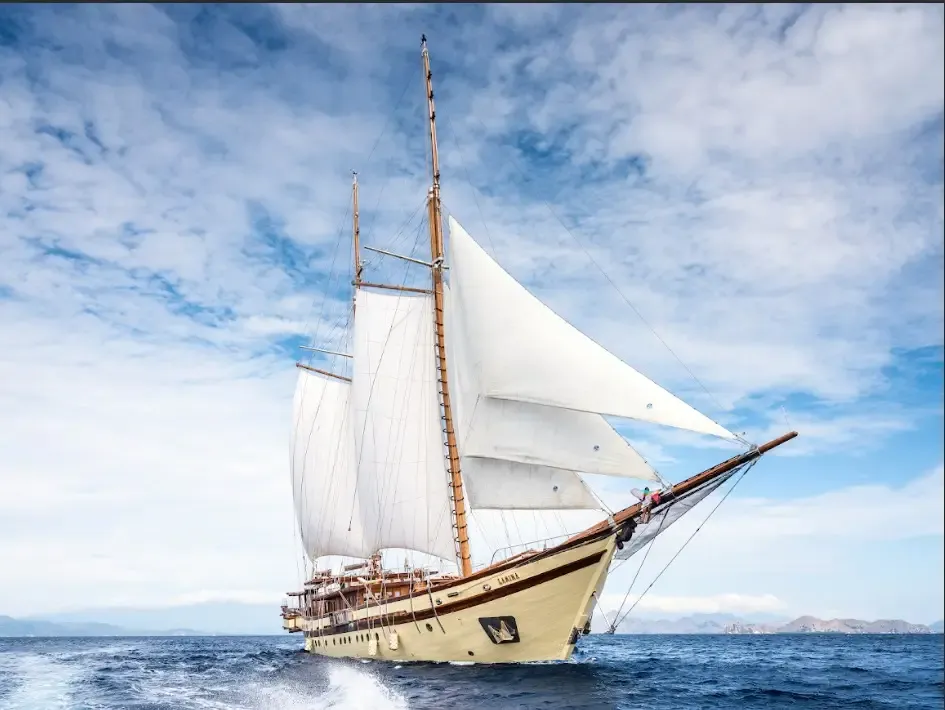
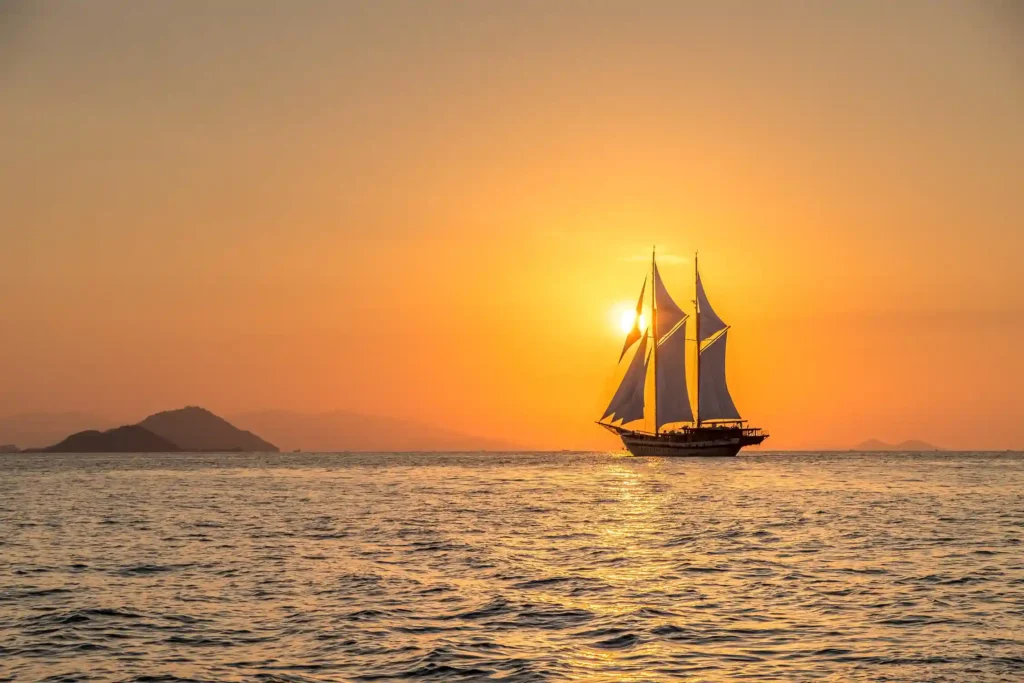
What stayed with me wasn’t luxury in the glossy sense, but competence. The way the sails weren’t just for show but actually rigged for wind when the current ran strong. How the kitchen produced hot meals even in chop. This is a boat built for the rhythm of Komodo—short hops, early starts, and long afternoons under shade. It doesn’t shout. It just works.