About Alfathran
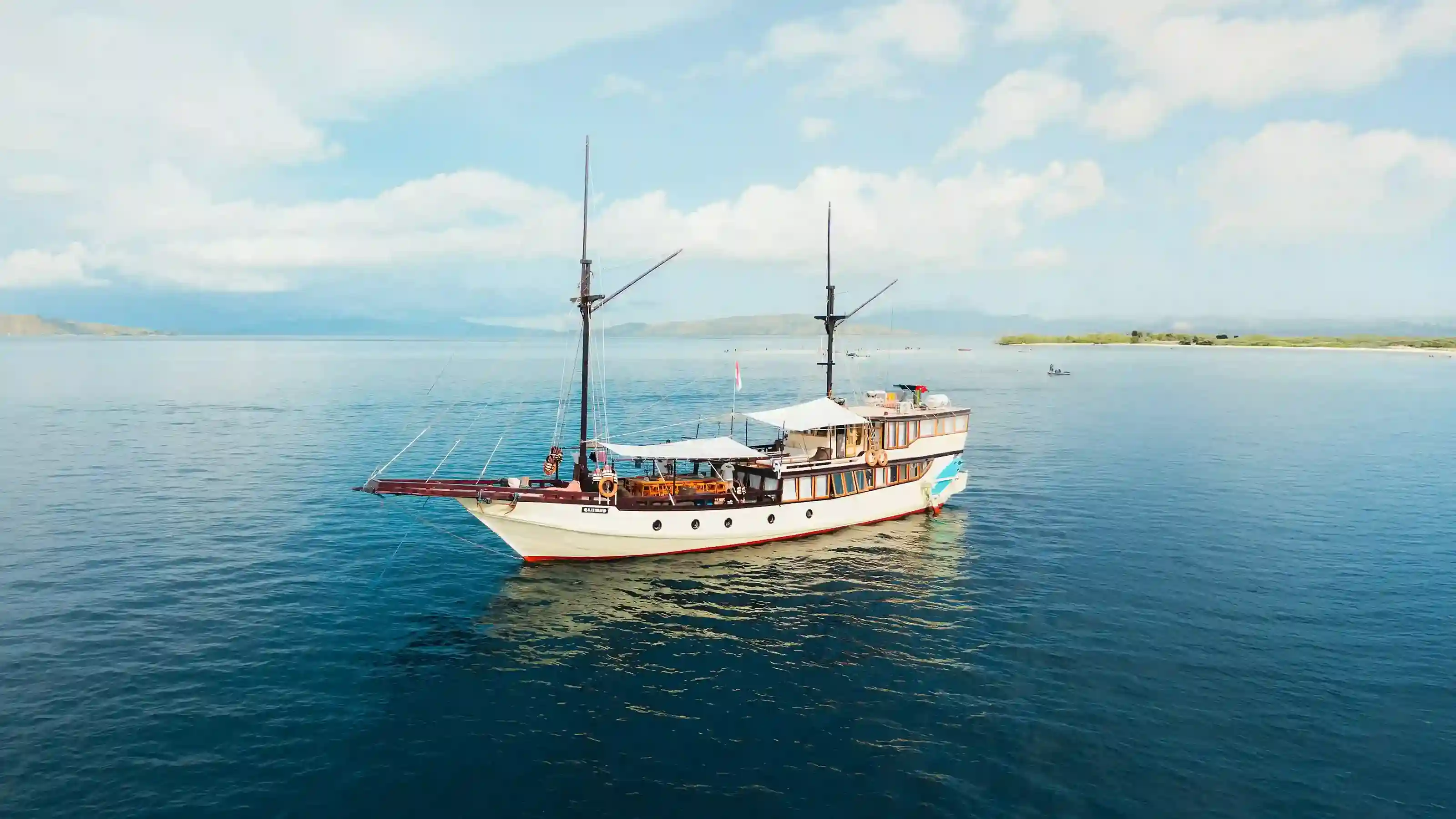
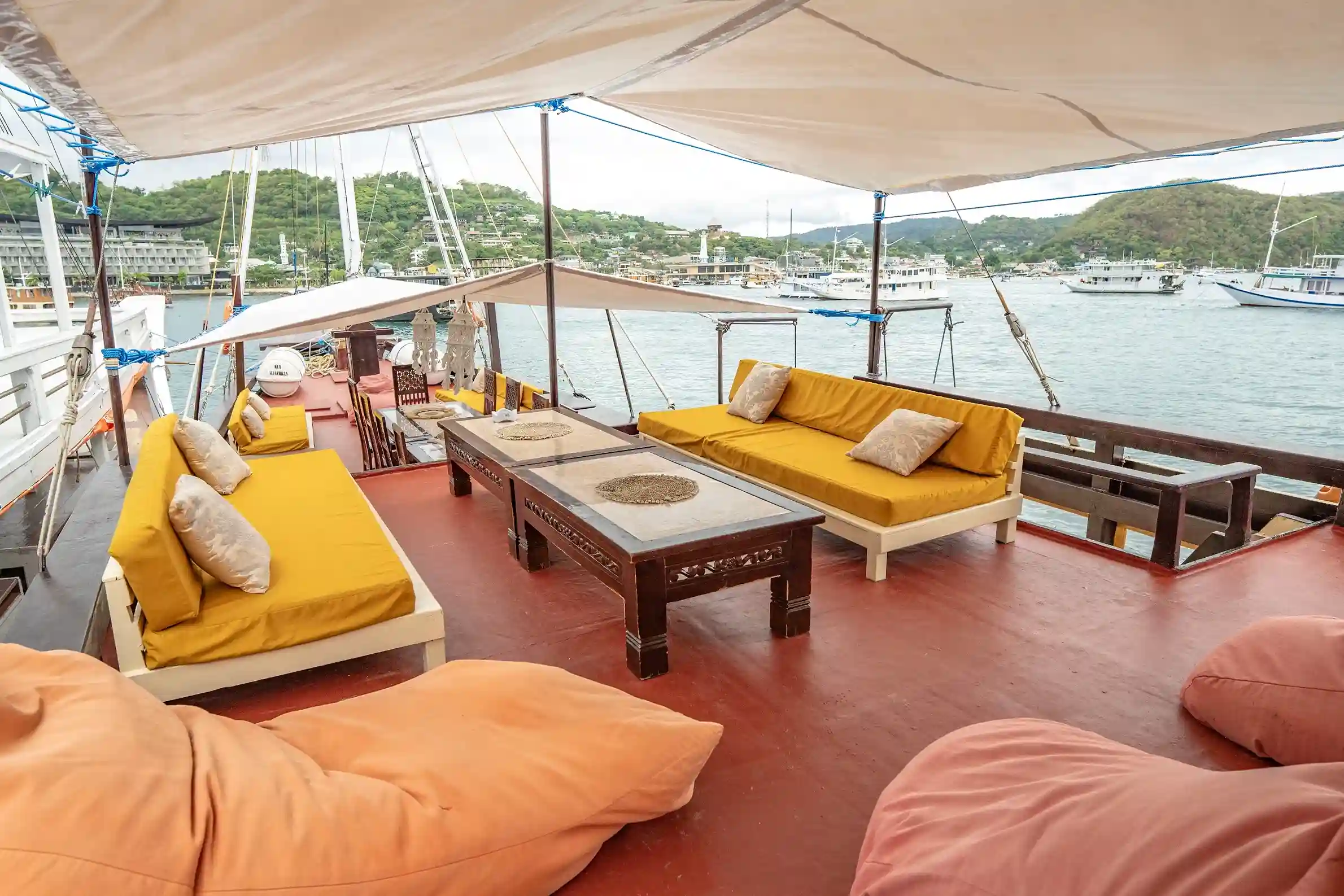
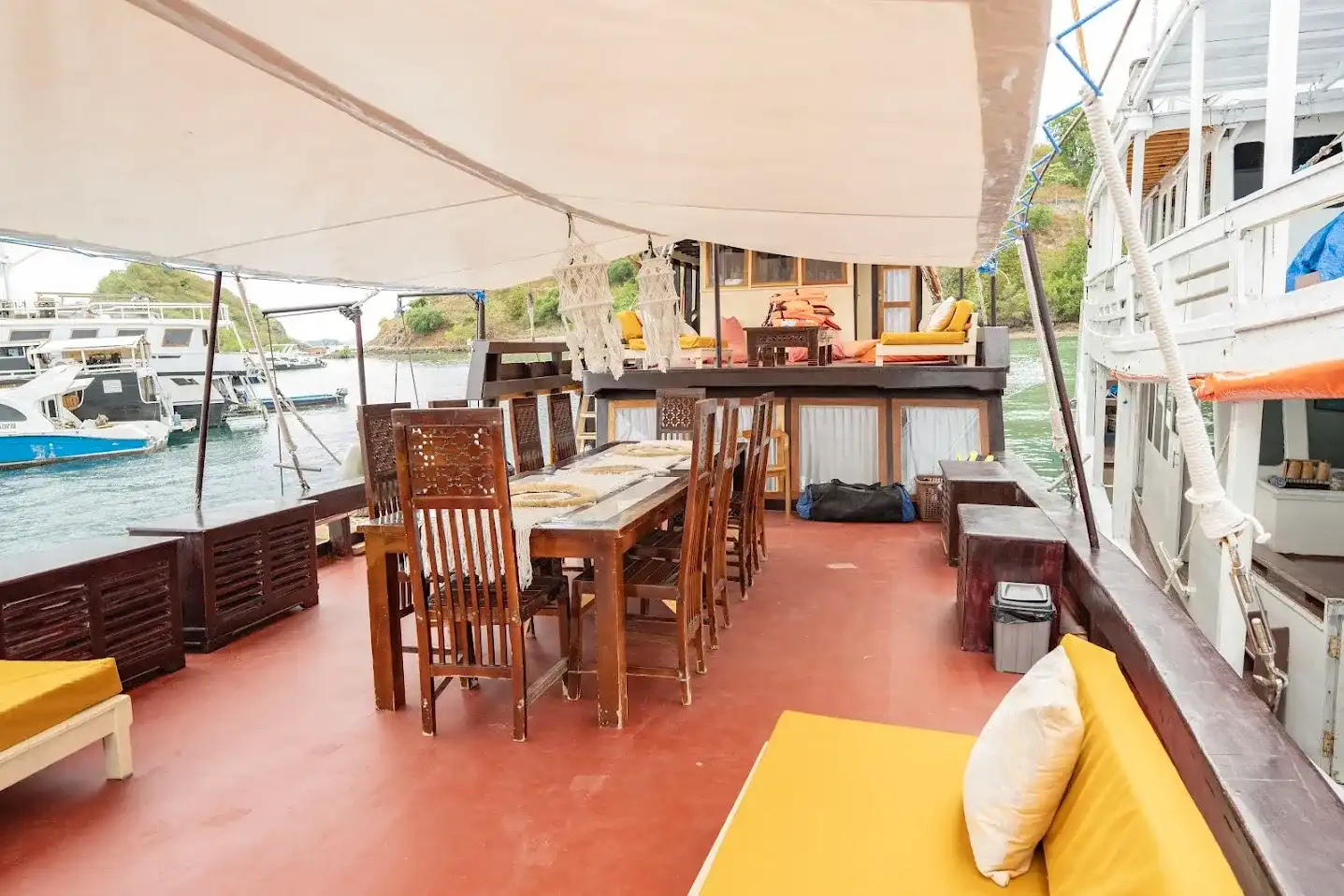
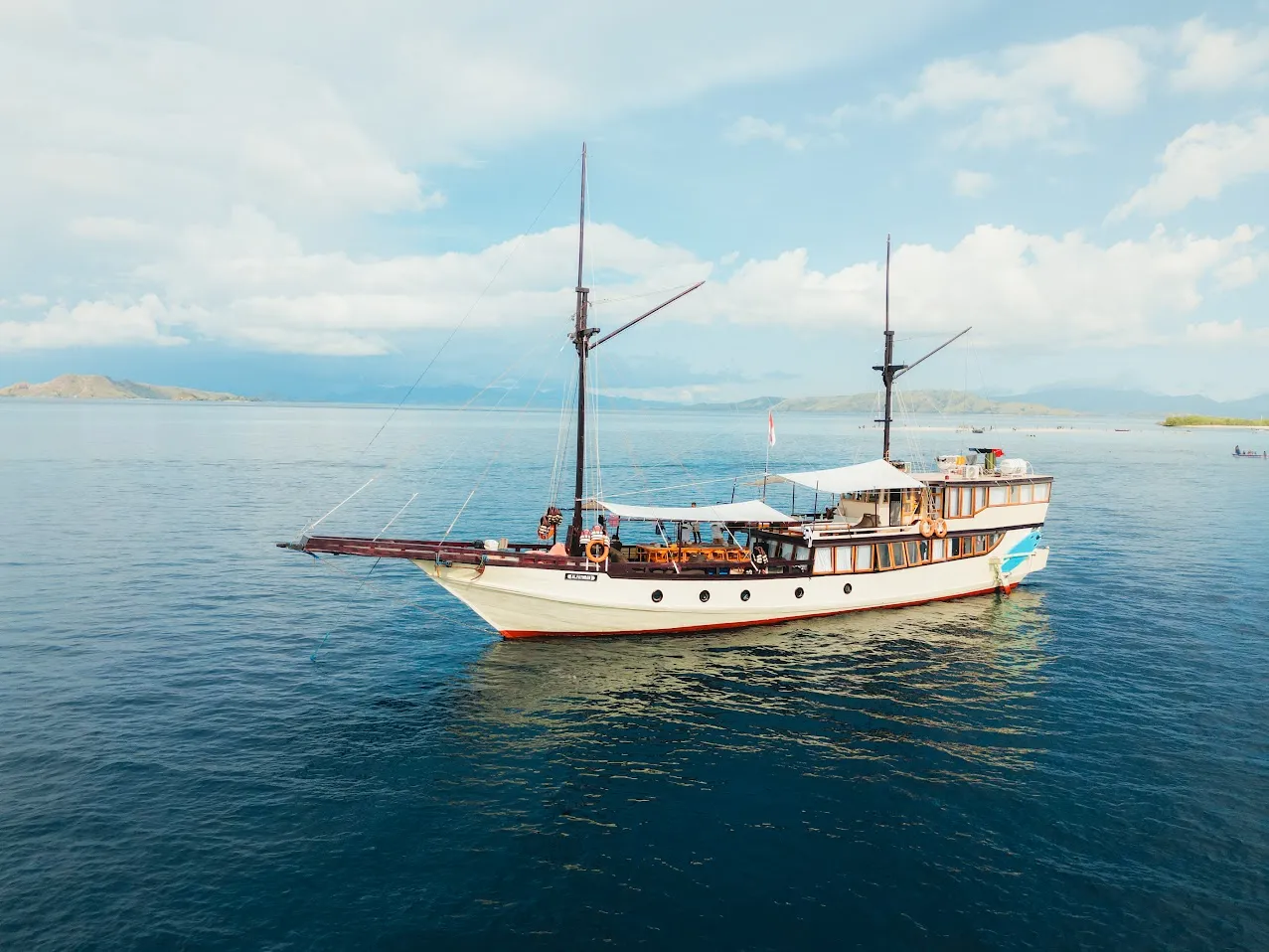
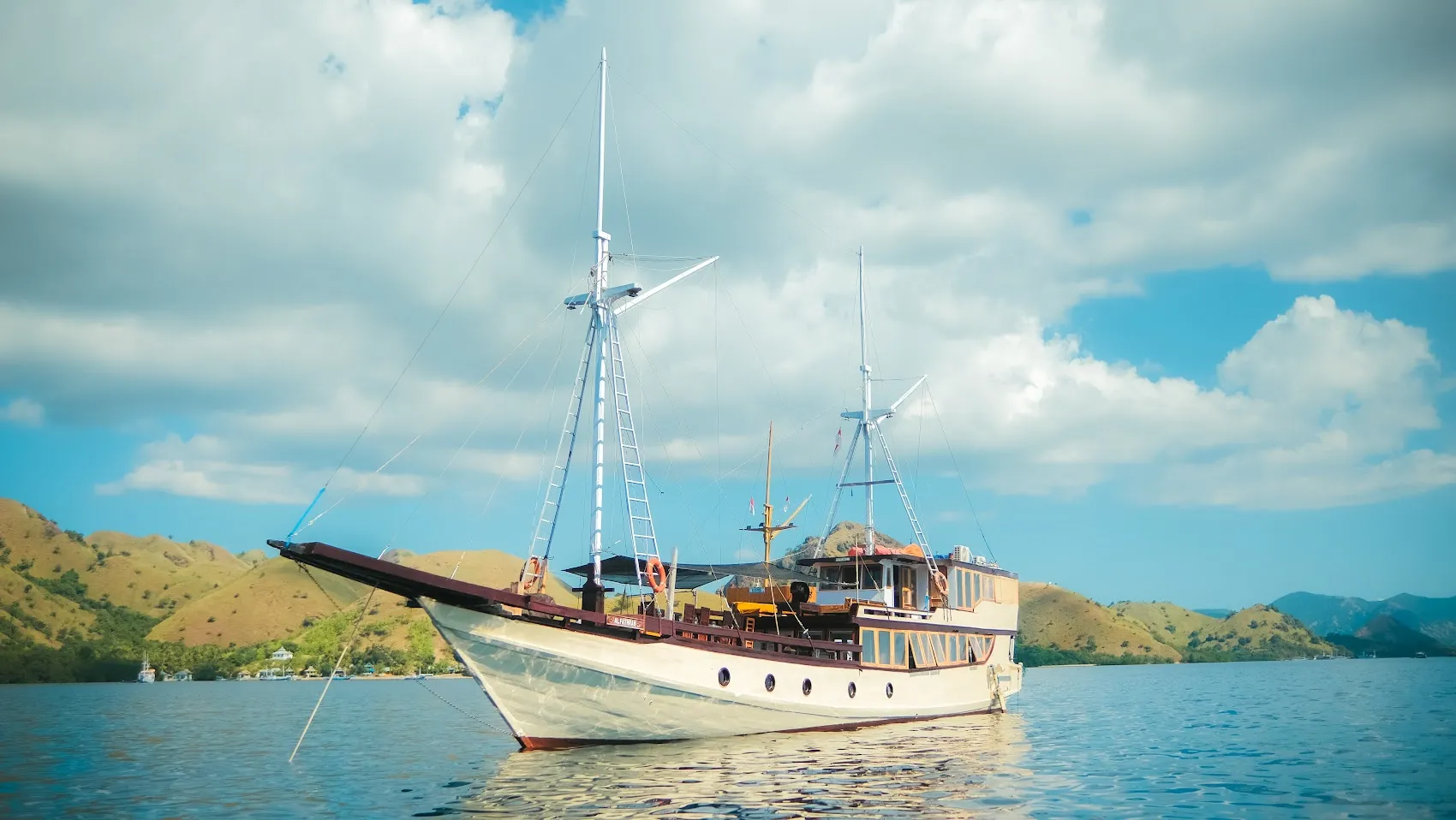
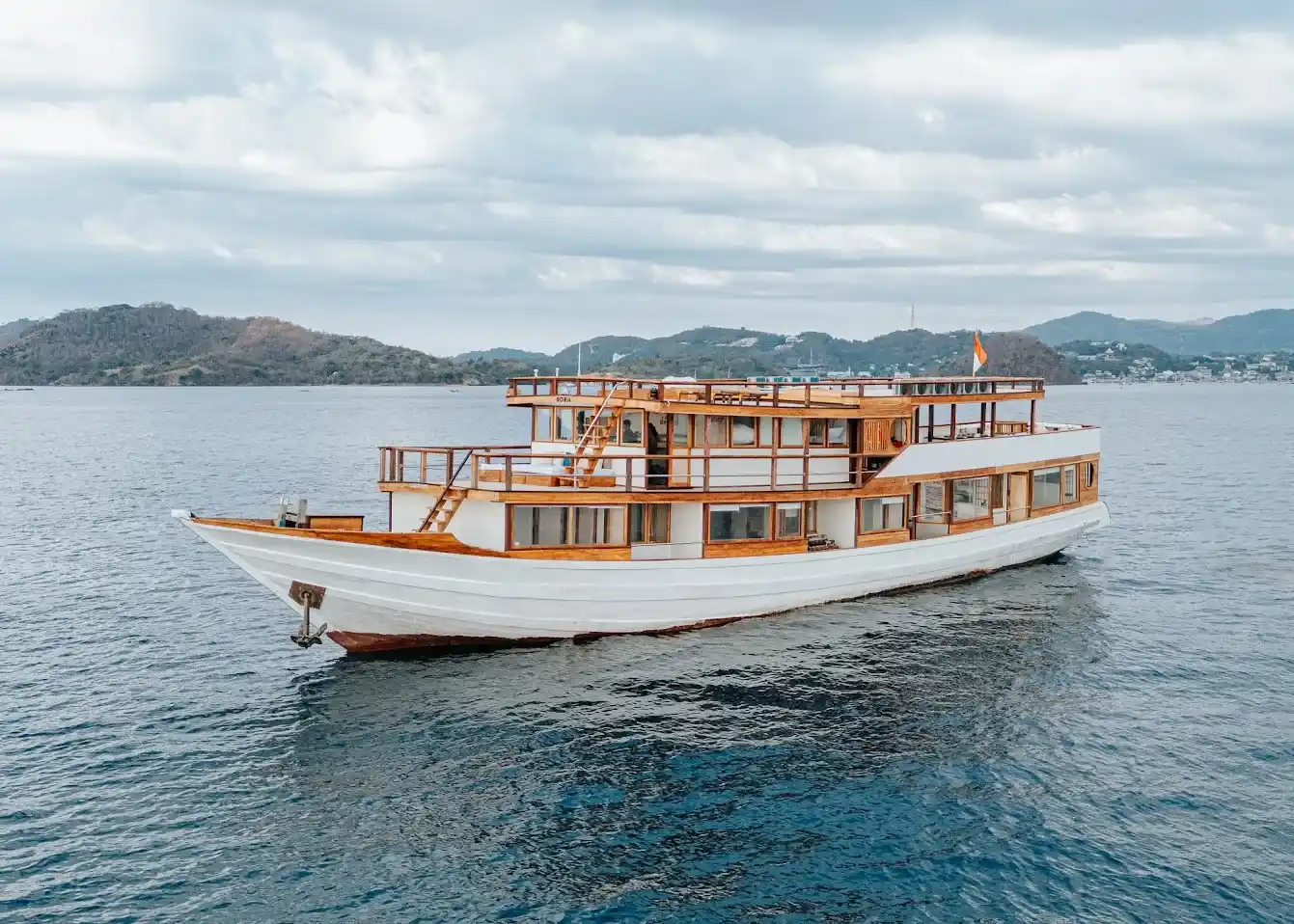
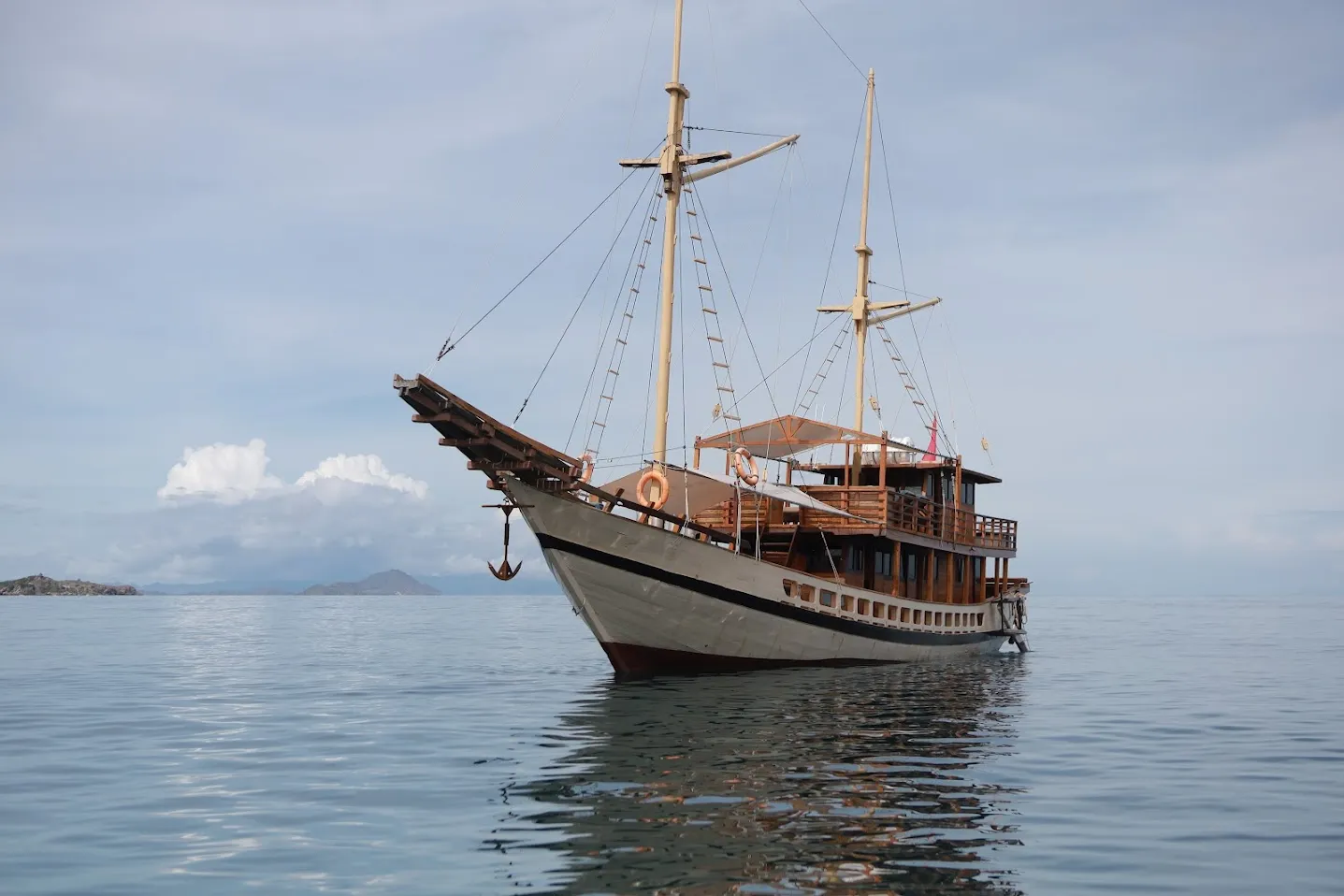
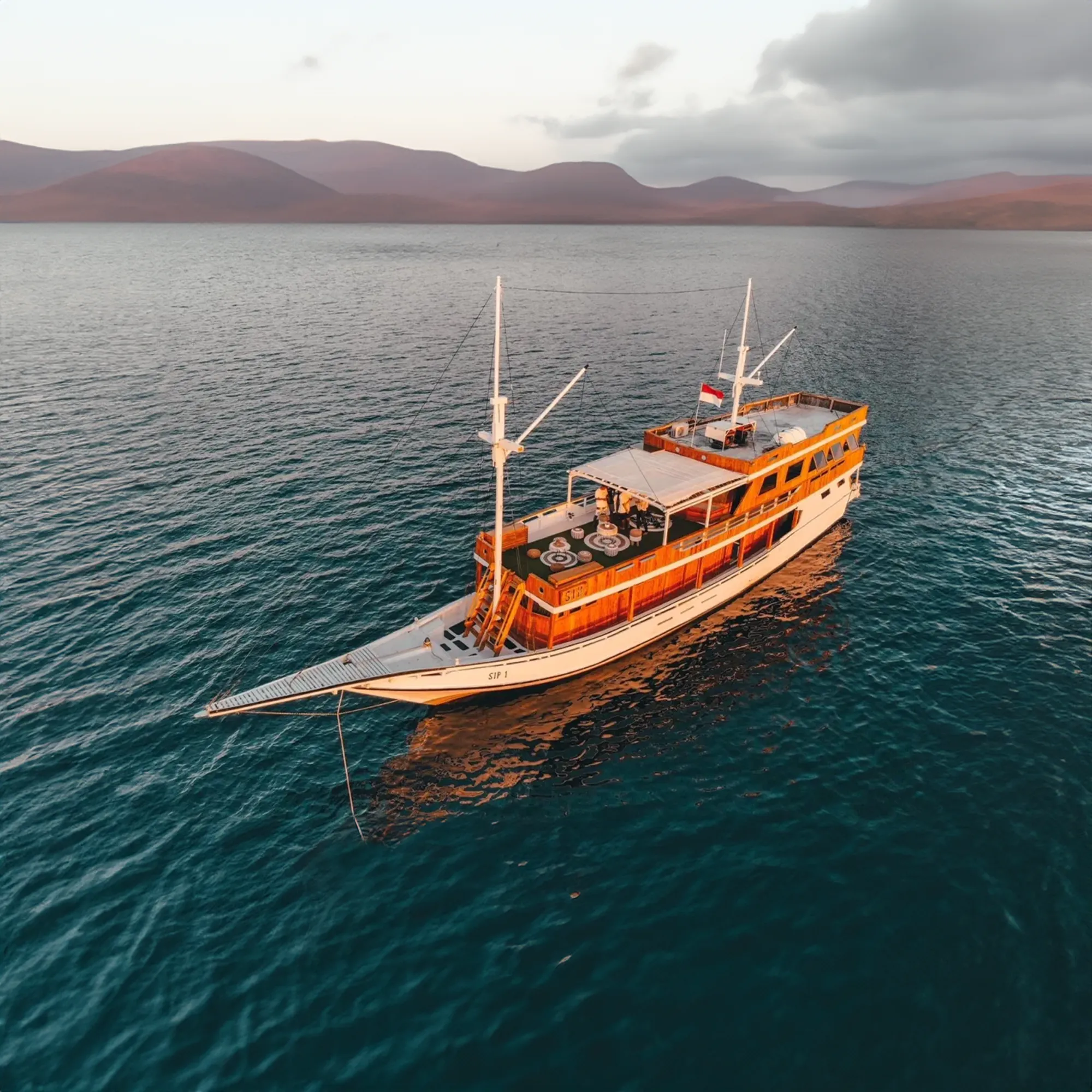
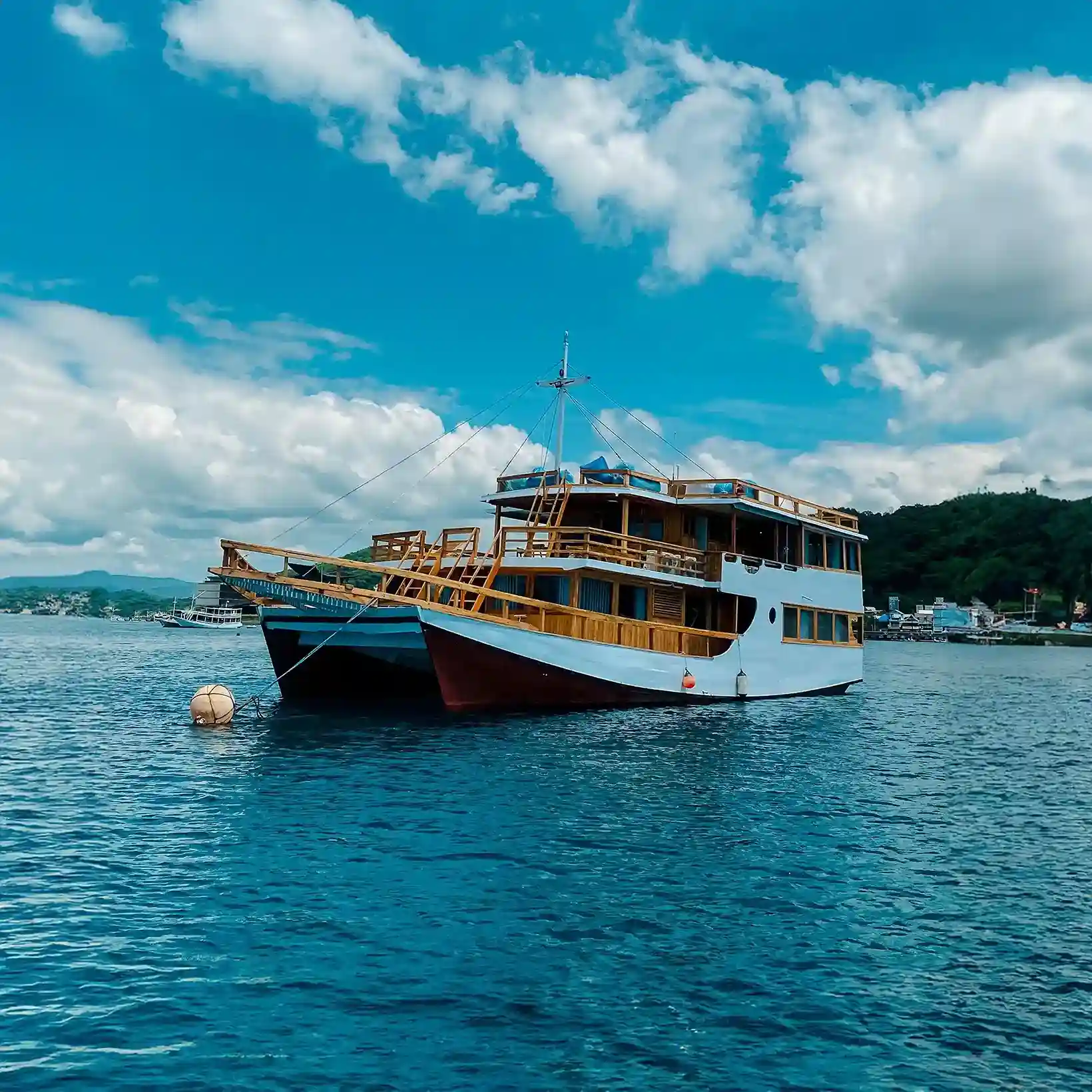
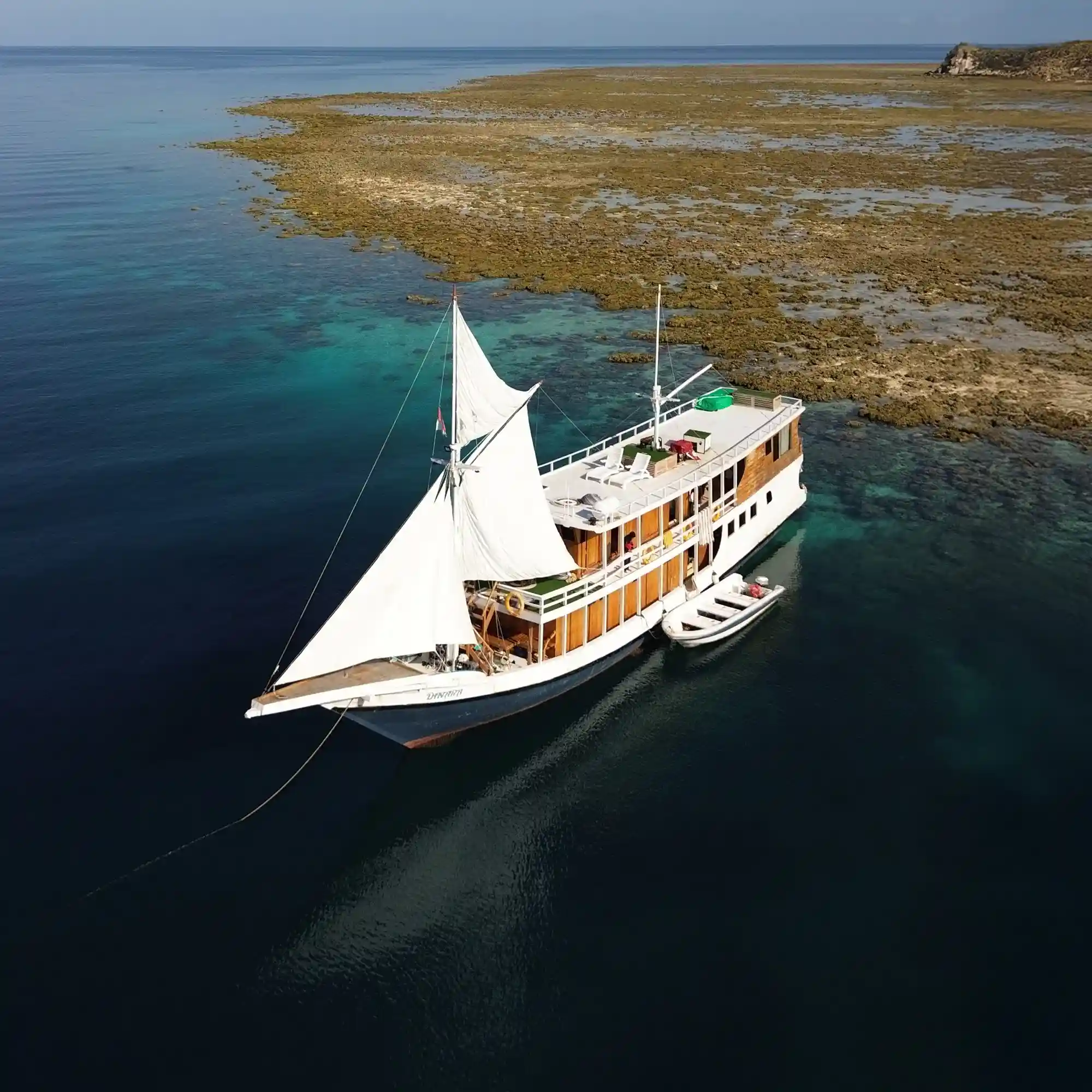
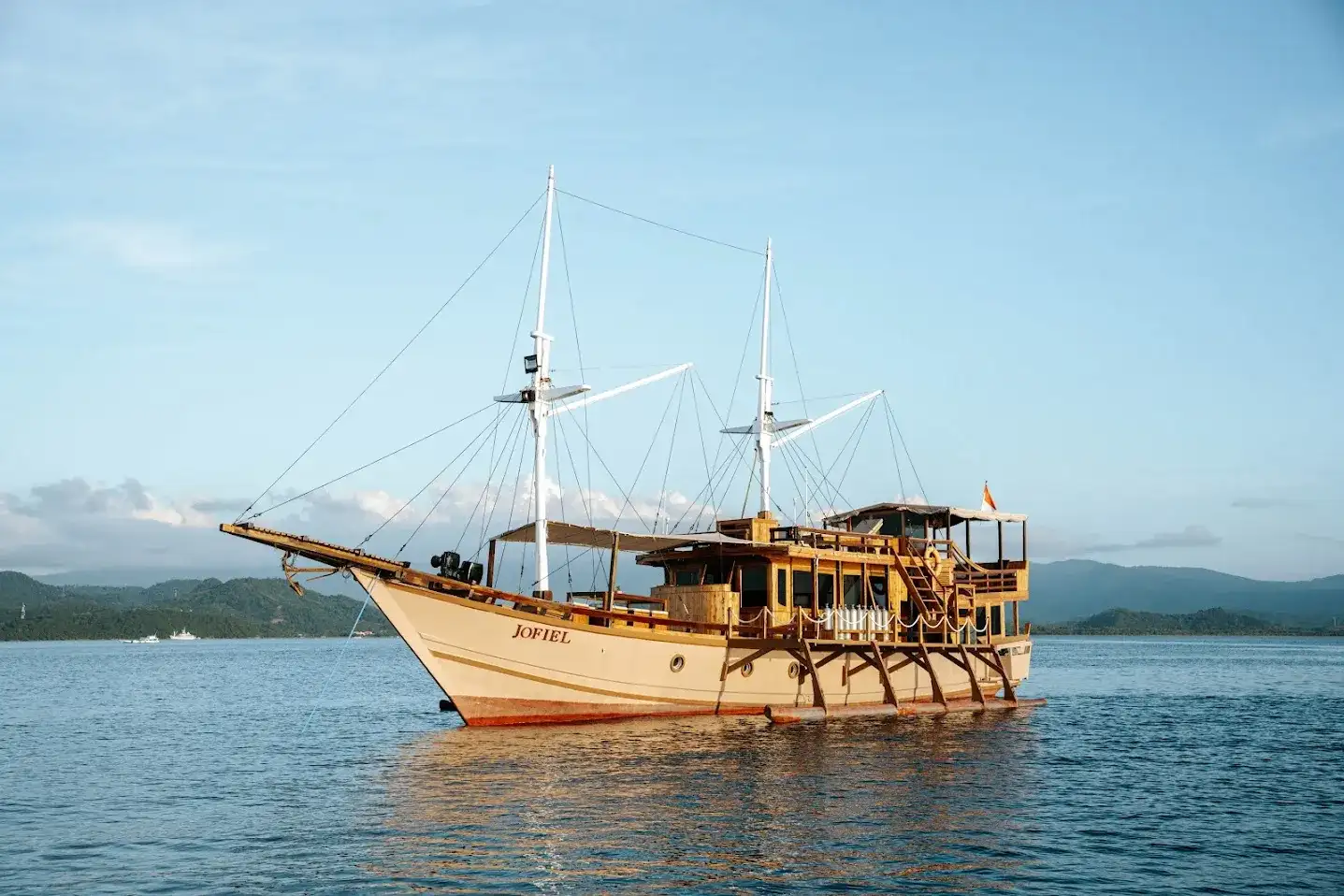
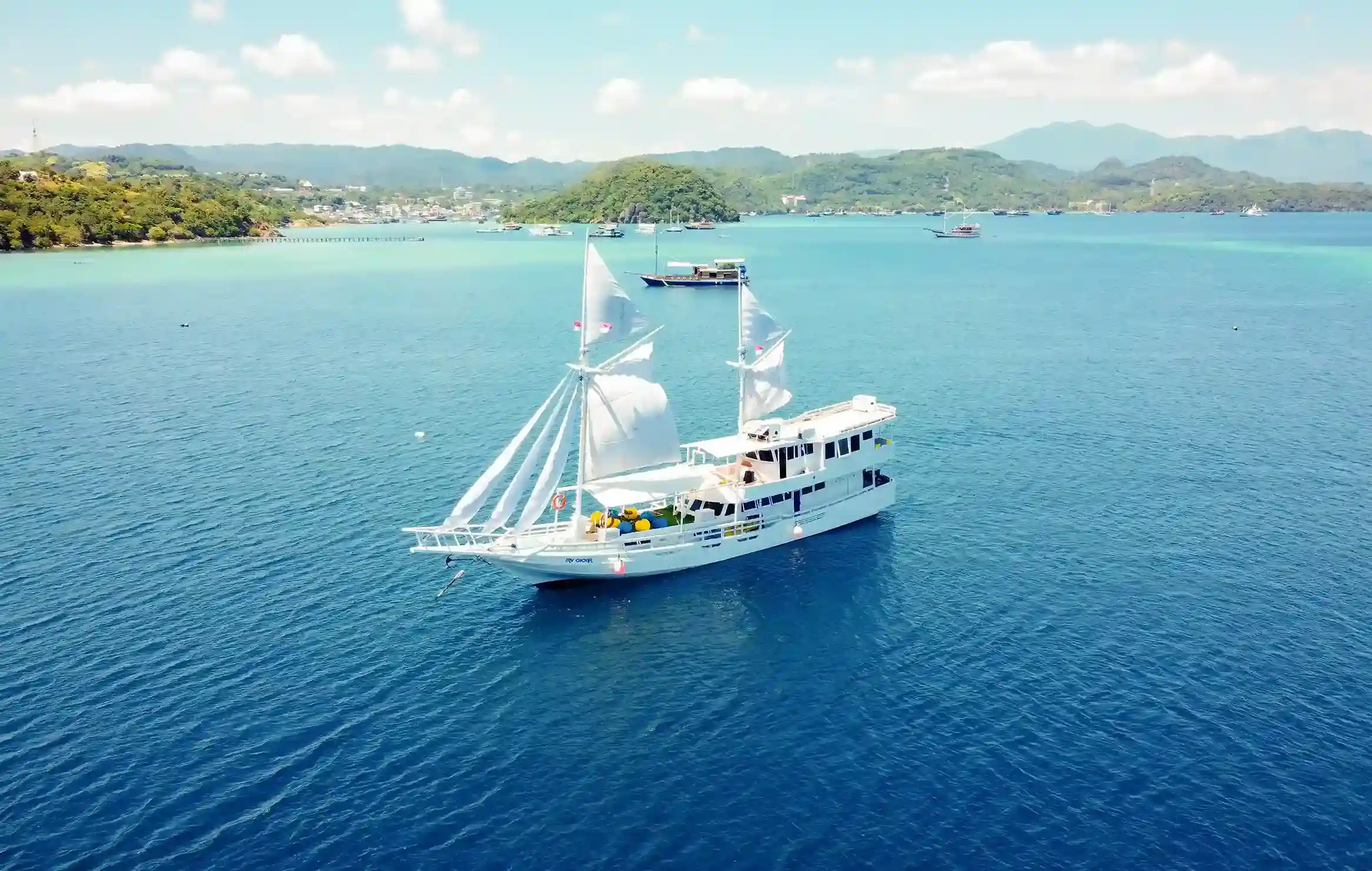
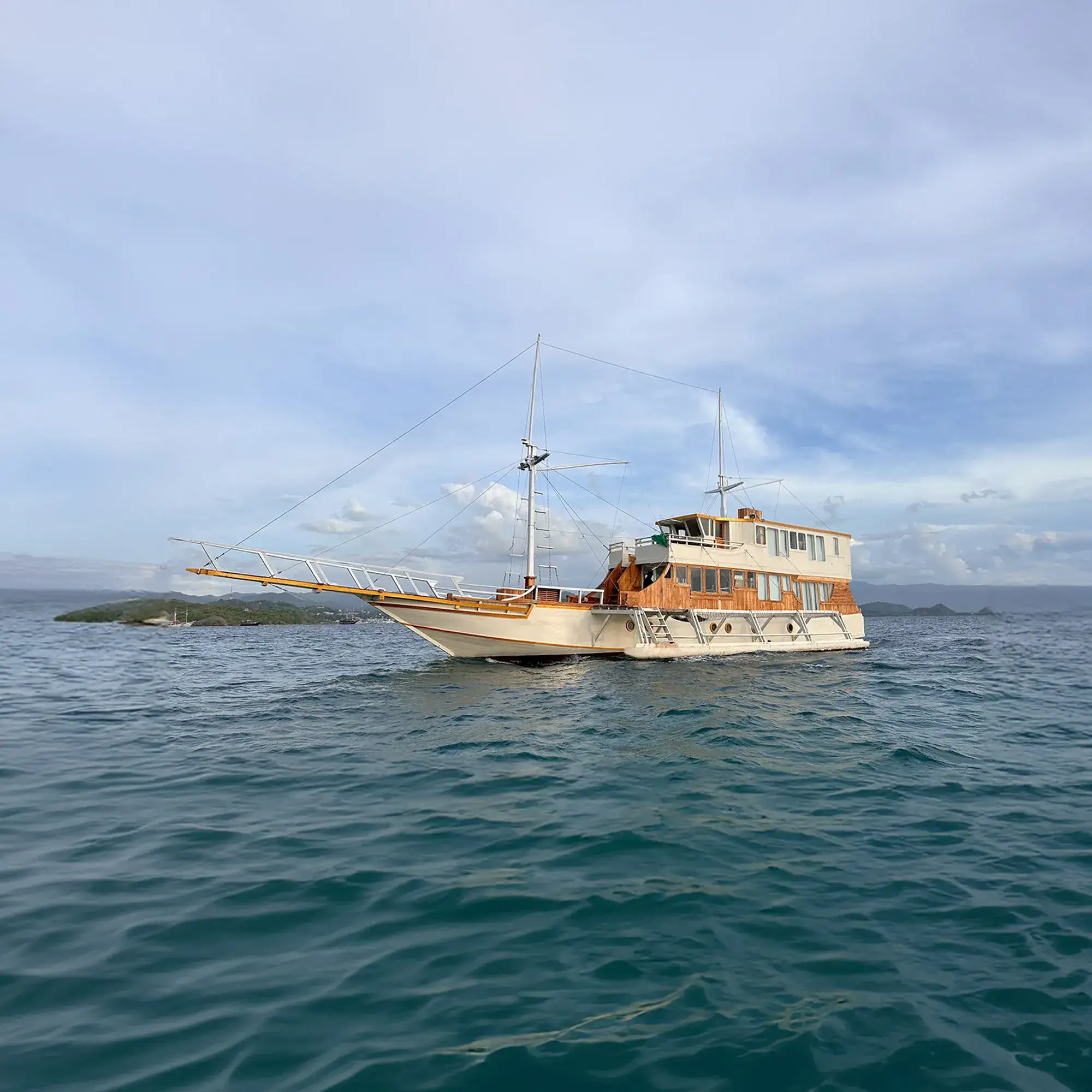
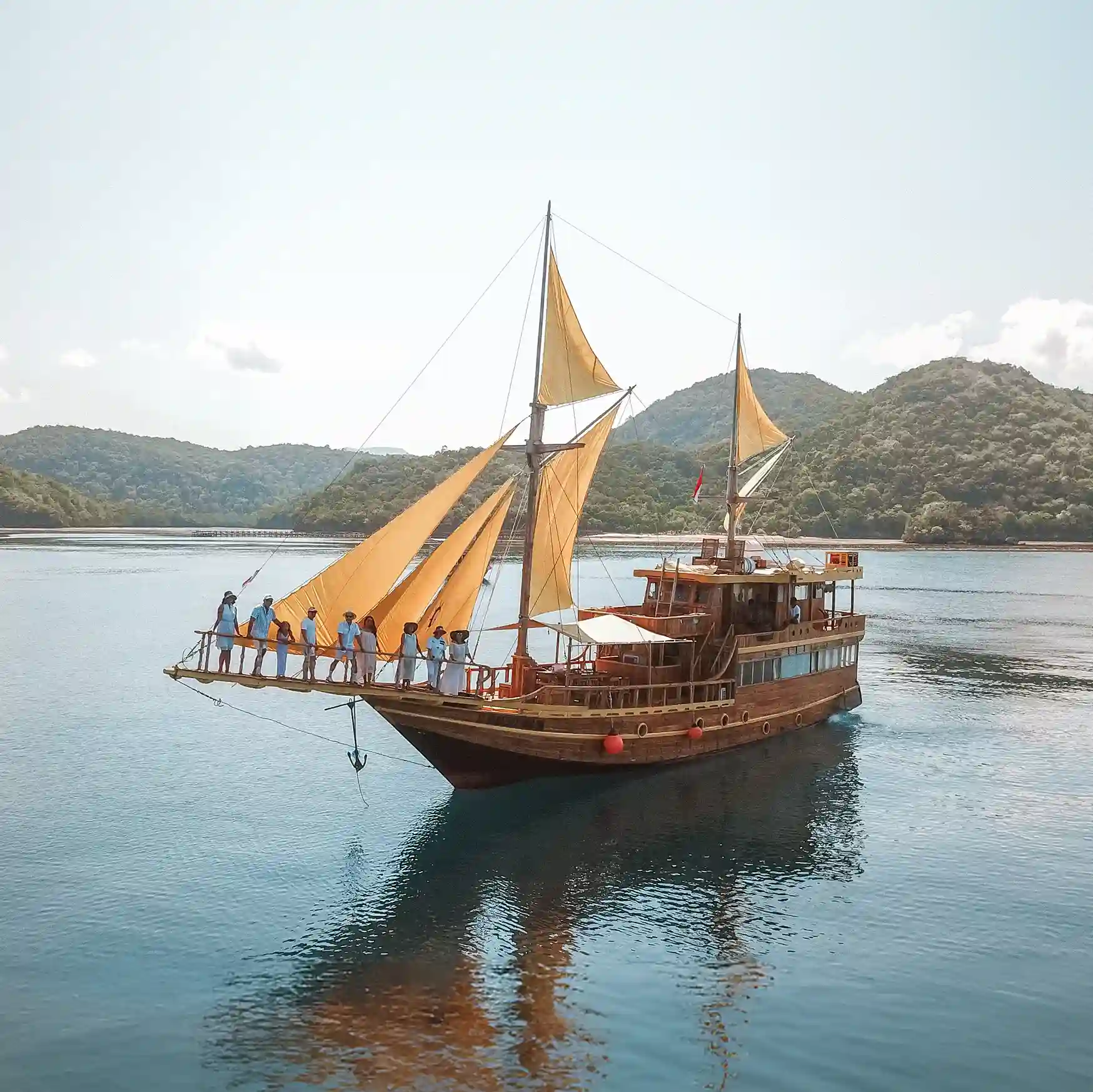
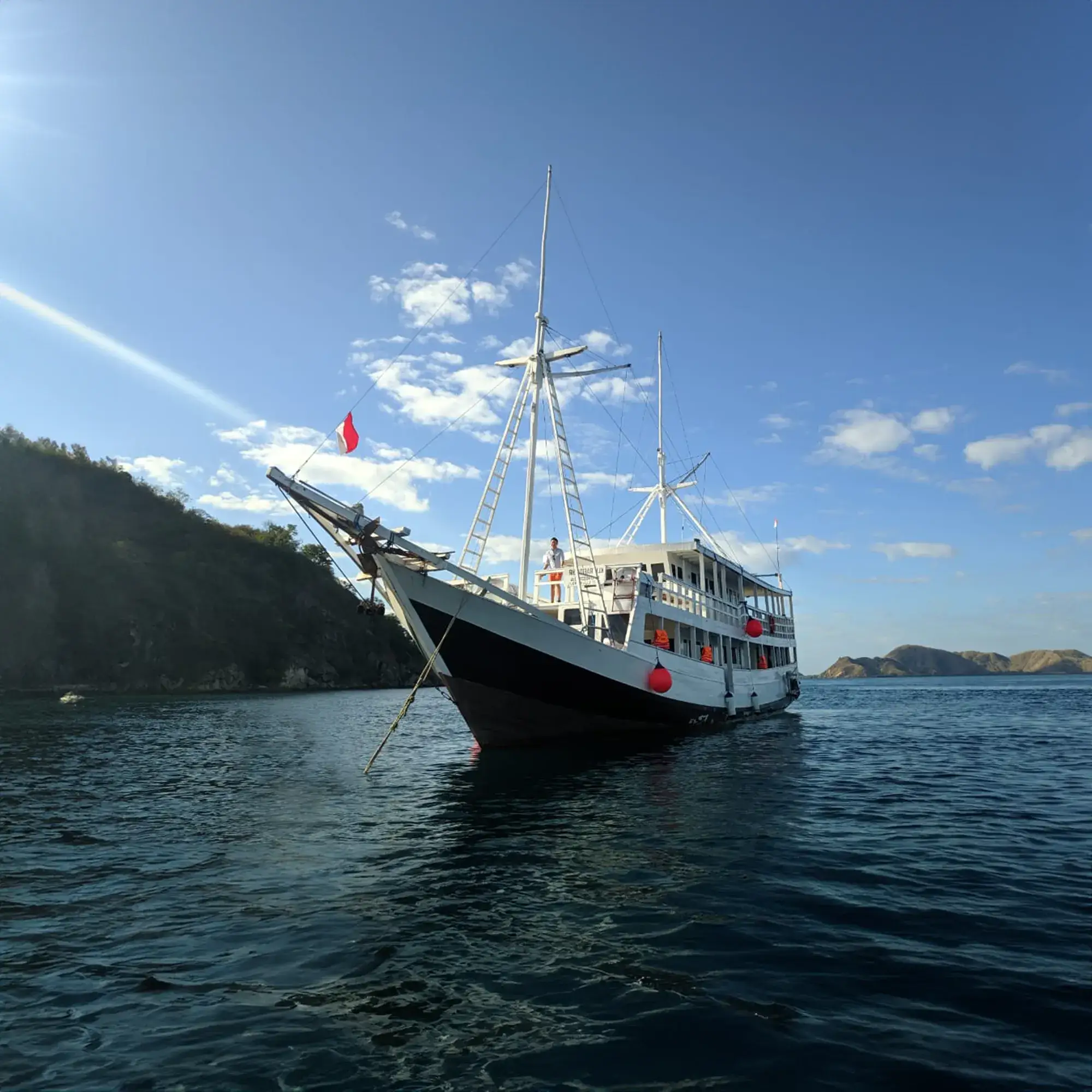
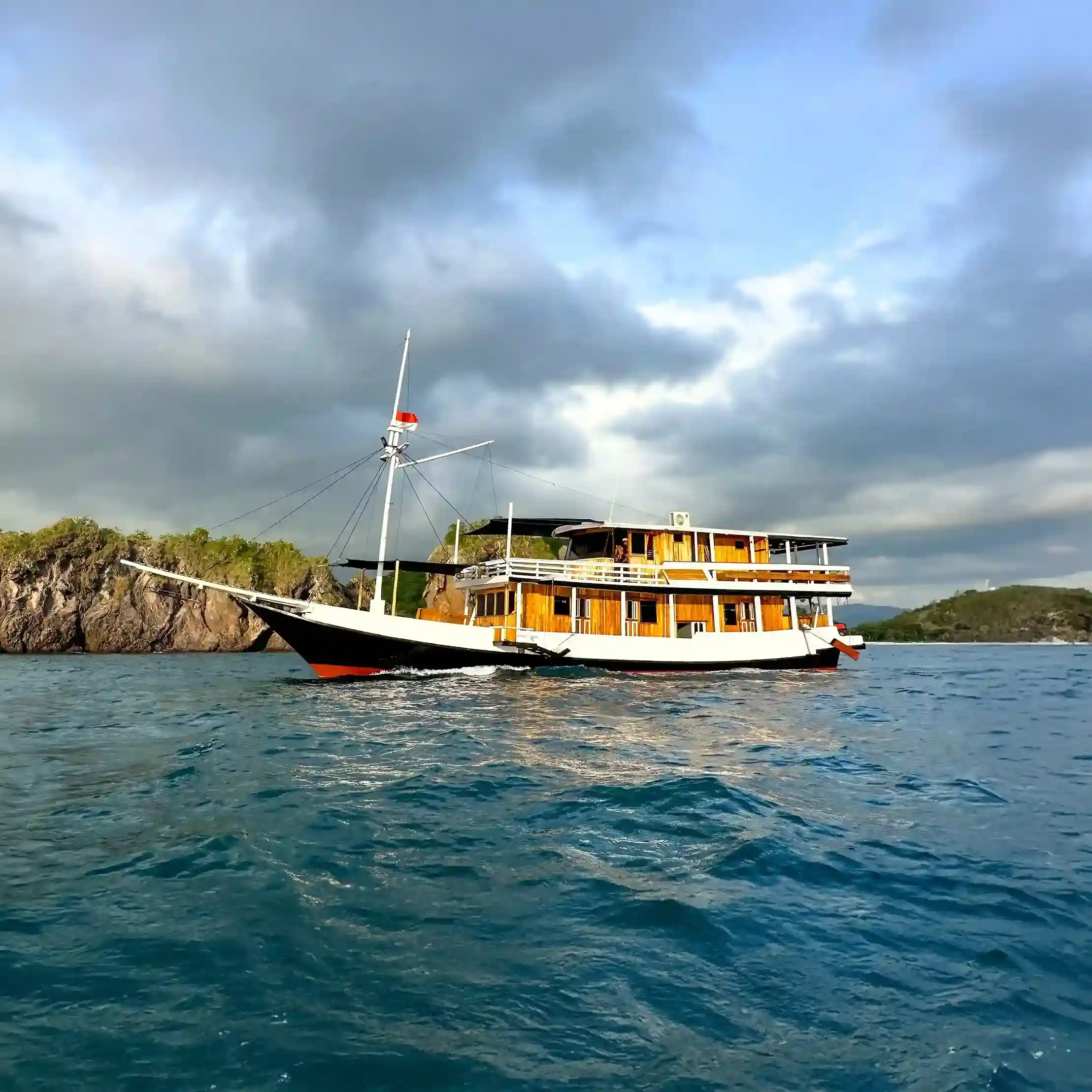
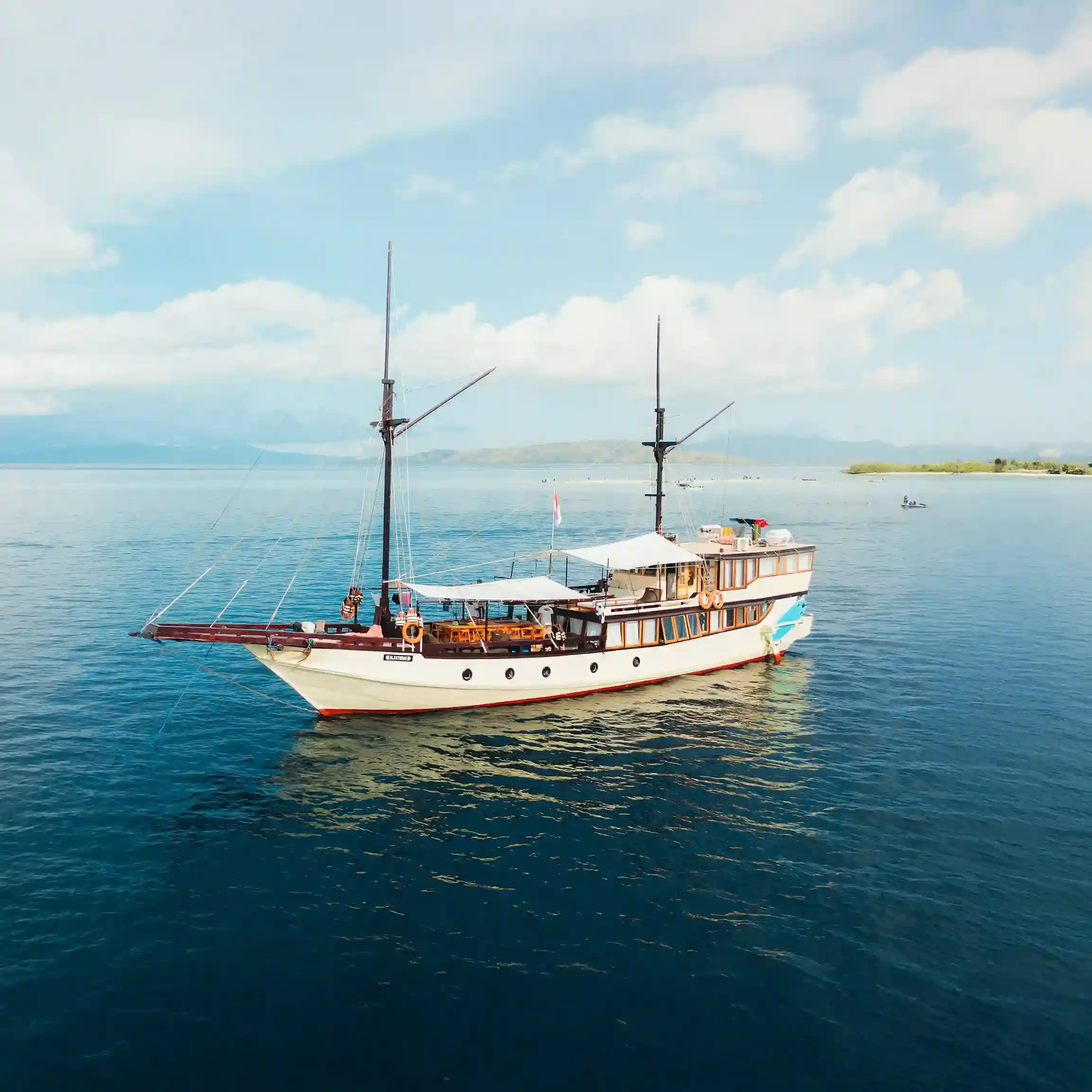
The first time I saw Alfathran, she was tied to the dock at Labuan Bajo just before sunset. The sun had dipped behind the dry hills, and the last light caught the teak railings, warming the wood to the colour of honey. There was no fanfare—just two crew members quietly adjusting lines, their movements practiced and unhurried. I stepped aboard and immediately noticed the lack of clutter: no coiled ropes left out, no stacked life vests. The deck was wide, unbroken, with just a pair of cushioned loungers near the bow. It felt less like a boat built for show and more like one meant to be lived on.
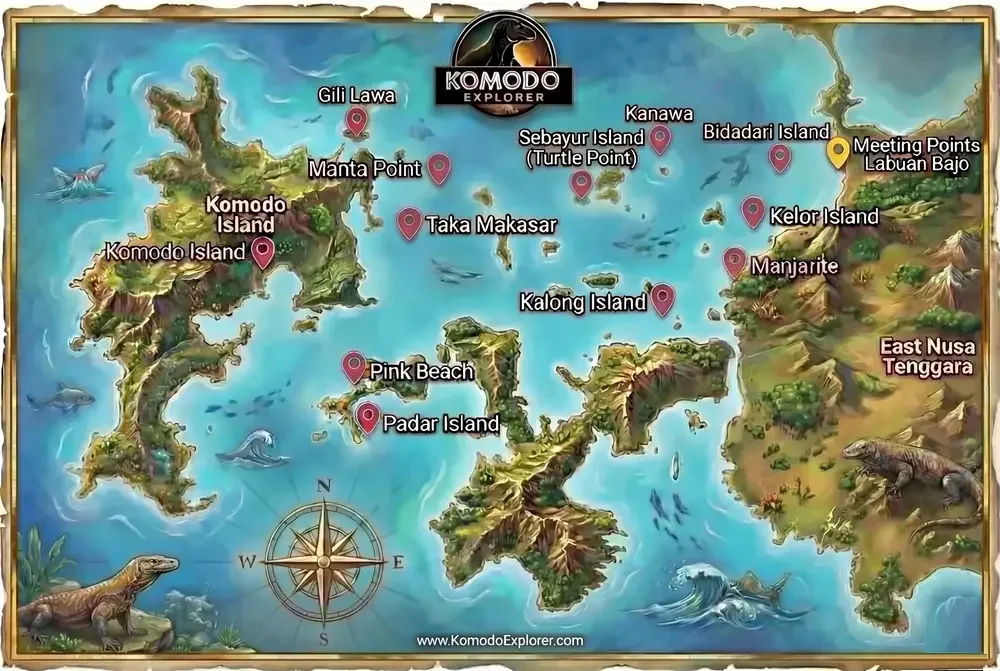
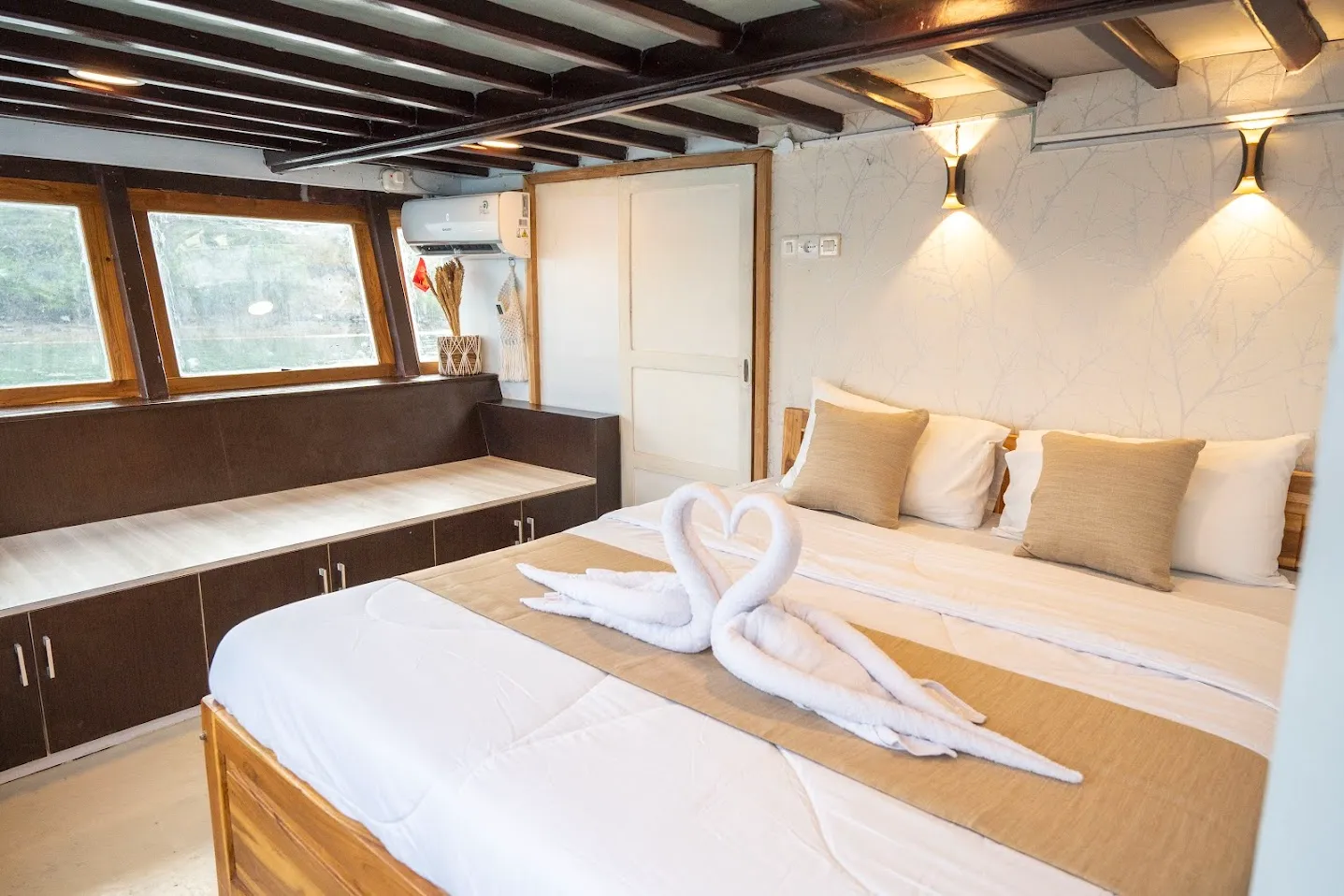
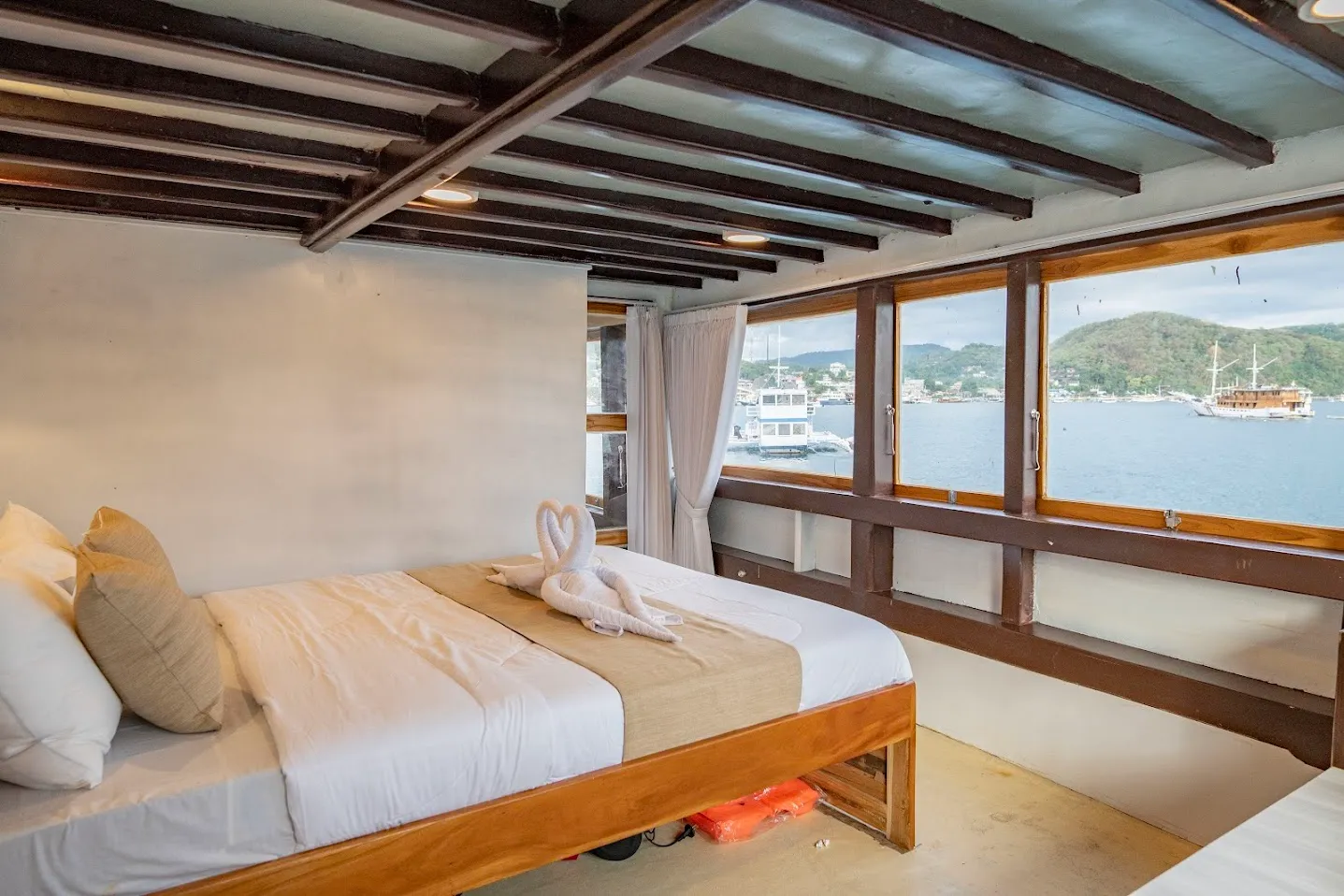
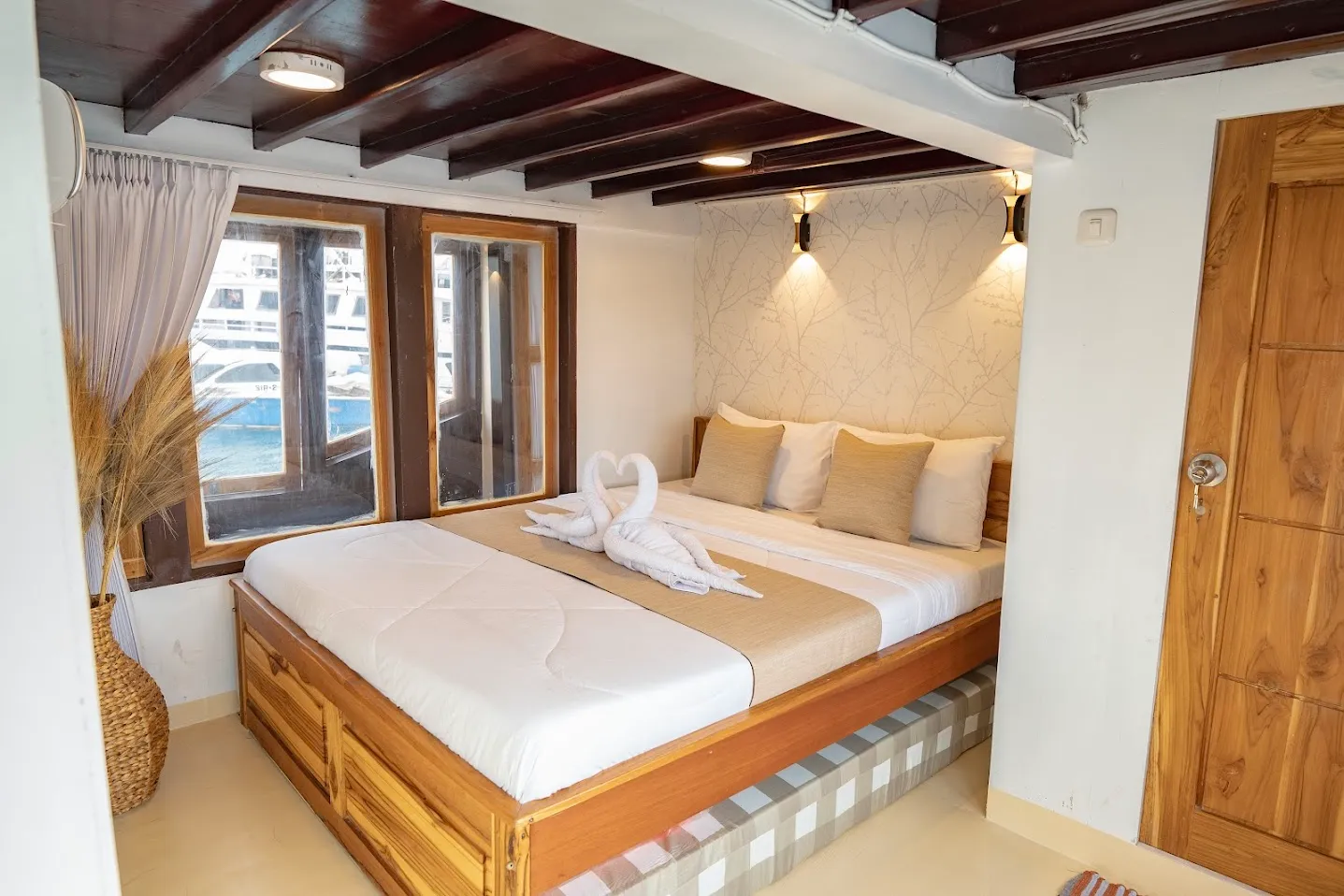
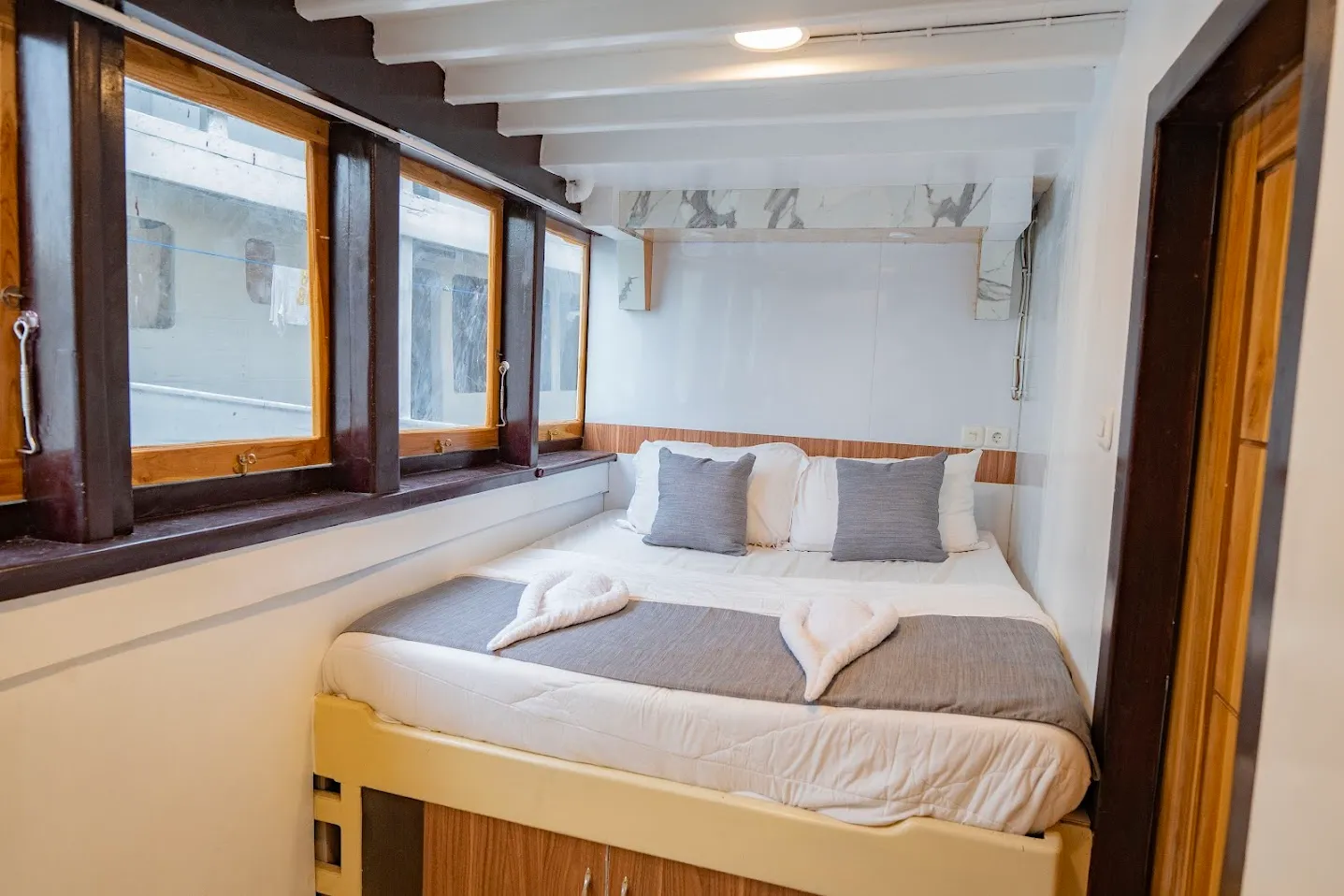
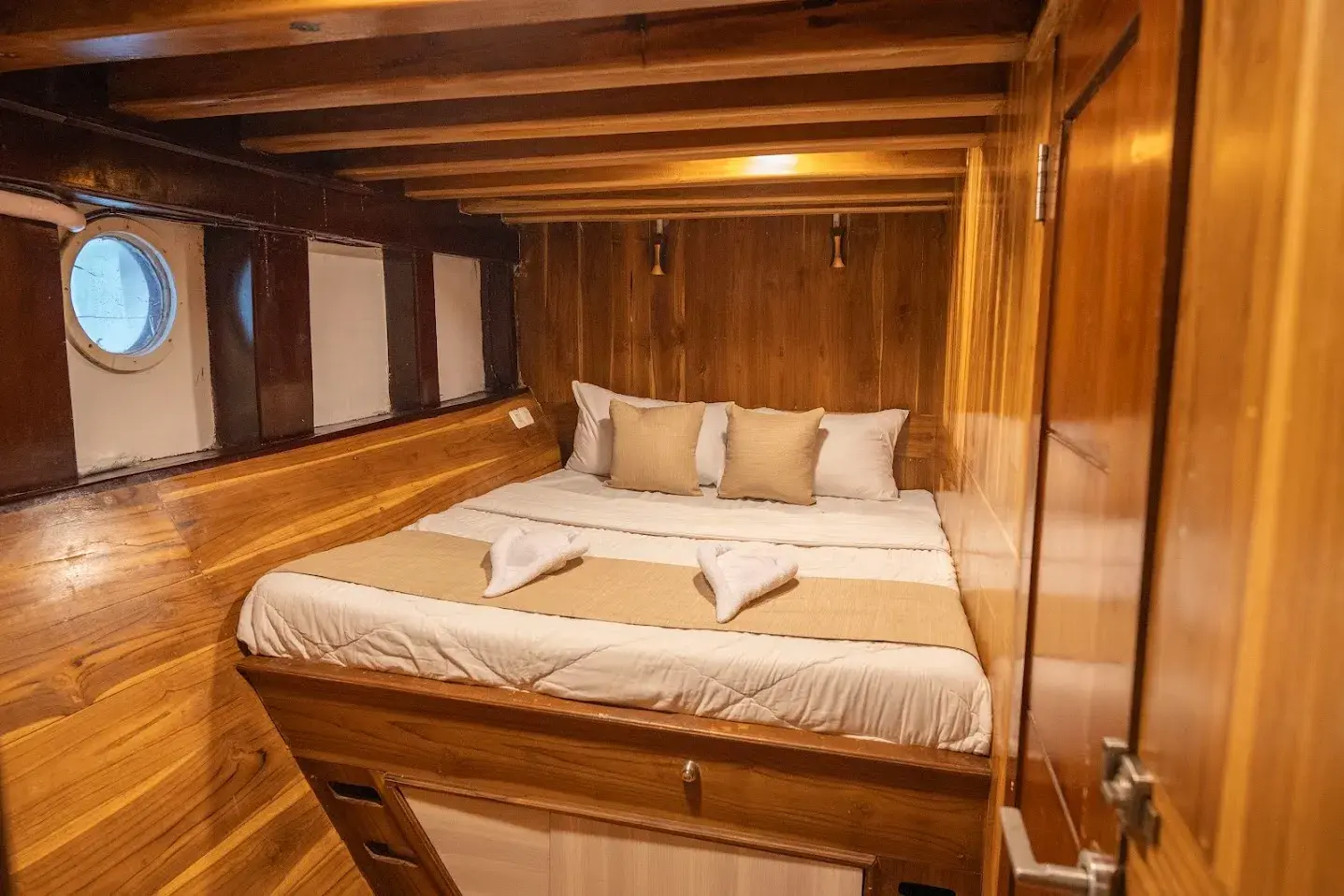
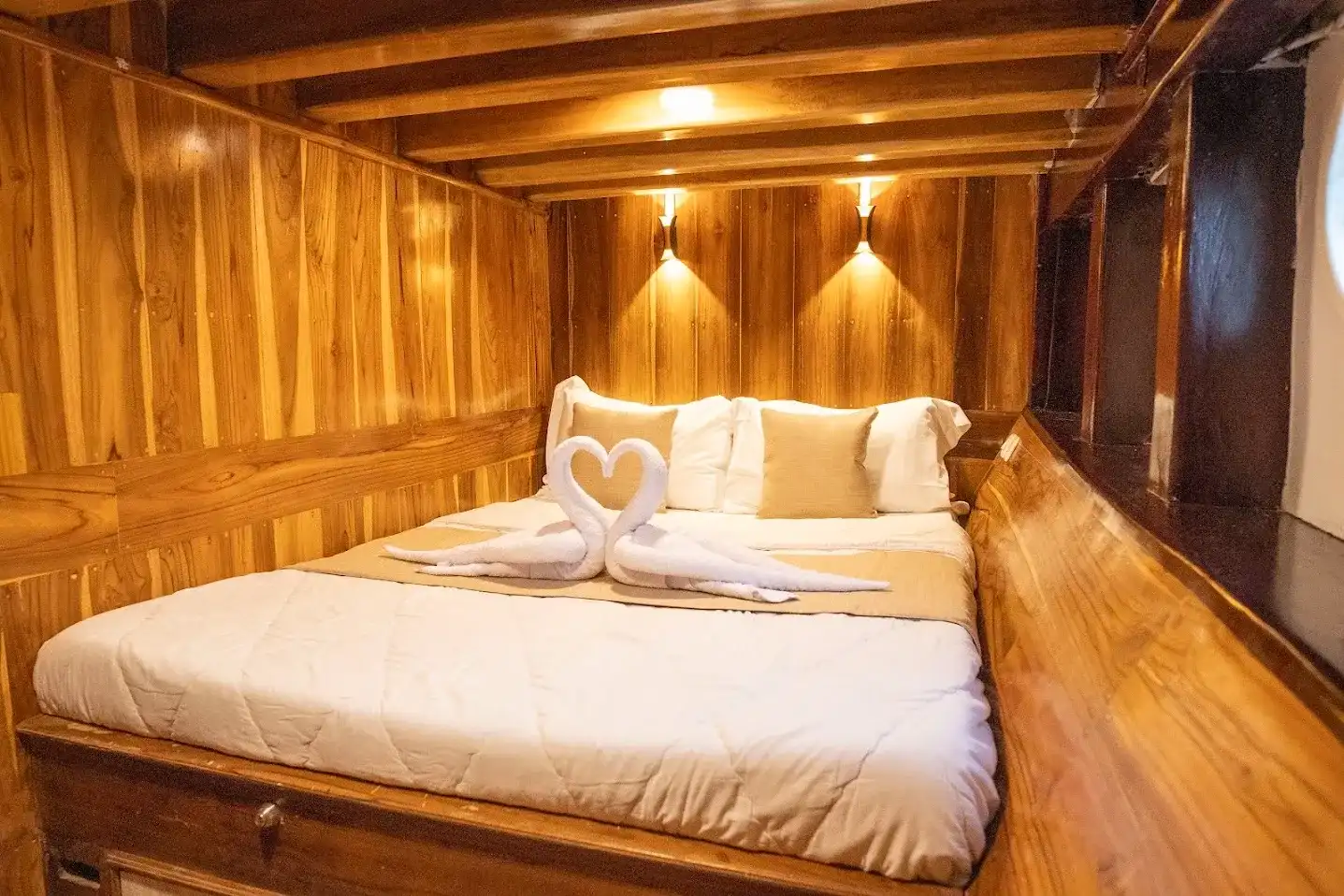
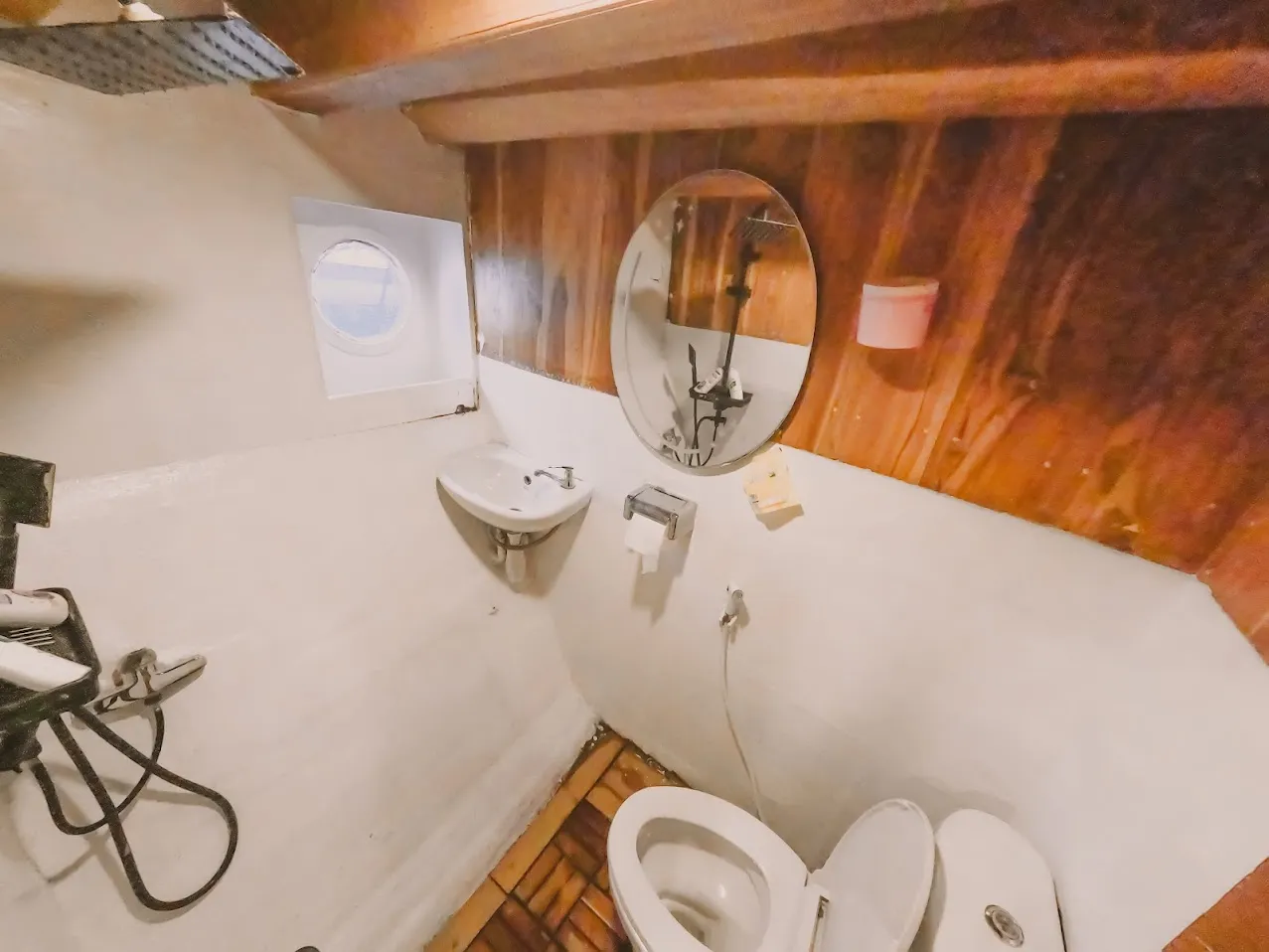
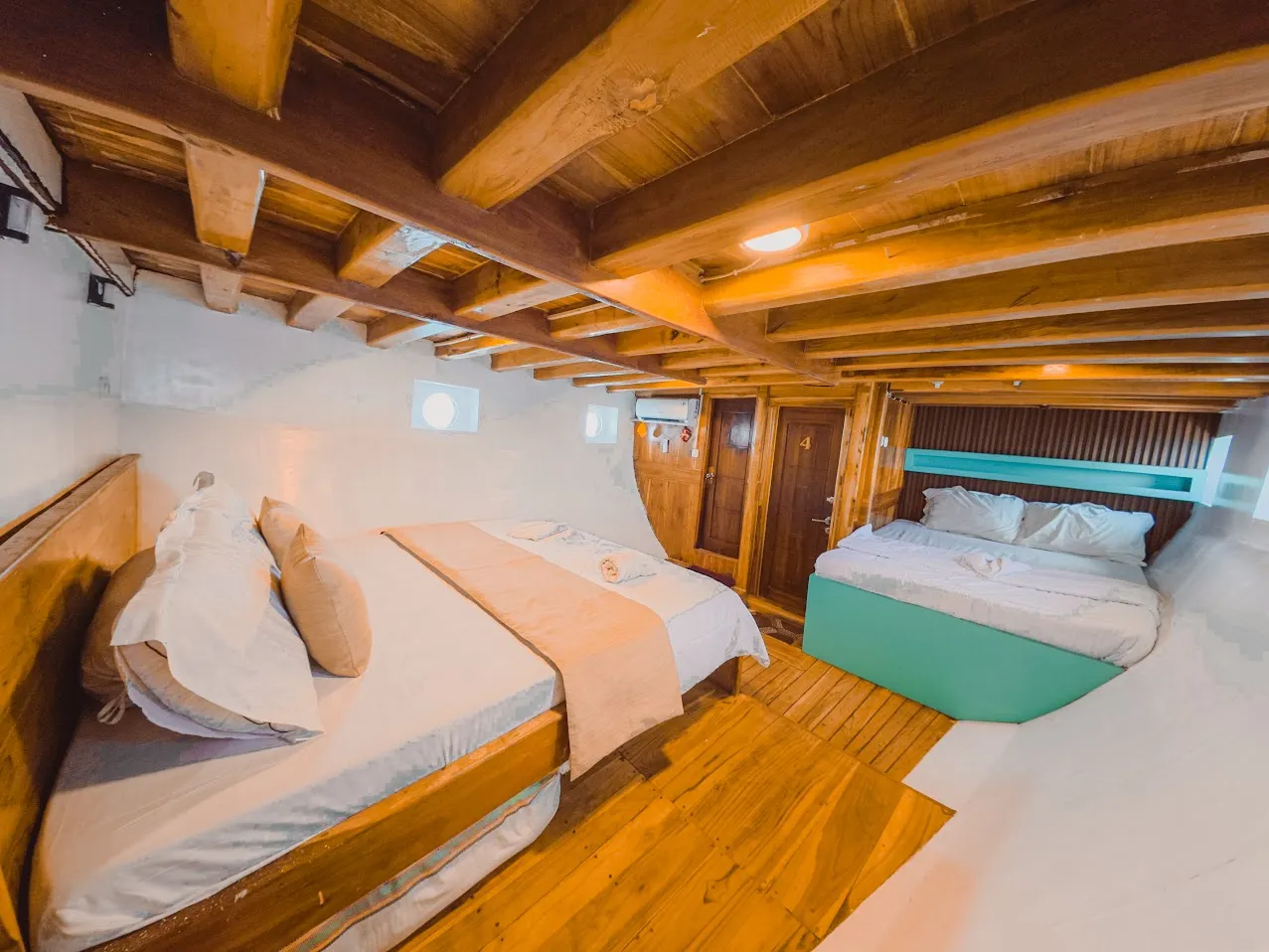
That night, we sailed slowly from the harbour under engine, the wake glowing faintly green. By the time we dropped anchor near Kelor, the sky was full. Alfathran only has one cabin, tucked below deck amidships, and I was grateful for the quiet. The single stateroom means no shared walls, no footsteps overhead. The bed was wide, made up with crisp cotton, and the porthole—positioned just right—let in the sound of water slapping the hull without any draft. The ensuite bathroom had real water pressure, rare on Phinisi charters, and a drain that didn’t gurgle all night.
At 5:30 a.m., the crew had coffee ready on the upper deck. We’d repositioned silently in the dark to face Padar Island, and as dawn broke, the three-peaked outline turned from grey to rust to gold. No other boats were in the bay. After the hike—steep but short, with views over the serrated coast—we returned to Alfathran for a breakfast of fried bananas, soft-boiled eggs, and strong Javanese coffee. The morning sun hit the starboard side, so they’d already laid out cushions on that deck. I stayed there for hours, reading, listening to the occasional splash of a passing reef shark.
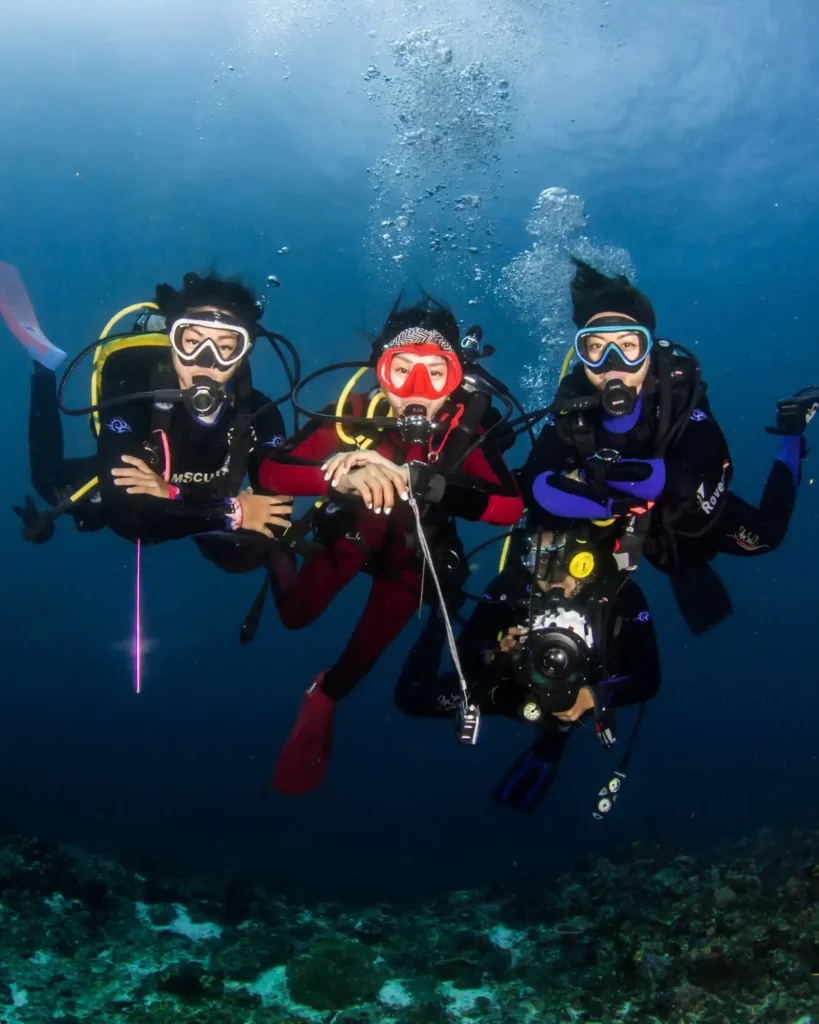
Snorkeling at Manta Point was different than I’d experienced on larger boats. With just two guests, the guide could stay close, pointing out the cleaning stations under the current line. One manta circled us three times, its wingtip brushing within a metre. Back on board, lunch was served under a canvas awning—grilled mahi-mahi with pickled cucumber and coconut rice. The table was set properly, with real cutlery and glasses that didn’t tip in light swell.
On the final morning, we reached Taka Makassar by 7 a.m. The sandbar was already visible, a sliver of white in turquoise. We waded across at low tide, then floated on our backs, watching the sky lighten. No drones buzzed overhead. No speedboats cut the horizon. Just the hum of Alfathran’s generator, barely audible from 50 metres away. When it was time to leave, they folded the linen, rinsed the snorkels, and stowed everything without rush. You don’t feel like a passenger on Alfathran. You feel like someone who’s been let in on a quiet routine, repeated season after season.