About Abizar
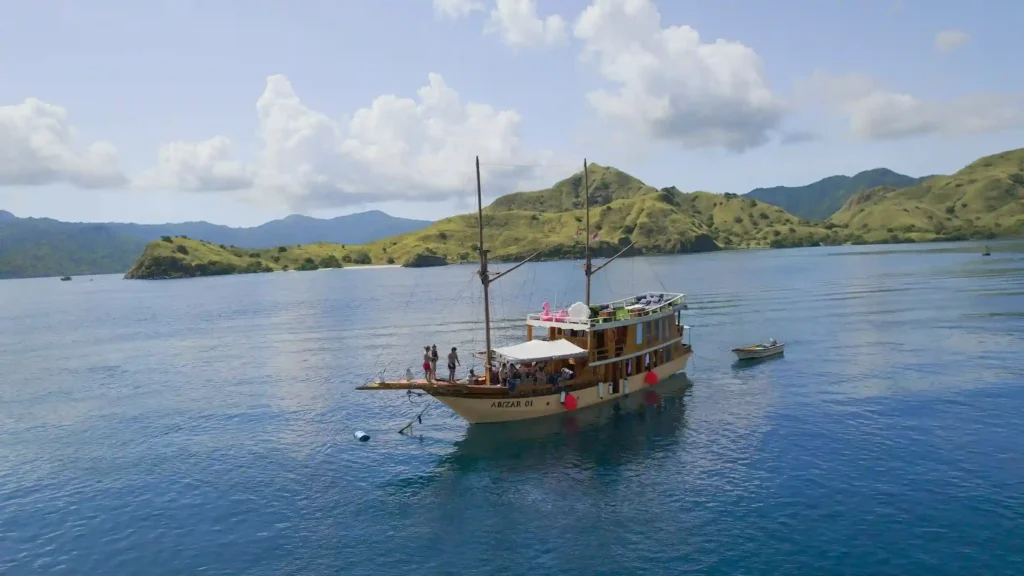
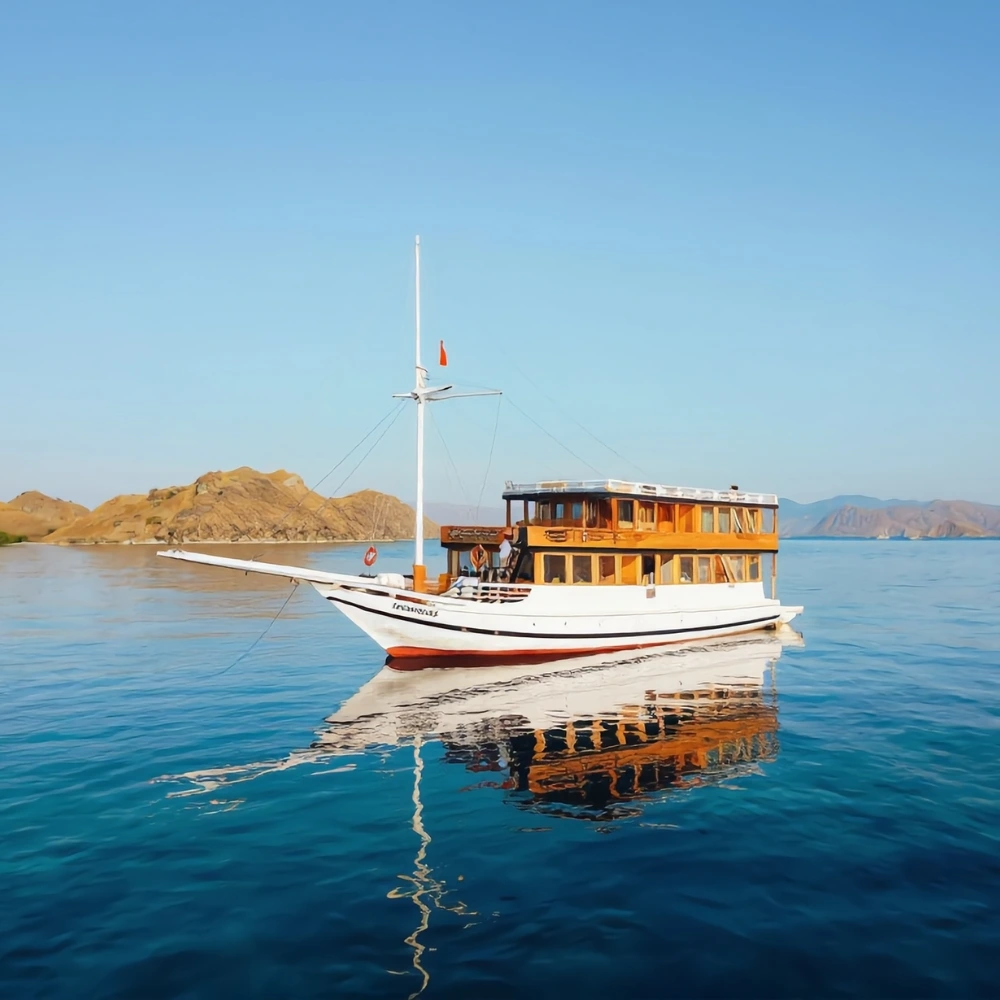
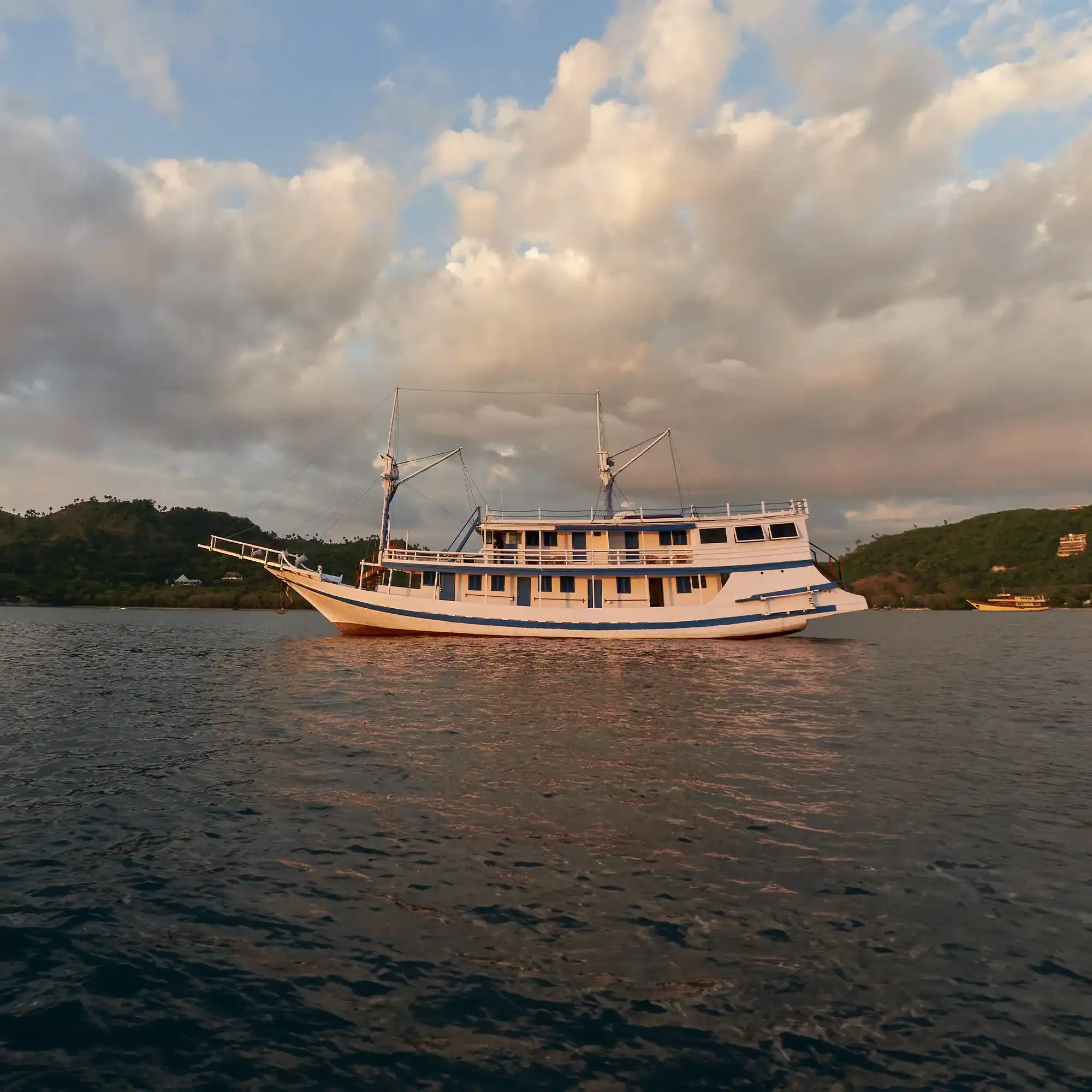
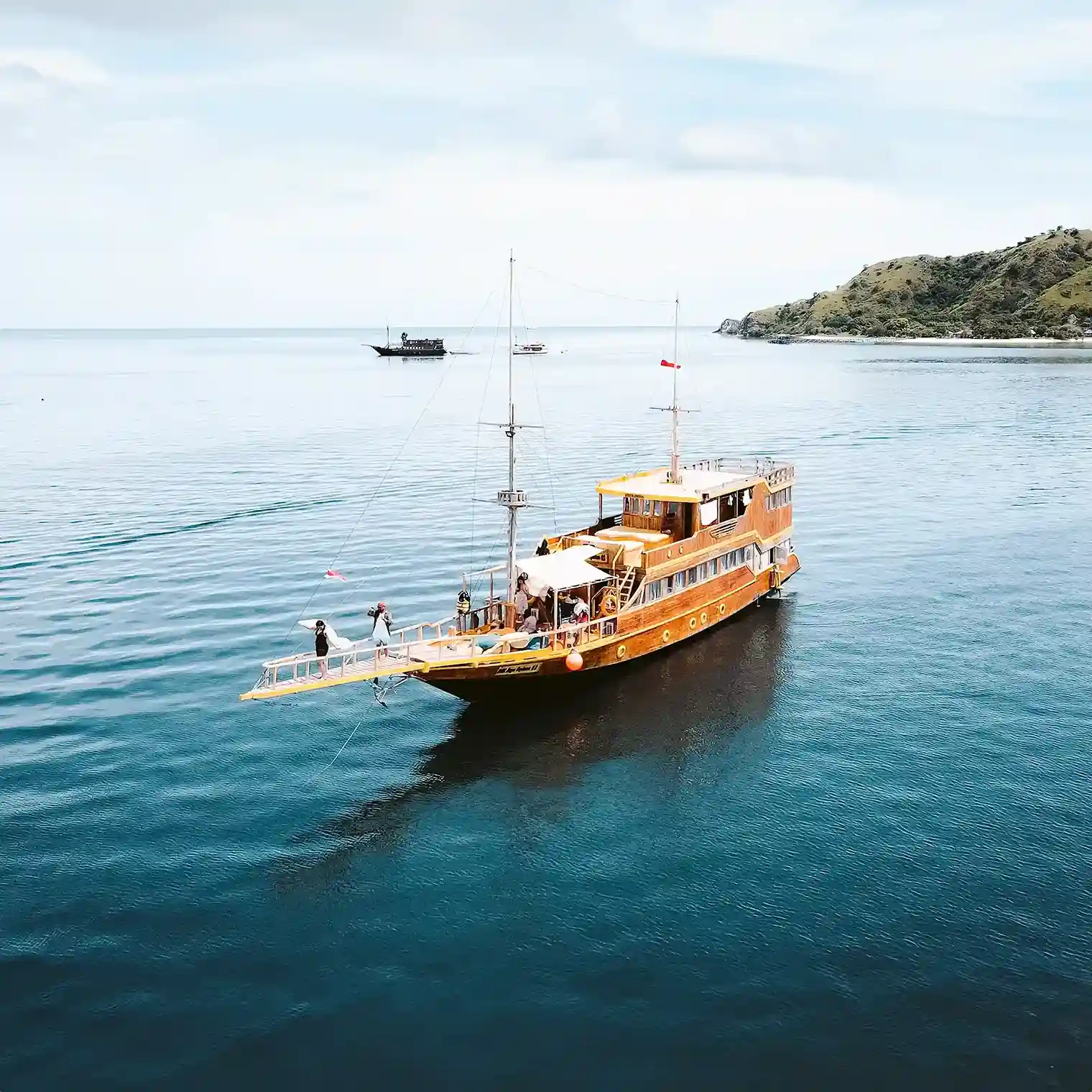
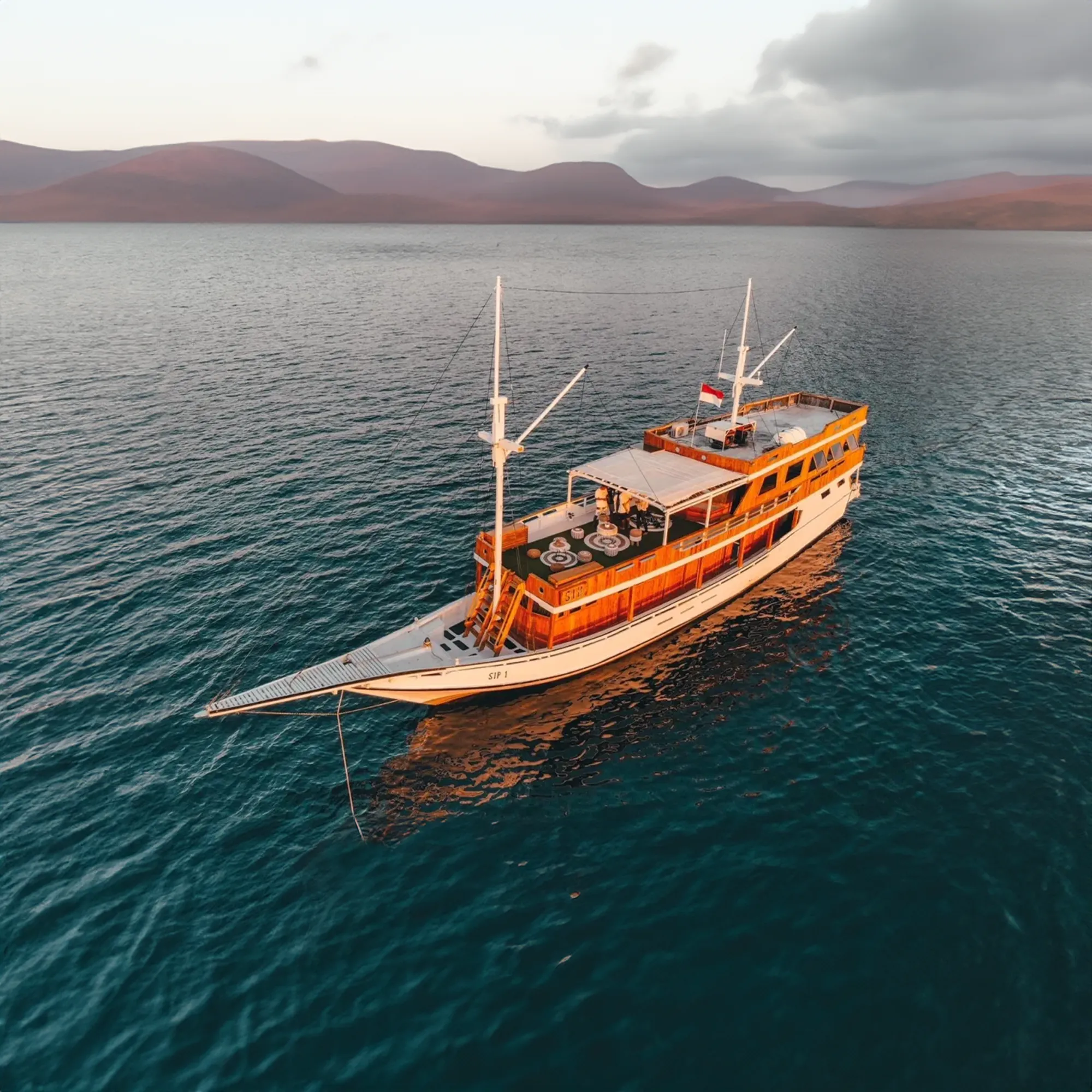
The first evening light hit the timbers of the upper deck just as we anchored off Kelor, golden and low, casting long shadows from the crew as they prepped the snorkel gear. I was leaning on the railing of the Abizar, salt already in my hair from the afternoon crossing, watching a guest float above the coral slope below. There was no music, no rush—just the clink of rigging and the skipper’s quiet instruction to move the dinghy a few meters clear. That moment, unhurried and precise, set the tone: this wasn’t a parade of打卡 points, but a rhythm tuned to tides and light.
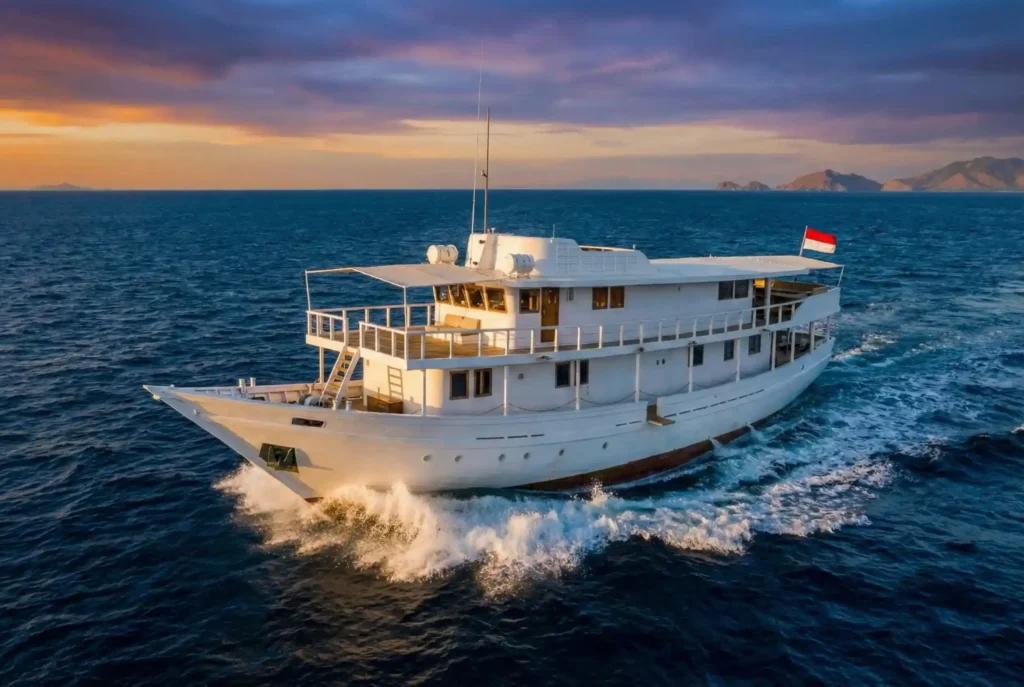
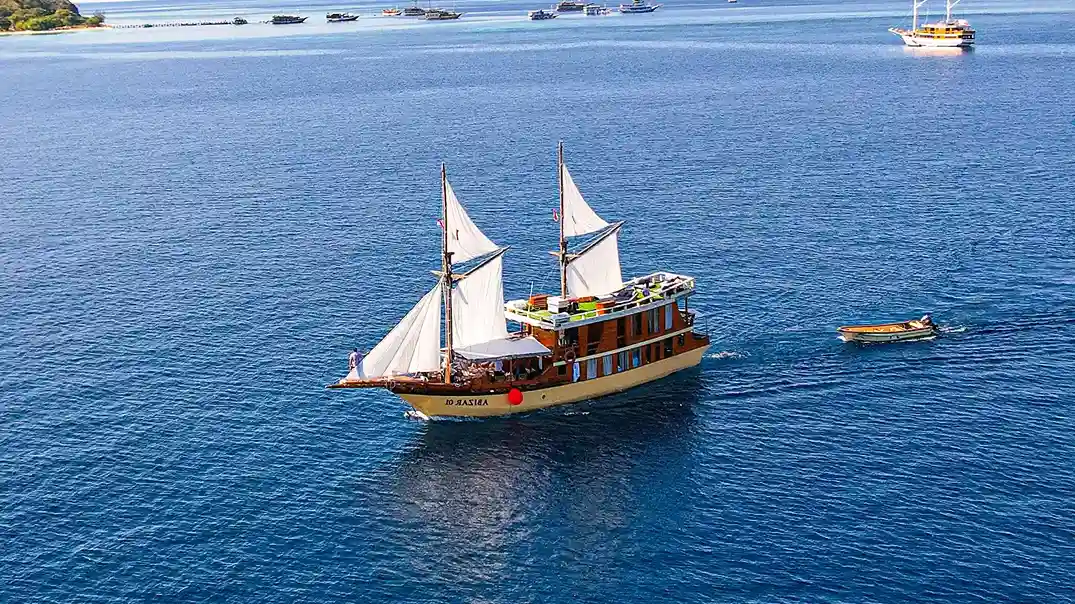
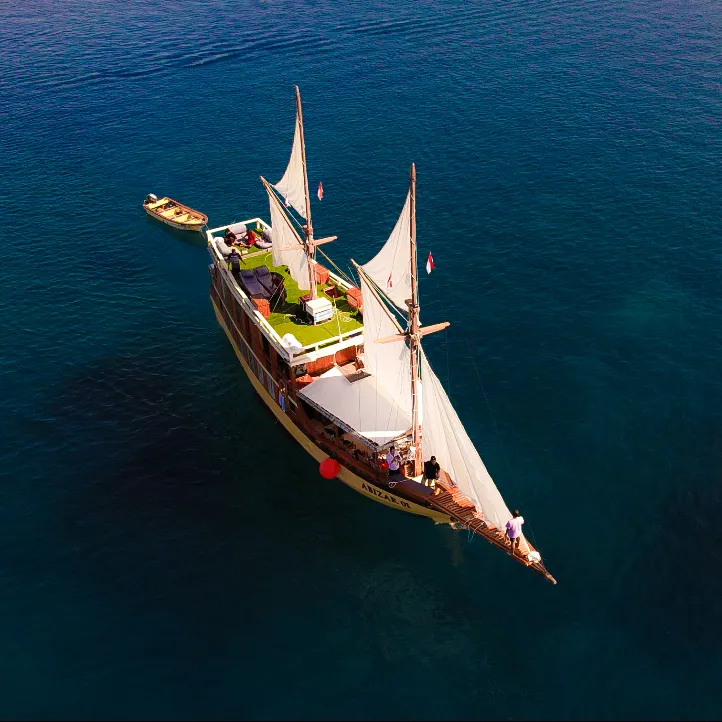
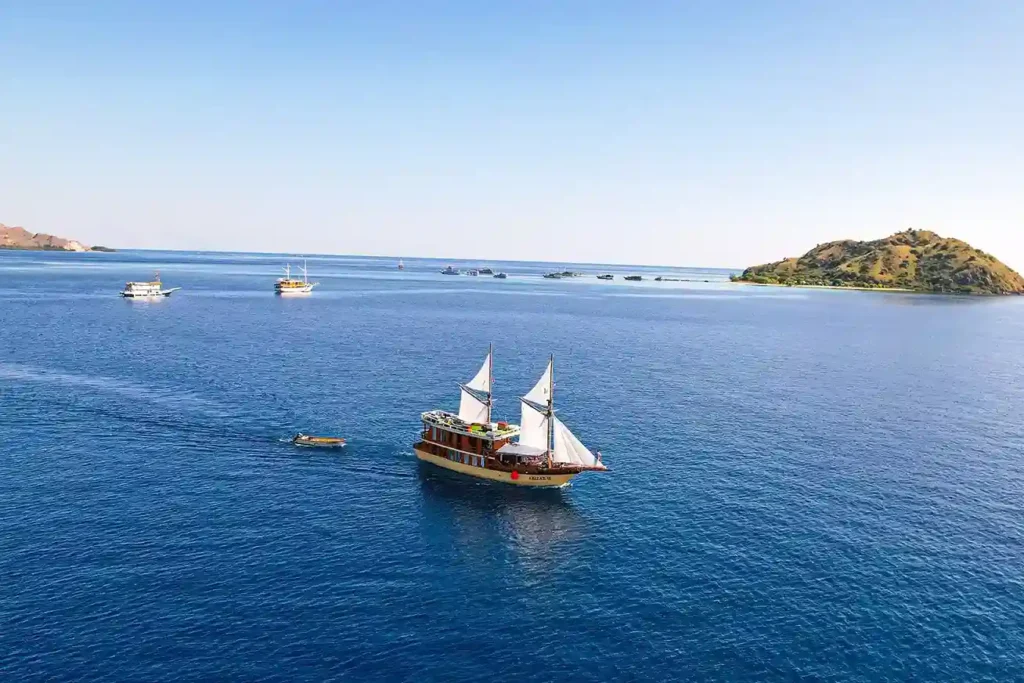
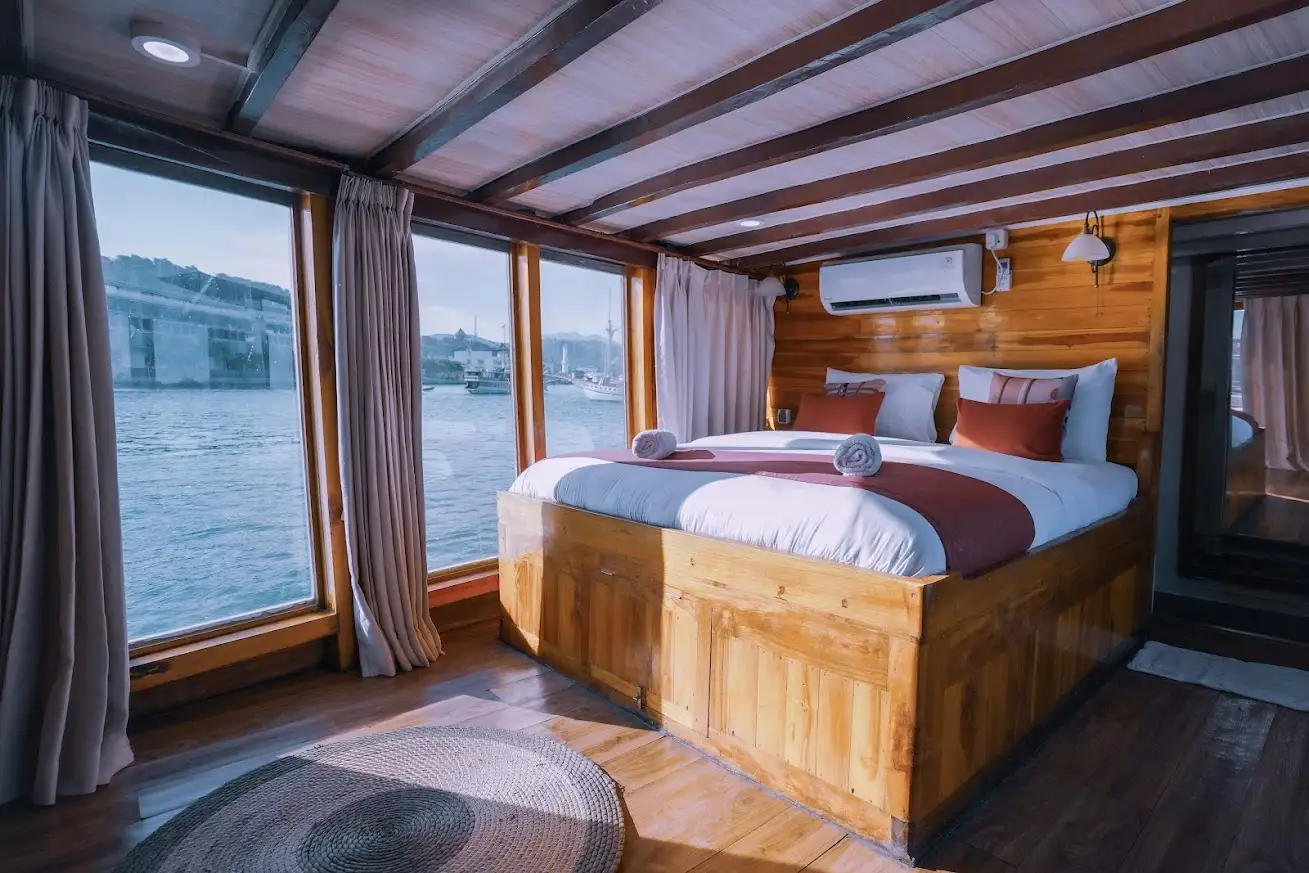
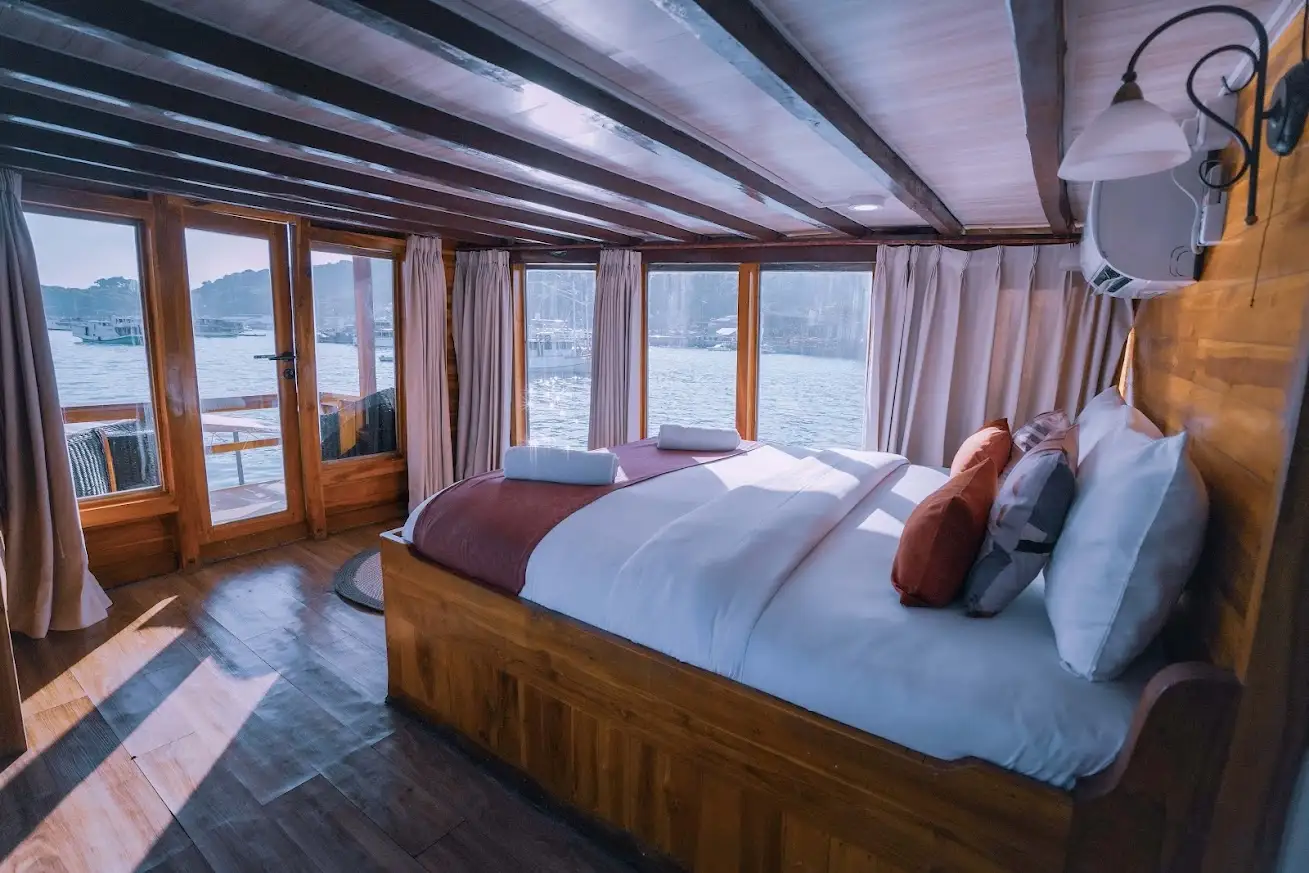
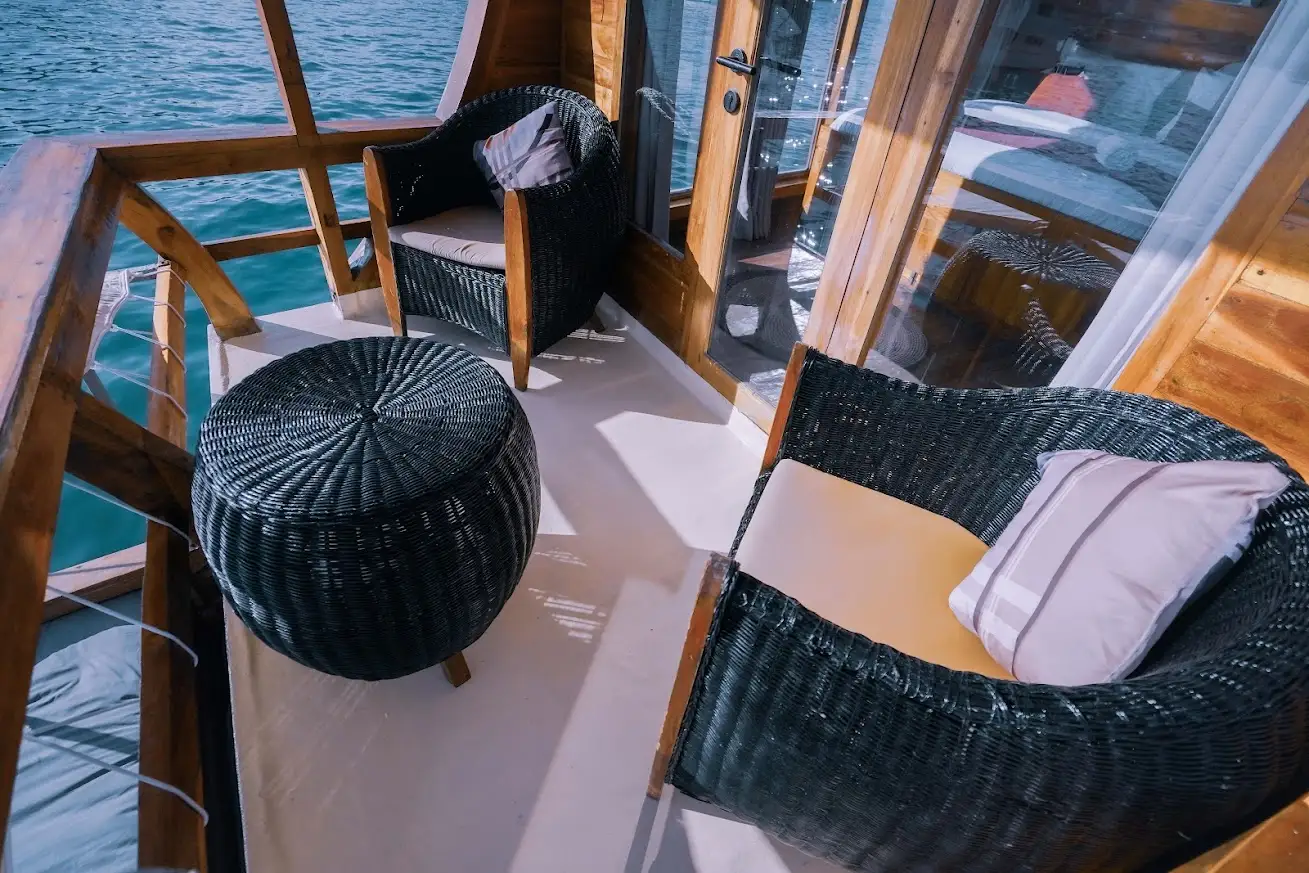
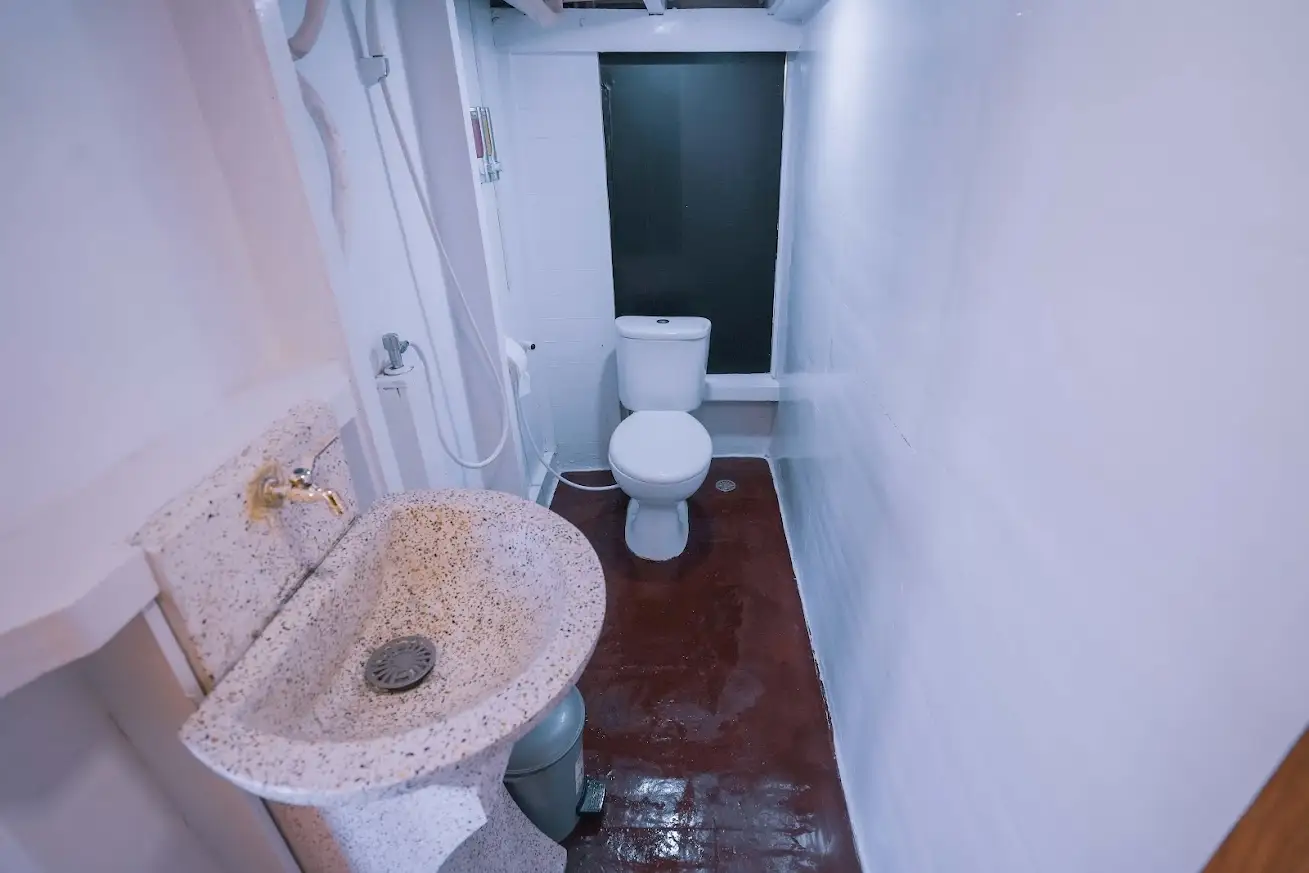
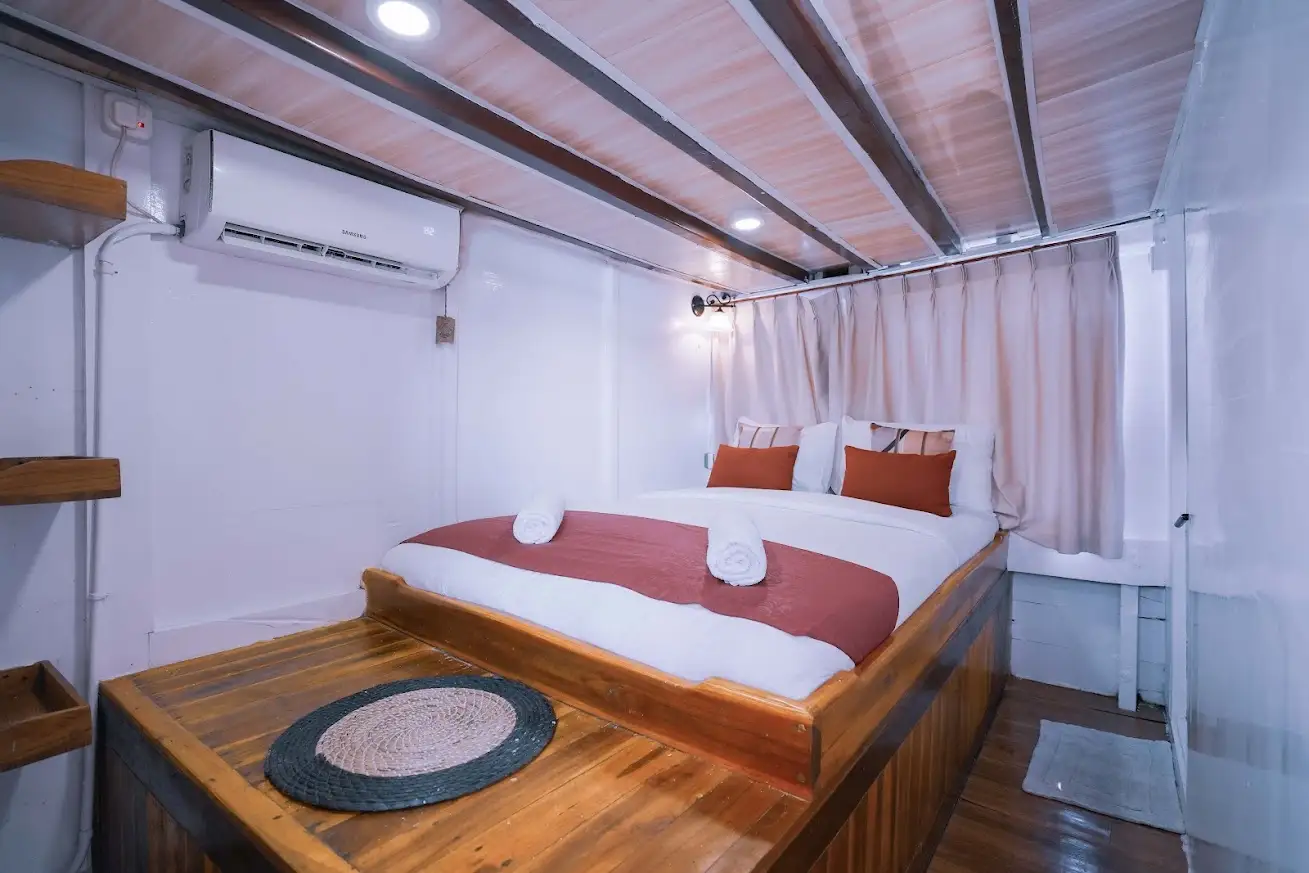
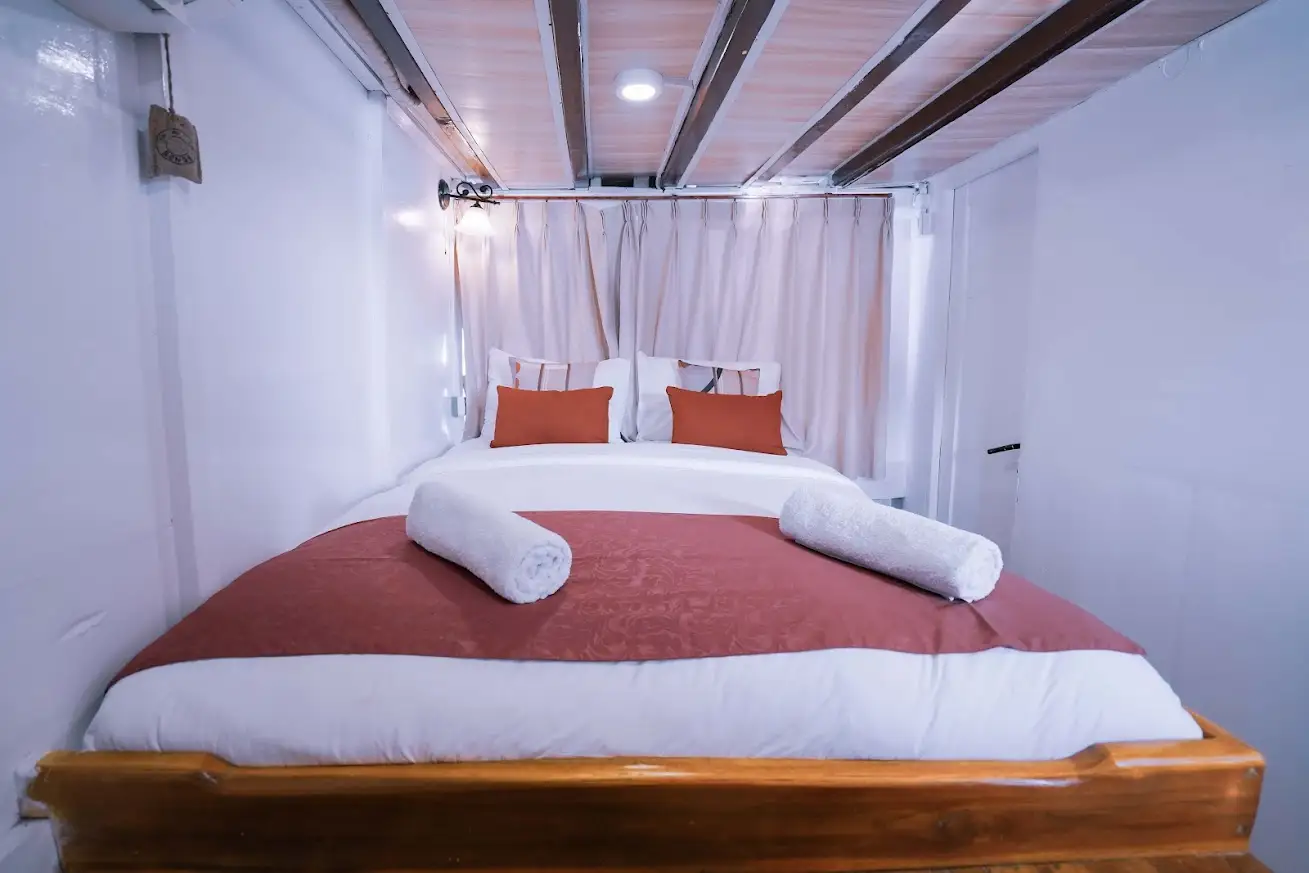
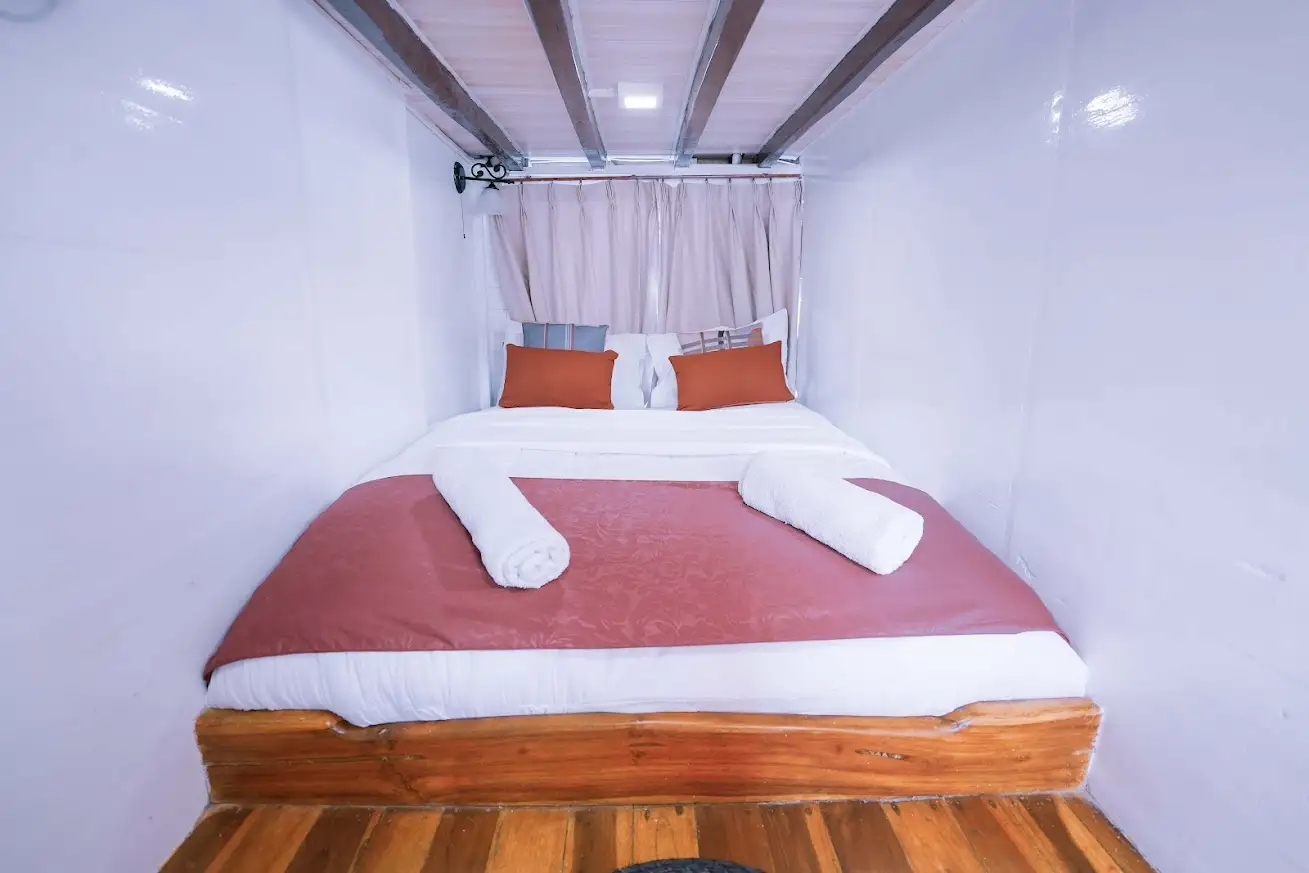
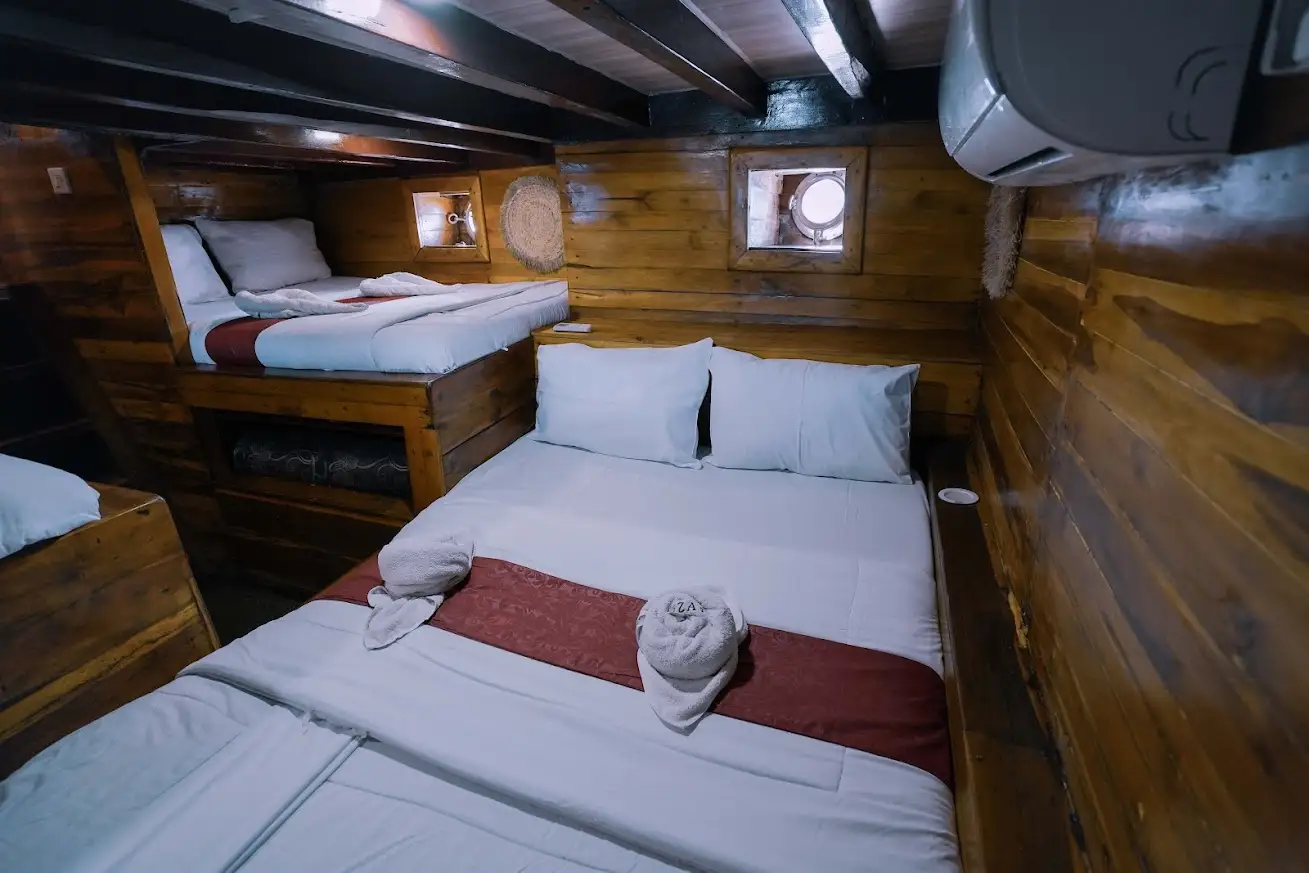
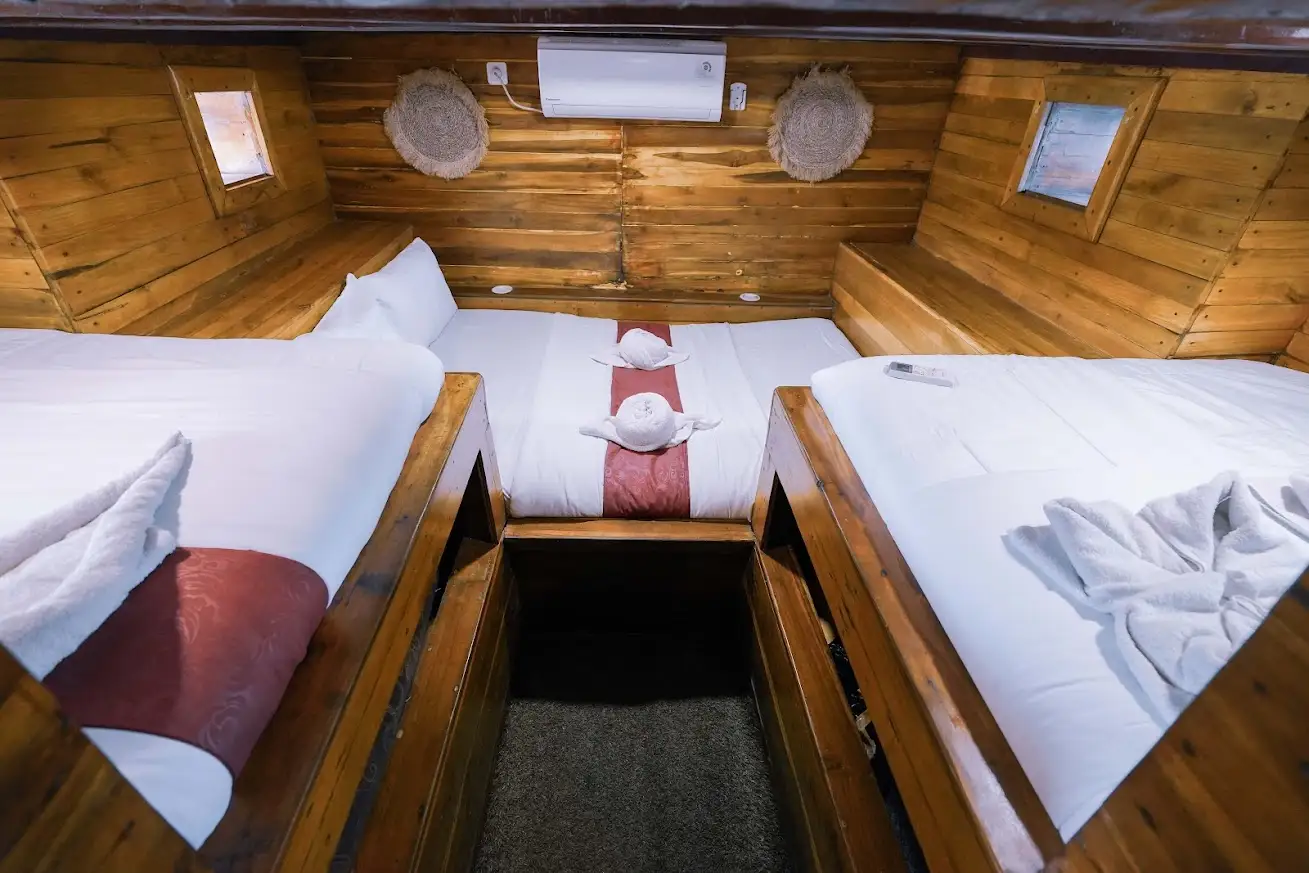
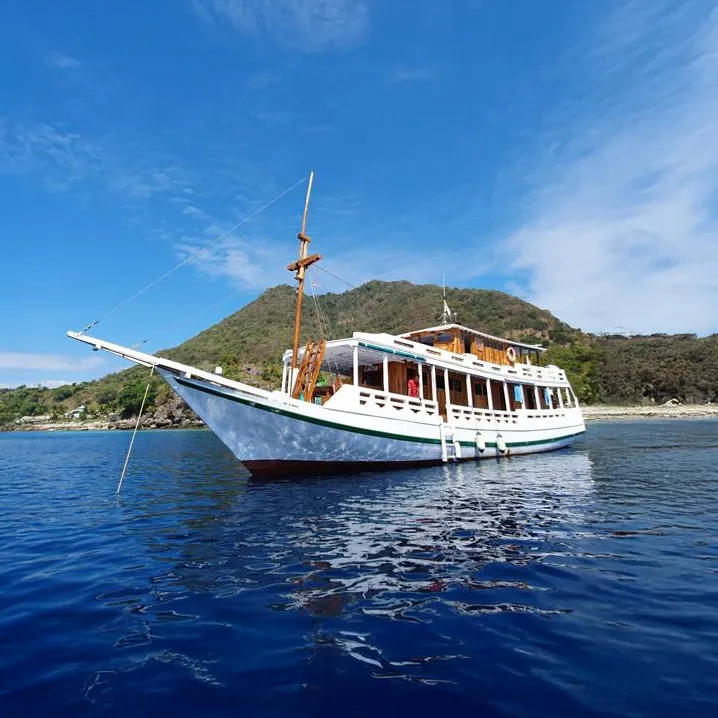
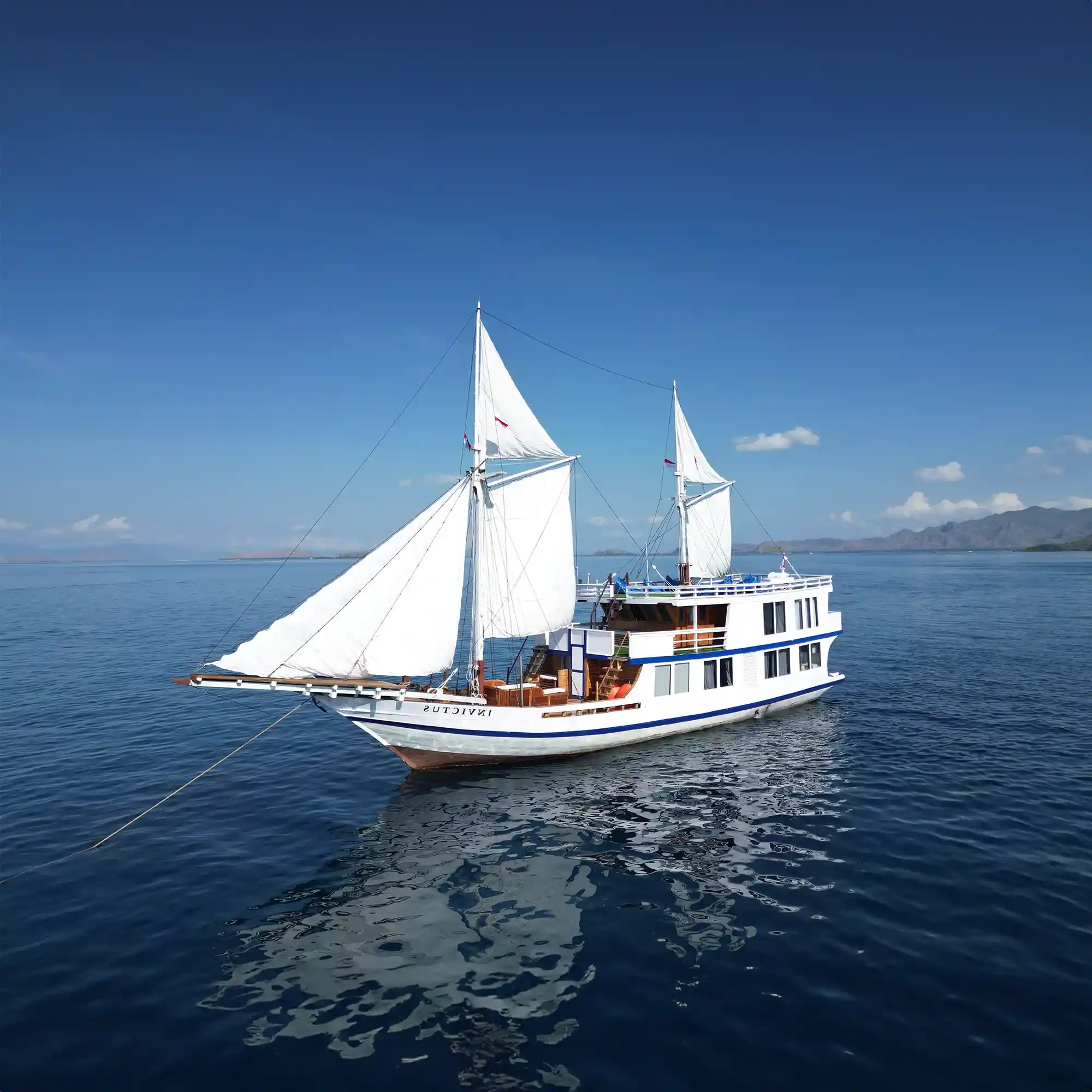
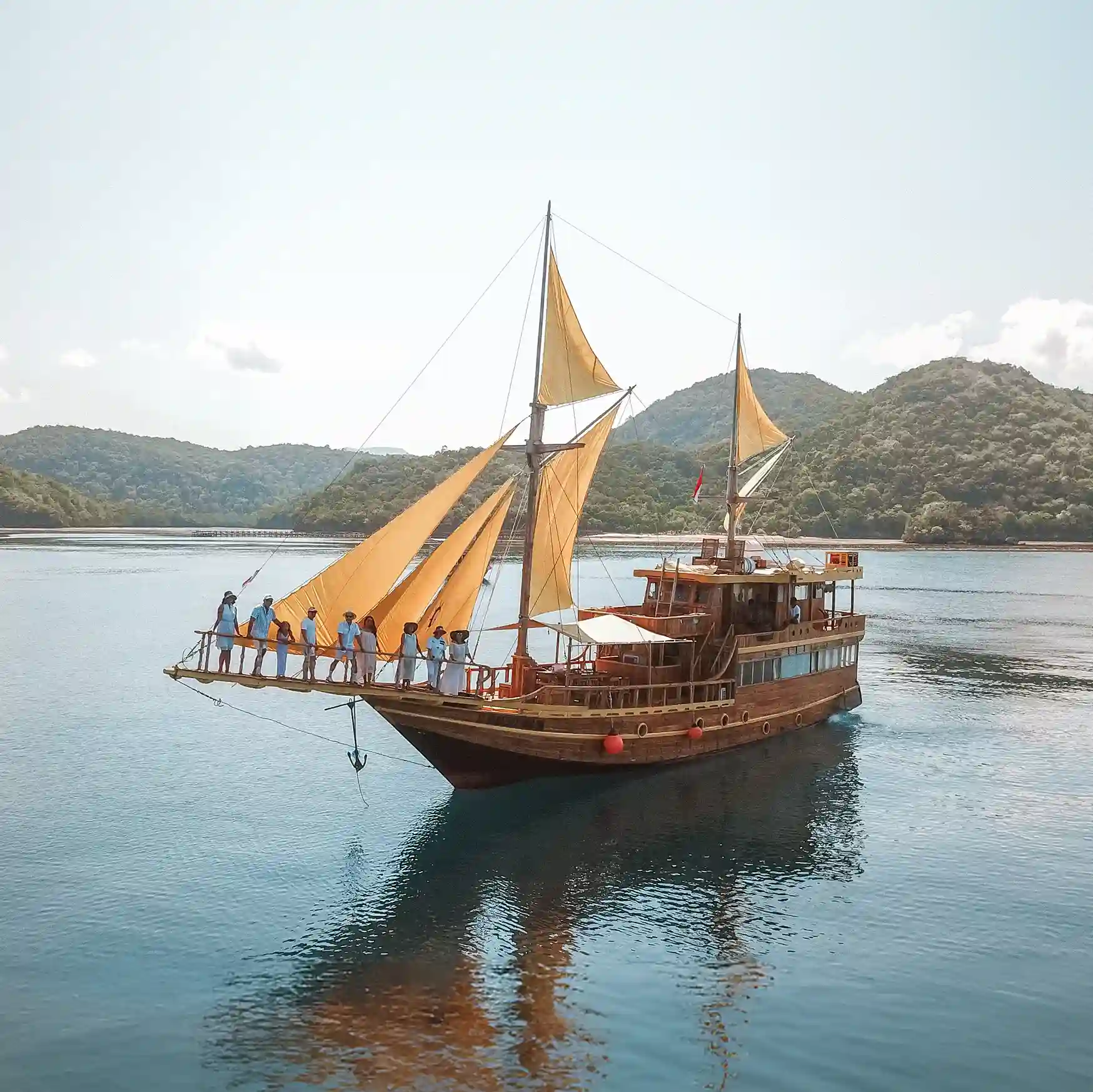
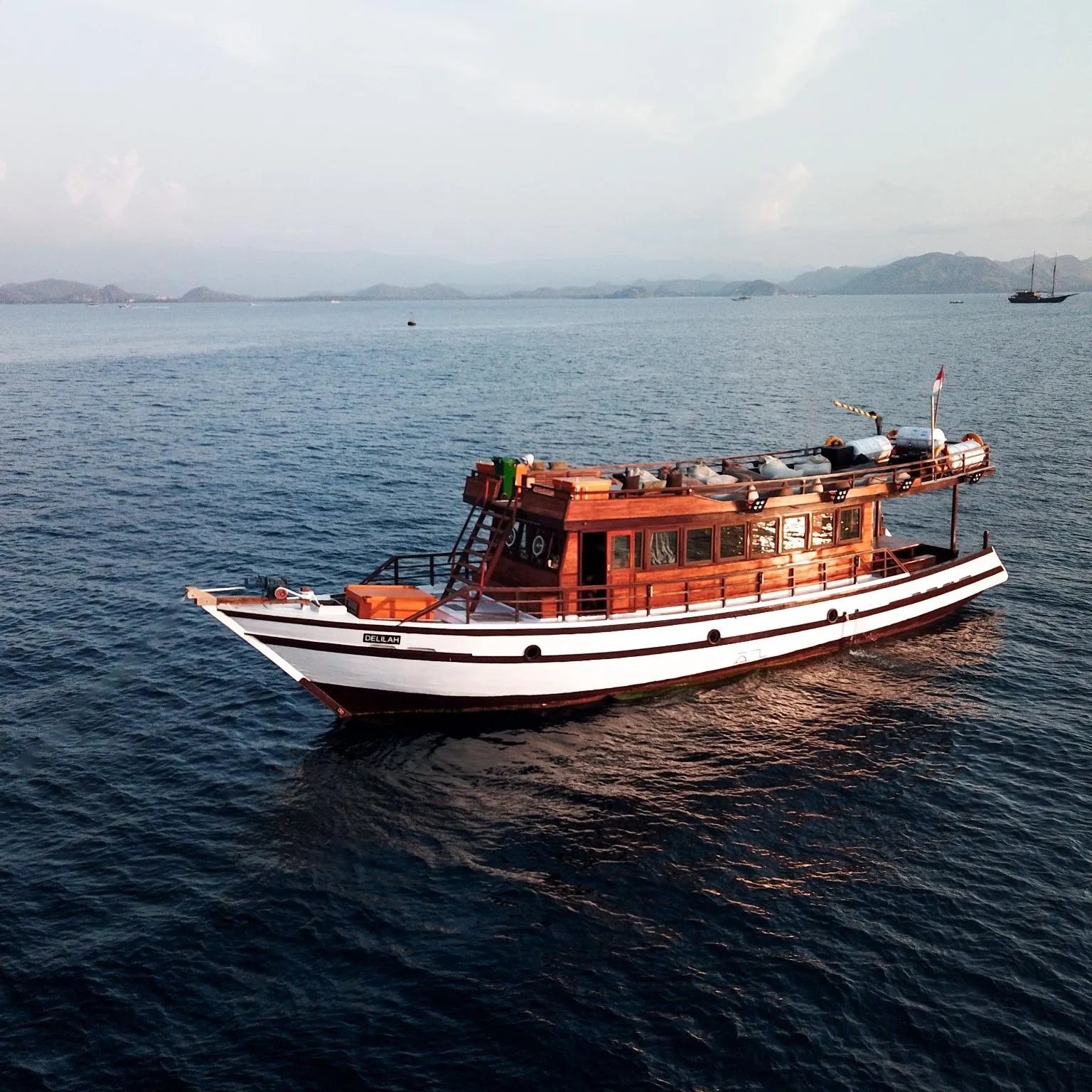
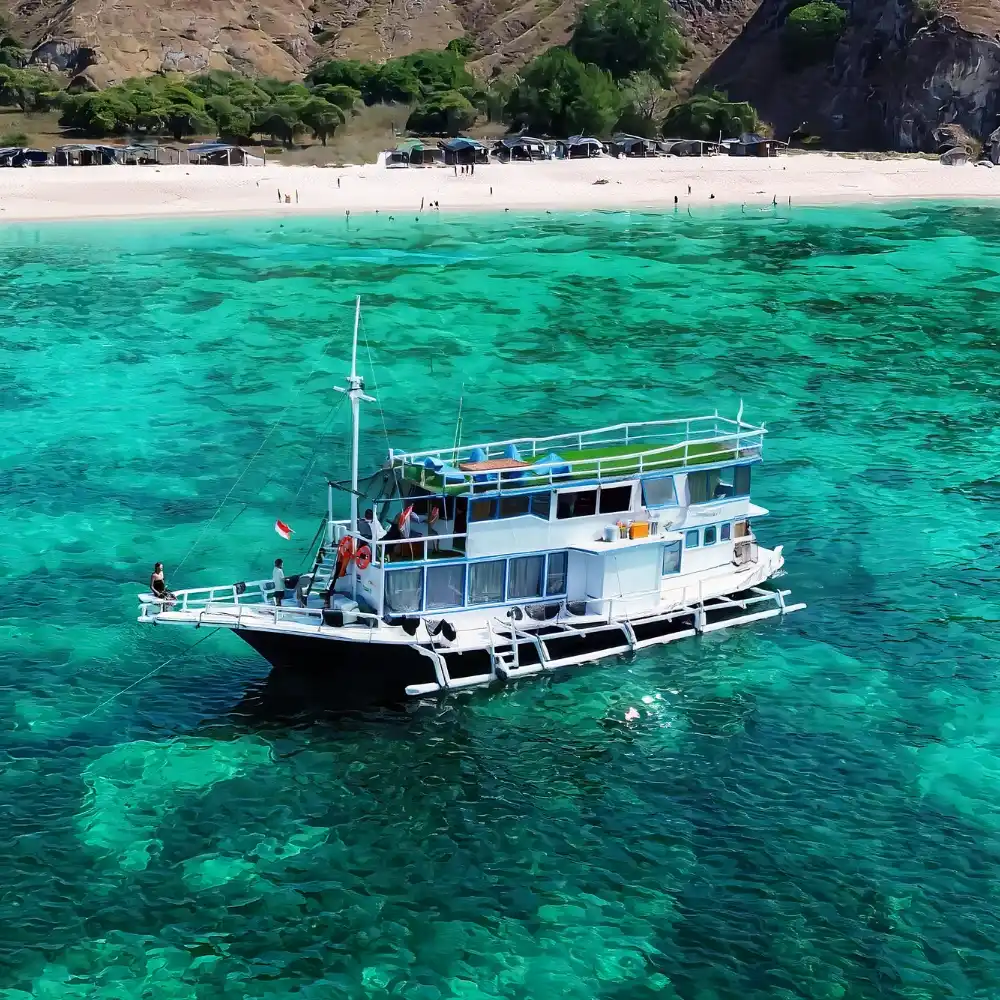
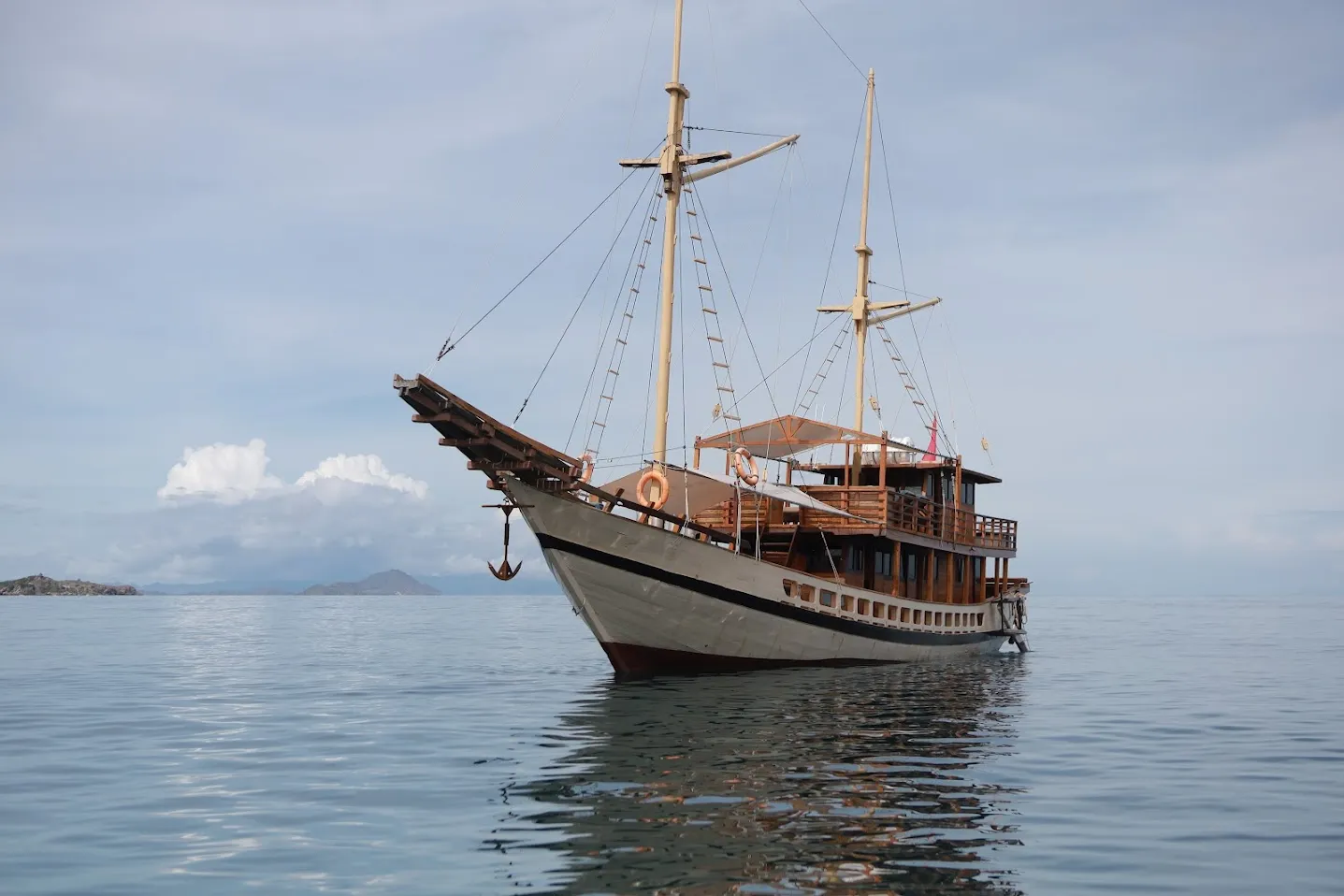
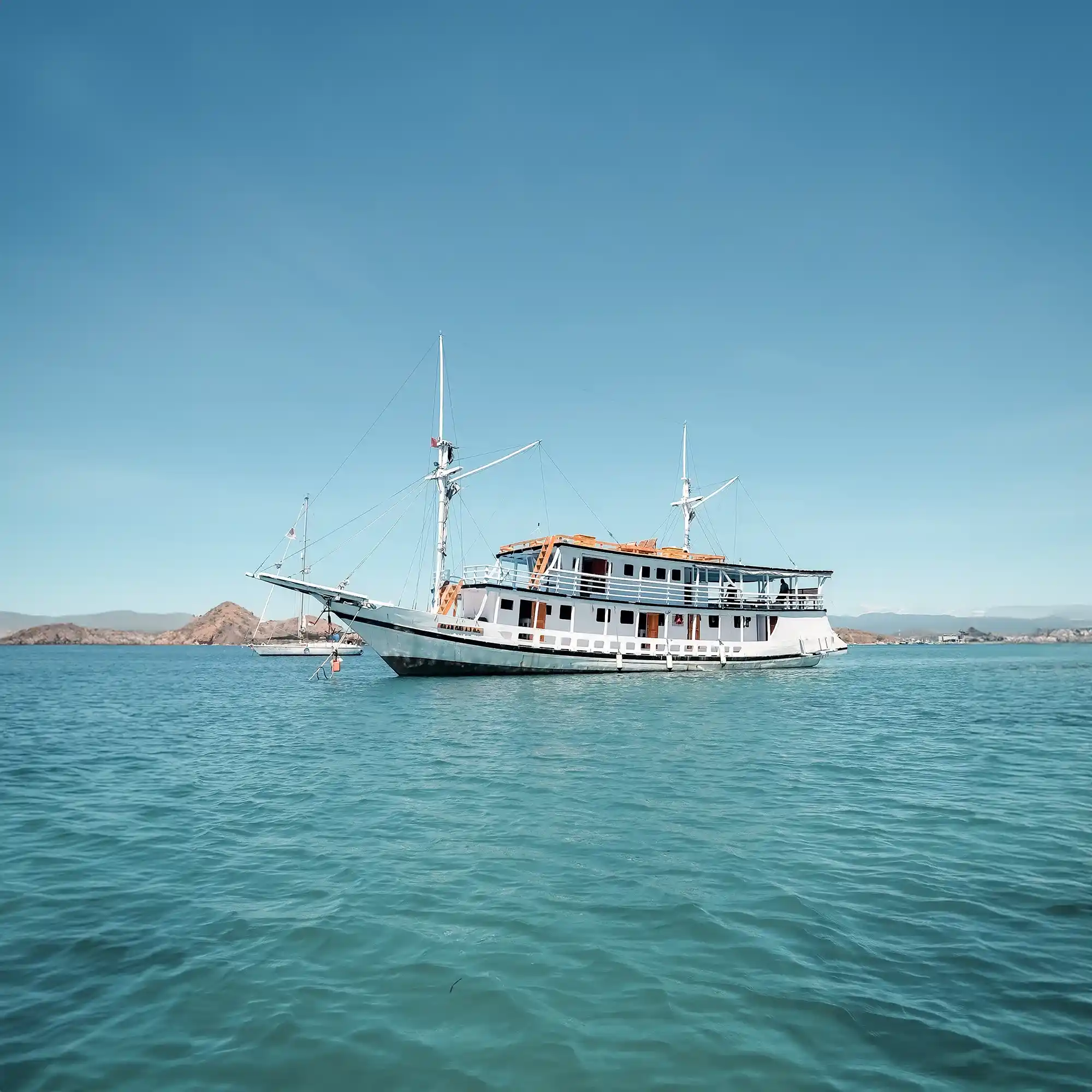
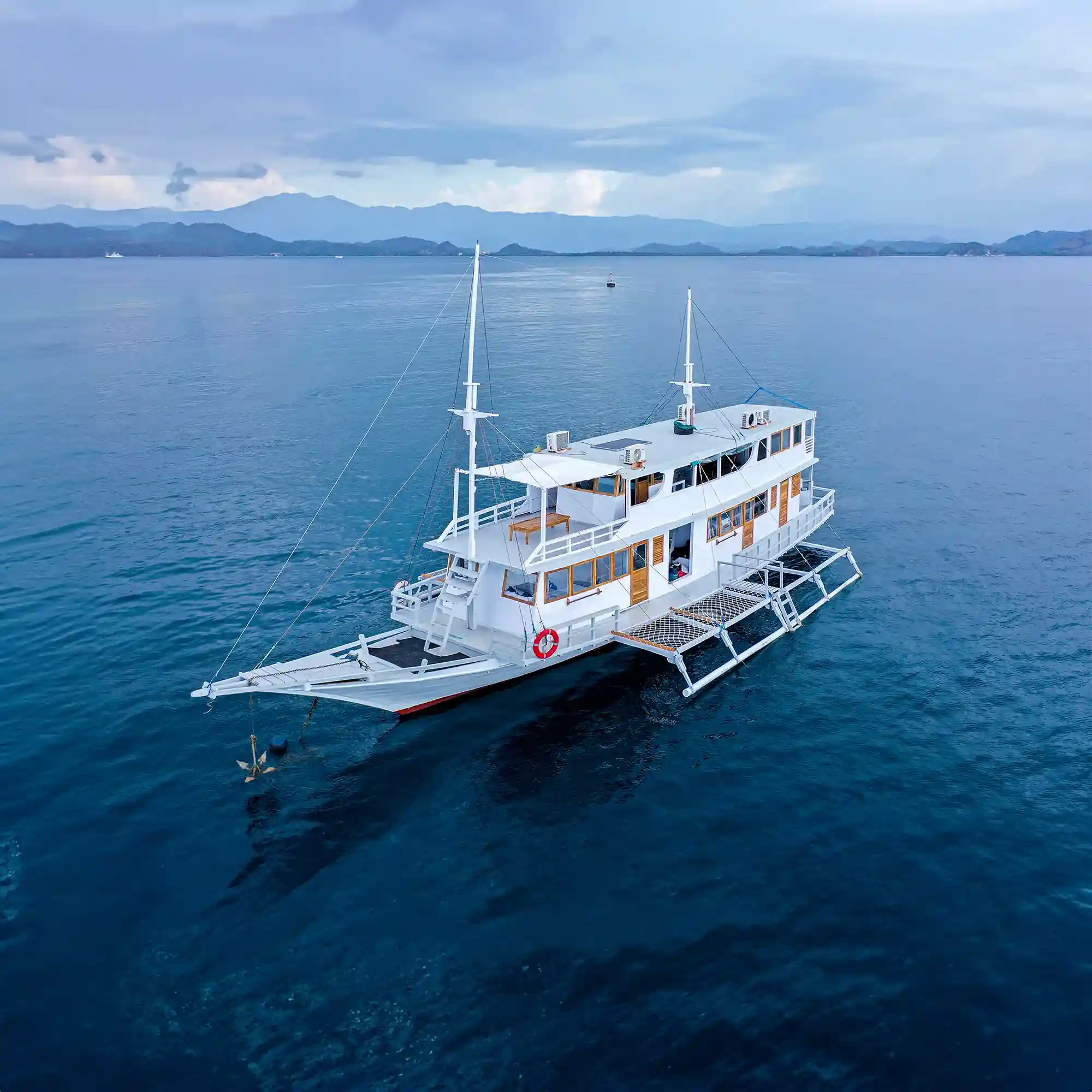
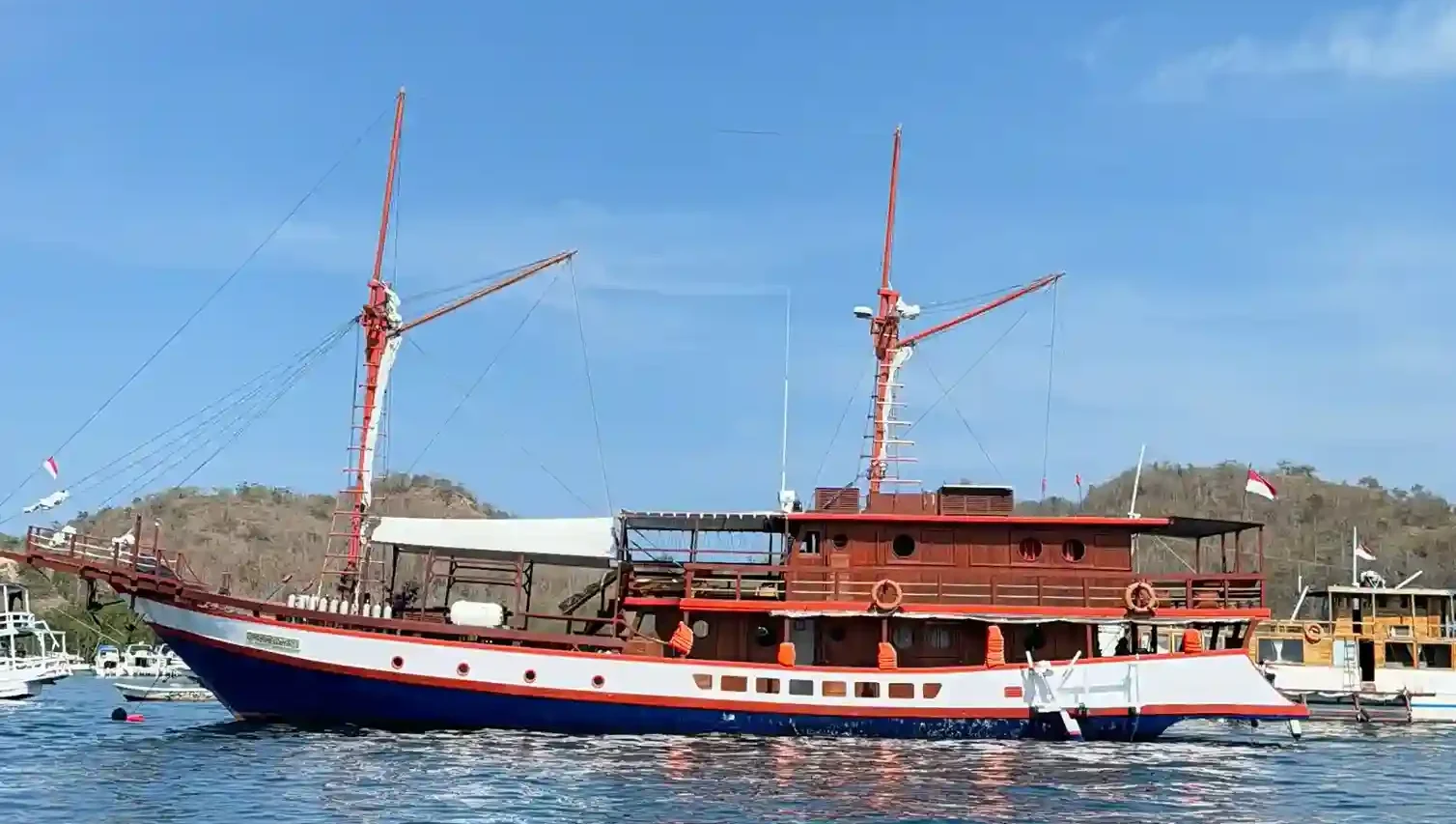
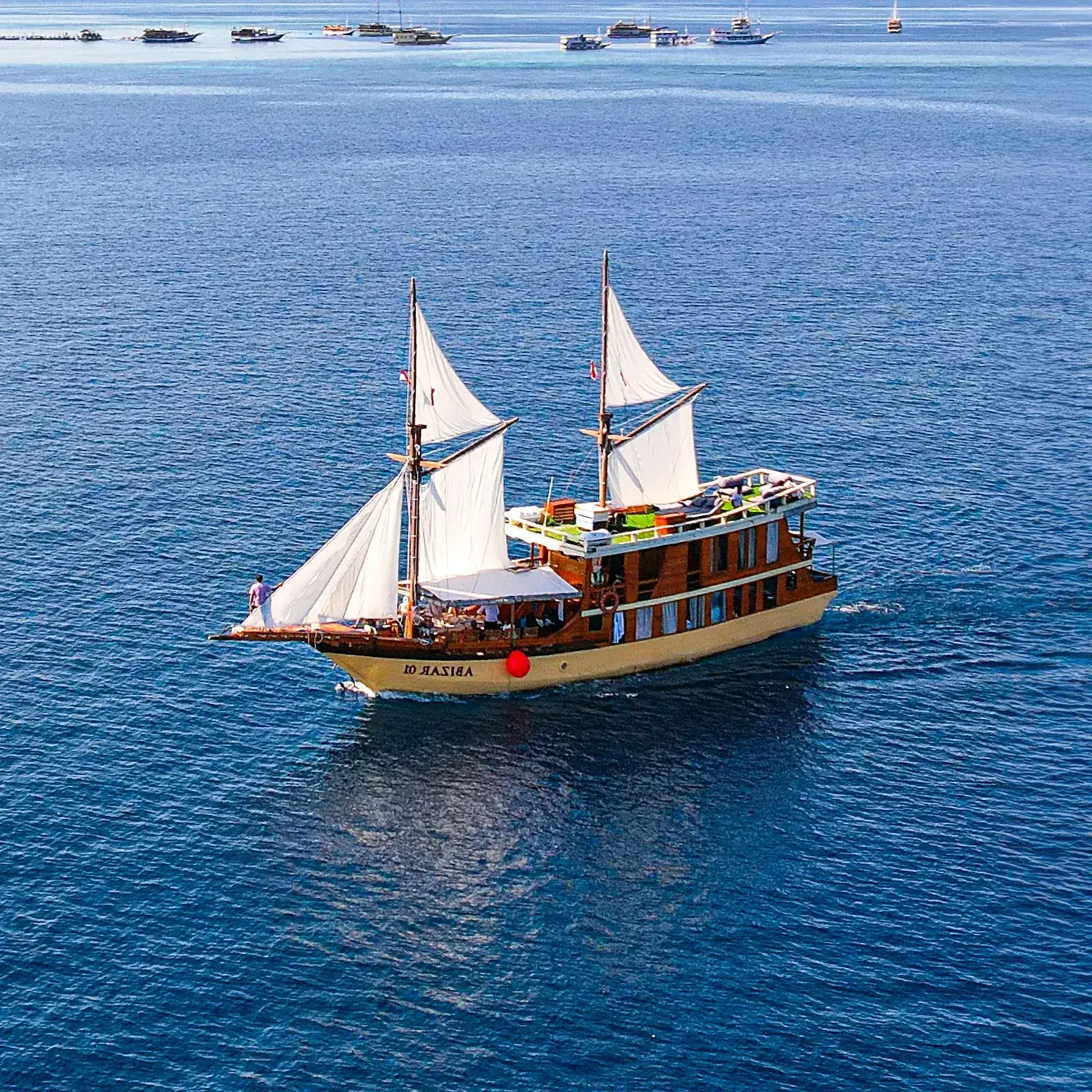
Abizar’s 25-meter frame feels balanced—not oversized, but roomy where it counts. The four-cabin layout keeps groups intimate. I stayed in the Superior Cabin, which shares the same teak-lined hull design as the others but sits just aft of midship. What stood out wasn’t luxury finishes, but thoughtful spacing: enough clearance beside the bed to stow a dive bag, a mesh pocket for sunglasses, and ventilation that actually works at 6 a.m. when the generator cuts off. The shared bathroom I used had hot water that lasted through three back-to-back showers—rare on boats this size.
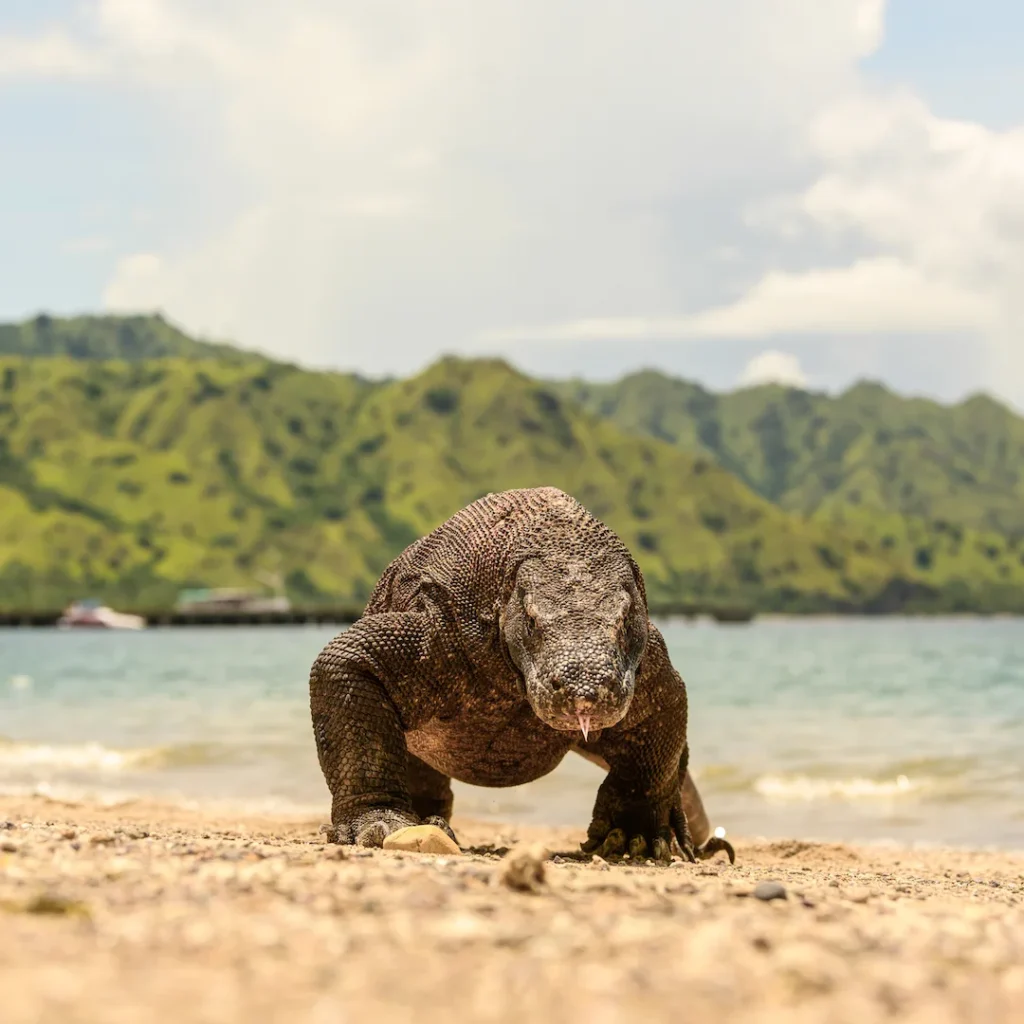
Days followed a clean sequence. We woke to Padar before sunrise, hiking the east ridge as the sky went from indigo to coral, the boat a tiny silhouette in the bay below. After breakfast back onboard, we motored to Komodo Island for the ranger-led dragon walk. The crew timed it perfectly—arriving before the midday heat and just ahead of two larger groups. Later, at Pink Beach, I snorkeled the northern cove where the current brings in small schools of batfish. Manta Point was less crowded than I’ve seen; we drifted along the cleaning station for nearly 20 minutes, spotting three mantas, one with a distinctive notch in its cephalic fin.
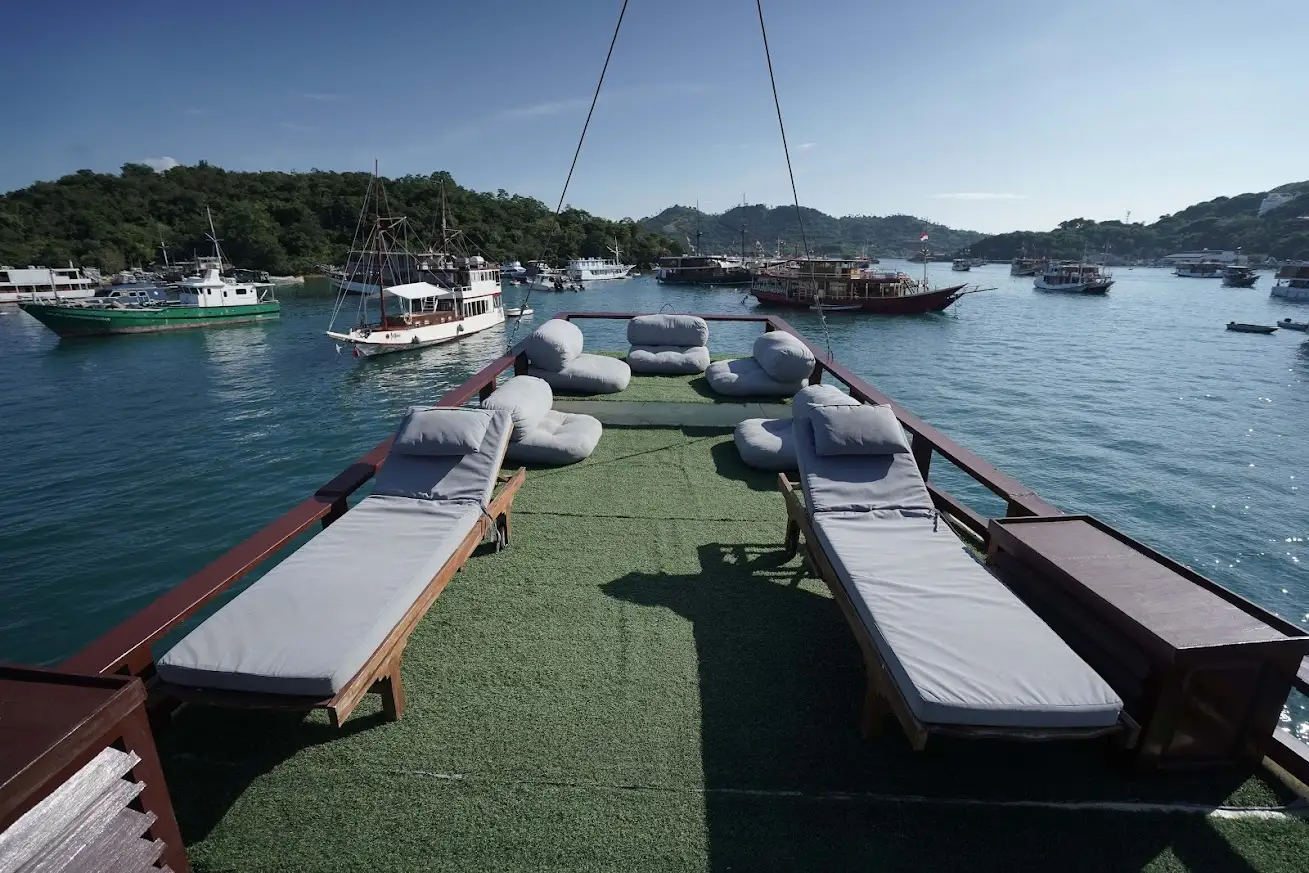
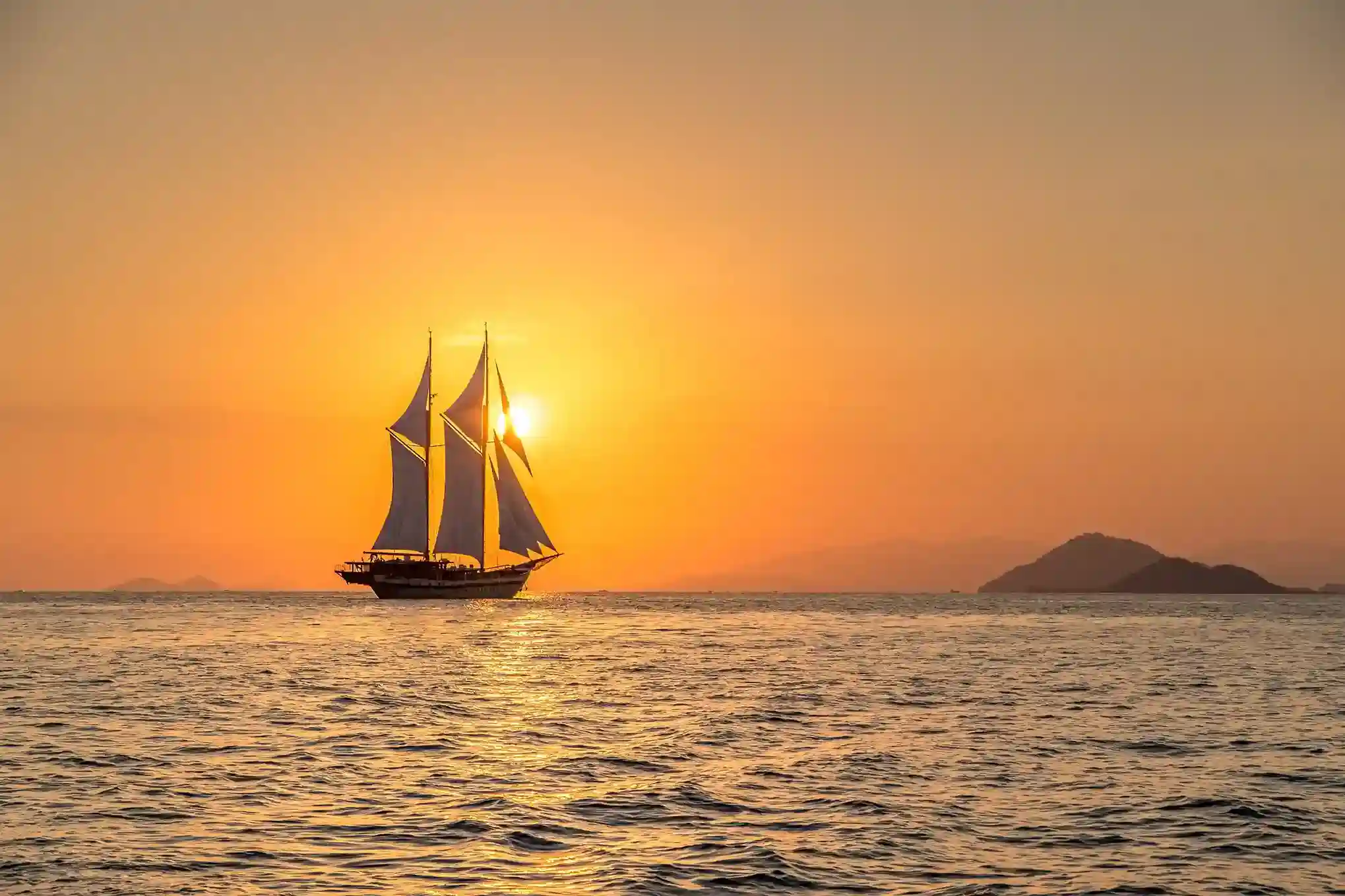
On day three, Taka Makassar delivered that postcard sandbar—but only for an hour. Abizar didn’t linger. We shifted to Kanawa shortly after, where the volcanic slope drops fast into blue. I appreciated that: not chasing Instagram spots, but letting the dive sites breathe. The rooftop chill space became my favourite corner—unshaded but always catching the breeze, perfect with a cold Bintang as we motored back toward Labuan Bajo. The crew served grilled fish that night, simple but well-timed, as the sunset hit the western cliffs of Sebayur.
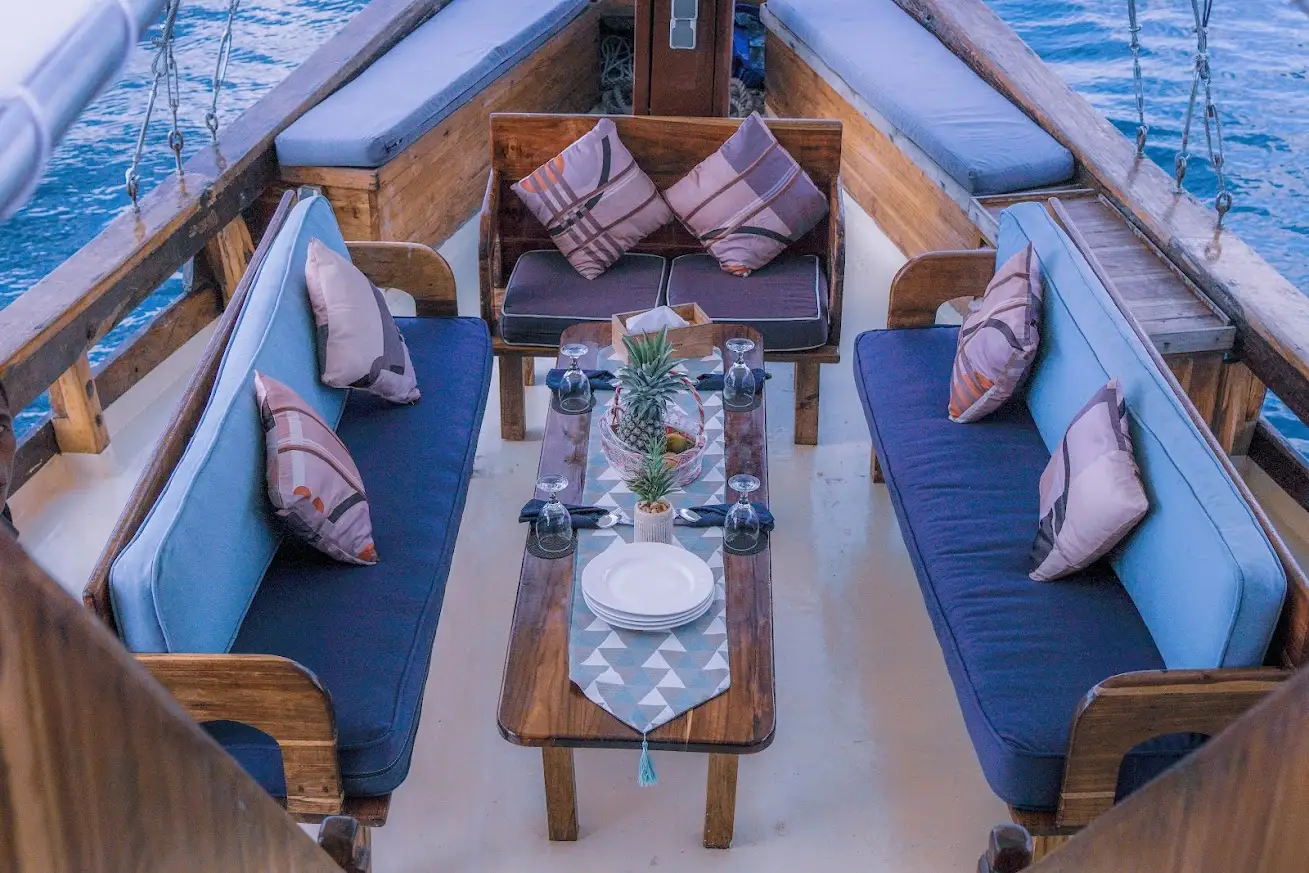
Meals were served in the open dining area—no AC, just cross-ventilation and ceiling fans. Breakfasts were consistent: scrambled eggs, local bananas, toast, and strong coffee. Lunches were one-pot meals—yellow curry with chicken, or fried rice with seaweed salad. Dinners leaned Indonesian—soto soup, grilled snapper, stir-fried kangkung. Dietary needs can be accommodated if flagged early; I saw the cook modify a meal for a vegetarian guest without fuss. No wine list, but BYO is allowed with no corkage.
What impressed me most was crew discipline. They moved quietly during dawn transits. No shouting on deck at 5:30 a.m. The dinghy was launched with padded oars until the main engine fired. These aren’t brochure details—they’re the signs of a well-run boat. For a deluxe-tier vessel in Komodo, Abizar doesn’t try to be five-star. It aims for smooth, competent, and unobtrusive—and hits that mark.