About North Blue
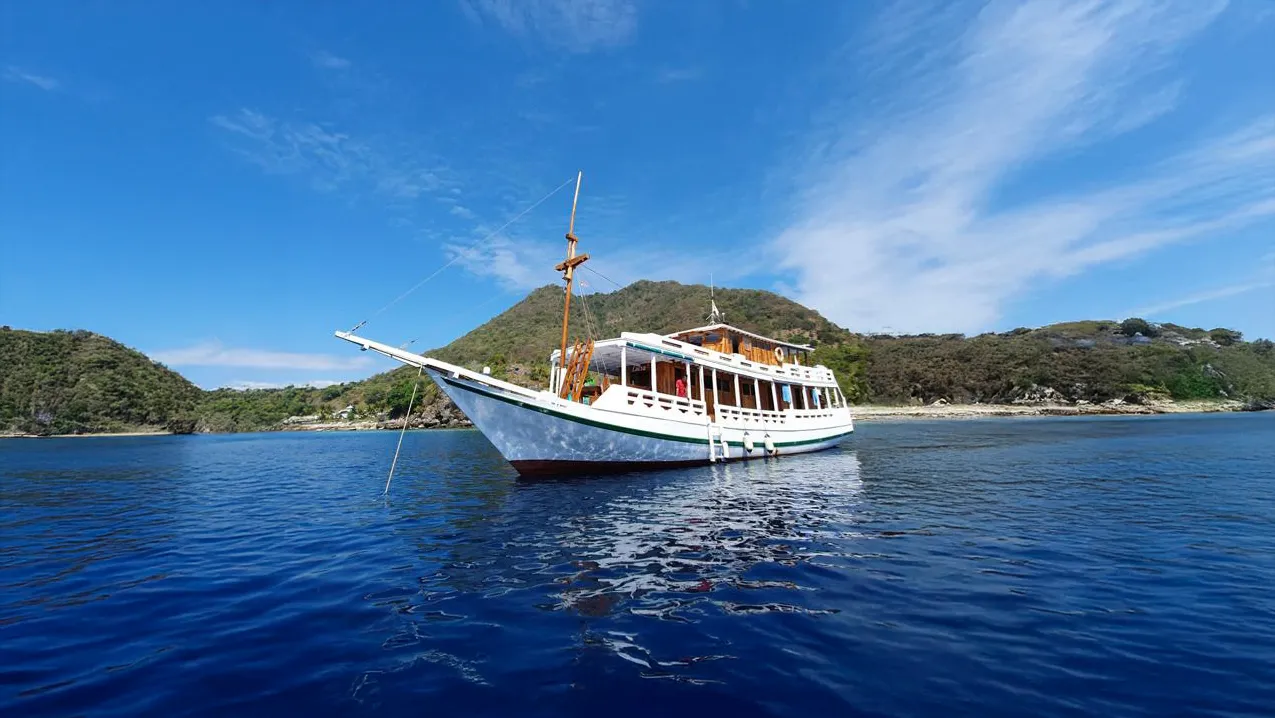
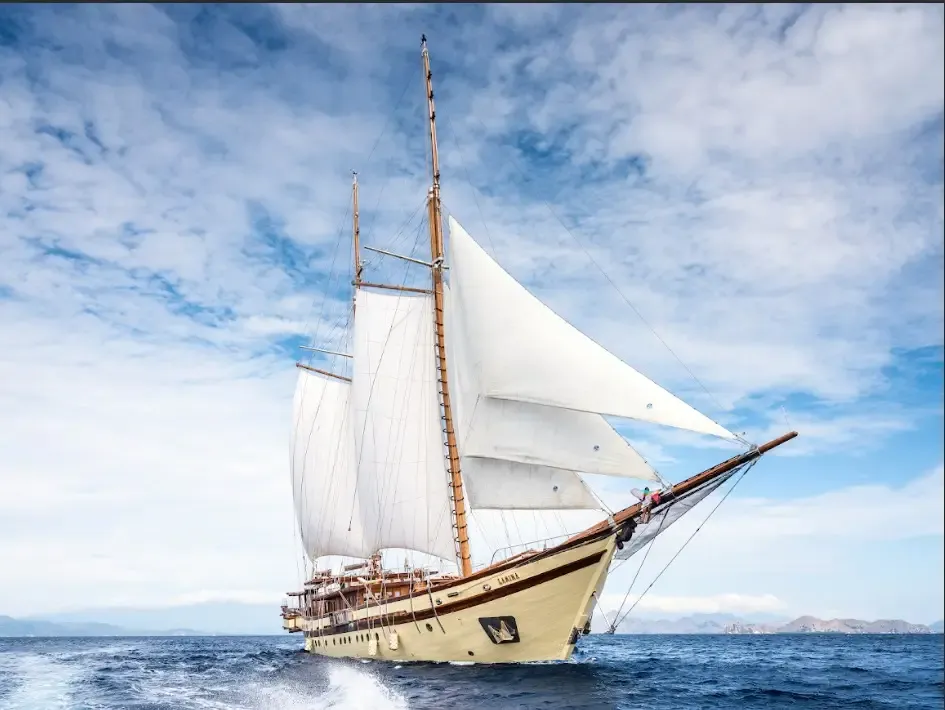
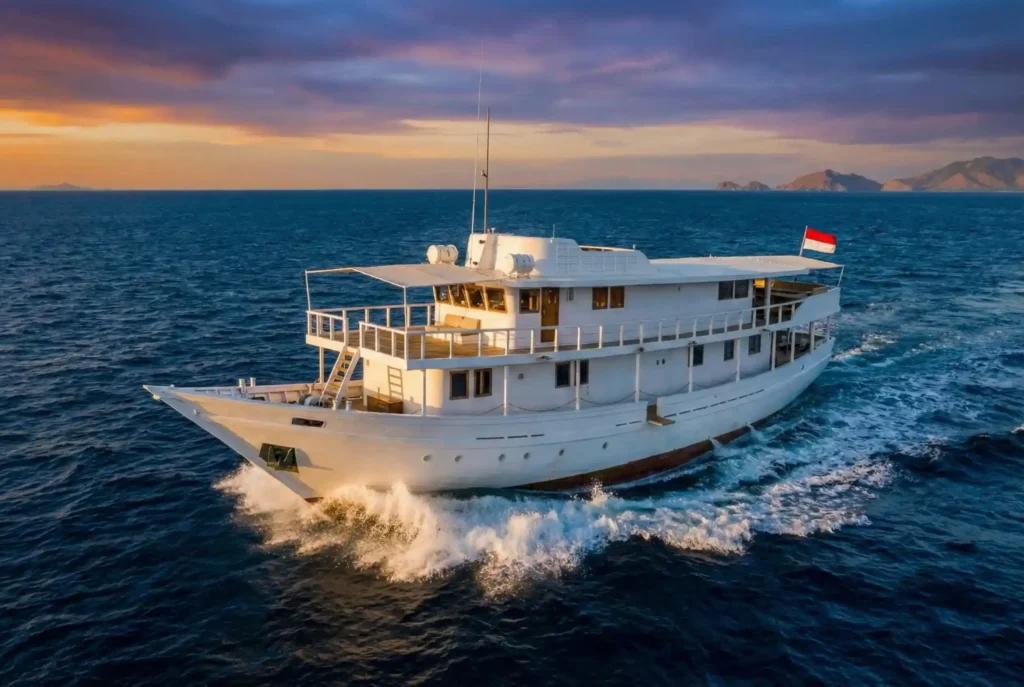
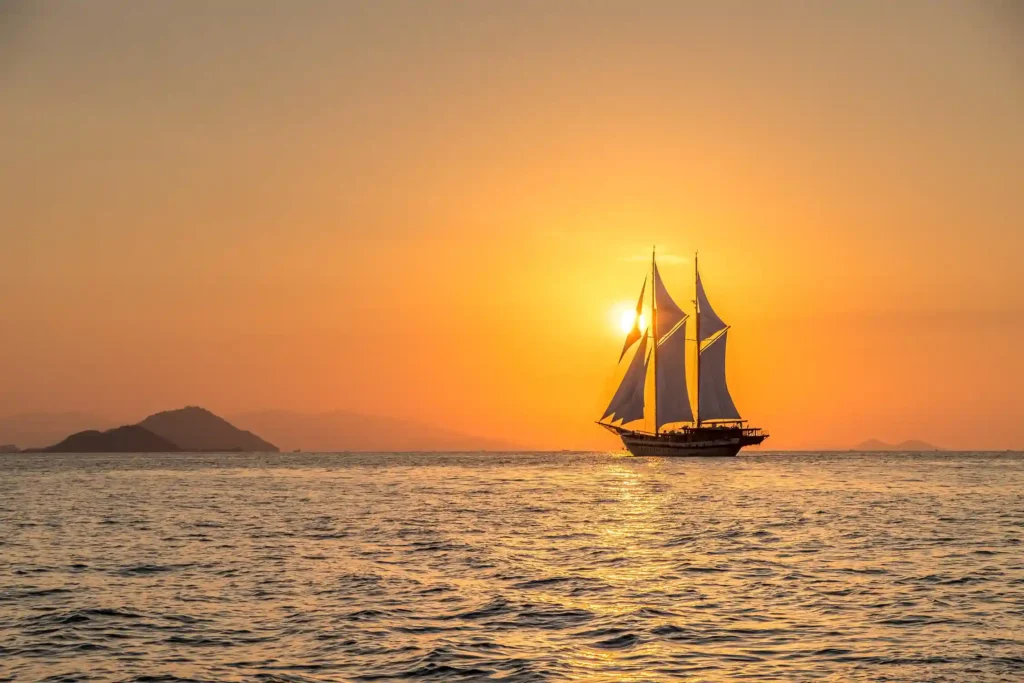
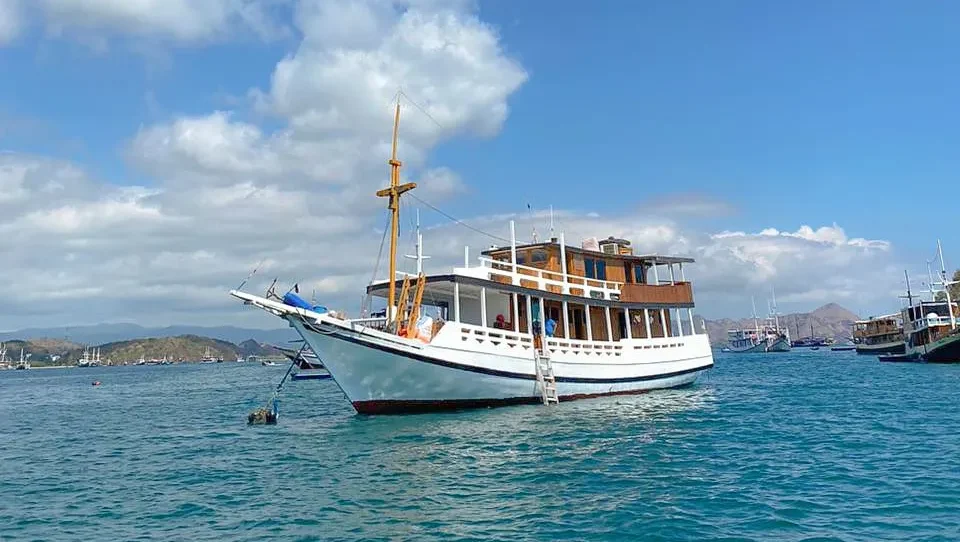
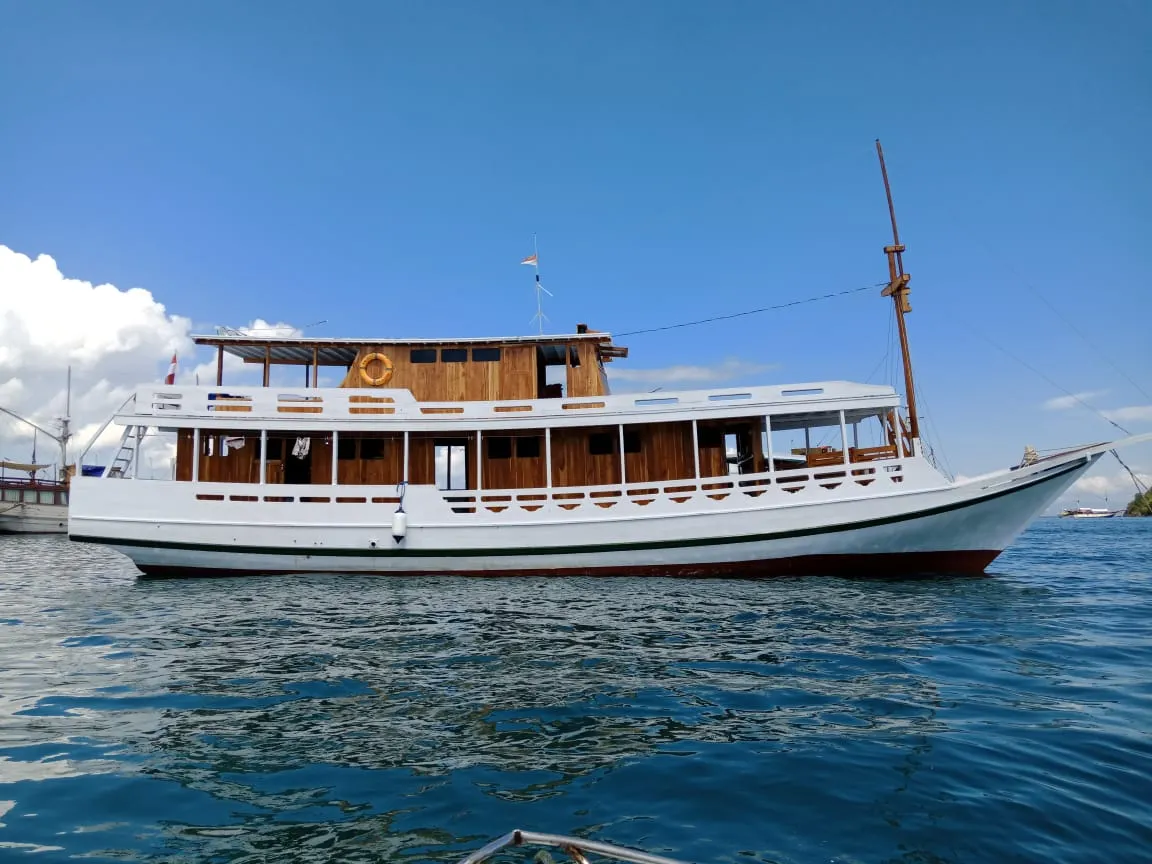
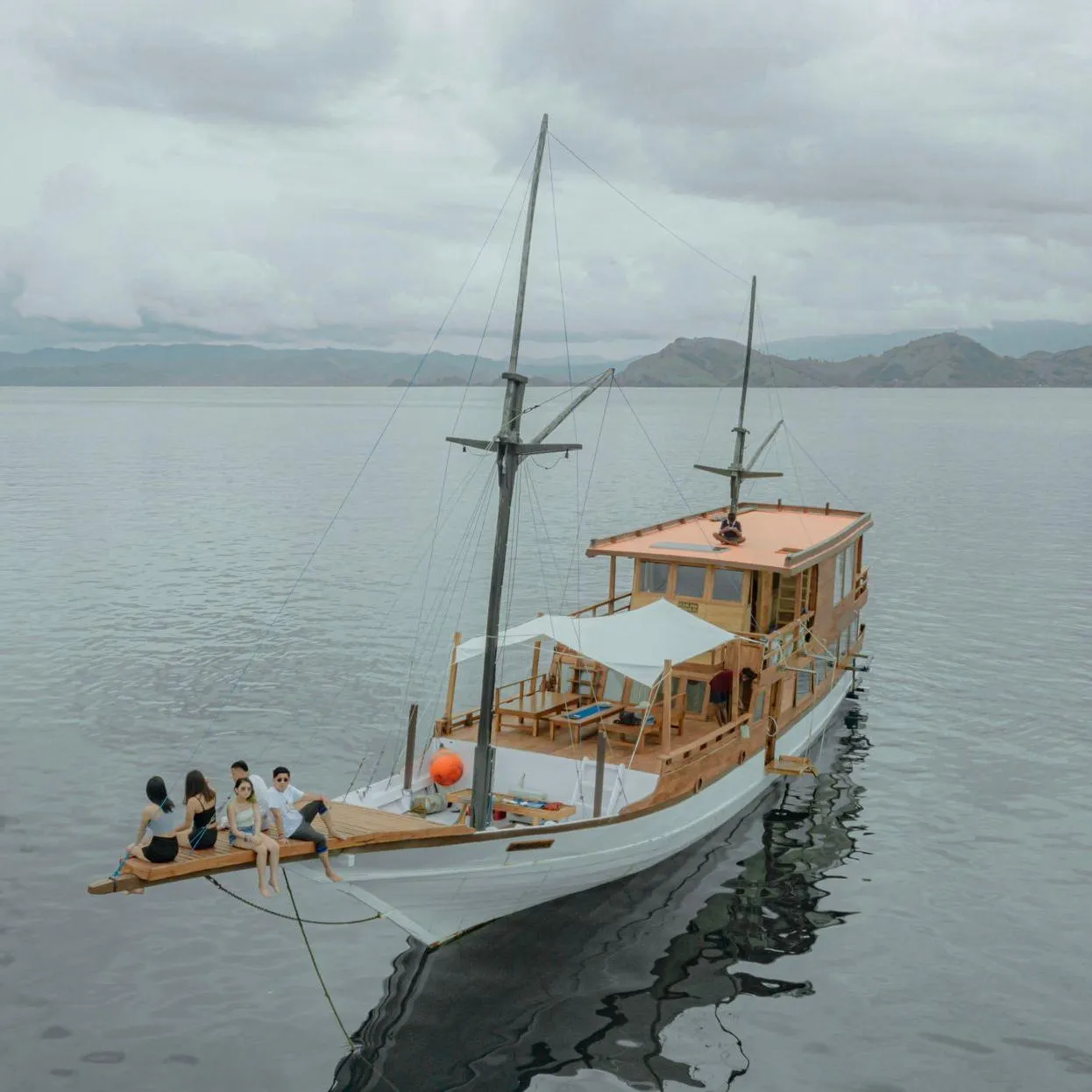
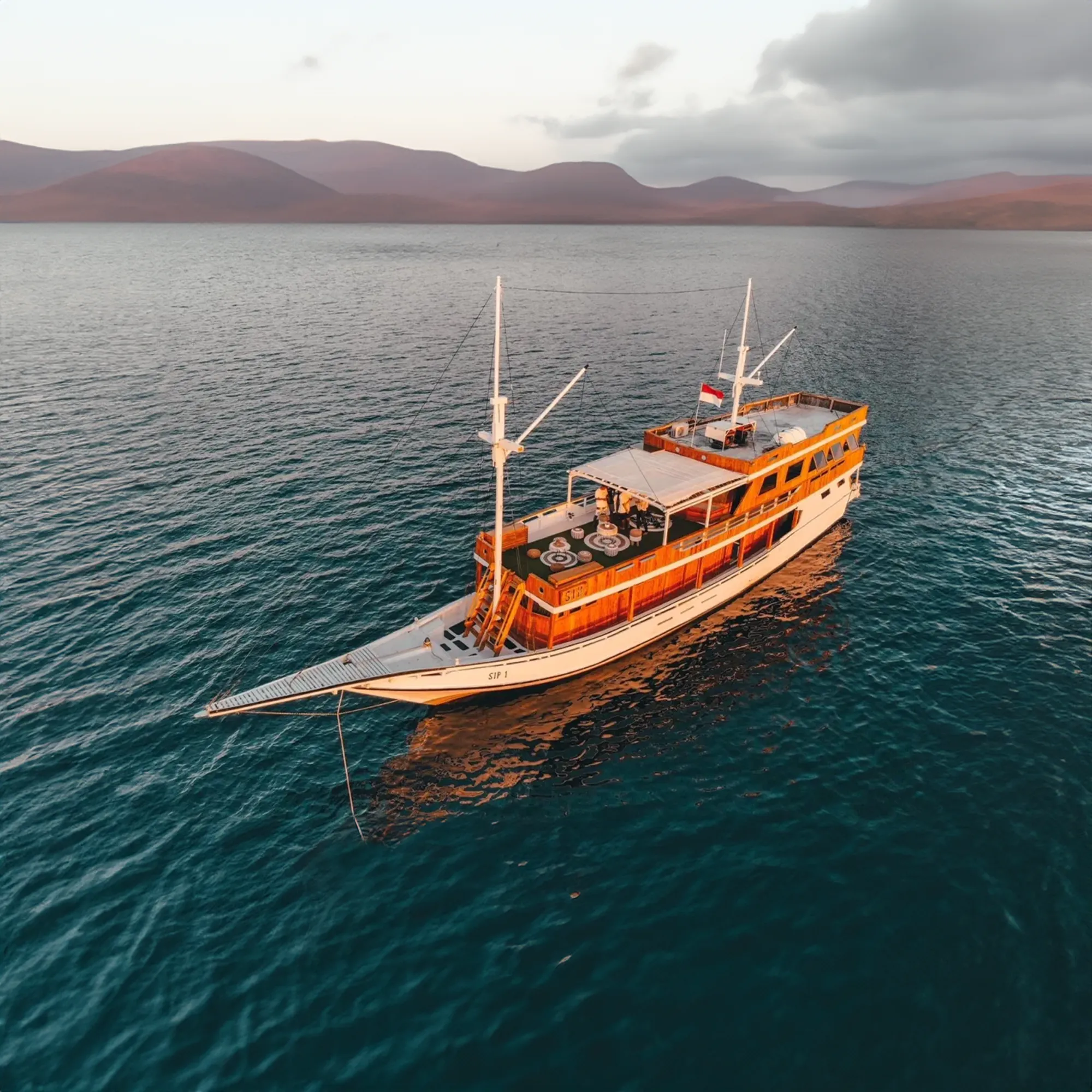
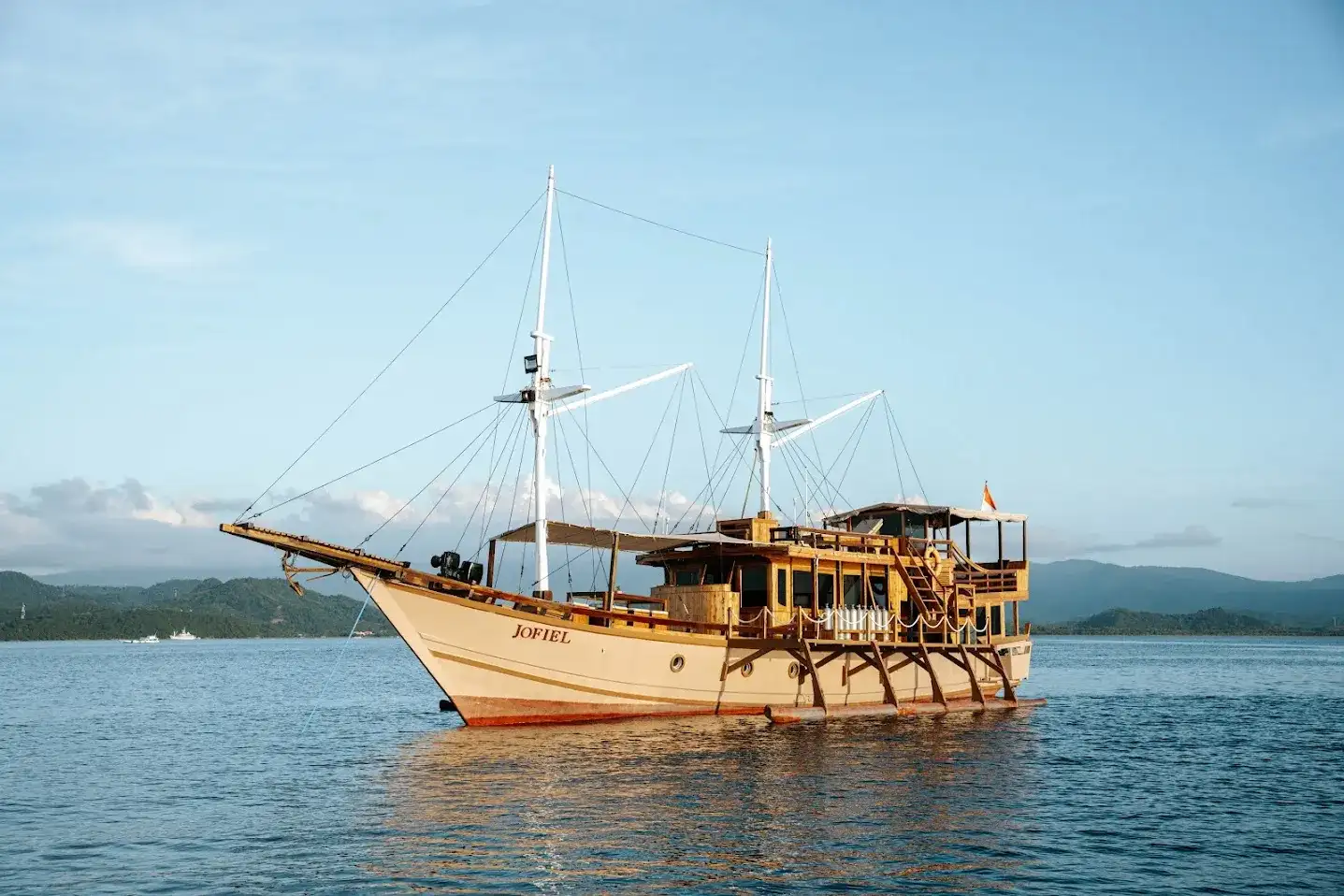
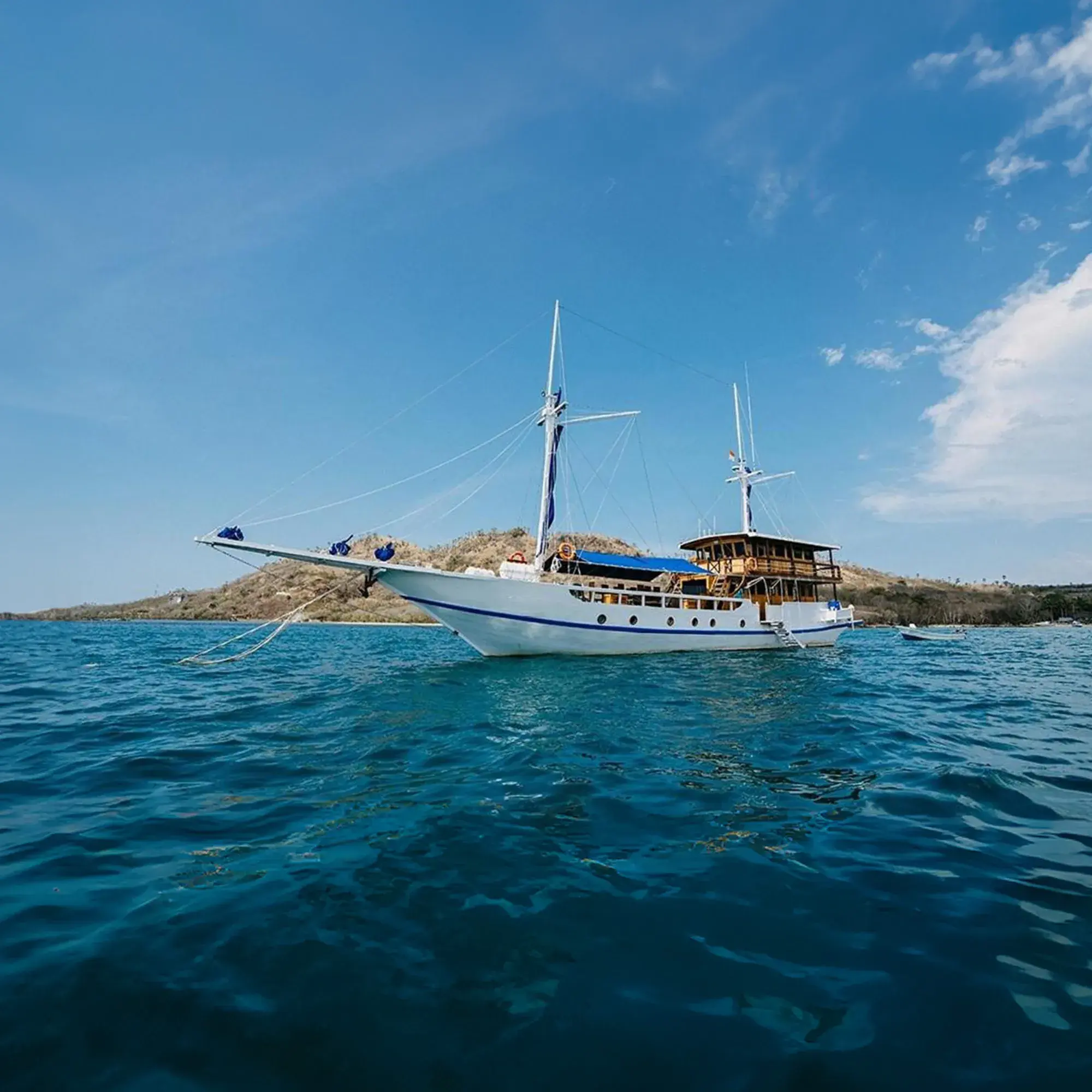
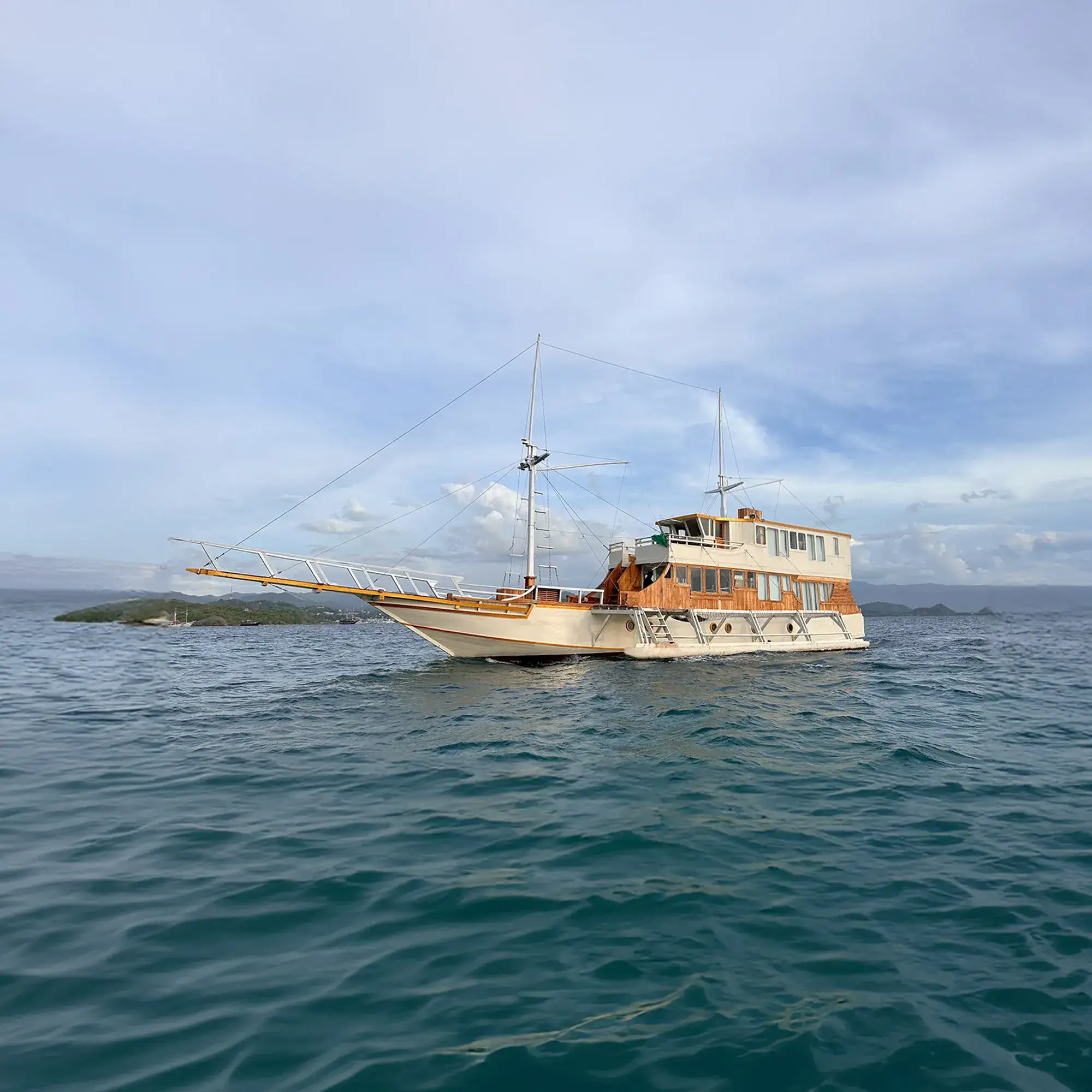
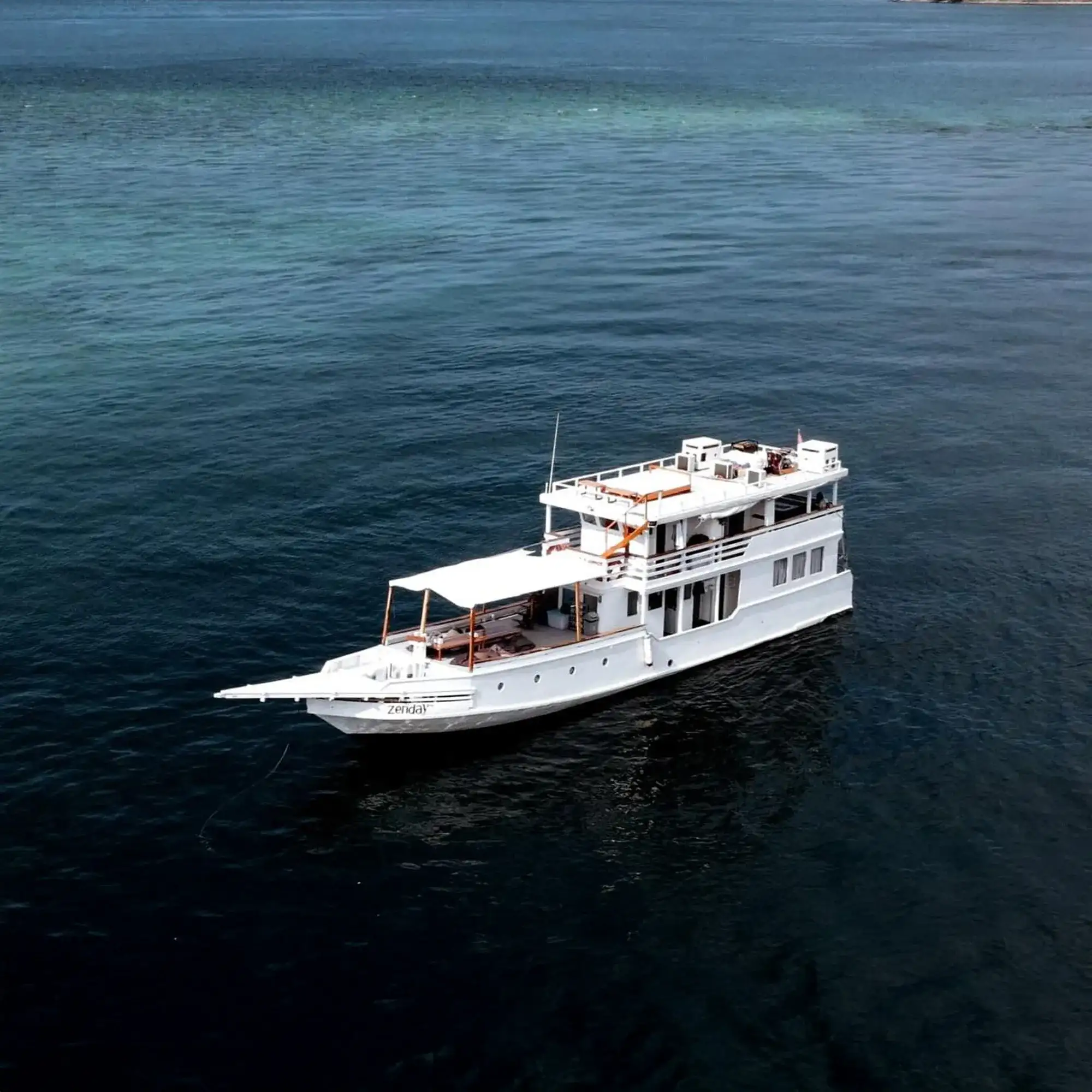
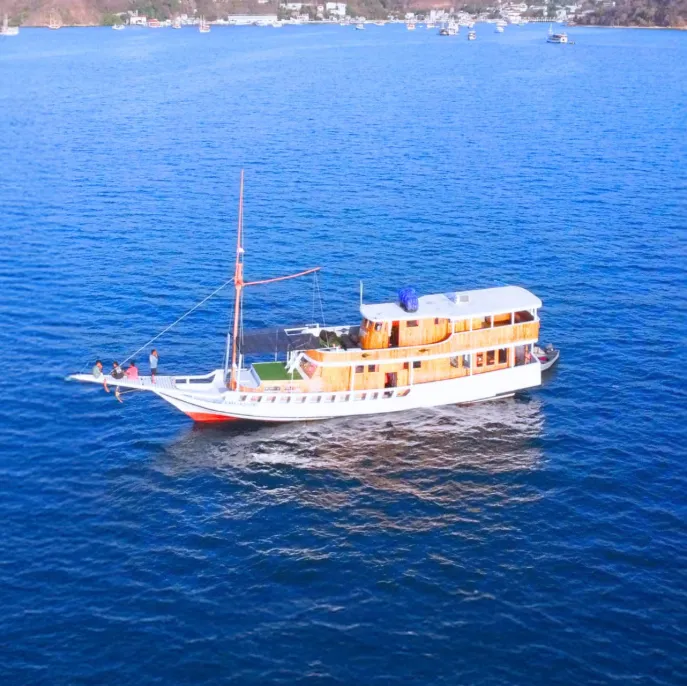
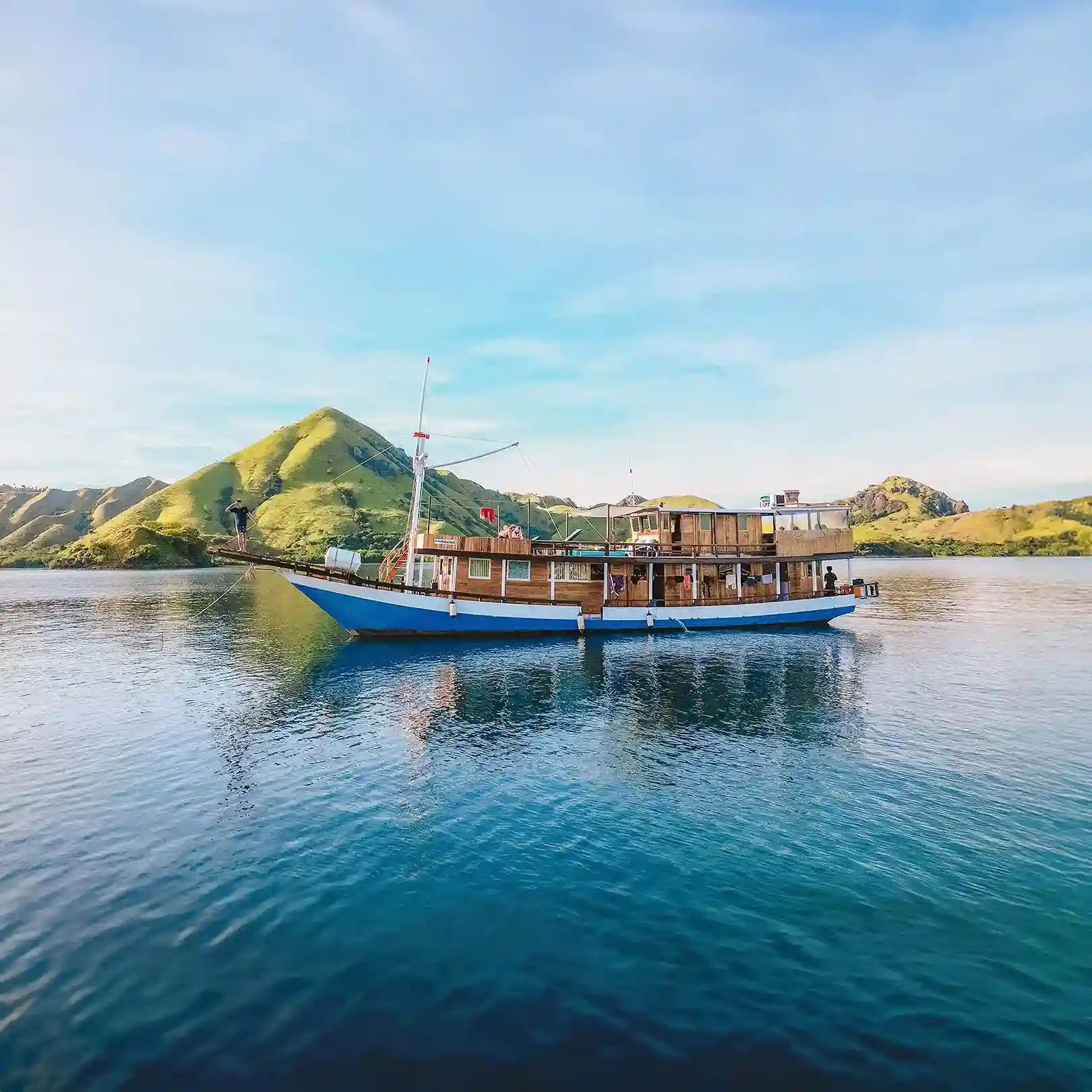
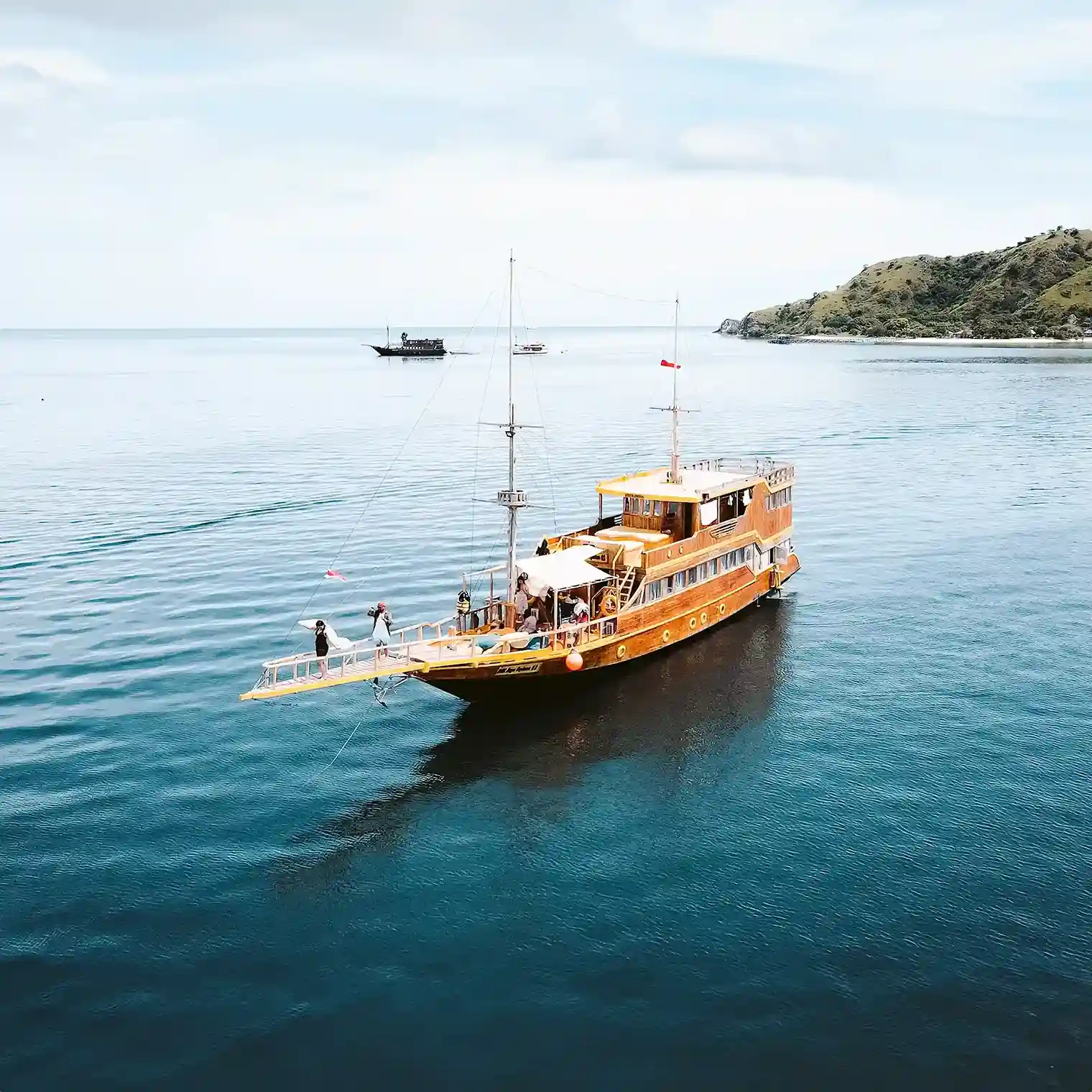
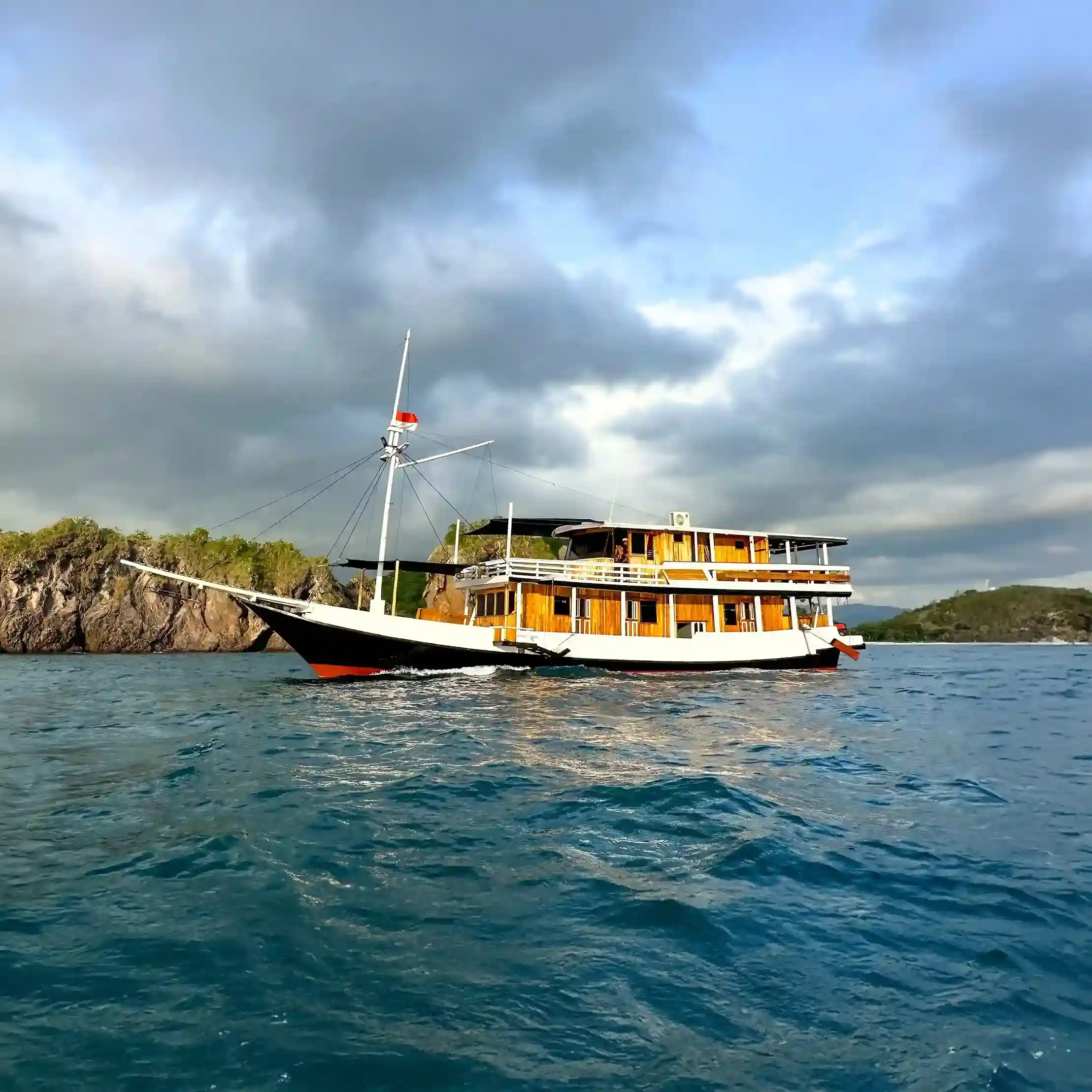
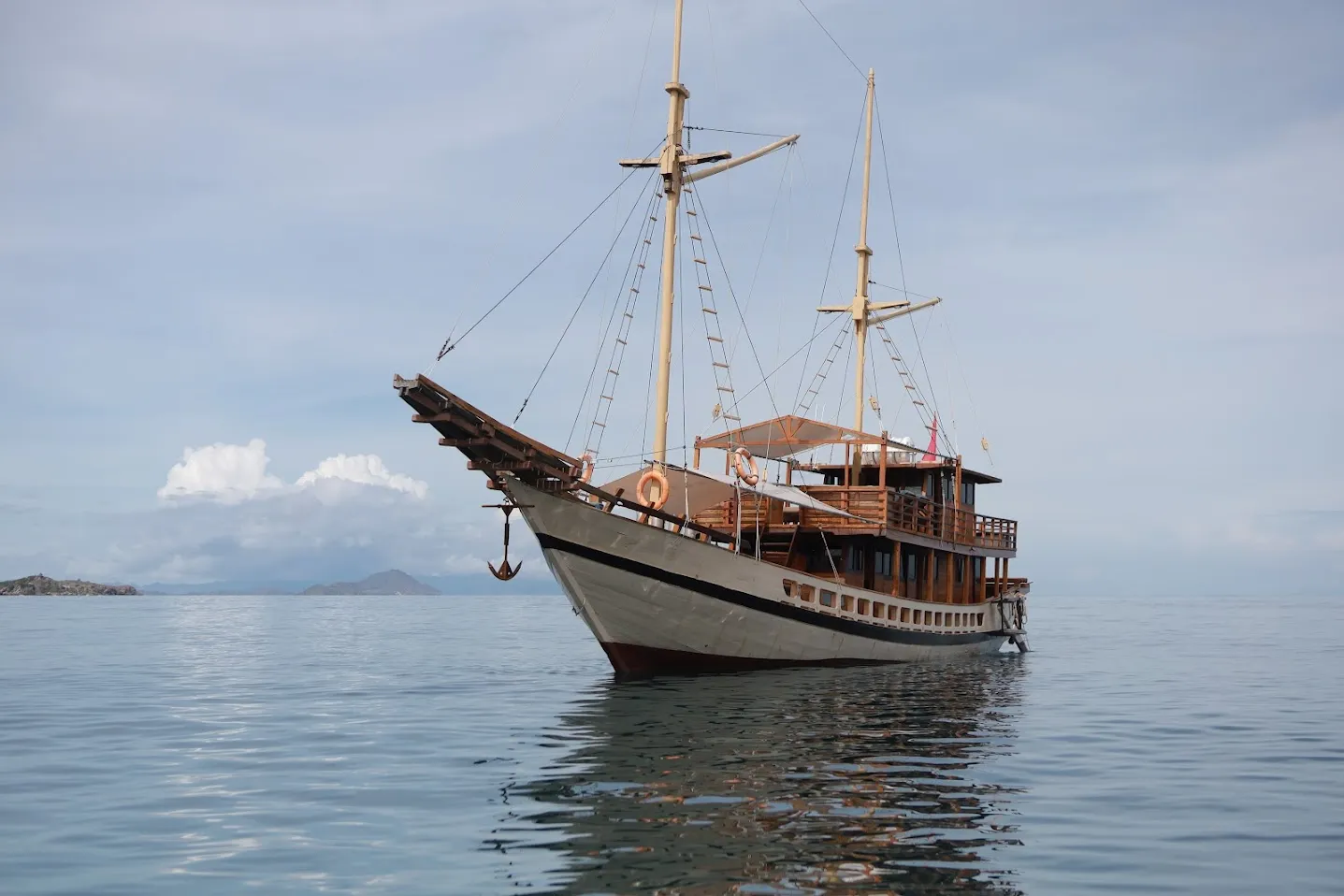
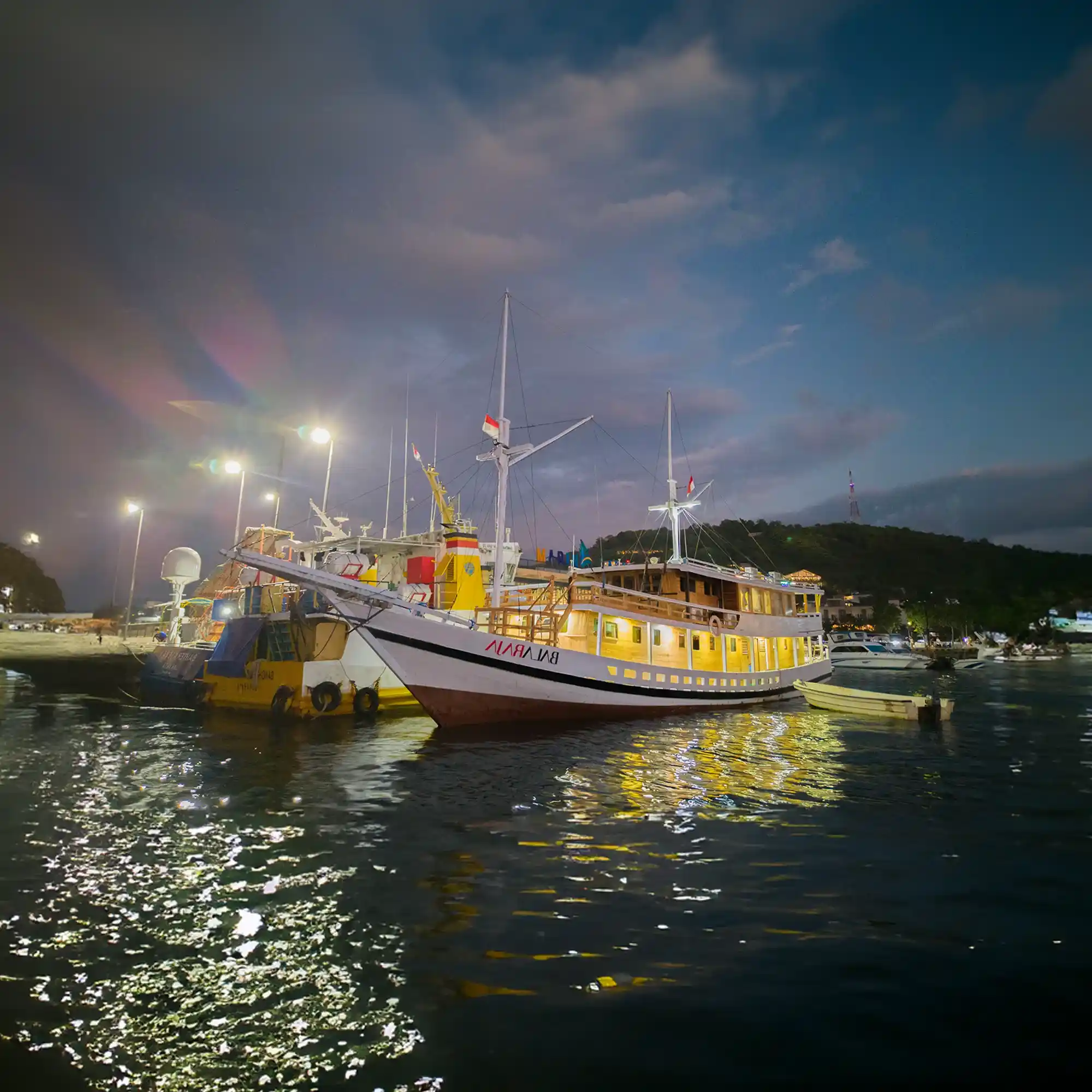
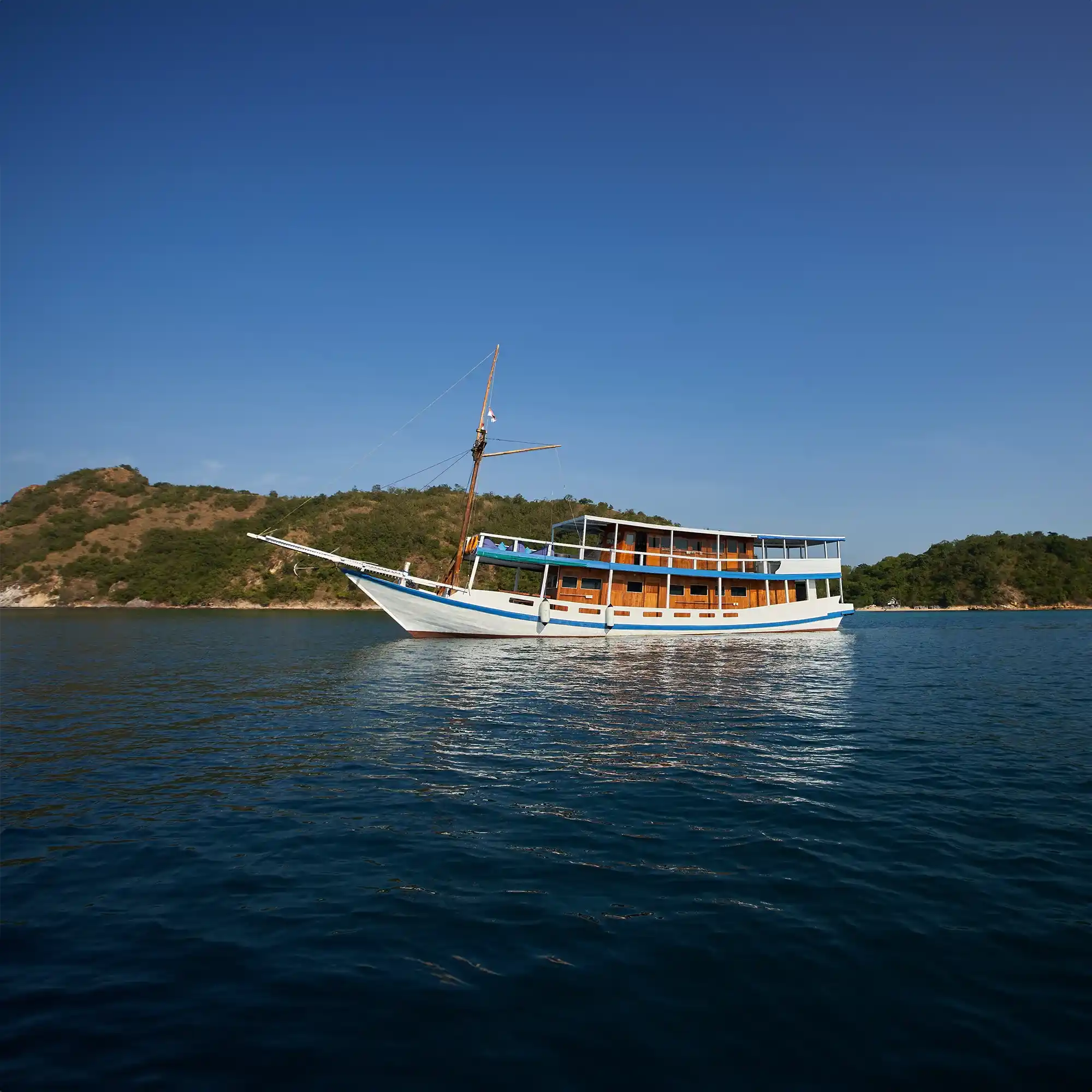
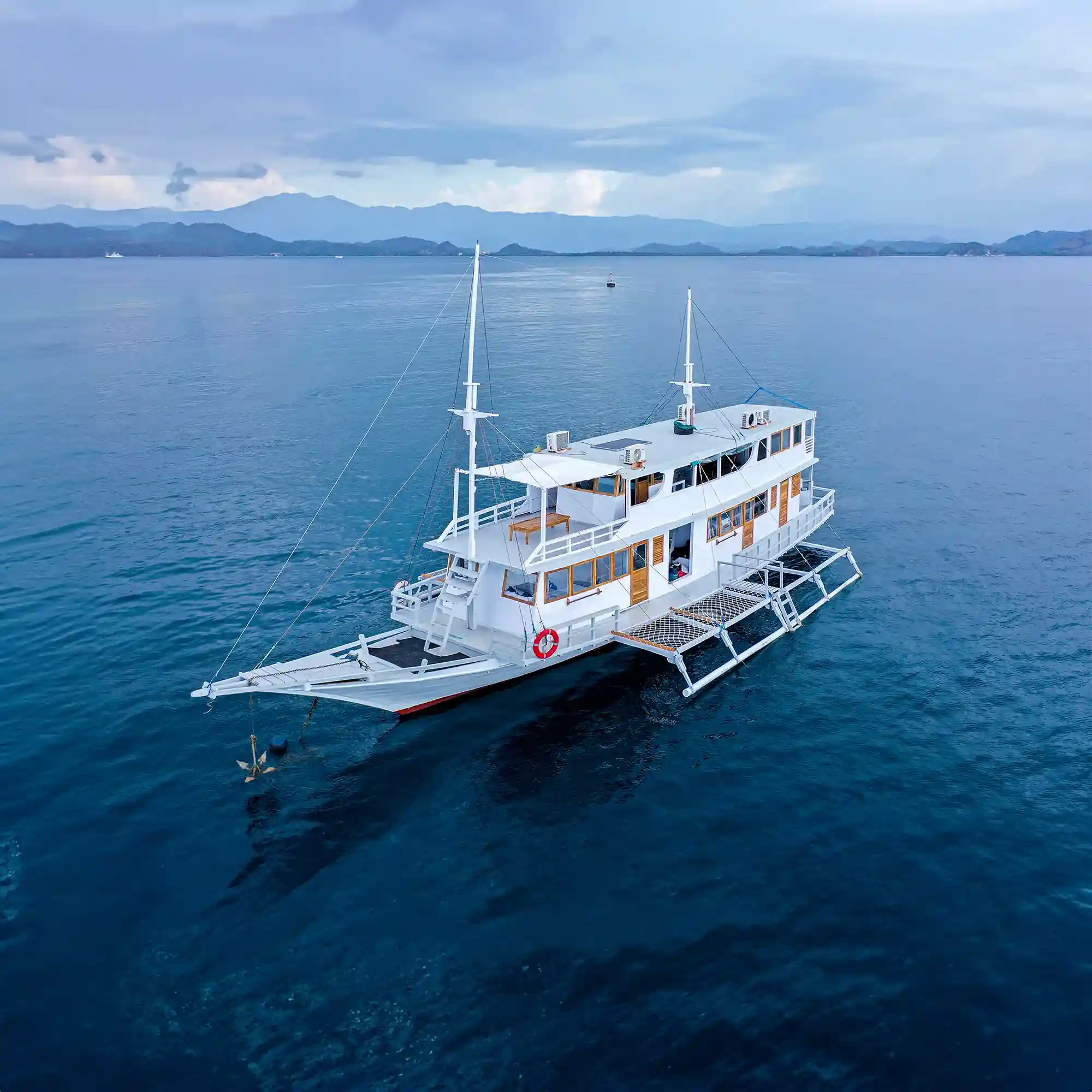
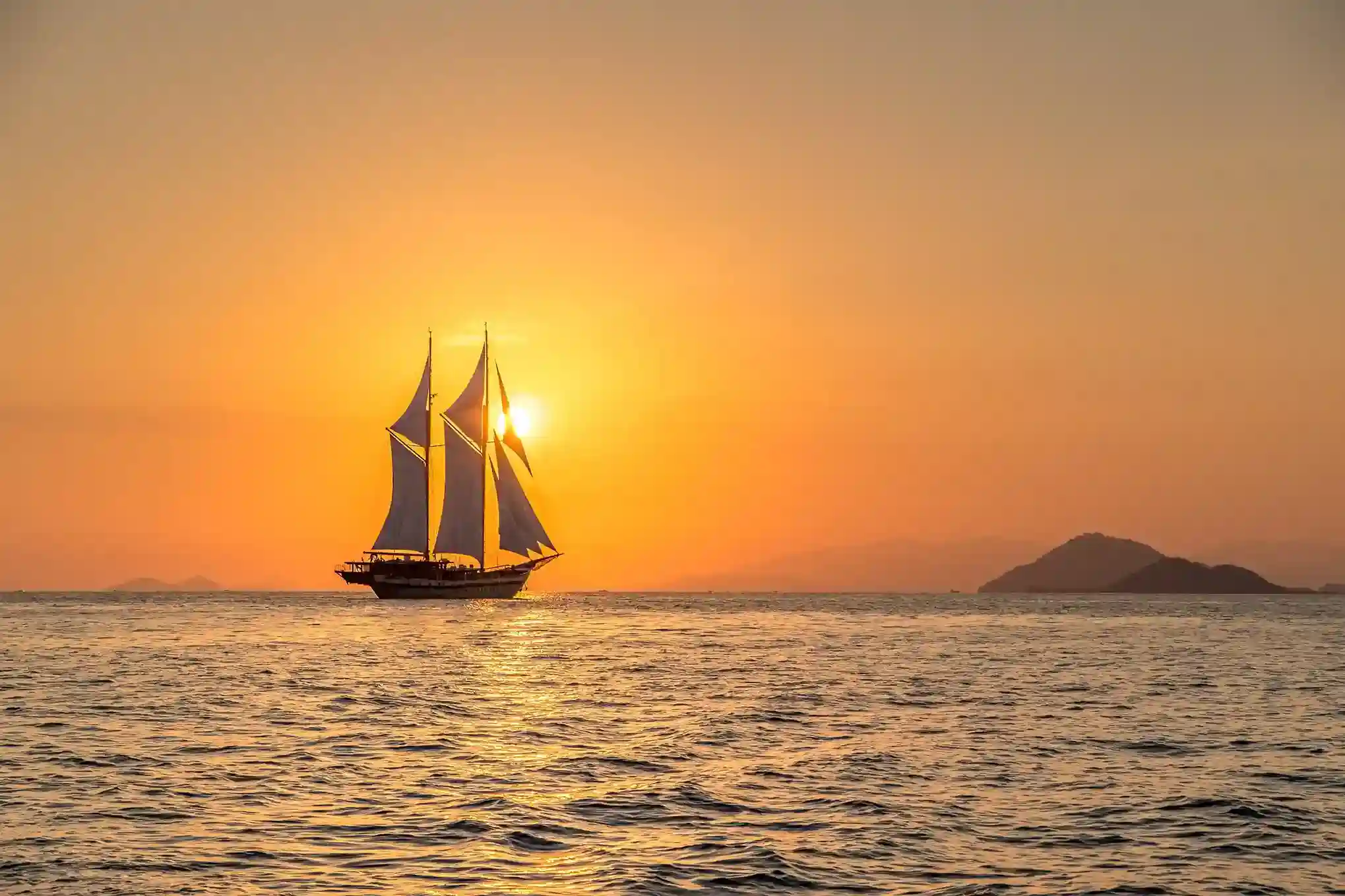
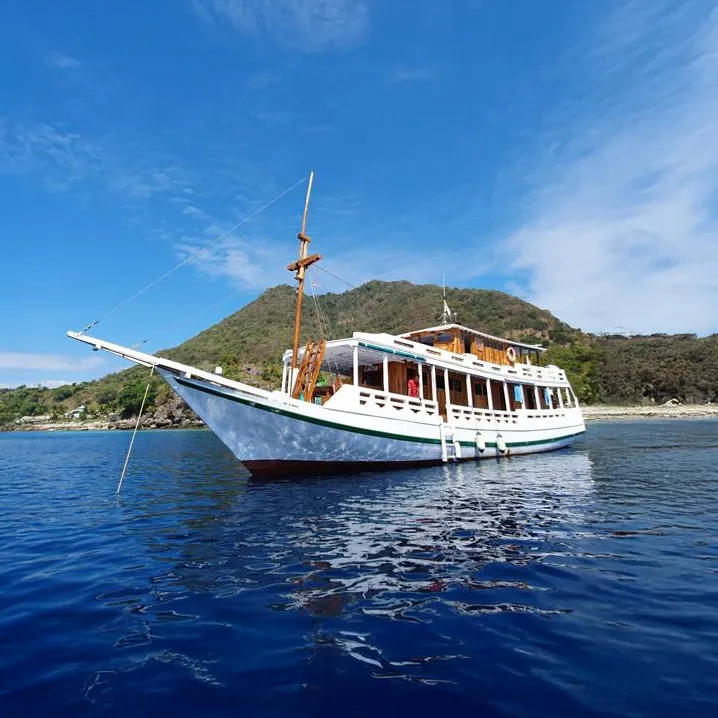
We keep the North Blue’s sails trimmed tight when the wind kicks up near Sebayur Island – there’s a narrow window between 2 PM and 4 PM when you can anchor clean and still catch the light over the western ridge. At 20 metres long, she’s compact enough to tuck into smaller bays most larger Phinisis can’t reach, but doesn’t sacrifice stability. We’ve run this boat through monsoon edges and sudden gusts in the Sape Strait, and her twin masts hold firm. Our crew of four knows every tide gate between Komodo and Rinca, and we plan each stop around current shifts, not just pretty views.
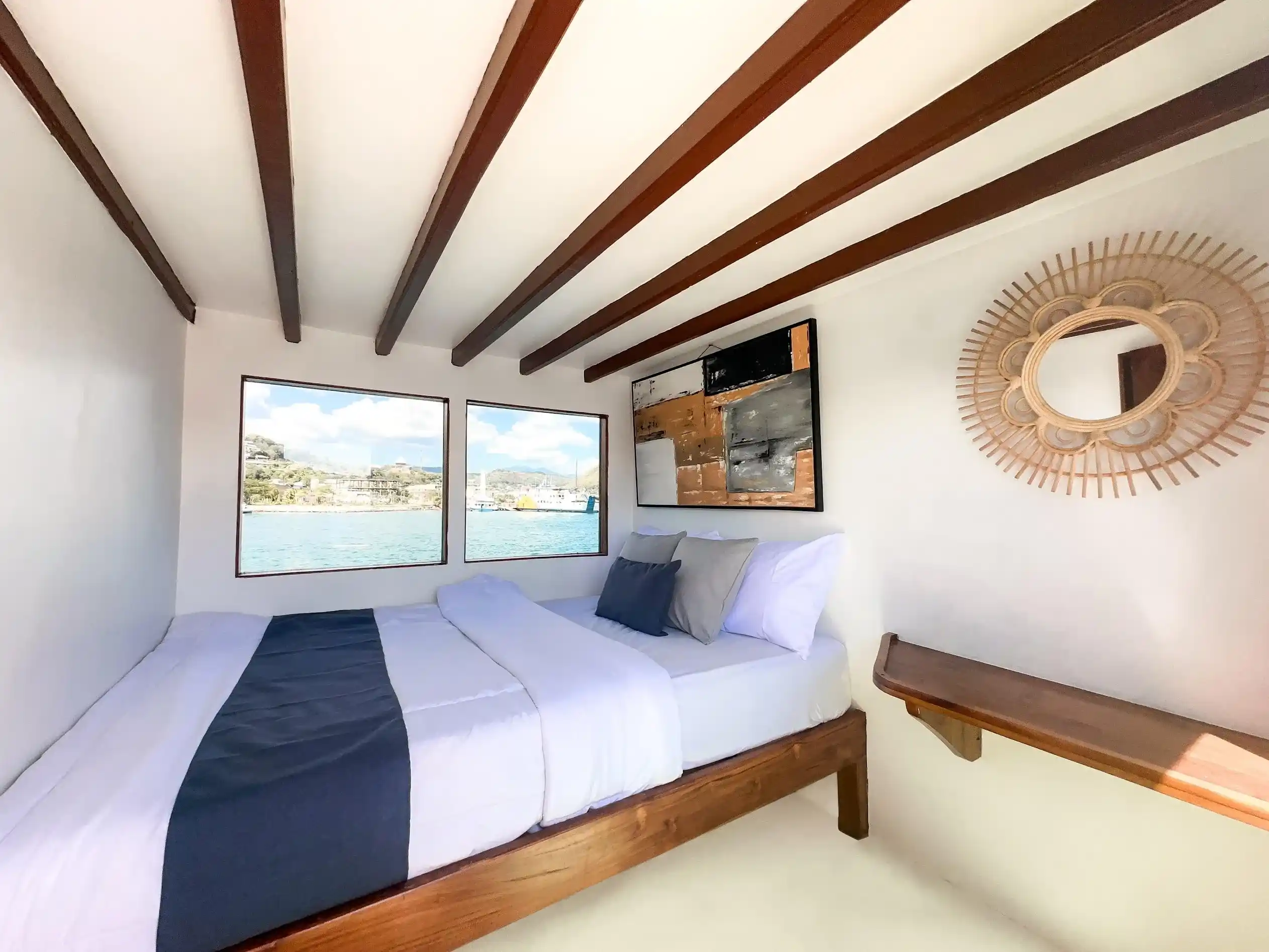
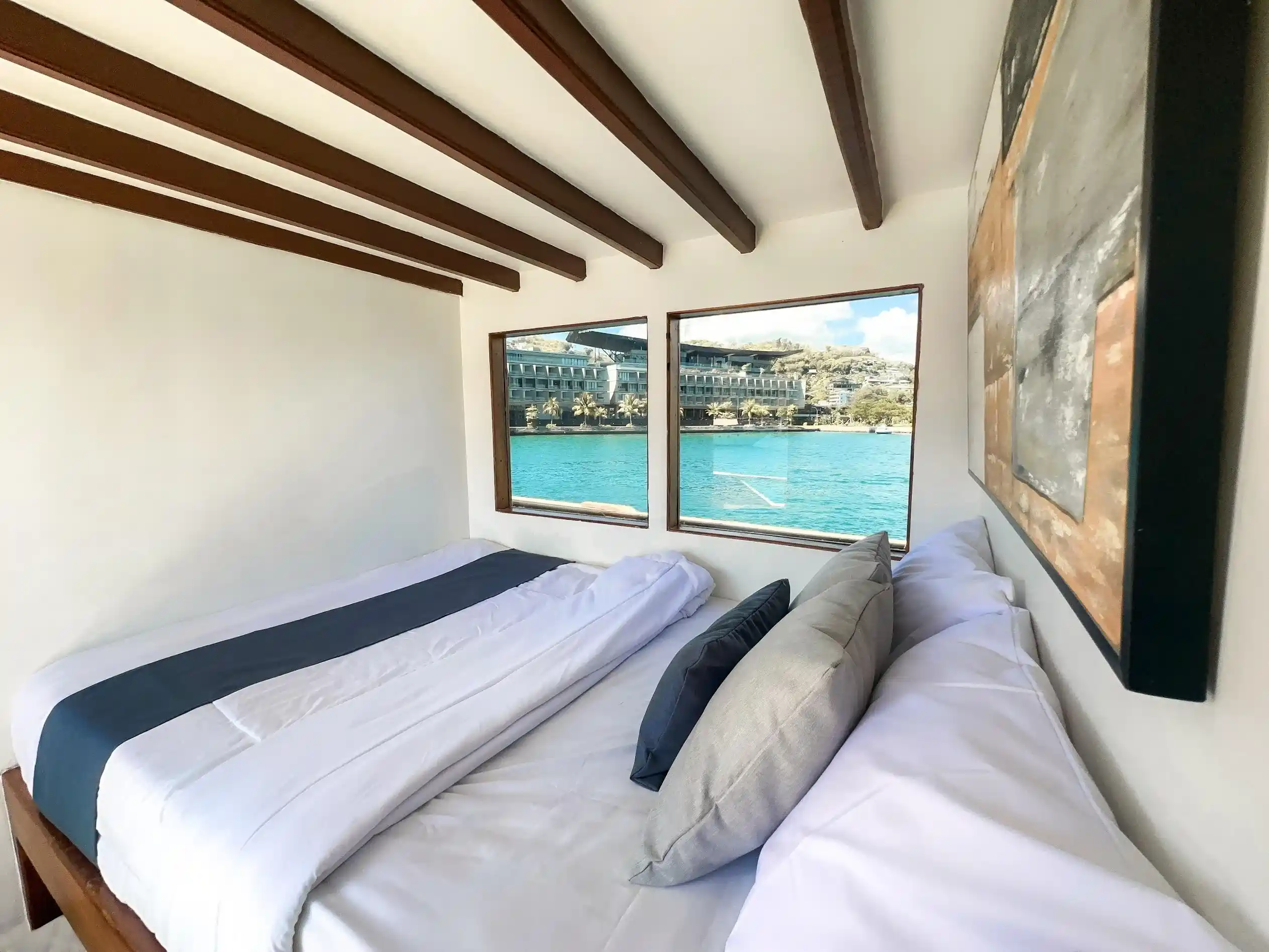
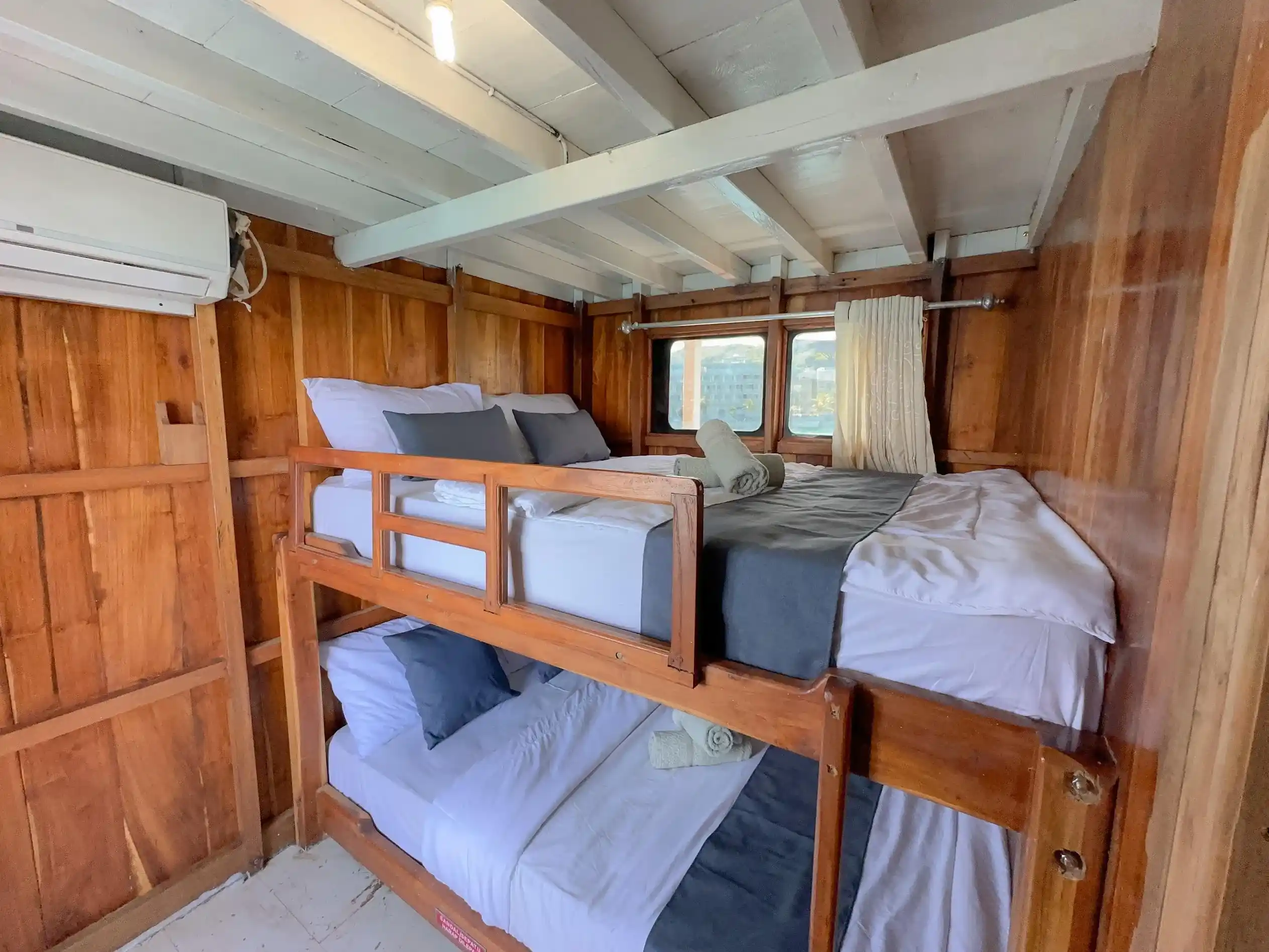
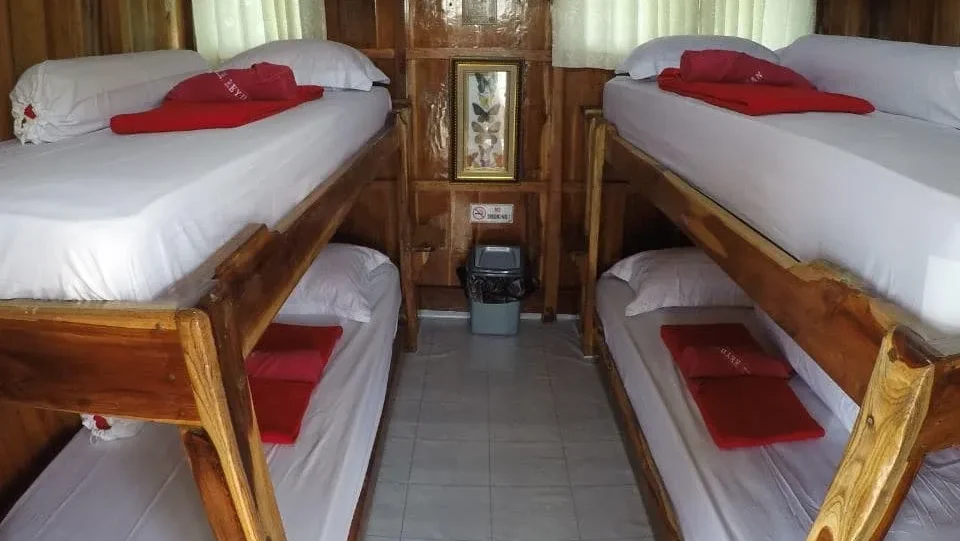
Her two cabins are built for guests who want privacy without excess. They’re tucked amidships, where roll is minimal, and each has a solid teak door that seals out sound. You’ll find ventilation grilles positioned to catch the breeze even when anchored stern-to in a cove. We don’t use AC – it’s unreliable out here – but the airflow design works better than most realise. One cabin has a fixed double bed, the other converts from twin singles. Both have personal reading lights, under-bed storage, and fresh-water washbasins that don’t clog with salt.
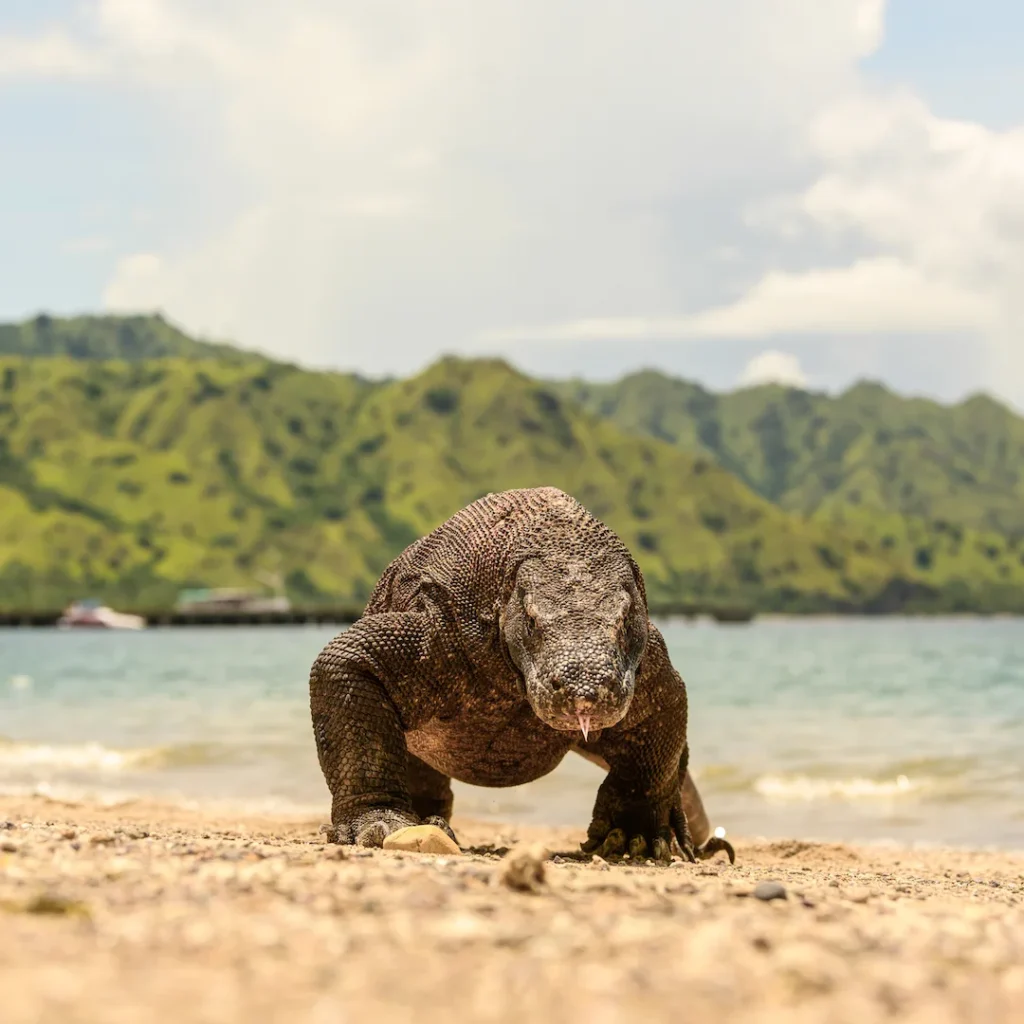
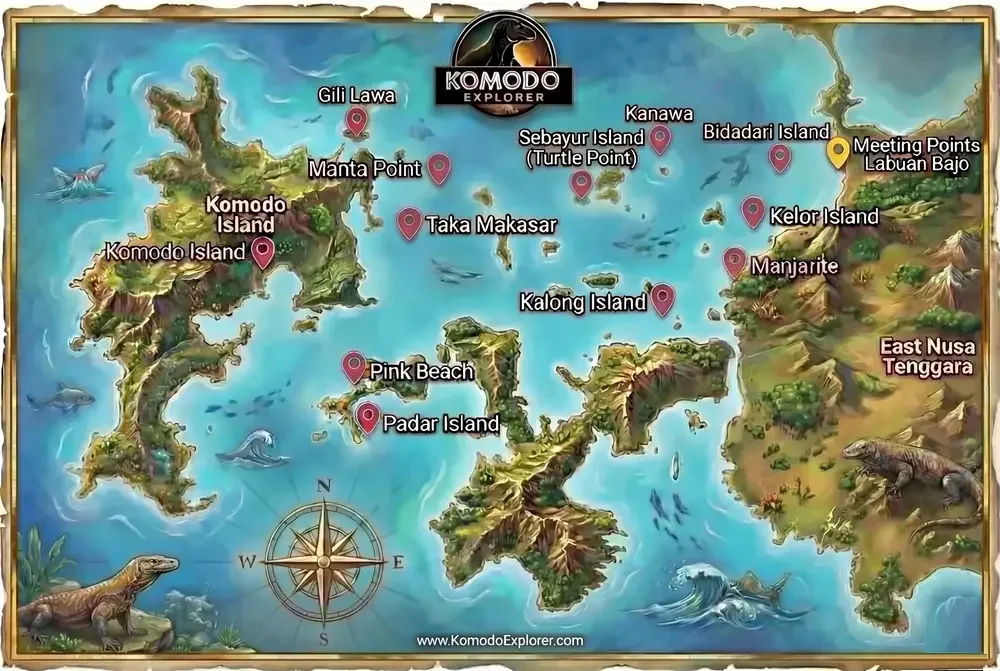
On a typical 3-day run, we pick up guests in Labuan Bajo by noon. After a safety briefing, we sail to Kelor Island by late afternoon. The anchorage there is shallow, so we use the dinghy to land on the north beach just before sunset. The next day starts early – we’re underway by 5:30 AM to catch first light on Padar’s northern slope. Hiking starts at 6:15, guided by rangers we know by name. By 9:30, we’ve moved to Komodo Island for the dragon walk through the savannah. Lunch is served on deck as we reposition to Pink Beach, where the sand really does glow at midday.
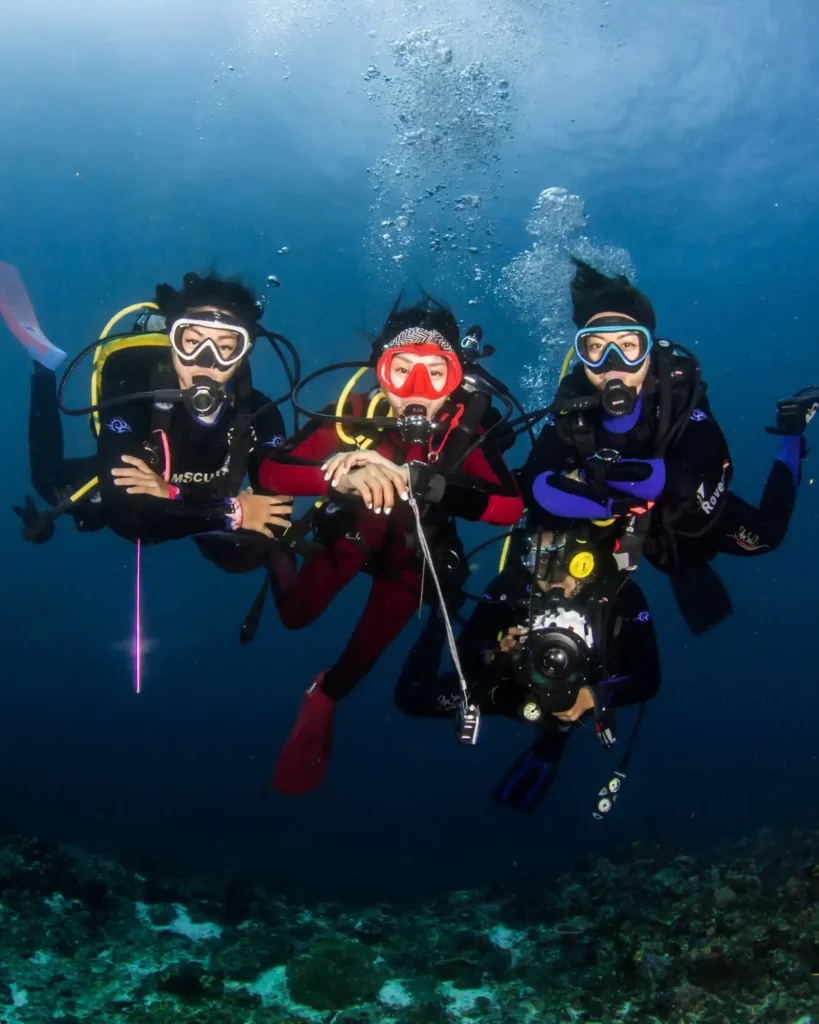
Mid-afternoon, we drift over Manta Point with the current. Snorkellers enter from the rear platform, and we keep a spotter on the bow to track cleaning stations. North Blue stays stationary but alert – one hand on the throttle, always. At dusk, we steam to Kalong Island to watch the fruit bats lift from the mangroves. The sound of thousands of wings at twilight is something you feel more than hear. On day three, we anchor at Taka Makassar by 7:30 AM. It’s a sandbar that appears at low tide, ringed by reef. Guests swim out to the middle, then we move to Kanawa for a final snorkel above the volcanic slope. We return to Labuan Bajo by 3 PM.
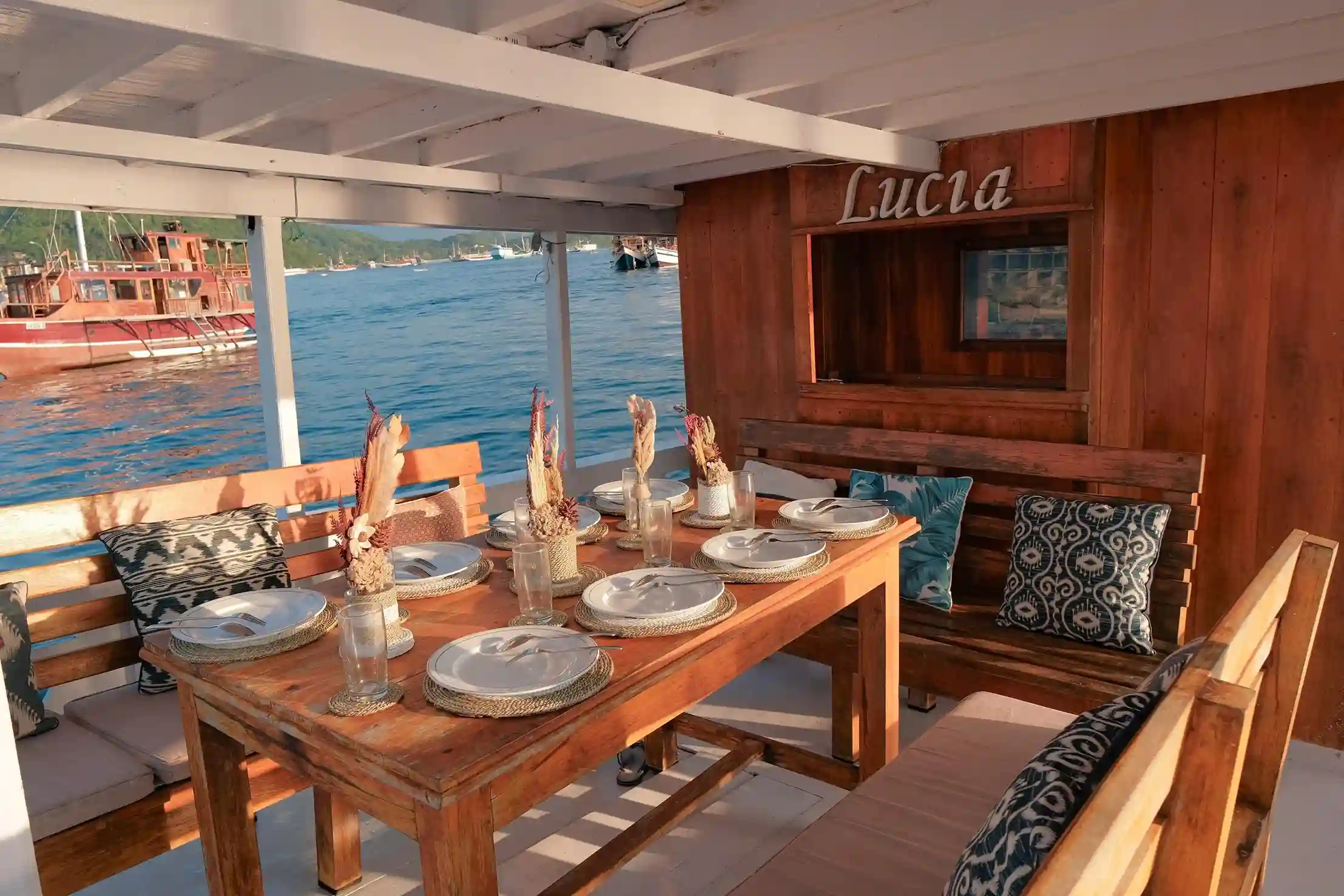
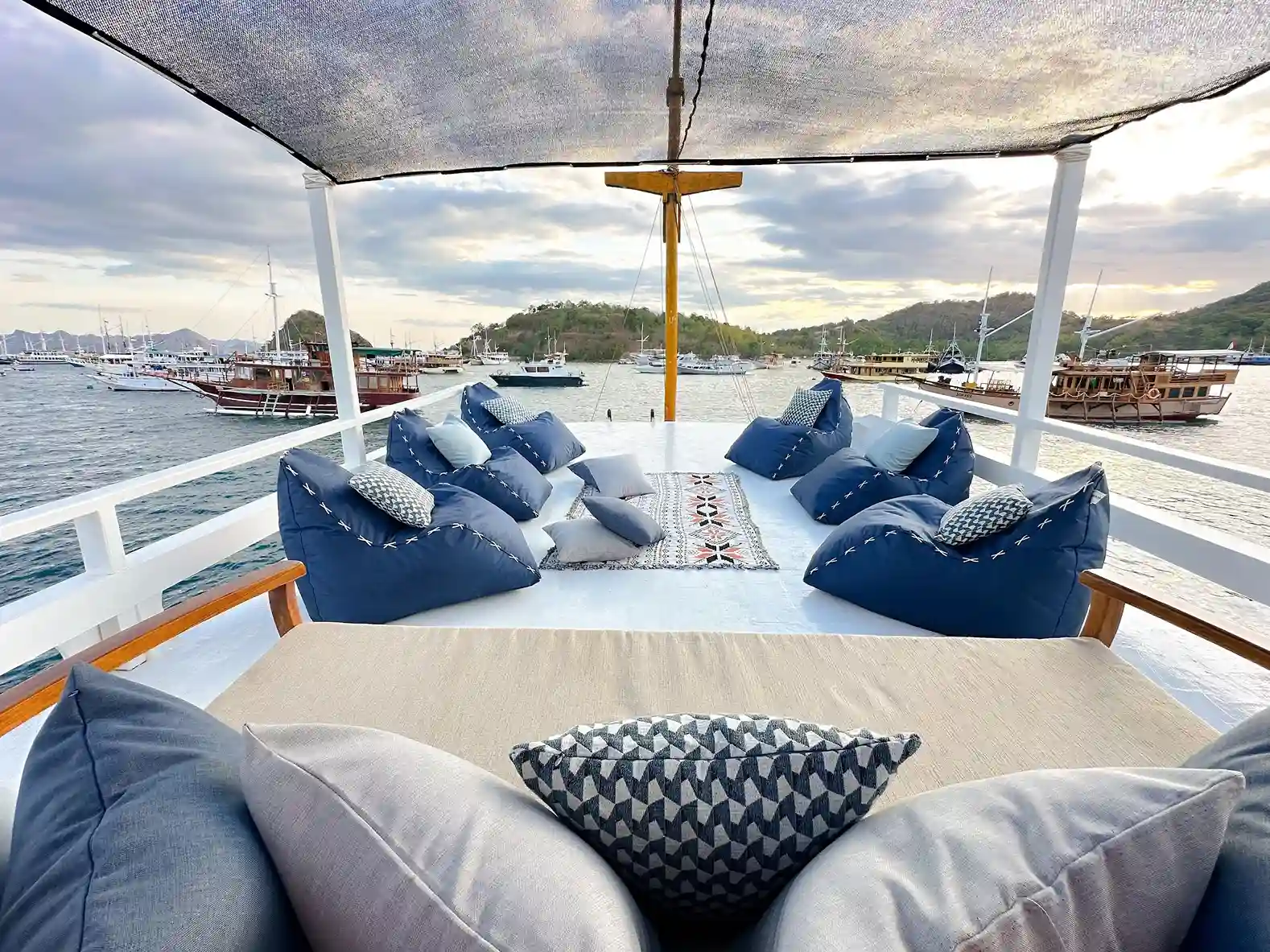
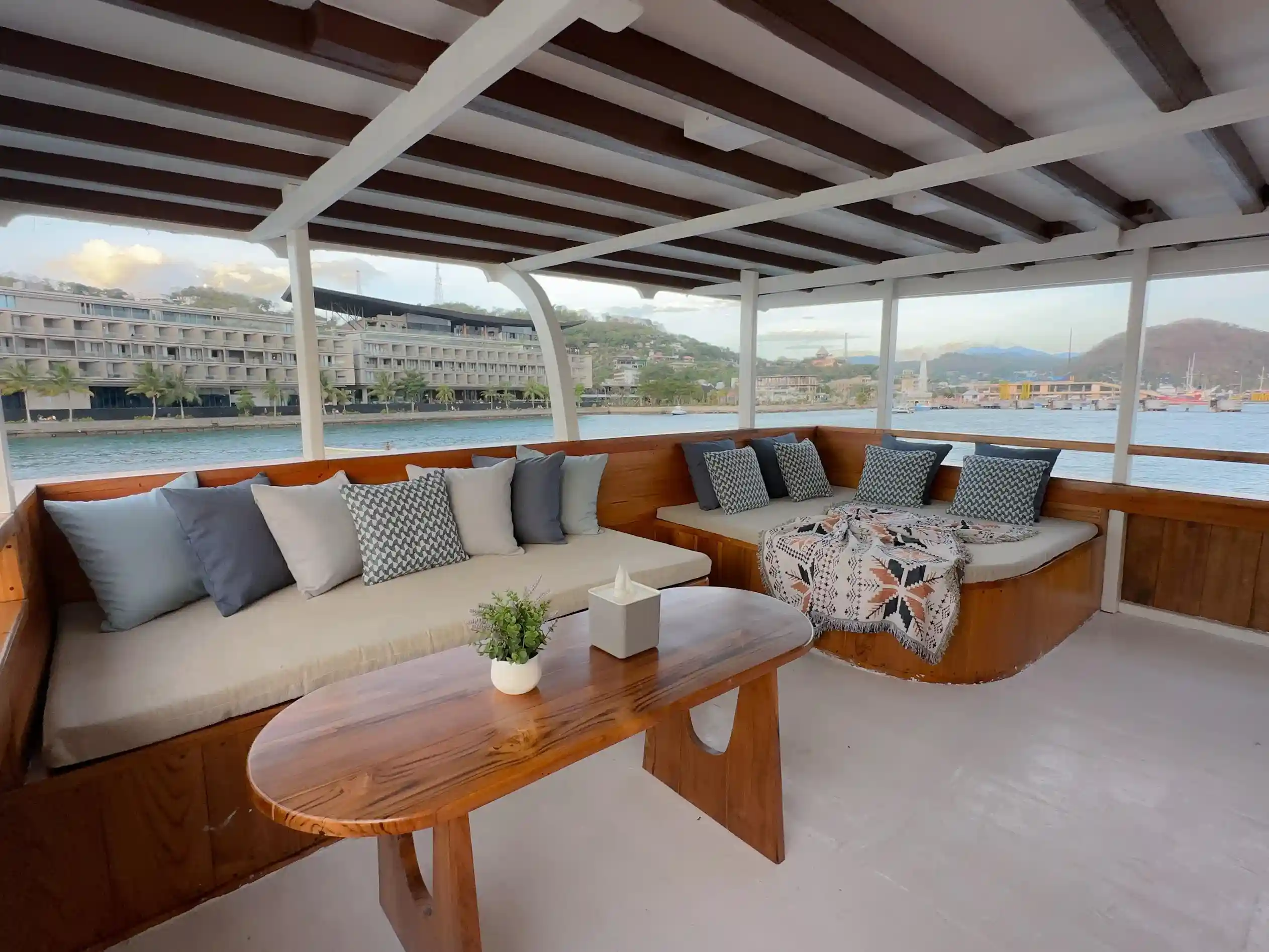
This isn’t a floating hotel – it’s a working Phinisi with a job to do. The galley serves hot meals three times a day: nasi goreng with local fish, tropical fruit, strong coffee. Our cook uses propane, not unreliable electric, and we carry extra LPG canisters under the deck. Fresh water is for rinsing off after snorkels, not long showers. We conserve where we can because resupply takes time. But we’ve never had a guest go hungry or get caught in the rain without cover. The flybridge has shade, the main deck has grip rails, and the crew keeps a first-aid kit stocked with seasickness patches and reef-safe antiseptic.