About Lamborajo I
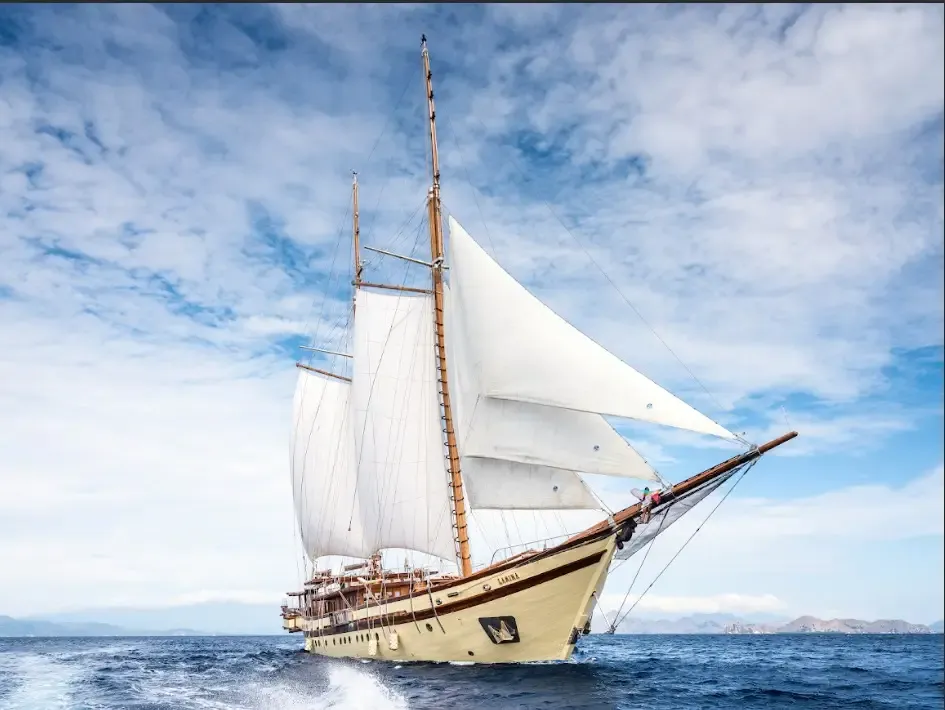
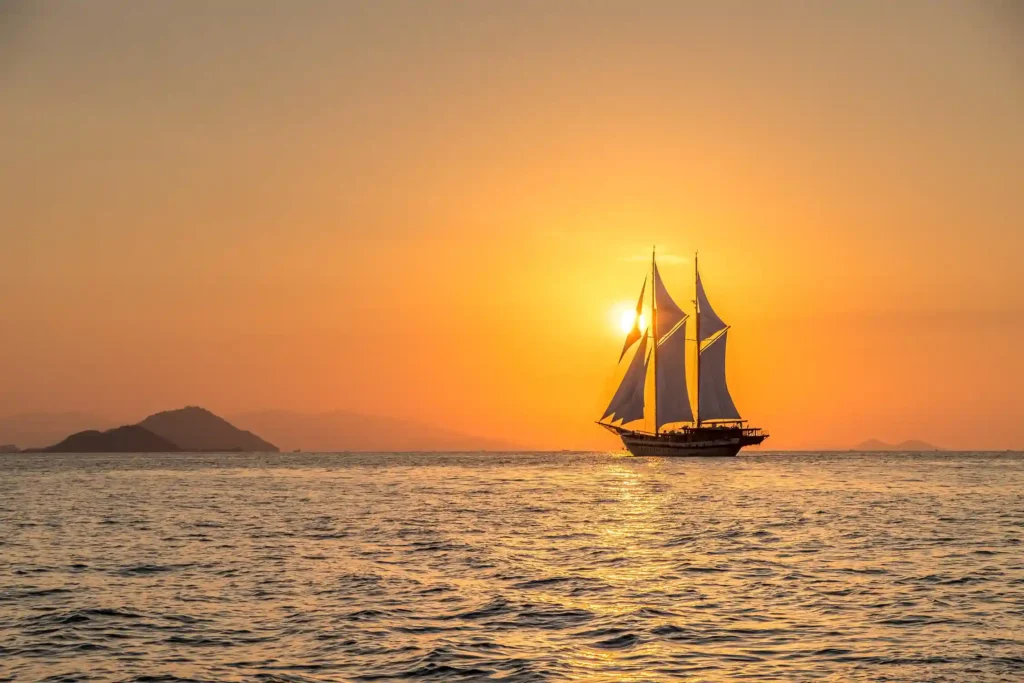
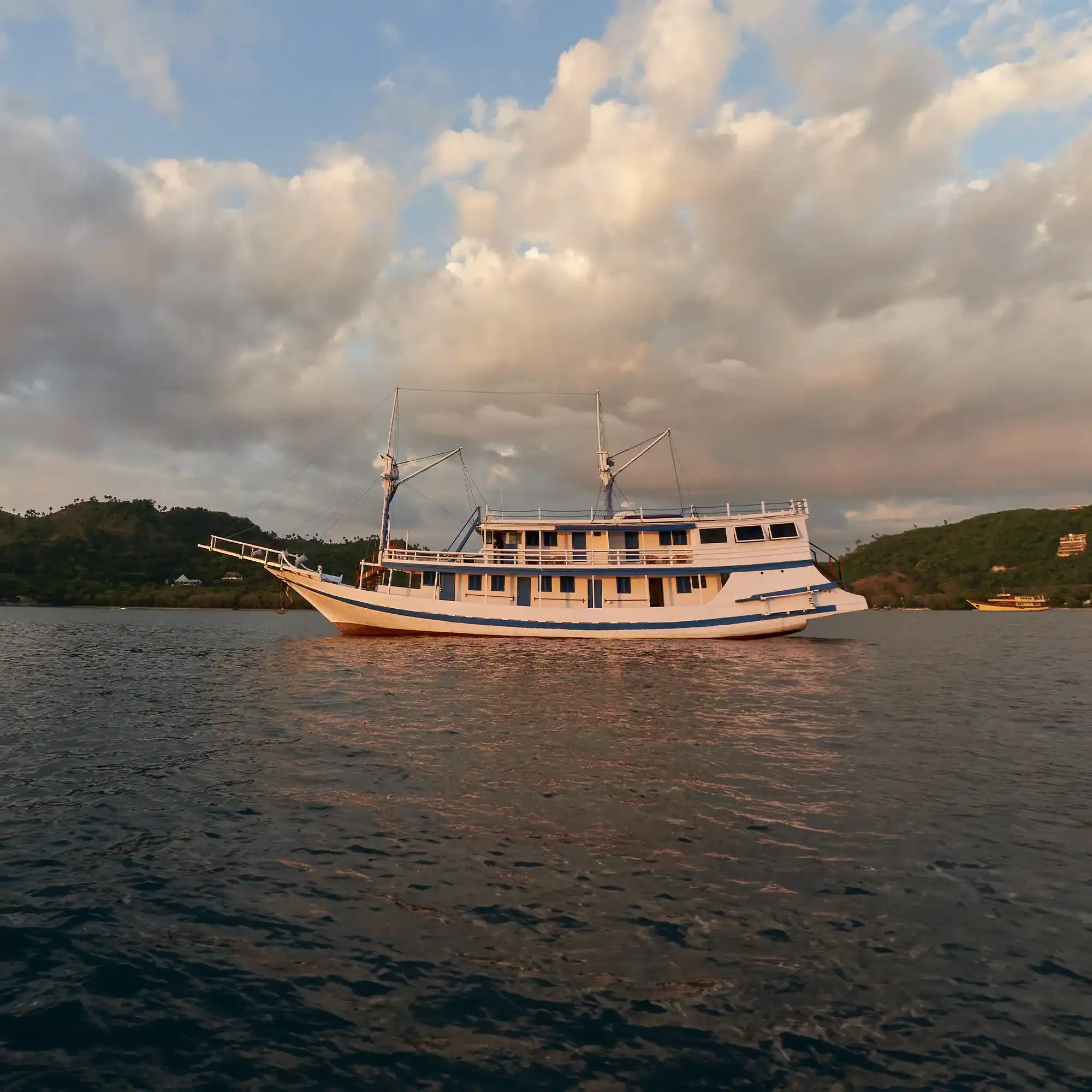
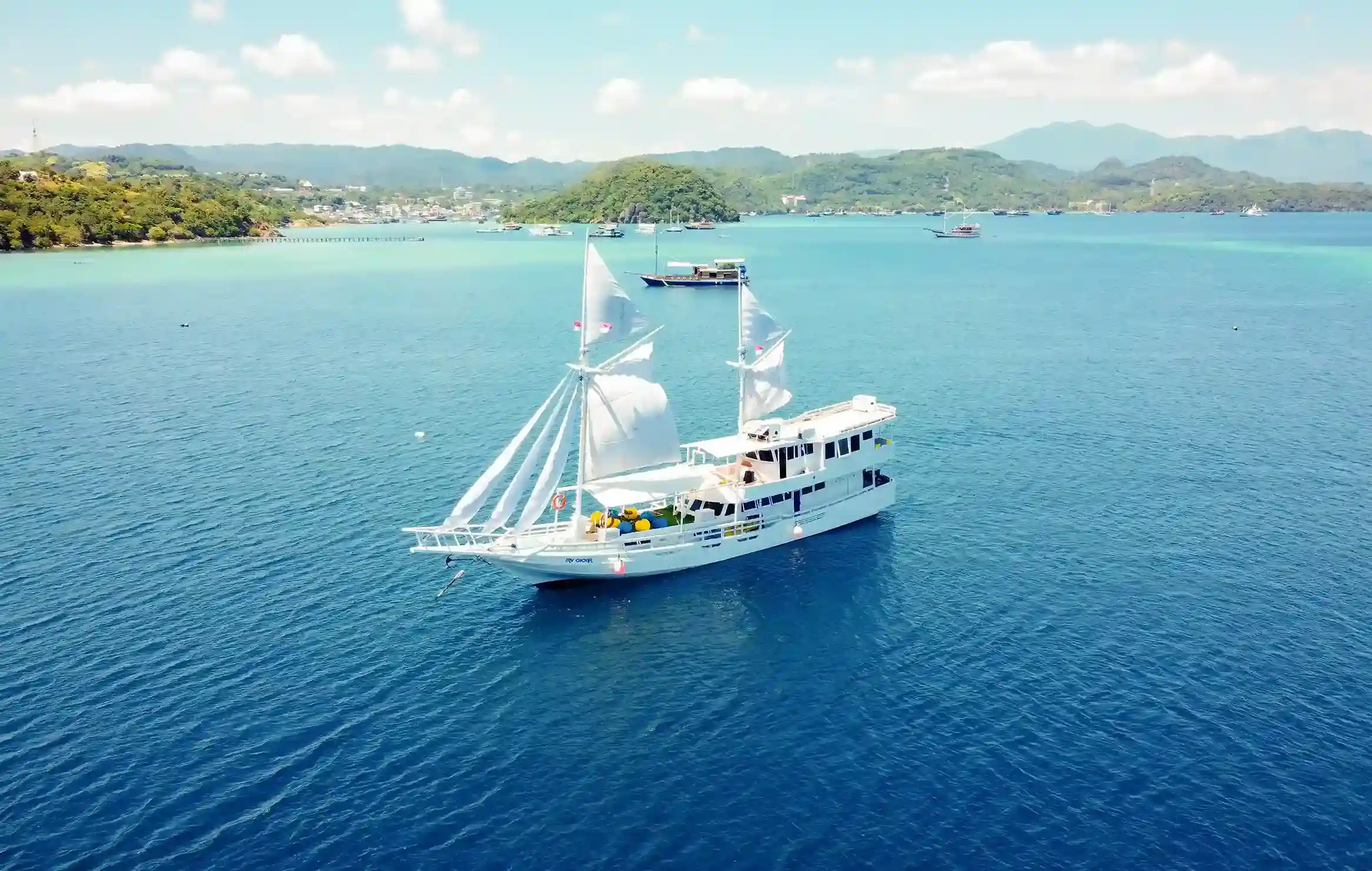
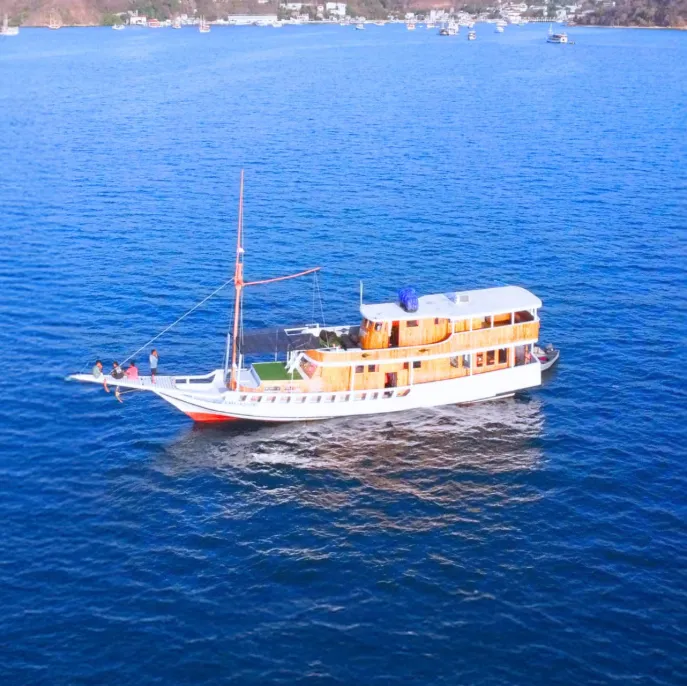
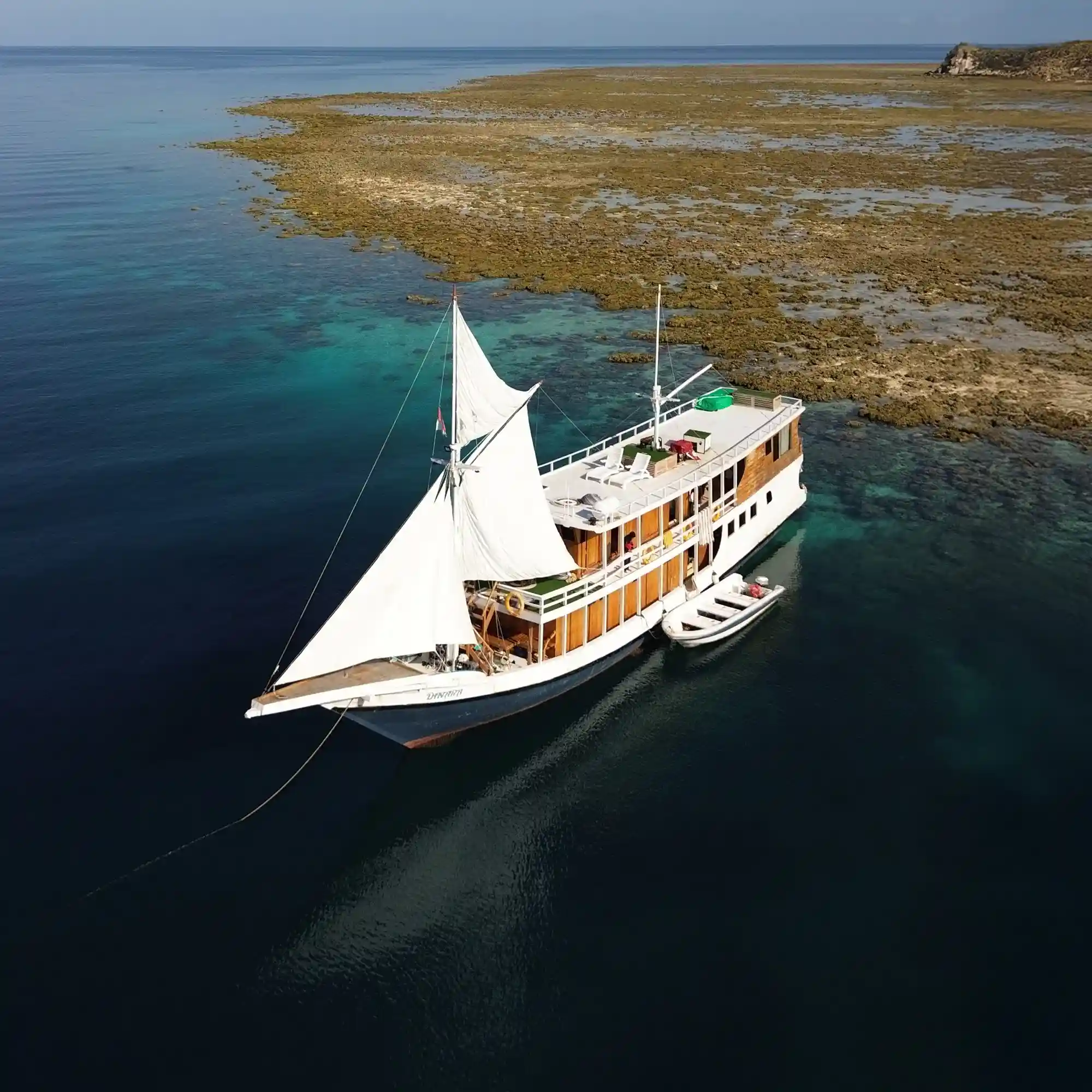
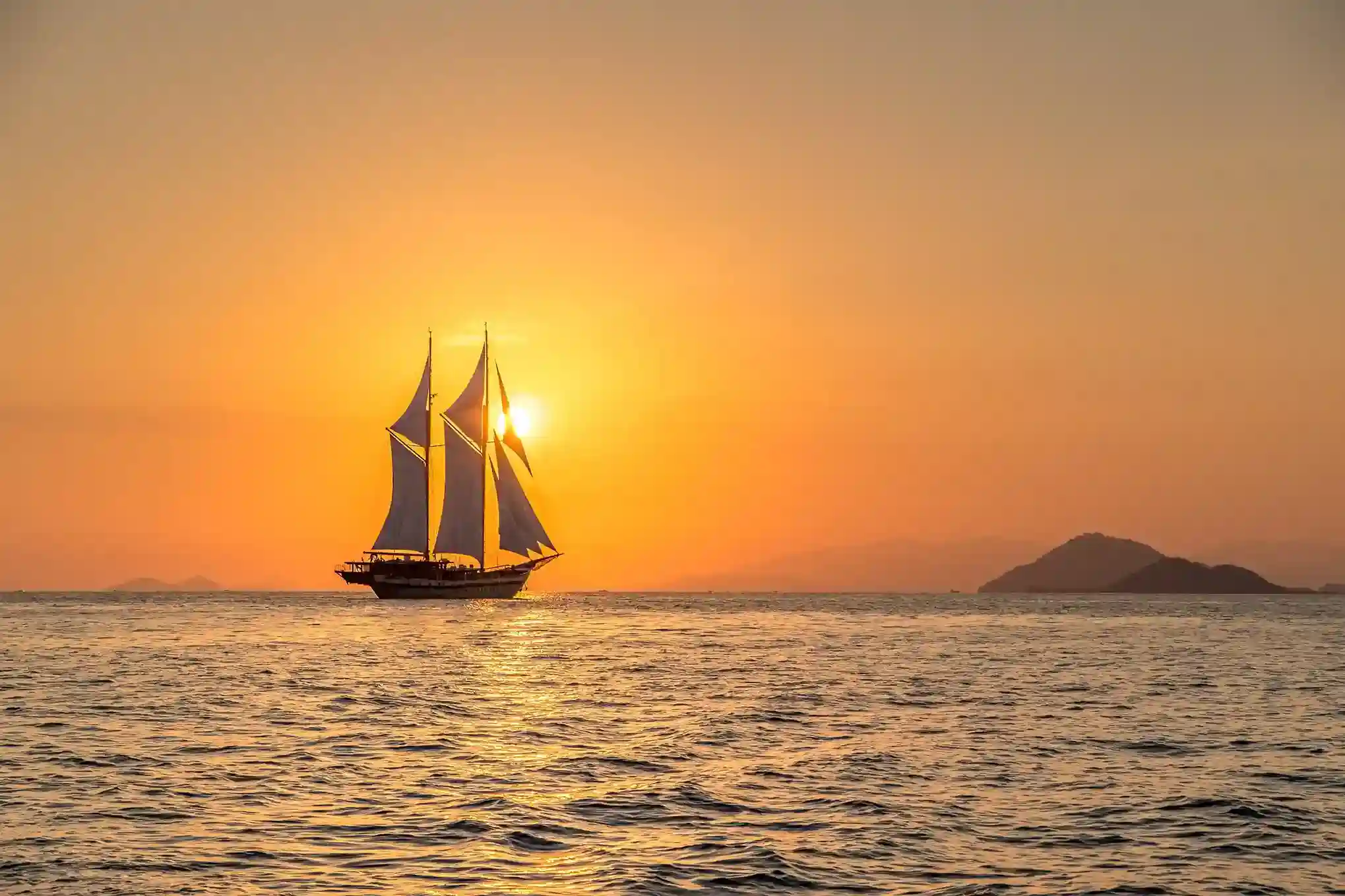
The first thing I noticed wasn’t the sunsets or the dragons—it was the quiet. At 18:30 on Day One, as we cleared the channel from Labuan Bajo, the diesel shut down and the crew raised the staysail. We glided past Banta Island under wind alone, the wake a silver smear in the dying light. No music, no chatter—just the slap of water against the hull and the occasional rustle of canvas. That moment set the tone: Lamborajo I doesn’t shout. It moves with the rhythm of the coast.
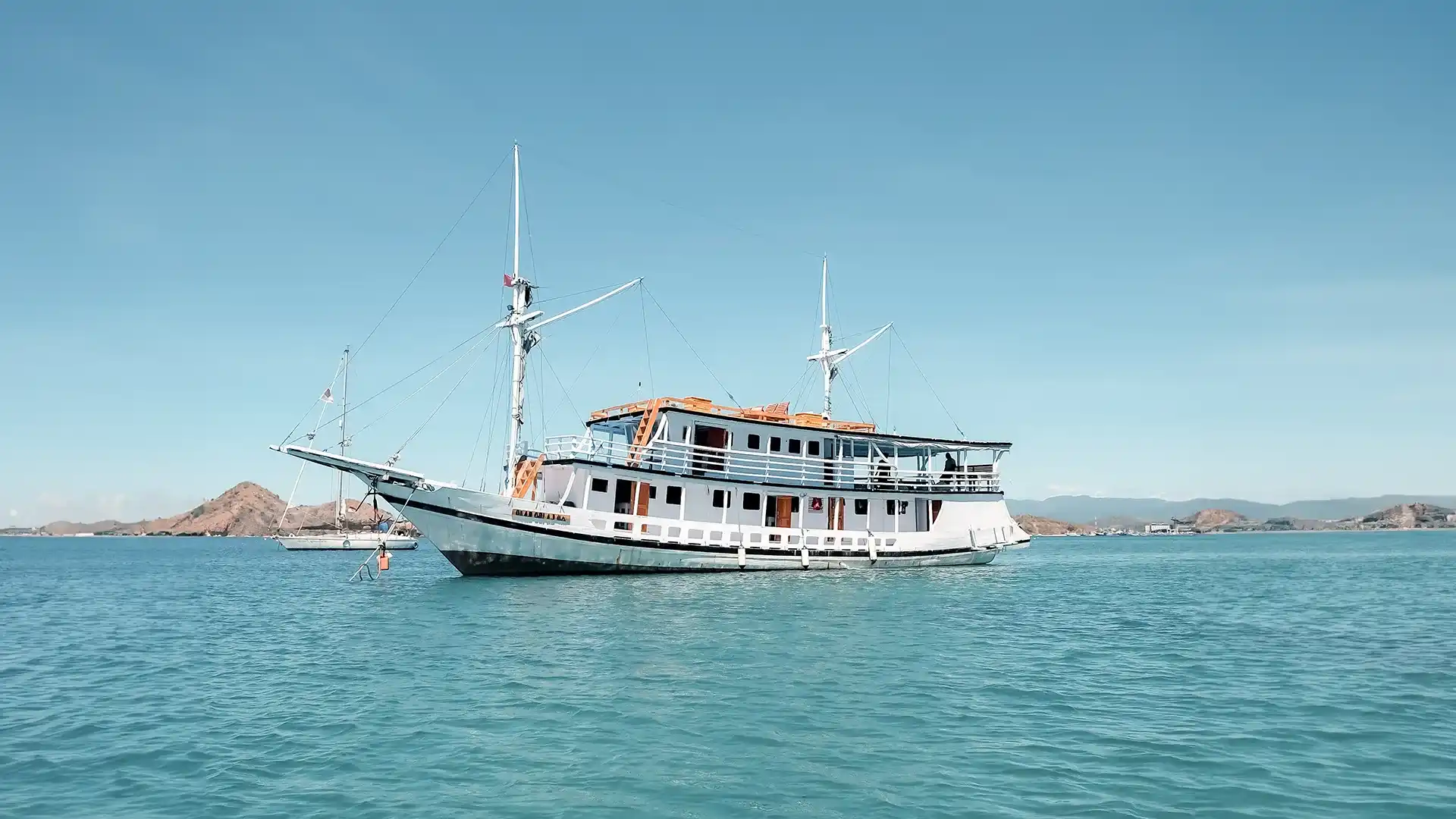
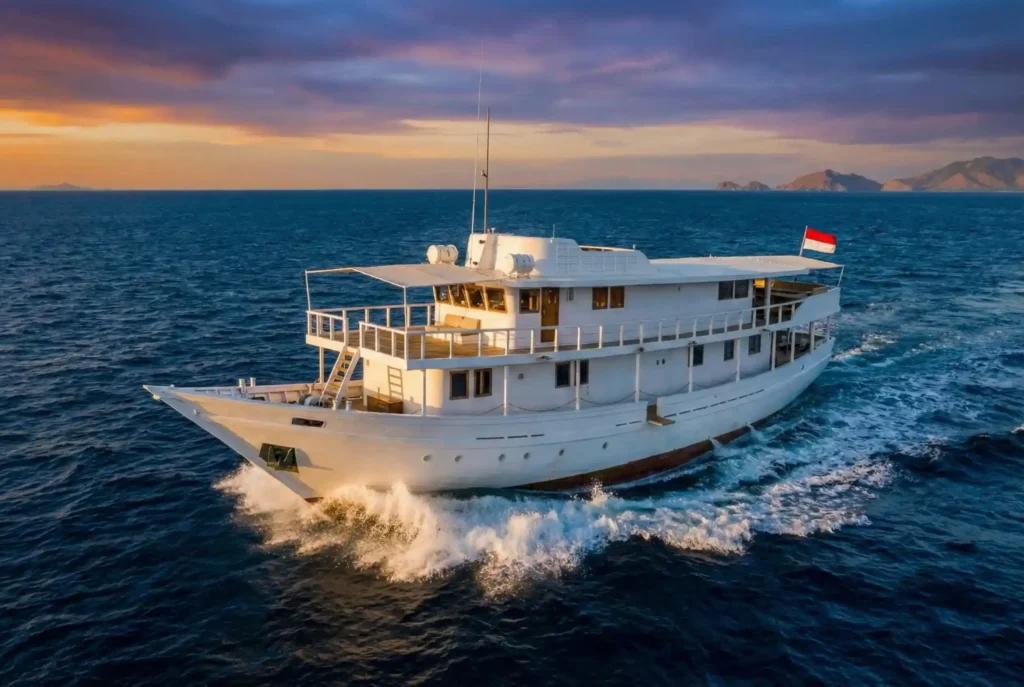
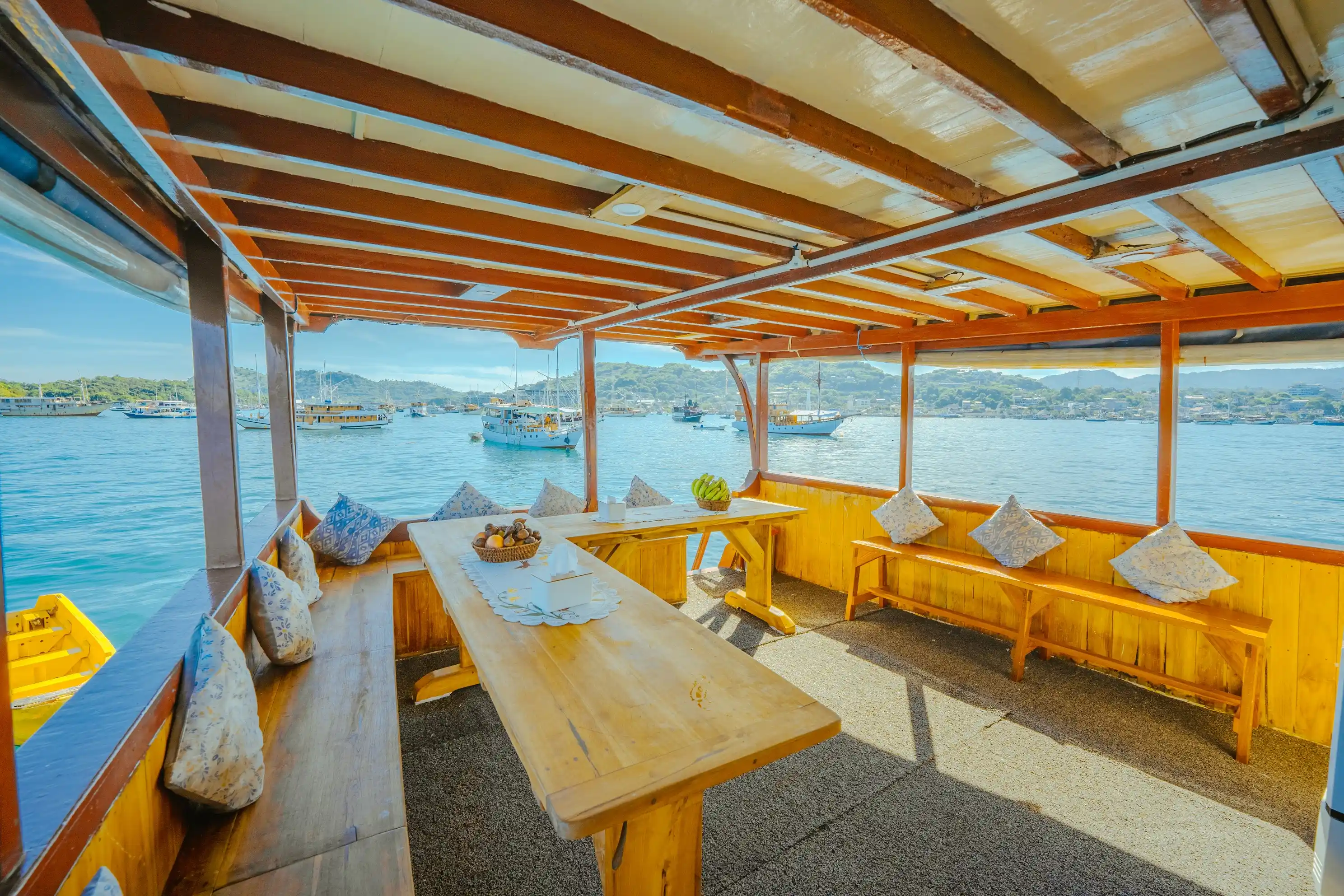
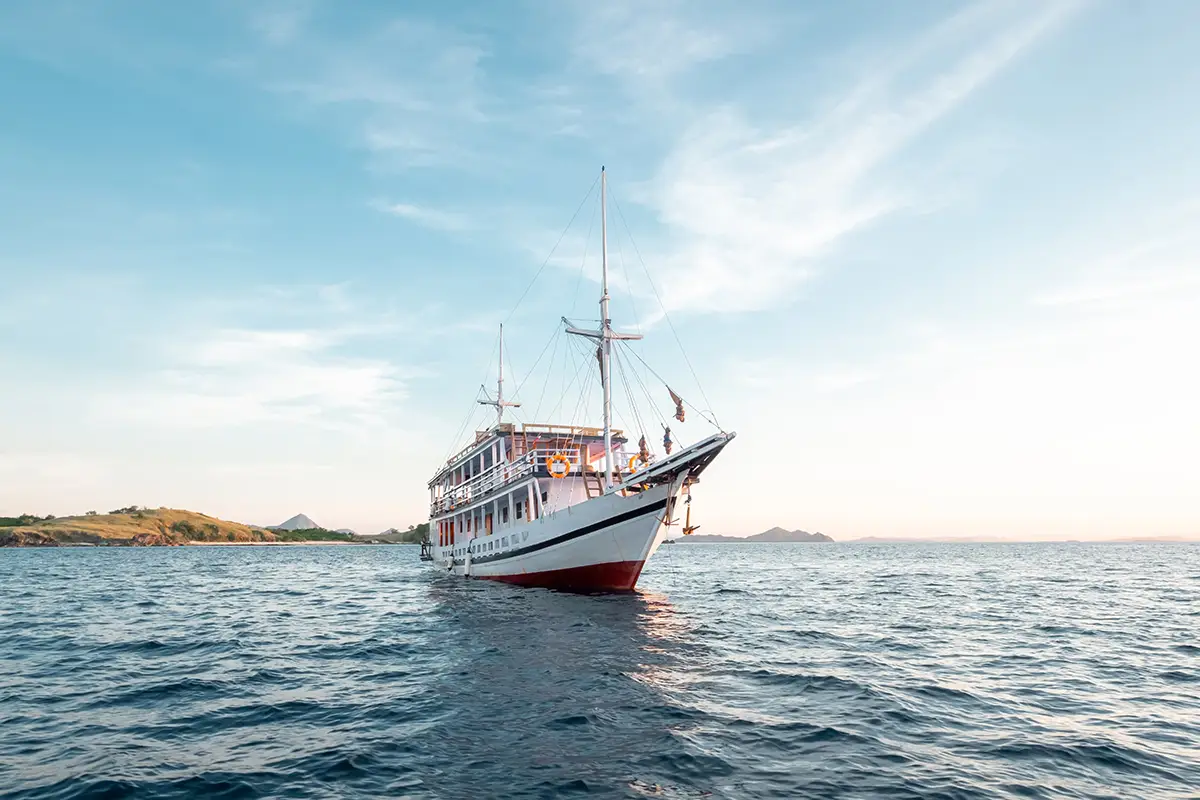
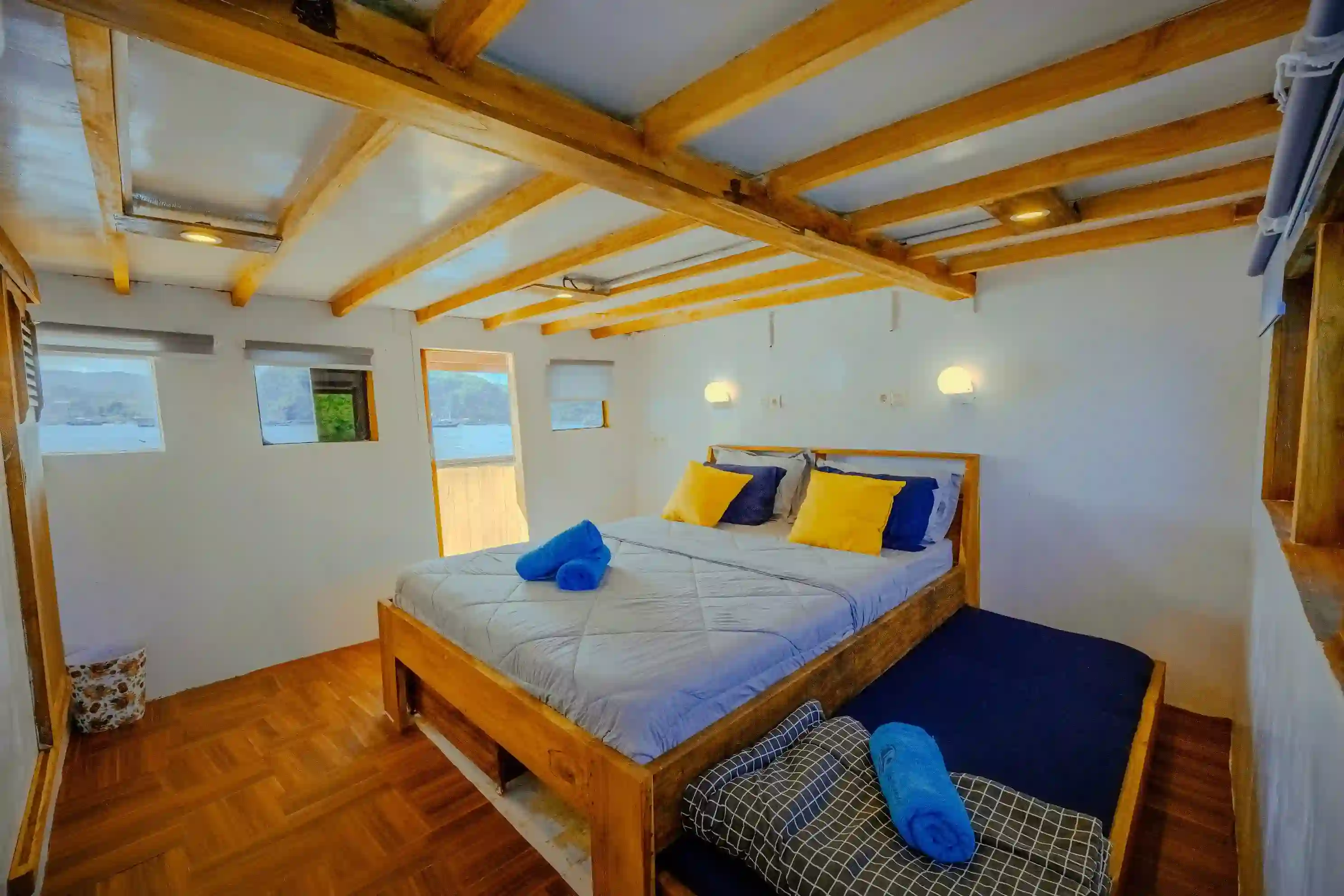
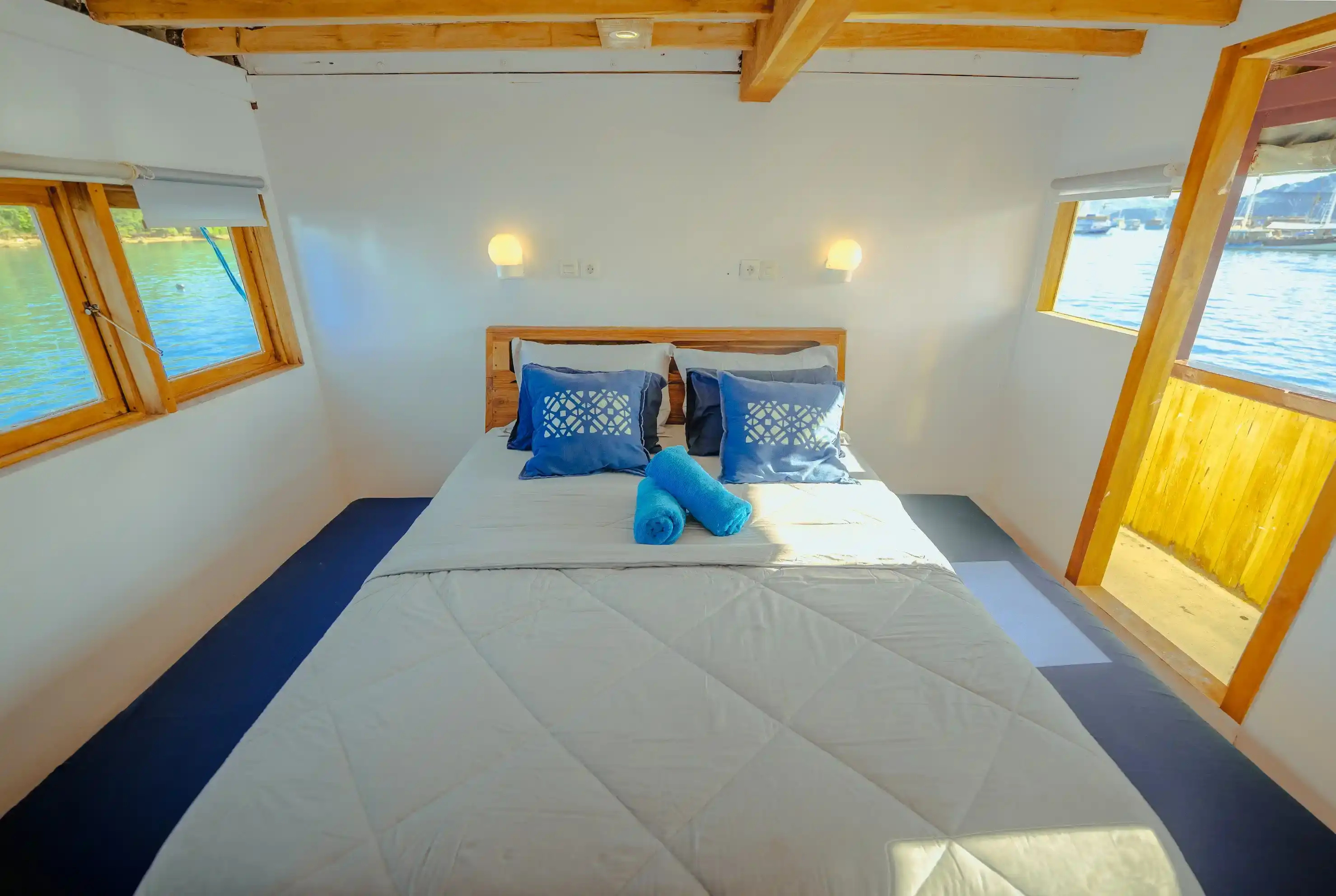
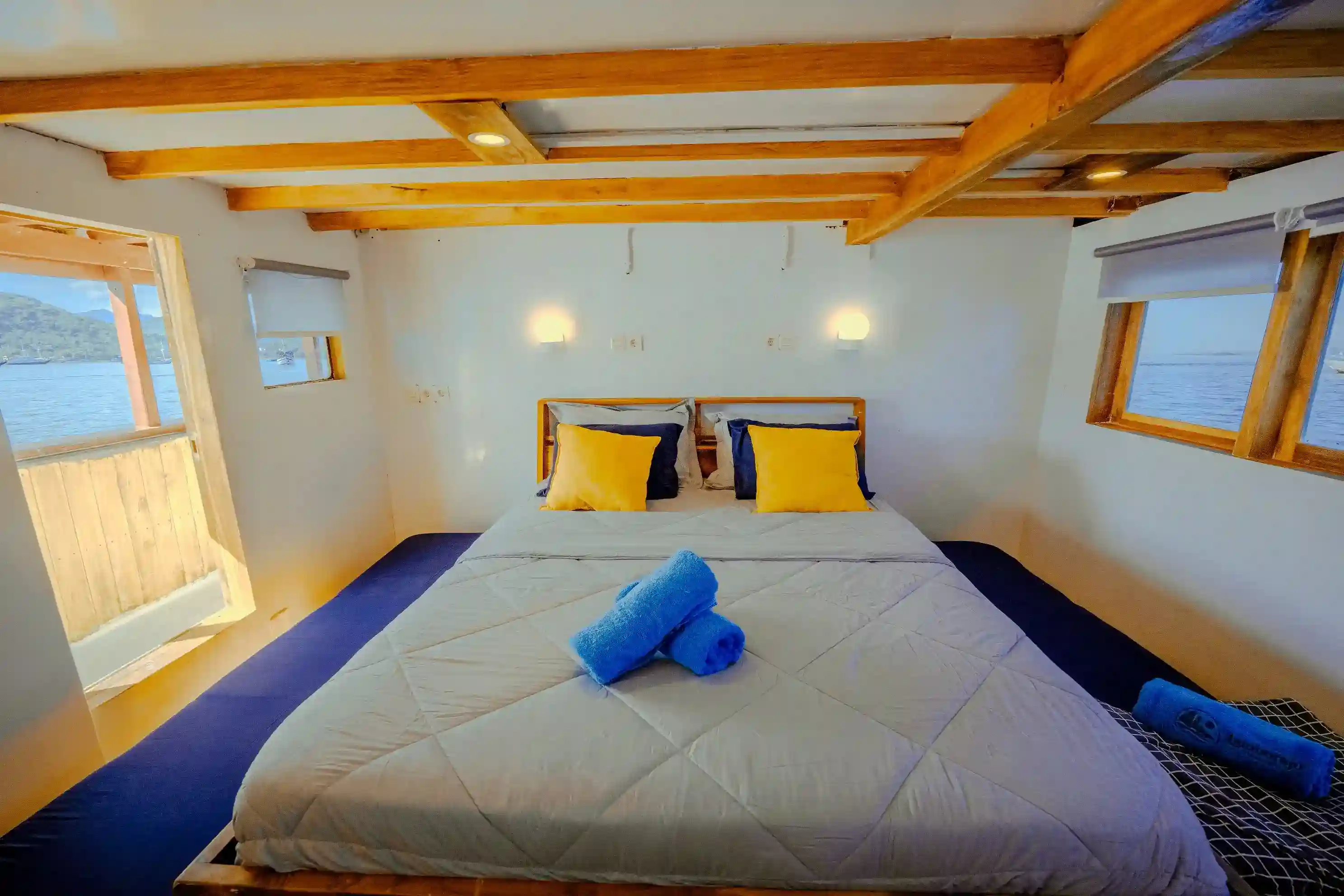
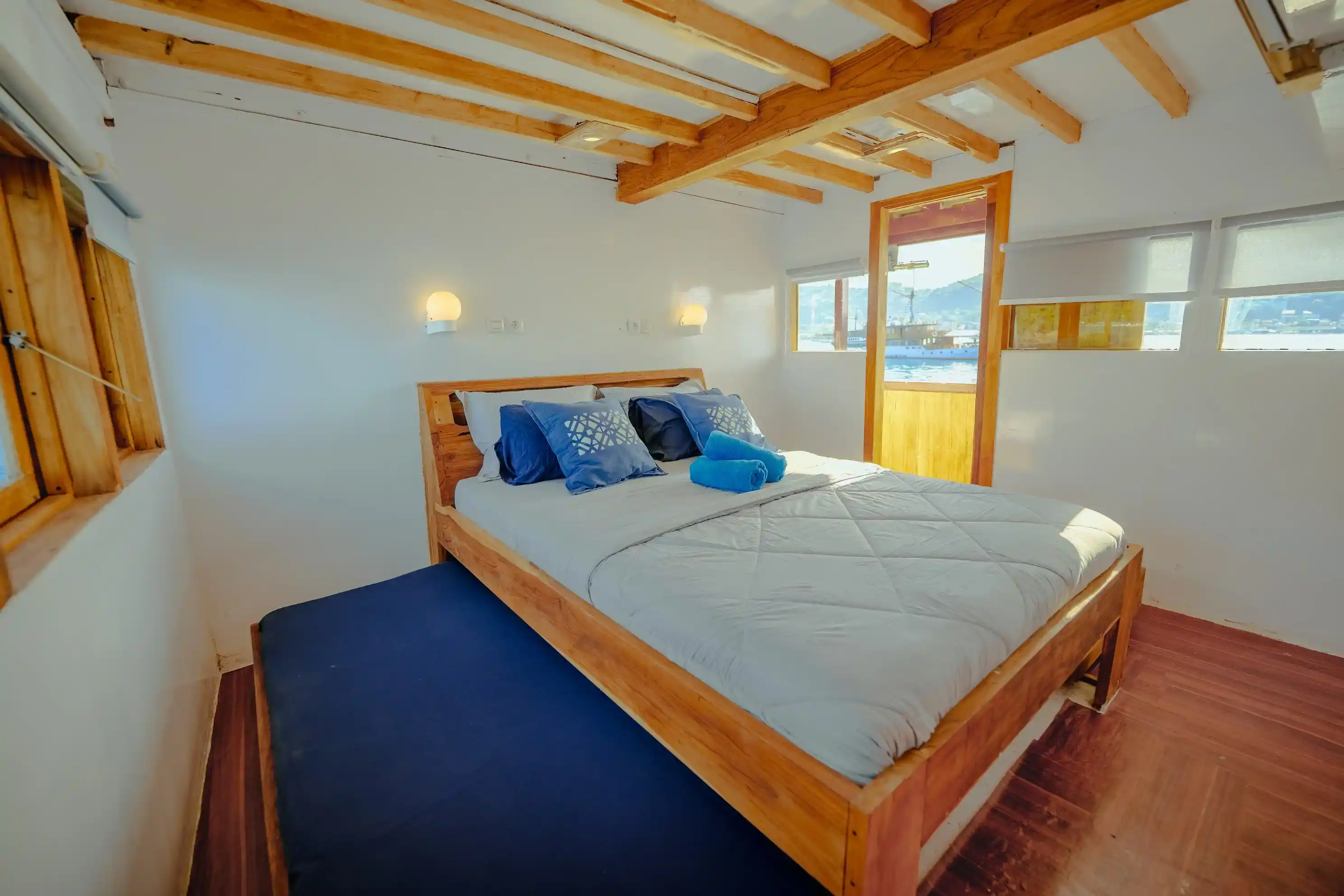
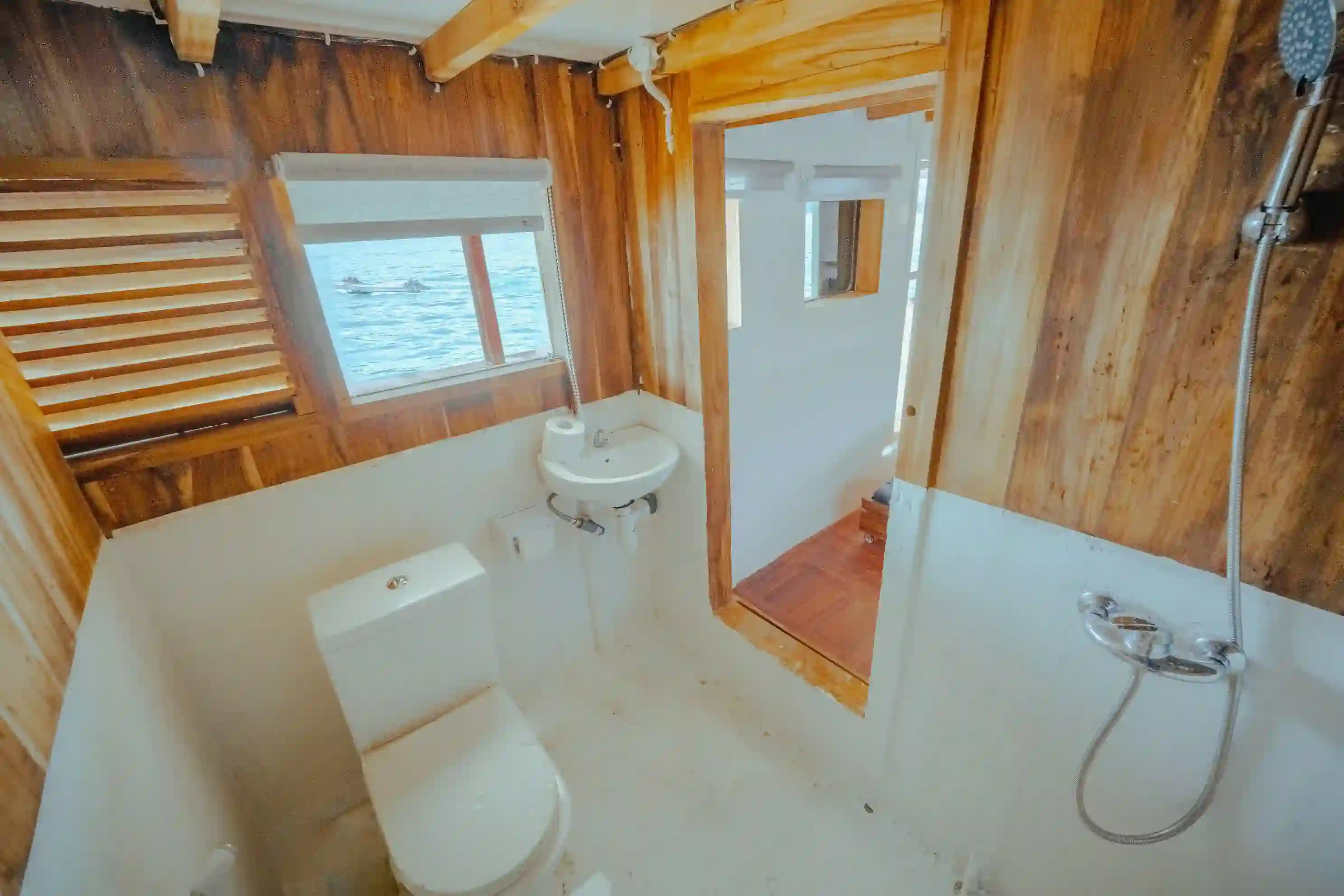
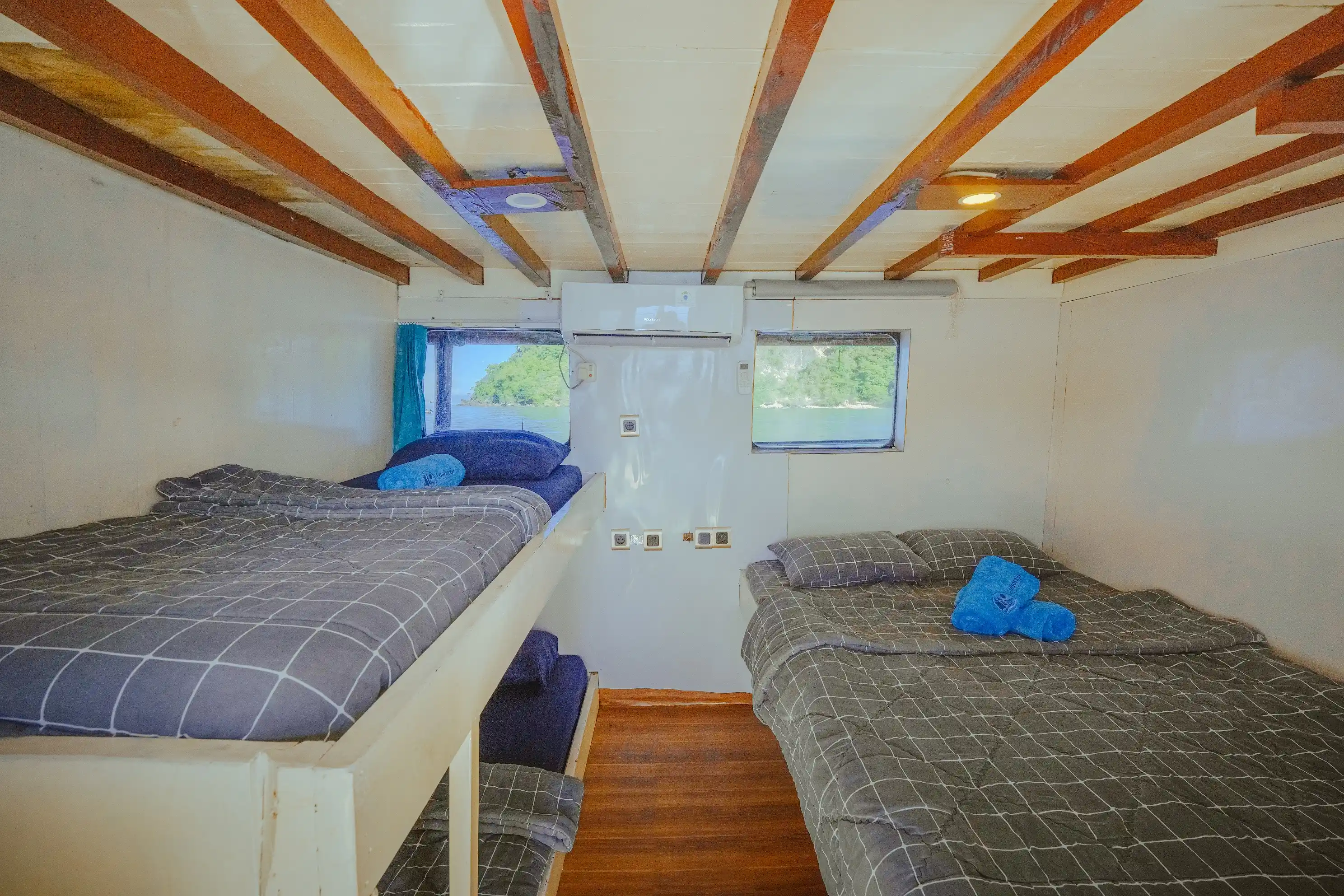
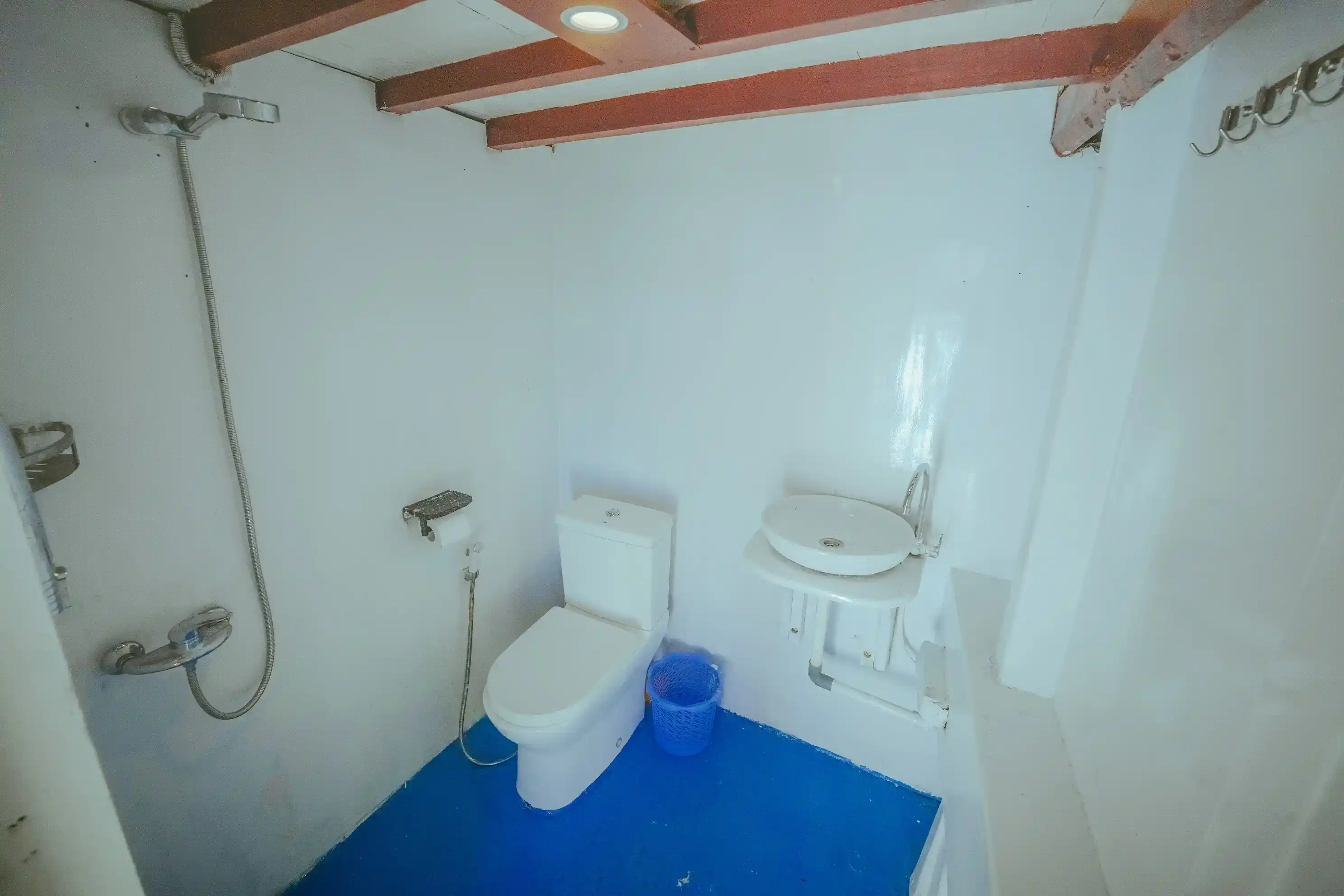
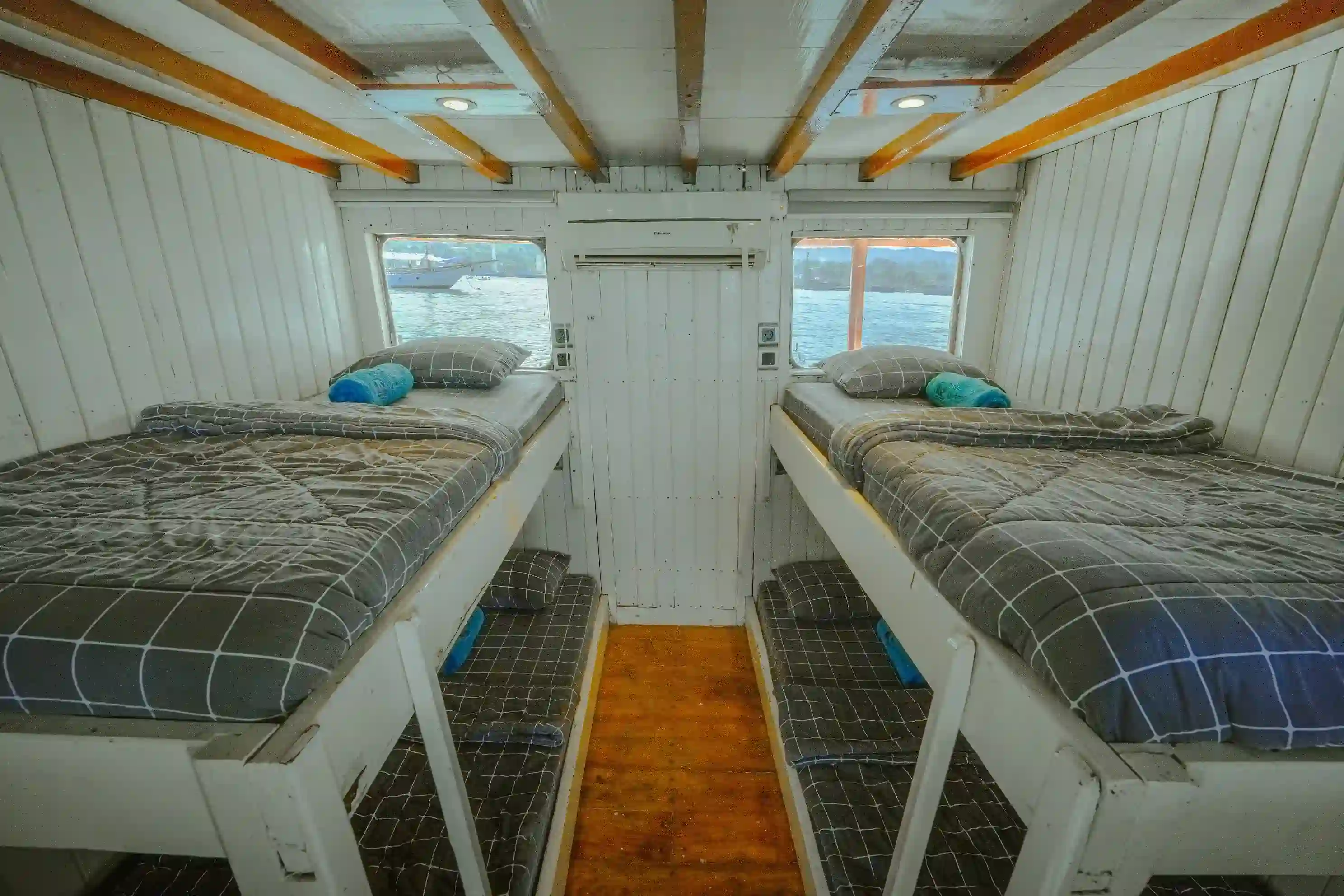
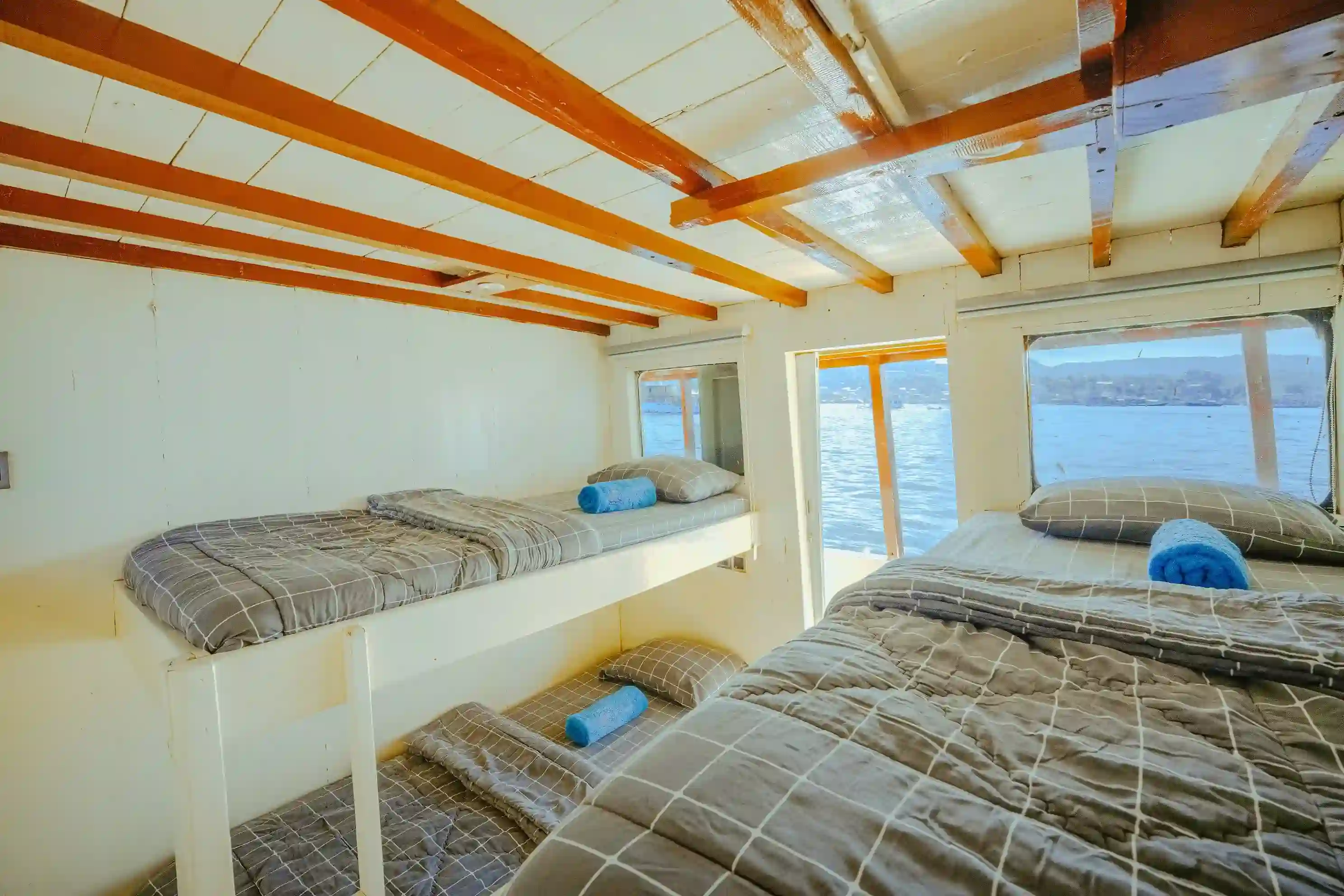
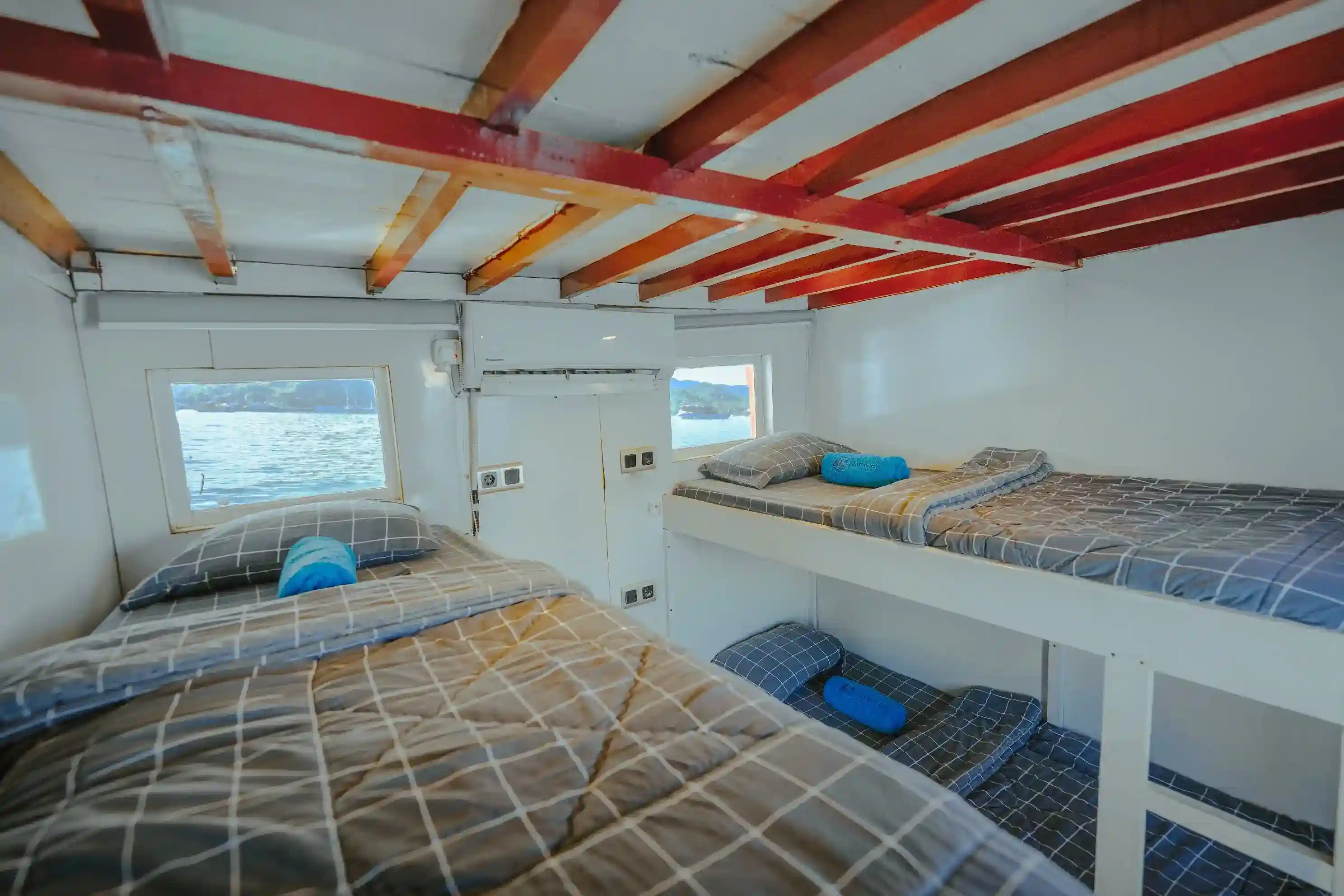
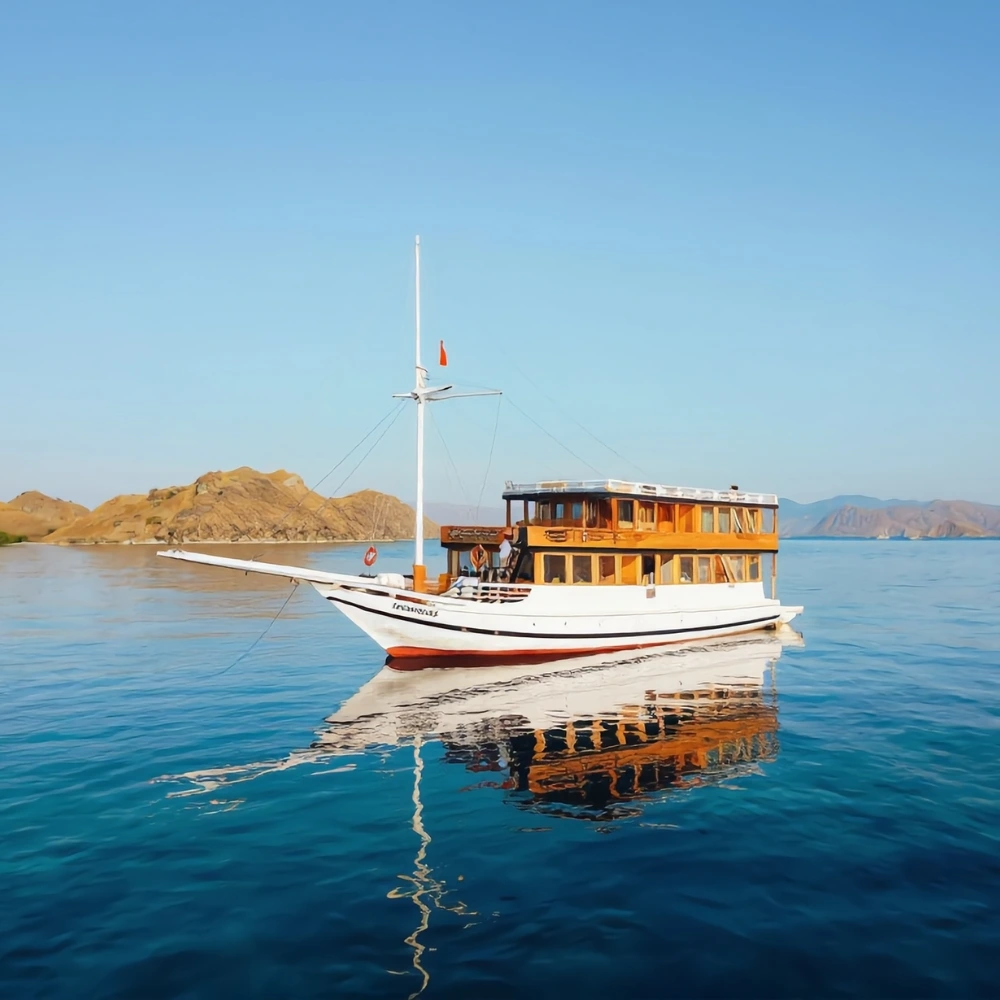
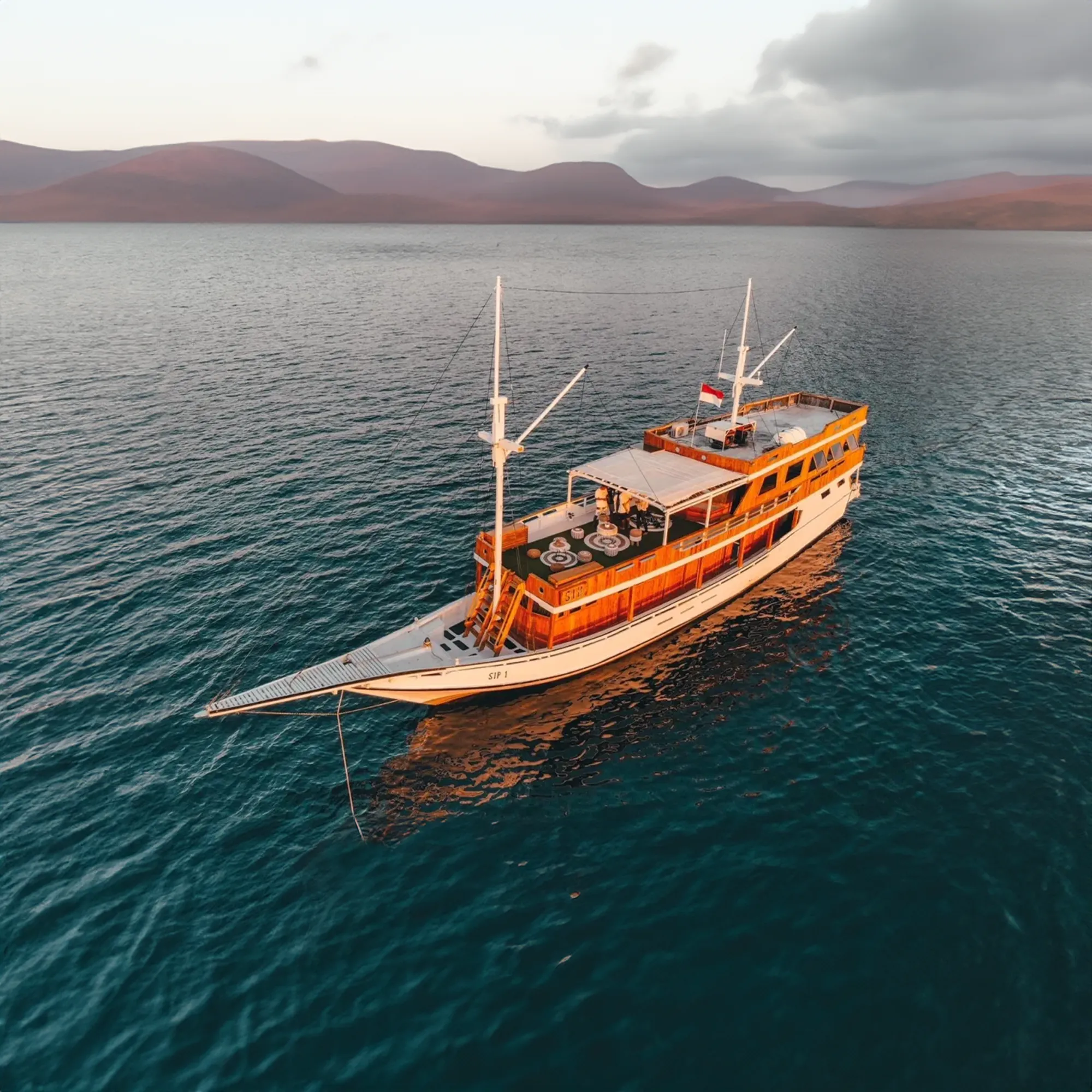
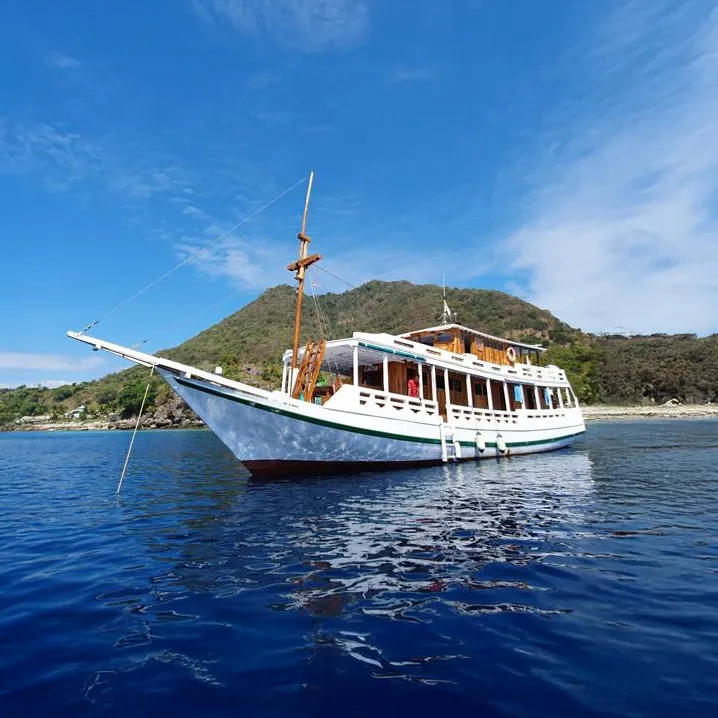
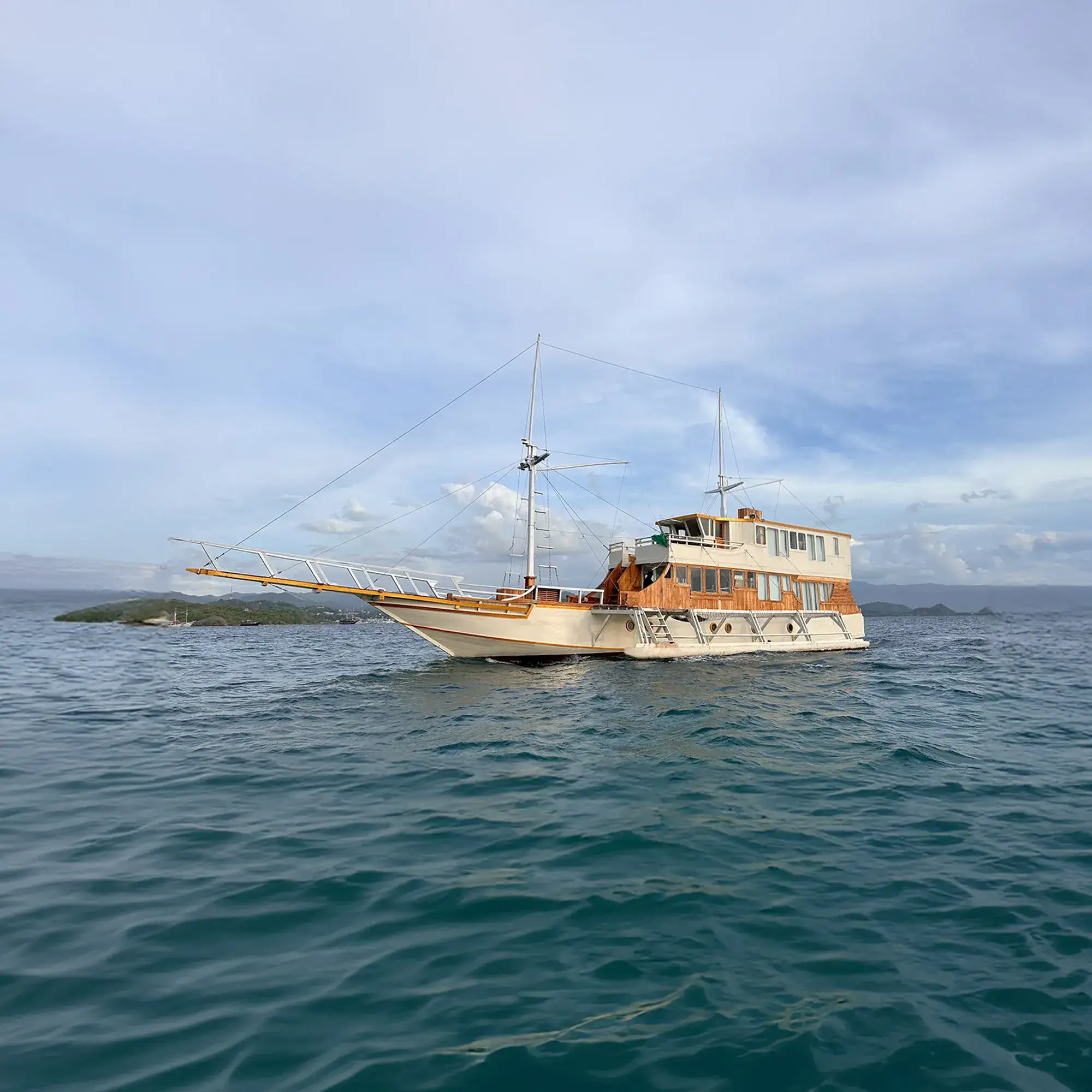
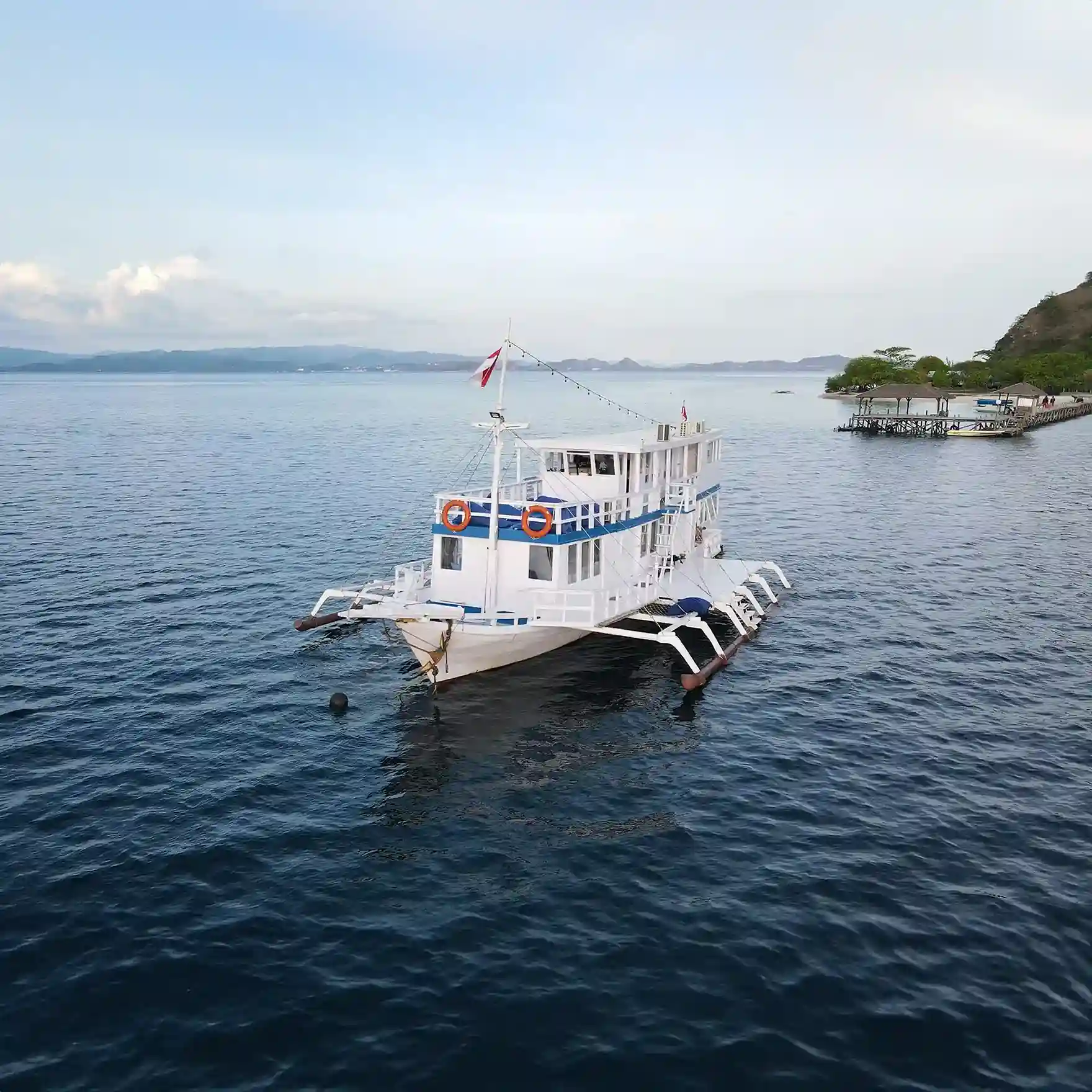
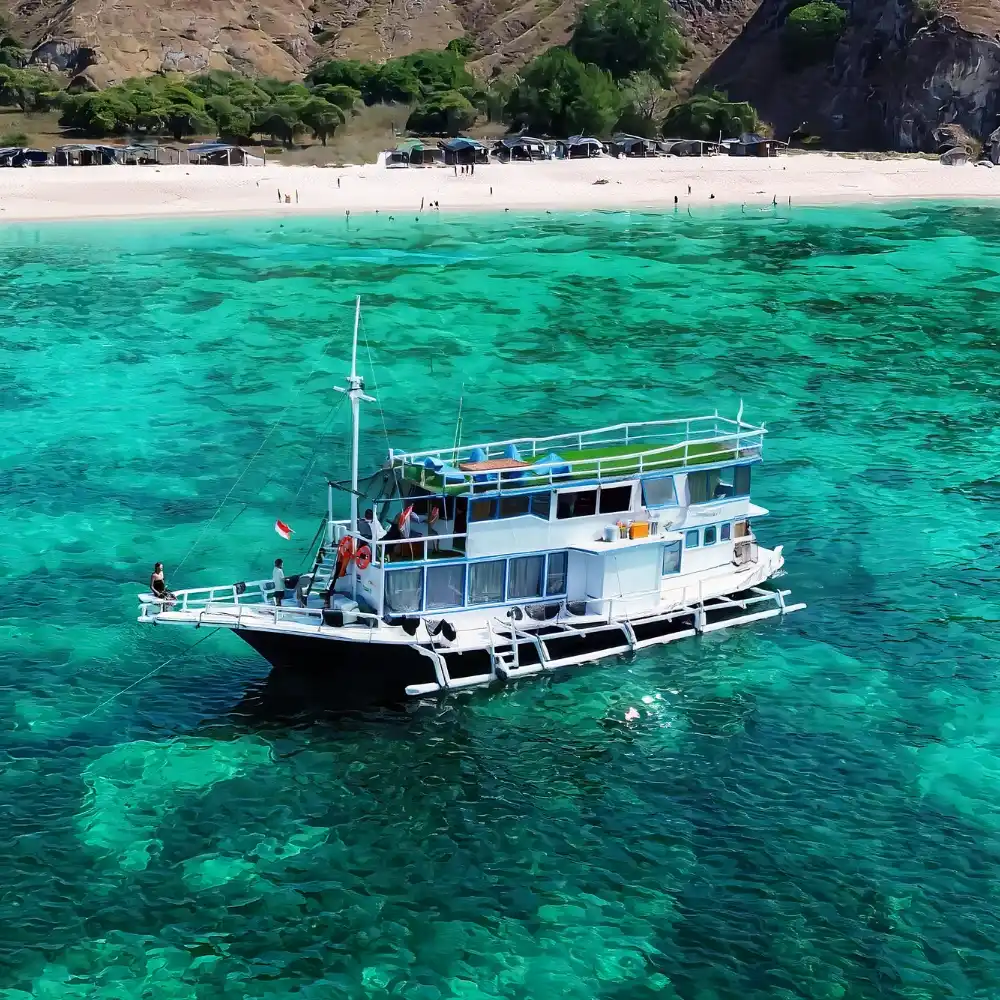
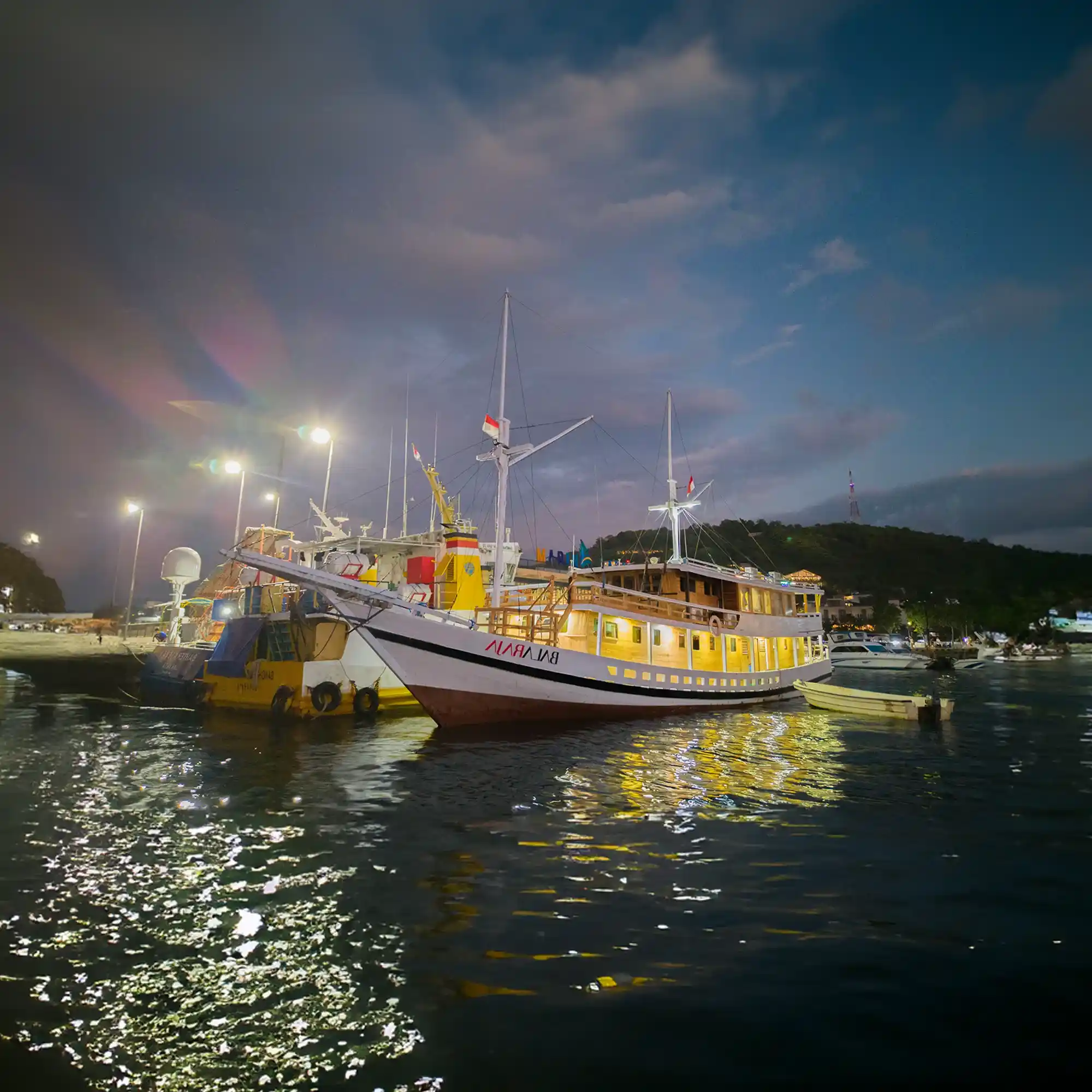
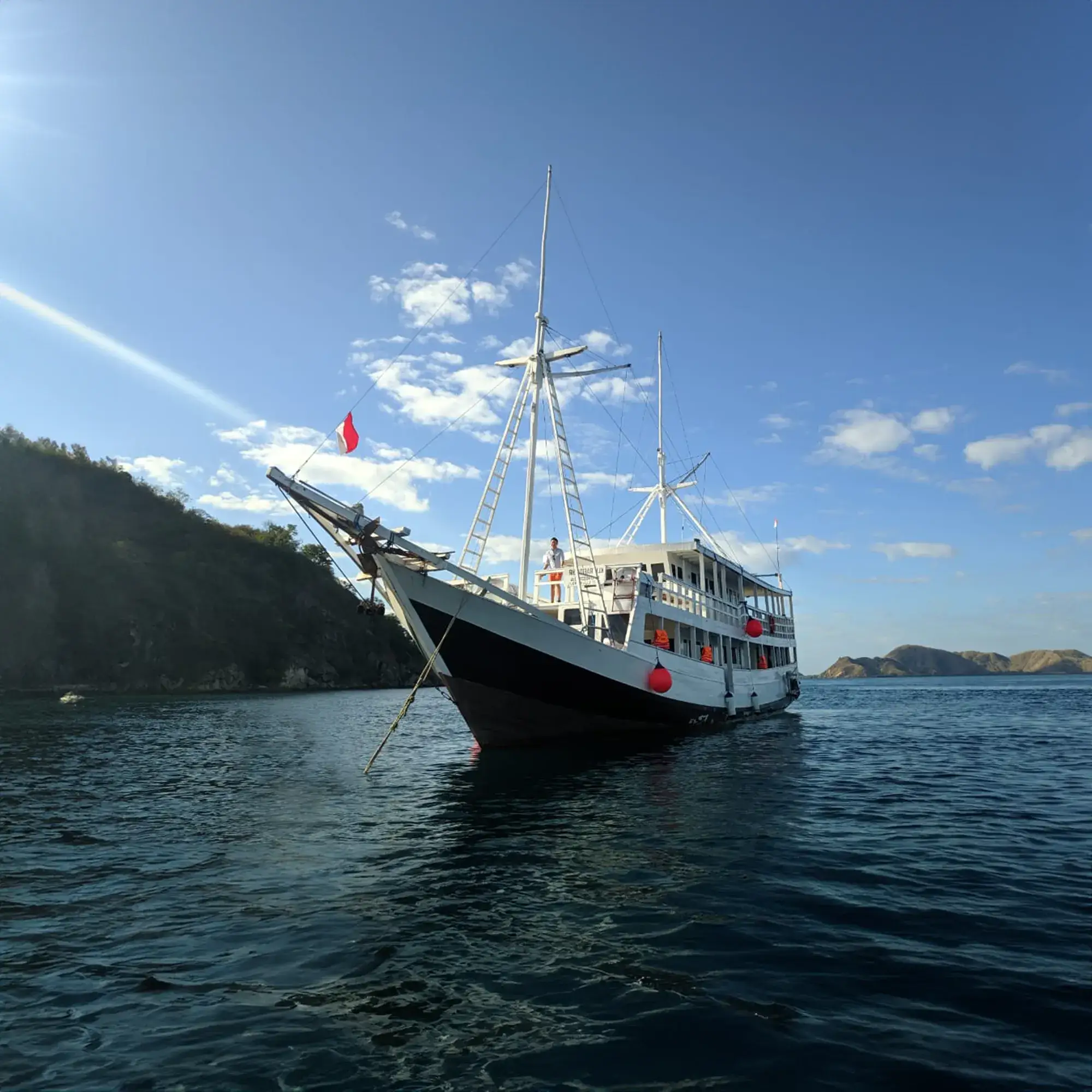
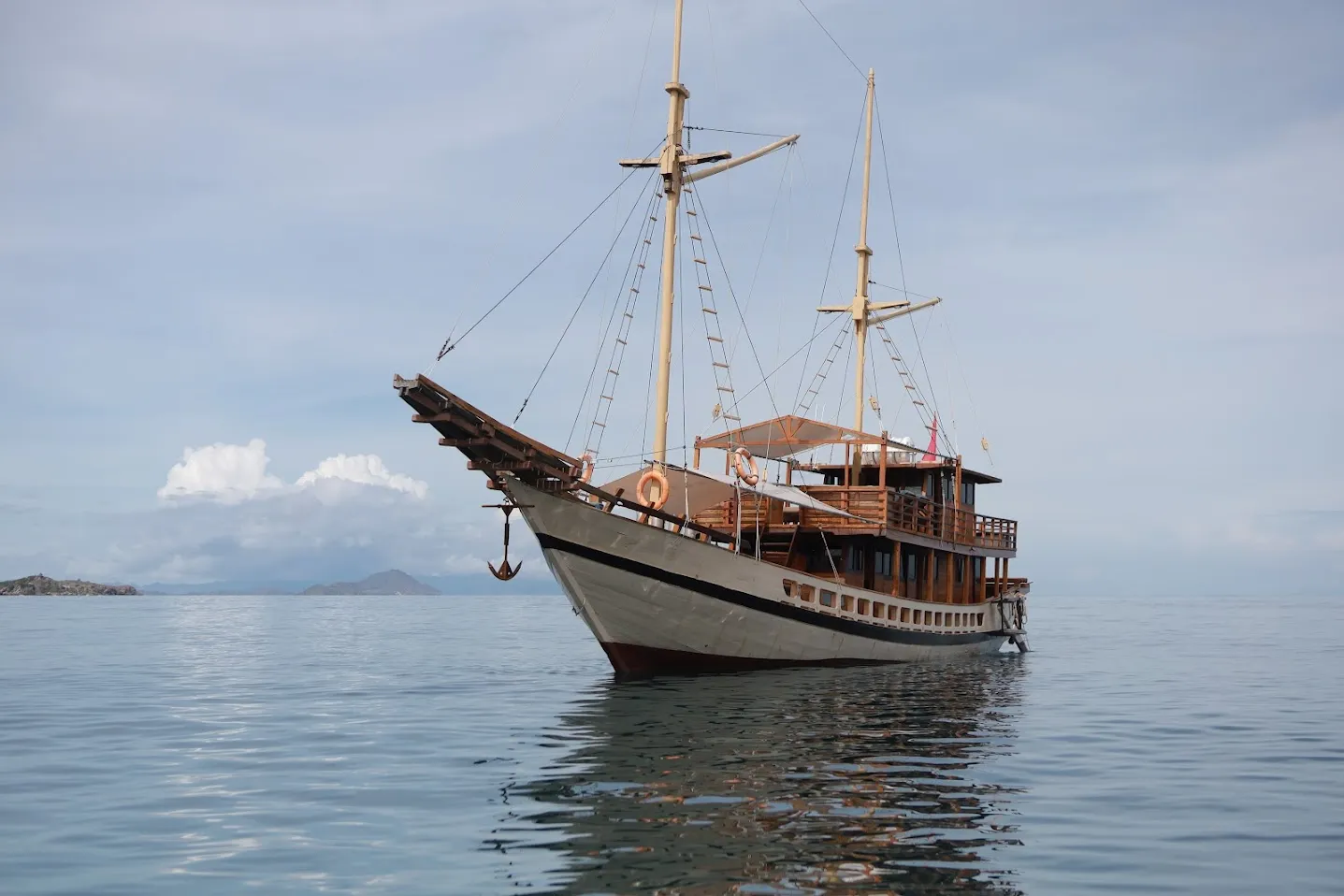
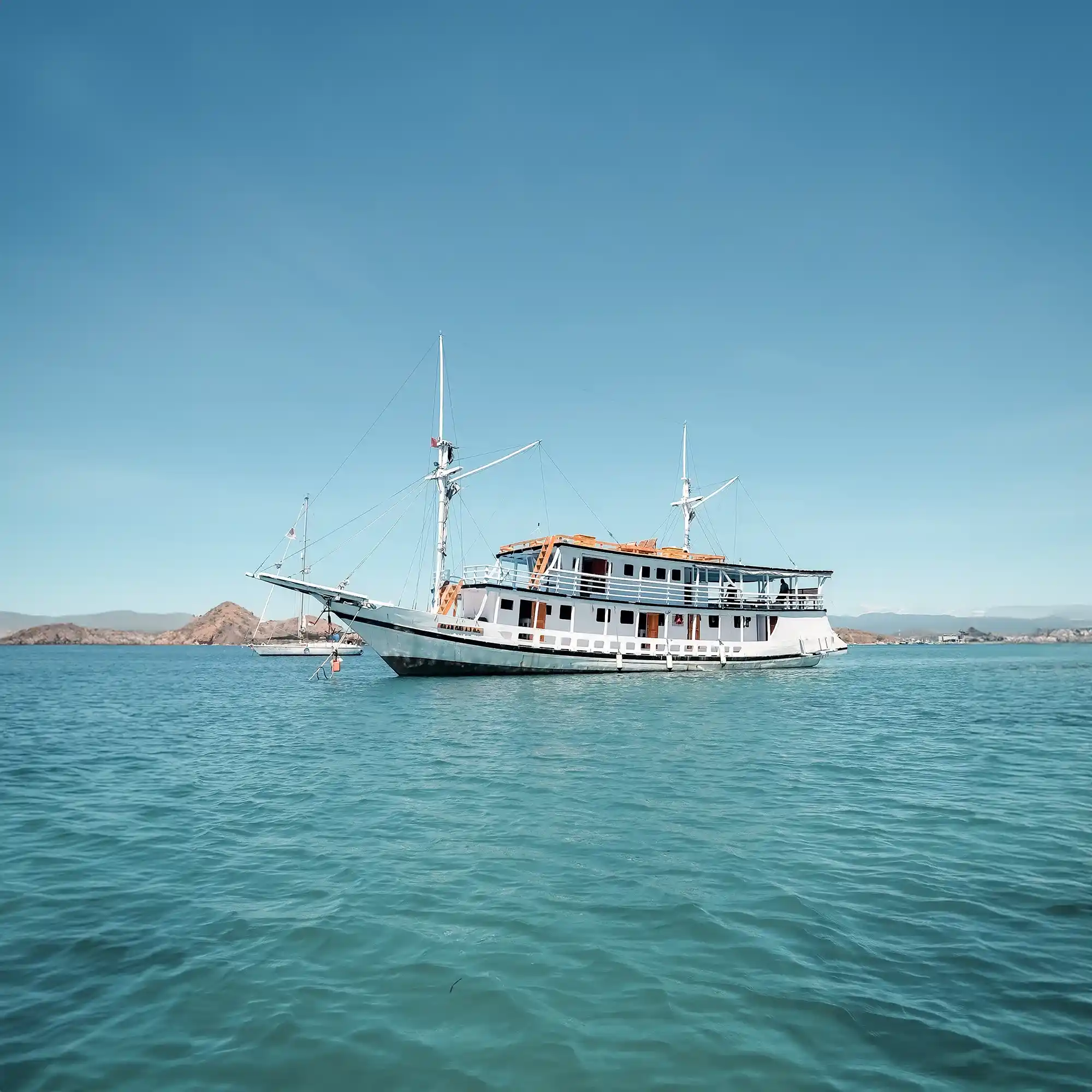
Lamborajo I is 26 metres of well-used timber, built for function but with thoughtful touches. The six cabins are arranged in a cross-layout below deck, each with large portholes that stay open at anchor, letting in sea breeze and the sound of lapping waves. Mine faced starboard, just aft of the galley, and caught the morning sun around 07:00 when the crew began brewing strong local coffee. The mattresses aren’t plush, but they’re firm and dry—no mustiness, even after three days at sea. Shared bathrooms use seawater flush, but freshwater rinses are constant, and the showers on the upper deck have actual pressure.
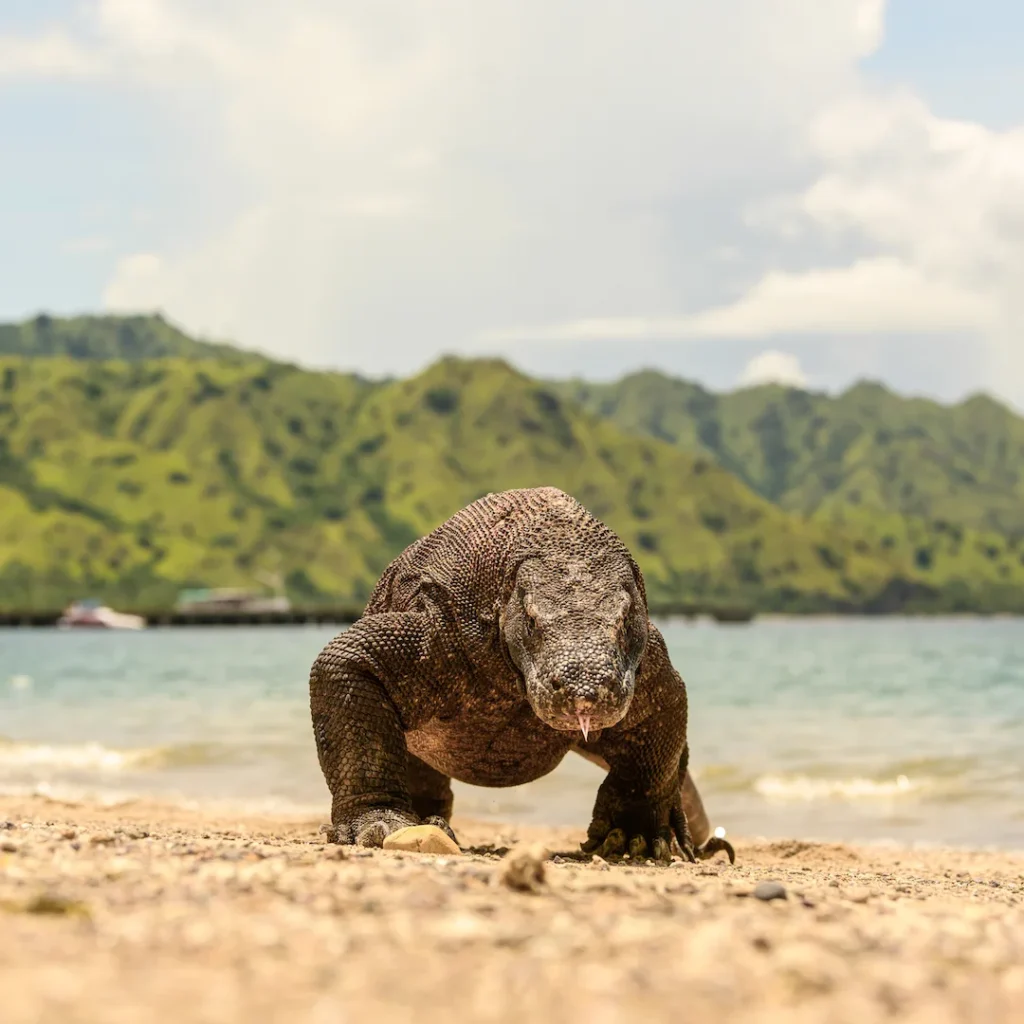
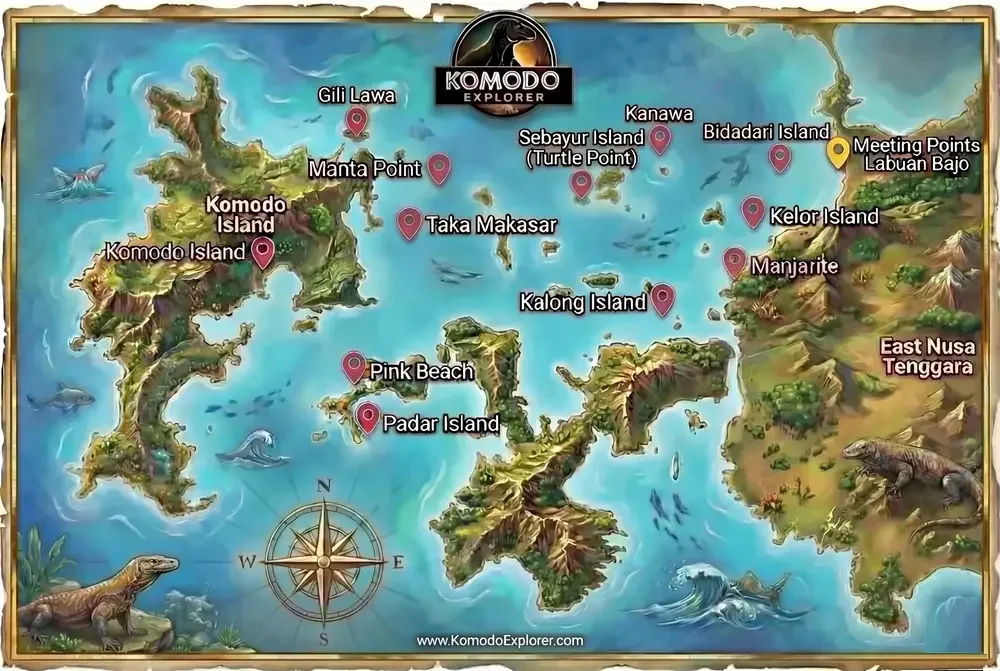
By Day Two, we’d fallen into a quiet routine. Up at 05:30 for Padar Island’s west ridge. The climb starts in dark with headlamps, but by the time you reach the top, the first light is cutting through the Flores Sea, revealing the scalloped bays in shades of rust and ochre. Breakfast was served back on deck—banana pancakes, papaya, and boiled eggs—by 08:15, just as we pulled anchor for Komodo Village. The ranger station there opens at 08:30 sharp; we were the first group in, avoiding the cruise ship crowds. The dragon walk is short—about 1.2km—but the guides know where the big males rest in the shade of the Ziziphus trees.
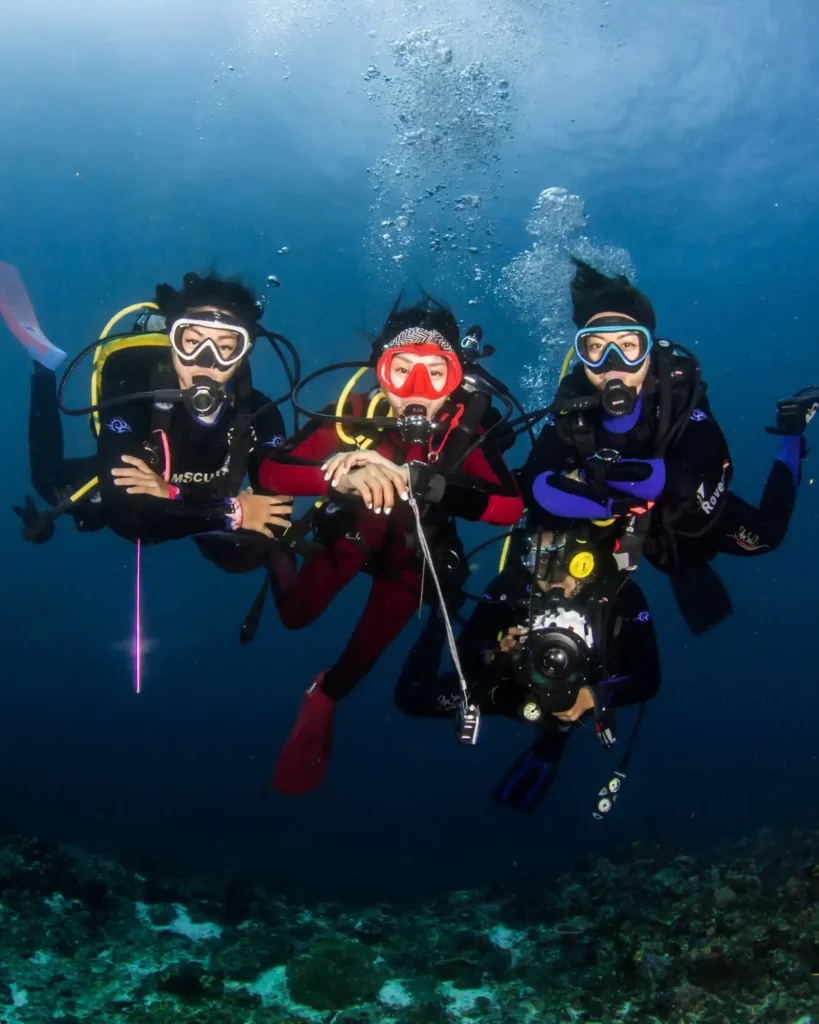
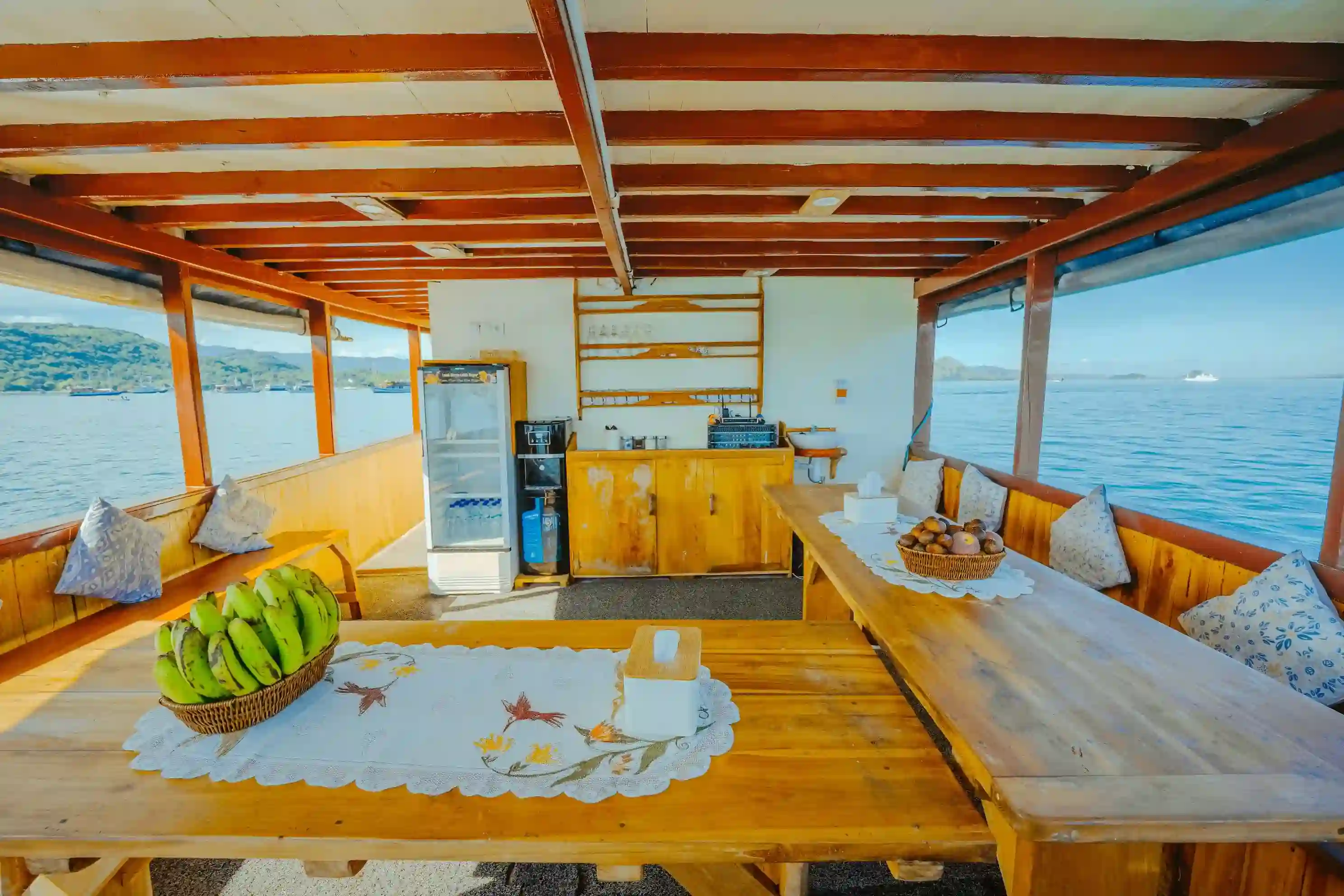
Lunch was grilled mahi-mahi with sambal matah, eaten under the awning as we drifted near Pink Beach. The sand isn’t neon, but up close, you see the red foraminifera fragments glittering in the midday sun. Afternoon took us to Manta Point at Batu Bolong, where snorkeling begins at 14:00 when the current shifts. I counted eight mantas in 45 minutes, one with a scarred left wing that circled back twice. The crew dropped the floating rope early, and no one rushed. On Day Three, we reached Taka Makassar by 07:00—shallow sandbar, knee-deep at low tide. By 09:00 we were at Kanawa, where the reef slopes quickly into blue. The dive master pointed out a wobbegong under a ledge at 12 metres. No dive gear on board, but they support snorkelers fully.
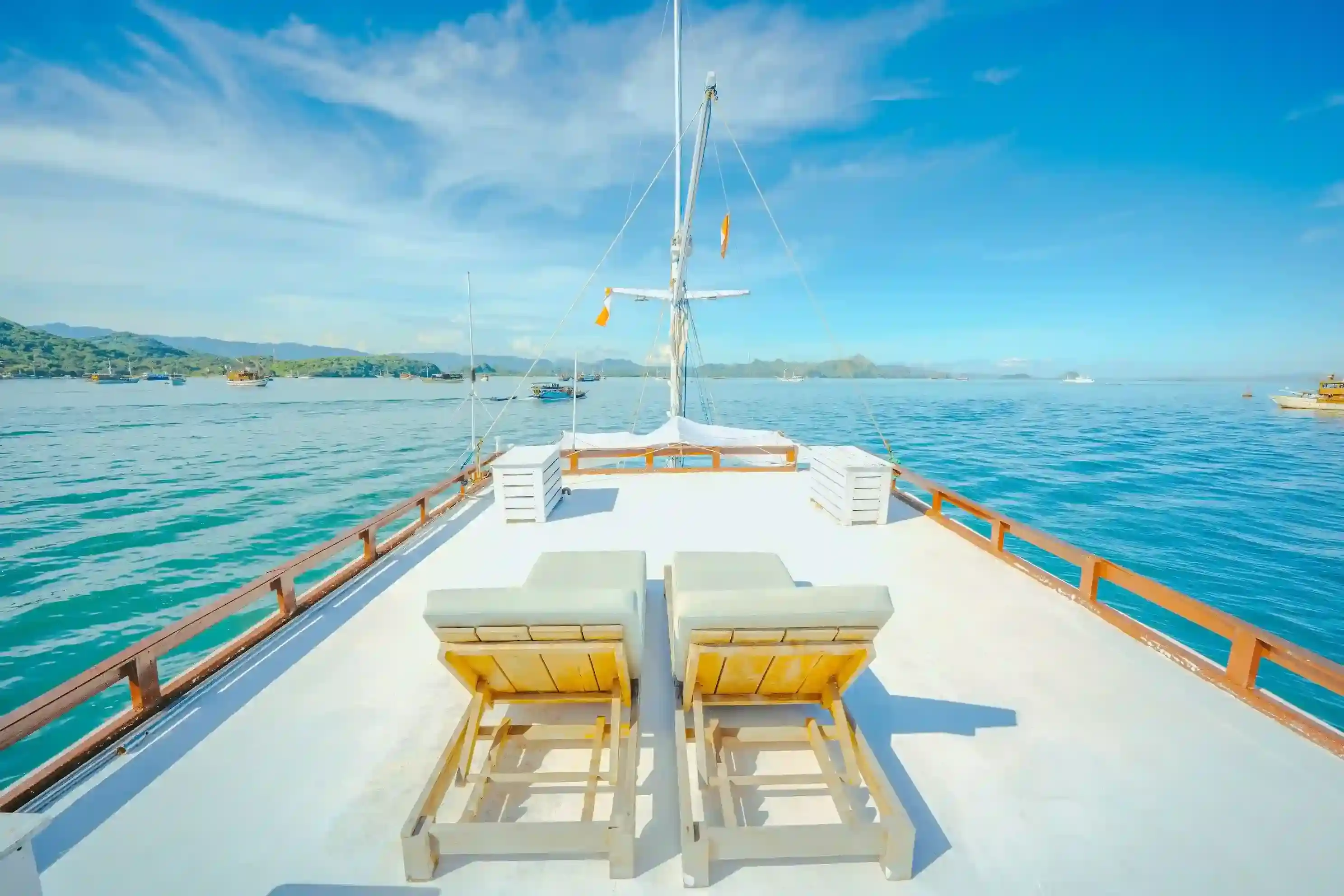
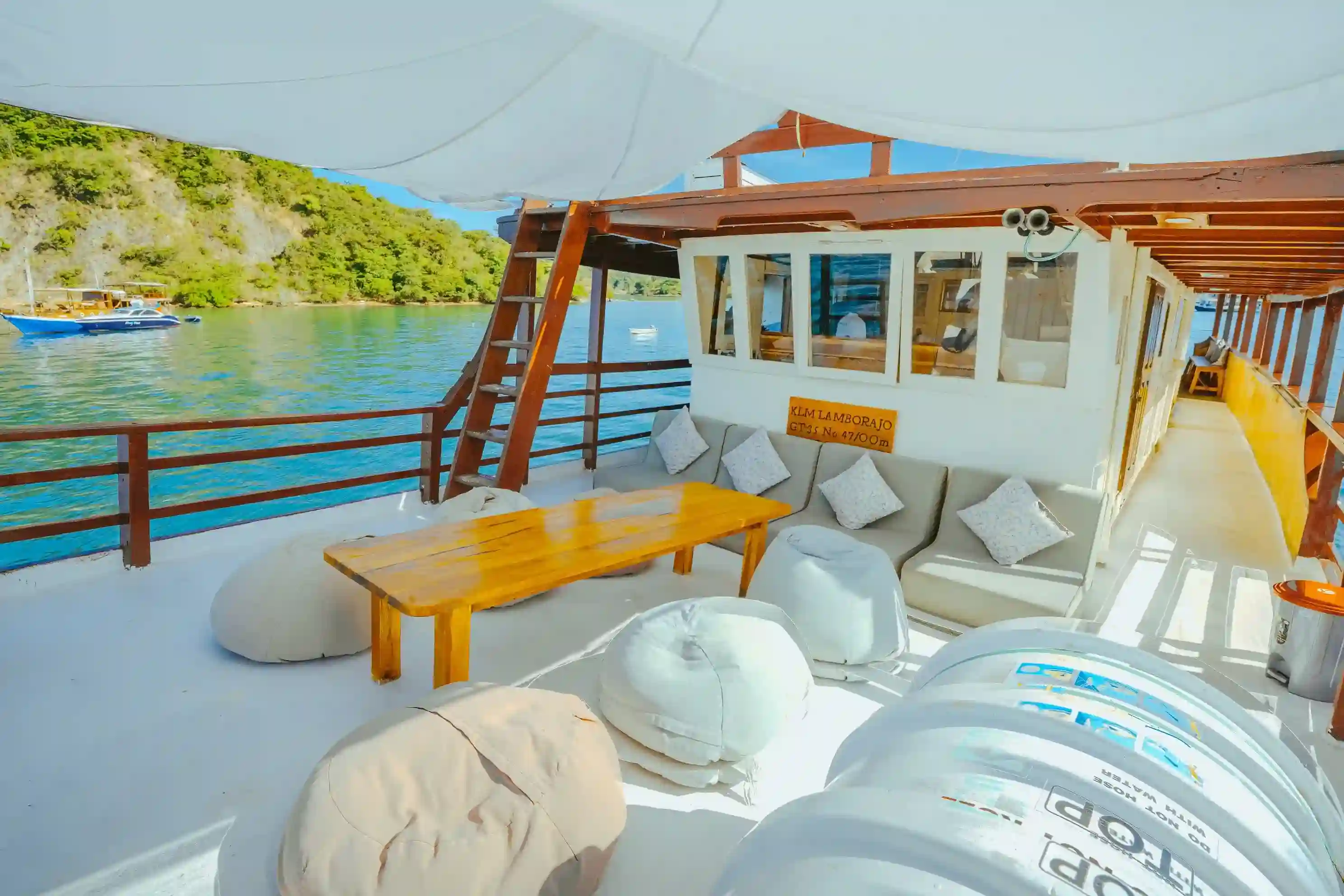
What stays with me is the crew’s timing. They never woke us early without reason. Transits happened at dawn or dusk, minimising engine noise during the day. The upper deck sun loungers are simple teak slats, but they’re angled just right to catch the evening light. At 18:00 on the final day, as we approached Labuan Bajo, someone handed me a lime soda with no garnish—just cold glass and bubbles. That’s the Lamborajo rhythm: understated, precise, and deeply attuned to the water.