About Osiana Alo
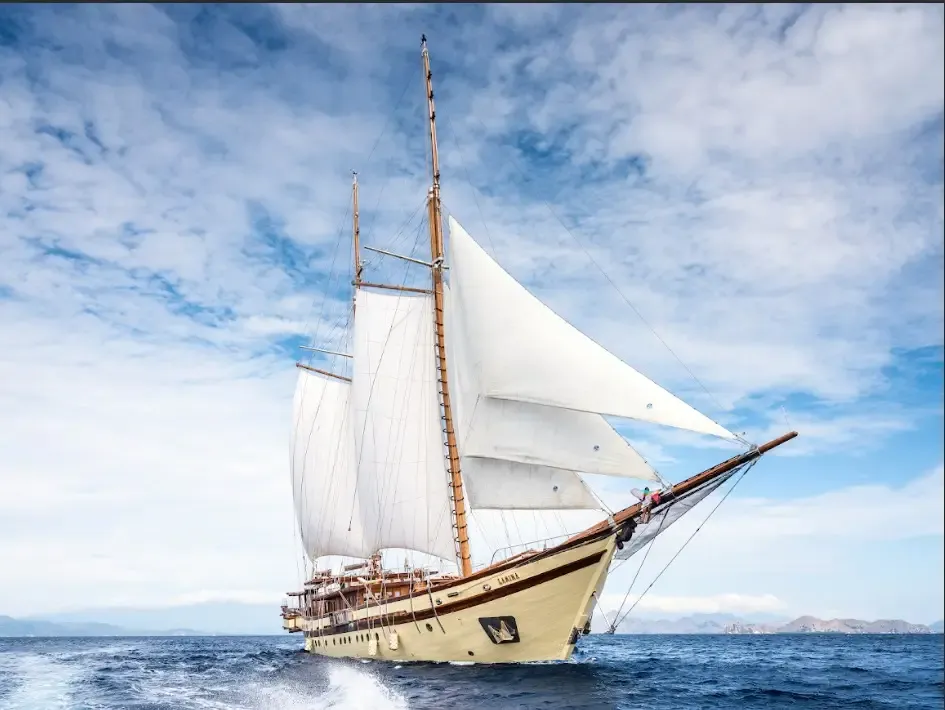
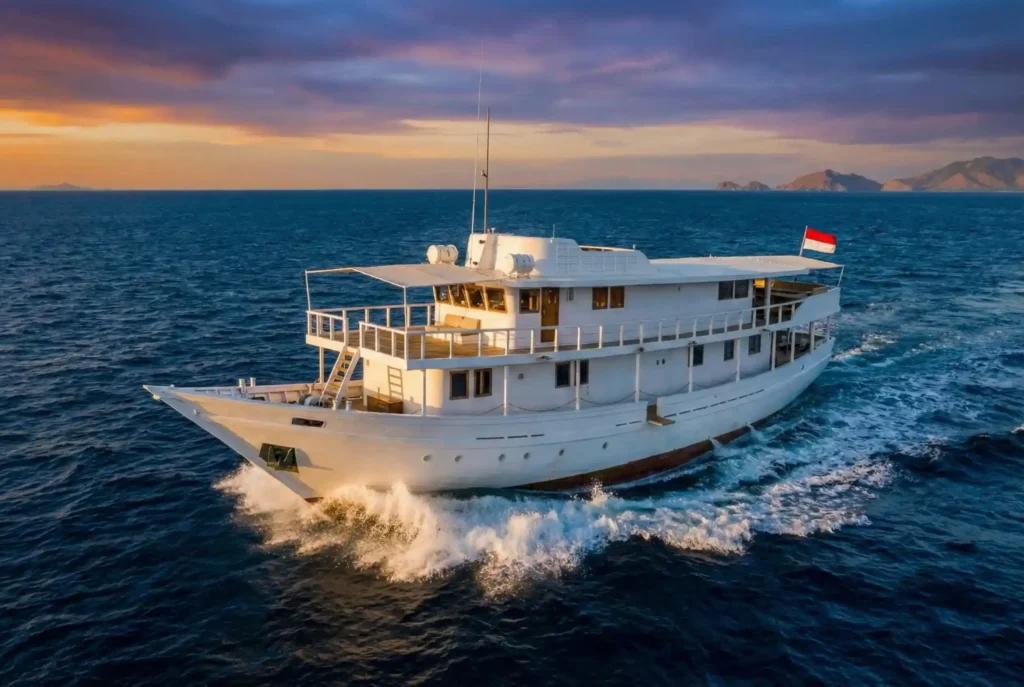
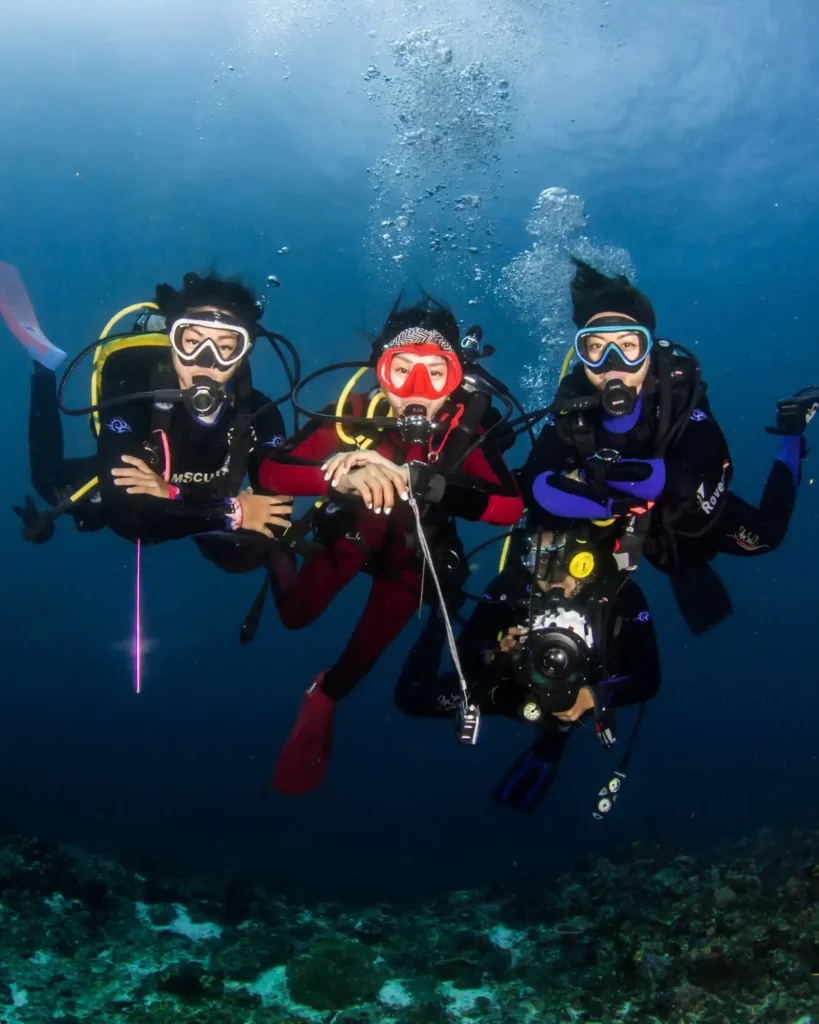
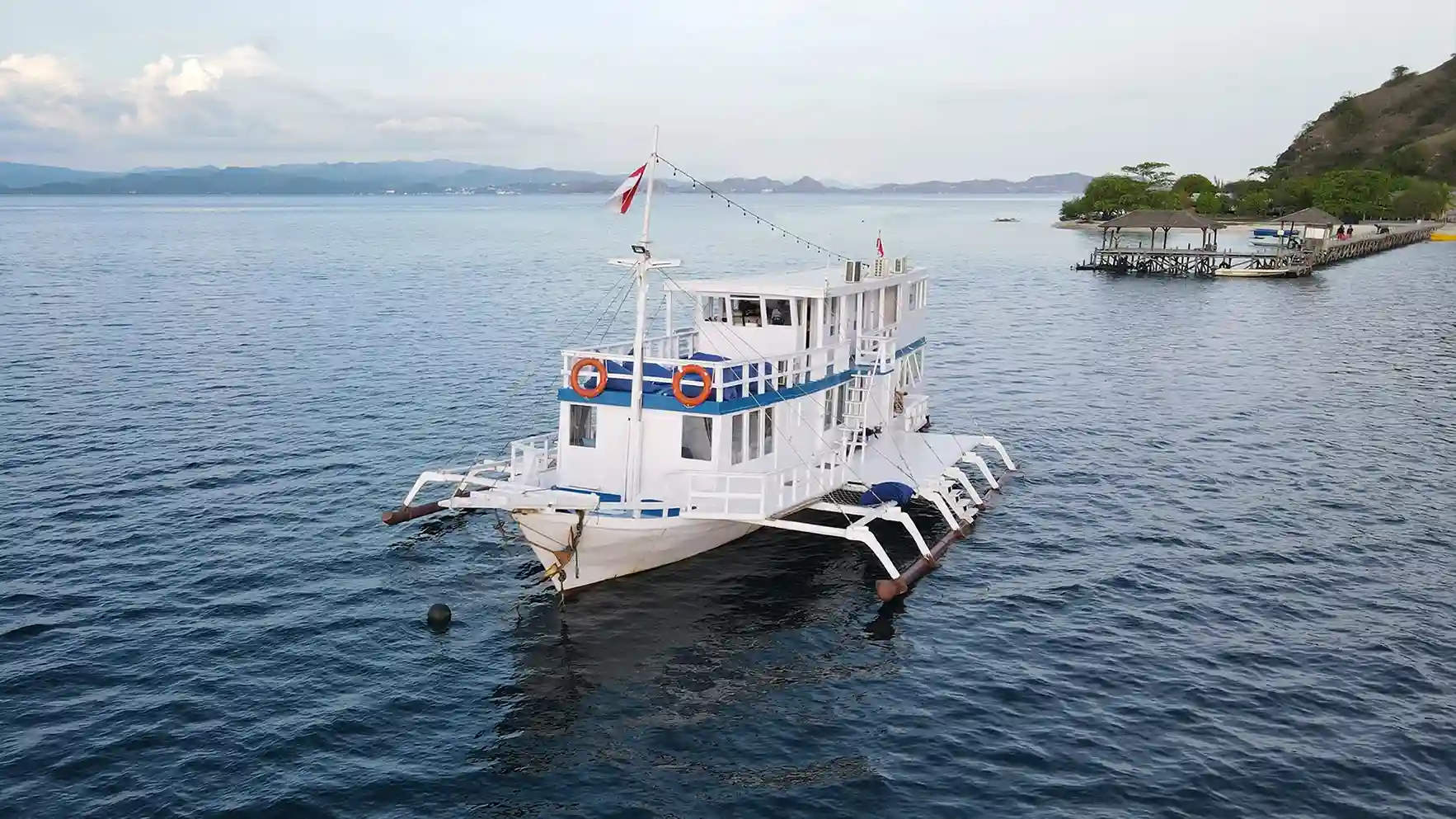
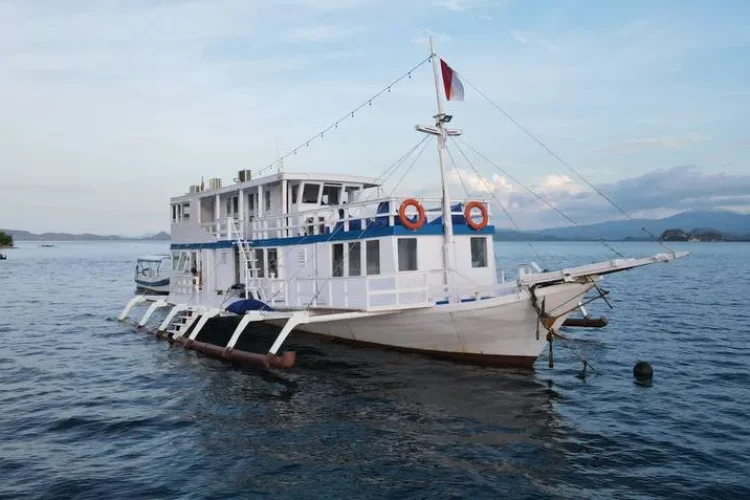
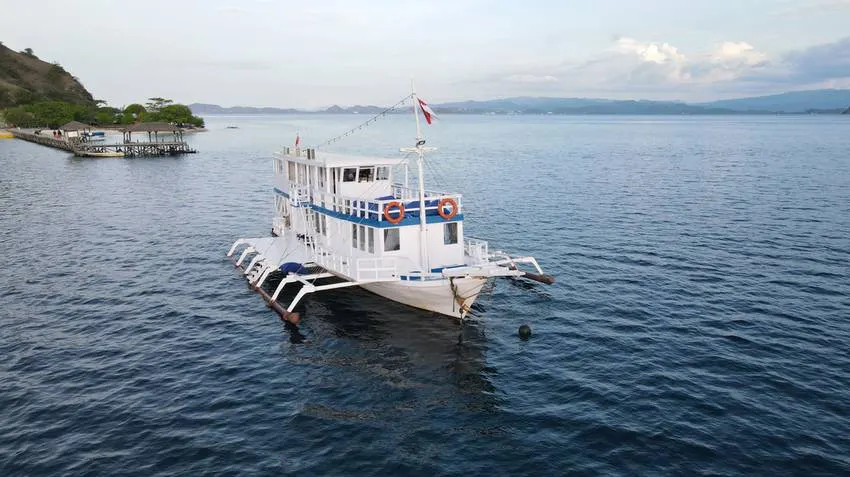
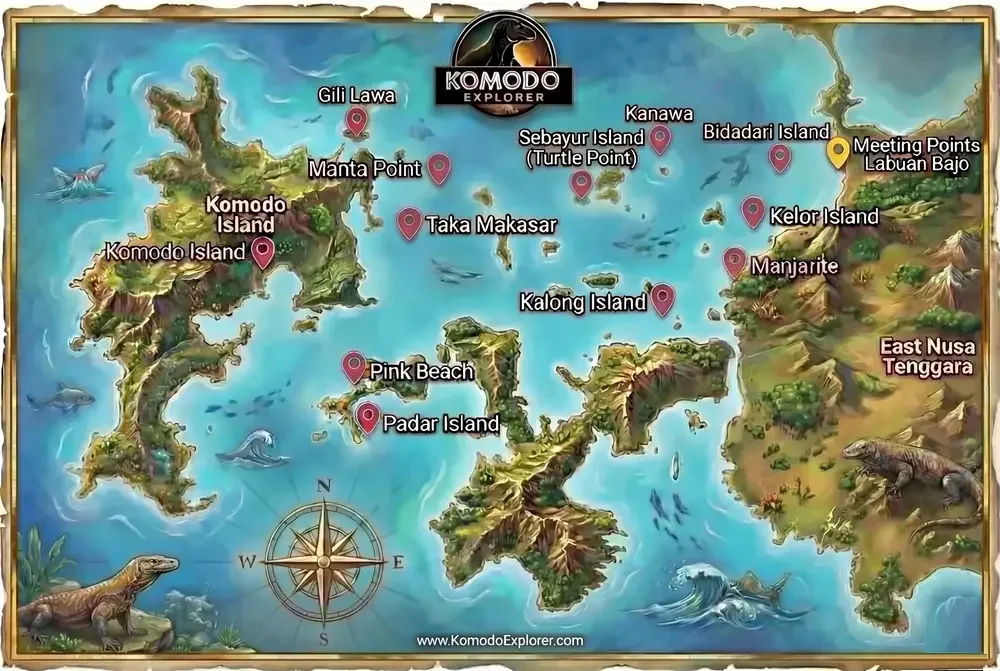
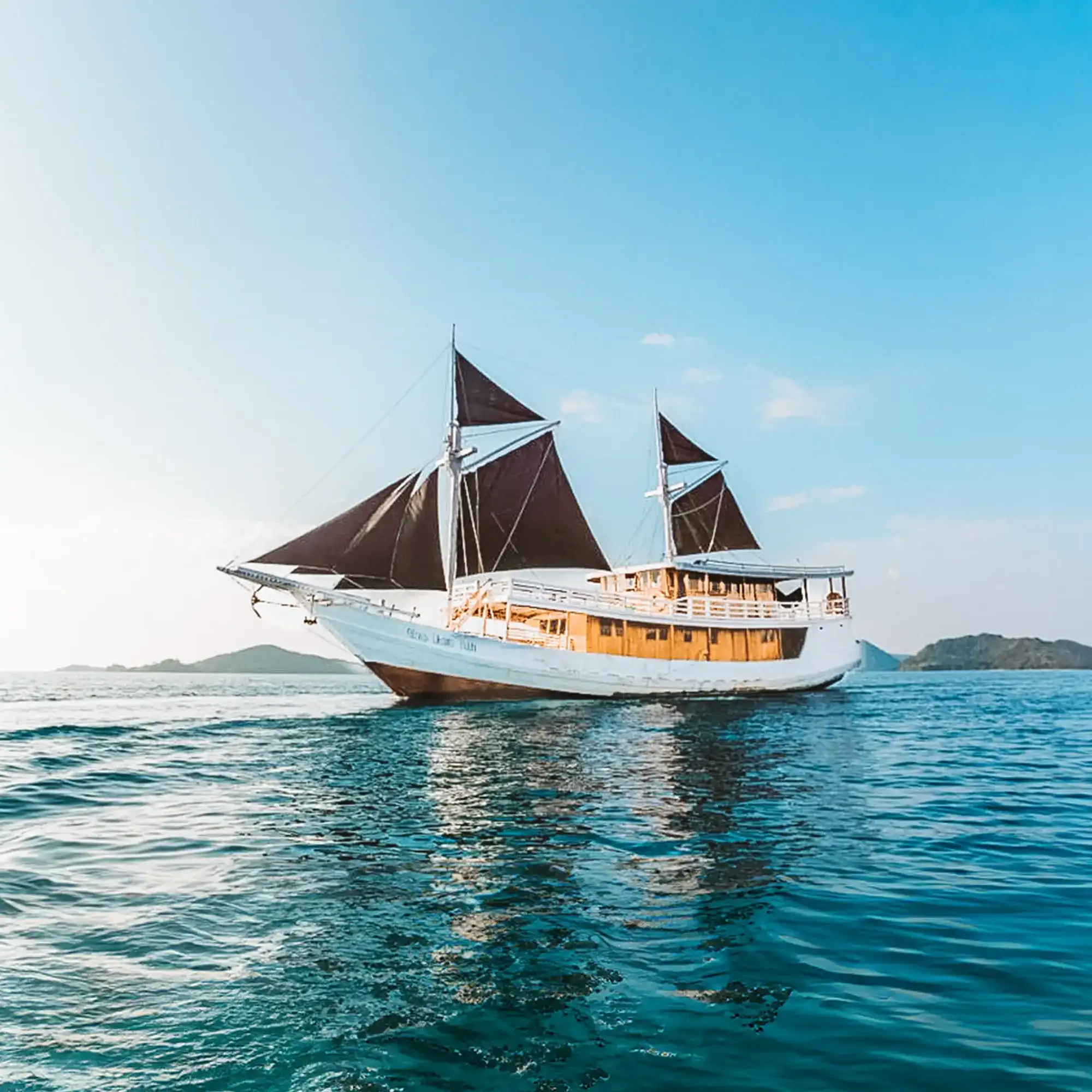
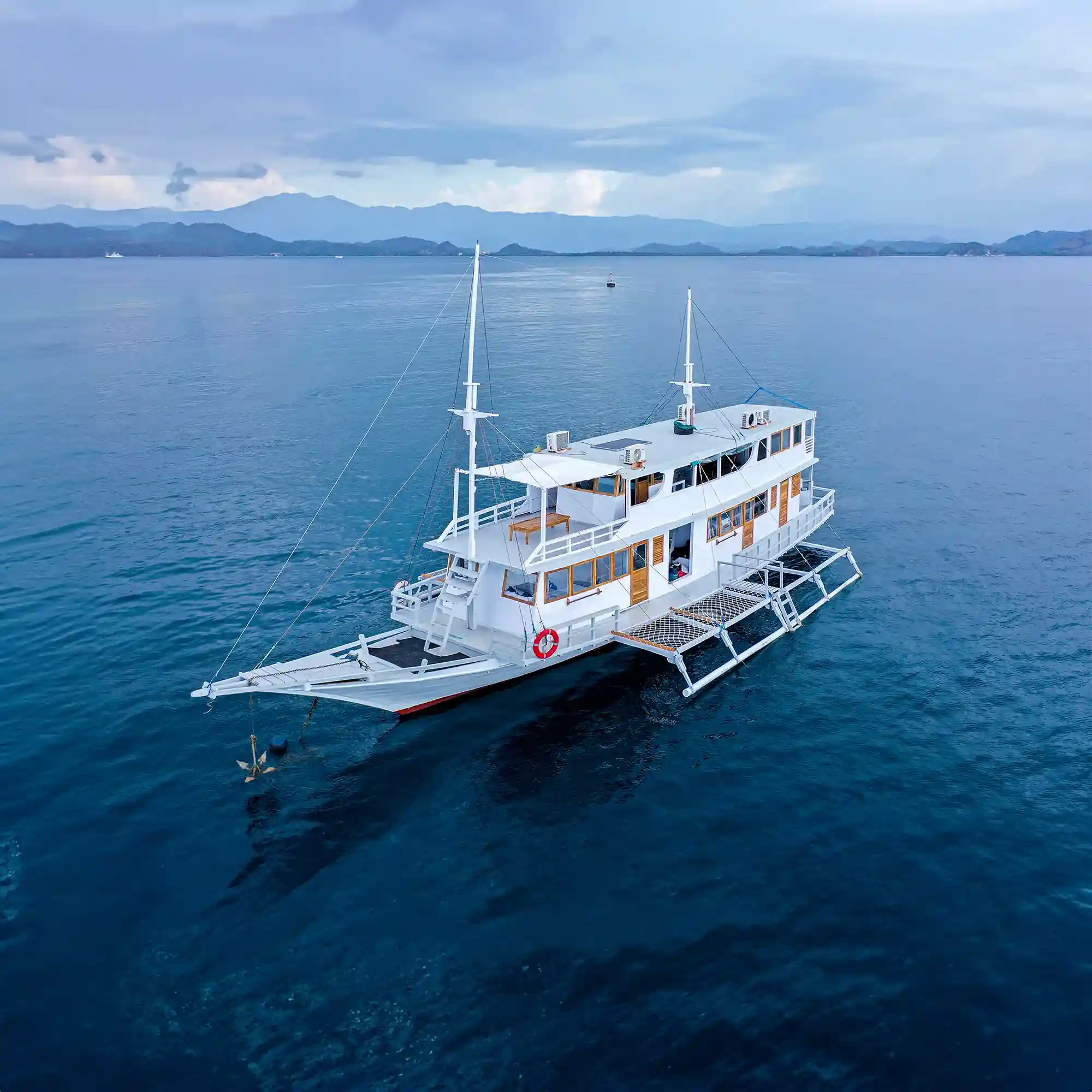
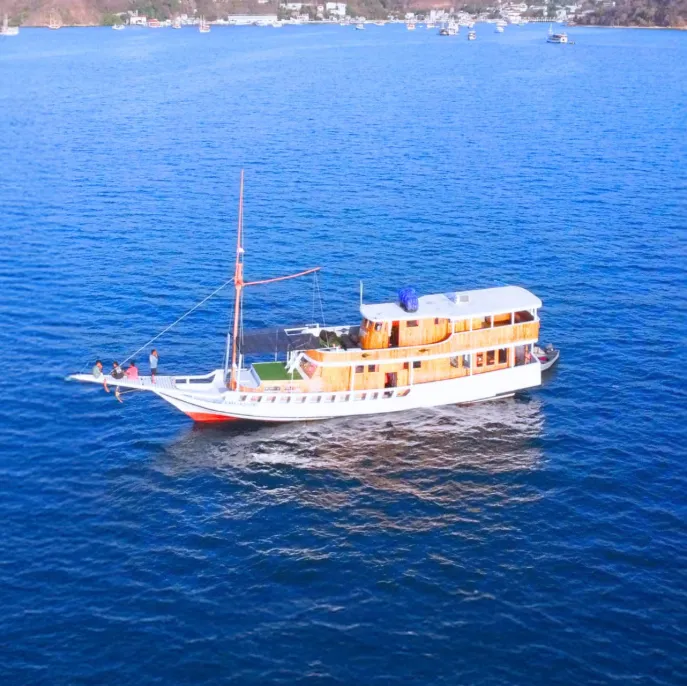
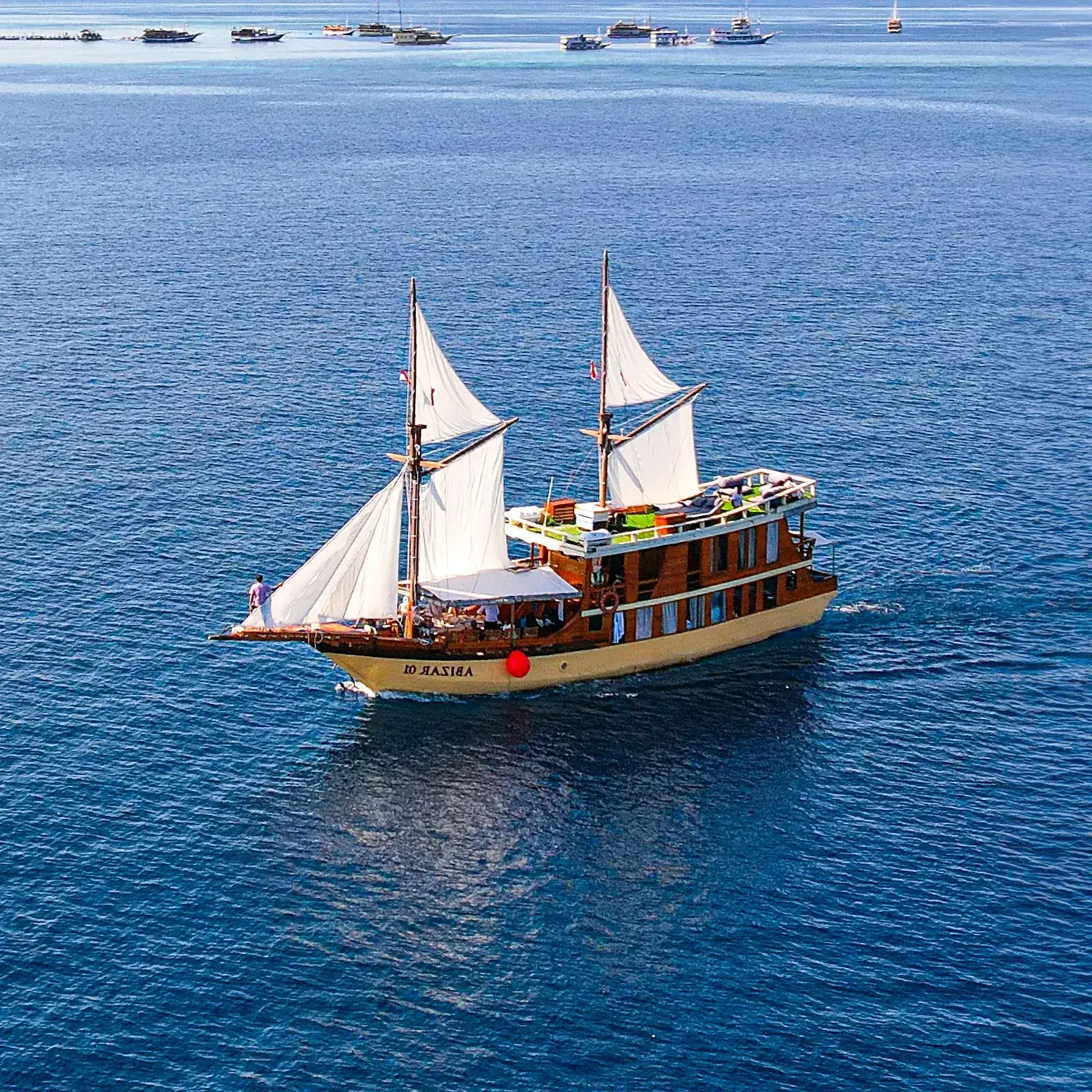
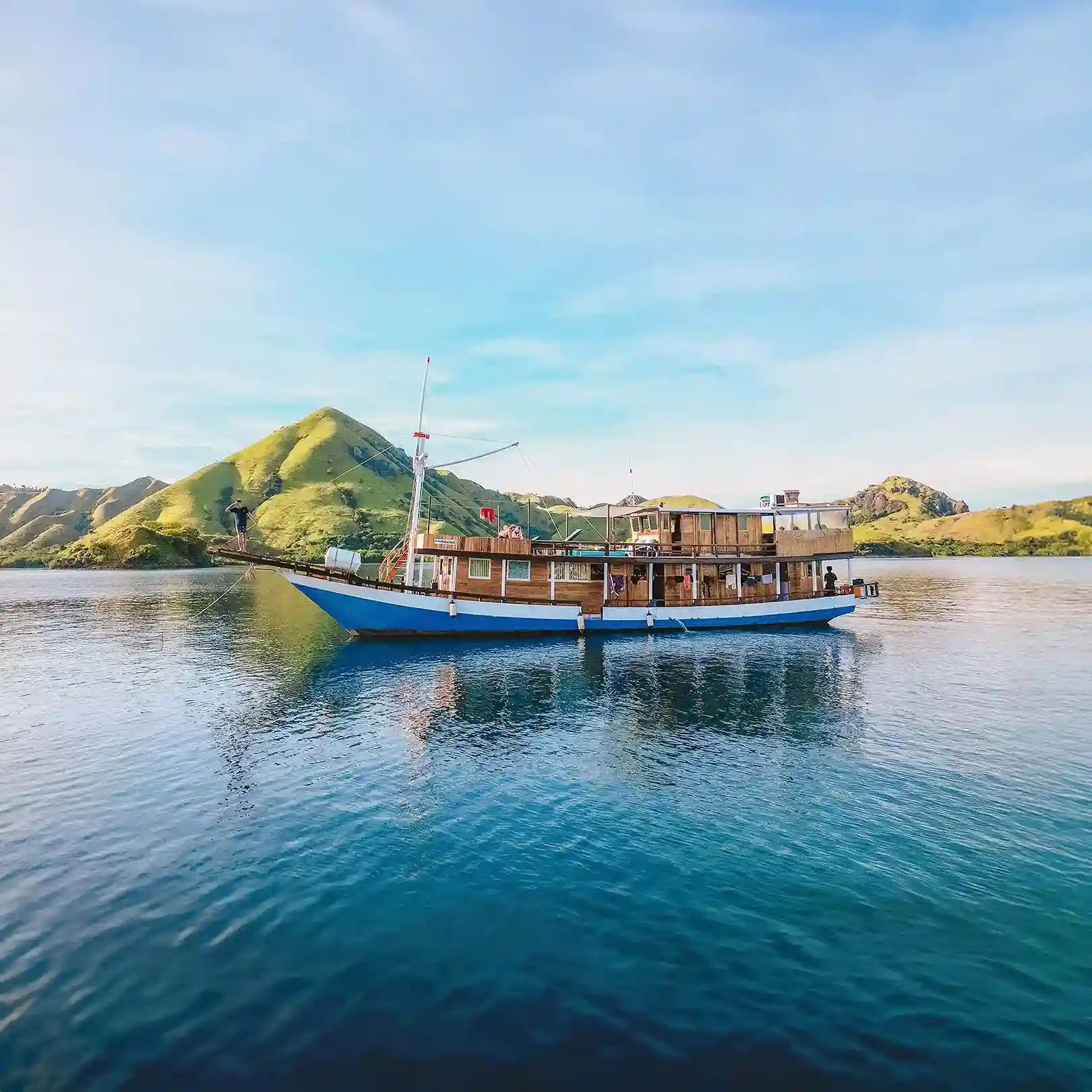
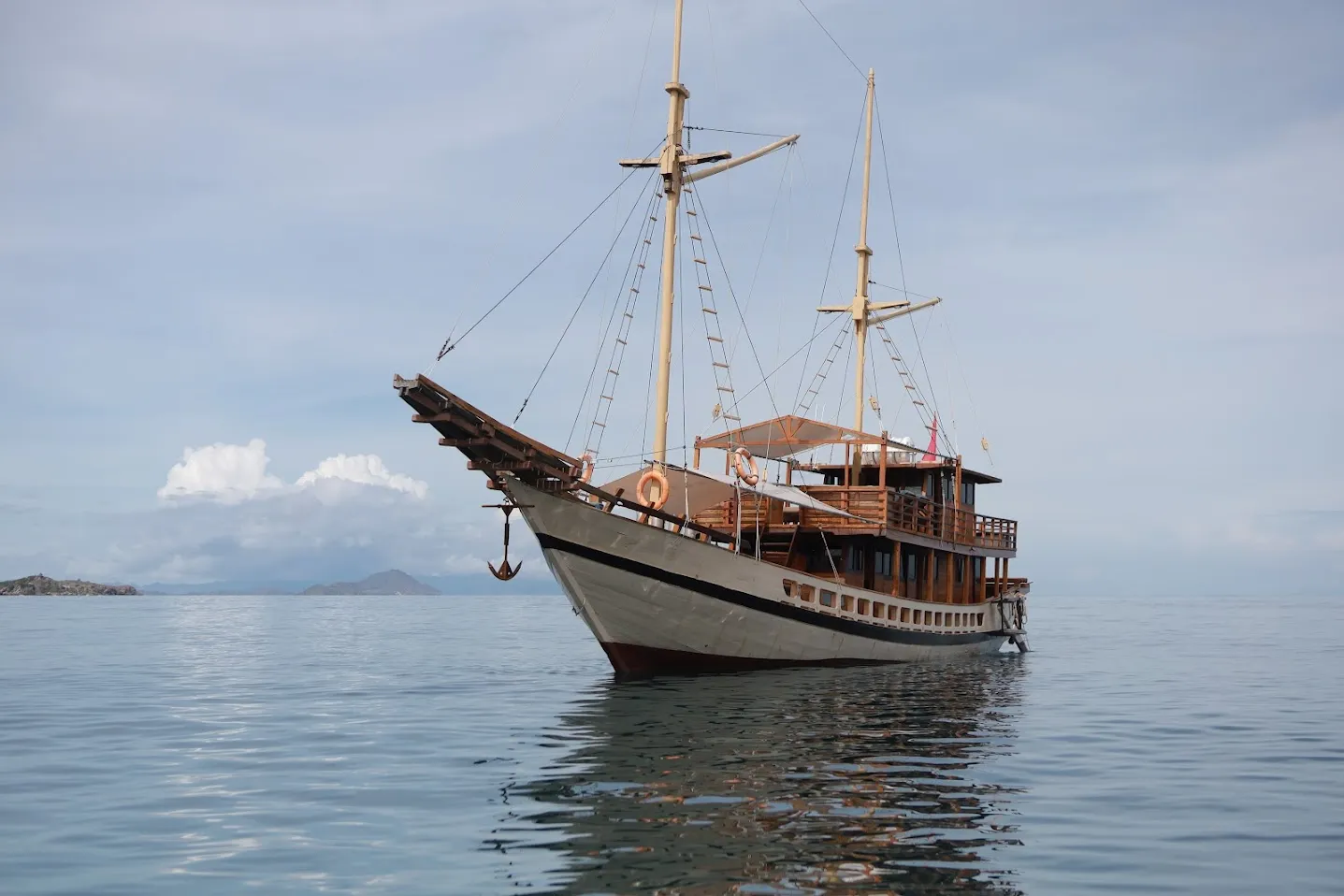
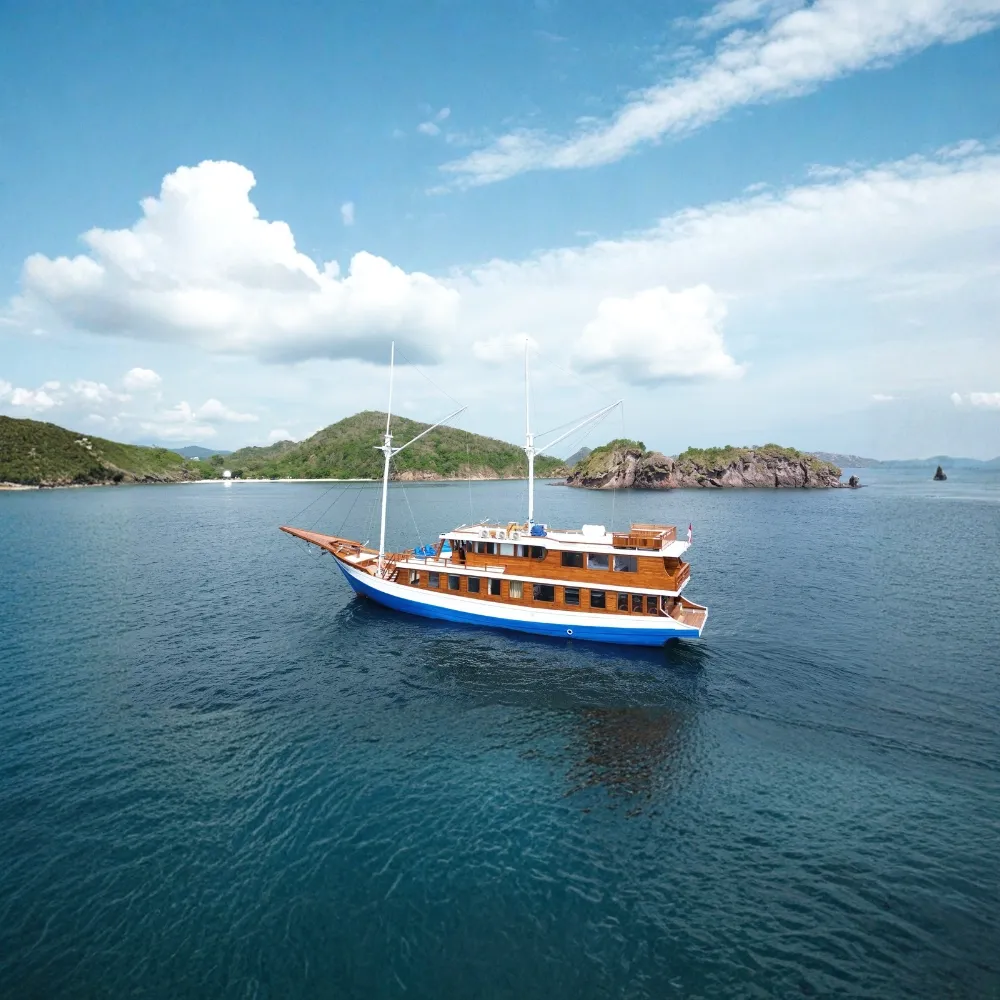
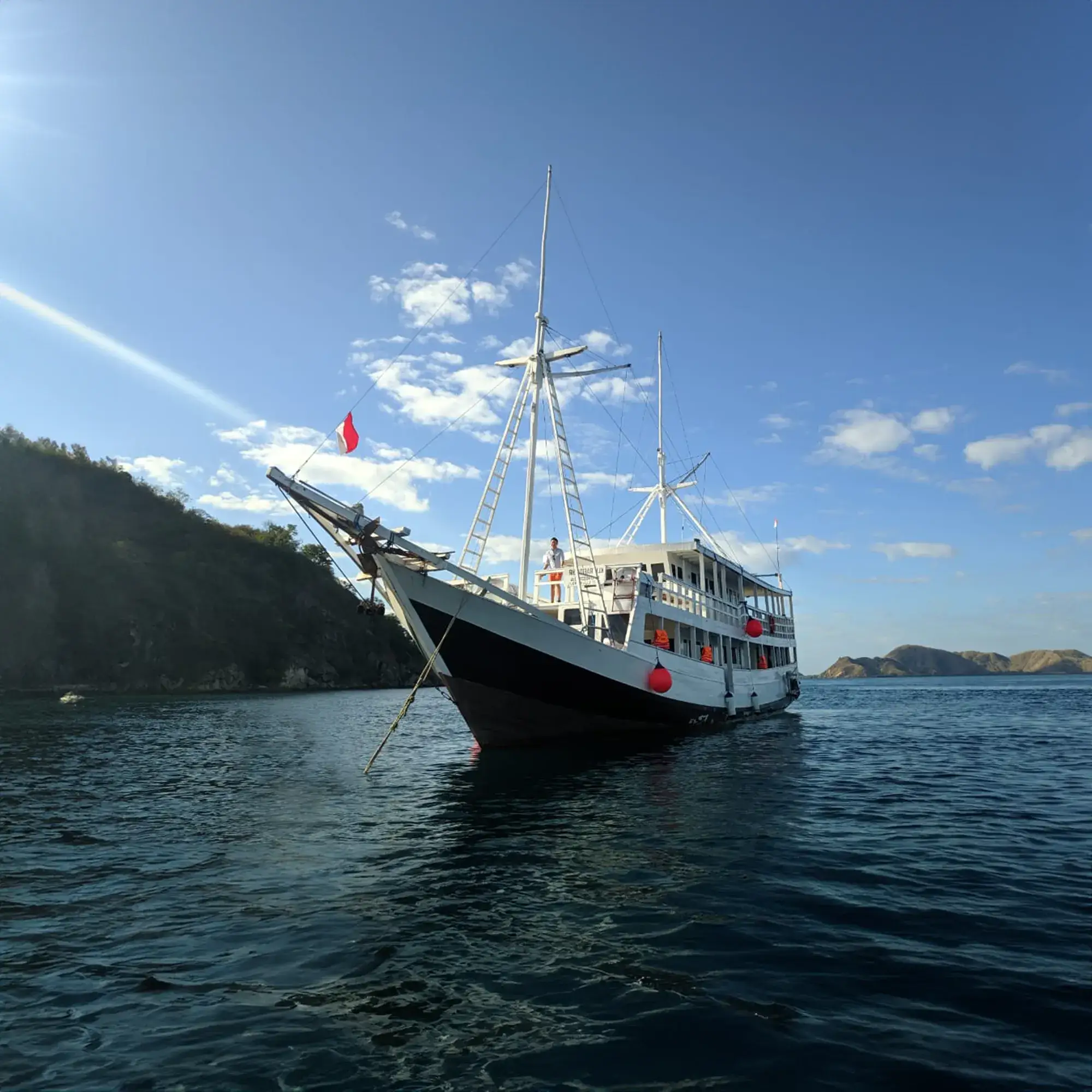
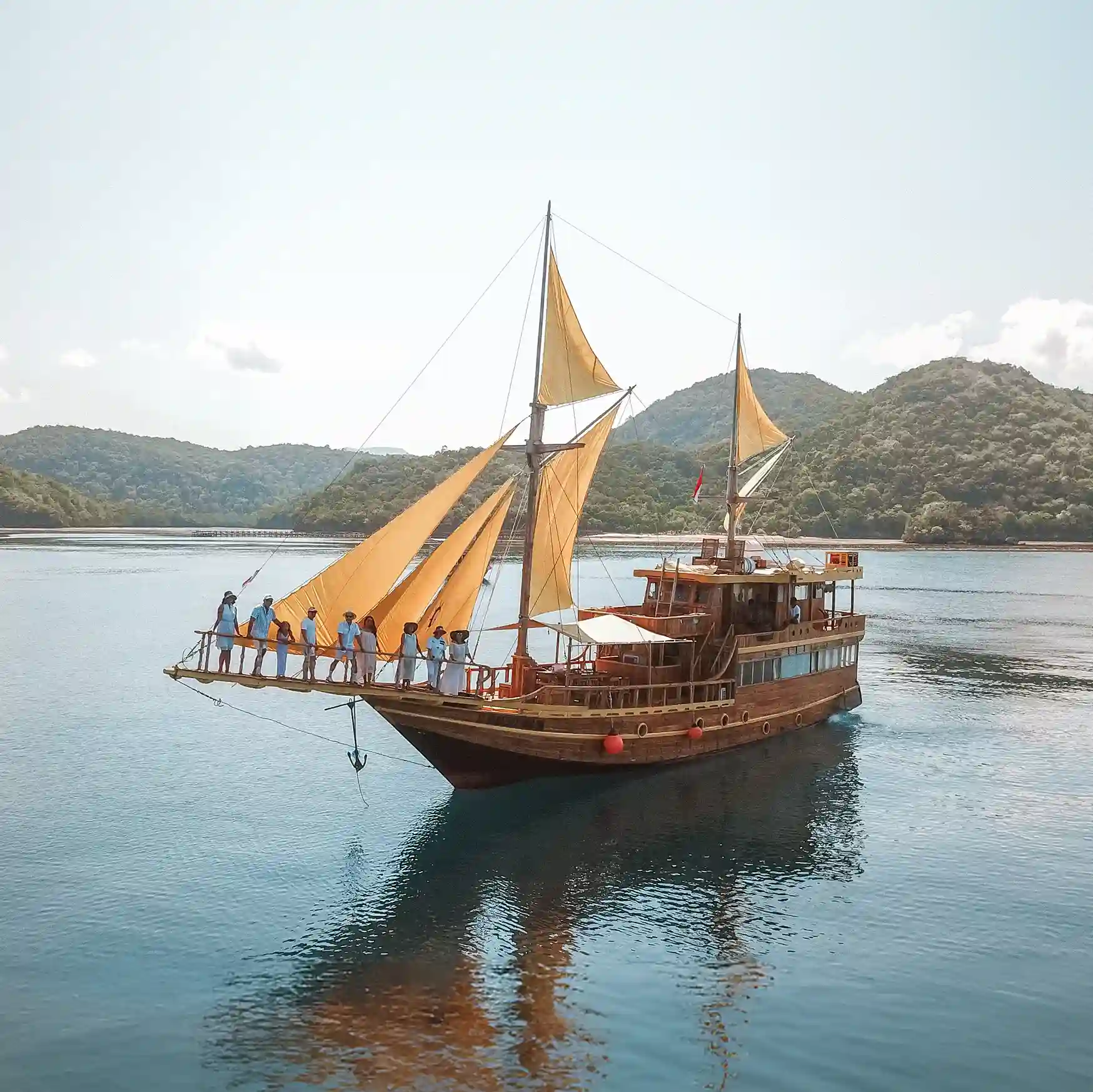
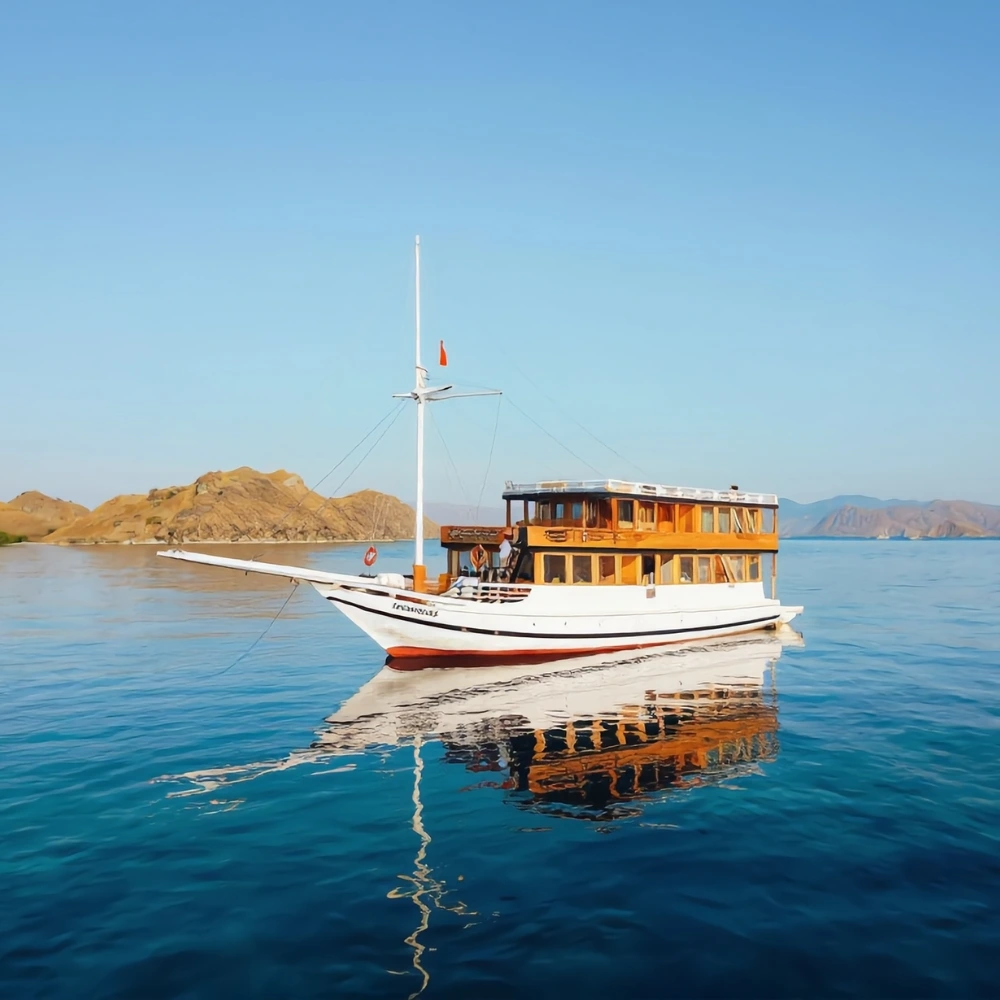
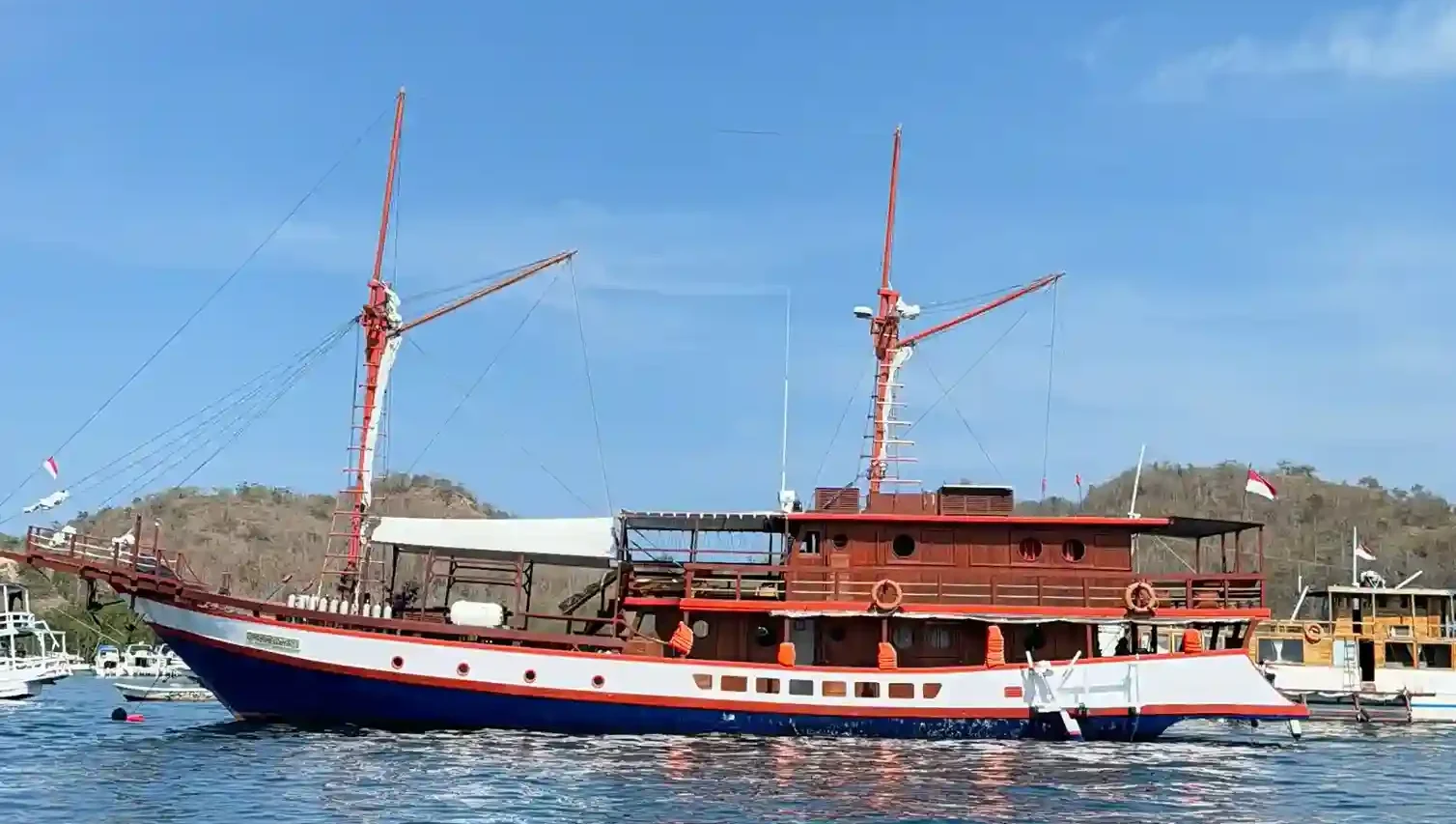
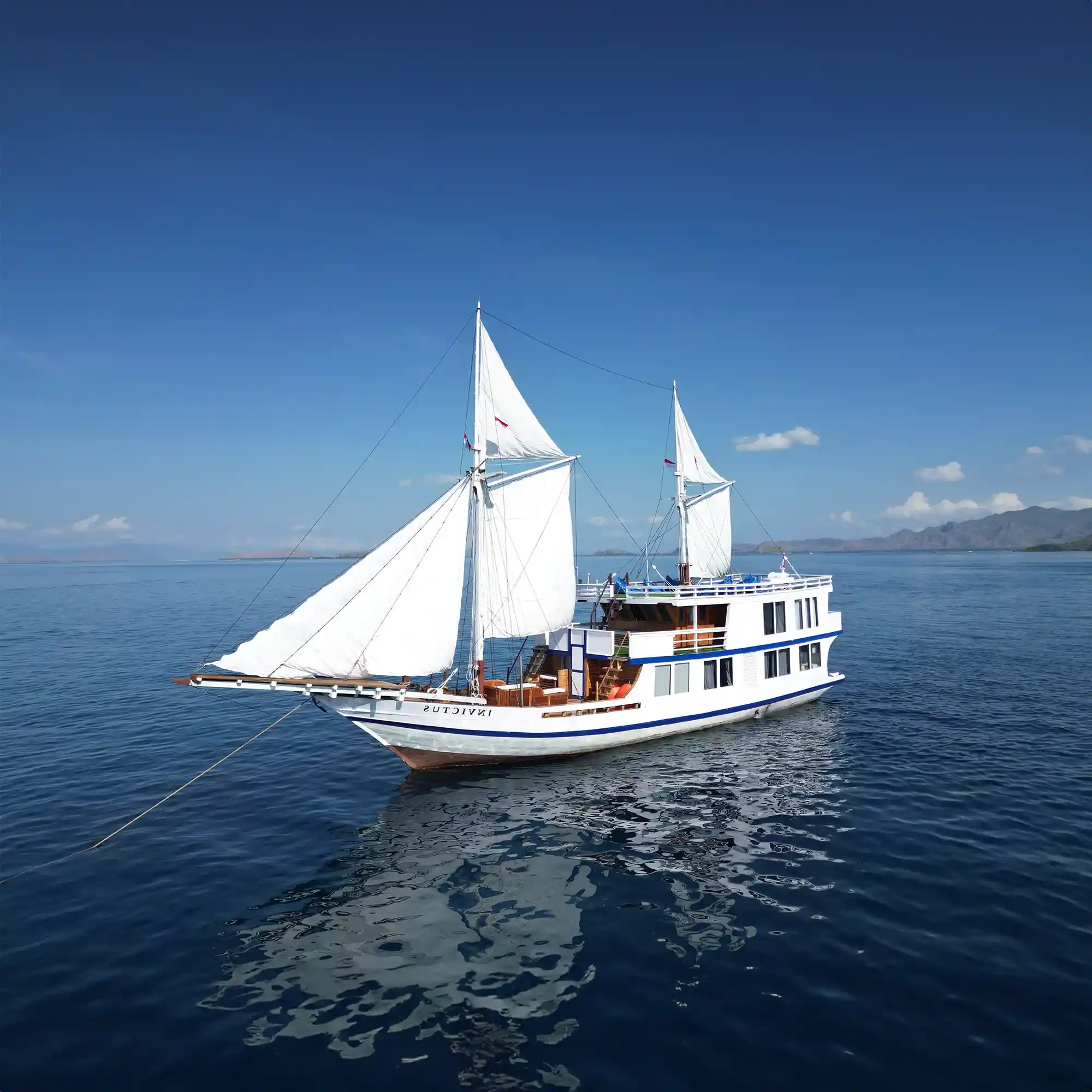
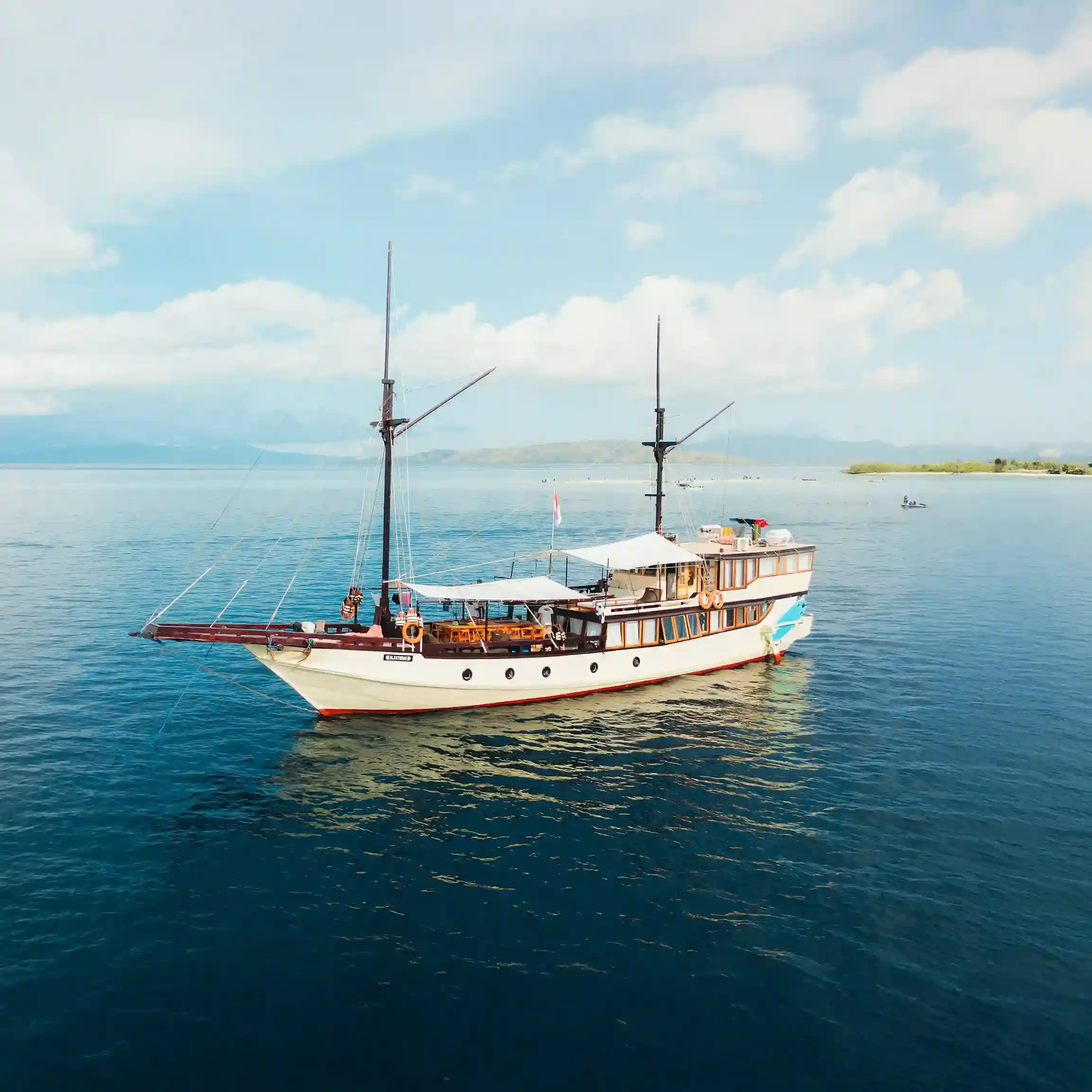
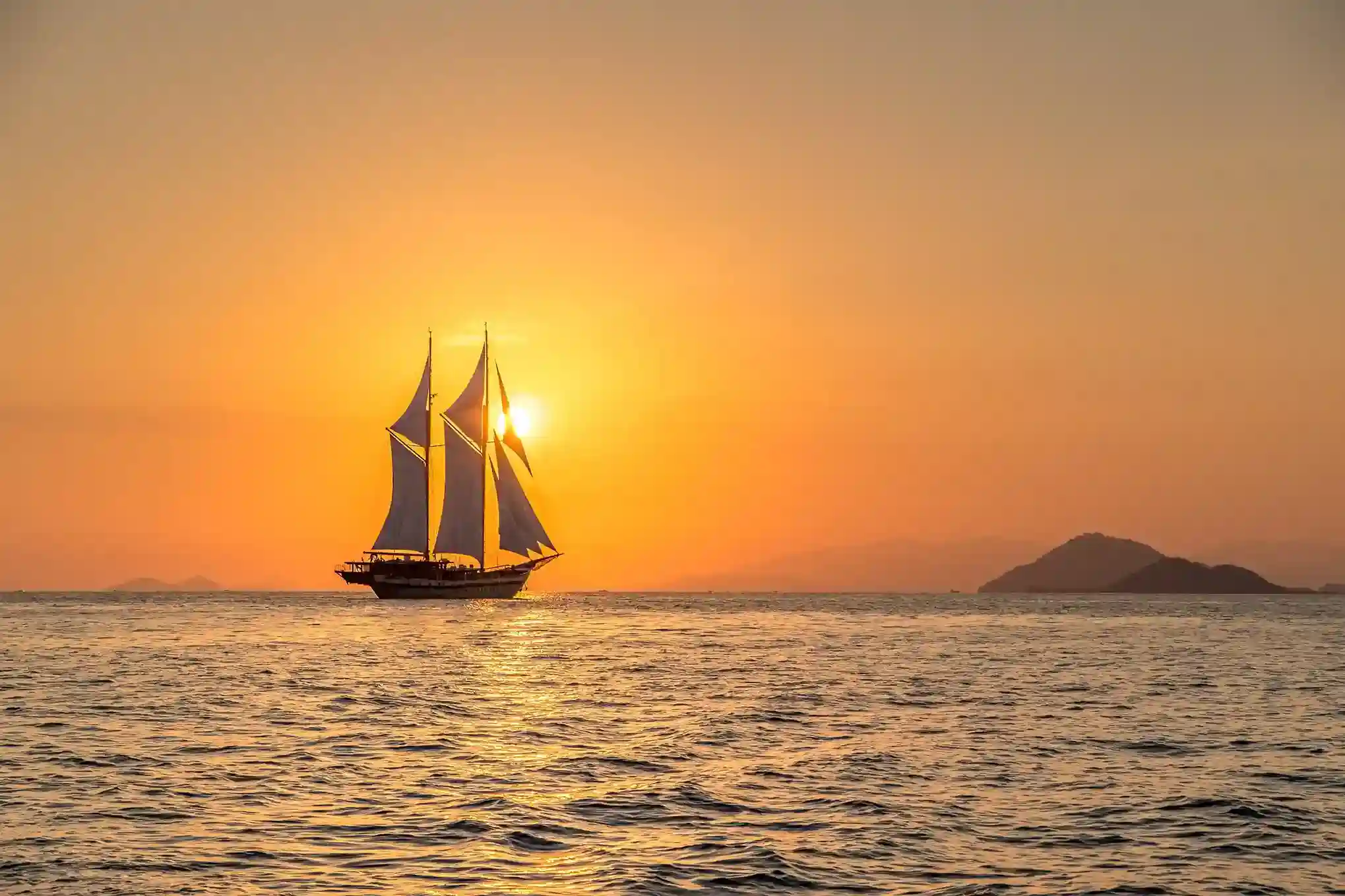
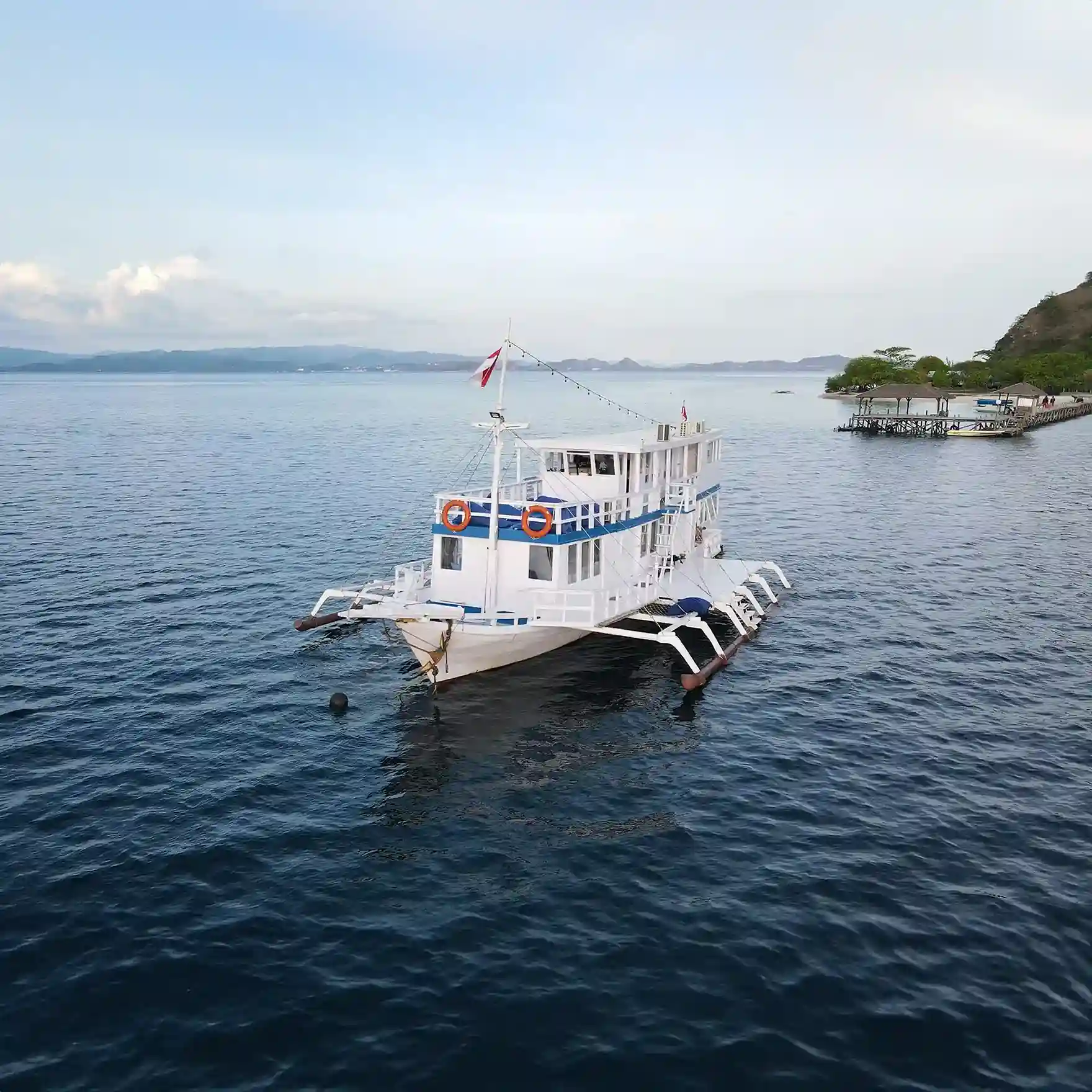
We keep the mainsail eased just enough off Komodo Island’s southern ridge so the roll stays gentle through the afternoon swell. At 23.3 metres, Osiana Alo handles the Linta Strait push cleanly, but we don’t fight the current—instead, we anchor early in Sebayur’s lee, where the water flattens and the coral begins just five metres from the stern. That’s where we send the dinghy out with fins and masks, while the galley fires up the first batch of spiced tuna satay. This boat was built for these channels—long enough to carry stores for three-day runs, short enough to tuck into narrow bays like Kanawa when the monsoon wind picks up.
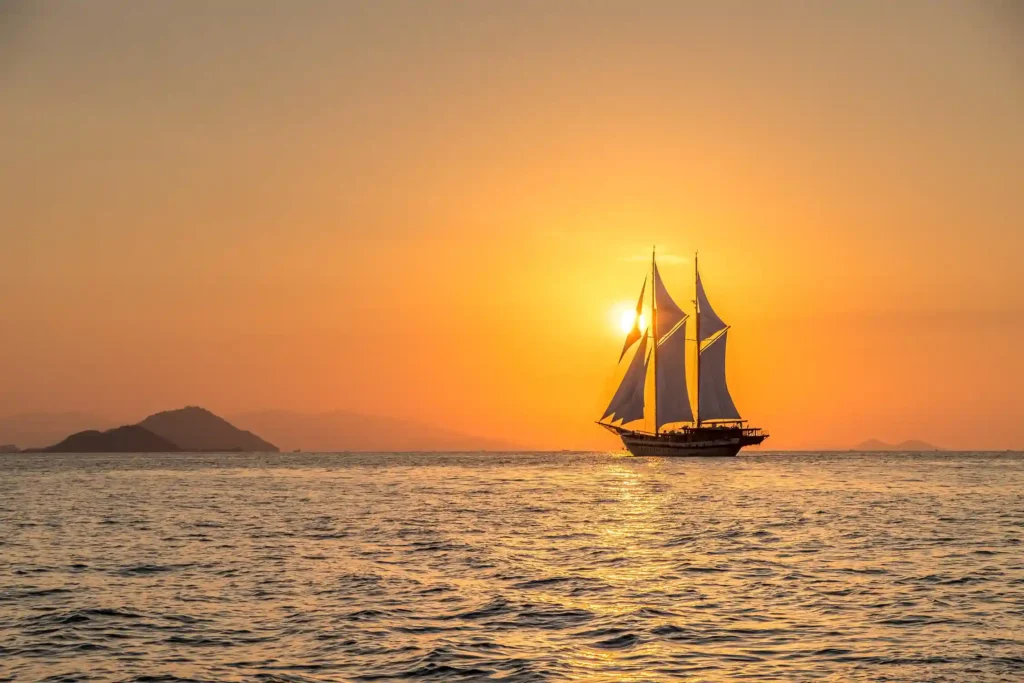
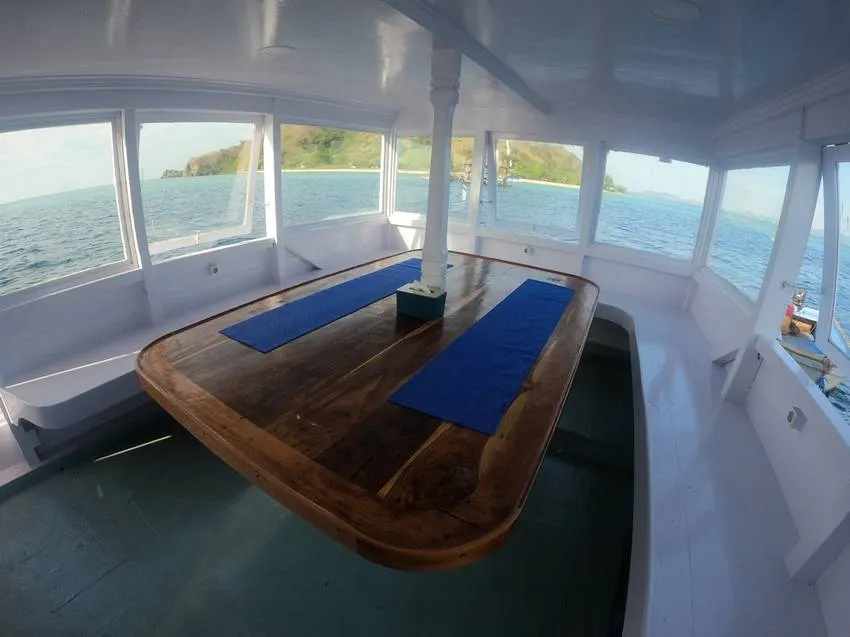
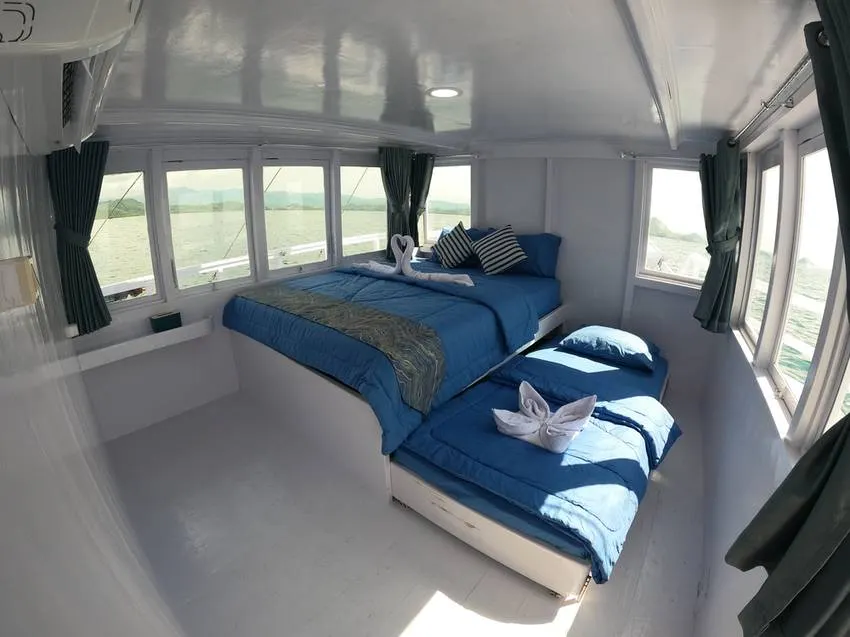
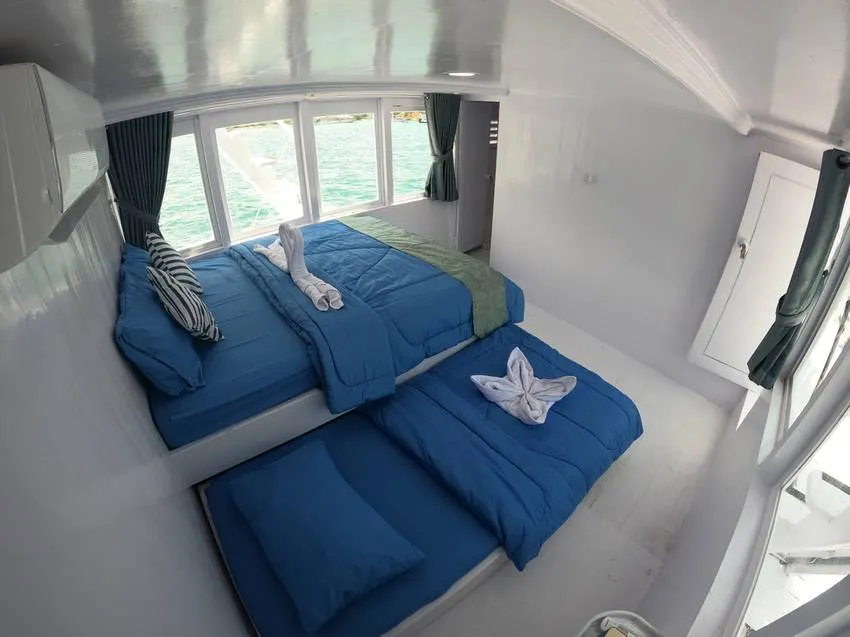
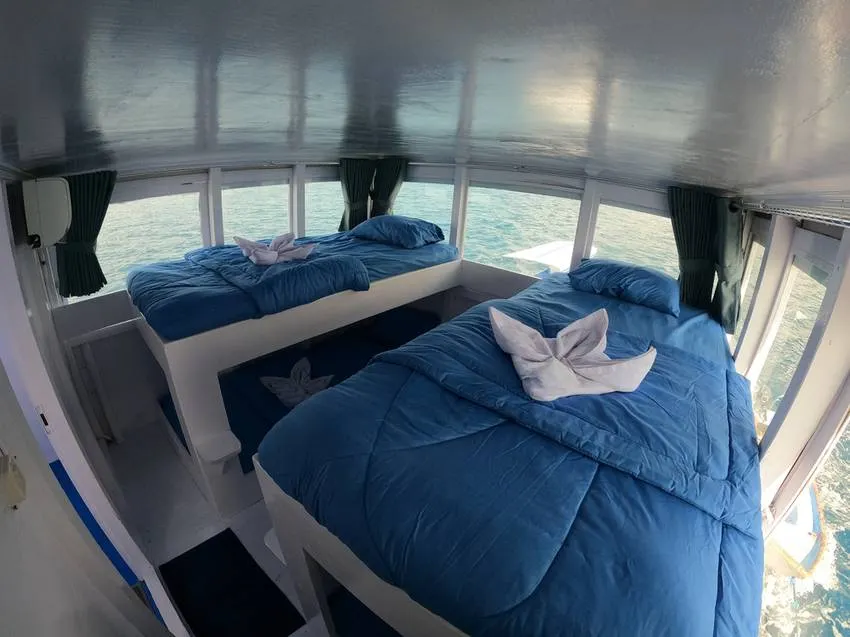
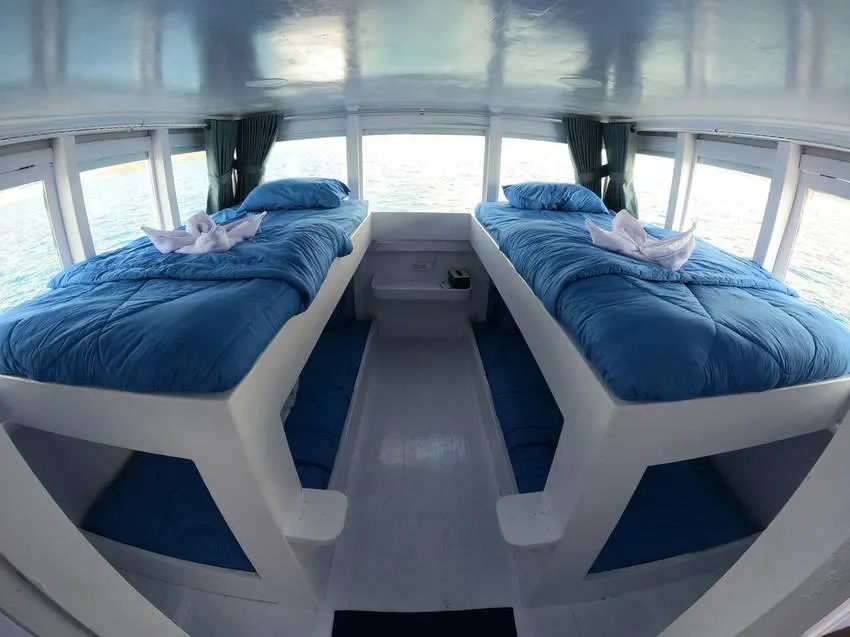
Her two cabins sleep four guests, which means we run tight, quiet trips—no deck clutter, no queue for the bathroom. Each cabin has a fixed double bed, opening portholes that catch the evening breeze off the Savu Sea, and individually controlled fan settings. After dark, we drop anchor in the wide bay near Padar Island, where the silence is only broken by the occasional splash of a reef shark hunting along the drop-off. The upper deck stays lit with low-yellow lamps, just enough to see your glass but not ruin night vision. Guests who stay up hear the crew shifting lines in the dark, making sure the bow faces into the tide change at 02:00.
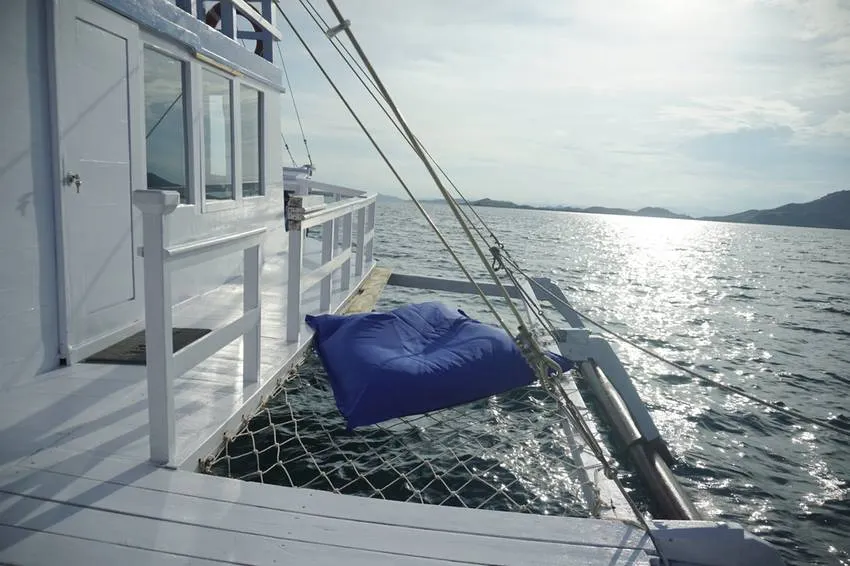
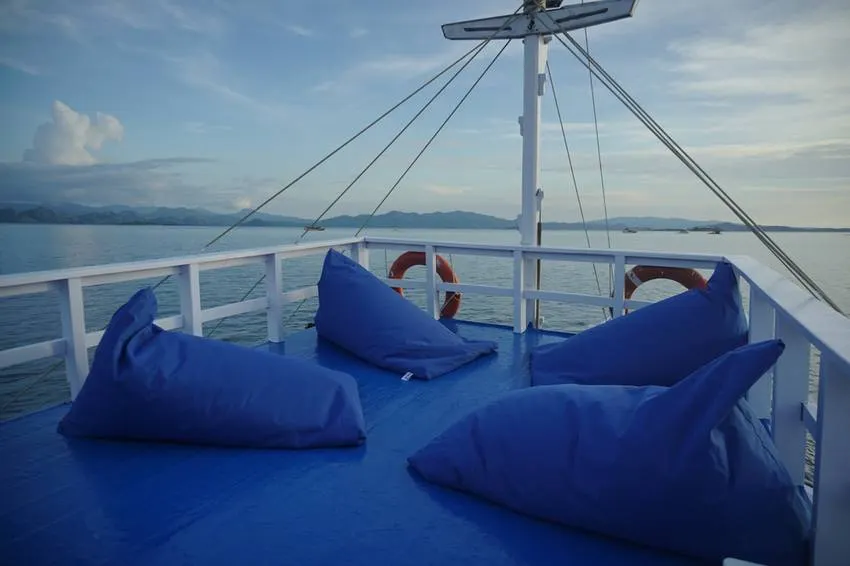
By 05:30, someone’s already on the sunbath deck with coffee. Padar’s eastern ridge catches first light, and we launch the tender early so guests can hike the switchbacks before the day heat settles. The trail starts just past the ranger station—dry, rocky, with patches of yellow-flowered shrubs clinging to the slope. From the top, the view splits between the jagged northern coast and the calm turquoise of Taka Makassar. We time the descent so Osiana Alo has cooled the water for swimming and fresh coconut’s ready on the outdoor deck.
Afternoon drifts toward Manta Point, where we tie off on the mooring buoy just as the tide turns. The mantas ride the current along the shallow reef, and we’ve learned which hour—usually between 14:30 and 16:00—brings them closest to the surface. The crew knows where to position the swim platform so guests don’t fight the surge. Snorkelers stay in pairs; we insist on that. If the wind kicks up, we reroute to Pink Beach, where the volcanic sand glows coral-pink under the late sun and the shallow bay stays calm enough for beginners.
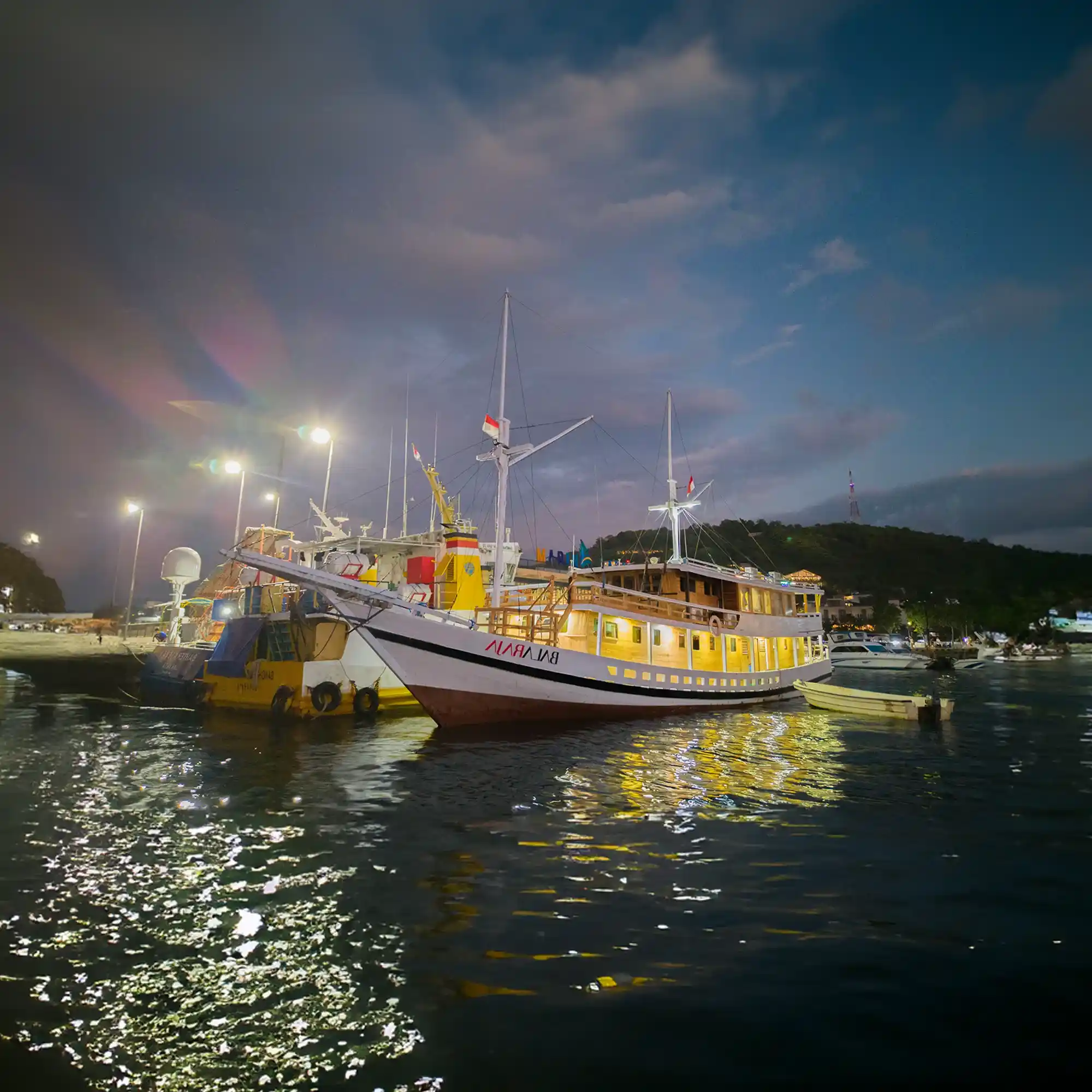
On the final morning, we push to Kanawa Island just after breakfast. The sandbar emerges at low tide, and the house reef here is thick with blue starfish and giant clams. We anchor on the north side, sheltered from the sou’wester, and drop the ladder into water so clear you can read the label on a soda bottle at two metres. By 11:00, the galley’s serving grilled fish with sambal matah, and we begin the return run to Labuan Bajo—28 nautical miles, planned to arrive before the airport shuttles leave for the last flights.