About Andamari
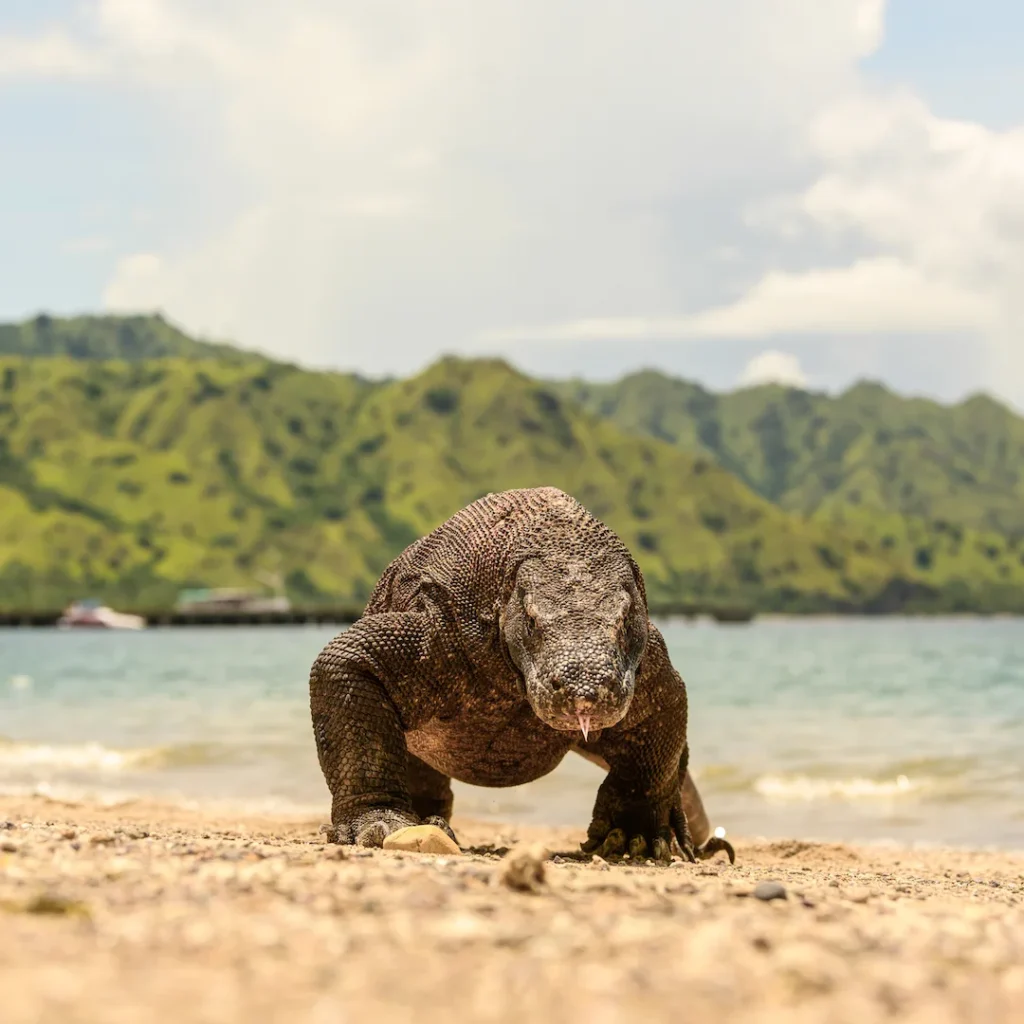
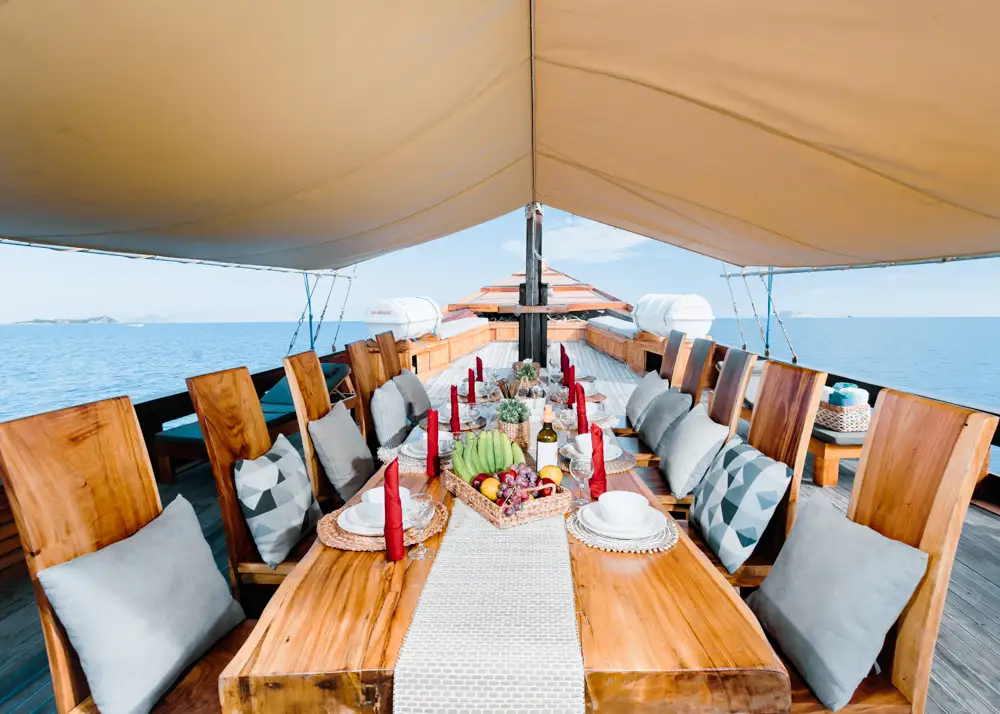
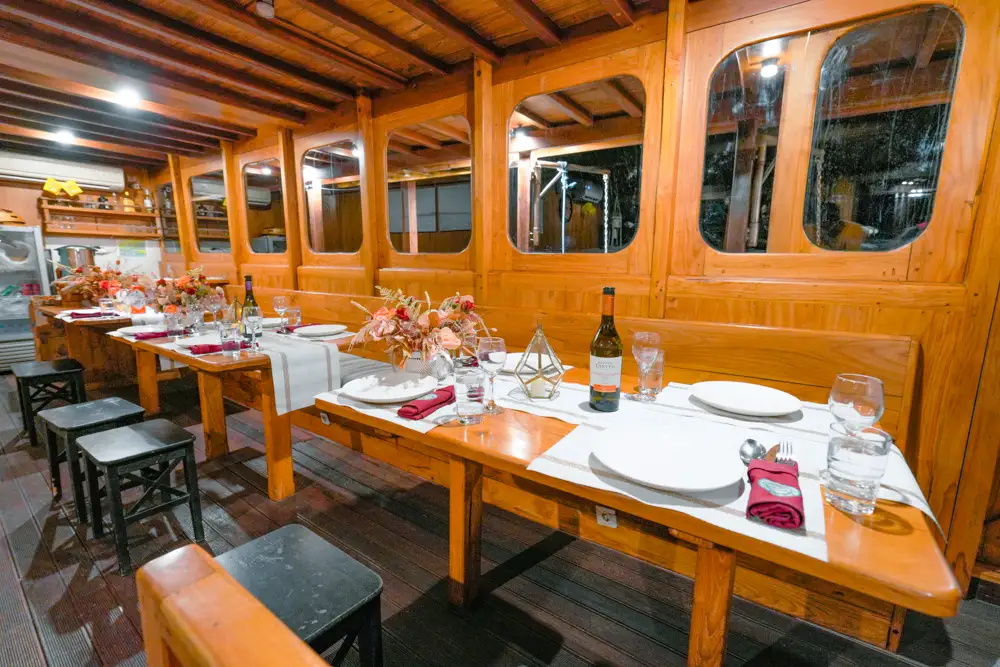
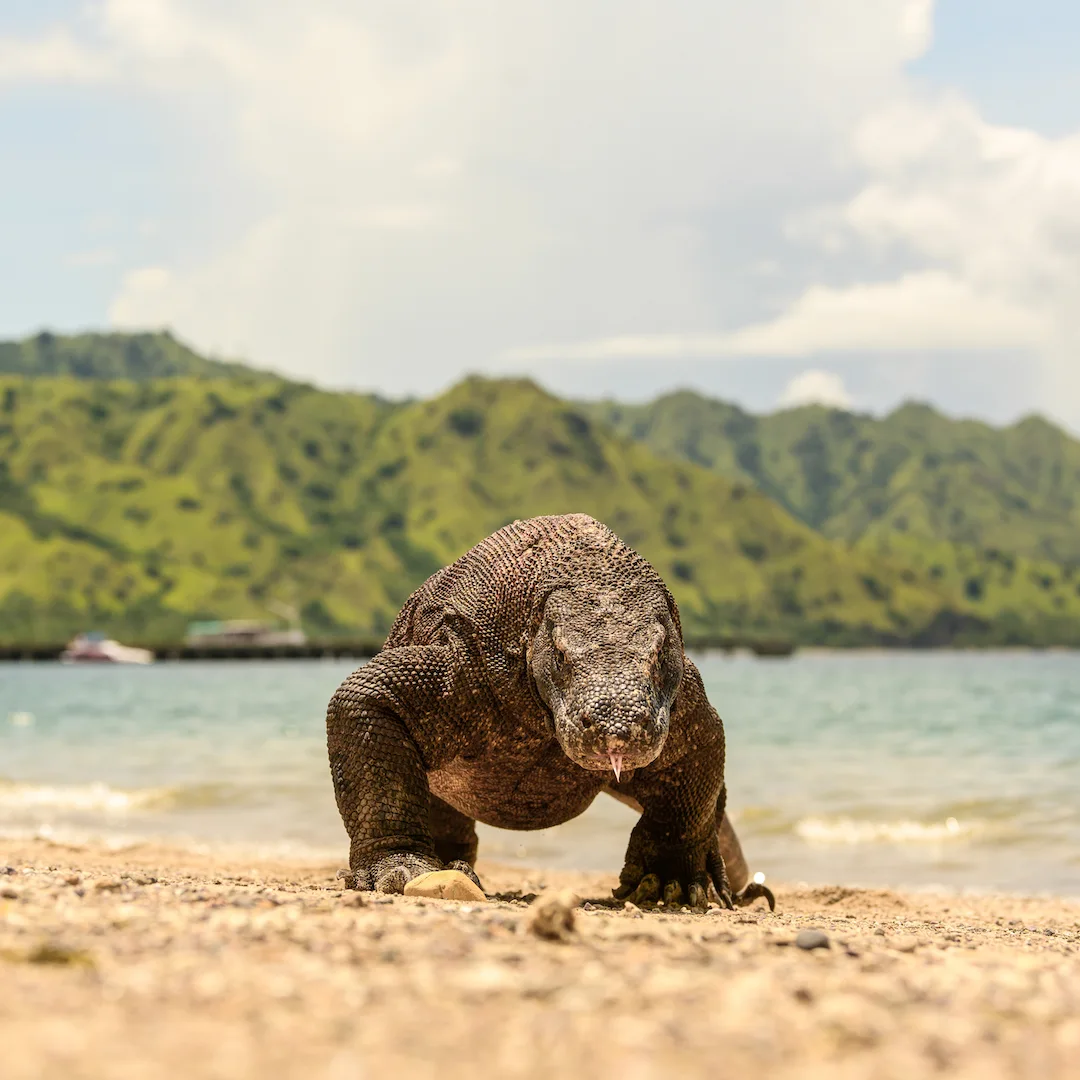
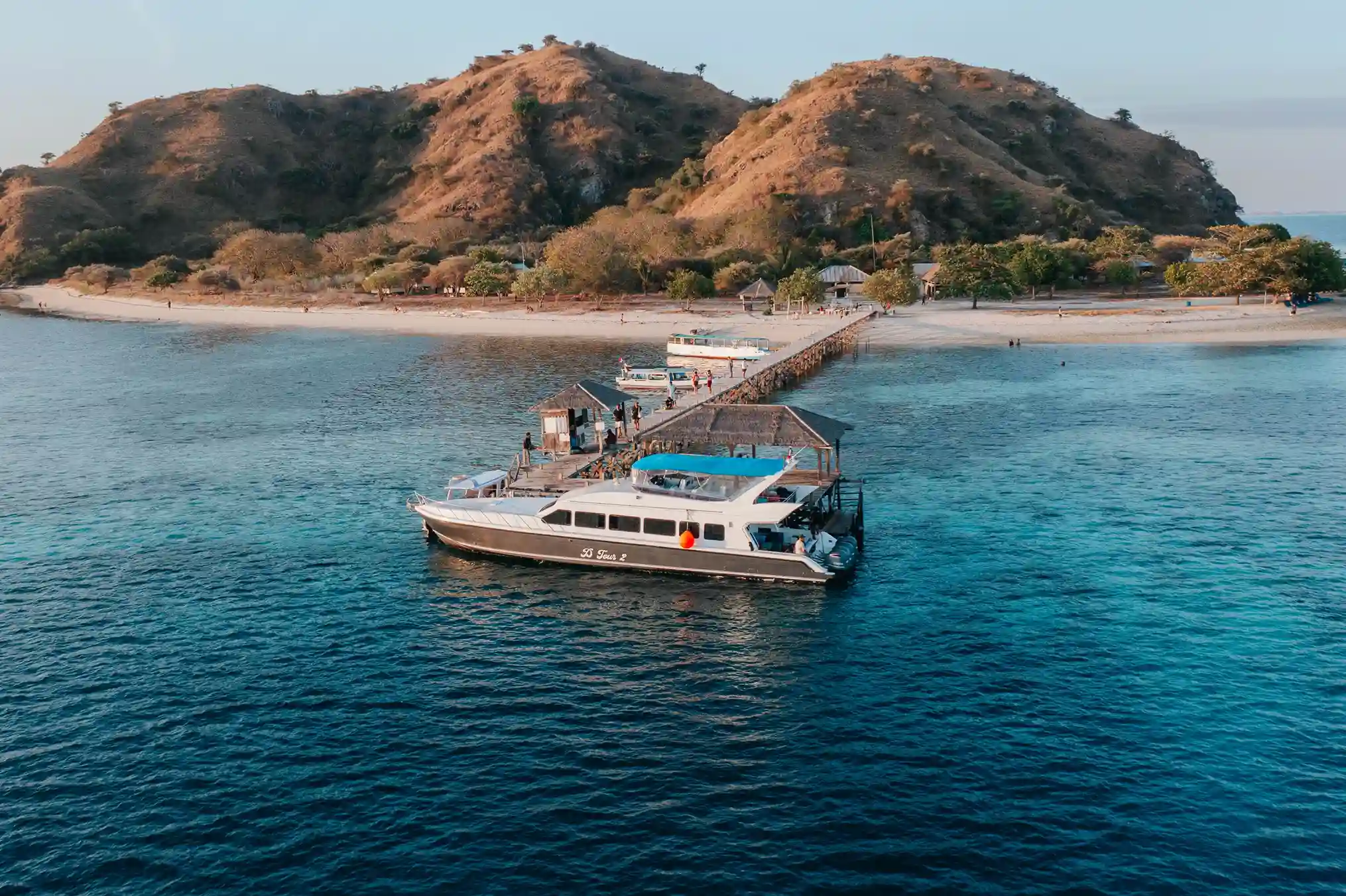
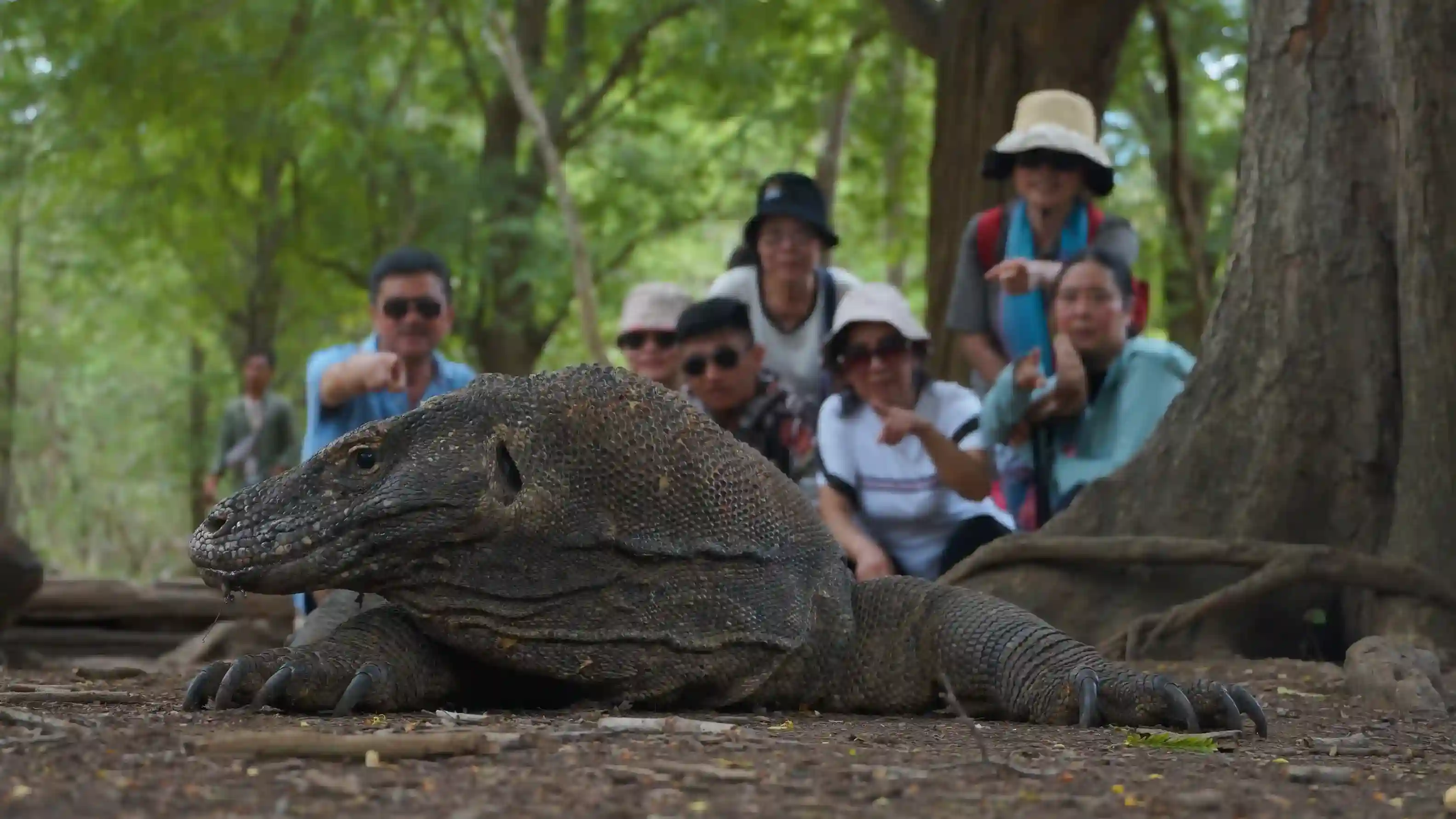
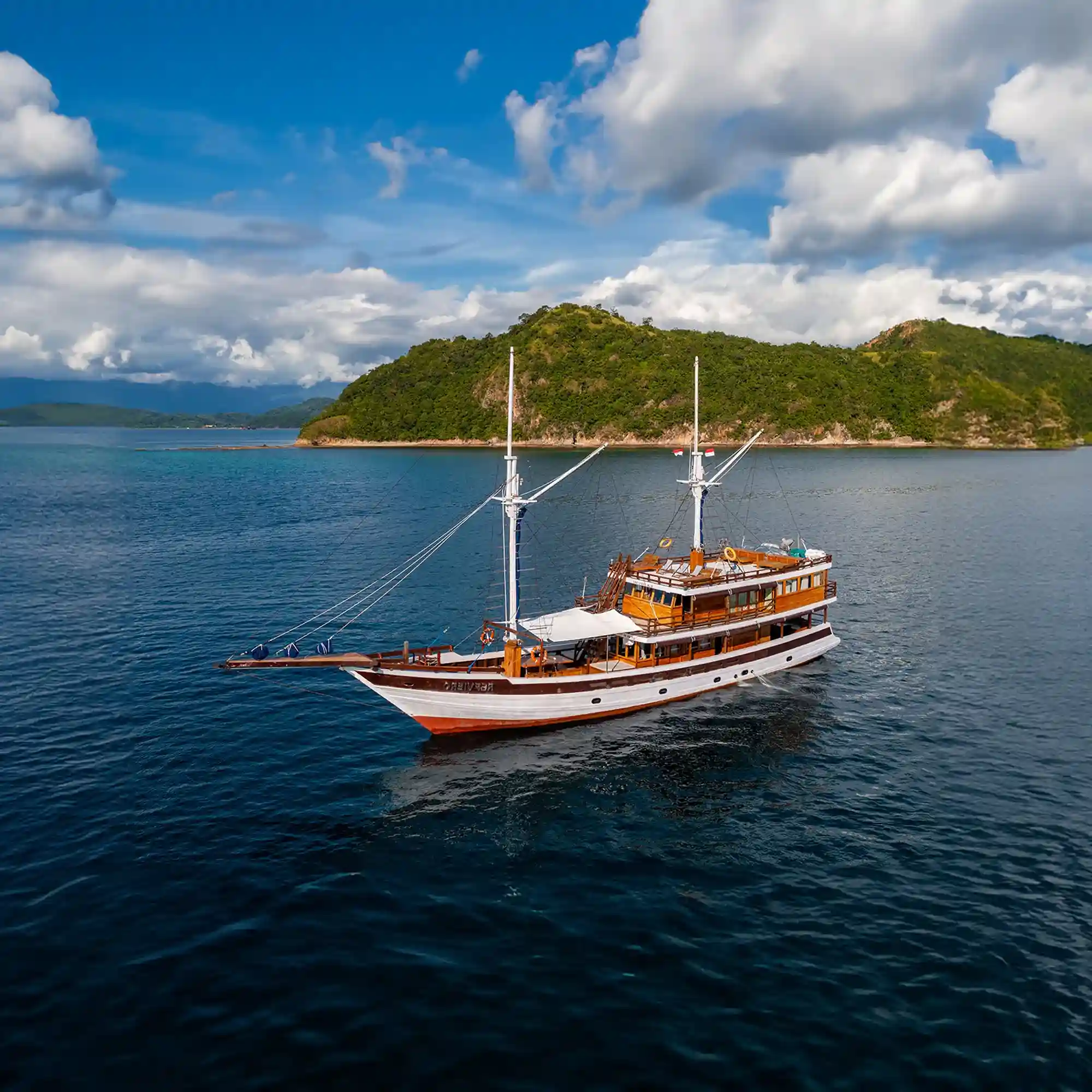
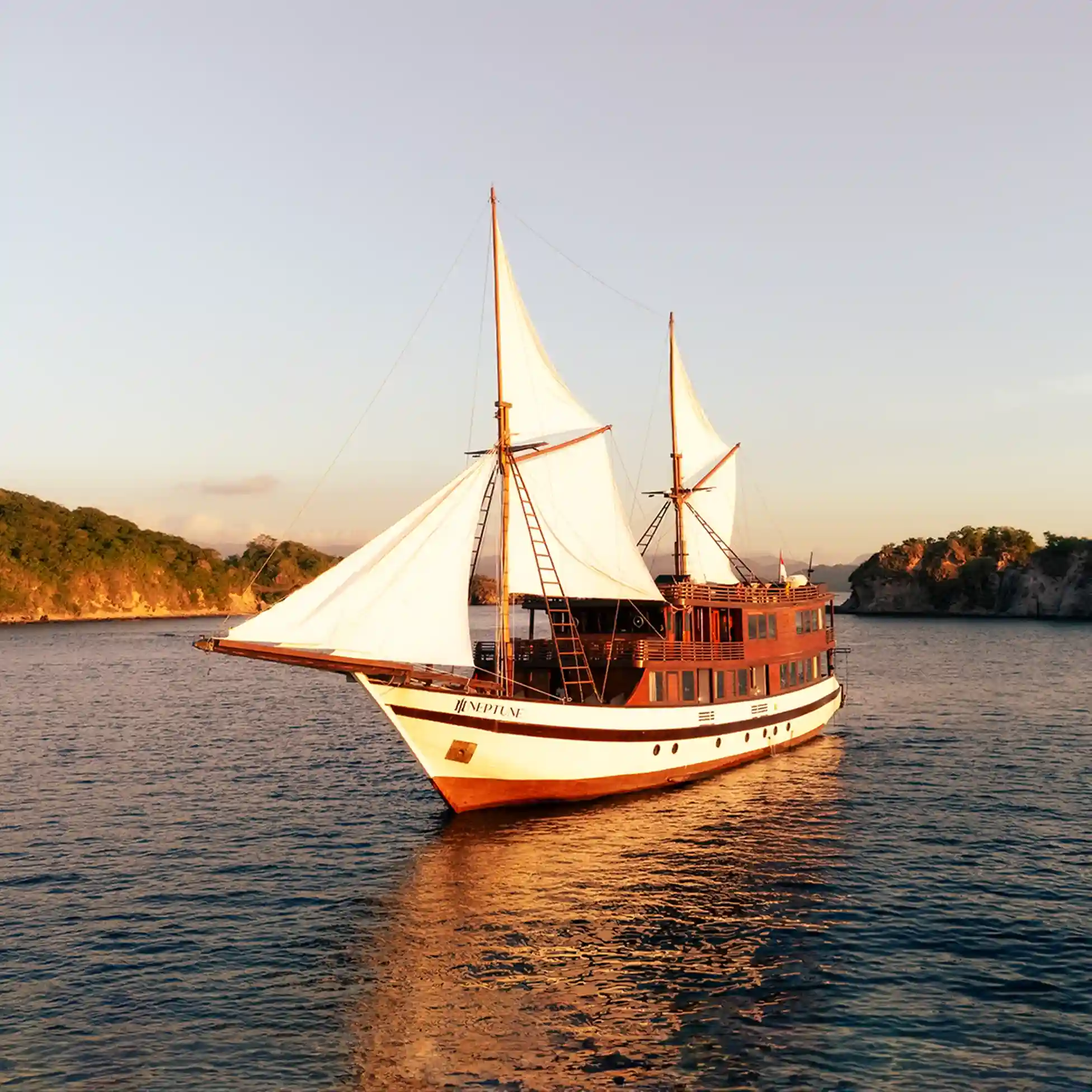
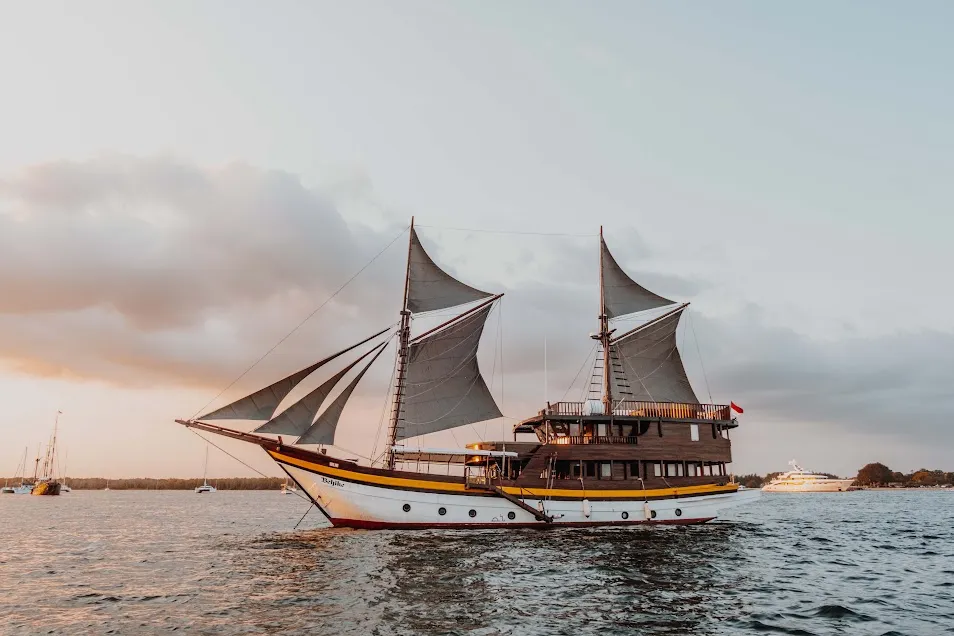
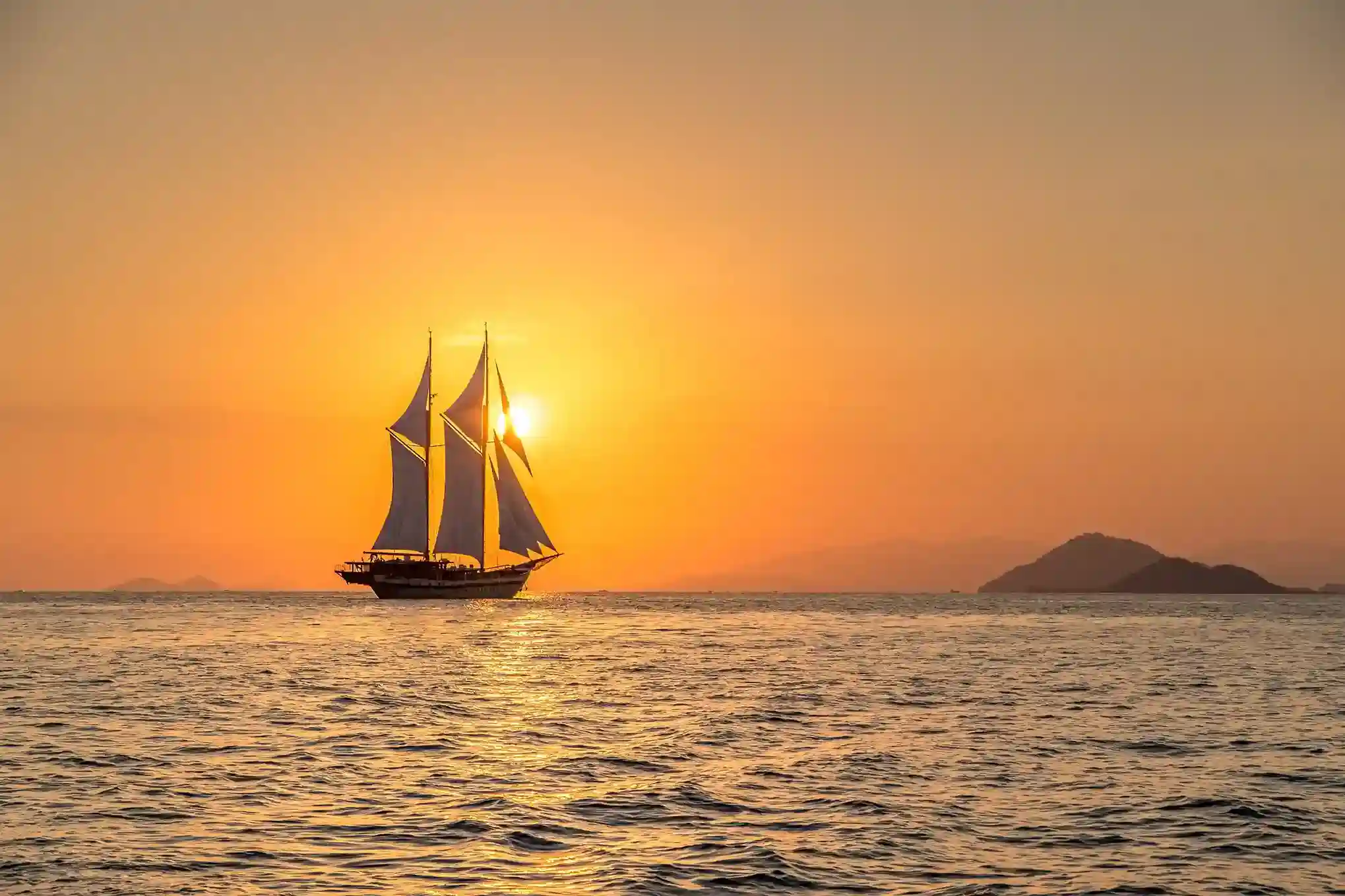
The first light hit the sails as we rounded Loh Liang’s eastern tip, the silhouette of Komodo dragons cutting across the shoreline like shadows from another epoch. I stood alone on the upper deck of Andamari, wrapped in a thin shawl against the morning chill, watching the crew adjust the lines with quiet precision. There was no rush, no engine roar—just the creak of aged teak and the soft slap of current against the hull. This wasn’t performance; it was rhythm. By 6:15, the galley had already sent up a tray with freshly brewed Sumatran coffee, coconut pancakes, and sliced mango, served on ceramic plates that didn’t rattle—a small detail, but one that spoke volumes.
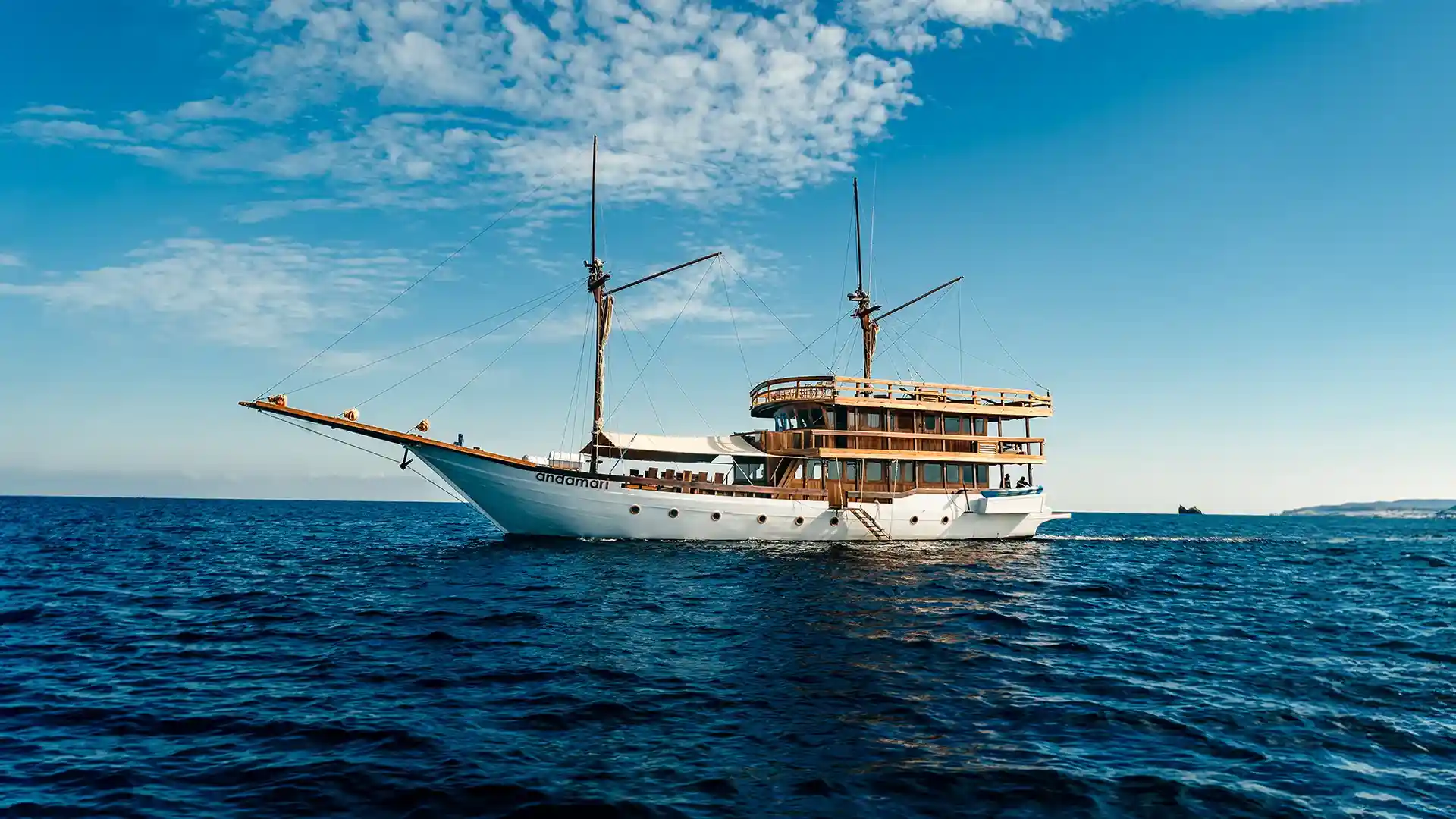
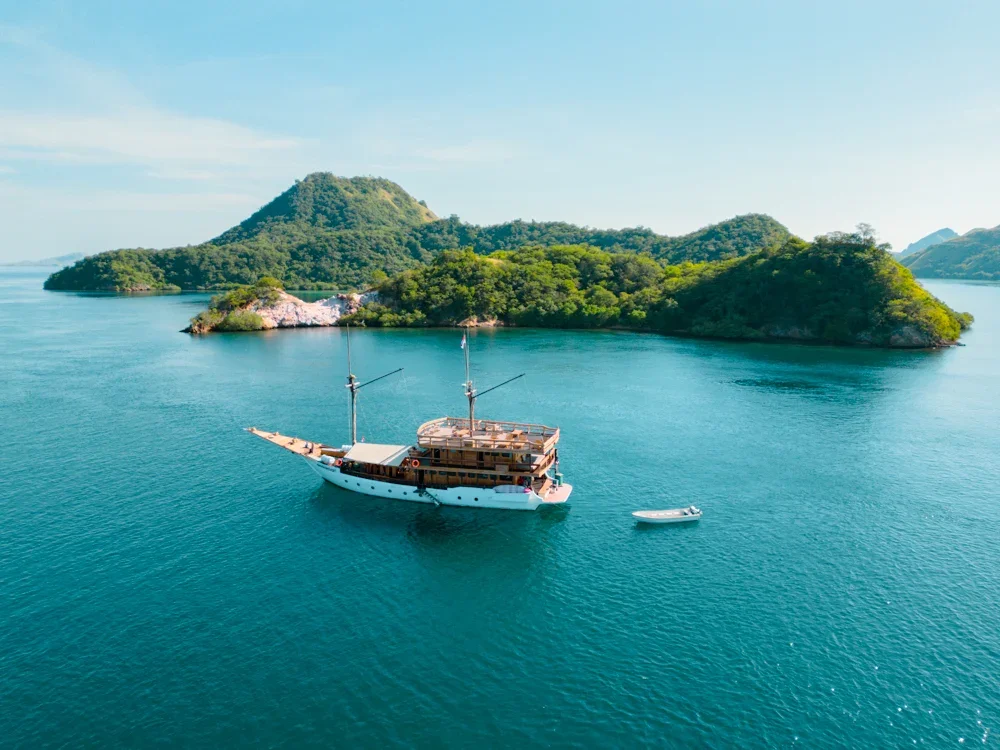
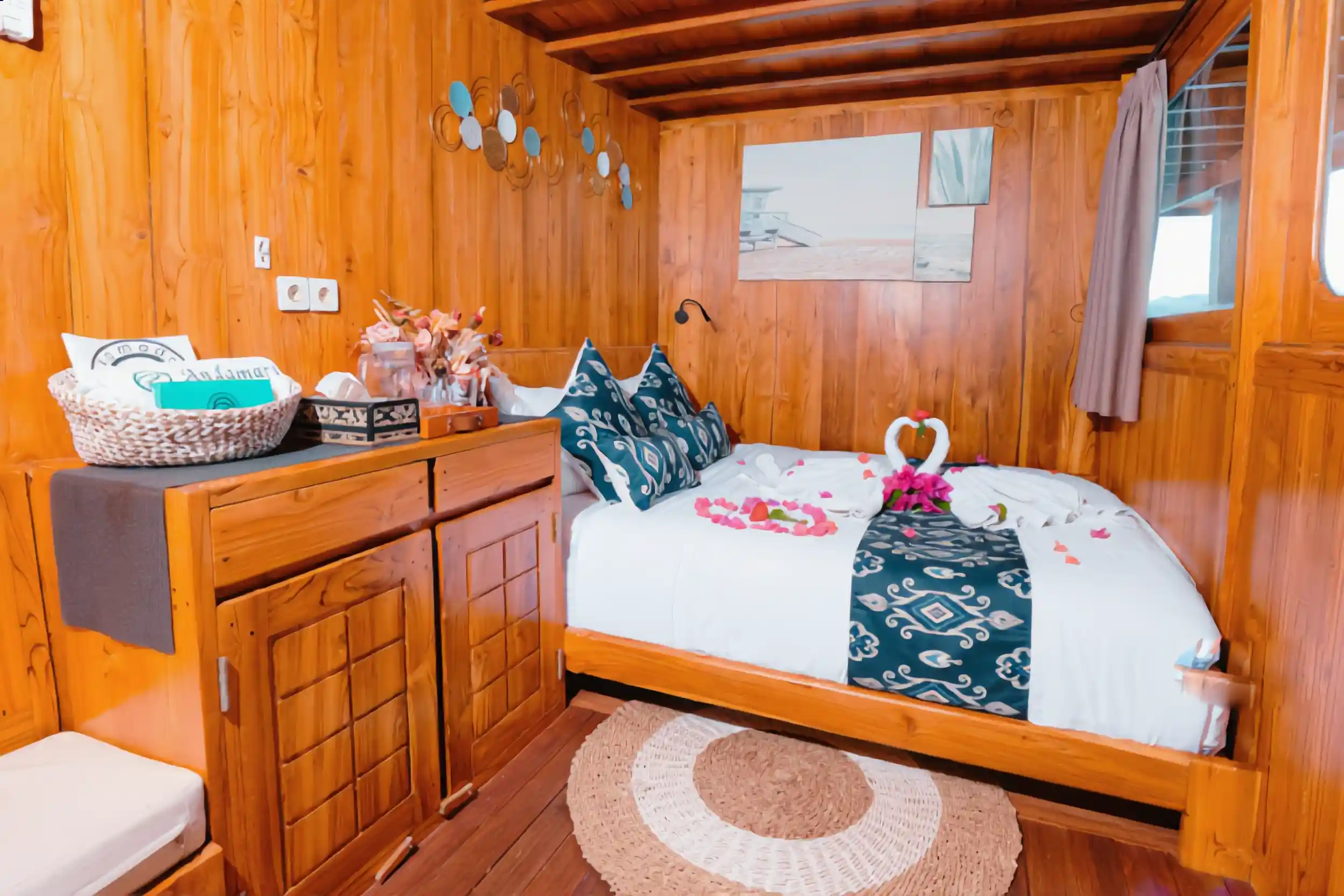
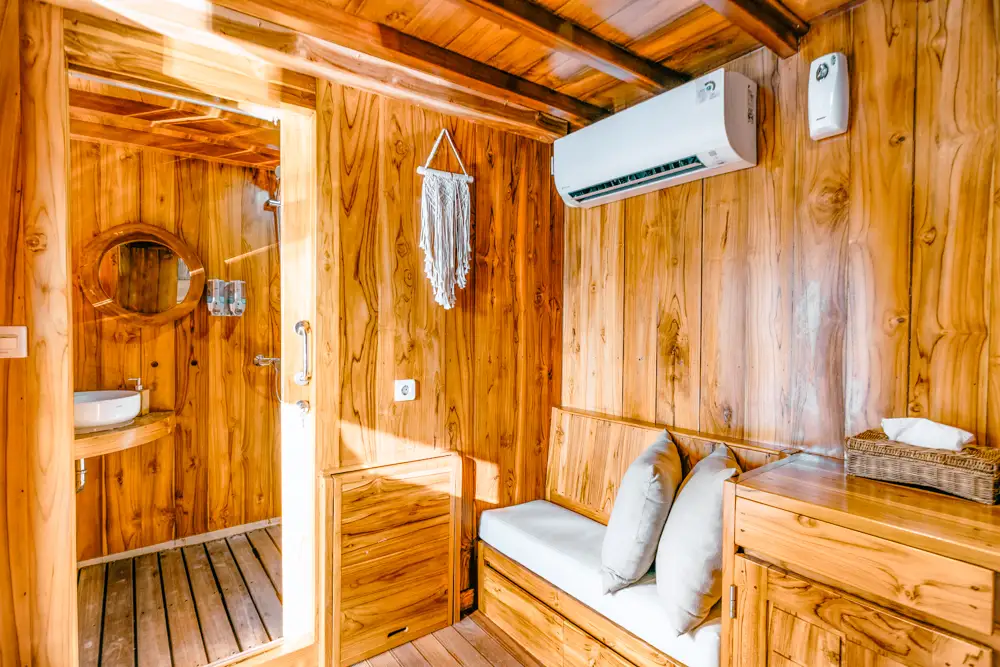
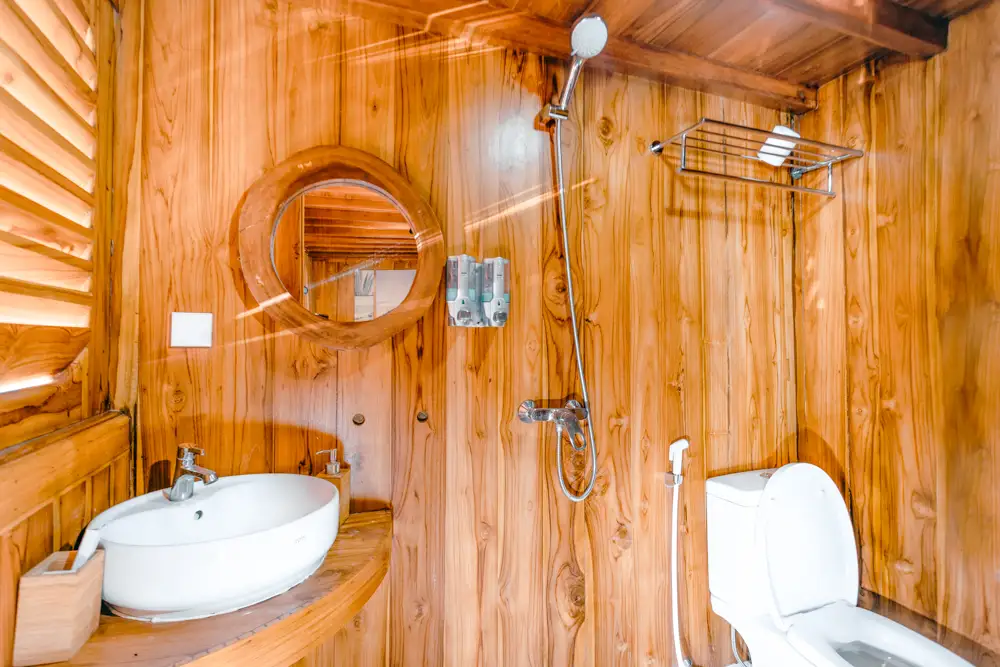
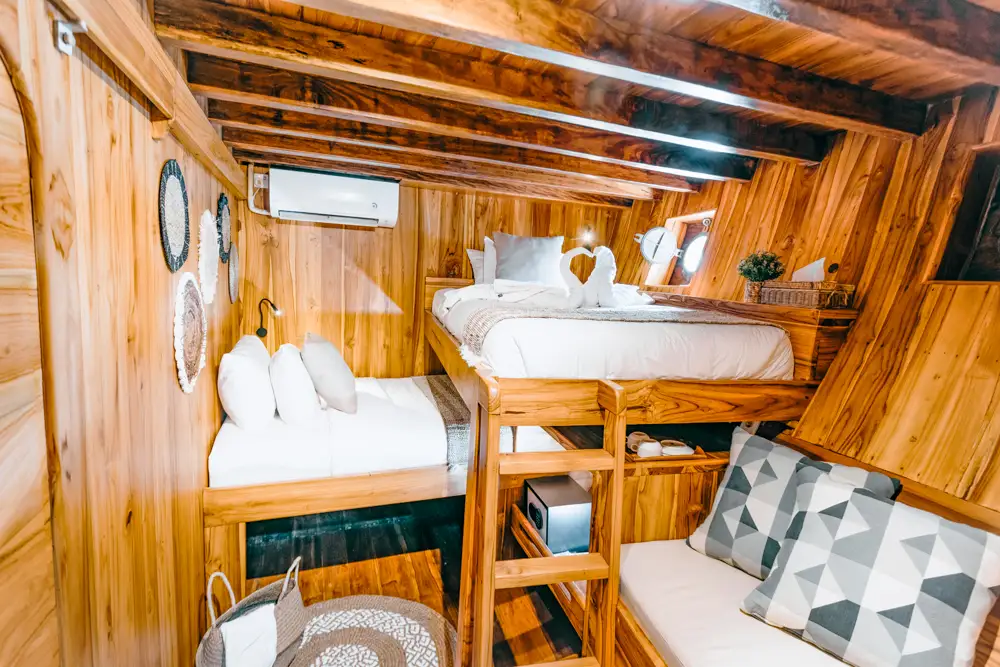
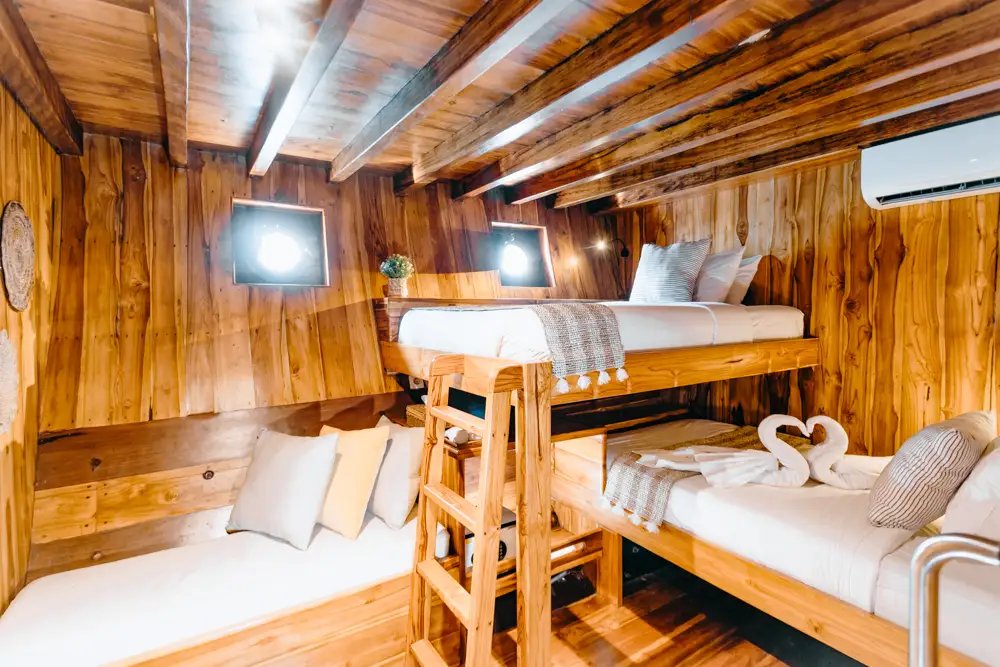
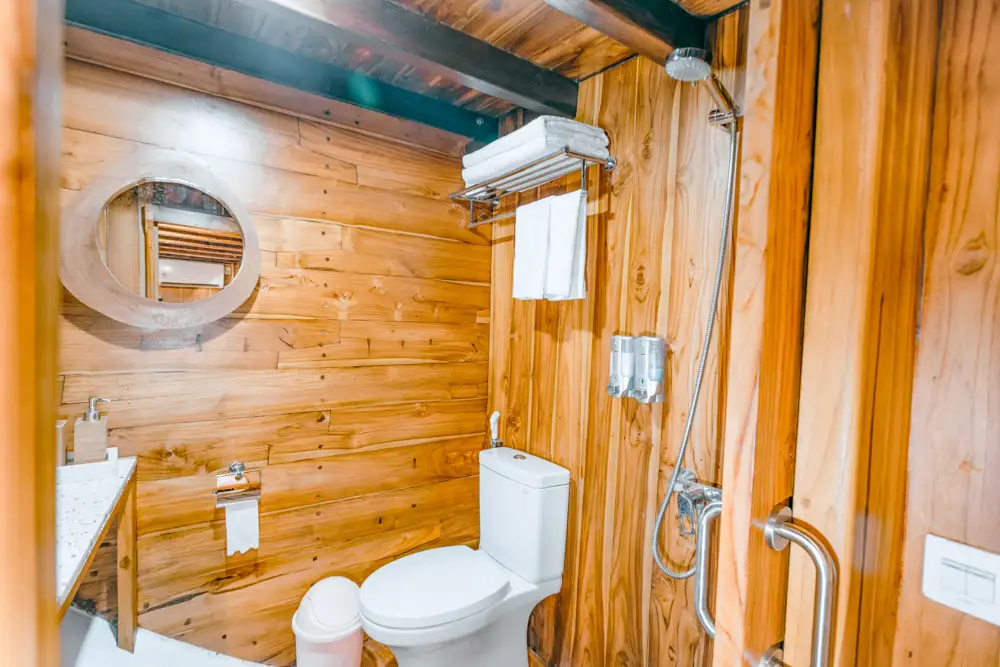
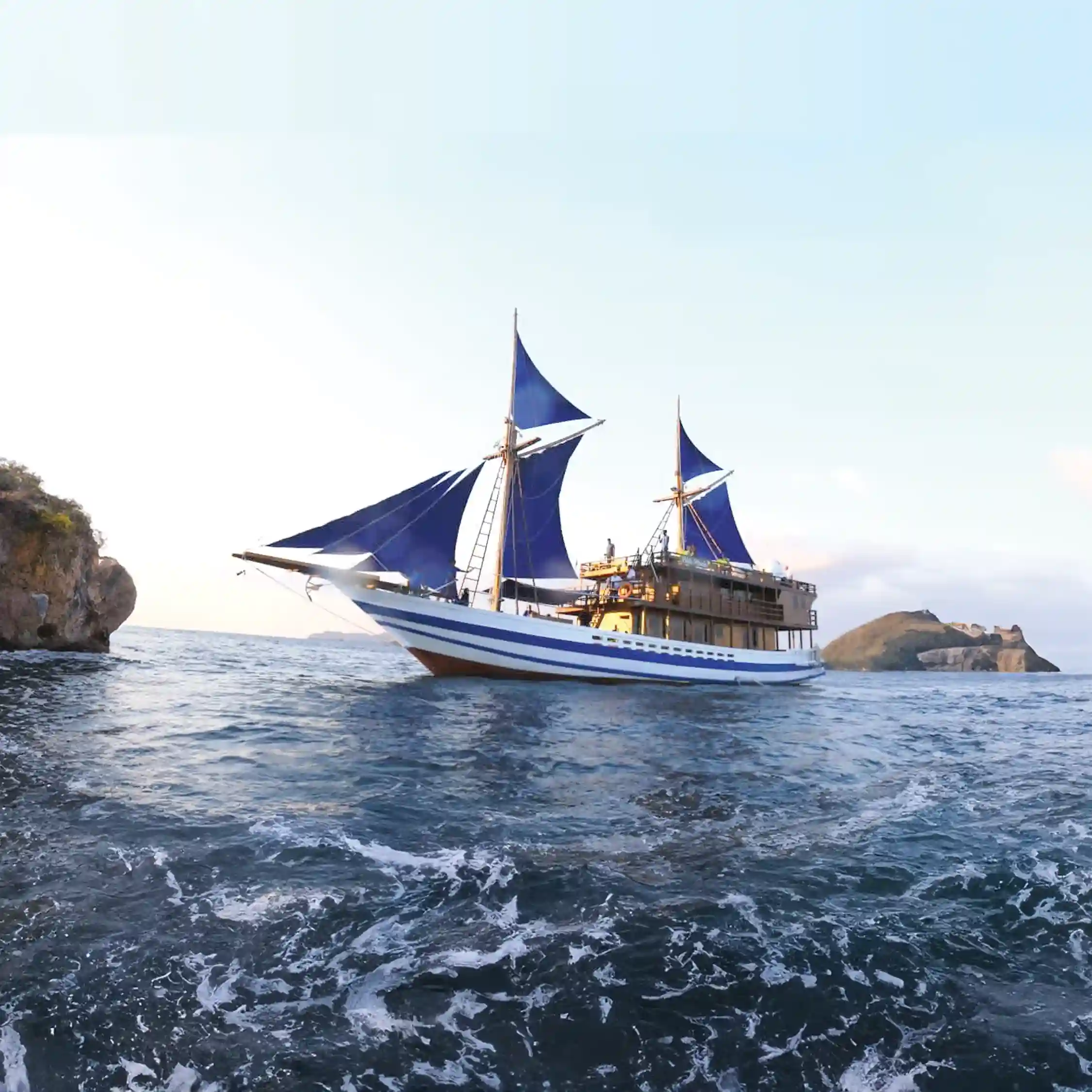
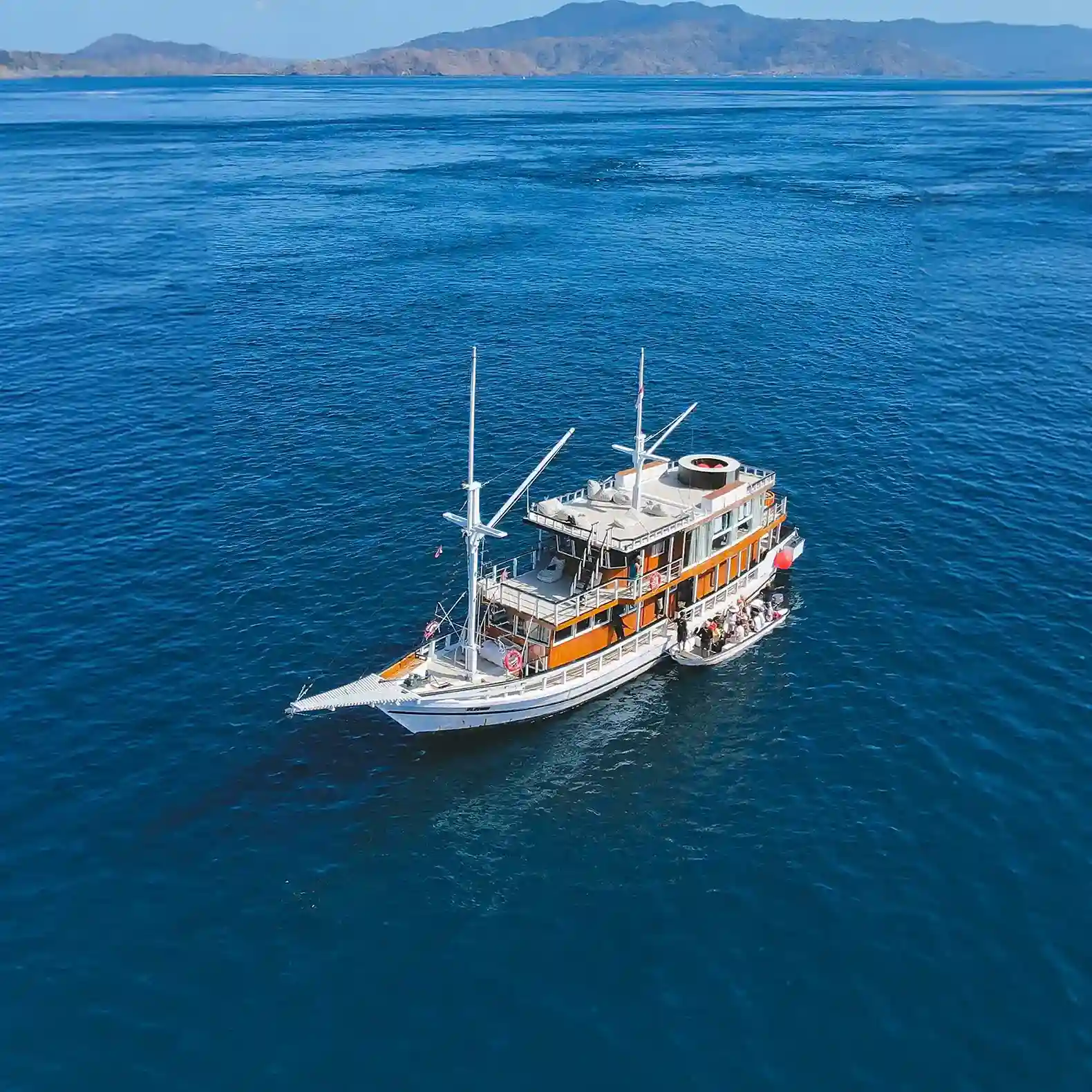
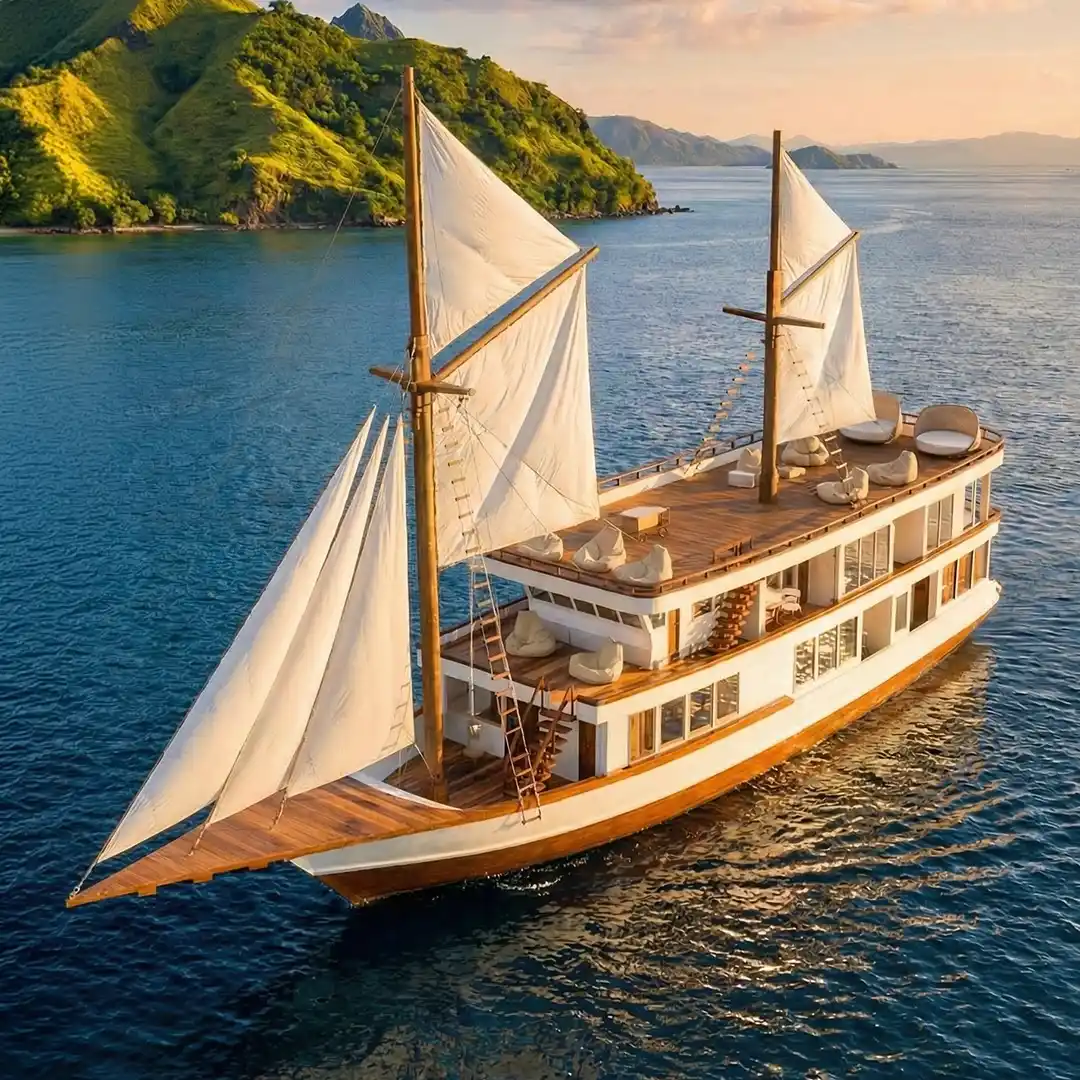
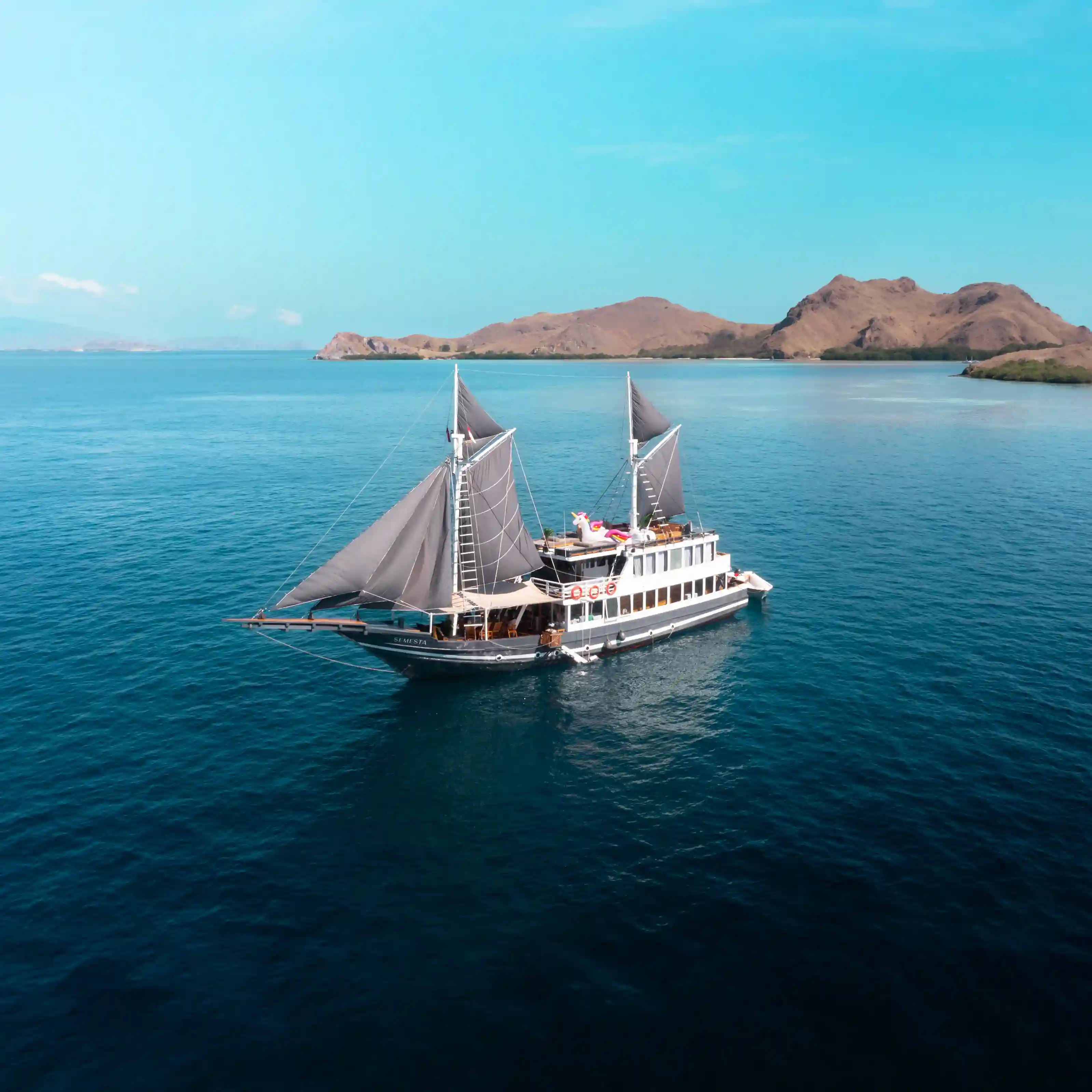
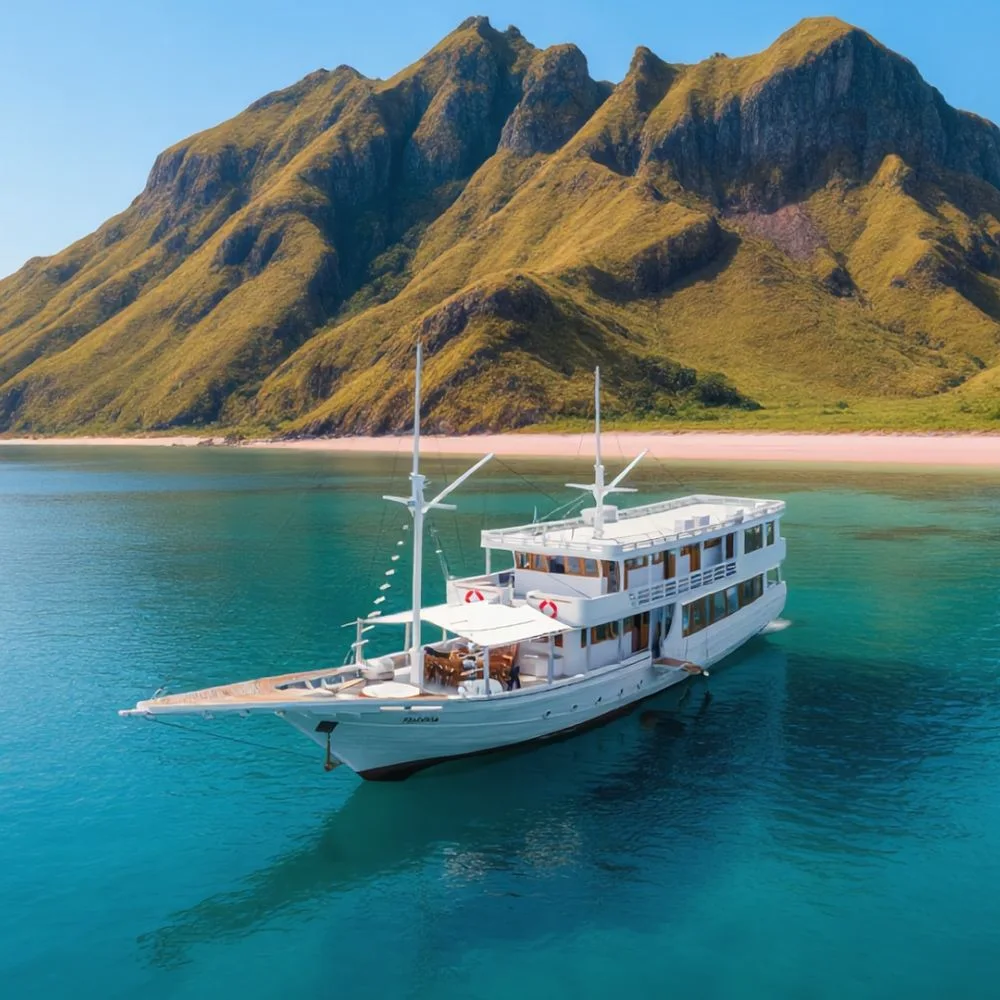
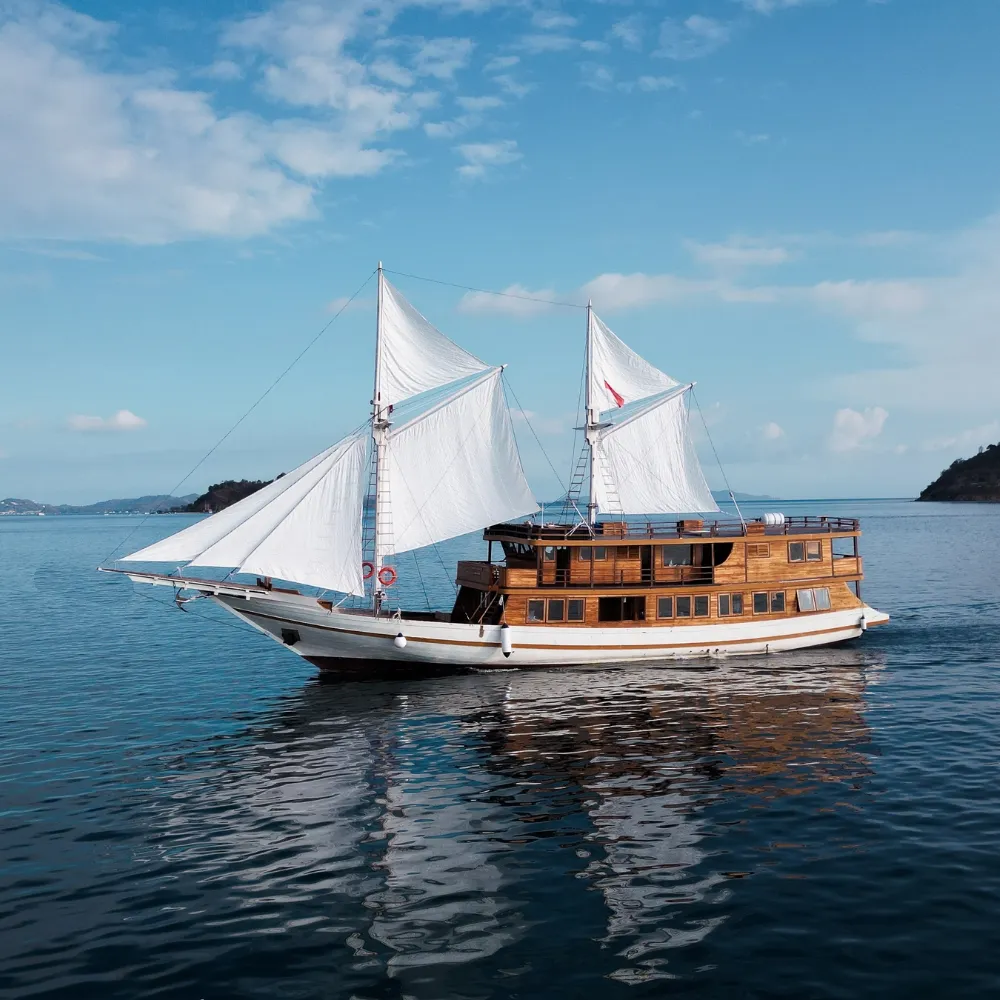
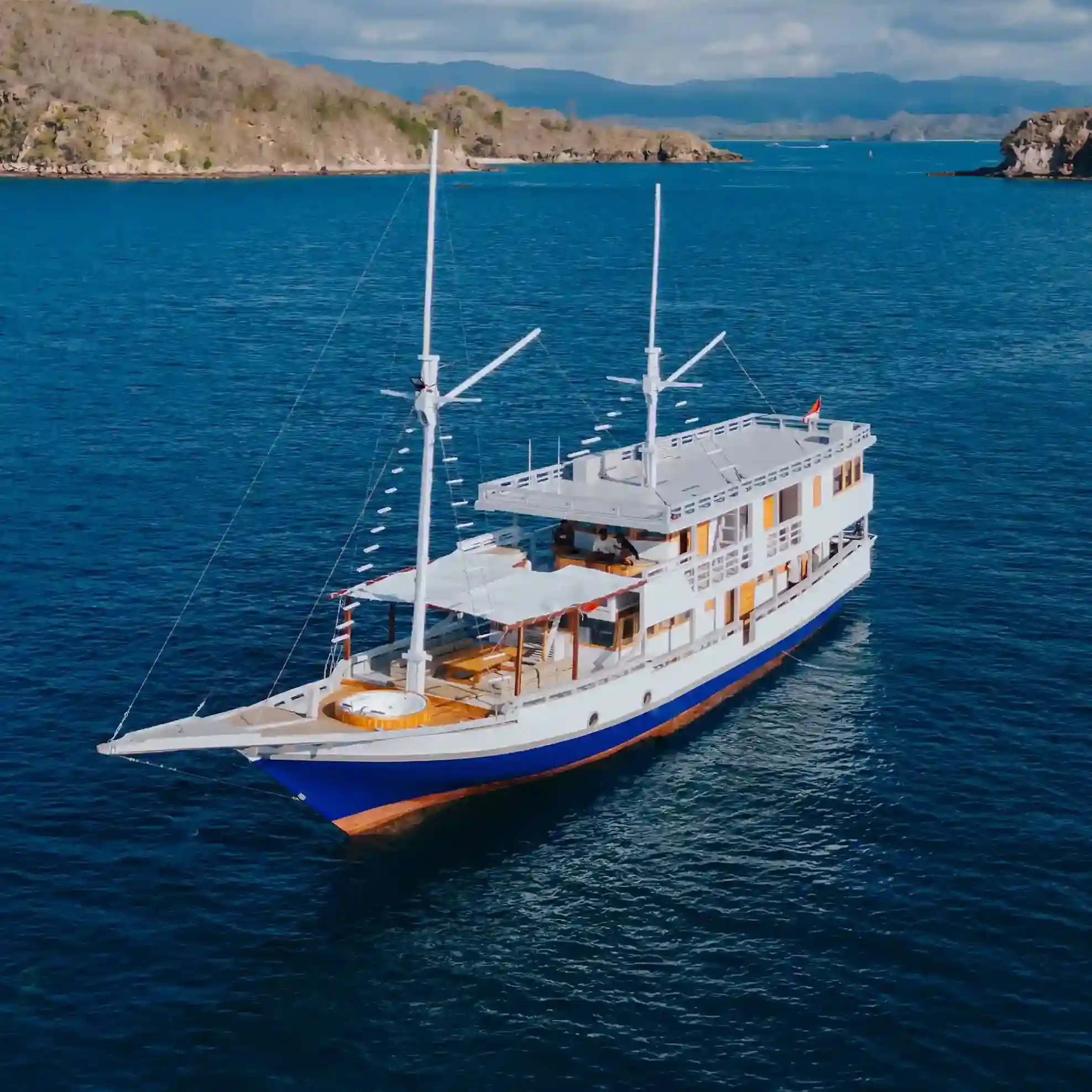
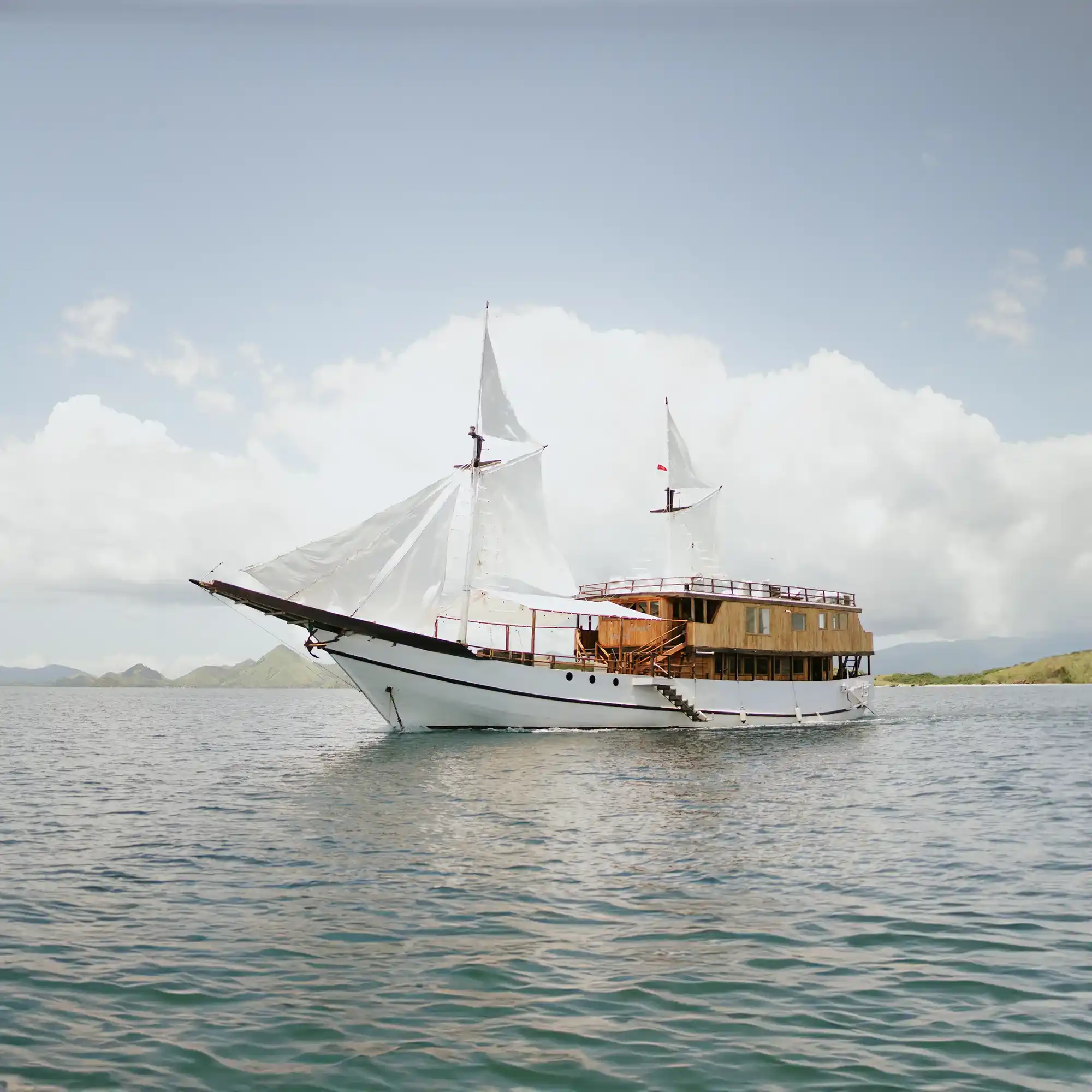
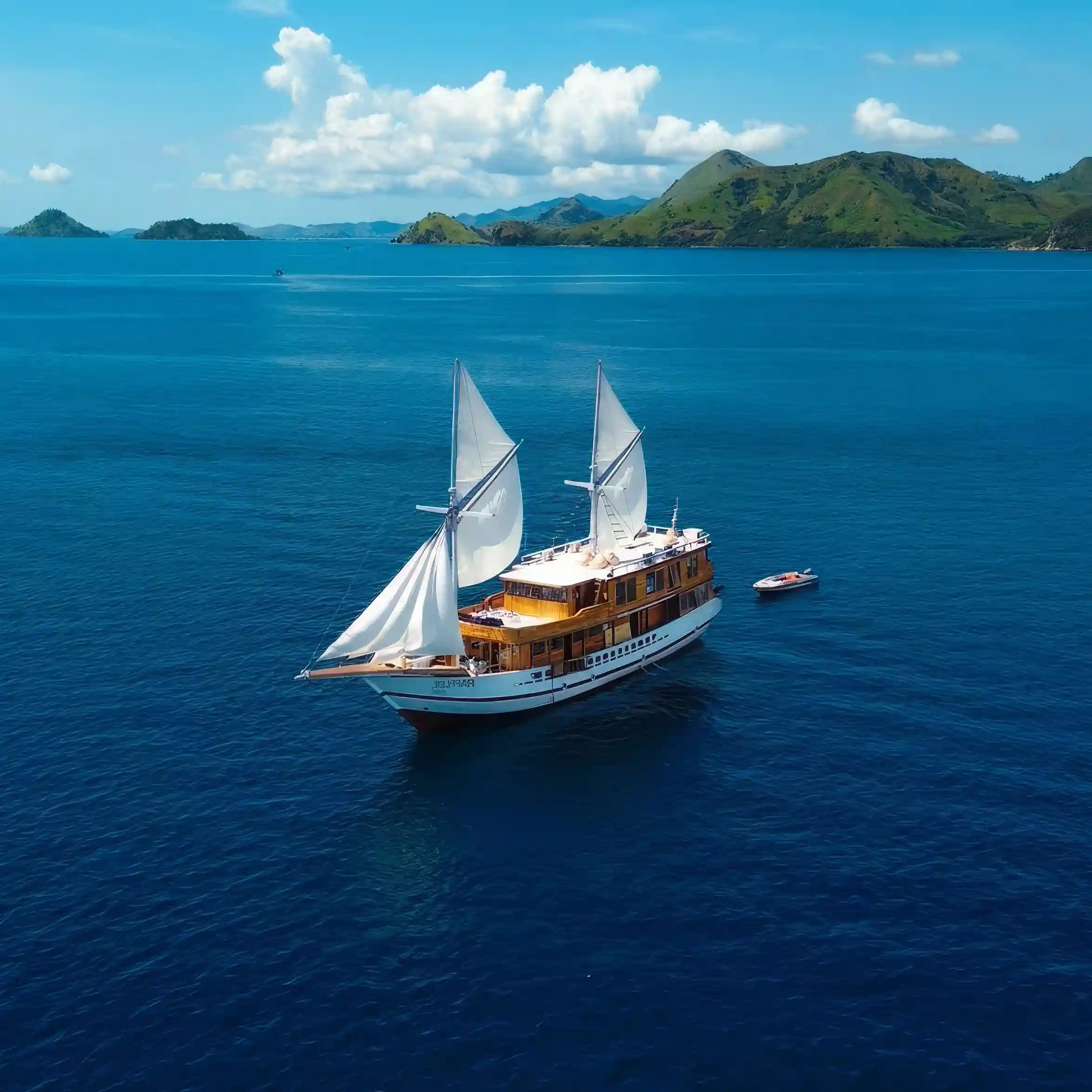
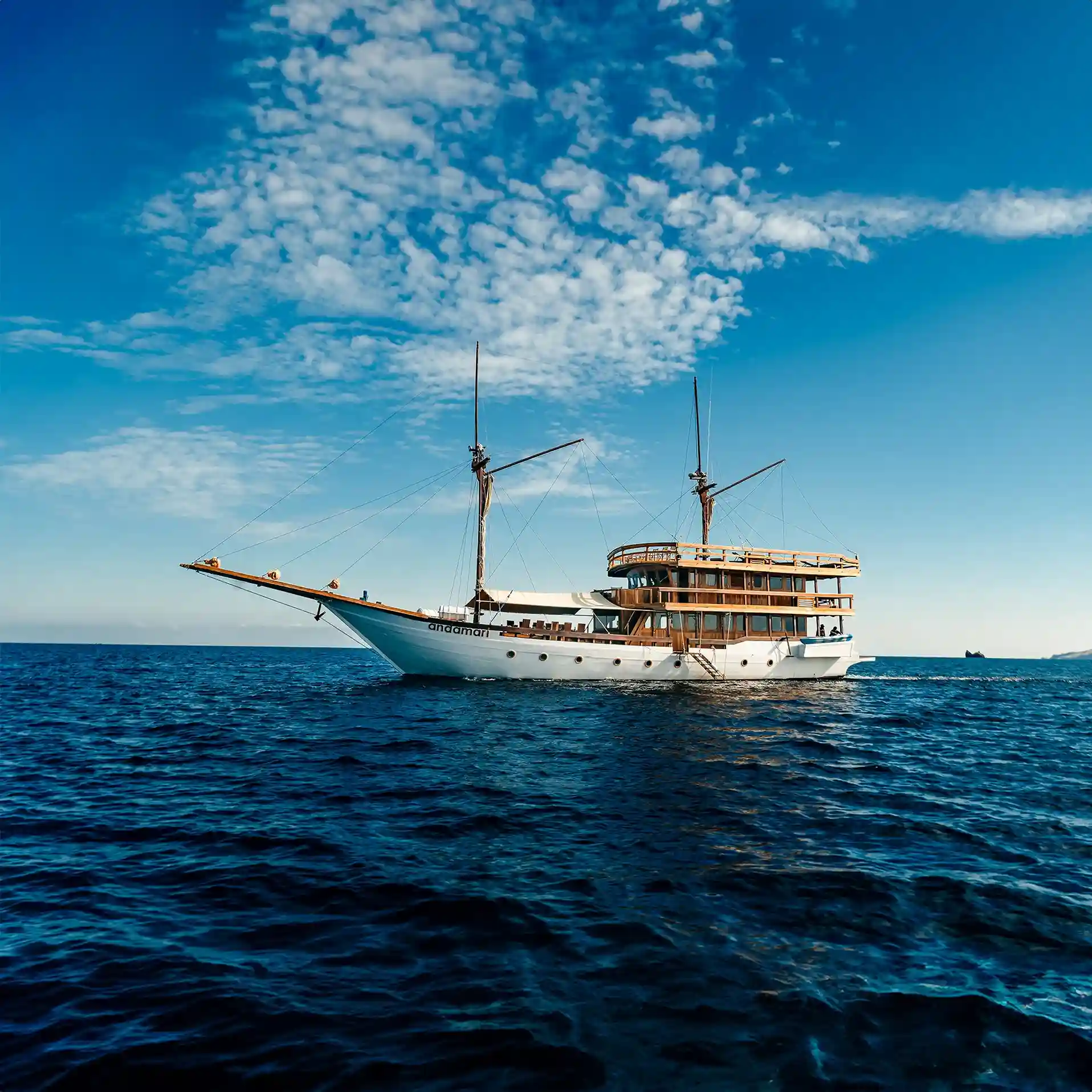
Andamari, a 30-metre Phinisi built for space and stillness, carries only 12 guests across two cabins—though the layout feels more private than the numbers suggest. I stayed in the forward master suite, where the king bed faces a broad hull window that floods the room with daylight. No TVs, no minibars—instead, a hand-carved writing desk, linen drawers built into the bulkhead, and ventilation grilles positioned to catch the sea breeze even when moored. The ensuite has a rainfall shower with marine-grade plumbing that never sputtered, even after days at anchor. At night, the only sound was the occasional plop of a fish breaking the surface near the hull.
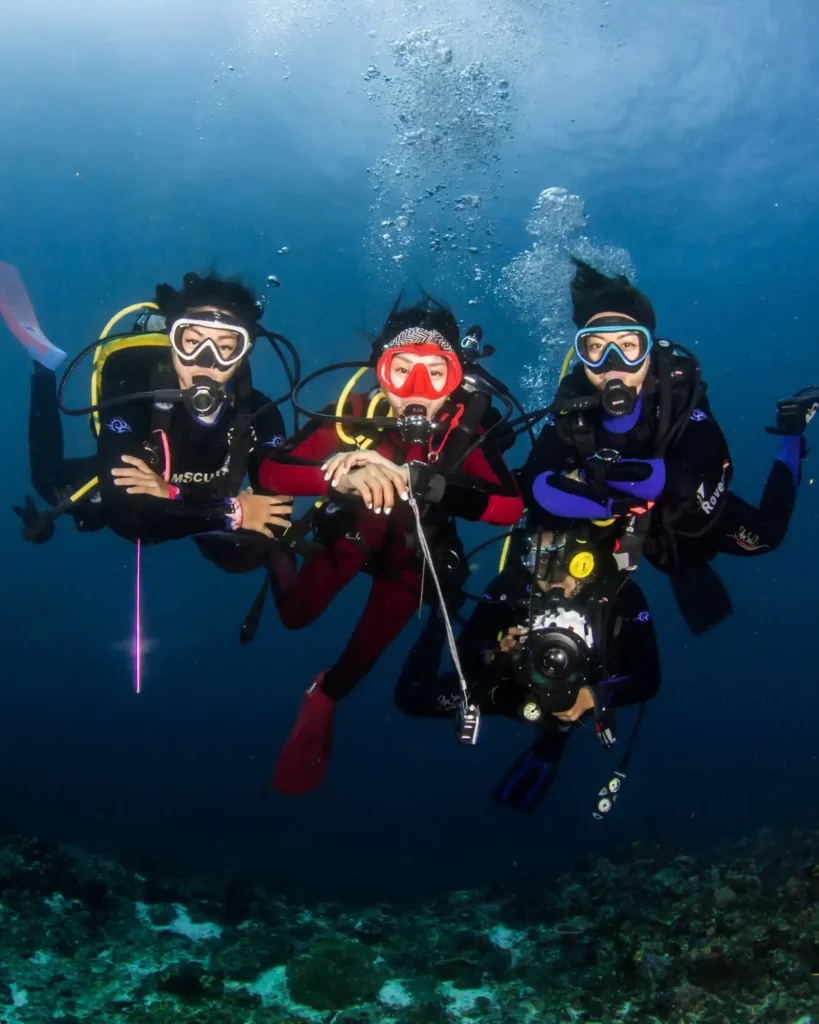
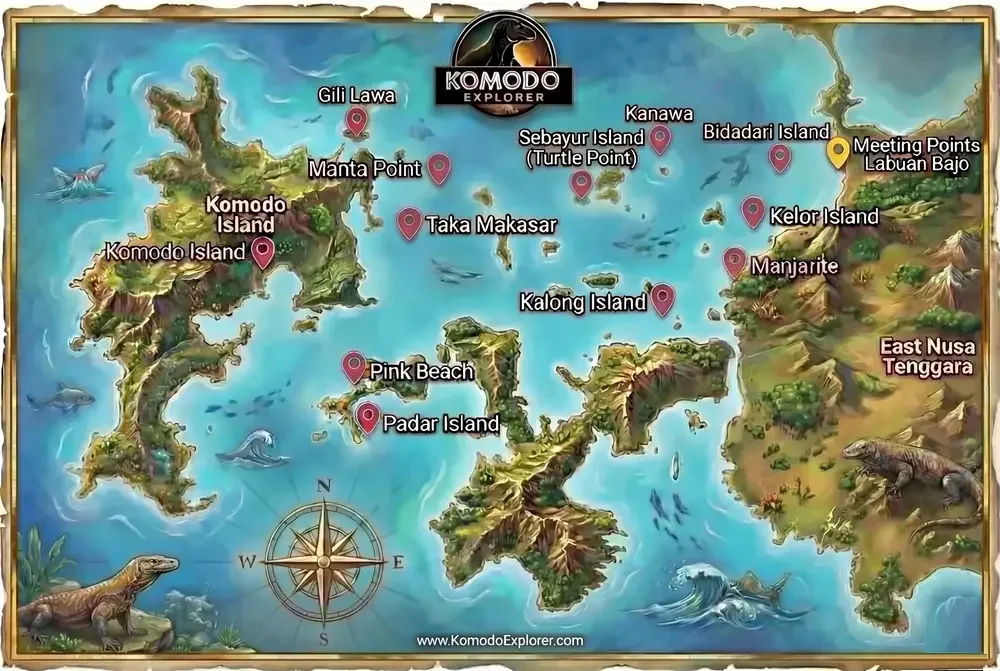
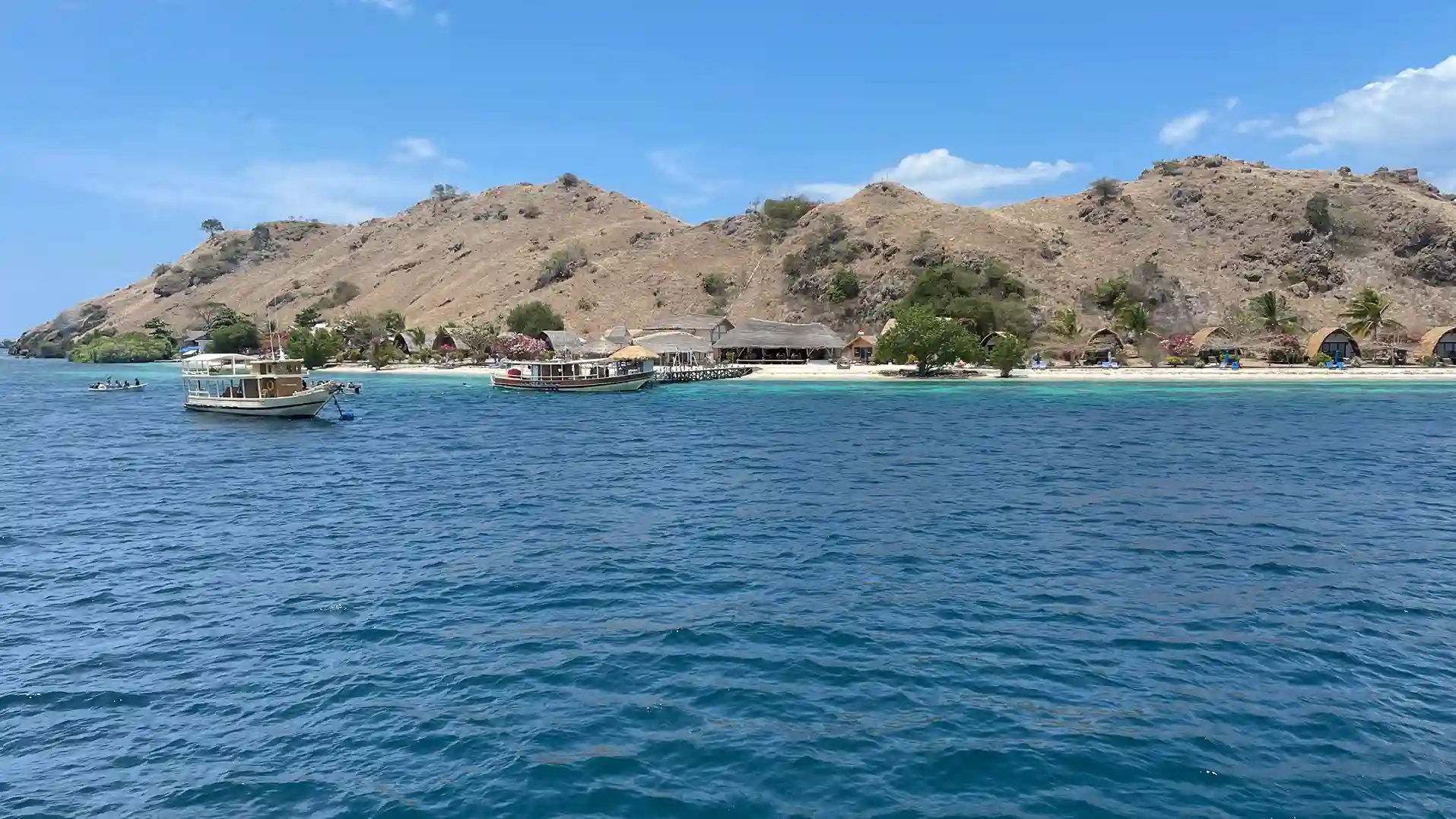
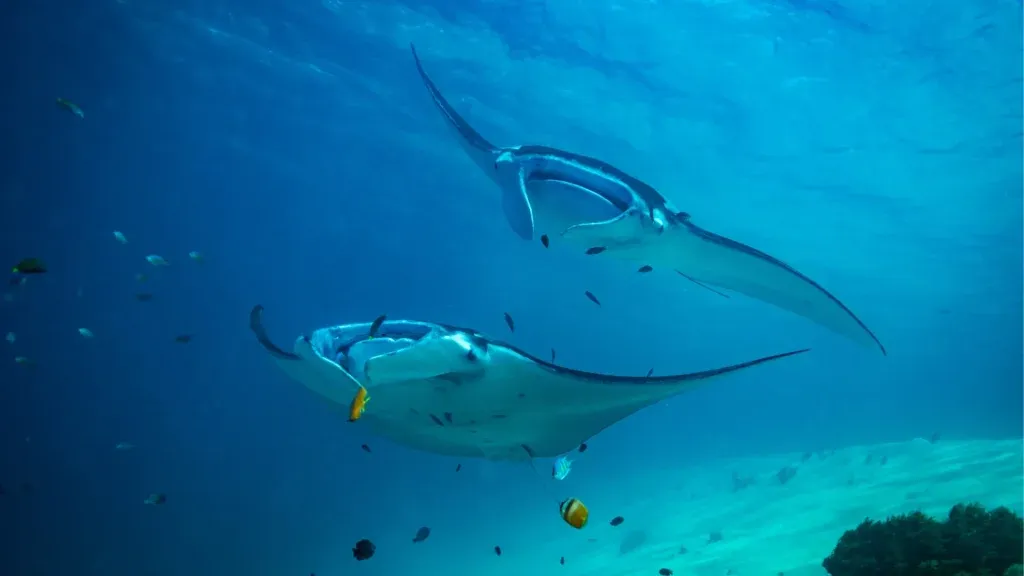
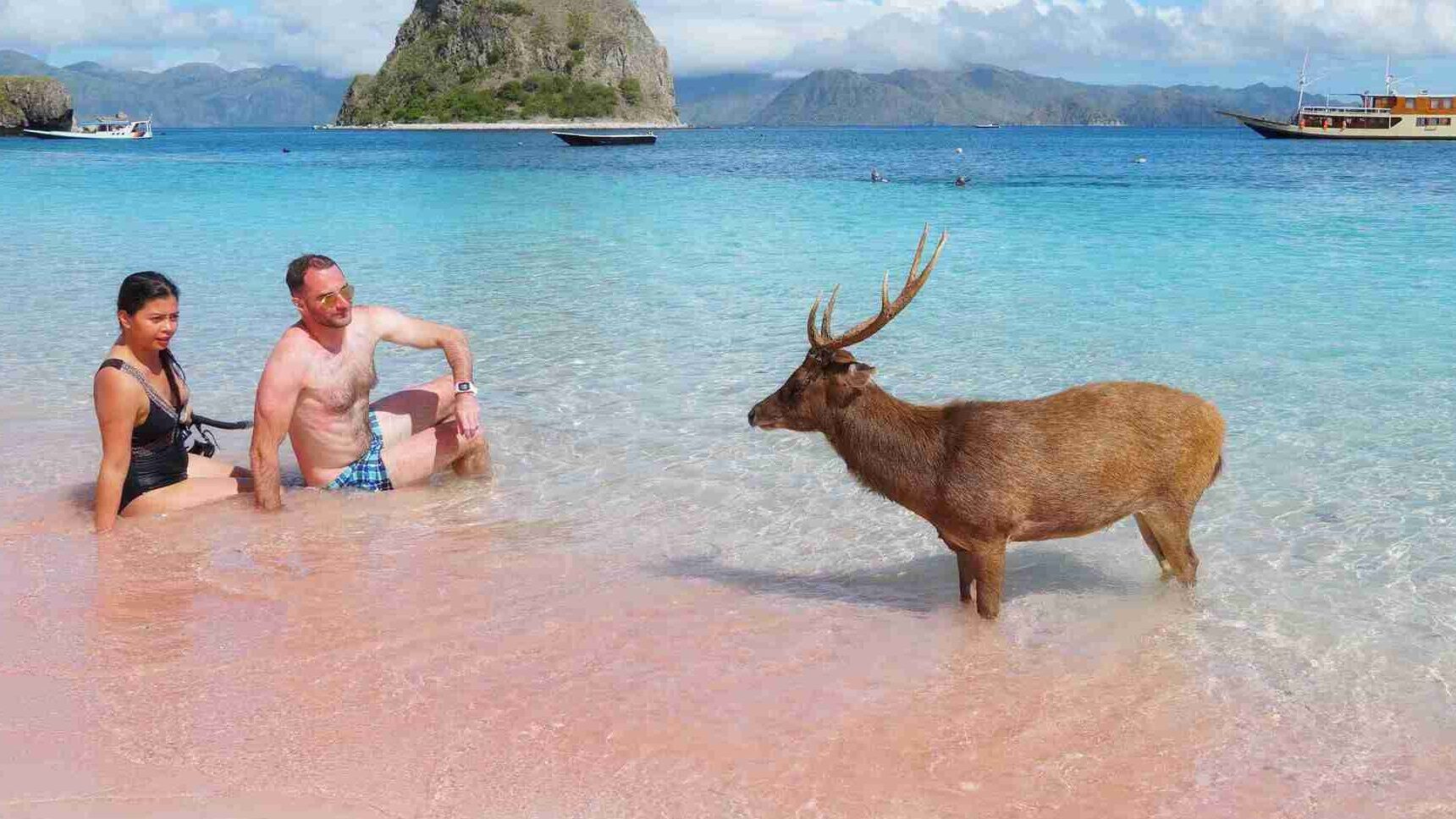
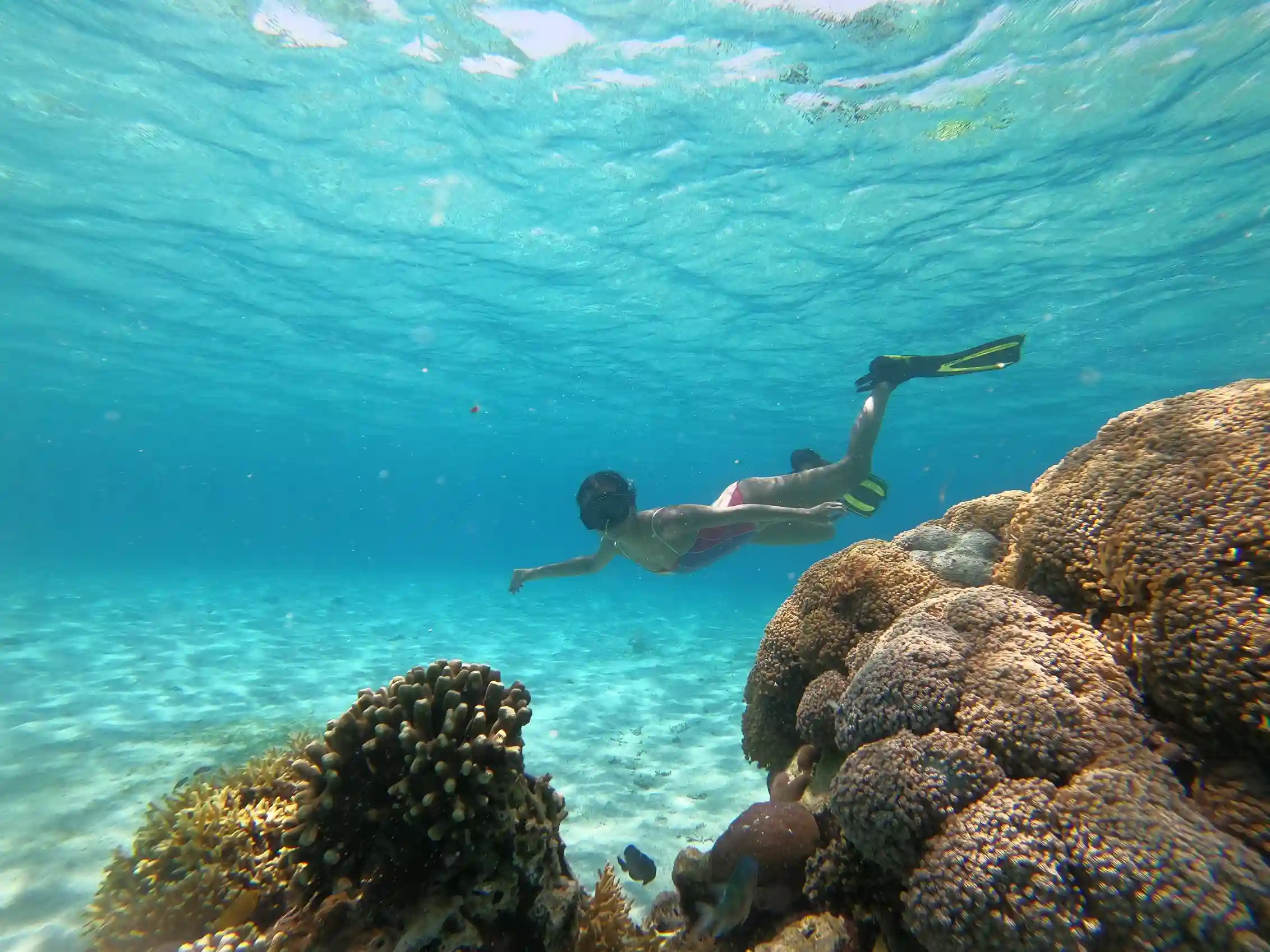
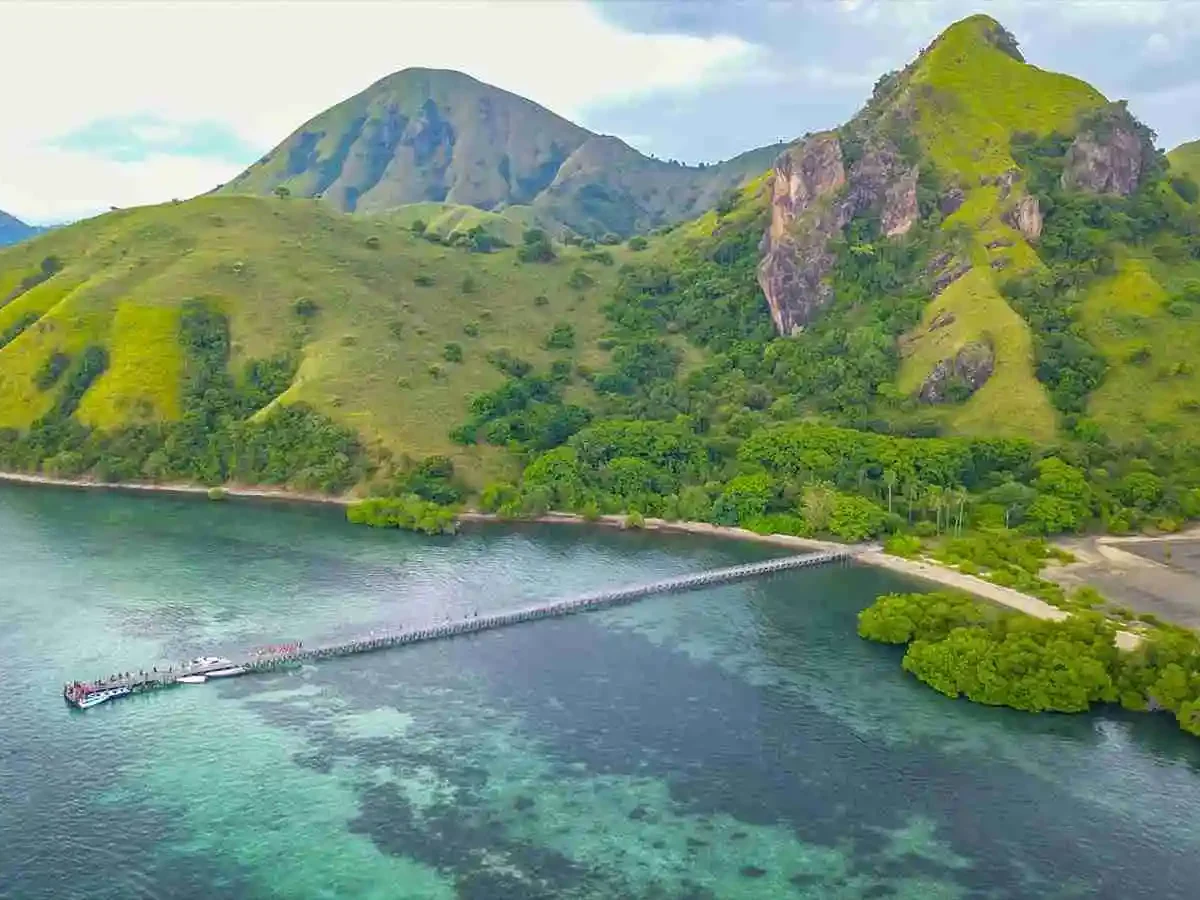
We spent Day 2 at Manta Point, where the boat anchored just off the cleaning station. The crew had the tender in the water before breakfast was cleared, knowing the mantas surface earliest in the morning. I snorkeled for nearly an hour, drifting above the reef as six mantas circled below, their wingtips brushing the sand. Later, at Pink Beach, the sand felt cool underfoot despite the midday sun—likely from the crushed coral mixed in. Andamari dropped anchor in the shade of the eastern bluff, where we had the cove to ourselves for 90 minutes. No vendors, no jet skis, just the occasional call of a pied imperial pigeon from the trees above.
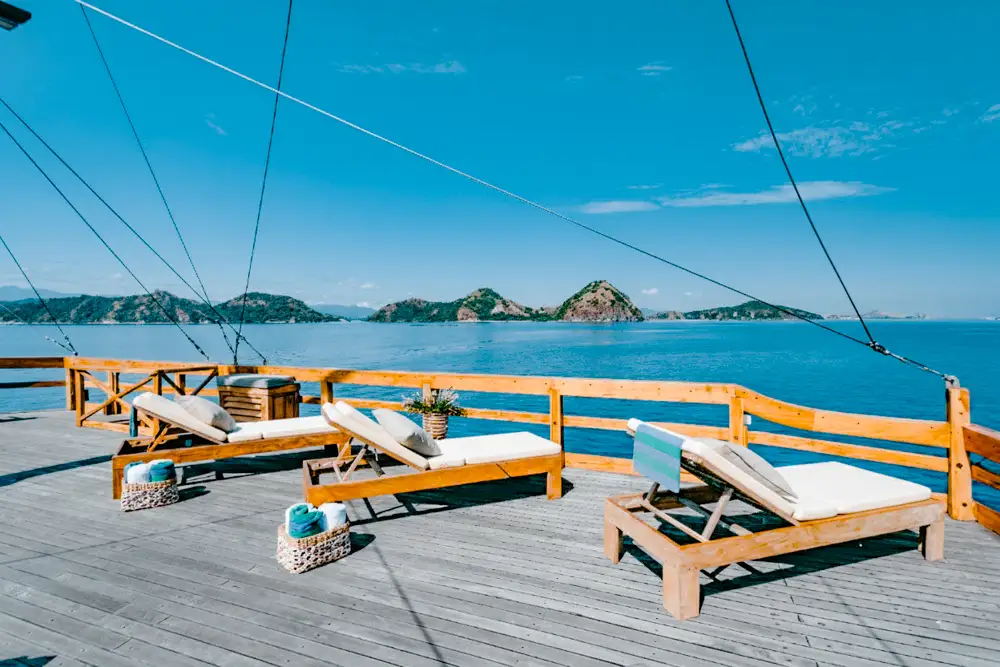
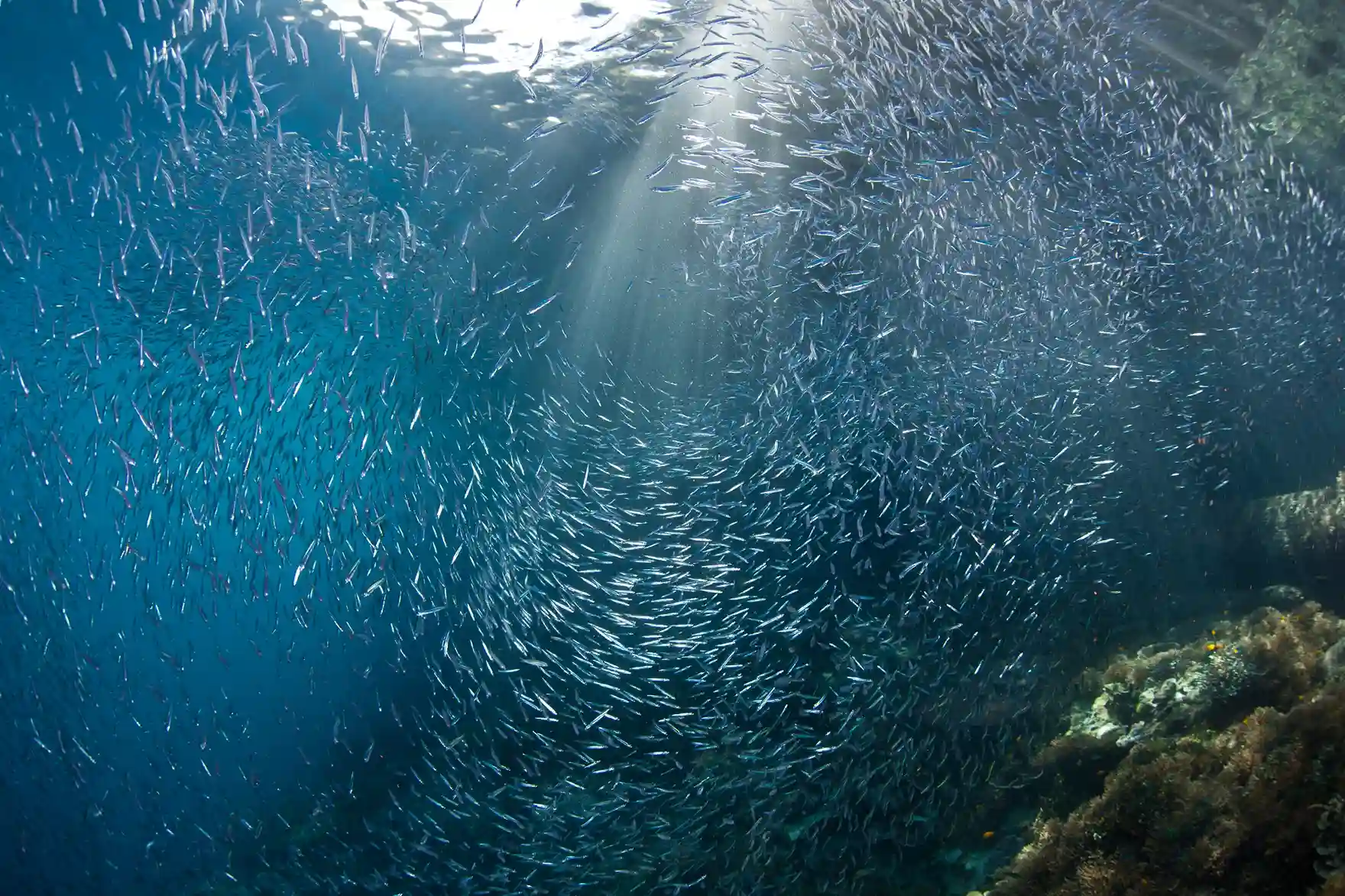
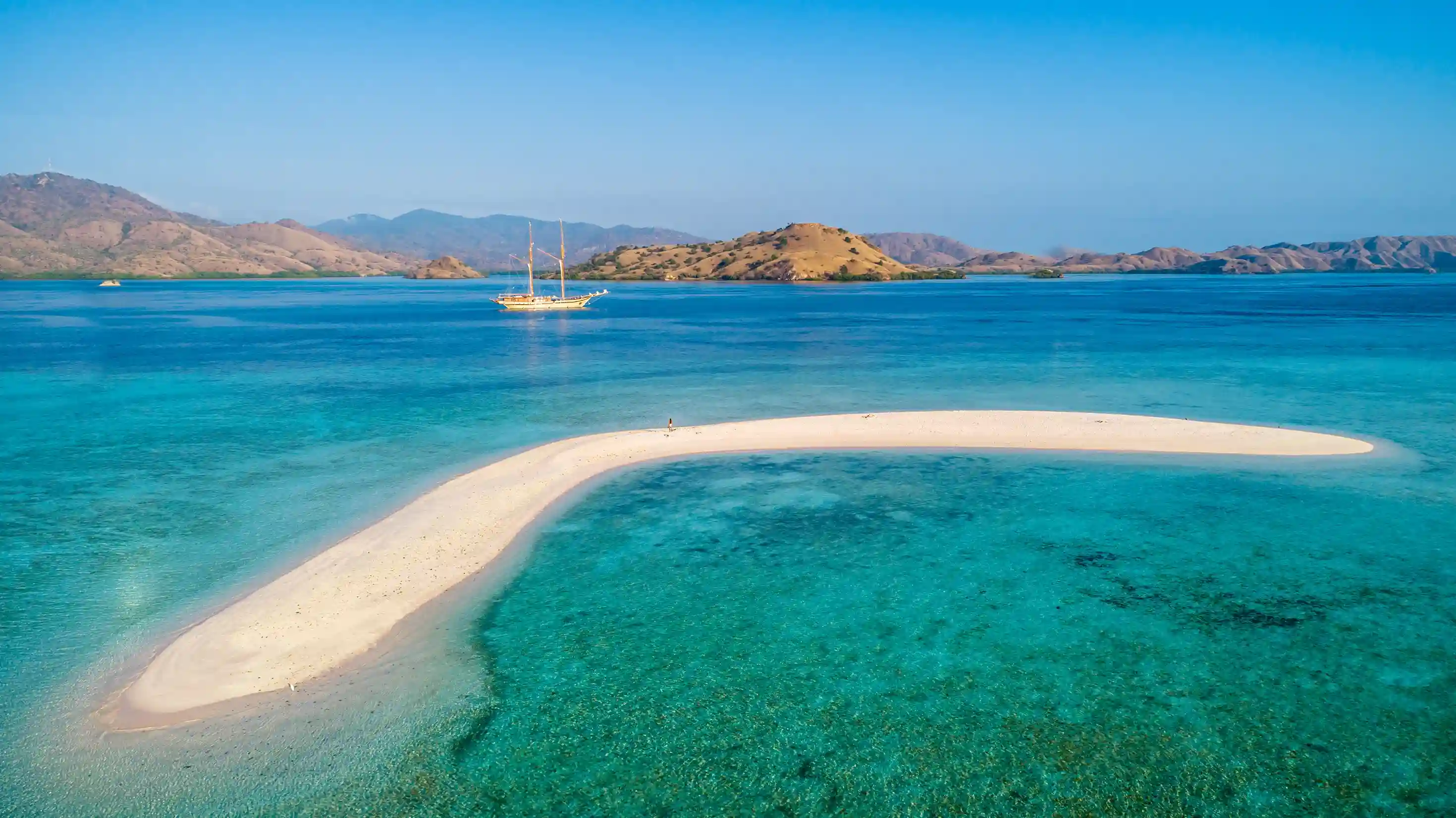
On Day 3, we woke to the scent of frying shallots as the crew prepped nasi goreng with squid ink. We motored to Taka Makassar, a sandbar that emerges at low tide like a mirage. The crew had laid out beach mats and chilled towels before we even hit the water. From there, we drifted over Kanawa’s north reef, where the current carried us past schools of batfish and a lone bumphead parrotfish the size of a bicycle tire. Back on board, the sun loungers were angled westward—someone had adjusted them during lunch—so we caught the final golden hour as we headed toward Labuan Bajo.
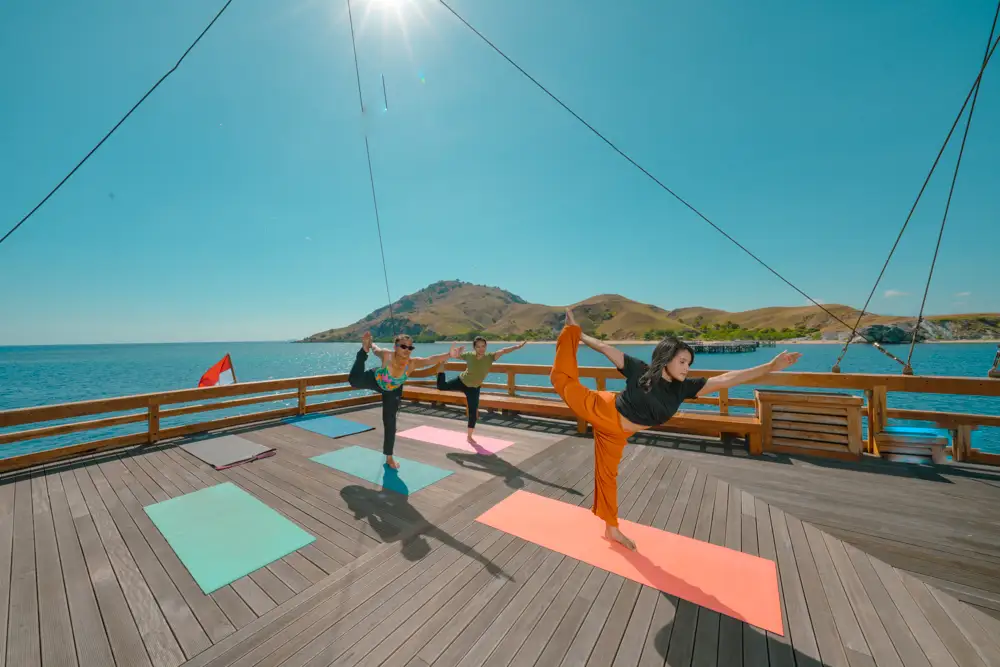
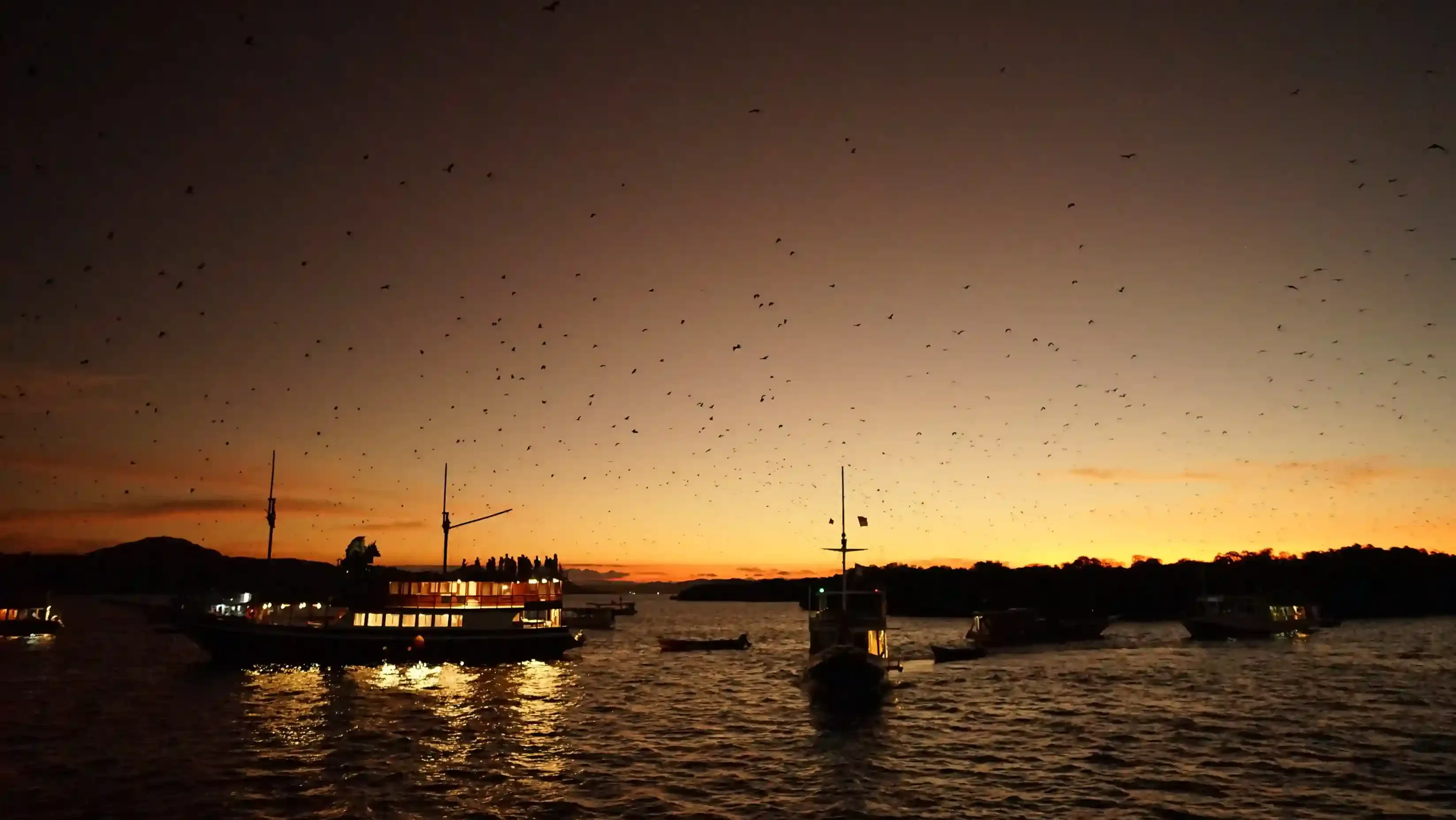
What stayed with me wasn’t the luxury, but the pacing. Andamari doesn’t race between sites. It lingers. The crew timed engine cuts so we arrived at each spot in silence. They knew when to offer cold towels (always post-snorkel), and when to disappear (after sundowners on Kalong Island, when the flying foxes began their nightly exodus). This isn’t a vessel built for checklist tourism. It’s for those who want to feel the weight of the sea, not just photograph it.