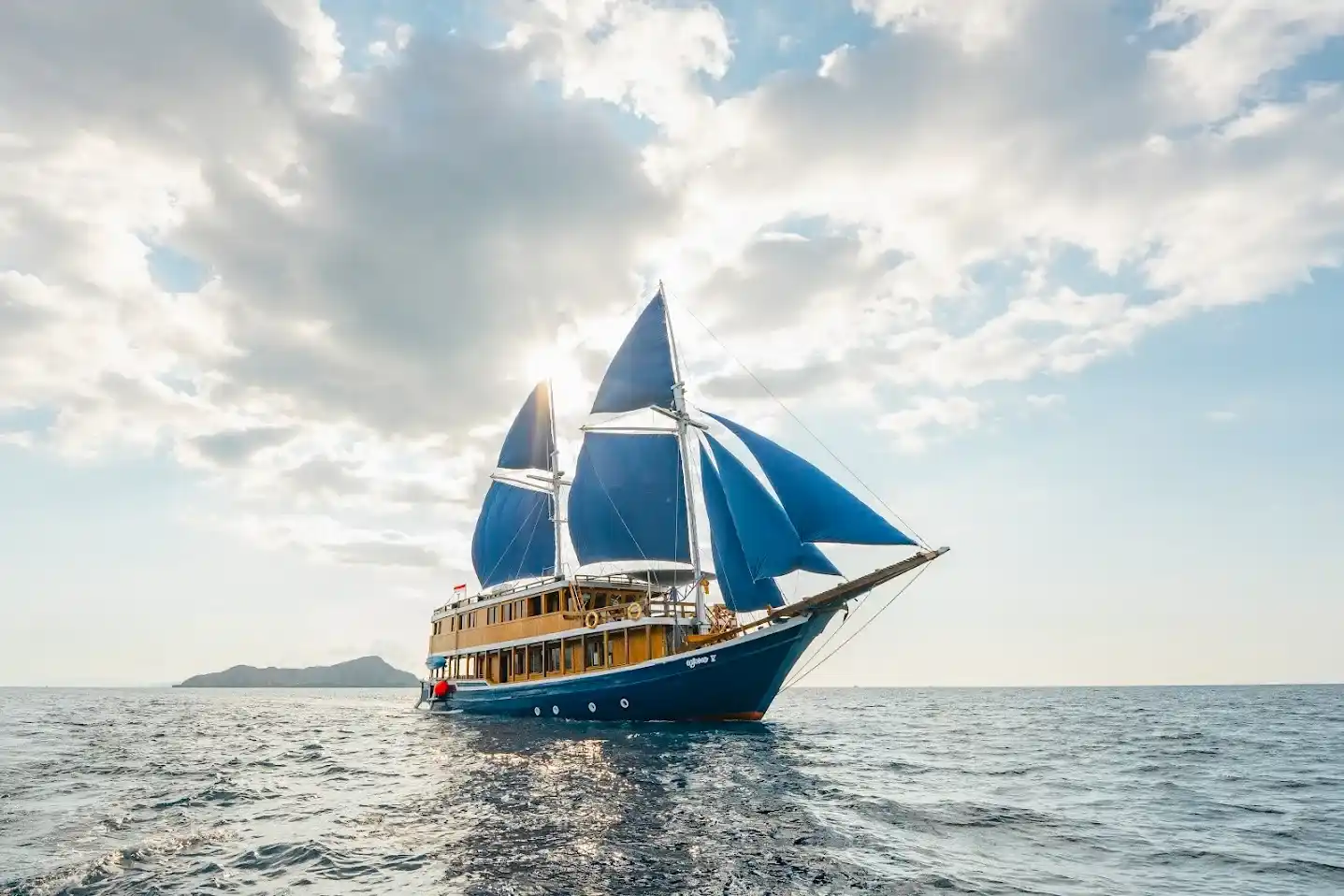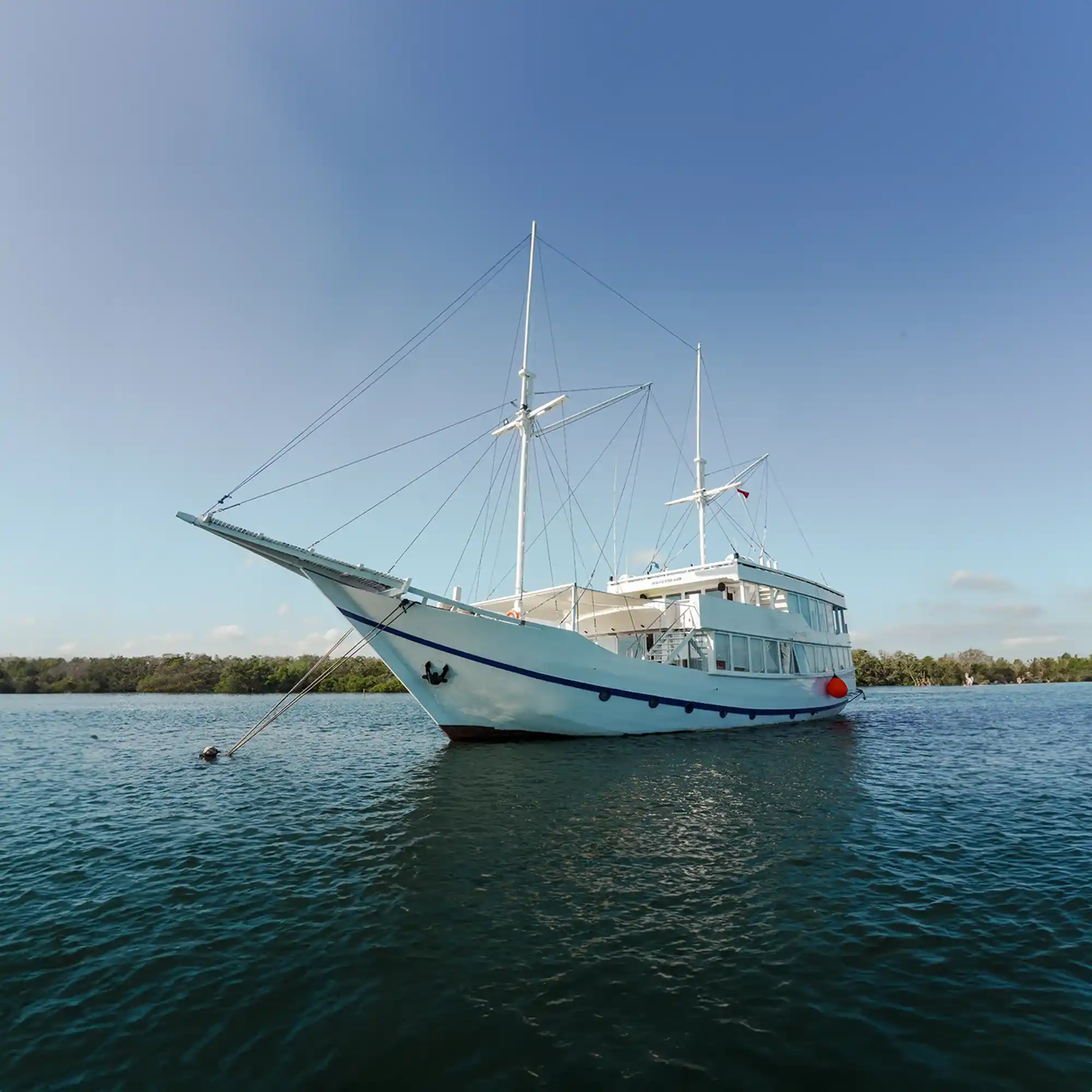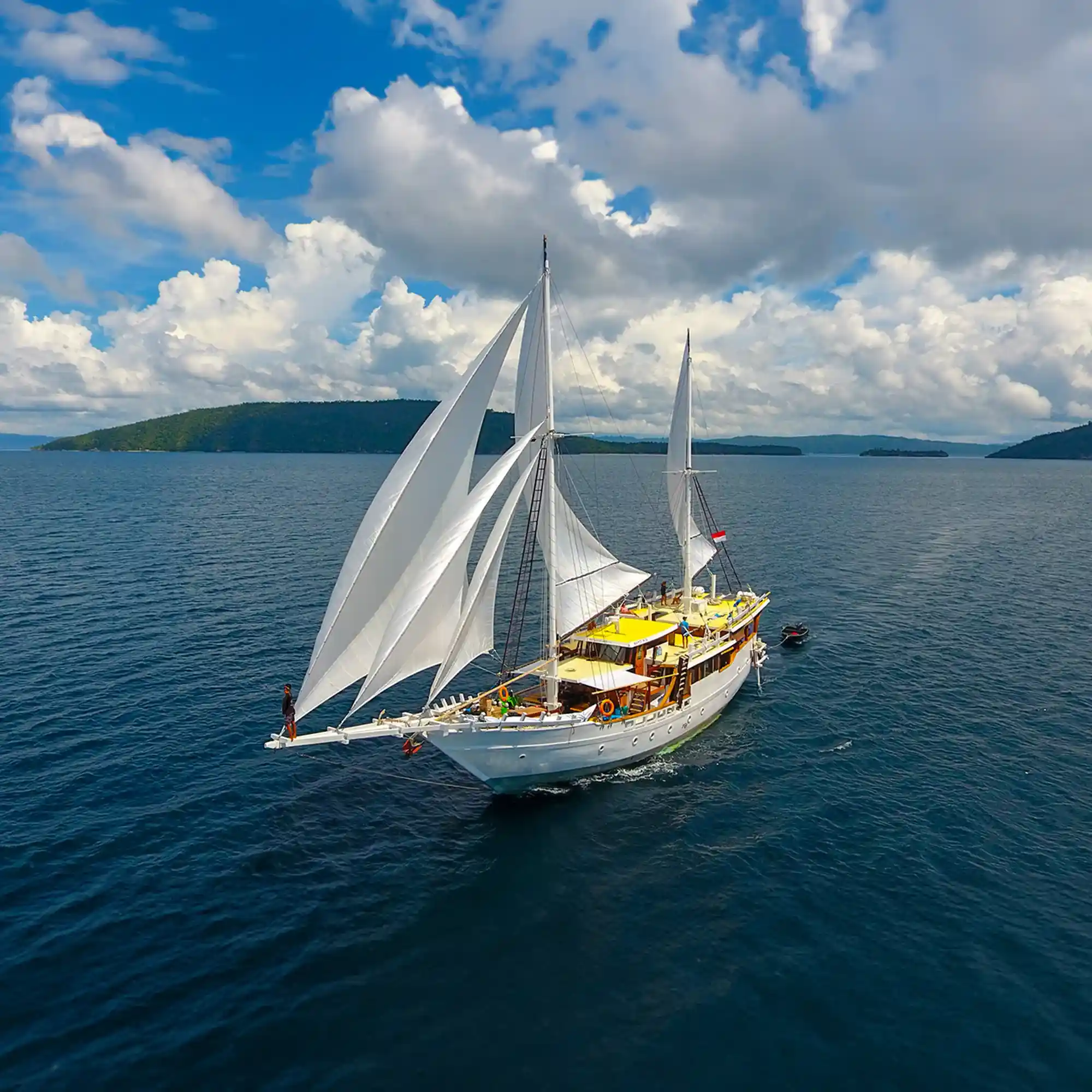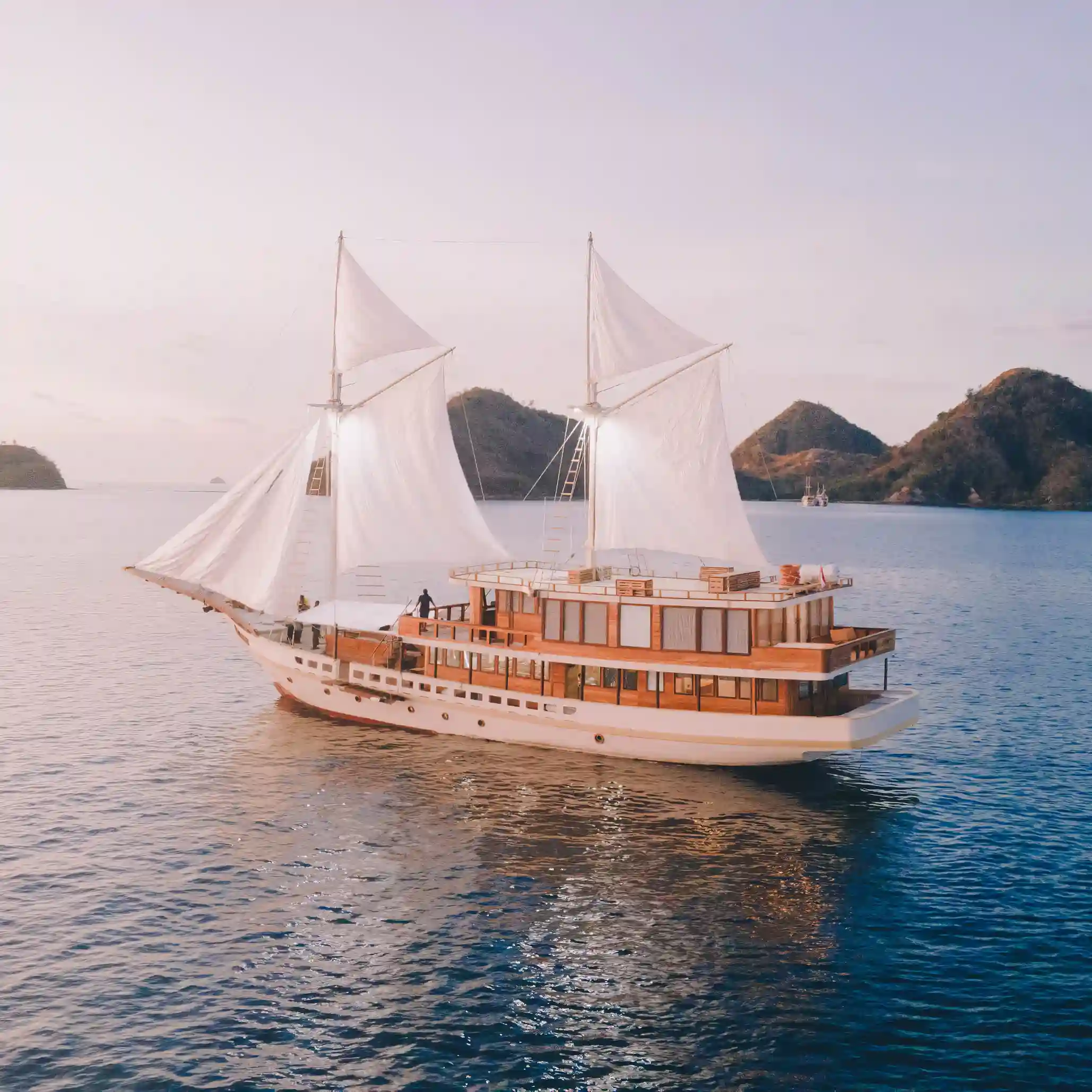
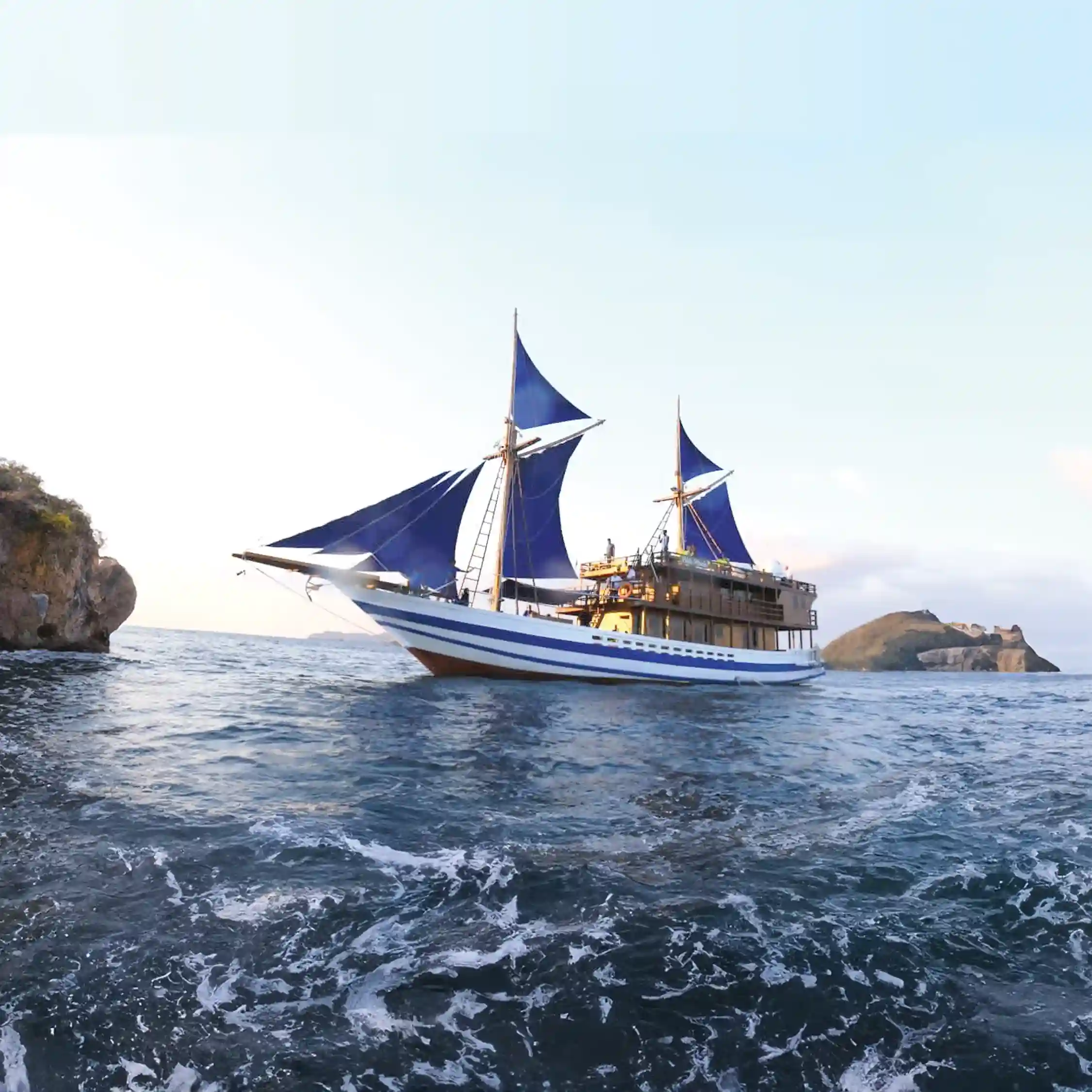
About Radea
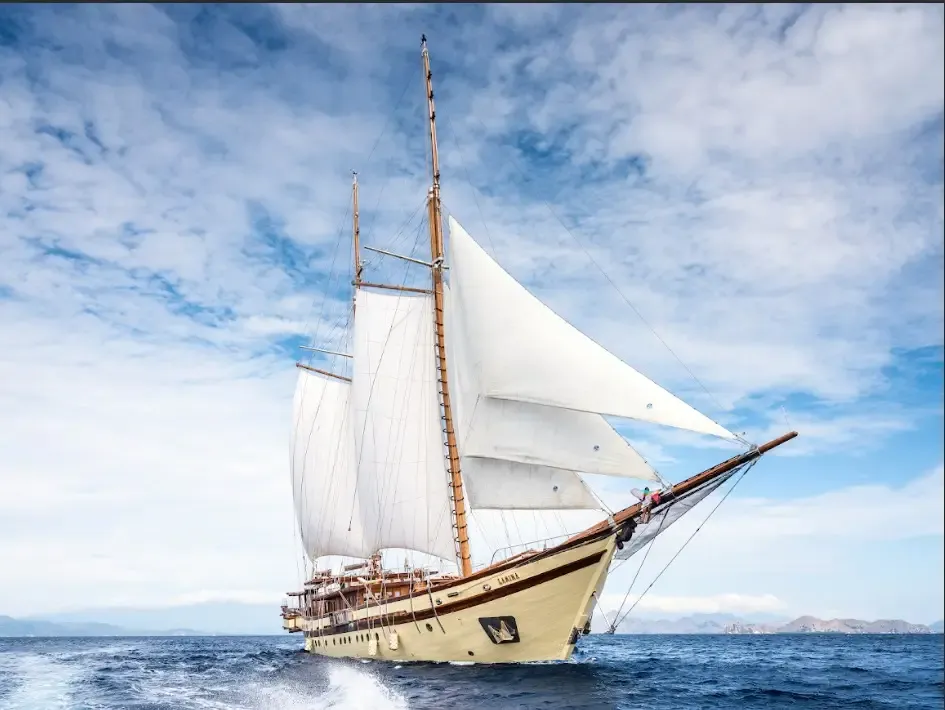
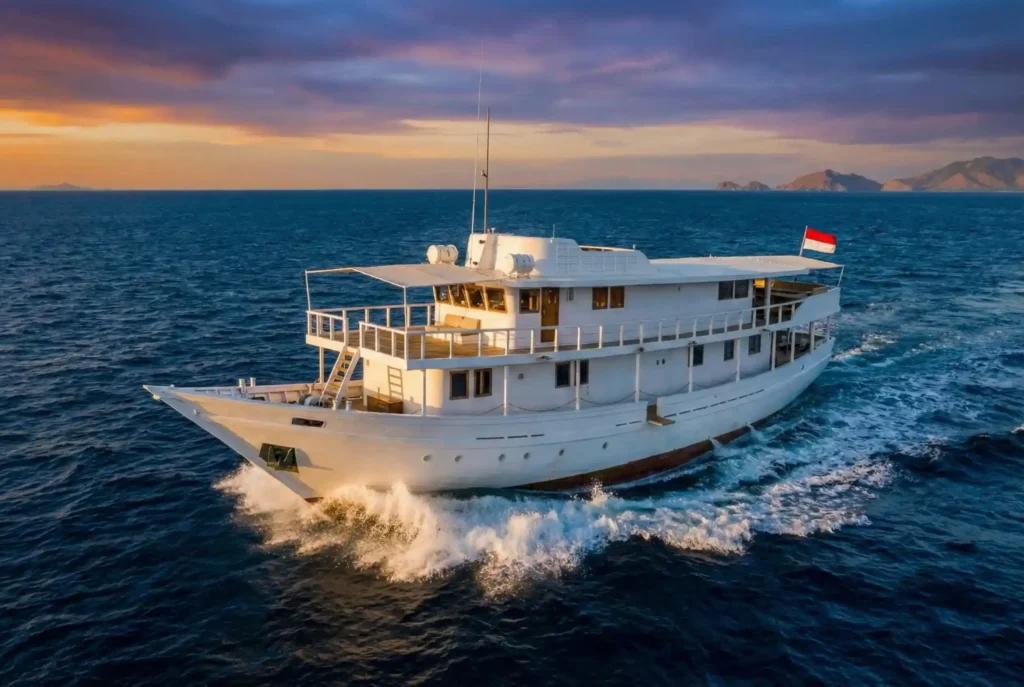
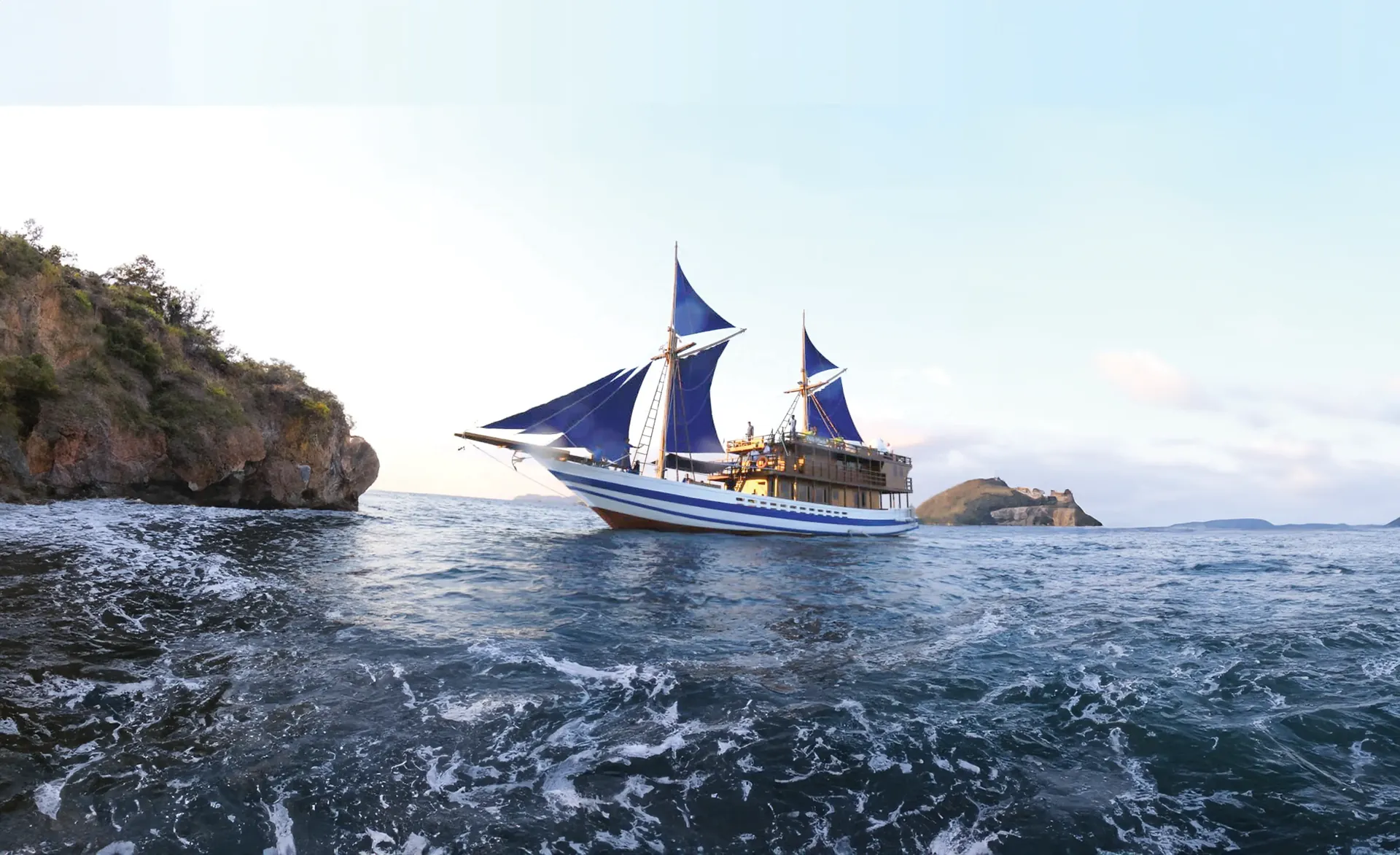
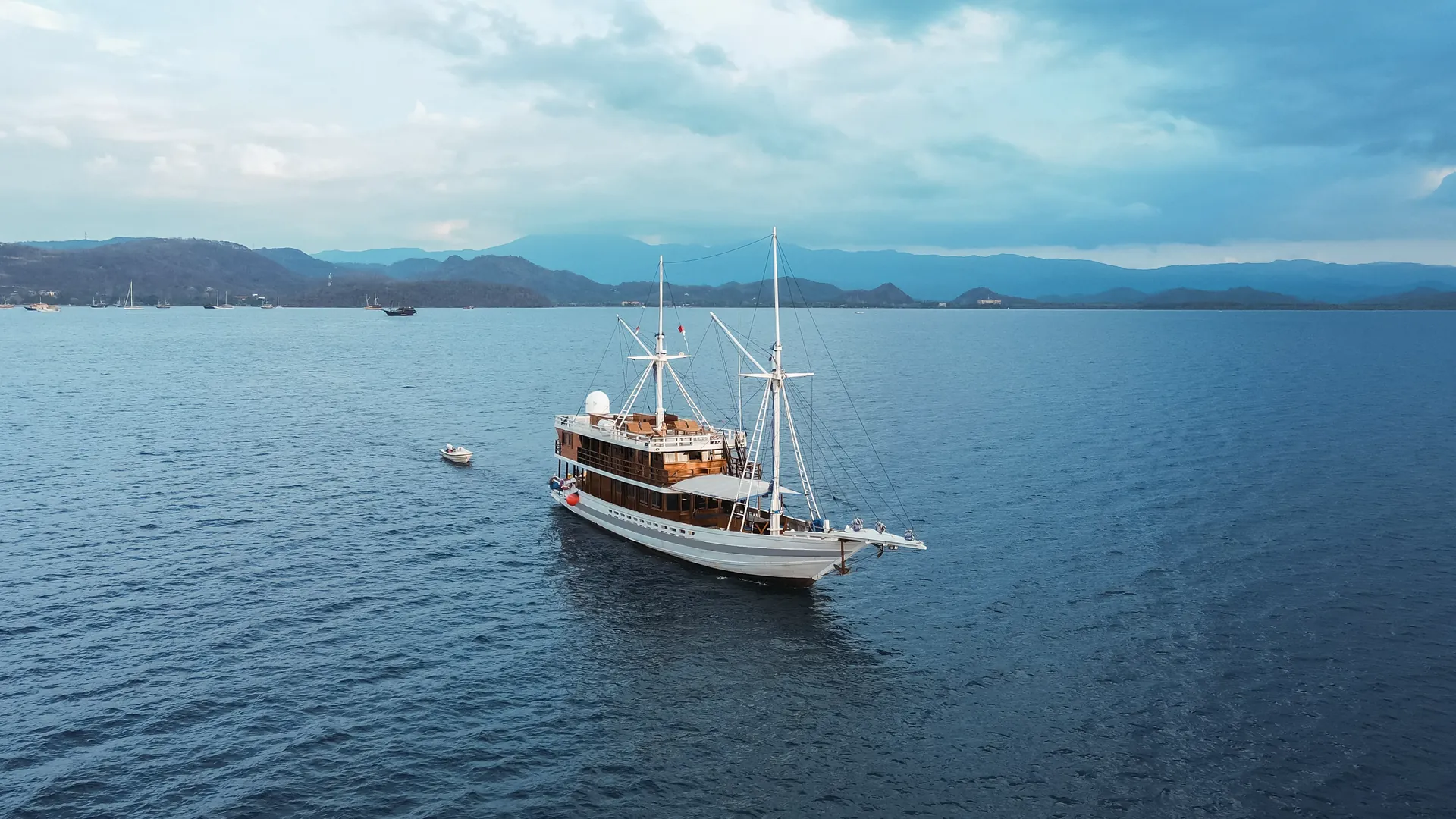
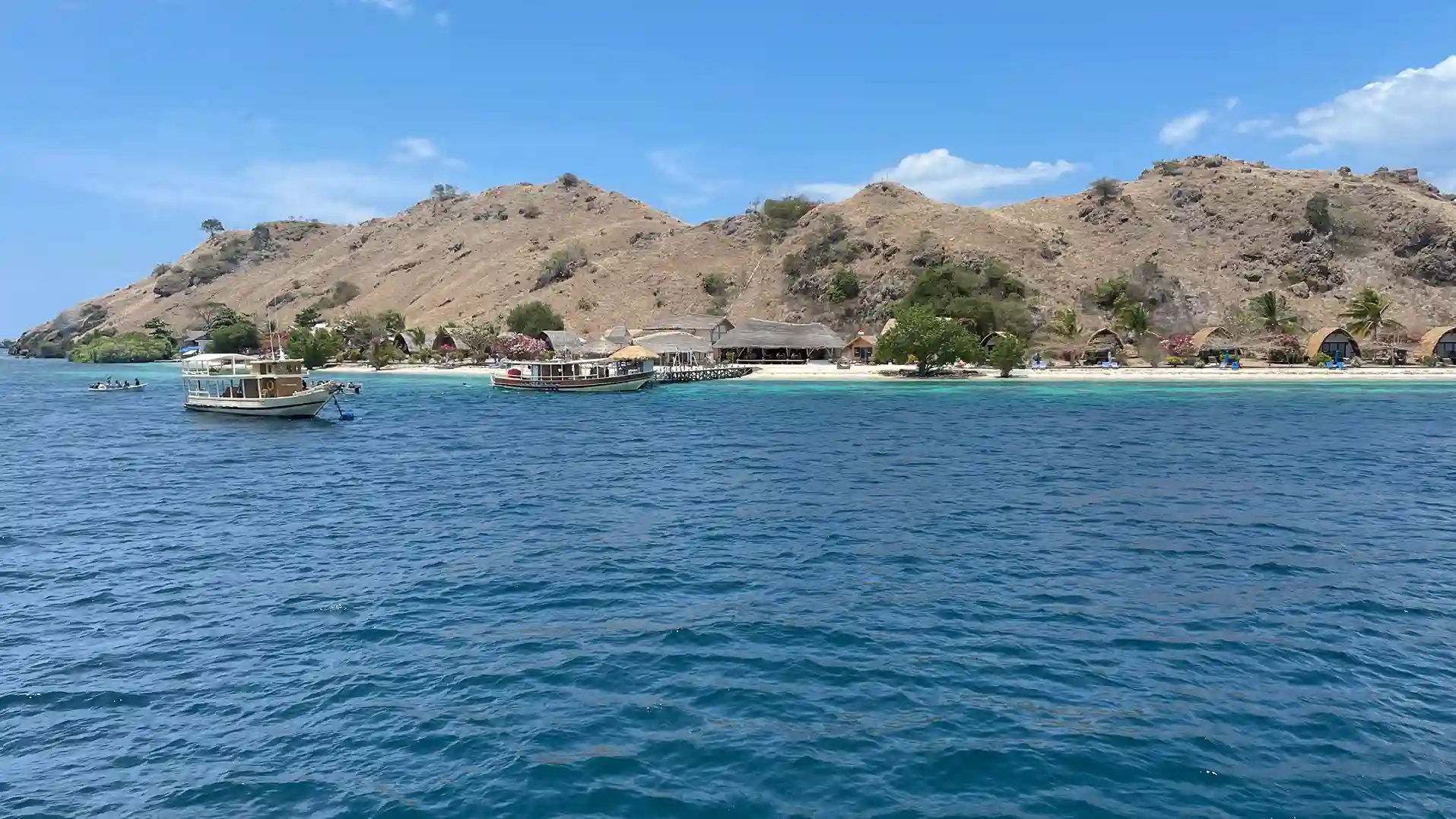
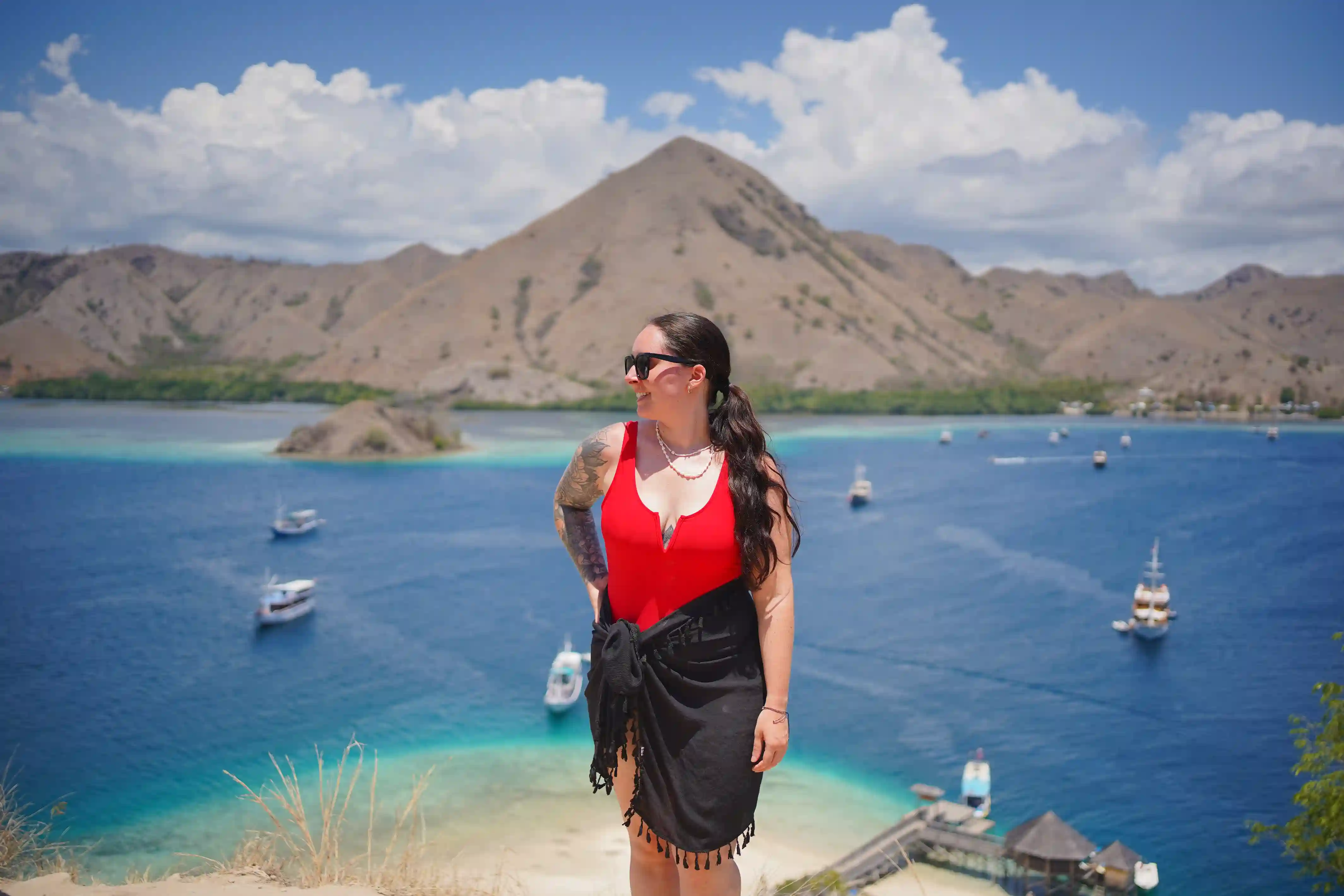
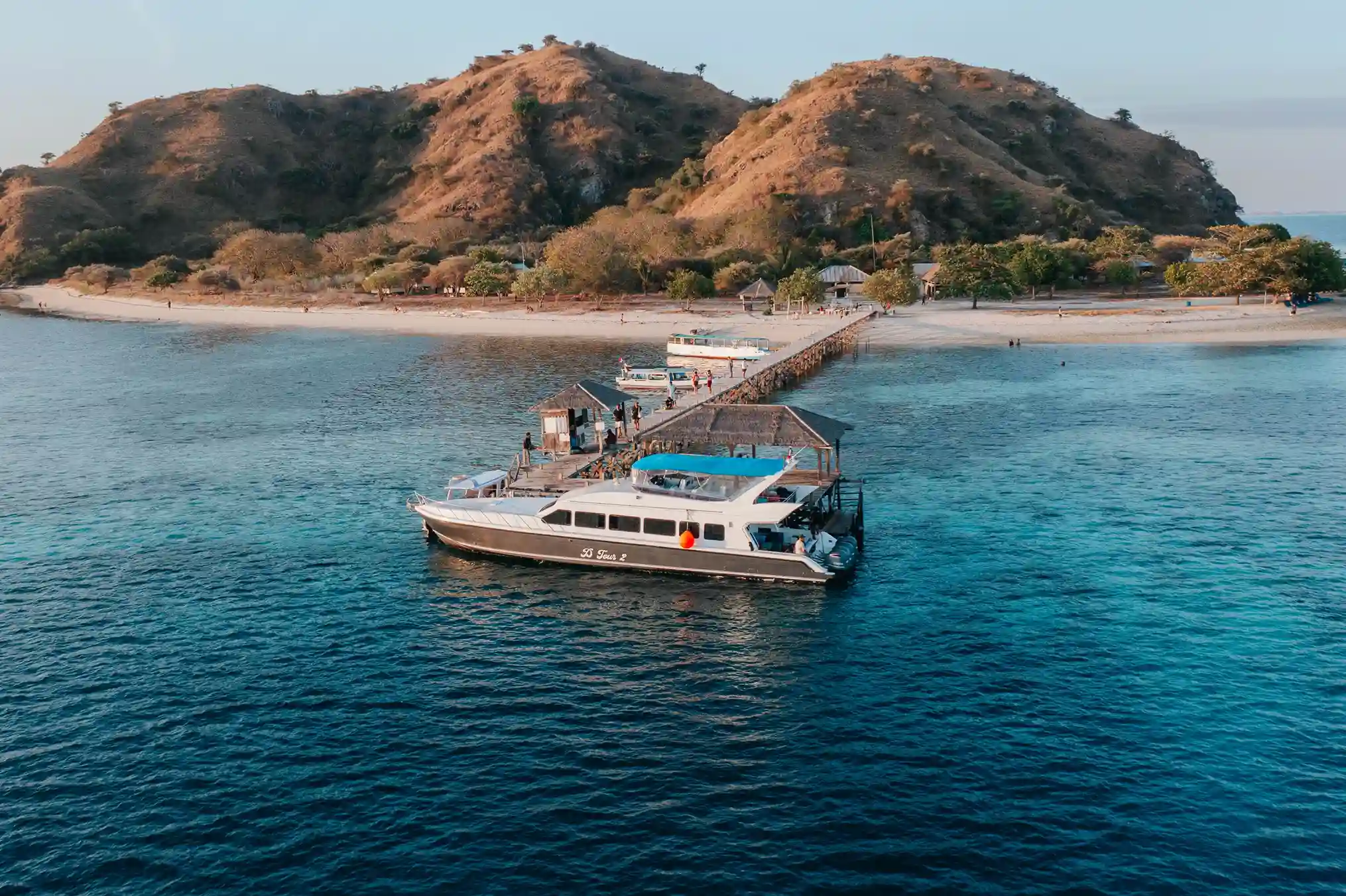
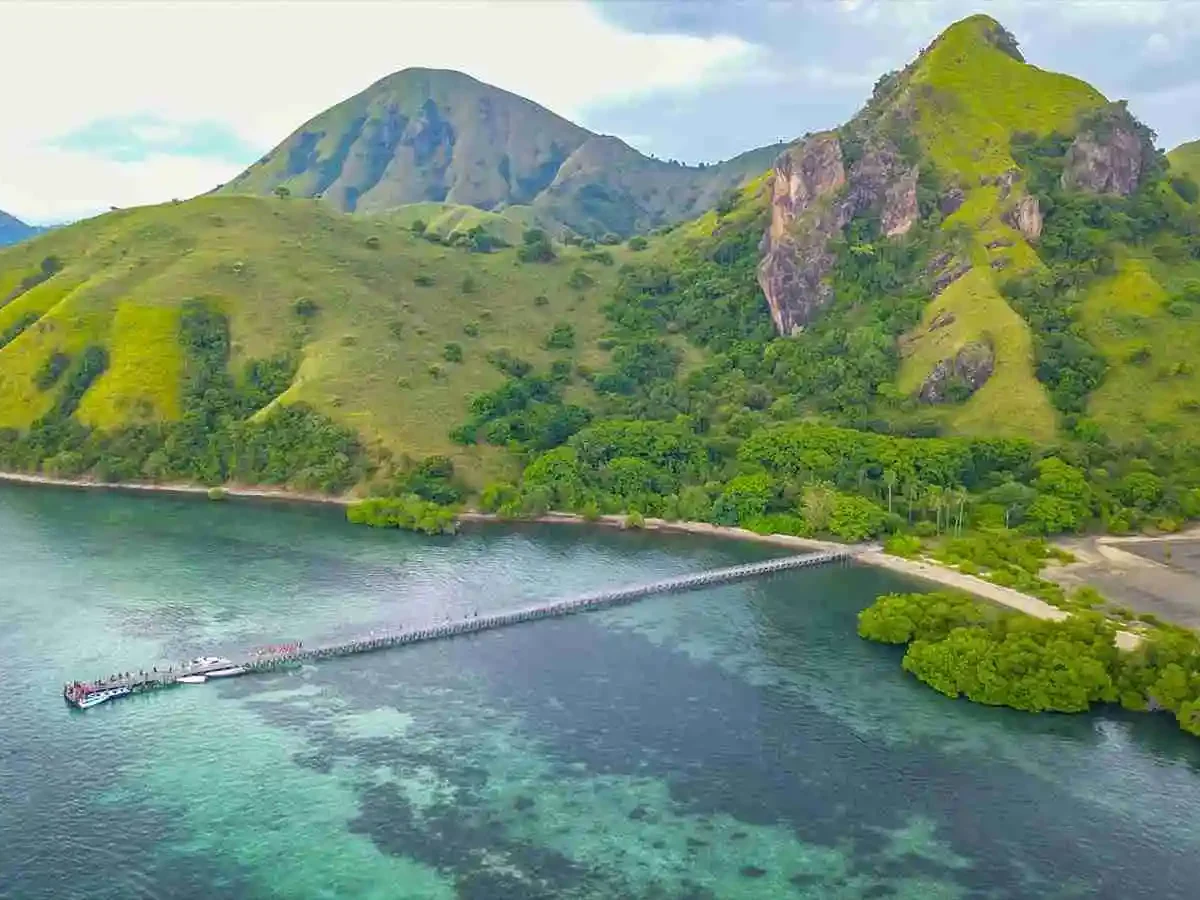
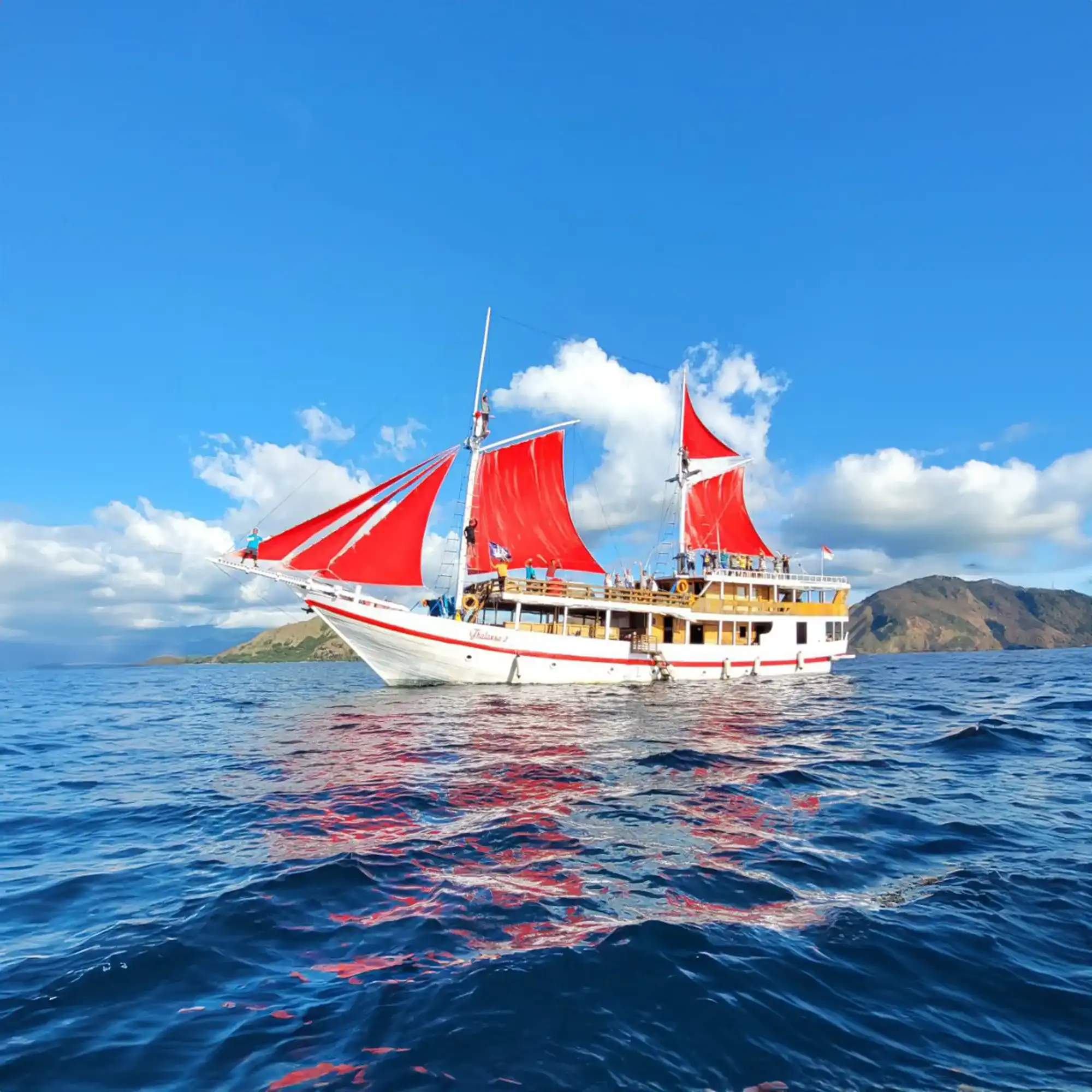
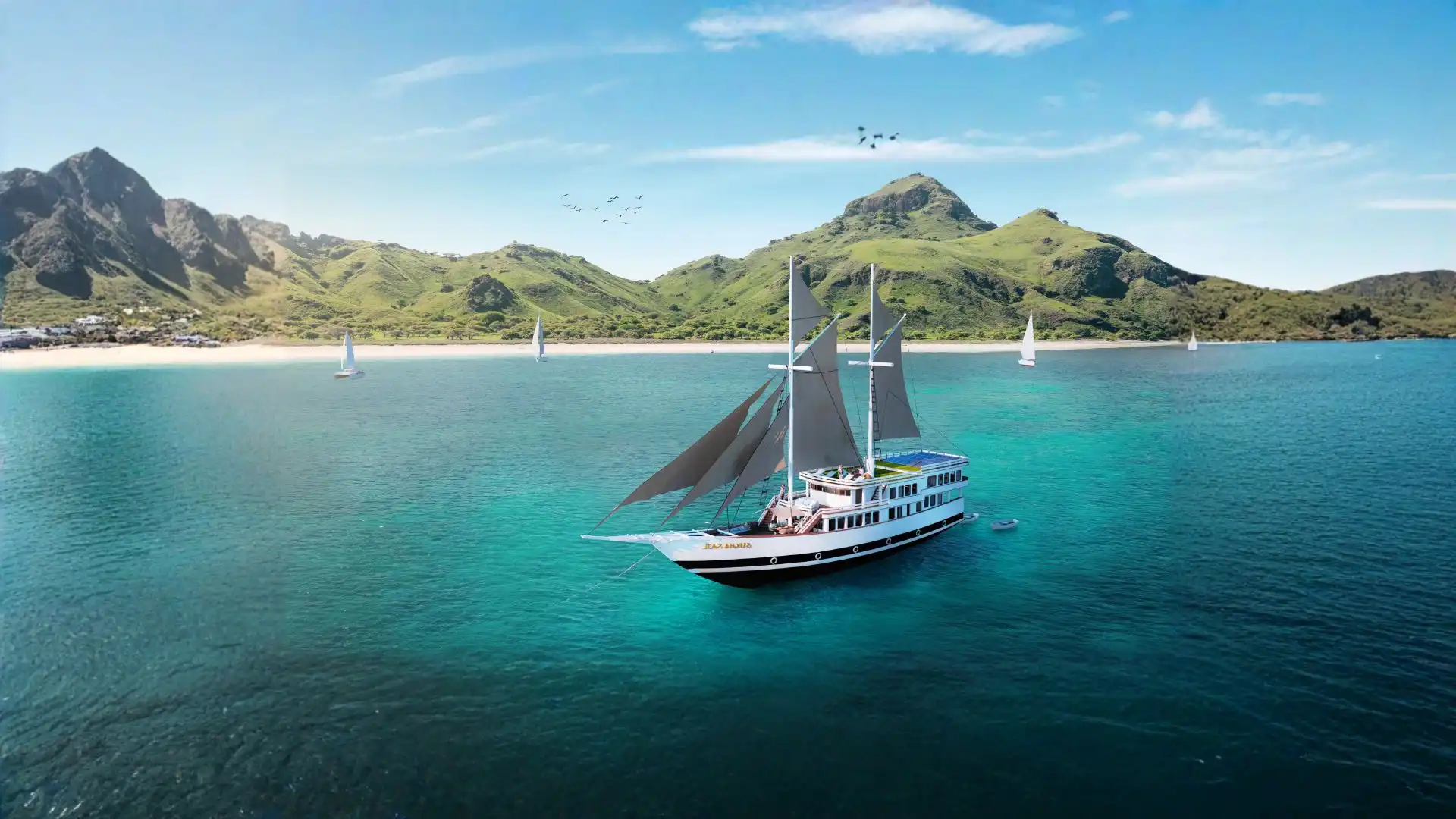
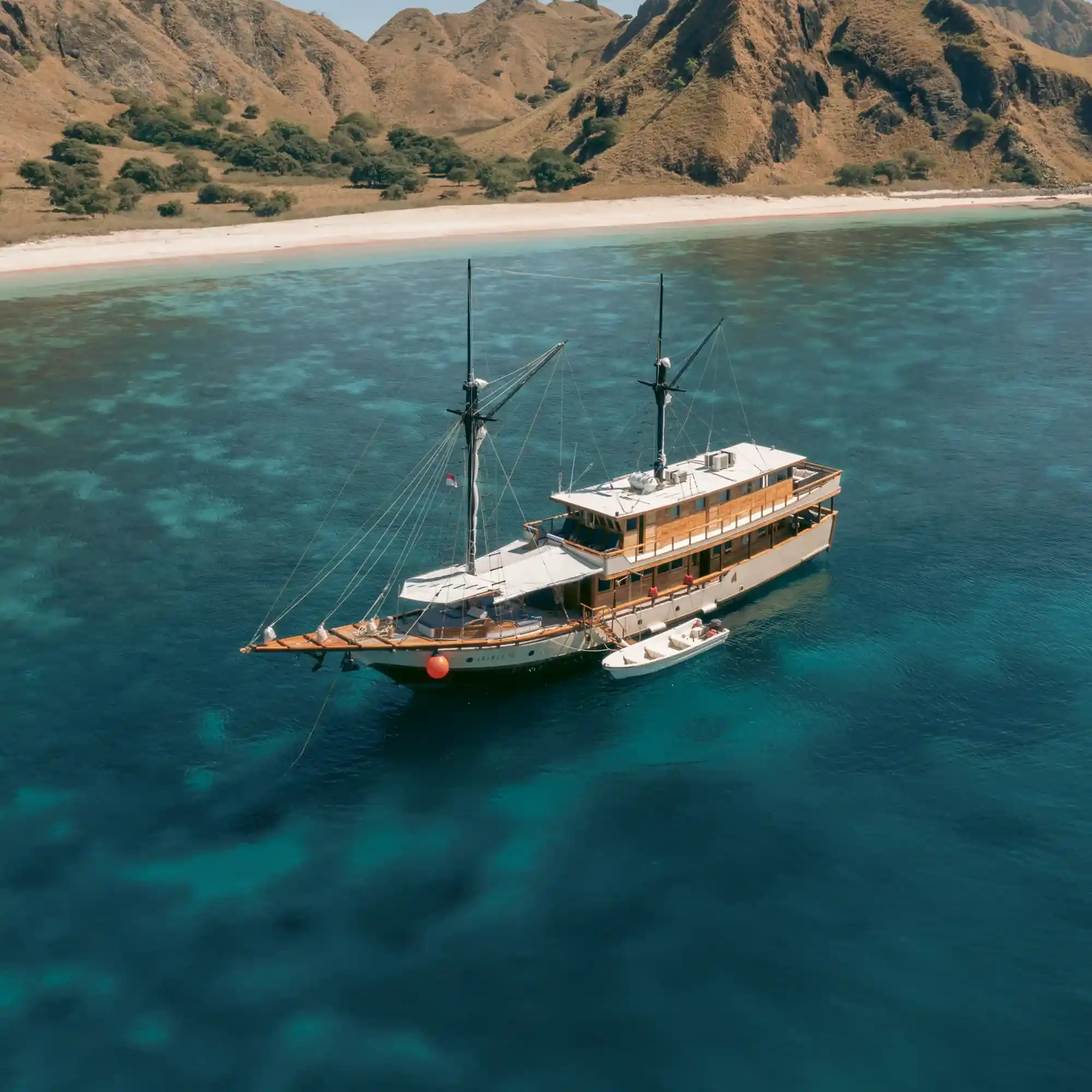
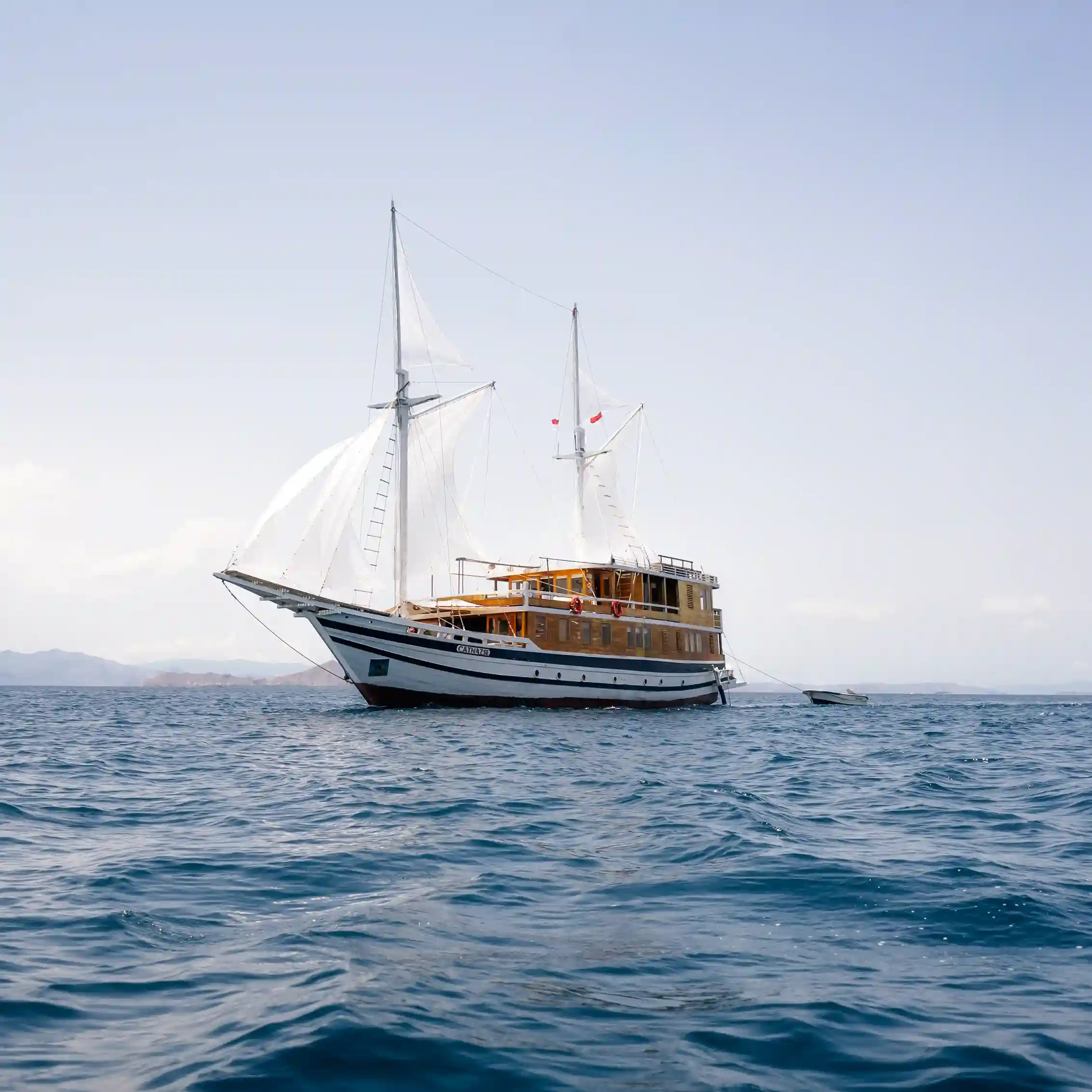
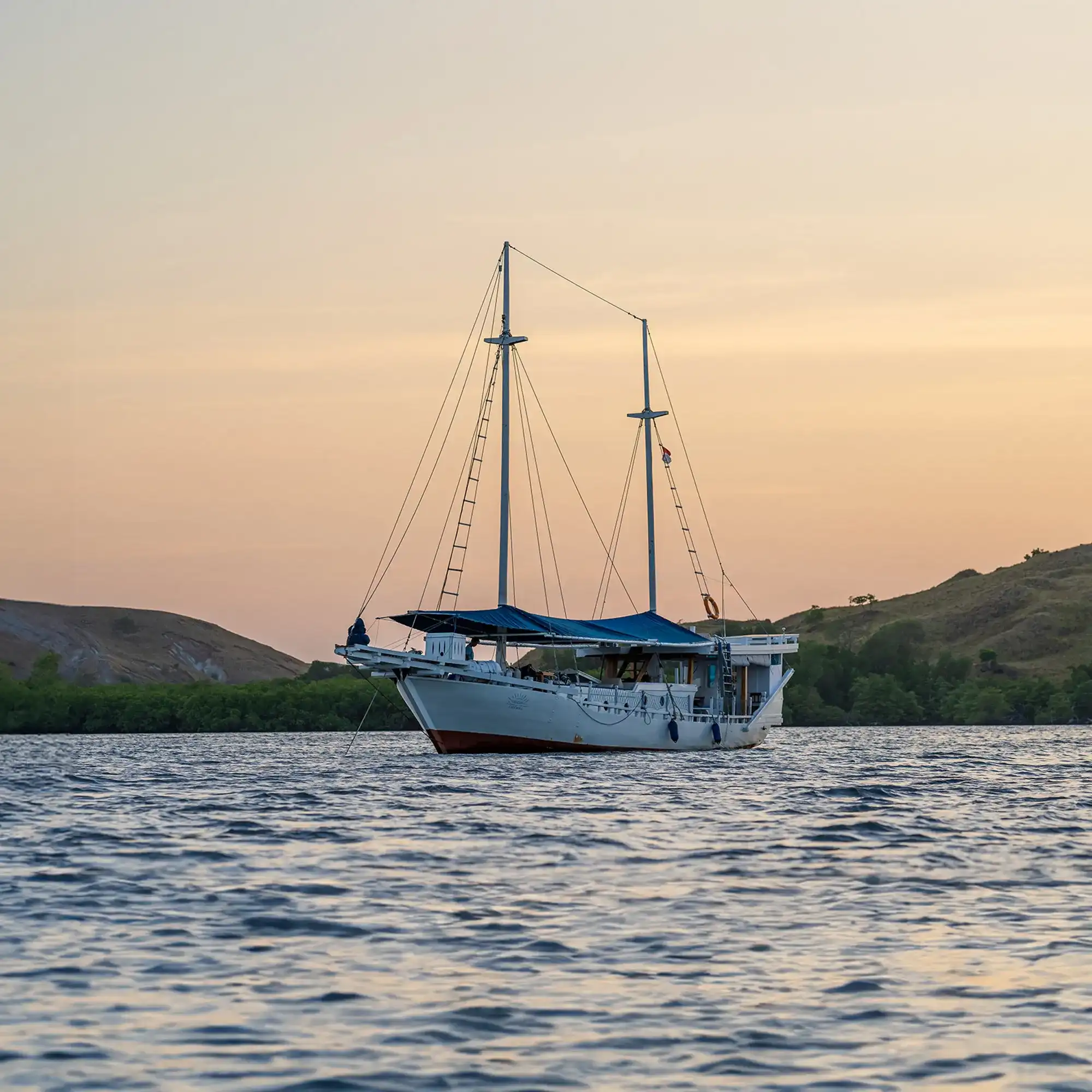
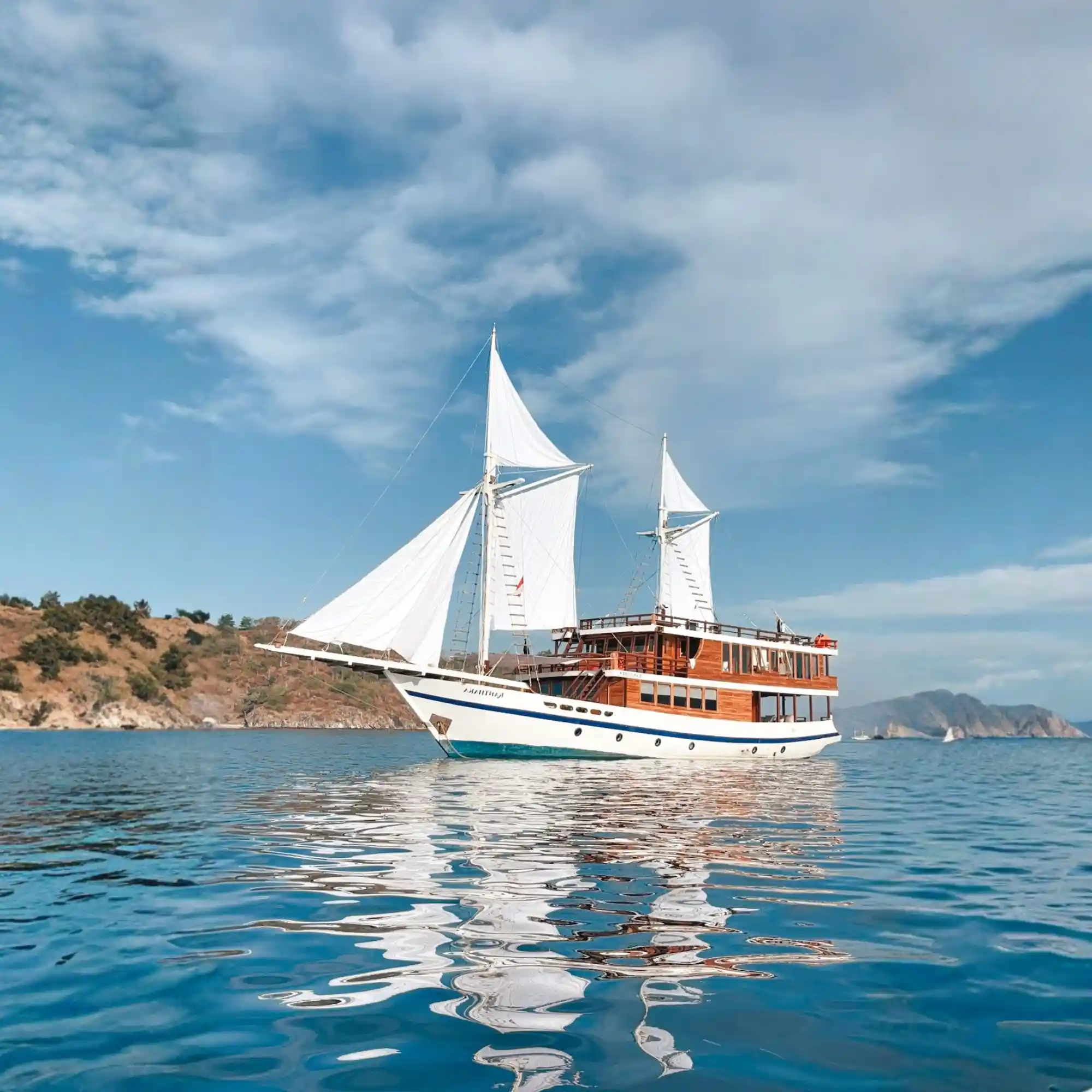
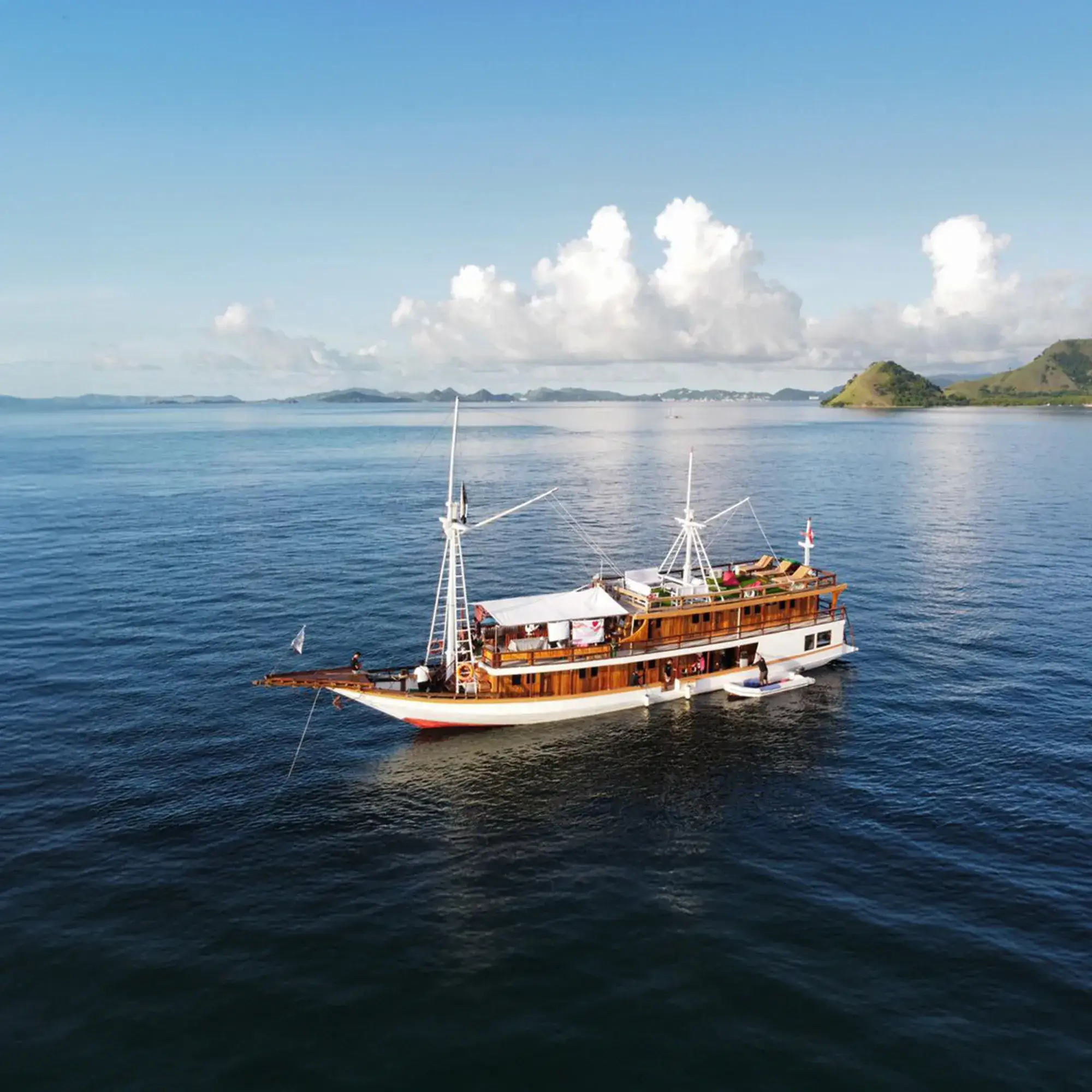
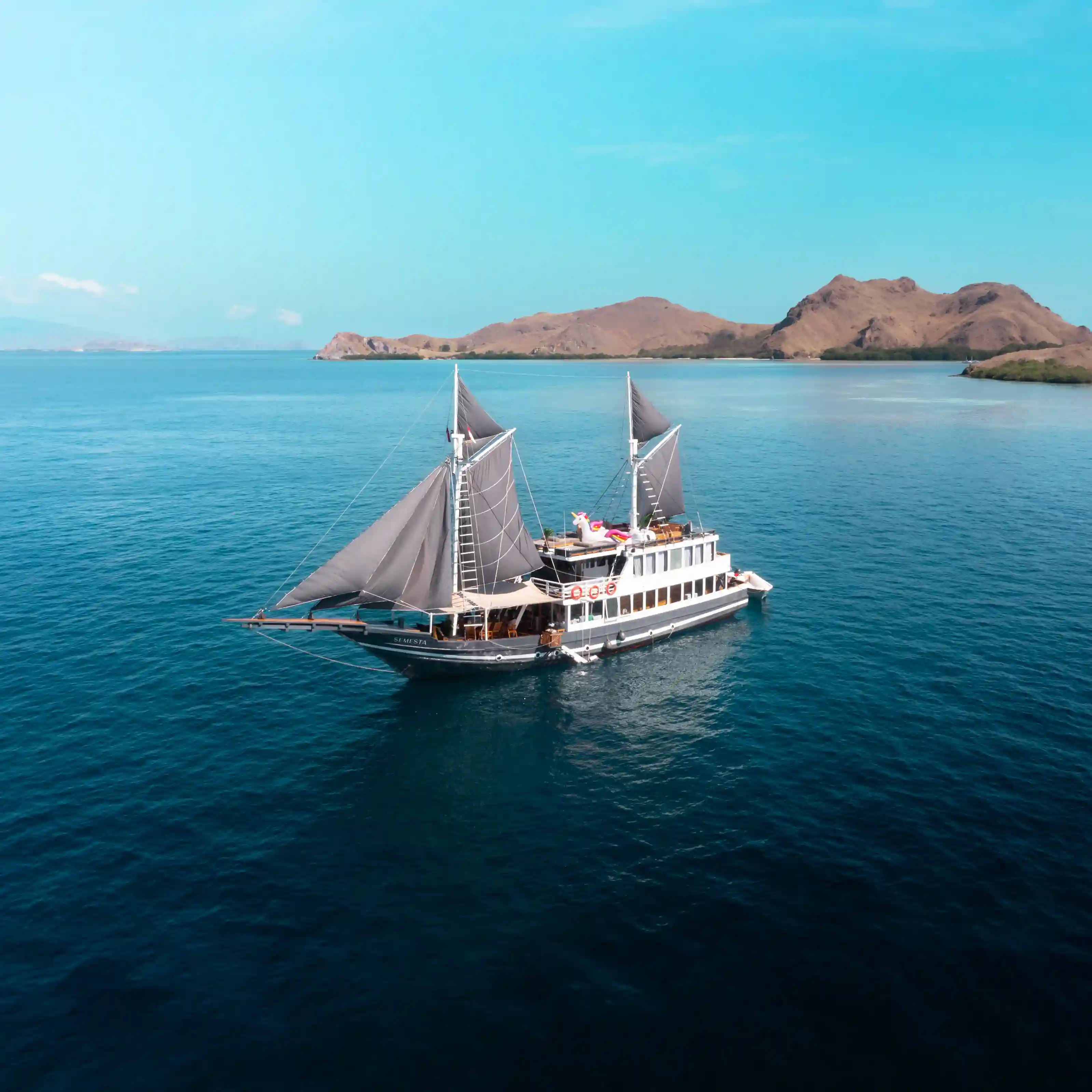
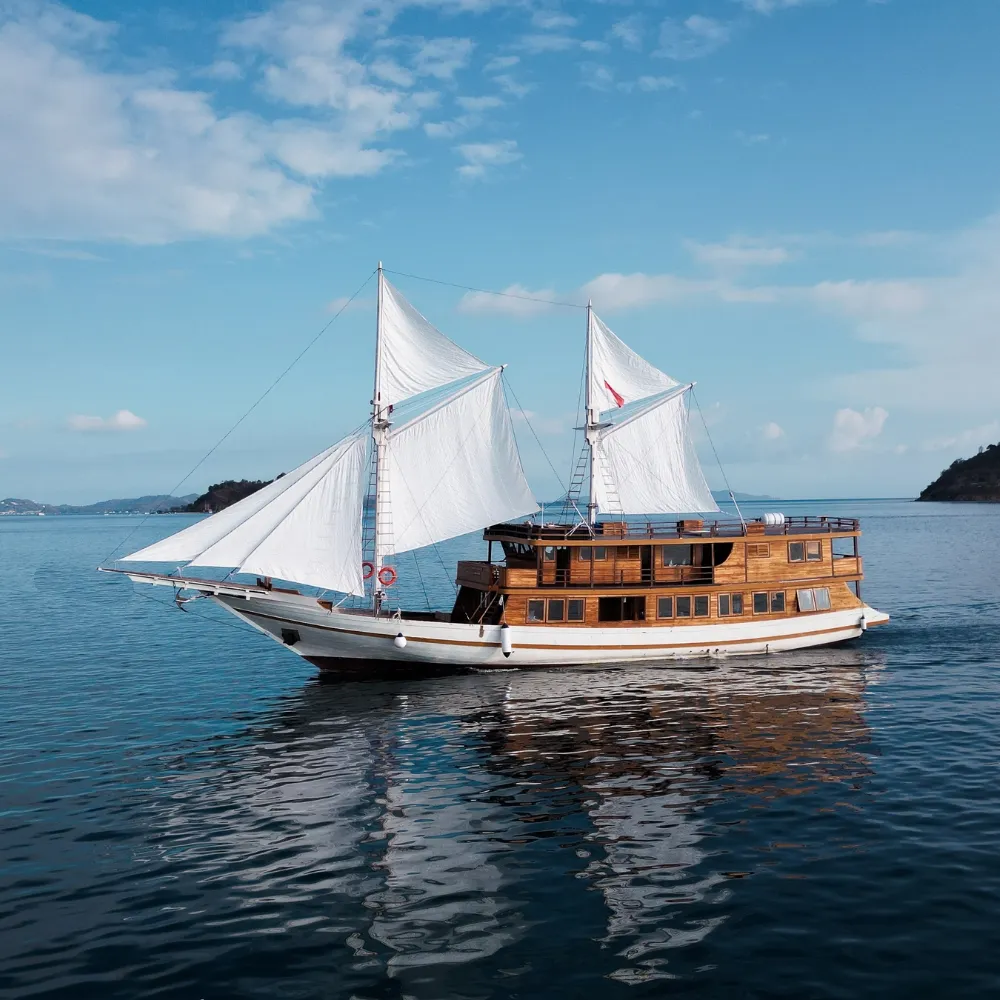
The first light on the upper deck was still cool and silver when the crew slipped the mooring lines at Labuan Bajo without a word. No engines roaring, no clanging chains—just the soft hiss of water along the bow as Radea glided past Bidadari Island. I was wrapped in a thin blanket, mug of strong Javanese coffee in hand, watching the sky turn from indigo to coral. That quiet start set the tone: this wasn’t a boat that rushed. At 27 metres, Radea feels lean and balanced, not oversized, built for slipping into bays where bigger phinisis can’t go. By 7:30, we were dropping anchor near Kelor, the small island with a perfect arc of sand and a short climb to a view that already made the early start worth it.
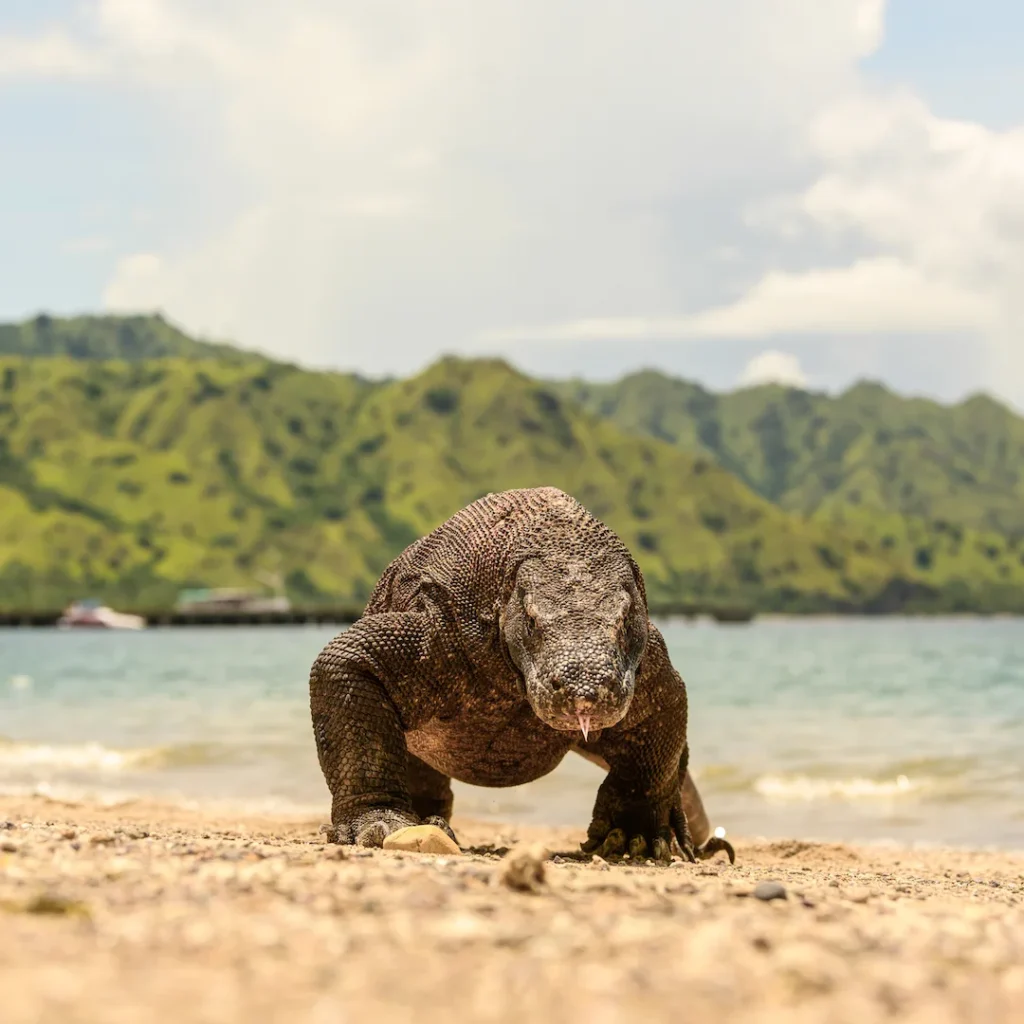
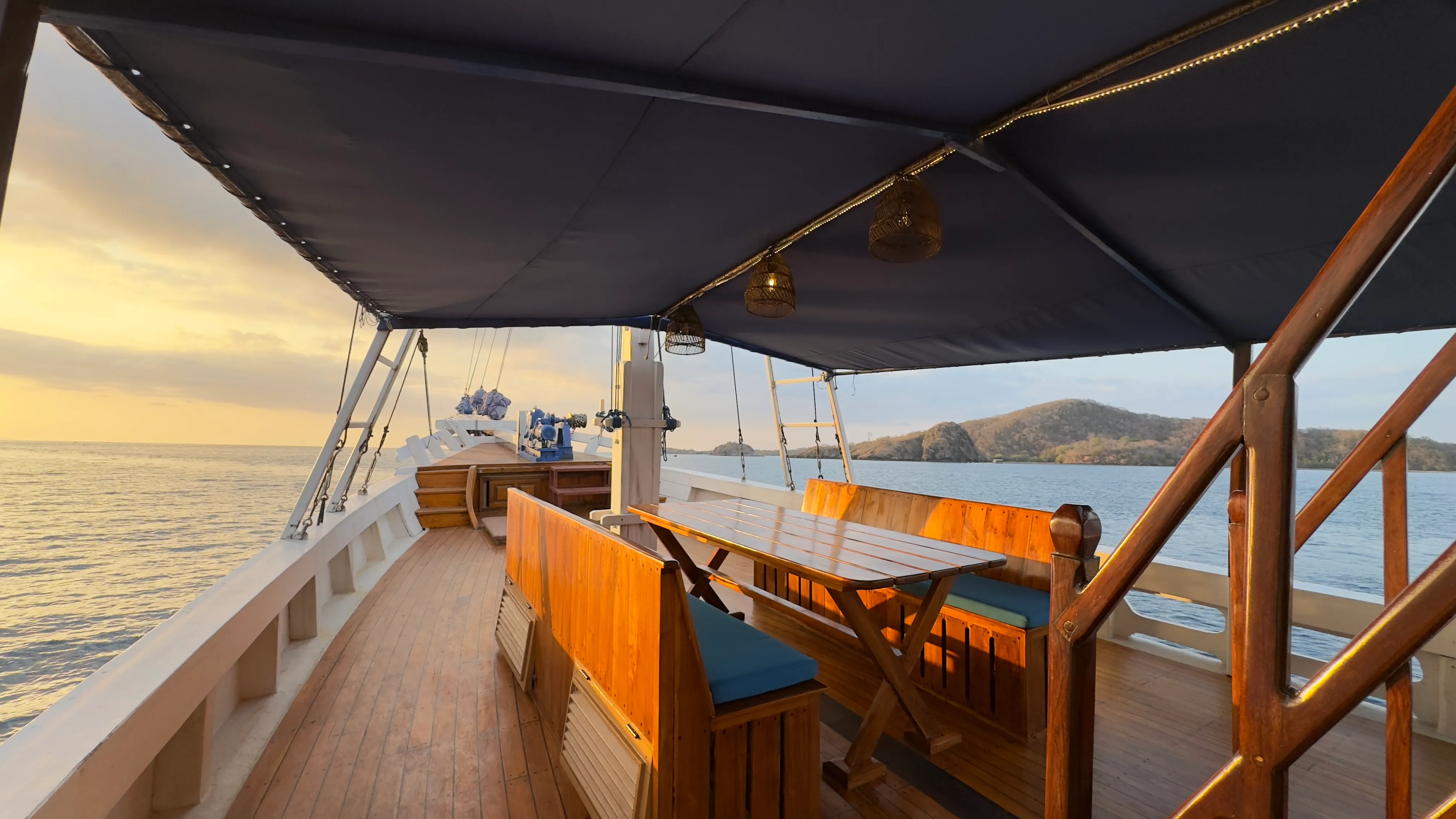
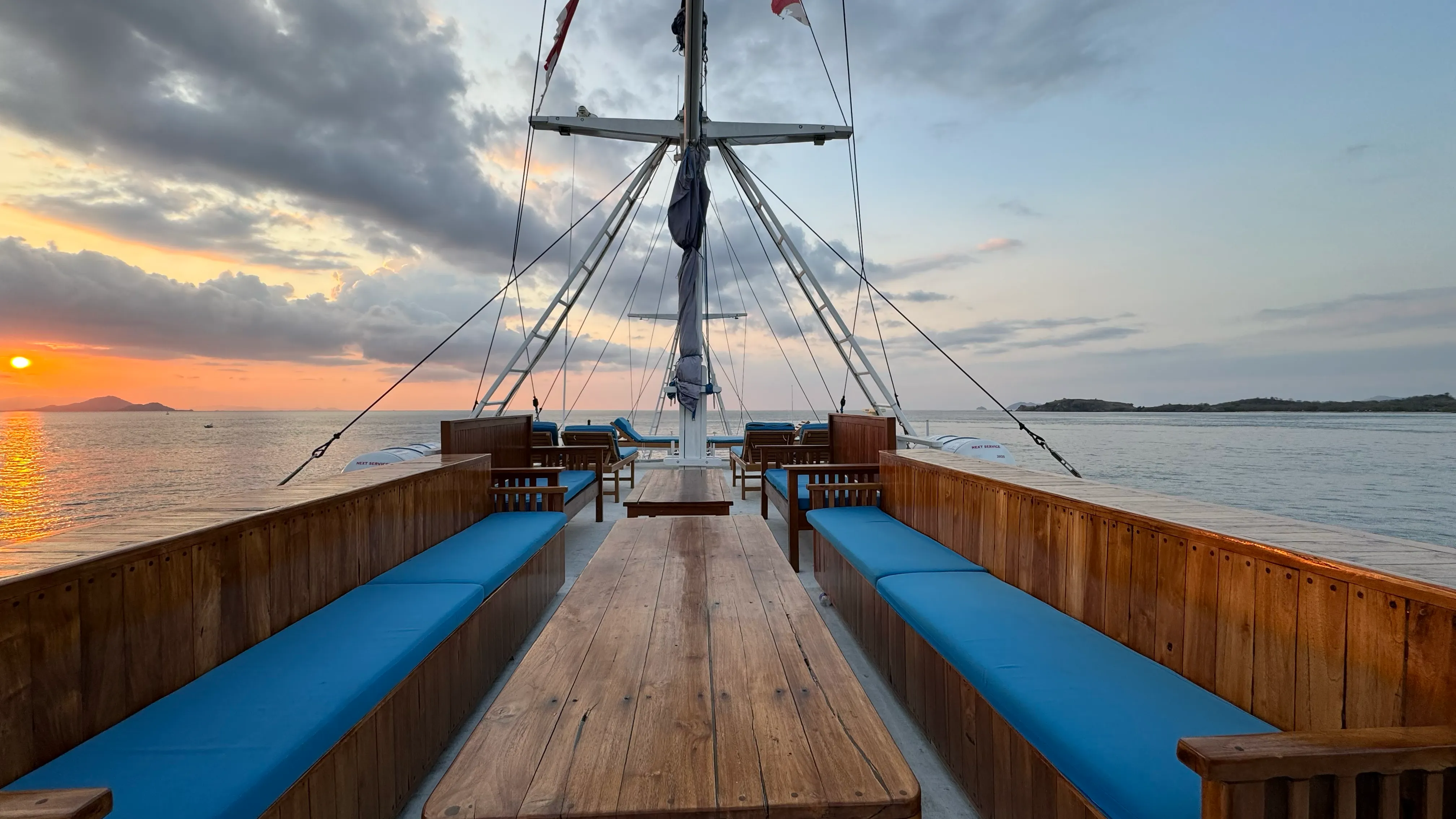
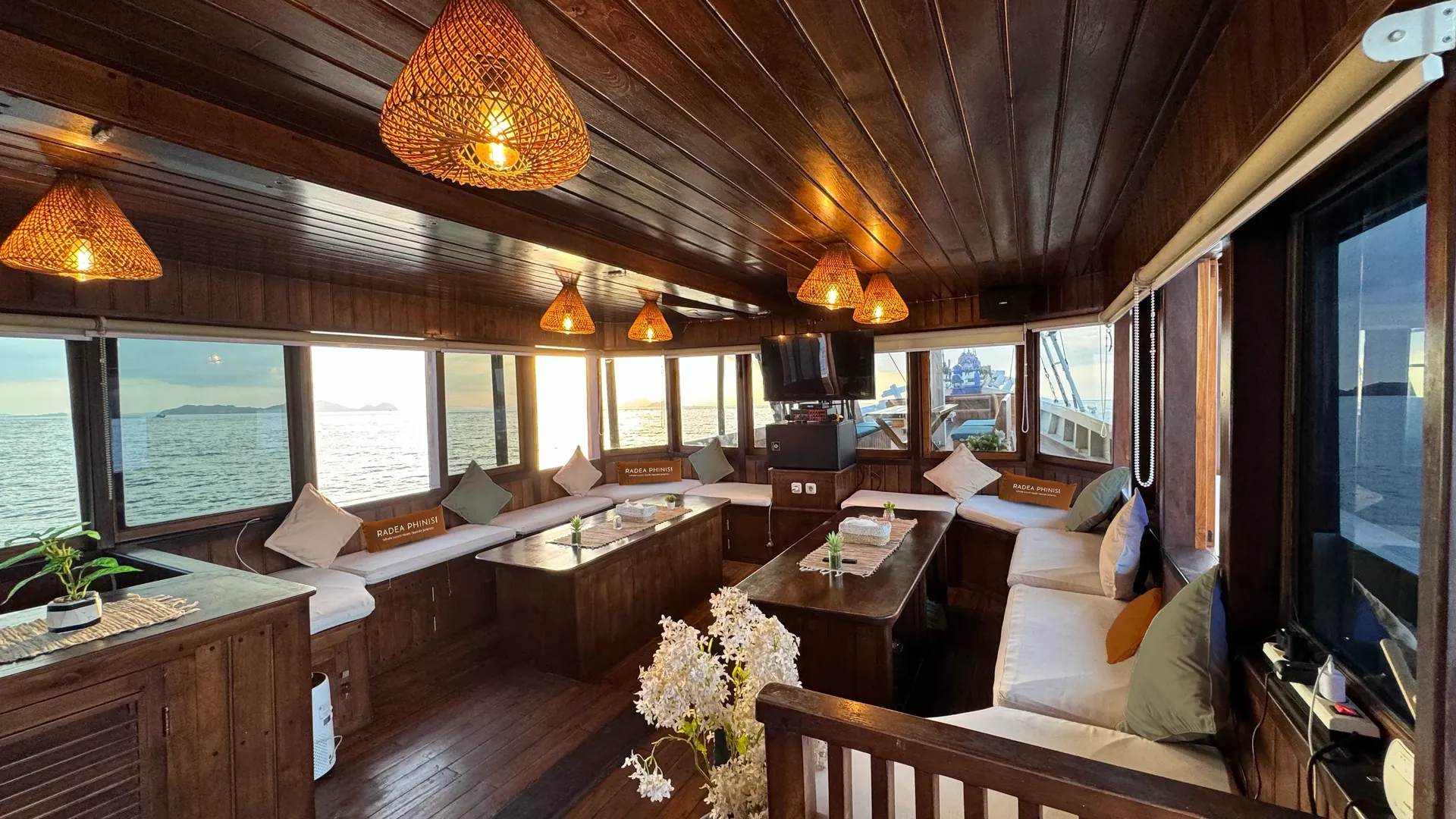
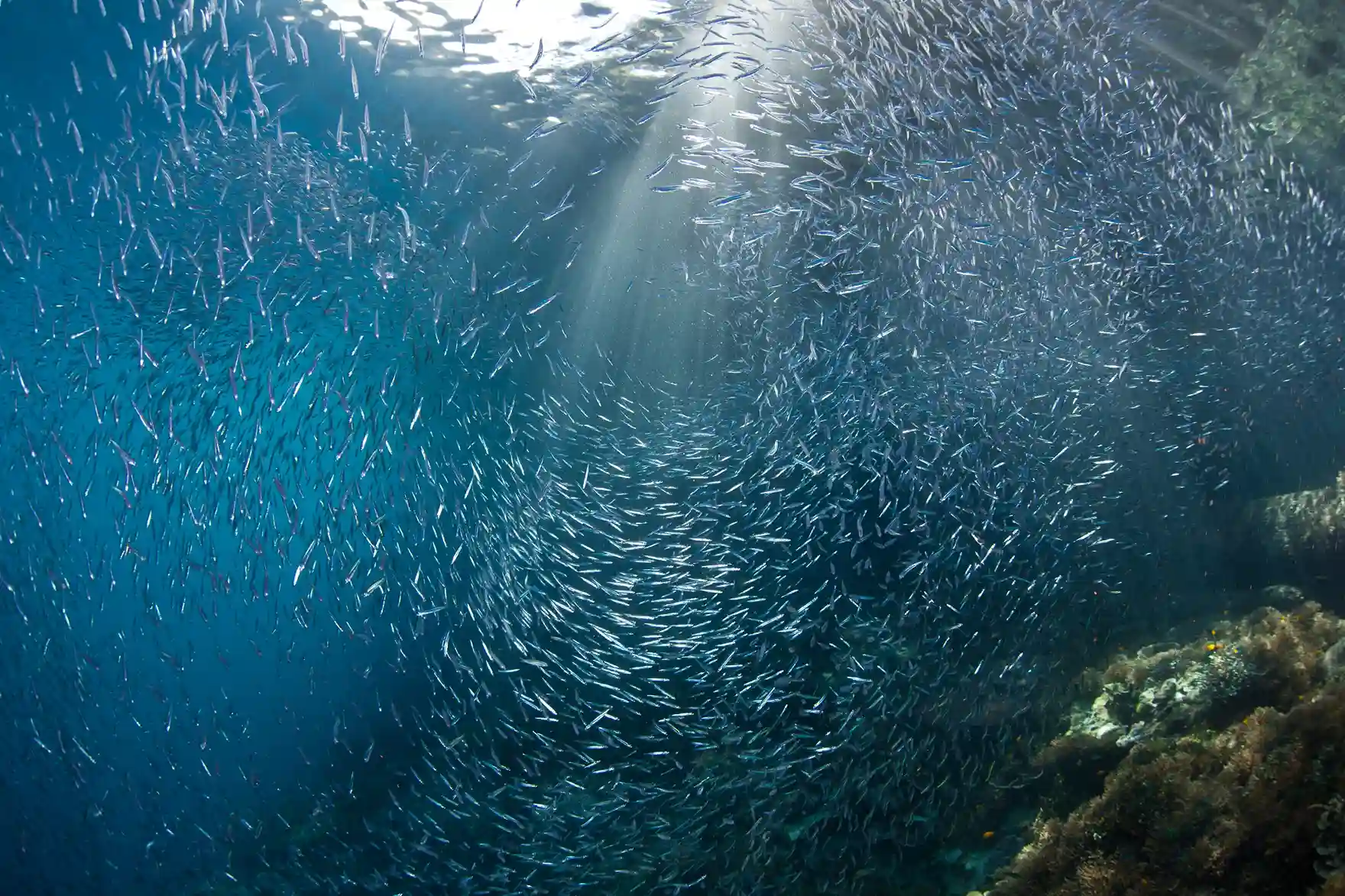
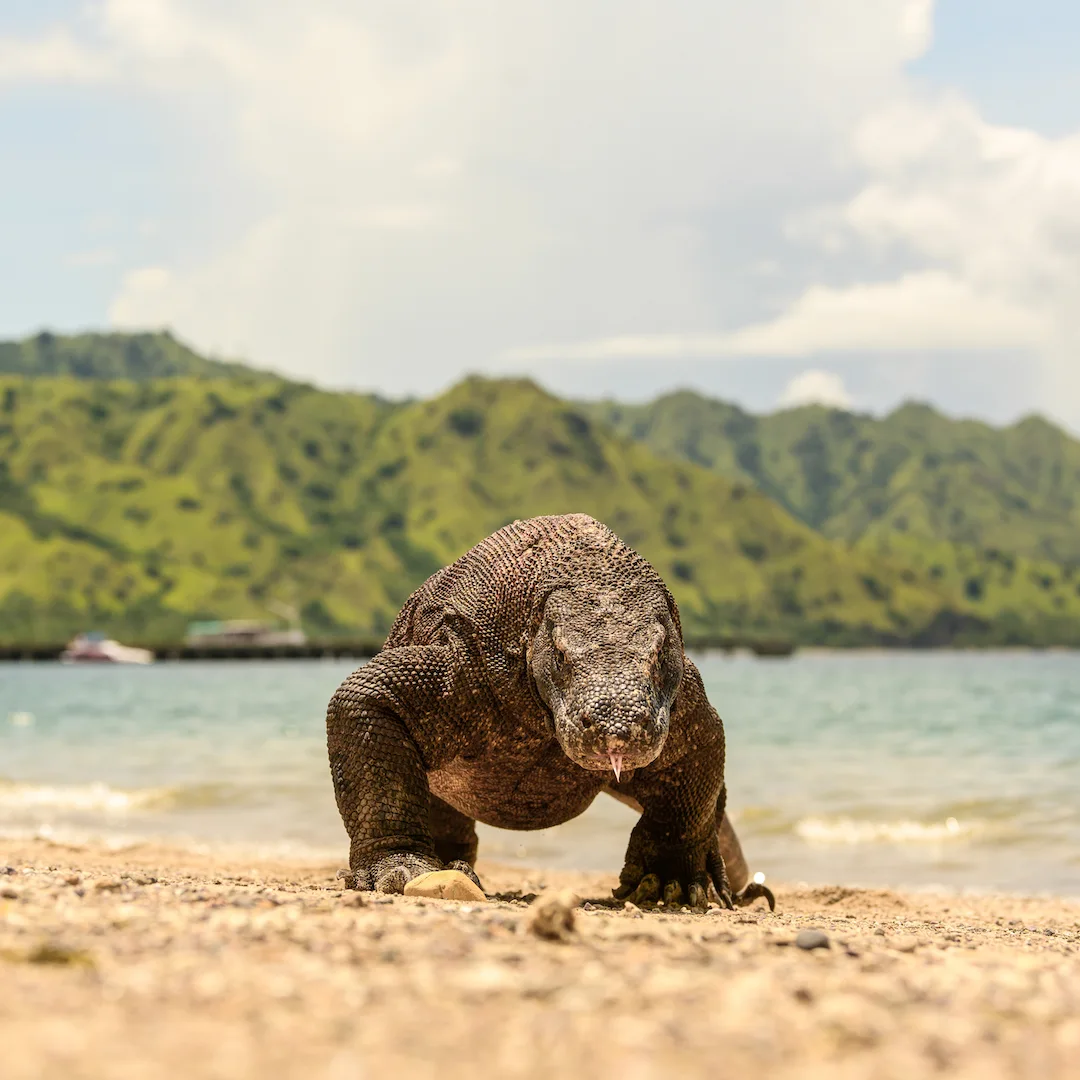
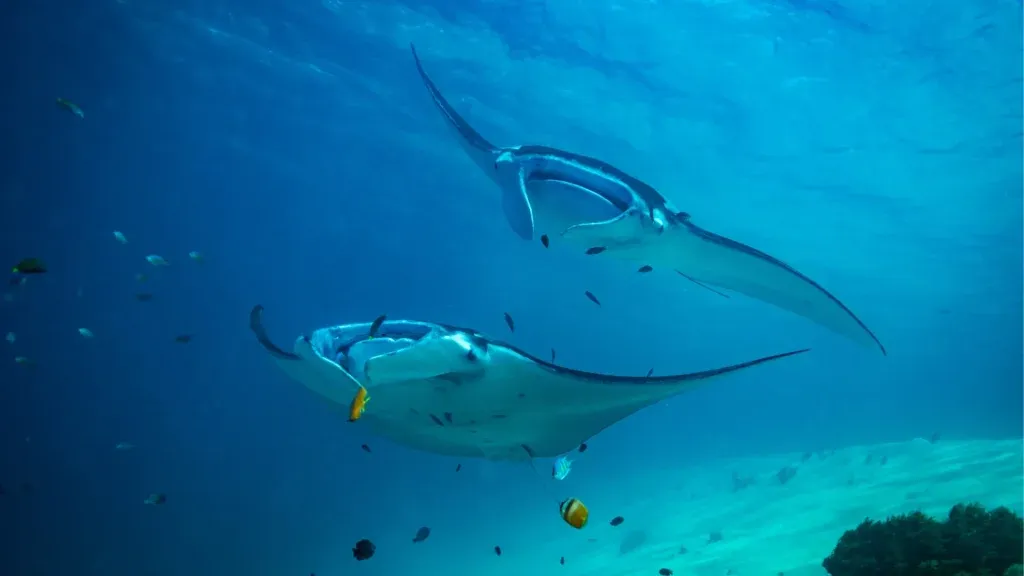
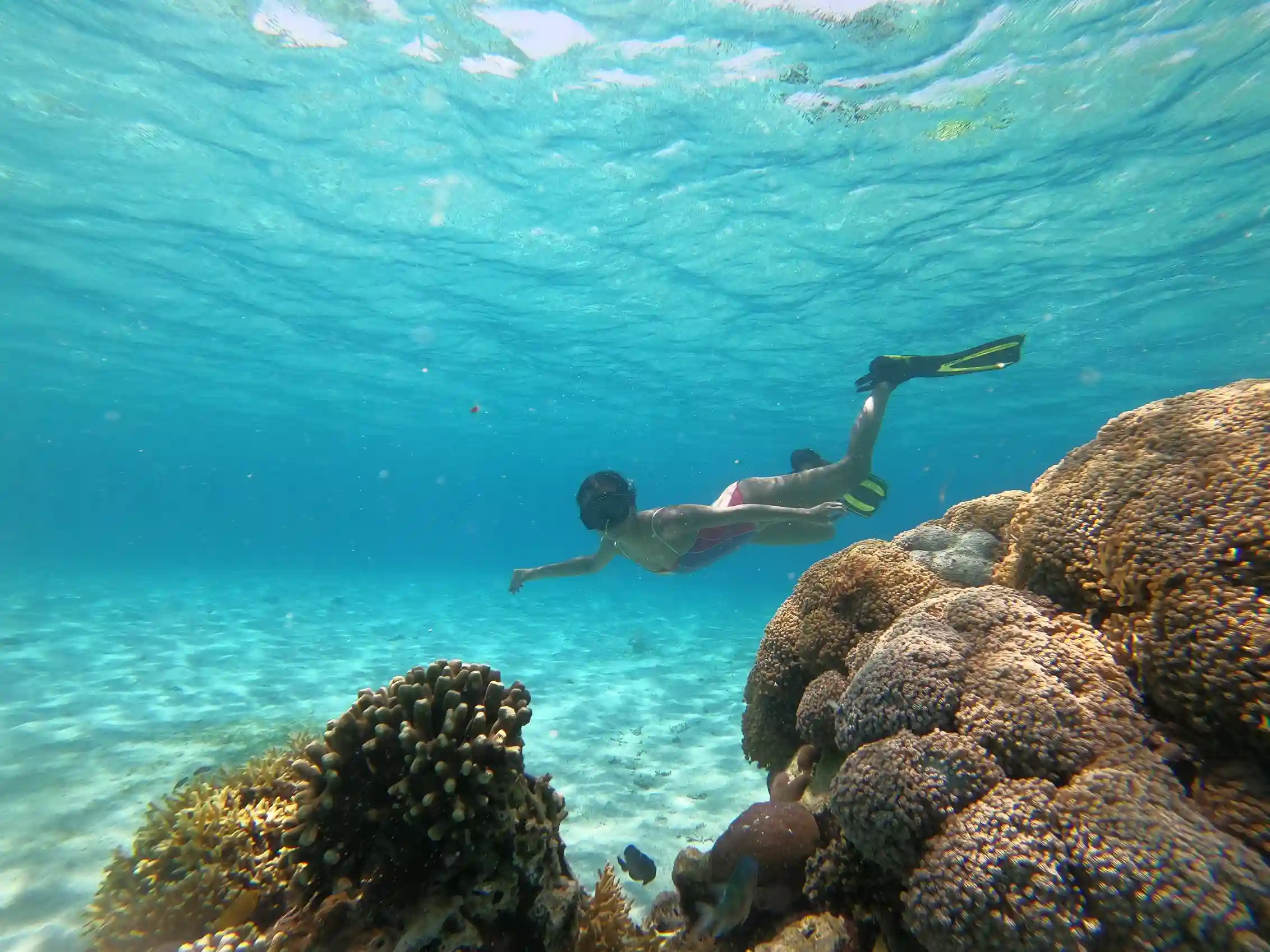
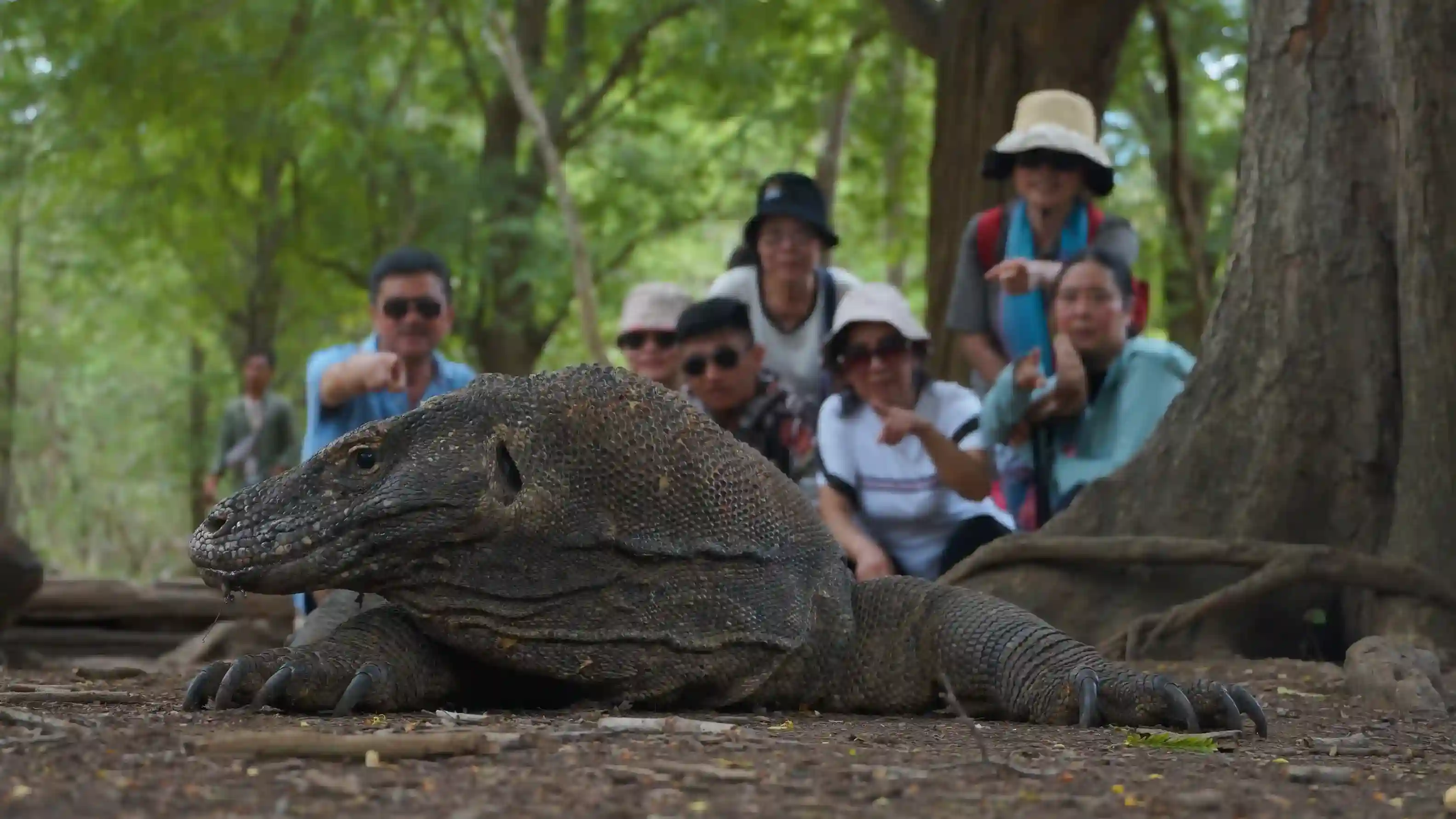
The second day began with a chill wind off the Sunda Strait as we rounded Loh Liang. The crew had laid out thick mats and gloves before the dragon walk even started—small things, but they showed they’d done this a hundred times. Later, drifting above Manta Point with a snorkel, I saw the first giant ray glide under the boat just as a shower of sardines exploded near the surface. Back on deck, the outdoor dining table was already set with chilled watermelon and lime slices. No plastic here—glasses were heavy-duty recycled glass, stored in wooden racks below. The lower lounge had a fan that actually moved air, not just stirred the heat.
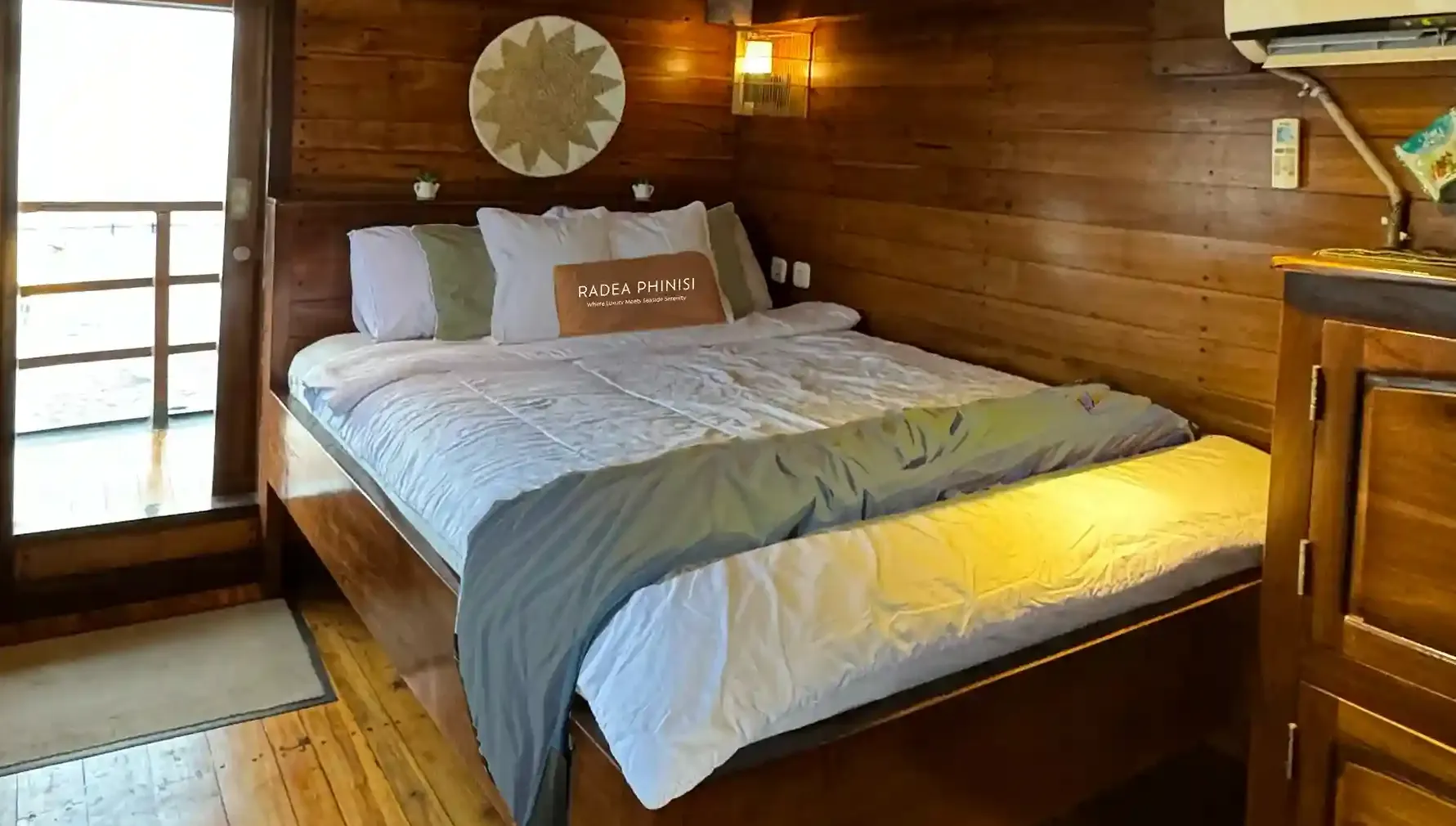
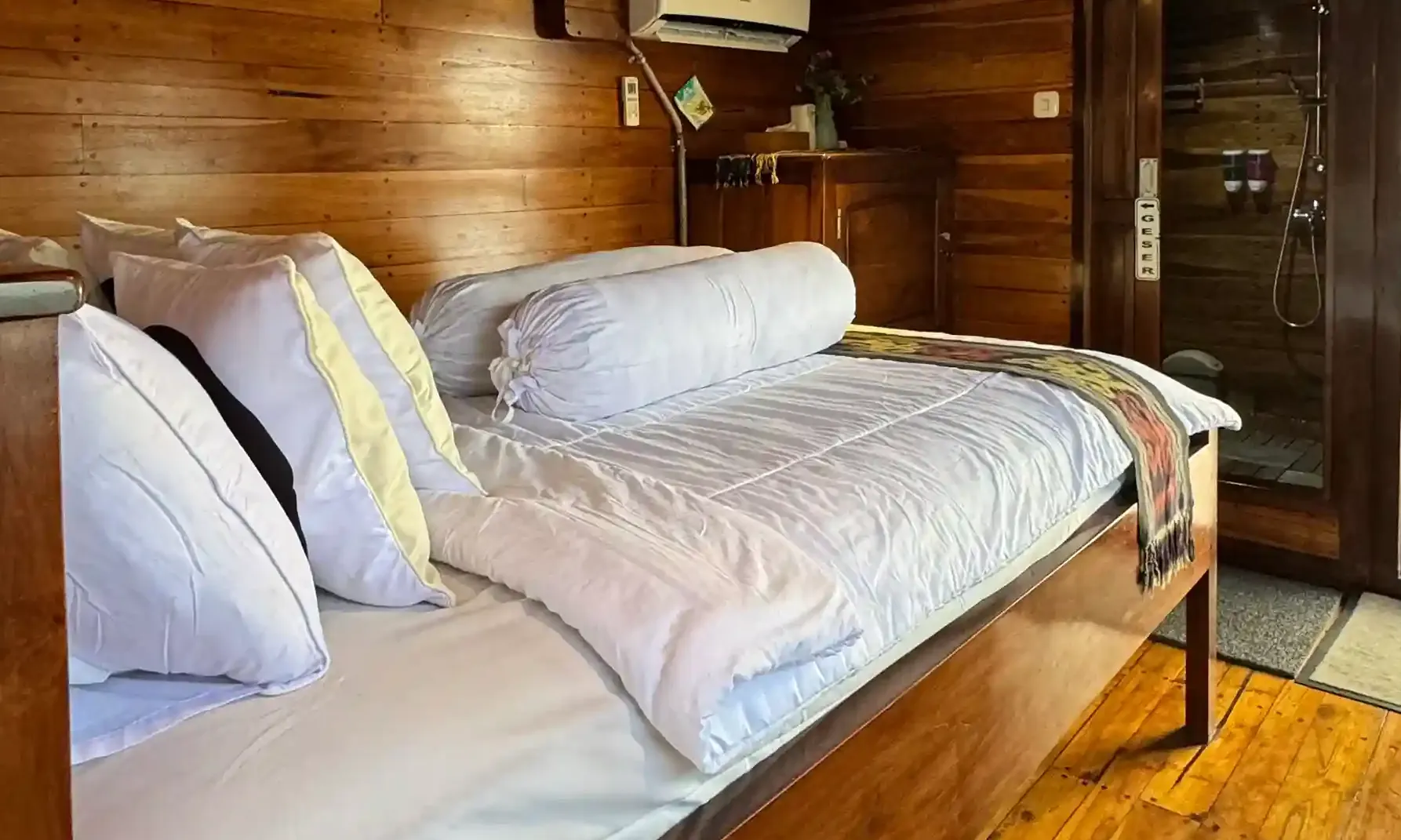
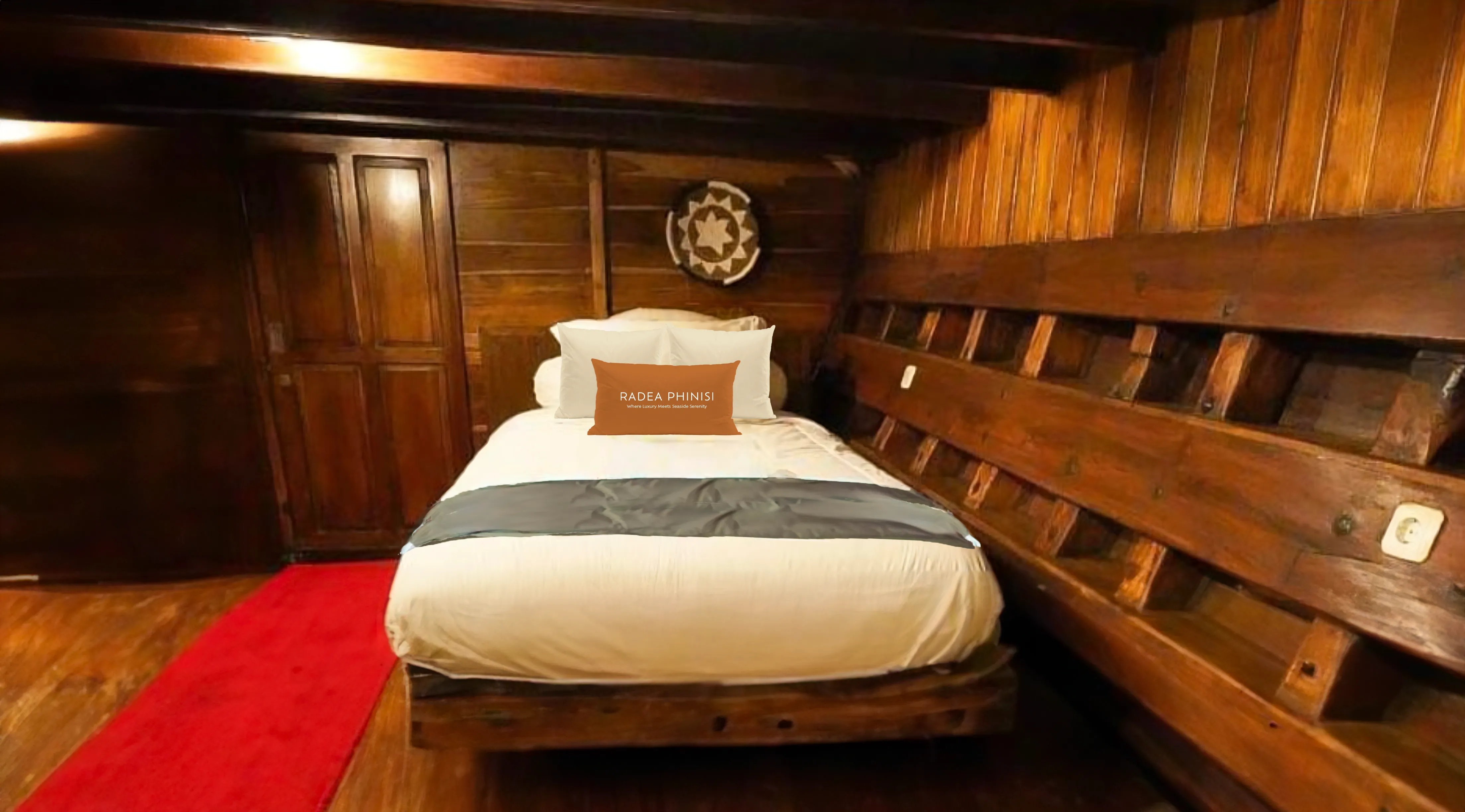
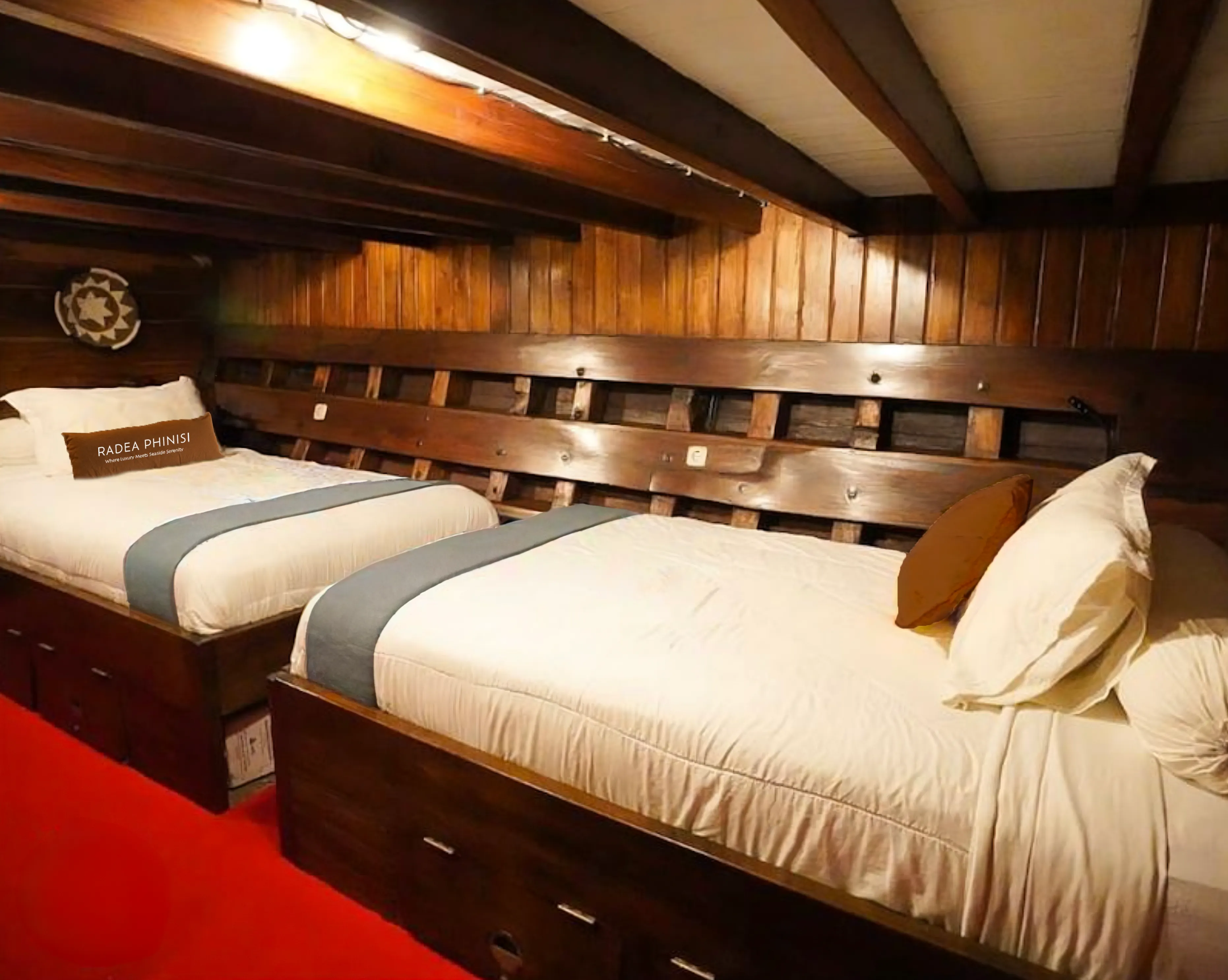
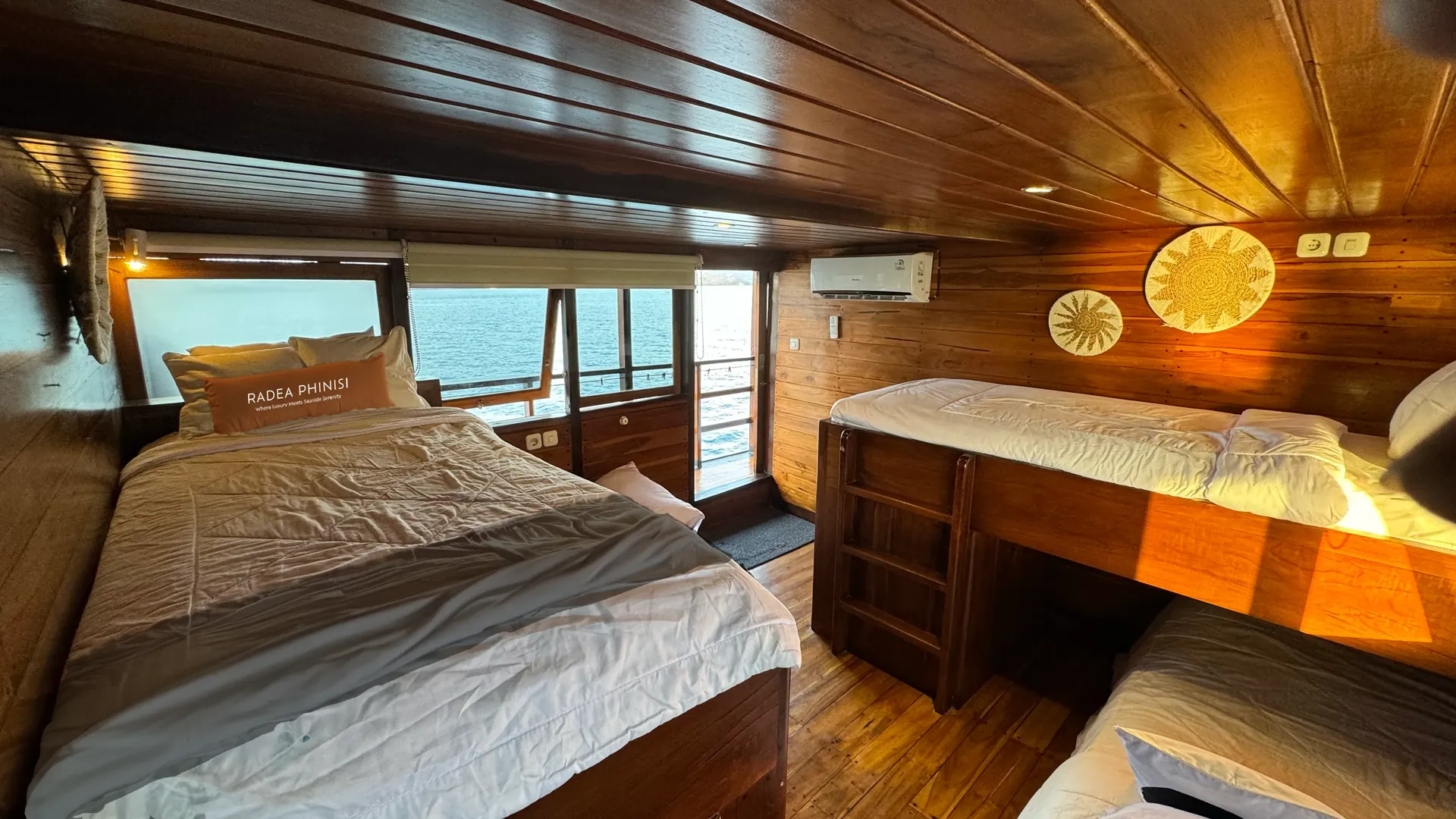
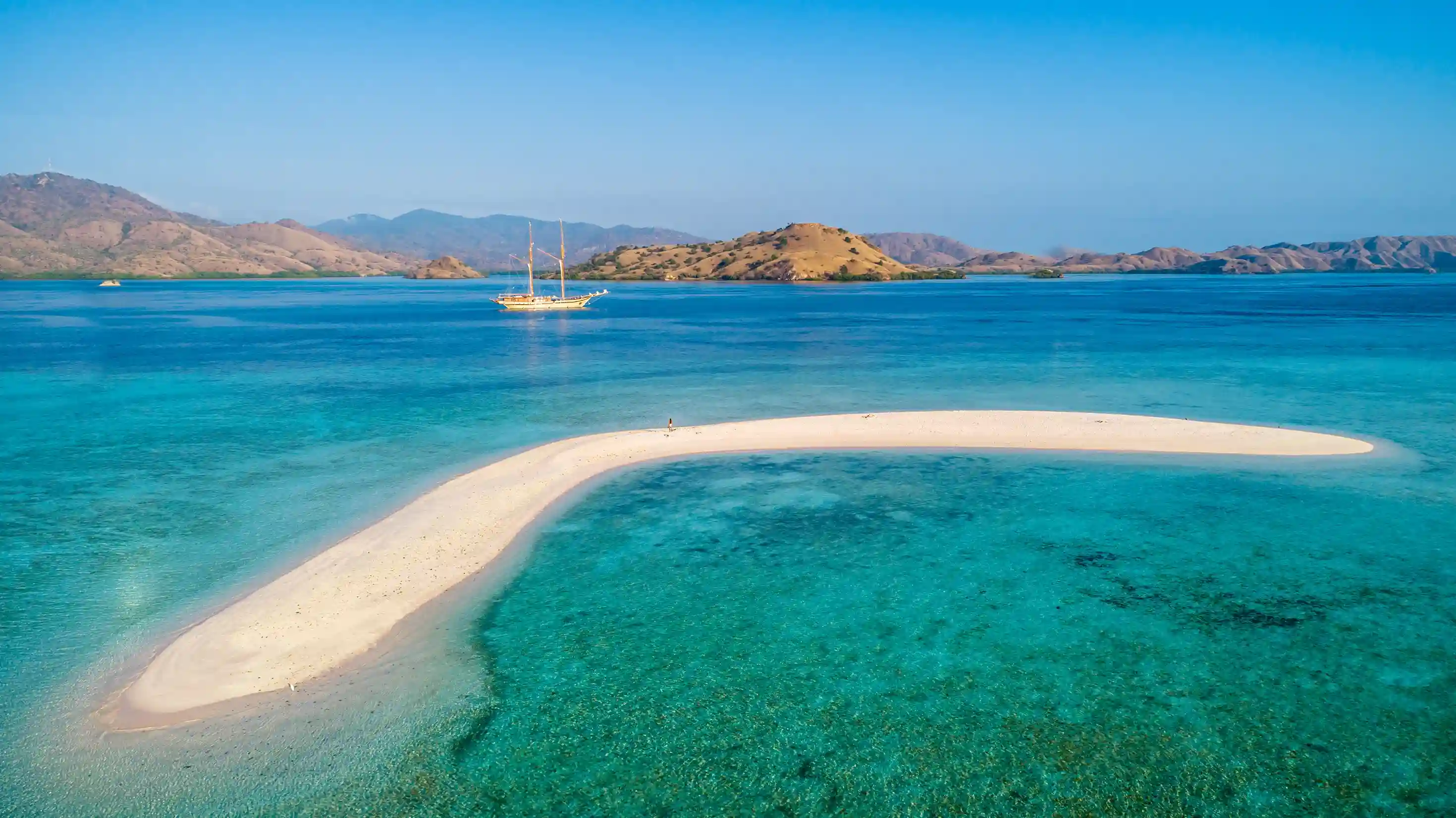
On the third morning, we anchored at Taka Makassar just after sunrise. The sandbar was already visible, a long finger of white breaking the blue. The crew didn’t rush us—kayaks were lowered quietly, and the guide stayed back unless asked. One of the cabins had French doors that opened directly onto the side deck, a rare feature on boats this size. The other cabin, smaller but with a fixed double bunk, had clever storage behind the mirror. Both had real ventilation, not just AC. At Kanawa, the afternoon snorkel revealed a school of batfish swirling around a submerged rock—nothing rare, but mesmerising in its coordination.
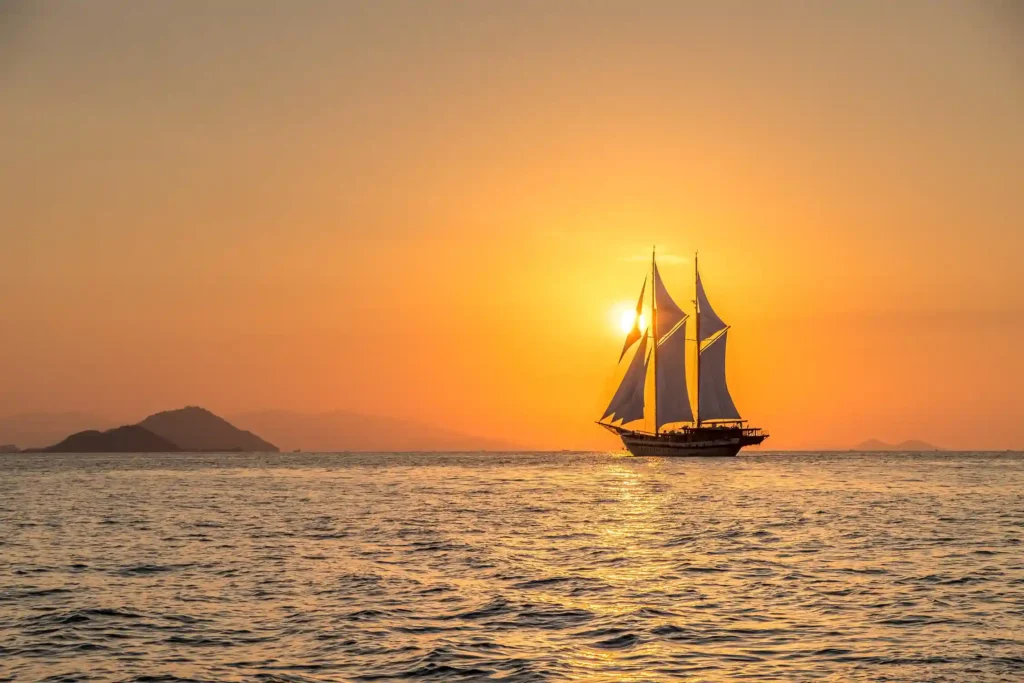
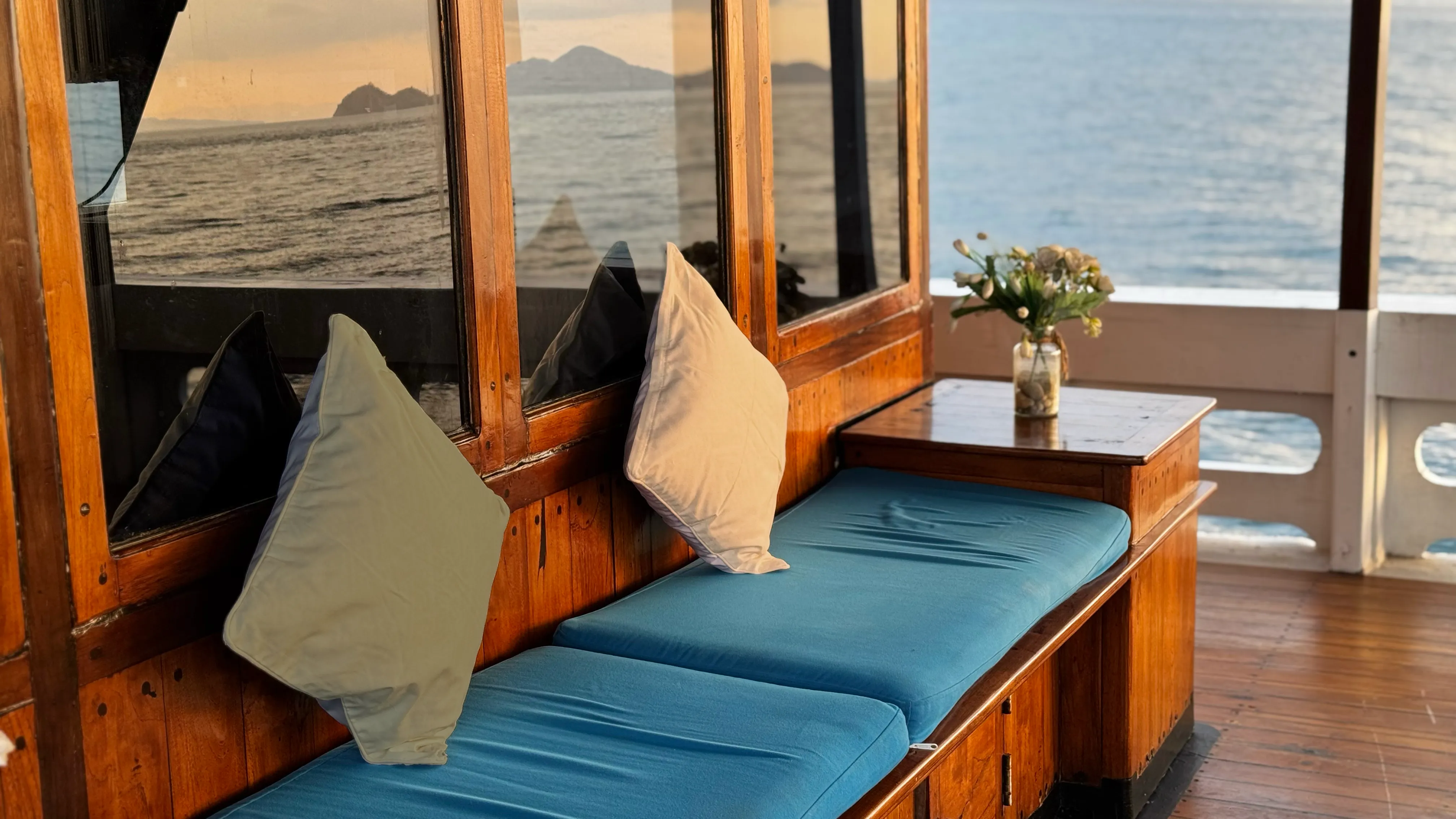
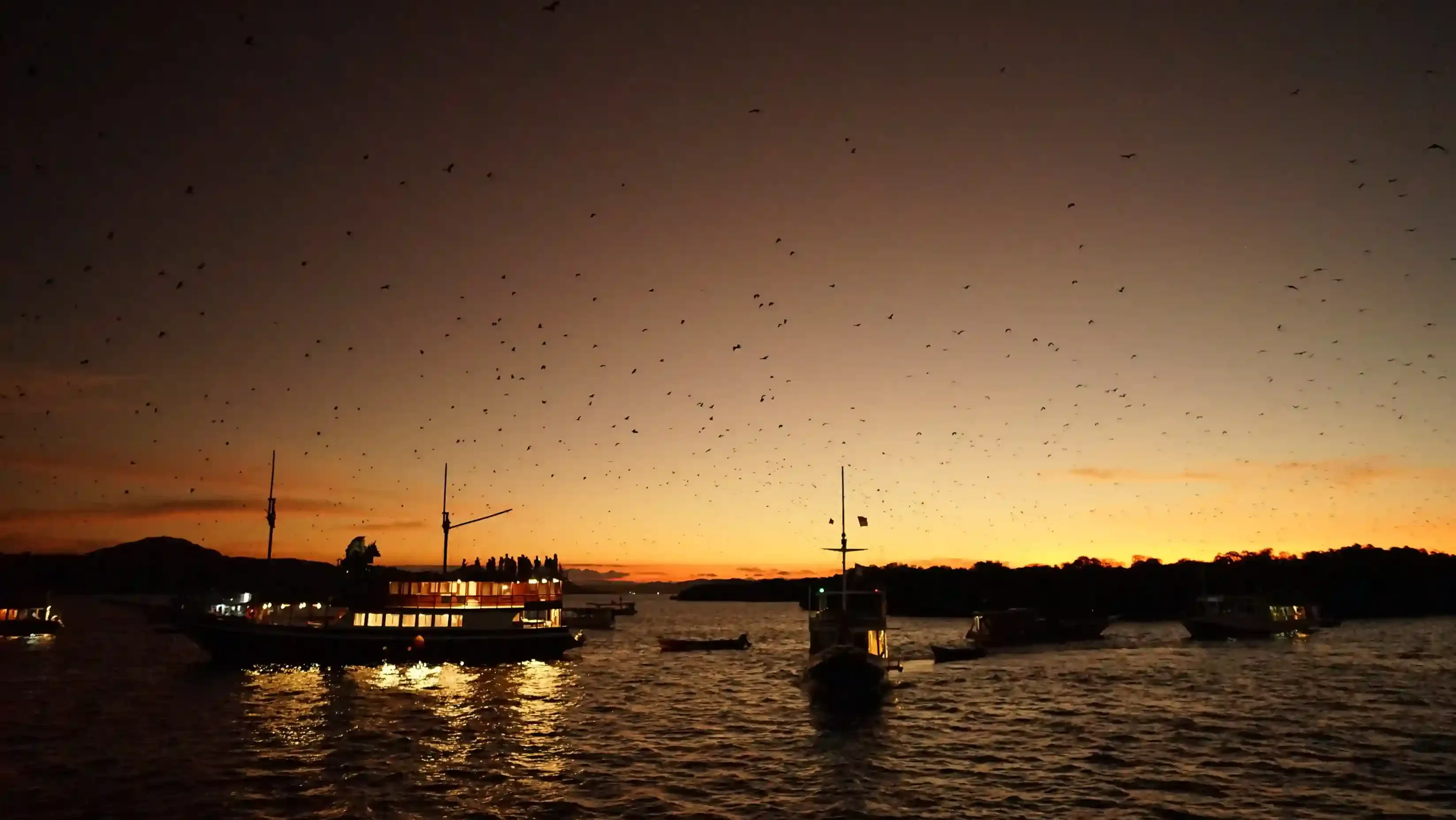
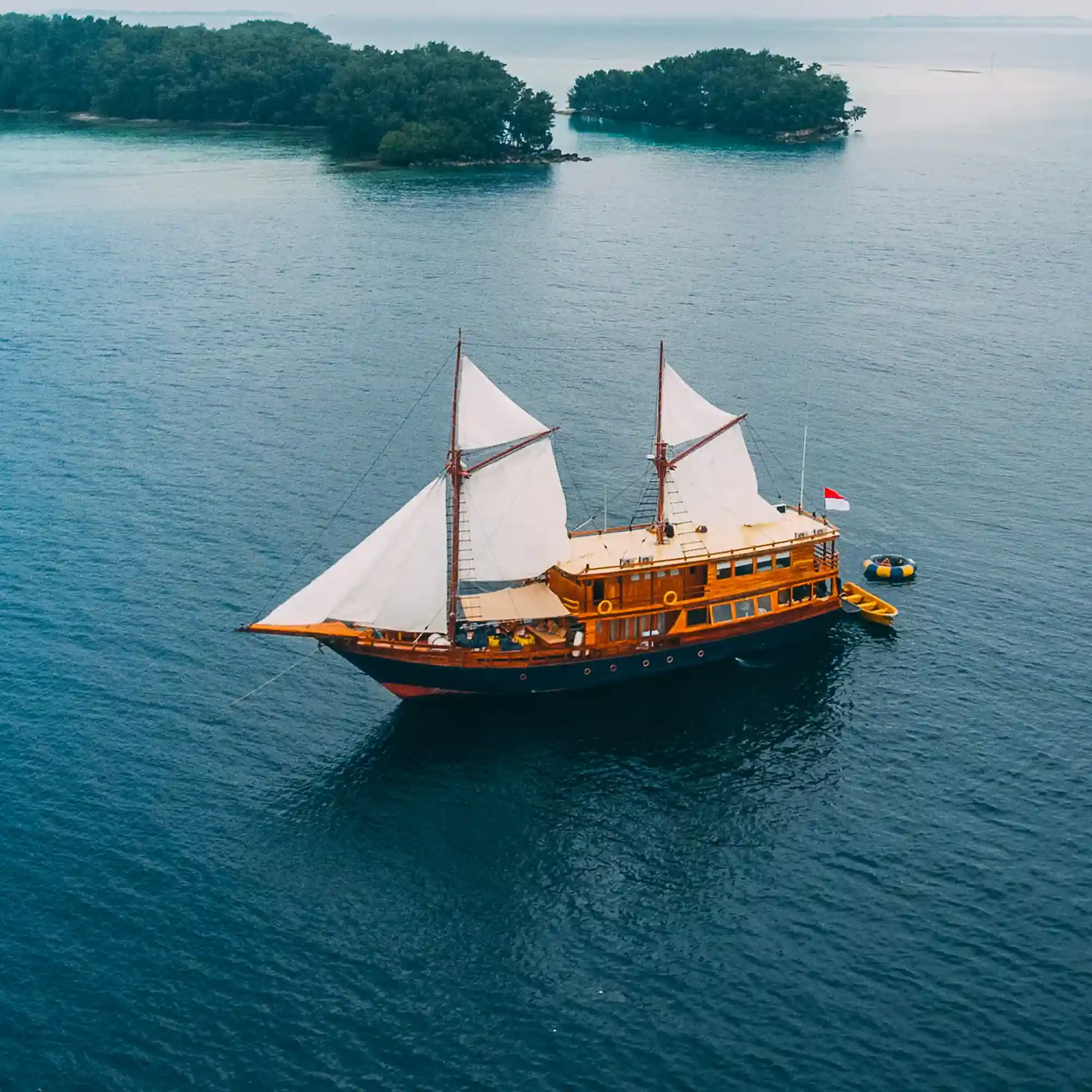
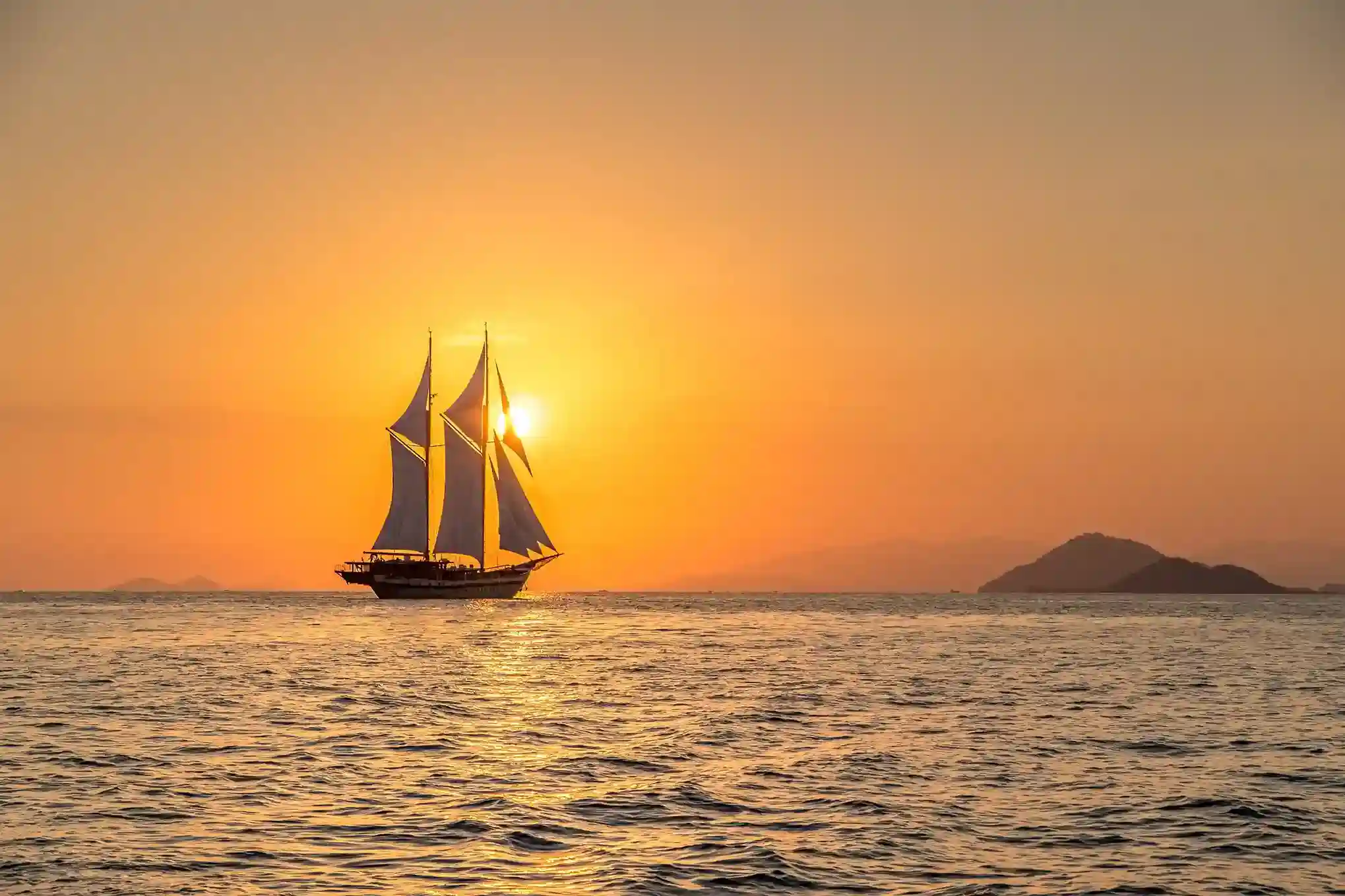
Radea doesn’t shout. There’s no DJ at sunset, no over-the-top décor. The wood is teak, sanded smooth but not polished to a glare. The galley serves nasi goreng at dawn if you ask, and the crew knows how to time anchor lifts so the boat doesn’t swing into the tide. One morning, I noticed the first mate adjusting the mooring line at 5:45, barefoot, without waking anyone. That kind of awareness isn’t trained—it’s lived. You won’t find a jacuzzi or a gym, but you will find space to read, a quiet corner with a fishing rod ready, and a roof hatch that lets you fall asleep watching stars.
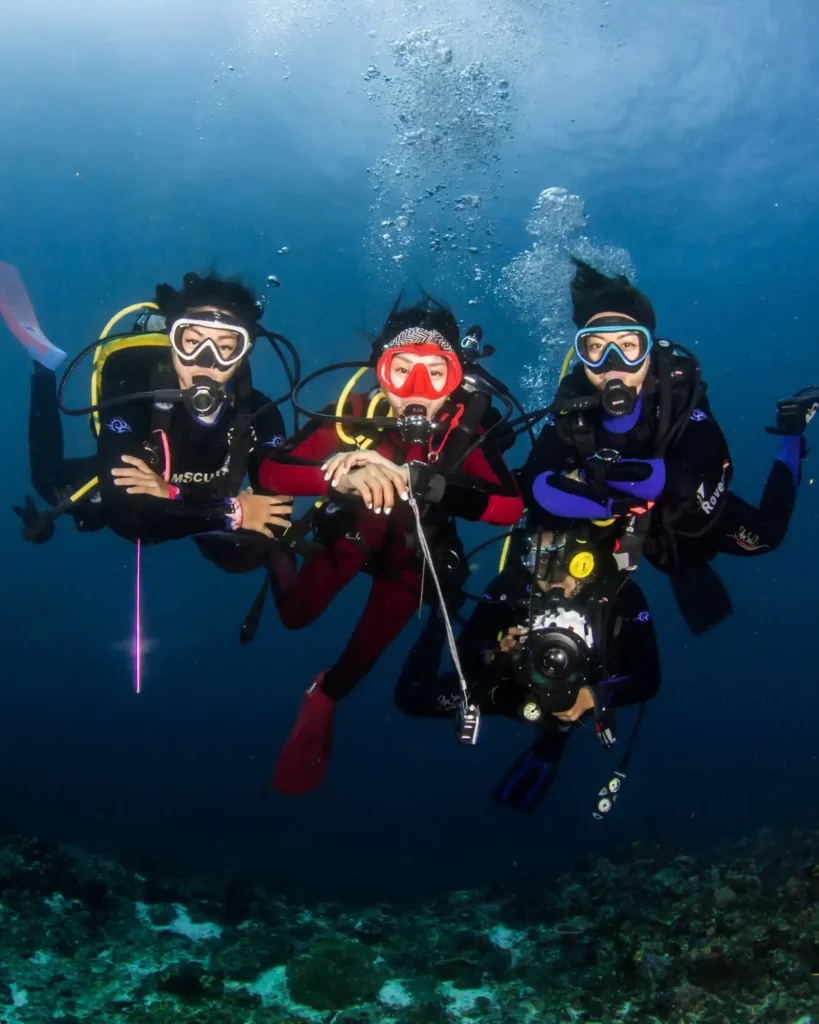
It’s a boat built for two couples or a small family who want to avoid shared trips. With only two cabins, every decision feels personal—the dive guide asks if you want to surface early, the chef checks spice levels. And because it’s not packed, the transitions between sites feel fluid. No waiting for ten people to board a dinghy. Just a nod, and you’re off.