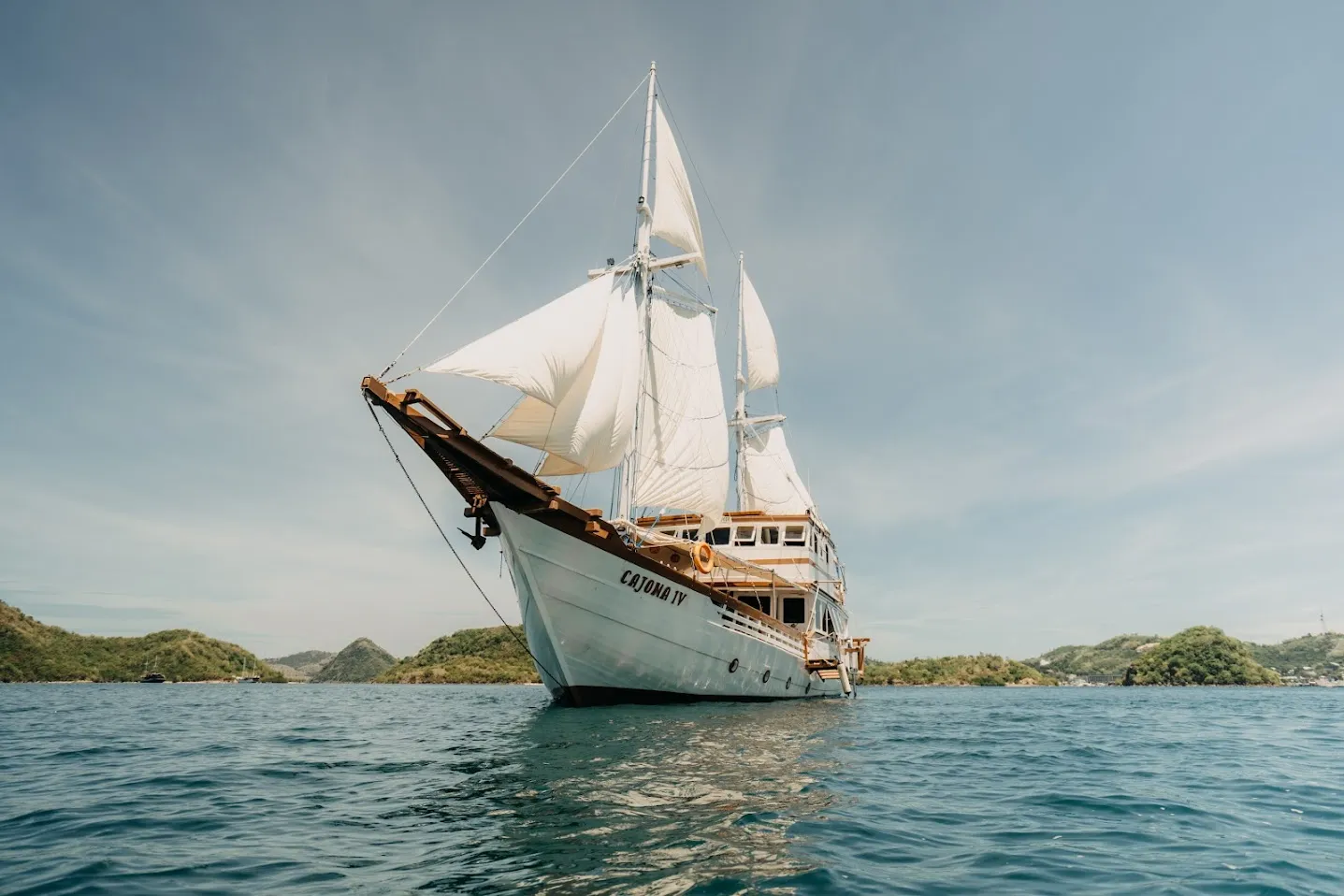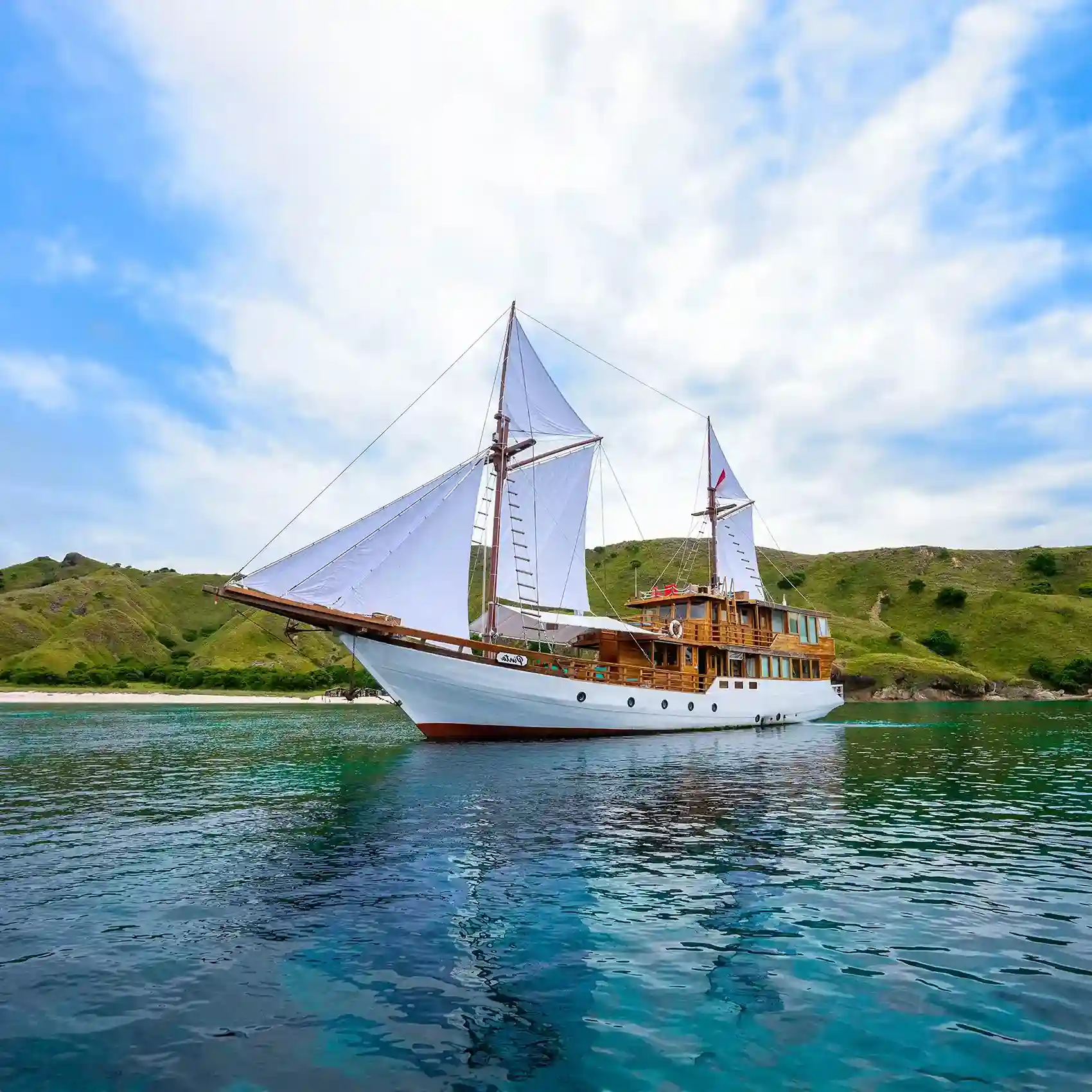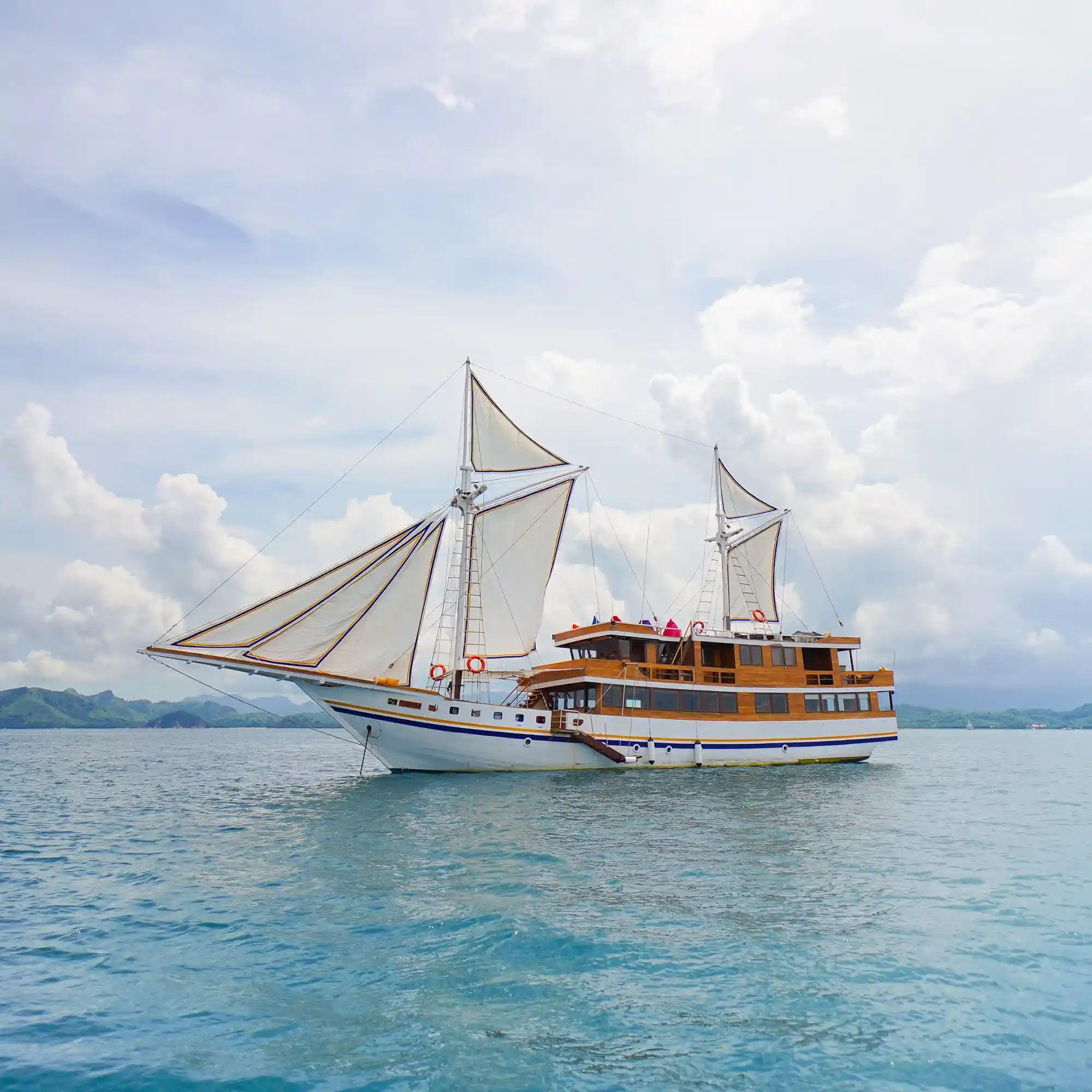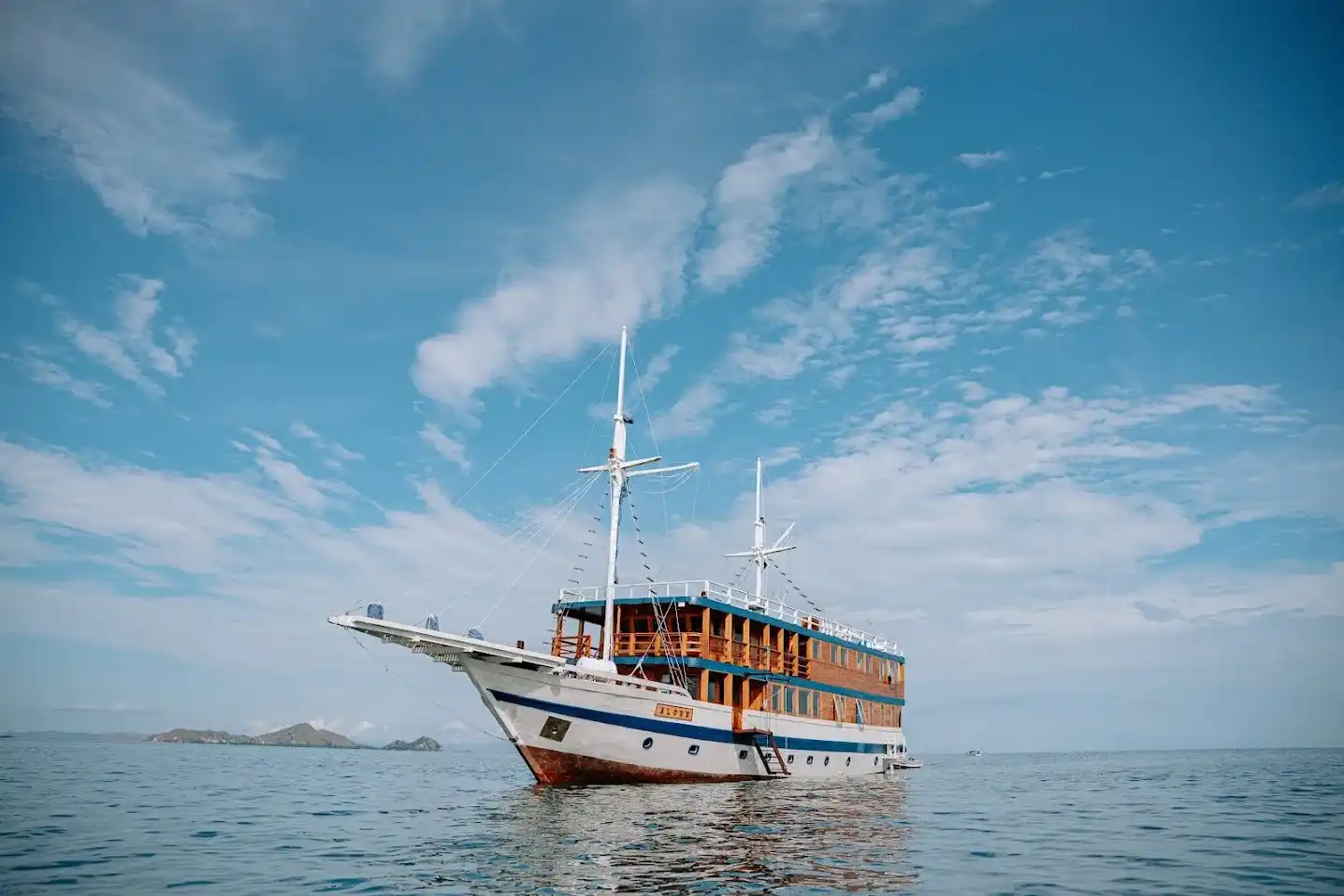
About Jinggo Janggo
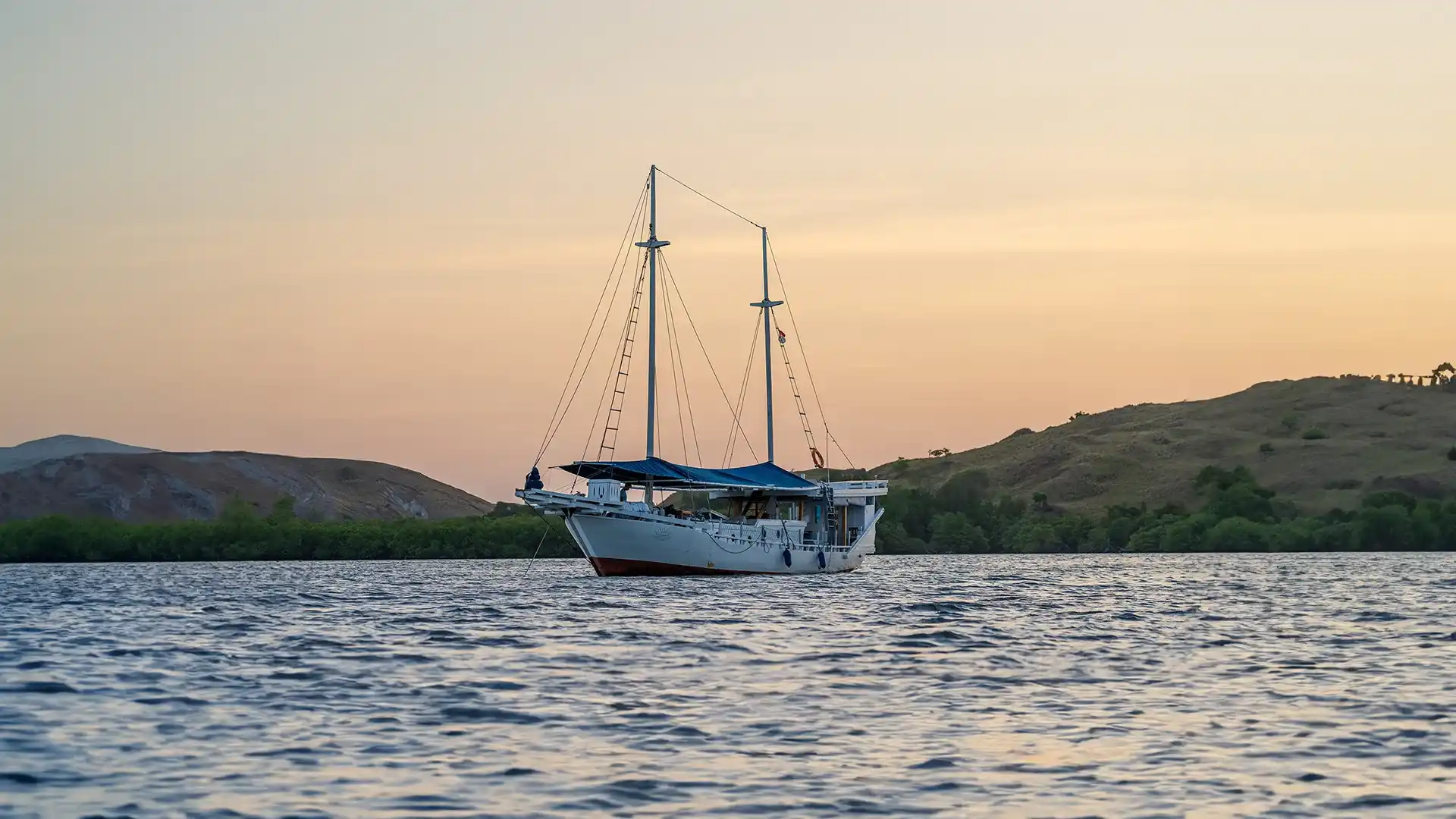
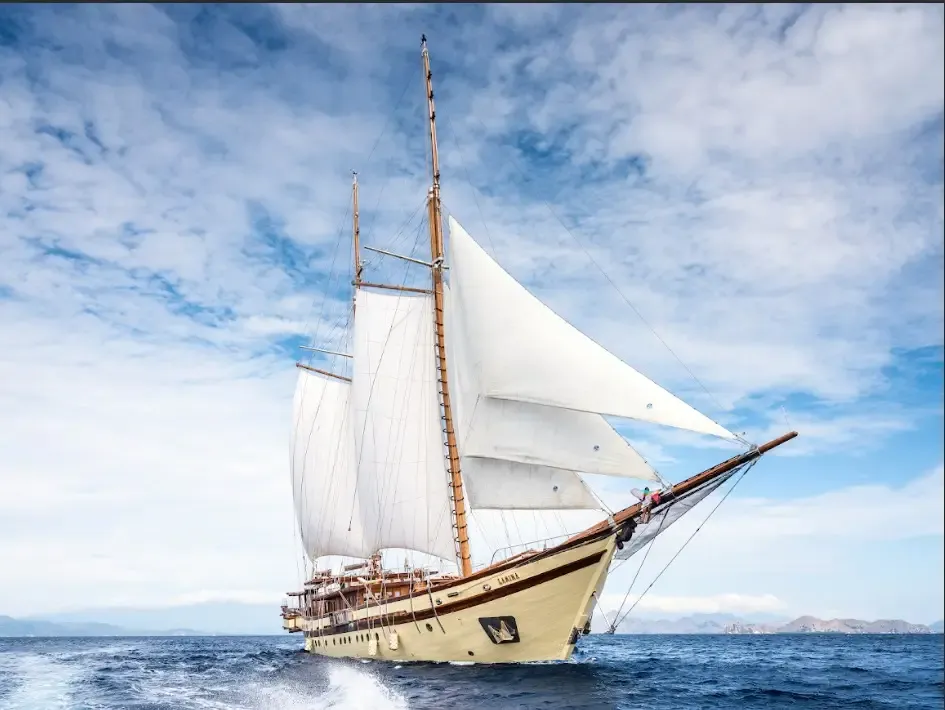
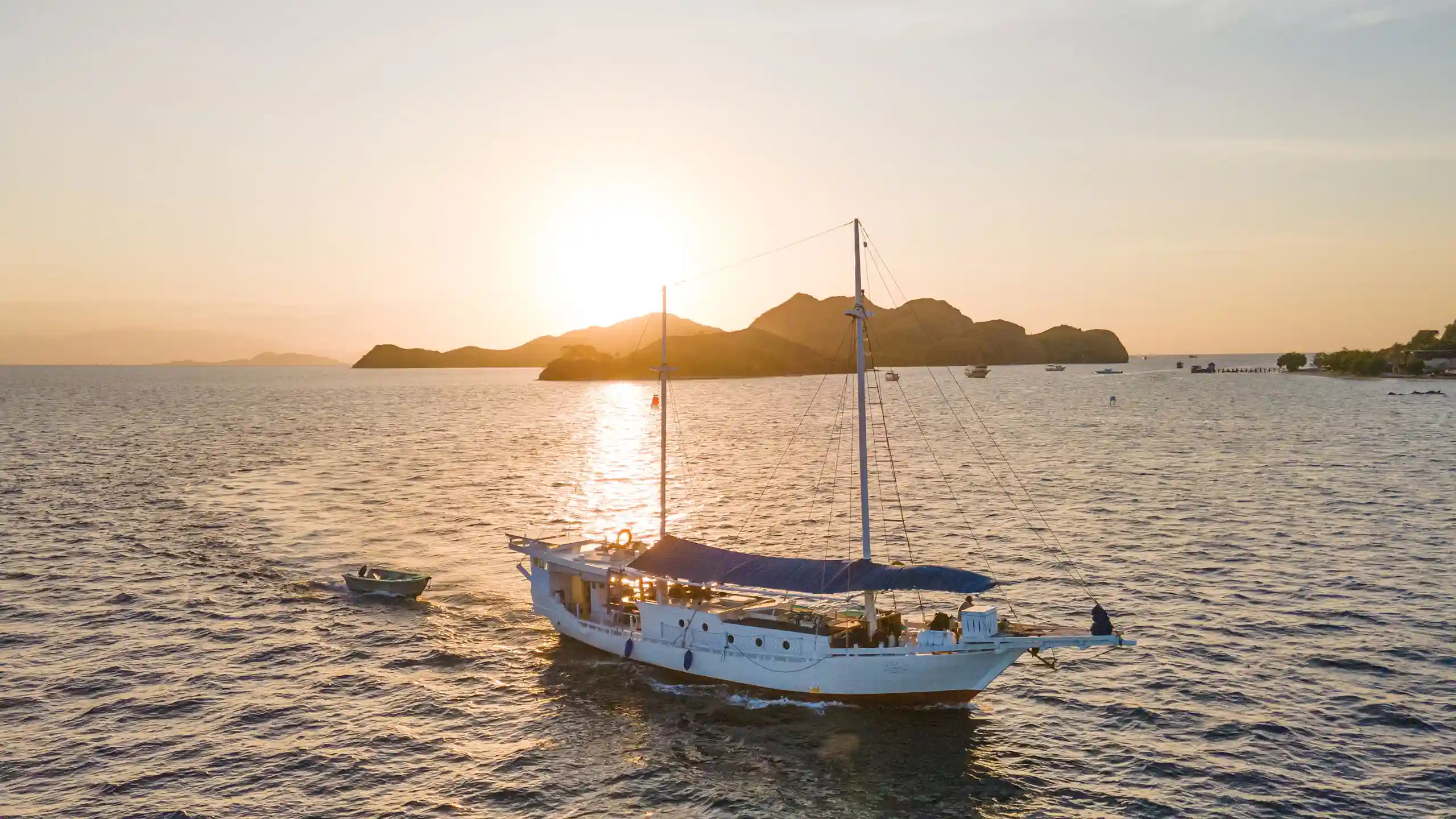
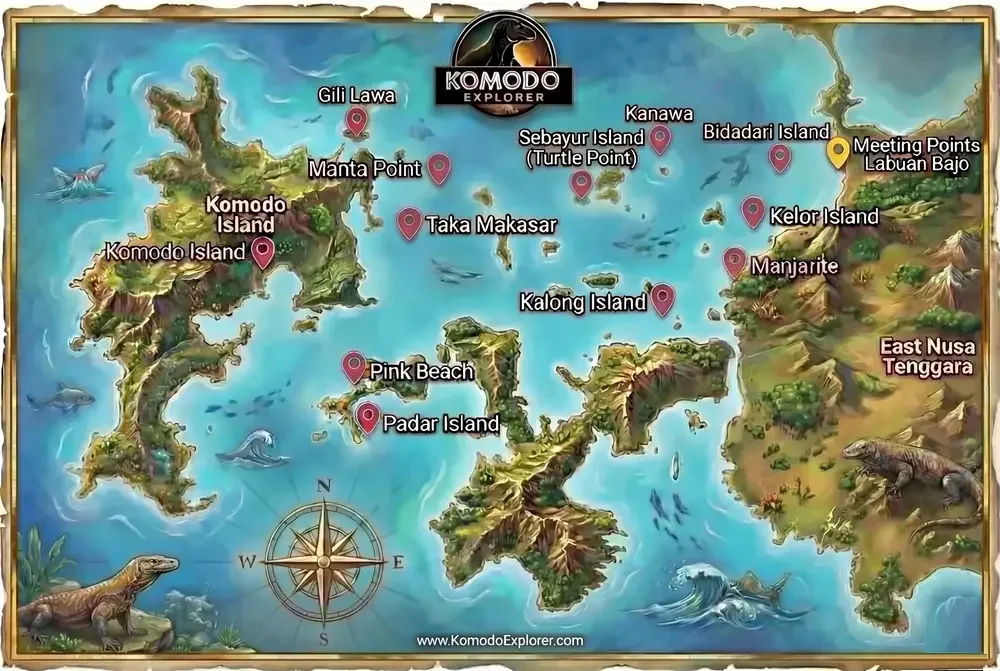
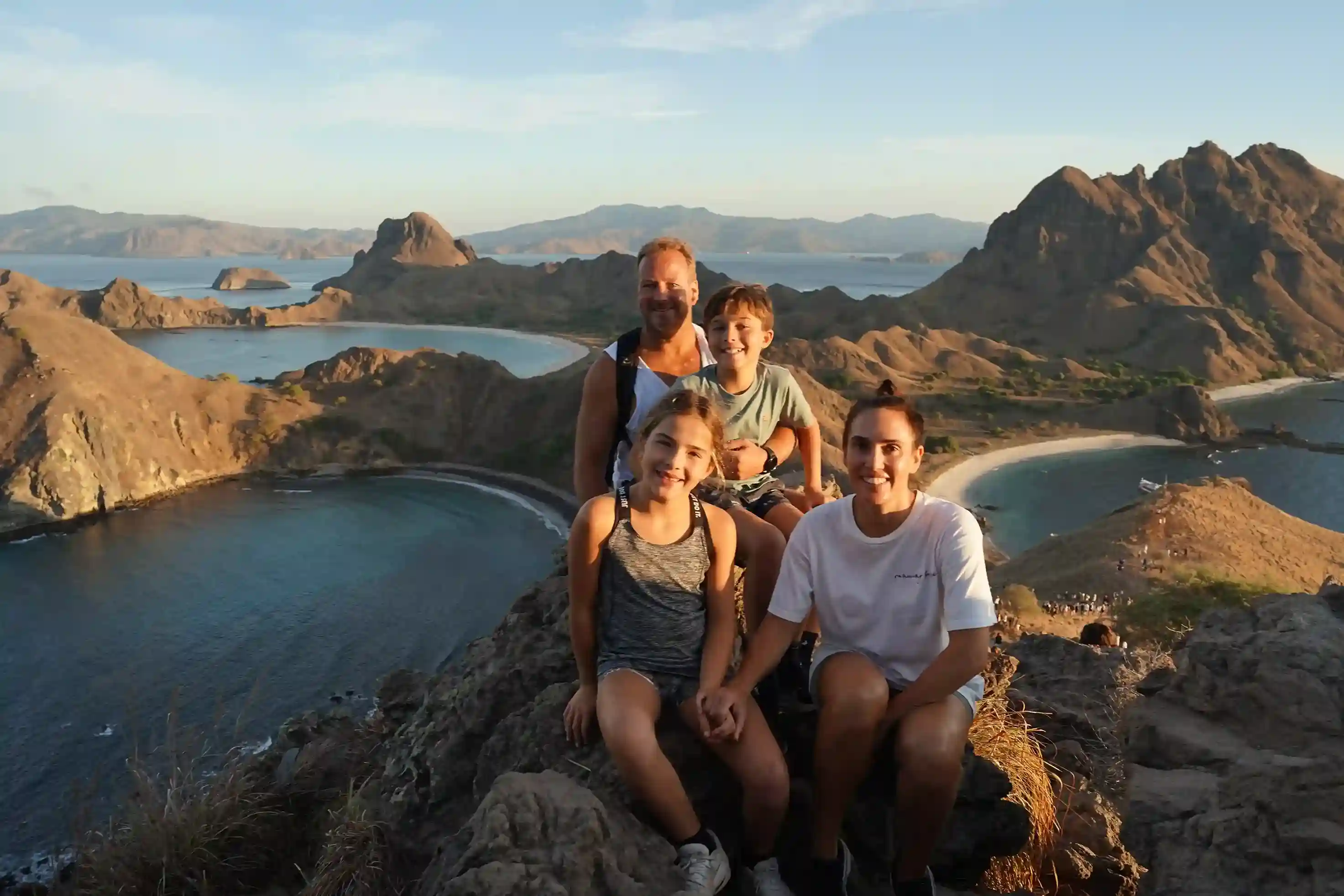
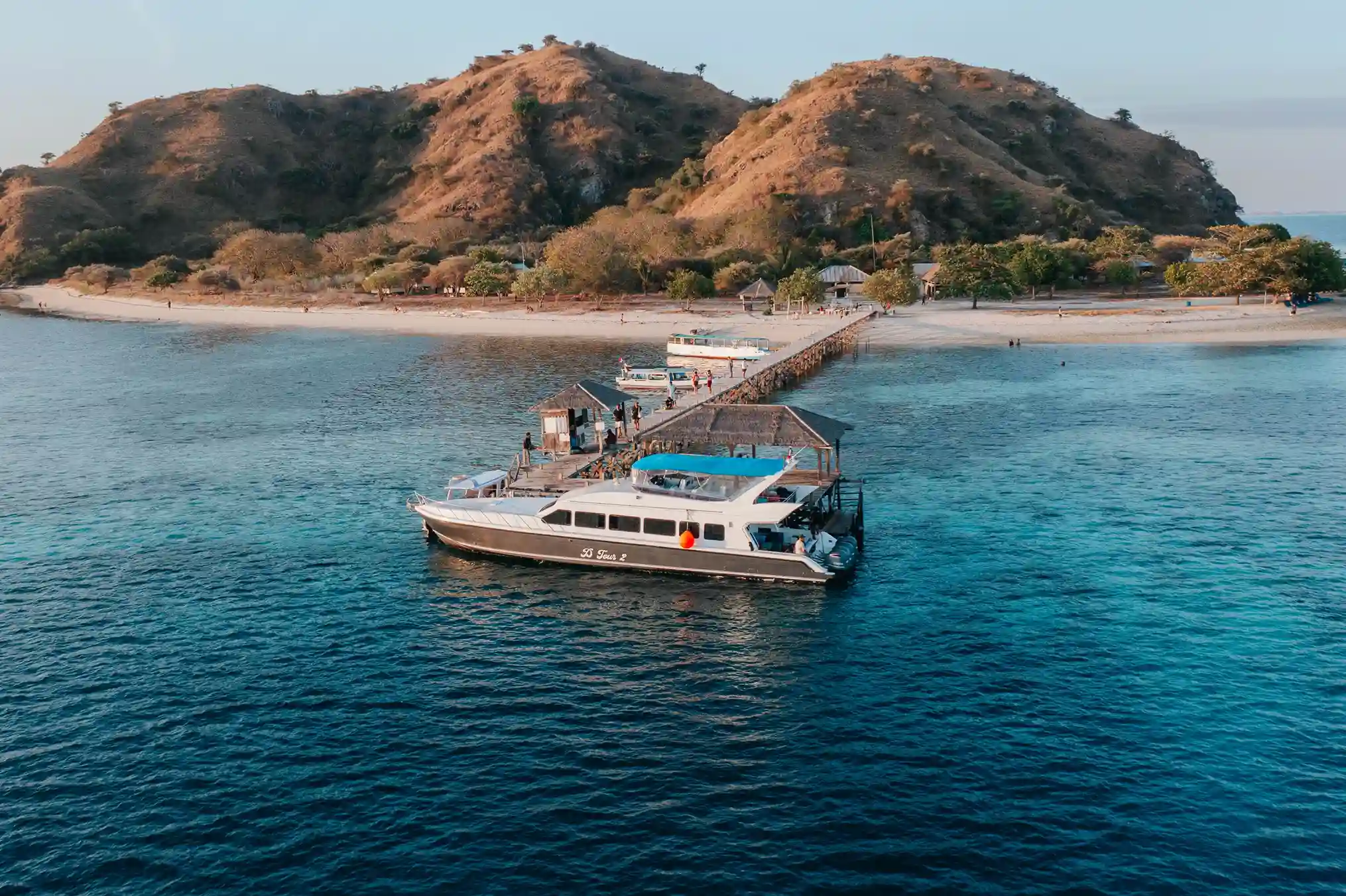
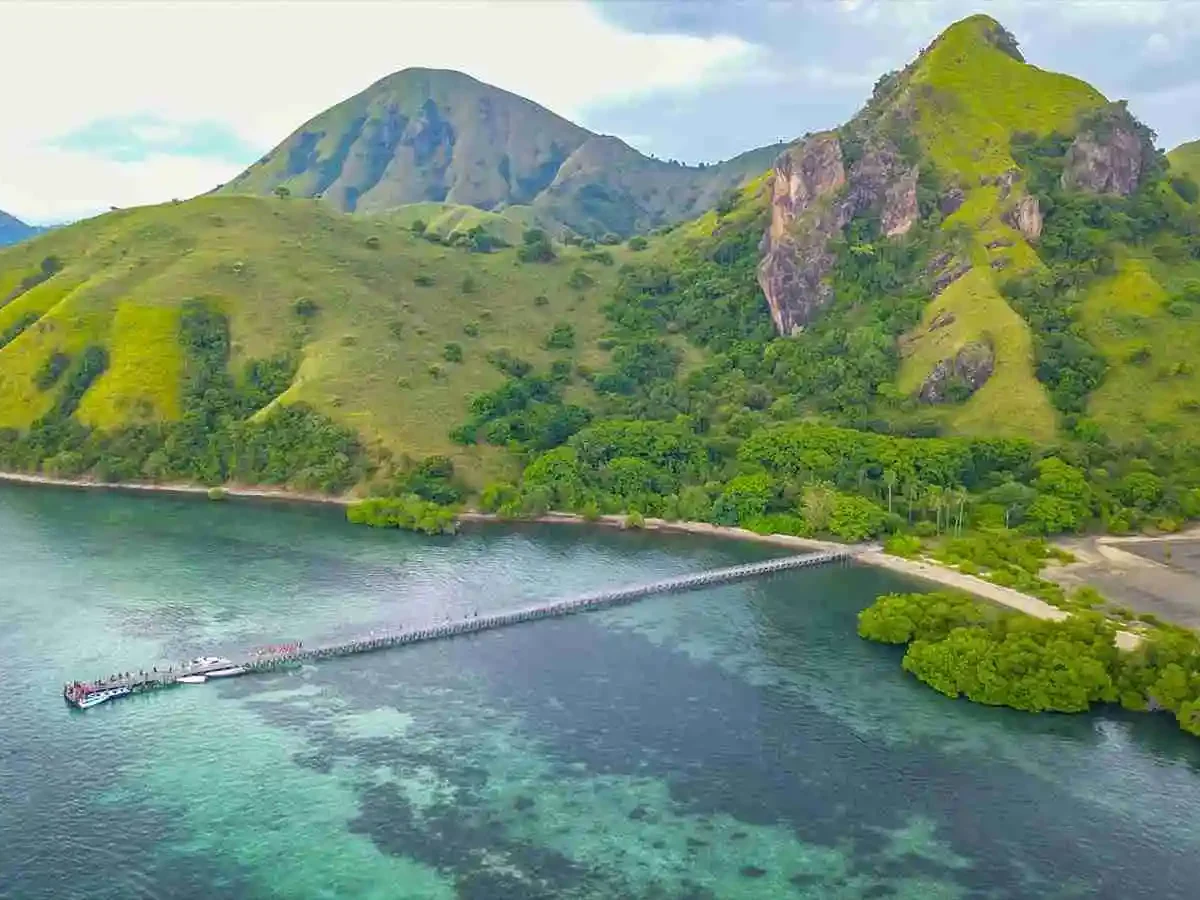
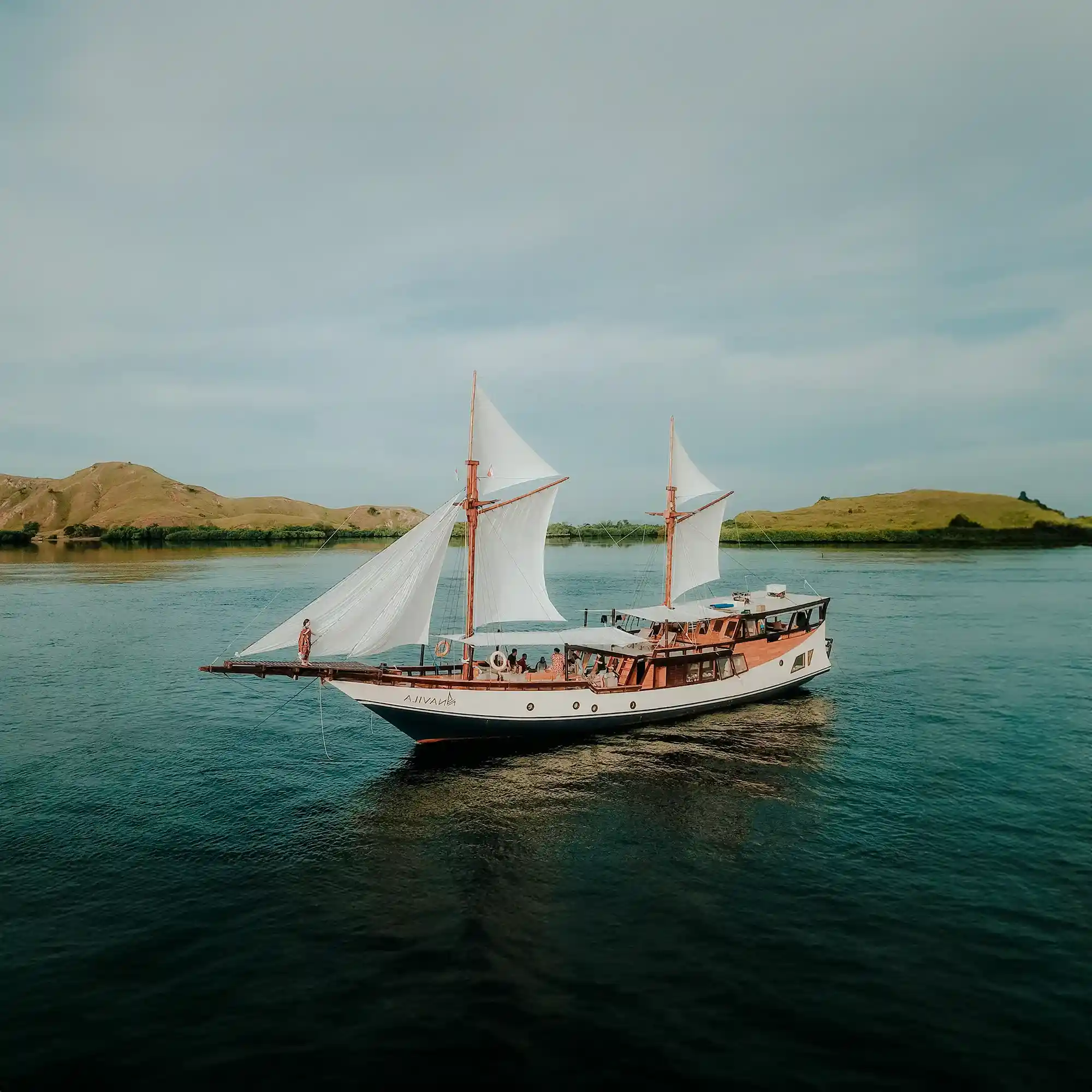
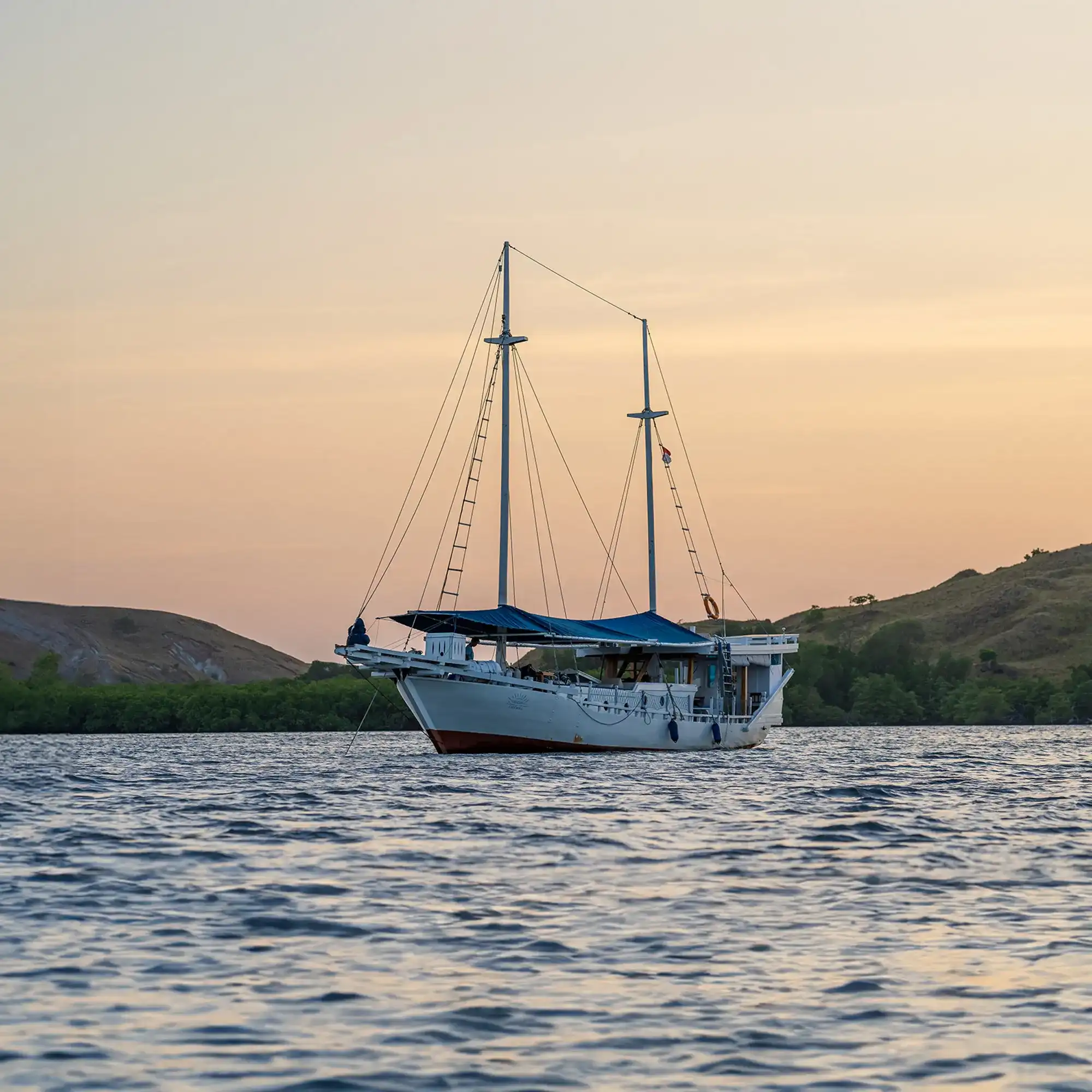
The first thing I noticed wasn’t the polished teak or the crisp white sails—it was the quiet. At 5:47 a.m., as Jinggo Janggo drifted into the bay off Padar Island, the crew moved like shadows, securing lines without a word. No engines roared, no clanging chains. Just the soft lap of water against the hull and the faint creak of aged wood settling in the dawn cool. By 6:02, I was on the beach, hiking the switchbacks as the sun spilled over the serrated ridgeline, turning the five-sand cove into a gradient of coral and gold. This wasn’t forced spectacle. It felt earned.
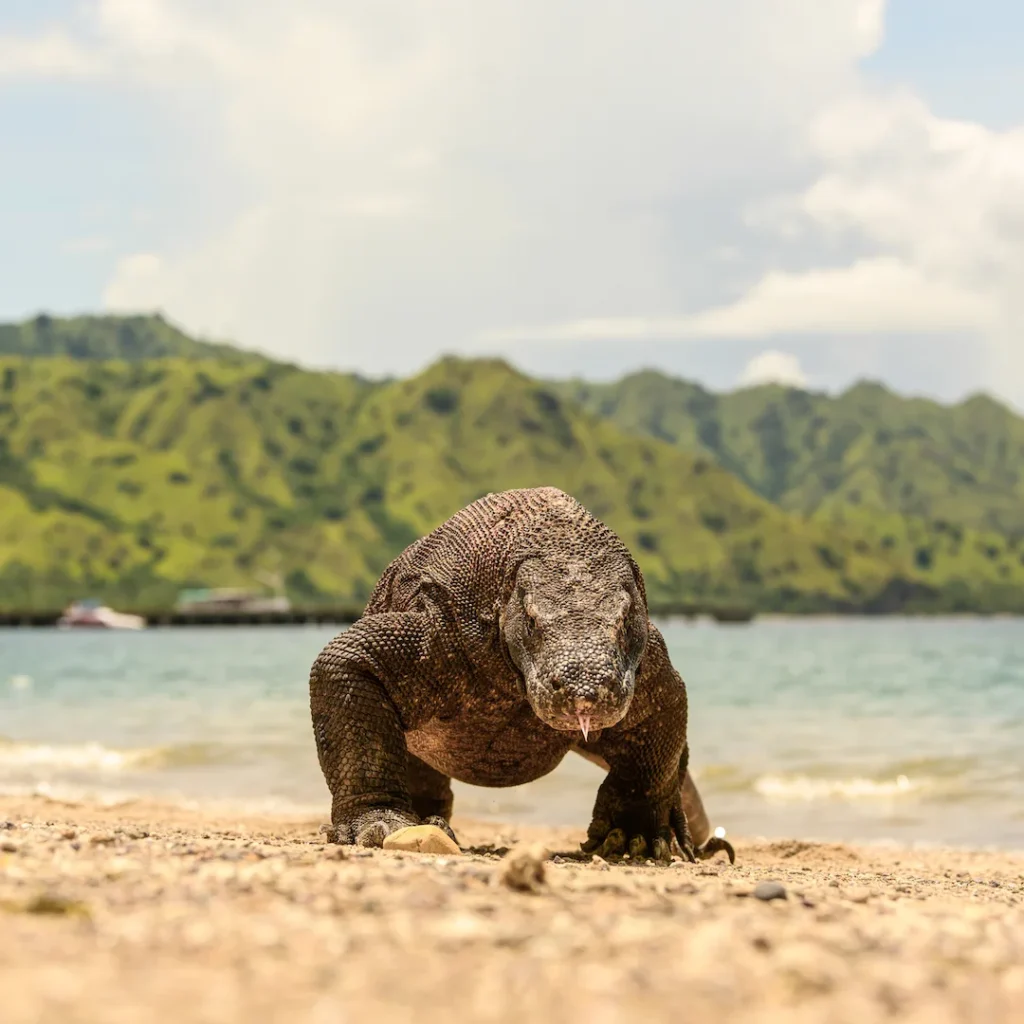
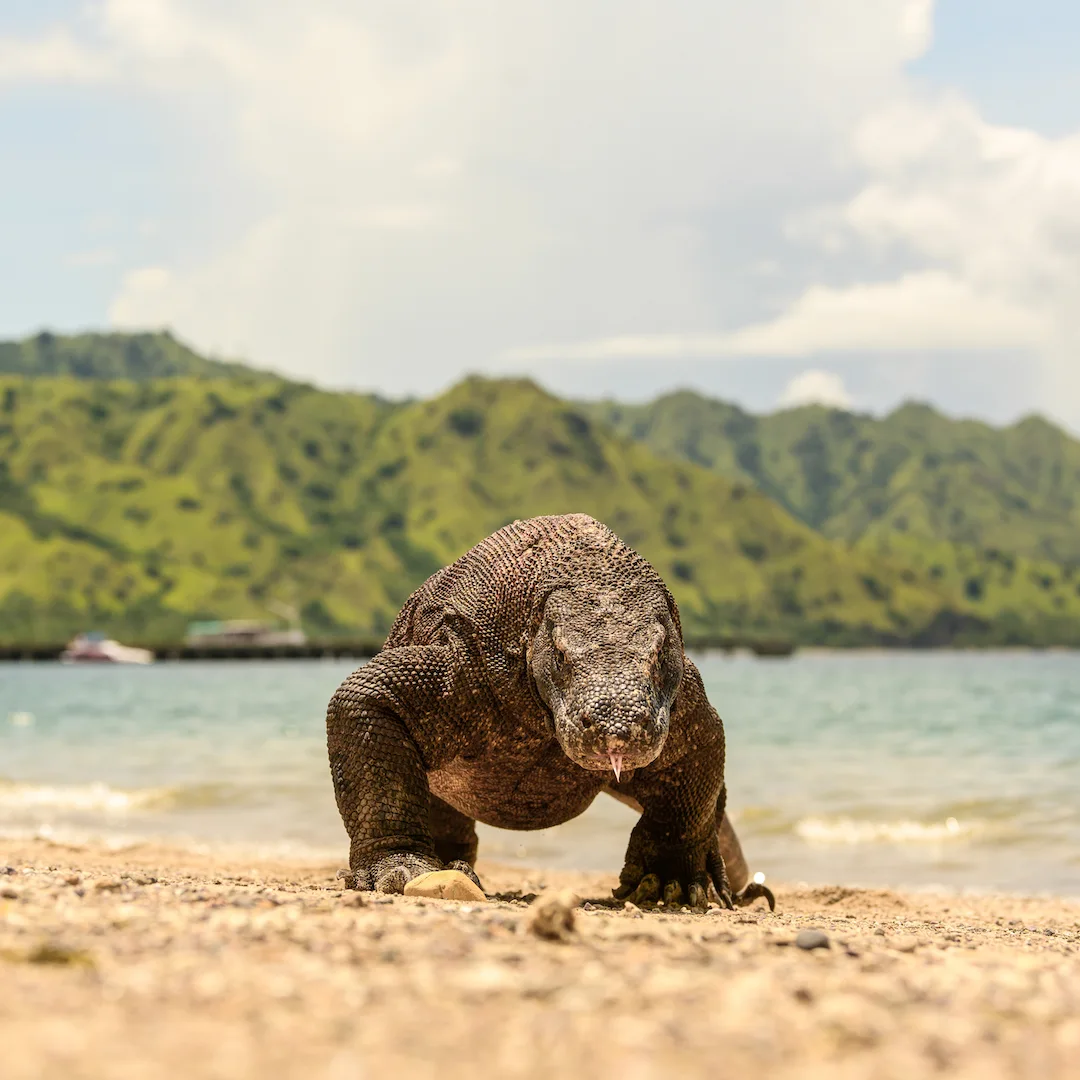
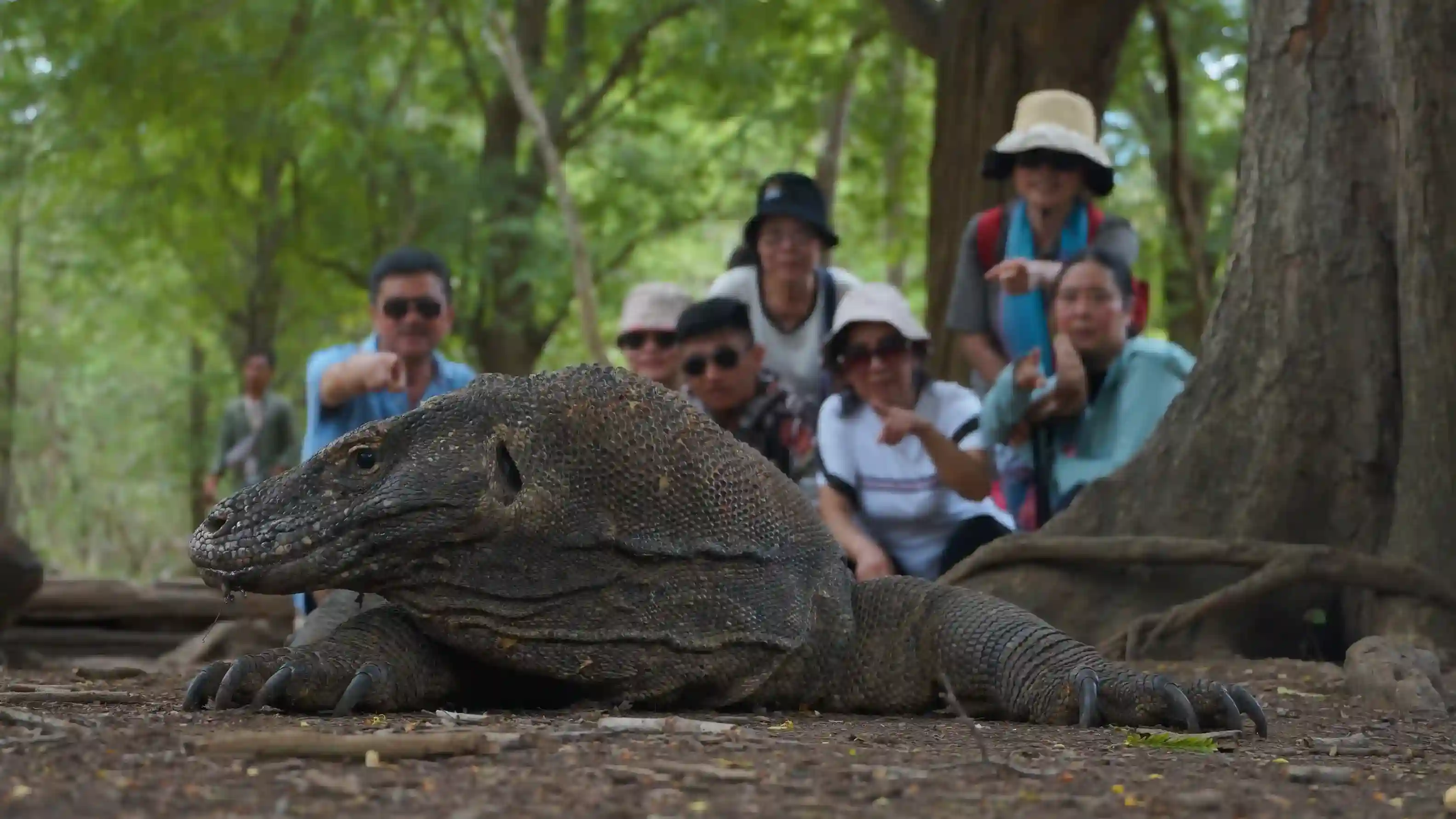
Later that morning, anchored near Komodo Island, the rhythm shifted. The dinghy dropped us at Loh Liang’s jetty just after 9 a.m., timed to avoid the midday heat and the cruise ship crowds. Rangers briefed us in Bahasa, translated in low tones by our guide, before we set off on the dry savannah trail. We saw eight dragons—the largest basking near a freshwater pool, jaws slightly parted, tails twitching at flies. The walk lasted 75 minutes, precise and safe, with bottled water handed out at the halfway break. Back on board by noon, cold towels and iced lime juice waited under the shaded dining awning.
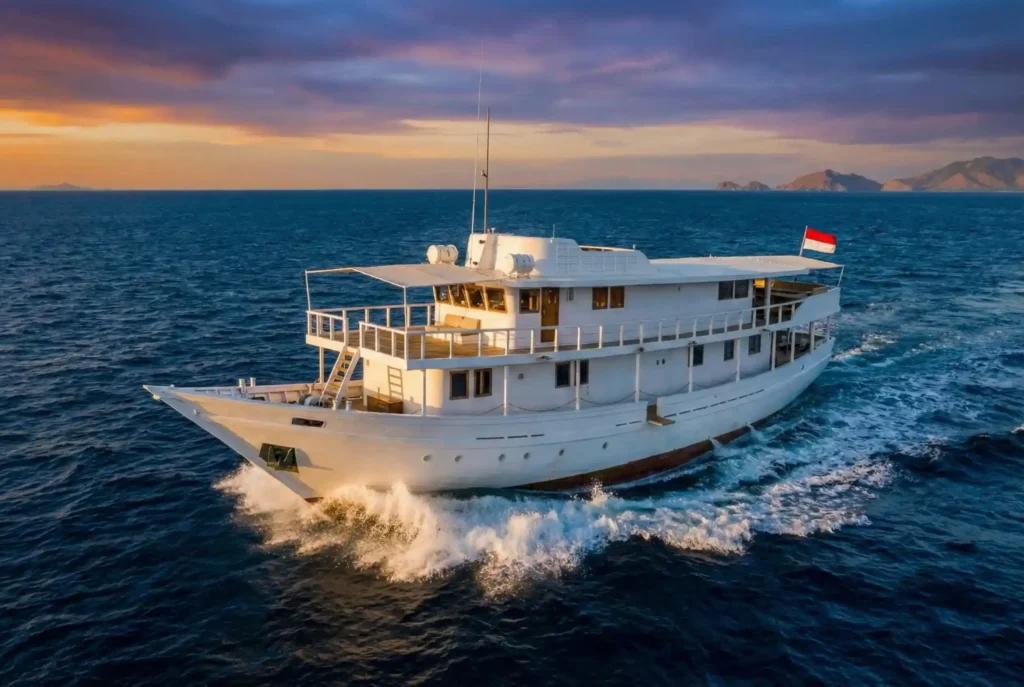
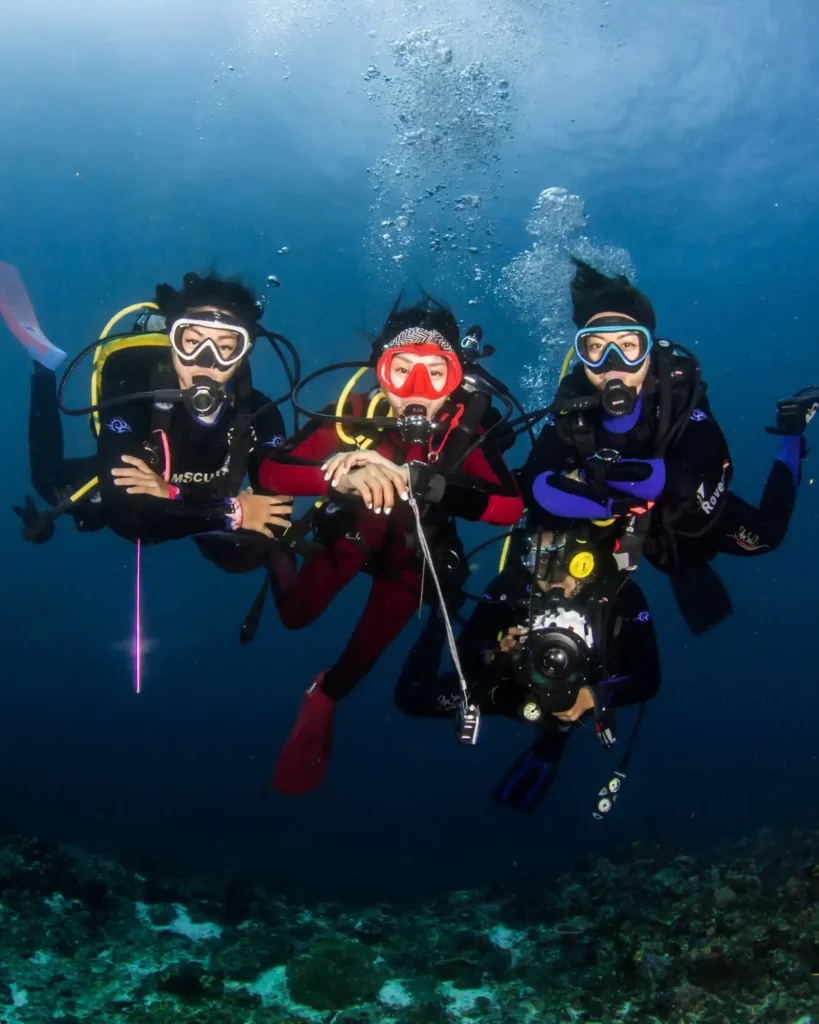
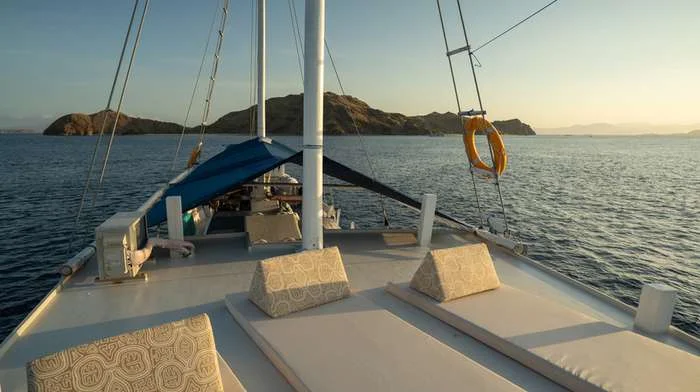
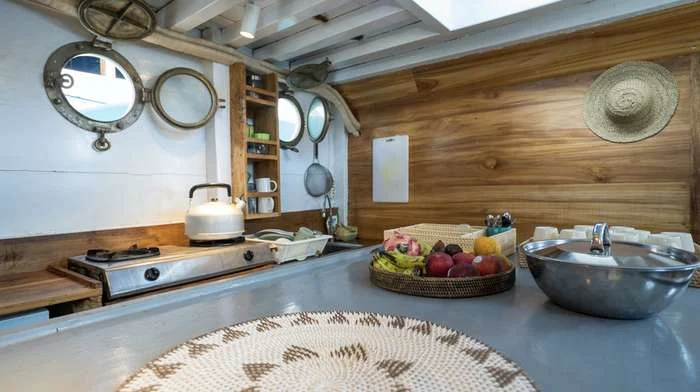
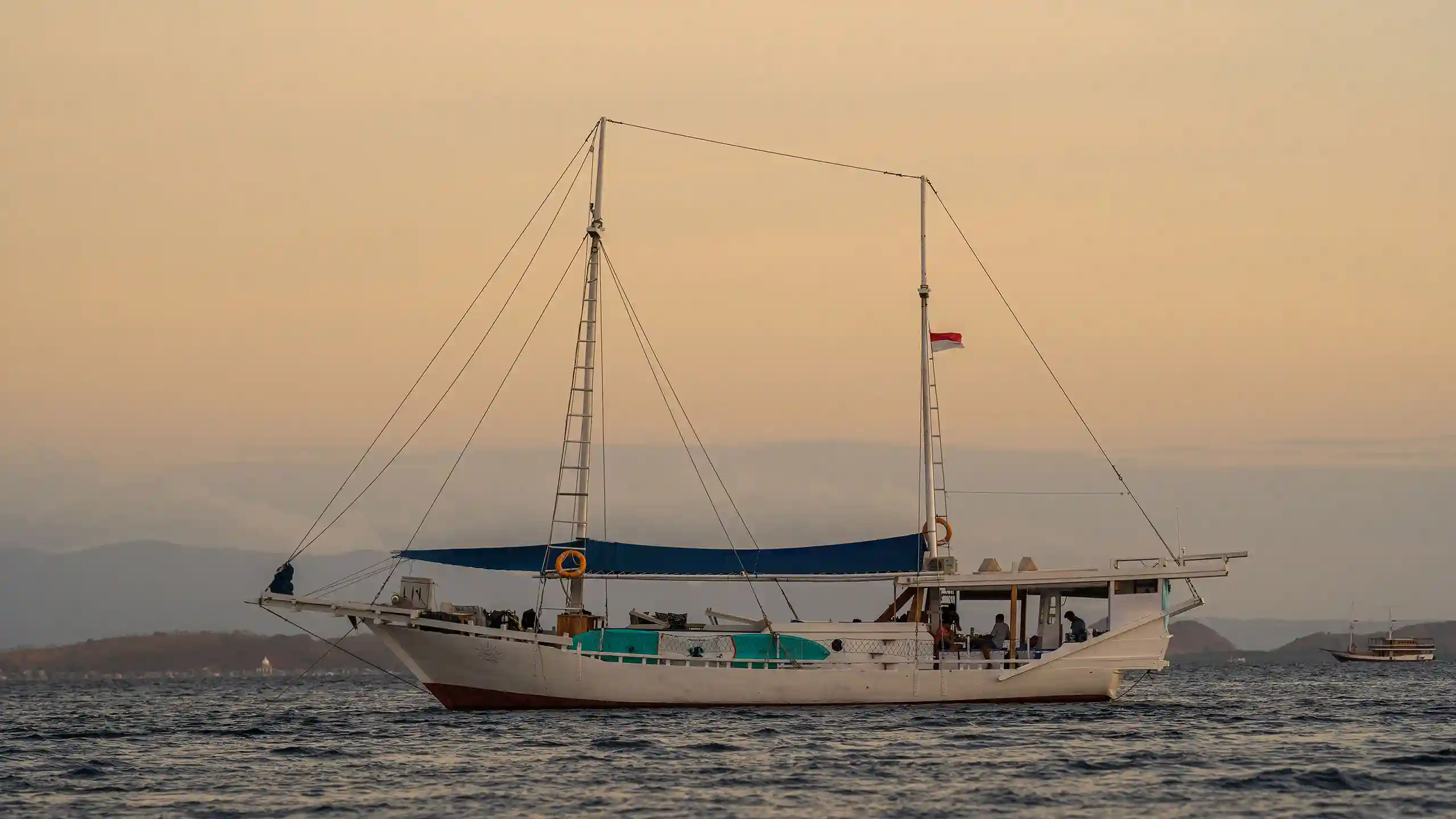
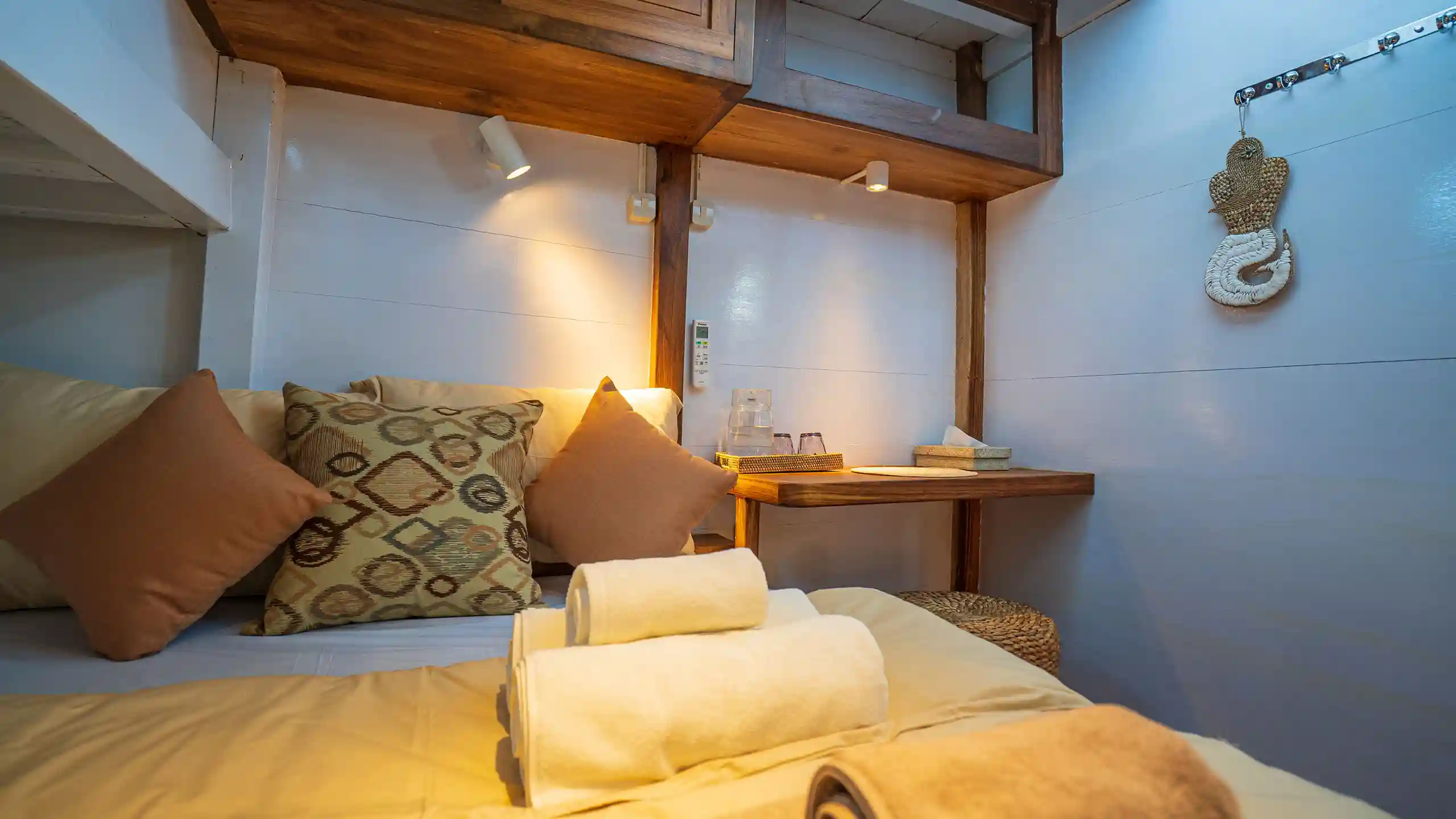
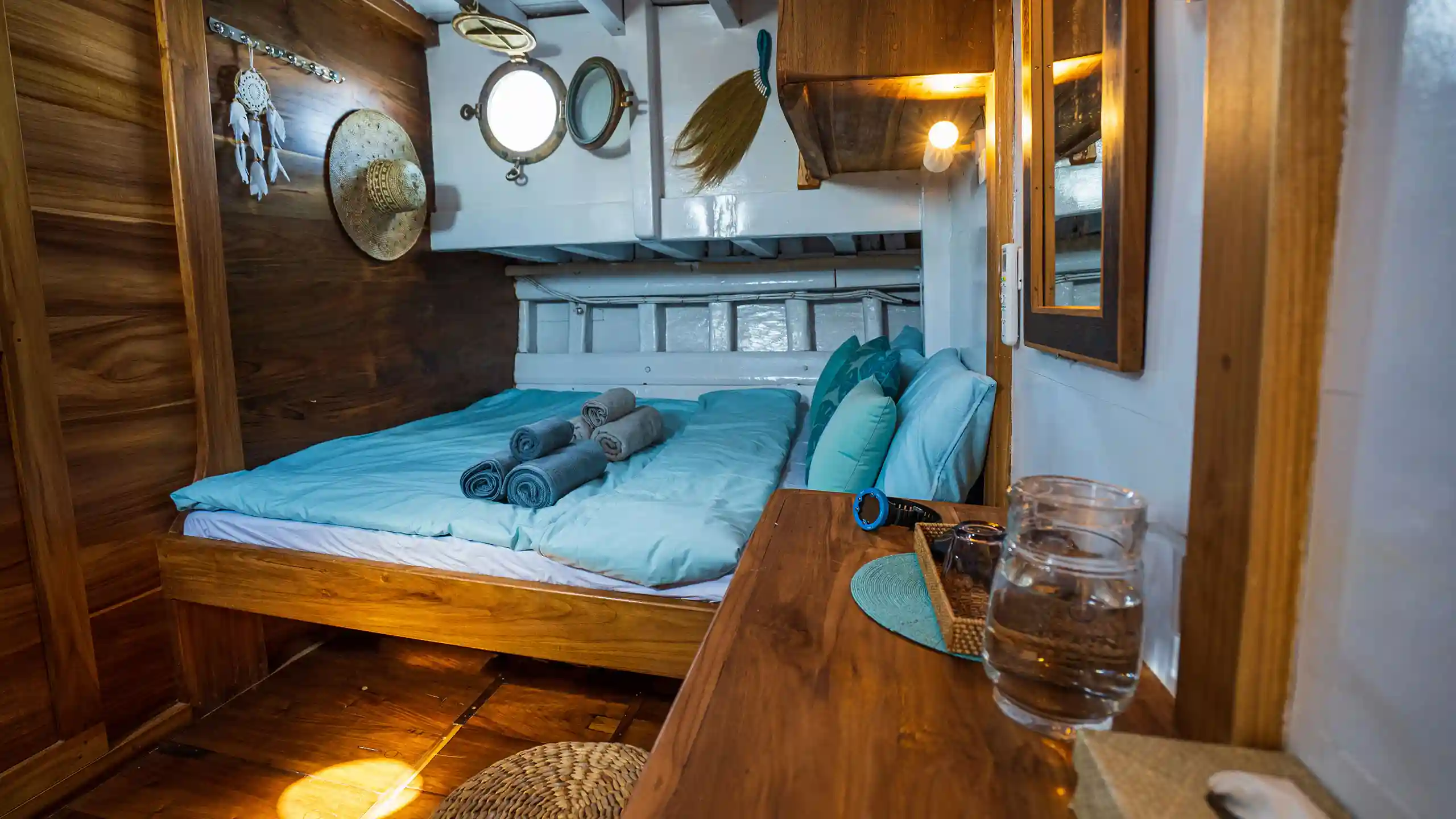
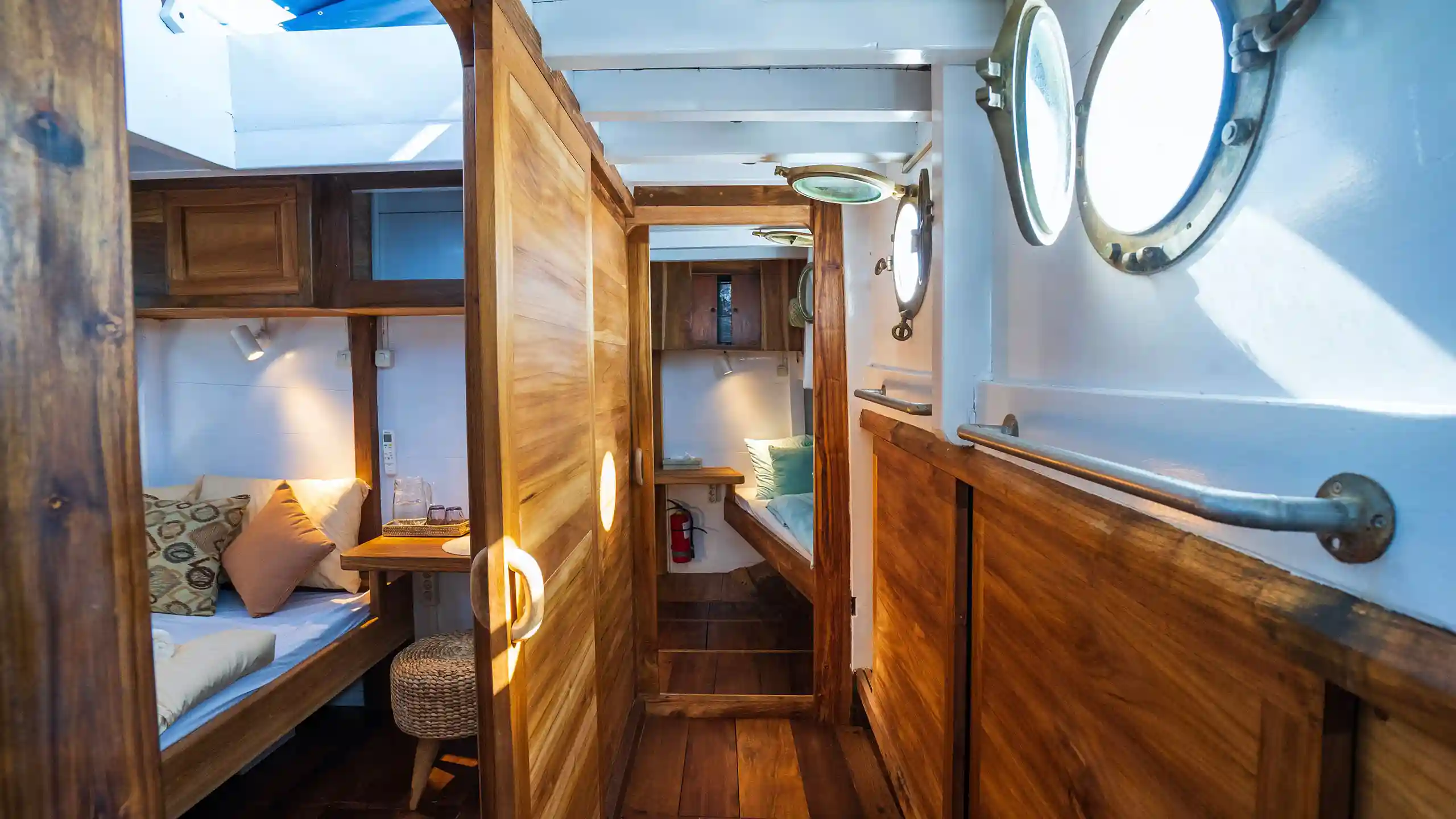
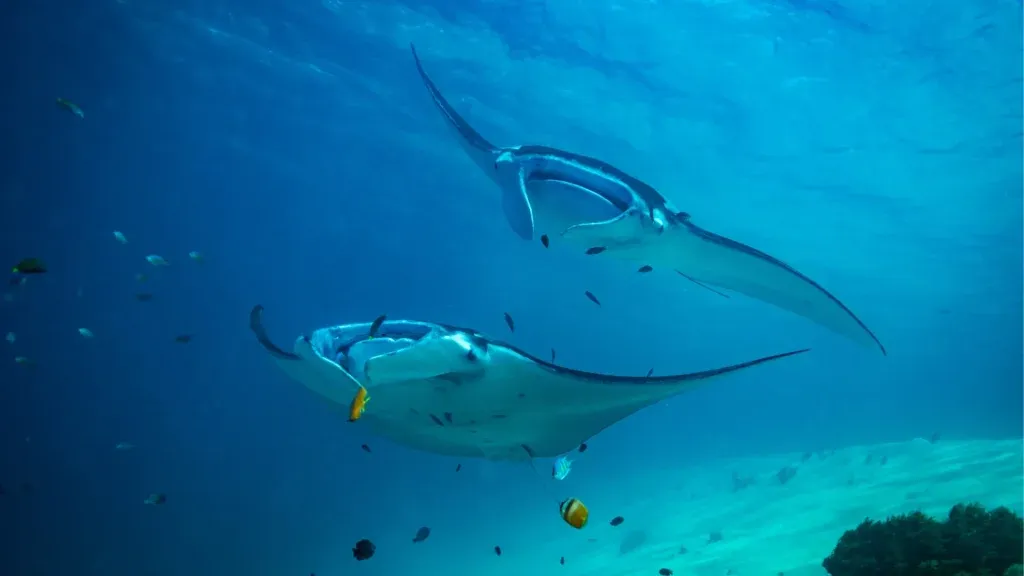
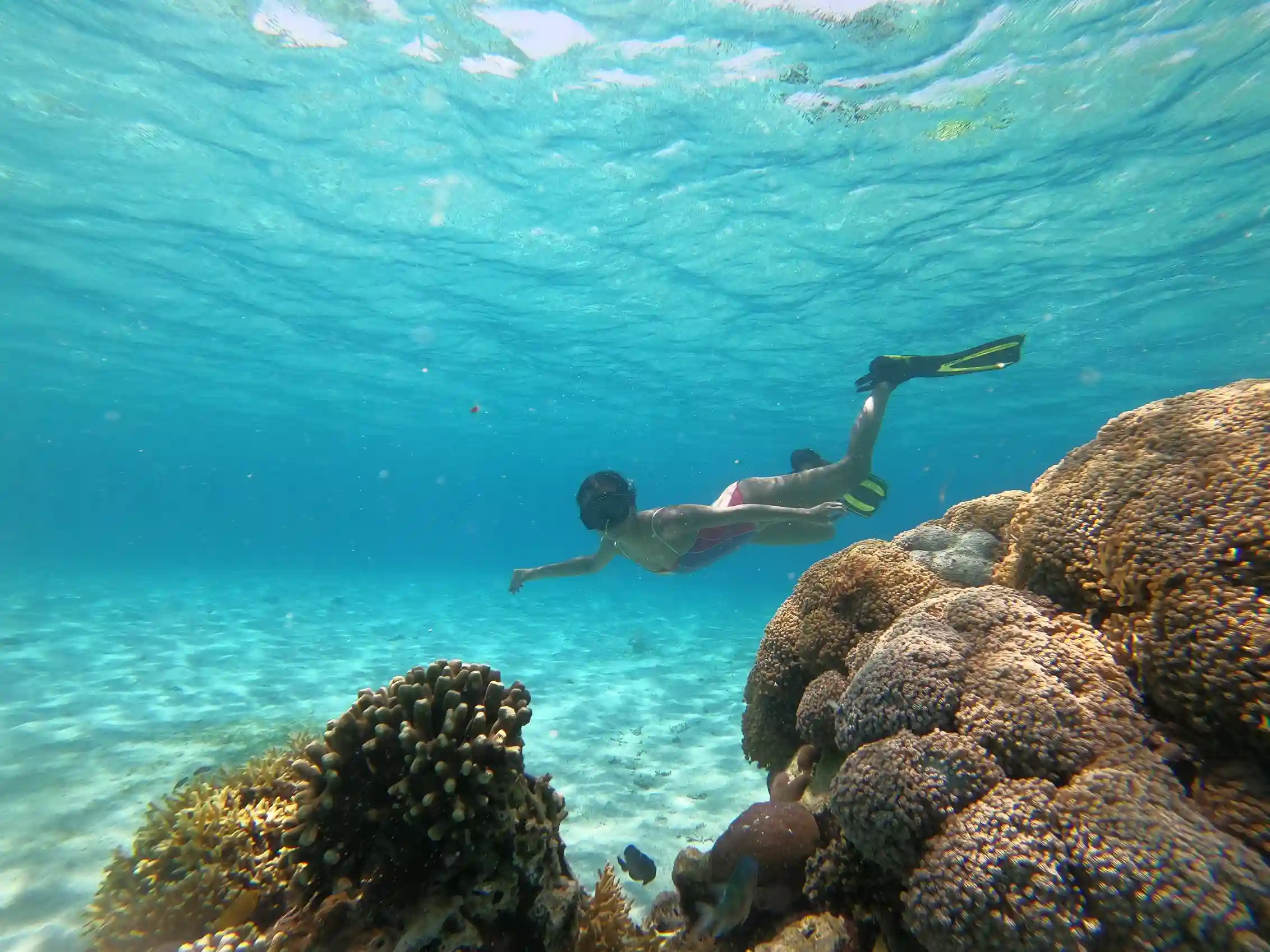
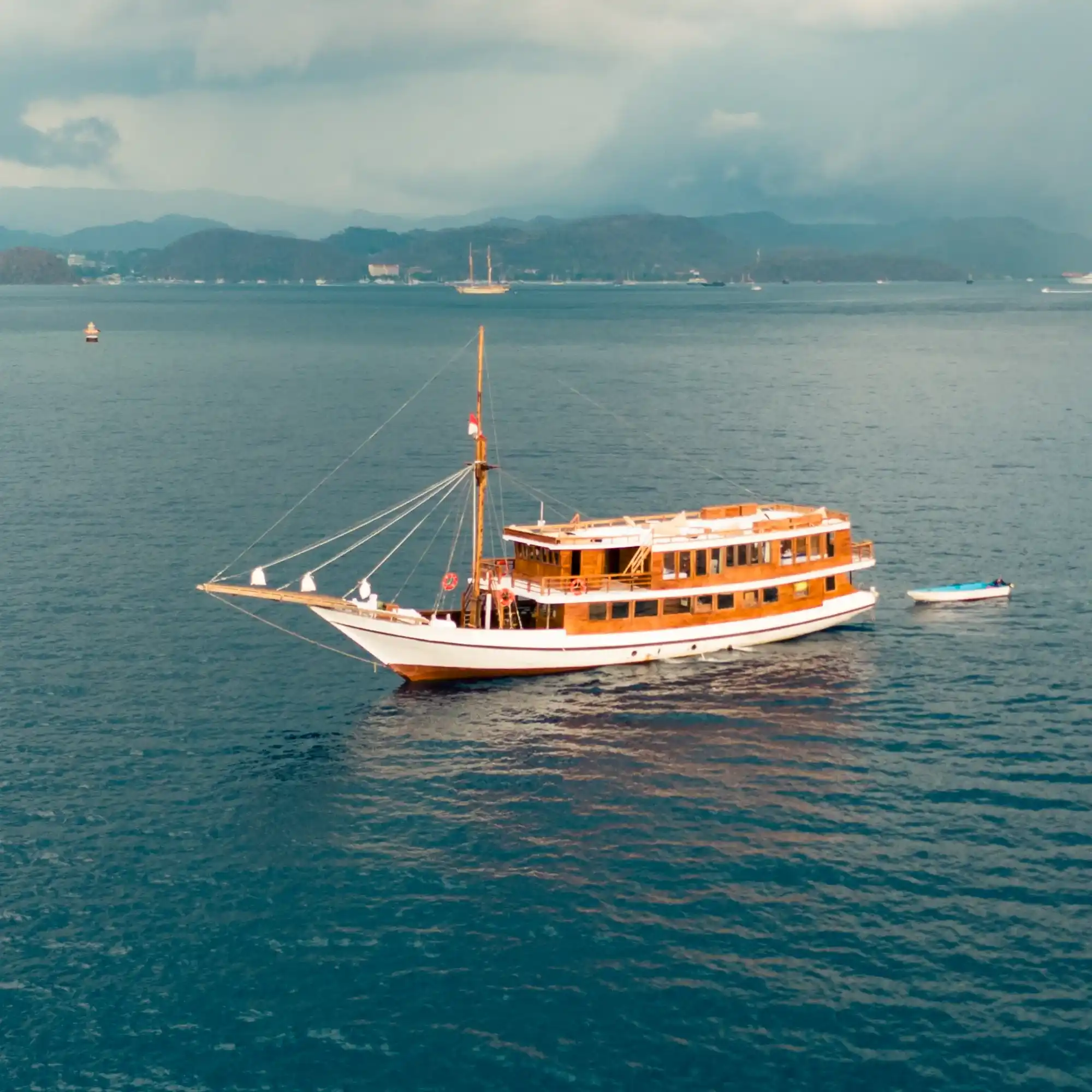
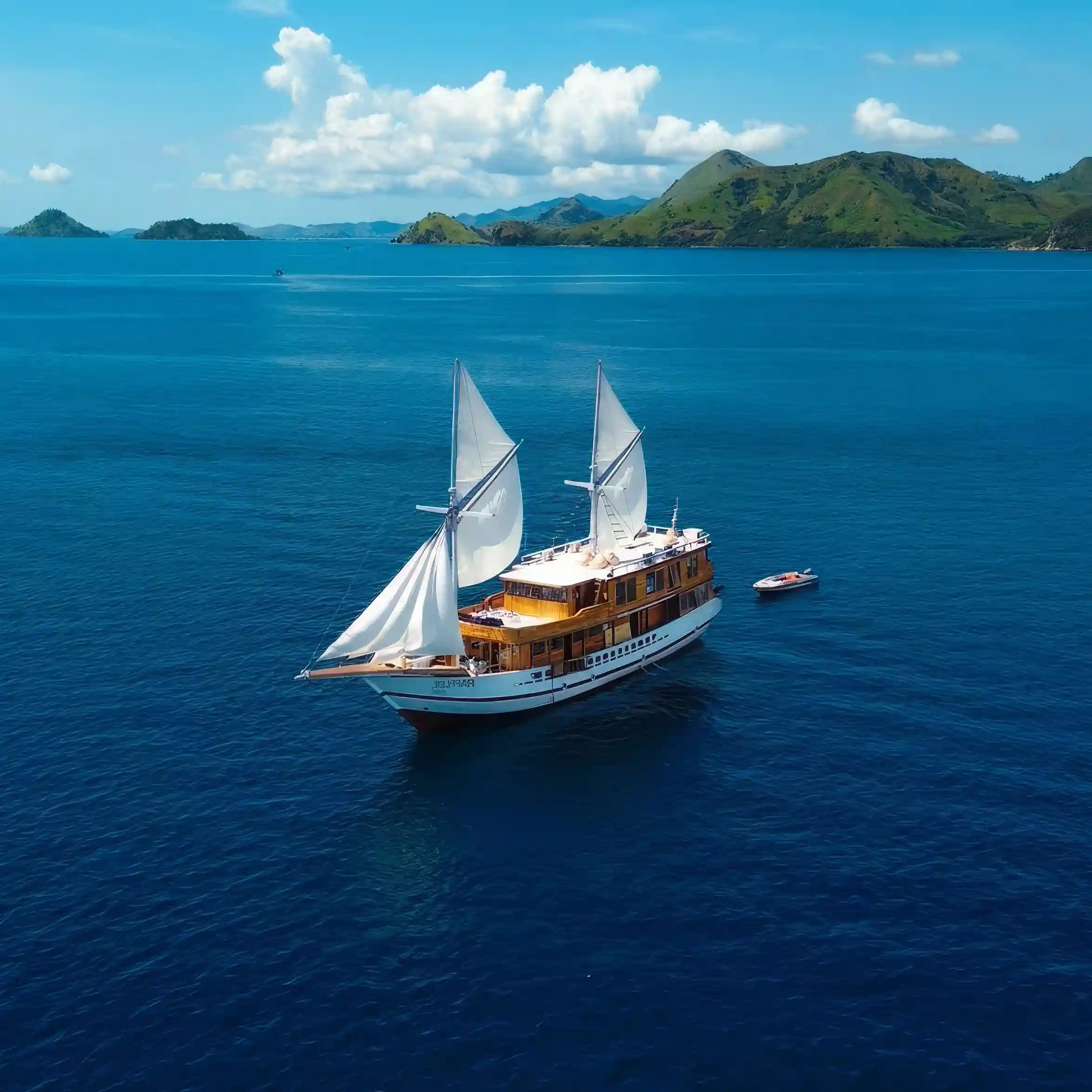
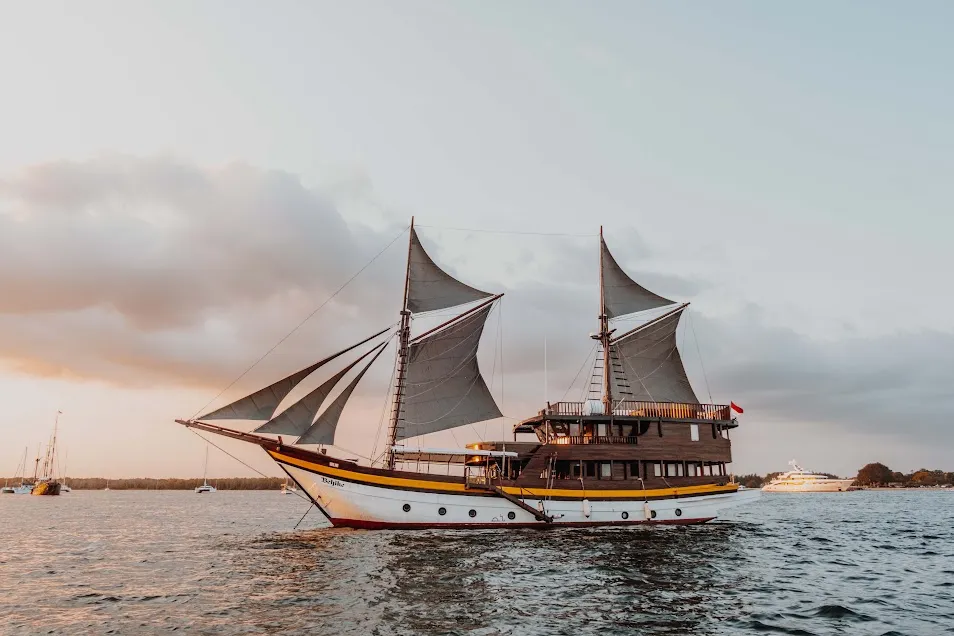
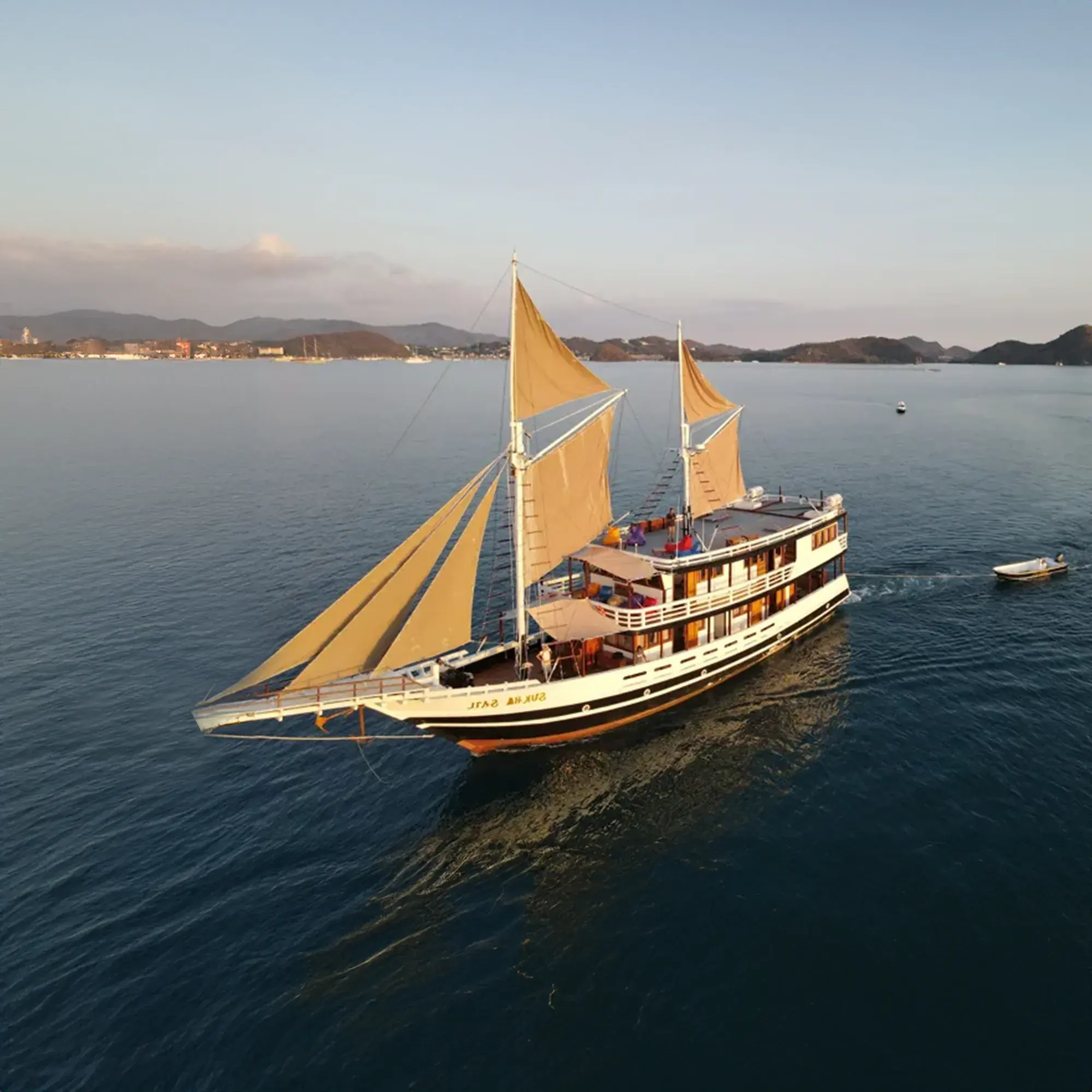
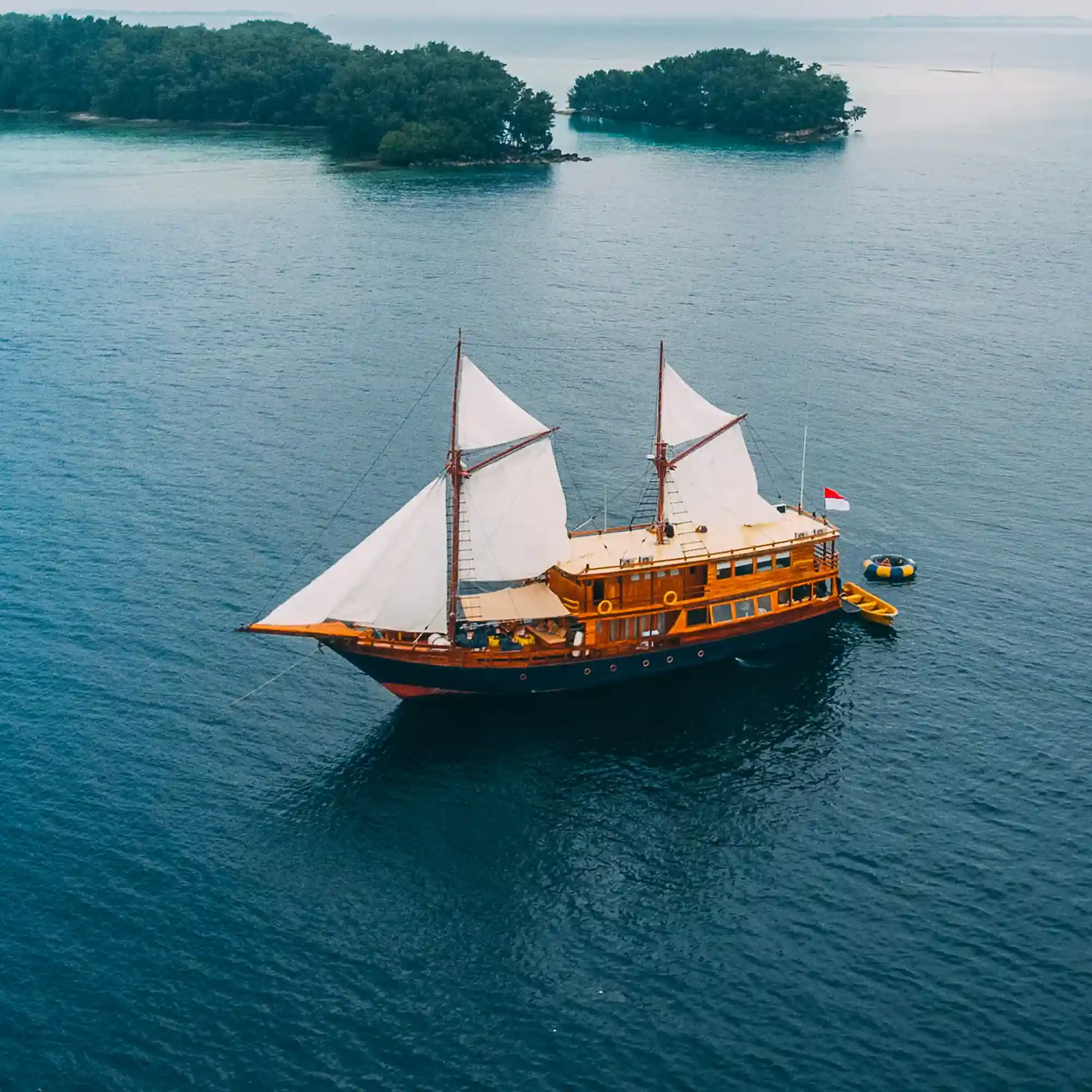
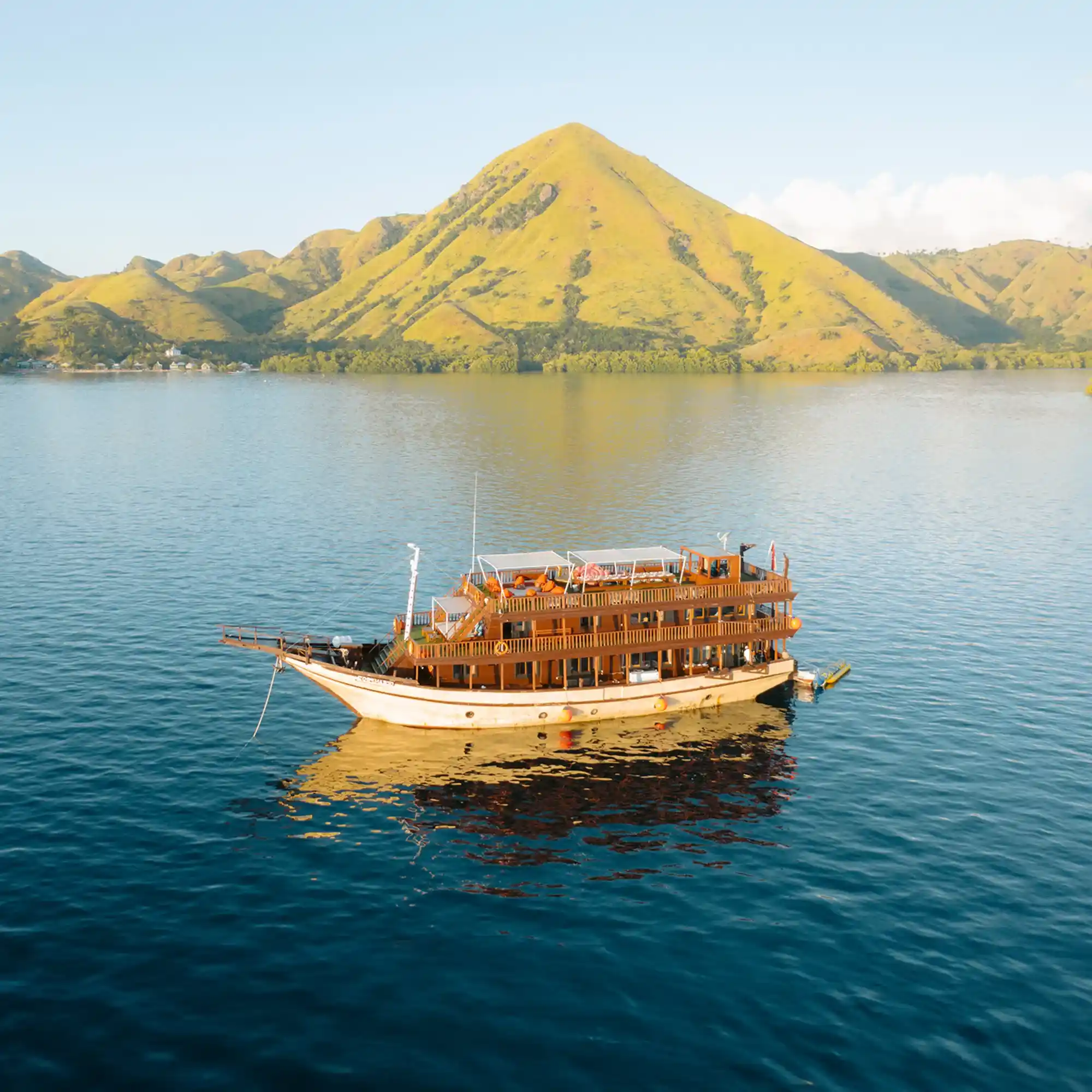
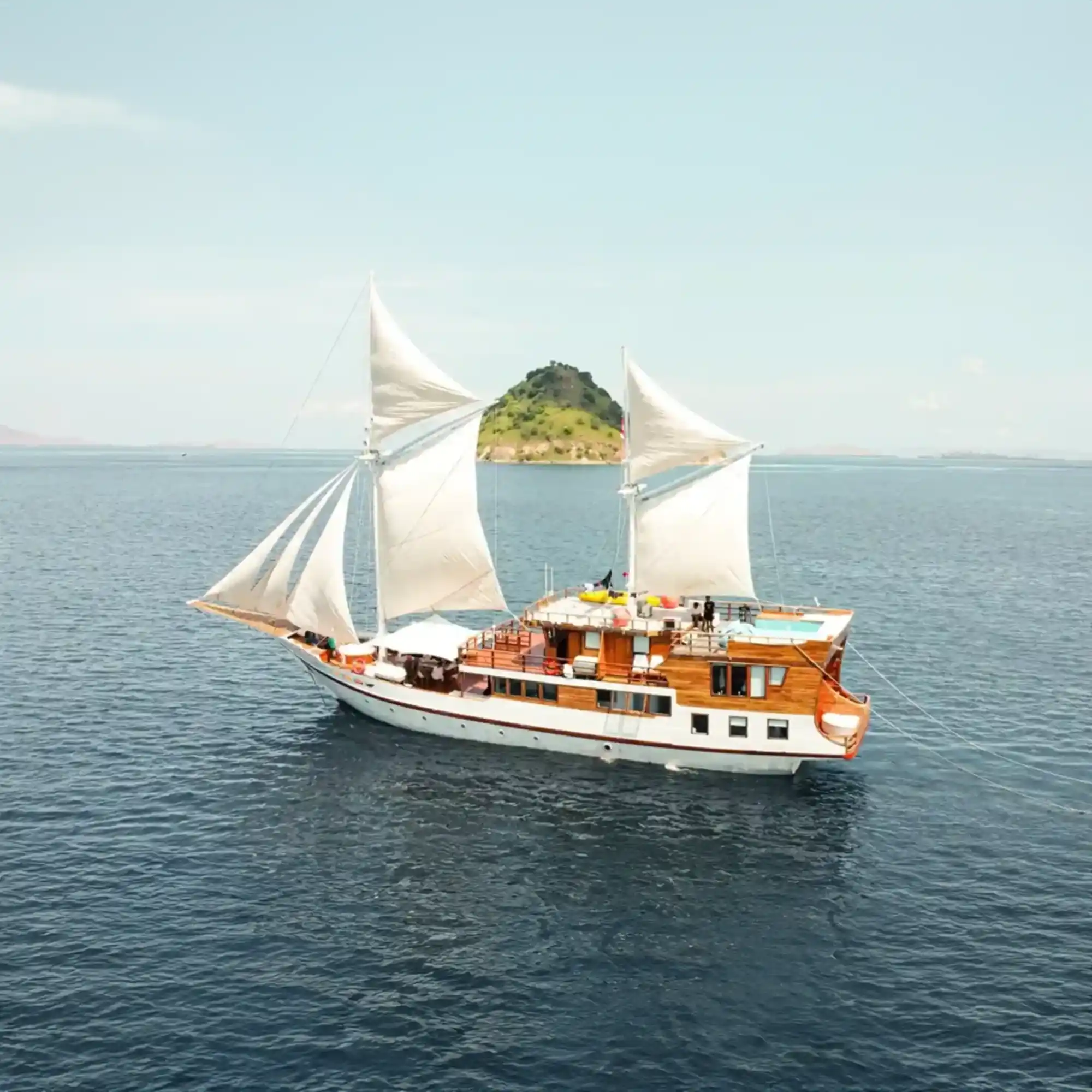
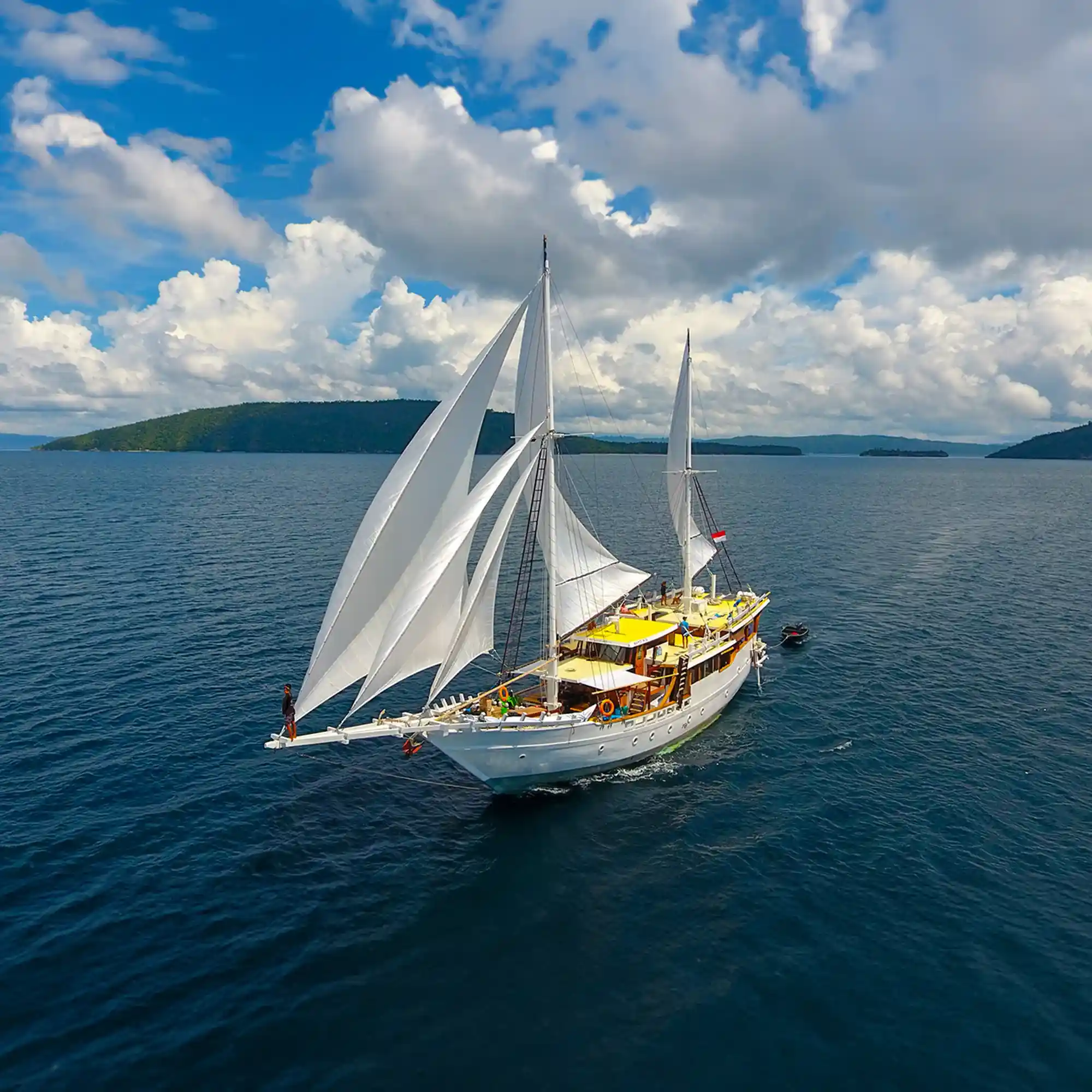
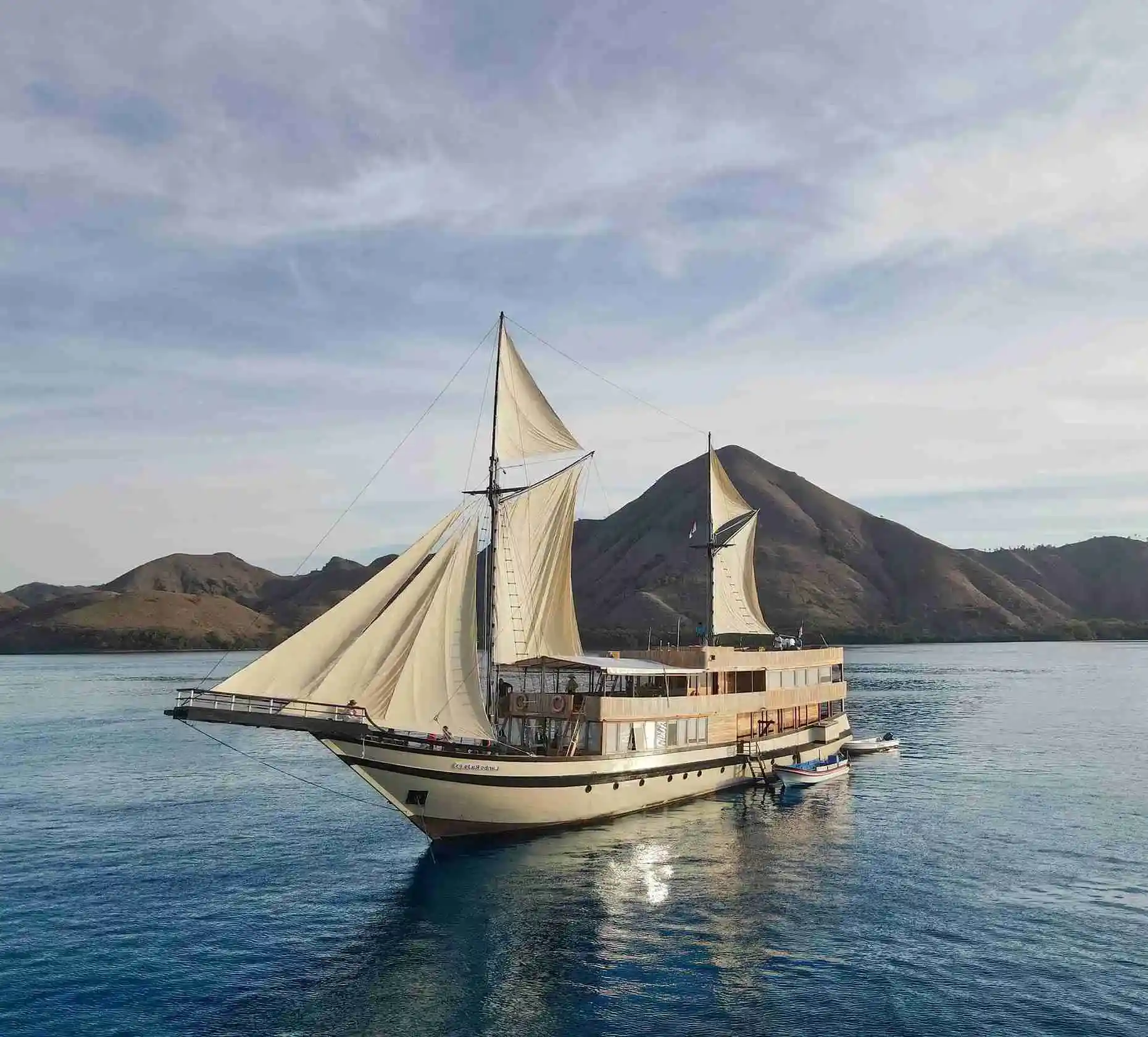
Jinggo Janggo doesn’t pretend to be a floating hotel. At 22 metres, it’s compact, built for intimacy, not spectacle. The single cabin sleeps two, but with five guest capacity, I suspect a second sleeping space—possibly convertible, possibly tucked beneath the deck—but the layout favours open space over compartmentalisation. Meals were served on the aft deck: grilled skipjack with sambal matah, papaya salad, fried bananas. No white tablecloths, but the plates were clean, the cutlery real. At Manta Point around 2 p.m., we drifted alongside reef sharks and two mantas who circled the bow, wings flapping in slow motion. The crew tossed in the snorkels and masks they’d laid out an hour earlier—pre-rinsed, hoses coiled.
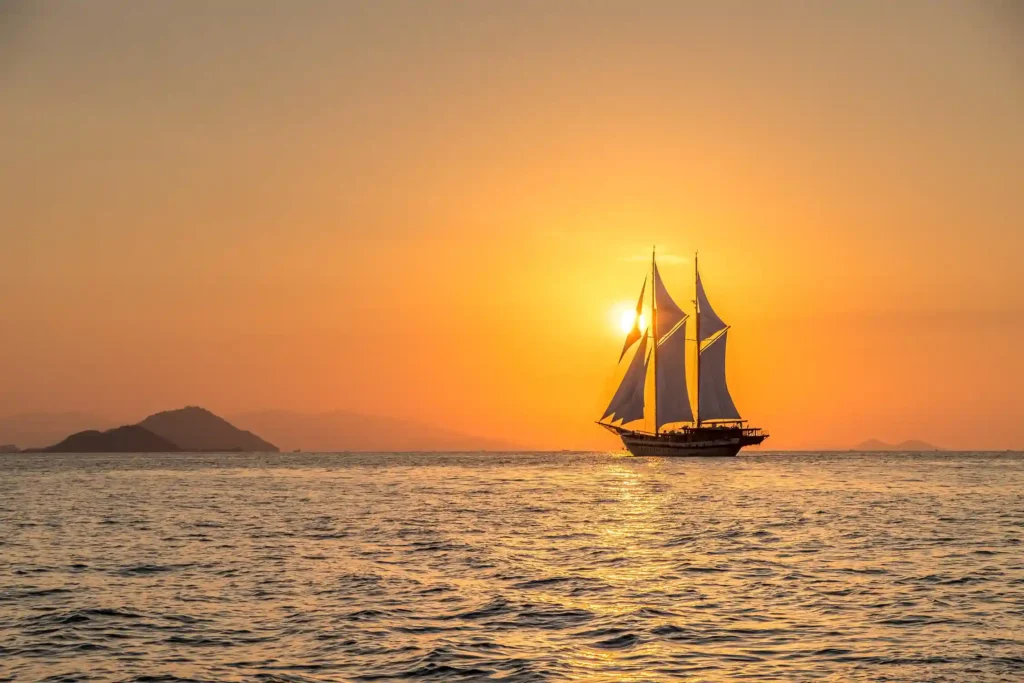
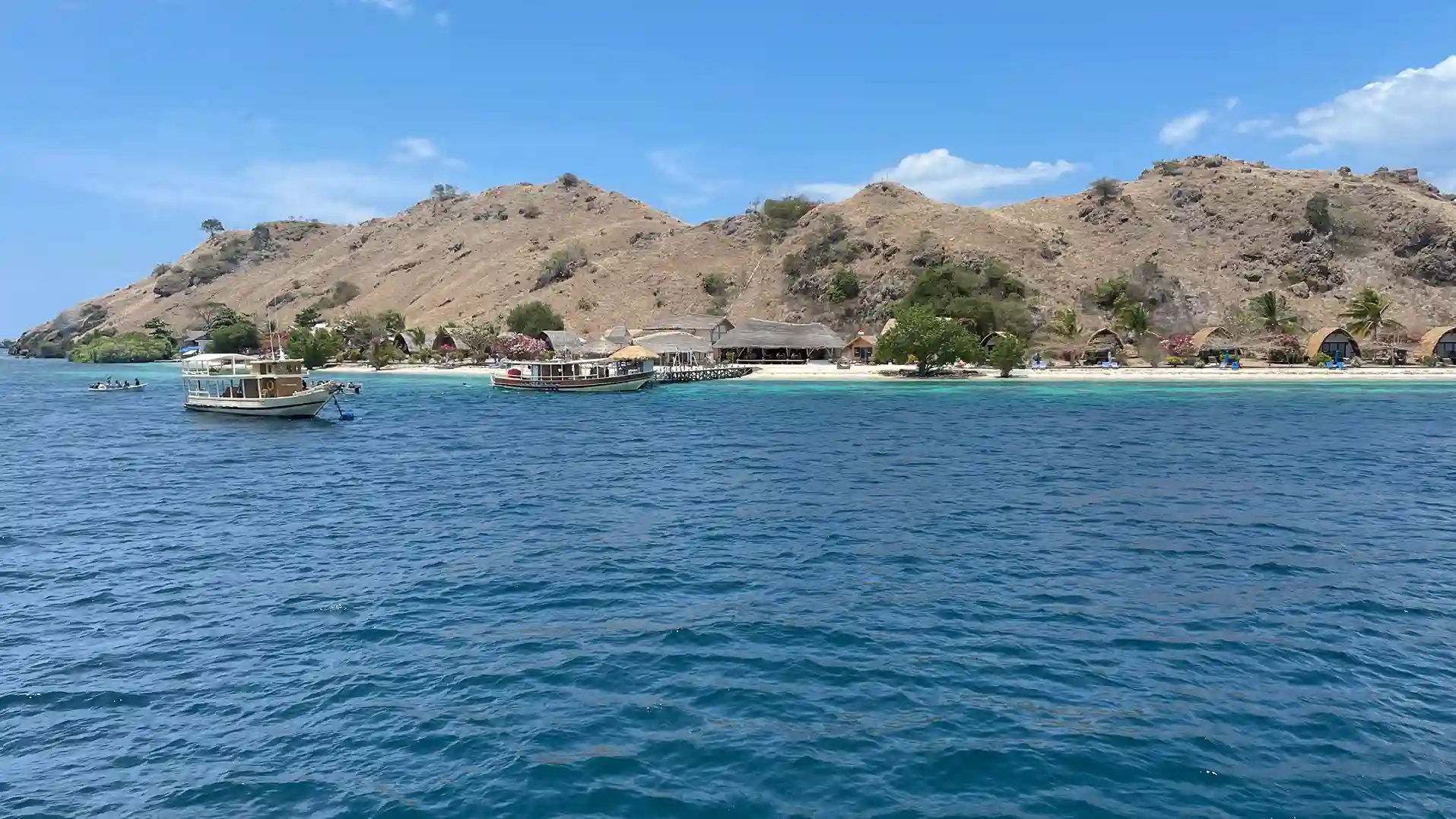
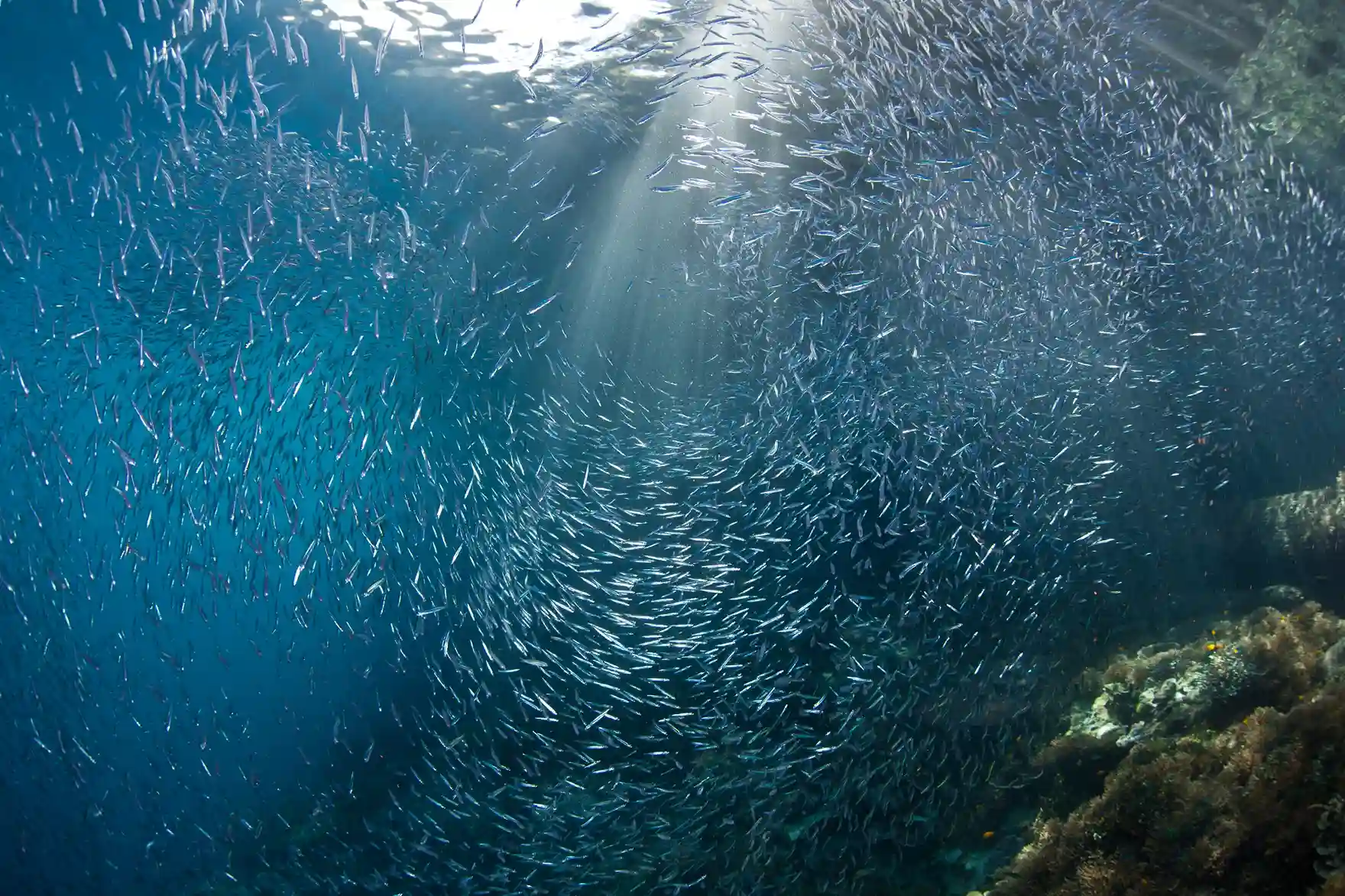
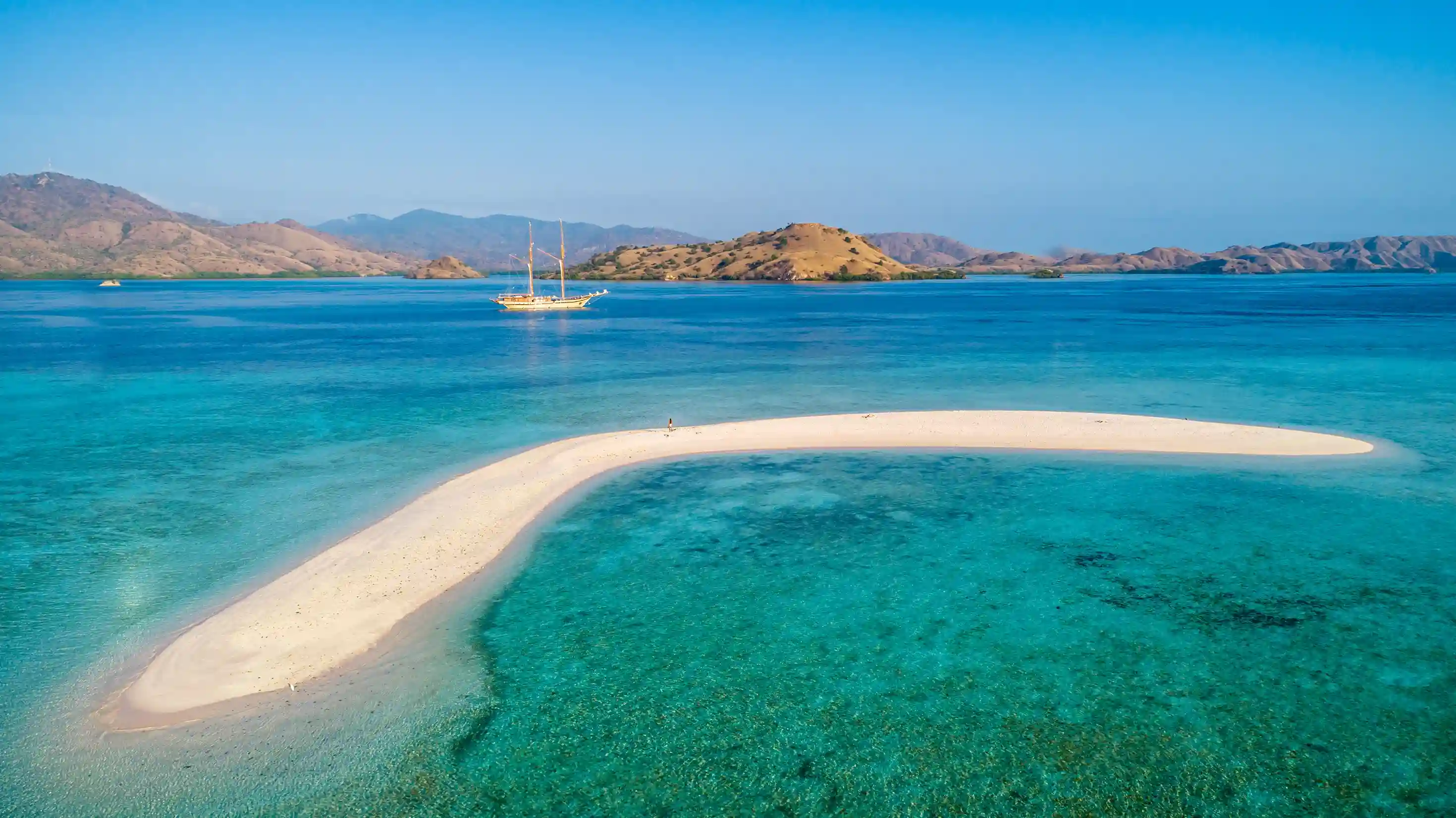
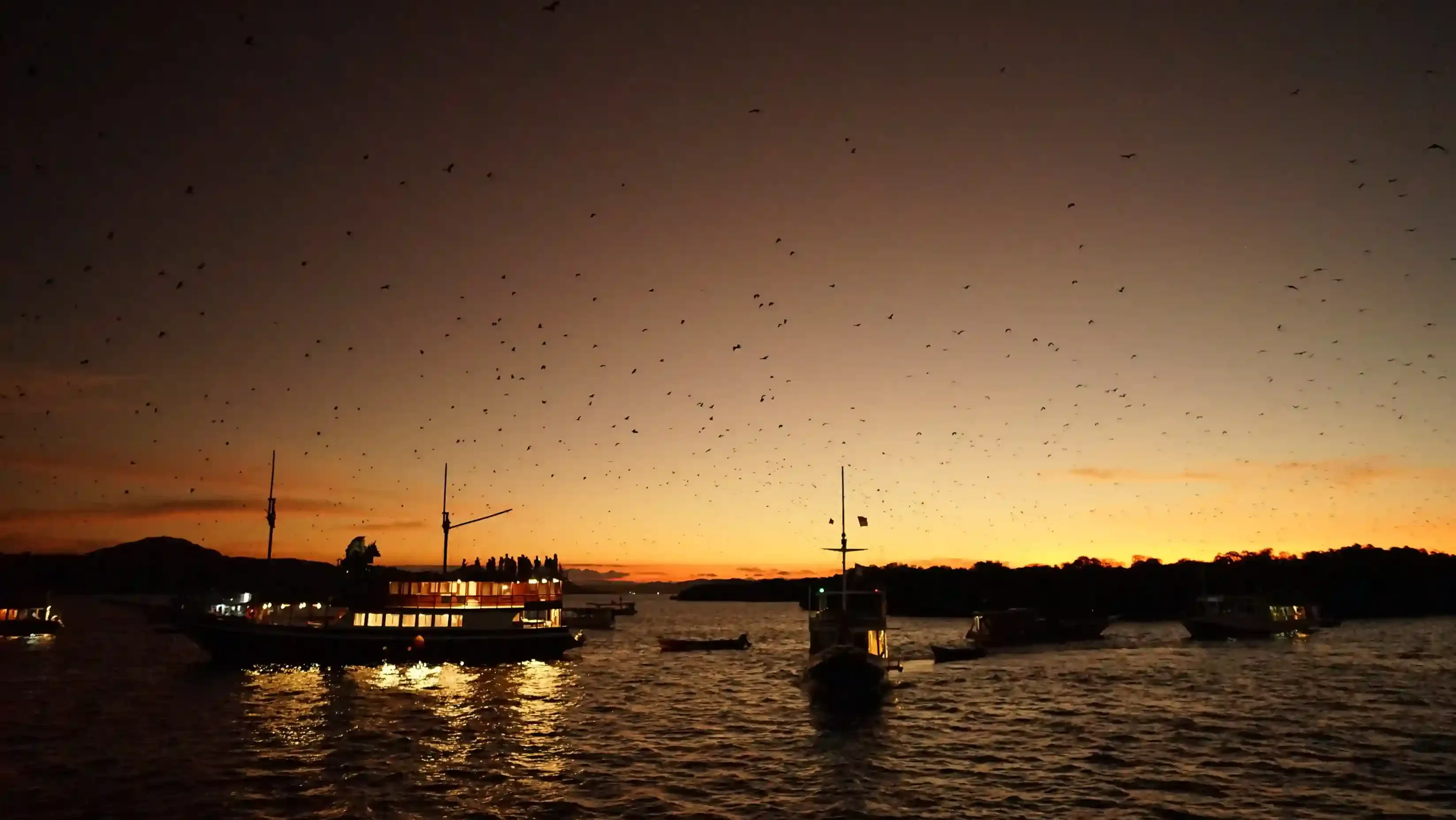
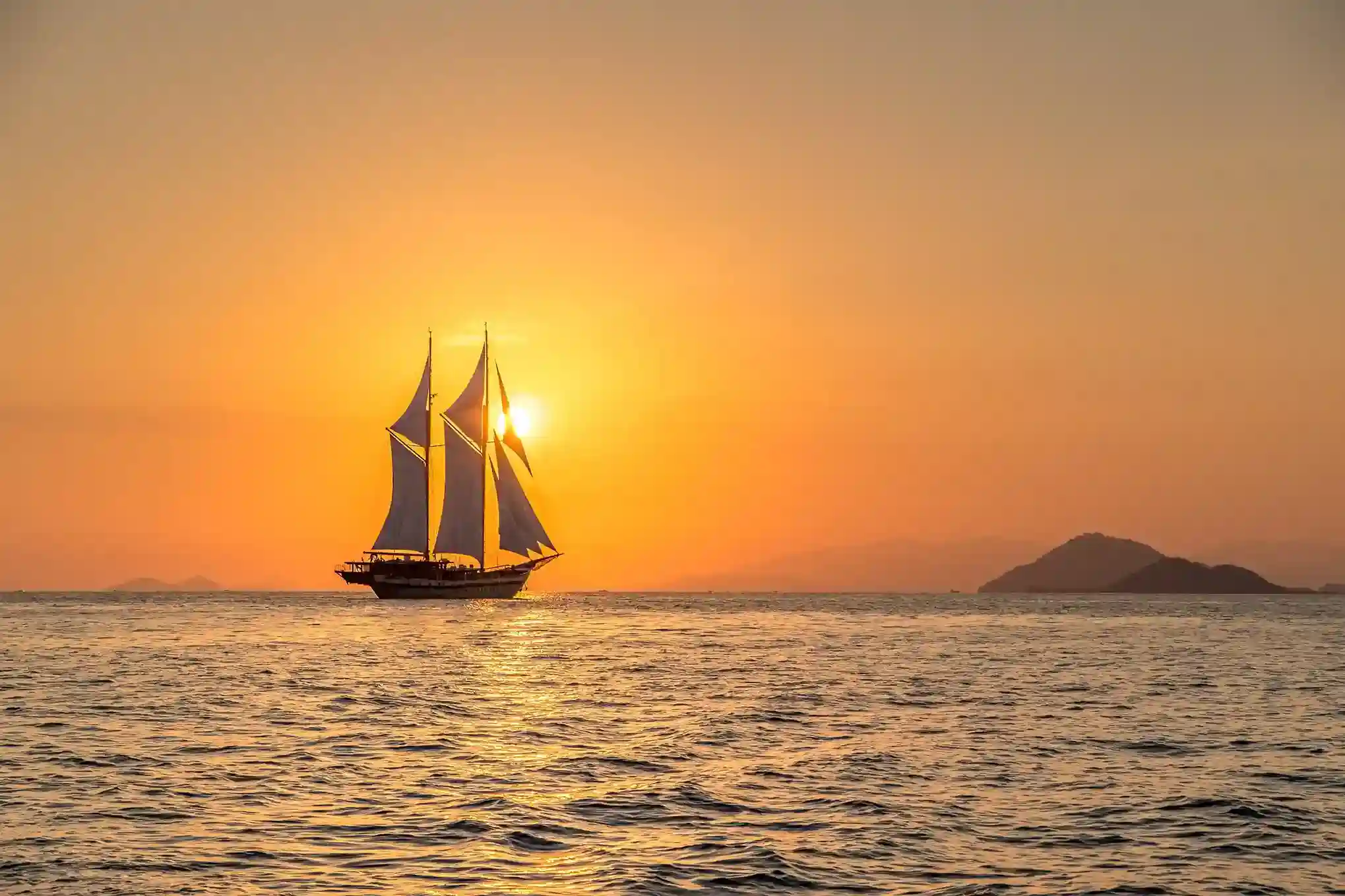
Evening anchored at Kalong Island, the sky turned charcoal by 6:30. Thousands of fruit bats erupted from the mangroves, a swirling black plume against the twilight. We ate grilled corn and sipped warm Bintang on the sundeck, the only light a single lantern swaying from the mast. There was no Wi-Fi, no speaker system pumping music. Just conversation, the occasional splash of a jumping fish. The next morning, we woke at Taka Makassar—shallow turquoise, sandbars appearing at low tide. By 10 a.m., we were swimming at Kanawa, where the reef rose sharply from the depths, alive with parrotfish and clownfish in anemones. The return to Labuan Bajo took two hours under motor, arriving just before 2 p.m. with time to catch the late afternoon flights.