About Pinta Phinisi
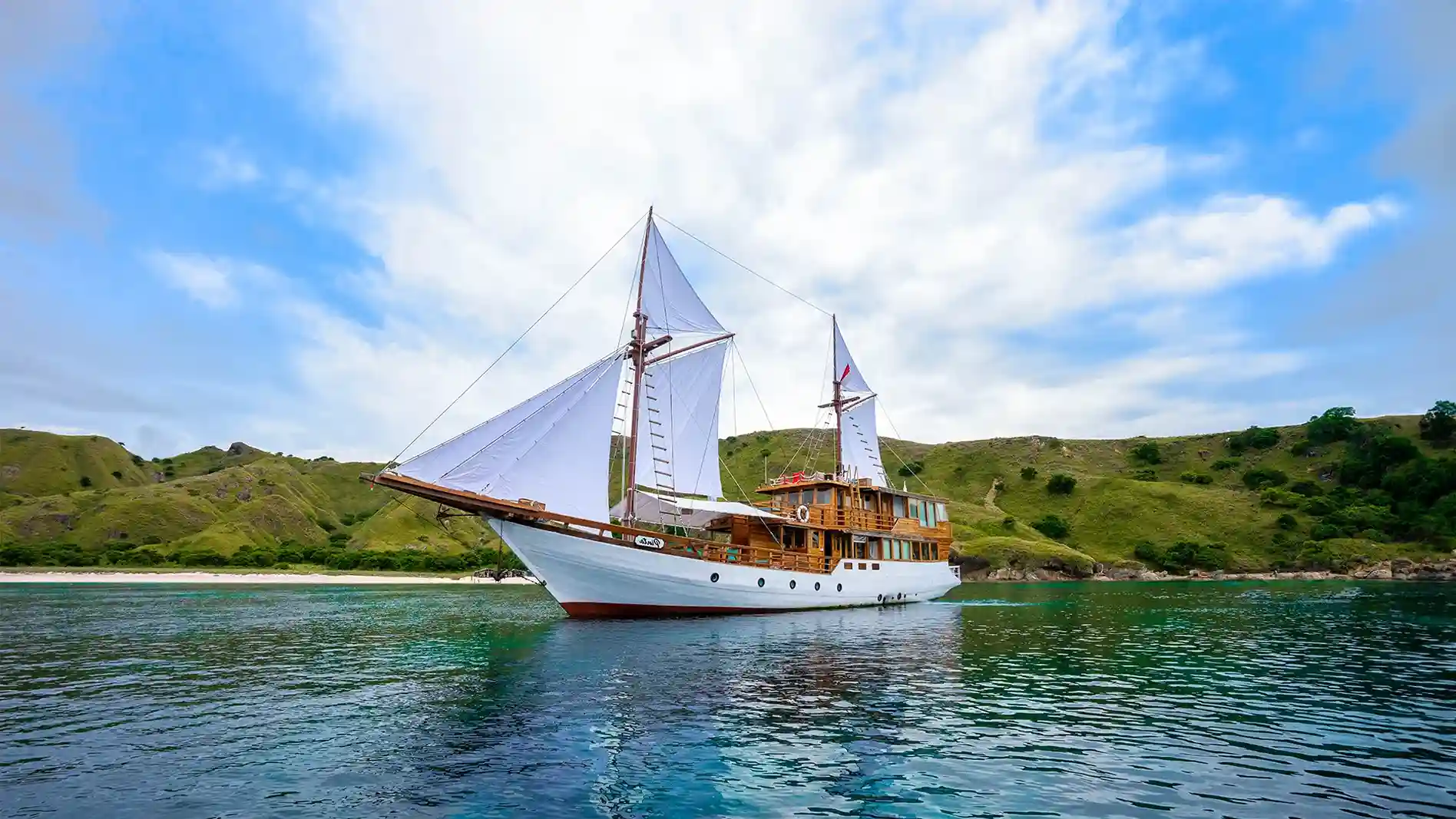
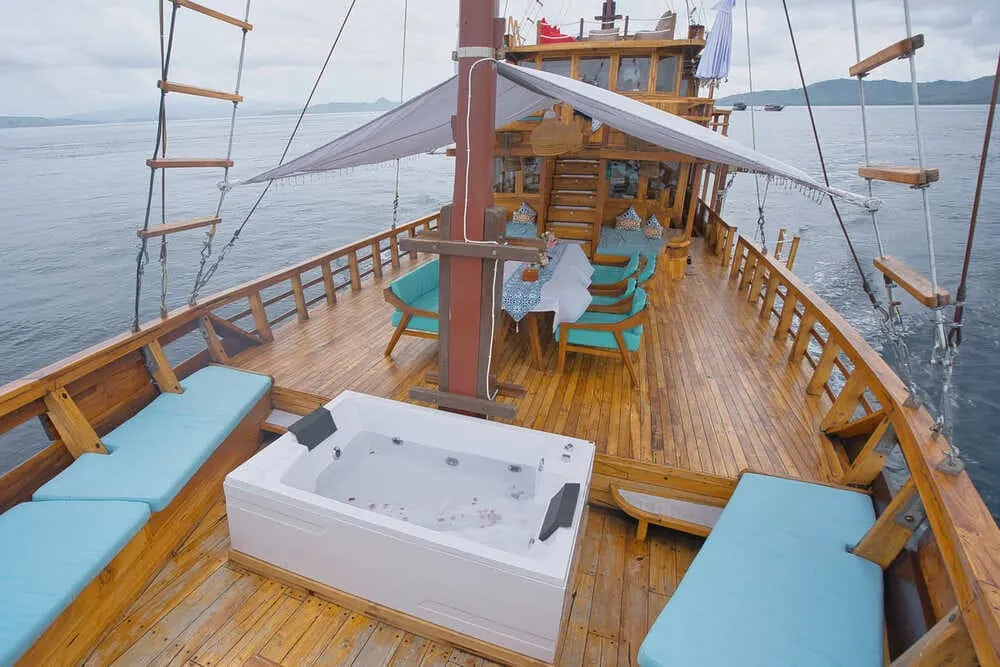
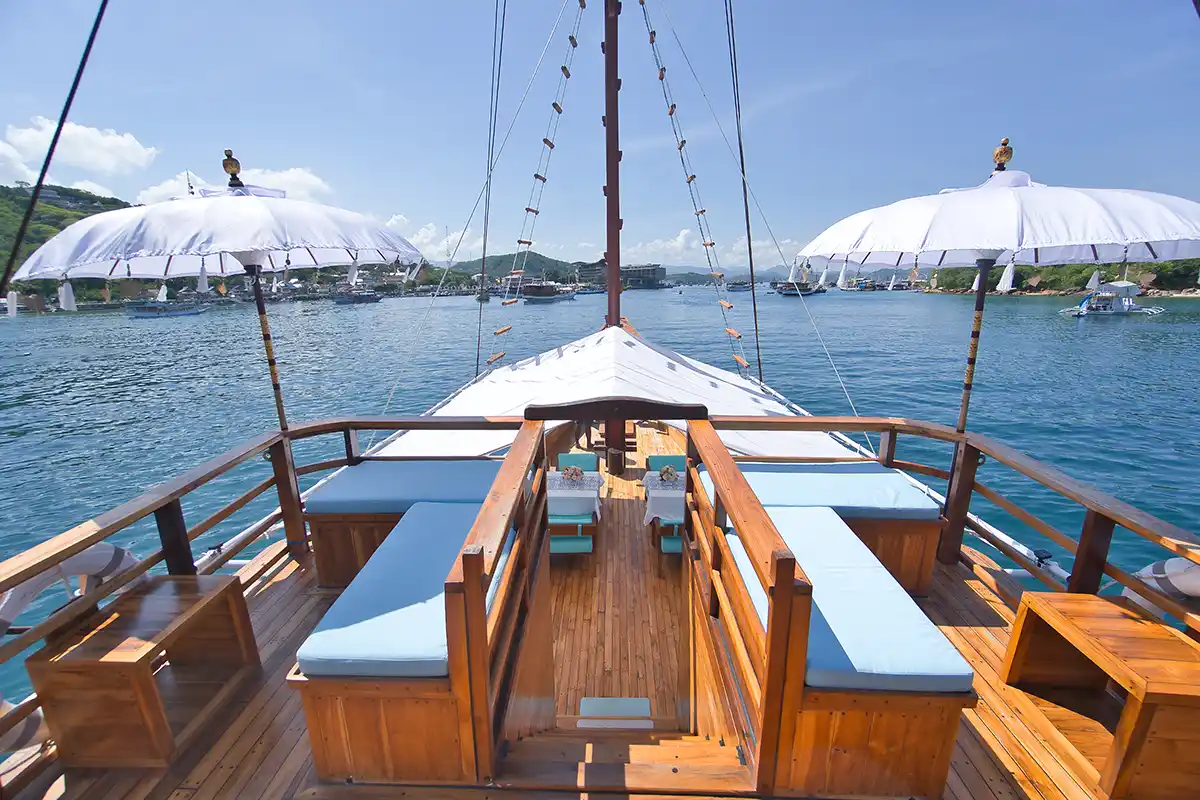
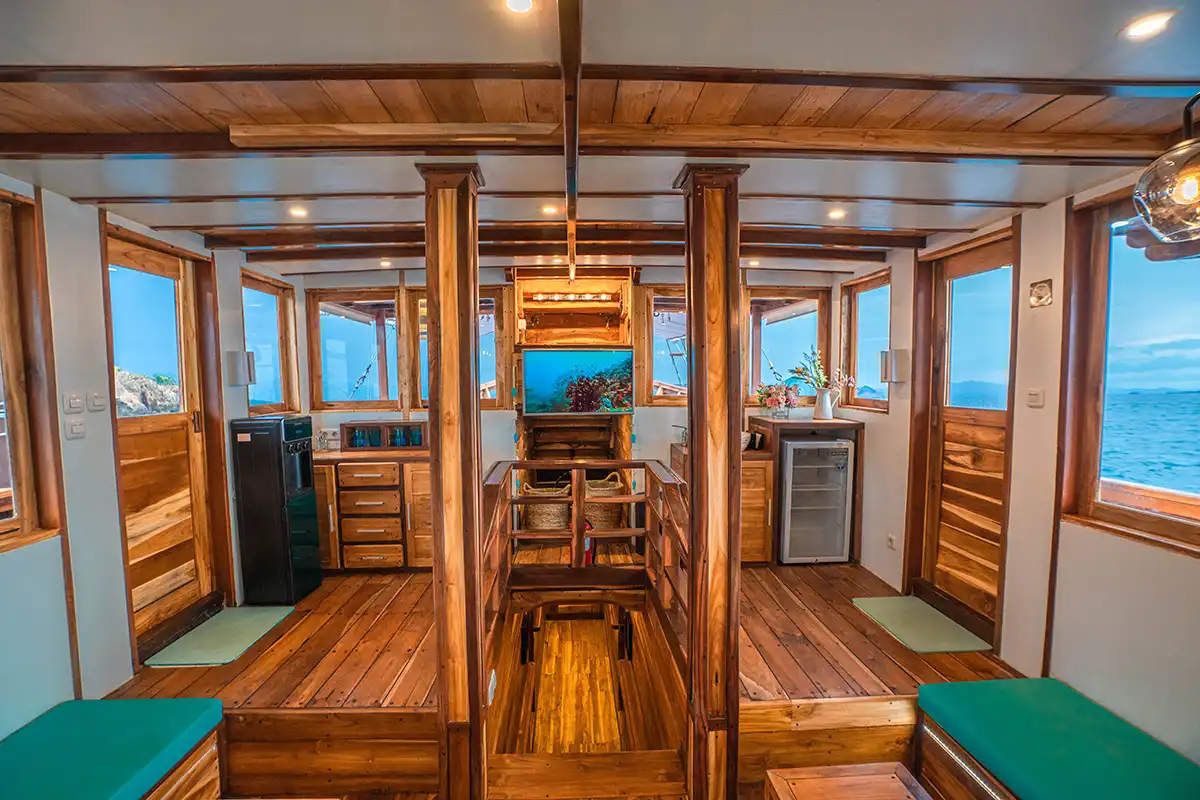
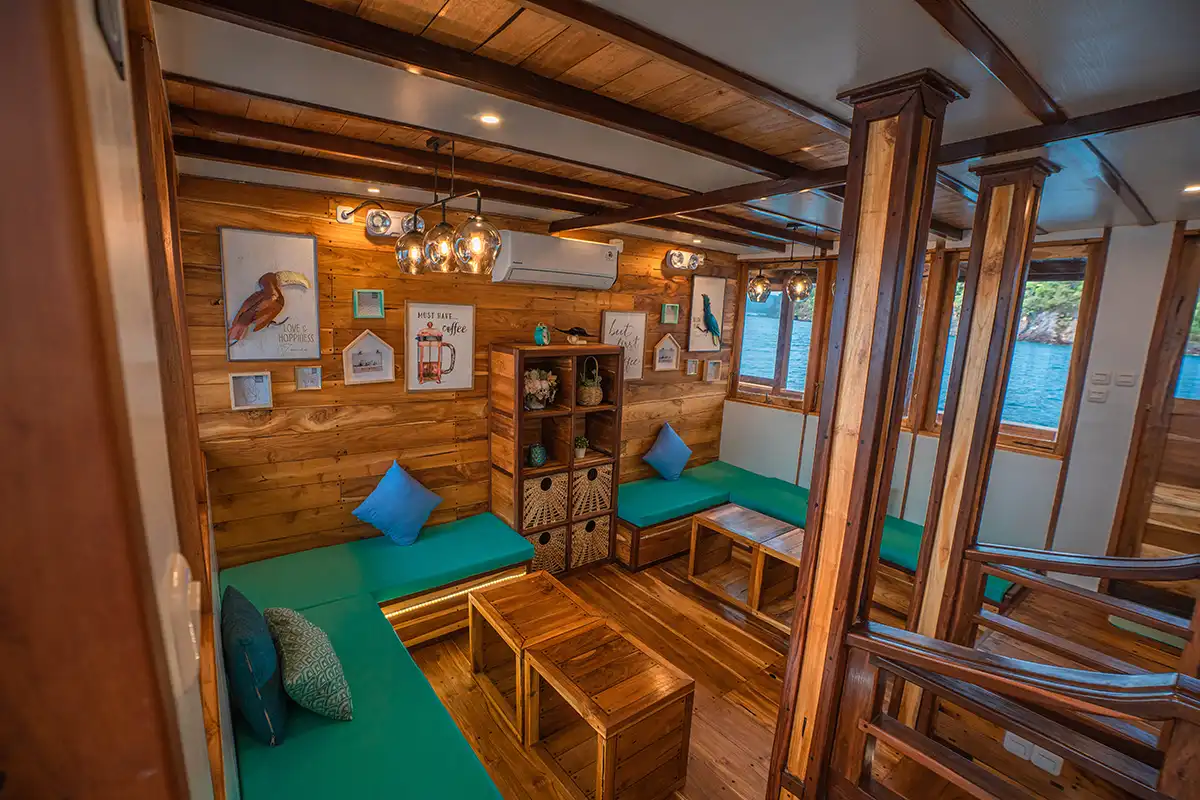
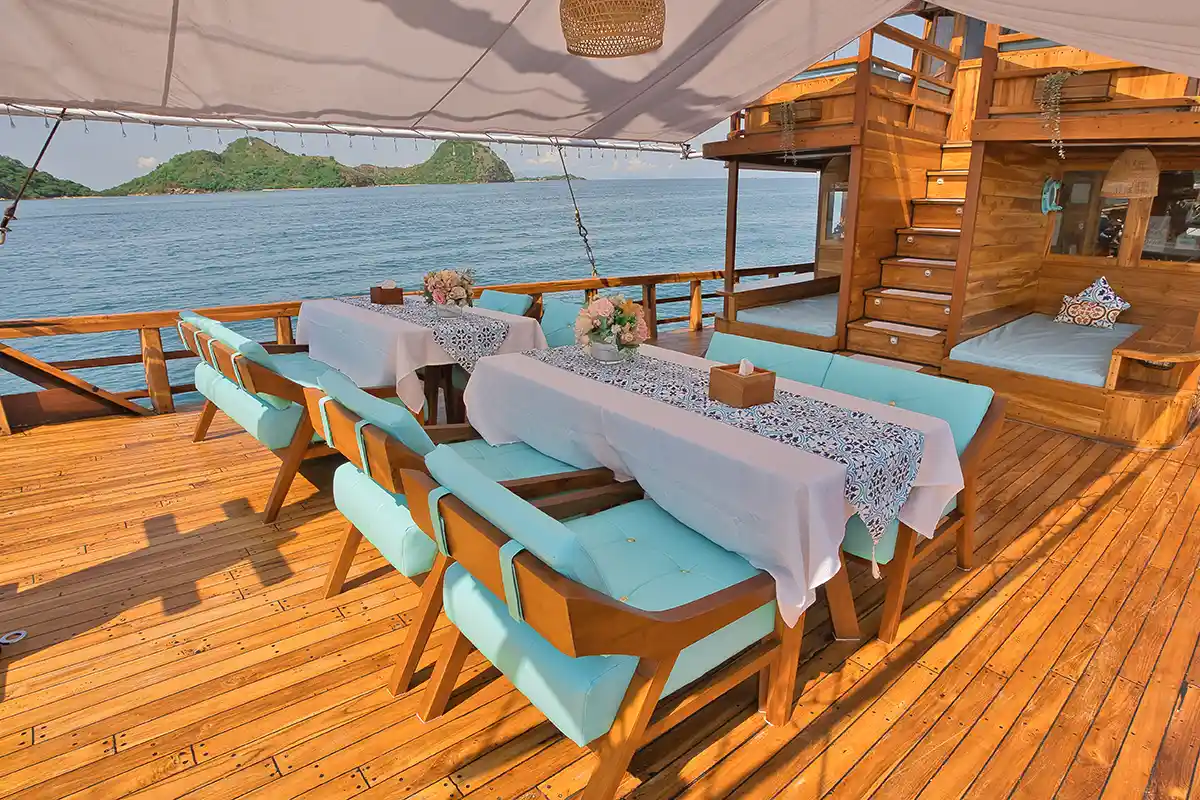
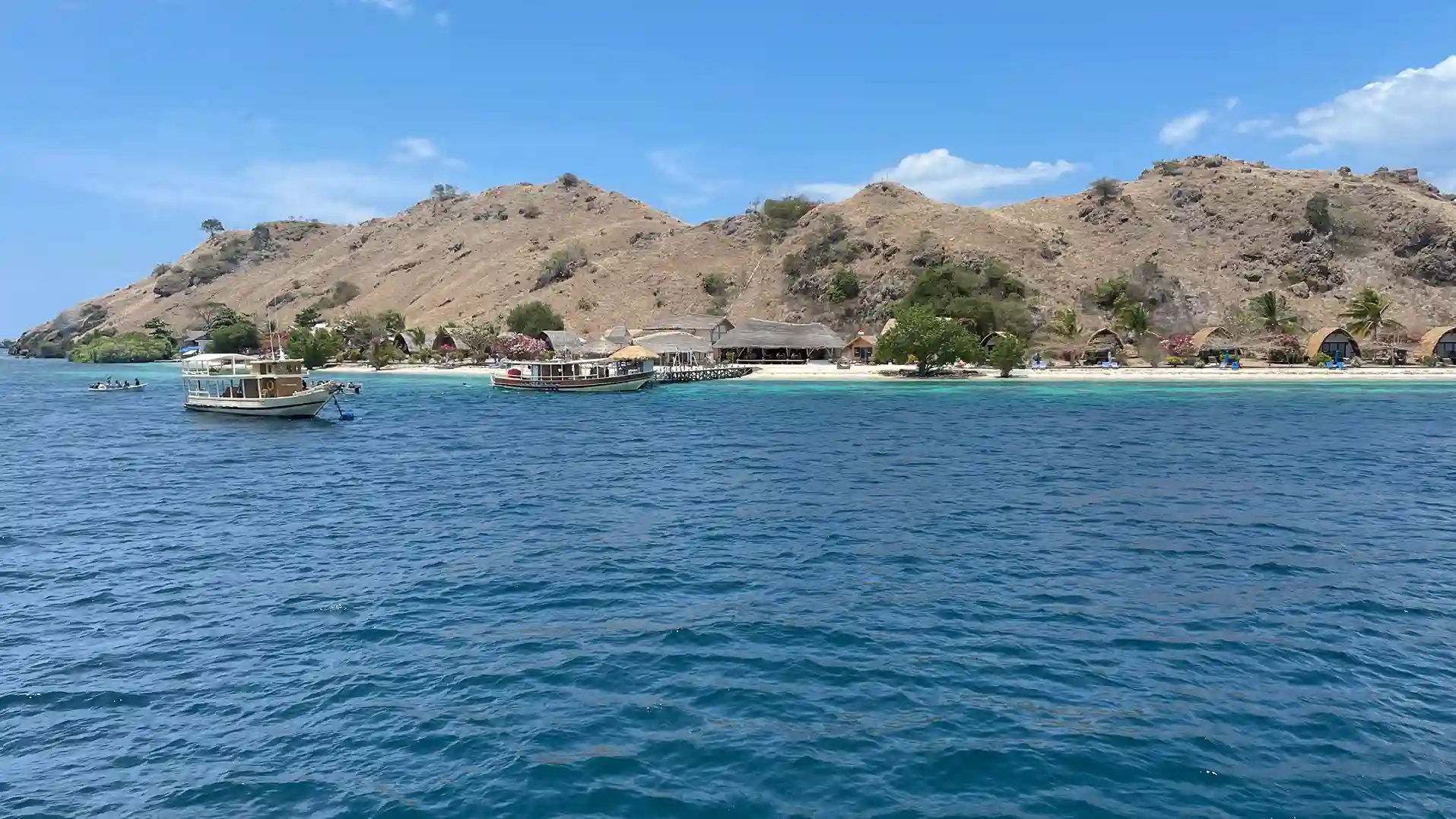
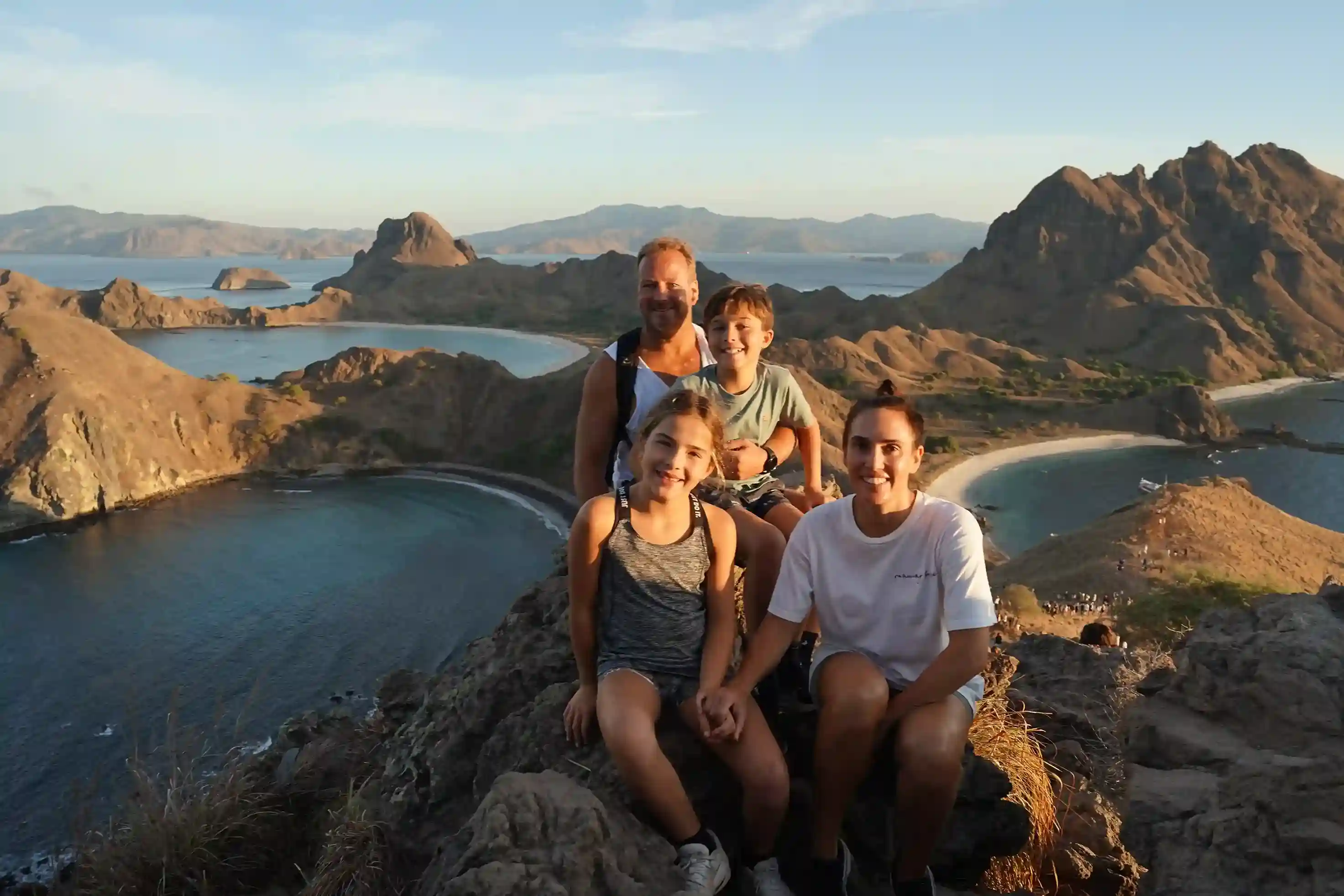
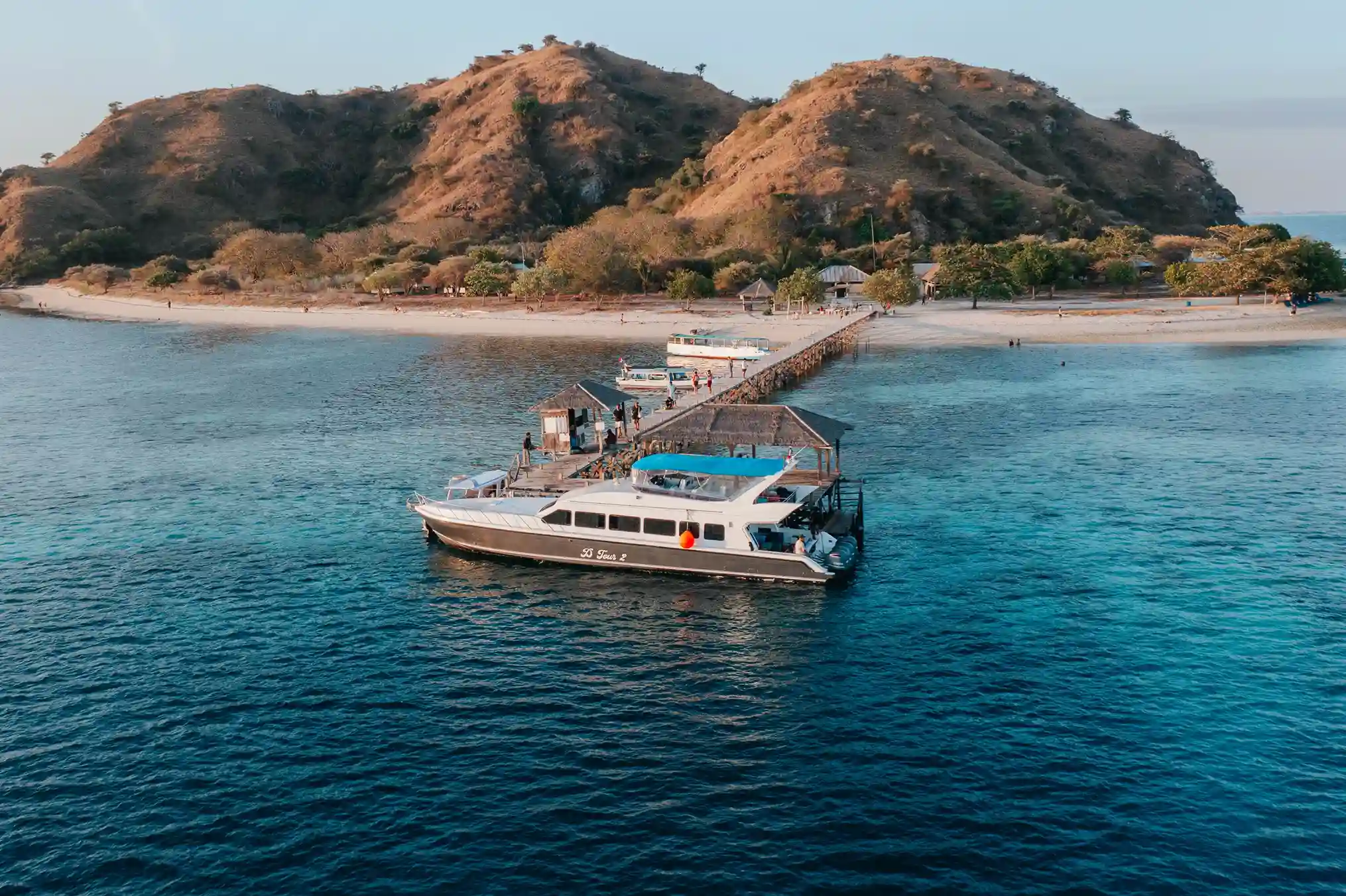
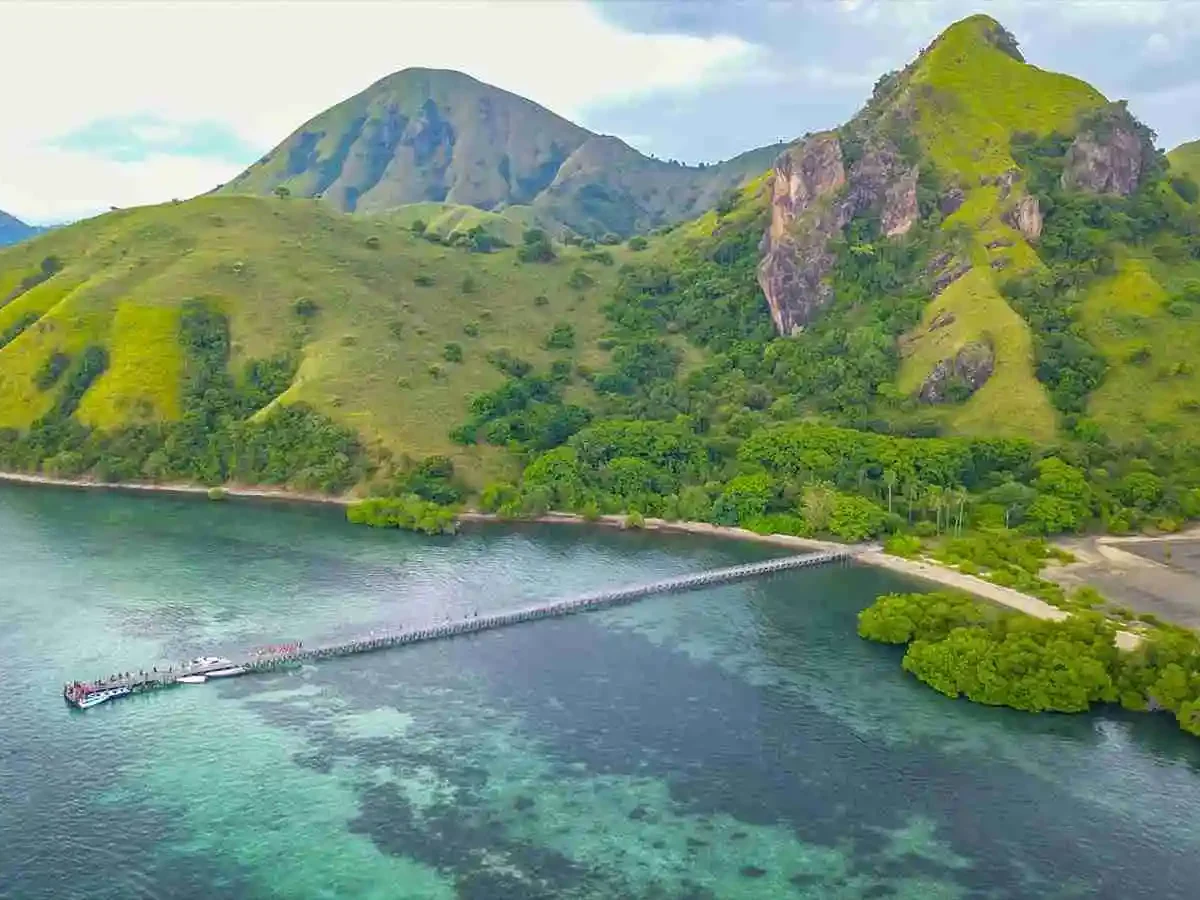
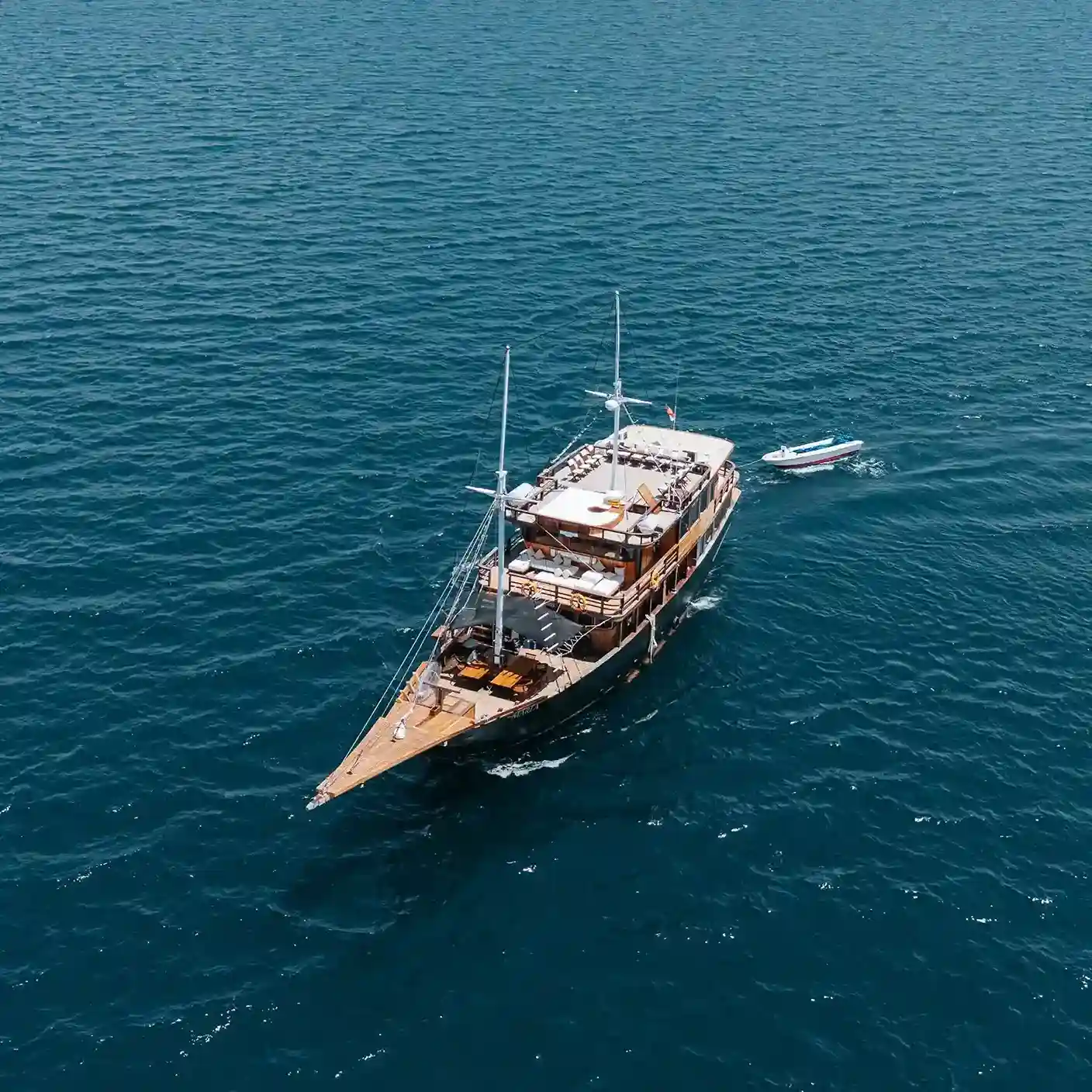
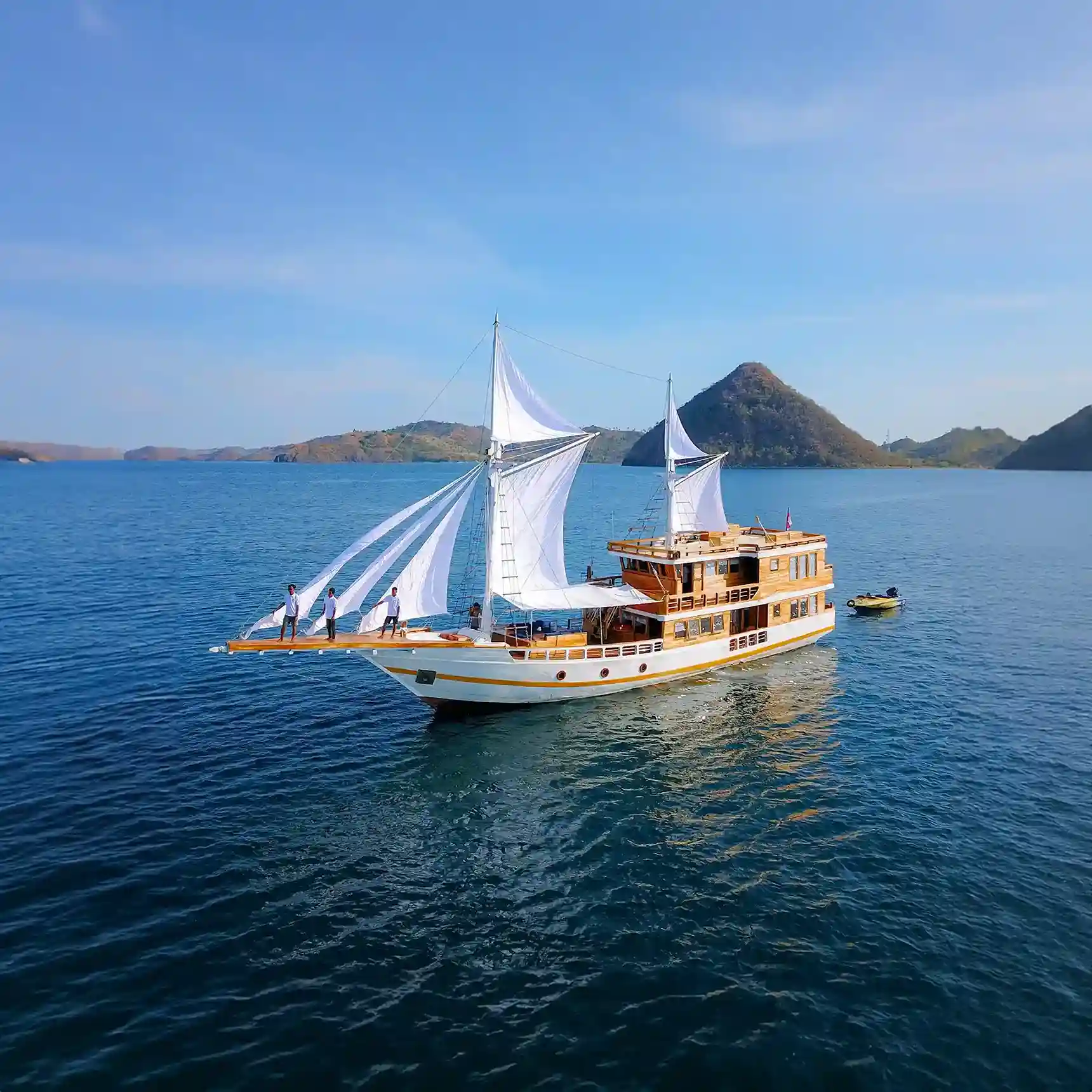
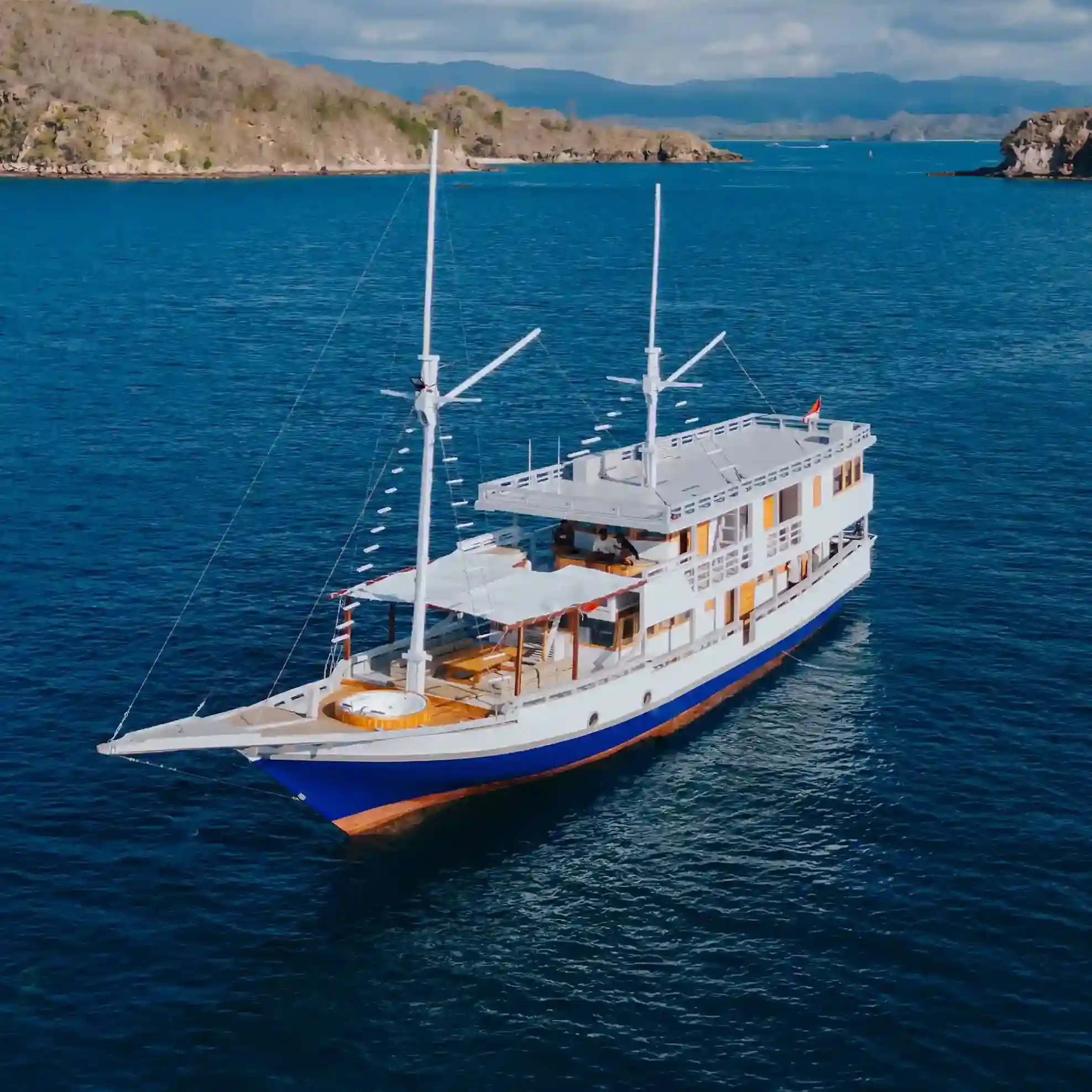
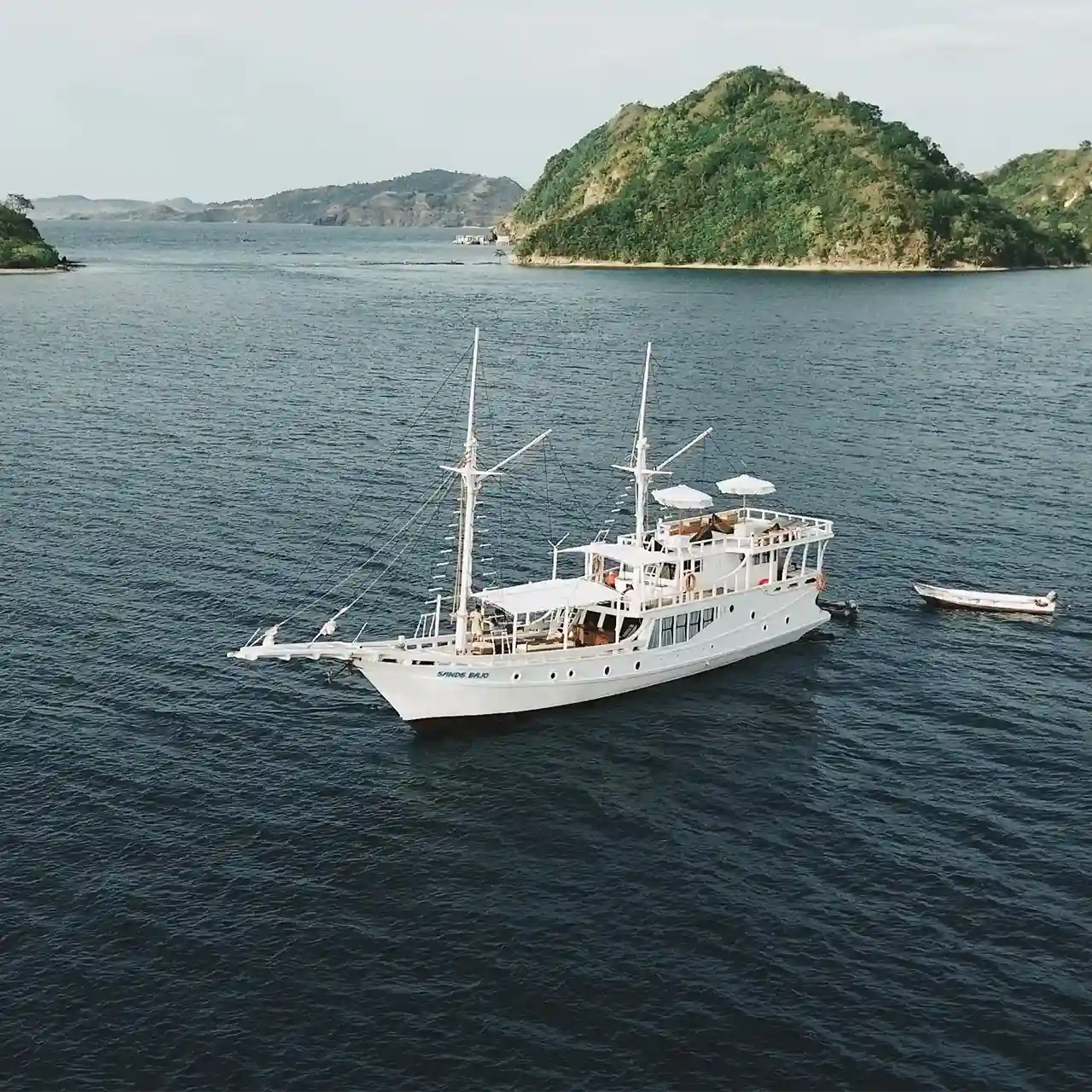
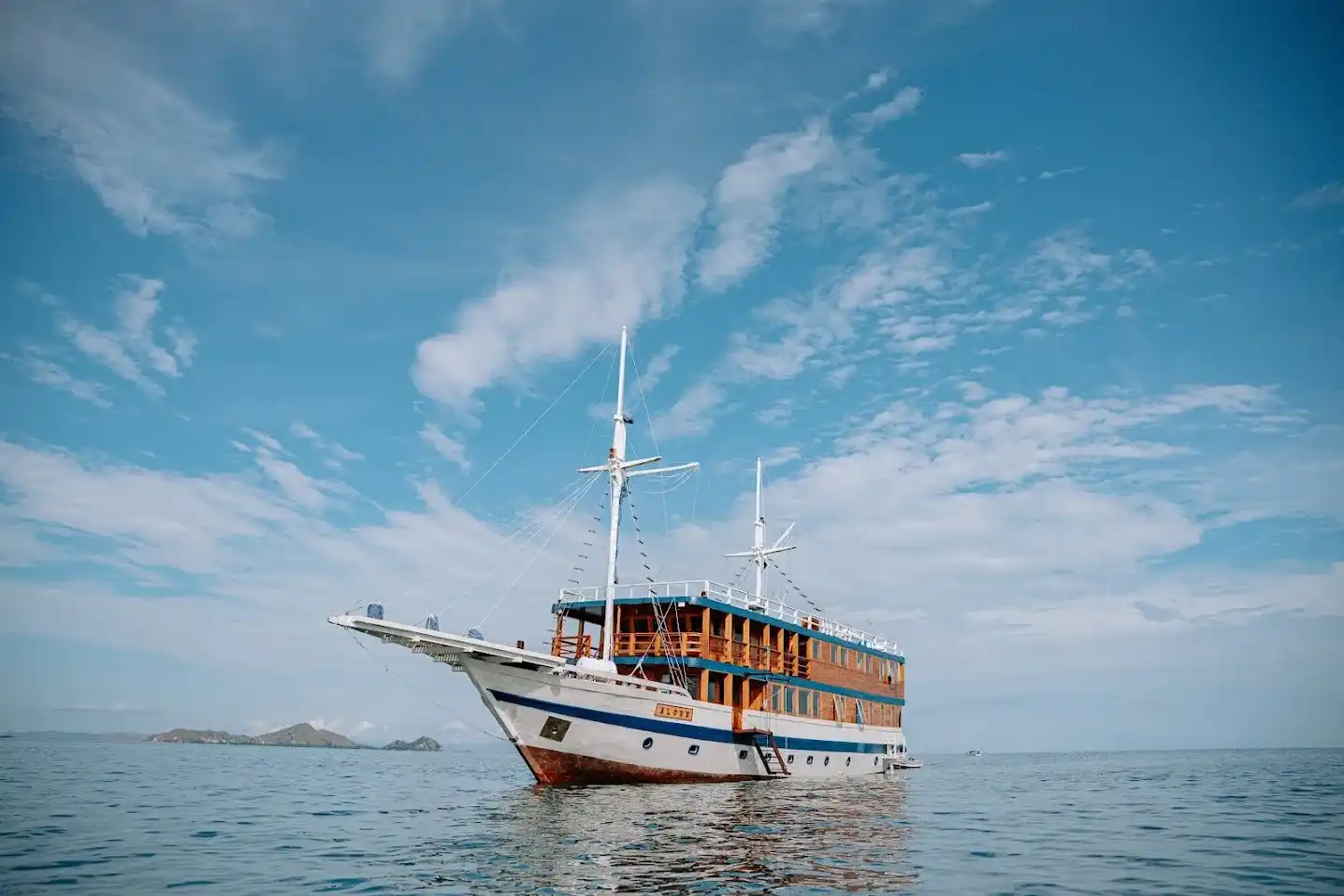
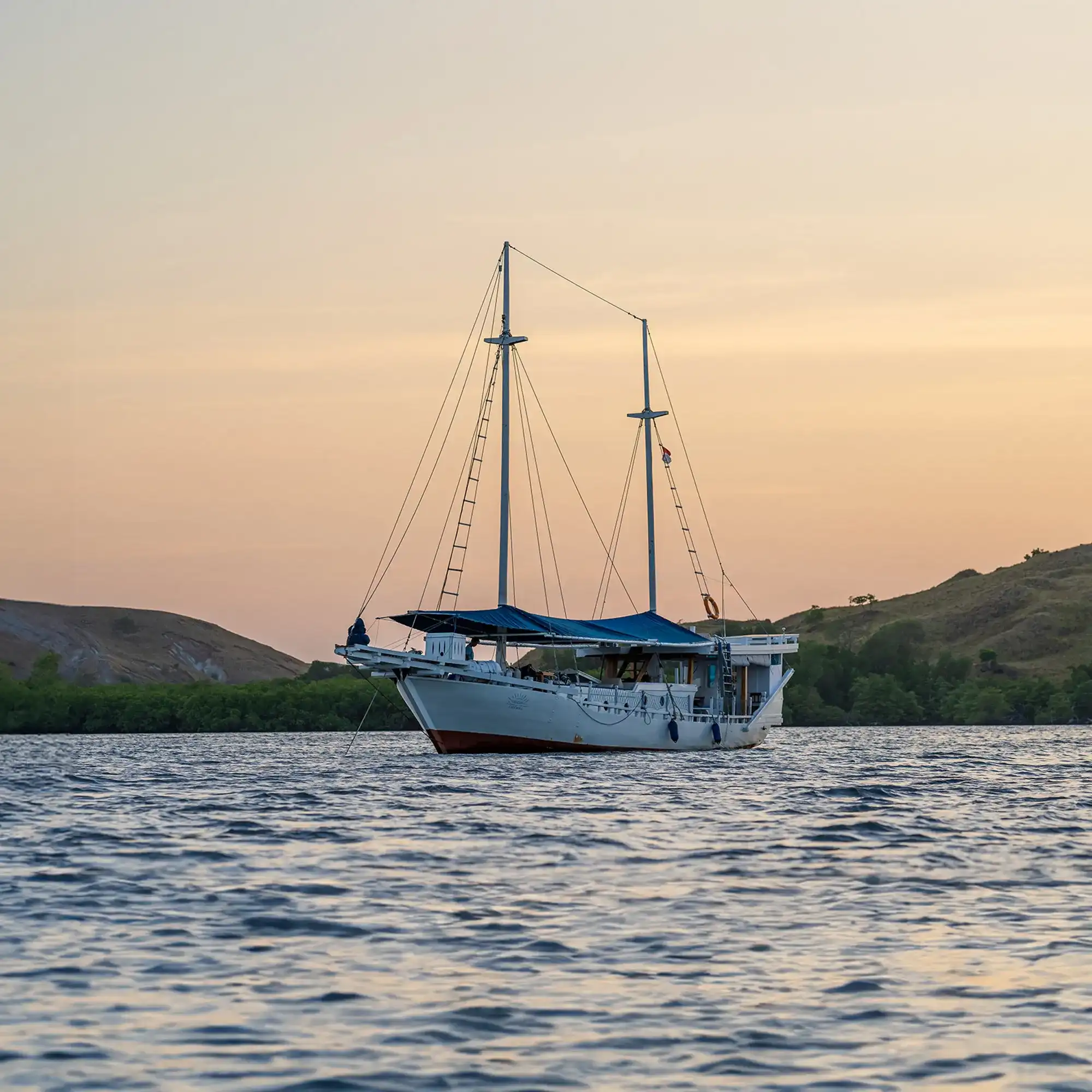
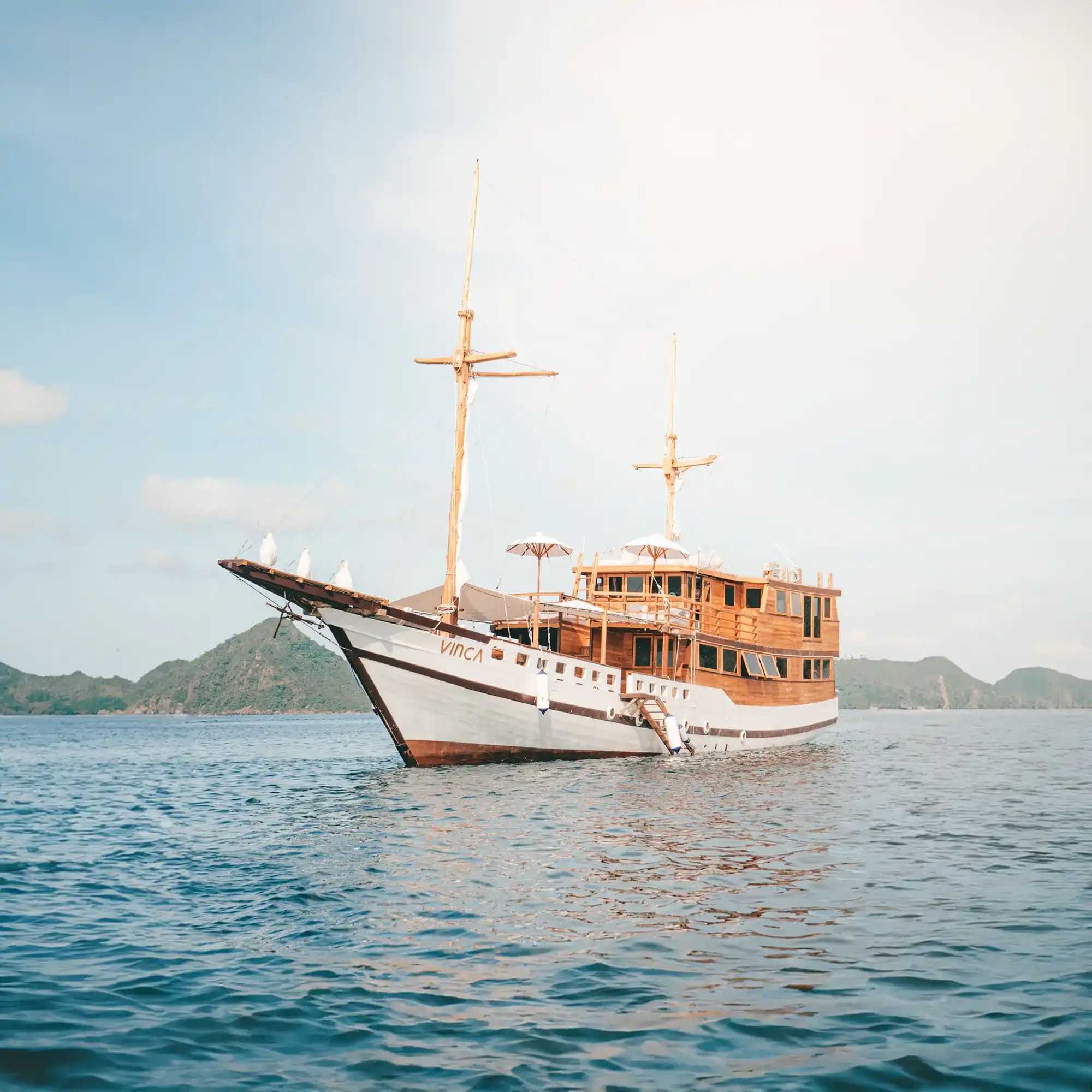
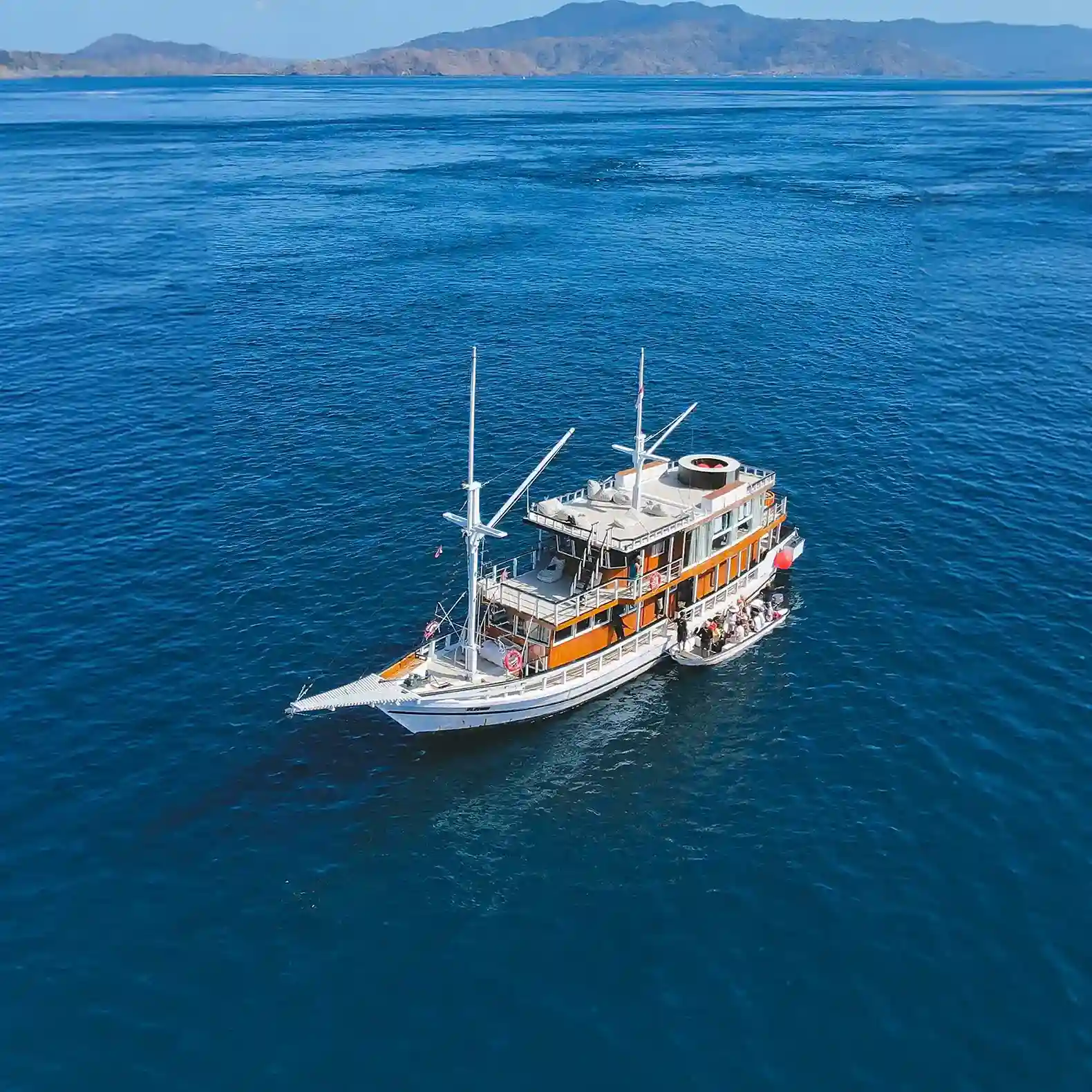
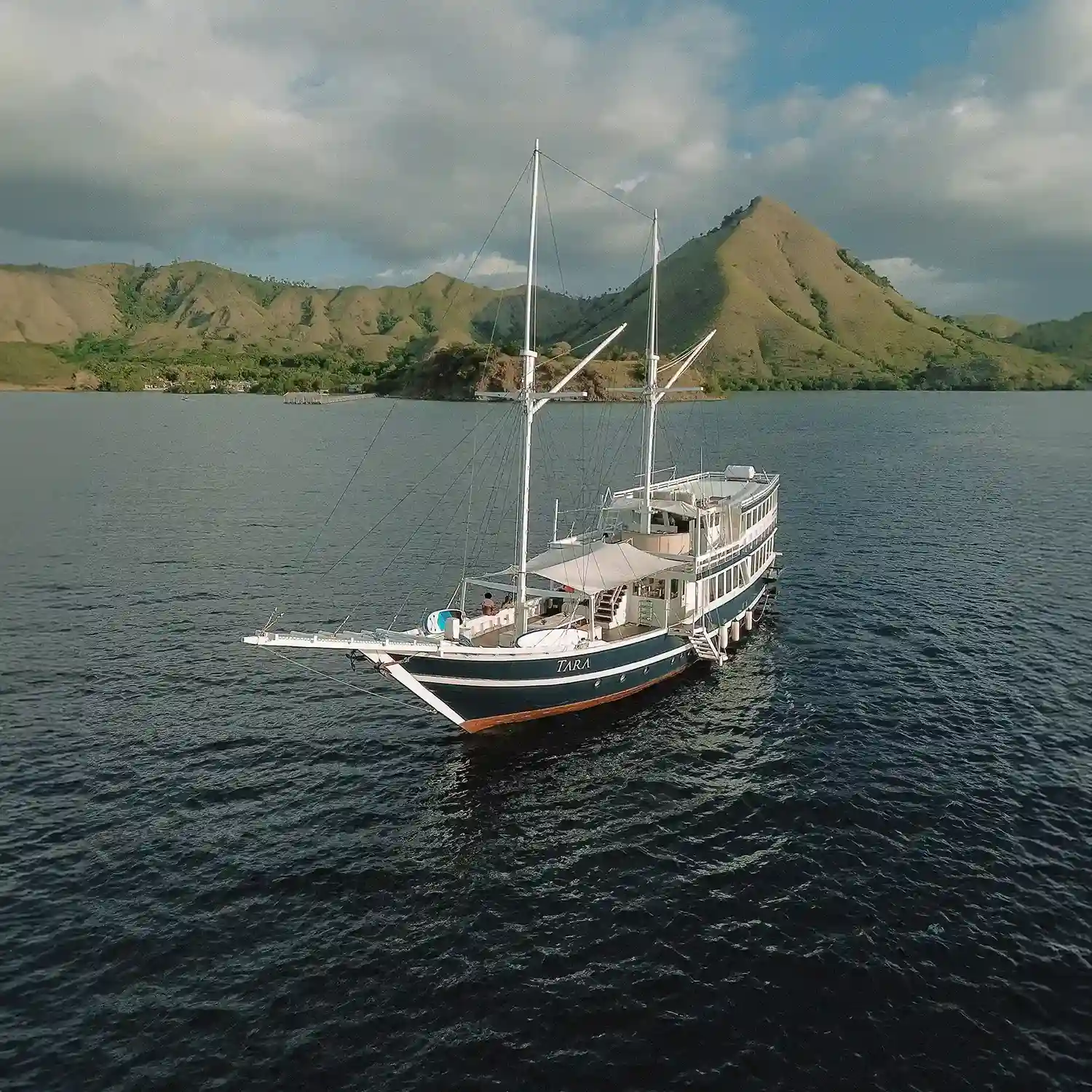
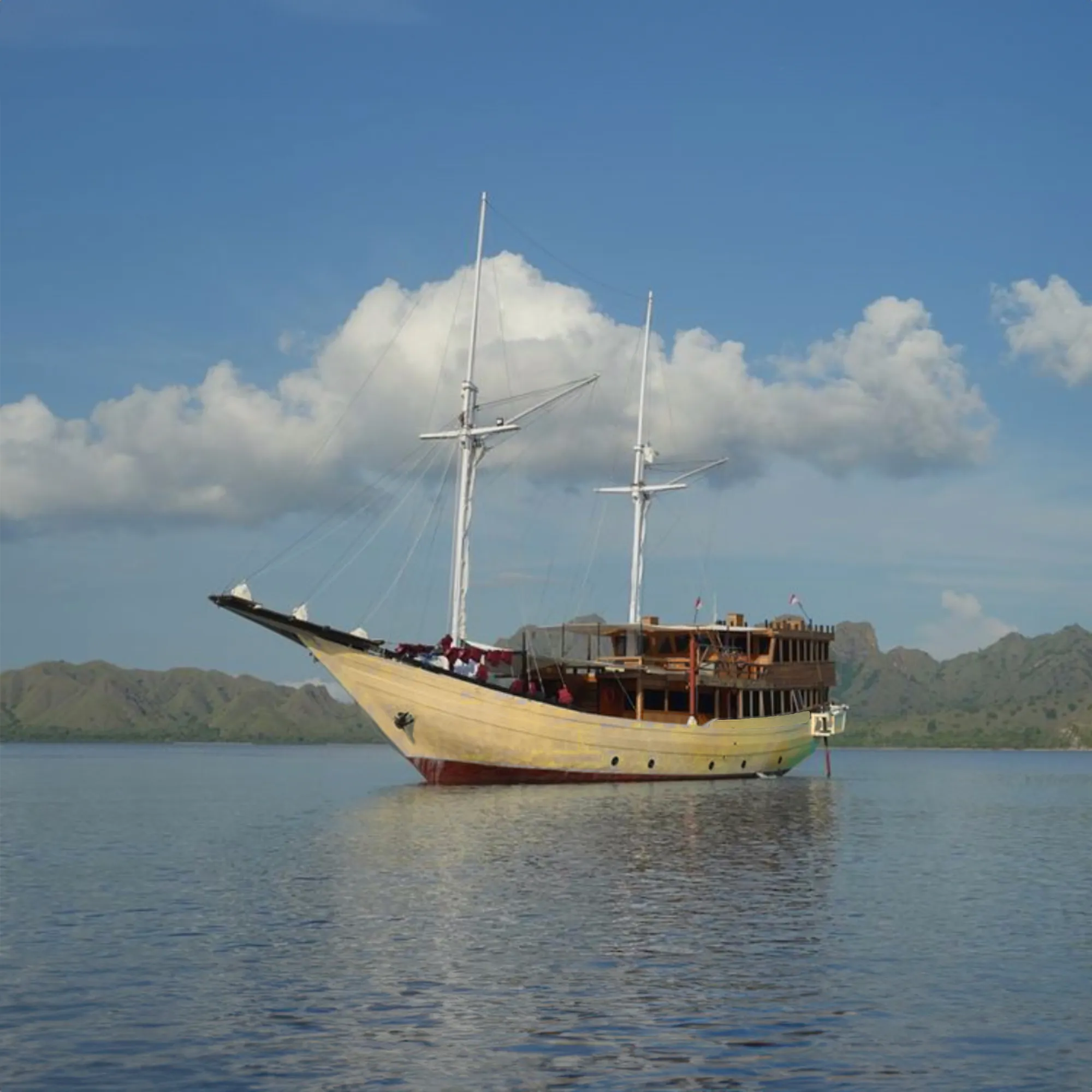
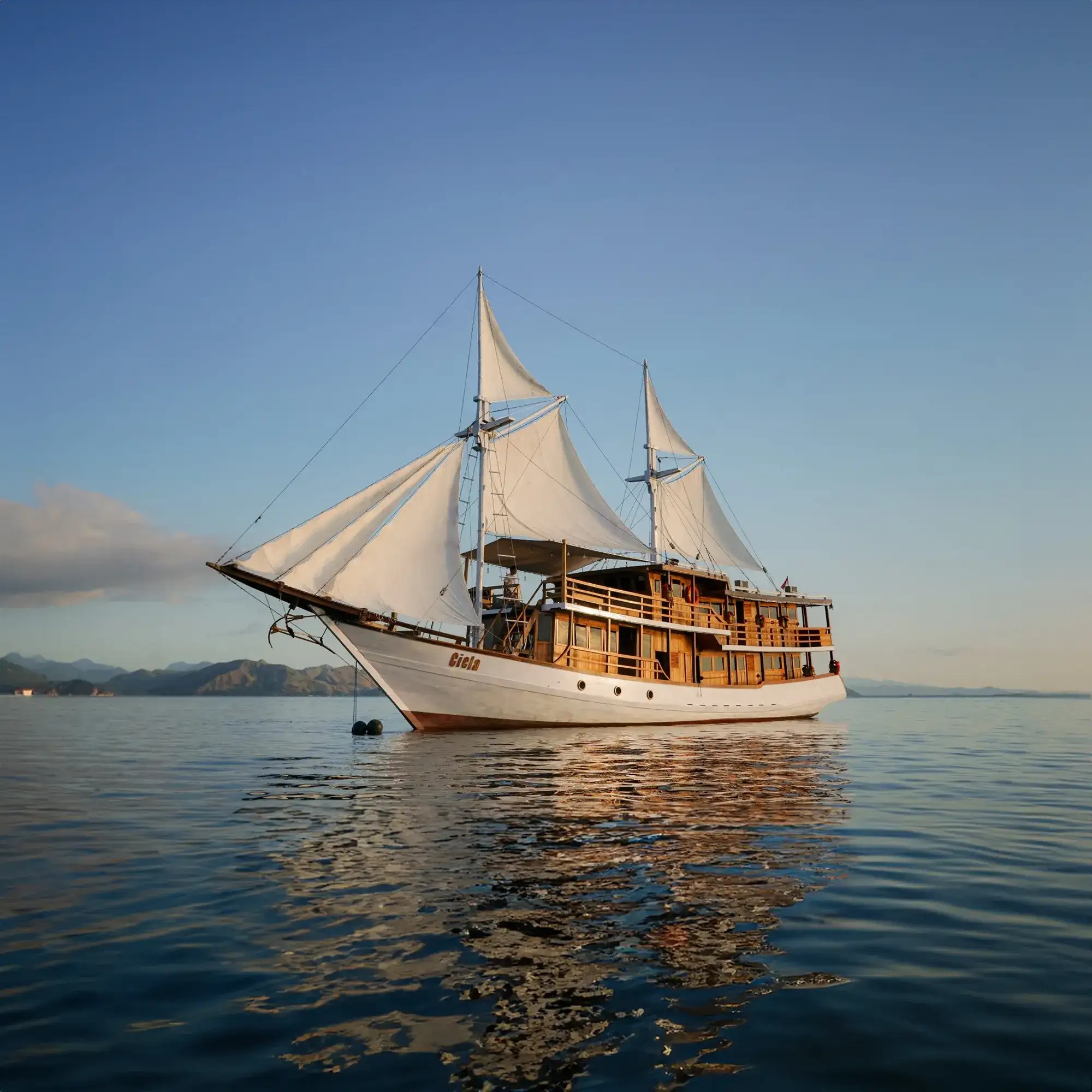
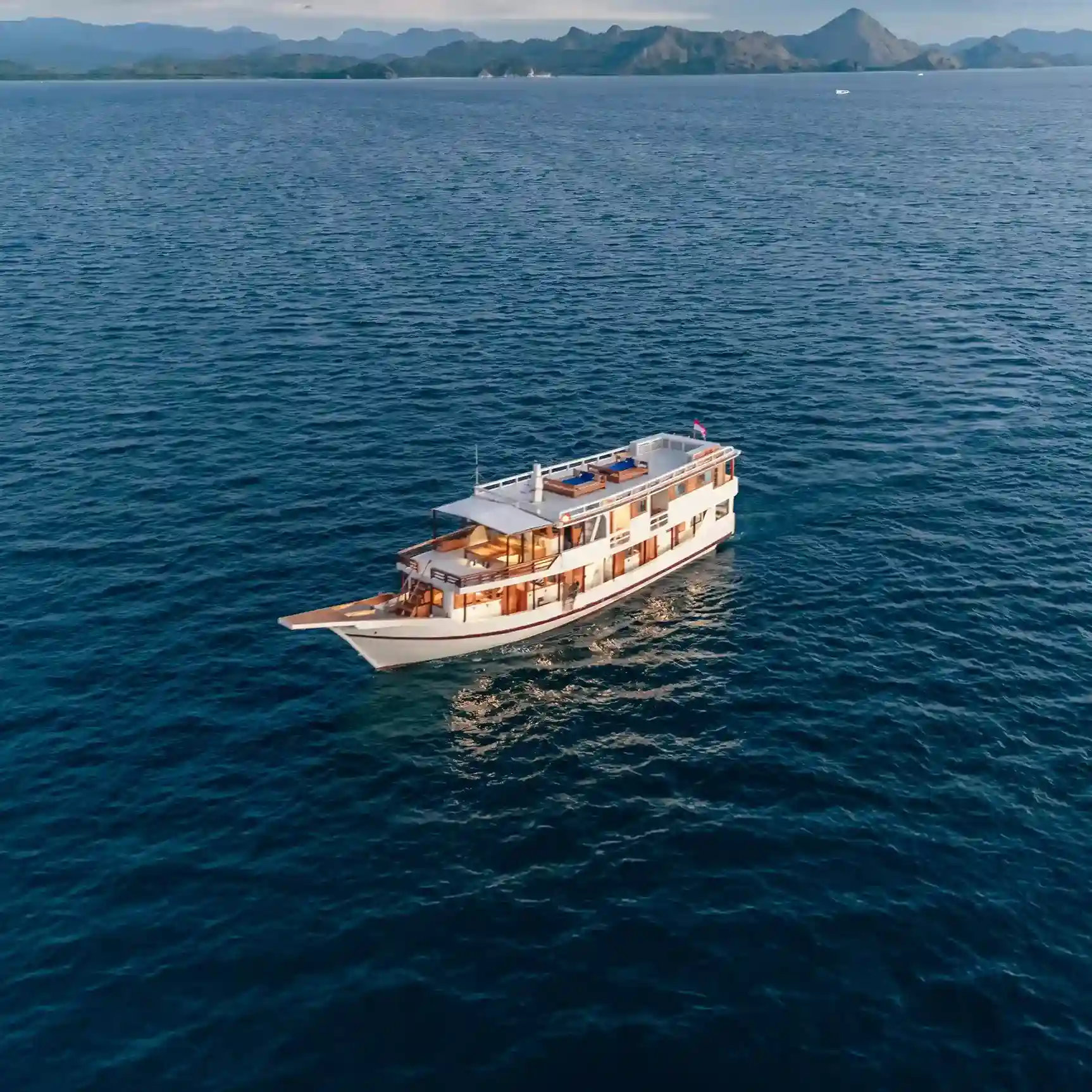
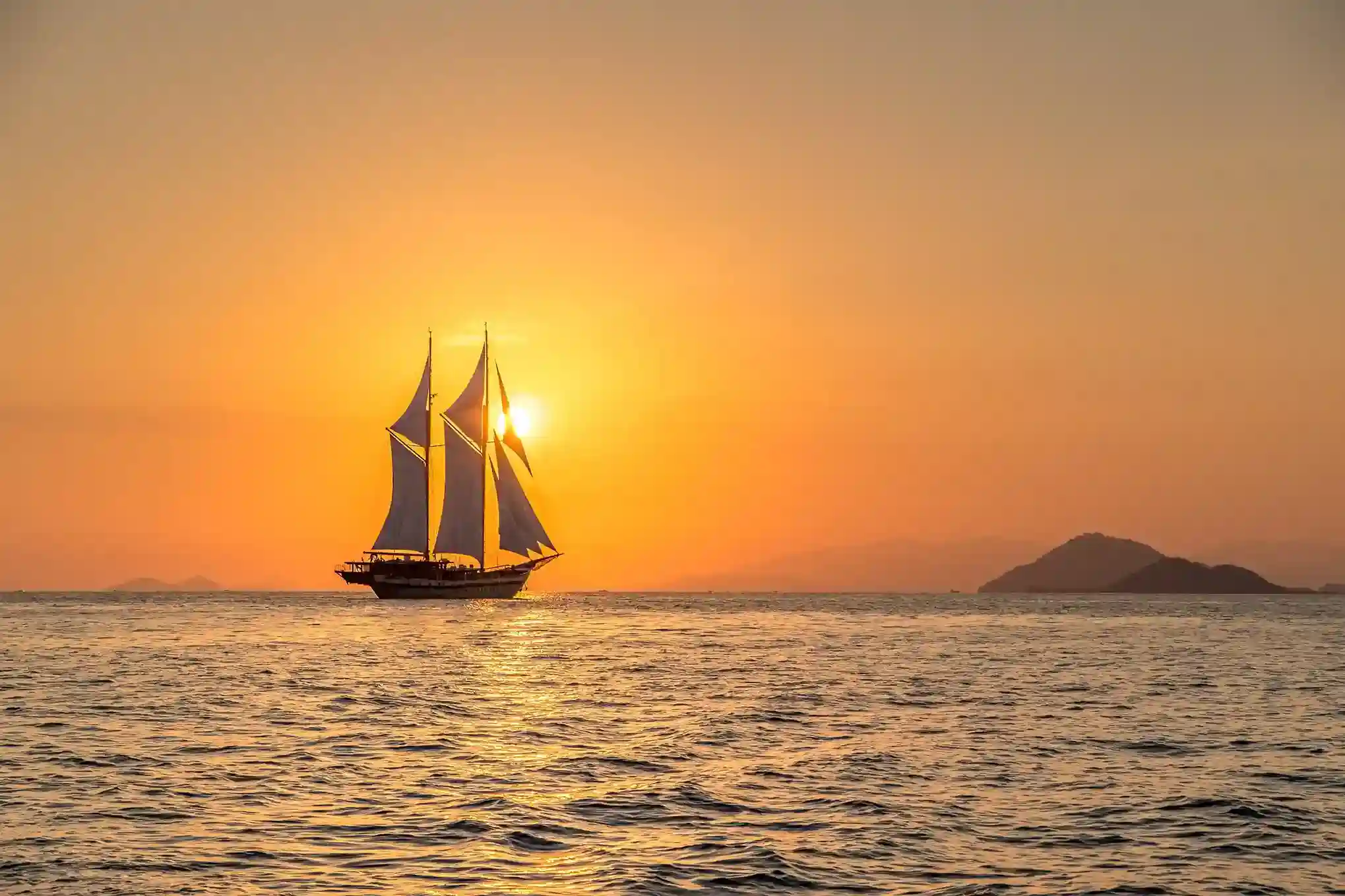
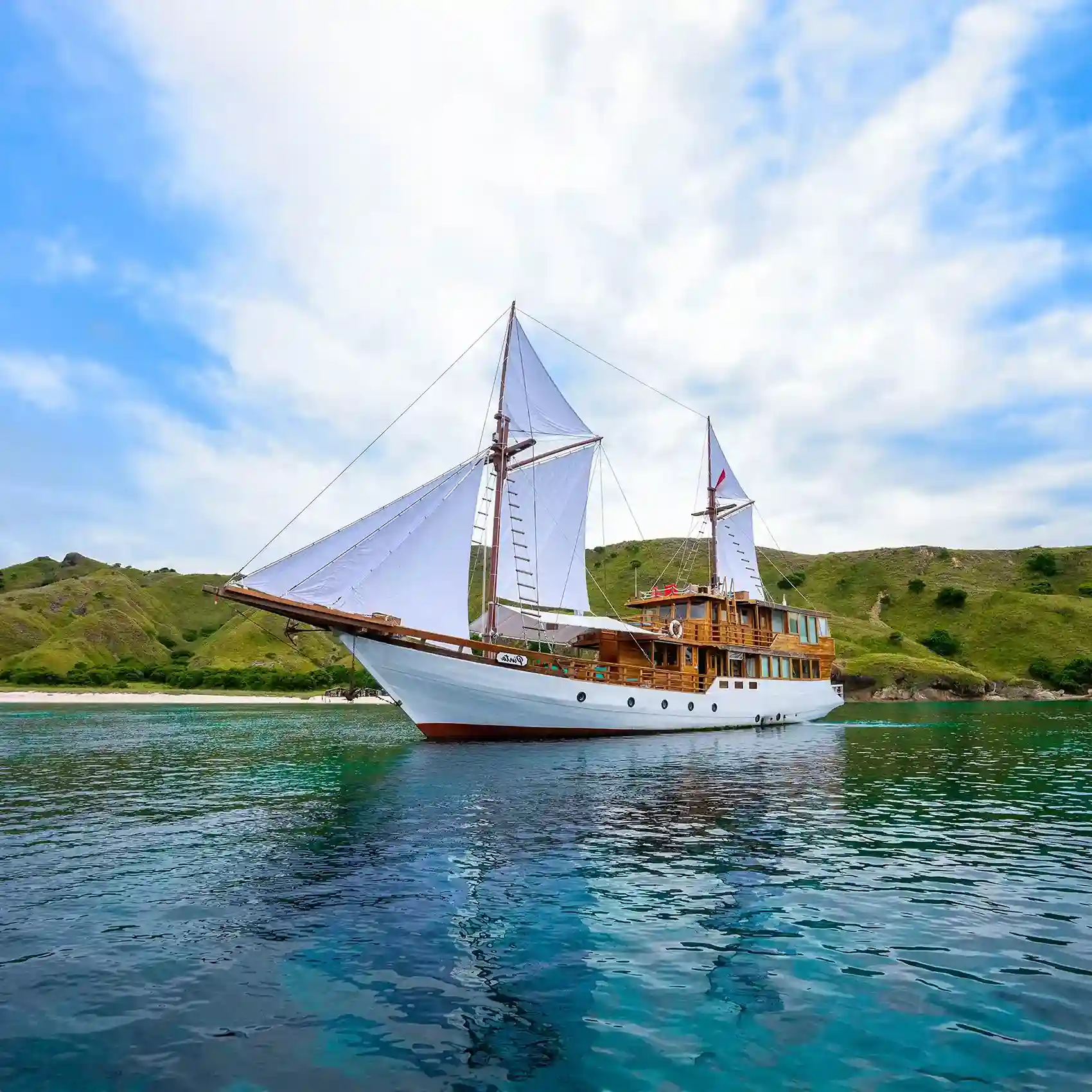
I remember standing barefoot on the afterdeck at 6:18 a.m., the sundeck still cool from the night, watching the first red streaks hit Padar Island’s ridgeline. The engine had been off for an hour—Pinta Phinisi had glided into the bay before dawn, moored just beyond the kelp line so we wouldn’t wake to anchor chains. That’s when I realised this wasn’t a boat built for spectacle. It was built for stillness. At 30 metres, she’s long enough to cut through the Savu Sea swell without shudder, yet small enough that the crew of five knew my coffee preference by the second sunrise.
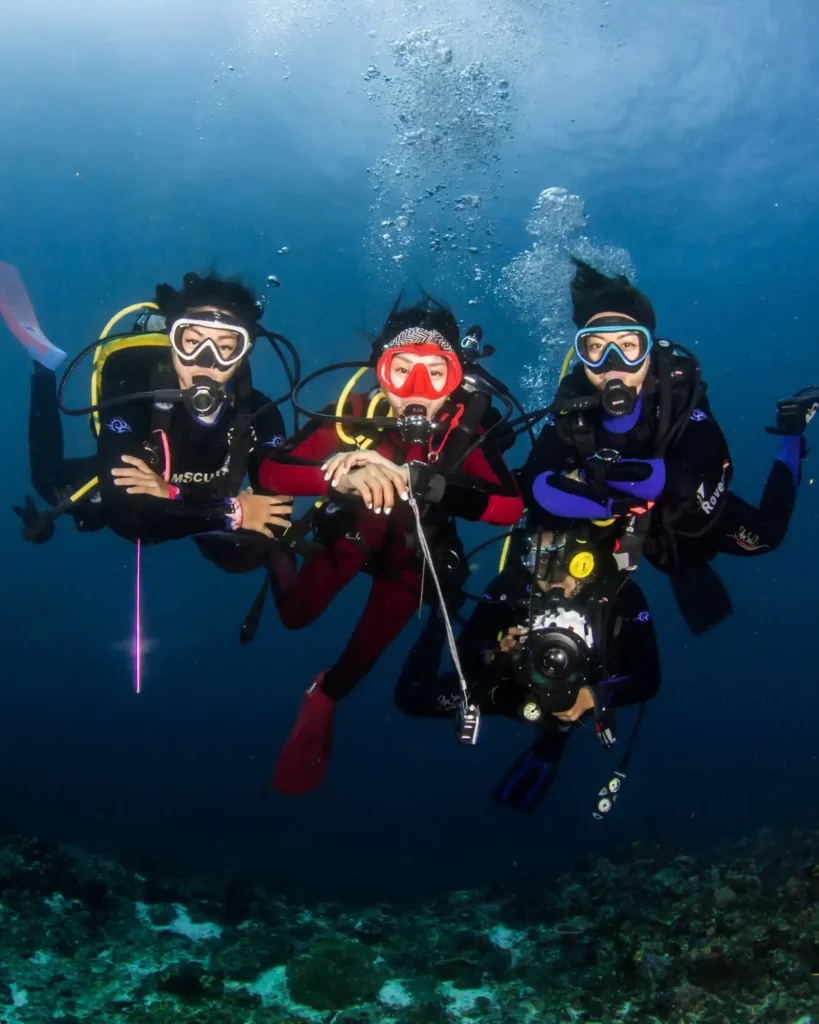
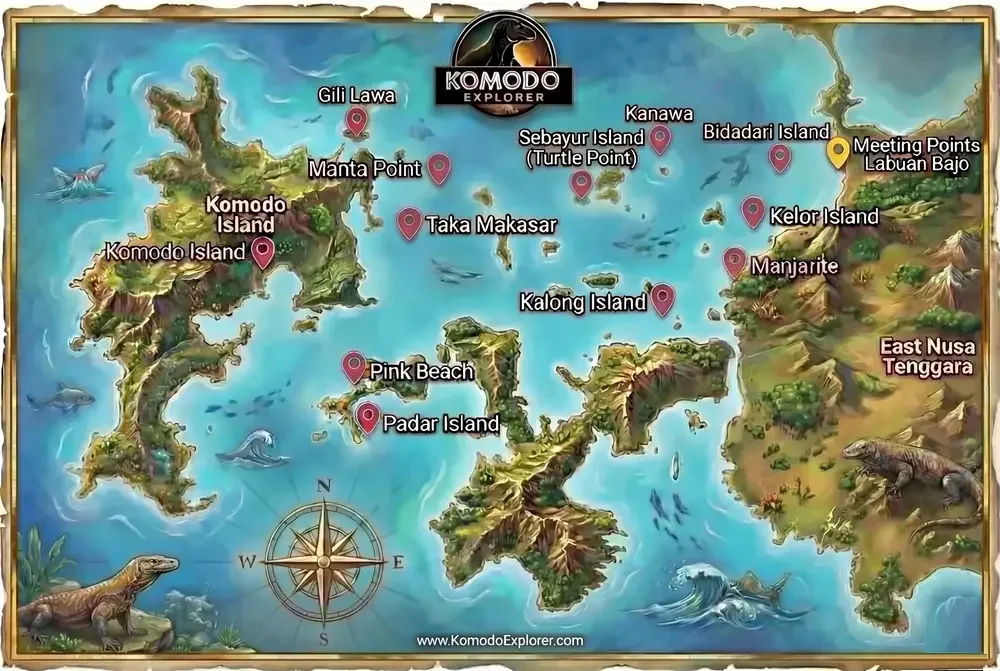
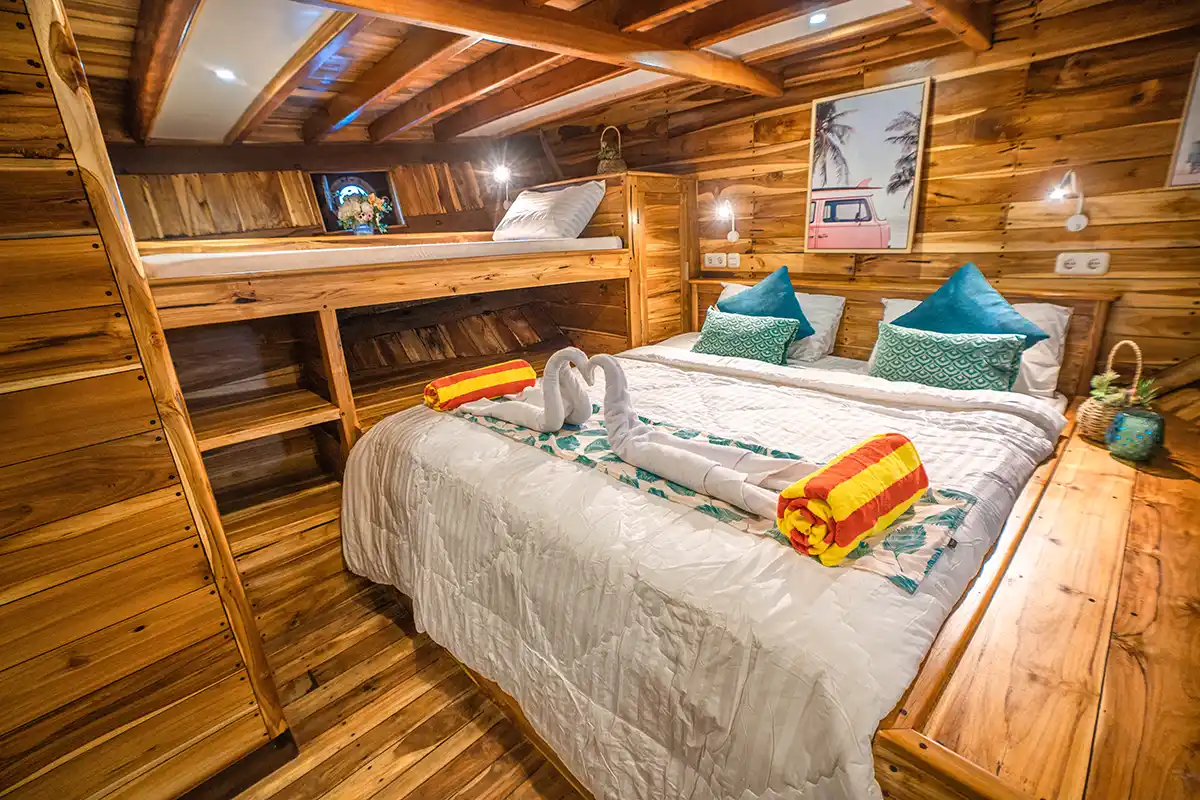
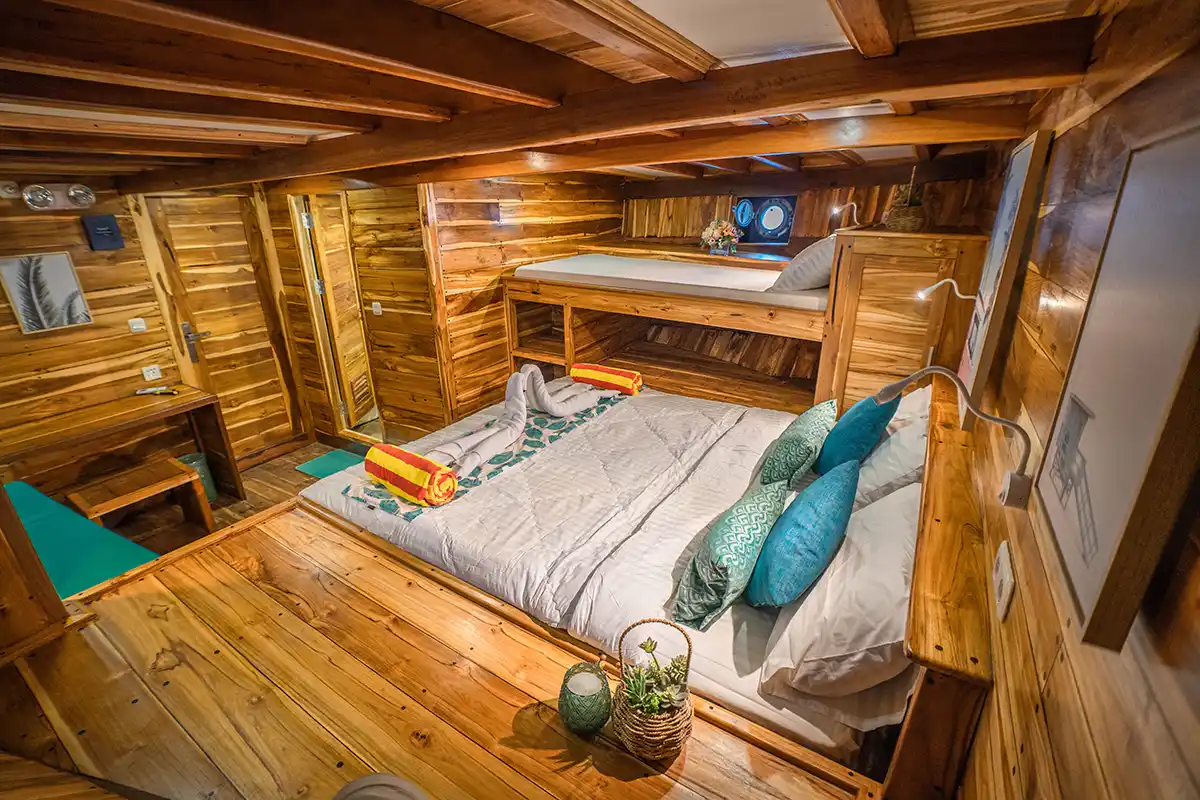
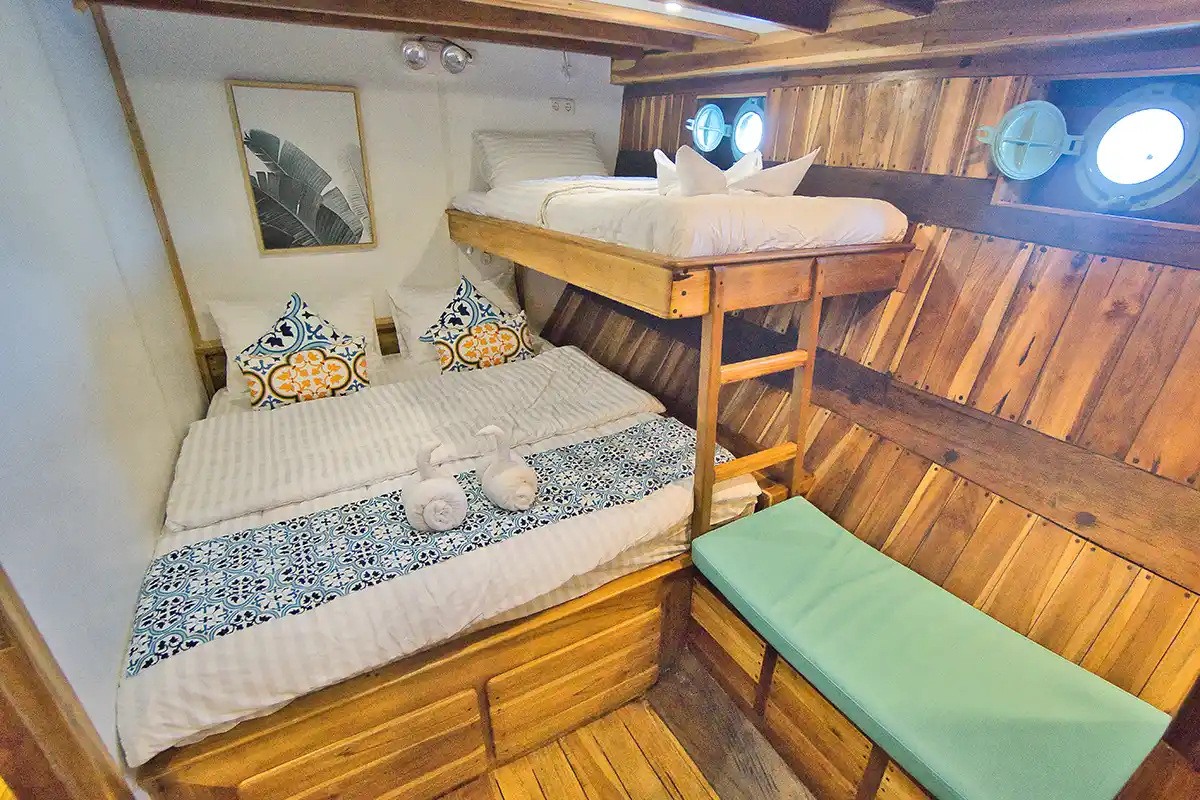
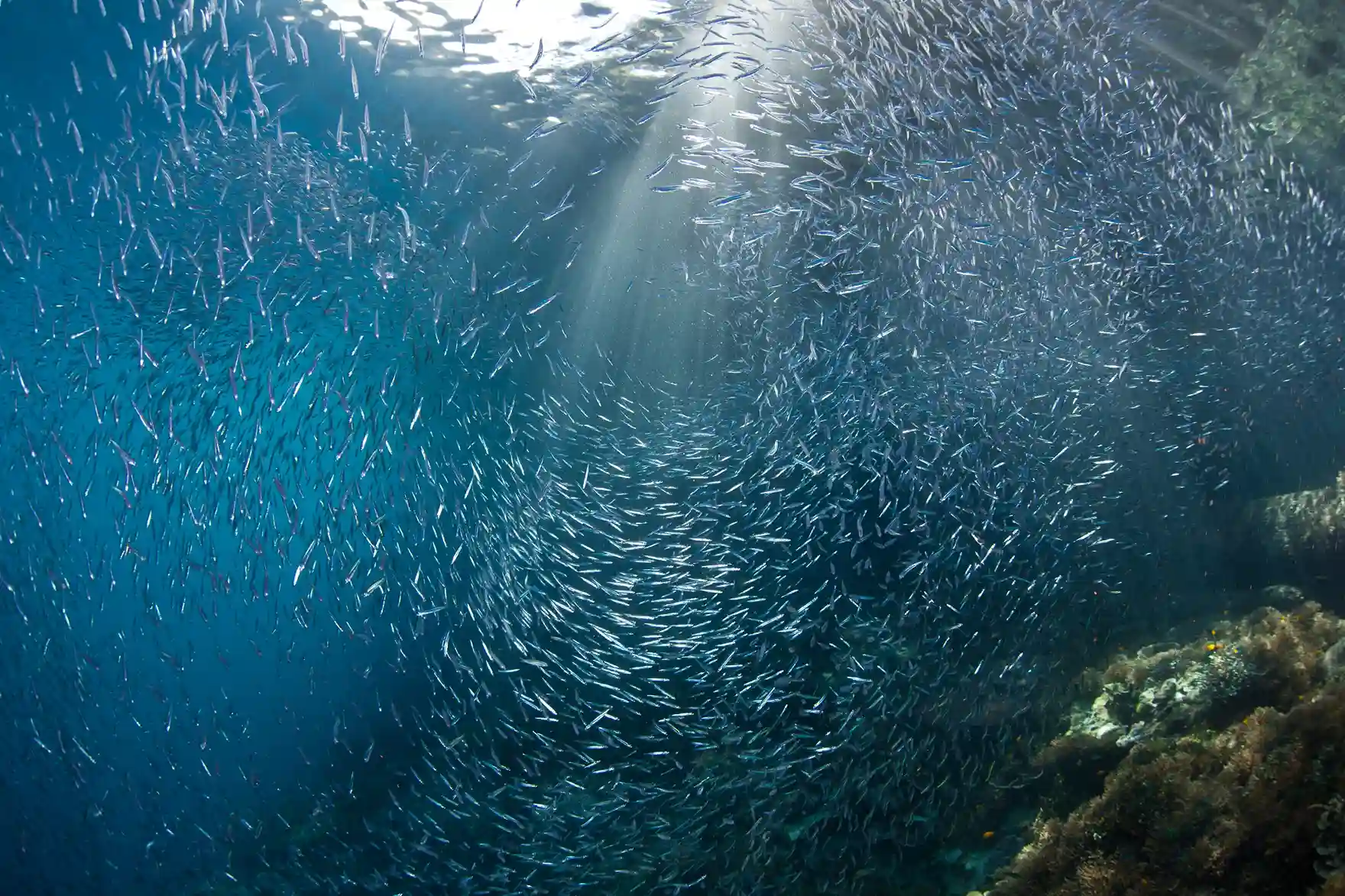
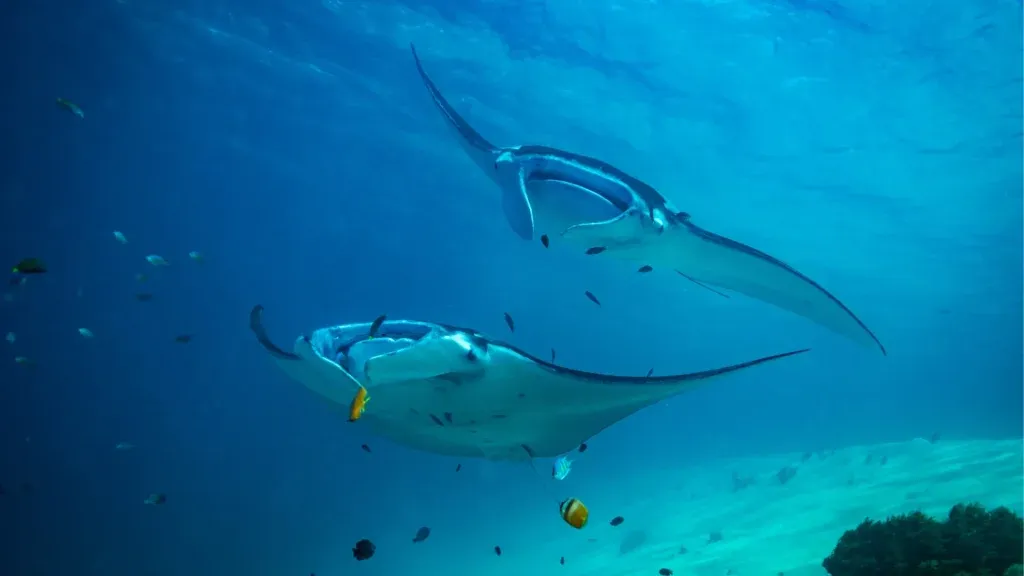
The single cabin setup changes everything. You’re not competing for space, sunrise slots, or dive guides. When we anchored at Manta Point, the glass-bottomed speedboat launched quietly—no revving outboard, just electric assist—and we drifted over the cleaning station while three manta rays circled below, their wingtips stirring the sand. The deck crew pointed silently with reef-safe torches, no shouting, no splashing. Later, I paddled a standup board at Kalong at low tide, the mangrove roots like black teeth in the shallows, while the rest of the boat stayed put, letting me have the moment.
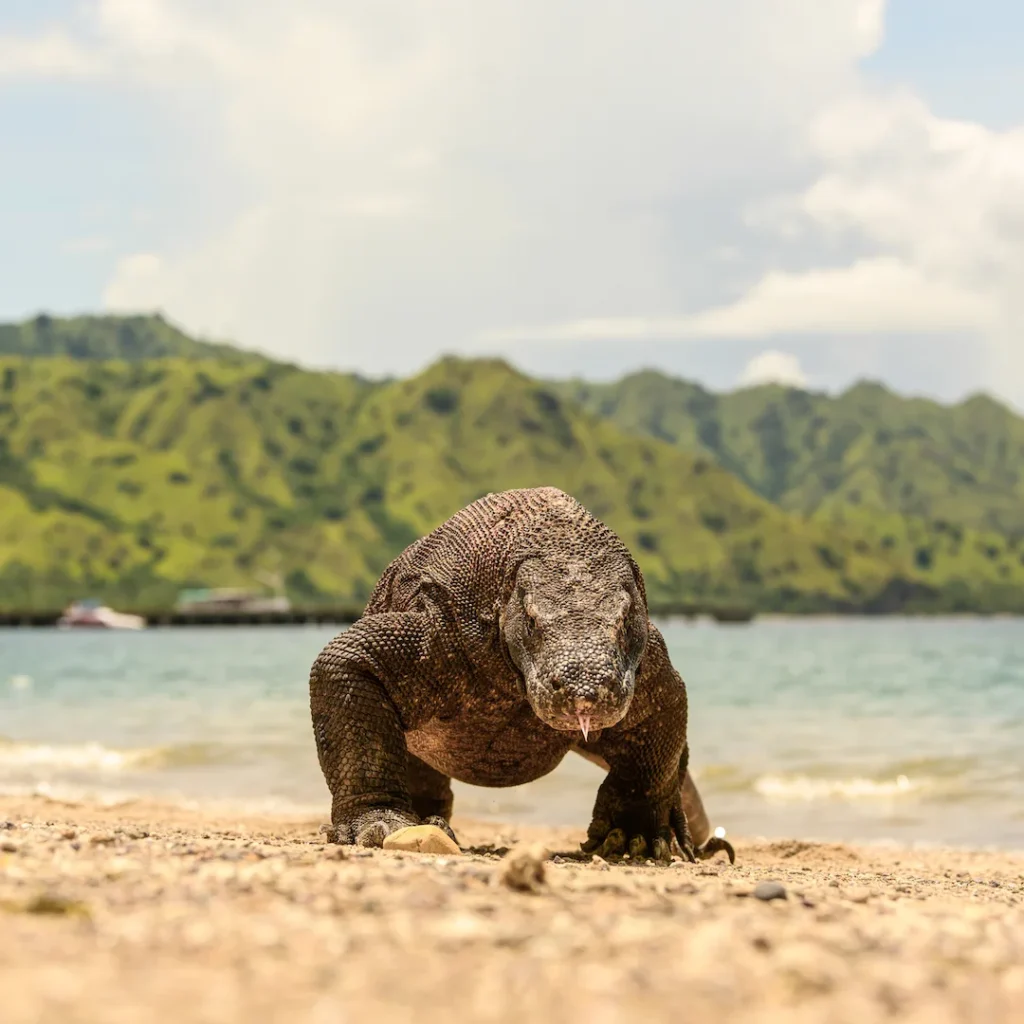
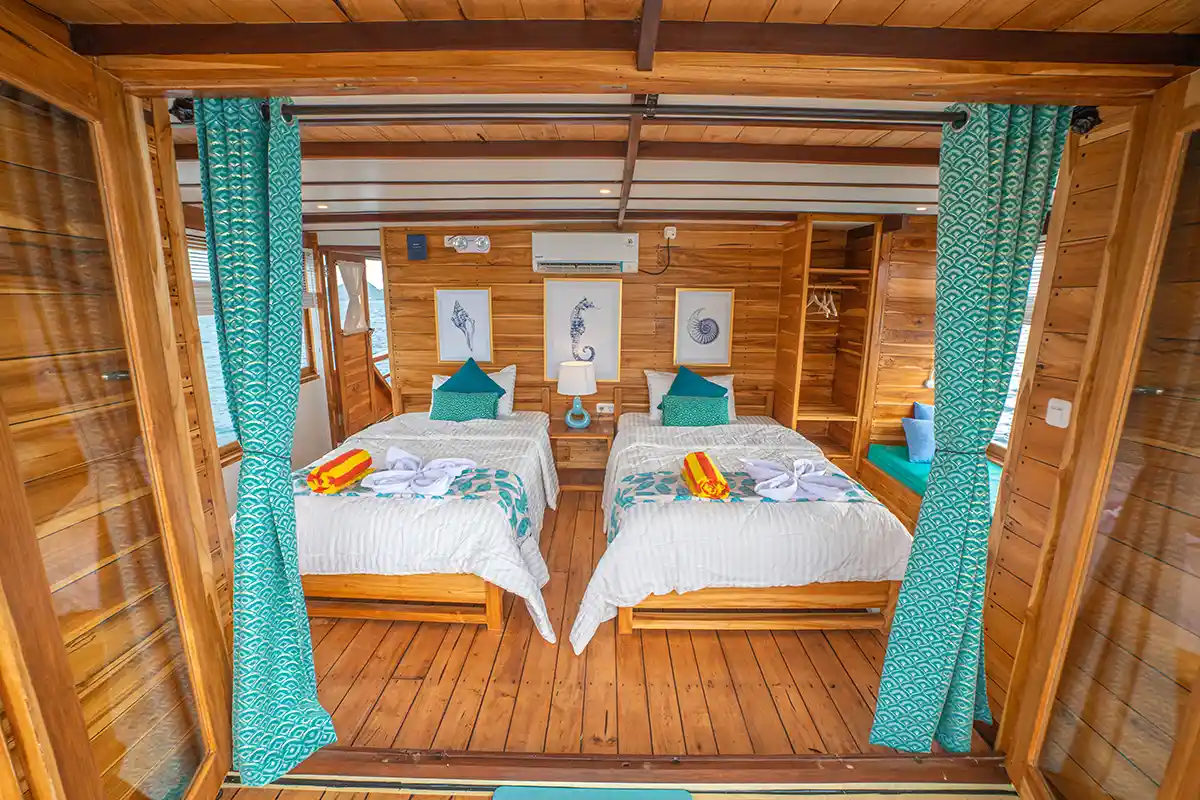
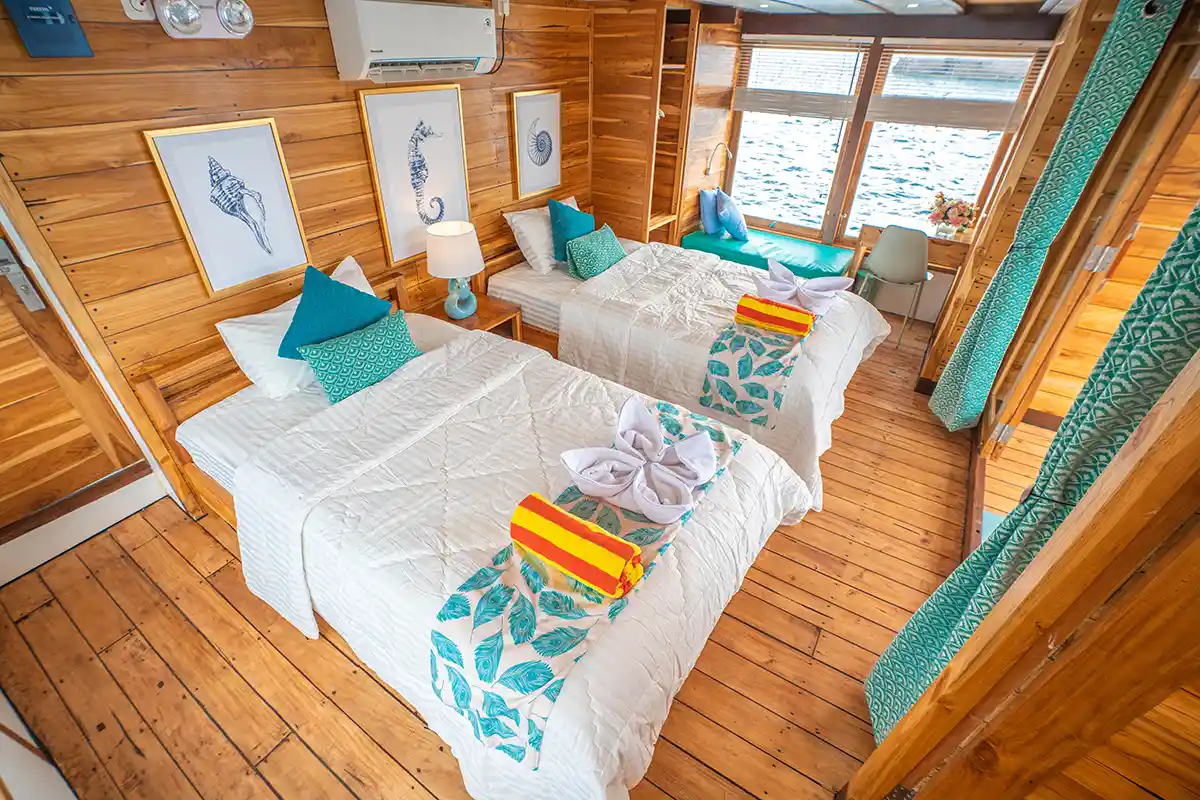
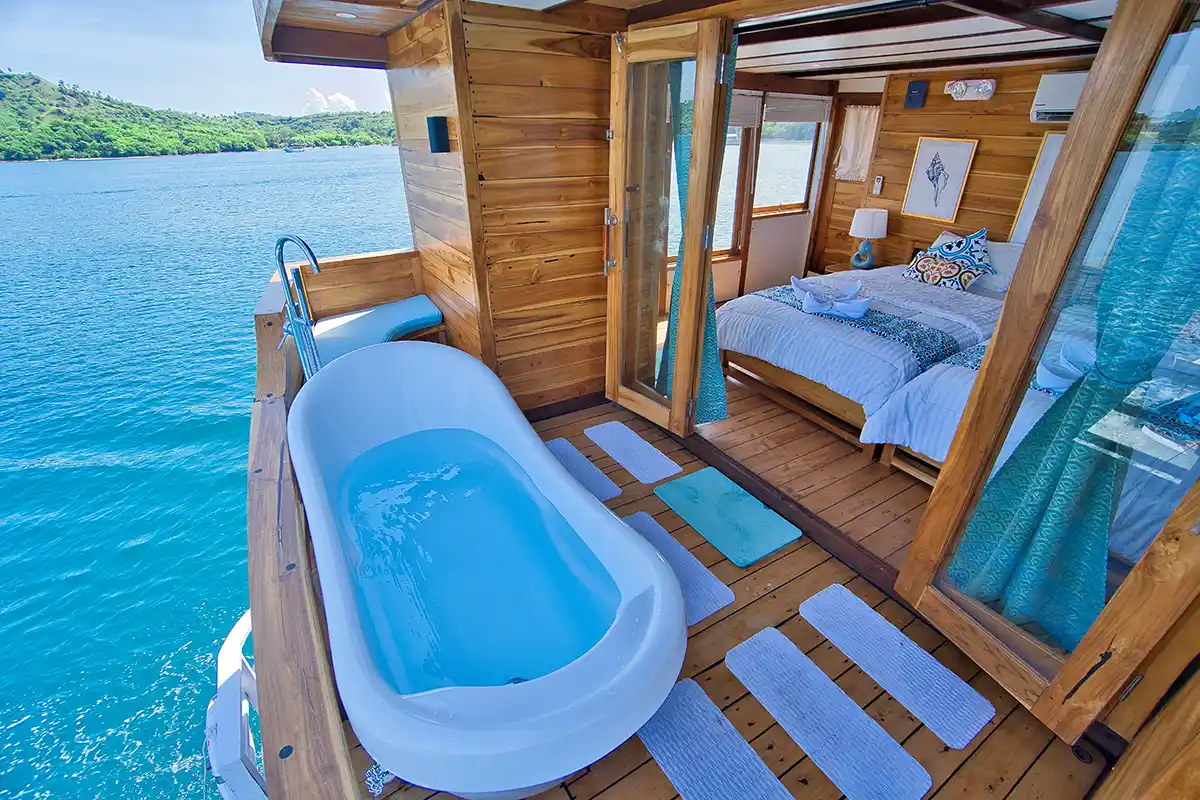
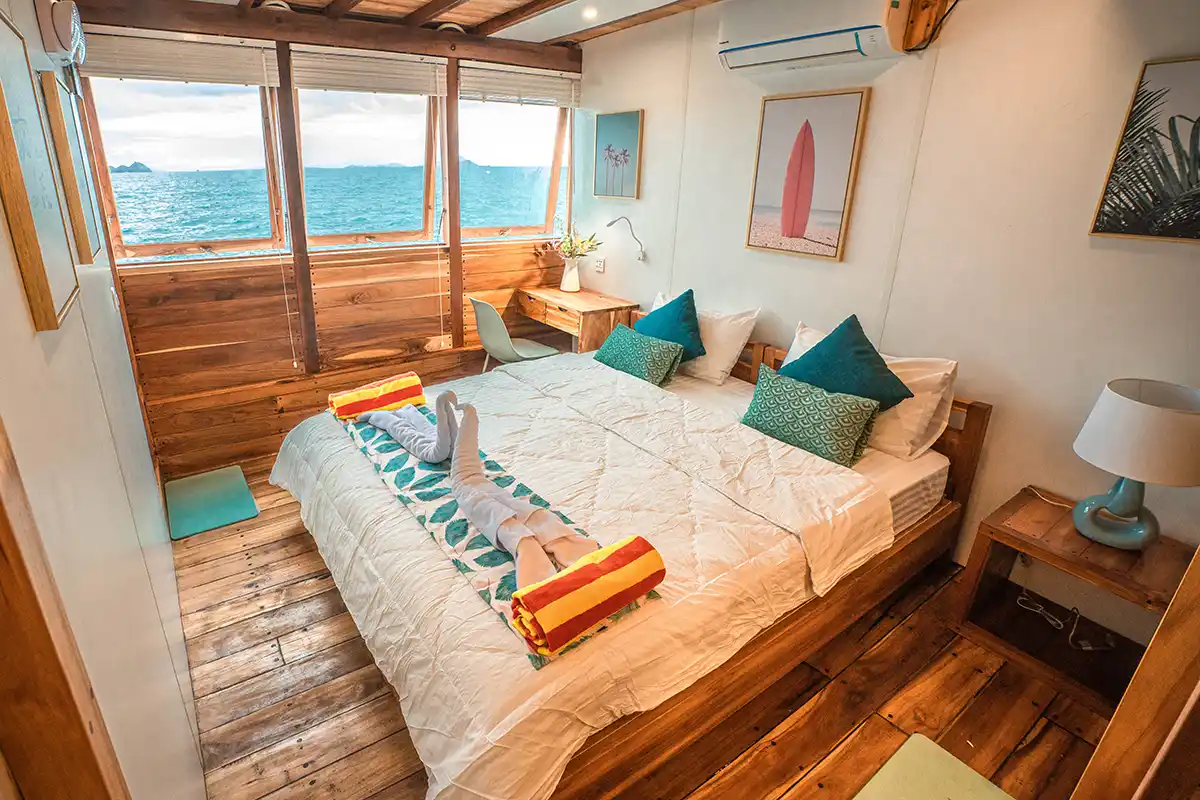
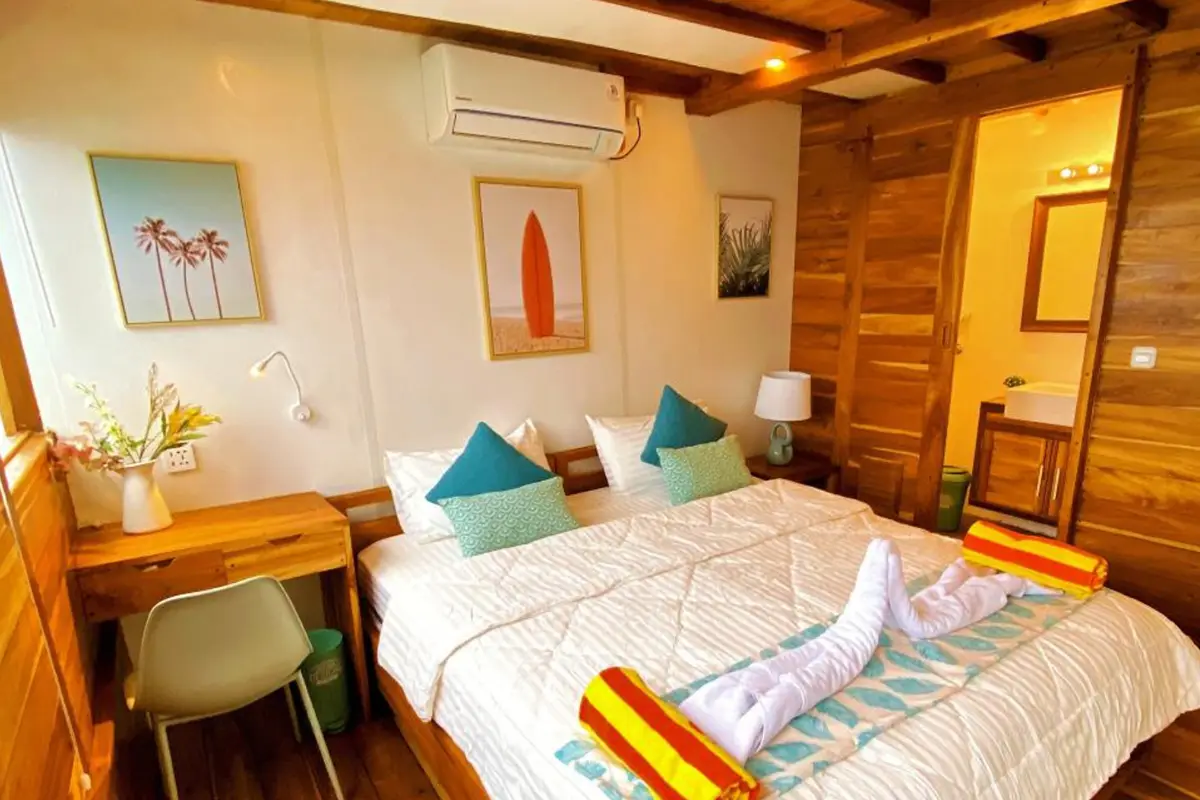
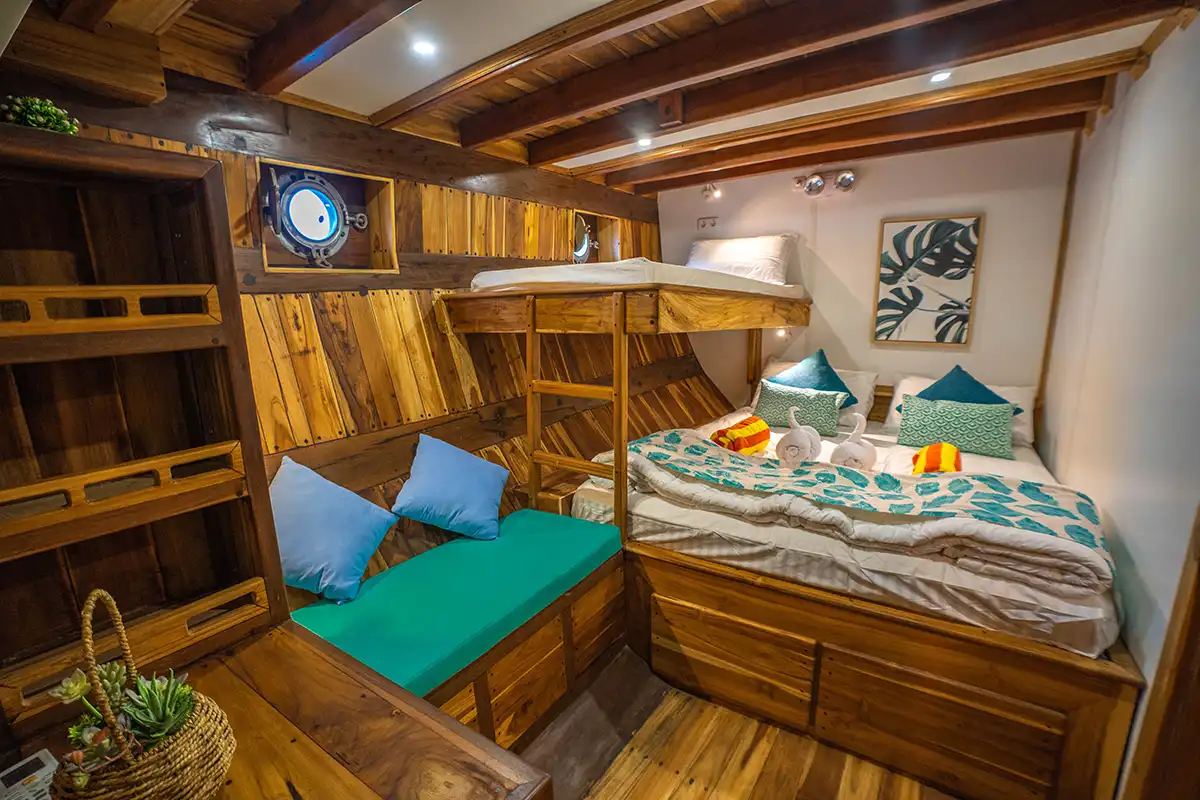
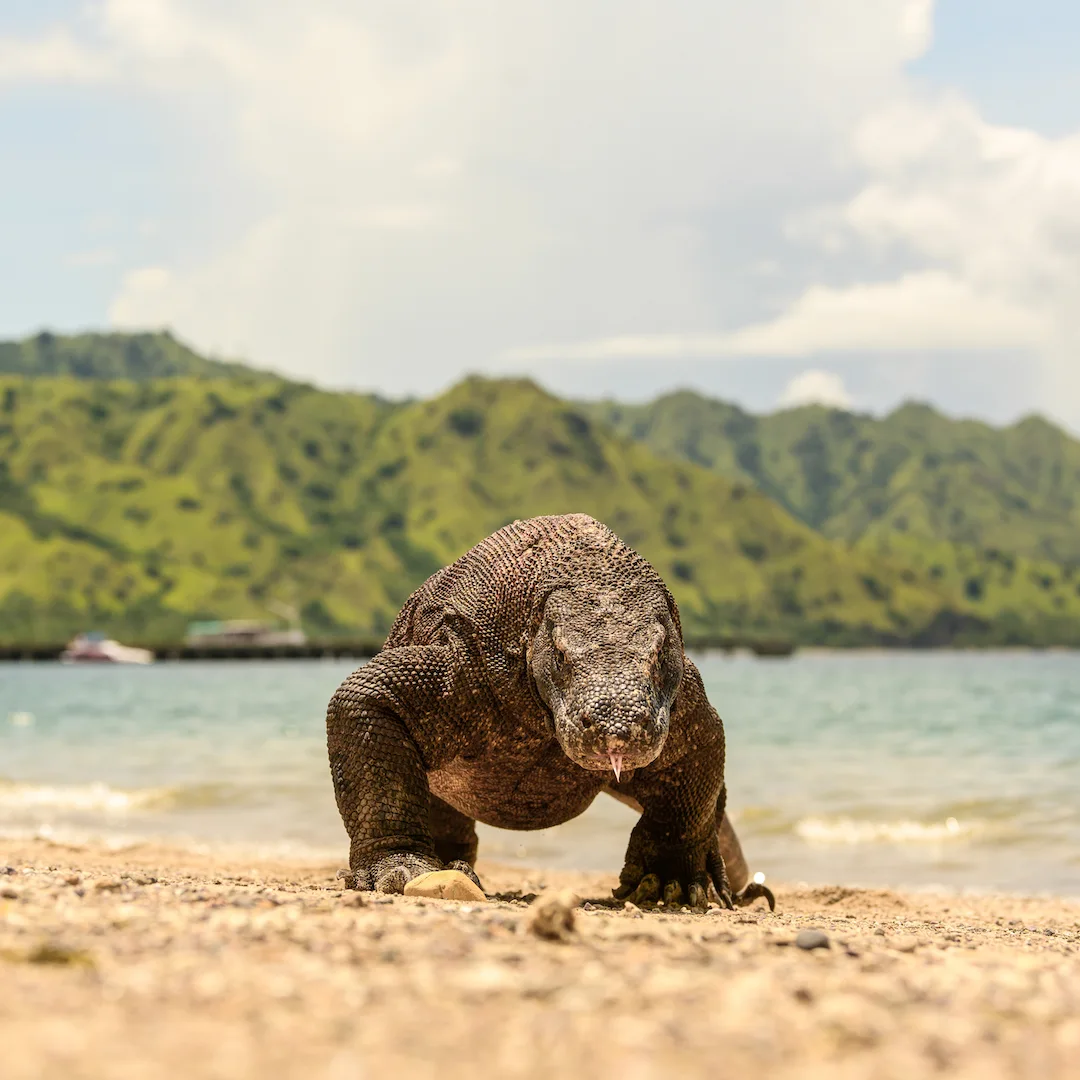
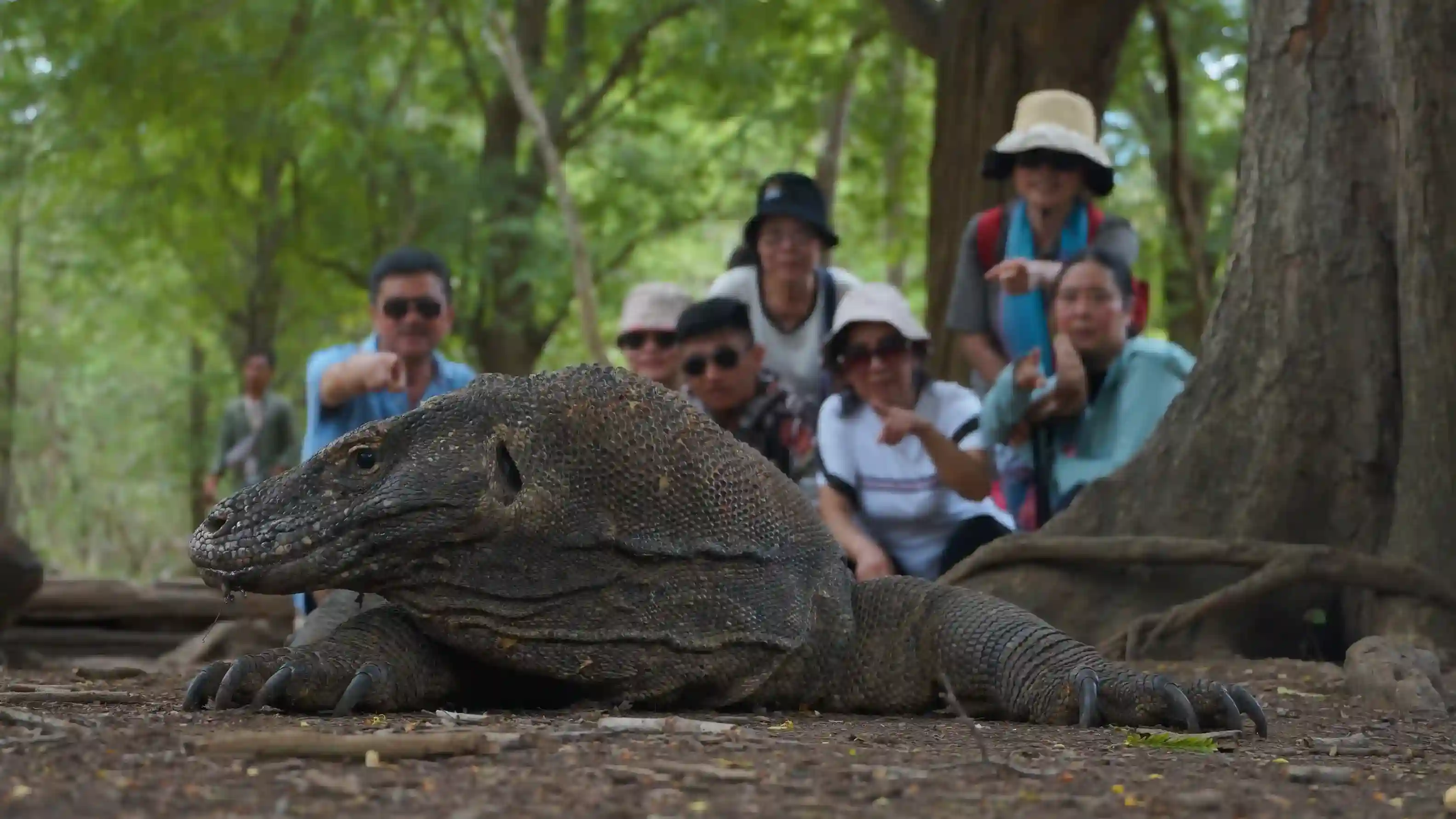
I slept with the balcony door open. Not because of air conditioning—though the cabin ran cool—but because I wanted the sound of waves against the hull at Sebayur, where we anchored on Day 2 after the Komodo dragon walk. The private balcony isn’t just a platform; it’s angled slightly forward, so you face the waterline, not just the horizon. At dusk, I lay on the sundeck’s daybed with a single book and watched flying fish skip across the bow wave, their shadows sharp in the late sun.
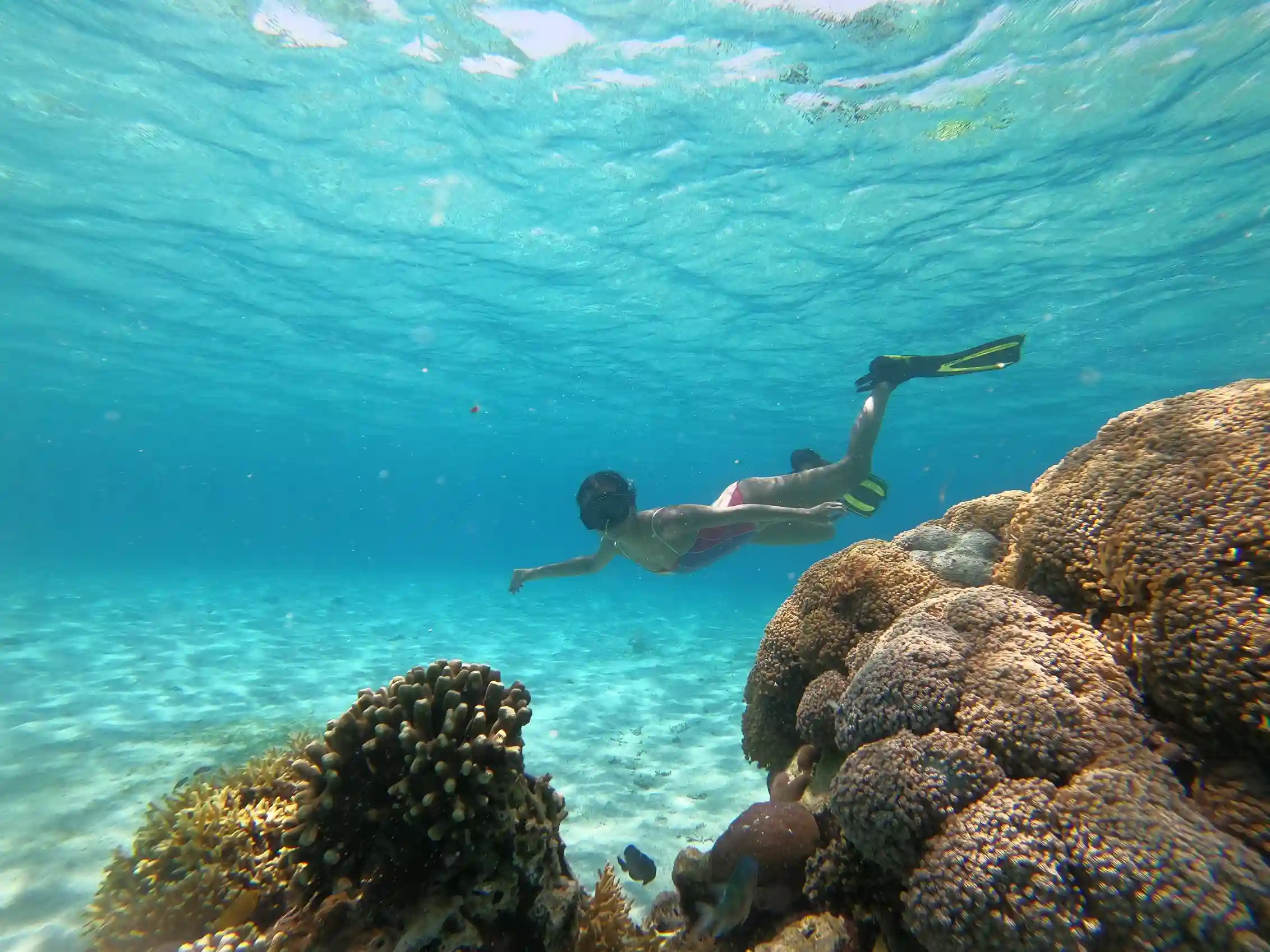
Breakfast came at 7:30 sharp—banana pancakes with local palm sugar, served on ceramic, not melamine. That mattered. So did the fact that snorkeling gear was laid out the night before, rinsed and ready, each mask marked with a tiny coloured dot so you didn’t fumble at dawn. Lunch was grilled mahi-mahi with jackfruit salad, eaten on the foredeck while the boat transited from Taka Makassar to Kanawa. No buffet lines, no plastic cutlery. Dinner was quieter: miso-glazed tuna, torch-lit, with a single speaker playing ambient guitar.
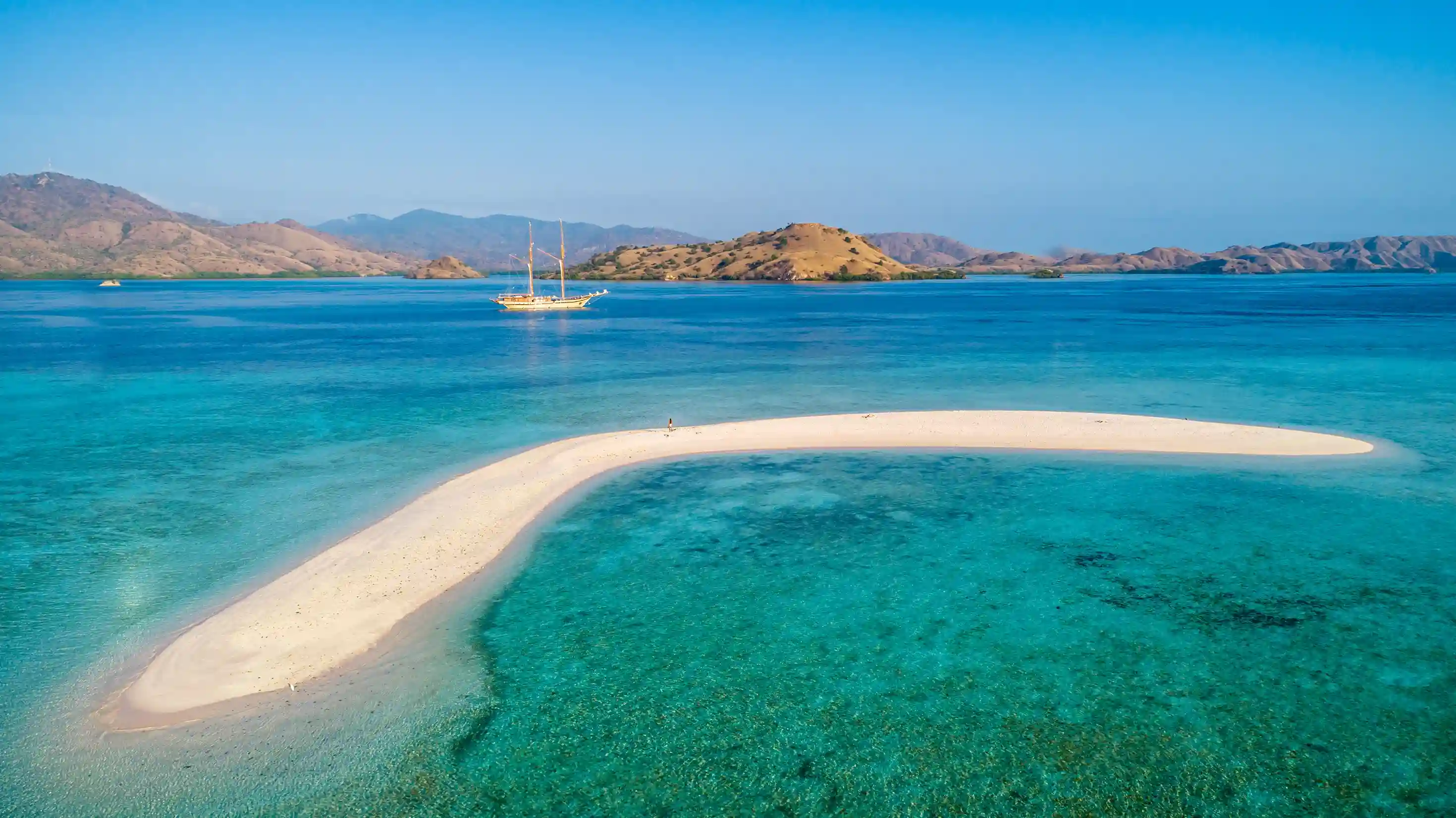
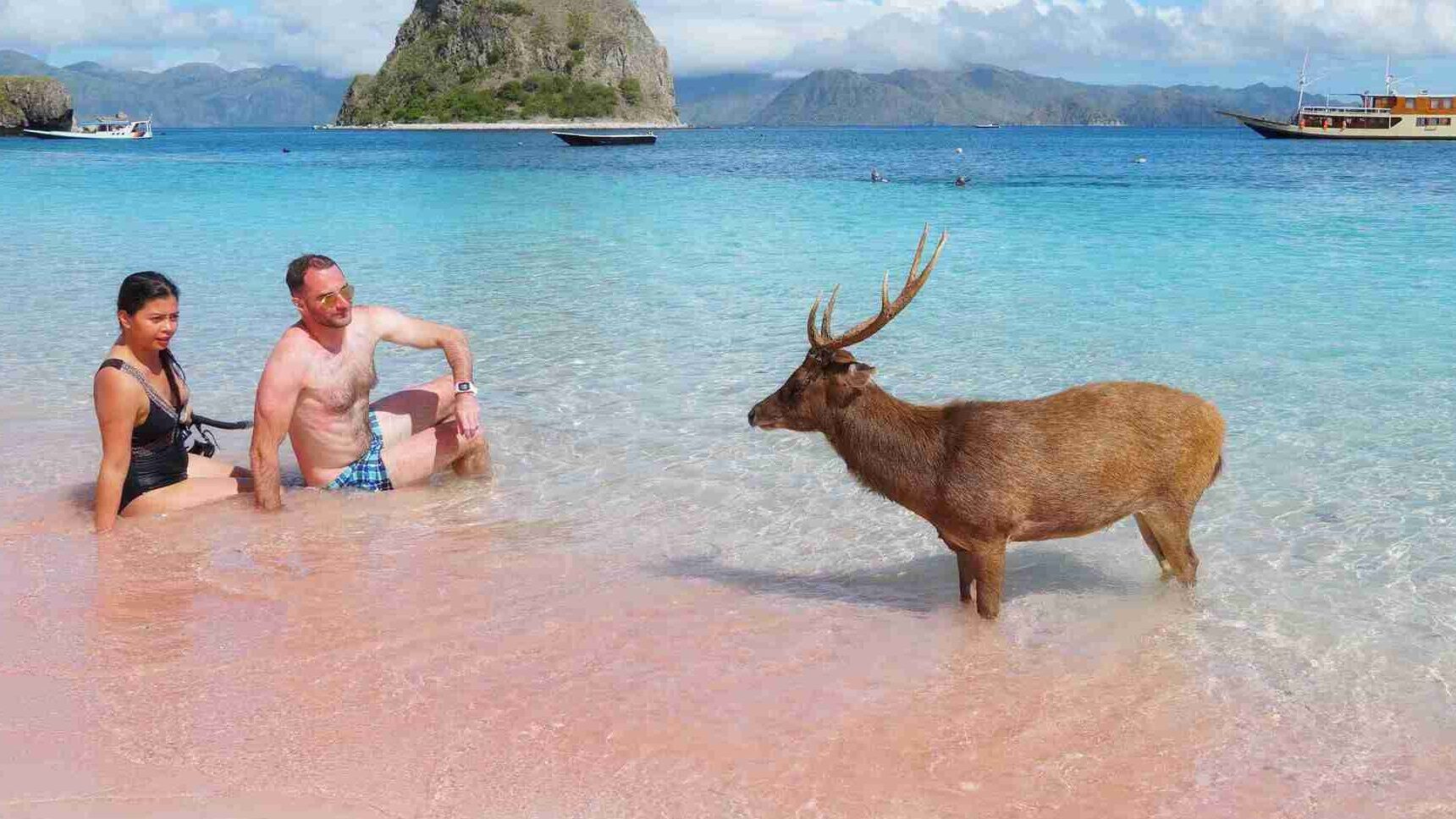
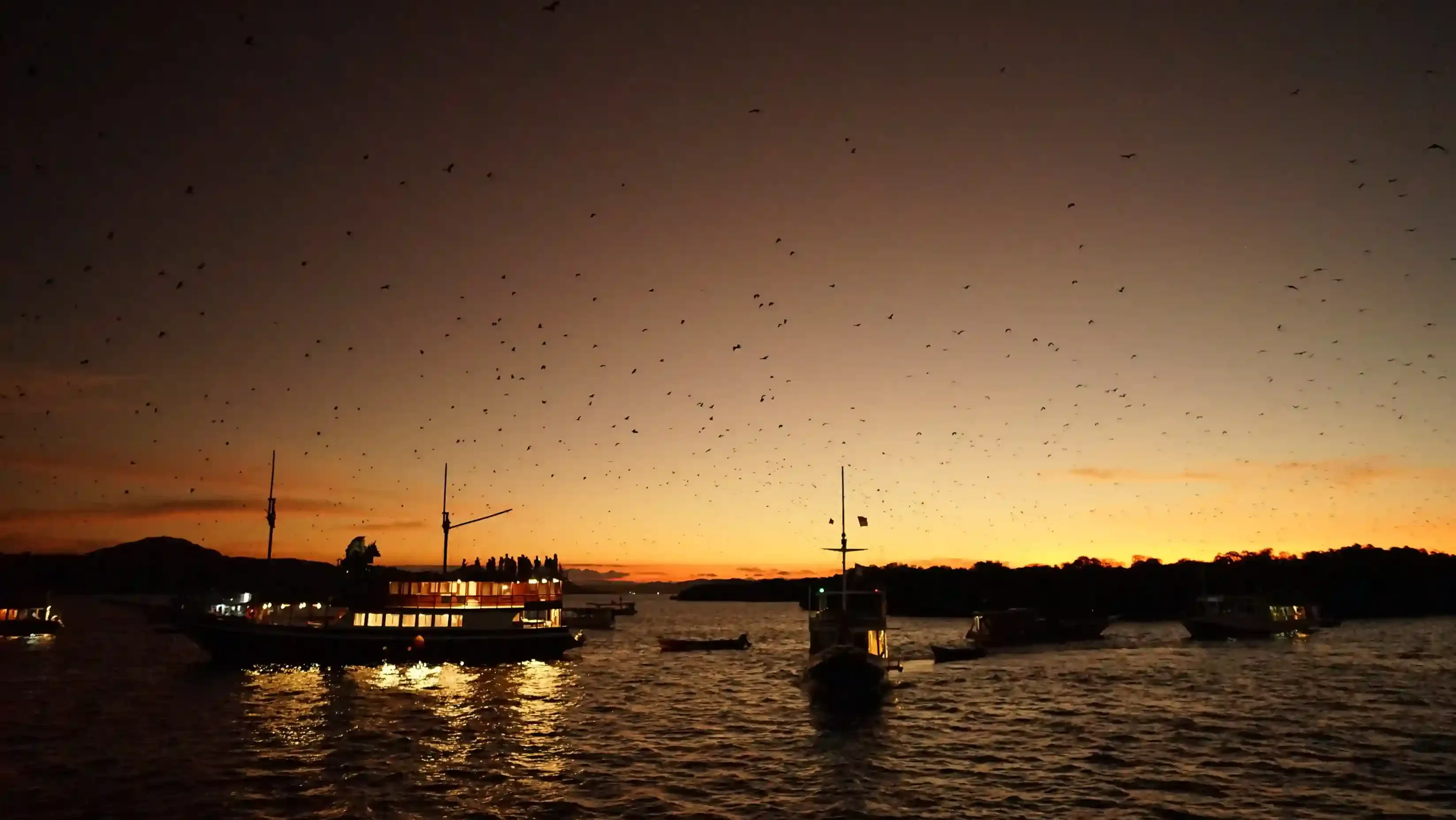
By the final morning, when we drifted over the coral gardens at Kanawa, I understood Pinta Phinisi’s rhythm. She doesn’t rush to tick sites. She lingers. The crew timed our departure from Pink Beach so we avoided the day-tripper crowds by 40 minutes. At Kalong, they waited until the sky deepened to indigo before starting the engine. This isn’t choreography for show. It’s the logic of a boat that knows Komodo’s tides like breath.