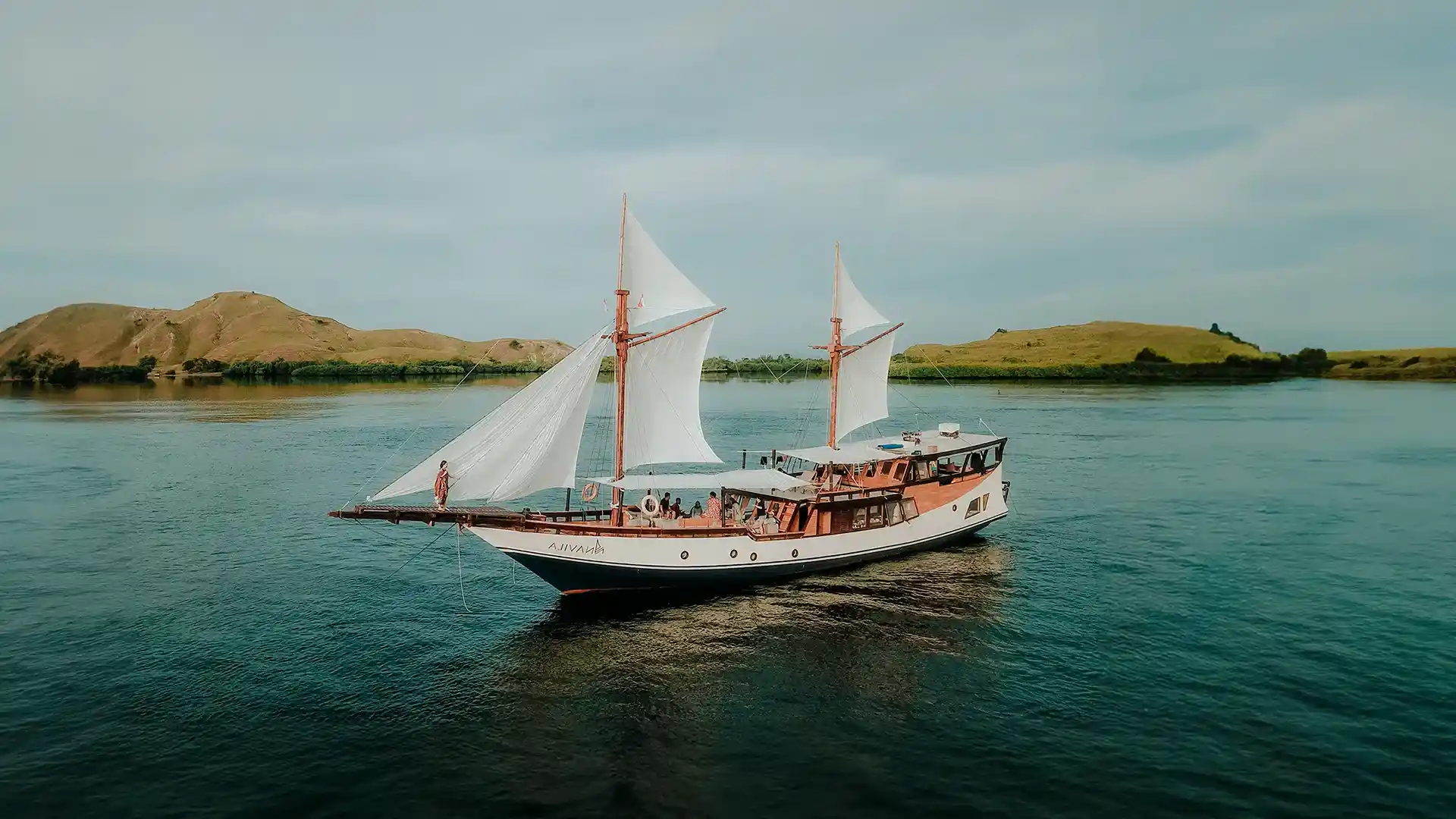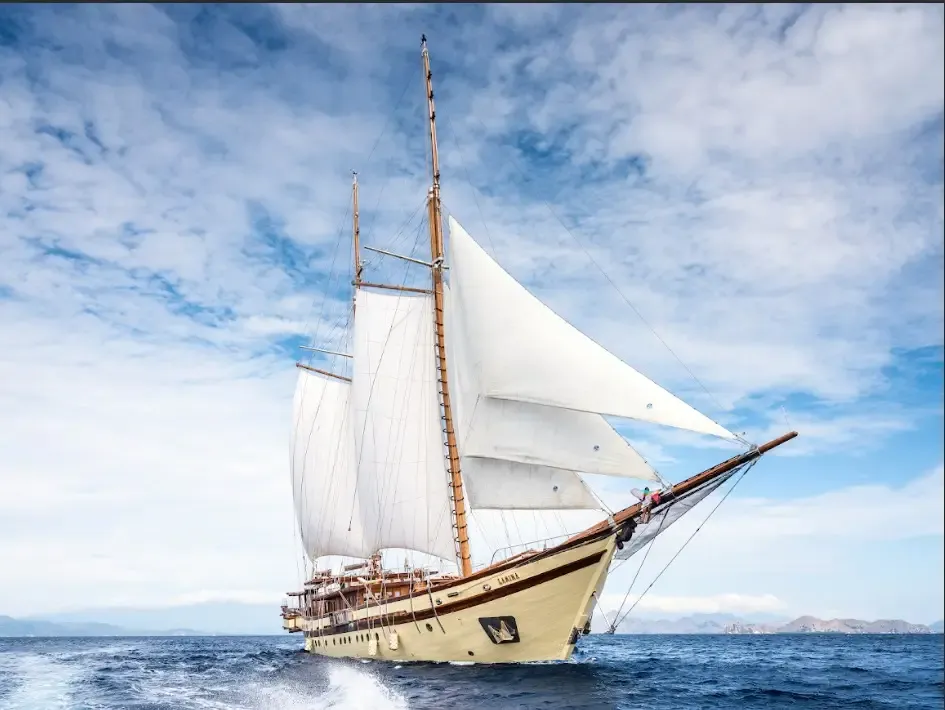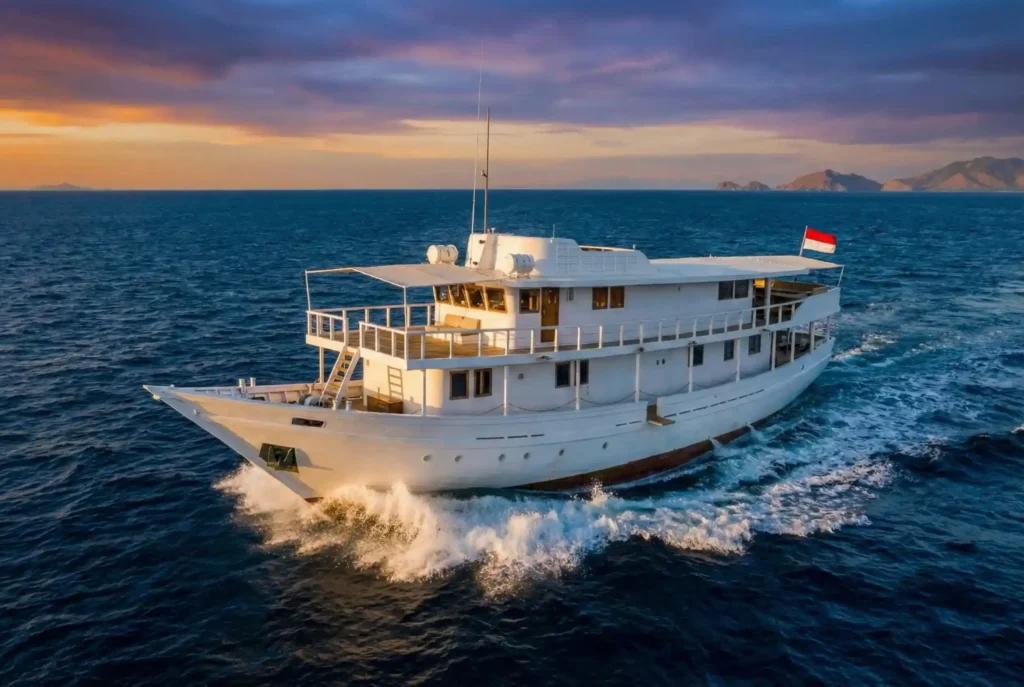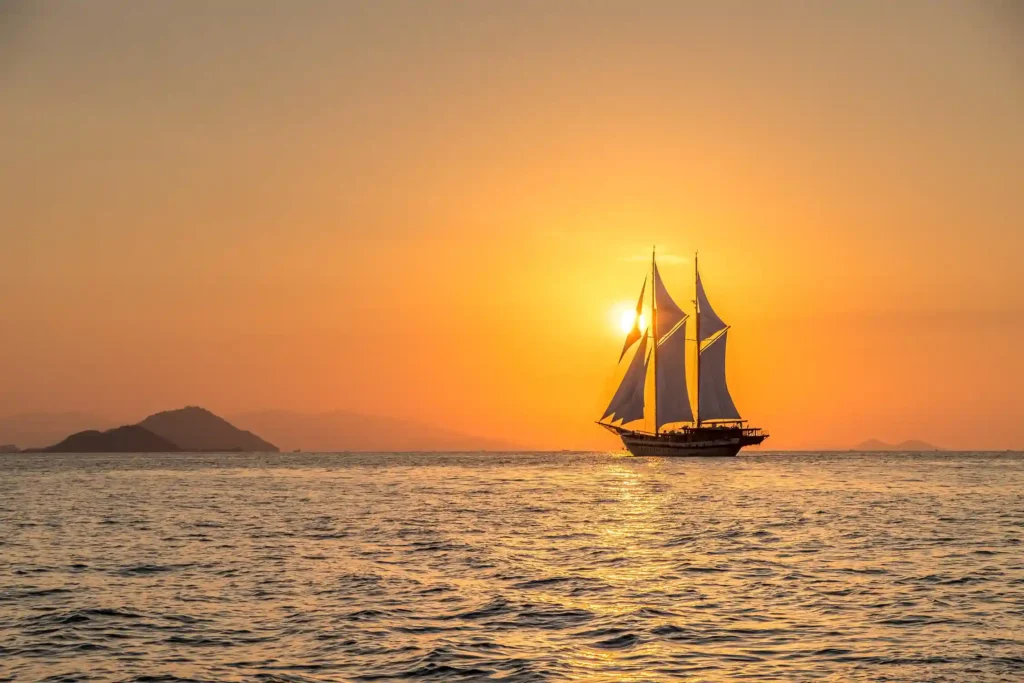
About Navila
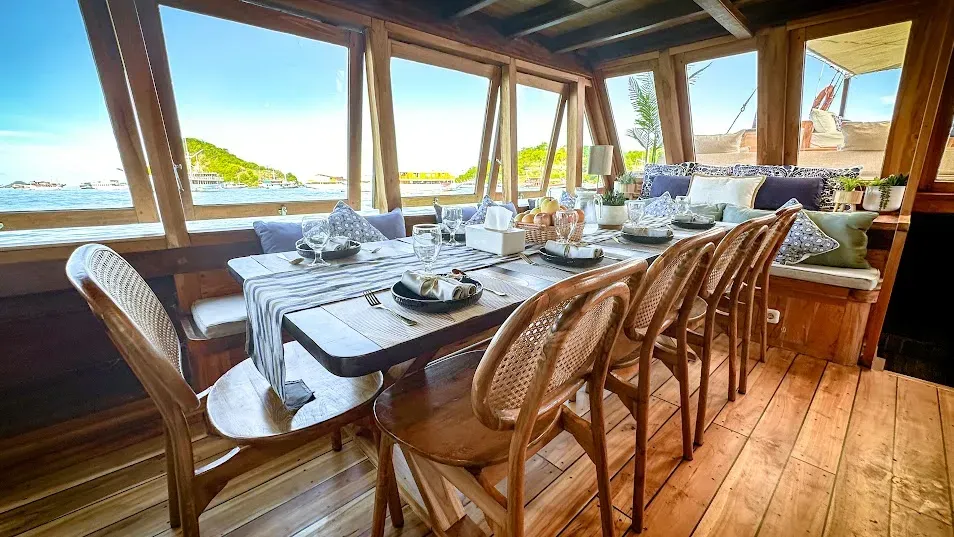
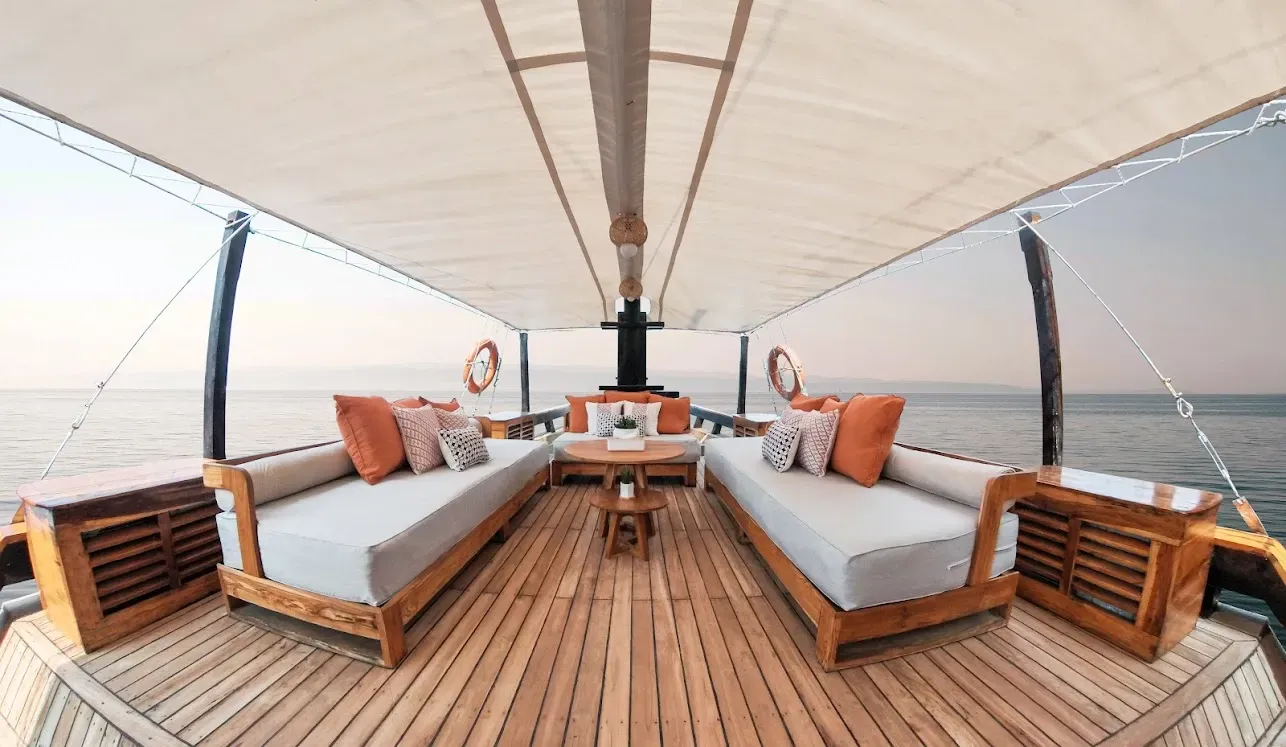
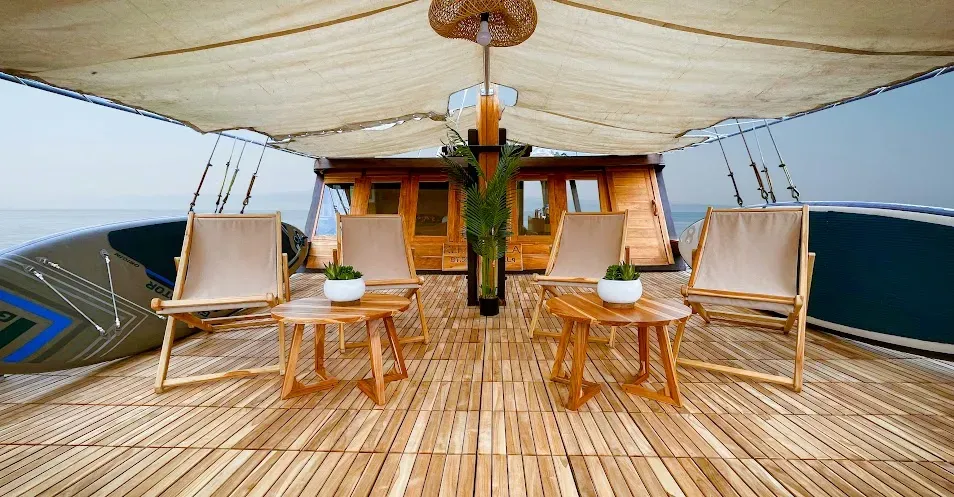
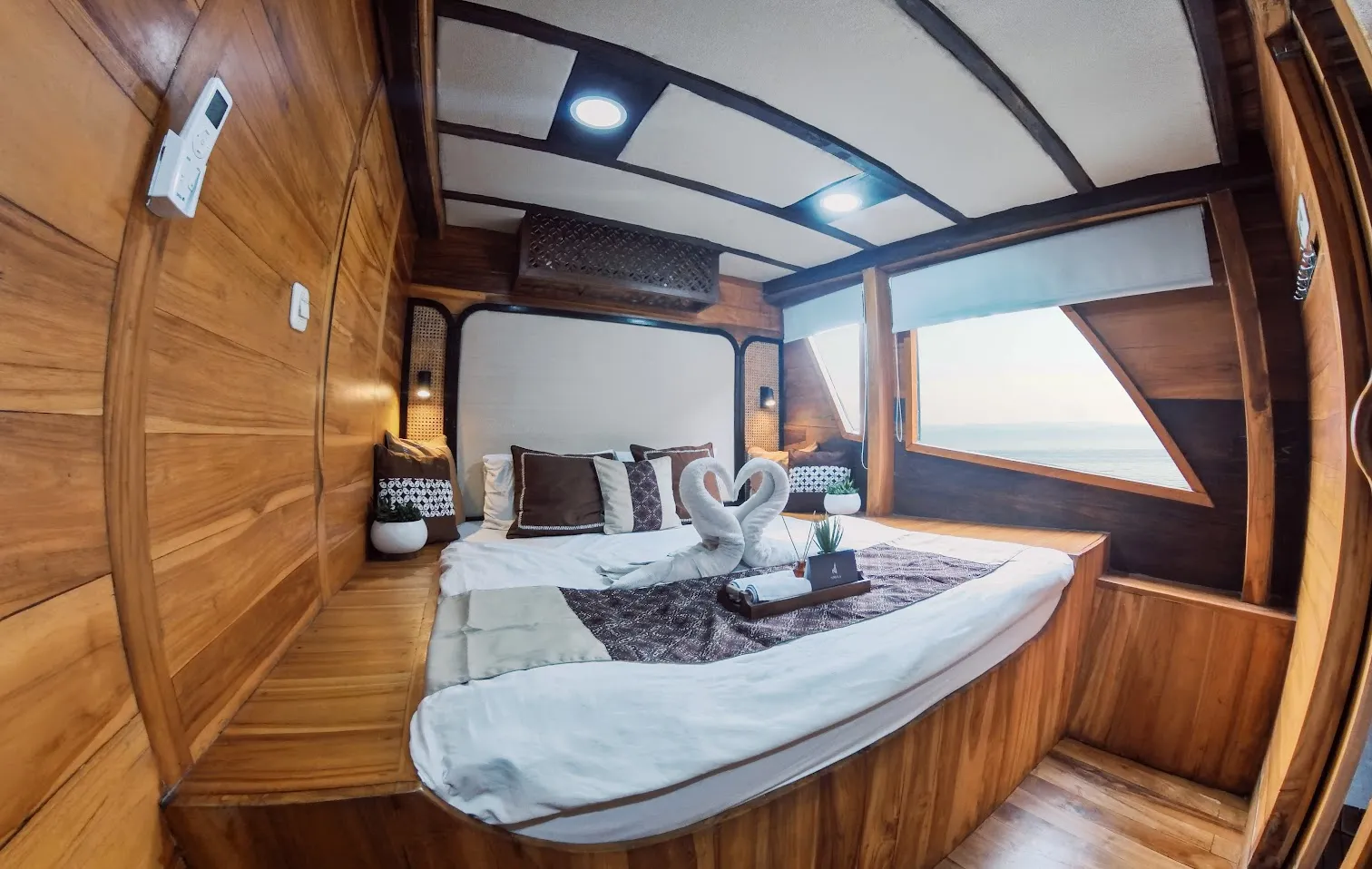
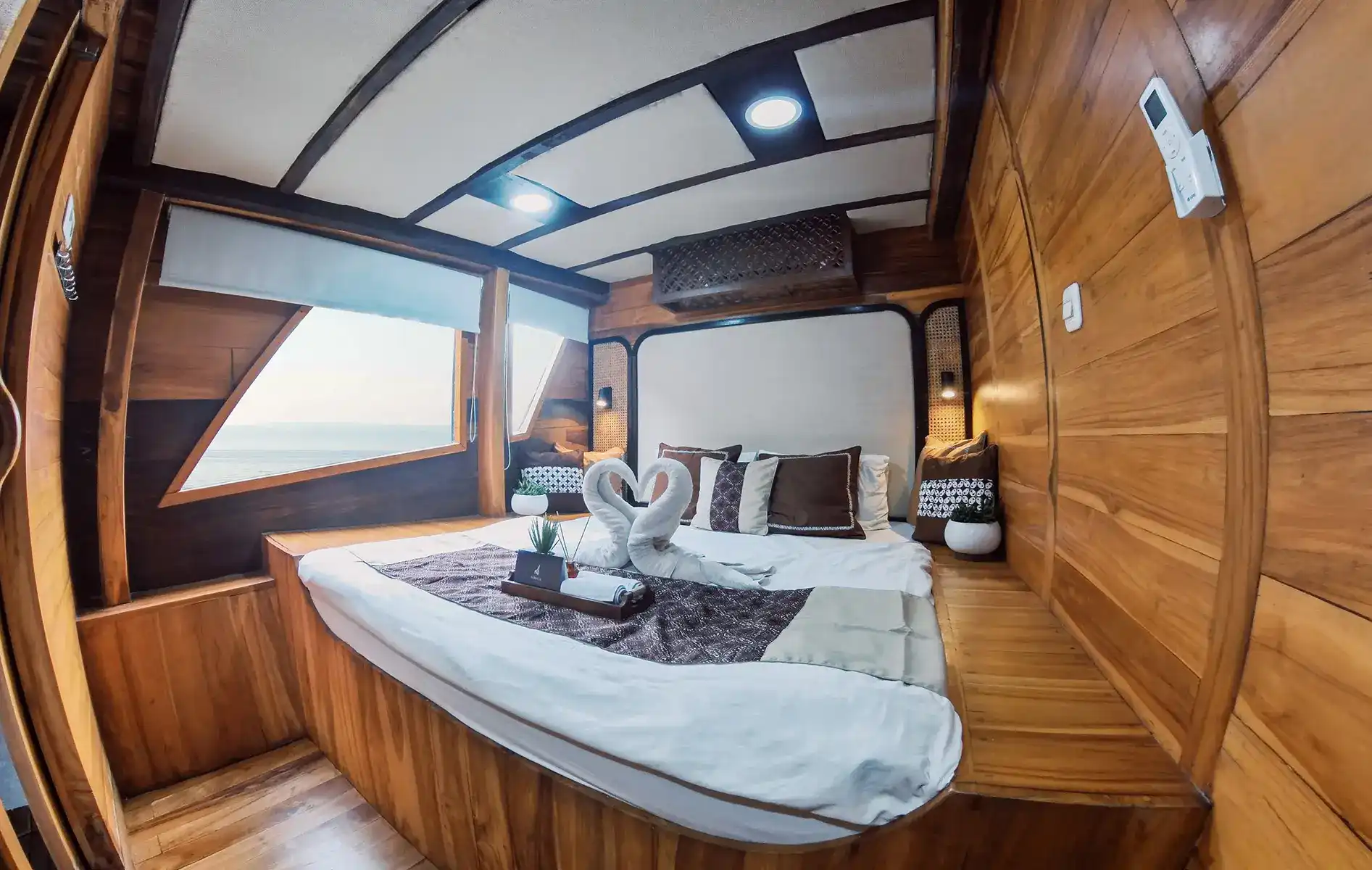
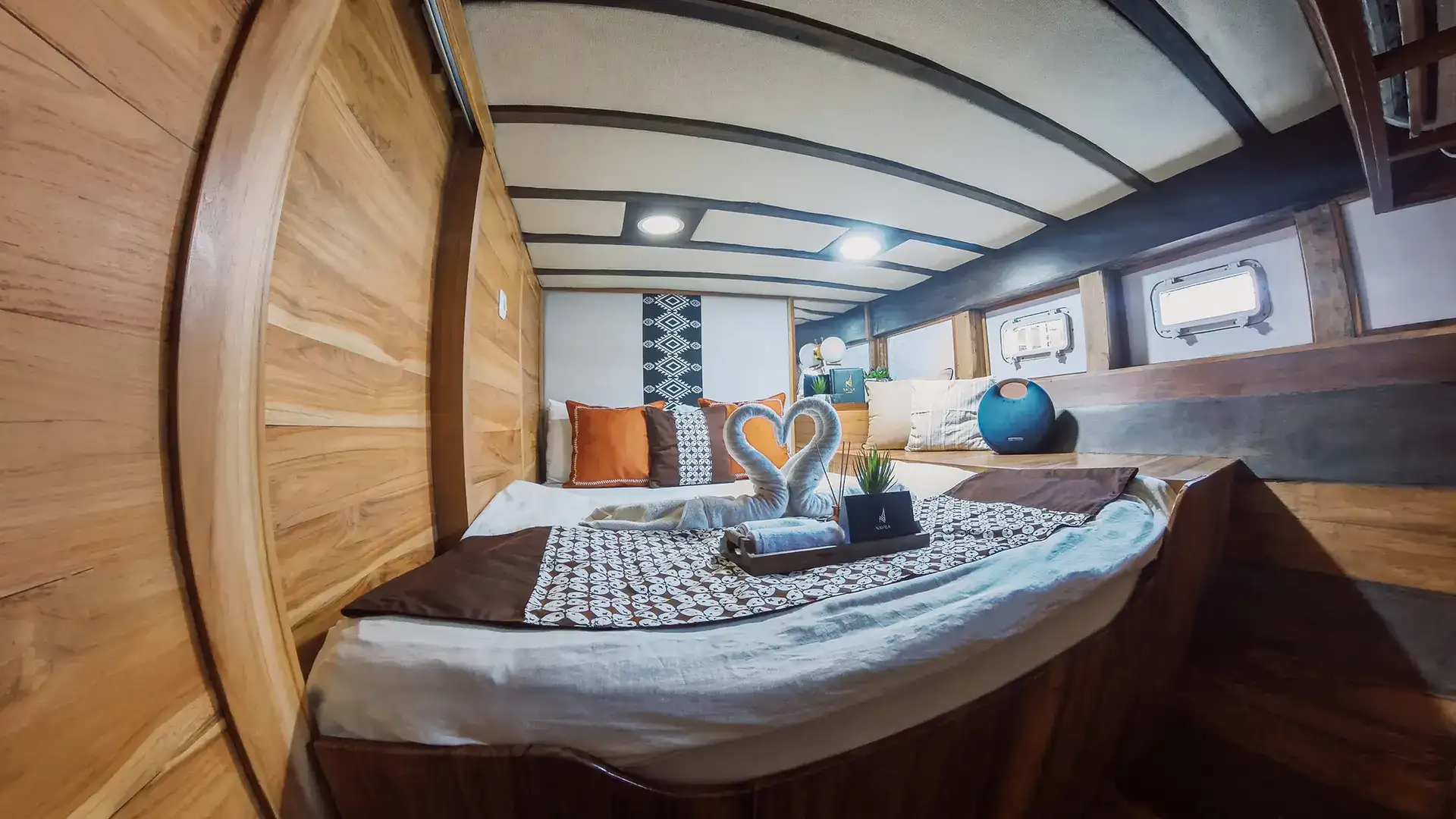
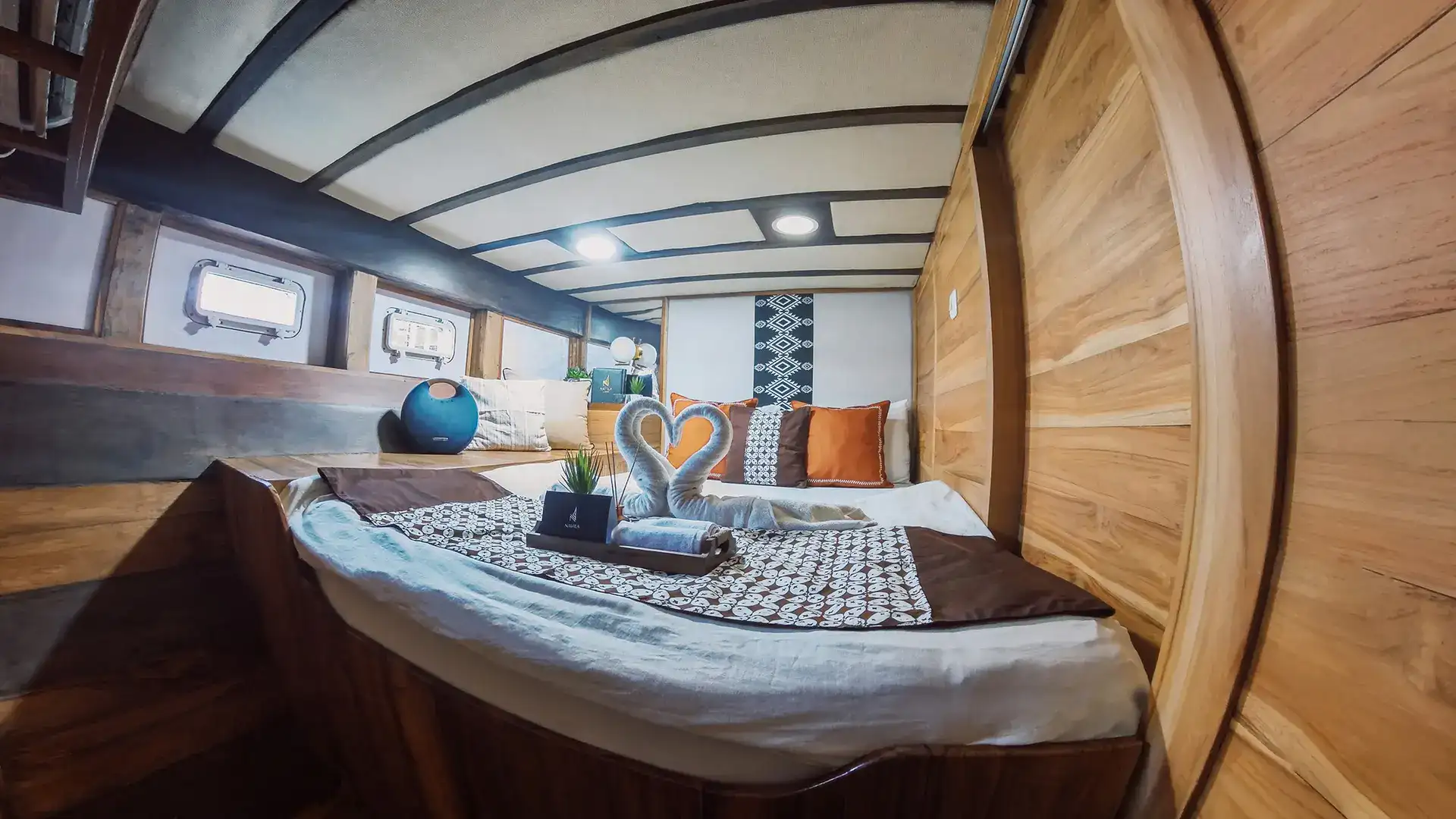
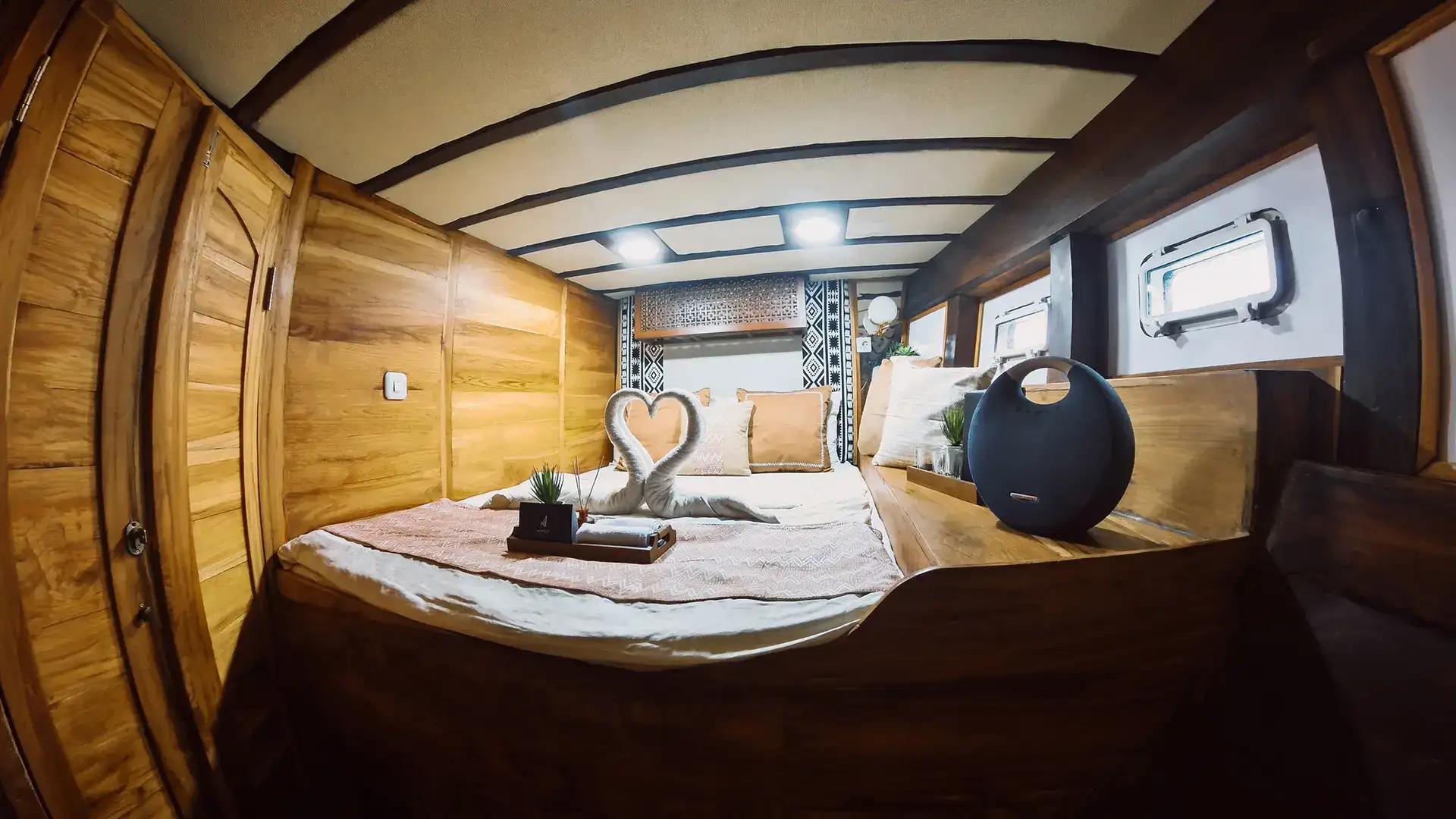
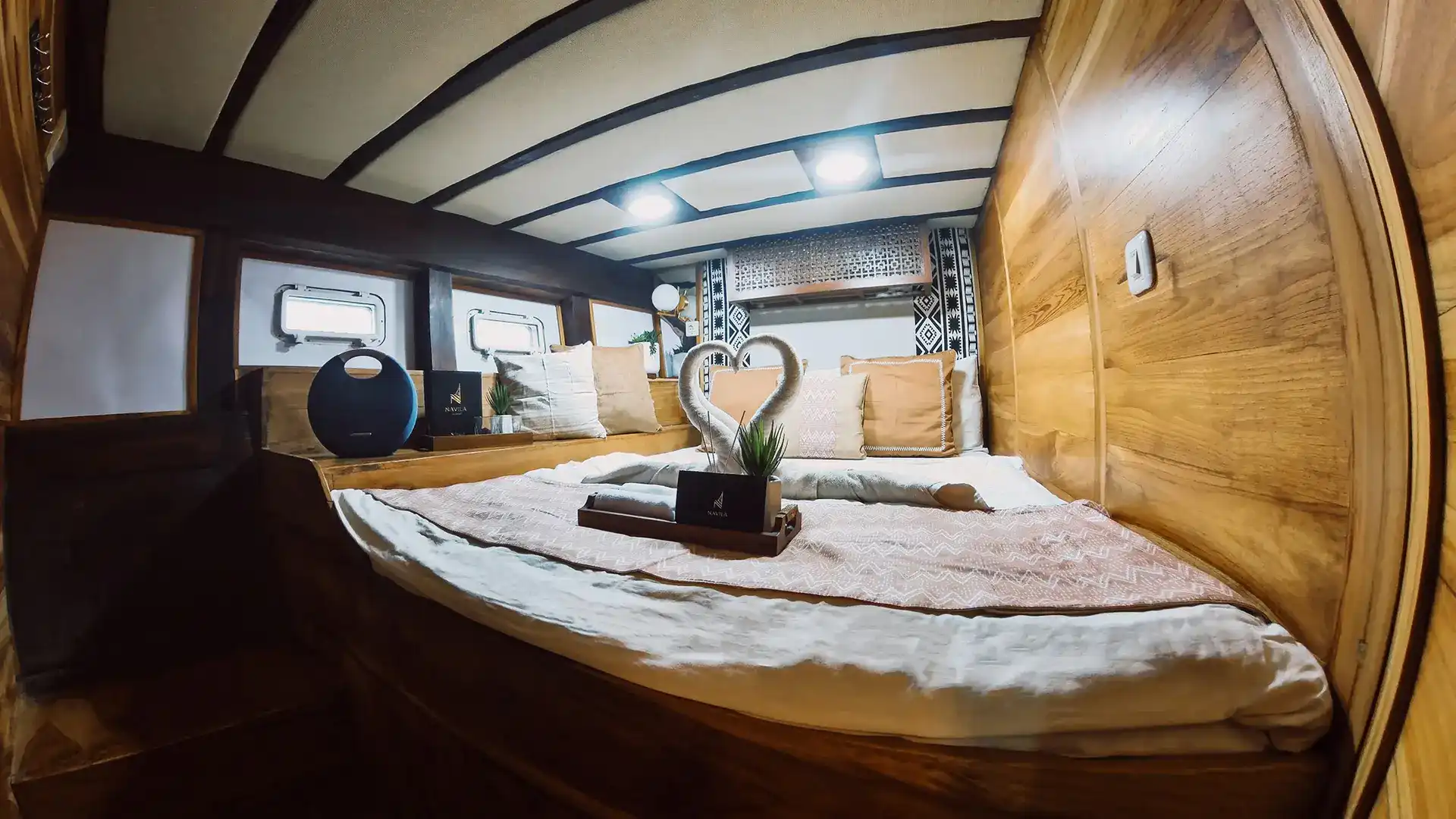
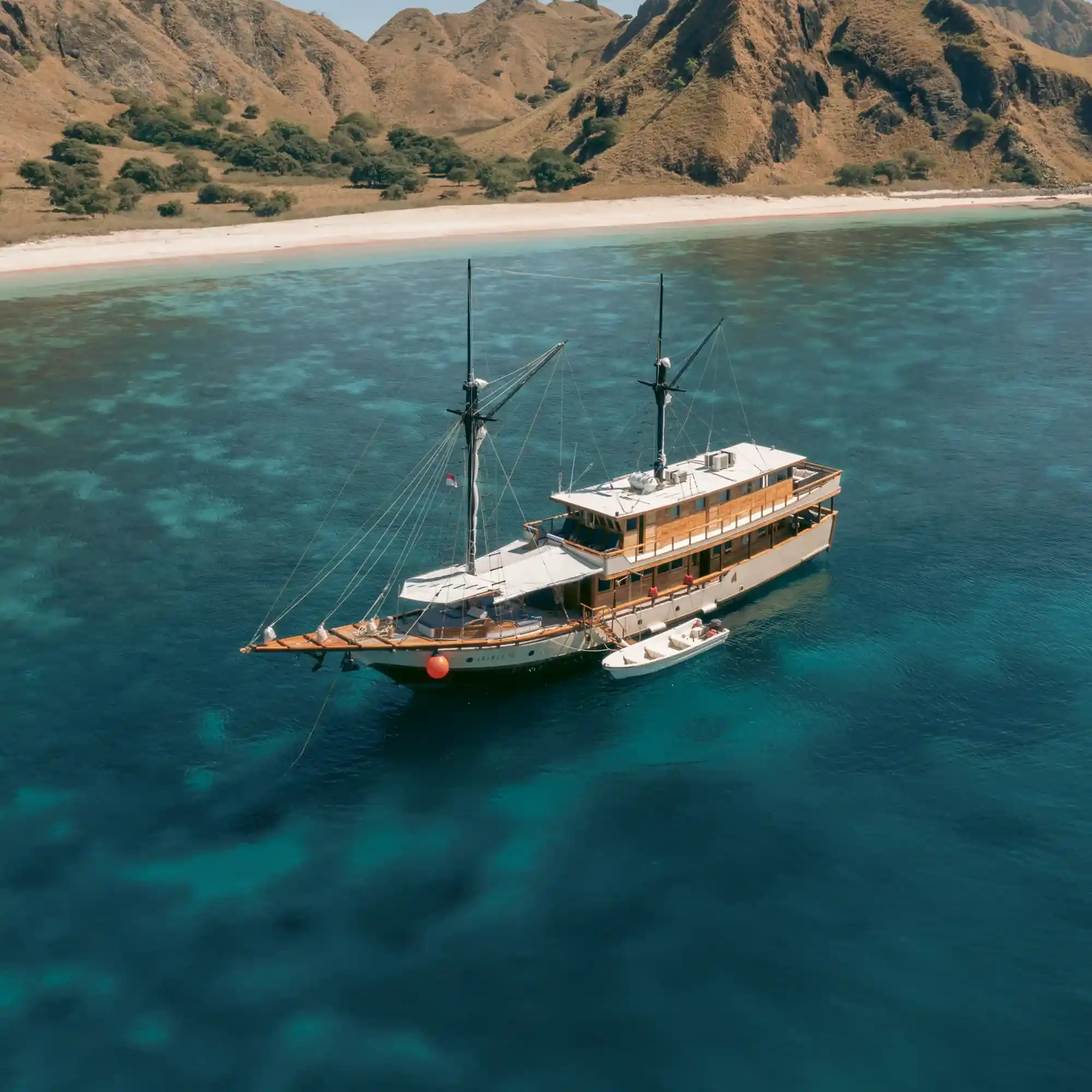
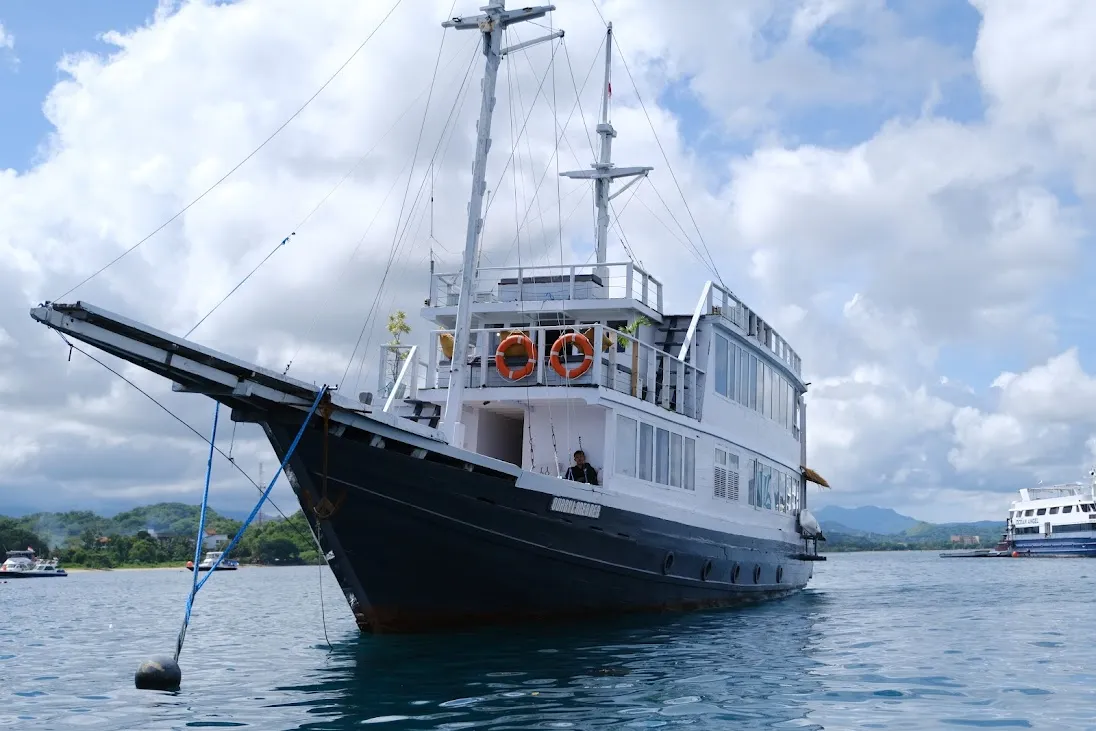
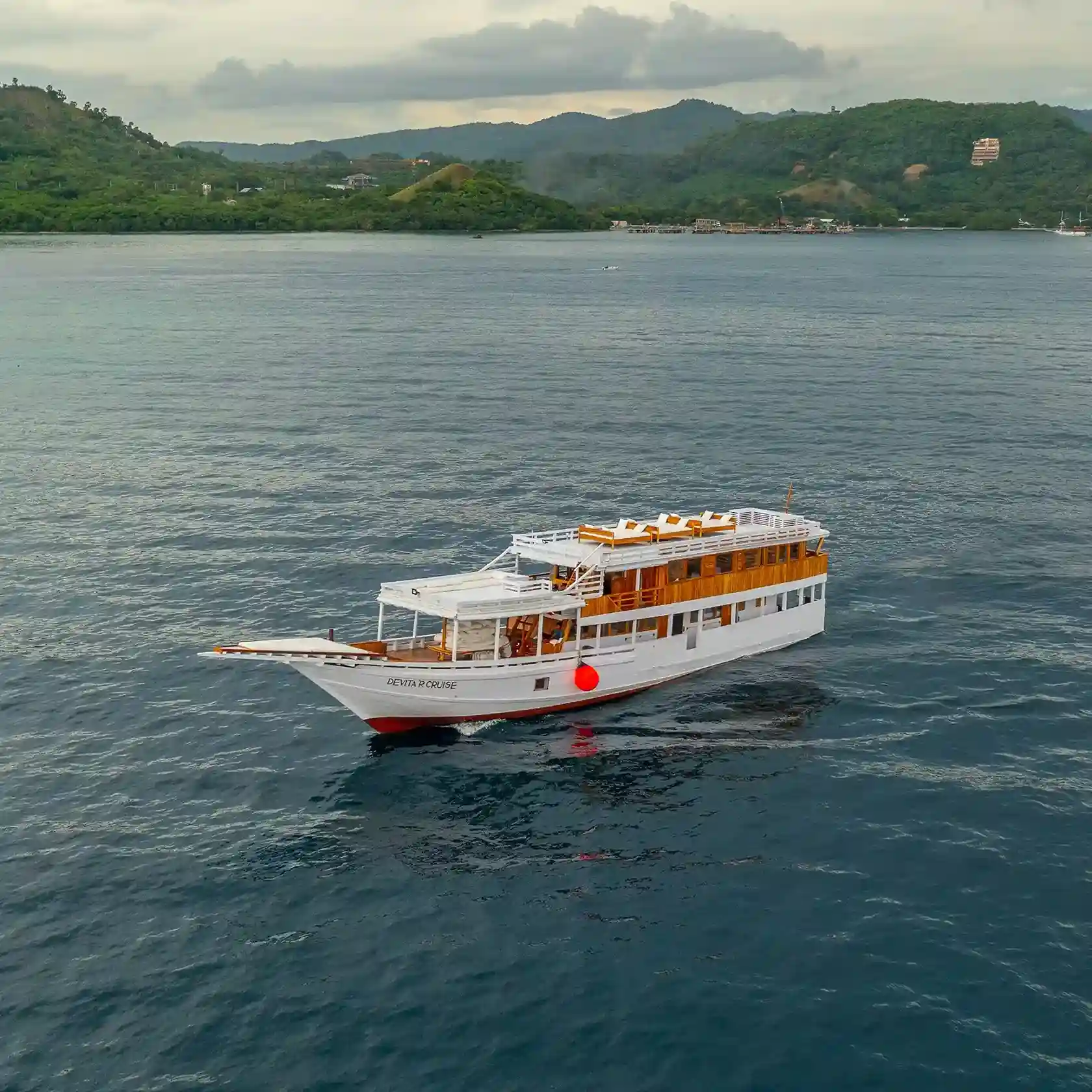
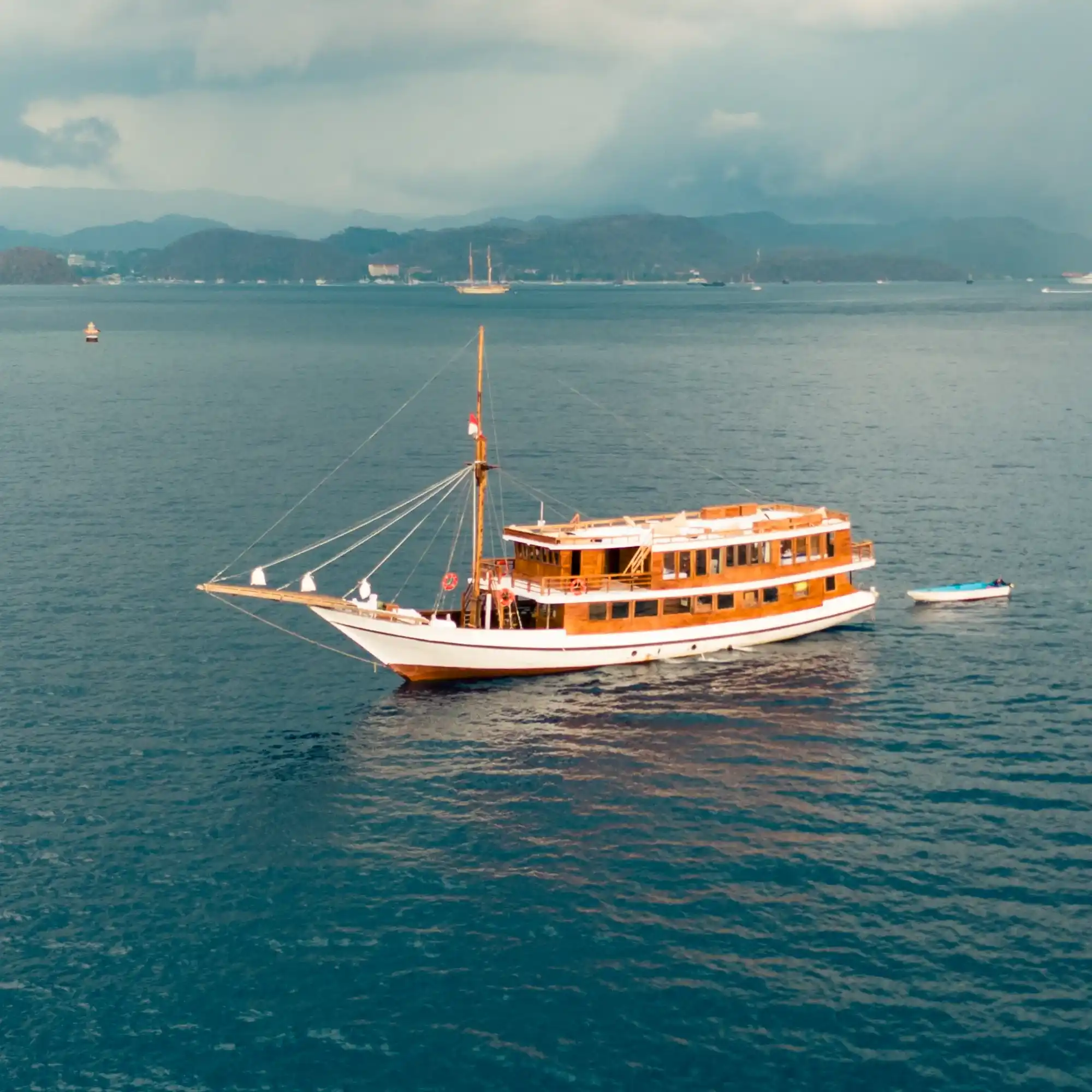
The first thing I noticed was the quiet. Not silence—there was the creak of teak and the soft lap of waves against the hull—but the kind of calm that only comes when you’re truly offshore. I woke before sunrise on Day 1, wrapped in a thin cotton robe from my cabin, and stepped barefoot onto the deck. The sky was still indigo when the galley lit up, and one of the crew handed me coffee in a ceramic mug, no plastic in sight. We were already moving, leaving Labuan Bajo’s docks behind, and the air tasted like salt and diesel-free dawn.
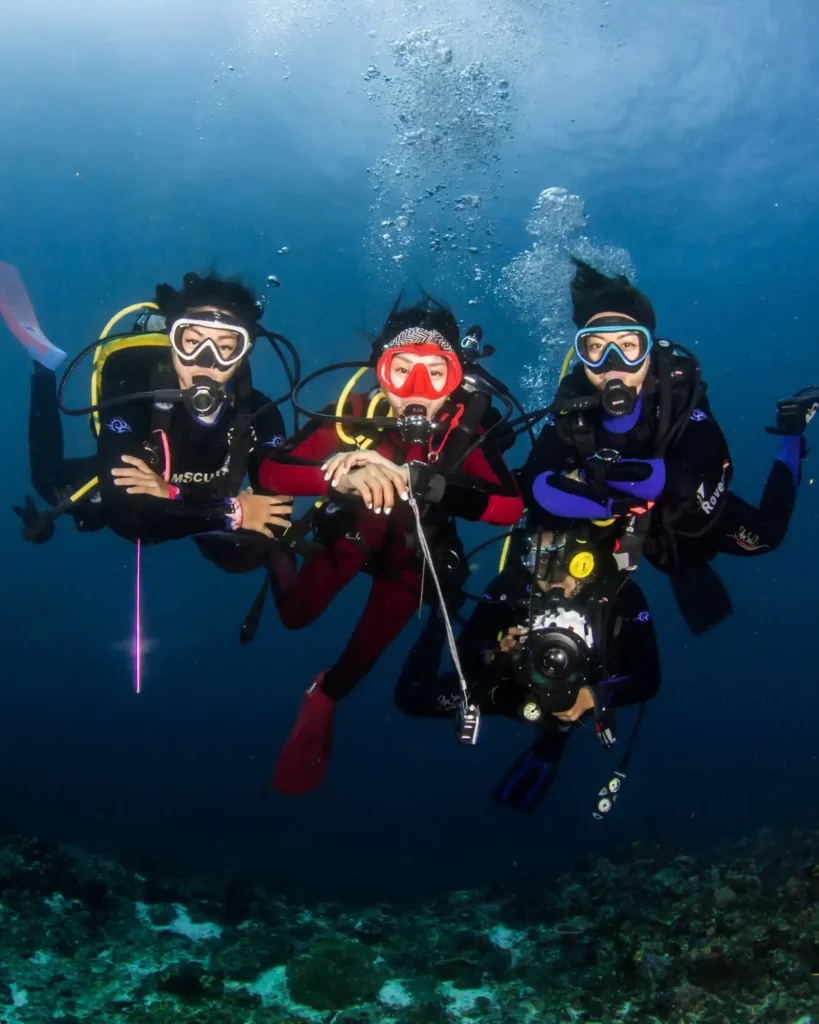
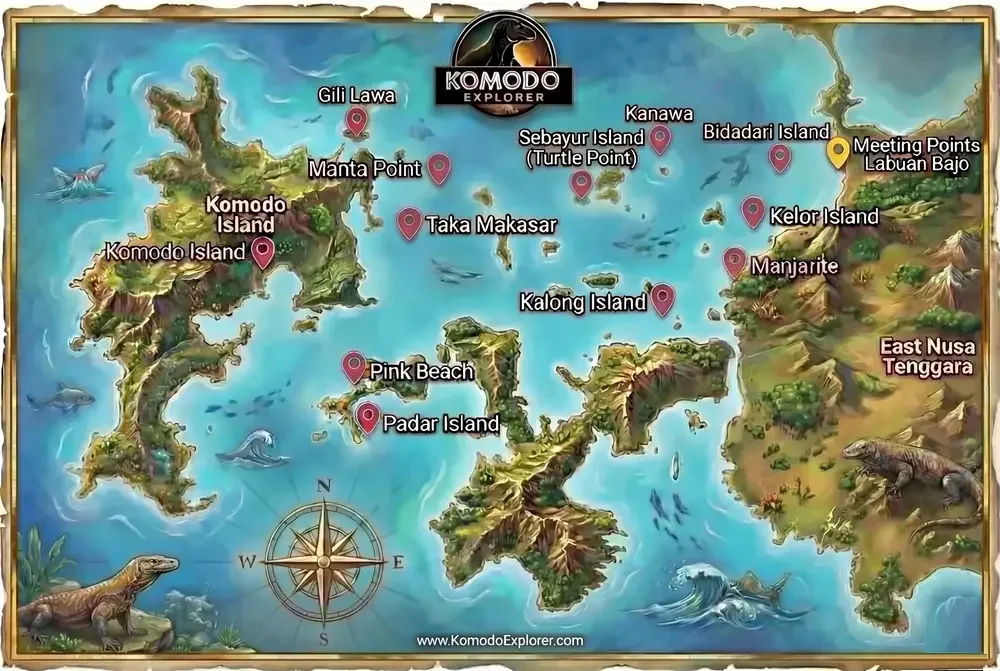
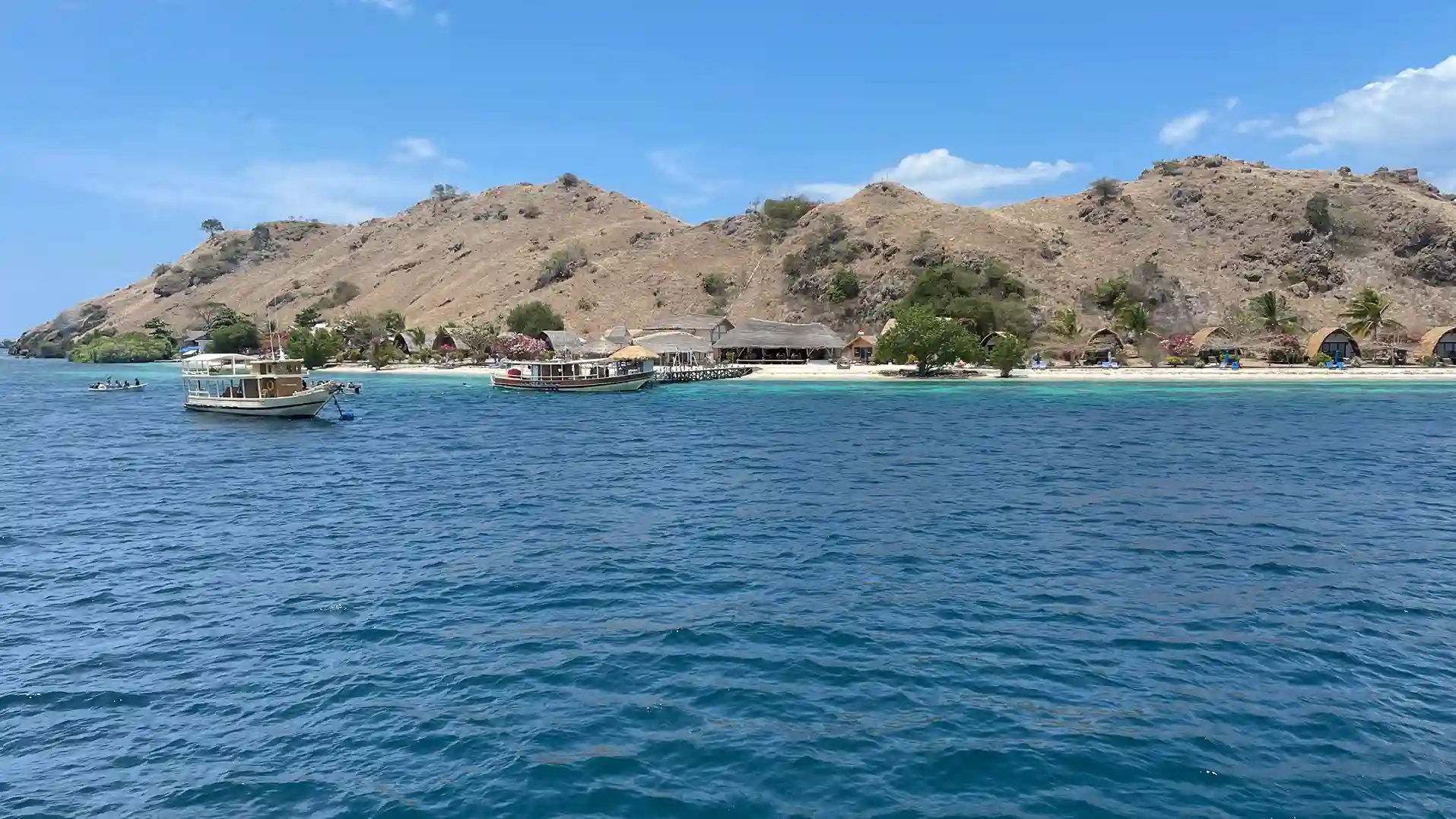
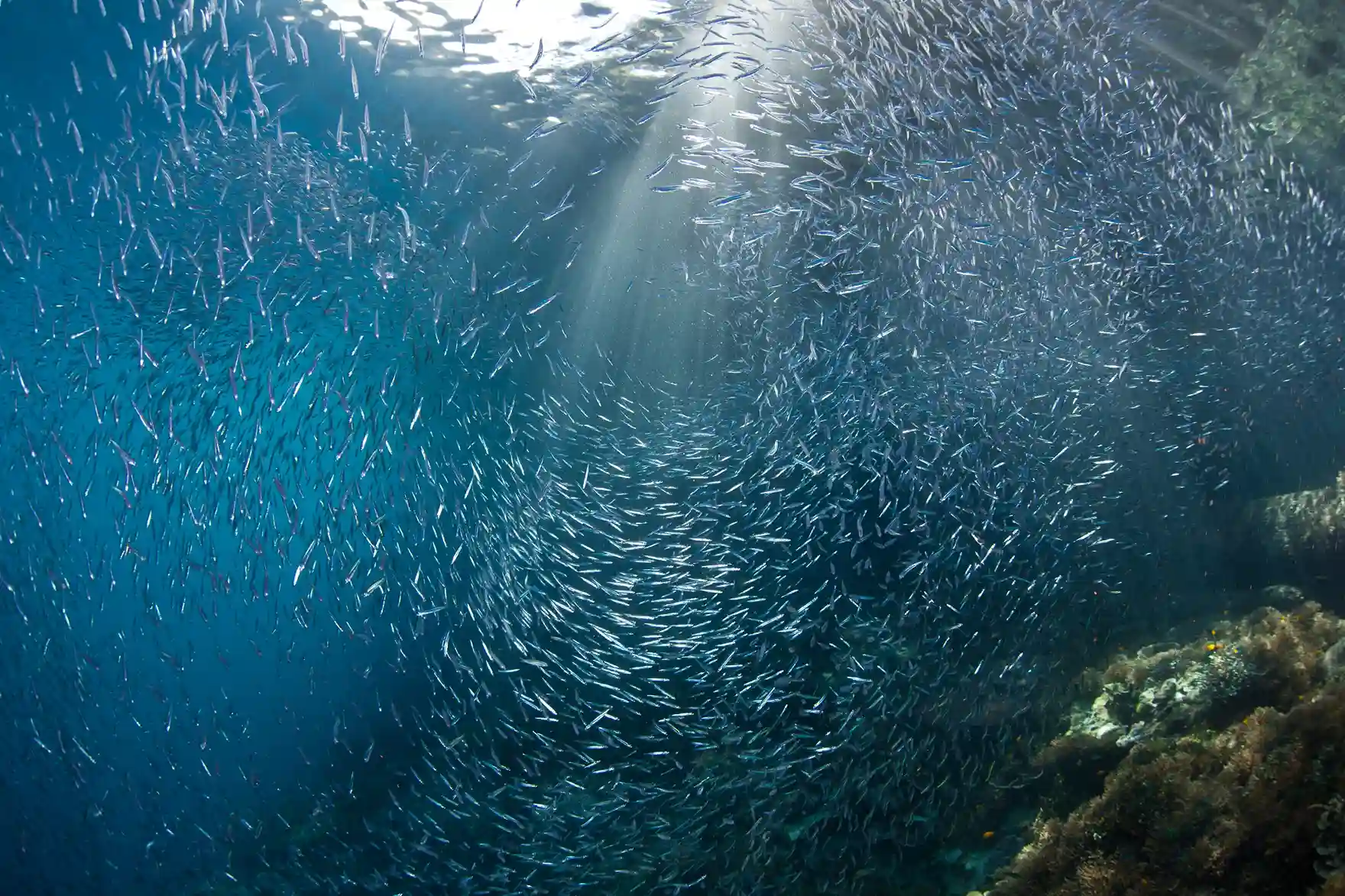
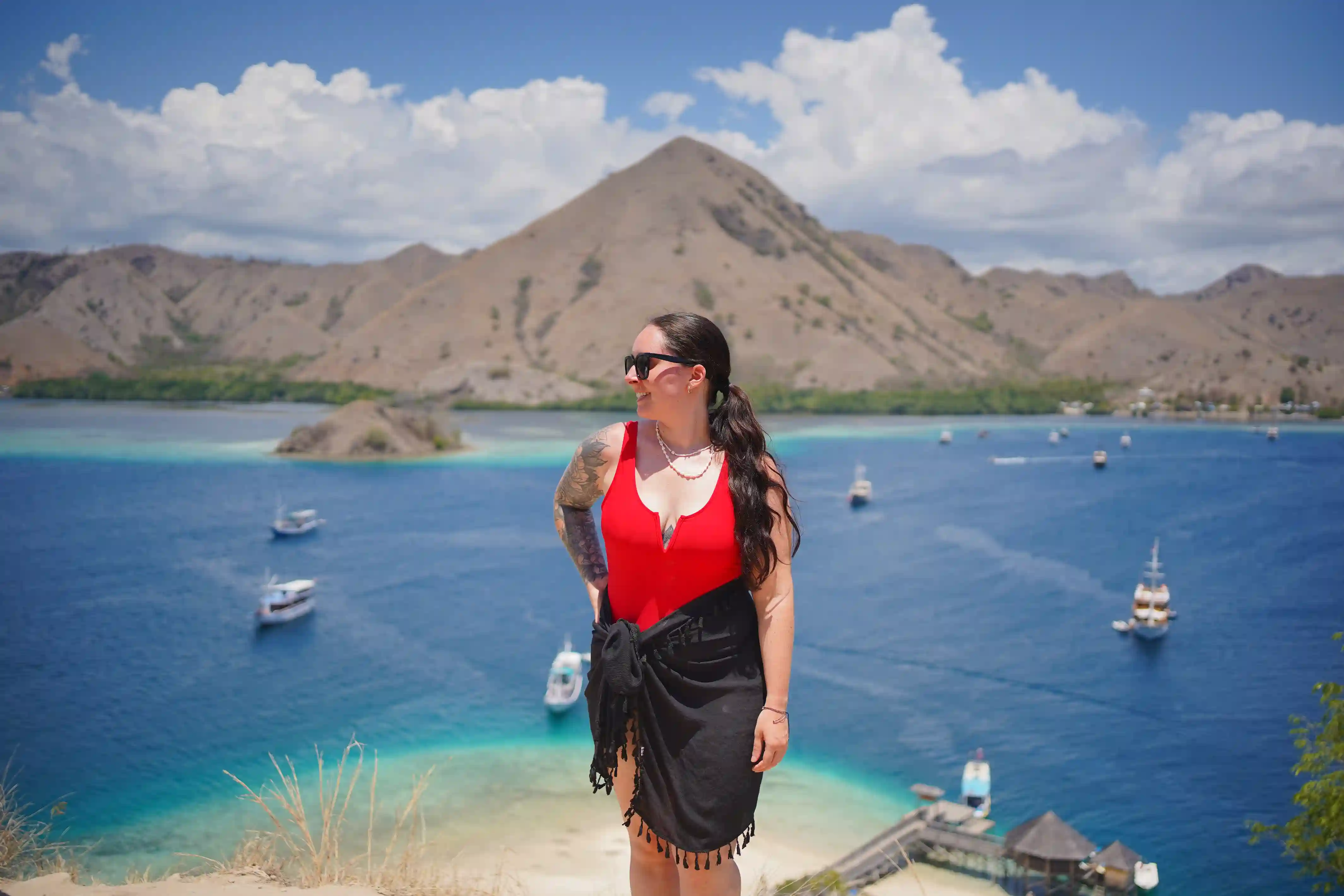
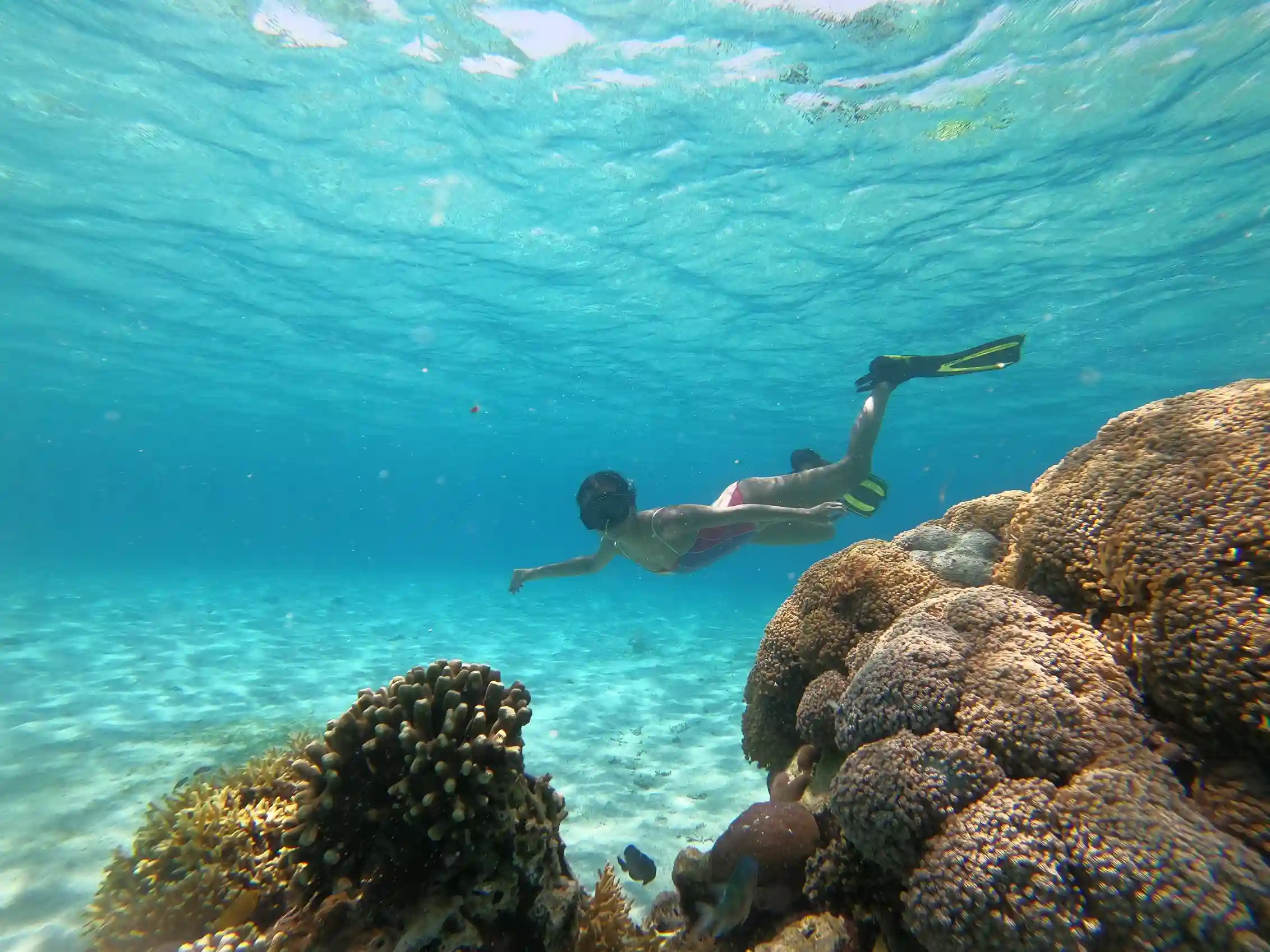
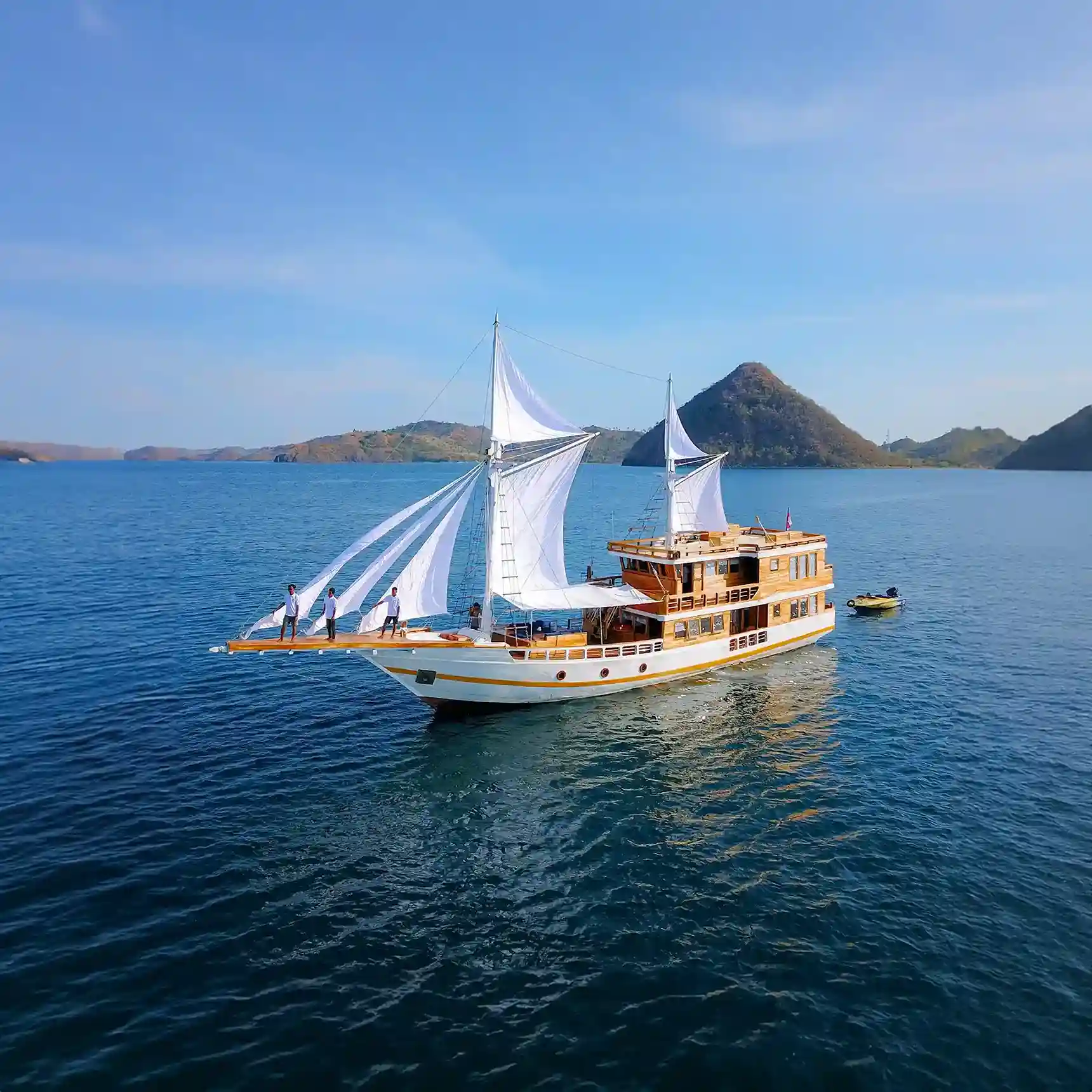
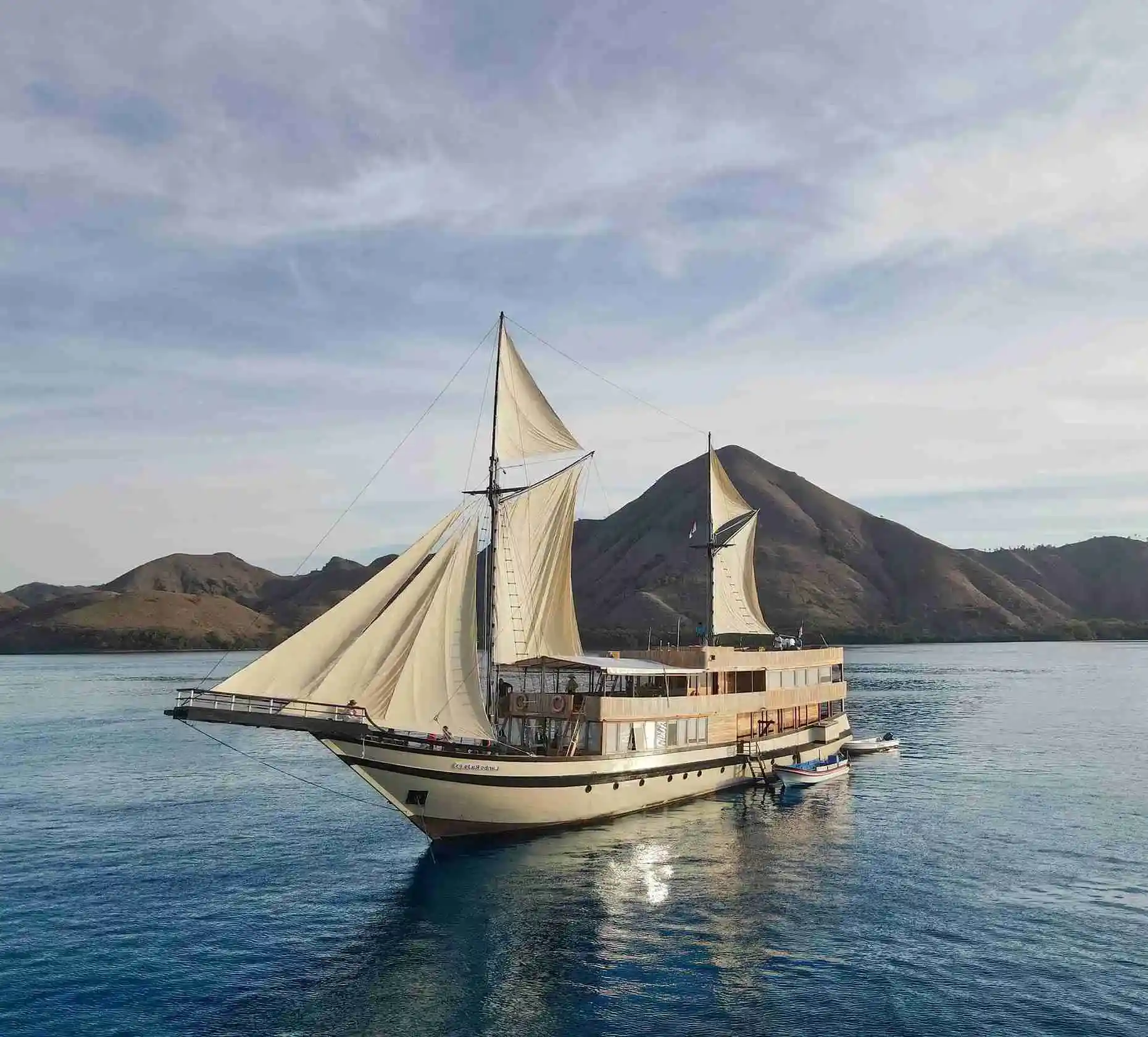
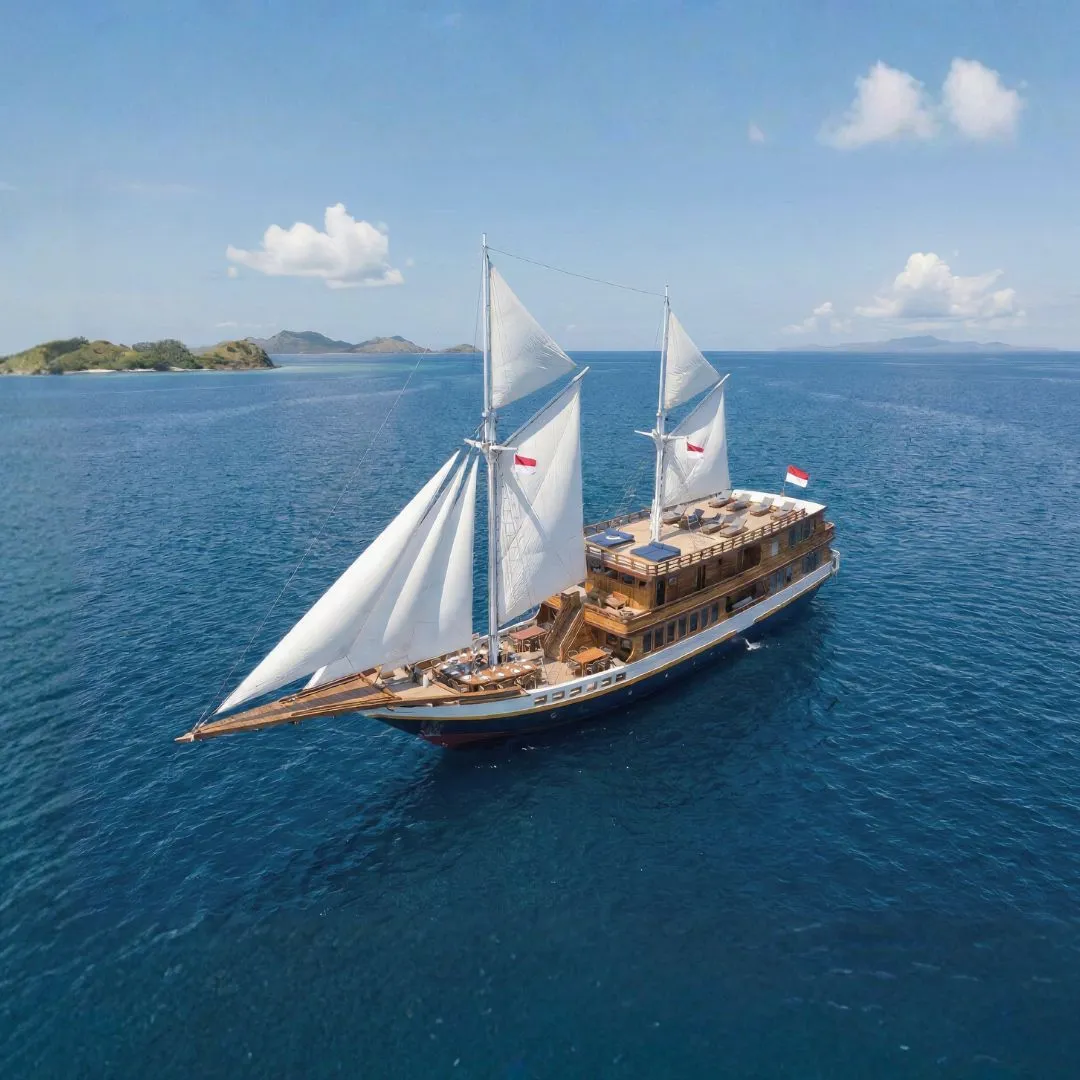
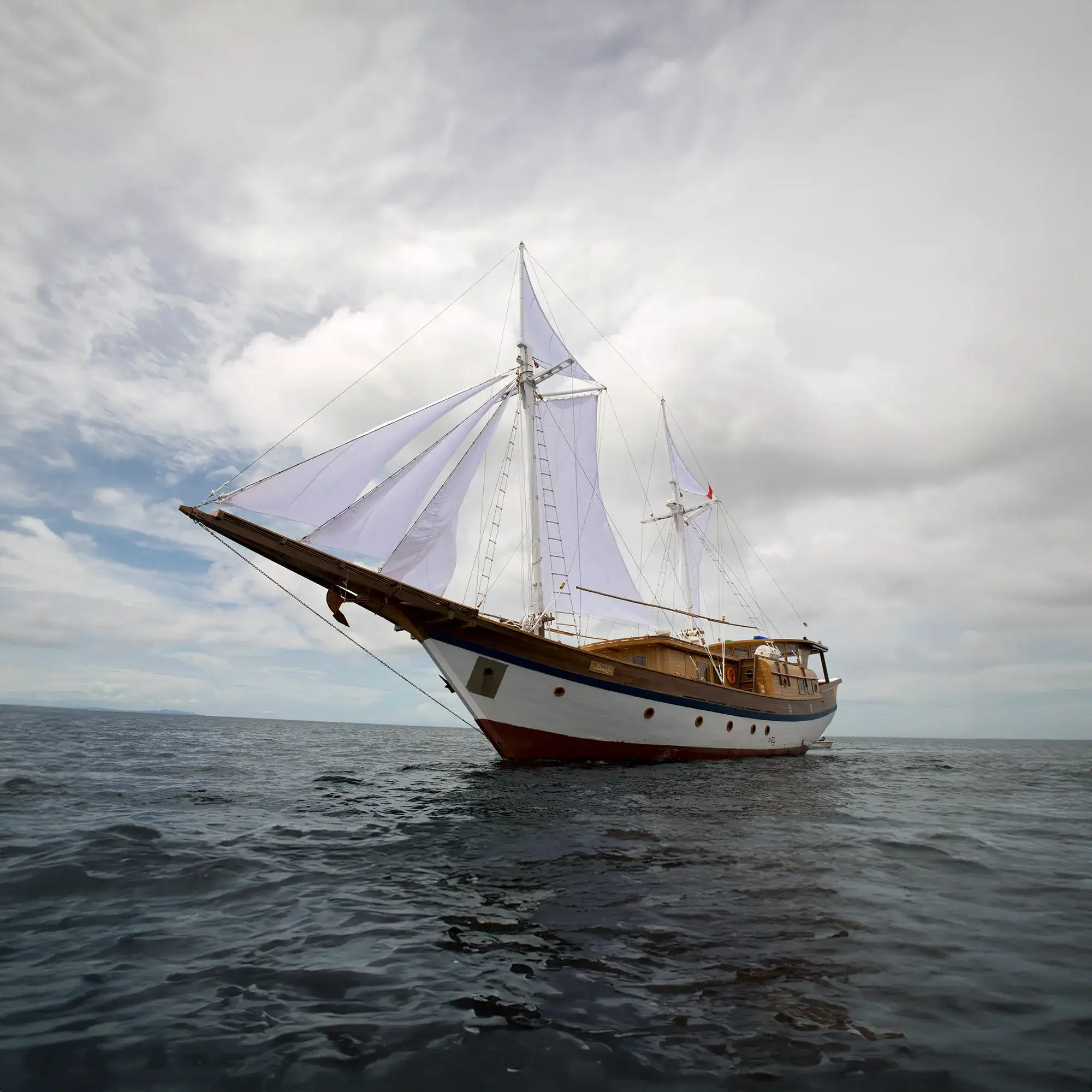
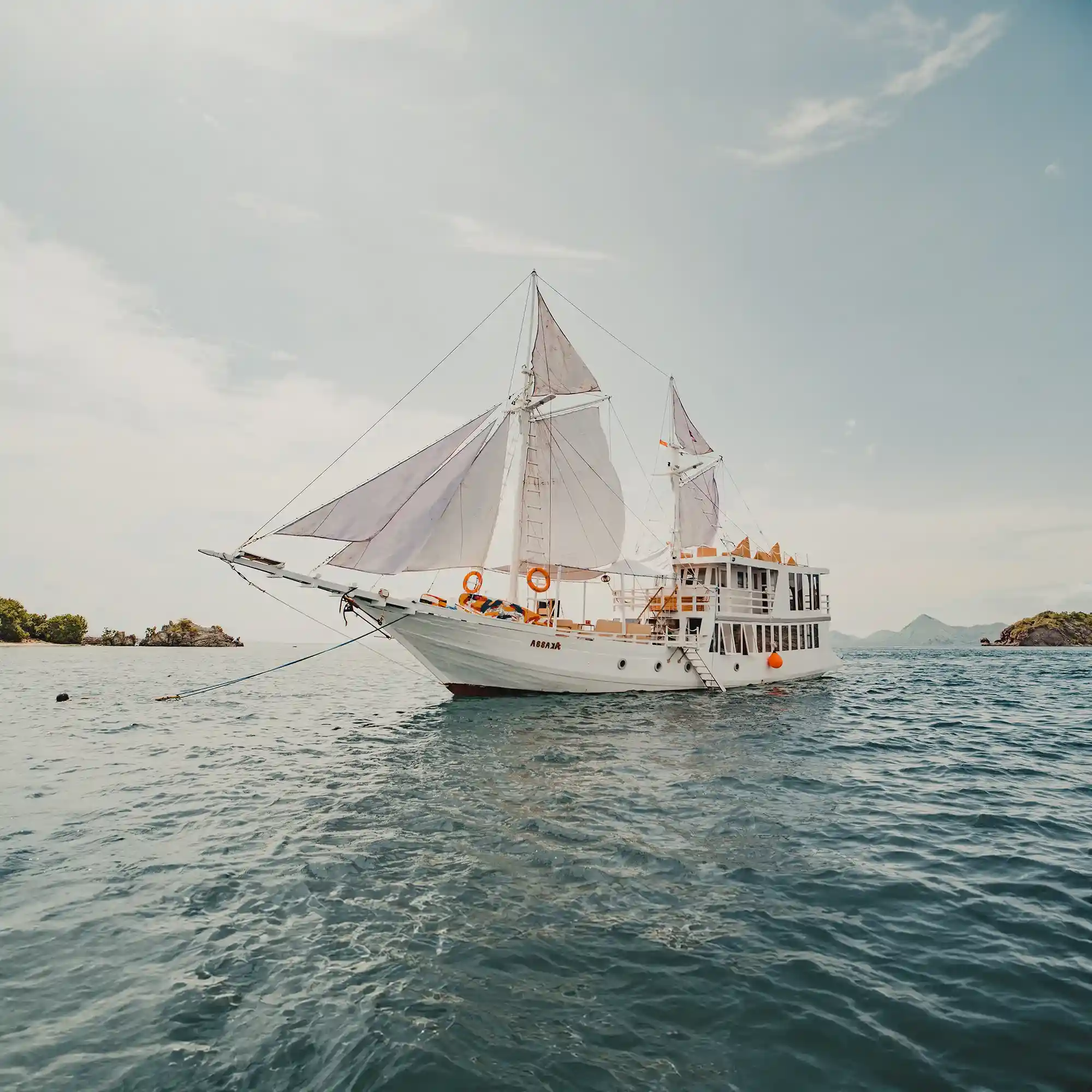
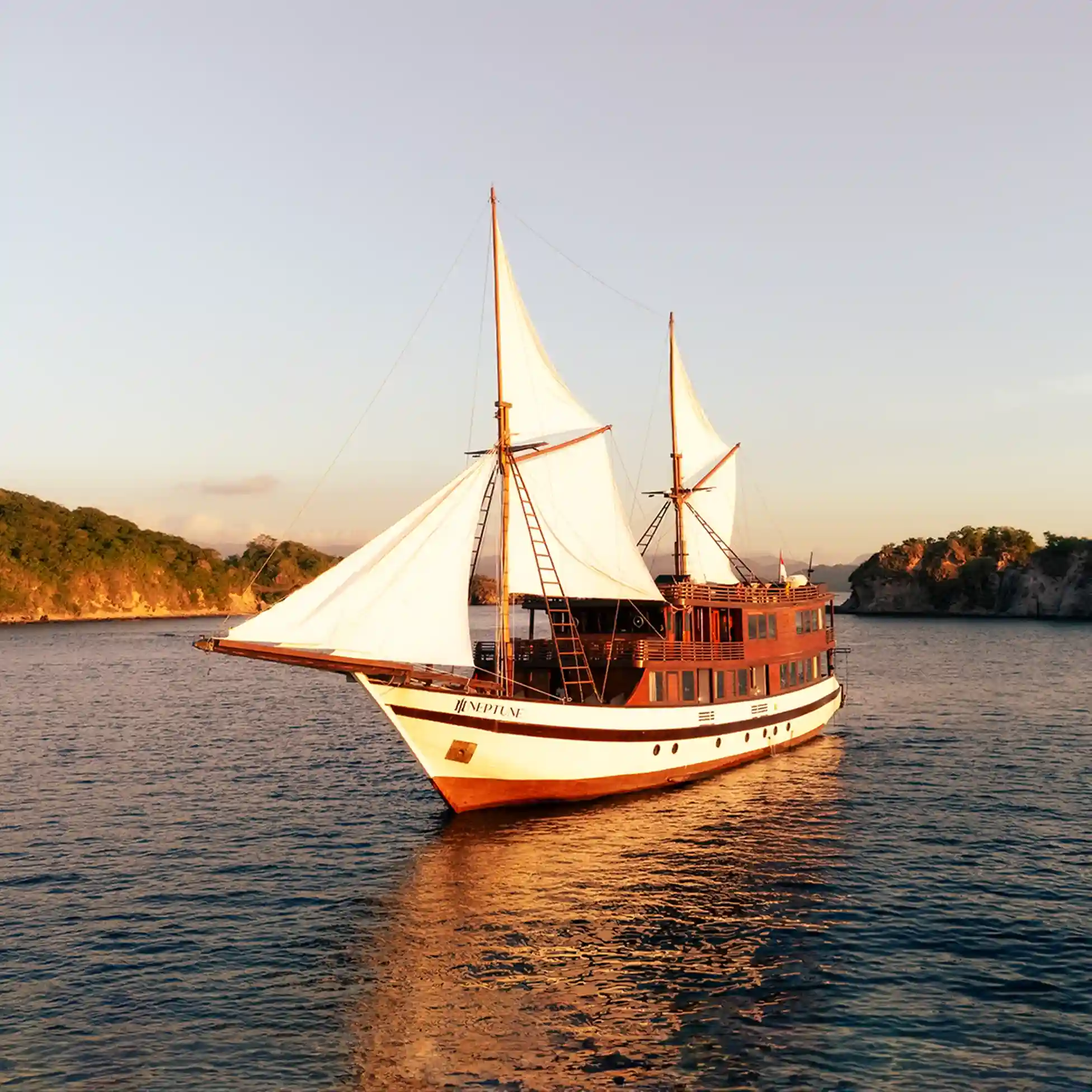
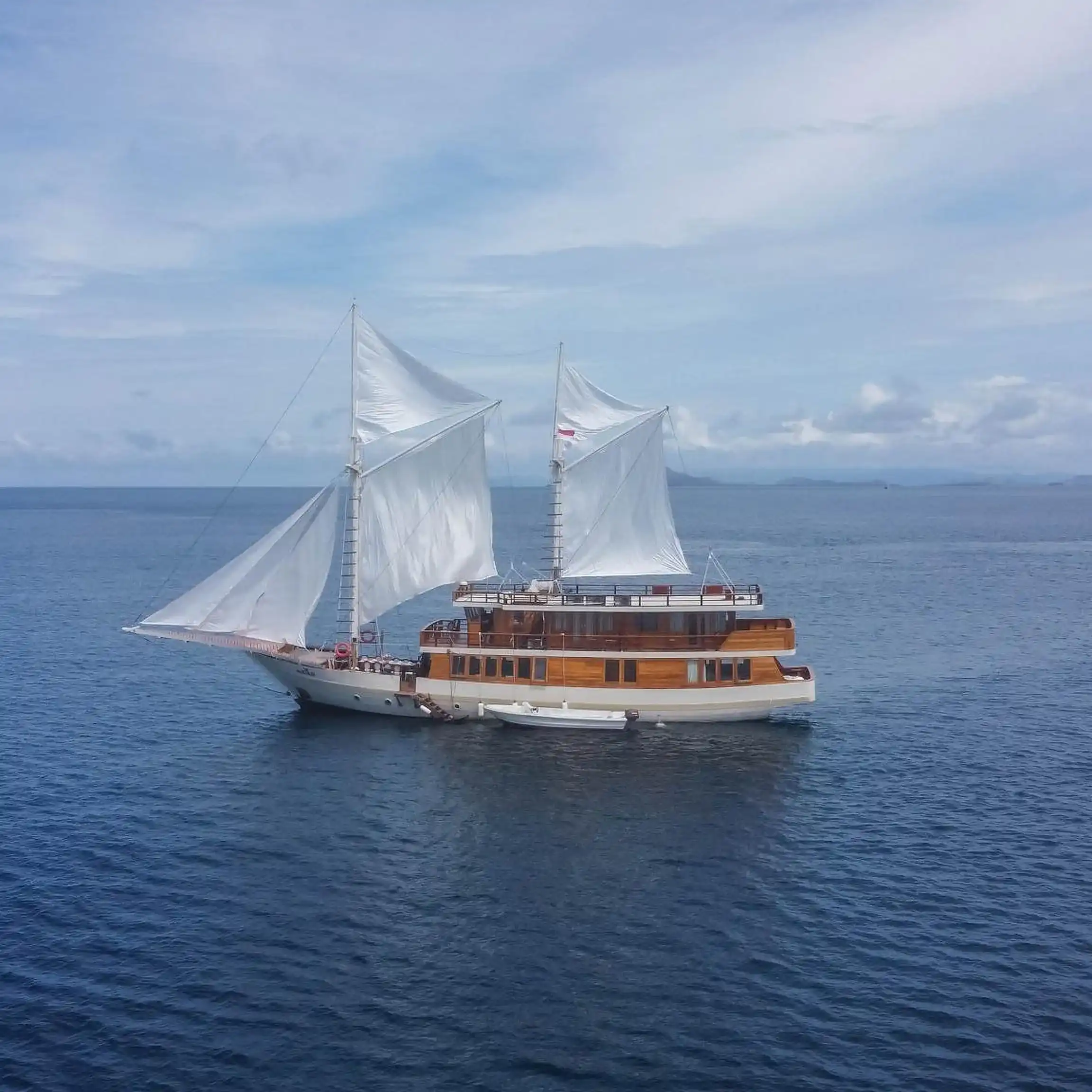
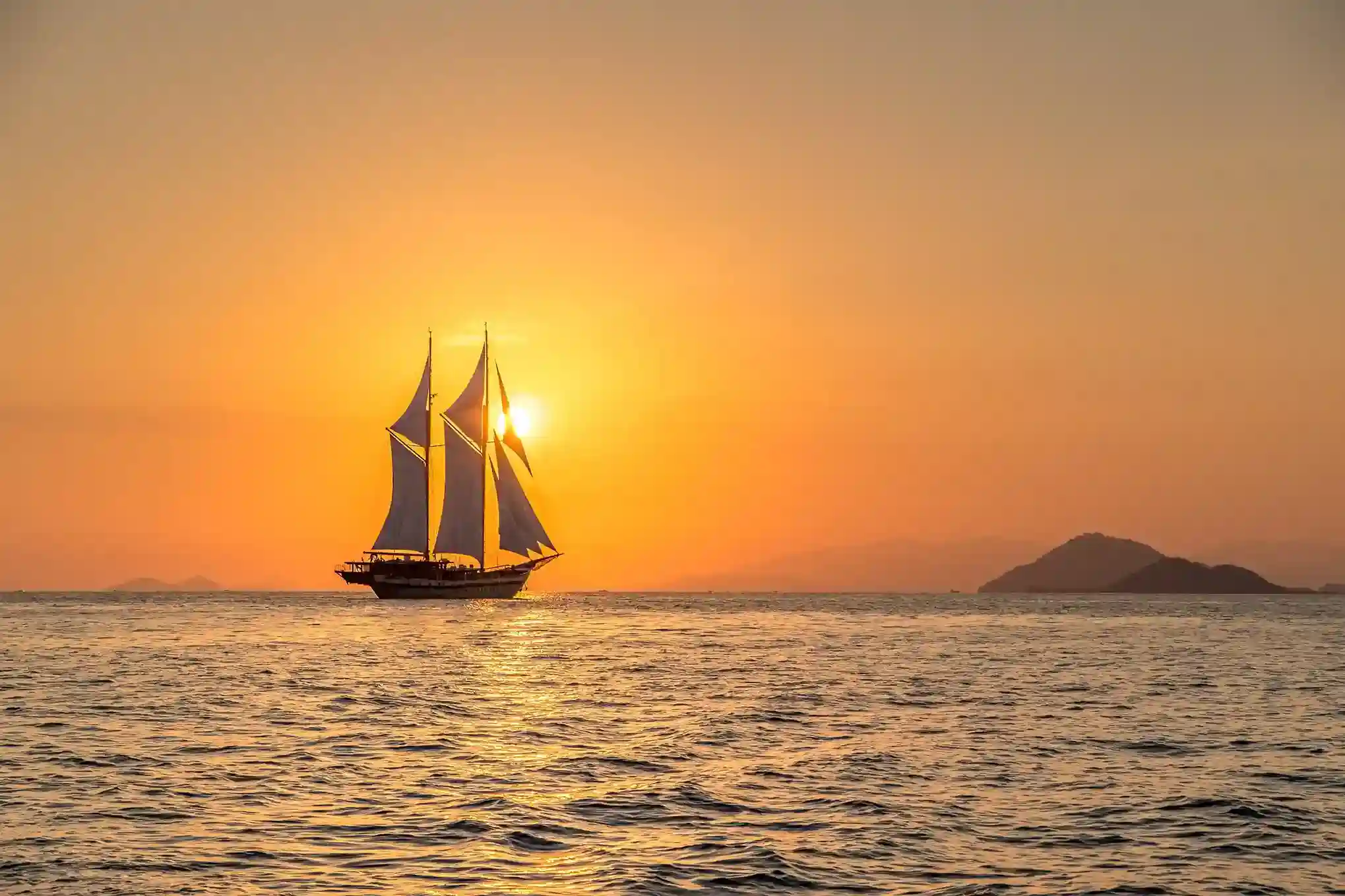
By late morning, we’d anchored at Kelor. I snorkeled the outer reef while the current pushed gently past the island’s tip. The coral was dense—staghorn thickets and brain coral the size of truck wheels—with blue tang and parrotfish flickering between them. No crowds, just our group of eight and two other boats in the distance. After lunch, we sailed toward Rinca, but didn’t land. Instead, we paused at Sebayur—empty, no rangers, just red-soil cliffs dropping into turquoise. I swam from the back ladder, the water cool but not cold, and floated on my back watching the Navila’s sails go taut as the afternoon breeze kicked in.
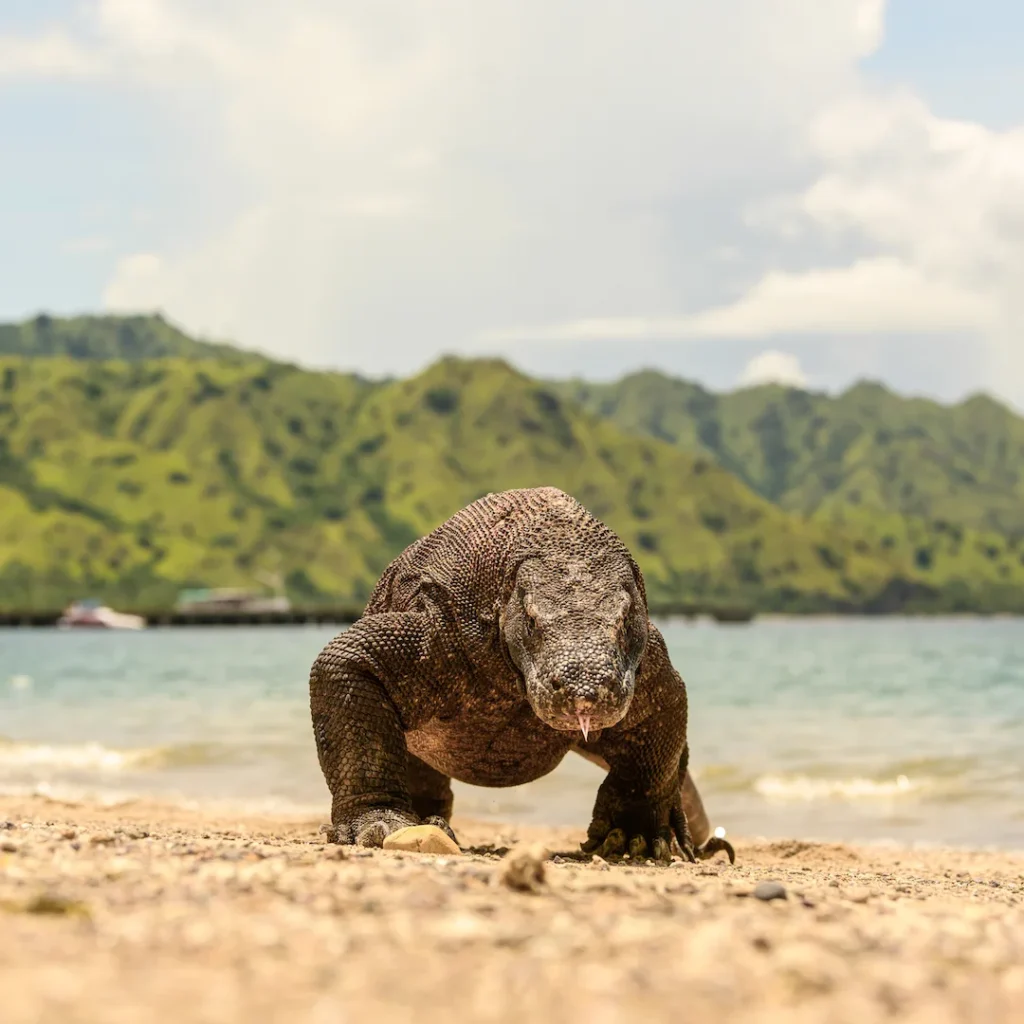
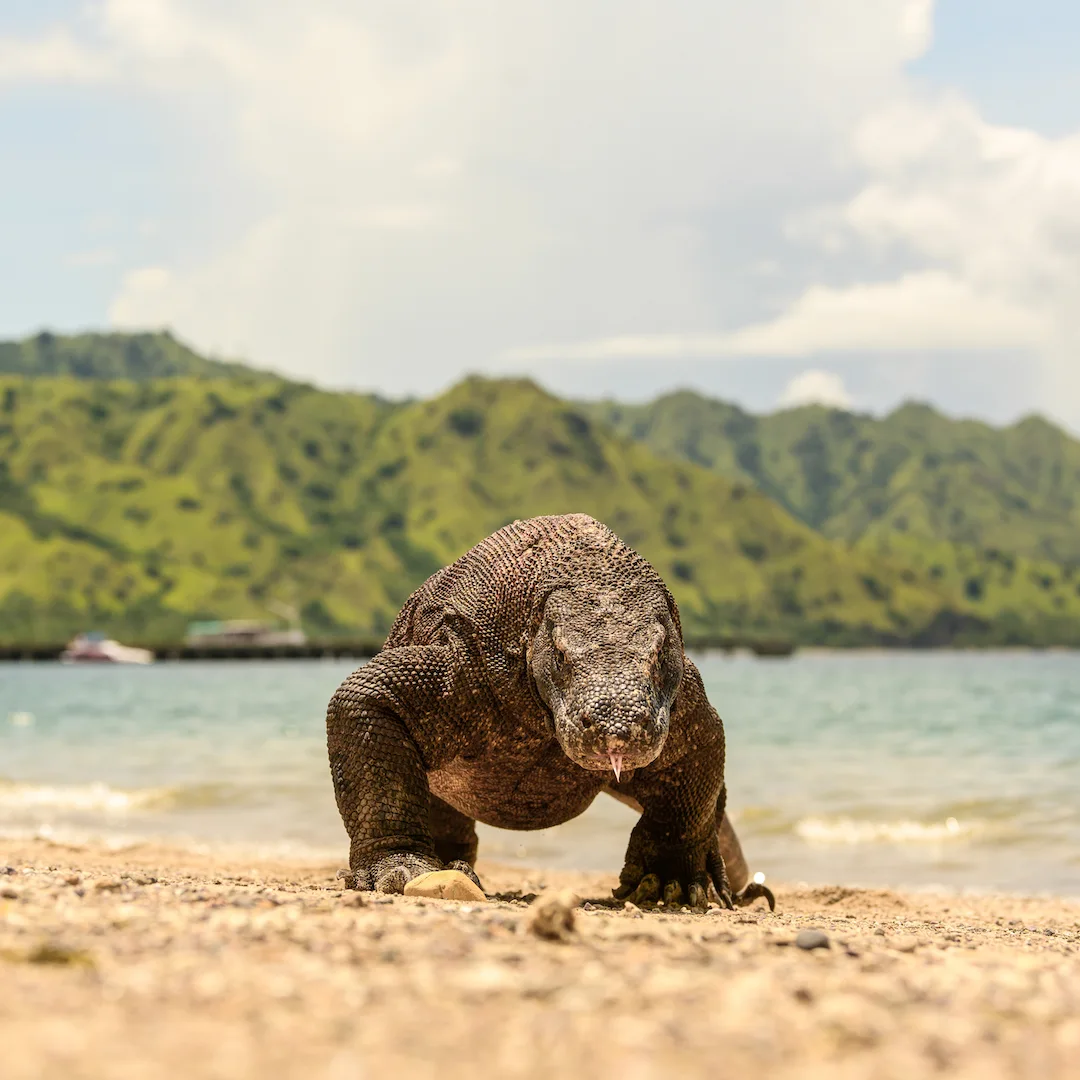
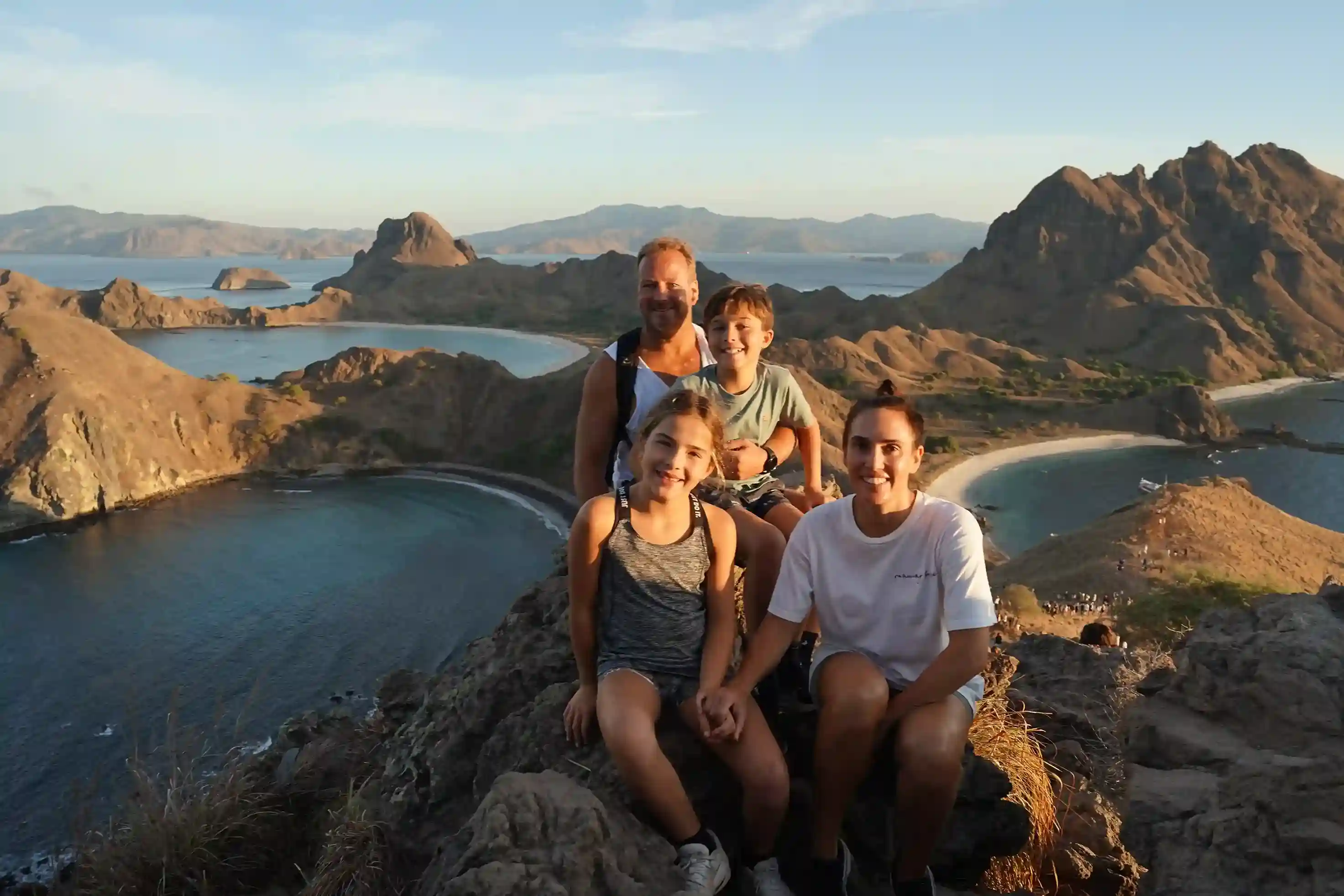
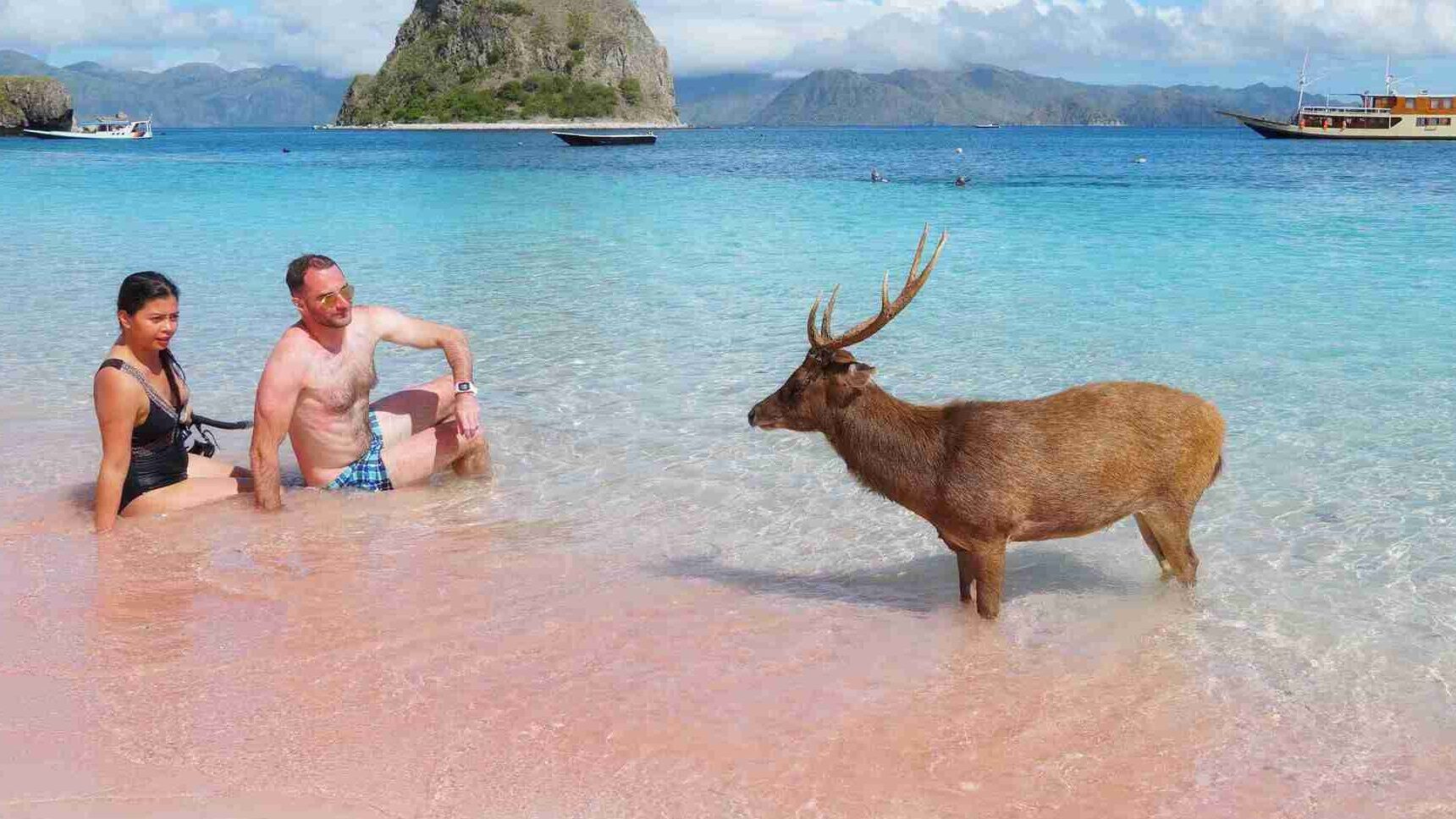
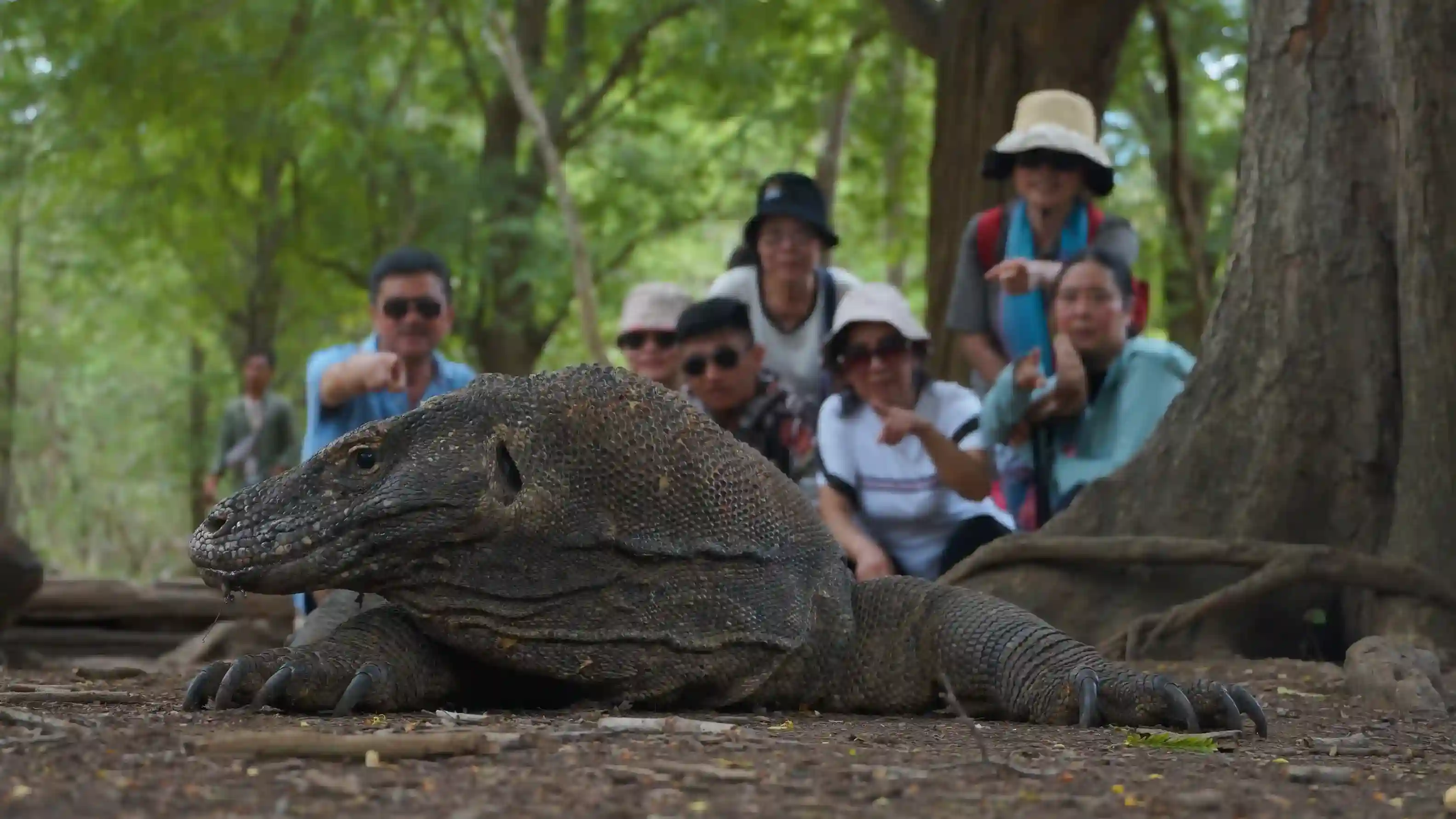
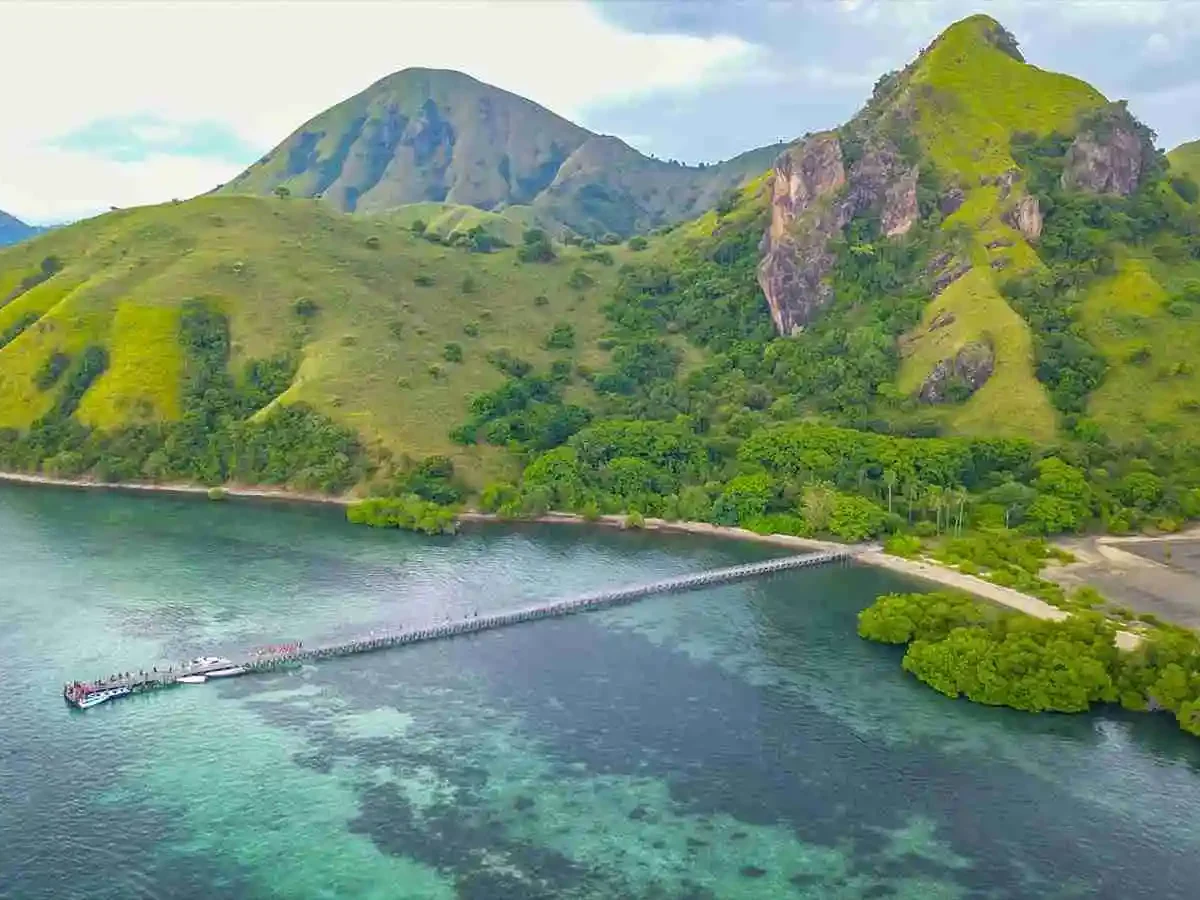
Day 2 began with Padar at first light. We hiked the switchbacks in the cool dark, headlamps bobbing ahead, and reached the saddle just as the sun cleared the horizon. The three-bay panorama—pink sand, charcoal slopes, and the endless blue—was real, not a filtered illusion. Later, we saw Komodo dragons up close on Komodo Island itself: one massive male basking near the ranger post, another slithering through the underbrush after a meal. No staged feeding, just wild animals on their terms. We spent hours at Pink Beach, not just for the sand but for the reef that arcs 150 meters offshore. Snorkeling there felt like drifting over a living carpet.
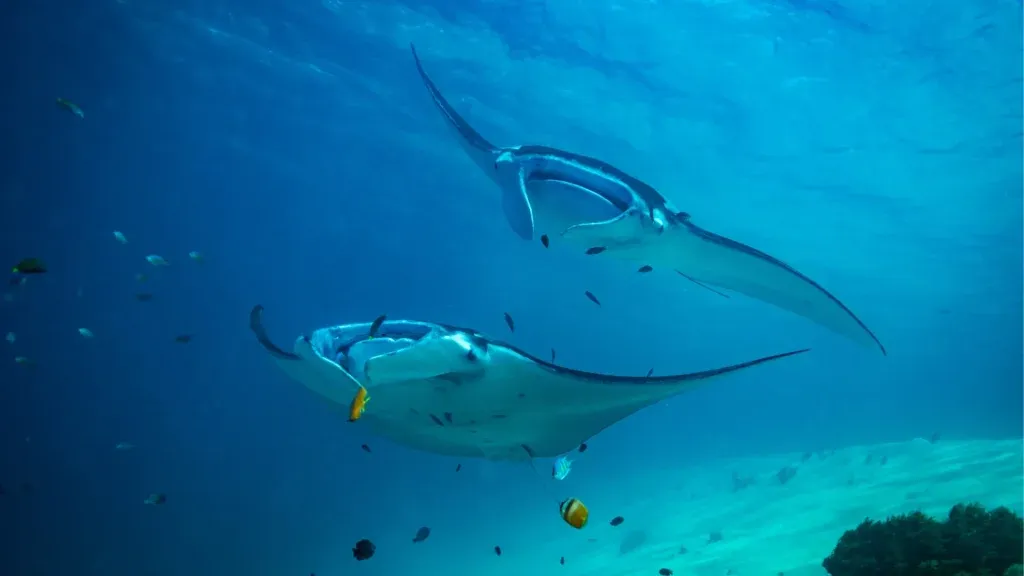
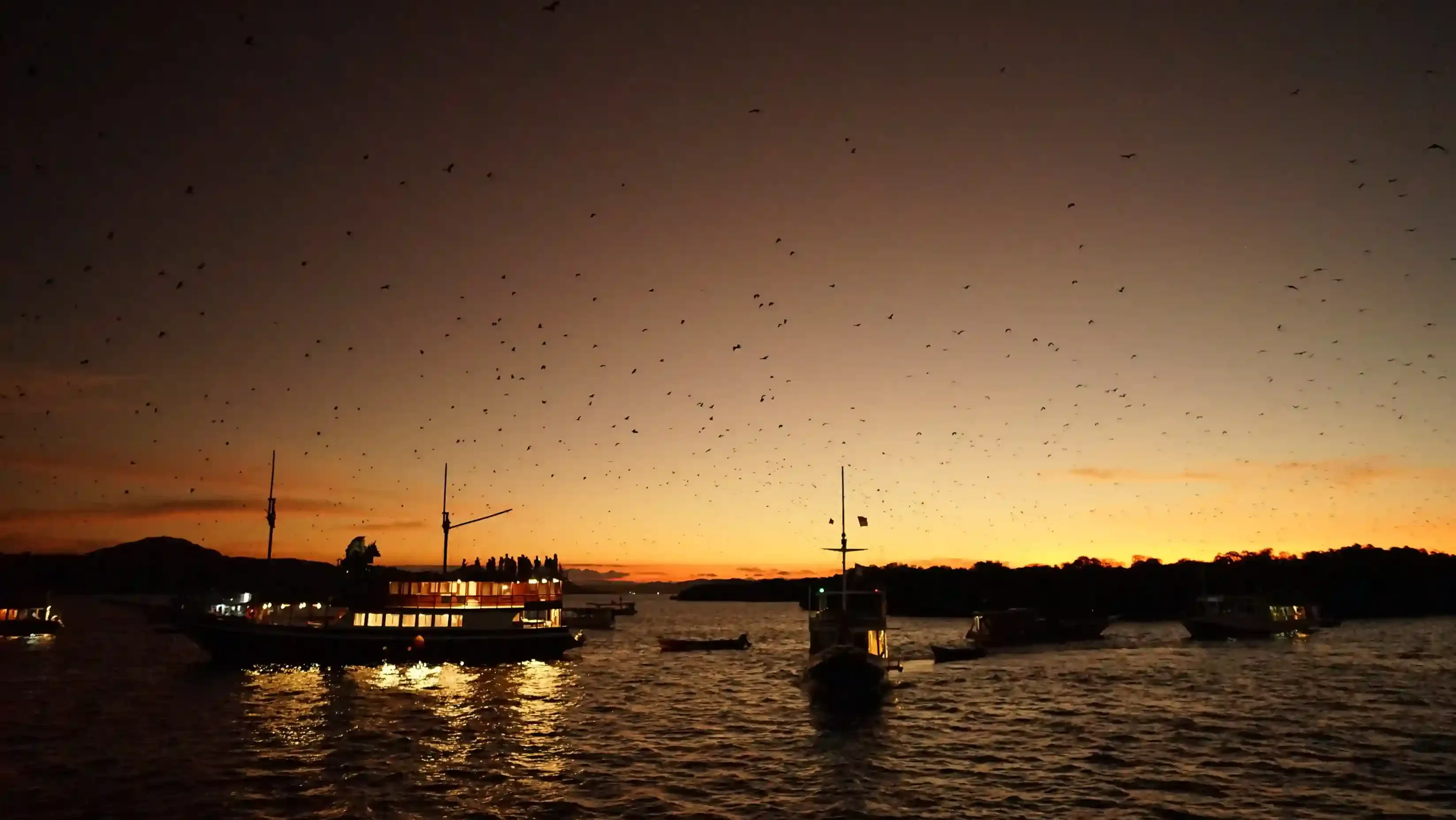
Manta Point was the surprise. We’d been told ‘mantas are seasonal,’ but we saw six—some smaller, one enormous female with a wingspan that must’ve been four meters. They circled the cleaning station, flipping slowly just below us. The crew didn’t rush us; we stayed 45 minutes. That evening, we anchored at Kalong, the island of flying foxes. As dusk fell, tens of thousands of bats poured from the mangroves in widening spirals. No commentary, no music—just the sound of wings and our quiet ‘wows.’
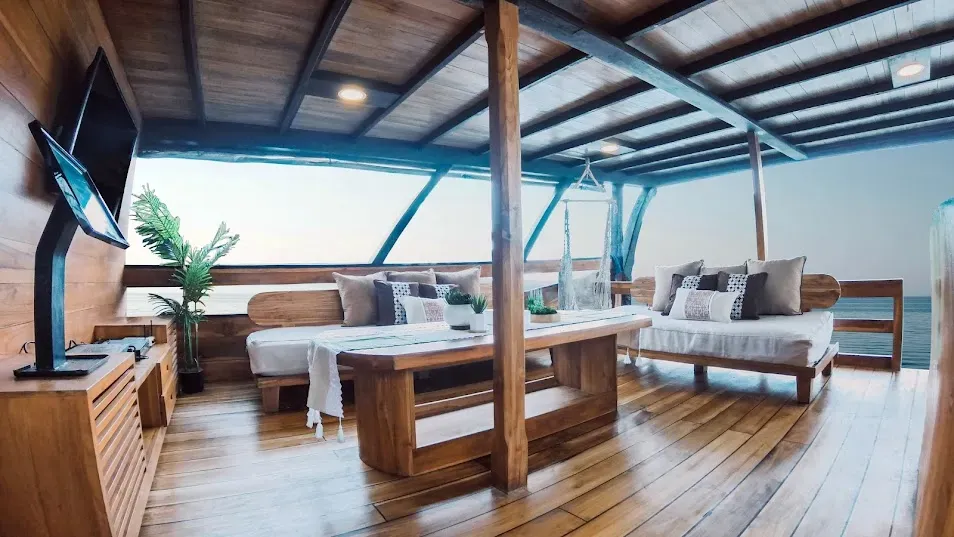
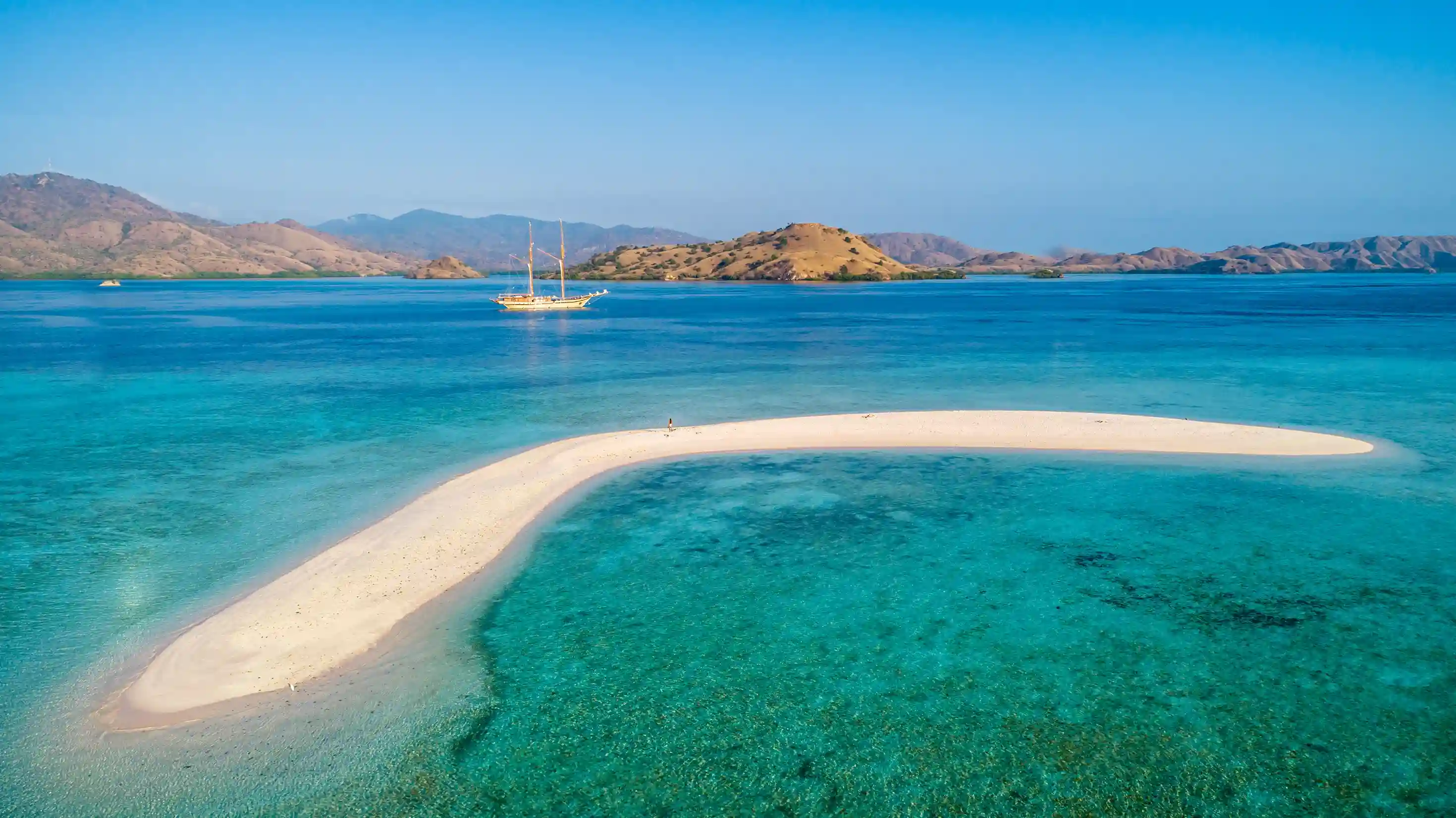
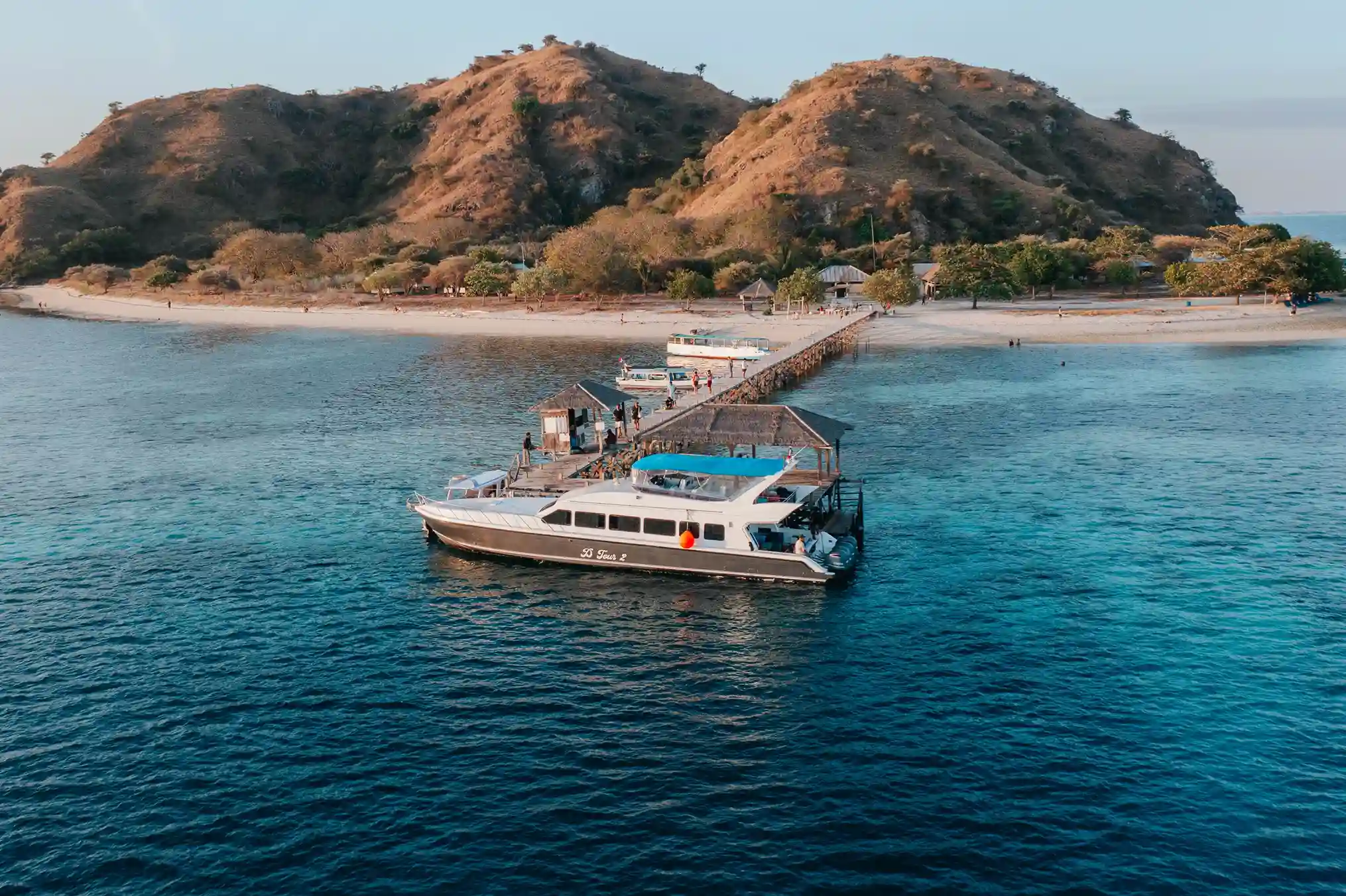
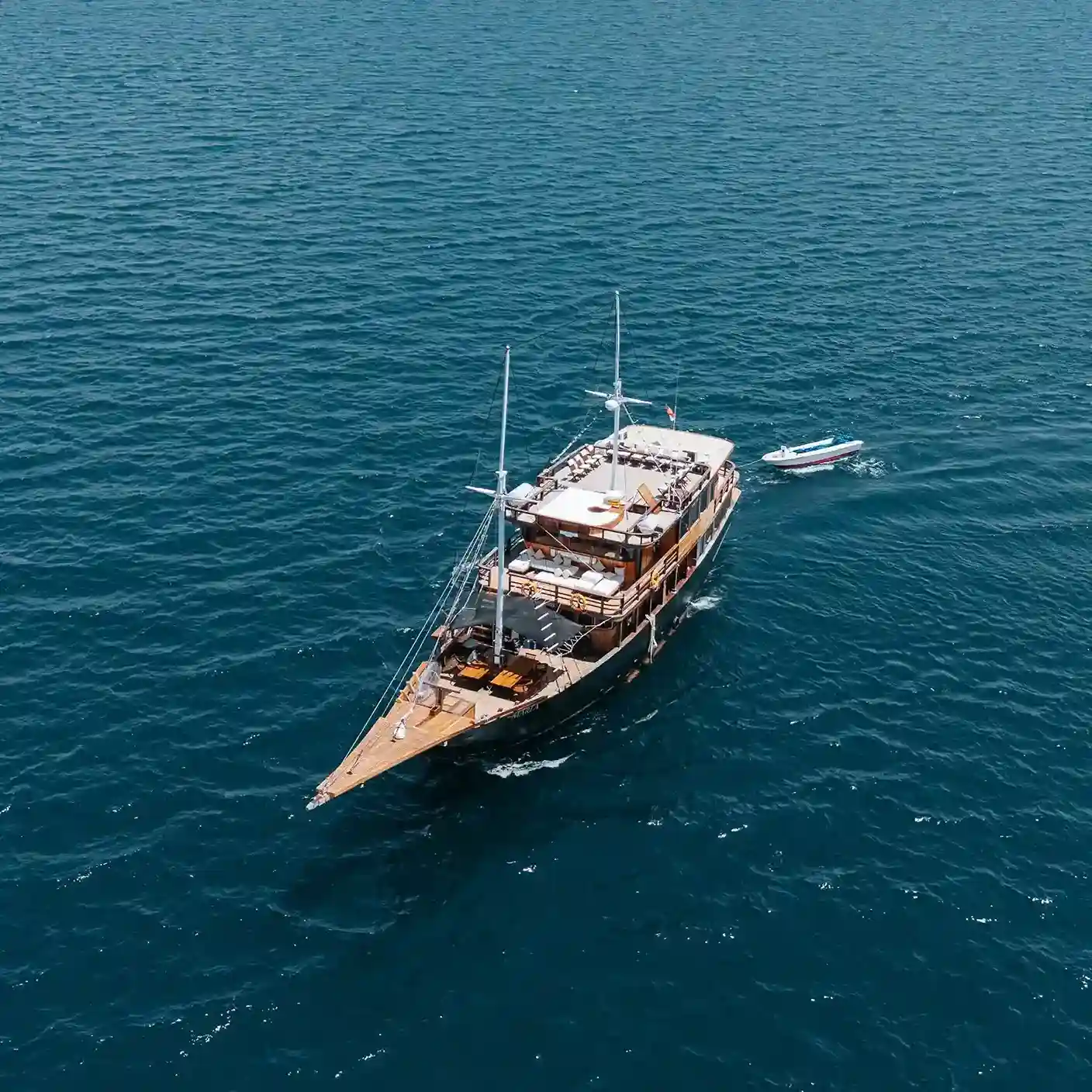
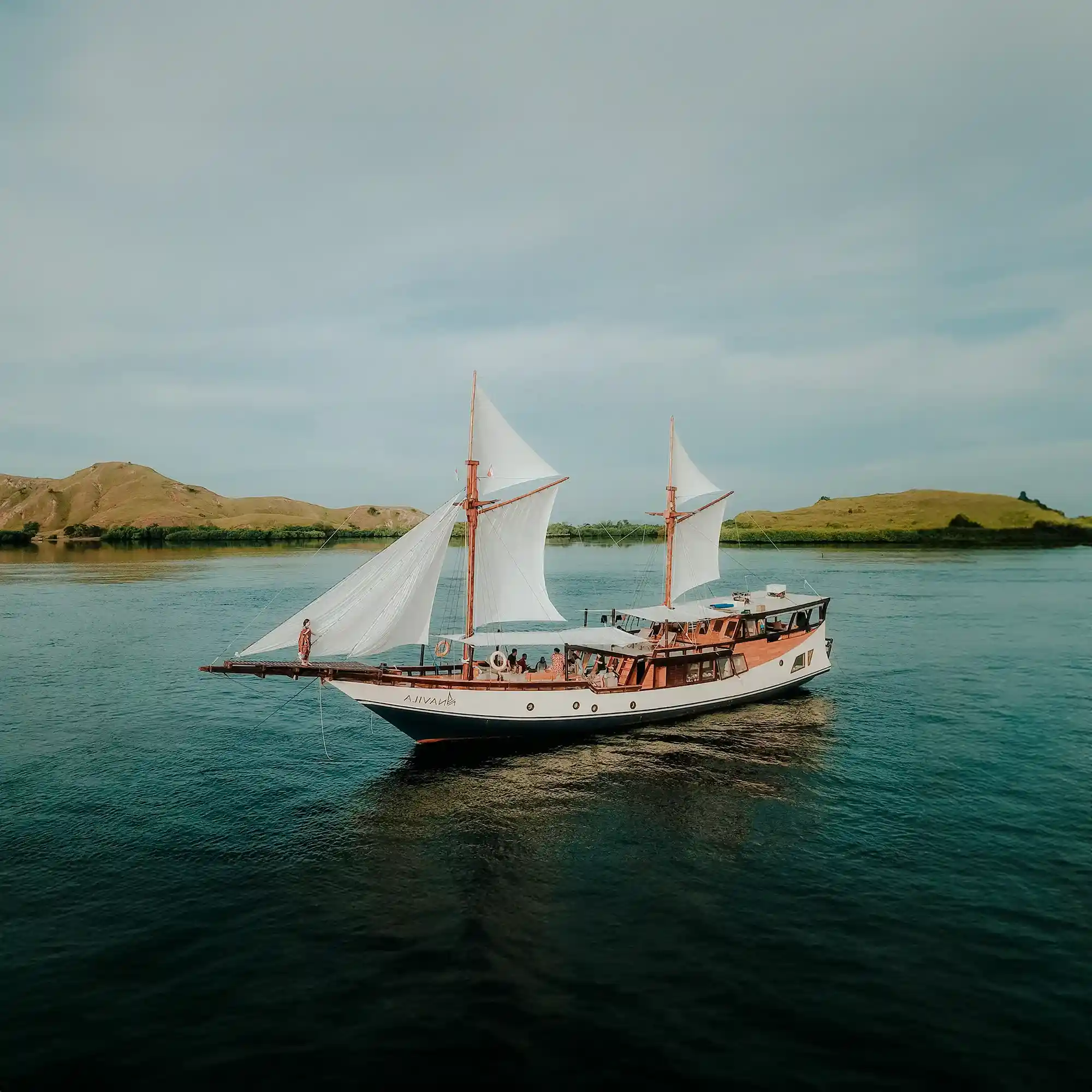
On our final day, Taka Makassar was flat and clear. We snorkeled the sandbar at high tide, then motored to Kanawa for a last swim. The wind picked up by 11 a.m., but the Navila’s 28-meter hull cut through it without roll. I stayed on deck, watching the coastline blur into the horizon. Back in Labuan Bajo, docking felt abrupt—like stepping off a dream and into traffic. But I still have the coffee mug from the first morning. It sits on my desk, chipped now, proof that some trips don’t really end.