About Elrora
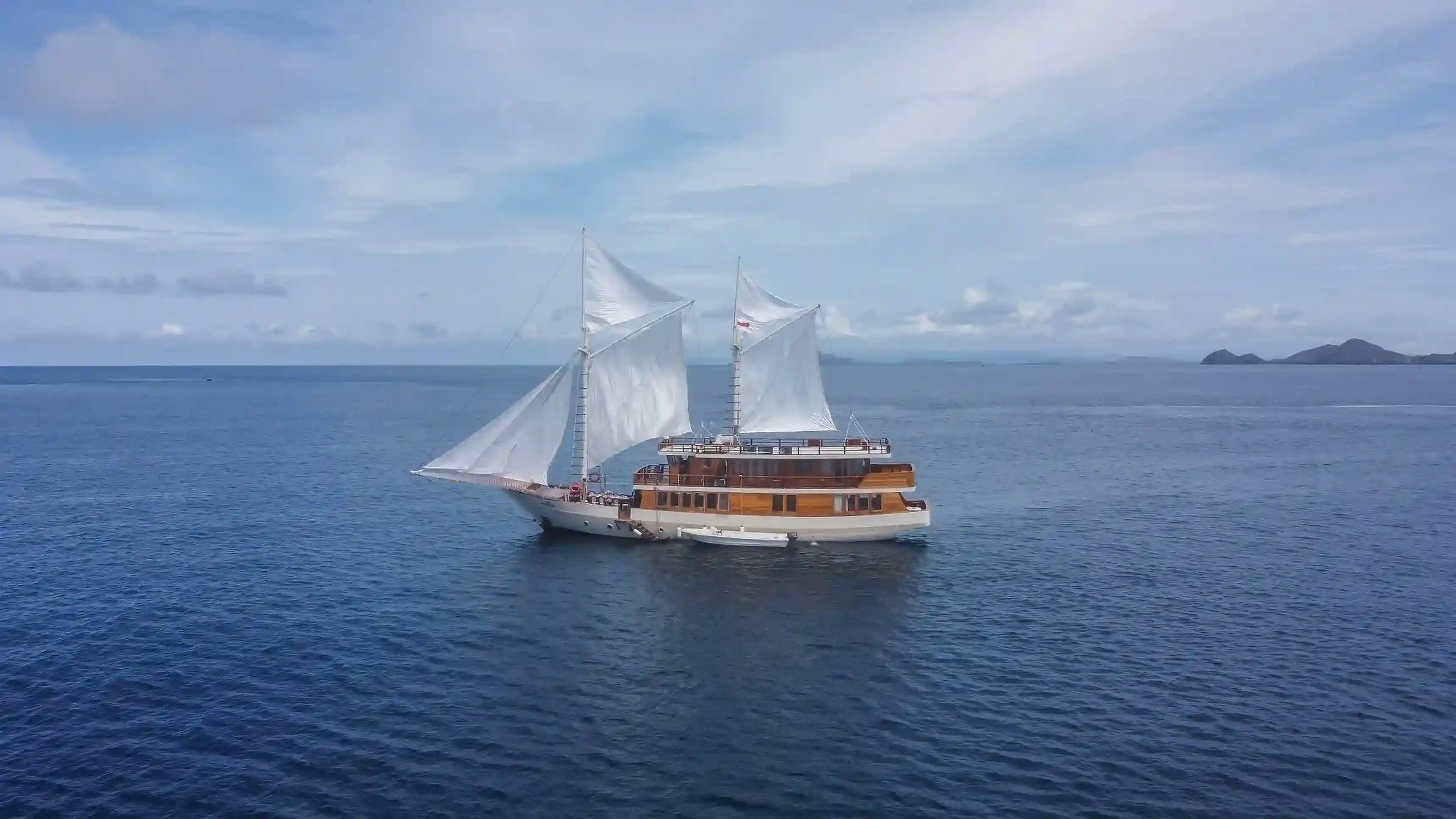
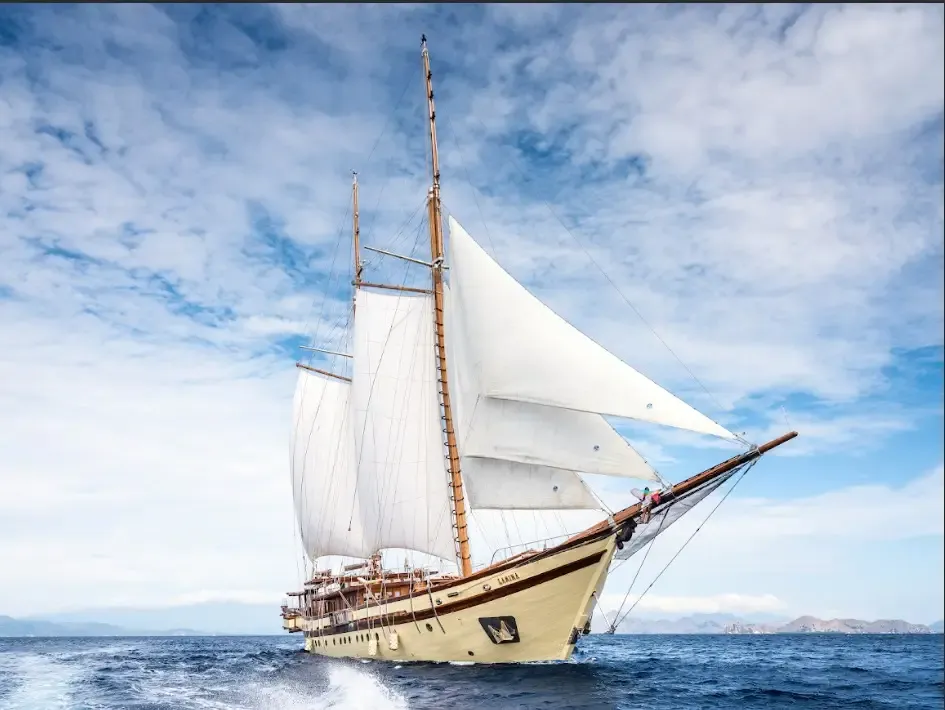
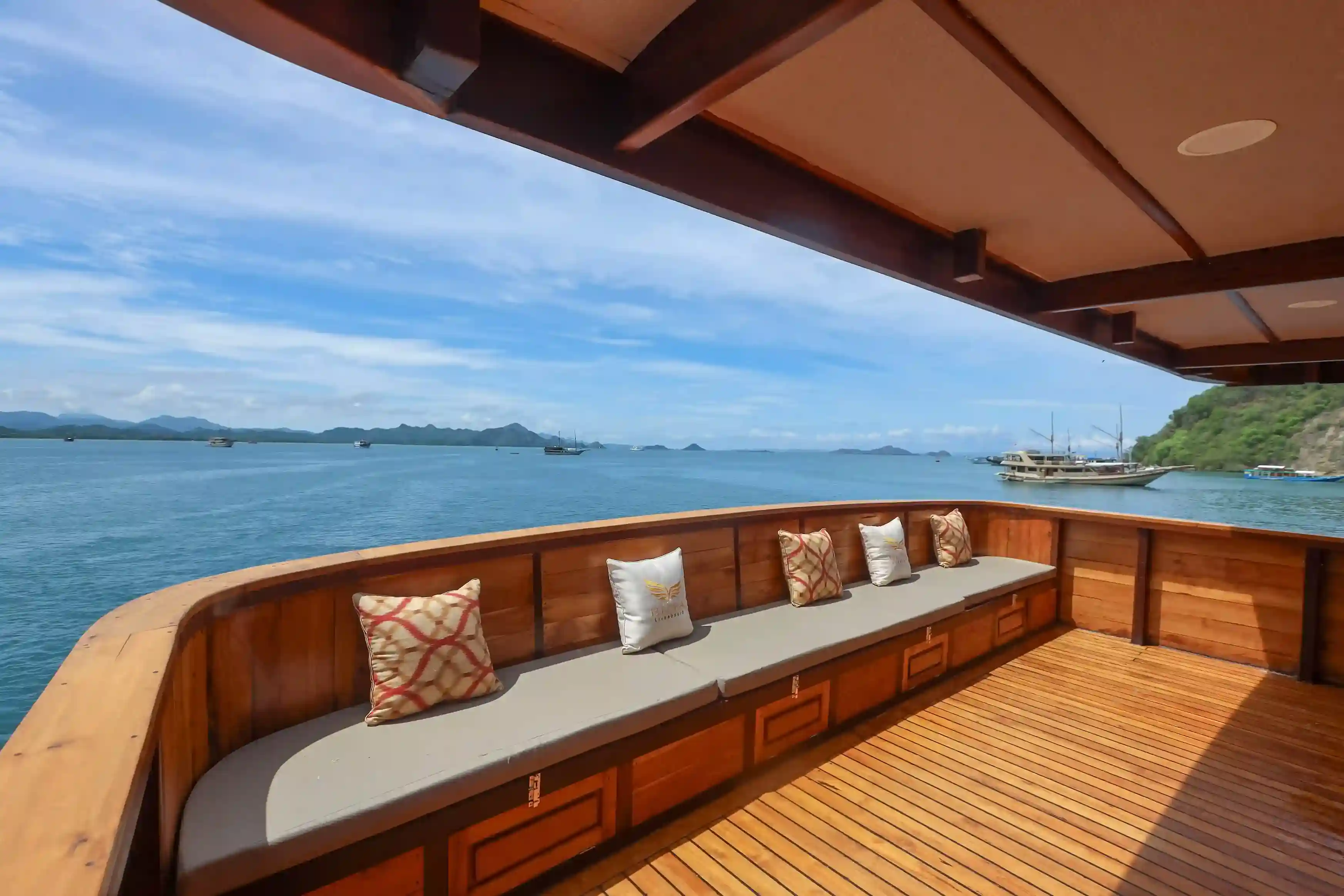
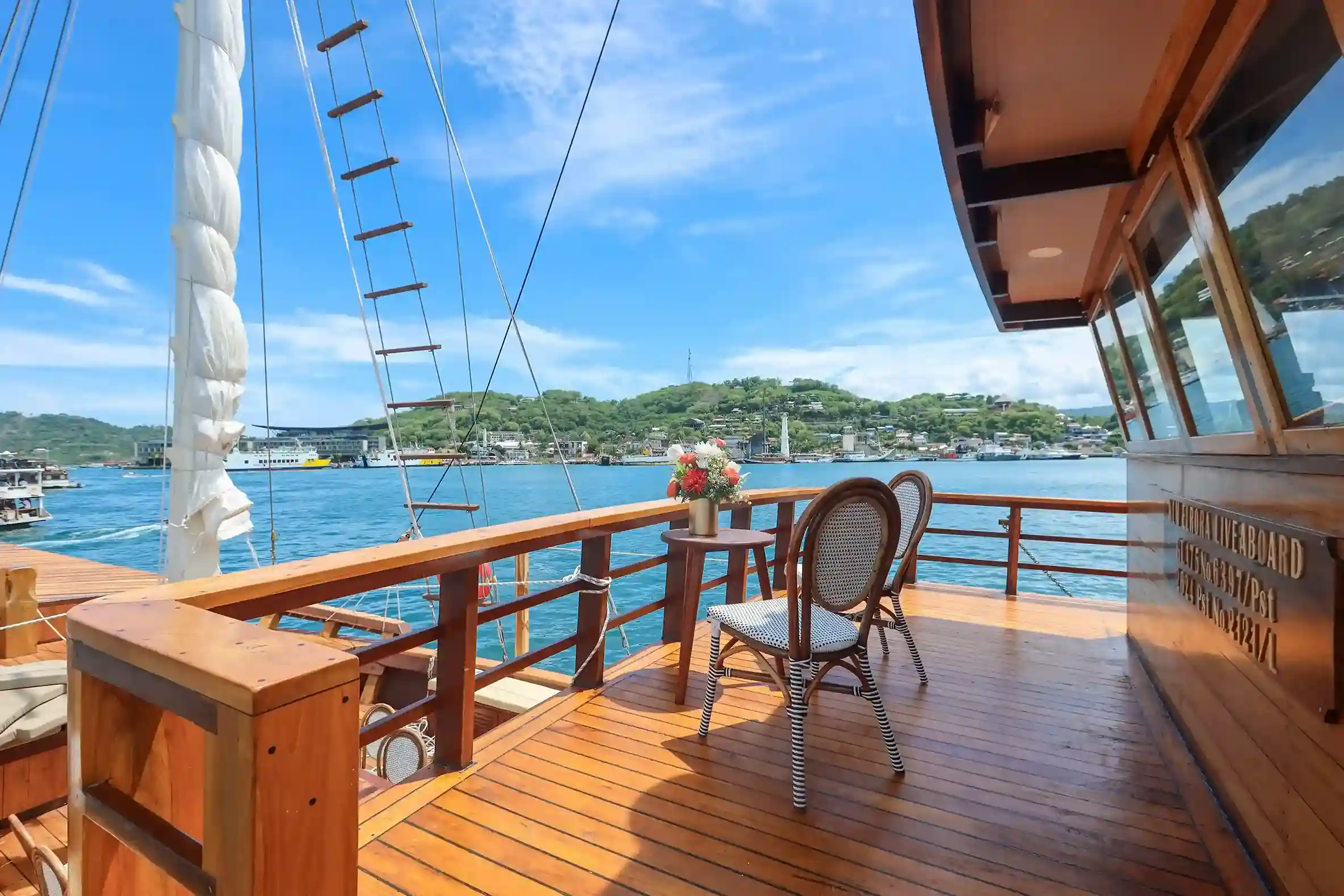
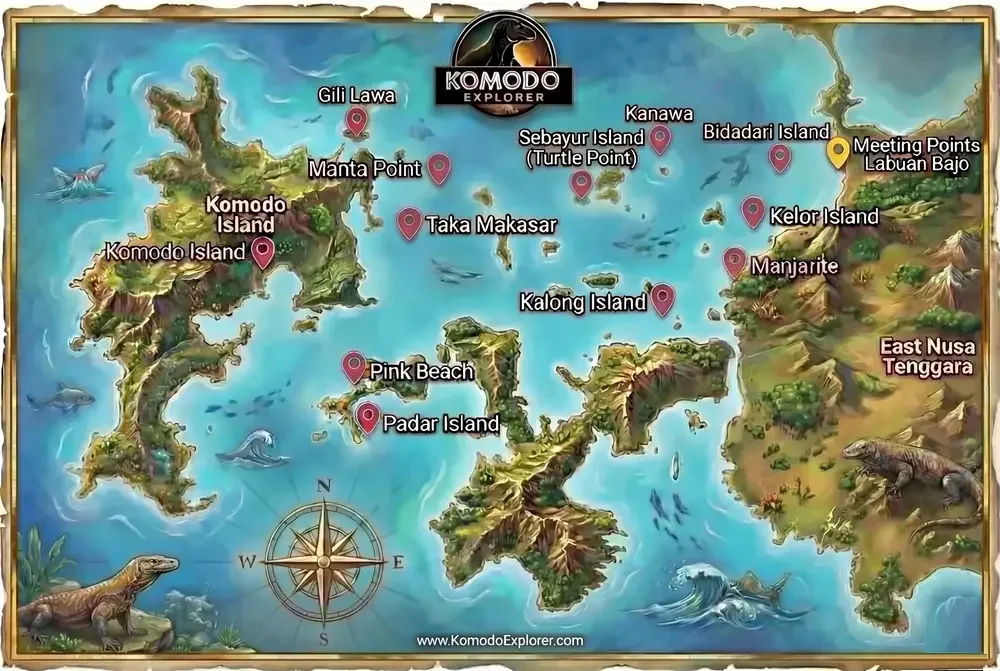
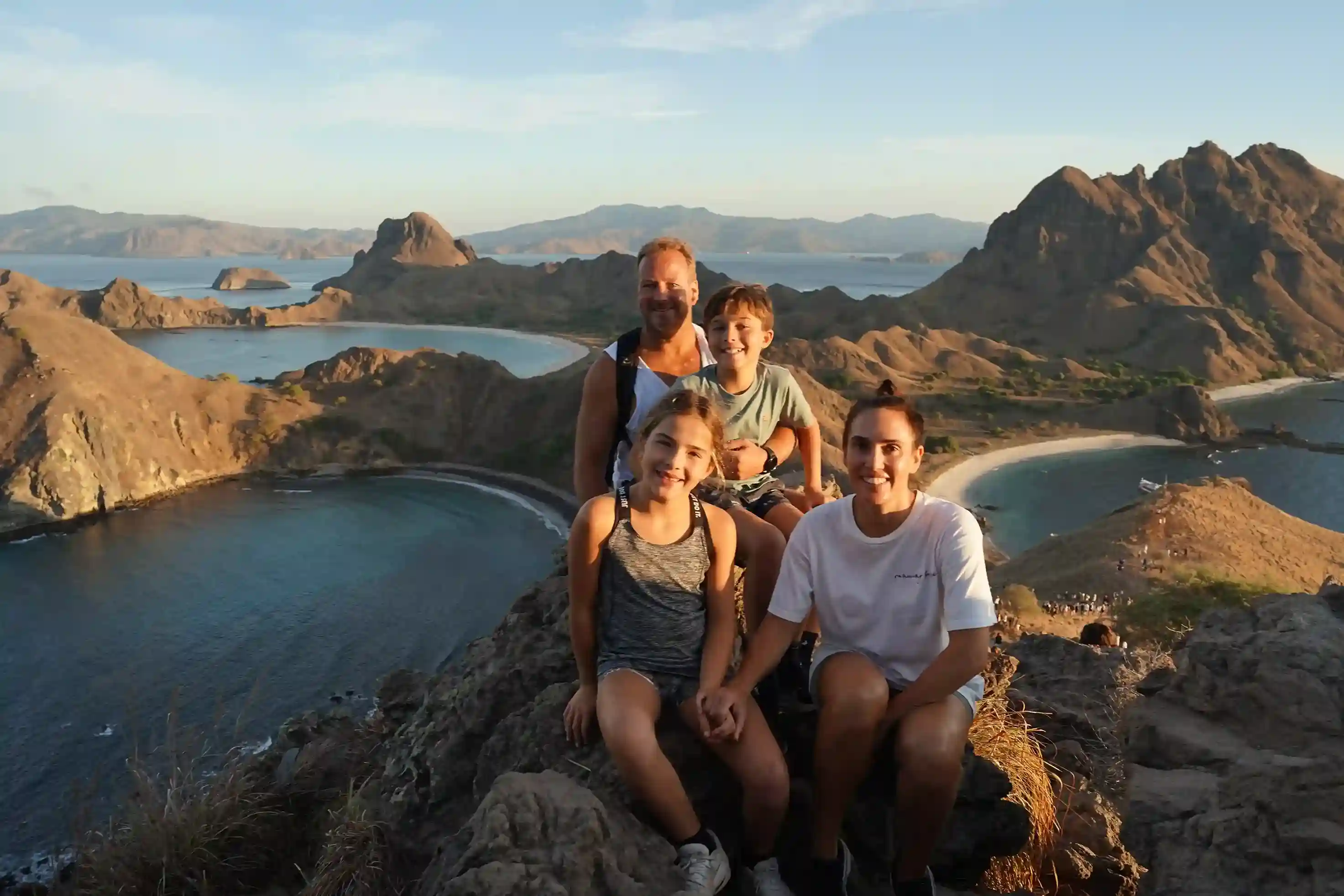
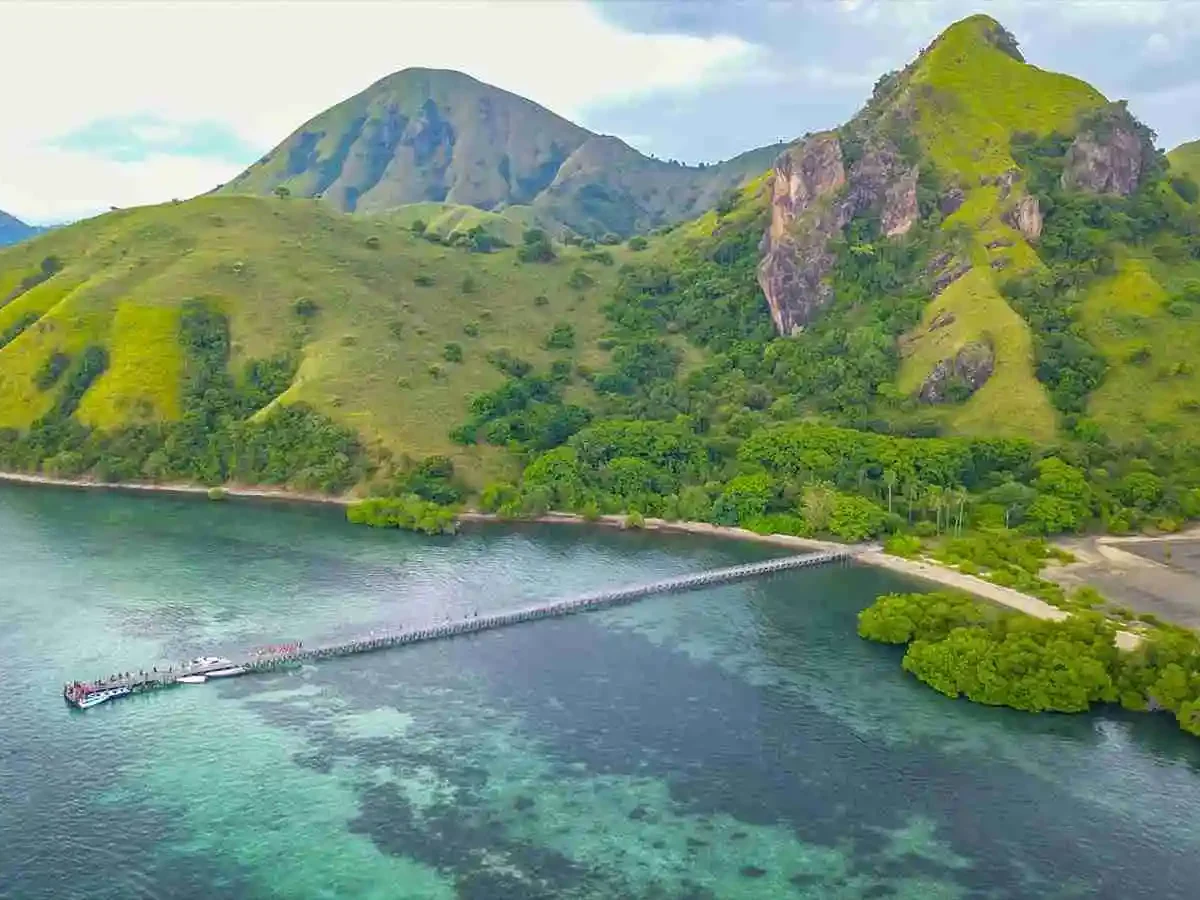
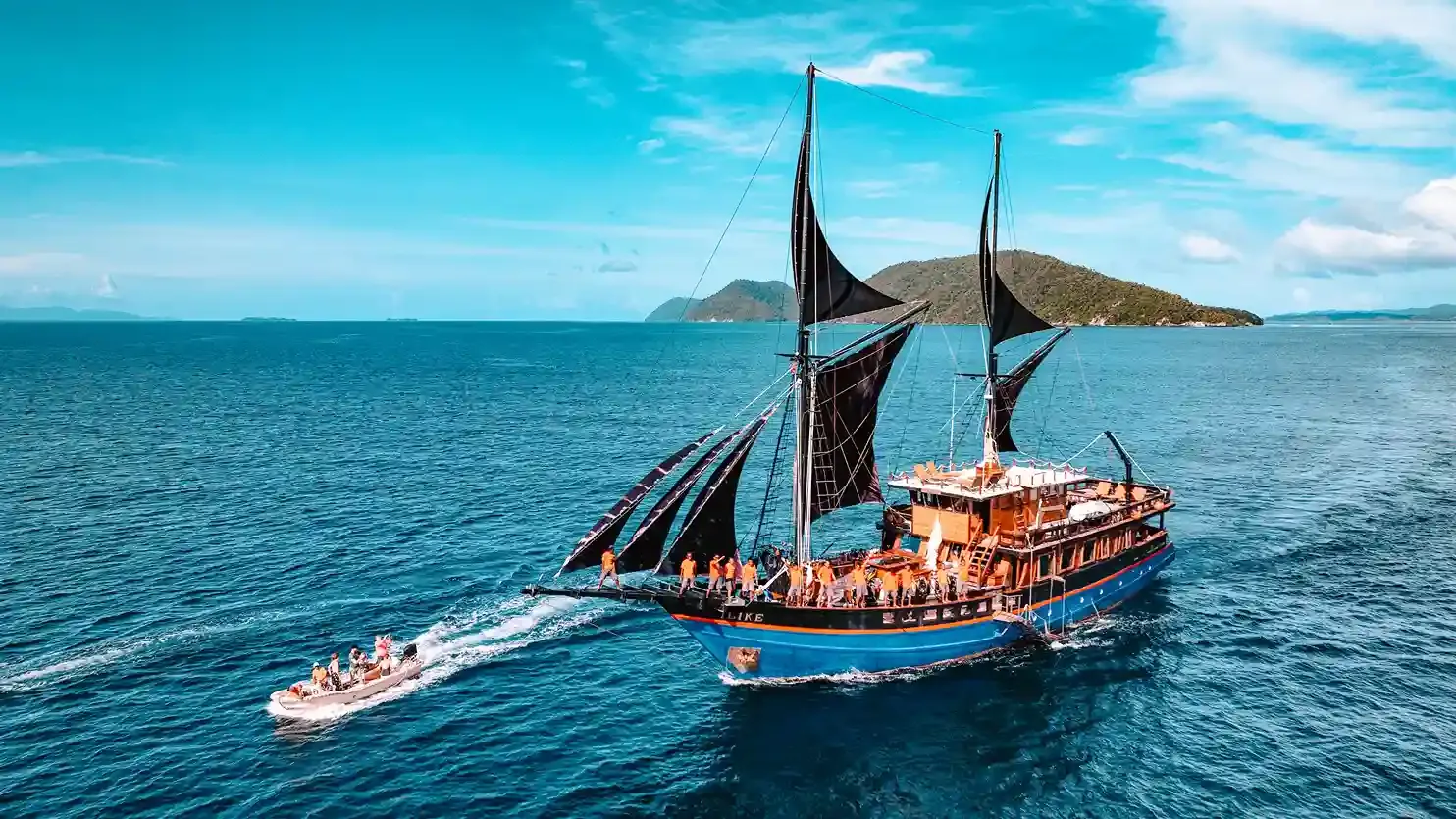
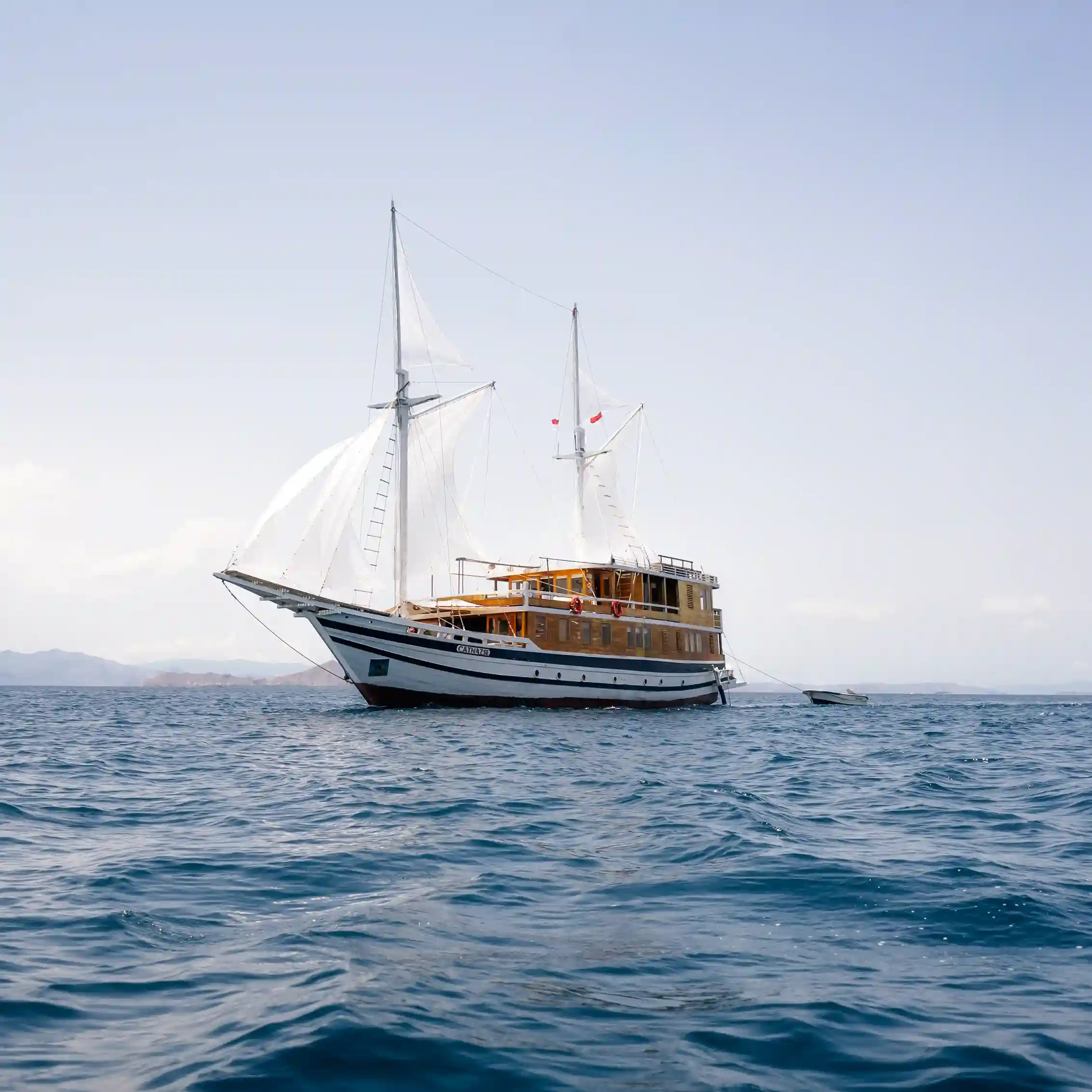
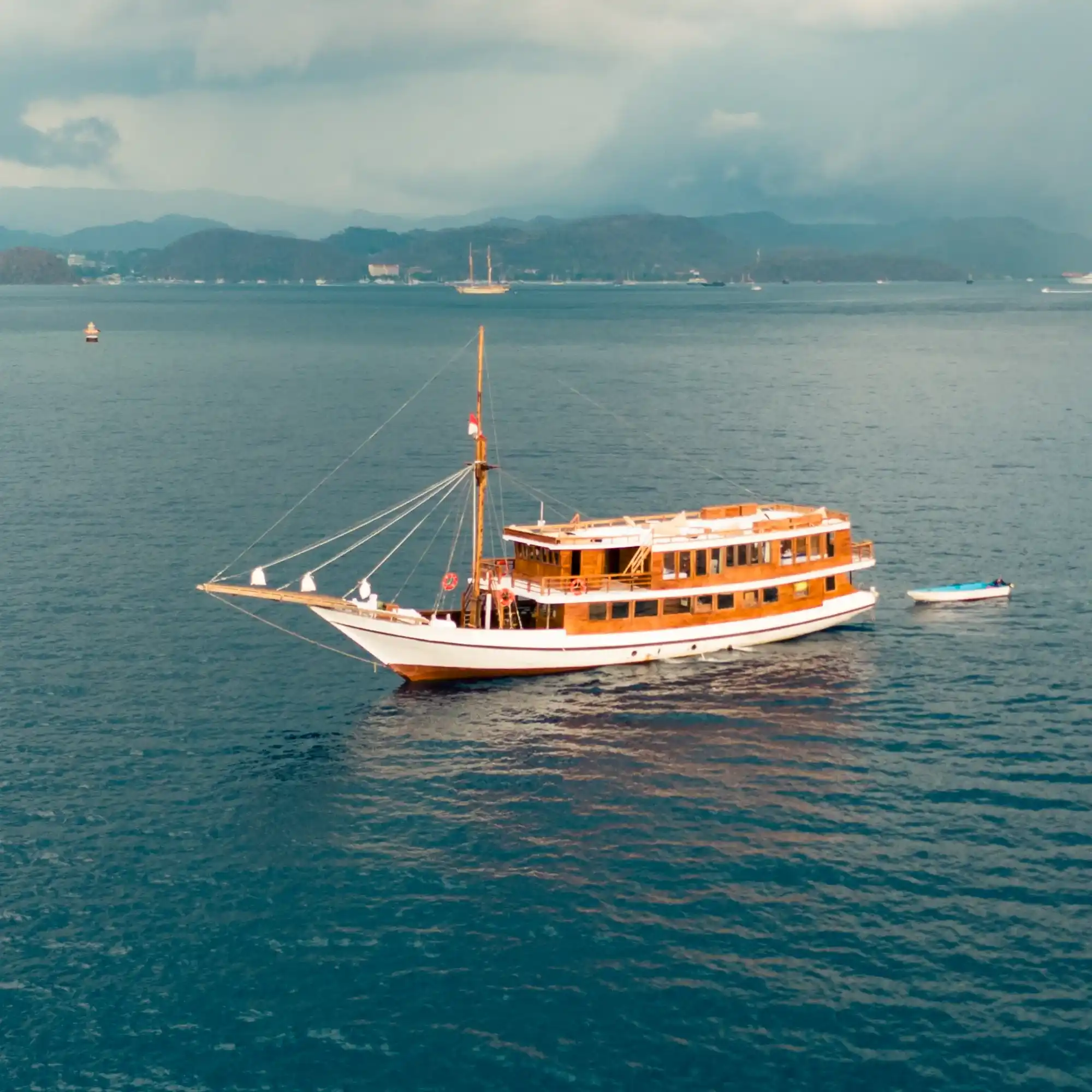
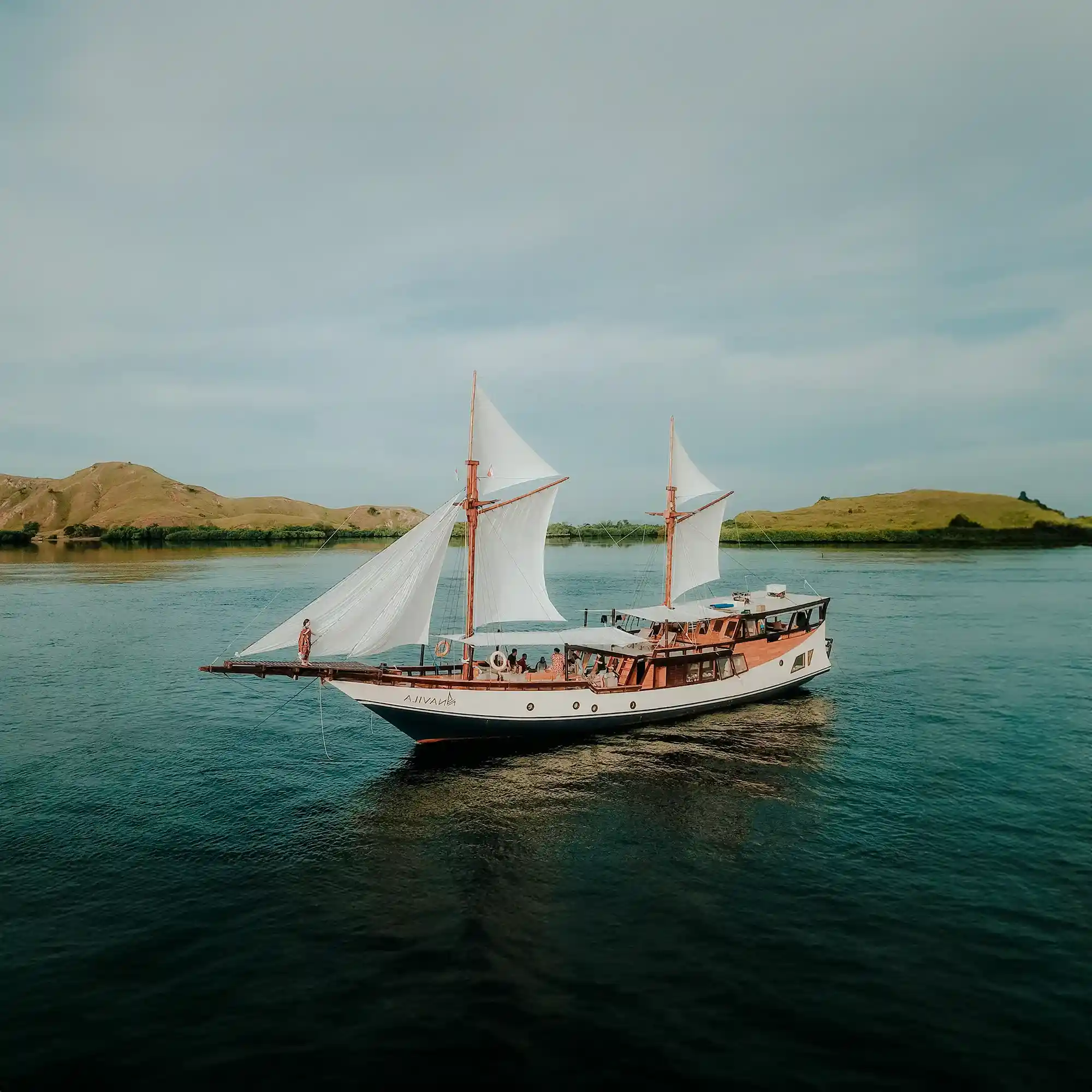
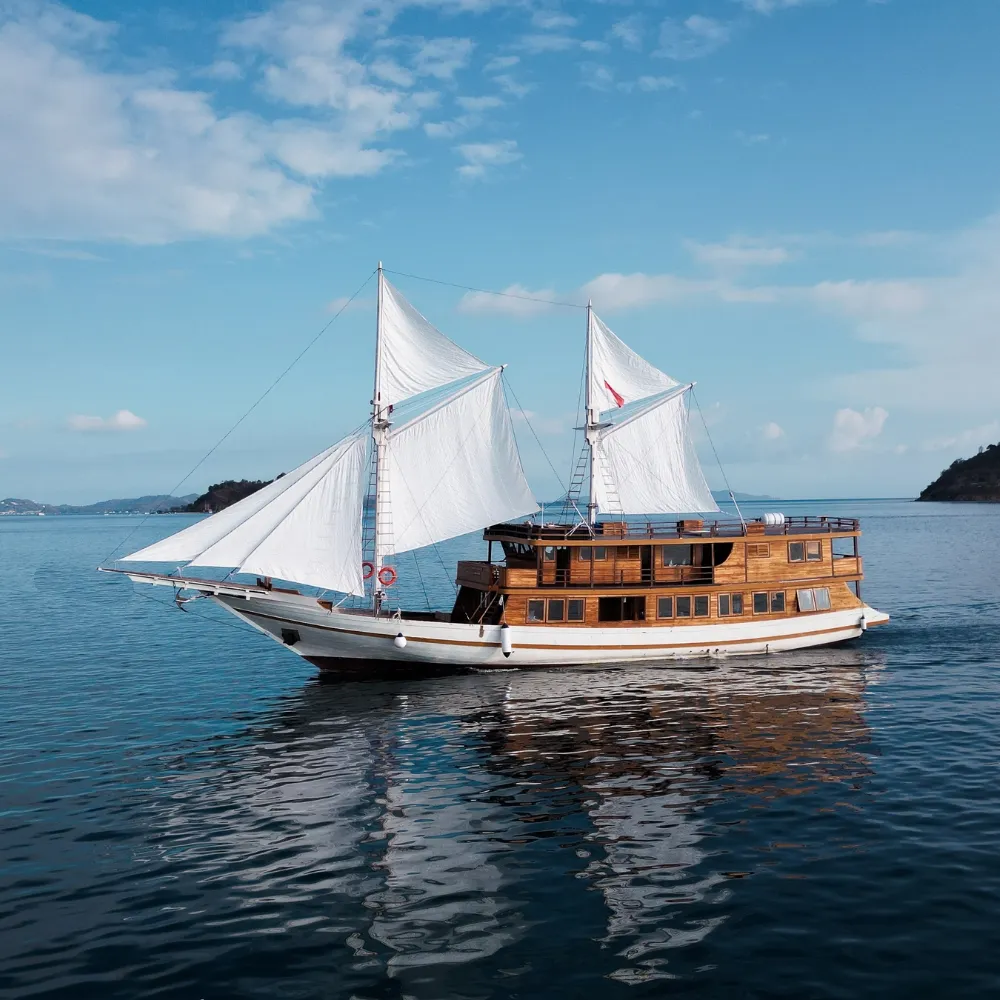
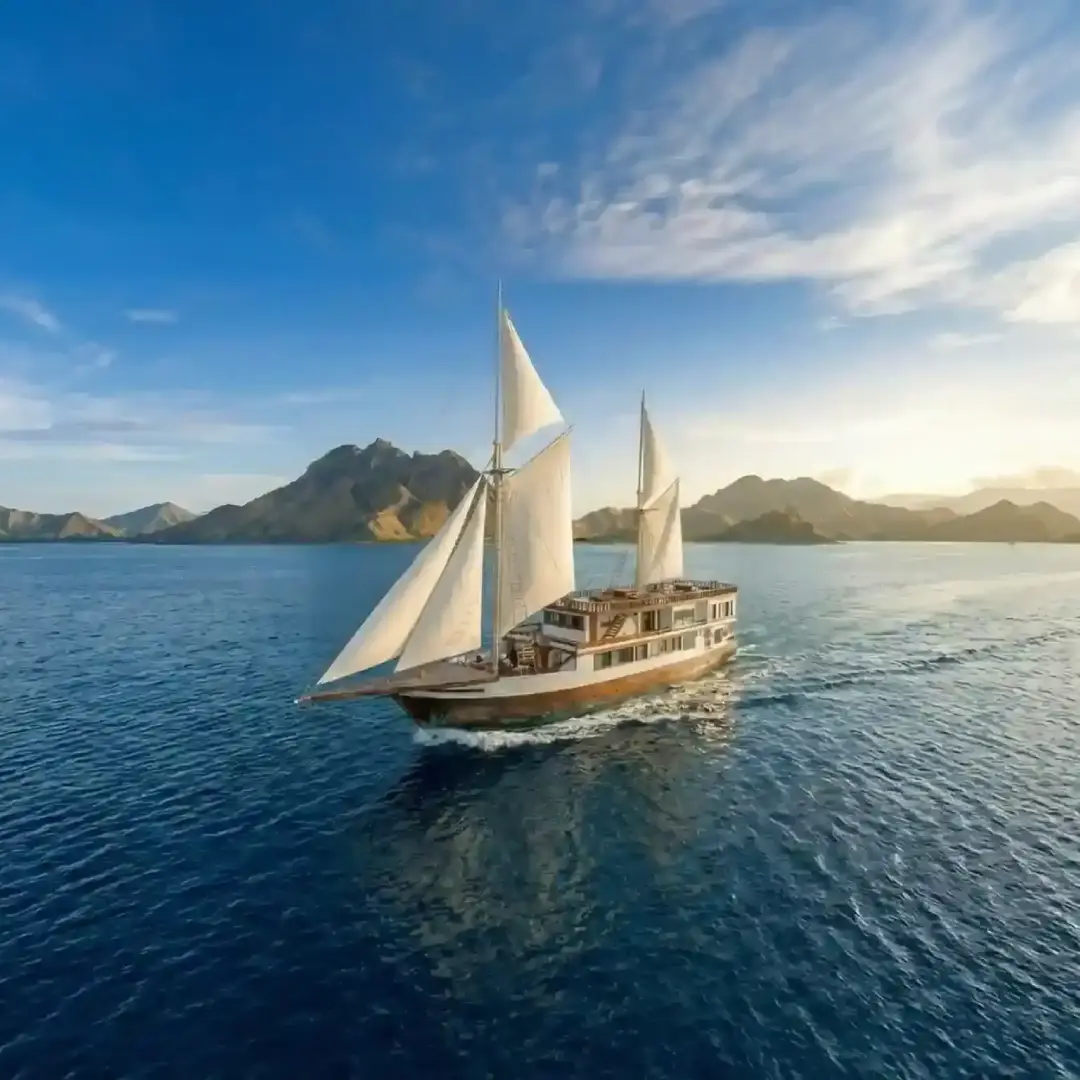
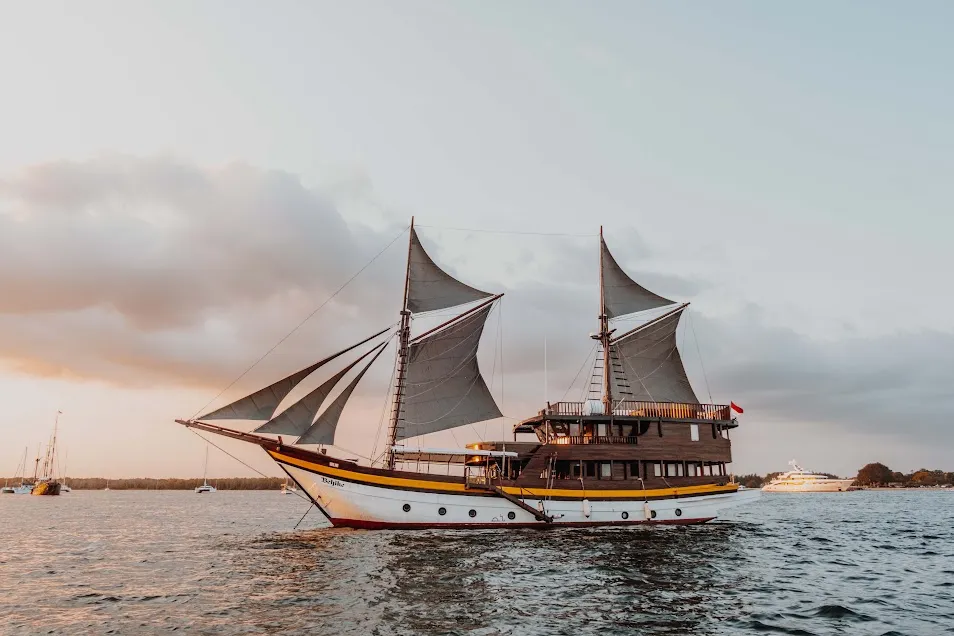
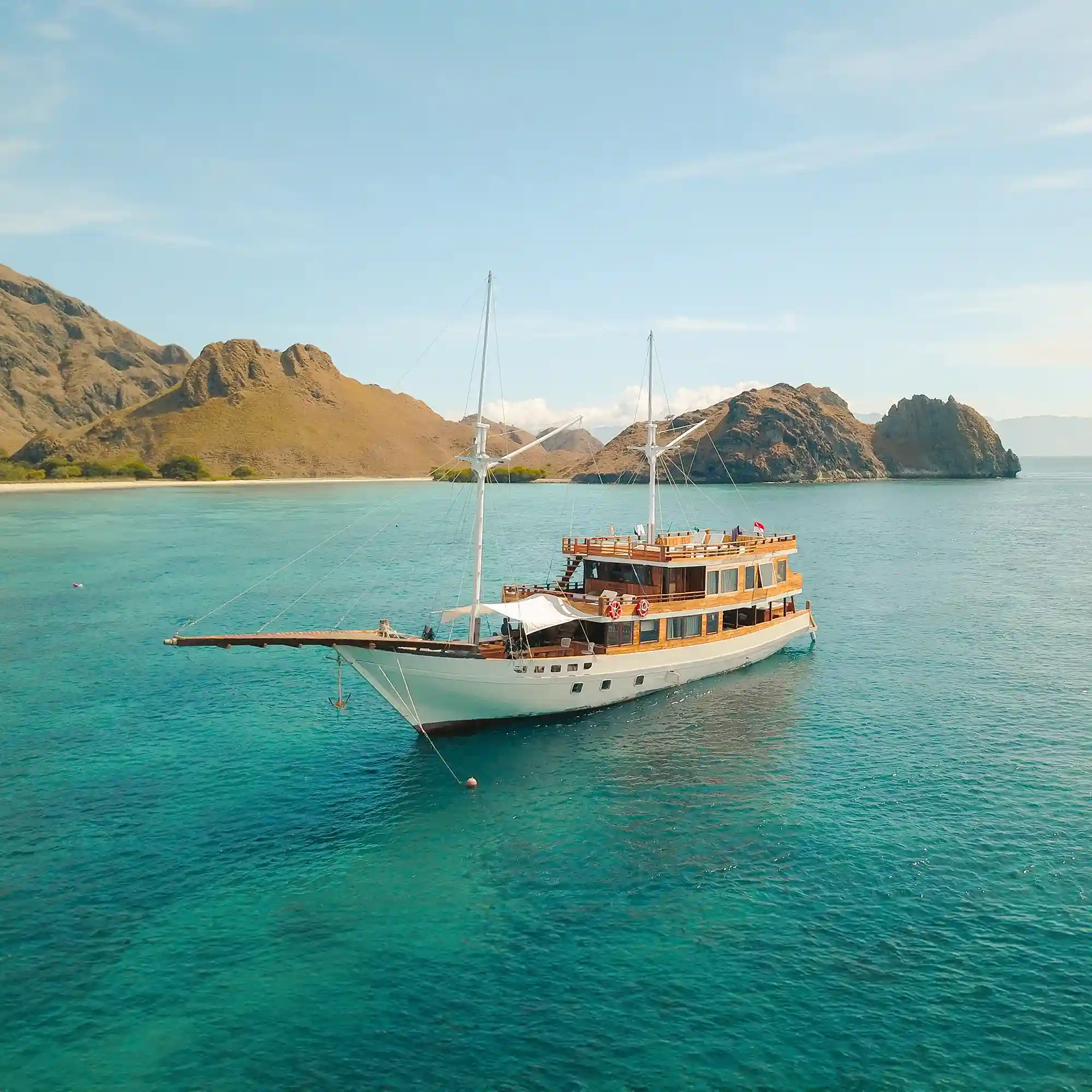
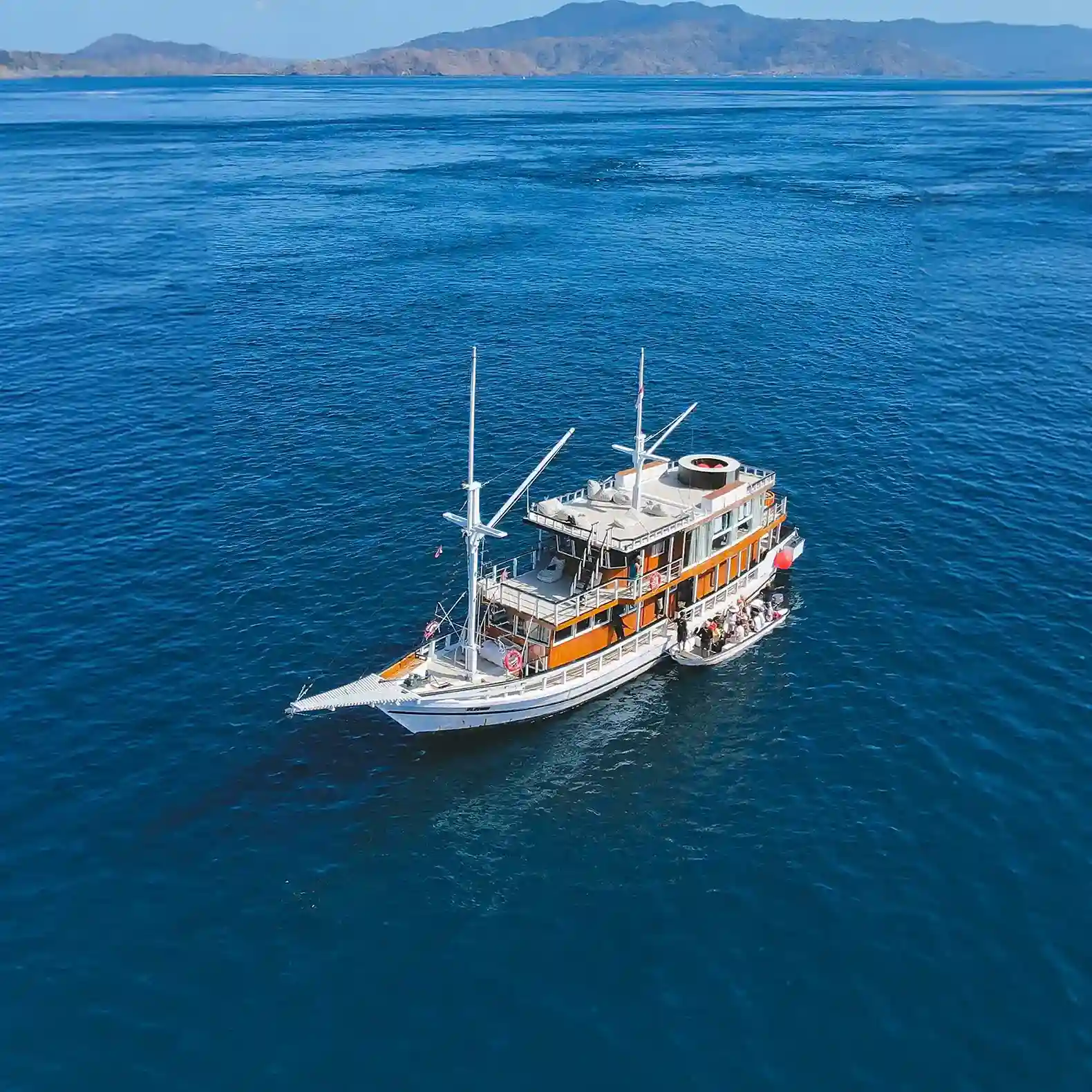
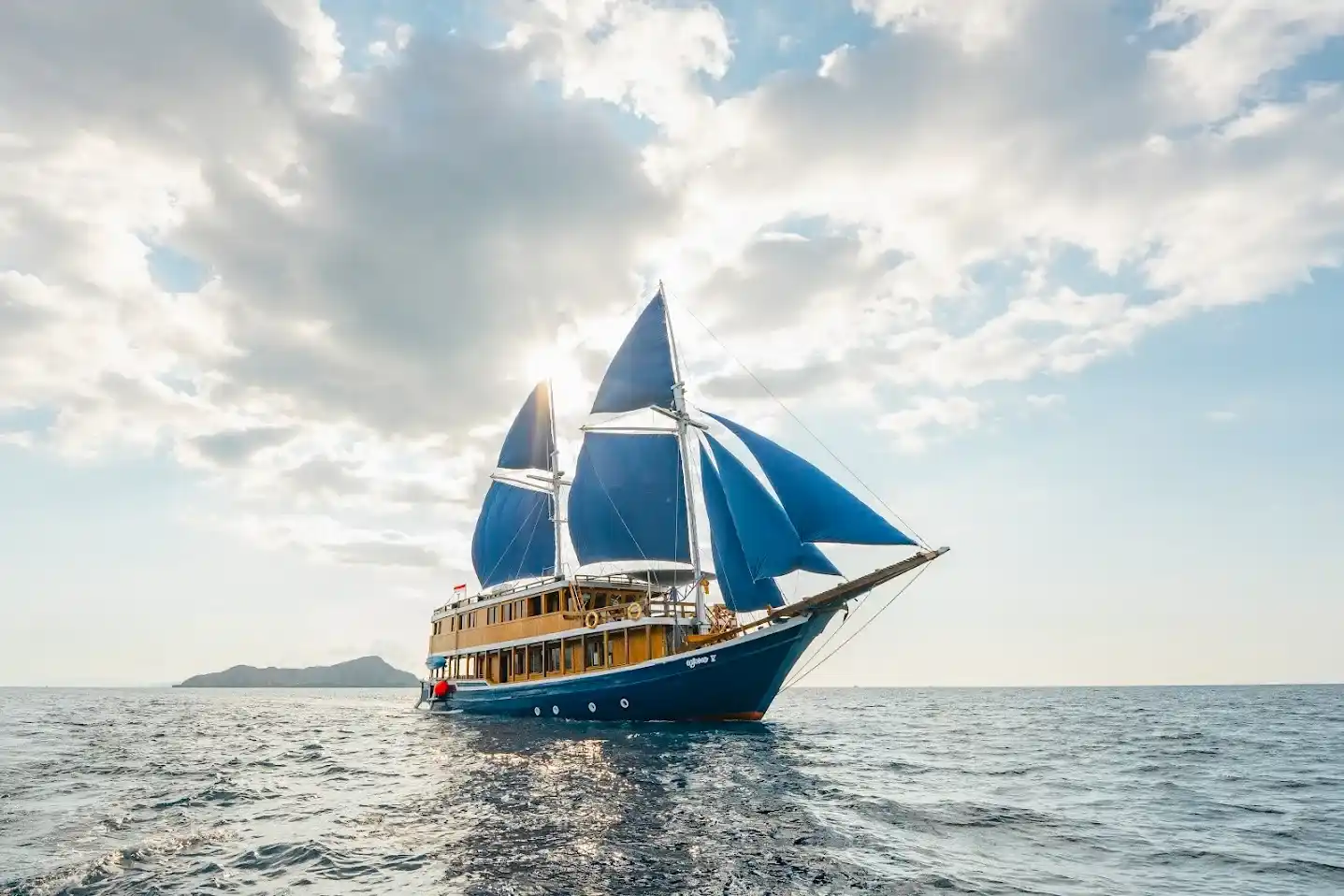
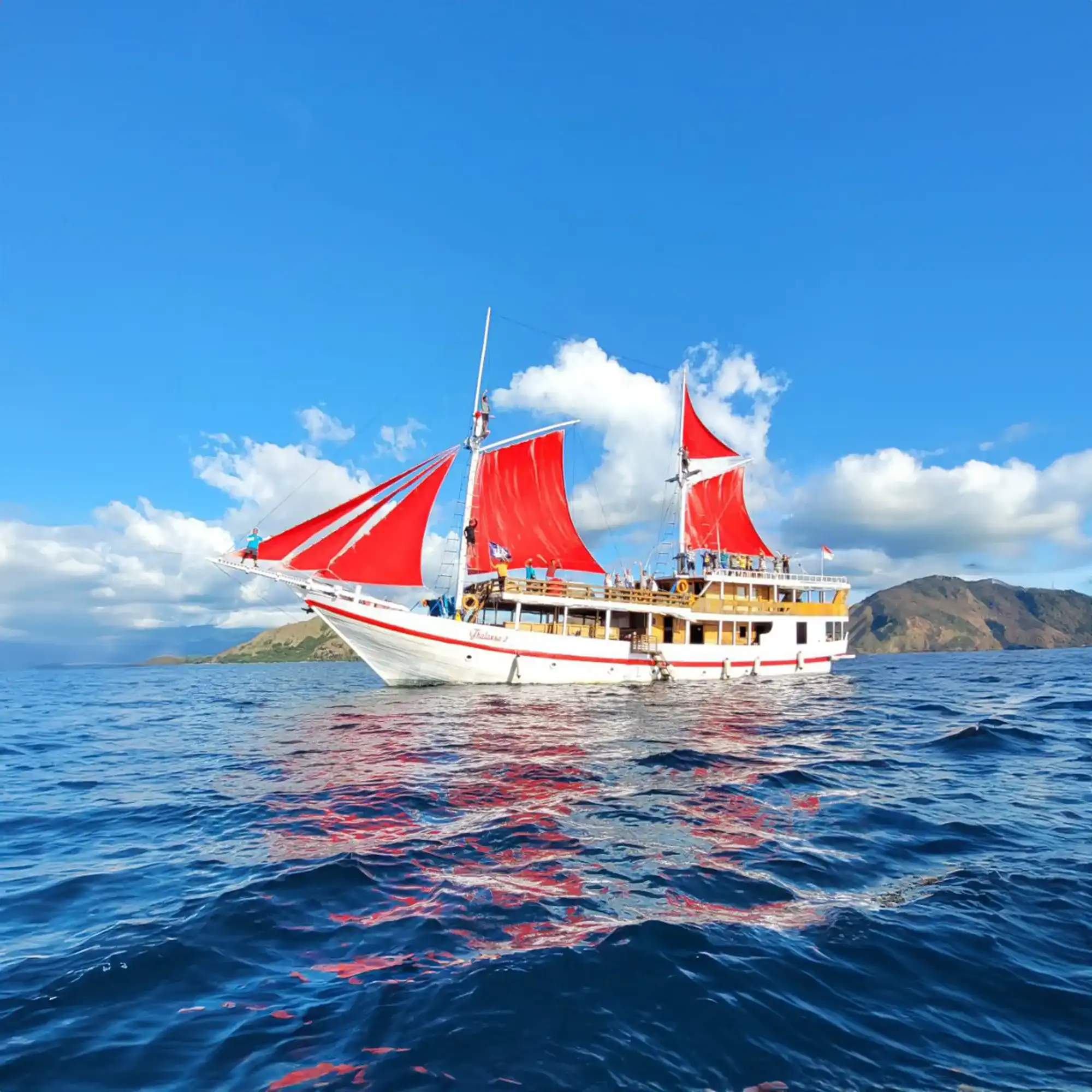
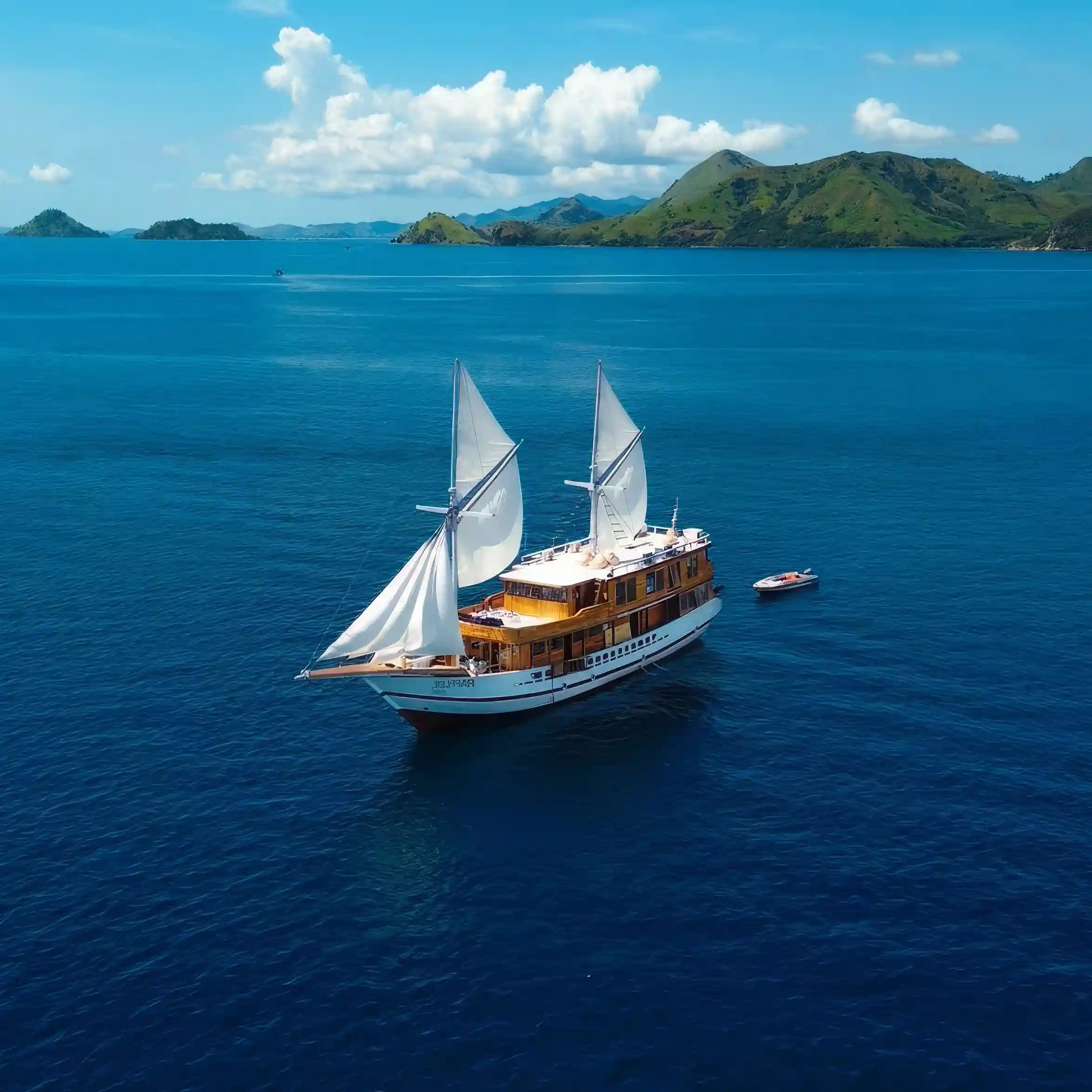
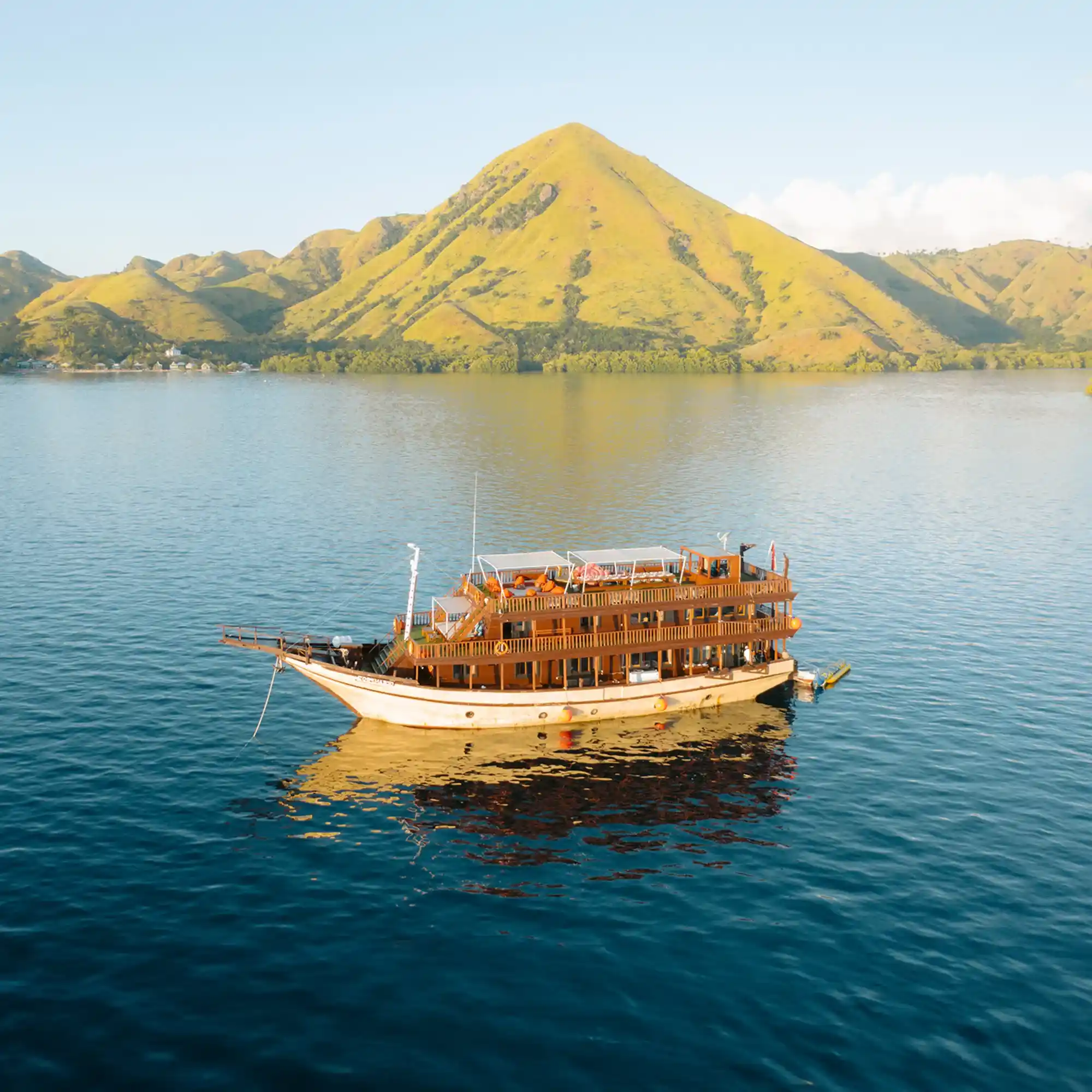
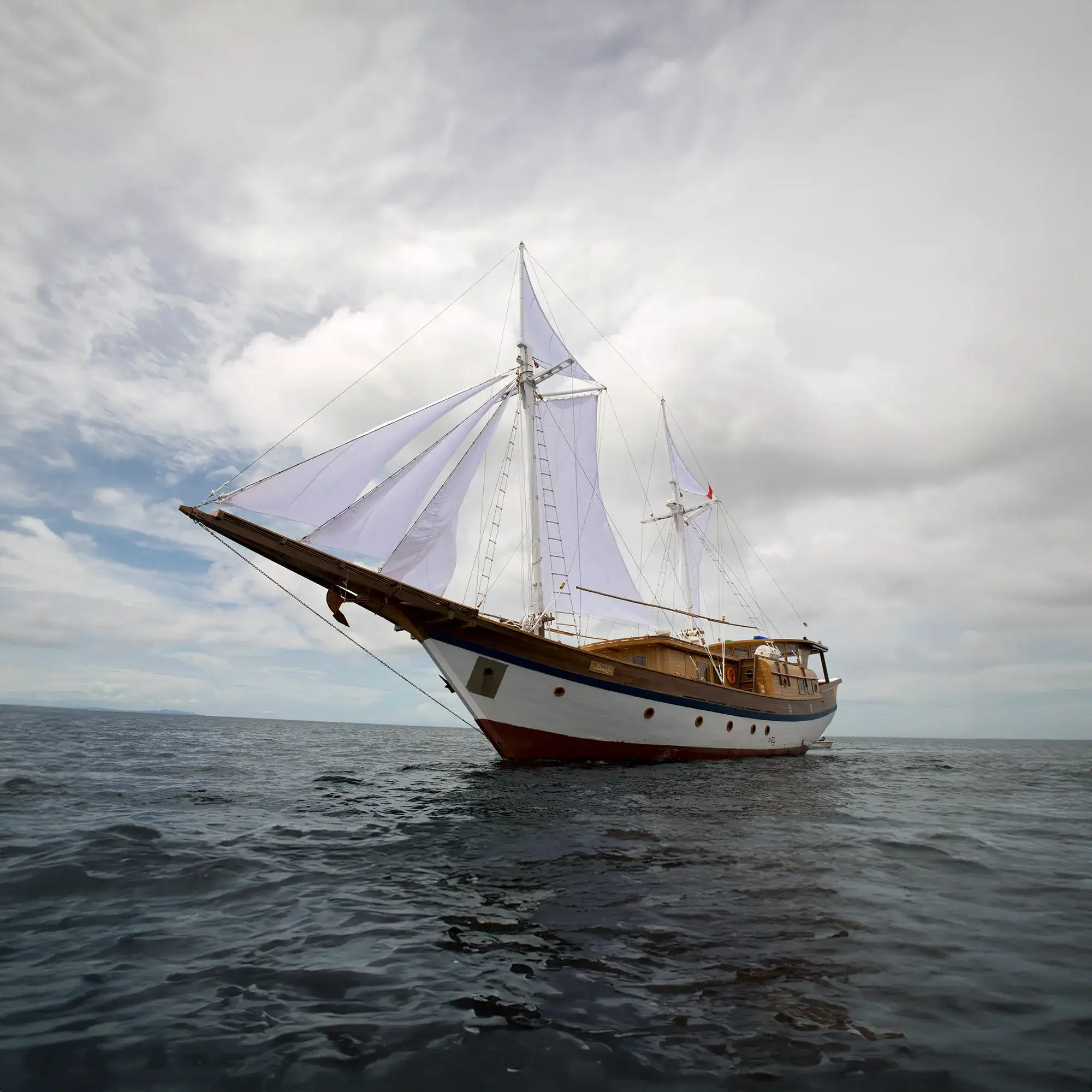
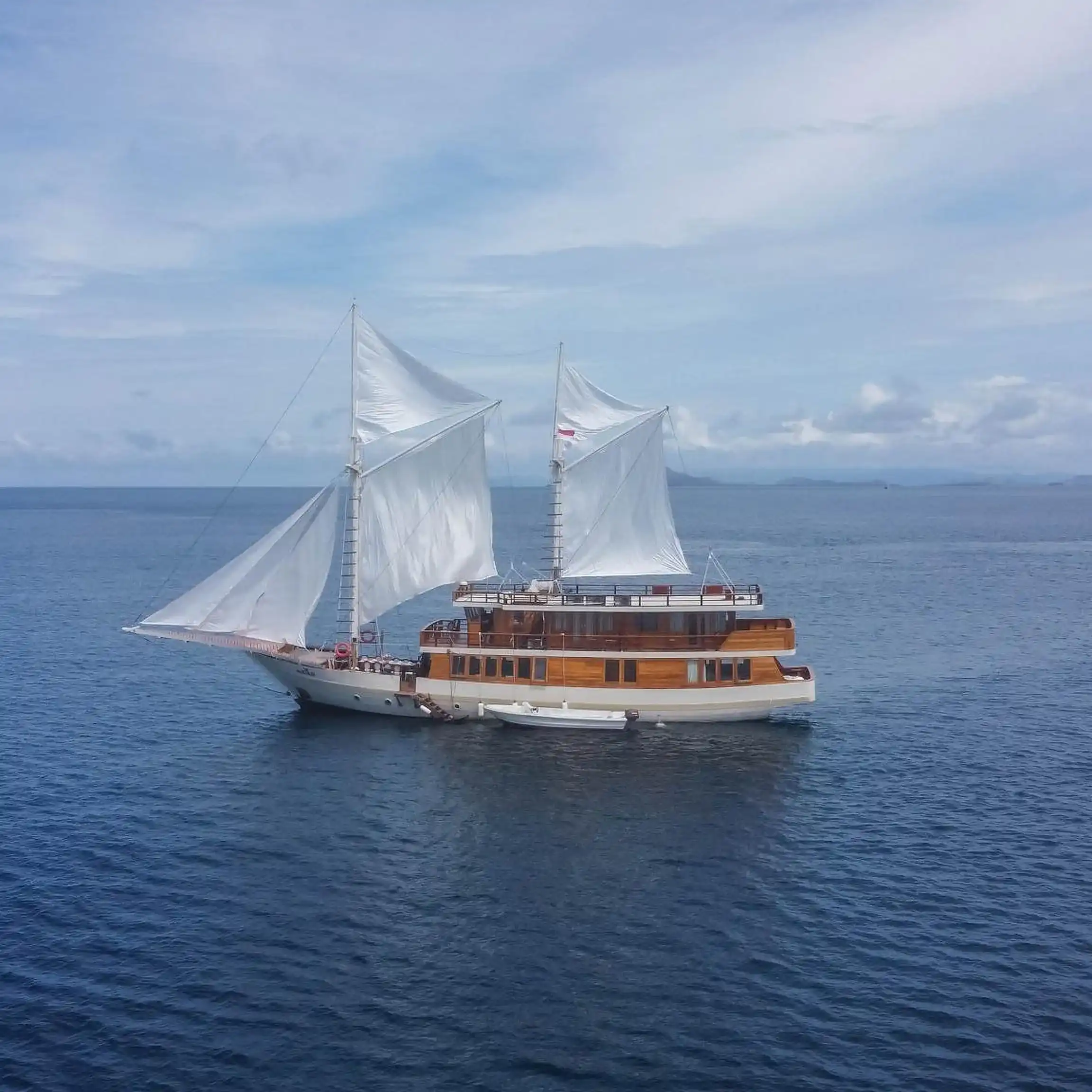
The first light on Day Two caught the ridge of Padar Island in burnt orange, and I was alone on the upper deck with a thermos of strong Javanese coffee. Below, the crew had the dinghy ready but were waiting—quietly, deliberately—until I stepped back inside. That’s the thing about Elrora: it doesn’t rush. At 89 metres, she’s longer than most traditional Phinisi boats in these waters, and that length translates into a steadiness at sea that makes even the choppier stretches between Komodo and Taka Makassar feel like gliding. The wood decks are teak, slightly worn underfoot, and by 6 a.m. they were already warm from the rising sun.
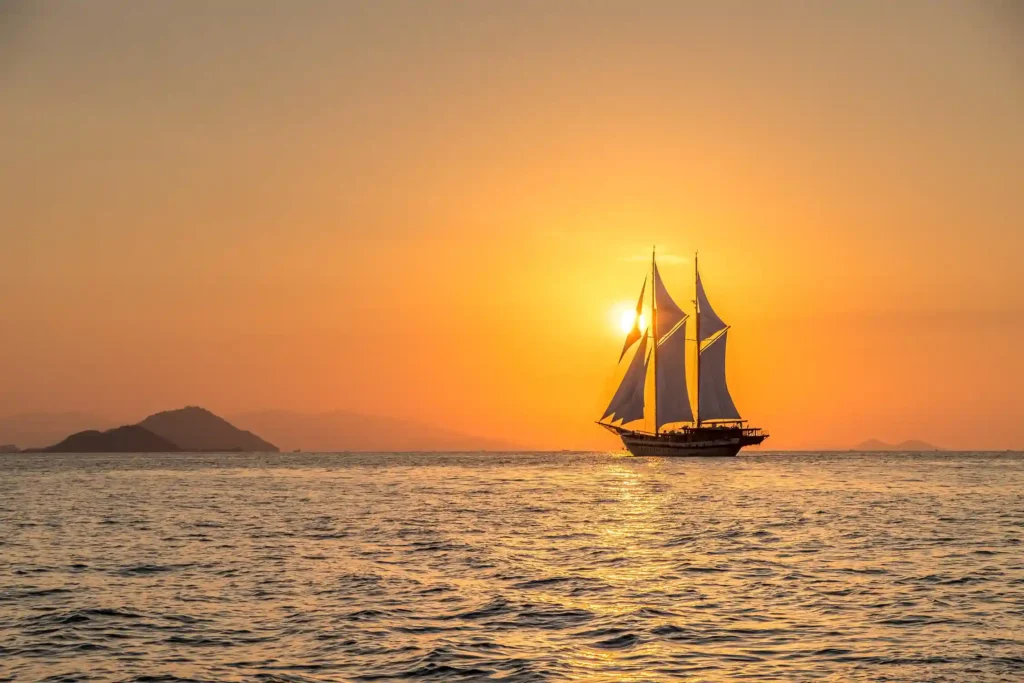
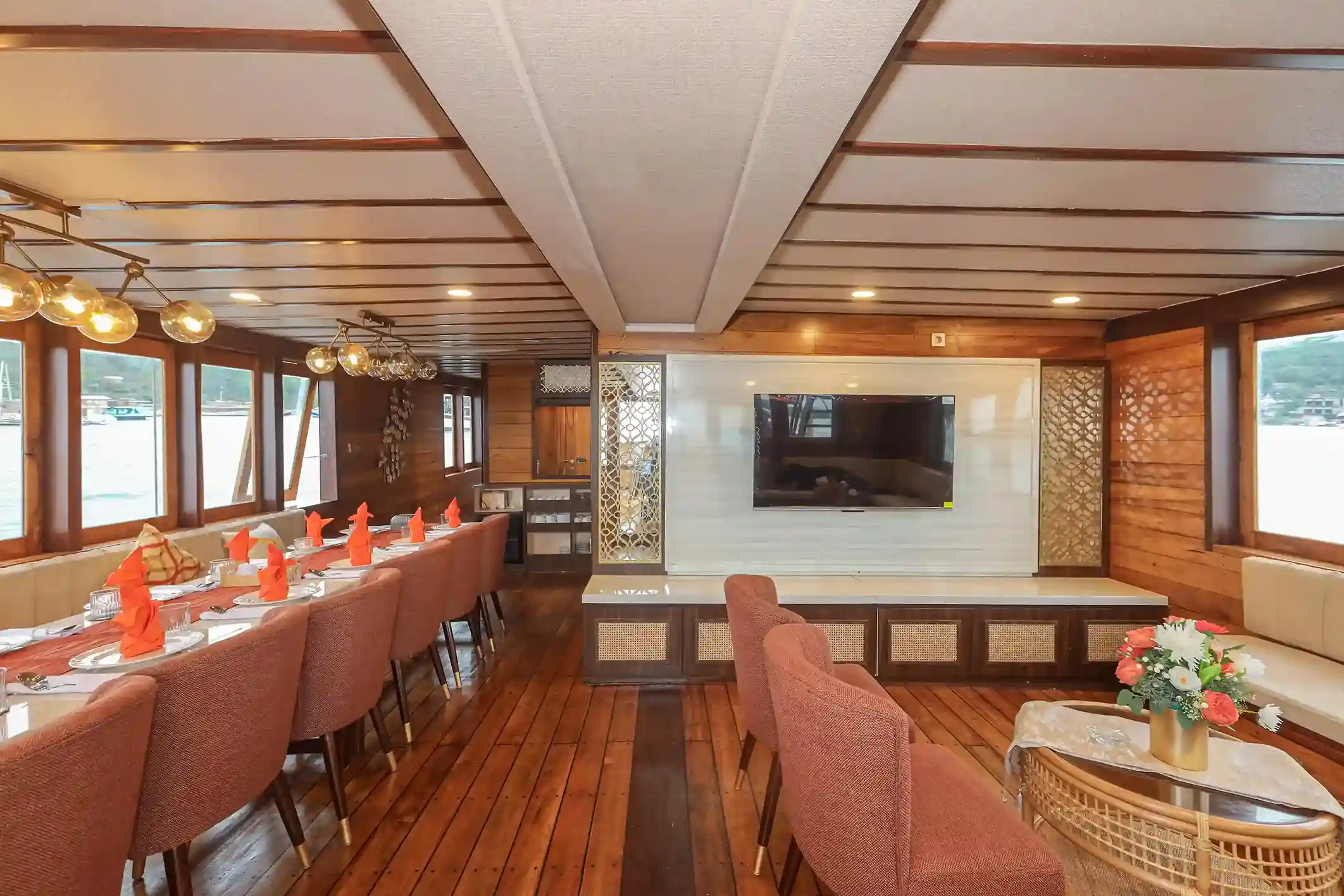
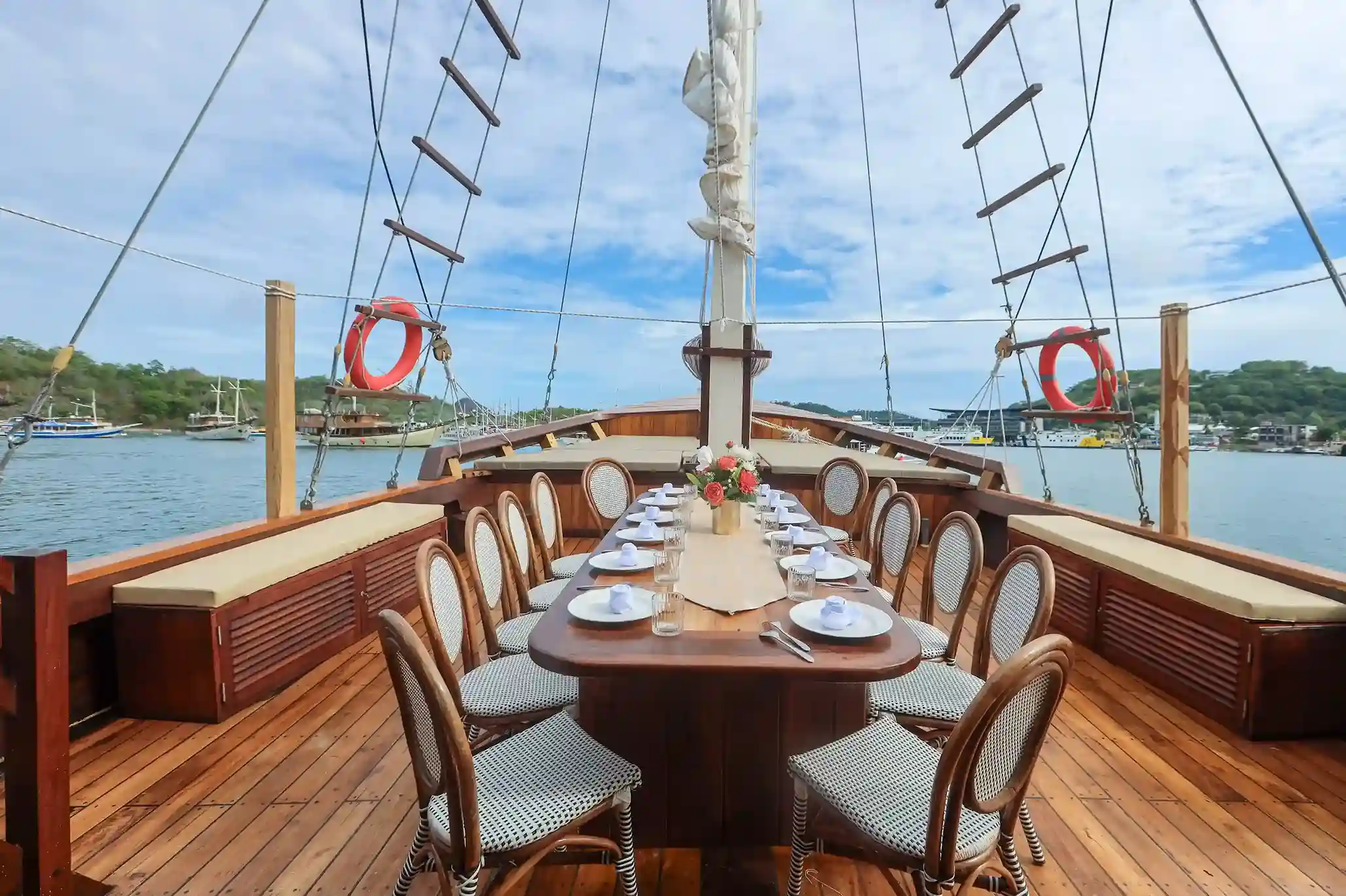
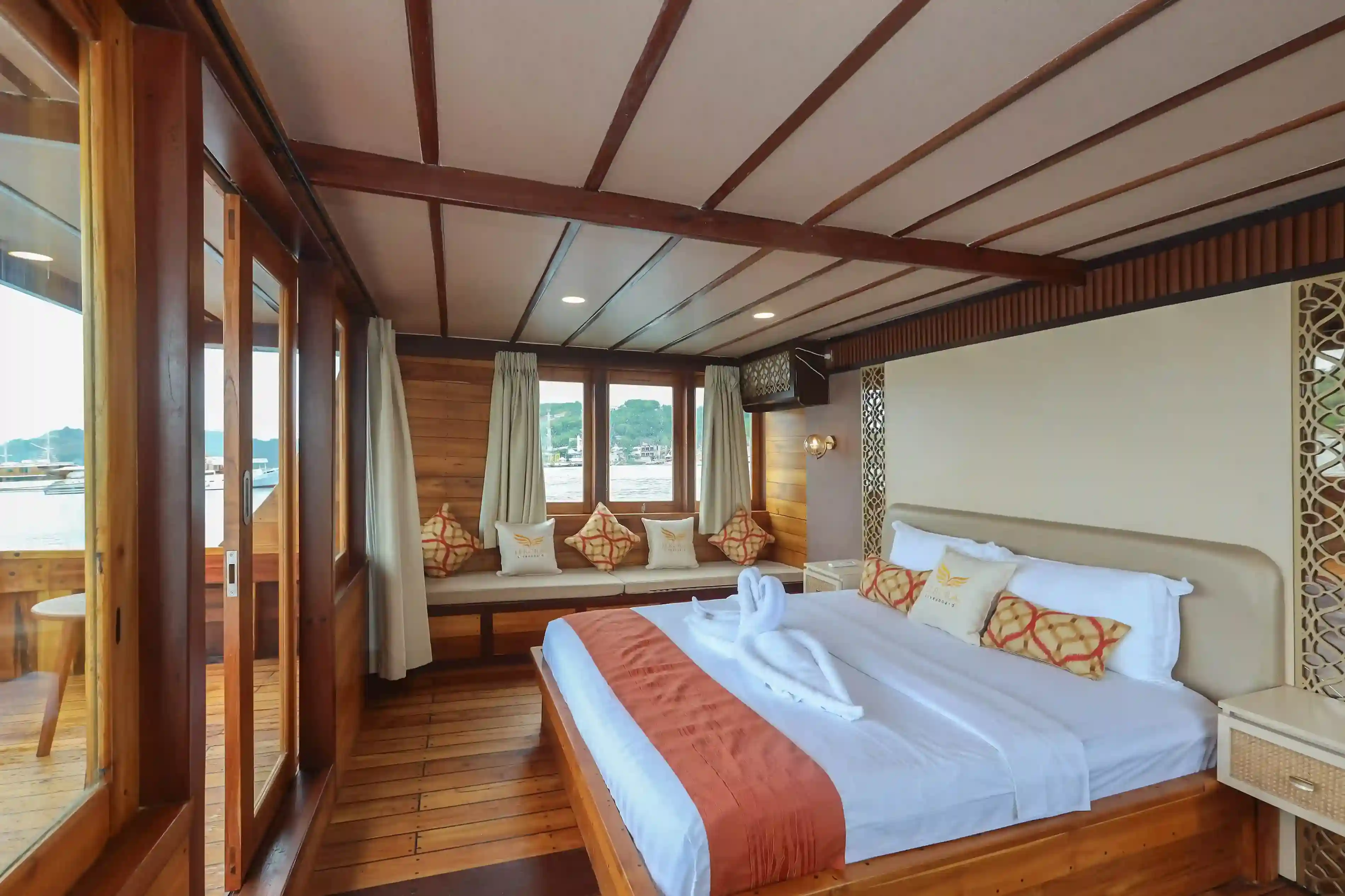
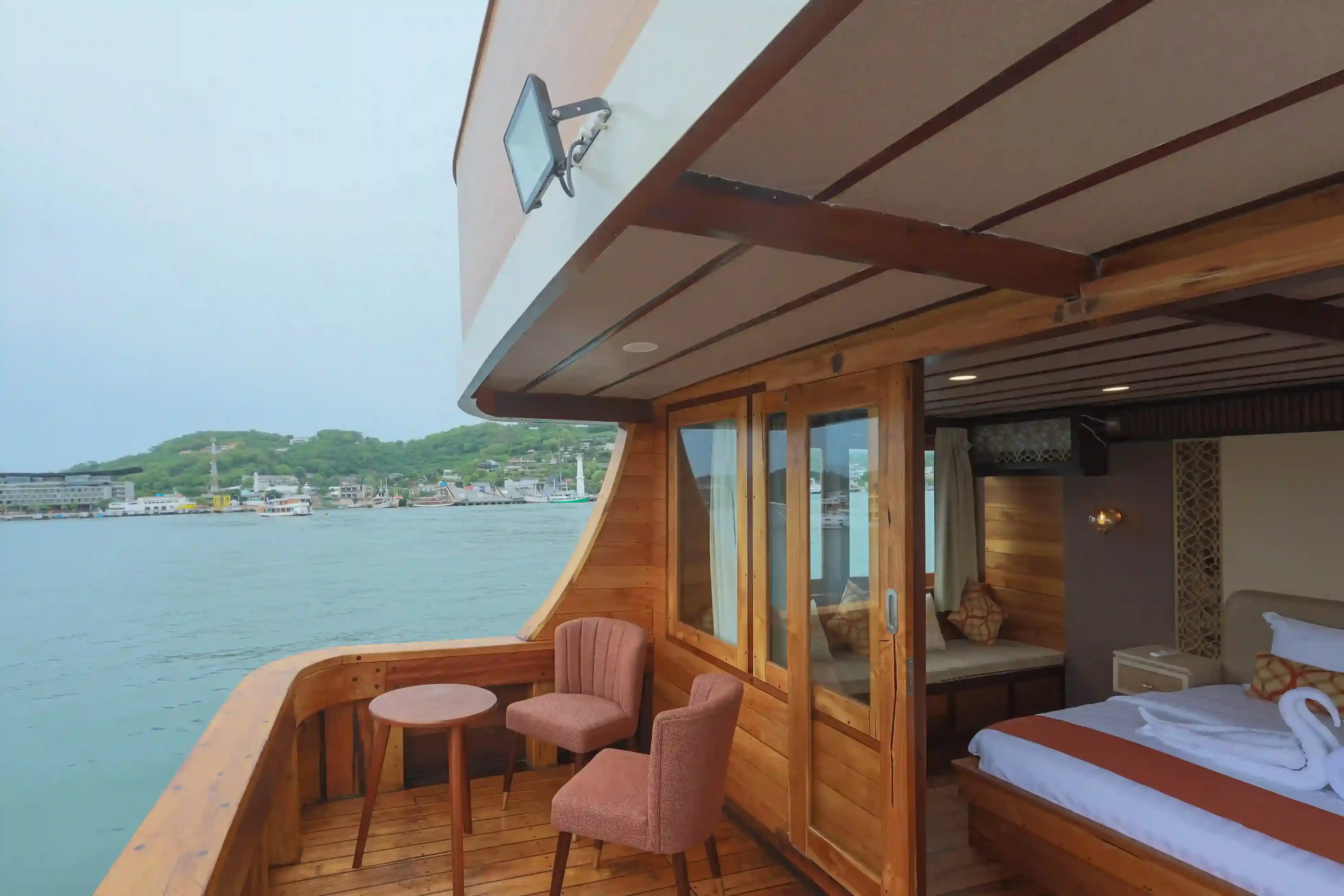
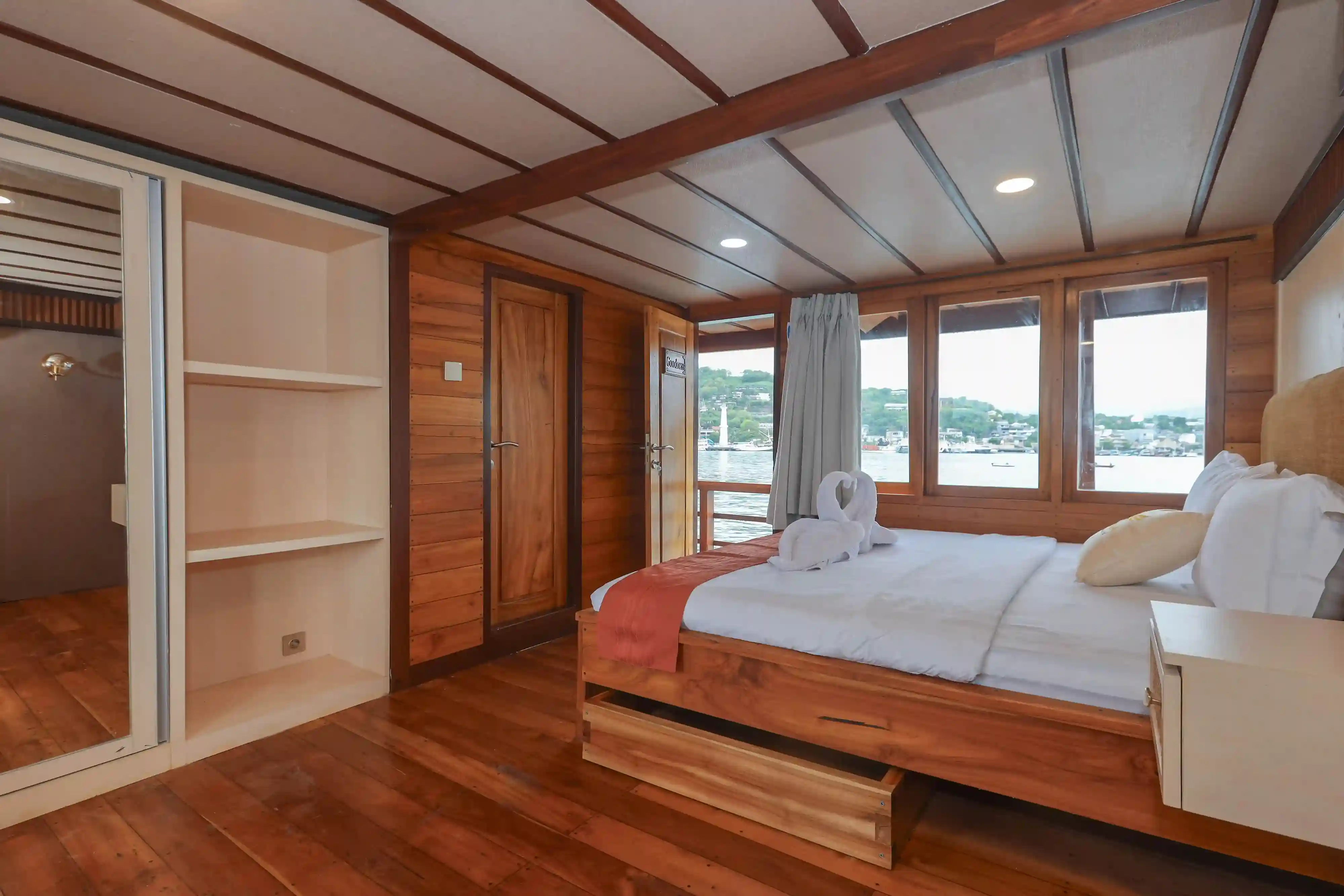
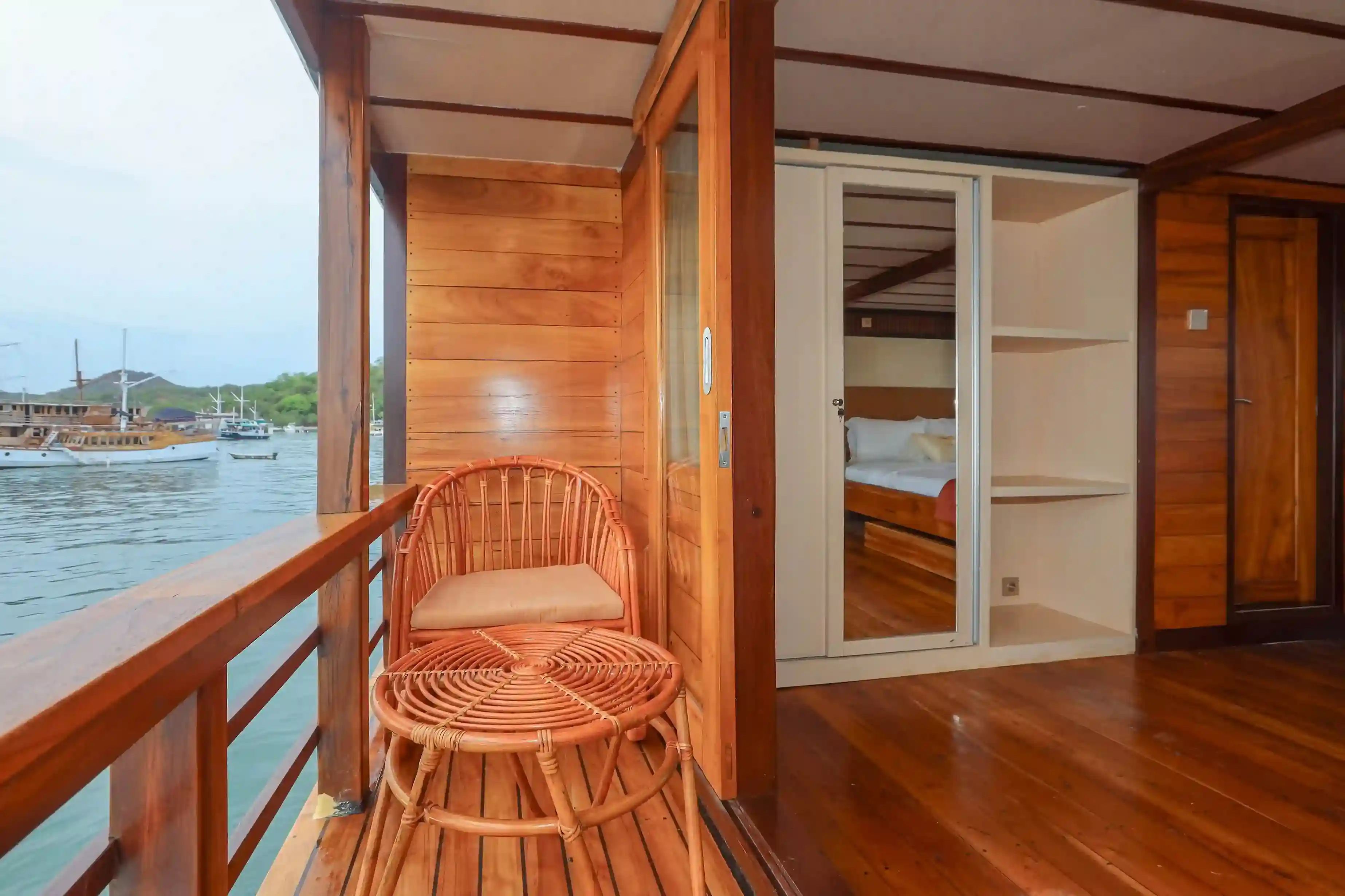
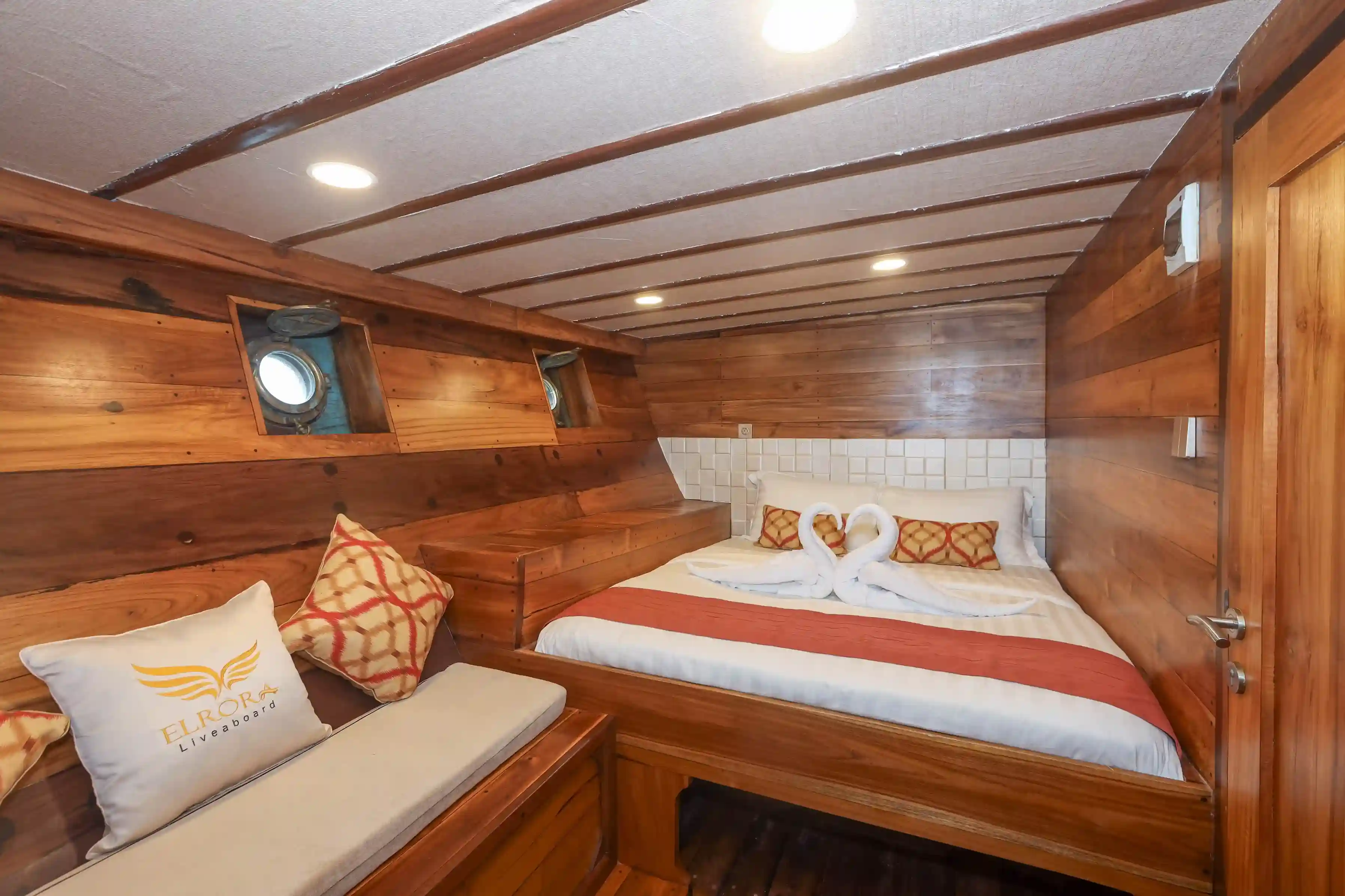
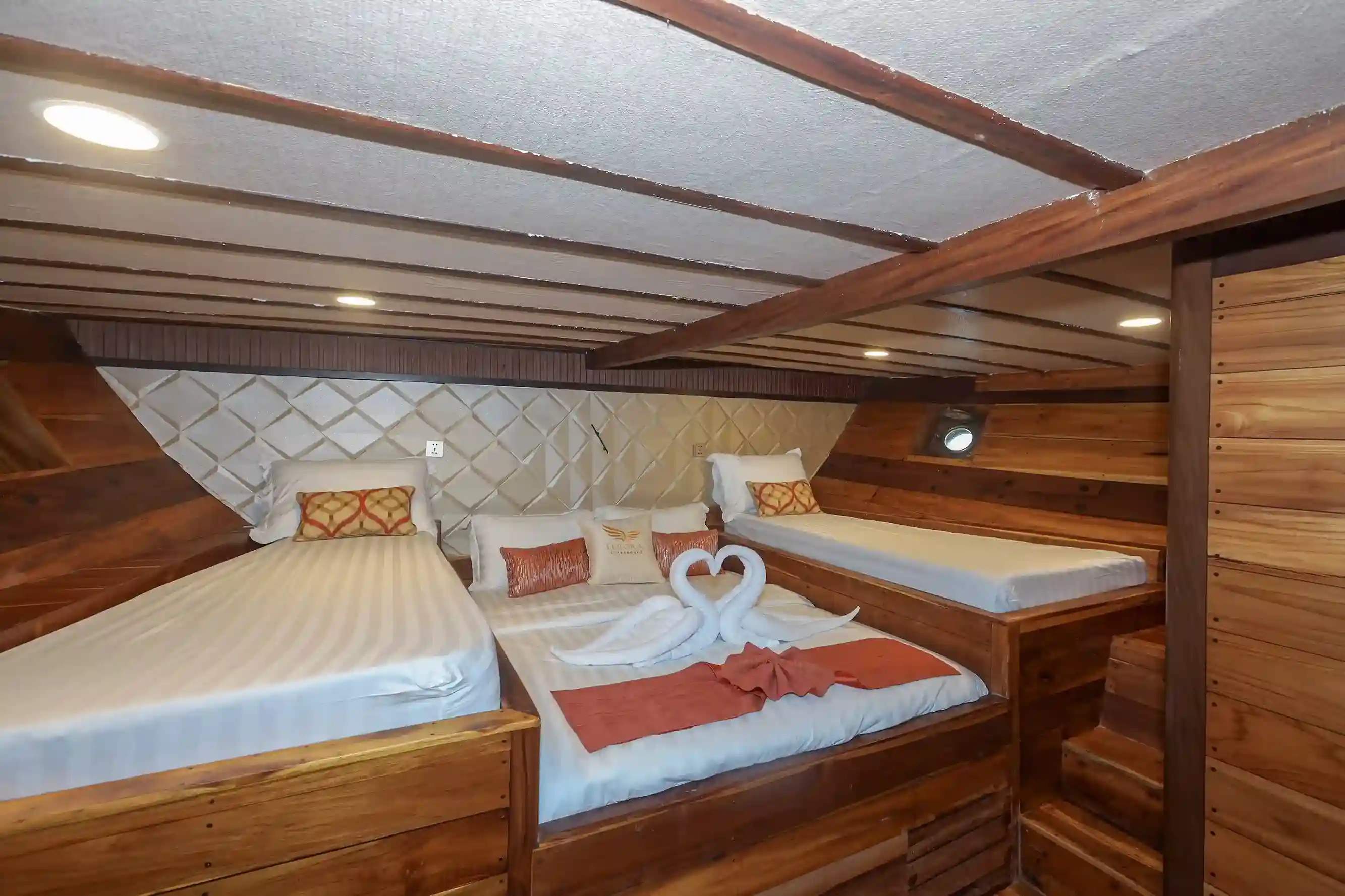
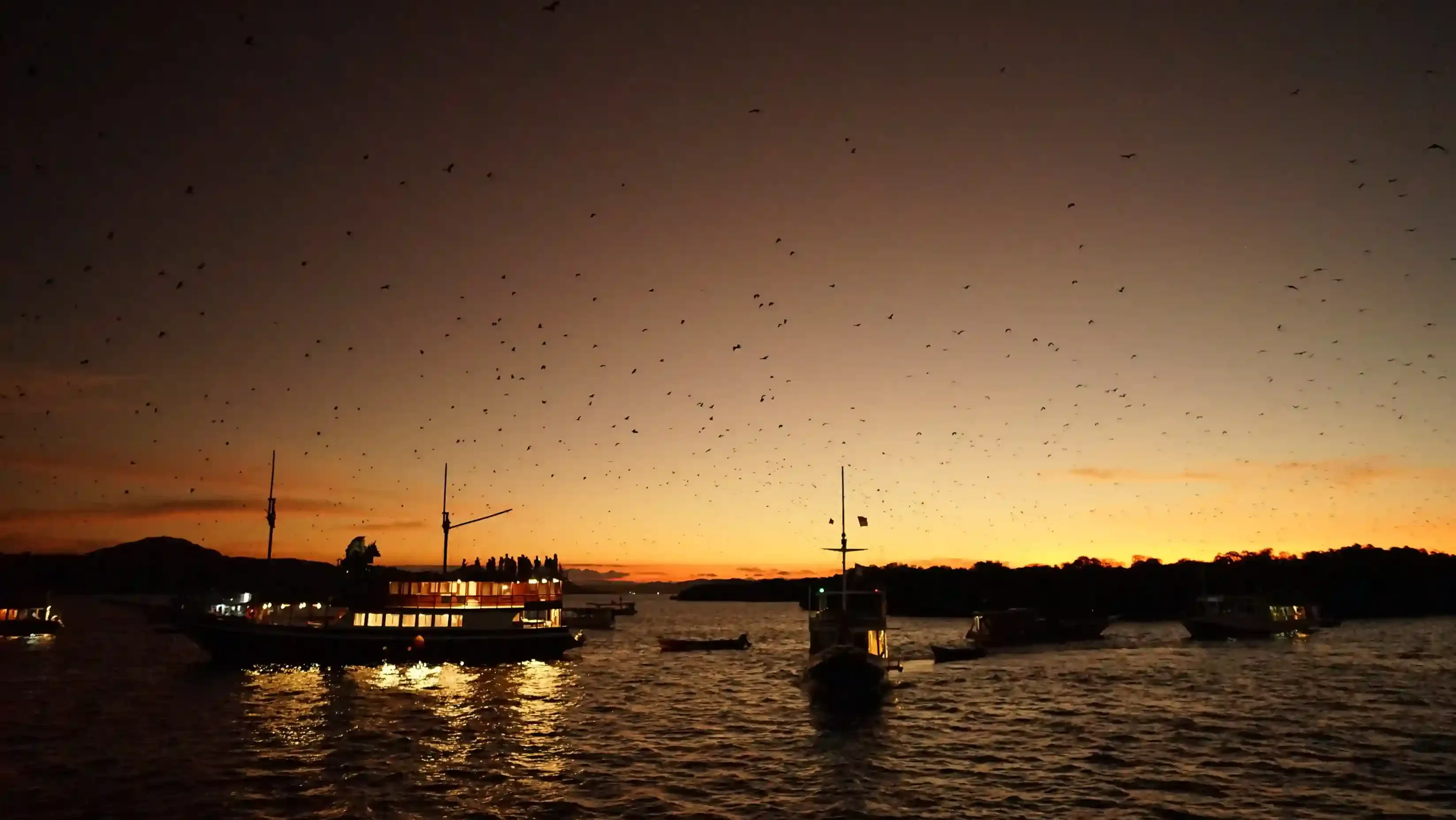
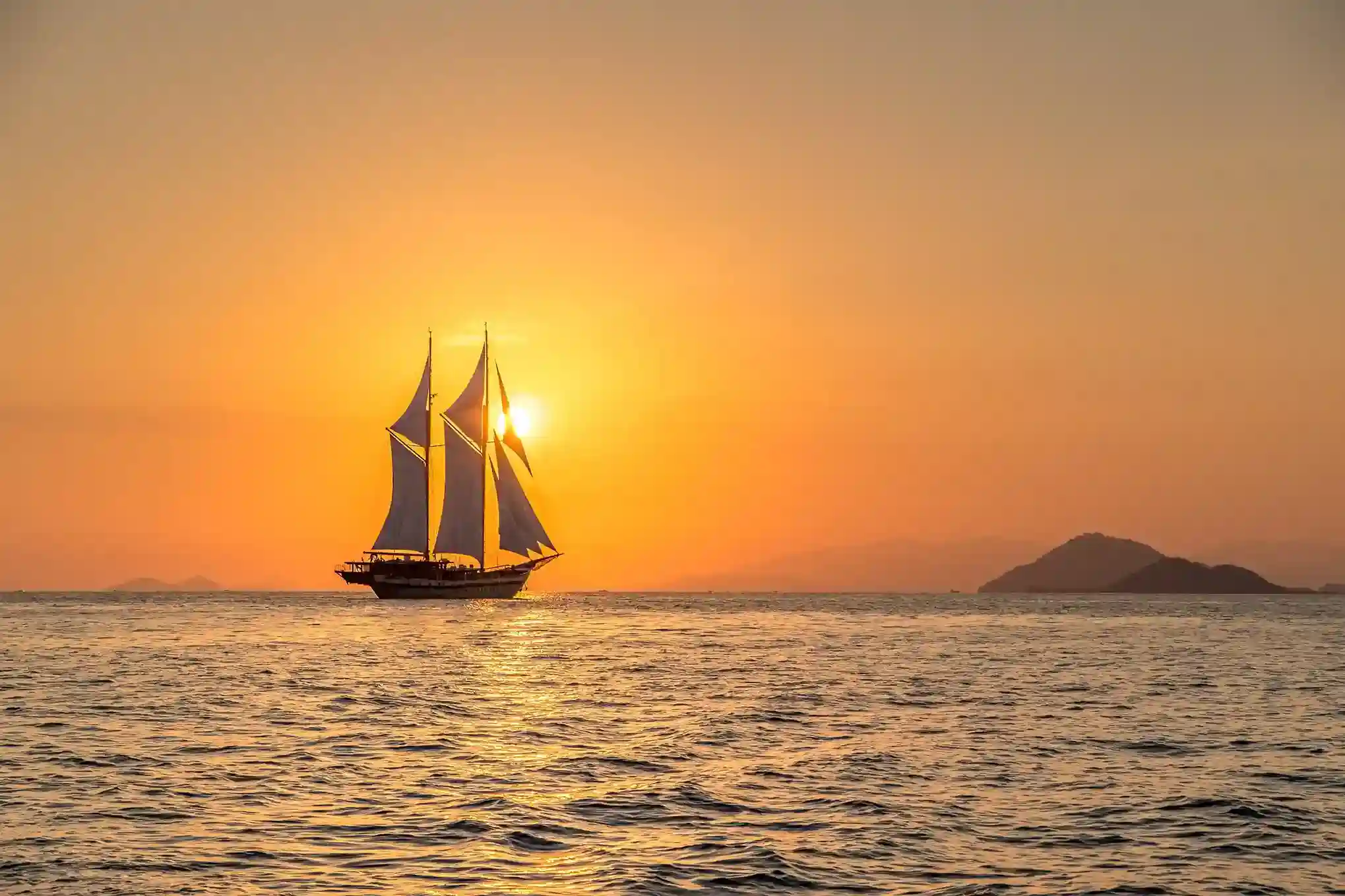
We’d anchored the night before near Kalong Island, where the sky turned purple as thousands of fruit bats streamed out from the mangroves. Dinner had been served on the aft deck—grilled mahi-mahi with tamarind glaze, served on ceramic plates that didn’t rattle even when the breeze picked up. There are only four cabins, but the layout never felt cramped. The Master Cabin, positioned amidships, has a queen bed that doesn’t creak and a ventilation system that works without needing the AC. I noticed the towels were thick, yes, but more importantly, they stayed dry—no mildew smell, even after two days of constant snorkeling.
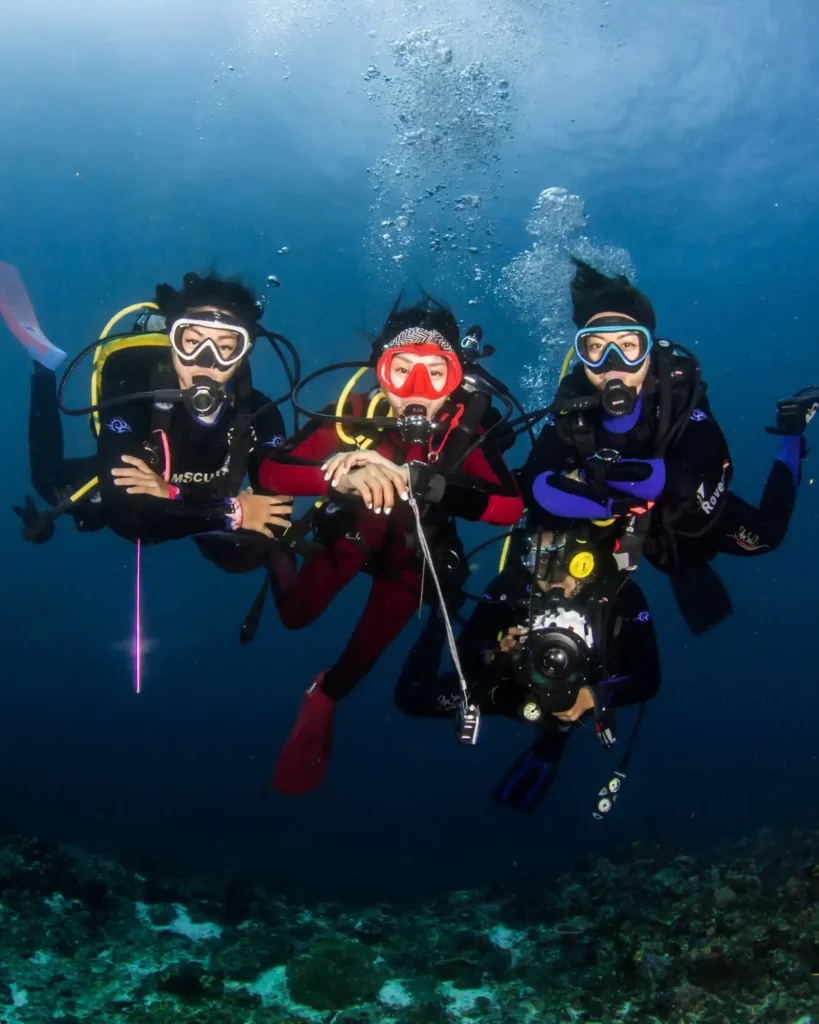
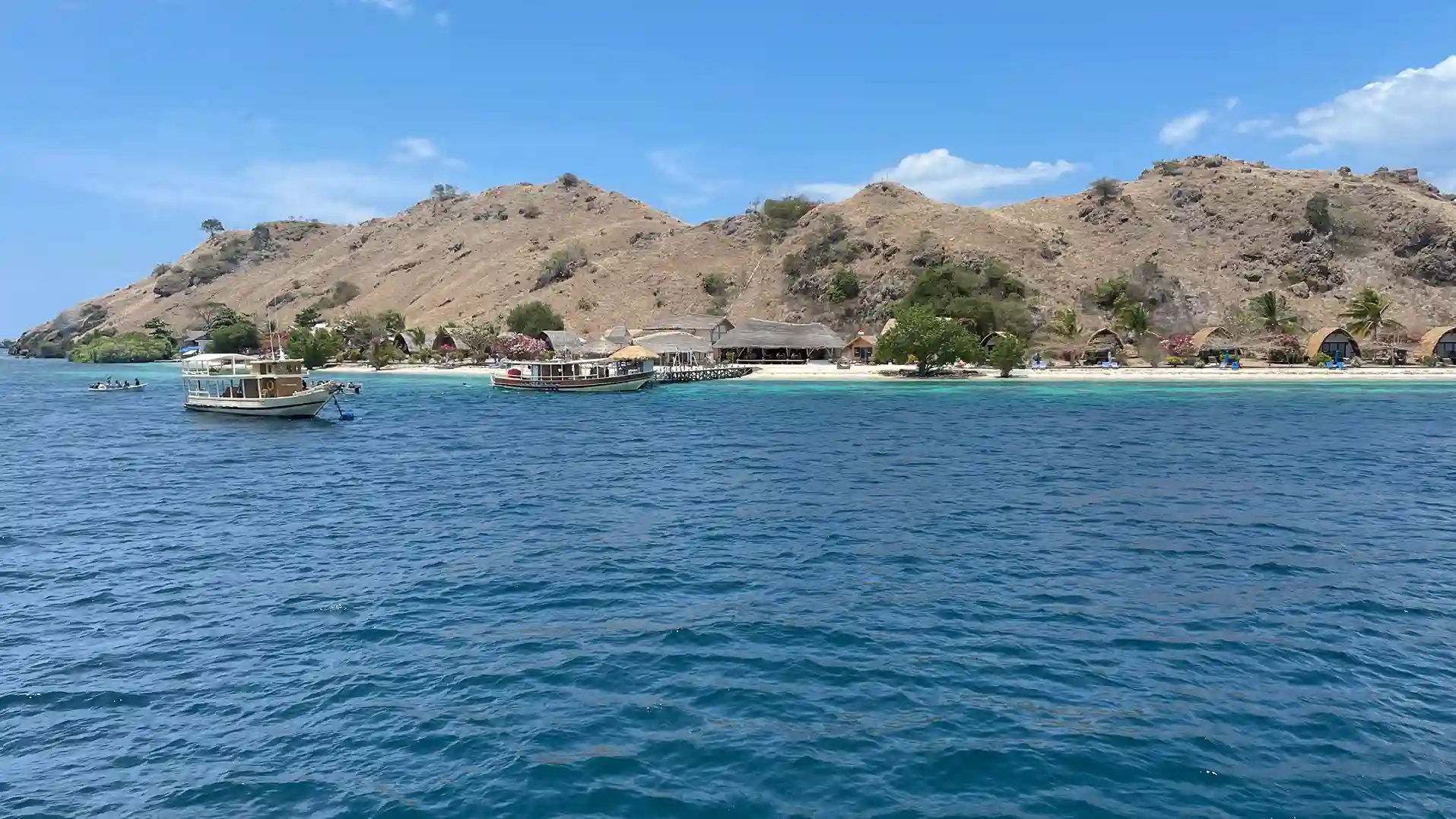
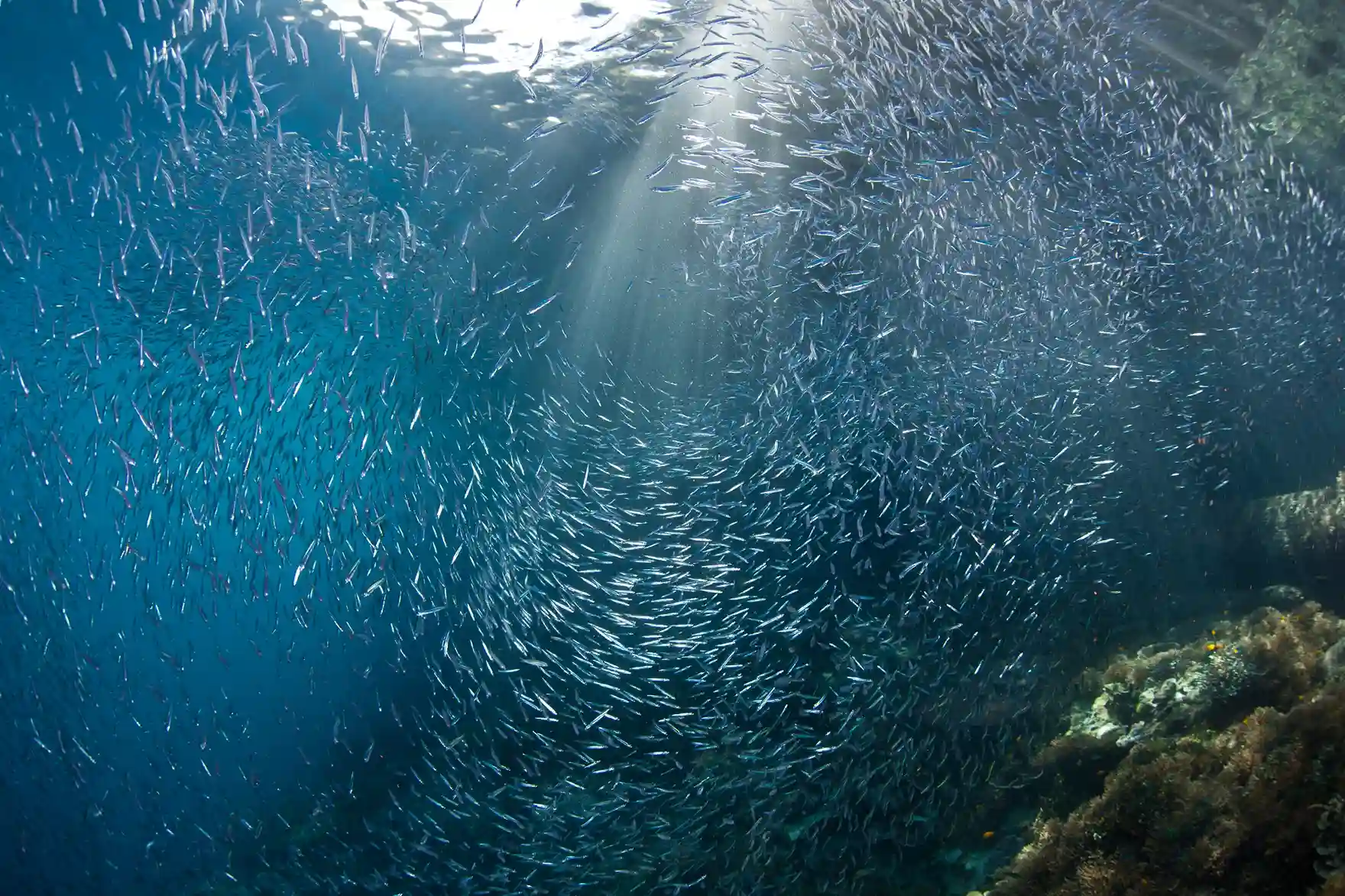
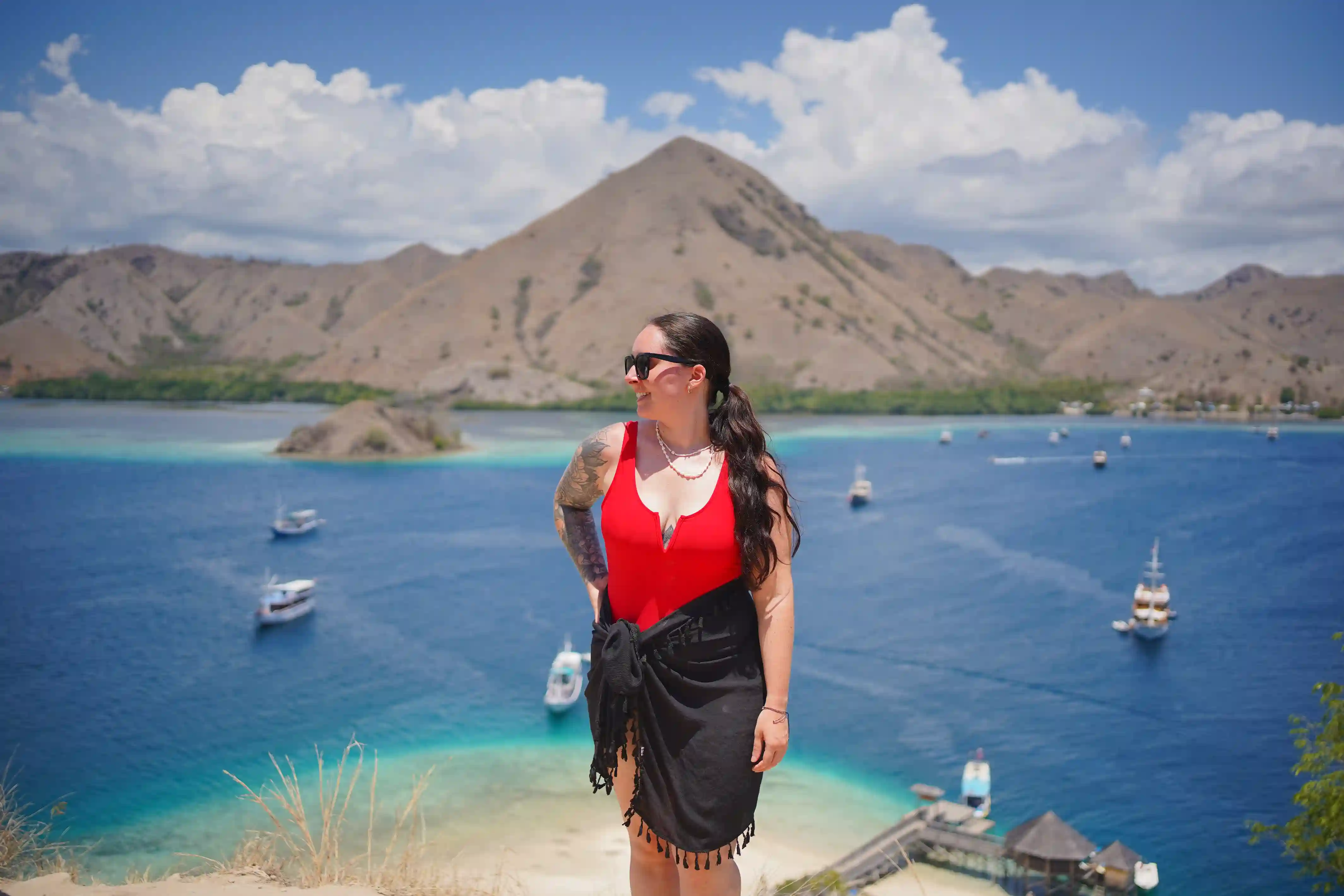
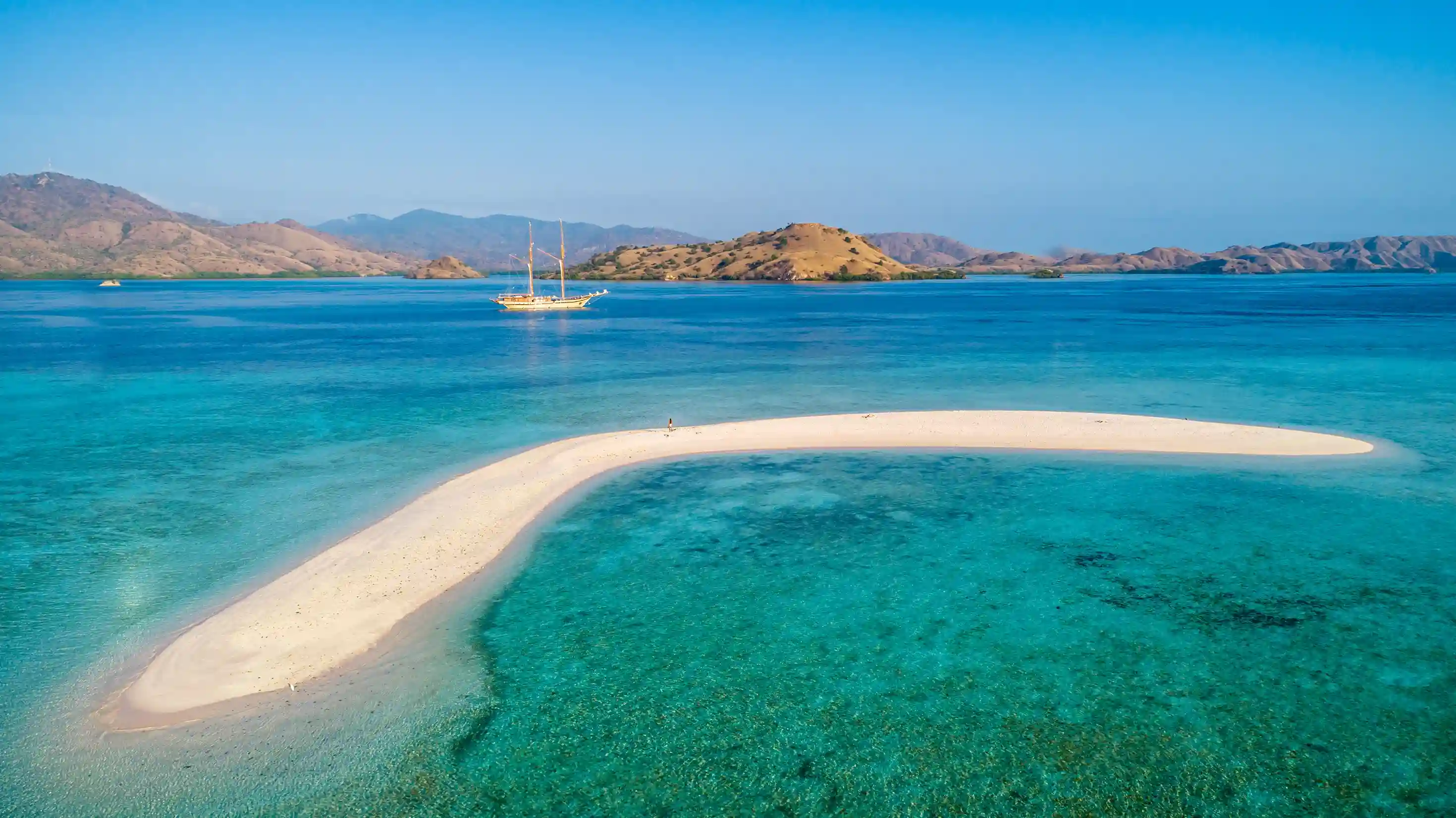
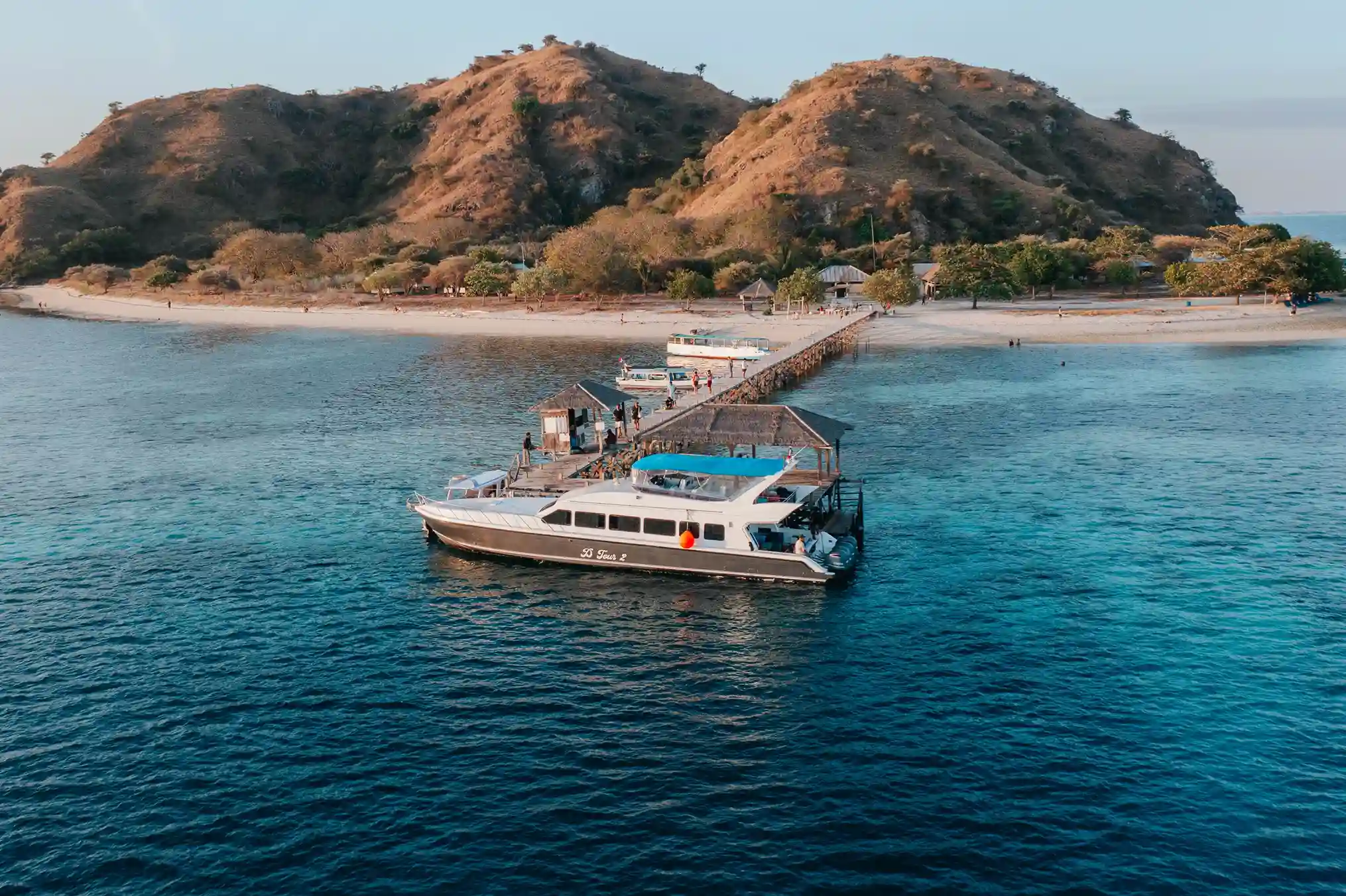
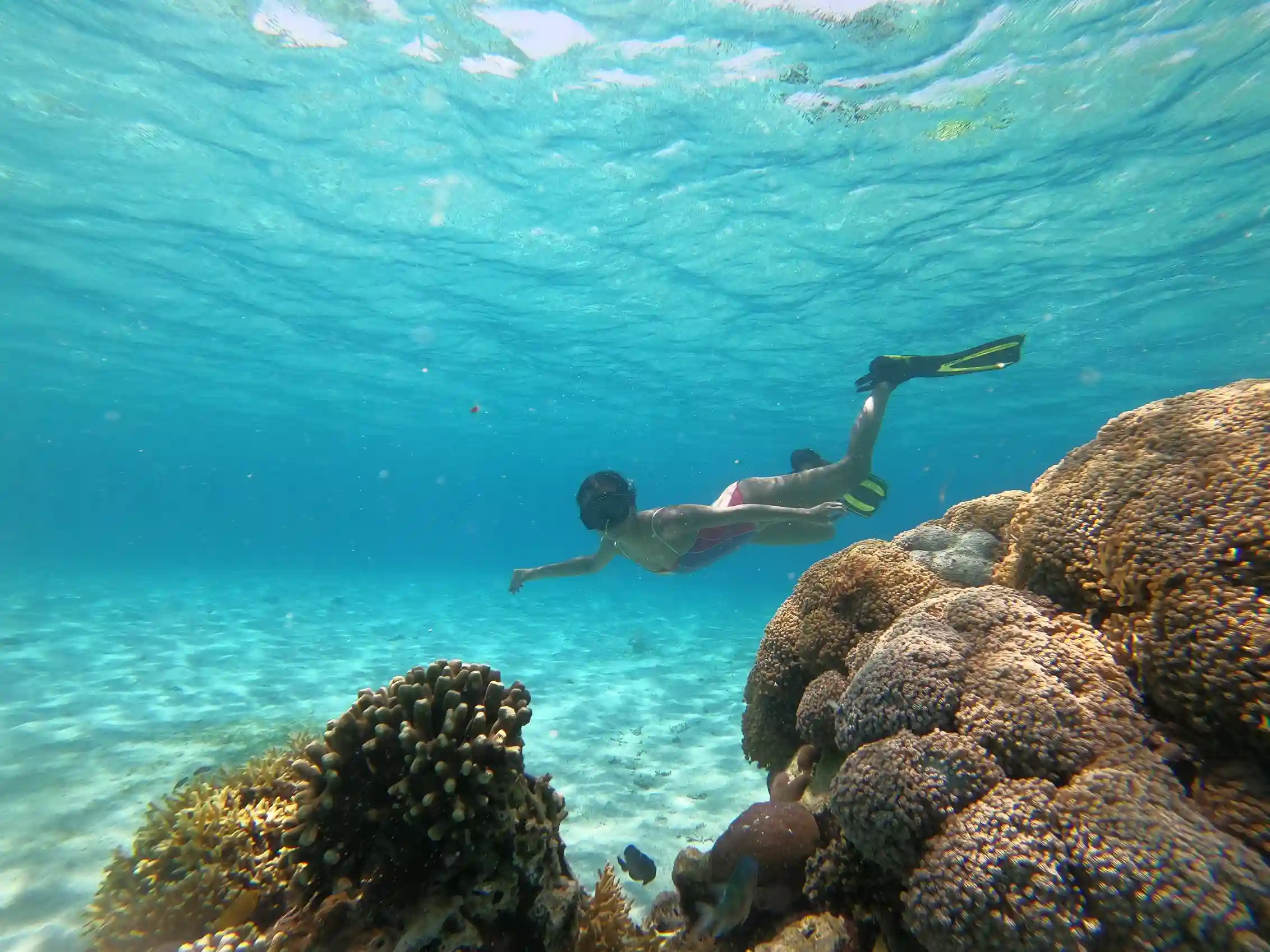
On Day Three, we reached Taka Makassar by 8:30 a.m., just as the tide cleared the sandbar. The crew handed out reef-safe sunscreen before the first plunge—no plastic bottles, just tins from a Bali-based brand I later looked up. Snorkeling here is predictable only in its unpredictability: one minute you’re above coral bommies shaped like cauliflower, the next a reef shark glides under your fins. The boat’s tender dropped us at Kanawa late that morning, where the shallow lagoon warmed our legs as we waded ashore. Elrora doesn’t dock—she anchors—and that means no fixed piers, no crowds unloading all at once. Just quiet entries into water so clear you see your shadow on the sand five metres down.
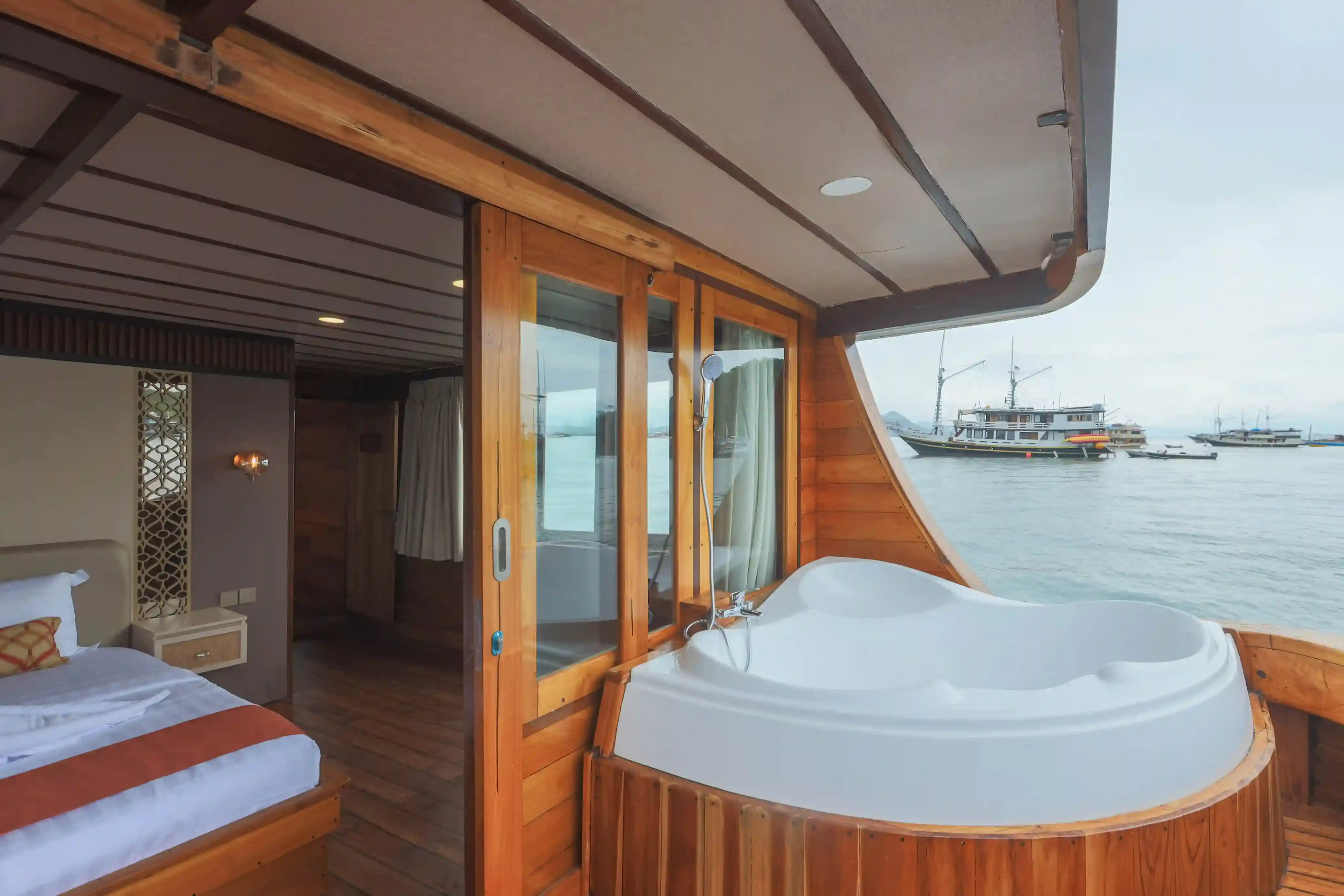
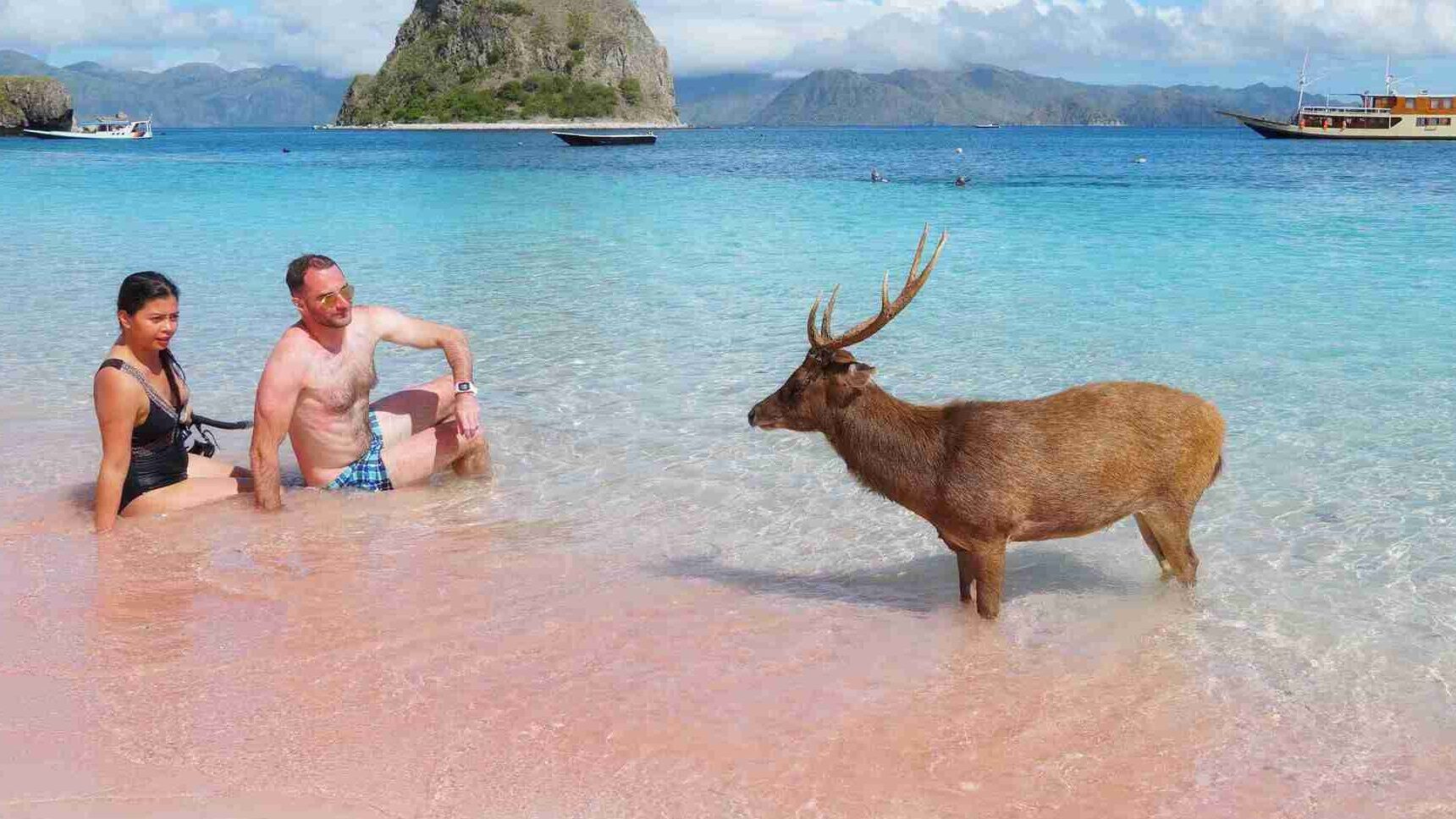
What stood out wasn’t the jacuzzi on the sundeck—though it’s there, and it’s used at sunset—but the way the crew timed their movements. No shouting over the VHF in the early hours. No engine start until the last guest was back aboard. One evening, a guest left their hat on the beach at Pink Beach; the guide noticed, motored back alone, and returned it without making a show of it. These aren’t scripted gestures. They’re the result of crews who live on these routes, who know which cabin gets the morning sun and which corner of the deck is best for watching stars appear over Sangeang.
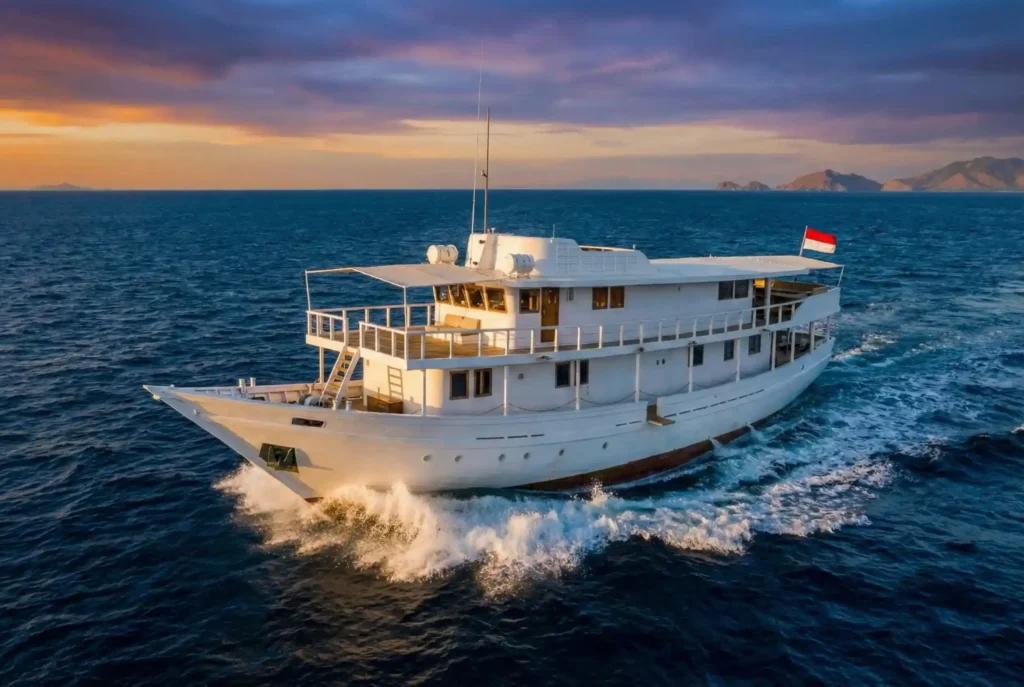
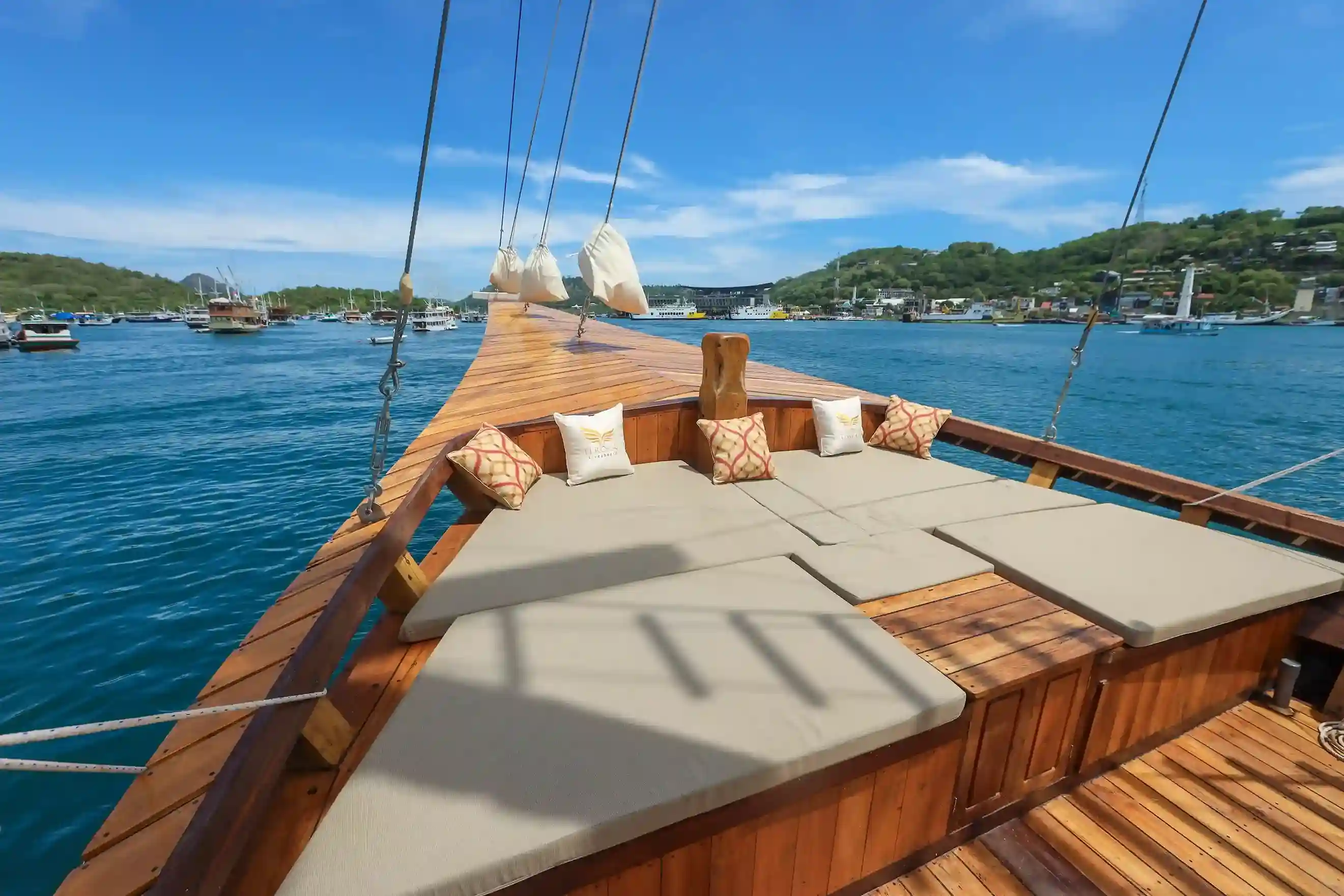
By the final afternoon, we were all a little sun-bleached, a little slower in our steps. The return to Labuan Bajo was smooth, the bow cutting through a mirror-flat channel. Elrora doesn’t have a gym or a spa, and it doesn’t try to. It’s a liveaboard built for moving through this archipelago with minimal fuss and maximum presence. You don’t come here for luxury in the five-star sense. You come because the boat is long enough to handle the deep channels, small enough to tuck into secluded bays, and crewed by people who know when to appear—and when to disappear.