About Derya
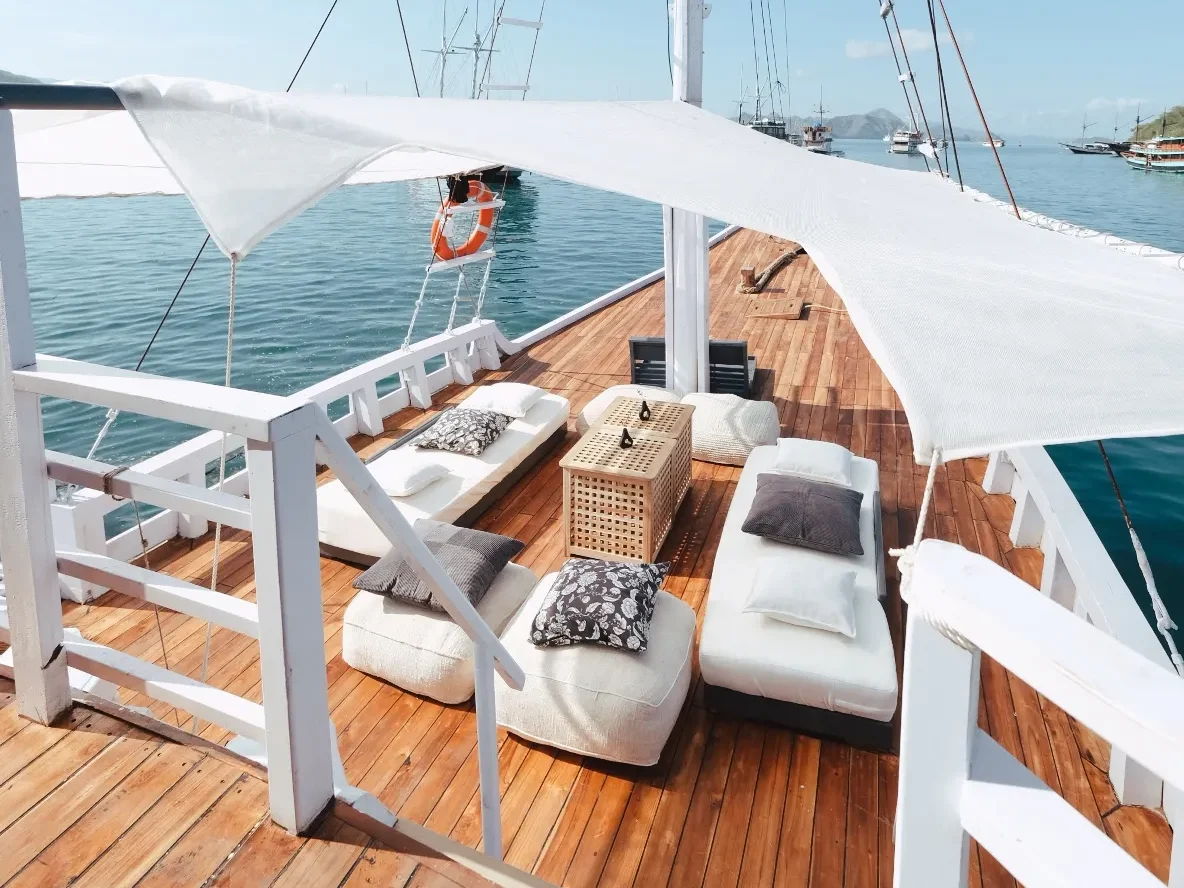
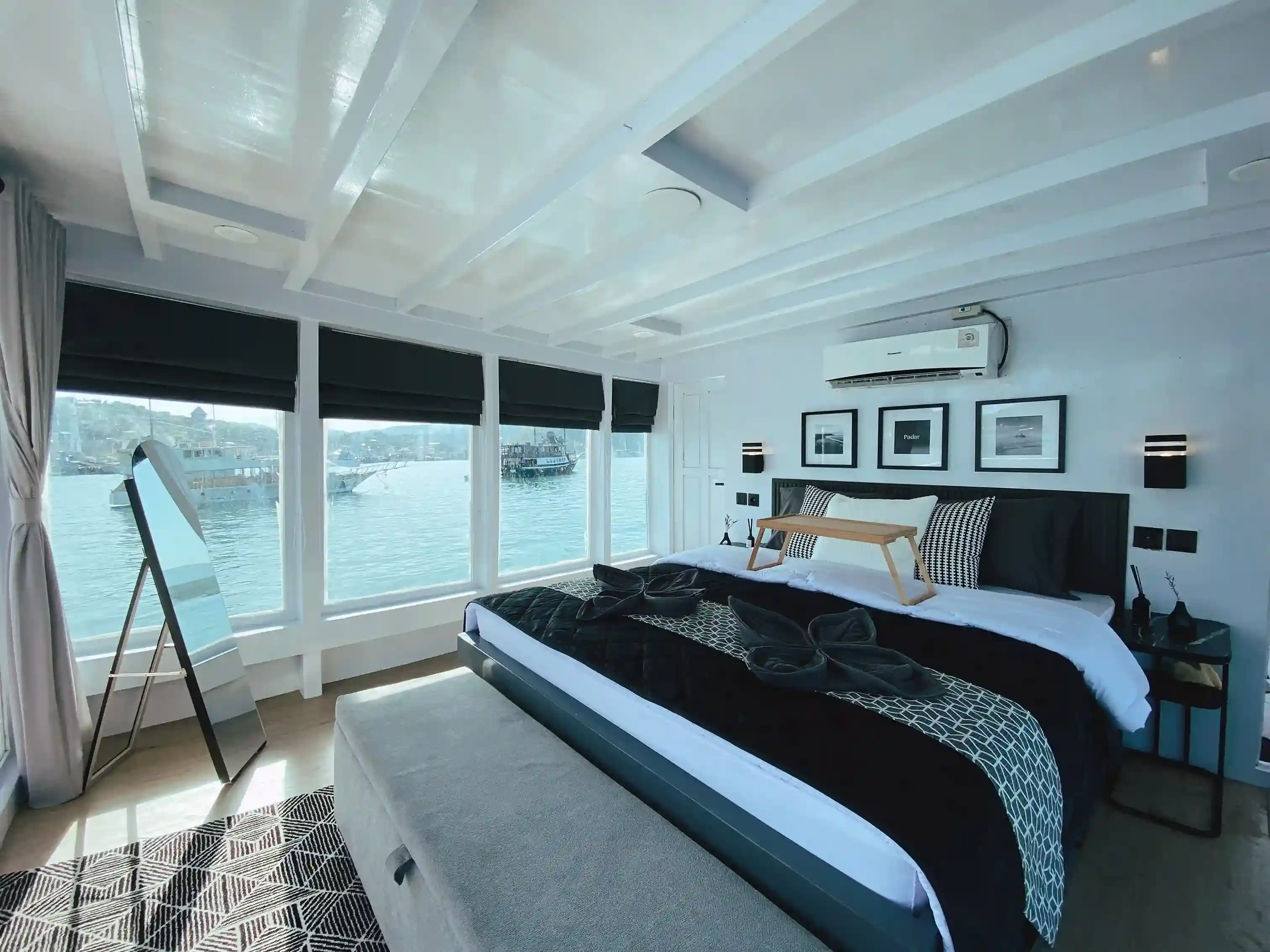
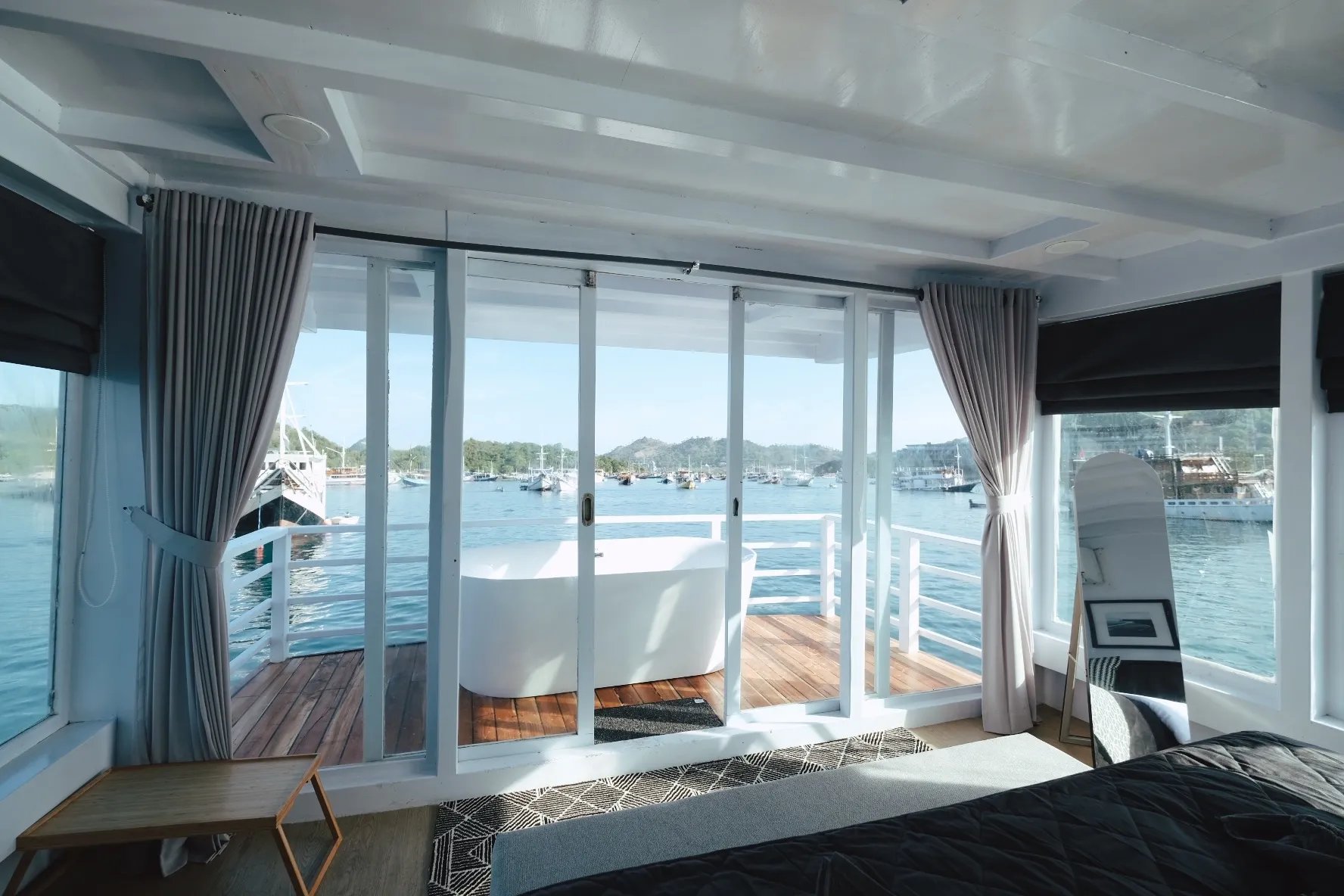
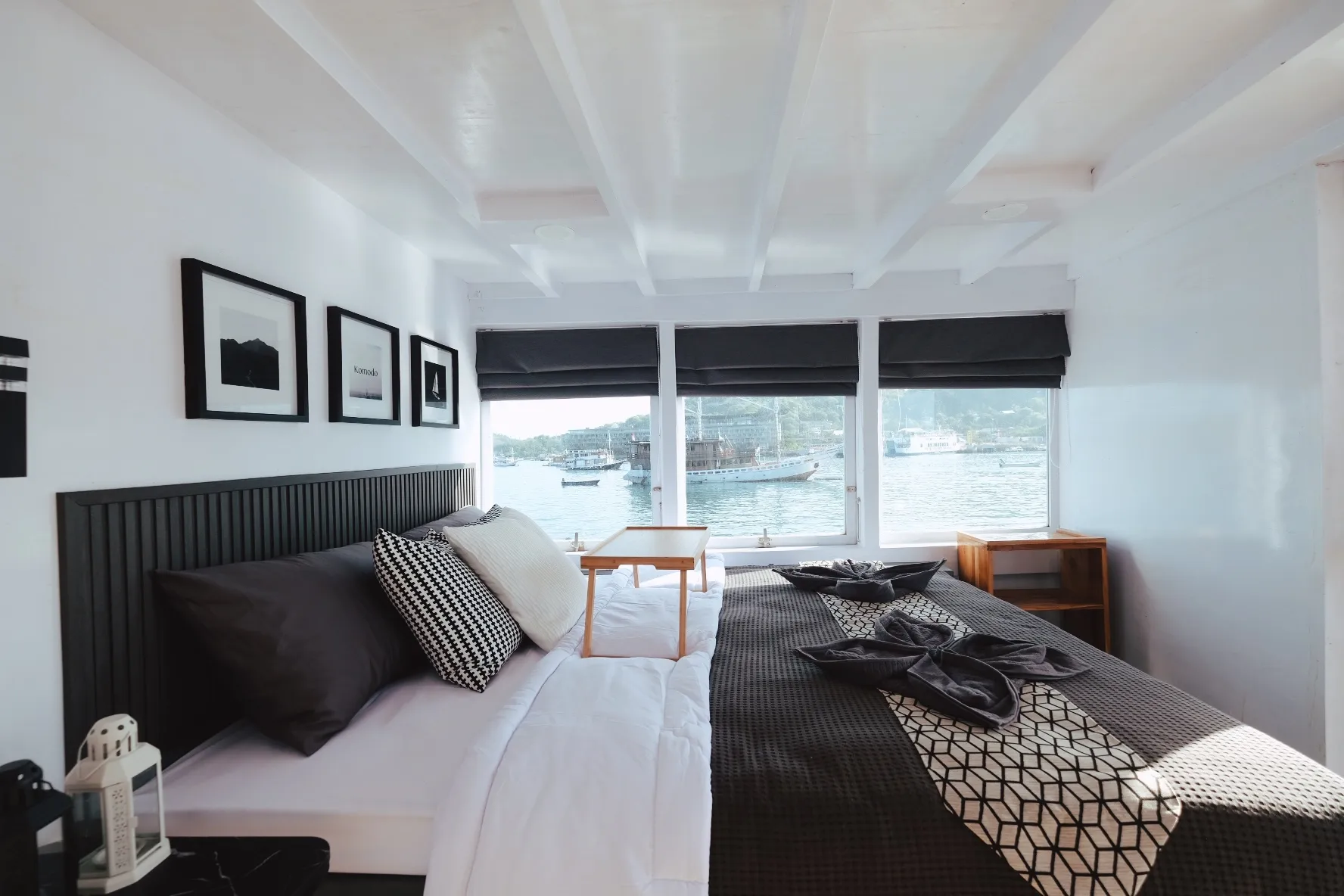
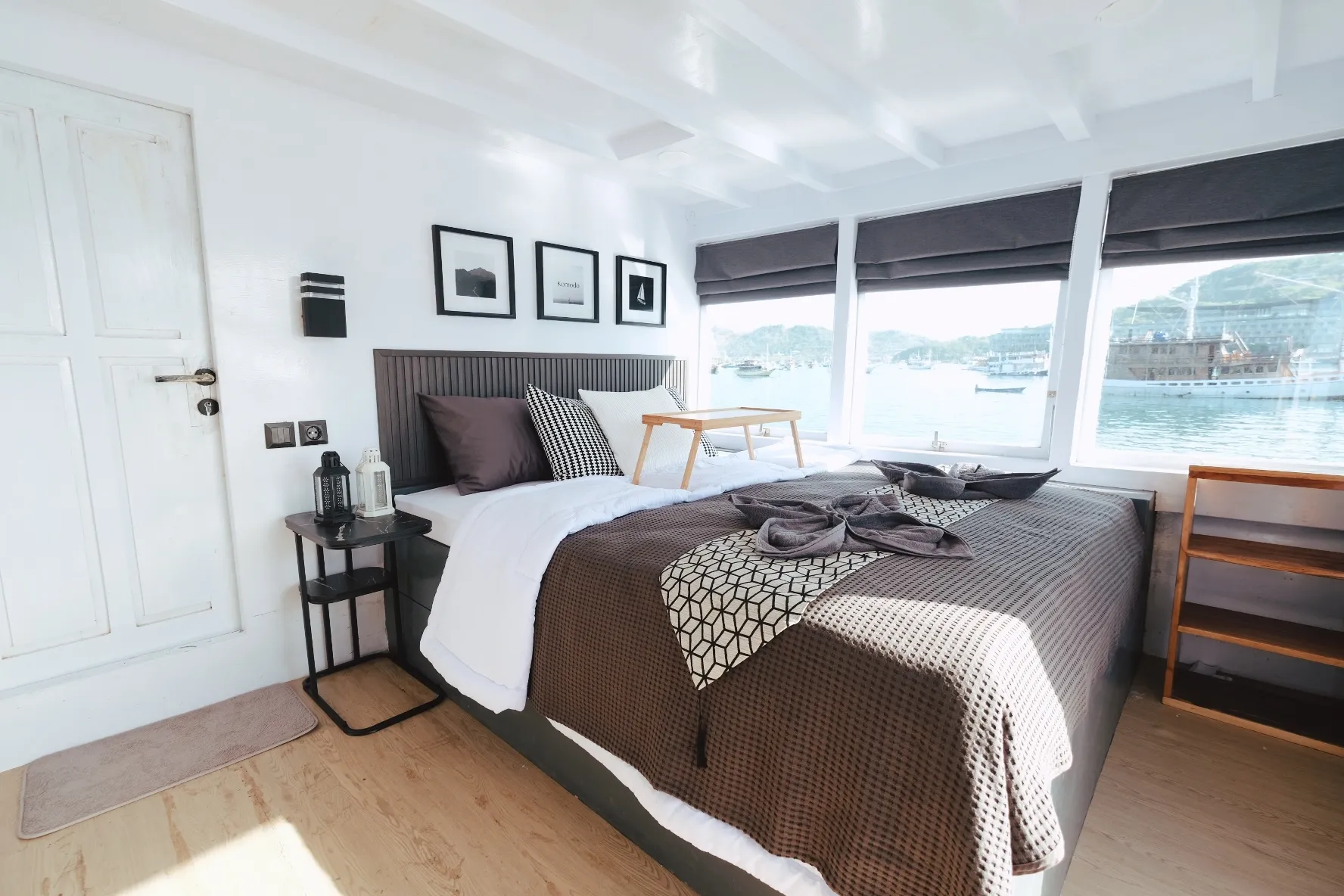
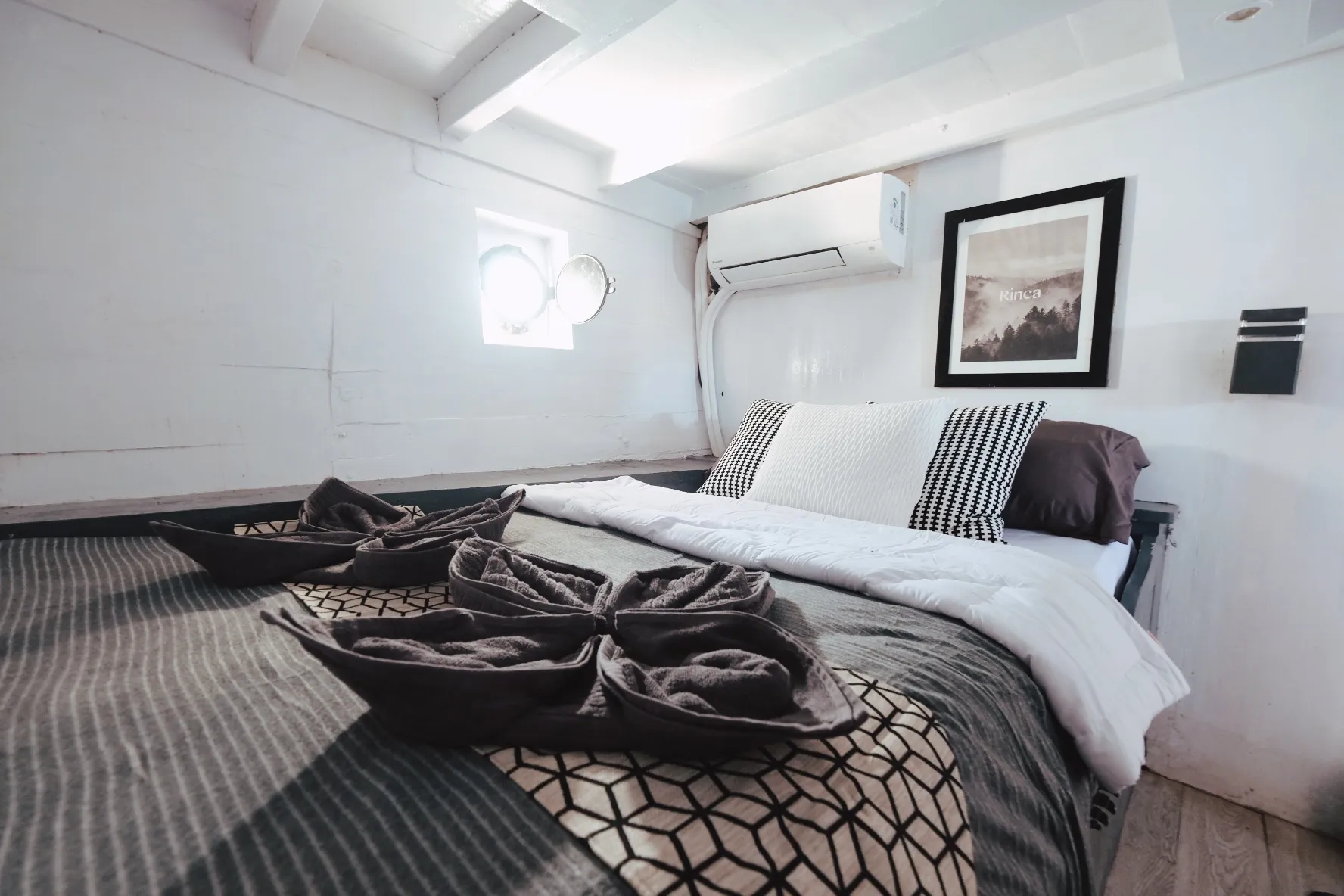
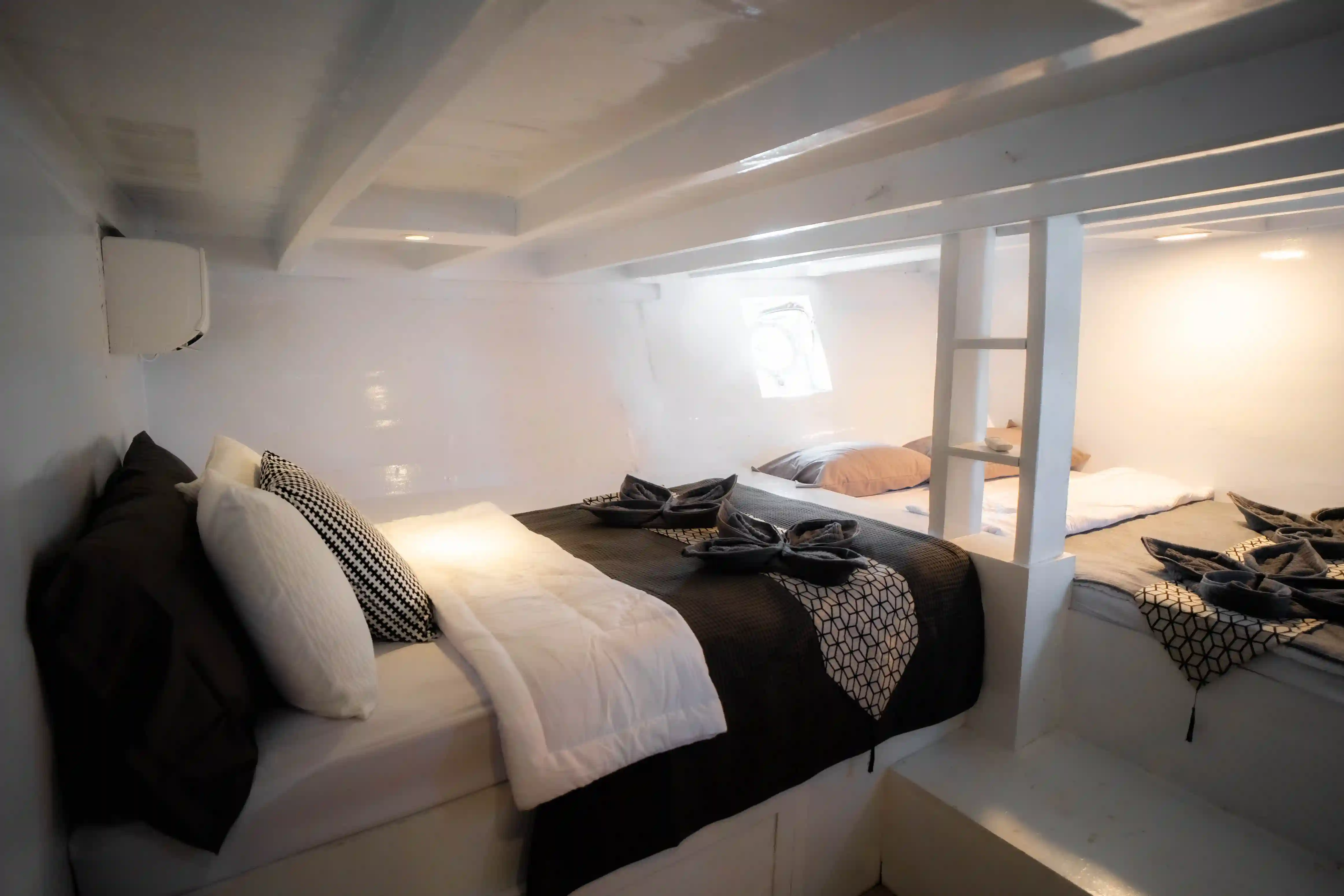
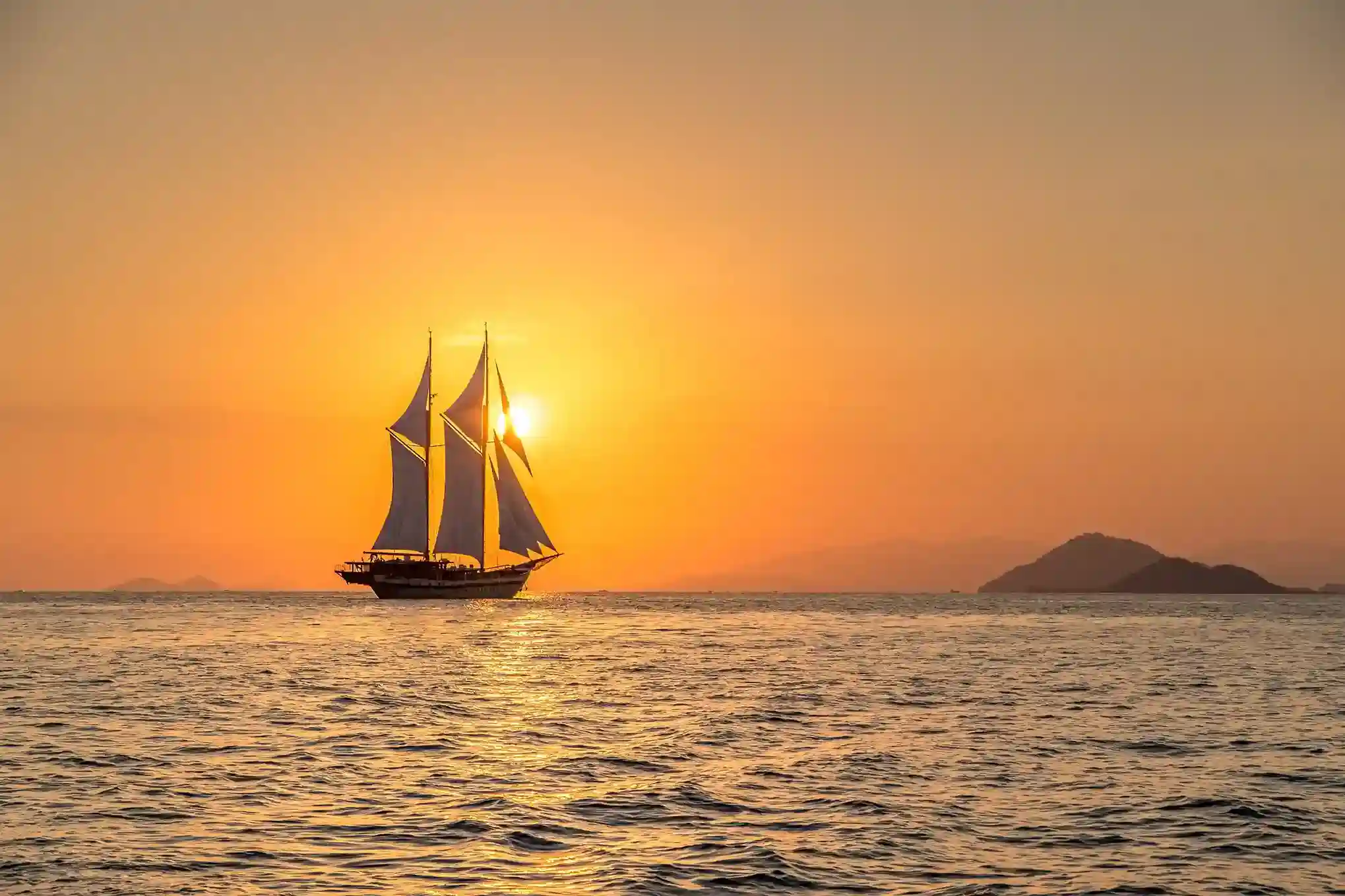
The first evening told me everything. As the sun dipped behind Kelor’s jagged silhouette, the crew laid out a spread of grilled fish and papaya salad on the aft deck. I sat cross-legged on a cushioned mat, the breeze steady, the only sound the soft clink of cutlery and distant reef waves. There were just six of us that trip—well under Derya’s 13-guest capacity—so the whole starboard side felt like my own. The single cabin, tucked aft, had wide ventilation grilles angled to catch the evening wind without sacrificing privacy.
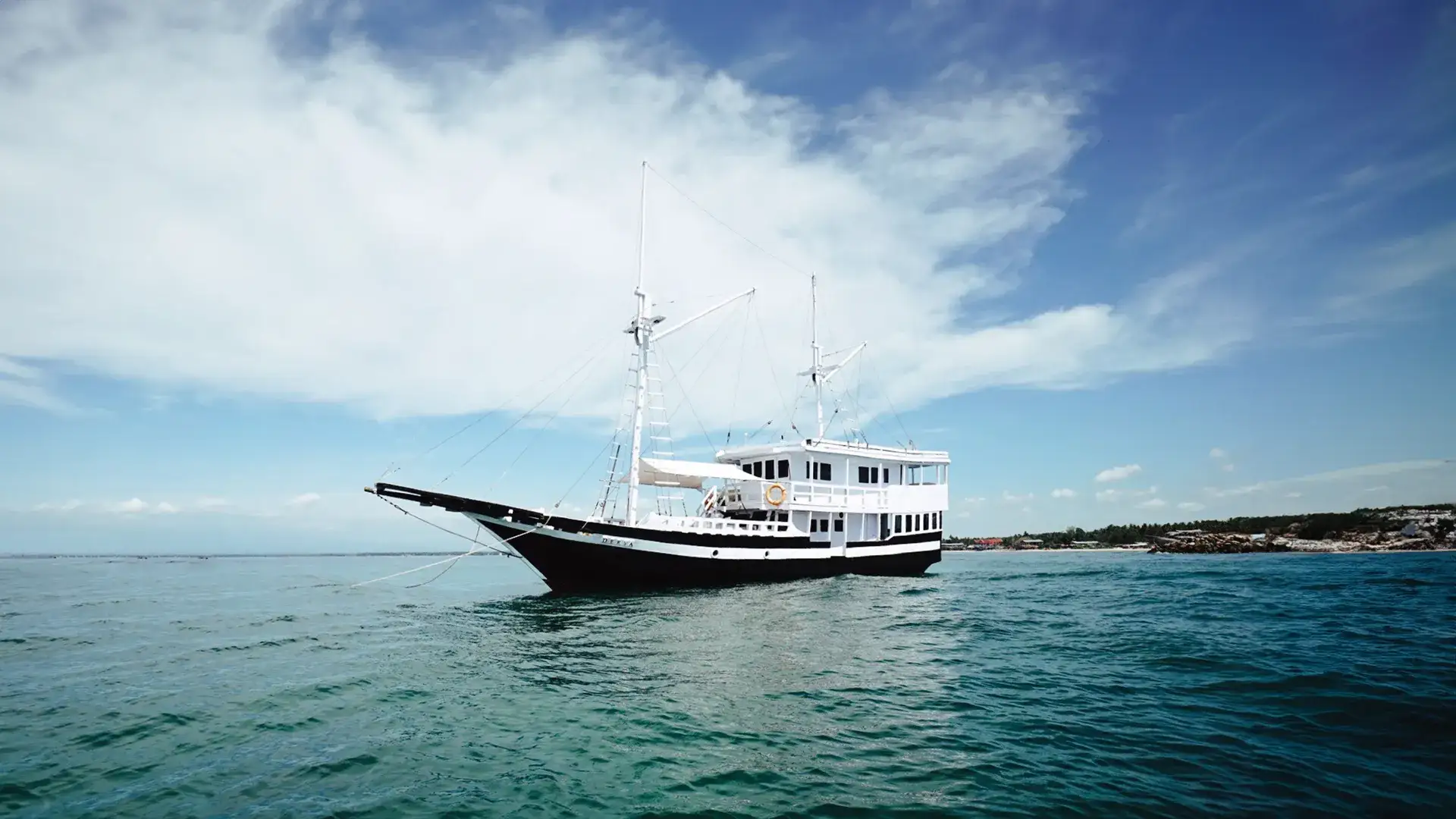
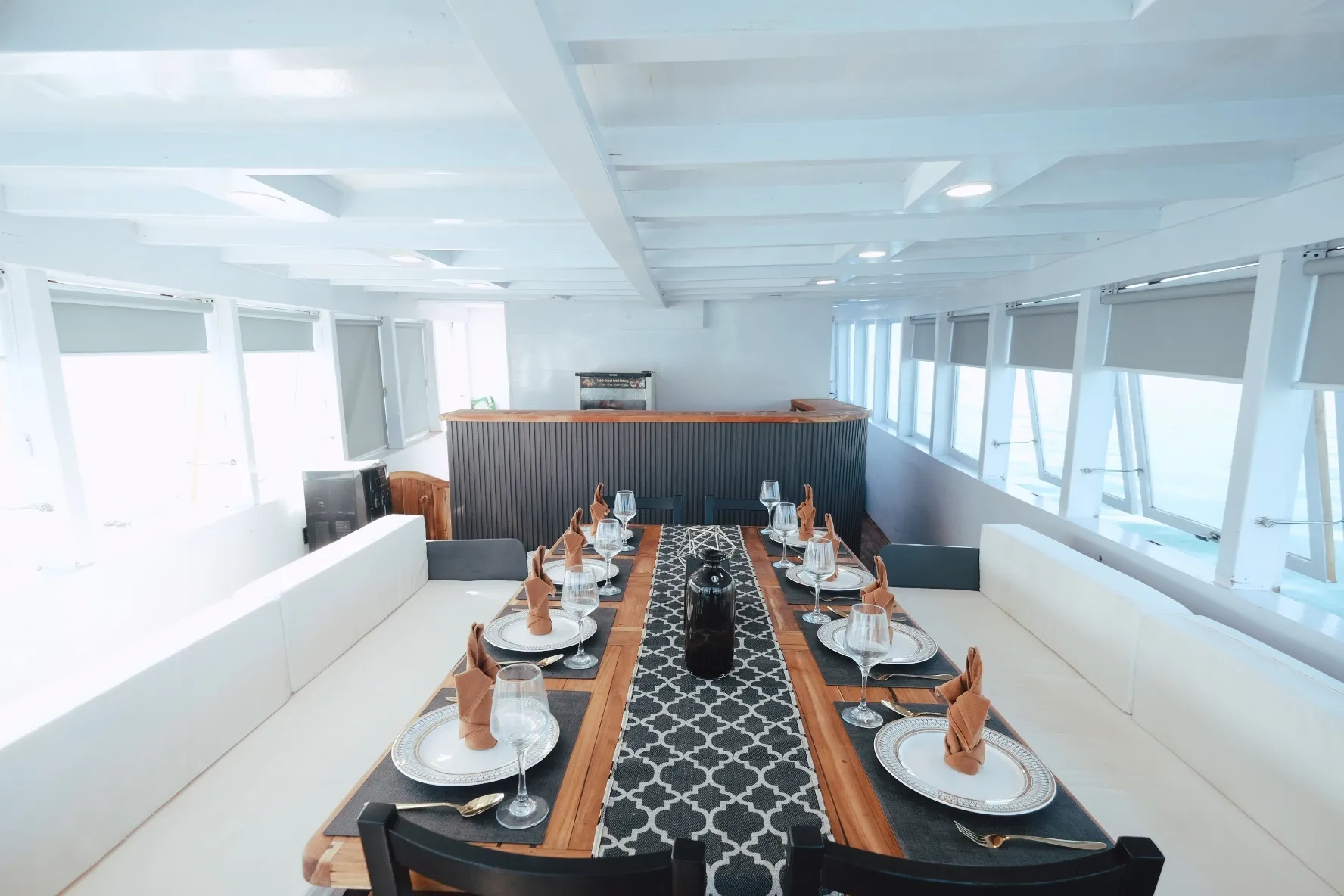
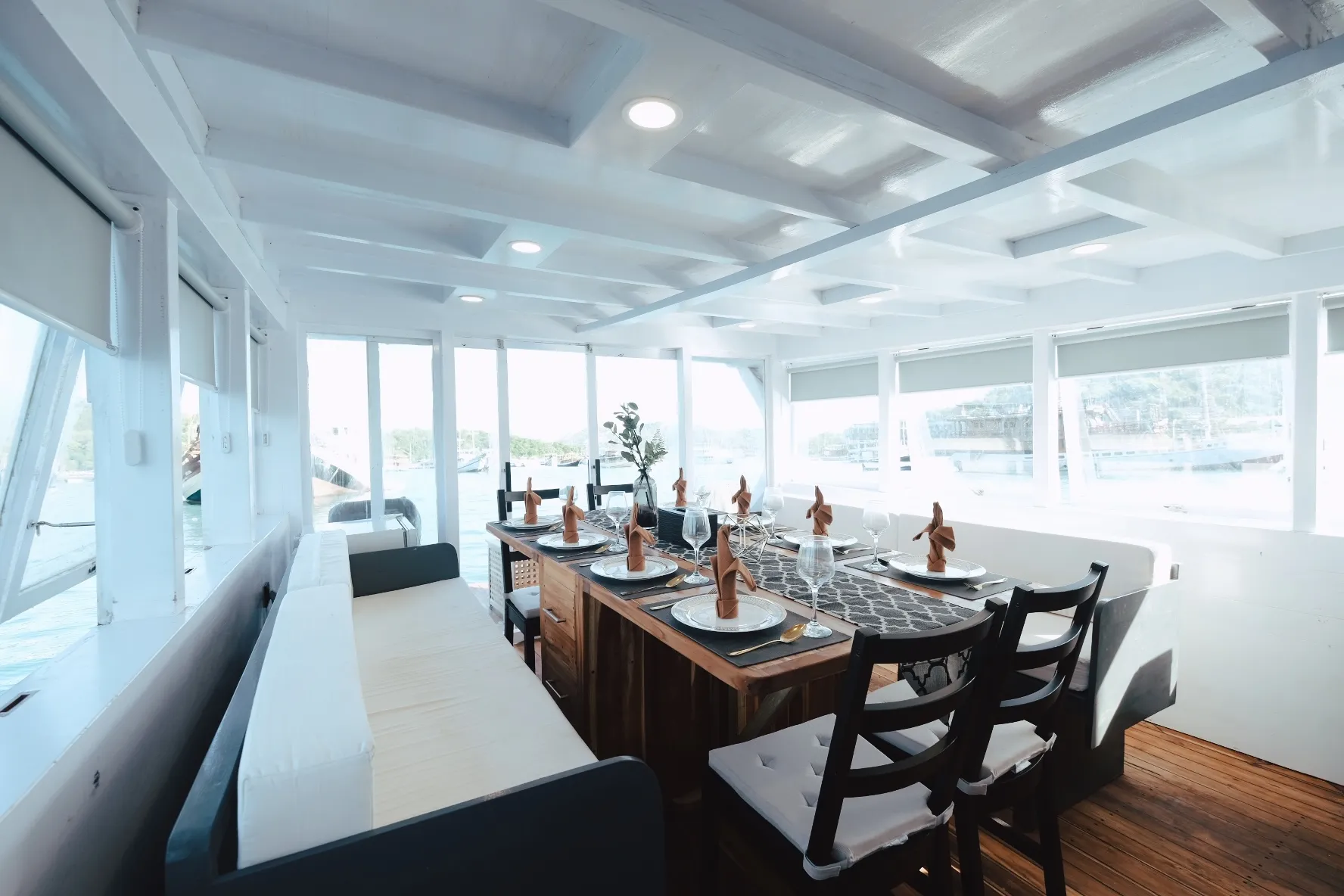
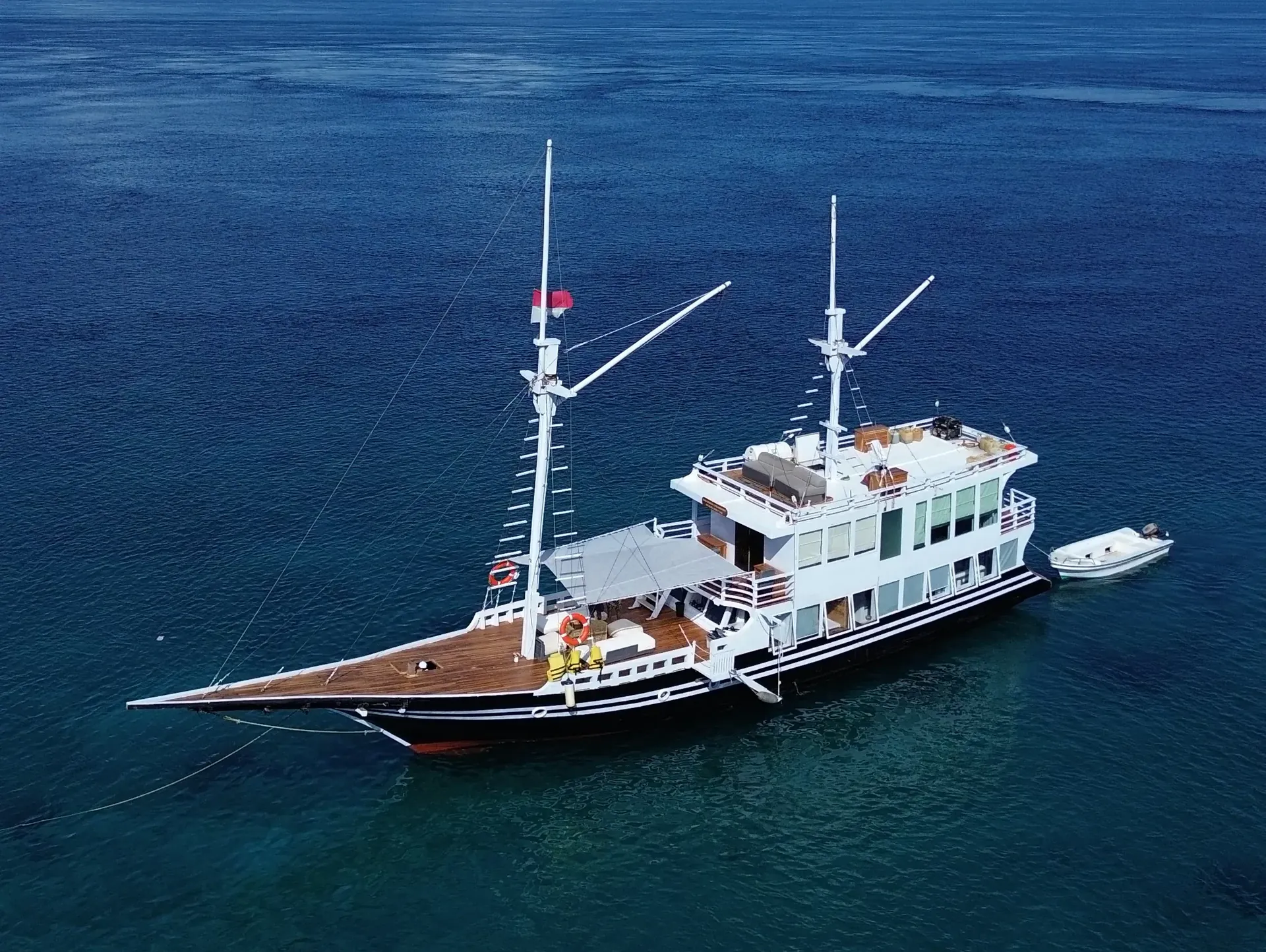
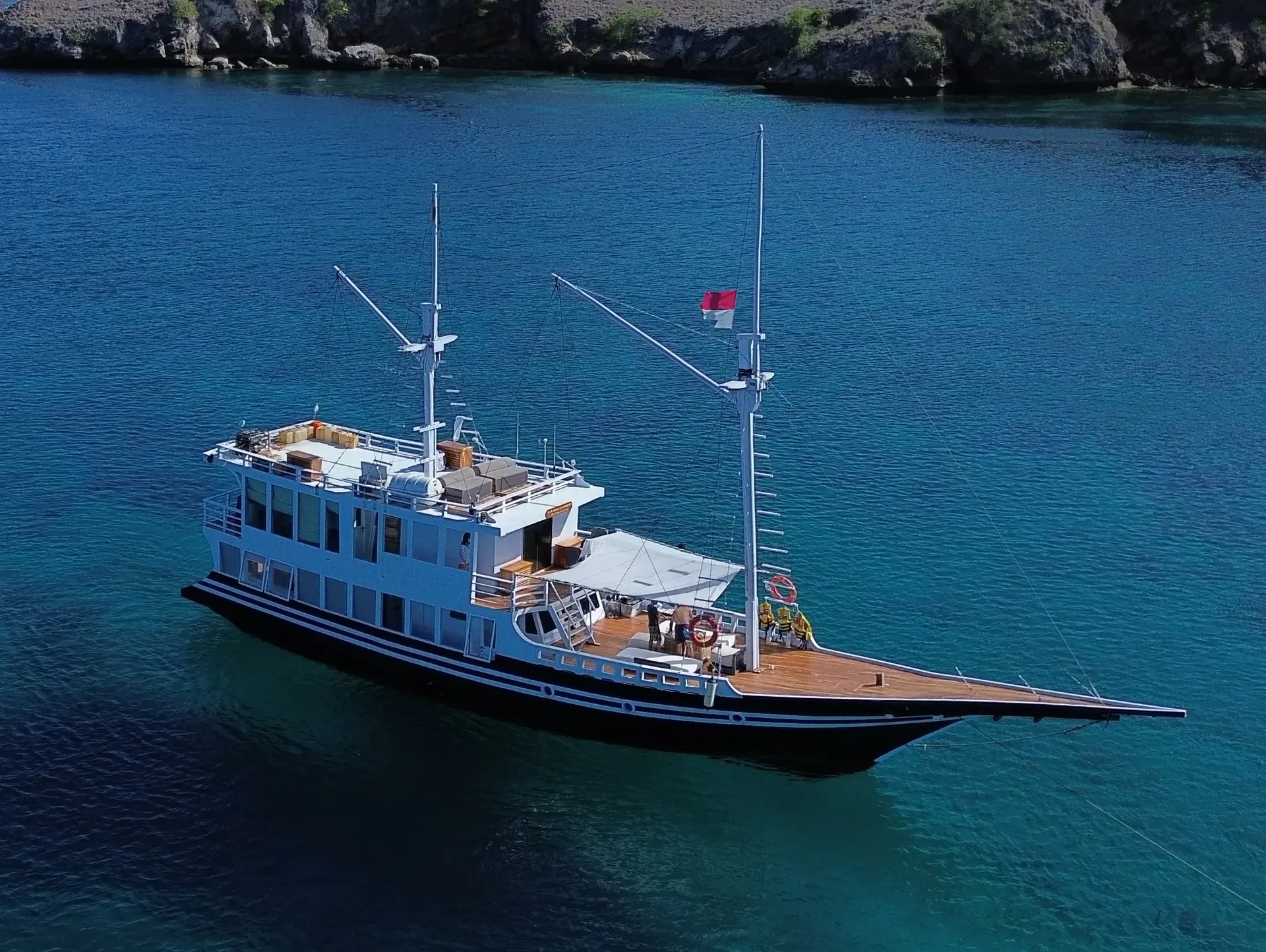
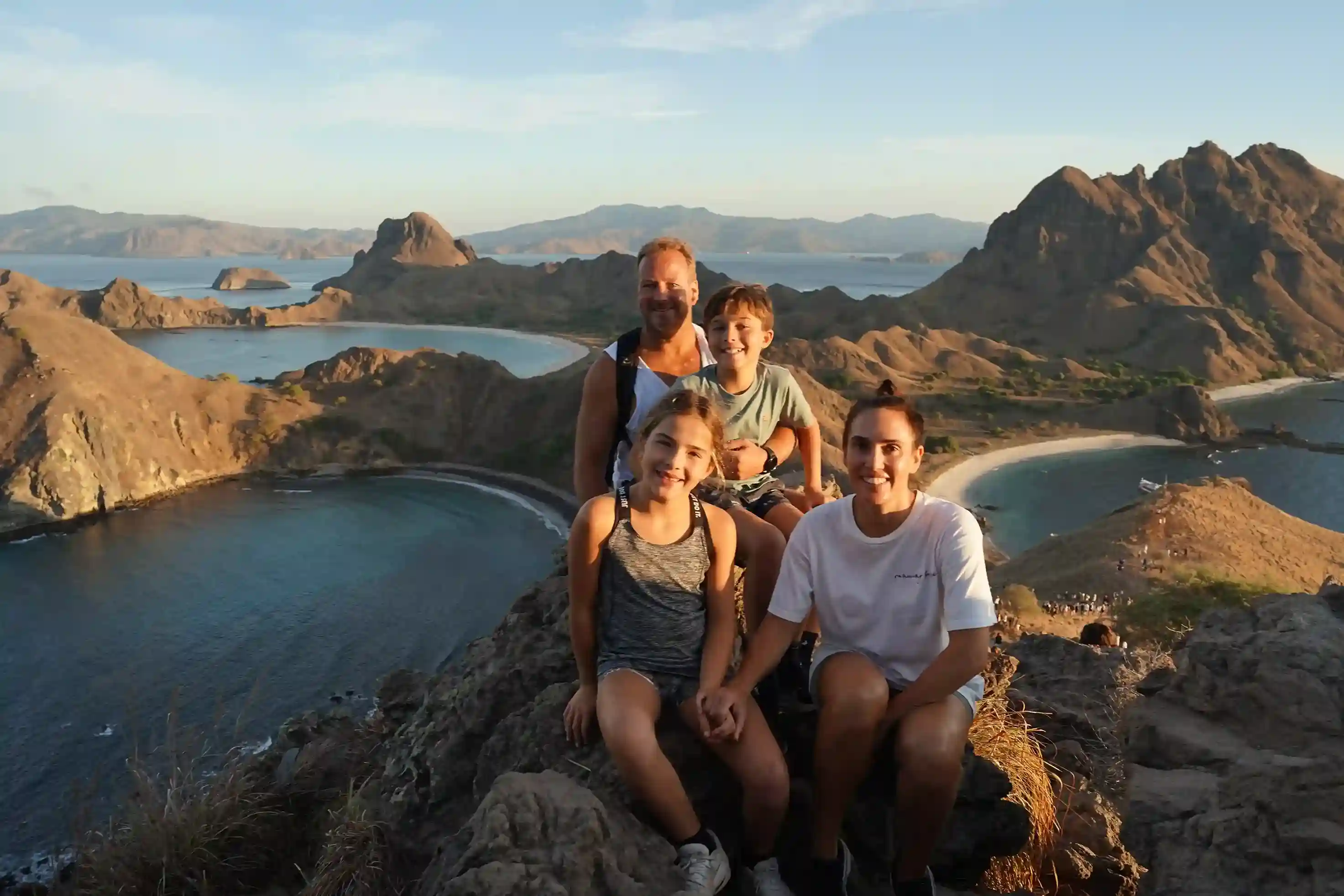
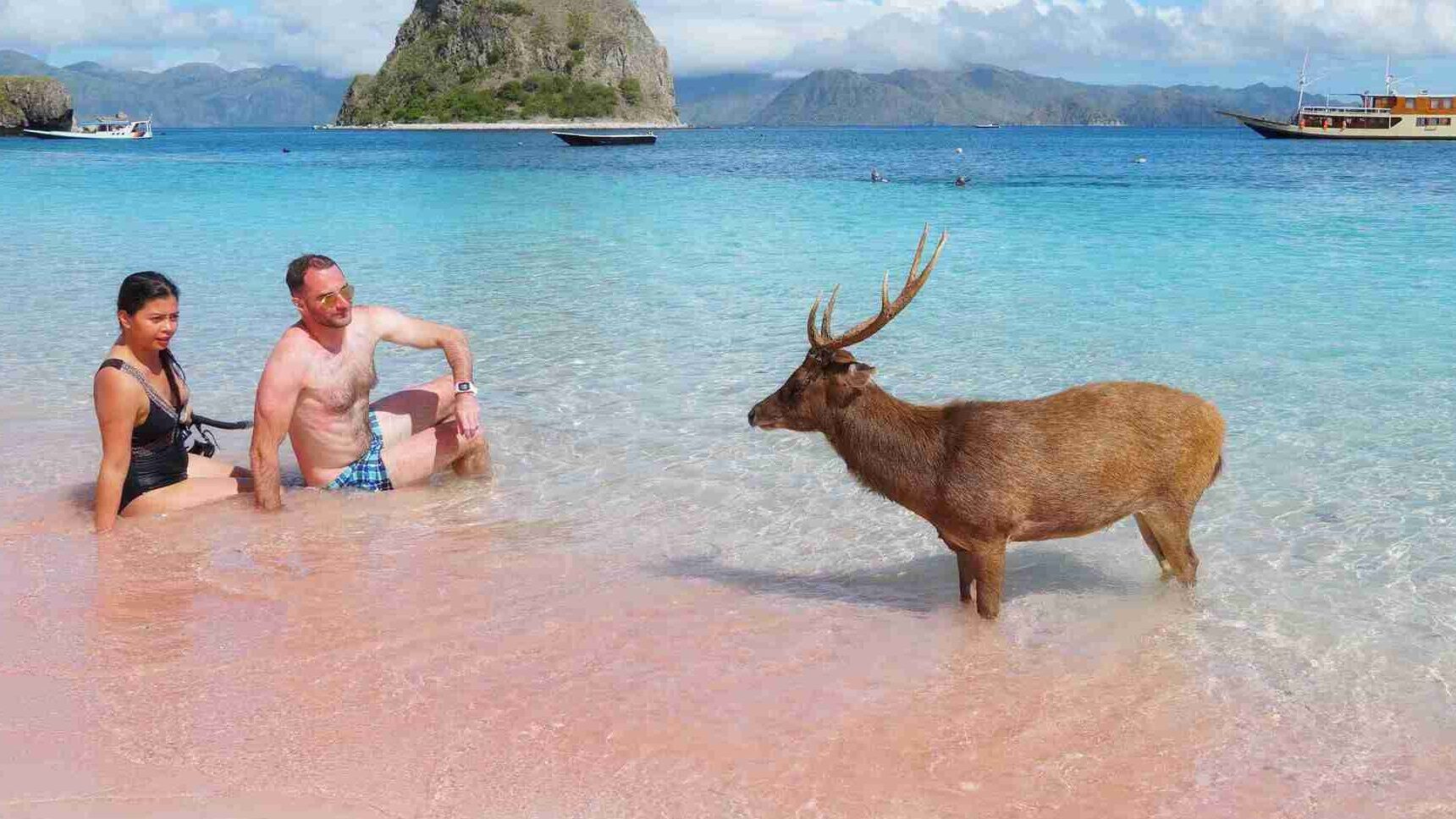
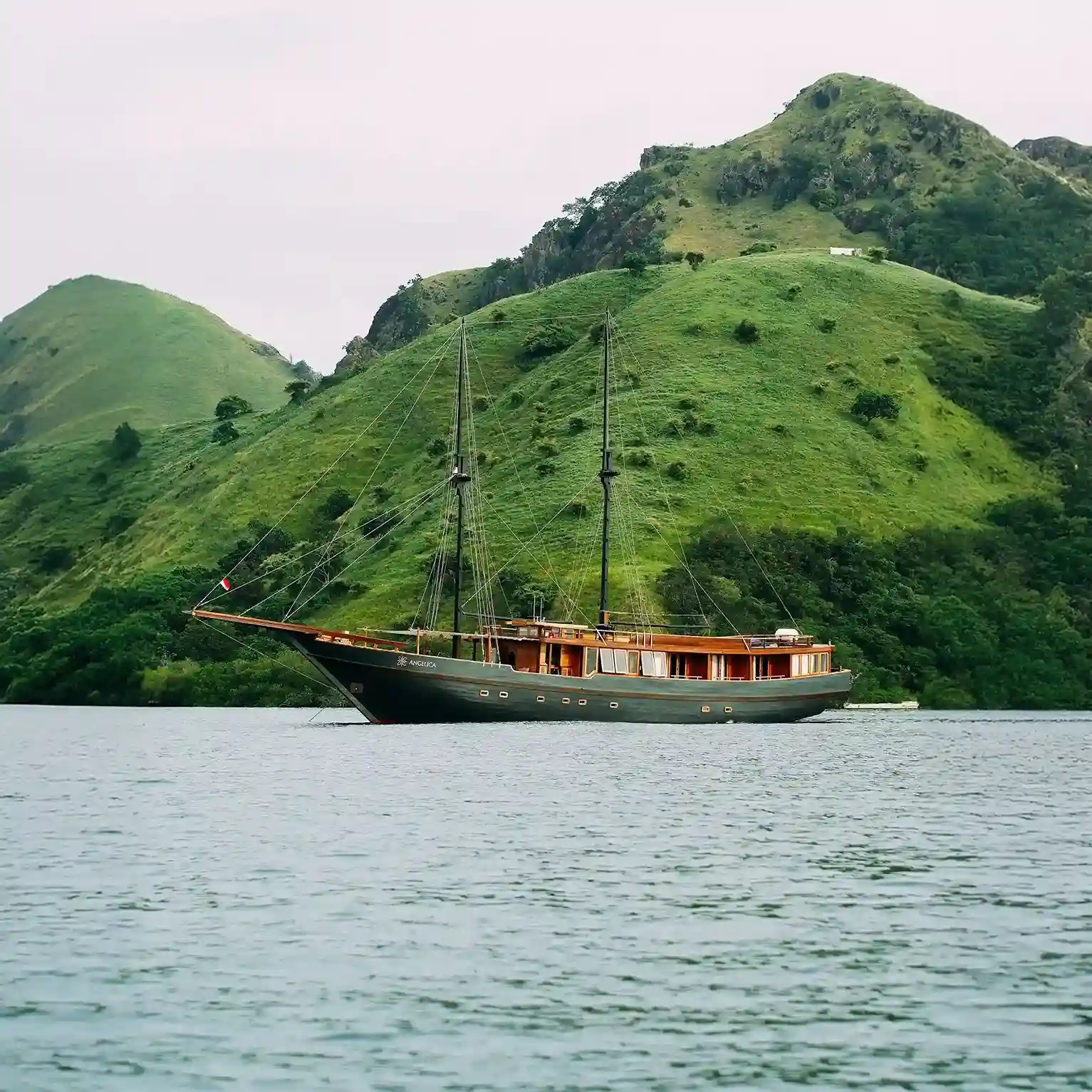
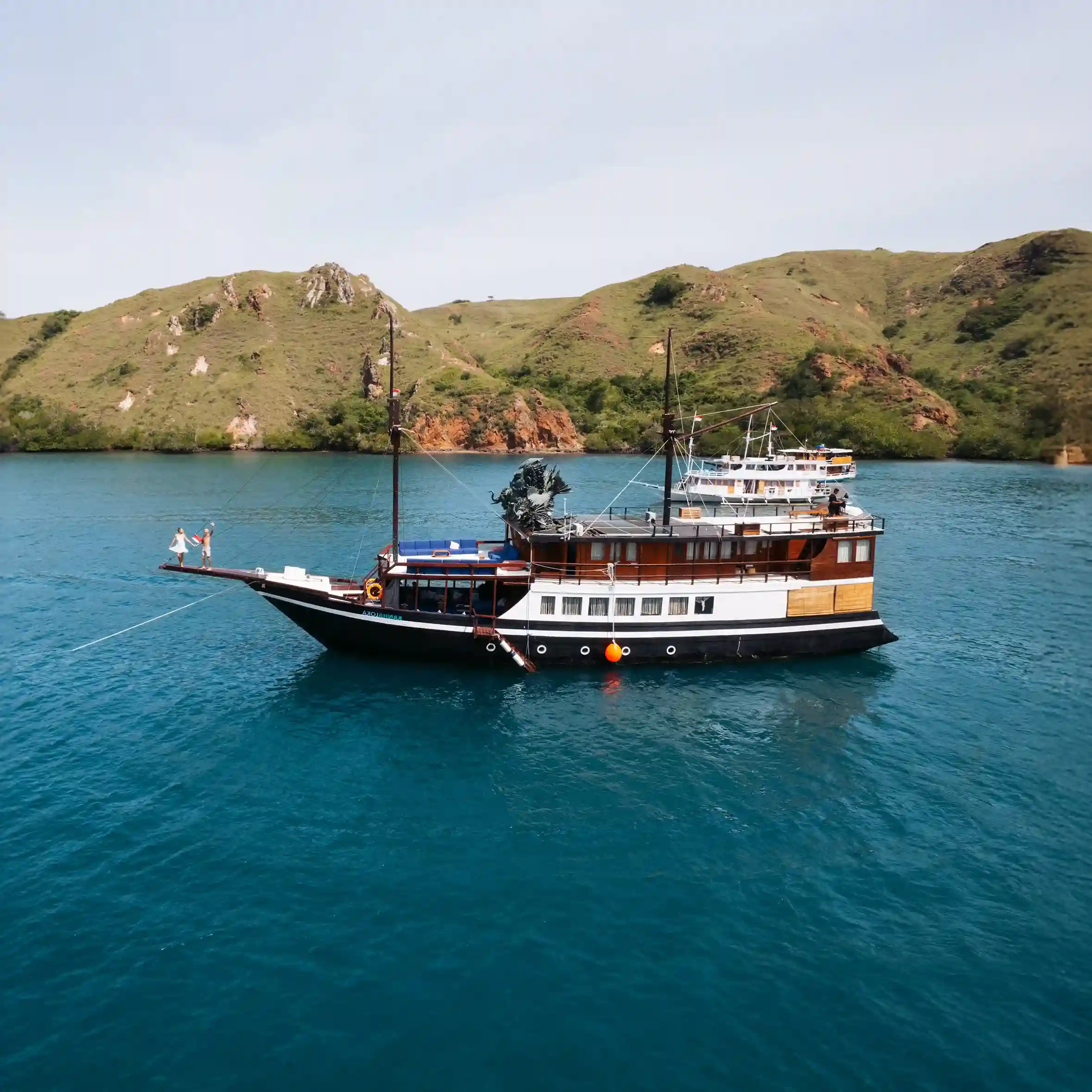
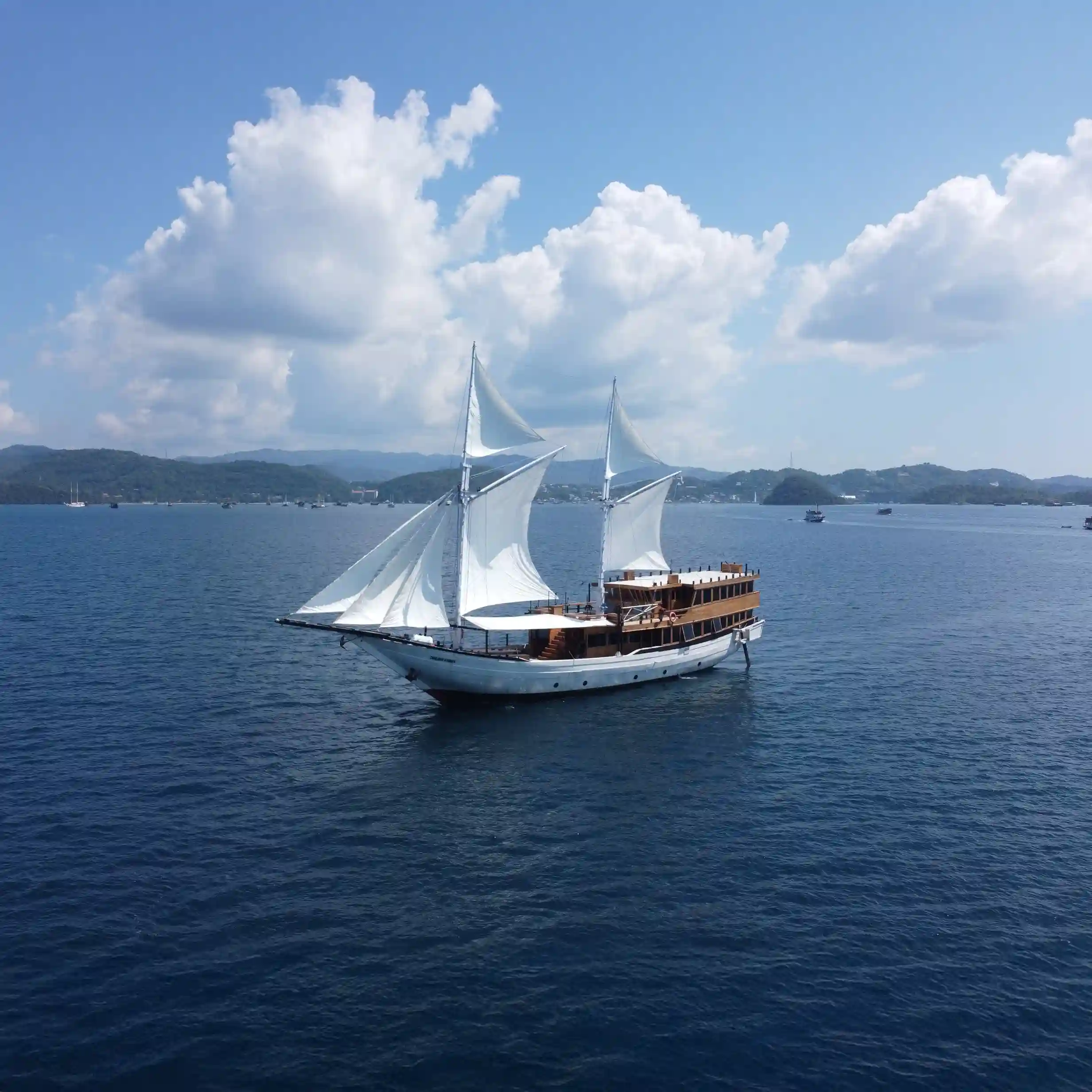
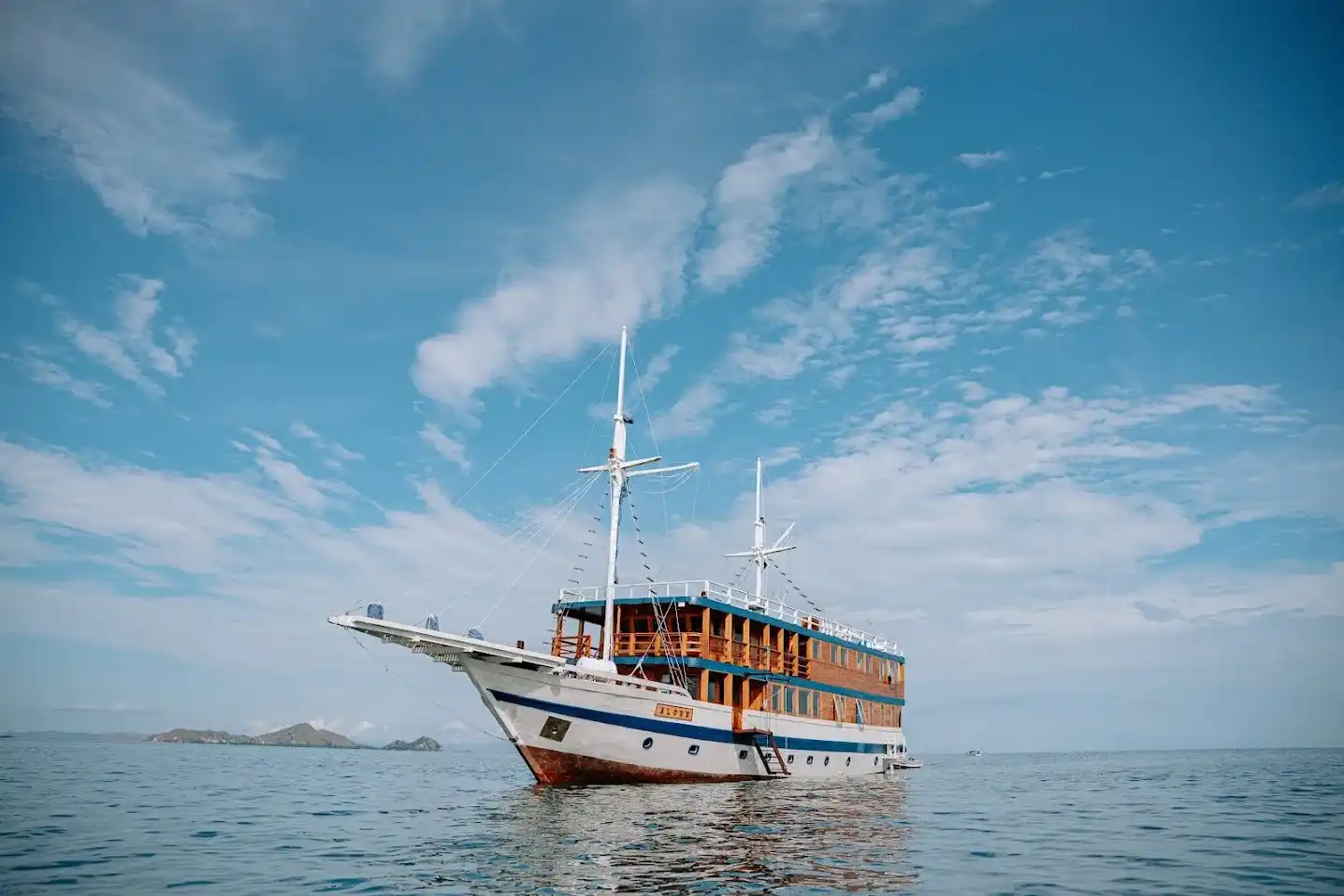
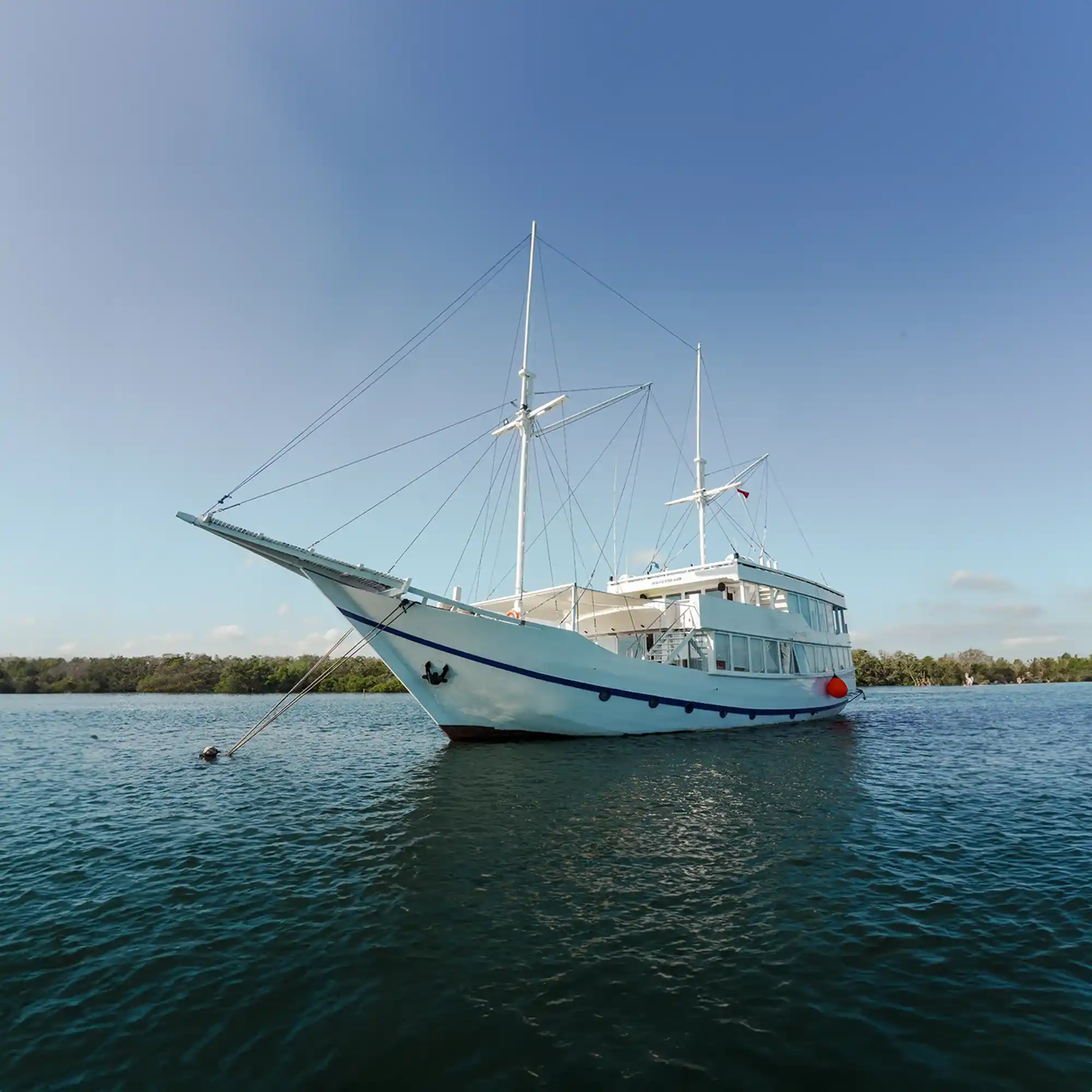
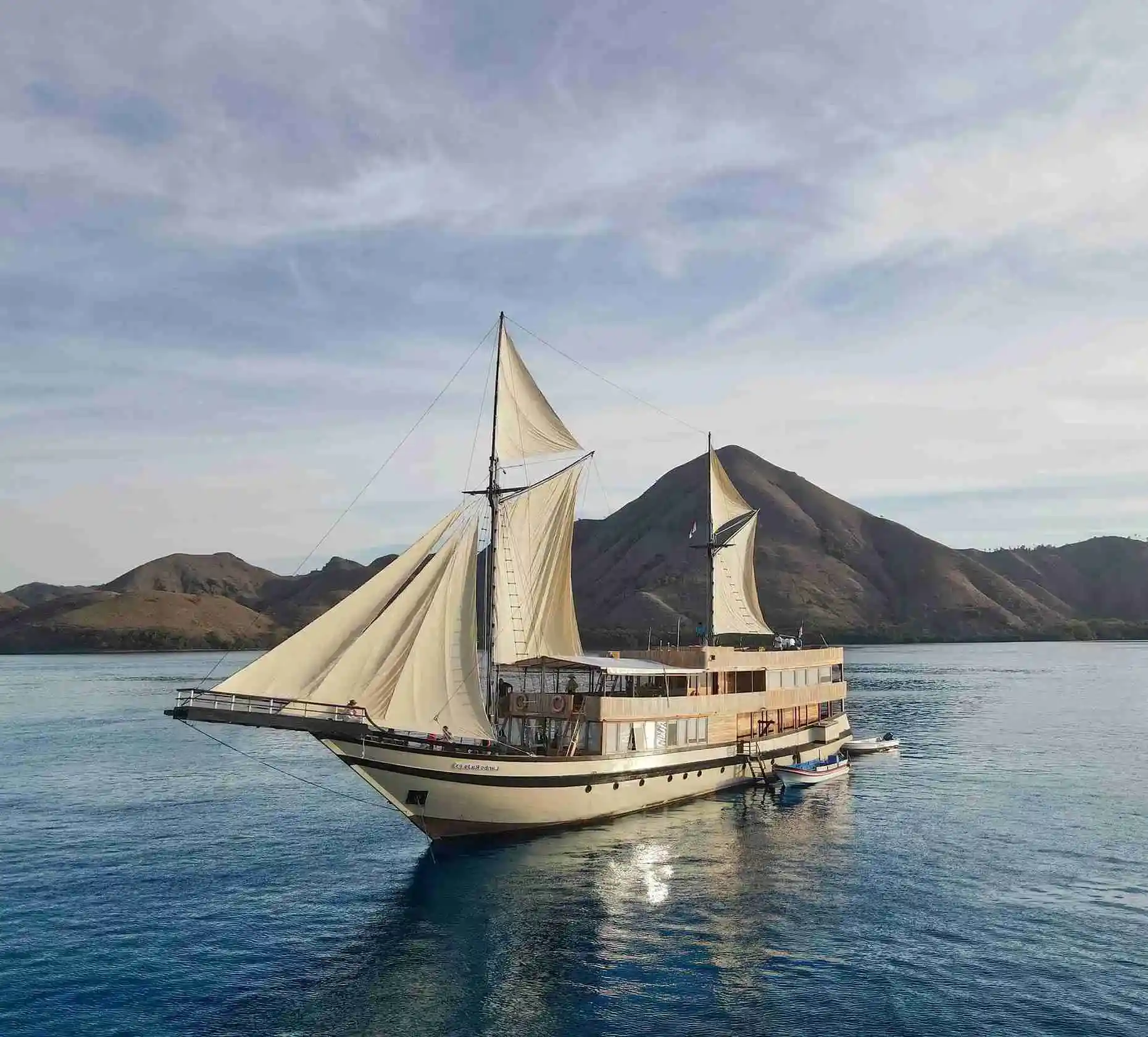
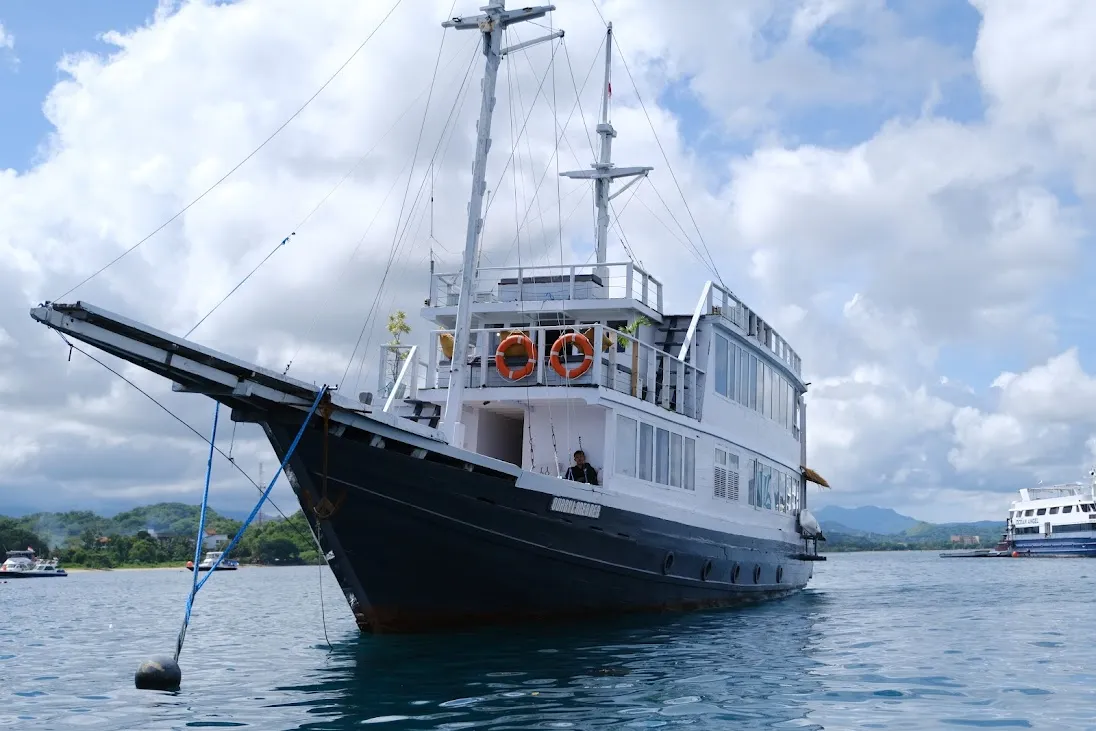
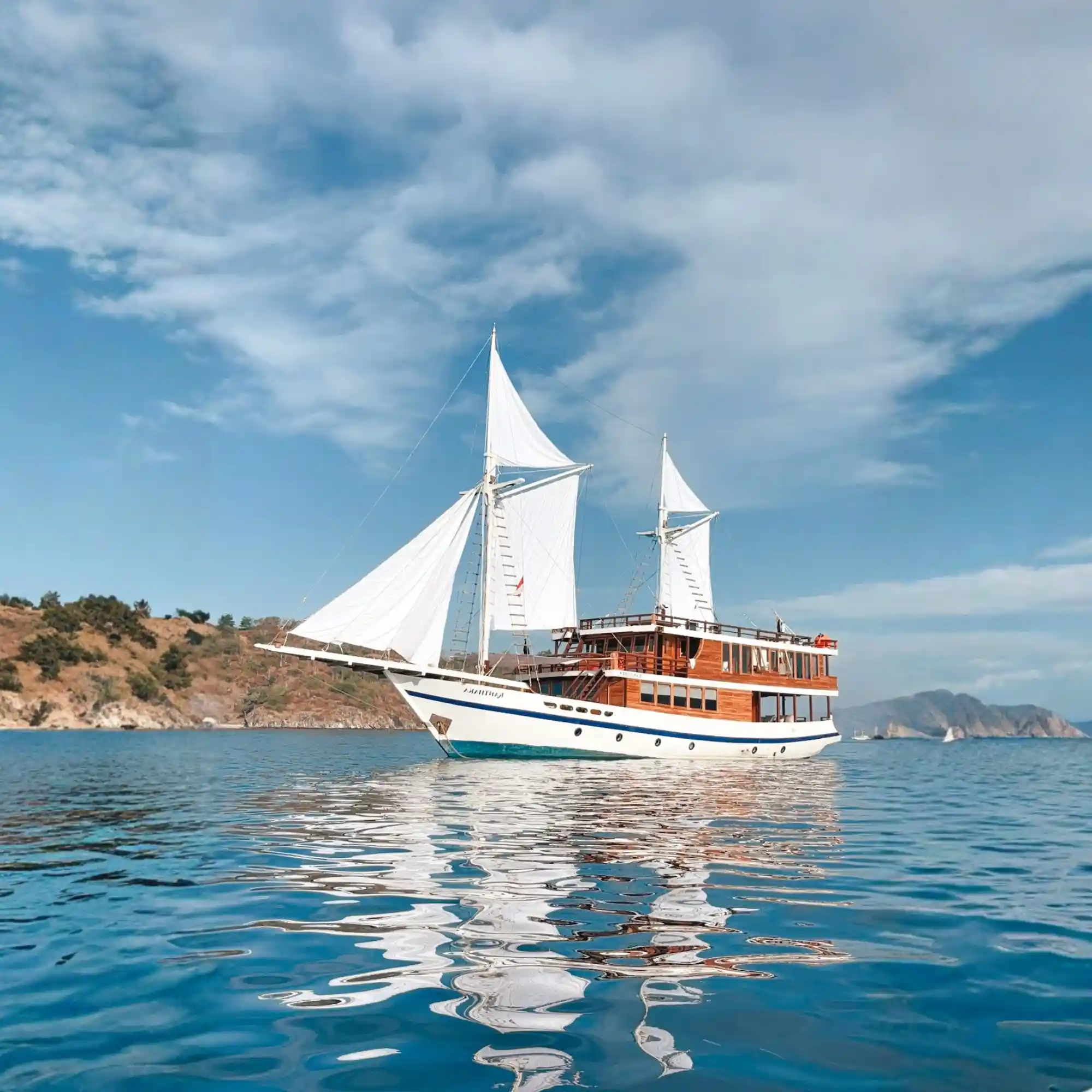
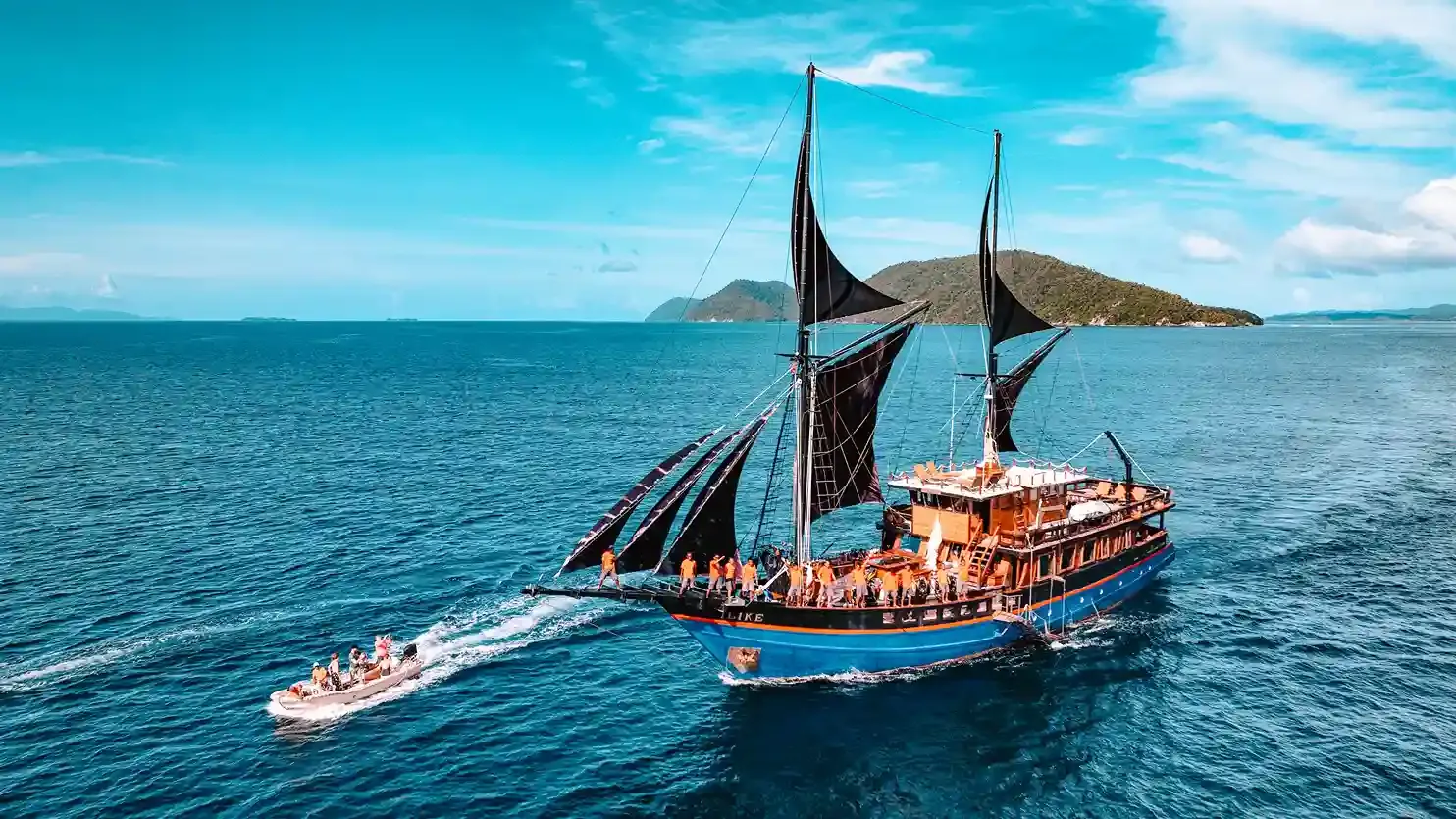
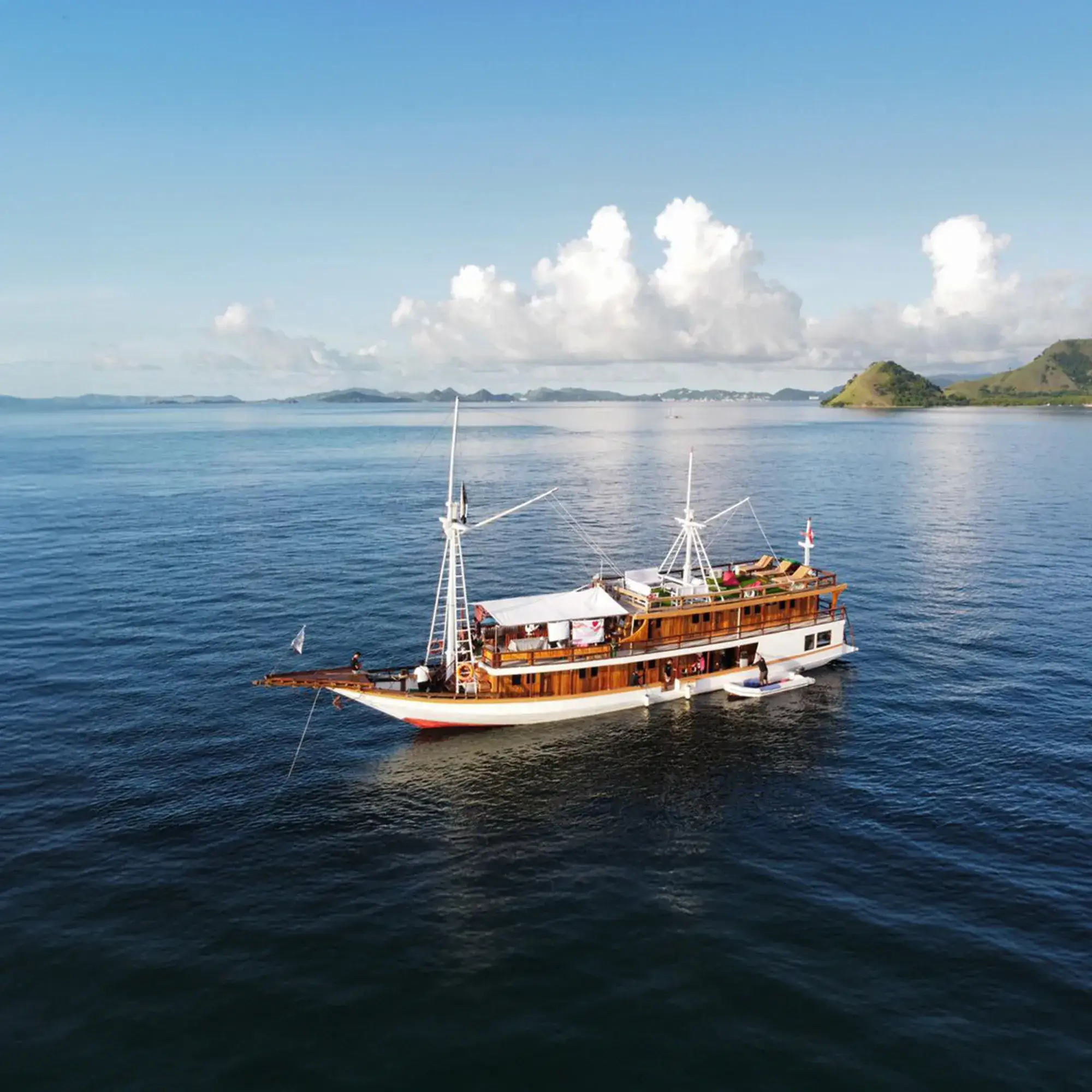
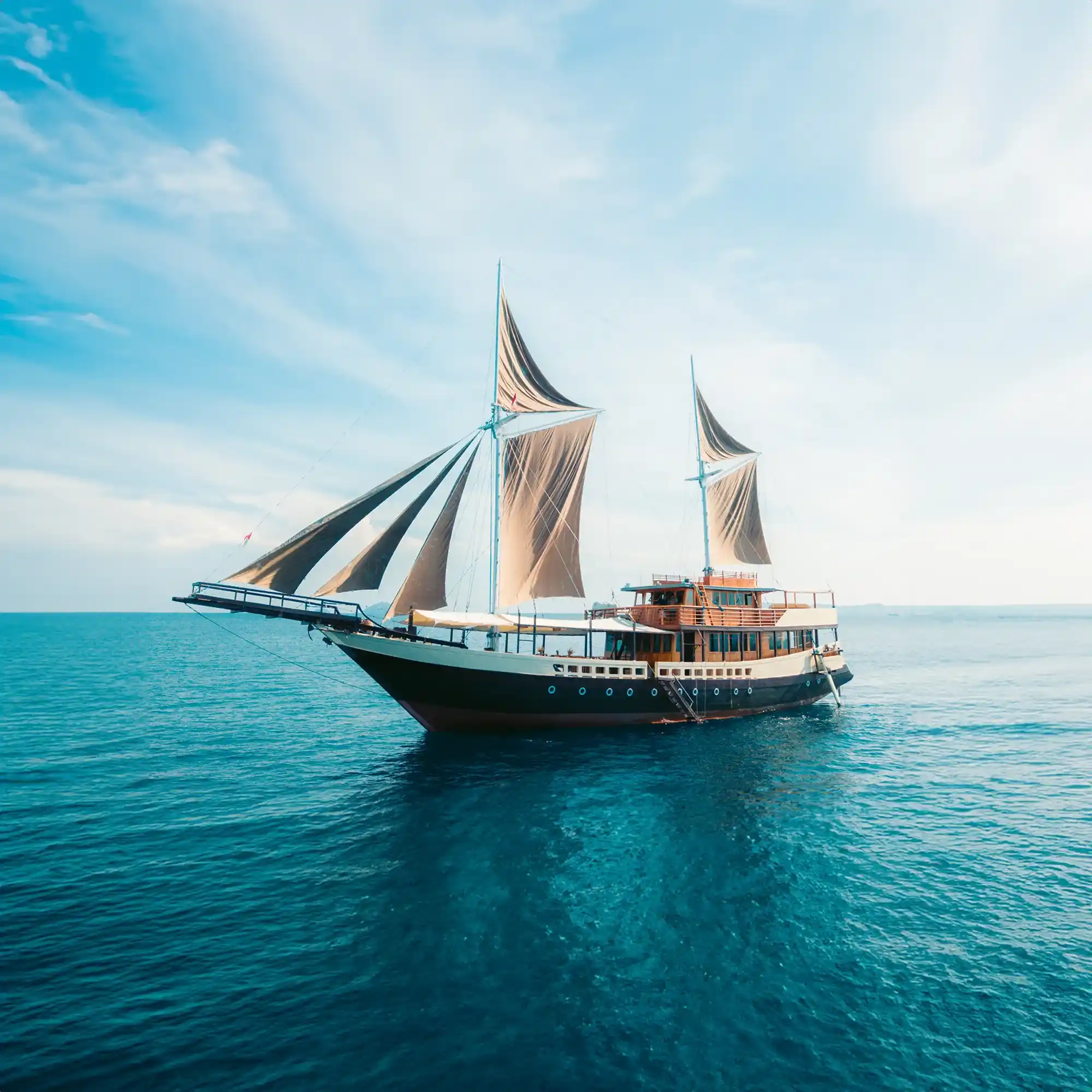
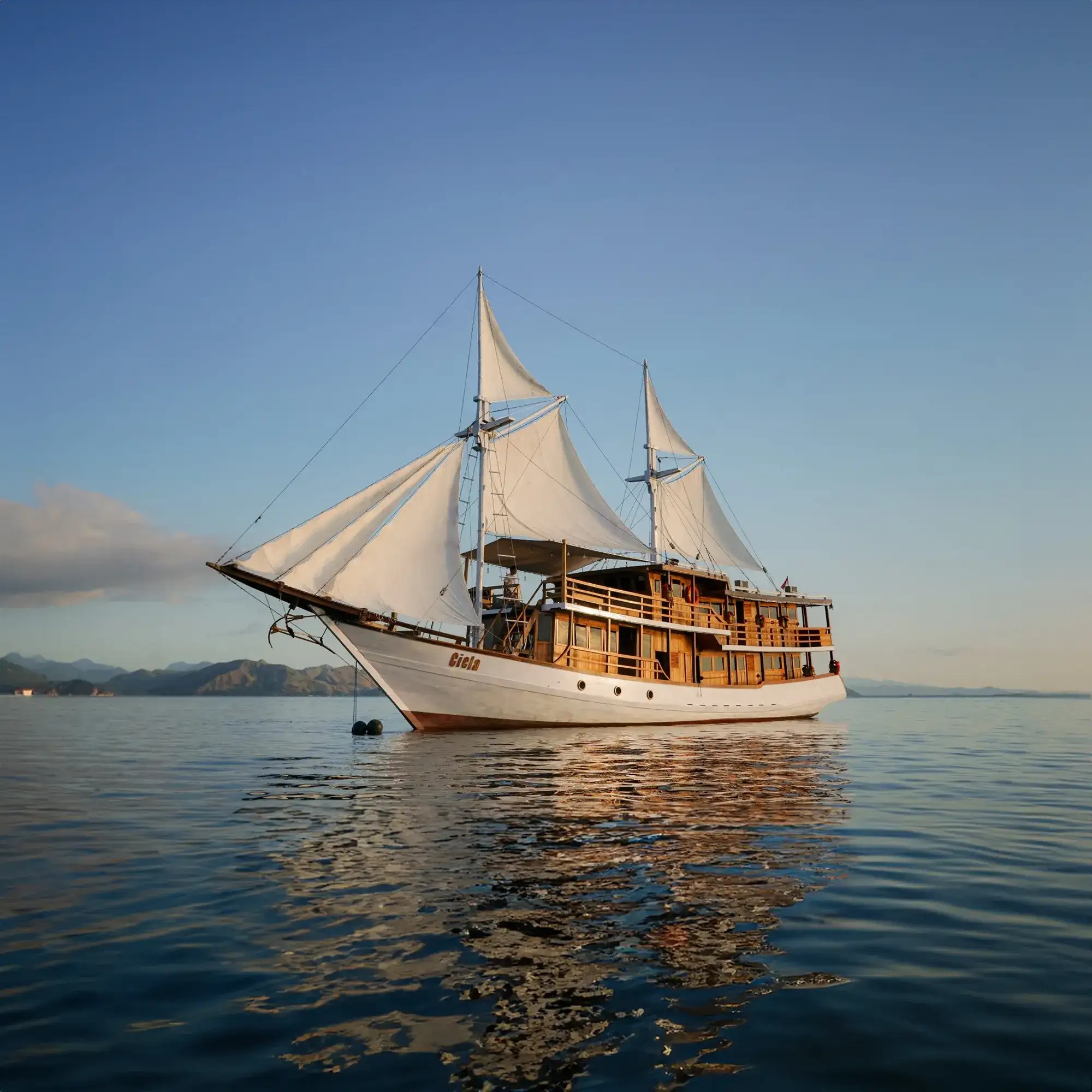
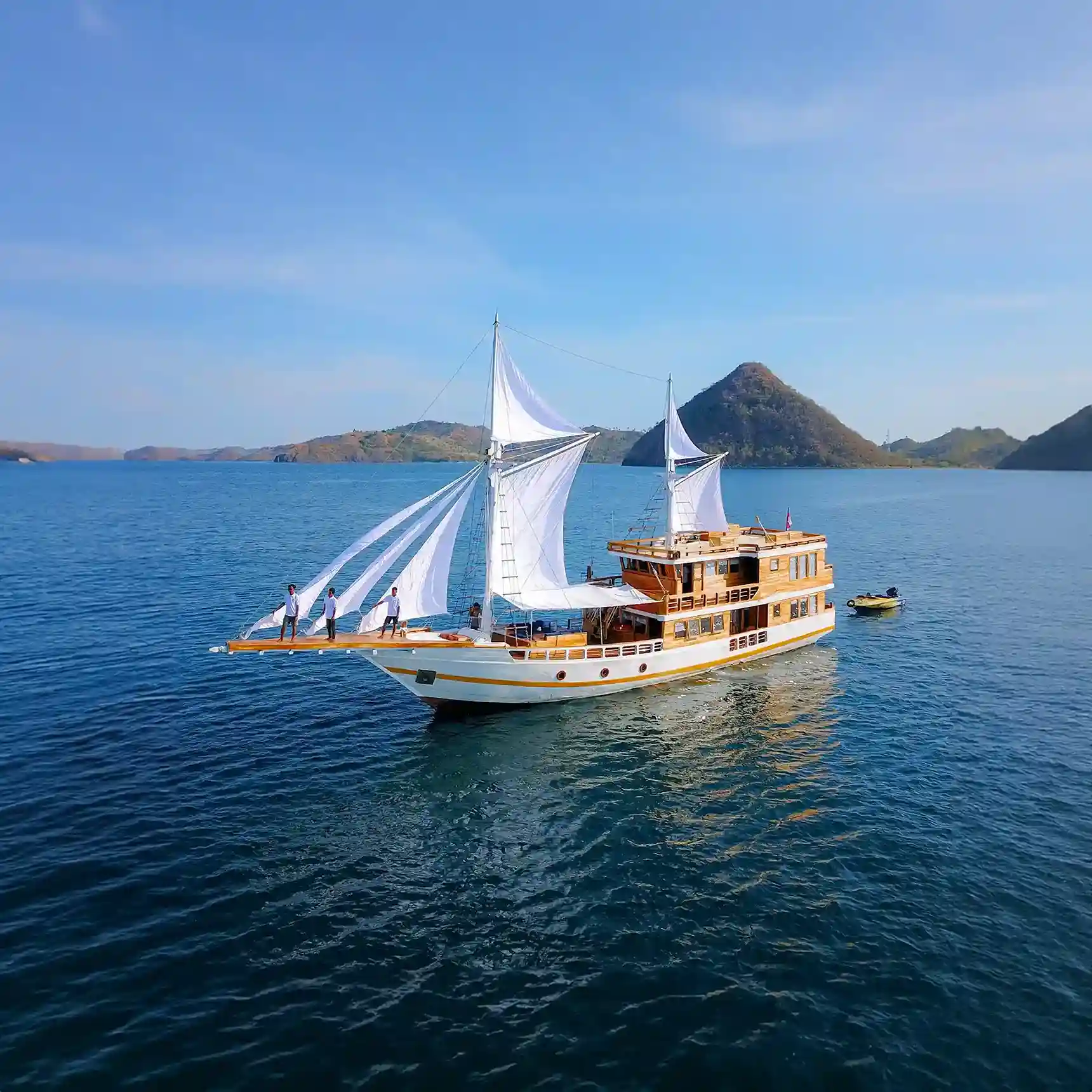
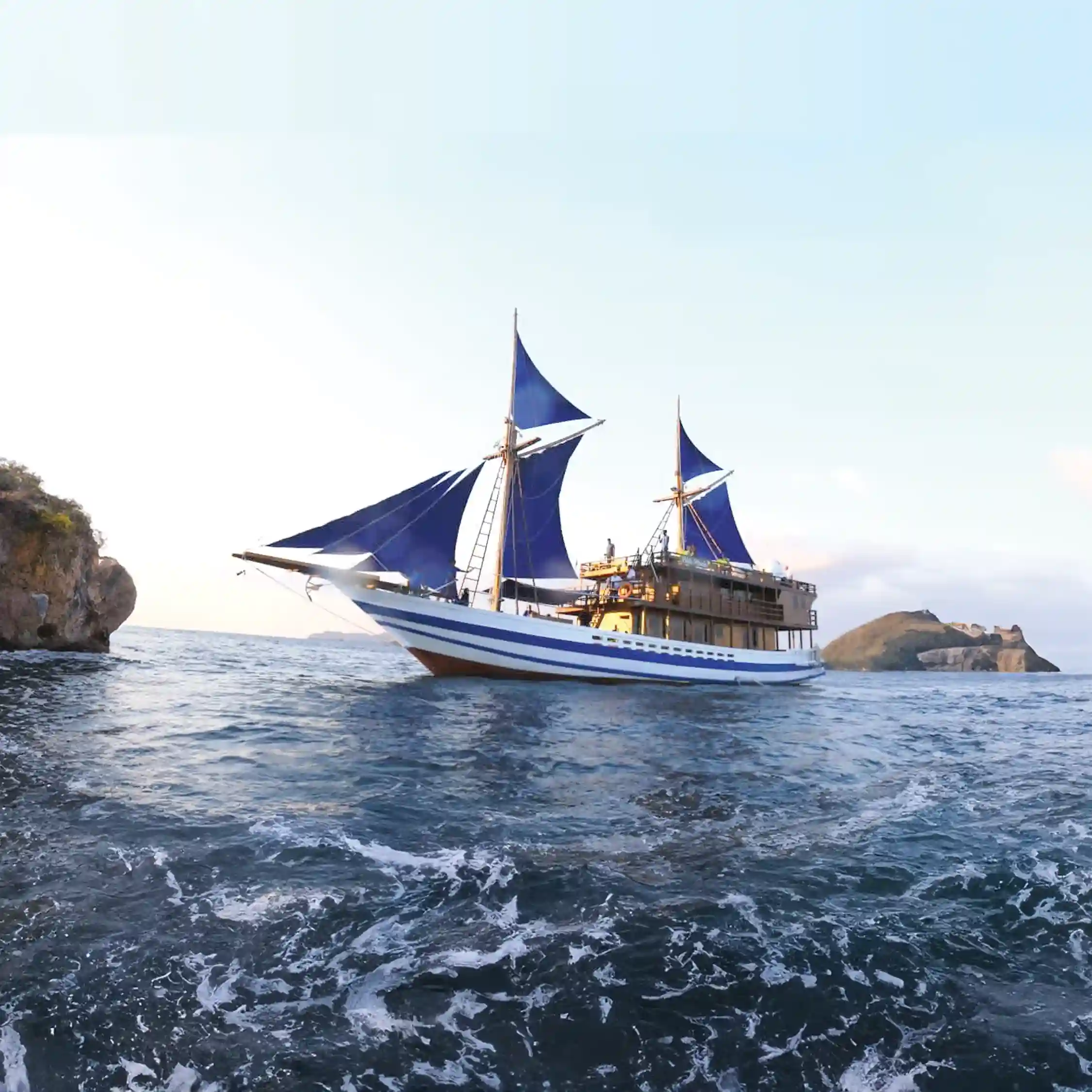
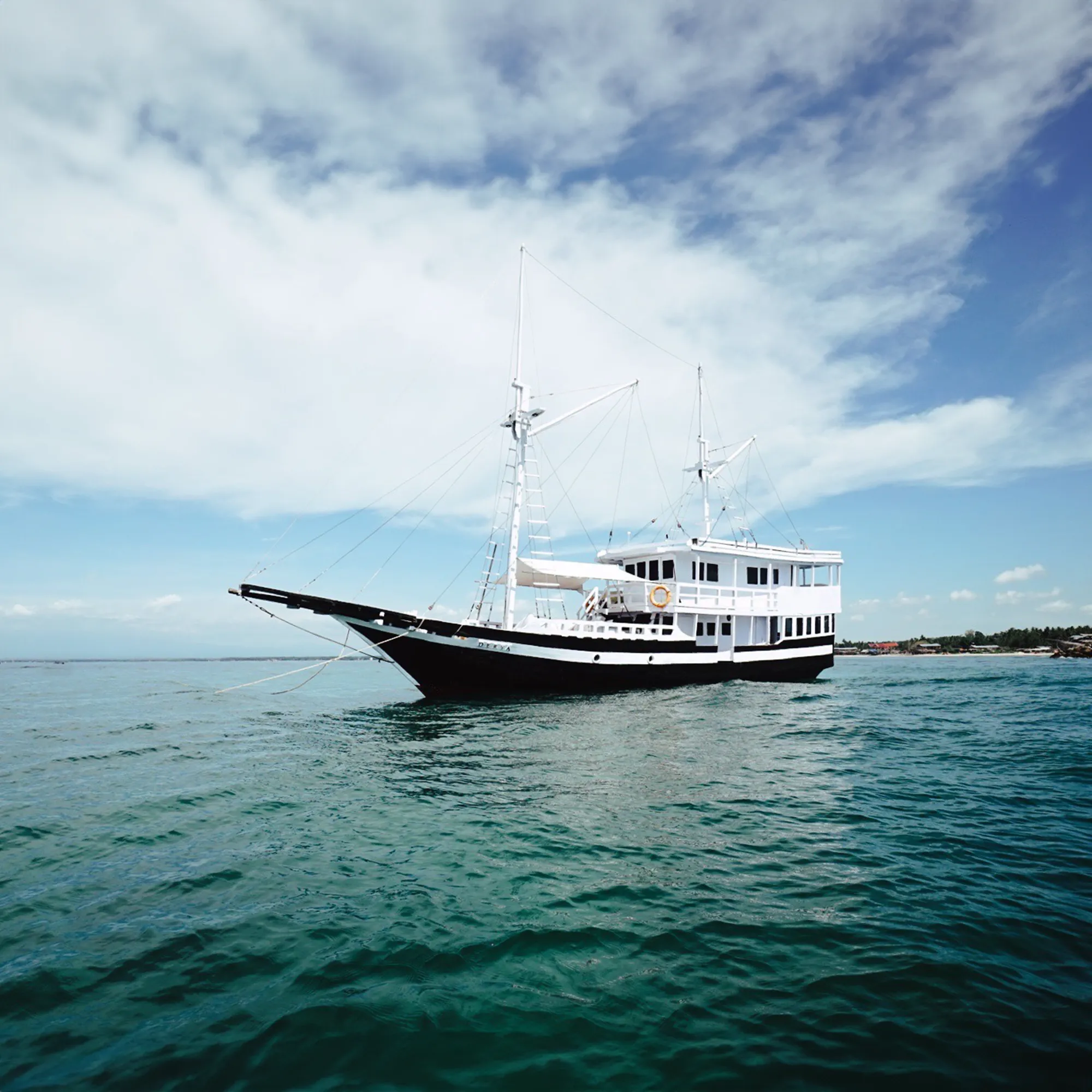
Derya is 22 metres of no-frills wooden phinisi built for function, not flash. The salon is compact but smartly arranged: a fold-down table for meals, ceiling fans that actually move air, and storage cubbies under the bench seats. By 5:30 a.m. on day two, the crew had already shifted anchor silently from Pink Beach to Padar, positioning the bow perfectly for sunrise photos without waking guests. I noticed how they used hand signals during dawn transits—no shouting, just quiet coordination.
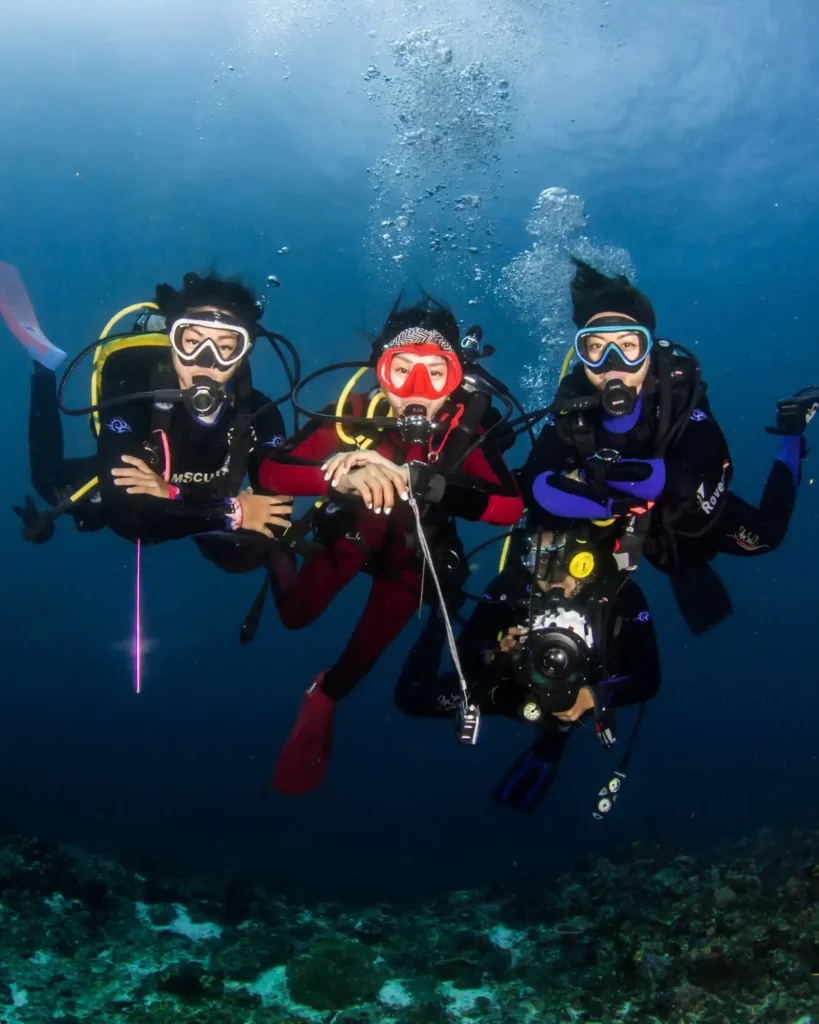
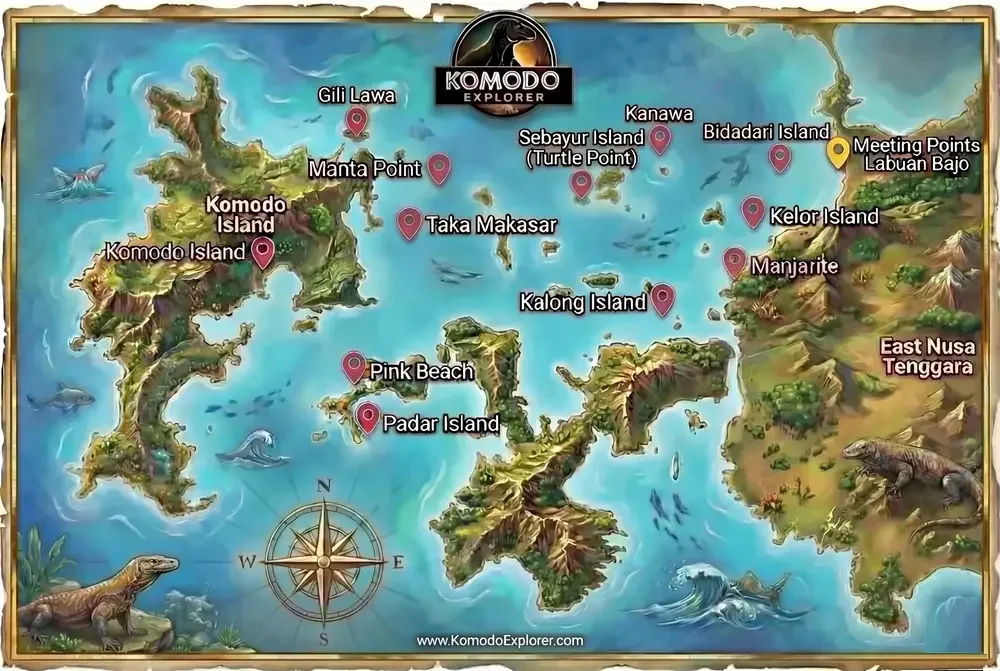
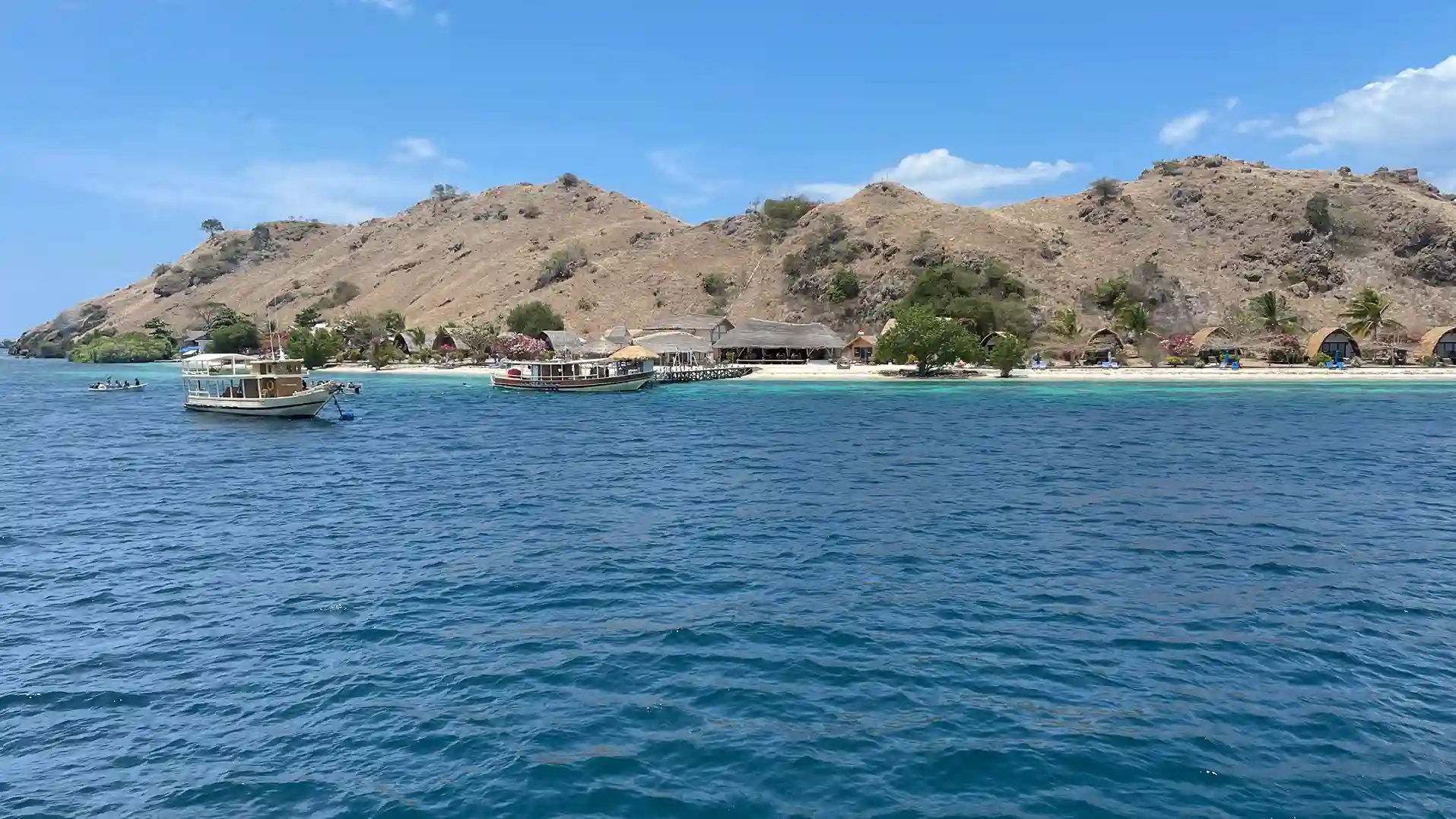
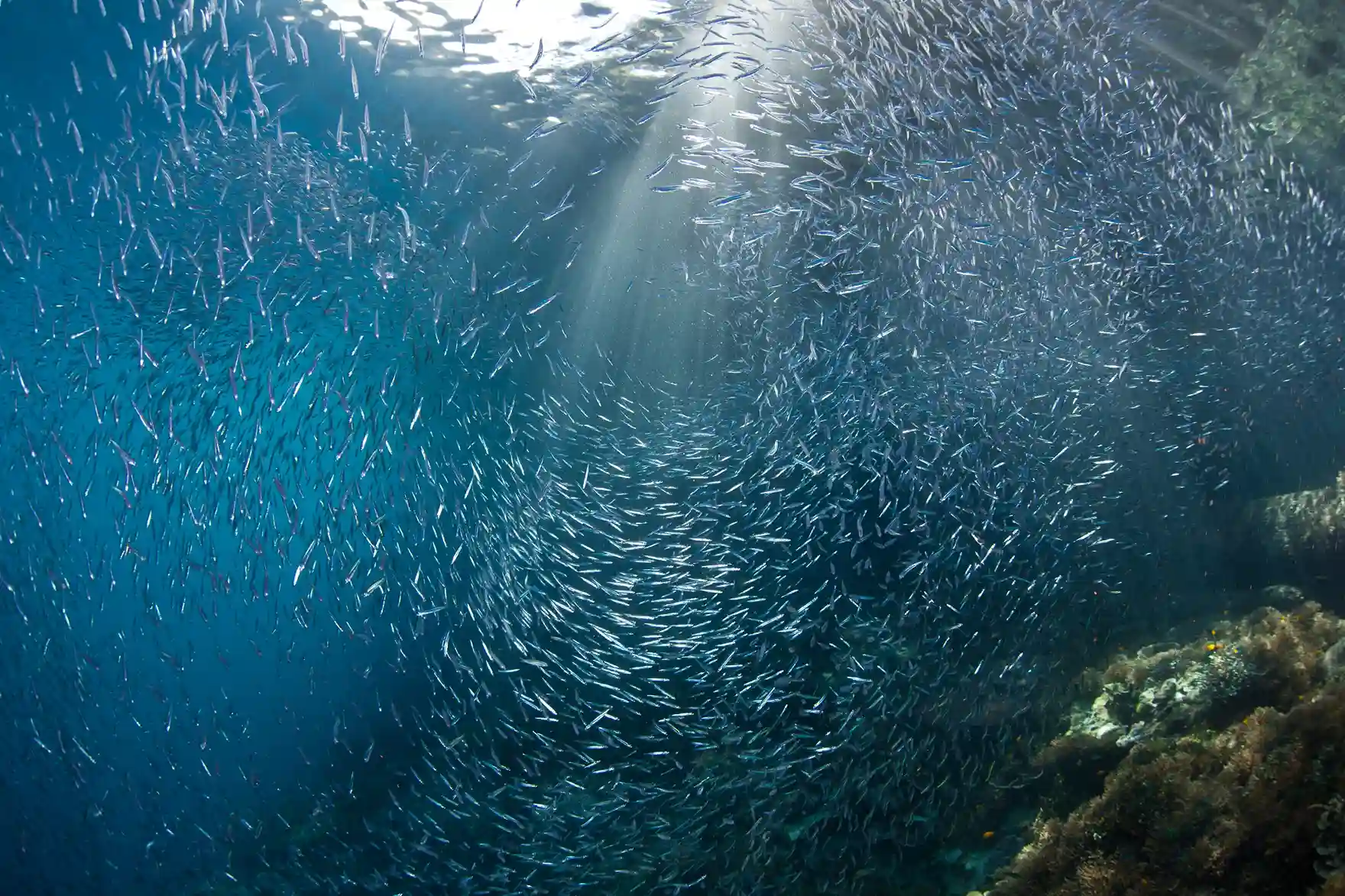
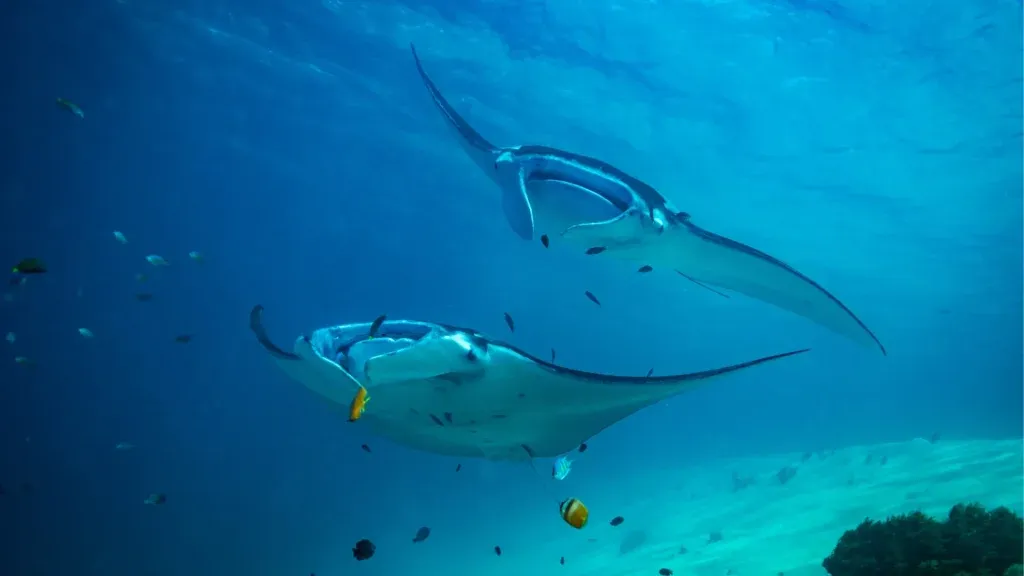
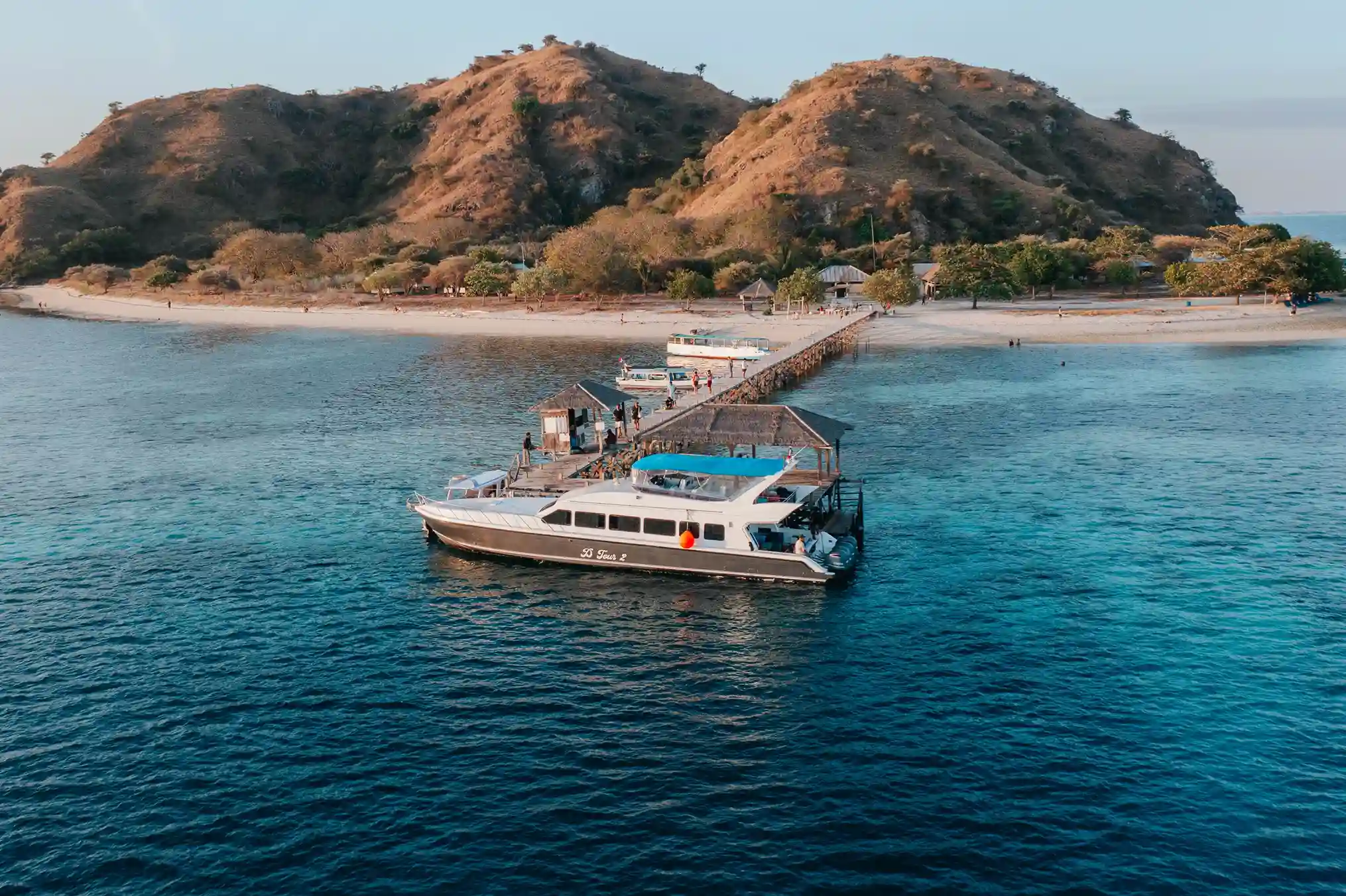
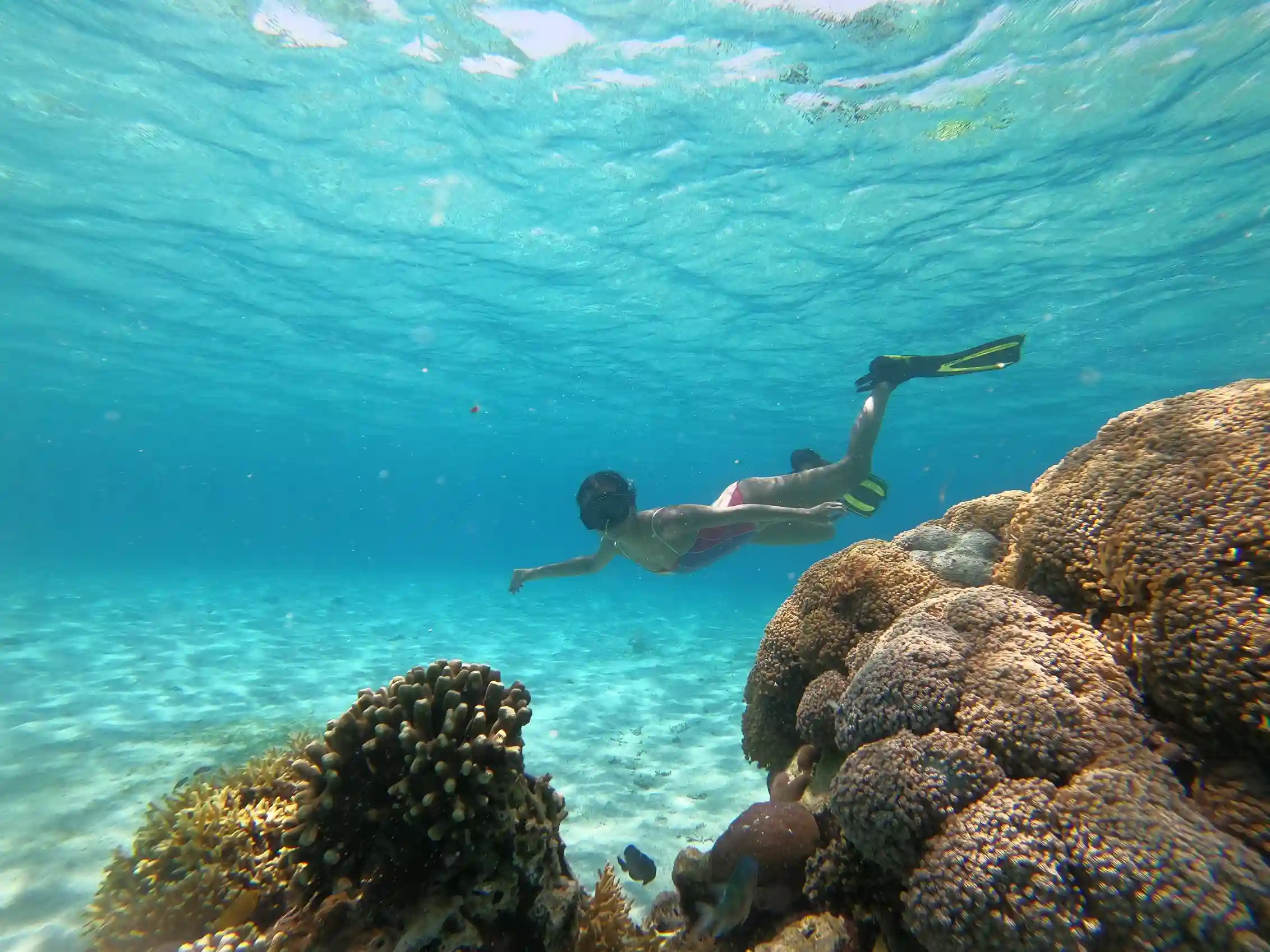
The rhythm of the 3D2N trip felt well-worn. After Padar’s climb, we cooled off with a long snorkel at Manta Point, where the current swept us gently along the reef edge. One manta circled close, its wingtip brushing within a metre of my fins. Derya’s crew tossed in the rope ladder mid-drift, timing it so we could climb aboard without fighting the swell. Later, at Kanawa, they anchored in the sand channel between the two reefs, letting us swim back and forth without boat shadow overhead.
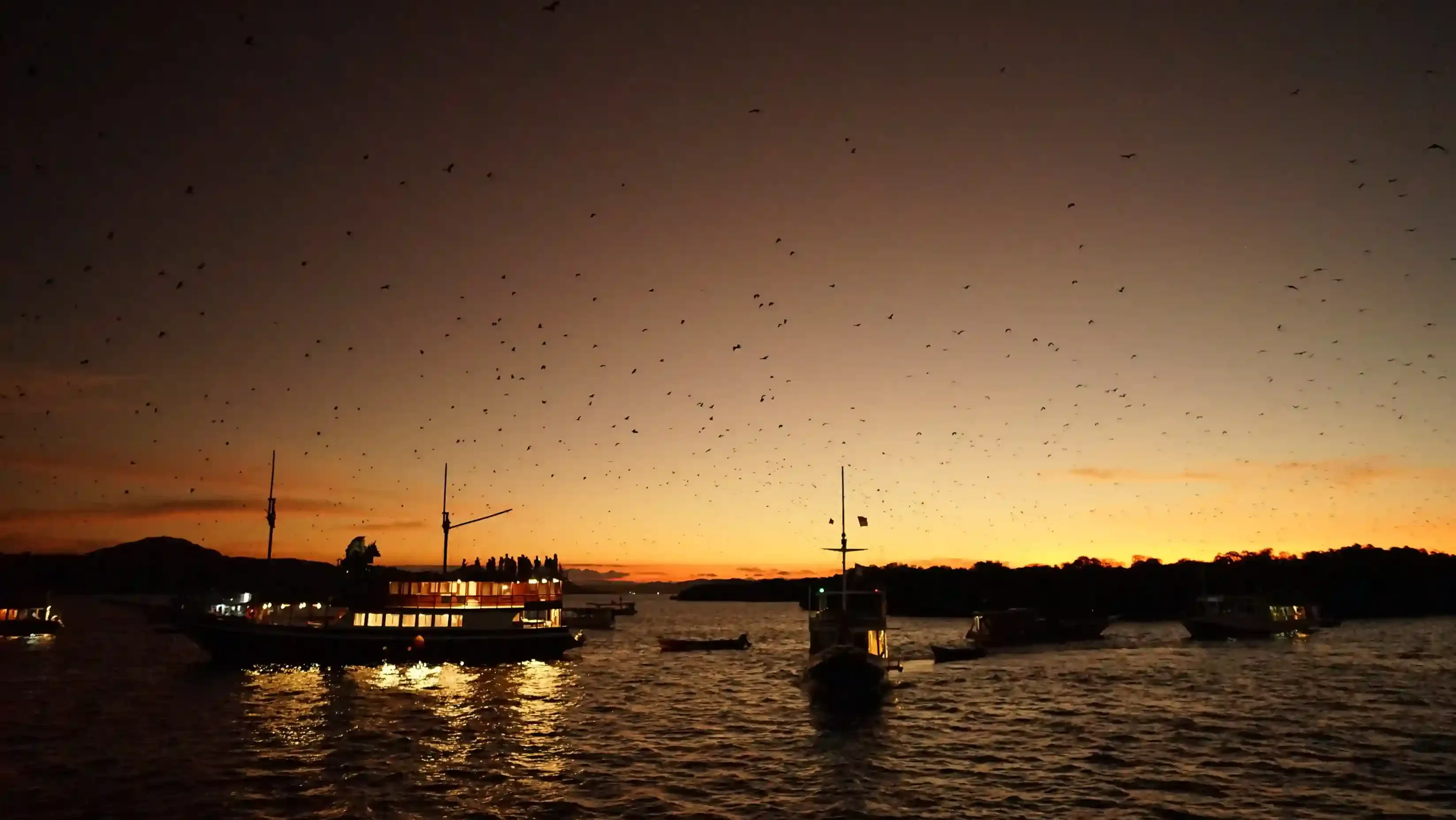
What stood out wasn’t luxury, but attention. The cook remembered who took their coffee black. The first mate kept spare snorkel straps in his dry bag. And when the afternoon wind kicked up off Sebayur, the captain adjusted the heading slightly to quarter the waves, reducing roll. At Kalong, we watched the bats spiral into darkness from the sundeck, lying back on folded sun pads as the sky turned indigo.
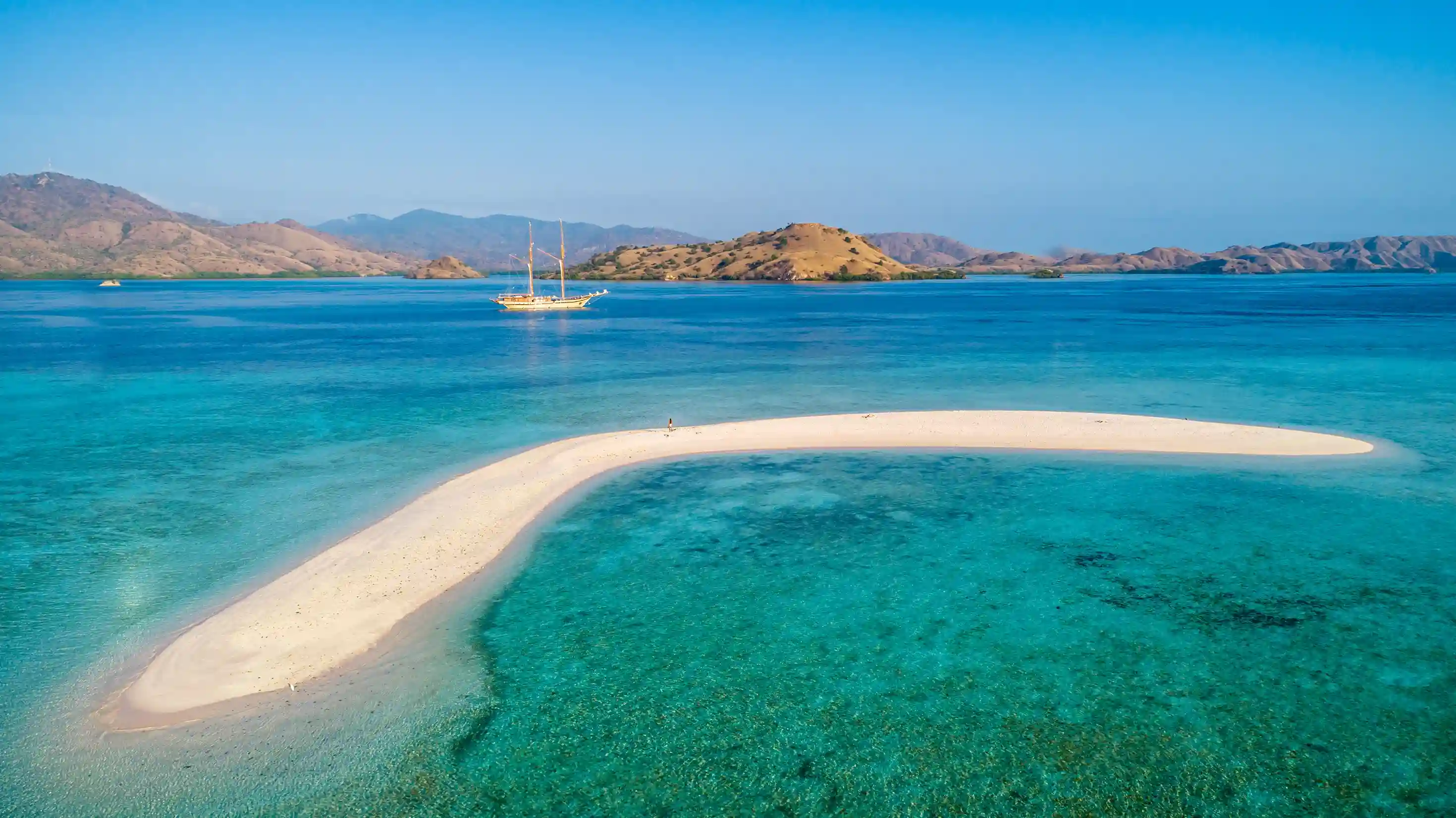
On the final morning, we anchored at Taka Makassar. The sandbar emerged at low tide, and Derya’s small dinghy ferried us in. No rush, no crowd—just time to wade through knee-deep water, watching tiny crabs dart between coral chunks. Back on board, the crew served fresh coconut and fried bananas before stowing gear for the return to Labuan Bajo. It wasn’t flashy, but it was tight, efficient, and tuned to the islands’ pulse.