About Dua Liveaboard
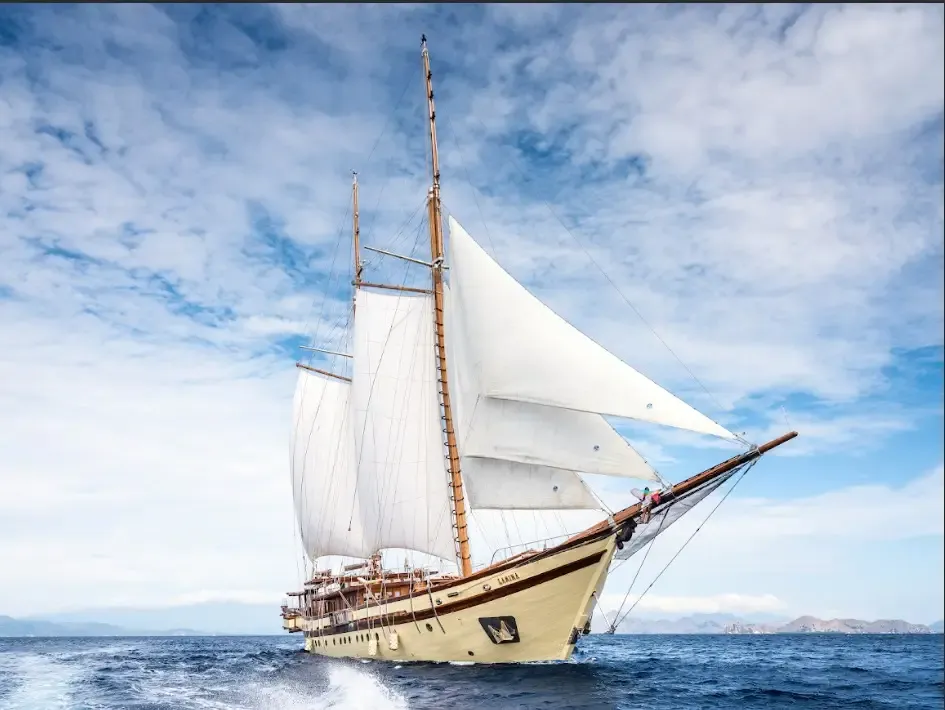
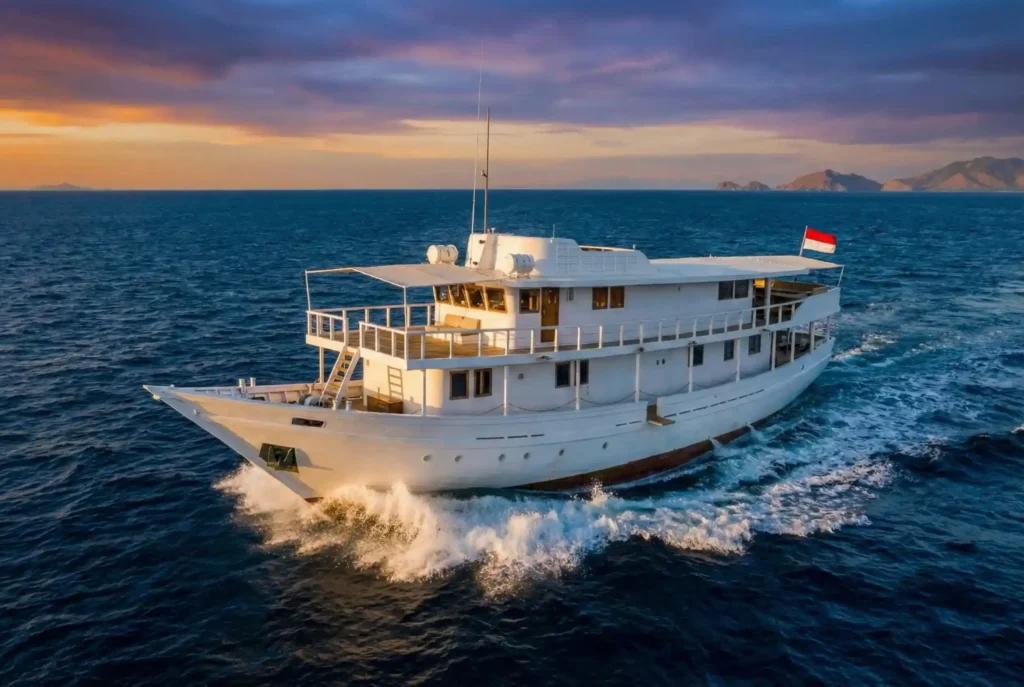
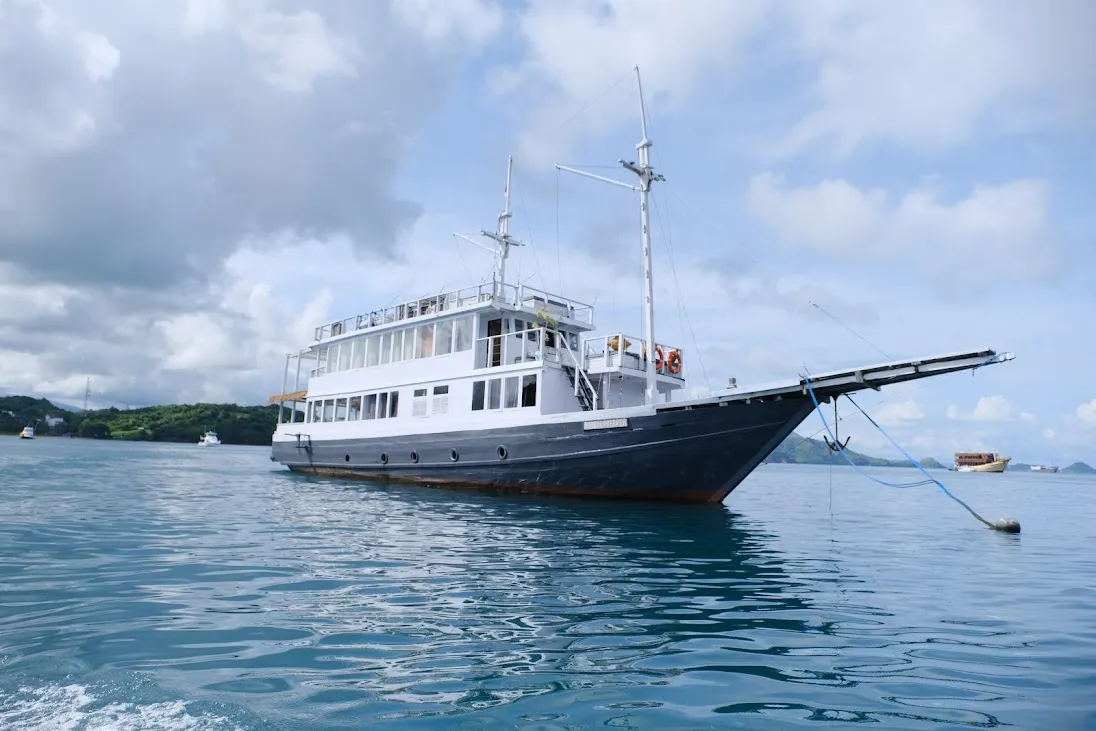
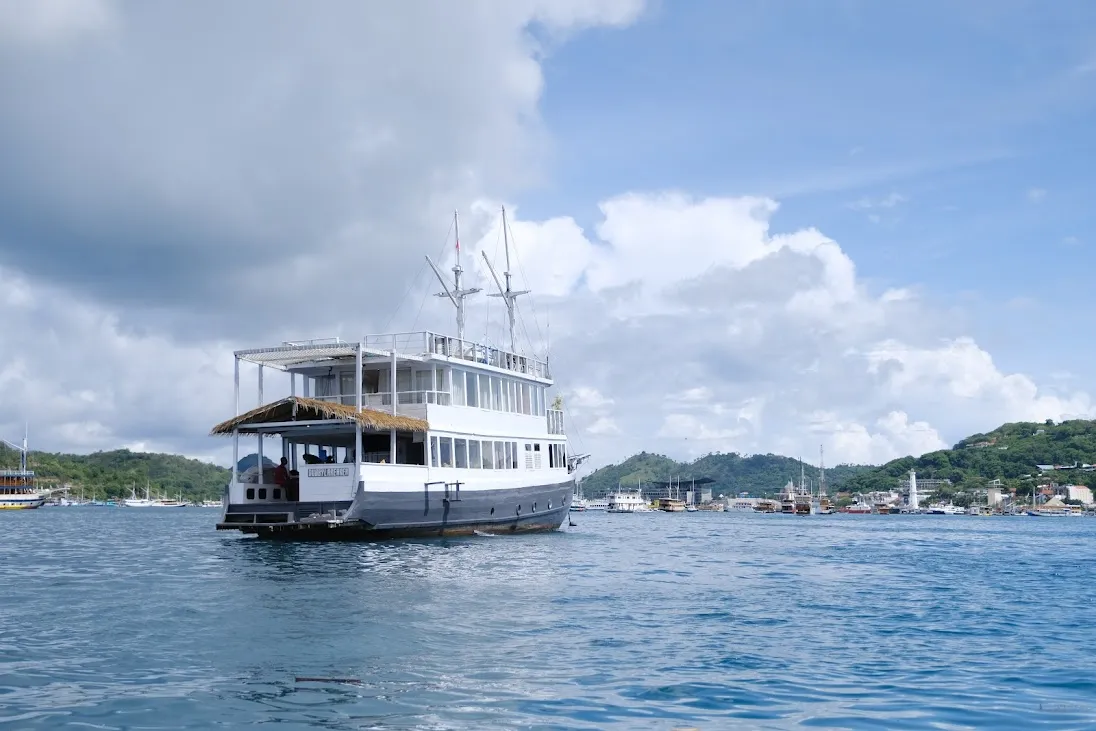
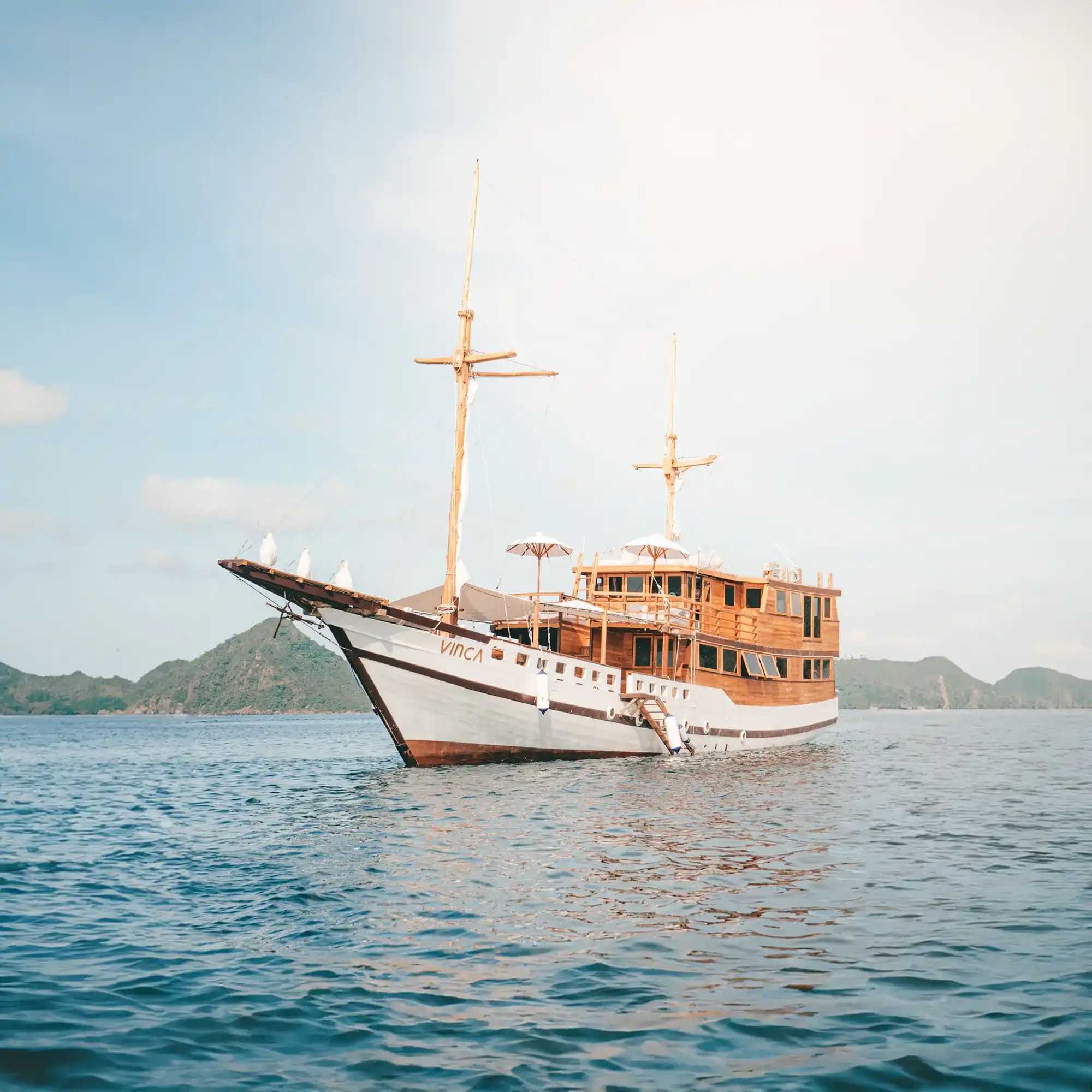
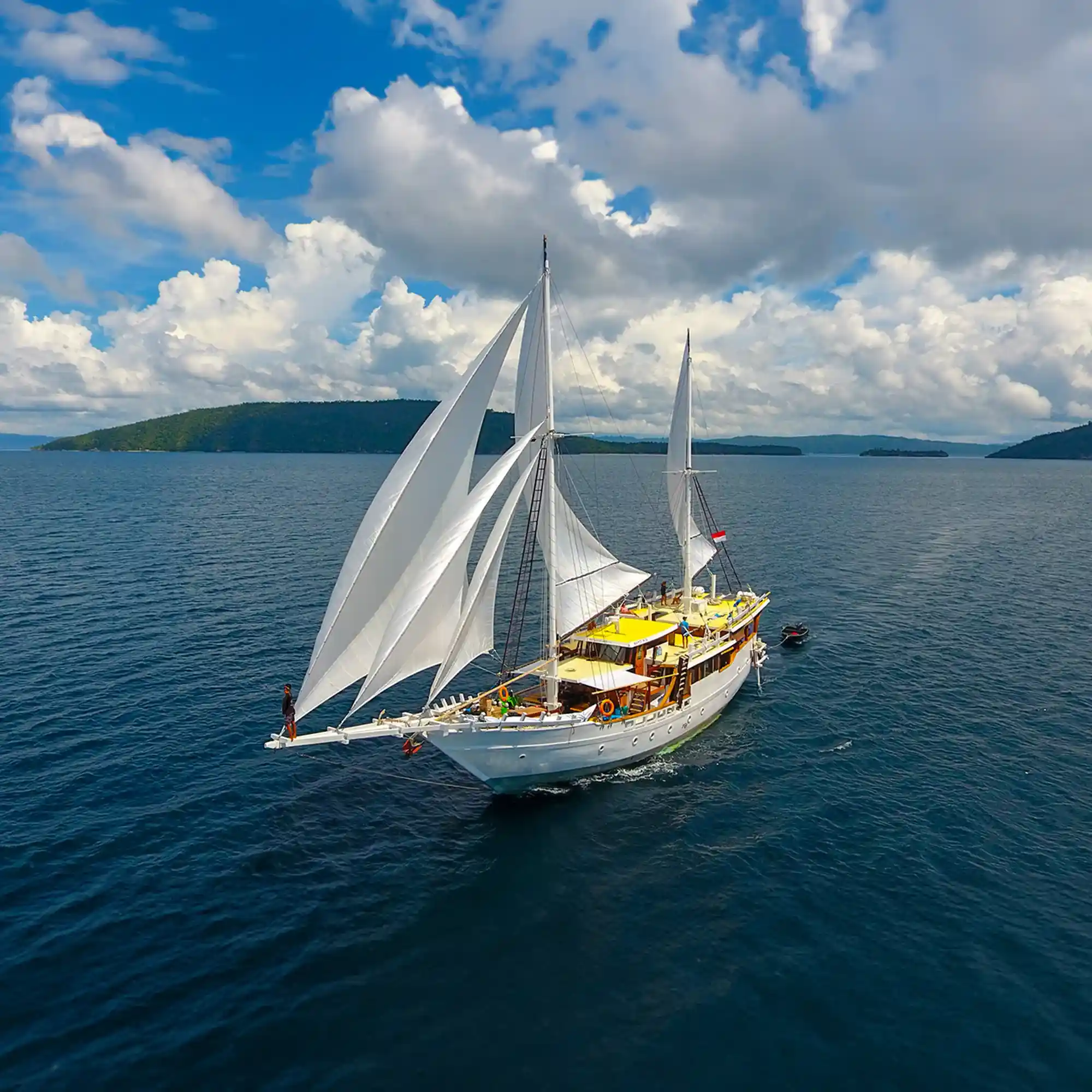
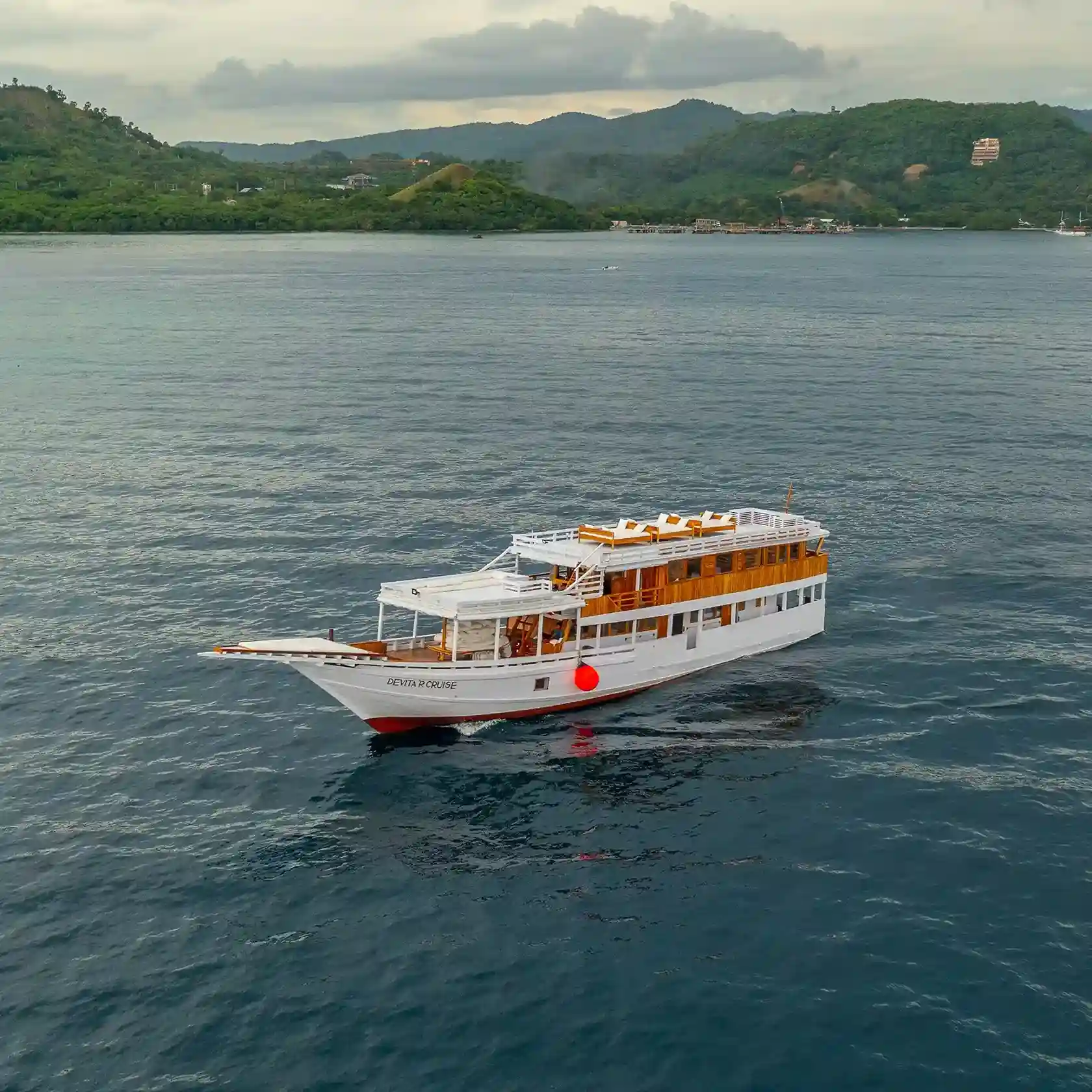
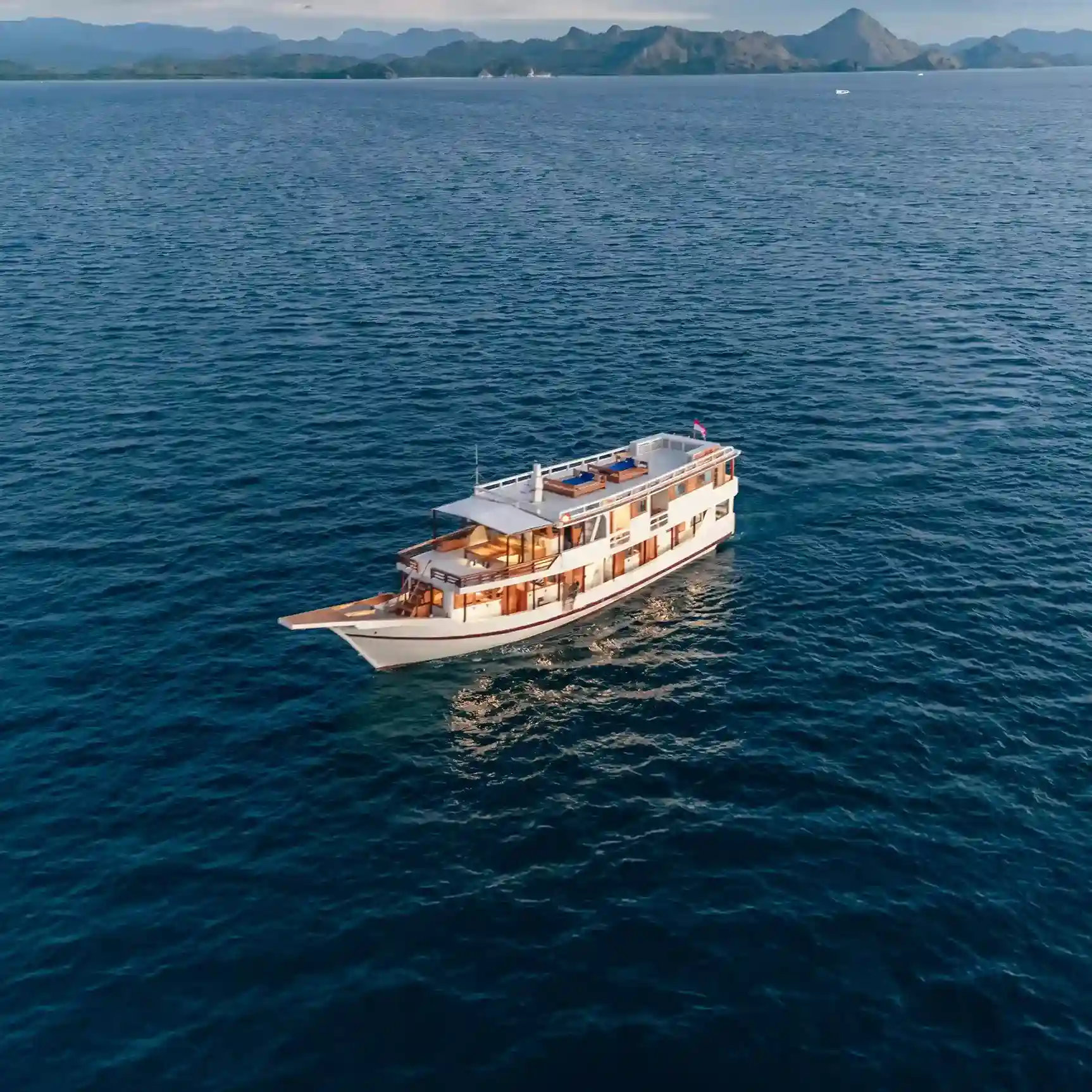
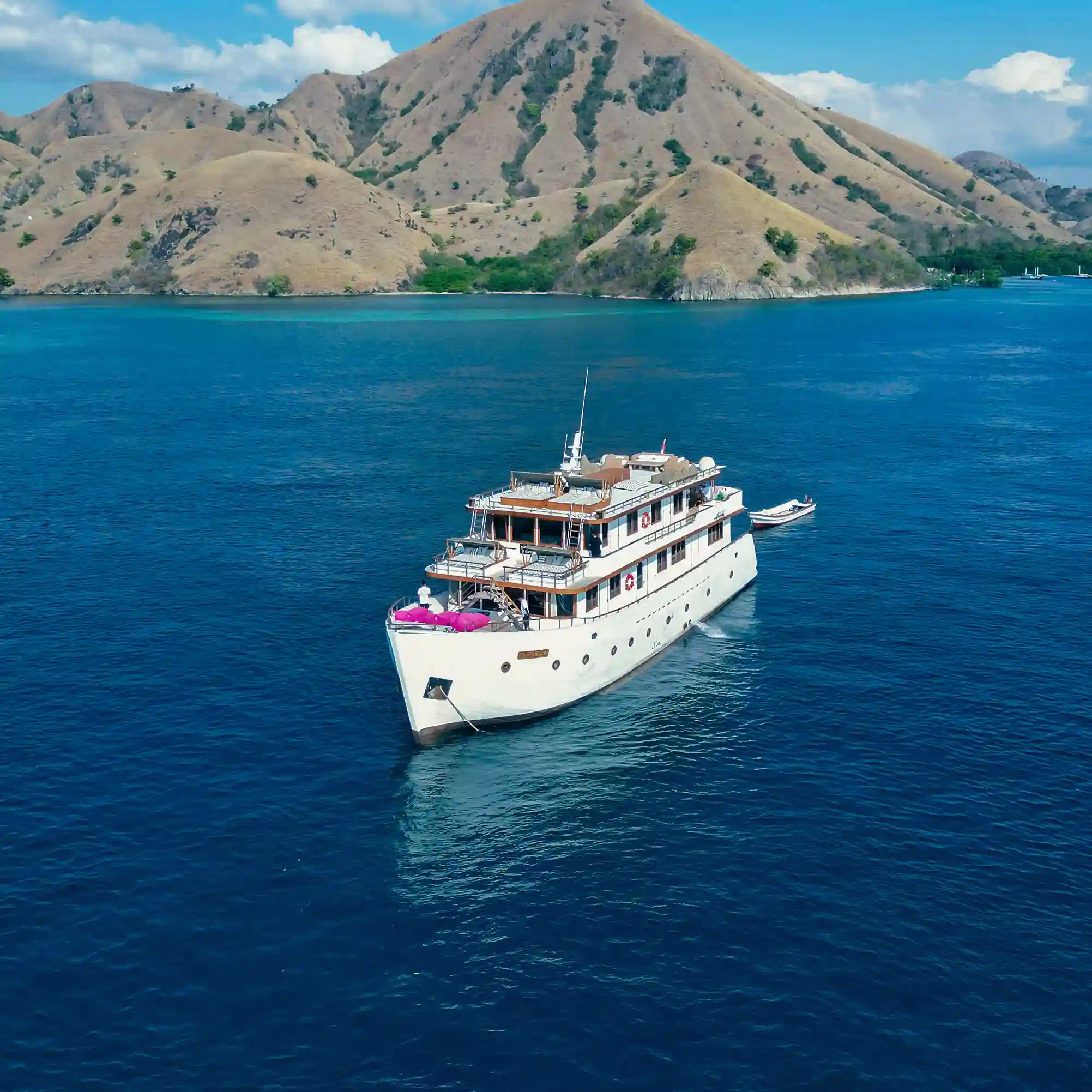
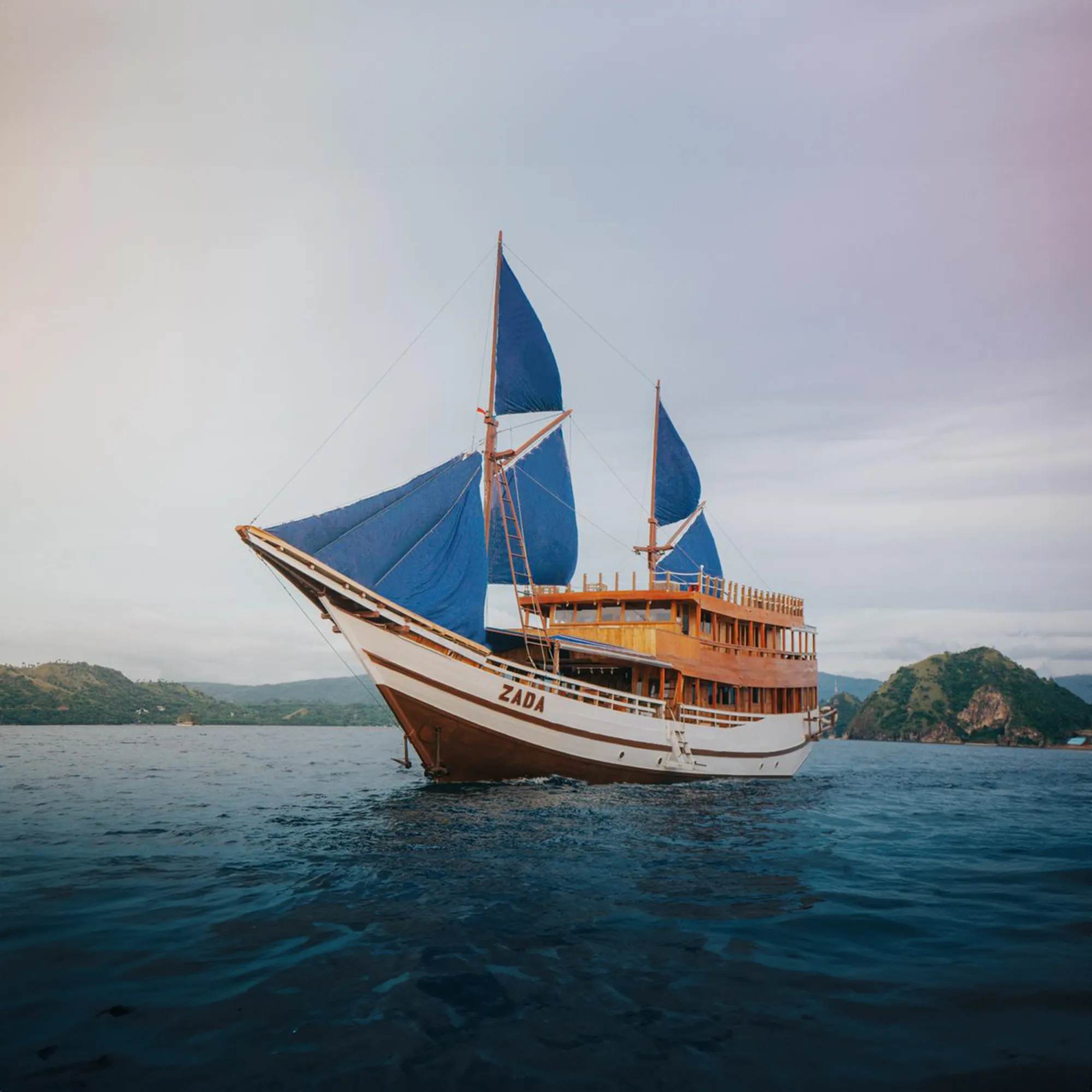
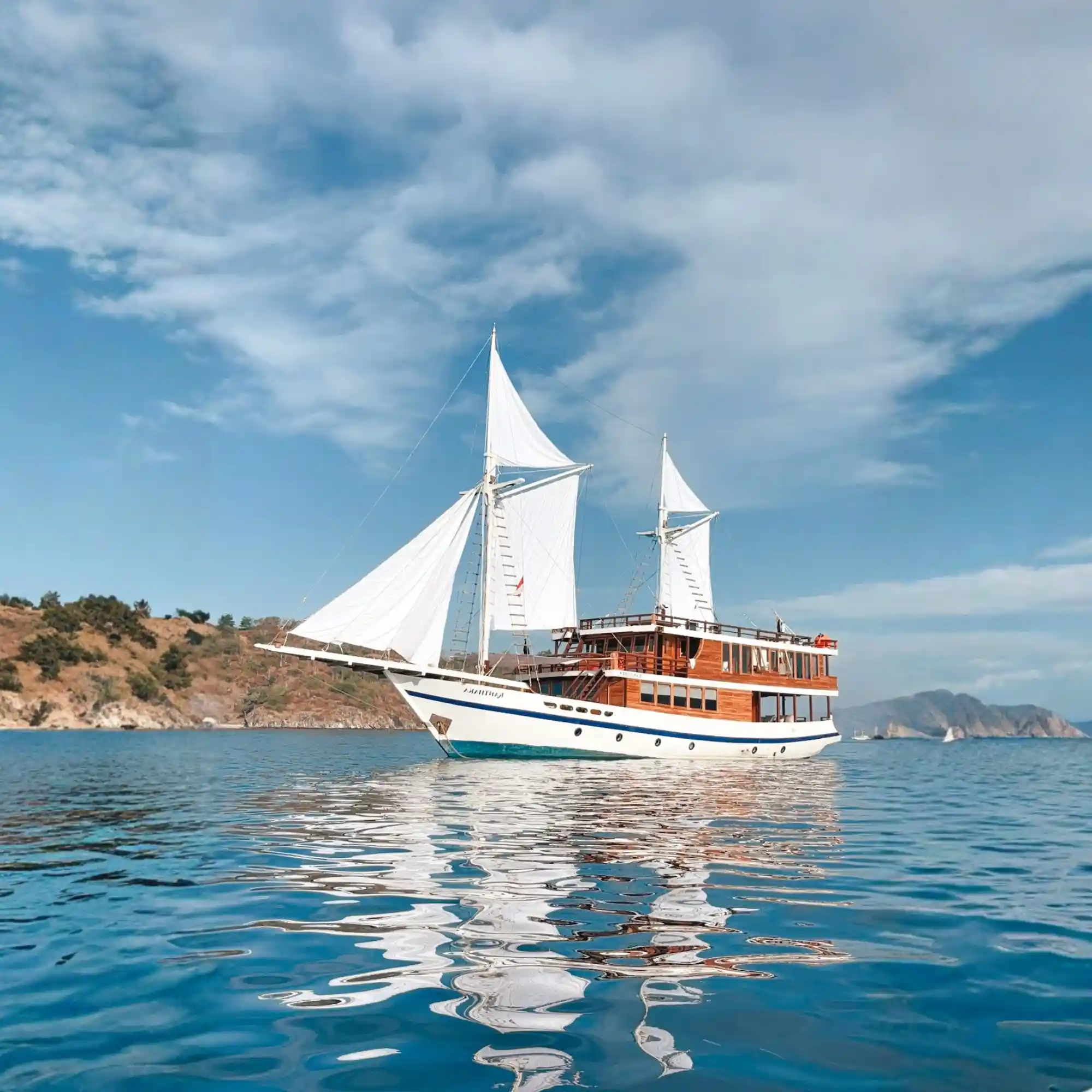
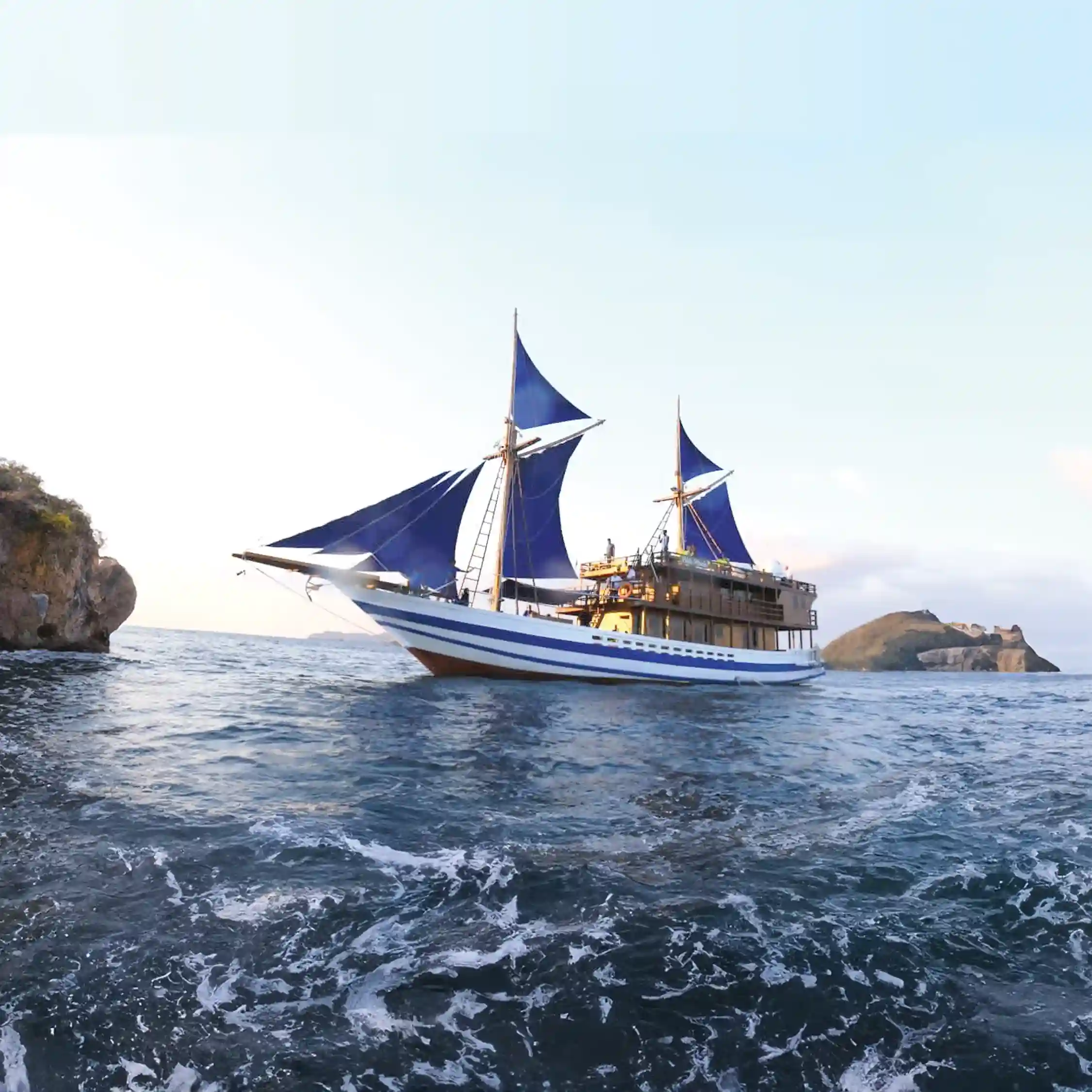
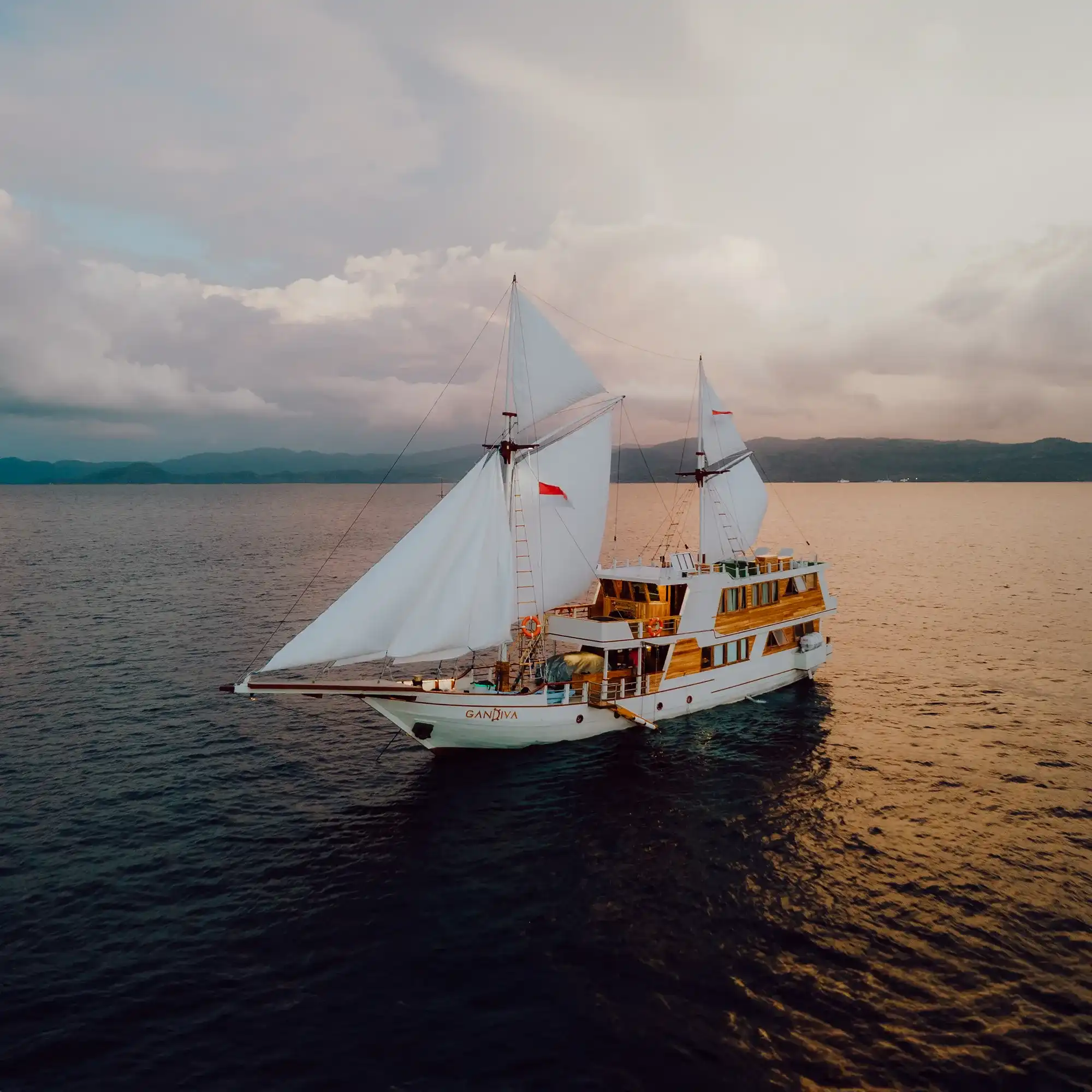
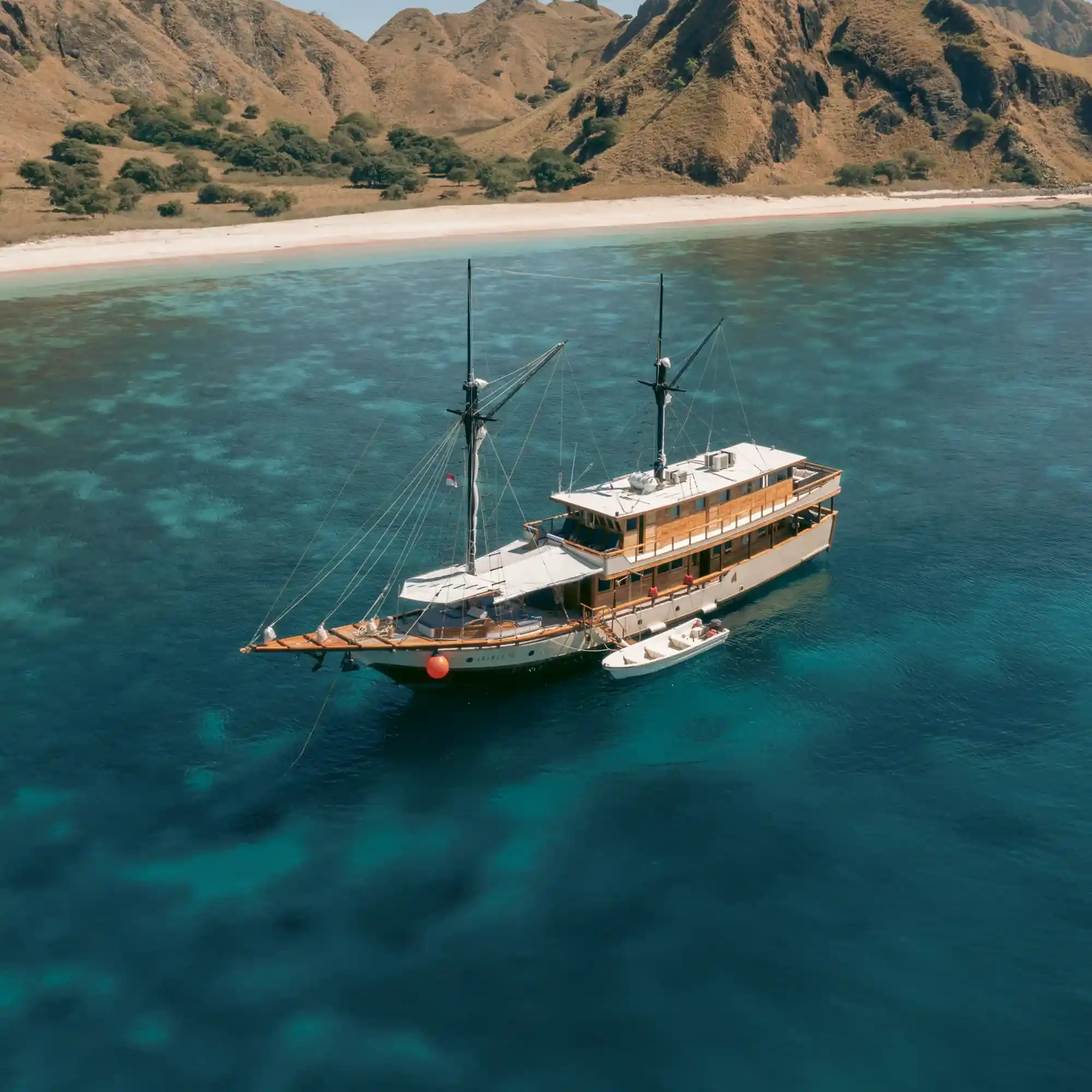
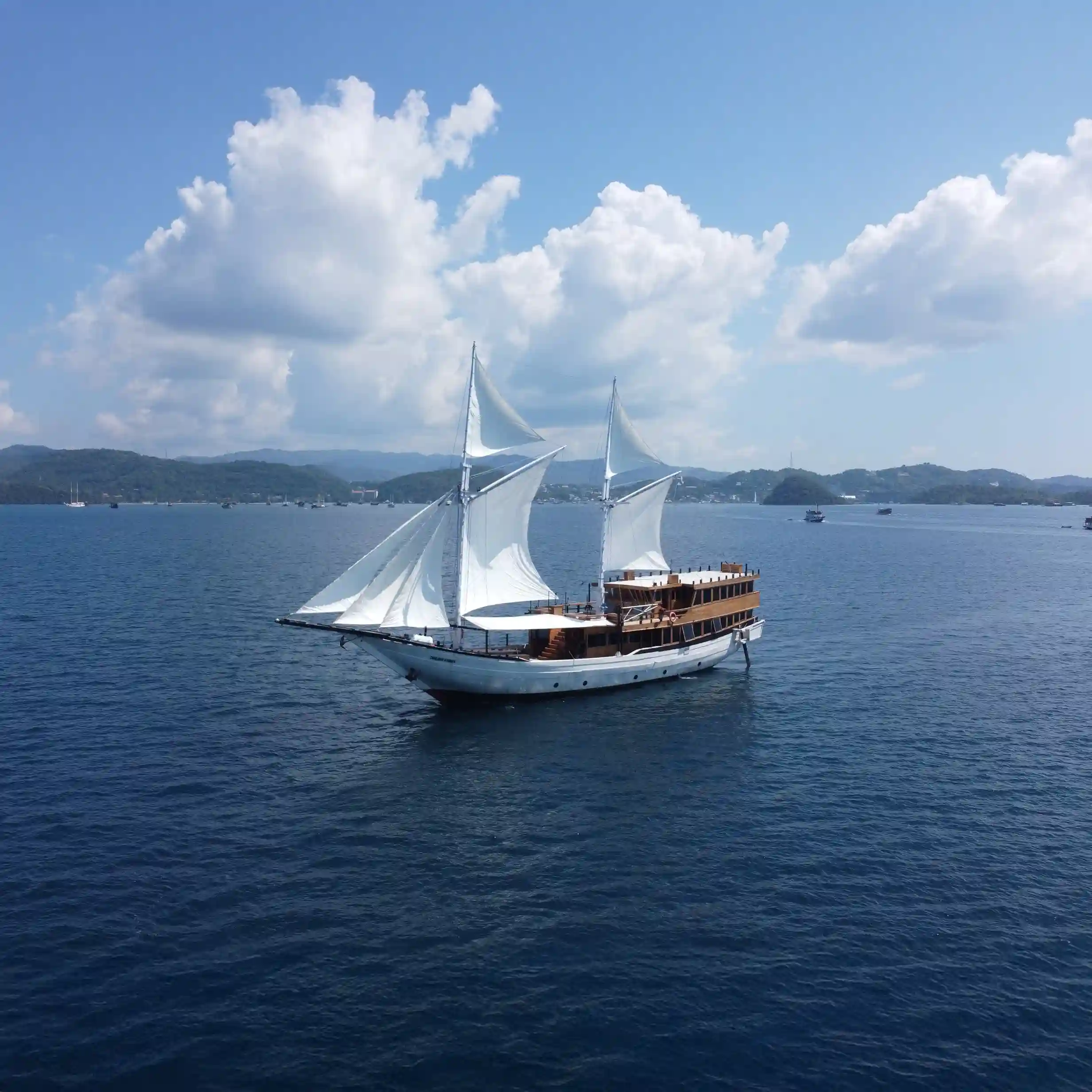
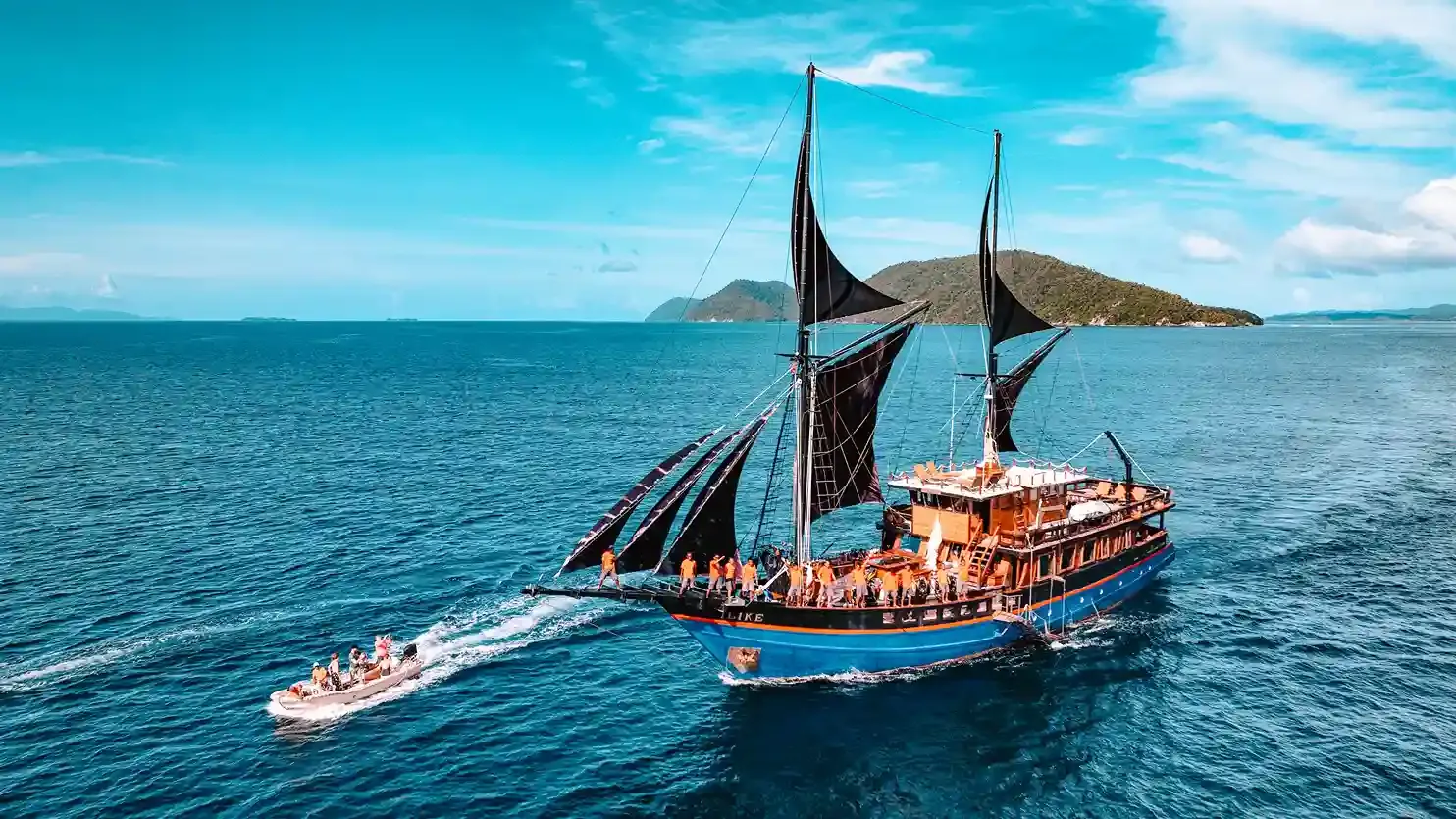
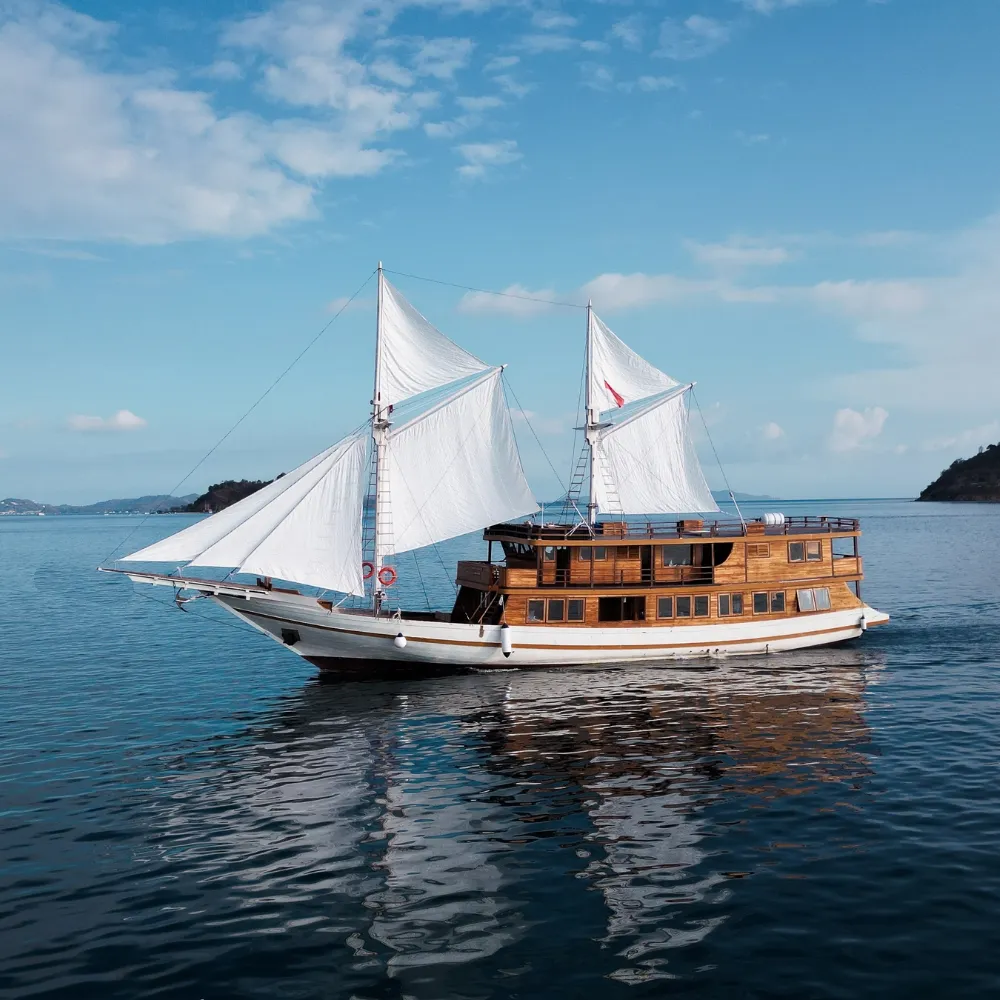
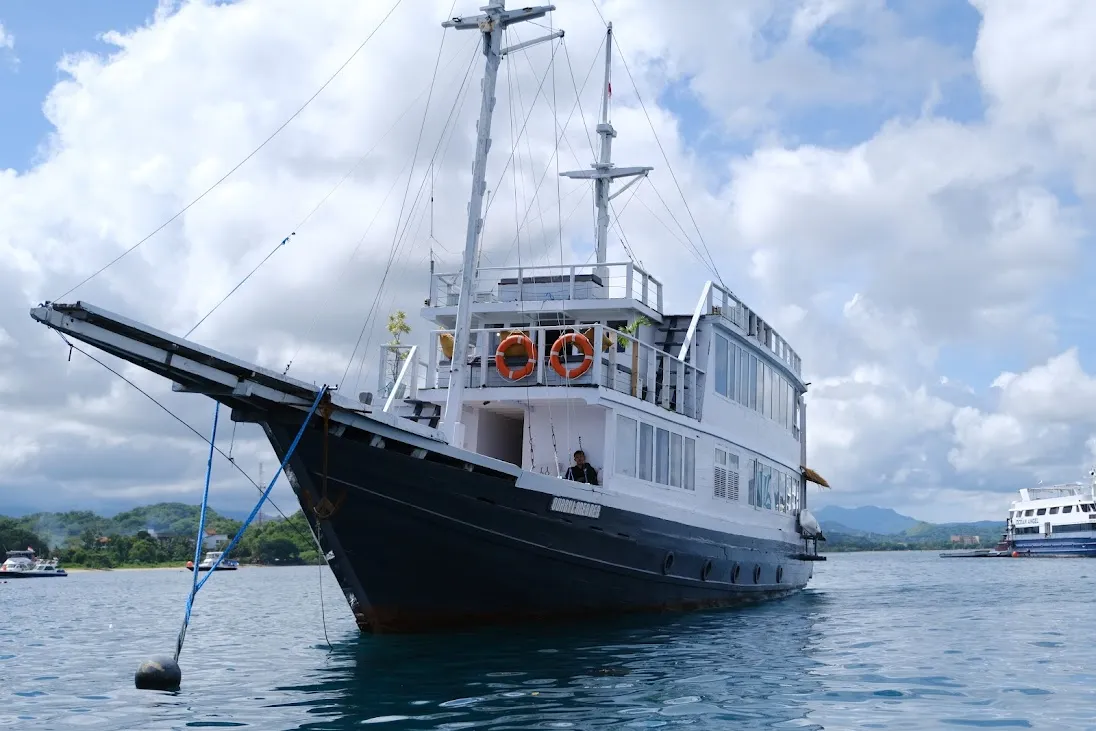
We keep Dua’s bow into the current off Manta Point at dawn, just as the first rays hit the reef. At 31 meters, Dua Liveaboard’s nimble enough to tuck into narrow bays like Kanawa, yet stable when the tide rips through the Sangeang Passage. I’ve sailed her for six seasons now, and what stands out is how she handles a sudden swell off Padar—her timber hull absorbs it clean, no shudder through the deck. That matters when guests are on deck at 06:30, coffee in hand, waiting to hike the island’s switchbacks before the heat rolls in.
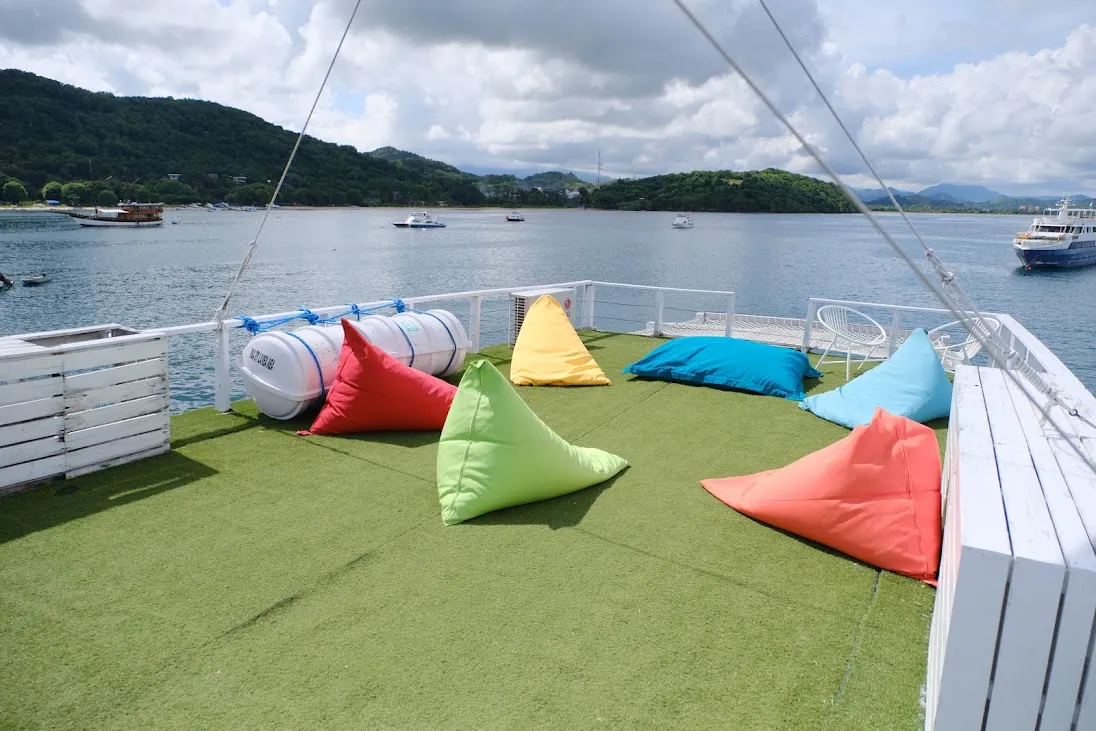
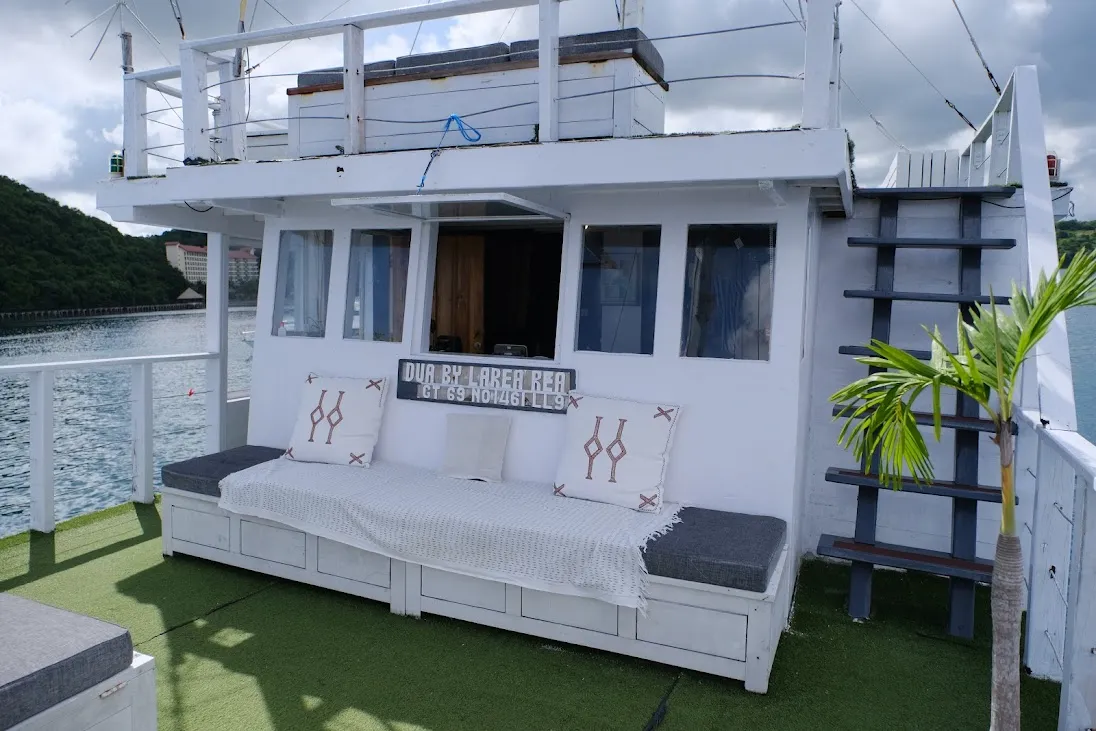
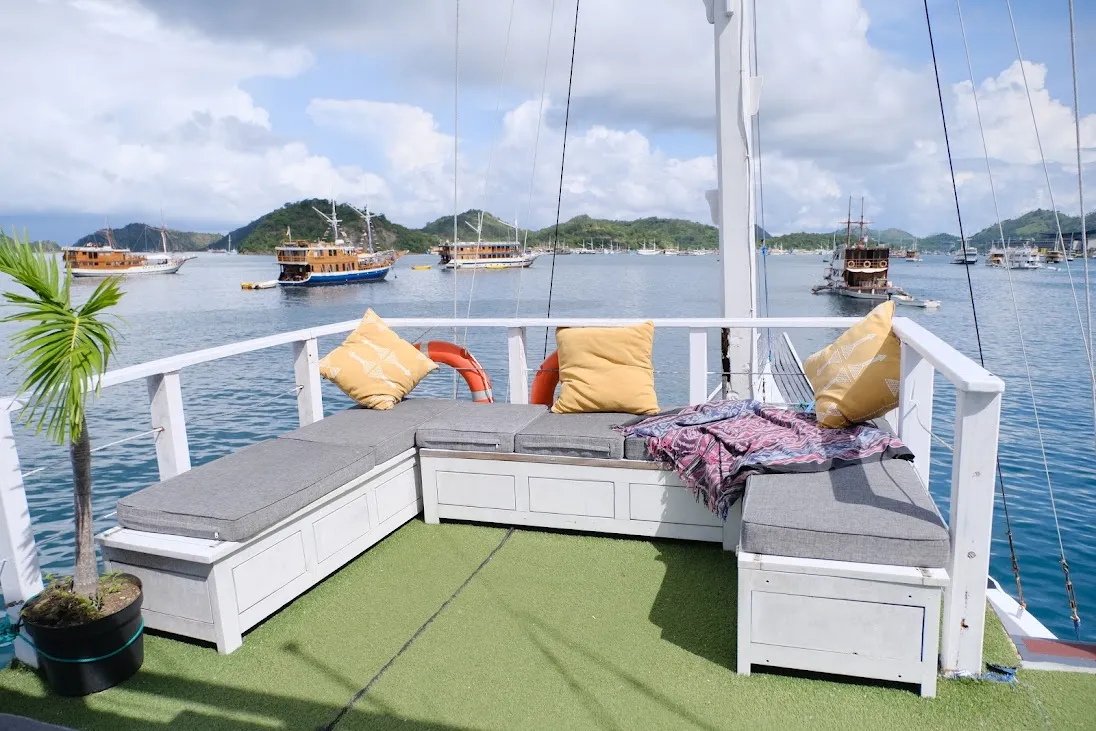
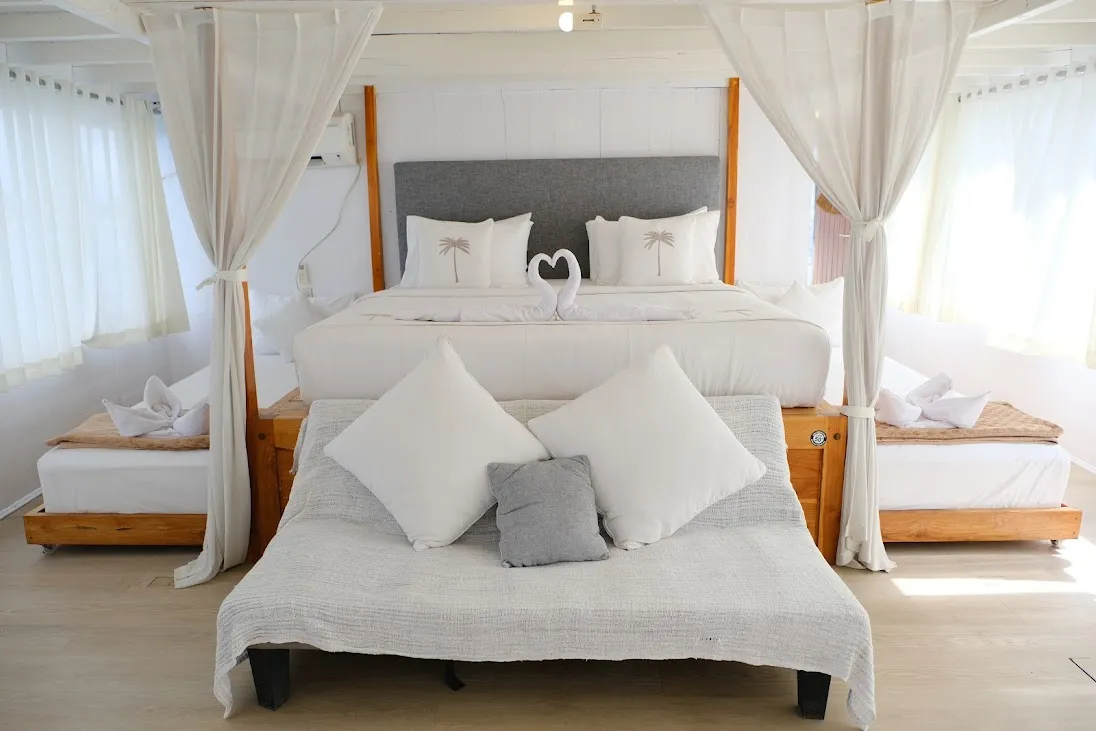
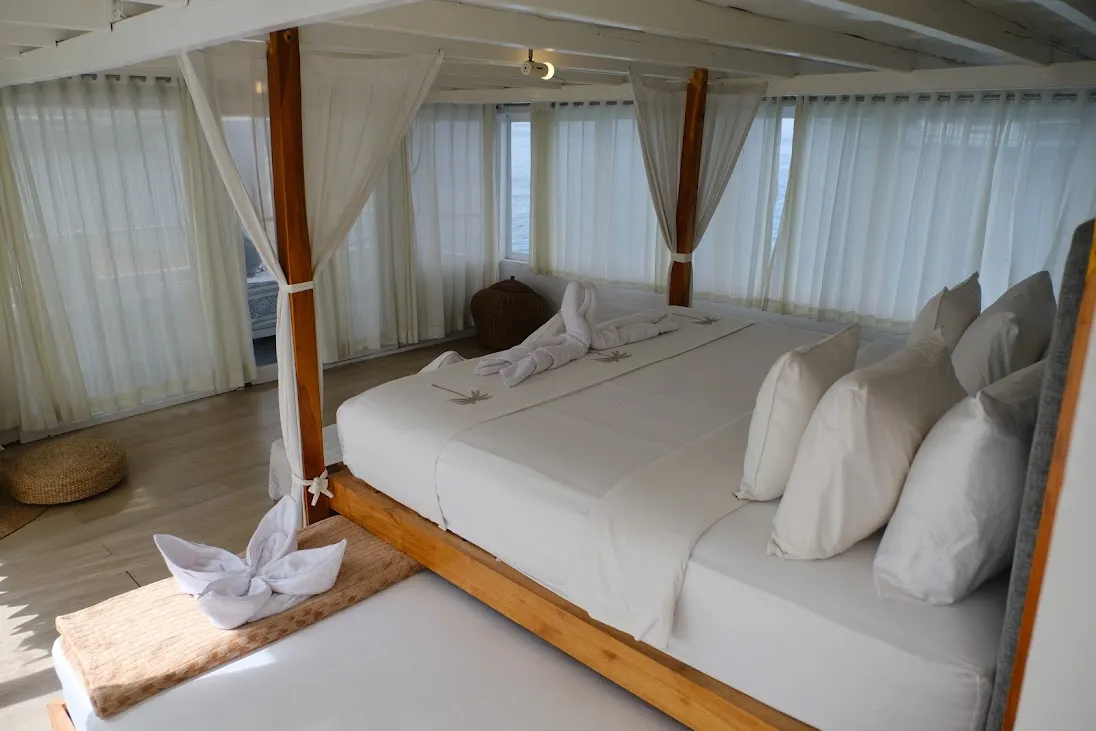
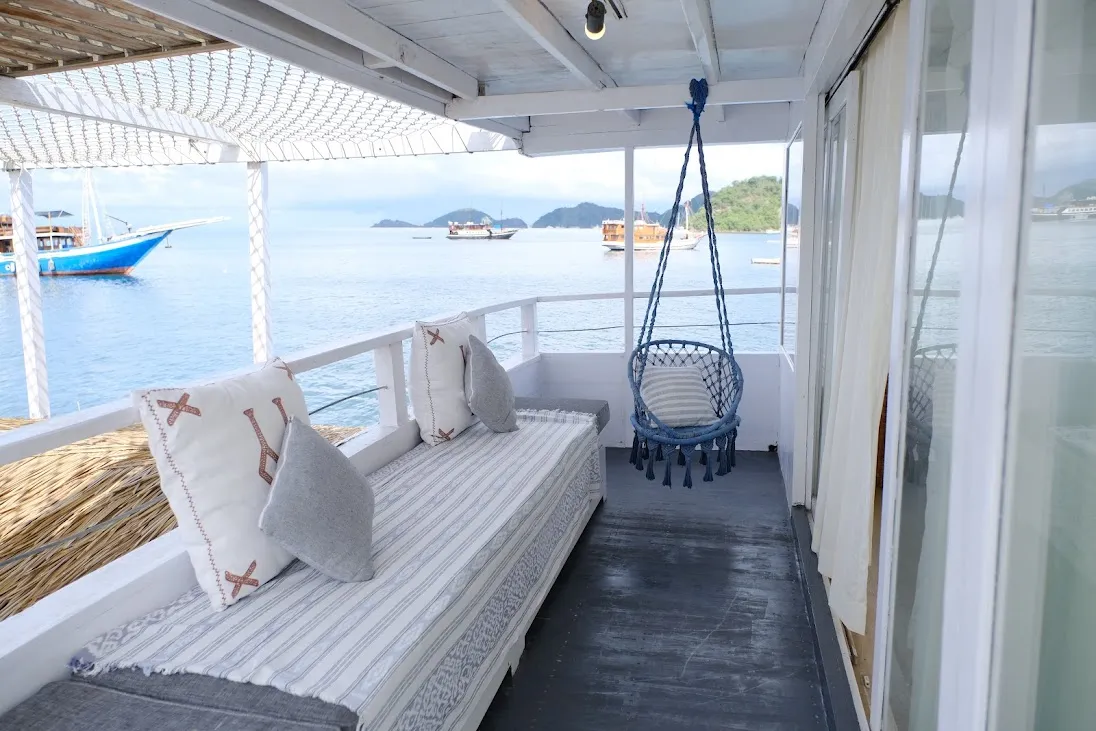
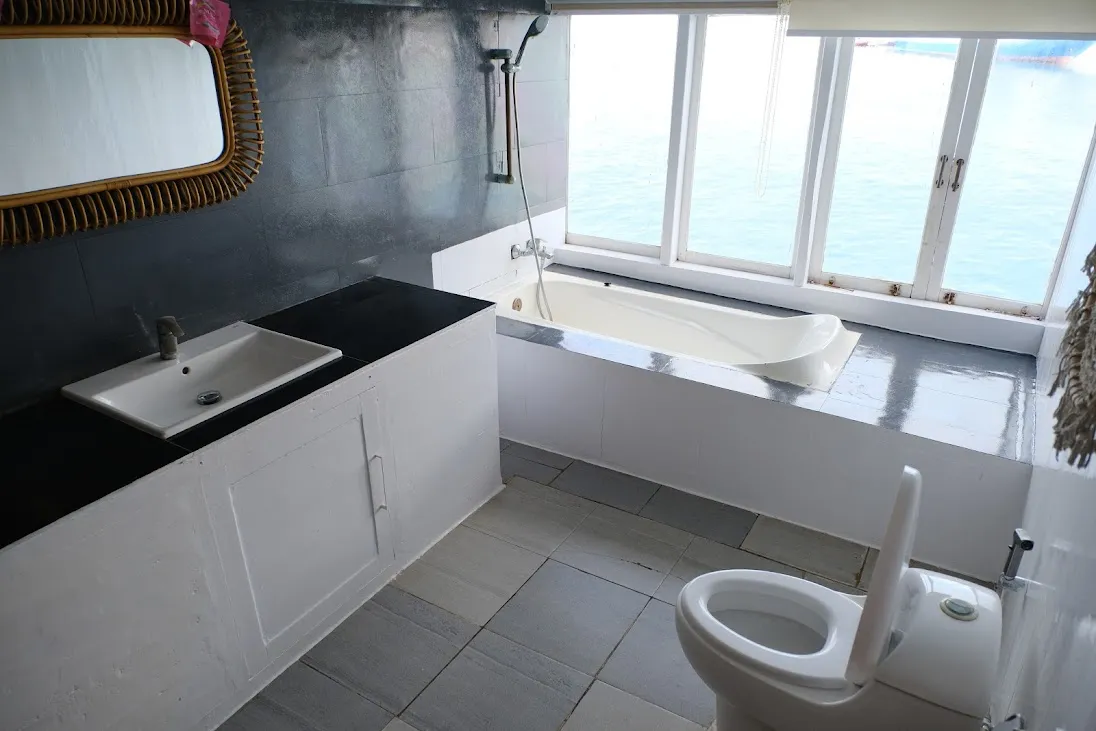
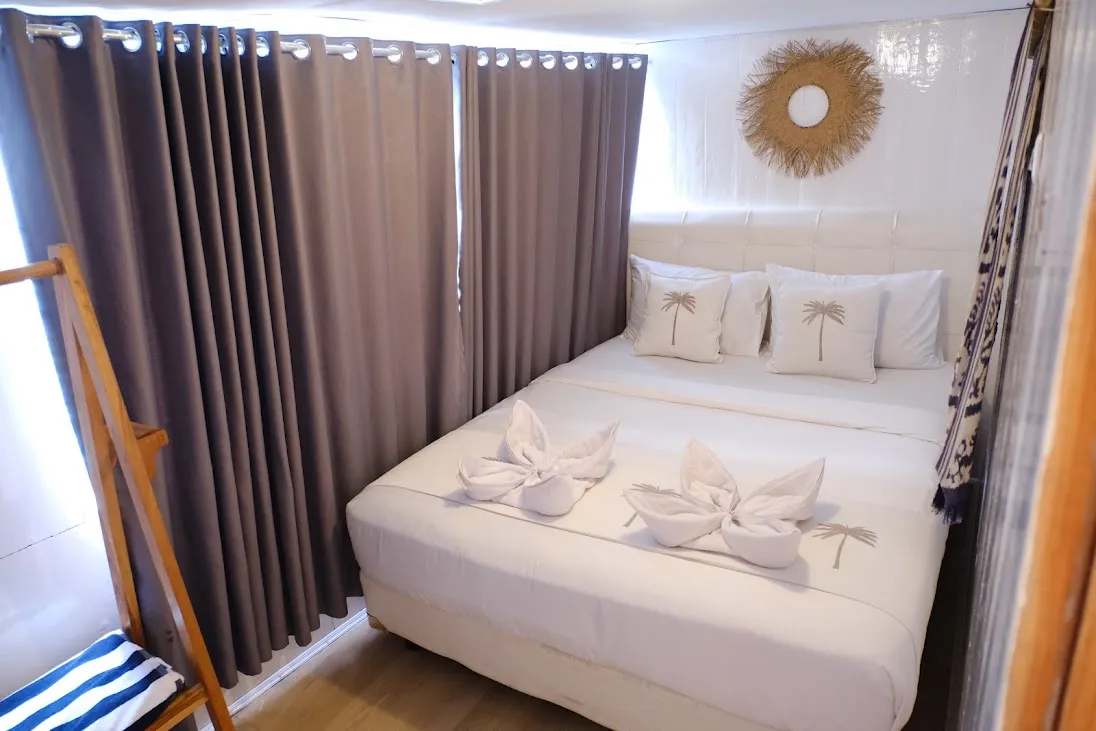
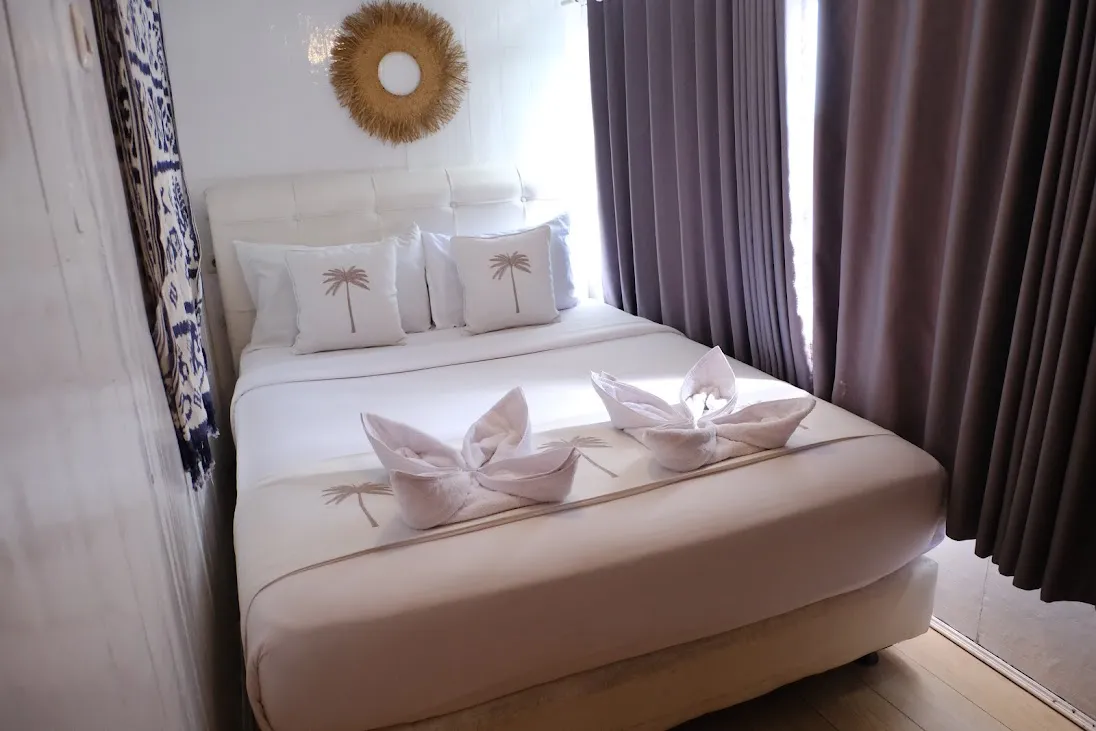
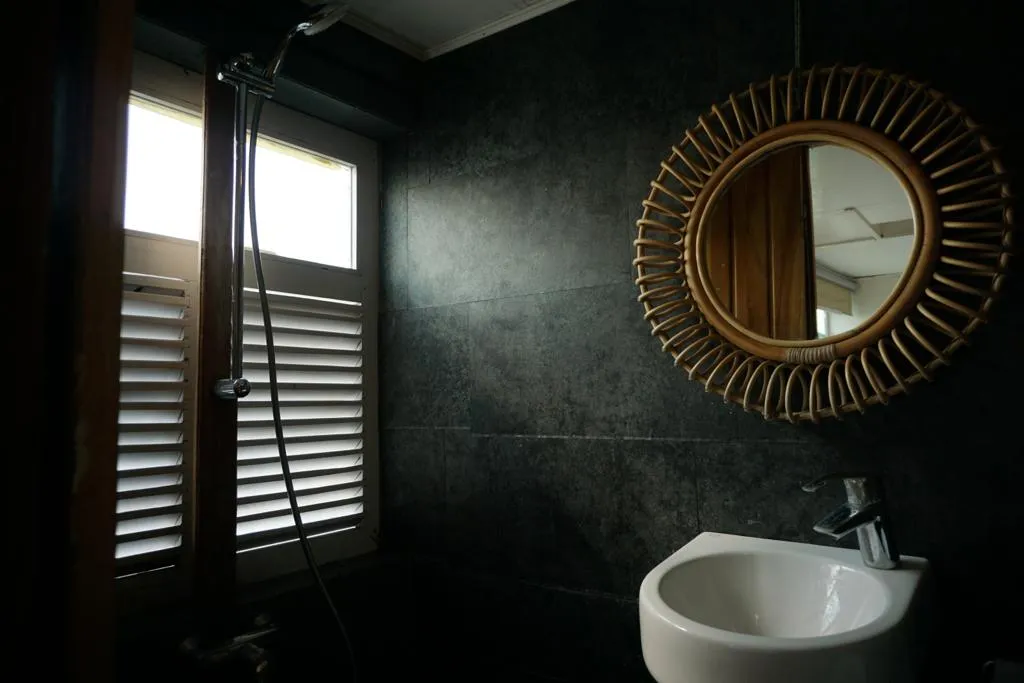
Dua carries 12 guests across two cabin types: one Master Cabin and a single Deluxe Cabin—both en suite, both with ocean views framed by teak joinery that’s sanded monthly. We don’t crowd the berths. The Master has its own lounge nook and extra storage for long-term divers; the Deluxe shares equal access to the upper deck’s shaded loungers and the paddleboards lashed to starboard. There’s no noise from the engine room—insulated double bulkheads—and we keep cabin AC running low all night, just enough to cut the humidity without drowning out the sound of waves against the hull.
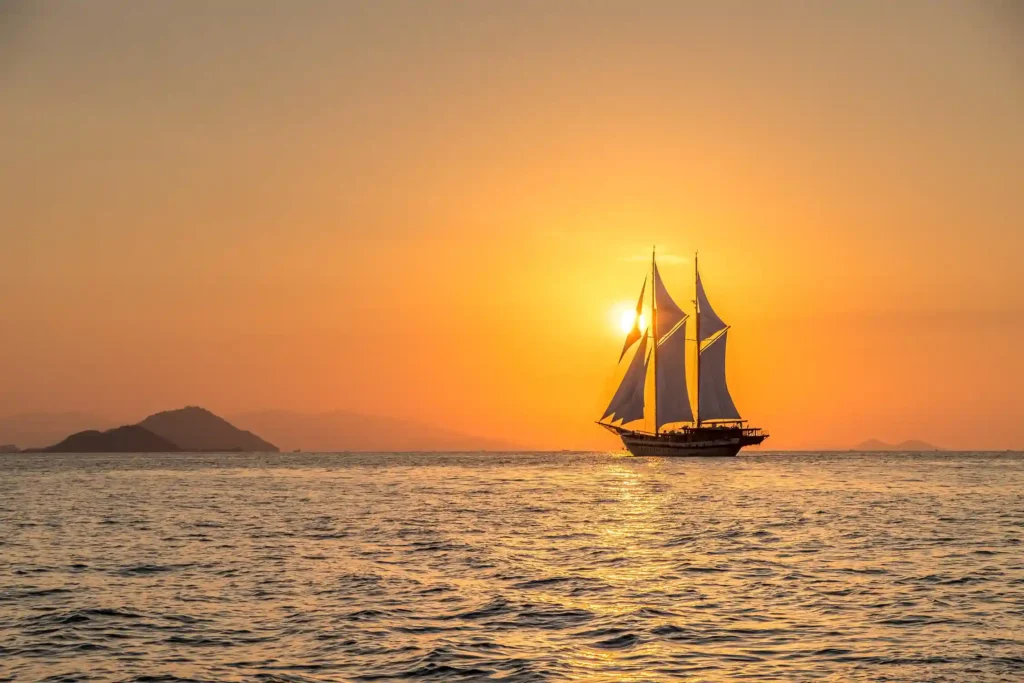
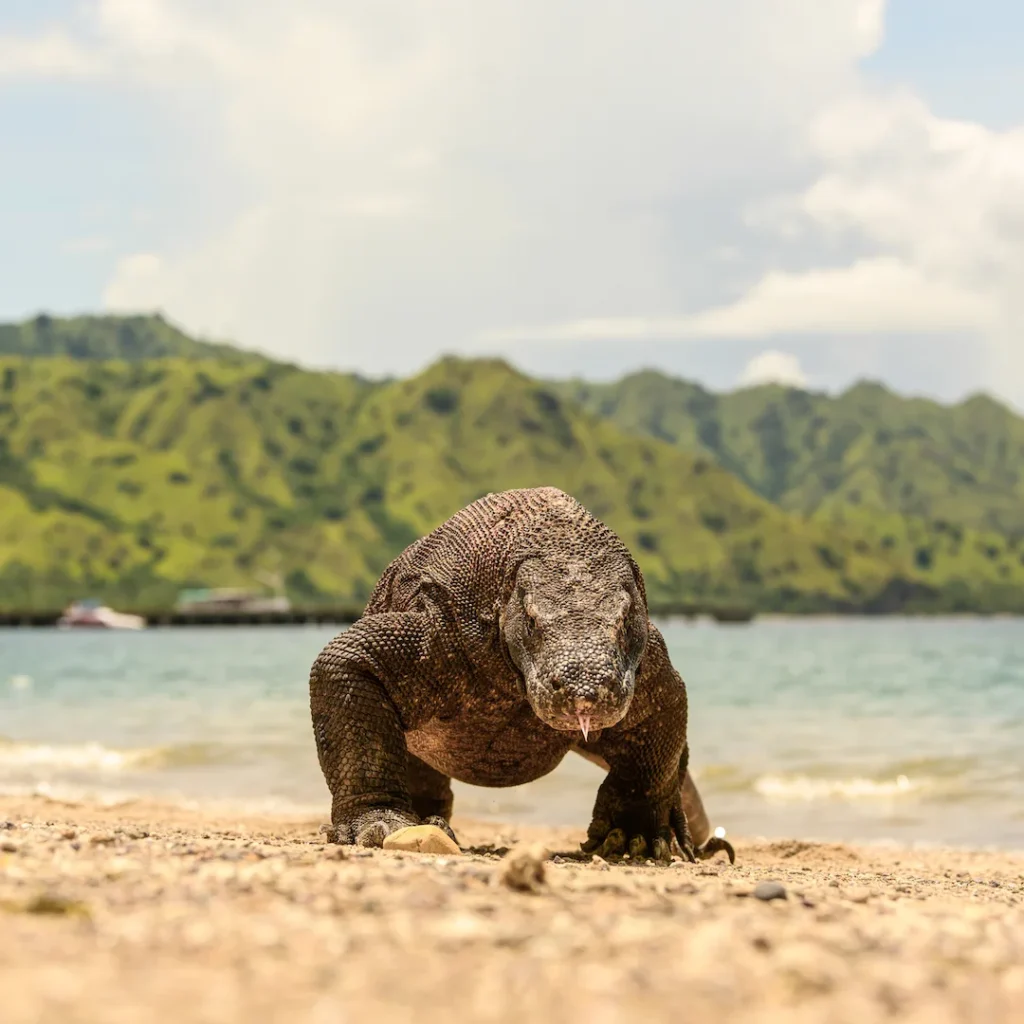
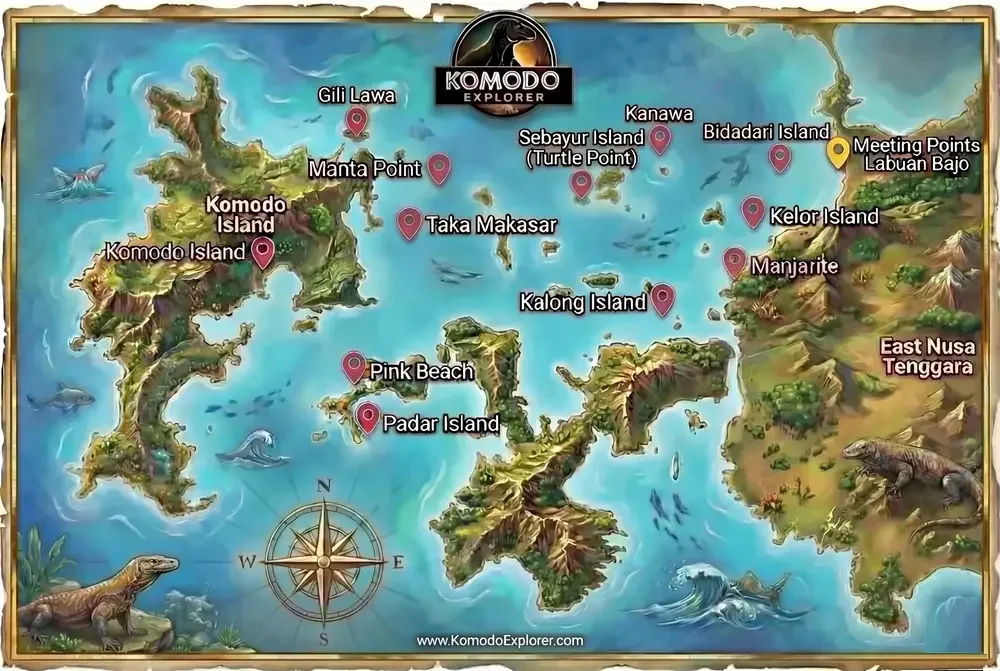
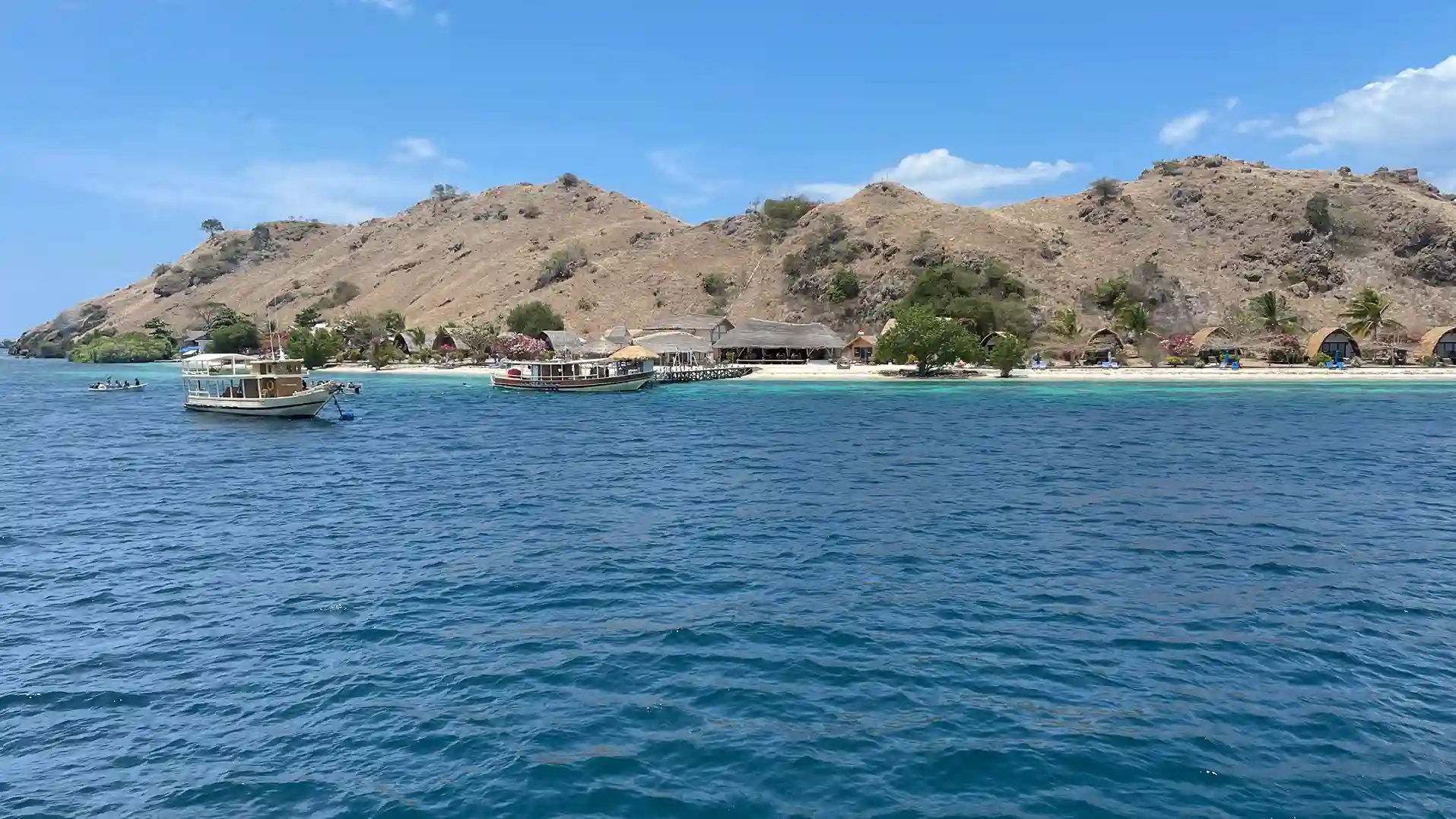
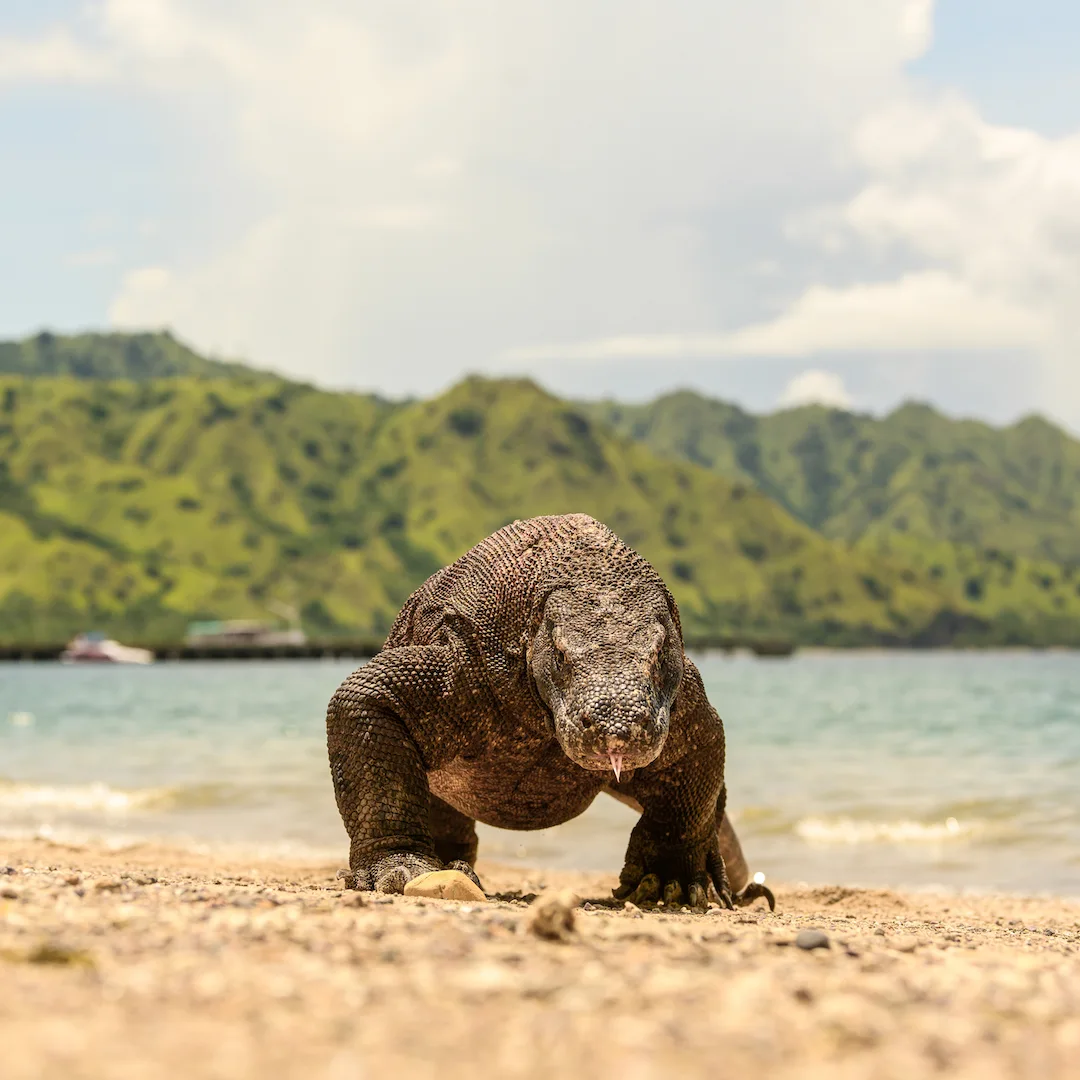
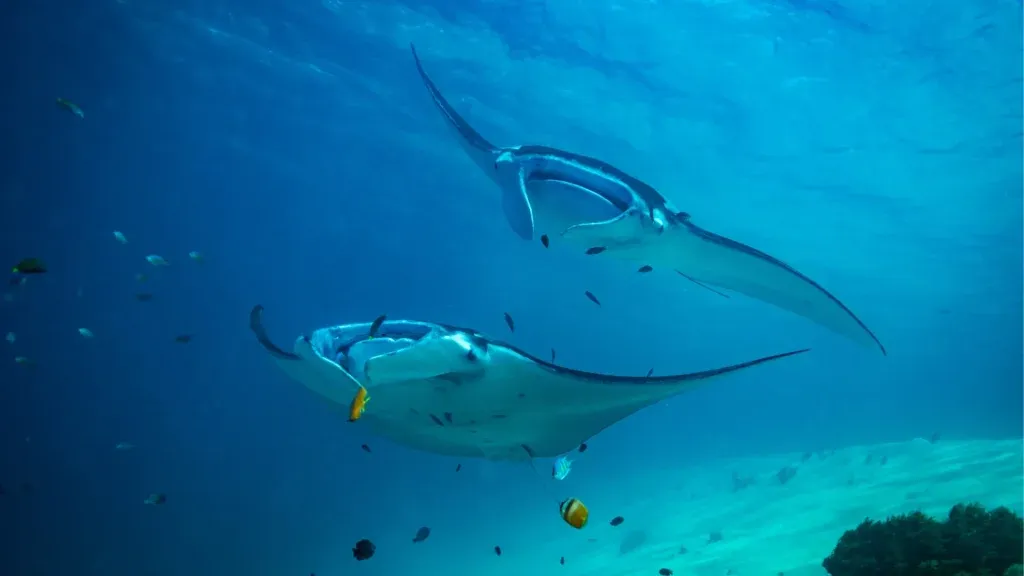
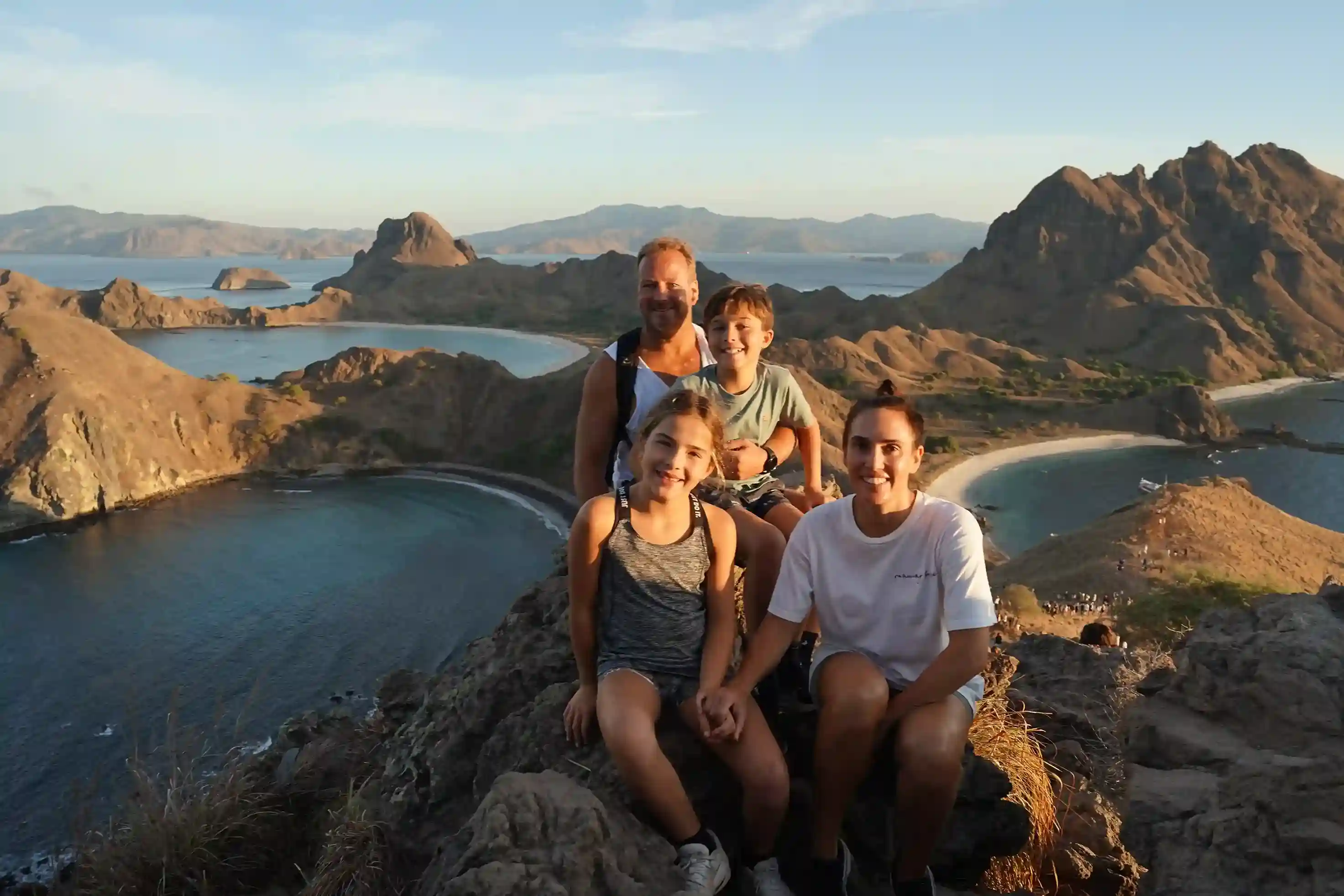
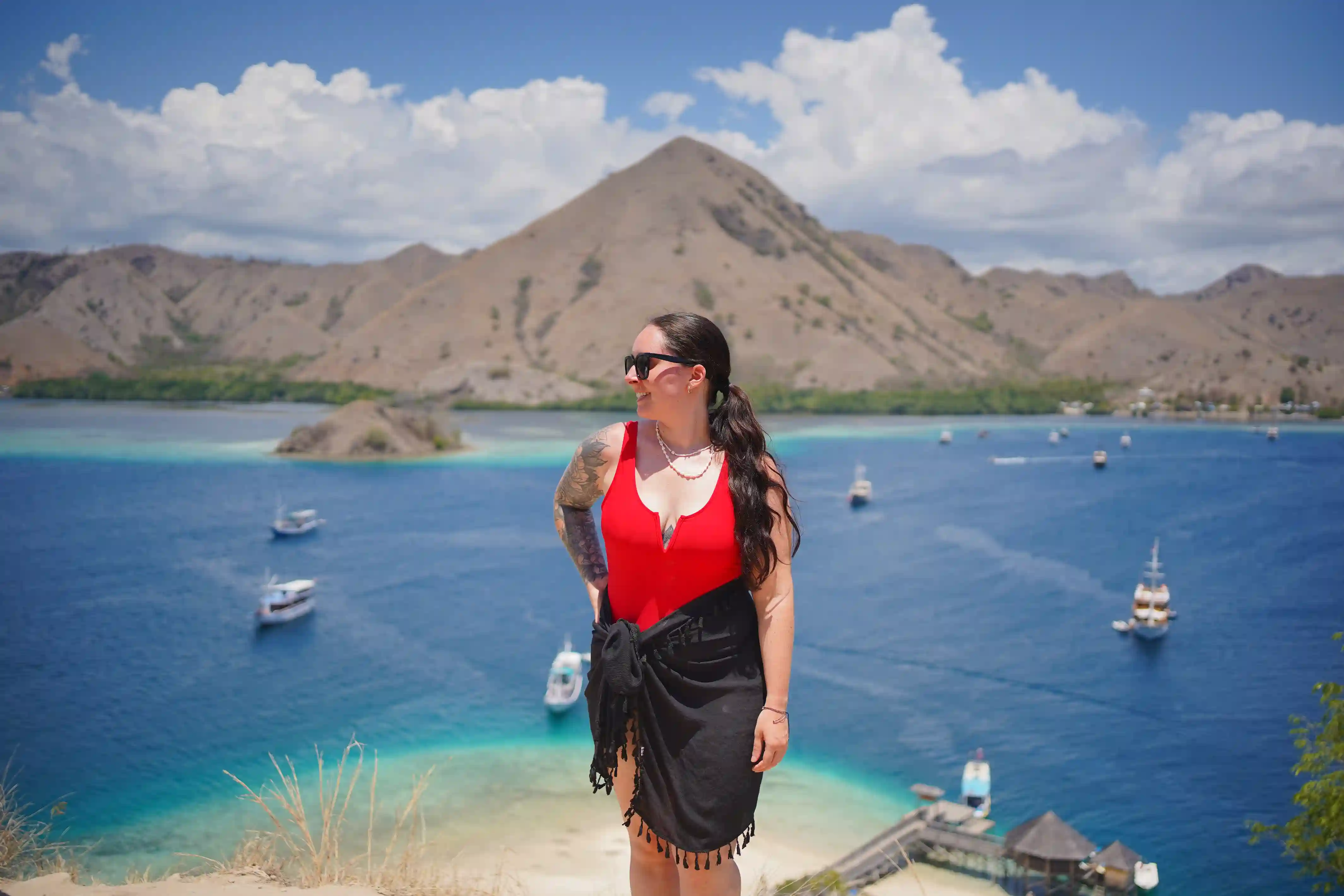
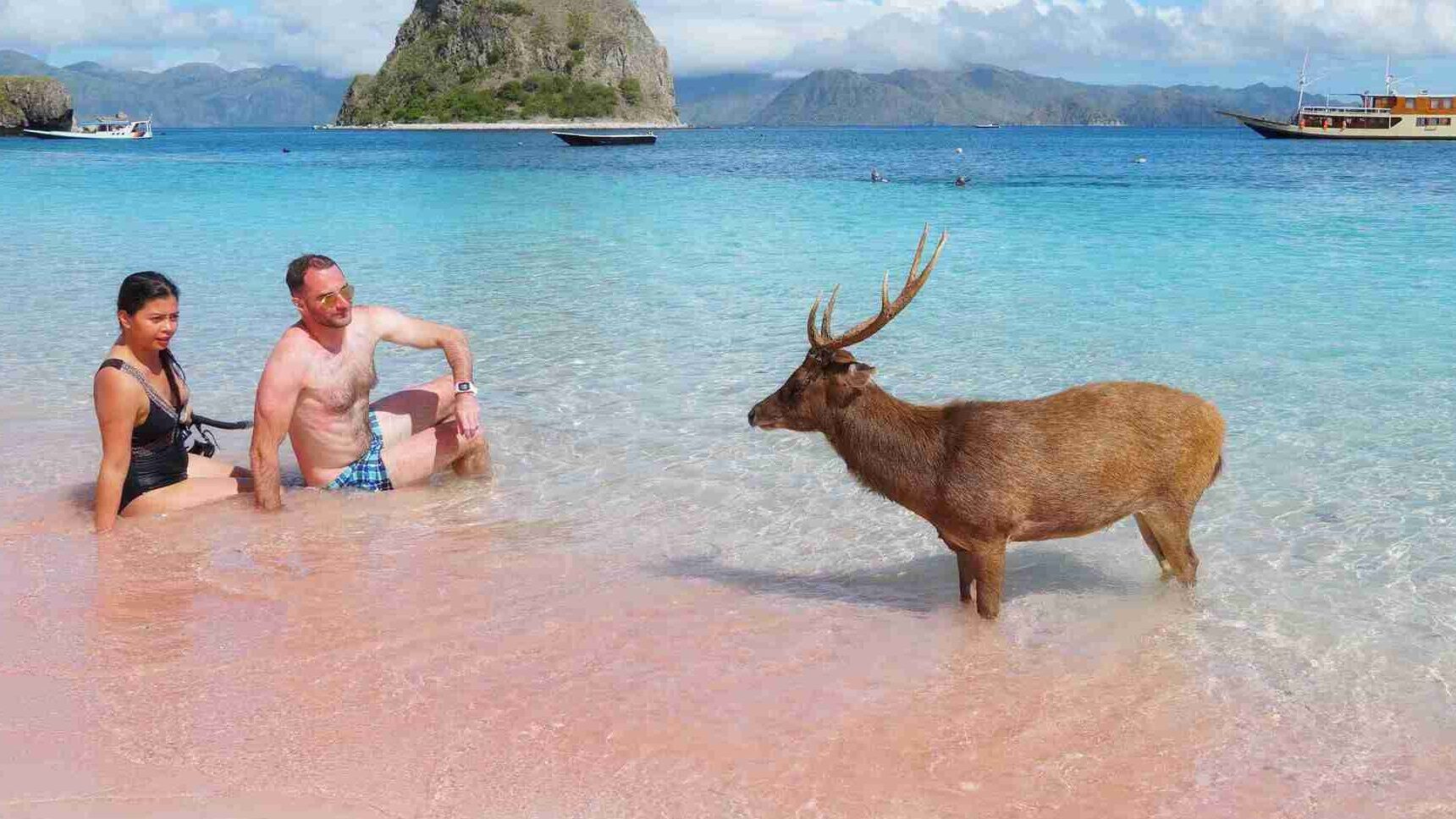
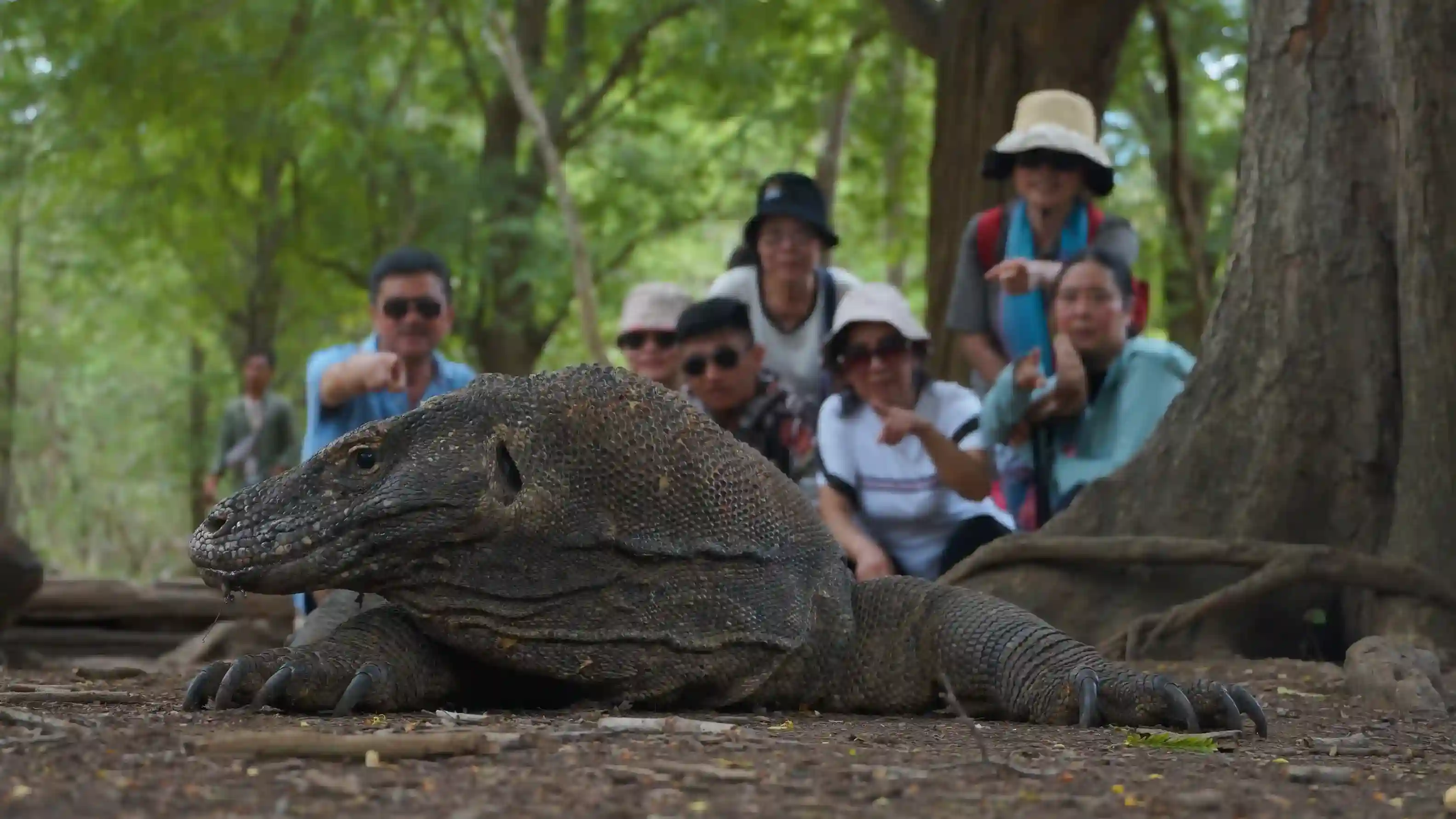
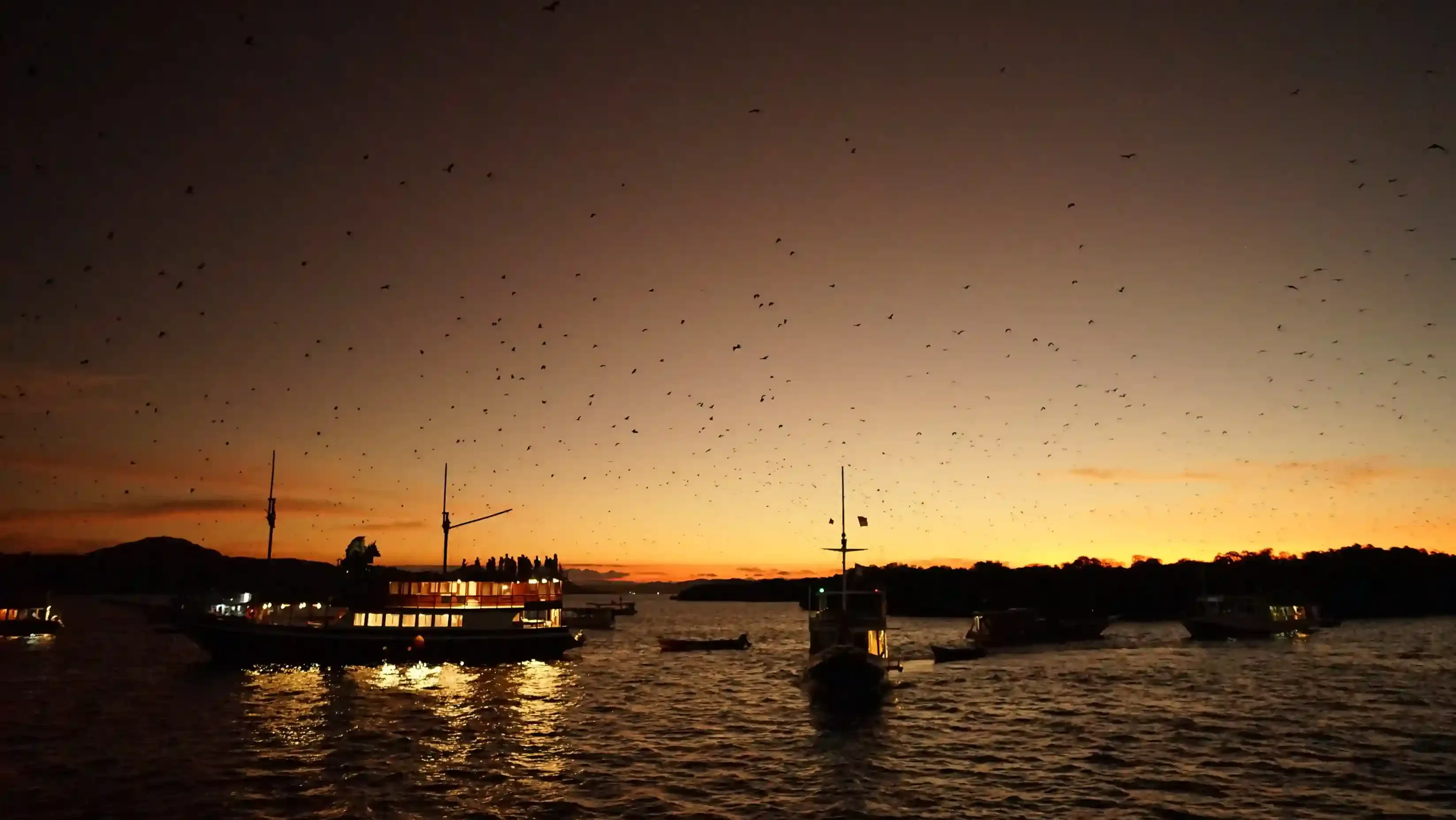
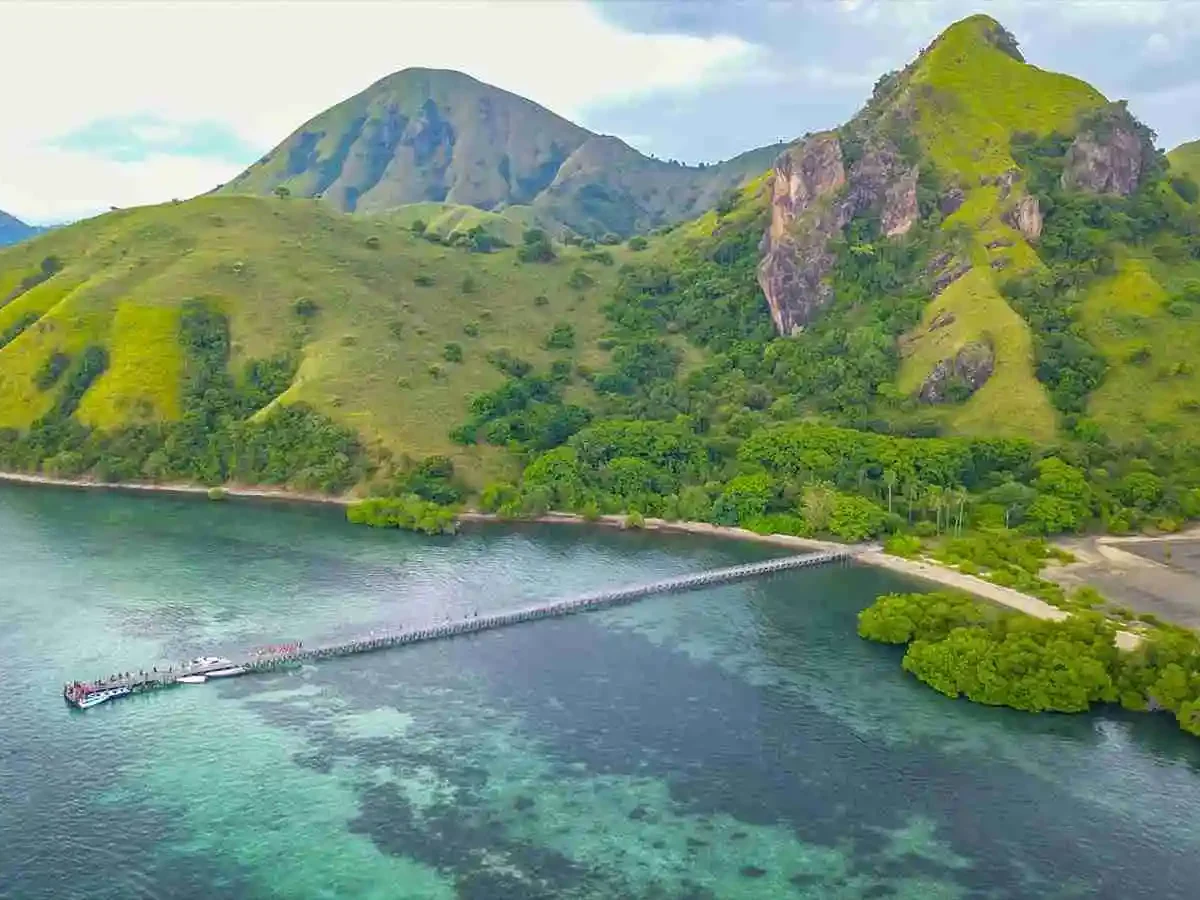
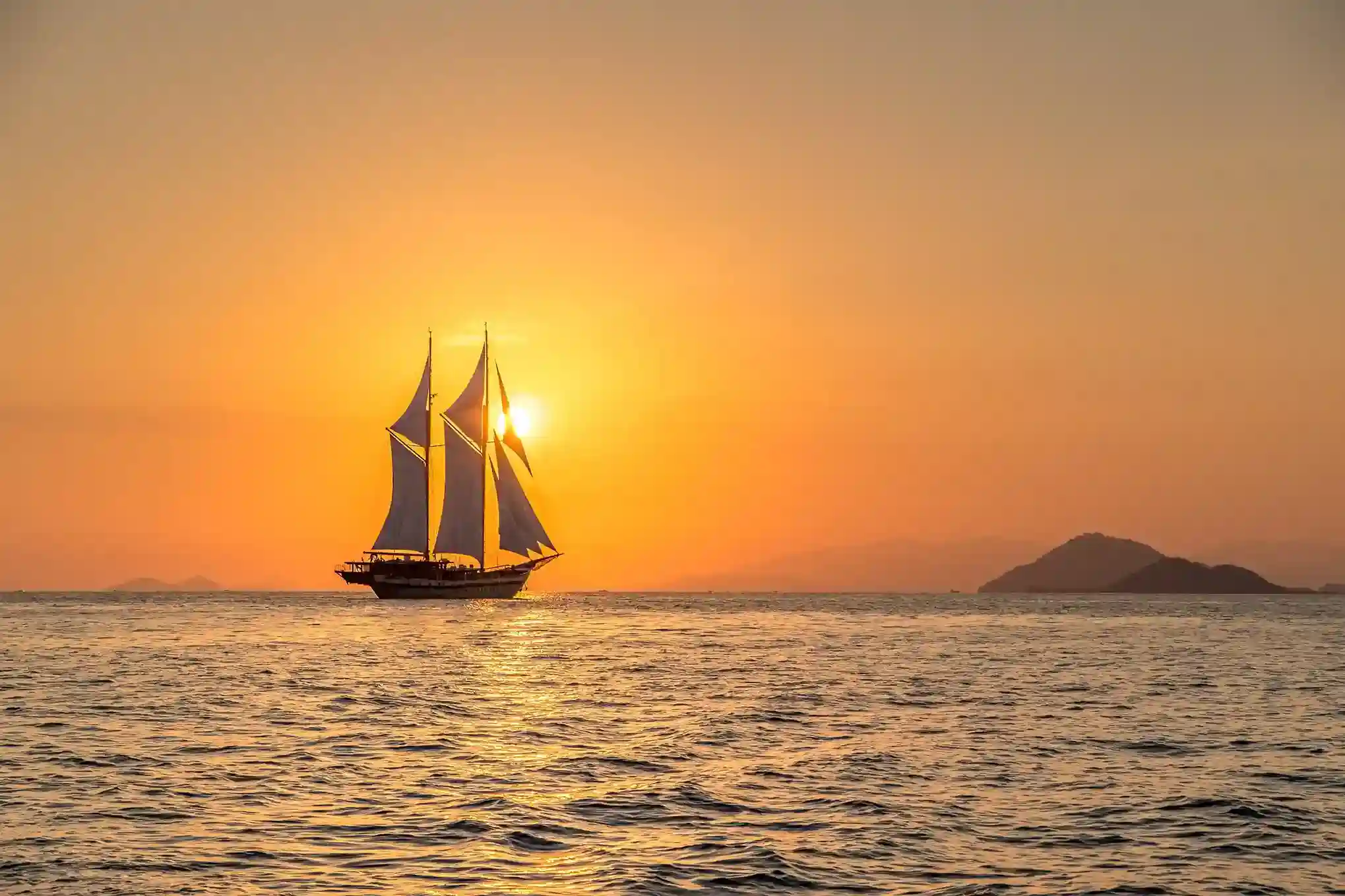
Our 3-day route starts with an afternoon arrival in Labuan Bajo. Guests board by 14:00, settle in, then we sail 45 minutes to Kelor for a sunset swim. The next day, we anchor off Padar before sunrise. After the hike, we reposition to Komodo Island for the dragon walk at Loh Liang—rangers guide the trail, we handle the logistics. Then Pink Beach by noon, where the sand’s coral-pink hue glows strongest under direct sun. Late afternoon, we drift at Manta Point with surface snorkel lines deployed—mantas often circle the anchor chain. At dusk, we shift to Kalong Island, where thousands of fruit bats lift from the mangroves in waves.
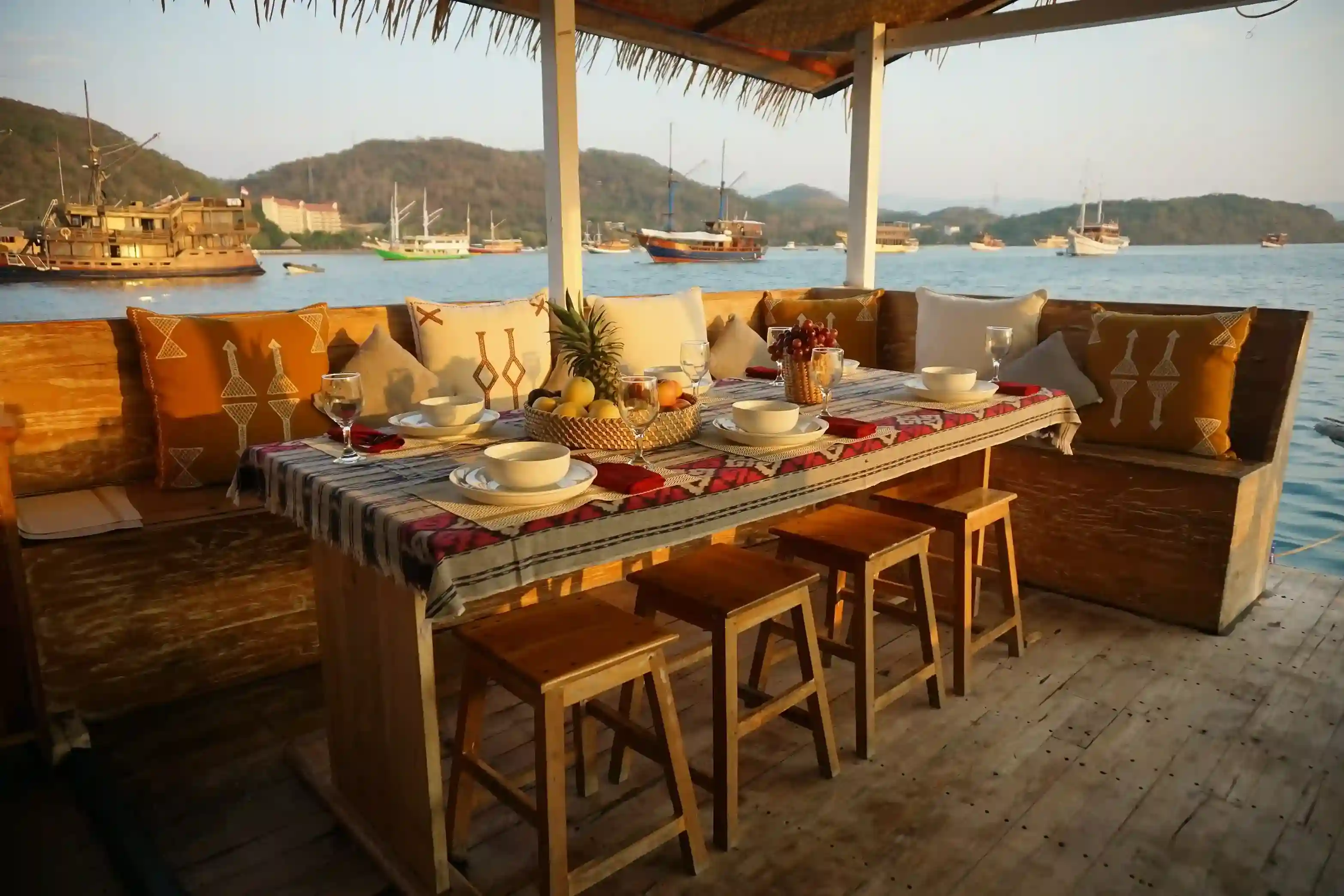
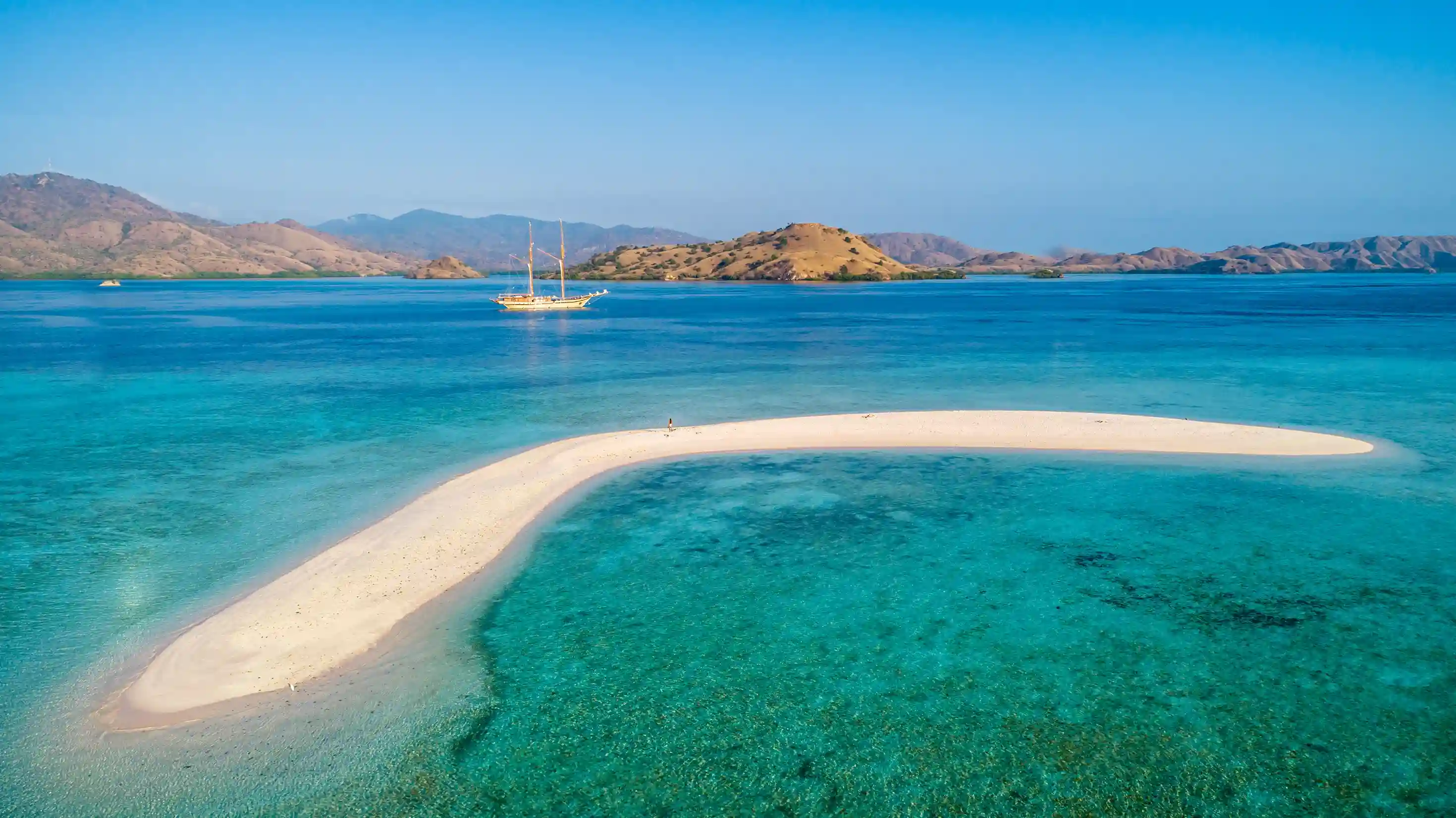
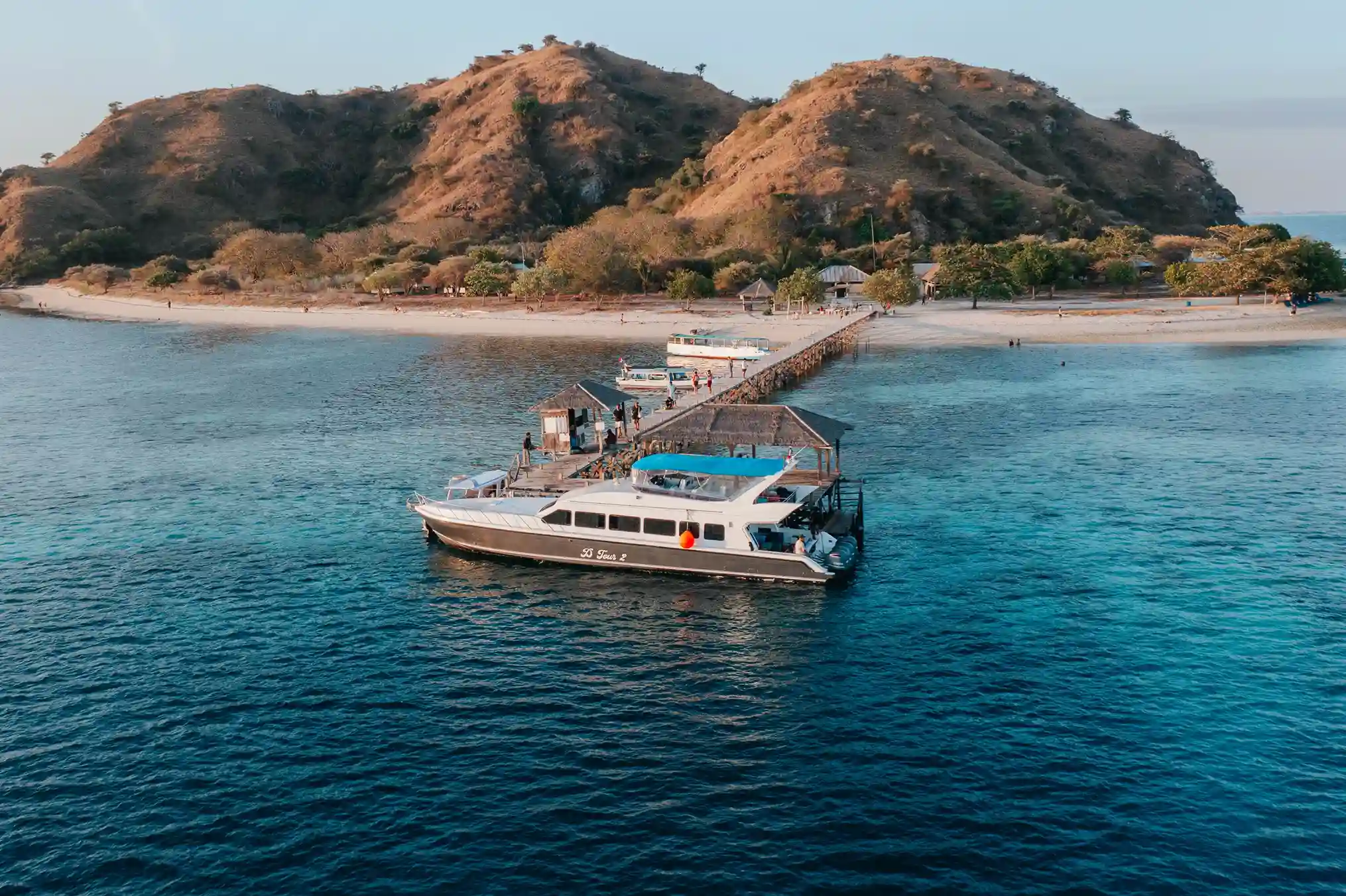
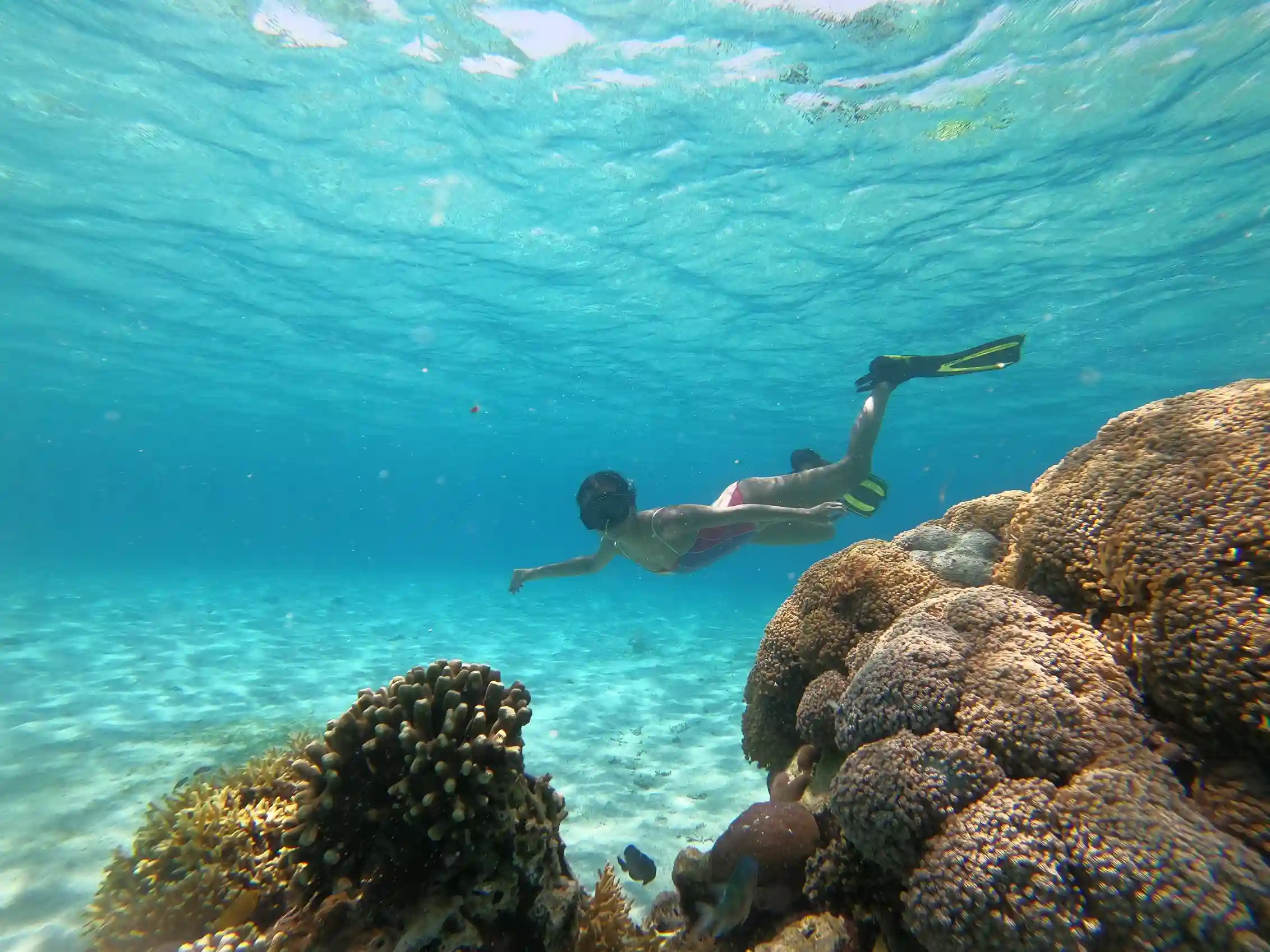
Day three begins at Taka Makassar—white sand in turquoise water, best seen from the bow at 07:30 when the light flattens the surface. We beach for an hour, then sail to Kanawa for a final snorkel above its coral ridge. Dua’s crew preps lunch—grilled reef fish, jackfruit salad, coconut rice—by 12:30. We return to Labuan Bajo docks by 15:00. No rush, no packed drop-offs. She ties up clean, ready for the next group.
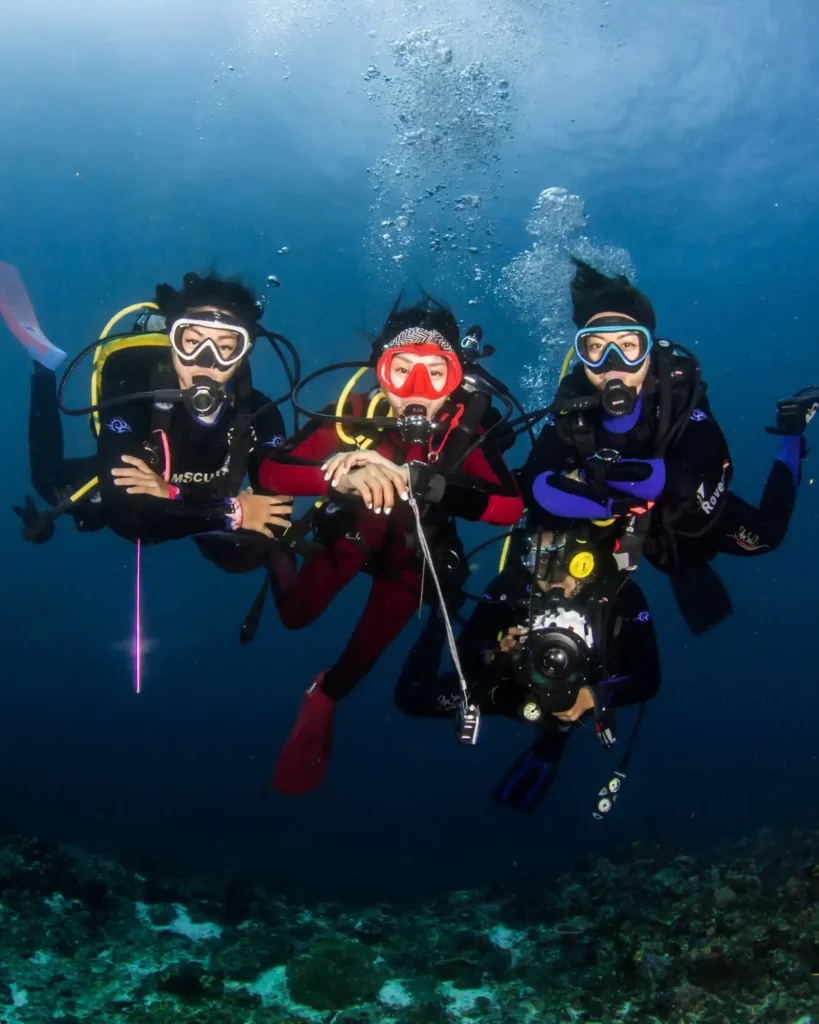
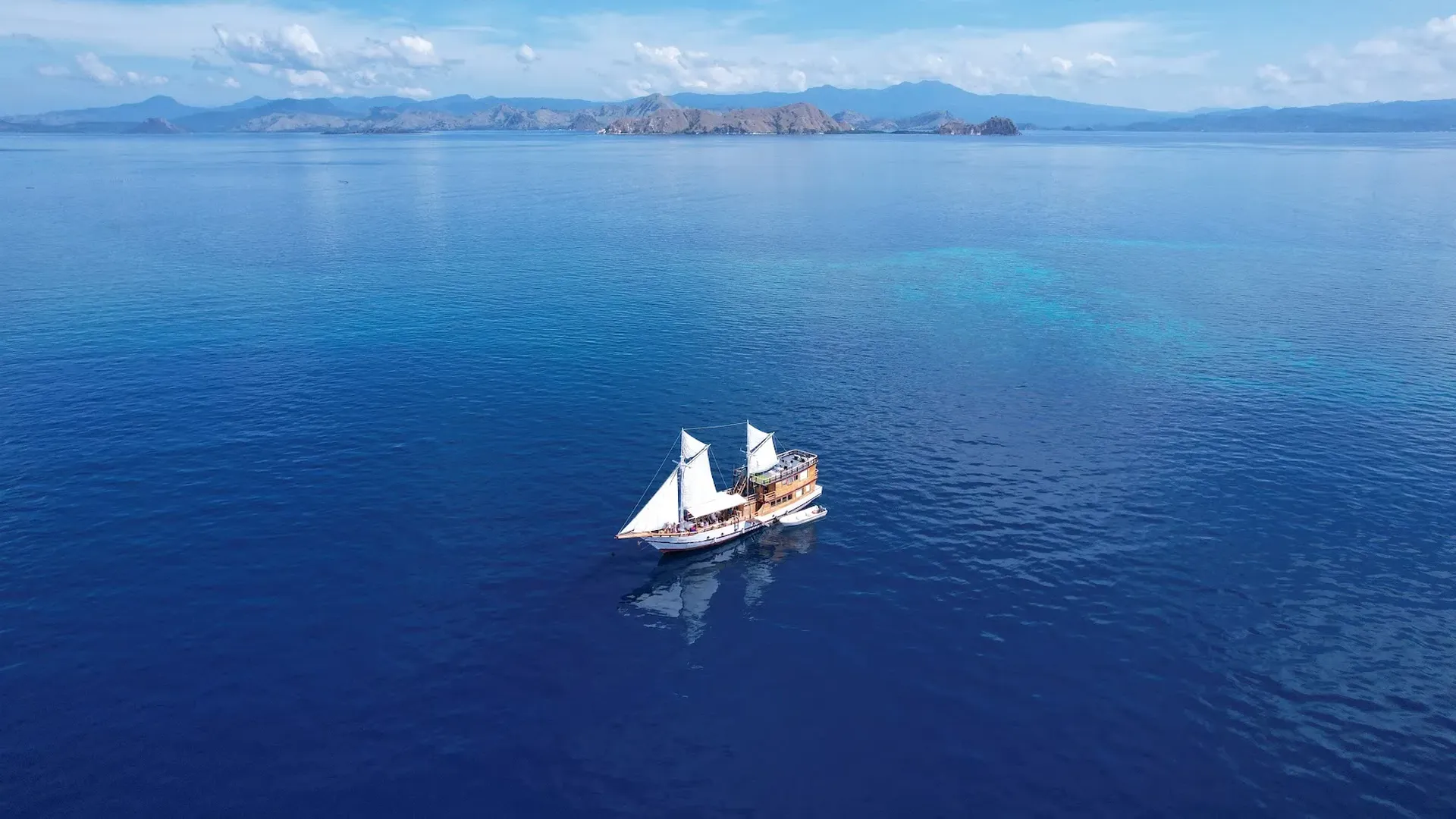
She’s not the largest Phinisi here, but Dua is built for rhythm: predictable tides, precise anchoring, and quiet mornings. We run one dive compressor, but most guests snorkel—Manta Point, Kalong, and the reef at Sebayur are all surface-accessible. The top deck has shaded bench seating and a single sunpad array, nothing excessive. We carry two kayaks and a paddleboard, launched from the swim platform with minimal clatter. At night, we’re often the only vessel in the bay—no floodlit decks, no generators roaring. Just the crew on watch, and Dua Liveaboard breathing gently at anchor.