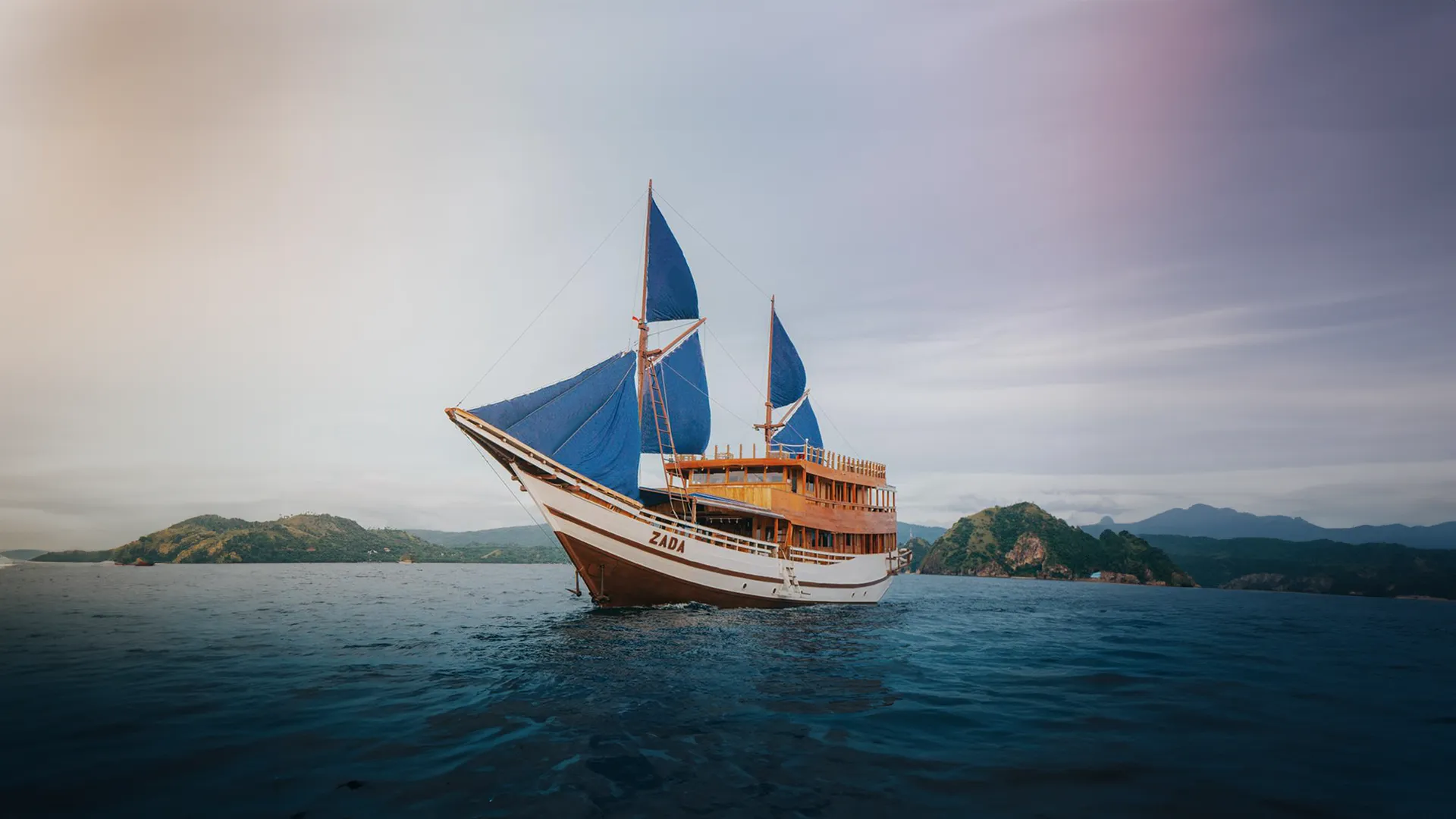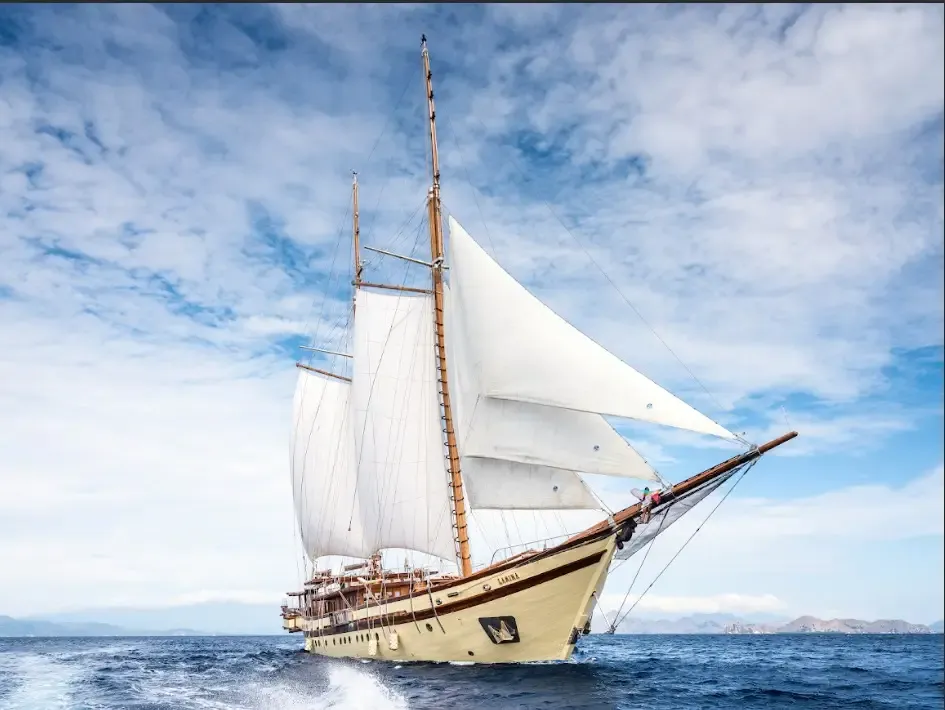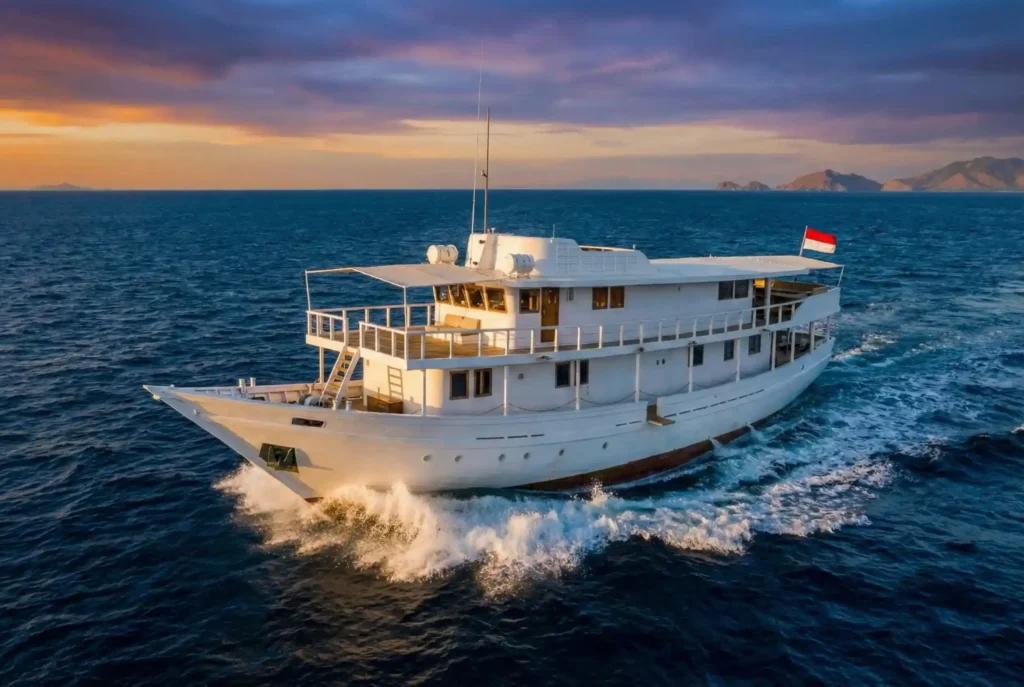
About Zada Ulla
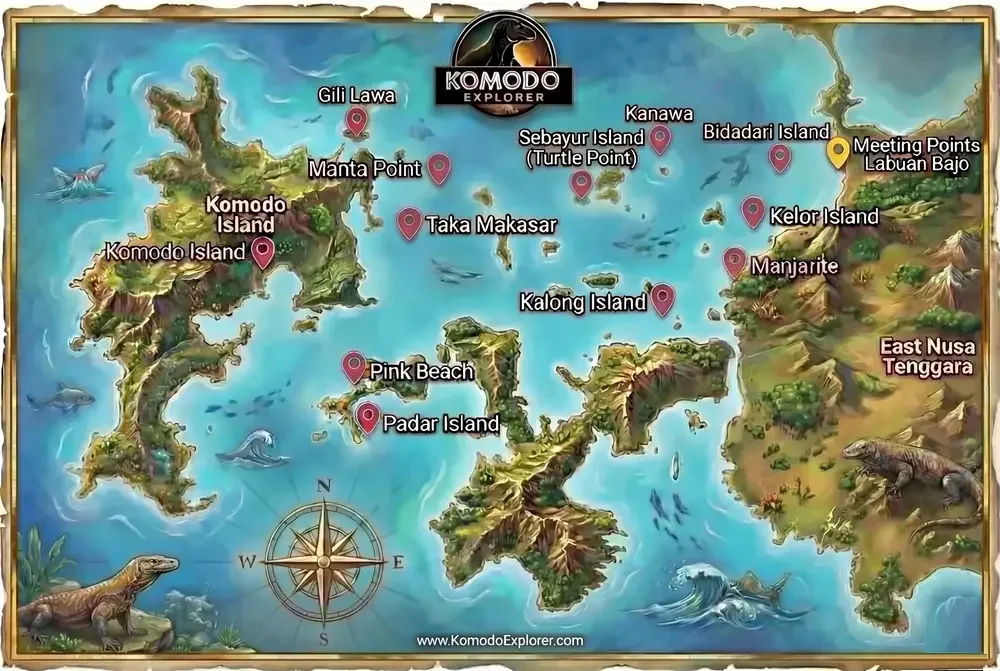
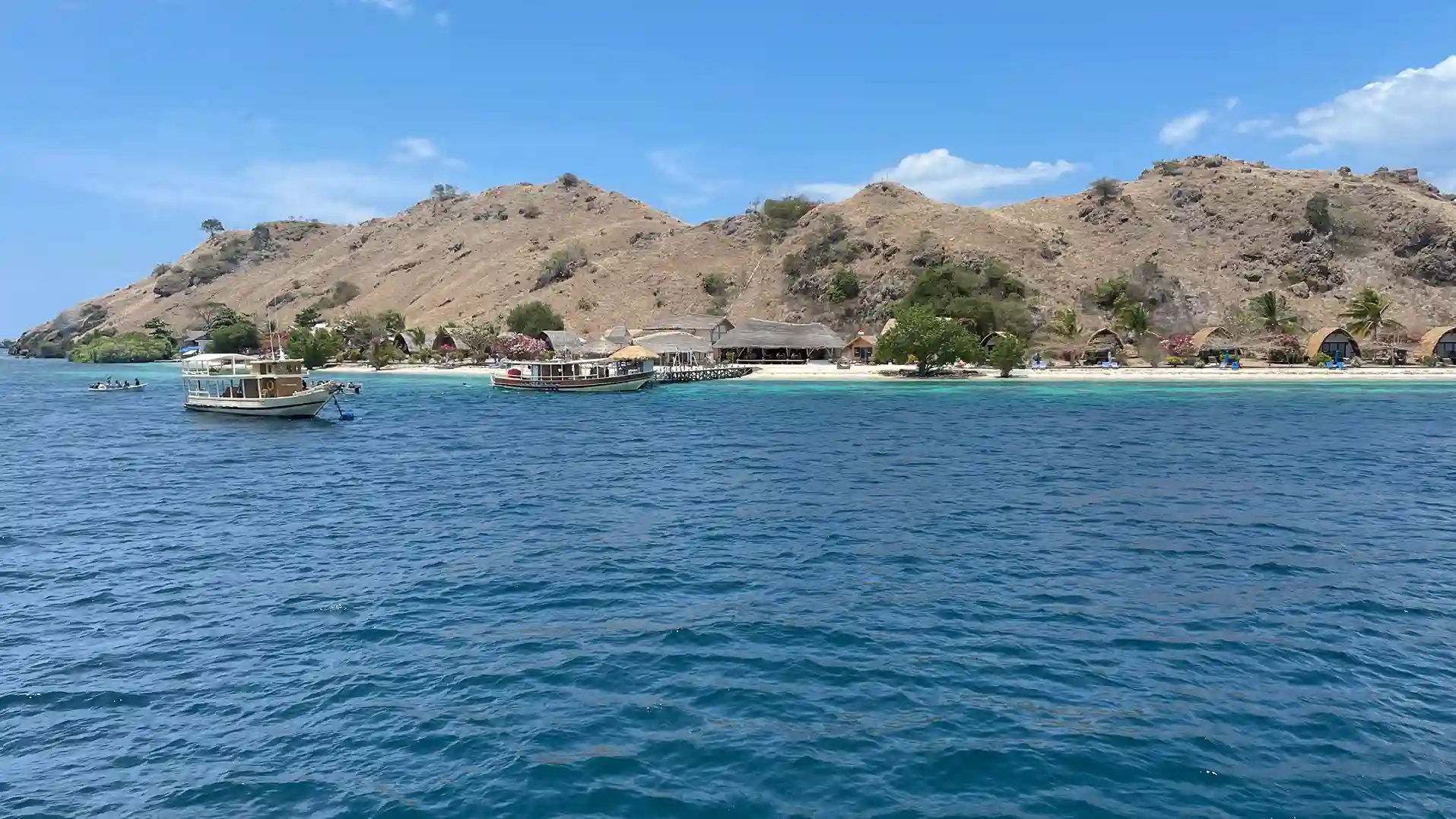
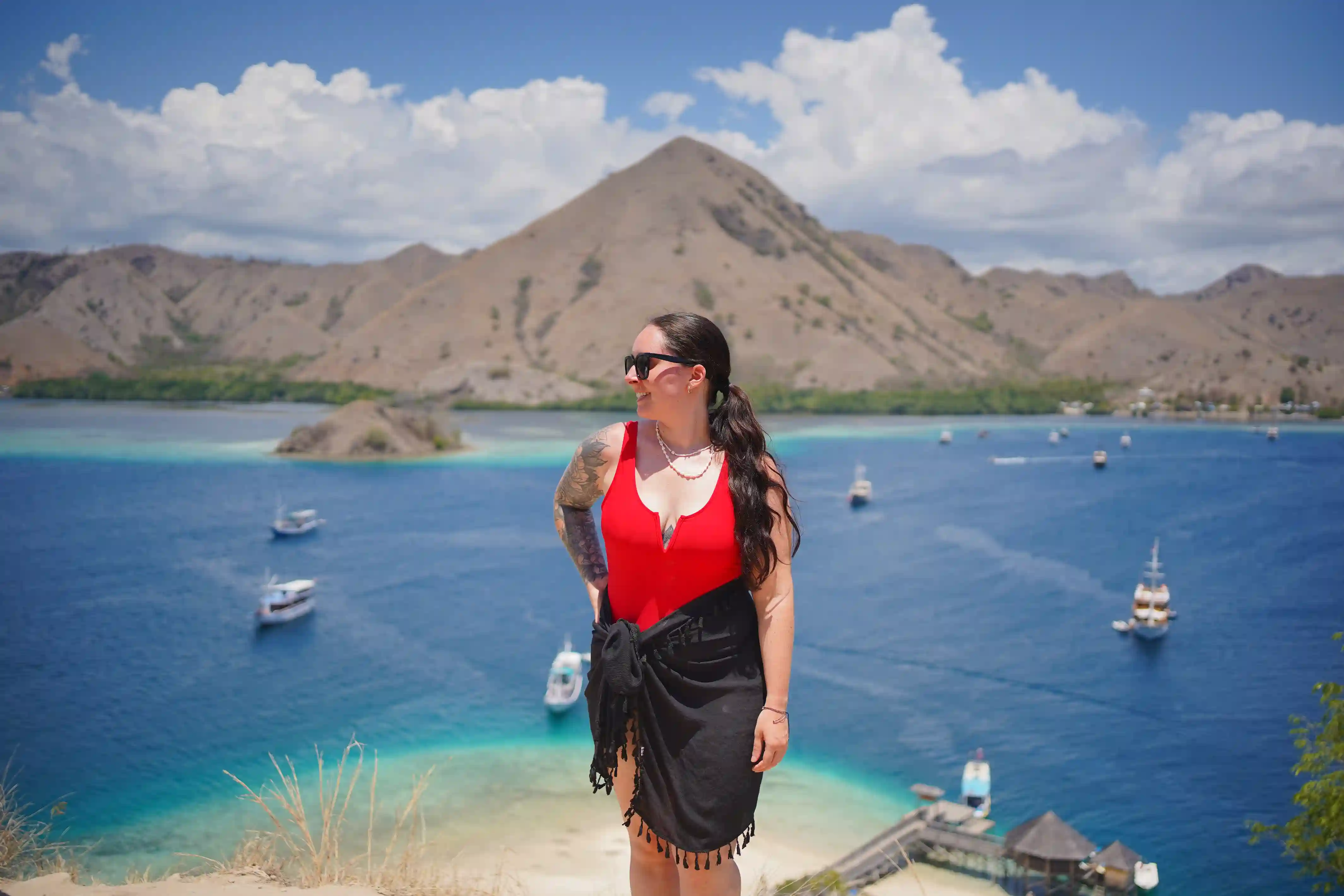
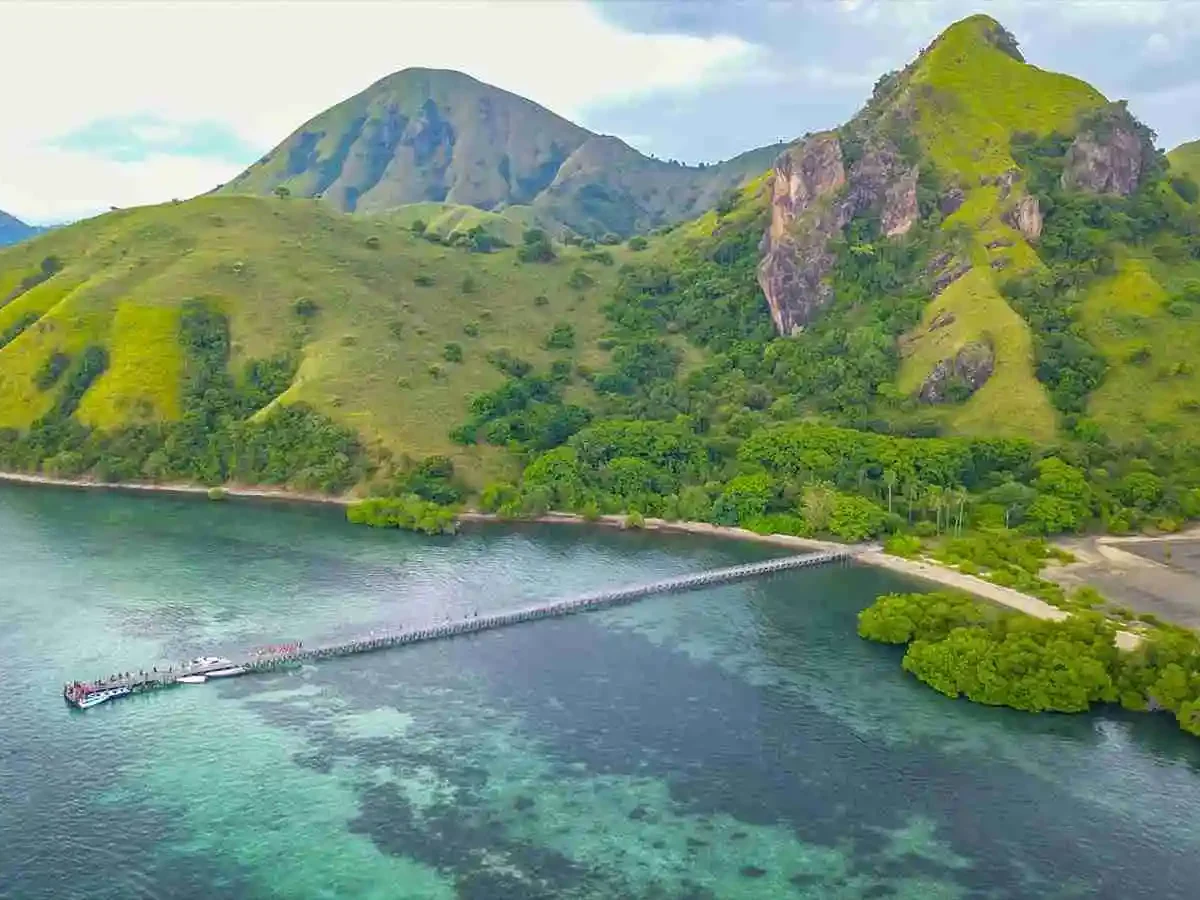
The first morning, I woke before dawn to the soft clink of rigging and the smell of salt and diesel mixing in the cool air. We’d anchored near Kelor overnight, and the silhouette of its jagged hills stood sharp against a peach-streaked sky. I climbed to the upper deck in my hoodie, wrapped my hands around a thick ceramic mug of coffee, and watched the light spill across the water. It wasn’t just the view — it was the quiet, the sense of being somewhere vast and untouched, that hit me first.
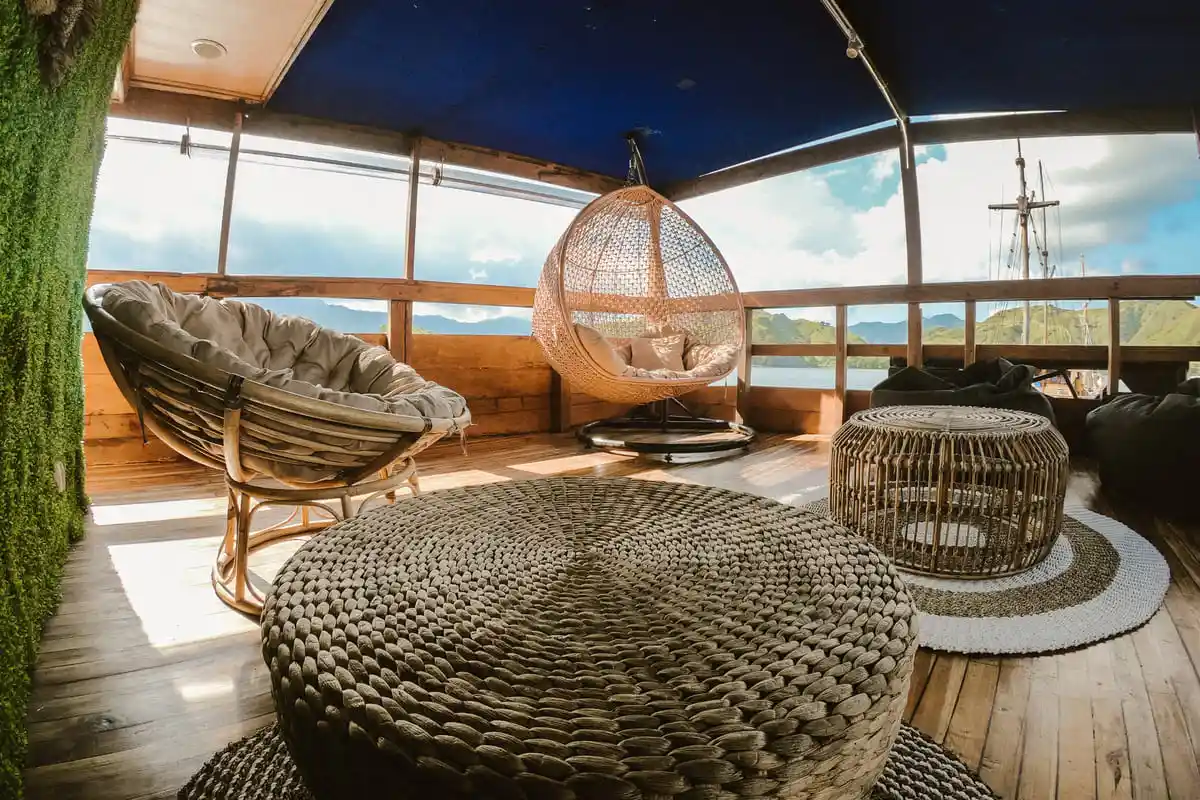
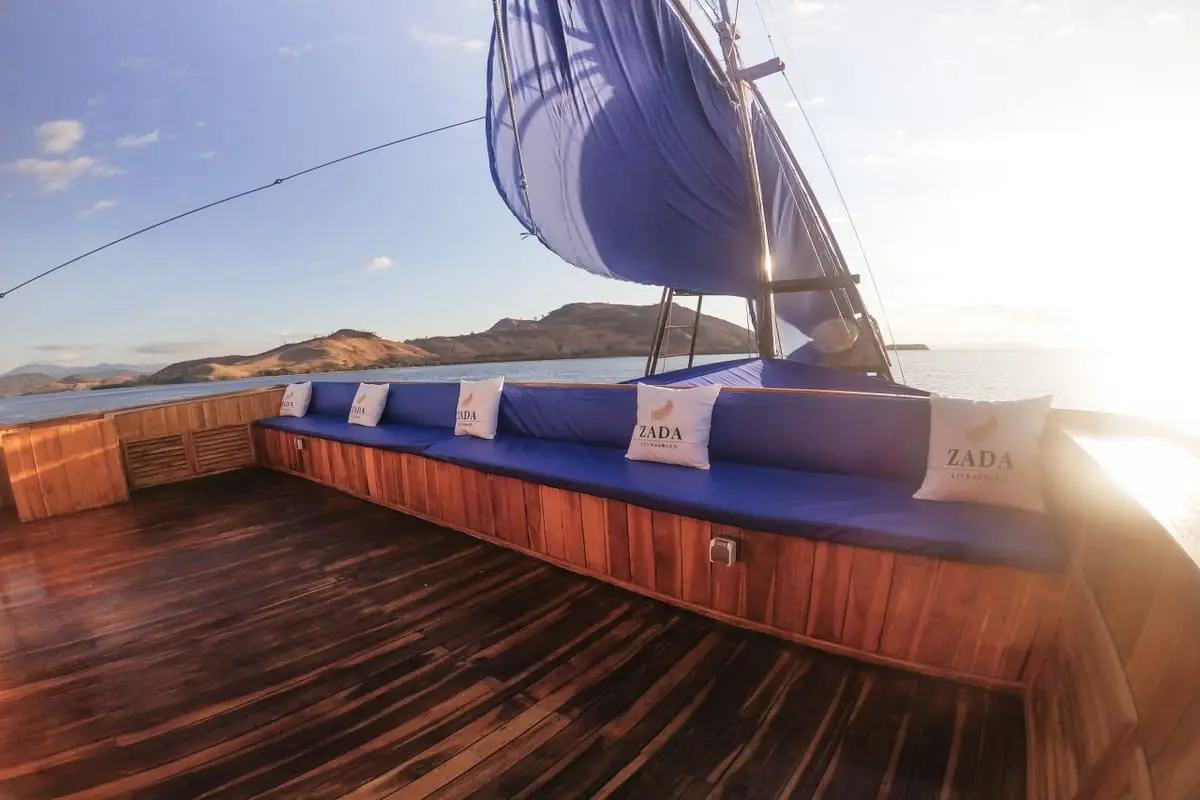
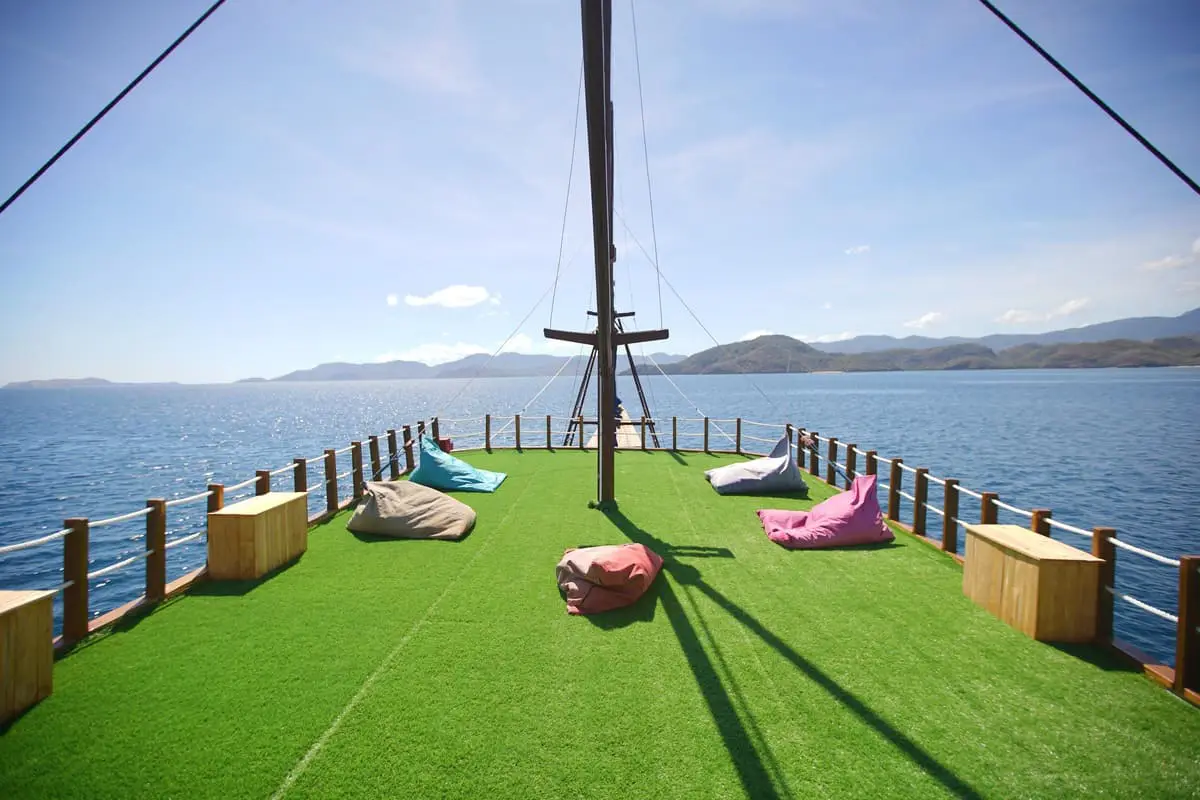
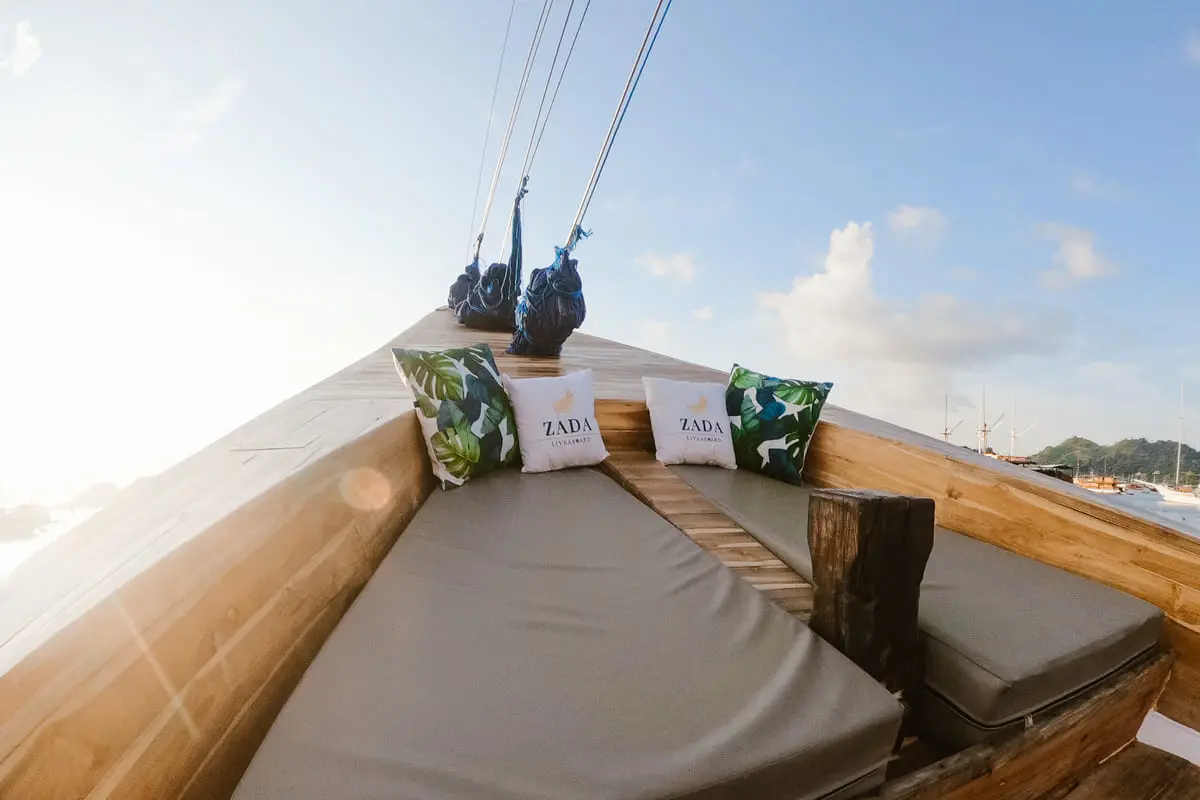
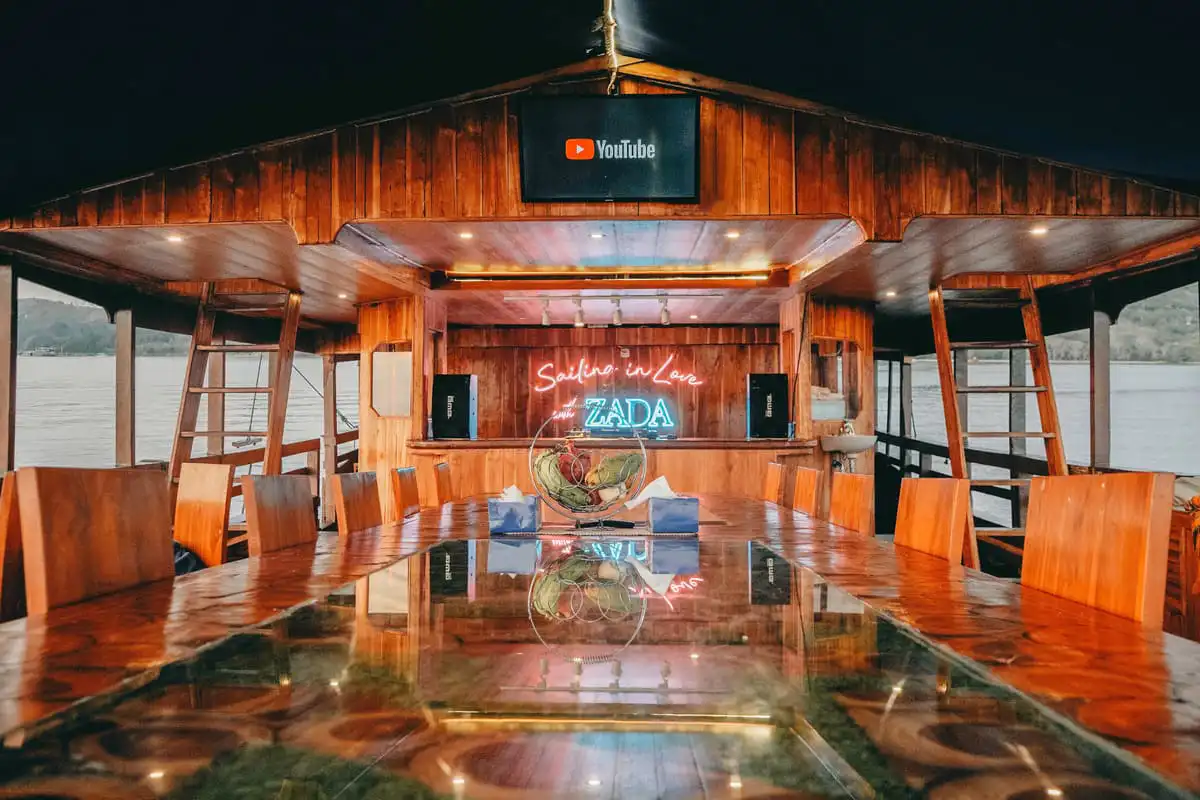
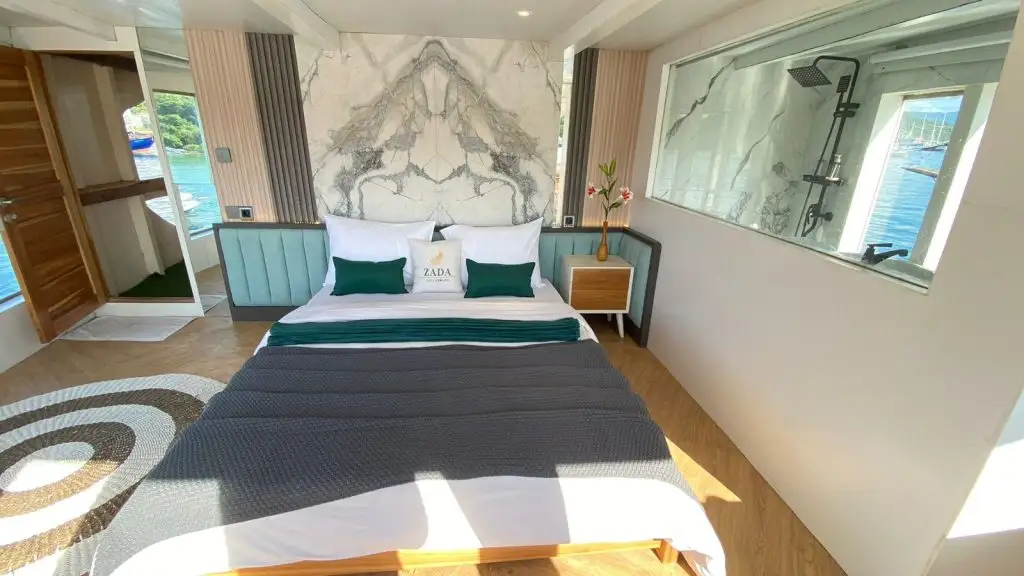
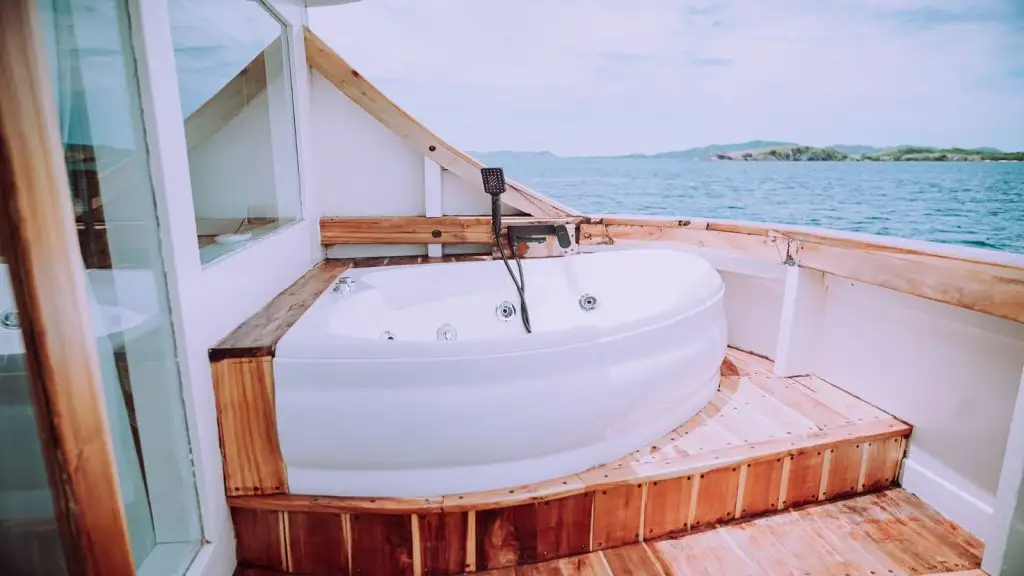
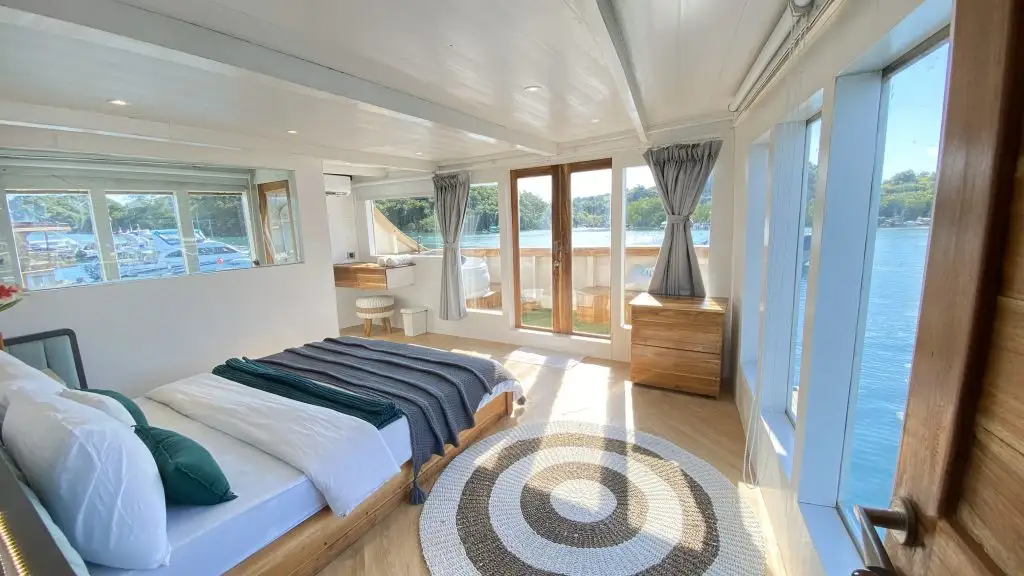
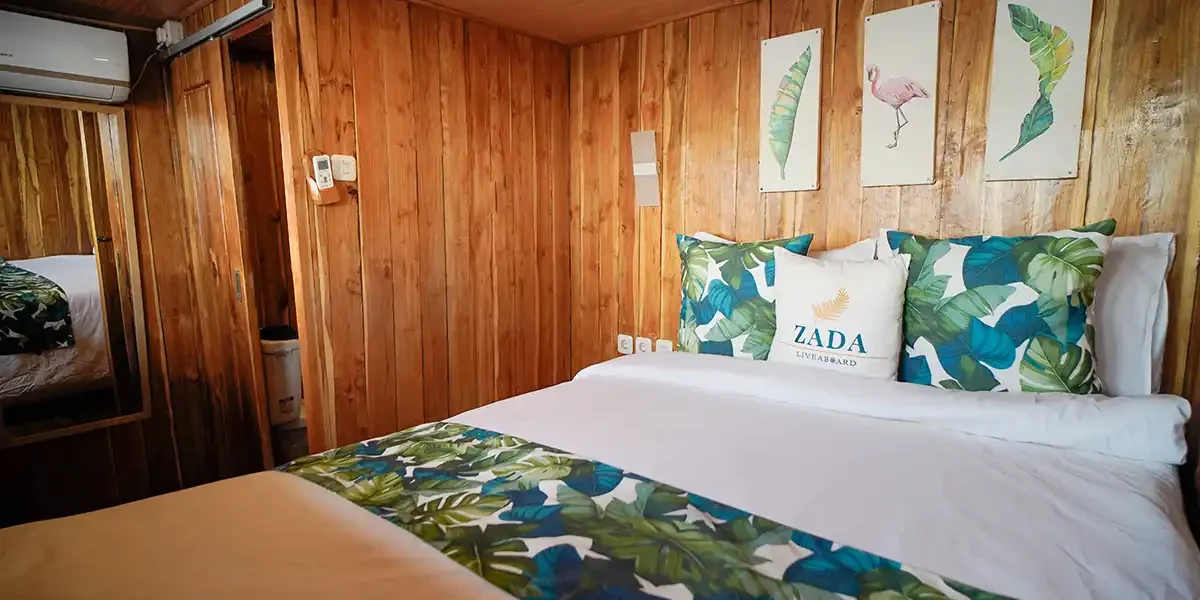
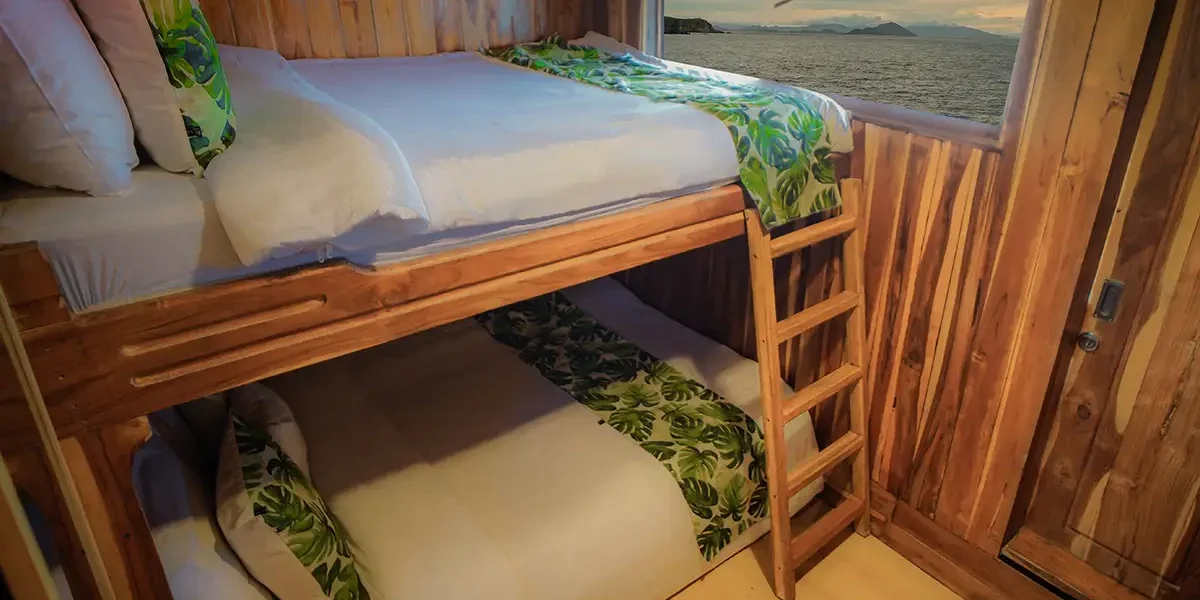
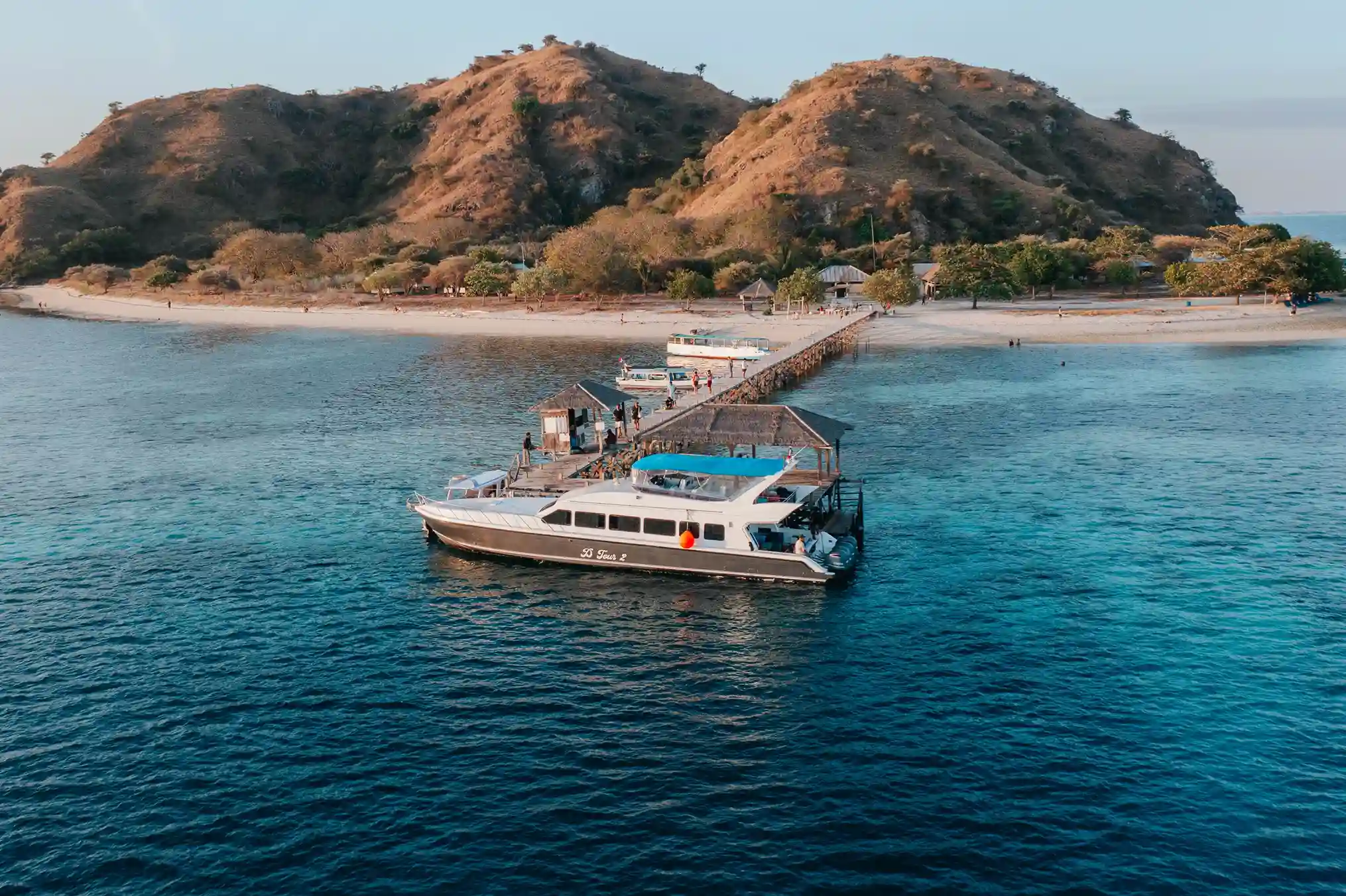
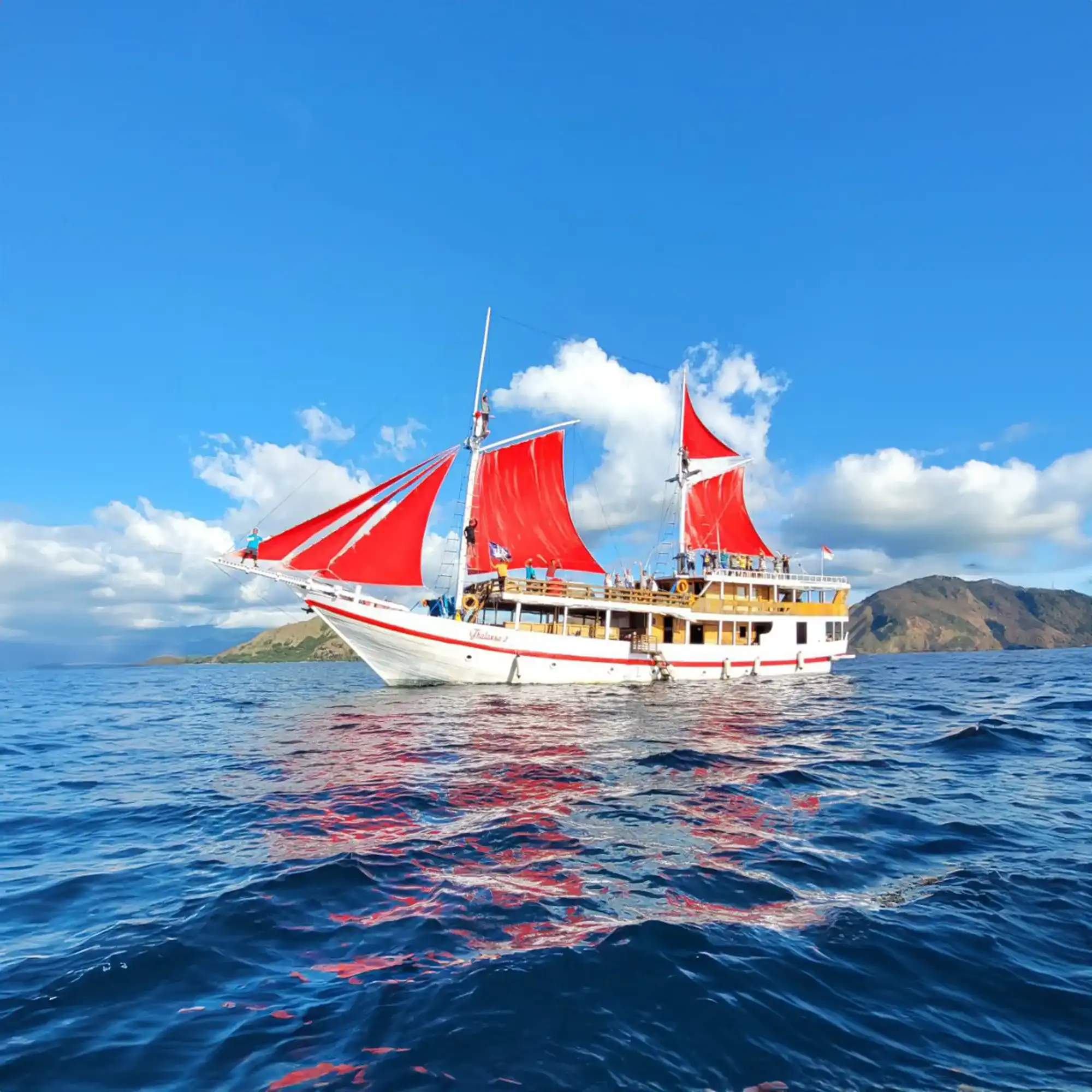
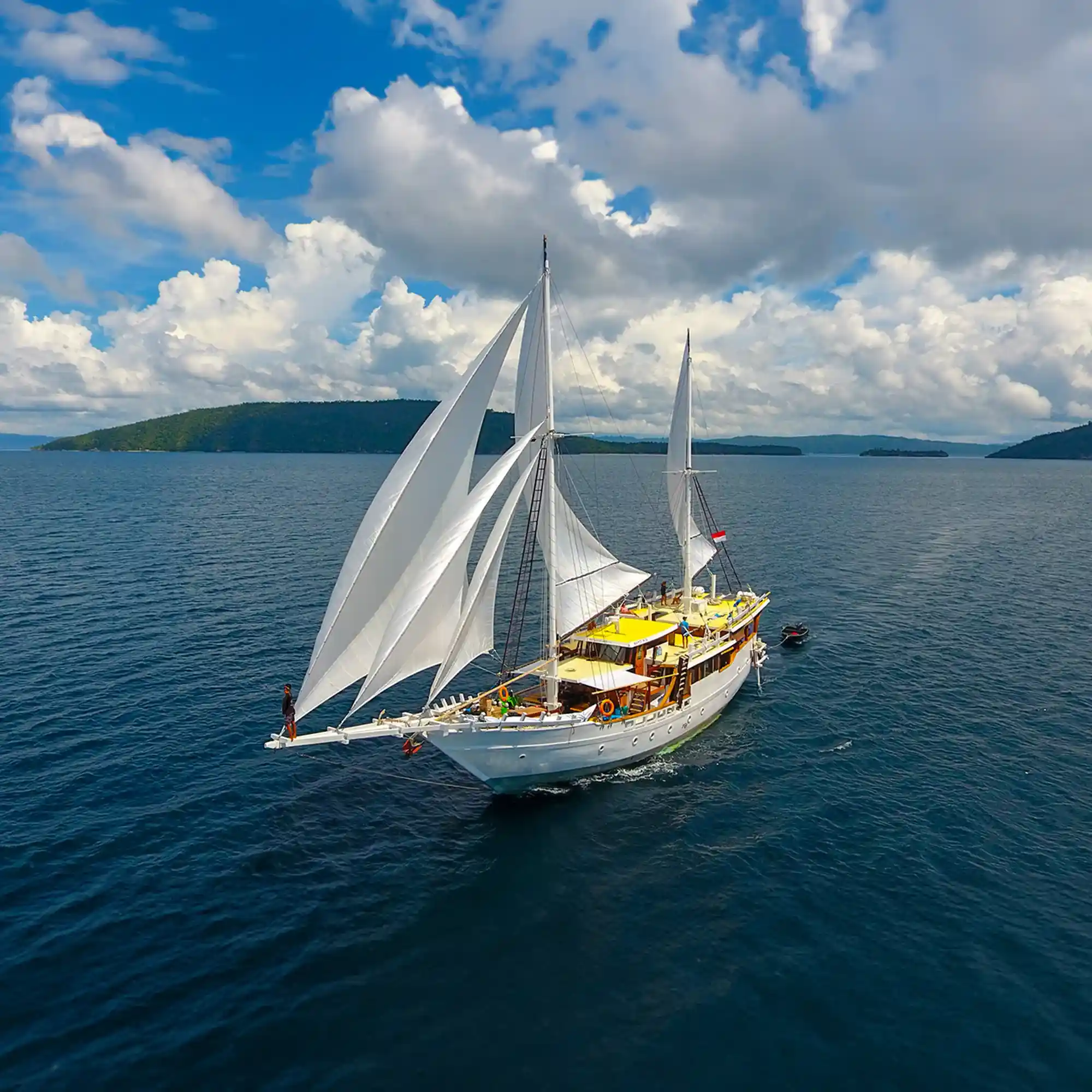
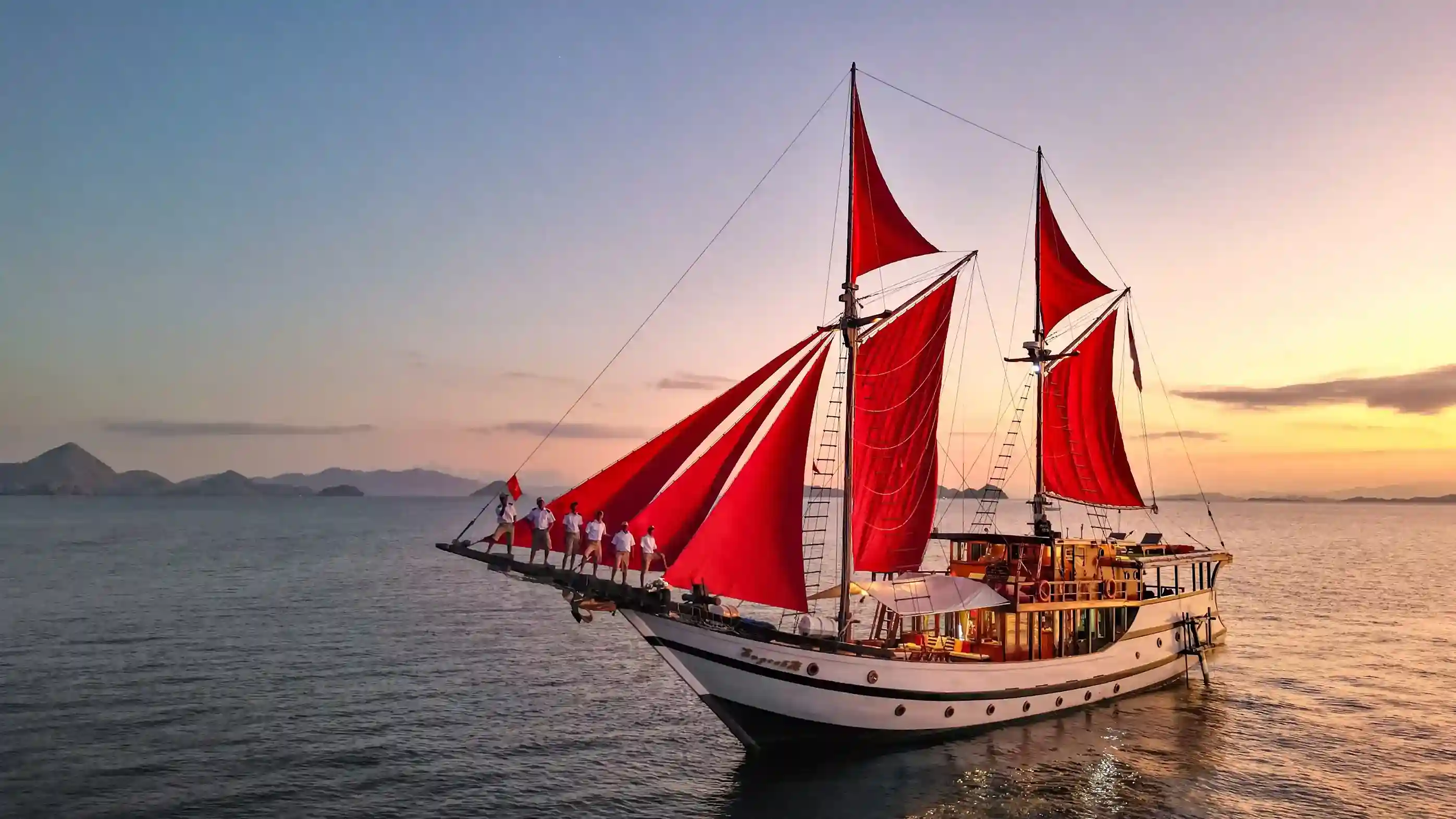
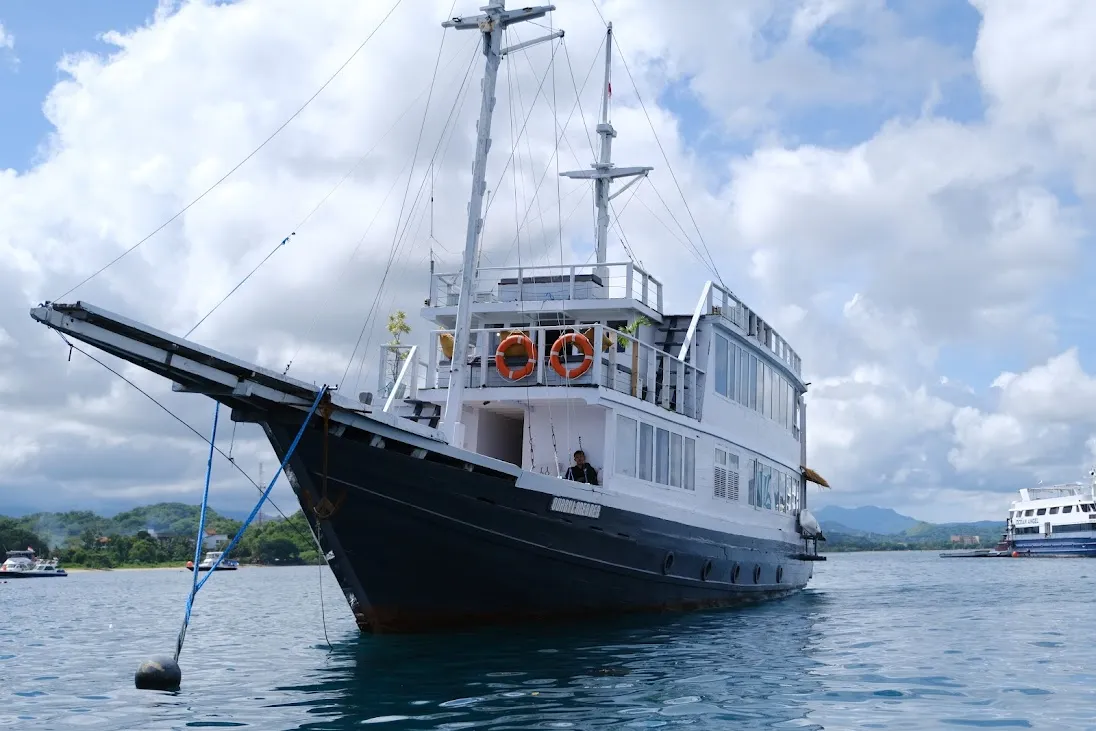
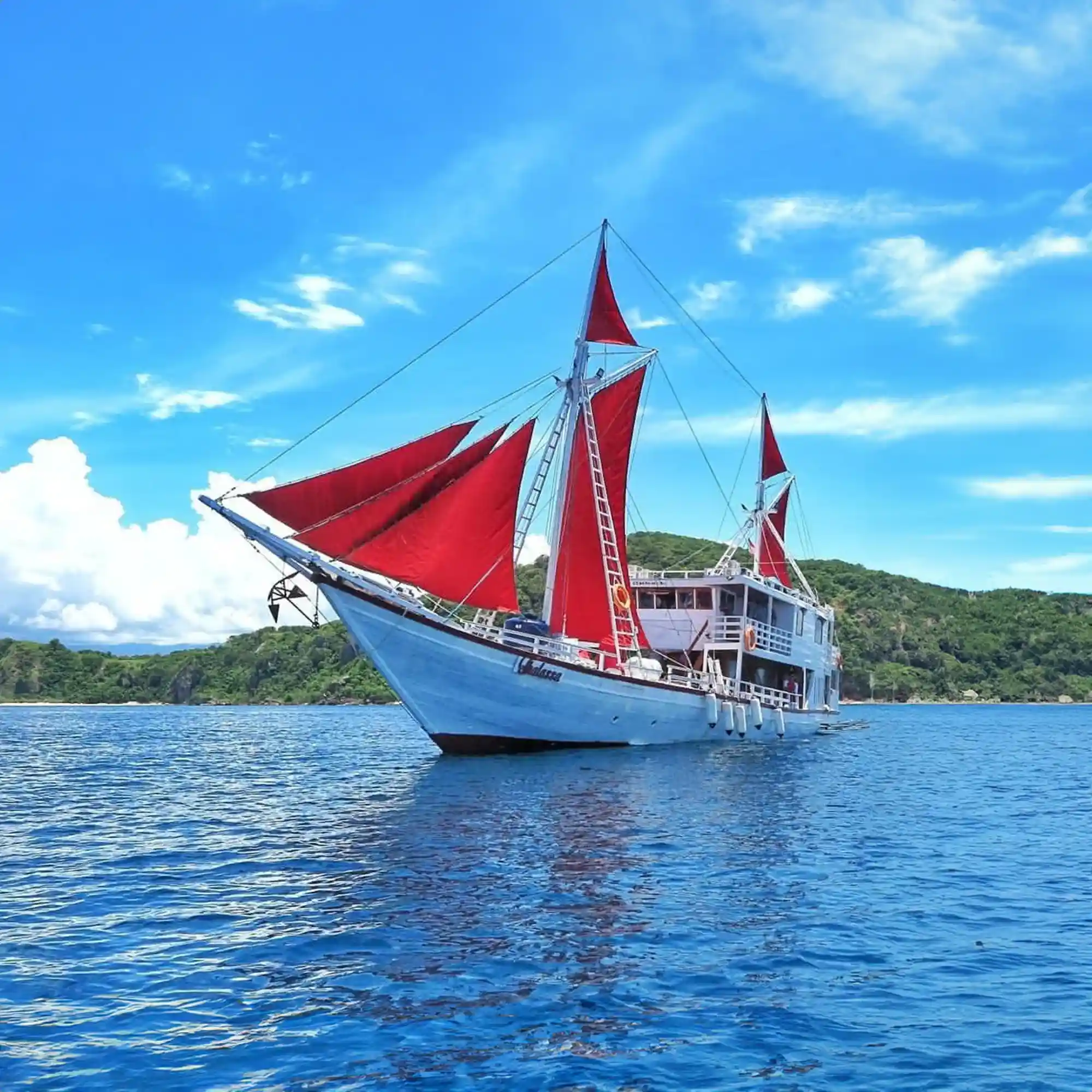
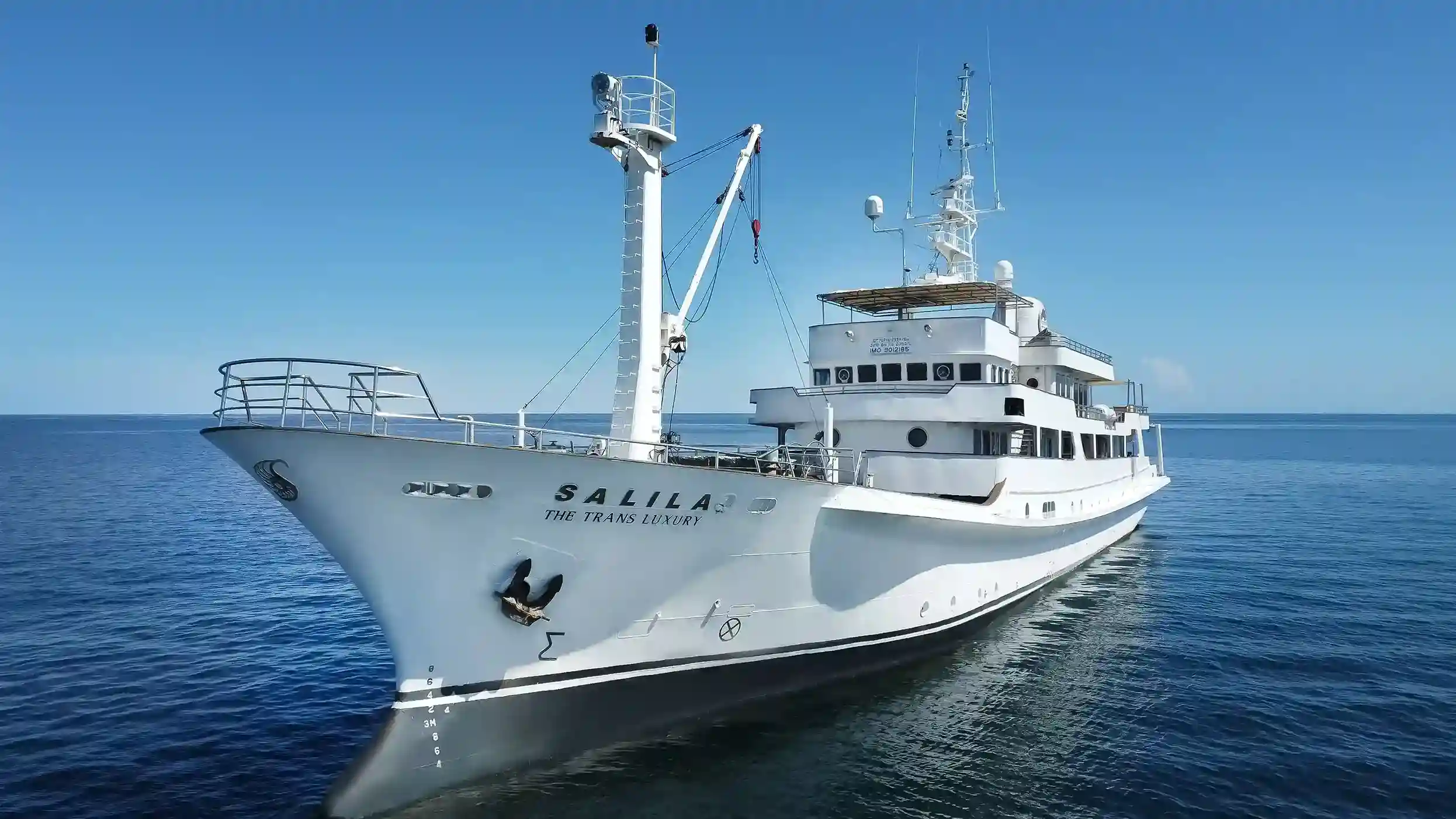
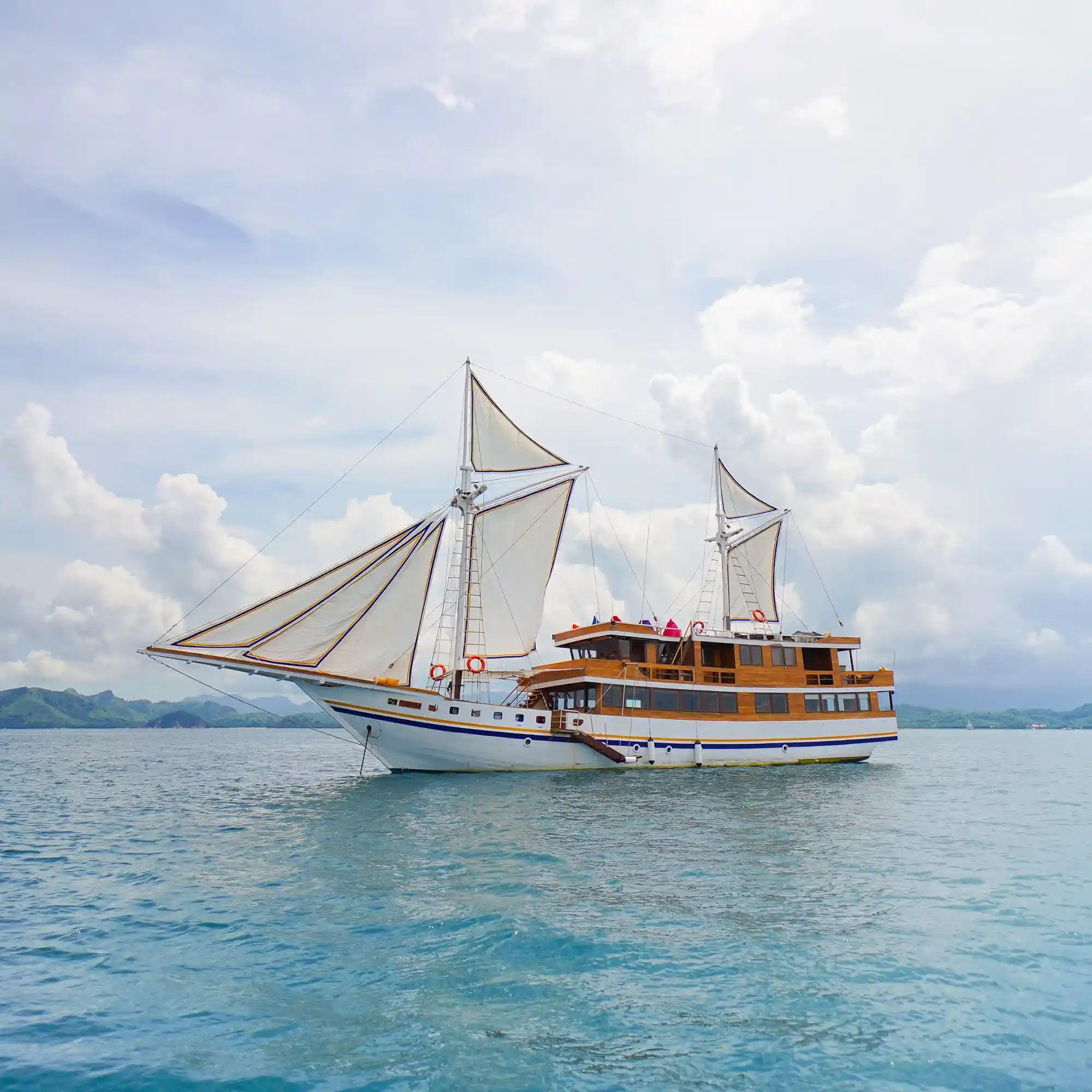
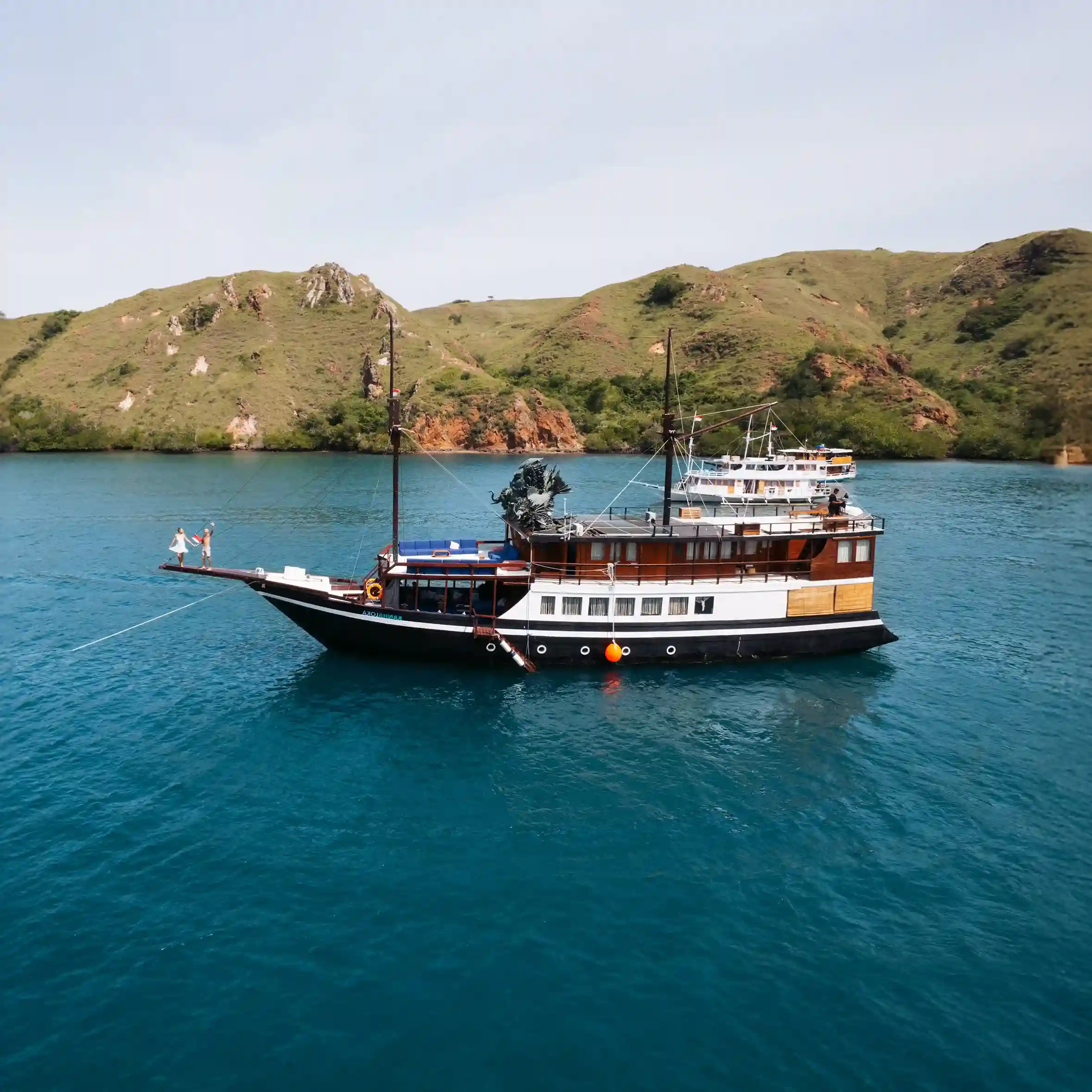
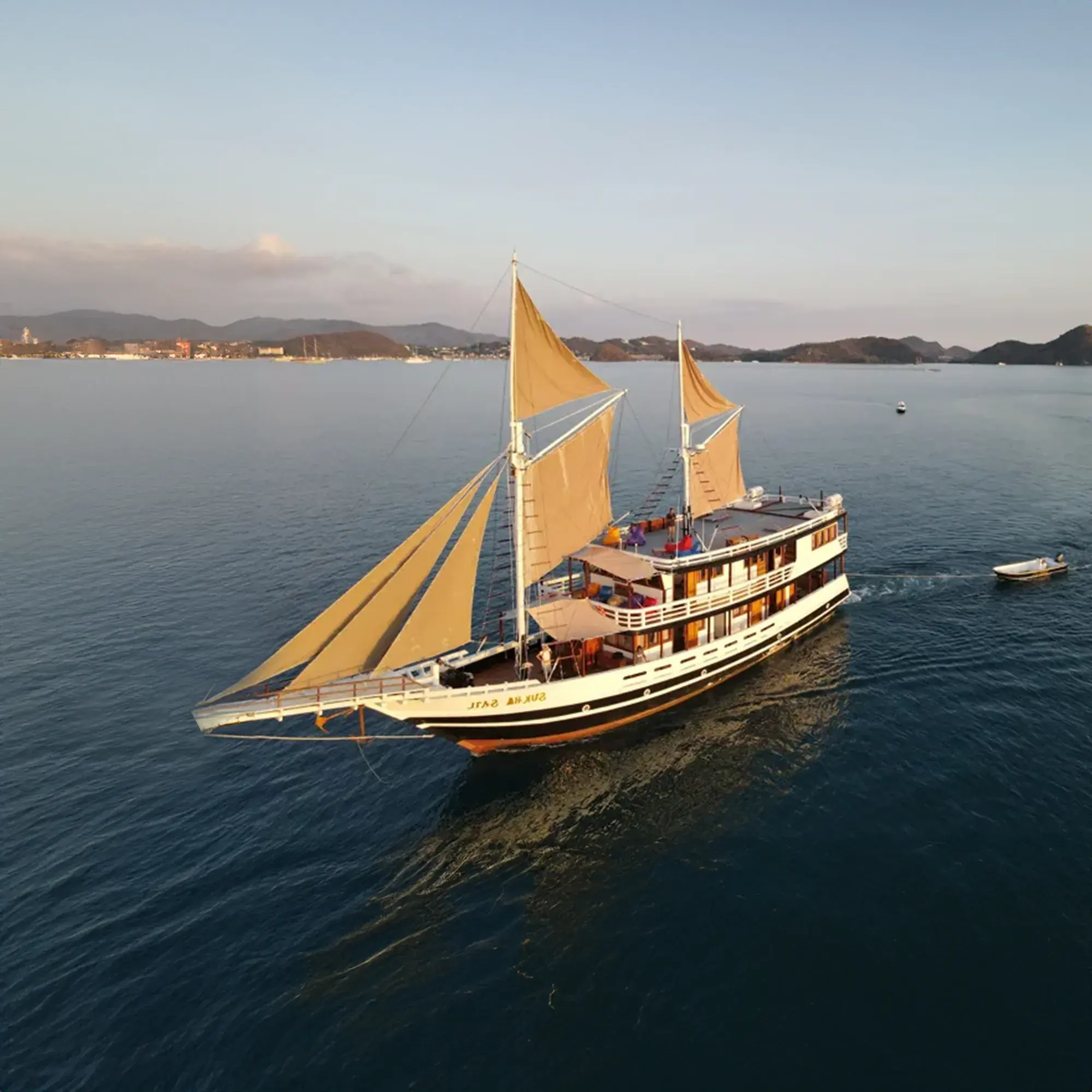
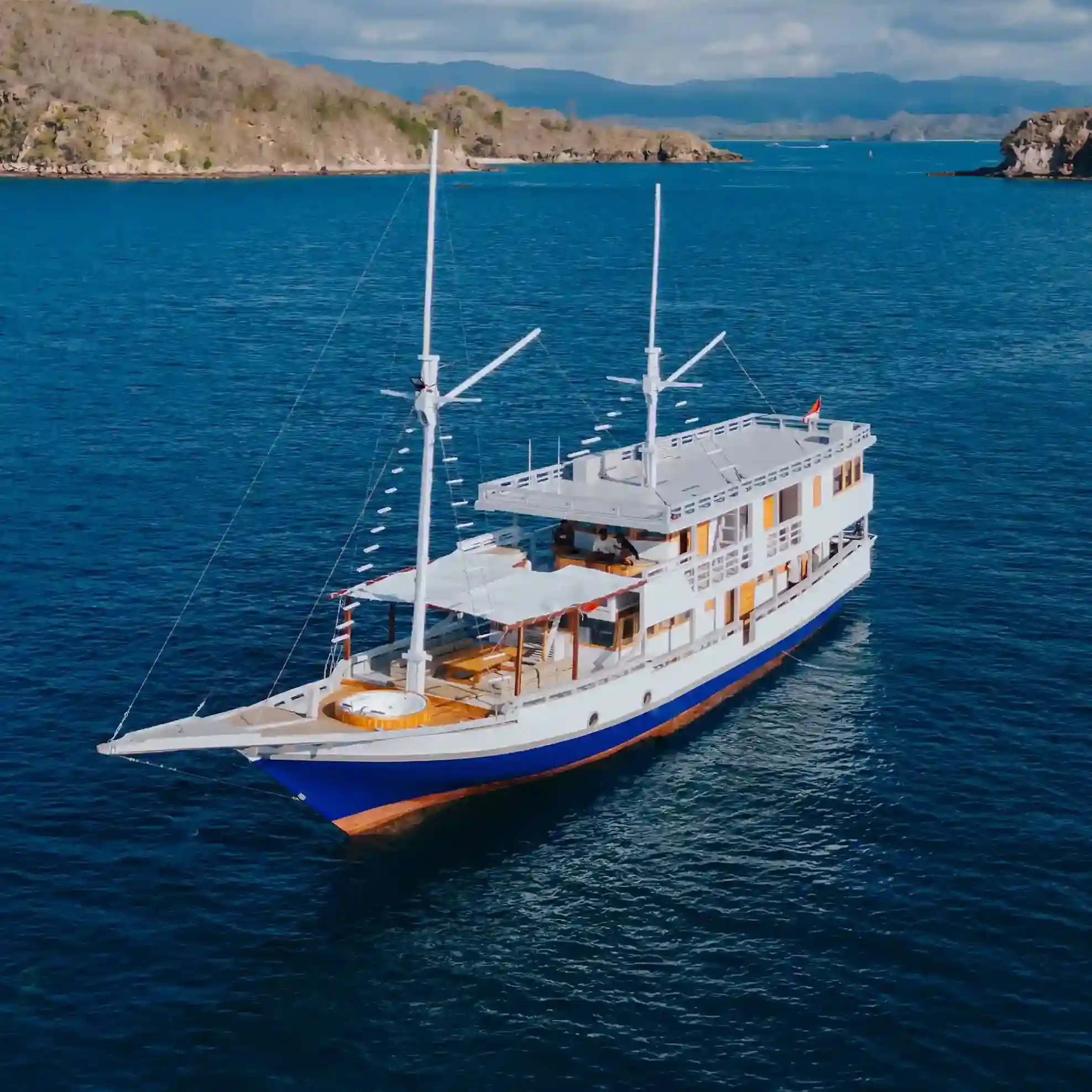
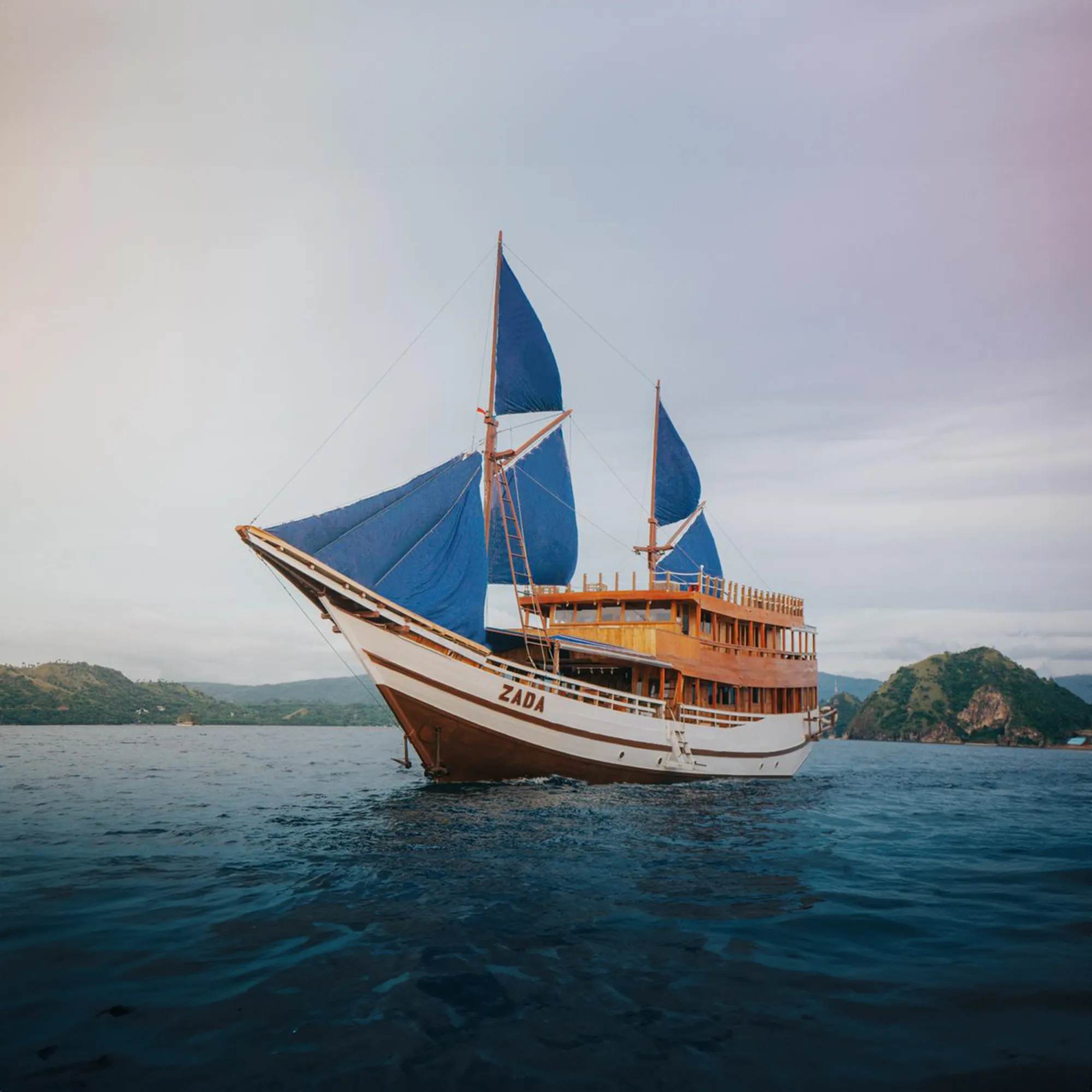
Zada Ulla is big — 65 metres of polished teak and clean lines — but it never felt crowded. With space for 30 guests and 11 cabins, there was always a quiet corner: a shaded bench by the open dining area, a lounge seat near the entertainment room, or a sunbed by the jacuzzi at the bow. We spent our afternoons drifting between these spots, reading or napping, listening to the hum of the engine as we moved from bay to bay. The staff moved quietly, refilling drinks, setting tables, always present but never intrusive.
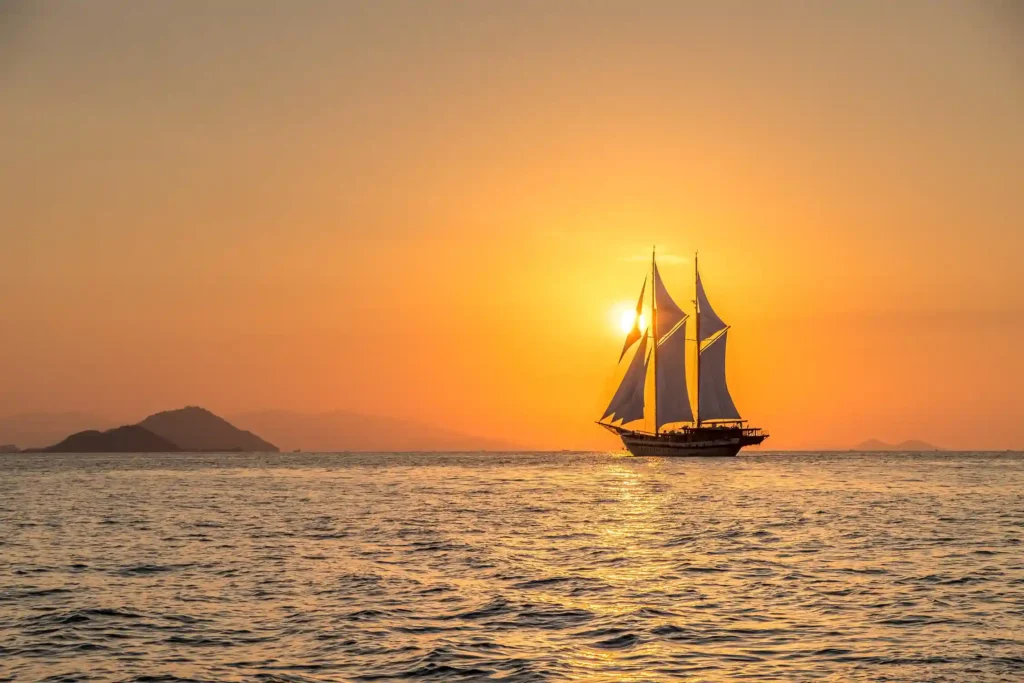
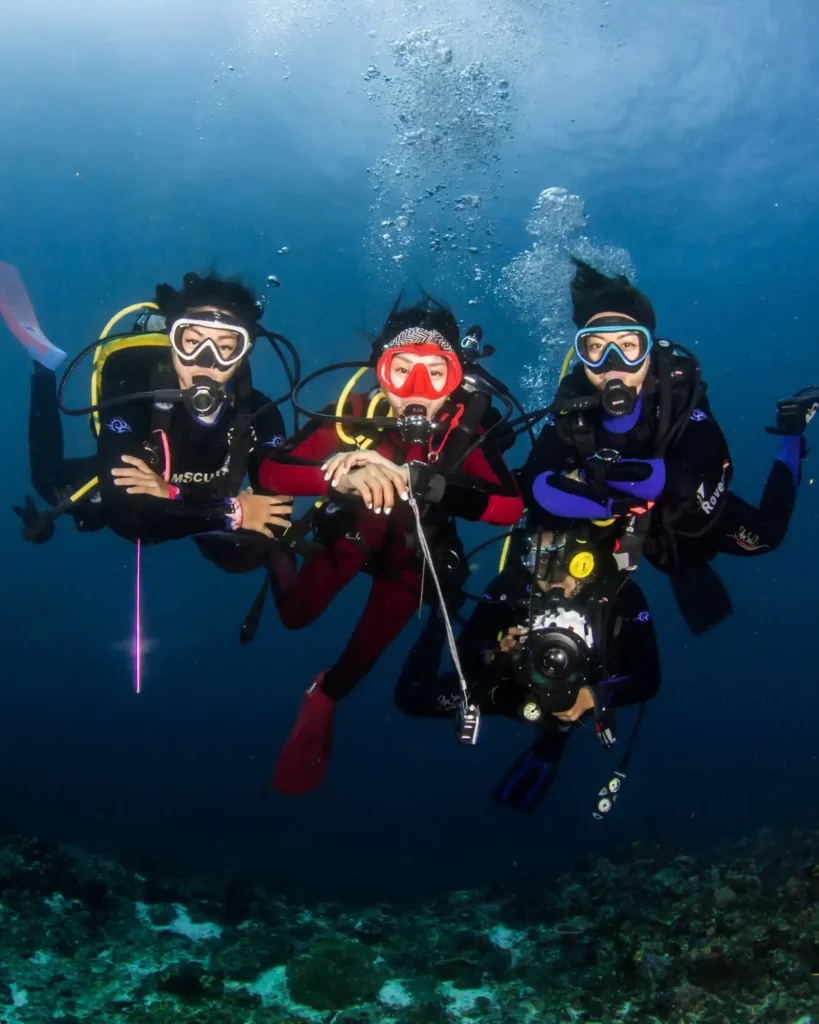
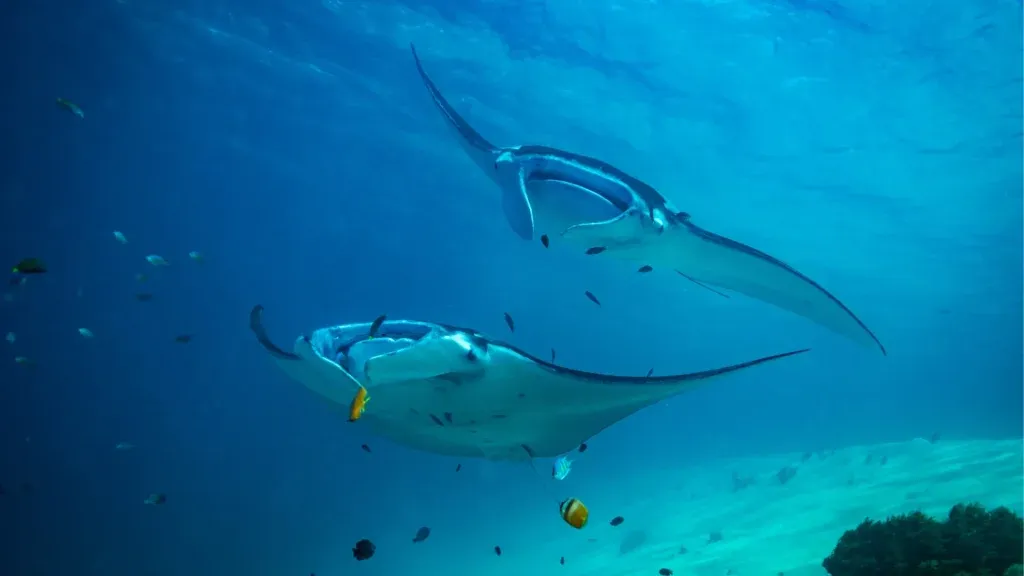
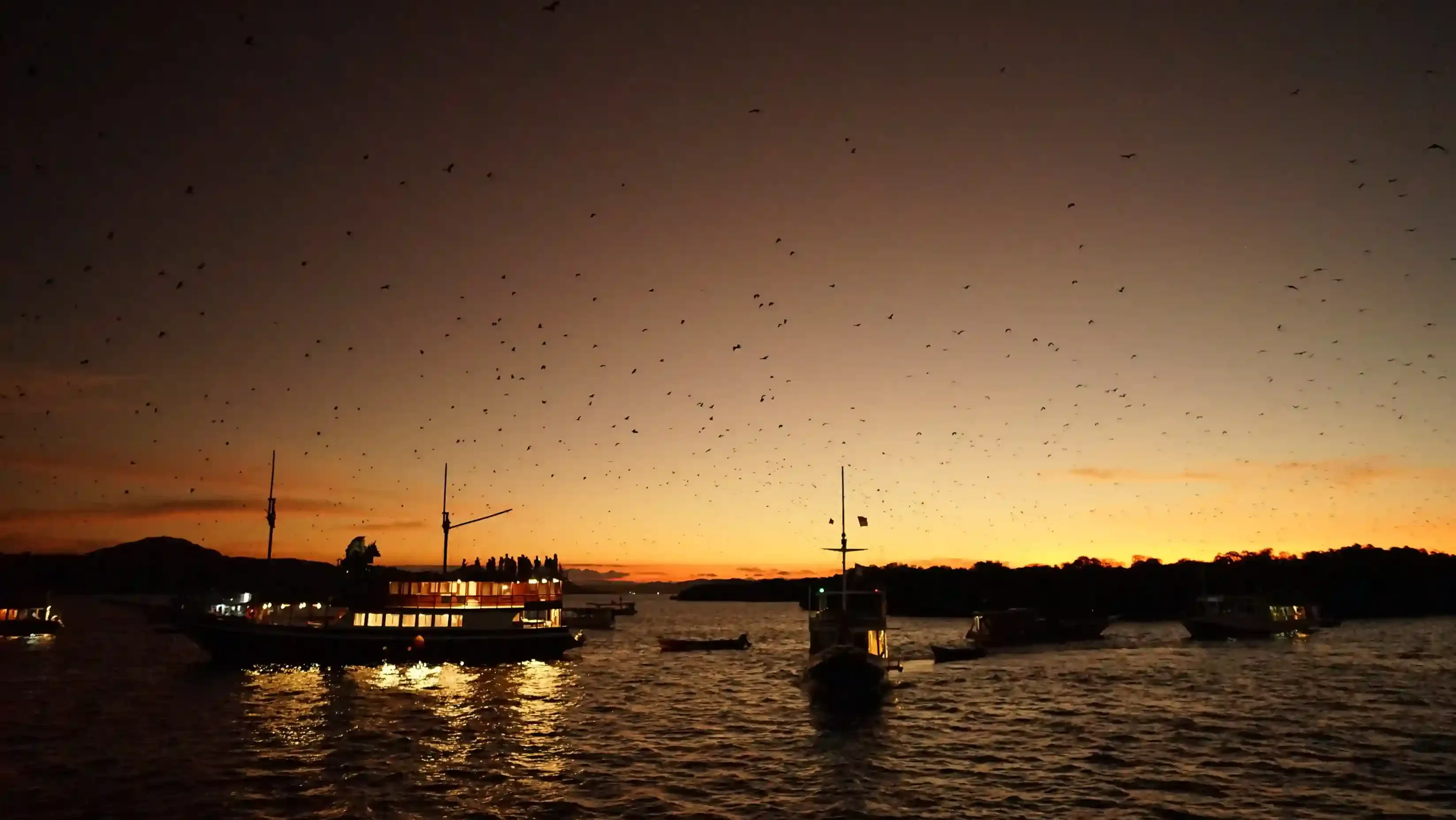
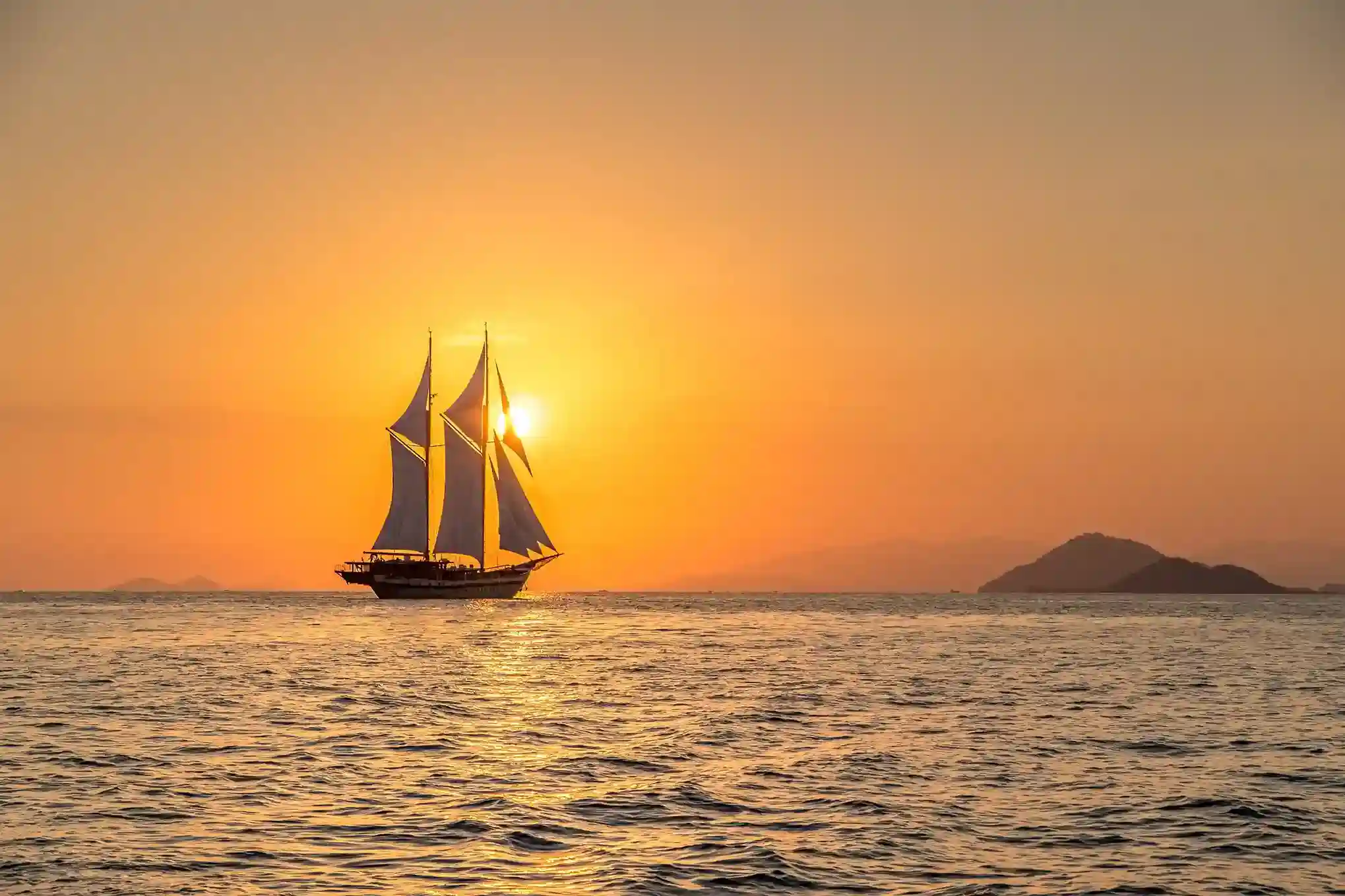
Our first dive was at Manta Point, just past midday on Day 1. The current was light, and within minutes, a dark shadow glided beneath us — then another. I’d never seen mantas up close, and their size, their grace, made my breath shorten in my mask. Later that evening, we moored near Kalong Island and watched the sky turn red as thousands of fruit bats poured from the mangroves, a swirling black river against the sunset. It was one of those moments that felt both ordinary and immense — something people do every day, but that still took my breath.
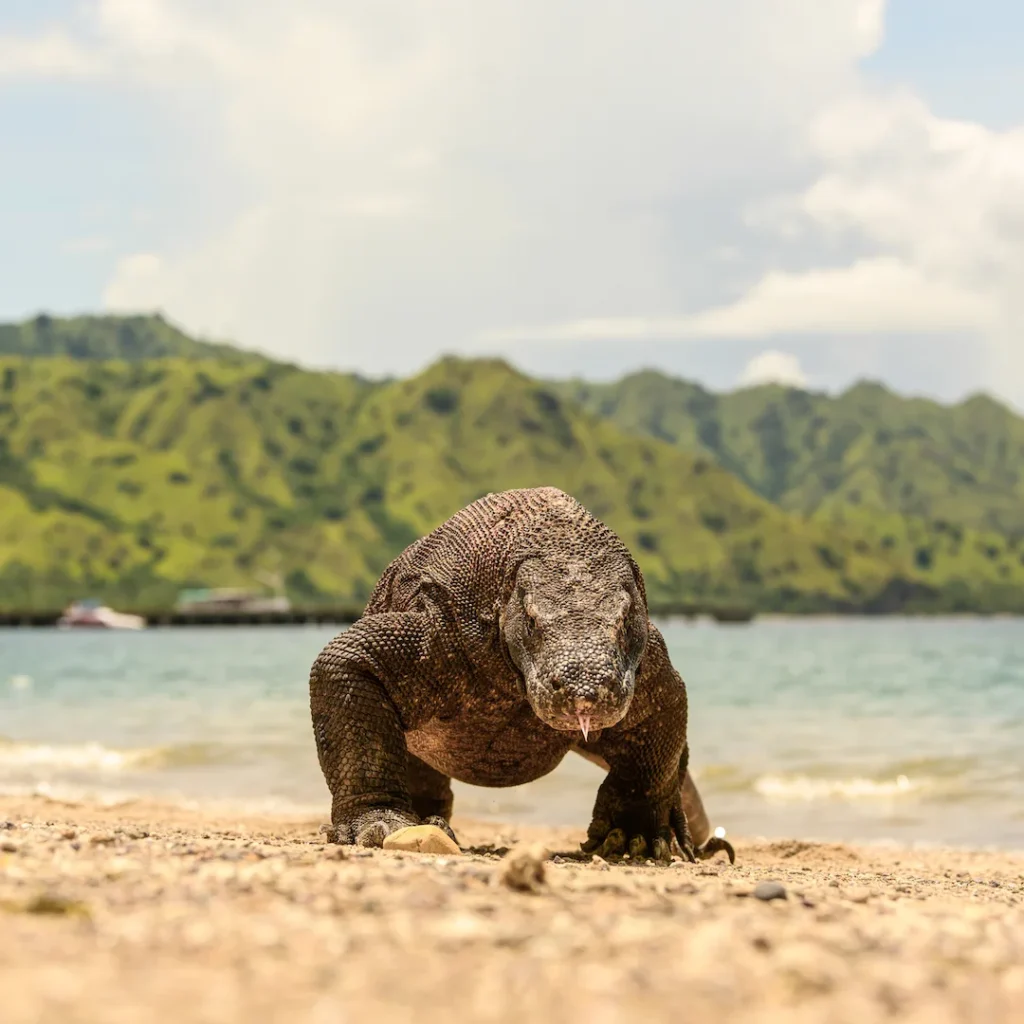
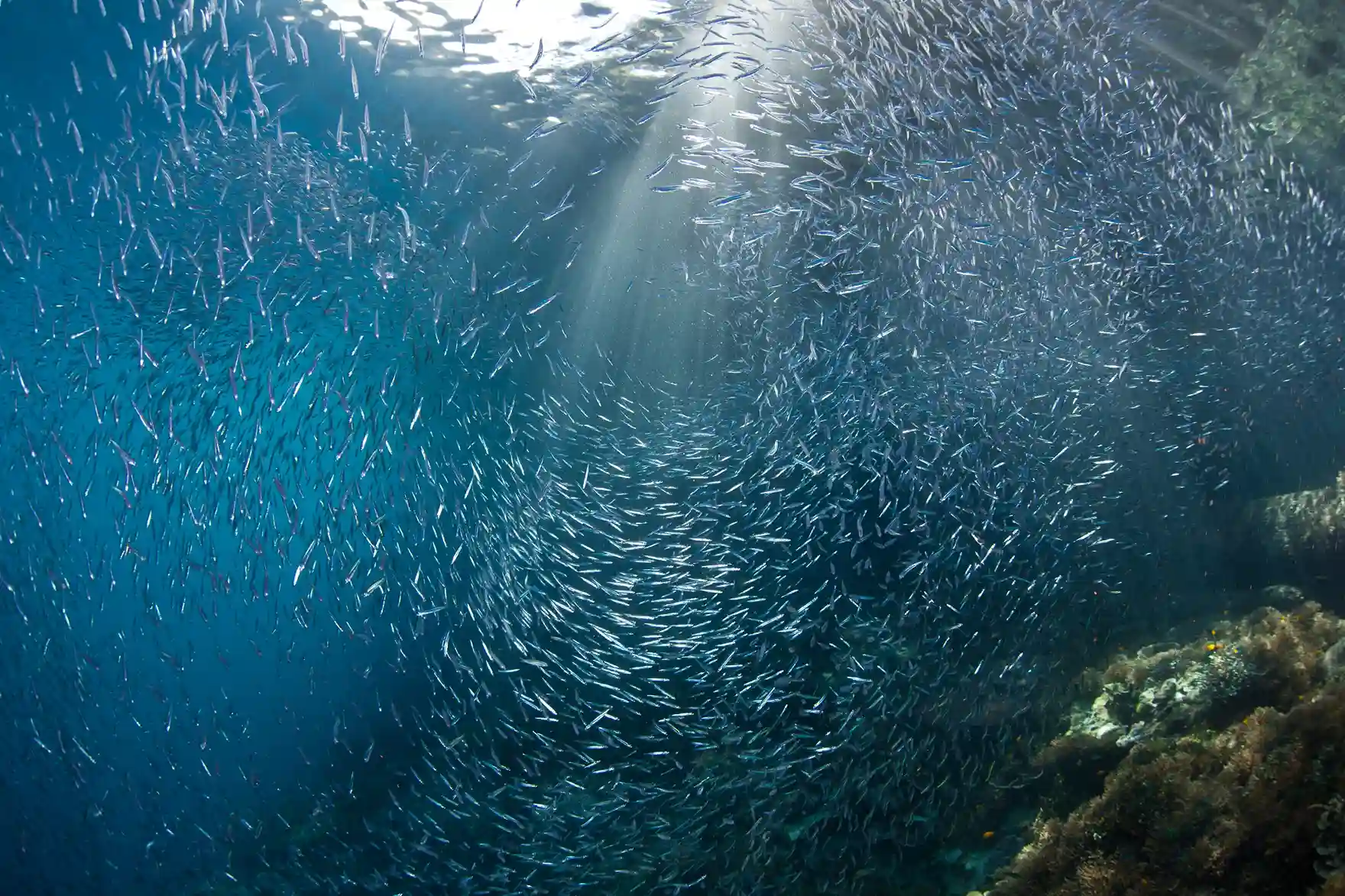
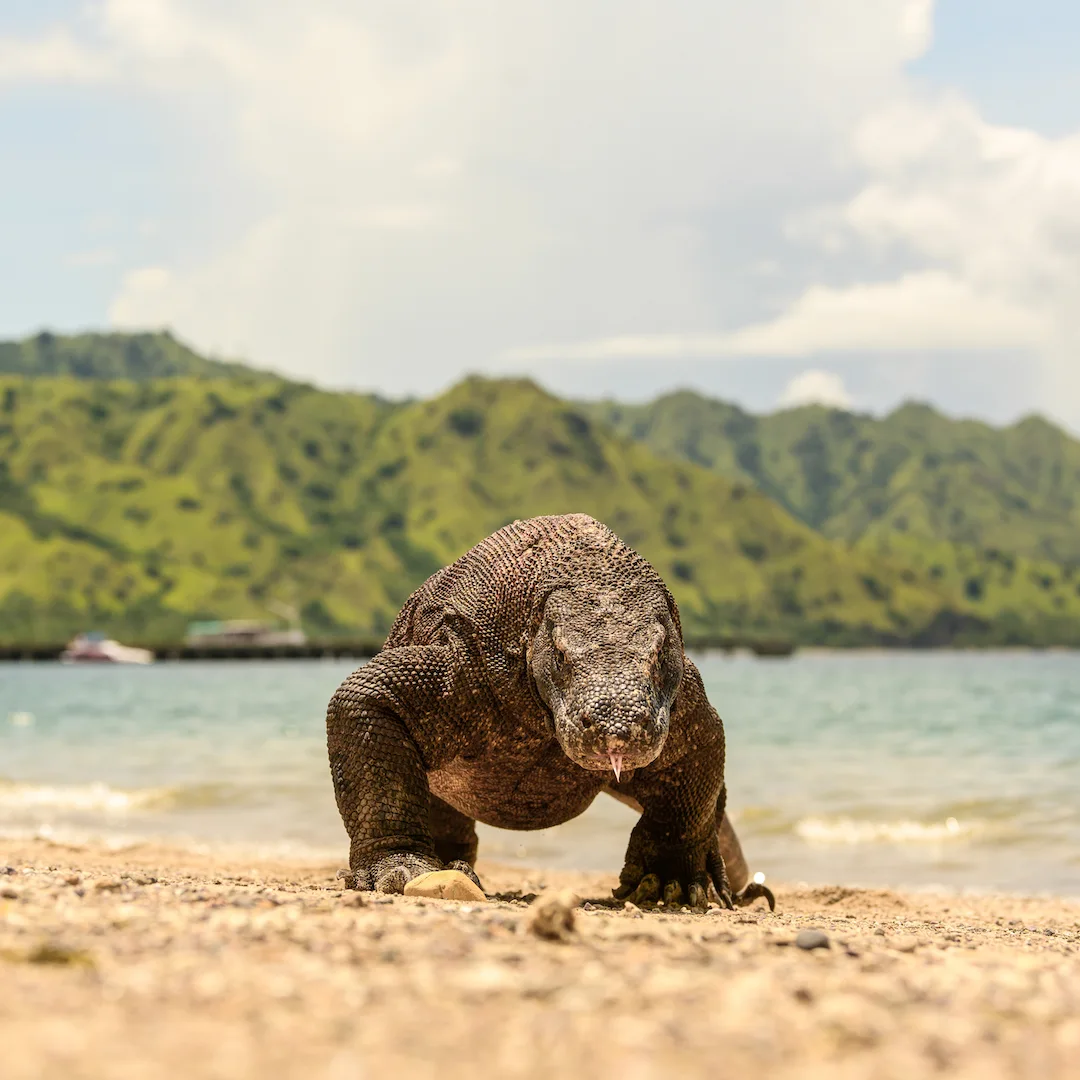
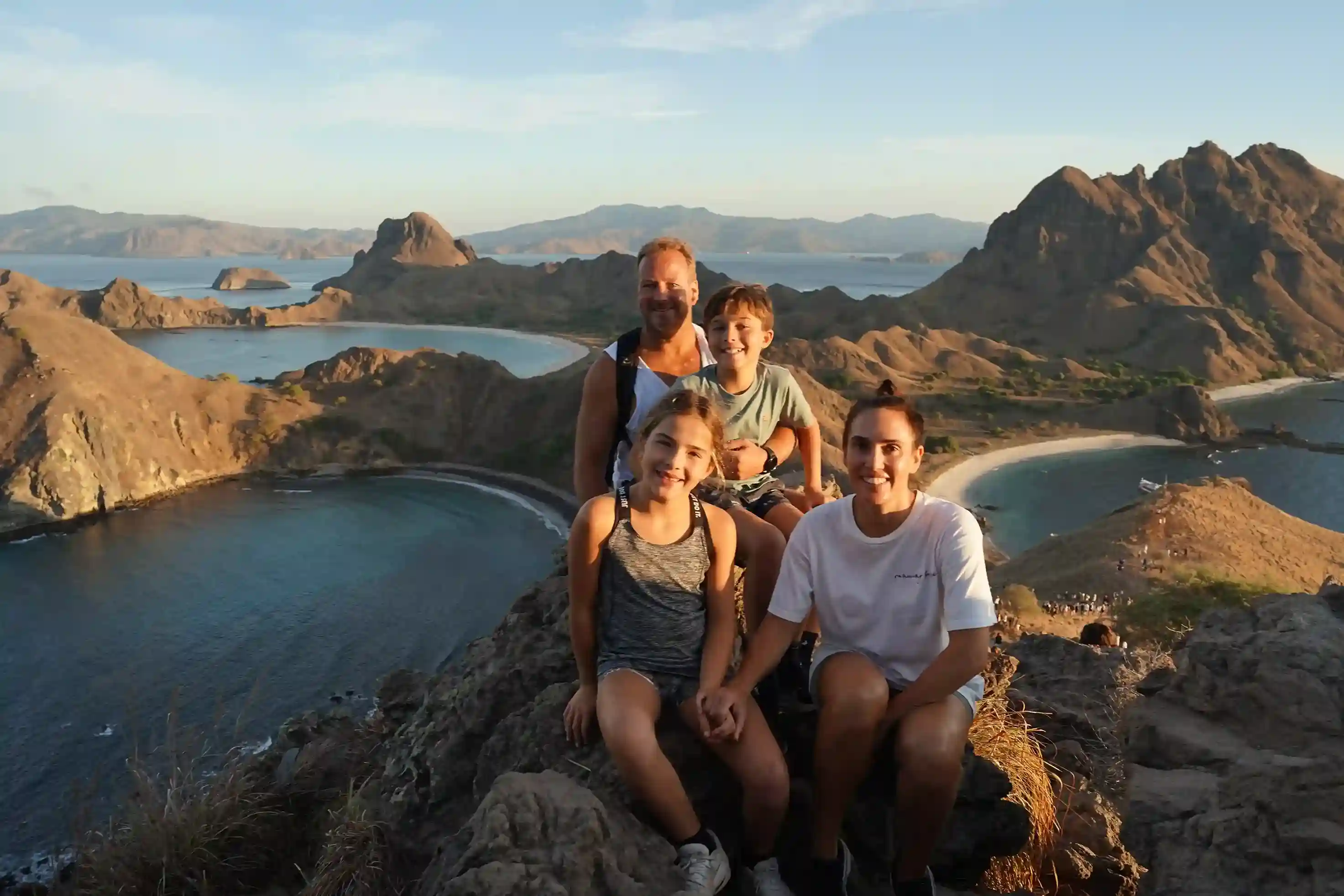
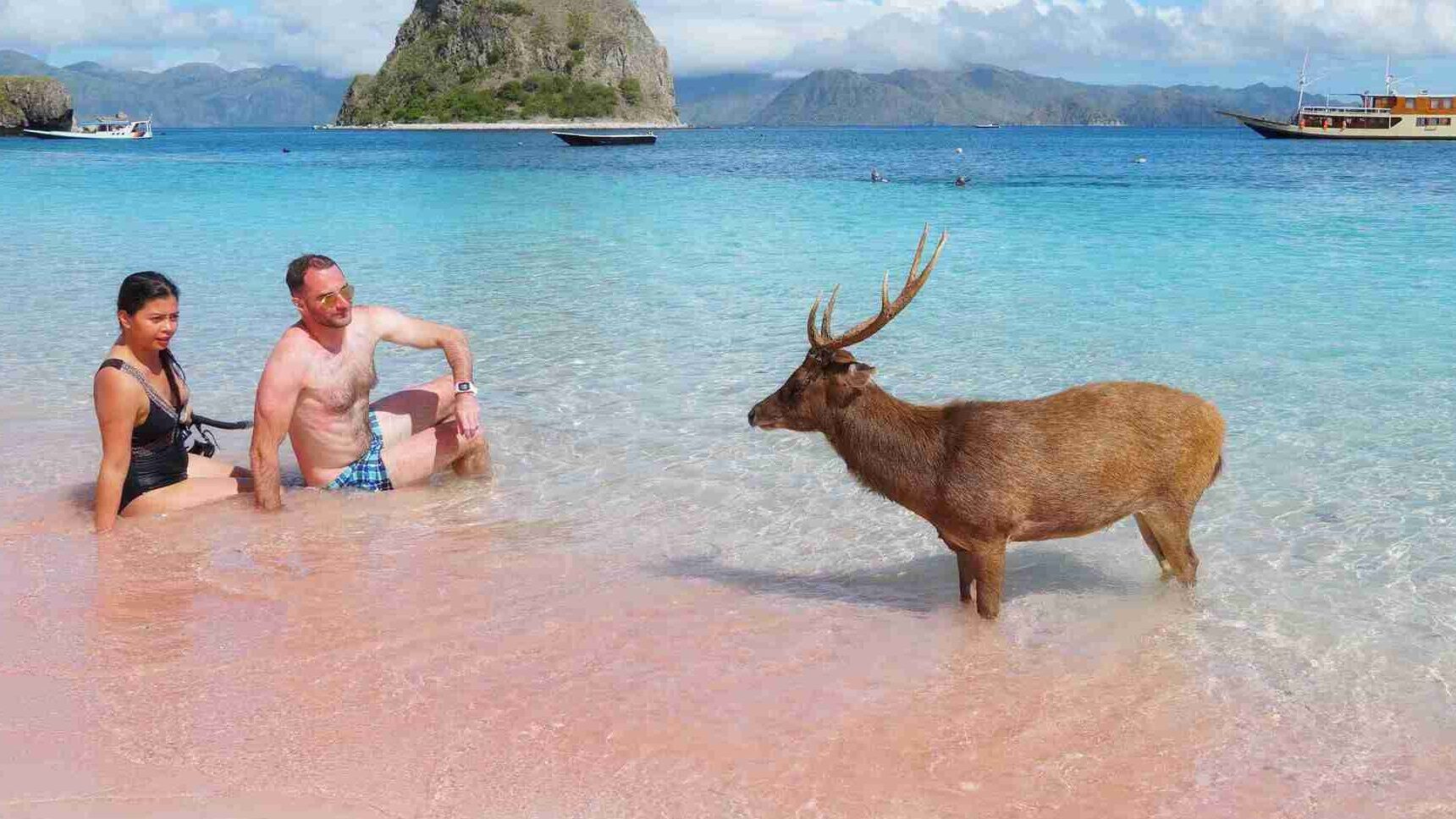
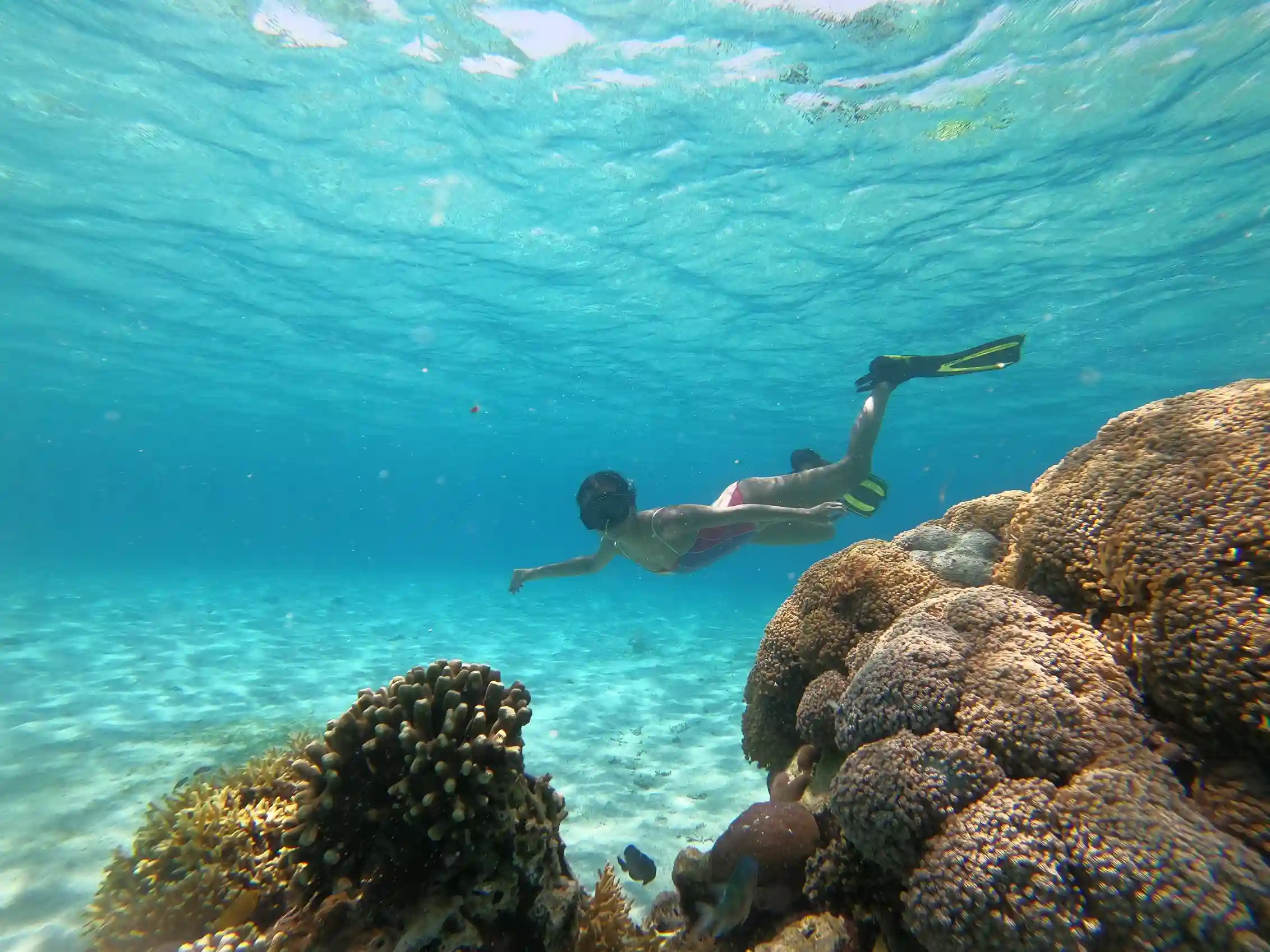
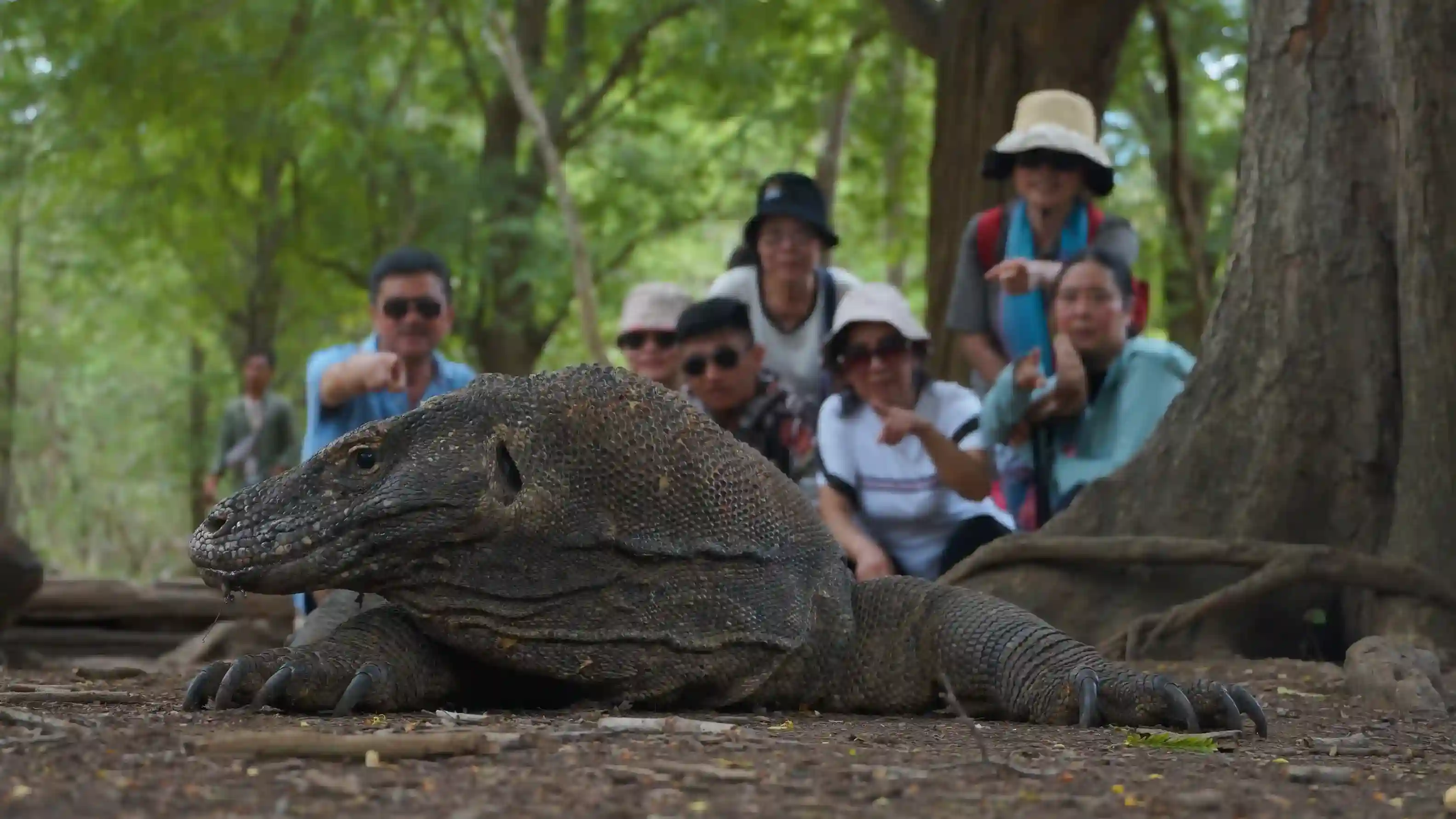
Day 2 began with Padar Island at dawn. We hiked the switchbacks in the half-light, reaching the top as the sun cleared the horizon, painting the pink, white, and black sands in gold. After the dry heat of the trail, jumping into the cool water at Pink Beach was pure relief. The sand really is pink — not bright, but a soft blush under the surface, from crushed coral. We snorkeled over reefs thick with parrotfish and clownfish, then drifted lazily near Komodo Island’s shoreline, keeping an eye out for the dragons we’d later see on land.
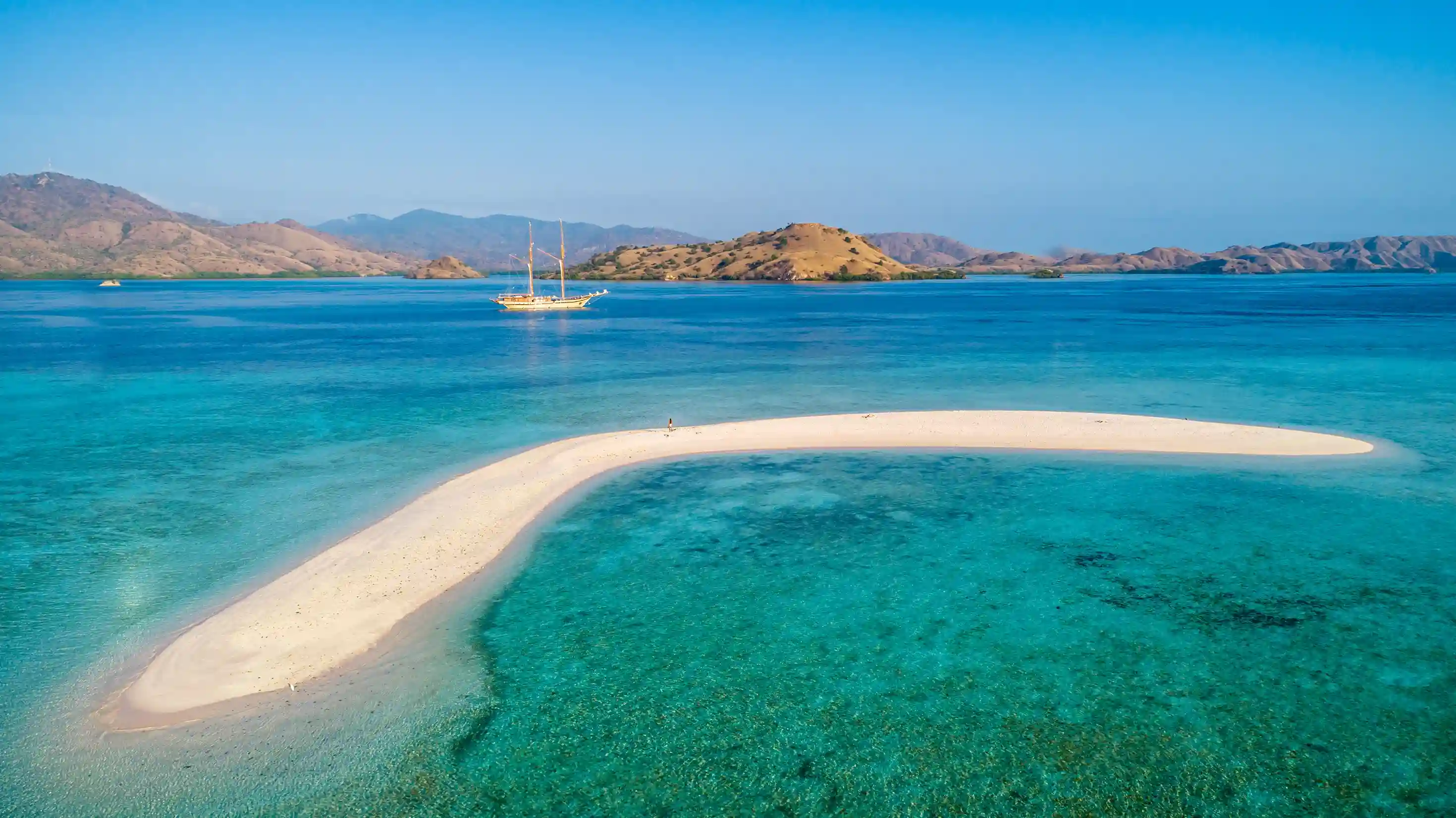
On our final morning, we anchored at Taka Makassar. The sandbar emerged at low tide, a long arc of white in turquoise water. We waded out at sunrise, took the usual group shots, but then just stood there, ankle-deep, watching the light shift. Kanawa followed — a quick snorkel over healthy coral, a last chance to see reef sharks and blue tangs before returning to Labuan Bajo. The engine started around noon, and I stayed on deck until the coastline faded, feeling the odd mix of satisfaction and longing that comes after a trip like this.