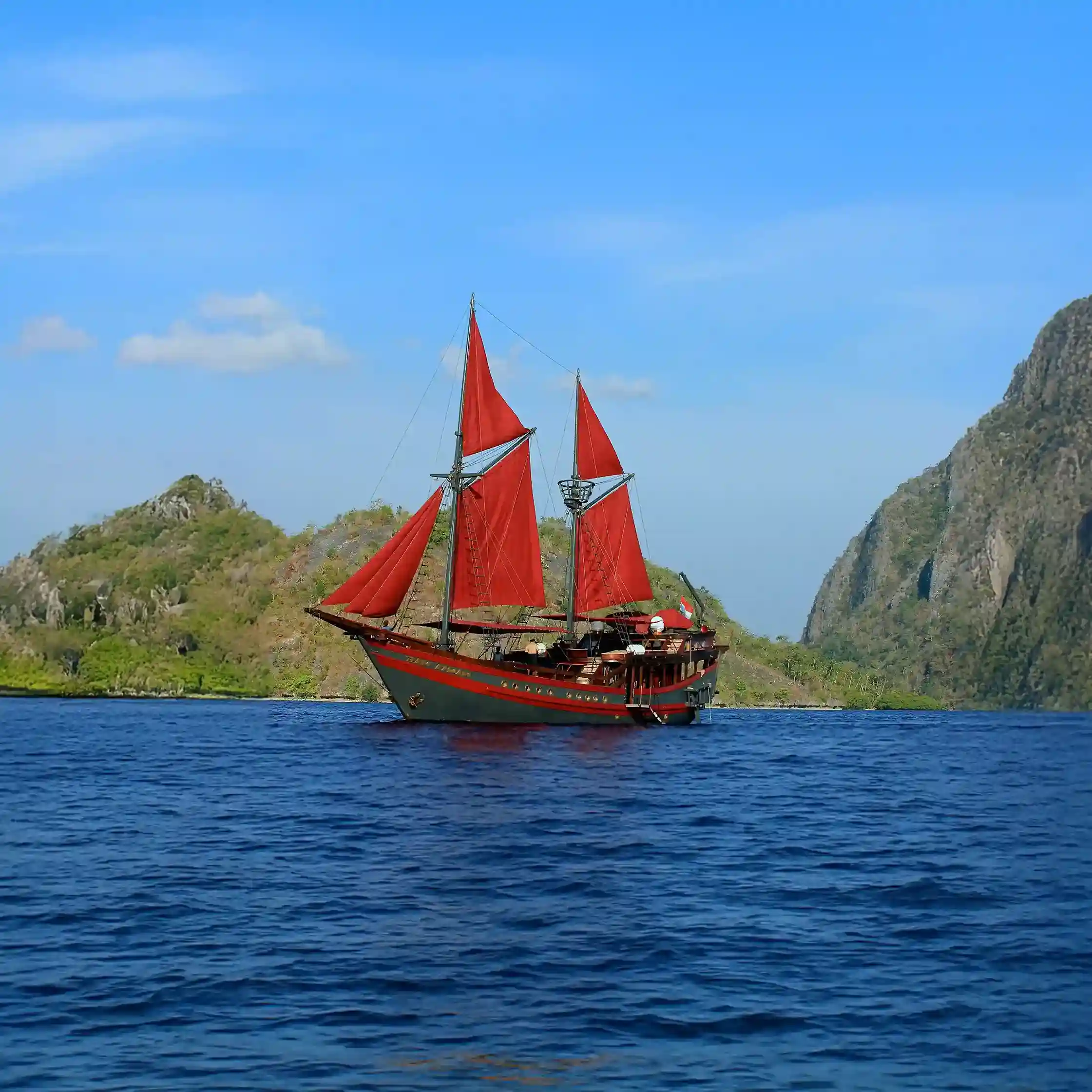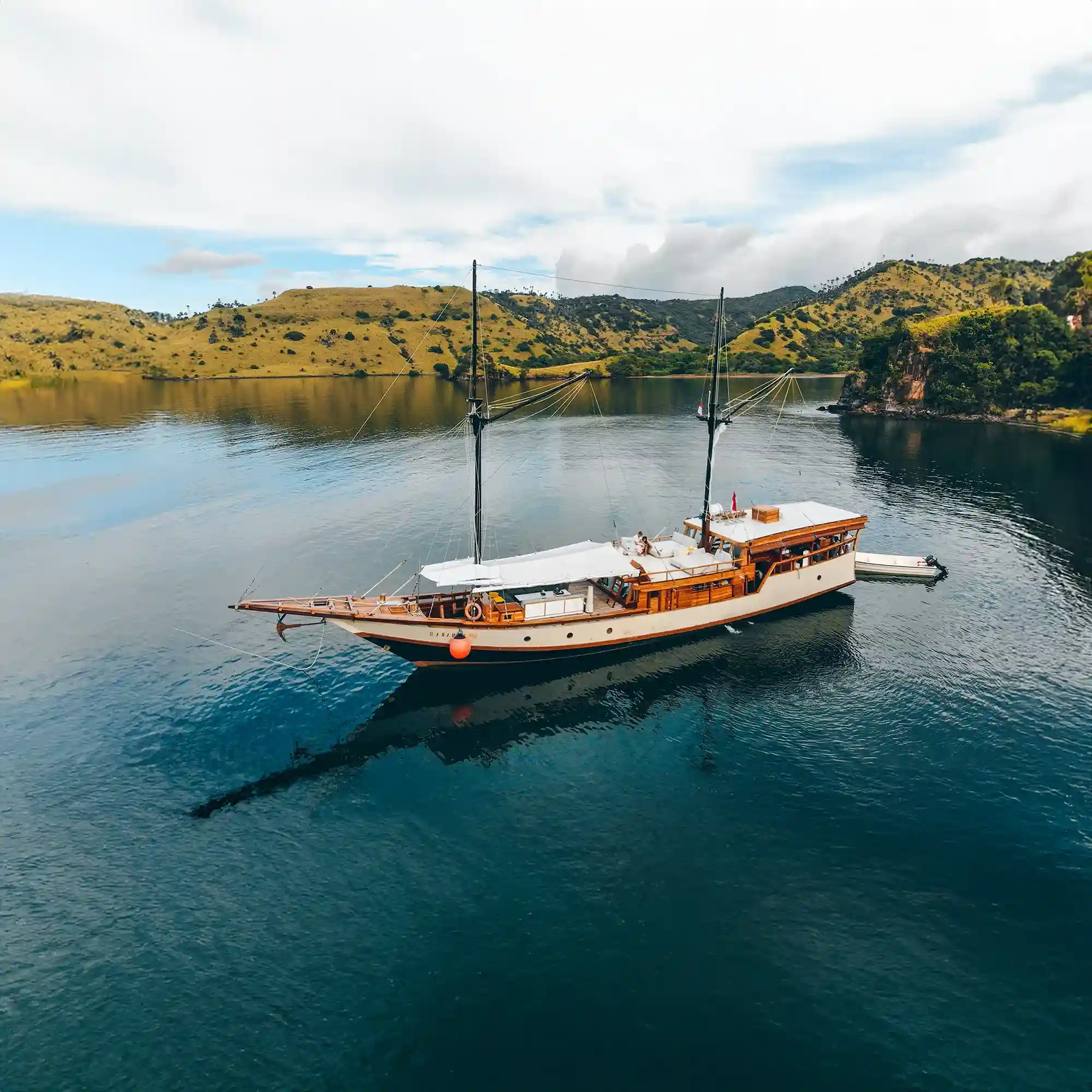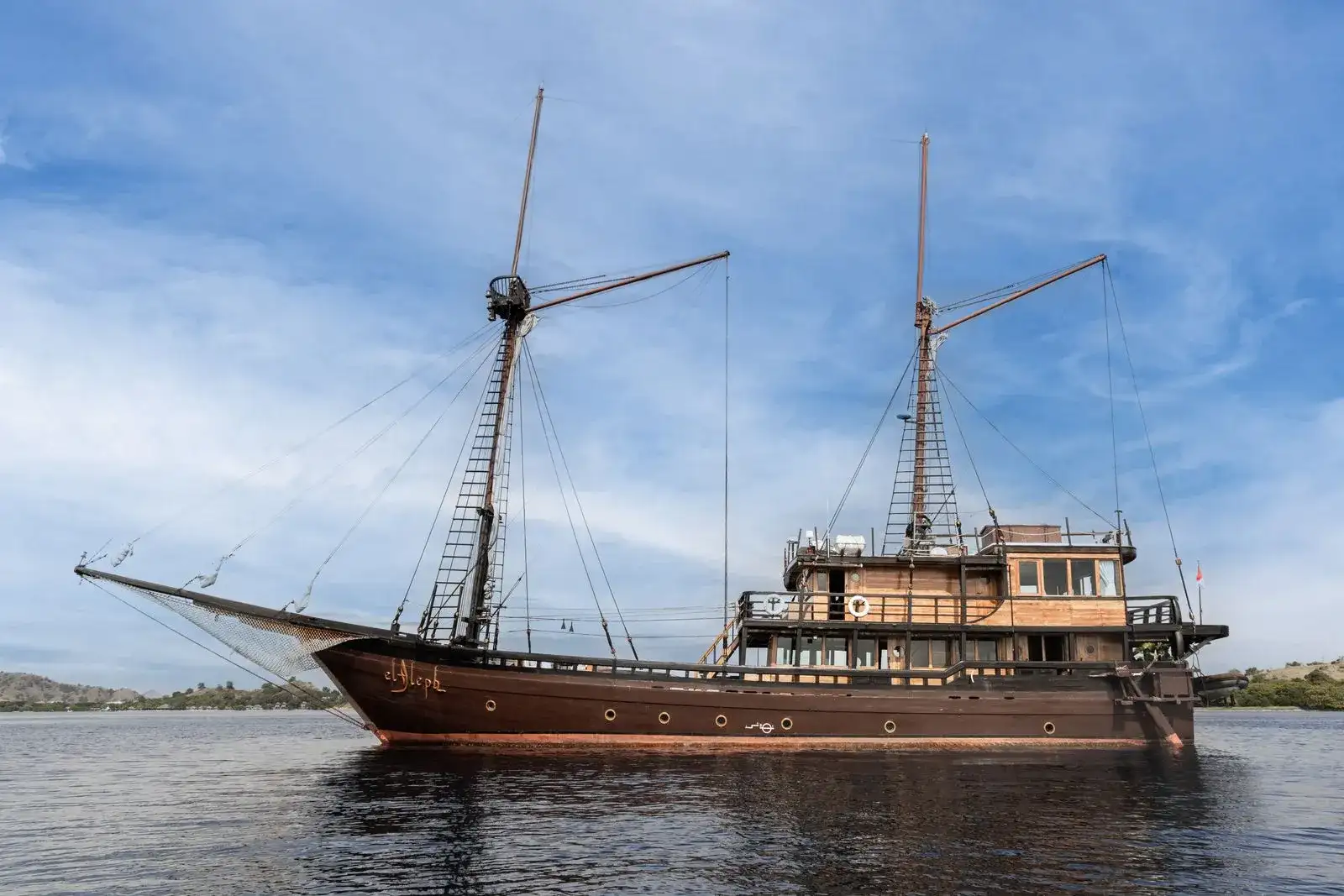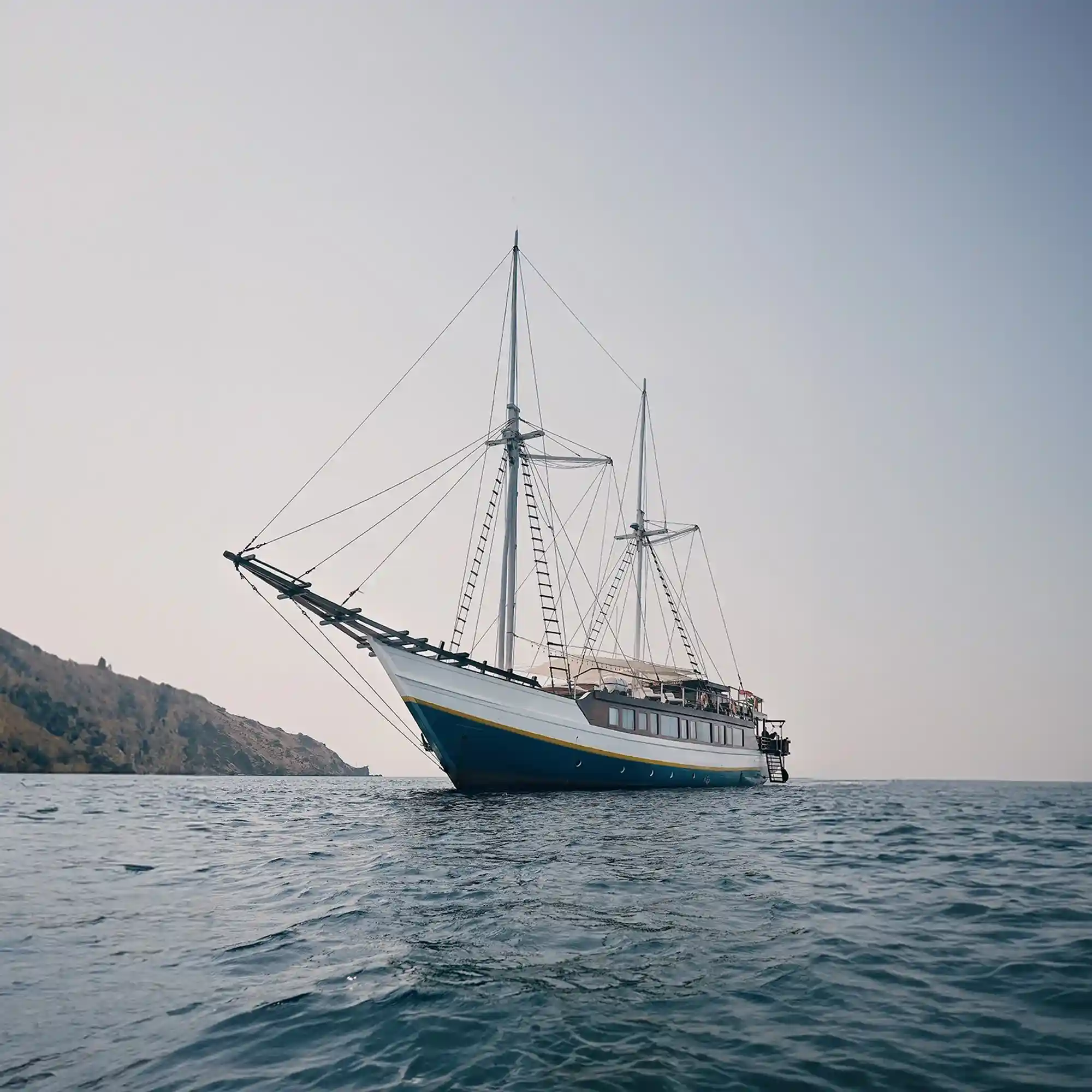
About Silolona
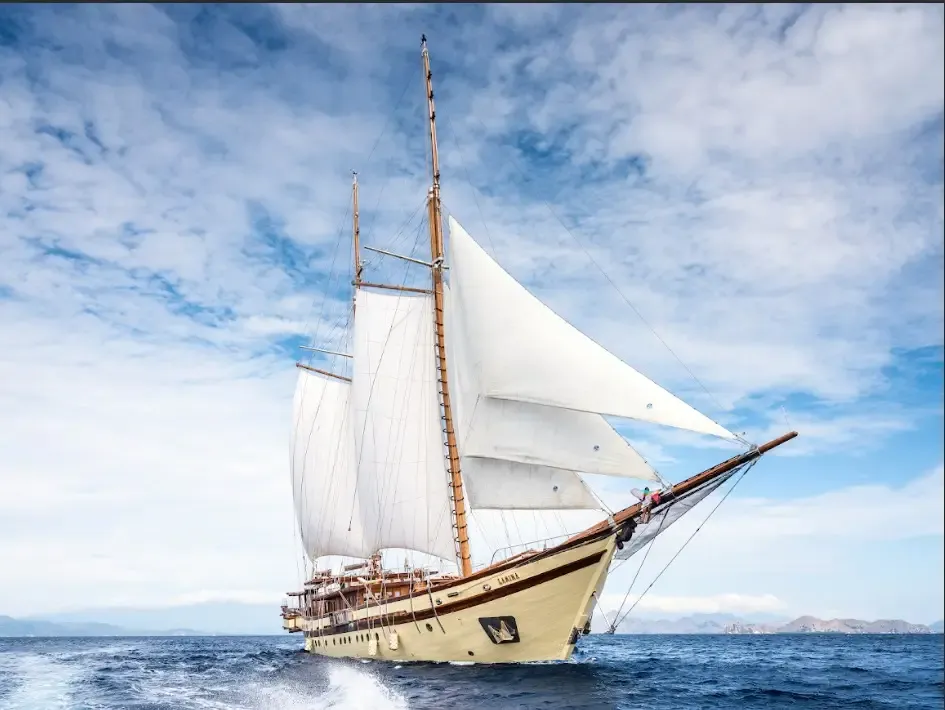
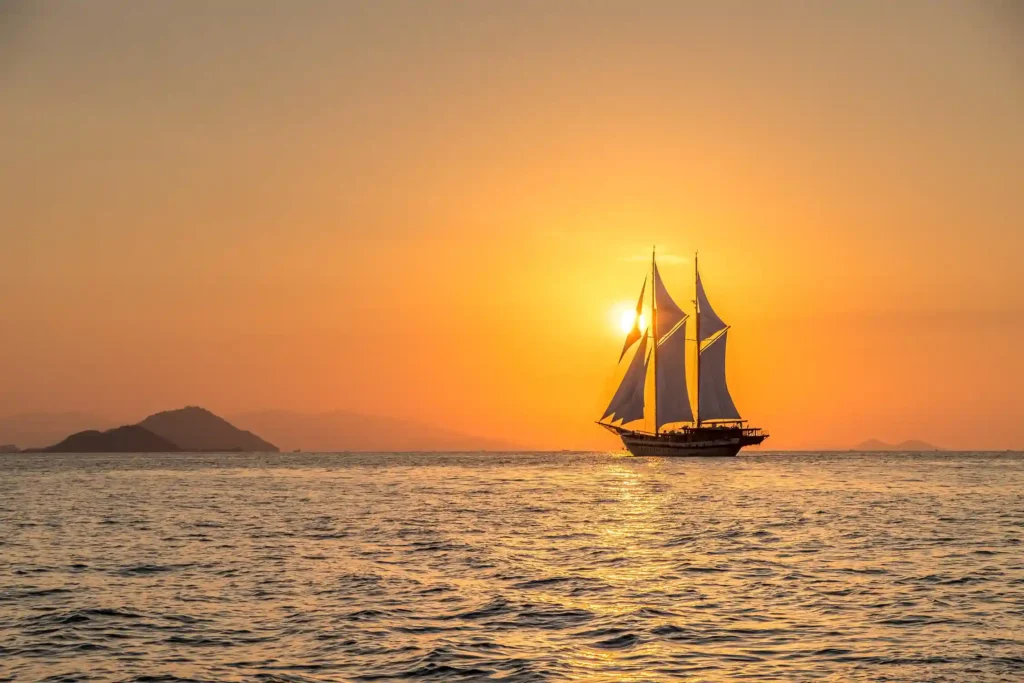
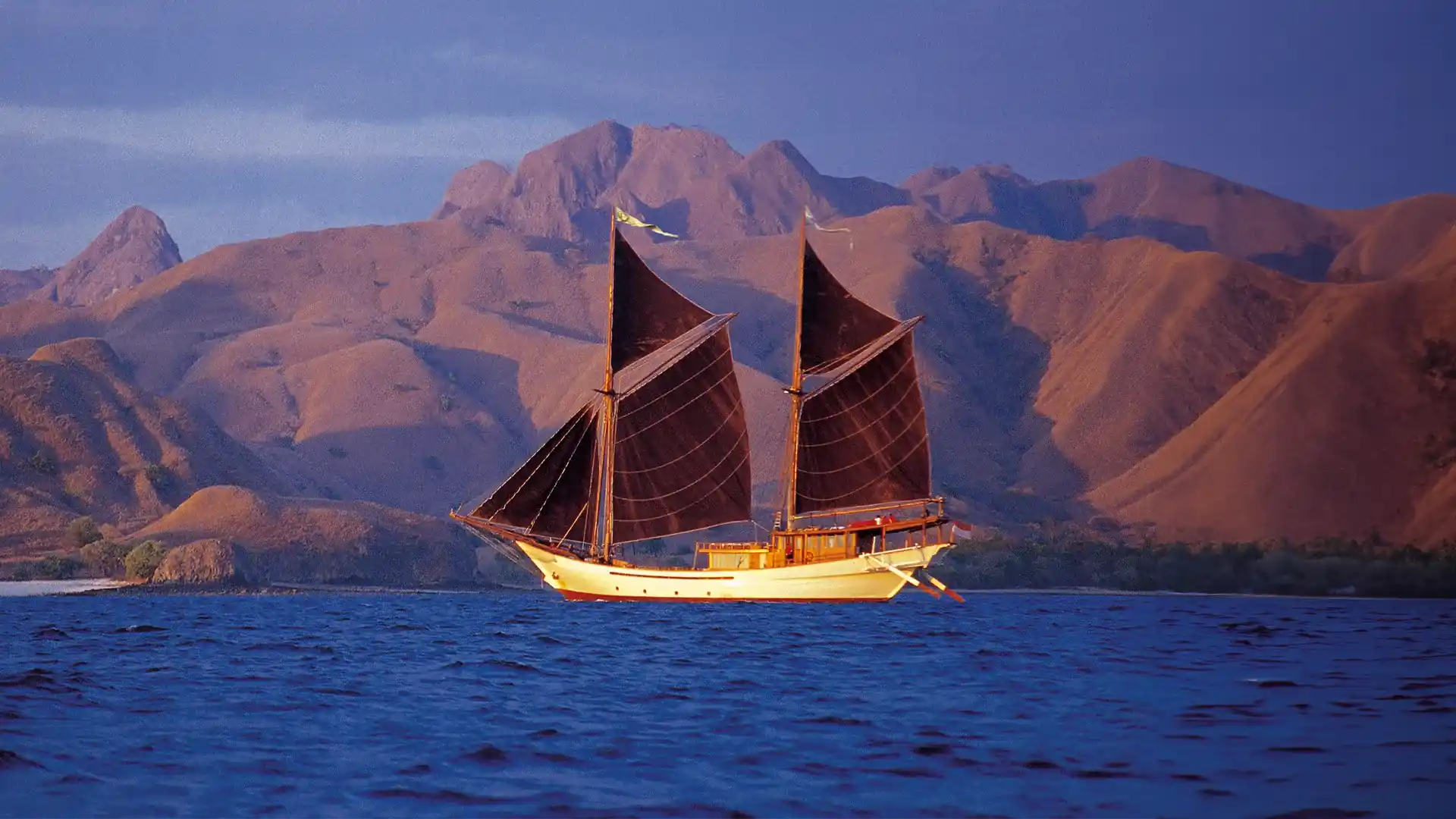
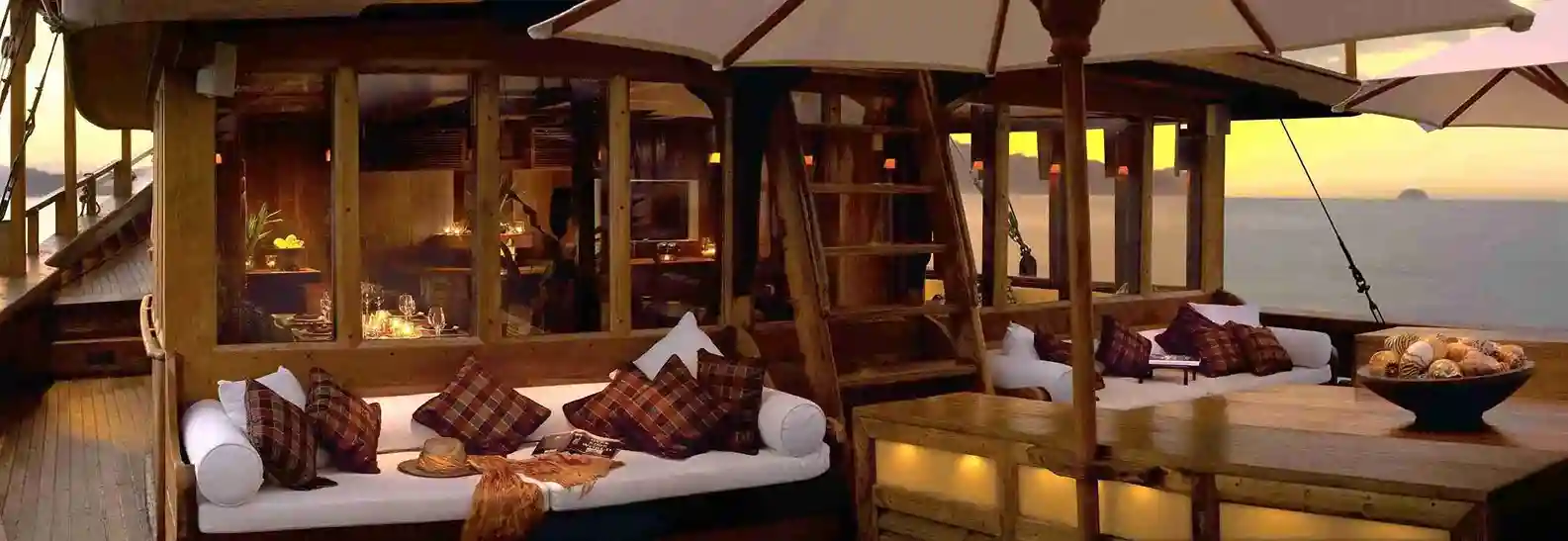
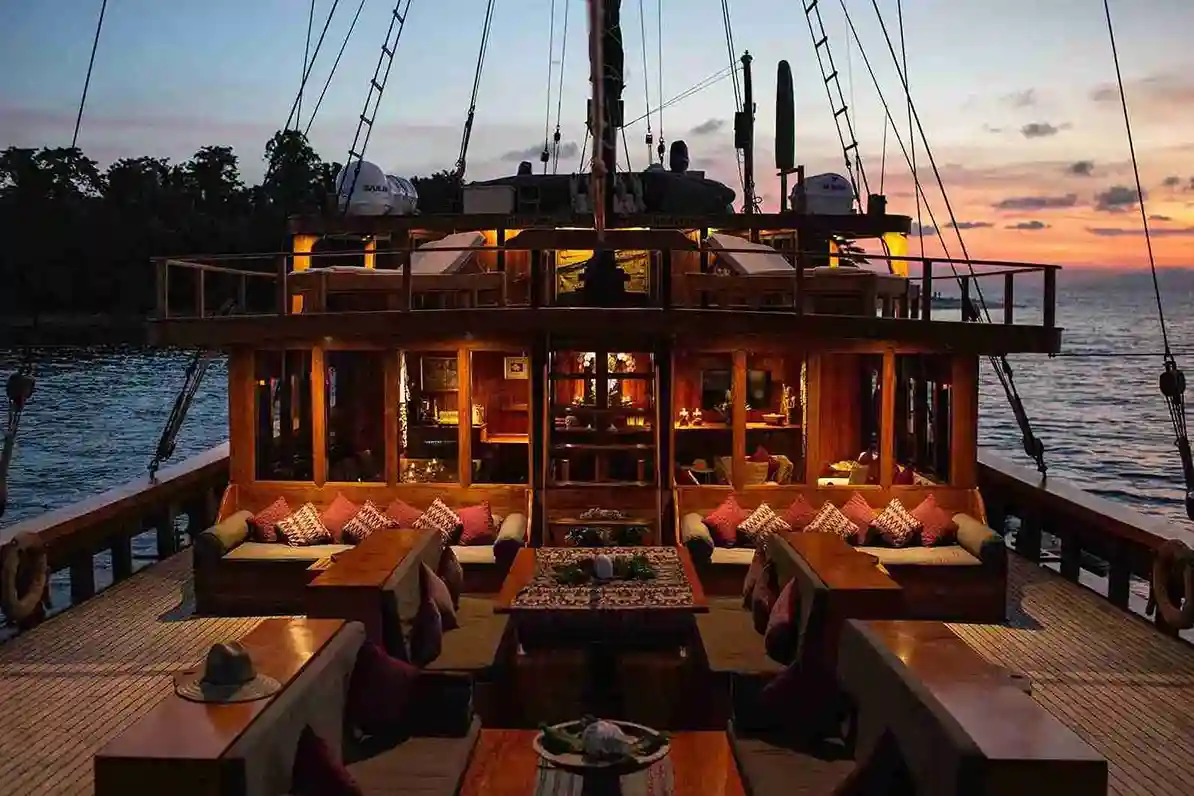
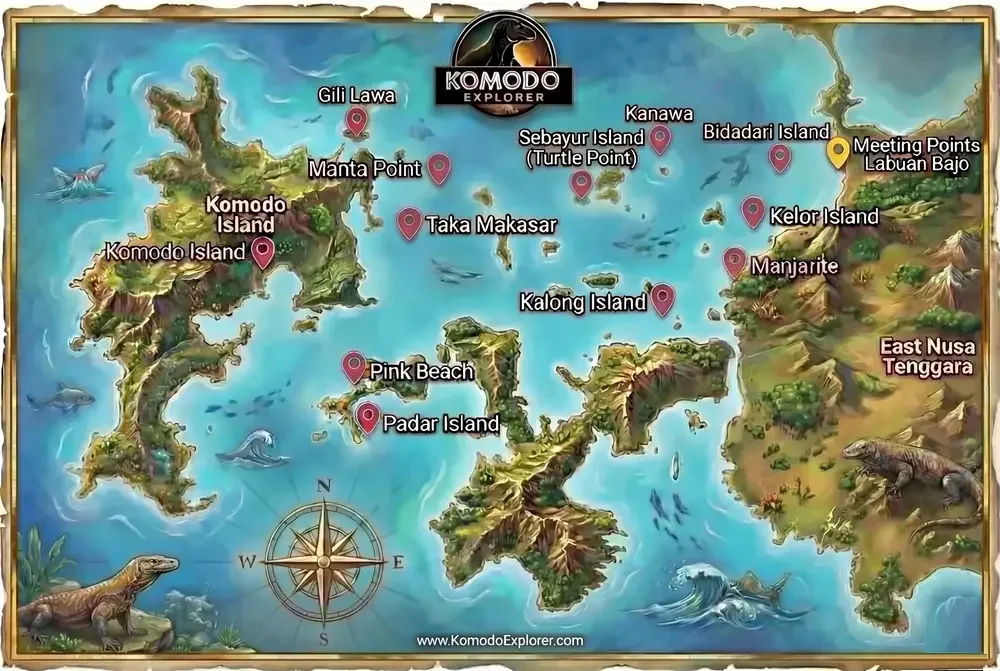
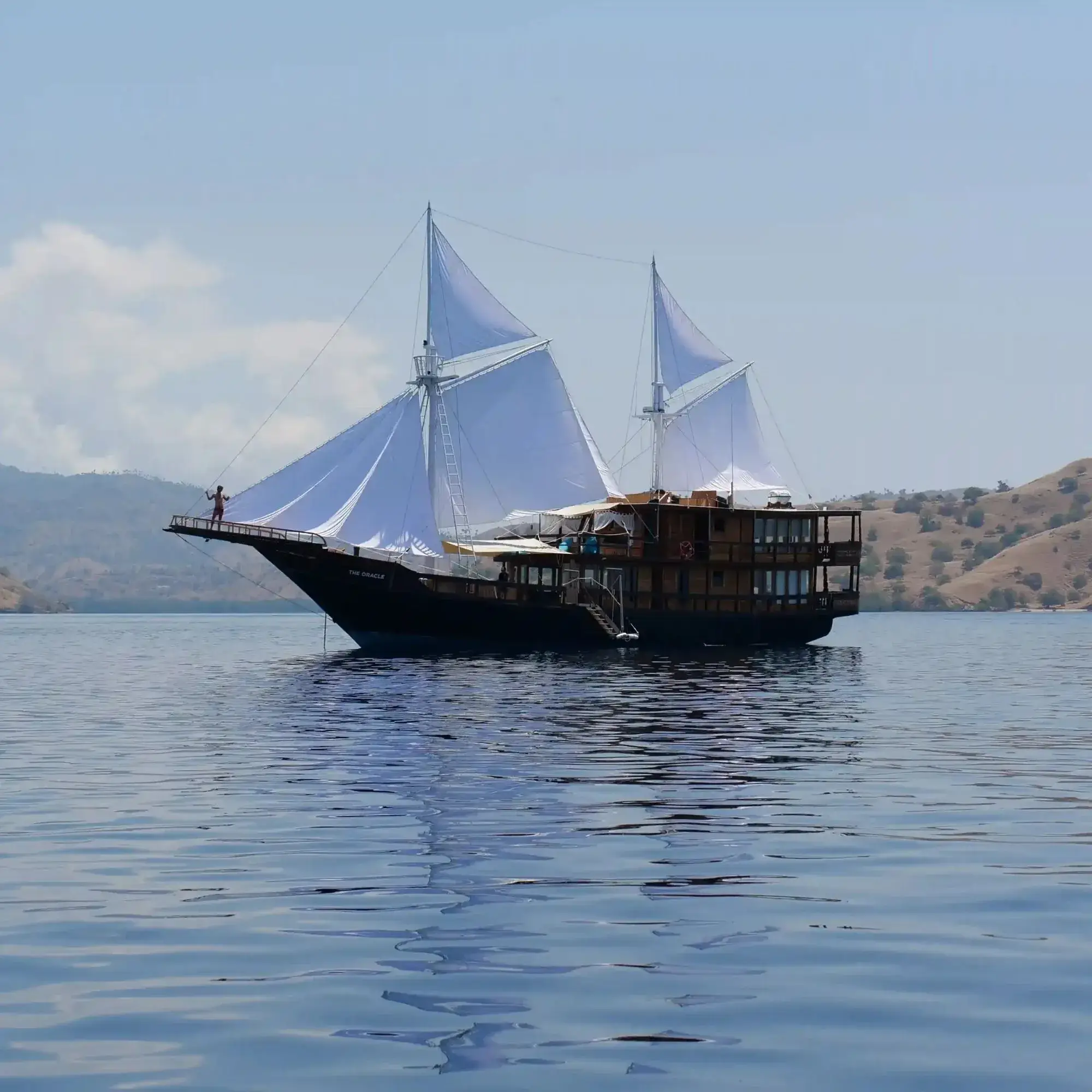
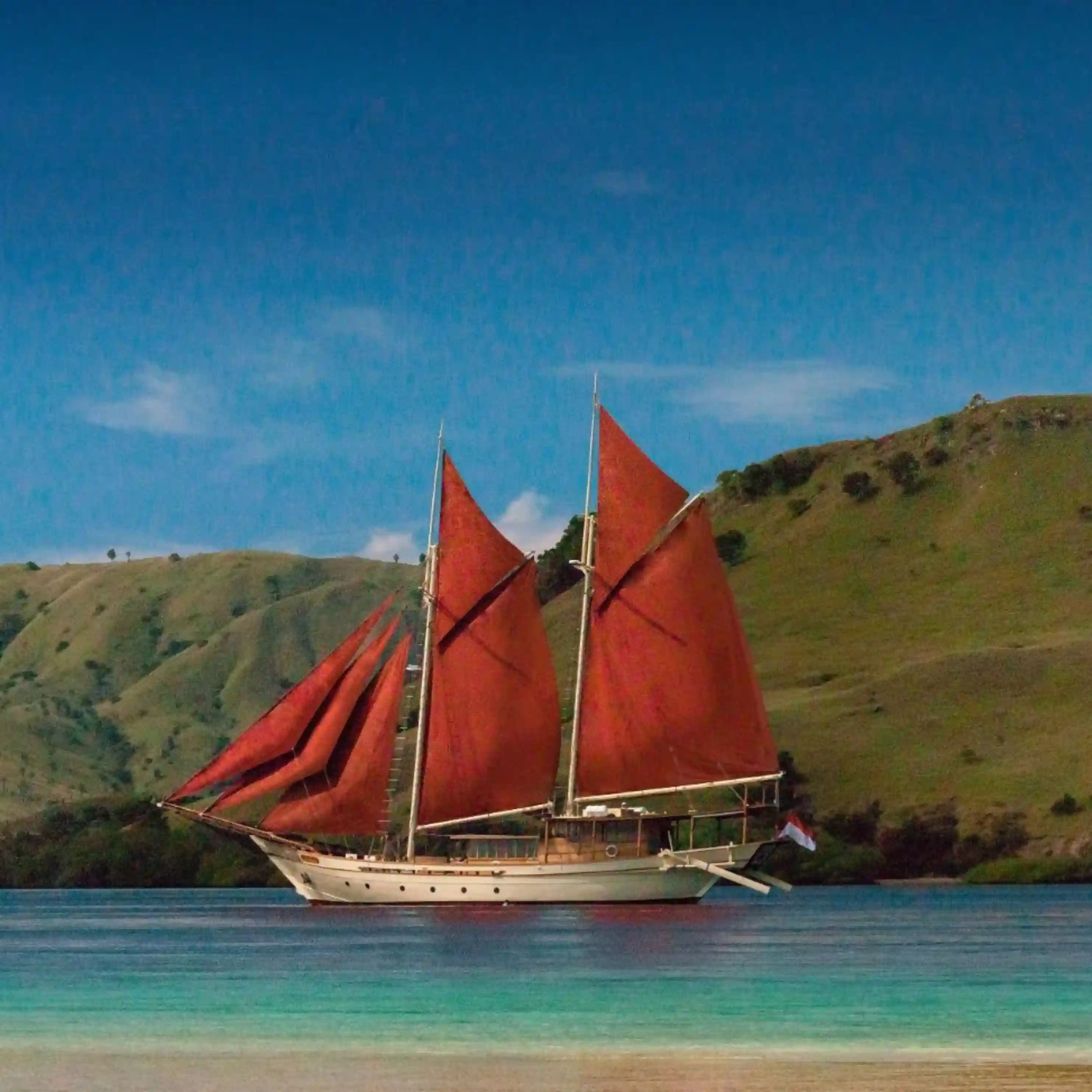
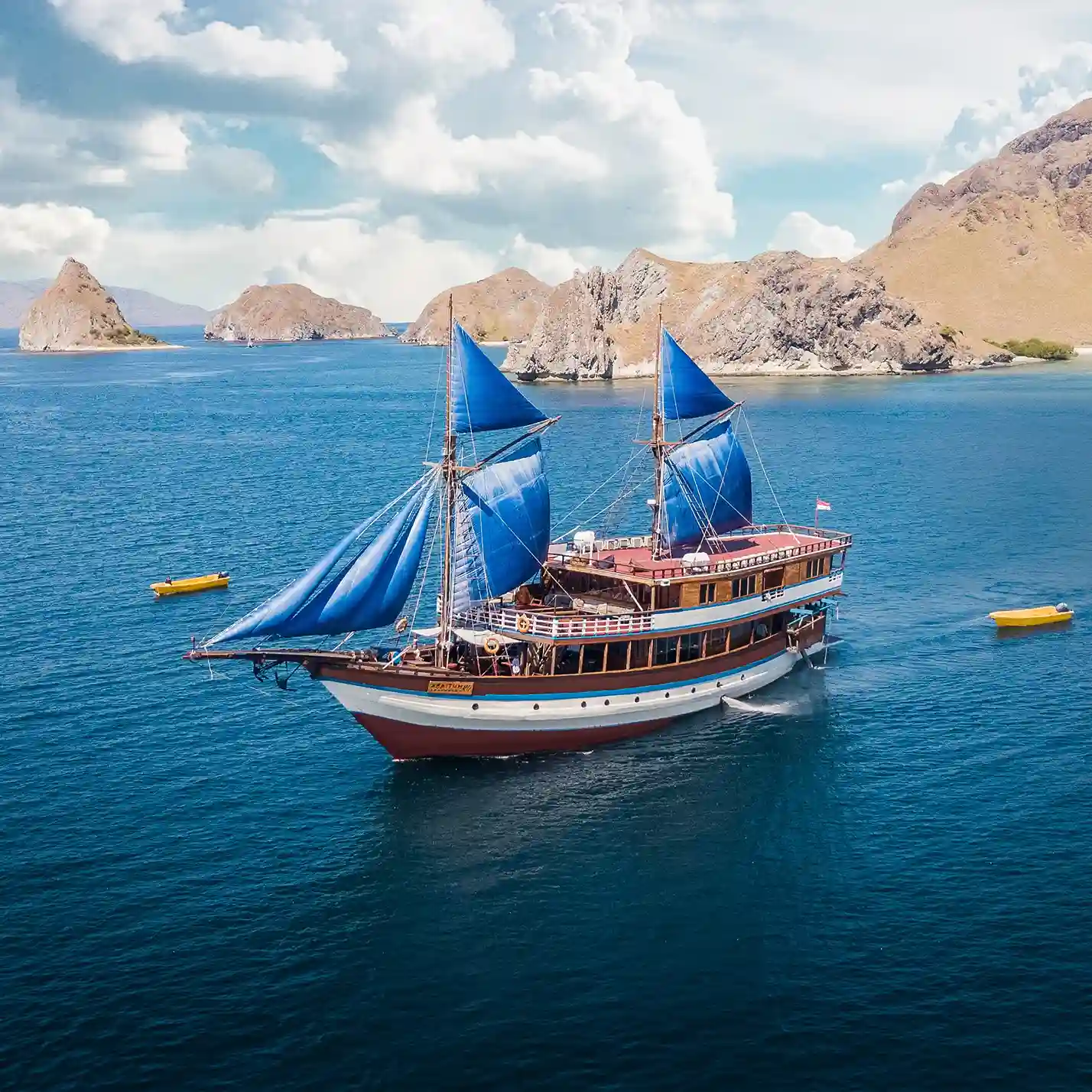
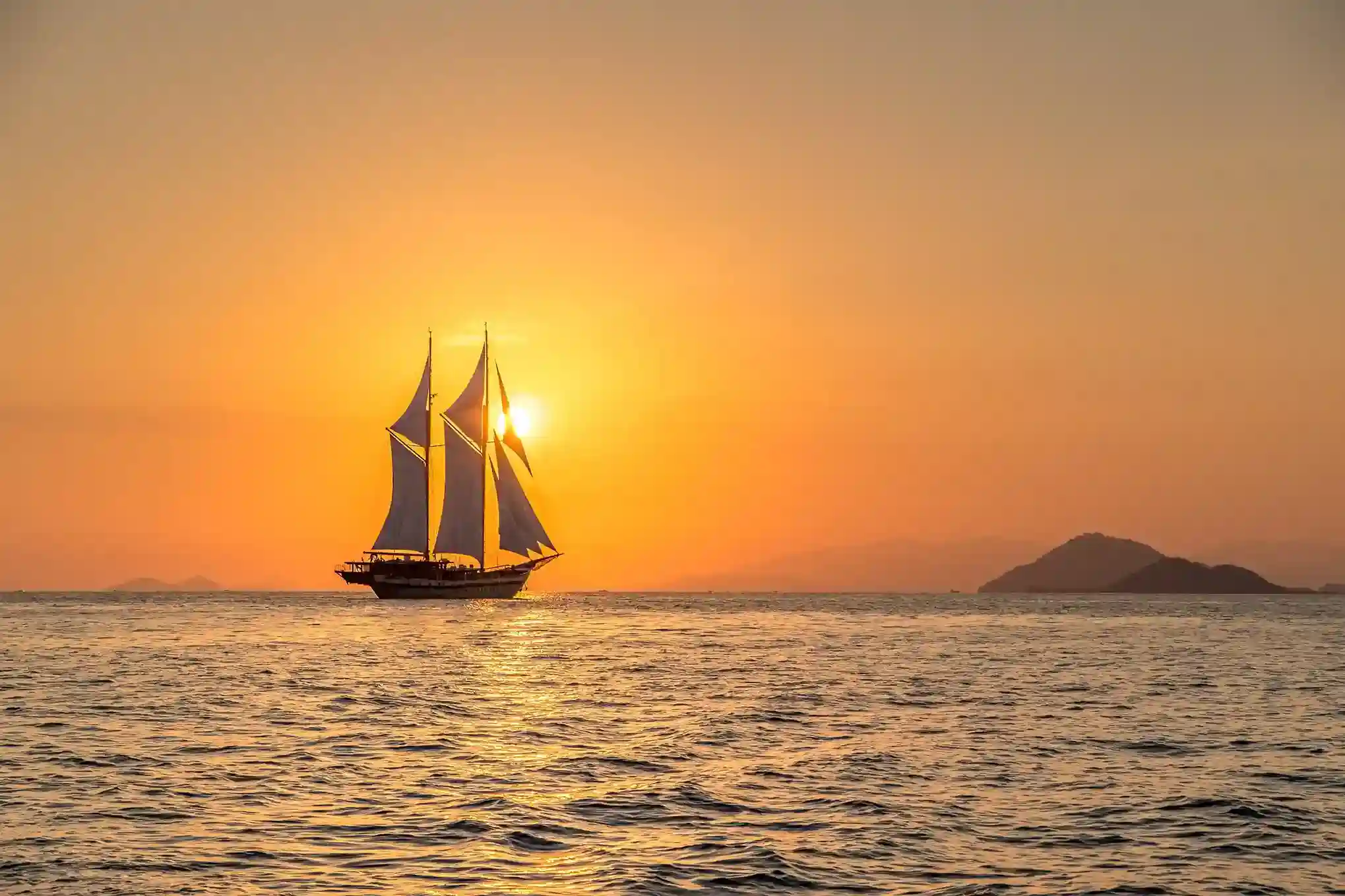
The first thing I noticed wasn’t the size of Silolona, but the silence. At 6:17 pm, just after anchoring off Kelor, the engine cut and the only sound was water tapping the hull. No generator hum, no creaking winches. The crew had already laid out low-slung chairs on the upper deck, facing west. I watched the sun dip behind the jagged spine of Rinca, turning the sky a dusty coral that matched the beach below. This wasn’t spectacle for the sake of it — it felt deliberate, unhurried. Like the boat itself was taking a breath.
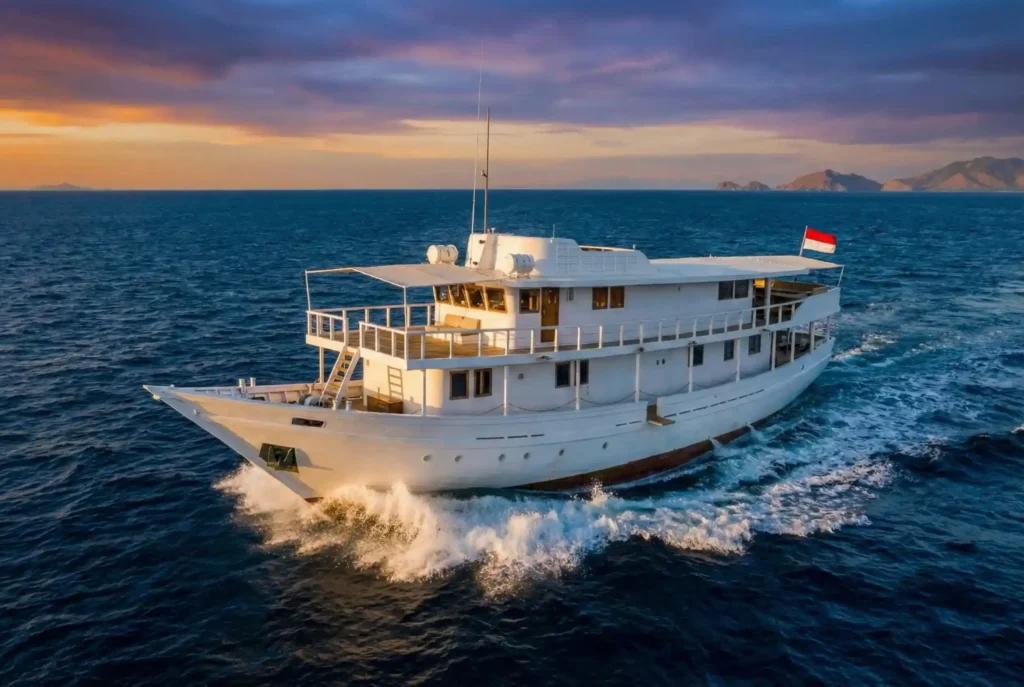
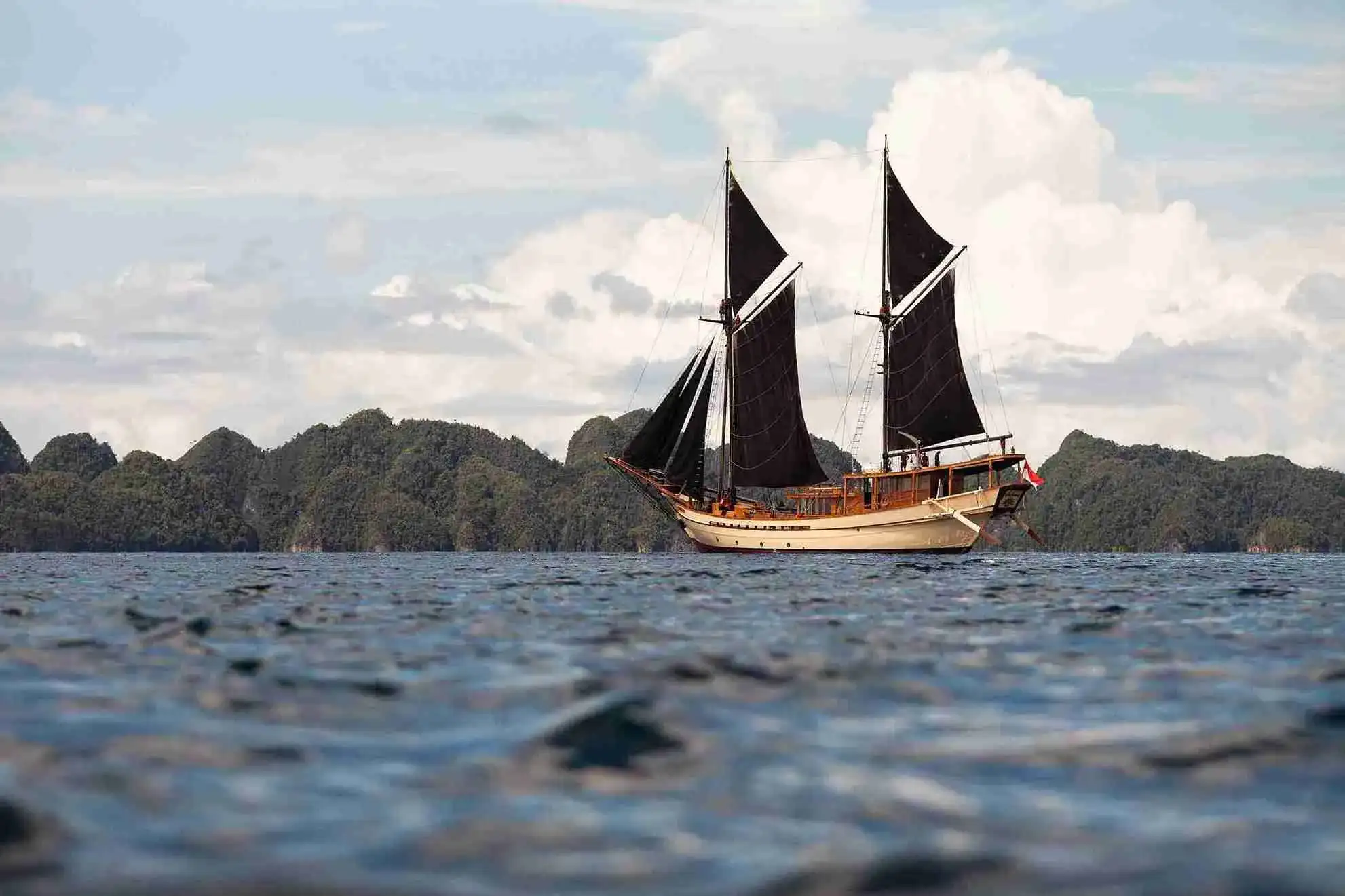
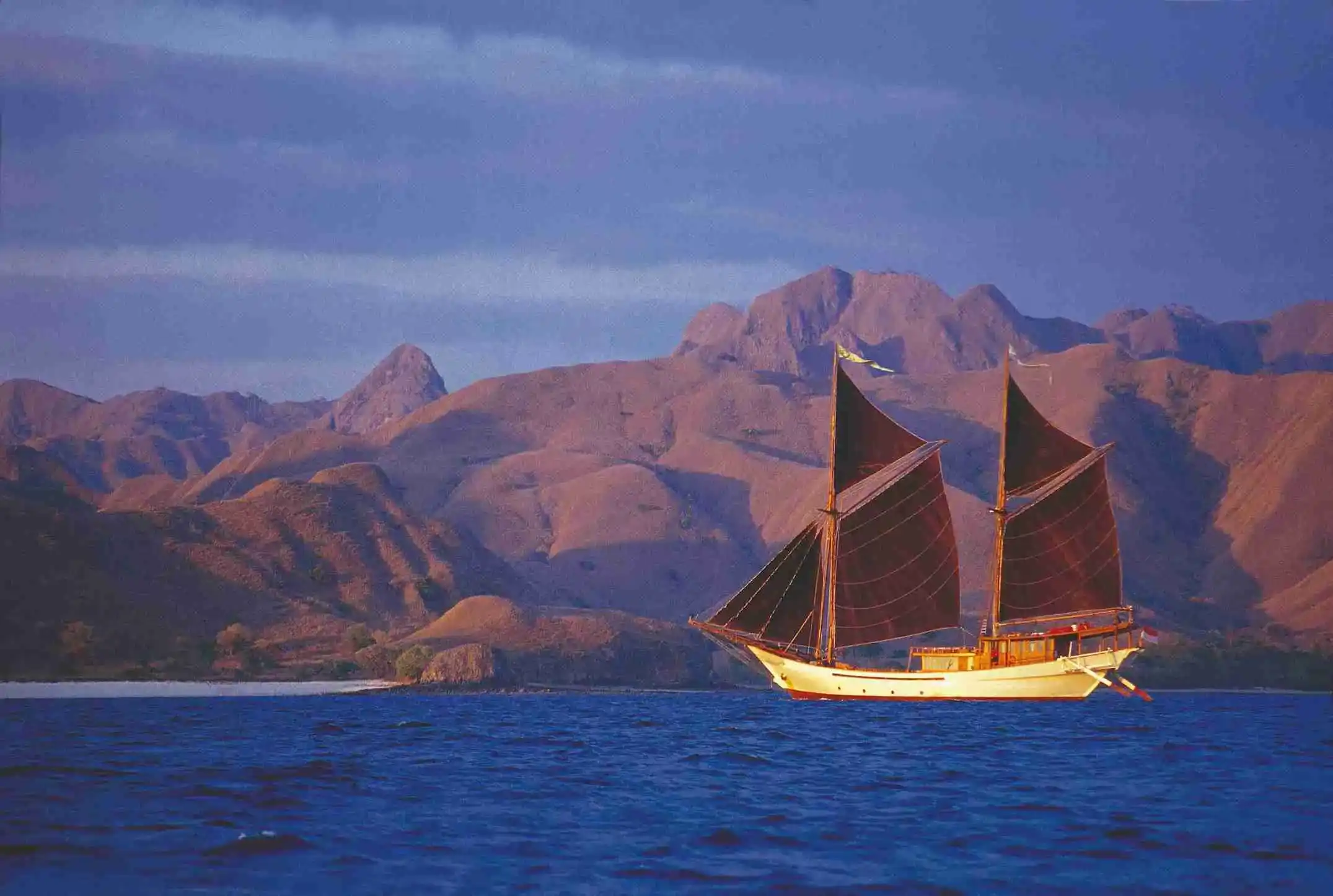
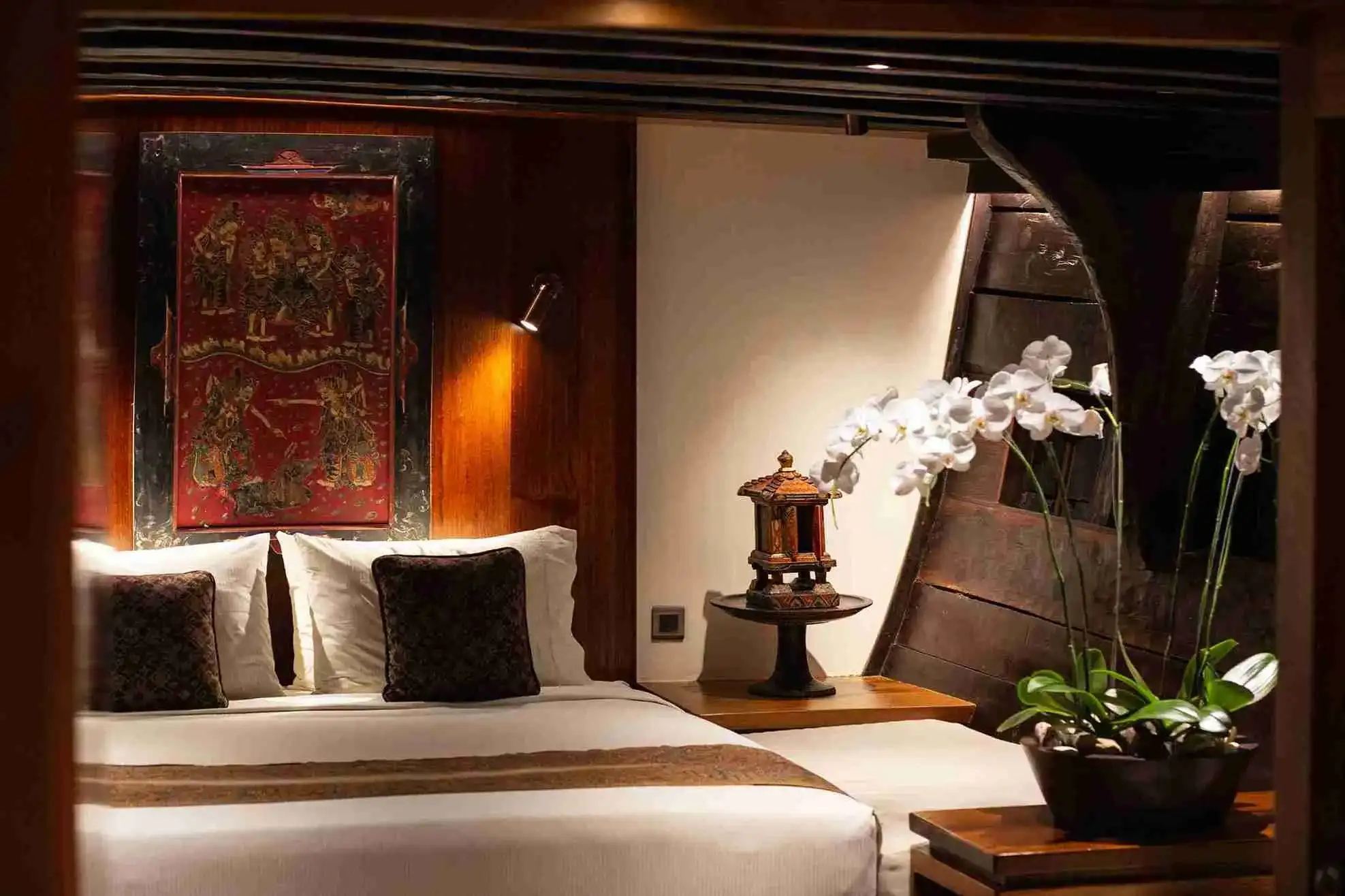
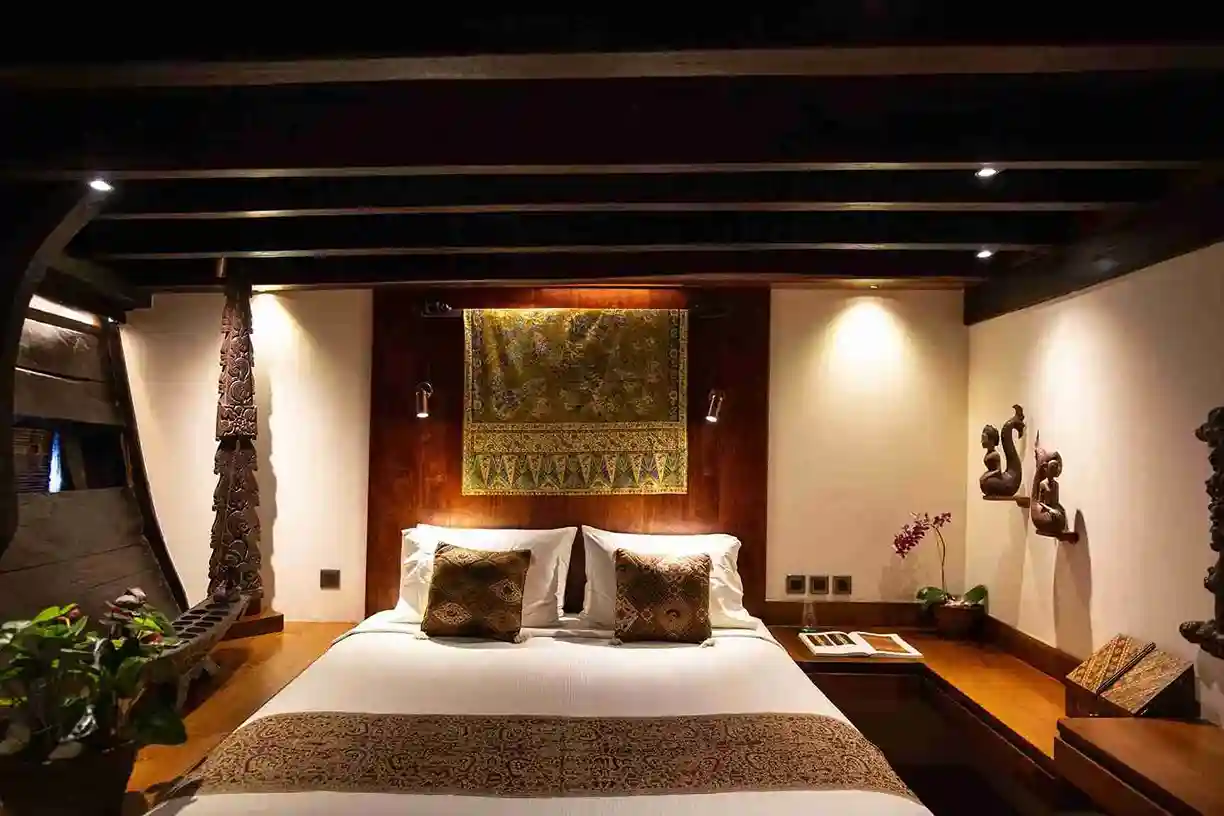
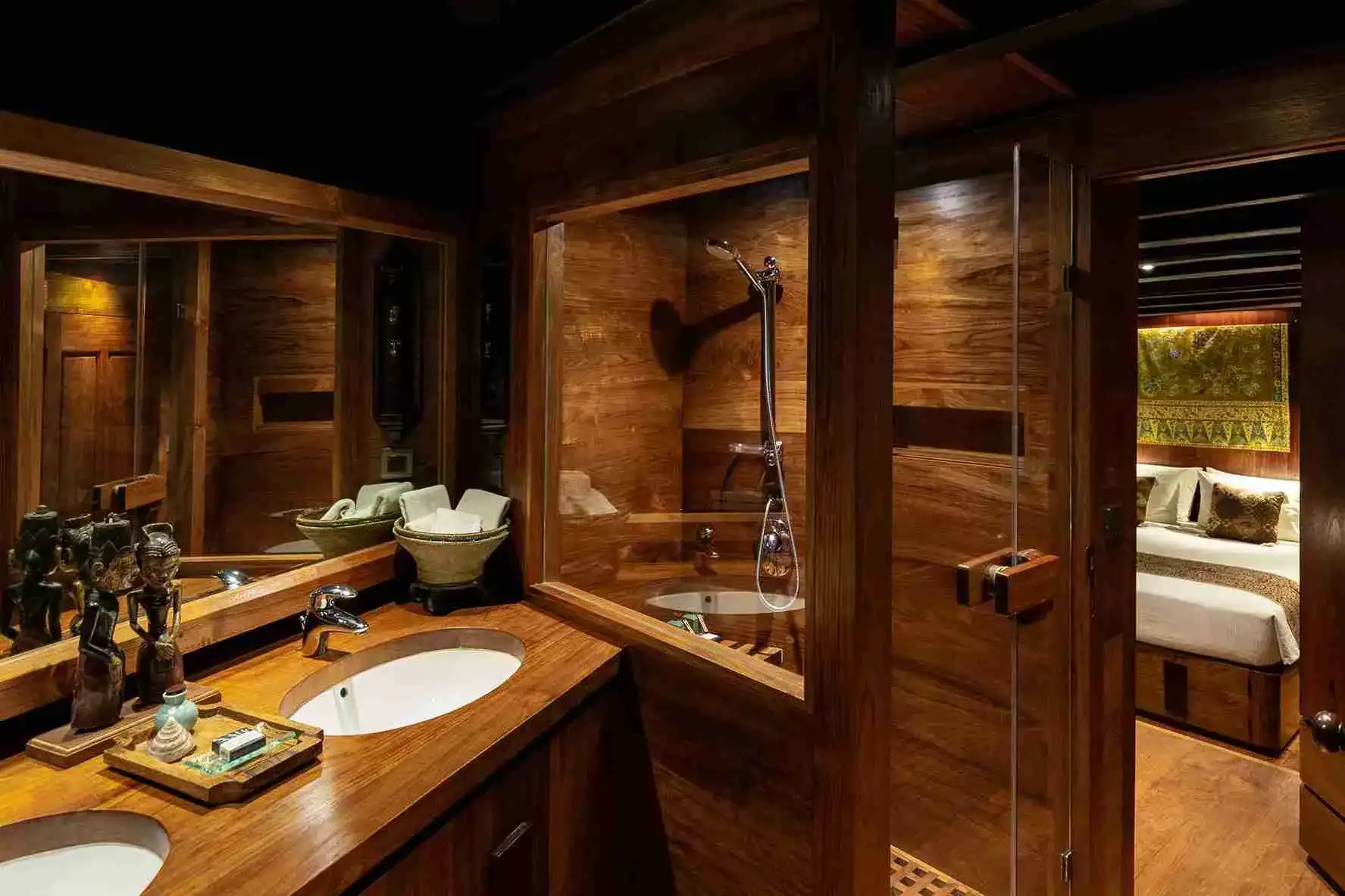
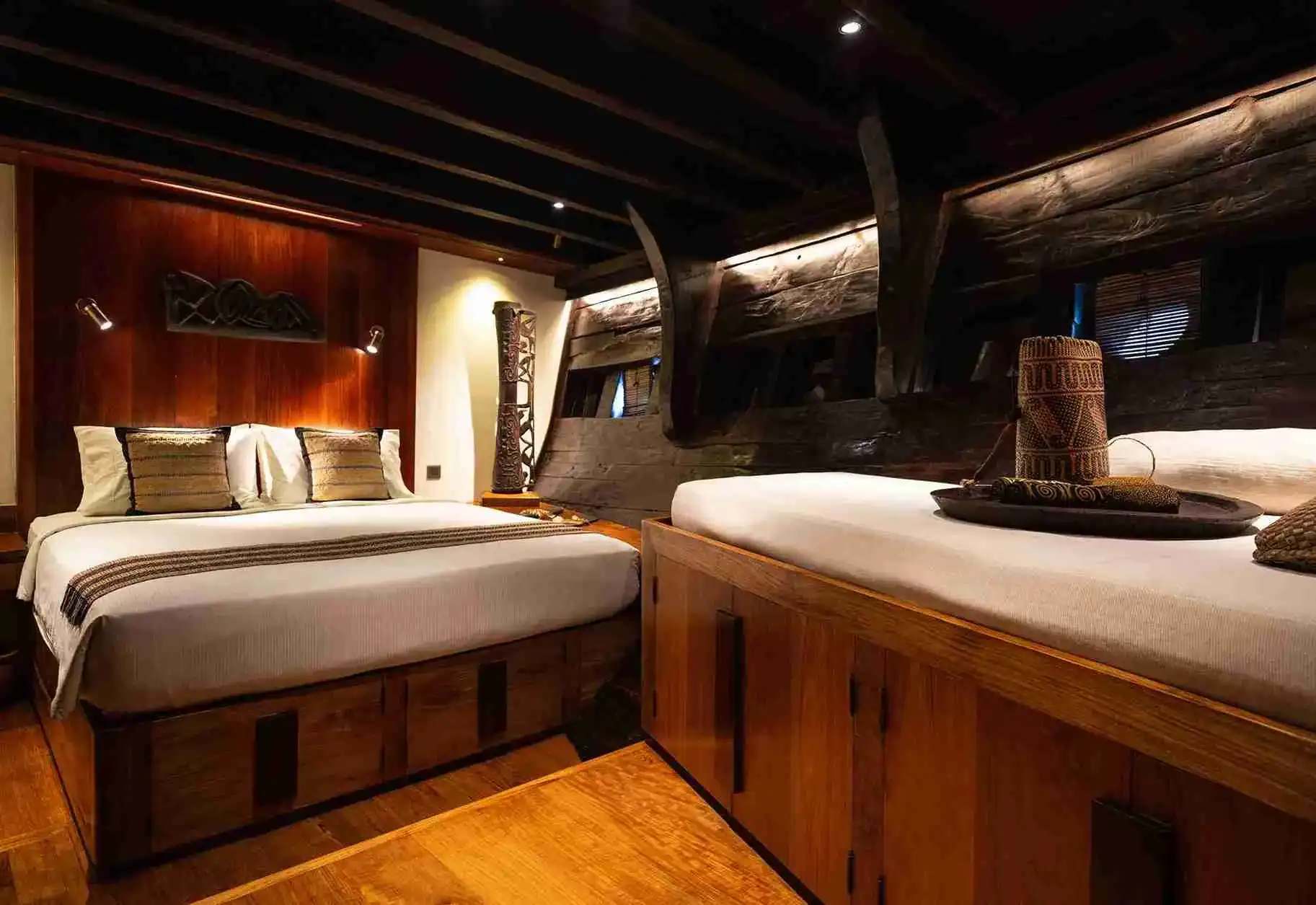
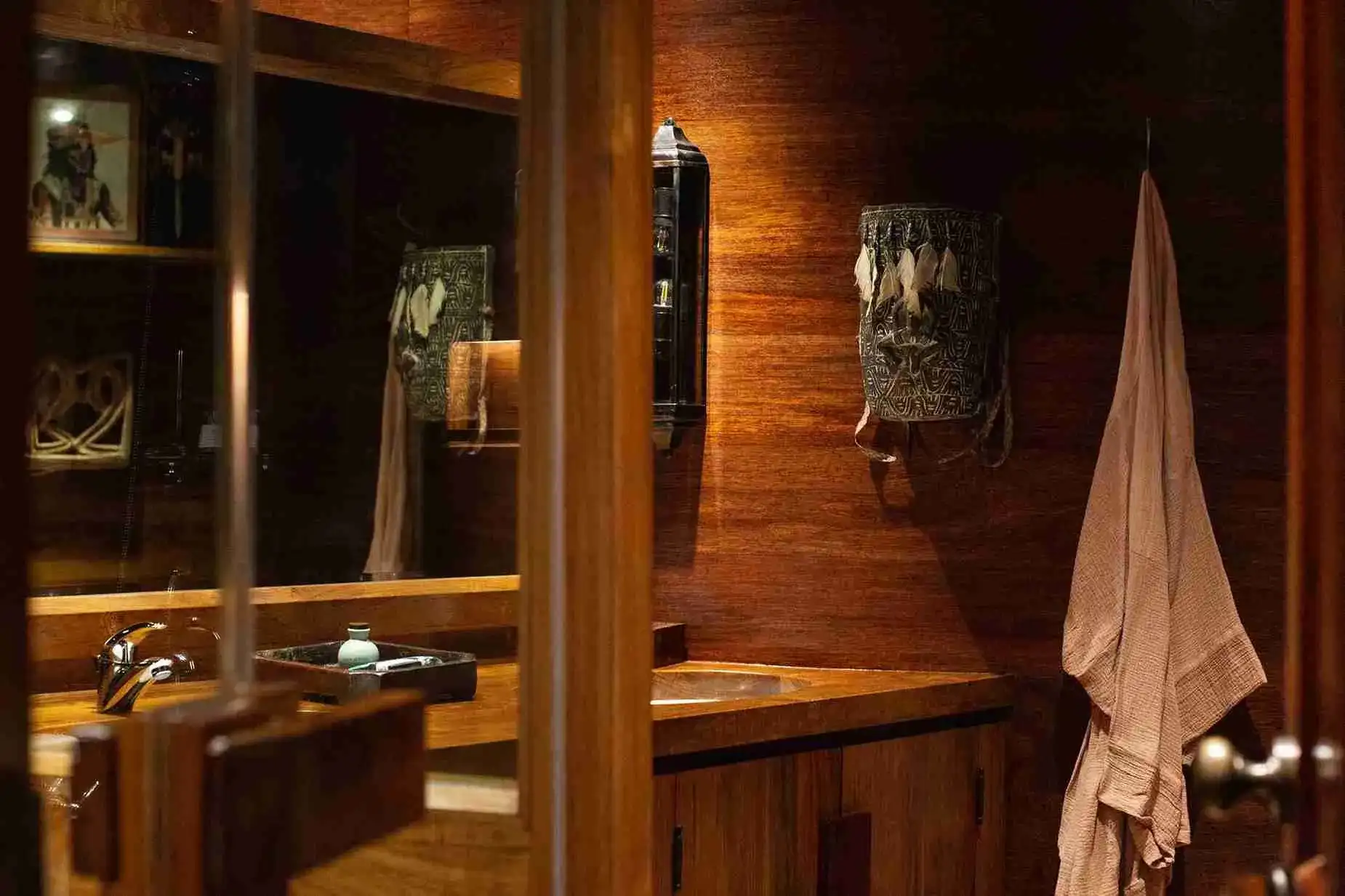
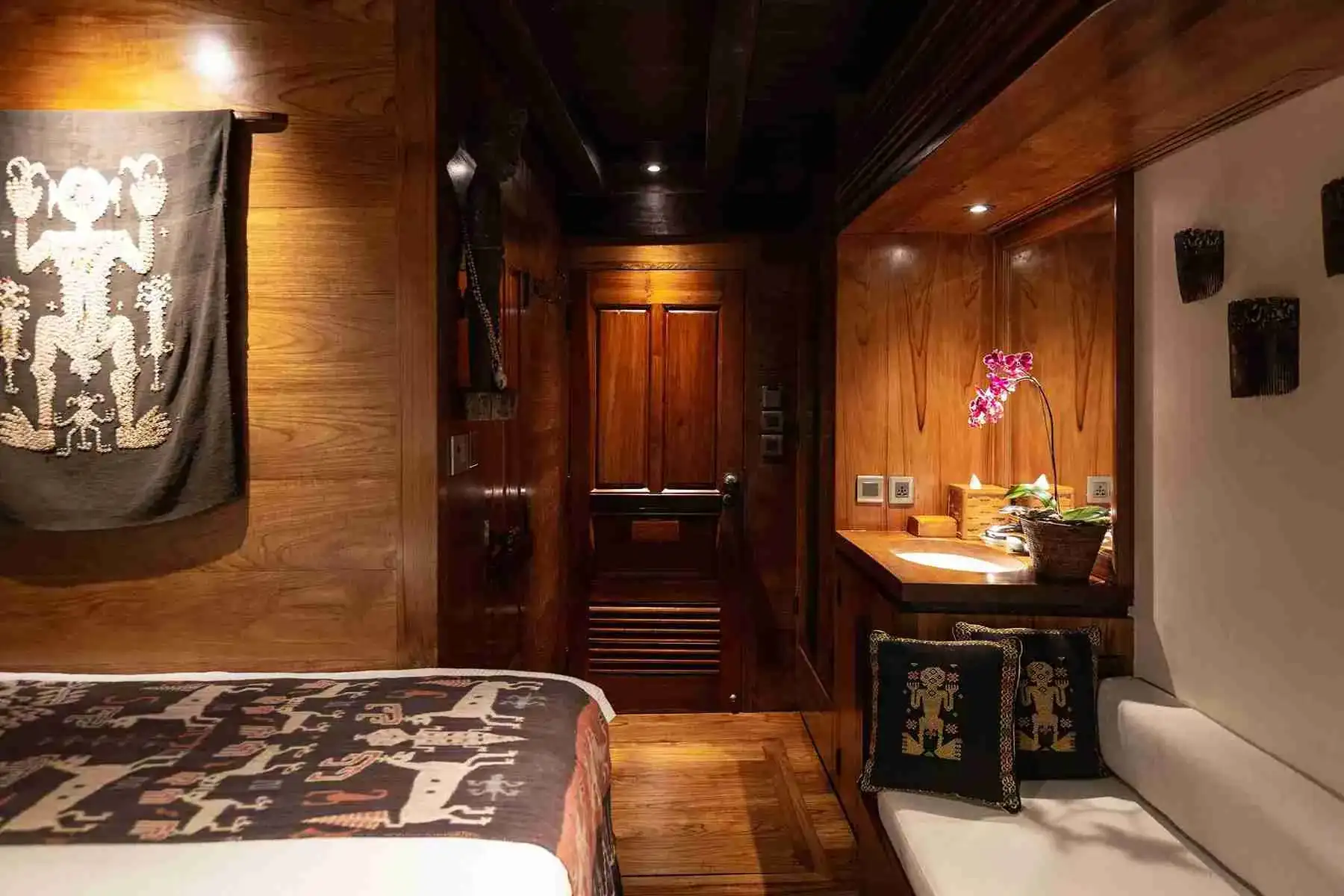
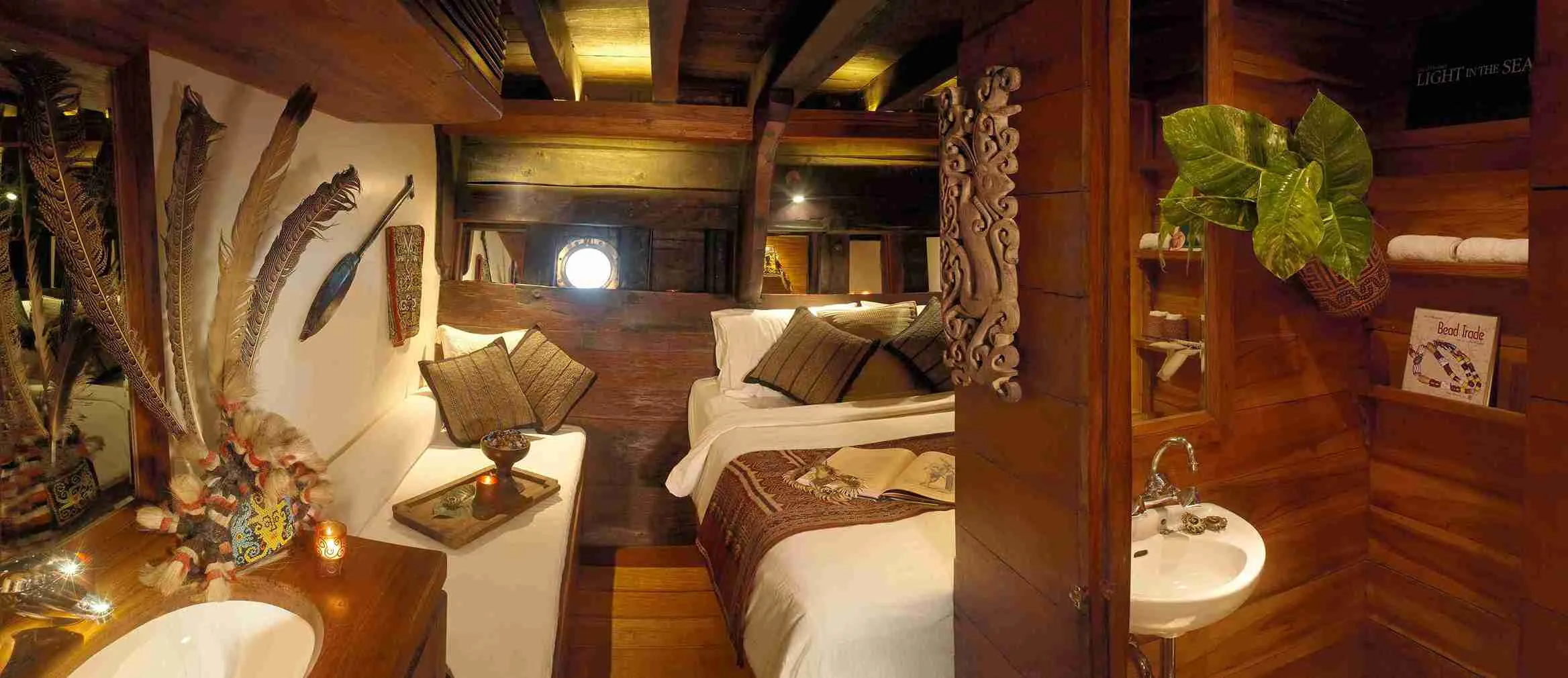
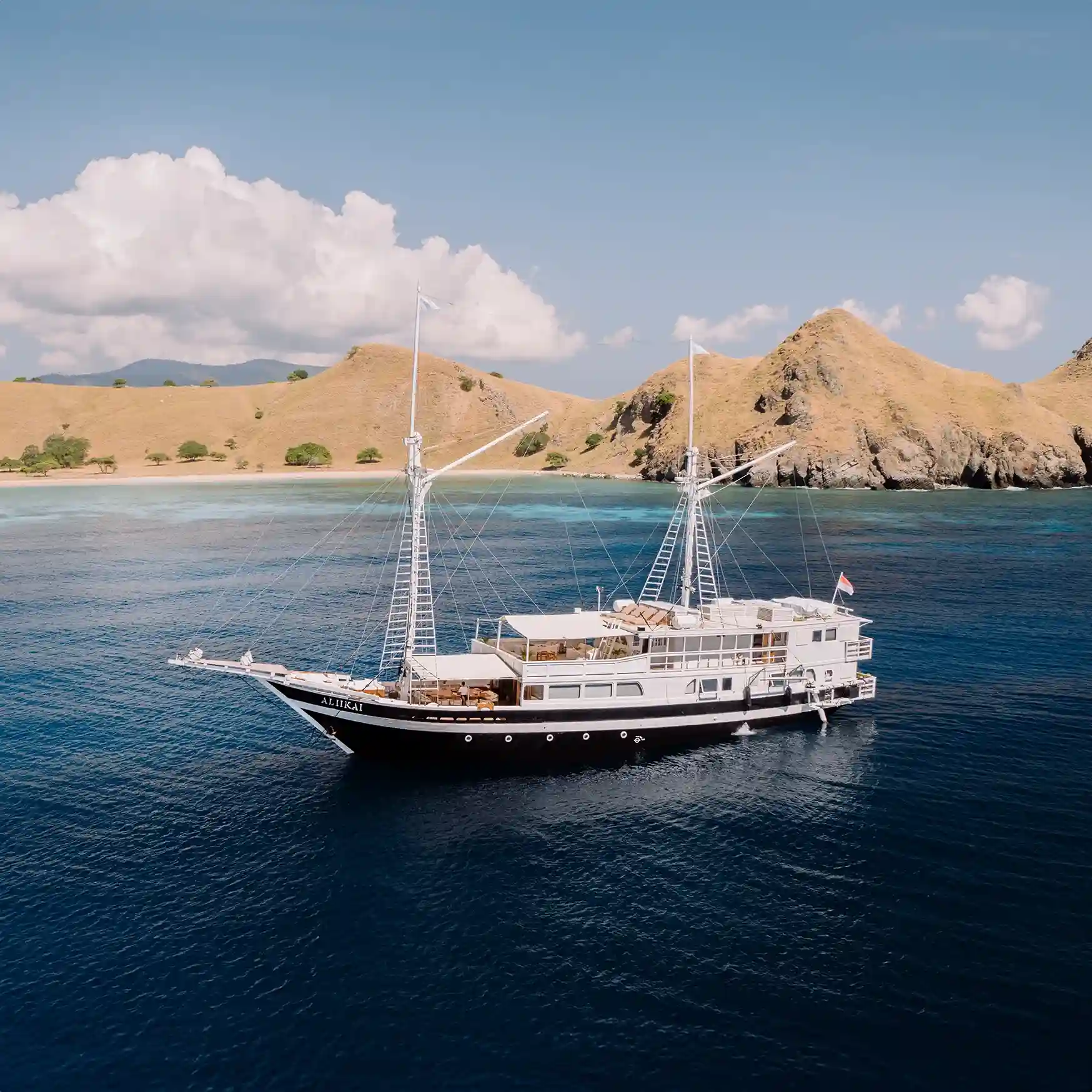
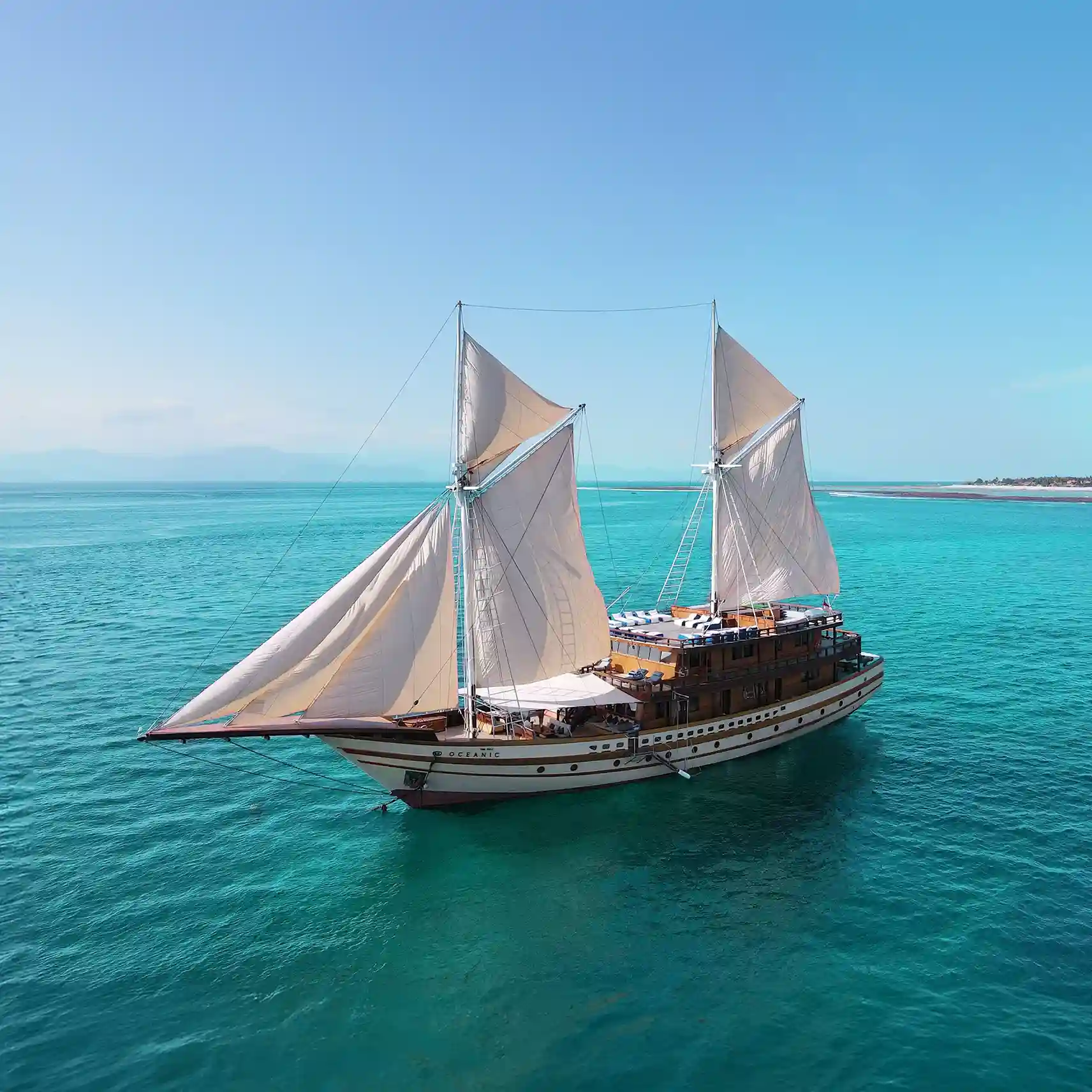
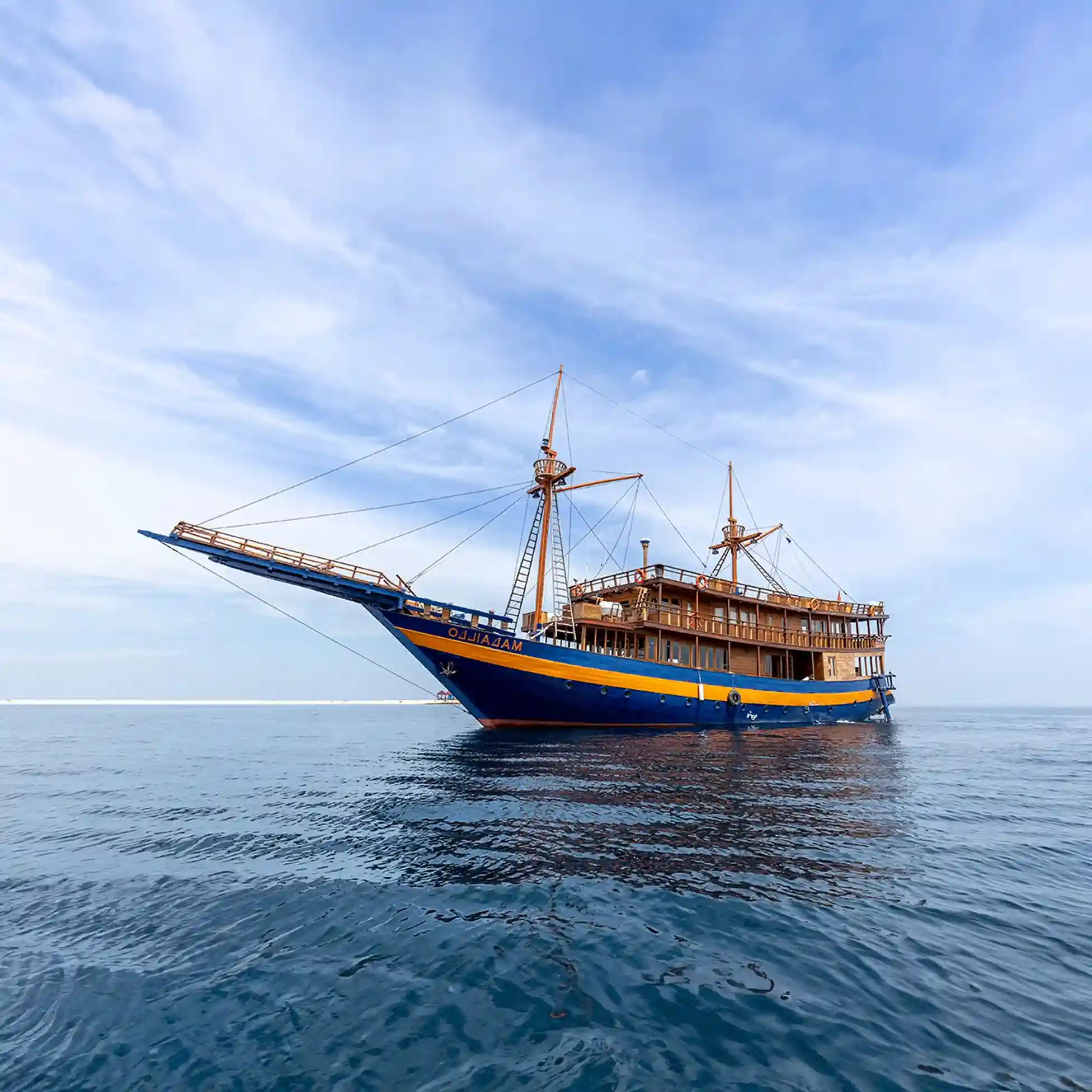
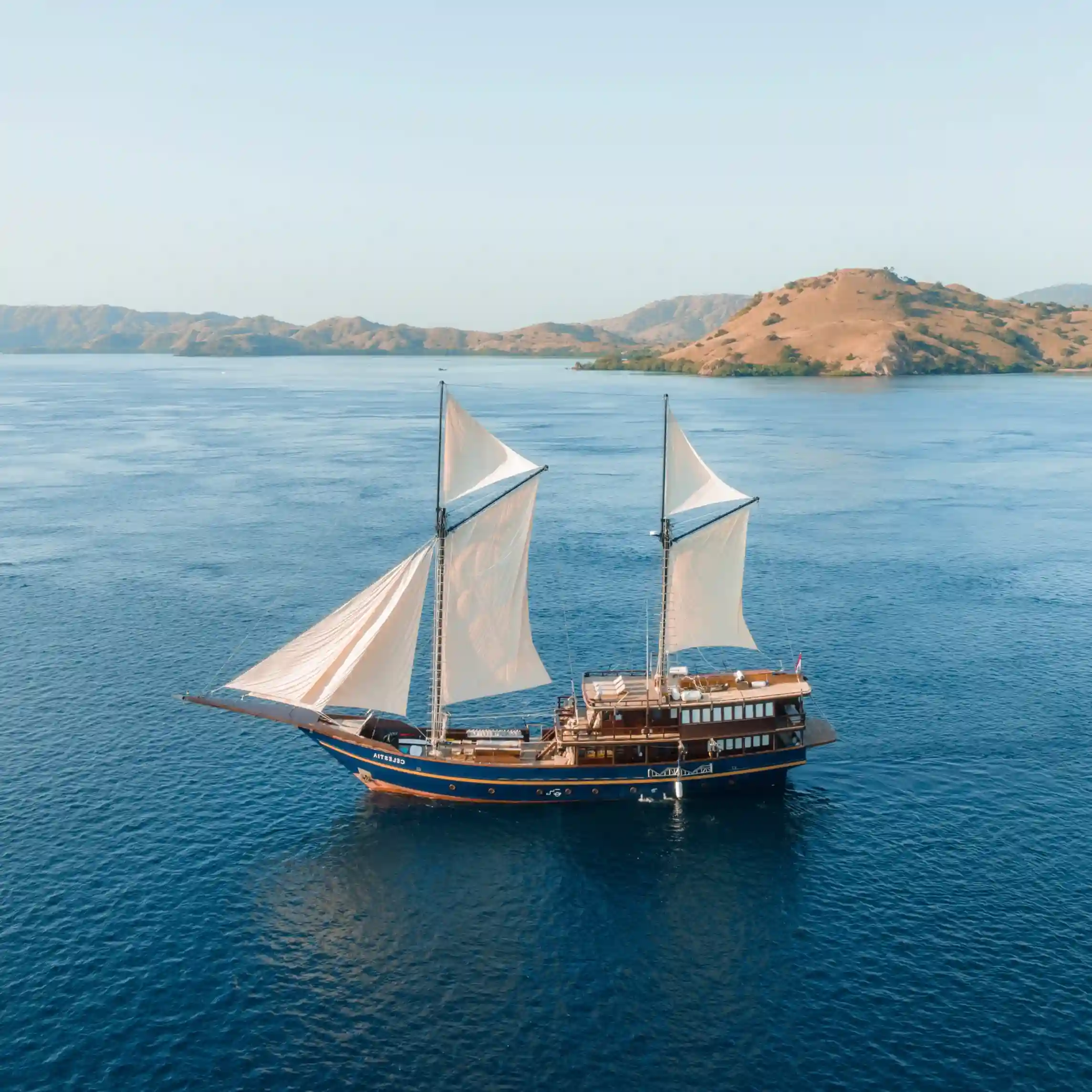
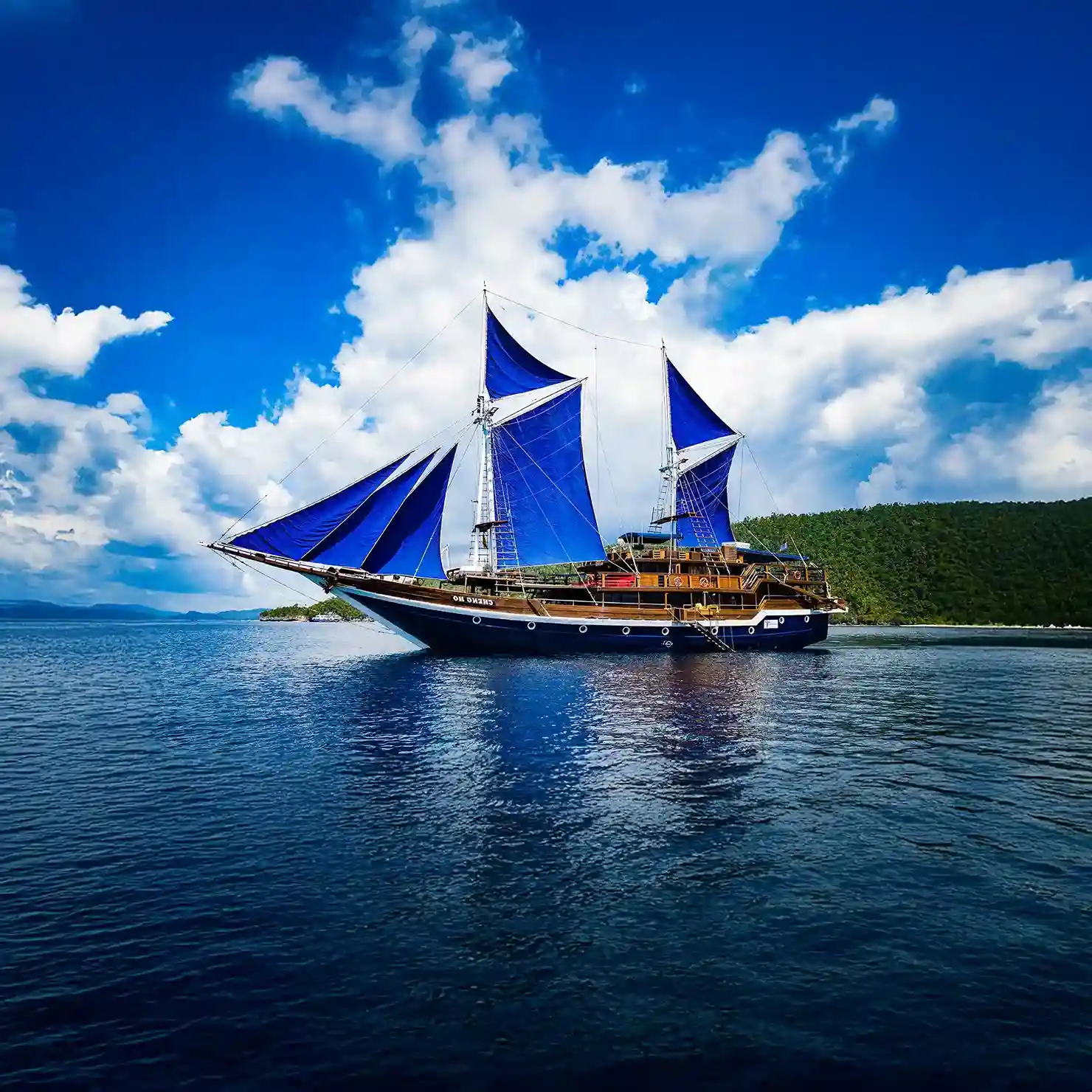
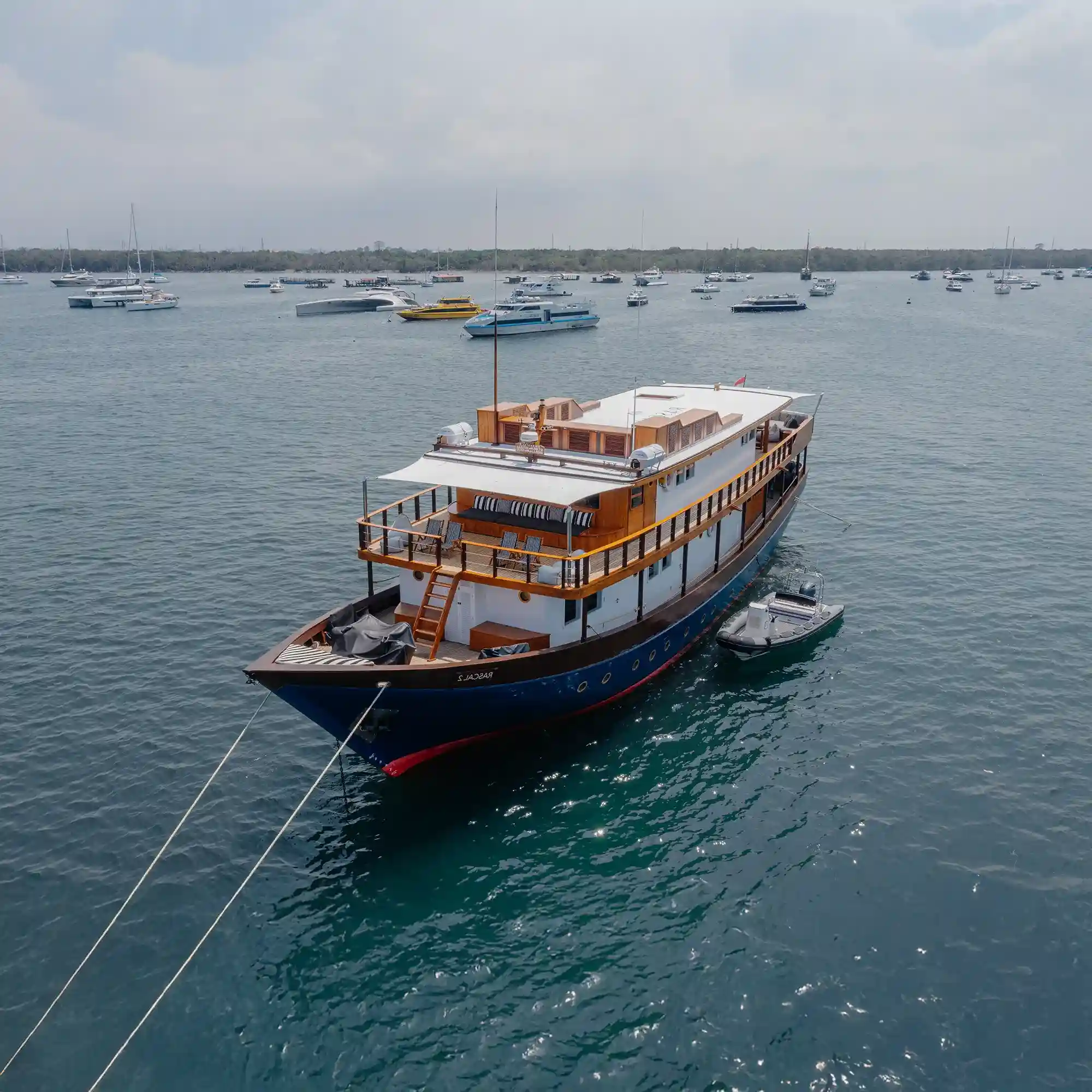
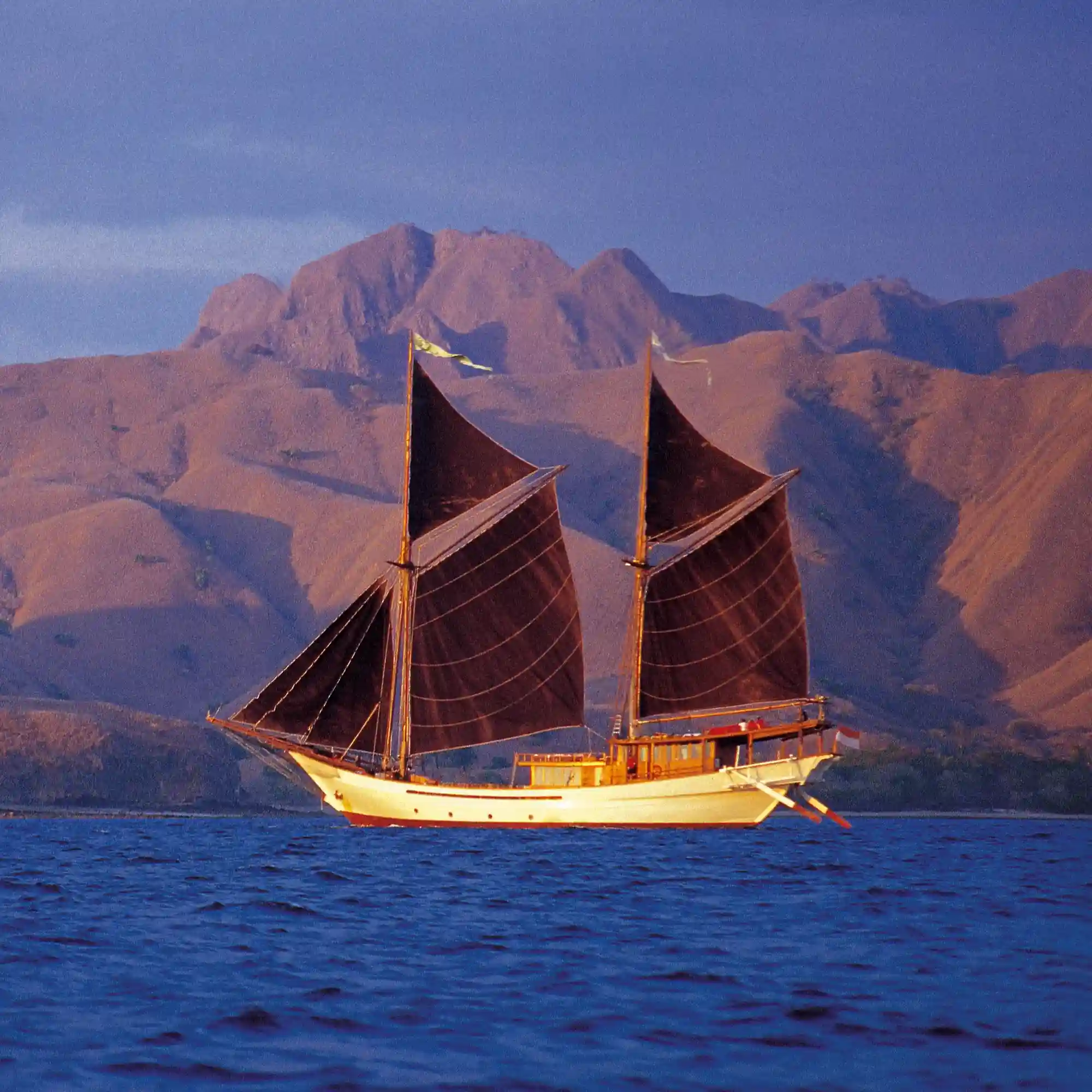
Silolona doesn’t shout luxury; it assumes it. At 50 metres, she’s long enough to glide through chop without shudder, yet nimble enough to tuck into secluded bays like Sebayur, where we dropped anchor the second morning. Her single cabin setup means you’re not sharing space — or view. The king bed faces a full-height window, framed by teak so polished it reflects moonlight at night. There’s no minibar clutter, just a bottle of chilled local Riesling and a folded note with that day’s snorkel sites. The bathroom has a rain shower that runs hot for 20 minutes — rare on a phinisi — and toiletries in reusable ceramic jars, not plastic.
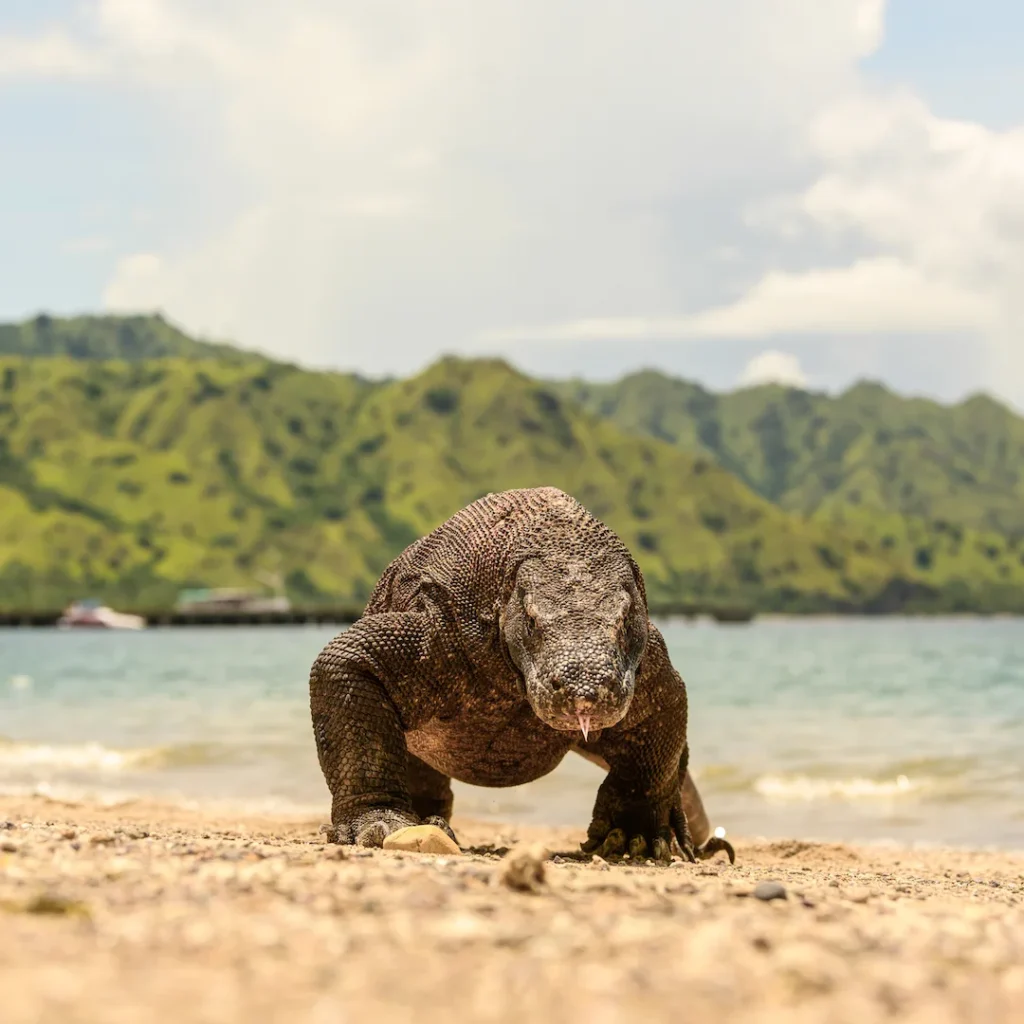
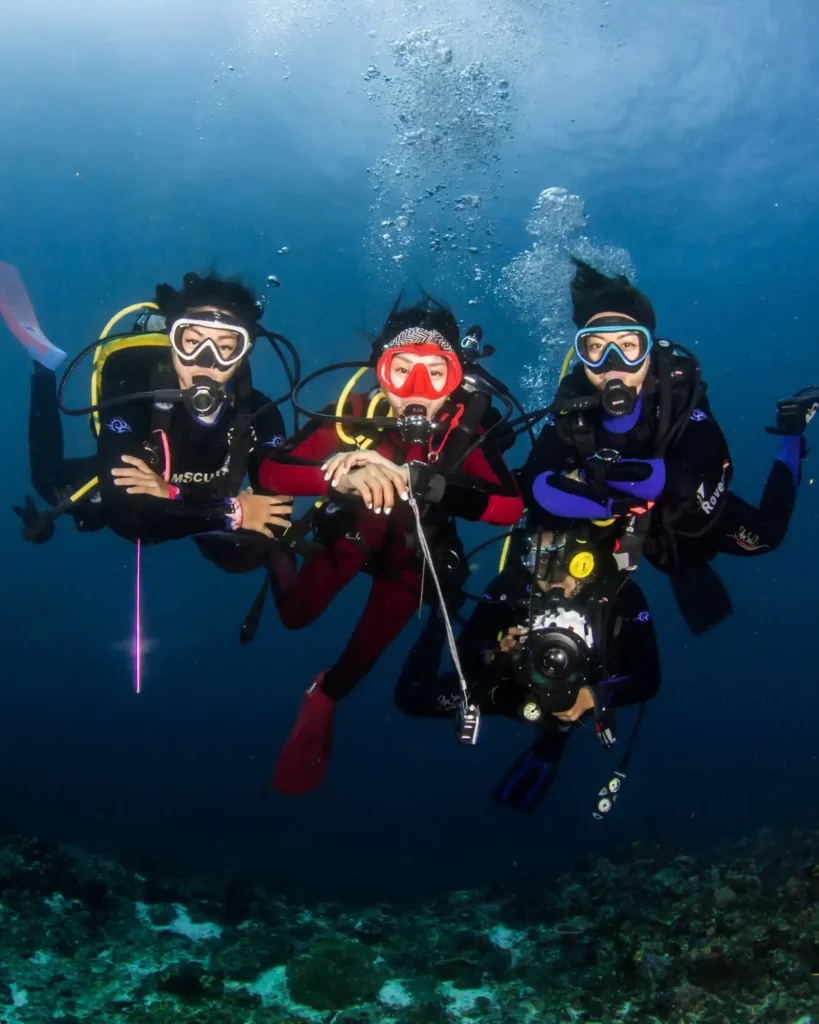
Our days followed a rhythm that felt more like instinct than itinerary. At 5:30 am, coffee appeared on the deck without asking. By 6:15, we were on Padar’s first switchback, the crew timing the landing so we reached the ridge as the sun cleared the horizon, lighting up the three-bay curve like a topographic map come to life. Later, after watching Komodo dragons stalk along the trail at Loh Liang, we snorkeled at Manta Point midday, where the boat positioned itself in the current lane so we could drift effortlessly alongside feeding rays. The crew didn’t shout instructions — they just handed us fins and pointed to where the water was moving.
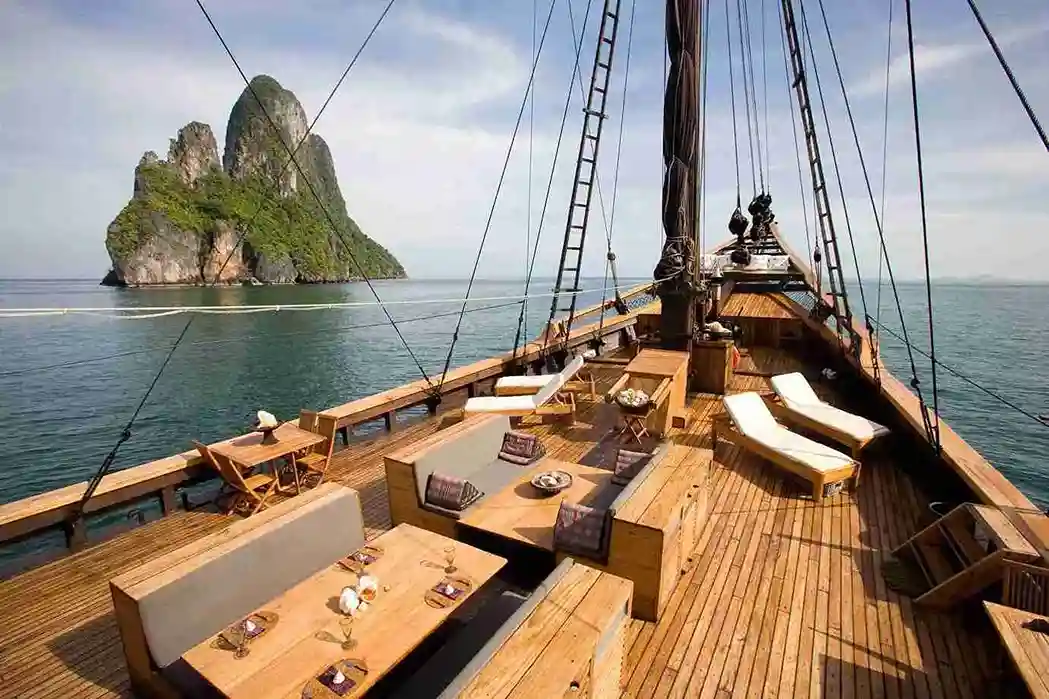
Meals were served wherever made sense: grilled reef fish on the aft deck at noon, satay under the stars with the mast lights dimmed. The kitchen, below, ran like a galley in a Michelin-boat hybrid — every spice toasted, every sauce built from scratch. I remember a tamarind broth with local snapper, eaten at 8 pm off Kanawa, the only sound the clink of spoons and the occasional splash of a hunting squid. No music, no forced entertainment. Just food, sea, and the faint smell of rain on hot deck planks.
On the final morning, we anchored at Taka Makassar. Sandbar at low tide, water so shallow and clear you could see every shell pattern. The crew brought out kayaks and a floating stand-up paddleboard, but no pressure to use them. One of the deckhands, Pak Wayan, sat on the bow with a ukulele, playing low chords. It wasn’t staged. It was just what happened when a boat this tuned to its environment slows to a stop. Leaving felt less like disembarkation and more like being gently returned to shore.