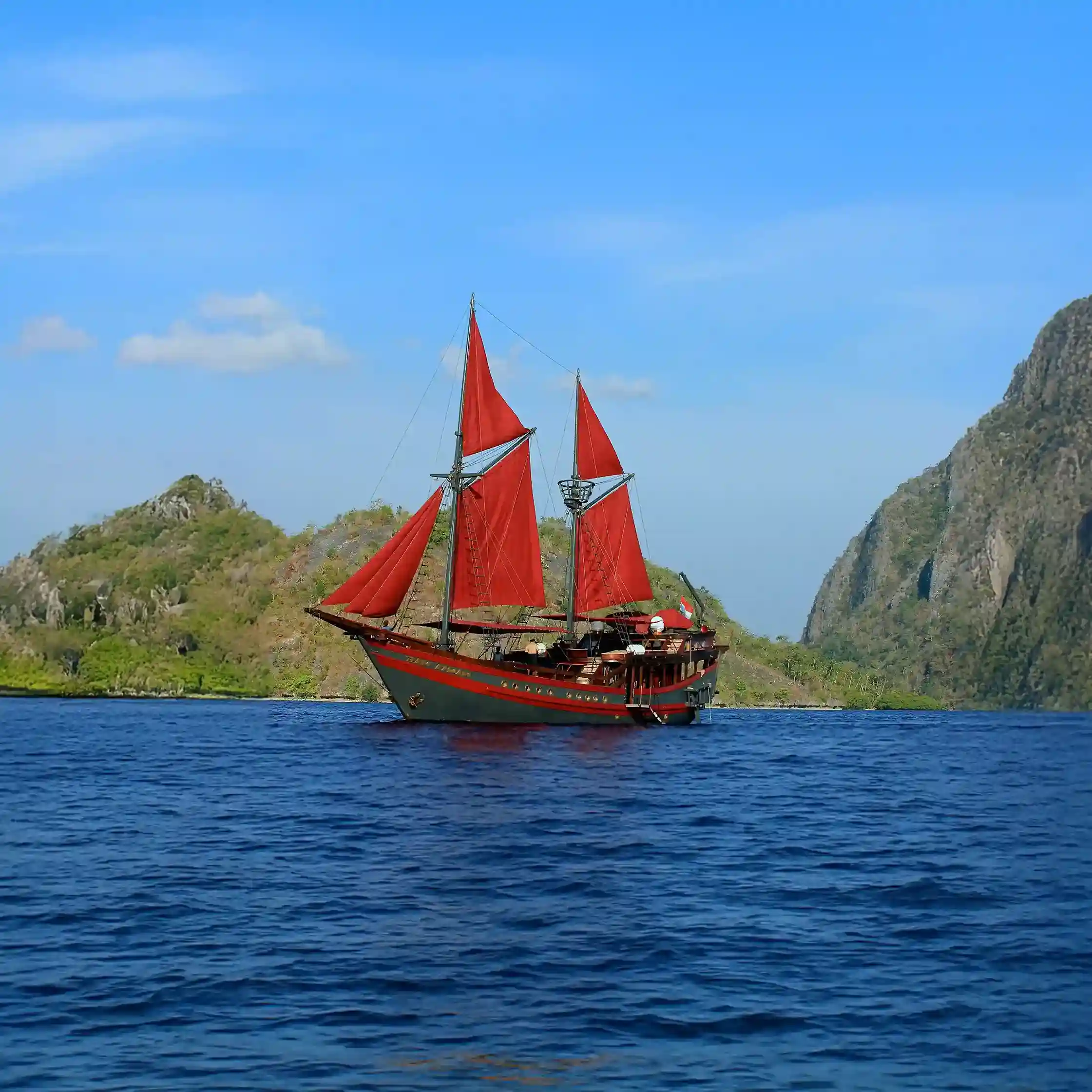
About Manta Mae
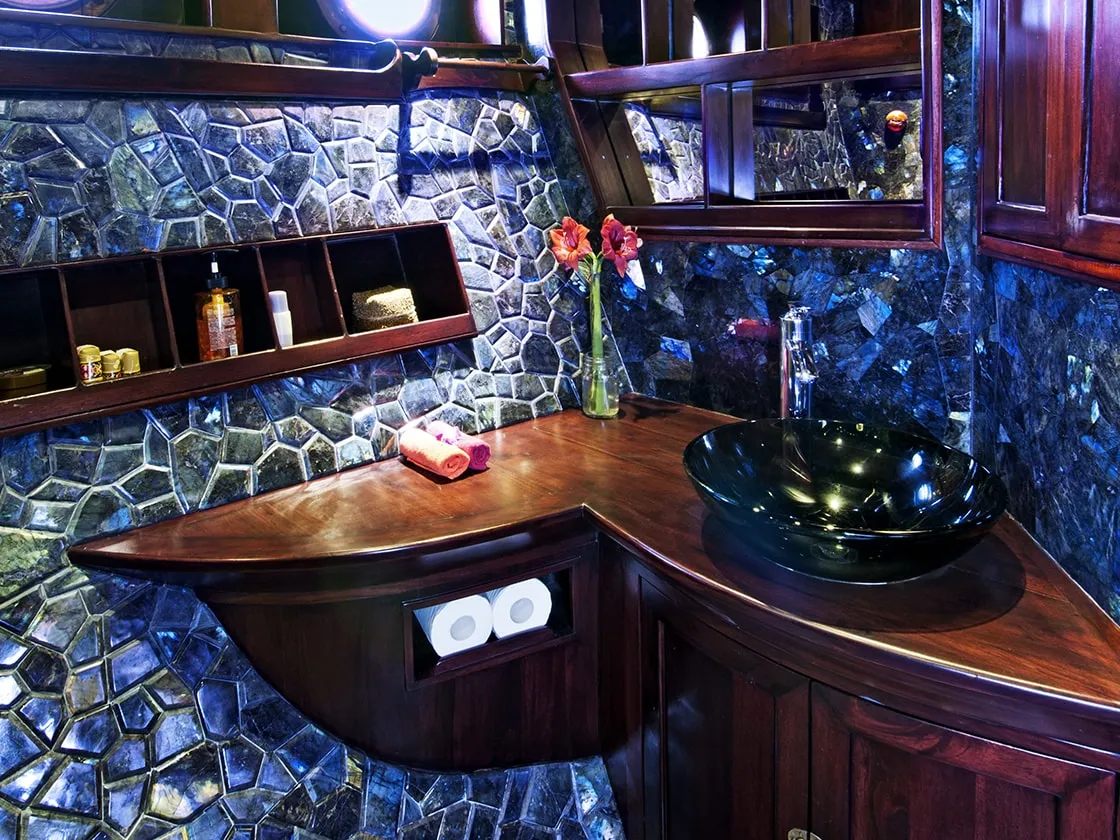
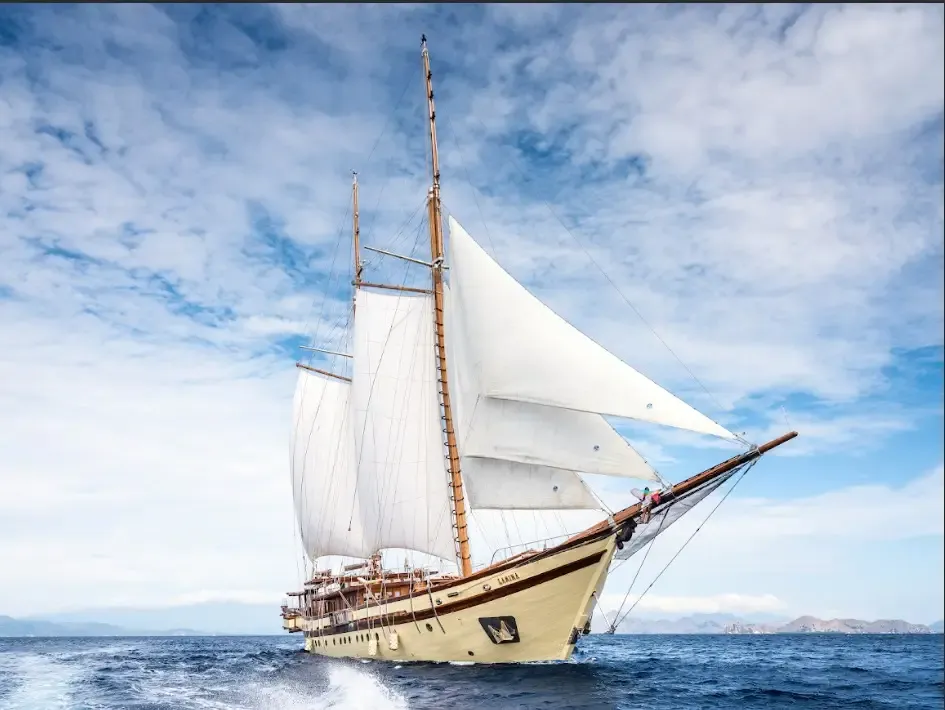
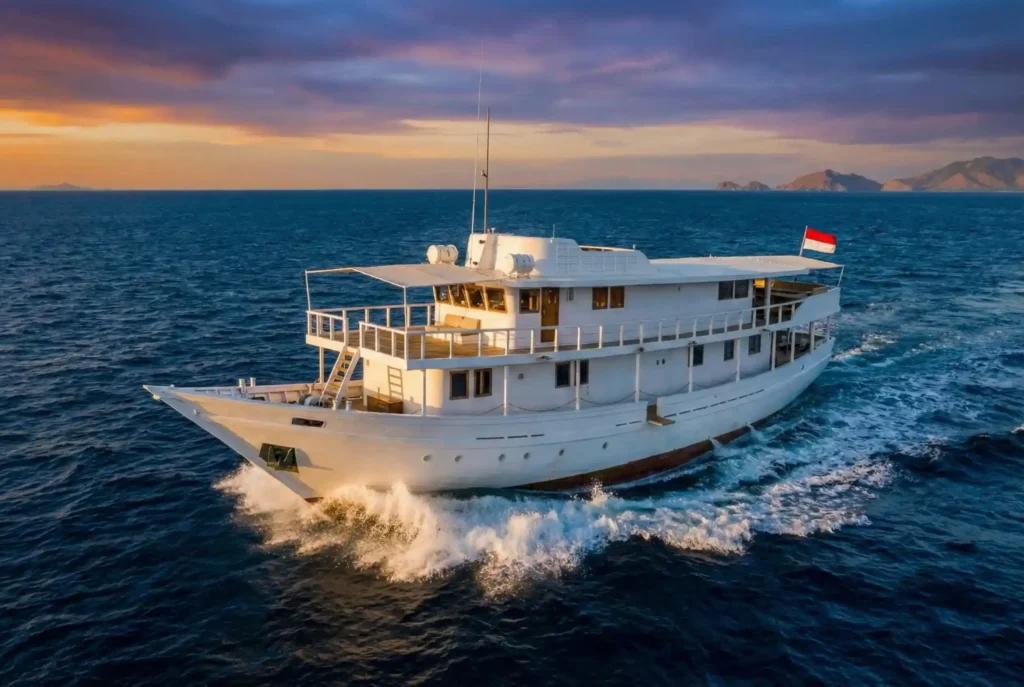
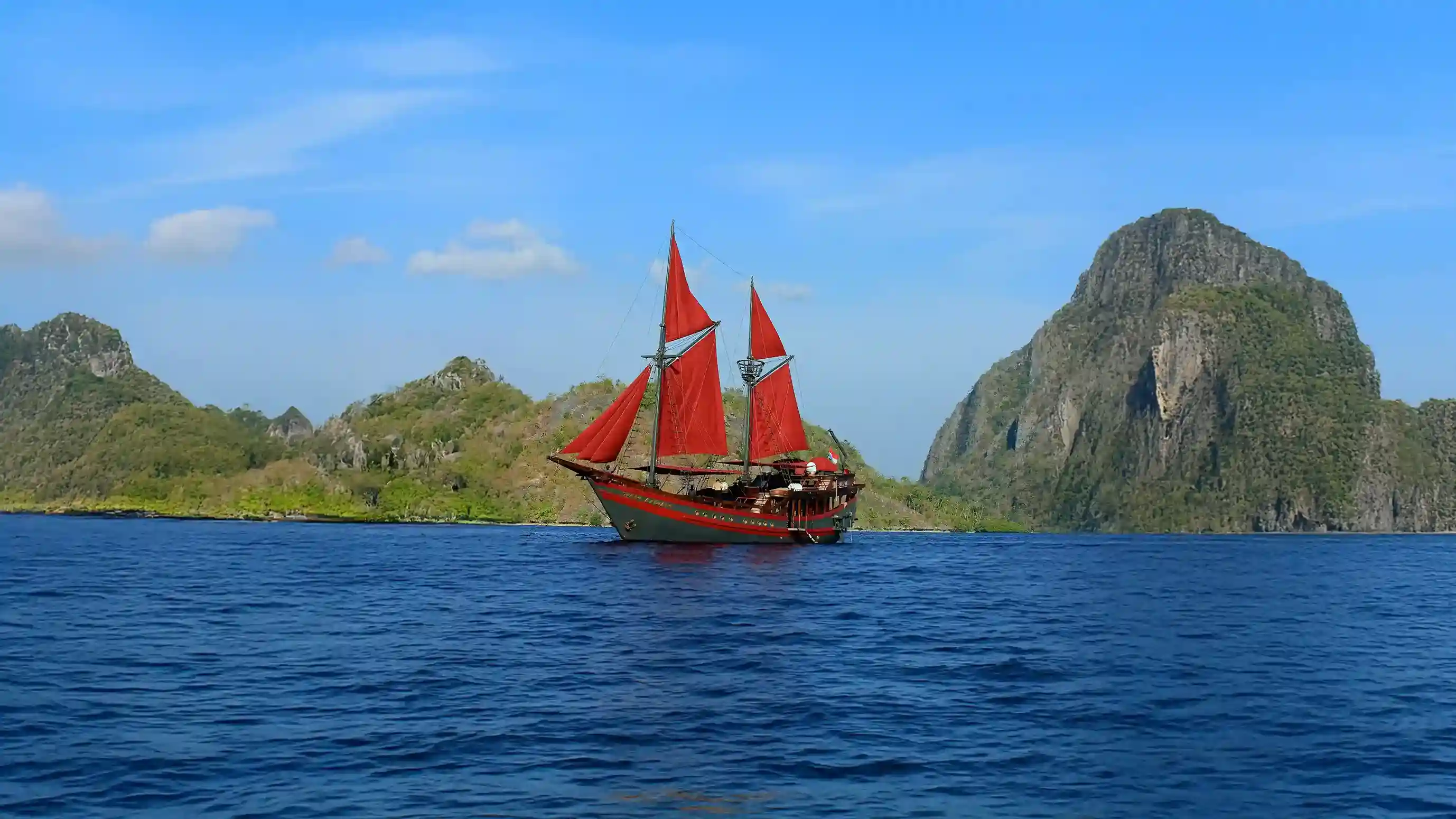
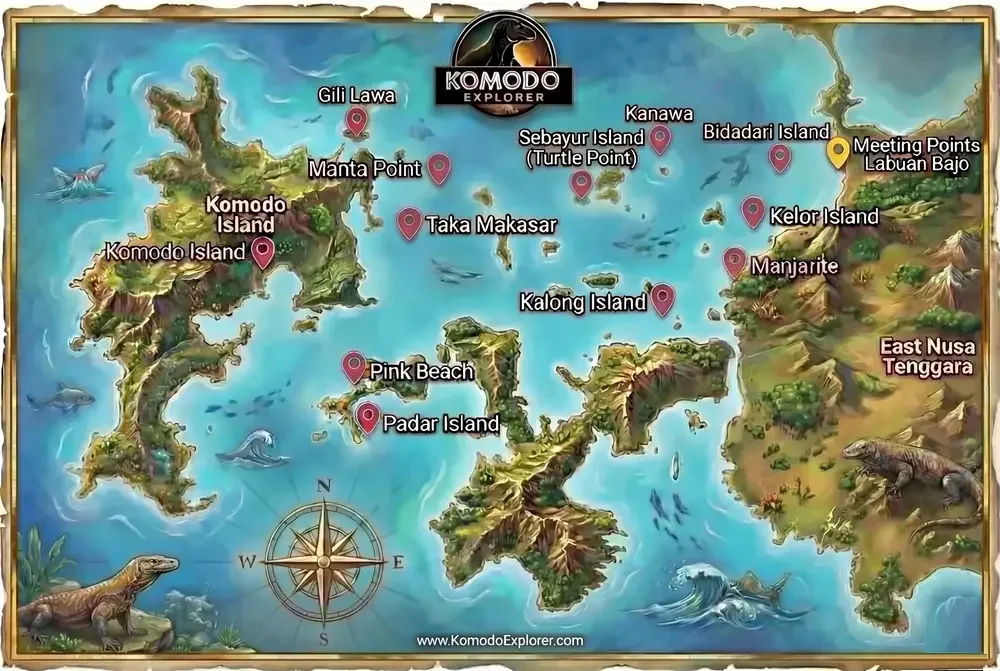
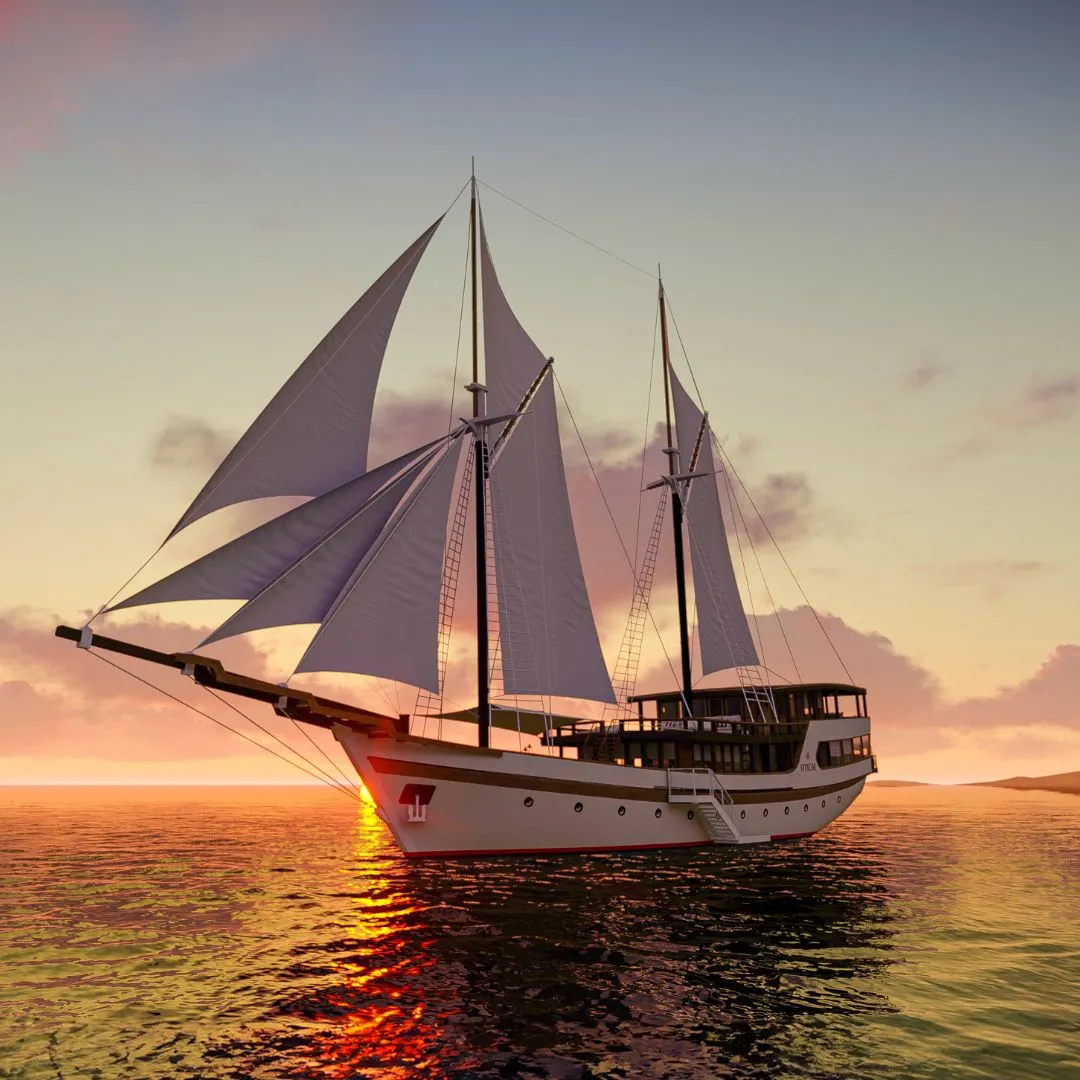
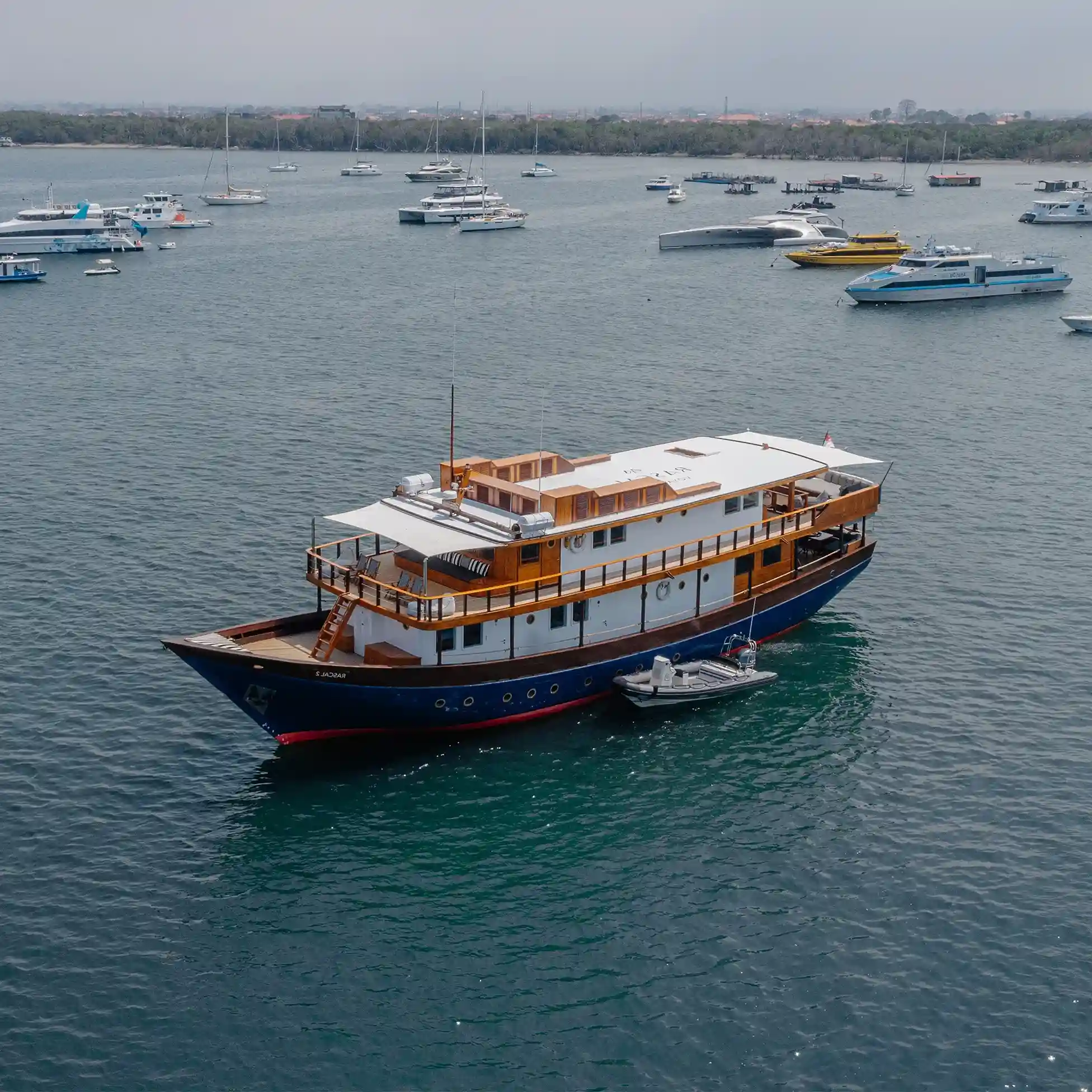
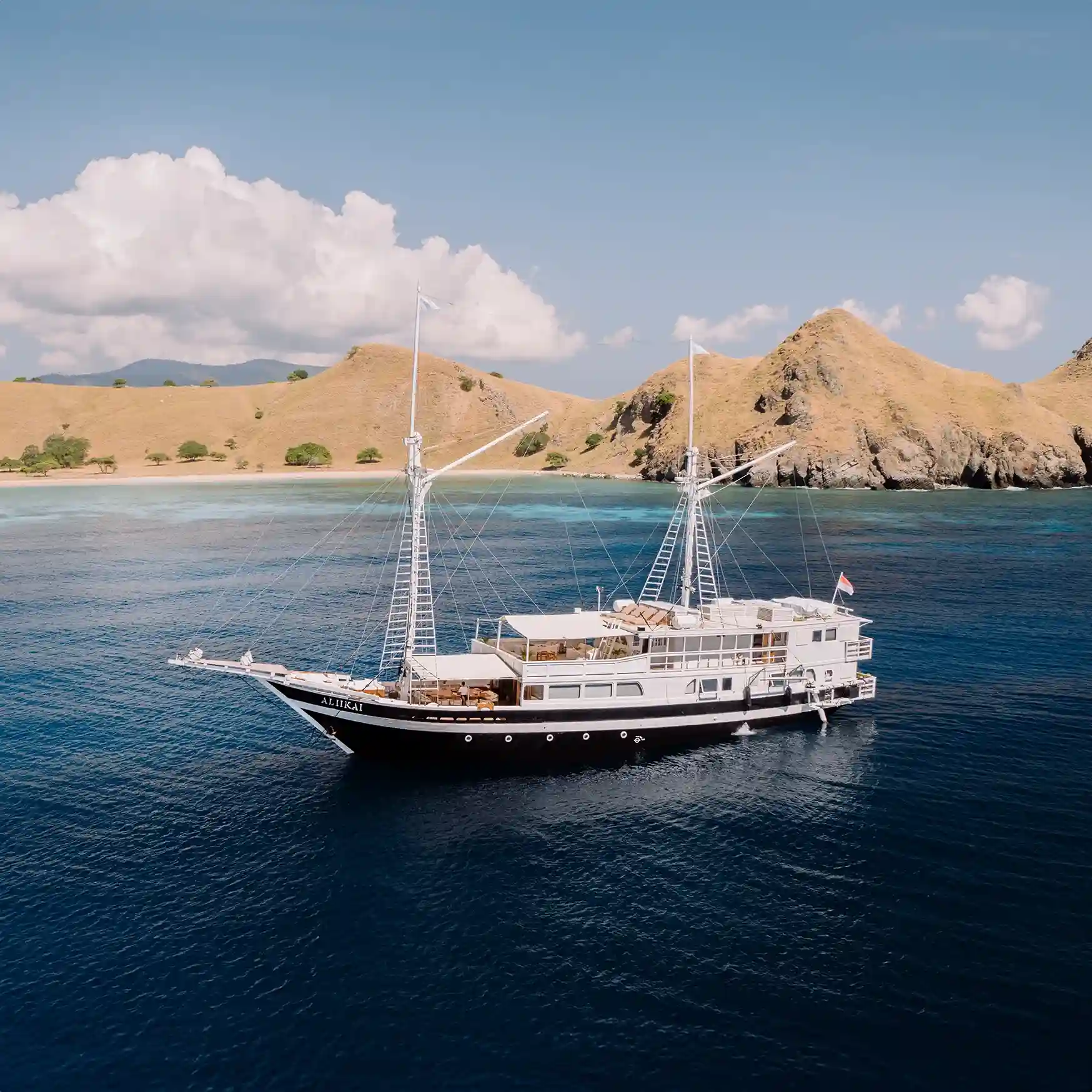
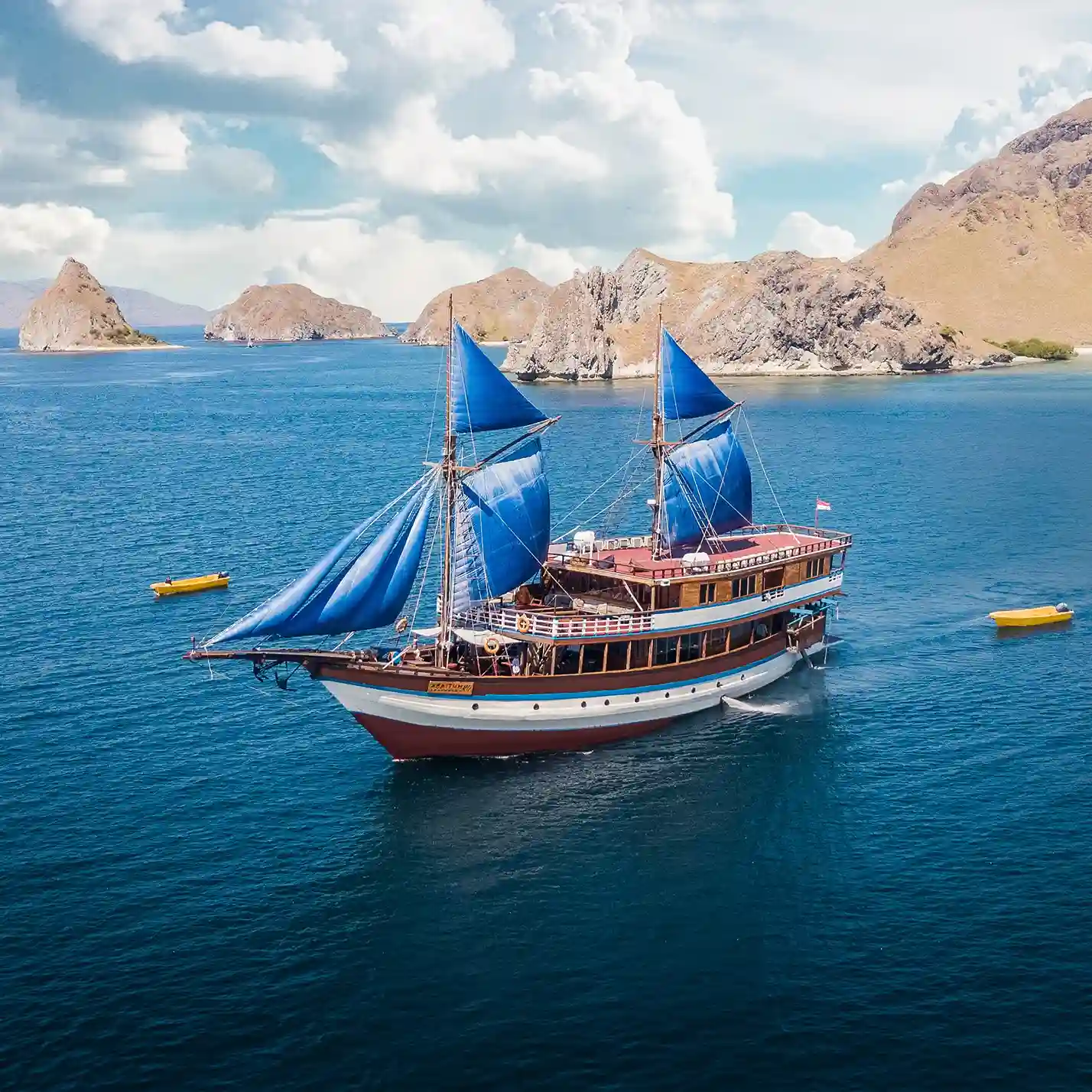
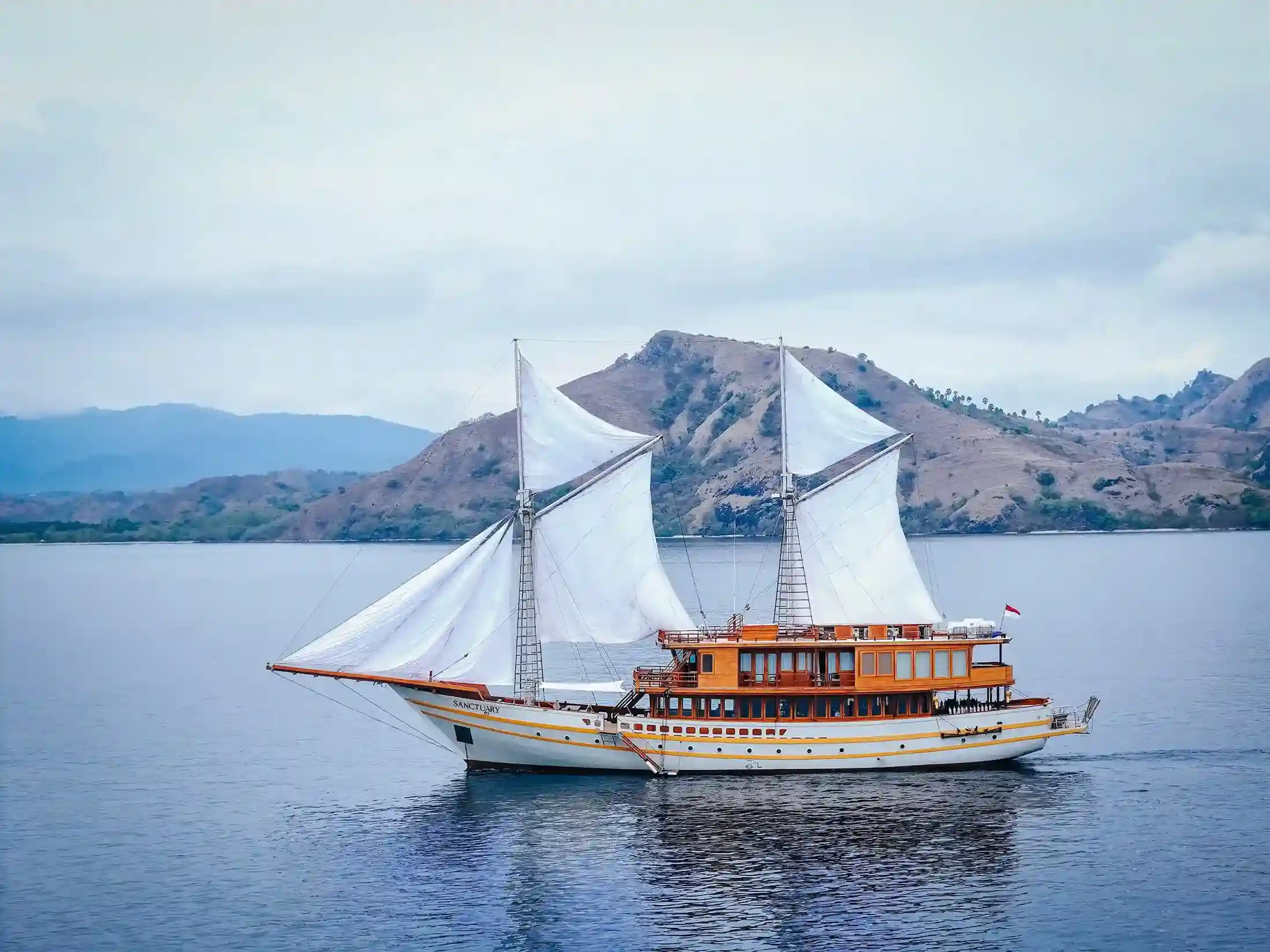
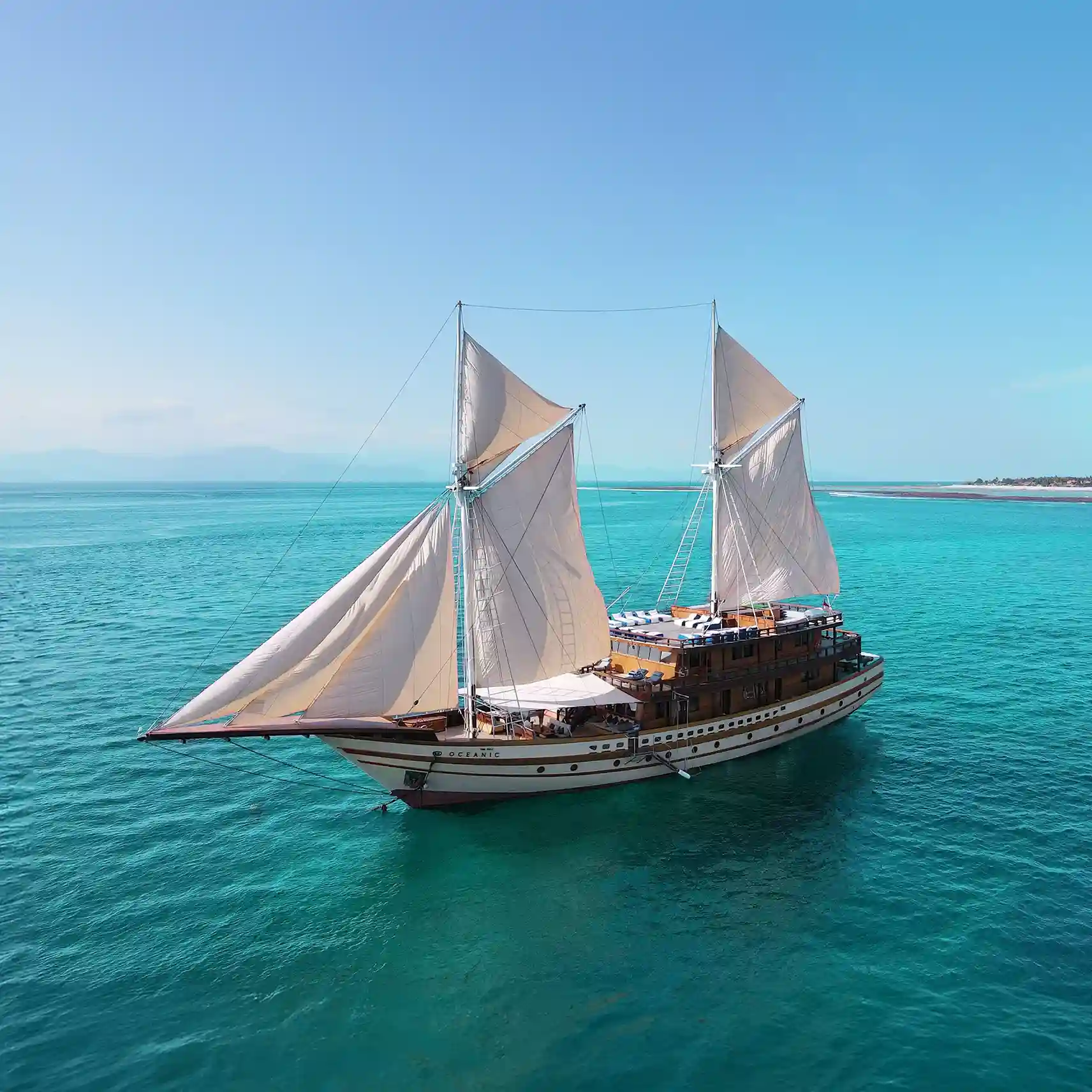
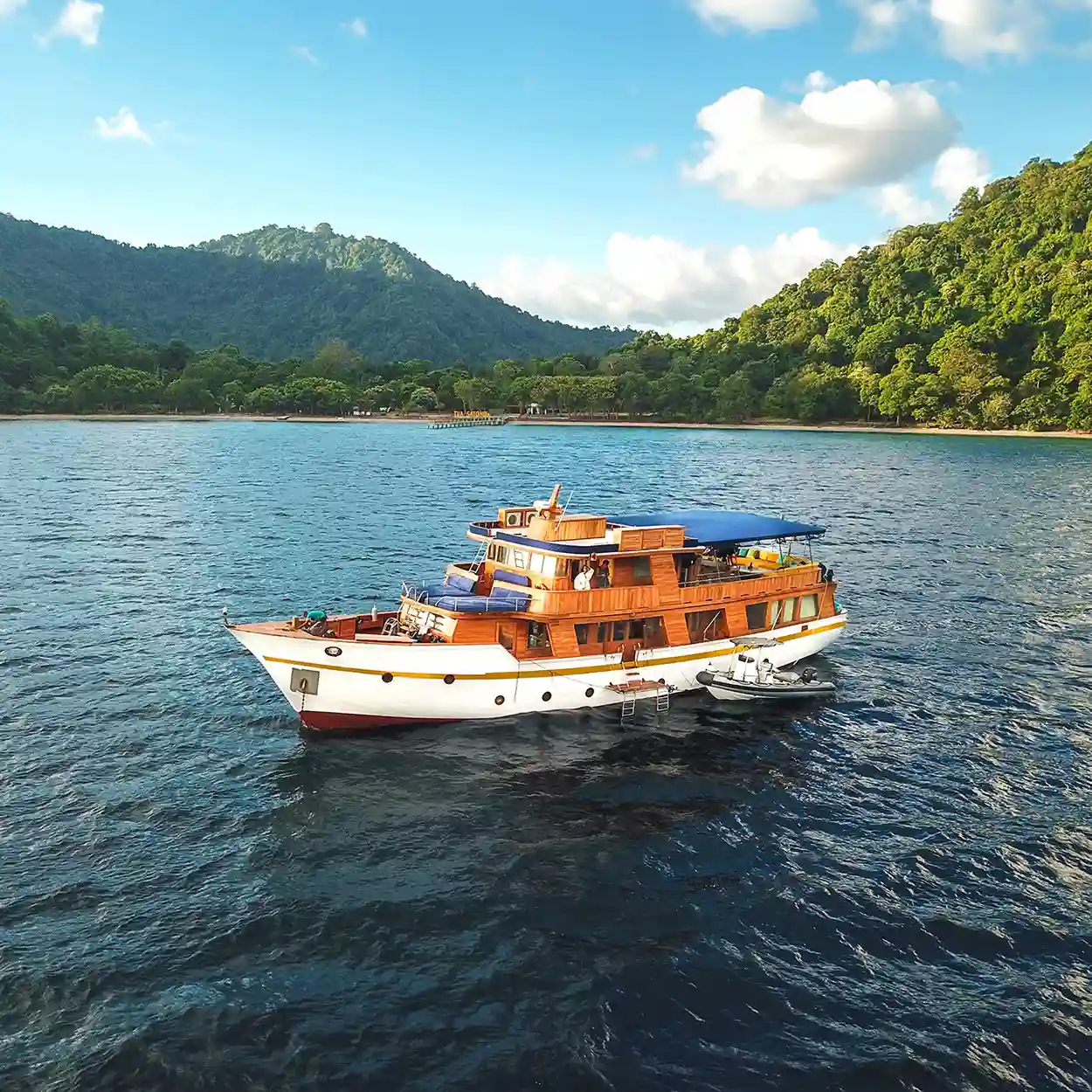
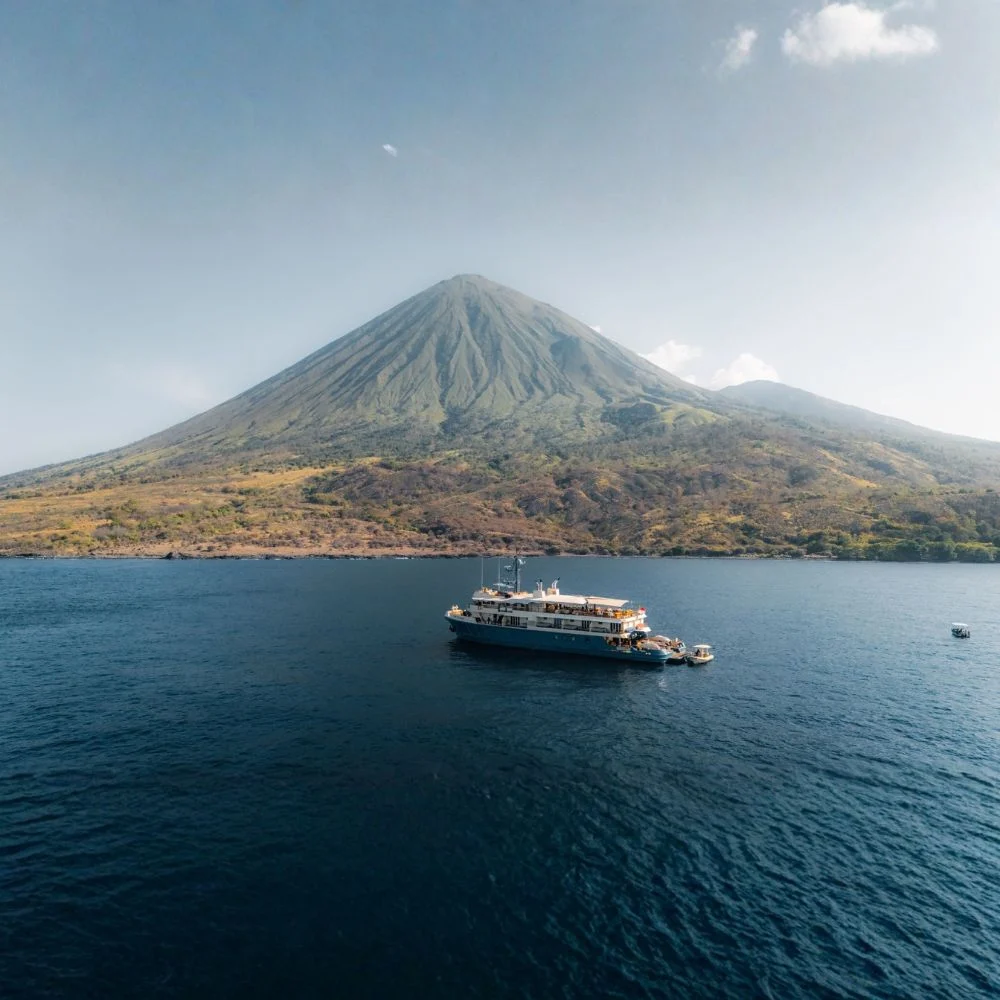
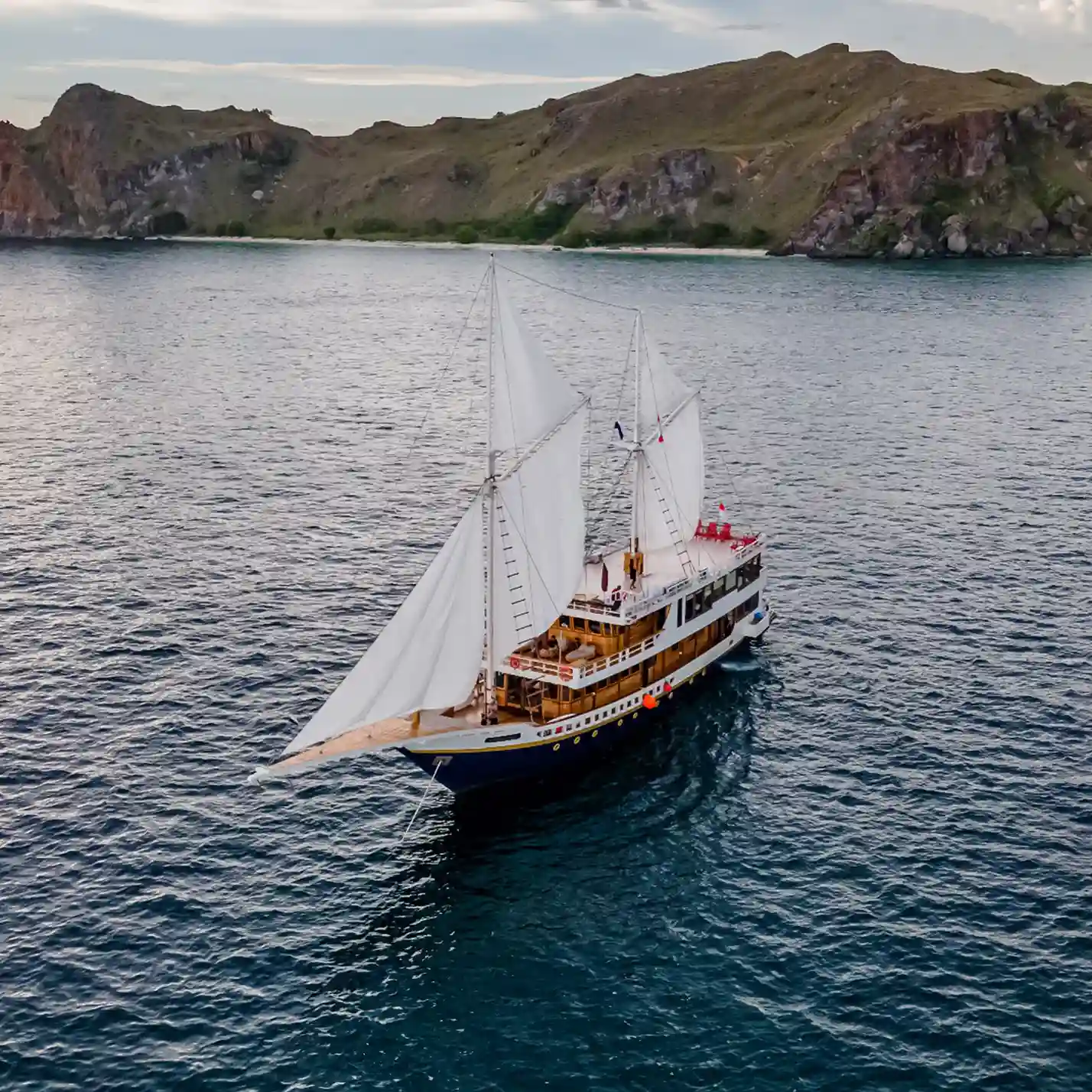
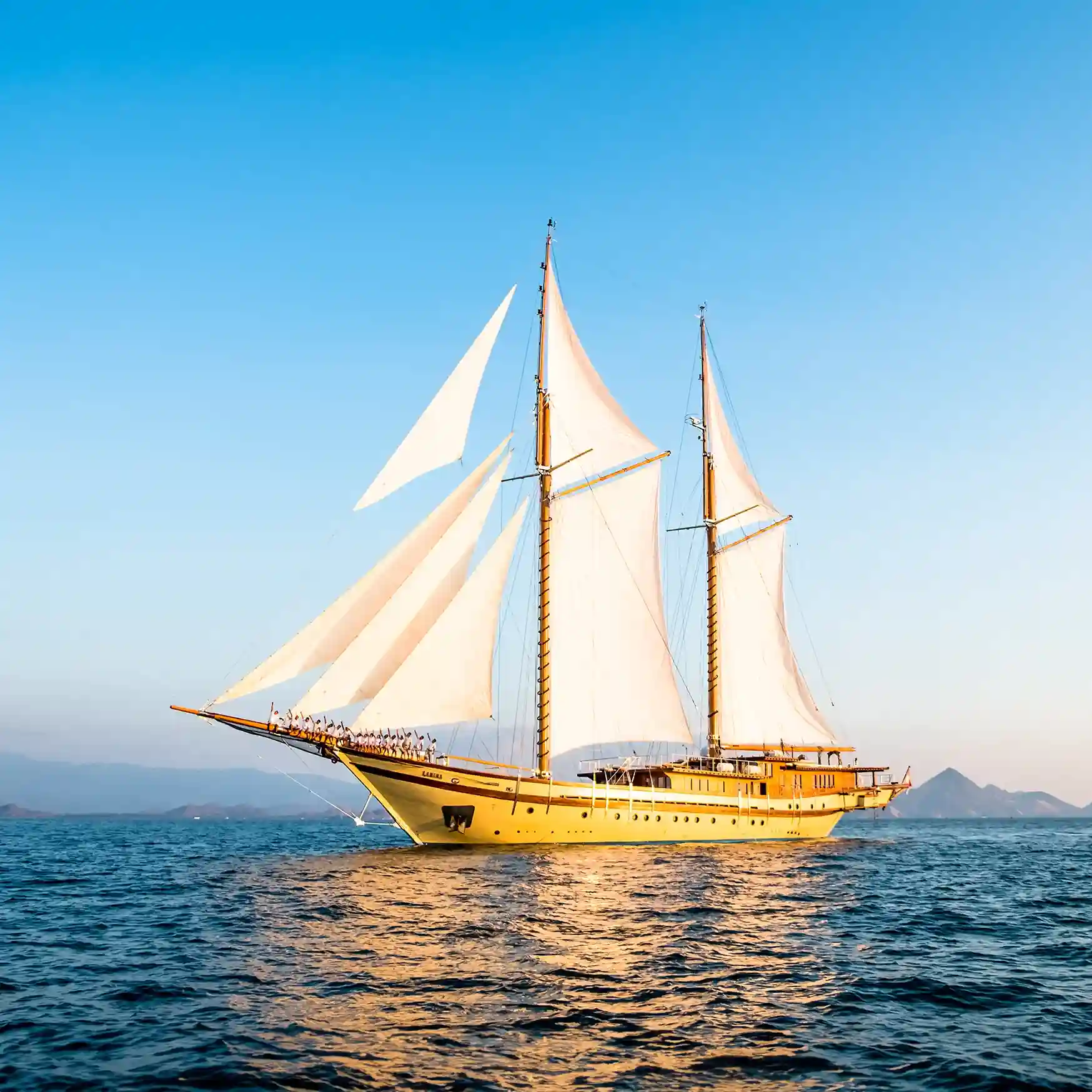
The first thing I noticed wasn’t the polished teak or the silent generator—it was the way the crew moved. At 5:45 a.m., no voices, just footsteps along the starboard deck as they laid out chilled towels and thermoses of coffee. Padar Island loomed in the half-light, its striped slopes still shadowed, and the skipper had already positioned Manta Mae in a natural cove off Karatang Beach, where the current runs clean and the snorkelers float without effort. This wasn’t choreographed theatre. It was rhythm.
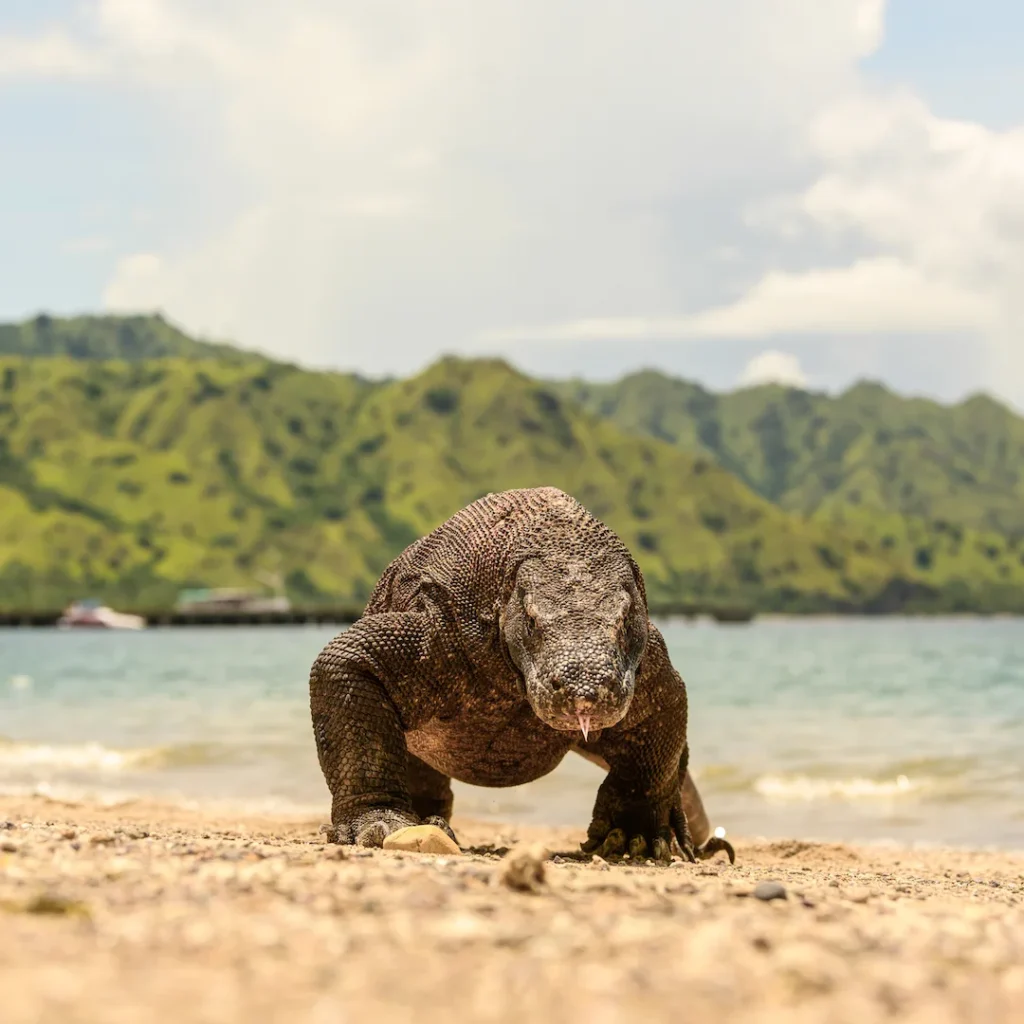
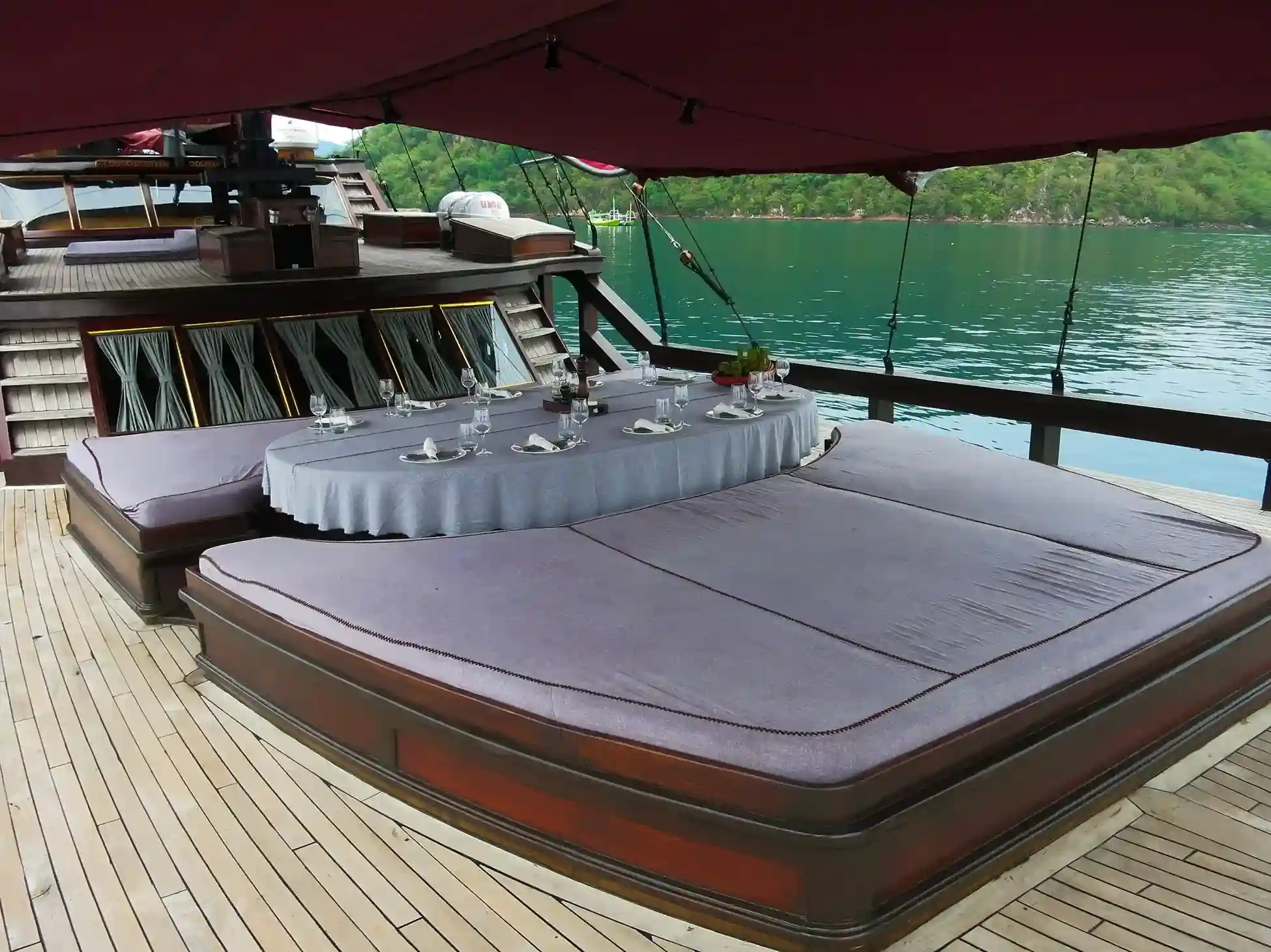
By mid-morning, we’d hiked among Komodo dragons at Rinca, not the more crowded Komodo Island. One juvenile slithered across the path just metres from our guide’s wooden pole, tongue flicking. Back on board, the galley served chilled papaya and lime with ginger syrup—simple, sharp, no garnish. Lunch was seared skipjack with sambal matah on the shaded upper deck, eaten as we drifted near Pink Beach. The sand isn’t uniformly pink, not really—it’s coral fragments concentrated in drifts, most vivid at low tide near the western end. The boat anchored far enough out that the wake never reached shore.
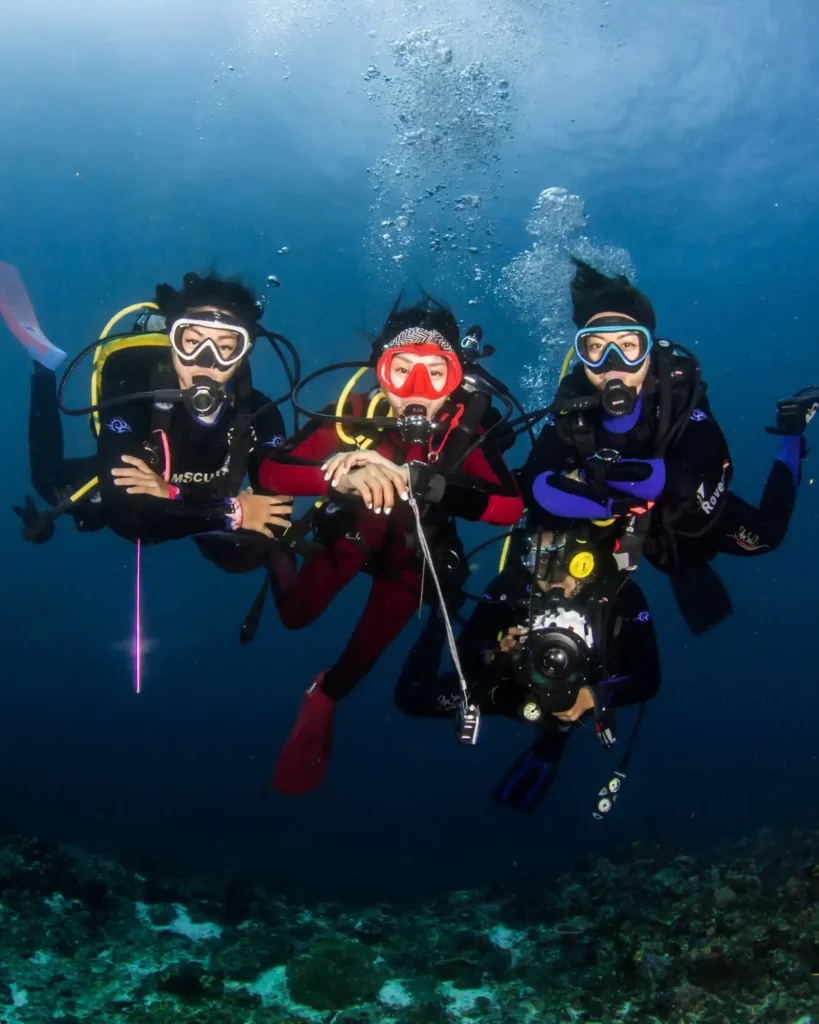
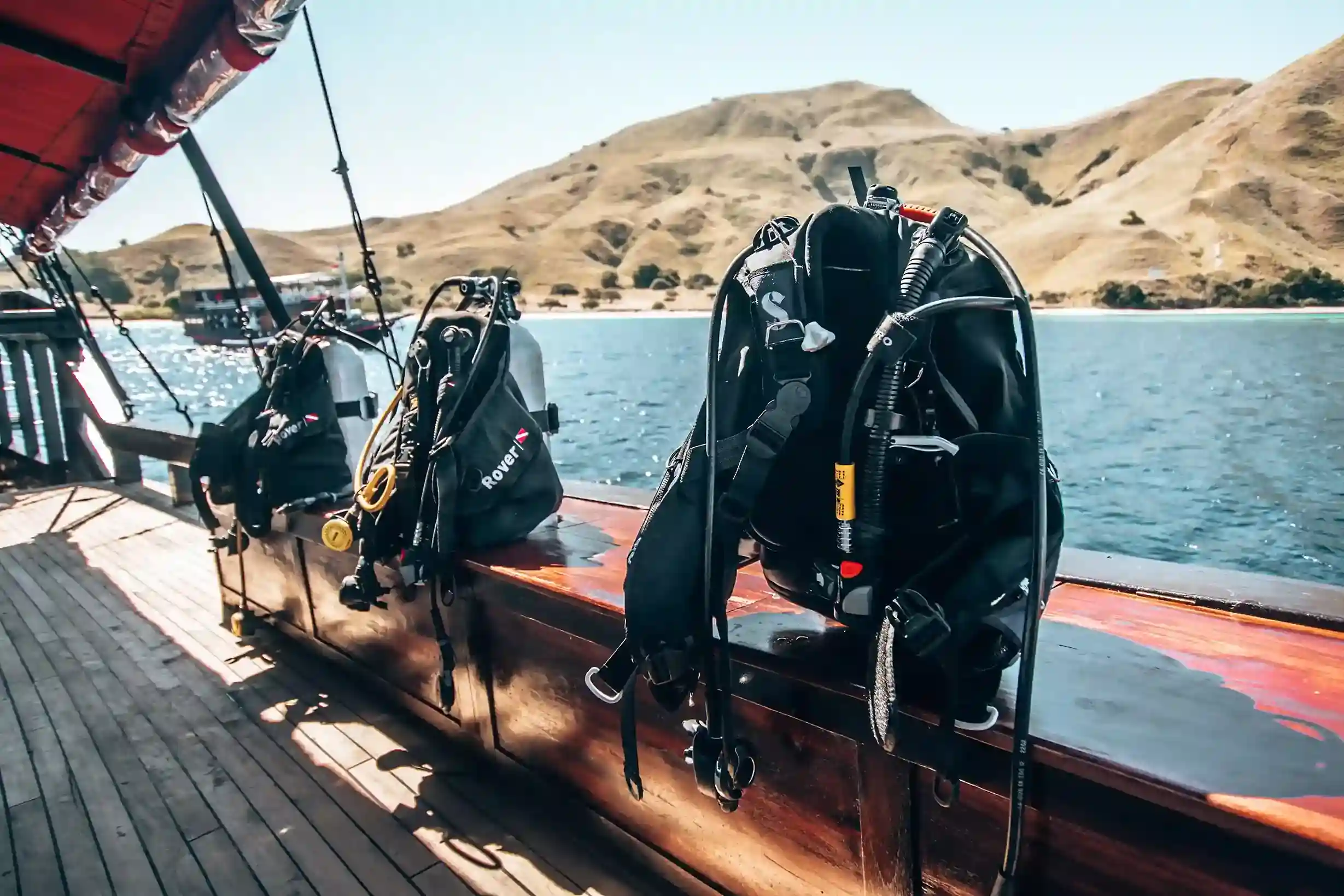
Manta Point came late morning on day two. The dive master didn’t shout. He pointed. Two mantas circled the cleaning station at Batu Bolong, gliding under the pinnacles where the current swirls. I stayed in for 38 minutes, until my fingers pruned and the surface team tapped the hull twice—time to rotate. Manta Mae uses a floating line with numbered tags so guests don’t drift. No one lost. Back on deck, a rinse shower with freshwater warmed by solar panels, not gas.
Night fell at Kalong Island. The sky turned indigo just as the fruit bats began—first a few, then a swirling column rising from the mangroves. Dinner was served on the main deck, no tablecloths, just low lighting and grilled mahi-mahi with tamarind glaze. The boat had already moved while we snorkeled, repositioned silently to Taka Makassar by dawn. That stretch of water, flat as glass at first light, is where I saw my first dugong—a dark shape grazing seagrass, maybe ten metres from the hull.
Kanawa rounded it out. Not for the coral—patchy, recovering from bleaching—but for the slope at the north end, where blue-spotted stingrays hide under ledges. The crew had prepped a final spread: coconut pancakes, strong coffee, and cold towels again. We docked in Labuan Bajo at 14:30, timed to miss the port rush. No one asked for tips. One of the stewards handed me a dried seashell from Kelor—no logo, just a smooth turban shell, bleached white. That stayed with me.