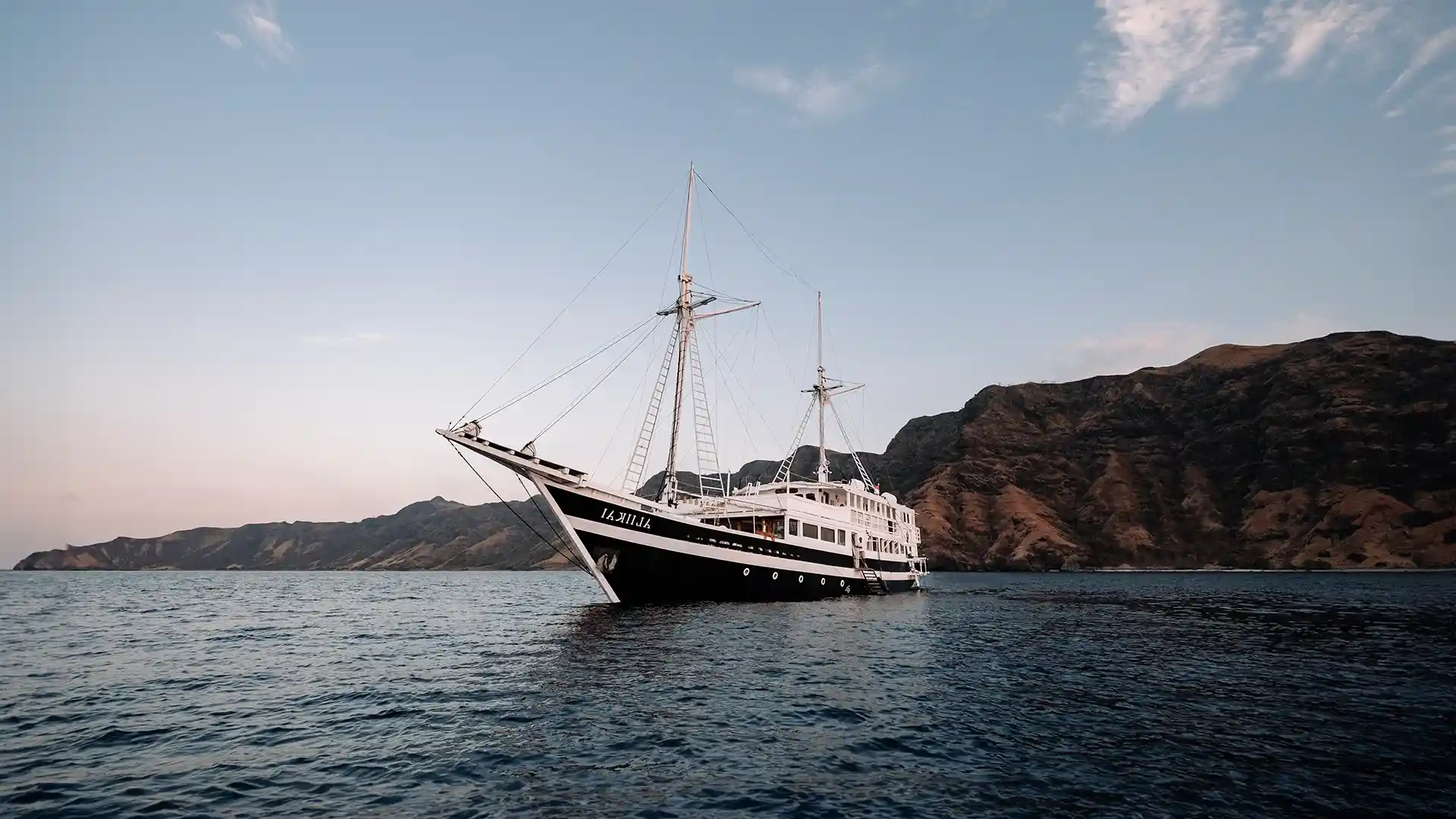
About Aliikai
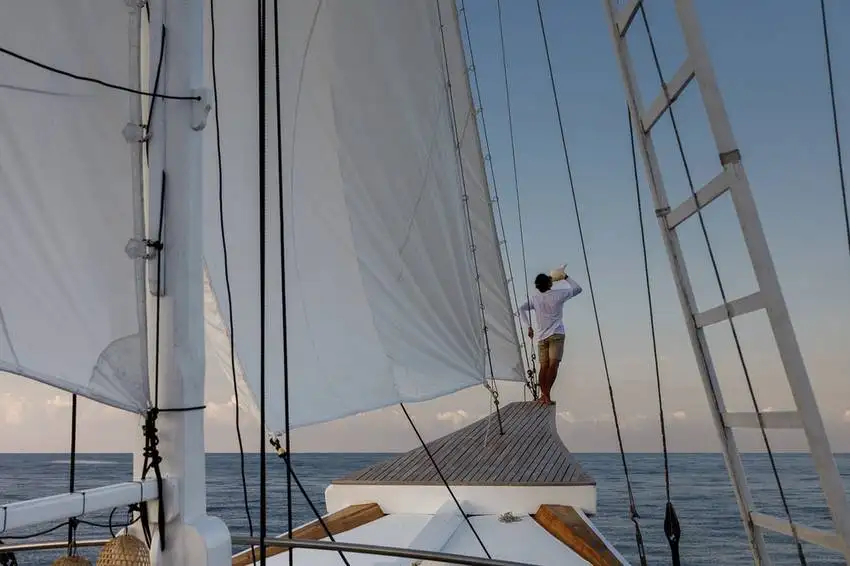
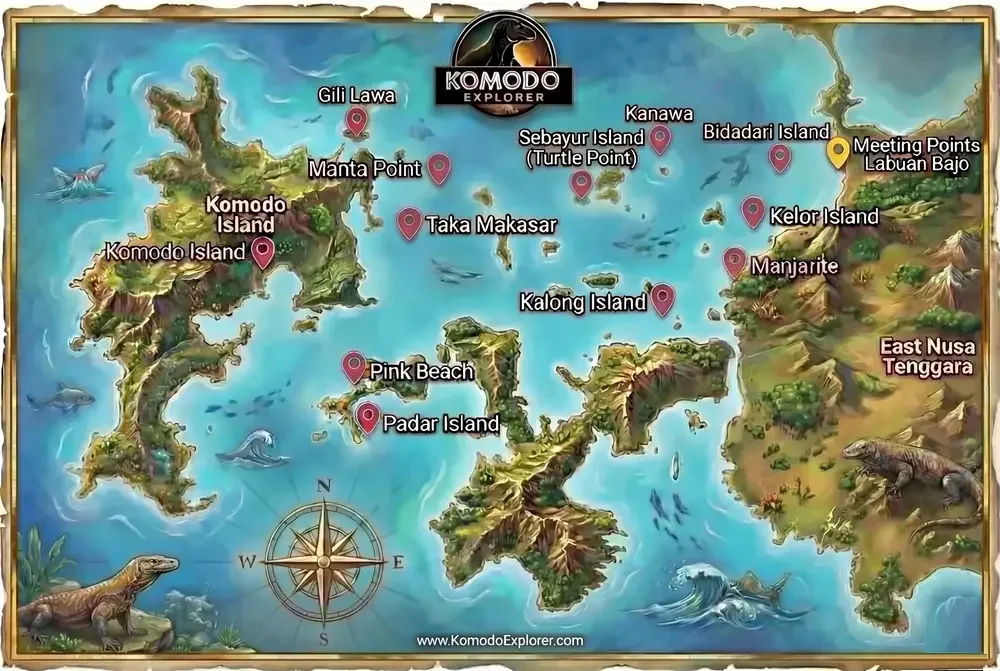
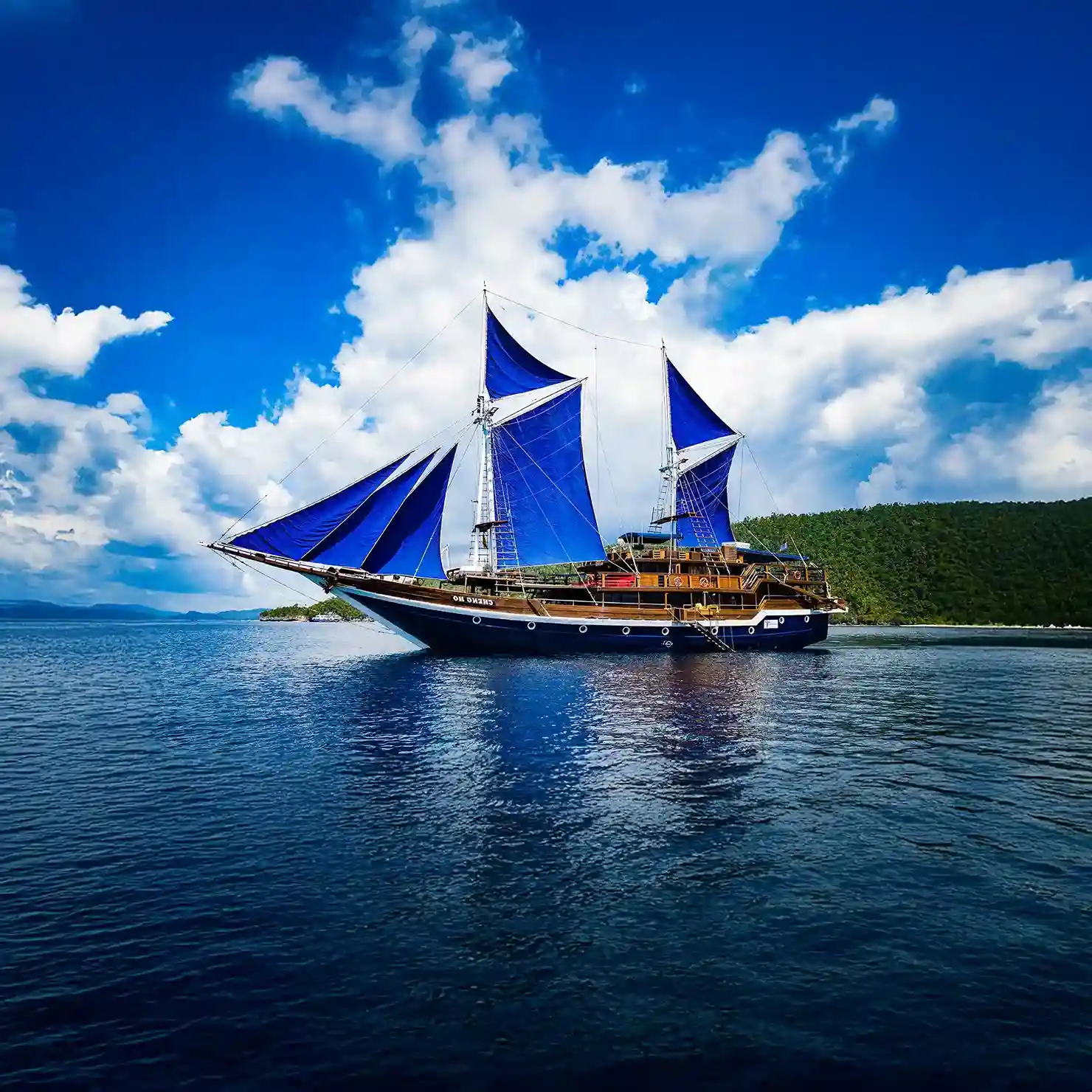
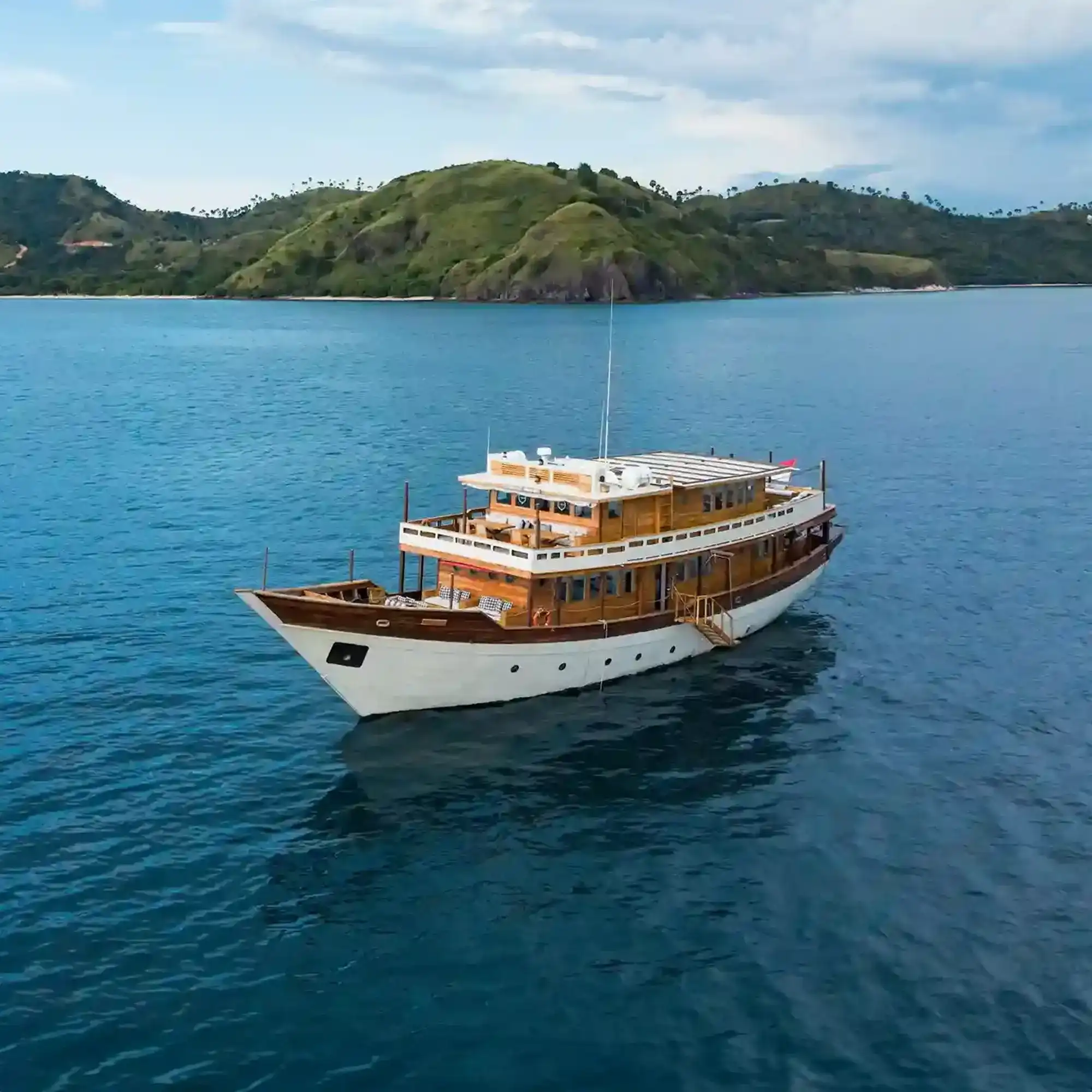
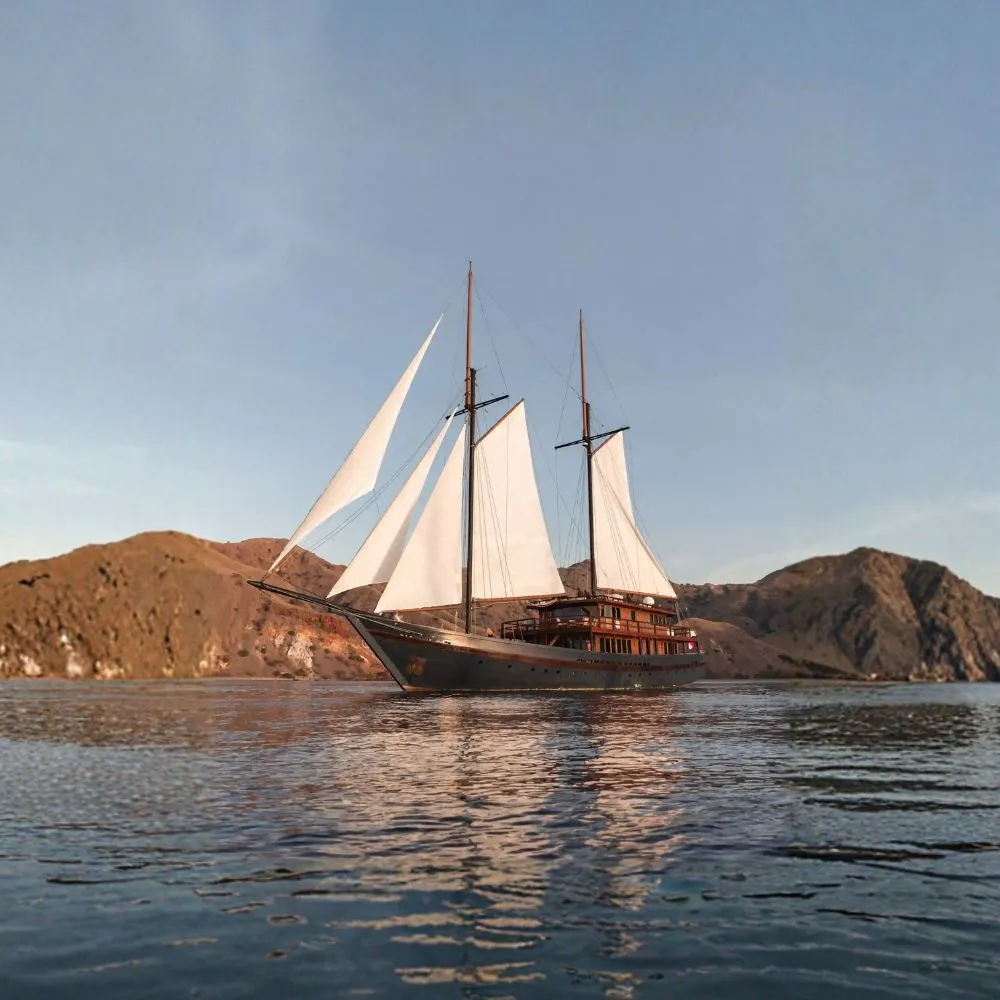
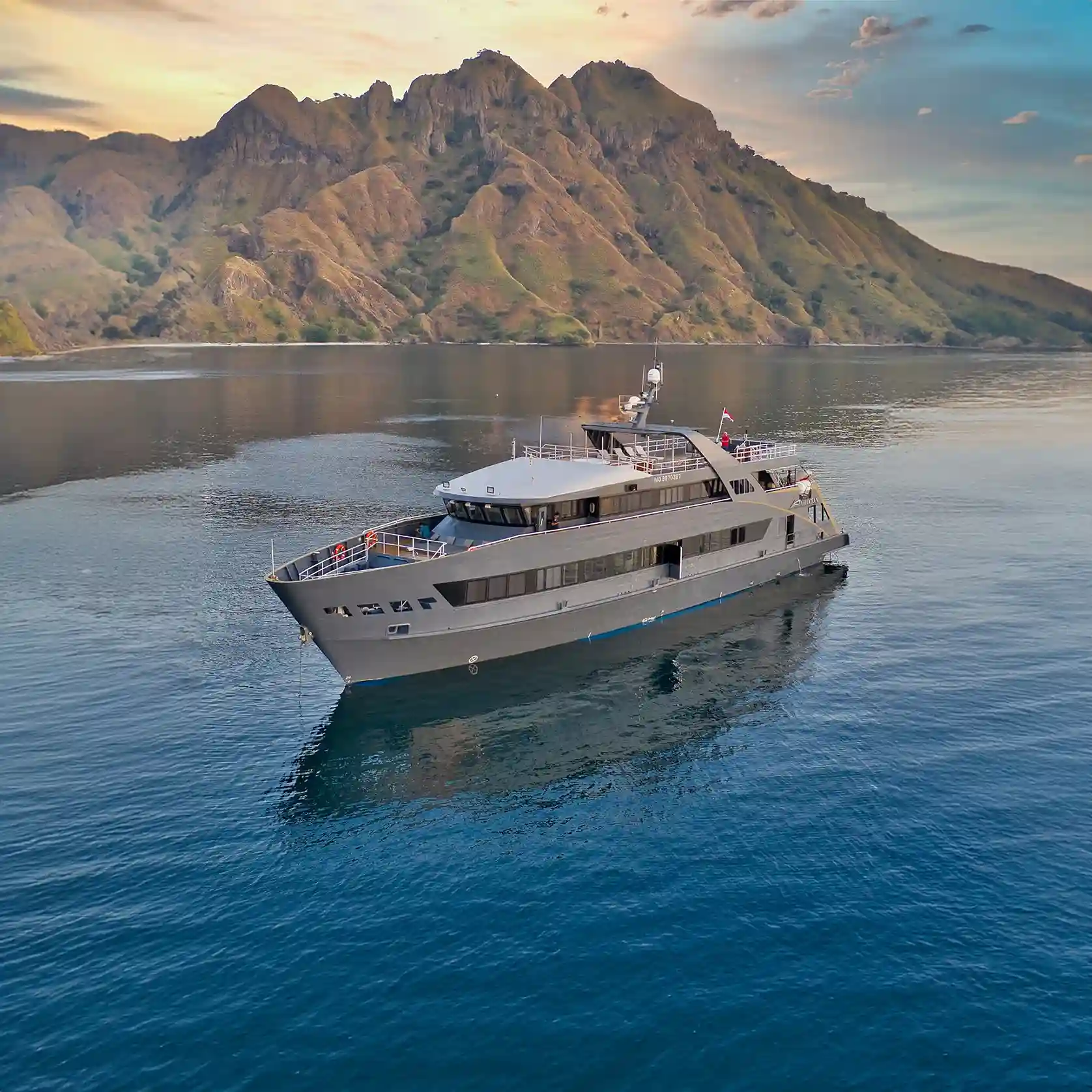
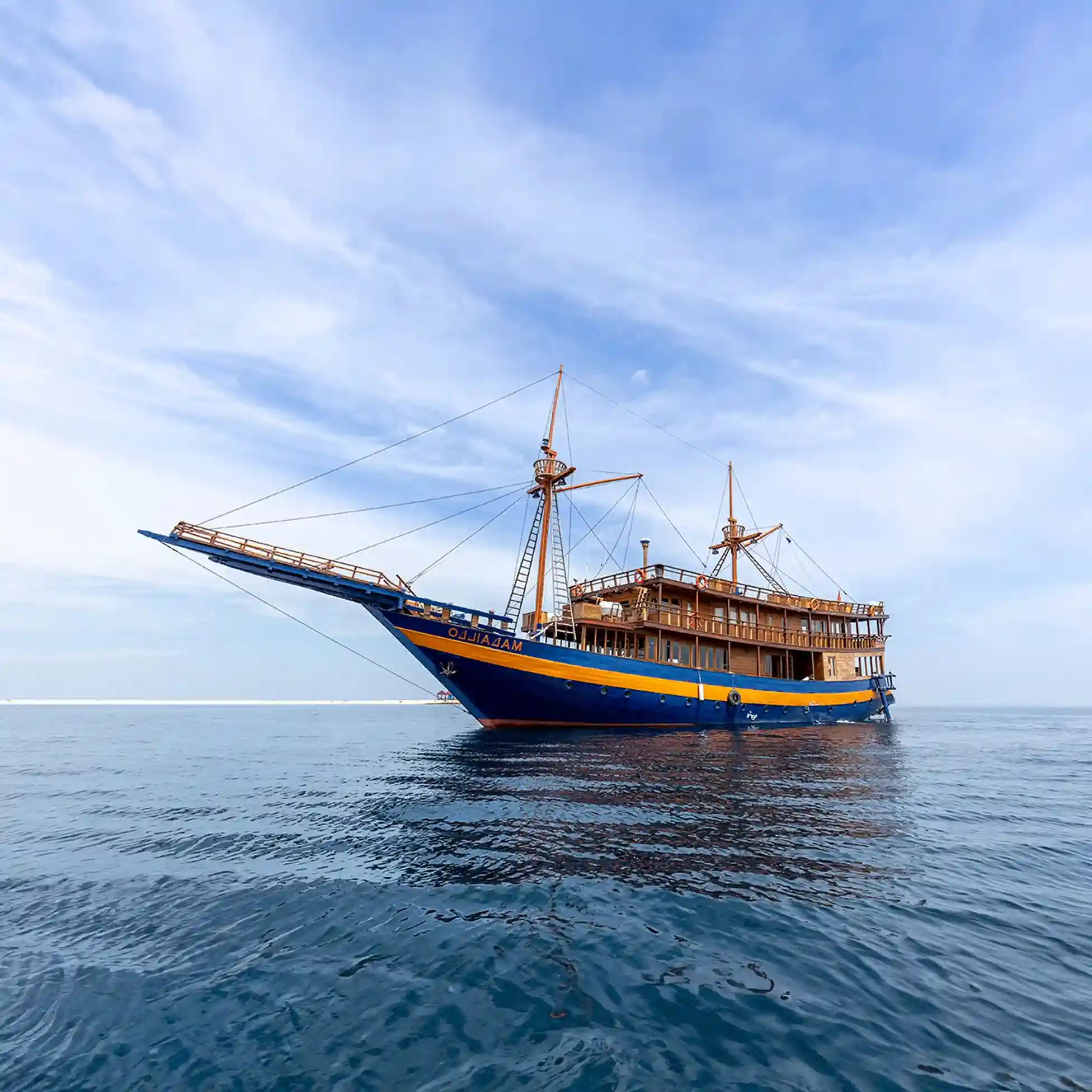
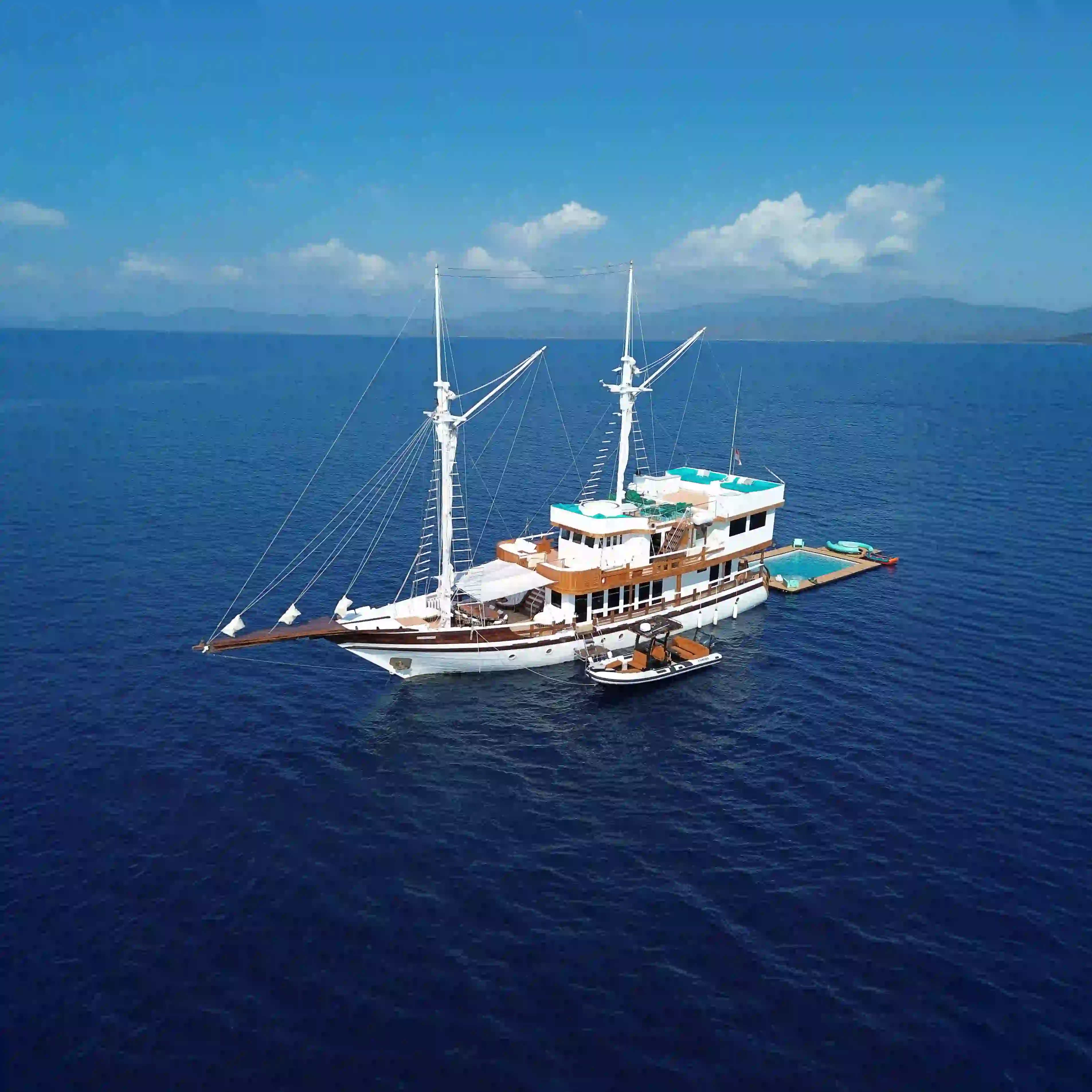
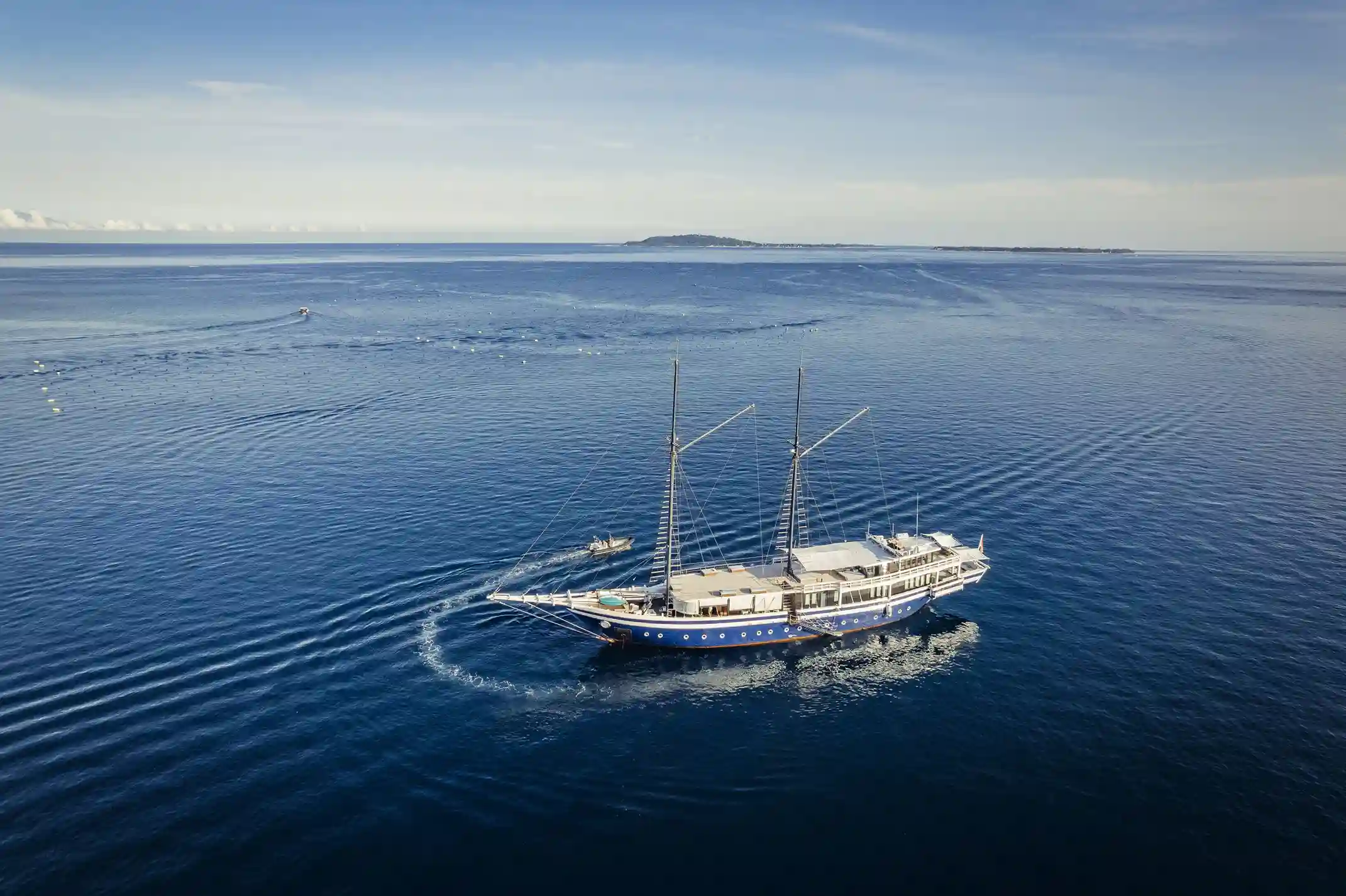
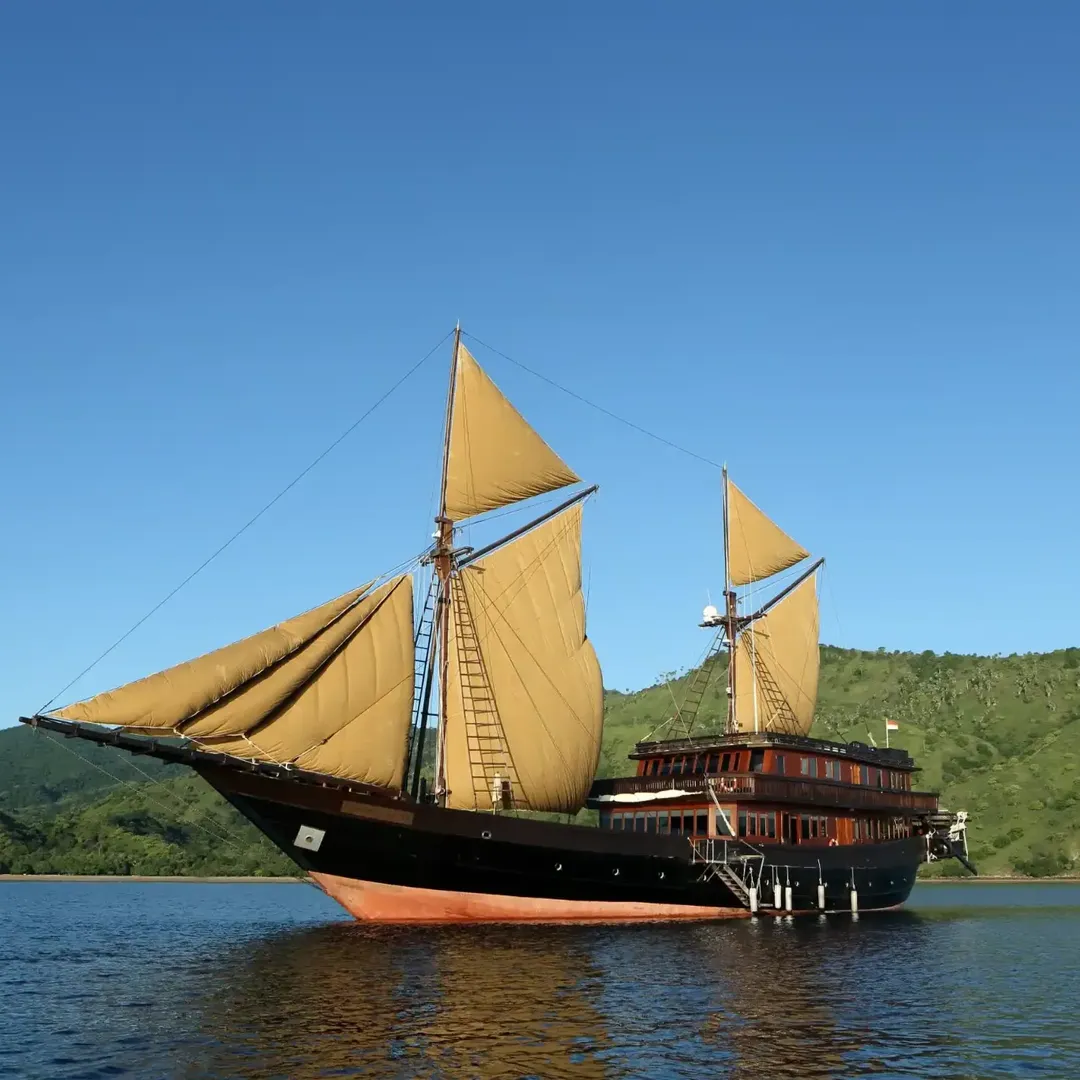
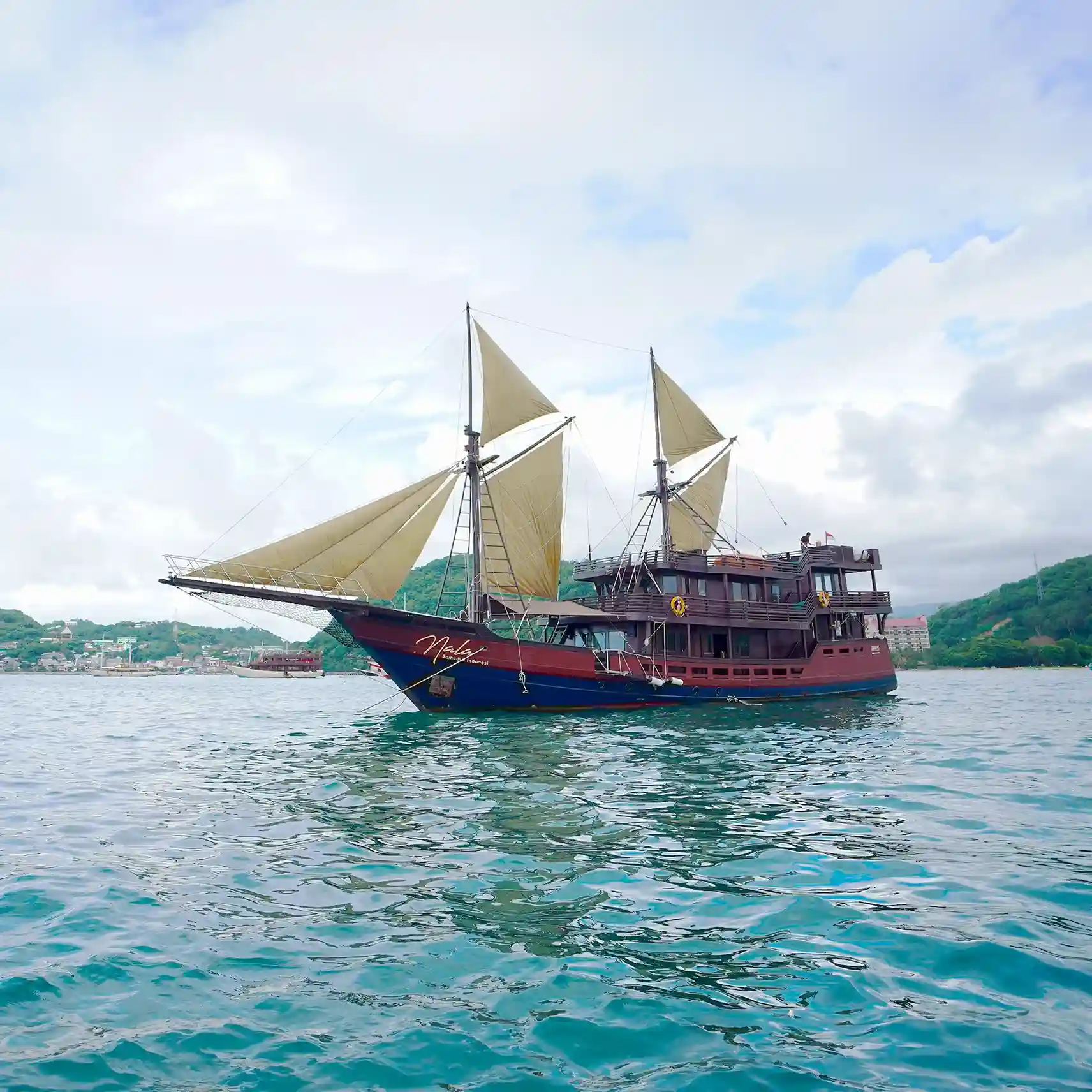
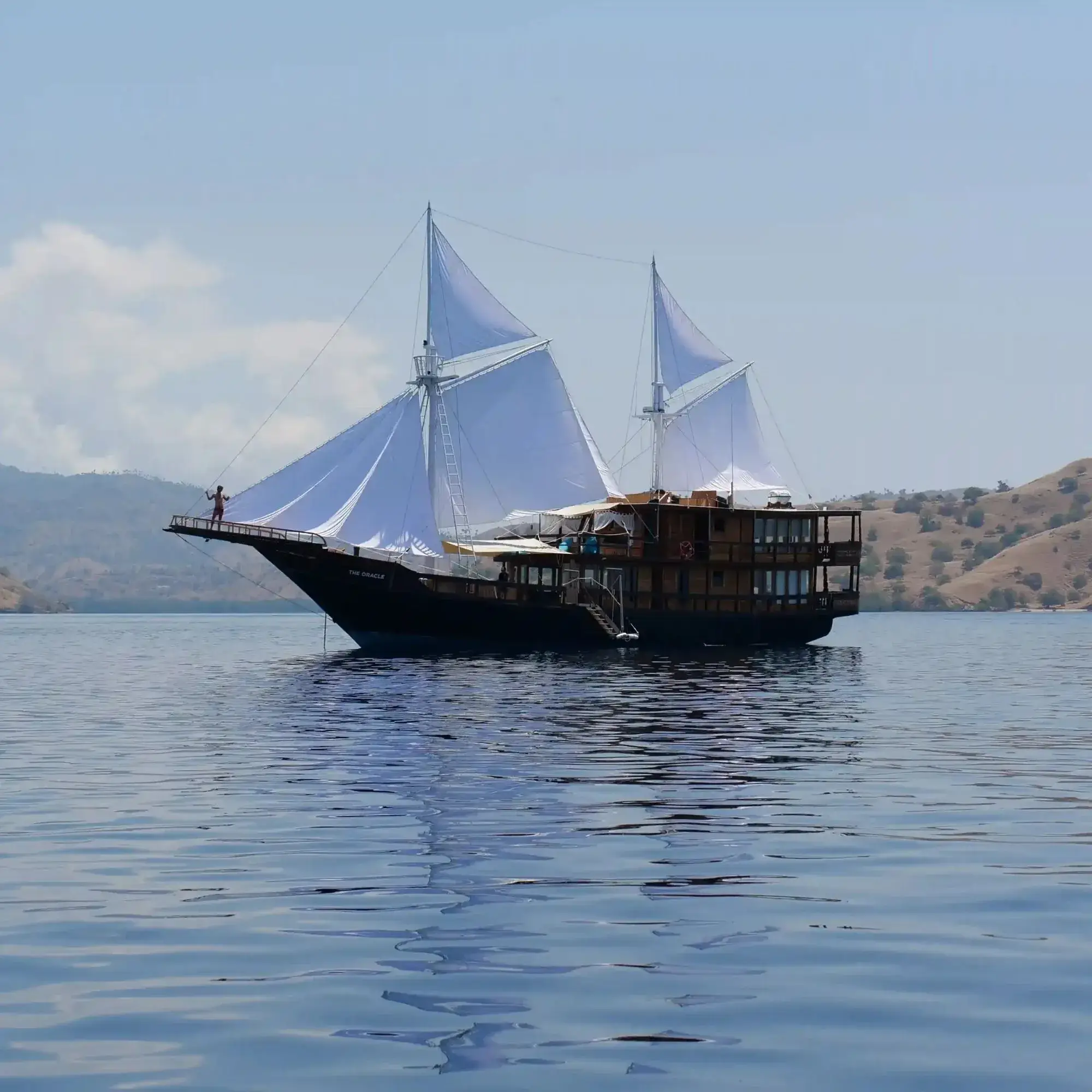
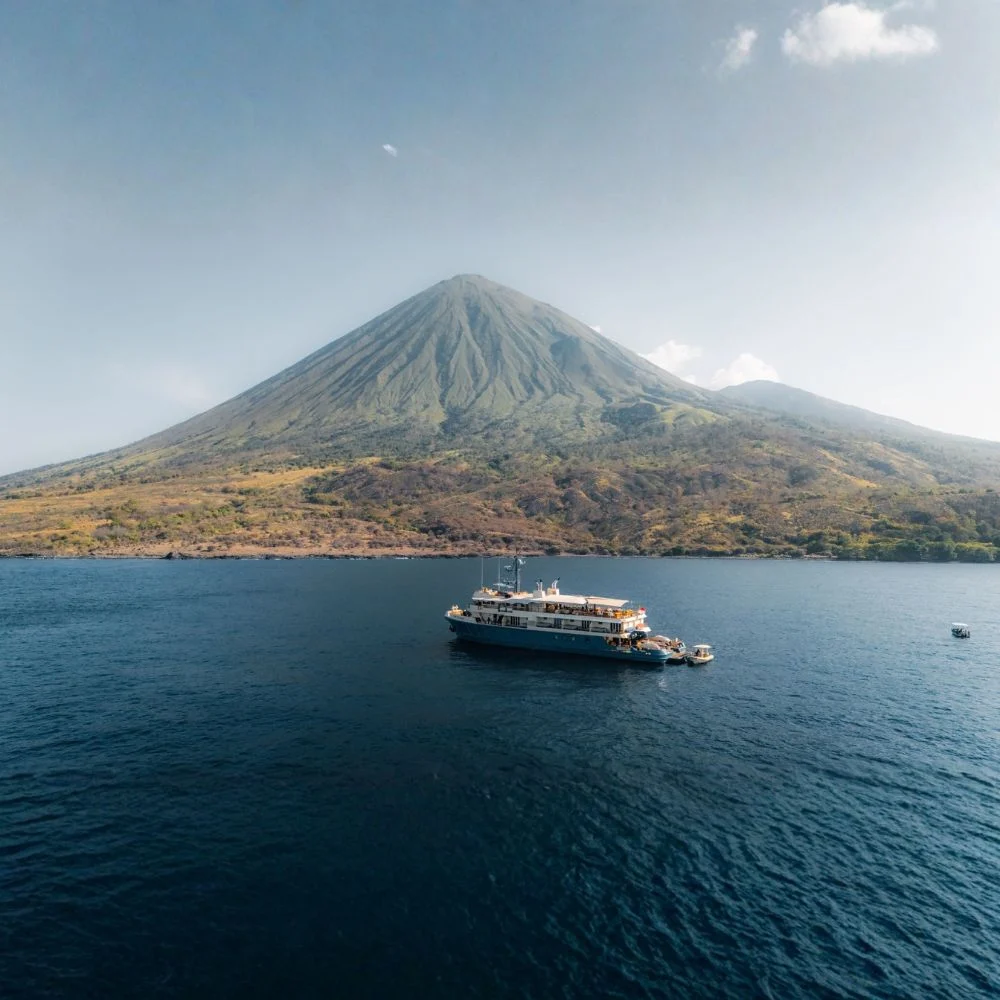
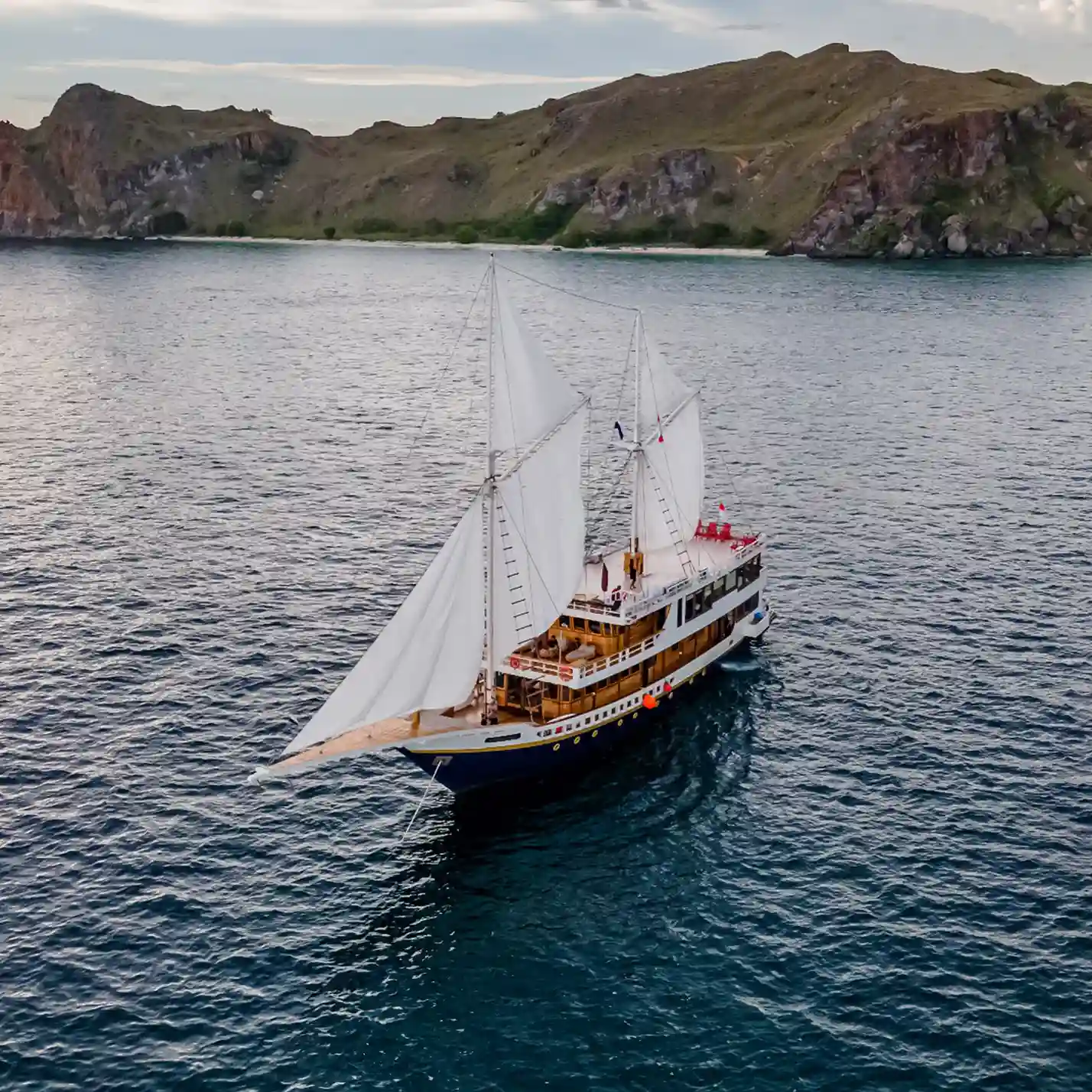
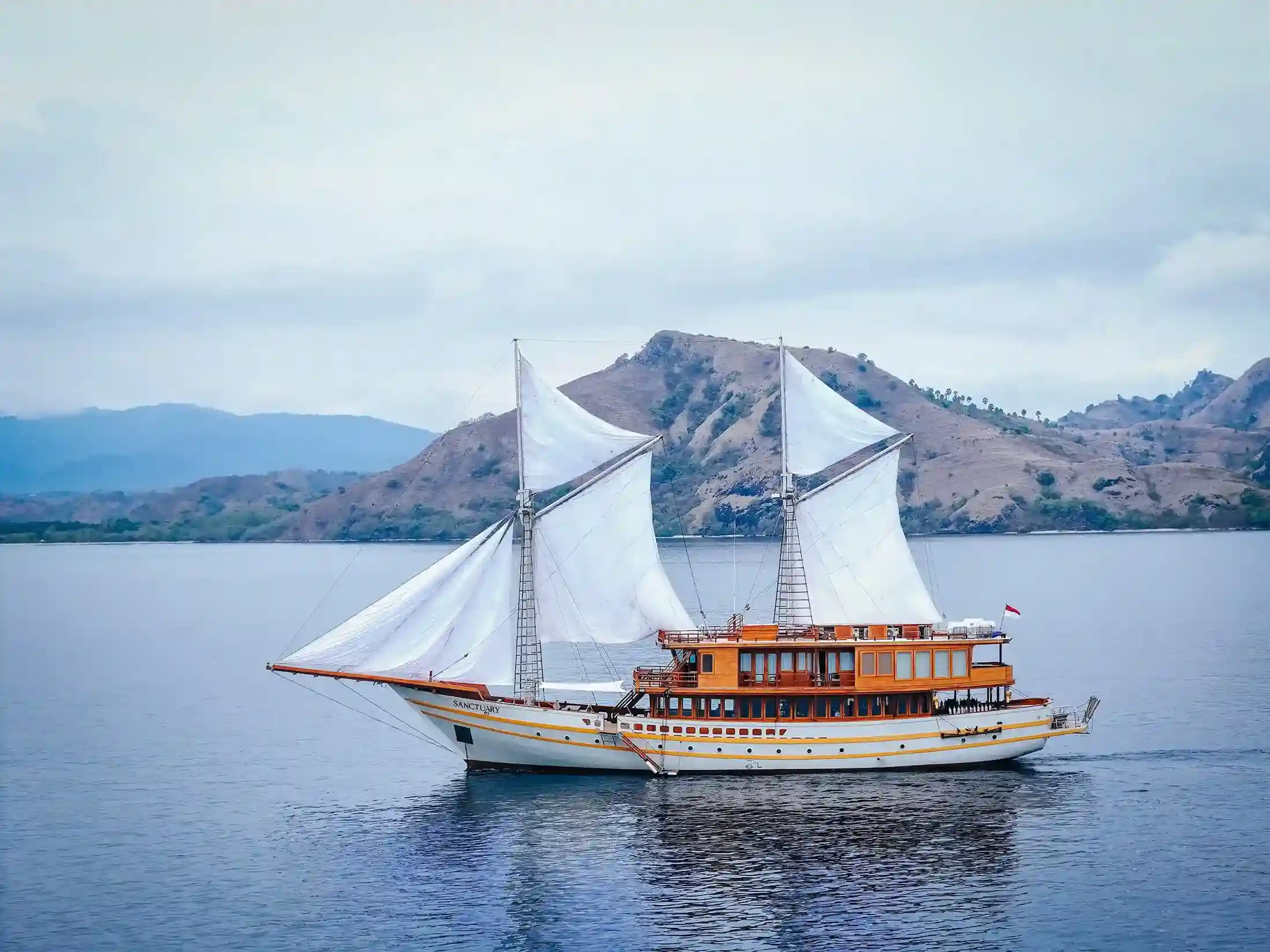
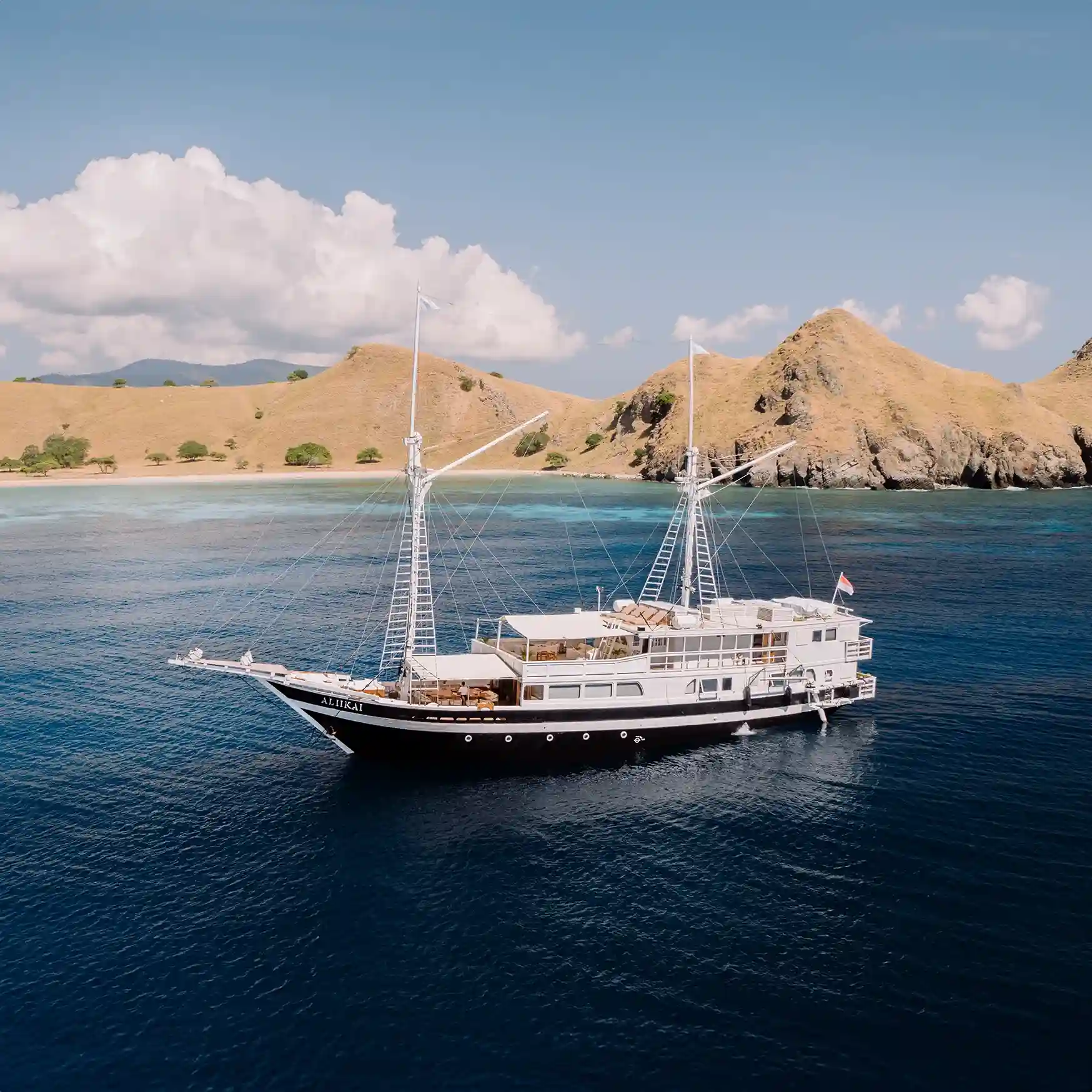
We keep the bow into the swell just off Batu Bolong, engines ticking over at idle, because that’s where the mantas line up at 9 a.m. The Aliikai sits steady in that current—forty-one metres of displacement hull with a draft that lets us sit deeper than the racing yachts but still kiss the reef margins safely. This isn’t a converted freighter or a copied design; she was drawn for these channels. When the tide turns in the Sape Strait, we’re already repositioned, holding station with precision so guests don’t waste air swimming against flow. Our crew has done this run over 300 times. We know when to leave Manta Point to make Taka Makassar by noon with the tide under our keel.
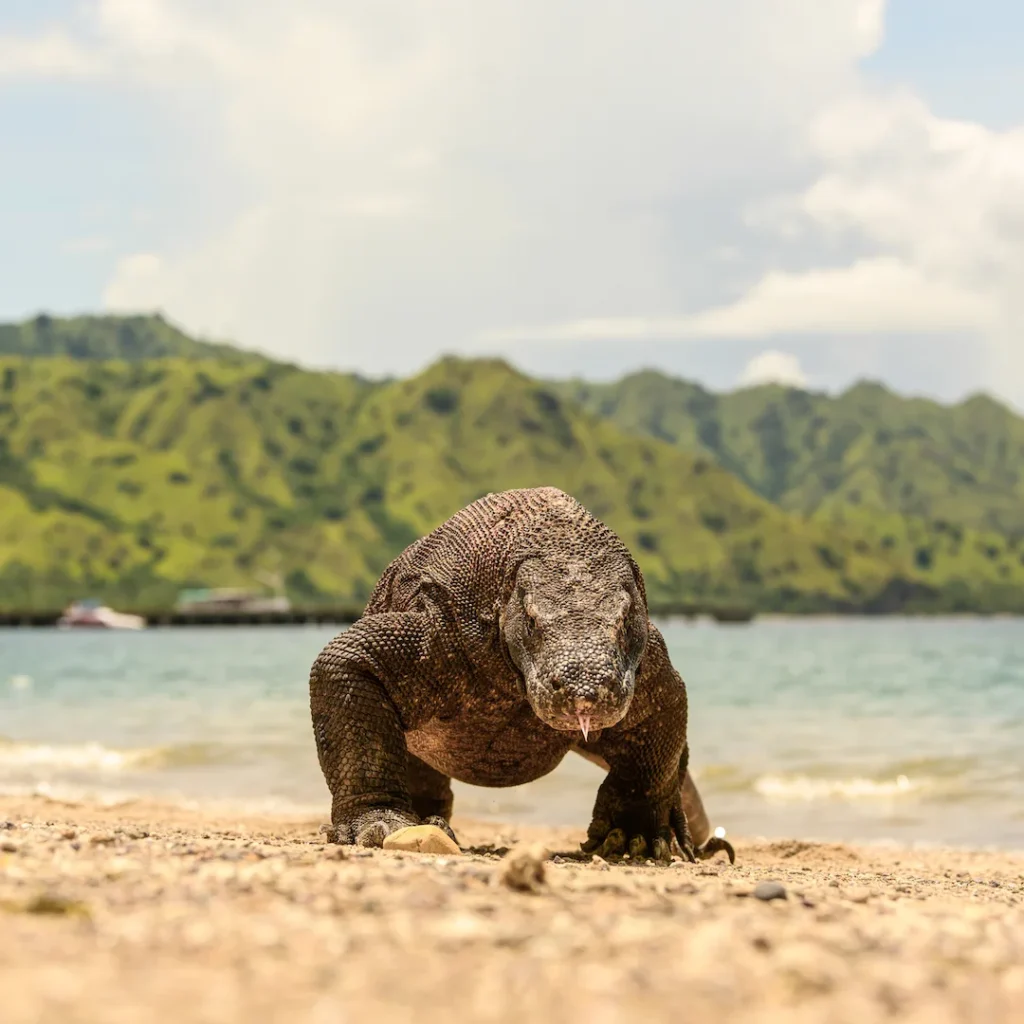
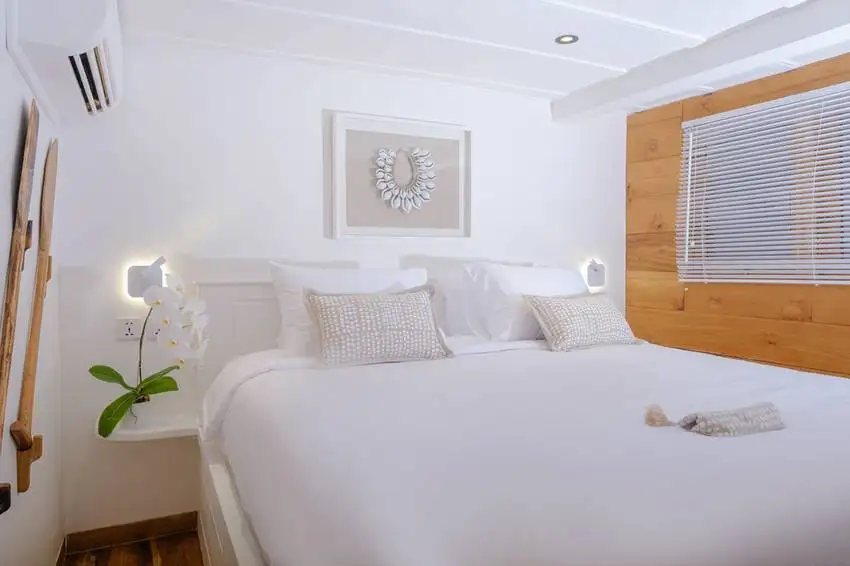
The single cabin setup means we never double-book, never mix groups. It’s your dive, your rhythm. We time arrivals to beat the day-trippers to Pink Beach—usually anchoring by 7:15 a.m., before the sand gets tracked up. You’ll have twenty minutes alone on the shore, just you and the monitors skittering through the dunes. The beach is pink because of foraminifera, not coral sand, and you can see the difference in the early light. We don’t rush it. After breakfast, we drift along the northern wall of Komodo Island, where the upwelling brings in trevally and the occasional sailfin tang. That’s where the dragons come down to drink—usually late morning, when the sun’s high enough to warm their blood.
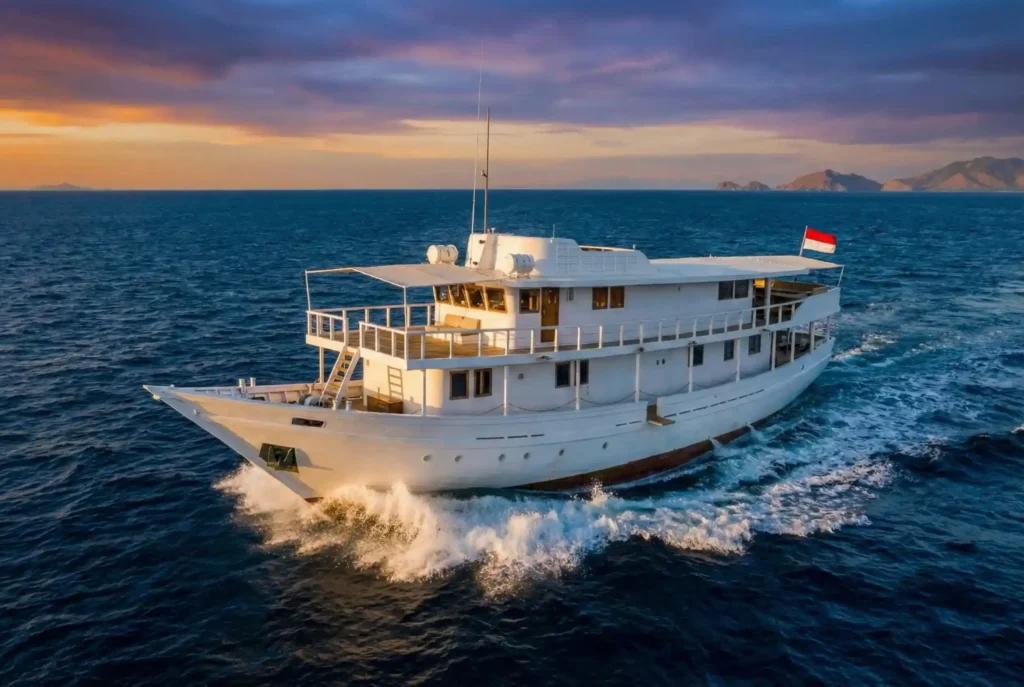
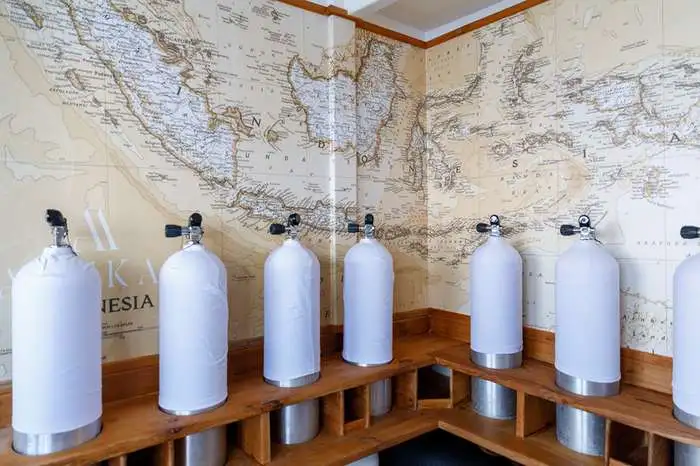
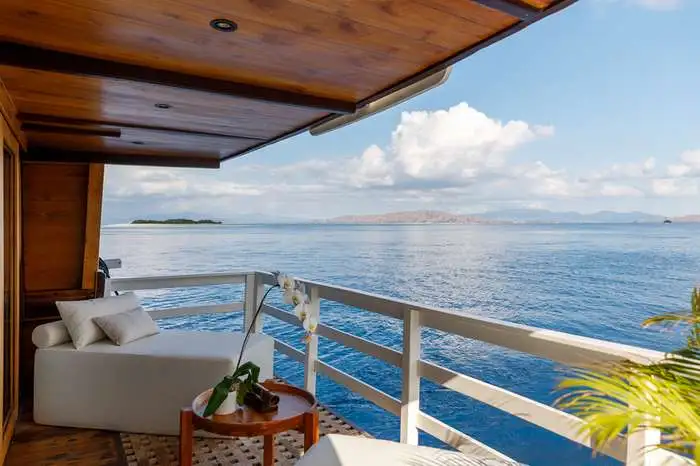
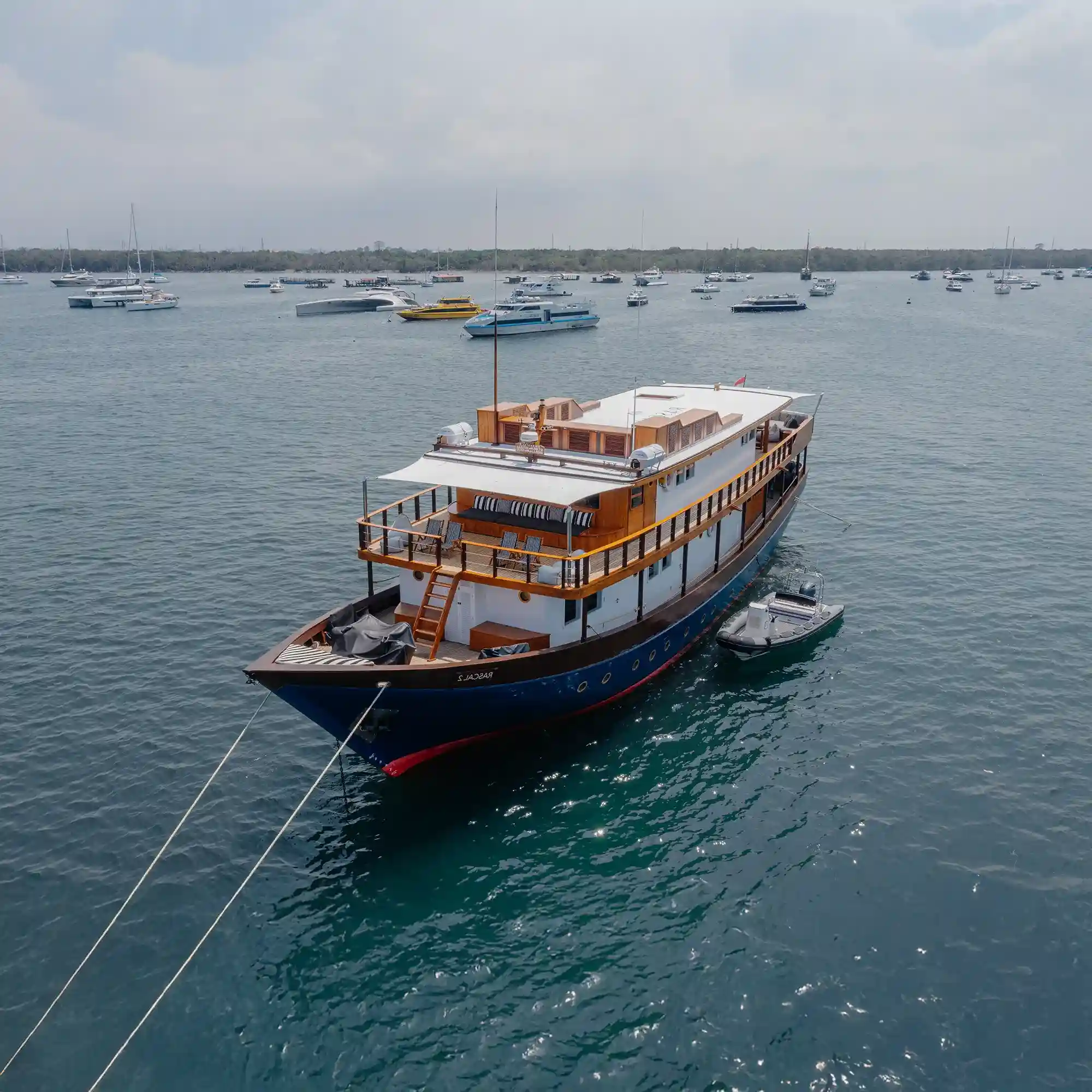
Aliikai’s upper deck is where most guests end up between dives. Not for lounging—though the shade’s good—but because it’s the quiet spot to debrief with the dive master. We run Nitrox on request, and our tanks are filled from a Bauer compressor that cycles every 90 minutes. The dive deck is uncluttered: twelve racks, camera table with freshwater rinse, and a single-stage ladder that doesn’t swing. You won’t find plastic bins or tangled hoses here. We staged our last group at Kalong Island by 4:45 p.m., timed for the fruit bat exodus. The roost starts at dusk, and the noise under the mangroves is something you feel in your ribs. We hold position up-current so the bats pass overhead, not behind.
We built the salon around function, not show. There’s a 48-inch screen for replaying footage—because sometimes you miss the pygmy seahorse on the first pass. Wi-Fi works up to 20 miles offshore, thanks to a dual LTE booster aimed at Labuan Bajo’s hillside towers. The kitchen runs on induction; no gas bottles below deck. Lunch is often grilled skipjack with sambal matah, served on the foredeck around 1 p.m., after the second dive. We’ve got paddleboards lashed to the davits—two of them, 12’6” carbon-reinforced—and a single 7’2” egg surfboard for anyone who wants to try the inside break at Loh Liang. Conditions permitting, we’ll motor into the lee and hold station for shortboarders.
Third day starts early. We leave Kanawa’s mooring by 6:30, after a quick surface interval over the bommie where the blue-ringed octopus hides. Taka Makassar is best at mid-tide—around 9:20 a.m.—when the visibility hits 35 metres and the fusiliers stack in the current. We don’t drift the whole site. Instead, we anchor on the south corner, let you swim the edge, then reposition to the tip where the mantas sometimes feed. Return to Labuan Bajo is scheduled for 2 p.m., but we’ll hold outside the harbour if you want one more shallow reef pass. We know the patrol boats by name, and they know us. We’ve been running this route since 2016.
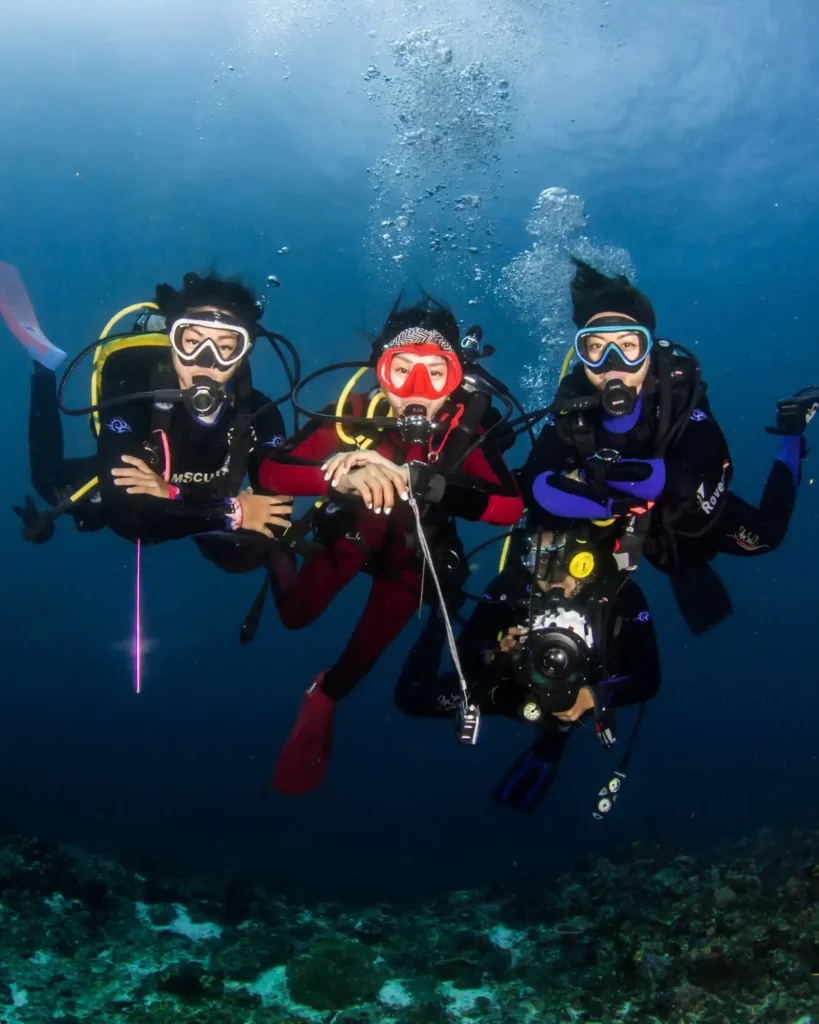
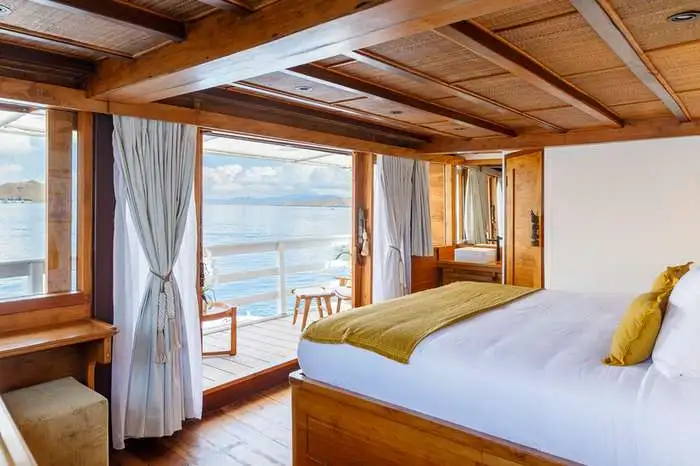
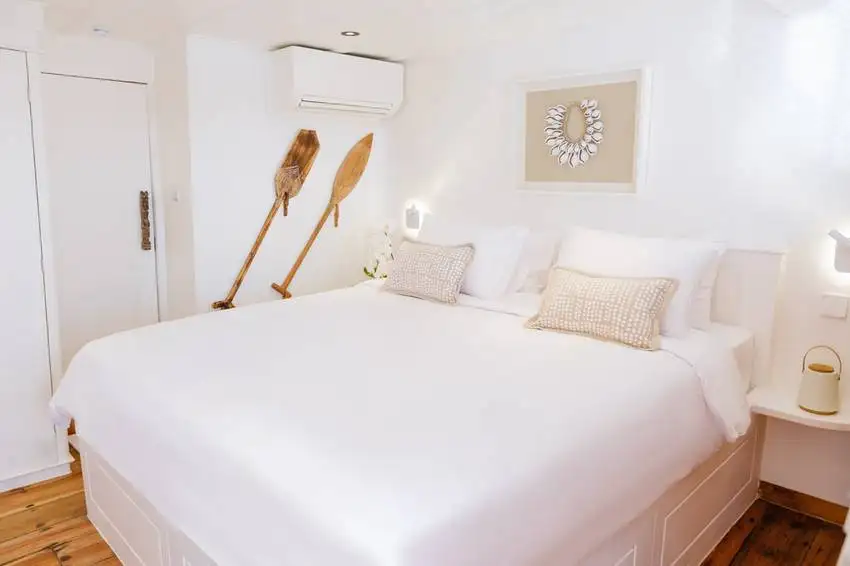
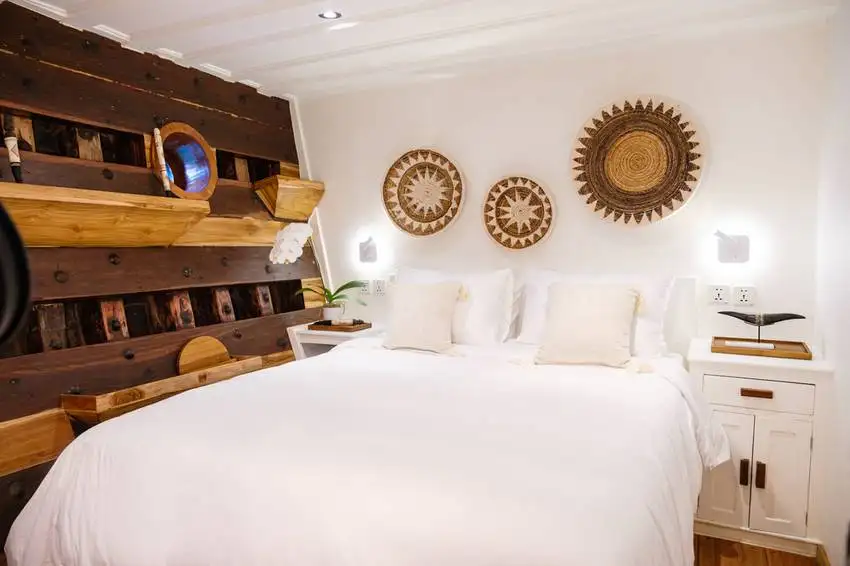
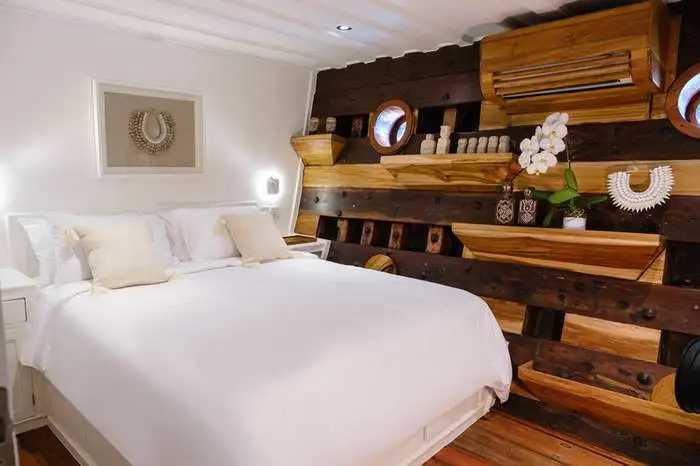
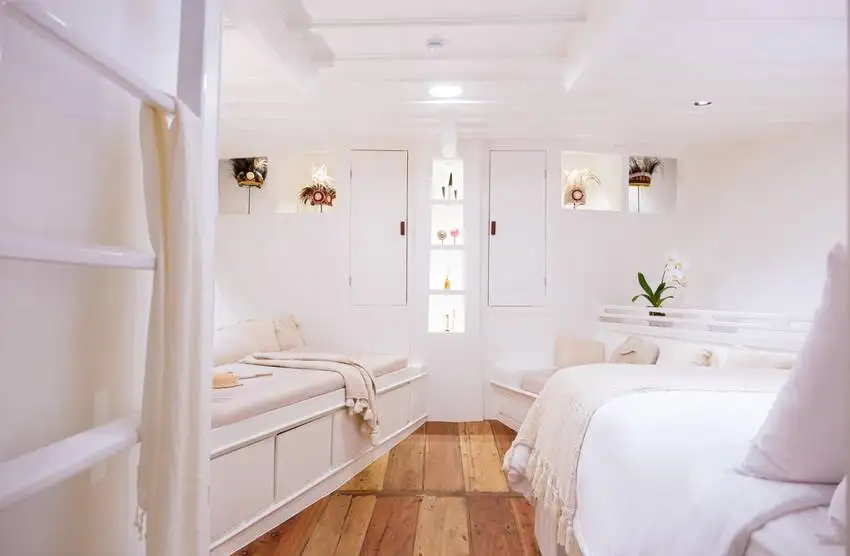
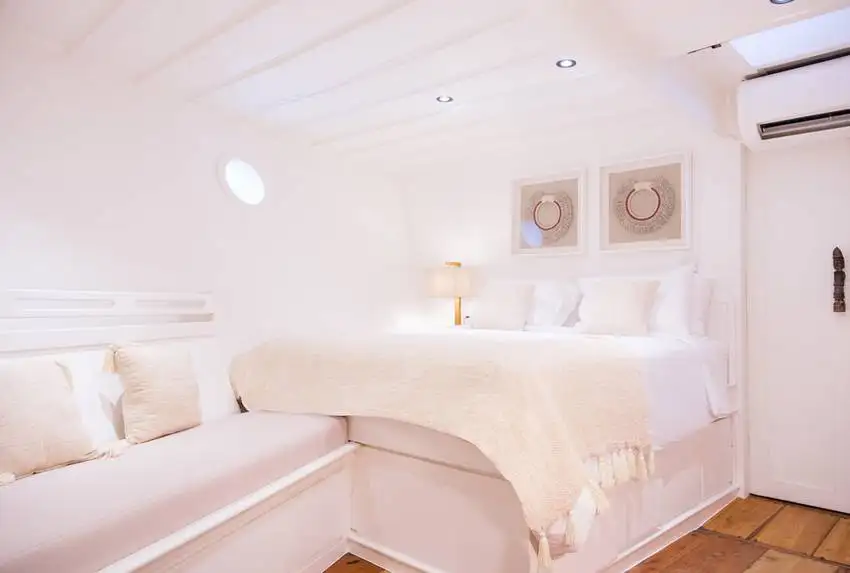
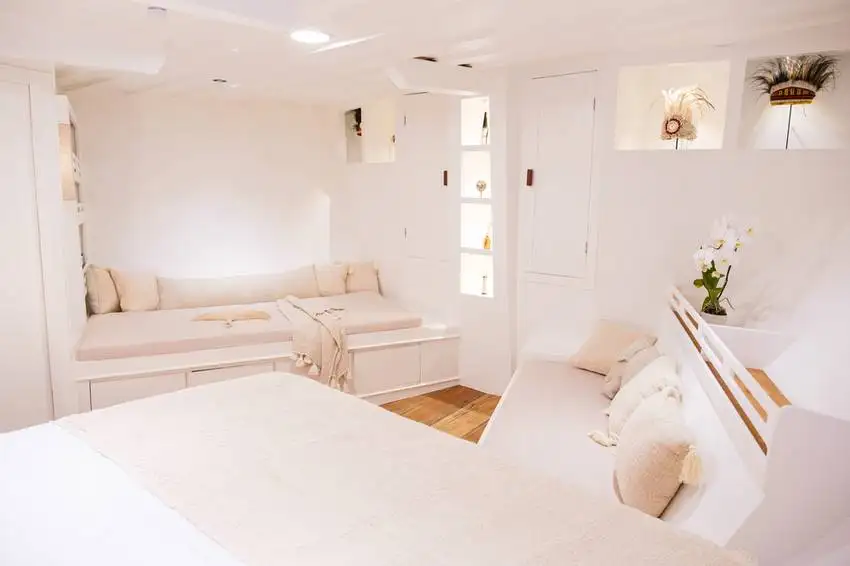
This boat was never designed for ten cabins or twenty guests. One cabin, one group, one focus. We don’t do weddings, proposals, or influencer shoots. We do precision diving in tidal zones, with safety margins built into every plan. Our dry bags are sealed Pelicans, not ziplocks. The first aid kit includes a full oxygen unit and a SAM splint. We carry an EPIRB and two PLBs, not just the required one. You won’t see that in the brochure. But you’ll feel it when you’re 40 minutes from shore, 22 metres down, and the current picks up. That’s when you trust the boat.