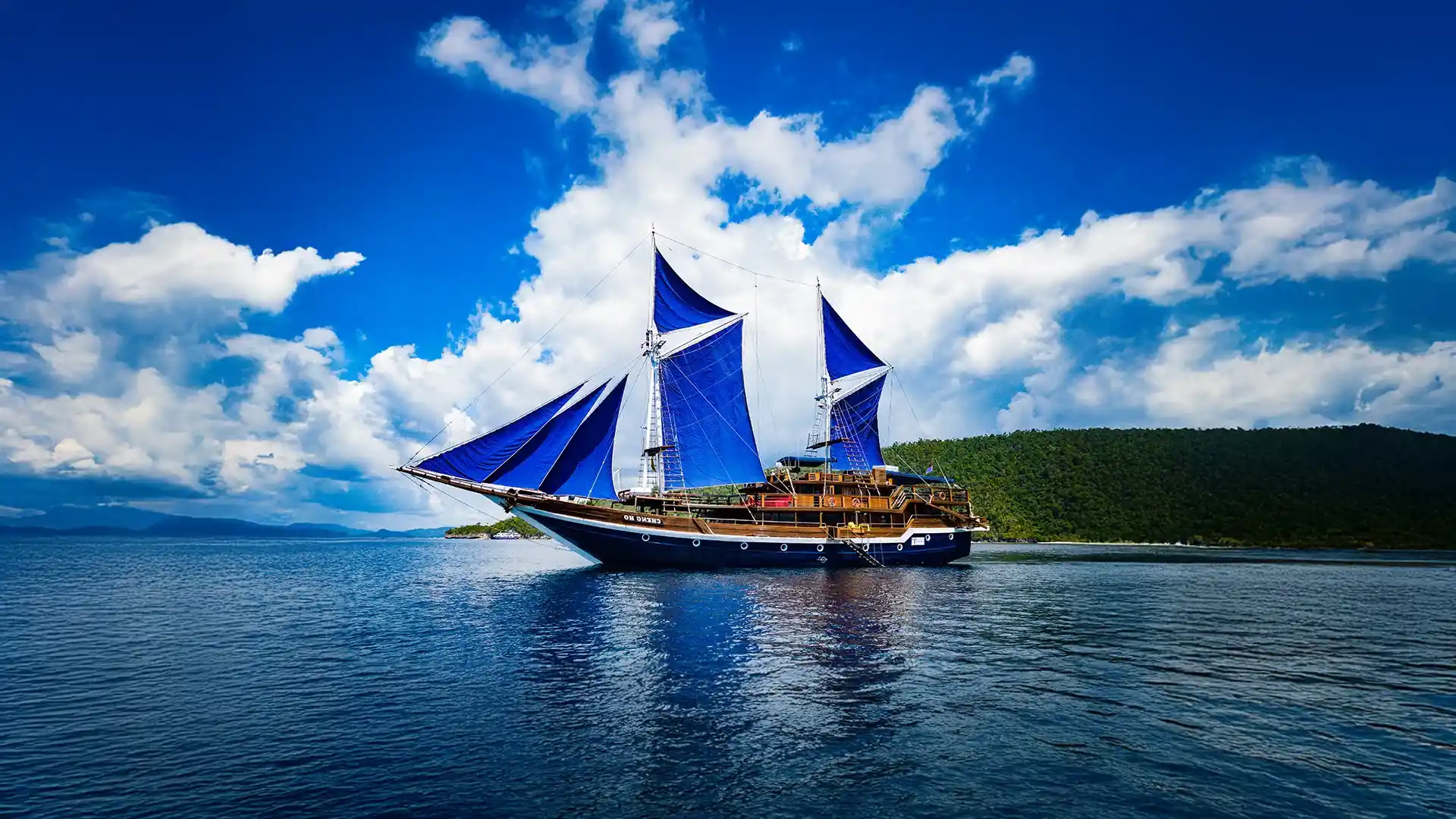
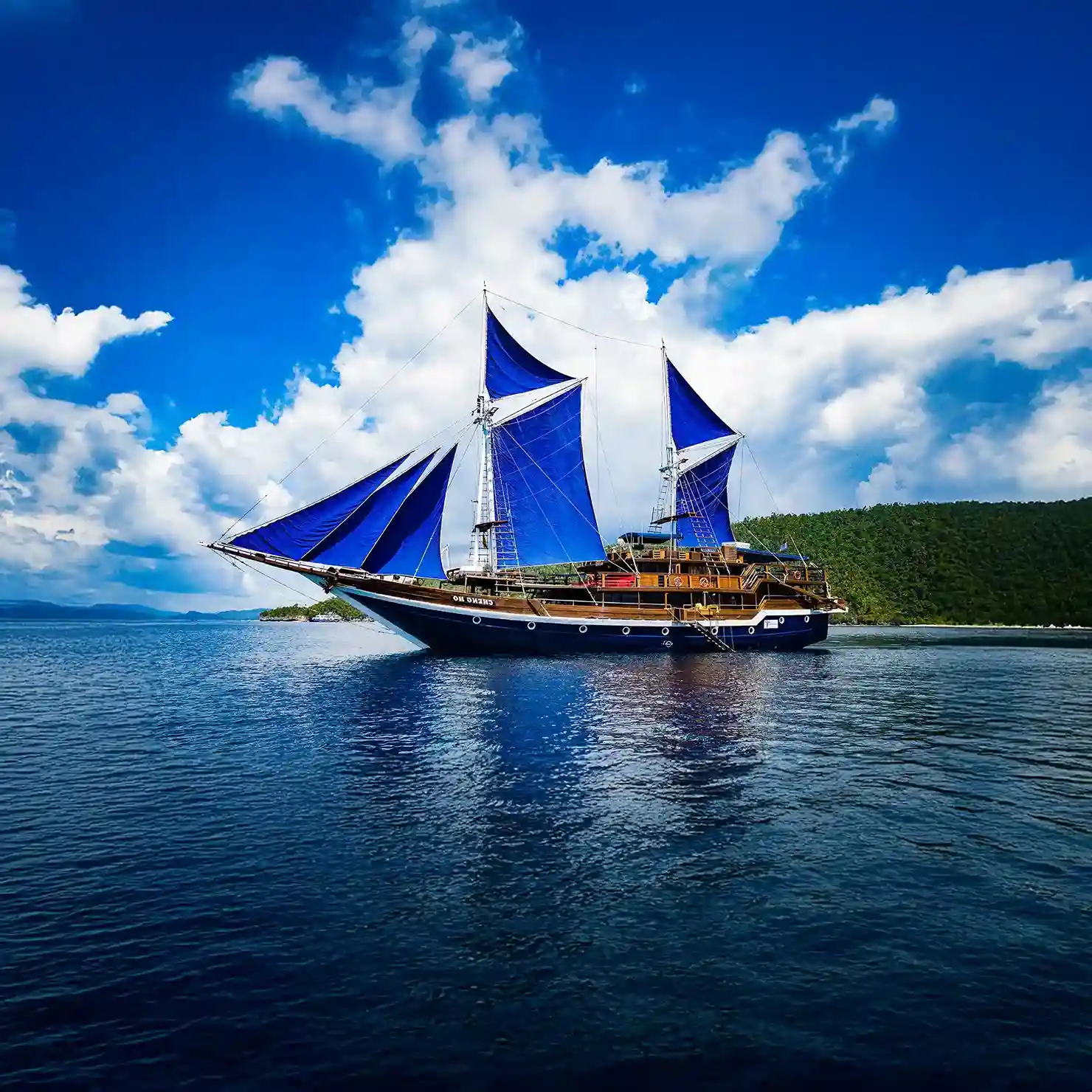
About Cheng Ho
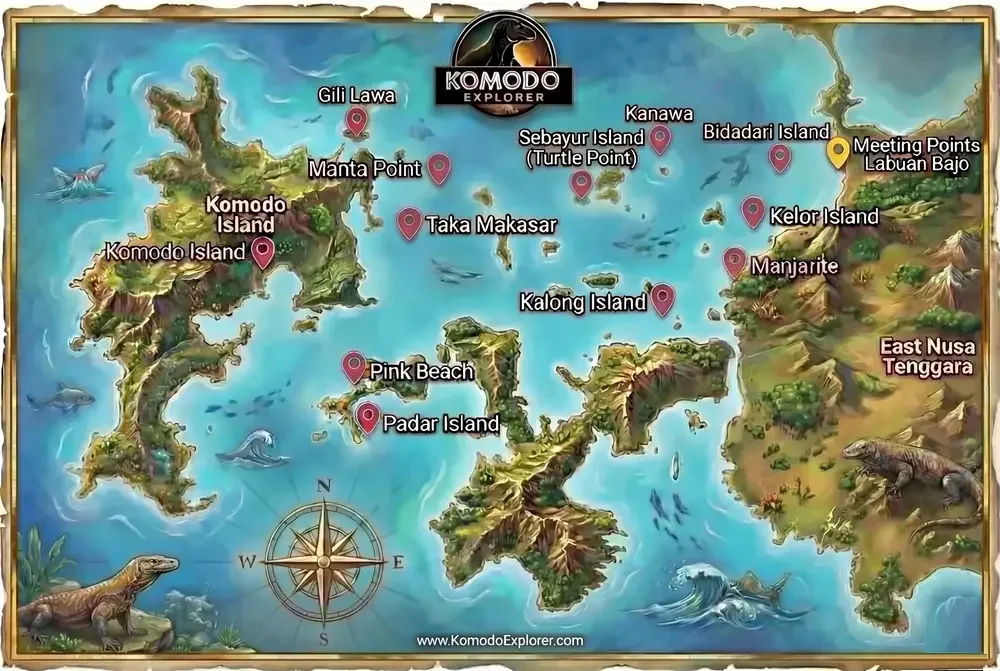
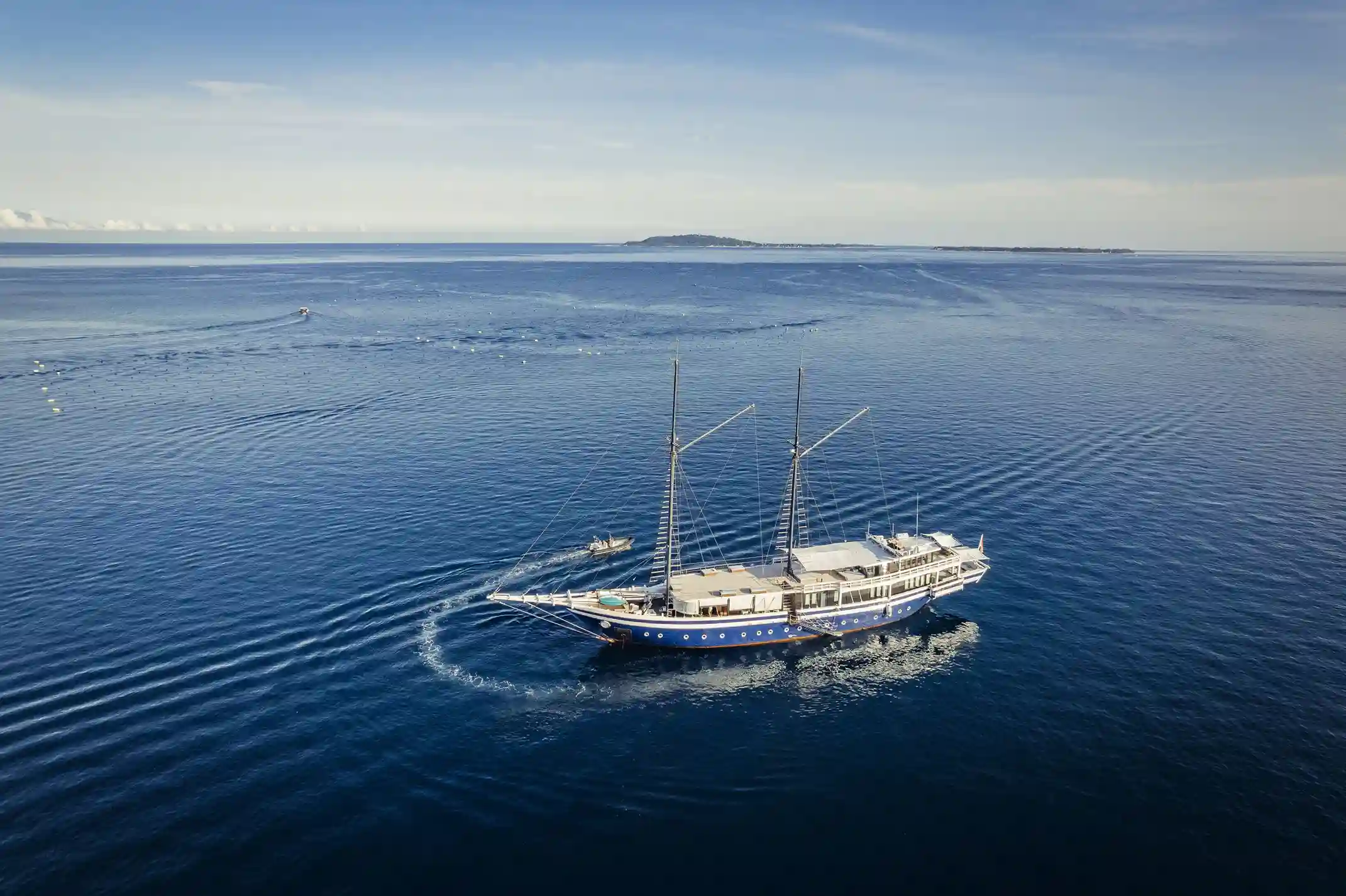
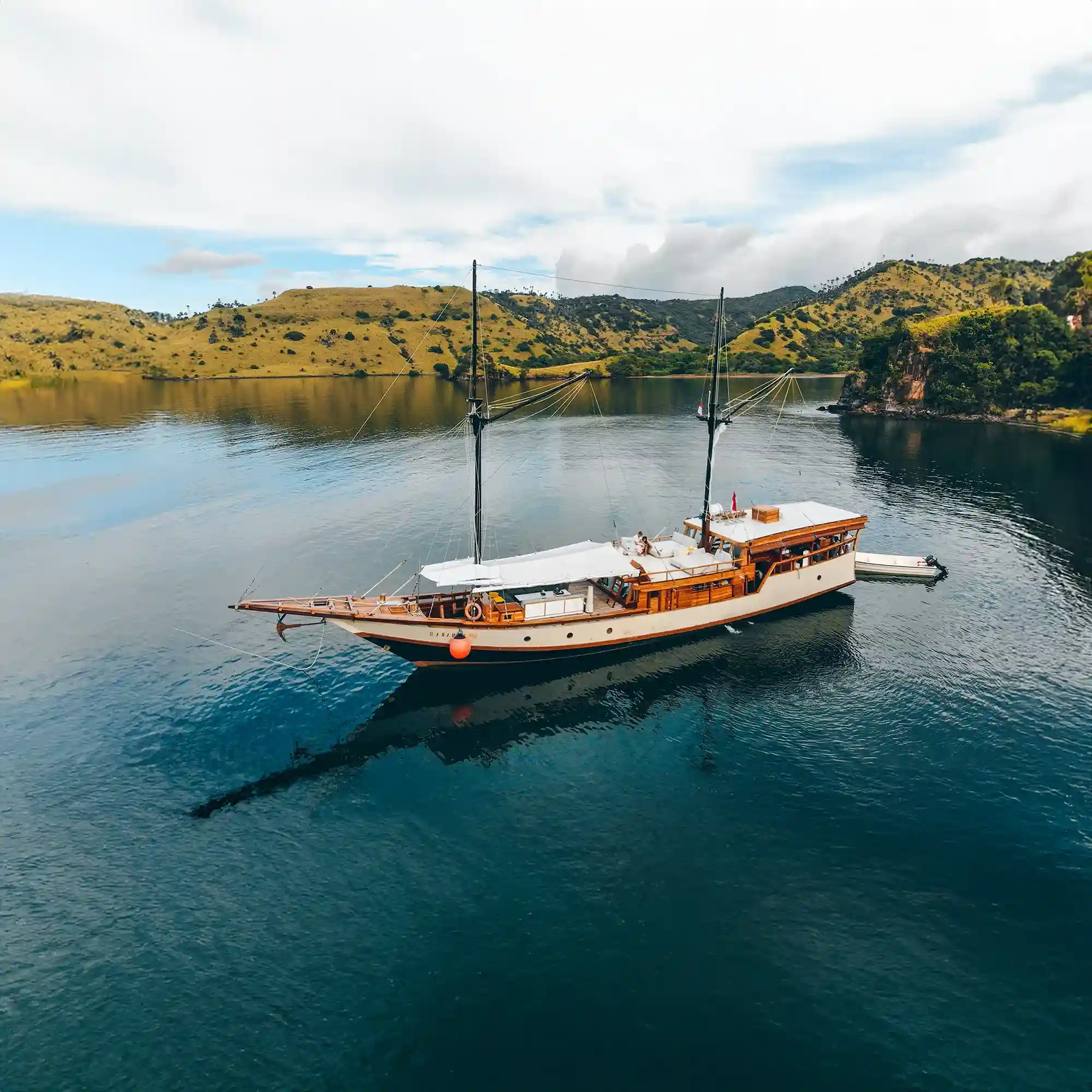
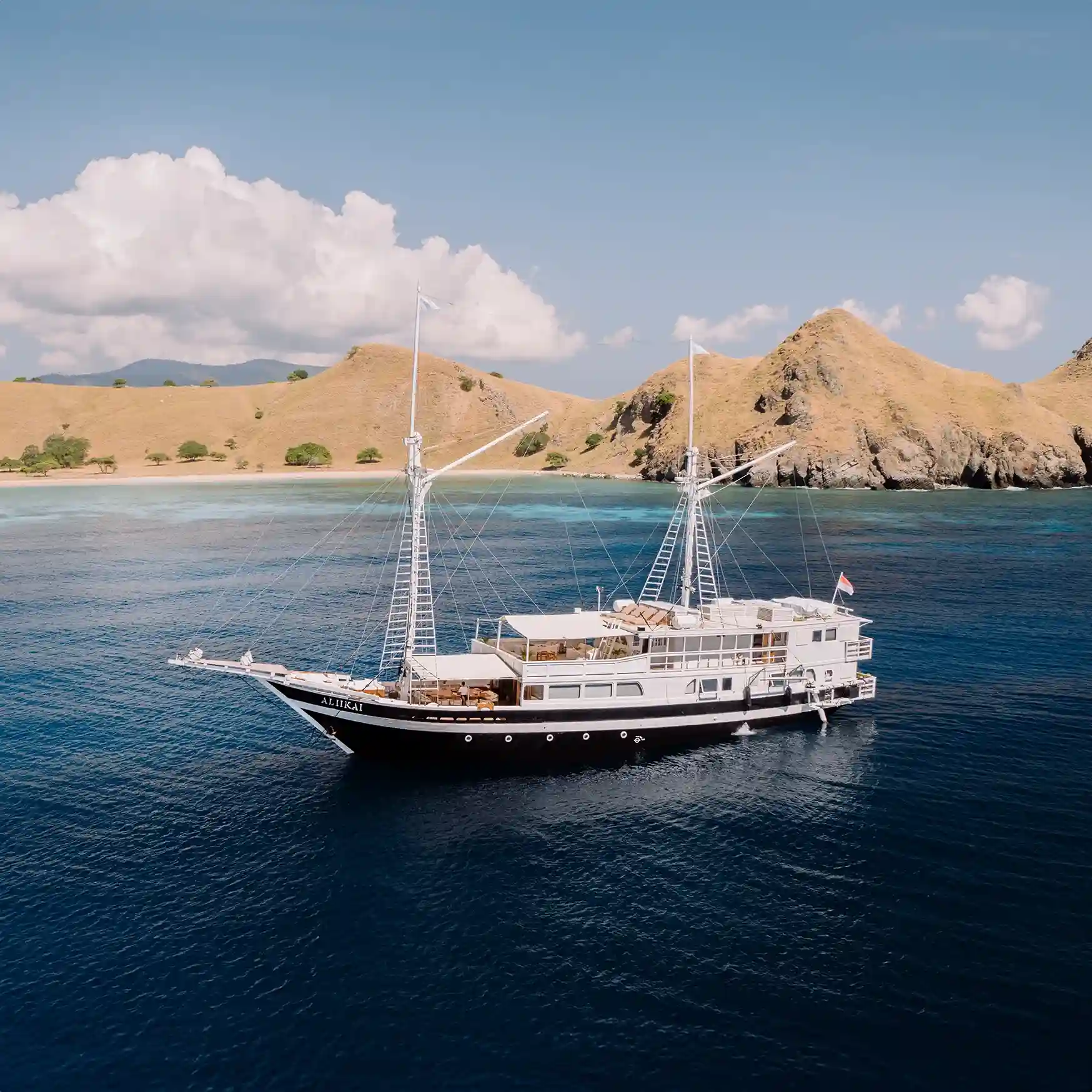
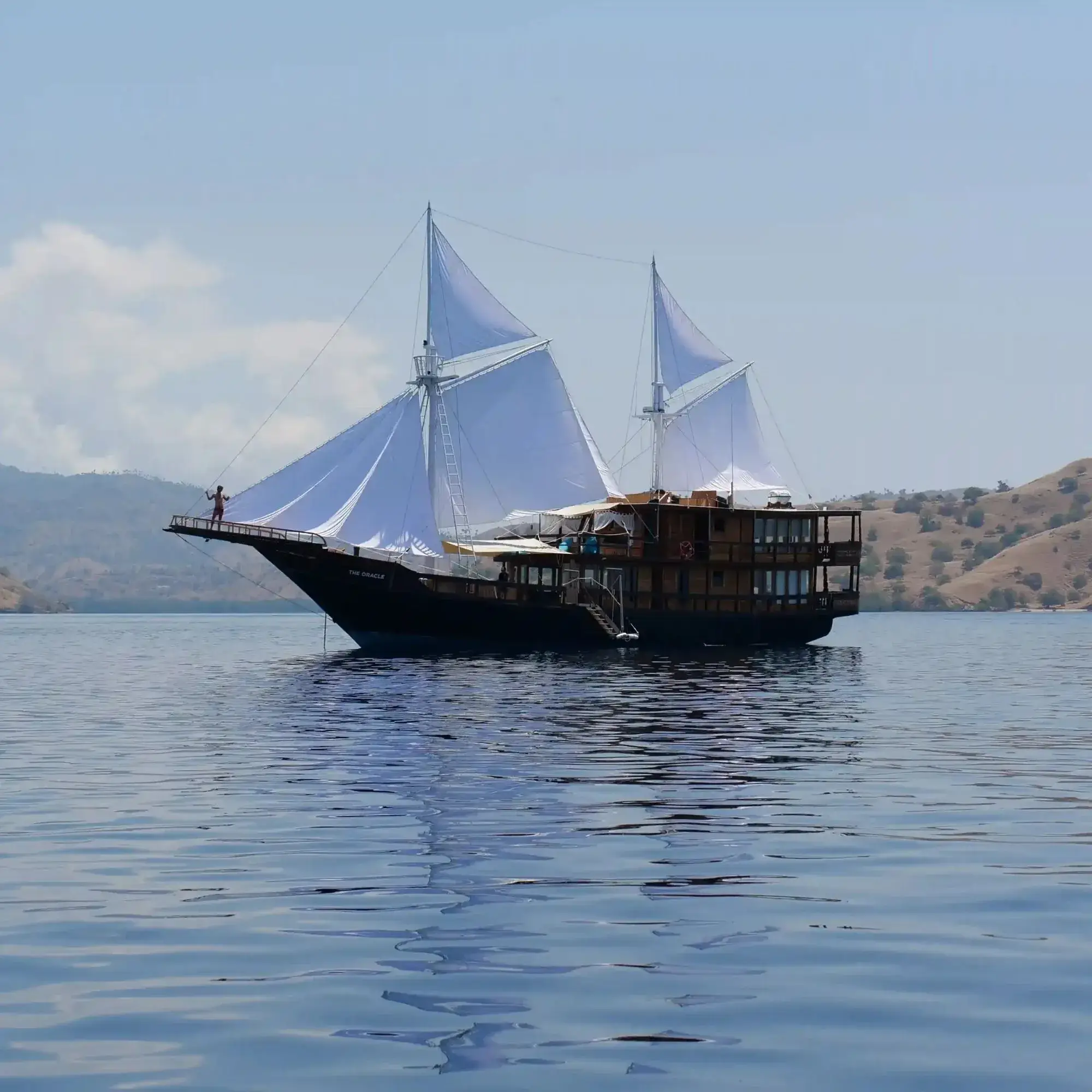
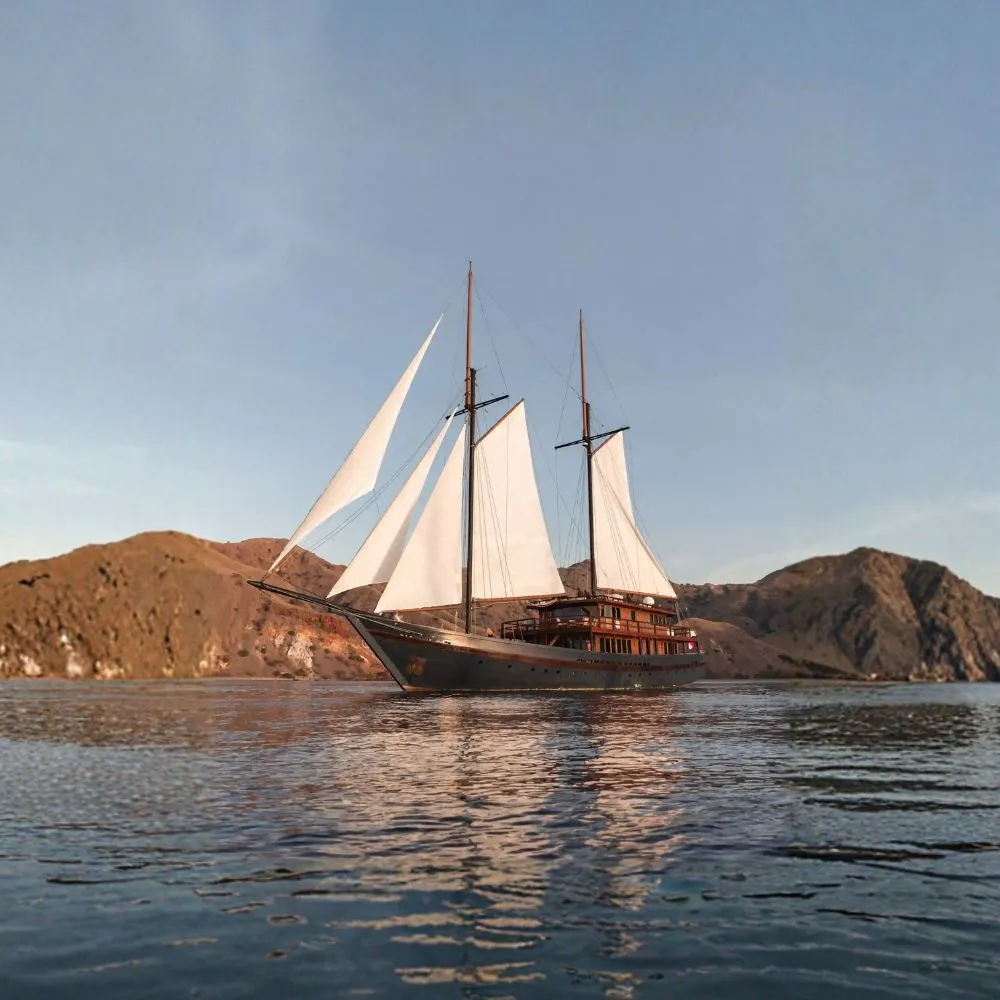
I woke before first light on the upper deck of Cheng Ho, wrapped in a thin blanket as the bow cut silently through the black water west of Komodo Island. The crew had timed the transit perfectly—no engines, just the soft creak of teak and the whisper of wind in the twin masts. By 5:45, we were anchored off Padar, sipping ginger tea as the sky bled from indigo to coral. There was no rush, no crowd. Just the crunch of volcanic rock underfoot as we climbed the ridge alone, watching the sun spill gold over the crescent beaches below.
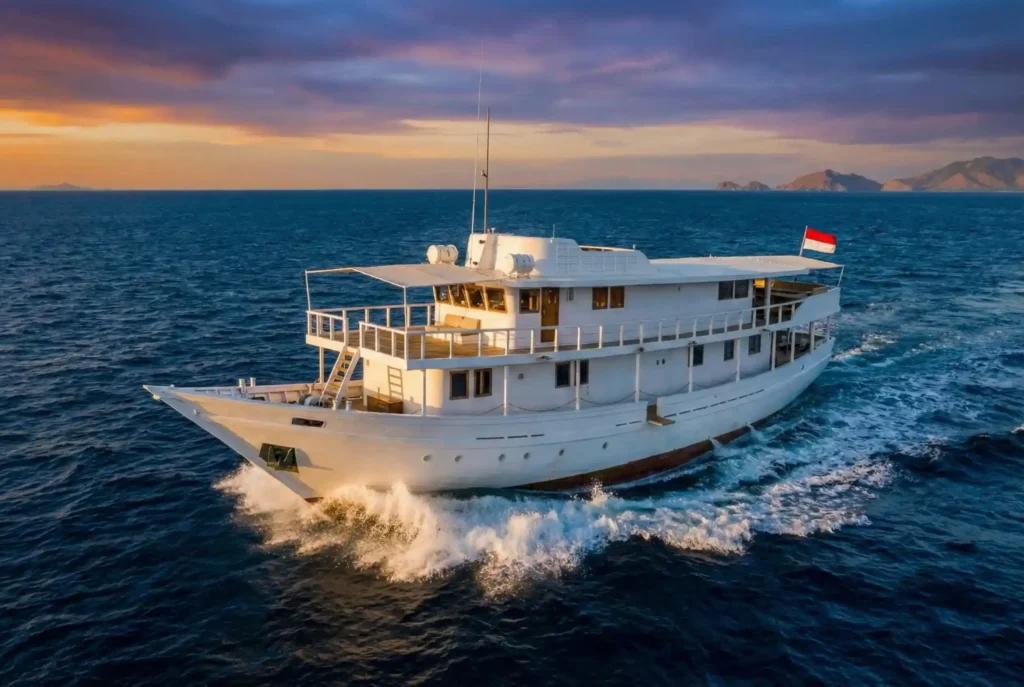
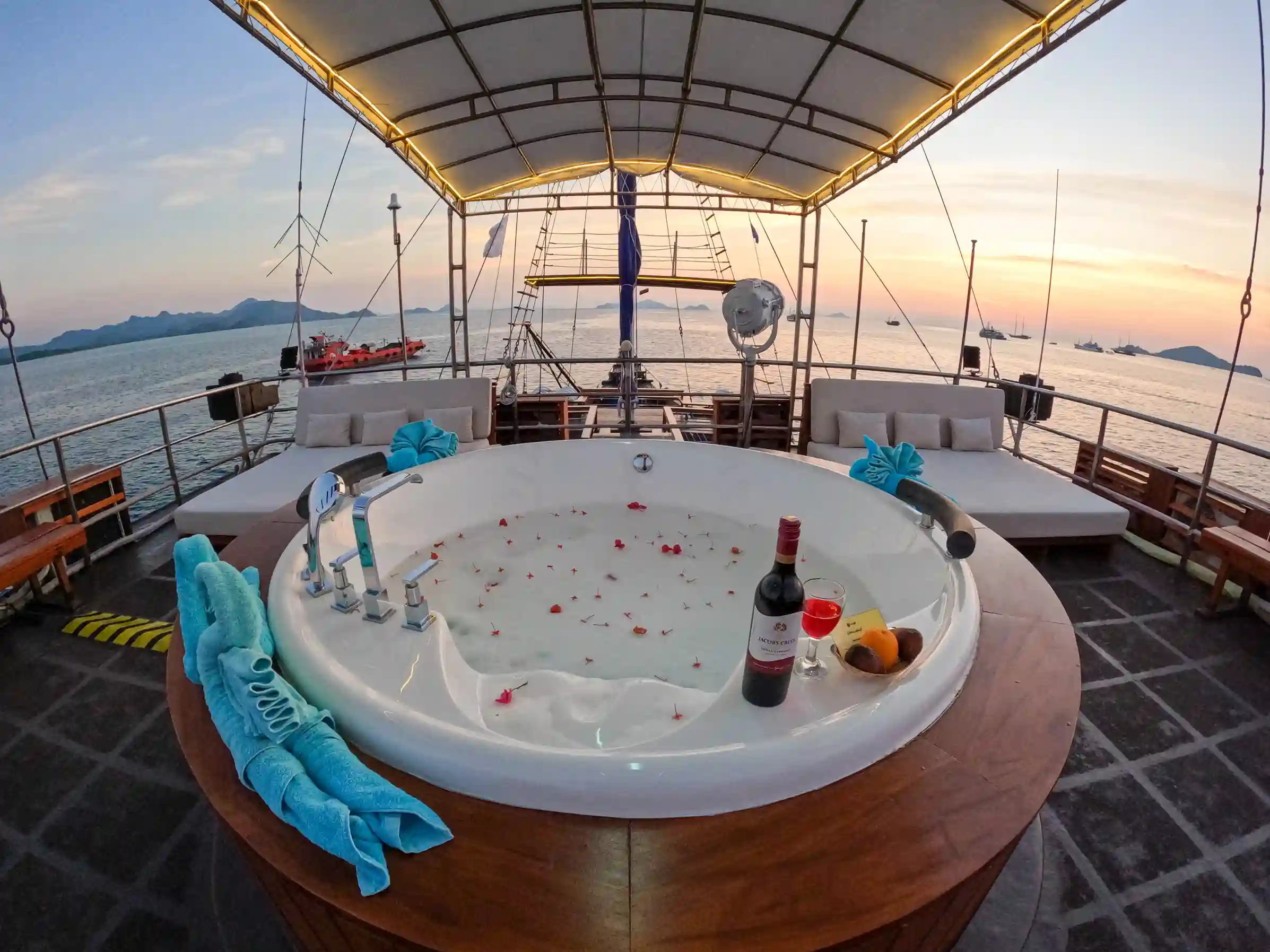
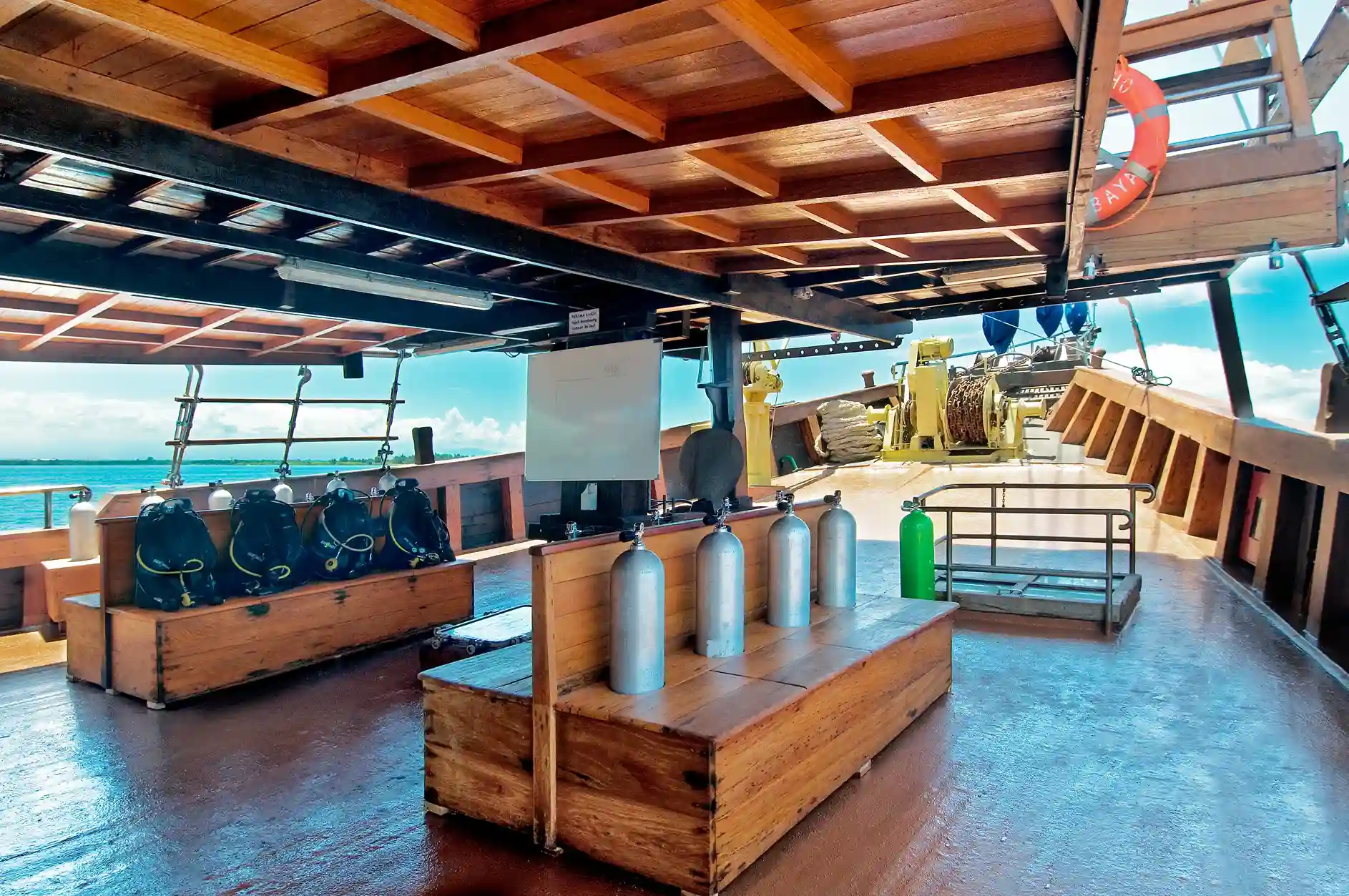
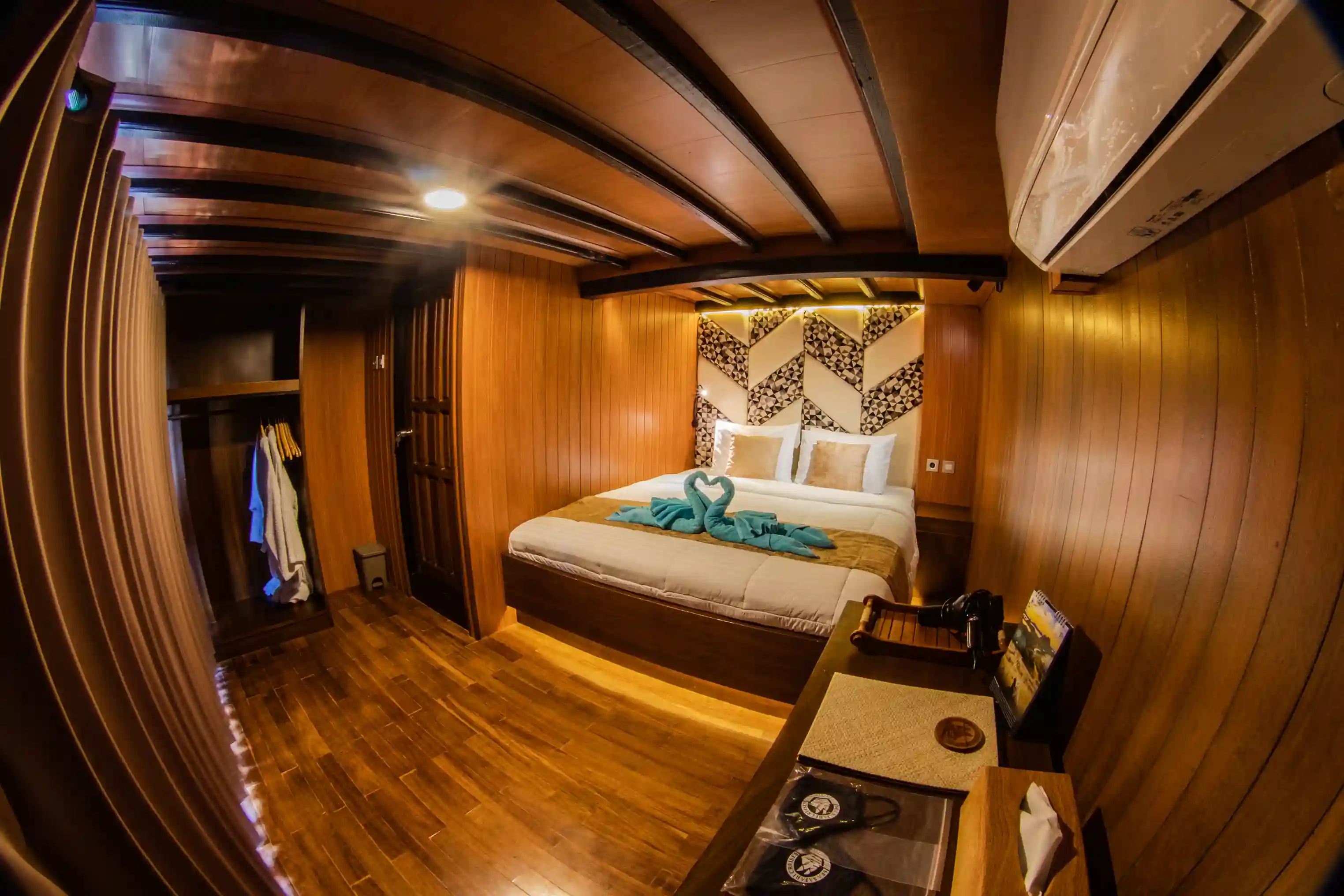
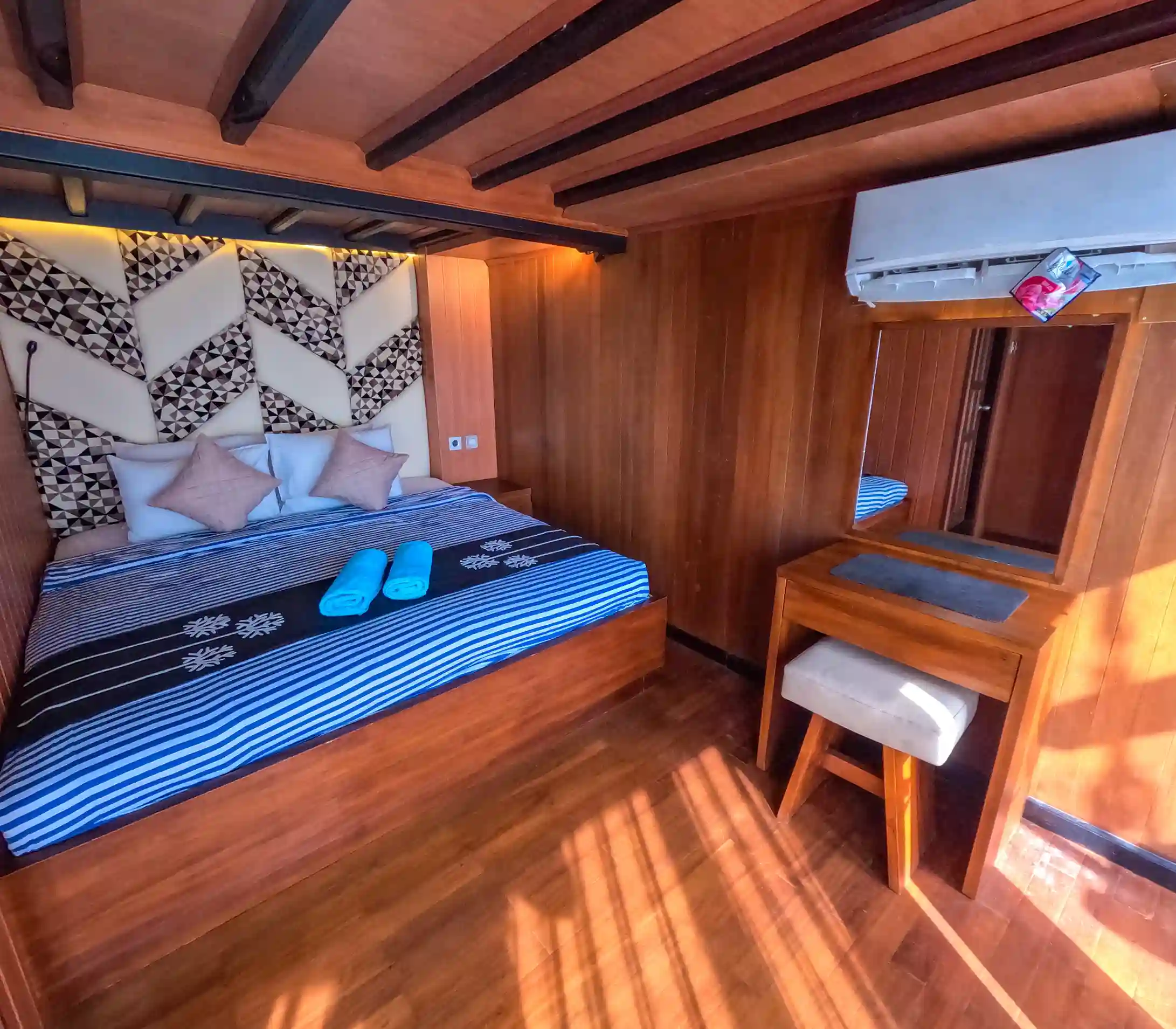
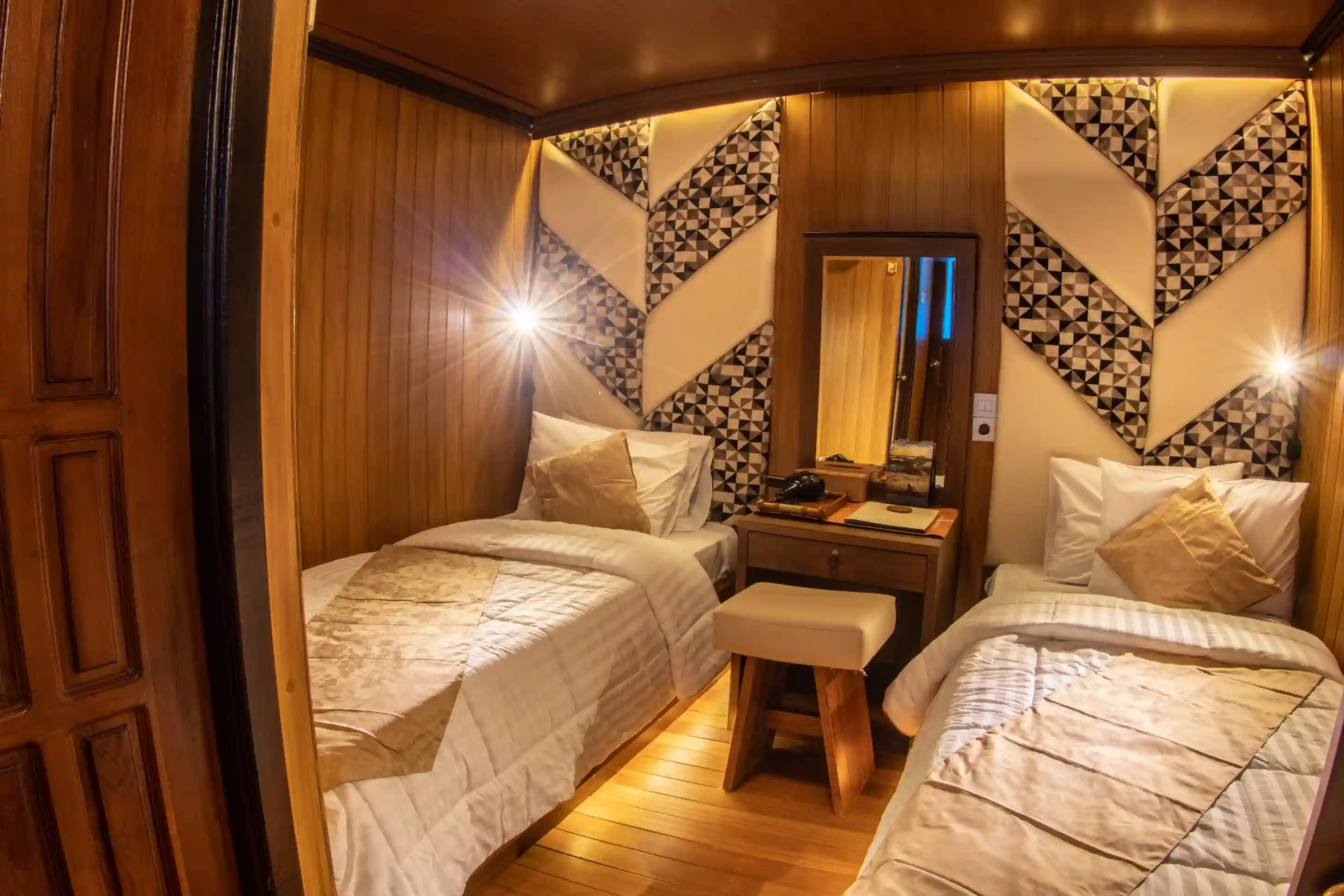
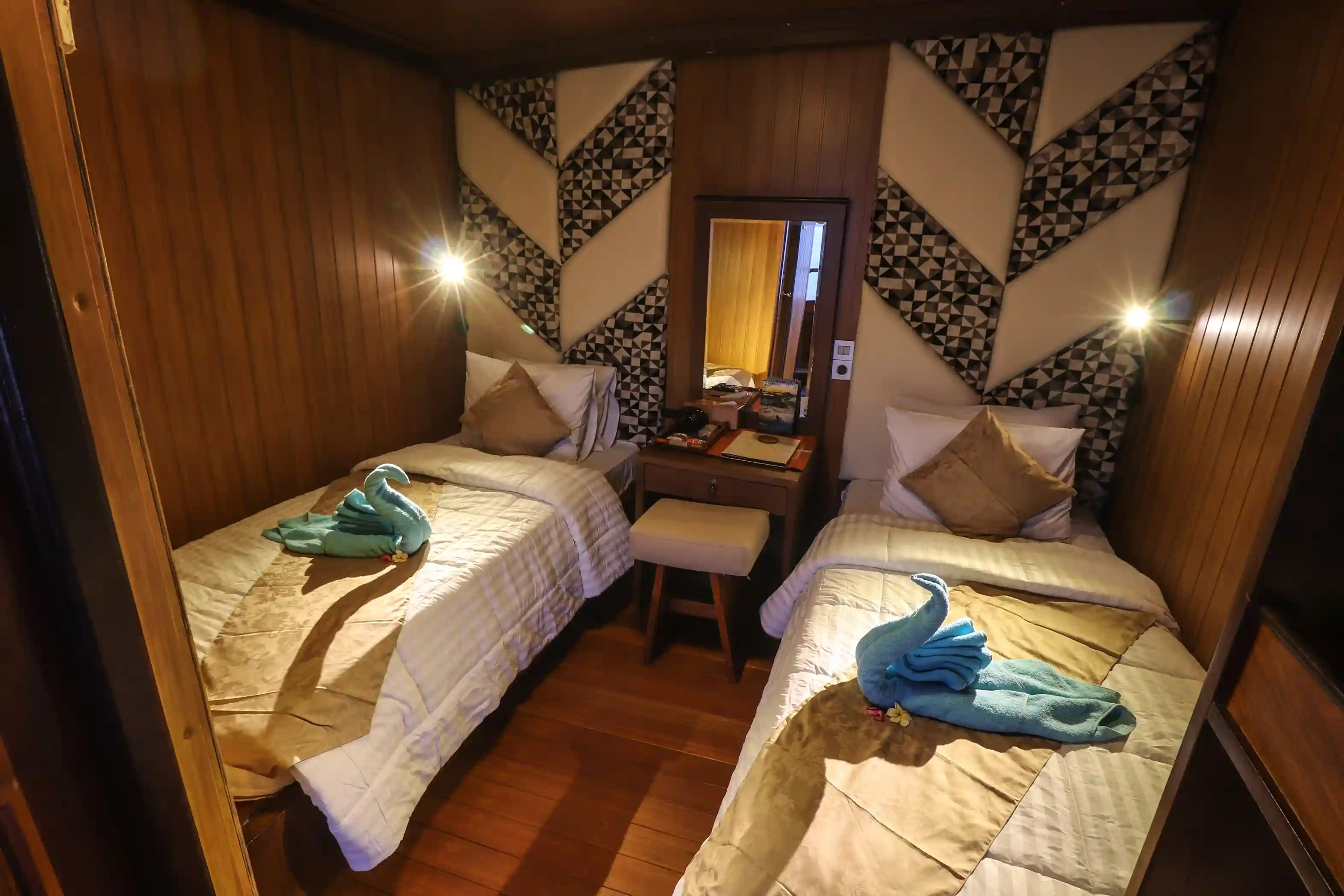
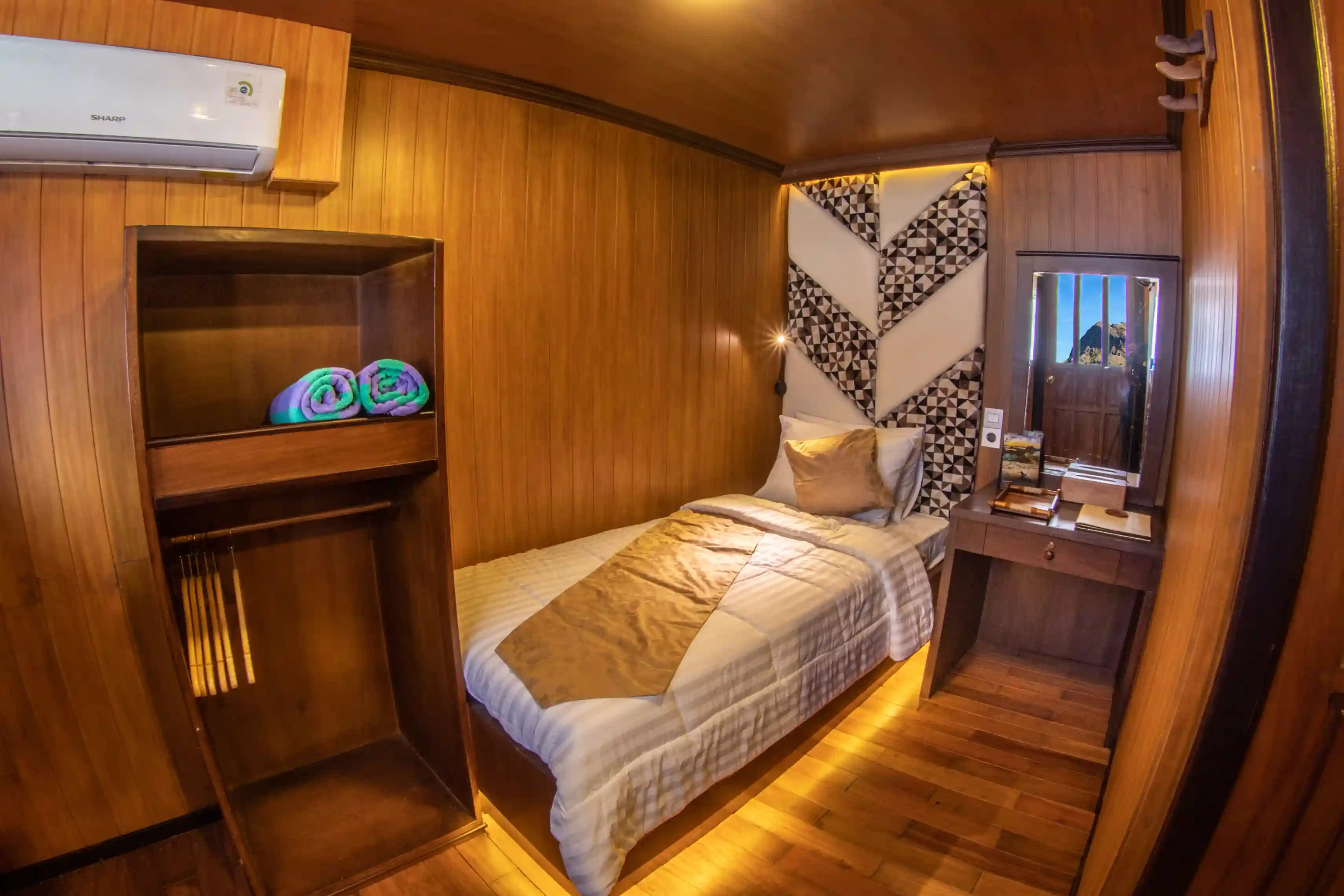
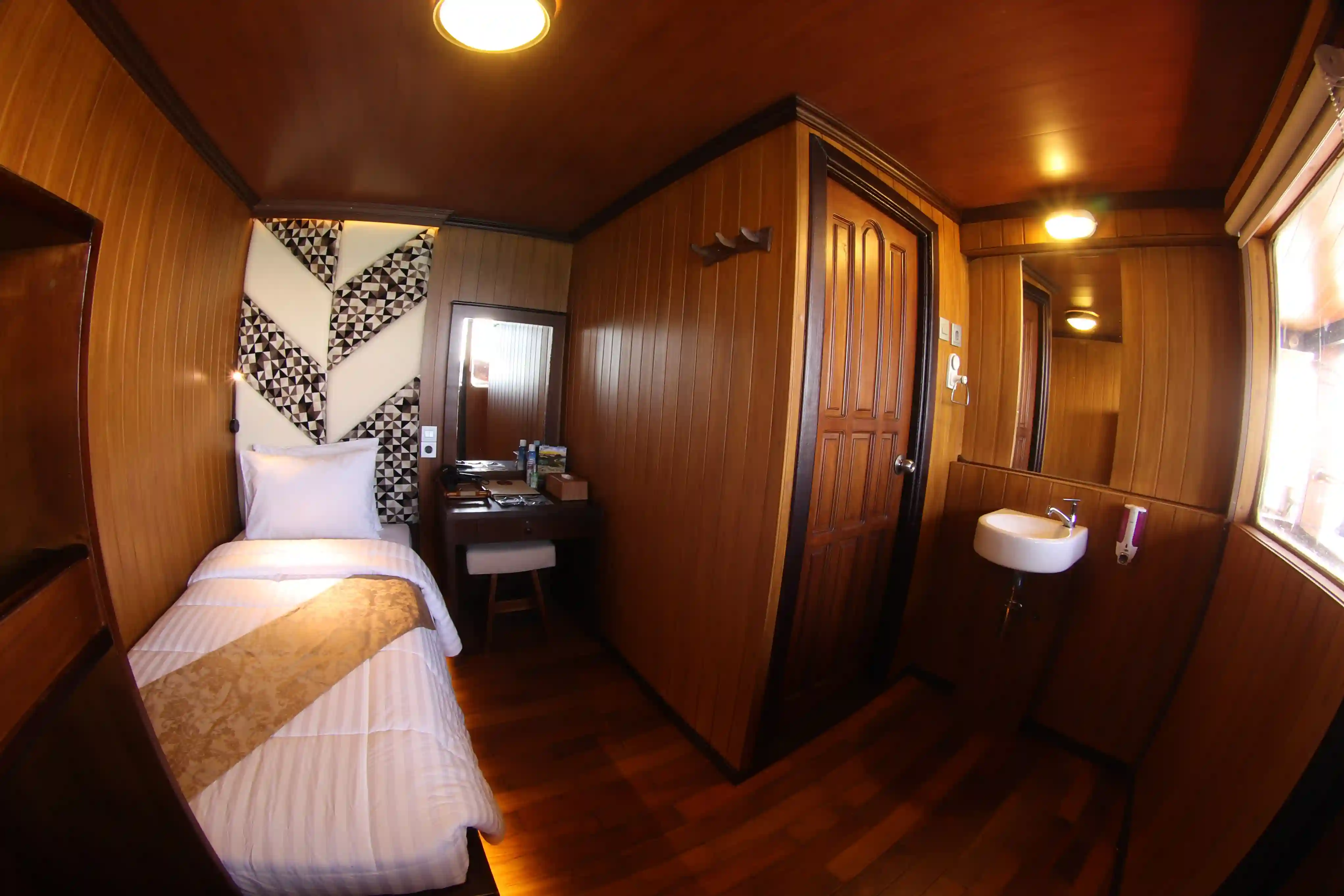
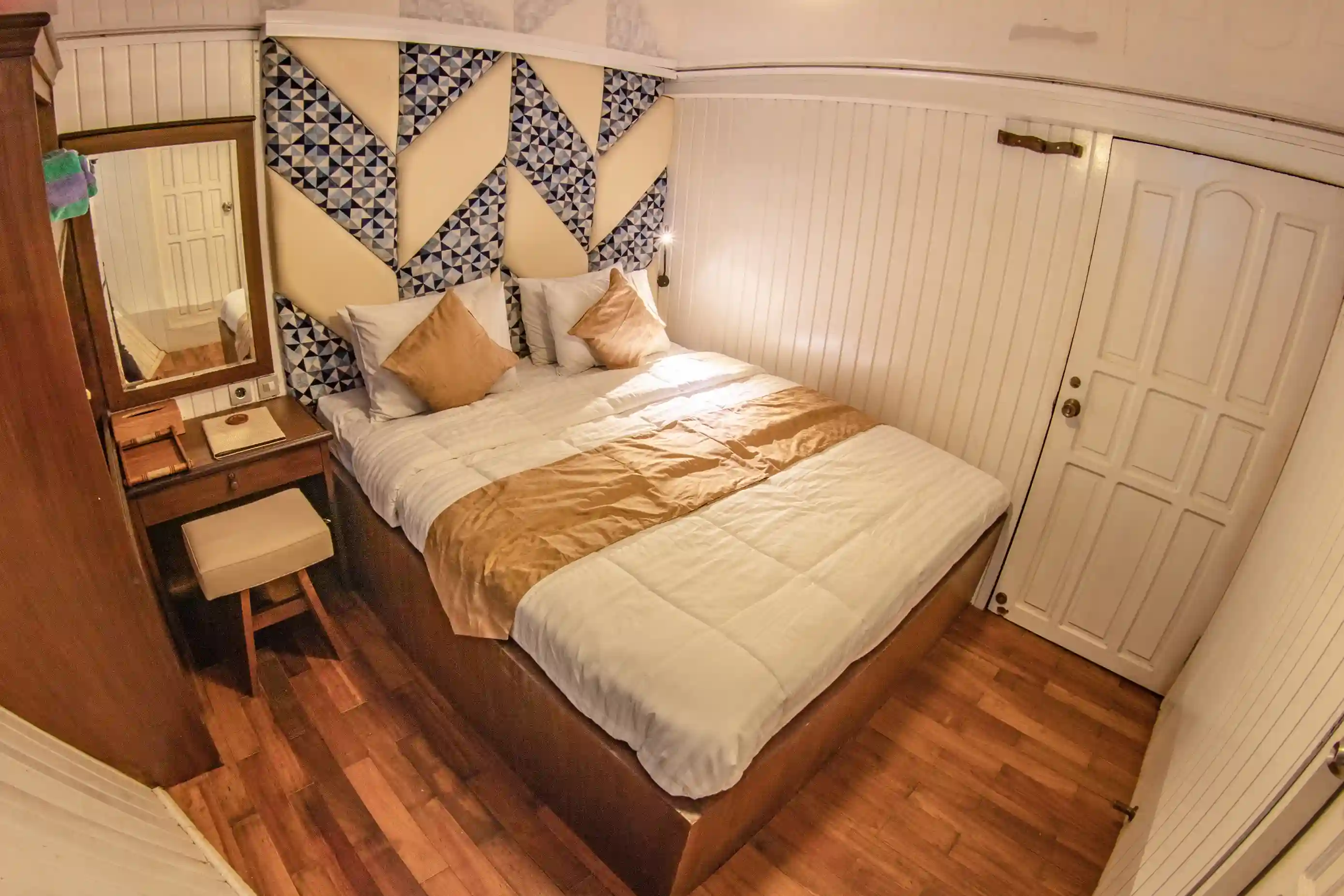
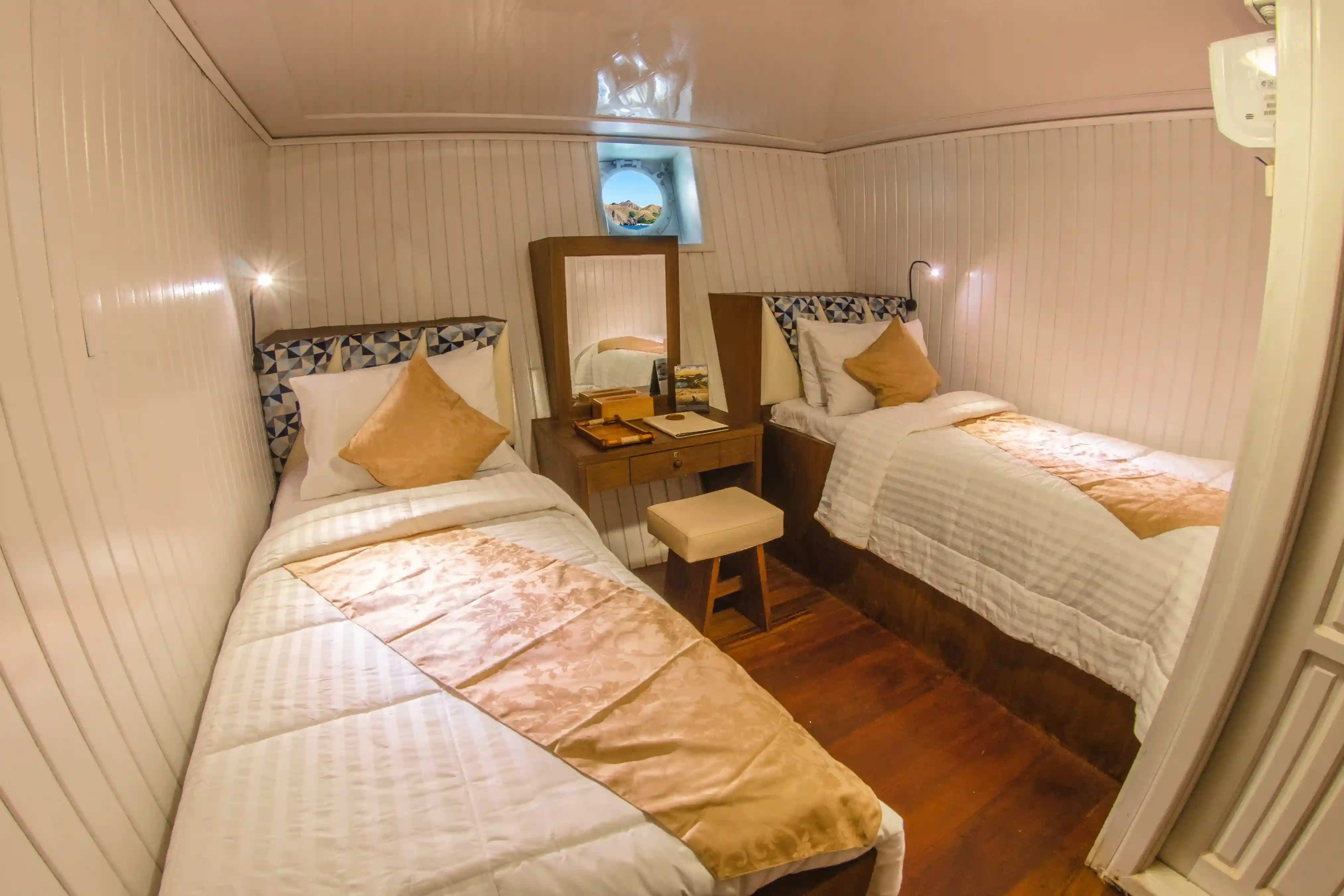
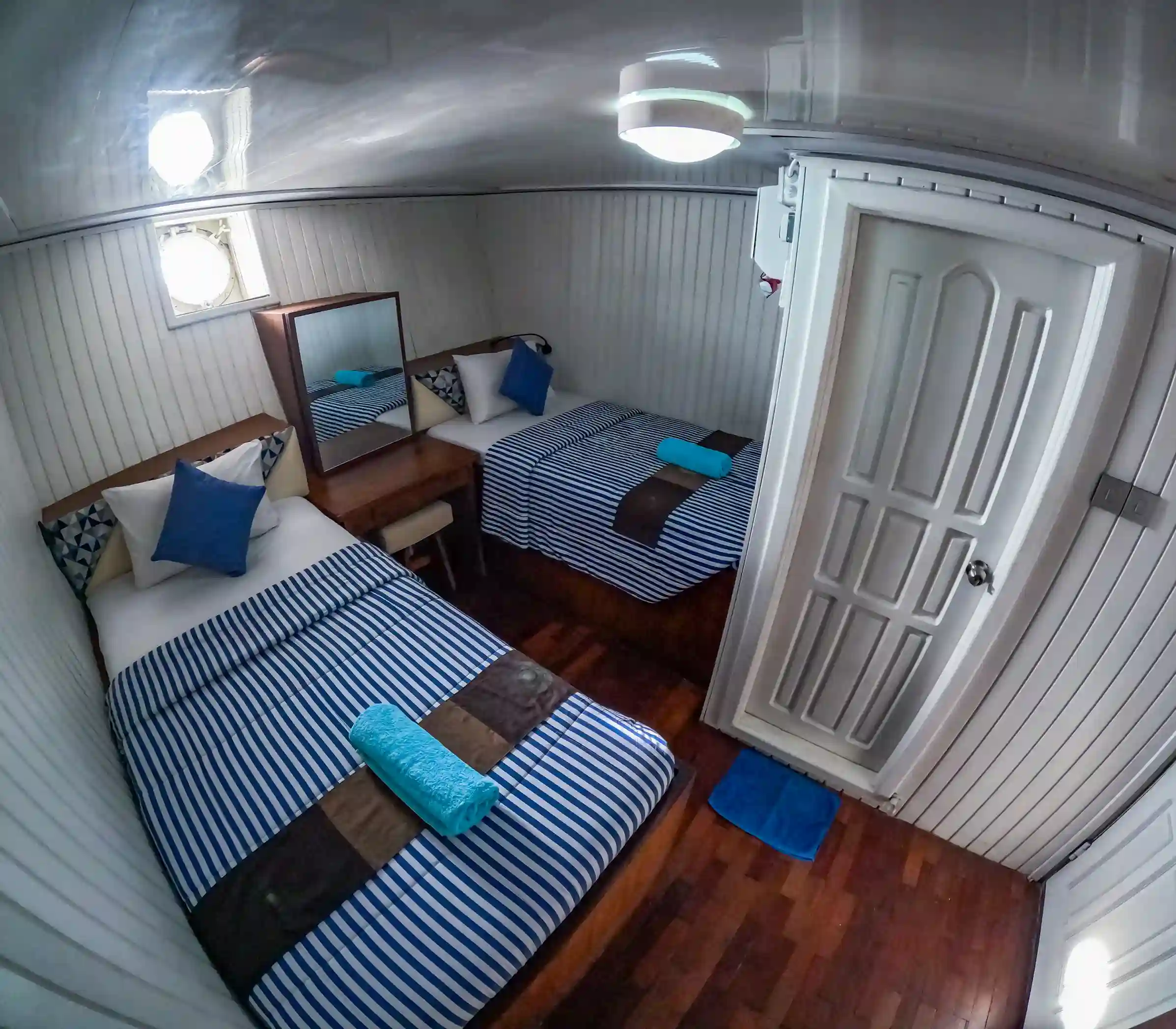
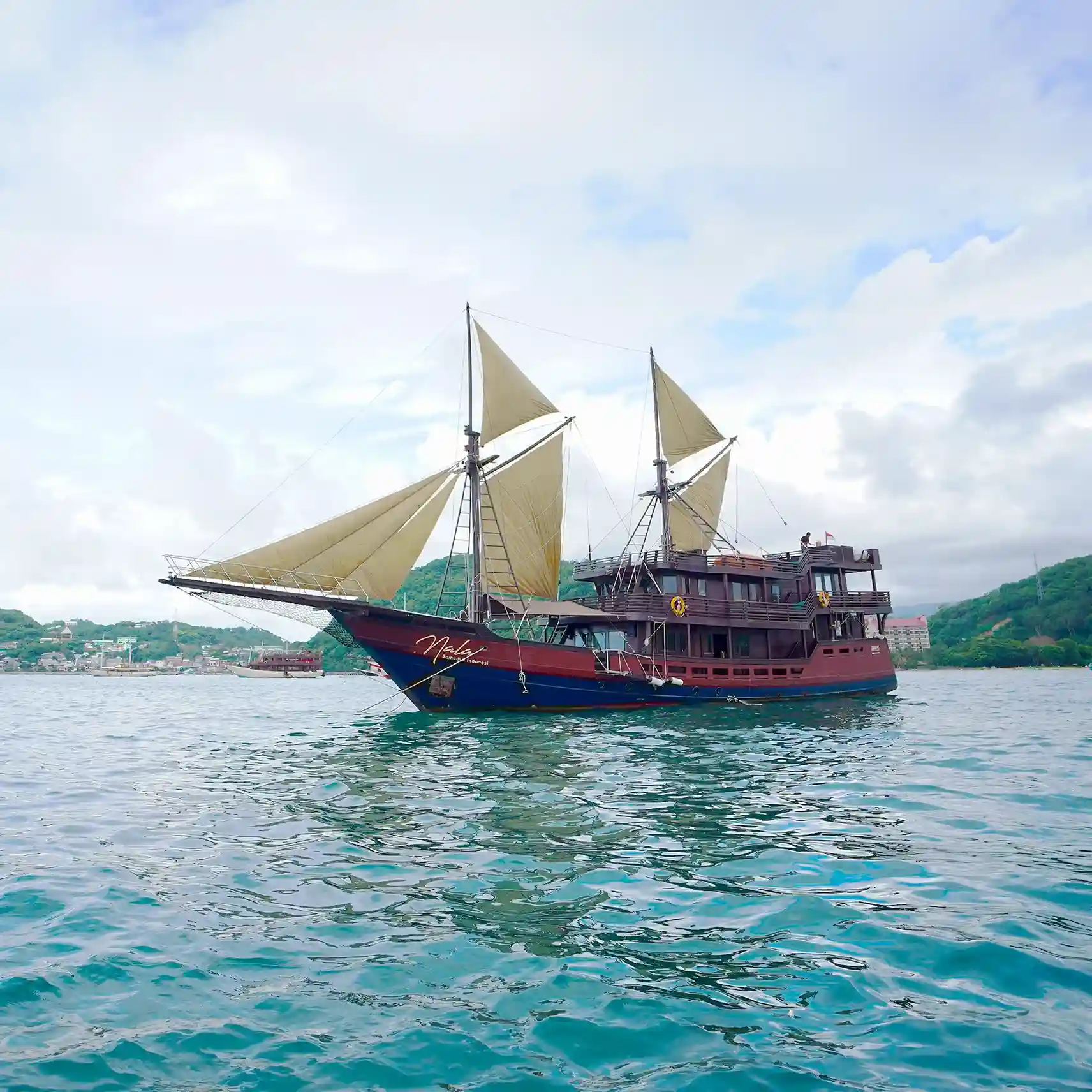
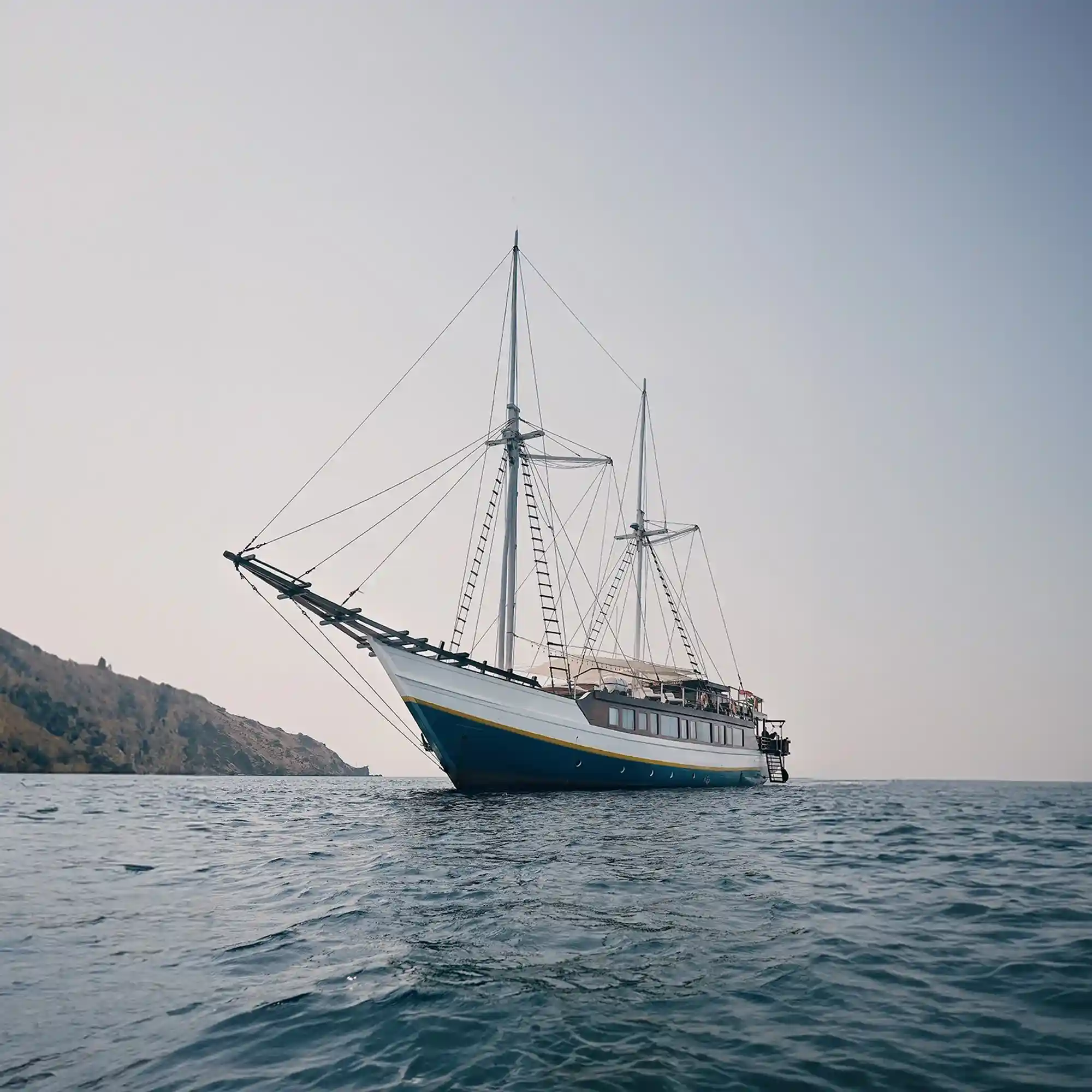
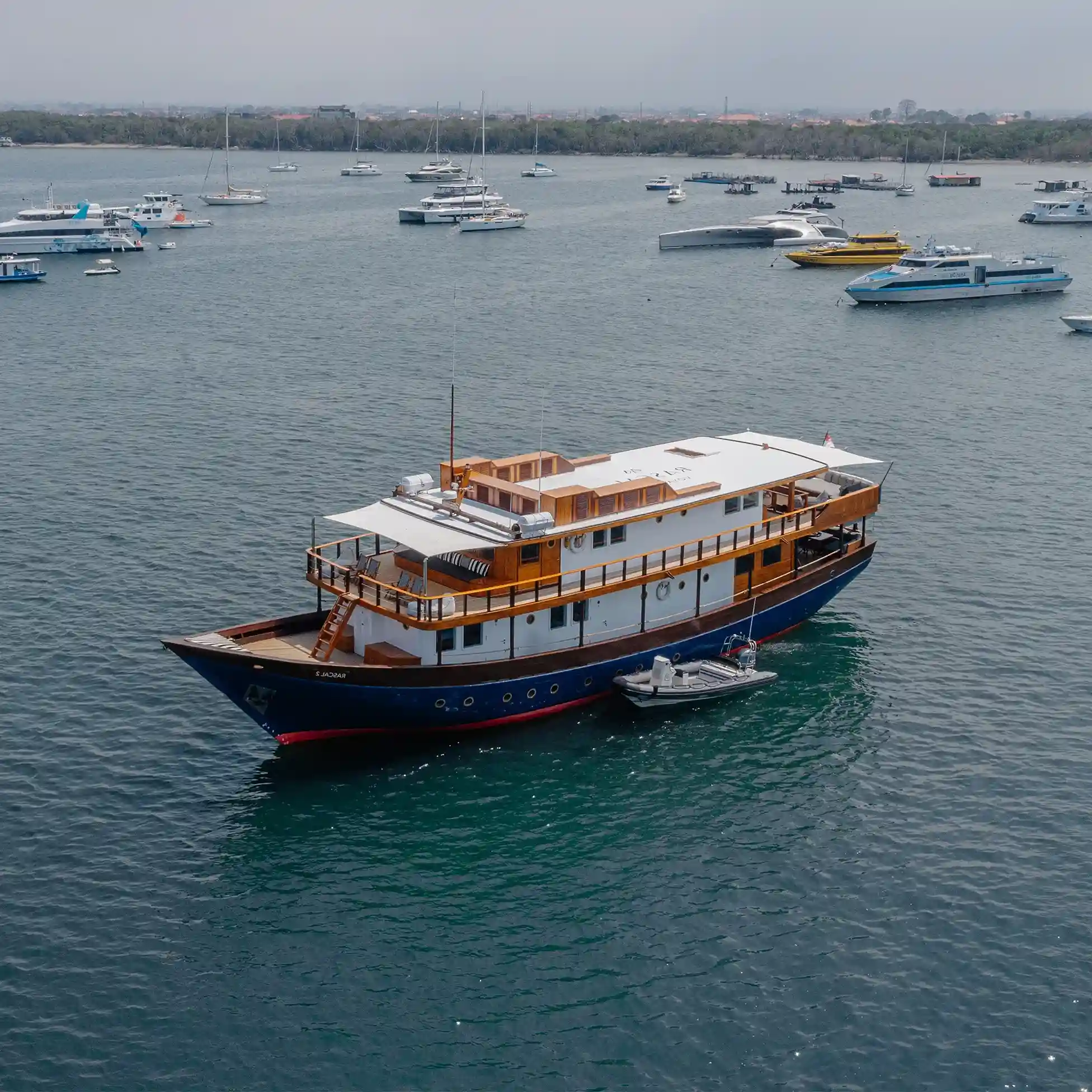
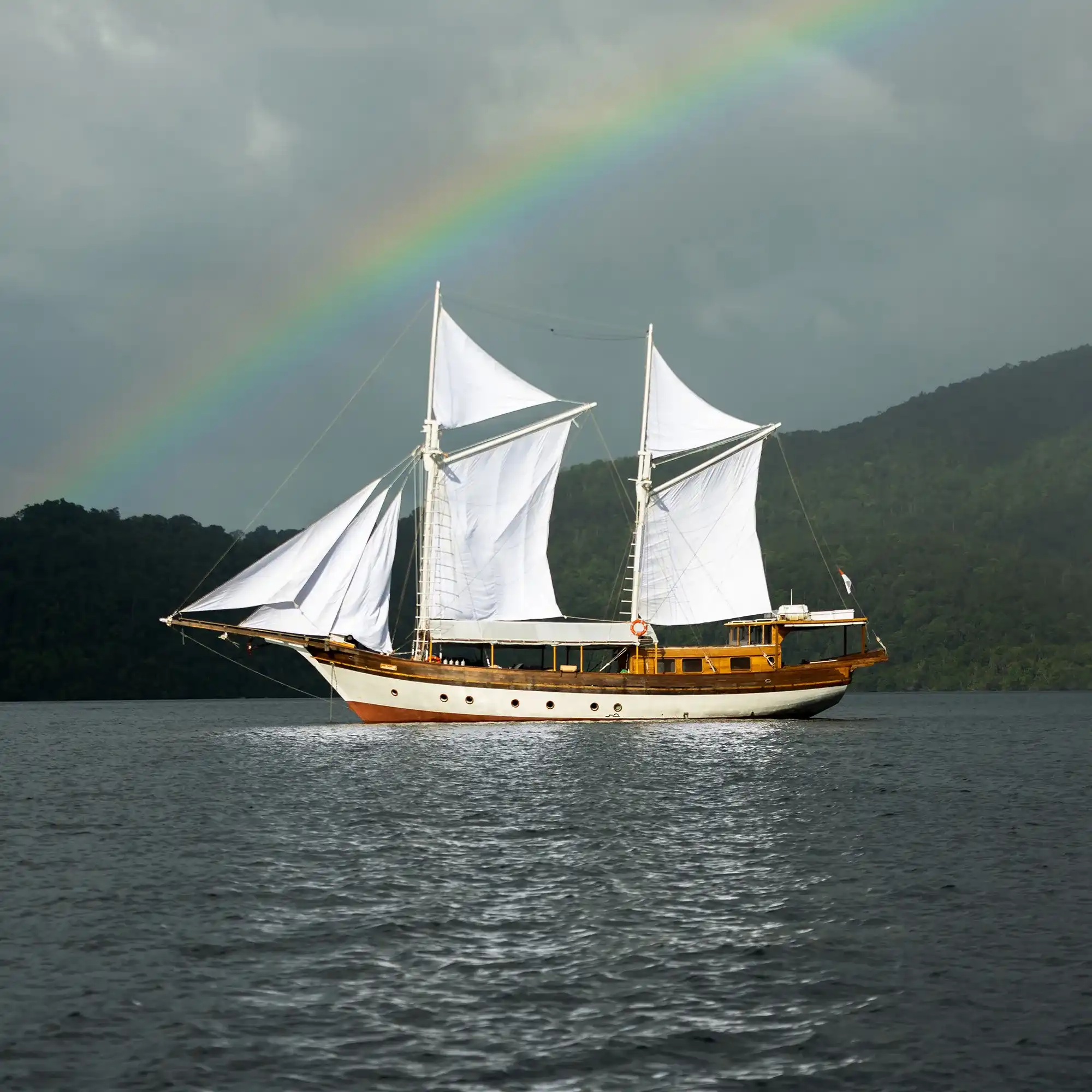
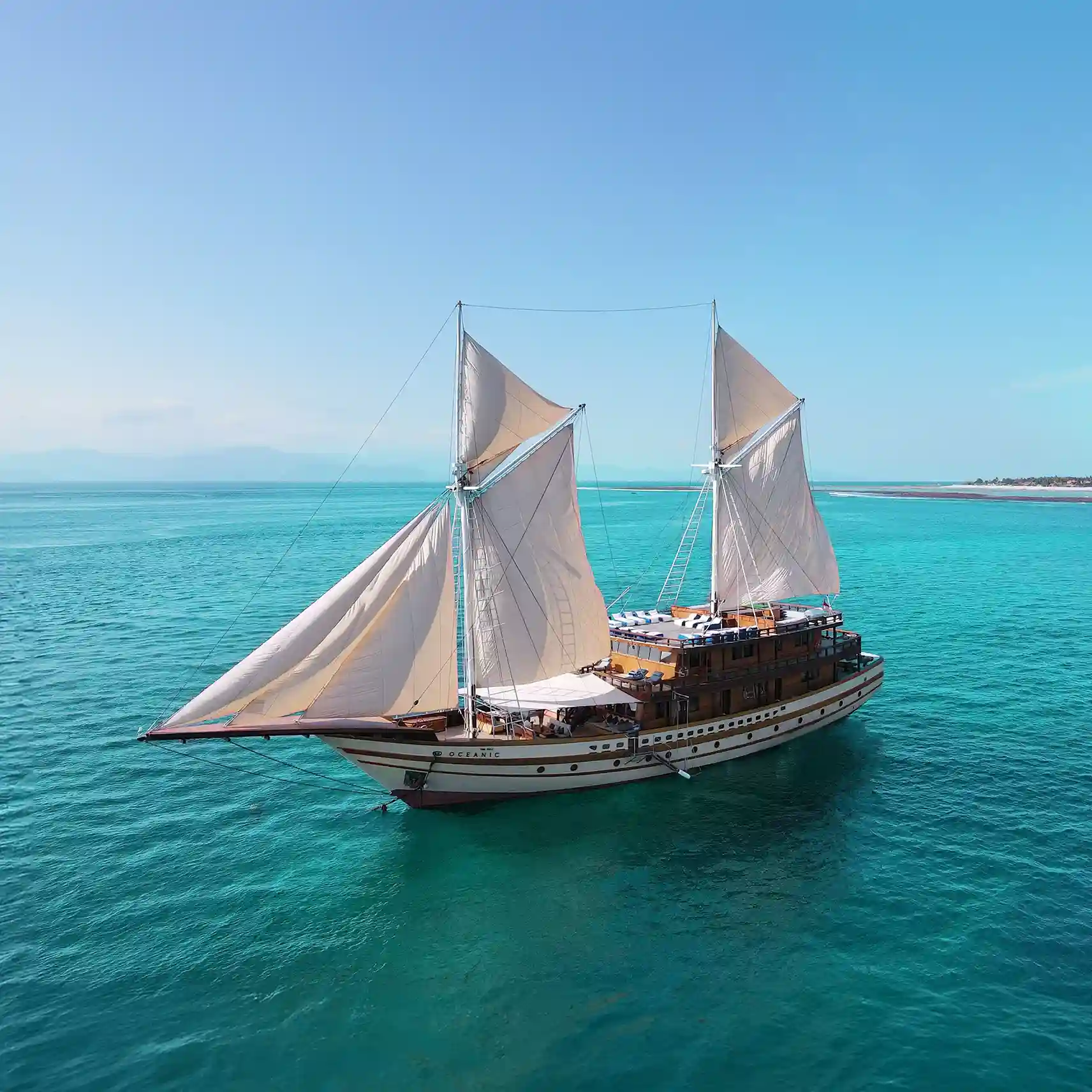
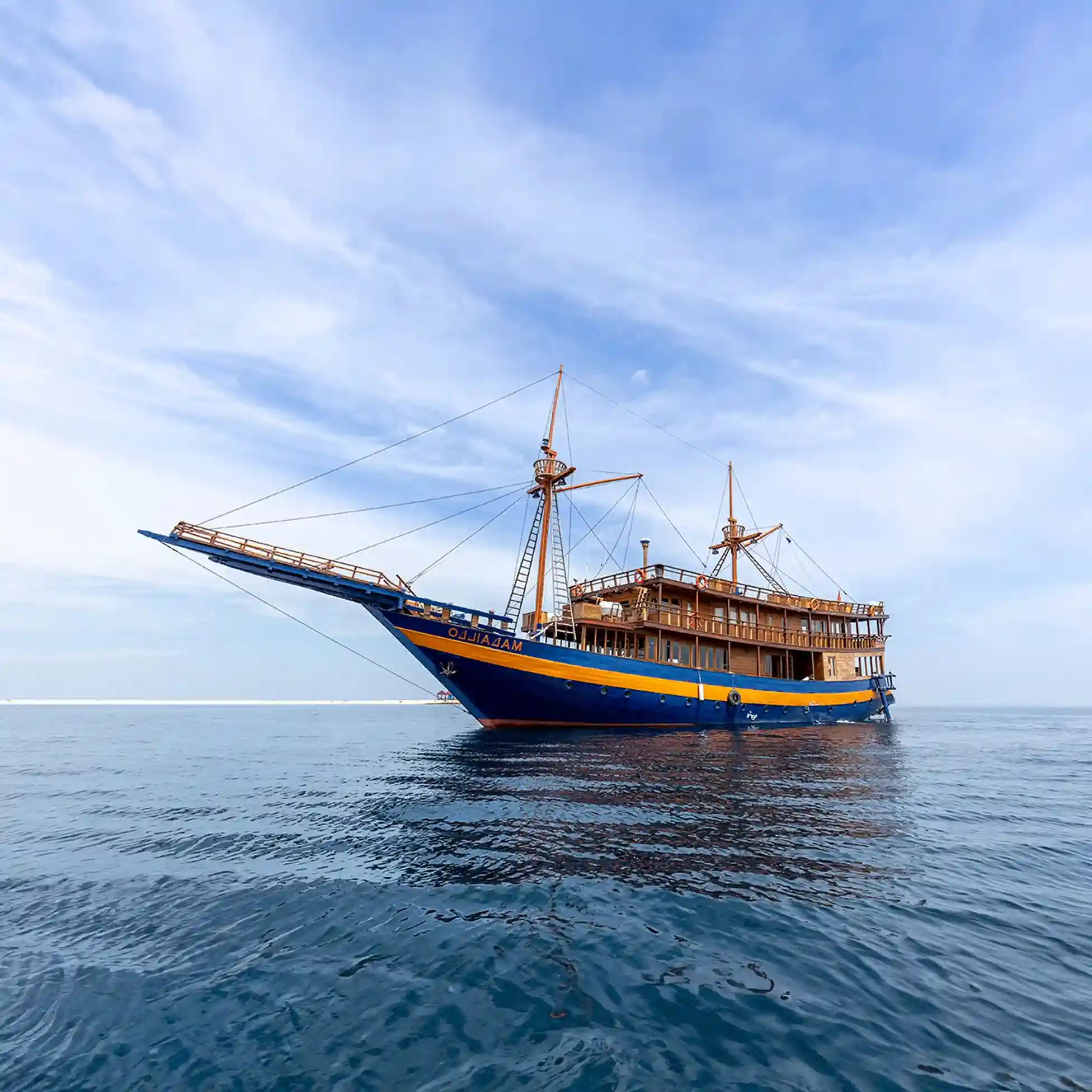
The scale of the boat only made sense over days. At 65 meters, Cheng Ho carries space like a small village—three cabins tucked amidships, each with brass portholes that catch the afternoon sun from different angles. Ours faced aft, so every evening we watched the wake dissolve into starlight. The master suite, forward on the main deck, has a private sitting area where one guest sketched the coastline in silence each morning. There’s no gym, no cinema, no need. The rhythm is set by tides and light, not schedules.
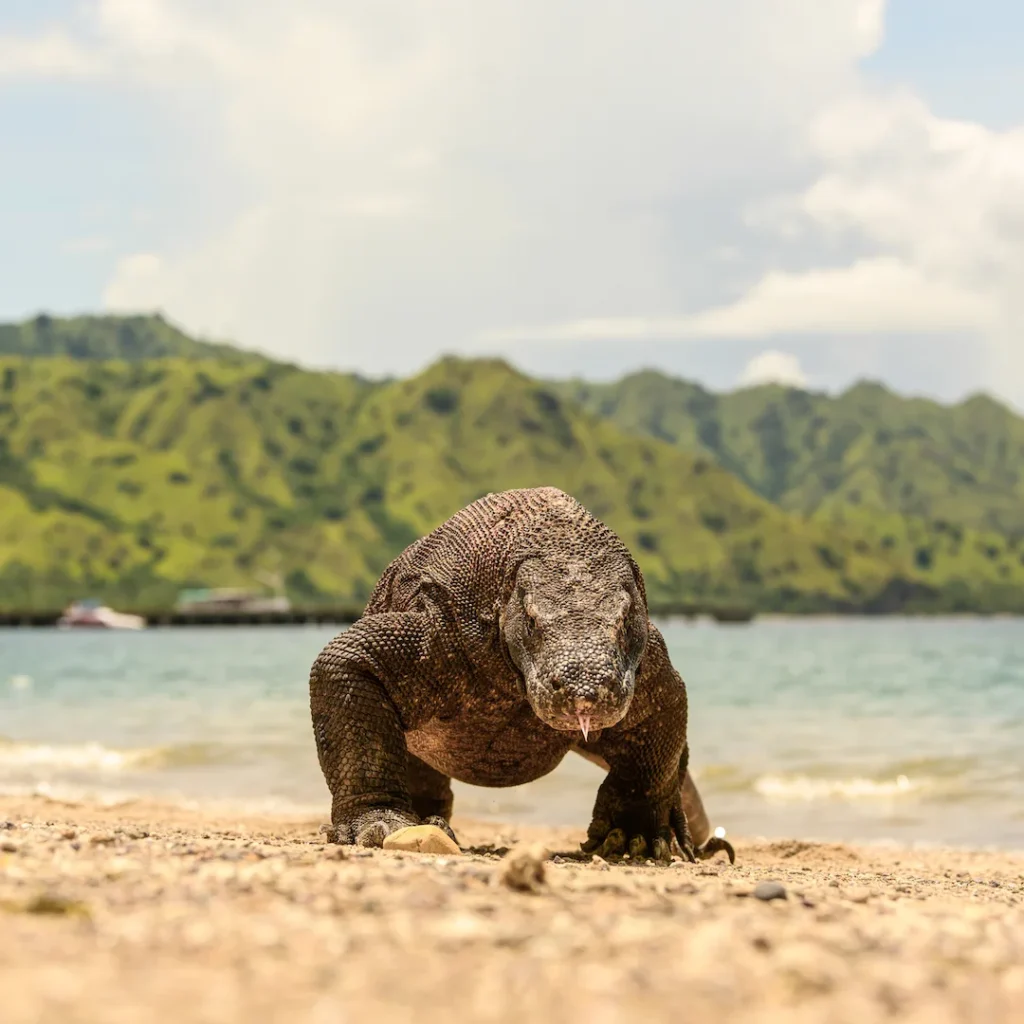
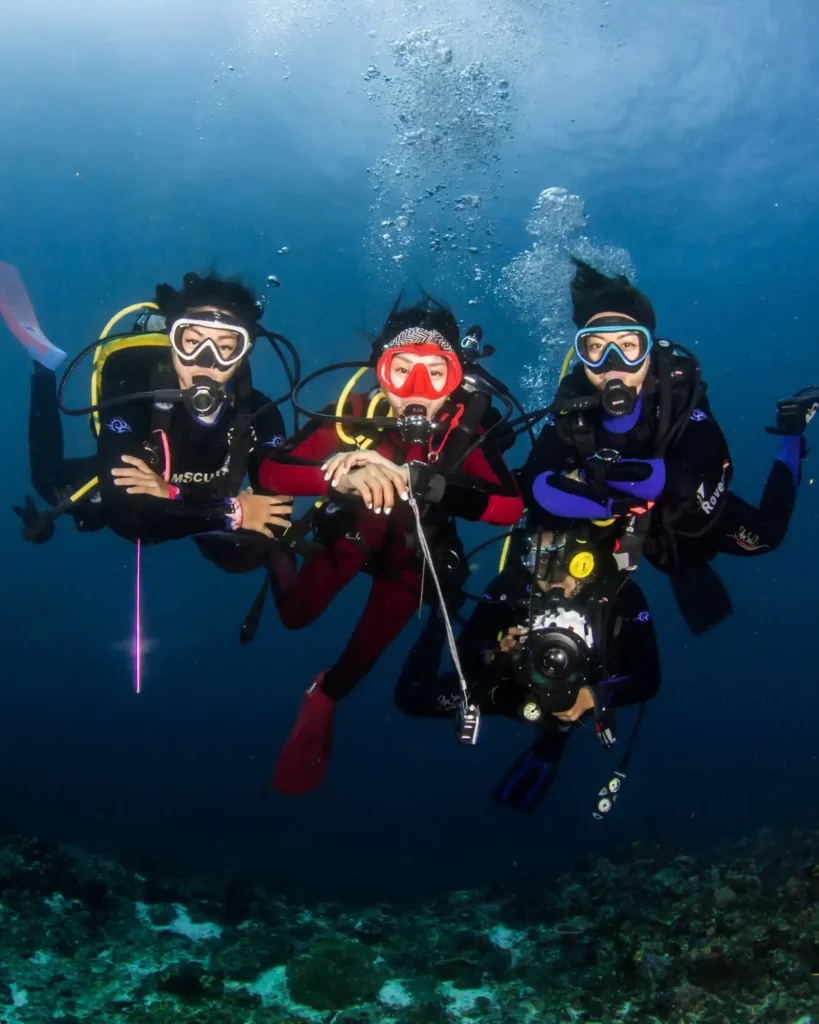
On day two, we landed at Loh Liang just after high tide. The ranger led us along the trail with a long stick, eyes scanning the underbrush. We saw six dragons—two basking near the ranger station, one slinking through the roots of a gum tree. Cheng Ho’s guide knew the younger ones by sight. Later, we swam at Manta Point in the midday current, drifting just above the cleaning stations where three large mantas circled the same coral bommie twice. One tilted vertically, wings flared, eye rolling toward us before vanishing into blue.
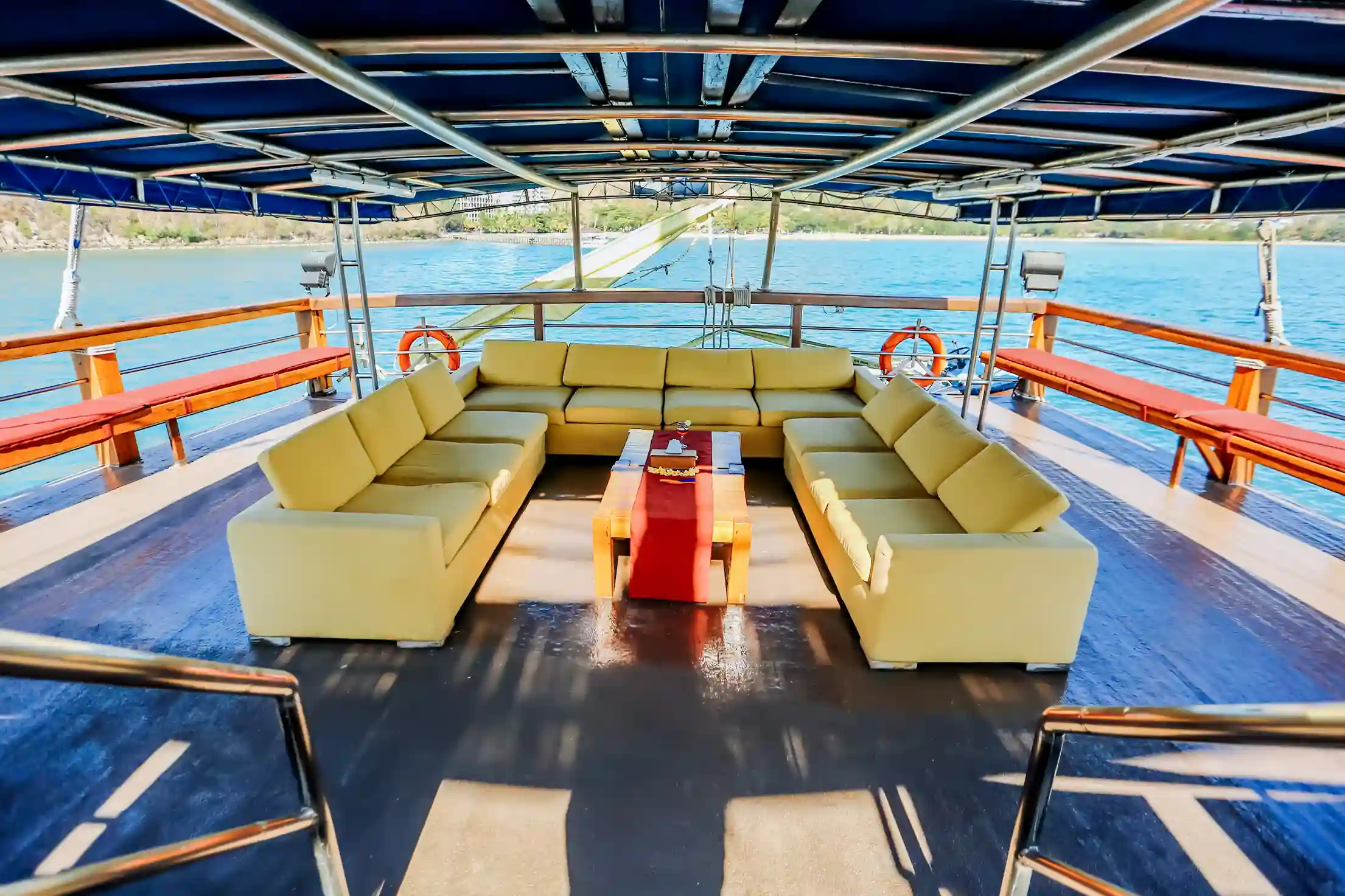
Lunch was grilled reef fish with tamarind glaze, served on the shaded lower deck. The table extended with a teak leaf, allowing all six of us—just one other couple on this private charter—to sit together without crowding. The cook, Pak Ade, kept a jar of sambal on hand but adjusted the heat without being asked. By late afternoon, we anchored in Kalong Strait, the air thick with fruit bats launching from mangrove islets. The crew lowered a floating platform, and we floated there, ears underwater, listening to the slap of wings overhead.
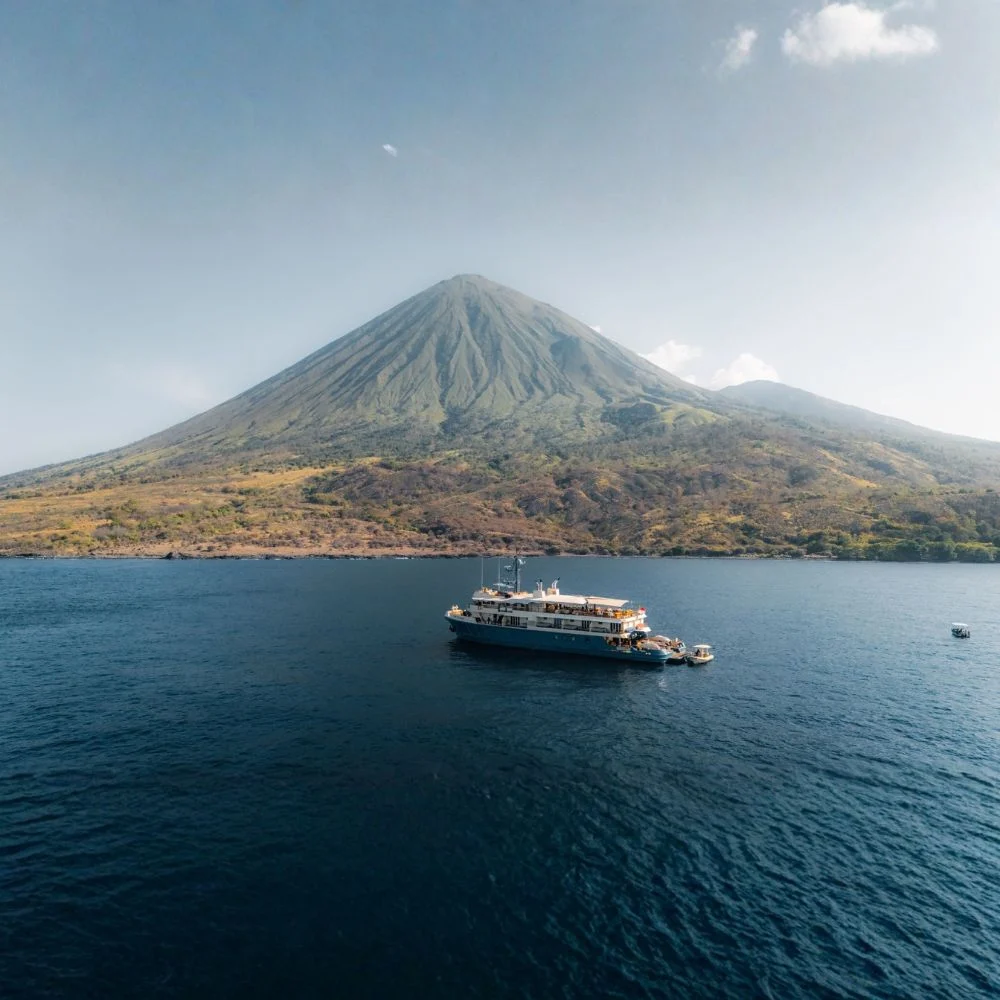
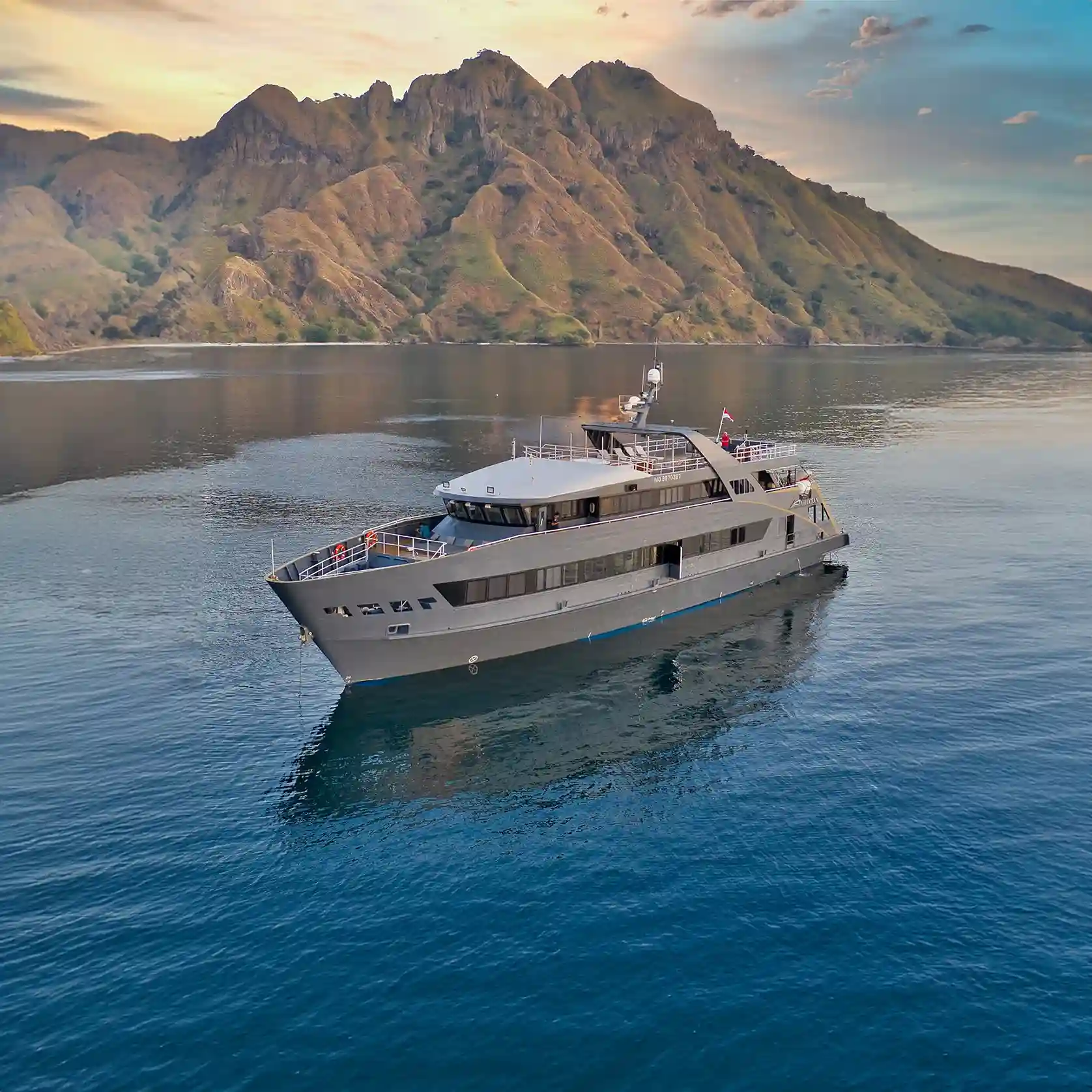
Final morning began at Taka Makassar—shallow sandbar, knee-deep at low tide, ringed by reef. We waded out at 7:30, the water so clear our shadows stretched like giants across the seabed. Kanawa followed: a quick snorkel over a drop-off where fusiliers stacked in silver columns. Cheng Ho waited just beyond the break, hull heeling slightly in the swell. By 11:00, we were on deck with coffee, watching Labuan Bajo’s coastline sharpen into focus.
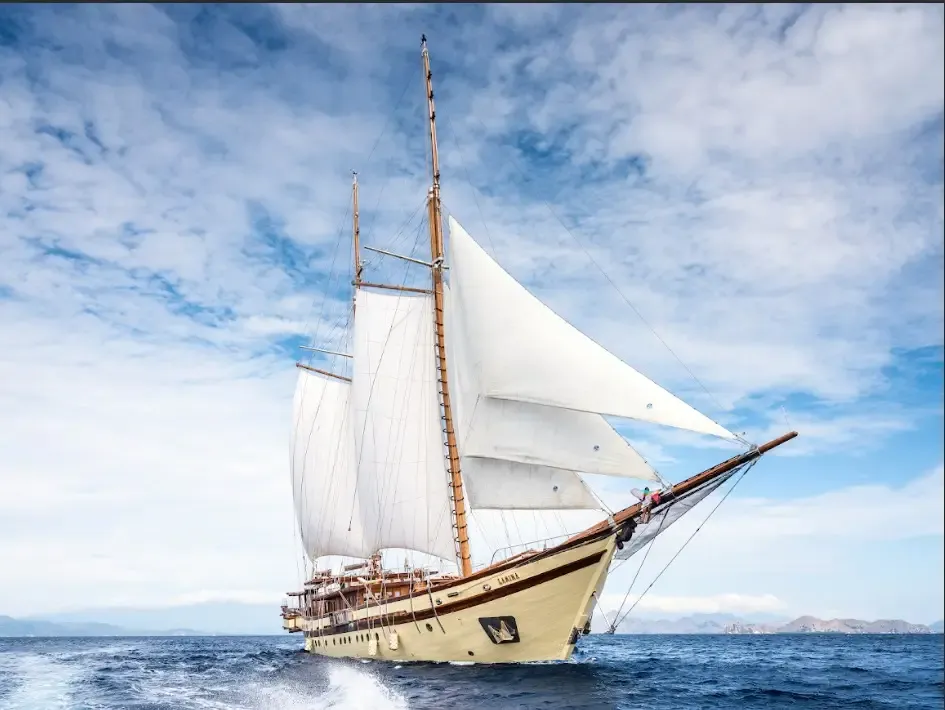
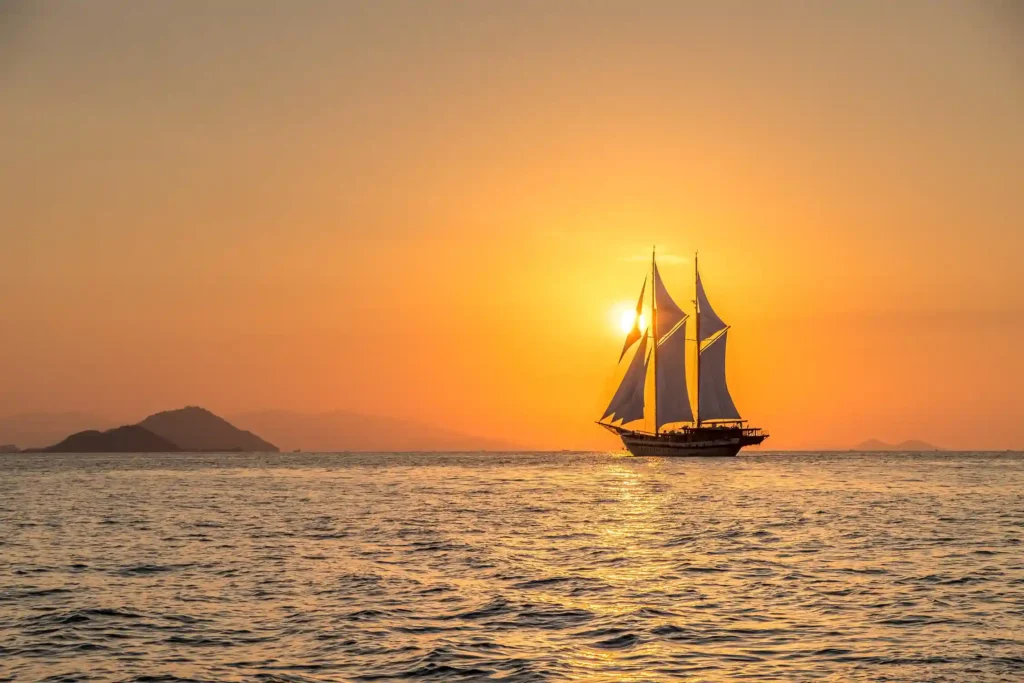
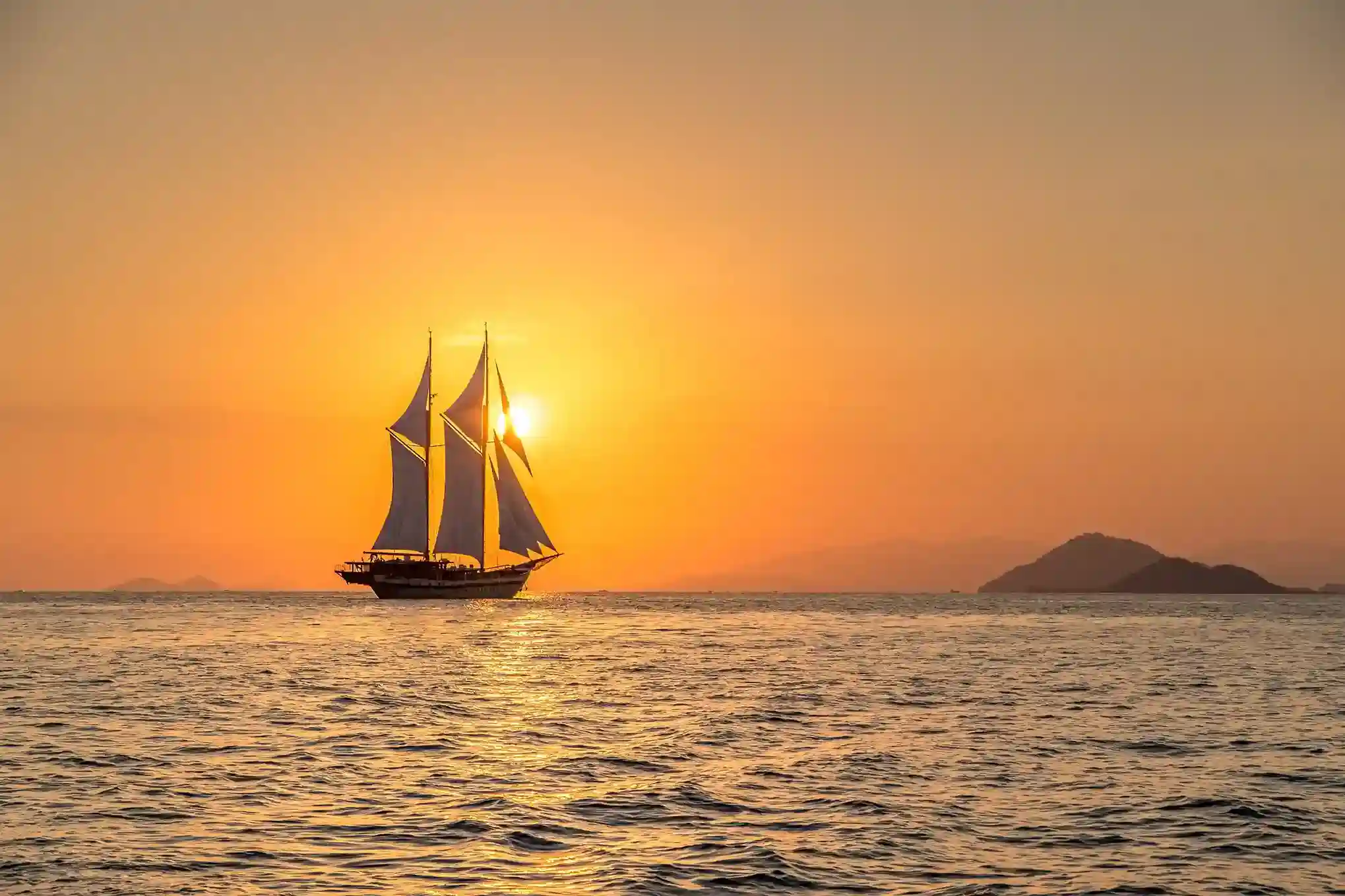
This isn’t a boat that shouts. No neon tenders, no drone fleets. The crew speaks quietly, moves deliberately. They know which guests want dawn coffee on the bow, which prefer to sleep in. The sails don’t always unfurl—but when they do, it’s with purpose, harnessing the southeast current between Rinca and Banta. Cheng Ho doesn’t perform. It simply belongs.