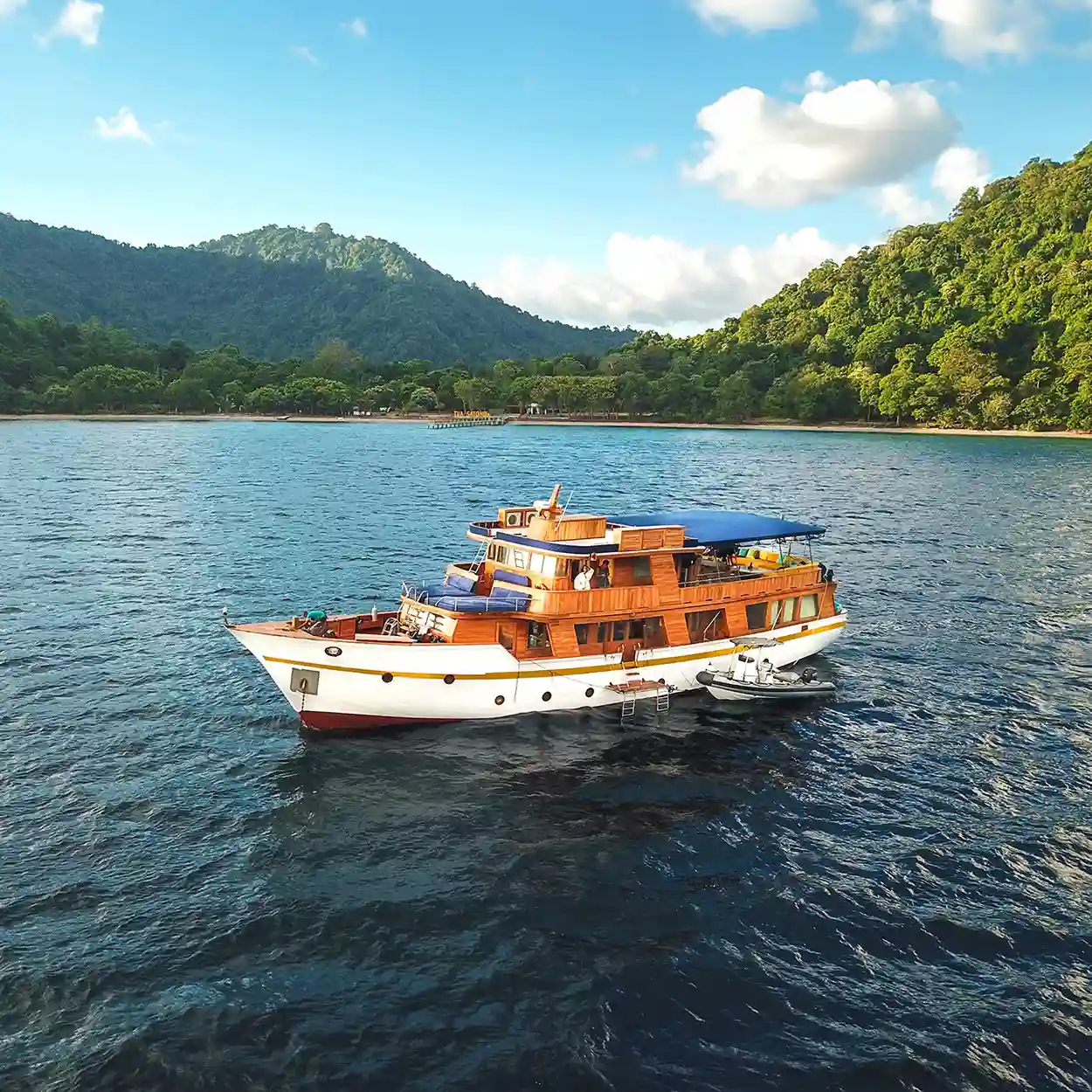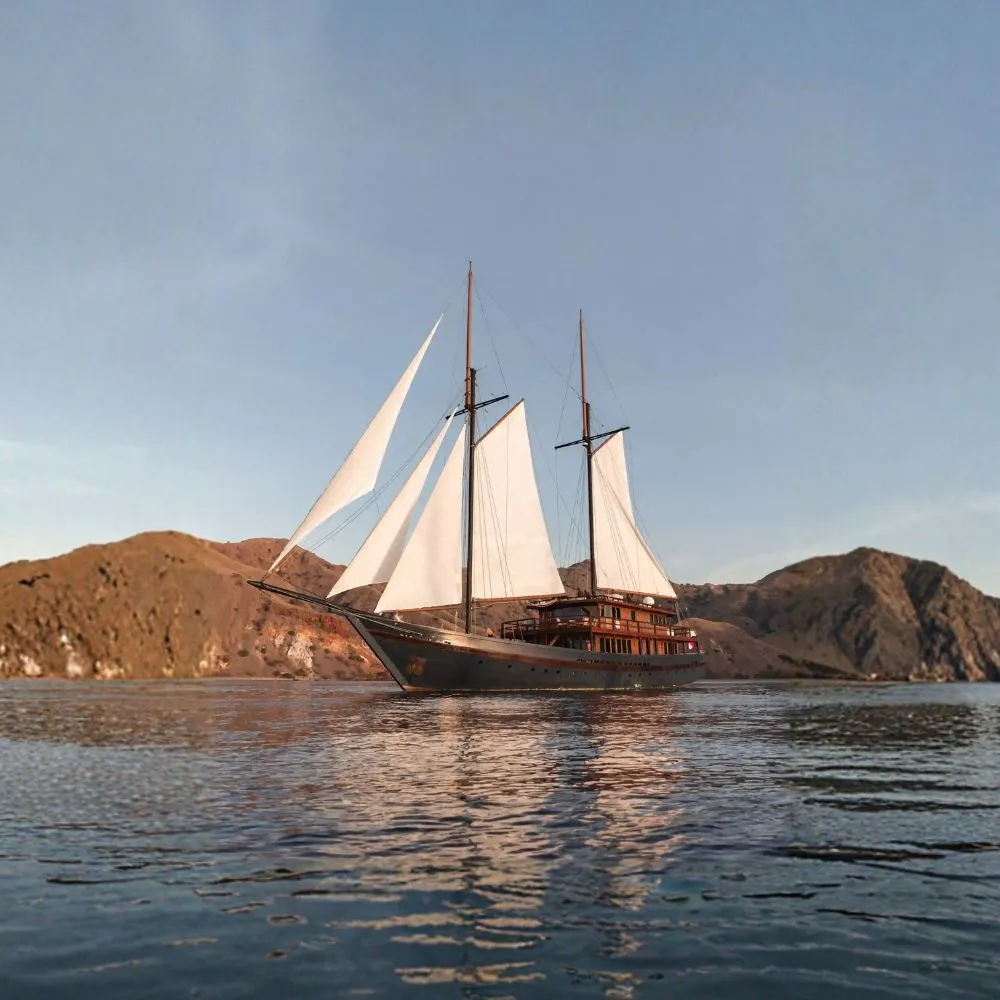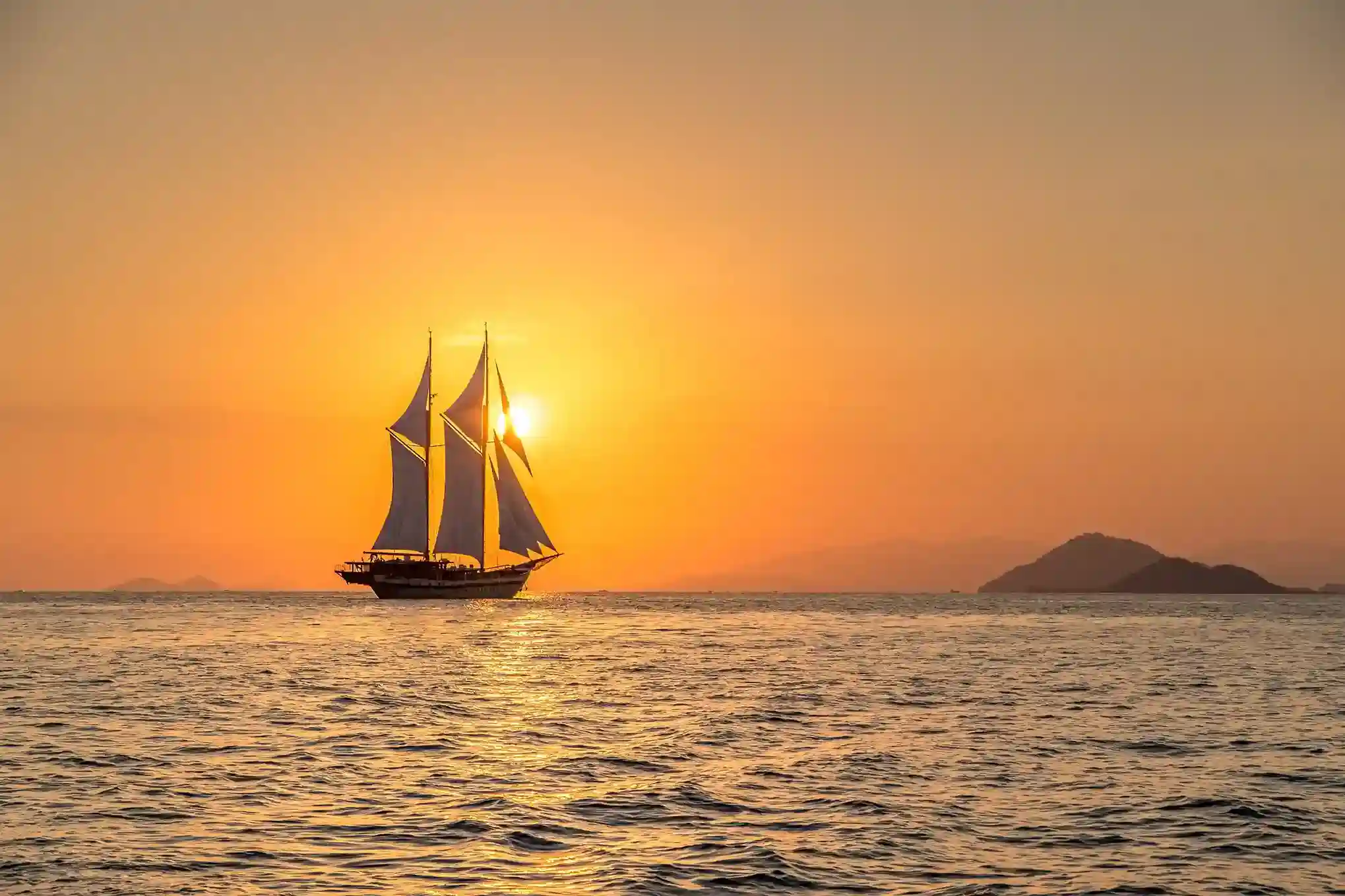
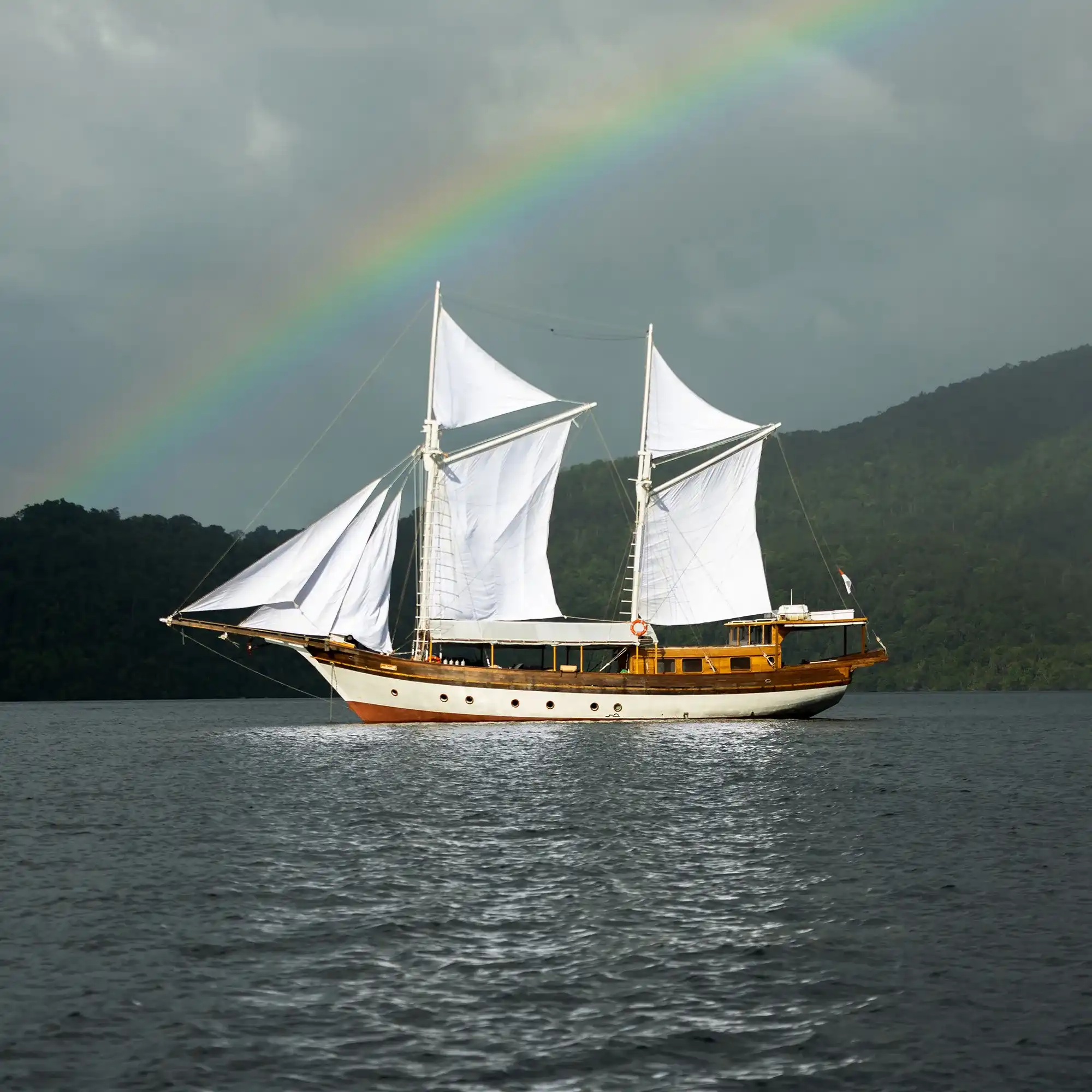
About Anne Bonny
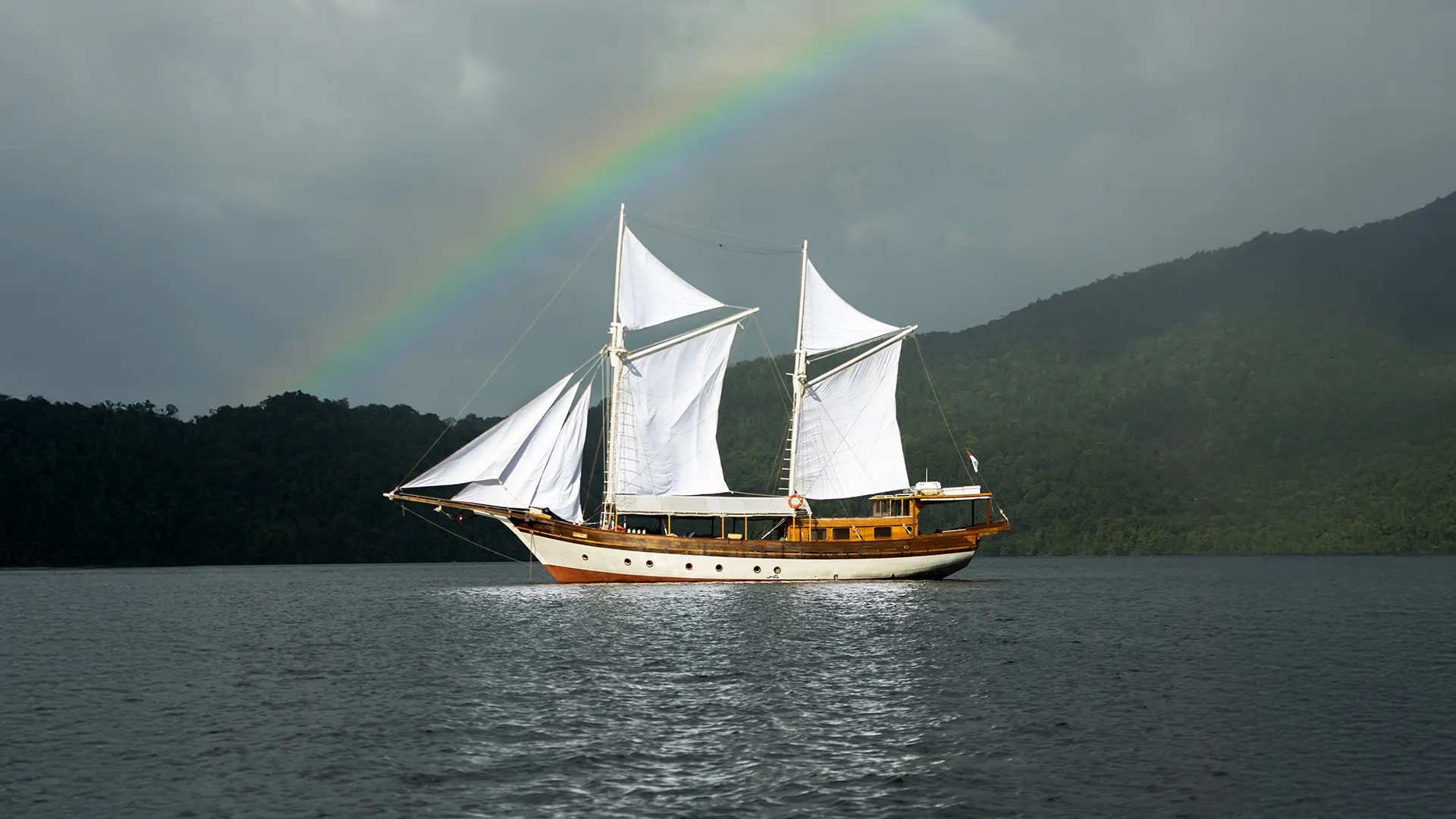
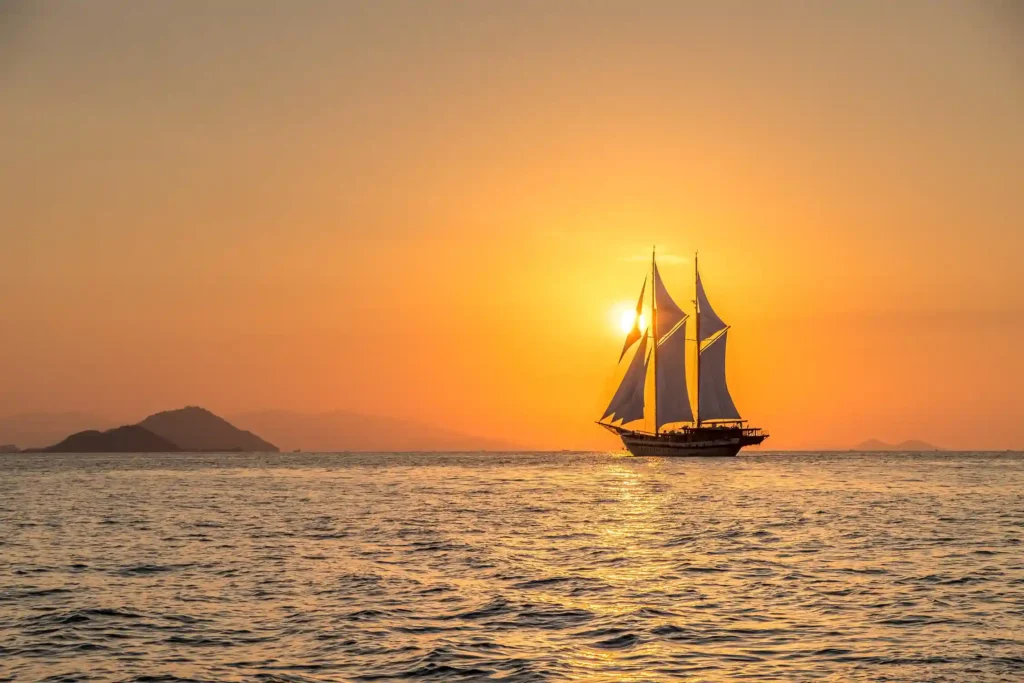
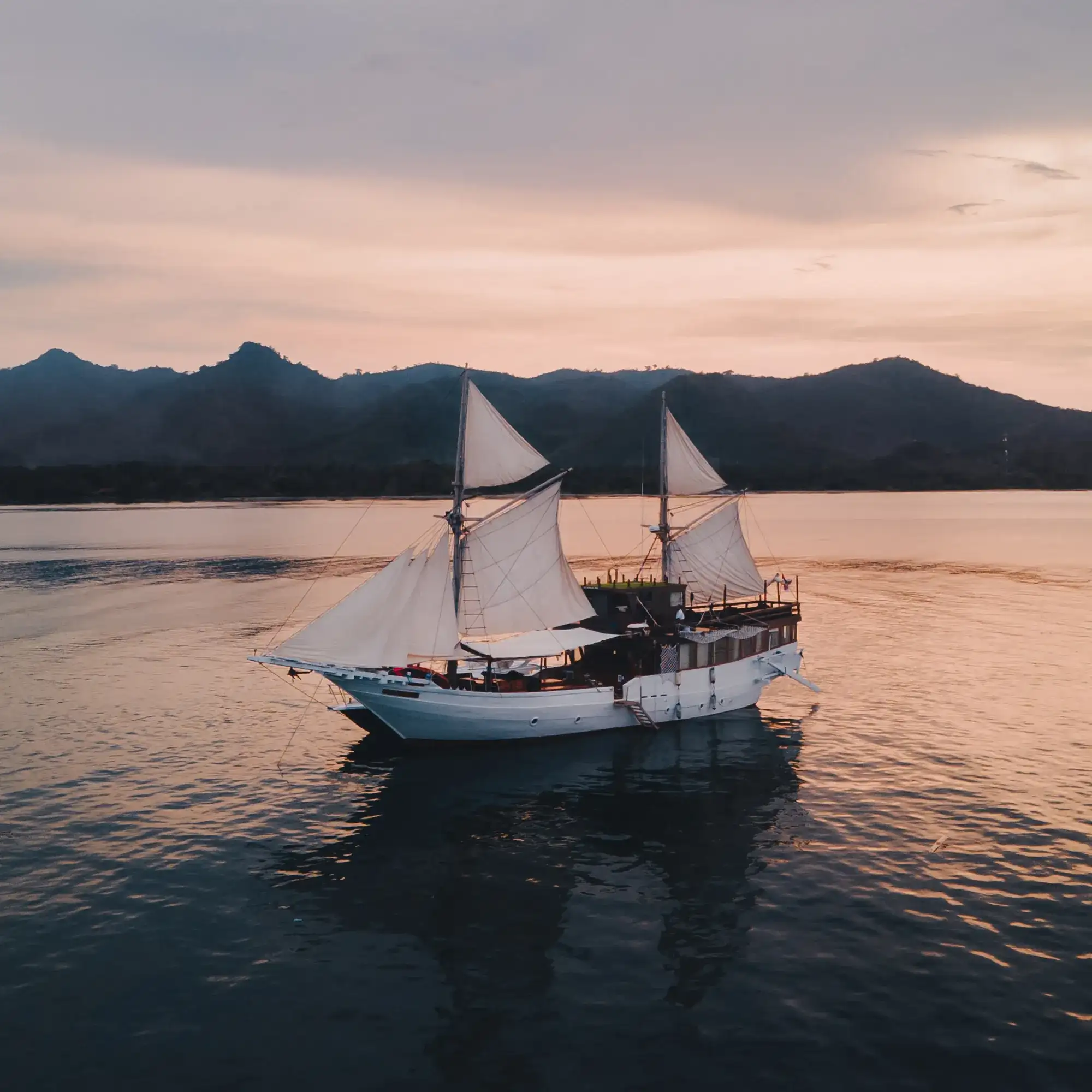
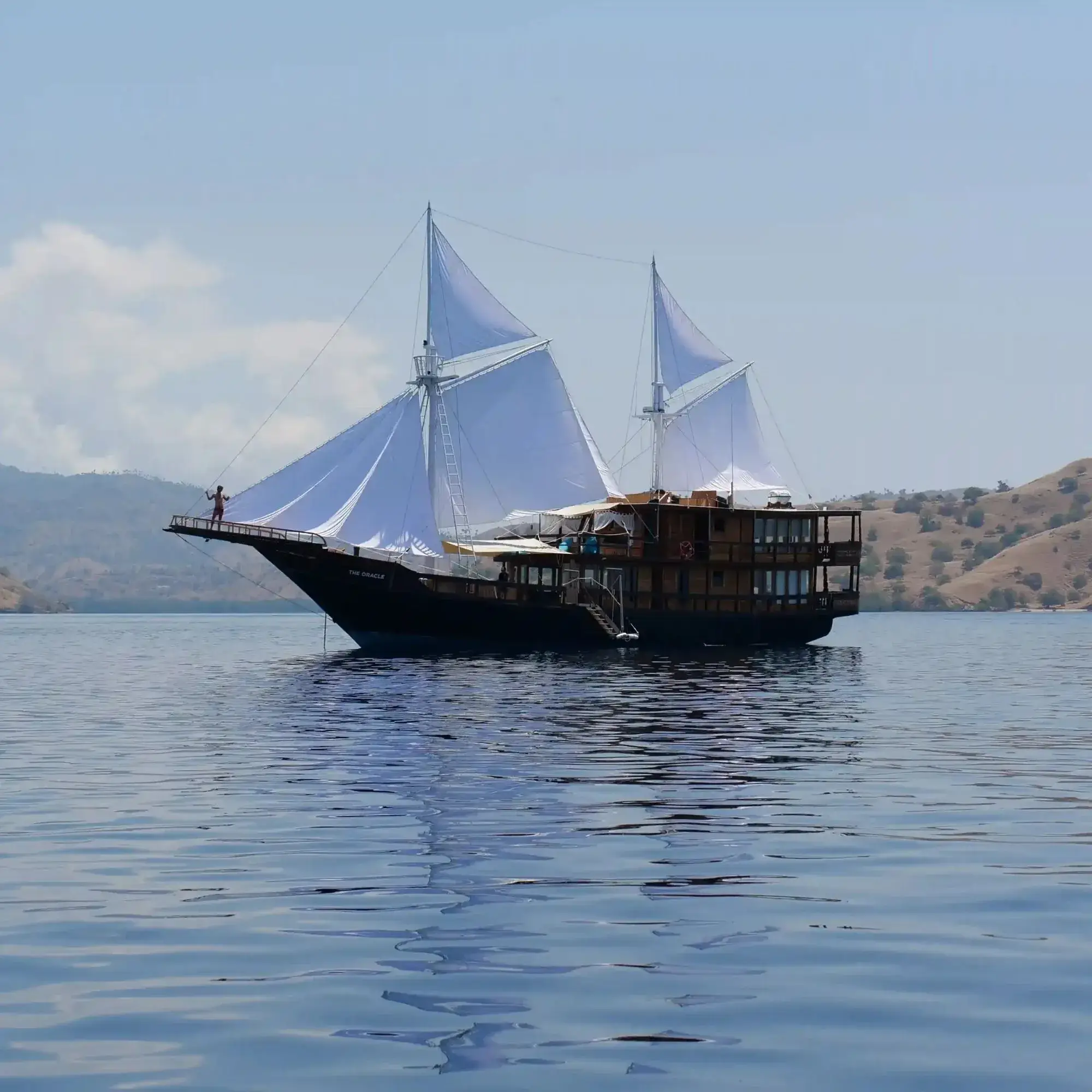
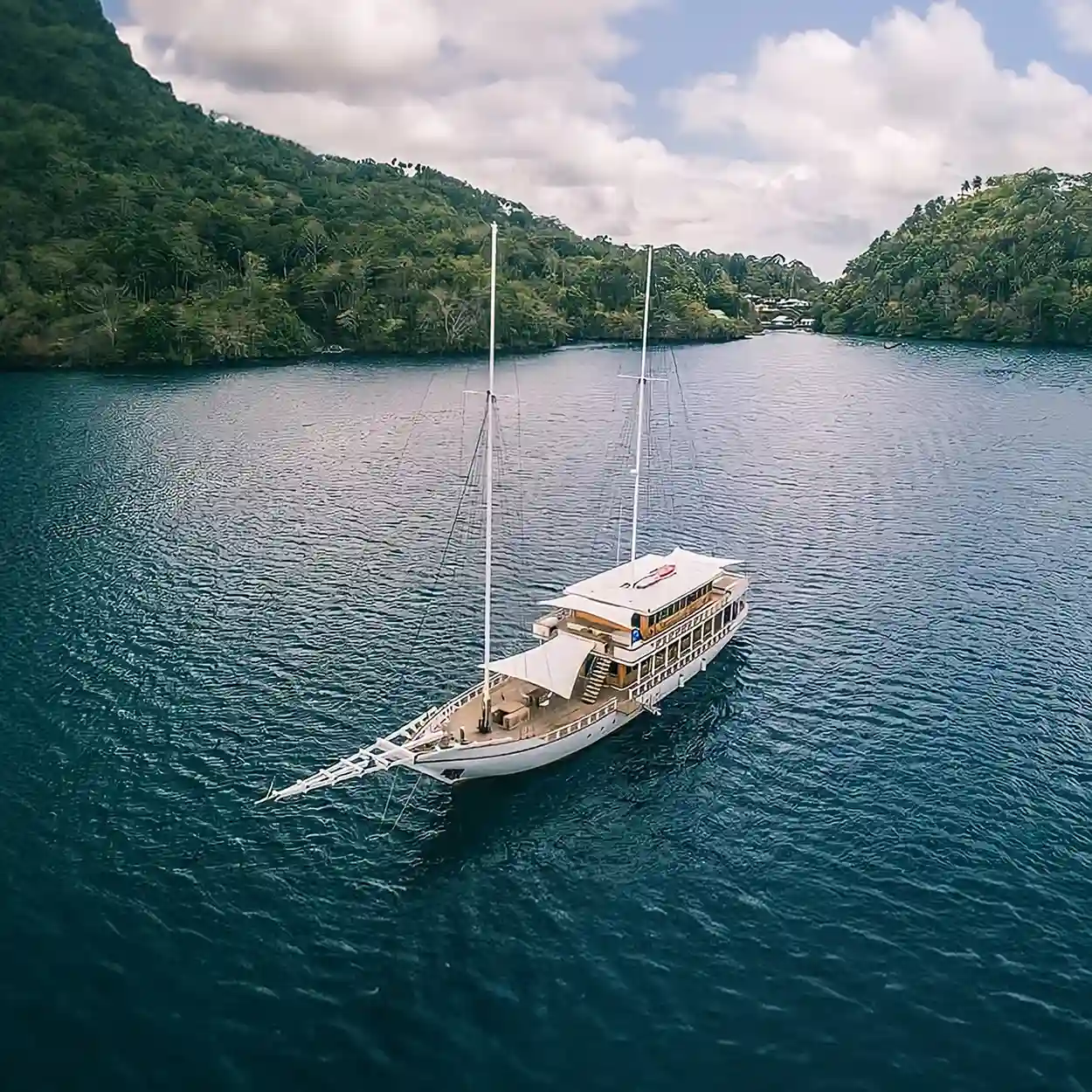
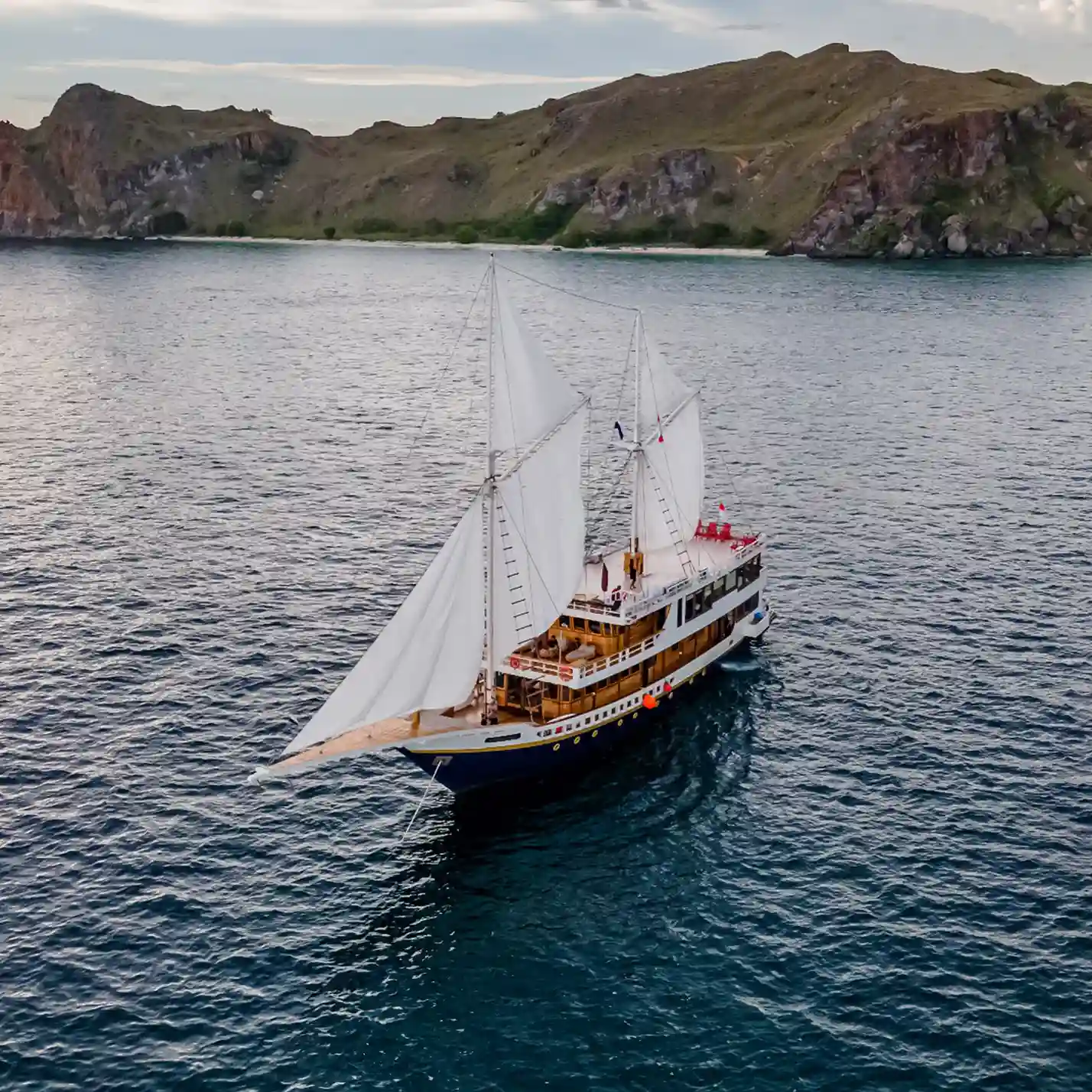
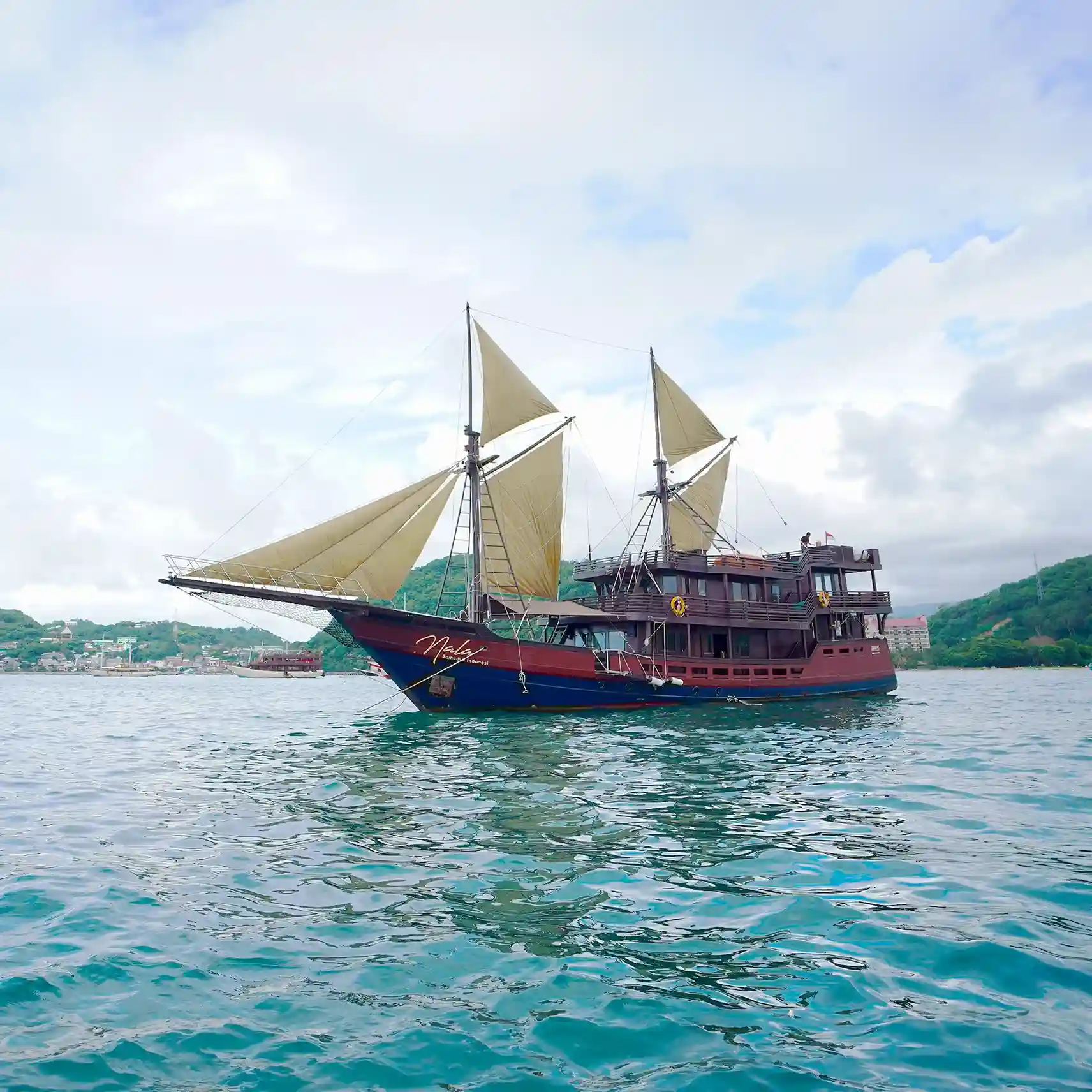
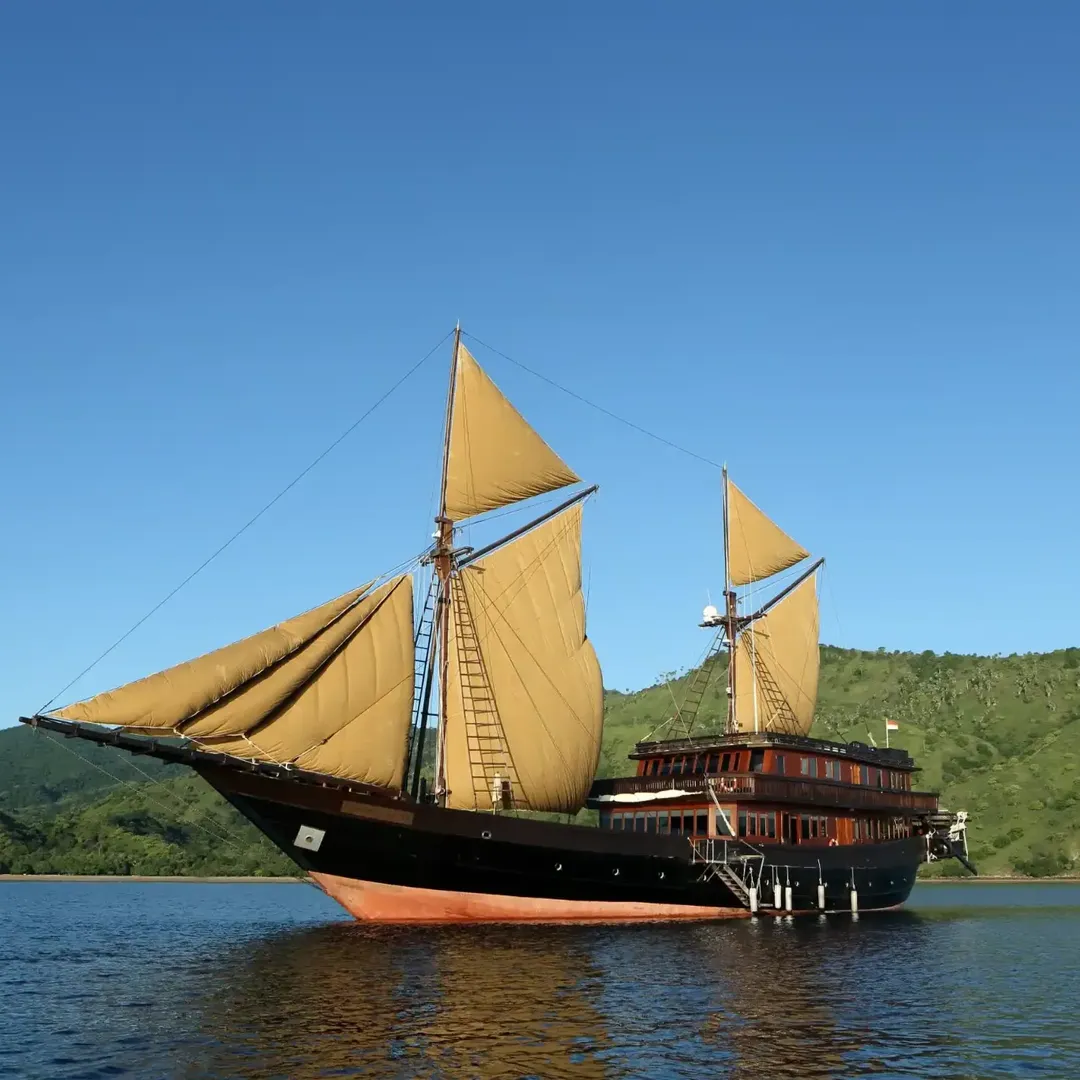
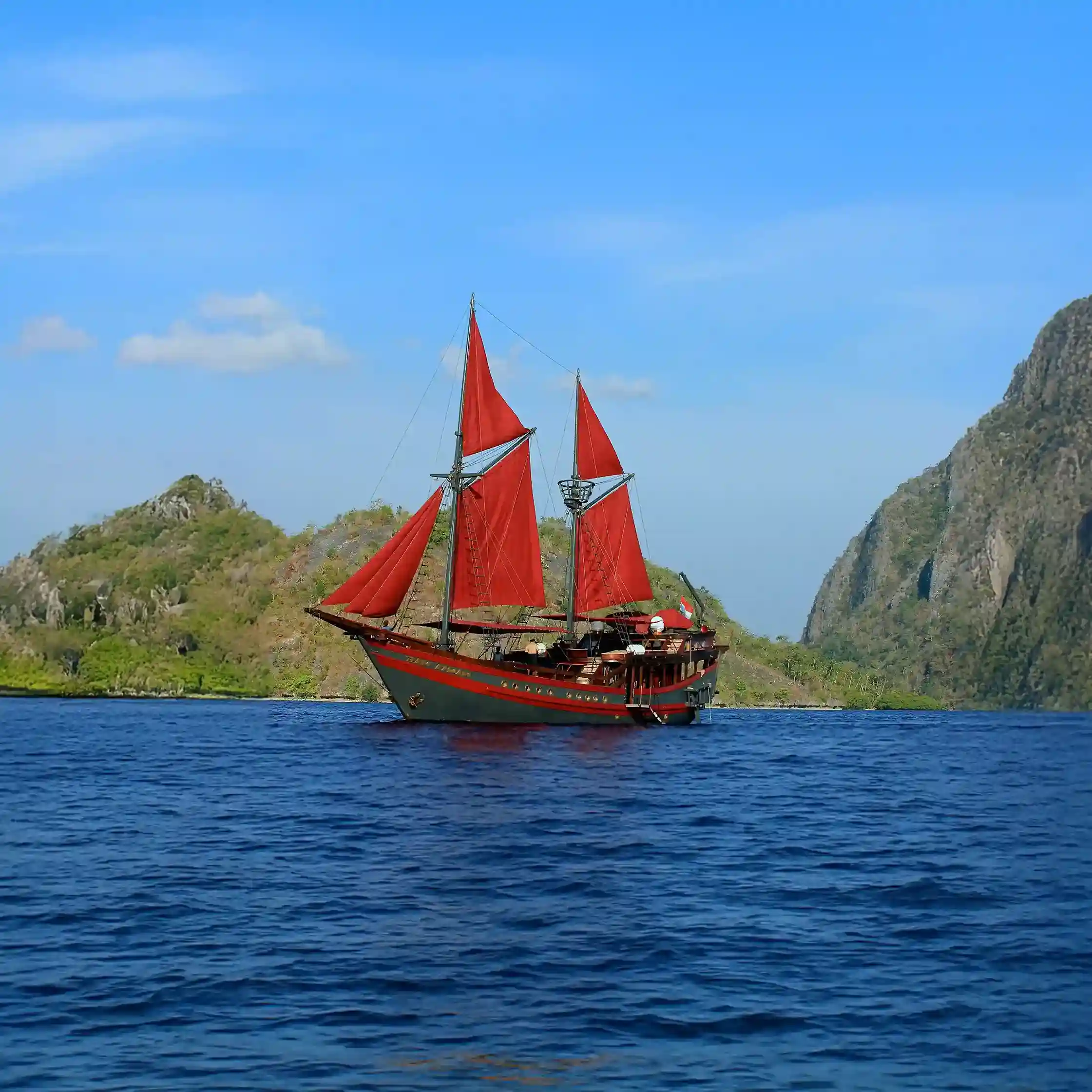
The first evening, just after we slipped anchor from Labuan Bajo, the wind caught the mainsail with a soft crack. I was alone on the foredeck, watching the sky bleed into indigo over Rinca’s silhouette. The crew didn’t speak. They’d already laid out a cushioned lounging area with a linen throw and a glass carafe of iced lemongrass tea. That silence—intentional, respectful—told me more about the Anne Bonny than any brochure could.
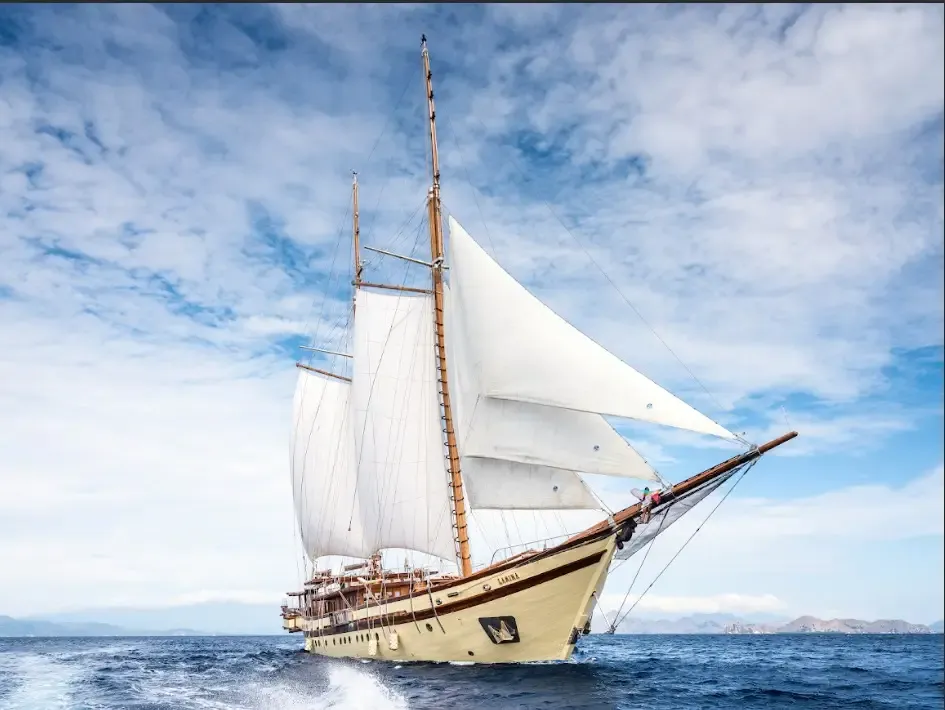
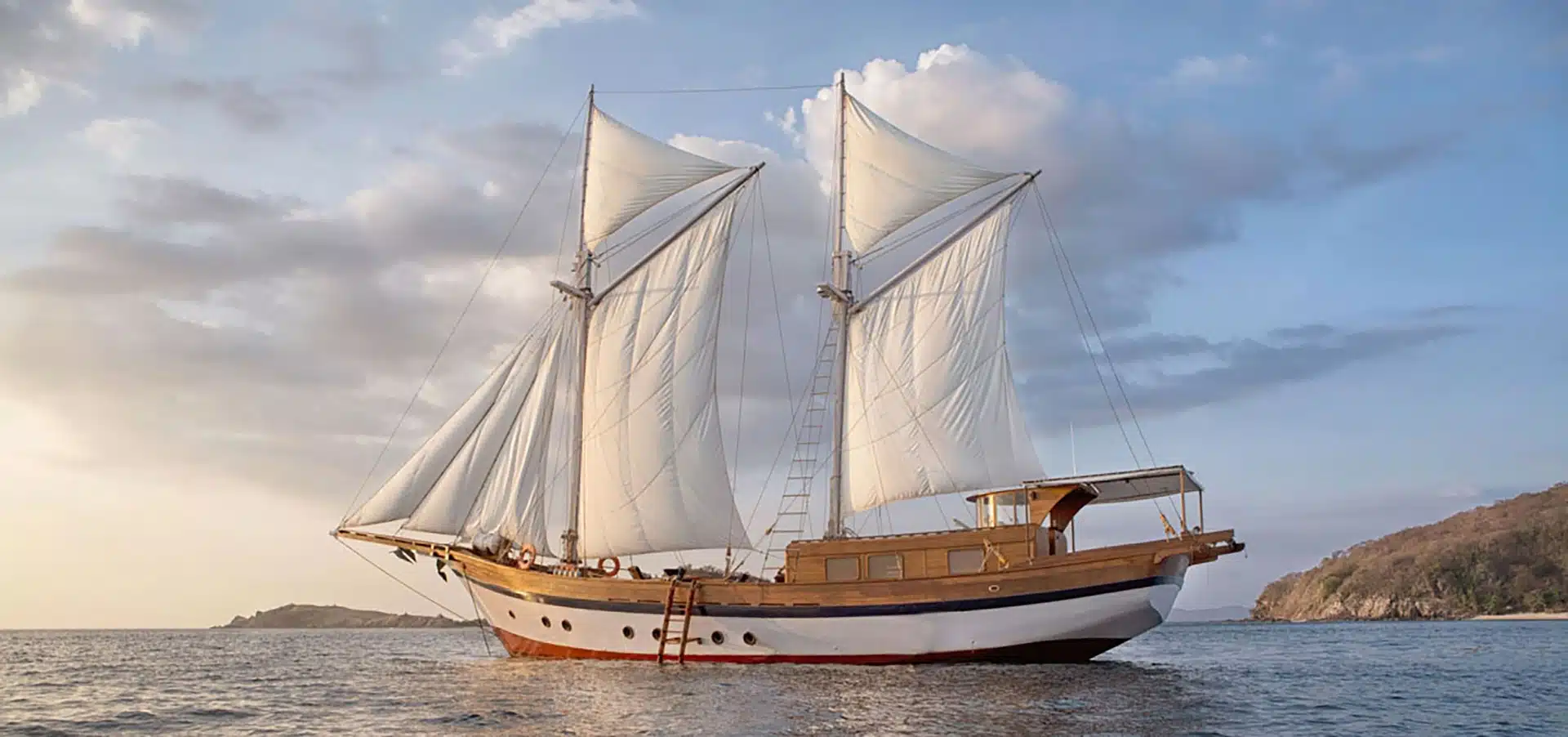
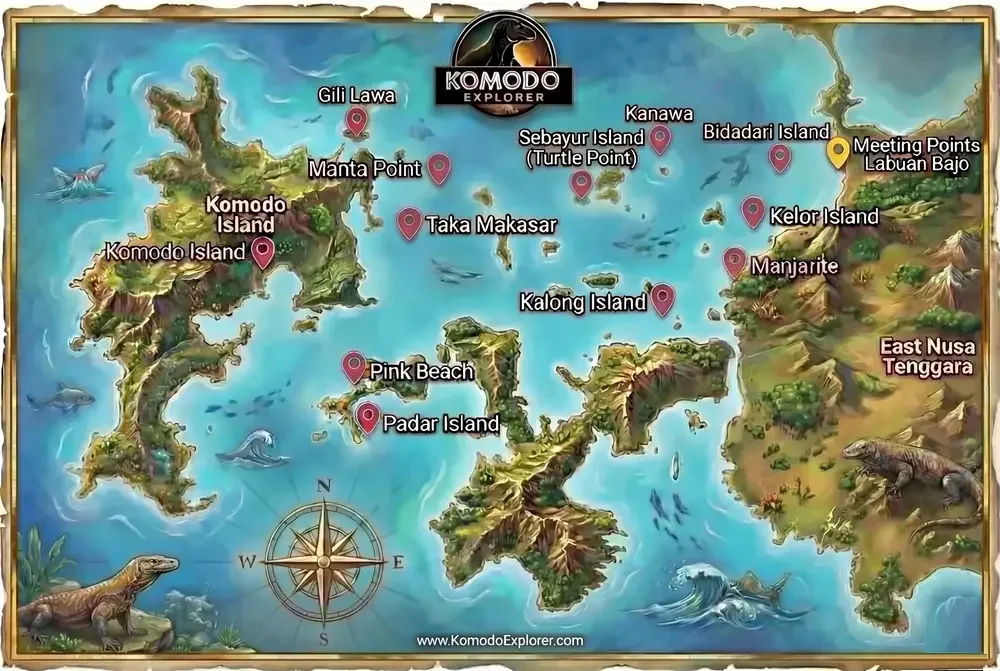
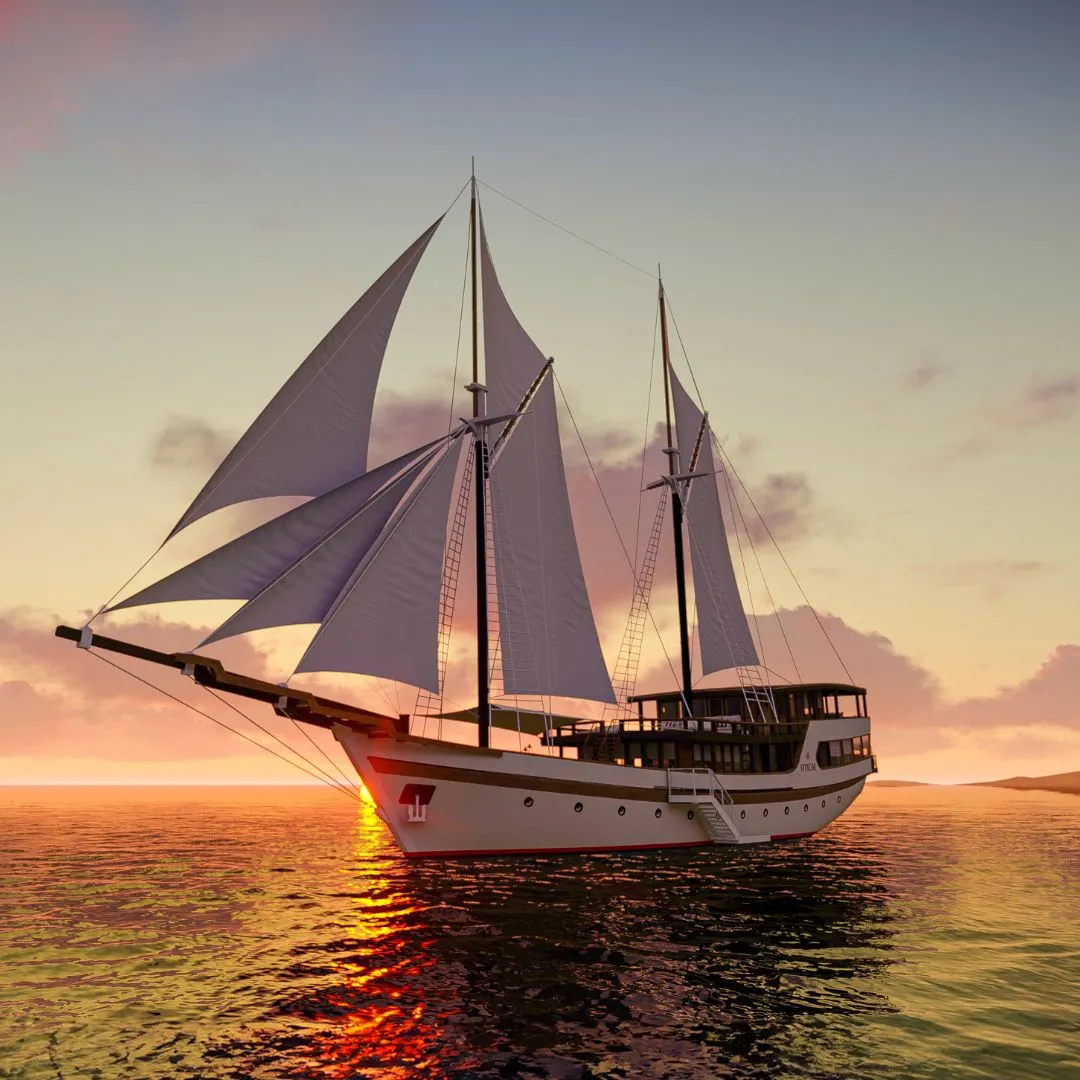
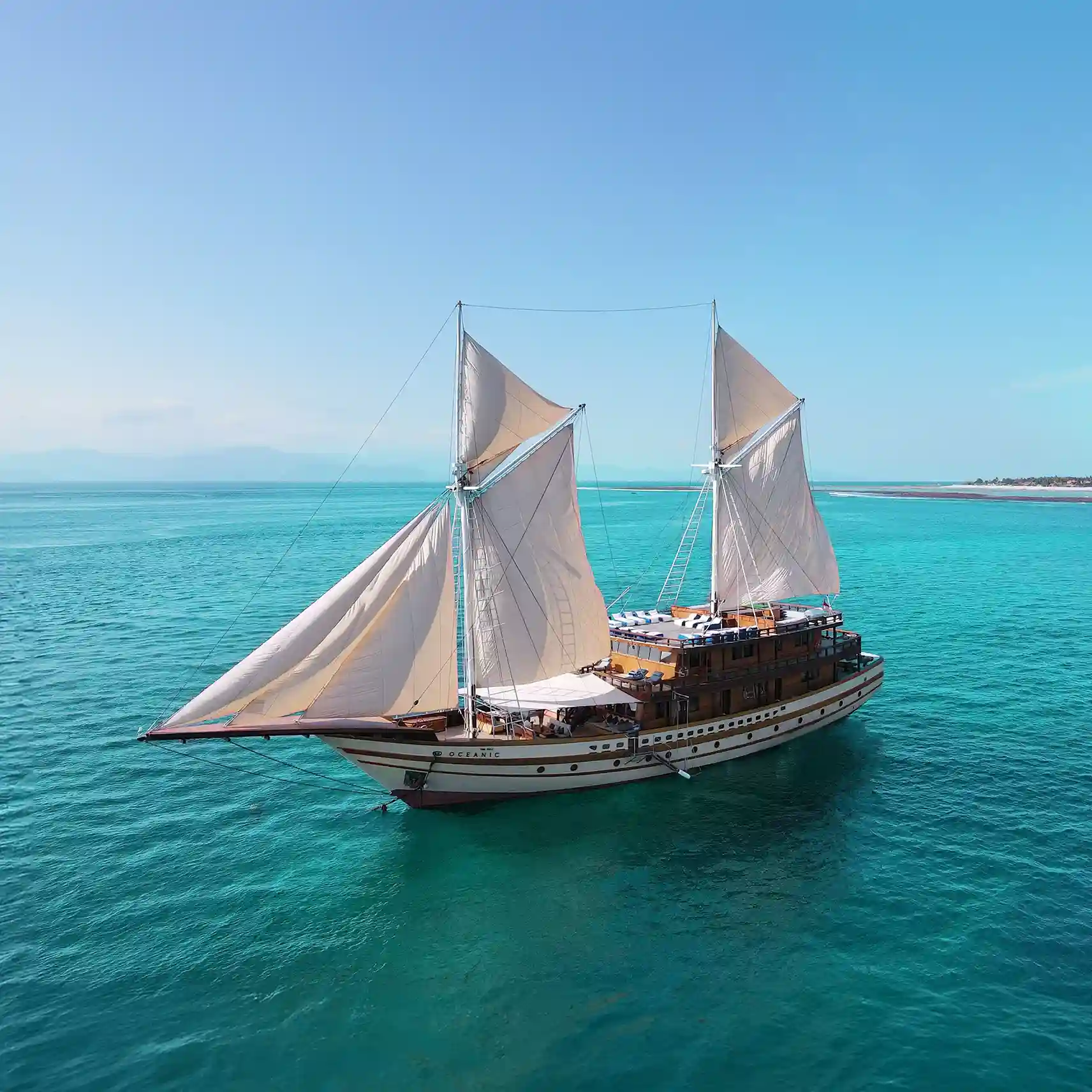
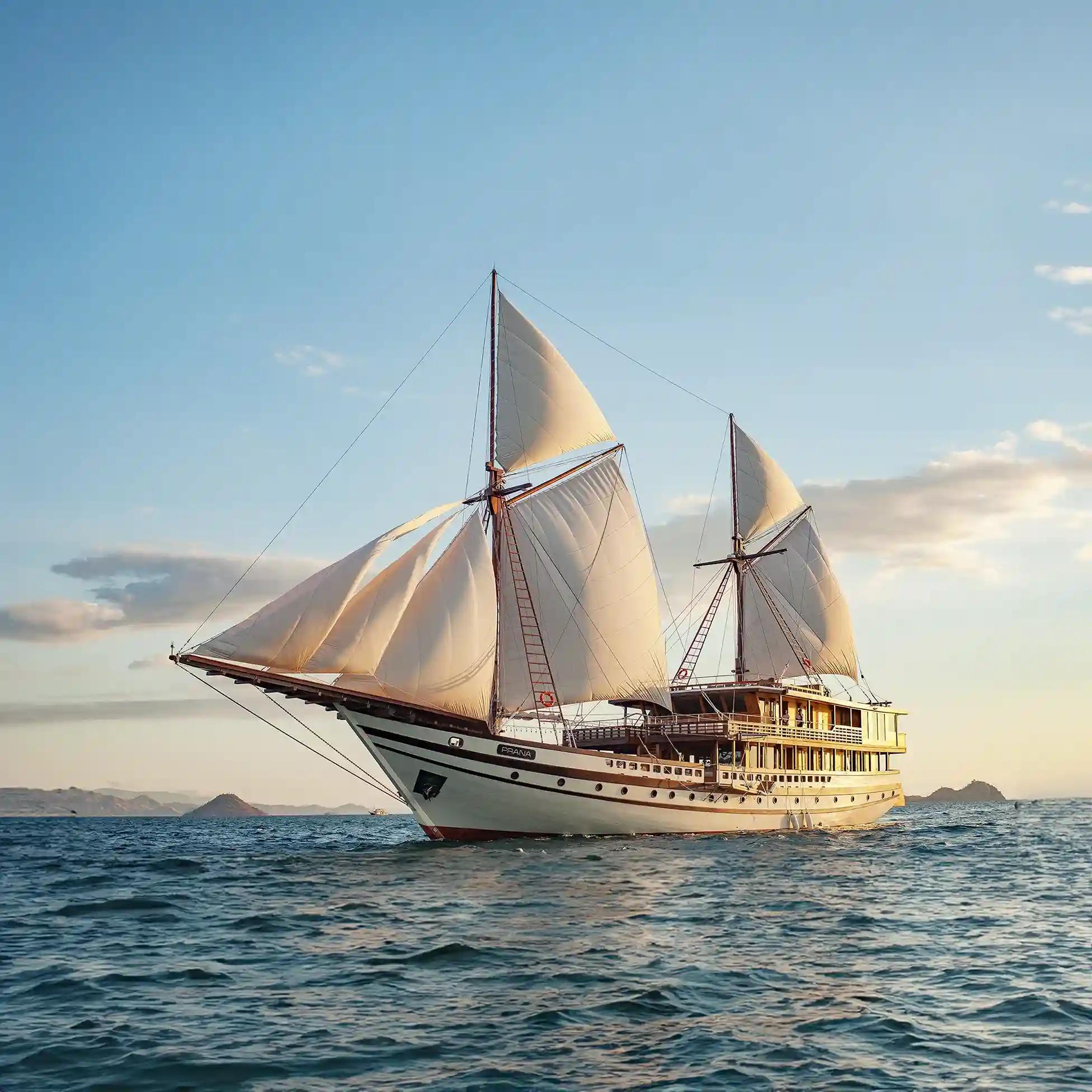
At 30 metres, she moves like something older than her build year suggests. Her hull cuts cleanly through the Savu Sea’s chop, and on the second morning, as we approached Padar before dawn, the bow sliced through bioluminescent trails left by squid. There was no engine rumble—just sails, the creak of teak, and the occasional call between deckhands. We anchored off Padar’s northwest flank, the only vessel in sight. By sunrise, the pink and ochre slopes were lit like stage flats, and the hike down to the beach felt like stepping into a photograph no one else had seen.
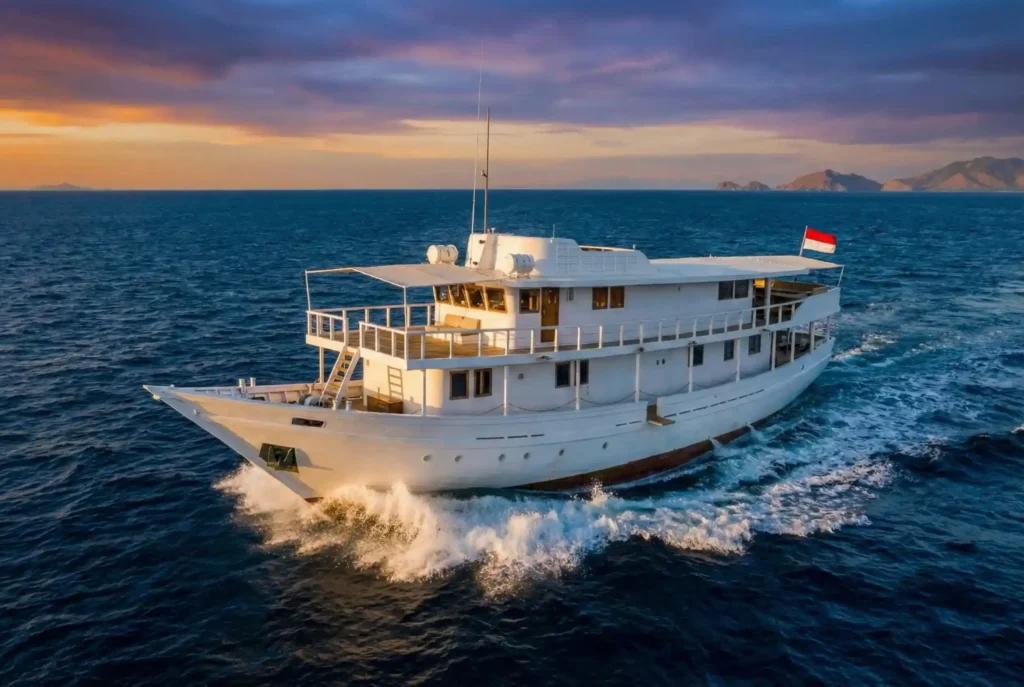
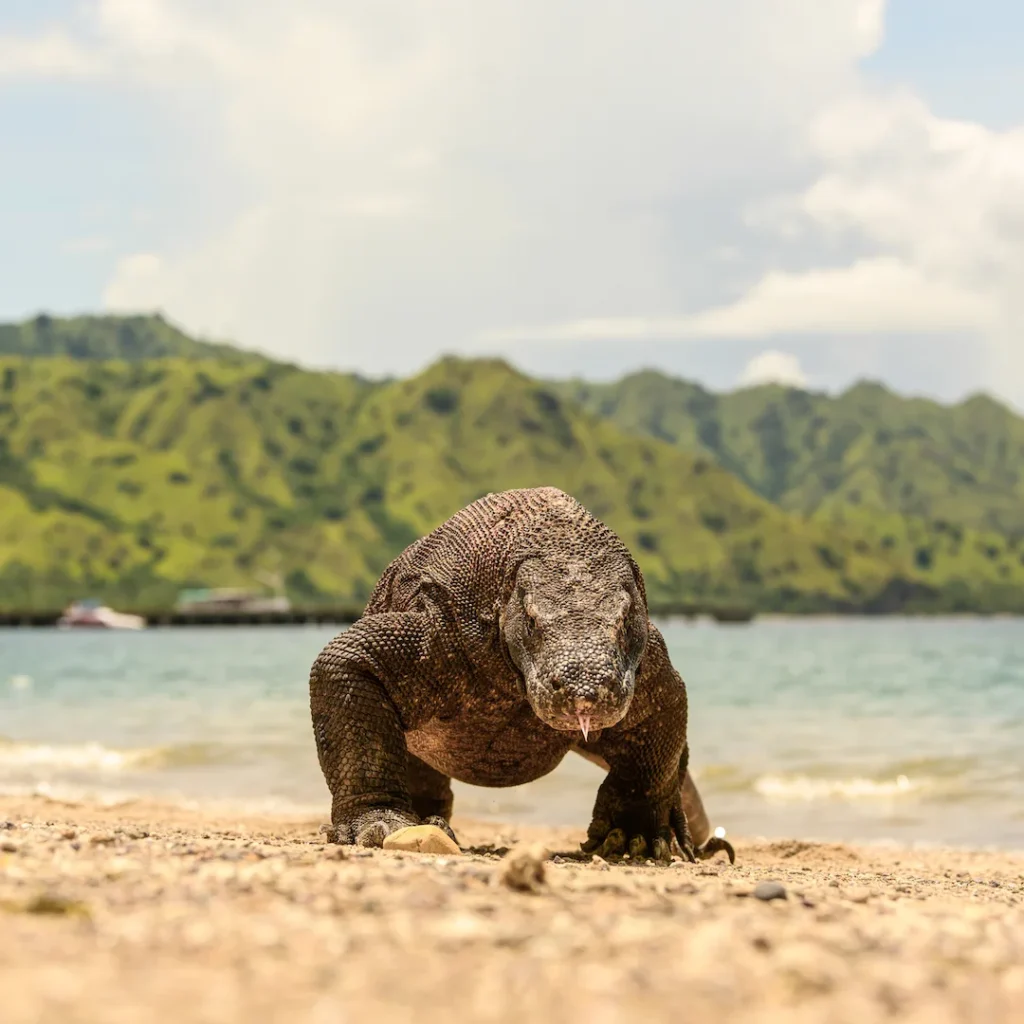
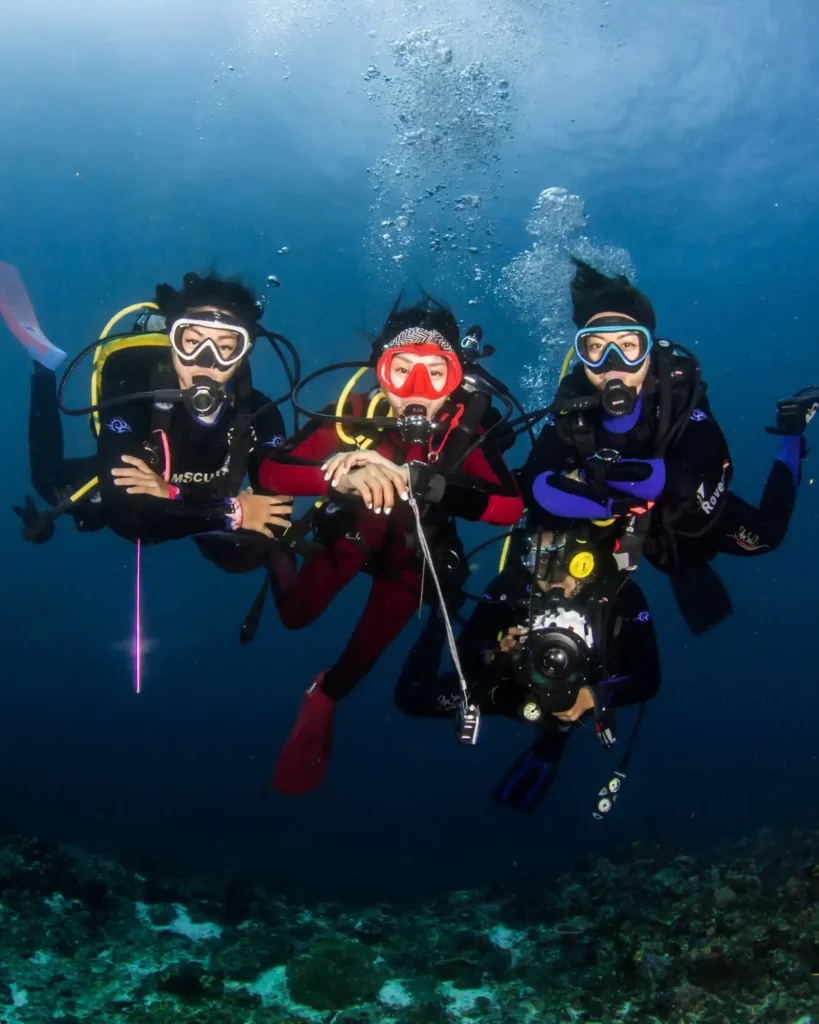
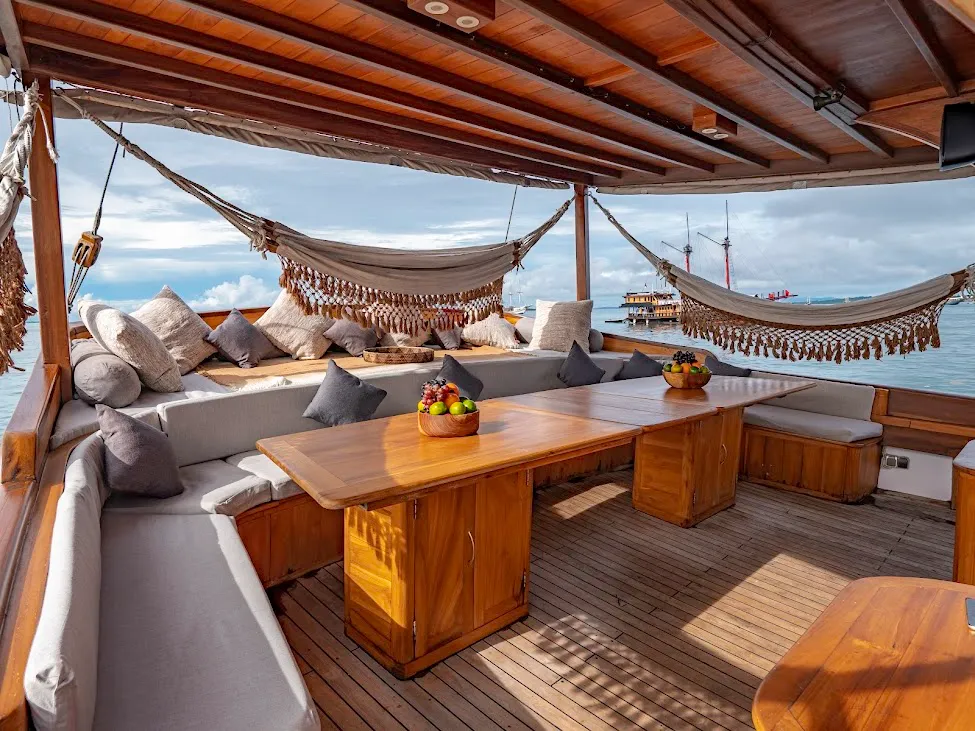
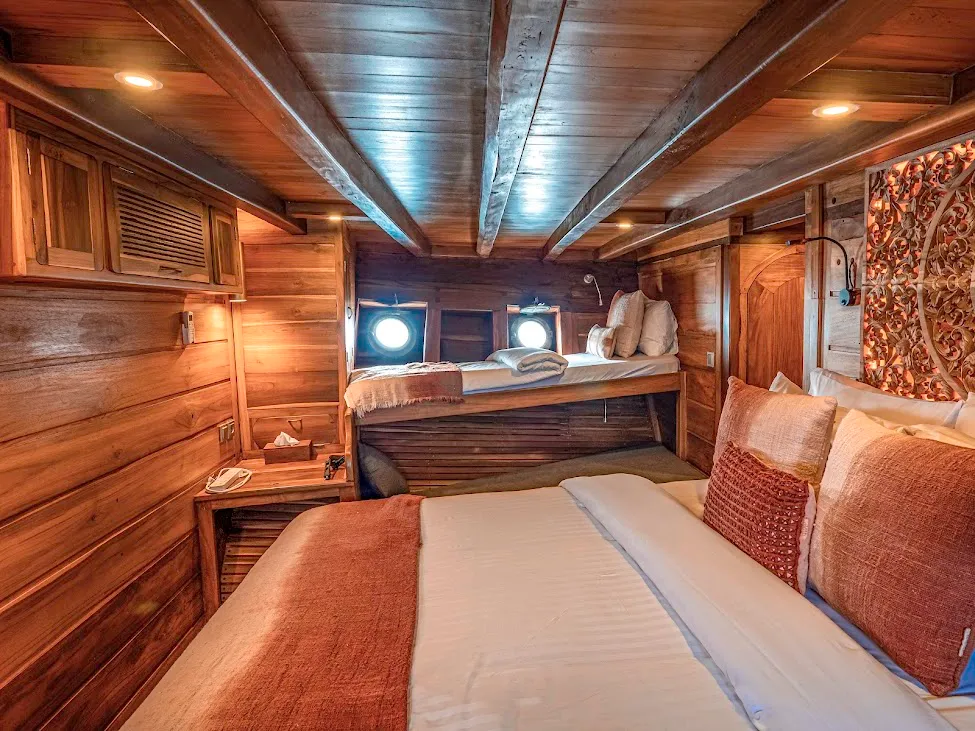
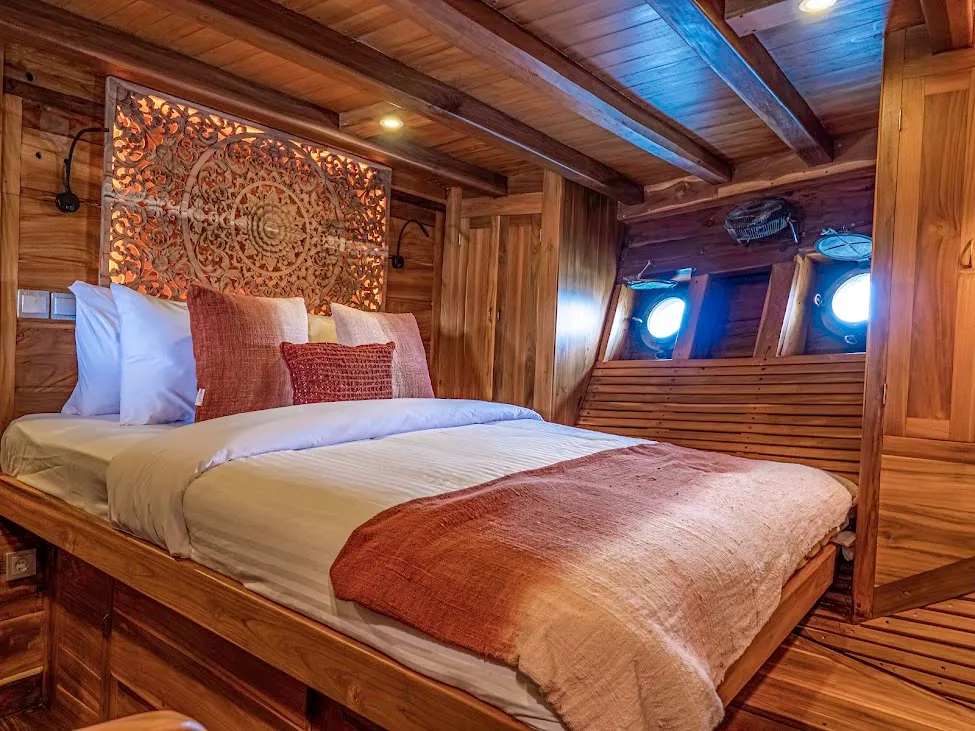
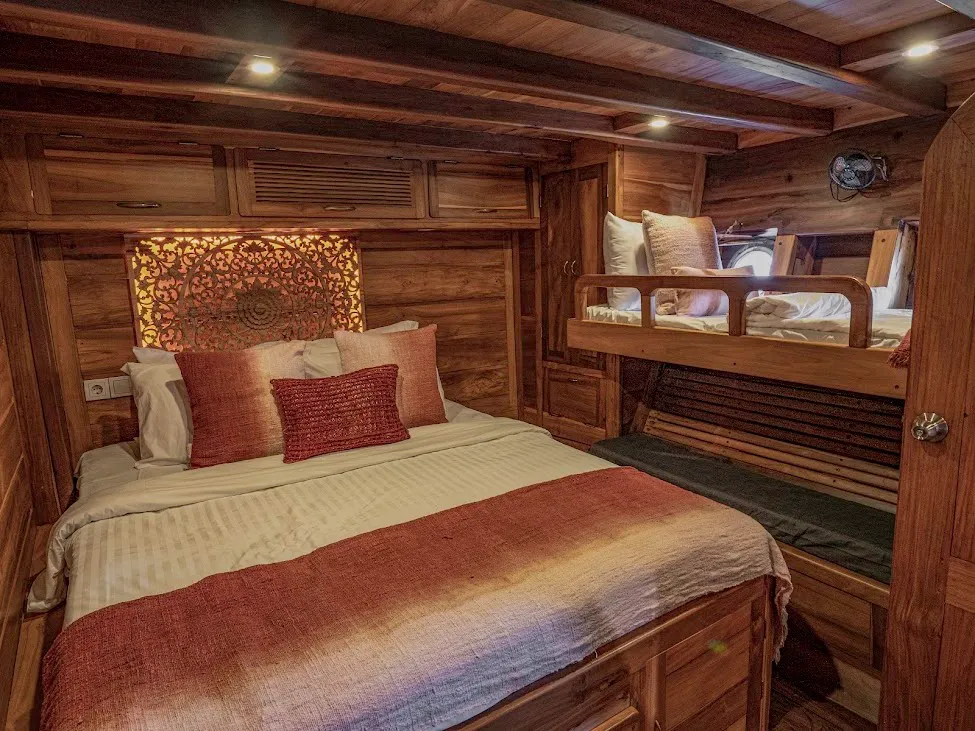
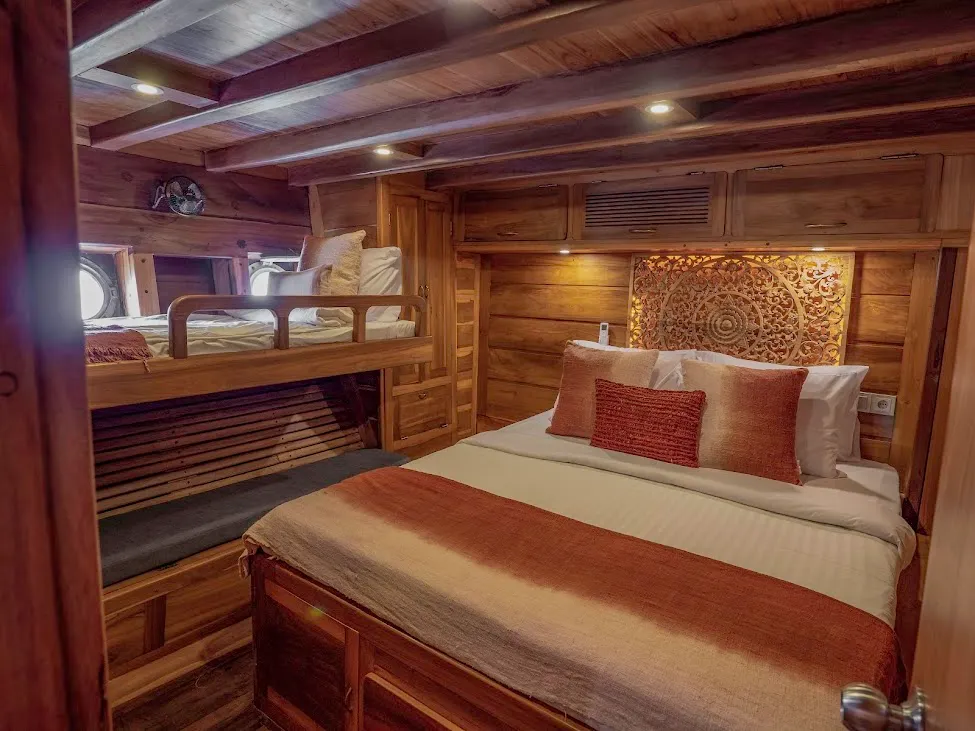
The single cabin layout changes everything. You’re not sharing space, not even socially if you don’t want to. Meals appear on the upper deck at your chosen time—breakfast of banana pancakes with palm sugar, served as we drifted between Kanawa and Nusa Kode. The crew anticipated needs without hovering: a cold towel after the dragon walk on Komodo Island, a spare snorkel mask already rinsed and waiting by the dive bench. They knew the current at Manta Point would shift at 10:42, and they timed our arrival to the minute.
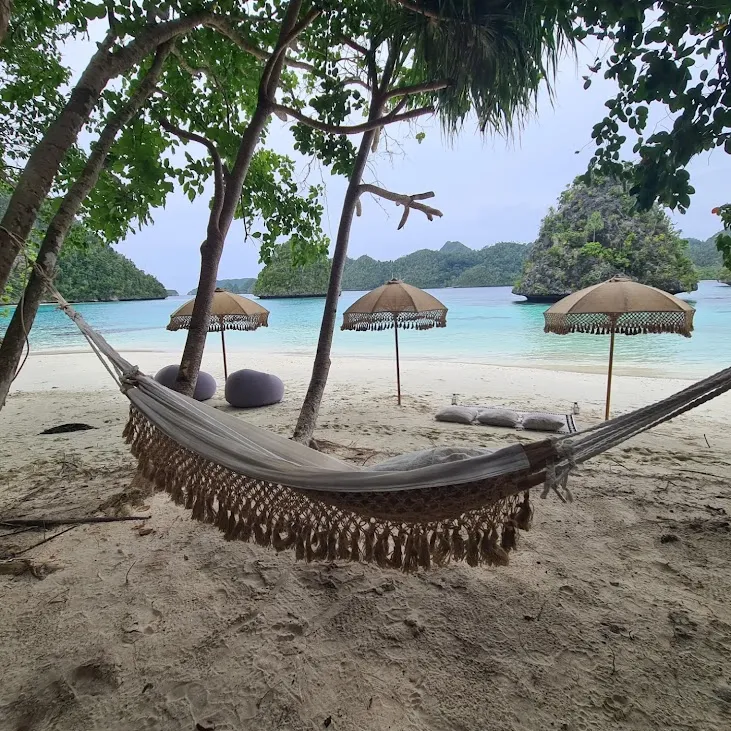
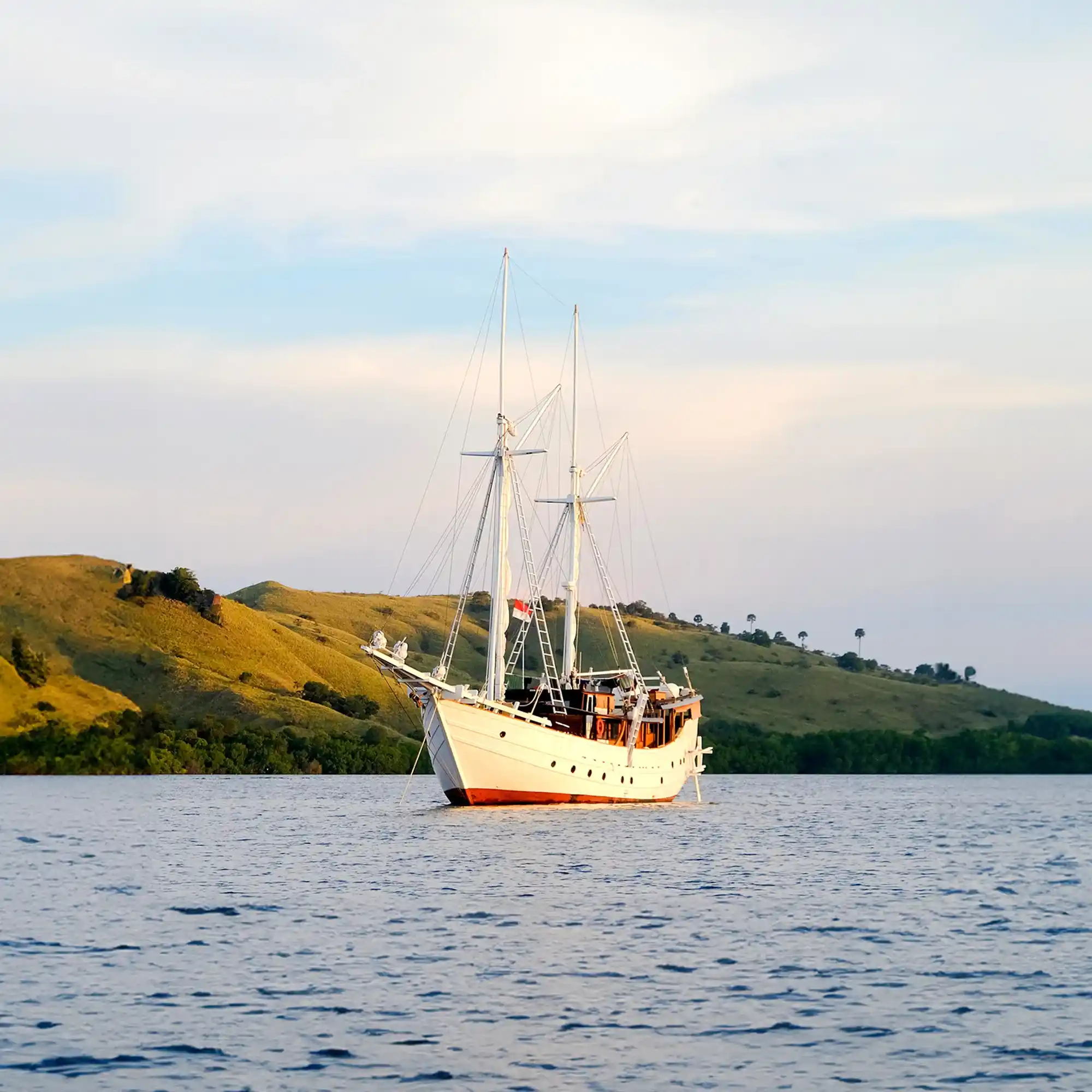
On the final morning, we anchored at Taka Makassar. The sandbar emerged at low tide, a long curve of blinding white. I swam out, stood in waist-deep water, and turned in a slow circle—no boats, no voices, just the Anne Bonny at anchor, her sails furled like wings. The skipper later told me they avoid the crowded mooring buoys at Pink Beach, preferring Sebayur when possible. That kind of discretion isn’t standard. It’s why guests keep returning.
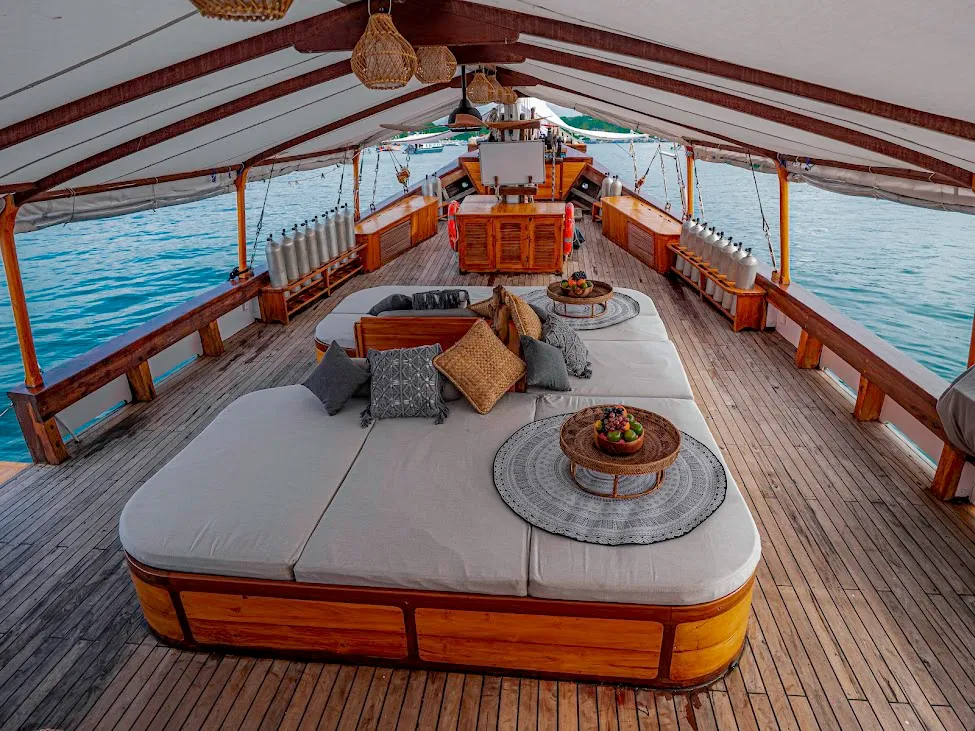
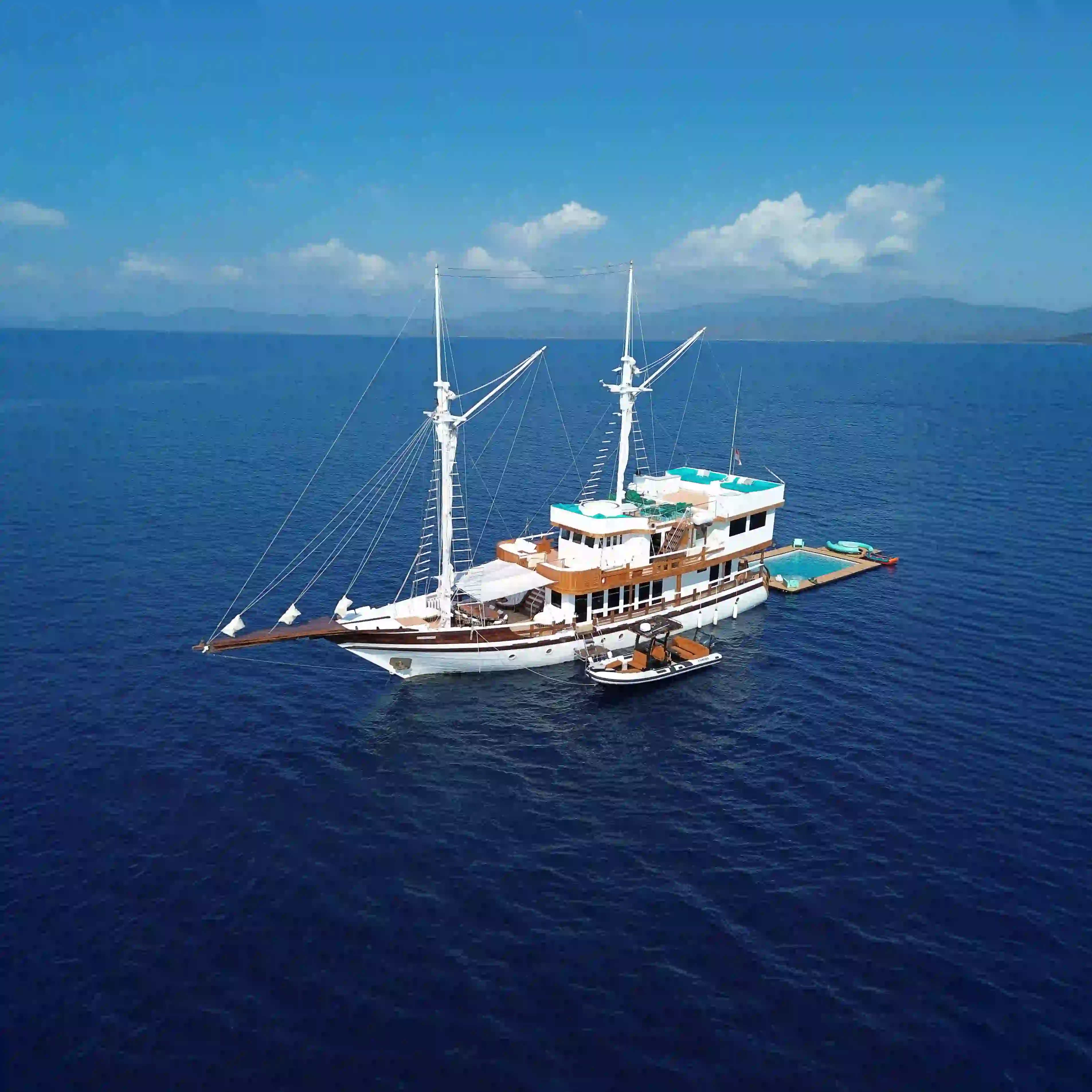
Back onboard, the afternoon light slanted across the teak deck at exactly 6pm, warming the brass fittings. I noticed then how the hatches were all latched with leather straps, not metal clips—small design choices that add up. This isn’t a floating hotel. It’s a sailing vessel with taste, restraint, and a crew who treat the sea like a host, not a backdrop.