About Supraba
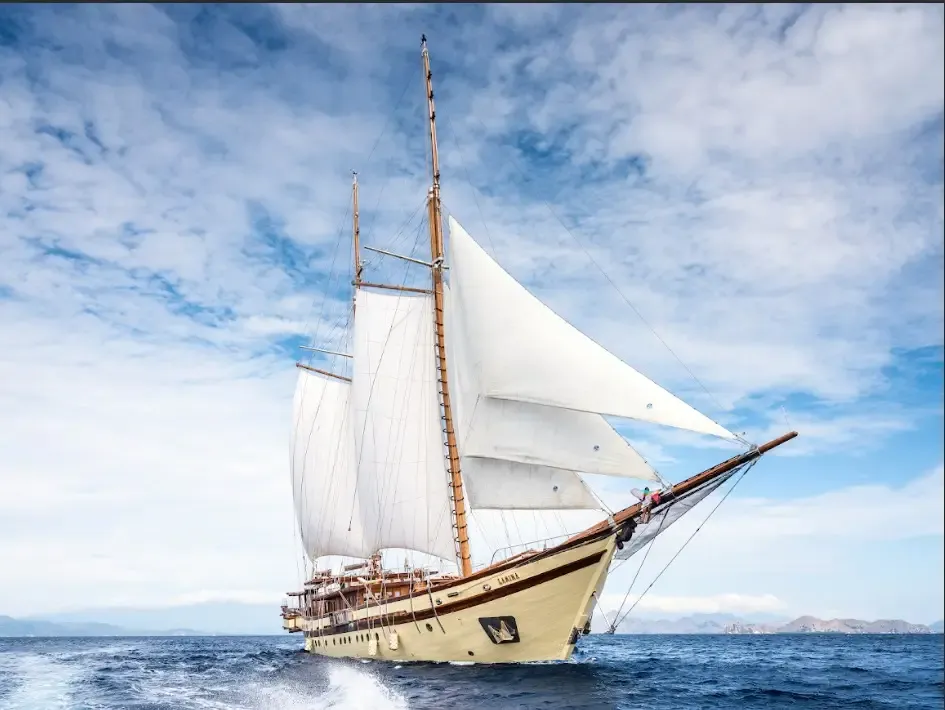
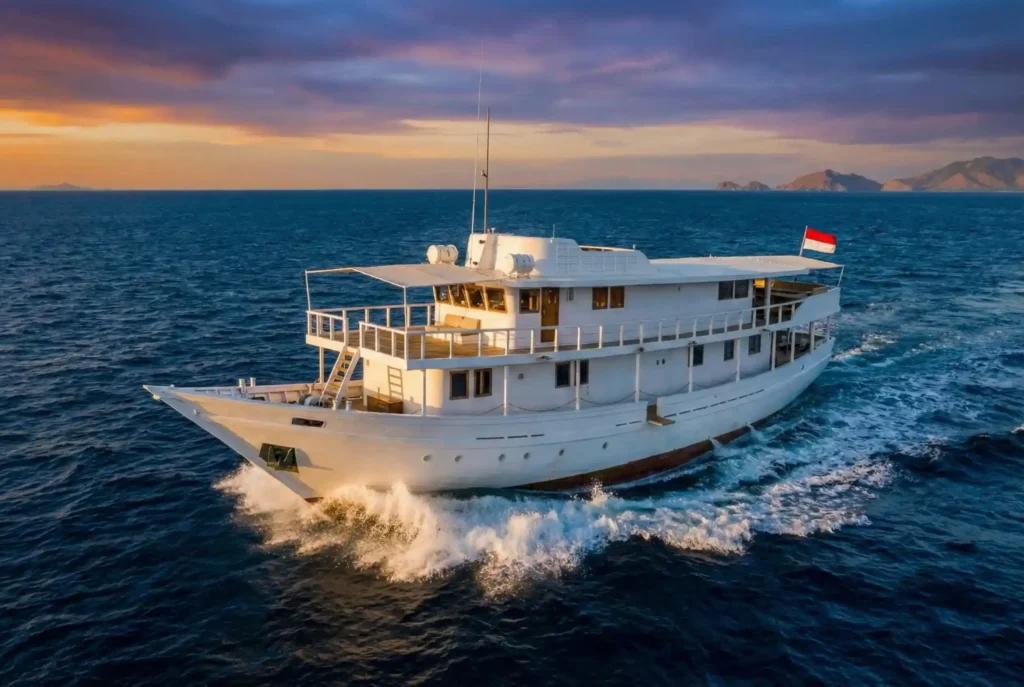
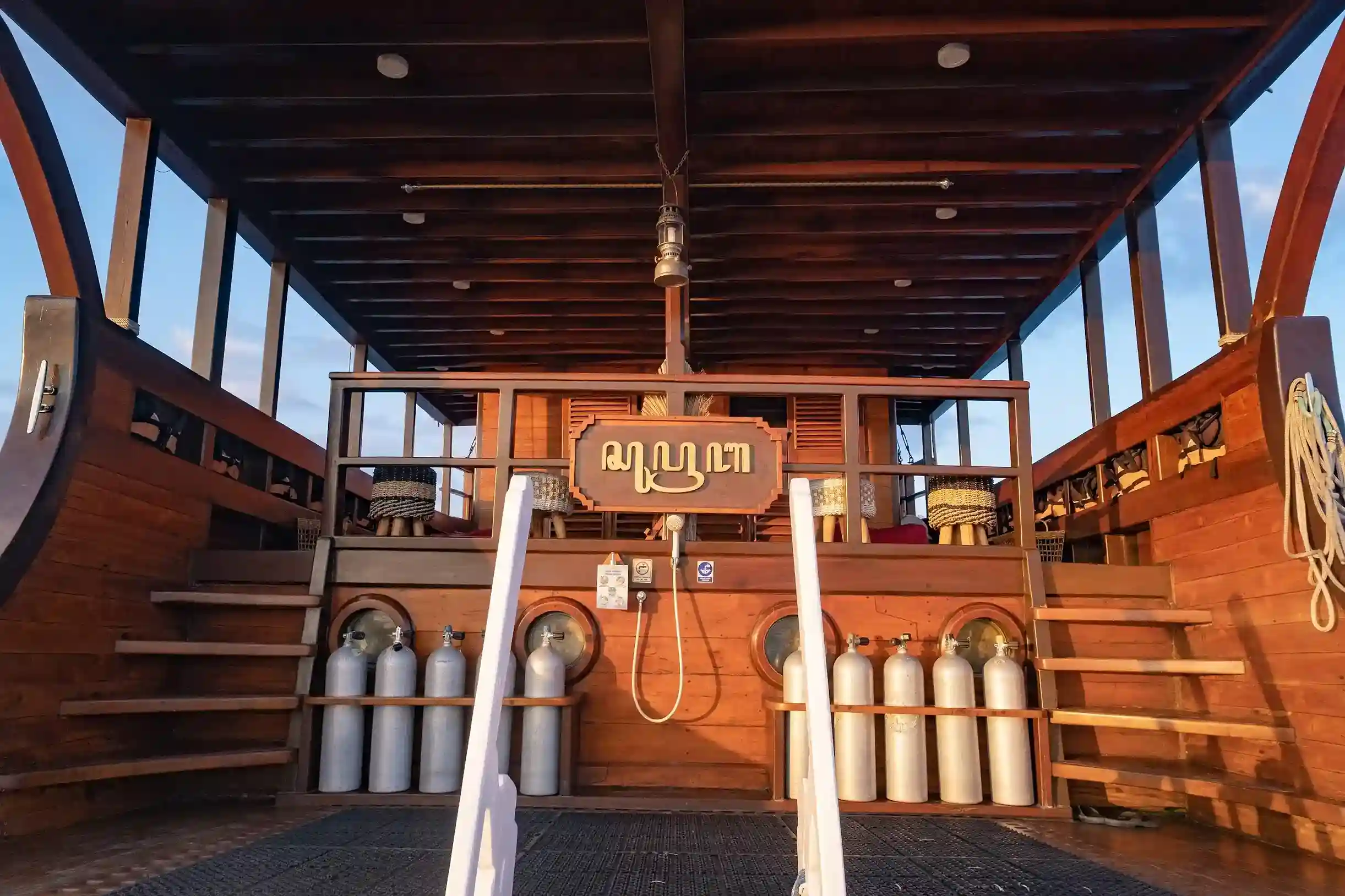
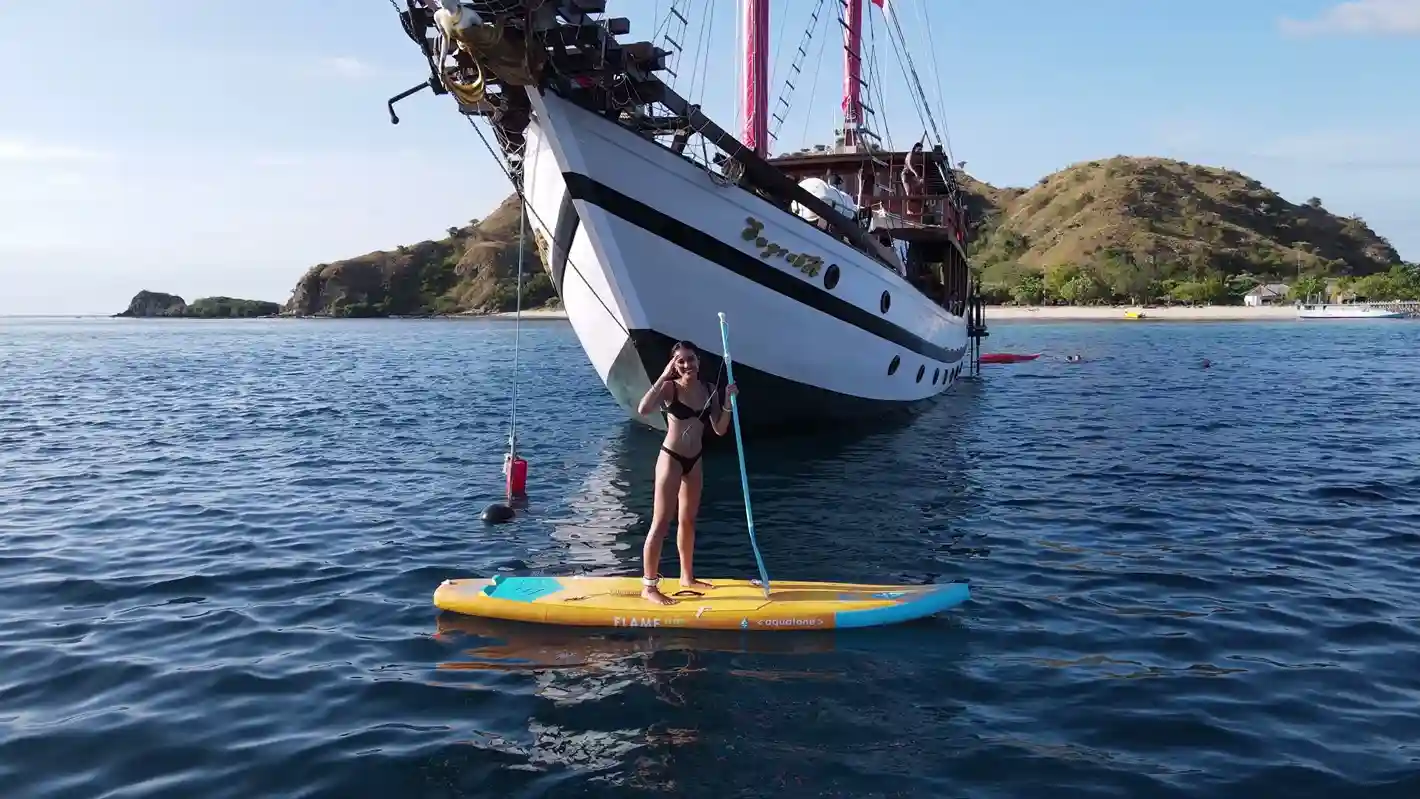
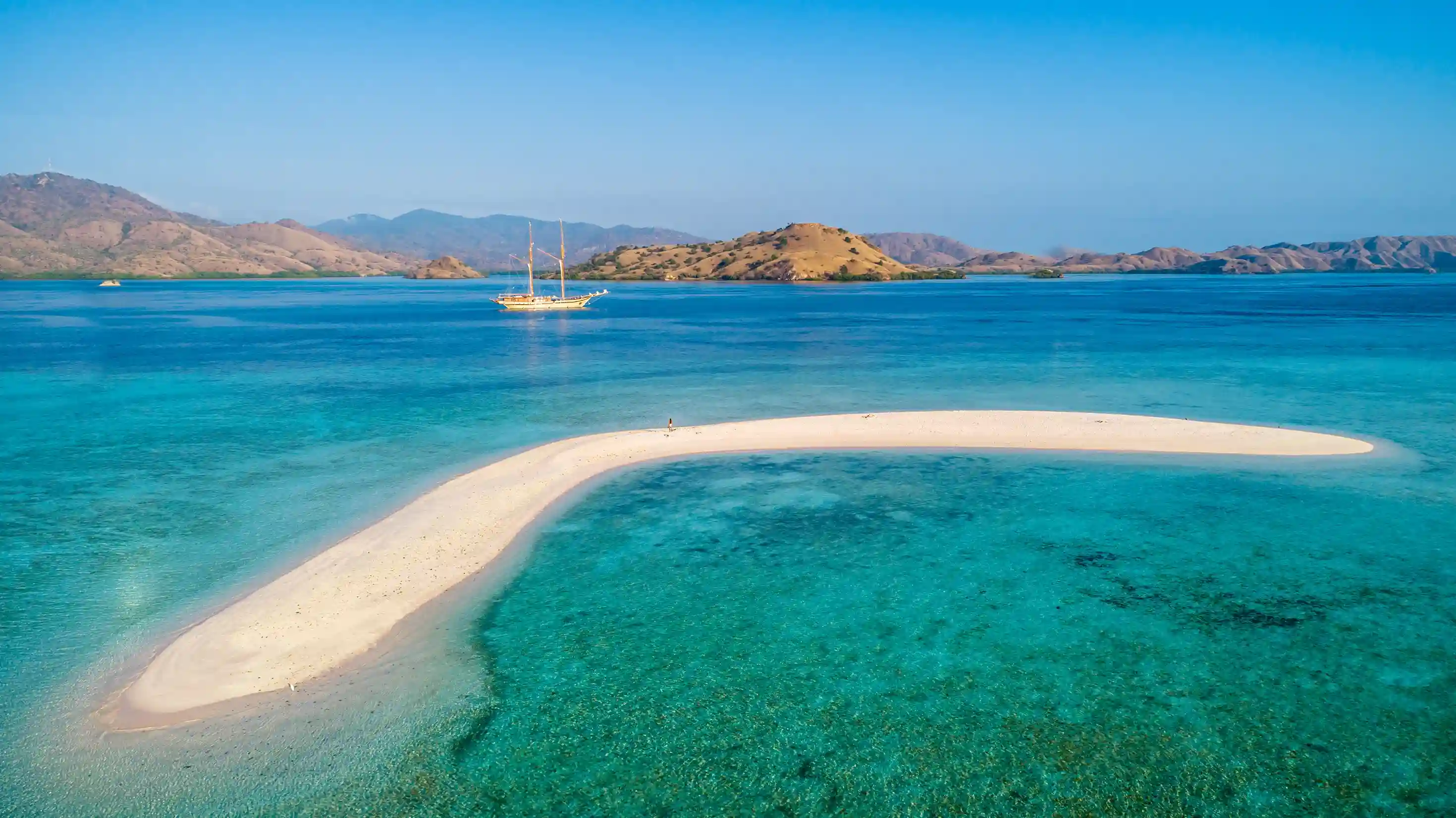
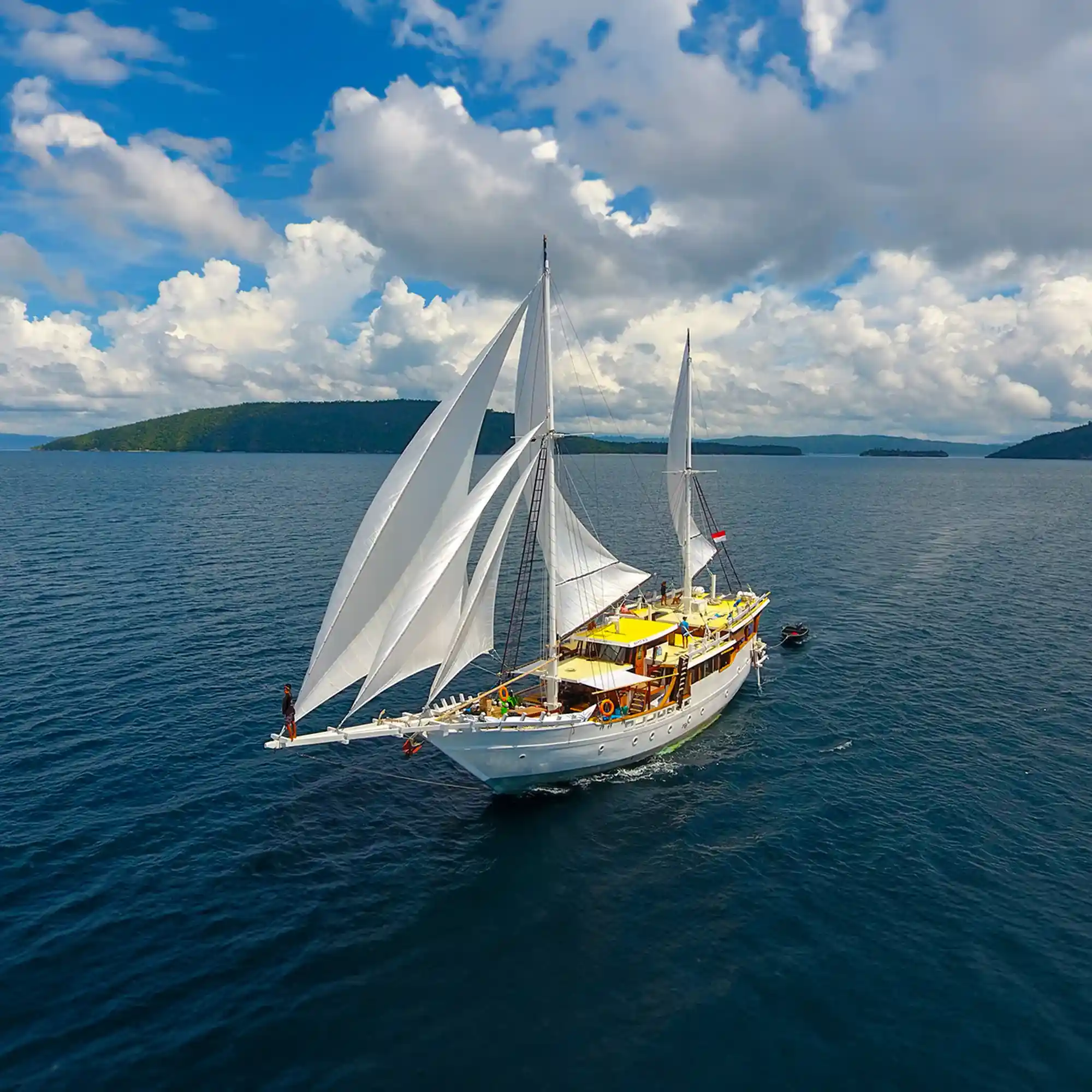
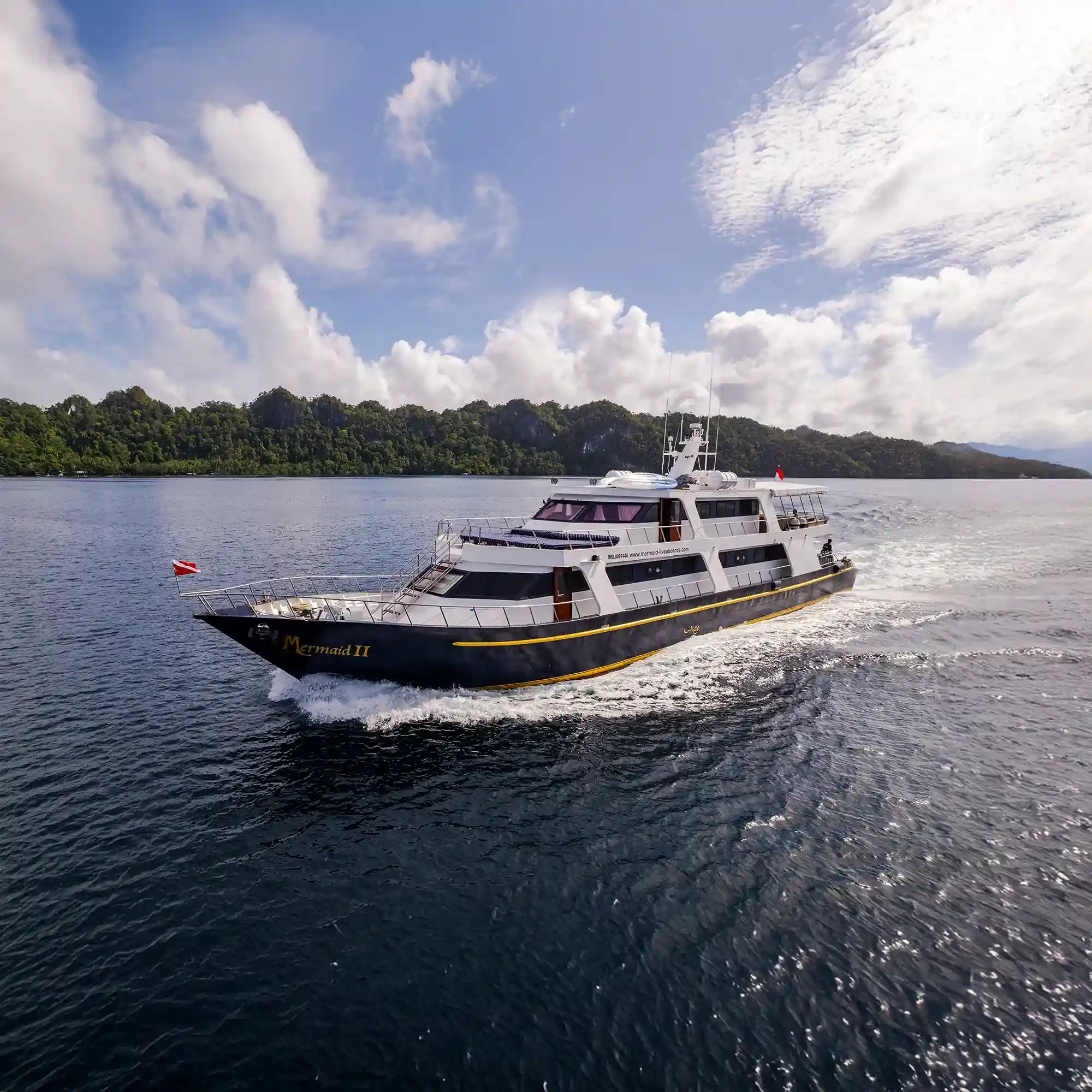
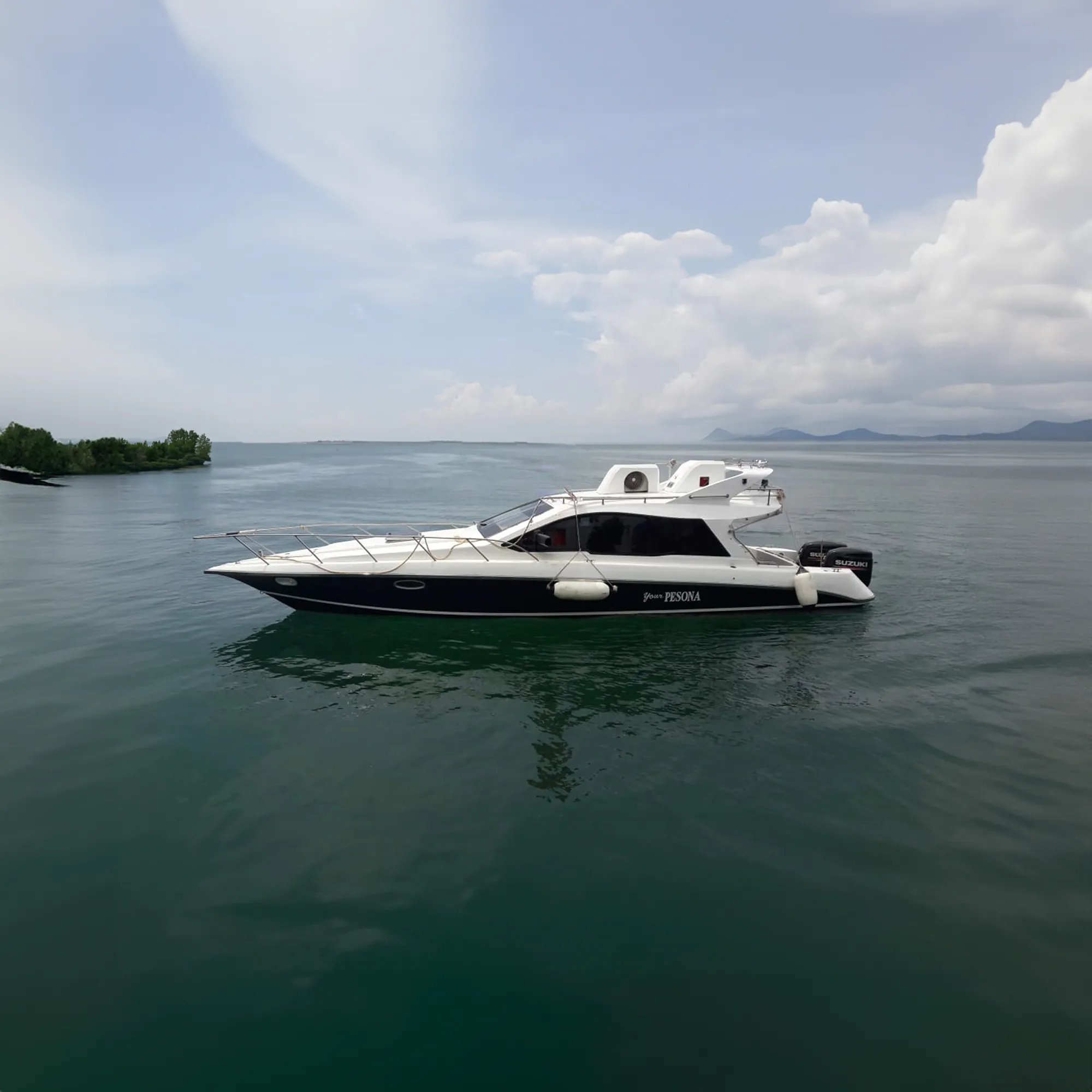
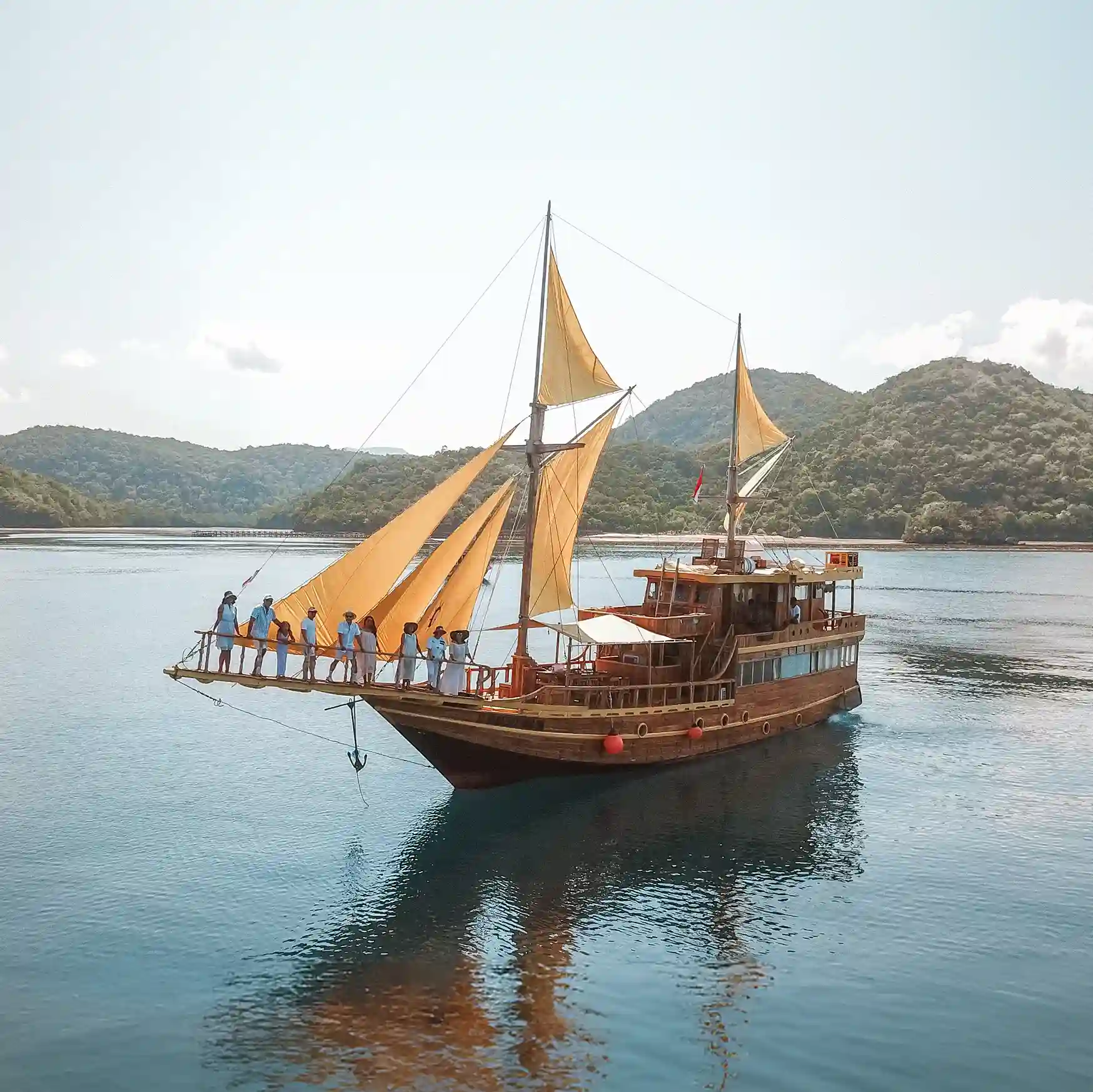
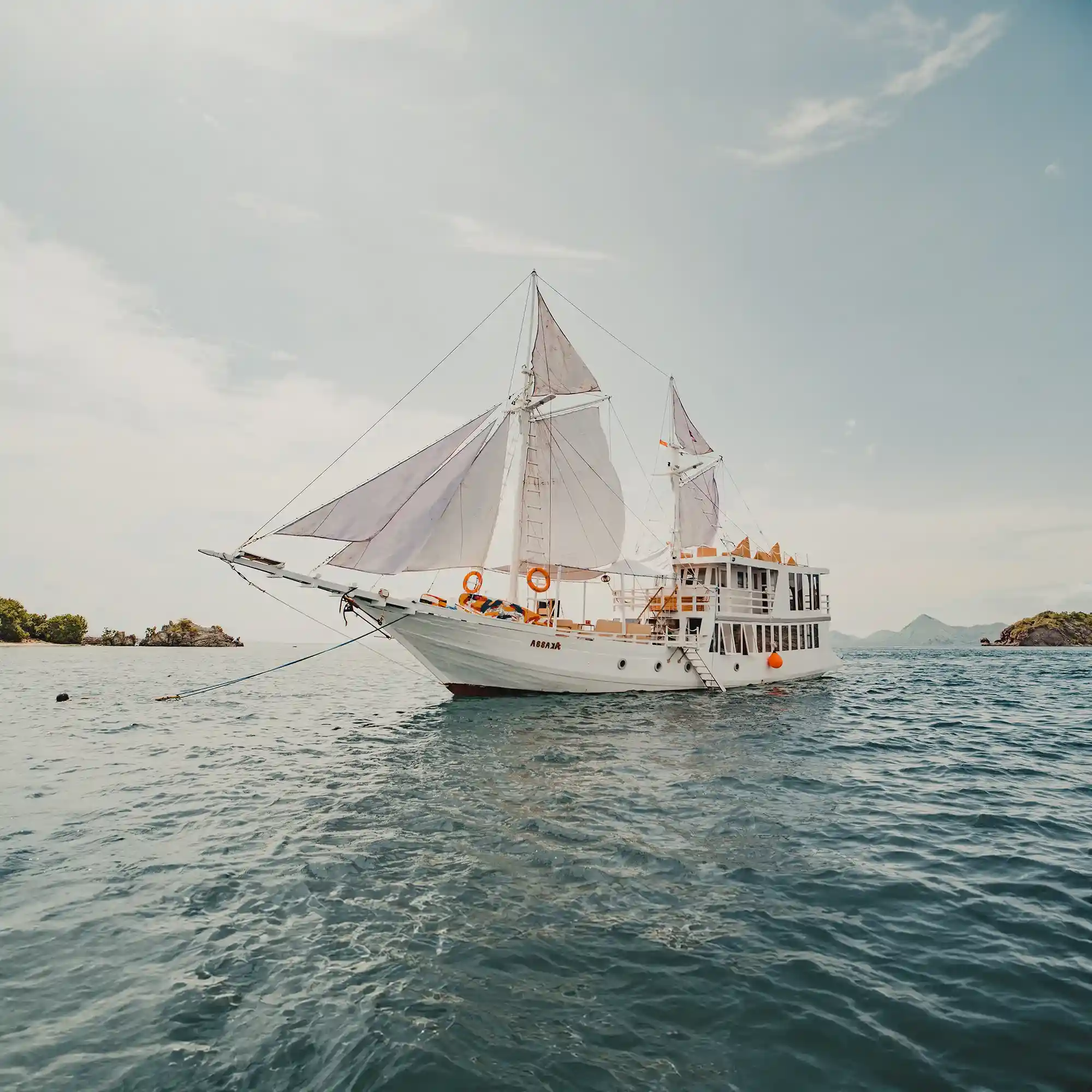
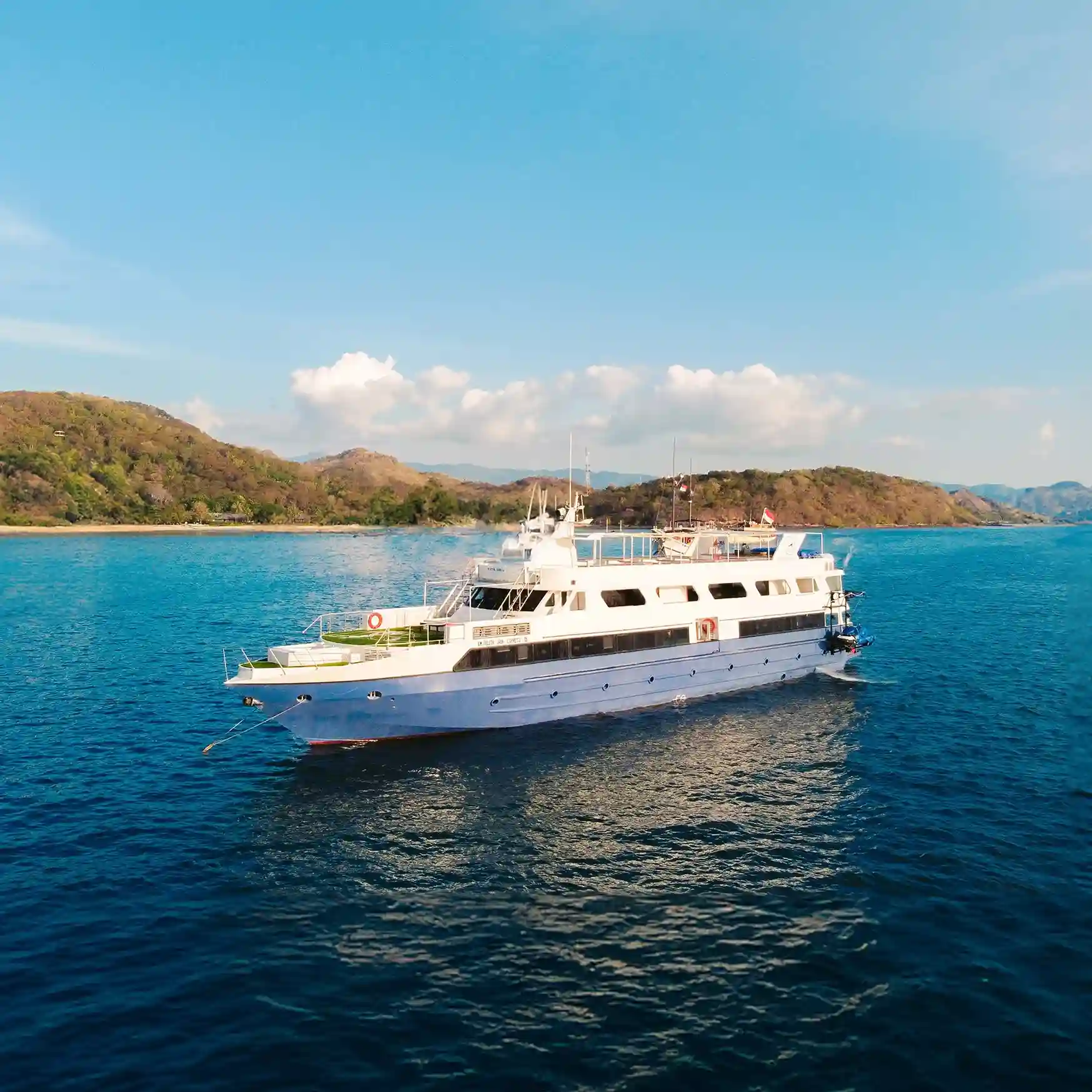
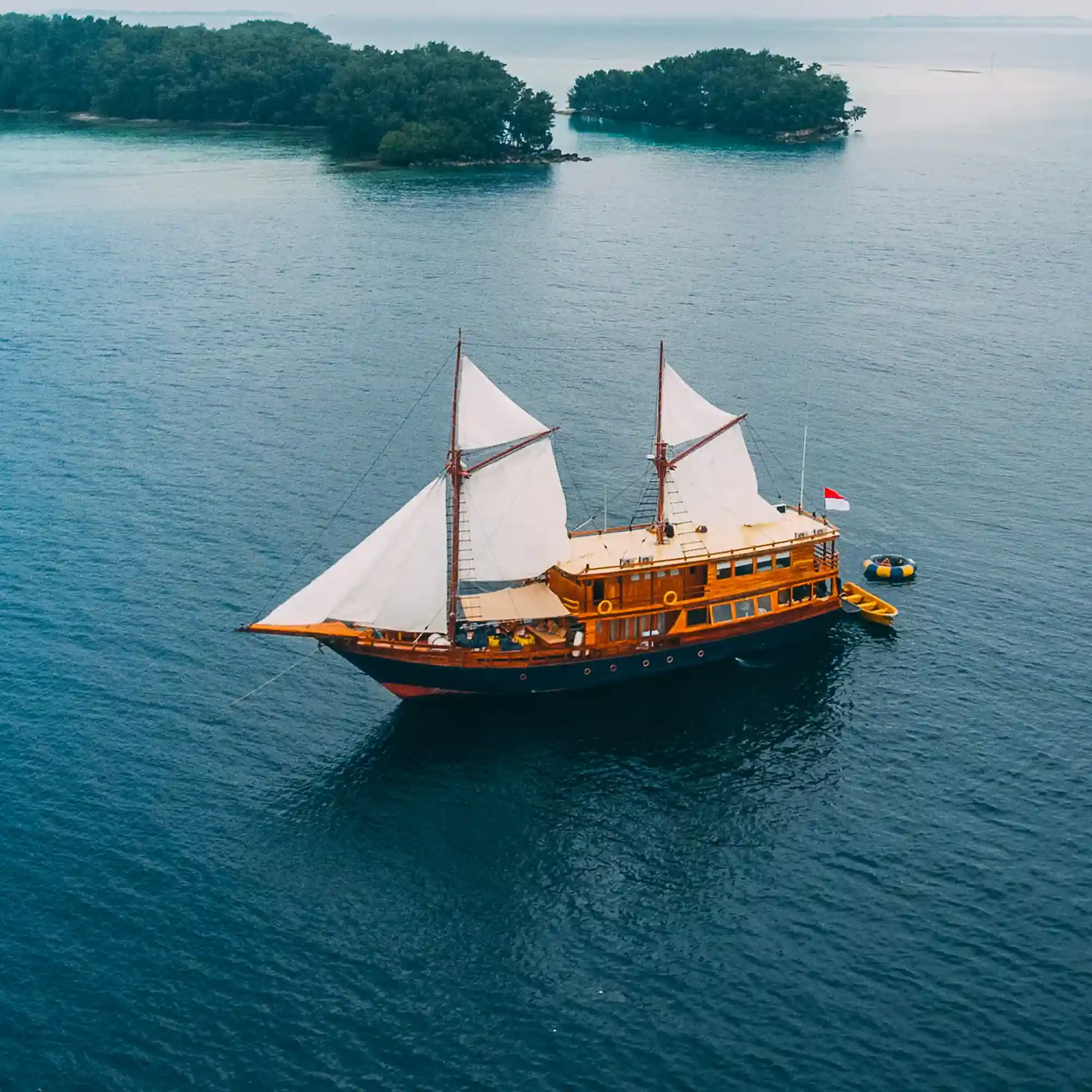
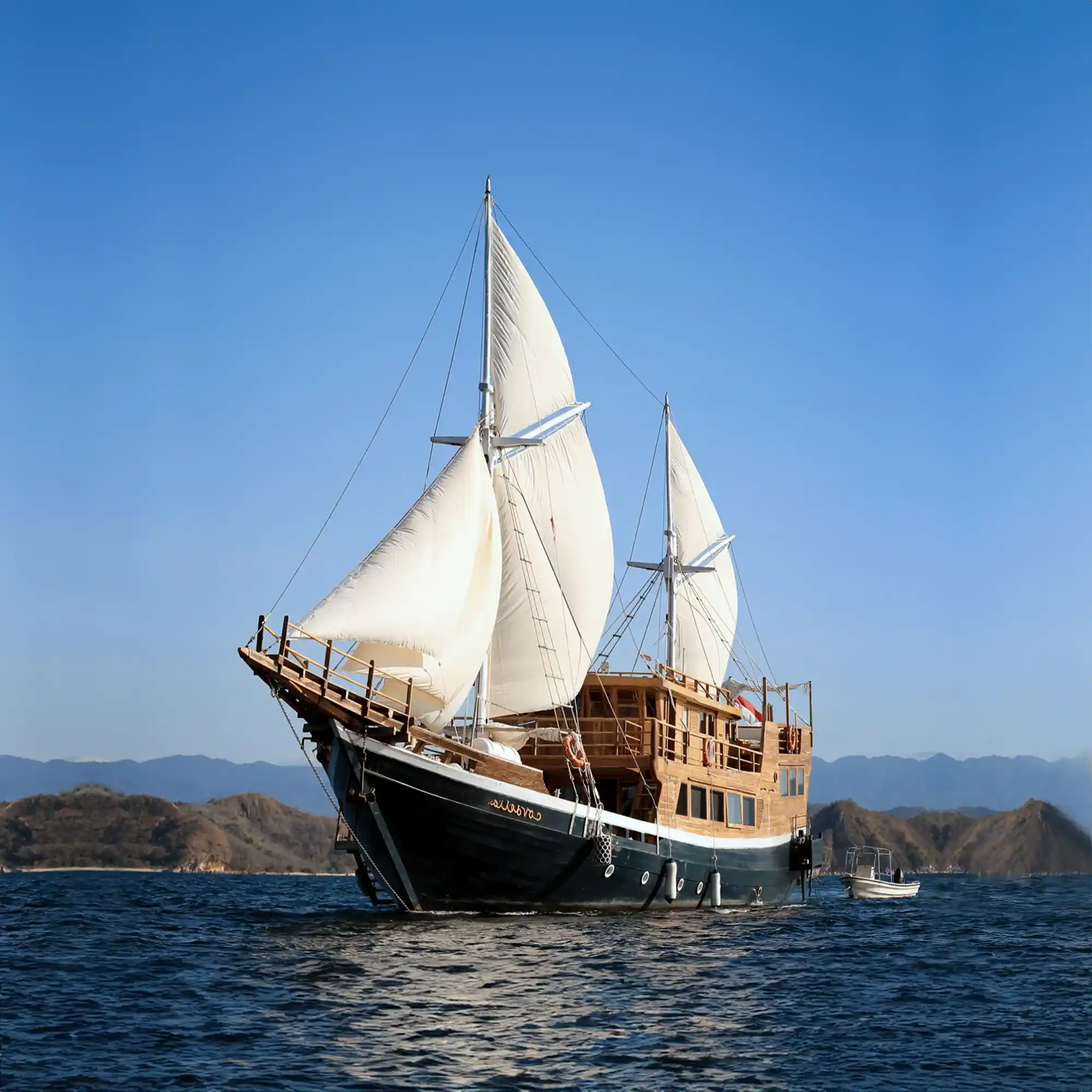
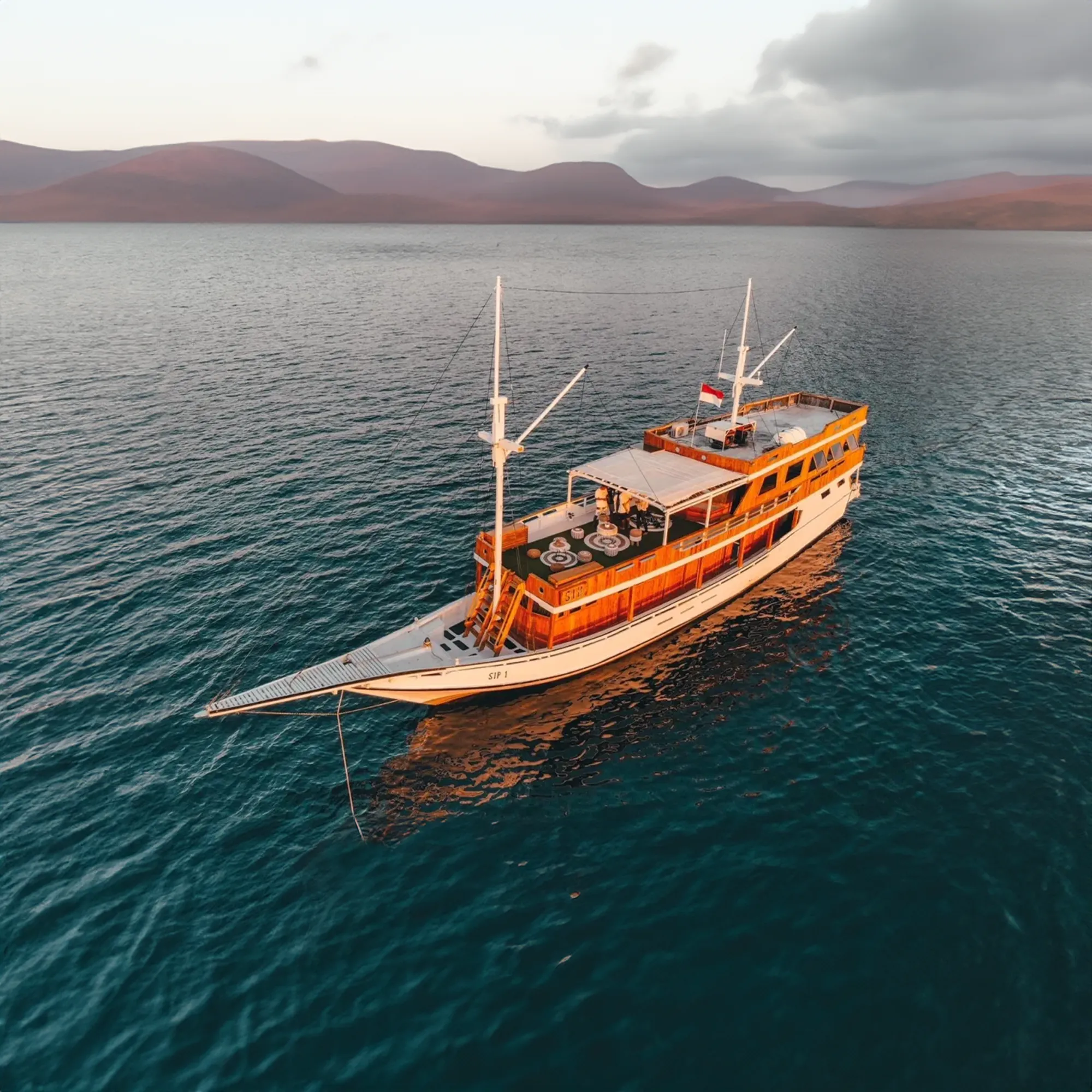
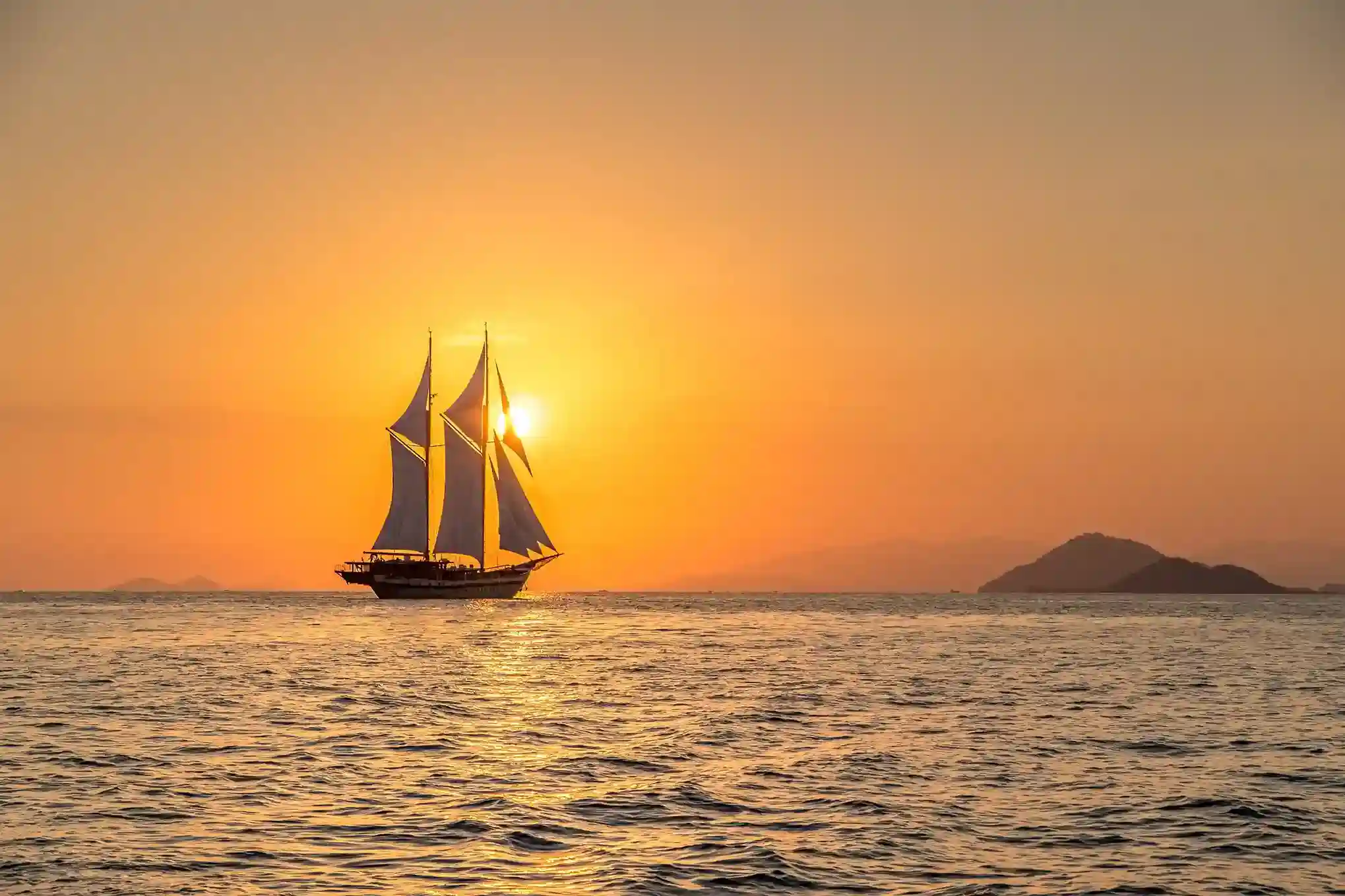
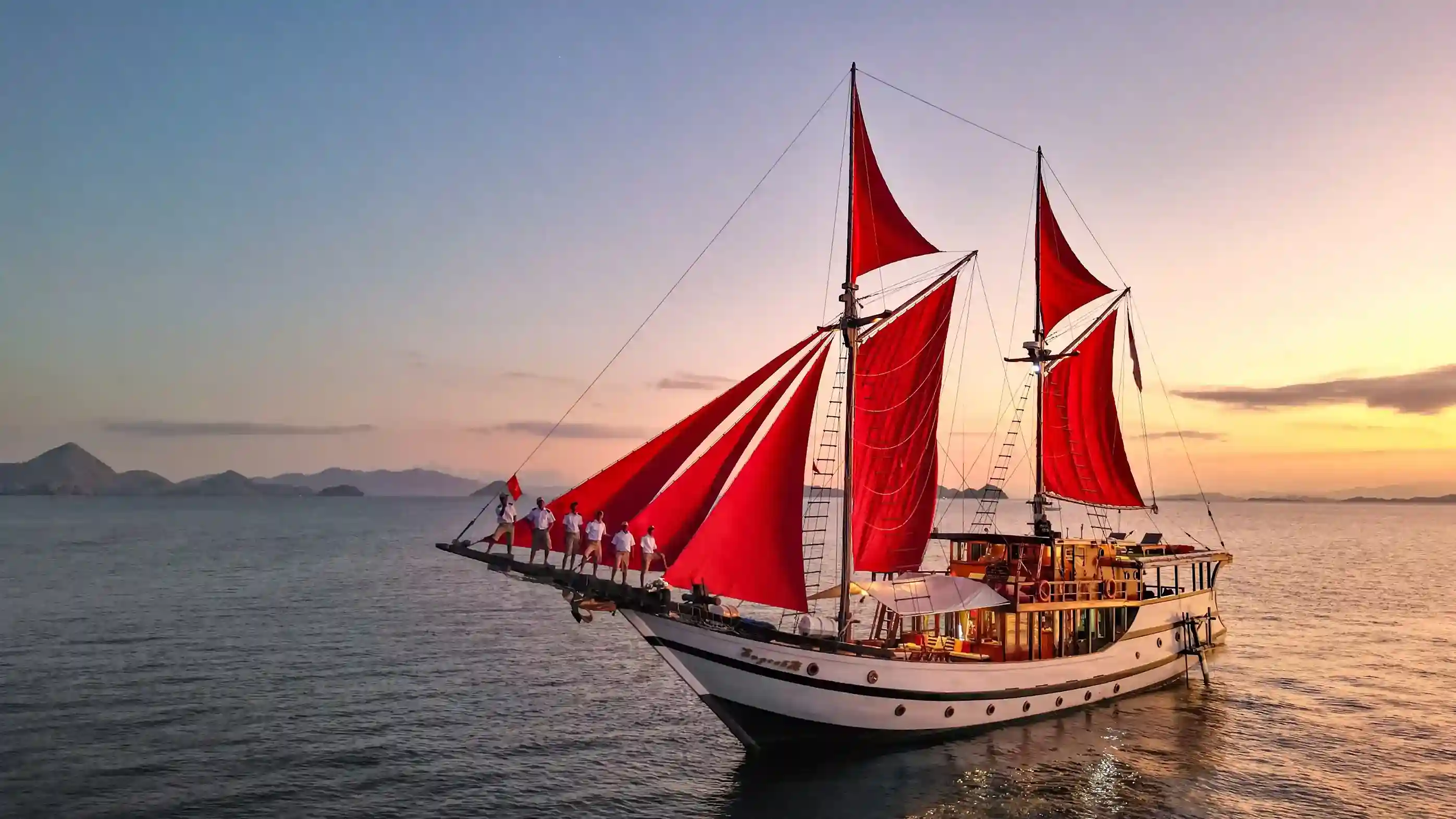
We keep Supraba’s bow into the current when crossing from Misool to Wayag at first light — 72 metres of hull needs clean water up front, and our captain’s been running this route since 2005. At this length, the roll is minimal even when the Arafura Sea picks up, which matters when you’re setting up cameras for macro shots at Arborek Jetty or prepping gear on the dive deck. She’s not built for Komodo’s tidal rips; this boat lives in Raja Ampat, where her size lets us carry more tanks, spare rebreathers, and a full dinghy for shore drops at remote muck sites.
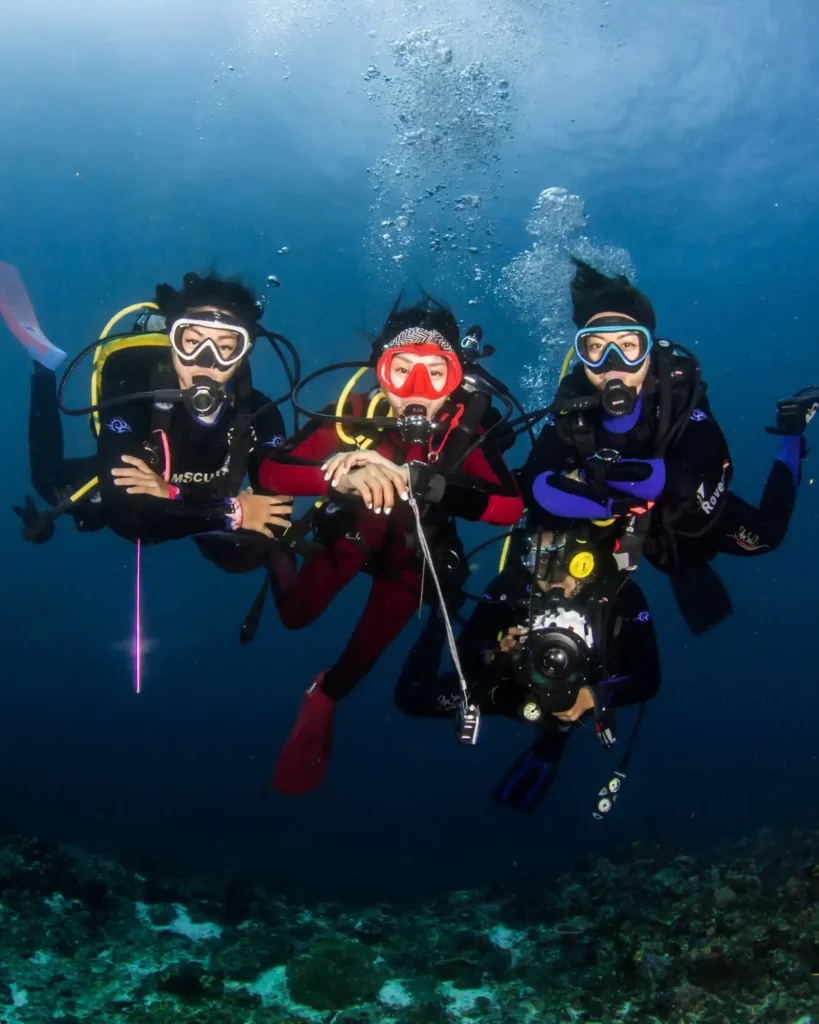
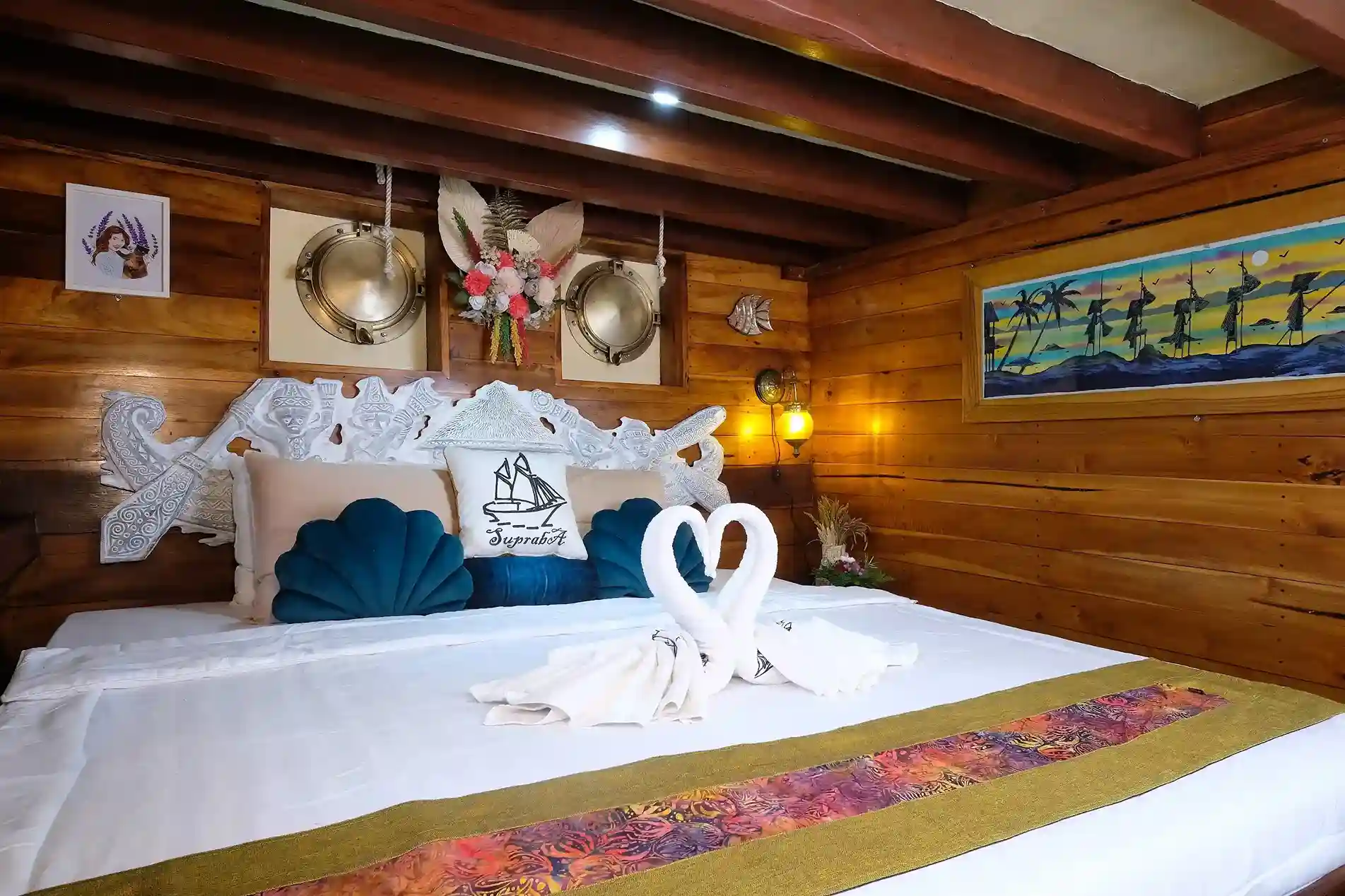
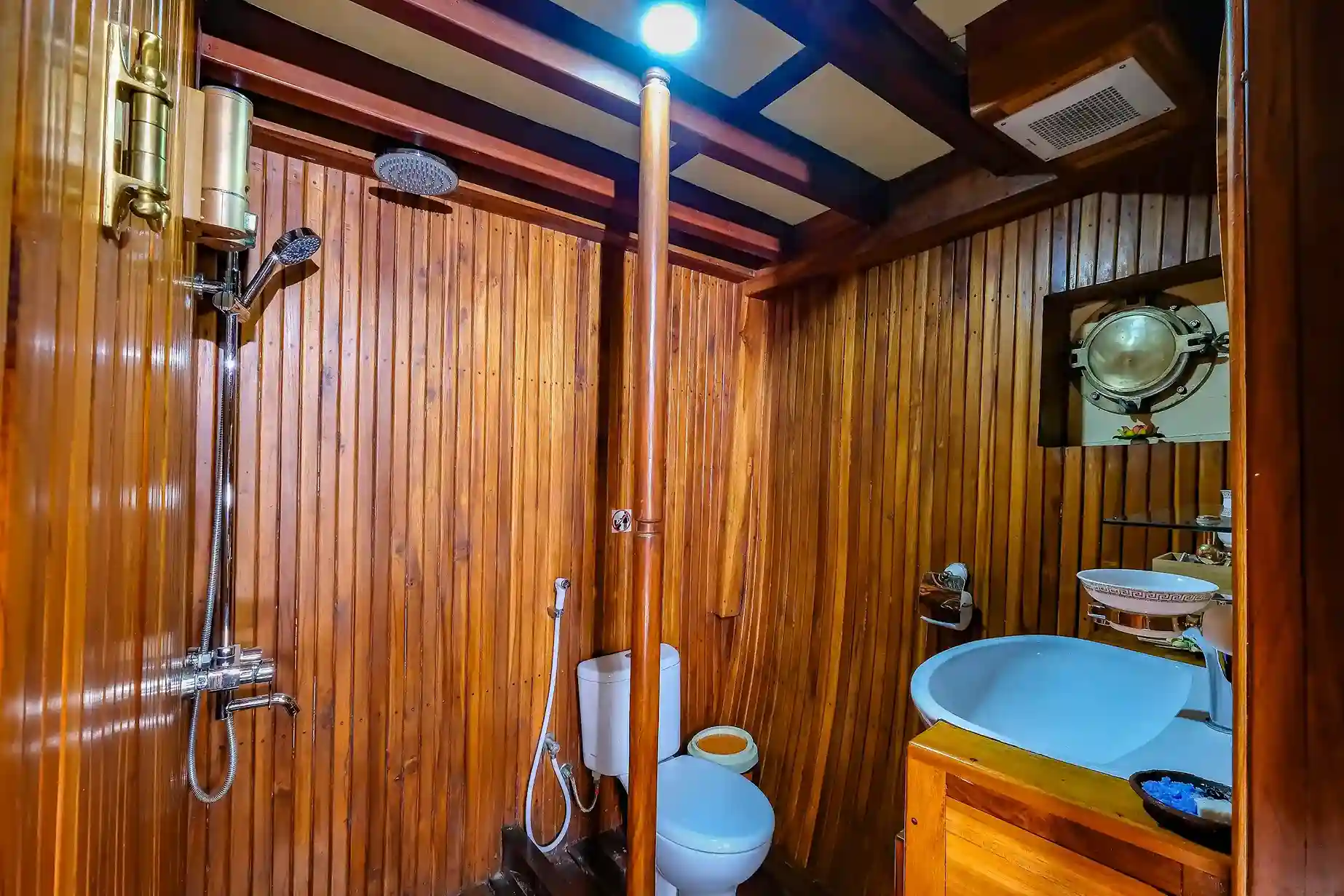
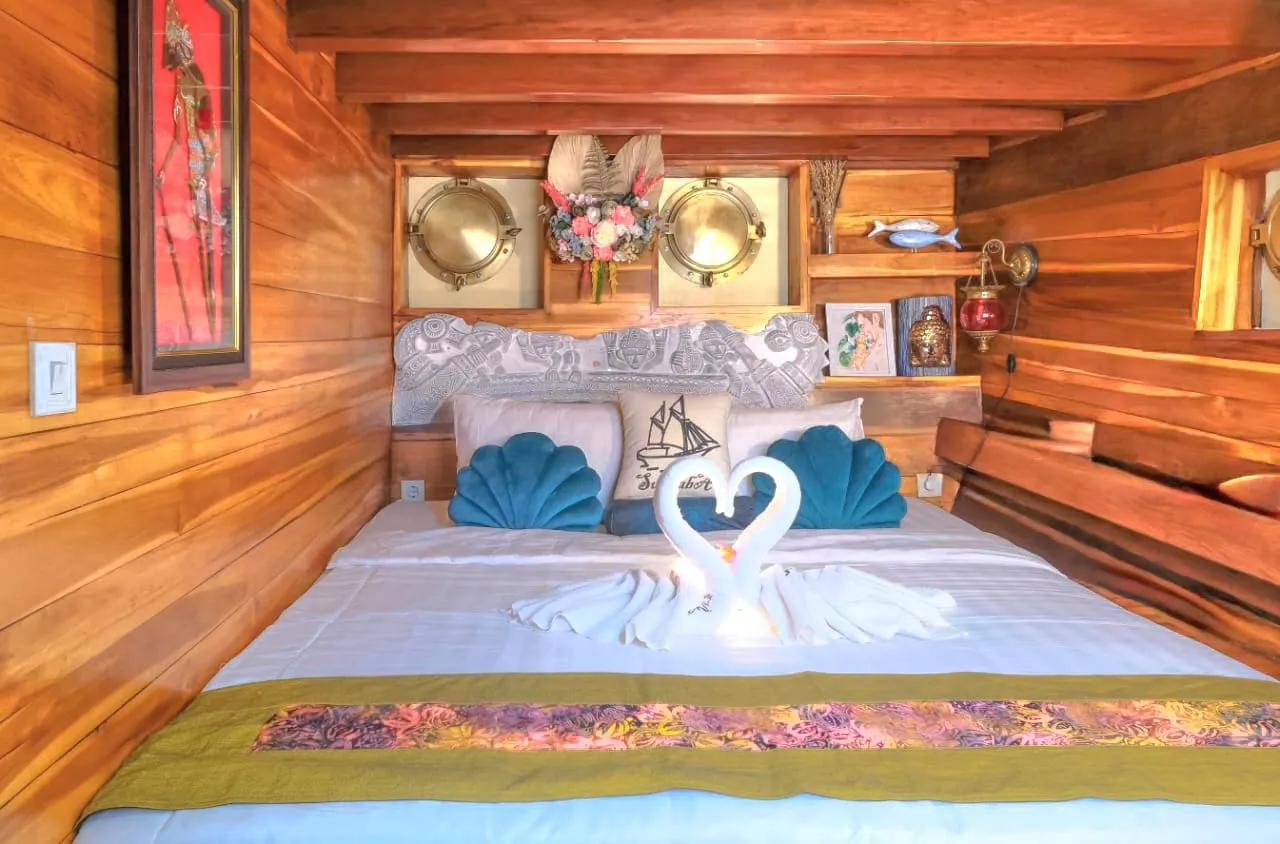
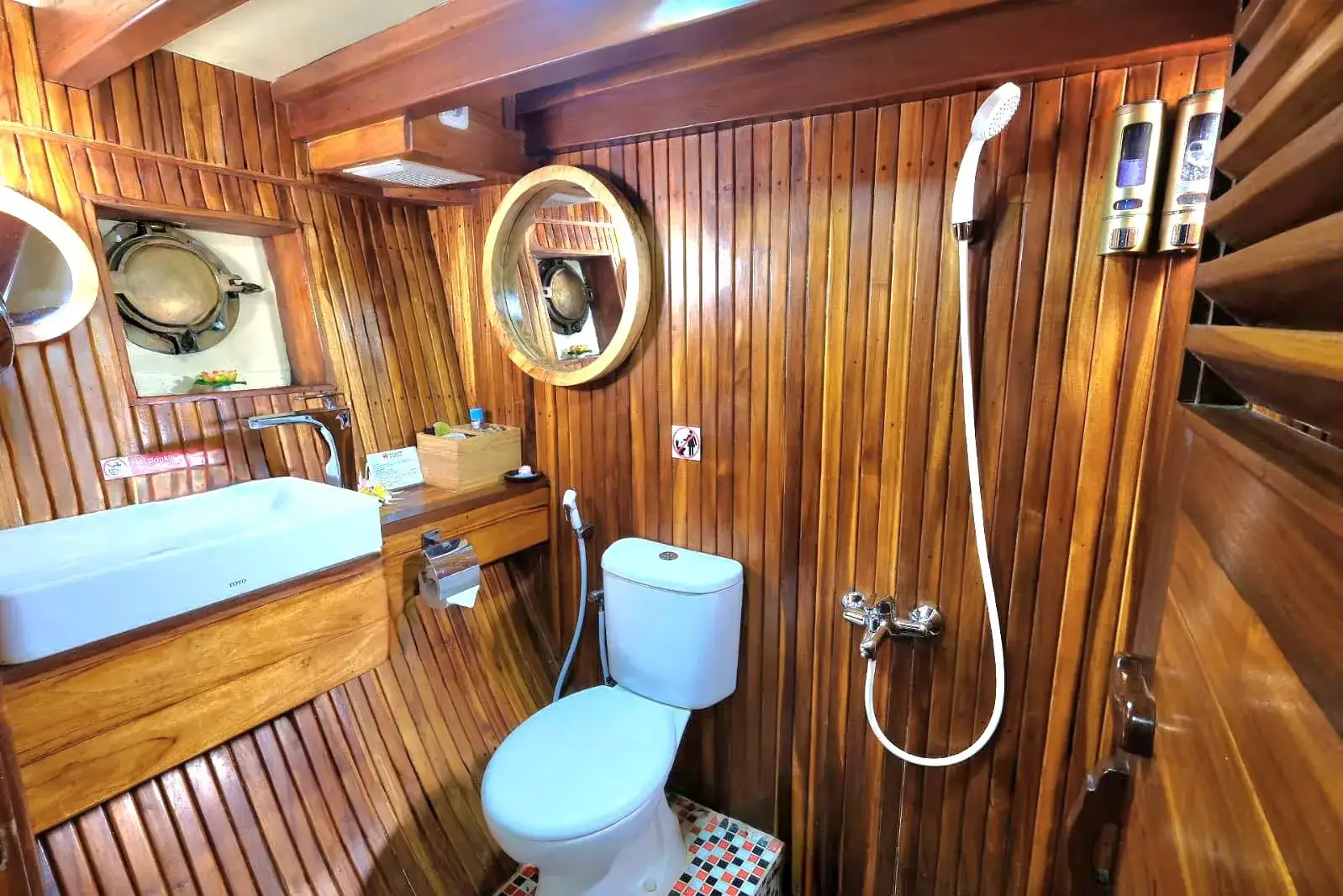
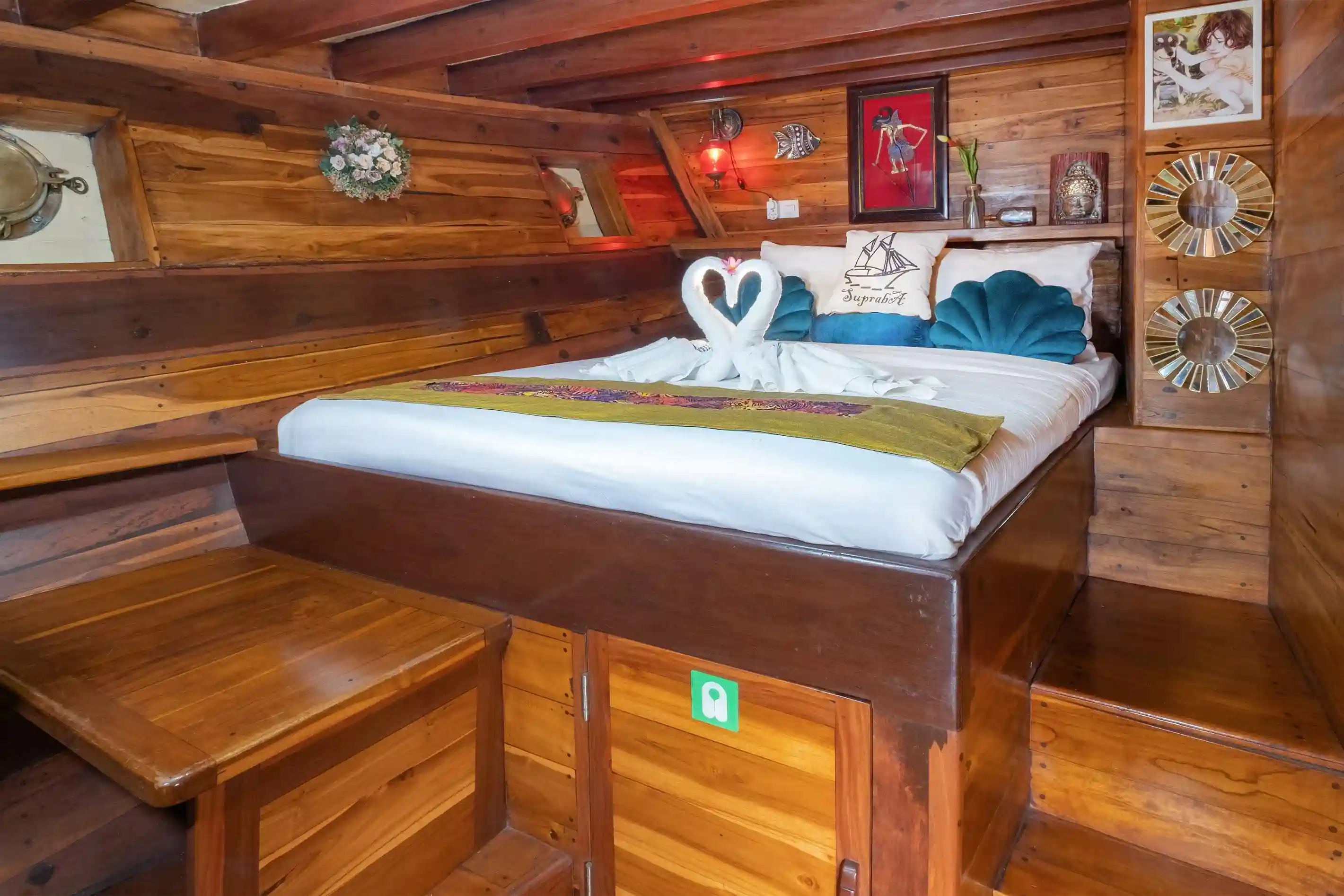
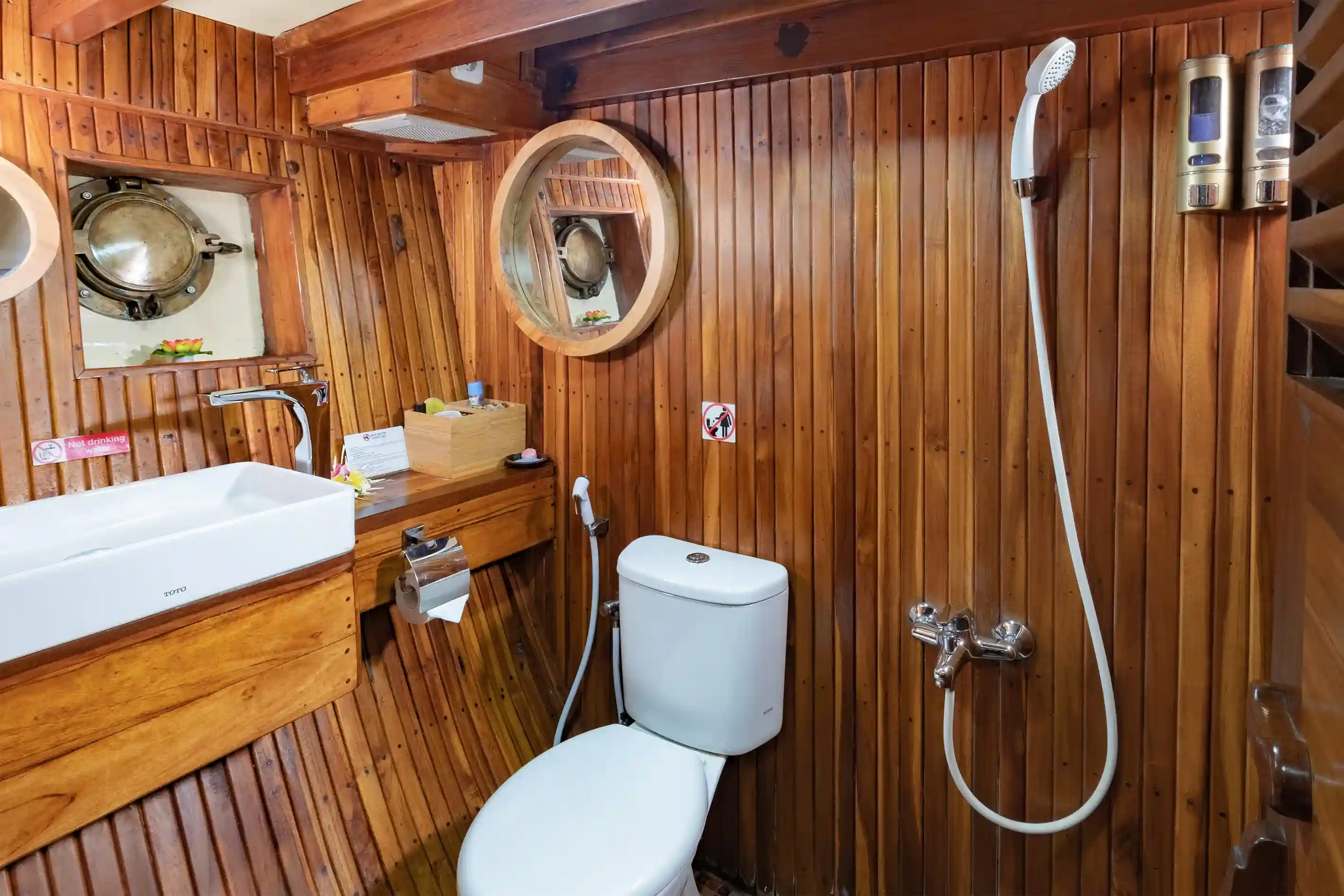
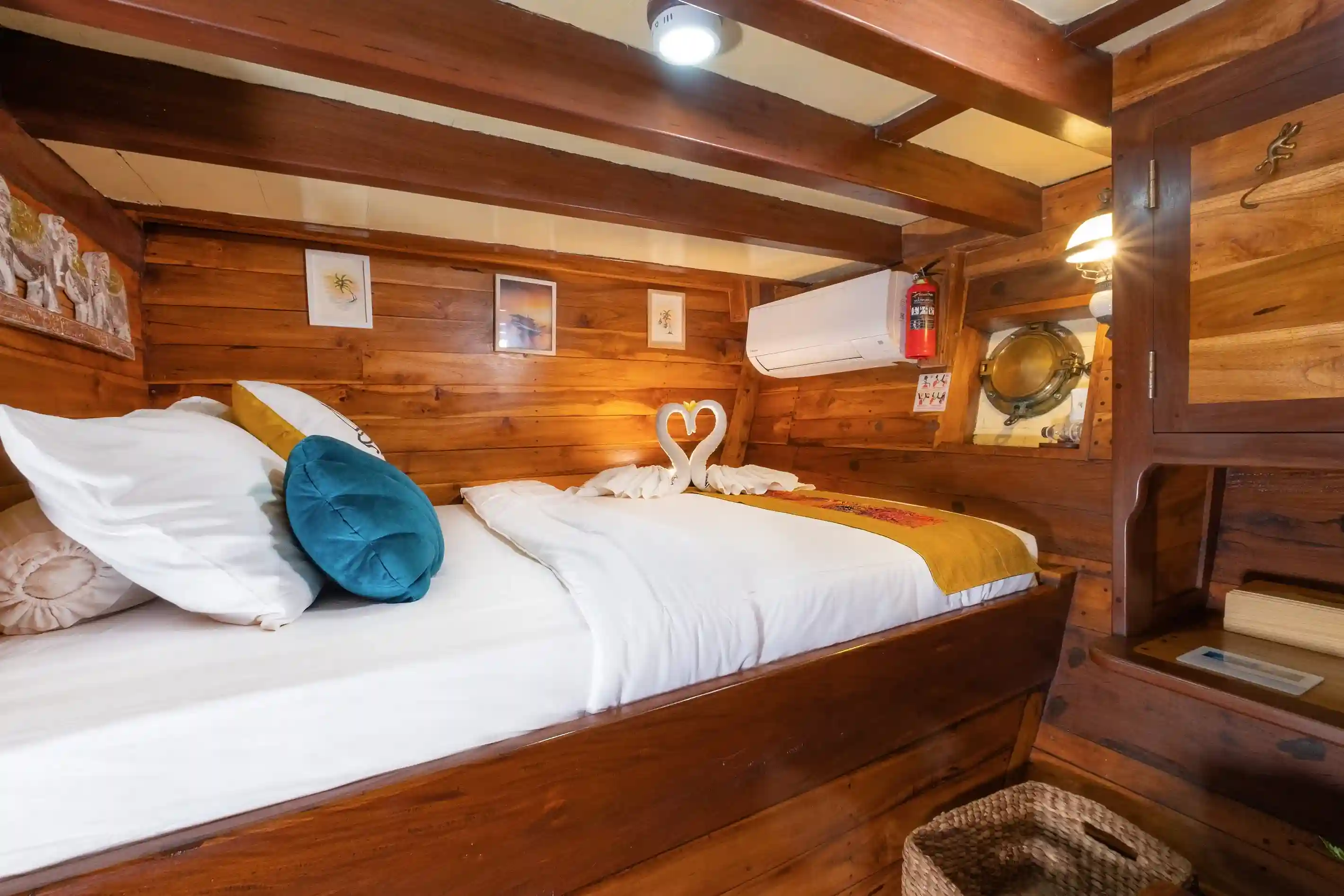
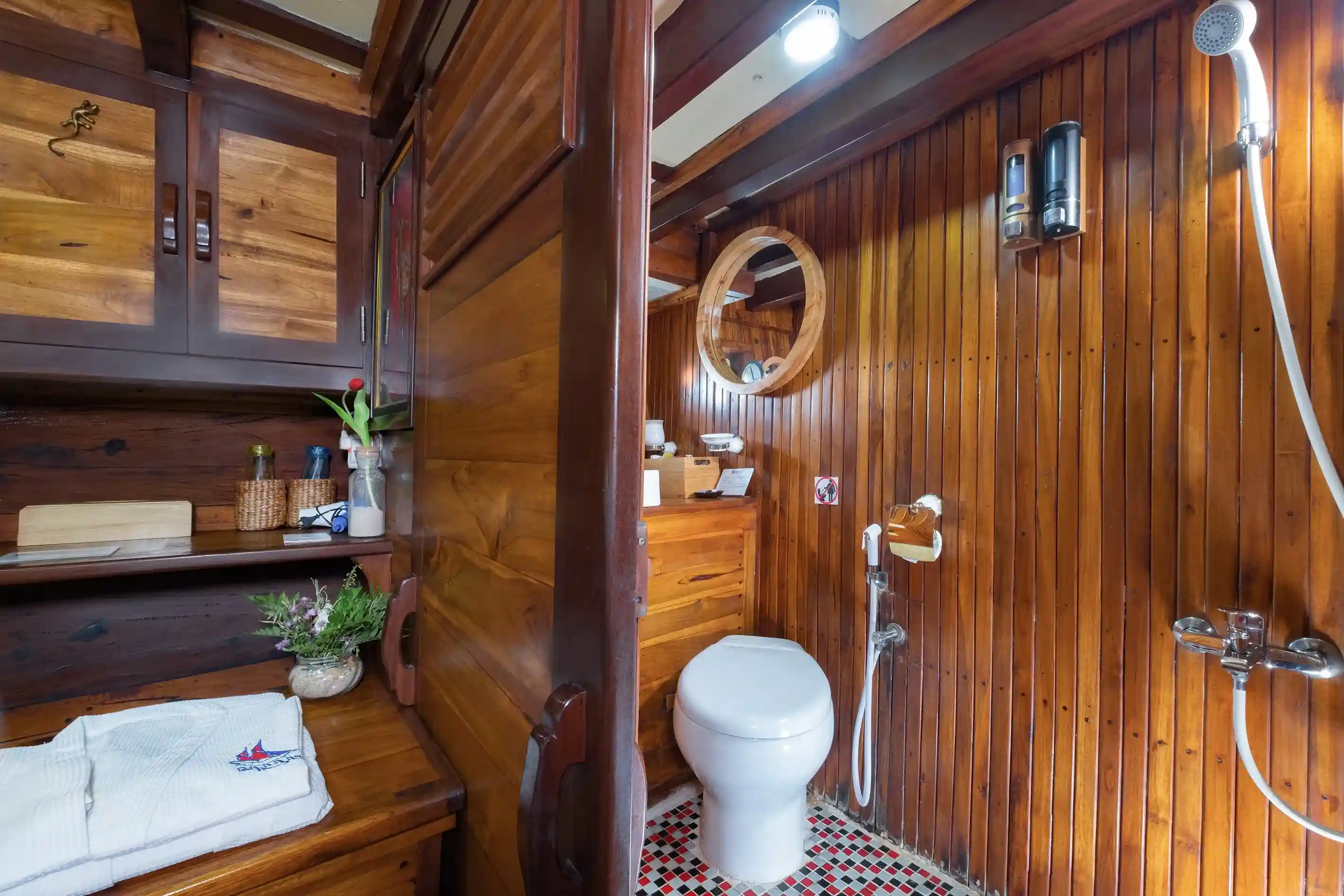
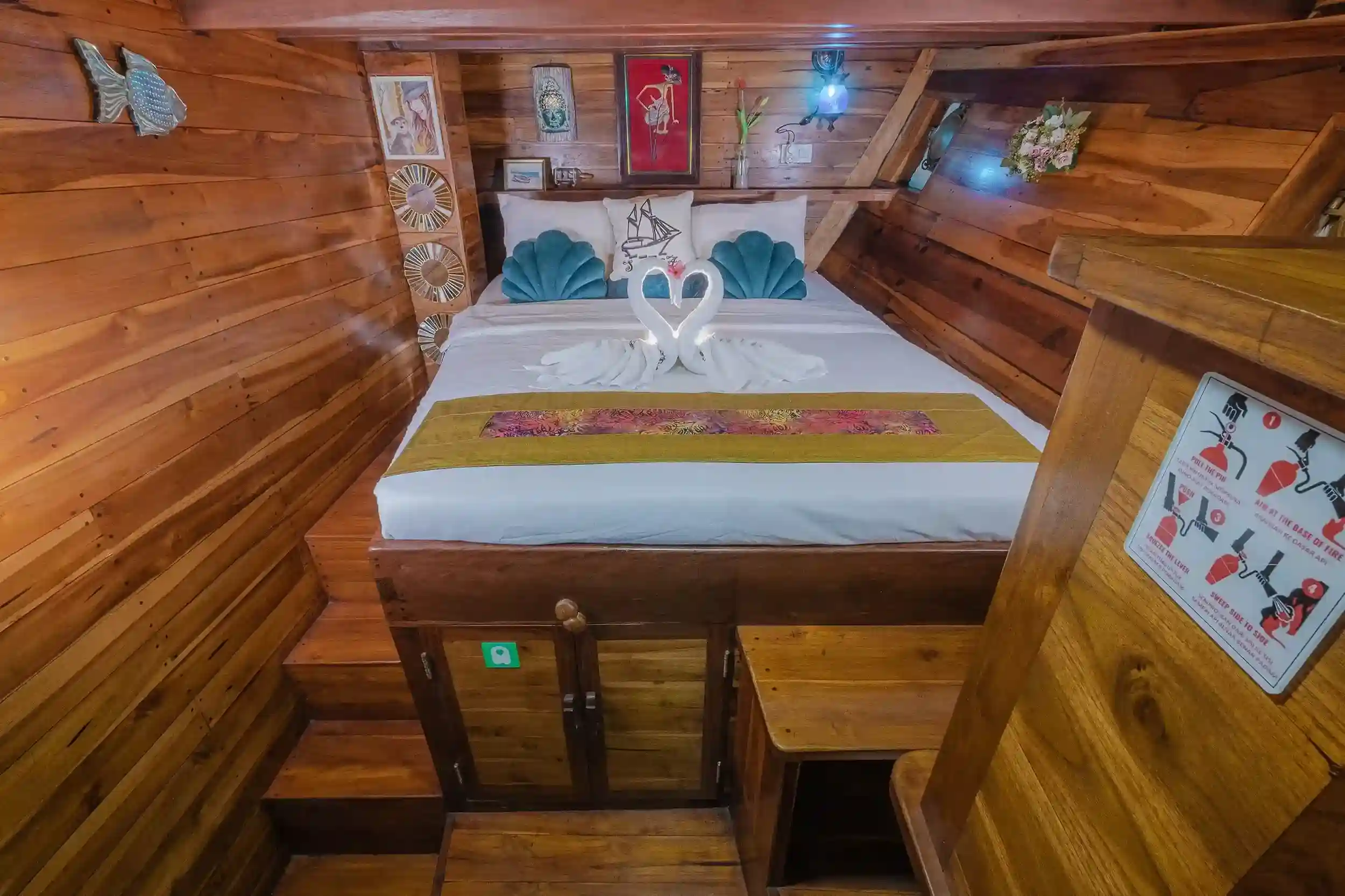
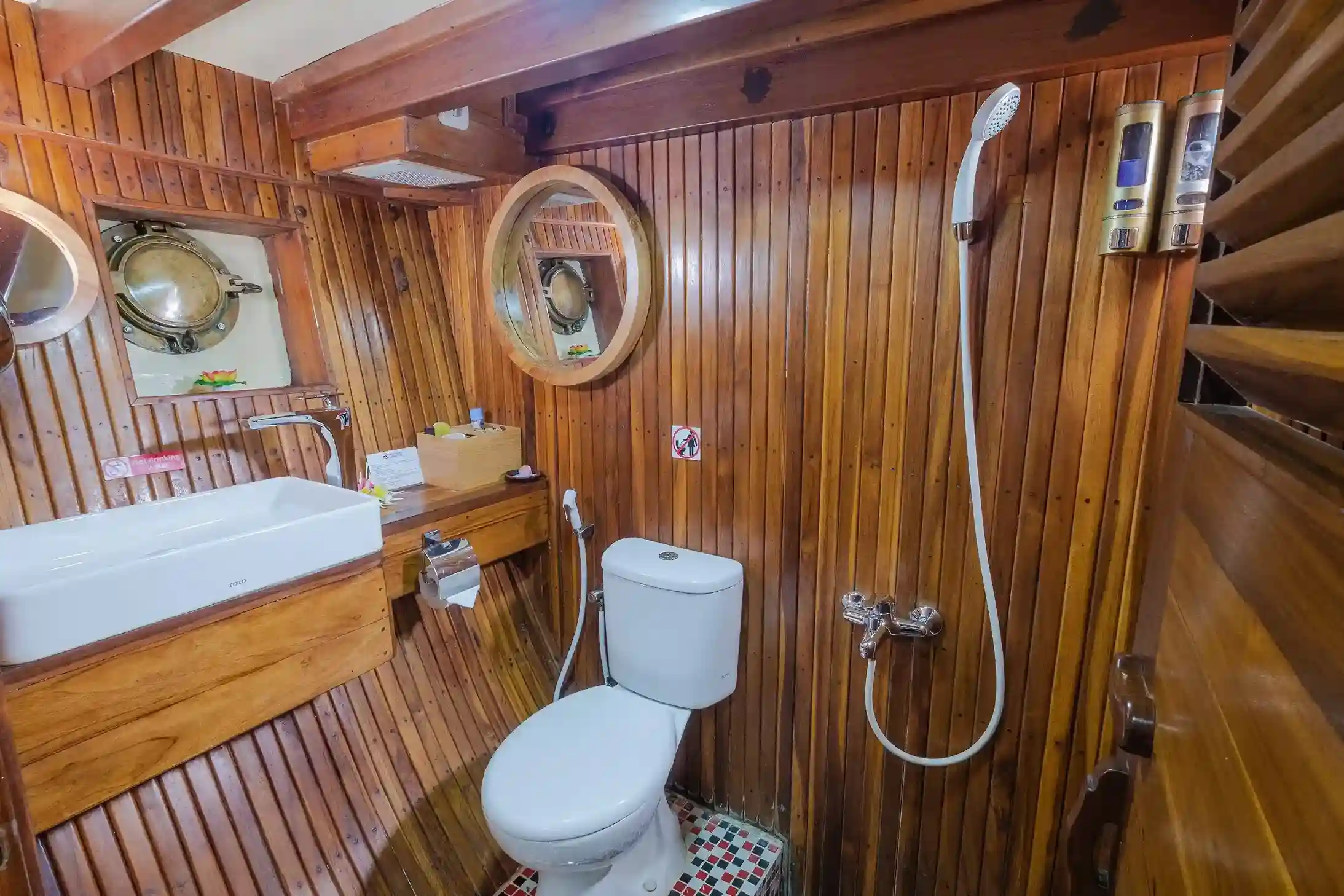
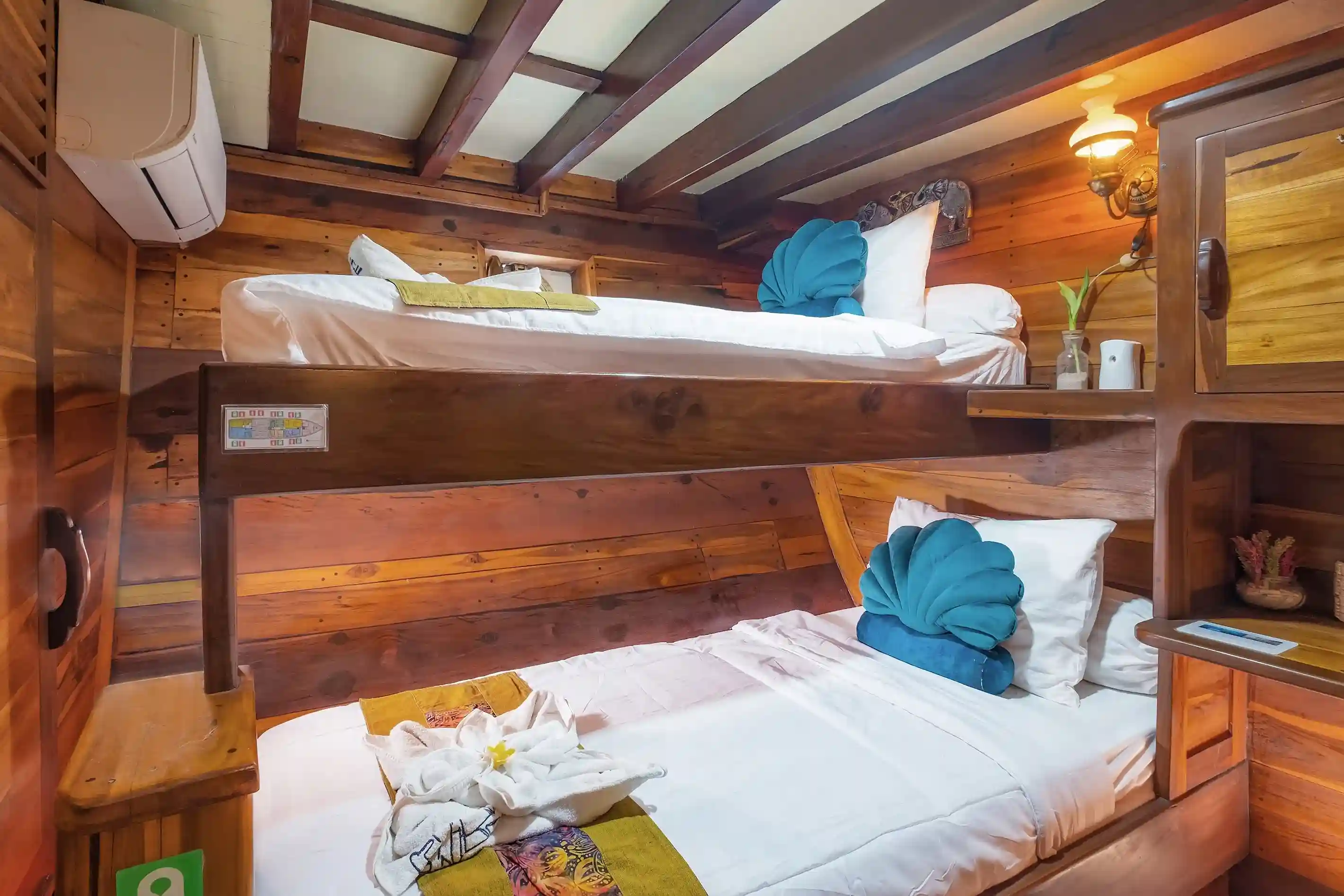
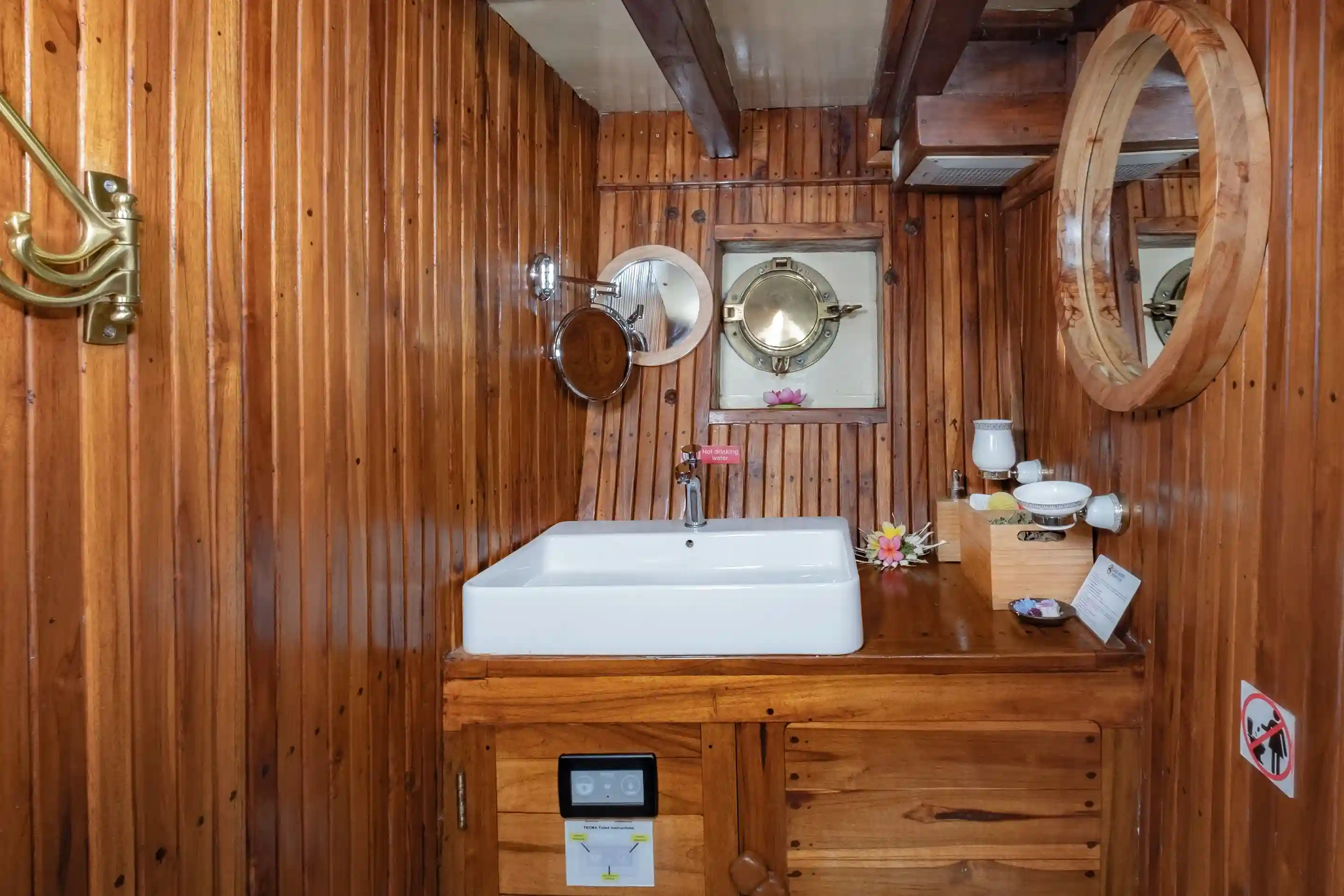
Her layout is singular — just one cabin. That means private charter only, no shared groups. The space spans the beam, with ensuite facilities and direct deck access, designed for extended expeditions. We run multi-week itineraries that link the Four Kings with the southern tip of Waigeo, anchoring inside the bluewater zones where smaller boats can’t linger. Our dive team knows the surge patterns at Boo Windows and the slack tide window at Melissa’s Garden — they brief you over coffee, not a megaphone.
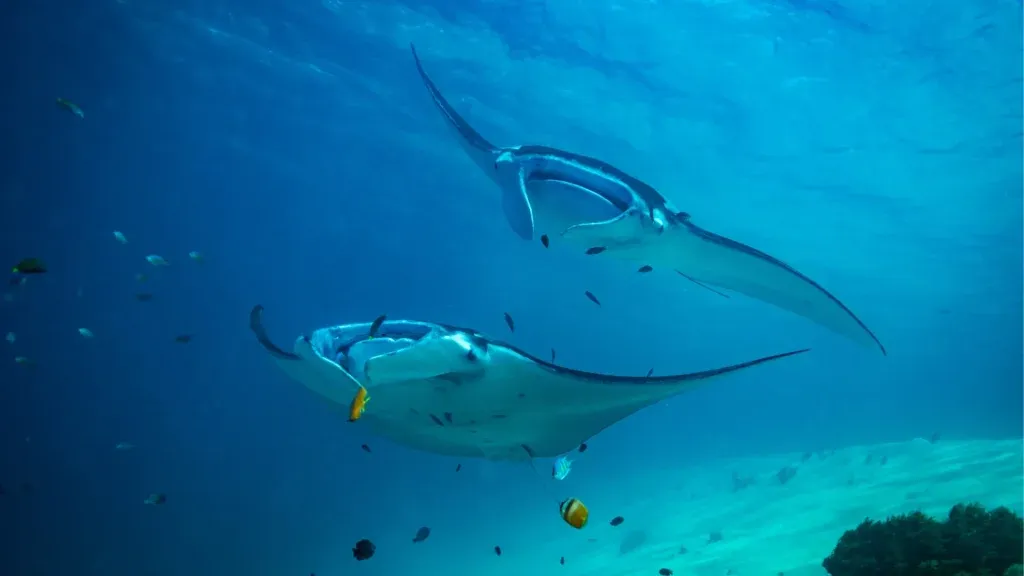
On a recent leg, we anchored seven miles off Aljui Bay to avoid the cluster at Manta Sandy. Guests kitted up at 05:45, and we timed the shot to arrive as the first rays hit the cleaning station. No other boats in sight. That’s what 72 metres buys you: fuel range to go quiet, and the tank capacity to dive back-to-back without surface intervals dragging on. The compressor runs dry at midnight, not mid-afternoon.
Itineraries shift with the monsoon. From October to April, we base in the Dampier Strait — Cape Kri, Sardine Reef, Nudibranch Rock — all within 45 minutes by tender. May through September, we reposition to Misool’s atolls, using the moon phase to time drifts through Hengki’s Hole and the narrow channels at Arborek Passage. Supraba doesn’t do fixed 3D2N loops. She’s on charter, and we adapt to currents, weather, and guest rhythm.
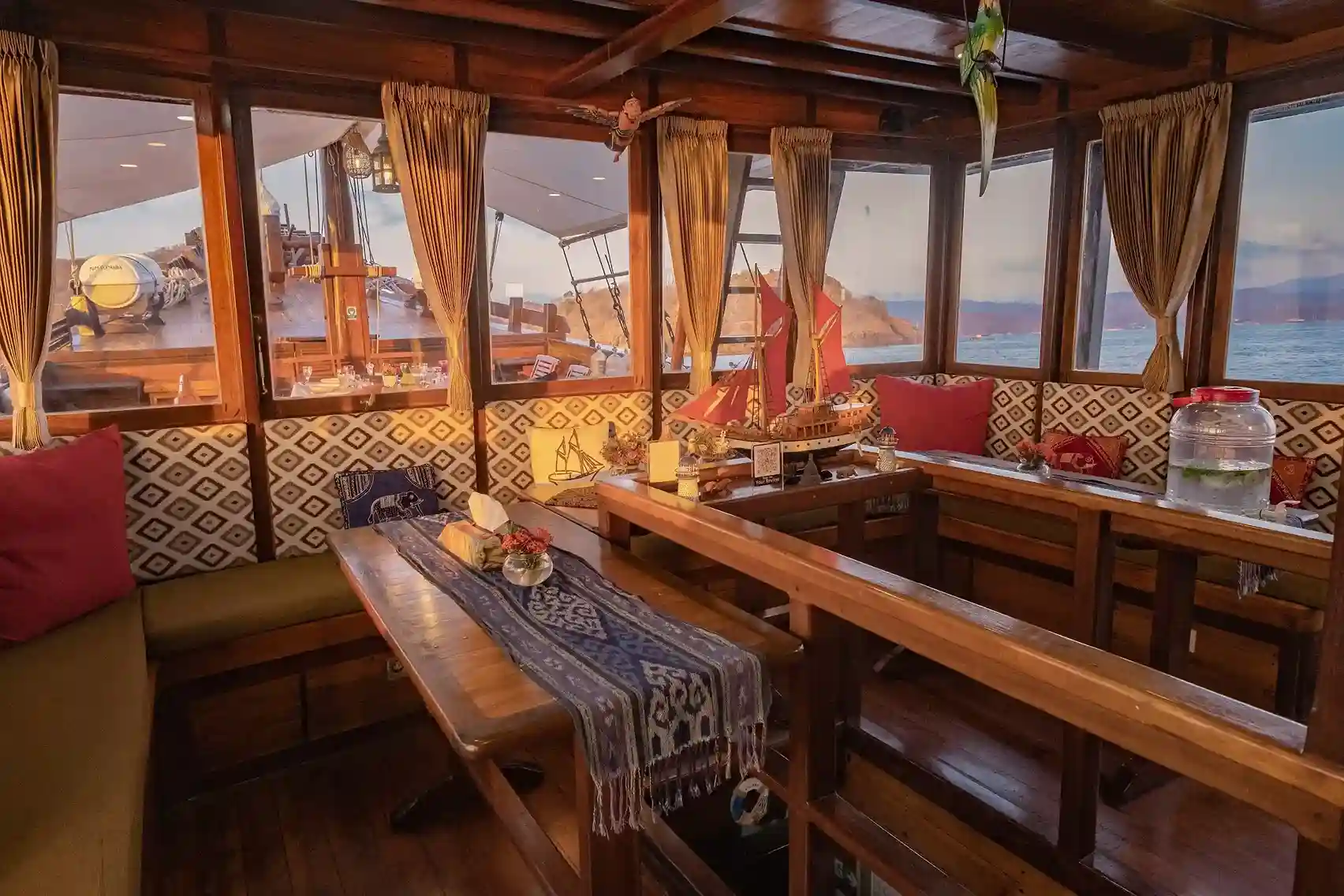
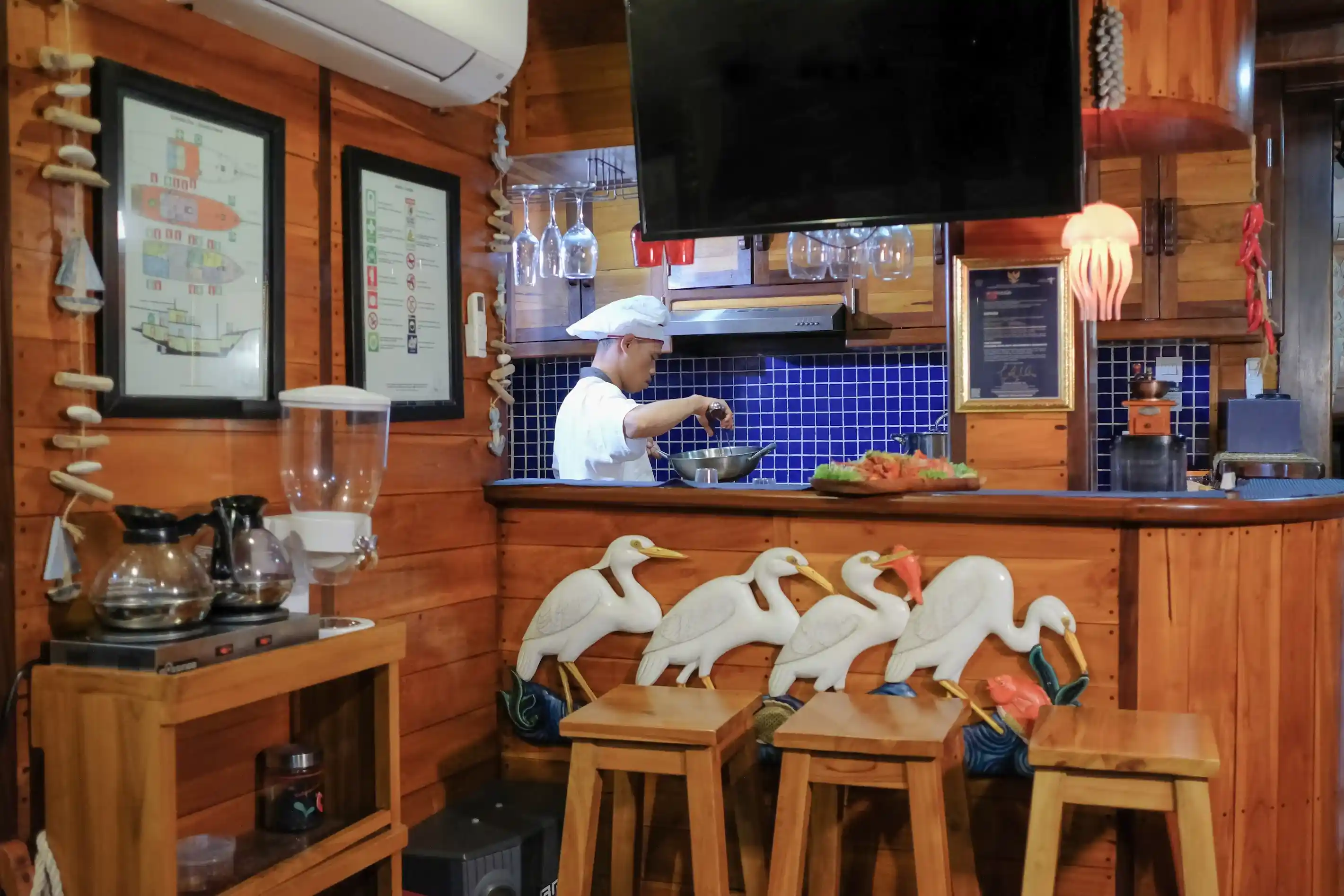
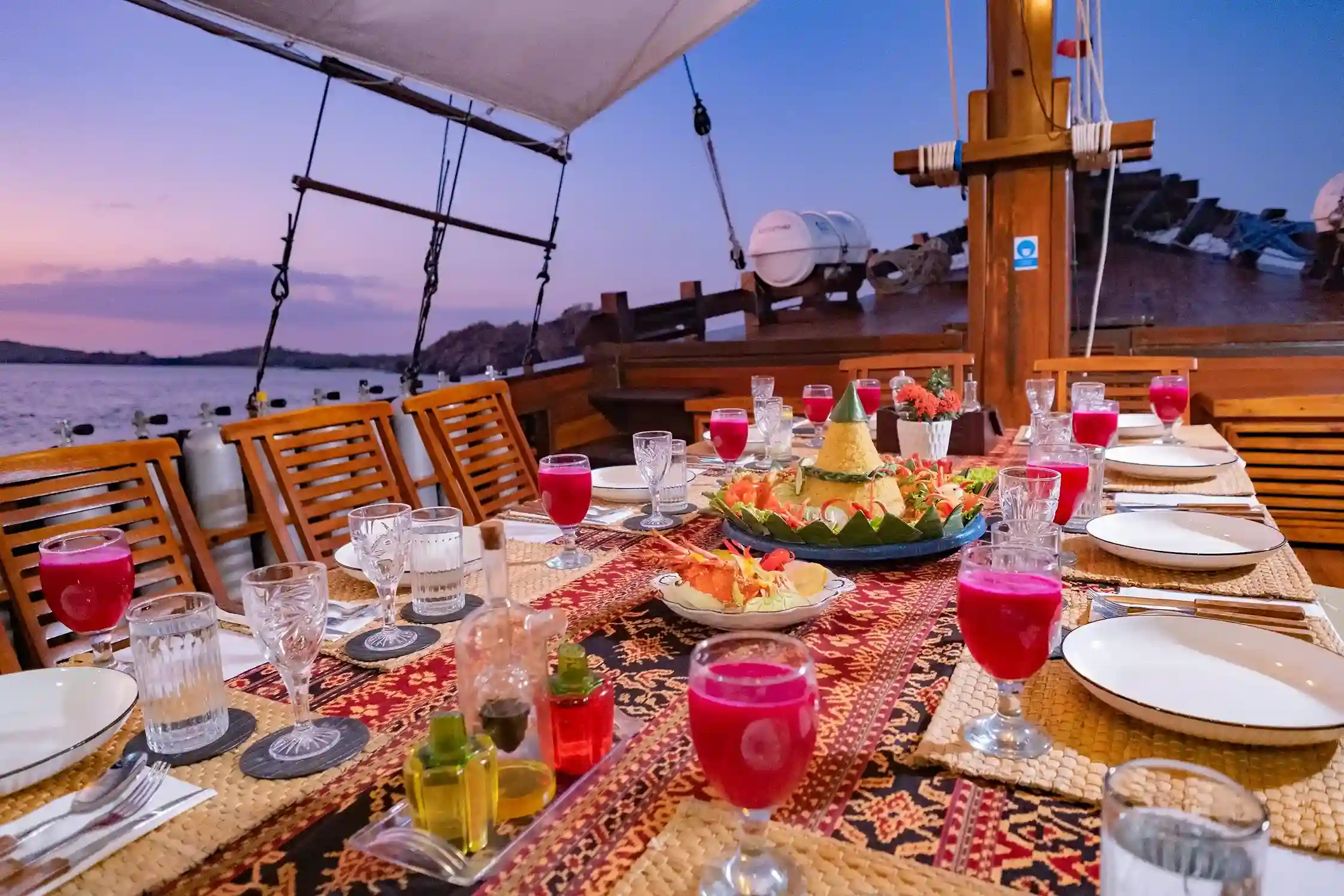
The sun deck is uncluttered — no stacked dive tanks, no laundry lines. Just teak and shade, with a single table for four. At night, we rig the stern for night dives or pull up alongside a mangrove island to watch bioluminescence. There’s no bar, no music system, no gym. This isn’t a floating hotel. It’s a platform for immersion, with every decision made by people who’ve logged 10,000+ dives in these straits.