About Teman
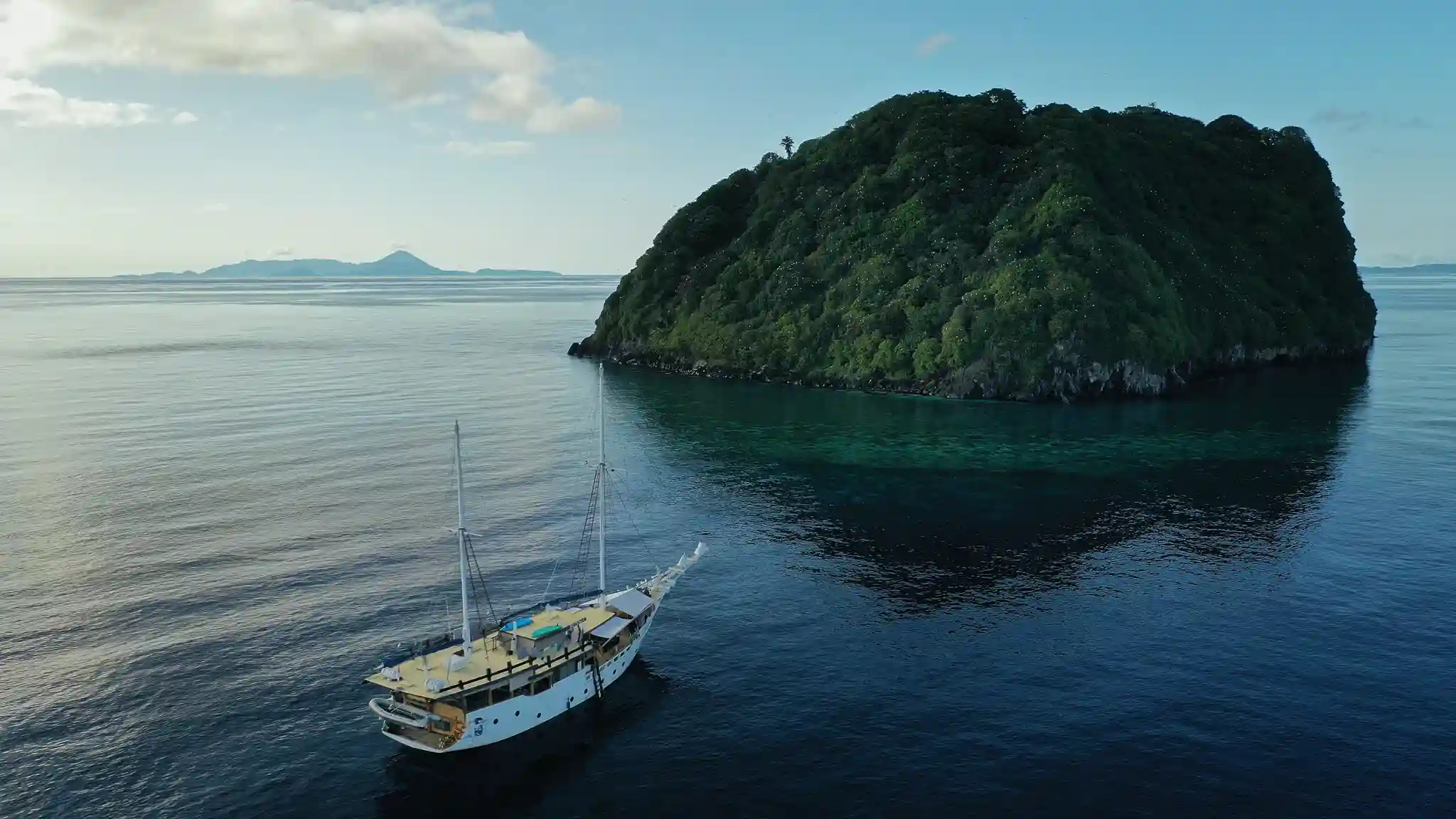
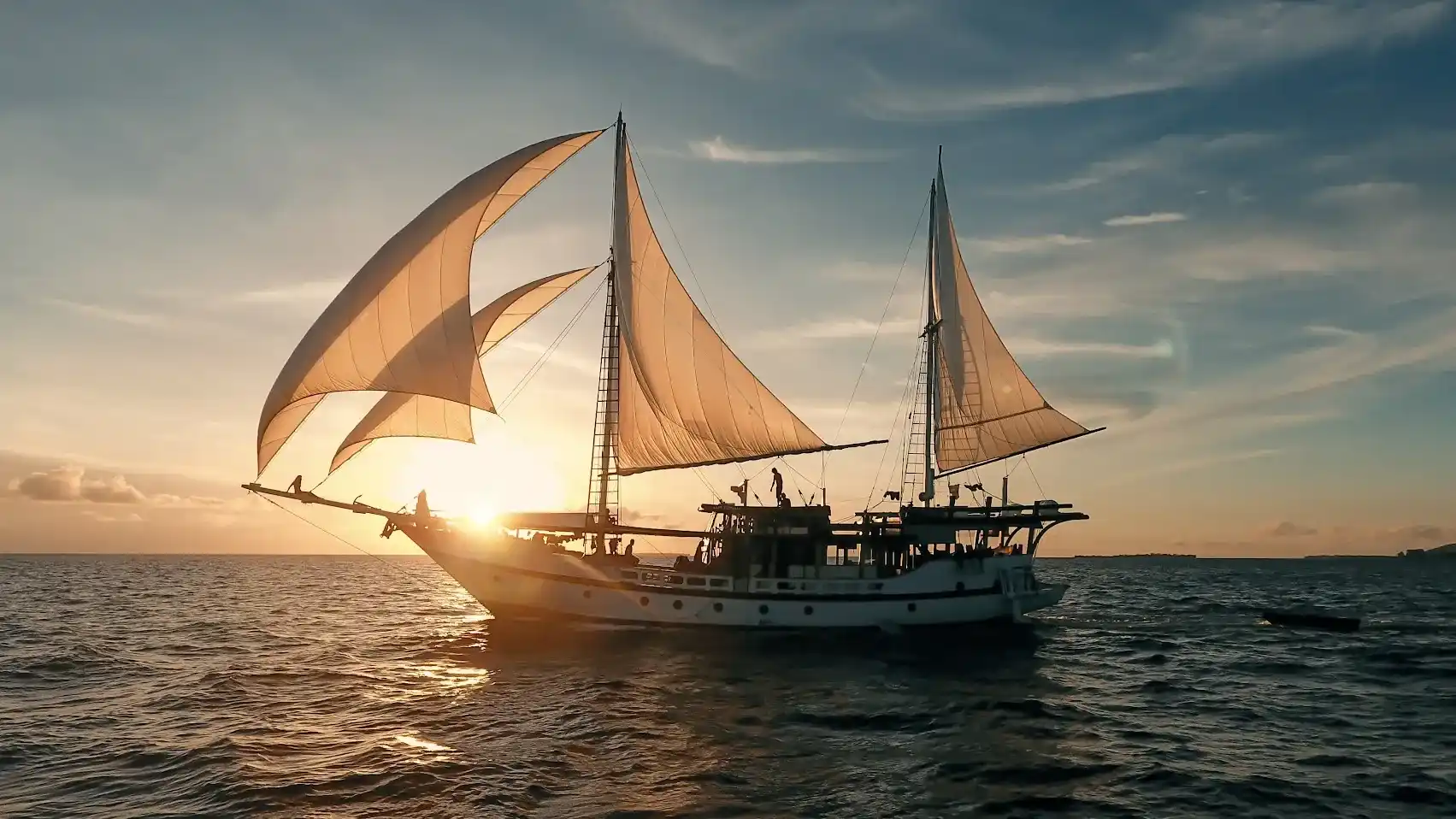
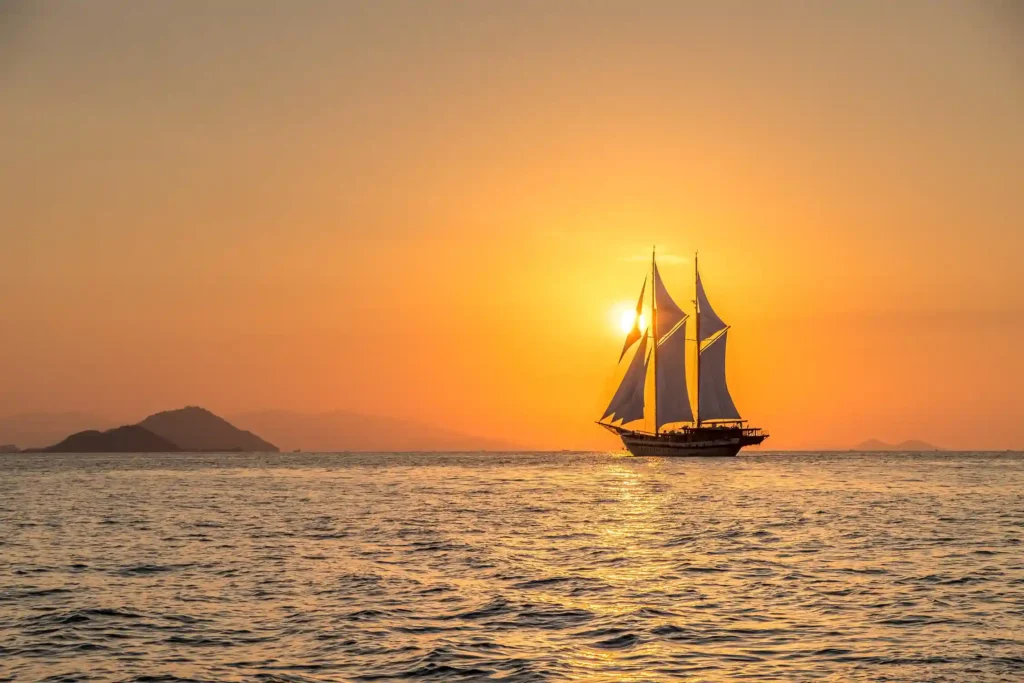
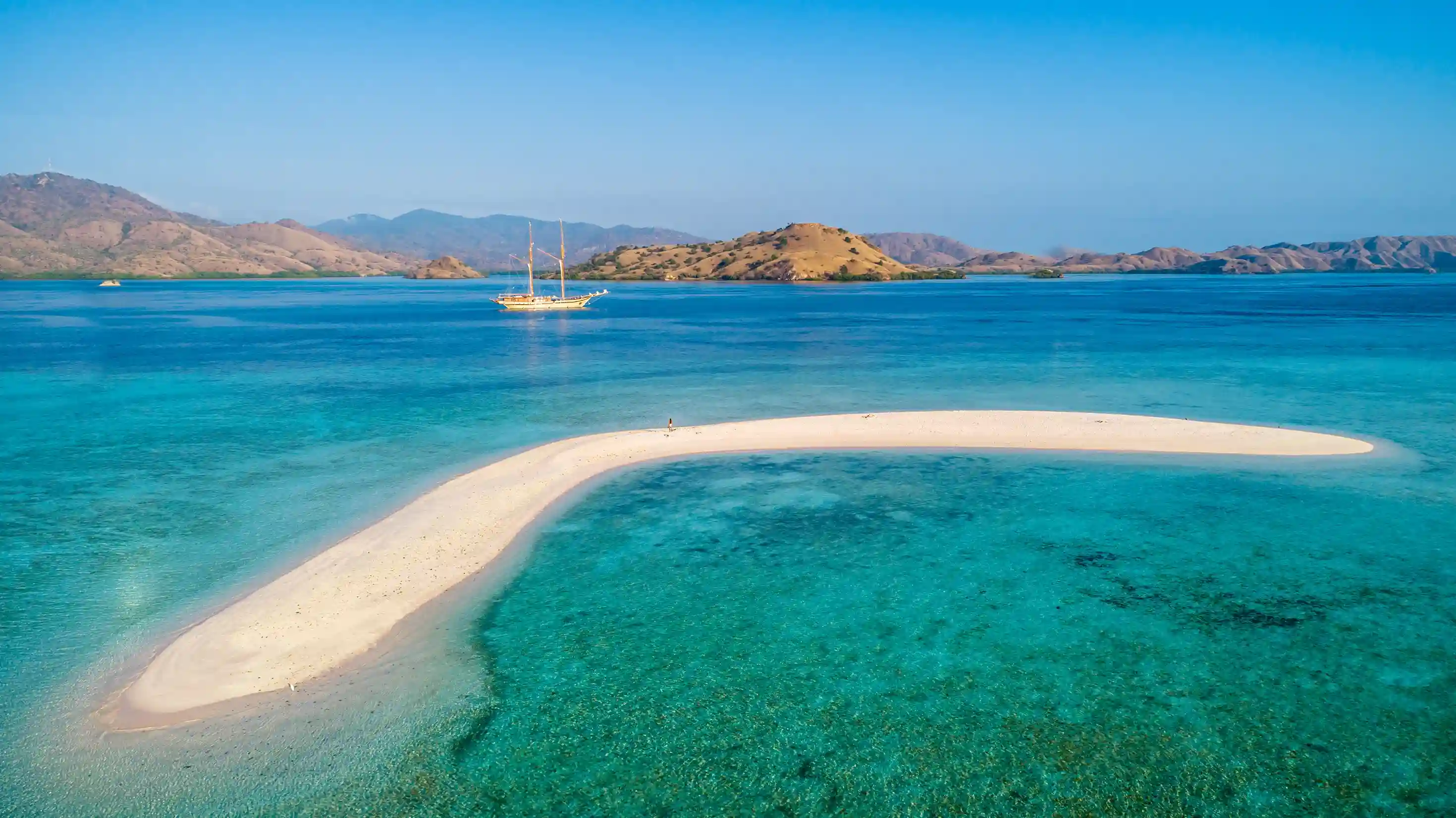
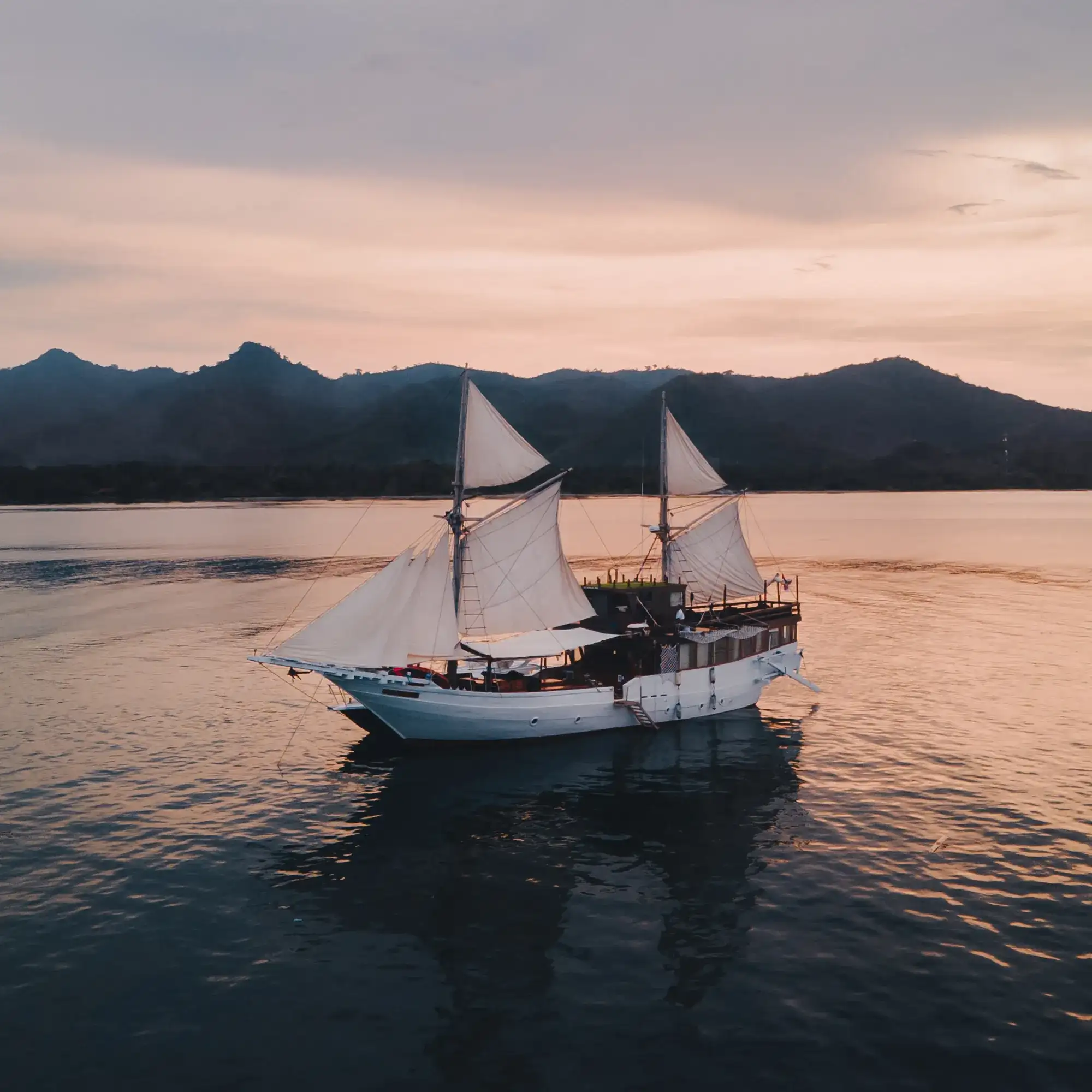
The first thing I noticed wasn’t the sunrise, but the quiet. At 05:30, the diesel was off, and the only sound was water ticking against the hull as we drifted just off Wayag. I stepped barefoot onto the teak deck, handed a warm mug by one of the crew — no formalities, just coffee and a nod. The sky lit up in streaks behind the limestone karsts, their shadows stretching across glassy water so clear I could see coral heads twenty feet down. This wasn’t a postcard; it felt like we’d slipped into someone else’s private archive of the Pacific.
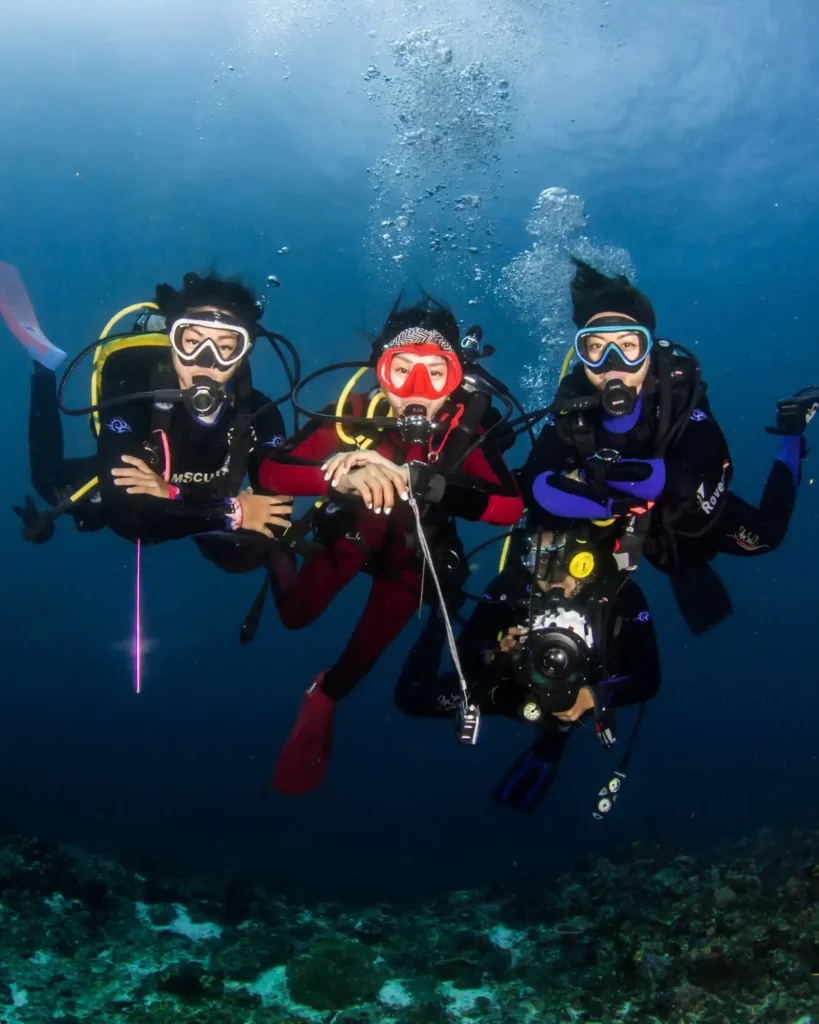
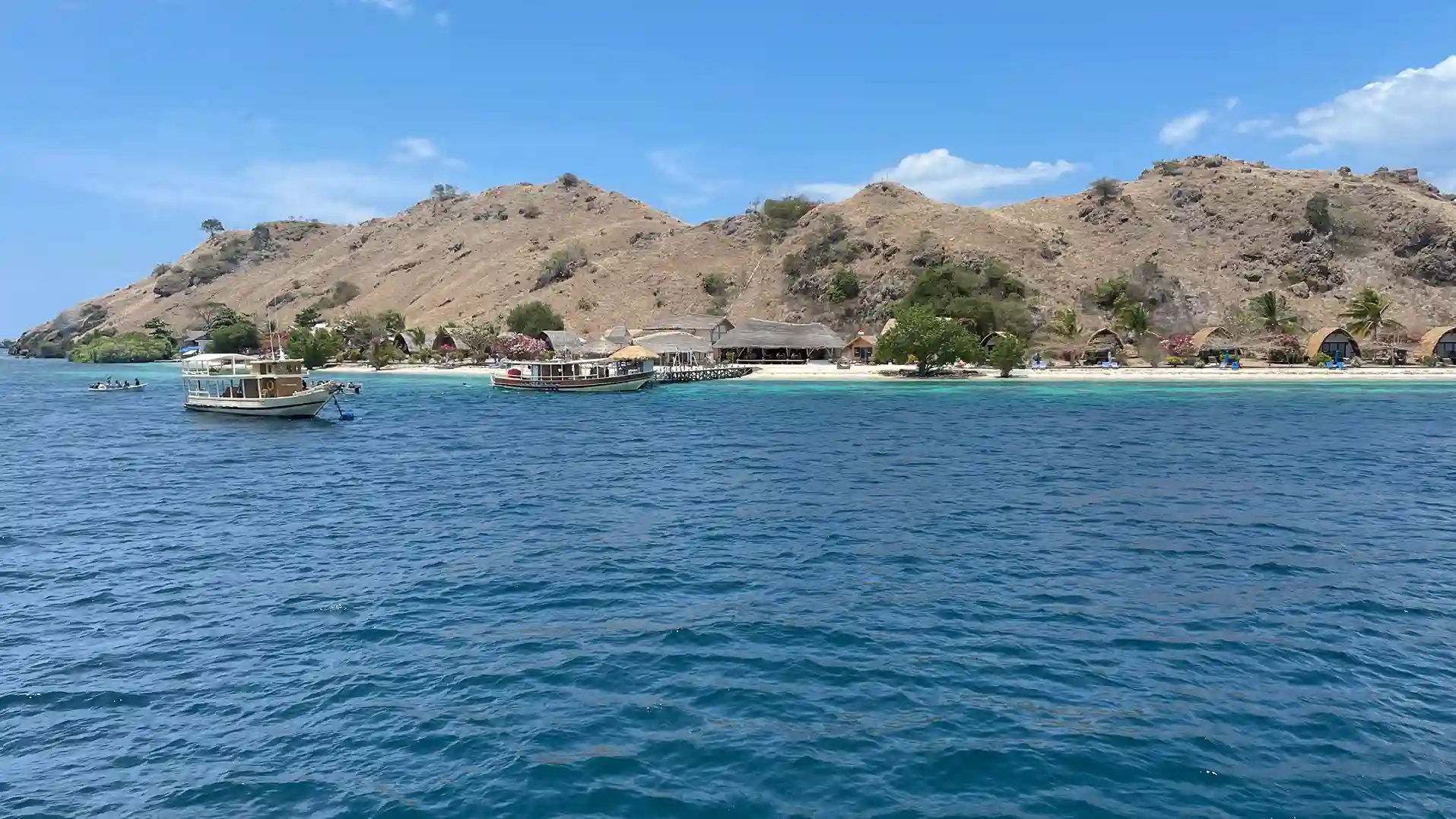
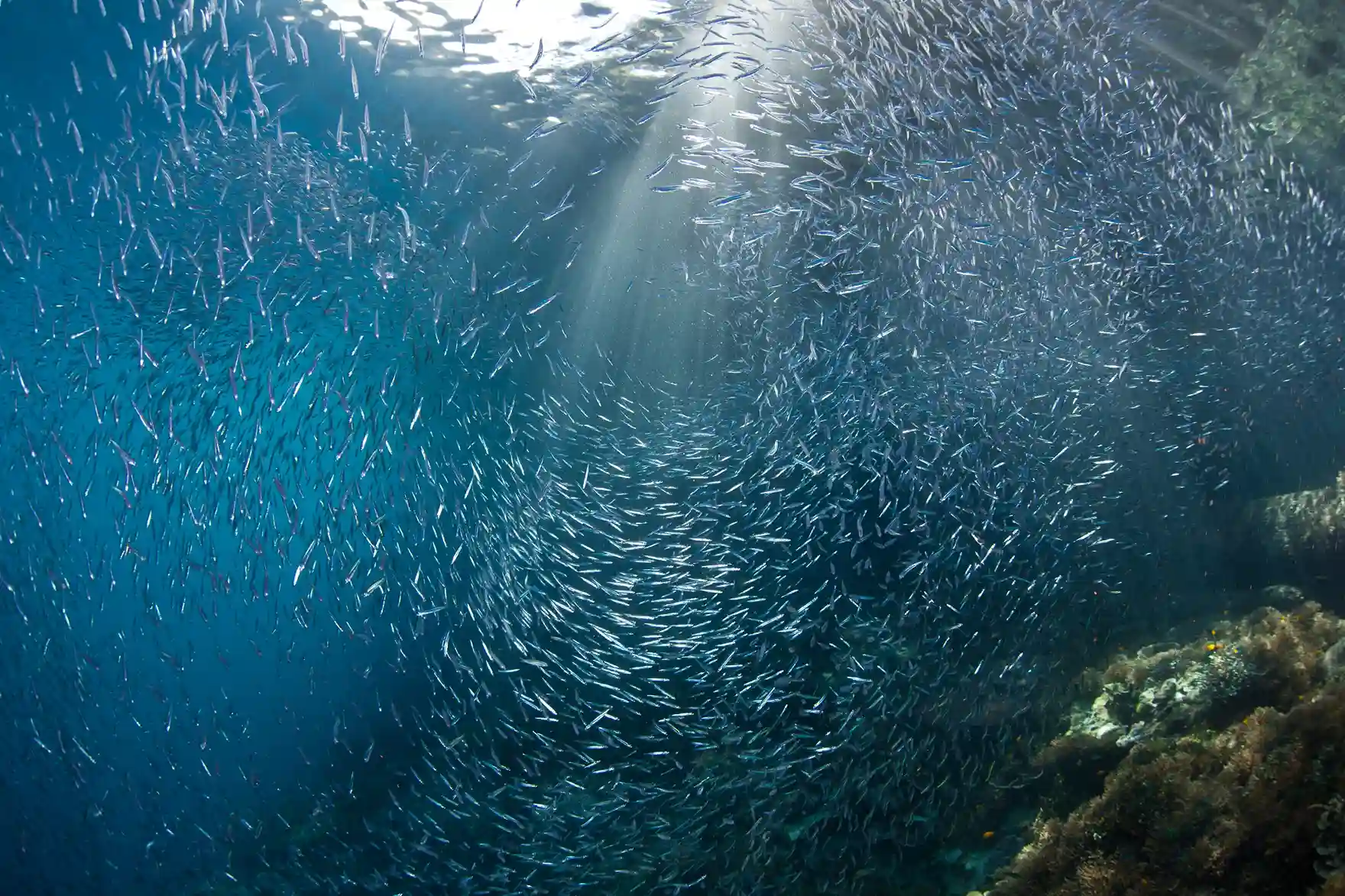
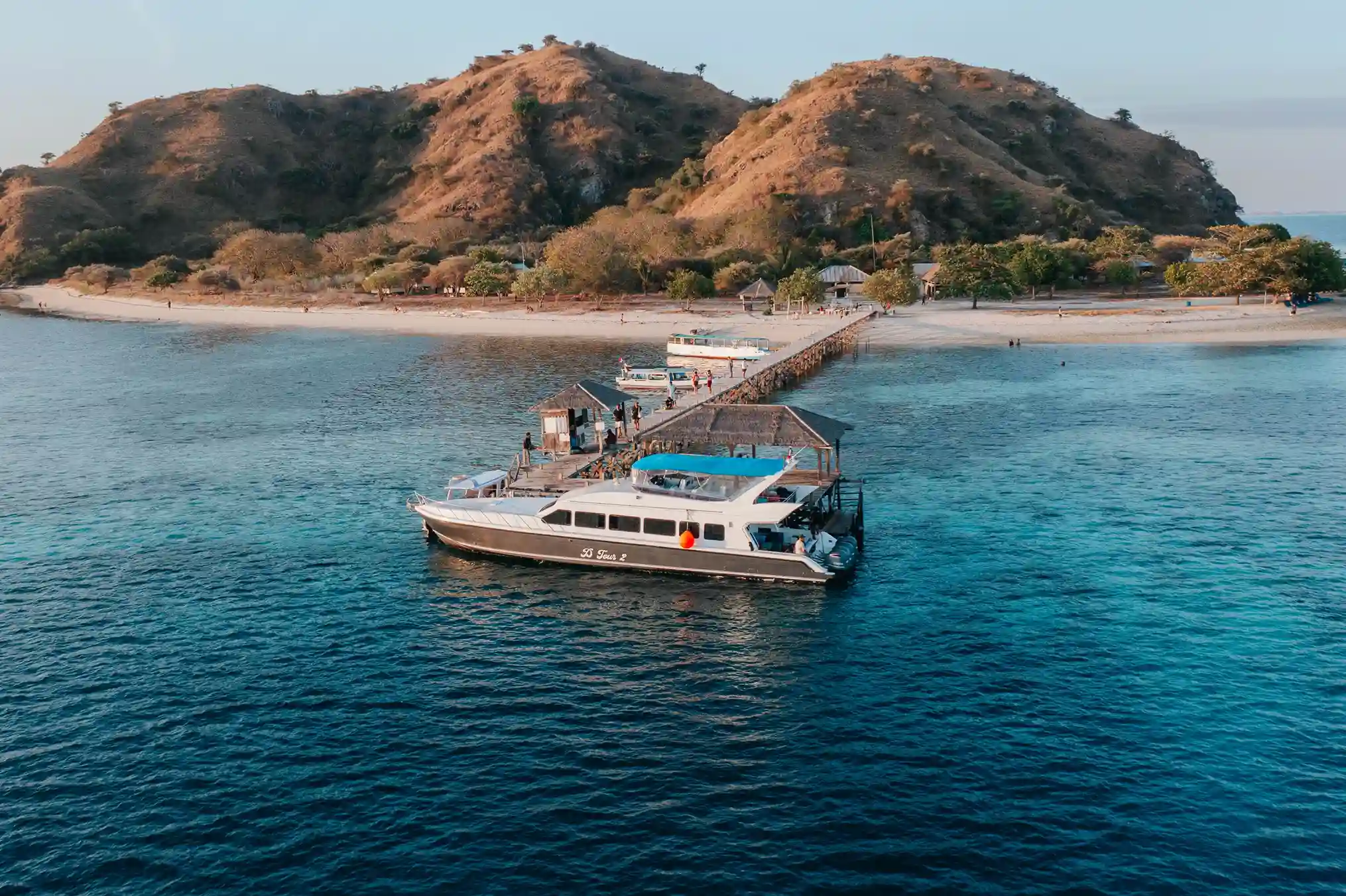
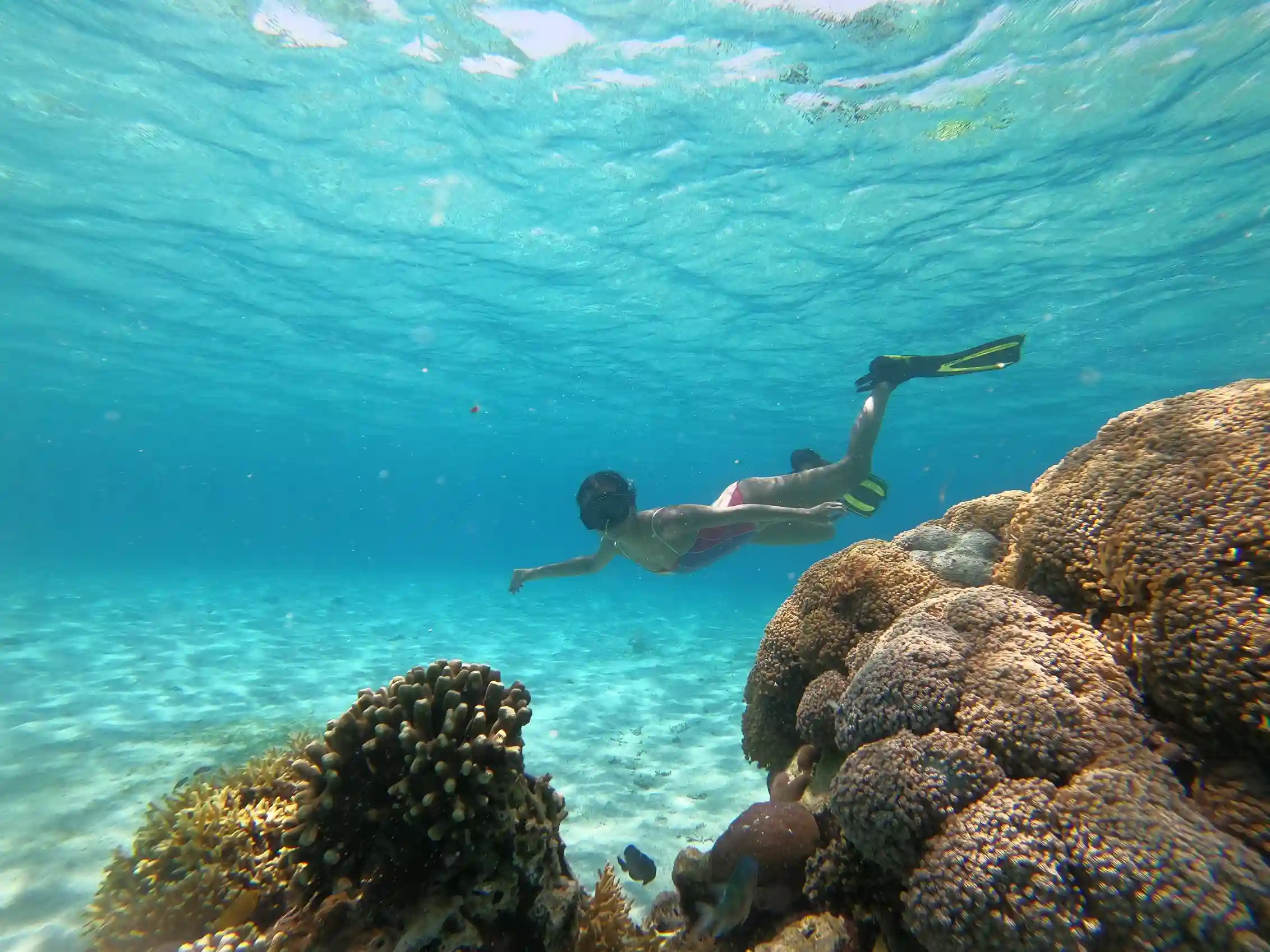
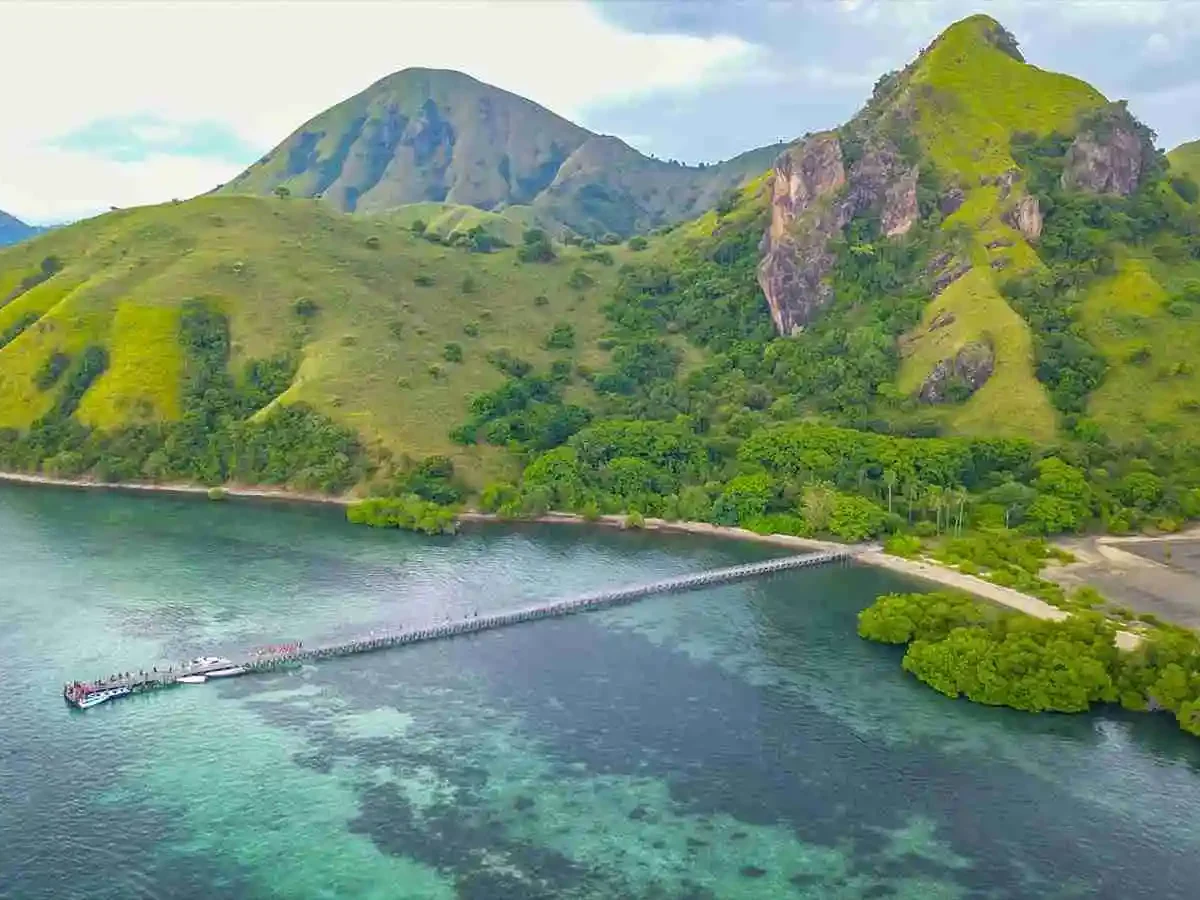
We spent three days moving through Raja Ampat like it was a rhythm, not a checklist. Day one started at Cape Kri, where we dropped into 30 metres of visibility and swam through schools of sweetlips so thick they dimmed the light. The dive deck had everything laid out — Nitrox fills ready, rinse tanks for cameras, even a shaded charging station for housings. Afternoon brought us to Arborek Jetty, where I snorkeled right off the pier and found pygmy seahorses curled in red pipe sponges. Teman’s tender shuttled us ashore for a quick jungle walk, then back before dusk painted the mangroves in gold.
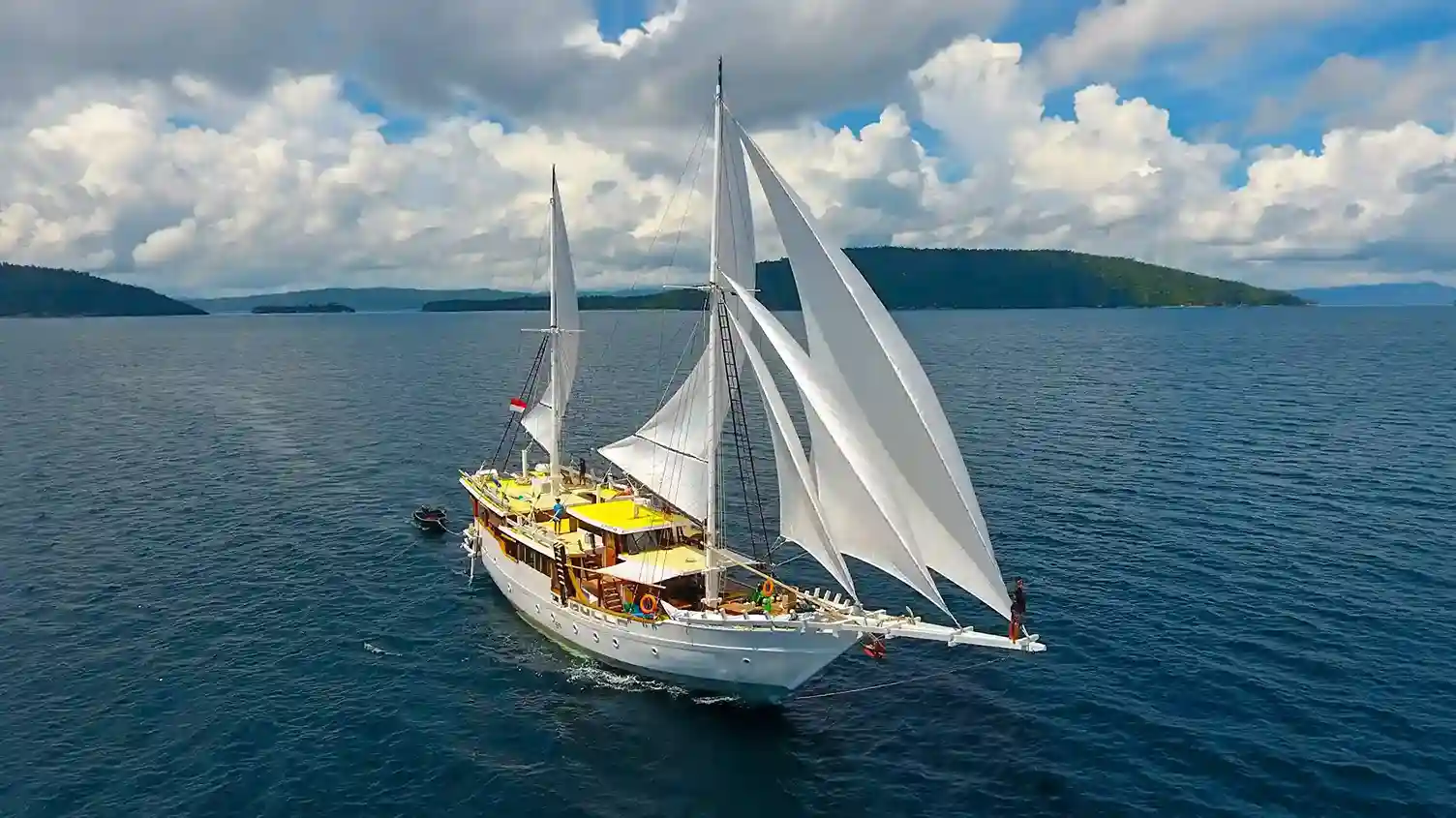
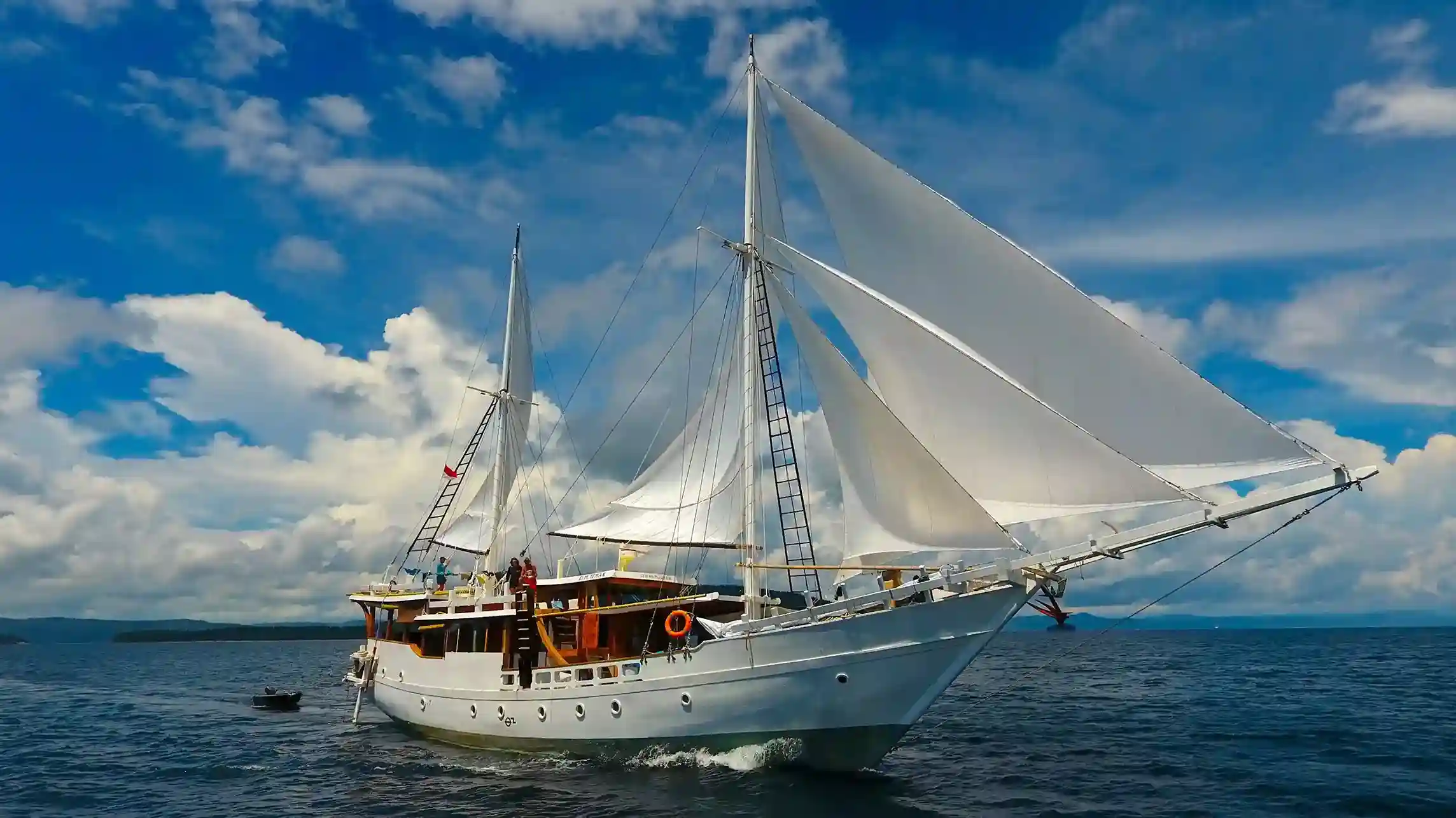
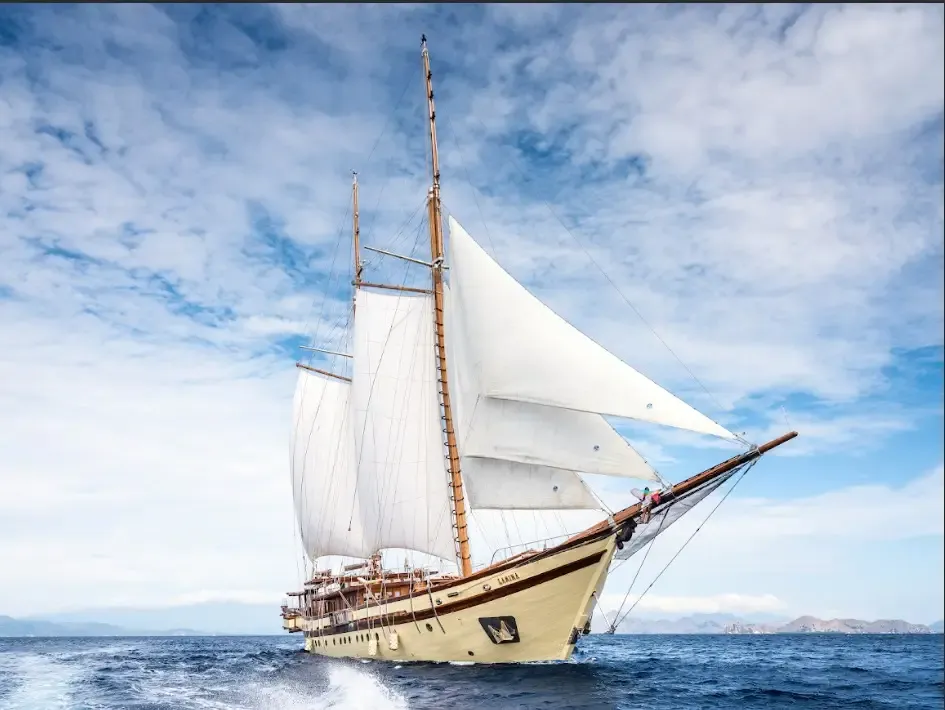
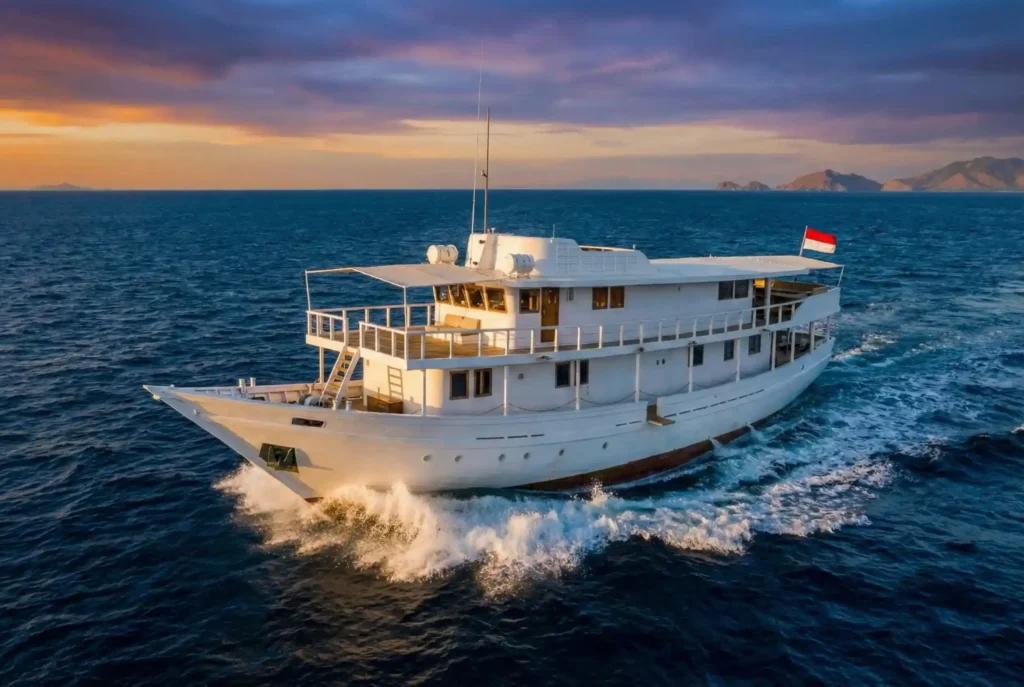
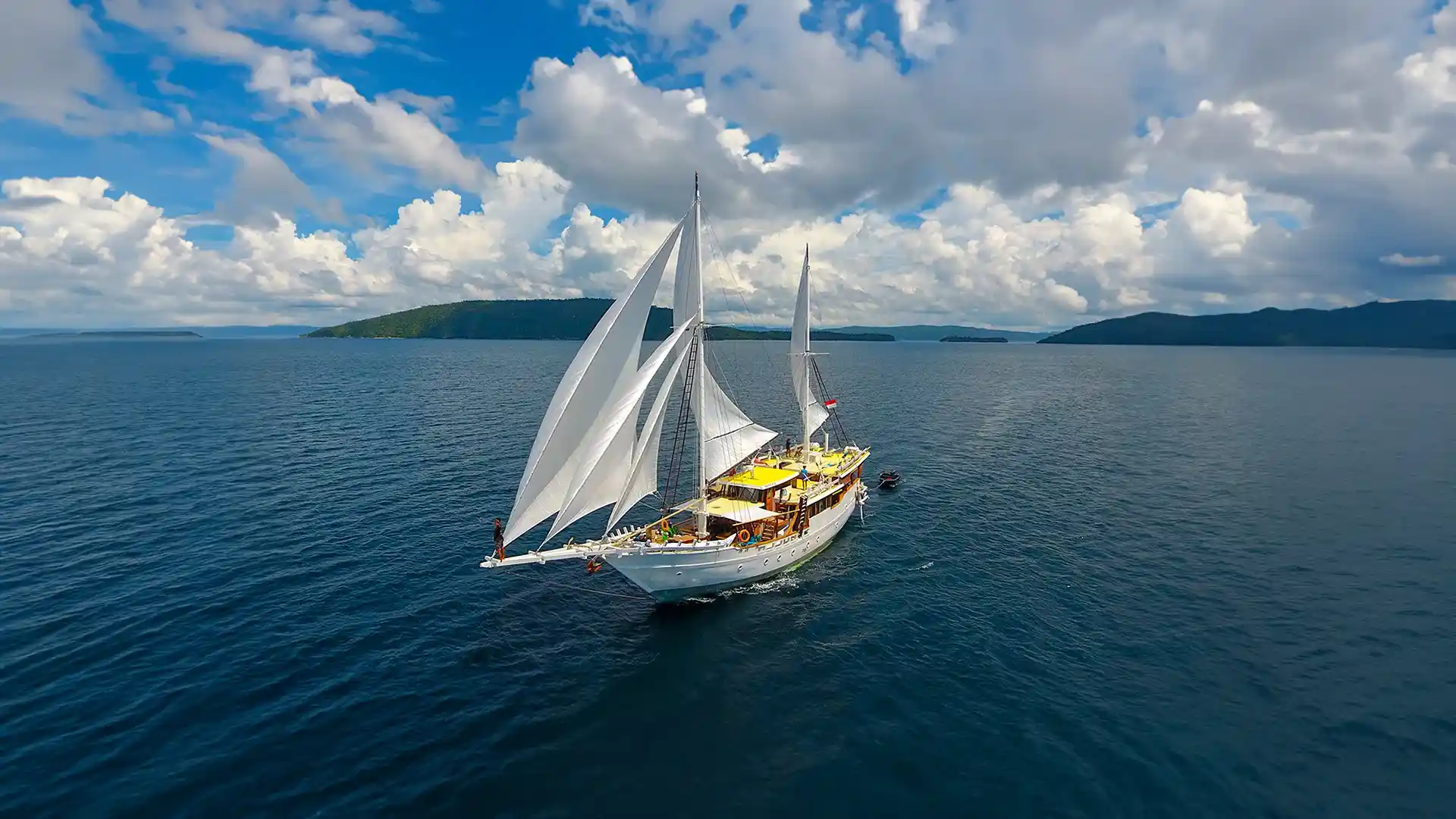
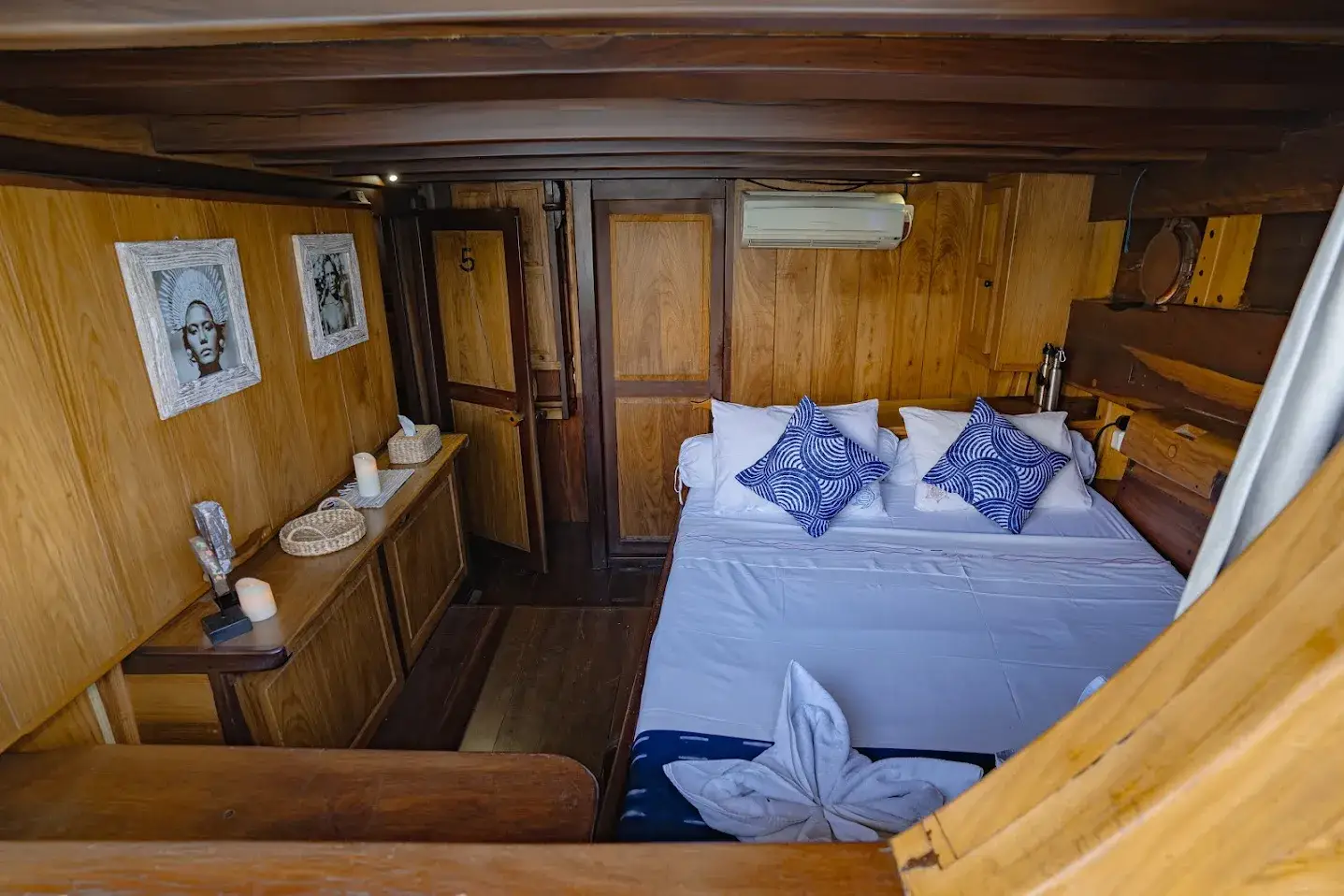
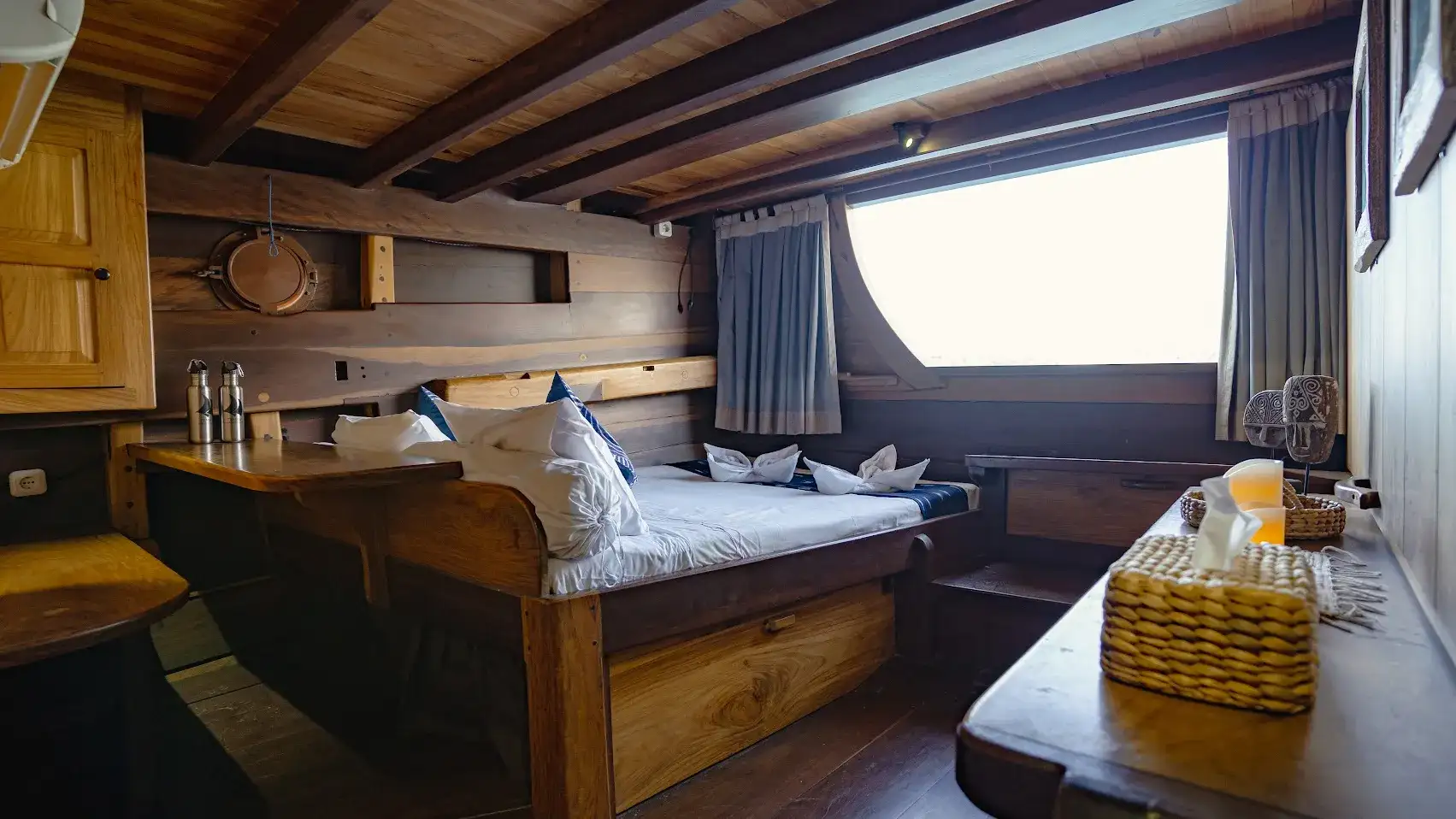
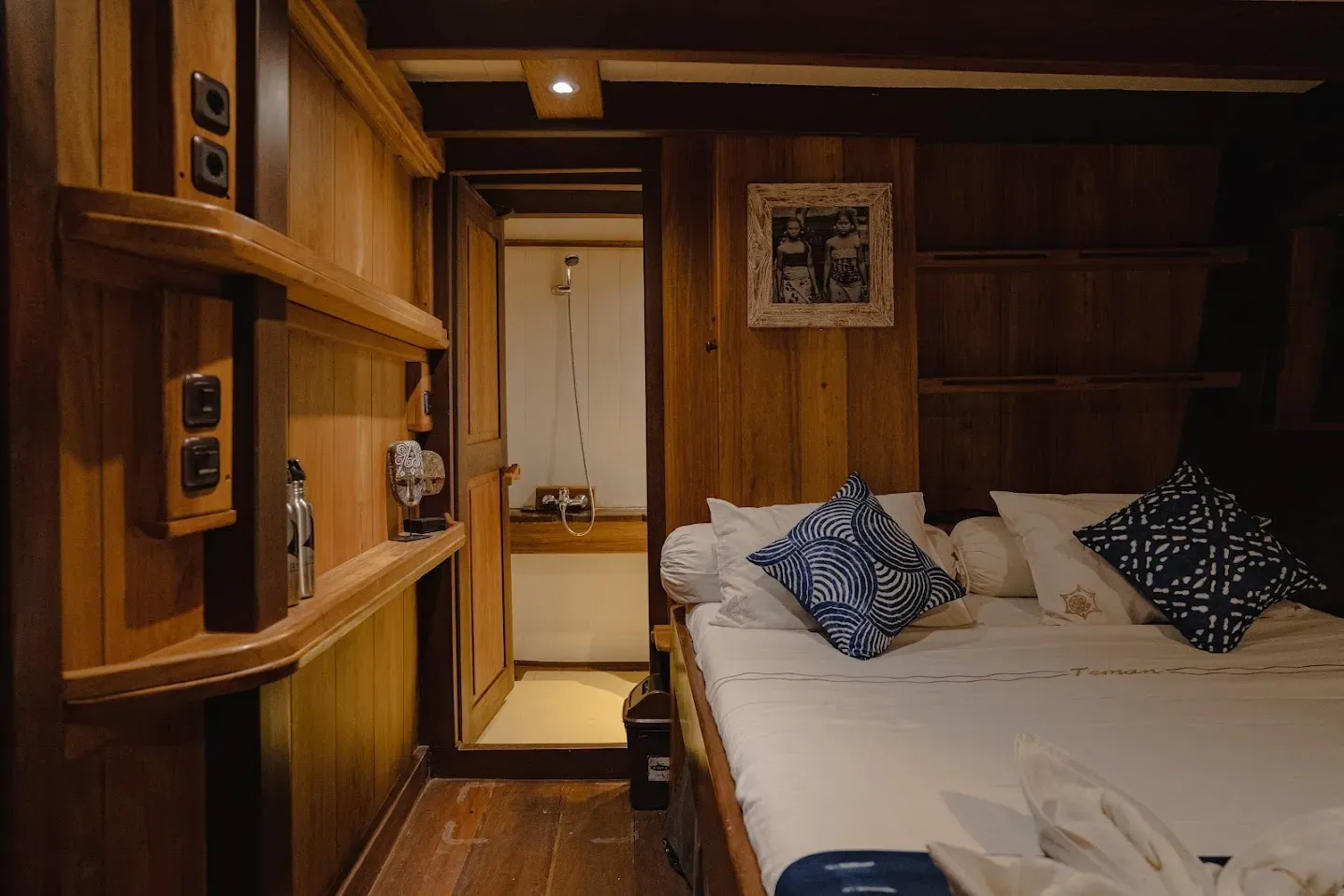
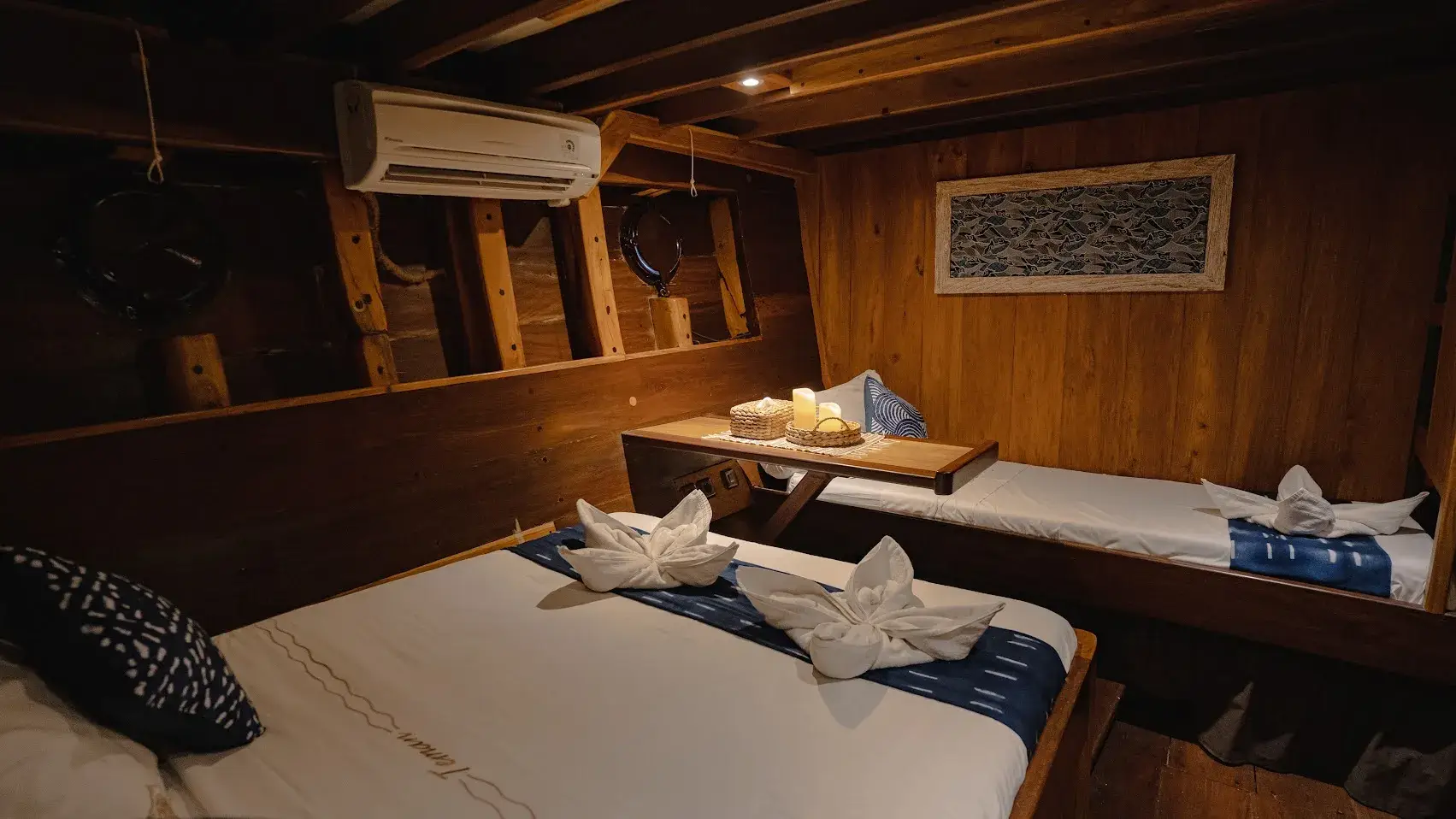
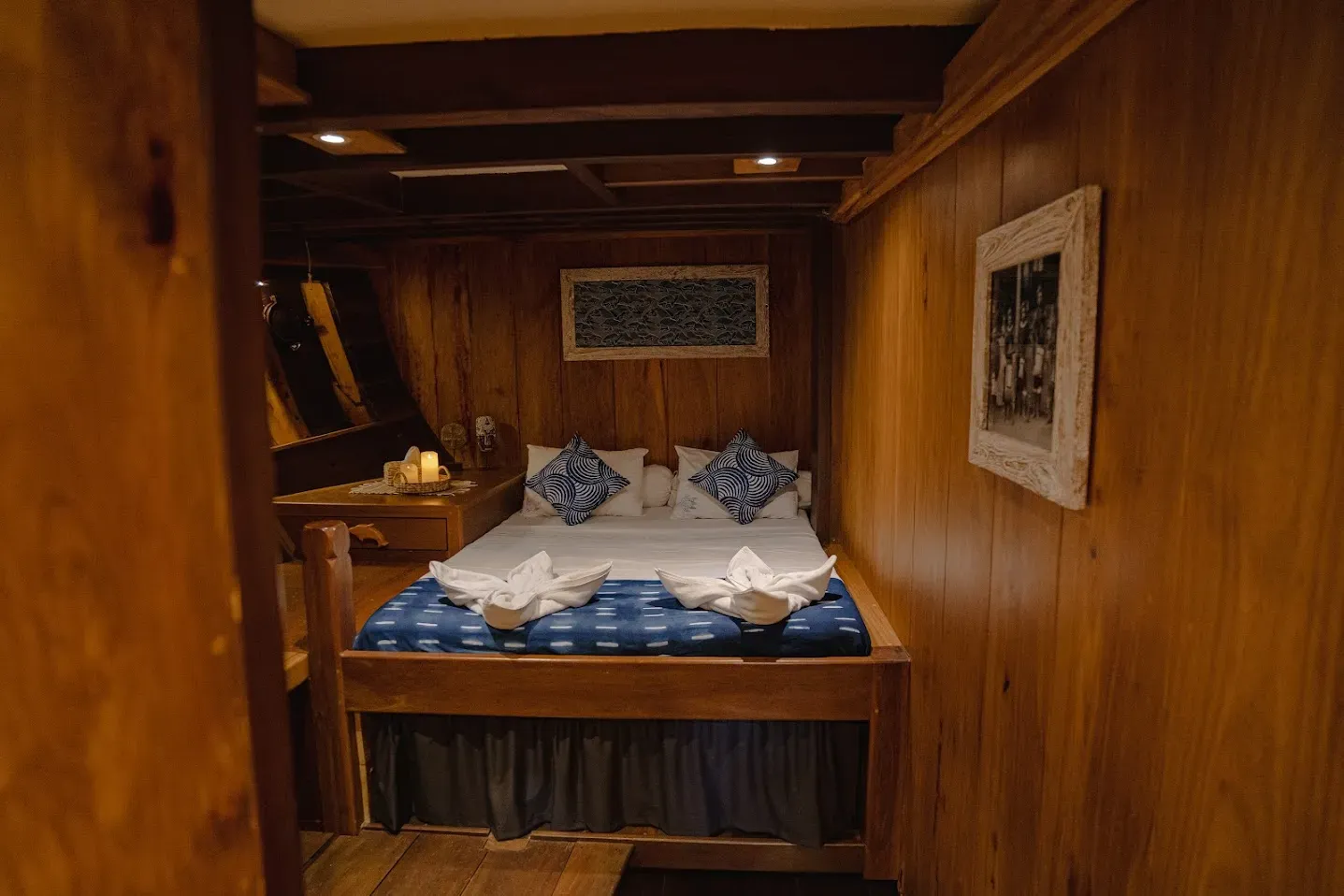
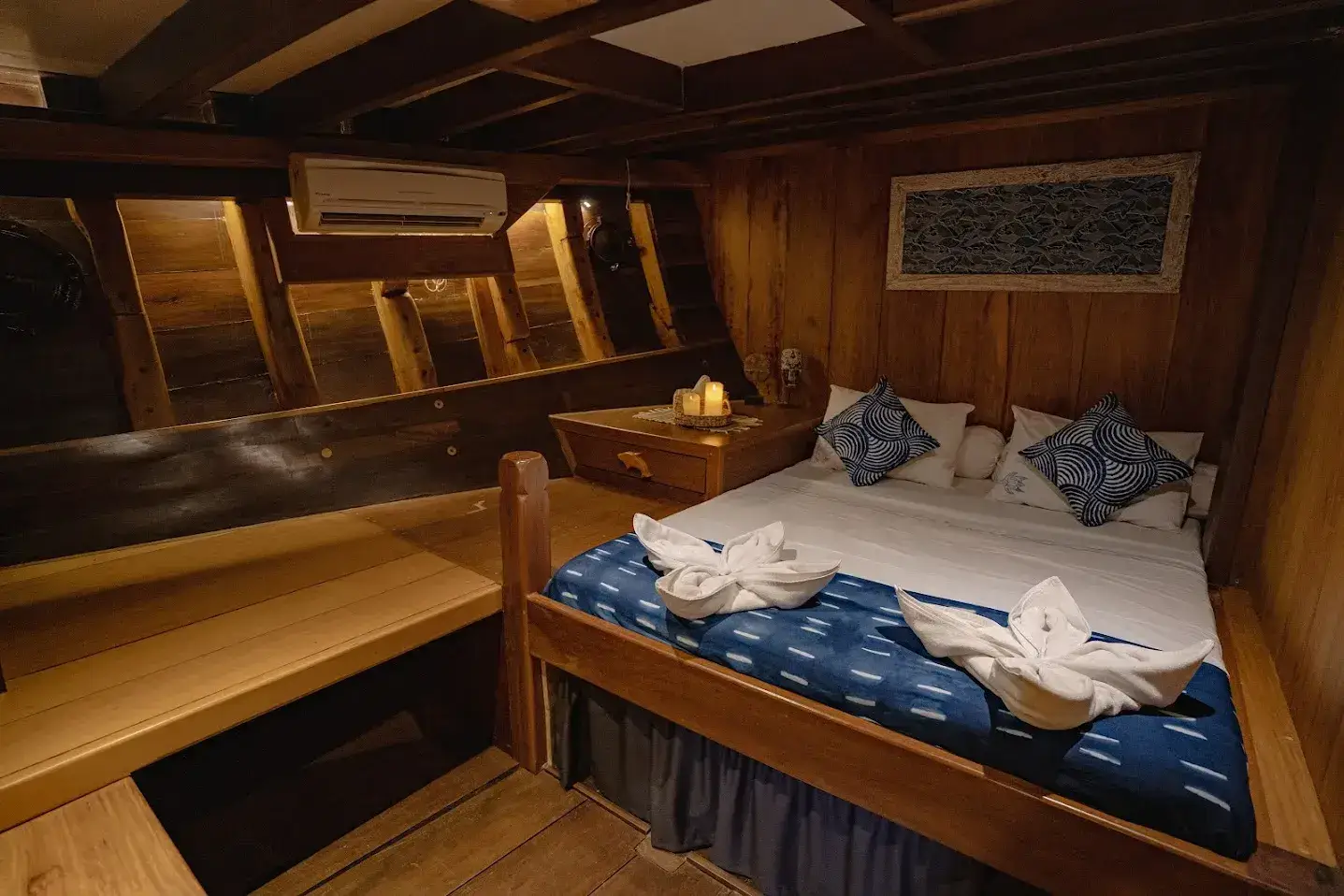
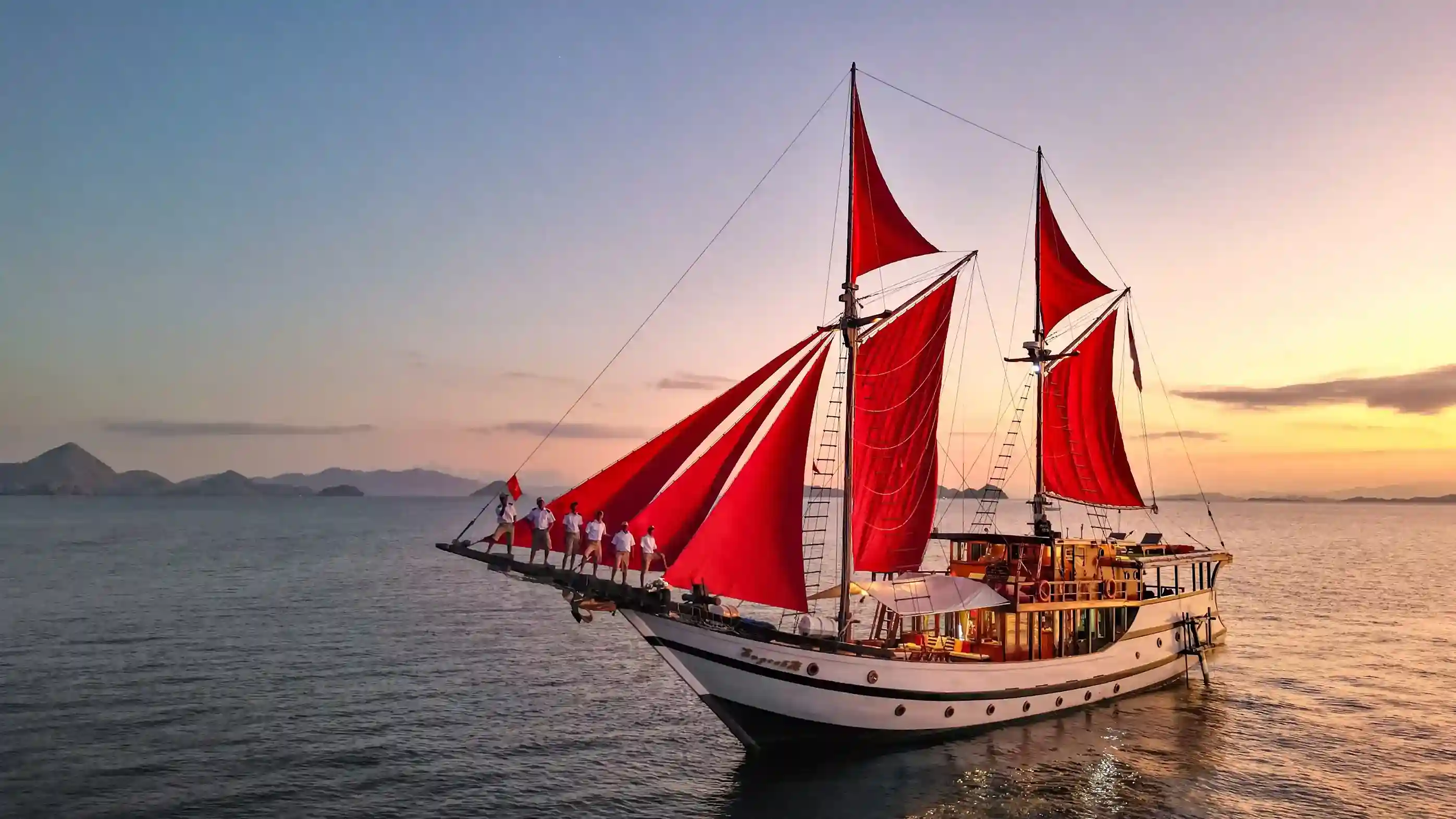
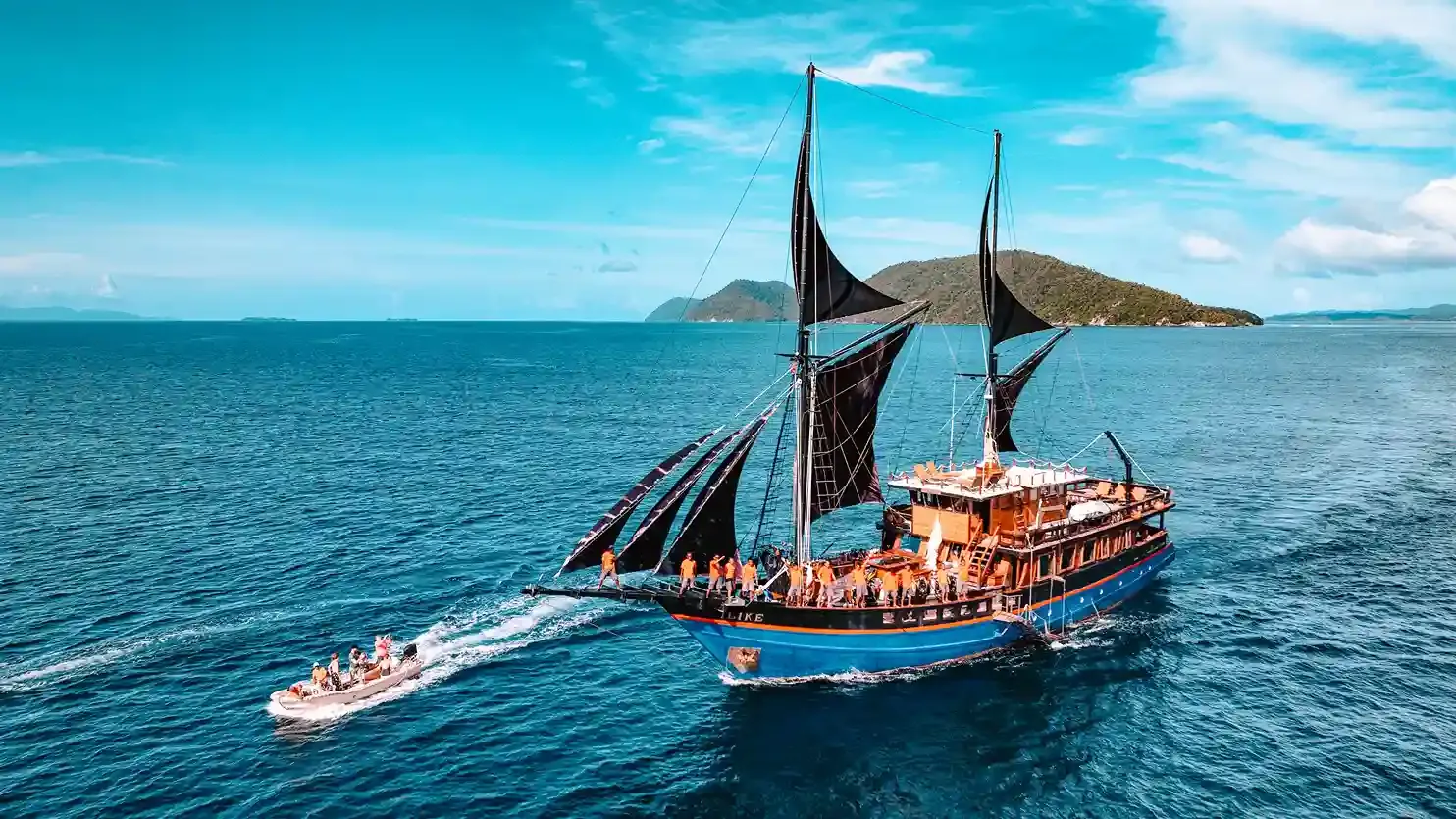
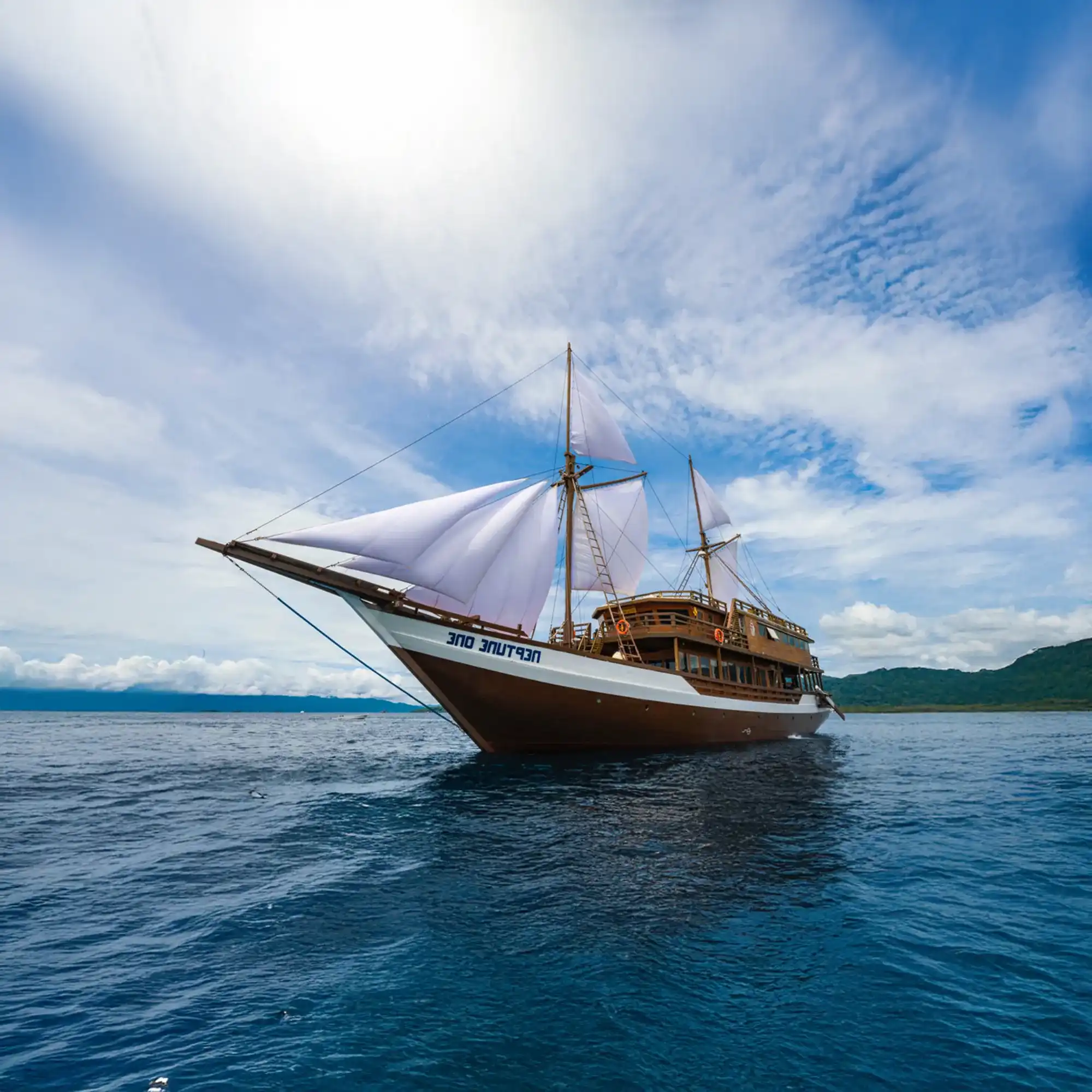
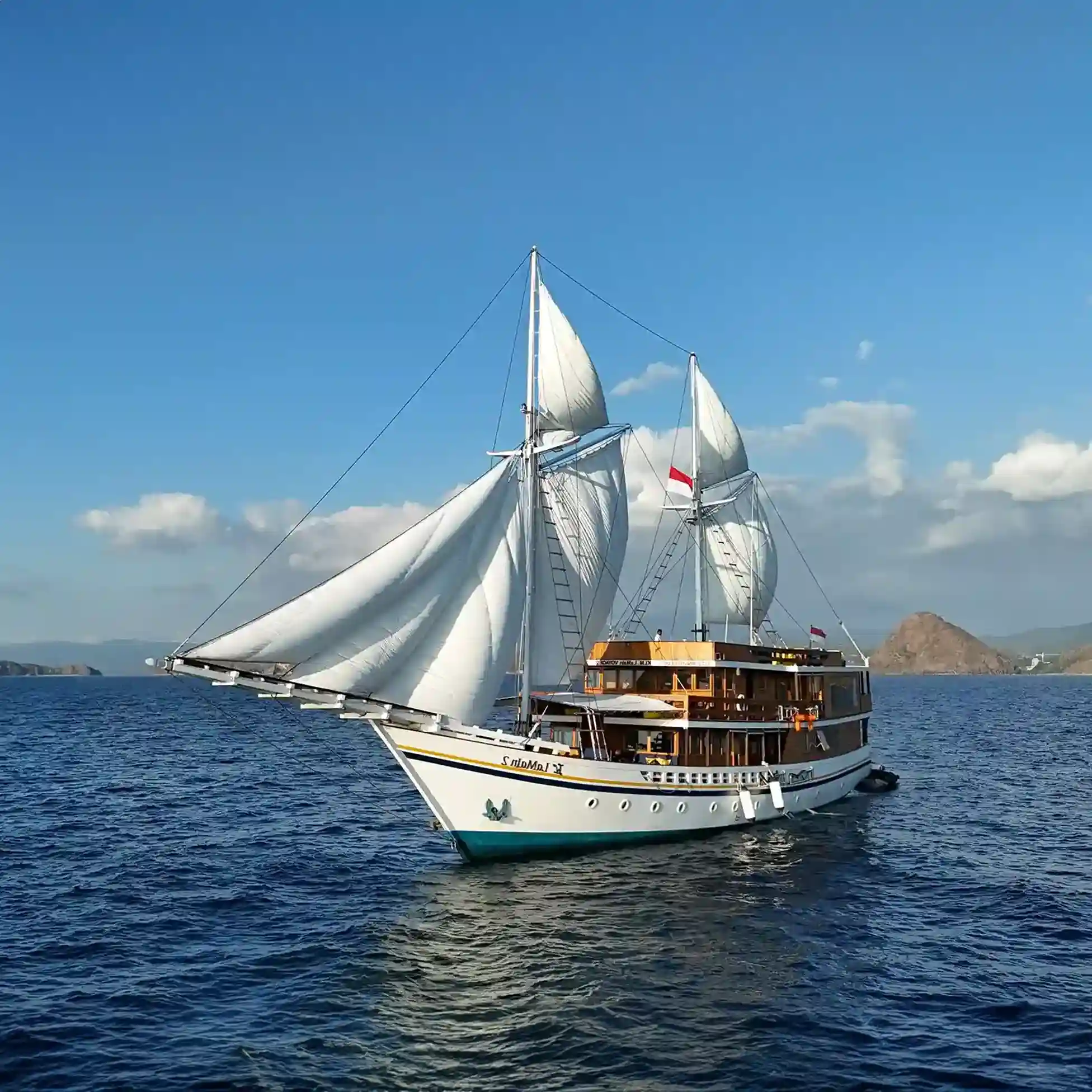
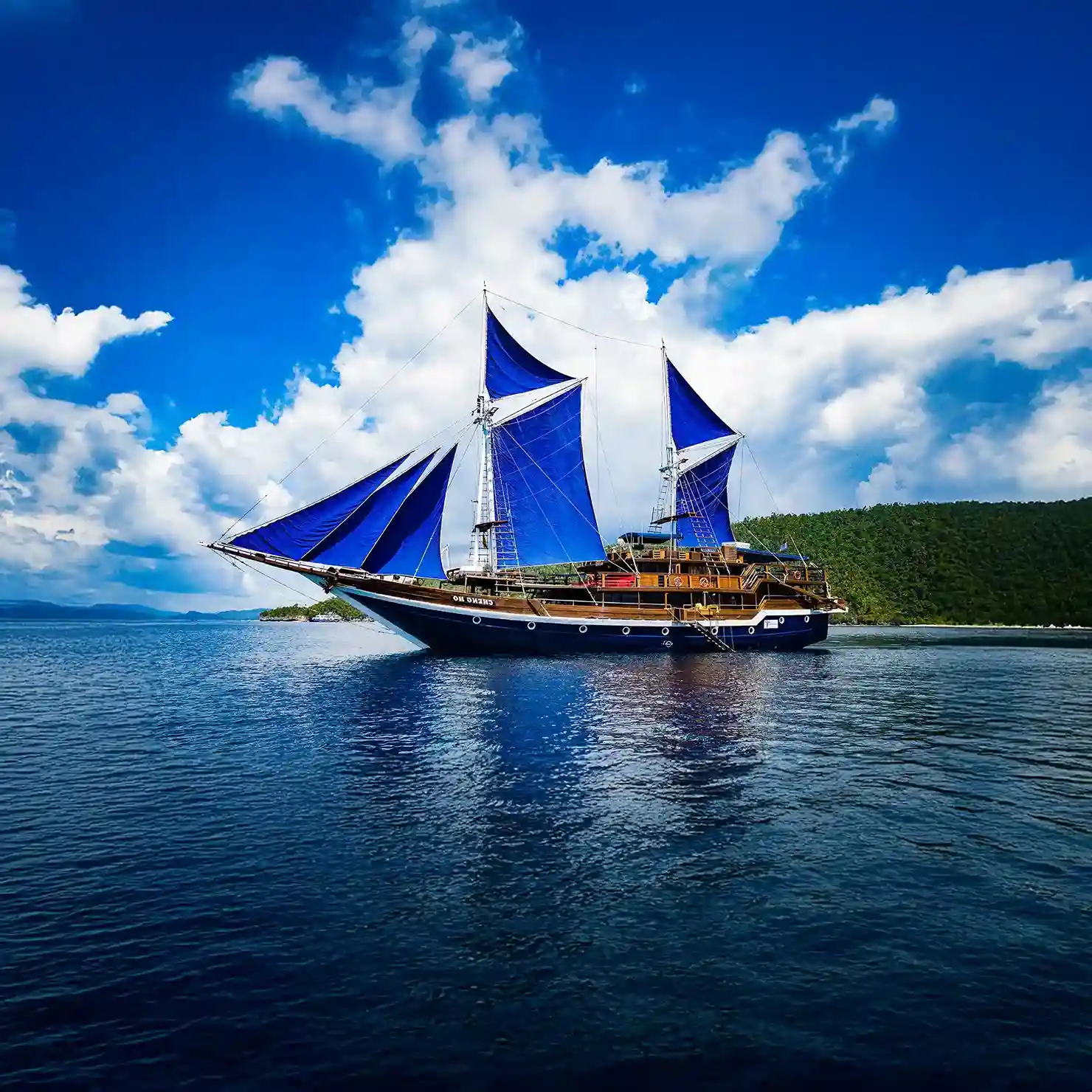
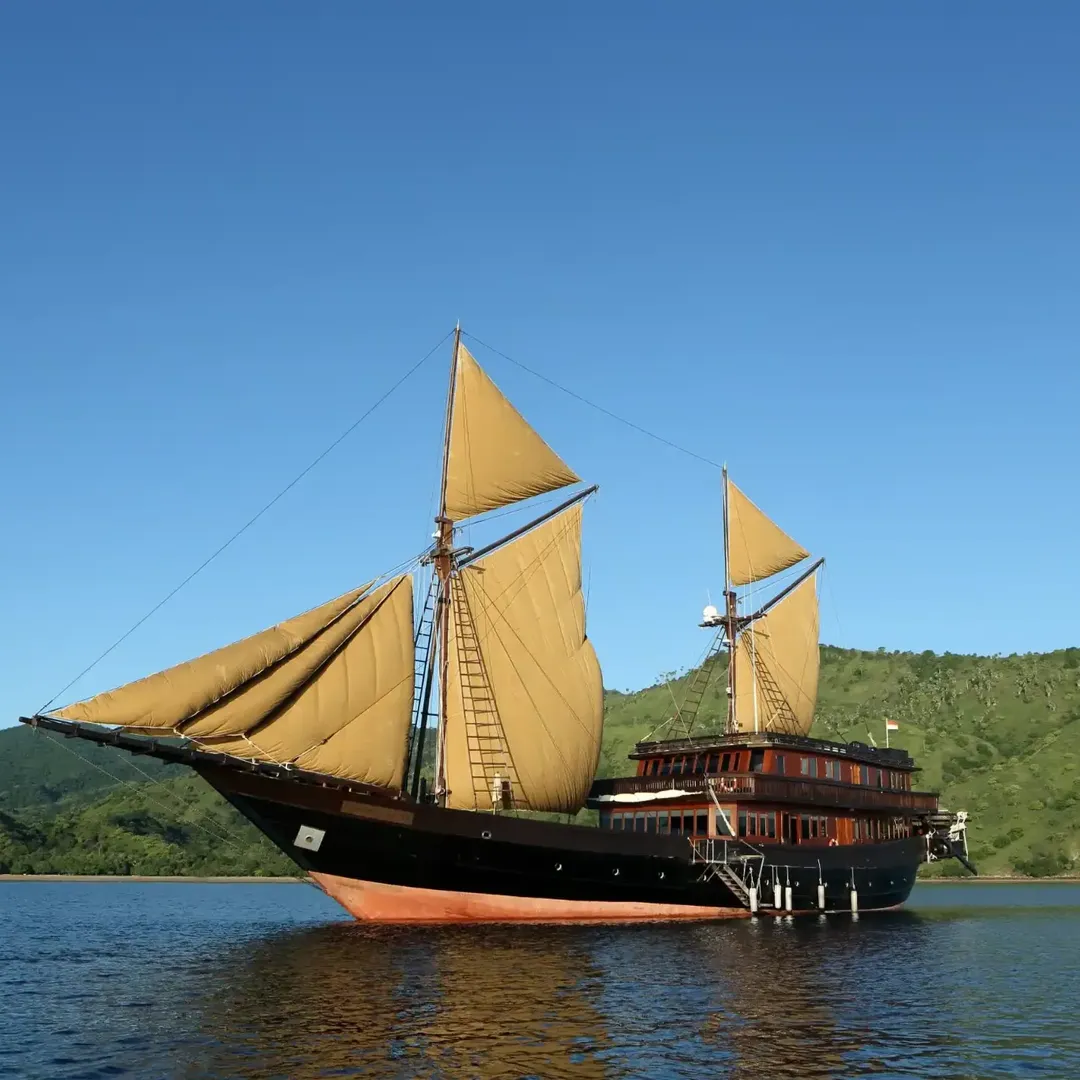
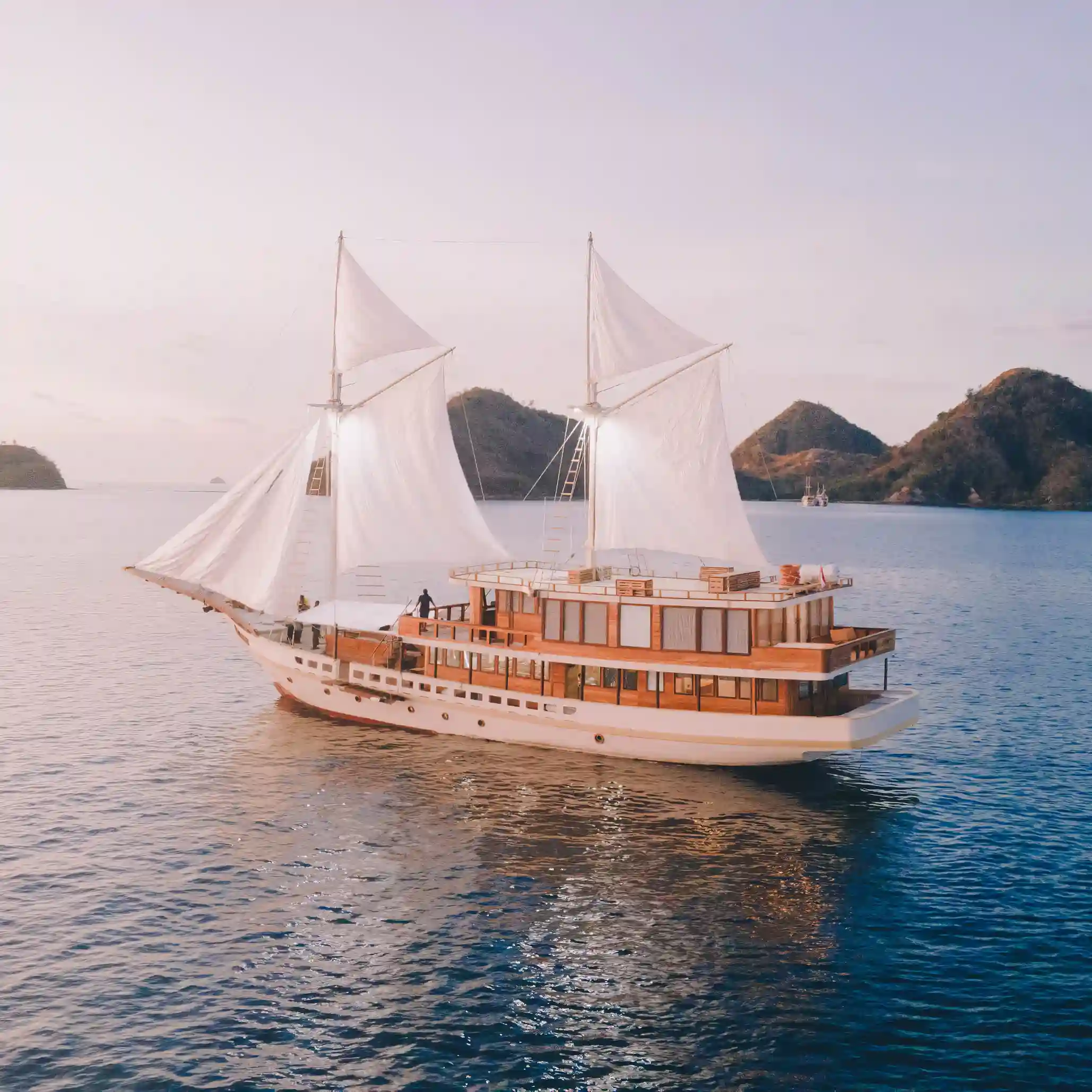
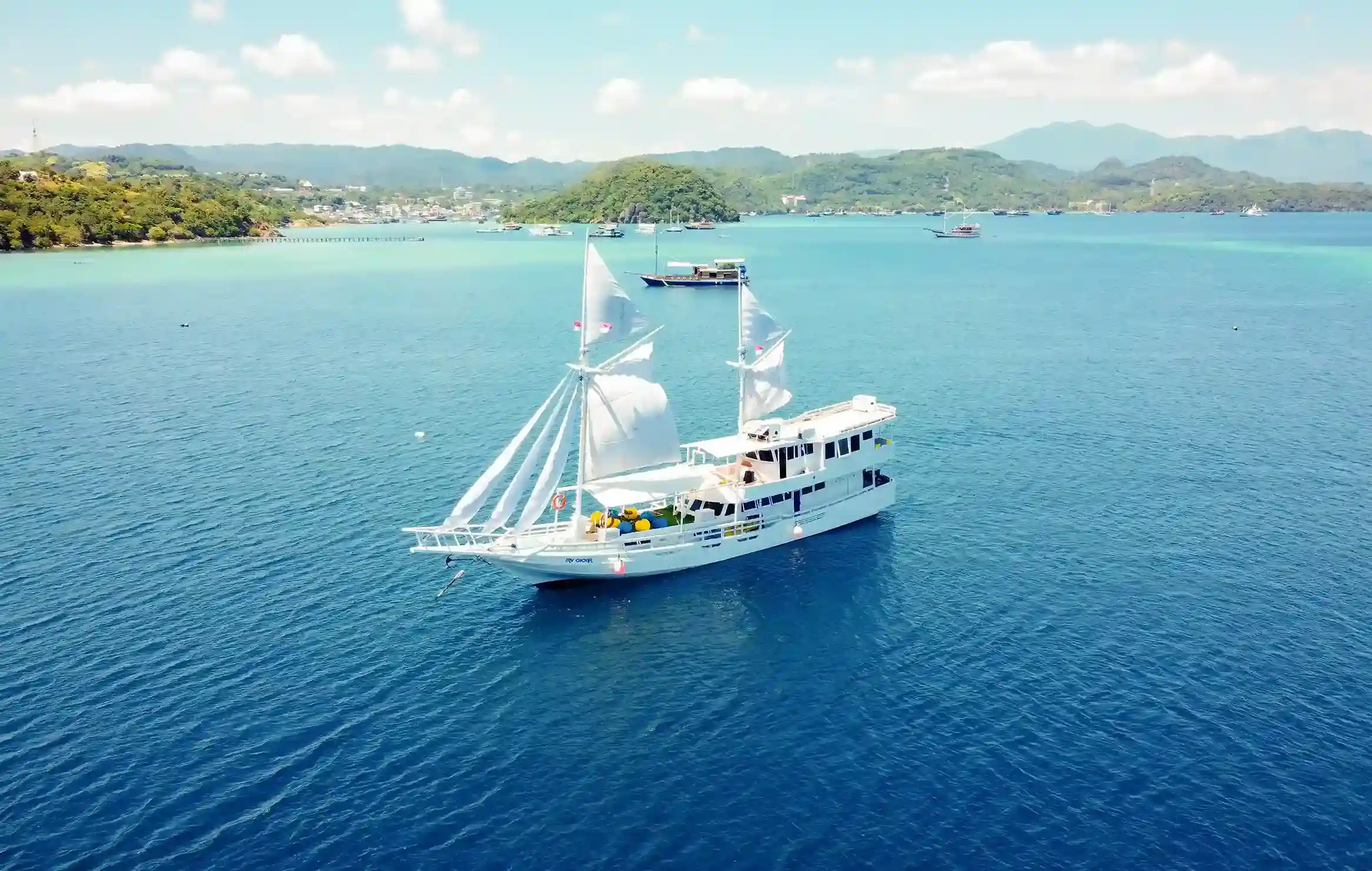
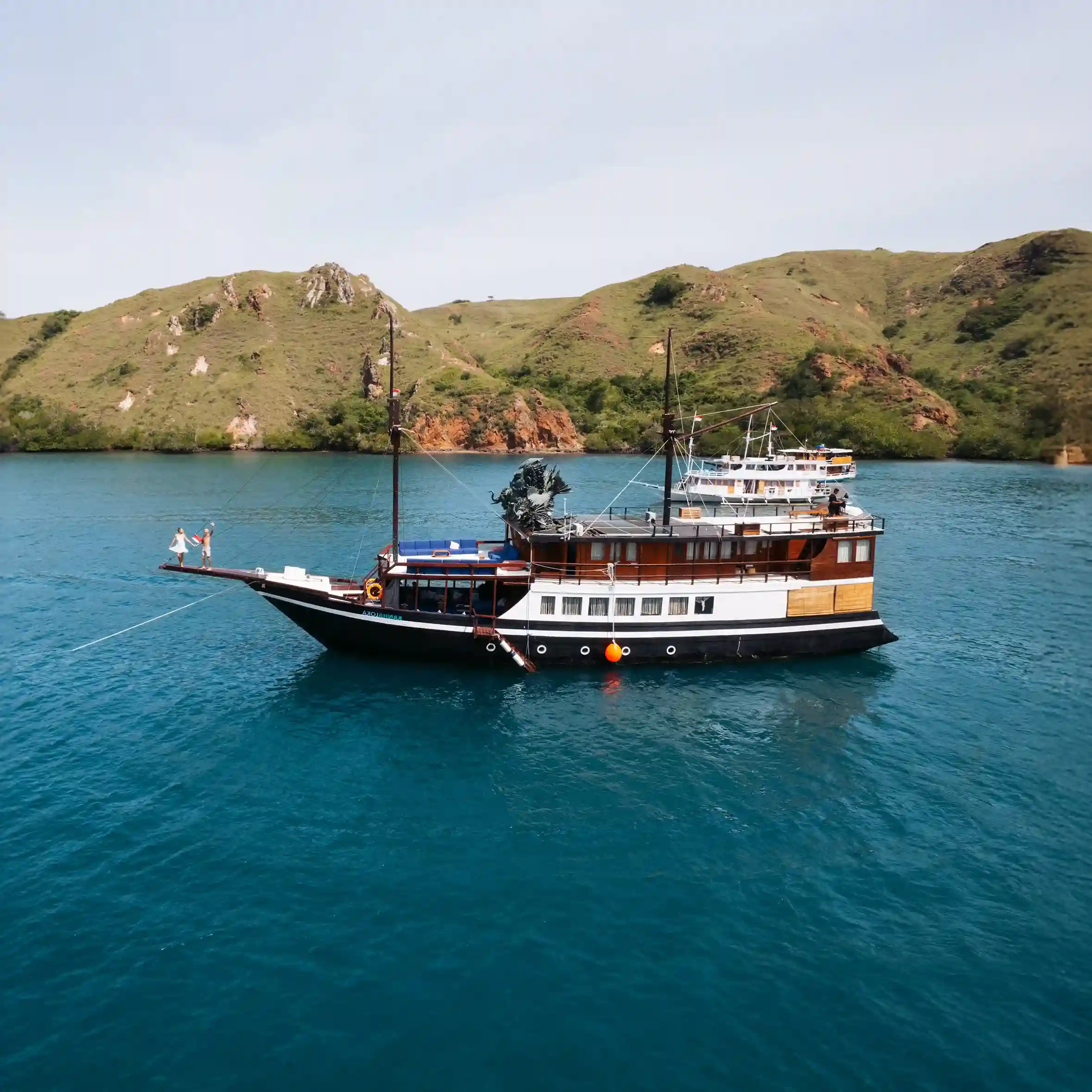
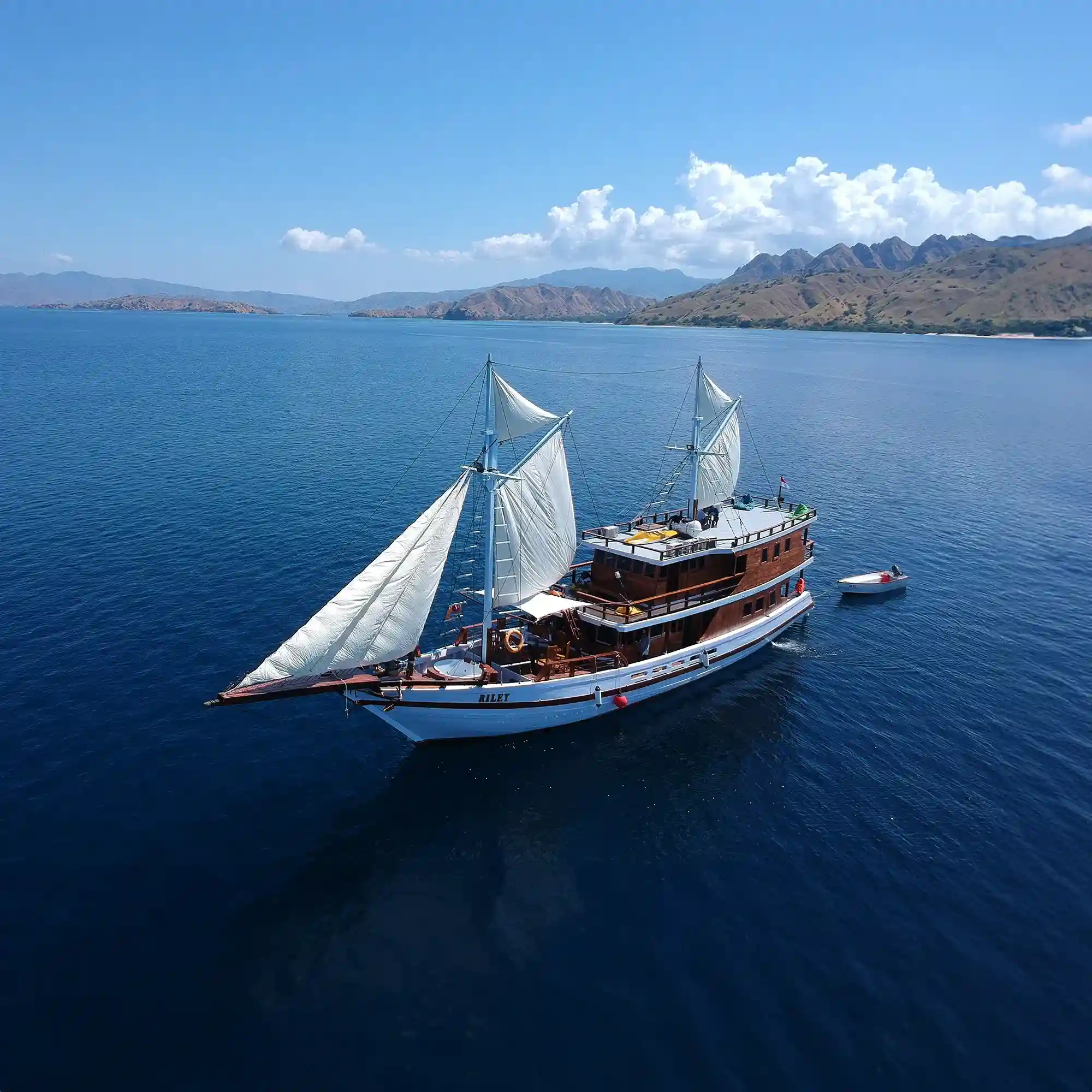
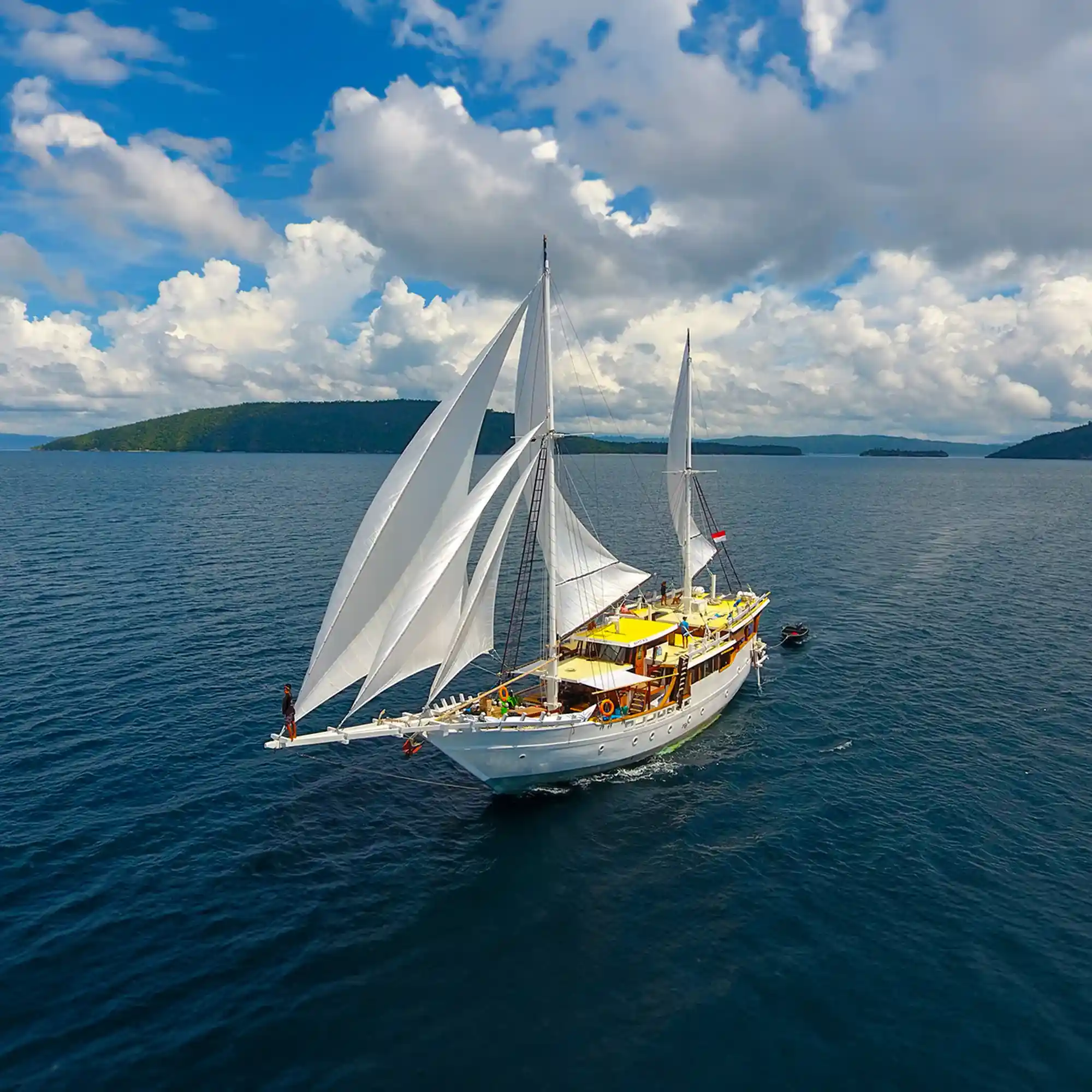
Teman’s layout surprised me. For a 36-metre phinisi, it only has one guest cabin — which meant we had it entirely to ourselves. That kind of space is rare. The cabin ran the full beam of the boat, with twin portholes facing both sides, a queen bed with crisp cotton, and a private ensuite with real water pressure — not the trickle you sometimes get on liveaboards. There was even a writing desk with local maps marked with dive site names we hadn’t heard of, like Sardine Reef and Boo Windows.
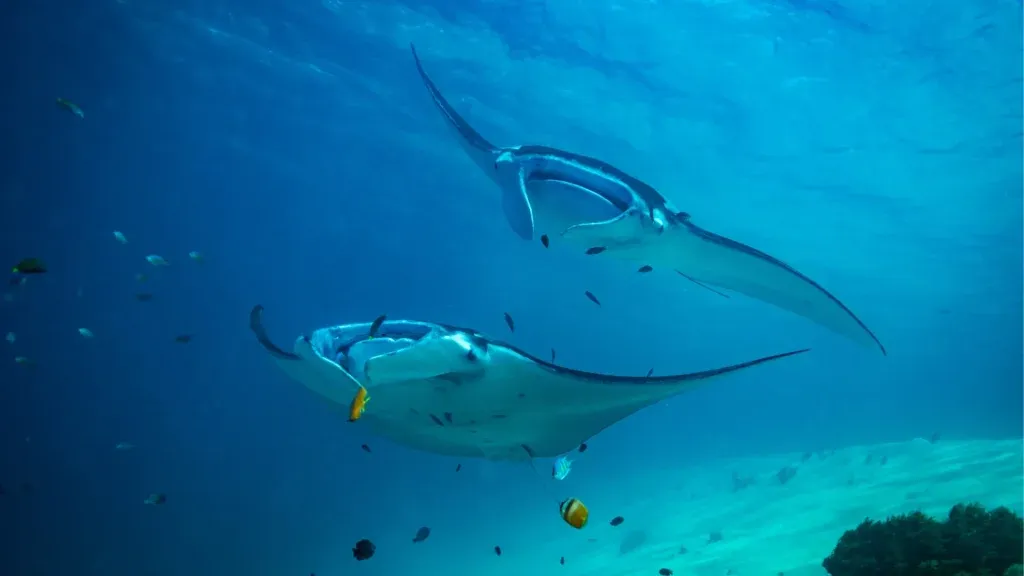
Day two took us deep into the Dampier Strait. We dived at 07:00 at Melissa’s Garden, where soft corals bloom like underwater fireworks. I stayed down for 70 minutes on Nitrox, and the crew monitored us from the surface with quiet precision. By midday, we were drifting along Manta Sandy — not just seeing mantas, but being circled by them, one passing so close I felt the whoosh of its wing. Lunch was grilled mahi-mahi with sambal and fresh papaya, served on deck while we watched a saltwater crocodile slide off a muddy bank in the distance.
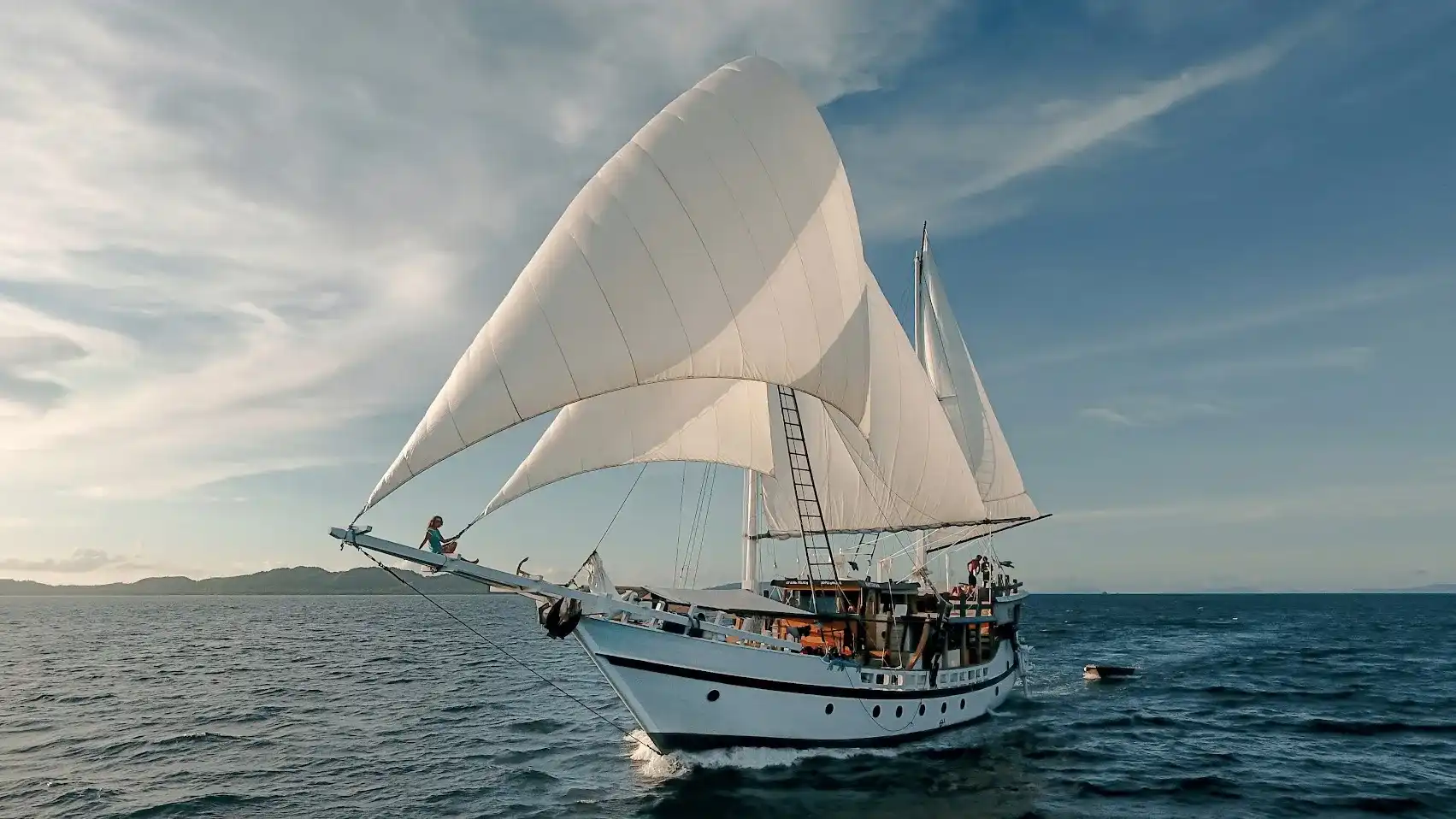
The final morning, we anchored in the middle of nowhere — a patch of blue called Fam Islands. No GPS pin, just a seamark on the captain’s chart. We snorkeled over a submerged pinnacle, then free-swam back to the boat. That afternoon, as we motored toward Sorong, I sat on the upper deck with a cold Bintang, watching flying fish skitter away from the bow. This wasn’t just diving. It was moving through an archipelago like the old sailors did — slowly, deliberately, with space to feel the current, the wind, the weight of being somewhere most people only see in documentaries.