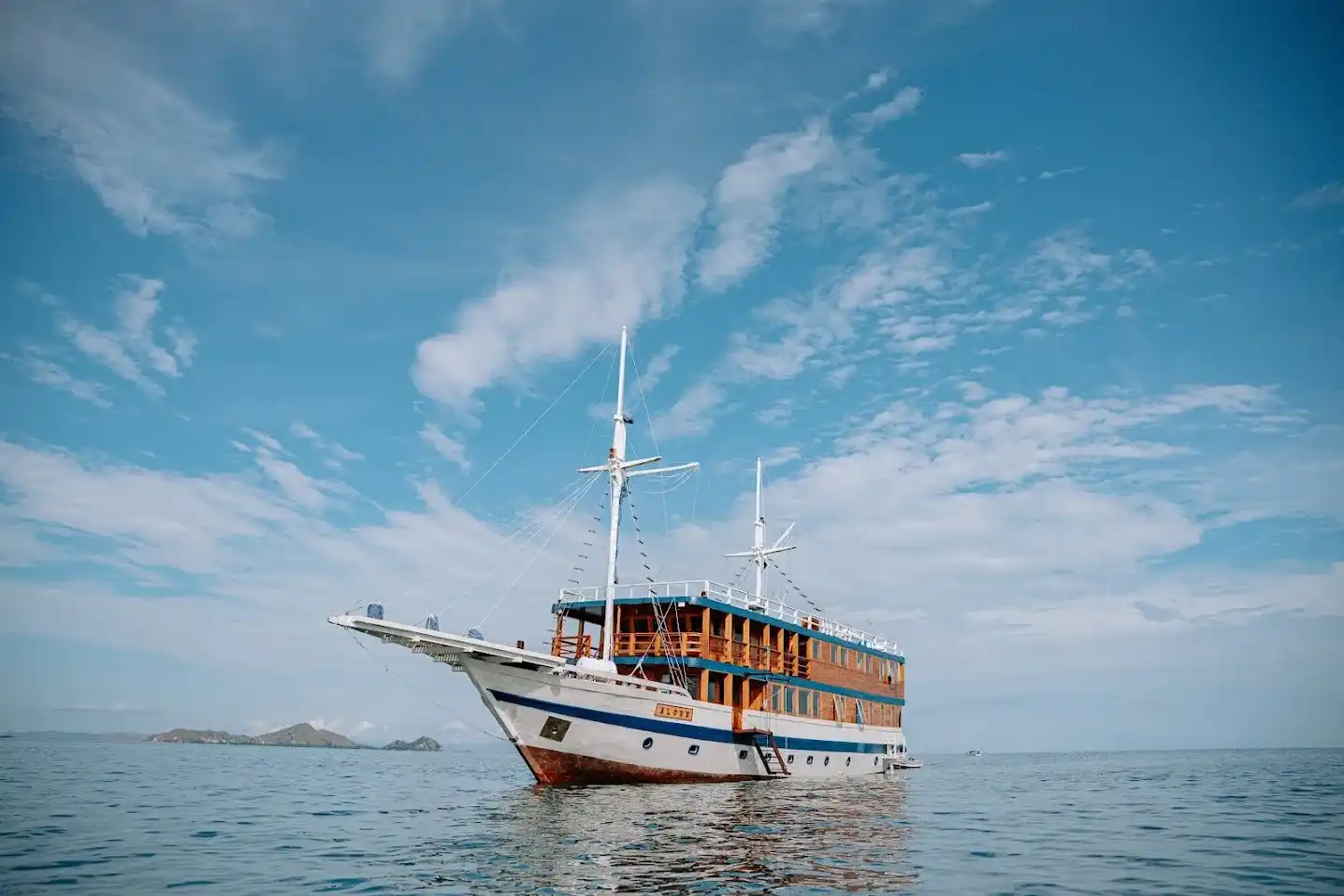
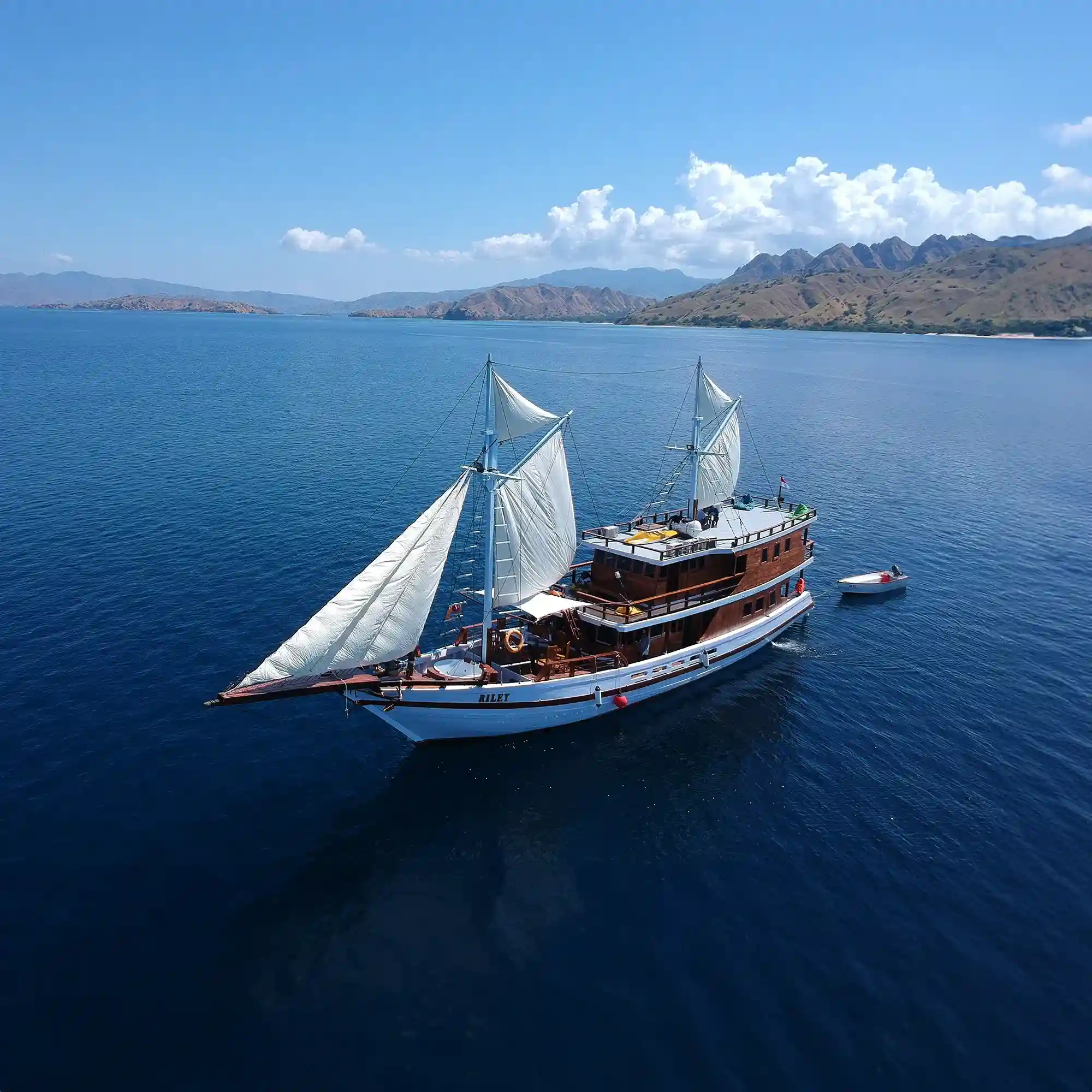
About Riley
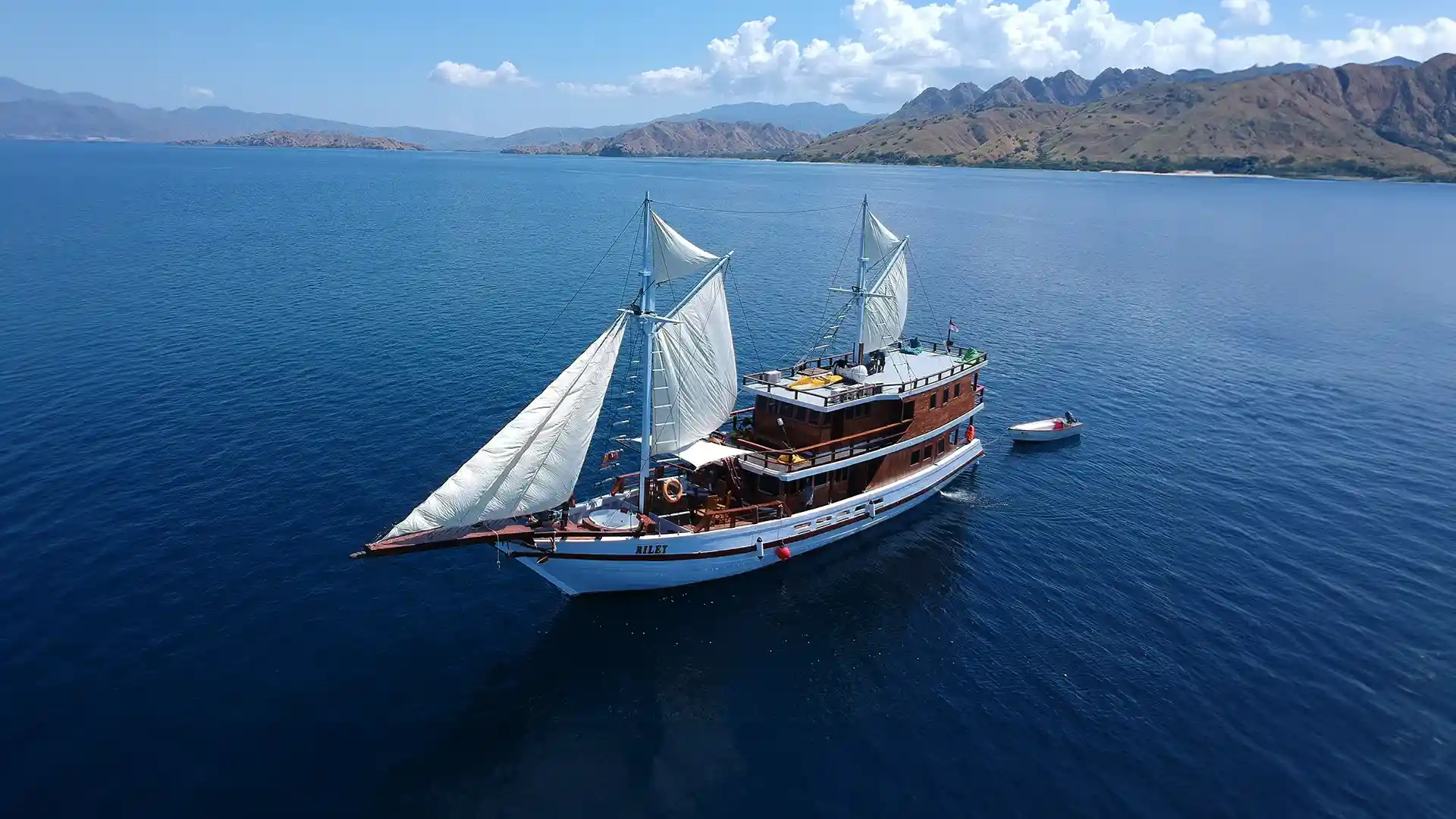
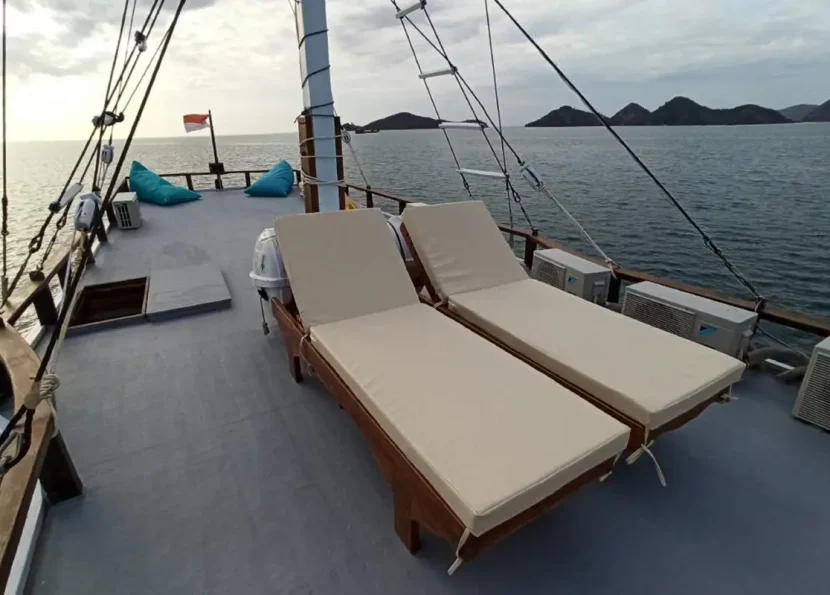
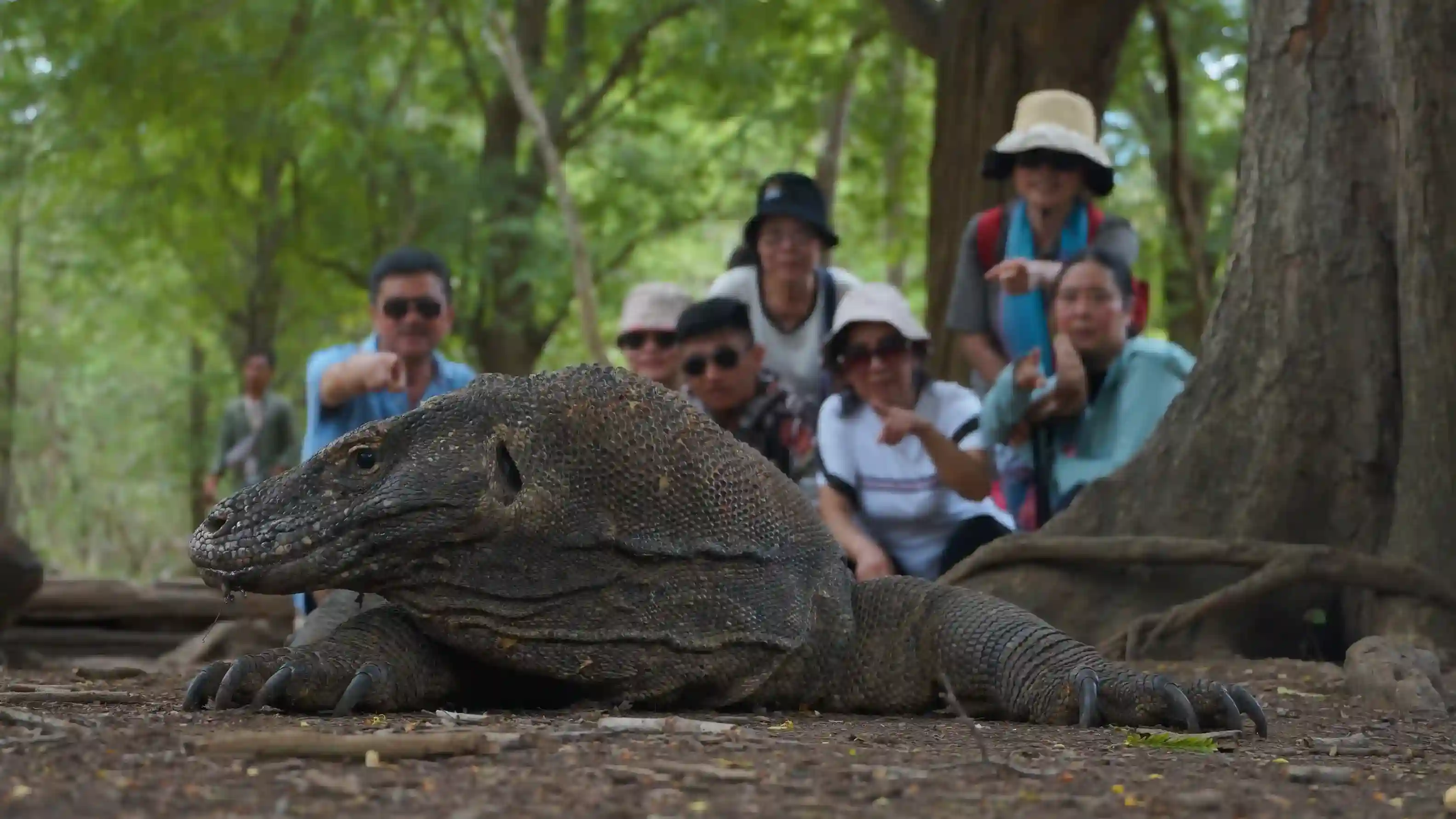
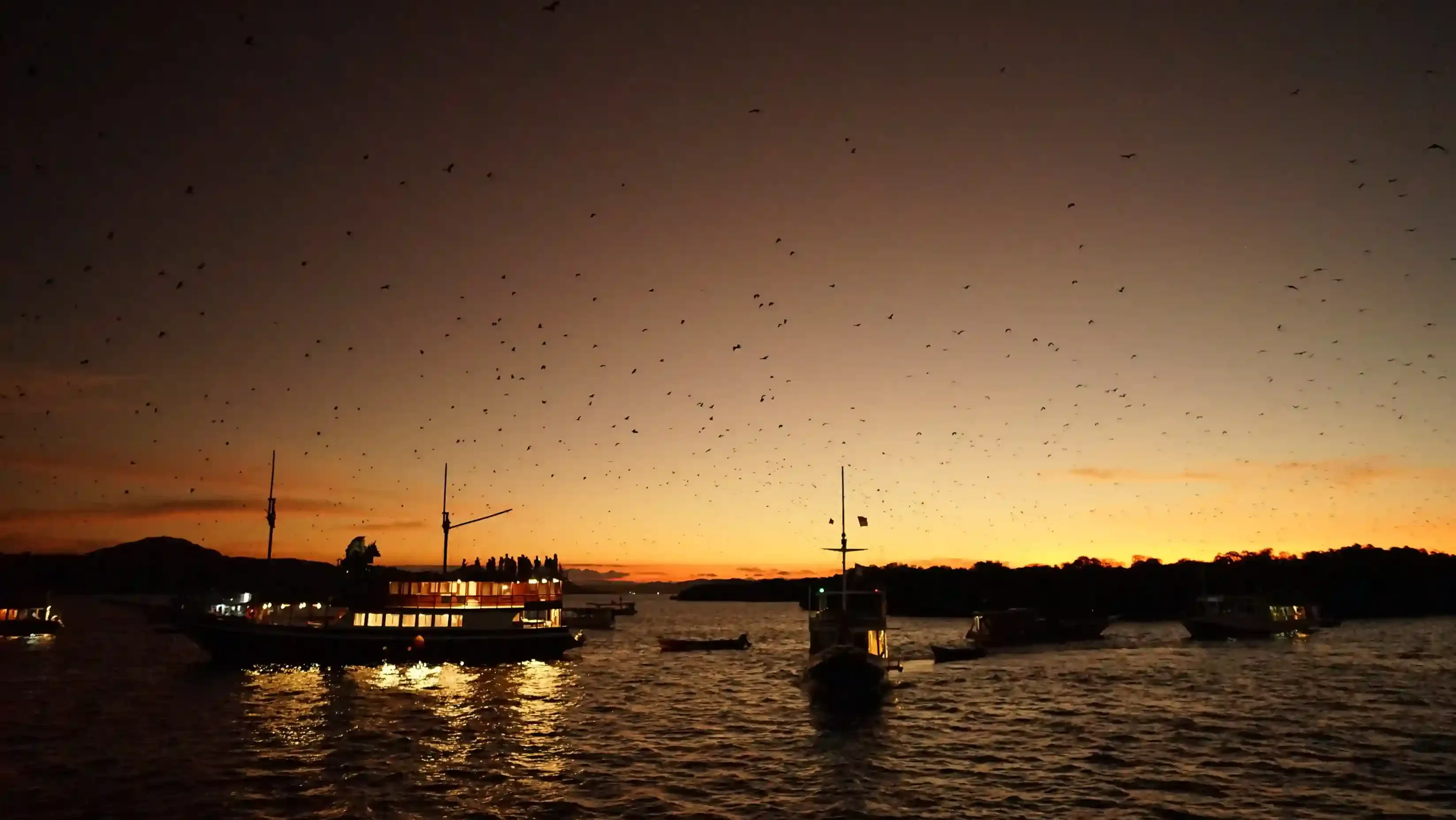
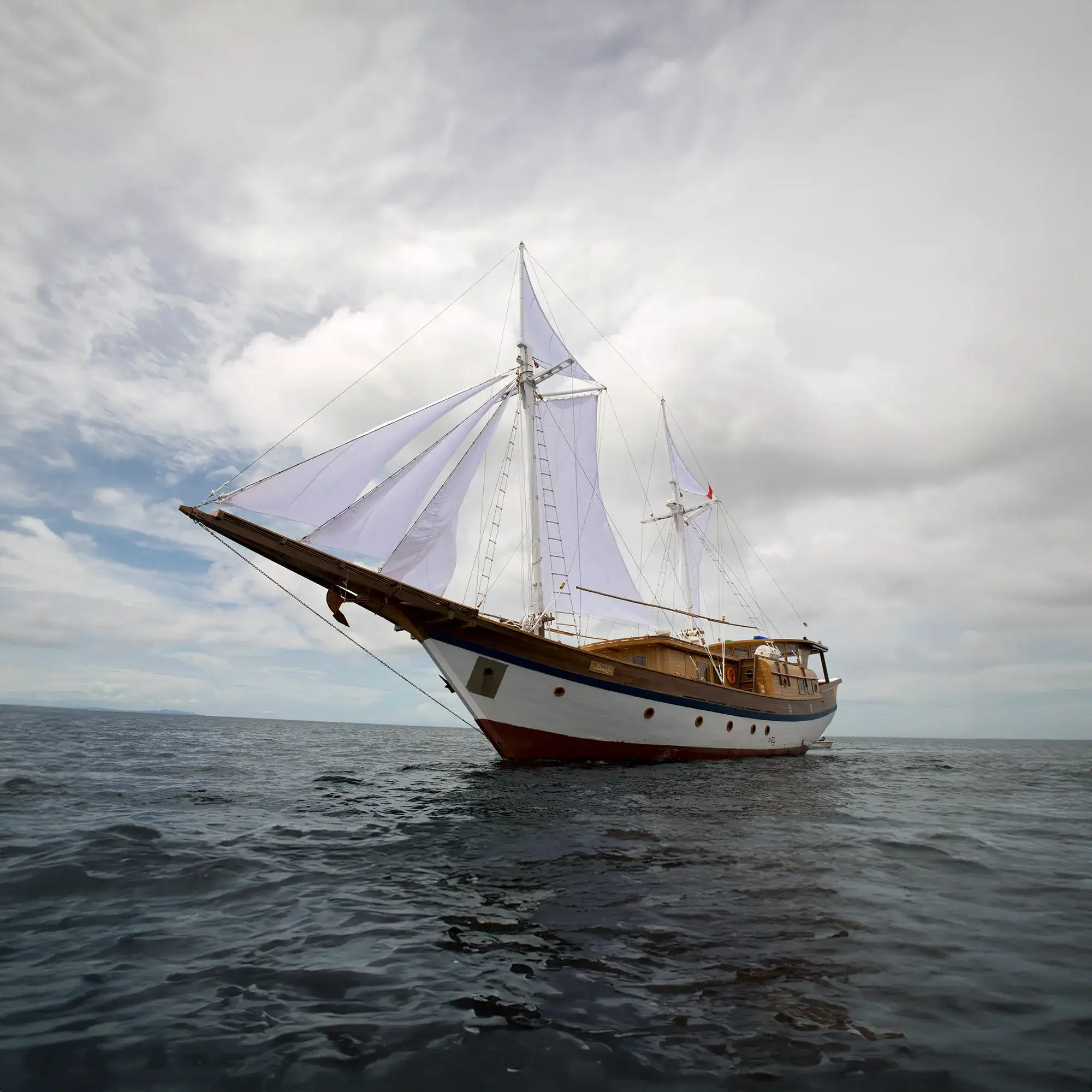
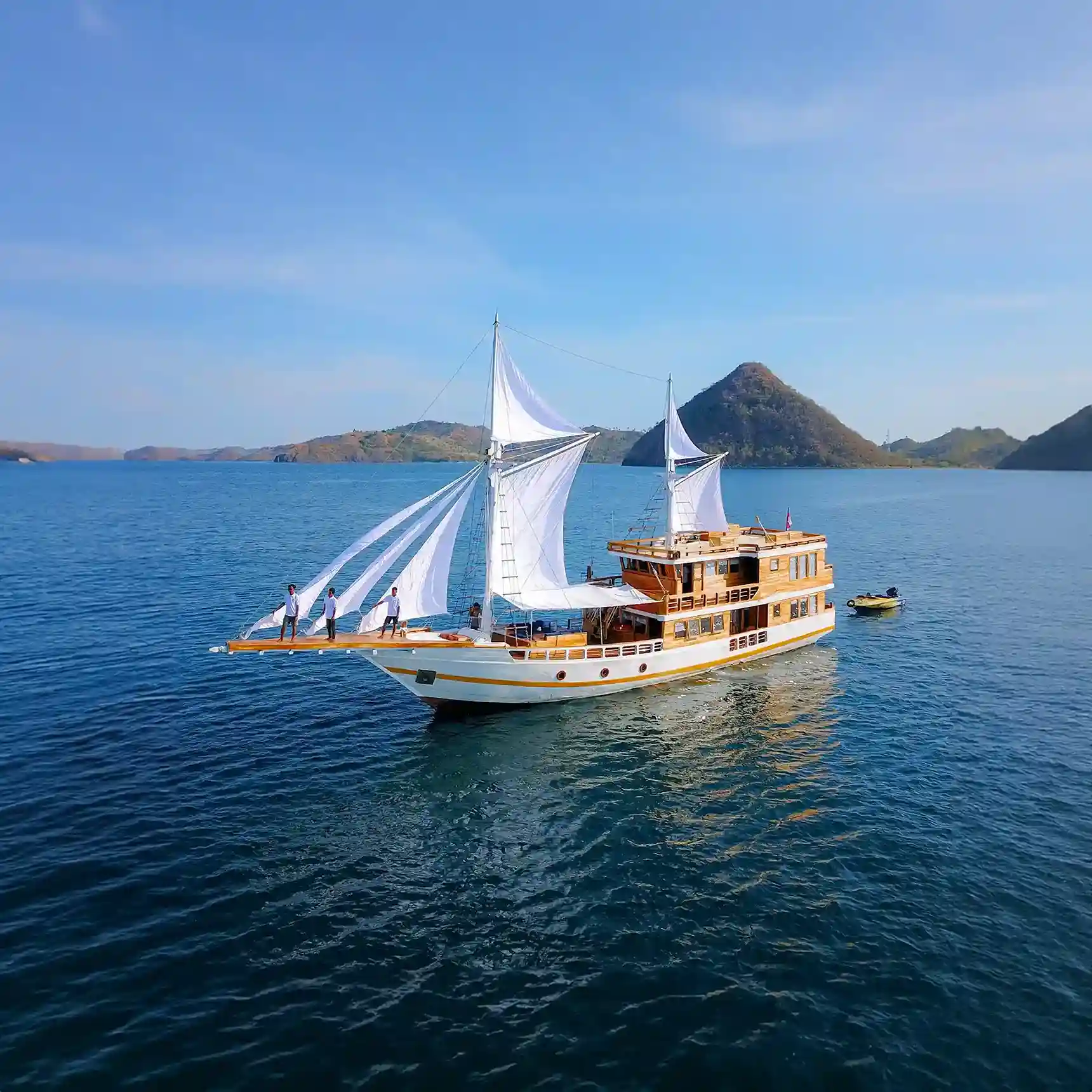
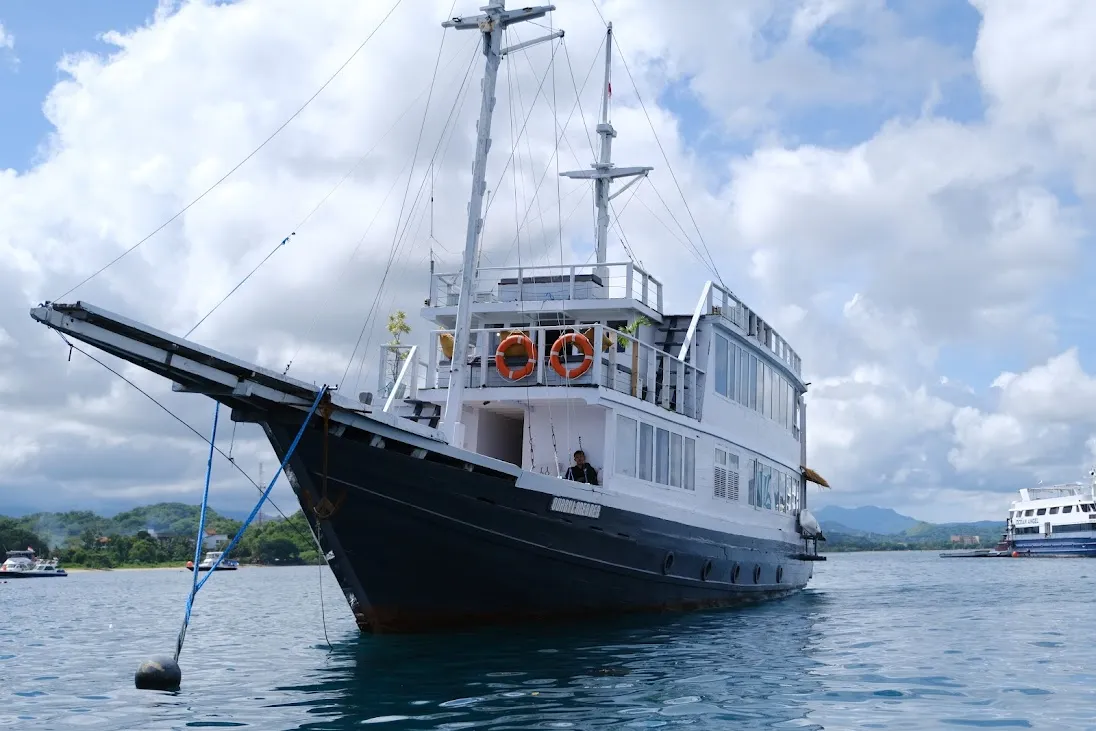
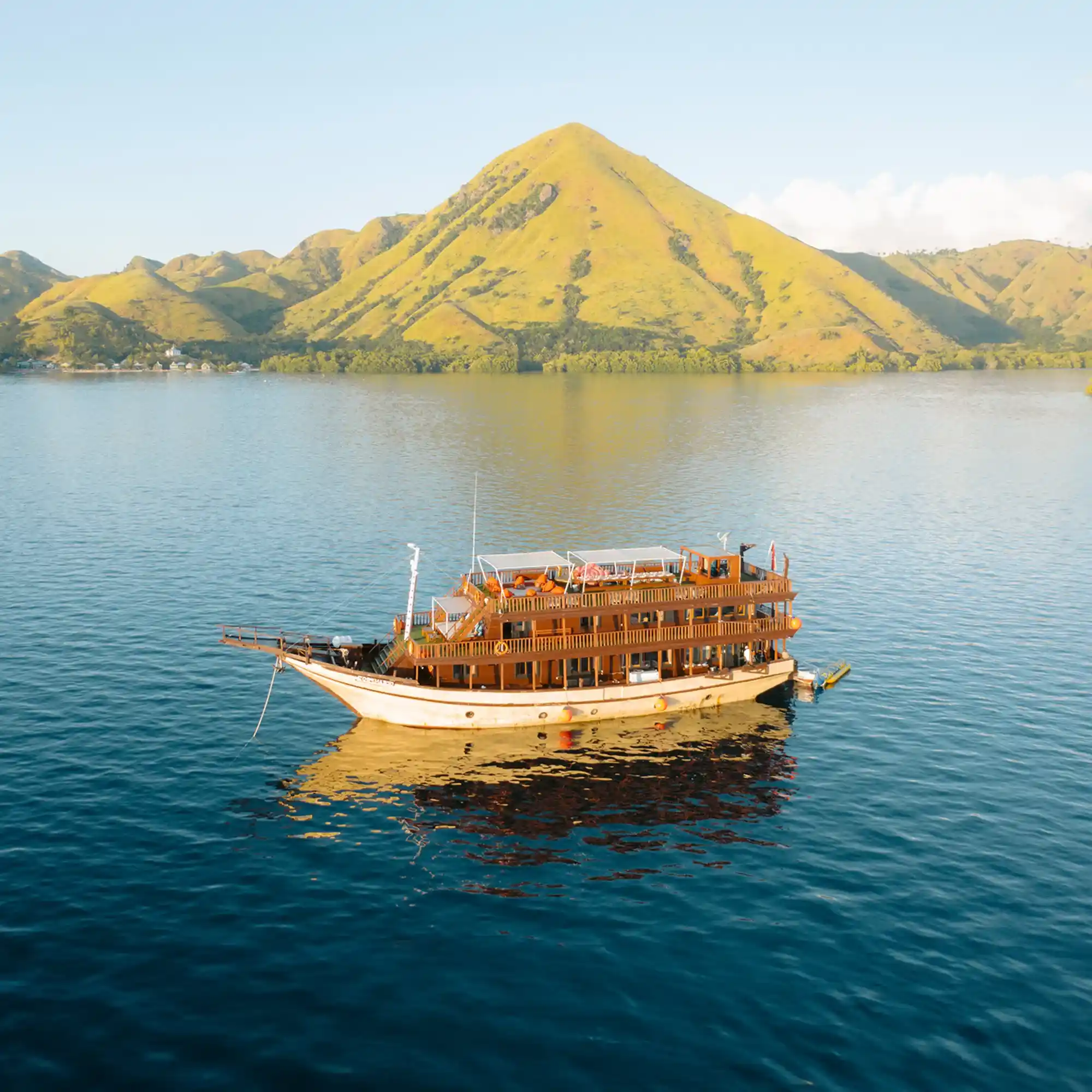
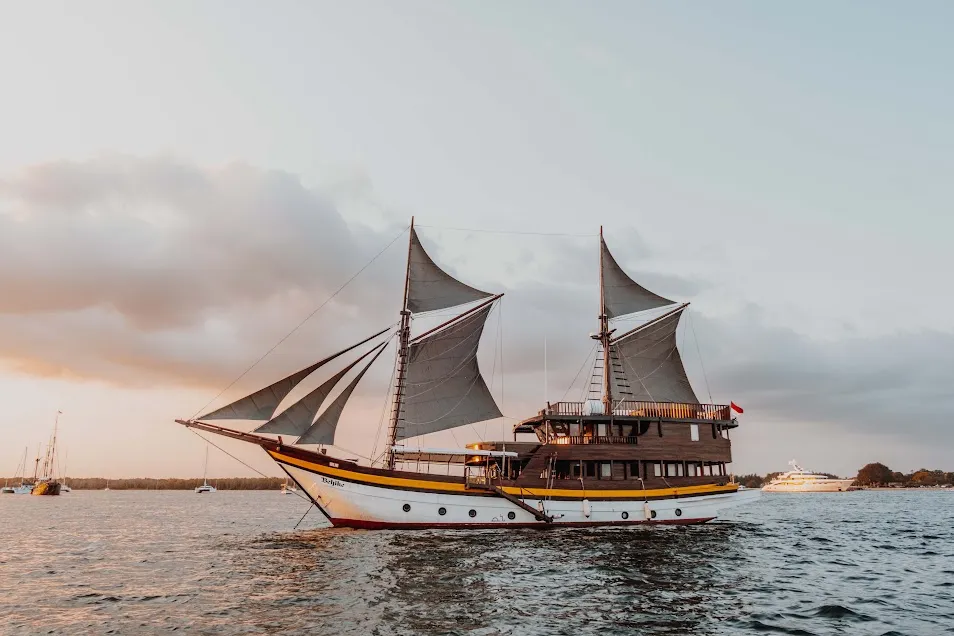
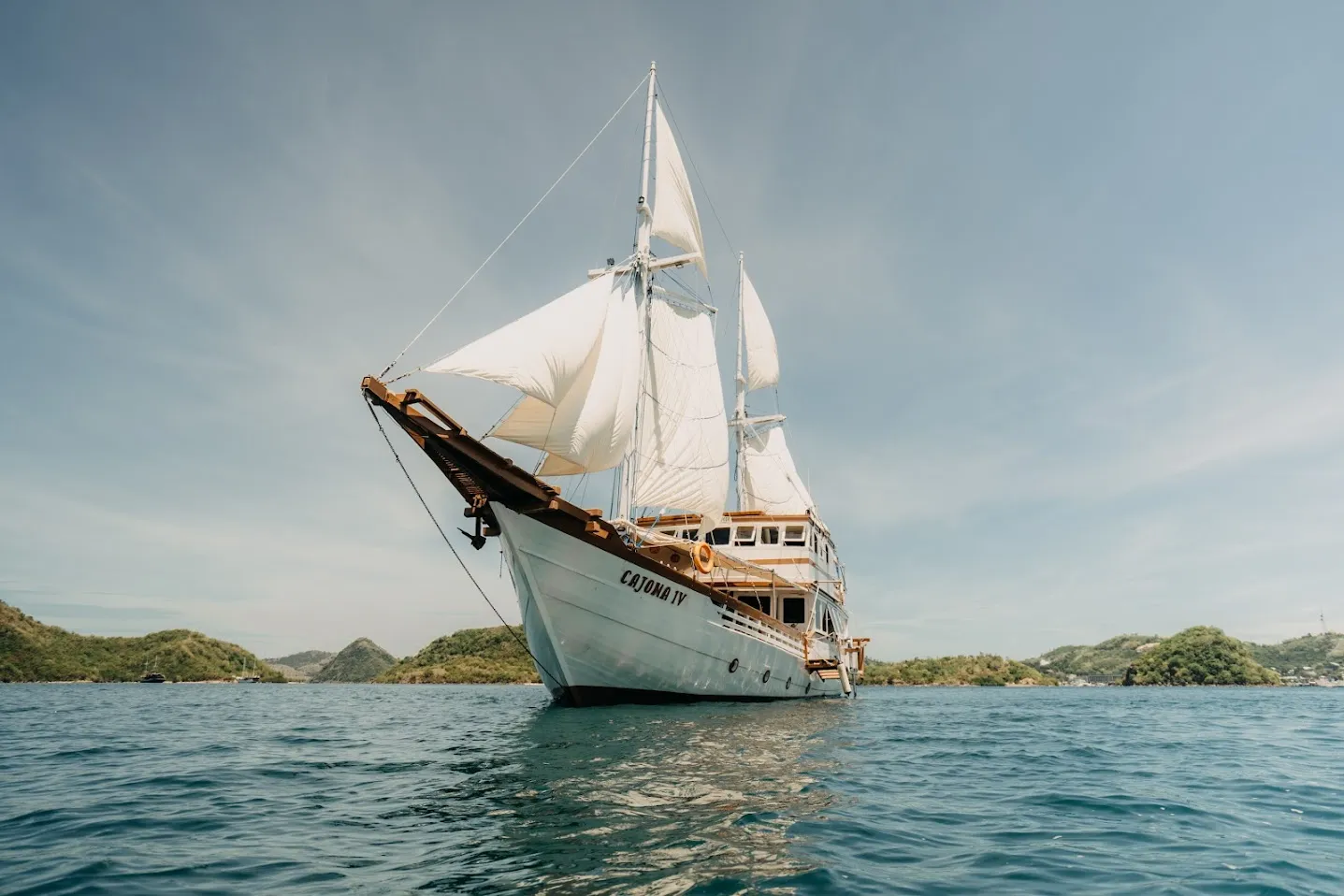
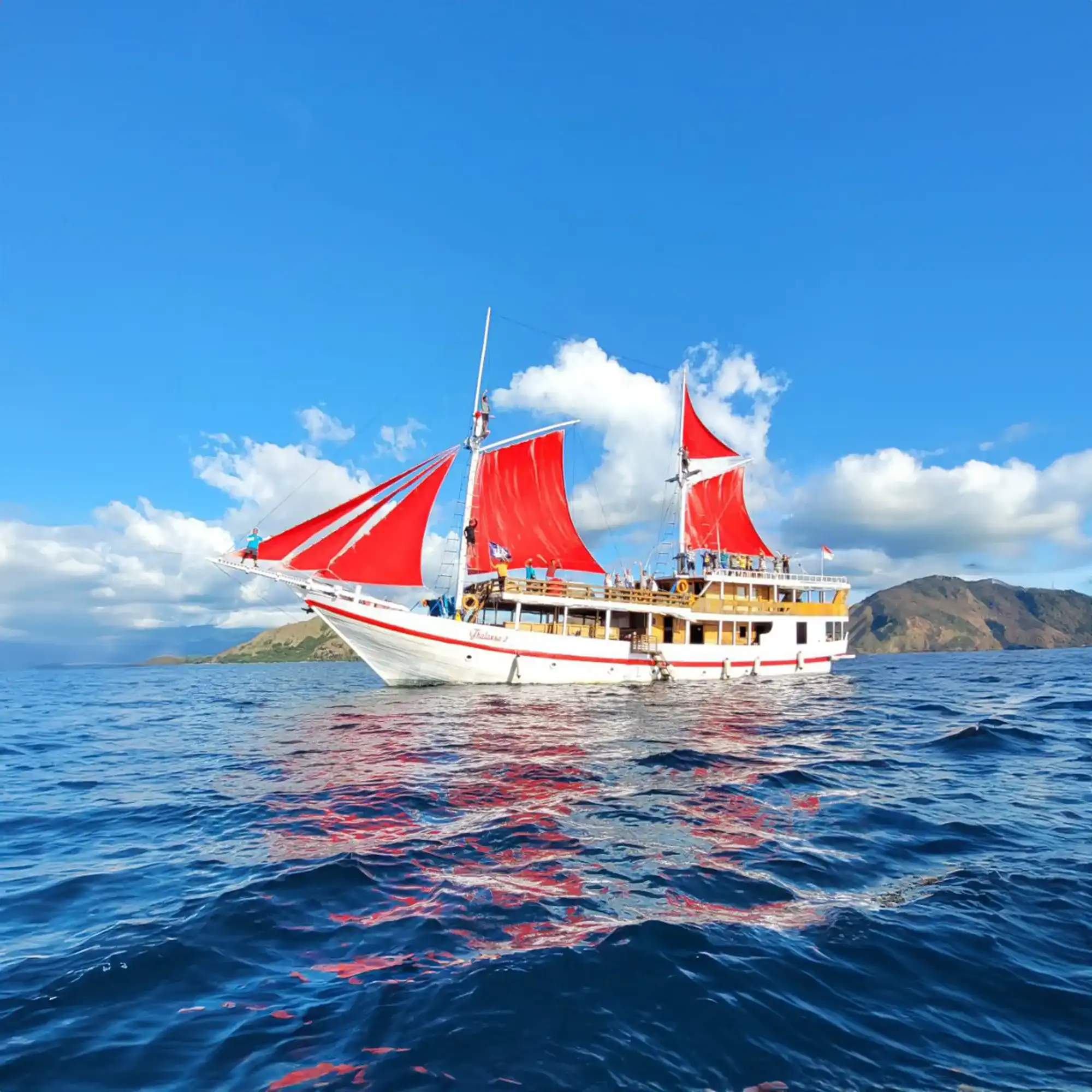
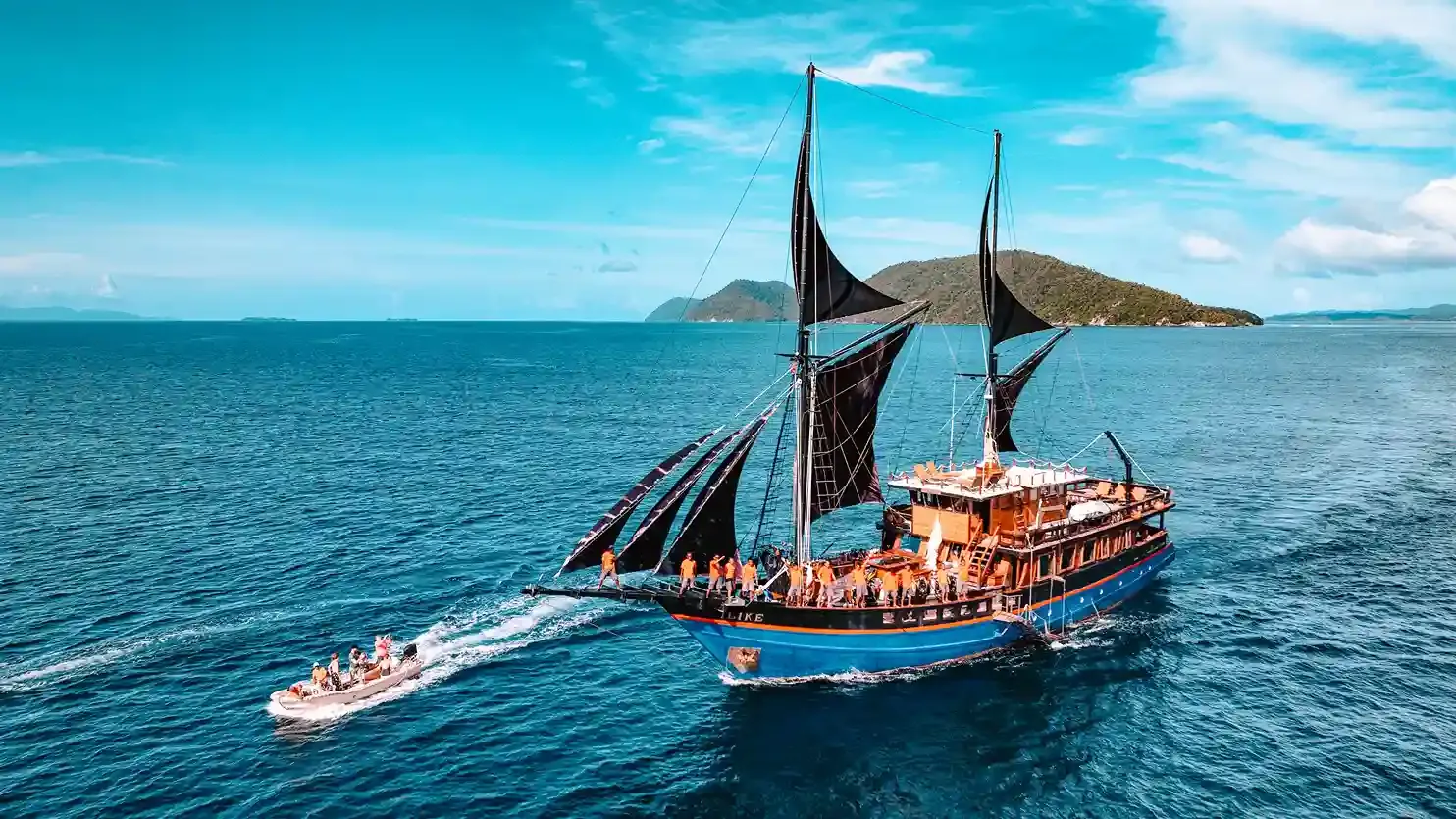
The first light hit the teak deck just as we rounded Padar’s northern tip, the sky still bruised purple at the horizon. I was wrapped in a thin blanket from the upper deck daybed, watching the crew ease the sails without a word—just the creak of rigging and the shush of water parting under the bow. Riley wasn’t charging ahead; she was gliding, like she knew the dragons on Komodo were still asleep and there was no need to rush. By 6:15, the island’s scalloped ridges caught fire in the sunrise, and the galley sent up the smell of sizzling shallots and strong Javanese coffee. This wasn’t a staged moment—it felt earned, quiet, intentional.
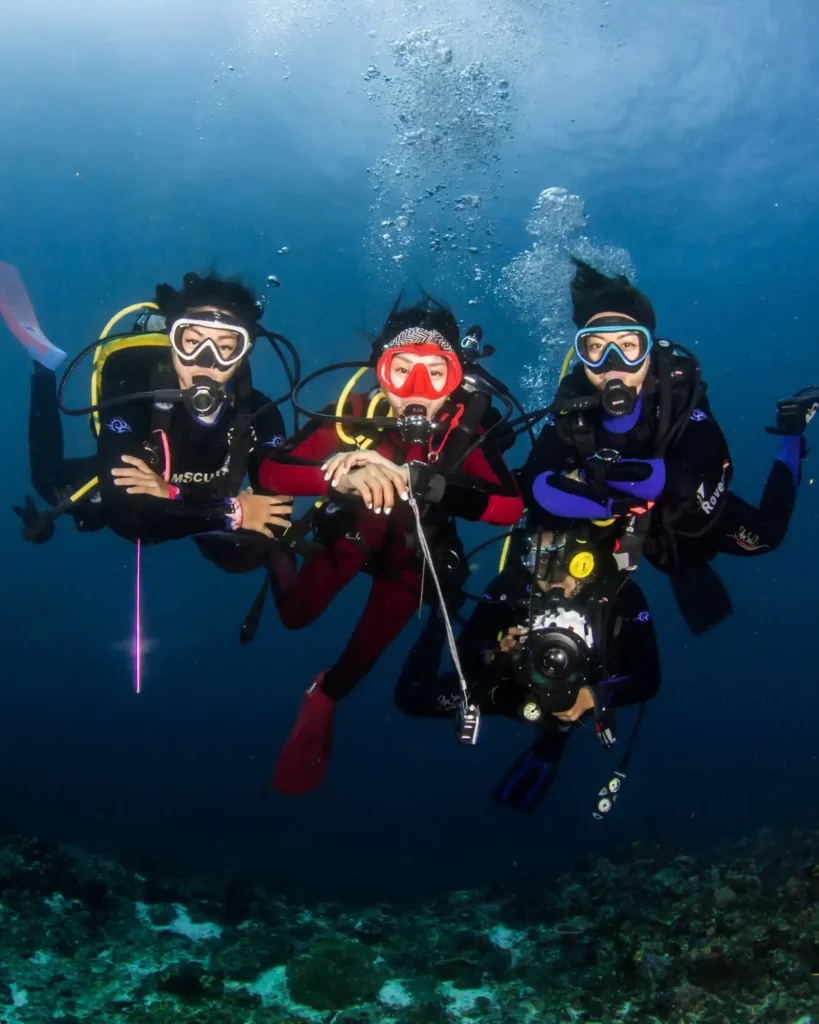
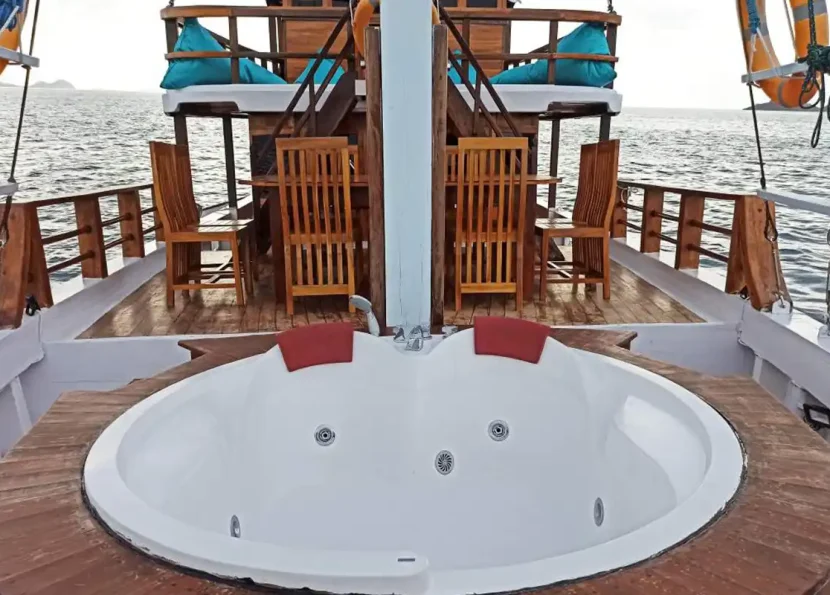
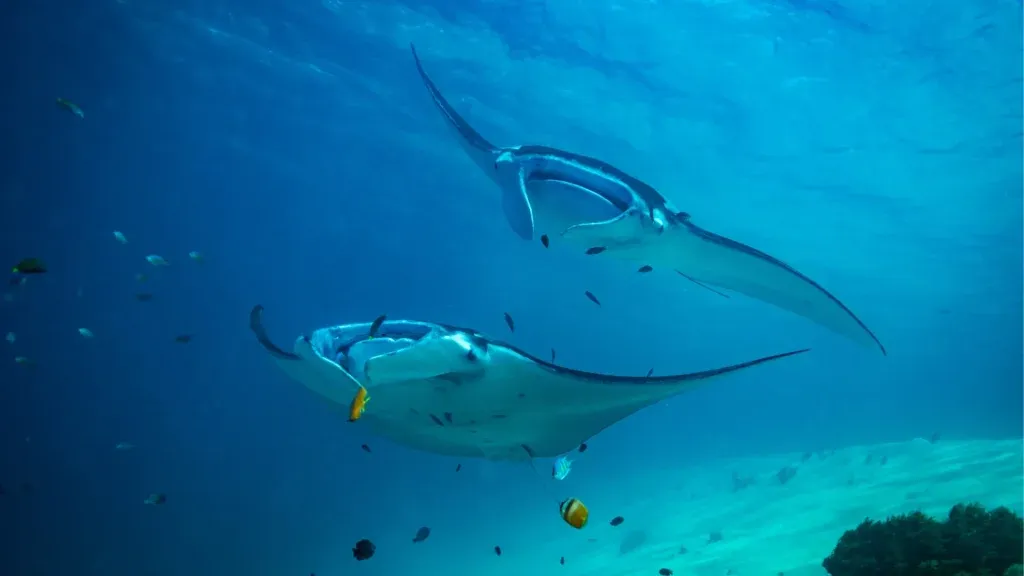
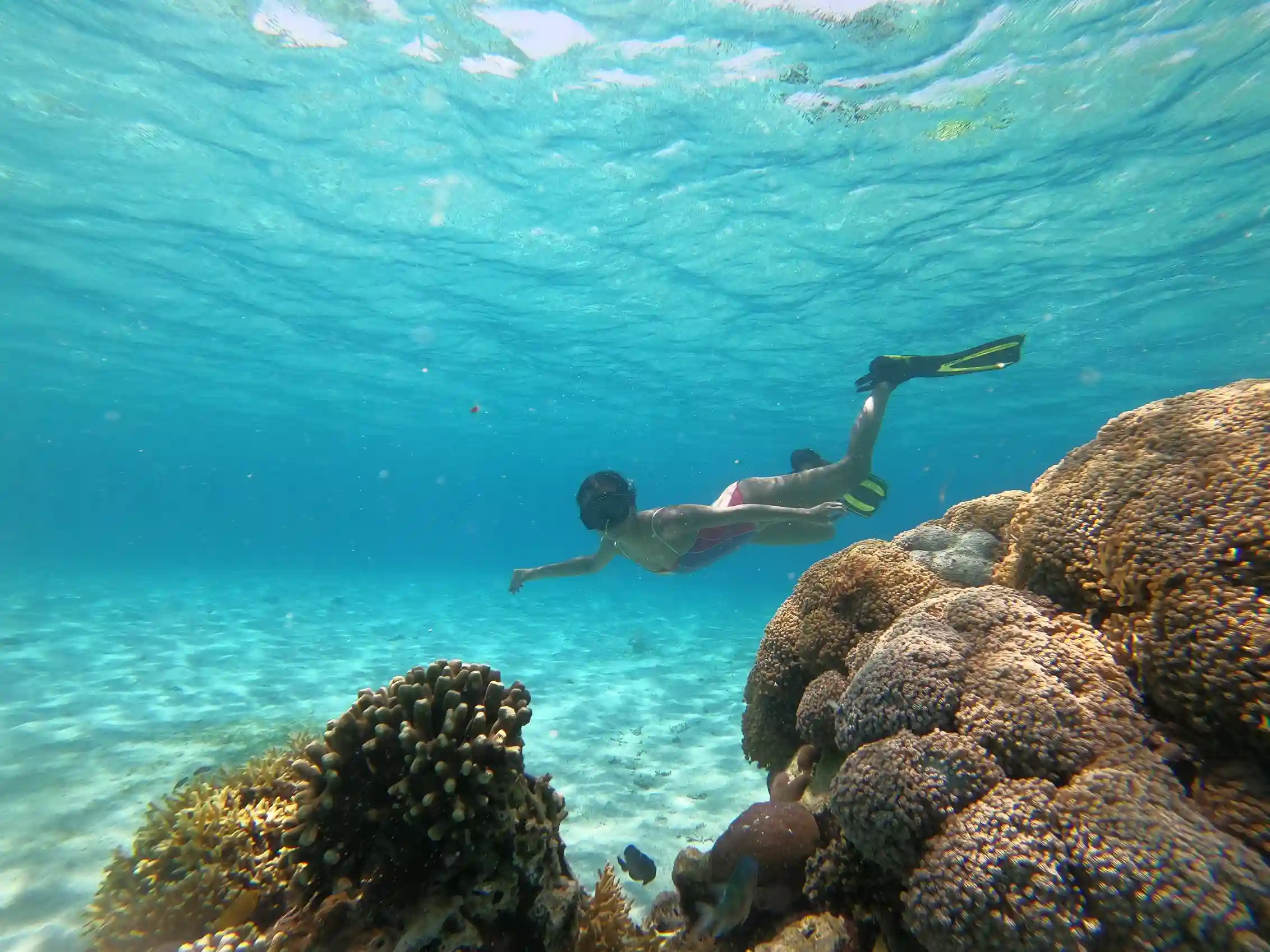
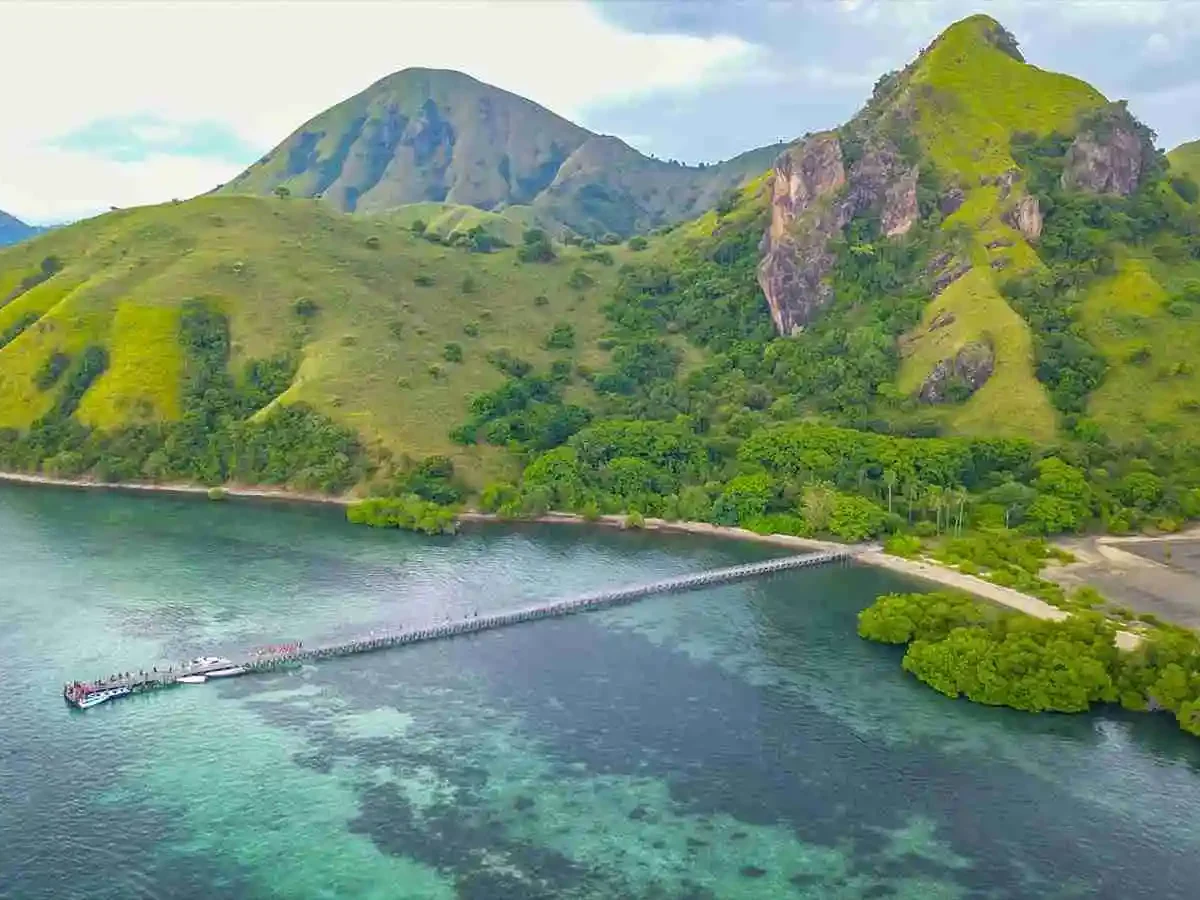
Later that morning, after a quick dive into the cool, current-swept channel at Manta Point where shadows the size of hang gliders circled below us, I found myself back on the sundeck, dripping and breathless. The jacuzzi was already running, warm bubbles cutting through the ocean chill. It’s rare to see a feature like that on a traditional phinisi, but here it worked—because it wasn’t the focus. It was a bonus after real movement, real immersion. The crew had timed it perfectly: just long enough to warm up before the dinghy launched for Pink Beach, where the sand really does blush coral at midday, flecked with crushed foraminifera.
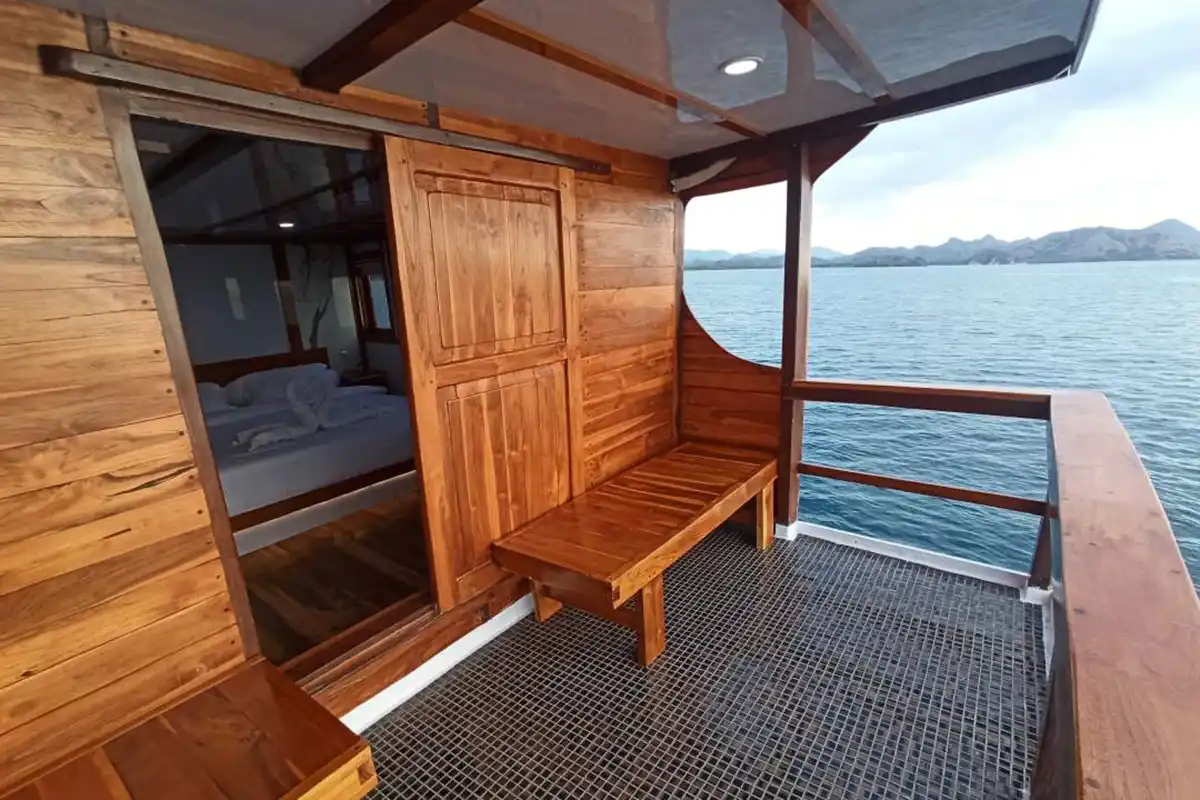
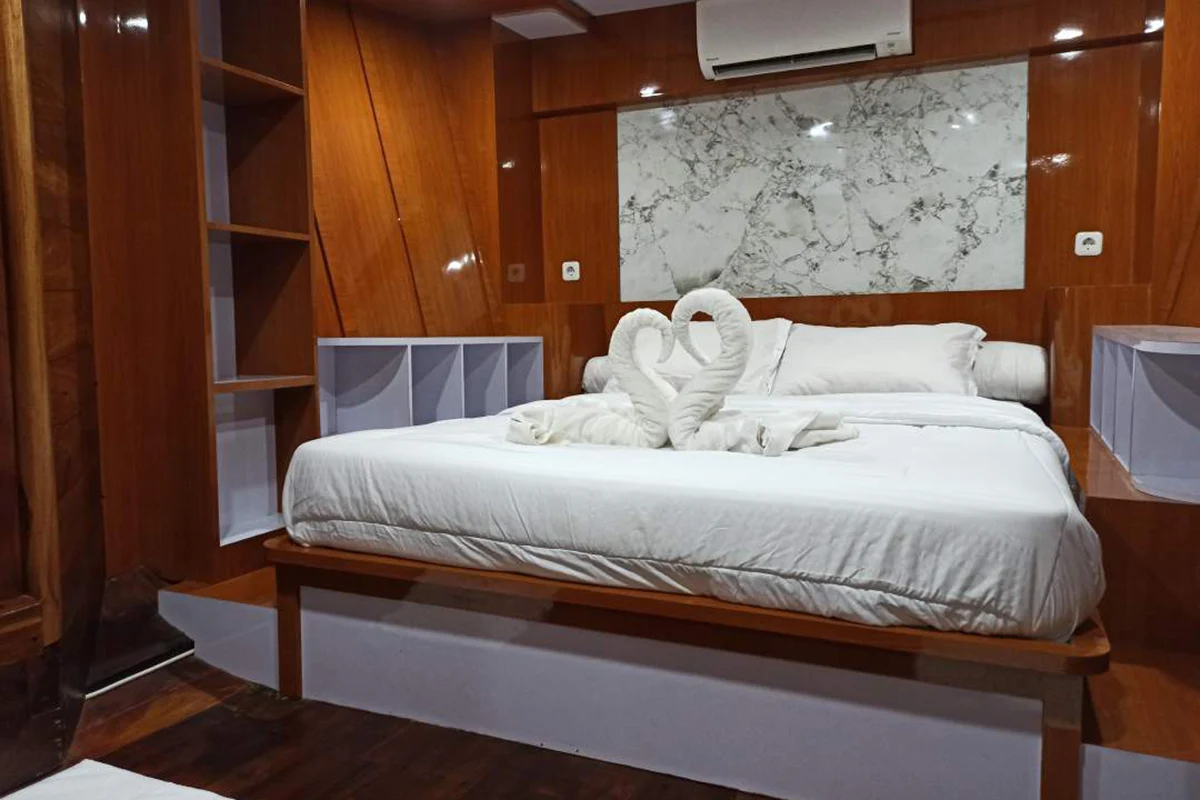
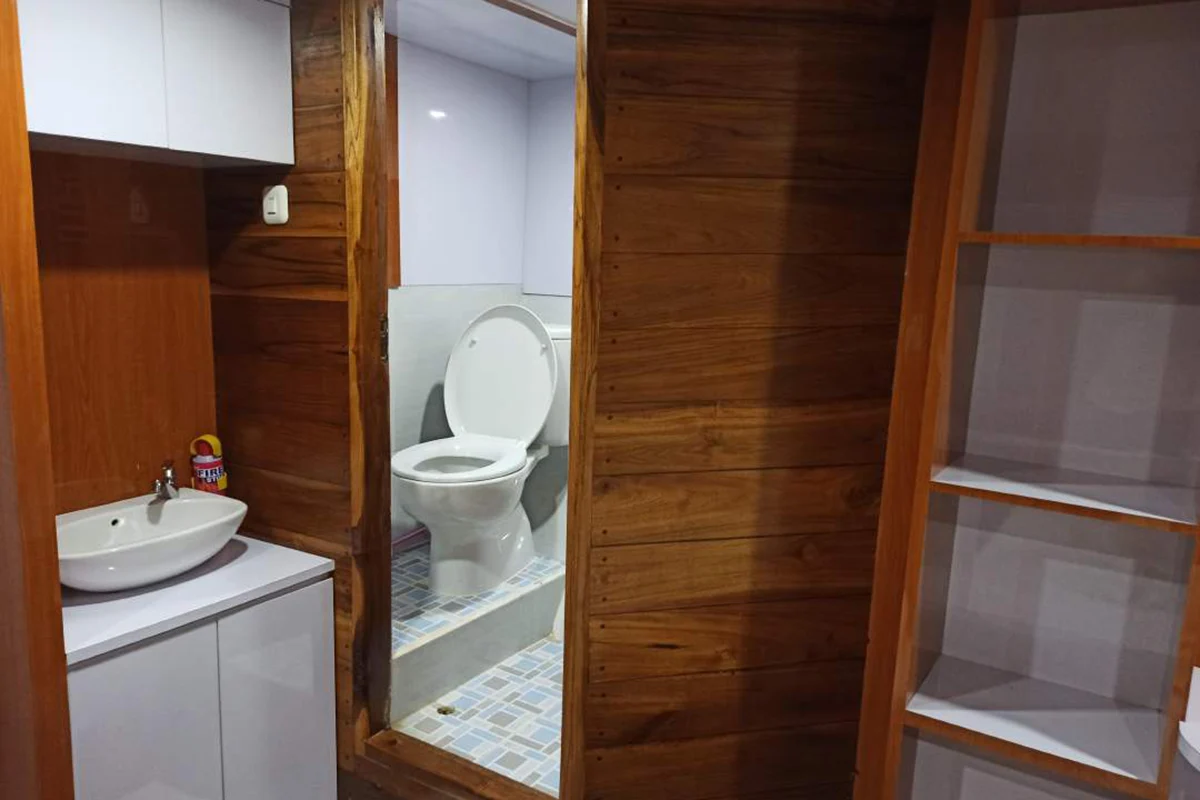
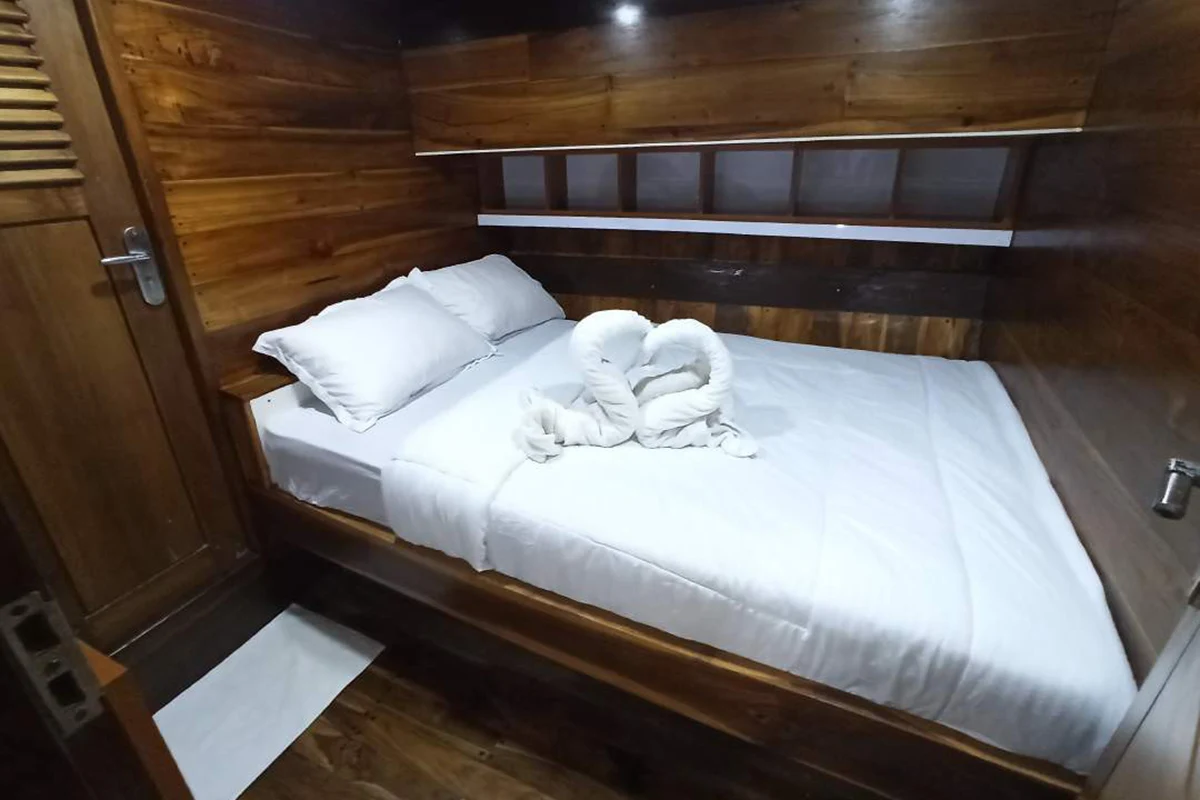
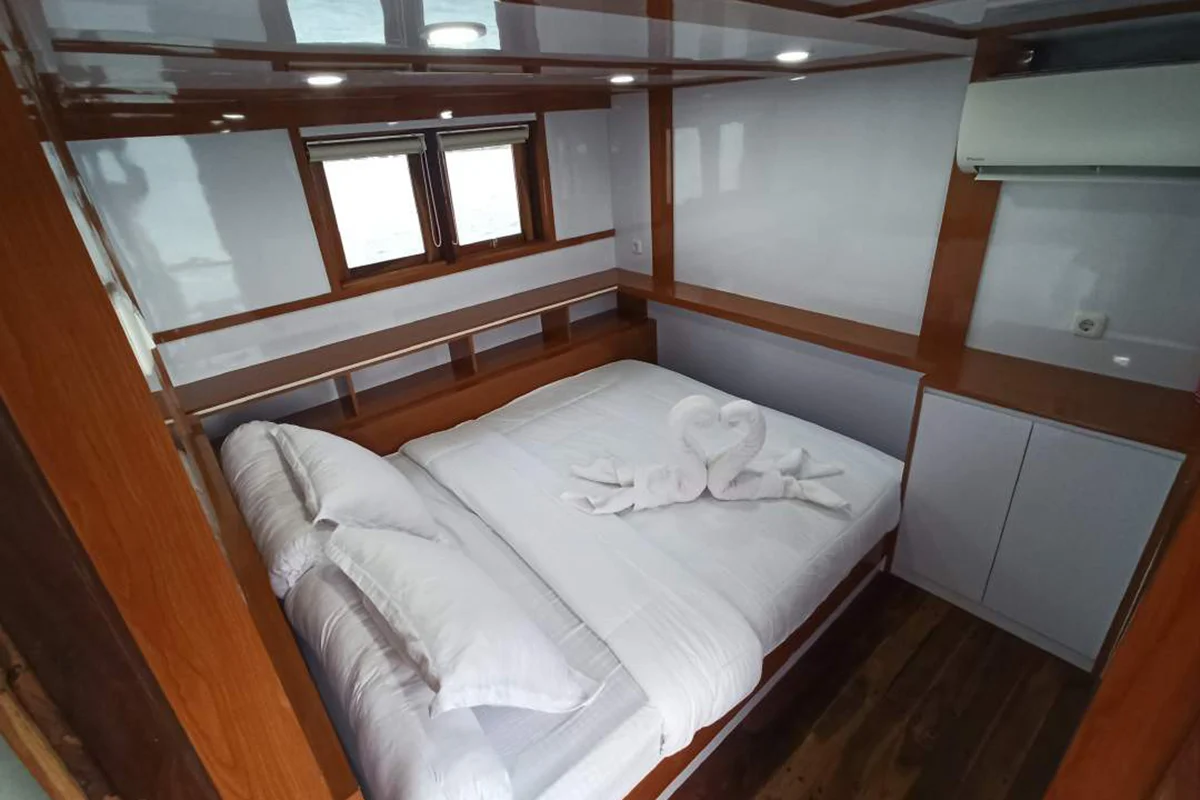
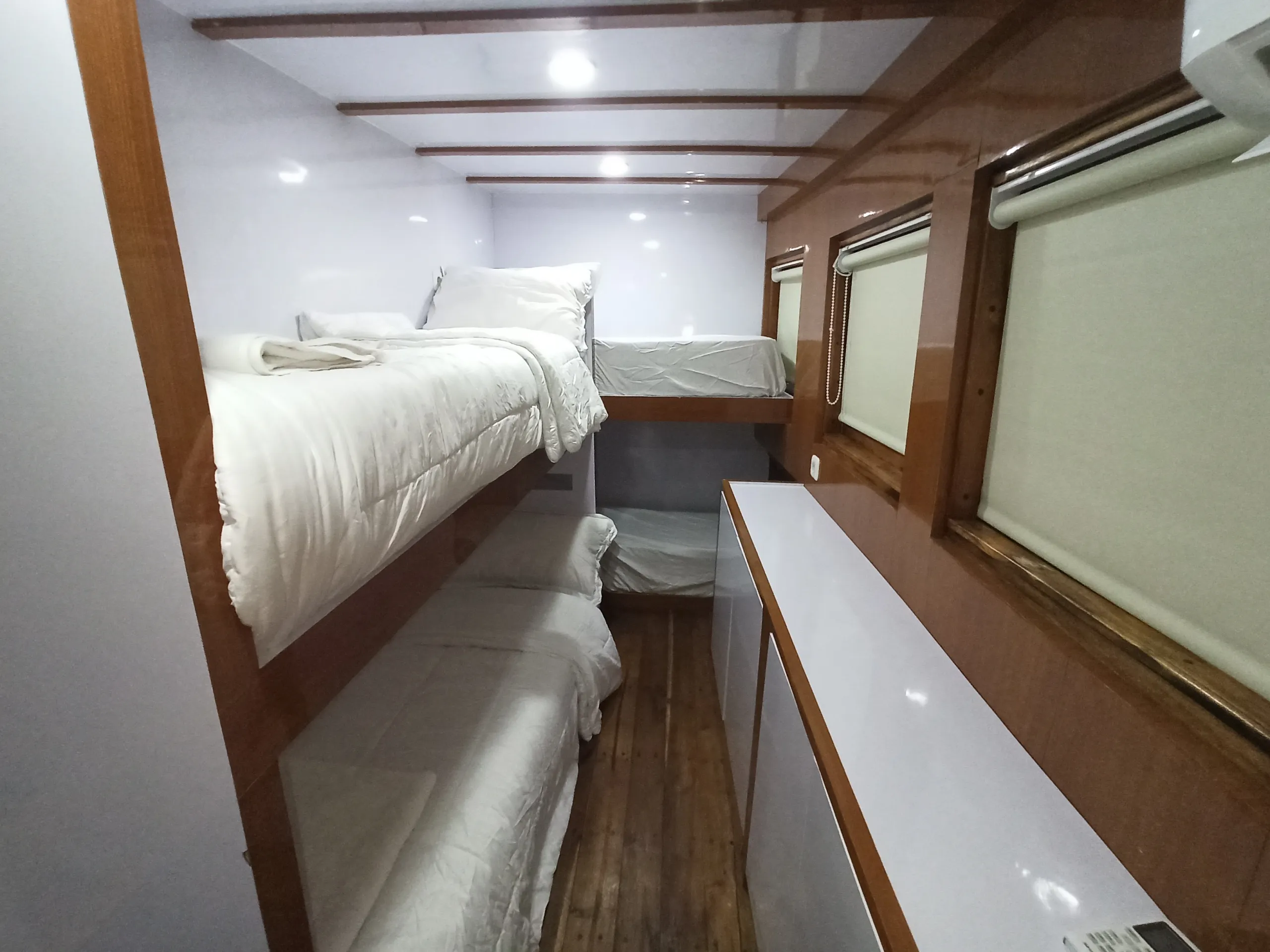
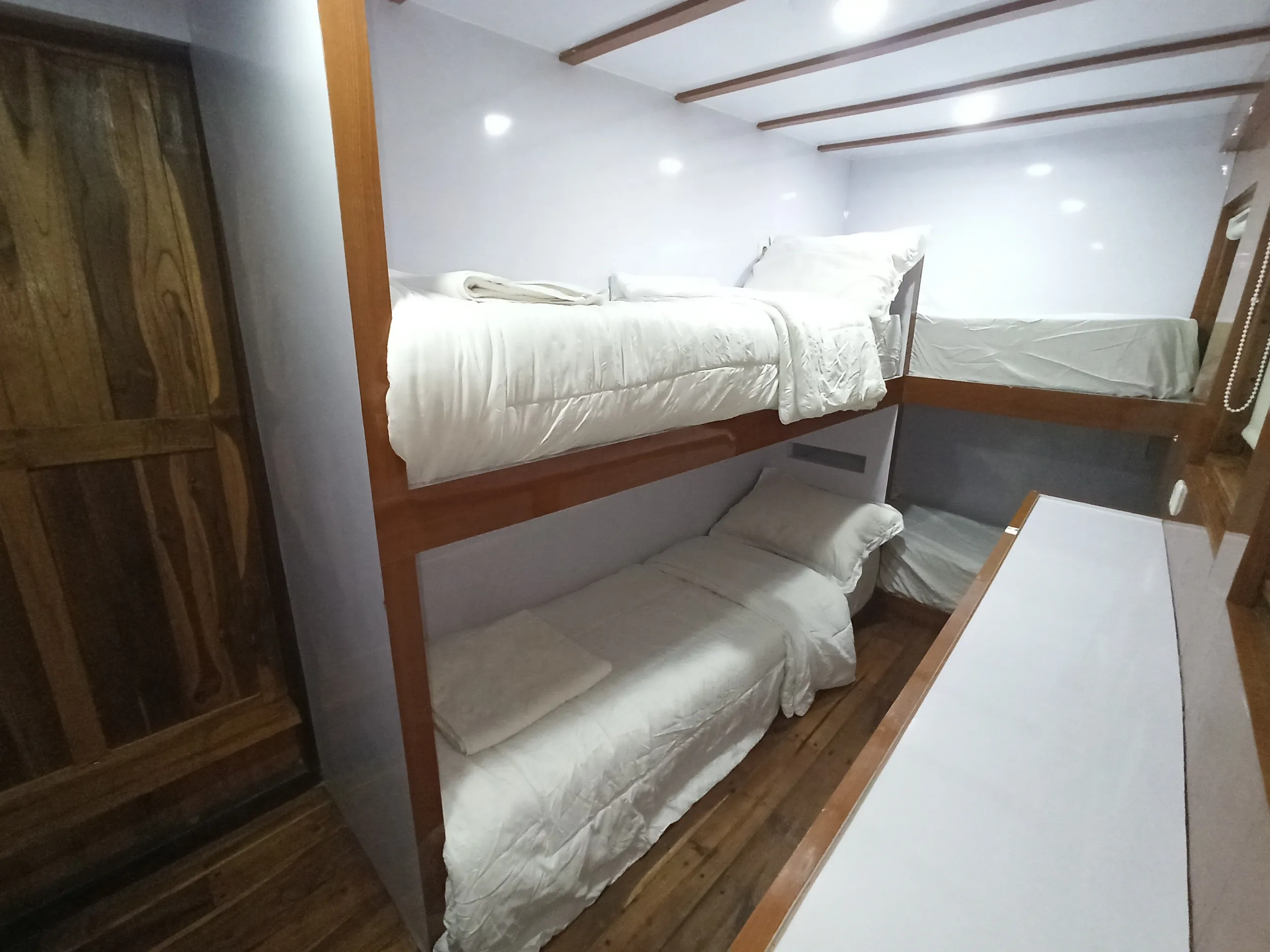
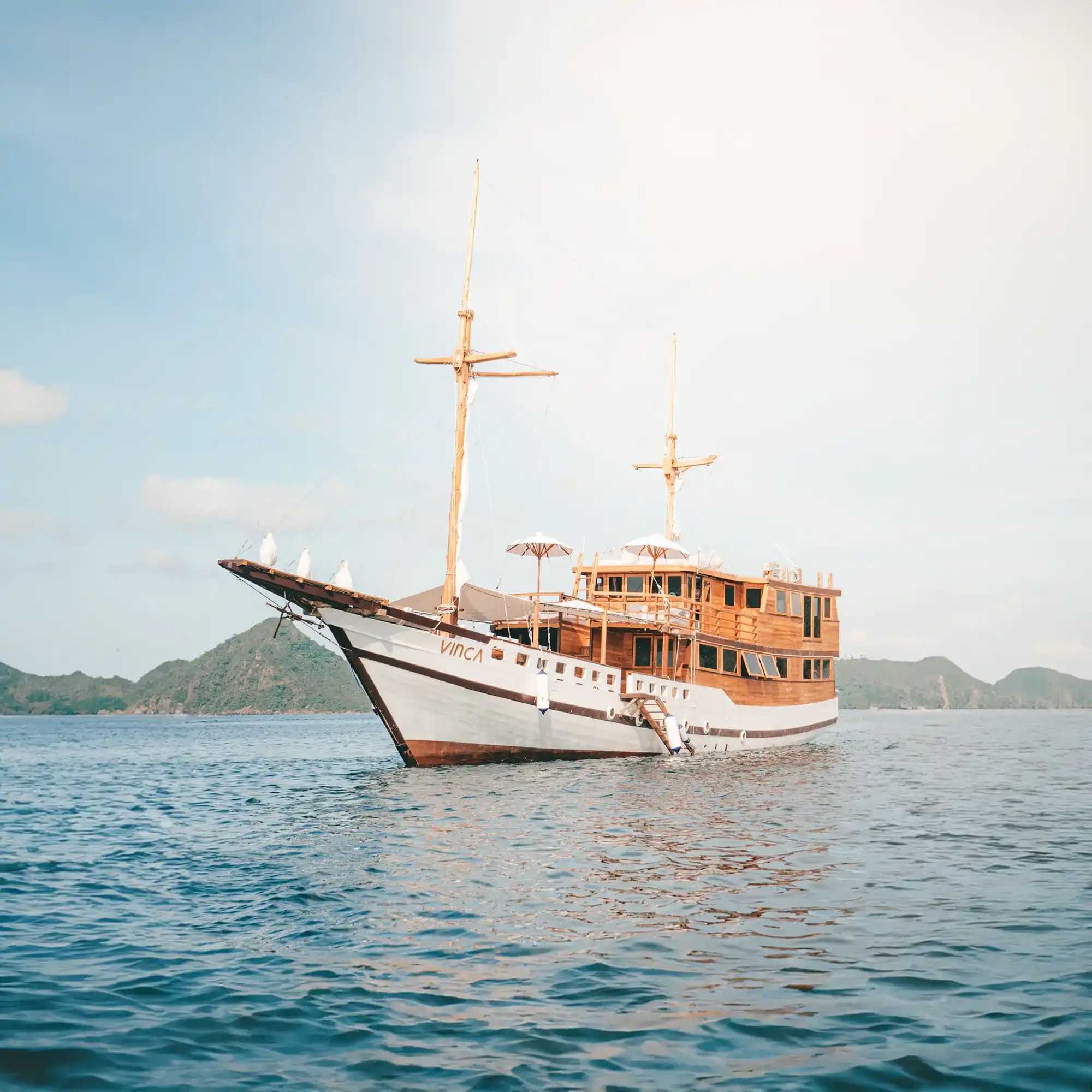
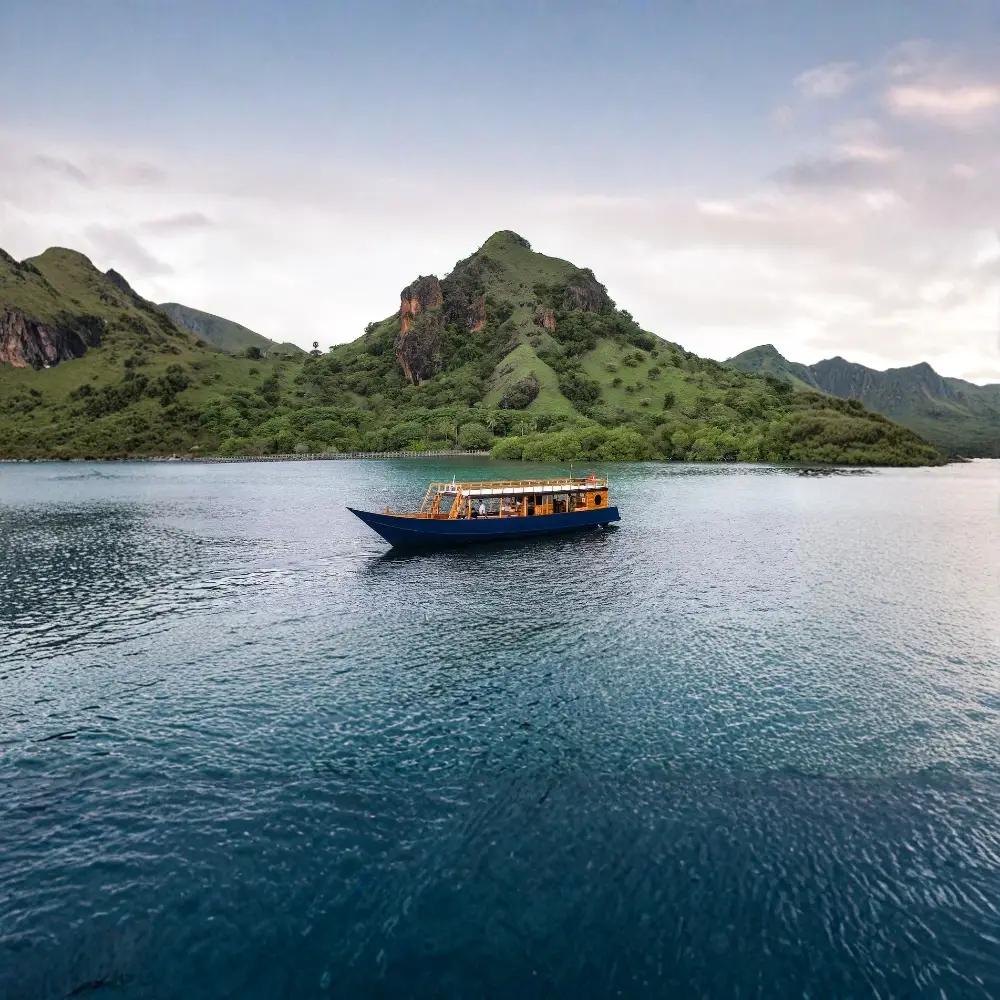
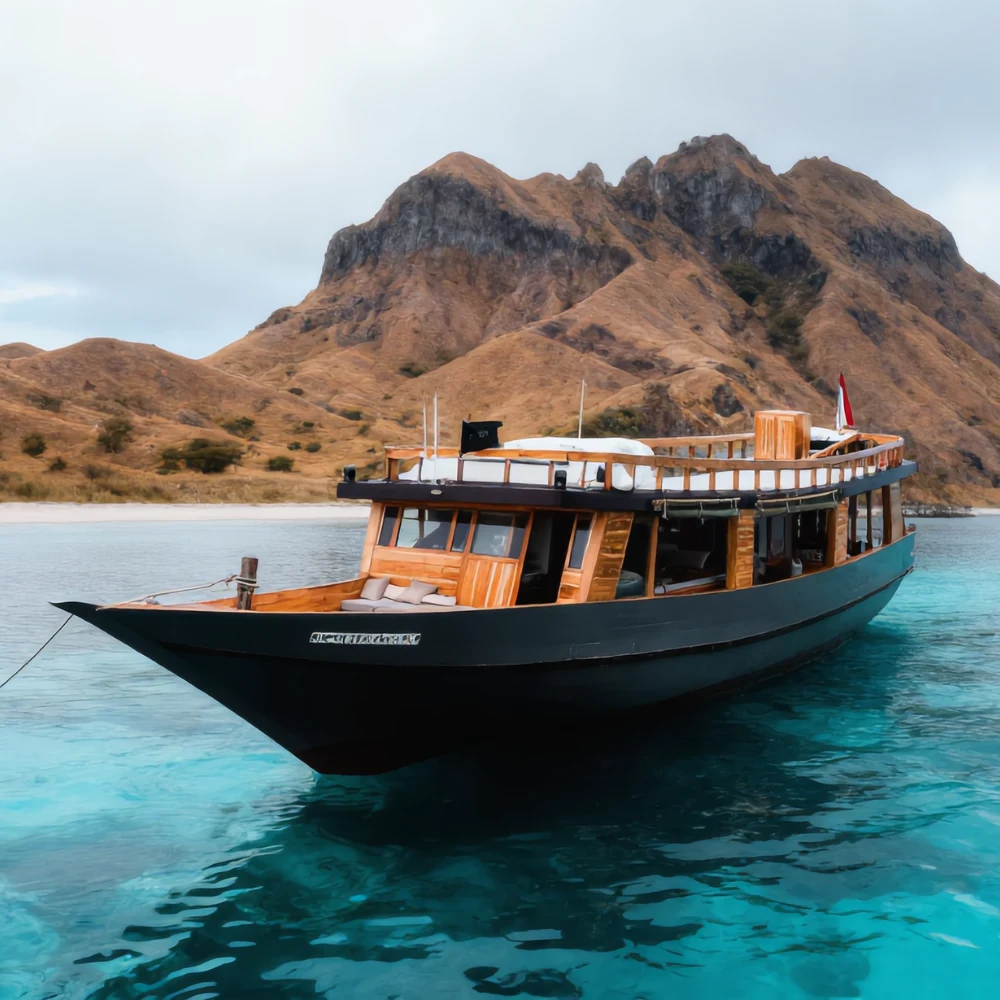
Riley’s layout surprised me. With only five cabins for 12 guests, there was breathing room. My cabin, one of two on the lower deck with portholes that opened to sea level, stayed cool even as the afternoon sun hammered the main deck. The woodwork wasn’t over-polished; it showed faint scuffs near the doorframes, the kind that come from years of salt and bare feet and careful maintenance. The bed had a proper mattress—no lumpy foam here—and a mosquito net that actually clipped closed. But what I remembered most was the silence at night. At anchor in Sebayur, with no generator running after 10 p.m., the only sound was the soft knock of the hull against the mooring buoy.
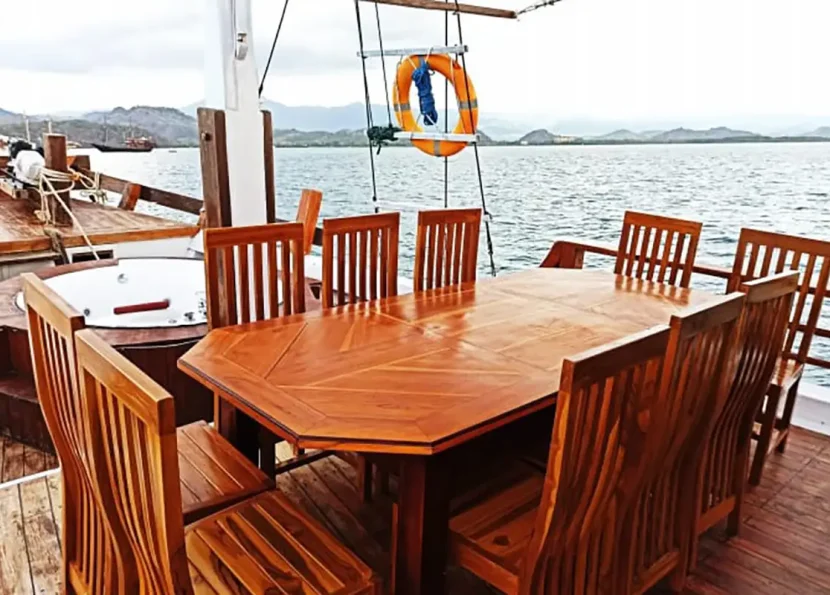
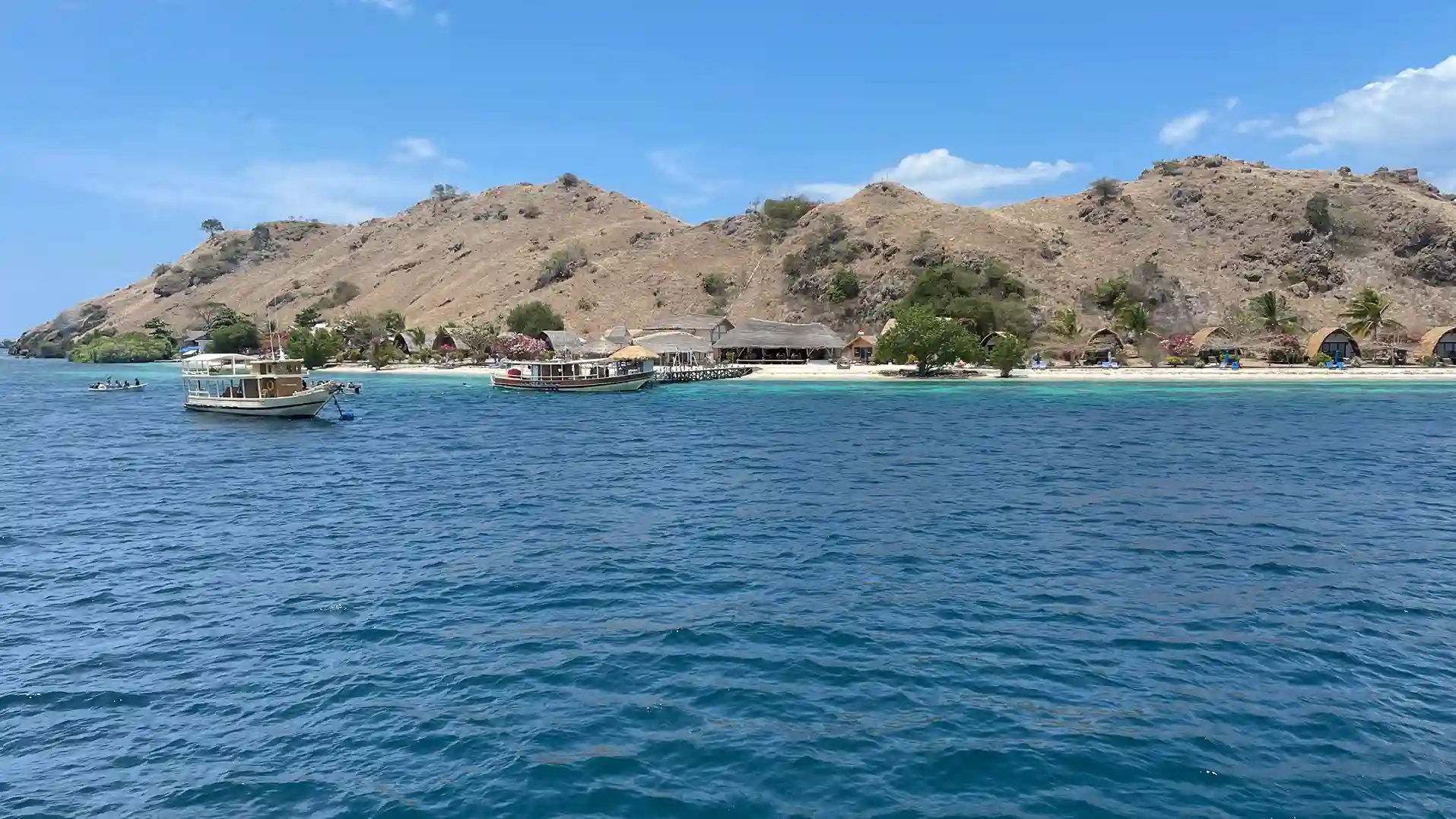
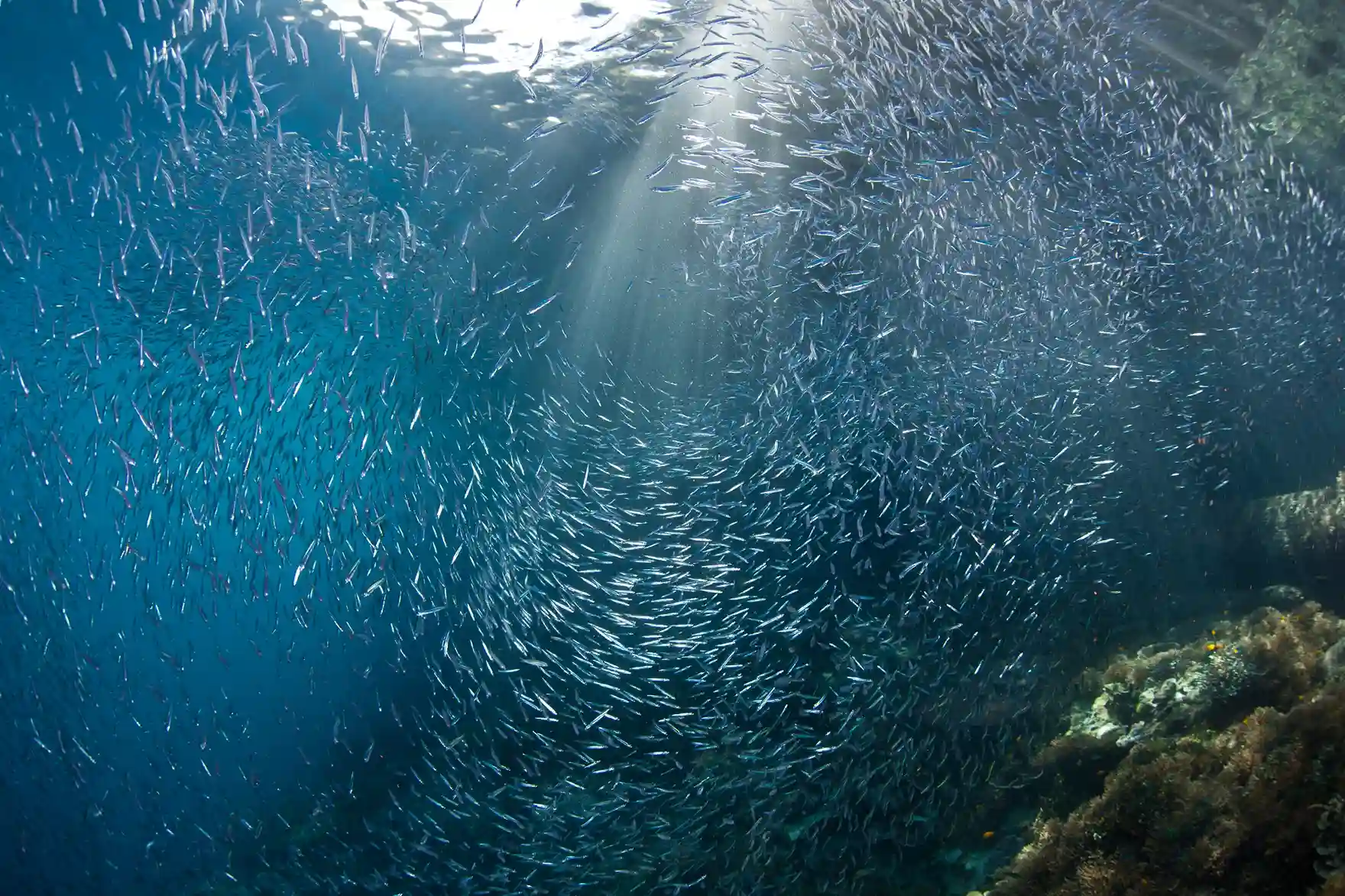
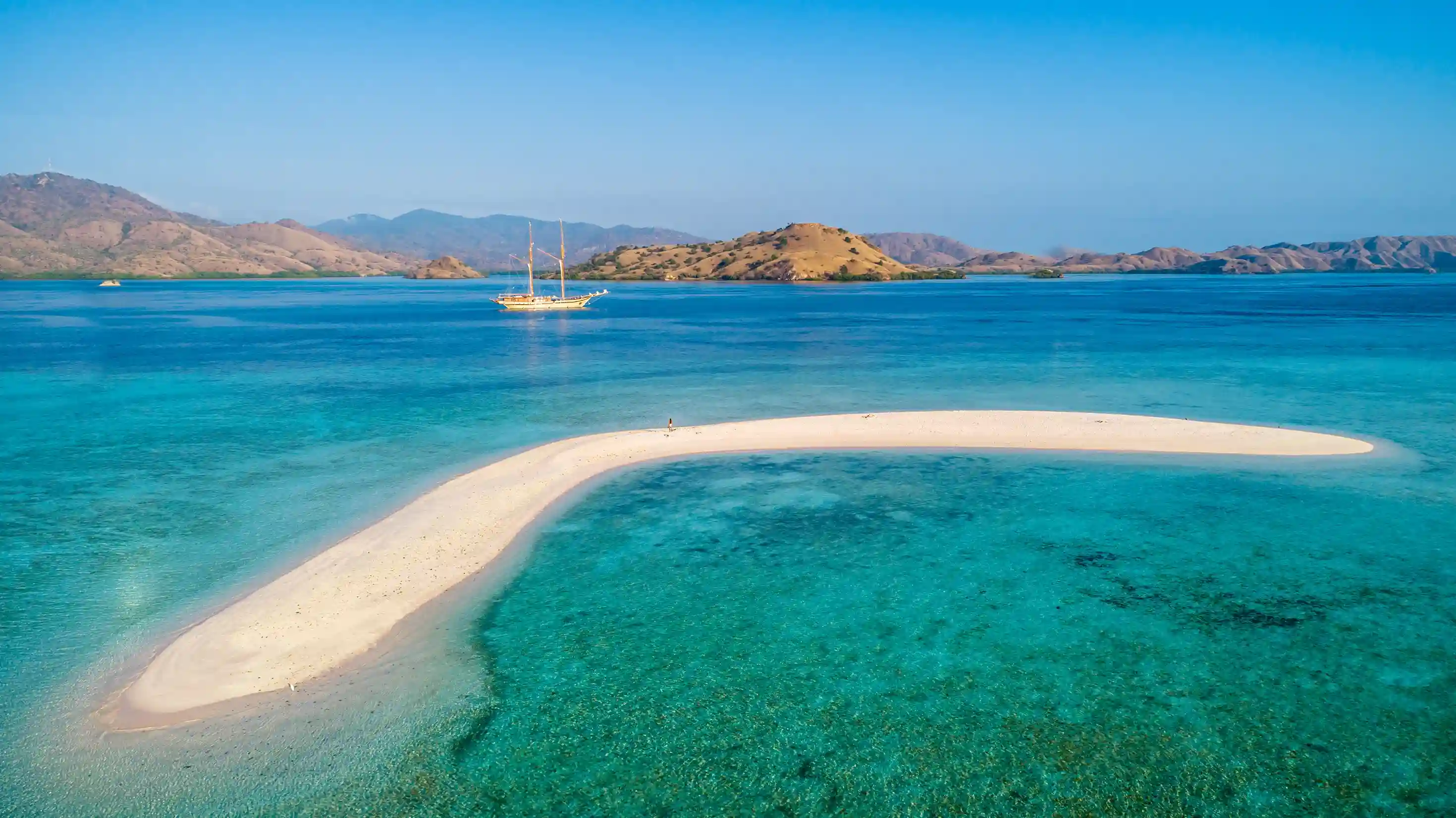
Day three started early. We left before sunrise for Kanawa, cutting through glassy water where the reflection of stars lingered like oil slicks. The dive master handed out bananas just before we hit the surface—bait for the blue-eyed barracuda that hang near the drop-off. Taka Makassar came later, all white sand and turquoise confusion, where the current pushed you gently along a reef edge teeming with bumphead parrotfish and clowns darting in anemones. Lunch was grilled mahi-mahi with sambal matah, served at the outdoor dining table shaded by a canvas awning that flapped only once all afternoon.
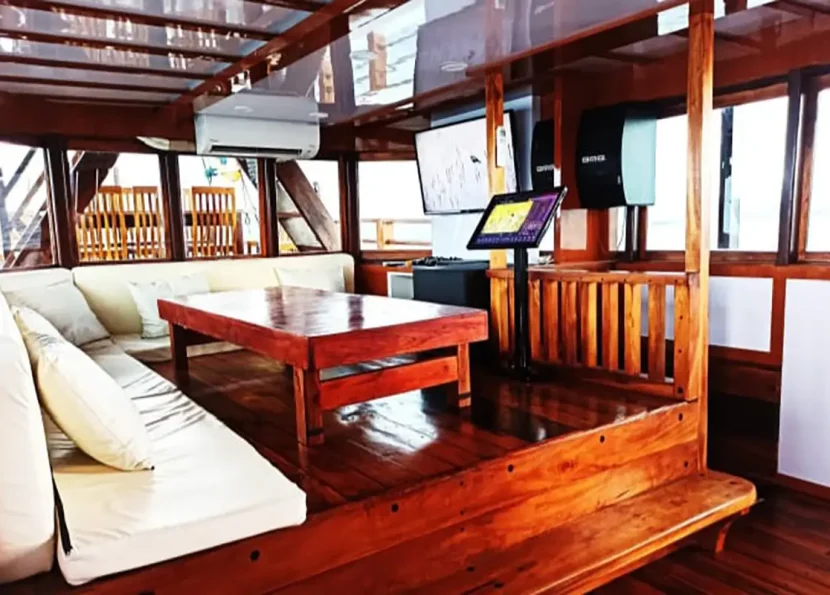
Back on board, the indoor lounge had a small library—actual books, not brochures—on Indonesian marine life and phinisi history. No one was watching TV. Instead, two guests sketched in notebooks, another napped in a hammock strung between masts. Riley didn’t shout luxury. She didn’t need to. Her strength was rhythm: the way the crew anticipated needs without hovering, how the sails went up just as the wind built in the afternoon, how the anchor dropped in calm bays with barely a clank. This wasn’t about ticking off sites. It was about feeling the tempo of the islands.