About Red Whale III
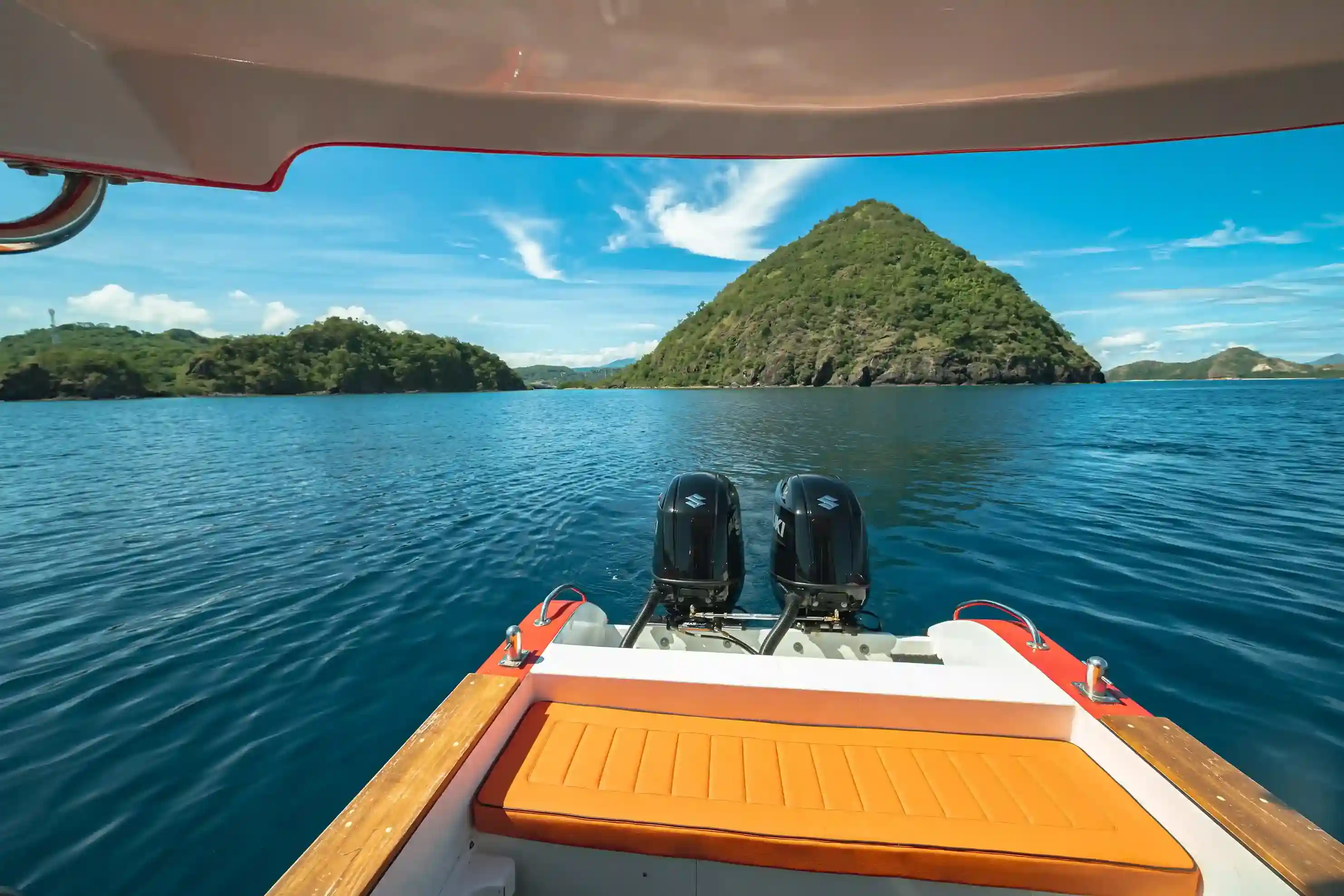
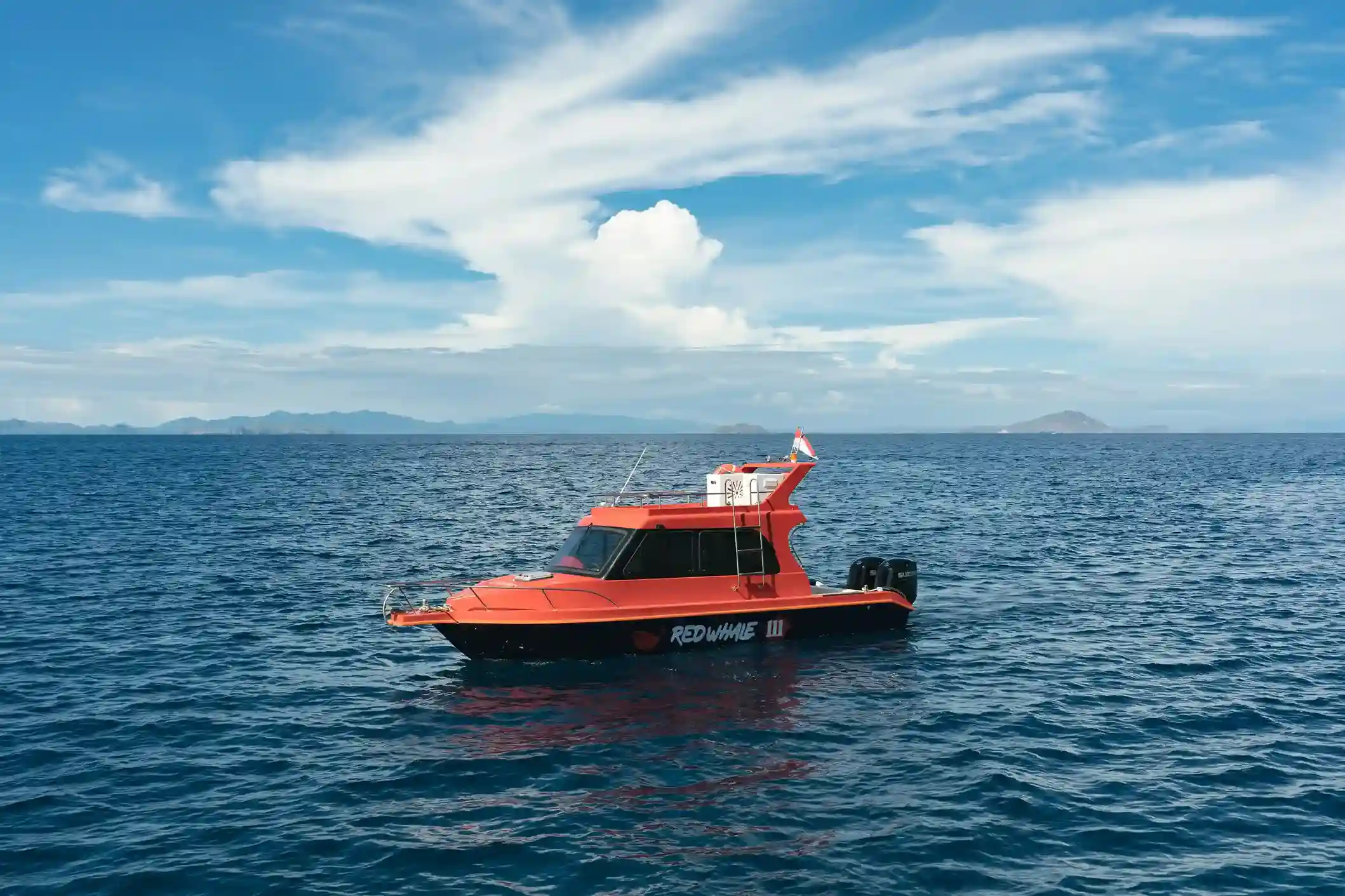
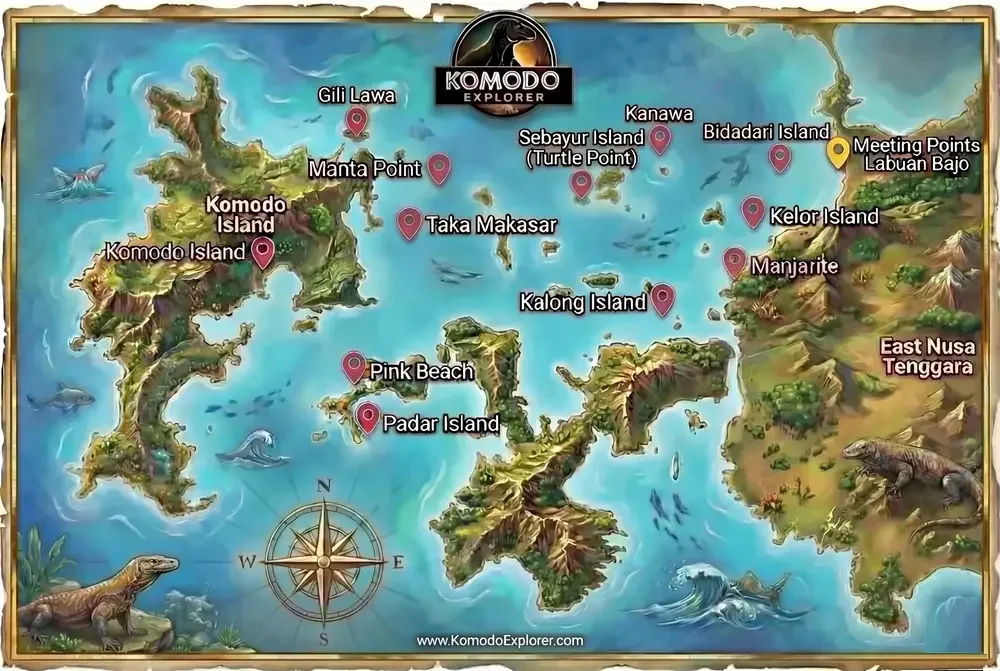
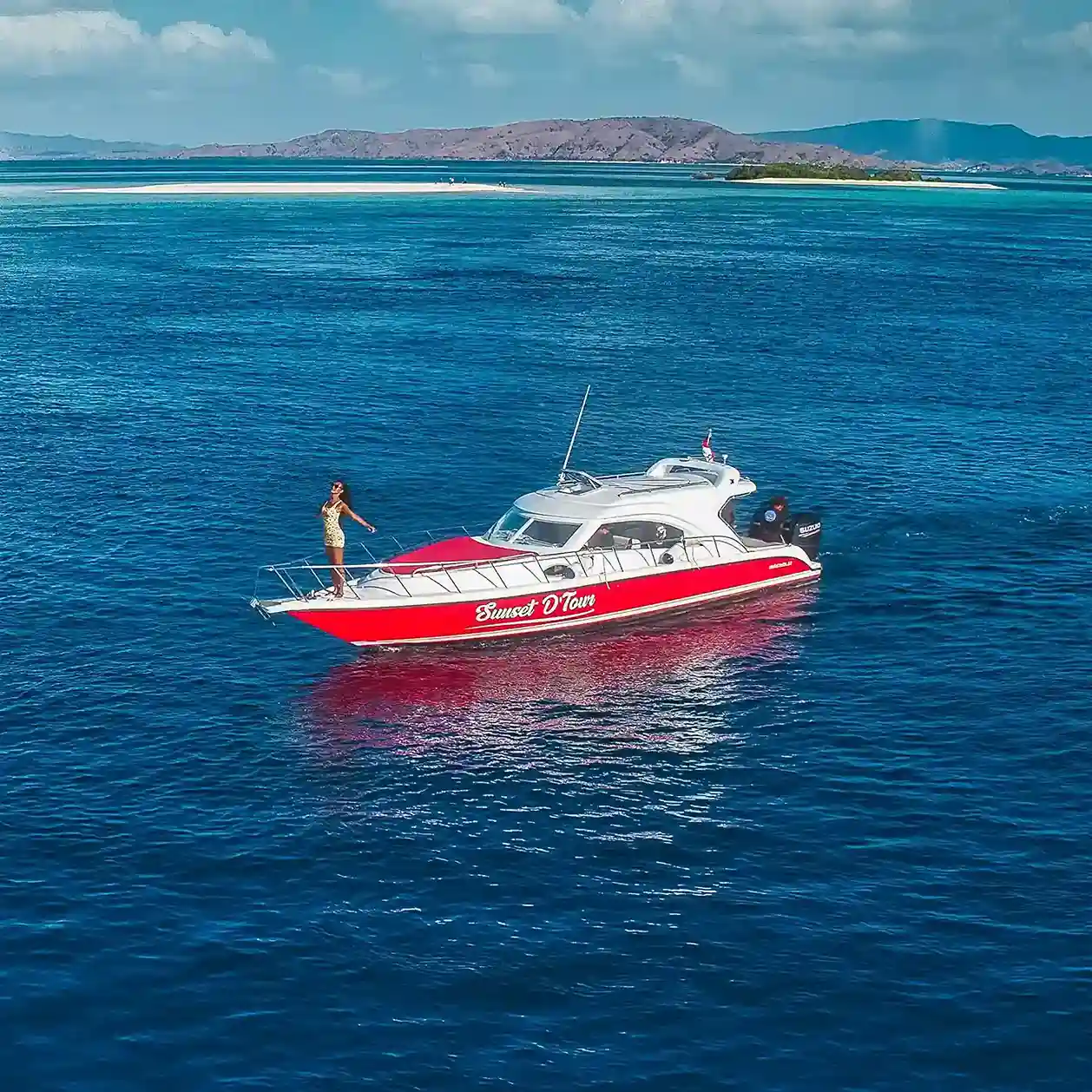
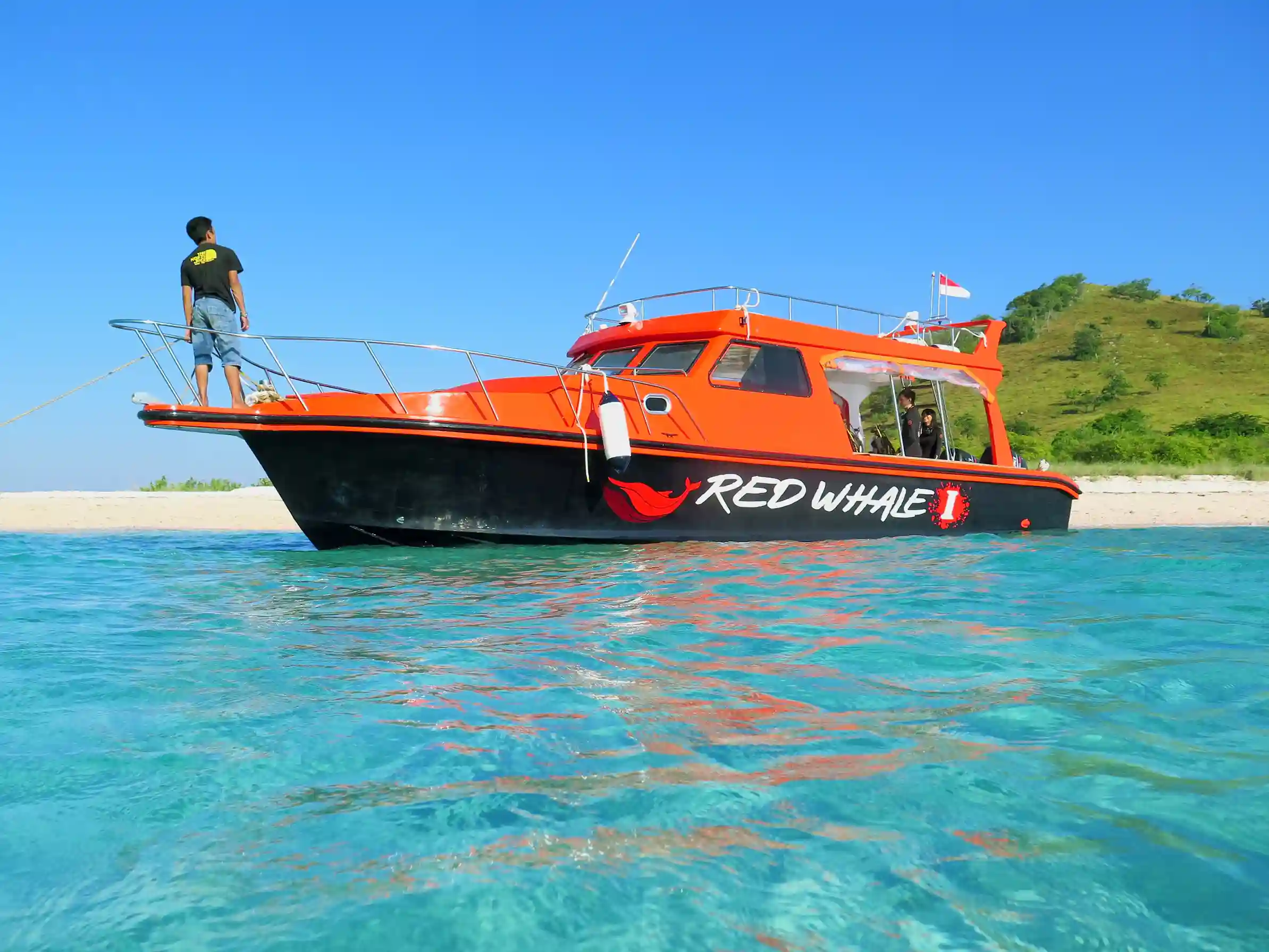
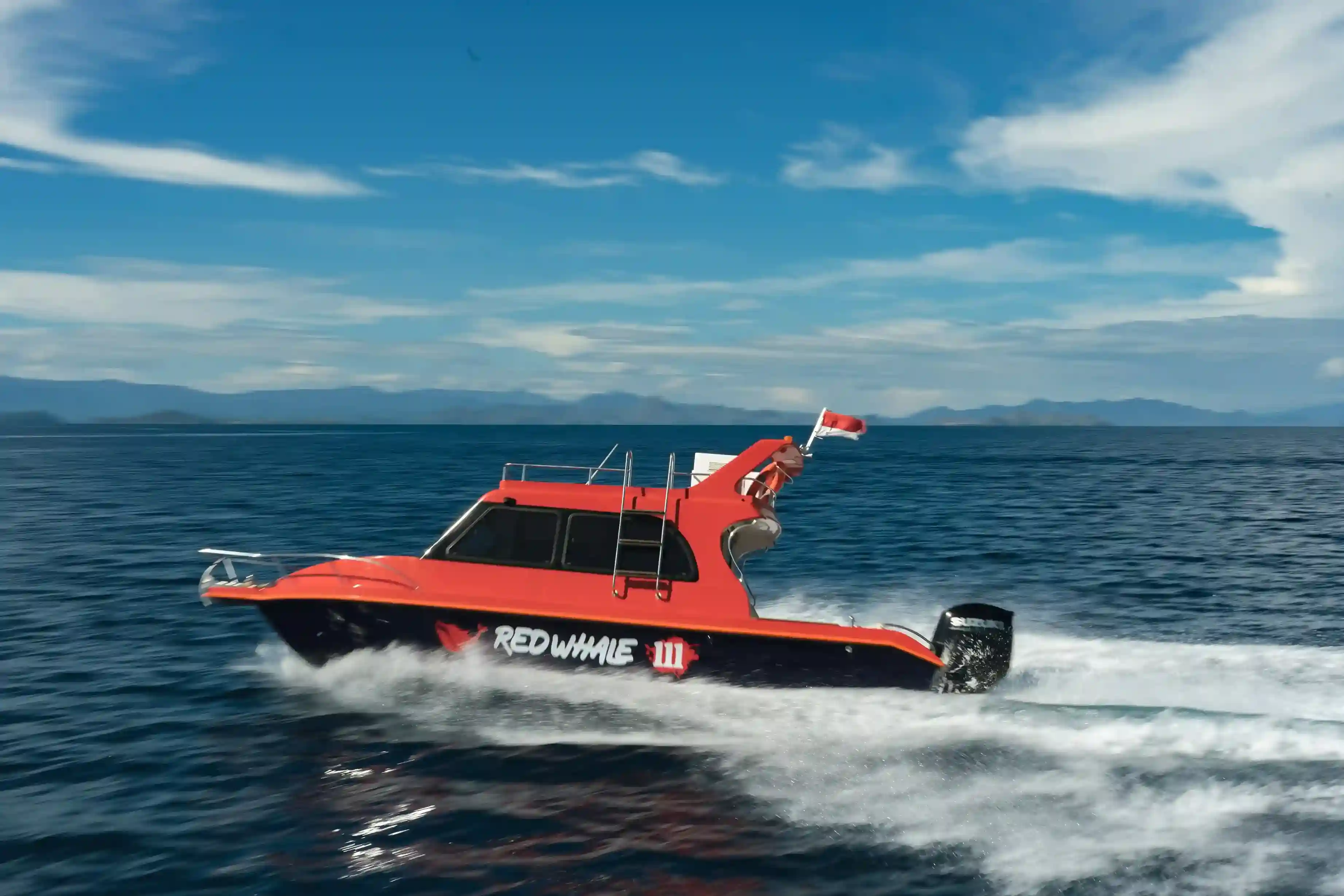
The sun hadn’t yet cleared the ridge of Padar when the wake from a passing speedboat slapped against the jetty at Labuan Bajo. On board Red Whale III, the twin Suzuki 200HP engines idled quietly, the deck still cool underfoot. There was no grand ceremony—just the skipper checking lines, a thermos of strong local coffee passed around, and the first streaks of gold spreading across the strait. This wasn’t about luxury linens or multi-course plating; it was about movement, timing, and getting to Manta Point before the crowds arrived. By 7:15, we were cutting through glassy water, the vibration of the engines humming through the soles of our sandals.
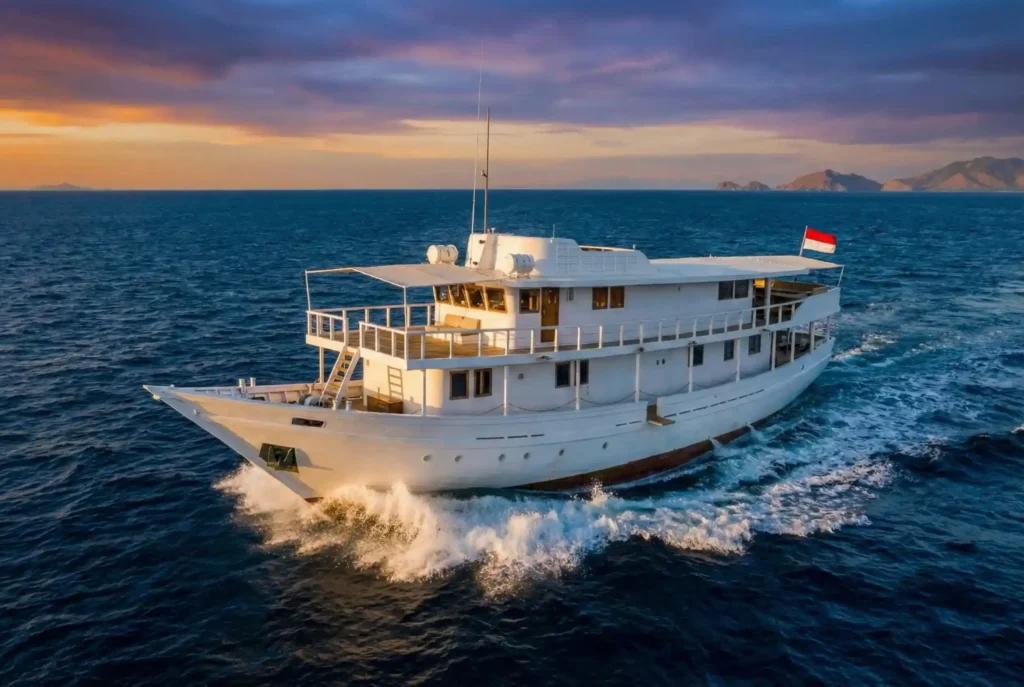
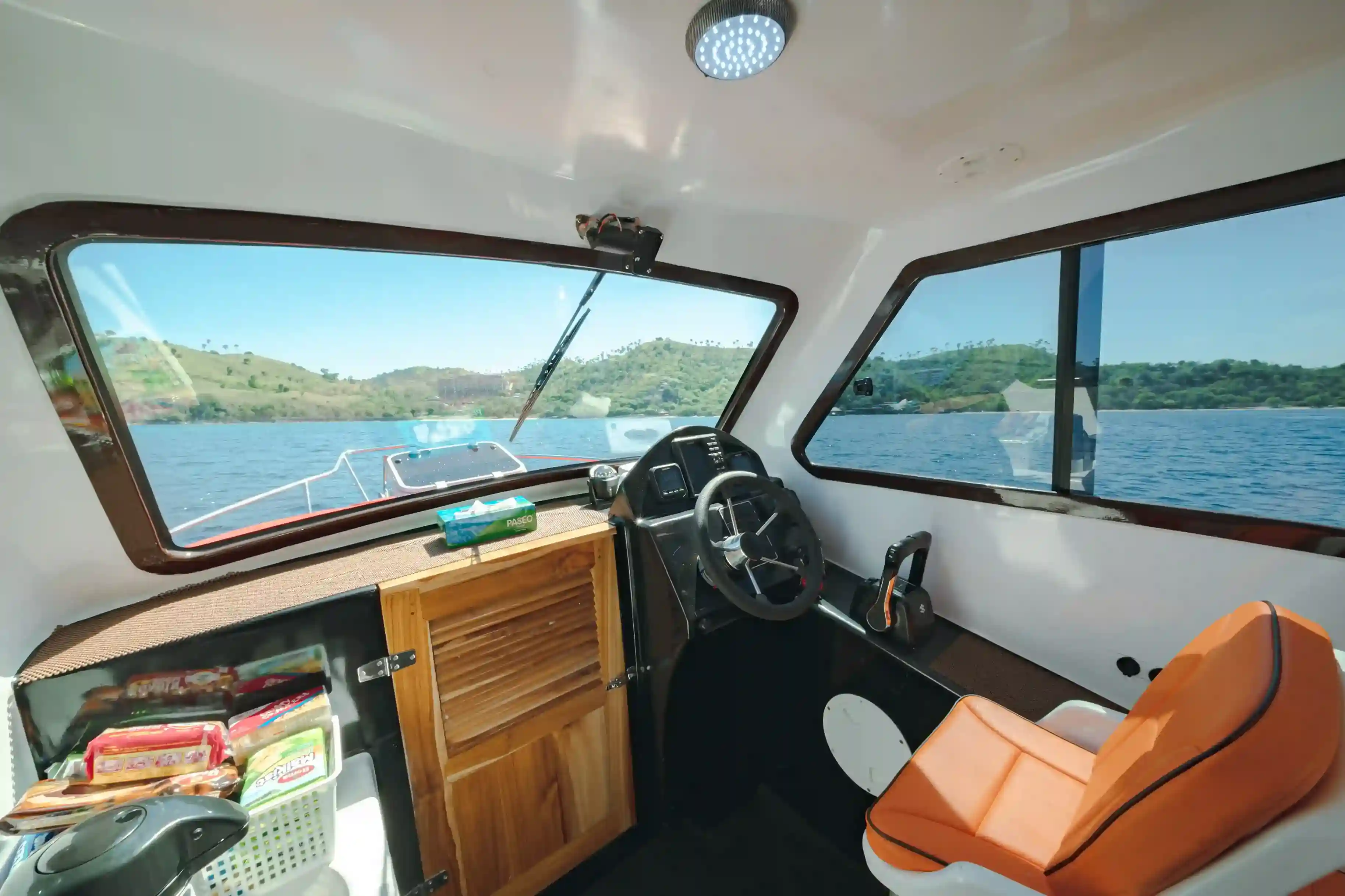
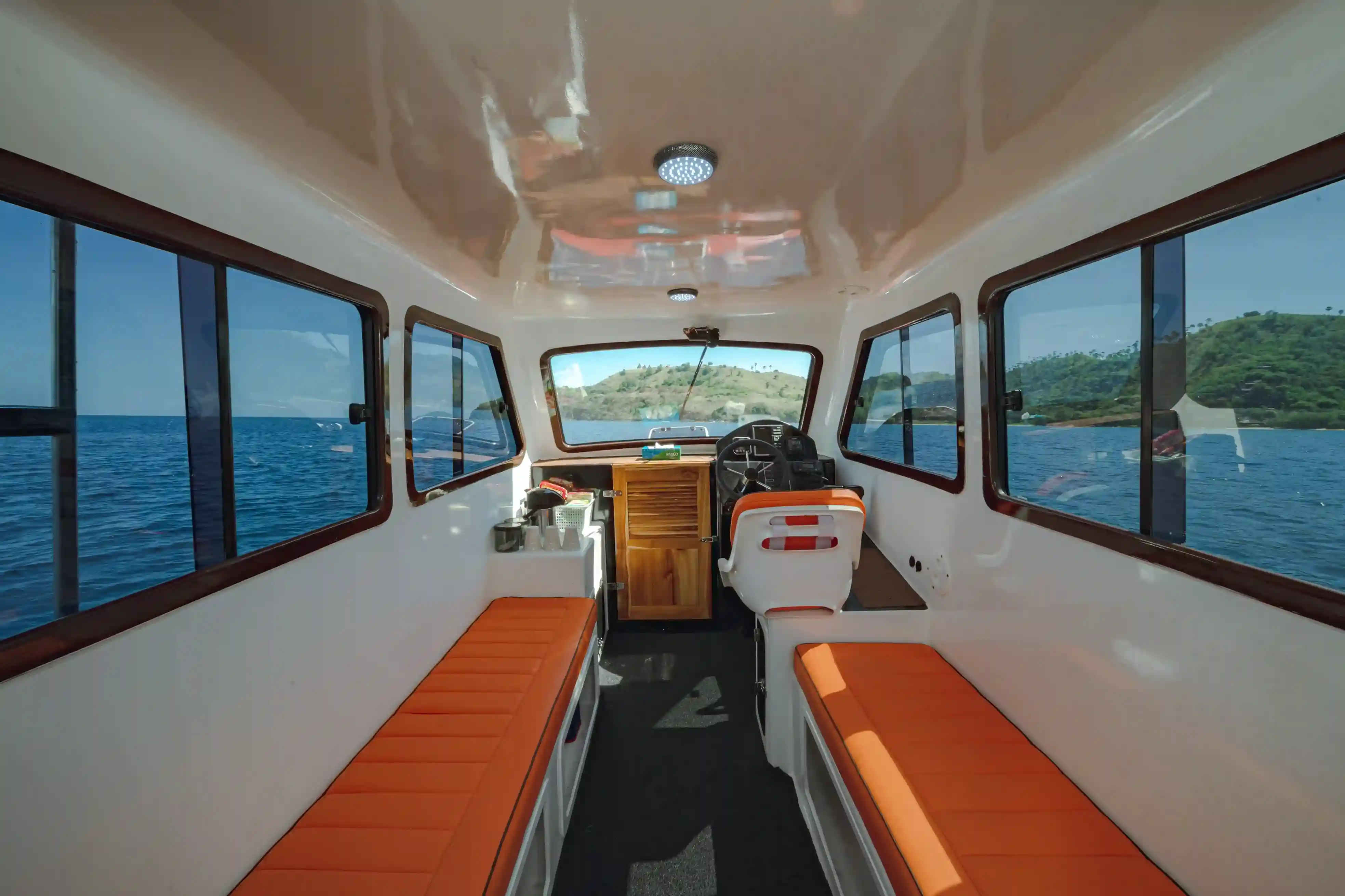
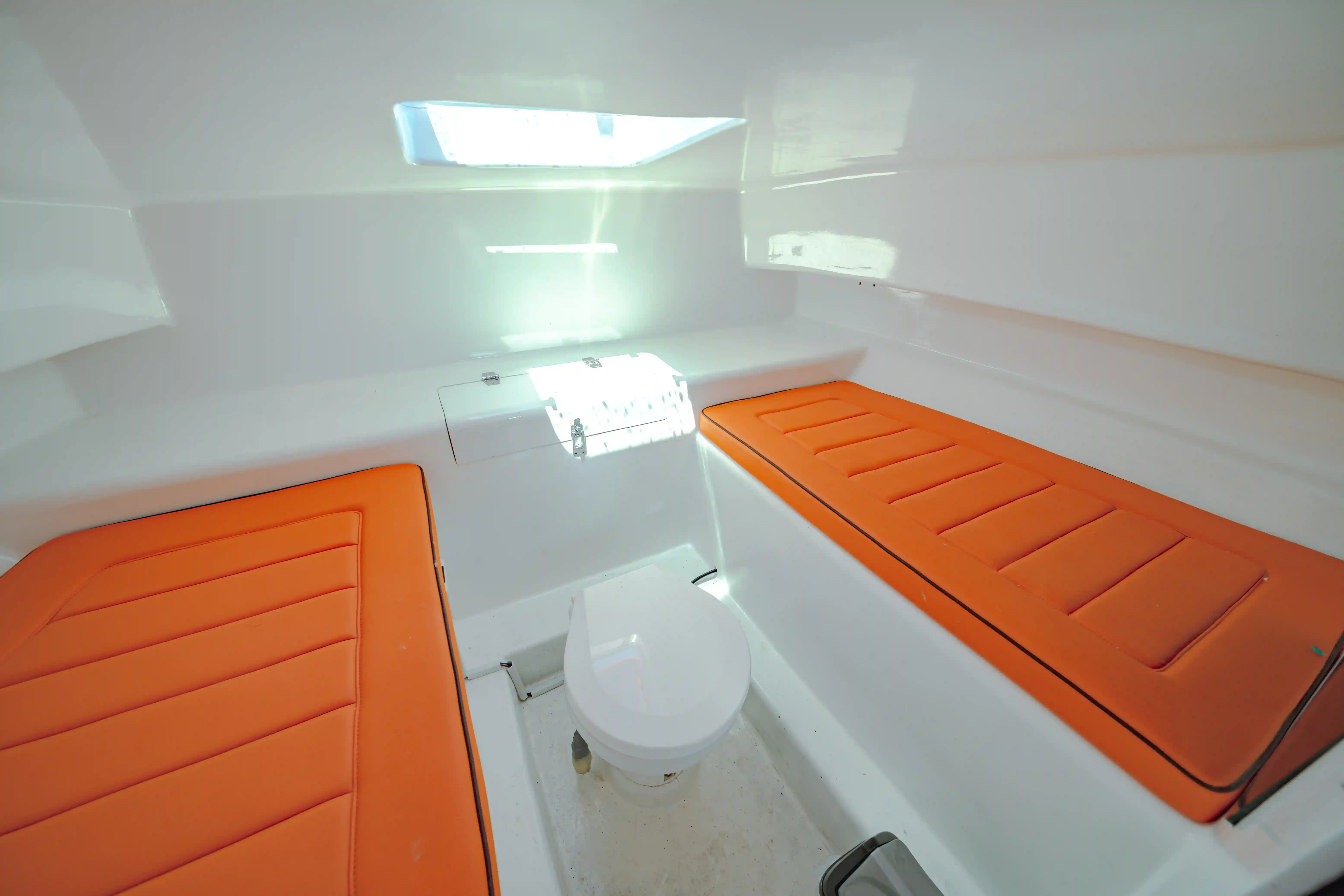
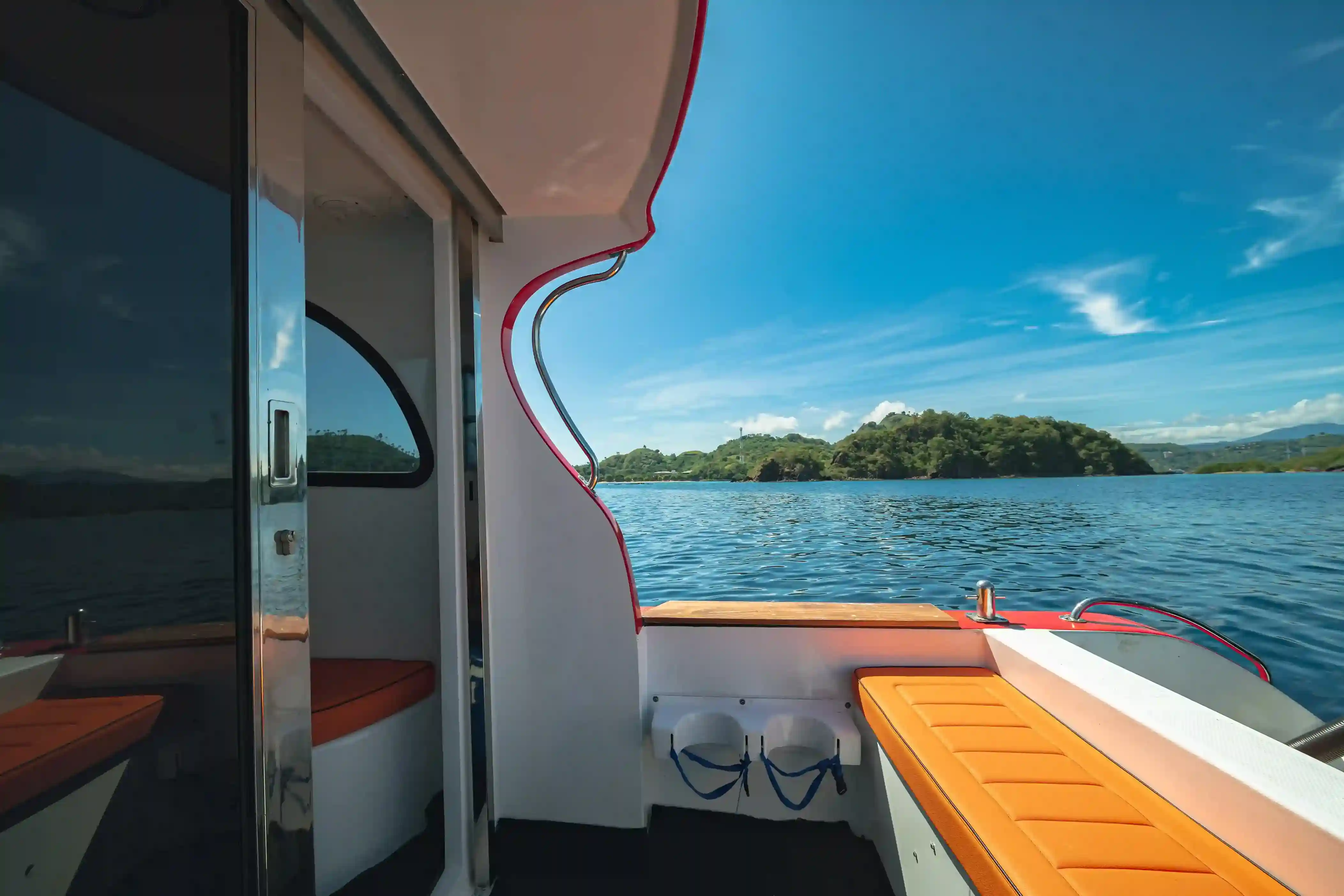
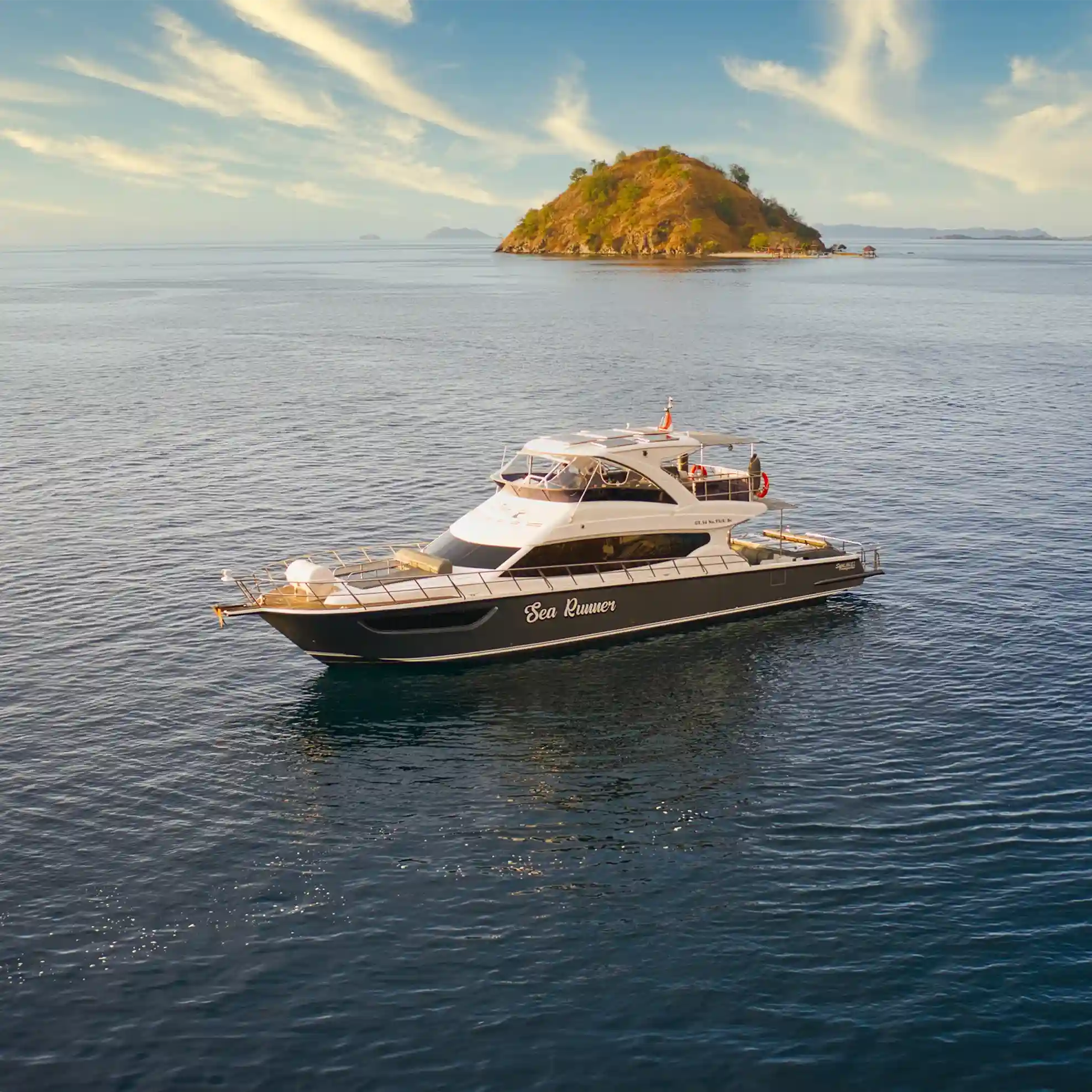
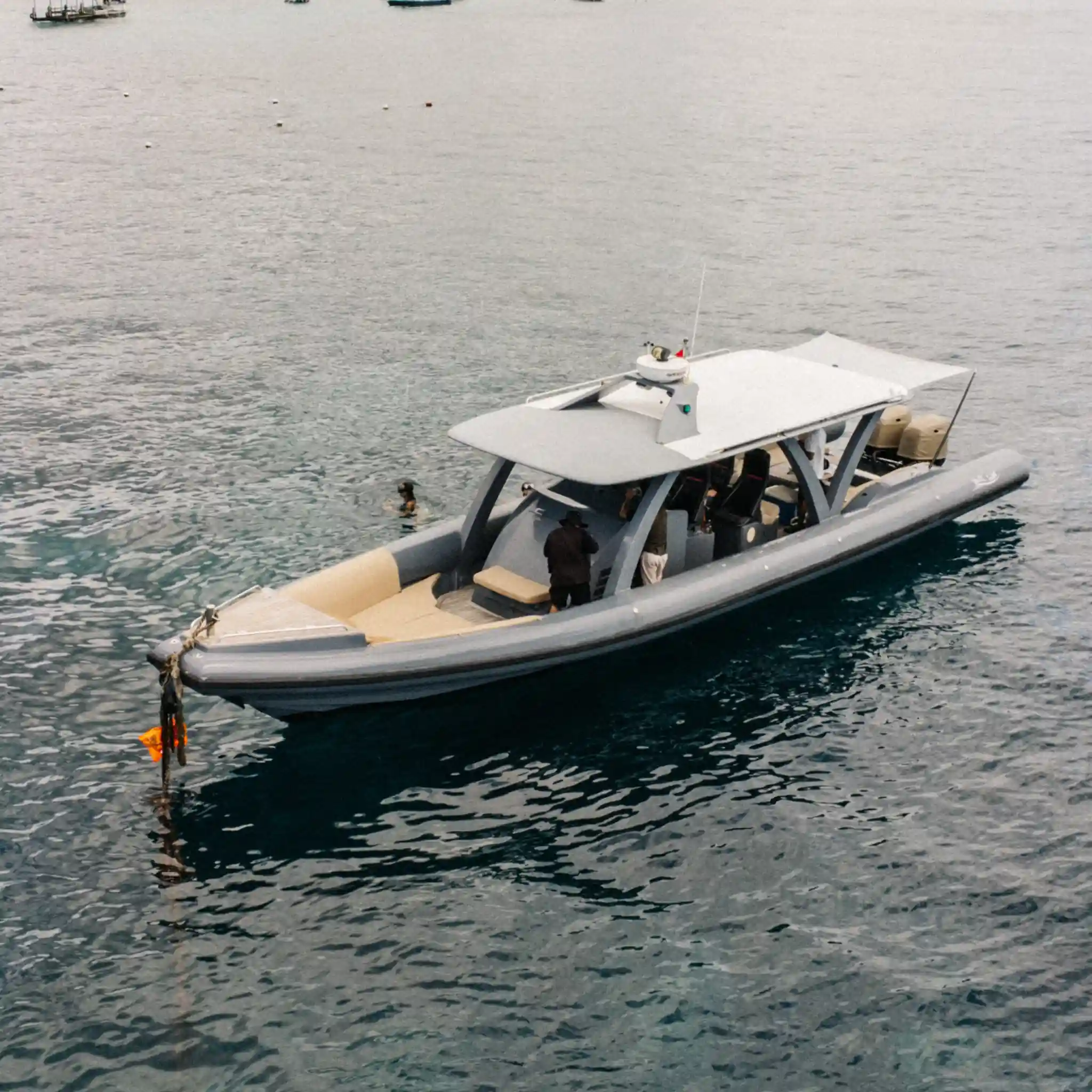
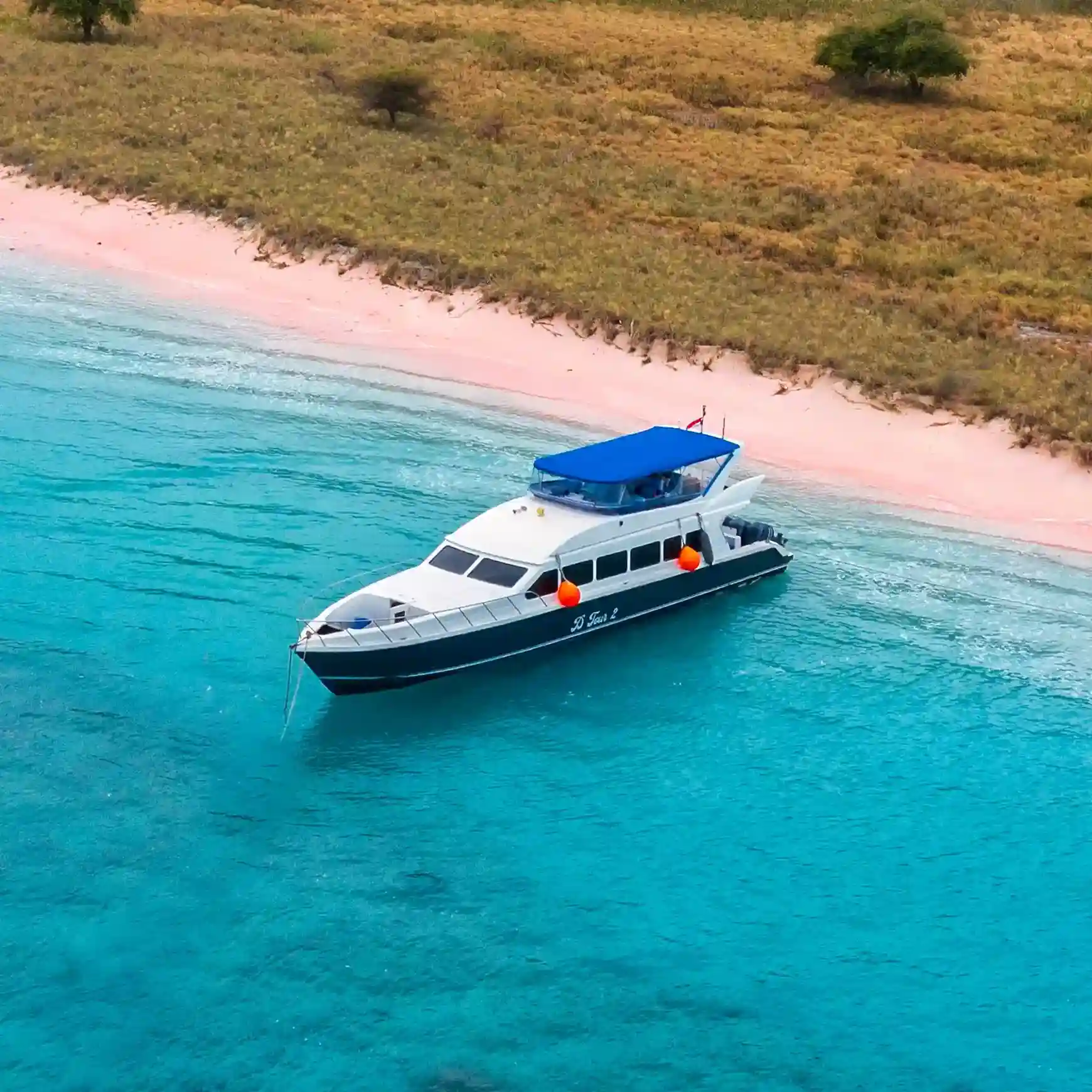
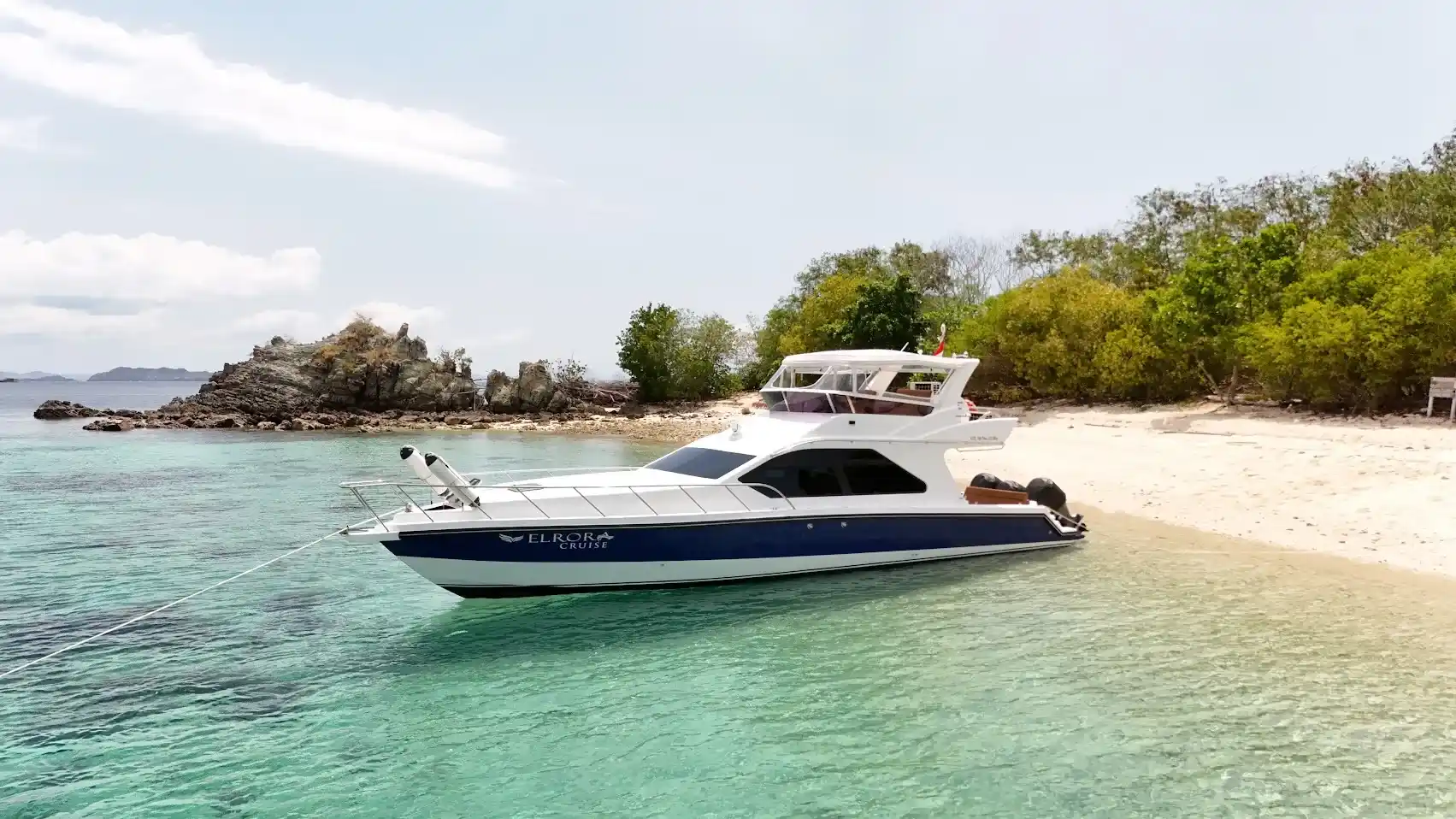
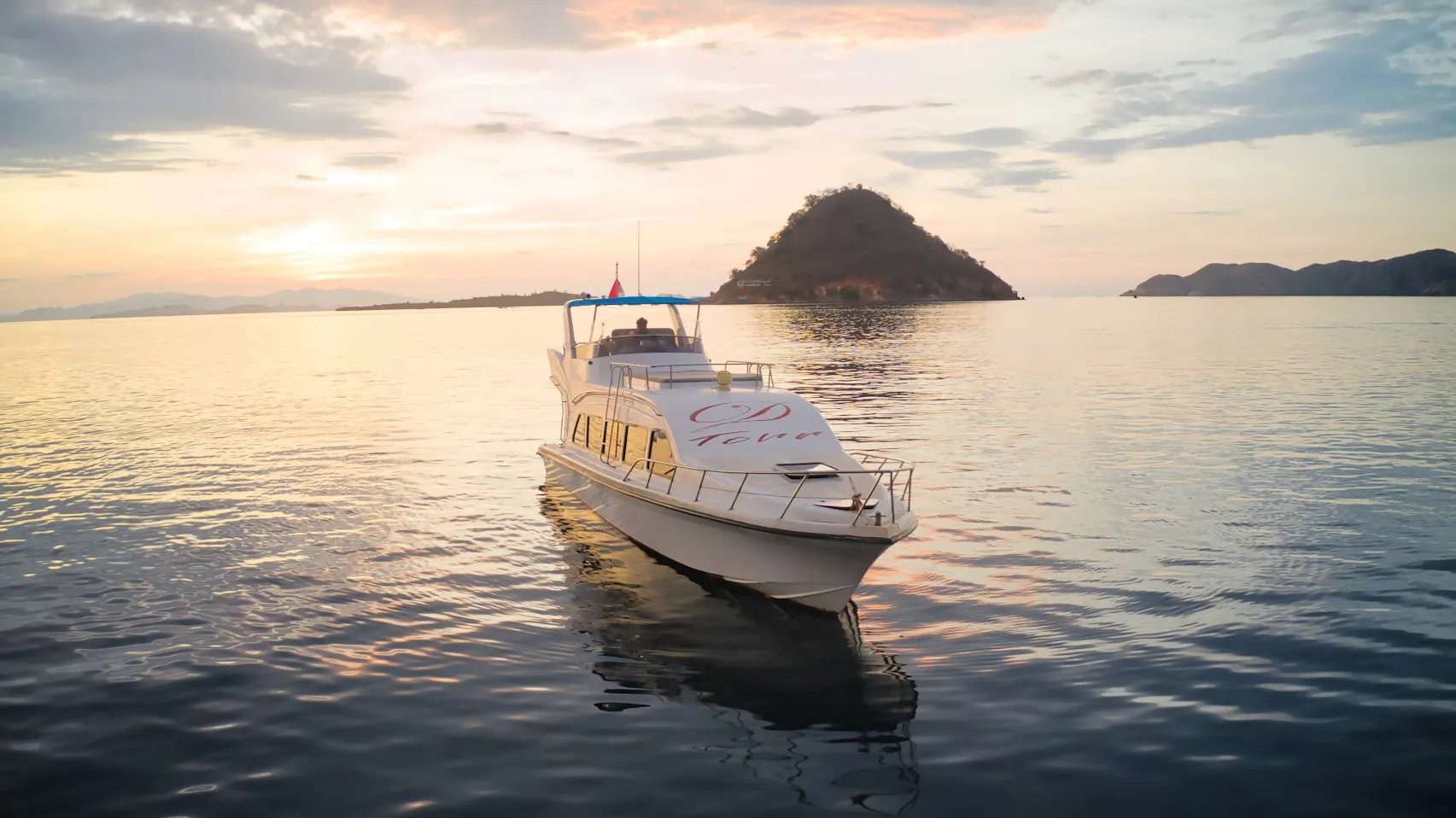
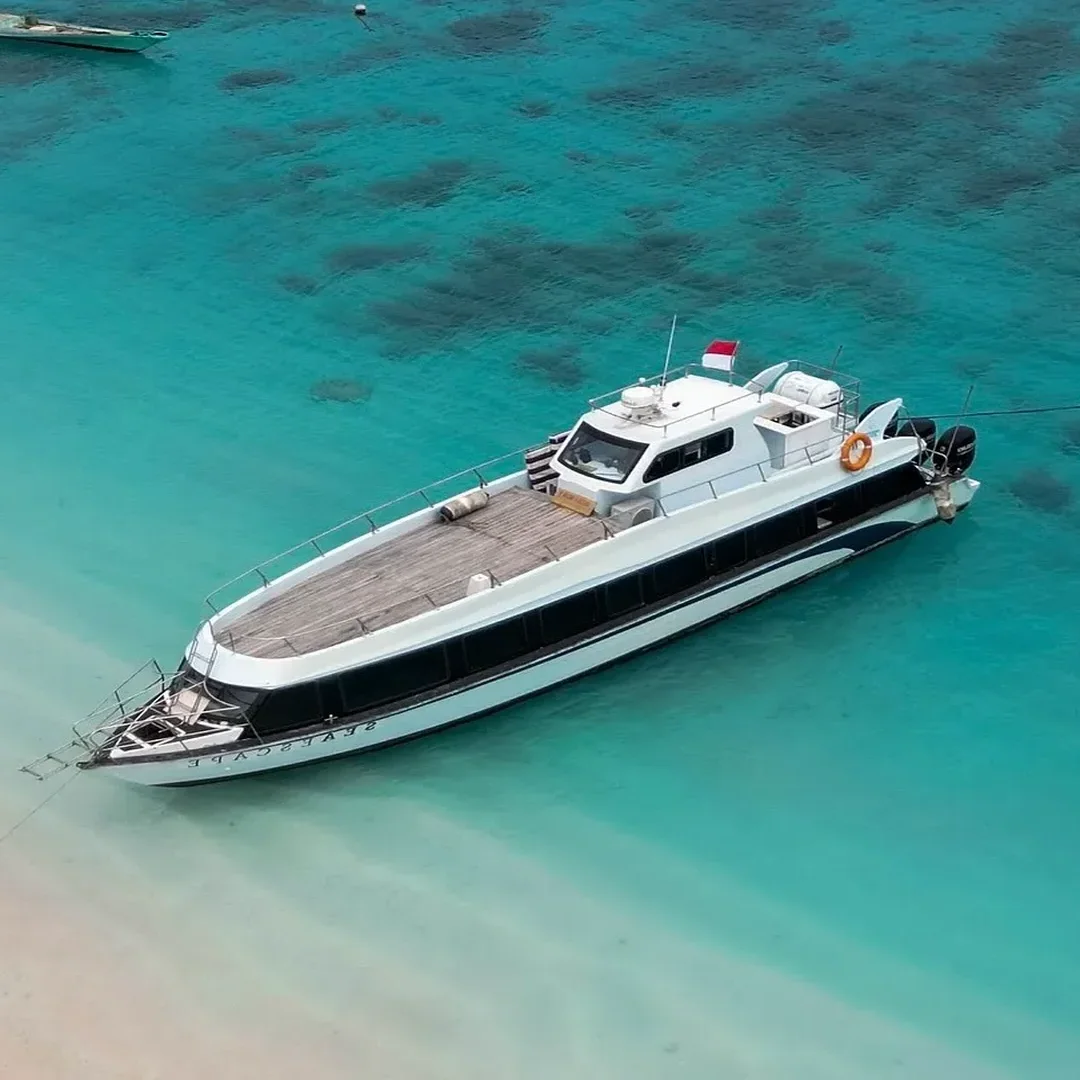
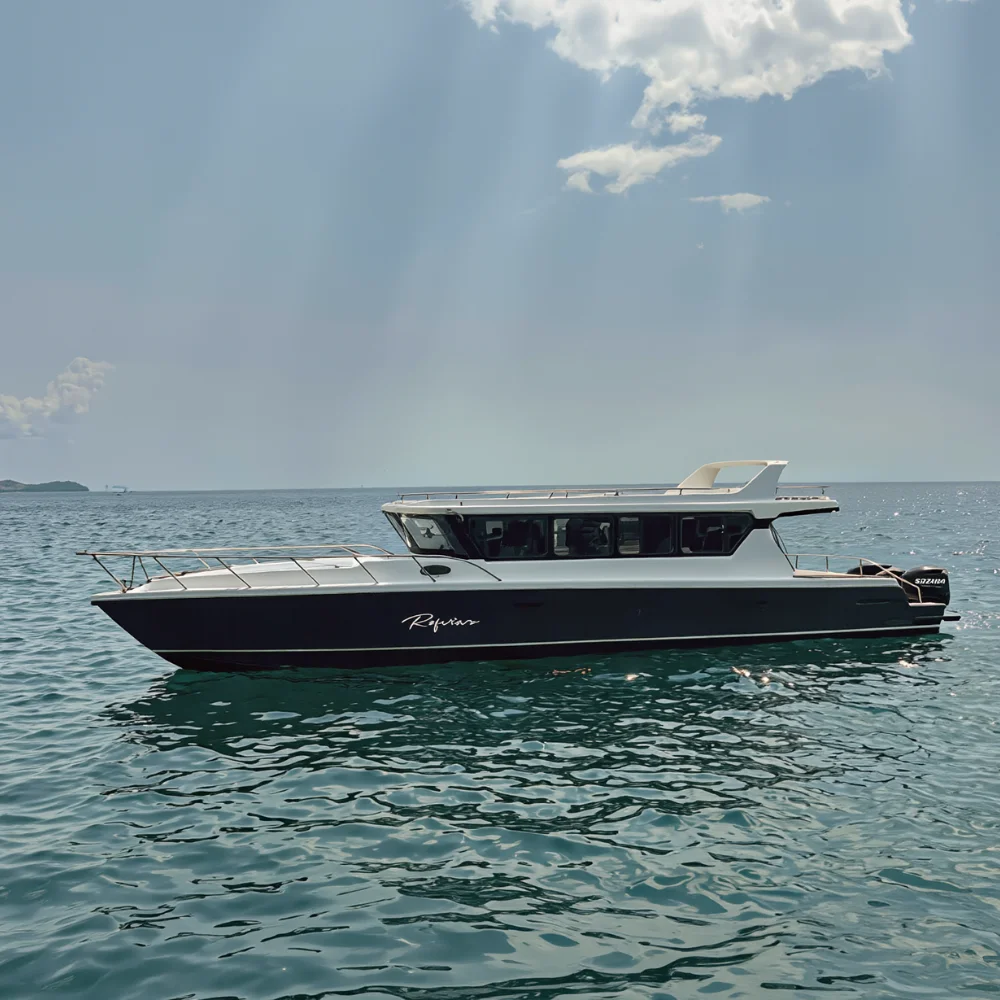
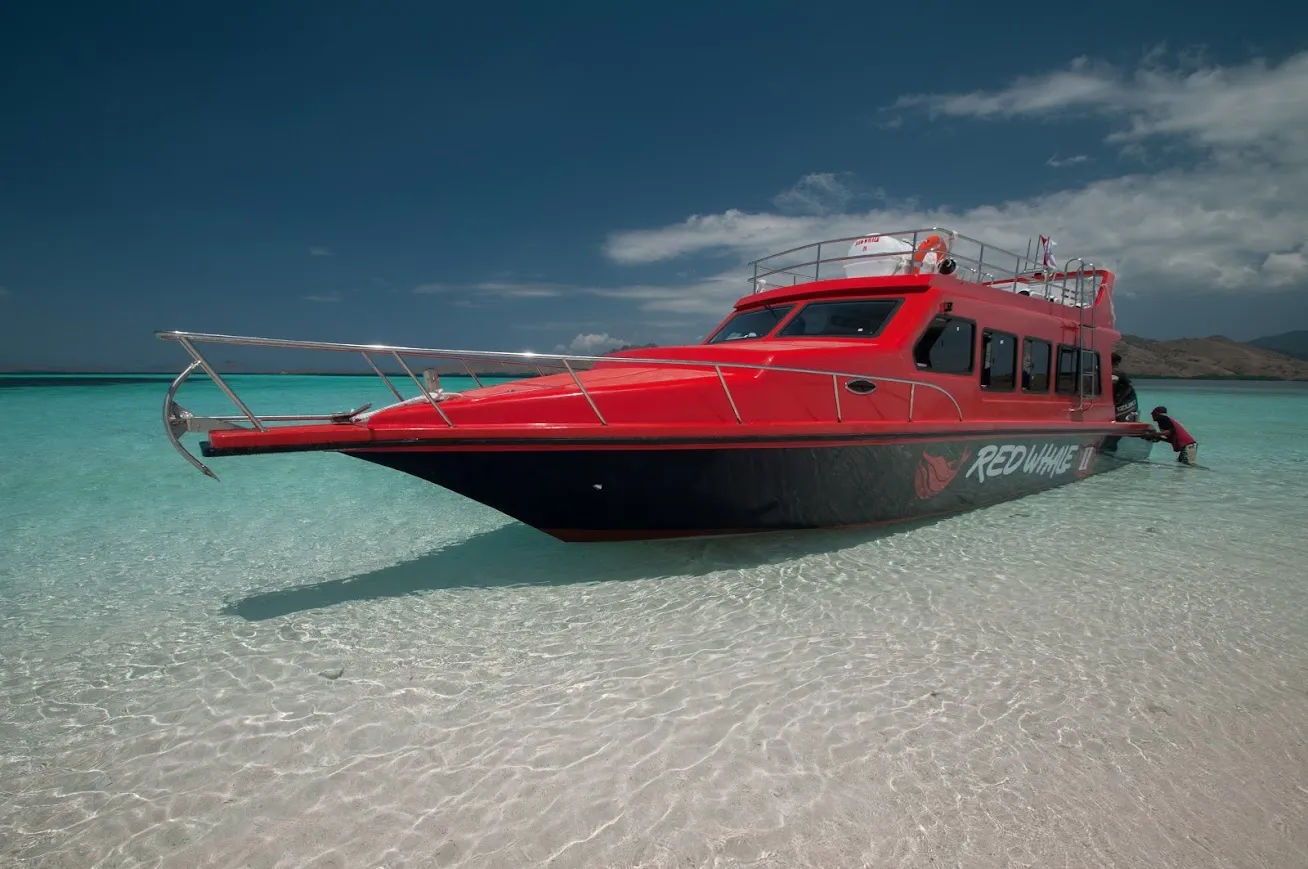
Red Whale III is built for pace and precision. The single cabin below deck is compact but thoughtfully laid out—air conditioning actually works, even in midday heat, and the flush toilet isn’t the usual pump-it-yourself model but a proper electric marine unit. That matters after hours on the water. The cabin isn’t meant for long stays; it’s a shelter for gear, a place to stow a bag or change quickly between snorkels. The real space is up top: a wide aft deck with bench seating, a small shaded console area with cushioned seating forward, and clear access to the bow for unobstructed views. At Taka Makassar, as the tide shifted and sandbanks emerged like shifting islands, we anchored just off the shallows. The crew had the dinghy in the water before the anchor settled, knowing exactly where the mantas had been sighted that morning.
We spent the morning where the current funnels clean water through the channel between Gili Lawa Laut and the open Savu Sea. The boat positioned itself just off the reef drop-off, bow into the current, stable even as swells rolled through. Snorkeling here isn’t passive—there’s effort in holding position—but the return is immediate: giant mantas circling below, their wingtips brushing the surface. Back aboard, towels were already laid out, chilled coconut water cracked open before we even climbed the rear ladder. No one asked. The crew simply timed it. Later, at Pink Beach, the boat anchored in the quieter northern cove, away from the day-trip clusters. We walked the crescent alone for twenty minutes, the sand a soft blend of white and blush, crushed coral giving it its hue.
By mid-afternoon, we were drifting near Kanawa Island, the engines off, silence broken only by the tide slapping the hull. The light was lower now, golden and long, stretching our shadows across the deck. One of the crew fired up the stove below to heat water for instant noodles—simple, but welcome. This isn’t a vessel pretending to be something it’s not. It doesn’t have a sun deck or a dive compressor. What it does offer is reliability, speed, and a crew that knows how to move efficiently through Komodo’s tight windows. They time fuel stops, monitor radio chatter from other boats, and know which channels stay open during spring tides. On the return run, we passed a larger charter yacht struggling in chop near Banta. Red Whale III cut through it cleanly, the twin engines holding steady. We reached Labuan Bajo just before 6 PM, the sky streaked with violet and orange, no one exhausted, no gear soaked. Just a smooth end to a long day well spent.