About Typhoon
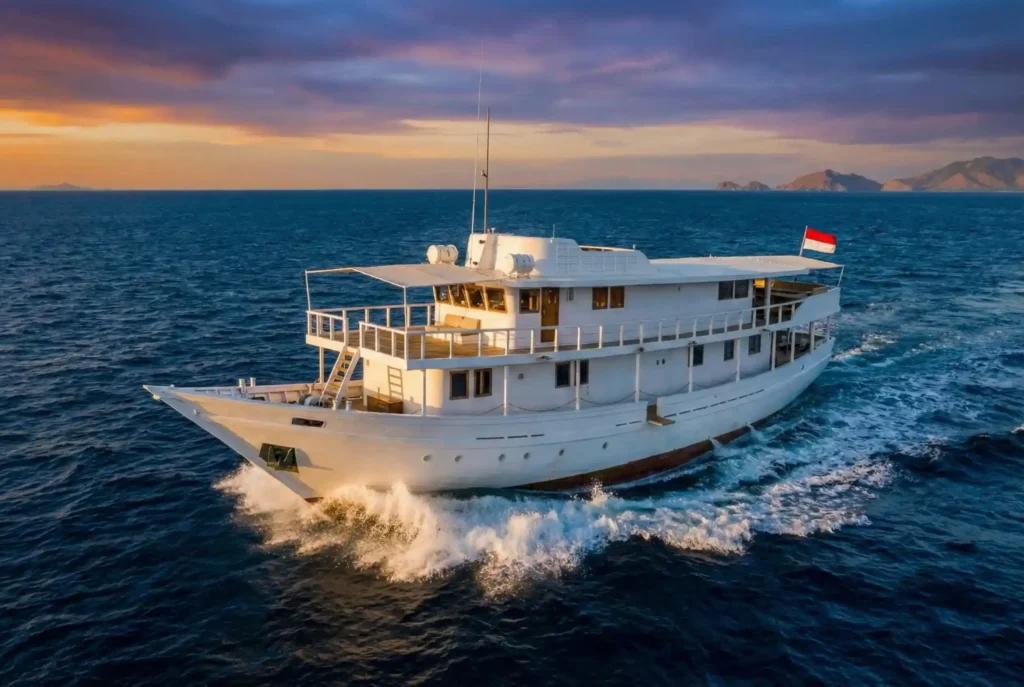
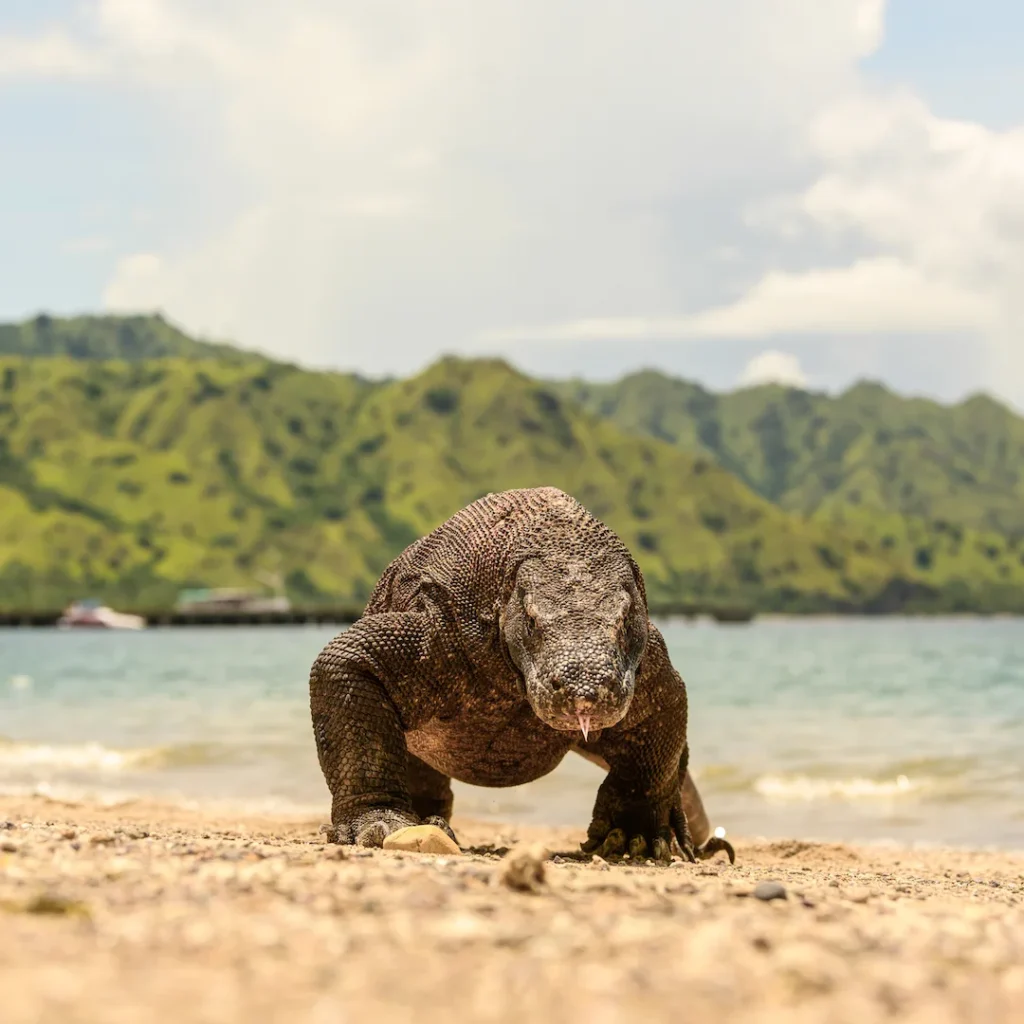
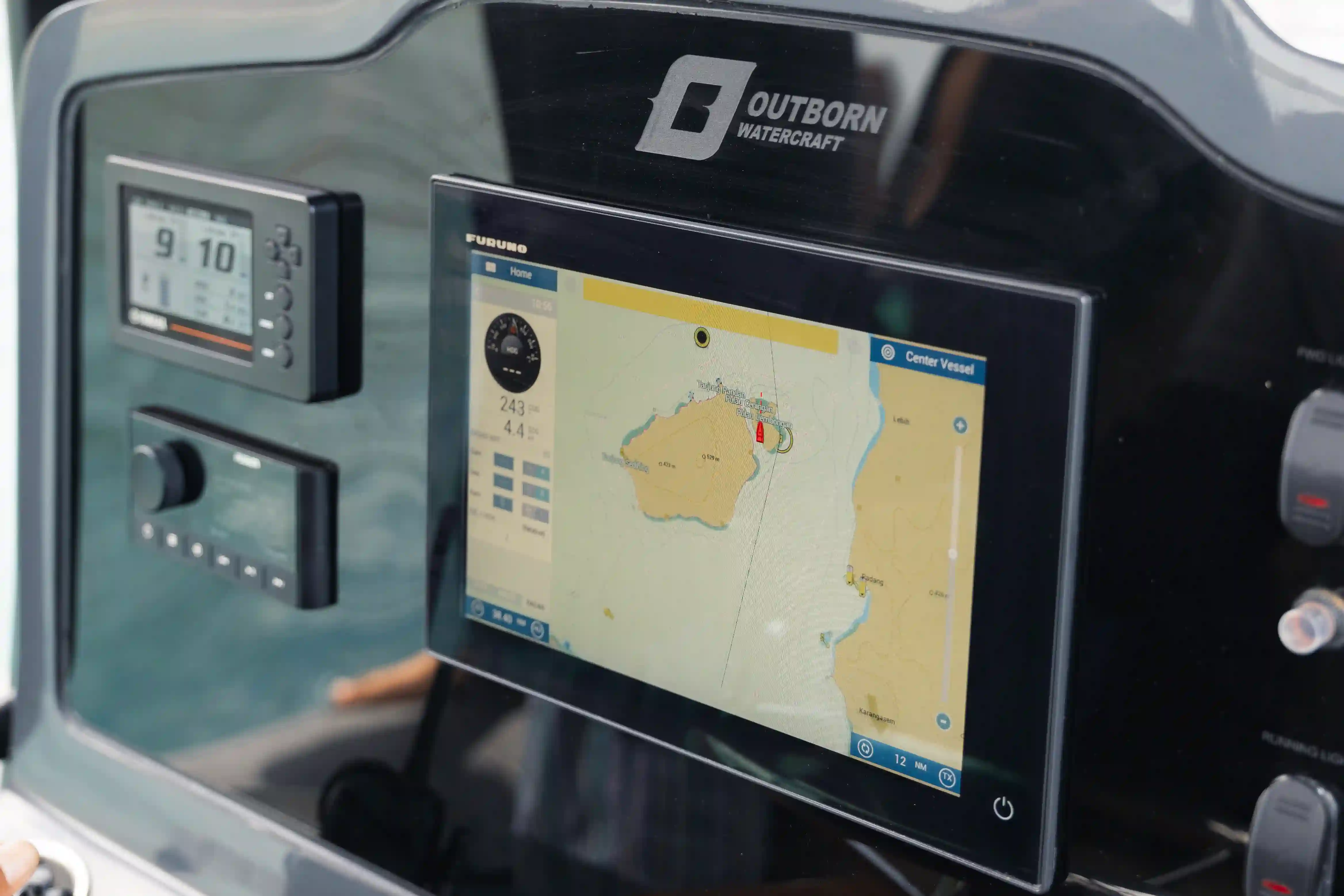
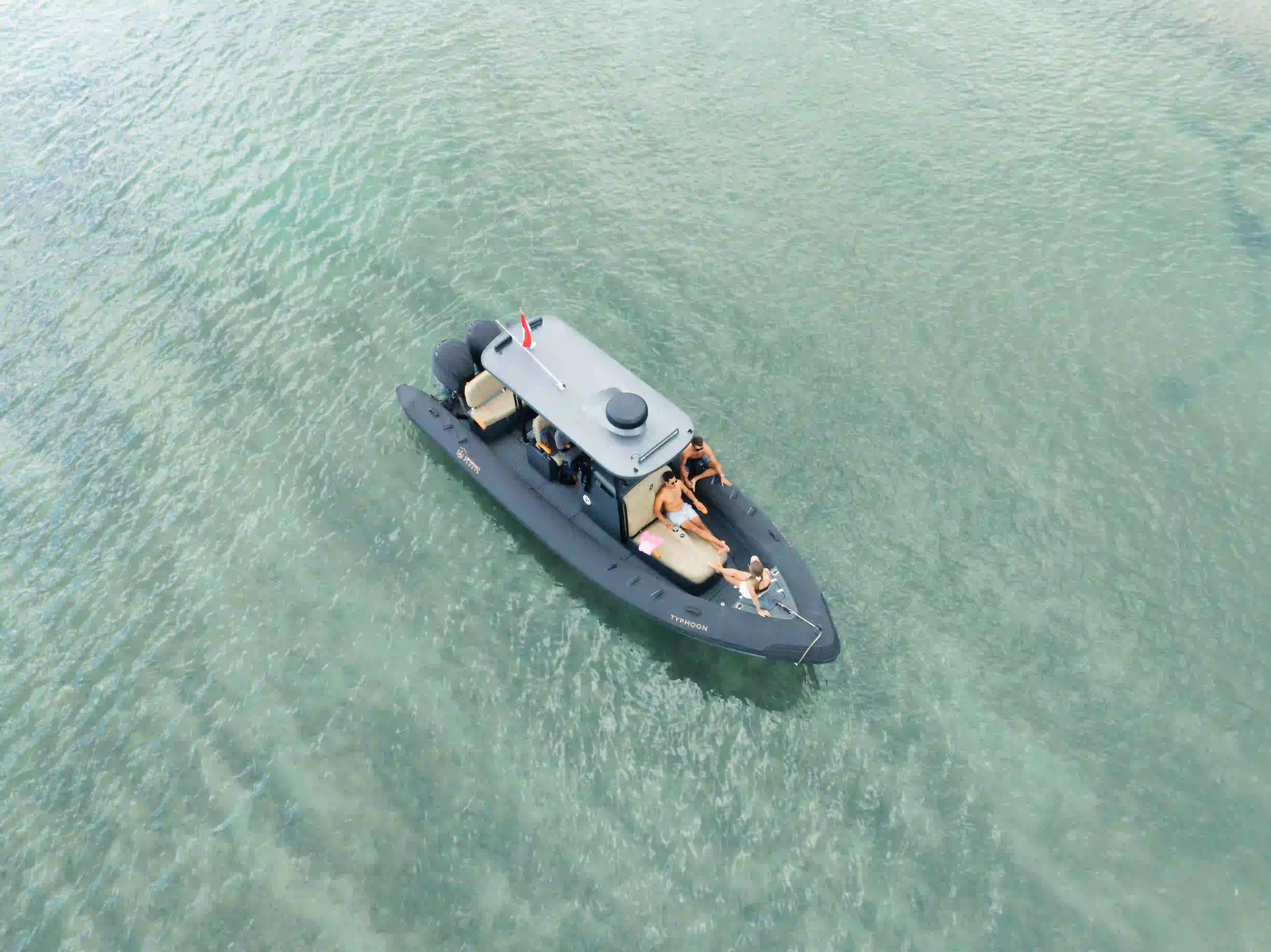
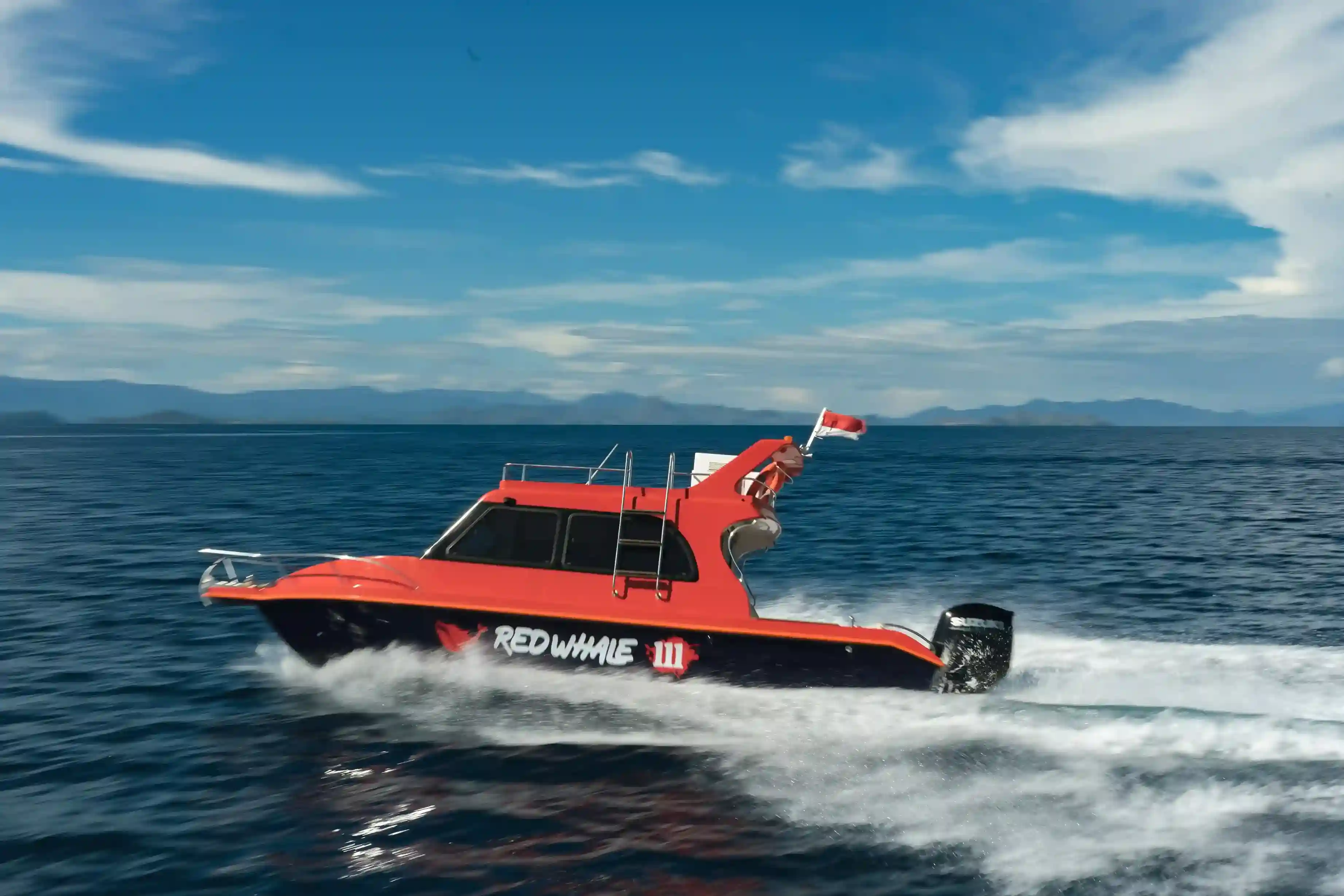
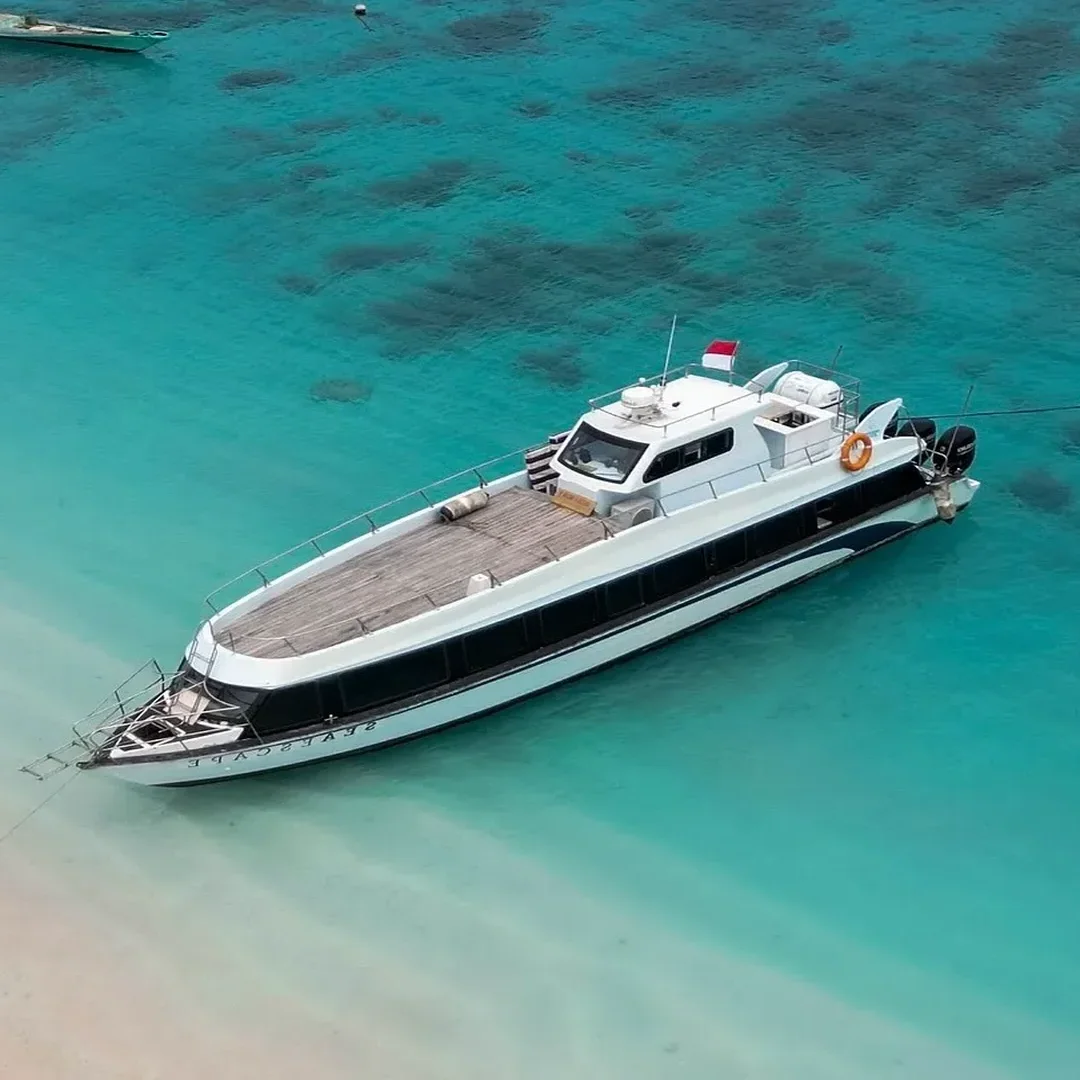
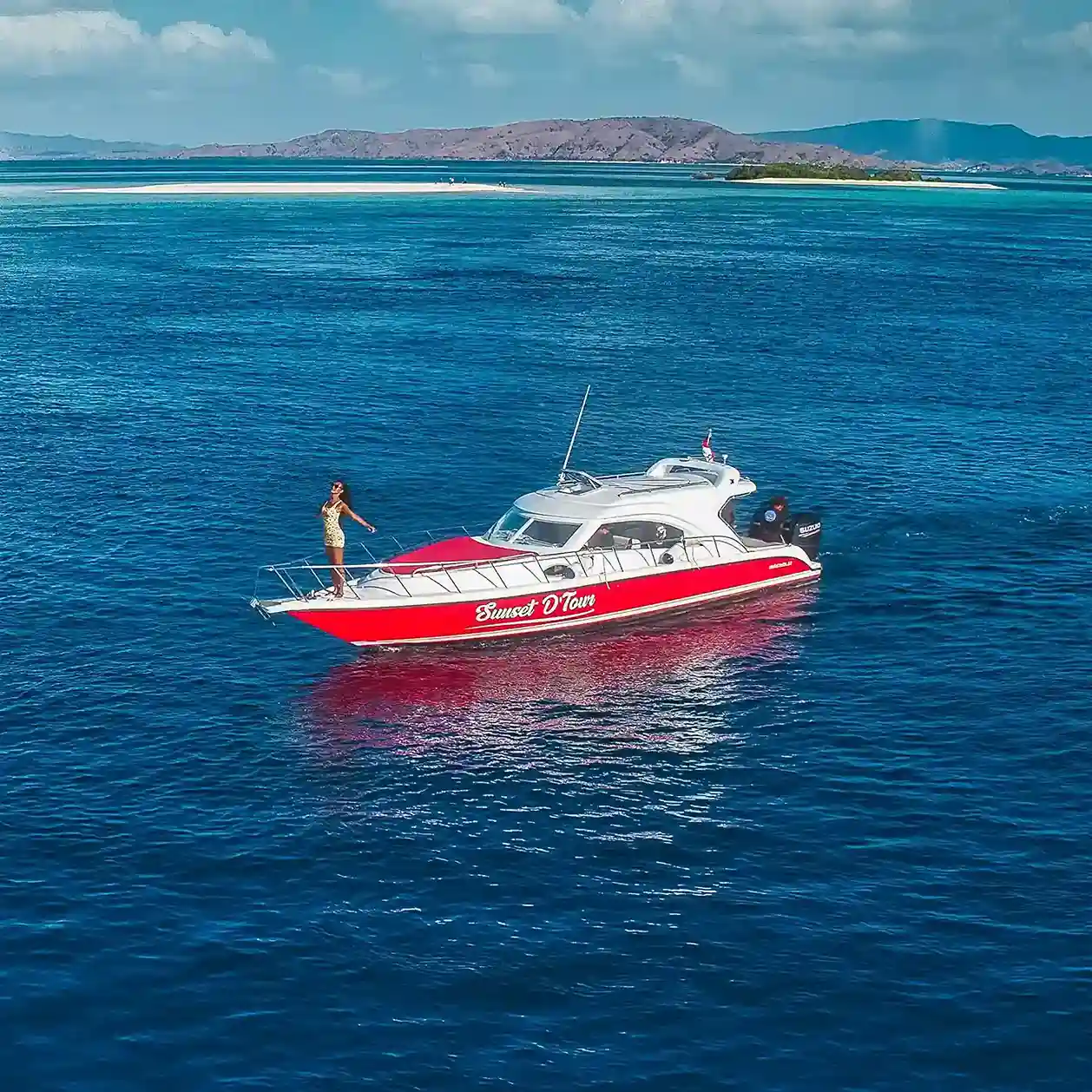
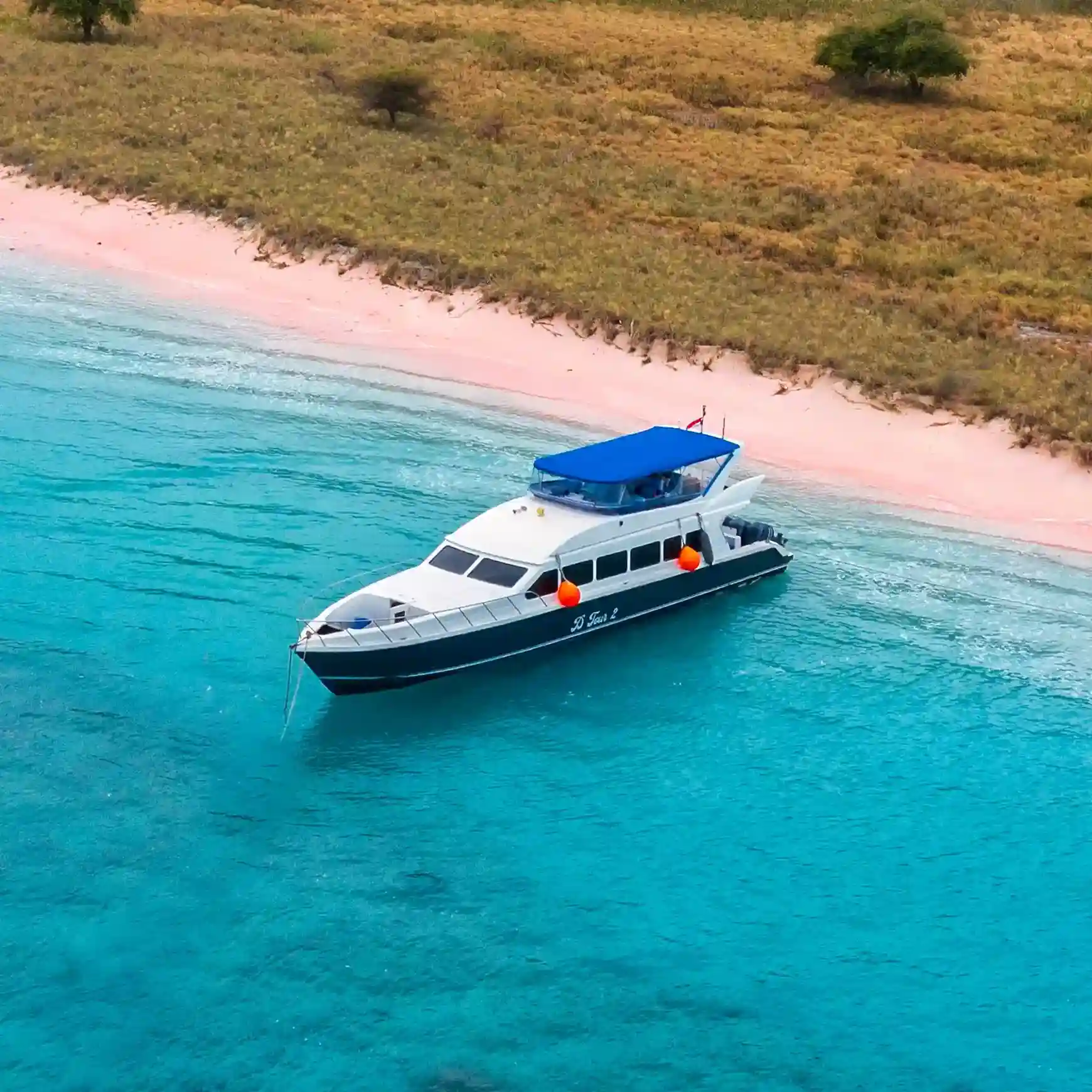
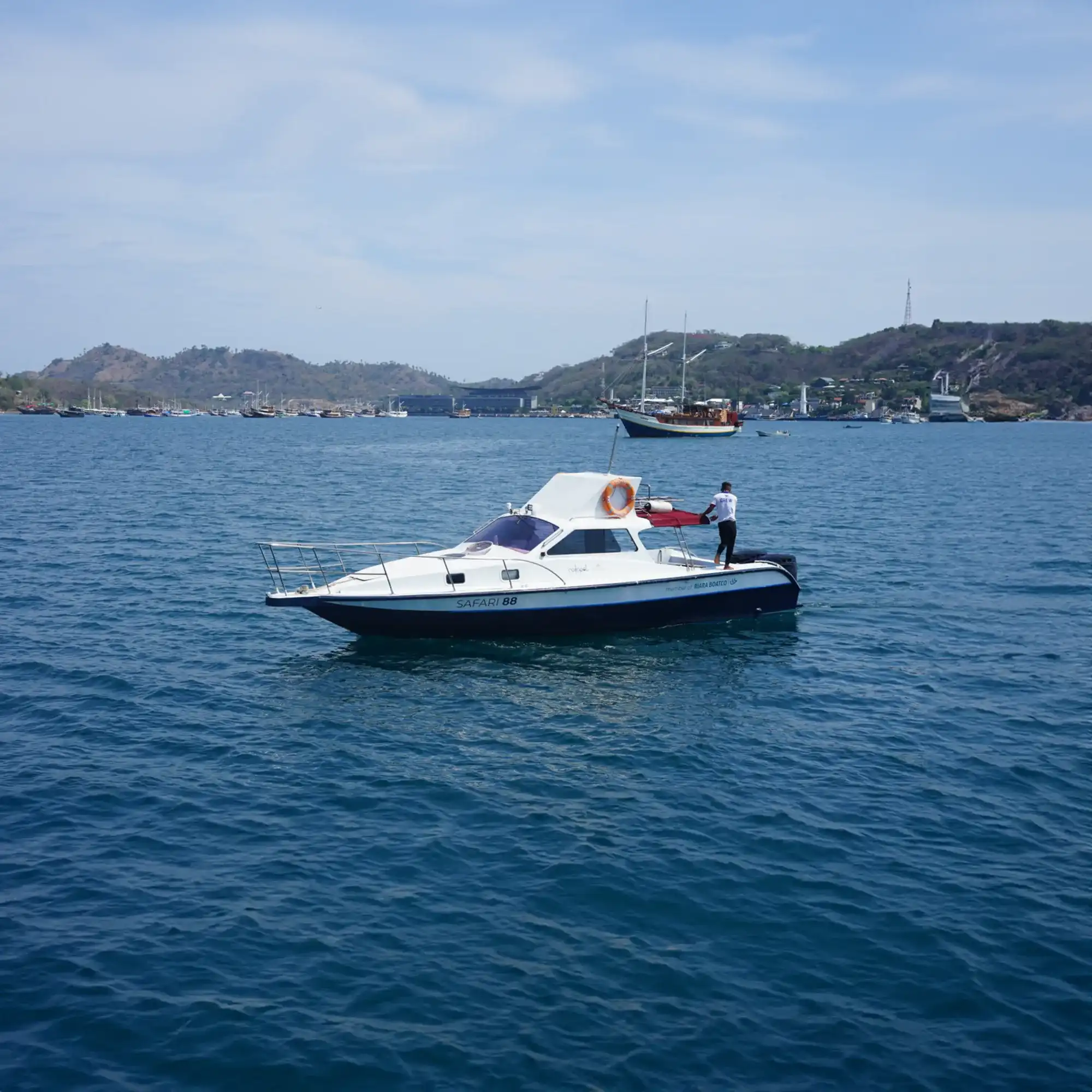
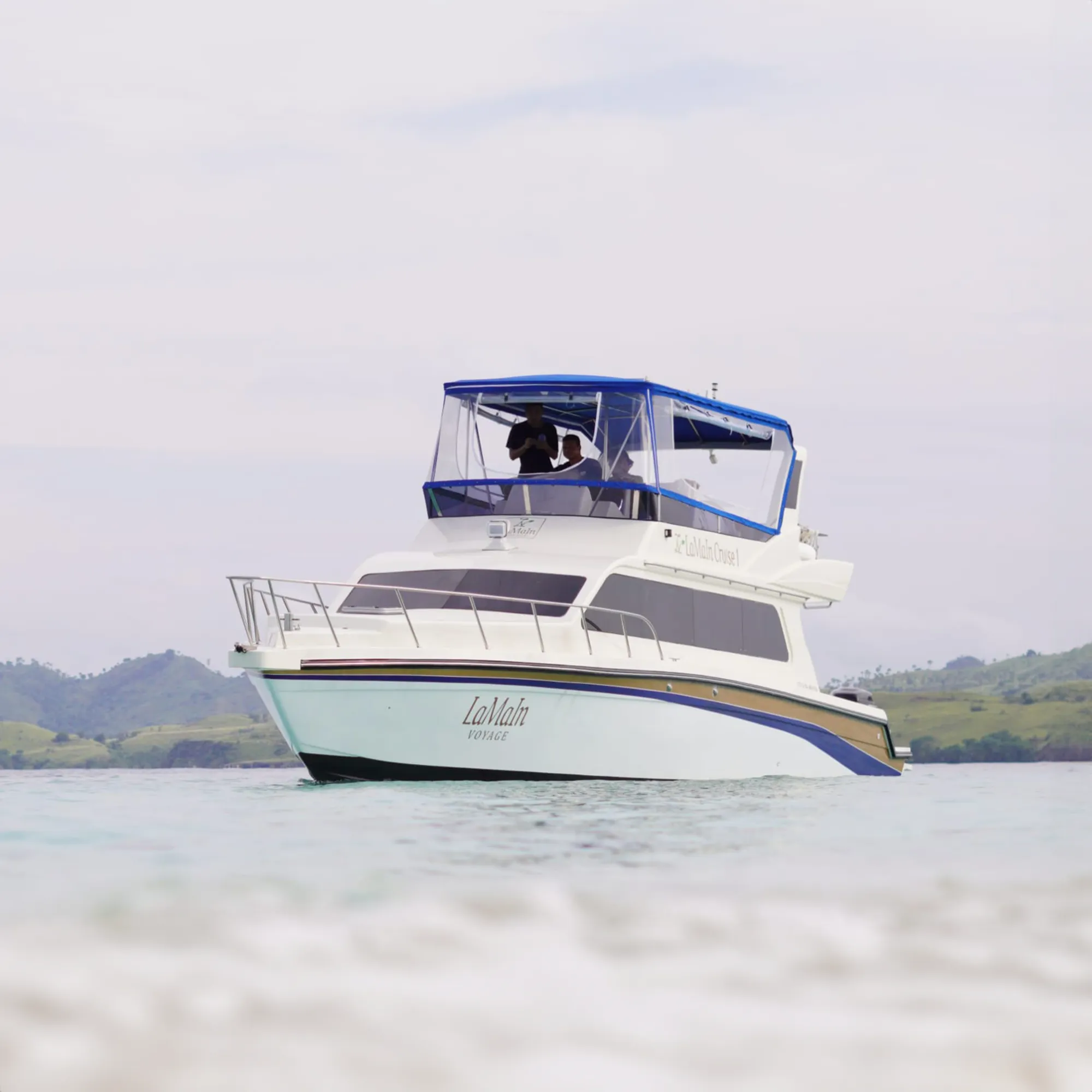
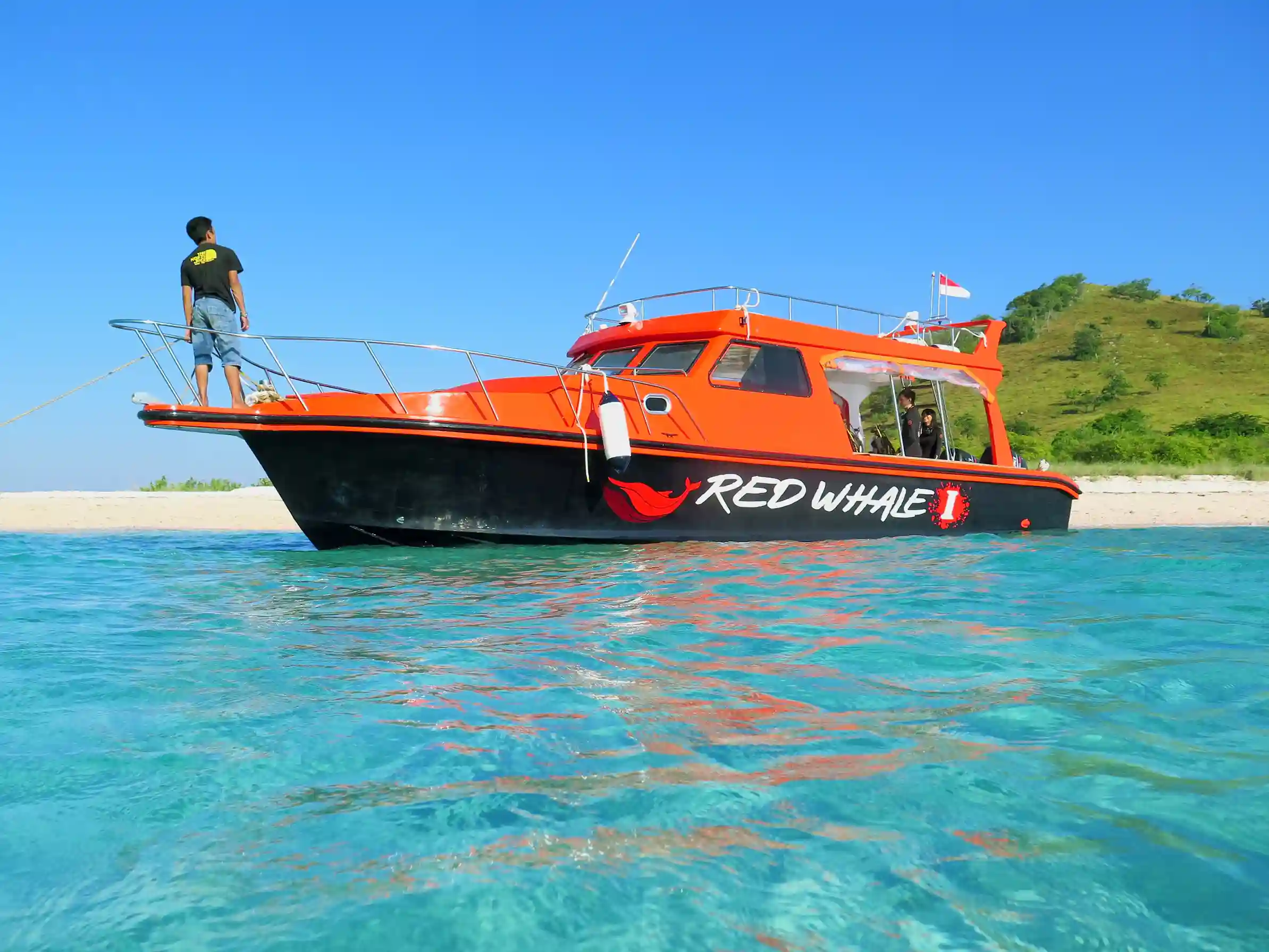
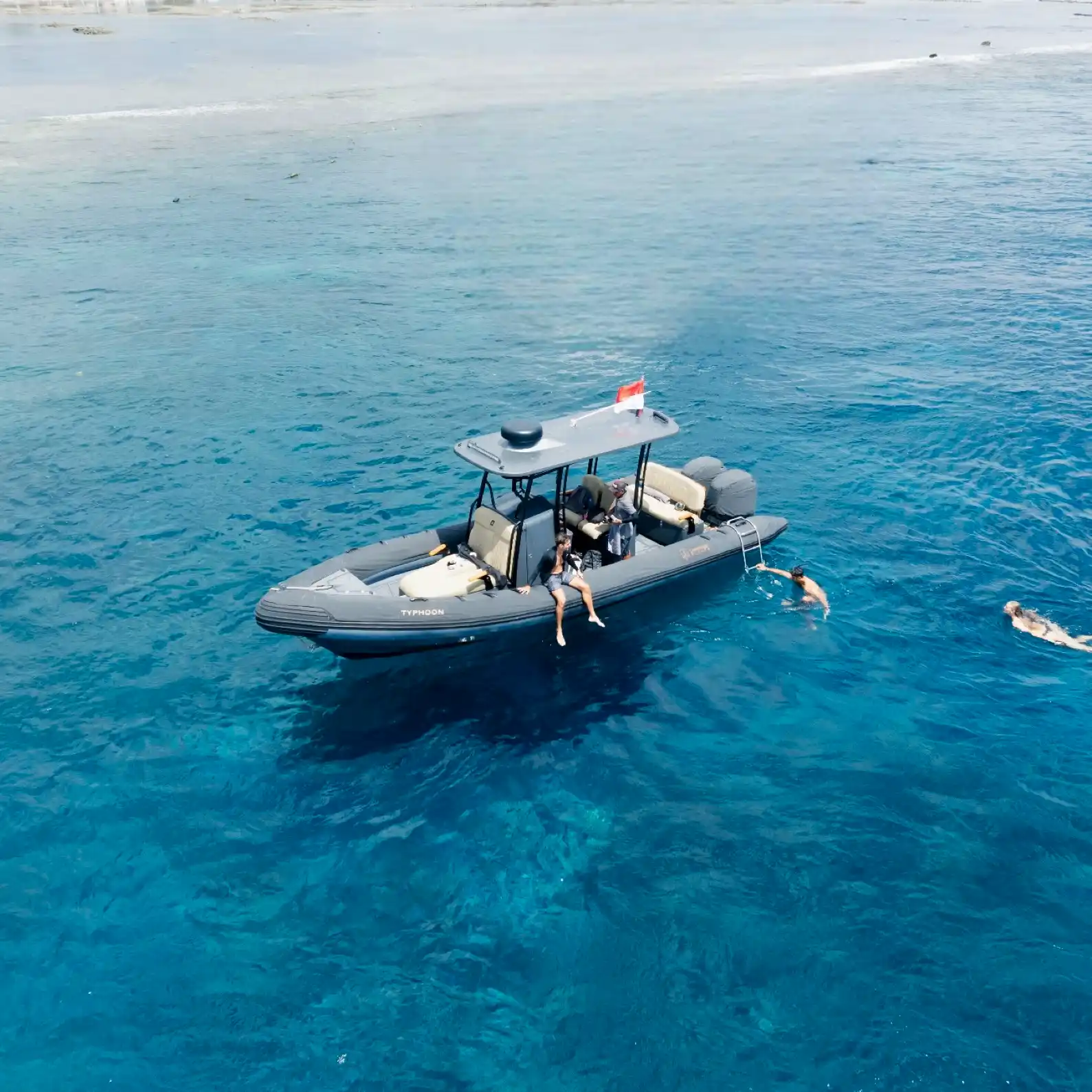
We left Labuan Bajo just after 7 a.m., the diesel engines of the Typhoon spooling up as we passed the last fishing canoes near Siaba Besar. The bow lifted slightly as we hit open water, slicing through chop with a rhythm that felt more like a pulse than a vibration. I stood on the forward deck, hands on the stainless steel rail, watching Komodo Island’s dry savannah ridges sharpen against the sky. This wasn’t a leisurely cruise — it was a directed move, purposeful and efficient, the kind of transit that makes distance feel manageable.
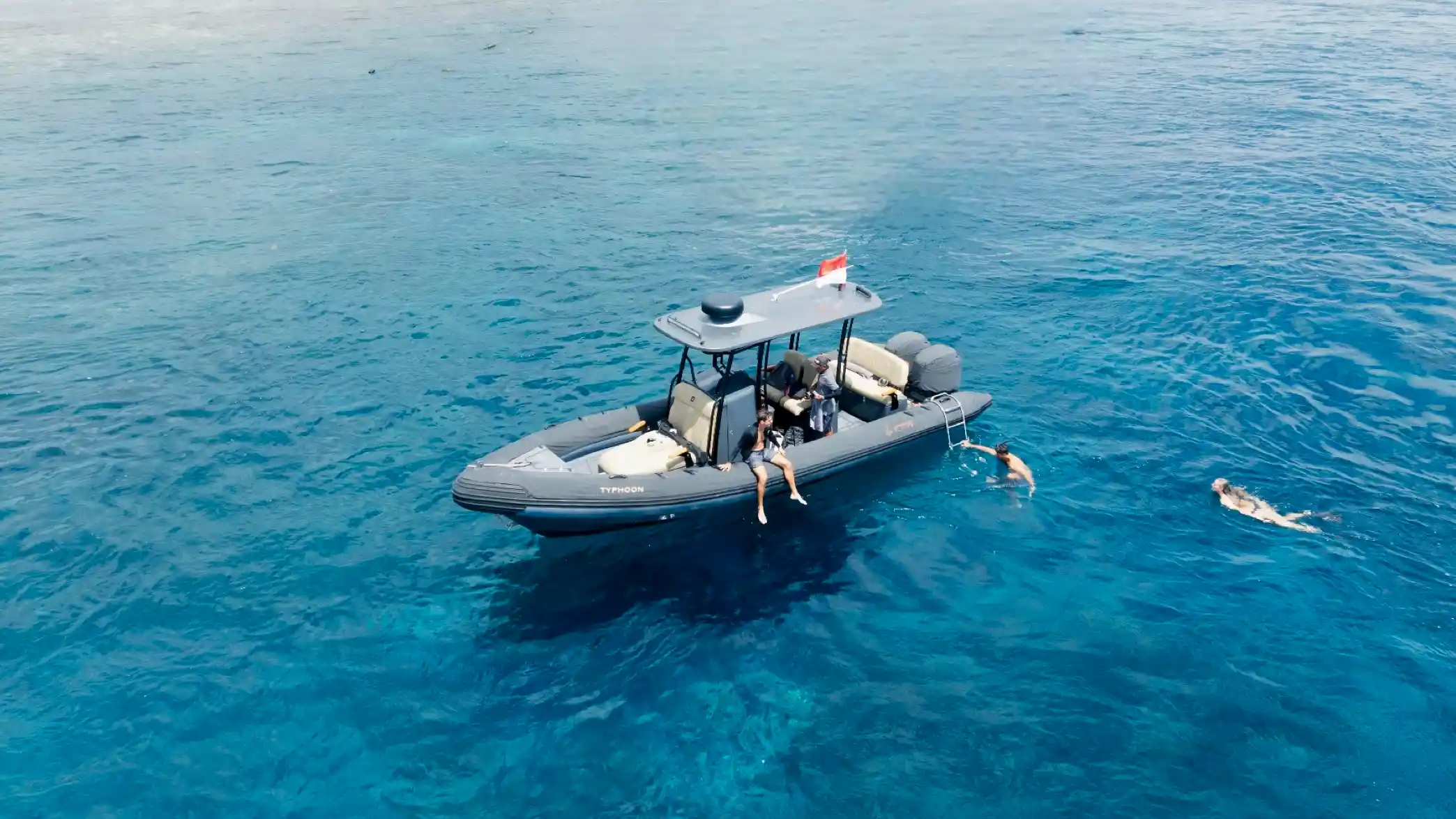
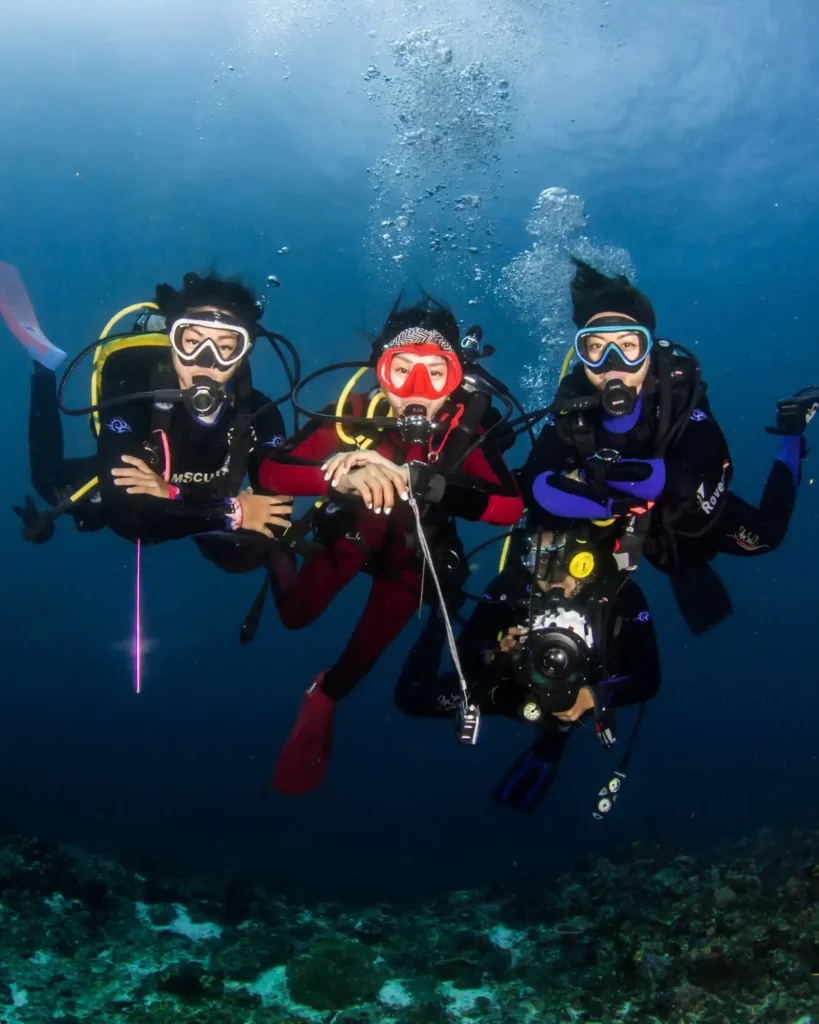
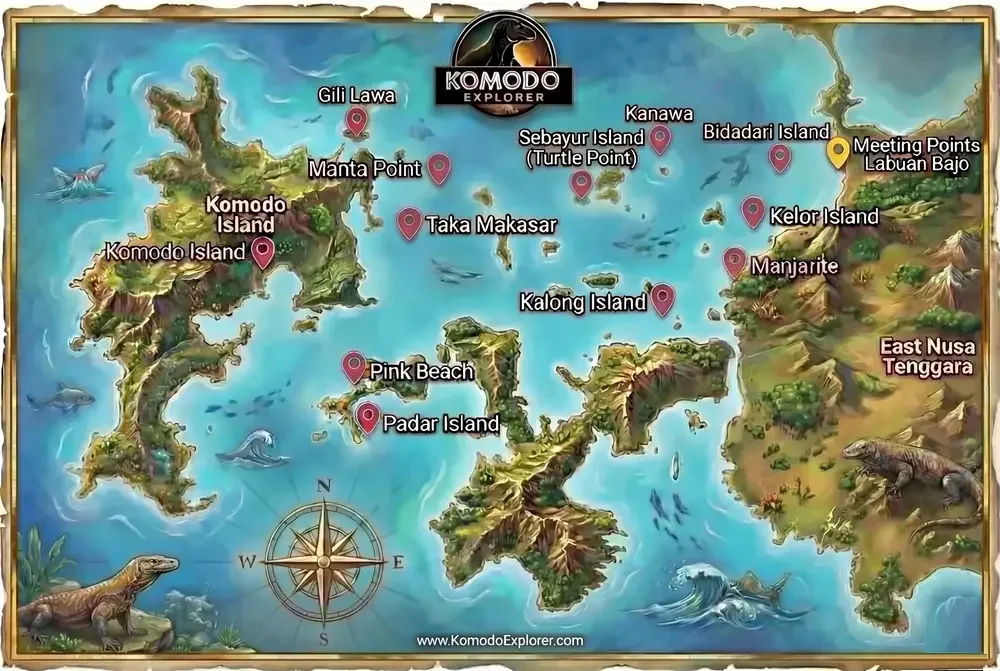
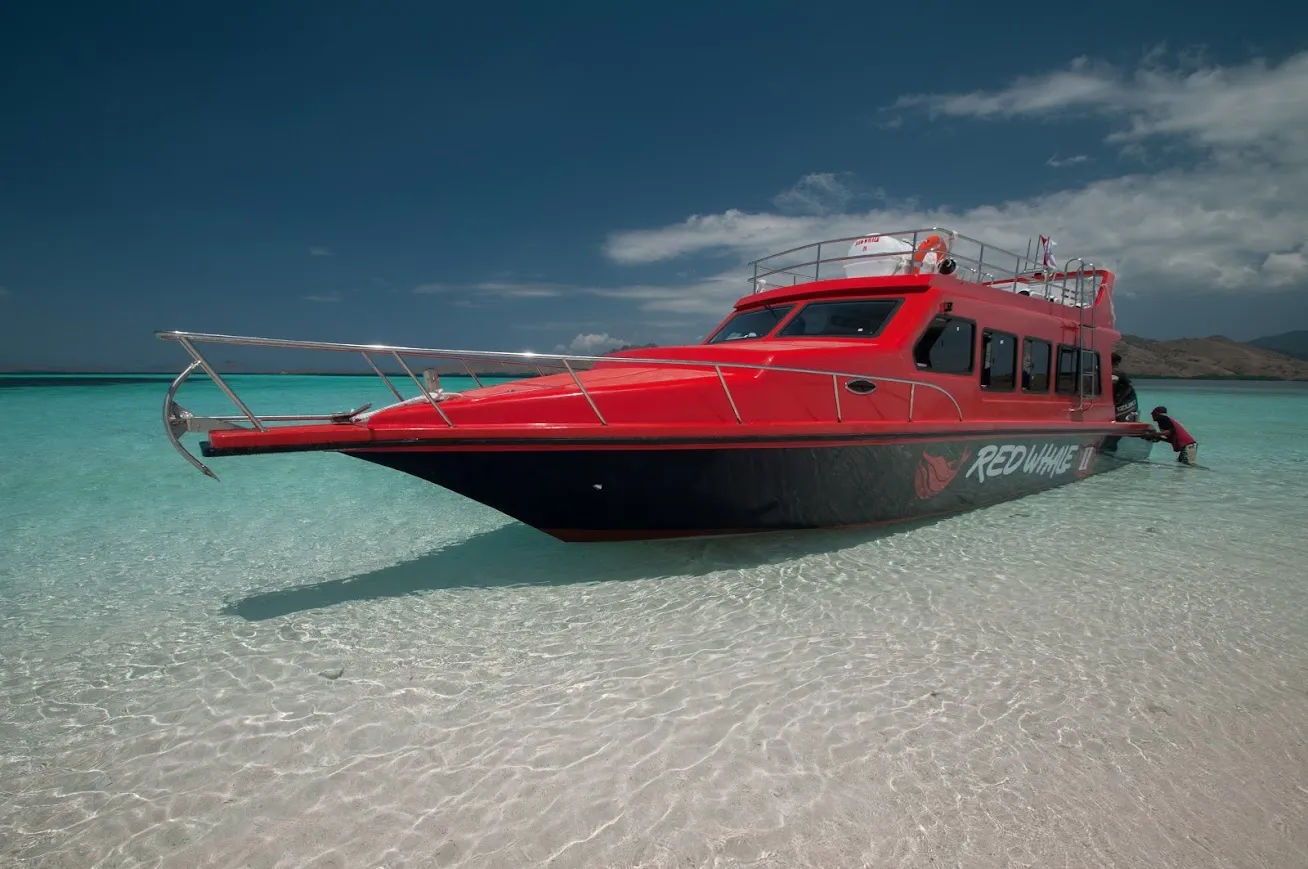
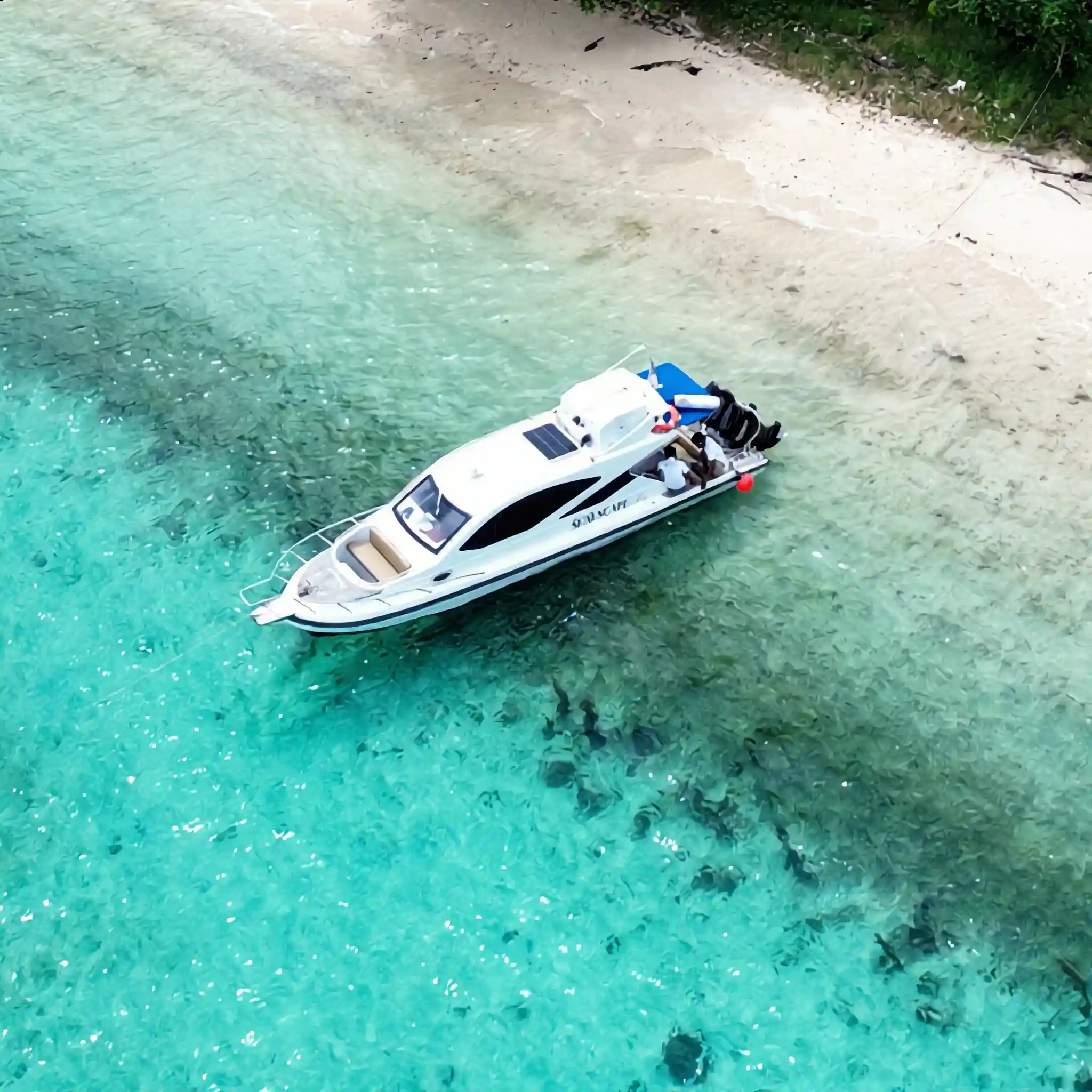
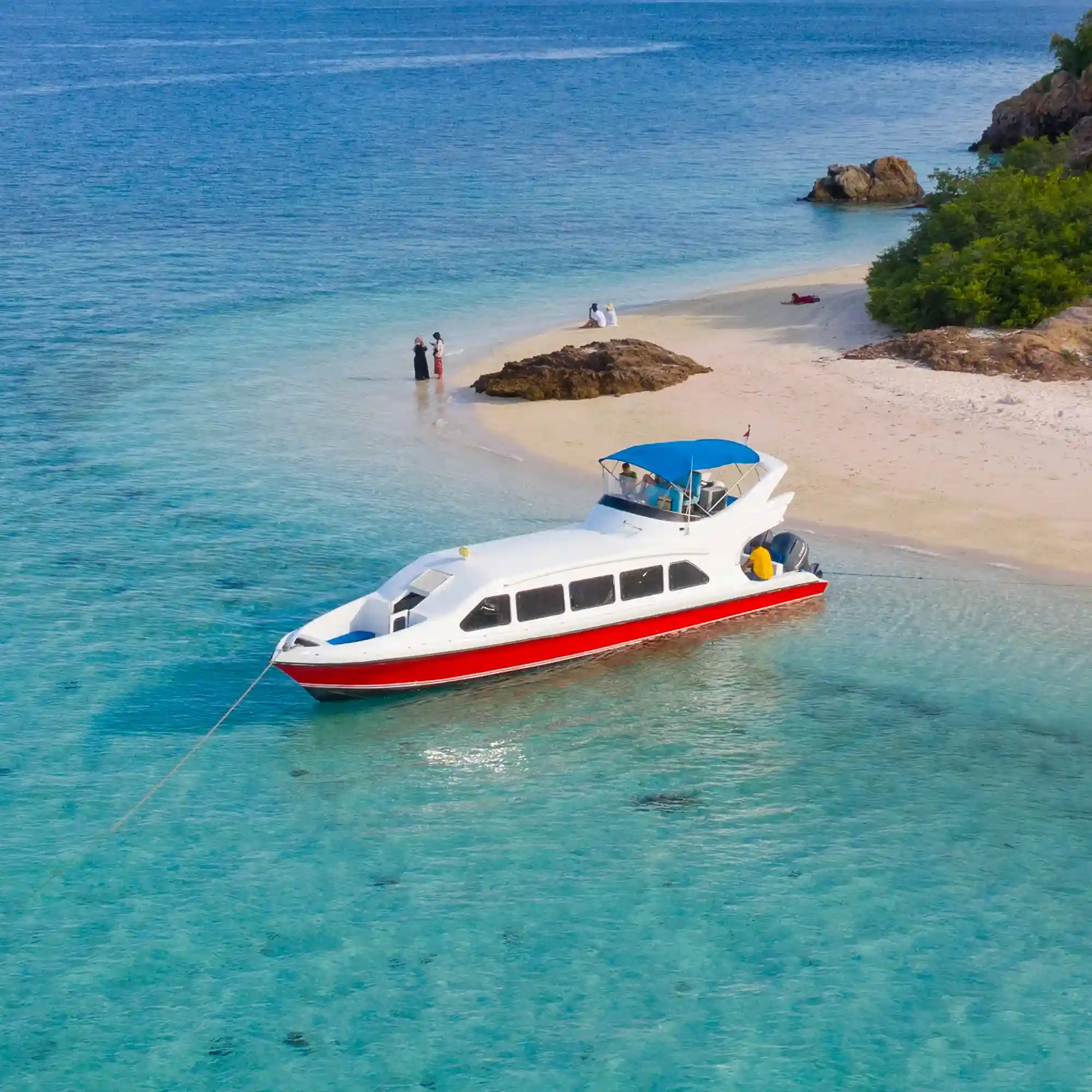
By 8:30, we’d anchored in the shallows off Kelor. The crew had the tender in the water before the engines cut, ferrying us the last 50 metres to a beach so white it reflected light into the hull’s shadow. No other boats were in sight. We snorkeled the perimeter, where coral bommies rise like submerged temples from the sand, and saw parrotfish the size of dinner plates circling in the current. The Typhoon stayed close, repositioning silently to keep us in calm water as the tide turned.
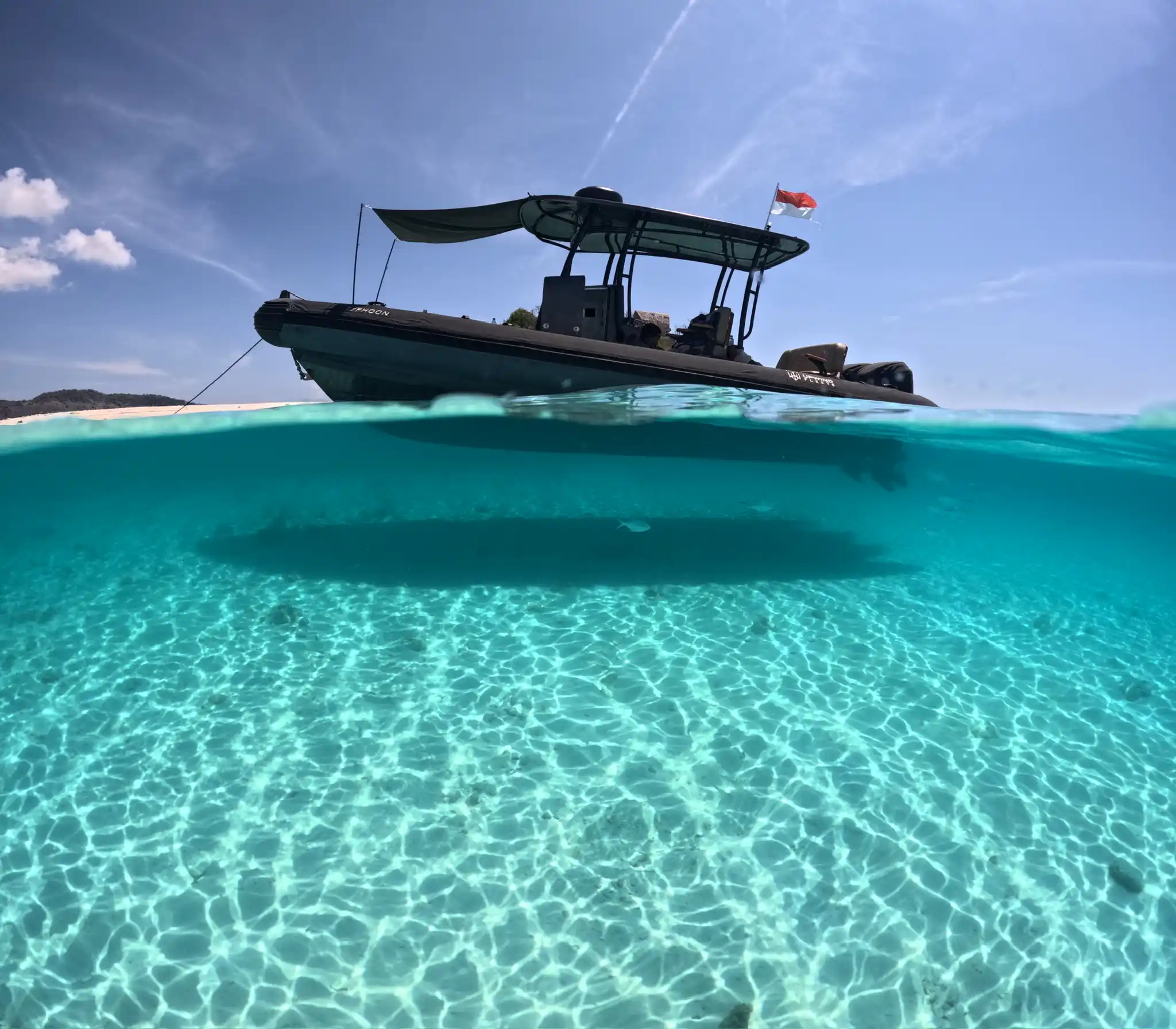
Lunch was grilled mahi-mahi with sambal and papaya salad, served on deck with cold coconut water poured straight from the husk. The galley’s compact but smartly laid out — no wasted space, just a single cook prepping with quiet precision while the first mate kept an eye on the anchor line. We ate under a canvas awning that cast diagonal stripes of shade across the teak. By afternoon, we’d moved to Pink Beach, where the crew timed our landing between swells, backing the tender in with just enough momentum to ride the foam onto shore.
Snorkeling at Manta Point came next. The Typhoon dropped anchor on the east side, up-current from the cleaning station. We entered from the stern ladder, and within minutes, two mantas — each at least three metres across — glided beneath us, wings flaring as they passed over reef knobs. Back on board, someone handed me a towel without asking. That kind of attention — quiet, anticipatory — ran through the crew’s movements all day. They knew when to speak, when to step back.
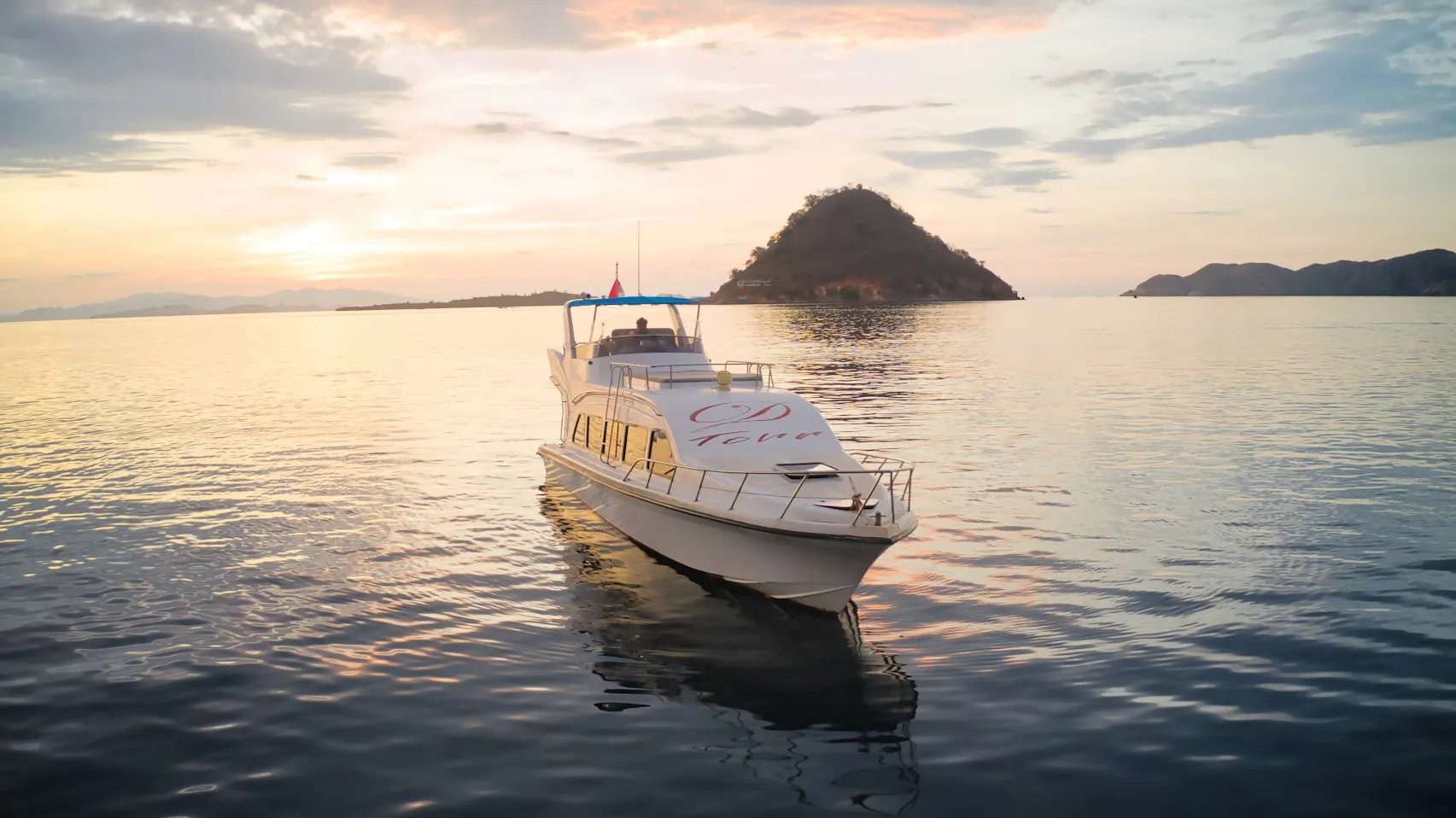
We ended at Kanawa Island, where the sun hovered just above the rim of the volcano as we circled the anchorage. The crew fired up a single spotlight, just enough to see the waterline as we motored back toward Labuan Bajo. Inside the cabin, the AC hummed steadily. Outside, the stars over Rinca began to show. The Typhoon doesn’t sleep at anchor, but for those six hours, it made the park feel entirely ours.