About Adishree
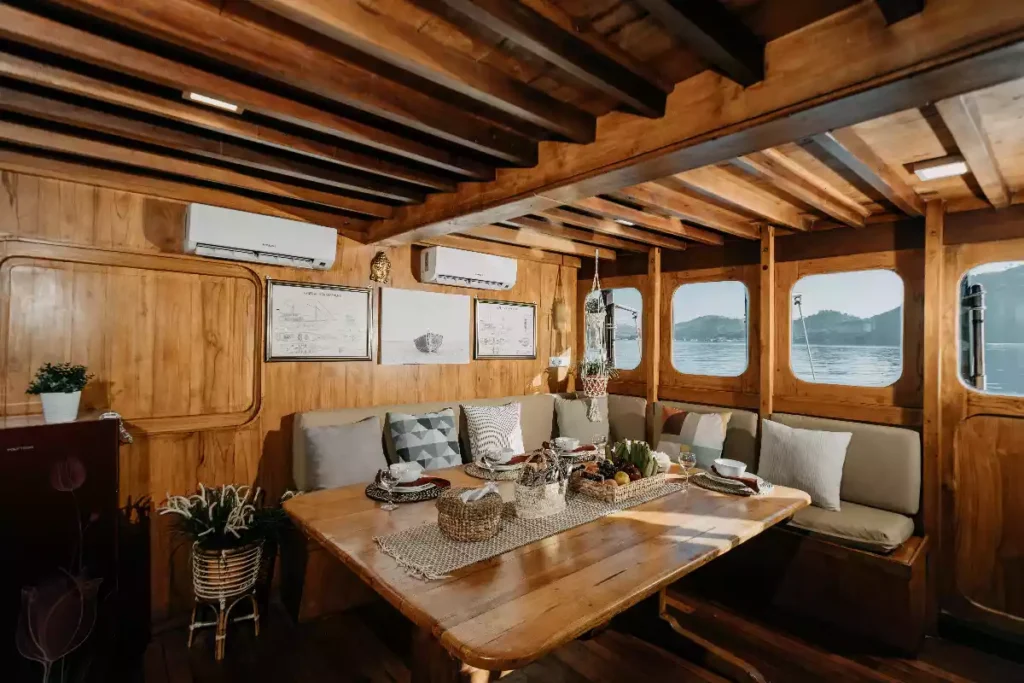
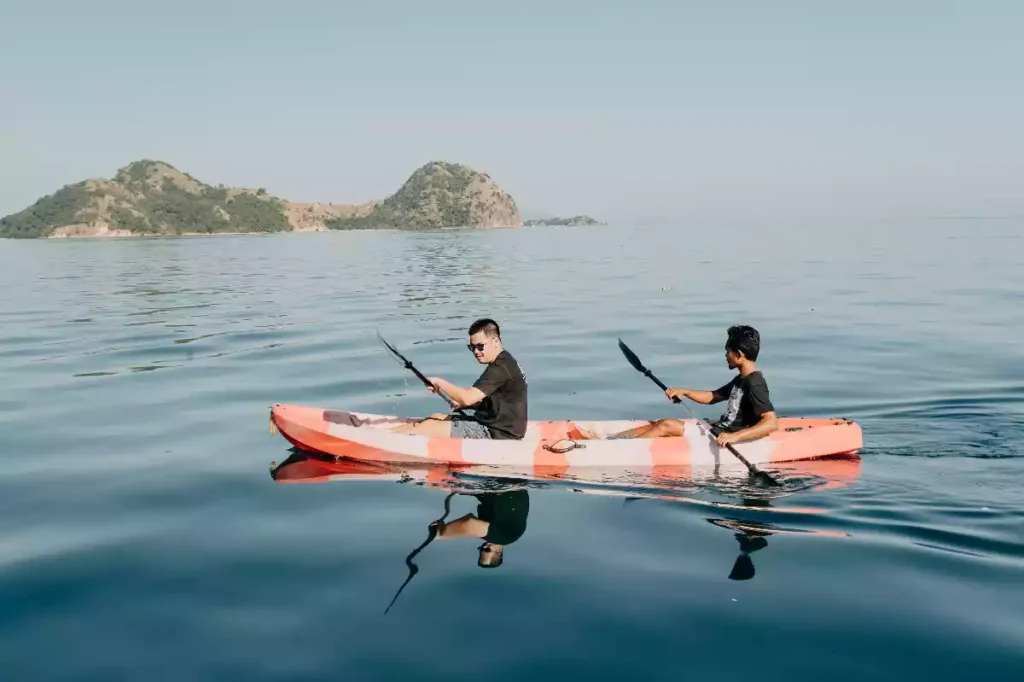
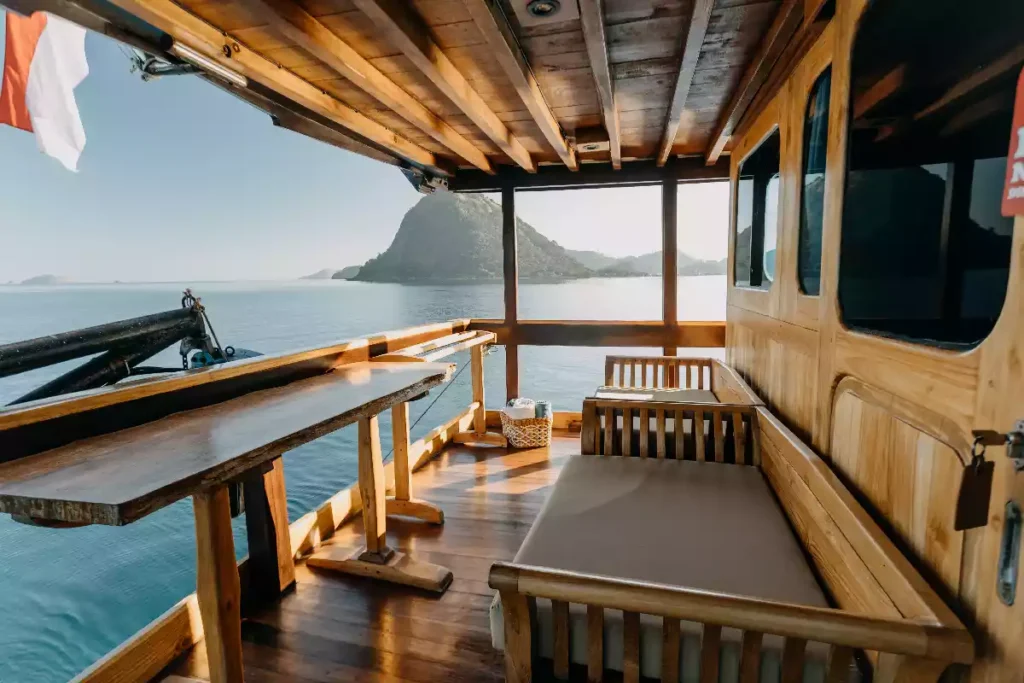
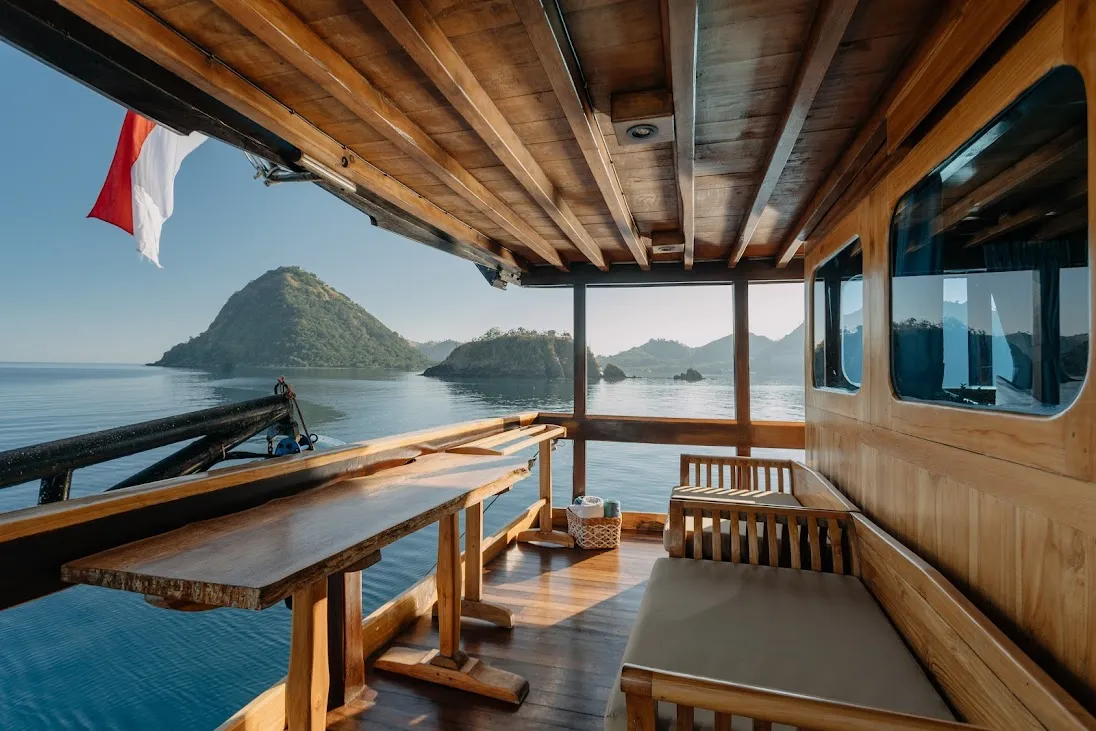
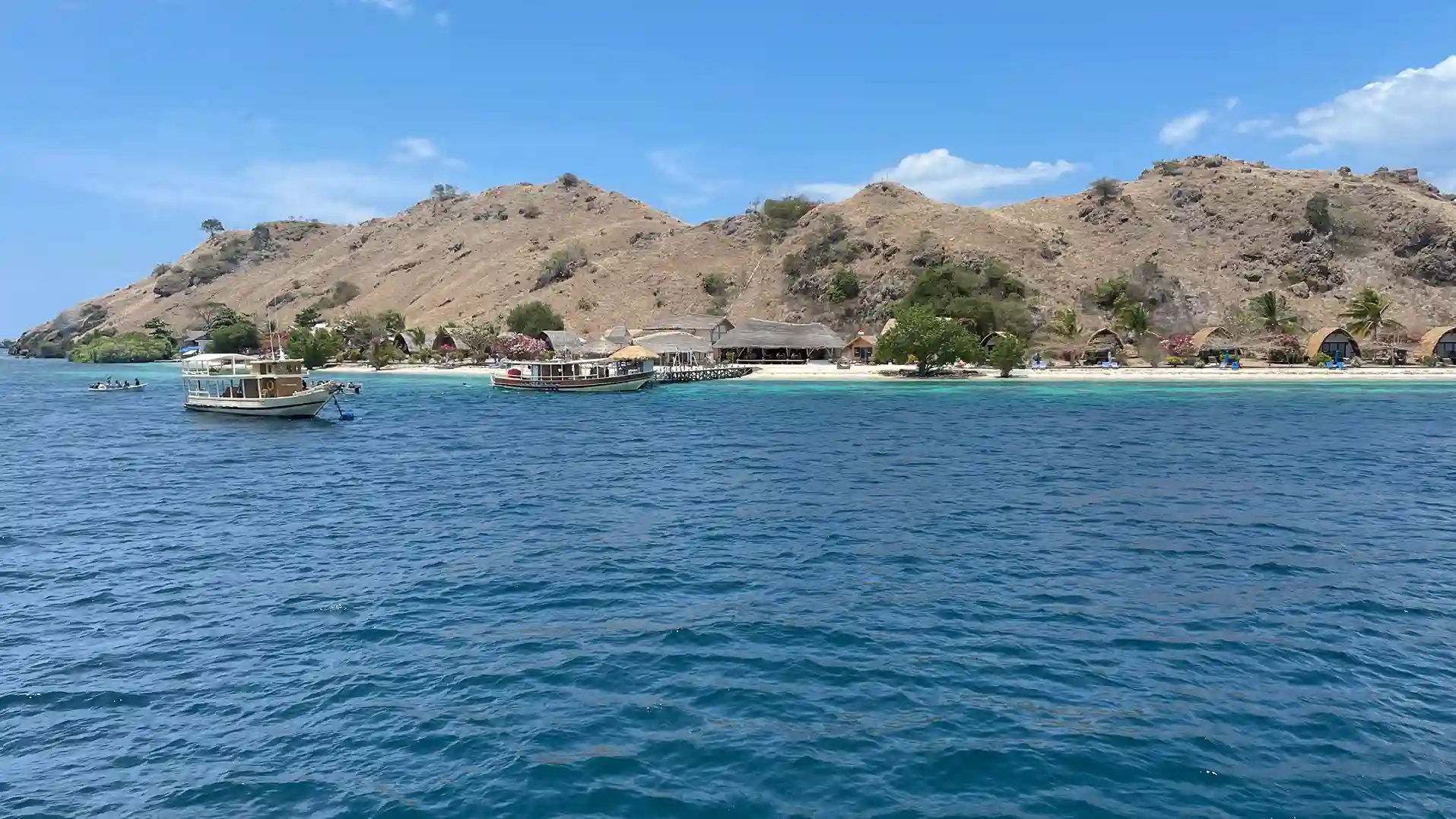
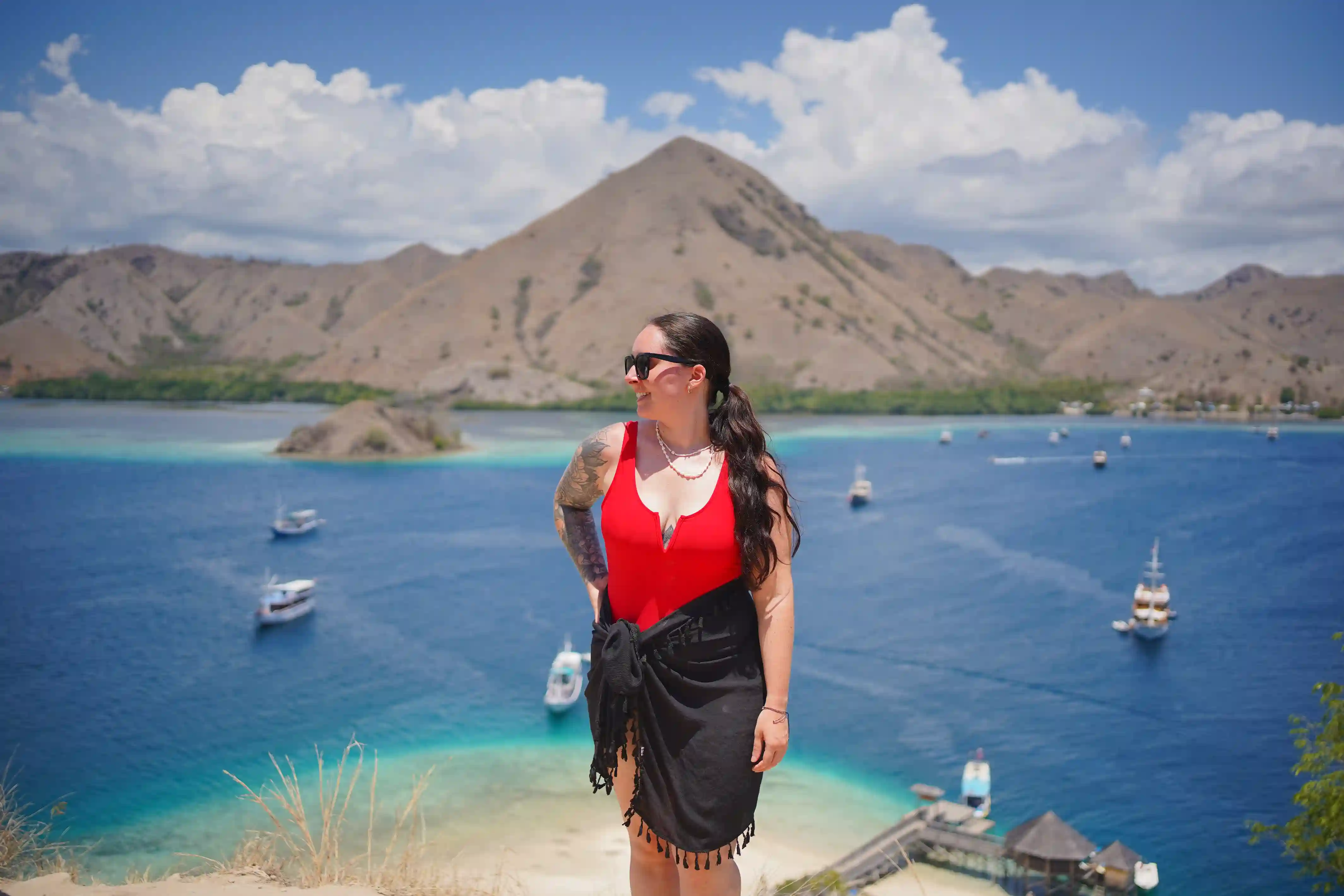
The first evening, just as the sun touched the ridgeline of Kelor Island, the crew lit paraffin lanterns along Adishree’s aft rail. No generators yet, just the creak of rigging and the slap of small waves against the hull. I sat on the lower deck’s cushioned bench, barefoot, watching a frigatebird circle the bluff. It wasn’t about luxury—it was about timing. They’d anchored early, silently, letting the boat settle so we could kayak out before dinner without motor noise scaring the reef herons.
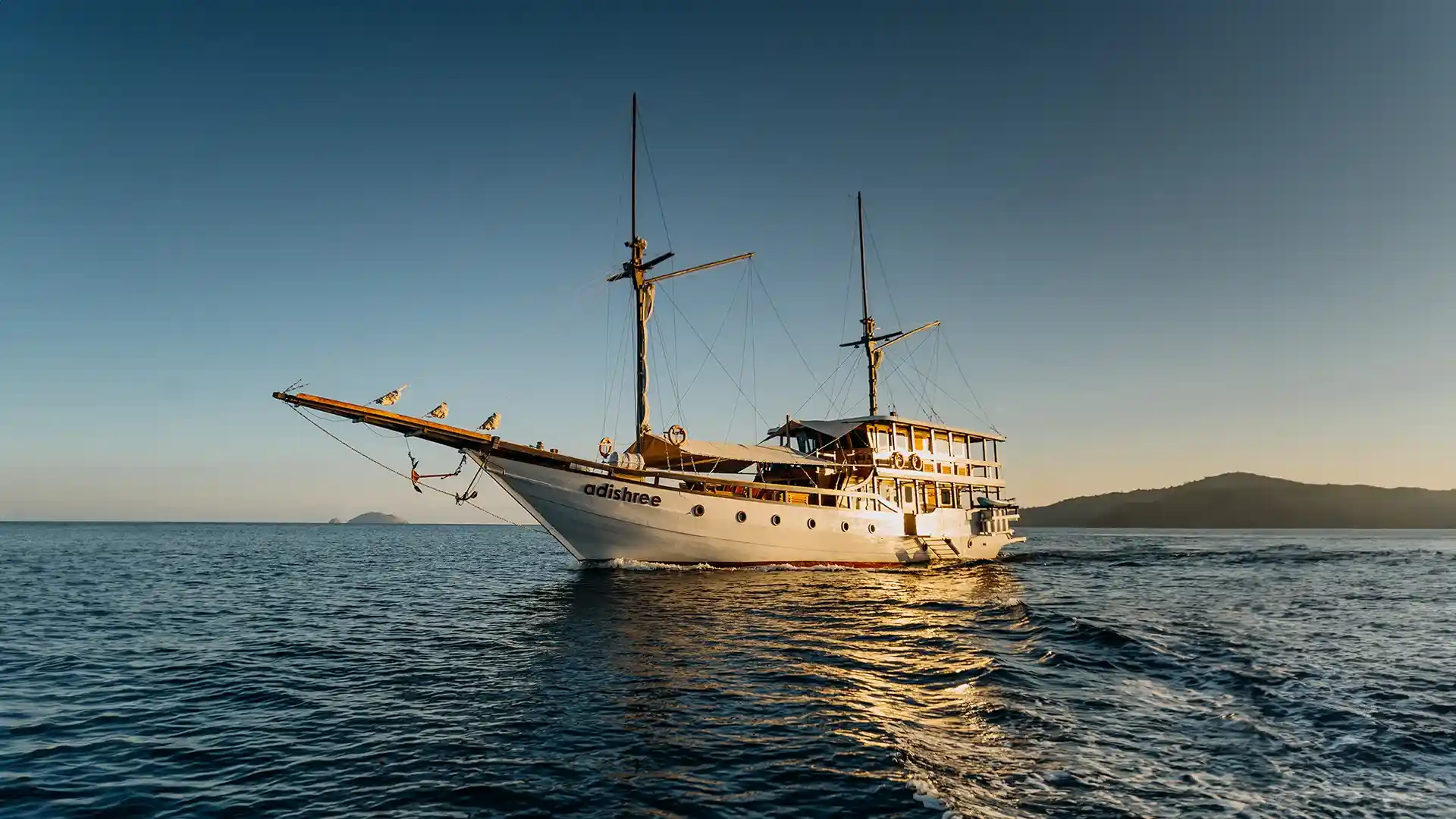
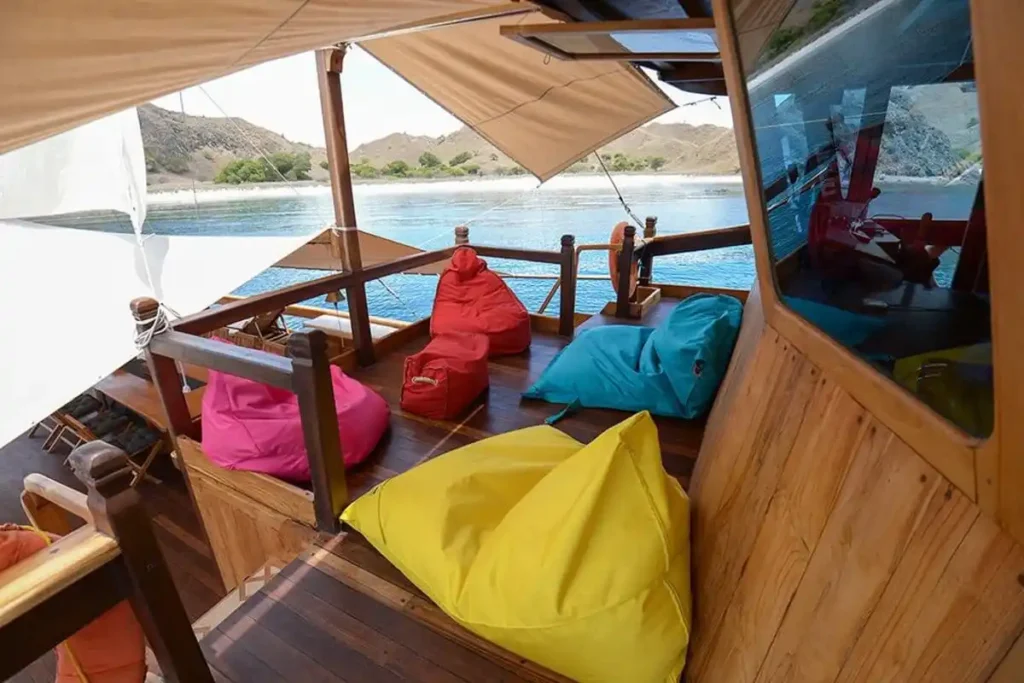
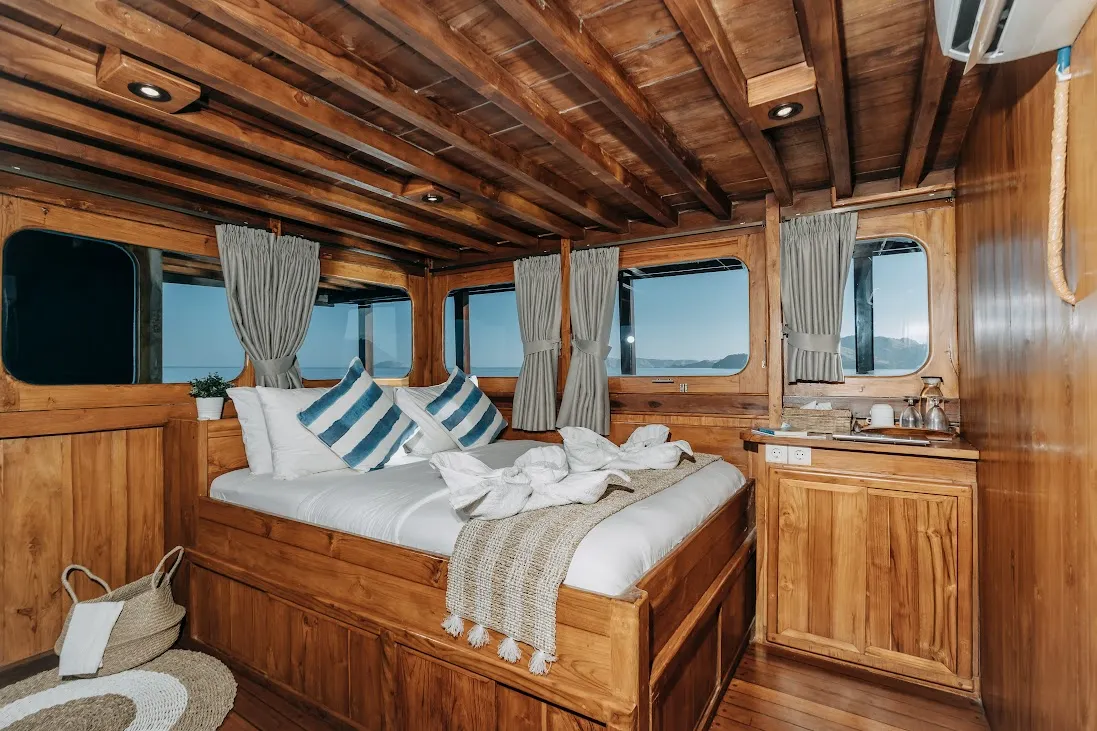
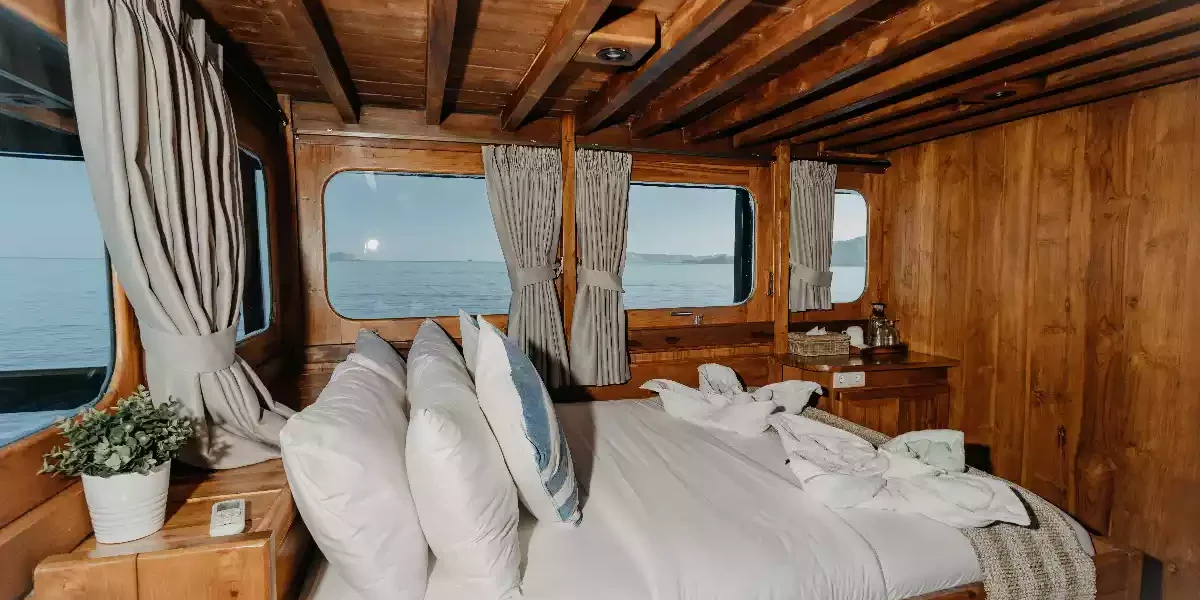
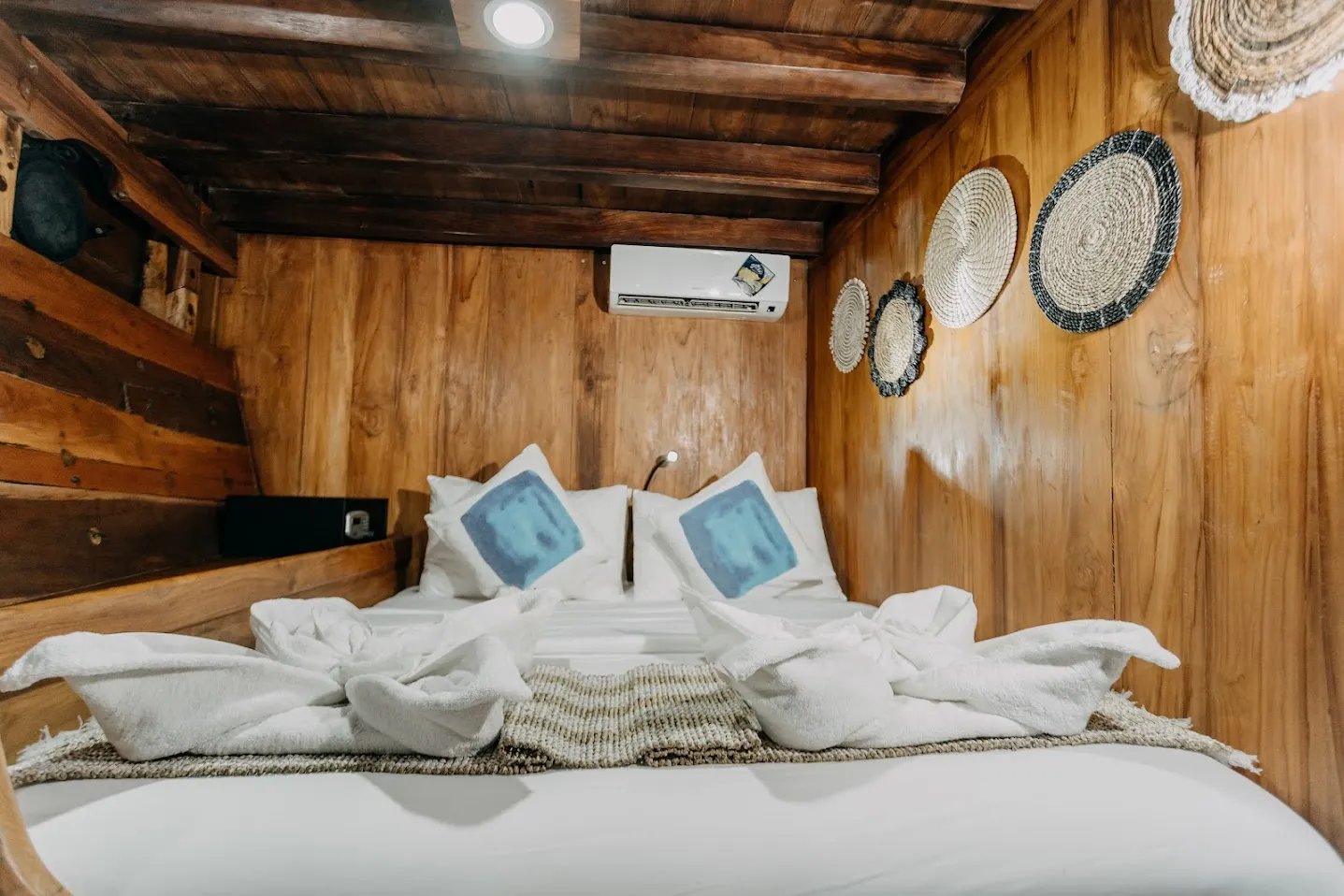
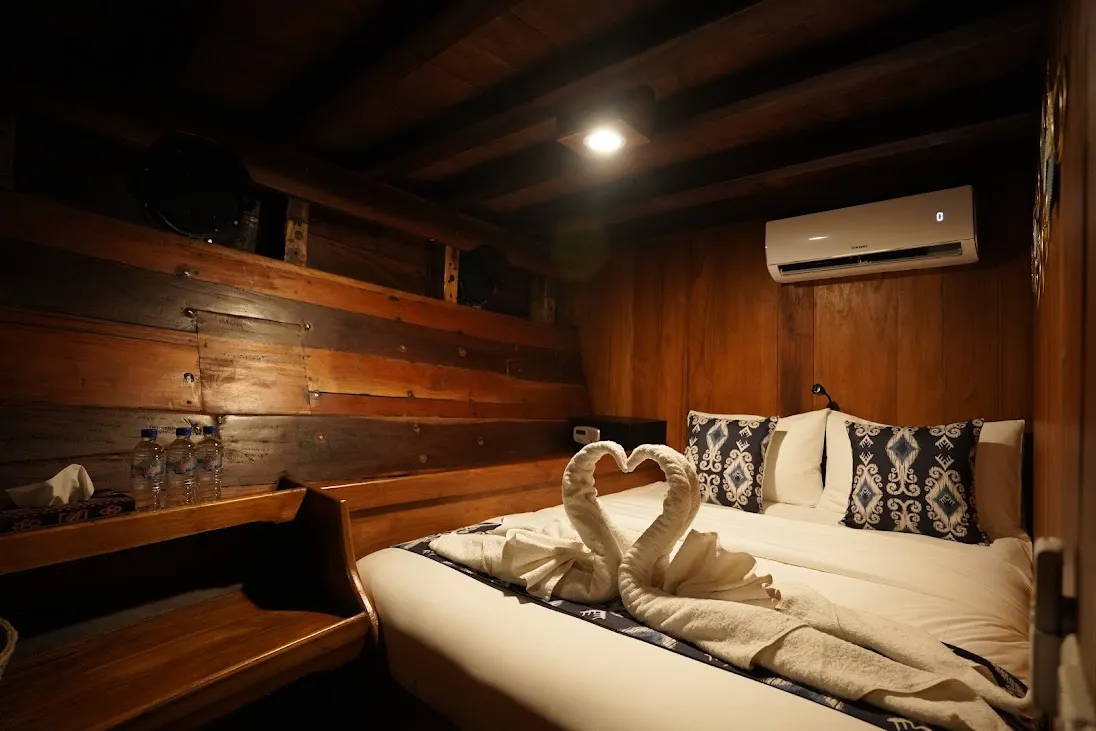
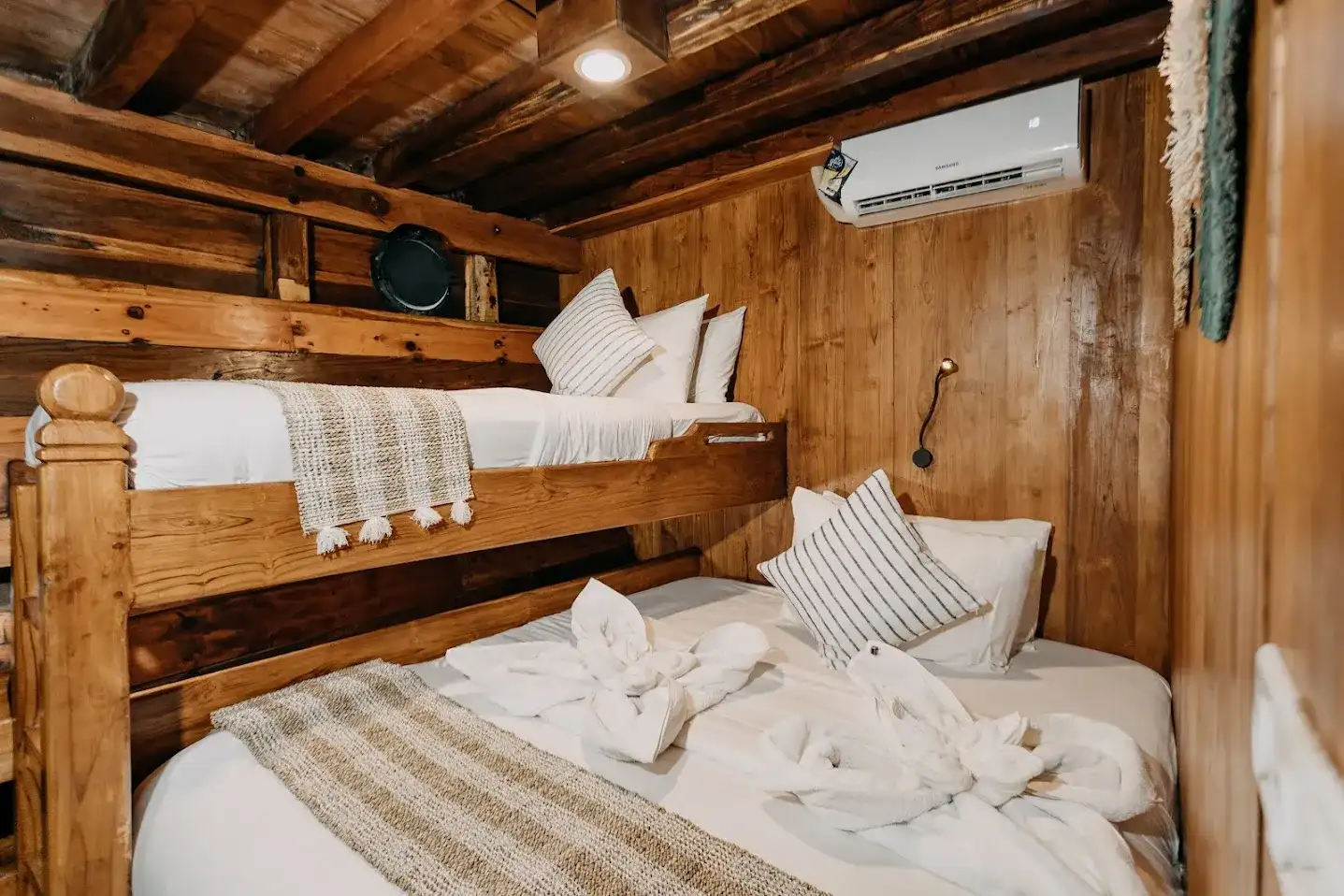
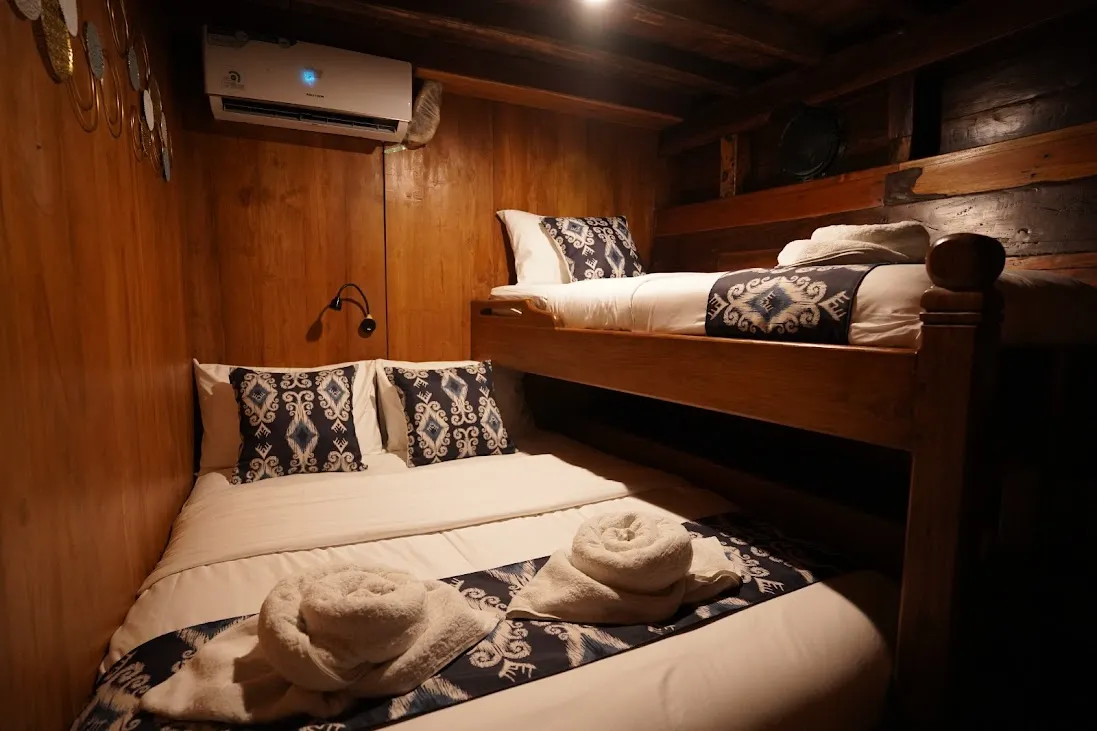
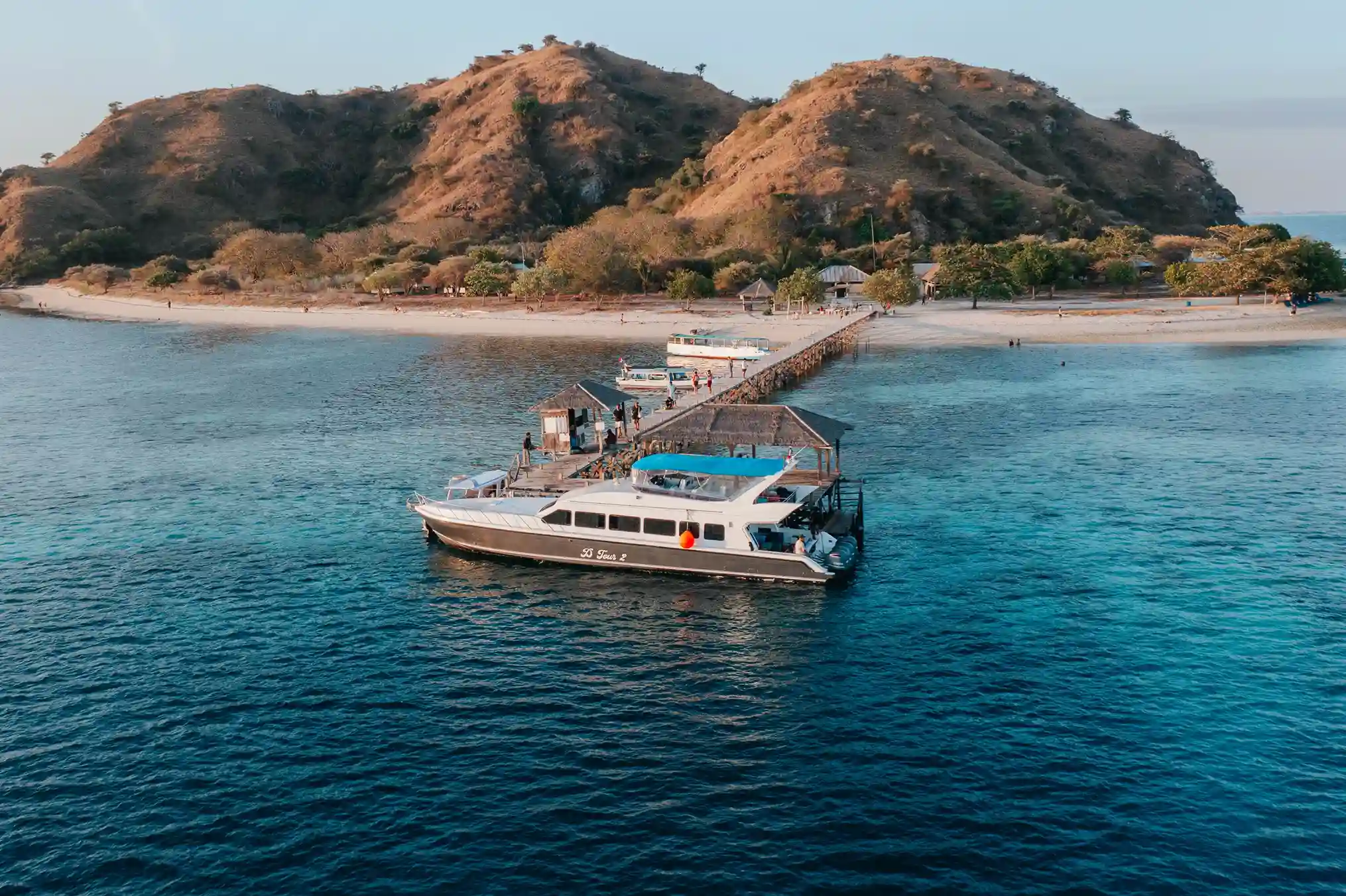
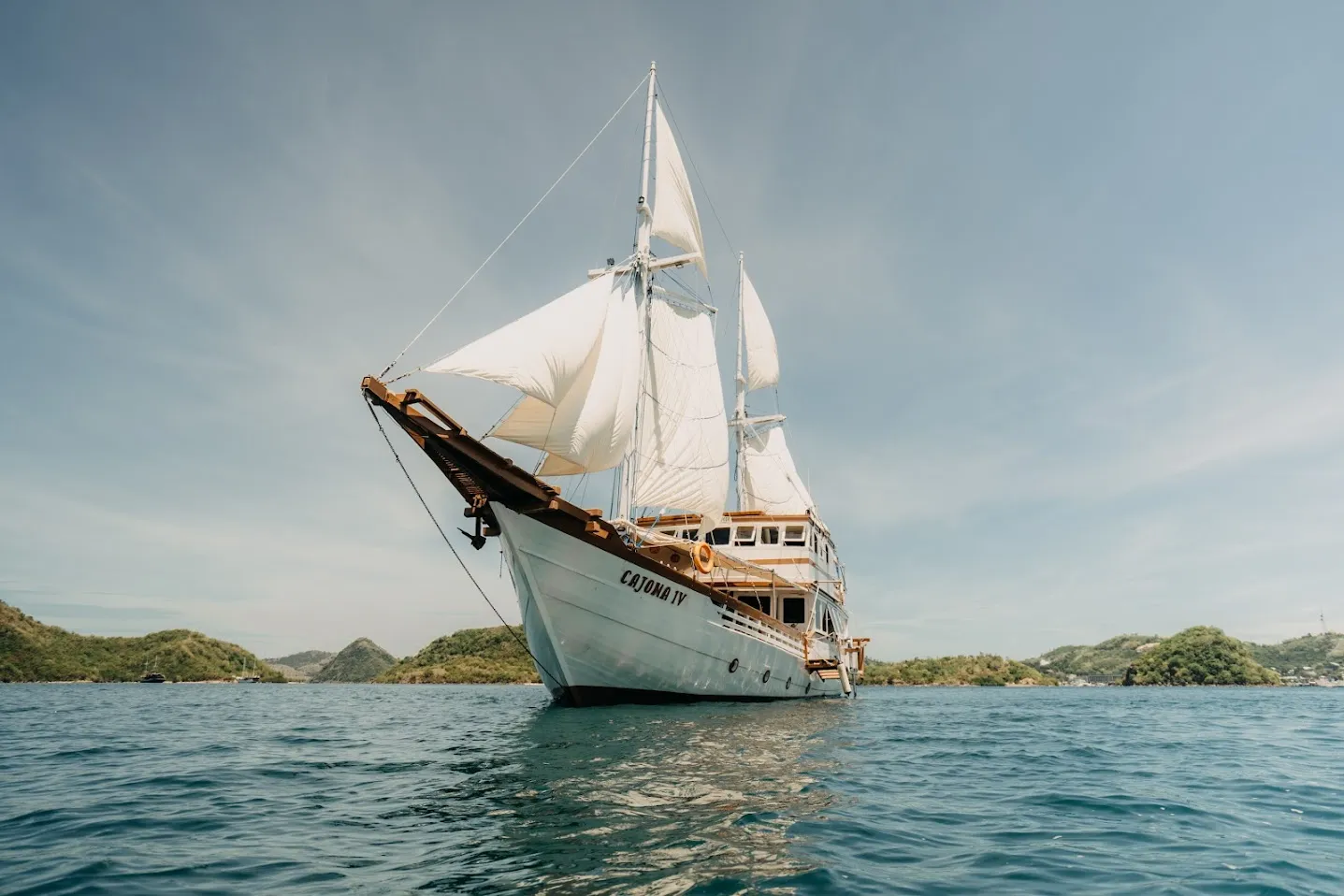
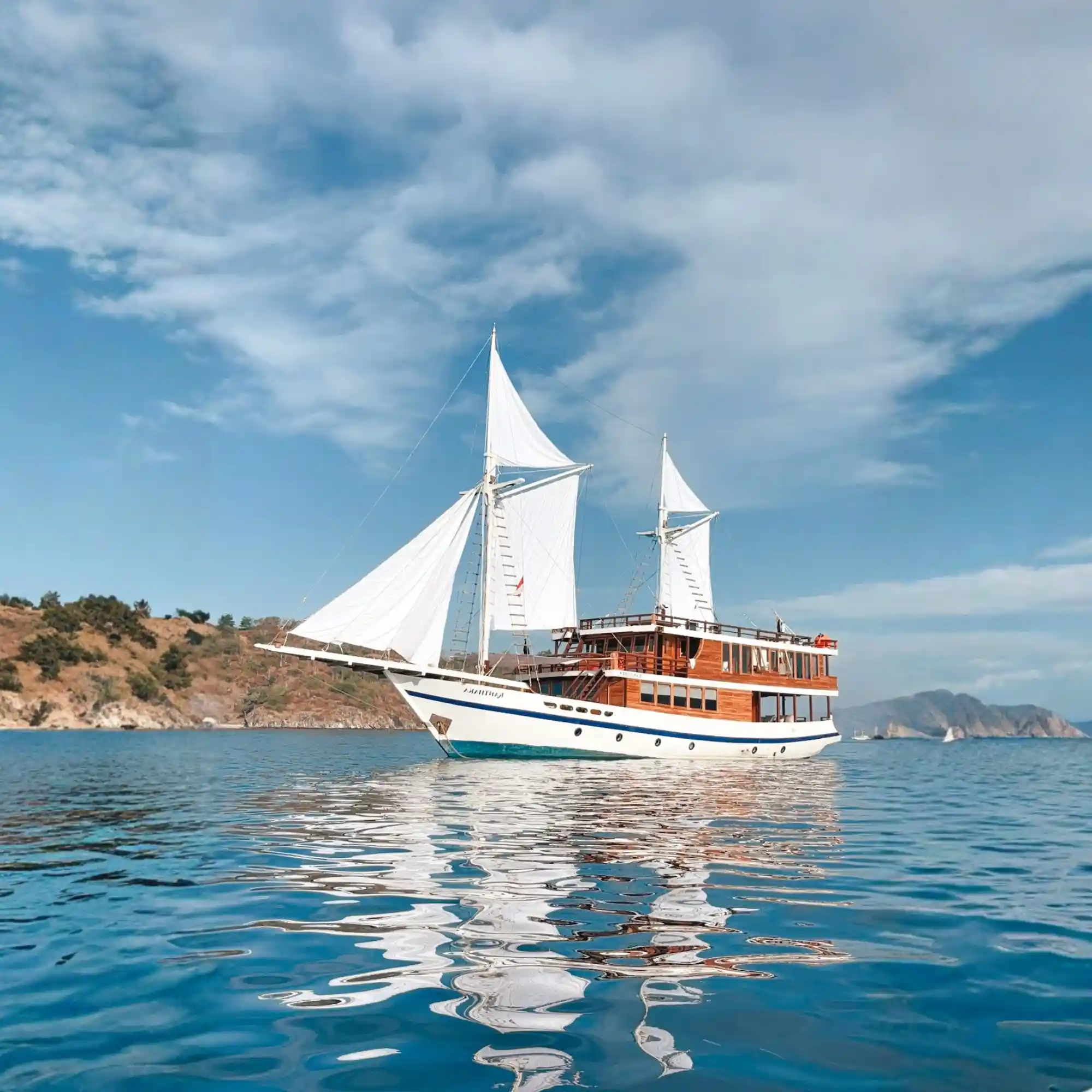
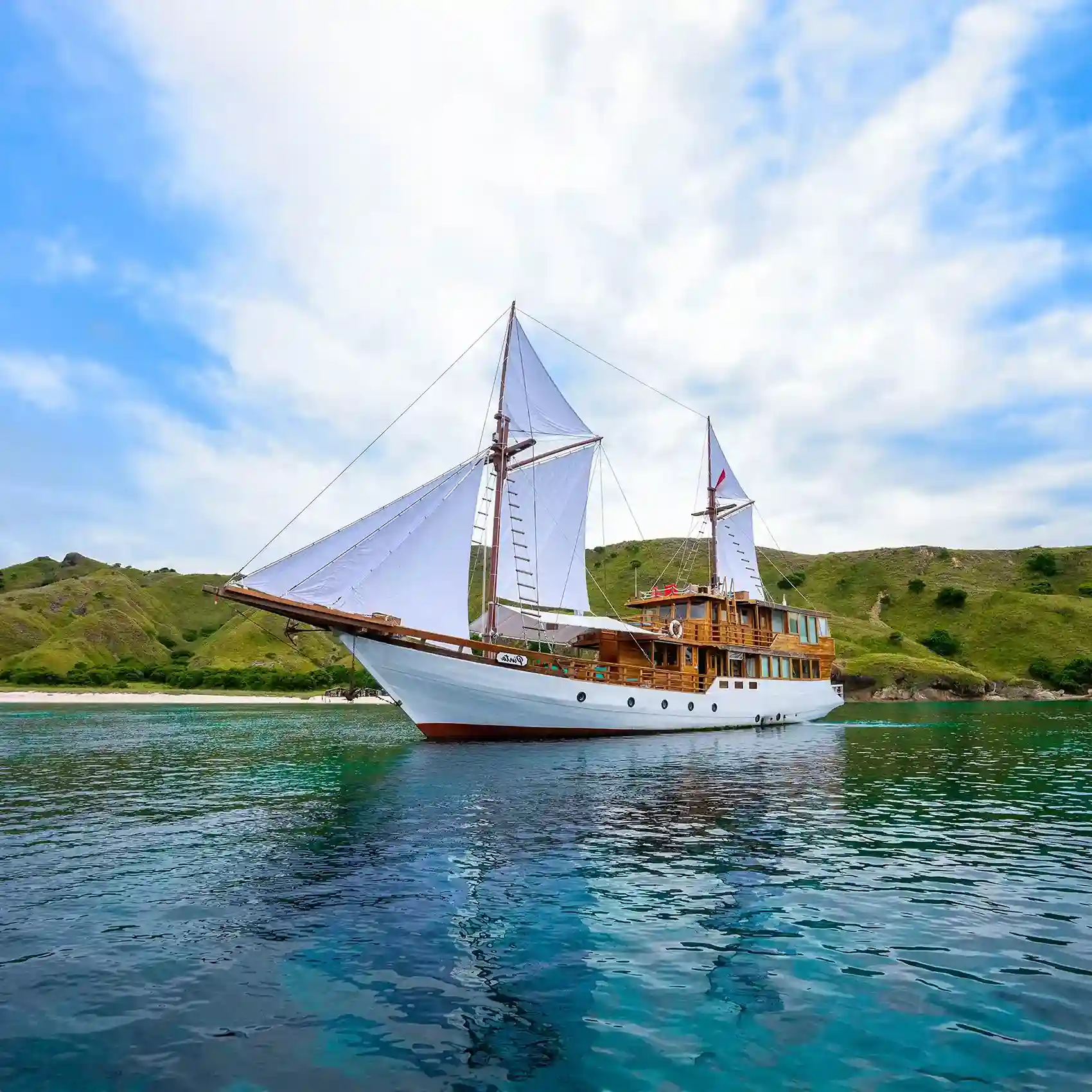
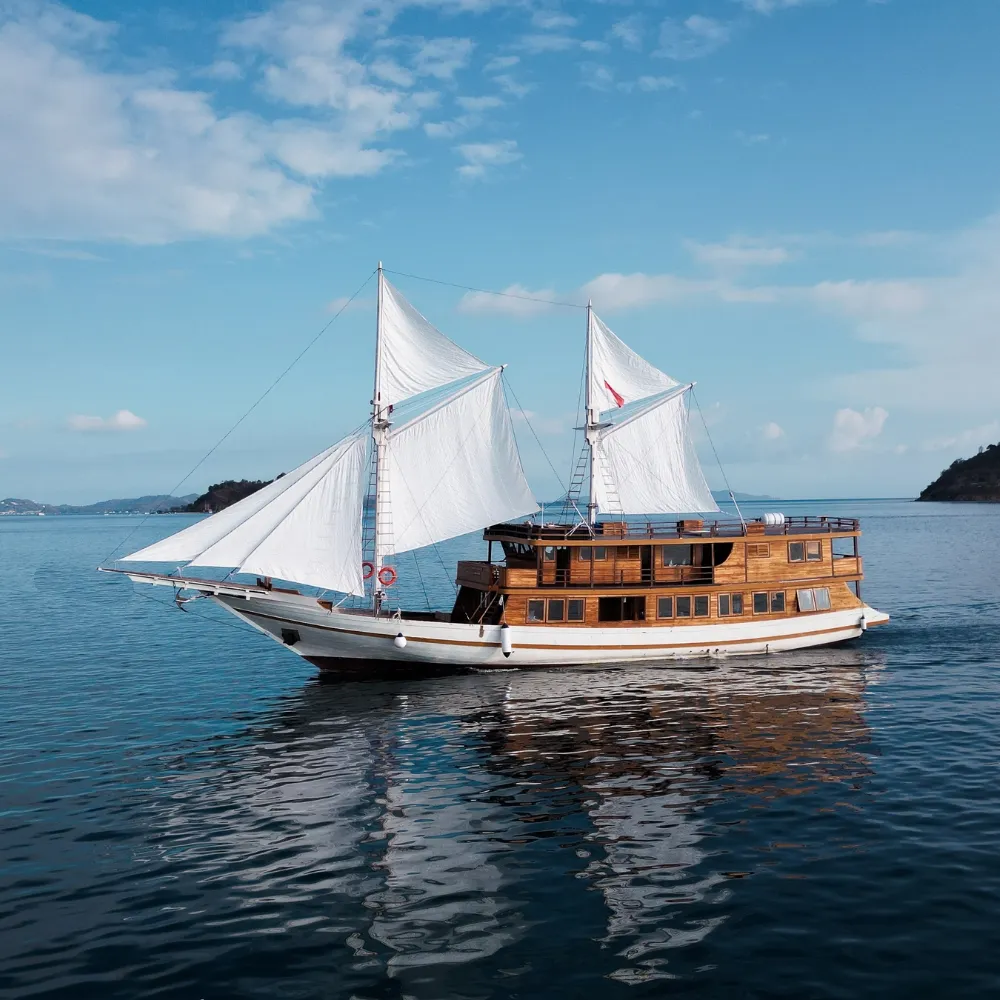
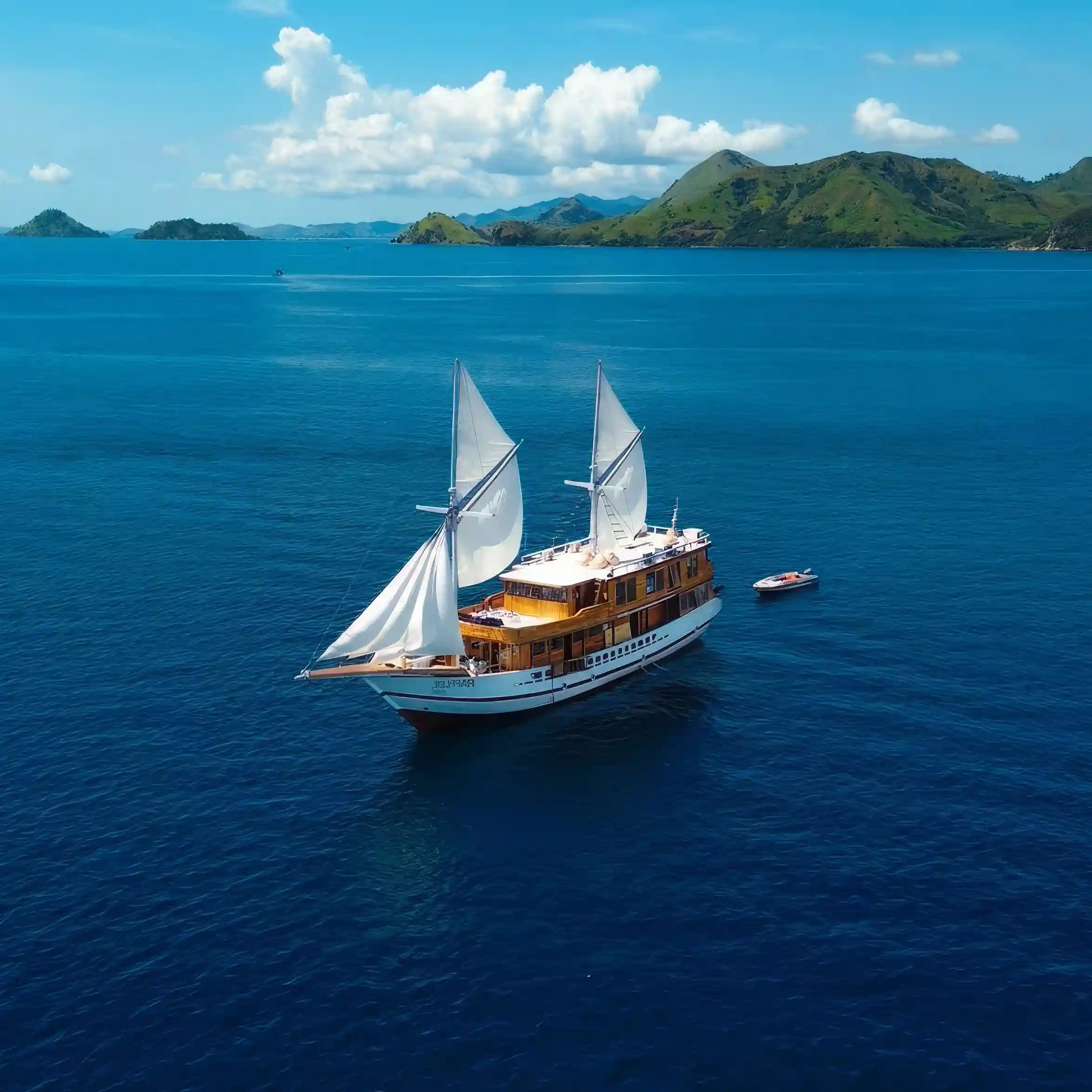
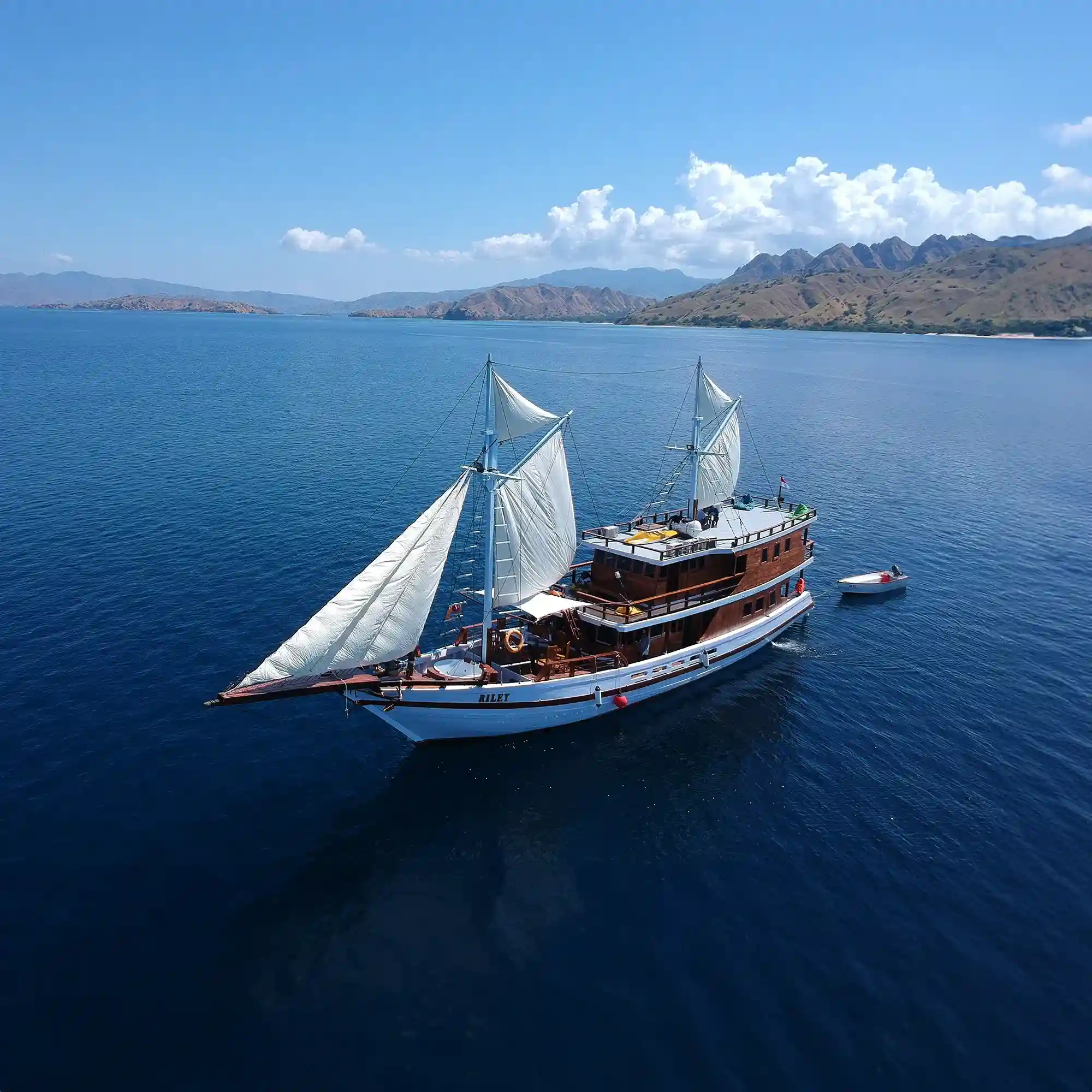
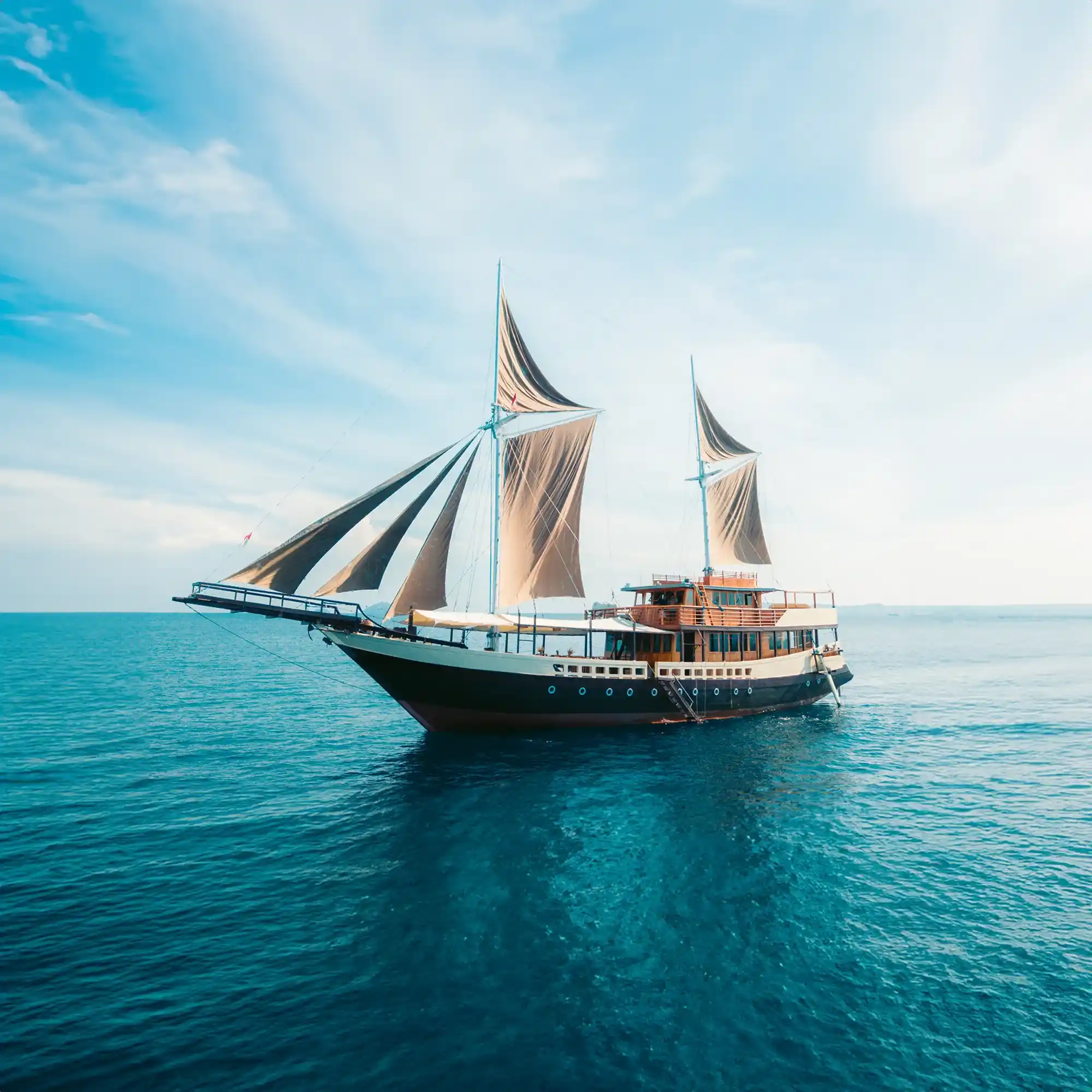
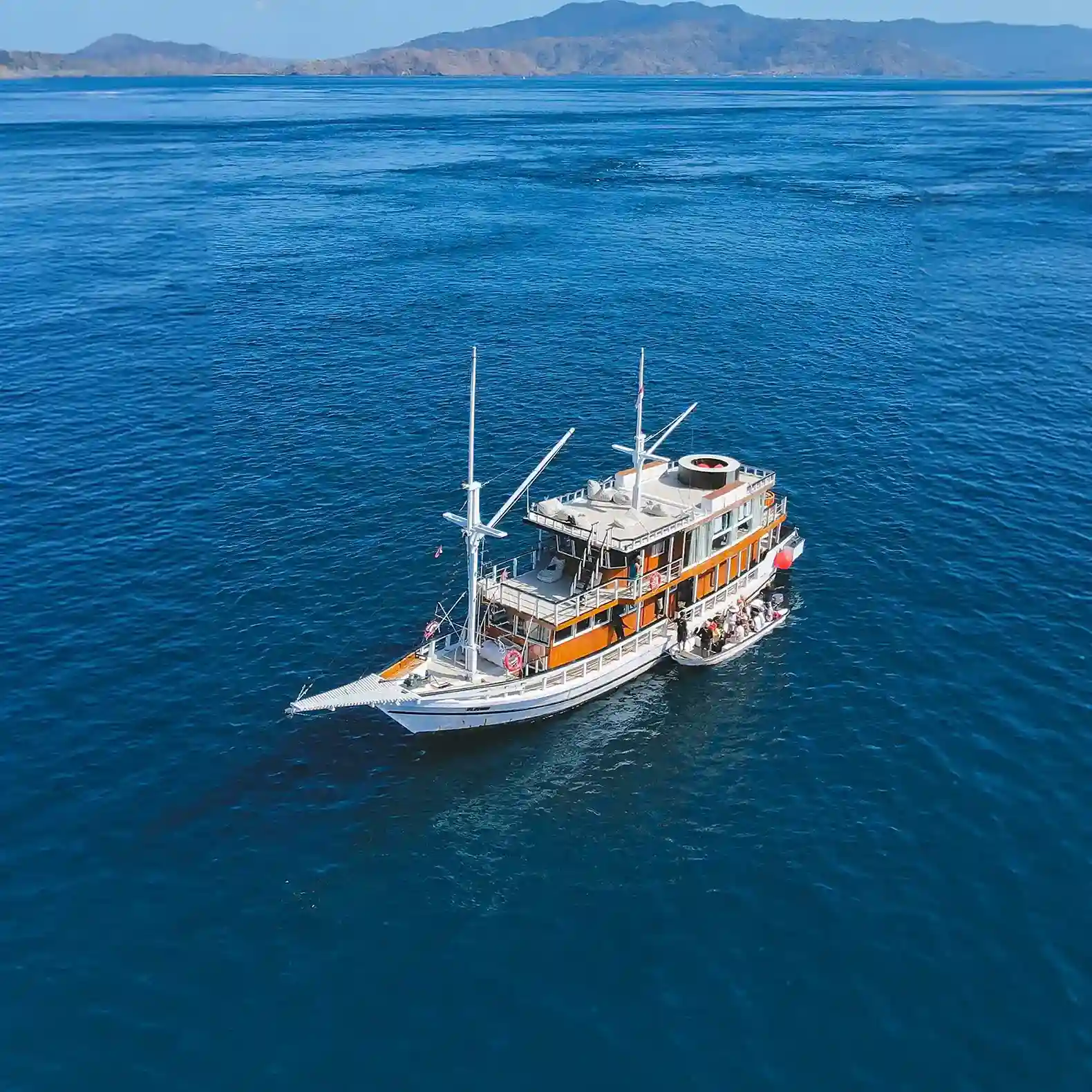
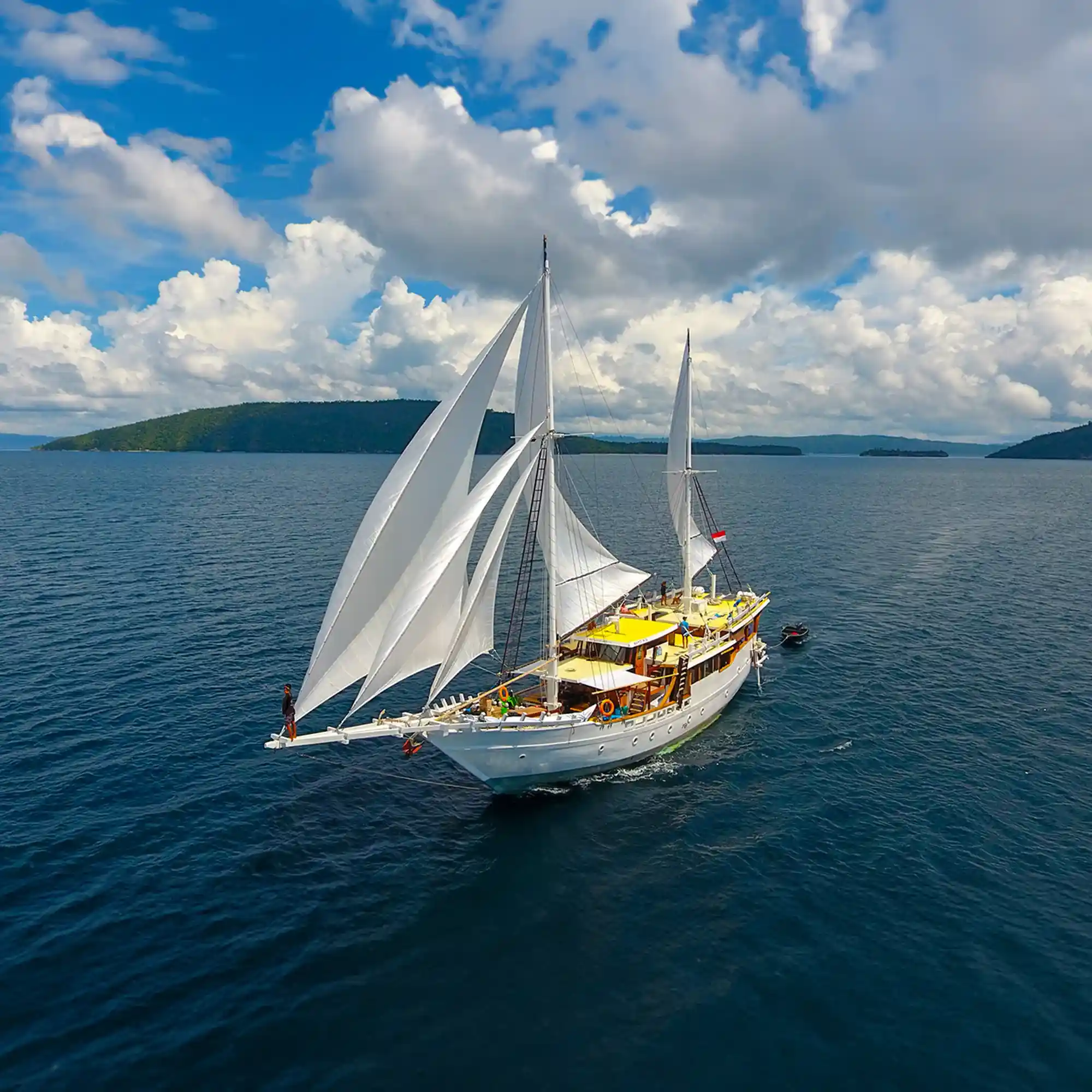
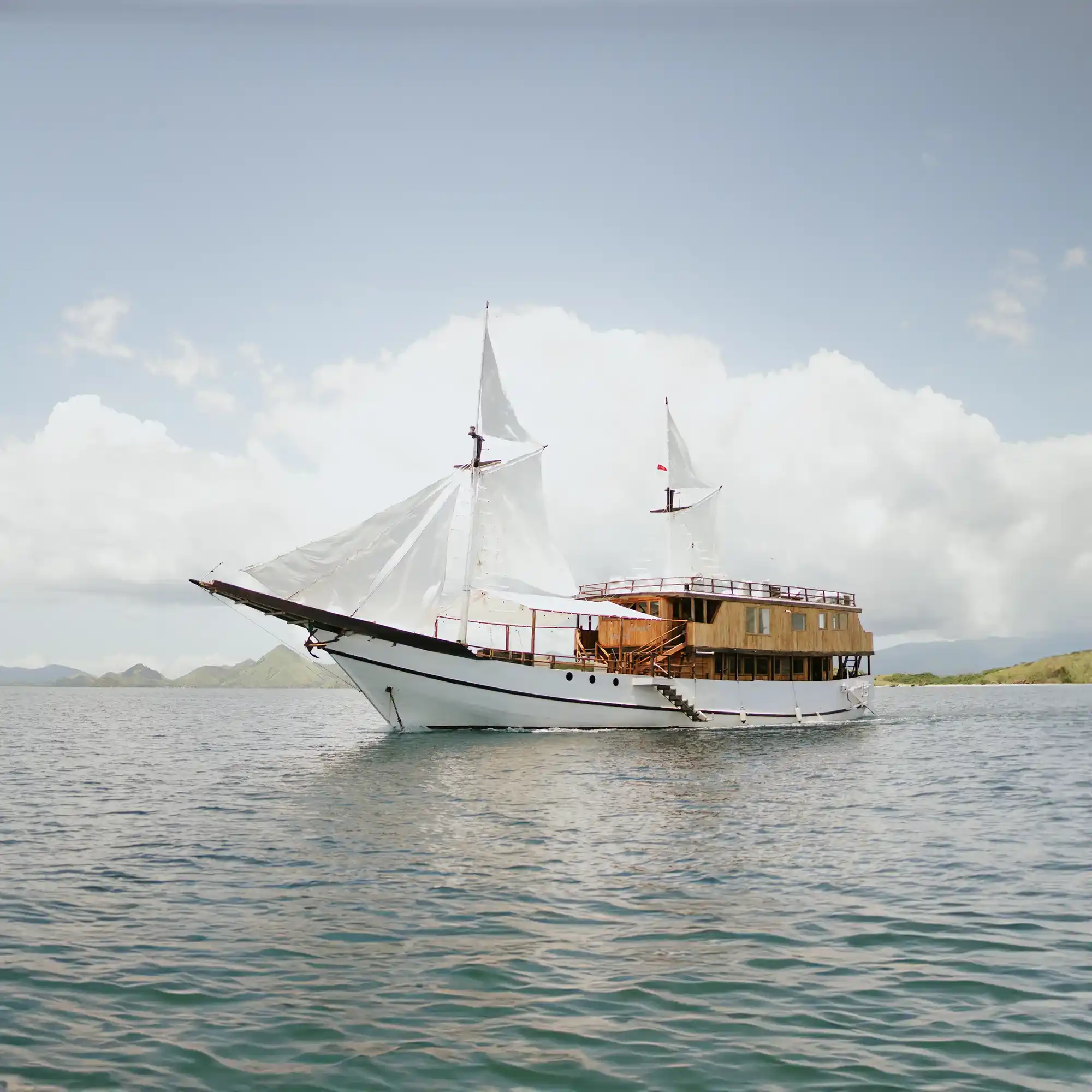
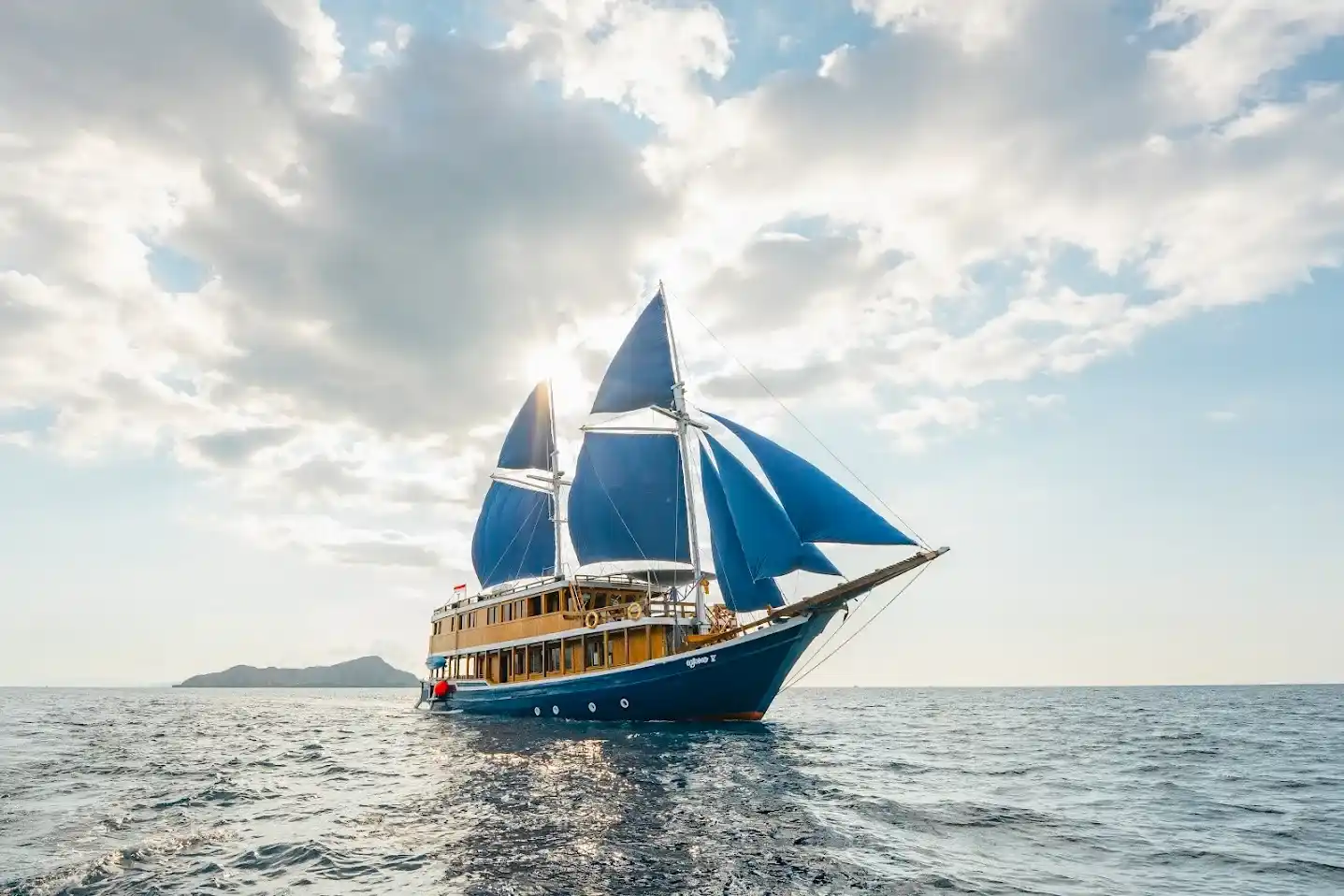
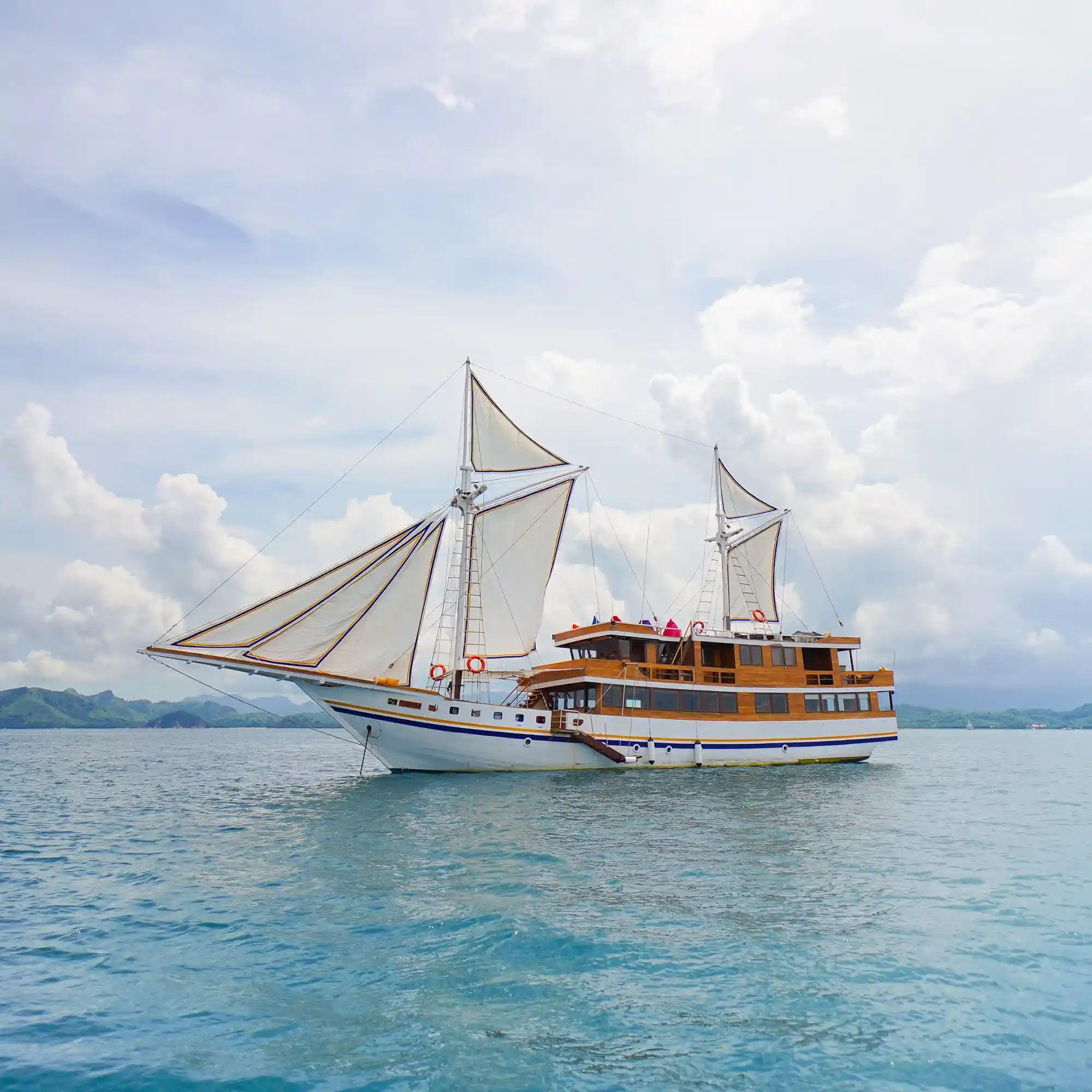
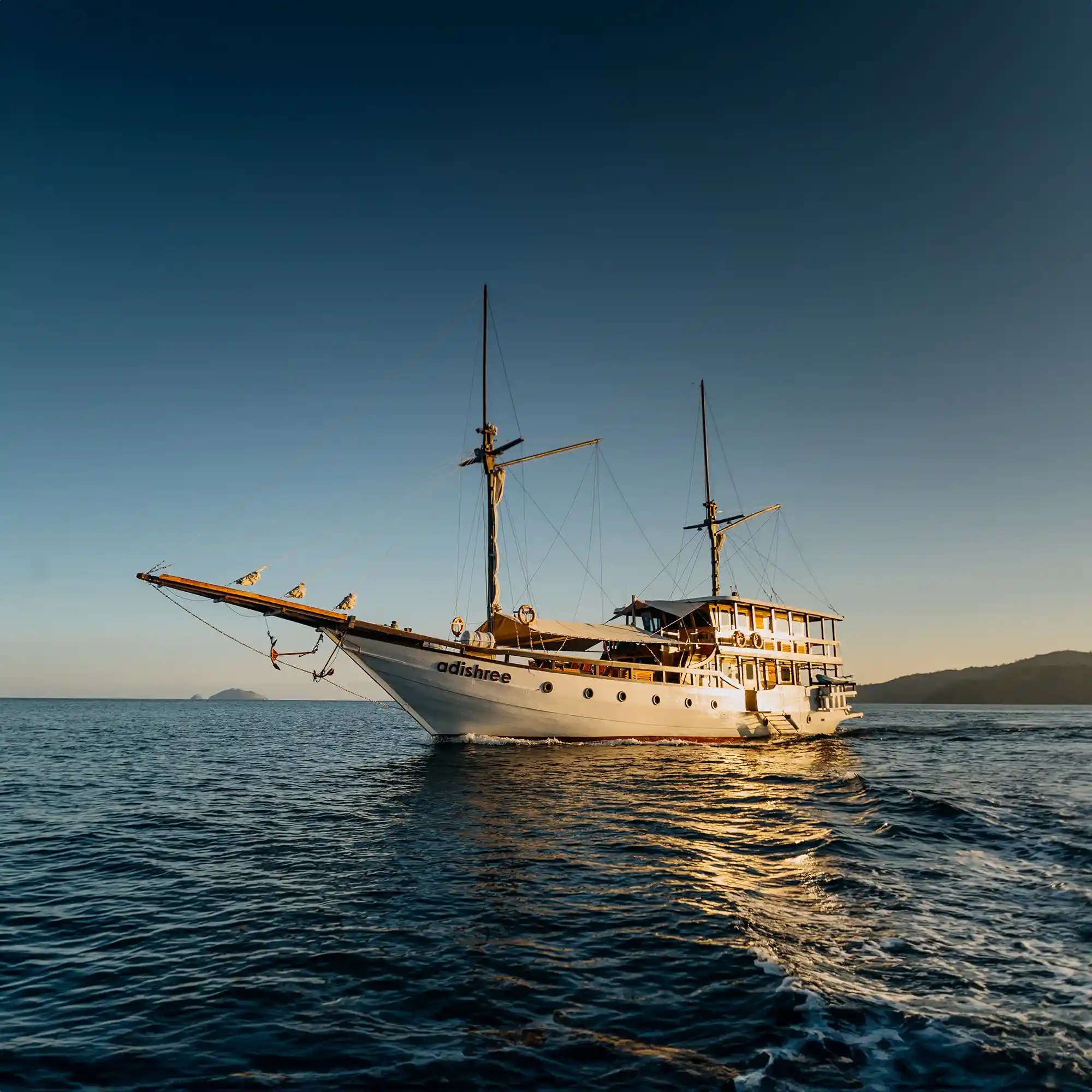
Adishree is 25 metres of teak and ironwood, launched with the traditional Phinisi lines but updated for comfort. Three cabins sleep six, though the boat carries up to twelve—meaning common areas never feel crowded. The master cabin sits aft, with a queen bed that doesn’t touch either hull, reducing roll sensation. I noticed the deckhands stowing the dive ladder after breakfast by 7:15 sharp, so it wouldn’t interfere with sunrise photos on Padar. That kind of quiet coordination stayed consistent.
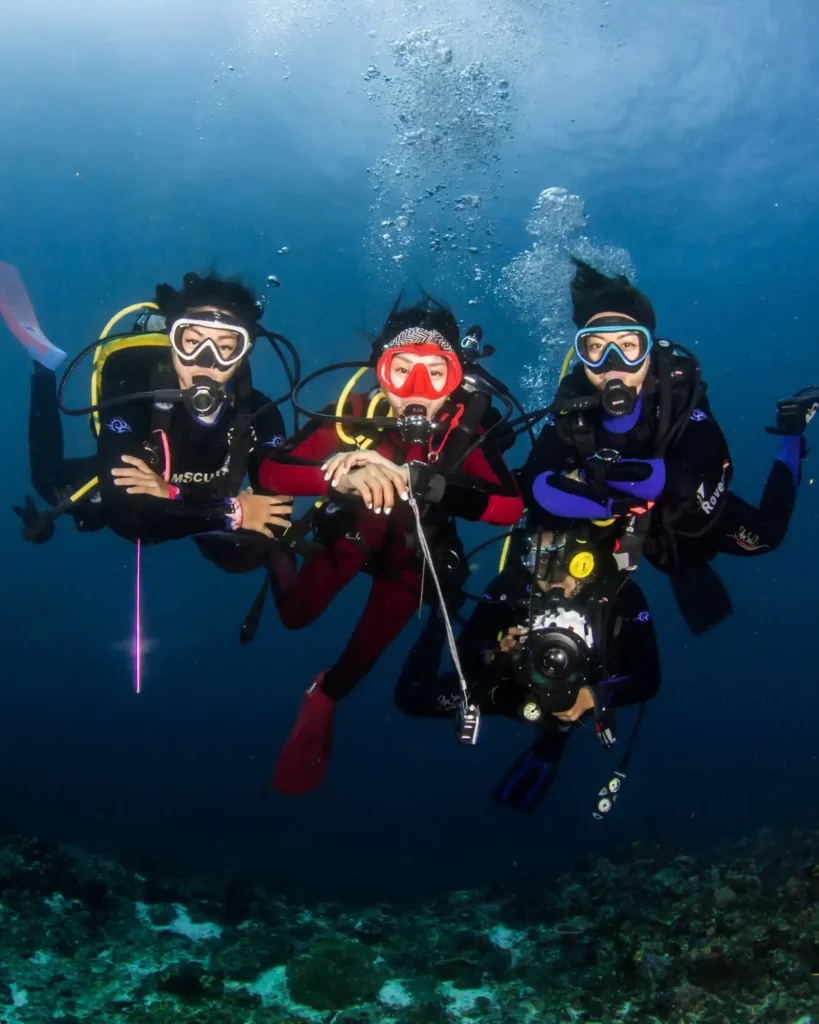
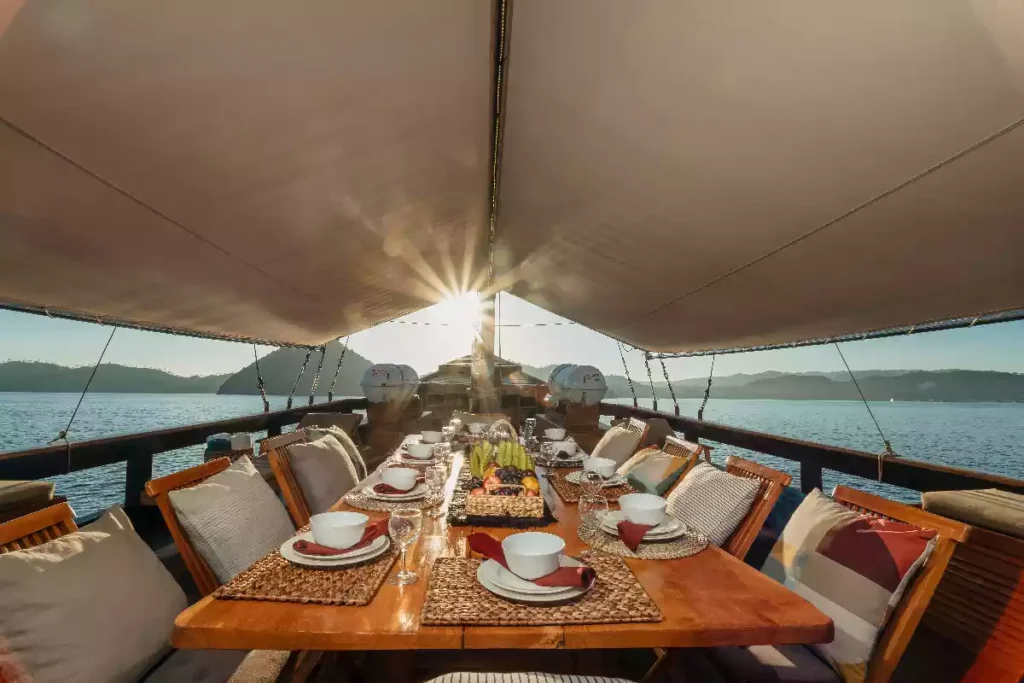
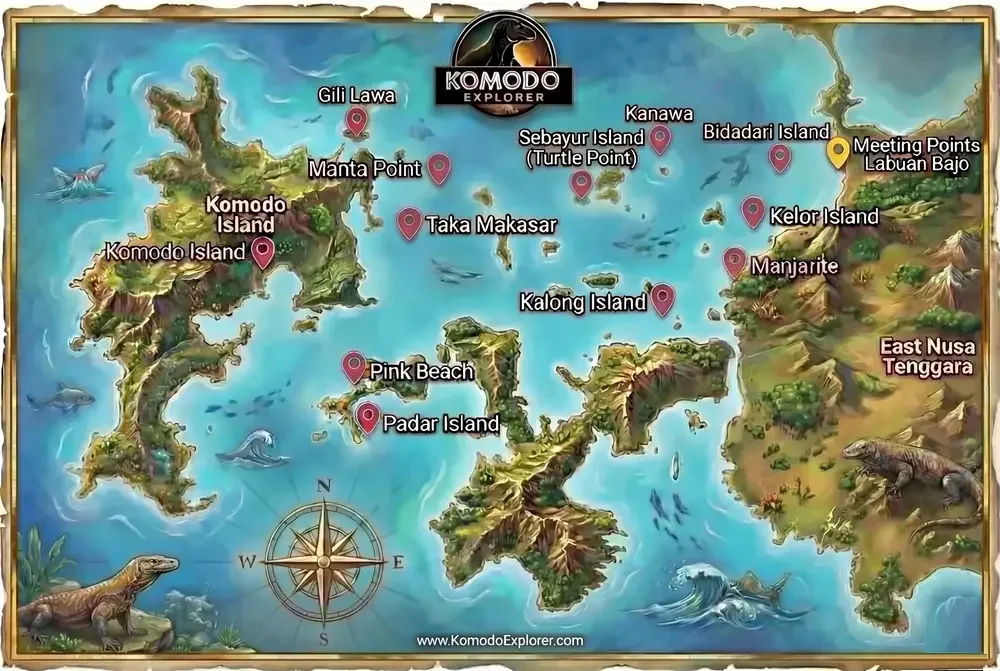
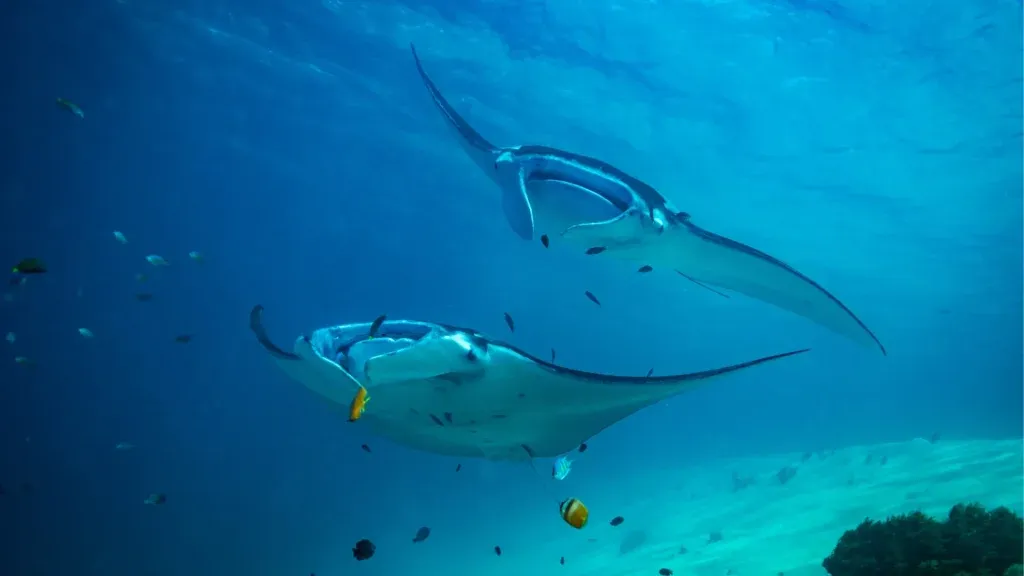
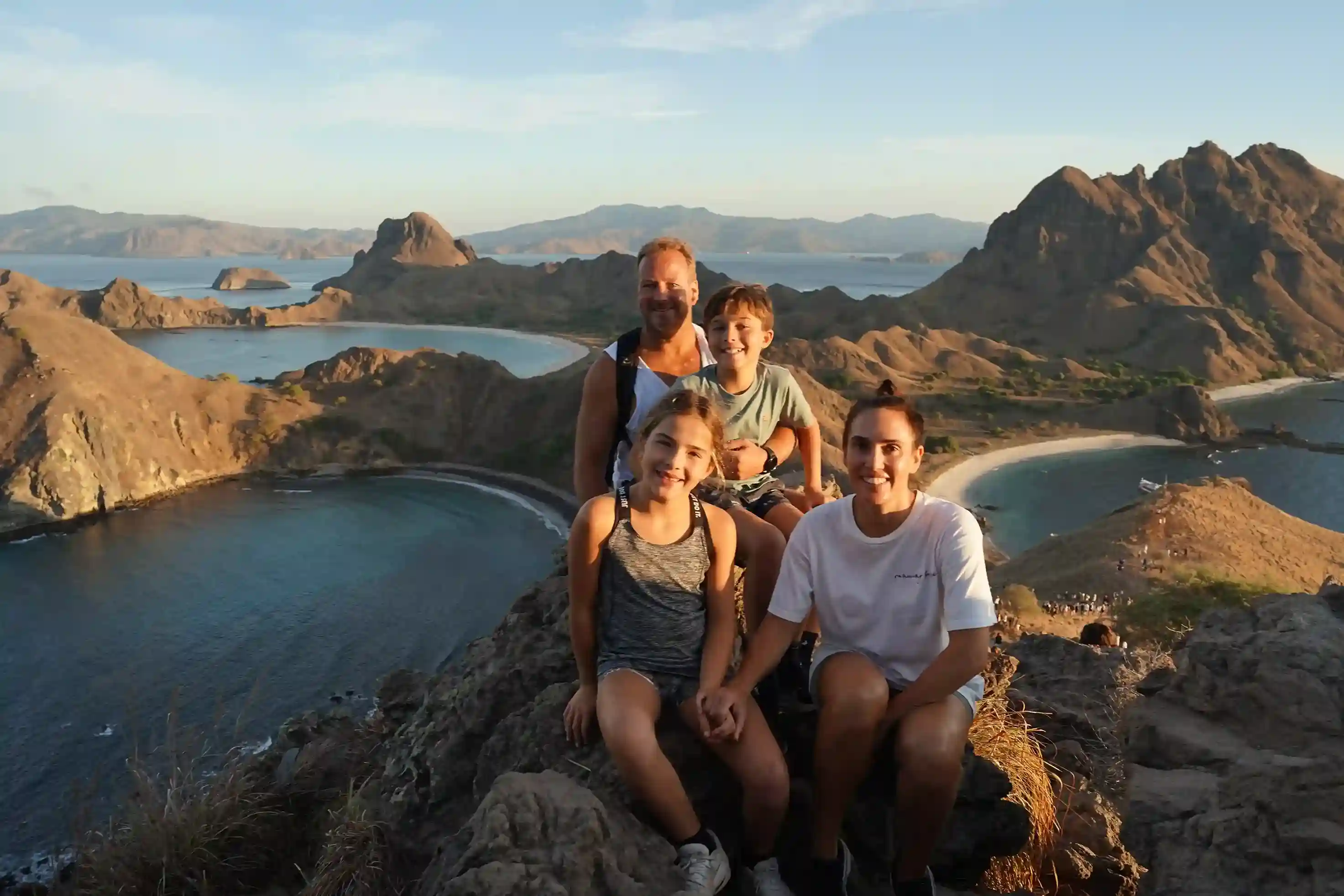
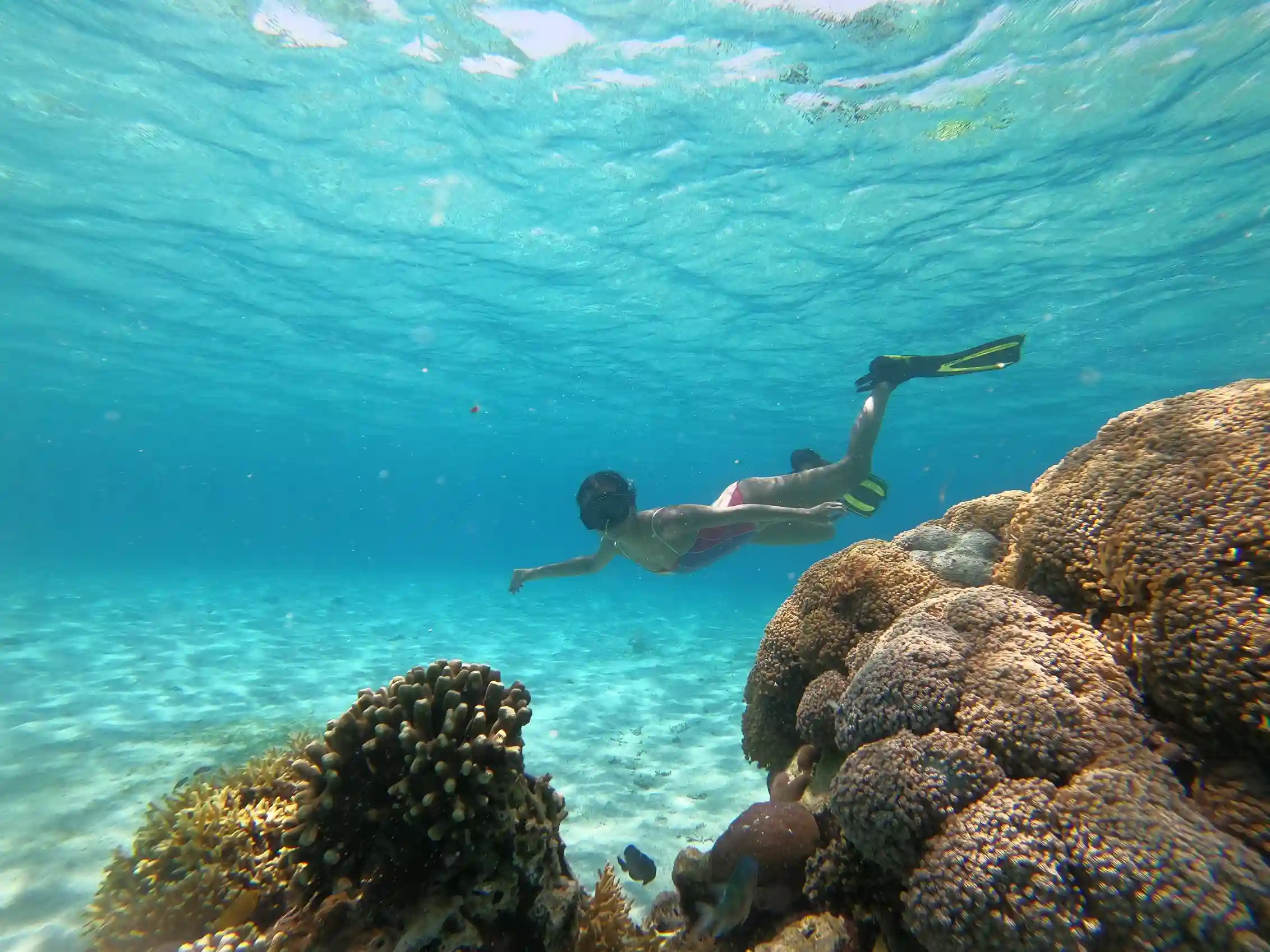
On Day Two, we woke at 5:40 to warm banana pancakes on the upper deck. The climb up Padar was dusty by 7 a.m., but worth it—the three-bay view in morning light beats any postcard. Back on board by 9:30, the crew had already rinsed tanks and laid out chilled towels. We snorkeled Manta Point by 10:15. The current was mild, and two mantas circled the cleaning station for nearly twenty minutes. Lunch was jackfruit curry with coconut rice, served under the shaded lounge awning.
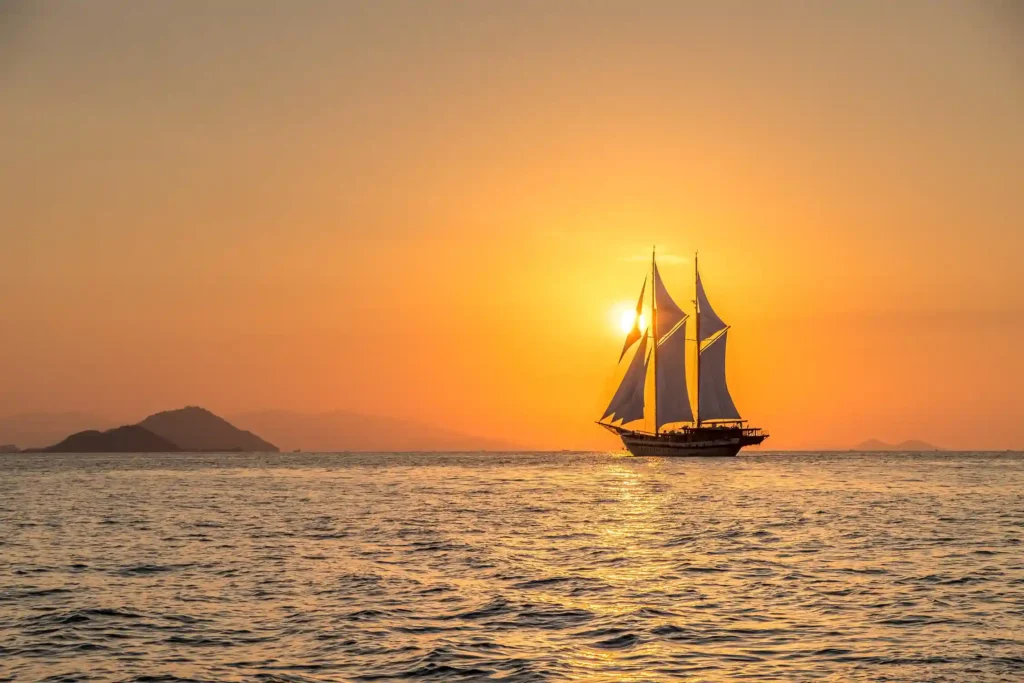
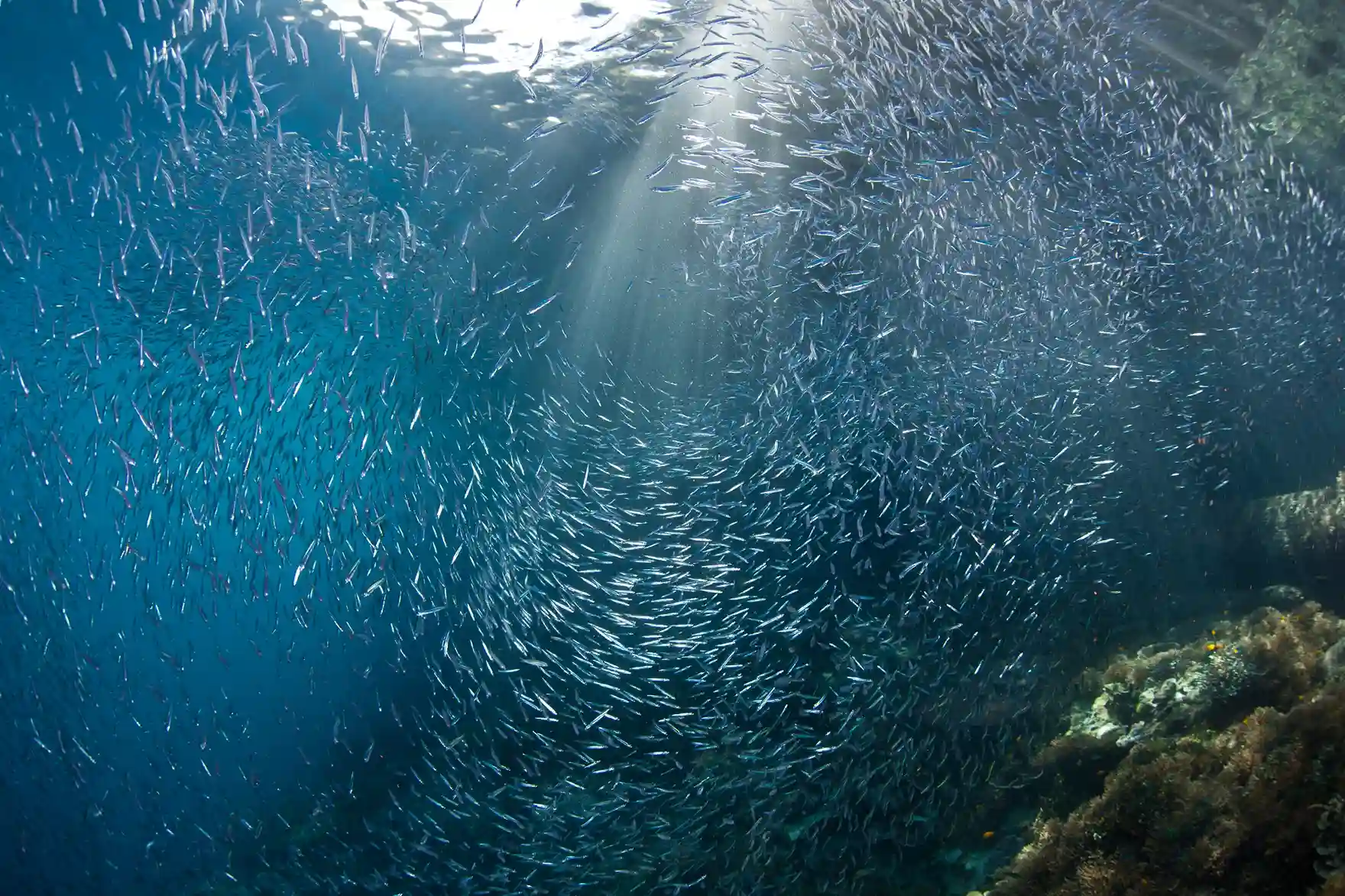
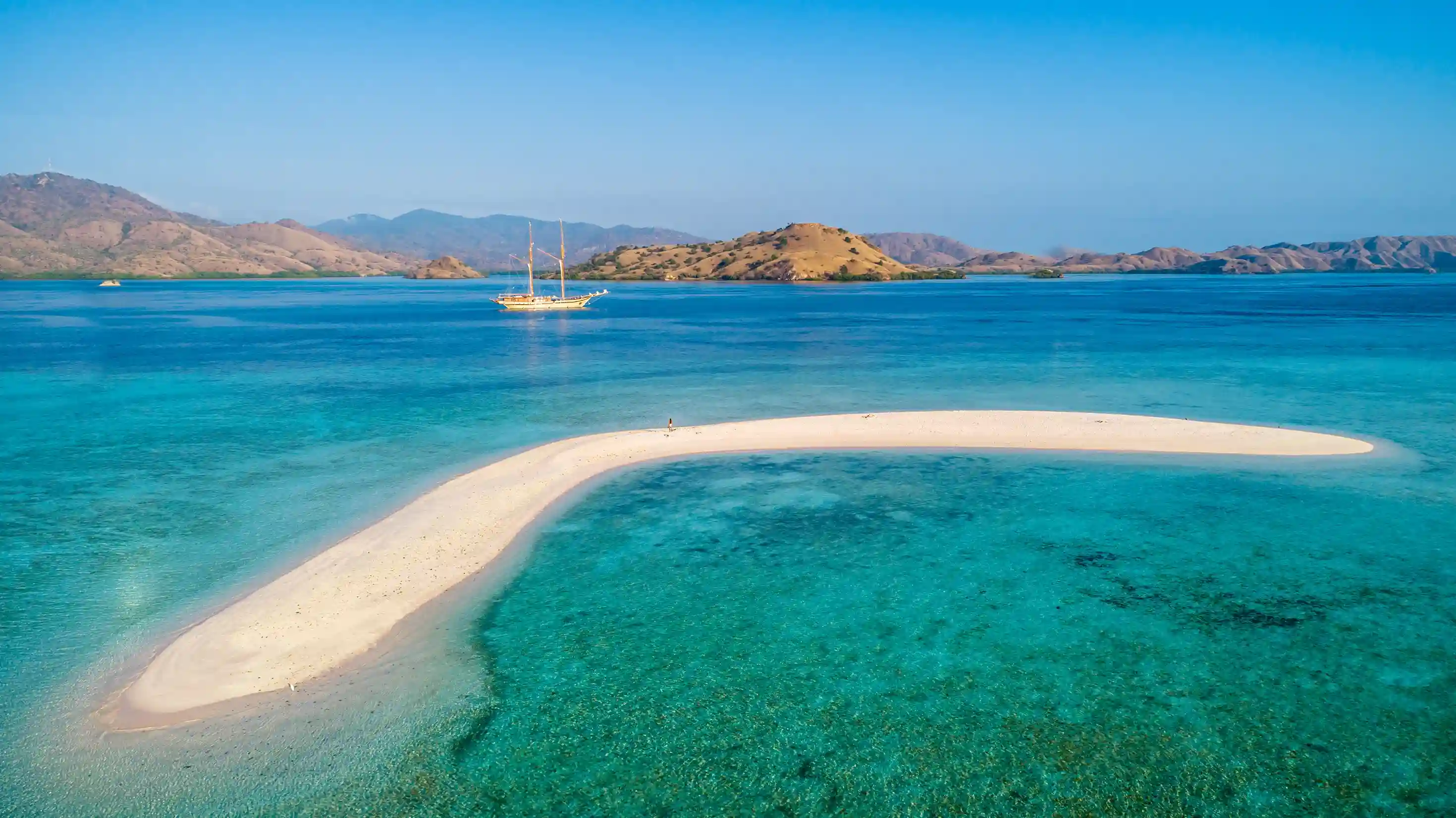
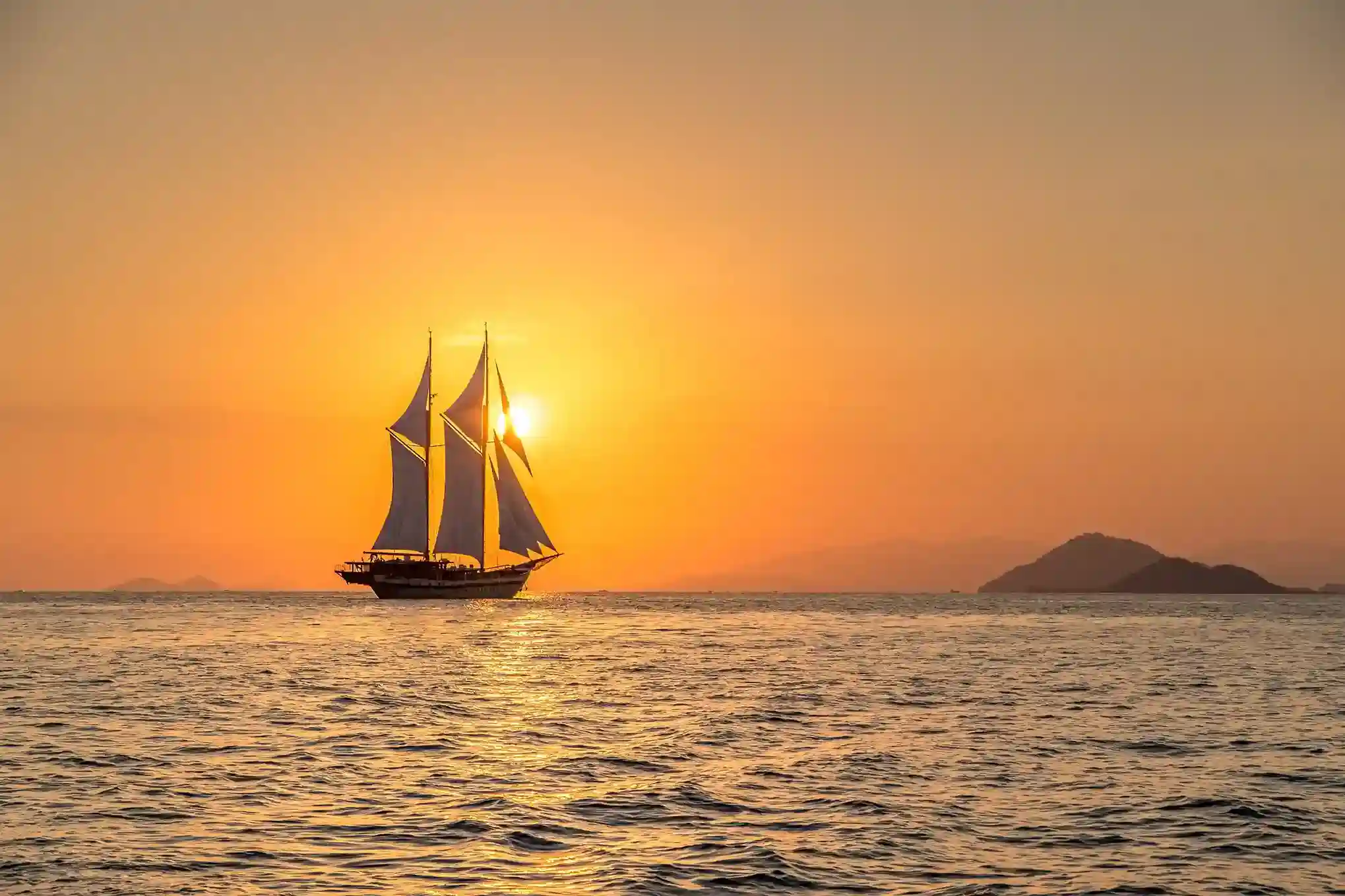
The third morning, we anchored in Taka Makassar’s sandbar just after 7. The water was so shallow and clear you could see stingrays half-buried in the silt. By 9, we’d stopped at Kanawa for a final swim above the reef slope, where batfish schooled near a fallen coral bommie. The return to Labuan Bajo took two hours under sail, the engine off, the bow slicing through a mirror-flat strait. No music, just wind and crew murmuring in Bahasa.
What stood out wasn’t the food or the views—though both were strong—but the rhythm. No rushed transits. They timed fuel stops for after dinner, so engine noise didn’t bleed into golden hour. The tender, a rigid-hulled inflatable with padded seats, ran shuttles without overloading. And at night, the lower deck lights dimmed automatically at 9:30, encouraging stargazing. This isn’t a party boat. It’s for people who want to move through Komodo like tide, not traffic.